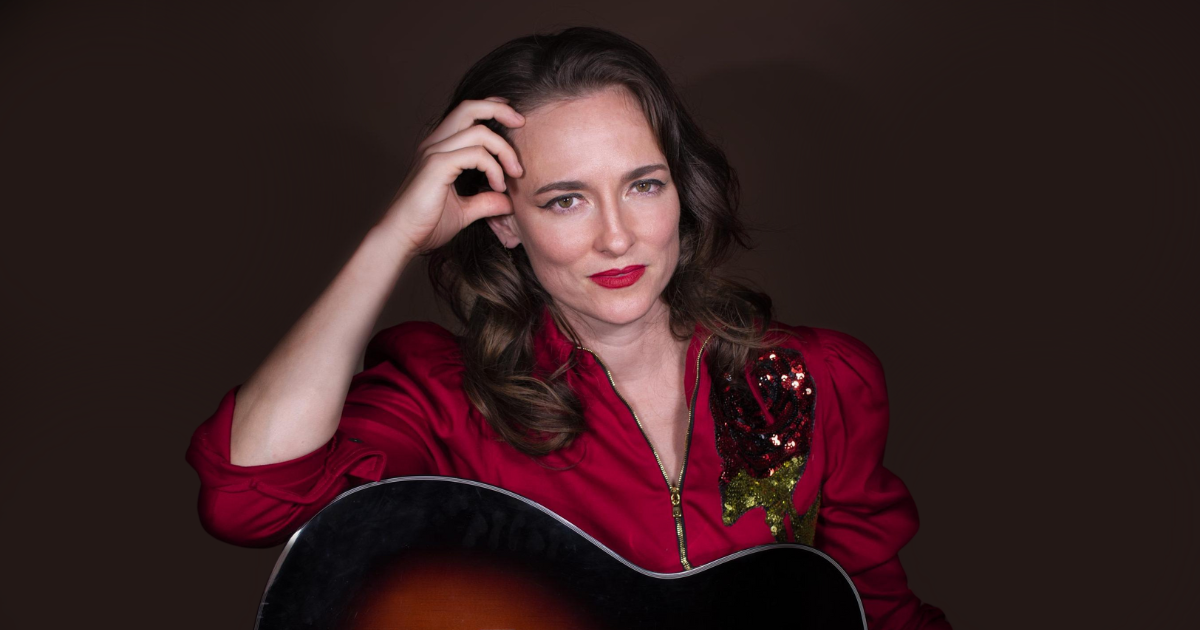
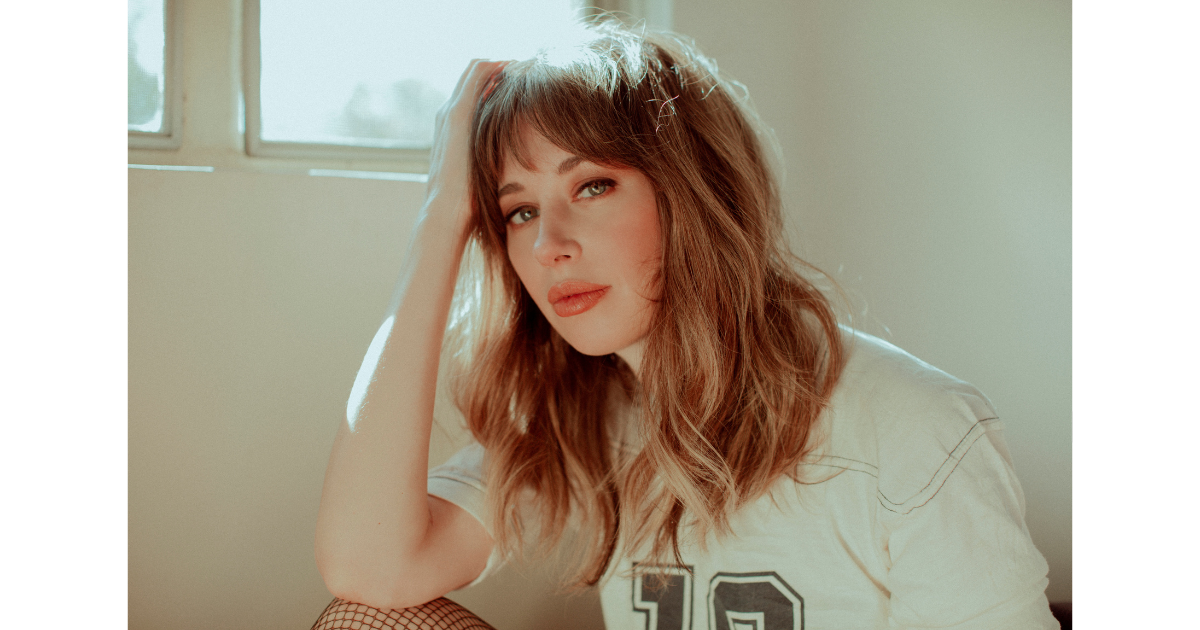
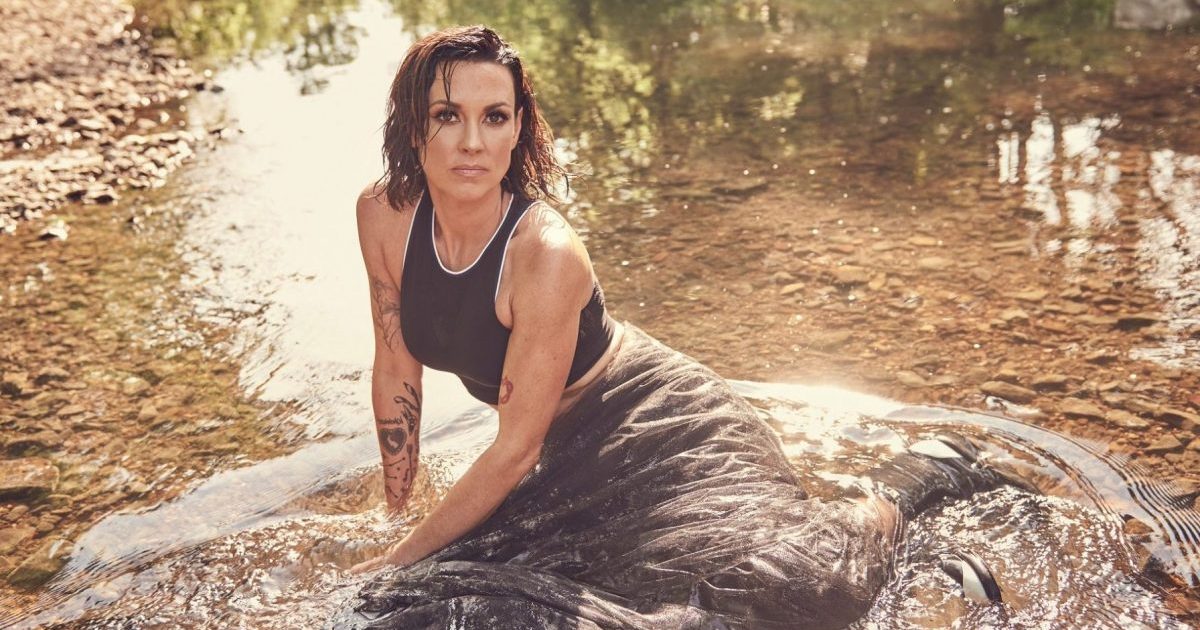
My new album, The Liberated Woman’s Songbook, reimagines folk songs about women’s activism from a songbook published in 1971 at the height of the Women’s Liberation Movement. Songbooks were the playlists of the past. Before people could burn CDs or make mixtapes, if they wanted to share songs they would make books or zines. When I was researching for this project, I consulted a lot of songbooks and zines from the late ’60s and early ’70s and found so many delightful things! Here are a few of my favorite finds (most pre-dating 1971, when the book was published). – Dawn Landes
“Hard is the Fortune of All Womankind (1830)” – Dawn Landes
This traditional ballad was often sung at protests during the Women’s Liberation Movement in the late ’60s and early ’70s. It was recorded by Peggy Seeger in 1954 and Joan Baez in 1961 under an alternate title, “The Wagoner’s Lad.” The lyrics date back to its first printing by English song collector Cecil Sharp.
“Single Girl, Married Girl” – The Carter Family
I first heard this Appalachian song when I worked at a bookstore in NYC and would constantly listen to a Carter Family CD on repeat. Apparently Sara Carter didn’t like the song and didn’t want to record it in 1927, but I’m so glad she did!
“I’m Gonna Be an Engineer” – Peggy Seeger
This masterpiece was written in the ’70s by the great Peggy Seeger, an incredible musician, writer, and keeper of the folk tradition (also, the sister of Pete Seeger). She’s been an advocate for women’s rights throughout her long career and has recorded many folk songs on women’s issues.
“Lady, What Do You Do All Day?” – Peggy Seeger
Seeger’s epic retort to Ewan MacColl’s question at the top of the song is worthy of its own film. MacColl and Seeger were musical and life partners for 30 years and made so many amazing recordings together. Check out her memoir, The First Time Ever, for some wild stories about the two.
“It’s My Way” – Buffy Sainte-Marie
This was the title track to Buffy Sainte-Marie’s debut album in 1964. That whole album is mind-blowing, but this song stands out to me. It’s so self-assured and strong. She’s still performing it in her 80s and even released a rock version in 2015.
“You Don’t Own Me” – Lesley Gore
Lesley Gore was 17 years old when she recorded this in 1963! One of the song’s two writers, John Madera, said its sensibility was shaped by his upbringing and participation in the civil rights movement.
“Oughta Be A Woman” – Sweet Honey In the Rock
Bernice Johnson Reagan said, “June Jordan wrote the words to ‘Oughta Be a Woman’ after I talked about my mother.” I really love the narrators voice in the writing and the uplifting voices of Sweet Honey In the Rock singing this.
“Silver Dagger” – Joan Baez
This song casts such a spell and Joan Baez is one of my all time favorite singers.
“Which Side Are You On (1931)” – Dawn Landes
Here’s a labor song mashup that combines Florence Reece’s lyrics from “Which Side Are You On” with Aunt Molly Jackson’s “I Am a Union Woman.” I’m singing the part of Florence Reece and Kanene Pipkin (of The Lone Bellow) is singing the Aunt Molly lyrics. Both women wrote protest songs during the “Bloody” Harlan County, Kentucky miners strike.
“Custom Made Woman Blues” – Hazel Dickens & Alice Gerrard
I’ve been lucky enough to spend some time with Alice Gerrard and she told me that the first time she and Hazel Dickens performed this song at a women’s festival the audience clapped so loud they had to play it again! Immediately! Legends.
“I Am Woman” – Helen Reddy
The production on this song really places me exactly in the year 1971, when The Liberated Woman’s Songbook was published and Helen Reddy’s song was about to become a huge part of the soundtrack to the Women’s Liberation Movement. There’s a great documentary about her life and this song on Netflix.
Over the past couple of decades, the music industry has seen more women rising to become leaders in audio engineering and producing. However, even as access, acceptance, and opportunity continue to improve, women are still painfully underrepresented in these career paths, making up just five percent of engineers and producers worldwide. Over the past few weeks, I’ve talked to a handful of these remarkable women, in person at coffee shops, over the phone, and via email, about how they built their careers and the challenges they have faced in a male-dominated industry. These women are trailblazers, often without career models to follow, often the only woman in the room when they work. Their tenacity, talent, and dedication are evident, and I feel honored to share their stories.
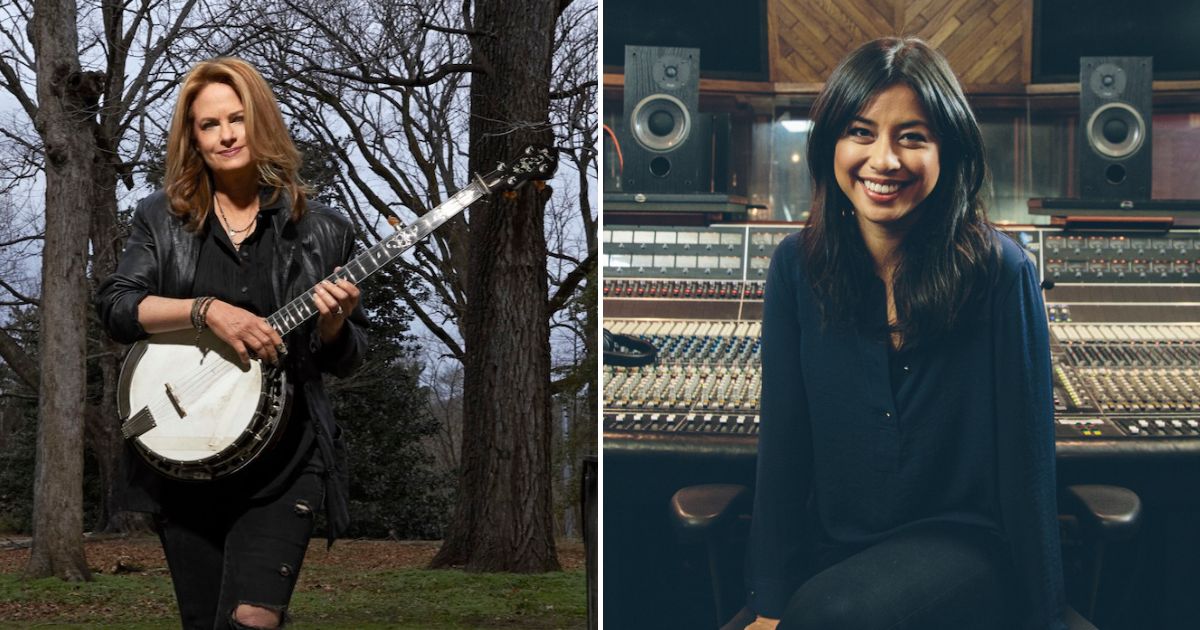
As a musician who came up in the the bluegrass scene, the first female producer I ever knew of or worked with – and now that I think of it, the only female producer I’ve worked with who was not hired by me – is the legendary Alison Brown, virtuosic banjo player and co-owner of Compass Records. Since Brown has seen a lot of generational change over her tenure in Nashville, I thought I should start by getting her perspective.
Brown had already solidified her reputation as an instrumentalist, winning IBMA’s Banjo Player of the Year award in 1991 and touring with Alison Krauss, when she decided to start a record label along with her husband, Garry West. “We were talking about how to have a sustainable life in music,” she said, “And it was one of those napkin drawing in a coffee shop moments.”
The two were on tour in Sweden with Michelle Shocked, for whom Brown was the bandleader. “When I look back, I can see how a lot of the opportunities I had were carved out for me by other women. I was about to go to law school when Shocked asked me to be her bandleader and then we went on a world tour. At Compass, I never thought of myself as a producer, Garry was more interested in that role. But when Dale Ann Bradley was going to make an album she asked me to produce it, so I said yes, and that’s how I started producing.”
Since then, Brown has produced seven Grammy-nominated records, as well as winning a Grammy for her own song, “Leaving Cottondale,” off of her 2000 record, Fair Weather.
When asked about her production style, Brown interestingly observes that she may come at it from a traditionally female perspective, by observing and predicting other people’s feelings and needs. “Especially in the studio, you need to make people feel at ease…” she explains. “Ultimately your job is to draw the best out of the musicians. Everyone has that thing they’re afraid of having to do under the microscope, but the goal is to make the musician feel comfortable enough to reach out and hit something new.”
“Sometimes with the older guard guys, I’ll say, ‘OK, lets try to play through the chart’ and they will act like they don’t understand me. ‘What did she say? What does she want to do?’ … Like they want someone to translate it for them, because it’s coming from a woman. It’s annoying, but I know they’re acting that way because they are nervous and they don’t want to look stupid. So when I’m producing, I try to intuit those things about people, and stay focused on the end goal of making a great record.”
Engineer and producer Shani Gandhi has been in Nashville since 2011, and has been been nominated for two Grammys, winning Best Engineered Album (Non-Classical) for her work on Sierra Hull’s 2020 album, 25 Trips, which she engineered, mixed, and co-produced with Hull. Originally from Singapore, Gandhi was raised in Perth, Australia. She moved to the U.S. in 2007 to attend Ithaca College, where she received a BA in music with a concentration in sound recording technology.
Gandhi was drawn to engineering and production because of her love of music and her simultaneous dislike for performing. “As a kid, I didn’t even know that that side of music existed as a career, but once I found the Audio Engineering Society, I immersed myself in it, I was obsessed.”
Gandhi told me about her philosophy for building a community you can learn from and create with. “It’s really important to have a strong community of both mentors and peers,” she explains. “I had people that I was looking up to that were holding me to a very high standard, and then I had friends and colleagues where we were all working really hard and trading favors, and that’s how I built my freelance career. So you need really good people at all levels to make it work. You don’t want to feel like the smallest person in the room all the time, but you also need someone around to tell you, ‘I know you think what you’re doing is really cool, but it’s really not,’” she laughs.
Although she works on every stage of recording and producing, Gandhi’s great love is for mixing. “My approach is to always remember that it’s not my record, it’s the artist’s art when it comes down to it and they’re the ones who have to live with it for the rest of their lives. I do like things to be lush and tall and wide and pristine. I don’t go immediately to that tape or garage sort of sound, but I can do it. If that’s what the artists wants, that’s what the artists gets.”
Also hailing from Australia, producer and engineer Clare Reynolds – AKA Lollies – came to Nashville via LA, where she was signed as a songwriter for hip-hop producer Timbaland’s company. She essentially taught herself production and engineering on the job. “I was in a lot of big studios with big producers over those three years. It was really intense, I was almost always feeling out of my element, but I learned a lot. I would be writing the song, but also watching the others work, asking questions like, ‘Why are you using that mic?’ ‘How are you getting that sound?’ And trying to absorb everything they were doing.”
In Los Angeles, Reynolds tells me, she learned how to enter a room like a man: “I was with so many different, very big personalities that were at the top of their game and their egos were massive. They were just hyped … and if you want to be respected, you can’t go in tentative, you can’t code yourself as female. You have to act how they act, which is to say, you can’t care if other people like you. I would have this attitude like, ‘We don’t need to be friends, but we’re gonna write the best song ever.’”
Reynolds says that she will always love writing songs, but at least for now, production and engineering have taken a hold on her. “I will be forever learning,” she says, “But I do think that my experience with writing helps me approach the audio side from a very musical and song-based perspective.”
Engineer and producer Diana Walsh echoed Reynold’s sentiment about the typical energy in a recording studio. “With women being so critically underrepresented in these technical roles, it can sometimes take a minute for the gender biases in the room to dissipate,” she told me. “My focus is always on doing great work, and treating everyone in the room with the same respect I expect in return.”
Growing up in Houston, Texas, Walsh played guitar, but was always more interested in how she could record her guitar than how she could perform with it. Her mom bought her very first Shure SM57 microphone, which still gets used today in her sessions.
Walsh recorded her own music at home before heading to Belmont University to study music business, with an emphasis on production. While in school she started freelance recording for friends and classmates and after graduating, she began working at the historic RCA Studio B, where she is now the Studio Manager, as well as maintaining a busy freelance engineering schedule.
Her engineering and production credits include Matchbox 20, Amanda Shires, JD McPherson, and Sister Sadie. Walsh believes that representation is key for getting more women into the studio: “Working at RCA B, I have the opportunity to talk to a lot of school groups. After our sessions, I often speak with the students and ask about their goals for their future in music. Through these conversations, I’ve been thrilled to hear that more and more young women are taking an interest in engineering/producing.”
Throughout my conversations with each of these women, one point they all emphasized was the importance of staying focused on making great work in the face of difficult environments. “Nobody can argue with good work,” they each told me in their own way. And as we continue to see beautiful records being made by women, I have to agree.
Photo Credit: Alison Brown by Russ Harrington; Shani Gandhi by Joshua Black Wilkins.
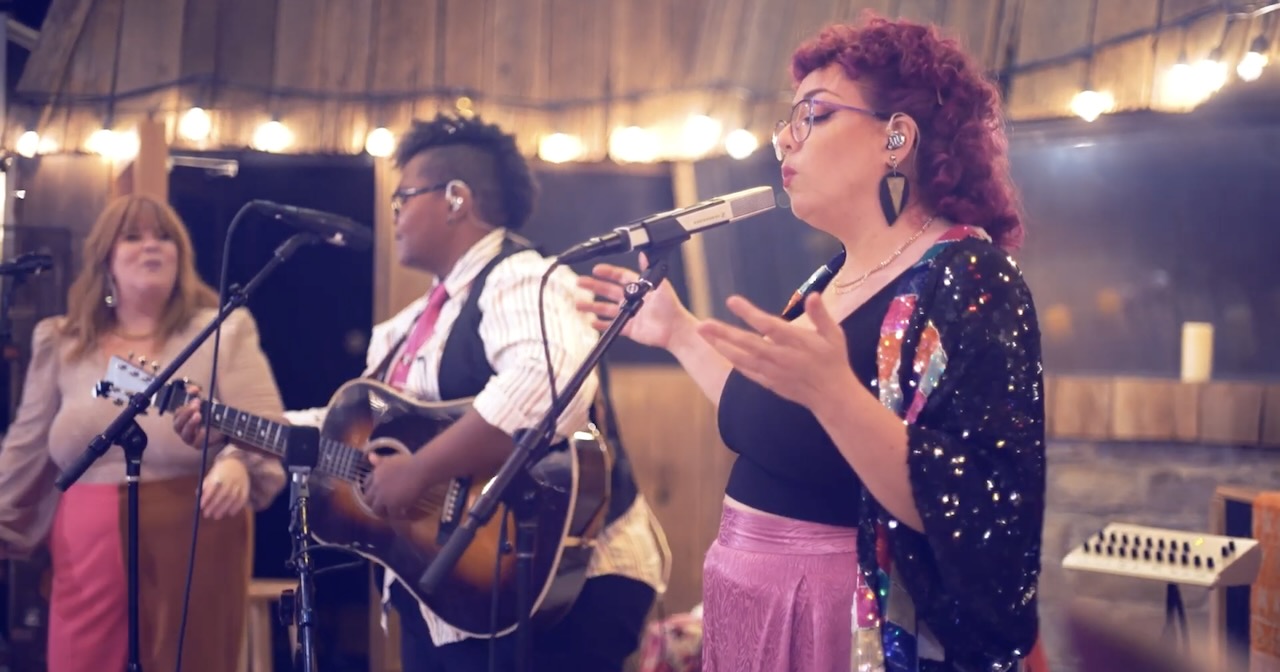
Artist:Melody Walker, Crys Matthews, Heather Mae Hometown: Melody – Bay Area, California; Crys – Richlands, North Carolina; Heather – Washington, D.C. Area Song: “Room” Release Date: September 15, 2023 Label: AntiFragile Music
In Their Words: “‘Room’ started as a conversation between me and my co-writer, Sarah Potenza, about the enduring underrepresentation of women and other marginalized folks on festival lineups, but it blossomed into so much more. The ways that women and woman-aligned people are expected to not take up space in the world: to not be fat, loud, queer, creative, assertive, and are definitely not to band together in solidarity to fight against our own oppression. Community and joy are the keys to liberation, and this song celebrates both. I am so glad my faves Heather and Crys were down to come bring it to life with me.” – Melody Walker
“The first time I heard the demo of ‘Room’ that Melody sent me, I had tears in my eyes by the time it got to, ‘Your win is mine, I’ll root for you.’ As a Black, Butch-of-center lesbian in the Americana and country genres, it rarely feels like there is room for women in general, and especially not for women like me. Getting to lift my voice alongside Melody to echo the powerful sentiment contained within this song was an absolute honor. I hope it empowers women and girls to advocate for one another on and off the stage.” – Crys Matthews
“This song is so much more than just an all-woman collab. ‘Room’ stands as a celebratory rallying cry against the enduring patriarchal norms that fuel female rivalry. There persists this notion that there’s only one seat at the table and, when women scan the music industry’s landscape, you can see why we’d be forced to think that. It’s 2023, and a woman has yet to secure a Grammy for Producer of the Year. Examine festival lineups and you’ll see a stark gender imbalance in the representation of male and female artists. This scarcity of ‘room’ forces us into a perceived competition, when in reality, our struggle should be directed at dismantling the system that pits us against one another.” – Heather Mae
Track Credits: Written by Melody Walker & Sarah Potenza
Vocals: Melody Walker; Heather Mae Vocals and Guitar: Crys Matthews Slide Guitar: Jacob Groopman Bass: Michael Majett Drums: Alex Bice Keys: Jen Gunderman Additional Guitars: Dan Knobler Produced by Dan Knobler
Photo and Video Credit: Kaitlyn Raitz Filmed live at Sound Emporium Studios, Nashville, TN
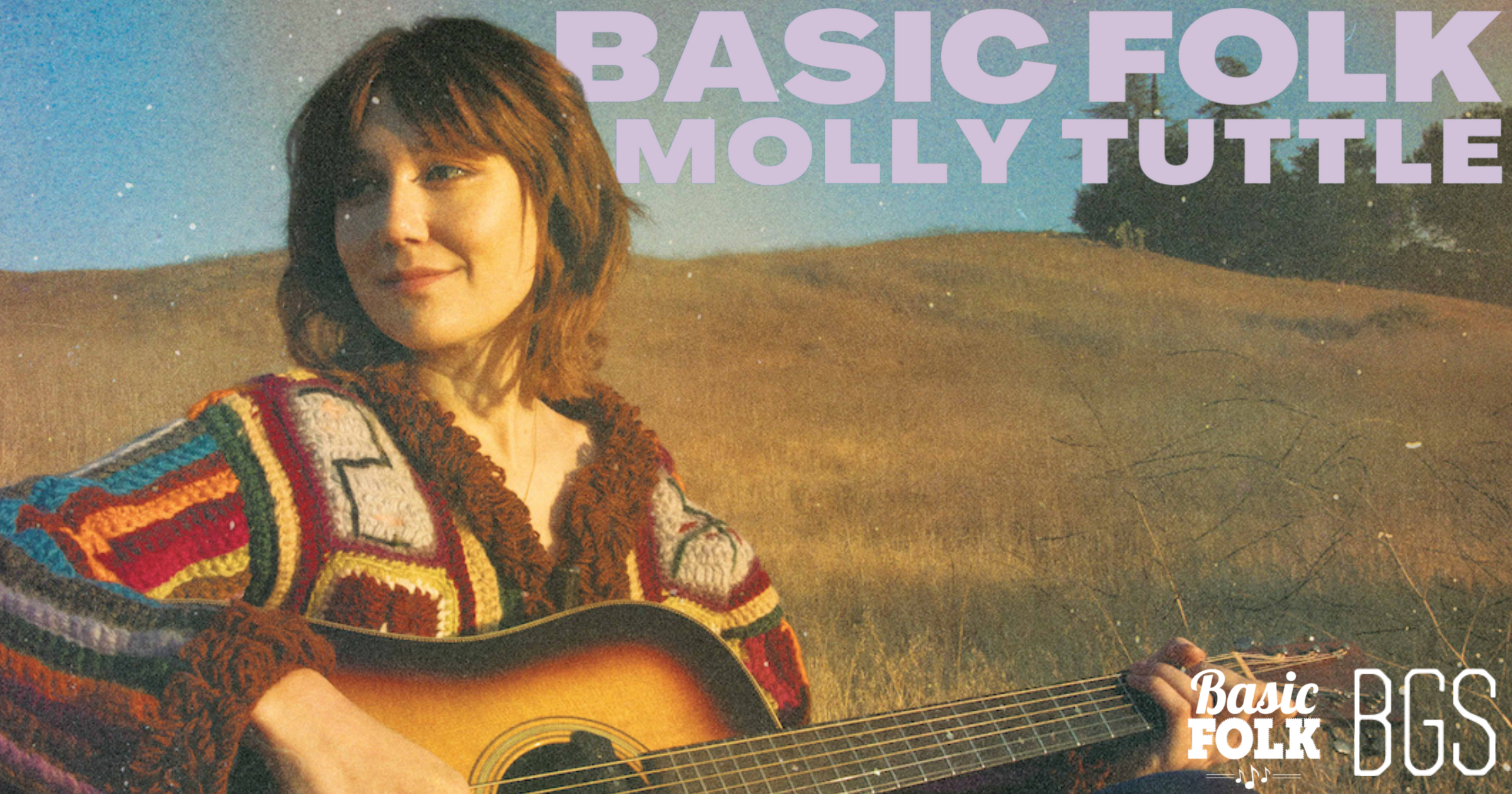
Growing up in Palo Alto, California, Molly Tuttle was surrounded by music. Her dad was a teacher at Gryphon Stringed Instruments, which is not-so-coincidentally where I got the pickups installed on my mini harp. Molly took to the guitar early and intensely, eventually earning a scholarship to the prestigious Berklee College of Music. But I think it was those early days growing up in California, attending bluegrass festivals with her family, basking in the glow of the jam, that set the tone for her warm and collaborative approach to playing music.
At Berklee, Molly formed a band called “The Goodbye Girls,” and cut her teeth touring in Scandinavia. Digging into The Goodbye Girls was a good launchpad for talking about what it means to be a female musician in Americana, as well as what happens when you explicitly call yourself an all-female group. As the first woman to win the IBMA Guitarist of the Year award, Molly has a unique perspective on this particular conundrum. It’s juicy.
I talked with Molly about her debut album, When You’re Ready, and her dazzling covers album …But I’d Rather Be With You before sifting through the many layers of her latest album, Crooked Tree. Crooked Tree features Molly’s brand-new band, Golden Highway. This new record is a study of bluegrass sensitively executed by one of the genre’s stars. Molly’s interpretations of bluegrass traditions like the murder ballad, shiny stacked vocal harmonies, and lightning fast guitar playing, are something to behold.
Artist:Lera Lynn Hometown: Athens, Georgia; now lives in Nashville Song: “What Is This Body?” Album:Something More Than Love Release Date: July 15, 2022
In Their Words: “We all go through so many iterations of physical self, especially women. We grow, we mature, we thrive, we age, we wither and die. Through all of those changes we are made to examine our physical selves and reconcile what we once were with what we’re becoming. It’s a never-ending identity challenge.
As a mother, my physical self-concept has been completely turned upside down and then righted again. That’s an otherworldly experience. And an identity crisis in itself. You sit and watch your body download a whole new operating system and transform into a temporary baby hotel. And then, magically, your body morphs back into itself again (almost).
“As a woman, I’ve felt the societal pressure to look a certain way as well as the societal emphasis on and preference for youth. I’ve felt the pressure from the entertainment industry to abstain from pregnancy. I’ve felt both totally alienated from my physical self and completely at home in my skin. The relationship is constantly changing because my body is constantly changing, and it takes constant mindfulness to tune out the noise and love my body.
“And I do love my body. It is a magical machine carrying me and my ideas through the world. I am so grateful for my health and strength and beauty. It is fleeting. And that is beautiful too. As society is evolving, we are questioning more and more the self-valuation though our physicality, as well as the definition of beauty. I think it’s changing and I’m glad. It’s coming just in time for me to get gloriously old and saggy.” — Lera Lynn
The best songwriters use all the tools at their disposal to craft their music. Among tools like instrumentation, timbre, and arrangement is story, a sometimes-overlooked device for writing incredible music. Amanda Shires is no stranger to story and demonstrates her aptitude as a writer in her emotional single, “The Problem.” The song tells a specific story, but not in an “on-the-nose” fashion; instead, it feels like a memory, slightly faded and filled with more feelings than information. Upon the single’s release, Shires stated, “This song is about making tough decisions and not having to go it alone.”
Delivered as a conversation between Shires and husband Jason Isbell, “The Problem” has a dreamy quality due to its winding melody and a cloud of reverb glowing over the studio production. With a similar atmosphere and feeling as The Beatles’ “Strawberry Fields Forever,” it acts as a testament to Shires’ knack for skillfully navigating lyric, tonality, and instrumentation to spin a narrative with a brooding unrest beneath the surface. Take a moment to hear one of the best writers in roots music today with this live performance of “The Problem” on The Tonight Show Starring Jimmy Fallon.
There are a whole lot of ways you can tell the story of 2020, but for us here at BGS, it will be remembered as a year of especially remarkable songwriting from women in roots music.
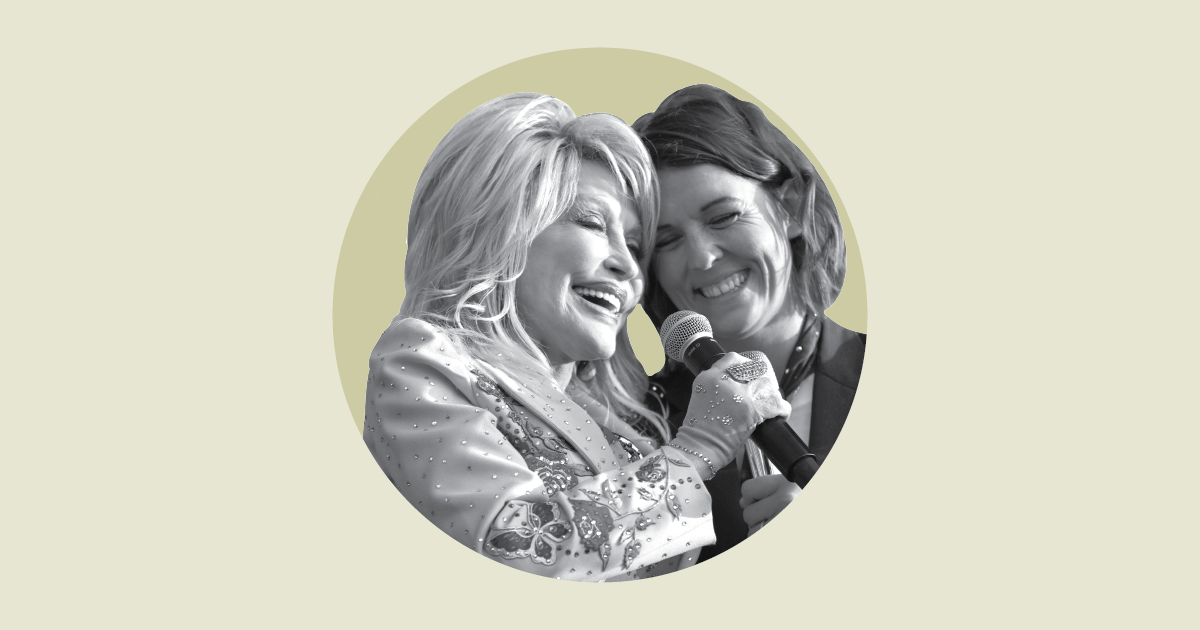
We lead our playlist with the one and only Dolly Parton, who assured us that life will be good again. Parton’s songwriting is presented in an enticing new book, Songteller, and her ability to articulate complicated emotions — through lyrics that speak to all walks of life — is something that Brandi Carlile picked up on as a teenager. In this video interview from the 2020 BMI Country Awards (with a cameo from Dolly at the end), Carlile explains how Parton’s perspective on equality kept Carlile from divorcing country music completely.
Parton, who turns 75 next month, shares a number of important qualities with a new generation of singer-songwriters she’s inspired. In the case of Brandi Carlile, there’s a sense of belonging that is woven throughout their work, from Parton’s “Joshua” to Carlile’s “Carried Me With You.” Like Parton, Brennen Leigh is able to capture a sense of place and make it relatable, even for a listener who’s never been there. Kyshona Armstrong offers a sense of self-worth and self-awareness in her writing, as Parton does, allowing listeners to know them better. Likewise, Maya de Vitry and Parton share a sense of wonder and joy, portraying landscapes — internal and external — that are imagined, yet vivid.
On Prairie Love Letter, her full-length paean to her homeland on the Minnesota-North Dakota border, Brennen Leigh demonstrates a visceral, evocative grounding – just as Parton constantly speaks of her Tennessee mountain home: with a glint in her eye, and a sorrow in her heart for knowing she had no choice but to leave it. Leigh stakes her claim on both the wide, expansive plains and Nashville all at once, asking her audience “Don’t you know I’m from here?” As if to remind she’s as at home in bluegrass and country — and Music City — as Dolly herself.
“Backwoods Barbie,” “Dumb Blonde,” and “Just Because I’m a Woman” are all perfect examples of Parton’s lifelong radical self-possession. She expresses her agency boldly, confidently, without (visible) second guessing – from her wigs to her infamous tattoos to her nothing-special acknowledgement of her plastic surgeries, struggles with suicidal ideation, and so on, she is her fully realized, autonomous self. As Dolly told Jad Abumrad on Dolly Parton’s America, “Who we are is who we are… I would just bow out if I wasn’t allowed to be me…” Kyshona Armstrong‘s prescient album, Listen, holds similar space, as Armstrong doesn’t simply ask folks to listen; her presence, compassion, and radical honesty demand it. Because, first and foremost, she’s welcoming and non-judgmental in that aim, you will find yourself fully enveloped by her music before you realize the conviction within it.
Maya de Vitry made a gorgeous, poetic foray into heavier, rockier turf with How to Break a Fall, a gutsy, genre-bending set of songs. Their anger, release, and passion, expressed by the folk-rock production style, feels right out of Parton’s post-White Limozeen era, an effortless combination of seemingly disparate musical influences, distilled into something that, almost above all else, feels joyful. Where male-centered rock and roll finds itself often hung up on its endemic toxic masculinity, de Vitry and Parton stride into electrified sounds with their femininity forward, and the result is as charming as it is subversive.
It’s striking, among such an incredible volume of musical output from their Americana and country peers this year, that these women would stand out, above and beyond the still-common glass ceilings imposed upon them for decades. Dolly blazed a trail, but these dozens of writers — and singers and pickers and composers and front women and side musicians and authors and poets — would have crashed through inevitably on their own. With songs like Adia Victoria’s “South Gotta Change,” Sunny War’s “Can I Sit With You?,” “Troubled Times” from Laurie Lewis, the Secret Sisters’ “Cabin,” it’s obvious Dolly Parton’s songwriting legacy will be inherited by multiple generations worthy of carrying it on.
Throughout 2020, the BGS editorial team embraced this wealth of excellent music from women songwriters in roots music. It has been a privilege to share these original voices with our readers, too. Here are 50 of our favorite tracks from 2020:
Photo credit: Daniel Jackson for BGS, Newport Folk Fest 2019
This website uses cookies to improve your experience. We'll assume you're ok with this, but you can opt-out if you wish.AcceptRejectRead More
Privacy & Cookies Policy
Privacy Overview
This website uses cookies to improve your experience while you navigate through the website. Out of these, the cookies that are categorized as necessary are stored on your browser as they are essential for the working of basic functionalities of the website. We also use third-party cookies that help us analyze and understand how you use this website. These cookies will be stored in your browser only with your consent. You also have the option to opt-out of these cookies. But opting out of some of these cookies may affect your browsing experience.
Necessary cookies are absolutely essential for the website to function properly. This category only includes cookies that ensures basic functionalities and security features of the website. These cookies do not store any personal information.
Any cookies that may not be particularly necessary for the website to function and is used specifically to collect user personal data via analytics, ads, other embedded contents are termed as non-necessary cookies. It is mandatory to procure user consent prior to running these cookies on your website.