ANNOUNCING: BGS Takeover at the Long Road Fest

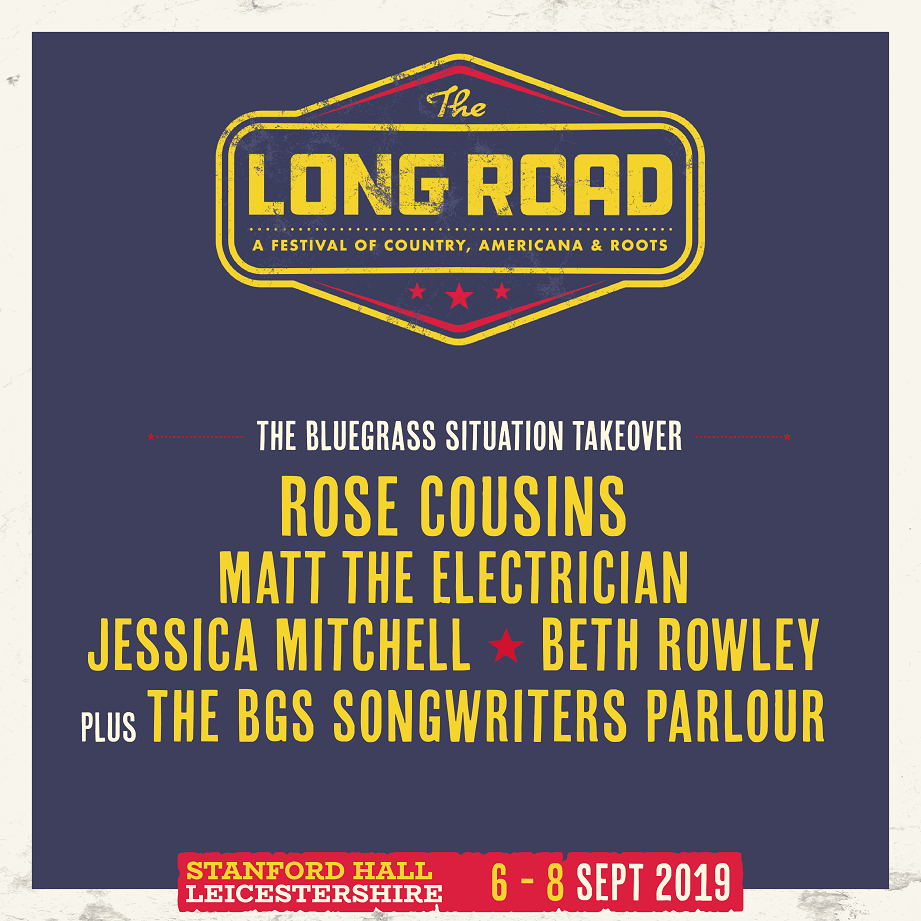
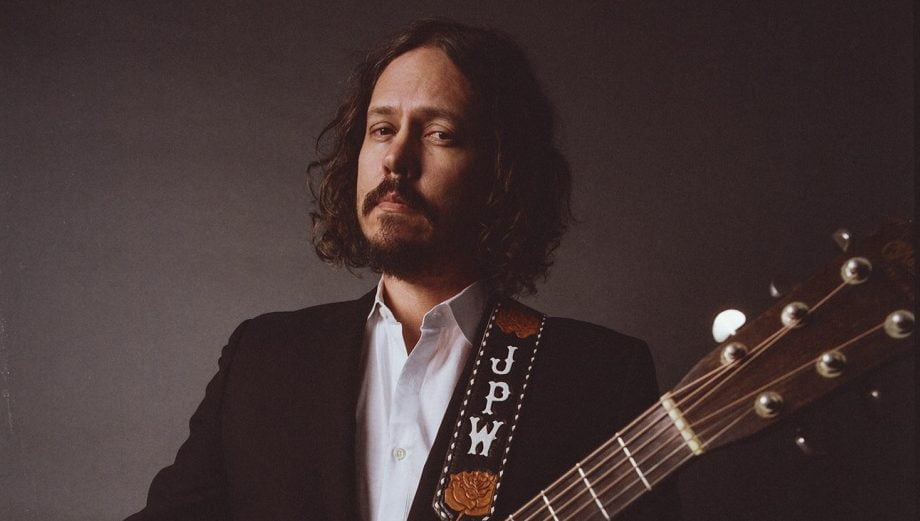
BGS is thrilled to announce this year’s lineup for the Bluegrass Situation Takeover at the Long Road Festival, to be held September 6-8 in Stanford Hall, Leicestershire, England.

Performers will include Rose Cousins, Matt the Electrician, Jessica Mitchell, and Beth Rowley. In addition, the festival will feature a Nashville-style “In the Round” set at the BGS Songwriters Parlour.

The three-day festival will also offer performances from Rhiannon Giddens, Asleep at the Wheel, Suzy Bogguss, Sam Outlaw, John Paul White, Charley Crockett, and many others.

Get more information and purchase tickets here.

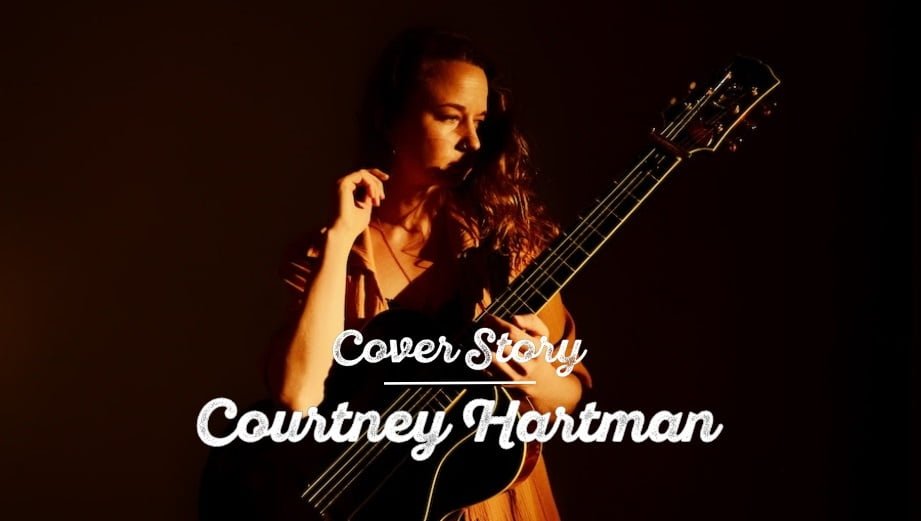
Courtney Hartman Steps Into a Solo Career With ‘Ready Reckoner’

Courtney Hartman told only a few people about her plans. She bought a transatlantic plane ticket, packed a small bag of clothes, and flew to Spain to hike the Camino de Santiago. It’s a 500-mile hike along old pilgrimage routes in rural Spain, an arduous journey that often prompts a spiritual journey. During that 40-day trek she would step off the trail, pull out her specially-made, travel-ready guitar, and sing a few bars into her phone. Eventually those voice memos — those notes to herself, journal entries chronicling her trip — coalesced into songs that ended up on her solo debut, Ready Reckoner.

It is not, however, an album about walking or wanderlust. Rather, it’s about motion: the physical movement that propels oneself along a path, but also the spiritual motion it takes to gain a deeper understand of your place in the world — in particular, your place in the world as an artist. Drawing from the music she made as a member of Della Mae, Ready Reckoner forays into new territory: folk and pop, of course, but also jazz, avant garde composition, drones, even musique concrète. It’s often dark but just as often hopeful, as Hartman traces the both subtle and sublime changes that she is still going through.

BGS: What took you to Spain?

Hartman: I think anybody that I met on the trail had a similar story. There was something that started popping up on their radar[s] over and over until they couldn’t ignore it anymore. That’s what happened with me. I had friends who had gone over there and I was listening to several albums that were influenced by that region of Spain.

Also, two of my writing heroes are Anne Lamott and Mary Oliver. While I was teaching writing at different summer camps, I would talk about how they talk about writing and walking. In the books they’ve written, they talk about how good it is to go out and walk. That would be my assignment to students: Go take a walk in the woods and do some writing.

At one point I realized that I was giving this assignment, but I’d never done it myself. I wanted to know if that was something I could do, if that was a way of creating that would resonate with me. And then a cheap flight to Spain popped up and I bought. I had 24 hours to cancel and I didn’t. So I went!

How did you prepare musically and creatively for such a trip?

I called Dana Bourgeois, who has built a number of guitars for me. I said, Dana, I’m doing this thing and I haven’t told anybody. What do you think would be the sturdiest, most lightweight, best-sounding guitar I could take? And he said, well, what if we build you something? So they did. They weighed out every single component of the guitar and then I had somebody build a guitar sling for me. And then I walked and I wrote. I took me forty days. There’s something about the repetition and the movement, let alone being out in the open.

What did you learn from that experience?

I learned so much, but one of the things that kept occurring to me is that you’re carrying the weight of your belongings with you every day. It didn’t matter if I wrote anything or played anything that day. I still had to carry the weight. There was a point when someone helped me go through my bag and decide what was necessary.

You think you’ve really narrowed it down, and then you’re like, okay, I guess I’ll get rid of this extra layer of clothes. But every night I would think, no I need this or I need that. I need this because I’m afraid of what might happen without it. So I learned that our needs and fears are linked. But I didn’t need that extra layer of clothes, even though I thought I did. When that snow came — that’s what I was afraid of — I made it through.

Did that change your perspective on music?

I want to say that I need to be writing songs or I need to be making music, that they’re my life source. But I don’t need to write or play. Those are extra gifts. I would survive without them. I don’t want to. Don’t ask me to. But I think letting go allowed me to hold them a little more loosely or with a bit more gentleness, instead of clinging to them or gripping them too tightly.

Often, writing meant stepping away from the trail. It meant taking my guitar down or taking my pen out or singing voice memos. I have hours and hours of endless mumbling. You step away from the people you’re walking with, and you might not see them again for a few days or even a week. Or maybe never again. It’s very much like life that way.

That experience seems to inform this album in ways that are very explicit. Even just the sound of footfalls on “Too Much.”

About half the album came directly from songs I wrote on the trail. But it’s not a walking record. It’s just a shot of where I’ve been the last year. I worked on it while I was staying in a little wagon in Oregon for a couple of days, just trying to finish putting together takes and sequences. I would walk and listen. But the album pretty evenly spread out between songs I wrote before, during and after walking. The first track I wrote was “January First,” and I wrote all the other songs later that year. I don’t know that it always works that way.

Tell me about the album title. Why did those words resonate with you?

I was obsessed with the word reckon. I was reckoning with myself and my work, reckoning with the relationship to the music I was making, reckoning with whether I should even be doing it at all. That word felt like it had a lot of motion, so I looked it up and found that a ready reckoner was at one point the name of a hard-copy calculator. A merchant might have a ready reckoner, which is essentially a book of tables. I found one from 1905 for sale and ordered it on Amazon, as you do. I keep it in my guitar case. It’s this tiny, beautiful book with all these weird calculations for things. I felt like these songs were trying to calculate something, trying to get to a formula or an equation.

There was some trepidation on your part about recording this record and taking on the role of co-producer. How did you reckon with that?

Shahzad Ismaily, my co-producer, could have easily taken the wheel and produced this record himself, and I think I would have felt good about that. But he believed very strongly that that was not his role. He wanted mostly to be engineering. He was pushing me to make the decisions that needed to be made and to listen more deeply. Just by stepping away he became a guiding hand. I didn’t want to be producing this record but I’m grateful that he was able to ease me into that place.

And I realized that I really love it. It’s such a different space. I’ve produced one other record for a band since then, and I want to do more. There aren’t a lot of women in that role. The studio can be a very intimidating place for women who are trying to explore and learn and admit what often feel like deficiencies, but if I’m able to do that in the future, I hope I can make that space feel comfortable and gracious and open.

I remember I was so afraid to record this album, so when I went into the studio the first day, I was reading through some of my walking journals. I opened the first page, and I was writing about feeling terrified. It was the same feeling I had about going into the studio, but it’s exactly what I needed to hear at that moment. We learn the exact thing in so many ways over and over. Or we don’t learn it at all. Maybe that’s the thing. Maybe I didn’t learn anything.


Photo credit: Shervin Lainez

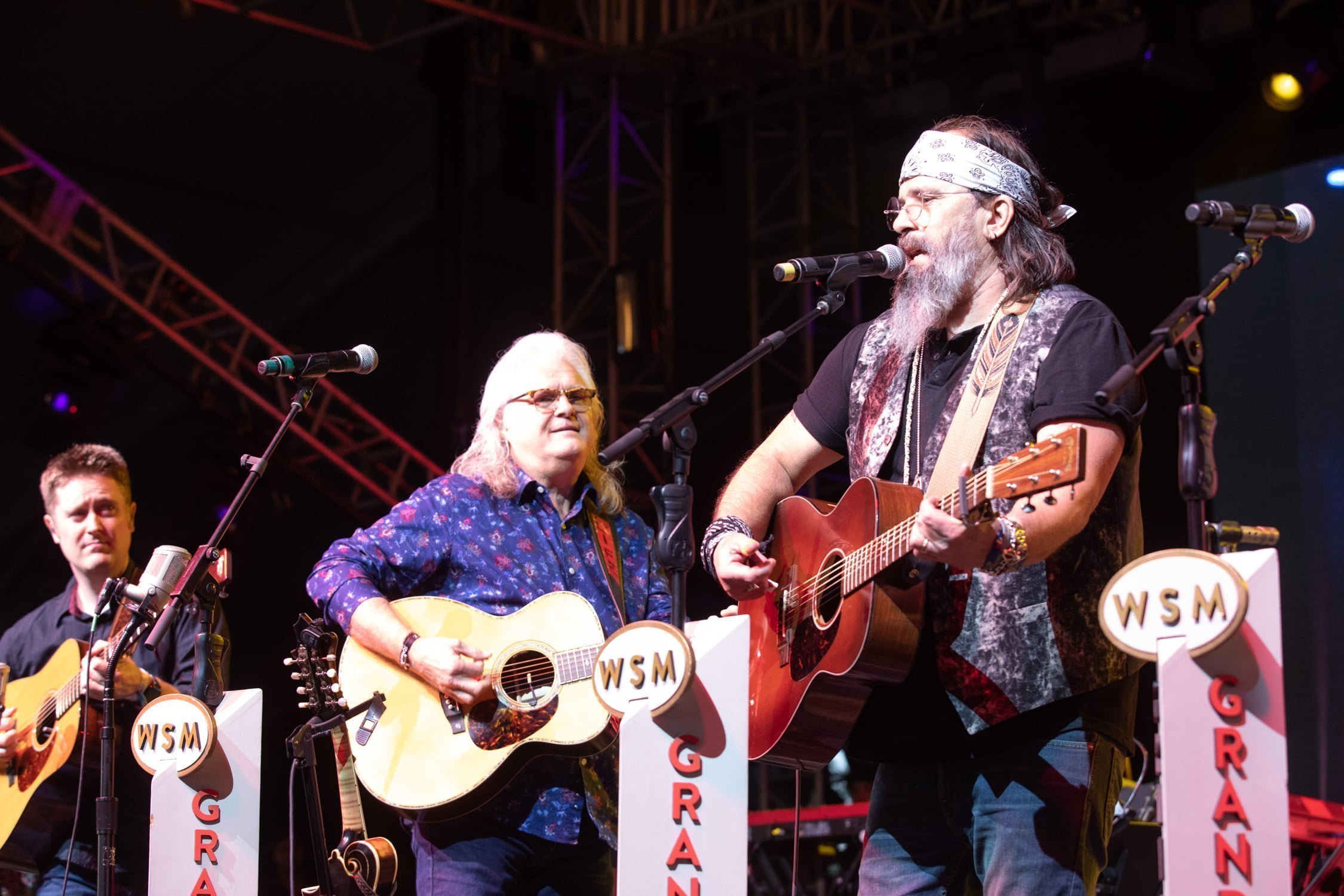
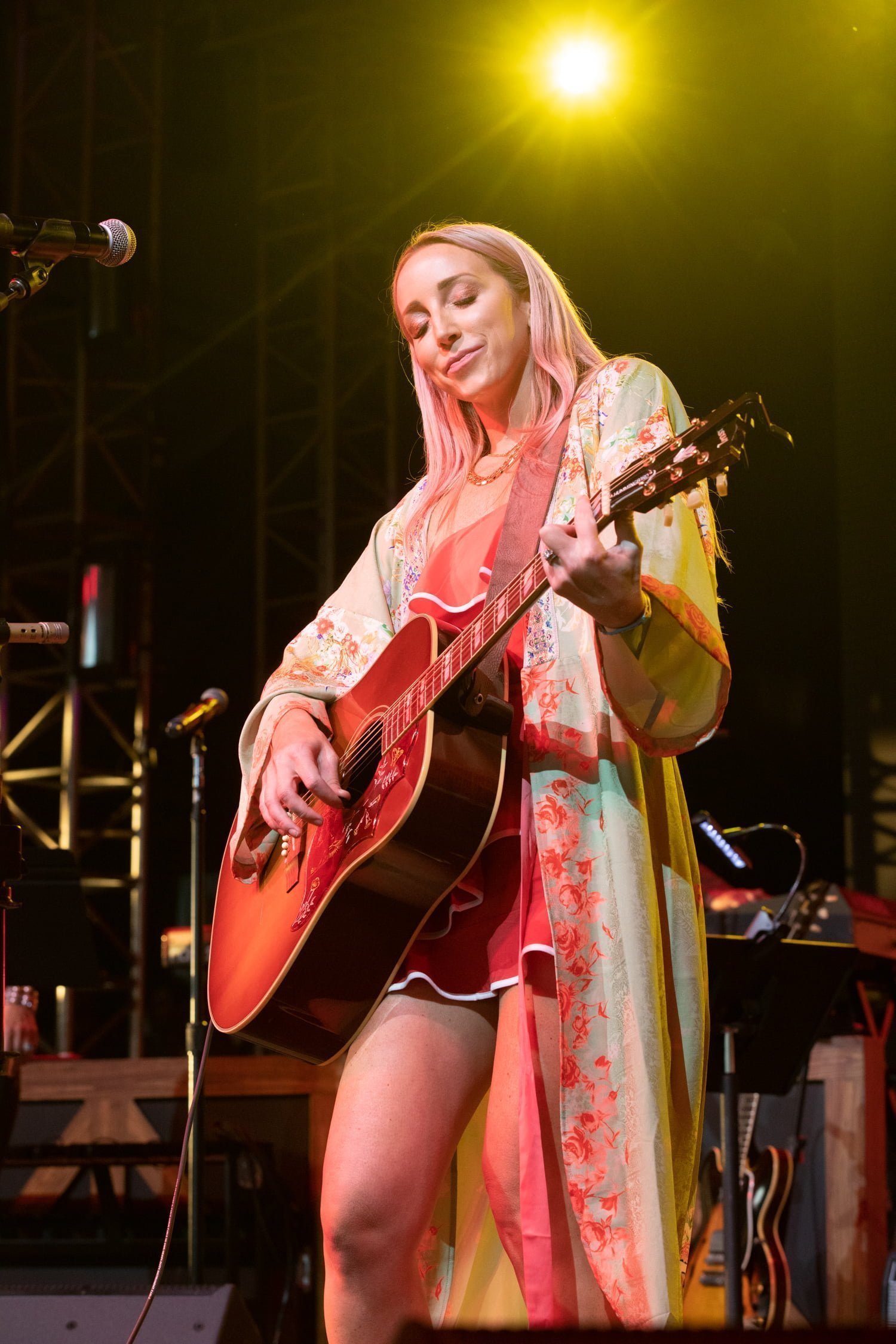
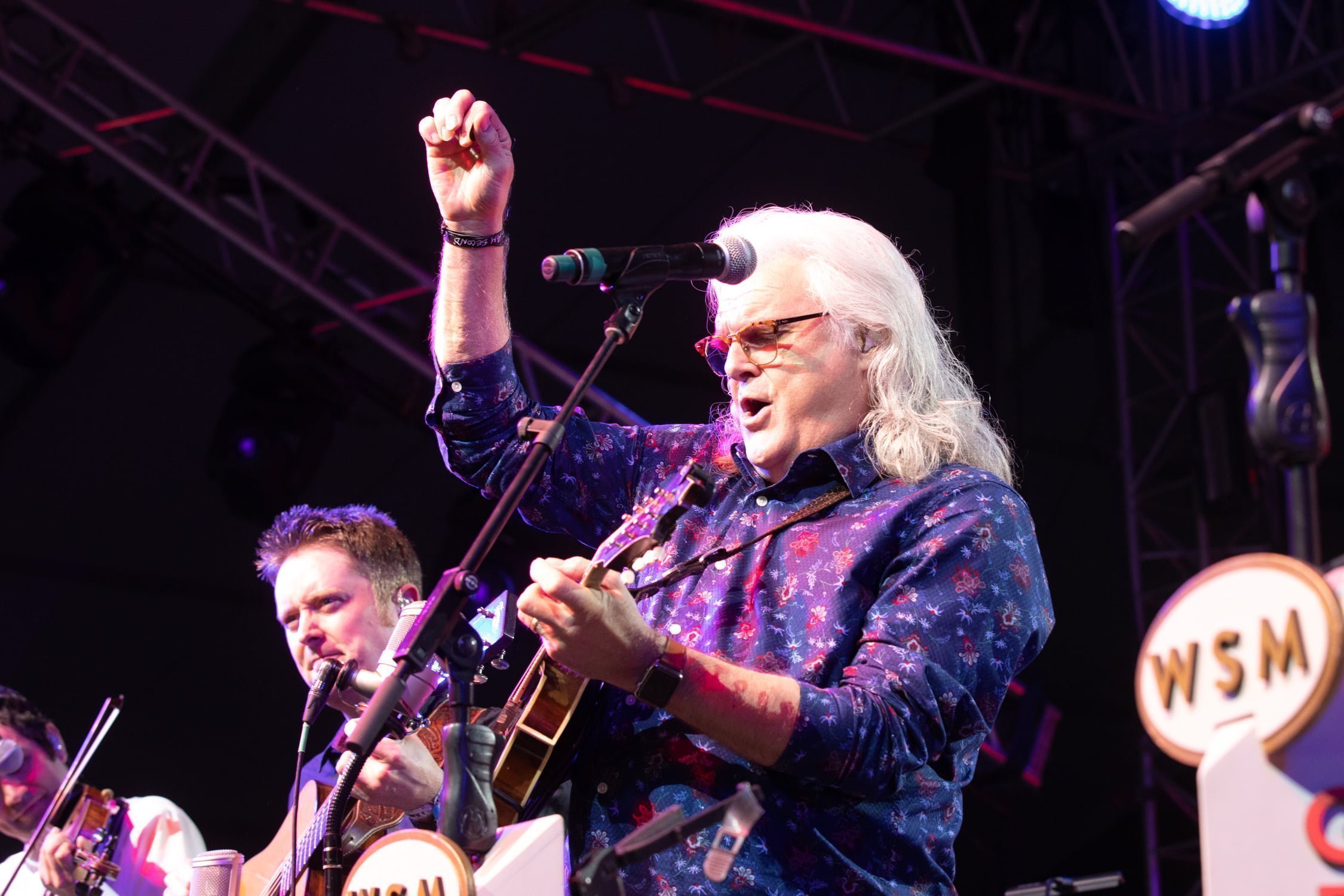
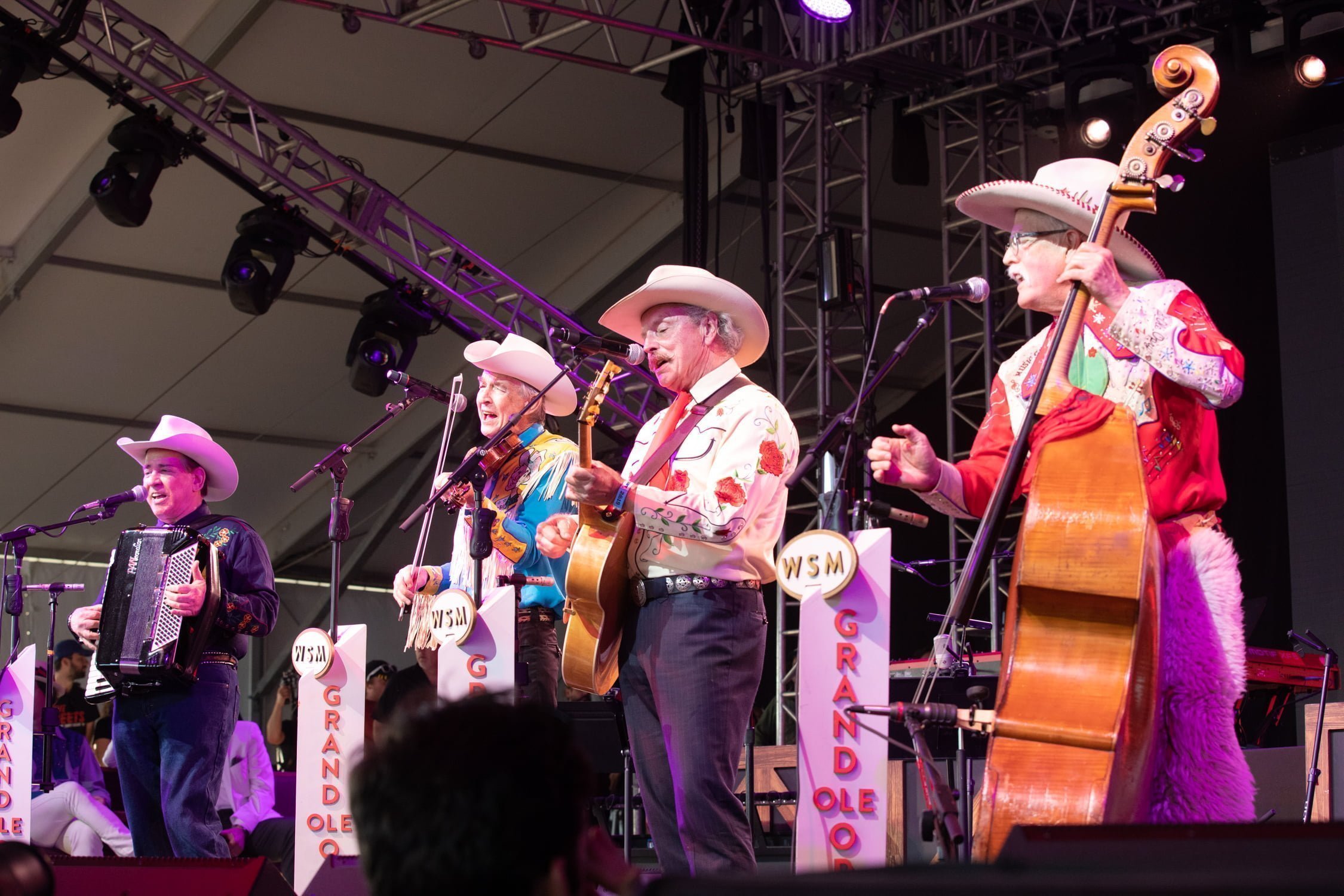
Grand Ole Opry at Bonnaroo 2019 in Photographs

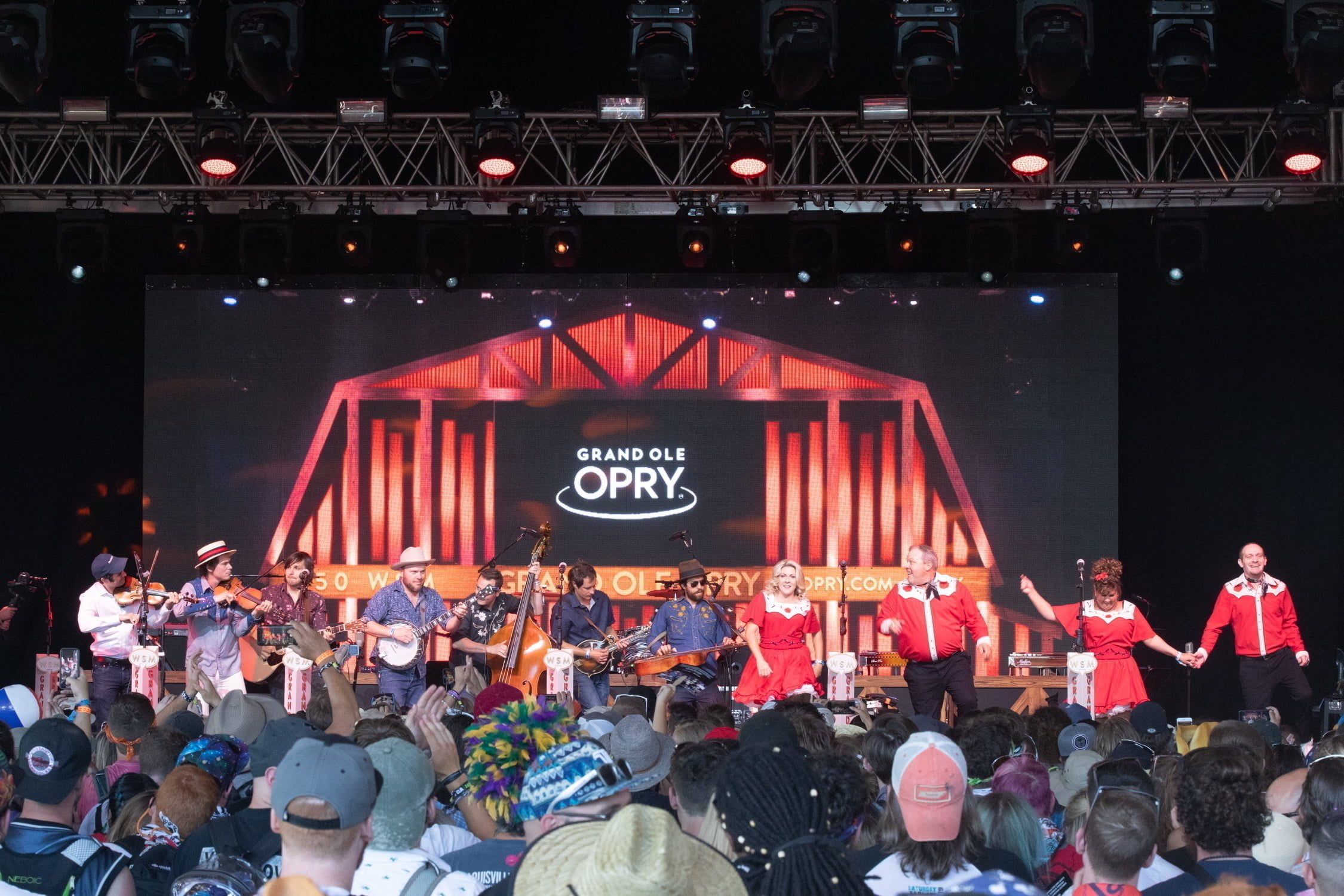
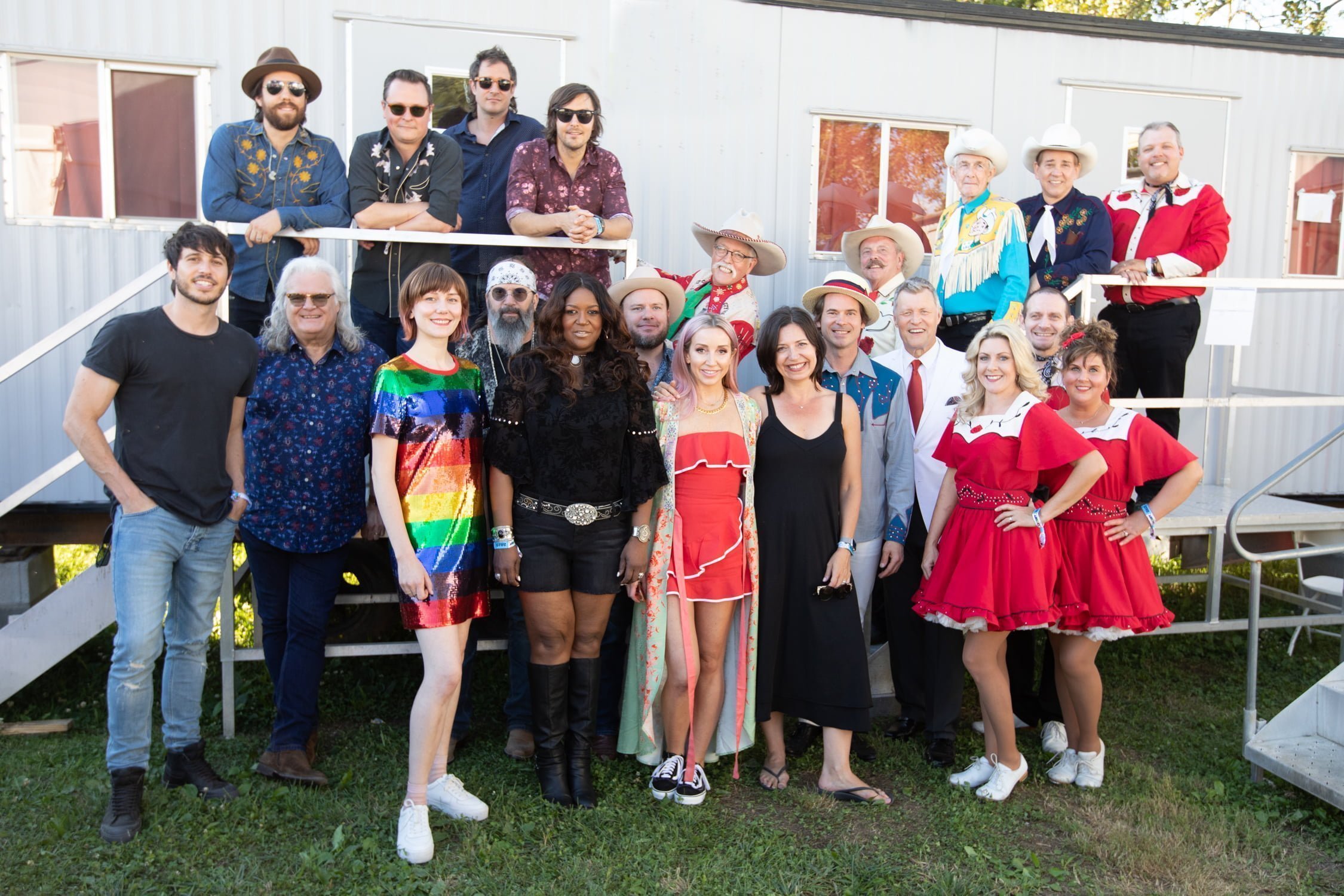
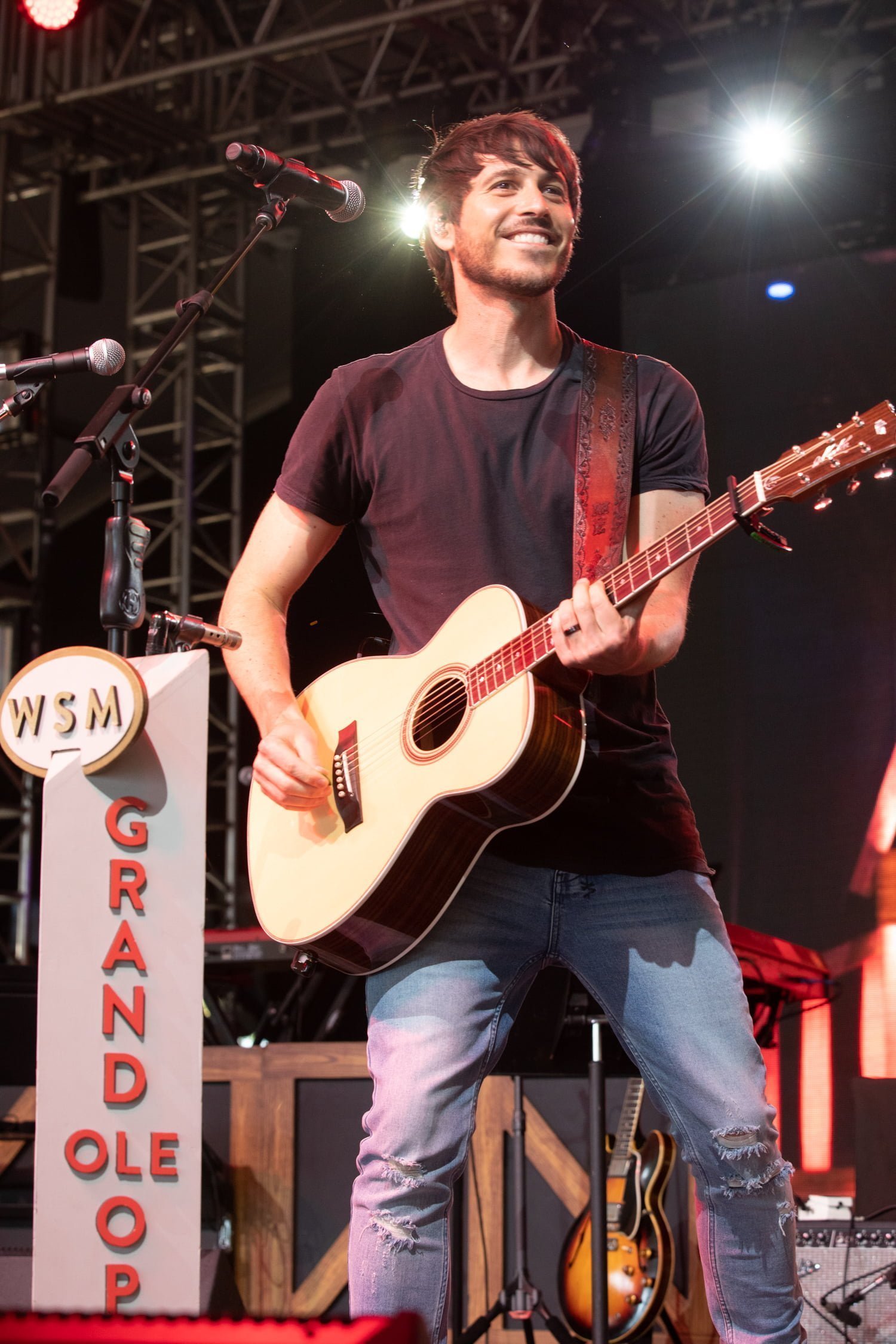
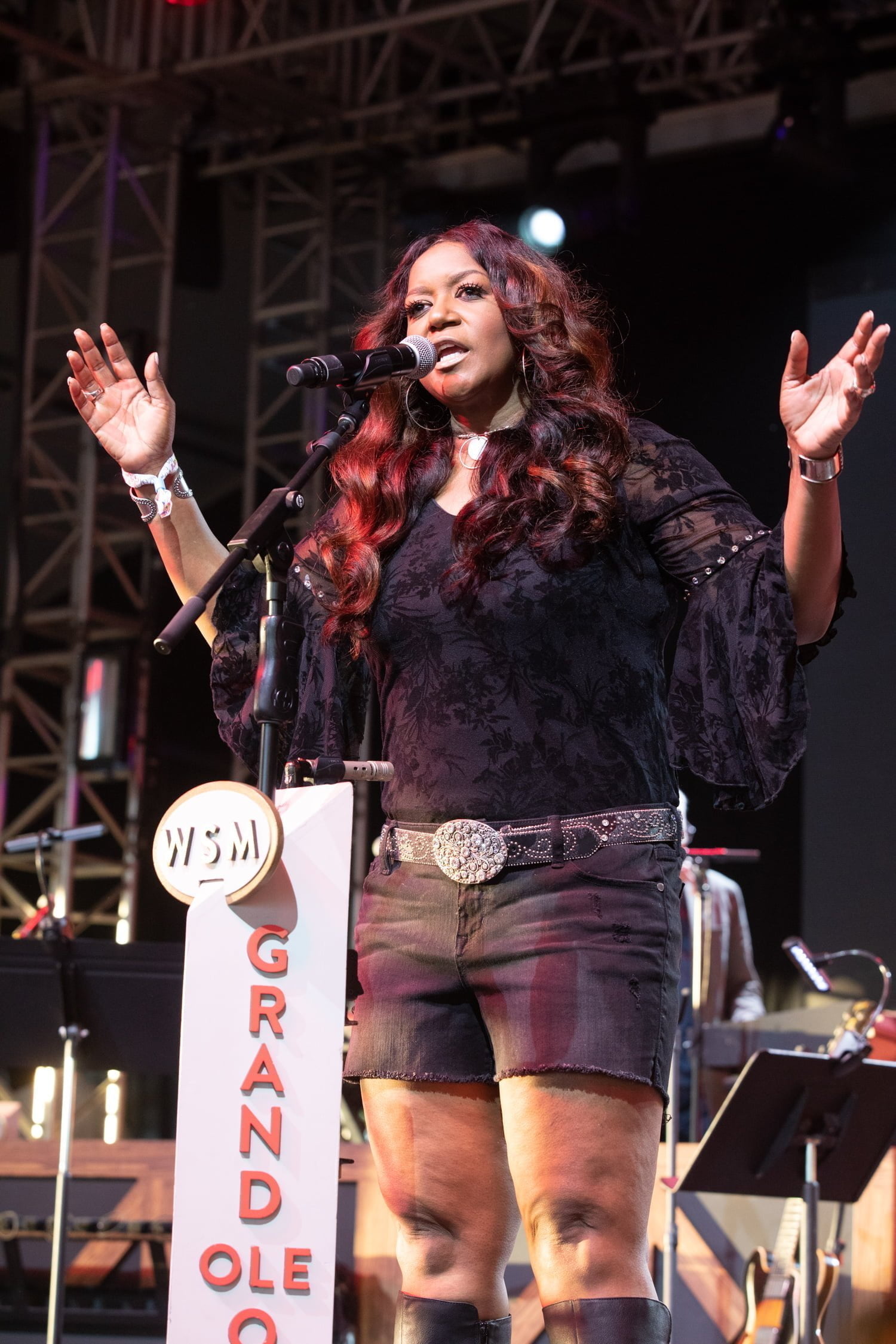
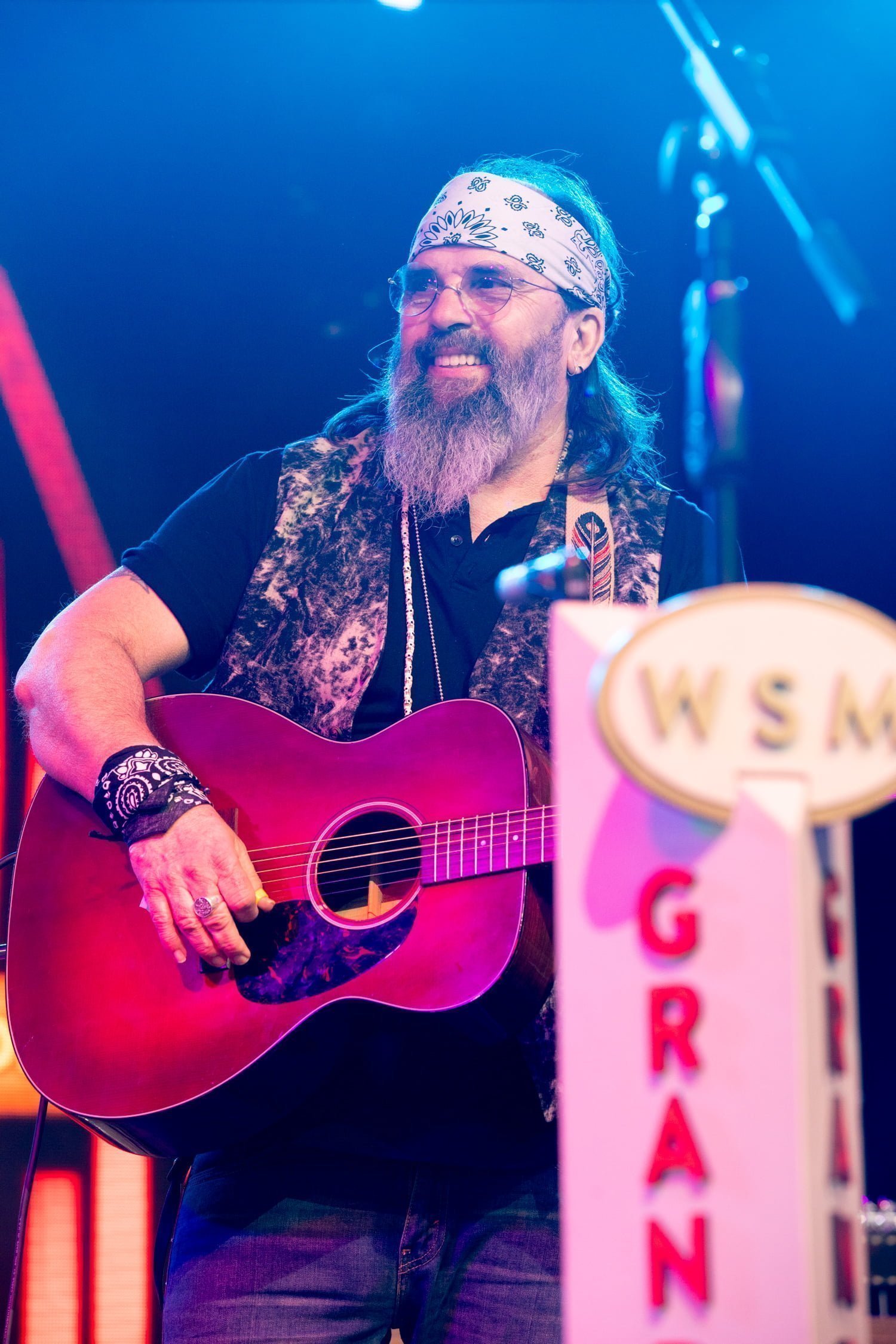
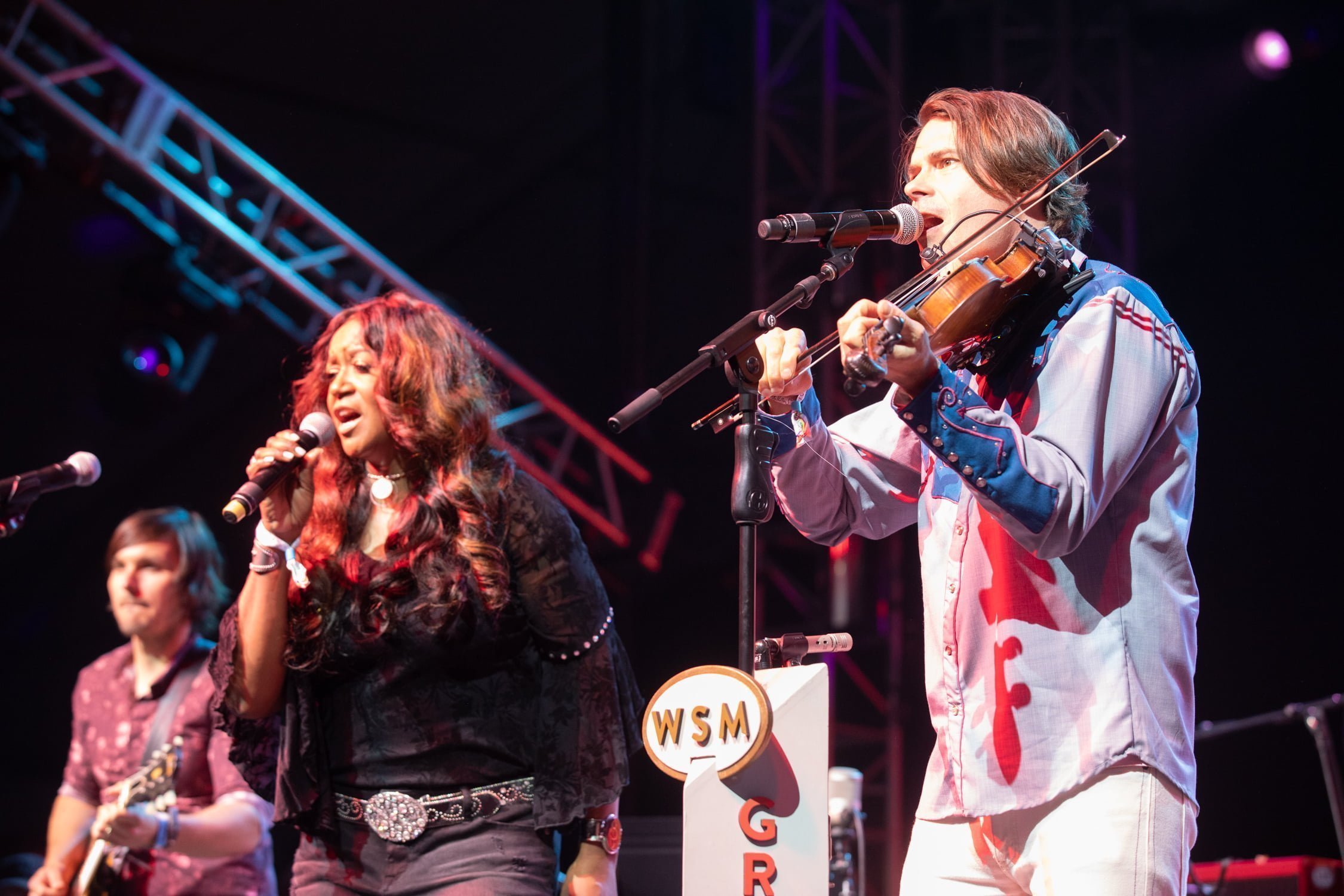
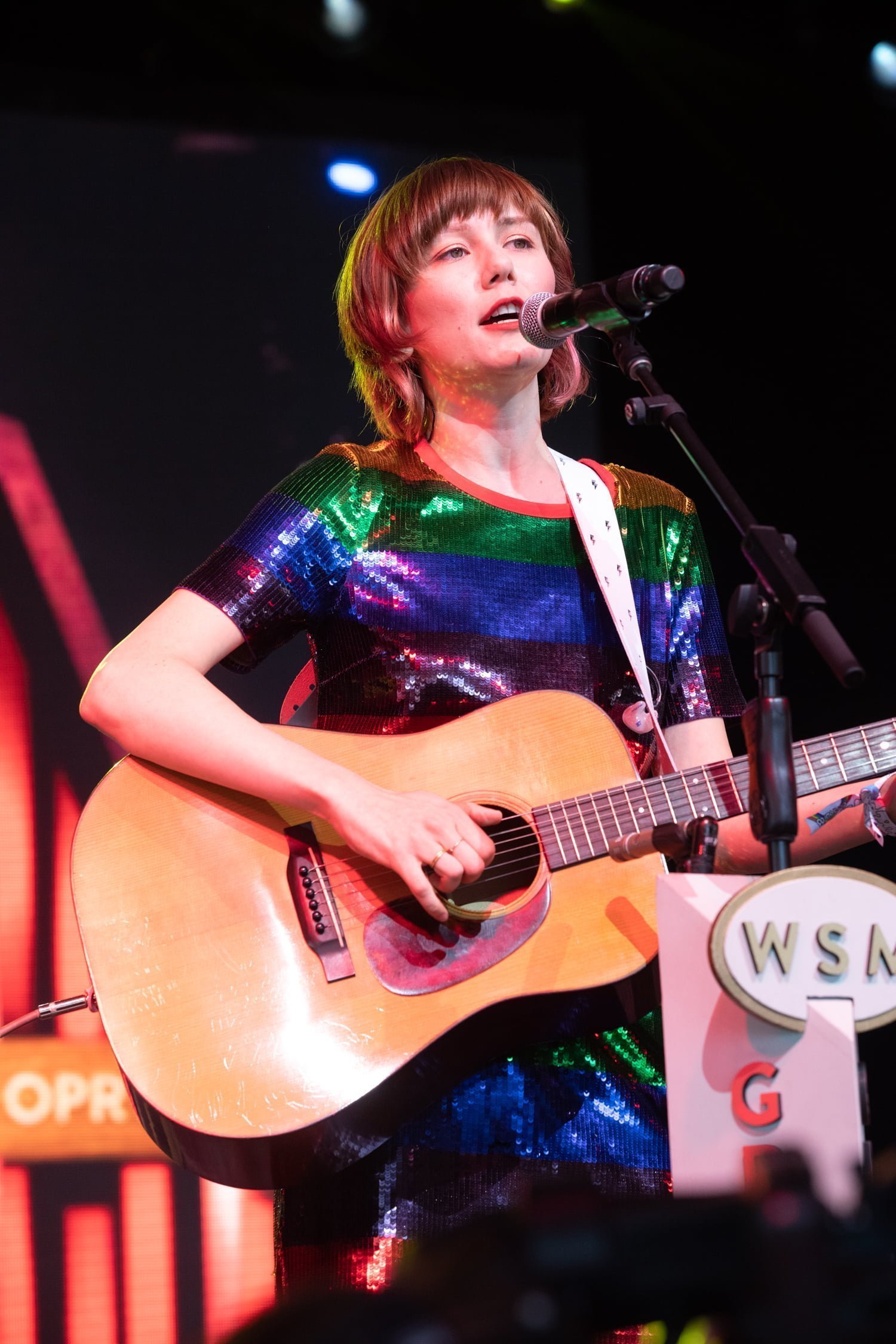
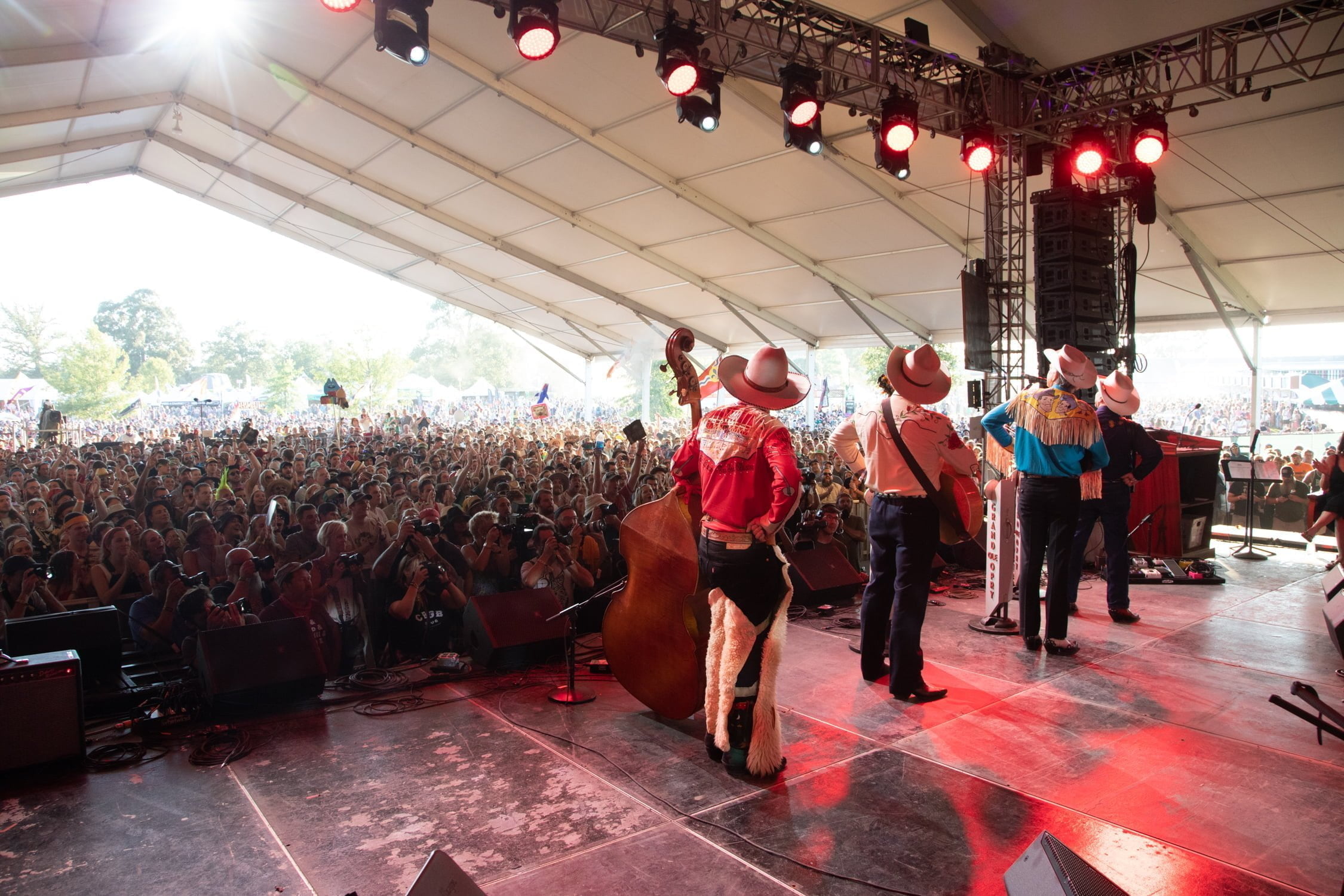
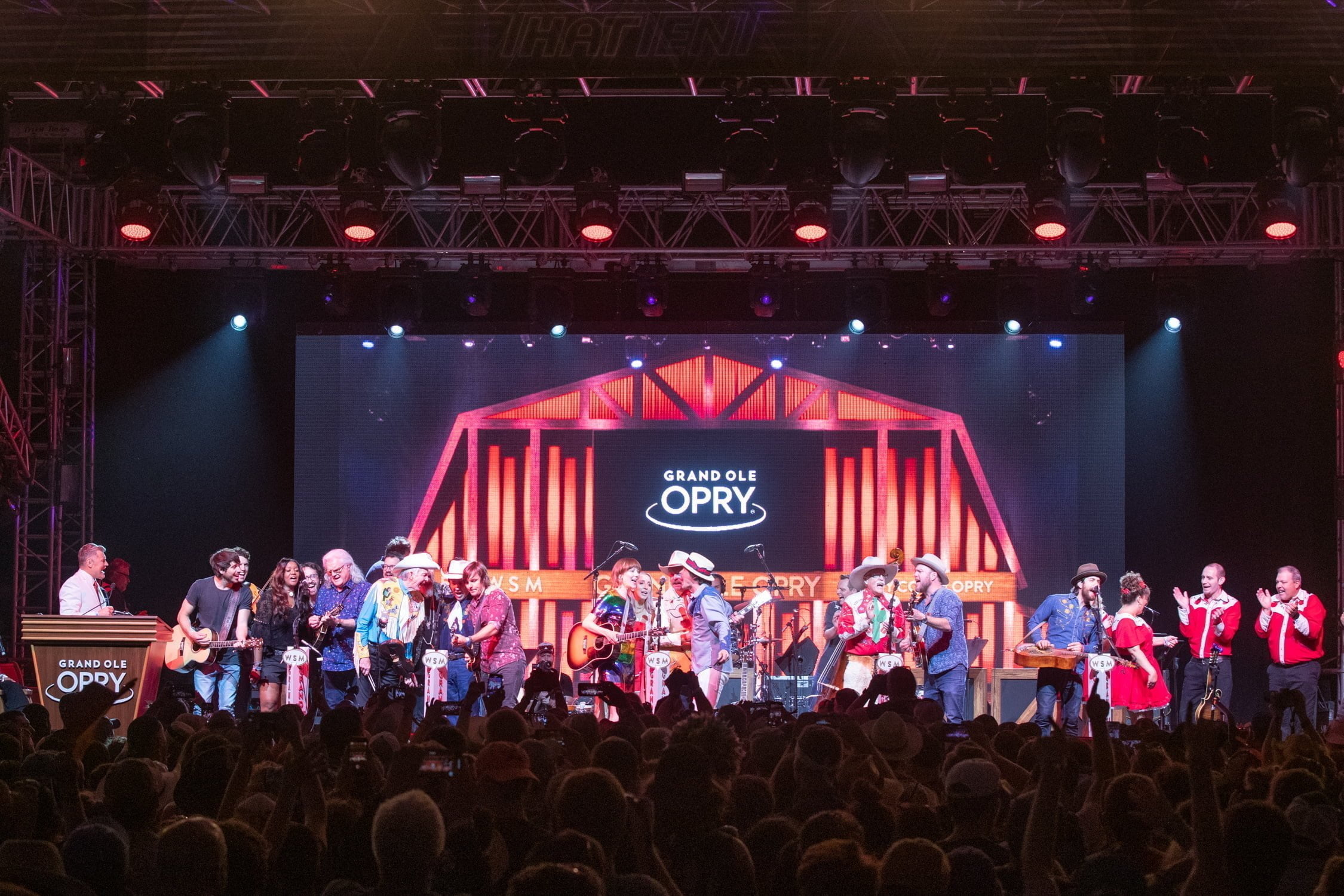
The Grand Ole Opry returned to Bonnaroo Music and Arts Festival this year to headline the festival’s opening night. The Opry carried on the festival’s long-standing tradition of representing country, bluegrass, and roots music with performances by Old Crow Medicine Show and fellow Opry members Ricky Skaggs and Riders In The Sky, plus special guests Steve Earle and the Dukes, Morgan Evans, Ashley Monroe, Wendy Moten, Molly Tuttle, and even the Opry Square Dancers and Opry announcer Bill Cody came along for the ride.

BGS handed off the That Tent torch to the Opry in 2018, after five years of the BGS SuperJam. You can revisit our years of BGS x Bonnaroo goodness here: 2017; 2016; 2014.


All photos: Chris Hollo

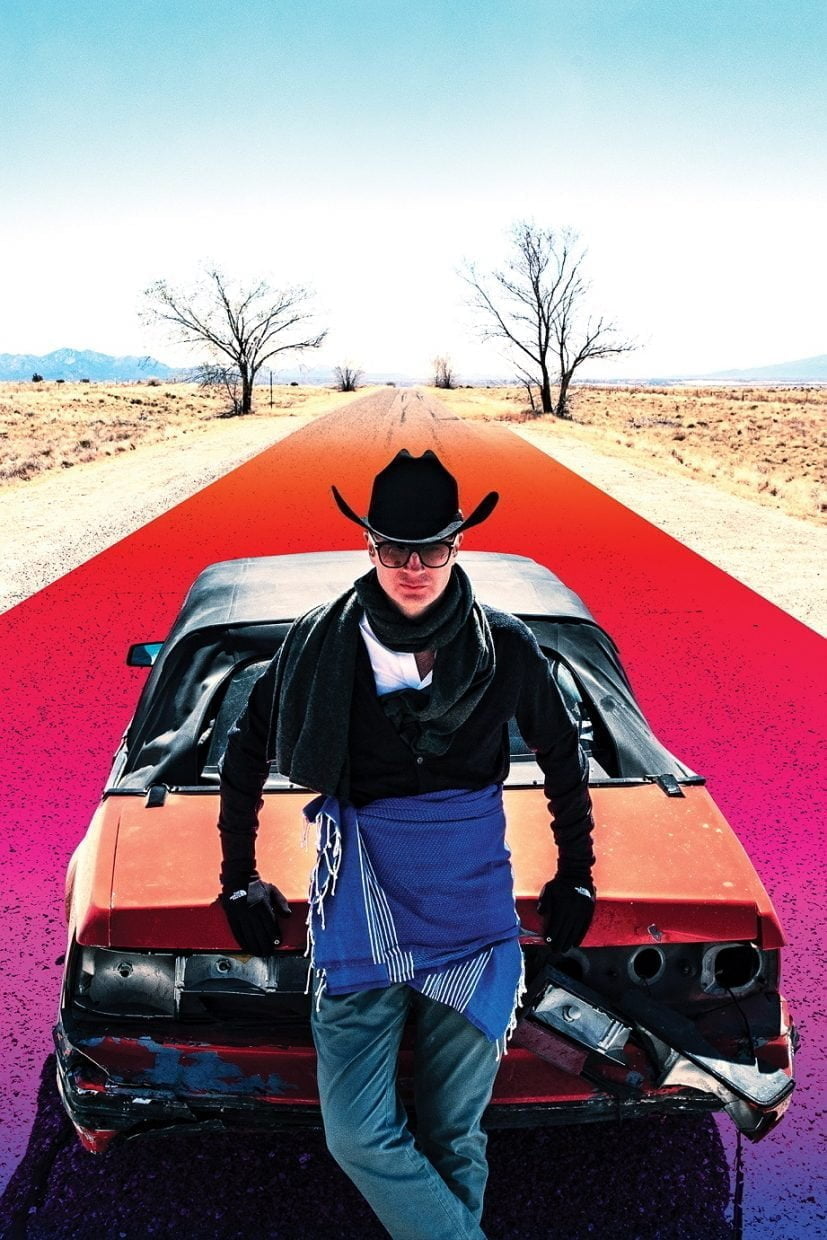
Nicolas Winding Refn Brings Rare Country Music Films to UK’s Black Deer Festival

Since he made a name for himself with the 2011 neo-noir film Drive, director Nicolas Winding Refn has become synonymous with sleek, glossy visuals and pristine synthetic pop. That makes him an unlikely figure to participate in this month’s Black Deer Festival, the new boutique, UK weekender celebrating Americana and country music.

But the 48-year-old Denmark native has demonstrated his interest in US culture throughout his career, starting with an obsession with cult exploitation and horror movies that spawned a coffee-table book of posters (The Act of Seeing, 2015). Then there’s the archive of some 200 movies that he’s restored under the banner of his byNWR project – three of which are to get a rare public screening at Black Deer. They include a 1965 concert film featuring George Jones and Loretta Lynn, as well as a musical country and western comedy he describes as “like a Carry On movie, shot in the South.”

Based in Copenhagen, Refn is a frequent visitor to the States, where he once lived as a child. It explains the light transatlantic twang to his near-perfect English. But the fascination with American culture began before that, he suggests. “I think it started back when I was eight years old,” Refn recalls, “and my mom was in New York, basically assessing if this was a place we were gonna move to. So, she had been away for a couple of weeks, and she sent me a package with a 45 of Willie Nelson’s ‘On the Road Again.’ Ever since then, I’ve always had an infatuation with that kind of country and western, and the more that I started learning about it, the more I started getting into it.”

Refn’s taste in Americana and country should be apparent from the films he’s selected for Black Deer. The first is Forty Acre Feud (1965), featuring comedy turns and musical performances from a host of stars from Minnie Pearl and Skeeter Davis to Ray Price. “It’s one of those strange country and western films that was specifically made for the Southern market,” says Refn. “It’s from an archive of a director called Ron Ormond. We happen to own his entire library in the collection. He made these very peculiar Southern-oriented drive-in movies. They very rarely even made it to the north in America. They’re very, very much part of a specific kind of illusion of America.”

Refn is as fascinated by the director’s backstory as the film itself. “The interesting thing about Ron Ormond is that he and his wife June ran a mom-and-pop exploitation business down South, and they would fly around in a private plane to collect revenues from the various drive-ins. Then they had a near-fatal crash that made them very religious, and they turned their bag of tricks to the whole religious crowd in the South, and started making films like If Footmen Tire You, What Will Horses Do?, which was produced by a guy called Estus Pirkle, who was a real hardline pastor. It’s quite an infamous religious propaganda movie about Communism spreading through the US.”

Perhaps the more conventional of the three titles is Ray Dennis Steckler’s Wild Guitar (1962), in which a young rock ’n’ roller gets into the music business and falls foul of a manipulative manager. “That’s a really interesting flick,” says Refn. “It’s a great kind of document of Los Angeles in the early ‘60s. It was shot by Vilmos Zsigmond, a famous cinematographer that went on to win multiple awards for his work with much bigger directors, like Steven Spielberg. But as a film it’s actually quite a groovy coming-of-age, kind of cautionary tale about rock ‘n’ roll. It has some great rock songs in it. In fact it has everything in it: dames, music, good photography, gangsters, guns, fights, love, and mayhem.”

Rounding off Refn’s three choices is Cottonpickin’ Chickenpickers (1967), one of only two films directed by the lesser-known Larry E. Jackson. “It’s an amazing, low-grade It’s a Mad, Mad, Mad, Mad World kind of thing — with fantastic country and western music in it. And they play the whole songs until the end. It’s quite surreal in a way. It’s a bit like a Jacques Tati movie, I guess. It’s more like a comedy really. It’s just a really, really fringe comedy of a certain era that’s gone. It’s very innocent and kind of quirky in a way. But the music is just absolutely outstanding, and the way that the musical numbers are introduced is just fantastic.”

Each of these films, with their ragged edges and primal, analogue sounds, will come as a surprise to those who only know Refn from his recent English-language work and see him as a pioneer of the digital era. “I always say you have to love and embrace all kinds of music,” he observes. “For me, a lot of it is about, ‘Is it sincere? Is there something within it?’ I think if you always approach music like that, then in a way there’ll be something in all genres that touches you.”


Photo credit: Kia Hartelius (portrait); Scott Garfield (with car)

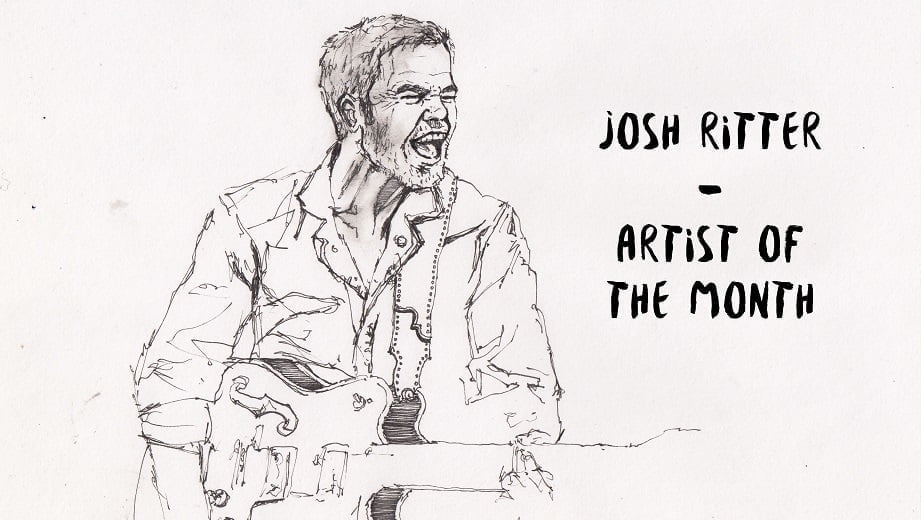
Josh Ritter: The Weird, Dark Rhythm of ‘Fever Breaks’ (Part 2 of 2)

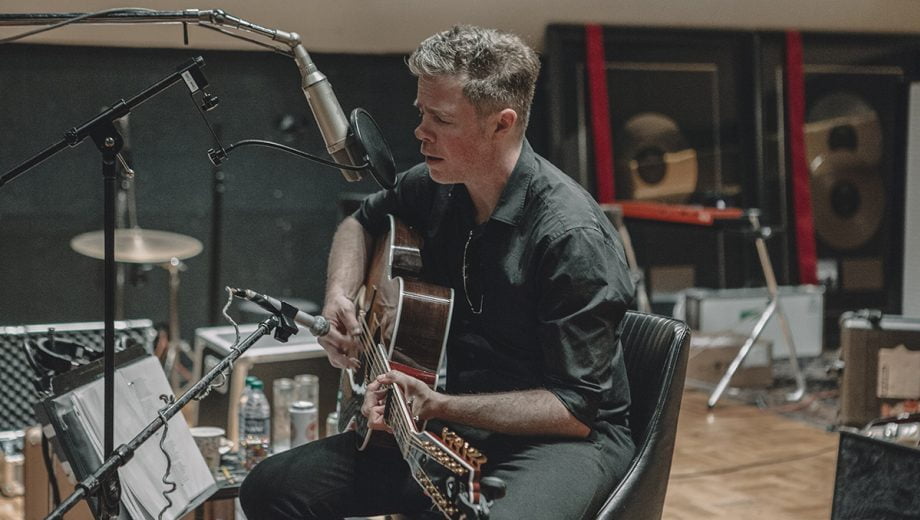
When it came time to record his new album, Josh Ritter hired not only Jason Isbell to produce it, but Isbell’s band to play on the sessions. Because they had built a sturdy friendship while touring together, the resulting album, Fever Breaks, offers a familiarity that should appeal to fans of both artists. Longtime listeners may recognize that Ritter is more political than on his past albums – and that’s not a coincidence.

Leading up to a TV taping inside a cave in Tennessee, Ritter invited the Bluegrass Situation into his dressing room for a visit. (Read the first part of our interview.)

BGS: I caught a reference to “a fever broke” in the song “Losing Battles,” which I assume led to the album title. Why did Fever Breaks seem to fit as a title for this project?

Ritter: I love coming up with titles for the record. That’s one of my favorite things, because it’s a chance to look at the record you made from 30,000 feet and say, ‘What is it that sums this record up?’ With this one, it came to me in a dream. I just woke up with it, and I thought, ‘Fever breaks…’ I don’t know exactly what it means, but I thought with this project, so much of the writing was guided by instinct, and I felt like it was important for that dreaminess to come in.

It really feels, in a certain way, like a comforting thing – even though I feel like the record is not comforting. It’s a reminder that fever will break, and that’s as close as I can come, because the period that we’re living in feels so overheated and so full of chaos, that it has to be a sickness.

What’s your response if someone hears this and says, “Oh, Josh made a political album.”

I would say I would be thrilled! I think it’s important, right now. I don’t know how you could make music, or anything, that doesn’t have this time wrapped up in it. Like some kind of weird, dark rhythm. It’s just everywhere in the whole tapestry of things, and how do you speak about anything in our lives without referencing this period of time?

One of the great things about making records over a period of time is that they feel like little vials of perfume from that moment, you know? You open it up and you remember. I remember where I was when I was making The Animal Years, and for me, this record will always be wrapped up with this strange, dark moment, and I have to express that on the record. And if it comes across as political, that’s great. I hope that it doesn’t come across as anything else.

So much of someone’s success in the music business comes down to who you surround yourself with. Why was it important for you to bring Jason and Amanda [Shires] to this project?

I think for a long time, I lived on an artistic island that was self-imposed. Just from being busy all the time and touring all the time, I started to realize that my circle of friends – while very tight and incredibly close-knit – was very small. And around this time, I went on the road with Jason and Amanda and the 400 Unit, and I got a chance to see that there are other families on the road, and there are other people touring with their families.

I felt a sense of connection through shared choices, artistically and just how he was choosing to life his life. There was a kinship that I felt was artistic and personal. So when I identified that I wanted to work with somebody, like a peer, he jumped into my head. I sent him a note and I was really so surprised and happy when he was into it, and when we could schedule the time to do it, which was an impressive feat.

How long was the email you sent?

Just a few sentences. And my initial idea was that he would produce, but that I would bring people to play. So I was really excited and nervous when he suggested the 400 Unit because they’re amazing players and I didn’t know what it would be like to not play with my band. So I had frank conversations with everybody in my band. I was overwhelmed that they were so supportive of me going to do this crazy thing.

I think it’s just so cool that you can play music with people for so much of your life, and work so hard on things, and then they understand that I’m going to go off and try this thing and take this chance. Because I feel so close to them, it’s really important for me. So once I talked to the band, I embraced the whole philosophy of going in and realizing that I wasn’t going to know anybody very well.

You’ve worked with some legendary figures like Joan Baez and Bob Weir. They’re in their 70s, still creating music. Do you see a similar trajectory for yourself?

I hope so! The main goal is that your mind doesn’t get smaller as you work, and that your neurons are always branching out. … I learned so much from working with Bob and Joan. What brought me into this world of working with Jason was that I had to learn how to collaborate, and listen to how my portion could fit and work with somebody else’s artistic vision. It was super cool to work with them and learn that.

You have to trust yourself in that situation, too.

Yeah, and trust that what you’re bringing is worthwhile, and trust that what they’re bringing also has its own [value], and these things are going to intermesh in ways that you can’t expect. That’s just amazing! You get so few opportunities for those unexpected, great musical moments that you just cherish.

When I was looking back on your discography, I realized that this is the 20th anniversary of your first record. What do you remember about making that decision to go into music full-time?

Well, my parents are both scientists, so I grew up around an academic structure in my family. I saw how it worked when you went to college, and then went to graduate school. So I approached making a career in that way. I said I’m going to need everybody to trust me for four years, and we’ll see if it can happen. I remember I quit my last temp job in 2004 and I realized I had no Plan B of course. I wasn’t particularly good at anything. What I loved was songs and it was all I could spend my time thinking about. I remember the first time getting money out of an ATM to buy gas and go on my first gig – and what an exciting moment that was. I didn’t realize it at the time the same way I do now. It was so exciting!

You’ve built an international audience since that time. Was it always a goal for you to be a world traveler?

I think so, yeah. I think I got into it for the traveling. A lot of people get into it for the traveling. I have found that music takes you to the most incredible places, but also it takes you to some places that are incredibly mundane as well, you know? They can’t all be caves in Tennessee, but that’s fantastic for that reason.


Photo of Josh Ritter: David McClister
Illustration: Zachary Johnson

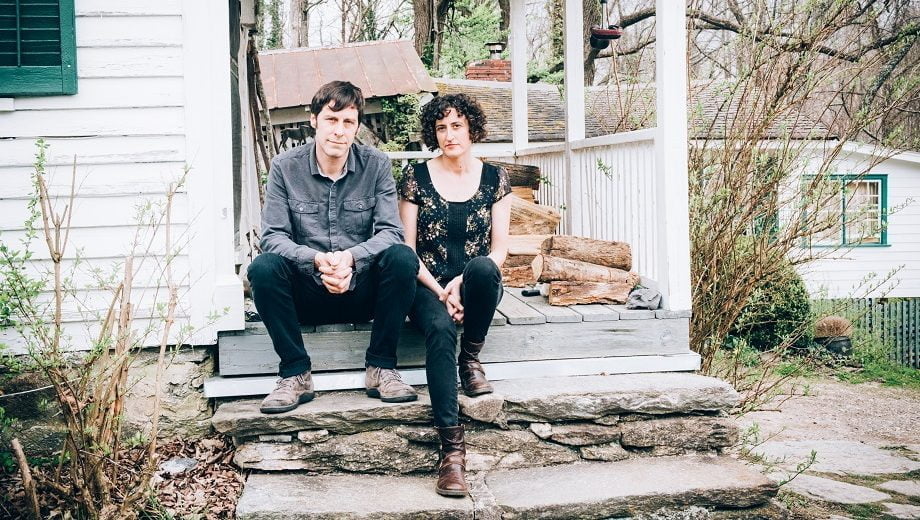
LISTEN: Zoe & Cloyd, “Satan, Your Kingdom Must Come Down”

Artist: Zoe & Cloyd
Hometown: Asheville, North Carolina
Song: “Satan, Your Kingdom Must Come Down”
Album: I Am Your Neighbor
Release Date: June 14, 2019 (single); Fall 2019 (album)
Label: Organic Records

In Their Words: “‘Satan, Your Kingdom Must Come Down’ is a traditional African American spiritual that we learned from a solo field recording of Frank Proffitt from 1965. Proffitt claimed to have learned the song from a black banjo player named Dave Thompson, also from the Sugar Grove area of northwestern North Carolina. It is a simple yet powerful musical statement, and Natalya’s stark, solo vocal mirrors the sound of many old-time source recordings that we love. The lyrics are haunting and hypnotic and our version features flat-picked guitar and bowed upright bass coupled with the more ‘old-time’ elements of cross-tuned fiddle and clawhammer banjo. There is a timelessness to this song that contributes to its survival. Every generation has its Satan. — John Cloyd Miller


Photo credit: Sandlin Gaither

Josh Ritter: Smiling Across a Microphone (Part 1 of 2)

Josh Ritter is the kind of guy who will give you a hug even when you’ve never met him. It’s that warmth and sincerity that has allowed him to build a significant fan base across the US and abroad, not to mention his undeniable enthusiasm for performance. He’s currently on tour with a new album, Fever Breaks, which he recorded in Nashville with Jason Isbell in the producer’s role – along with fiddler-vocalist Amanda Shires and Isbell’s band, The 400 Unit, in the studio.

During a spring tour stop at a cave in Tennessee, Ritter chatted with the Bluegrass Situation about playing these songs for the first time, taking chances, and getting Josh Ritter-y with it. (Read part two of our interview.)

BGS: This album starts with “The Ground Don’t Want Me” and that character’s a bad dude. What led you to kick off the album with that song?

Ritter: For some reason, a lot of this record was totally guided by instinct. Some of those artistic choices felt like there was sort of a still small voice that told me that was the way to start. In fact, “Ground Don’t Want Me” was the first song that we recorded, and the first song that I played for Jason and Amanda when I went down to visit them and was playing through the stuff. So it was kind of the song that was on the tip of my tongue.

When you were playing those songs for Jason and Amanda, were you playing a demo? Or were you saying, ‘Here’s a song I wrote….’ and then sang it?

That’s how I did it, yeah. With my last couple records, I really went in deep with the demos and fleshed them out more on my own. With this one, it felt like the songs were a little more spry and just they needed to be strummed through.

So, they were probably your first audience on some of these songs.

Yeah, totally.

Was that intimidating for you?

No, because that’s one of the moments that I live for. I love the moment when somebody plays a new song for the first time. I think it’s an amazing moment that you can’t ever return to. You can only recreate it. It’s like that moment of ripping a sheet off a statue. That’s how I always think of it — that moment where you can show what you’ve been doing. Playing for them, I was hoping that there would be something in there that they would gravitate towards.

“I Still Love You Now and Then” is a beautiful song and it’s bittersweet, too. What do you hope people will hear in that song?

It’s a song that’s written from a different point of view, in terms of age, you know? I think there’s a time to sing about first love and there’s a time to sing about enduring love. And enduring love can be enduring for all kinds of things! [Laughs] By the time you’re 42, you realize the sort of loves that endure and “I Still Love You Now and Then” is exploring a character who has those kinds of feelings.

I related to it because somebody told me once that there are people in your life that you can never get past. Do you find that experience true for you, too?

Yeah, I find that experience true in so many things. Whether it’s the first book that you read that you really loved and that brought you home, or the first beer you ever had. Those first moments, those are great, and I think one of the reasons that playing music is so fun is that you can be part of that experience. It’s a moment in time that you can’t exchange for anything else.

“On the Water” captures that feeling when you are in love, and when things are going right, and someone loves you back. What was on your mind when you wrote that?

That was a song that I really worked a long time crafting. I started off with an idea in my head and I wanted a new way to say “a leap of faith,” and even a short walk on the water is pretty far. I wanted the song to be about hoping somebody makes a choice, and I worked on it and worked on it… There were a bunch of lines in there that I really loved and I brought it down to play for Jason and Amanda, and they said, ‘This is great, you can go farther here.”

I was like, “OK… I don’t know if this song is anything.” They said, “No, go here in this middle section and get way more Josh Ritter-y with it.” [Laughs] I said, “OK, I can do that!” They forced me to work harder on the song, and that was one of those songs that developed out of constant playing and knowing there was something in there. Once we got into the studio it was clear that it fit the rest of the record.

You must have a pretty good friendship with them, for them to give you such candid feedback and say, “It’s not ready yet.”

It’s what I wanted, you know? It’s what I really craved, and what I hoped for in this situation is that I wanted to make a record in a different situation, with a different lineup of people than I’ve ever worked with. I just really needed that, but working with them was great because I got a chance to work with people who were behind the same microphone, you know? Lyrically they really pushed me to push the songs farther. I took them to different spots than I would have.

Can you tell me more about that need to work that way?

Well, the need is what you really grasp hold of as time goes by. Because you want to stay hungry and you want to be hungry all the time. And you have to take chances, you have to pin what you do to things that might fail. You know what I mean? So, doing that stuff is important because all the nerves — all those fluttery nerves and that weird instinct – was really kicked in to high alert. I really think it’s important to respond to the nervousness that is proactive, especially with art. In the end, it’s just art. It should be fun and it should be exciting, and if it didn’t work, then you tried something. And in this case I took all that advice from them and really embraced it as part of the process for this record.

I’ve read and listened to a lot of interviews with you, and the word “fun” comes up a lot. It seems pretty central to your artistic vision – to have fun while you’re doing this.

Yeah, I don’t like to get into situations where the art gets wrapped up with being something that’s torturous. I appreciate that as part of the story of making a record — like when I got divorced, I had to make a record about that just because I felt like I had to. And that wasn’t the most fun, you know, but in general, making records is a fun thing. You enjoy it and you get a chance to hang out with your friends and make music and have a celebration for a while. I think that that comes across. You can always hear when somebody is smiling across a microphone.


Illustration: Zachary Johnson

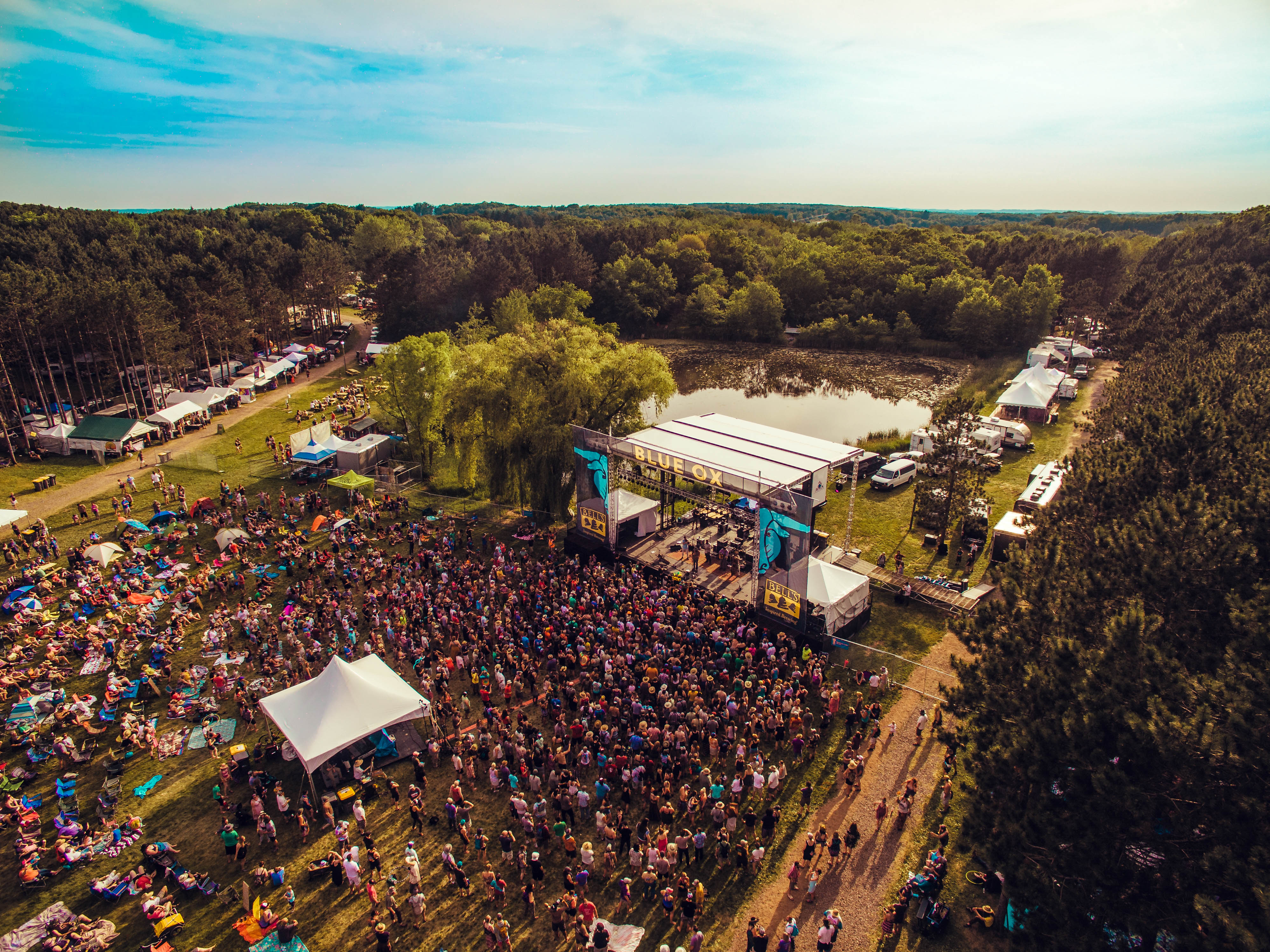
Blue Ox Music Festival: Six Reasons to Go

As I have attended Blue Ox Music Festival each of the past three years, I have found it’s about both the music and the people who love the music. A lot of folks come from isolated rural areas or spread-out small towns, so spending a weekend with so many like-minded, friendly, and positive music lovers is a refreshing and special feeling. There’s a strong sense of community — that’s what keeps bringing me back.

Blue Ox Music Festival 2019 will be held June 13-15 at Whispering Pines Campground in Eau Claire, Wisconsin. Here are six reasons to go.


View this post on Instagram


A post shared by Blue Ox Music Festival (@blueoxmusicfestival) on

1. The Mornings
A short stroll through the campground in the morning really shows the best in people. You’re sure to have more than a handful of strangers greet you cheerily or invite you into their campsite for coffee and conversation. Additionally, the festival offers yoga every morning — it’s a great place to wake your body up in the morning, limber up before the long day, and meet new folks.


View this post on Instagram


A post shared by Blue Ox Music Festival (@blueoxmusicfestival) on

2. Friends of Friends
Blue Ox is a meeting point for music lovers from all around the Midwest. You’re bound to run into a friend, a friend of a friend, or maybe even a long-lost relative. The festival is a beautiful representation of how music brings people together.


View this post on Instagram


A post shared by Blue Ox Music Festival (@blueoxmusicfestival) on

3. Diverse Sounds
The lineup draws from a very diverse variety of genres and styles. There’s truly something for everyone, from Deadheads and alt-country lovers to traditional bluegrassers and funky folks. If you were to walk around the grounds and asking passersby which act they’re most excited about you might hear dozens of different answers. It’s really special to see so many fans of so many different styles all in one place.


View this post on Instagram


A post shared by Blue Ox Music Festival (@blueoxmusicfestival) on

4. Emerging Talent
Sure, there will be plenty of names on the bill that you already recognize, but one of the finest features of a music festival is discovery — discovery of new bands and sounds from near and far. Like Armchair Boogie, an eclectic group from Madison, Wisconsin. They offer a totally unique and original cocktail of sounds from rockabilly to funk to bluegrass and beyond. The guys recently began recording their sophomore album, What Does Time Care?, so be on the lookout for some new tunes soon.

The Lil Smokies played the Blue Ox side stage in 2018 and the crowd nearly doubled in size over the course of their set. They combine incredible technique and heaps of talent with extremely well-crafted songwriting. It’s really easy to get hooked on their music.

The Wooks are a string band made up of five absolute shredders who blur the lines between traditional bluegrass, honky-tonk, jam bands, and more. This is their first year at Blue Ox and you won’t want to miss them.


View this post on Instagram


A post shared by Blue Ox Music Festival (@blueoxmusicfestival) on

5. The Backwoods Stage
Twelve hours of music every day can make it easy to forget about (or be too worn out for!) the Backwoods Stage. It’s the place where all the beautiful late-night weirdness happens. You might find Billy Strings jamming a few tunes with Horseshoes & Hand Grenades, or Jeff Austin picking a few with The Travelin’ McCourys. There’s no telling what might go down, but it’s sure to be a highlight.

6. The Jams
Blue Ox jams — whether on the main stage, during late-night, around the parking lot or the campground — are unique in that you’ll hear everything from The Rolling Stones to John Hartford, and Andy Statman to Hank Williams over the course of an hour or so. Most Blue Ox folks are totally open-minded, which makes for some very cool and unique jams. It’s an event that really does have a little something for all roots music fans out there.

Don’t forget to follow along across BGS social media channels this week as well for special on-site coverage from Blue Ox. Even if you can’t make it to the festival, you can watch key sets from the weekend on BGS.com via JamgrassTV.


Photo credit: Scott Kunkel

John Paul White Captures the Countrypolitan Era

John Paul White, who rose to prominence as half of The Civil Wars, has just delivered his most fully-realized solo set, The Hurting Kind. When he couldn’t find a modern album that gave him the feeling of his favorite countrypolitan recordings of the ‘50s and ‘60s (think Patsy Cline and early Roy Orbison), White set out to make an album that would capture the aesthetic of that era without going full-on retro. He wrote with some legendary songwriters of those decades still working in Nashville, including Country Music Hall of Fame members Bill Anderson and Bobby Braddock. One of those Braddock collaborations, “This Isn’t Gonna End Well,” is included here as a duet with Lee Ann Womack.

Recorded at his own Sun Drop Sound studio in Florence, Alabama, with producer Ben Tanner (Alabama Shakes) behind the console, The Hurting Kind finds John Paul White going for broke as a vocalist, flexing his creative muscle as a country songwriter, and speaking his mind about what it means to live and work in Alabama in 2019.

BGS: When you were growing up, your father’s record collection contained a lot of classic country albums, but you didn’t gravitate towards those sounds back then?

White: When I was growing up, I hated those records. It was not my cup of tea. I was more of a rock ‘n’ roll guy. I was listening to Black Sabbath and Led Zeppelin and AC/DC — stuff like that that. When I got to college I started listening to Steve Earle and Rosanne Cash and Emmylou Harris. I realized the reason I was digging those records so much is because of all those country records I grew up with. That’s what they grew up with, too, so we had a common DNA. So, I dug back into all those records that I knew by heart and realized how much I loved them. They influenced my decisions musically all the time whether I knew it or not. I finally just fully embraced it.

Over the last few years, you’ve been drawn to music from the countrypolitan era. Why did you want to tap into that for The Hurting Kind?

I think it was just a huge hole in that part of my discography that I was listening to. I was looking for that stuff everywhere. I’d worn those records out, and I knew them backwards and forwards. I was trying to find something in a modern setting that was doing that thing, because that’s just what I craved and what I wanted to listen to.

I then went out and made the record that I was looking for. I decided, “Well, I’m going to find the guys that wrote a lot of those songs.” So I got to write with Whisperin’ Bill Anderson and Bobby Braddock for this album. I got the seal of approval from them that I was on the right track. That’s huge.

You wanted to capture that countrypolitan aesthetic, but you didn’t want The Hurting Kind to sound retro. How did you achieve that?

I didn’t actively do anything to keep it from sounding retro. I wanted it to sound like a modern record, but with those same sensibilities of the string arrangements, vocal harmonies and that country-jazz Chet Atkins-type guitar style. But I wanted to capture it in the way you capture sounds today and not feel like you have to use all old ribbon mics and old RCA microphones that they were forced to use. We have lots more tools at our disposal. If we had finished this record and were just following our guts and it sounded like an old record, then so be it. But I’m glad it sounds like its own thing.

The aesthetic I was going for was really captured in the songwriting process. I arranged all these songs in my head the way that I thought they should sound, and the way they should progress dynamically, before I ever walked into the studio.

“You Lost Me” is such a great cheating song, and one of the most devastating on an album full of heartbreak songs. How are you so good at writing these sad songs?

I’m not meant to write songs to cheer you up. I’d fail miserably because they don’t move me. They don’t make me feel something. My songs aren’t necessarily sad as much as they’ll stir up an emotion. It might be longing or it might be love, but at an angle. Like, “I love you and you’re so horrible for me.” That’s more interesting to me, ‘cause just the straight up love songs, it’s been done. I come at it from a completely different perspective.

Doomed love is also the topic of “This Isn’t Gonna End Well,” a duet with Lee Ann Womack. Why was she the right fit for that song?

I needed a timeless voice — a voice that could straddle genre, but also, I won’t lie, I wanted a voice that would be recognizable. Lee Ann was every one of those boxes checked. She’s really made strides towards creating true, traditional music and sort of separating herself from the typical Music Row stuff. We’ve known each other for a while and have talked about collaborating and never have. I knew, because of Bobby writing it with me, I could be confident enough to walk in the room and ask her out, as it were. She said yes.

You’re singing with a lot of emotion and vulnerability on this album, which isn’t common for a man to do in 2019. Why is that?

Because it’s ain’t cool, I guess. I love Roy Orbison and Marty Robbins — the guys that just put their heart on their sleeve and are not afraid of the drama and bowl you over with it. They make sure you know exactly what they’re feeling with those big notes and the trills and stuff. I think ever since Nirvana came along, so many wonderful things about that whole movement, but it also became so much shoe-gazing. That’s fine, and I like some of that music, but what I really like is a guy up front with confidence putting it all out there and letting you know exactly how he feels and not giving a shit what you think about it.

It’s not easy to pull that singing style off, either. Your voice has really evolved on this album.

I appreciate you saying that. I think it was a confidence thing, too. I think it was a conscious decision to step forward and be counted and give people what I have and not hold back. Not give them 80 or 90 percent. I honestly feel like I’m singing better now than I ever have. I feel like every time I get in front of a microphone or get onstage or am in the studio, I figure something out. I tweak something that makes it a little less hard, a little more comfortable or easier to project — a little better tone, and that’s exciting.

Being an Alabama native like yourself, I’ve found a lot of meaning in the album’s opening song, “The Good Old Days,” with the news coming out of the Alabama state legislature. You’re now performing that song all across the country and overseas and in some ways representing the state to your audience. I have to say, it’s complicated to be from Alabama these days.

It most certainly is. I get it left and right. I’m proud to be known as an Alabamian. I don’t take that lightly. I don’t tend to want to be the preachy guy around here, because I’ve never gravitated towards those sorts of people anyway. The whole proselytizing thing of, “This is what you should believe and this is what you should not believe” does not sit well with me. But at some point around here, it just gets to a fever pitch to where you can’t keep your mouth shut.

That song was definitely a big middle finger to the idea of “Making America Great Again,” because for most people in this country that aren’t white, straight dudes, it wasn’t great. It hasn’t been great. I’m trying every day to teach my children about tolerance and compassion and making sure they know this country was really, really hard on a lot of people that didn’t fit what people considered the norm.

I don’t ever want to see that shit happen again. I don’t want it on their watch. I want to make sure they’ve got their eyes open and that they change things and don’t ever say we should have it back like it used to be. No. I don’t want that for a minute. I want it like it says in the song, “Our best days are in front of us.” I have to believe in that. There are days when I wonder, but I have to have that hope.


Photo credit: Alysse Gafkjen
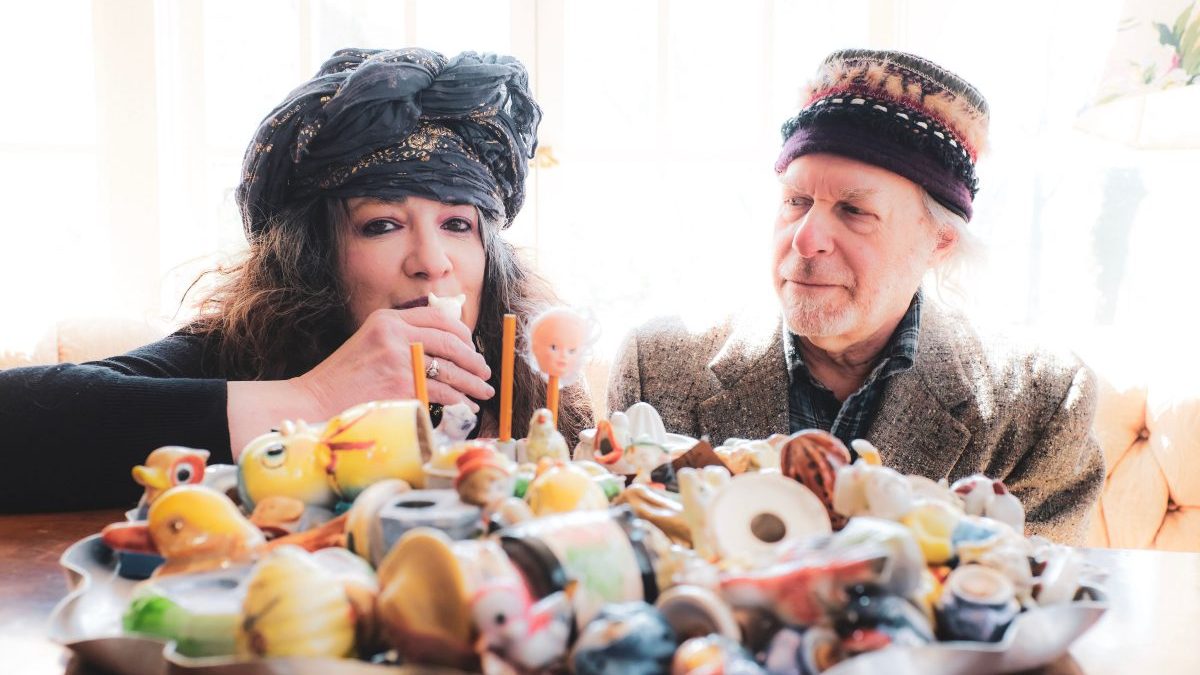
LISTEN: Buddy & Julie Miller, “Til The Stardust Comes Apart” + “You Make My Heartbeat Too Fast (Live)”

Artist: Buddy & Julie Miller
Hometown: Nashville, Tennessee
Songs: “Til The Stardust Comes Apart” + “You Make My Heartbeat Too Fast (Live)”
Album: Breakdown on 20th Ave. South
Release Date: 7″ single, June 7, 2019; album, June 21, 2019
Label: New West Records

In Their Words: “We’ve been together for almost 40 years… and although sometimes a bumpy ride, it looks like our love is going to stick. ‘Til The Stardust Comes Apart’ is one of those songs that fell out of the sky…quickly and literally. We often have a television tuned to history or science documentaries and heard of a recent study finding that we actually have stardust in us as old as the universe. Astrophysicist-author Karel Schrijver put it this way: ‘Everything we are and everything in the universe and on earth originated from stardust, and it continually floats through us even today. It directly connects us to the universe, rebuilding our bodies over and again over our lifetimes.’ Julie wrote the song after the show ended.

“‘You Make My Heart Beat Too Fast’ recorded live, not sure when or where or why…… possibly The Bottom Line in NYC or Slim’s in San Francisco. It was fun to play and different every night. Bryan Owings on drums, Rick Plant on bass.” — Buddy Miller


Photo credit: Kate York