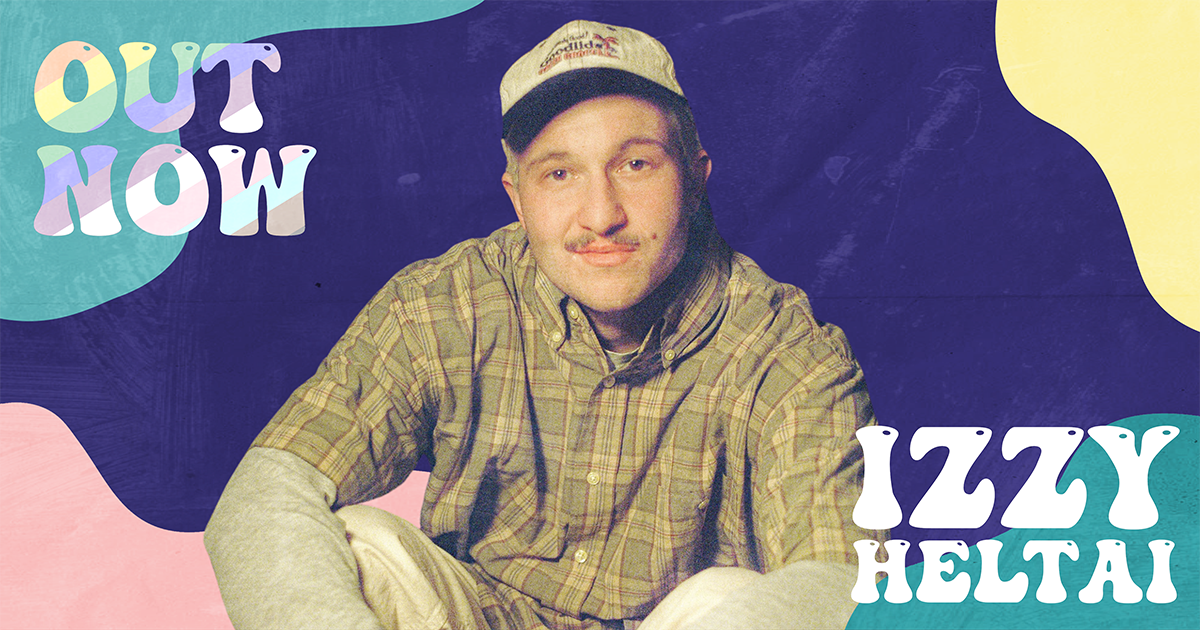
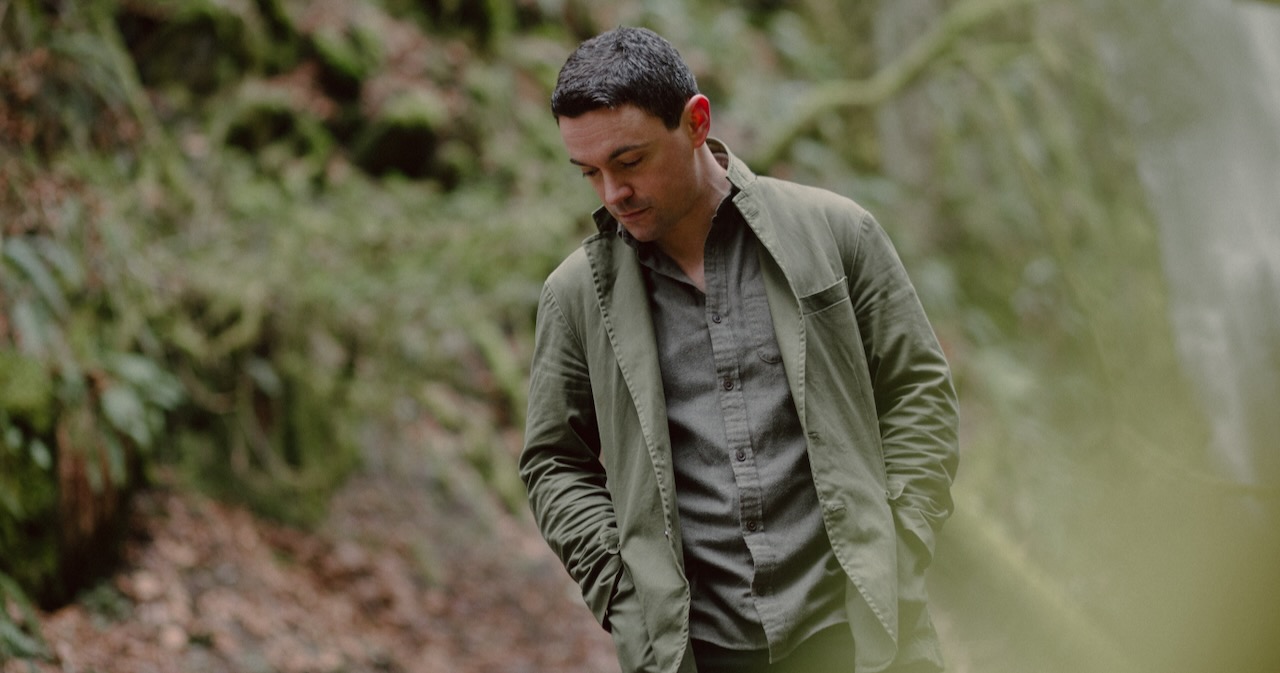
Izzy Heltai is an indie-folk artist whose songs touch on themes like growing older, feeling lost, and finding yourself – his music resonates with many people. Izzy played the first Queerfest event, a virtual festival in 2021 hosted in partnership with Club Passim. His latest single, “My Best Friend Sam,” came out on April 25.
Izzy has a debut New York headline show coming up. If you’re in the area, be sure to check out his show at Union Pool in Brooklyn on Friday, June 21. Our Out Now conversation covers work-life balance (a large theme in his new single), his favorite LGBTQ+ artists, and his current state of mind. We’re so excited to highlight this phenomenal artist, Izzy Heltai!
Your lyrics cover themes that many people can relate to such as being anxious, growing older, self-esteem, feeling lost, etc. Do you write with the listener in mind for the relatability of these topics? Are you mostly thinking of your own experiences and emotions? Or are you considering both during the creative process?
Izzy Heltai: I think a lot of what I experience is universal. I think as we get older we all deal with issues of identity, anxiety, a sense of feeling lost, etc. I don’t really think about writing, or creating, for the purpose of being relatable. I think inherently what I write about is relatable, but the only way I can keep it authentic is by simply saying exactly what I’ve experienced. I don’t claim to know, or want to tell other people what they’ve gone through, all I can do is talk about what I experience.
Your single that came out last month, “My Best Friend Sam,” includes the lyrics, “I’ve wasted close to a decade chasing dreams and expectations / I wanna leave, I wanna stop everything / I wanna be hanging out with my best friend Sam.” How are you balancing a demanding career in the music industry with taking time for yourself and personal relationships?
Honestly, it’s been tough. This work exists in oscillations of highs and lows. One day it can feel like you have everything at the tips of your fingertips and the next day it can feel like everything’s falling apart. I’m trying to block out a lot of that. I’m trying to focus on what makes me happy about all of this, creating music with my friends, playing shows and connecting with people.
Recently, I’ve just been focusing on being in one place. Trying to be present, spending time with people I love, working on my next body of work and doing things throughout the day that make me feel the most present I can be. Reading, riding my bike, climbing, and writing songs.
What is your current state of mind?
If I’m honest, it isn’t the best it’s ever been. I broke my hip about a year ago and some things changed in my life that I had a hard time adjusting to. I’ve been refocusing recently and just putting energy into making things I love. Working on new songs I’m really proud of, investing in my friendships, riding my bike a lot, climbing with my friends. Things that make me feel grounded and most myself!
What’s your ideal vision for your future?
I love making my music, I love my friends here in Nashville and my routine, but I also love touring. Touring and playing shows, connecting with people, seeing new things, is such a big part of this for me. My ideal future consists of a balance between a routine at home, bike rides, yoga, rock climbing, writing and creating my next body of work, and a consistent sustainable touring schedule.
What would a “perfect day” look like for you?
This one’s easy. A sunny hot day, a very long bike ride, and cooking with my friends.
Why do you create music? What’s more satisfying to you, the process or the outcome?
I make music, because at one point I was a lonely, confused kid, and for some reason this was the way I processed the world. I’ll always make music regardless of who’s paying attention, but it’s easy to lose sight of that sometimes. I’m fully aware, with my identity, if my music reaches a certain level of success it has the power to really impact a marginalized population quite powerfully. I think my music becomes much more than “just for me,” because of that.
Who are your favorite LGBTQ+ artists and bands?
Lucky and honored to call her a close friend, Katie Pruitt is absolutely at the top of that list. Leith Ross, Ethel Cain, and Chappell Roan are other favorites of mine.
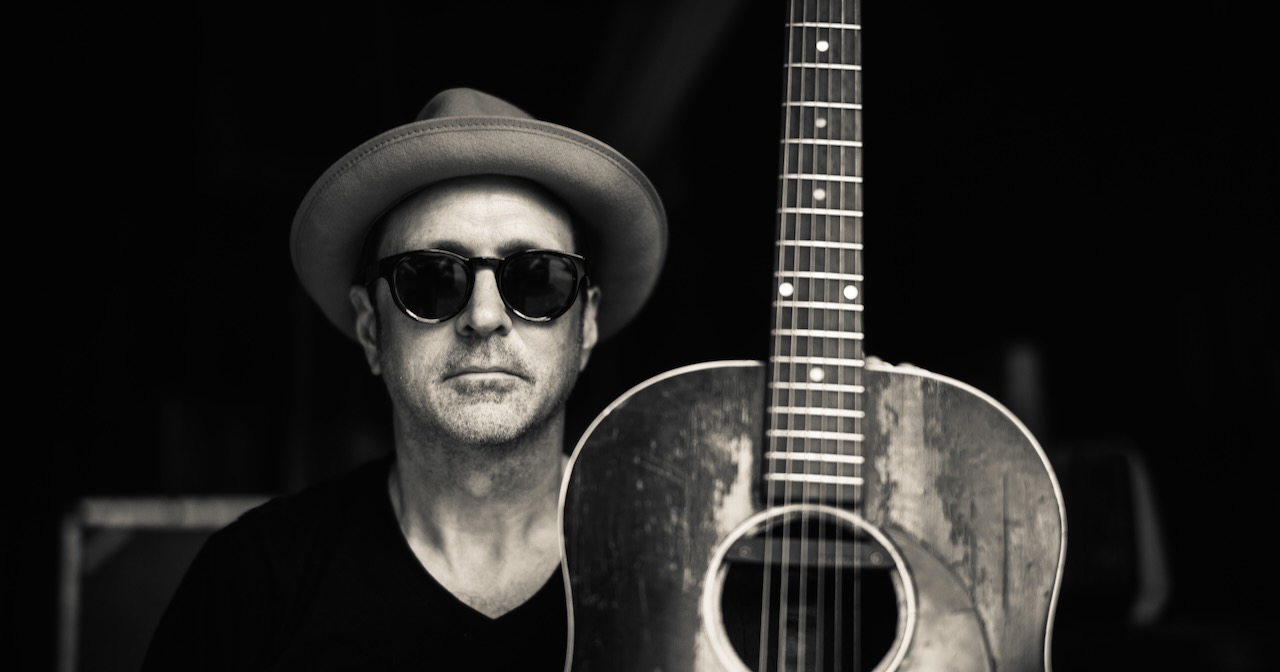
When I was asked to put together a Mixtape for BGS, I was on my way from Jazz Fest in New Orleans to a Warrior PATHH/Songwriting With Soldiers post-traumatic growth trip to Southwest Missouri. My mind was making the transition from pure pleasure and celebrating the life of Jimmy Buffett, who was not only universally loved, but was also personally very good to me. He was my songwriting partner for 20 years. My mind was switching from that to creating a blank slate, so that I could listen to six women who served in combat and one woman who served in law-enforcement – and listen to their stories without judgment.
My involvement with Songwriting With Soldiers, and now their affiliate post-traumatic growth program, Warrior PATHH, really comes out of simply being asked to do it. Then once I had done it, I fell in love with the people– the combat veterans, the first responders, men and women. I am most interested in the human connection, the connection between communities who may not run into one another on a day-to-day basis. Being around people who are struggling with trauma and doing everything they can to get better for themselves, their families, their careers, and their friends, it’s nothing short of pure inspiration.
I understand Memorial Day is to honor those who have fallen in the line of duty, specifically in war. But after all these years of working with the people who survived, I cannot help but think of them as well. We also work with the families of the fallen, so I think Memorial Day for me is first and foremost about the fallen, but also about the families left behind and the soldiers who survived, but who were left with the mark of trauma.
This playlist is not a journey through a literal Memorial Day. Study some history, some first-hand reports about the mayhem of war. I could not make a playlist only about those who gave all. In my work and journey through listening and writing with veterans and first responders, I am learning so much about human beings struggling to be better.
That’s what this is about. And that’s how I would like to honor the fallen this Memorial Day: We promise you we are trying to get better. You did not die in vain. I have been given the opportunity to leave myself behind a bit, listen to other people’s stories, and use the gift I have of songwriting for a whole new purpose. And that’s my angle on this playlist. – Will Kimbrough
“Walking in the Valley of the Shadow” – Will Kimbrough
Sometimes we have to carry on, even though holes in our shoes and our clothes are torn. Even though someone doesn’t want us to be here. Sometimes we have to carry on.
“The Ballad of Ira Hayes” – Kate Campbell
Johnny Cash may have the definitive version, of course, but I love Kate’s version so much. She has so much heart.
“The Ballad of Cape Henry” – Todd Snider
This is one that I helped write. Sometimes paying attention to what surrounds you while you’re on the road is real important. Read the historical marker. Look at the land around it. We made this up on that old Virginia shore.
“The War After the War” – Mary Gauthier
Just a perfect song about an imperfect world. People struggling. I played on this record and Mary got me involved with Songwriting With Soldiers. Changed my life. Full stop.
“Buffalo Soldiers” – Bob Marley
As I write this, I’m getting ready to write a song with women combat veterans at a retreat center, in a building named after the Tuskegee Airmen.
“Bubbles Up” – Jimmy Buffett
I cowrote this, using experience I’ve had with combat veterans and first responders. Thinking about post-traumatic growth. And Jimmy brought his experience taking the Navy Diving Course. We wanted to help someone find the surface, the plot, the purpose… when the journey gets long.
“Sam Stone” – John Prine
You have to include “Sam Stone” by John Prine on Memorial Day.
“Bang the Drum Slowly” – Emmylou Harris
Emmylou wrote this for her Dad – a Marine and a POW during the Korean War – with Guy Clark.
“Still Learning How to Fly” – Rodney Crowell
For all the vets I’ve written with!
“Gimme Shelter” – The Rolling Stones
Just saw the Stones at Jazz Fest in New Orleans! Still powerful after 55 years.
“Uncivil War” – Shemekia Copeland
Just a reminder that veterans fought for our freedom to disagree. That’s a big part of our American story. This song, which I cowrote with John Hahn for the great Shemekia Copeland, mourns the divide in our culture. Peace, y’all!
“Anything Helps” – Dean Owens
I wrote this with my friend Dean. He had played a songwriter show at an Austin homeless shelter that was full of veterans. I had bought an American flag lapel pin from a homeless veteran in Nashville. We put our heads together. Sometimes the sacrifice of war comes later, when the veteran is unhoused.
“Angel Flight” – Darden Smith
A great Memorial Day song by the cofounder of Songwriting With Soldiers. Written with the amazing Radney Foster.
“Isolation” – Will Kimbrough
Isolation is a word I hear every time I write with veterans.
“America the Beautiful” – Ray Charles
It really is beautiful. I need to get to work now, but as I look out on the Ozark Mountains in the Tuskegee Airmen building, I can hear Brother Ray Charles sing. And I believe him.
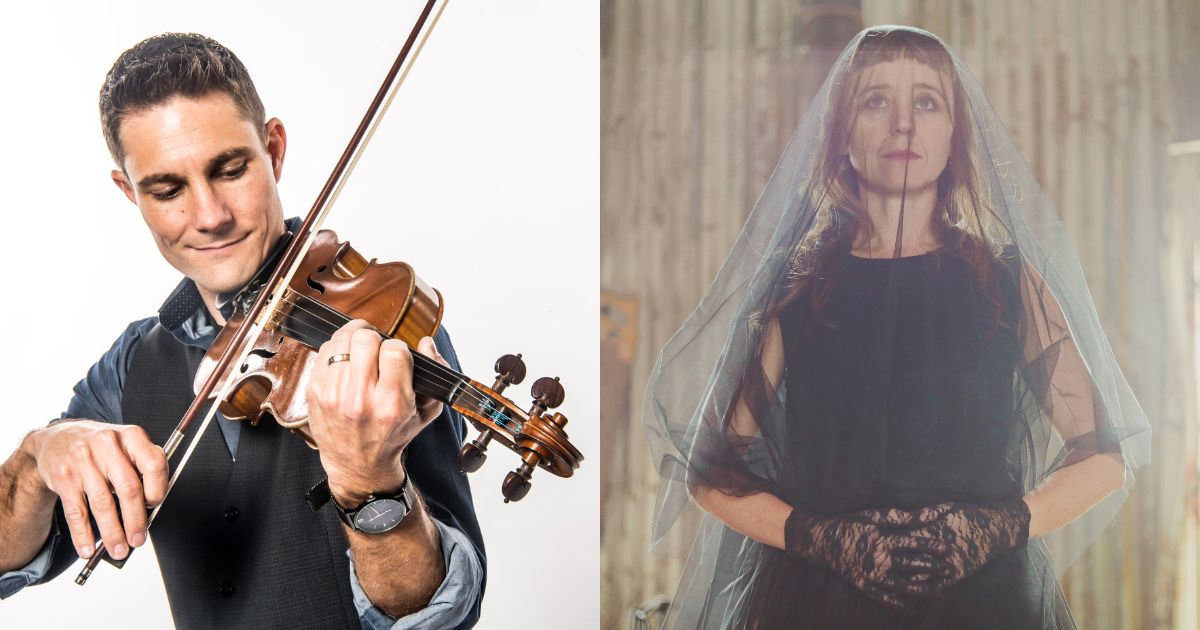
Ruth Moody has a singular voice, whether she’s joining the soaring three-part harmonies of the Wailin’ Jennys, or carving her own path on her new solo album, Wanderer (released May 17.) The project was almost a decade in the making and finds Moody betting on herself as a songwriter, co-producer, and now-label head for her own Blue Muse Records. The album is parallel to Moody’s own journey at continuing to define herself, with its emphasis on confronting the past and carving away detritus that is no longer needed.
Moody splits her time between Nashville and Vancouver Island. The pull between her sense of place, as well as her identities as artist, wife, and mother, characterize Wanderer. The album was recorded at the legendary Sound Emporium in Nashville and was co-produced with Dan Knobler (Allison Russell, Lake Street Dive) and mixed by Tucker Martine (My Morning Jacket, First Aid Kit, The Decemberists).
As discussed below, Moody waited until the time was right to bring her favorite musicians together for the record: her partner Sam Howard, who plays upright bass and provides backing vocals; her older brother Richard Moody; The Wailin’ Jennys’ touring band member Anthony da Costa (guitars); Jason Burger (drums); Kai Welch (keyboards); Russ Pahl (pedal steel); Adrian Dolan (string arrangements); and duet partner Joey Landreth (on “The Spell of the Lilac Bloom”). Moody’s patient commitment to executing Wanderer the way she wanted to shows in its transcendent arrangements.
In our BGS interview, Moody discusses how she establishes her sense of self amidst the competing demands in her life, the factors that give Canadian roots music their own special quality, and the lessons she’s learned from doing Wanderer exactly the way she intended to.
What do you think it is about Canadian roots music in particular? It does have a different feel than roots music in the States.
Ruth Moody: You know, I’ve been asked this question for so long. It’s a very valid question, because I think there is something, but it’s really hard to have a clear answer. In Canada there’s such a range of geography and music culture. You can’t really pin it to one thing.
I grew up in Winnipeg and the winters are so harsh that I think music and art are one of the things that get people through. It’s something you can do in the winter. I also think that there’s something about the landscape and the winter that creates a certain work ethic because you’re so small against the elements, really. So consciously or subconsciously, that enters into the picture for people. And so I think people tend to work hard and really apply themselves. And when it comes to touring, especially if you’re from Winnipeg, it takes some effort to get to the next town. It’s a six-hour drive before you get to the next major town. So I think right from the start, young musicians know they have to go out in the world to tour and get their music out.
We’re pretty diverse and we’re also influenced by so many different cultures and types of music. So I think there is a very exploratory aspect to Canadian music. And a lot of cross-pollination between genres and scenes. We are very lucky to have government support for the arts and I think that helps artists thrive, obviously, but it also helps to create music communities and bring artists together in collaborative situations.
Well, it’s always good to start an interview out by asking you to speak for your entire country! But Wanderer focuses on the idea of home, and I know you’ve lived many different places. Did I read that you grew up in Australia?
I was born in Australia, and my parents are Australian, but they came back to Canada when I was only a year old. I grew up in Winnipeg, but, as an adult, I’ve moved around a ton and that was what inspired the title track. I’ve been touring for over 25 years at this point. “Wanderer” is a love song that I wrote for my partner, because he helped me have that feeling of home for the first time in my adult life.
There are a number of songs about young love and new love on the album. Was there something that was making you reminisce about those times in your life?
These songs were all written across a long time-span – over 10 years really – since my last record. So the songs come from different stages and sides of love, right into motherhood. Some songs deal with heartbreak too and some are more reflective about the past. During the pandemic, I was reflecting a lot about how we internalize the messages we receive from society, how as a woman I took on the expectations of others and how that has affected my life. I was looking back, looking for clues, curious about where fear comes from, where strength and resilience come from. How we learn how to be our authentic selves when there are so many outside pressures and confusing messages. “Seventeen” isn’t about that, at all, but it ended up coming out of that period of reminiscing. It’s a song that came from my own experiences but that is essentially about being in love and not being ready or able to face it or express it, which I think is probably a pretty common experience.
These are all things I’m thinking about a lot now that I have a child, too, because they become very relevant. You’re trying to model behaviors for a young person and it really makes you face yourself. You have to look at why you do and say certain things and what you want to teach and how you want to be.
Speaking of wandering, I read that you split your time between Nashville and Vancouver Island.
I just got back from British Columbia, and I’ll be back in BC in the summer, so yes, I’m back and forth. I tour a lot, so I try to get home to BC when I’m already out traveling. But I work a lot in Nashville and so does my partner, so we’re still figuring that out.
Do you feel you are different when you are in these two different places?
Definitely. That’s been a real theme becoming a mother, really. Suddenly, you’re responsible for another human life. You have to let go of a lot of ways that you used to do things and prioritize what matters. I’m always shifting modes.
When I’m on tour, I operate in a certain way. When I’m in BC, I’m close to my parents and that brings out certain things. When I’m on my own, I have a bit more freedom to maybe be my creative self and when I’m in parenting mode, that goes out the window. Additionally, a partnership requires a lot of work and time, too. There are a lot of different parts of life that I’m juggling. But it keeps it interesting.
This isn’t meant to be a conversation about being a musician and motherhood and “having it all,” but it is a big theme of the record!
It has been a big theme of my life of late. Actually, I wanted to make this record about eight years ago and then I put it on hold, because I wasn’t able to line up all the musicians I wanted involved. I thought, “I’ll do it next year.” And then I had my son and I just didn’t know that motherhood would be such an all-consuming thing. It doesn’t have to be – and everyone’s different!
I really want to do a good job at everything that I do, and so I found it hard [to balance everything.] I felt like I wasn’t doing a good enough job at being a parent and I wasn’t doing a good enough job at performing. That was really hard on me. And I think now, with this new way of looking at things, I’m just being easier on myself and thinking to myself, “Maybe I was enough. Maybe we can’t be perfect at every single thing.” Maybe we don’t have to attempt to be perfect at everything.
First and foremost I think that any woman should have the choice to [balance motherhood and work] in the way she wants to do it. I am still figuring out how to juggle everything – especially since for this record, I decided to put it out on my own label. It’s really exciting and I think will be really rewarding, but it is a ton of work and the learning curve is quite steep.
Wanderer is your fourth solo album. Do you feel this process is different than when you’re working with another artist or with The Wailin’ Jennys?
It is different. The Jennys – I mean, we’ve been together for so long and we have a certain way of working. We’re talking about making a new record, which is really exciting. It’ll be different, because it’s been a while and we’re all changing all the time, you know? That feels like it will be an exciting new experience.
But it is of course different working on my own, especially in this case, because I co-produced this record. When you’re on your own, you draw on a different part of your brain and even your heart. Wanderer is a really personal collection of songs. With the Jennys, we tend to maybe gravitate towards songs that call for three part harmony, so they end up being a bit more anthemic. With these really personal, intimate songs, I connect to them in a different way.
What lessons do you feel like you can take away now that you’ve finished making Wanderer that you want to take with you on your next project?
I’ve learned so much in doing this. Because it took so long to make it and these songs were waiting in the wings for so long, it felt really important for me to make it. The stakes felt high, because it had been so long in the making.
Now that it’s done and I’m putting it out, I am really excited and proud of it. I want to just keep releasing expectations and I’m very excited to dig into creative work again.
You know we always have your back when you need new music recommendations, right?
This week, we’re sharing premieres from extraordinary bluegrass pickers like fiddler Andy Leftwich and the Vestal Brothers, Curtis and Scott. Plus, singer-songwriters Eden Brent and Annie Bacon each showcase new emotive and moving songs about family, love, and grief. Bacon wrote “Alone With Grief” to be a comfort and a balm to those who have experienced loss, but without sugar-coating or toxic positivity. While Brent’s “You On My Mind” was written by her husband – and collaborator and bandmate – Bob Dowell, about their long distance courtship.
Don’t miss the Faux Paws reprising a song from their 2023 EP, Backburner, with bassist Zoe Guigueno or the final installment of Meadow Mountains SkyTheory Sessions series, which we’ve premiered in four parts over the last few weeks. You can watch “Backburner” and “Count Me In” below and find links to the Faux Paws’ crowdfunding campaign and the preceding three performances from Meadow Mountains video series, as well.
It’s all right here on BGS and You Gotta Hear This!
Andy Leftwich, “R-26”
Artist:Andy Leftwich Hometown: Carthage, Tennessee Song: “R-26” Release Date: May 24, 2024 Label: Mountain Home Music Company
In Their Words: “I’ve always loved the music of Django Reinhardt and Stephane Grappelli. This fun tune was introduced to me by my wife’s cousin, Luke. It’s one that you don’t hear very often, but has a simple and catchy melody that is extremely fun to improvise and solo over. Django and Stephane have inspired so many great musicians and have had a huge impact on bluegrass music. I first heard about Stephane through David Grisman and their record, Live. I instantly fell in love with that style of music and dove head first into their catalog. The art of improvisation is something that makes bluegrass and swing music so unique and I was thrilled to record this one with Cody Kilby on guitar and Byron House on upright bass. I hope it brings a smile to your face as it does for me each time we play it!” – Andy Leftwich
Annie Bacon & her Oshen, “Alone with Grief”
Artist:Annie Bacon & her Oshen Hometown: Ann Arbor, Michigan Song: “Alone With Grief” Album:Storm Release Date: June 14, 2024
In Their Words: “Before I wrote this song, I knew this was my grief album and it’s deeply personal. But with the recording sessions approaching, I felt this urgency to say something directly to the listeners and not just share my own experience. I wanted to speak to that strange time in early grief when you need so much comfort, but also you kind of need zero bullshit. For example, I wanted the word dead in this song. No euphemisms. Your loved one is dead. They’re dead. That’s what it is. It’s strange how people struggle to say that word. For me there was a lot of comfort in being able to say it that plainly. But I also knew that my nervous system in that period was so dysregulated all the time. I was a disaster: veering between jumpy and catatonic. So when I was writing this song and channeling that time of grief, I wanted to create as much comfort and emotional safety as possible.
“I listen to a really wide variety of music, and while I didn’t make a conscious decision to give this a samba feel when I was first writing it, that’s definitely the kind of music that soothes me. When it was clear that that was what the song was leaning towards, I leaned all the way in. I’m so lucky that the musicians I was working with (Anson, Thomas and Paul) are really versatile and talented across multiple genres. So it wasn’t a stretch or strain. After I’d received the final master, I saw a friend’s post about her Mom dying suddenly, and I recognized the tone of her writing: a distant numbness from shock, matched with a recounting of the details, and then veering into total heartbreak. I sent her the song and she wrote back, ‘I feel like this was made just for me,’ and that’s about the best compliment I could’ve received. I hope that’s how it feels to everyone who hears it.” – Annie Bacon
Track Credits: Written by Annie Bacon. Performed by Annie Bacon, Paul Defiglia, Thomas Bryan Eaton, and Anson Hohne.
Produced by Annie Bacon and Paul Defiglia. Recorded by Paul Defiglia with Kate Haldrup and Wil Tsyon at Daylight, Nashville, Tennessee. Mixed by Mike Clemow and Wade Strange at SeeThruSound, New York. Mastered by Piper Payne at Neato Mastering, California.
Eden Brent, “You On My Mind”
Artist:Eden Brent Hometown: Greenville, Mississippi Song: “You On My Mind” Album:Getaway Blues Release Date: June 21, 2024 Label: Yellow Dog Records
In Their Words: “My husband Bob, who produced and plays bass on this recording, wrote this song for me, so it’s very personal. He is from London and I am from the Mississippi Delta, which means that we spent the whole seven years of our courtship across the Atlantic Ocean from each other. This song expresses the love that made our long separation tolerable. The idea is borrowed from Shakespeare’s Sonnet 44, which is a favorite of mine. In those 14 lines the poet declares that despite distance, one’s true love is only a thought away. When Bob was writing this, we discussed how most songs are remembered for the repeated lyrics and not for the meaning of the song in its entirety. We mentioned ‘When a Man Loves a Woman’ and ‘Don’t Worry Be Happy,’ and discussed John Mayer’s ‘Say.’ Melodically and lyrically, Bob wanted a song that was simple and easy to remember. We joke about this popular songwriting style and sing it like this: ‘Say what you need to say. Say what you need to say. Say what you need to say. Say what you need to say, and get out!’
“Musically, Bob originally envisioned a sort of marching gospel, but once the studio session began, my keyboard part sounded more like a country waltz. Here, Bob plays a warm sostenuto bass and asked the guitarist, Rob Updegraff, to, ‘Make it as country as you can.’ When the tape rolls, Rob bends the Telecaster strings making that lovely cry that opens the track. The drummer, Pat Levett, with his love of New Orleans rhythm, adds a triplet undercurrent and brings the song back into the gospel realm. The resulting landscape is unusual yet familiar and lends the perfect accompaniment to the simple, heartfelt lyrics. ‘Everything is easy with you on my mind.'” – Eden Brent
Track Credits: Produced and written by Bob Dowell. Recorded by Benedic Lamdin at Fish Factory Studio, London.
The Faux Paws, “Backburner” (featuring Zoe Guigueno)
Artist:The Faux Paws Hometown: Springfield, Vermont Song: “Backburner” Album:Backburner EP Release Date: April 7, 2023 Label: Great Bear Records
In Their Words: “Hey, have you ever had sad feelings? Have you ever tried shoving those feelings deep down and not feeling them and then everything’s great!? That’s what this song is about! It’s a bop and the title track off our 2023 EP. Noah really cuts loose on the fiddle insanity. Lately we’ve been thrilled to tour and record with bassist Zoe Guigueno (Hadestown, Della Mae, Fish & Bird) and will be hitting a slew of festivals with her this summer. We’ve also got a new album in the works right now and are in the midst of a crowdfunding campaign to make it all happen! Check out the details and other fun content here.” – Chris Miller
Video Credit: Directed and Produced by Rebecca Branson Jones.
The Vestal Brothers, “Let Those Fingers Fly”
Artist:The Vestal Brothers Hometown: Duncan, Oklahoma Song: “Let Those Fingers Fly” Album:Family Ties Release Date: May 28, 2024 Label: True Lonesome Records
In Their Words: “‘Let Those Fingers Fly’ is a song written in a reflective mindset thinking back to the days Scott and I would head to Oklahoma to stay with our grandparents for the weekend or off to a festival with grandma and grandpa, Famon Self. He was a fiddle player in a country western band and they played local rodeos, nursing homes, and special events local to the community there in Duncan, Oklahoma. I remember seeing him on a tractor-trailer stage in the parking lot at the mall, and he’d get us up to play with them. Good times!
“We had this song recorded and along with Eddie Sanders of True Lonesome Records, decided it was time we went ahead and work on a record that will be released later this year. Be on the lookout for Family Ties.” – Curtis Vestal
Track Credits: Curtis Vestal – Lead vocal, bass Scott Vestal – Banjo, harmony vocal Tim Crouch – Fiddle Cody Kilby – Guitar, mandolin Randy Kohers – Resophonic guitar, harmony vocal
Meadow Mountain, “Count Me In”
Artist:Meadow Mountain Hometown: Denver, Colorado Song: “Count Me In” Album: June Nights Release Date: May 22, 2024
In Their Words: “I originally conceived of this song as a ‘rewriting’ of ‘Rocky Mountain High’ by John Denver. The first lyric from ‘Count Me In’ is: ‘Twenty-seven came and went like a storm, hanging on by the songs I wrote on the day that I was born,’ which is an homage to Denver’s lyrics: ‘He was born in the summer of his 27th year, coming home to a place he’d never been before.’ From there, the song took on its own life. It is a celebration of life in The Rocky Mountains. You want to go play up in the talus fields and by the ice cold mountain lakes? ‘Count Me In.'” – Summers Baker
Editor’s note: Each issue, our co-founder Ed Helms will share a handful of good country artists, albums, and songs direct from his own earphones in Ed’s Picks.
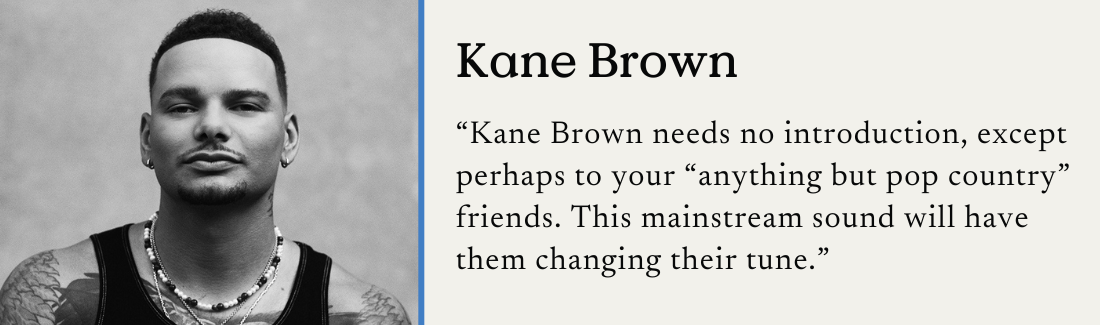
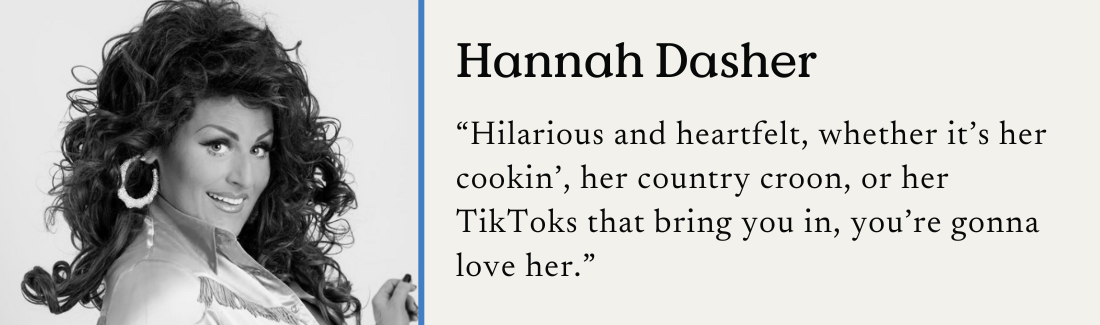
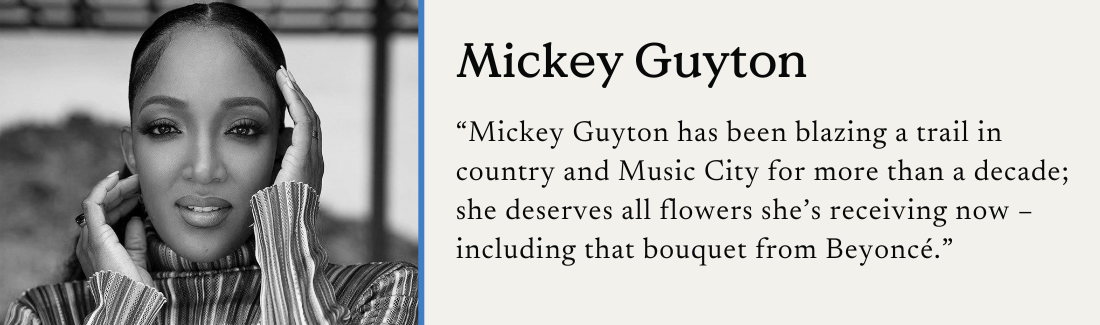
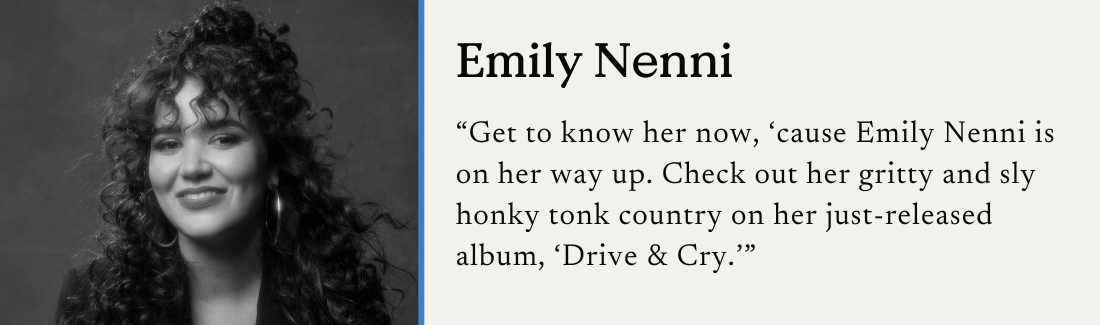
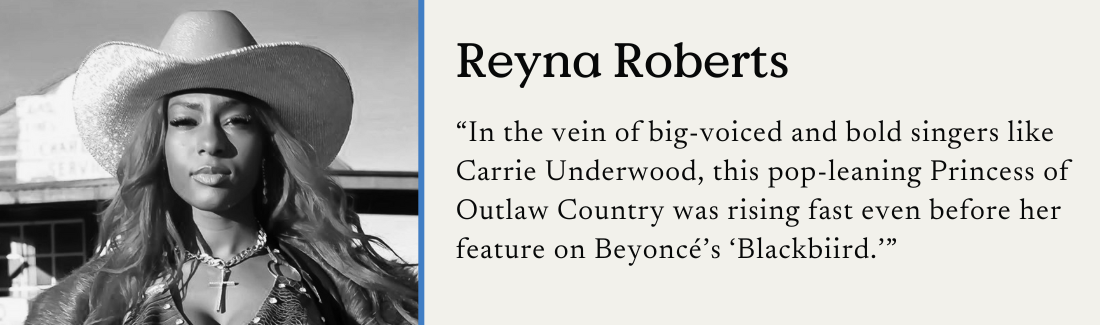
Photos: Kane Brown by Diwang Valdez; Hannah Dasher, courtesy of the artist; Mickey Guyton by Bonnie Nichols; Emily Nenni by Alysse Gafkjen; Reyna Roberts, courtesy of the artist.
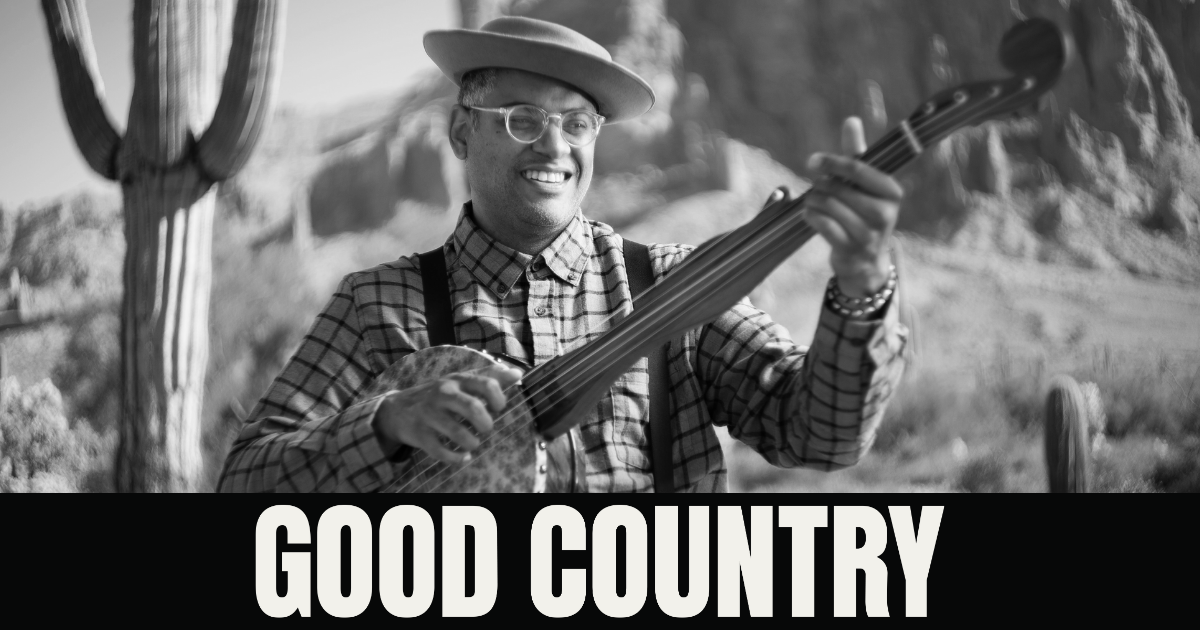
It is clear to me that 2024 will be known for being a landmark year in the evolution of Black roots music. Not only has there been tremendous growth in the number of artists that are throwing their hat in the ring for roots music – whether it be country & western, bluegrass, folk or Americana – but it is also a time where the mainstream music world is responding to this outpouring of talent in a way that hasn’t been seen in a long time. In many ways, it’s not surprising that things have grown in this fashion. Since I started my professional music career back in 2005, I have seen quite a few changes in the general musical landscape that have set the stage for a Black Roots music revolution.
In the early 2000s, the musical fabric of Black Roots had already been woven into the tapestry of American culture. Hidden between the more well-known pieces of Black music, these acoustic styles that didn’t fit into the traditional mold of blues, jazz, and gospel remained unseen and unheard, relegated to the fringes. Even though it was simultaneously considered a quintessential piece of the larger puzzle of American popular culture, Black Roots music was held in greater reverence for its historical significance than for being a living musical tradition played by modern musicians of the African Diaspora.
There were great pioneers who set the stage back in the early 20th century. There were songsters, string bands, folk musicians, storytellers, songwriters, composers, and community historians who shared their stories for the early folk song collectors who were searching for the purest forms of black expression. This happened while the commercial recording companies sent their representatives out to the field looking for music that they could sell to a record buying public who wanted a sound that not only reflected the past, but the future as well.
With all that in mind, my goal in becoming a professional musician came not from a desire to be a stage performer alone, but to also expand the scholarship and visibility of Black Roots music. By becoming a touring musician I found I was filling a void that most people are not aware of today. Having the opportunity to evoke the names of people who had not gotten their due in their own time was empowering. Not only have I advocated for the music, I have played it and arranged it to reflect the rich history of American music while at same time writing my own songs that represent the modern Black experience in all of its phases.
When I first began performing in Arizona, there was no Black Roots community for me to lean on, so I had to teach myself everything. I had to learn to play the guitar, the banjo, and all of the other instruments in my repertoire on my own. Before the internet, the library was my main resource for music and I grew up in a time when a good portion of all of the world’s recorded music throughout history was not readily available on streaming platforms. Sometimes, I had to search far and wide through stacks of CDs, LPs, and 78s to gain access to the music, just so I could learn how to play it. As I began to learn more songs, I found out about the history of the performers and the legacies they left behind. Later on, I met others who held a similar passion and those individuals taught me how to play different styles and shared more parts of the history that I didn’t know about.
We are now in an era where people have access to the music that was once very hard for me to find. In many ways, I was at the forefront of these musical discoveries in the roots music community, because I took what I had learned and planted seeds all around the world with the Carolina Chocolate Drops and on my own as a solo artist over the past 25 years.
Once I left Arizona and we formed the Carolina Chocolate Drops, we were able to tap into a certain energy in the crowd that changed the paradigm for Black Roots music, so that now people can see the whole picture of American music in a different way. They could see a Black person playing the banjo in the modern world and be inspired to learn more about the African and Caribbean roots of the banjo. We did that for the better part of a decade and then I decided to move on into a new territory: Black Cowboys and Black Western music. This was a new area of music that the Carolina Chocolate Drops were not a part of in any way. The Chocolate Drops had focused on the music of North Carolina and this new musical venture was an exploration into my own family roots in the Southwest.
Back in 2010, I had come across a book called The Negro Cowboys, which encouraged me to research about African American cowboys of the West. In 2018, my research came together in my solo album, Dom Flemons Presents Black Cowboys, which came out on Smithsonian Folkways as a part of the African American Legacy Series. Having grown up in Arizona, I knew that the album needed to be a part of the National Museum of African American History & Culture so that future generations could appreciate and respect the history of the Black West as well as activate the communities that had been there all along.
Back when I released Black Cowboys, I was one of the few artists talking about the contributions of African Americans out west and their varied connections to country music. Not only was I sharing this lesser known history, but I was playing the music that we now celebrate as “Black Country” long before Beyoncé, Lil Nas X, the “Yee-Haw Agenda,” or any of the newer Black artists who have risen to fame in the TikTok era. Now that the concept of Black Cowboys has gone mainstream in music, television, movies, and fashion, it’s another reminder to me that the music I created had made a major impact on American culture in both a conscious and subconscious way.
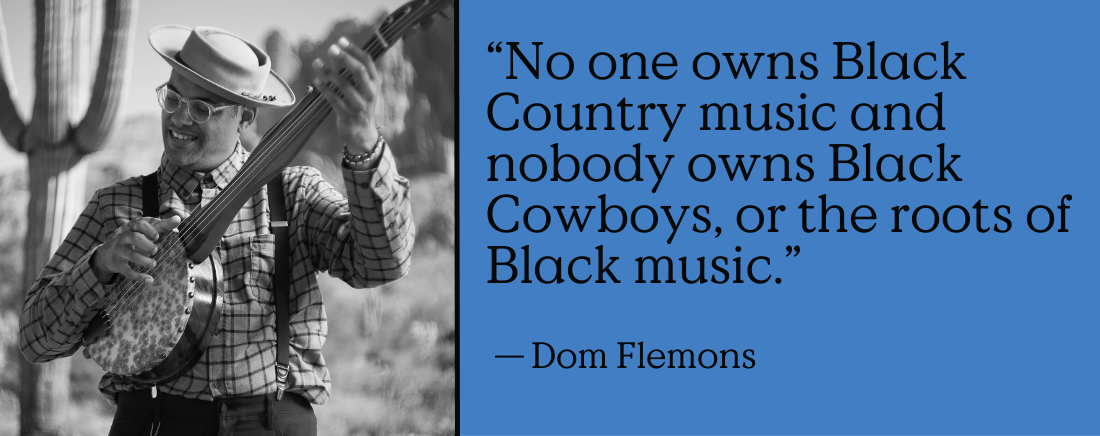
The most important part of it all is that no one owns Black Country music and nobody owns Black Cowboys or the roots of Black music. However, nowadays I am noticing that people are trying to take credit for exposing the history when they have only scratched the surface of it.
What I have learned is that there are so many parts of the Black Country and roots music story that are still missing and are being left out of the media. There are many other artists who should be considered in the conversation and yet they aren’t getting their flowers. I have noticed the Black Country music narrative that has sprung up recently has actively disregarded the work of the many Black artists who are deeply connected to the legacy, including myself on many occasions. My hope is that people will take the time to acknowledge the ones who have paved the way for the current movement and shed light on their individual stories, too.
The main reason I have included extensive liner notes in all of my albums, including my most recent, Traveling Wildfire, is because I always make sure to give credit where it is due. The sources for my traditional songs are clearly laid out for anyone to see and my original songs are exercises in expanding the existing palette of roots music so that both can be presented to a new generation of listeners. I have seen my talking points being used to fuel many of the current conversations, but oftentimes there is no back reference to the work I have done. All of the fanfare has forgotten to give proper credit to someone who has spent the majority of their career trying to set the record straight. As a well known musician in my community, this exposes a general trend that is problematic for the current state of Black Roots music.
If it is acceptable for a mainstream pop star or the media to sidestep and steamroll the pioneers of Black Roots music, it can only lead to a narrative of uplift that will ring hollow in the long term. It will teach the future generations that sleight of hand is the only way to get ahead and that surface level fame is the goal and key to being successful. Bad ideologies take a long time to disperse once they have become a part of the general fabric of society, and if people continue to spout it the integrity of the music can be undermined without them even knowing it.
This is why I am cautiously optimistic for the current state of Black Roots music, because oftentimes it feels more like a one-sided competition than a community of Black artists coming together to be celebrated collectively.
Yet, on a positive note, I believe the current state of Black Roots music is very exciting. People are being activated by the work that has been done by the pioneers of the past one hundred years. They are reinterpreting, reinventing, and showcasing music that is becoming a viable part of the mainstream music industry. They come with a variety of sounds, instruments, and songs that will shift the template of American culture as Black Roots music always has and always will.
More voices are being added every day in places and spaces that would have been unheard of even ten years ago. It can be clearly stated that there are now plenty of young musicians in every field of Black Roots music and there is no shortage of new talent who have proven their worth on the stage, on recordings, and on social media.
The holistic landscape of the modern Black Roots music community is something that I am proud to have helped establish over the past 25 years. Major growth is upon us, but I feel like it can only happen if everyone in the community gets acknowledged, not just the “favorites” or the ones making the most money while begging for all of the attention. The connecting of dots that bind the past and future are within our reach through the technology we have at our fingertips; it is essential for us to use it with great care and responsibility.
I started my journey as the American Songster building a legacy upon a dream. I got the notion to write songs and play the old styles back when I was sixteen years old and this eventually led me to sell everything I own, jump in my car, and drive across America to find where that dream could take me. It then took me all over the world and brought me much acclaim, but I have never lost sight of what inspired me to start this journey.
For me, I’m just getting started and I’ll always be here, no matter who stays and who goes. I’ve done the work to make the music more accessible for others and I can hope that it has reflected well on my own legacy as well as the entire community I have tried to uplift.
The year’s most discussed, and in some respects, most controversial LP to date has been Beyoncé’s Cowboy Carter. Its admirers have painted Beyoncé as a trailblazer for Black country artists. They cite her inclusion on the album of both past – like Linda Martell – and contemporary Black country artists, including Rhiannon Giddens, plus the foursome of Brittney Spencer, Reyna Roberts, Tanner Adell, and Tiera Kennedy, all featured on the update of The Beatles classic, “Blackbird” (stylized “Blackbiird”). They also cite Beyoncé’s Texas background as ample proof of her country roots and sincerity.
Others, notably contributors to The Washington Post and The Guardian, have attacked the 27-song project for a variety of sins ranging from overproduction to such emphasis on idiomatic variety that the result to their ears is faceless, forgettable music. Beyoncé herself has repeatedly said “It’s not a country album, it’s a Beyoncé album,” a line that can and has been viewed many different ways.
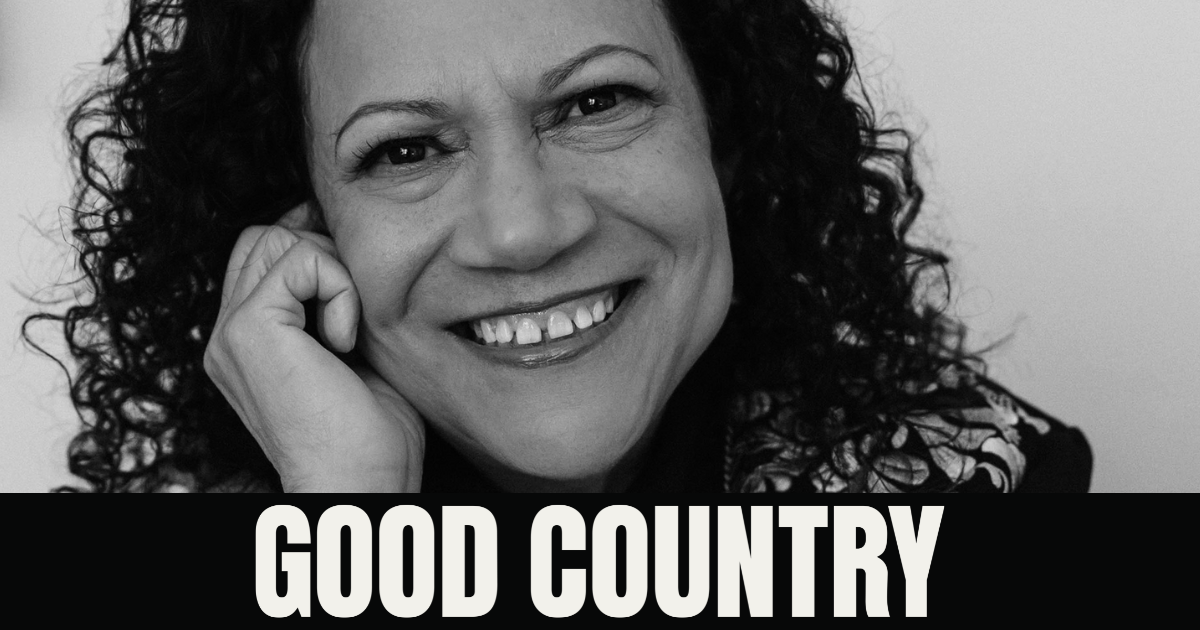
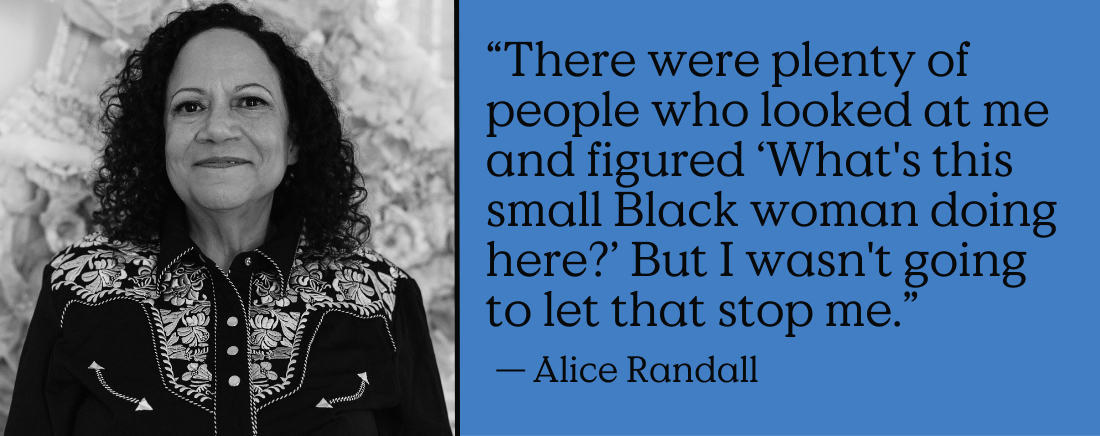
Still, there’s been a genuine explosion of interest in Black country music the past couple of years prior to the release of Cowboy Carter. It has resulted in a host of attention for artists ranging from Charley Crockett, Mickey Guyton, Miko Marks, Rissi Palmer and Brei Carter to established hitmakers like Darius Rucker and Kane Brown. But there’s one name that stands above all others as a key figure who’s been in the country music trenches over five decades. That’s author and songwriter Alice Randall, a superb novelist and academic. Randall, a Detroit native, made the move to Nashville from Washington, D.C. back in 1983, because she wanted to showcase her skills as a country songwriter and simultaneously wanted to demolish the widely held myth that the music had no links or connection to Black music and zero audience among African Americans.
“Yes, I faced open hostility and overt racism when I began,” Randall told Good Country during a recent interview. “There were plenty of people who looked at me and figured what’s this small Black woman doing here? But I wasn’t going to let that stop me.” Randall spent plenty of time attending songwriters rounds, plus examining and analyzing the songs that were becoming hits. In her book she pays credit to Bob Doyle, who was then a songwriter liaison at ASCAP. Doyle’s Bob Doyle & Associates is the longtime management firm for Garth Brooks. Another of her early Nashville mentors was singer-songwriter Steve Earle, whom she met through Doyle. She cites Earle’s willingness to address personal and social trauma and pain as an influence on her writing style.
Randall earned her first Top 10 country hit in 1987 with the Judy Rodman-recorded “Girls Ride Horses, Too,” which she wrote with Mark D. Sanders. She also launched the publishing company Midsummer Music (which she later sold), with the aim of aiding and developing a community of storytellers. She’d soon enjoy bigger success, becoming one of the first Black women to write a No. 1 country hit, when she and Matraca Berg co-wrote “XXXs and OOOs (An American Girl),” for Trisha Yearwood in 1994. (Donna Summer previously co-wrote Dolly Parton’s “Starting Over Again” in 1980).
Randall was also a writer on Moe Bandy’s top 40 hit, “Many Mansions.” Some other notable Randall milestones include writing the treatment for Reba McEntire’s “Is There Life Out There?” music video, which won an ACM Award and features a Randall cameo. In addition, she wrote and produced the pilot for a primetime drama “XXX’s and OOO’s,” which later aired as a made-for-TV movie on CBS.
But as Randall notes in her book, additional trials can come with success. Randall recounts how after the success of “XXXs and OOOs,” a music publishing executive pressured her into signing a contract before she had time to let her lawyers look at the paperwork. That move eventually led to Randall signing away much of her writer’s share of the song’s profits, an experience she called “part of my graduate school.”
Her new book, My Black Country (and its co-released, eponymous album), nicely combines personal reflection with historical commemoration and cultural examination. It highlights Black country’s finest performers and personalities, while noting that early country music was a far more interracial activity than many realized. “It’s amazing to me how many people don’t realize that Jimmie Rodgers recorded with Louis Armstrong, or that Lil’ Hardin was also involved in that historic recording,” she continues.
Randall cites Hardin as the mother of Black Country, the premier vocalist/harmonica soloist DeFord Bailey as the papa, multi-idiomatic master Ray Charles as the genius child, Charley Pride as Bailey’s side child, and the vocalist and TV/film star Herb Jefferies, also known as the Bronze Buckaroo, as Hardin’s stepchild.
She’s equally passionate about the frequent omission from country music histories and commentary of the contributions of Black cowboys. “I fight for all the Black cowboys who have been erased, all the country and western songs through the years that did not tell those stories,” Randall told Billboard magazine in an earlier interview. “When I wrote songs like ‘Went For a Ride,’ a lot of people did not realize they were Black cowboys I was writing about… but 20 or 30% of all cowboys were Black and brown in the 19th and 20th centuries, so it’s one of the ways that African Americans have contributed so much to the legacy of country music, is through cowboy songs.”
The book also chronicles a further lineage of Black country artists, including the Pointer Sisters and Linda Martell, as well as other artists like Sunny War, Miko Marks, Valerie June, and Rissi Palmer.
With 2024 being a big year for Black country, it’s only fitting that Nashville and the music world at large recognize and celebrate Alice Randall’s achievements. Last month she published the memoir, My Black Country (Simon & Schuster), while an accompanying LP, My Black Country: The Songs Of Alice Randall (Oh Boy Records), was also released.
A pair of sold out events in Music City – a book signing at Parnassus bookstore and a combination celebration/Black Opry concert at the City Winery where contemporary Black country vocalists performed Randall tunes – were just the first events to honor the current Vanderbilt Professor of African American and Diaspora Studies as well as writer-in residence. Randall’s other notable literary feats include The Wind Done Gone, a blistering examination and parody of the book and film, Gone With The Wind.
During Black Music Month in June, Randall will appear at the Smithsonian National Museum of African American History & Culture on June 7, and she’ll return to Nashville on June 15 for another in-person conversation about Blacks and country music.
Randall’s book traces her love for country to a family relocation. While growing up in Detroit, she was also a fan of Motown and even spent some time with Stevie Wonder. But upon moving with her mother to Washington, D.C., country became the dominant music she regularly heard. As a student at Harvard studying both English and American Literature & Language Randall says it was after closely surveying Bobby Bare’s 1976 song, “Dropkick Me Through Jesus (Through the Goalposts of Life),” she really began to understand the depth and breadth of country music storytelling.
That knowledge, along with her excellence as a lyricist and storyteller, resonates throughout the many memorable and unforgettable numbers on the album My Black Country: The Songs Of Alice Randall. The roster of 12 women selected to perform the various tunes features many of today’s finest country stylists. The honor roll includes Ada Victoria’s soaring “Went For a Ride,” Allison Russell’s glorious “Many Mansions,” Rhiannon Giddens’ routinely spectacular rendition of “The Ballad of Sally Anne,” and Rissi Palmer’s poignant performance on “Who’s Minding the Garden.” Randall’s daughter, poet and commentator Caroline Randall Williams, delivers a strong performance on “XXXs and OOOs.”
Randall credits Russell for introducing her to Ebonie Smith, better known for her work as a producer on Sturgill Simpson’s Grammy-winning album, A Sailor’s Guide to Earth.
And it’s no surprise Randall would conclude our interview by weighing in on the Beyoncé LP, herself.
“She’s the only Black woman to achieve those feats [No. 1 country single and album], but I don’t think she’ll be the last,” Randall concludes. “I’m more proud of the fact that there are so many great Black country artists out there, that the Black Opry is getting national attention, and that we’re finally putting to rest that garbage about country only being for white people.”
“In fact, to me, Nashville’s becoming a town for wild women, and for Black women to freely express themselves any way they choose.”
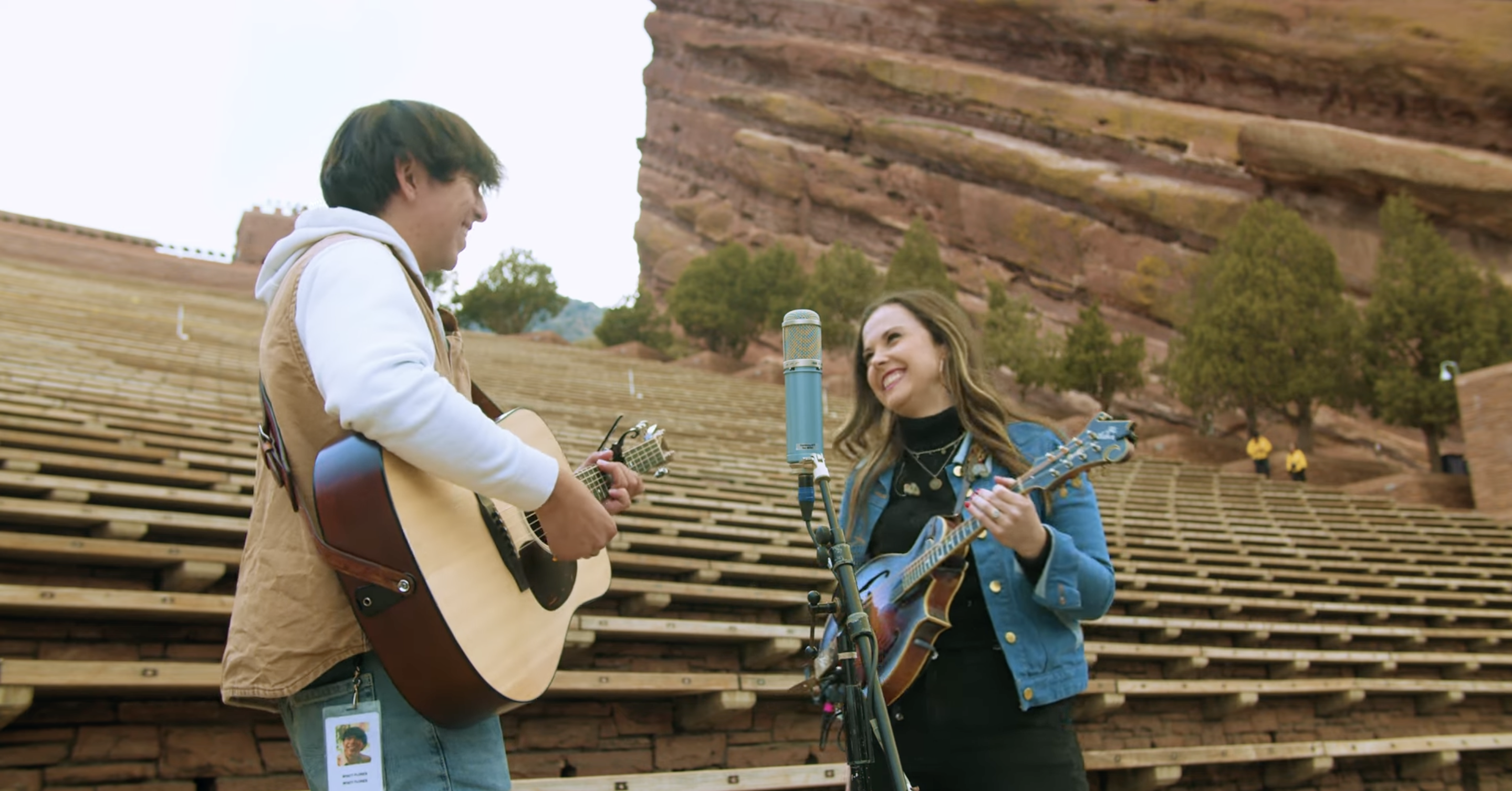
Last week, before the Turnpike Troubadours headlined the iconic Red Rocks Amphitheatre in Morrison, Colorado, two phenomenal young pickers also on the show bill stepped out into “the house” to perform Tyler Childers’ “Shake The Frost.”
Guitarist Wyatt Flores, a current nominee for the Americana Music Association’s Emerging Act of the Year, and Sierra Hull, Grammy-nominated mandolinist and songwriter, performed an intimate and tender rendition of the Childers hit flanked by the infamous red rock cliffs and backgrounded by the historic amphitheatre’s nearly 10,000 seats.
Flores and Hull demonstrate the timelessness with which Childers writes his songs and lyrics; in this simple, acoustic setting the track listens like an age-old folk song that’s been passed down generationally. With gentle unison vocals on the choruses and subtly interspersed licks and fills, the pair of virtuosos know that less can indeed be more. While they are each objectively shredders on their instruments, another common thread between them is their commitment to giving songs the treatment they deserve – rather than using each and every track they perform as a chance to show off their picking chops.
Hull has long been a technical – and artful – standard-bearer for her generation of bluegrass pickers, while Flores is enjoying something of a meteoric rise after having spent most of his young life touring and performing. Together, they represent the vibrant, genre-blending present and future of country, Americana, and bluegrass.
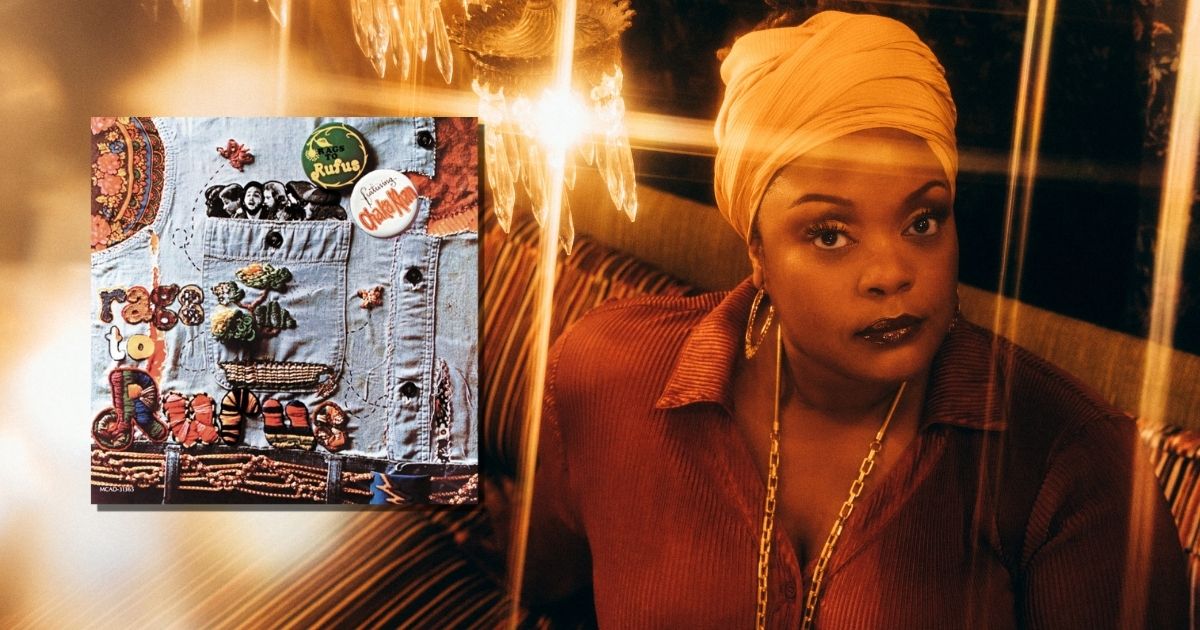
(Editor’s Note: 50 years ago this month, Rufus released what would become a seminal album in American roots music, soul, and funk, Rags To Rufus, which featured Chaka Khan. To mark the 50th anniversary of this iconic recording, singer-songwriter Kyshona ponders the personal meanings of the project and how it relates to her own brand new album, Legacy.)
My mother is battling dementia, so car rides with her are the perfect time to play music from her younger years, when she was carefree, childless, and she and my Dad hosted an abundance of house parties for their friends and family. I have a playlist of songs from the late ‘60s and ‘70s I’ll put on when we’re shuttling her between doctors’ appointments.
On one of these car rides, I turned on Rags To Rufus. My mom was in the passenger seat, playing “brain games” on her phone to, in her words, “Exercise her mind and hold on to what she’s got.” I noticed she was singing, under her breath, the melodies and choruses of the first three tracks on the album. She turned to me and said, “I’ve never heard this before, who is this? I like it!” This got me thinking beyond personal family legacy and more about musical legacy.
This year marks the 50th anniversary of Rags To Rufus, the album that transformed the trajectory of funk band Rufus and propelled Chaka Khan into the spotlight. Chaka Khan’s music is a soundtrack that has woven itself into the fabric of not only my work as an artist, but also into my personal life.
There is an expectation to conform, to try to categorize and compartmentalize music; I can’t imagine enduring the pressure from the industry, and even society as a whole, as it was nearly a half a century ago, artists and bands trying to squeeze themselves into arbitrary molds. To my ears, Rags To Rufus is the sound of a group of friends hanging out and having a good time – there is a sense of celebration, camaraderie, a sonic journey of Black joy. It feels like an album made for the thrill of being creative, for the sake of unbridled artistic freedom. I have always wanted my music to feel like this, telling stories, playing around with sounds and ideas. When I’m creating, that’s my goal. I write in the style that serves the story that I’m telling, without regard to genre constraints or others’ expectations.
The record begins with empowered swagger and affirmation – “You Got The Love,” which I interpret as, “You belong here.” The sentiment is carried through in “Walkin’ In The Sun,” a song that brings a comforting sense of nostalgia. I can hear my “aunties” in the hook: “Even a blind man can tell when he’s walking in the sun.”
The title track is a funked-out jam session, and then the band brings out old-time fervor in “Swing Down Chariot.”
Think about it – Rufus takes an old gospel song, adds Chaka Khan’s powerhouse vocals, blends it with blues, jazz, funk, soul, and takes it to an entirely new dimension! Forget genre, industry rules, or album cycles. Back in the day, it was just music that made you feel good, it was about that vibe.
As a music therapist, I recognize the profound impact music has on those grappling with conditions like Alzheimer’s and dementia – it encourages lucidity and presence of self. As a daughter, I see how music bonds me to my mother.
In the past, when I’ve done music therapy in nursing home settings, I’ve used songs from the early 20th century – like “Let Me Call You Sweetheart,” “Heart And Soul,” and “Sentimental Journey.” But now, the memory care songs I reach for are songs I grew up listening to in our house, at family reunions, on road trips. How fantastic is it that Chaka Khan’s work throughout her 50-year career can provide a generation-spanning conduit for a mother and a daughter to connect? We can experience that freedom in her sound as we listen together, regardless of the chaos happening around us.
I can’t begin to put into words how much I admire Chaka Khan; with my new album, Legacy, I tell the stories of my ancestors and my family. Chaka Khan’s legacy is intertwined with generations of music-makers.
Over the last 50 years, Khan has been a major influence on pop artists like Whitney Houston, R&B artists like Erykah Badu and Mary J. Blige, and on myself – and so many of my peers in the roots and folk scenes. I learned of her musical magic as a child, listening to my parents’ favorite radio stations, so being able to sing backing vocals for her at Newport Folk Festival a few years ago was absolutely surreal. I can’t imagine the journey she’s been on, but I hope she knows that her existence alone encourages artists like me to keep on being true to ourselves and our art.
Rags To Rufus is a part of my journey. For me, it’s the sound of “blackness.” I hope that 50 years from now, someone will listen to the music of myself and my peers and hear that same resonance of joy, love, and celebration of culture.
We all dream to leave a lasting musical legacy as deep and profound as Chaka Khan and Rufus.
I love going for bike rides. It helps me reconnect and recenter myself. I’m almost always listening to music when I go out for a ride. Sometimes it’s heavier/angrier stuff to help me process and burn some things off, sometimes it’s completely instrumental to help me think, but most of the time it’s laid-back music – because if there’s one thing I am not, it’s laid-back. I’m almost always anxious and neurotic. Biking around and listening to a playlist like this helps me remember to take it easy, to breathe.
Sometimes I get messages from people who say my music helps them to do that, but I don’t sit around listening to my own music. Even though that’s a lovely thing to hear, I can’t engage with it in the same way. I can’t, for example, go and listen to my new album, Evergold (released April 26 on Nettwerk Records), to help me calm down, so I’m stuck making playlists like this for myself. Oh well. I hope this playlist helps you to relax and enjoy the ride, even just a little bit. – Joshua Hyslop
“Small Town Talk” – Bobby Charles
I love this song. I think it’s hard to listen to it and not imagine being on a bike ride, just meandering around some neighborhood on a lazy sunny afternoon. To me, this is the perfect place to start. Great artist. Great album.
“AUATC” – Bon Iver
Sometimes, you listen to a song at just the right time. Something about the lyrics or the melody just clicks with you in the moment. I’m not even 100% sure what this song is about, but my god, what a melody. The slightly sped-up vocals, the communal feeling to it all, it just has something that pulls you in.
“Lay down Martha, lay all that alabaster down, there’s no master, help will surely come around.” Who’s Martha? Why is she carrying alabaster? I don’t know, but I sure find myself nodding along.
“Box #10” – Jim Croce
I debated choosing another Jim Croce song, maybe something a little happier for this “chill bike ride” playlist. But to me, this song sounds like when the sun first comes out after the rain. It’s a little bittersweet, but most of the good stuff is.
“One of These Days” – Bedouine
I found this song when the album I was listening to ended and Spotify just started playing something else. I ended up pulling over and adding it to my own riding tunes playlist. I don’t know Bedouine outside of this, but I’m excited to spend more time with her music.
“Nantucket Island” – Willie Wright
I got the idea for the theme of this playlist, because one of my all-time favorite shows is/was High Maintenance on HBO. The Guy is always biking around, smoking a joint, delivering his wares, and getting a small snapshot into the lives of his many varied customers. It’s so good, and so human, and so lovely, and the music was always incredible. This track was in one of the episodes and I made special note of it, as well. When you’re done listening and reading all this, go watch some High Maintenance.
“Wish I Had Not Said That” – J.J. Cale
This song came out in 1981. The number one song in the USA at the time was “Bette Davis Eyes” by Kim Carnes. Thank god for J.J. Cale.
“Scumways” – Michael Nau
I found this artist by watching Amoeba’s wonderful YouTube show, “What’s In My Bag?” I can’t remember who mentioned him, but his music’s in regular rotation for me, now. This whole album could’ve easily been the entire playlist. It’s a great riding or driving album.
“Down the Line” – Joshua Hyslop
Yes, okay, I know. It’s one of my songs. I think it fits the overall feel here, but we both know there is NO way I would put one of my own songs on my own bike ride playlist. Alright, moving on.
“Fata Morgana” – Kikagaku Moyo
Easily one of my Top 5 desert island albums. This record could also easily have been the entire playlist. It may seem a little out of place on the first listen through, but when I was younger and I’d make a mixtape for a girl I liked, I’d use an instrumental song as a bit of a palate cleanser, especially if there’d been a few super laid back songs in a row. Anyway, here I am all these years later, giving away my secrets and trying to romance you all.
“Gimme Some More” – Labi Siffre
It’s upbeat, it’s happy, it’s a perfect sunny day bike ride song. Plus, singing along and getting to say “Sock it to me” at the break makes me feel about 10 times cooler than I’ll ever actually be.
“None of Us” – Fruit Bats
This song embraces a certain kind of humility and self-awareness that really appeals to me. I could sing along to, “None of us have seen it all” on repeat forever. The entire last minute of this song kind of perfectly captures the emotional landscape I was thinking of when I came up with the idea for a chill bike ride playlist.
“Caterpillar” – Cassandra Jenkins
Just a lovely way to close things out. Say you’re out riding, and you’re on your way home, but you know the playlist is going to end before you get there; this is the perfect song to have playing on repeat until you get there.
Photo Credit: Emma Ross
This website uses cookies to improve your experience. We'll assume you're ok with this, but you can opt-out if you wish.AcceptRejectRead More
Privacy & Cookies Policy
Privacy Overview
This website uses cookies to improve your experience while you navigate through the website. Out of these, the cookies that are categorized as necessary are stored on your browser as they are essential for the working of basic functionalities of the website. We also use third-party cookies that help us analyze and understand how you use this website. These cookies will be stored in your browser only with your consent. You also have the option to opt-out of these cookies. But opting out of some of these cookies may affect your browsing experience.
Necessary cookies are absolutely essential for the website to function properly. This category only includes cookies that ensures basic functionalities and security features of the website. These cookies do not store any personal information.
Any cookies that may not be particularly necessary for the website to function and is used specifically to collect user personal data via analytics, ads, other embedded contents are termed as non-necessary cookies. It is mandatory to procure user consent prior to running these cookies on your website.