LISTEN: Newport Folk Festival Opens Bluegrass Archive for Saturday Stream

Where do you begin to talk about bluegrass at Newport Folk Festival? And how do you capture 60 years of musical magic in just one show? The curators of the festival’s archive have taken a very cool approach, pulling out musical highlights from their first decade as well their most recent decade for the upcoming Burnin’ & Pickin’ Bluegrass set.

The 90-minute show — featuring some recordings that have never before been released — will stream during the festival’s Revival Weekend on Saturday, August 1, starting at 1:37 pm ET. The list of performers on the show has not yet been announced, but considering the breadth of talent that the festival has hosted, you might hear iconic figures like Roy Acuff, Bill Monroe, and Doc Watson, or a new generation that includes Carolina Chocolate Drops, Old Crow Medicine Show, or Gillian Welch & David Rawlings. Legendary artists like Joan Baez, Johnny Cash, and Elizabeth Cotten could potentially show up on the set list, too.

One thing we do know: The Burnin’ & Pickin’ Bluegrass set will include this previously unreleased recording of Ralph Stanley and Ray Cline’s “Sally Goodin'” from 1968.

To honor the festival’s incredible heritage, please consider a donation to Newport Festivals Foundation, which in the last year has provided financial relief to over 400 musicians impacted by the pandemic and over 100 grants for music education programs across the country.

Billy Glassner, archivist for Newport Folk Fest, tells BGS, “Bluegrass has always been an important ingredient in the Newport Folk magic. From its first year in 1959 when Earl Scruggs brought the Cumberland Gap to the shores of the Narragansett Bay up through last years’ collaboration between Billy Strings and Molly Tuttle, that high lonesome sound has been a constant companion to the Newport Folk Festival.”

Glassner hints at more music to come from the vault, too. He adds, “The Newport Folk Archives house an embarrassment of bluegrass riches and curating this set proved to be a joyful yet challenging experience. The only way we were able to make the tough decisions of what to cut was with the knowledge that this is only the beginning of our efforts to make the recorded history of Newport more available to our fans.”

Tune in to Newport Folk’s Festival Revival Weekend from Friday, July 31-Sunday, August 2.


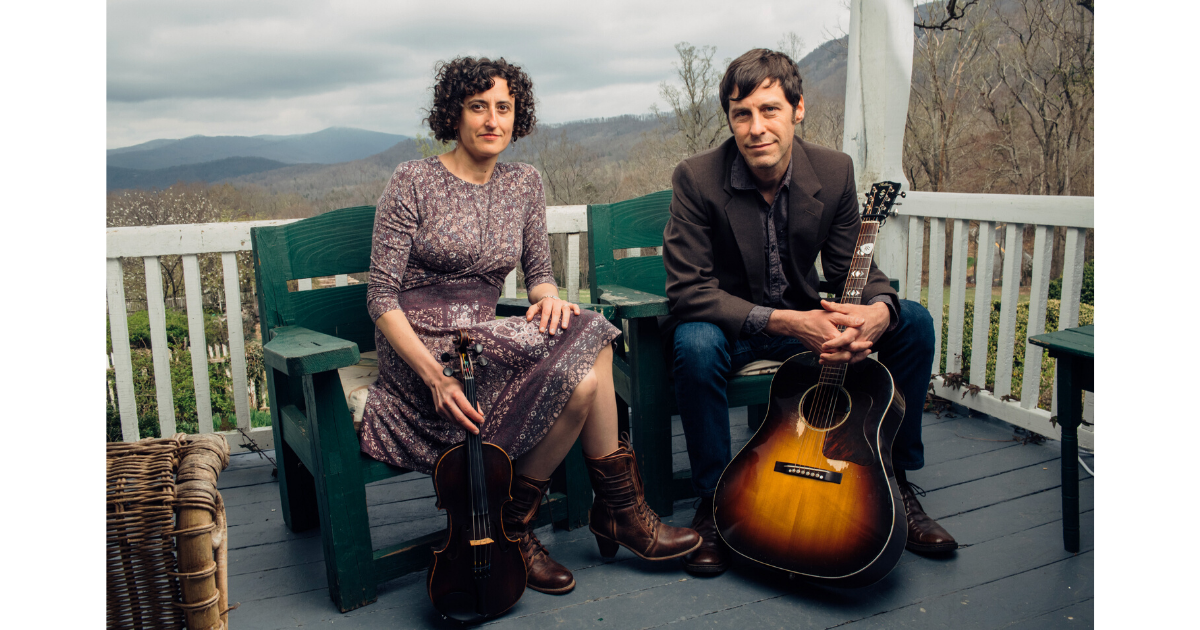
WATCH: Zoe & Cloyd, “Where Do You Stand”

Artist: Zoe & Cloyd
Hometown: Asheville, North Carolina
Song: “Where Do You Stand”
Label: Organic Records

In Their Words: “‘Where Do You Stand’ is a commentary on the state of our national discourse. We had the idea for the line, ‘When all that’s left is left, right, or wrong’ in regards to the hyper-polarization we’ve been seeing for a while and we built the song from there. We wanted the song and video to be thought provoking and a call to action. Some people will always attempt to pit us against one another for personal and political gain but we can’t let divisive, inflammatory rhetoric win the day. For us to move forward, we must find common ground on which to build a path toward a just and sustainable future.

“We filmed the video not far from our house in Fairview, North Carolina, outside of Asheville. The old building with the painted tree is right along the road and we thought it was a quirky rural spot that contrasted nicely with the political imagery. The other location was an abandoned ball court that had some interesting delineated grass with a sort of ‘line in the sand’ vibe. It also looked a bit post-apocalyptic. The fence shots represent several concerns such as the border wall, the lack of voice and access in certain communities, and feelings of powerlessness to change the status quo.” — John Cloyd Miller


Photo credit: Sandlin Gaither

From Goat Rodeo to Songs of Comfort, Yo-Yo Ma Believes Music Builds Bridges

The world’s most famous cellist Yo-Yo Ma is spending the pandemic at home in Cambridge, Massachusetts, with his family. It has been a situation that he describes, rather humorously, as being an adjustment for everyone. “Two-thirds of my marriage has been on the road. Forty-two years and suddenly my wife sees me home every night, and every day and every morning.”

Yet he says the experience has been a real blessing, too. “All the tensions of being home and preparing to leave, or coming back home to recuperate and then leave again, are all gone,” he explains by phone, before adding “replaced by, of course, the incredible fractures and ruptures in our society.”

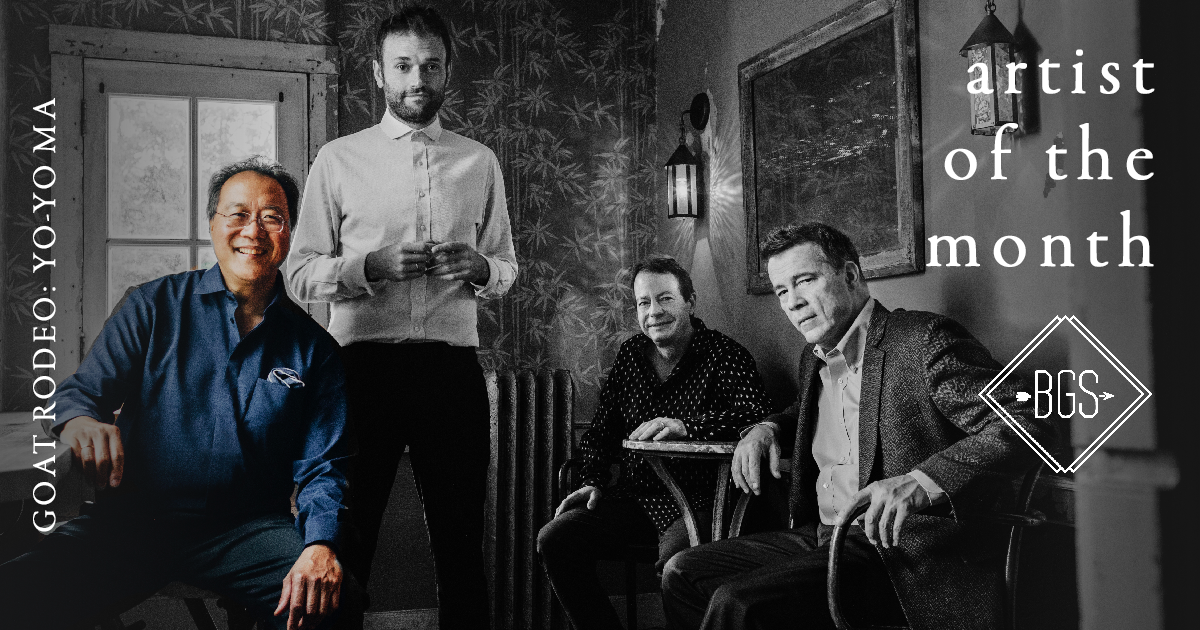
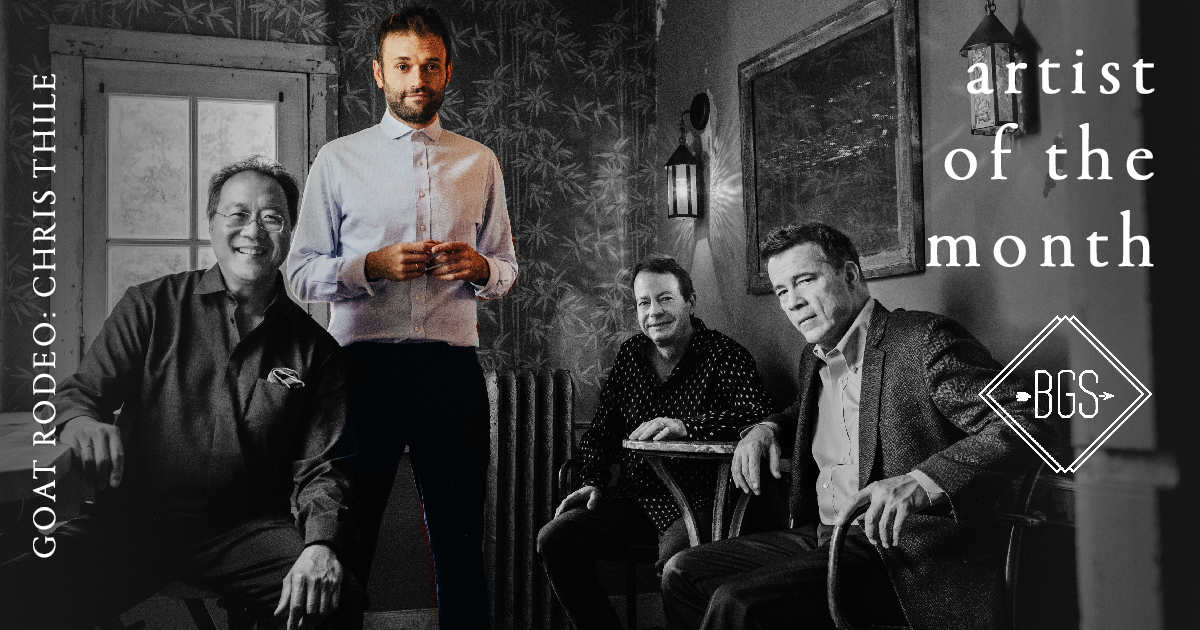
Besides pondering a “tsunami of crises,” Ma talks about the joys of getting the band back together — a lineup informally known as Goat Rodeo, which also encompasses Stuart Duncan, Edgar Meyer, Chris Thile, and special guest Aoife O’Donovan. This Artist of the Month interview is the fourth of four installments as BGS salutes the incredible and iconic musicians behind the ensemble’s second project, Not Our First Goat Rodeo.

BGS: Like the first album, Not Our First Goat Rodeo was recorded at James Taylor’s studio in the Berkshires. Was there a comfort level about returning there?

Totally. The studio is aesthetically beautiful. It is right there in the middle of the Berkshires, the middle of the woods, and it’s a barn that has been built for that reason. We work hard. We play hard. And going back to it is fabulous because everybody in the band is so busy. So, just to get the time from their busy lives to get together is a feat, but when we get together, it feels like we never left. So, add to the great acoustics and the set-up of the barn, another added feeling of “the band is getting back together again.”

Since it was in August, was there a summer vacation vibe?

It was like camp except we weren’t 12 years old. [Laughs] Adult camp! We spend all day together. We have meals together. But it was also work. I have to say that Edgar, Chris, and Stuart worked like dogs, way into the night. Working on scores, working on correcting things. They worked really, really, really hard, but we also had a really good time.

Although the four of you don’t play together often, it seems that a high level of trust exists within the group and with the audience.

That’s such a good question, because you are talking about both the external and internal relationship of building trust. It starts with the trust we have in one another, interpersonally. Between Chris and Edgar. Between Chris and Stuart. Stuart and Edgar. Edgar and me. If you were to draw a networking line between all of us, and Aoife included, it’s trust on every level. Trust and respect. I think the two go together. In that, if someone has a deep opinion about something, there’s going to be deep respect for that. We might try it and it might evolve into something else. There’s never an argument…

The trust also comes from the philosophy: it’s not “It’s my way, your way or the highway.” It’s more like “I know certain things and you know certain things and I love what you know and you like what I know and respect what I know.” So we are just working it out all of the time.

So that allows for the freedom of creativity, to follow a musical idea and see where it takes you?

You know, that other thing about that is where you place your ego. We live in a world where some people think their ego walks in front of them. And [with Goat Rodeo], every one of us has a pretty strong ego because otherwise we can’t go and perform. But the egos never lead. We actually make fun of our own egos or each other’s.

Another thing is, we all have strengths and vulnerabilities, [but] we never, ever pounce on anybody’s vulnerability. I’m the oldest guy there. I’m full of warts. You can probably make fun of me until the cows come home but I think they treat me nice. There’s respect but they never step on someone’s vulnerability. It’s like a great relationship — a great domestic relationship. We didn’t get into pushing buttons. We’re so clear about the work that needs to be done. That’s how you build trust. You accept the whole person, and you treasure the parts that they excel in. You don’t tramp on weaknesses. But while we have a lot of fun!

What is one recording that ranks as a G.O.A.T. (greatest of all time) for you?

When you ask a question like that, I can’t help but think about different time periods. If the well-lived life is the life that has been explored, then obviously at all times in your life you will have had different influences that have sparked new interests.

I will give you a musical example of recent vintage. There’s this 23-year-old musician named Jacob Collier from England. He’s almost self-taught. He sings. He plays dozens of instruments. He goes and creates. I find more and more as I get older and older, I am just stupefied by young talent in a way I never was. So someone like Jacob Collier comes along and he does harmonies in ways that are so astounding. I think he studied with Herbie Hancock and his level of inventiveness is so astounding. I feel like Salieri hearing Mozart for the first time. This guy just appears and he can spin and juggle 36 balls in the air while he’s talking to you. I just can’t take this! It’s just so amazing!

Chris is someone like that. Chris has that kind of mind. And I think working with Edgar gives me that sense of him. Because here’s this mind who is a perfectionist mind, in that he works things out in the perfectionist mentality where the abstract is really close to the reality. Usually I have an image of something and I’m going to translate that into a feeling, into a sound, and here it is. Edgar likes manipulating things in the abstract. That’s hard to do, because most of us like to work in the visible world, [which is a] tiny part of the spectrum in the universe.

So the invisible world, whether it is the larger universe or the micro universe, is something that most of us can’t experience… To go to trusting the abstract world, which we can’t see, and say that it’s real is very difficult. And so the question is, What is our faith in the invisible? That’s a big question. For me it is not a political question. It is a human question. As in, who do you trust and on what subjects? That’s very difficult because the world has become so complex.

And the world is so immediate and immense, and you are inundated from so many sides.

So, I grew up in three cultures, and each culture said, “We are the best!” I grew up as a 7-year-old — that is when I came to the States — saying, “Are you all crazy? You can’t all be right because you are claiming you’re the most right and that’s not logical!” So I had to figure out what that means. Just like, is bluegrass music the best? Is classical music the best? Is jazz the best? Is R&B the best? Is hip-hop the best?

I decline to think that way because that just gets me in trouble. Just because it doesn’t make sense. It doesn’t make sense logically. It doesn’t make sense to me sociologically. It doesn’t make sense to me as an American citizen because I take pride in all of the inventions we have made to the expressive world. And every new invention we have is a combination of a number of worlds.

You posted some music performances to your pandemic-inspired project, Songs of Comfort, to bring a little solace to people. How gratifying is it that it’s taken on a life of its own, with people around the world uploading videos?

One of the things that I have found out in this first trimester of the pandemic is how deeply people need one another. How deeply they need community. After lockdown, we see the beaches fill up, the bars fill up, and some people say that the economy must move. It’s totally understandable that we have that drive to be together. My way of thinking about it is to say, let’s be a community given the means we have.

In music, in service, it is always asking the question, “How can we help?” So it came from that impulse. That is a very natural impulse, which so many people have added to, or responded to, because we are all going through different versions of the same thing. We’re losing people. We’re stressed. We can’t find food. We can’t earn our living. We can’t plan. We can’t move around. We can’t be with one another.

But guess what? Music travels lightly. This is where the ephemeral is an advantage. It’s not something that needs to be moved by FedEx or a delivery person, but something we can transfer anywhere we want. It goes through walls. That’s why I say, in culture, music builds bridges because the bridges are not physical. Music doesn’t build walls; it builds bridges, because I can send you a link and there you have it.

I relished not only doing Songs of Comfort, but being able to Zoom into hospitals or getting to play for one patient. To send some music to one specific person to say, “I hear this is what you are going through. I’m so sympathetic. I’d like to send you this piece of music. Here it is. I recorded it on my phone.” And then send it to someone. That’s pretty personal. That to me is the essence of the aesthetic experience.

(Editor’s note: Read the remaining installments of our Artist of the Month interview series here.)


Photo credit: Josh Goleman
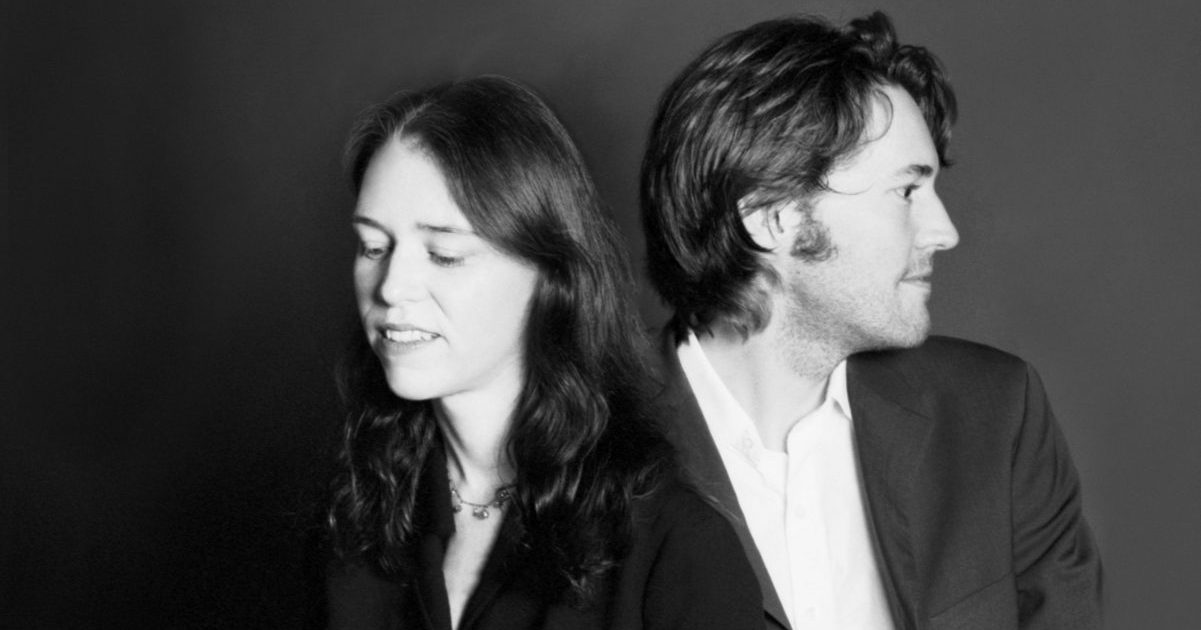
LISTEN: Gillian Welch, “Strange Isabella” and “Mighty Good Book”

Artist: Gillian Welch
Hometown: Nashville, Tennessee
Songs: “Strange Isabella” and “Mighty Good Book”
Album: Boots No. 2: The Lost Songs*
Label: Acony Records
Release Date: July 31, 2020

In Their Words: “We stashed these recordings away years ago. Their shortcomings, real or imagined, technical or compositional, no longer seem bothersome today. Hearing them now is like seeing snapshots that captured moments the more formal portraits missed. So here we are hurrying them for release before the next tornado blows the whole shoebox away.” — Gillian Welch and David Rawlings

*The 16 songs on Boots No. 2: The Lost Songs are unearthed from a cache of home demos and reel-to-reel recordings. Boots No. 2: The Lost Songs, Vol. 2 and Vol. 3 will follow in the coming months. The three-volume, 48-song collection was produced by David Rawlings and recorded between the making of 2001’s Time (The Revelator) and 2003’s Soul Journey. Released in 2016, Boots No. 1: The Official Revival Bootleg is a double album of unreleased outtakes, alternate versions, and demos from the making of Gillian Welch’s seminal 1996 debut album.


Photo credit: David Gahr

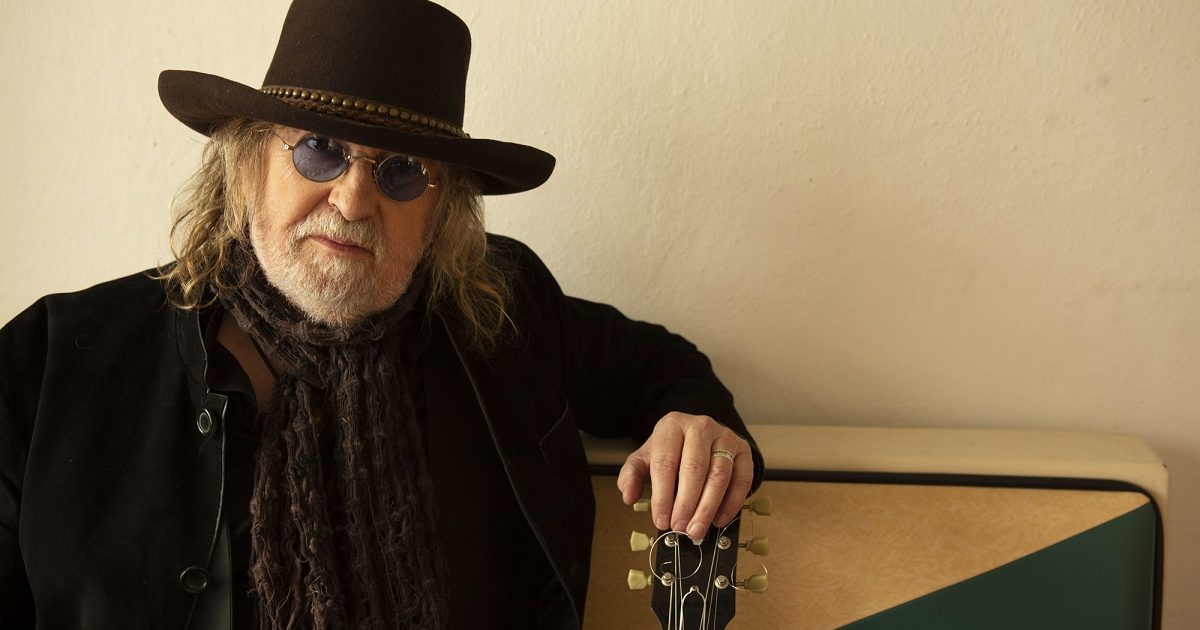
LISTEN: Ray Wylie Hubbard, “Hummingbird” (Feat. Peter Rowan)

Artist: Ray Wylie Hubbard
Hometown: Wimberley, Texas
Song: “Hummingbird” (feat. Peter Rowan)
Album: Co-Starring
Release Date: July 10, 2020
Record Label: Big Machine Records

In Their Words: “My son, Lucas, gave me a Gibson Hummingbird guitar and one morning as I was playing it in our log home living room, there was a hummingbird zooming around my wife Judy’s feeder and the muse said, ‘Here ya go. It’s obvious…write it.’ So I did in about 20 minutes! As played it for the first time, I wondered who should play and sing on it and the only name that popped up in my head was…Peter Rowan! So I sent it to him and asked if he would play on it. I’m guessing he probably played his licks on a Martin D-18 but whatever it was, it was perfect and I am so grateful he said yes.” — Ray Wylie Hubbard


Photo credit: David McClister

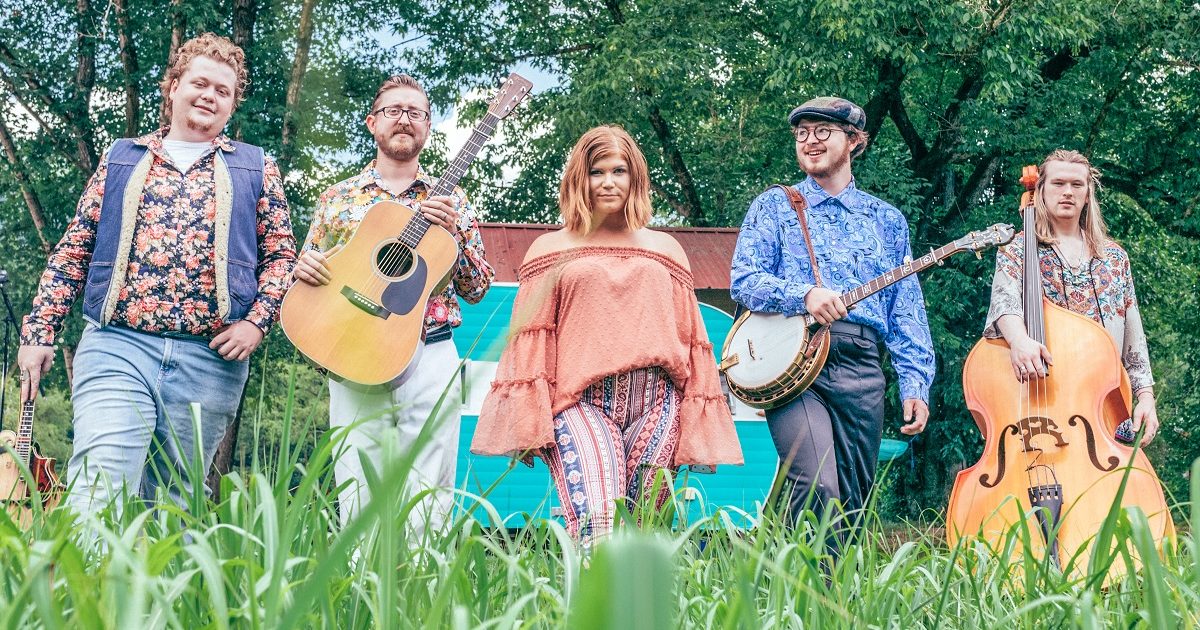
WATCH: The Alex Leach Band, “Take the Long Way Home”

Artist: The Alex Leach Band
Hometown: Jacksboro, Tennessee
Song: “Take the Long Way Home”
Release Date: May 15, 2020
Label: Mountain Home Music Company

In Their Words: “After writing the song, my wife and I had a vision of how we thought the video would look. With plenty of help from our Mountain Home family and our band, we were able to make our vision a reality; complete with a ’60s, bright orange VW Microbus and bell-bottoms for all! Each of us got to unleash a bit of our inner, free spirit for the video, and we think the outcome gives off the perfect vibe. We hope you enjoy this groovy journey with us as we ‘Take the Long Way Home.'” — Alex Leach


Photo credit: Sandlin Gaither

Chris Thile Keeps His Goat Rodeo Bandmates From Falling Out of Trees

For more than a quarter of a century, Chris Thile has been constant force in the American music scene — and he’s still shy of 40. The musical polymath always seems to have some project going on: whether as a duo (pairing most prominently with both Michael Daves and Edgar Meyer), a trio (Nickel Creek), quartet (Goat Rodeo), and quintet (Punch Brothers). And he has won Grammys in all of those groupings.

Last summer, Thile rendezvoused with his Goat Rodeo brethren — fiddler Stuart Duncan, cellist Yo-Yo Ma, and bassist (and fellow MacArthur “Genius Grant” honoree) Edgar Meyer — to record their long-anticipated sophomore effort, Not Our First Goat Rodeo, which came out in June. What Thile finds is so special about this collaboration is that it features musicians who are, he says, “excited by, and invigorated by, discomfort. Like a good stretch. I think this project is defined by the willingness of its participants to stretch outside of their perceived comfort zones.”

This Artist of the Month interview is the third of four installments as BGS salutes the incredible and iconic musicians of Not Our First Goat Rodeo.

In a BGS interview a couple years back, you said, “I think any album worth listening to is a concept record.” Was there a concept or an overarching theme behind the new album?

Thile: I don’t know if I would, at this point in my life, back myself up on that no worthwhile album has been made without a concept. If indeed I said that I would walk that back just a touch. But the vast majority of records that have made a serious impact on me have had some sort of perceptible topics of conversations, governing principles, or thematic glue. With instrumental records, the themes start to become the play of contrasts and similarities between the individual participants, and the characteristics they assume in concert with one another.

The two actual lyrical vocal songs [on Not Our First Goat Rodeo] — there’s one other vocal song that has no lyrics — are both meditations on work/life balance. They both zoom the lenses in on the less-written-about parts of the relationships. We tend to write songs about the beginnings and ends of relationships, but we don’t necessarily write songs about the middle. Because the beginnings and ends can be so explosive. Hopefully, if your relationship is successful, your relationship will be in the middle until one of you dies.

Certainly the five of us together often talk about work/life balance. How our families are. How we are doing in context of our families, and how our families are doing in the context of our various endeavors. Lyrically that was something that Aoife and I talked about writing in the midst of those kinds of discussions and thoughts. Instrumentally, the themes are more abstract, but no less present. This project has a built-in [structure] of Stuart, Yo-Yo, Edgar, and me bouncing off of each other. Like, what’s it going to sound like when you smear those four people together? And when you get Aoife into the mix, it becomes a whole other thing.

Is writing lyrical songs for Goat Rodeo different compositionally than in other songwriting situations?

It is different. Since the project is so instrumentally focused, it’s ultimately an instrumental project that happens to have a couple of vocal moments in there. We came up with the music together, then Aoife [O’Donovan] and I went off, having discussed the various things we wanted to write about. But when we are writing that music, it is still kind of like instrumental music that happens to have some vocals on it. “The Trappings” being slightly more like you might expect a vocal song to be. “We Were Animals” came right in sort of the middle.

“Every Note a Pearl” was very much an instrumental, then we wanted some more instruments that could slide around. Also, we wanted some more stuff [happening] while Edgar was pizzicato and Stuart playing tenor banjo and me on the mandolin. We wanted Yo-Yo to have some friends in Sustaining Instrument-land. So, we felt, “OK, Aoife and I can help with that.” But we were never tempted to add words to that one. Because the project is driven by instrumentalizing, the vocals are more balanced in terms of where the interest is coming from. Often, if there are vocals in a piece of music, we are focusing on the vocals, and in this music we are not necessarily playing to those expectations.

The voices then are like fellow instruments?

Yes, absolutely. And they’re not given a place of greater prominence than any one instrumentalist is.

Can you talk about Aoife’s unique contributions to Goat Rodeo projects?

When we first did the project, it was an all-instrumental project. And then, I think it was Yo-Yo’s idea. During our practice, he said, “Chris, you sing. Why don’t you sing a little bit?” And I said, “OK.” It was pretty organic. It was like, “Wouldn’t it be lovely to have another singer on these ‘singing songs’?” Aoife and I had never done anything officially together. It had always been at music festivals. Late-night jam sessions. Those type of things. I think both of us had so much fun singing together that I instantly thought of Aoife and I sent everybody recordings of her. Everyone was into it and off we went. It was still with the full knowing that it was an instrumental record.

That fits in with the group’s general philosophy of not conforming to any genre or expectations — to include anything into the music that makes it work.

That’s absolutely right. Nothing’s off limits. If one of us is interested in something, then it’s like, “Hell yeah!” I love that this record can go from something like “Every Note a Pearl” to “Not for Lack of Trying,” and the idea we’re going to be playing around with sliding slowly from one diatonic chord that is well within diatonic harmony to another — but we’re going to pass through all the points along the way, just very slowly. As if the music is melting/spontaneously generating.

And that’s a thing we’re going to pursue — we’re going to see what happens when we chase a thought. More so [on this album] than the first one, actually. This time through the composition process, more was on the table. We had already pursued our first instincts. It was time to really open up to what the possibilities were — having a foundation to begin with in the form of the first record.

Goat Rodeo features four exceptional musicians and it feels like you all try to bring out more in each other.

I love the ways in which it challenges me. I think it challenges each one of us. Maybe the defining characteristic of this ensemble is that what might stretch one of its members might be the absolute comfort zone of another. What might stretch Stuart as far as he’s ever been in one direction is a walk in the park for Yo-Yo. And vice versa. What might be absolutely stretching Yo-Yo to the point the farthest reaches of his exploration is like falling off a log for Stuart.

I love that aspect of this project. Something that’s super easy for me would be hard for Edgar. And something that’s super easy for Edgar would be hard for me. It runs through the whole ensemble like that. So you always have a guide. One of us can always teach the rest of the class about stretching ourselves as musicians.

Even within a piece.

Oh absolutely. Who’s the master of a given concept can switch throughout the course of a piece. And the learner can instantly become the master. And the master can become the learner, with the idea that we all get better at it as we go along. I love hearing the sound of when one of us is out on the limb right now but one of us totally has it. Don’t worry, that person is going to make sure you don’t fall out of the tree. Because you know that they will return the favor.

What is one recording that ranks as a G.O.A.T. (greatest of all time) for you?

My world was totally blown open by Kendrick Lamar by How to Pimp a Butterfly. I think that is an extraordinary work. Talk about an album hanging together structurally. I think that is just a master class in developing one theme. I still have so much to learn from that record. That’s on the list. That’s definitely up there with the greatest records ever. It’s still opening my ears. The way I understood it when I first heard it is completely different from how I understand it now. One of the big differences is that I understand how little I understand about it. I think the best records do that. They open up your worldview — not just your musical view.

(Editor’s note: Read the remaining installments of our Artist of the Month interview series here.)


Photo credit: Josh Goleman
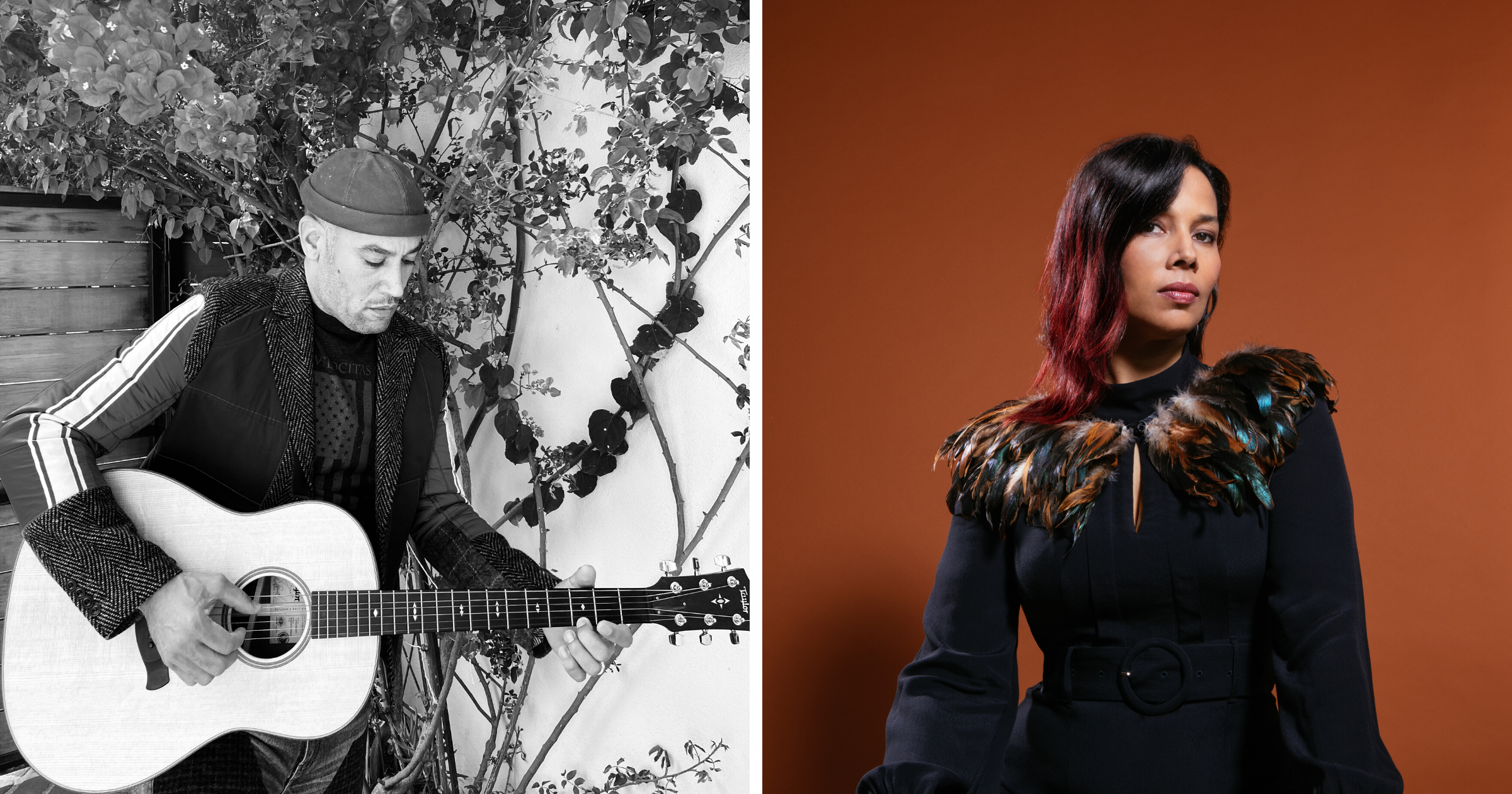
LISTEN: Ben Harper & Rhiannon Giddens, “Black Eyed Dog”

Artists: Ben Harper and Rhiannon Giddens
Single: “Black Eyed Dog” (by Nick Drake)
Release Date: July 21, 2020
Record Label: ANTI-

In Their Words: “Rhiannon and I are both black purveyors of American roots music, and while this is not an anomaly, it is an exception within a subculture. We have unquestionably tapped into the same creative well of influence, carrying on the tradition through our own individual instincts and perspectives. … I’ve always wanted to cover ‘Black Eyed Dog,’ but the song was intimidating in its haunted perfection. Only through collaborating with Rhiannon would I have ever attempted it. When I step back from it, this collaboration should’ve happened long ago, but I’m thrilled that it’s finally here.” — Ben Harper

“I’ve been hearing and hearing about Ben Harper for a long time, but had never gotten to meet him until recently at an event in LA and I was immediately struck by a kindred spirit. Didn’t have as much to do with the kind of music we play, although we share many, many commonalities as black folk playing roots music, but more to do with the spirit that we access when we play it. I felt that spirit in him right off and knew if we ever got the chance, we could make something beautiful together.” — Rhiannon Giddens


Photo of Ben Harper: courtesy of the artist.
Photo of Rhiannon Giddens: Ebru Yildiz

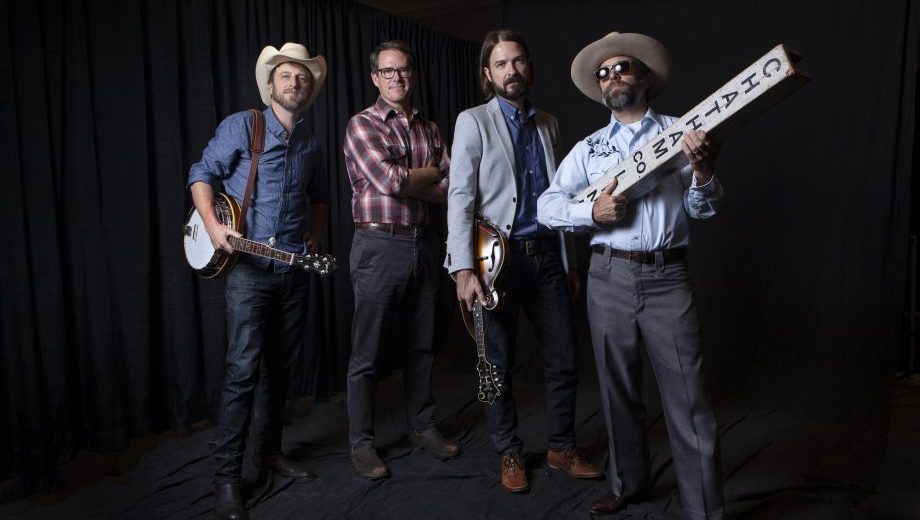
The String – Chatham County Line

With an old-school look and feel, Raleigh, North Carolina’s Chatham County Line started at the dawn of the new millennium in a surge of passion for bluegrass music. Now at 20 years old, they’ve made only one very recent personnel change and refreshed their concept as a post-modern string band with drums.


LISTEN: APPLE PODCASTS

Their new album, Strange Fascination, displays far-reaching vision and a warm, cohesive sound, riding on the unique songwriting voice of Dave Wilson. Wilson and co-founding multi-instrumentalist John Teer join host Craig Havighurst for a retrospective conversation, featuring music from their past and present.

MIXTAPE: Ocie Elliott’s Favourite Folk Through the Ages

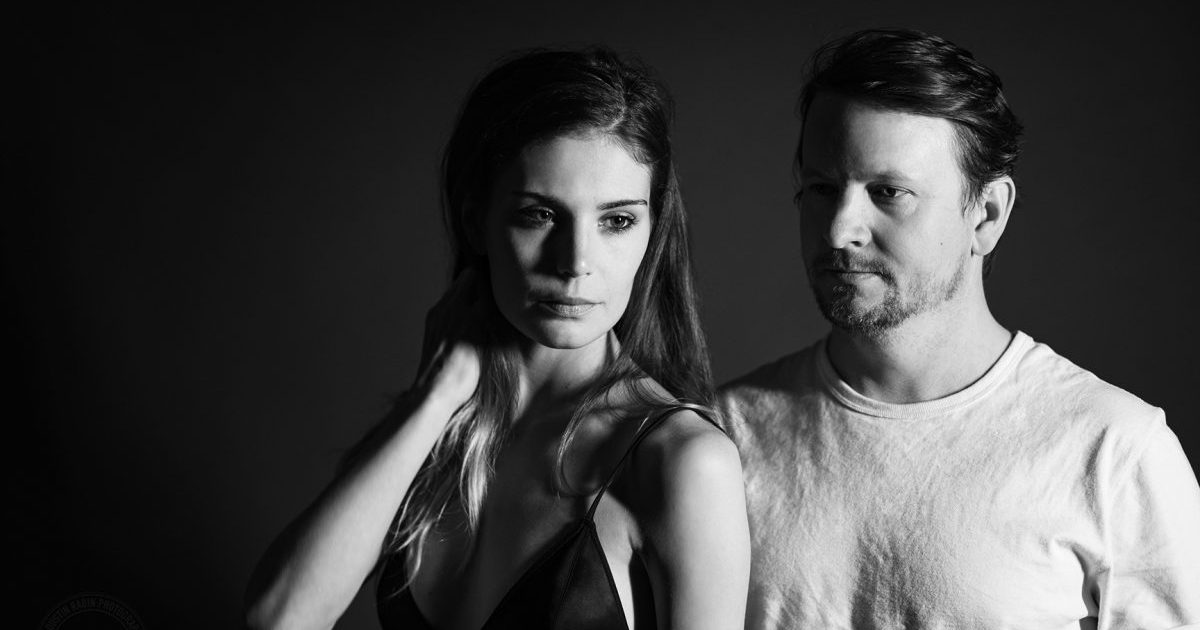
Folk music, especially acoustic ballad folk, country folk, and early blues, has always held a special place in my heart and soul. From a young age, my dad would pull out his acoustic guitar when we’d go camping and around the campfire he would sing the family a folk song or two, mostly acoustic versions of Johnny Horton’s “The Battle of New Orleans” and “Sink the Bismarck.” The sound of the acoustic guitar and voice and their telling of a tale touched something deep inside me and my love for folk music was begun. Here are some of my (and our) favourite songs in this genre through the ages. — Jon Middleton, Ocie Elliott

The Carter Family – “Chewing Gum”

While not necessarily my favourite song by the Carter Family, there is something unique and uplifting about this one. I’ve always thought that Kurt Cobain would have loved it.

Lead Belly – “The Grey Goose”

Lead Belly is definitely one of the best ever, such an incredible songwriter. To me his power lies in the uniqueness of his sound; no one wrote songs like him either. The first time I heard this it filled me with so much joy: I could hear it being performed with a big group of people all singing the “lord, lord, lord” part. I’ve also always imagined Toots and the Maytals covering this song.

Blind Willie Johnson – “Trouble Will Soon Be Over”

My favourite blues artist of all time, Blind Willie Johnson’s voice and slide-guitar playing are otherworldly. This tune has such a beautiful melody and feel, it also displays the softer side of his voice and the female accompaniment adds a lovely depth to it all.

Mississippi John Hurt – “Spike Driver Blues”

The first time I heard his 1928 recordings my mind was blown. He has had the biggest influence on my fingerpicking without a doubt. The melody he picks in this song is just so beautifully circular, bouncy and perfect.

Doc Watson and Clarence Ashley – “Old Ruben”

I love the recordings these two did together — there is something very vibrant, authentic and alive in them. I think this song is my favourite of all of them, although “The Coo-Coo Bird” is a close second.

Johnny Cash – “Dark as a Dungeon” (Live at Folsom State Prison)

This whole album is amazing, but this song has always stood out, partly because it sounds like something to be sung around a campfire, but also because his voice is so rich and deep — it’s the perfect voice for this song.

Bob Dylan – “I Threw it All Away”

It’s impossible to pick a favourite from someone who has written more classics than most songwriter’s output in total. But I choose this one because oddly enough, this album (Nashville Skyline) was what led me into Dylan’s universe (I purchased it because it had Johnny Cash singing with Dylan on one song). Needless to say, I fell in deep.

John Prine – “Mexican Home”

We cover a number of John Prine’s songs, including “In Spite of Ourselves” and “Long Monday,” but one of our favourites that we don’t cover is “Mexican Home.” Both recorded versions are great in their own way, but the studio version feels truer to the content.

Guy Clark – “Anyhow, I Love You”

One of our favourite duets. A friend of ours showed us this song a few years back and we immediately started to learn it and sing it. It’s a very special and unique tune, especially in the lyrical phrasing.

The Country Gentlemen – “Fox on the Run” (Live)

I love that this was first recorded as a rock ‘n’ roll song by Manfred Mann. The Country Gentlemen’s version and harmonies literally sound like the lyrics, especially the line: “Her hair shone like gold in the hot morning sun.”

Loudon Wainwright III – “The Swimming Song”

We were also introduced to this by a friend and ever since then we’ve been in love with it. It’s uplifting, but also has this tinge of melancholy to it.

Mason Jennings – “Crown”

A favourite songwriter of ours, I’ve been in love with his music ever since I bought one of his albums on a whim in L.A. and drove with it the whole way back up the coast to San Francisco. Once there, I immediately pulled into Amoeba Records and purchased another.

Gillian Welch – “Winter’s Come and Gone”

Gillian Welch and David Rawlings are one of our biggest influences as a group. When Sierra and I first met, our first connection was made over a mutual love for Gillian Welch, and the first song we ever played together was “Look at Miss Ohio.” Something about this song though, the whole album really.

Gregory Alan Isakov – “Amsterdam”

This song has a rich, wonderful vibe to it — the recording quality, the playing, the mixing and of course, the tune itself. It feels like a warm blanket on a rainy day.


Photo credit: Dustin Rabin