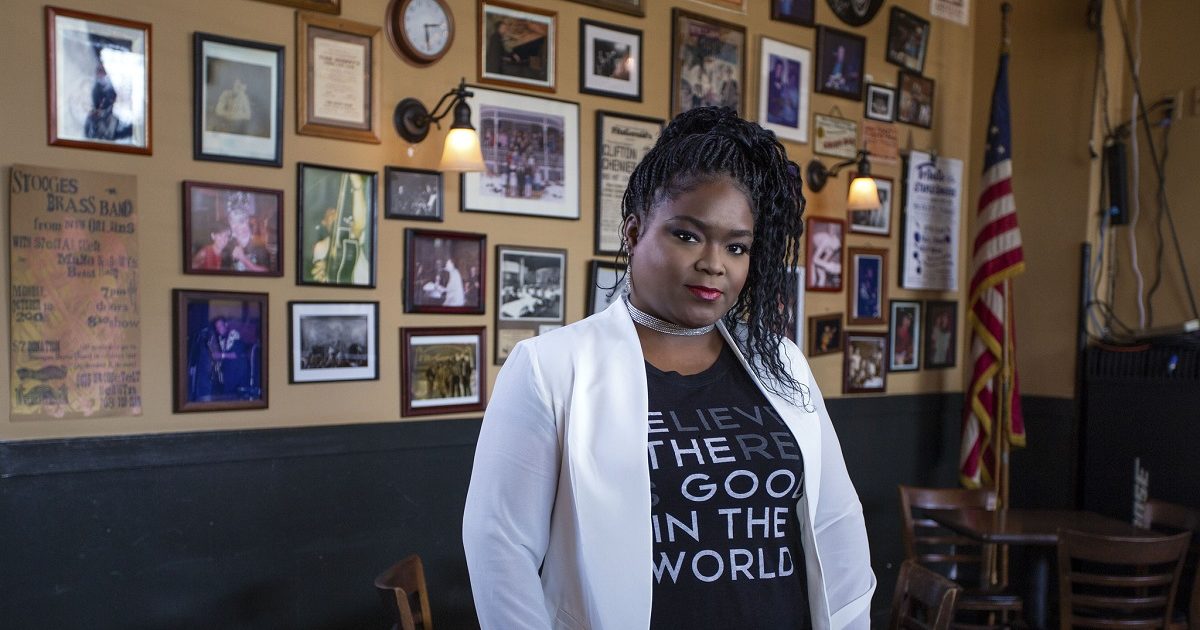
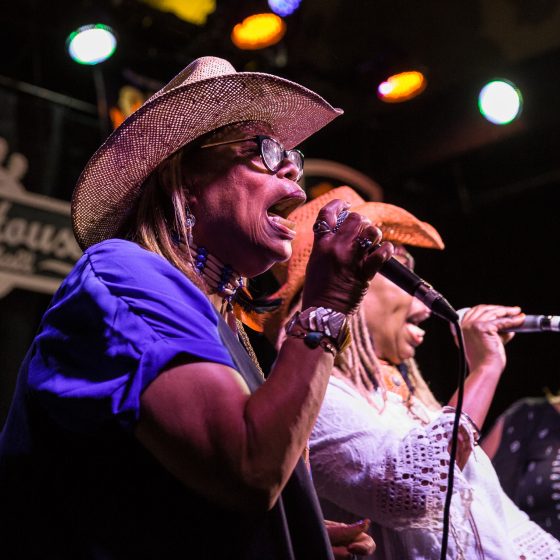
Artist:Shemekia Copeland Single: “Uncivil War” (feat. Sam Bush, Jerry Douglas, and the Orphan Brigade) Release Date: June 19, 2020 Record Label: Alligator Records
In Their Words: “It’s not just a song. I’m trying to put the ‘united’ back in the United States. Like many people, I miss the days when we treated each other better. For me, this country’s all about people with differences coming together to be part of something we all love. That’s what really makes America beautiful.” — Shemekia Copeland
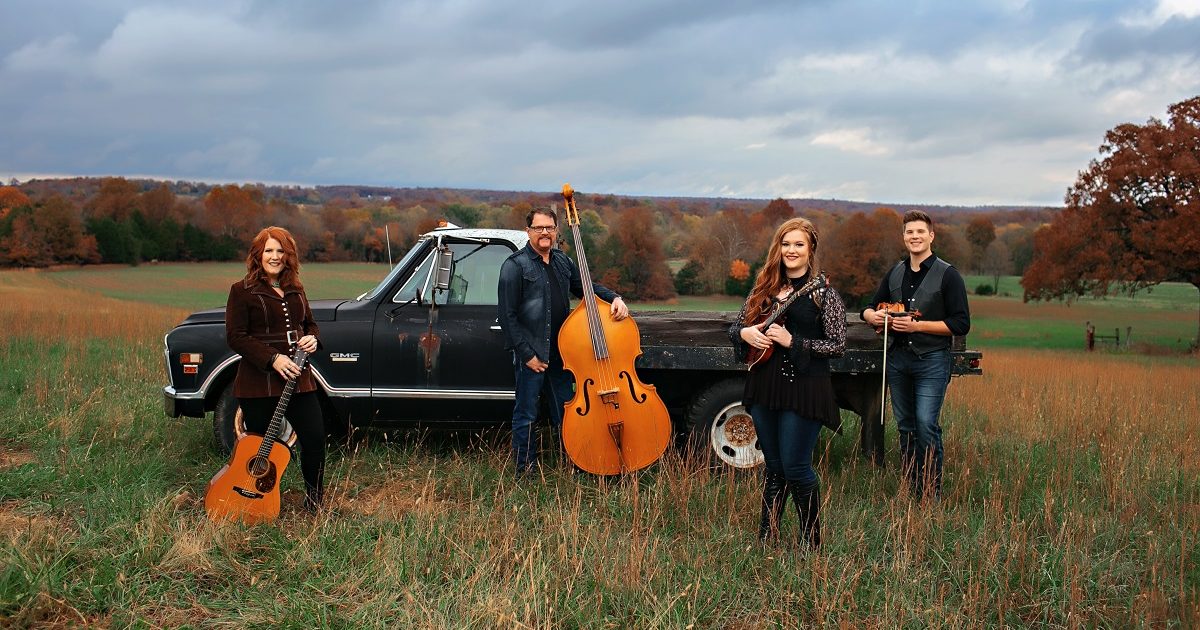
Artist:Lindley Creek Hometown: Springfield, Missouri Song: “The Mockingbird’s Voice” Album:Freedom, Love, and the Open Road Release Date: August 2020 Label: Pinecastle Records
In Their Words: “This sultry song reinforces the age-old truth that things aren’t always as they seem. I was in a happy relationship when our producer first brought ‘The Mockingbird’s Voice’ to us. Even in that happy time, the sadness and heartbreak in the lyric almost called to me. Sometime after recording it, that relationship ended. The lyric then gave voice to everything I was feeling, and more. It became mine, my anthem.
“When we shot the video I was moved to put all of those feelings into the storyline. It lays bare all the feelings of betrayal, of heartbreak, and of lessons learned the hardest way. We set out to record songs about real life and ‘The Mockingbird’s Voice’ is as real as it gets. It’s been exhilarating working with our producer Jim VanCleve and our label Pinecastle, who have both believed in us since the beginning. We literally cannot wait to release the rest of the upcoming album, Freedom, Love, and the Open Road later this summer!” — Katie Greer, Lindley Creek
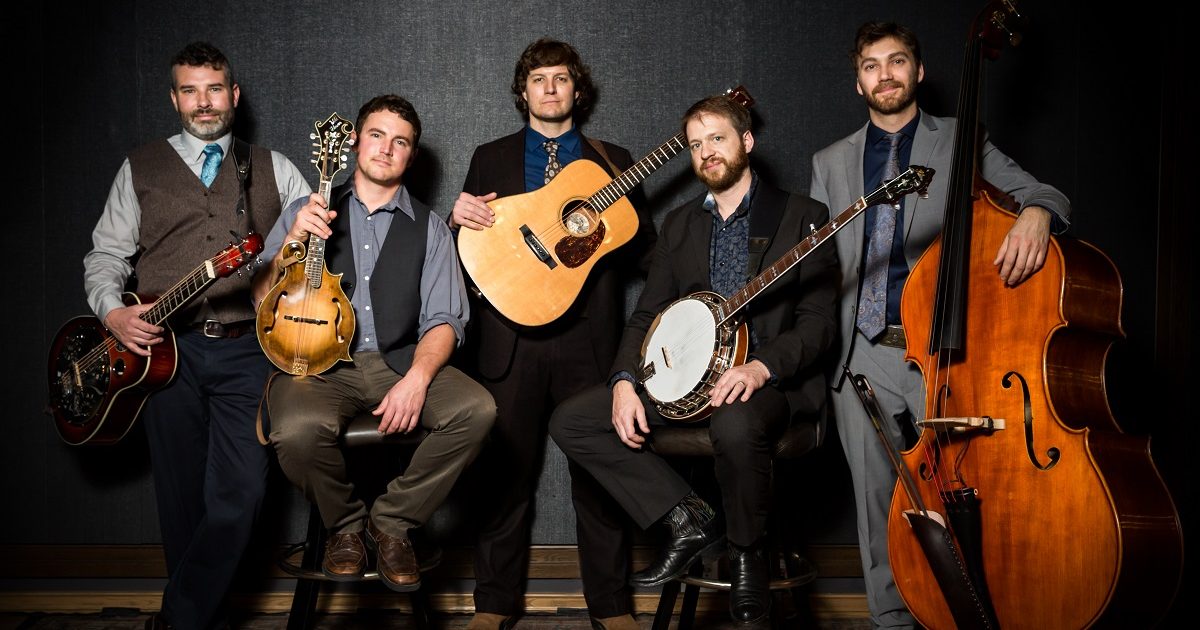
Artist:Wood Belly Hometown: Denver, Colorado Song: “Gone Are the Days” Album:Man on the Radio
In Their Words: “‘Gone Are the Days’ is a project we’ve been working on, well, for a lifetime. The video features some of Wood Belly’s childhood home movies interlaced with moments from the last few years playing music across the country. We wanted to pay homage to our roots and express our undying gratitude to the people that helped us get to where we are and will go. There’s a clip towards the end of a couple of our moms hugging during our set in Telluride, Colorado, which pretty much sums up the whole idea. Much love to everyone who made us who we are.” — Chris Weist, Wood Belly
For the final episode of season one of Toy Heart, we have host Tom Power’s 2019 sit down with legendary artist, musician, and sideman Jerry Douglas at the International Bluegrass Music Association’s annual business conference in Raleigh, NC.
Douglas talks all about hearing “Uncle Josh” Graves for the first time with Flatt & Scruggs and, in the early days, using a toothbrush to turn his own guitar into something like a Dobro. He tells stories of his father’s band, the The West Virginia Travellers, and being discovered by the Country Gentlemen. He shares about his lifelong friendship with Ricky Skaggs — and his connections with Tony Rice, J.D. Crowe, Alison Krauss, Ray Charles, to O Brother, and more. Jerry Douglas will go down as one of the finest American musicians of his generation, but for this episode we focus on his true love — his life in bluegrass.
After years spent living in New York City and traveling the world on tour, Sarah Jarosz has turned to a source of inspiration she’s never mined before: her hometown.
With her fifth album, World on the Ground, the Grammy-winning artist gleaned her own folktales from the everyday rhythms of her life in Wimberley, Texas. Her time away from Friday night football games and the shadows of cypress trees allowed her to look on Wimberley’s details with fresh eyes, from the Ford Escape her parents drove and the dusty trails it kicked up to conversations about out-of-reach dreams with old friends (that she examines on “Maggie,” which came from an actual heart-to-heart she had with an old friend at her high-school reunion).
Jarosz found a breakthrough in the most familiar folds of her memory, but this perspective was also molded by the city that guided her as she retraced her steps through the Texas Hill Country in her lyrics. On “Pay It No Mind,” the single that gives World on the Ground its name, Jarosz alludes to this ability to find meaning and movement at a distance: she sings of the frightening, and often destructive, churn of life in our current moment from the point of view of a “little bird stretching her wings” who takes in the chaos from the seventh floor.
“I think being able to write and make this record mostly about my hometown, in New York, from far away, was an interesting part of the process,” she says. “It’s almost what allowed me to take on the role of the little bird on the seventh floor in a way, because I think it took leaving Wimberley and being away from it for quite awhile to be in a place where I could actually write about it in this way.”
In the first half of our two-part interview, Jarosz walks BGS through the little Texas town that became her muse, how her work with bluegrass supergroup I’m With Her left an impact on her creative process, and more.
For some people, going back to their hometown is a traumatic event, a negative, damaging experience. There’s clearly a lot of compassion for the voices you explore on World on the Ground, which was inspired by your own hometown. If you were to visit Wimberley with fresh eyes, how would you describe it?
Jarosz: One of the things that stands out about it compared to other towns of its size in Texas — and I think this would be obvious, even if you’d never been there and were taking a drive through town — it seems like it’s a little more balanced. It has one high school, and one football team, and a lot of the small town culture does revolve around that, around this sort of Friday Night Lights idea of a small Texas town.
But there’s also this incredible artsy kind of community in Wimberley. One of the big draws of Wimberley is its market days, which I think happens once a month — maybe it’s every weekend in the summer, I can’t remember. Arts and crafts and even the fact that there was a bluegrass jam every Friday night, that was why I fell in love with all this music in the first place. It feels a little more balanced in that way.
I truly feel, probably in a biased way, that it’s a very magical place. A lot of people who drive through it, if they’re driving around the hill country in Texas, would agree that it’s one of the towns that stands out from the rest. It has this kind of shimmery quality to it — that’s the word that comes to mind.
I love the contrast of “Maggie,” then, in which you’re singing from the perspective of a friend of yours from high school who can’t wait to leave the small town behind. I appreciate “Maggie” because it’s a real conversation you could be having with anyone who’s stuck where they are. The location is almost insignificant, because it’s about whatever’s holding you — it doesn’t necessarily have to be the town you’re in.
Exactly. The “football games and processed food” line definitely puts it in a place, but I feel like [the song] could also be anywhere. I purposely tried to make that happen. It was such an eye-opening thing for me to actually have this conversation with this friend — we were really close friends in childhood, then just drifted apart over the years, and ran into each other at my tenth high school reunion. She actually didn’t go to my high school, she went to a different school and that’s why we drifted apart.
She was asking me about my touring and my life and everything, and I think I was probably saying, “I wish I could be in one place more. I wish I had more of a home sense at this point in my life.” She was sort of saying, “All I want is to do what you do, travel and see the world.” It’s funny how sometimes the things that seem so obvious take just a simple moment of someone saying it to your face, and then you realize, “Oh! Duh!” That really happened for me there. That song is all about empathy and compassion for anyone who wants their circumstance to be different than it is and might not necessarily have the means to make that happen, but still having the dreams to hopefully one day change.
“What Do I Do” is a companion song to that, in a way: It’s sung by someone who wants to be home more, who wants to be still for a minute. What inspired that song?
A lot of these songs feel like gifts, in the sense that I generally feel like a very, very slow lyrical writer. The music comes more quickly to me, but that song and a lot of the songs that I wrote with John Leventhal were similar experiences. If he had the music written and sent it to me, the lyrics seemed to come very quickly. “Pay It No Mind” and “Orange and Blue” were two of those.
“What Do I Do” was another one where it almost felt like a dream to write. It’s similar to “Maggie” in the sense that it’s that same sort of longing for wanting something else than what you currently have, but then it’s also a thankfulness and acceptance in that. It almost feels like a mantra-type song where it’s repeated and it goes to a different place — very simple chords in the verses, and then it opens into this washy vibe in the, “What do I do, what do I do?” It was one of those gifts of a song.
You’ve been collaborating with your friends Sara Watkins and Aoife O’Donovan for years. Now that you’ve written albums and toured together, do you hear, or did you feel, the imprint of your time with I’m With Her going into this record in a new way?
I felt it in a creative way, personally. I think all of us were just so positively influenced by that experience [of] touring and putting out that record. What that allowed all of us — I’m speaking for myself, but I’d imagine they probably feel a similar way — was just the chance to step back and take a breath. Not in a busy sense, because we were just constantly working and on tour, but creatively.
I had never been in a band before; I had only ever put out my solo records. I think after Undercurrent, I couldn’t really imagine going straight into another solo record or album push because I just wasn’t inspired to. I had reached a point where I had wanted to experience something new. There was something so rewarding about feeling like I was a part of a team. We were all on each other’s team and carrying the load together. It was just so wonderful and magical. It definitely gave me the creative juice to just be so psyched about making this record.
With Sarah and Sean making their Watkins Family Hour duo project, and Aoife making Bull Frogs Croon, I love those projects so much because [we] all seem so inspired. I think that is because we all allowed ourselves this chance to step back from our own things, be a part of a team and give ourselves the gift of this renewed inspiration, almost. I definitely felt that. I hope they do, too. I’m so grateful for them.
We debuted Tunesday Tuesday in January 2018 for a pretty simple reason. Roots music has a world-class stable of talented pickers, and unlike other more commercial genres, that talent is something of a prerequisite. Whether blues or bluegrass or country or folk, there’s something about American roots music that goes hand in hand with virtuosic playing ability. It’s one of the main reasons BGS loves string band music.
The 20 tunes that advanced to this year’s second-round IBMA ballot in the Instrumental Recording of the Year category showcase a wide range of the talent that draws us to instrumentals, so why not go through a half-dozen of our favorites? Some of these folks have been featured in their own Tunesday Tuesday before, some are newcomers, but two things unite all of them: You’ll be tapping a toe and looking up whether your IBMA membership has lapsed or not after listening to any of the following instrumentals.
“Bish Bash Bosh” – David Benedict
An outlier in this category for more than one reason, mandolinist David Benedict’s “Bish Bash Bosh” is a breath of fresh air thanks to its tender intro, its languid tempo, and the musical wiggle room afforded to the track by each. Fiddler Mike Barnett and IBMA Award-winning veterans Missy Raines (bass) and David Grier (guitar) are each sensitive, empathetic sounding boards for Benedict’s themes, unspooling and embellishing them expertly. More tender-yet-gritty instrumentals in this category going forward, please!
“Big Country” – Gena Britt
Can’t get much more bluegrass than a tune like “Big Country” and Gena Britt’s right hand! The Sister Sadie banjo player’s solo album, Chronicle: Friends and Music, showcases not only her spotlessly crisp, bread-and-butter approach to Scruggs-style banjo, but her singing voice and her sparkly group of musical friends, too. It’s refreshing to hear banjo playing that’s truly unconcerned with ego, while remaining happily in a pretty much traditional lane. If it ain’t broke, after all…
“Princess and the Pea” – The Gina Furtado Project
Two incredible, banjo-playing Ginas/Genas back to back! Gina Furtado’s debut record with her band, the Gina Furtado Project, features this delightfully medieval, fairy tale tune with a more-joyful-than-most minor-key motif. Furtado reminds all of us that her playing contains many more influences than we often assume, with subtle call backs to Tony Rice and John Carlini-tinged eras in bluegrass’s new acoustic circles. Even the tune’s production guides listeners’ ears in this direction. It’s another excellent sonic “ear break” on the ballot.
“Soldier’s Joy” – Jesse McReynolds (Feat. Michael Cleveland)
A Bluegrass Hall of Fame inductee and the oldest living member of the Grand Ole Opry, Jesse McReynolds epitomizes what it means to be a bluegrass legend and forebear — and he’s still picking. On a recording with umpteen-time IBMA Award-winning fiddler Michael Cleveland, McReynolds shows his audience exactly why he deserves every accolade he’s received and more. Given his age (McReynolds will turn 91 this year) and inevitable decline in mobility and dexterity, you’d expect a gracious caveat herein to allow for the recordings “warts” and “raw moments,” but damn if his playing isn’t as clean as ever! An award-winning, award-deserving mandolinist, no doubt.
“Chickens in the House” – Deanie Richardson
That fiddler, educator, and multi-instrumentalist Deanie Richardson does not have an IBMA Award unto herself yet is a true injustice. Also a member of Sister Sadie with Gena Britt, Richardson has been a lifelong presence in bluegrass and fiddle contest scenes around the US, and has toured with Vince Gill, Patty Loveless, Bob Seger, and been house fiddler on the Grand Ole Opry. “Chickens in the House” features some timeless fiddling chicken imitations, as well as a languid backstep feel that clicks up a few BPM as the band goes, so watch your feet should they get to shufflin’ without your say-so.
“Guitar Peace” – Billy Strings
Until snagging his first proper IBMA Awards just last year for Best New Artist and Guitar Player of the Year, flatpicking phenomenon Billy Strings has gone generally underappreciated by voting members. His crowds, his shows, and his fans are extraordinary in bluegrass, jamgrass, and similar communities – the roots music sphere continues to watch his ascent with something like a slack jaw. Though it’s unlikely he’ll dominate this year’s IBMA Awards, this trance, solo acoustic guitar track, “Guitar Peace,” which features a calming, buzzing drone and plenty of Strings’ trademark six-string acrobatics, deserves the nod.
Photo credits: David Benedict by Louise Bichan; Gena Britt courtesy of the artist; Gina Furtado Project by Sandlin Gaither; Jesse McReynolds still; Deanie Richardson by Kerrie Richardson; Billy Strings by Shane Timm.
While High Fidelity is known for representing a specific niche in the bluegrass music landscape from the 1950s and early ‘60s, each member brings a diverse palate of musical tastes and styles. This playlist is a fine example of some of the diverse listening one might hear on our travels. Some of us remember making mixtapes of our favorite songs and tunes in the days of the cassette. Well, our van still has a cassette player in it! I hope you’ll enjoy listening to some of the music that inspires us, and maybe I should run off a tape of this for our next trip! — Jeremy Stephens, High Fidelity
Flatt & Scruggs – “Earl’s Breakdown”
This is probably the first song that really lit a fire under me to love and play bluegrass music. I first heard it on a red 8-track tape. I was absolutely drawn to Earl’s banjo playing and the famous section of the song where he tunes the second string down a whole step and then brings it right back up. Honestly though, the part of the tune that tore me up and still tears me up is Everett Lilly’s mandolin break. When I first heard that break, I thought it was the most incredible thing ever. Still is the best 15 seconds of mandolin playing on record. — Kurt Stephenson
Don Reno – “Coffee Cup”
I love “Coffee Cup,” because it showcases Don Reno’s banjo playing and creativity to the max. Though Reno didn’t write the song, he had a masterful arrangement of it. I believe it demonstrates nearly every signature technique that is unique to Don Reno. Each solo (they’re all banjo solos) is an adventure, and a fun one at that! — KS
Lonesome River Band – “Say I Do”
I always credit Lonesome River Band with sparking my interest in contemporary bluegrass sounds. My first LRB album was One Step Forward and my favorite song on the album is “Say I Do.” I love the groove, the harmonies, the chord structure, and especially the musical groove. Kenny Smith plays an incredible and beautiful guitar solo, which is followed by a banjo solo from Sammy Shelor. That particular banjo solo taught me so much about dynamics; especially in regards to coming out of a solo and leading in to the vocal. — KS
Reno & Smiley – “Country Boy Rock ‘N Roll”
I’m a country boy and I like to rock and roll, so this song fits. I remember picking up the album that included this song at a flea market when I was about 12 or 13, and it was my very first introduction to Reno & Smiley. — Daniel Amick
Tim O’Brien – “Wind”
I like this song because it’s a good song. It speaks to my soul. We have wind at my house. — DA
Punch Brothers – “Boll Weevil”
As a farmer sometimes I deal with crop failure, bugs, and drought. The goal is of course to problem solve and see beyond the failures to the success just on the other side, but seeing this as a story from the bug’s perspective is pretty interesting. — DA
Jim & Jesse – “Did You Ever Go Sailing”
The In the Tradition album by Jim & Jesse is the first album I remember consciously listening to, the first instance I remember understanding what an album was and what it meant to be an artist. When I would go to 3-year-old preschool, I listened to this on cassette continually and just wore the tape out. My first favorite song was this one. I still love everything about that album and this song! Glen Duncan’s fiddling, Allen Shelton’s banjo playing, and of course Jesse’s mandolin playing are just the cream of the crop, with the added bonus of Roy Huskey Jr. on upright bass. Jim is featured here singing lead on the verses and jumping to harmony on the choruses, making for an all-around awesome arrangement! — Corrina Rose Logston
Red Smiley & the Bluegrass Cut-Ups – “It’s Raining Here This Morning”
Tater Tate’s fiddling has been a huge influence on me, and it’s something I go back to over and over again for inspiration. This particular cut features Tater front and center just wearing it out! I love a song in the key of F like this, and this cut is just exceptional. Red Smiley’s flawless lead singing is like golden drops of honey. Billy Edwards’s playing out of open F on the banjo is the epitome of my happy place. It just doesn’t get much better than this for me! — CRL
Sarah Siskind – “Lone Tree”
It might surprise fans of High Fidelity that most of my “newer” music listening is outside the realm of traditional bluegrass. In fact, outside of the High Fidelity setting, my own solo artistry and songwriting is like a musical amalgam drawn from many diverse sources throughout my life. I love Sarah Siskind’s artistry and draw so much inspiration from her music. It’s hard to pick favorites but this particular song is pretty high up on the list for me! And, fun fact, Jeremy Stephens was staying with Sarah’s mom and dad the year that Jeremy and I met each other at SPBGMA in 2009! — CRL
Homer & Jethro – “Tennessee, Tennessee”
I knew I wanted to include a Homer & Jethro number, but I didn’t know just which one. I’ve always admired their ability to integrate belly laugh-inducing lyrics to some serious mandolin precision. “Tennessee, Tennessee” is one that I’ve always wanted me and Corrina to cover. That last verse makes me lol every time. — Vickie Vaughn
Tim O’Brien & Darrell Scott – “Walk Beside Me”
This is the opening song to my desert island record. I just need one and this record, Real Time, is IT. That GROOVE, though. I’ve listened to this song at least a hundred times and the repeating mandolin hook paired with the mandola toward the end of it makes me feel like I. CAN. DO. ANYTHING. Thanks for that confidence, Tim & Darrell. — VV
Jim Oblon (with Larry Goldings & Jim Keltner) – “Copperhead”
I’ve known Jim for a while. I met him here in Nashville before I even knew what he was musically capable of. Friends later told me that he was Paul Simon’s drummer. Now we’re old friends and I try to be cool when I see him now and again at the gym and I try to refrain from nerding out over yet another musical discovery I had while listening to his records. Get a load of this RIFF on “Copperhead.” Not showcased on this recording is Jim’s incredible vocal prowess. Make sure you take time to find a song of his to hear that. You’re welcome. — VV
Kilby Snow – “Close By”
I’ve loved the autoharp since my Mamaw got me one for my sixth birthday from the secondhand store she worked at. I didn’t start playing it seriously until I saw my banjo mentor, Troy Brammer, playing autoharp when I was in my early teens. I’ve gone quite a few years without playing it seriously, but since we’ve all been shut in at home, I’ve been playing autoharp almost exclusively around the house for a couple months now. My favorite of all the autoharp players is Kilby Snow from Grayson County, Virginia. He played autoharp left-handed upside down, and did these open-bar “drag” notes to make it sound like the roll on a five-string banjo. This is a great Bill Monroe number played by Kilby on the harp, and it’s one I’ve found myself playing quite a bit lately. I learned to play his style right handed from his son Jim when I visited him in Oxford, Pennsylvania, in 2006. — JS
United Sacred Harp Convention – “Sherburne 186”
I first heard sacred harp shape-note singing on a 78 RPM record at Kinney Rorrer’s home. Kinney is a serious record collector and has been a mentor to me in the history of old time music. After first hearing the singing on that 78, I was hooked, and I couldn’t get enough of Sacred Harp. I learned to read and sing the shape notes and listened to many recordings of Sacred Harp conventions. Of all my listening, this recording of this tune has stood out to me, and I wanted to include it here. Hope y’all like it! — JS
Reno & Smiley and the Tennessee Cut-Ups – “Mountain Church”
There is no set of recordings that I have returned to over and over for more than 20 years, except for Reno & Smiley’s 1953 and early 1954 recordings. The tone, feel, playing, and singing of these 24 sides sum up everything that I really love about Reno & Smiley’s corner of bluegrass music. This era of their work has greatly informed what I bring to the table stylistically with High Fidelity. “Mountain Church” is one of my favorites of Reno & Smiley and we perform it occasionally in High Fidelity. — JS
Welcome to another conglomeration of diverting, entertaining, and engaging long reads! The BGS archives never disappoint. As we share our favorite longer, more in-depth articles, stories, and features to help you pass the time, you should follow us on social media [on Facebook, Twitter, and Instagram] so you don’t miss a single #longreadoftheday pick! But, as always, we’ll put them all together right here at the end of each week if you happen to let one sneak by you, too.
This week’s long reads are educational, meandering, inspiring, and much more. Read on:
May went by in a blink of an eye (how did this happen!?) and we had to say goodbye to our Artist of the Month, Grammy and IBMA award-winning multi-instrumentalist and songwriter Laurie Lewis. In our two-part May AOTM interview, Lewis gave us insight into the making of her new duet album, and Laurie Lewis, and talks a little bit about wanting to measure up to others’ view that she’s a trailblazer and role model in bluegrass. [Read more]
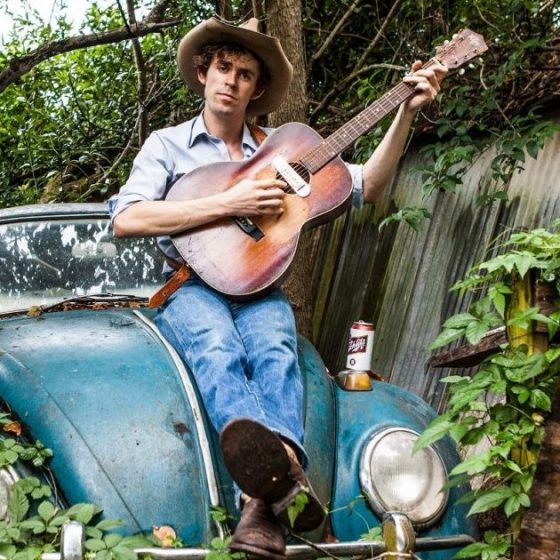
In a meandering feature we follow singer/songwriter and lifelong troubadour Sam Doores from the Bay Area to New Orleans to Berlin to his first solo album, which is filled with echoes of everything from Tin Pan Alley to the Mississippi hill country, from jazz to psychedelic-folk-rock. The Hurray for the Riff Raff alumnus has co-created some of the last decade’s most arresting socially-conscious anthems with HFTRR, and he’s also made sparkling folk- and country-derived excursions with his own band, the Deslondes. [Read more]
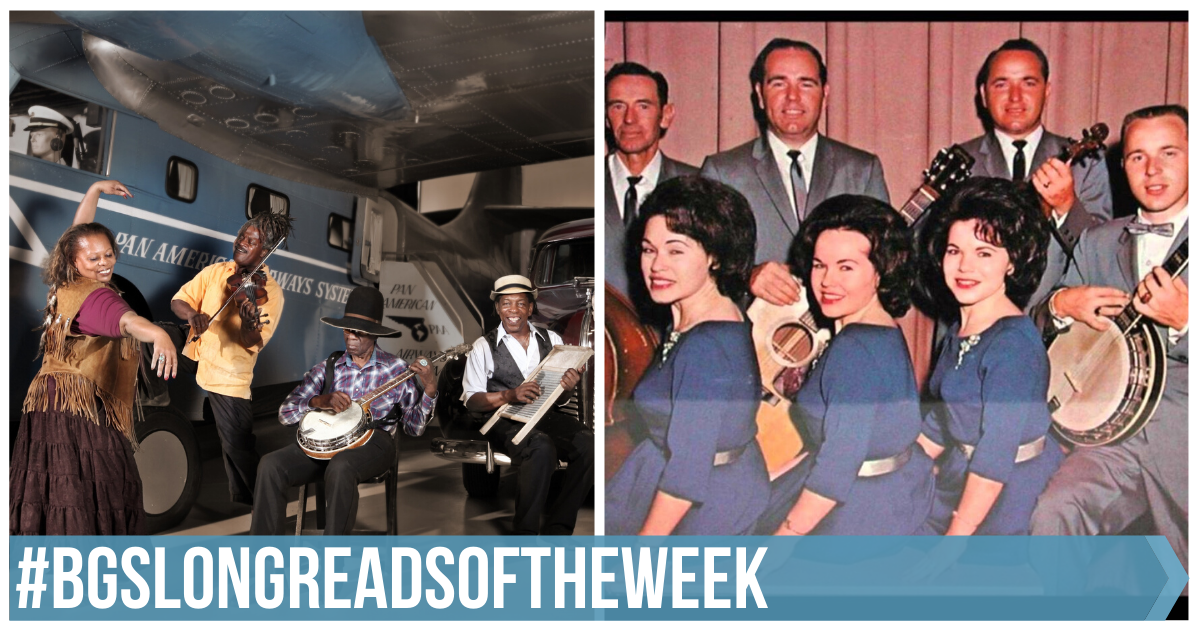
In 2017, Henrique Prince and Gloria Thomas Gassaway — of the legendary and long-running New York-based, Black string band, the Ebony Hillbillies — gave us an excellent primer on how Black folks ostensibly invented bluegrass music. We could all use a reminder of this fact, given how Black contributions to old-time, bluegrass, and string band musics are more often than not erased — and this true, more fleshed out narrative enables us, the roots music community, to unabashedly lift up Black stories and Black lives in full voice at this current moment of crisis. [Read the interview]
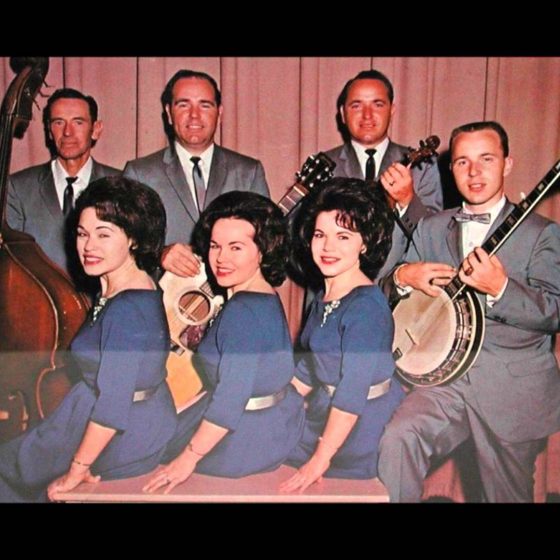
From the Monroe Brothers and the Stanley Brothers to Cherryholmes and Flatt Lonesome, the matching outfits, tight harmonies, and long-lasting careers of family bands are an integral part of what makes bluegrass bluegrass. Here are a few lesser-known, underrated, or too-often-forgotten family bands that you ought to spend some quality time with — a classic from the BGS archives. [See the list]
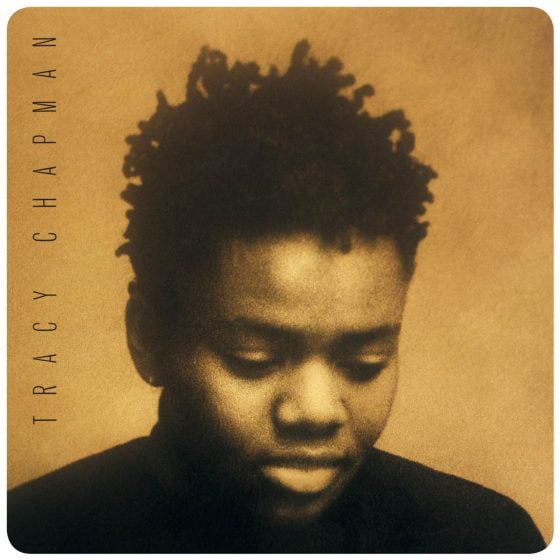
Tracy Chapman’s music is ceaselessly relevant, it’s true. Still, her self-titled, 1988 album has a much more broad, eclectic musical palette than we often give it credit for. Its themes surrounding her Blackness continue to distinguish her from her peers and most common comparisons, demanding a more nuanced approach to considering the ongoing impact of Tracy Chapman. [Read our archived edition of Canon Fodder]
While the late great Arthel “Doc” Watson released scores of albums over the course of his career, he only made the main Billboard charts once and peaked at a modest 193 (for his 1975 album, Memories). But Watson made a far bigger mark as a performer, often in some unusual settings — from the most prestigious concert stages down to humble living rooms.
Even though Watson wasn’t a huge record seller, few artists in the history of American music ever generated more transcendent moments. He remains revered as one of the best flatpick guitarists of all time, and MerleFest (the festival he founded in memory of his late son) stands as an essential acoustic-music event.
Here are some of Watson’s signature moments of performance, captured for the ages. (Listen to the playlist below.)
“Roll In My Sweet Baby’s Arms” – The Three Pickers: Earl Scruggs/Doc Watson/Ricky Skaggs, 2003
We begin with a collaboration between Watson and his fellow North Carolina legend, master of the bluegrass banjo Earl Scruggs, with the old Flatt & Scruggs warhorse “Roll In My Sweet Baby’s Arms” — the closing track from the live album they recorded together in Winston-Salem in 2002. The picking is as hot as you’d expect, especially on this track where Ricky Skaggs urges a solo by calling out, “Try one, Doc!” He gets gone.
“Railroad Bill” – Legacy, 2002
Legacy was the Grammy-winning retrospective album Watson made with his longtime, late-period accompanist David Holt, with songs and stories going all the way back to his earliest days playing music. The package includes a live show recorded in Asheville, North Carolina in 2001, with one of his best-ever versions of the Etta Baker Piedmont blues classic “Railroad Bill.” Watson could indeed play about as fast as a runaway train, and this features some of his swiftest guitar runs ever captured.
“Corrina” – Doc Watson and Gaither Carlton, 2020
Watson’s newest release is this live recording of some of his earliest shows in New York City, 1962 in Greenwich Village, when he was one of the rising stars of the budding folk revival. Watson performs here with his father-in-law, the renowned old-time fiddler Gaither Carlton. But what’s really notable is that Watson is playing banjo in the old style rather than guitar. It turns out he was almost as formidable on five strings as six.
“Tennessee Stud” – Nitty Gritty Dirt Band’s Will the Circle Be Unbroken, 1972
This Americana landmark captured a revolutionary moment, an intergenerational, country-rock summit with the Dirt Band on one side and the country/folk/bluegrass establishment on the other. And it wasn’t live onstage, but live in the studio, with the tape machine left running to record between-song conversations. That captured some of Watson’s priceless homespun pearls (“That’s a horse’s foot in the gravel, man, that ain’t a train!”), as well as what stands as his definitive recording of this stately, well-worn standard. “Tennessee Stud” made Watson a star all over again to yet another generation of roots-music enthusiasts.
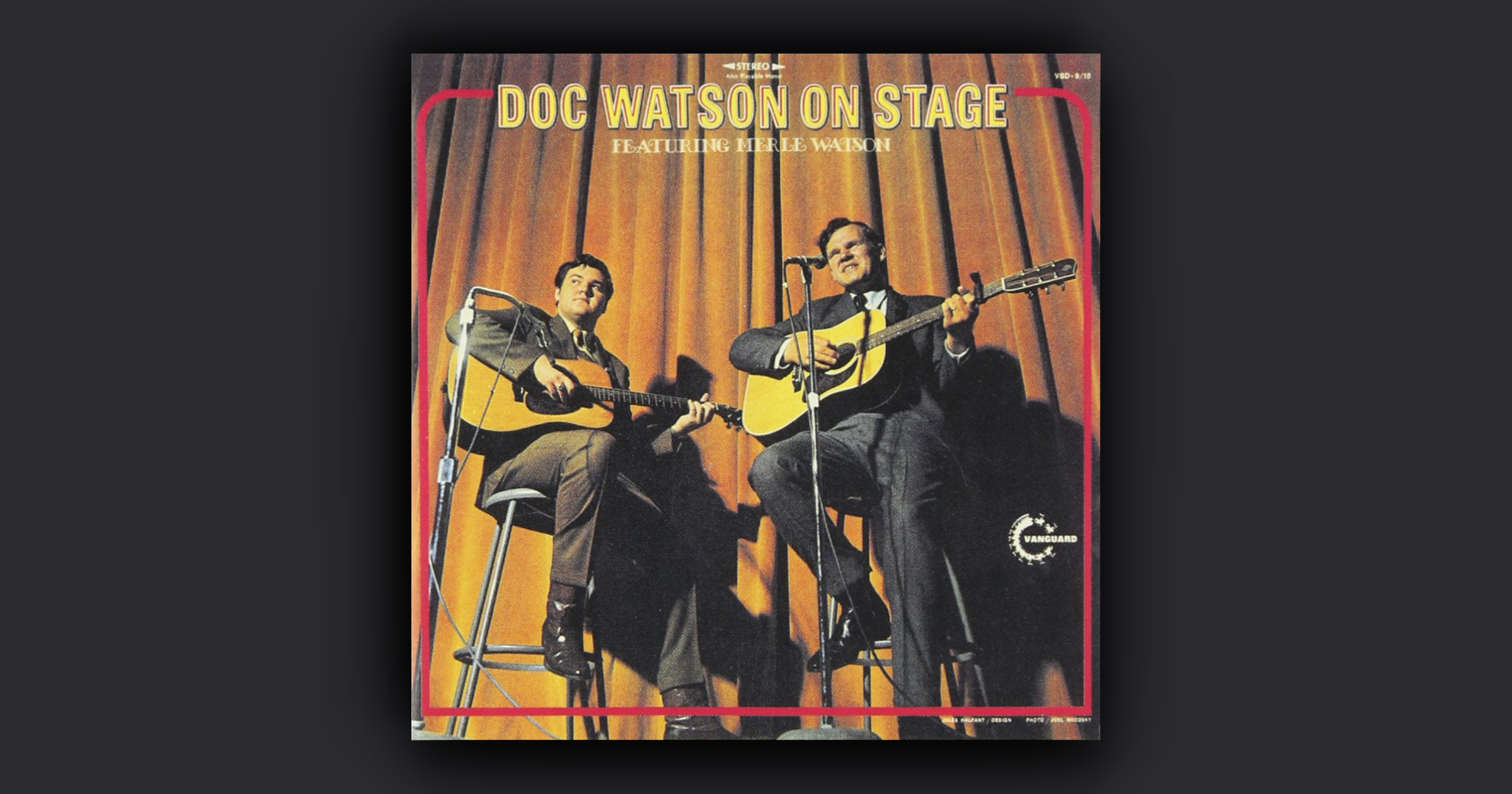
“I Am a Pilgrim” – Doc Watson on Stage, featuring Merle Watson, 1971
Watson had many fine accompanists over the years, but none better than his son Merle, who was always on Doc’s wavelength. Ever modest, Doc always claimed that Merle was the better player. He was, of course, wrong about that, but Merle was a great picker in his own right. Recorded live at Cornell University, this is an excellent version of the old spiritual that also appeared on Circle. “I Am a Pilgrim” would remain an evolving onstage set piece for Doc over the years. After Merle’s tragic death in 1985, Doc would customize the lyrics in performance: “I’ve got a mother, a sister and a brother and a son, they done gone on to that other shore.”
“Blue Smoke” – Doc Watson at Gerdes Folk City, 2001
Another track drawn from one of Watson’s early-period excursions up to New York City, this was recorded during 1962-63 engagements at the legendary Gerdes Folk City nightclub. And this cover of the instrumental by Merle Travis (for whom Doc named his son) is aptly named. When he really got to cooking, Watson could play guitar so fast he just about left a vapor trail.
“Every Day Dirt” (from The Watson Family, 1963)
Ralph Rinzler, the musicologist who first discovered Doc in the early 1960s, recorded this album live at the Watson family homestead in North Carolina. It captures some of what life must have been like growing up singing and playing with Doc; son Merle, wife Rosa Lee and father-in-law Gaither Carlton are among the relatives present. “Every Day Dirt” shows off just how personable a vocalist Watson could be, although as always the real draw is the obligatory killer guitar-picking.
“The Cuckoo Bird” – The Watson Family, 1963
From that same recording, Doc plays guitar accompanied by his son Merle on banjo, covering the old Clarence “Tom” Ashley song that appeared on Harry Smith’s epochal Anthology of American Folk Music. Thanks to the familial radar that comes when blood relatives play together, the instrumental interplay is perfect. This is also a great example at Watson’s mastery of the art of call-and-response between his guitar and voice.
“What Would You Give in Exchange for Your Soul?” – Bill Monroe and Doc Watson, Live Recordings 1963-1980: Off the Record Volume 2
Watson’s modesty was such that his natural inclination was to regard himself as a sideman — even though he was rarely if ever not the best picker and singer in the room. But he plays the role of foil perfectly here, vocally as well as instrumentally, to Monroe’s rippling mandolin and high lonesome tenor on this live version of the first song The Father of Bluegrass ever recorded.
Before he started playing guitar, Watson’s first childhood instrument was actually a harmonica, which he wore out so fast from playing it so much, his parents had to give him another one at Christmas. A new harmonica became a perennial favorite gift. This version of the venerable folk-music classic features Watson blowing a mean harmonica and his descending runs on guitar are also a thing of beauty.
We close with a bit of a wild card, in that it’s a performance by someone else. But it’s one in which the presence of Watson’s spirit looms large enough to be felt. “Your Lone Journey” is a song that Doc and Rosa Lee wrote, and it bids a poignant farewell to a loved one at the moment of death. It is performed here by Watson’s fellow North Carolinians Steep Canyon Rangers, recorded on the main Doc Watson Stage to close out the 2019 MerleFest.
Editor’s Note: David Menconi’s Step It Up and Go: The Story of North Carolina Popular Music, from Blind Boy Fuller and Doc Watson to Nina Simone and Superchunk will be published in October by University of North Carolina Press.
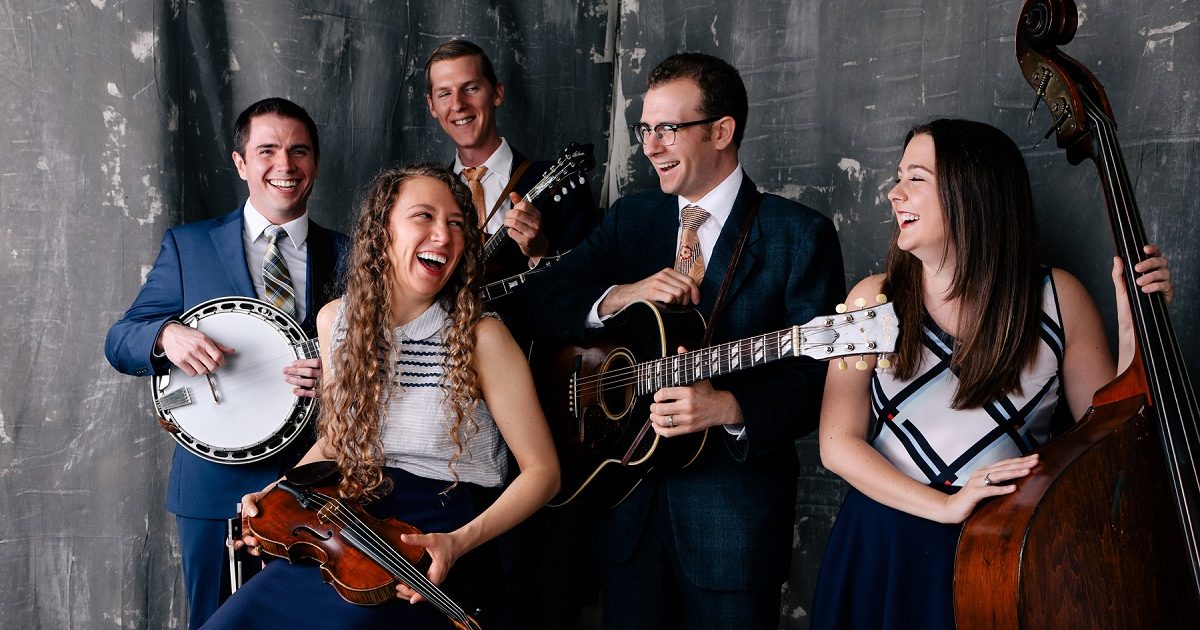
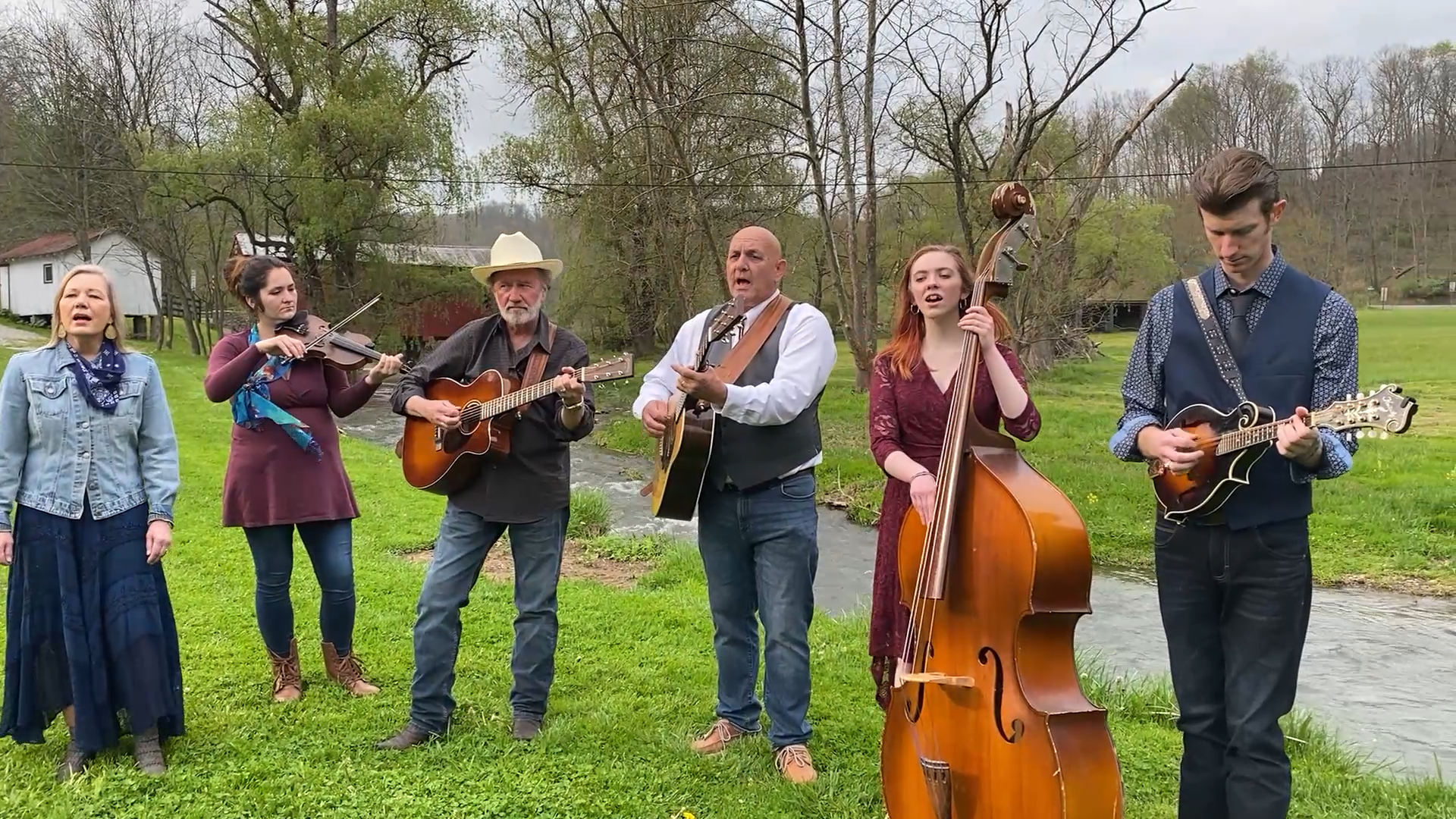
Artist:Crandall Creek Hometown: Moundsville, West Virginia Song: “This Heart of Mine” Album:Headed South Release Date: May 15, 2020 Label: Bell Buckle Records
In Their Words: “The song ‘This Heart of Mine’ is a coming-of-age ballad about acceptance and moving on when love doesn’t work out as planned. Crandall Creek works together as a team to write, record, and arrange our bluegrass music style, which has become a crossover, acoustic country style. Lilli Gadd, who is singing lead, really knocks it out of the park when it comes to delivering a song. Our harmonies are our own, it almost feels like a family band, but we are not… we are just connected musically.” — Jerry Andrews, Crandall Creek
Photo credit: Bruce Winges
This website uses cookies to improve your experience. We'll assume you're ok with this, but you can opt-out if you wish.AcceptRejectRead More
Privacy & Cookies Policy
Privacy Overview
This website uses cookies to improve your experience while you navigate through the website. Out of these, the cookies that are categorized as necessary are stored on your browser as they are essential for the working of basic functionalities of the website. We also use third-party cookies that help us analyze and understand how you use this website. These cookies will be stored in your browser only with your consent. You also have the option to opt-out of these cookies. But opting out of some of these cookies may affect your browsing experience.
Necessary cookies are absolutely essential for the website to function properly. This category only includes cookies that ensures basic functionalities and security features of the website. These cookies do not store any personal information.
Any cookies that may not be particularly necessary for the website to function and is used specifically to collect user personal data via analytics, ads, other embedded contents are termed as non-necessary cookies. It is mandatory to procure user consent prior to running these cookies on your website.