BGS 5+5: Alison Brown

Artist: Alison Brown
Hometown: La Jolla, California
Latest album: The Song of the Banjo
Personal nicknames (or rejected band names): Mom (currently trending)

From the Artist: “‘Here Comes the Sun’ is a song I’ve loved for years. But I never thought about playing it on the banjo until I was inspired by stories of hospitals playing it over their PA systems to encourage staff and patients in their battle against COVID. As I started working on it I realized that the tune has a lot in common rhythmically and harmonically with ‘Águas de Março’ (‘Waters of March’), a Tom Jobim classic that’s one of my favorite melodies and recordings. So I put the two together and came up with this mash-up — setting the low banjo against a tapestry of piano and jazz flute.” — Alison Brown


What was the first moment that you knew you wanted to be a musician?

I didn’t become a musician in one lightning rod moment. It was really more a series of baby steps. When I was really getting into the banjo in the late ’70s there weren’t a lot of successful role models that pointed the way to how you could make a career as an instrumentalist. As much as I loved playing the banjo I really thought it would be a hobby that I would talk about at cocktail parties in my real life as a doctor, lawyer, or another respectable white collar professional. As it happened, I had to spend several years as an investment banker before I got up the nerve to try being a banjo player.

What’s your favorite memory from being on stage?

I have so many great memories it’s hard to pick just one. Collaborating with a skratji band on stage at the Opera House in Paramaribo, Suriname, during a State Department tour is one that has stayed with me. Guesting on Brandi Carlile’s collaboration set with the First Ladies of Bluegrass at the Newport Folk Festival last summer with Dolly Parton singing “9 to 5” is definitely another. Playing on the Banjo Stage at Hardly Strictly Bluegrass in front of a crowd that reaches all the way down Speedway Meadows never fails to blow me away and is one that always validates my decision to leave my investment banking job in San Francisco’s financial district to play the banjo.

If you had to write a mission statement for your career, what would it be?

Since launching Compass Records 25 years ago, my career has had two parallel tracks: one as an artist and the other as the co-founder of a roots-based indie label. When Garry West and I started the label in 1995, literally at the kitchen table, we felt there was a keen need in the market for a record company that was run by musicians. We were driven by the idea that our perspective gained from years of touring would position Compass uniquely in the market. Our goal was to create an artist friendly home for other artists; at the time I was halfway into a multi-album contract with Vanguard Records. Garry and I were, and are still, extremely passionate about discovering new artists and helping to bring their music to a wider audience.

Over the past two and a half decades, we’ve had a chance to help further the careers of an amazing roster of artists across the roots music spectrum and also have had the privilege of carrying the torch forward for some great label imprints through catalog acquisitions. One thing that I didn’t really anticipate when we started Compass was how running a label would inform my own creativity as an artist and producer. Knowing the challenges in the market has been very much of a double-edged sword: sometimes it makes it difficult to get motivated to create new music but, at the end of the day, having a handle on current challenges and opportunities on the business side has made it more natural for me to create music with specific target results in mind.

What rituals do you have, either in the studio or before a show?

For me, studio = food:) When I’m producing, or leading a session, I like to arrive with warm scones or banana bread to start the morning and then make sure there’s a kitchen full of interesting snacks on hand throughout the day. I know it’s not great for the waistline, but for me it adds to the fun of the creative process. I’m also a fan of having slow TV, sound off, running on the monitor in the control room. When I was producing Special Consensus’ record Chicago Barn Dance, we had a Norwegian winter train journey from Oslo to Bergen on a loop while we worked and it complemented our musical journey in a perfect way.

Since food and music go so well together, what is your dream pairing of a meal and a musician?

Hmmm, perhaps not your typical banjo player’s dream, but how about a simple dinner with Tom Jobim on a garden terrace in La Jolla, California, overlooking the Cove and a menu that includes Jacques Pepin’s roast chicken, haricots verts, and a bottle of Cakebread Chardonnay?


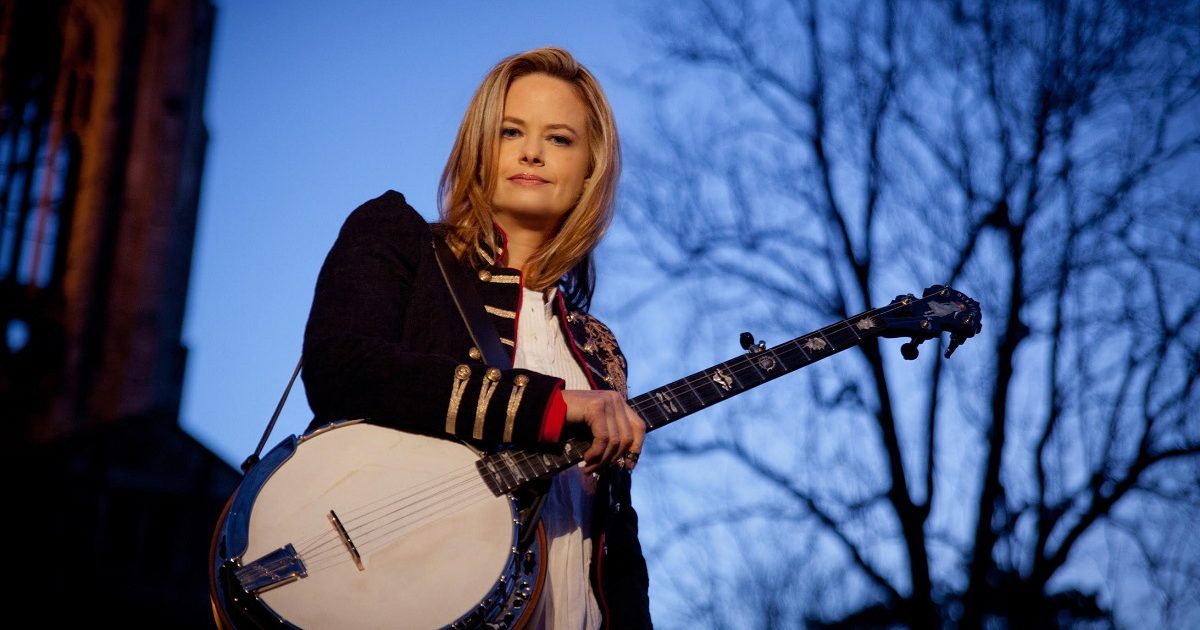
Photo credit: Stacie Huckeba.
“Here Comes the Sun” credits: Low Banjo: Alison Brown; Piano: Chris Walters; Flute: John Ragusa; Bass: Garry West; Drums and Percussion: Jordan Perlson

WATCH: Ivan & Alyosha, “Whiskey & Wine”

Artist: Ivan & Alyosha
Hometown: Seattle, Washington
Song: “Whiskey & Wine” (with Brandi Carlile, Tim Hanseroth and Phil Hanseroth)
Album: Ivan & Alyosha
Release Date: October 23, 2020
Label: Nettwerk

In Their Words: “Within the song, he’s pleading with his love to give him another chance. Throughout the song, it describes what brings a man to the low points of relying on that escape. It’s extreme, but we all can relate to just wanting to check out and be numb. Sometimes it just takes someone seeing the light in our day for us to get to the other side.

“Brandi, Tim and Phil have been a huge inspiration and taught us so much about life on the road, the music industry, and how to stay connected with each other and with our fans. In the early days of Ivan & Alyosha, they gave us the gift of opening up for them on the road. Now they have given us the gift of some pretty amazing harmonies on this track.” — Ivan & Alyosha


Photo credit: Joe Day

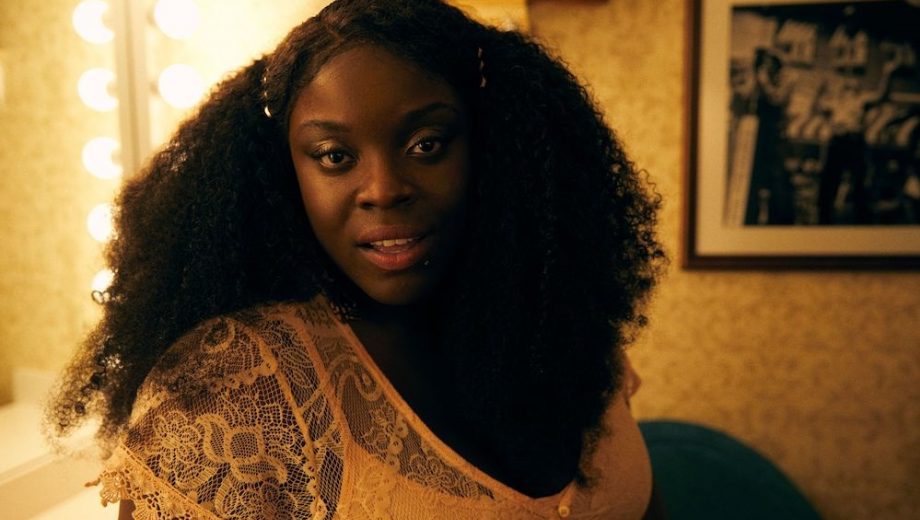
LISTEN: Yola, “Hold On”

Artist: Yola, with Brandi Carlile and Natalie Hemby on backing vocals, Sheryl Crow on piano, and Jason Isbell on guitar
Hometown: Bristol, England
Single: “Hold On”
Release Date: October 9, 2020

In Their Words: “‘Hold On’ is a conversation between me and the next generation of young black girls. My mother’s advice would always stress caution, that all that glitters isn’t gold, and that my black female role models on TV are probably having a hard time. She warned me that I should rethink my calling to be a writer and a singer…. but to me that was all the more reason I should take up this space. ‘Hold On’ is asking the next gen to take up space, to be visible and to show what it looks to be young, gifted and black.” — Yola

Editor’s Note: A portion of profits from sales of the track will be donated to MusicCares and National Bailout Collective.


Photo credit: Joseph Ross

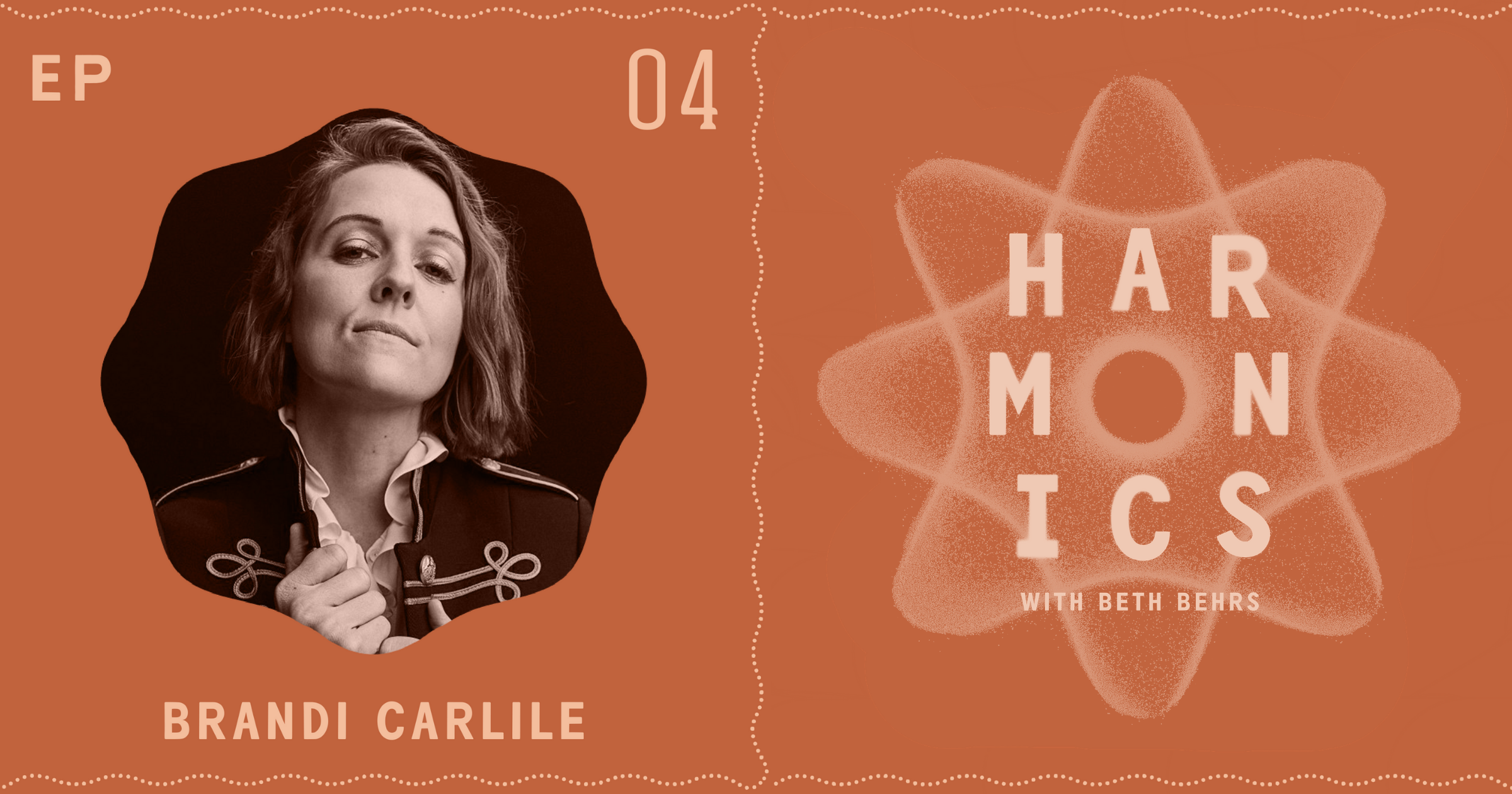
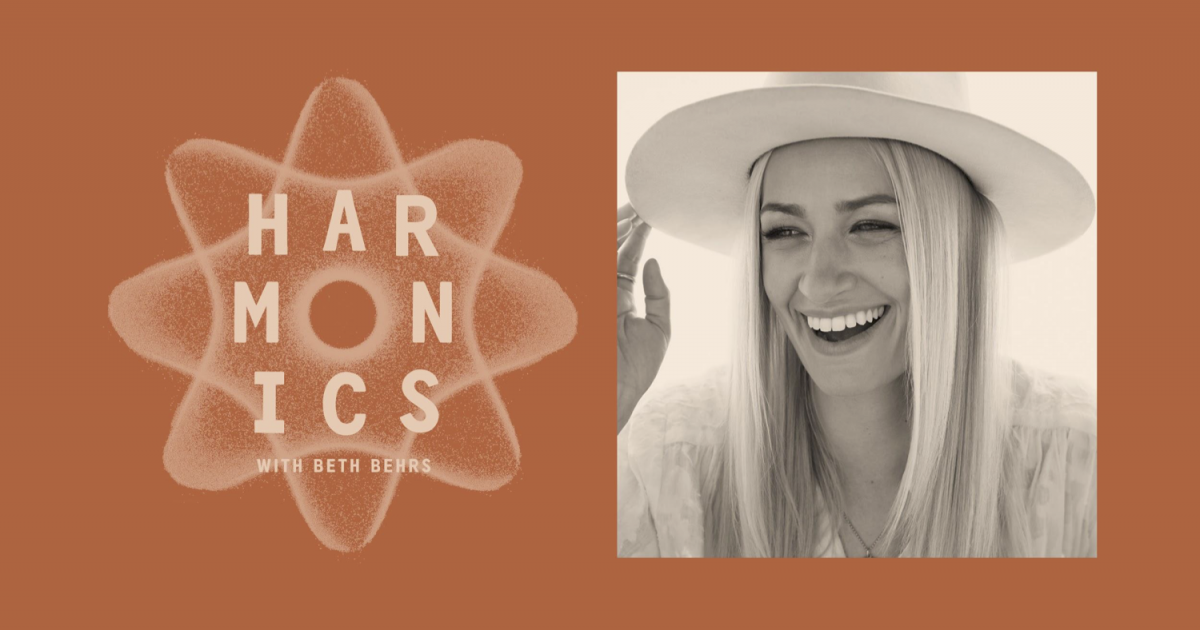
Harmonics with Beth Behrs: Episode 4, Brandi Carlile

Harmonics with Beth Behrs is the newest show from the BGS Podcast Network, which delves into the intersection of music and wellness. The podcast’s third week features Brandi Carlile, Americana icon and advocate for the empowerment of women and the LGBTQ+ community.

LISTEN: APPLE • SPOTIFY • STITCHERAMAZON • POCKET CASTS • MP3


Harmonics host Beth Behrs talks with Carlile about spirituality and wisdom found through horses and nature, performing the album Blue for Joni Mitchell, the joy and connection of live music, anxiety, and singing with Dolly Parton at the Newport Folk Festival.

For many folks, the first time they heard of Brandi Carlile was during her show-stopping performance of “The Joke” at the 2019 Grammy awards. Carlile walked away with three trophies that night for her record, By The Way, I Forgive You (including Best Americana Album). She’s been honing her distinctive voice and building a dedicated audience for over twenty years, all the while staying committed to building a family and community with her band and team.

That commitment has made her a godmother of modern American roots music — as a curator of festival stages, interpreter of the legendary artists who came before, and producer and collaborator for a whole new generation of female artists.

Listen and subscribe to Harmonics through all podcast platforms and follow BGS and Beth Behrs on Instagram for series updates!

Americanafest Prepares Thriving Roots: A Virtual Community Music Conference

Although in-person plans for Americanafest are on hold this year, fans of roots music can still take part in celebrating the music, no matter where they are.

From September 16th to the 18th, Thriving Roots: A Virtual Community Music Conference will host intimate conversations between pairings you won’t find anywhere else.

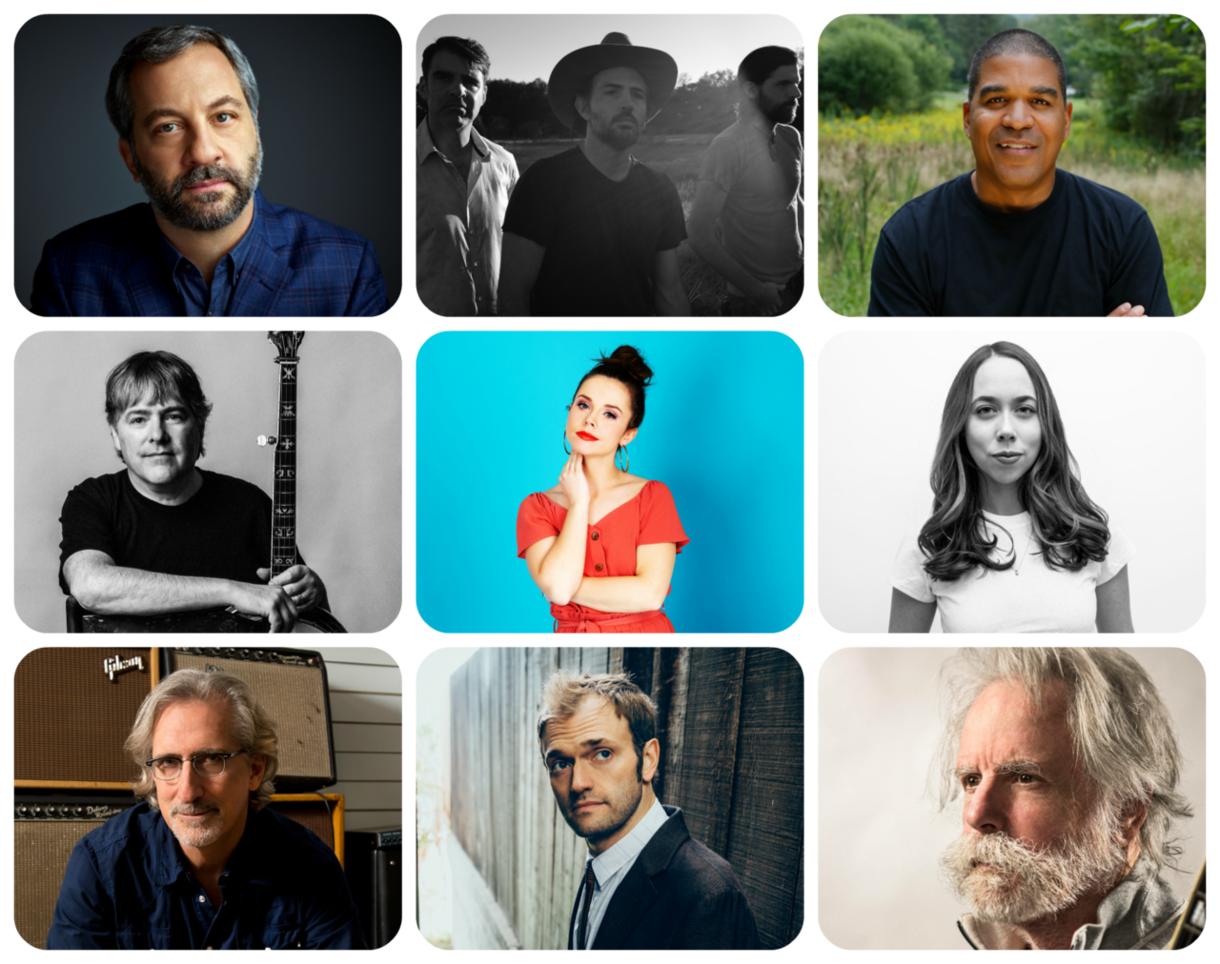
In August, the Americana Music Association Foundation (AMAF) revealed programming featuring director Judd Apatow in conversation with The Avett Brothers; Bob Weir with Oteil Burbridge; Béla Fleck with Sierra Hull; and Sarah Jarosz with John Leventhal and Chris Thile. The latest programming information also includes talks on empowering today’s creatives, developing streaming strategies and musicians in recovery.

https://www.instagram.com/p/CD1R4d_BUzV/

Apatow will sit down with The Avett Brothers to discuss the intersection of film and music, as well as the fine line between fine art and commerce. In 2017, Apatow co-directed the band’s critically acclaimed documentary, May It Last: A Portrait of The Avett Brothers. Since then, The Avett Brothers have released their new album, The Third Gleam.

The music that fans know and love from their favorite artists simply wouldn’t exist without the innovative musicians who came before them. Weir will sit down with fellow Dead & Company member Burbridge as they explore the inspirations and influence Black musicians have had on the Grateful Dead.

Now more than ever, musicians continue to push and blur the confines of genres to create the art they want to make. Fleck and Hull will speak to how roots music transcends and connects with a wide range of audiences during “Music Without Boundaries.” When it comes to creating that art in the studio, a producer’s ability to understand an artist’s vision is an integral part of the creative process. Moderated by Thile, Jarosz and Leventhal will delve into the connections forged between the artist and producer evident on her latest project, World on the Ground.

Additional new programming includes “Independent Control: The Power of Collaboration,” an inside look into how Americana industry professionals are empowering their independent artists to retain full creative control and the benefits of assembling a hand-picked team. Moderated by Jessica Nicholls (Metropolitan Groove Merchants), this discussion will include Blair Clark (Brooklyn Basement Records), Maria Ivey (IVPR) and Michelle Szeto (Paquin Entertainment Group).

In the streaming era, an abundance of digital resources can be found at the fingertips of industry and artist professionals, but how does one optimize those helpful tools? Led by Mike Fabio (New West Records), “Building a Streaming Strategy in 2020” rounds up Charles Alexander (Systemic), Margaret Hart (YouTube), Margaret Jacobi Lee (AMFM Management), Laura Ohls (Spotify) and Amy Wright (DittyTV) for a talk on developing real-world strategies that lead to increasing listenership and growing a solid fanbase.

Presented by Promises Behavioral Health, “The Show Must Go On: Musicians in Recovery” will find artists Phil Bogard and Jaime Wyatt in conversation with Shireen Janti (MusiCares) and Shane Ramer (That Sober Guy Podcast) about the road to recovery while offering how to find treatment and how others can take practical steps toward becoming a sober creator.

https://www.instagram.com/p/CDRhNsvBq-n/

Previously announced Thriving Roots programming includes intimate conversations between Brandi Carlile and Yola; Emmylou Harris and Ken Burns; and Jackson Browne and Mavis Staples. Rosanne Cash will bring together Ry Cooder, Angela Davis, Bonnie Raitt and Alice Randall for “Love and Vigilance,” a look at the history of protest music.

Moreover, RIAA Chairman/CEO Mitch Glazier and COO Michele Ballalynte will share an update on the music industry during “Record Setting” while looking at current trends and sharing their outlook. There will also be artist-friendly songwriting workshops and case studies like Mary Gauthier’s “Accessing the Universal in Your Songs: Mercy Now,” Taj Mahal’s “Music Is the Healing Voice” and an artist development breakdown with Black Pumas.

With over 50 panel discussions and more than 40 special events filled with music, Thriving Roots will bring the Americana music community together from across the world for three full days of engaging insight from its top industry professionals and leading artists.

Adding to the slate of artist conversations music fans won’t want to miss is Linda Ronstadt offering a behind-the-scenes look at Linda and the Mockingbirds, a new documentary that chronicles her 2019 journey with Jackson Browne and Mexican-American song and dance troupe Los Cenzontles to her grandfather’s hometown in Mexico, resulting in a tale of immigration, family and music. Moderated by esteemed journalist Randy Lewis, attendees will be able to watch the film screening and hear insight from the musical icon alongside the doc’s producer/director James Keach and Los Cenzontles founder Eugene Rodriguez.

https://www.instagram.com/p/CE95F1chNOY/

The Lumineers’ Jeremiah Fraites and Wesley Schultz will sit down with renowned filmmaker M. Night Shyamalan for an engaging discussion on the importance of retaining creative control of your art. In addition, Kathleen Edwards will speak with acclaimed Program Director Rita Houston (WFUV) about her new album Total Freedom, which marks her triumphant return to music after an eight-year hiatus from the business.

The common threads and differences of the Americana and country music worlds will be explored during “Ladies, Your Roots Are Showing,” presented by Change the Conversation. Moderated by CTC co-founder Tracy Gershon with freelance music journalist Marissa Moss, this panel session rounds up Brandy Clark, Tanya Tucker and Lee Ann Womack to share how they’ve been able to successfully navigate both worlds while maintaining their artistic integrity. They’ll also reveal the challenges and memorable moments they’ve experienced during their respective careers.

Reigning Legacy of Americana Award (co-presented by the Americana Music Association and the National Museum of African American Music) recipient Rhiannon Giddens joins NPR’s Ann Powers and the legendary Taj Mahal to discuss the theme of “Music is the Healing Voice.”

https://www.instagram.com/p/CEpIcpMhsZ-/

Music buffs should also tune into a special virtual edition of “Songlines Music Meeting,” an Americanafest fan-favorite. Sean Coakley and Leslie Rouffé will once again invite listeners to hear mostly unreleased tunes and score them during the live session, leading to a discussion on how music programmers in various media formats select the songs they feature.

Aside from plenty of educational and networking opportunities, Thriving Roots attendees will have a chance to unwind and recharge with immersive virtual events and lifestyle breaks. Valerie June will walk folks through a guided meditation that explores how to center oneself using ancient teachings. Big Machine Label Group will spotlight The Cadillac Three, Sheryl Crow and Ray Wylie Hubbard with some must-see musical performances.

During “Aw Heck: An Oh Boy Music Break,” join the late John Prine’s own record label Oh Boy Records for a celebration of their talented roster which includes Tré Burt, Arlo McKinley, Dan Reeder and Kelsey Waldon. For “Come Hear NC,” experience the rich music of North Carolina featuring Hiss Golden Messenger, Jim Lauderdale, Mandolin Orange, Steep Canyon Rangers and more.


Pictured above in composite: Top Row (L-R): Judd Apatow, The Avett Brothers, Oteil Burbridge; Middle Row: Béla Fleck, Sierra Hull, Sarah Jarosz; Bottom Row: John Leventhal, Chris Thile, Bob Weir

‘Harmonics with Beth Behrs’ Debuts on BGS Podcast Network on September 8

The Bluegrass Situation is thrilled to announce the newest addition to the BGS Podcast Network: Harmonics With Beth Behrs. The eight-episode podcast explores the intersections of music, creativity, wellness, and healing. (Subscribe here.)

Hosted and produced by actress, comedian, and banjo lover Beth Behrs (The Neighborhood, 2 Broke Girls) each episode features a deep dive conversation into topics such as mental health, sound healing, songwriting as therapy, ancient musical traditions, and the power of the creative process on our physical bodies and emotional selves.

The first two episodes of the series premiere on Tuesday, September 8, kicking off with guests Glennon Doyle (New York Times bestselling author of Untamed) and renowned sound healer Geeta Novotny. Other featured season one guests include Brandi Carlile, Mary Gauthier, Mickey Guyton, Tichina Arnold, and Allison Russell.

Behrs says, “Songs are simple ways of telling stories, you can find a song to fit any mood you’re in. That’s because music bypasses the intellect and goes straight to the heart. I’ve always felt that healing is creative and creativity is healing. Maybe it’s magic? I want to feel closer to the magic. I want all of you to feel closer to the magic. Harmonics was born so we could explore the intersection between music, healing, creativity, and spirituality- and in doing so, makes ourselves feel a part of something bigger. Less alone. More connected.”

Amy Reitnouer Jacobs, co-founder and executive director of BGS, says, “Developing this show with Beth was a dream — we’ve wanted to do something together for a long time. During this time when we’re all refocusing our lives and constantly assessing the state of the world, creating a space where women could be honest and vulnerable about so many topics — such as maintaining creative processes under stress and maintaining mental and physical health at home — seemed more relevant and necessary than ever before. We’re honored to feature so many incredible talents from the roots music world, but I think the breadth of our guests will show our audience that so many of these themes are universal and relevant across the creative spectrum.”


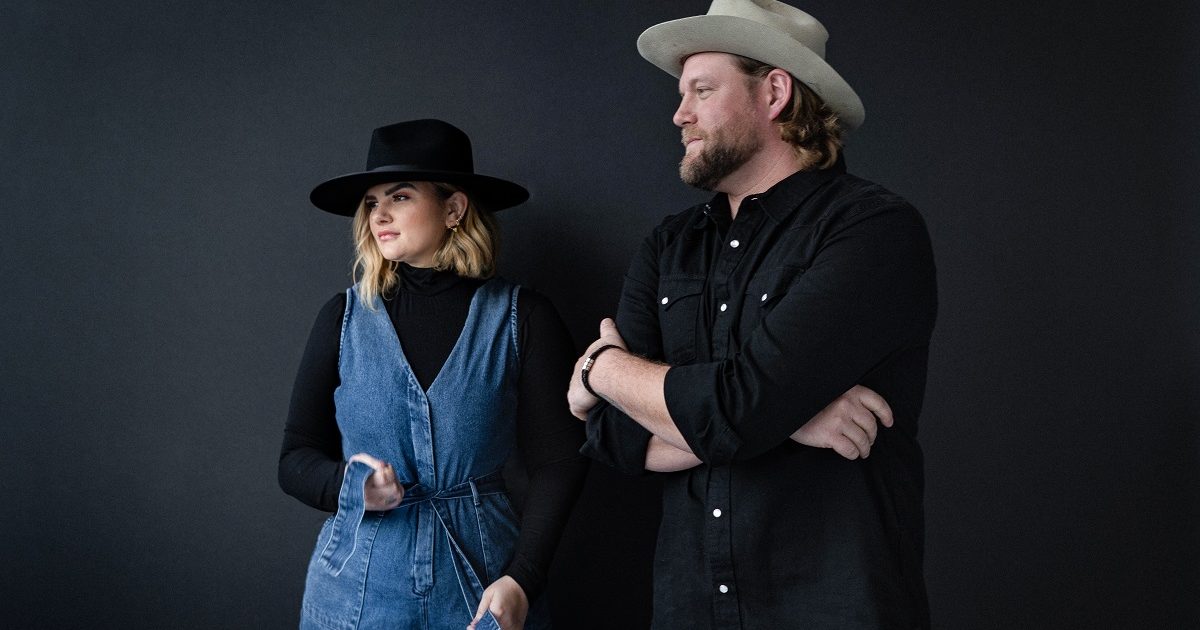
BGS 5+5: Carolina Story

Artist: Carolina Story
Hometown: Nashville, Tennessee
Latest album: Dandelion (to be released September 4, 2020)
Personal nicknames (or rejected band names): Ben – Big Ben, Kingfish, Burly; Emily – Emmy, Em, Merley

Which artist has influenced you the most … and how?

This is a toss-up between Neil Young and Kurt Cobain. When I was a kid, my dad and I used to go fishing south of town from where I grew up in Arkansas. I’ll never forget the day he put CSNY’s 4 Way Street cassette into the tape deck. I was impacted by it all, but once I heard Neil do “Cowgirl in the Sand” I was hooked. I’ve been trying to play the acoustic and harmonica like him ever since. As far as Kurt goes, once I heard “Smells Like Teen Spirit” I begged my mom to get me a guitar and lessons so that I could start a band as soon as possible. – Ben

What other art forms — literature, film, dance, painting, etc. — inform your music?

If I’m feeling uninspired I will turn to any outlet that brings me a way to be creative. I have taught myself how to macrame, which is ropes tied in tedious knots to make a beautiful wall hanging. I always have canvas on hand to paint using acrylics and watercolor paper for watercolors. I love interior design and really spend a lot of time creating an aesthetic that is pleasing to the eye but also relaxing and inspiring. Most of what I find for our home is from hours of me at antique or thrift stores to find pieces that weren’t made in mass productions. Last fall I took my first pottery class and look forward to when I can sit in another class again. And most recently, I have taken an interest in woodworking. We have a pile of scrap wood and I am determined to make some sort of wood sculpture. All that to say, I would love to go to art school someday. – Emily

What was the first moment that you knew you wanted to be a musician?

In the summer of ‘97, once I had discovered Nirvana, Oasis, Stone Temple Pilots and many others, I started guitar lessons. I was 11 years old. After I had taken four or five lessons, I quit and just stayed in my room most of that summer with my ear glued to my jam box learning new songs. I took “Wonderwall” and made up all new words and played it in my 6th grade talent show and got some great applause from my peers. It was called “Another Night Downtown.” (I know, I know. What in the hell does a 6th grader know about a night downtown, much less another one?) That was definitely a defining moment for me. – Ben

Which elements of nature do you spend the most time with and how do those impact your work?

About a year ago we moved just outside of Nashville. We have about three acres of land with two small children so the outdoors has become a dear friend. We spend a lot of time outside our own home saving turtles crossing the road, burying a blue bird who looked to have fallen peacefully from the sky, or removing a snake on its way to eat bird eggs. But also just down the road from us is our family farm, Harpeth Moon Farm. We spend a lot of time there helping harvest and pack produce for the upcoming farmer’s markets or spend relaxing days canoeing down the Harpeth River. This lifestyle has helped give us some major mental clarity and to really treasure the things that matter most. – Emily

Since food and music go so well together, what is your dream pairing of a meal and a musician?

Unfortunately my ultimate meal pairing with a musician will never happen. I would have loved to have written a song with John Prine and see if we could get it finished before they ran out of meatloaf that day at Arnold’s Country Kitchen here in Nashville. But to take that a step further, the cherry on top would have been to have John and Anthony Bourdain over to my house outside of town for a Nashville Pt. 2 episode of Parts Unknown. I would have smoked an 18-hour brisket and made collard greens fresh from Harpeth Moon Farm. We would have all had one or two too many vodka and ginger ales. – Ben


Photo credit: Chrissy Nix

BGS Launches Shout & Shine Video Series with Black Harpist & Songwriter Lizzie No

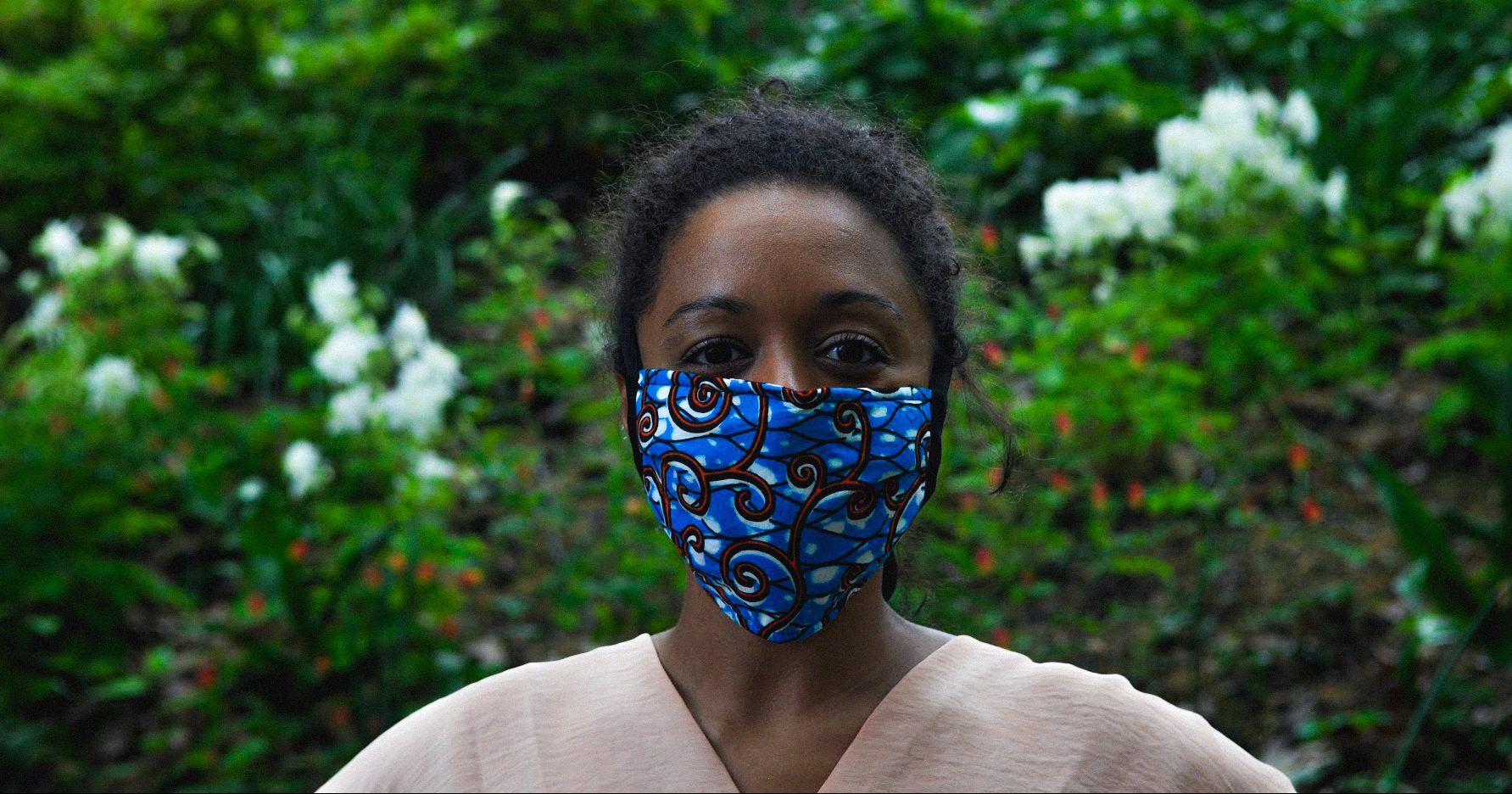
Like many of us, Lizzie No is weary of quarantine. Yet as the New York City musician and harpist joins BGS on the phone to talk about her life in pandemic isolation, her songwriting, her creative processes, and the growing pains intrinsic to all of the above, the joy in her voice cracks through the fatigued outer layers we all wear right now. A Black creator in traditionally white genres, No brings a distinct and important perspective to help guide longtime BGS column Shout & Shine into a new era.

In 2017, Shout & Shine began as an interview series dedicated to exploring identity, advocacy, and marginalization, along with the ways these paradigms filter into music and art, especially of roots varieties. Taking today’s civil unrest and righteous rebellions into account, we’ve purposefully refocused this column’s mission with the hope of giving a platform to Black musicians in roots music specifically, because these spaces too often relegate Black, Brown, Indigenous, and Asian voices to the sidelines.

Now, in addition to interviews and an upcoming podcast, BGS is proud to announce Shout & Shine will be moving to video! Lizzie No is our debut guest for the livestream version of Shout & Shine, which comprises short-form, intimate video performances by underrepresented and marginalized artists in Americana, folk, and bluegrass.

Lizzie No’s Shout & Shine set, presented by Preston Thompson Guitars, will feature a brand new song, “Mourning Dove Waltz,” and will be streamed live on BGS, our YouTube channel, and Facebook page on August 5 at 4pm PT / 7pm ET. In the meantime, read a little more about No’s songwriting, her approach to roots-driven harp, and her thoughts on tokenism — and why white folks perhaps shouldn’t feel free to lead that kind of conversation.

Editor’s Note: You can watch Lizzie No’s Shout & Shine performance in full below:

BGS: I wanted to start — and this is a little selfish — with “Mourning Dove Waltz,” because I’m an avid birdwatcher and in shelter-in-place everyone is watching birds! This song is not only about quarantine, but also the idea of being in an old space, but with new intention. Can you tell us a little bit about that song, through the lens of isolation, and creativity in isolation?

Lizzie No: That’s a brand new song and I think you can tell I wrote it during quarantine. I was never terribly interested in birds before March of this year. My mom always loved and delighted in them and I always thought it was very cute, but they never captured my attention. Right as we were truly locked down here in New York and a lot of people were making the decision to try to go somewhere else, it felt like there weren’t any rules anymore. I decided to stay here in my apartment and I ended up having so many hours, especially first thing in the morning, where I would just sit and try to make the day’s activities stretch out over the longest period of time possible so I wouldn’t go insane. 

That’s when I started to notice a couple of Mourning Doves had nested in my plant boxes on my balcony. It felt miraculous to get to watch them every single day through the balcony door. [They] laid two eggs, we watched them hatch, we posted about them on Instagram, we took name suggestions. It was this unfolding thing I didn’t think I cared about until I had this uninterrupted time where I didn’t need to be doing anything other than staying calm. I was pretty much on these birds’ schedule. I noticed when they took their breaks in the middle of the day and when mom and dad would switch places. Of course, this is so cheesy, but I felt a real loss when the babies grew up and flew away. As a songwriter, it led me to thinking about losing people. About losing a sense of connection. That’s what led to that song. 

The harp is one of my favorite instruments, but through no fault of its own — besides maybe its complexity — it’s not common in roots genres. How did you find it, and how did you infuse it into your songwriting and artistry?

After giving up on violin as a kid [Laughs] I thought harp was one of the biggest and weirdest and coolest-looking instruments. I took lessons for all of elementary, middle, and high schools and then I hit the point in high school where friends were starting bands and I wanted to be part of it. I wanted to be able to sing and play and strum along while singing, but I didn’t play guitar and I didn’t play piano; I played harp. Basically the harp just had to catch up with my evolving interests in the Indigo Girls and Brandi Carlile. That’s where I was at when I was 16. 

I didn’t really see any examples of people who were doing that — though now I know that there are. I think I saw videos of people like Joanna Newsom and Edmar Castañeda, people who weren’t playing the classical music that I was used to. Then I tried to just treat it like a bass, then trying to pick out a few chords. The motto being, “Nothing too fancy.” I wanted to get to a point where I could play and sing at the same time. That’s when I was first starting to write songs, so the skills developed together. 

I can notice that! I notice mainly because I play banjo and songwrite on banjo, and it’s such a different beast than writing on piano or guitar. There are so many similarities in the way you’re writing and backing yourself up. Especially in the way you’re comping on harp, it reminds me so much of banjo rolls — how John Hartford or Ashley Campbell or Béla Fleck, banjoists that might have more “composed” songs, might play. Do you see those similarities? 

That’s a very kind comparison! That’s the kind of music I listen to, but it’s funny because I don’t feel like I really have any harp inspirations to my playing — which is not to say I’m not inspired by great harpists, because of course I am, but that’s not really what influences me when I’m writing songs and figuring out how the harp is going to fit into the songwriting. Someone like Béla Fleck especially, I listen to his playing a lot and those are the types of textures and rhythms that I’m hearing when I’m writing on harp. Rather than something that actually contains a harp. [Laughs]

For the remainder of the year, our Shout & Shine series will be devoted to Black artists and part of that is in response to the current rebellion against racial injustice and police brutality — and also due to the heightened awareness of how Black voices and forebears in country and roots music have been erased for so long. Do you worry about this sudden uptick in enthusiasm and awareness resulting in more tokenization of Black artists? And I have to add a quick aside, because it is intrinsically tokenizing for me to ask that question, right? It’s a hard thing to unpack, so I’d love to hear your perspective on it. 

I really appreciate that and I appreciate you acknowledging that it’s difficult to talk about. Even assuming that it’s OK to have the conversation between a white person or a white journalist or a white audience or a white editor — whomever is doing the asking — and a Black artist is one of the problems. That being said, I’m happy to have it right now because I knew we were going to come into this conversation and talk about a whole bunch of topics. I’m happy to give my two cents: I think if non-Black listeners and fans and enthusiasts of the genre are thinking about [these issues], just know that those of us who deal with this day in and day out are going to be exhausted and aren’t going to be the best people to always go to. That’s a great place to start, knowing it’s so much heavier. It’s not intellectual, for us. It’s a lived reality. 

As far as tokenization goes, I do worry about it and I worry about it because I remember when I was in high school — I went to a really competitive boarding school — college acceptance letters were coming out and everyone was on edge. This is a time when we had Honesty Box on Facebook, where you could send an anonymous message — which, in retrospect, what a horrible way to let people bully each other. I remember getting a message that just said, “Affirmative Action” after I got into Stanford. It was so hurtful to me. Intellectually I knew that Affirmative Action is a wonderful program and it helps deserving people get into schools they deserve to get into. (I also had excellent grades and, you know, I’m smart as shit. So go away!) But it was hurtful to think that my peers didn’t see that in me and what they saw was my skin color. 

That’s such a trite way of putting it, but I think a lot of people maybe subconsciously think about Black artists in Americana, in spaces where Black people are not the standard, as “diversity hires.” They may even be for that. Like, “It’s great that we have these diverse perspectives!” They don’t realize that we are a fundamental part of these spaces and we deserve to be here. Just as much as everybody else. We have roots in these geographical regions and these genres that go just as deep as white artists. We shouldn’t have to rattle off our qualifications. 

There have been so many movements of Black artists who didn’t want to be called “Black artists” for this reason. They didn’t want to be put on the “Black Feminists” bookshelf and be marginalized [further] in that way. I definitely identify with that. I’m Black and I’m proud, in a very 1970s way, so I am proud to have the label of a “Black Americana artist.” I think my Blackness informs my work just as much as my hometown, my feminism, etc. 

I do worry about the swingback of resentment! That anonymous message of, “OK, when are we going to be done giving these people a hand?” Meanwhile, [Black folks] have been working twice as much for all of our careers. If anyone was wondering, we’re not going to stop asking for the door to be opened and we’re not going to stop kicking the door down just because people get tired of the trends. If people are about to get sick of it, well… you can leave. [Laughs] 

Who would you like to see on Shout & Shine? And maybe, beyond that, who are some artists or creators right now that you’re gaining inspiration, or joy, or energy from right now?

Lately I have been listening to mostly rock and I think it has changed how I think about my folk writing, so if I could be allowed to go a little bit outside of the genre…

I have been listening to The Beths a lot. They have a great new album out, [Jump Rope Gazers], and the lyrics are fantastic and their melodies are so fantastic, I’m probably going to try to cover one of their songs. I love catchy melodies — like, I love Carly Rae Jepsen, I listen to her constantly. 

A former bandmate opened my ears to new types, new ways of being a singer/songwriter. I don’t know if you know Bartees Strange but he used to play guitar for me. He does a really good combo of like, doing a really great solo show and he’ll do a full post-punk, indie-rock show. He and all of his collaborators are great. He just invited me and another New York artist, Oceanator, onto a live stream — she’s fantastic. She also plays solo and with a full rock band. Those are New York homies I listen to a ton. 

I love Sunny War’s playing. She’s a friend and she’s the best. Her live shows are the most mesmerizing thing ever. I’ve been loving listening to her as well. 

(Editor’s note: Tune in on August 5, 2020 at 4pm PT / 7pm ET for Lizzie No’s debut performance for Shout & Shine. On BGS, our YouTube channel, and/or Facebook.)


All photos: Gabriel Barreto
Best of: Live From Here

This month brought the unfortunate news that Live From Here, hosted by Chris Thile, has been cancelled.

The American Public Media-produced radio show, previously known as A Prairie Home Companion, has been beloved by listeners since its inception in 1974, and continued in 2016 when the series was rebranded as Live From Here, with Thile leading the way.

The show was cut from production as a result of COVID-19’s widespread impact on the music and entertainment industries. On his socials, Thile graciously acknowledged the decision, stating the purpose of Live From Here as “a celebration of live, collaborative audible art.”

So, without further hesitation, let’s look at 11 of our favorite Live From Here moments.

“Dean Town” – Vulfpeck & Chris Thile

Perhaps one of the most loved Live From Here moments was Thile’s guest performance with Vulfpeck on their classic, “Dean Town.” One has every reason to assume that eye contact between Thile and Joe Dart is still going strong at this very moment.


“Fiddle Sticks” — Billy Contreras

It may be one of the lesser-viewed bits from the show, but this “Fast-AF” fiddle tune feature by Billy Contreras is certainly not short on notes. Two and a half minutes of pure double stops and bass walks.


“Lovesick Blues” — Brandi Carlile, Ben Folds, Chris Thile, & Sarah Jarosz

Ever wondered if Brandi Carlile could yodel on par with Jimmie Rodgers — or everyone’s favorite Walmart yodeling kid, Mason Ramsey? Well, look no further than this early Live From Here collaboration with Carlile, Thile, Ben Folds, and Sarah Jarosz.


“Change” – Mavis Staples

“Say it loud, say it clear!” We’ve shared this powerful performance from the legendary Mavis Staples before, but it is even more relevant now. Things are starting to change around here!


“Toy Heart / Marry Me / Jerusalem” – I’m With Her

Almost 10 minutes of mind blowing harmony and togetherness from I’m With Her, all beloved guests throughout the show’s course. As Thile so happily declares at the end, “There’s not a better band — in the world — than I’m With Her.”


“In Da Club” / Musician Birthdays – Julian Lage, O’Donovan, Thile, and More

What could be better than the composer of 50 Cent’s “In Da Club” jamming with Chris Thile, or Julian Lage playing Django Reinhardt? Oh that’s right: it’s Aoife O’Donovan singing Dolly Parton’s “9 to 5.”


“Blue Skies” – Andrew Bird & Chris Thile

Not only does this pair look quite the same, but their playing together is divine, and one of the last Live From Here moments we were graced with before shutdown.


“Kodachrome” – Paul Simon

This one’ll make you think all the world is a sunny day. Just look at Thile’s face!


“Can’t Find My Way Home (Blind Faith)” – Rachael Price

The tonal map of this moment is pure magic. Lake Street Dive’s Rachael Price supported by Thile’s harmony, Mike Elizondo’s bass lines, Brittany Haas’s fiddle playing — need we say more?


“Winter Boy” – Amanda Brown

Since Thile’s takeover as host, Live From Here has always had a strong female vocalist on stage. From Aoife O’Donovan to Sarah Jarosz to Gaby Moreno to more recent guest Amanda Brown — these women have been an integral part of the show’s cast and performance. Enjoy Brown’s beautiful take on this Buffy Sainte-Marie classic. 


“Hard Times” – Chris Thile

It only seems right to acknowledge the many efforts of the Live From Here cast and crew to bring listeners the show, recast as “Live From Home,” in the wake of the COVID-19 pandemic and global shutdown. For the last three months, those at the show worked tirelessly to bring us the weekly program, with the help of dozens of musicians, show regulars, and the #LiveFromHome social media campaign.

All we have left to say is — thank you to Chris Thile, all of the musicians, crew, and those who made Live From Here possible. And we hope these “Hard Times” we’re all living in together come again no more.


Photo credit: Nate Ryan

BGS 5+5: Will Hoge

Artist: Will Hoge
Hometown: Nashville, Tennessee
Latest Album: Tiny Little Movies (June 26, 2020)

Which artist has influenced you the most … and how?

My dad. He was a musician before I was born and that carried over into an incredible album collection. Every great album from 1964-1978 was at my disposal.

What’s your favorite memory from being on stage?

Shit, at this point, I’ll repeat a worst memory just to be back on stage. Also any time I get to play at the Ryman.

What was the first moment that you knew you wanted to be a musician?

My dad and my uncle snuck me into a bar to see Bo Diddley when I was about 13. My mind was totally blown. Hard to focus on much else after that.

What’s the toughest time you ever had writing a song?

“Jesus Came to Tennessee.” It had about 15 more verses. Editing that one was a journey.

Since food and music go so well together, what is your dream pairing of a meal and a musician?

Ice cream and Brandi Carlile


Photo credit: Katie Krauss