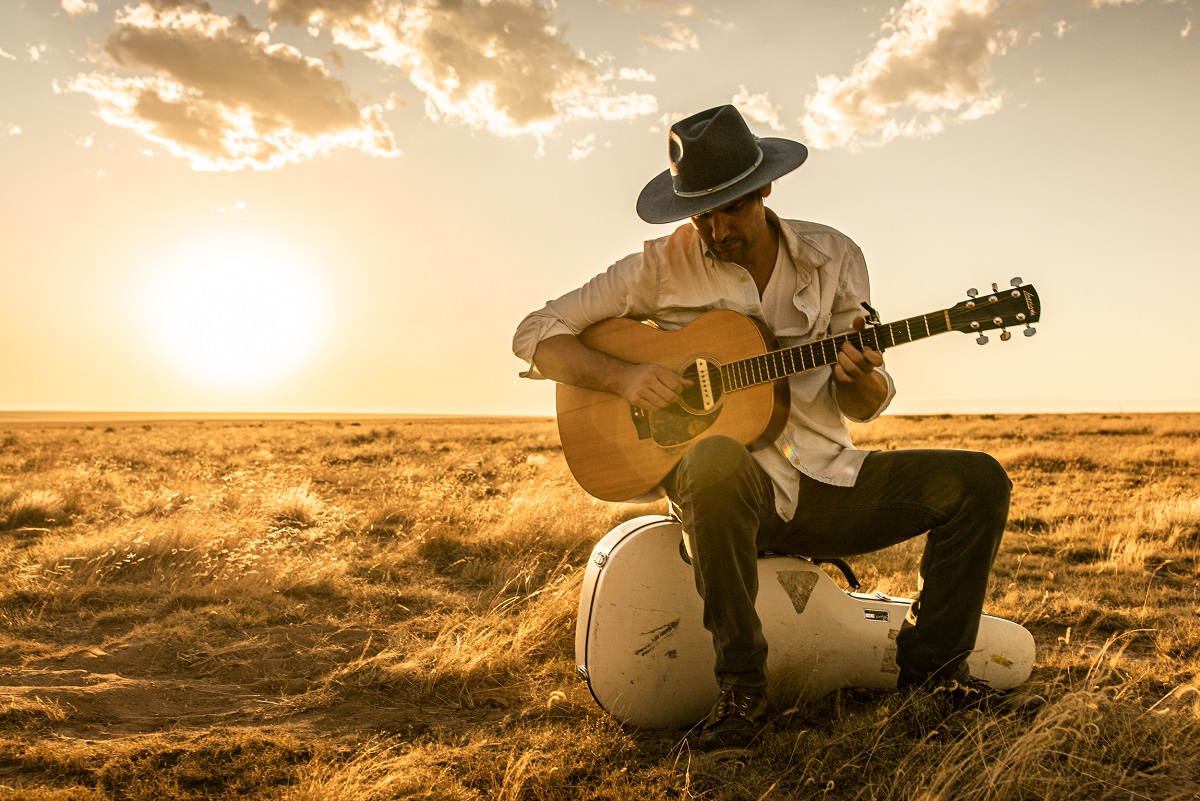
WATCH: Lizzy Long, “Final Curtain”

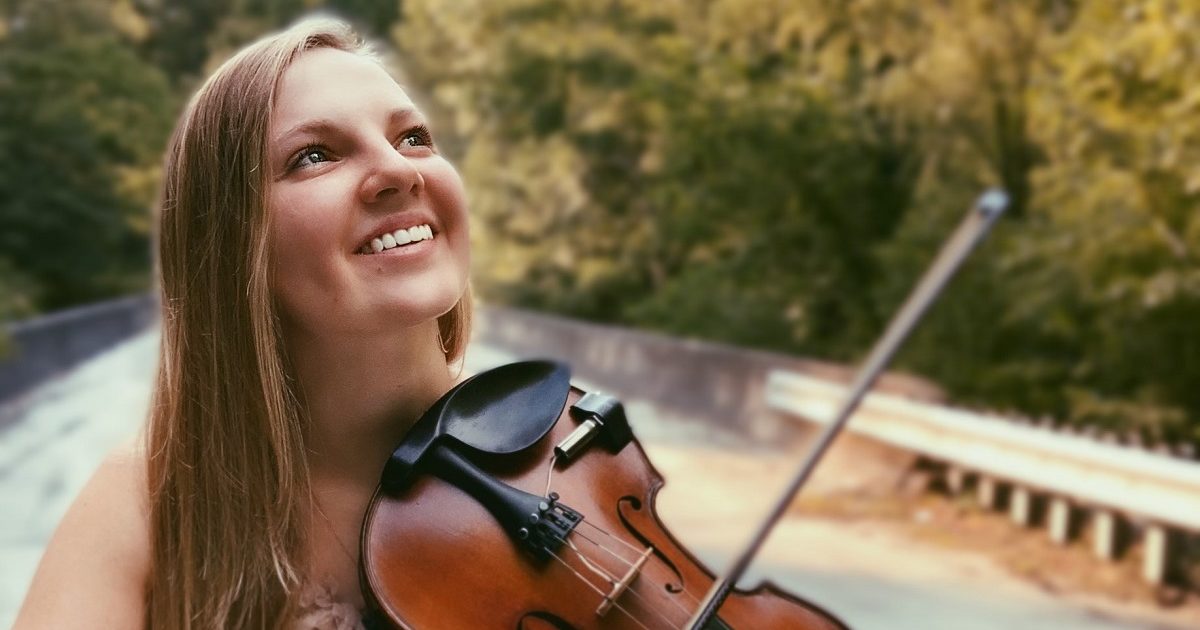
Artist: Lizzy Long
Hometown: Lincolnton, Georgia
Song: “Final Curtain”
Album: Dreaming Again
Release Date: May 1, 2020
Label: Vine Records

In Their Words: “‘Final Curtain’ is one of my favorite songs on my new Dreaming Again project. I made a special trip to Santa Barbara, California, with my producer, Wayne Haun, so we could write a few tunes with the great Joel Lindsey. Writing with Joel and Wayne is pure magic for me. This song is a metaphor for the ending of a relationship and ironically I like to close my concerts with it.” — Lizzy Long


Photo credit: Jeremy Ryan

Bluegrass Turns 75

We’re taking a different approach to the Artist of the Month concept this September, as we acknowledge the upcoming 75th anniversary of bluegrass music. Many historians consider its origin to be that December night in 1945, as bandleader and mandolin master Bill Monroe established guitarist Lester Flatt and banjo picker Earl Scruggs as part of the Blue Grass Boys lineup during a Grand Ole Opry show at the Ryman Auditorium. At that pivotal moment, a new American art form was born.

https://www.instagram.com/p/BzLtd0NAoJE/

Although bluegrass is unquestionably rich in history, it is still evolving to this day. In an effort to cover all the decades since then, BGS will offer five posts this month about the evolution of bluegrass, from that indispensable first generation to the newest class of talented pickers. [Read about the first generation.] [Read about Rodney Dillard and the Dillards.] [Read part one of our New Grass Revival oral history. Read part two here.] [Read about 10 women who made bluegrass better in the ’80s and ’90s.] [Listen to our 21st Century Bluegrass playlist.]

Our staff has also collected our personal favorites from the immense bluegrass canon in the playlist below. We owe a lot to Monroe, Flatt & Scruggs, and all the musicians who have led us to this milestone, and we’re proud to reveal our theme this month as Bluegrass 75.


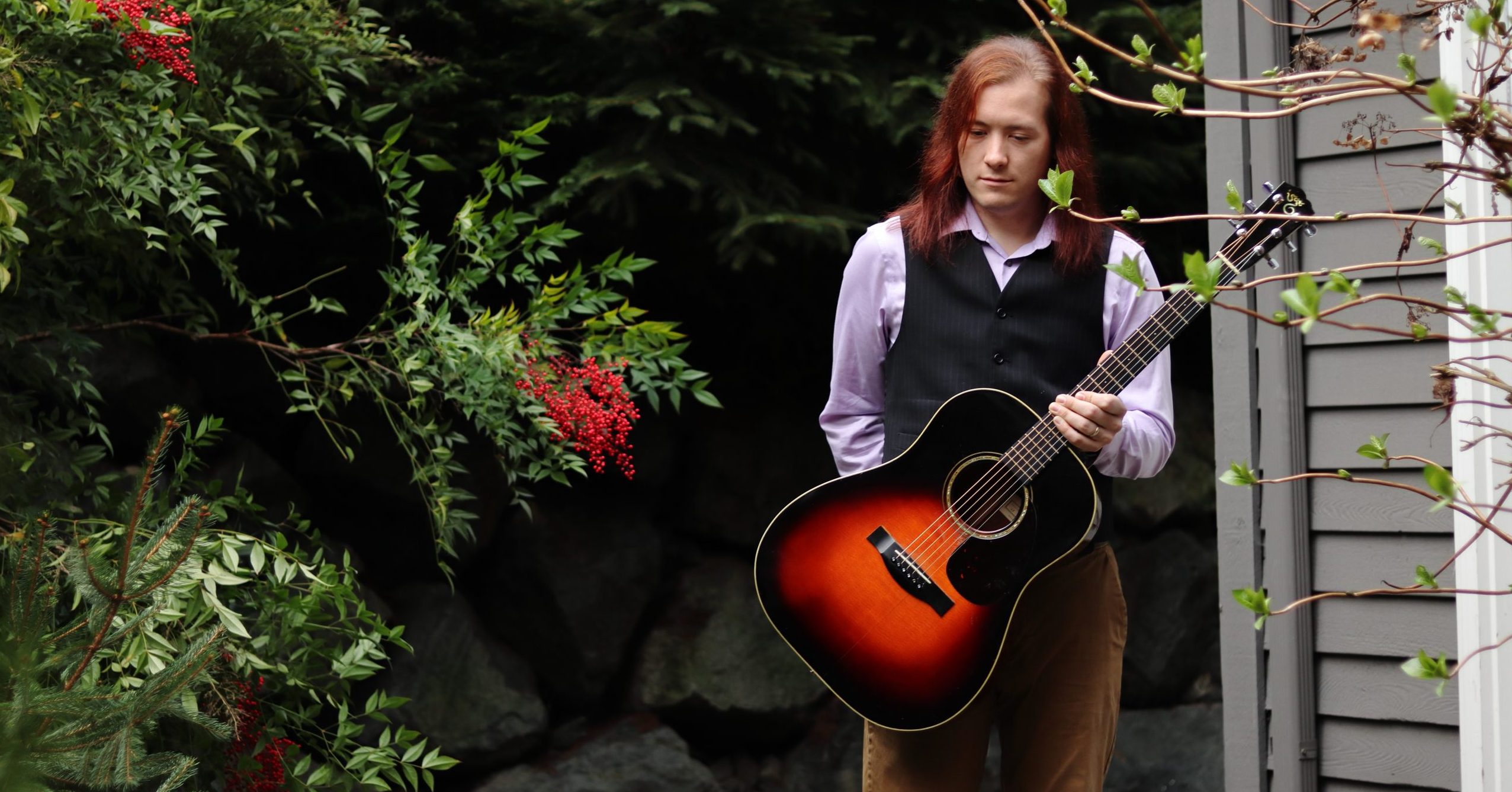
Alex Sturbaum, “Radish in Spring”

There’s an immediately whimsical, transatlantic quality to Alex Sturbaum’s original tune, “Radish in Spring” that feels intuitive, like a long-forgotten melody on a medieval video game’s pause menu or the perfect backing track to a montage scene in a sepia-toned, independent film. The cheerily wonky descending chromaticism feels like a wry, knowing smile, teasing listeners’ ears for expecting the predictable.

A genderfluid musician, educator, composer, and multi-instrumentalist, Sturbaum is full of delightful turns such as this on their new release, Loomings, purposefully and pointedly queering a musical aesthetic that hearkens far back, beyond Appalachia, American shores, and across the sea. The title, a serendipitous reference in a pandemic that has forced many a backyard gardener to embrace homegrown brassicas of all varieties, is a reference to Sturbaum’s partner, Rae, whose pet name is “Radish.” 

“I had to include ‘Radish in Spring’ [on Loomings];” Sturbaum explains via email, “Not just because I love playing the tune, but to honor the person whose love and support has been integral to my journey as a musician and as a person.”

Knowing, sensing this tender tribute allows listeners to untangle even more of the song’s subtly captivating themes — including that prerequisite spiciness we all know, love, and expect from a crisp, icy cold, earthy radish. Sturbaum’s Irish-style button accordion combined with fiddle supplied by Brian Lindsay and bass by Loomings producer Alicia Healey are together a textbook less-is-more approach to instrumental tune-crafting. And, whether metaphorically or literally, they’re a reminder of the beautiful simplicity of a just-after frost, freshly-tended garden bed full of bright, new, homegrown radishes in spring.


Photo credit: Brian Lindsay

LISTEN: Carley Arrowood, “Goin’ Home Comin’ On”

Artist: Carley Arrowood
Hometown: Union Mills, North Carolina
Song: “Goin’ Home Comin’ On”
Release Date: August 21, 2020
Label: Mountain Home Music Company

In Their Words: “’Goin’ Home Comin’ On’ is one of those sweet, nostalgic tunes that I think a lot of people are going to relate to very easily. I love it because of the happiness and pure joy that overflows from the uptempo and rhythm of it as it talks about getting back to the place where you’ll always belong, and where the love of family will always be. During this time of being at home, it’s so important to remember that. Yes, sometimes it’s hard, but we’re a family and we’re blessed to all be together at this place that makes us complete. It is a precious time and I’m thankful for it, and for all the new memories, laughs, meals, and hugs that have been shared. I’ve missed being on the road playing music and very much look forward to the day that I can do that once again, but there’s still nothing quite like the feeling of a ‘Goin’ Home Comin’ On.'” — Carley Arrowood


Photo credit: Carley Arrowood

LISTEN: Bella White, “All I Gave to You”

Artist: Bella White
Hometown: Calgary, Alberta, Canada; now living in Nashville
Song: “All I Gave to You”
Album: Just Like Leaving
Release Date: September 25, 2020

In Their Words: “‘All I Gave To You’ feels explicitly gentle to me. However, underneath all that sweetness, there is definitely a tinge of heat. A little fire burning in 18-year-old Bella. I wrote it about being far away from something that I wanted so badly and for all I know, irrationally. A puppy love interest. It talks about wanting to be wanted, or better yet wondering if you’re wanted… a common theme in songwriting. Something I believe to be extremely human. Wanting to feel revered and liked. Especially by those that you’re fond of. In retrospect, I wrote ‘All I Gave To You’ when I was 18 and liked a boy, wasn’t sure if he liked me back, and then tried to be a poet about it.” — Bella White


Photo credit: Sheena Zillinski

LISTEN: Darlingside, “A Light on in the Dark”

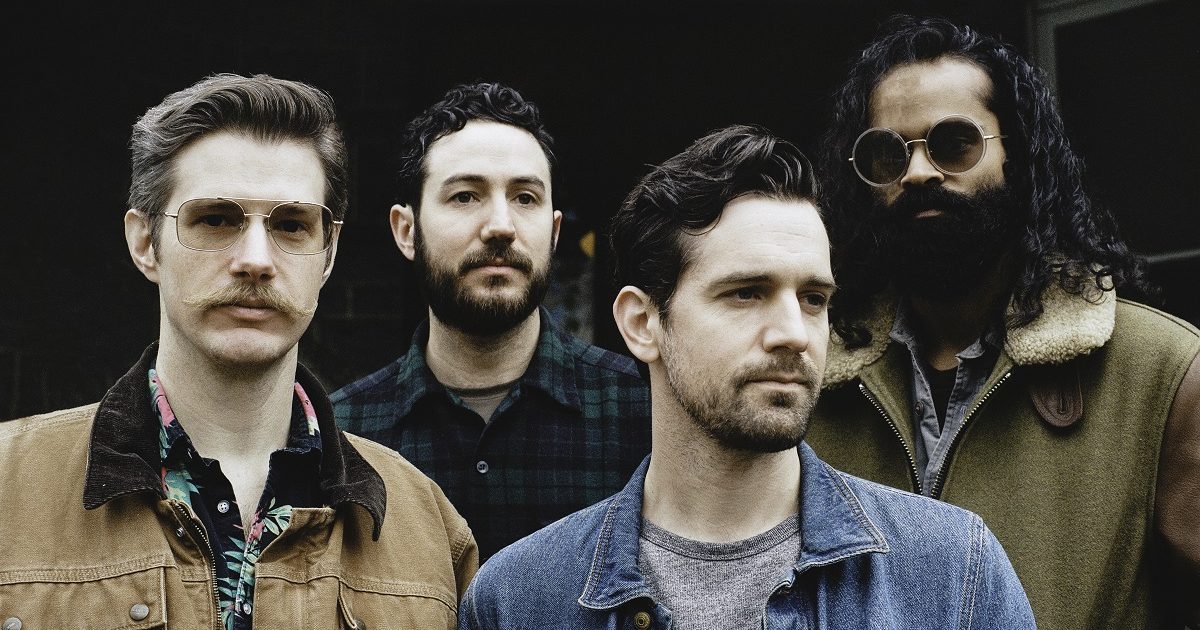
Artist: Darlingside
Hometown: Cambridge, Massachusetts
Song: “A Light on in the Dark”
Album: Fish Pond Fish
Release Date: October 9, 2020
Label: Thirty Tigers

In Their Words: “The lyrics open with the question, ‘Are you swimming with the fish pond fish, looking for oceans in the saltlessness?’ When we wrote that, we were thinking about social atomization and the idea that people become trapped in these false enclosures — fish ponds of our own making. The world outside one’s home or even outside one’s self can become a darkness to be warded off and shut out, and I’ve certainly been guilty of turning inward and making the world even darker as a result. But I’m desperate to break that cycle and I think a lot of people are; a light can’t shine only on itself. When the pandemic started, suddenly that idea of shutting out the world became in one sense much more real, and we really did become trapped in our own physical little fish ponds — but I think it also heightened our desperation and willingness to turn outward, to really connect with one another wholeheartedly.

“The second verse pulls some ideas from a writing exercise in which I was given a prompt to write about being a ‘cellar master’ and so I wrote a sort of open love letter to my plumber, who embodies a number of traits and competences that I lack. The tune itself has been around since 2016 and was originally sung over an arpeggiating line from a little synthesizer called a Septavox. We ended up stripping away that synth part in favor of more traditional instruments, with the exception of one section where Auyon meticulously recreated the synth line using sped-up, plucked violin.” — Dave Senft, Darlingside


Photo credit: Robb Stey

Bronwyn Keith-Hynes, “Fiddler’s Pastime”

A handful of pages into her book, How To Do Nothing, artist, scientist, and researcher Jenny Odell makes the point that, under capitalism and the Protestant work ethic somewhere along the way modern human understanding of time transformed from being something that “passes” to being something that’s “spent.” Time is money. Where, in the not too distant rearview, time was not always considered a scarce resource or commodity. Instead of passing the time, we now spend it. 

Mid-pandemic, the distinction between these two perspectives feels even more important. To musicians — especially the working, middle-class set whose income hinges almost entirely on performing and creating constantly — the enforced global pausing of COVID-19 has allowed many the ability to refocus their priorities, retooling creativity to be something by which we all pass time, once again, instead of ravenously spending it. 

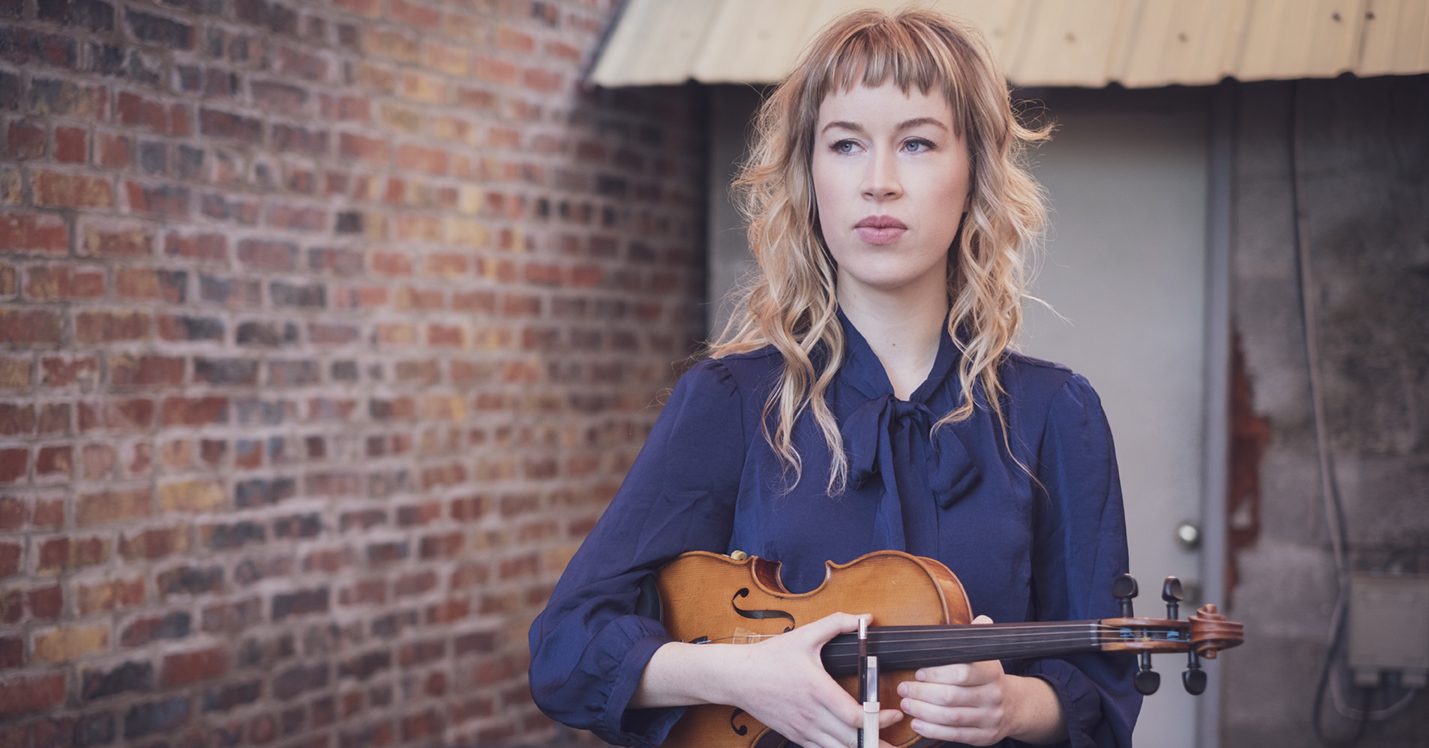
Any listener familiar with the bowstrokes of fiddler Bronwyn Keith-Hynes (Mile Twelve) will know this particular fiddler’s favorite pastime is… well, fiddle. The most tangible hallmark of her playing style may be her practice regimen, a preponderance of thought and intention evident in every last note. On her debut solo album, Fiddler’s Pastime, and especially its titular number, the oft-trod licks and turns of phrase she pulls on from those hours of study and rehearsal don’t feel canned or stilted, shoehorned into contexts to impress or beguile. They feel like simple outgrowths of Keith-Hynes’ tender-while-precise playing (and practice).

The musical backdrop of “Fiddler’s Pastime,” provided by Harry Clark (mandolin), Jeff Picker (bass), Jake Stargel (guitar), and producer Wes Corbett (banjo), acts as a cozy base layer of security and support for Keith-Hynes’ sometimes languid or teasingly lazy melodic interplay. But the cherry-on-top of this exquisite Bill Monroe via Kenny Baker cover is Laura Orshaw’s immaculate, identical-level twin fiddle. Awarded Fiddle Performer of the Year from the trad-facing Society for the Preservation of Bluegrass Music of America (SPGBMA) in 2019, Orshaw’s fiddling remains dismally underrated on the national and international scenes. She shines here with her longtime friend and collaborator. 

The dots are seamlessly connected; between Keith-Hynes, Orshaw, and this superlative crackerjack band, Fiddler’s Pastime is one album well-suited for inclusion in our quiver of pastimes to take us through this pandemic isolation.


Photo credit: Scott Simontacchi

MIXTAPE: An Organic, Mountain Home Playlist

There’s never been a time when working people haven’t needed to lean on one another — and to look beyond the present day — just to get by, but the present moment often seems especially fraught. Nothing speaks better to each present moment than music, whether it’s making space for respite and healing or providing encouragement and inspiration for the struggle.

Here at Mountain Home Music Company and Organic Records, our artists speak in unique, distinctive voices, yet each of these mostly southern artists have been unafraid to offer up songs that address the universal themes and social challenges of our times— whether they’re looking inward or to the outside world. — Ty Gilpin

(Editor’s Note: Find the entire playlist below)

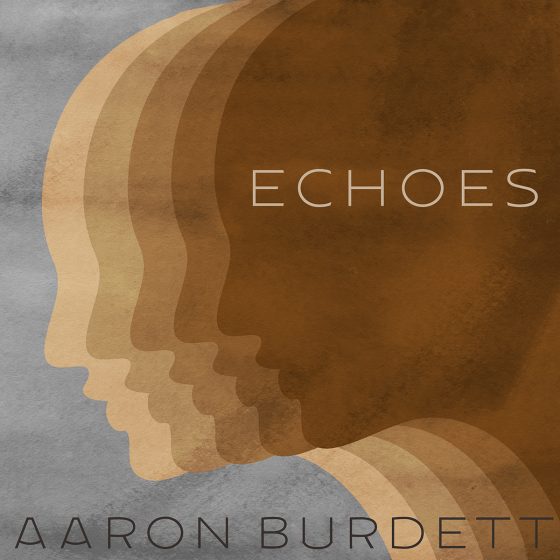
Aaron Burdett — “Echoes”

“Echoes” is a product of this era, a processing of my own thoughts and feelings. I have questions about my surroundings and myself. It’s about current conditions but also about elements of our humanity that are centuries old. Uncertainty defines much of life in the year 2020 and I believe in recognizing and honoring it. Answers will not arrive until the right questions are asked. — Aaron Burdett

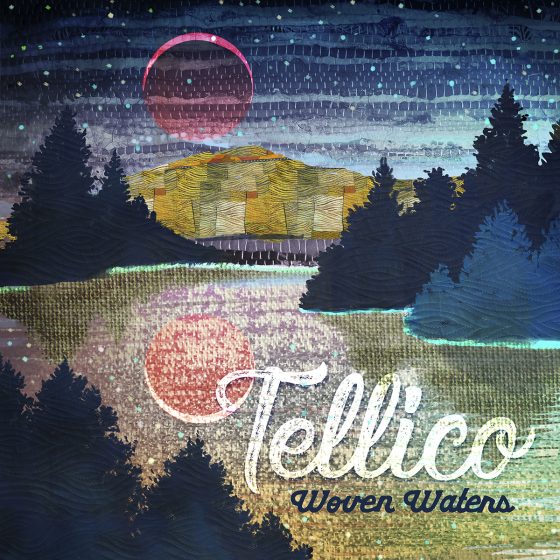
Tellico — “Courage for the Morning”

I was thinking about how people’s actions can inspire others, from the great revolutionary leaders to the everyday efforts of ordinary people. So, if you sing along to this song, you will be saying to yourself “I will walk, I will sing, I will bring a little courage for the morning.” That is something each one of us can take to heart and really think about: What is it that I can do to help another person in this world? — Anya Hinkle, Tellico

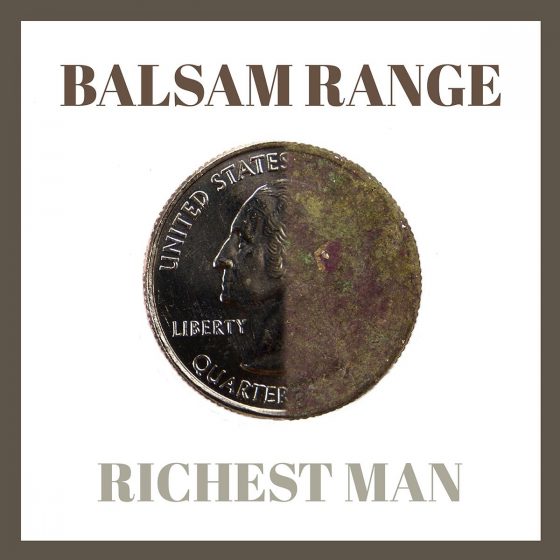
Balsam Range — “Richest Man”

Who has not thought about being the Richest Man? But what defines being rich? To have a life without regrets is easier said than done. The sacrifices made for gain can seldom be undone. The things lost and those won will only show with time. — Buddy Melton, Balsam Range

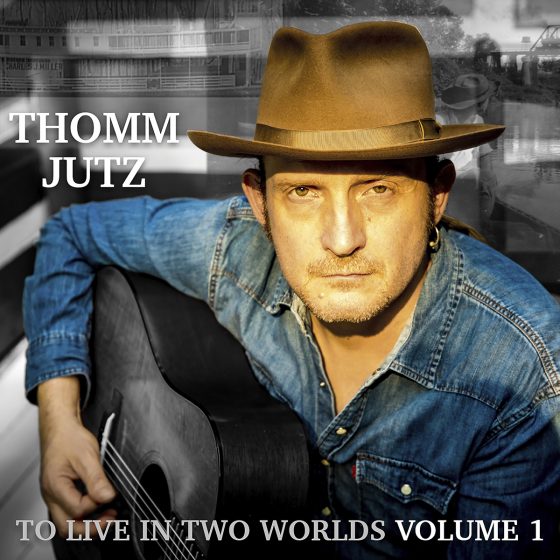
Thomm Jutz — “What’ll They Think Up Last”

When you enter John Hadley’s Fiddle Back Shack you are immediately in the moment and in a different world. I can’t think of any other house like his. Hadley is one of the most stunningly great creative minds I know — so is Peter Cooper. We gathered at Hadley’s funky Madison, Tennessee home one Sunday morning, talking over coffee. Hadley said something like “I wonder what they’ll think up last…” yeah, me too. — Thomm Jutz

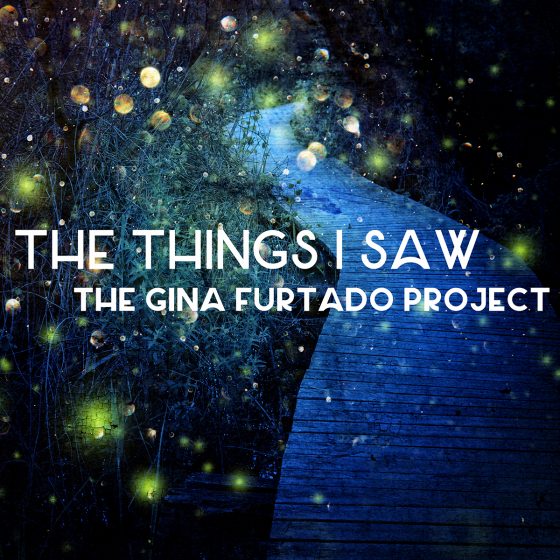
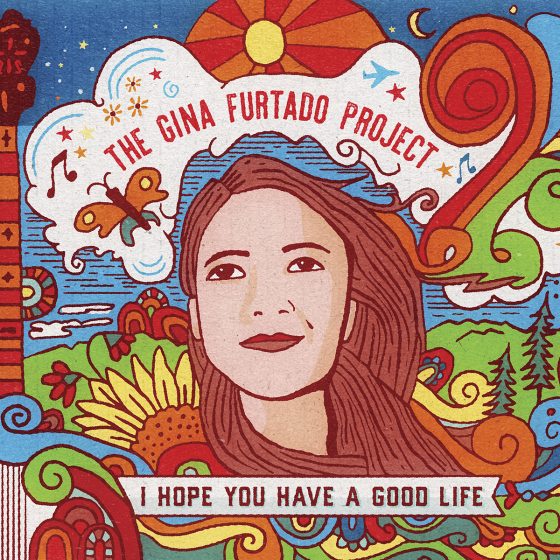
The Gina Furtado Project — “The Things I Saw”

All throughout my childhood, I went to the river when I needed comfort of any kind. No matter what happened in my life, good or bad, the river was always the same. The plants and critters and smells and sounds became like old friends; always welcoming and beautiful in every way. I imagined a secret society whose mission was to fight hatred with love.

I’ve taken that little vision into my adult life, and enjoy trying to spot members of this secret society (and trying to be one myself!) They can be flowers, animals, sunsets, people you pass on the street — any person or thing that refuses to let darkness and negativity take over, and instead chooses to exude pure and unstoppable love. — Gina Furtado

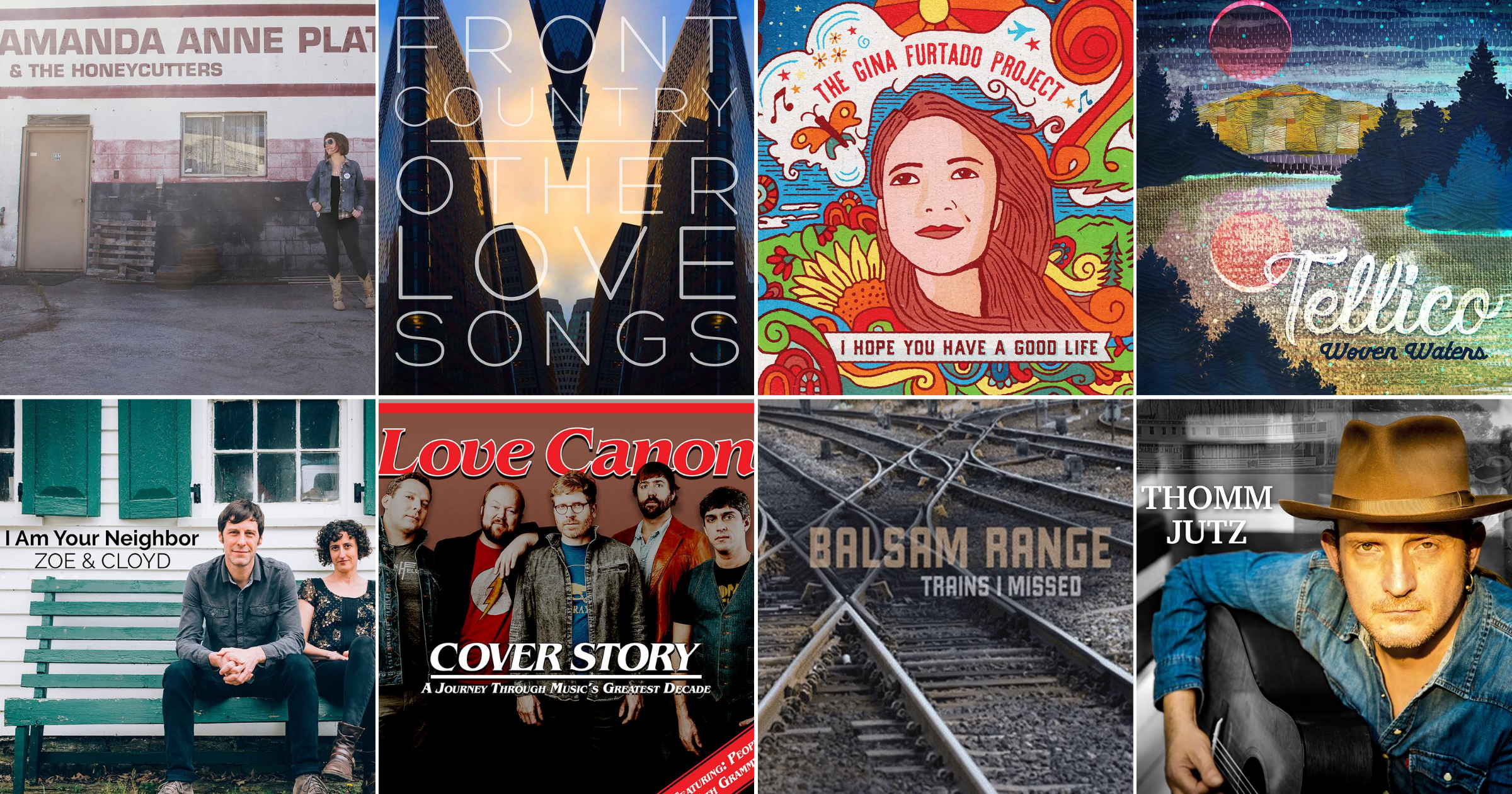
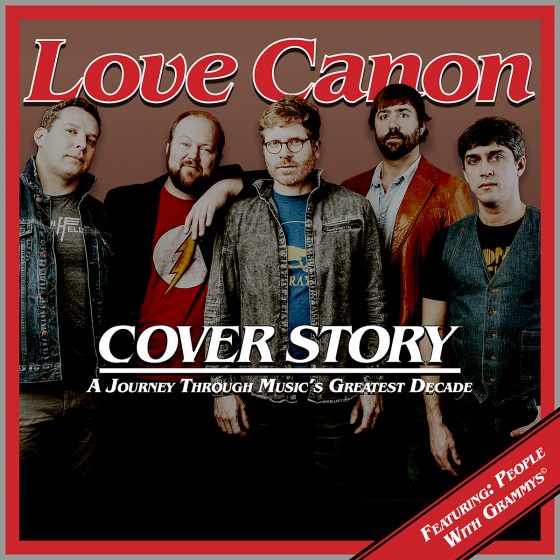
Love Canon — “Things Can Only Get Better”

Love Canon has made a career from expertly covering classic ’70s and ’80s pop songs with acoustic instruments. In this Howard Jones hit, they found an anthem for trying times. — Ty Gilpin

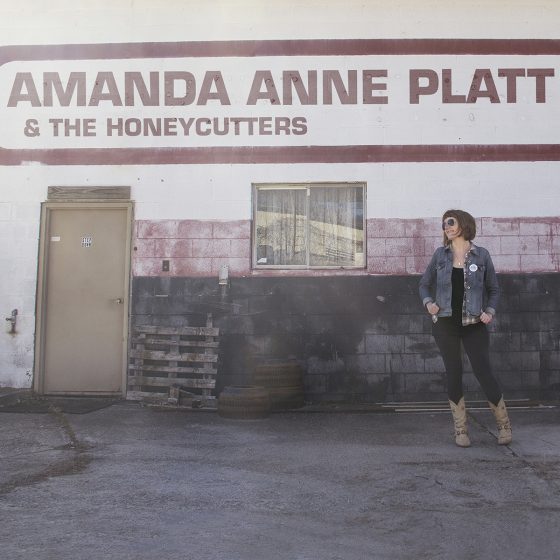
Amanda Anne Platt & the Honeycutters — “Brand New Start”

Asheville-based, Americana-leaning outfit the Honeycutters have built an increasingly storied career through their sensitive, skilled musicianship and the distinctive songwriting and voice of Amanda Platt. “Brand New Start” is about a scenario we could all use right about now. — Ty Gilpin

Balsam Range — “Trains I Missed”

Do we recognize when opportunities missed are really fate taking us in a better direction? How many times have you found yourself missing one train and taking another to right where you’re supposed to be? — Ty Gilpin

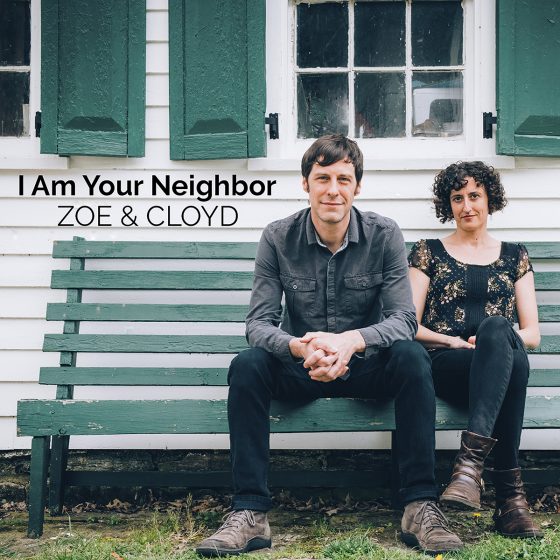
Zoe & Cloyd — “Where Do You Stand”

“Where Do You Stand” is a commentary on the state of our national discourse. Often, it’s the farthest ends of the political spectrum that make the news and it seems like inflammatory rhetoric is the only thing that gets heard these days. I’d like for us to remember that we’re all connected and are more alike than we are different, no matter who tries to convince us otherwise. For us to move forward, we have to find common ground on which to build a path toward a sustainable future. — John Cloyd Miller, Zoe & Cloyd

Jeremy Garrett — “Circles;” “What Would We Find?”

“Circles” is a song I feel like many people can relate to. Sometimes you feel like you’re going in circles, but there is always light on the other side if you can just keep going and perhaps change your vantage point.

For “What Would We Find?” we were riding out through the Black Hills and it struck me how it looked as though, if you could take all the timber away and expose just the rocks and barren land, what would you find? It seemed as though there were hidden layers of possible treasures in the rocks under the timber — perhaps like relationships can be sometimes. I only had the idea and a basic melody, and had the opportunity to write with one of my heroes, Darrell Scott.  — Jeremy Garrett

Front Country — “Good Side”

Almost a capella from a group that has never shied from issues of social justice. Hailing from the west coast but now residing in Nashville, Front Country has consistently campaigned for marginalized members of our community. This powerful message is both personal and universal. — Ty Gilpin

Zoe & Cloyd — “Neighbor”

“Neighbor” is a song meant to inspire us to act with empathy, and to remember our shared humanity. It’s important to recognize our similarities rather than fear our differences. — Natalya Zoe Weinstein, Zoe & Cloyd

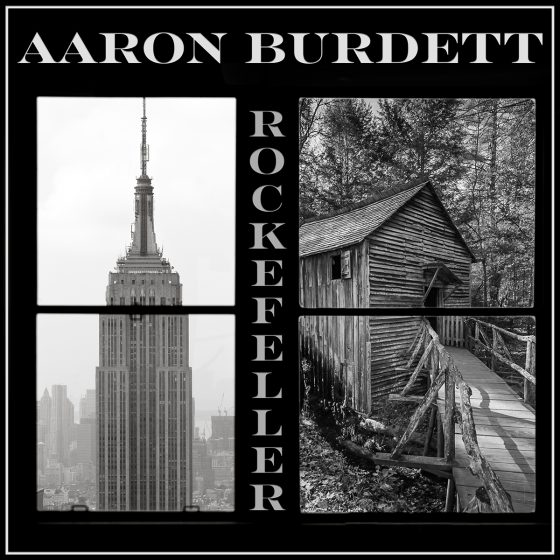
Aaron Burdett — “Rockefeller”

“Rockefeller” is, on the surface, just a fun song about wishing for more than you have and being envious of others. Dig a little deeper though, and the song brings in hints of income and economic inequality. But then the chorus is all about making do and being content with what you do have. So it’s a song with a few layers to jump back and forth between. — Aaron Burdett

The Gina Furtado Project — “Try”

The societal pressure to be a certain way can be overwhelming. ‘Try’ just came to me one day when I felt particularly defeated. We win some, we lose some; we do admirable things and less than admirable things. That is what it is to be a human, and as long as you know you try, it’s not a big deal either way. — Gina Furtado


SPONSORED CONTENT: Occasionally, BGS brings you content curated by featured partners and sponsors.

LISTEN: Scott Cook, “Rollin’ to You”

Artist: Scott Cook
Hometown: Edmonton, Alberta, Canada
Song: “Rollin’ to You”
Album: Tangle of Souls
Release Date: August 7, 2020

In Their Words: “On August 7, I’ll be releasing my seventh album, Tangle of Souls. It comes packaged in a 240-page, clothbound hardcover book, the apotheosis of a long-running, possibly unhealthy obsession with liner notes. This is the first of those songs I wrote — yodeling and laughing to myself in a rented room in Chicago — and it planted the seed of an idea that led to making a string band record. The aesthetic is often the first thing I have in mind, before I even know what the album wants to be about, and this time around I wanted a string band, with a fiddle, because the fiddle is the electric guitar of acoustic music.

“I’d been touring a fair bit in Australia with Liz Frencham, a killer upright bass player with a studio in her backyard, and on one of those tours we got to talking about making a record. I brought over fellow Albertan and longtime collaborator Bramwell Park to play banjo and mandolin, and Liz connected with an Aussie fiddler named Esther Henderson, who I’d never met. I named the band ‘Scott Cook and the She’ll Be Rights’ after an Aussie expression meaning ‘it’ll be OK’ or ‘don’t worry about it.’ (You might say it’s somewhere on the spectrum between nonchalance and negligence.) We arranged the songs along that tour and cut the record at the end of it, then I spent the next year or so writing the liner notes. 🙂 ” — Scott Cook


Photo credit: Kate Baker

MIXTAPE: Daniel Rodriguez’s Songs of Authenticity

I love all types of music and song. How beautiful a thing to hear the invisible insides of someone shared outwardly. A culmination of dynamic forces, experiences and sensibilities dialed into pulsating, Pythagorean waveforms, giving color to the space in between. The only catch is we have to trust what we’re hearing is authentic. Whether it’s the tonal intention of a singer or the specific touch of an instrumentalist, the song has to move me in some way or else I’m changing the station. Authenticity is subjective to each listener where no authority exists, though goosebumps, tears, movement, lofty notions and inspiration have always been my litmus tests to playing something thrice or more.

Here’s a list of songs that have moved me in some way worthy of mention. Also, if you’re so moved, check out my album Sojourn of Burning Sun out on August 28. — Daniel Rodriguez

Bill Monroe – “Uncle Pen”

From what I hear, this song is Bill giving gratitude and paying tribute to his actual uncle, Pen [James Pendleton Vandiver]. Pen played the fiddle at family gatherings and inspired Bill to join the musical world. The song structure of “Uncle Pen,” though only a few chords, is kind of complex. It’s a jubilant song with a great melody and has those goosebumping, Appalachian harmonies that Bill and his band often showcased. Probably what I like most about the song is that it appears to skip a beat before the head of each verse. It happens during a G run directly after the chorus that impossibly lands at the head of the next section. Simple genius.

Gregory Alan Isakov – “Amsterdam”

I like pretty much all of Gregory’s songs and his recordings. Catching his band live or him solo is a remarkable experience. I’m lucky to call him a longtime friend and I keep my fandom of his music separate from that. Gregory paints imagery that is most times not specific, which leaves you, as a listener, more in an abstract state of mind. Yet he threads a powerful emotion throughout, which his voice and arrangements unavoidably invoke. He uses imagery of a woman often, which comes across as more a mythical character of the sacred feminine, rather than one of a romantic endeavor. This is apparent in “Amsterdam”: “That howling wind, she’s waving hi, her other hand’s in mine.” The song ascends towards the end in some epic way when Greg moves his voice up an octave and sings “Churches and trains, they all look the same to me now / They shoot you some place, while we ache to come home somehow.” Goosebumps to follow.

Bruce Springsteen – “Youngstown”

The Boss has never failed to paint us the pictures of the struggling American working class. Our popular culture seems to only highlight the celebrities and billionaires, and yet The Boss celebrates and sheds light on the untold stories of the common man, the backbone of our culture. His stories are always rich with the American story, full of its hypocrisies and triumphs. “Youngstown” paints a very real picture of the uphill and endless bogging down of industry and war. The arrangement has a suiting Americana feel, stripped down and intimate. The pedal steel and fiddle give an eerie voice to the emotion of the character in the story who sings, “My sweet Jenny, I’m sinking down, here darling in Youngstown.”

John Prine – “Lake Marie”

When John Prine passed on earlier this year I cried constantly for three days. I’ve been lucky enough to catch him live more than a few times at festivals that we both played. The authenticity in his delivery has healing properties that only a few possess. John touches on all the hidden sadnesses and joys of humanity, and gives color to the seemingly opaque hidden corners of the human condition. “Lake Marie” is a special song with all the ingredients: New love, tenured love, relationship struggles and cold-blooded murder. John delivers this story in a very light-hearted and humorous way. He speaks the verses and accentuates certain parts, which become vital to the song’s DNA. The chorus is maybe the best chorus ever written, beautiful and joyous, juxtaposed with a very brutal and tragic story.

Levon Helm – “The Mountain” (written by Steve Earle)

Just like any song that Levon sings of someone else’s, he makes it his own. That is very much the case with “The Mountain” by Steve Earle. Steve recorded a great version of this song with Del McCoury, but my favorite version is the one Levon sings. It’s about the coal industry brutalizing the natural wonder of a homeplace. Removing mountaintops from where once majestic mountains stood. Filling in swimming holes that you once could cool off from the summer’s heat within its cool mountain runoff. Levon brings you there to those mountains, and he takes you to that swimming hole, and then he shows you the pain of it being no more.

Gillian Welch – “Everything is Free”

When speaking of Gillian’s songs it would be prudent to also mention David Rawlings. The line is blurred when trying to understand who wrote what — and it’s fitting that their voices in harmony become an entity of grace and grit that is alive and well. “Everything Is Free” is a song that hits home for the majority of musicians and artists who are at large suffering in an age where the fruits of their labors are taken for granted. This is certainly reflected by our culture, which would ironically feel the worth of music in its absence. In regards to this, Gillian sings: “If there’s something that you wanna hear you can sing it yourself.”

Leon Bridges – “River”

I’m not a religious person, but I am spiritual. Even though Leon uses biblical terminology in this beautiful song of yearning, and being cleansed from your sins — it’s the intention of the song that shines through and transcends all the negative connotations that might come with organized religion. It’s the true Christian values that are evoked here, of actively wanting to become a better person. It sounds like it was recorded live around one mic in a big room and really captures a beautiful moment of music.

Bob Dylan – “Murder Most Foul”

Bob is my favorite artist and songwriter. I love all the phases of his expression. I don’t subscribe to picking a favorite era or compare everything he creates to what he produced in the 1960s. This brings us to “Murder Most Foul,” a recent release of his. It is a nearly seventeen-minute song that talks about the day and days that followed the assassination of John F. Kennedy. Bob beautifully describes this tragic and heightened moment in history, giving us a stream of consciousness of images peripherally and directly happening around the time of the assassination. The production of this song is very minimal which allows the lyrics to be absorbed and breathe.

Mandolin Orange – “Wildfire”

Growing up and residing in the hills of North Carolina, Mandolin Orange has lived and been more than aware of the culture that exists below the Mason-Dixon Line. Not buying into the rhetoric of those holding on to the nostalgia of the Confederacy, Mandolin Orange gives a historical and psychological look at the wildfire that unfortunately still is fueled today. “Wildfire” is a bit of medicine to us all, and carries a hope that some who might need the medicine most. Listen to this song that is served in the musical genre of its commonplace.

The Del McCoury Band – “Hot Wired” (written by Shawn Camp)

This song is a hoot. It’s very well-written, witty and might even spark a belly laugh or two. It talks about all the things the author’s girlfriend is capable of hot-wiring. My favorite lyric is “She might hot wire your Chevy, she might hot wire your Ford / And if she ever gets to Heaven she might hot wire the Lord.” Del breaks the bluegrass rules on this song and introduces an electric guitar after singing about his girlfriend hot-wiring his acoustic guitar to play like the “doggone Rolling Stones.”

Billie Holiday – “Strange Fruit” (written by Abel Meeropol)

This song is so powerful. Billie Holiday recorded it in 1939. The emotion and dynamics of her timing are delivered in a powerful and haunting way. The fruit that hangs from the trees is not fruit at all. [The song’s titular analogy references lynchings of Black folks.] It is perplexing to me that humanity can stoop so low to such an evil as to think one is inferior to another, where murder is rationalized within such a vitriolic mindset. In this specific case it is rationalized within the minds of pale complexion below the Mason-Dixon line. How those trees still stand and the fruit still hangs, though embedded within policy, social structures, the psychology of an unexamined people and history books with whole chapters missing. Music and song throughout time has been utilized to pass stories down and convey emotions. This is a song that passes down and conveys a traumatic truth; its shockwaves still crash on the shores of our everyday.

Josh Ritter – “Girl in the War”

This is one of my favorite songs. I’ve had the fortunate opportunity to play a bunch of shows with Josh and actually back him up on this song with my old band. I’ve heard him say in an interview that this song is about America. I’ll take his word for it. I’m not quite sure what the song is about myself, but I do know it’s a goosebumper. The recording of the song is stunning and I sure do like to play this song around the fire at gatherings.


Photo credit: Jesse Borrell