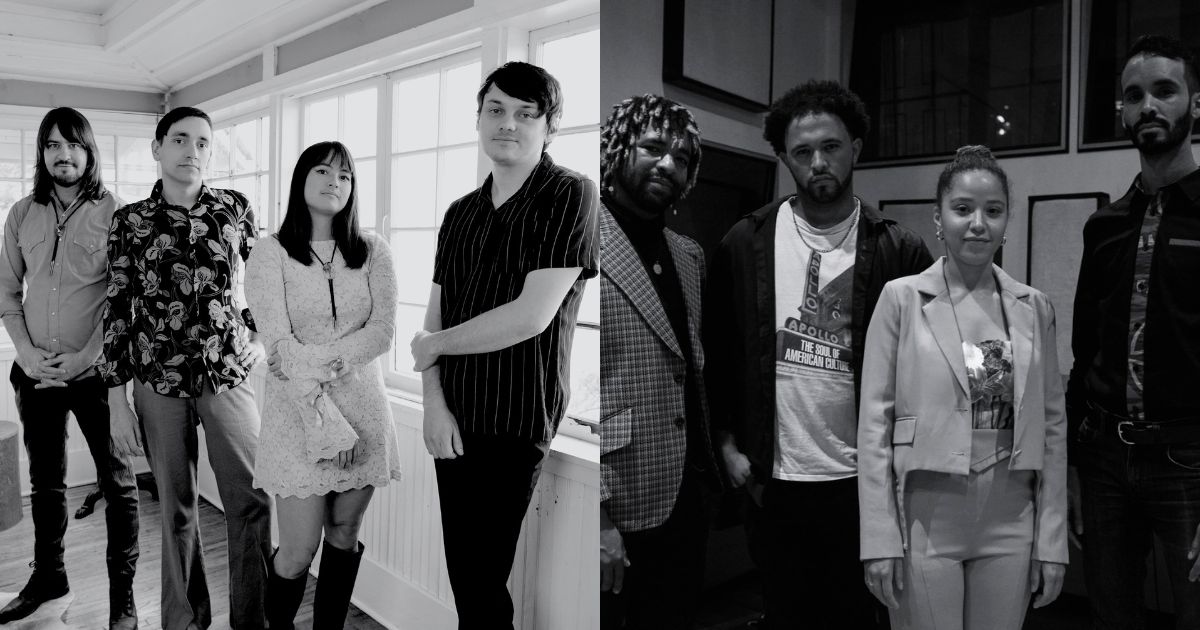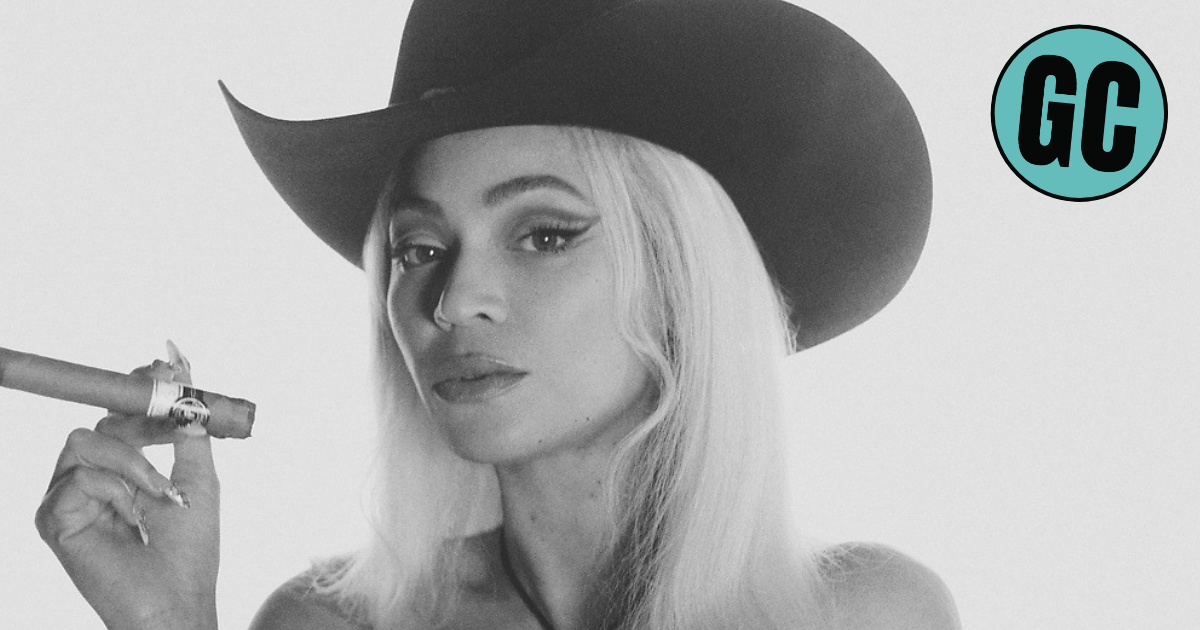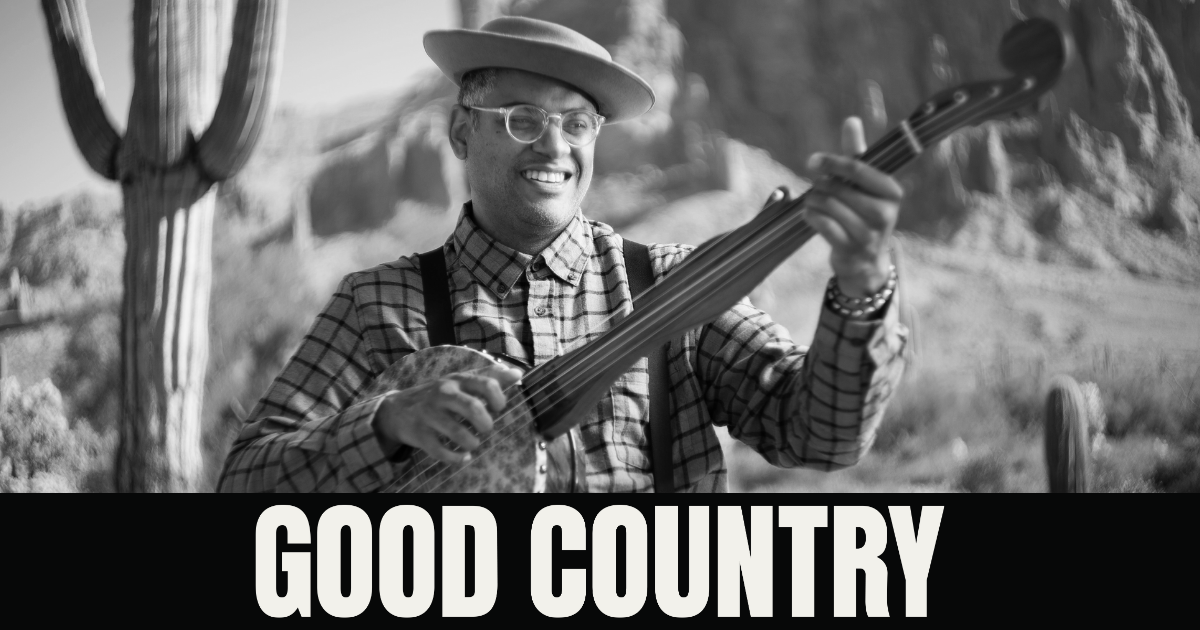
Black Roots

It is clear to me that 2024 will be known for being a landmark year in the evolution of Black roots music. Not only has there been tremendous growth in the number of artists that are throwing their hat in the ring for roots music – whether it be country & western, bluegrass, folk or Americana – but it is also a time where the mainstream music world is responding to this outpouring of talent in a way that hasn’t been seen in a long time. In many ways, it’s not surprising that things have grown in this fashion. Since I started my professional music career back in 2005, I have seen quite a few changes in the general musical landscape that have set the stage for a Black Roots music revolution.

In the early 2000s, the musical fabric of Black Roots had already been woven into the tapestry of American culture. Hidden between the more well-known pieces of Black music, these acoustic styles that didn’t fit into the traditional mold of blues, jazz, and gospel remained unseen and unheard, relegated to the fringes. Even though it was simultaneously considered a quintessential piece of the larger puzzle of American popular culture, Black Roots music was held in greater reverence for its historical significance than for being a living musical tradition played by modern musicians of the African Diaspora.

There were great pioneers who set the stage back in the early 20th century. There were songsters, string bands, folk musicians, storytellers, songwriters, composers, and community historians who shared their stories for the early folk song collectors who were searching for the purest forms of black expression. This happened while the commercial recording companies sent their representatives out to the field looking for music that they could sell to a record buying public who wanted a sound that not only reflected the past, but the future as well.

With all that in mind, my goal in becoming a professional musician came not from a desire to be a stage performer alone, but to also expand the scholarship and visibility of Black Roots music. By becoming a touring musician I found I was filling a void that most people are not aware of today. Having the opportunity to evoke the names of people who had not gotten their due in their own time was empowering. Not only have I advocated for the music, I have played it and arranged it to reflect the rich history of American music while at same time writing my own songs that represent the modern Black experience in all of its phases.

When I first began performing in Arizona, there was no Black Roots community for me to lean on, so I had to teach myself everything. I had to learn to play the guitar, the banjo, and all of the other instruments in my repertoire on my own. Before the internet, the library was my main resource for music and I grew up in a time when a good portion of all of the world’s recorded music throughout history was not readily available on streaming platforms. Sometimes, I had to search far and wide through stacks of CDs, LPs, and 78s to gain access to the music, just so I could learn how to play it. As I began to learn more songs, I found out about the history of the performers and the legacies they left behind. Later on, I met others who held a similar passion and those individuals taught me how to play different styles and shared more parts of the history that I didn’t know about.

We are now in an era where people have access to the music that was once very hard for me to find. In many ways, I was at the forefront of these musical discoveries in the roots music community, because I took what I had learned and planted seeds all around the world with the Carolina Chocolate Drops and on my own as a solo artist over the past 25 years.

Once I left Arizona and we formed the Carolina Chocolate Drops, we were able to tap into a certain energy in the crowd that changed the paradigm for Black Roots music, so that now people can see the whole picture of American music in a different way. They could see a Black person playing the banjo in the modern world and be inspired to learn more about the African and Caribbean roots of the banjo. We did that for the better part of a decade and then I decided to move on into a new territory: Black Cowboys and Black Western music. This was a new area of music that the Carolina Chocolate Drops were not a part of in any way. The Chocolate Drops had focused on the music of North Carolina and this new musical venture was an exploration into my own family roots in the Southwest.

Back in 2010, I had come across a book called The Negro Cowboys, which encouraged me to research about African American cowboys of the West. In 2018, my research came together in my solo album, Dom Flemons Presents Black Cowboys, which came out on Smithsonian Folkways as a part of the African American Legacy Series. Having grown up in Arizona, I knew that the album needed to be a part of the National Museum of African American History & Culture so that future generations could appreciate and respect the history of the Black West as well as activate the communities that had been there all along.
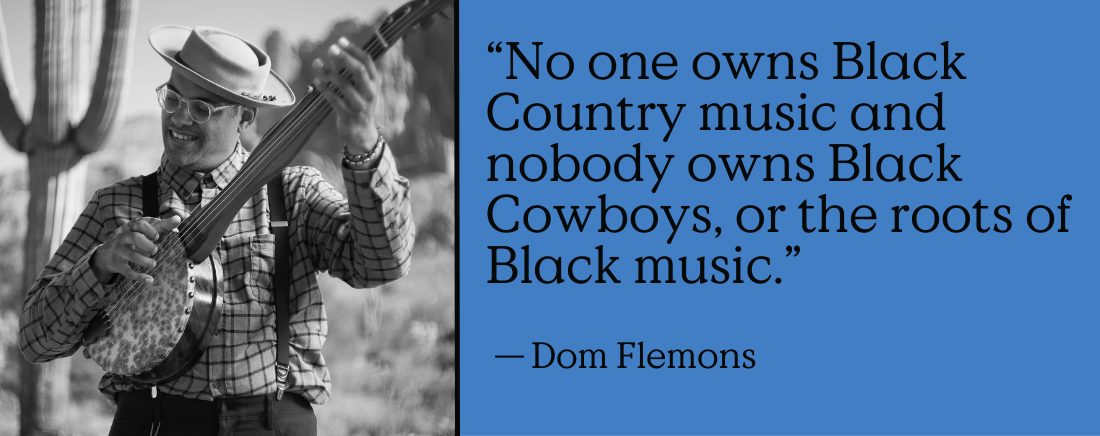
Back when I released Black Cowboys, I was one of the few artists talking about the contributions of African Americans out west and their varied connections to country music. Not only was I sharing this lesser known history, but I was playing the music that we now celebrate as “Black Country” long before Beyoncé, Lil Nas X, the “Yee-Haw Agenda,” or any of the newer Black artists who have risen to fame in the TikTok era. Now that the concept of Black Cowboys has gone mainstream in music, television, movies, and fashion, it’s another reminder to me that the music I created had made a major impact on American culture in both a conscious and subconscious way.

The most important part of it all is that no one owns Black Country music and nobody owns Black Cowboys or the roots of Black music. However, nowadays I am noticing that people are trying to take credit for exposing the history when they have only scratched the surface of it.

What I have learned is that there are so many parts of the Black Country and roots music story that are still missing and are being left out of the media. There are many other artists who should be considered in the conversation and yet they aren’t getting their flowers. I have noticed the Black Country music narrative that has sprung up recently has actively disregarded the work of the many Black artists who are deeply connected to the legacy, including myself on many occasions. My hope is that people will take the time to acknowledge the ones who have paved the way for the current movement and shed light on their individual stories, too.

The main reason I have included extensive liner notes in all of my albums, including my most recent, Traveling Wildfire, is because I always make sure to give credit where it is due. The sources for my traditional songs are clearly laid out for anyone to see and my original songs are exercises in expanding the existing palette of roots music so that both can be presented to a new generation of listeners. I have seen my talking points being used to fuel many of the current conversations, but oftentimes there is no back reference to the work I have done. All of the fanfare has forgotten to give proper credit to someone who has spent the majority of their career trying to set the record straight. As a well known musician in my community, this exposes a general trend that is problematic for the current state of Black Roots music.

If it is acceptable for a mainstream pop star or the media to sidestep and steamroll the pioneers of Black Roots music, it can only lead to a narrative of uplift that will ring hollow in the long term. It will teach the future generations that sleight of hand is the only way to get ahead and that surface level fame is the goal and key to being successful. Bad ideologies take a long time to disperse once they have become a part of the general fabric of society, and if people continue to spout it the integrity of the music can be undermined without them even knowing it.

This is why I am cautiously optimistic for the current state of Black Roots music, because oftentimes it feels more like a one-sided competition than a community of Black artists coming together to be celebrated collectively.

Yet, on a positive note, I believe the current state of Black Roots music is very exciting. People are being activated by the work that has been done by the pioneers of the past one hundred years. They are reinterpreting, reinventing, and showcasing music that is becoming a viable part of the mainstream music industry. They come with a variety of sounds, instruments, and songs that will shift the template of American culture as Black Roots music always has and always will.

More voices are being added every day in places and spaces that would have been unheard of even ten years ago. It can be clearly stated that there are now plenty of young musicians in every field of Black Roots music and there is no shortage of new talent who have proven their worth on the stage, on recordings, and on social media.

The holistic landscape of the modern Black Roots music community is something that I am proud to have helped establish over the past 25 years. Major growth is upon us, but I feel like it can only happen if everyone in the community gets acknowledged, not just the “favorites” or the ones making the most money while begging for all of the attention. The connecting of dots that bind the past and future are within our reach through the technology we have at our fingertips; it is essential for us to use it with great care and responsibility.

I started my journey as the American Songster building a legacy upon a dream. I got the notion to write songs and play the old styles back when I was sixteen years old and this eventually led me to sell everything I own, jump in my car, and drive across America to find where that dream could take me. It then took me all over the world and brought me much acclaim, but I have never lost sight of what inspired me to start this journey.

For me, I’m just getting started and I’ll always be here, no matter who stays and who goes. I’ve done the work to make the music more accessible for others and I can hope that it has reflected well on my own legacy as well as the entire community I have tried to uplift.


Photo Credit: Dom Flemons by Steven Holloway.
A True Black Country Trailblazer

The year’s most discussed, and in some respects, most controversial LP to date has been Beyoncé’s Cowboy Carter. Its admirers have painted Beyoncé as a trailblazer for Black country artists. They cite her inclusion on the album of both past – like Linda Martell – and contemporary Black country artists, including Rhiannon Giddens, plus the foursome of Brittney Spencer, Reyna Roberts, Tanner Adell, and Tiera Kennedy, all featured on the update of The Beatles classic, “Blackbird” (stylized “Blackbiird”). They also cite Beyoncé’s Texas background as ample proof of her country roots and sincerity.

Others, notably contributors to The Washington Post and The Guardian, have attacked the 27-song project for a variety of sins ranging from overproduction to such emphasis on idiomatic variety that the result to their ears is faceless, forgettable music. Beyoncé herself has repeatedly said “It’s not a country album, it’s a Beyoncé album,” a line that can and has been viewed many different ways.

Still, there’s been a genuine explosion of interest in Black country music the past couple of years prior to the release of Cowboy Carter. It has resulted in a host of attention for artists ranging from Charley Crockett, Mickey Guyton, Miko Marks, Rissi Palmer and Brei Carter to established hitmakers like Darius Rucker and Kane Brown. But there’s one name that stands above all others as a key figure who’s been in the country music trenches over five decades. That’s author and songwriter Alice Randall, a superb novelist and academic. Randall, a Detroit native, made the move to Nashville from Washington, D.C. back in 1983, because she wanted to showcase her skills as a country songwriter and simultaneously wanted to demolish the widely held myth that the music had no links or connection to Black music and zero audience among African Americans.

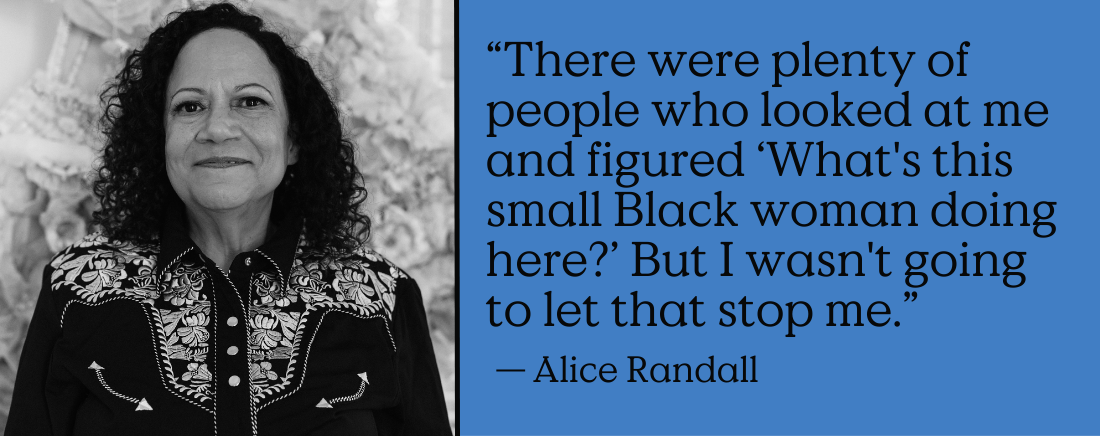
“Yes, I faced open hostility and overt racism when I began,” Randall told Good Country during a recent interview. “There were plenty of people who looked at me and figured what’s this small Black woman doing here? But I wasn’t going to let that stop me.” Randall spent plenty of time attending songwriters rounds, plus examining and analyzing the songs that were becoming hits. In her book she pays credit to Bob Doyle, who was then a songwriter liaison at ASCAP. Doyle’s Bob Doyle & Associates is the longtime management firm for Garth Brooks. Another of her early Nashville mentors was singer-songwriter Steve Earle, whom she met through Doyle. She cites Earle’s willingness to address personal and social trauma and pain as an influence on her writing style.

Randall earned her first Top 10 country hit in 1987 with the Judy Rodman-recorded “Girls Ride Horses, Too,” which she wrote with Mark D. Sanders. She also launched the publishing company Midsummer Music (which she later sold), with the aim of aiding and developing a community of storytellers. She’d soon enjoy bigger success, becoming one of the first Black women to write a No. 1 country hit, when she and Matraca Berg co-wrote “XXXs and OOOs (An American Girl),” for Trisha Yearwood in 1994. (Donna Summer previously co-wrote Dolly Parton’s “Starting Over Again” in 1980).

Randall was also a writer on Moe Bandy’s top 40 hit, “Many Mansions.” Some other notable Randall milestones include writing the treatment for Reba McEntire’s “Is There Life Out There?” music video, which won an ACM Award and features a Randall cameo. In addition, she wrote and produced the pilot for a primetime drama “XXX’s and OOO’s,” which later aired as a made-for-TV movie on CBS.

But as Randall notes in her book, additional trials can come with success. Randall recounts how after the success of “XXXs and OOOs,” a music publishing executive pressured her into signing a contract before she had time to let her lawyers look at the paperwork. That move eventually led to Randall signing away much of her writer’s share of the song’s profits, an experience she called “part of my graduate school.”

Her new book, My Black Country (and its co-released, eponymous album), nicely combines personal reflection with historical commemoration and cultural examination. It highlights Black country’s finest performers and personalities, while noting that early country music was a far more interracial activity than many realized. “It’s amazing to me how many people don’t realize that Jimmie Rodgers recorded with Louis Armstrong, or that Lil’ Hardin was also involved in that historic recording,” she continues.

Randall cites Hardin as the mother of Black Country, the premier vocalist/harmonica soloist DeFord Bailey as the papa, multi-idiomatic master Ray Charles as the genius child, Charley Pride as Bailey’s side child, and the vocalist and TV/film star Herb Jefferies, also known as the Bronze Buckaroo, as Hardin’s stepchild.

She’s equally passionate about the frequent omission from country music histories and commentary of the contributions of Black cowboys. “I fight for all the Black cowboys who have been erased, all the country and western songs through the years that did not tell those stories,” Randall told Billboard magazine in an earlier interview. “When I wrote songs like ‘Went For a Ride,’ a lot of people did not realize they were Black cowboys I was writing about… but 20 or 30% of all cowboys were Black and brown in the 19th and 20th centuries, so it’s one of the ways that African Americans have contributed so much to the legacy of country music, is through cowboy songs.”

The book also chronicles a further lineage of Black country artists, including the Pointer Sisters and Linda Martell, as well as other artists like Sunny War, Miko Marks, Valerie June, and Rissi Palmer.

With 2024 being a big year for Black country, it’s only fitting that Nashville and the music world at large recognize and celebrate Alice Randall’s achievements. Last month she published the memoir, My Black Country (Simon & Schuster), while an accompanying LP, My Black Country: The Songs Of Alice Randall (Oh Boy Records), was also released.

A pair of sold out events in Music City – a book signing at Parnassus bookstore and a combination celebration/Black Opry concert at the City Winery where contemporary Black country vocalists performed Randall tunes – were just the first events to honor the current Vanderbilt Professor of African American and Diaspora Studies as well as writer-in residence. Randall’s other notable literary feats include The Wind Done Gone, a blistering examination and parody of the book and film, Gone With The Wind.

During Black Music Month in June, Randall will appear at the Smithsonian National Museum of African American History & Culture on June 7, and she’ll return to Nashville on June 15 for another in-person conversation about Blacks and country music.

Randall’s book traces her love for country to a family relocation. While growing up in Detroit, she was also a fan of Motown and even spent some time with Stevie Wonder. But upon moving with her mother to Washington, D.C., country became the dominant music she regularly heard. As a student at Harvard studying both English and American Literature & Language Randall says it was after closely surveying Bobby Bare’s 1976 song, “Dropkick Me Through Jesus (Through the Goalposts of Life),” she really began to understand the depth and breadth of country music storytelling.

That knowledge, along with her excellence as a lyricist and storyteller, resonates throughout the many memorable and unforgettable numbers on the album My Black Country: The Songs Of Alice Randall. The roster of 12 women selected to perform the various tunes features many of today’s finest country stylists. The honor roll includes Ada Victoria’s soaring “Went For a Ride,” Allison Russell’s glorious “Many Mansions,” Rhiannon Giddens’ routinely spectacular rendition of “The Ballad of Sally Anne,” and Rissi Palmer’s poignant performance on “Who’s Minding the Garden.” Randall’s daughter, poet and commentator Caroline Randall Williams, delivers a strong performance on “XXXs and OOOs.”

Randall credits Russell for introducing her to Ebonie Smith, better known for her work as a producer on Sturgill Simpson’s Grammy-winning album, A Sailor’s Guide to Earth.

And it’s no surprise Randall would conclude our interview by weighing in on the Beyoncé LP, herself.

“She’s the only Black woman to achieve those feats [No. 1 country single and album], but I don’t think she’ll be the last,” Randall concludes. “I’m more proud of the fact that there are so many great Black country artists out there, that the Black Opry is getting national attention, and that we’re finally putting to rest that garbage about country only being for white people.”

“In fact, to me, Nashville’s becoming a town for wild women, and for Black women to freely express themselves any way they choose.”


Photo Credit: Alice Randall by Keren Trevino.

Watch Wyatt Flores and Sierra Hull Duet on a Tyler Childers Cover

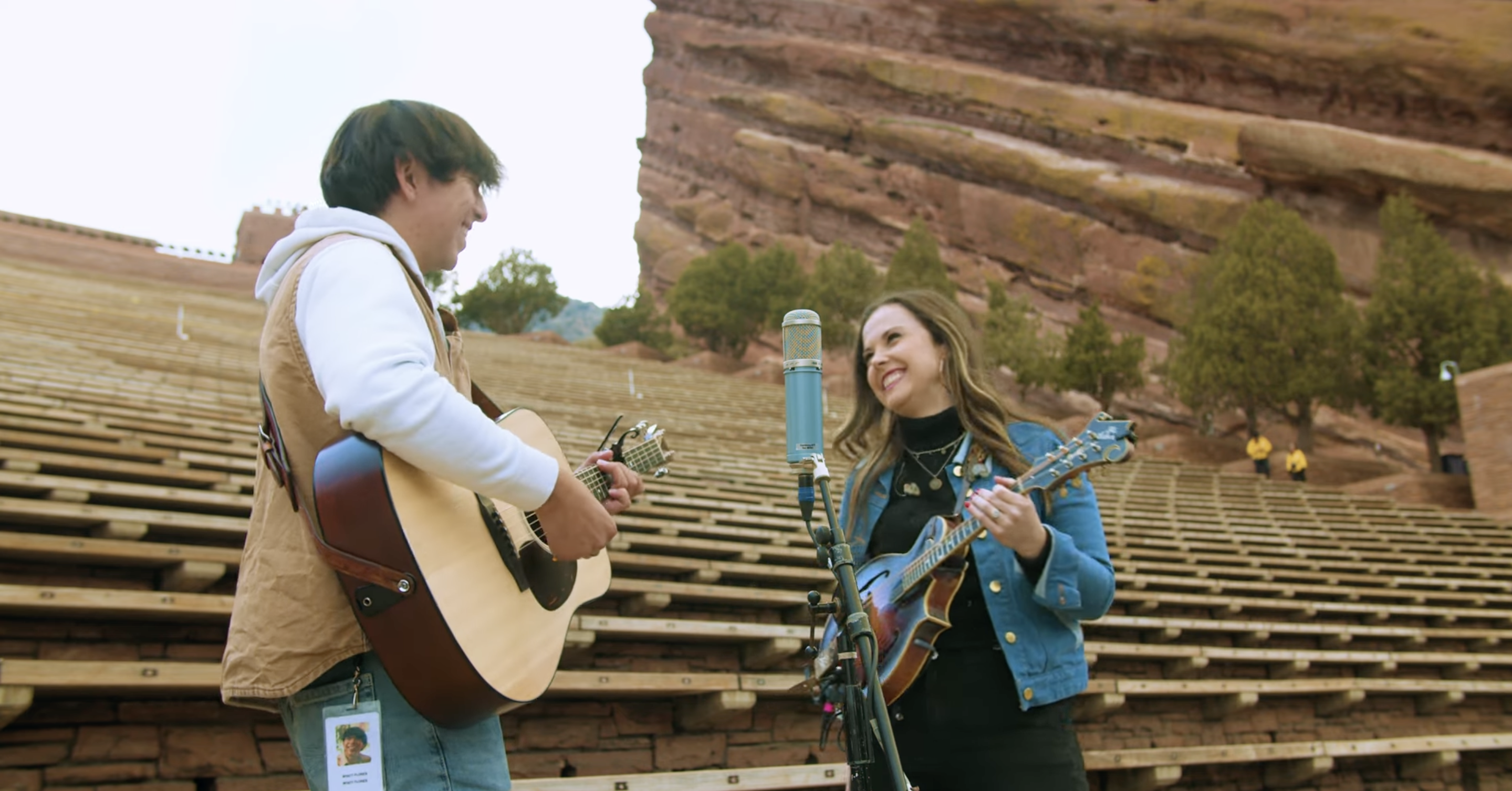
Last week, before the Turnpike Troubadours headlined the iconic Red Rocks Amphitheatre in Morrison, Colorado, two phenomenal young pickers also on the show bill stepped out into “the house” to perform Tyler Childers’ “Shake The Frost.”

Guitarist Wyatt Flores, a current nominee for the Americana Music Association’s Emerging Act of the Year, and Sierra Hull, Grammy-nominated mandolinist and songwriter, performed an intimate and tender rendition of the Childers hit flanked by the infamous red rock cliffs and backgrounded by the historic amphitheatre’s nearly 10,000 seats.

Flores and Hull demonstrate the timelessness with which Childers writes his songs and lyrics; in this simple, acoustic setting the track listens like an age-old folk song that’s been passed down generationally. With gentle unison vocals on the choruses and subtly interspersed licks and fills, the pair of virtuosos know that less can indeed be more. While they are each objectively shredders on their instruments, another common thread between them is their commitment to giving songs the treatment they deserve – rather than using each and every track they perform as a chance to show off their picking chops.

Hull has long been a technical – and artful – standard-bearer for her generation of bluegrass pickers, while Flores is enjoying something of a meteoric rise after having spent most of his young life touring and performing. Together, they represent the vibrant, genre-blending present and future of country, Americana, and bluegrass.


ANNOUNCING: Only Vans with Bri Bagwell Joins BGS Podcast Network

BGS is excited to announce the addition of Only Vans with Bri Bagwell to the BGS Podcast Network! Beginning today, May 20, the show – which is recorded from inside Bagwell’s tour van – will be distributed and promoted by BGS alongside hit podcasts such as Toy Heart and Basic Folk, and joining the ranks of fellow artist-hosted, artist-focused chat and performance podcast, the Travis Book Happy Hour. Only Vans is a podcast unlike any other, not just because it is recorded in a van (or Class C RV, to be specific), but because its conversation topics are anything but ordinary.

“[It’s] a podcast where I chat with my friends in the music community, from my van, about things that two buddies in a van would chat about,” Bagwell explains on her website. “It’s really insider info, like an Only Fans subscription… but clothes stay on (usually) and formality goes out the window.”

The banter between Bagwell and her friends and guests sounds and feels organic, because it is! With fifteen years of road experience, Bagwell hosts with ease, navigating topics that non-artists hosts perhaps can’t; and in that often unexplored landscape of crazy road stories, fond personal festival memories, and deep inner fears and beliefs, fans of the podcast say they really appreciate the raw honesty, insight, and hilarity that comes out in every Only Vans episode.

The first episode to be distributed by BGS features Bagwell’s friend and mentor, famed lead singer of Cross Canadian Ragweed, Cody Canada and his wife/manager Shannon. They cover a wide variety of topics like racial injustice, partying, the metal music scene, and shifting priorities after having kids. (Listen here.)

Bagwell, named Texas Female Artist of the Decade by the Texas Regional Radio Report, is a force to be reckoned with from her rousingly fun live performances to trailblazing recordings garnering her 12 #1 singles on Texas Country Radio and counting. People Magazine raves, “Bagwell increasingly finds her name being mentioned amongst country music truth-tellers such as Ashley McBryde and Morgan Wade.” Her latest album, Corazón y Cabeza (Heart and Head), has already spawned three #1 singles, “Trenches,” “Free Man,” and “Hello Highway,” the latter inspiring her 2023 summer tour across 10 states and Mexico.

In a time of growth for the BGS family – having just launched our curated email newsletter, GOOD COUNTRY, earlier this year – it’s especially exciting to bring on this new podcast, to welcome Bri Bagwell as a contributor, and to bring these intimate, fun, and one-of-a-kind interviews to our followers, listeners, and fans. Subscribe to Only Vans on Apple Podcasts here – or wherever you prefer to get podcasts. New episodes drop every other Monday!


You Gotta Hear This: New Music From Rising Appalachia, Tim O’Brien, and More

What a week in music! Not only has our Artist of the Month, Kaia Kater, released her new album Strange Medicine today, but we’ve also got an absolutely incredible premiere round-up filled to bursting with brand new videos, songs, and tracks.

First, there’s transcendent sister duo Rising Appalachia with a James Blake/Bon Iver cover, “I Need a Forest Fire,” and Tim O’Brien pays tribute to iconic folk songwriter Tom Paxton with a song they co-wrote, “You Took Me In.” Plus, don’t miss new songs from Ellorie McKnight, Natalie Spears, and Nick Taylor.

We round out our list with two premieres that debuted on BGS earlier in the week, a new one from Alisa Amador’s just announced album that features Madison Cunningham and Meadow Mountain continue their SkyTheory Sessions series with “Waiting for Tomorrow.”

It’s all right here on BGS and to be perfectly honest, You Gotta Hear This!


Rising Appalachia, “I Need a Forest Fire”

Artist: Rising Appalachia
Hometown: Asheville, North Carolina
Song: “I Need a Forest Fire”
Album: Folk and Anchor
Release Date: May 17, 2024

In Their Words: “‘I Need A Forest Fire,’ is our interpretation of a rich and righteous James Blake track. We have been big fans of his artistry and aural weavings for many years and wanted to do a folk rendition of this striking song. The texture of its sounds stretch far and wide in atmospheric rhythms as well as the lyrics and it took some deep digging to conceptualize what Blake was perhaps trying to say… Our interpretation is this:

“We live in a time of rapidly destructive (and so often man-made) wildfires in many parts of this planet. Singing a song that says ‘we need a wildfire’ felt cautionary, but enticing, as we explored the many metaphors that ‘forest fire’ could represent. We came to believe it is about the burning of the ego, the take down of destructive habits and destructive relationships, even destructive sides of self. In a time where everyone is on one side of the coin or the other, in a highly polarized nation, a burning symbolizes a great reset. A death and rebirth cycle. We hope you enjoy our take on this track as much as we have enjoyed stretching into its different sounds.” – Rising Appalachia


Tim O’Brien, “You Took Me In” (from Bluegrass Sings Tom Paxton)

Artist: Tim O’Brien
Song: “You Took Me In”
Album: Bluegrass Sings Paxton
Release Date: May 17, 2024 (single)
Label: Mountain Home Music Company

In Their Words: “Jan and I came of age listening to and then singing Paxton songs before we ever knew his name. We both learned ‘Last Thing on My Mind’ and sang it around campfires before we met each other. So like a lot of folks, we kinda have Paxton in our musical DNA.

“Tom has been friendly and supportive over the years and in recent years often expressed his desire to write together. With this project, push came to shove and Jan and I wrote ‘You Took Me In’ with Tom on our second session. I had the lyric idea and imagined some Earl Scruggs-style gospel guitar as backing. We had the song in about an hour. When we were done I asked Tom how many songs he’d written that week and he said, ‘I’ve written four songs today!’

“Paxton’s early songs were the kind that sorta begged audiences to sing along. This one reaches in that direction. I love how simple and direct it is. Since that day, the three of us have written another 15 songs, all of which are daring Jan and I to record them, so stay tuned. Songs are like little puzzles that a certain strata of musicians have fun solving. We’re just honored to sit beside Tom, even if only virtually, as he does his masterful thing. He knows to let the song happen. He can pull a lyric from an instrumental riff, he improvises easily, and you can just trust him. When he says to go higher with the melody or go to the four chord, we’re never afraid to follow.” – Tim O’Brien

Track Credits:
Tim O’Brien – Guitar, lead vocal
Jan Fabricius – Mandolin, harmony vocal
Shad Cobb – Fiddle, harmony vocal
Mike Bub – Upright bass


Ellorie McKnight, “Whitepass”

Artist: Ellorie McKnight
Hometown: Whitehorse, Yukon
Song: “Whitepass”
Album: Equinox
Release Date: May 3, 2024

In Their Words: “White Pass is a magical, remote mountainous area connecting Yukon’s southwest with Alaska. If you’re driving from Whitehorse, YT to Skagway, AK, you pass through mountains and boreal forest until you reach the Canadian border crossing, after which the road winds through 25km of treeless, rugged alpine terrain before dropping down towards the ocean, where you then drive through the US border and then into the coastal ecosystem of Skagway. There is no reception on this stretch of road and no sign of humans except for the road and the border patrol buildings.

“This part of the world is like a dream in summer: the sound of creeks is loud and the wild blueberries are everywhere. In the winter, the area is mystical no matter the weather, with meters of snow blanketing the valleys and mountains. I was making the trip from Whitehorse to Skagway in the middle of winter one year, late at night, to visit a friend. There was a raging blizzard and snow drifts forming on the road, it was hard to see more than a few feet ahead and the going was slow. I pulled over to catch my breath and stepped outside. The wind was steady and the sharp snowflakes bit into my cheeks. I looked up and was surprised when I saw a waxing moon in a clear night sky just above the fog of the ground blizzard. It was a moment of awe, of wonder, of feeling so intertwined with the earth and yet also so small. The song ‘Whitepass’ tries to capture the many similar moments I’ve felt spending time in this stunning part of the world.” – Ellorie McKnight

Track Credits: 
Ellorie McKnight – Guitar and vocals
Brigitte Desjardins – Drums
Jeff Dineley – Upright bass
Ryan McNally – Pedal steel and harmonies
Kieran Poile – Fiddle

Video Credit: Midnight Light Media


Natalie Spears, “Hymn Of Wild Things”

Artist: Natalie Spears
Hometown: Carbondale, Colorado
Song: “Hymn Of Wild Things”
Album: Hymn Of Wild Things
Release Date: May 17, 2024 (single); June 28, 2024 (album)
Label: SleeLee

In Their Words: “Early one chilly autumn morning, I awoke to the chortling cries of Sandhill Cranes echoing through our town. Their sound is one like no other, awkward, beautiful, and haunting. It is a sound that we only hear a few times a year as they journey along their migratory path towards warmer shores. Whenever I hear them, I drop everything I’m doing and try to find them. On that particular morning, I got up with my sweet pup and followed their cries to a local nature park near my home. The clouds were sunk low in the valley and although we could hear them close by, we still couldn’t see them. We sat quietly waiting and eventually the sun’s heat lifted the clouds revealing the ghostly shapes of two beautiful Sandhill Cranes. The words to this song began to take shape in my mind and it was then that Hymn Of Wild Things was born.” – Natalie Spears

Track Credits:
Written by Natalie Spears (BMI)
Produced by Jayme Stone

Natalie Spears – Voice
Christine Bougie – Guitars, lap steel
Pat Keen – Bass
Jayme Stone – Synth, drum programming


Nick Taylor, “Dogs”

Artist: Nick Taylor
Hometown: Austin, Texas
Song: “Dogs”
Album: Not Alone
Release Date: June 21, 2024

In Their Words: “As one of the earliest compositions I laid down for the album, it’s personal and cathartic, a reflection of the anxiety that’s been an ongoing part of my persona. Sometimes it gets particularly overwhelming and that’s how this song was born. It speaks to uncertainty — how it manifests, how it’s perceived by others, and how it affects those around us. When we went into the studio to record it, it just came alive. It was important to me to get it out into the world. It’s the song that inspired the album title, Not Alone, but more importantly, it explores topics that society tends to dismiss — especially when it comes to matters having to do with mental health, insecurity and stability. It calls for understanding and in that regard, my hope is that it will help anyone dealing with a similar situation feel less alone.

“‘Dogs’ is such an emotional song, almost a confessional, that we wanted to make sure the video felt personal. Shooting just one scene created a space where the lyrics were being recited directly to the audience and I think that format really works well with the song. Huge thanks to Will and the team for their vision and direction.” – Nick Taylor

Track Credits:
Written by Nicholas Taylor Wimberg

Nick Taylor – Lead vocals
Wayne Killius – Drums
Dave Francis – Bass
David Flint – Electric and acoustic guitars
Chris Nole – Piano/keys

Video Credits:
Produced by Charlotte Avenue Entertainment

Directed by William Gawley
Shot by Austin Boylen and Dominick Sotis


Meadow Mountain, “Waiting for Tomorrow” (SkyTheory Sessions)

Artist: Meadow Mountain
Hometown: Denver, Colorado
Song: “Waiting for Tomorrow”
Album: June Nights
Release Date: May 13, 2024 (single)

In Their Words: “This song attempts to answer the question, ‘What if, instead of starting the band Foo Fighters, Dave Grohl had picked up a mandolin and spent a year exclusively listening to Alison Krauss & Union Station?’ I guess I was doing a lot of thinking and writing about time – the great healer, but also that which brings an end to all things. And then a new beginning. This is a song about time, and hope.” – Jack Dunlevie

More here.


Alisa Amador, “Heartless Author” (feat. Madison Cunningham)

Artist: Alisa Amador
Hometown: Boston, Massachusetts
Song: “Heartless Author” (featuring Madison Cunningham)
Album: Multitudes
Release Date: June 7, 2024
Label: Thirty Tigers

In Their Words: “I love this song. I love it because it acknowledges all of the uncertainties and pain of life and it shines compassion on all of it. ‘It’s okay not to know.’ It was such a joy to sing this one with Madison Cunningham. She learned it right then and there in the studio, and her voice says so much.” – Alisa Amador

More here.


Photo Credit: Rising Appalachia by Syd Woodward; Tim O’Brien by Scott Simontacchi

LISTEN: Kiely Connell, “Damn Hands”

Artist: Kiely Connell
Hometown: Hammond, Indiana
Song: “Damn Hands”
Album: My Own Company
Release Date: July 19, 2024
Label: Thirty Tigers

In Their Words: “It amazes me that we’re still having this conversation about consent. Just because somebody is nice to someone it does not mean they’re entitled to put their hands on you. Let’s let that die here and now. Keep your damn hands to yourself.” – Kiely Connell

Track Credits:
Drums and percussion – Andrew Borger
Bass – Nate Query
Electric guitars, piano and organ – Drew Kohl
Acoustic guitar and vocals – Kiely Connell


Photo Credit: Alysse Gafkjen

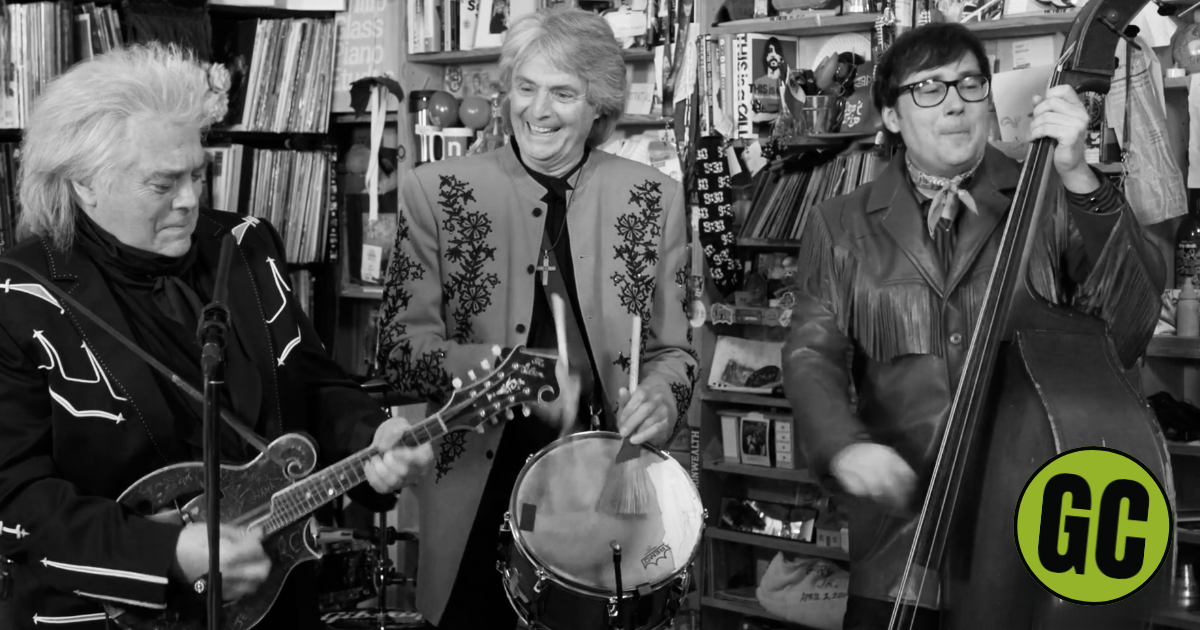
Marty Stuart & His Fabulous Superlatives Perform for NPR’s Tiny Desk Concert

Last week, the folks at NPR Music graced the roots music world, releasing a Tiny Desk Concert performance by Marty Stuart & His Fabulous Superlatives. Behind the storied and iconic desk, Stuart and a three-piece band – Chris Scruggs (bass), Kenny Vaughan (guitar), and Harry Stinson (percussion) – perform a short set of classics and recent cuts, too. From 1991’s “Tempted” to 2023’s “Tomahawk,” the group demonstrates how interconnected all of these roots music genres really are – and that they are fluent in so many more. Stuart straddles limitless folk and country aesthetics, from classic, old-school sounds to bluegrass string band vibes to psychedelic surf rock.

In a stripped-down setting such as the Tiny Desk, that genre-bending is even more apparent, as the ensemble settles into a simple, honky-tonkin’, bluegrass quartet meets glitzy countrypolitan groove, with the instrumental and technical prowess of each player on full display. Having performed with the Country Music Hall of Famer for a decade or more, each, this trio of accompanists are comfortable and at ease, but never “phoning it in.” It’s clear to this outfit, whether playing for a couple dozen NPR employees in an office cubicle or on the biggest festival and venue stages in the world, there’s always plenty of fun, joy, and smiles to be had.

Marty Stuart & His Fabulous superlatives – whose most recent album, Altitude, was released to critical acclaim in 2023 – have a full slate of tour dates upcoming this year in the UK, the EU, and supporting Chris Stapleton on more than a half dozen appearances, as well. Plus, Stuart just released a limited, 50th anniversary edition of Americana and country staple Sweetheart Of The Rodeo for Record Store Day with the Byrds co-founders Roger McGuinn and Chris Hillman.

An entire lifetime into his performing and picking career, Marty Stuart – and his Fabulous Superlatives, too – show no signs of slowing down, easing up, or softening their vibrant and engaging post-genre country, bluegrass, and Americana melting pot music.


You Gotta Hear This: New Music From Carson Peters, Jessie Wilson, and More

It’s another full week of new releases and exciting premieres! Leading off our round up this time is young fiddlin’ phenom Carson Peters singing a Bob Seger classic, “Long Twin Silver Line.” Plus, don’t miss bluegrass tracks from our friends Unspoken Tradition and Meadow Mountain – the latter of whom debuted the first installment of their SkyTheory Sessions on BGS yesterday.

There’s also plenty of Good Country to find herein! Kyle McKearney is joined by bluegrass flatpicker Trey Hensley on “Lonesome,” Jessie Wilson brings us a new one, “Outlaw,” and Will Stewart & the Gold Band share a tune from their Live in Norway project. Plus, Jordie Lane brings us a new single, too.

Yesterday, Donovan Woods exclusively premiered a new Lori McKenna and Matt Nathanson co-write on BGS,. as well so don’t miss that! It’s all below and really, You Gotta Hear This!

Carson Peters, “Long Twin Silver Line”

Artist: Carson Peters
Hometown: Nashville, Tennessee
Song: “Long Twin Silver Line” (Bob Seger cover)
Album: Silver Bullet Bluegrass
Release Date: July 12, 2024
Label: Lonesome Day Records

In Their Words: “Randall Deaton approached me with this tribute project a while back, and I loved the idea and jumped at the chance to be included with the great artists that were already on board. I grew up listening to classic rock and roll music riding in my parents’ car. It definitely helped me appreciate all styles of music and I always enjoyed hearing Seger songs. Randall had most of the track ready for me when I came in to put vocals and fiddle on it, and his ideas and choices made this song even better than I imagined. We played around with arrangements for a fiddle break in the middle, but he was the brain behind the arrangement for sure. I think (and hope) that the youthfulness in my voice and aggressive style of fiddle playing suits this song well, and gives it a nice spin. I am working up a live version with my band so we can put into our shows.” – Carson Peters

Track Credits: Written and published by Bob Seger, Gear Publishing Company
Producer – Randall Deaton
Engineers – Randall Deaton, Jimmy Nutt
Tracked at Lonesome Day Recording Studio, Booneville, KY / The NuttHouse Recording Studio, Muscle Shoals, AL.
Mixed at The NuttHouse Recording Studio, Muscle Shoals, AL.

Guitar – Stephen Mougin, Gary Nichols
Mandolin – Darrell Webb
Banjo – Ned Luberecki
Bass – Mike Bub
Dobro – Jake Joines
Fiddle – Carson Peters
Harmony vocals – Sarah Borges


Kyle McKearney, “Lonesome” (Featuring Trey Hensley)

Artist: Kyle McKearney
Hometown: Calgary, Alberta, Canada
Song: “Lonesome” (featuring Trey Hensley)
Release Date: April 26, 2024
Label: Kyle McKearney Music

In Their Words: “I’ve been following Trey Hensley for years and have always been a huge fan of his playing, singing, and Southern charm. I got to meet Trey at a gig in Colorado and I was blown away to learn that had been a fan of mine as well. My keyboard player James and I wrote ‘Lonesome’ with Trey in mind, hoping that he’d jump on for a shred on his flattop. I love how this song turned out and am grateful to Trey and team for their contributions. I can’t wait for folks to hear this burning two stepper!” — Kyle McKearney

“I became a huge fan of Kyle McKearney the moment I heard his music several years ago. I became an even bigger fan when I got to meet him and hear him live out in Colorado last year. I knew then that I would love a chance to work on some music with him in the future. I was thrilled when the opportunity arose for me to go up to Alberta and record with Kyle for his new song ‘Lonesome.’ As soon as I heard the song, I immediately knew this was going to be a blast… and sure enough, it was an absolutely incredible experience. Kyle is such a phenomenally talented artist, and I’m beyond honored to be included on ‘Lonesome.’ I can’t wait for y’all to hear it!” — Trey Hensley


Jessie Wilson, “Outlaw”

Artist: Jessie Wilson
Hometown: Phenix City, Alabama
Song: “Outlaw”
Release Date: May 3, 2024 (single)

In Their Words: “‘Outlaw’ depicts a universal feeling – no matter what field you are in or where you’re at in life, almost everyone has felt like they weren’t good enough and wanted to fit into a certain group at some point or another. I wrote this song about Nashville; I’ve often wondered what I need to do to be wanted in this town and the music industry. Is it about dating the right person, or changing my morals – what’s the answer? This song was written from that state of mind. It took a lot of vulnerability for me to admit that there was a time when I would do anything to fit in and gain the love of others, because deep down I was so lonely and lost. It’s typical to want to compare yourself, but you have to steer your mind away from that idea. I’ve since learned that I don’t have to change who I am and that the right people and opportunities will come to me and love me for the person I am.” – Jessie Wilson

Track Credits:

Producer – David Dorn
Acoustic & electric guitar – Tim Galloway
Bass – Tim Denbo
Drums – Matt King
B3/Synthesizer – David Dorn
BGVs – Kristen Rogers and Caleb Lee Hutchinson
Recorded at Farmland Studios.
Mixing – Mark Lonsway
Mastering – Mayfield Mastering


Will Stewart & The Gold Band, “Real Drag” (Live)

Artist: Will Stewart & The Gold Band
Hometown: Birmingham, Alabama
Song: “Real Drag” (Live)
Album: Will Stewart & The Gold Band Live in Norway
Release Date: June 7, 2024
Label: Cornelius Chapel Records

In Their Words: “Ross Parker, my longtime friend and bassist, sent me a rough demo of ‘Real Drag’ last year. I slightly tweaked the arrangement and melody and added a verse and it immediately became a staple in our live set. I get to throw in some jangle on this one, and Janet’s guitar playing compliments that in a nice way. The lyrics sort of speak for themselves, but it’s about a series of unfortunate events after a long night of being out, which seems to be a common theme in a lot of my songs, now that I’m thinking about it. It’s a combination of people and places that we’ve encountered over the years.” – Will Stewart

Track Credits:

Will Stewart – Guitar, vocals
Janet Simpson – Guitar, vocals
Tyler McGuire – Drums
Ross Parker – Bass
Recording Engineer – Harvard Soknes
Mixed by Brad Timko.
Mastered by Alex McCollough.


Jordie Lane, “The Changing Weather”

Artist: Jordie Lane
Hometown: Melbourne, Australia (Based in Nashville, Tennessee)
Song: “The Changing Weather”
Album: Tropical Depression
Release Date: May 2, 2024 (single); August 23, 2024 (album)
Label: Blood Thinner Records, under exclusive licence to ABC Music/The Orchard

In Their Words: “I had just got back to America after the terrible 2019-20 Australian bushfires when this massive EF-3 Tornado devastated our East Nashville neighborhood. Everything in my mind and body was kind of in shock about this severe weather, being so close to being hit. It scared the sh*t outta me. The song came after thinking about how people often complain about the very things that could and should be seen as a gift. Like the simple act of getting caught in the rain.

“Humans are remarkably good at denying the truth sometimes and covering it up with a bunch of other crap that we pretend is more important. We tend to just wanna get on with our lives, and not think about the scary things inside us, or with this planet we live on. This song is my take of an easy-breezy ’60s song to keep cruising along to, until the moment it’s all too late.” – Jordie Lane

Track Credits: Written by Jordie Lane.
Produced by Jordie Lane & Jon Estes.

Video Credits: Director, director of photography, editor – Korby Lenker
Aerial photography – Travis Nicholson
Producers, production designers – Jordie Lane & Clare Reynolds


Unspoken Tradition, “Georgia In Her Eyes”

Artist: Unspoken Tradition
Hometown: Cherryville, North Carolina
Song: “Georgia In Her Eyes”
Release Date: May 3, 2024
Label: Mountain Home Music Company

In Their Words: “‘Georgia In Her Eyes’ is a deeply personal song that I wrote in a fit of inspiration not long after meeting the woman who is now my wife. Looking through the perspective gained from 12 years together, the lyrics are even more meaningful. I’m excited that the guys in the band chose to help bring this song to life.” – Sav Sankaran, bass and songwriter

Track Credits:

Audie McGinnis – Acoustic, vocals
Sav Sankaran – Vocals, bass
Tim Gardner – Fiddle, vocals
Zane McGinnis – Banjo
Ty Gilpin – Mandolin


Donovan Woods, “Back For the Funeral”

Artist: Donovan Woods
Hometown: Sarnia, Ontario, Canada
Song: “Back For The Funeral”
Album: Things Were Never Good If They’re Not Good Now
Release Date: July 12, 2024
Label: End Times Music

In Their Words: “‘Back For The Funeral’ is a story that a lot of us end up experiencing. Big life events – deaths, births, divorces – seem to pull us out of the flow of time somehow. The days around these events can feel like a dream wherein the regular rules of our lives don’t apply. People fall back onto old habits or maybe construct a new temporary-self to shield them from grief or shock. What I like best about this song is that it reflects that dream-like feeling without sacrificing clarity. It feels the way those life-dividing days feel. I wrote it with Lori McKenna and Matt Nathanson. I’m about as proud of it as anything I’ve written. I hope it’s useful to people.” – Donovan Woods

More here.


Meadow Mountain, “June Nights” (SkyTheory Sessions)

Artist: Meadow Mountain
Hometown: Denver, Colorado
Song: “June Nights”
Release Date: April 30, 2024 (single)

In Their Words: “It sometimes feels like my life is split up into eras – periods of a year or two that, upon looking back, have a distinct, overarching feeling. As I get older I’ve started to recognize when I’m on the edge of one era, moving into the next one, and I begin to get a sense of the overall color of my recent life. I had that feeling as spring moved into summer last year and wanted to document it in a song. It recounts moments in the Colorado wilderness, misadventures in love, and my abiding wish to be Sam Bush in the 1980’s.” – Jack Dunlevie, mandolin and songwriter

More here.


Photo Credit: Carson Peters by Cora Wagoner; Jessie Wilson by Sam Aldrich.

You Gotta Hear This: New Music From AJ Lee & Blue Summit, New Dangerfield, and More

Are you excited for new music Friday? With our slate of premieres this week, we certainly are! AJ Lee & Blue Summit bring us the first track from their just-announced album, City of Glass (coming in July), old-time, folk, and Americana supergroup New Dangerfield have released their very first music together, and banjoist Tray Wellington (also of New Dangerfield) is dropping a new instrumental today, as well!

Plus, don’t miss Australian-via-Nashville country artist Wesley Dean and his new video for “Mercy” and you’ll also find Jacob Jolliff Band’s new number, “Los Angeles County Breakdown,” which premiered on BGS yesterday.

It’s all right here and to be totally honest, You Gotta Hear This!

AJ Lee & Blue Summit, “Hillside”

Artist: AJ Lee & Blue Summit
Hometown: Santa Cruz, California
Song: “Hillside”
Album: City of Glass
Release Date: July 19, 2024
Label: Signature Sounds

In Their Words: “The song ‘Hillside’ is sung from the perspective of a hill that is being eroded by weather and chipped by the tools of man. Still, the hill aspires to become a mountain and refuses to give in to the bombardment of forces. The last line in the chorus is, ‘… A thousand years don’t mean a thing to the stone cold hill that you call me,’ which I wrote with the idea that I will have confidence in myself no matter who tries to tear me down. I feel like I am becoming an immovable mountain that has been birthed out of proving my resilience. This song represents women empowerment, resilience, and strength.” – AJ Lee 

Track Credits:

Written by AJ Lee
Produced by Lech Wierzynski
Mixed and engineered by Jacob LaCally
Mastered by Paul Blakemore


New Dangerfield, “Dangerfield Newby”

Artist: New Dangerfield (Jake Blount, Kaia Kater, Tray Wellington, and Nelson Williams)
Hometown: Providence, RI; New York City, NY; New Orleans, LA; Raleigh, NC
Song: “Dangerfield Newby”
Release Date: April 26, 2024
Label: Distributed by Free Dirt Records

In Their Words: “I learned the tune we call ‘Dangerfield Newby’ from Eddie Bond close to a decade ago. He called it by the name ‘Old Sport,’ but told us that it was alternatively named ‘Dangerfield’ after one of John Brown’s raiders. I performed on John Brown’s farm last summer and had the opportunity to visit the grave he shares with his sons and several of his raiders — including the Black ones. I learned that Dangerfield was Black from his gravestone. The string band tradition has been honoring a Black freedom fighter all this time – who knew? I brought the tune to the band, since these are the stories we want to tell.

“Inspired by Dangerfield’s dedication to his family and community and his drive for freedom, we decided to put his full name on the tune. Thus, ‘Dangerfield Newby’ was born! We chose our band name, New Dangerfield, as an homage just a few days later.” – Jake Blount


Tray Wellington, “Blue Collared Dog and His Green Eyed Friend”

Artist: Tray Wellington
Hometown: Raleigh, North Carolina
Song: “Blue Collared Dog and His Green Eyed Friend”
Release Date: April 26, 2024
Label: Mountain Home Music Company

In Their Words: “One late night while doing some paintings, we ended the night with two different ones. One featured a dog with a blue collar, and one featured a cat with bright green eyes. I thought about how, if I was still a kid, I would’ve created a whole story within these paintings of how these two were friends and journeyed the world together. Shortly after this thought, I picked up my banjo and just did some improv which ended up being the start of the tune. I just kept going and finished the tune in that improv session, remembered what I could, and recorded it right away. I was amazed at how such a simple thought could help me create a piece of music I’m so proud of.” – Tray Wellington

Track Credits:
Tray Wellington – Banjo
Drew Matulich – Guitar
Katelynn Bohn – Bass
Josiah Nelson – Mandolin, fiddle


Wesley Dean, “Mercy”

Artist: Wesley Dean
Hometown: Nashville, Tennessee (by way of Australia)
Song: “Mercy”
Album: Music From Crazy Hearts
Release Date: April 26, 2024

In Their Words: “While I was traveling around the country last summer on my Crazy Hearts Across America tour, we shot different music videos for the album in different cities. Where else is better than the neon psychedelic lights of Las Vegas for ‘Mercy?’ It suited the music and the vision. We shot up and down the strip outside the famous Flamingo casino one night and then built the rest of the video around that footage.

“Jacobie Gray, my director, wrote the treatment for the redemption story and then we filmed the rest of the video at a bar and old church in Nashville and a cemetery outside of town. I’ll never forget the night when we filmed with the gospel choir, it’s such a dream to sing with those guys, and it was one of the first visions I had before Crazy Hearts was born, ‘Mercy’ being the first song I wrote for the record. And being out in the cemetery in the middle of the night was another experience I’ll hold close from making this video. An Amish horse and cart rode past in the darkness while I was looking up at the stars smoking a cigar and it was so surreal. You wouldn’t experience that in Australia.

“My main cinematographer, David Bradley, who also edited and colored the video, really delivered on that psychedelic vibe I was wanting.” – Wesley Dean


Jacob Jolliff, “Los Angeles County Breakdown”

Artist: The Jacob Jolliff Band
Hometown: New York City, New York
Song: “Los Angeles County Breakdown”
Album: Instrumentals, Vol. 2: Mandolin Mysteries
Release Date: May 24, 2024
Label: Adhyâropa Records

In Their Words: “‘Los Angeles County Breakdown’ is the first tune we started arranging for Mandolin Mysteries. I taught it to the group while we were in LA, on the last show of our last tour before the lockdown in 2020. So I had these demos of us playing the working version that I listened to and was excited about for a couple years before we finally got the chance to finish the arrangement and perform it live. It’s a sprightly little number with a lot of different influences — I like that it features a nice section for the fiddle and guitar to stretch out on. Hope you enjoy it!” – Jacob Jolliff

More here.


Photo Credit: AJ Lee & Blue Summit by Natia Cinco; New Dangerfield by Justin French.

Saddle Up and Get to Know the Artists Behind ‘Cowboy Carter’

On March 29, Beyoncé rode sidesaddle onto the world stage and took us all by storm with the release of her eighth studio album, Cowboy Carter.

Cowboy Carter arrived as the second installment of a three-act project that commenced with Renaissance in 2022. Renaissance incorporated house, disco, hyperpop, R&B, and funk while reclaiming the Black queer roots of dance music. On Cowboy Carter, she similarly reclaims the Black roots of country, blending it with folk, rock, R&B, hip-hop, classical, house, and gospel throughout.

Prior to the release of Cowboy Carter, country has been a longstanding muse for Beyoncé. While her affiliation with the genre was popularized by Lemonade’s “Daddy Lessons,” her first country-leaning performance dates back to nearly a decade earlier when she performed “Irreplaceable” with Sugarland at the American Music Awards in 2007.

Potent and impeccably saturated, Cowboy Carter makes clear that country is inarguably a huge part of Beyoncé’s creative and cultural identity. However, her presence in the genre has not always been well-received; in an Instagram caption 10 days before the album’s release, Beyoncé revealed that CC was largely inspired by an experience where she “did not feel welcomed” into the country fold. Many speculate that this refers to her appearance at the 2016 CMA Awards. The network received racist backlash after she performed “Daddy Lessons” with the Chicks, prompting the erasure of the song’s video from the show’s website (though a representative from CMA later denied the correlation between those two events).

Of Cowboy Carter Beyoncé writes, “The criticisms I faced when I first entered this genre forced me to propel past the limitations that were put on me.”

Beyoncé alchemizes a multitude of influences and collaborators across the gargantuan album in order to achieve the monumental musical feats of CC. With a credits list that sprawls for seemingly miles, Beyoncé enlists a number of guest artists, co-writers, producers, and musicians. Between them, they represent the Black roots of country, pay tribute to Black Americans’ impact on the genre, include legendary country artists and well-known side musicians and collaborators that assert the project’s roots in country, and represent the bright and diverse present and future of country by featuring several lesser-known Black country artists, many of which are also genre-bending in their own work.

In a list that is by no means comprehensive, here are just a few of the contributors that brought their musical magic to Cowboy Carter.

Rhiannon Giddens

“Texas Hold ‘Em” made history as the first hit single by a solo Black woman to top the Billboard’s Hot Country Songs Chart and 10 weeks later, as of this writing, it maintains its gilded perch. Fittingly, the song opens with the warmth and drive of the legendary Rhiannon Giddens strumming a standalone fretless, clawhammer gourd banjo. The talented multi-instrumentalist, singer, composer of many mediums, and roots scholar also sprinkles notes of viola throughout the track.

It is no coincidence that Giddens’ banjo playing, like much of her work, pays homage to the lineage of Black influence throughout roots music. Referred to by many as a “performing historian,” Giddens has spent her career shedding light upon the cross-cultural interweavings of the genre. Here, in an interview, she details the West African origins of the banjo, an instrument essential to American country music that was initially brought to the Americas by enslaved Black folks who used gourds and other accessible materials to recreate instruments of their homelands. By showcasing Giddens on the track, Beyoncé introduces a sonic representative of overlooked histories while uplifting one of the most celebrated Black musicians in modern day roots music.

Robert Randolph

Raised in a secluded religious community, Robert Randolph grew up without secular music. The renowned pedal steel guitarist heard only the music played within the House of God Church of Orange, New Jersey, for decades. He learned the instrument through Sacred Steel, a Black gospel tradition developed in the ’30s that highlighted the steel guitar during religious services.

During his early adulthood, Randolph became exposed to the world of music beyond; as he absorbed jazz, blues, funk, rock, and soul, he soon set out layering his gorgeous pedal steel tones upon a fusion of genres, particularly alongside his band, Robert Randolph and the Family Band. Across his musical arc, he epitomizes Beyoncé’s philosophy that music is transcendent; “All music is related,” he says. “Gospel is the same as blues. The only thing that changes is hardcore gospel people are singing about God and Jesus and in the blues people are singing about ‘my baby left me’ and whiskey.”

Justin Schipper

Like Robert Randolph, Justin Schipper is also credited for steel guitar on the track “16 Carriages.” A Nashville-based composer, multi-instrumentalist, songwriter, and producer, Schipper is a prominent figure in the current country landscape. His talents have landed him on tour with Josh Turner and Shania Twain (playing pedal steel and dobro), and he has gigged with the likes of Carrie Underwood, Chris Stapleton, Kris Kristofferson, Florida Georgia Line, and more.

Cam

Cam (given name Camaron Ochs) co-produced and co-wrote five songs on CC. An American country singer and songwriter, Cam began her career songwriting for musical giants in the industry such as Sam Smith and Miley Cyrus. Since then, she’s released three of her own studio albums with songs inspired by the songwriting styles of Patsy Cline, Ray Charles, Bonnie Raitt, Willie Nelson, and Joni Mitchell, amongst others. A prominent figure in the current country landscape, Cam lends crucial insights and layers with each of her contributions.

Sean & Sara Watkins

Renowned in the current bluegrass/newgrass scene, this sibling duo lends guitar (Sean) and fiddle (Sara) to the track “II Most Wanted.” Sean and Sara epitomize the familial quality so integral to bluegrass; their first band, Nickel Creek, was formed in 1989 alongside virtuoso Chris Thile when Sara and Chris were only 8 years old and Sean was 12. The siblings have been playing together ever since; Nickel Creek would go on to release seven albums, the latest of which, Celebrants, was released last year.

In 2002, the pair began The Watkins Family Hour as a monthly musical showcase featuring their friends and other collaborators in Los Angeles. Spanning over 20 years, the WFH has blossomed expansively. In fact, the pair released their third studio album, Vol. II, in 2022, a celebration of the project and the community surrounding it. Similarly to CC, the list of features for Vol. II is extensive, featuring the likes of Madison Cunningham, Willie Watson, Jackson Browne, and Fiona Apple, amongst others.

Stevie Wonder

A child prodigy who became blind shortly after birth, Stevie Wonder is widely regarded as one of the most influential musicians of the 20th century. He makes his contribution to CC by layering tasteful harmonica atop the sonically rich layers of “Jolene,” a reimaginative cover in the shape of Dolly Parton’s 1973 classic. Much like Beyoncé herself, Wonder is a trailblazer who, as Beyoncé stated in her Innovator Award speech at the iHeartRadio Awards, “defied any label placed upon [him].” From jazz to soul to funk to R&B to gospel to pop and beyond, Stevie Wonder has influenced and inspired creators across infinite genres and blendings with his vibrant propensity for experimentation. In the same speech, Beyoncé poured out a fountain of gratitude towards the legend, who presented her award —“Thank you so much Stevie, I love you,” she said. “I love you and I honor you. I want to thank you for making a way for all of us. […] Whenever anyone asks me if there’s anyone I can listen to for the rest of my life, it’s always you. So thank you, God bless you.”

Brittney Spencer, Tanner Adell, Tiera Kennedy, and Reyna Roberts

These four women are responsible for the ethereal background and third verse vocals for “Blackbiird.” Additionally, Spencer, Roberts, and Kennedy also lend background vocals to “Tyrant,” while Adell’s voice is woven into the sweeping harmonies of “Ameriican Requiem.”

Initially released in 1968 on The Beatles’ self-titled album, (colloquially known as “The White Album”), Paul McCartney wrote “Blackbird” in response to witnessing on television the harassment and violence that Black students endured upon attending newly-integrated schools. In 2018, he told GQ that he was particularly influenced by the young women who constituted, in part, the Little Rock Nine in Alabama — a nickname for the first nine Black students to desegregate the formerly all-white Central High School in Little Rock, Arkansas.

As McCartney explained to TODAY, “In England, a ‘bird’ is a girl, so I was thinking of a Black girl going through this; now is your time to arise; set yourself free; take these broken wings.”

Within her illustrious arrangement of the classic, Beyoncé pairs the initial guitar track recorded by McCartney with the vocals of herself and these four Black women whose careers are actively altering the historically whitewashed landscape of country. By including them, Beyoncé nods towards McCartney’s intended meaning of the song while actively uplifting these young women so that they may prosper in a genre that undervalues and mistreats the Black artists who continue to give it wings. Brittney Spencer, Tanner Adell, Tiera Kennedy, and Reyna Roberts each have burgeoning careers in the genre that are largely influenced by traditional country sounds and themes.

Willie Nelson & Dolly Parton

In addition to inviting in many Black artists and roots musicians, Beyoncé strategically inserts more commercially successful country greats whose values align with her own. As Willie Nelson tells his faux-radio station listeners in the track “Smoke Hour II,” “Sometimes you don’t know what you like until someone you trust turns you onto some real good shit. And that, ladies and gentlemen, is why I’m here.” This line candidly demonstrates an awareness of the unfortunate truth that a vast array of today’s country fans are white listeners unlikely to take this music seriously without ample accreditation from respected white artists.

Merely four days after the release of CC, likely due in part to the inclusion of Willie and Dolly, the number of first-time listeners of Beyoncé’s music had increased by 85% on Spotify.

Willie Nelson, who celebrates his 91st birthday this year, is renowned for his left-leaning activism (especially advocating for the legalization of marijuana — hence the nomenclature of his feature tracks “Smoke Hour” and “Smoke Hour II”) and his role in pioneering the Outlaw Country movement. Outlaw Country began in the ’60s as a subgenre to rebel against the conservative suppressions, sonic and otherwise, of the country industry at the time. Willie and his like-minded contemporaries strove to achieve creative freedom beyond the political and sonic standards that dominated Nashville.

Similarly, Dolly Parton has used her platform, influence, and capital to enact social change. In addition to being an advocate for LGBTQ+ rights, she donated $1 million to Vanderbilt University in 2020 to go towards vaccine research amidst the early stages of the COVID-19 pandemic.

As of 2024, Willie Nelson and Dolly Parton are widely regarded as two of the most successful American country artists of all time. Nelson holds 12 Grammys from 57 nominations, and continues to tour (in fact, he is actively on the road again right now). Dolly has accrued a total of 11 Grammys from 50 nominations over the course of her career and recently gave a dazzling performance at the 2023 NFL Thanksgiving Halftime Show. The amount of esteem and respect each has garnered throughout their careers grants Cowboy Carter a certain amount of credibility within the wider country circuit.

However, it is clear that Beyoncé doesn’t just merely use these two for their name recognition. She is, indubitably, a seasoned scholar in the history of American country music and respects the discography of both artists immensely. While both give narrative voice-overs, Dolly also lends background vocals to “Tyrant” and, of course, shares songwriting credits for the innovative cover of her song “Jolene” that appears on the album.

Willie Jones & Shaboozey

Willie Jones joins Beyoncé on CC to lend his resonant, smoky vocals on the duet track, “Just for Fun,” and to “Jolene.” Having gotten his start as a contestant on the X Factor in 2012, Jones is currently making a name for himself as contemporary Black country artist that Grammy.com refers to as a “country-rap iconoclast.” As proves to be a crucial theme throughout Cowboy Carter, Jones galvanizes cross-genre musings to make a sound that is entirely his own.

Similarly, Shaboozey is a rapping Black country artist who represents the future of the genre. Combining hip-hop, rock, country, and Americana, Shaboozey further embodies the blending spirit behind CC. His contributions to the album include rapping verses on both “Spaghettii” and “Sweet Honey Buckiin.”

Linda Martell

Beyoncé ingeniously laced together Cowboy Carter to demonstrate the past, present, and future of Black musicians who have influenced the American roots music; and Linda Martell stands as a crowned example of the past. Martell, now 82, was the first commercially successful Black woman in country. In 1969, she made history as the first Black woman to play the Grand Ole Opry, and she held the status of highest peaking single by a Black woman on Billboard’s Hot Country Singles Chart for her song “Color Him Father” until Beyoncé’s very own “Texas Hold ‘Em” took its place.

However, Martell’s success was short-lived; she left Nashville and country music altogether in 1974 after receiving racist backlash following the release of her first album. Nearly every live show was corroded by racial slurs from belligerent audiences, and her label eventually shelved her music when her single, “Bad Case of the Blues,” failed to do the numbers they were expecting. As Martell postulates on the CC track “Spaghettii,” “Genres are a funny little concept, aren’t they? In theory, they have a simple definition that’s easy to understand. But in practice, well, some may feel confined.”

While Martell’s career arc fell victim to the confines of hegemonic racism within Nashville (and the country at large), her appearance on Cowboy Carter pays tribute to her historical strides for Black artists nevertheless. The track “The Linda Martell Show” (wherein Martell poses as the host of her own radio show) acts as a foil to Willie Nelson’s “Smoke Hour” — Beyoncé here reimagines the career of Martell, granting her the accreditation to host her own show, something history previously never afforded her.

Miley Cyrus & Post Malone

Beyoncé’s respect for innovation rings loud and clear in her inclusion of Miley Cyrus and Post Malone on CC. Each share a vocal duet with Beyoncé on the album — Miley sings “II Most Wanted” and Post Malone contributes to the track “Levii’s Jeans.”

Though both are primarily known as pop artists, each has a career largely informed by their capacity to genrebend. Miley, daughter of country icon Billy Ray Cyrus and God-daugher of Dolly Parton, adds additional credibility to Beyoncé’s country venture. Throughout her career, Miley has traversed country, rock, pop, and R&B.

Similarly, Post Malone has woven together pop, alternative R&B, hip-hop, and indie throughout his career, and many speculate that he will soon release a country album.

It should be noted that both Miley Cyrus and Post Malone have been able to immerse themselves in genres that are historically Black throughout their respective careers. That both have moved between country and R&B without controversy is telling; their capacity to do so seamlessly and successfully demonstrates how white artists are able to express themselves fluidly without systemic repercussions. It is this very ease that Beyoncé wishes to cultivate for artists of every race; in her Instagram post about the release of the album, she writes, “My hope is that years from now, the mention of an artist’s race, as it relates to releasing genres of music, will be irrelevant.”

Raphael Saddiq

Referred to by music critic Robert Chrisgau as the “preeminent R&B artist of the ’90s,” Raphael Saddiq made mark as an American singer, songwriter, record producer, and multi-instrumentalist. He rose to fame in the ’90s with his R&B/soul group, Tony! Toni! Toné!, and went on to have a successful solo career. Additionally, he has produced songs for musical giants such as Erykah Badu, Stevie Wonder, TLC, D’Angelo, Solange Knowles (Beyoncé’s sister), John Legend, and more.

He is credited 18 times over the course of Cowboy Carter for his producing, writing, and instrumental contributions to the tracklist.


Photo Credit: Mason Poole