Do you remember the human being you were in 2017? When the “first” North American total solar eclipse of the 2000s criss-crossed the United States, stunning millions of sky-gazers? Do you remember how dissimilar life felt then? When you look back, do your memories contain the same person you are now, or is there a vast difference between who you were then and who you are today?
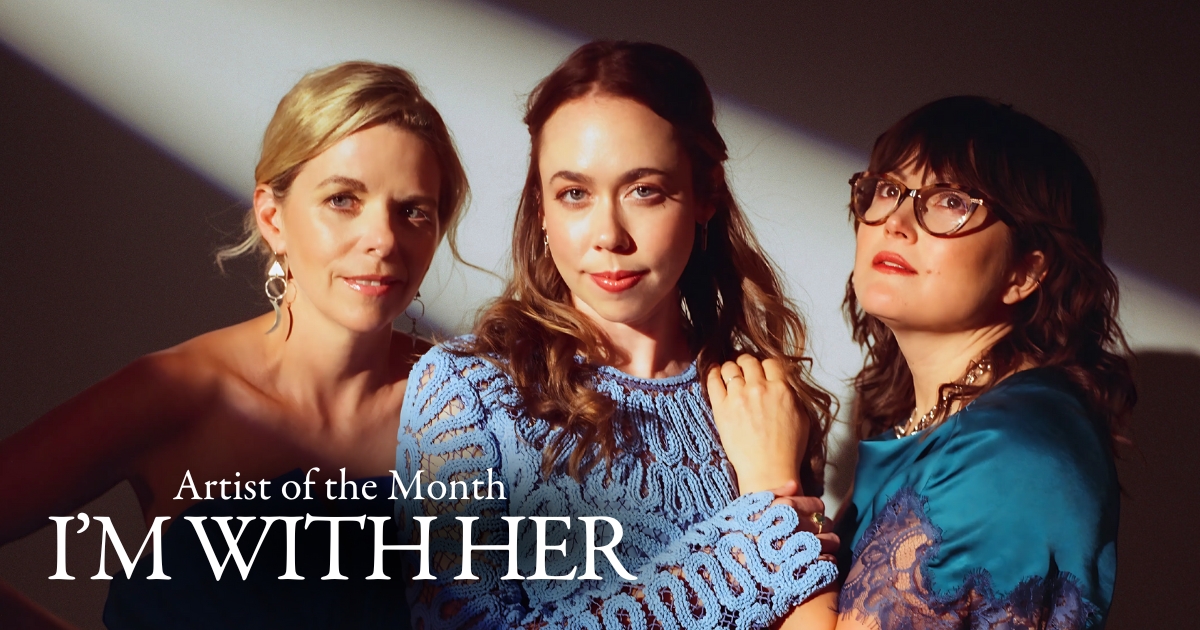
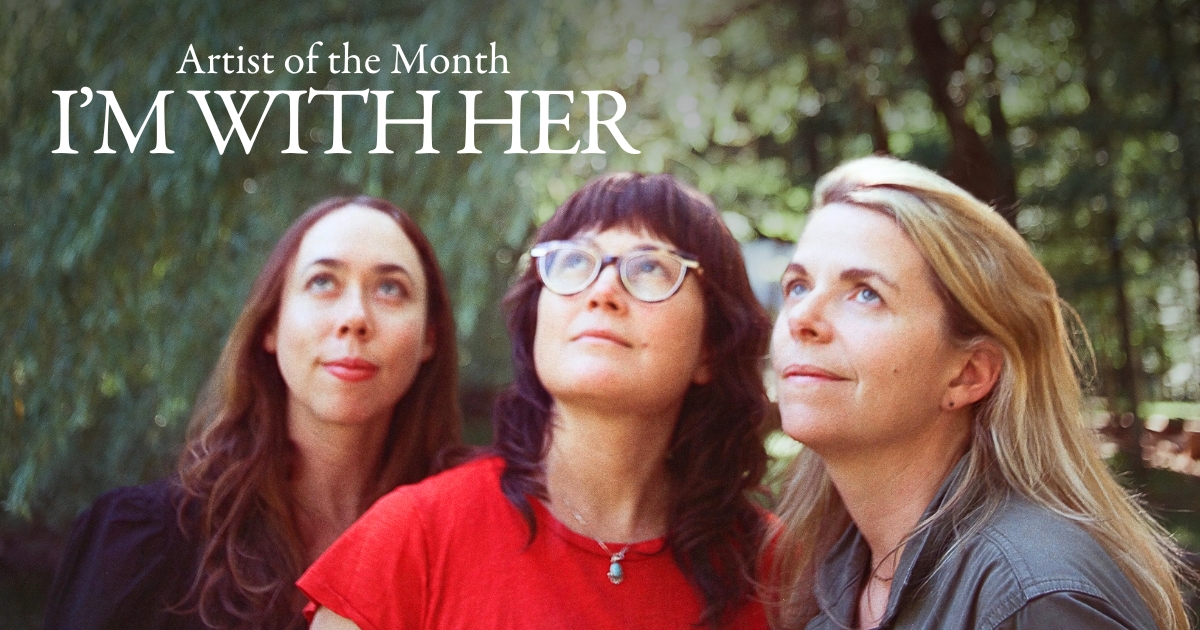
In 2017, I’m With Her – an iconic assemblage of award winning roots musicians Sarah Jarosz, Aoife O’Donovan, and Sara Watkins – were already a band, but a tangible group identity had yet to fully coalesce – and external viewers, listeners or fans or industry professionals, couldn’t tell if this was a temporary “supergroup” or something greater and long-lasting. Yes, they first collaborated as a trio in 2014 at Telluride Bluegrass Festival and their chemistry, musically and otherwise, was immediately palpable. They wrote, toured, and released music together in 2015, 2016, and 2017, appearing on Prairie Home Companion, Live From Here, and festival and venue stages all across the country and around the world. “Crossing Muddy Waters,” a John Hiatt cover and their first release together under the “I’m With Her” moniker, was released in ’15; “Little Lies” followed in ’17. Then, their acoustic cover of Adele’s “Send My Love (To Your New Lover)” performed live with Paul Kowert on tour with Punch Brothers became a smash viral hit later that same year, barely a month after the moon then blocked out the sun.
By all measures, I’m With Her were a very different group 8 to 10 years ago. Neither Watkins nor O’Donovan were yet mothers. The trio had not yet been nominated for a GRAMMY (“Call My Name” would snag a gramophone for Best American Roots Song in 2020). They wouldn’t put out their debut album, See You Around, until 2018. Yet today, on the precipice of what is somehow only their sophomore album, Wild and Clear and Blue (out May 9 on Rounder Records), whether deliberately looking back or relying solely on one’s memories and recollections, it might seem like I’m With Her has always had this outsized presence and impact in bluegrass, folk, and Americana.
Auspiciously, the celestial and grounded, fantastic and natural Wild and Clear and Blue was tracked in New York State coincidentally during/under the more recent total solar eclipse of 2024. The track of that heavenly alignment almost directly crossed the studio where the trio were crafting the new album with producer Josh Kaufman (Bonny Light Horseman, the National). Leave it to the stars, the universe, and these three otherworldly musicians to convene to build yet another masterwork under such an unlikely omen as an eclipse. The results are truly magical. O’Donovan, Jarosz, and Watkins are already writers and pickers who draw heavily on the natural world, the earth, and their own bodies, hearts, and minds not only as intellectual tools, but also as biological beings to fashion their particular style of roots music. It’s difficult not to see how the ’24 eclipse – along with their journeys together over the last decade – greatly informed this new collection.
Solidarity, women uplifting women, motherhood and family, communion with the world around them, connection to nature, challenging the painful realities of our current day-to-day, and – perhaps above all – convivial, heartfelt fun run through Wild and Clear and Blue like shimmering, cosmic rays of light. Where their past releases together have been quite stark and stripped down, often utilizing only as many voices and instruments as the trio themselves could wield in realtime, Wild and Clear and Blue is expansive, confident, and bold. Are these the same humans who first began creating together only just over a decade ago?
Of course not. None of us are the same beings we were back then. Certainly not I’m With Her. They’re GRAMMY winners now, all three married and beginning families, O’Donovan and Watkins by now veteran moms. They’ve had multiple eras together as a band and multiple solo releases unto themselves, individually, too in the meantime. The miles have sped away underneath their feet as they code switch between being an ensemble and being individual artists – while racking up accolades, awards, and listeners as a collective and separately, too. They’re seen alongside other so-called supergroups like boygenius, Bonny Light Horseman, and more; not as novelties or accessories to the “real” artistry of their constituent work unto themselves, but as a sum greater than their parts. Rightfully so!
How lucky are we to be witnesses to that growth, to each of these women’s ceaseless commitment to challenging themselves – and their communities – to move forward, to crest that next mountain, to sculpt that as-yet-undiscovered song from shapeless musical clay? How lucky are we that these three women bathed in the ancient, timeless light of a solar eclipse and alchemized their experiences into this resplendent album?
The path of this incredible trio, unlike the planets in the sky, has been anything but linear – or concentric, or predictable. Still, there’s endless insight and so much joy to be gained from inhabiting this intersection, the confluence of so many occurrences: the trajectory of the group; the track of a total solar eclipse; the Wild and Clear and Blue writing and recording sessions; the terrifying and shocking burning of our planet; the rapid return of abject fascism in this country; the consideration of how to be artists – family members, mothers, community builders – amid all of these realities. It’s a bewildering intersection, but one we’ve all become undoubtedly familiar with since 2014… since 2016… since the sun disappeared in 2017 and 2024.
Wild and Clear and Blue is a soundtrack for togetherness. For being present. For capturing the infinitesimal moments that make life what it is. It’s no surprise I’m With Her were able to create such an awe-inspiring and heartening second album with these celestial (and terrestrial) ingredients. It’s impeccable roots music made for bathing in the ancient light, for standing at the fault line, for staring into the wild and clear and blue with courage, with love, and with songs.
And, we’ll be dipping back into the BGS archives for all things I’m With Her throughout the month of May! Each of the trio’s members have been featured as AOTM individually and/or in other groups and we have plenty of playlists, articles, interviews, and even Sitch Sessions to return to featuring their supreme talents. Buckle up for a transcendental Artist of the Month celebration.
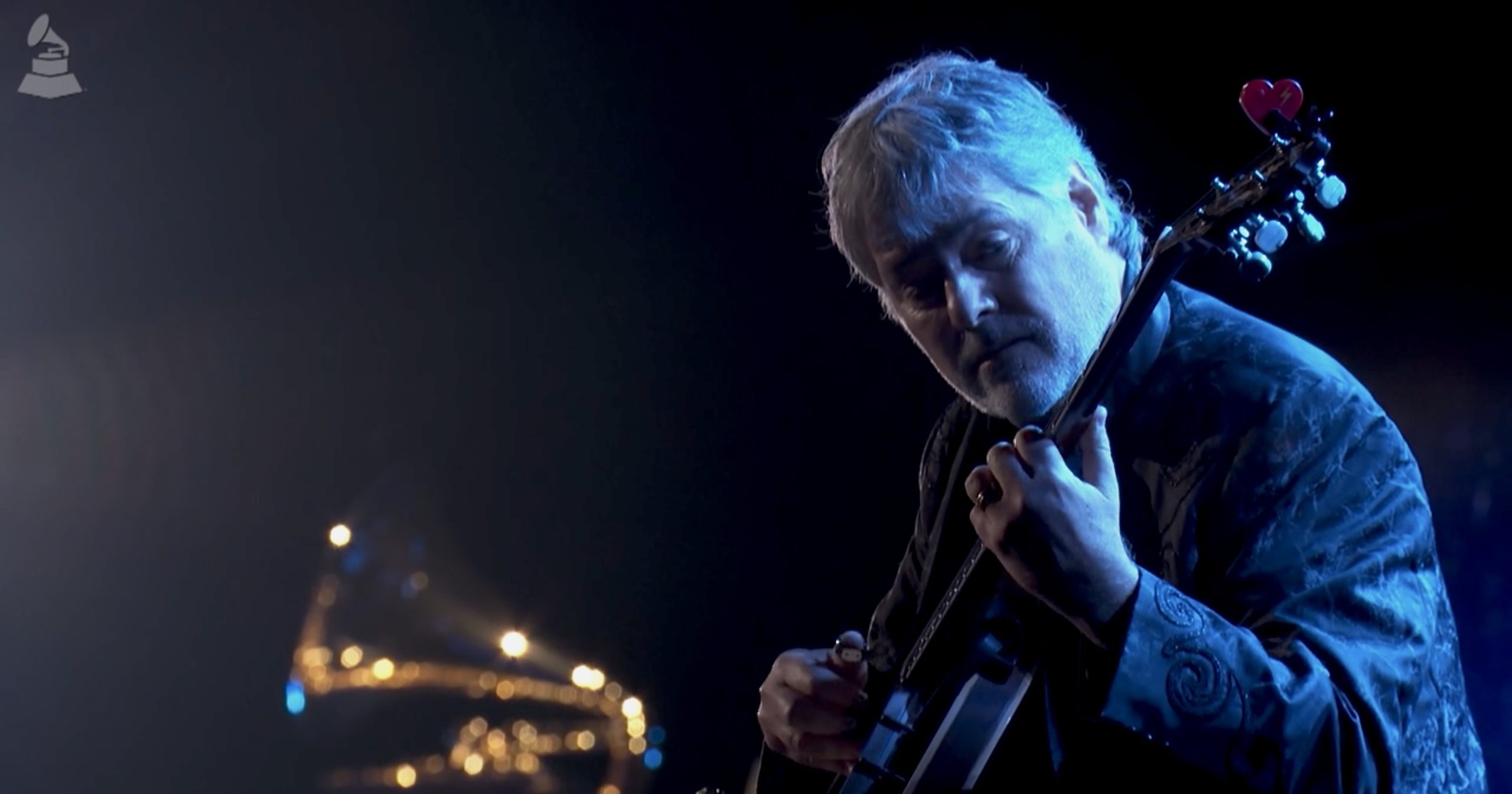
Every year, the GRAMMY Awards bring us bigger, brighter, and more jaw-dropping stage performances. (Think Chappell Roan atop a gigantic pink pony this year, or Billie Eilish performing amidst an indoor recreation of the Southern California hills.) But the GRAMMYs stage also hosts dozens of more intimate performances during its annual awards show and premiere ceremony, like “Rhapsody in Blue” by prolific banjoist and composer Béla Fleck. (Watch an official clip from the premiere ceremony broadcast here.) With nothing but his banjo to accompany him, Fleck brings a stunning liveliness to this over-100-year-old tune originally composed in 1924 by George Gershwin.
It’s not often that we get to see such straightforward and understated performances at major awards shows like the GRAMMYs. Fleck isn’t accompanied by anyone else on stage at the premiere ceremony. It’s just him and his banjo atop a stool, with a single instrument mic for sound. Even so, the whole arena is silent and enraptured for his performance. As he plays, Fleck seems completely present with the music, following its many twists and turns combining jazz, classical, and ragtime elements.
You’ll probably recognize “Rhapsody in Blue” (it would be hard not to), as it’s been featured in everything from The Simpsons to Baz Luhrman’s 2013 film adaptation of The Great Gatsby (F. Scott Fitzgerald was famously a fan of the song). Fleck’s performance is anything but tired, redundant, or stale. Instead, the tune feels entirely alive and refreshing, a welcome acoustic interlude amidst the day’s fanfare. We can’t help but think Gerswhin would approve. As Fleck finishes, the GRAMMY winner gives a grateful nod and a humble smile, as he holds his banjo up on his knee.
Fleck is one of the most-nominated artists in GRAMMY history, with 47 total nominations to date and 18 wins – including his most recent win this year for Best Jazz Instrumental Album for his 2024 release with Chick Corea, Remembrance. After checking out the behind-the-scenes video of “Rhapsody in Blue” (above) shot by renowned bassist Leland Sklar from his position waiting behind Fleck on stage with the house band, we highly recommend heading over to the GRAMMYs page to watch the official video of Béla Fleck’s performance.
Editor’s Note: Each issue of Good Country, our co-founder Ed Helms will share a handful of good country artists, albums, and songs direct from his own earphones in Ed’s Picks.
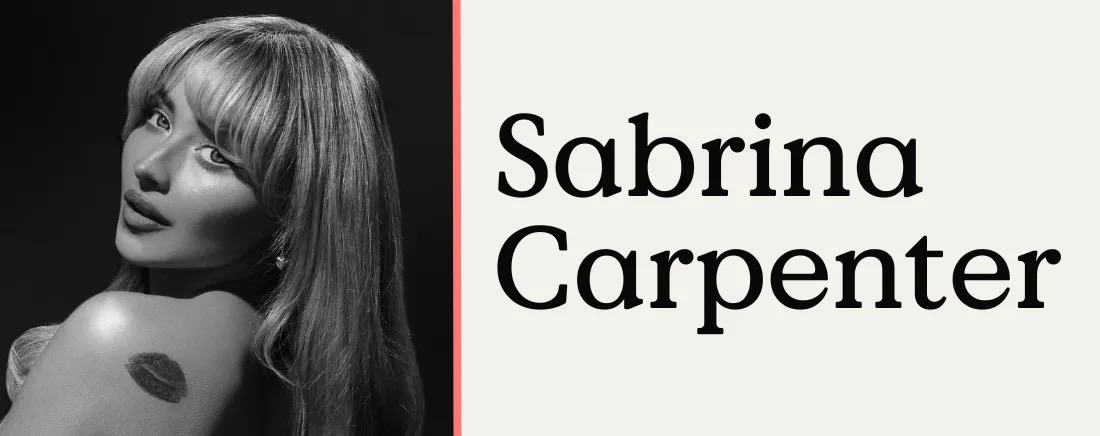
Sabrina Carpenter
Stop everything!! Sabrina Carpenter’s deluxe edition of Short n’ Sweet released today, featuring Dolly Parton herself on a new version of “Please Please Please” – and, thank you!
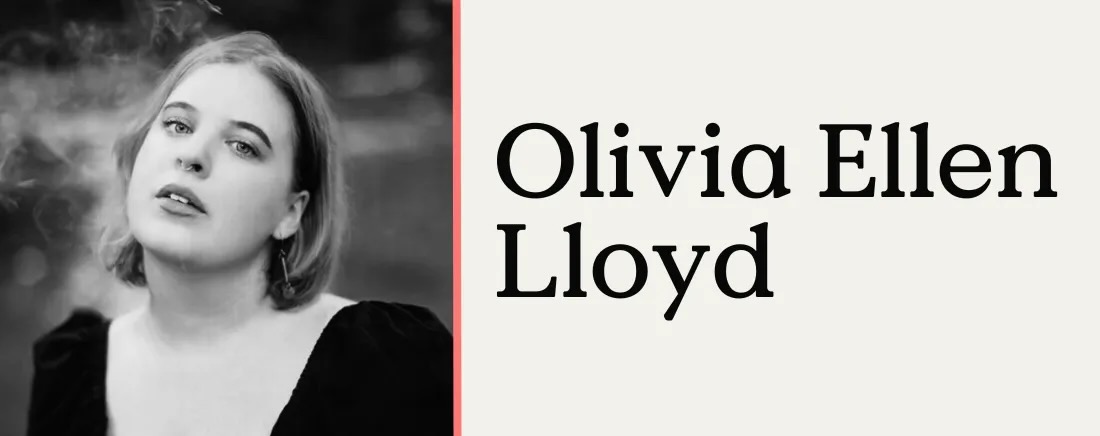
Olivia Ellen Lloyd
An honest, down to earth country singer-songwriter from West Virginia, the self-sufficient Olivia Ellen Lloyd will release her lovely new honky-tonkin’ album, Do It Myself, in March.
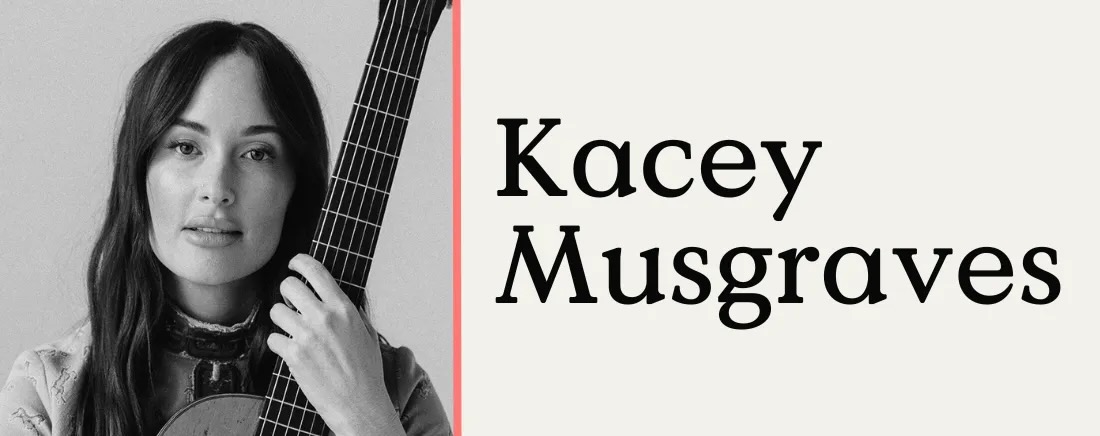
Kacey Musgraves
“The Architect” as Best Country Song? Another one the GRAMMYs got right this year. Even if you never stopped listening, it’s the perfect time to return to this Good Country track.
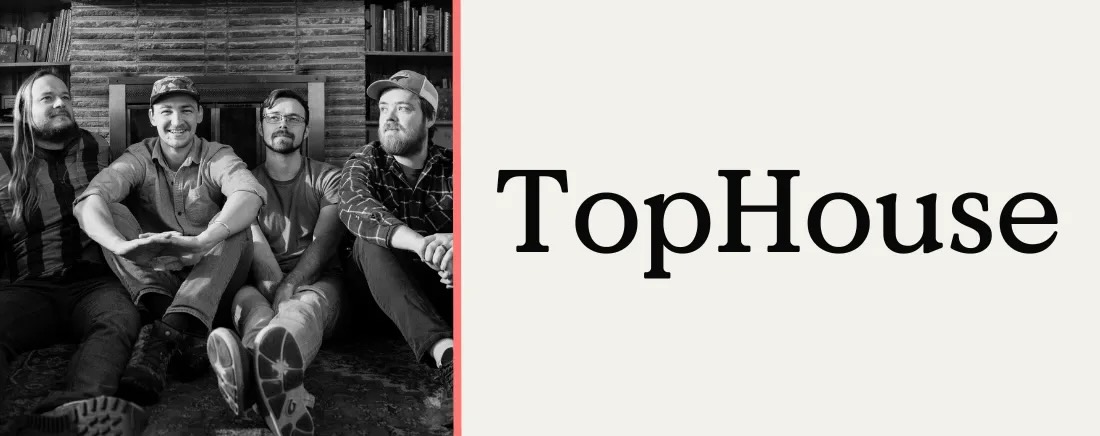
Indie folk with string band bones from Montana (via Nashville), we’re excited for TopHouse’s new EP, Practice – and that they’ll play our stage at Bourbon & Beyond later this year.
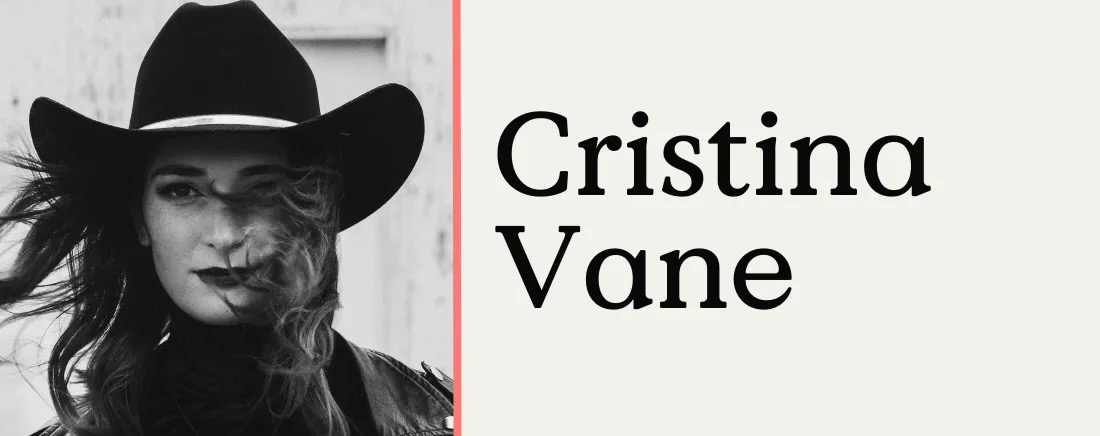
Cristina Vane
Hundreds of thousands of fans adore the blues, bluegrass, Americana, and country combinations of Cristina Vane and her slide guitar. Her latest, Hear My Call, is out next week.
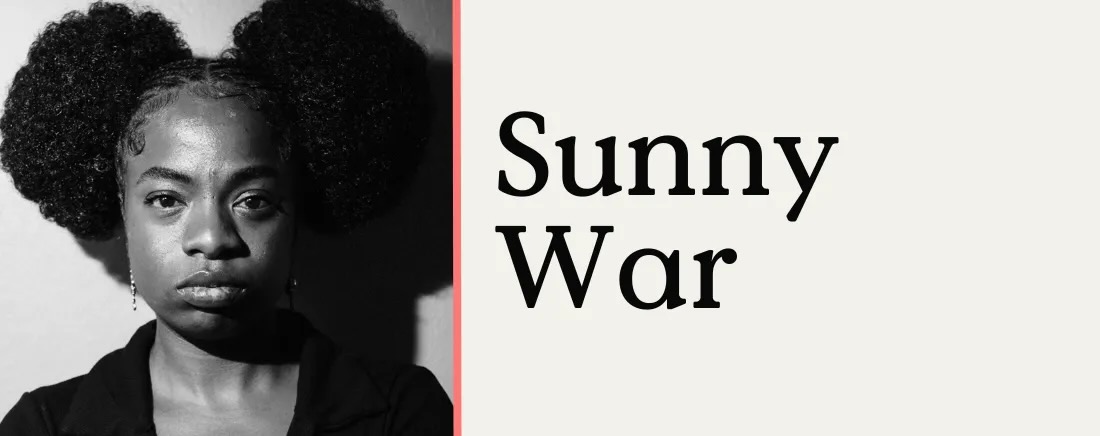
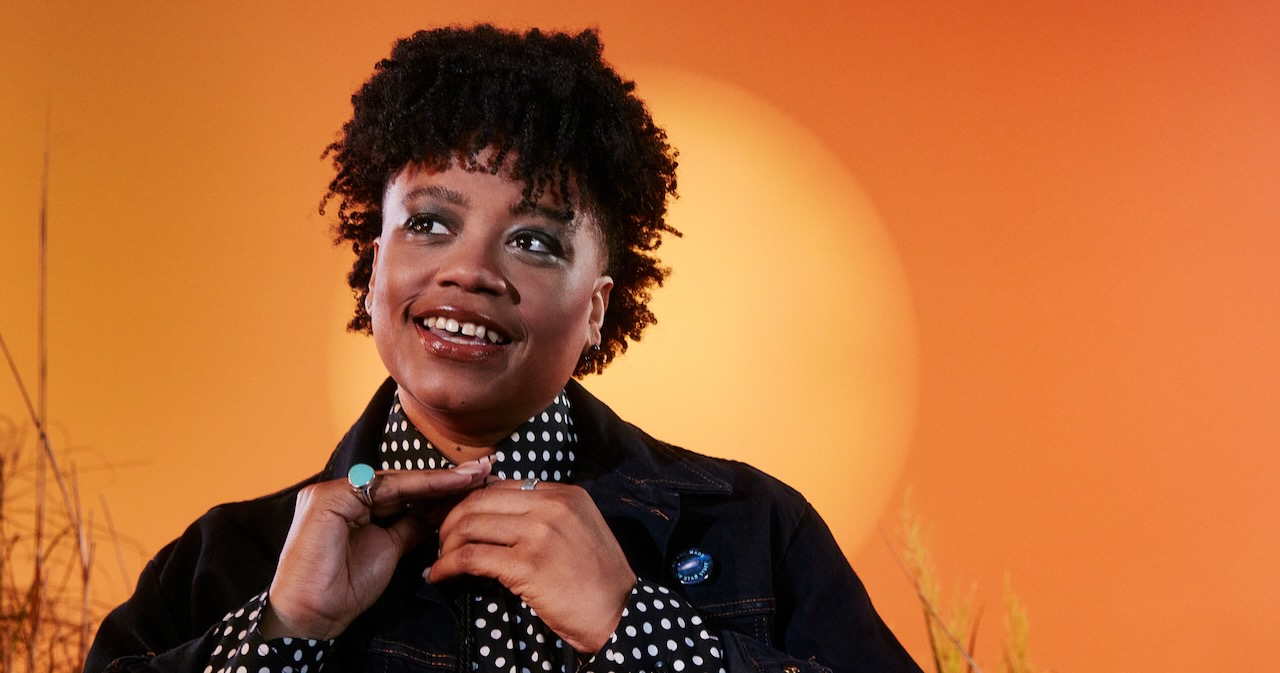
Sunny War
Our BGS Artist of the Month, Sunny War brings together fingerpicking, blues, punk – and so much more. Her newest, Armageddon in a Summer Dress, is timely, fierce, and excellent.
Dive into our Artist of the Month coverage on BGS.
Want more Good Country? Sign up on Substack to receive our monthly email newsletter – and much more music! – direct to your inbox.
Photo Credits: Sabrina Carpenter, Short n’ Sweet; Olivia Ellen Lloyd by Aaron May; Kacey Musgraves by Kelly Christine Sutton; TopHouse courtesy of the artist; Cristina Vane courtesy of the artist; Sunny War by Joshua Black Wilkins.
Yesterday, the 67th Annual GRAMMY Awards show was held in Los Angeles, handing out dozens of awards across the primetime broadcast and premiere ceremony while highlighting the city’s ongoing response to last month’s extreme wildfires, which displaced hundreds of musicians, artists, industry professionals, and creatives. The marquee event was kicked off by Dawes – whose sibling frontmen, Taylor and Griffin Goldsmith, had homes, their studio, and countless instruments and equipment destroyed in the blazes. They performed a moving rendition of “I Love L.A.” with a host of special guests.
Throughout the show, audience members were encouraged to support MusiCares Fire Relief, a collaborative fundraiser launched by the Recording Academy and MusiCares in partnership with Direct Relief, the California Community Foundation, and the Pasadena Community Foundation to help expand wildfire relief efforts across the broader Los Angeles community. Despite the somber shadow cast by the disaster over LA and its creative community, the show was convivial, joyous, and restorative – and included more than a few show-stopping and jaw-dropping moments.
As usual, the crème de la crème of roots musicians could be found across both the pre-telecast and primetime awards, scooping up golden gramophones in seemingly endless varieties of categories. The evening’s big winners in the Country & American Roots Music categories included superstar Beyoncé, who finally picked up her first Album of the Year win, as well as becoming the first Black woman to ever win Best Country Album. She also won the trophy for Best Country Duo Performance with Miley Cyrus for “II Most Wanted,” bringing her GRAMMY Awards totals to 99 nominations and 35 wins – the most wins of any recipient in the history of the awards.
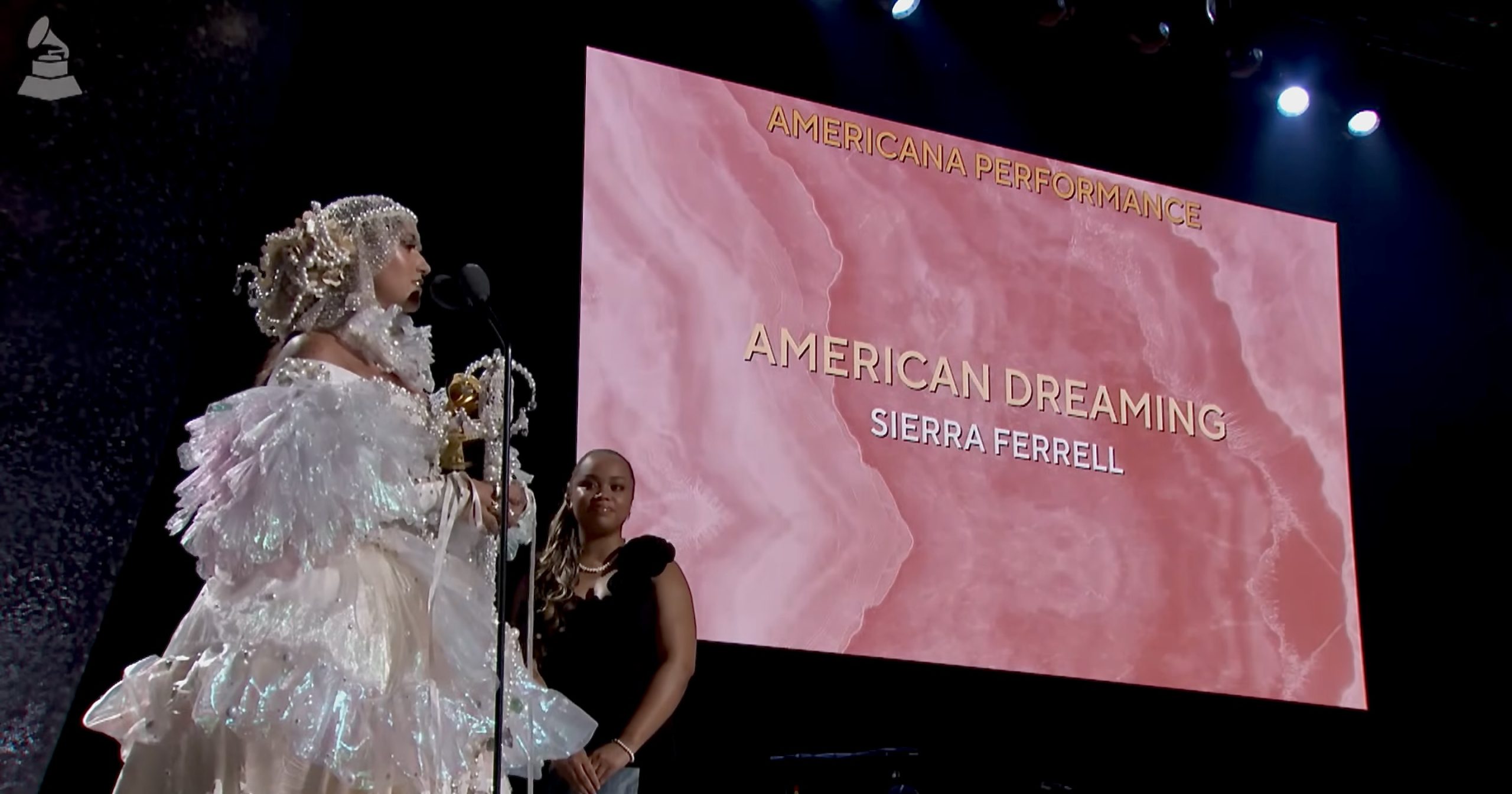
Sierra Ferrell, a West Virginia native and firebrand bluegrass and country starlet quickly on the rise these past handful of years, was indisputably the day’s other big winner, scoring in each of the four categories in which she was nominated. She quickly followed her very first GRAMMY win with three more, landing awards for Best Americana Album, Best American Roots Performance, Best Americana Performance, and Best American Roots Song – an honor she shares with her co-writer, musician, songwriter, and vocalist Melody Walker (Front Country, BERTHA: Grateful Drag).
The award for Best Bluegrass Album was yet again snatched by the world’s premier flatpicker, Billy Strings, for Live Vol. 1, logging his second win at the GRAMMYs after seven nominations over the last five years.
Pop phenom Chappell Roan won Best New Artist, Kacey Musgraves took home Best Country Song for “The Architect,” Chris Stapleton racked up his 11th GRAMMY win for Best Country Solo Performance, and Woodland, the latest album by Gillian Welch & David Rawlings, was recognized as Best Folk Album. Chick Corea won a posthumous award – Best Jazz Instrumental Album – for Remembrance, a duo project helmed by banjoist Béla Fleck that was released in honor of his hero, friend, and collaborator.
The GRAMMYs yet again demonstrate that the impact of bluegrass, folk, Americana, and country on the mainstream music industry cannot be overstated. Congratulations to all of the winners and nominees for the 67th GRAMMY Awards!
“16 CARRIAGES” – Beyoncé “I Am Not Okay” – Jelly Roll “The Architect” – Kacey Musgraves “A Bar Song (Tipsy)” – Shaboozey “It Takes A Woman” – Chris Stapleton
Best Country Duo/Group Performance
“Cowboys Cry Too” – Kelsea Ballerini with Noah Kahan “II MOST WANTED” – Beyoncé featuring Miley Cyrus “Break Mine” – Brothers Osborne “Bigger Houses” – Dan + Shay “I Had Some Help” – Post Malone featuring Morgan Wallen
Best Country Song
“The Architect” – Shane McAnally, Kacey Musgraves & Josh Osborne, songwriters (Kacey Musgraves) “A Bar Song (Tipsy)” – Sean Cook, Jerrel Jones, Joe Kent, Chibueze Collins Obinna, Nevin Sastry & Mark Williams, songwriters (Shaboozey) “I Am Not Okay” – Casey Brown, Jason DeFord, Ashley Gorley & Taylor Phillips, songwriters (Jelly Roll) “I Had Some Help” – Louis Bell, Ashley Gorley, Hoskins, Austin Post, Ernest Smith, Ryan Vojtesak, Morgan Wallen & Chandler Paul Walters, songwriters (Post Malone Featuring Morgan Wallen) “TEXAS HOLD ‘EM”– Brian Bates, Beyoncé, Elizabeth Lowell Boland, Megan Bülow, Nate Ferraro & Raphael Saadiq, songwriters (Beyoncé)
Best Country Album
COWBOY CARTER – Beyoncé F-1 Trillion – Post Malone Deeper Well – Kacey Musgraves Higher – Chris Stapleton Whirlwind – Lainey Wilson
Best American Roots Performance
“Blame It On Eve” – Shemekia Copeland “Nothing In Rambling” – The Fabulous Thunderbirds featuring Bonnie Raitt, Keb’ Mo’, Taj Mahal, & Mick Fleetwood “Lighthouse” – Sierra Ferrell “The Ballad Of Sally Anne” – Rhiannon Giddens
Best Americana Performance
“YA YA” – Beyoncé “Subtitles” – Madison Cunningham “Don’t Do Me Good” – Madi Diaz featuring Kacey Musgraves “American Dreaming” – Sierra Ferrell “Runaway Train” – Sarah Jarosz “Empty Trainload Of Sky” – Gillian Welch & David Rawlings
Best American Roots Song
“Ahead Of The Game” – Mark Knopfler, songwriter (Mark Knopfler) “All In Good Time” – Sam Beam, songwriter (Iron & Wine featuring Fiona Apple) “All My Friends” – Aoife O’Donovan, songwriter (Aoife O’Donovan) “American Dreaming” – Sierra Ferrell & Melody Walker, songwriters (Sierra Ferrell) “Blame It On Eve” – John Hahn & Will Kimbrough, songwriters (Shemekia Copeland)
Best Americana Album
The Other Side – T Bone Burnett $10 Cowboy – Charley Crockett Trail Of Flowers – Sierra Ferrell Polaroid Lovers – Sarah Jarosz No One Gets Out Alive – Maggie Rose Tigers Blood – Waxahatchee
Best Bluegrass Album
I Built A World – Bronwyn Keith-Hynes Songs Of Love And Life – The Del McCoury Band No Fear – Sister Sadie Live Vol. 1 – Billy Strings Earl Jam – Tony Trischka Dan Tyminski: Live From The Ryman – Dan Tyminski
Best Traditional Blues Album
Hill Country Love – Cedric Burnside Struck Down – The Fabulous Thunderbirds One Guitar Woman – Sue Foley Sam’s Place – Little Feat Swingin’ Live At The Church In Tulsa – The Taj Mahal Sextet
Best Contemporary Blues Album
Blues Deluxe Vol. 2 – Joe Bonamassa Blame It On Eve – Shemekia Copeland Friendlytown – Steve Cropper & The Midnight Hour Mileage – Ruthie Foster The Fury – Antonio Vergara
Best Folk Album
American Patchwork Quartet – American Patchwork Quartet Weird Faith – Madi Diaz Bright Future – Adrianne Lenker All My Friends – Aoife O’Donovan Woodland – Gillian Welch & David Rawlings
Best Regional Roots Music Album
25 Back To My Roots – Sean Ardoin And Kreole Rock And Soul Live At The 2024 New Orleans Jazz & Heritage Festival – Big Chief Monk Boudreaux & The Golden Eagles featuring J’Wan Boudreaux Live At The 2024 New Orleans Jazz & Heritage Festival – New Breed Brass Band featuring Trombone Shorty Kuini – Kalani Pe’a Stories From The Battlefield – The Rumble Featuring Chief Joseph Boudreaux Jr.
Best Roots Gospel Album
The Gospel Sessions, Vol 2 – Authentic Unlimited The Gospel According To Mark – Mark D. Conklin Rhapsody – The Harlem Gospel Travelers Church – Cory Henry Loving You – The Nelons
Best Jazz Performance
“Walk With Me, Lord (SOUND | SPIRIT)” – The Baylor Project “Phoenix Reimagined (Live)” – Lakecia Benjamin featuring Randy Brecker, Jeff “Tain” Watts & John Scofield “Juno” – Chick Corea & Béla Fleck “Twinkle Twinkle Little Me” – Samara Joy featuring Sullivan Fortner “Little Fears” – Dan Pugach Big Band featuring Nicole Zuraitis & Troy Roberts
Best Jazz Instrumental Album
Owl Song – Ambrose Akinmusire featuring Bill Frisell & Herlin Riley Beyond This Place – Kenny Barron featuring Kiyoshi Kitagawa, Johnathan Blake, Immanuel Wilkins & Steve Nelson Phoenix Reimagined (Live) – Lakecia Benjamin Remembrance – Chick Corea & Béla Fleck Solo Game – Sullivan Fortner
Best Traditional Pop Vocal Album
À Fleur De Peau – Cyrille Aimée Visions – Norah Jones Good Together – Lake Street Dive Impossible Dream – Aaron Lazar Christmas Wish – Gregory Porter
Best Contemporary Instrumental Album
Plot Armor – Taylor Eigsti Rhapsody In Blue – Béla Fleck Orchestras (Live) – Bill Frisell featuring Alexander Hanson, Brussels Philharmonic, Rudy Royston & Thomas Morgan Mark – Mark Guiliana Speak To Me – Julian Lage
Best Instrumental Composition
“At Last” – Shelton G. Berg, composer (Shelly Berg) “Communion” – Christopher Zuar, composer (Christopher Zuar Orchestra) “I Swear, I Really Wanted To Make A “Rap” Album But This Is Literally The Way The Wind Blew Me This Time” – André 3000, Surya Botofasina, Nate Mercereau & Carlos Niño, composers (André 3000) “Remembrance” – Chick Corea, composer (Chick Corea & Béla Fleck) “Strands” – Pascal Le Boeuf, composer (Akropolis Reed Quintet, Pascal Le Boeuf & Christian Euman)
Best Arrangement, Instrumental or A Cappella
“Baby Elephant Walk” – Encore, Michael League, arranger (Snarky Puppy) “Bridge Over Troubled Water” – Jacob Collier, Tori Kelly & John Legend, arrangers (Jacob Collier Featuring John Legend & Tori Kelly) “Rhapsody In Blue(Grass)” – Béla Fleck & Ferde Grofé, arrangers (Béla Fleck featuring Michael Cleveland, Sierra Hull, Justin Moses, Mark Schatz & Bryan Sutton) “Rose Without The Thorns” – Erin Bentlage, Alexander Lloyd Blake, Scott Hoying, A.J. Sealy & Amanda Taylor, arrangers (Scott Hoying featuring säje & Tonality) “Silent Night” – Erin Bentlage, Sara Gazarek, Johnaye Kendrick & Amanda Taylor, arrangers (säje)
Notable General Field Categories:
Record Of The Year
“Now And Then” – The Beatles “TEXAS HOLD ‘EM” – Beyoncé “Espresso” – Sabrina Carpenter “360” – Charli XCX “BIRDS OF A FEATHER” – Billie Eilish “Not Like Us” – Kendrick Lamar “Good Luck, Babe!” – Chappell Roan “Fortnight” – Taylor Swift featuring Post Malone
Album Of The Year
New Blue Sun – André 3000 COWBOY CARTER – Beyoncé Short n’ Sweet – Sabrina Carpenter BRAT – Charli XCX Djesse Vol. 4 – Jacob Collier HIT ME HARD AND SOFT – Billie Eilish Chappell Roan The Rise And Fall Of A Midwest Princess – Chappell Roan THE TORTURED POETS DEPARTMENT – Taylor Swift
Song Of The Year
“A Bar Song (Tipsy)” – Sean Cook, Jerrel Jones, Joe Kent, Chibueze Collins Obinna, Nevin Sastry & Mark Williams, songwriters (Shaboozey) “BIRDS OF A FEATHER” – Billie Eilish O’Connell & FINNEAS, songwriters (Billie Eilish) “Die With A Smile” – Dernst Emile II, James Fauntleroy, Lady Gaga, Bruno Mars & Andrew Watt, songwriters (Lady Gaga & Bruno Mars) “Fortnight” – Jack Antonoff, Austin Post & Taylor Swift, songwriters (Taylor Swift Featuring Post Malone) “Good Luck, Babe!” – Kayleigh Rose Amstutz, Daniel Nigro & Justin Tranter, songwriters (Chappell Roan) “Not Like Us” – Kendrick Lamar, songwriter (Kendrick Lamar) “Please Please Please” – Amy Allen, Jack Antonoff & Sabrina Carpenter, songwriters (Sabrina Carpenter) “TEXAS HOLD ‘EM” – Brian Bates, Beyoncé, Elizabeth Lowell Boland, Megan Bülow, Nate Ferraro & Raphael Saadiq, songwriters (Beyoncé)
This morning, Friday, November 8, the Recording Academy announced the nominees for the 67th GRAMMY Awards, to be held in Los Angeles on February 2 at the Crypto.com Arena. Roots musicians can be found at all levels and across all fields of the buzzworthy awards, which are voted on by the vast Recording Academy membership of music makers, artists, and creatives.
Notably, Beyoncé, her groundbreaking country fusion album COWBOY CARTER, and its tracks can be found throughout the general field and American Roots categories, including landing nominations for Best Country Album, Best Country Song, Best Americana Performance, Album of the Year, Record of the Year, and more. Banjoist and composer Béla Fleck collected more than a handful of nominations for his work with Chick Corea – released posthumously – and Rhapsody in Blue, as well.
The Best Bluegrass Album category this year includes releases from Bronwyn Keith-Hynes, the Del McCoury Band, Sister Sadie, Billy Strings, Tony Trischka, and Dan Tyminski, making for an incredibly stout and superlative lineup.
From Kacey Musgraves to Shemekia Copeland, Aoife O’Donovan to Lake Street Dive, below we’ve collected all of the nominees in the Country & American Roots Music fields, plus we feature select categories from across the many fields, genres, and communities that also include roots musicians and our BGS friends and neighbors. Check out the list and mark your calendars for the 67th GRAMMY Awards, Sunday, February 2, 2025.
Best Country Solo Performance
“16 CARRIAGES” – Beyoncé “I Am Not Okay” – Jelly Roll “The Architect” – Kacey Musgraves “A Bar Song (Tipsy)” – Shaboozey “It Takes A Woman” – Chris Stapleton
Best Country Duo/Group Performance
“Cowboys Cry Too” – Kelsea Ballerini with Noah Kahan “II MOST WANTED” – Beyoncé featuring Miley Cyrus “Break Mine” – Brothers Osborne “Bigger Houses” – Dan + Shay “I Had Some Help” – Post Malone featuring Morgan Wallen
Best Country Song
“The Architect” – Shane McAnally, Kacey Musgraves & Josh Osborne, songwriters (Kacey Musgraves) “A Bar Song (Tipsy)” – Sean Cook, Jerrel Jones, Joe Kent, Chibueze Collins Obinna, Nevin Sastry & Mark Williams, songwriters (Shaboozey) “I Am Not Okay” – Casey Brown, Jason DeFord, Ashley Gorley & Taylor Phillips, songwriters (Jelly Roll) “I Had Some Help” – Louis Bell, Ashley Gorley, Hoskins, Austin Post, Ernest Smith, Ryan Vojtesak, Morgan Wallen & Chandler Paul Walters, songwriters (Post Malone Featuring Morgan Wallen) “TEXAS HOLD ‘EM”– Brian Bates, Beyoncé, Elizabeth Lowell Boland, Megan Bülow, Nate Ferraro & Raphael Saadiq, songwriters (Beyoncé)
Best Country Album
COWBOY CARTER – Beyoncé F-1 Trillion – Post Malone Deeper Well – Kacey Musgraves Higher – Chris Stapleton Whirlwind – Lainey Wilson
Best American Roots Performance
“Blame It On Eve” – Shemekia Copeland “Nothing In Rambling” – The Fabulous Thunderbirds featuring Bonnie Raitt, Keb’ Mo’, Taj Mahal, & Mick Fleetwood “Lighthouse” – Sierra Ferrell “The Ballad Of Sally Anne” – Rhiannon Giddens
Best Americana Performance
“YA YA” – Beyoncé “Subtitles” – Madison Cunningham “Don’t Do Me Good” – Madi Diaz featuring Kacey Musgraves “American Dreaming” – Sierra Ferrell “Runaway Train” – Sarah Jarosz “Empty Trainload Of Sky” – Gillian Welch & David Rawlings
Best American Roots Song
“Ahead Of The Game” – Mark Knopfler, songwriter (Mark Knopfler) “All In Good Time” – Sam Beam, songwriter (Iron & Wine featuring Fiona Apple) “All My Friends” – Aoife O’Donovan, songwriter (Aoife O’Donovan) “American Dreaming” – Sierra Ferrell & Melody Walker, songwriters (Sierra Ferrell) “Blame It On Eve” – John Hahn & Will Kimbrough, songwriters (Shemekia Copeland)
Best Americana Album
The Other Side – T Bone Burnett $10 Cowboy – Charley Crockett Trail Of Flowers – Sierra Ferrell Polaroid Lovers – Sarah Jarosz No One Gets Out Alive – Maggie Rose Tigers Blood – Waxahatchee
Best Bluegrass Album
I Built A World – Bronwyn Keith-Hynes Songs Of Love And Life – The Del McCoury Band No Fear – Sister Sadie Live Vol. 1 – Billy Strings Earl Jam – Tony Trischka Dan Tyminski: Live From The Ryman – Dan Tyminski
Best Traditional Blues Album
Hill Country Love – Cedric Burnside Struck Down – The Fabulous Thunderbirds One Guitar Woman – Sue Foley Sam’s Place – Little Feat Swingin’ Live At The Church In Tulsa – The Taj Mahal Sextet
Best Contemporary Blues Album
Blues Deluxe Vol. 2 – Joe Bonamassa Blame It On Eve – Shemekia Copeland Friendlytown – Steve Cropper & The Midnight Hour Mileage – Ruthie Foster The Fury – Antonio Vergara
Best Folk Album
American Patchwork Quartet – American Patchwork Quartet Weird Faith – Madi Diaz Bright Future – Adrianne Lenker All My Friends – Aoife O’Donovan Woodland – Gillian Welch & David Rawlings
Best Regional Roots Music Album
25 Back To My Roots – Sean Ardoin And Kreole Rock And Soul Live At The 2024 New Orleans Jazz & Heritage Festival – Big Chief Monk Boudreaux & The Golden Eagles featuring J’Wan Boudreaux Live At The 2024 New Orleans Jazz & Heritage Festival – New Breed Brass Band featuring Trombone Shorty Kuini – Kalani Pe’a Stories From The Battlefield – The Rumble Featuring Chief Joseph Boudreaux Jr.
Best Roots Gospel Album
The Gospel Sessions, Vol 2 – Authentic Unlimited The Gospel According To Mark – Mark D. Conklin Rhapsody – The Harlem Gospel Travelers Church – Cory Henry Loving You – The Nelons
Best Jazz Performance
“Walk With Me, Lord (SOUND | SPIRIT)” – The Baylor Project “Phoenix Reimagined (Live)” – Lakecia Benjamin featuring Randy Brecker, Jeff “Tain” Watts & John Scofield “Juno” – Chick Corea & Béla Fleck “Twinkle Twinkle Little Me” – Samara Joy featuring Sullivan Fortner “Little Fears” – Dan Pugach Big Band featuring Nicole Zuraitis & Troy Roberts
Best Jazz Instrumental Album
Owl Song – Ambrose Akinmusire featuring Bill Frisell & Herlin Riley Beyond This Place – Kenny Barron featuring Kiyoshi Kitagawa, Johnathan Blake, Immanuel Wilkins & Steve Nelson Phoenix Reimagined (Live) – Lakecia Benjamin Remembrance – Chick Corea & Béla Fleck Solo Game – Sullivan Fortner
Best Traditional Pop Vocal Album
À Fleur De Peau – Cyrille Aimée Visions – Norah Jones Good Together – Lake Street Dive Impossible Dream – Aaron Lazar Christmas Wish – Gregory Porter
Best Contemporary Instrumental Album
Plot Armor – Taylor Eigsti Rhapsody In Blue – Béla Fleck Orchestras (Live) – Bill Frisell featuring Alexander Hanson, Brussels Philharmonic, Rudy Royston & Thomas Morgan Mark – Mark Guiliana Speak To Me – Julian Lage
Best Instrumental Composition
“At Last” – Shelton G. Berg, composer (Shelly Berg) “Communion” – Christopher Zuar, composer (Christopher Zuar Orchestra) “I Swear, I Really Wanted To Make A “Rap” Album But This Is Literally The Way The Wind Blew Me This Time” – André 3000, Surya Botofasina, Nate Mercereau & Carlos Niño, composers (André 3000) “Remembrance” – Chick Corea, composer (Chick Corea & Béla Fleck) “Strands” – Pascal Le Boeuf, composer (Akropolis Reed Quintet, Pascal Le Boeuf & Christian Euman)
Best Arrangement, Instrumental or A Cappella
“Baby Elephant Walk” – Encore, Michael League, arranger (Snarky Puppy) “Bridge Over Troubled Water” – Jacob Collier, Tori Kelly & John Legend, arrangers (Jacob Collier Featuring John Legend & Tori Kelly) “Rhapsody In Blue(Grass)” – Béla Fleck & Ferde Grofé, arrangers (Béla Fleck featuring Michael Cleveland, Sierra Hull, Justin Moses, Mark Schatz & Bryan Sutton) “Rose Without The Thorns” – Erin Bentlage, Alexander Lloyd Blake, Scott Hoying, A.J. Sealy & Amanda Taylor, arrangers (Scott Hoying featuring säje & Tonality) “Silent Night” – Erin Bentlage, Sara Gazarek, Johnaye Kendrick & Amanda Taylor, arrangers (säje)
General Field:
Record Of The Year
“Now And Then” – The Beatles “TEXAS HOLD ‘EM” – Beyoncé “Espresso” – Sabrina Carpenter “360” – Charli XCX “BIRDS OF A FEATHER” – Billie Eilish “Not Like Us” – Kendrick Lamar “Good Luck, Babe!” – Chappell Roan “Fortnight” – Taylor Swift featuring Post Malone
Album Of The Year
New Blue Sun – André 3000 COWBOY CARTER – Beyoncé Short n’ Sweet – Sabrina Carpenter BRAT – Charli XCX Djesse Vol. 4 – Jacob Collier HIT ME HARD AND SOFT – Billie Eilish Chappell Roan The Rise And Fall Of A Midwest Princess – Chappell Roan THE TORTURED POETS DEPARTMENT – Taylor Swift
Song Of The Year
“A Bar Song (Tipsy)” – Sean Cook, Jerrel Jones, Joe Kent, Chibueze Collins Obinna, Nevin Sastry & Mark Williams, songwriters (Shaboozey) “BIRDS OF A FEATHER” – Billie Eilish O’Connell & FINNEAS, songwriters (Billie Eilish) “Die With A Smile” – Dernst Emile II, James Fauntleroy, Lady Gaga, Bruno Mars & Andrew Watt, songwriters (Lady Gaga & Bruno Mars) “Fortnight” – Jack Antonoff, Austin Post & Taylor Swift, songwriters (Taylor Swift Featuring Post Malone) “Good Luck, Babe!” – Kayleigh Rose Amstutz, Daniel Nigro & Justin Tranter, songwriters (Chappell Roan) “Not Like Us” – Kendrick Lamar, songwriter (Kendrick Lamar) “Please Please Please” – Amy Allen, Jack Antonoff & Sabrina Carpenter, songwriters (Sabrina Carpenter) “TEXAS HOLD ‘EM” – Brian Bates, Beyoncé, Elizabeth Lowell Boland, Megan Bülow, Nate Ferraro & Raphael Saadiq, songwriters (Beyoncé)
Singer-songwriter Amythyst Kiah enjoys ignoring conventional wisdom and challenging notions she considers at best outdated and at worse reactionary and restrictive, regarding what music she should choose or what subjects she should address as an artist. But at the same time, she has never wanted anyone to label or pigeonhole her approach. Since 2010, Kiah has been steadily touring and recording, both solo and with other artists whose music also cuts across multiple thematic and idiomatic boundaries.
Kiah has a prominent, robust voice and is an outstanding guitarist and banjo player. A Chattanooga native and East Tennessee State University graduate, family and community ties are a major part of her life. Kiah’s father used to be her tour manager and she credits his influence (he also was a percussionist in a touring band during the ’70s) as well as that of her late mother (a vocalist in her hometown church choir) in shaping a performance style that is equal parts edgy and disciplined, adventurous but never chaotic or unruly.
After teaching herself to play guitar while attending a creative arts high school, Kiah would subsequently complete the Bluegrass, Old Time, and Country Music Studies program at ETSU and join the school’s marquee old-time band. Her array of activities since 2010 have included releasing the LP Dig In (cut at the ETSU Recording lab in 2013); the five-song EP Chest of Glass (recorded in Johnson City in 2016); and the critically praised Wary + Strange. Wary + Strange was done in Nashville for Rounder and was finally released in 2021 after going through three different producers over a three-year period before finally settling on Tony Berg. It addressed a lot of things in Kiah’s life that were difficult, notably the loss of her mother to suicide.
Conceptually, Kiah’s growth as a vocalist and songwriter is evident from the opening moments of her brand new album, Still + Bright, to its concluding refrain. Whether it’s the extensive lyrical quest for spiritual and personal growth unveiled with vigor in “Play God and Destroy The World,” or the search for peace of mind discussed in “S P A C E,” Kiah’s powerful vocals and insightful lyrics reveal a portrait of an artist willing to acknowledge uncertainty, yet able to find a sense of belonging and salvation through taking the journey.
Musically, the production incorporates a host of sounds, everything from mandolins and fiddles to crisp, crackling guitar lines – plus memorable guest vocals like S.G. Goodman on “Play God” and Kiah’s consistently poignant, stirring lead vocals. The new album, her third solo project, was already generating lavish praise before its release. It will no doubt continue to garner critical support as well as possible mentions on numerous best-of-the-year lists for Americana, folk, and country releases.
Kiah also has her share of high profile covers and collaborations. The most notable among them include being featured vocalist on Moby’s 2021 single “Natural Blues” and doing a cover of Joy Division’s “Love Will Tear Us Apart” in 2022. But perhaps the most celebrated was appearing along with Rhiannon Giddens, Leyla McCalla, and Allison Russell in the supergroup, Our Native Daughters. Sadly, despite being a pioneering all-Black women’s group, Our Native Daughters’ music hasn’t found its way onto the airwaves at urban contemporary radio. But their LP, Songs of Our Native Daughters, was a critical and commercial hit within the Americana and roots music community. Kiah’s composition on the album, “Black Myself,” earned a 2020 GRAMMY nomination for Best American Roots Song.
All this set the stage for Still + Bright. Kiah performed some of its songs during a visit to Nashville for Americanafest 2024; she will be returning to Music City for a highly anticipated appearance on the Grand Ole Opry on December 10. She spoke at length with BGS about her new LP, the recording process, touring, and her love for science fiction, among other things.
Congratulations on the response to Still + Bright.
Amythyst Kiah: Thanks so much. I really wanted to do some different things on this album, show another side in terms of my personality. It was very important for me to say and express certain emotions on Wary + Strange and say some things that needed to be said. I did some of that with Still + Bright, but I also wanted to do some lighter things, some fun things, present other aspects of my life, and reflect more humor, more joy. I’m very happy with how it turned out and the mix of things that we covered and presented.
How was the experience recording in Nashville and how much did having Butch Walker aboard as a producer affect the recording?
Butch was and is so wonderful. Whenever I’d suggest something to him he’d just say, “OK, let’s try it and see what happens.” He was so open to everything and at the same time he knew when to step in and say, “Why don’t you try it this way?” or “Why not add this element to it?” He was so much more like a good friend and buddy than just a hired gun-type producer. When I came to town for this most recent date and asked him about playing, he not only said sure, he showed up and joined right in. It’s been such a treat working with him, a great personal and professional experience.
You describe your sound as “Southern Gothic.” Have you found that the Americana format works for you in terms of getting the necessary promotion and exposure for your music?
It’s really the ideal format, because it does fit so many different styles and types of music. One of the real problems with radio now, especially commercial radio, is that everything is rigidly categorized. If you aren’t doing a very specific thing production-wise, the content and quality don’t matter. With Americana I’ve been welcome to do and try whatever I think fits and whatever I think I want to do musically. I can’t tell you how much creative freedom that gives you as a performer. You’re not writing to fit what someone else thinks might work. You’re free to have your music unfold and develop organically, the way that you hear it.
One thing that really annoys me is that there’s a sizable audience segment out there that very well might relate to your music if they got to hear it, but for a variety of reasons they won’t. Does the restrictiveness of marketing sometimes bother you?
I want to credit the people at Rounder with doing the best job that they can in terms of getting my music out to different and diverse audiences. All I’ll say about that issue is I’ve found that when people get a chance to hear my music and songs, they’ve been universally positive. That’s all that I can do as a performer is present them to the best of my ability. Certainly I’d love to get all types of listeners; I think Rounder works on that as well.
You’ve chosen to remain in Johnson City. How would you describe the music scene there and are there any thoughts about possibly making a move to Nashville?
There’s a lot more of a music scene here than you might think and a lot of that is due to the presence of the university. But there’s an active singer-songwriter scene here. There’s a jazz and blues scene. Certainly it’s not as large as some other places, but it works well for me. I’ve been able to do a lot of playing in clubs when I’m home and also do some songwriting and collaborations with other artists around town. I’m quite satisfied with being here. That doesn’t mean at some time down the line I might not think about coming to Nashville. I really enjoy recording and playing there. Of course from what I hear about the cost of living, that’s a concern. Right now I have no plans to make that move.
One of your non-musical passions is science fiction. Who are some of your favorites?
Interesting that you bring that up. I’m a fan of H.P. Lovecraft from the standpoint of his creativity in depicting horror and fantasy. Now I’ve certainly also become aware of the problematic areas and that gets into the whole discussion of, can you effectively separate the artist and their work from things in their character that are less than desirable, to put it mildly. Clearly, there are things in the Lovecraft legacy that are totally anathema to me, in terms of my identity and all the things I espouse and believe. Do I find some value and get some joy from his writing from a technical perspective? Yes.
Octavia Butler is someone I’m just now beginning to really do a serious examination of and I’m very intrigued and delighted by what I’m seeing so far, especially in regards to how she sees the future and issues of race, class and gender. The Matrix series remains a favorite of mine as well.
You’re about to get back on the road. Does touring still remain something that’s exciting or has the thrill faded with time?
No, as a performer the interaction with the live audience is what drives you and keeps you going. Now I won’t deny that there’s a grind aspect, when you’ve been on the road for several days in a row or for months. But the chance to see new places and play your music for fresh faces and new audiences is an invigorating challenge. It’s really what you get into songwriting and singing to do, much more so than the dollars and cents of it. While no one would deny that you’ve also got to take care of business, it’s the exhilaration of performing that’s the ultimate reason for writing songs and making music. You get a reaction from audiences that you can’t get in the studio.
On his new album, Sweet Critters, Caleb Caudle has no desire to reinvent himself. The North Carolina native has spent his career trying to move closer and closer to what is already inside of him. “This well is getting deeper… more nuanced,” he explains. “And I really enjoy that. I’m not trying to be repeat myself, I’m trying to be myself.”
Dedicated to friend and former bandmate Alex McKinney, who recently passed after a battle with cancer, the album rings out with appreciation for the everyday experience of life. With gratitude and grit, Caudle explores both his external and internal world as he continues to travel the hardfought and beautiful path of a touring troubadour.
Reaching Caudle by phone during his headline tour in support of Sweet Critters, he explained that on days off from the road his band likes to rent a spot out in the woods somewhere, hunker down, cook meals, and play music and board games to recharge for the shows ahead. It was during one of these recharge days that he caught up with BGS.
This album was produced by John Paul White, former member of The Civil Wars. How did that come about and what did he bring to the record?
Caleb Caudle: John Paul and I have been buddies for a long time and we had always talked about working together. For this record, our schedules finally synced up and we had the chance to do it. I traveled to Alabama with my road band. It was my first time recording with my live band and that brought something special to the record.
With John, he’s such a great singer and he pushed me harder than anyone has pushed me as far as the vocals on this recording. I think there are things he hears that other folks don’t hear, so I trusted him. I liked that atmosphere of being pushed to go further, and I really enjoyed the process.
You’ve been doing this work for a long time. This is your sixth studio album. Is there anything new, thematically, that you see in this collection, or any new places you tried to reach?
It’s kind of in a similar world to my other albums… you know, it’s love, it’s loss, it’s empathy, it’s addiction, it’s anxiety. I think there’s some more character studies than I have done in the past, which is an exercise I kind of started doing more of on my previous record, Forsythia. At this point, I’m not trying to reinvent myself so much as I’m trying to deepen it all. Some of the habits you create end up just being your style and I think that’s what’s kind of happening at this point in my career.
A lot of the record is about endurance, whether about me or through the eyes of another character – which is usually me, anyway. For example “The Devil’s Voice,” it’s an empathetic look at addiction, because I’ve dealt with that. I try not to judge the characters, I try to stay out of it in a way and let them just tell their stories. Another song, “The Brim,” is a love song that I wrote for my wife, which is also about endurance in a certain way, about endurance in a long relationship.
And then there’s career endurance. I think “Heaven Sometimes” is about that. You know you’re going to have an off night here and there, and this song is about trying to recognize that the art that I’m making is more important than any other money I might make from it and just focusing on that concept.
Sonically, where did you and White want to take this record? As far as production, did you have any specific references you were trying to achieve?
I have been trying to figure this thing out for a while where I’m trying to marry traditional instrumentation with less traditional instrumentation and sound. There’s not a lot of stuff going on in the world of music that I listen to which has vibes of fiddle and old-time string instruments blended with other electric sounds. I’m trying to mix it up and blend it to create something new and that was one of the great things about using my live band for this record. I’ve been able to bring that vision out on the road with me.
Generally, when it comes to production, I just try to stay open-minded and completely available in the moment. I try to go where the music is leading me, and stay out of it a little bit.
Speaking of your live shows, you’ve been on a big headline tour in support of this record. How has that felt?
The songs are already starting to feel more lived-in. We’ve all been playing together long enough where we aren’t really thinking about the songs anymore. We really know the material. So we are doing a bunch of different interlude stuff, and we aren’t really putting borders around anything, which feels really nice.
We are doing our Grand Ole Opry debut in November. I can’t remember not knowing what the Opry was, because everyone around me would listen to it when I was growing up. I’ve learned as I’ve gotten older that there is no one moment that can change the trajectory of your career, but I’ve gotten worse calls! And John Paul is going to come up and sing with me, so I’m excited to share that moment with the people I love.
I absolutely love the Allison Russell and Aoife O’Donovan features on this album! “The Brim” is my favorite track. Can you tell me how those guest appearances came about?
Allison came to an in-store performance I did and we talked afterwards. She was so great. I saw her again over in London and I asked if she wanted to sing on on my record and she said yes, so that was a treat.
With Aoife, I didn’t actually know her, but [she and] John Paul are friends and her voice was perfect for that song. I ended up meeting her at the Long Road Festival and got to thank her for making that recording more beautiful.
Before I let you go, I’d love to know what has been inspiring you lately?
Right now I’m kind of at a spot where this record is my entire existence. My days are: focus on the set, drive back to the AirBnb, and then get up, drive, and do it all over again. As far as art, I really like that new Waxahatchee record, and the new Dave and Gil record… there’s been so much great stuff out lately. We just heard the new Jerry Douglas record and really liked that.
But for me, nature is my number one inspiration and I’m always seeking it out. I like going to cities, but when I’m home I really like being home. I really like the land in North Carolina and when I’m there I feel like I’m back on my axis, I feel centered. It’s really nice and I always find my inspiration.
(Author’s Note: Between our interview and its publication, Hurricane Helene devastated Caudle’s beloved home region in North Carolina and surrounding areas. We reached out to Caudle, who has been at the forefront of rescue and relief efforts, for comment and for folks who are interested in helping, he wanted to encourage donations to BeLoved Asheville. Find more ways to help Hurricane Helene relief here.)
Undefinable by a single era, genre, or instrument, Jerry Douglas’ otherworldly picking prowess on Dobro and lap steel guitar knows no bounds. Whether it’s running through Flatt & Scruggs songs with the Earls of Leicester, kicking up covers like The Beatles’ “While My Guitar Gently Weeps,” or conjuring up jazz-like improv jams, the sixteen-time GRAMMY winning musician has a way of drawing the listener in with his tasteful tunes.
That trend continues on The Set, his first studio album since 2017 – although he did stay busy producing records for Molly Tuttle, Steep Canyon Rangers, John Hiatt, Cris Jacobs, and others during the time in between. Released on September 20, the record captures the sound of Douglas’ live set with his current band – Daniel Kimbro (bass), Christian Sedelmyer (violin), and multi-instrumentalist Mike Seal – with a mix of new and original compositions, reworkings of older songs from his catalog, a couple of intriguing covers, and even a concerto.
BGS caught up with Douglas ahead of his tour dates in support of the new record – and his induction into the Bluegrass Music Hall of Fame this week – to discuss the motivation behind The Set, the similarities between Molly Tuttle and Alison Krauss, and much more.
This is your first album in over seven years. What was your motivation for returning to the studio after such a large gap?
Jerry Douglas: I’ve been doing records for everyone else those past seven years. [Laughs] We’d go out and play a show and people would come up afterward and ask where they could find this song or that song. It got me thinking, since the songs I play live are scattered across many different records — some of which are out of print — that it’d be a good idea to get them all into one place, one album. It’s not a compilation record by any means, it’s just how I love to hear these songs now.
Speaking of how you love to hear these songs now, you’ve recorded many of them in the past. This includes “From Ankara To Izmir,” which you first recorded on lap steel before opting for the Dobro this time. What led to that shift?
When you first write a song you don’t know it, because you haven’t lived with it yet. You need to play it about 100 times and really flesh it out to see what all’s in there. When I originally recorded “From Ankara To Izmir” in 1987 for the MCA Master Series we had a much bigger, bolder band around it. However, the more I got to playing it out live the better the Dobro felt on it. It allows me to be more dynamic with the song, which I also cut with drums in 1993 before switching things up and leaving them out this time.
We actually haven’t used drums since the record I made with John Hiatt in 2021. He didn’t want them, so we used the rest of my band… it felt great having all that space the drums usually filled back, so we just continued as a four-piece after that. It’s gone on to inform a lot of the music on this record, not just with that one song.
I love the evolution that songs can take over time, whether it’s something as simple as changing out one instrument like you’ve done a couple times here or going from a full band to something that’s solo acoustic. Different arrangements breathe completely different life into a song, and your record is a great example of that.
Even Miles Davis recorded a lot of his songs two or three times with different bands. He wanted to hear them with the band he was with at that moment, which all included different people, personalities, characteristics, and playing styles. Music is meant to evolve over time as influences and circumstances change. Songs are traveling through their life collecting little pieces to add to themselves just like the rest of us do.
That room to experiment is only expanded with your band, who you’ve been with now for eight years. How did the chemistry you have with them help to drive the sonic exploration behind The Set?
Like you said, we’ve been together for a long time now. We’ve been everywhere together and have become good at picking up nonverbal cues from one another. A lot of times I’ll just give Daniel a look and he knows what to do. That trust allows us the freedom to experiment and keep things fresh for ourselves, which in turn keeps it fresh for the audience as well, whom we don’t ever want to leave behind.
That same attention to detail can be felt in the album artwork as well, which I understand comes from a connection you made across the pond while there for the Transatlantic Sessions?
Yes. William Matthews is a famous western watercolor artist who was in Scotland with me when we started rehearsing for the Transatlantic Sessions right after COVID. We typically tour the country at the end of January and into February for 10 days playing the entire show and William was following us around painting. One day I walked into his hotel room and his paintings were all the way around the wall. One of them was of Doune Castle – seen in both Monty Python & The Holy Grail and Game Of Thrones – that, unbeknownst to us at the time, ended up becoming The Set’s cover art.
Earlier we touched on all the producing work you’ve been up to lately. One of those has been Molly Tuttle, who you’ve worked with on her past two GRAMMY-winning albums. Given your close ties to another trailblazing woman of bluegrass, Alison Krauss, do you notice any similarities between the two and the approach they have to their craft?
They’re both amazing singers. I learned a long time ago that when Alison tells me she can do better, she does, and Molly’s the same. Both have a way of exceeding my expectations on a take when I thought they couldn’t do better than the one just before it, but every time the new one turns out head and shoulders above the one that I had been satisfied with. It’s taught me to always trust the artist no matter who it is I’m working with.
In that same sense, I think about Earls of Leicester as Flatt & Scruggs – what if they’d said “wait a minute” and gone back in [to the studio] to change one little thing? When you’re recording, everything happens so fast that you can come back to it and go in a completely different direction. That’s what I love so much about my new record, even some of the mistakes that I made on it aren’t really mistakes, they’re just different directions.
What has music taught you about yourself?
I’m an introvert who can speak in front of thousands of people and have a good time at a party, but when I’m alone I’m really alone, but in a positive way. It’s like having two lives, but I’m not acting in either one of them. What a privilege it is to be true to yourself and have a full life at the same time. I get to go out and play music, then come home and fix the faucet.
Lead Image: Madison Thorn; Alternate Image: Scott Simontacchi.
In 1990, when banjo player Alison Brown released her debut album, Simple Pleasures, she had no idea where her career could or would lead. GRAMMY nominations, IBMA Awards, touring and performing with Alison Krauss, Michelle Shocked, the Indigo Girls, Steve Martin, and many more, founding a record label that would become a keystone in roots music – none of these impressive accomplishments were on her horizons, literal or hypothetical. Brown just wanted to play the banjo.
She had recently left her job in investment banking and wanted to give her musical career a legitimate go of it. Tasking herself with intentionally writing an album’s worth of original tunes, over the years from 1988 to the project’s release on Vanguard Records in ‘90, Brown pushed herself sonically, aesthetically, and compositionally. The result was demonstrably spectacular and effortlessly cutting-edge.
Simple Pleasures, which was produced by David “Dawg” Grisman and included Alison Krauss, Mike Marshall, Joe Craven, and more among its cast of collaborators, would help launch Brown’s now decades-long career as a bluegrass and roots music multi-hyphenate and business leader. Simple Pleasures broke the ground, fertilized it deeply, and helped cultivate one of the most innovative and forward-looking careers ever accomplished by a five-string picker.
Now, some 34 years after its original release, that debut album has been reissued – on vinyl and digital, with a handful of digital-exclusive bonus tracks recovered from a cassette tape of demos. The project is a delightful time capsule and a perfect representation of the vast and varied musical ground Brown has covered over the intervening years. She may not have known it then – she readily admits, as a picker in her twenties, she was just taking this “banjo thing” day by day – but Simple Pleasures would lay the groundwork for all of her many successes in the music industry and in bluegrass.
For a special edition of First & Latest, we spoke to Alison Brown by phone about her first release and her latest – which just so happen to be the same album, the original and the new reissue. It’s essential listening for bluegrass, banjo, and roots music fans.
Simple Pleasures was originally released in 1990, 34 years ago. I wanted to start by asking you about your frame of mind now versus then, about what’s changed in the interim. What’s changed regarding how you view yourself as a creator and as a banjo player? Looking back, in retrospect, do you recognize the person you were then? What do you remember about your frame of mind when you first put the album out?
Alison Brown: It was this time in my life during which I was writing this music and then trying to get a record deal; I had just left my investment banking job and had taken this bizarre leap of faith, which I didn’t necessarily get a lot of support for. My parents weren’t saying, “Hey, I think you should quit your investment banking job to play banjo.” [Laughs] It really was a leap of faith.
I just couldn’t stop thinking about the banjo. So, I gave myself the challenge of seeing if I could write an album’s worth of music that would hold up and just try to make a record. And then, in the course of working on that, I wrote these tunes and joined Alison Krauss & Union Station. By the time we recorded the tunes, I’d been in her band for a year. I was really at the beginning of what has become my career path since then, but when I was doing it, I didn’t really know how it would be received or if it would get any props or even if it would be any good. All the validation that came on the heels of releasing this, and then everything since then, has made me a much more confident musician than I was when I wrote the music and recorded the record.
Before this album, were you already writing tunes? Was that something that you always did? Or was this an intentional practice shift for you? Was making an album of your own tunes something you had always been working towards or was it part of that purposeful transition from investment banking to banjo?
That is a really good question. I had never written much music up until that point, but I’d always wanted to. Stuart Duncan and I did a record called Pre-sequel. That was like a teen record, but we had a couple original tunes, stuff like “Possum Gravy on Grandma’s Beard” and “The Great Lasagna Rebellion.” It was like teen stuff.
Anyways, I really had wanted to challenge myself to see if I could write some “real music” – that isn’t really quite the right word, but some more substantial tunes and some tunes that really took the instrument maybe to a new place, which took my voice to a new place. That was a lot of this exercise and those 12 tunes. I didn’t know if I could write them or even if they would be any good, but that was like the beginning of this kind of process of self discovery.
When you look at the credits list – Mike Marshall and David Grisman and Alison Krauss and more – you can see some of the fingerprints of you and your community, but it was a kind of a longer process of you writing and getting to the point of recording, right?
I’m trying to remember… yeah, probably from the time I started writing the tunes was maybe middle of 1988 and then we recorded them beginning in 1990. So yeah, there was definitely some time in there–
Was there some extrapolating in your head of, “What are these songs going to sound like? Who is going to play them?” What do you remember about deciding on how you were going to make the tunes and who was going to make them with you? Because I have a feeling that was just as important a part of the process as having the material to record.
Once the door opened for me to work with David Grisman, to produce the record and play on it, then I was pretty much like, “What do you think, David?” But I knew I wanted to have Alison on the record and I knew I wanted to have Mike, ‘cause I love his music no matter what he’s playing. I’m the head of the “Mike Marshall Plays Guitar Fan Club.” [Laughs] I love his guitar playing. And Mike was in the Bay Area, so that made perfect sense.
But then, in terms of bringing in the flute or percussion, I hadn’t really thought about those things. When I listen to this record now, it’s surprising really how much of a footprint the record created for what we’re doing now. ‘Cause we’ve got a rhythm section and flute in the band. In some ways, it feels like after all this time we’ve come full circle, at least back to the seed that record planted, sonically, for the music.
That’s so interesting, to be able to look back and trace that throughline, when at that point it may have felt like a one-off to have those instruments and those styles represented in the music. And now it’s present through lots of your work.
Yeah, it is really interesting. There’s obviously things that weren’t included [on Simple Pleasures]. We’ve had piano in the band pretty much since the beginning and we didn’t have piano on that record, obviously. But I don’t know, somehow that doesn’t seem as much of a template thing, the idea of percussion elements and certainly the flute. David really brought that – and the idea of incorporating cello. I’m not sure I was really thinking about those things. My thinking was probably more in the bluegrass-rooted box.
One of the things that’s definitely changed from the original Simple Pleasures to the reissue over those 30-some years is these bonus tracks that you’ve added – such a time capsule. I wanted to ask you about their… I want to say provenance, but I don’t mean to be that formal. Like, how did you hold onto the demos over time, did you always have them in your back pocket?
You know, as we were working on re-master I kept thinking I knew I had a cassette of the demos. I just dug around and I found it! That’s where the actual takes came from, but that between-take talking, to me, is my favorite part of the whole thing. Just hearing Mike and David and Richard Greene, who produced those demos, talking to each other – I just think that’s the coolest thing. That came off the 2-inch tapes that we had. But the 2-inch tapes, we didn’t have the final mixes of the demos. So, it just worked out that we dumped the cassette tapes into this computer and tried to sweeten it a little bit and that’s what we used.
Looking back, this was a big transition point for you with a GRAMMY nomination, winning IBMA Banjo Player of the Year as the first woman to win an instrumental award. Of course this would end up a seminal album and was a really important kickstart for your incredible career. But at that point, back in 1990, were you worried about it? What was your frame of mind as far as expectations for what this album could do and where it could go?
I’m sure that I had no expectations. [Laughs] It was just something that I really wanted to do myself. I wanted to see, could I write a bunch of music and would it stick together? And, can I get some great people to play on it? I was just happy that all those things came together and I got it on a label.
It was just so cool to be on Vanguard Records. The Welk Music Group had bought that catalog and they had just started signing artists. I was one of the first artists they signed to the Vanguard imprint. All that was enough, but then to get a GRAMMY nomination was completely a surprise. I didn’t expect that at all, or the IBMA recognition. That validation was huge, obviously, and it would be for anybody, but for me it was just so huge. I actually took my parents with me to Radio City Music hall for the GRAMMYs and that went a long way toward them accepting my career 180. [Laughs]
It seems like this was definitely proof of concept for, “I can do this banjo thing. I can make banjo records. I can do this as a career.”
And in retrospect, I completely agree. In the moment, none of those things [were certain]. That’s what they say, “Hindsight’s 20/20.” And that’s so true; when you’re in the moment, you just don’t know how it’s going to turn out. Then it turned out great! I feel so lucky every day that I get to play music or create music or help somebody else create music, all that is just such a gift. Because it was not a foregone conclusion, I could easily have gone back to investment banking or something else with my tail between my legs. I’m just so grateful that isn’t the case.
At this point in your career, people think of you as a multi-hyphenate, as somebody who runs a label, is so active in the industry, and picks a really mean banjo. But this project predated Compass Records by several years. Were you already planning that sort of multi-prong, multi-hyphenate approach then? Or do you think it would be a surprise to 1990 Simple Pleasures Alison that you are the multi-hyphenate you are now?
Yeah no, I did not know it was [in my future], I think I was really just taking it a step at a time. At that particular point in time, my goal was just to write tunes and play in Alison [Krauss’] band. Then, when I left her band, I was really at this juncture again. My parents kept saying, “We really think you’d enjoy going to law school!” I was on the edge of applying to Vanderbilt Law School when I got a call from Michelle Shocked looking for a band leader for her world tour in 1992.
So no, I definitely didn’t have the multi-hyphenate, as you put it, plot hatched at all yet. That’s really something that came during that time that I spent with Michelle and then Garry West, who was playing bass in the band [with her as well]. We connected on a personal level, on a business level, and we started talking about “the good life.” Like, how do you make a life out of music? That’s when we started envisioning the different spokes of the wheel, and one of them was a record label and one of them was playing banjo and touring. That 1990s Alison was really just taking in a day at a time.
There’s this quality that musicians talk about a lot, almost to trope-ish levels, of not liking listening to themselves, not liking going back and hearing their own musical ideas or their own creativity from the past. It can be cringey! When you hear your young adult voice on the banjo now, what’s your reaction? Do you bristle at it? Do you feel inspired by it or do you have a moment where you’re like, “I can’t believe that I played that or I did that”? You’ve been inhabiting these tunes to remix and re-master them, not just rubber stamping a reissue. What does that feel like, to be going back and forth between who you are now and who you were then?
I really thought it was going to be like a lot of cringey stuff, like listening to those tracks and thinking, “Oh god, why did I play that?” Instead, I had a completely different feeling, because I felt like I could hear and really remember both the joy of figuring out that I could do this thing and the uncertainty of, “I don’t know if it’s any good or if it’s going to connect with anybody at all.” I can hear both of those things, but at the end of the day, what I felt most was just wishing I could reach back in time and give myself a pat on the back [and say,] “It’s going to work out okay and you’re on the right path.”
Because I think that’s the thing, we’re all looking for our true path. Sometimes it’s really hard to see, and for me, it was definitely hard to see. I really thought that I would be like a respectable business person and instead – well, I hope I’m a respectable business person, but it’s certainly not what I expected to be! [Laughs] I really thought, banker, lawyer, doctor, that kind of thing.
Your portfolio as a banjo player, label head, and producer is so diverse. And I wondered if you feel that’s directly correlated to being a woman who plays the banjo, or if you think there’s something else that’s driven that or informed that? Because I firmly believe marginalized folks in roots music – really anyone who’s not a straight white man – we often have to have very diverse career paths just to make a living, to make ends meet.
One thing I do notice is that big opportunities that opened up for me early on, they were all created for me by other women. That’s really not lost on me – whether it was Alison Krauss or Michelle Shocked. It wasn’t a male band leaders inviting me in. I think that’s really significant and that’s one of the things that I think is interesting about the times we’re in now, the fact that there’s much more diversity – even though it’s not as much as we would like to see. But there are women peppered throughout the ecosystem of the bluegrass community. We’re really in a position to empower and bring up the next generation, where we weren’t so much before. That makes it a really exciting time. I know that’s something that I love to look for opportunities to do.
If I’m producing a record, I want to bring those other voices into the room and let’s raise the next generation. ‘Cause when you come out of investment banking, you can see how adept the guys are at bringing on the next generation of guys, but women in corporate situations just historically haven’t [had the same access]. There are many reasons, it’s not their shortcoming. I think it’s just the circumstances, but now it doesn’t have to be that way. I find that particularly exciting.
34 years later, these folks who played on Simple Pleasures are still part of your community and are collaborators of yours. Back then, were you thinking, “All right, these are my ride or dies! We’re going to go the distance together.” Or was it like, “I can’t believe I get to be in a room with these folks and I hope we can do it again”? How does it feel now to look back and have decades-long relationships with these folks that you made the album with and to have that community be such a present part of the music that you continue to make and the records that you put out?
It’s amazing to look back and to think about the fact that I’ve known Mike Marshall since, gosh, I think I was a teenager the first time I met Mike? To have 50-year-long relationships with some of these people, it’s an amazing thing and it’s such a gift. I think one of the best things about our community is that people can have careers that extend over decades and you can have friendships with people that extend over half a century or more. I’ve known Stuart Duncan since he was 10, so I’ve known him for half a century. It’s crazy and wonderful too. And it’s such an amazing aspect of our community.
I don’t know if it’s the same in other kinds of music, but I think the intergenerational aspect of bluegrass music and roots music just creates for some amazing lifelong friendships. I think it’s not uncommon for people to start when they’re 10 years old – or, Stuart started playing this music when he was six or seven. When I met him when he was 10, he was already a hotshot fiddle player. The fact that you can get into this music as such a youngster, keep playing it, and there’s room for you even when every hair on your head is gray, it’s just a great thing. I think in popular music the window is more narrow.
But in this music, people want to see you play your music whether you’re six or whatever age. How old was Bobby Osborne? He was 92! The record that I did with Bobby, Original, we was 86/87-years-old when we recorded that record. You wouldn’t see an 87-year-old pop artist probably making a record.
Counting John Prine, Linda Ronstadt, and Wendell Berry among her fans, Laurie Lewis is arguably one of the most diversely influential figures in American roots music culture. She’s a songwriter, fiddler, frontwoman, performer, producer, teacher, and mentor. She’s been nominated for multiple Grammy awards and graced the stage at the Grand Ole Opry. The International Bluegrass Music Association has twice named Lewis Female Vocalist of the Year, and the association’s former executive director, Dan Hays, once called her “one of the preeminent bluegrass and Americana artists of our time and one of the top five female artists of the last 30 years.”
Lewis’s latest release — her 24th full-length record — pairs the artist’s musical mastery with her willingness and courage to face the full spectrum of life’s experiences. From personal grief to environmental despair, Lewis does not shield her eyes from difficult truths. In many ways, the album pays homage to its namesake, trees. When asked why, Lewis notes their tenacity. When something is tenacious, it grips firmly, with determination and persistence. Even in the face of immense challenge and uncertainty, trees abide in their purpose and work — and so does Laurie Lewis.
TREES is a long-play collection of songs that tenderly, earnestly, and sometimes joyfully explore what it means to exist on a vulnerable planet through times of loss and love. Supported by a band of masterful collaborators — Haselden Ciaccio (bass, vocals), Brandon Godman (fiddle, vocals), Patrick Sauber (banjo, vocals), George Guthrie (banjo, vocals, guitar), Tom Rozum (vocals, cover art), Andrew Marlin (mandolin), Sam Reider (accordion), and Nina Gerber (guitar) — Lewis dives into the deep end of sorrow and change with tenderness, authenticity, and Americana storytelling prowess.
In the album’s liner notes, Lewis shares that TREES is the first project she’s made in nearly 30 years without the mandolin accompaniment of her partner Tom Rozum, who recently developed Parkinson’s disease. “This collection represents a difficult transition in my musical life,” Lewis shares. “Think of it as ‘Music Minus One.’”
From bright bluegrass tracks like “Just a Little Ways Down the Road” to the somber invocations of “Enough” and “The Banks Are Covered in Blue,” this album is intricate and complex, much like a healthy forest. The album brings us “Quaking Aspen,” showcasing Lewis’s characteristic lyrical fiddle style, and title track “Trees,” an a cappella bluegrass-gospel ballad that gently yet hauntingly denounces the violence of industrial civilization.
Always looking to the natural world for strength and guidance, TREES is about love — for life, for land, and for people. But love isn’t a purely hopeful or romantic thing; it encompasses both loss and pain, and Lewis gracefully and vulnerably reckons with both on this album.
You just returned from a string of shows playing songs from the new album. Where did you go?
Laurie Lewis: My string of shows was actually mostly a river trip. So I did play every night, but I was mostly spending the days in the canyons… On the Yampa River, which starts in Colorado and goes into Utah and flows into the Green River. It’s a really, really beautiful canyon.
I love that. When you were playing shows, how did it feel to share these new songs with the world?
I’ve been doing a lot of songs from the new album, yeah, and I’m really enjoying that. But also, in any of our sets with my band, we pull out the old ones, too.
Speaking of the older stuff, I listened to your first solo record, Restless Rambling Heart, directly after listening to your newest record from start to finish. The first thing I noticed was that the tempo has downshifted quite a bit from that first release. Does TREES feel more introspective to you than other records you’ve made?
Oh yeah, it definitely does — especially compared to Restless Rambling Heart.
You’ve collaborated with the great poet, writer, and activist Wendell Berry — he asked you to set some of his poems to music. What was that experience like?
It was really fantastic. I’m such a fan of Wendell Berry’s writing. It came about because I was putting out a songbook and the publisher said, “Well, you need to get some blurbs for the back.” I happened to be at a writing workshop and one of the writers there said, “Hey, do you know Wendell Berry?” And I said no, and he said, “Well, he’s a big fan of yours.” [He had been] at a writing conference with Wendell and Wendell asked if he knew me and, you know, small world sort of thing.
So I thought, Well, how do I get in touch with him? Maybe he could write me a blurb, who knows? But [Wendell] famously doesn’t do e-mail or anything like that, so I got his mailing address and wrote him a long-hand letter on one of those yellow legal pads, you know, and I sent it off to him. And lo and behold, he wrote back. He said, “Well, I really don’t know anything about music, and my wife says I can’t carry a tune in a bucket, so hadn’t I better say no to writing a blurb?” And I thought, Well… that’s a question, so it deserves to be answered. So I wrote back and said, “Of course you should say yes, because really, the only prerequisite for saying you like something is that you actually like it. It doesn’t matter that you don’t have a background in music. It’s a personal response.”
And he said, “Well yeah, okay. I’ve been telling people I’m not writing blurbs anymore because too many people ask me, but didn’t I write something in that first letter that you could take out [and use]?” And there was this really nice thing…
So we just ended up having this back-and-forth conversation. He sent me some books. I sent him some CDs. I finally got a chance to meet him, but eventually I just felt like this is a person who is so conscientious, he’s going to respond to whatever I write. And he’s so busy, and he’s got so much stuff to do, I don’t want to bother him anymore. So I kind of dropped the correspondence. I wish I hadn’t, but it felt like the right thing to do. I just didn’t want to be that pestering voice that he felt he had to write back to.
Did he get back in touch with you at some point? Is that how his request came to light?
In the midst of all our back and forth, he sent me a poem in the mail and asked if I wouldn’t mind terribly trying to put it to music. So I did. That was “Burley Coulter’s Song for Kate Helen Branch.” It was quite a puzzle, because it’s not a standard rhyme scheme or anything. I had to make it loop around like a little crooked fiddle tune to make it really work.
Trees aren’t just the theme of this album — they’re growing all over your creative imprint. Your label is called Spruce and Maple Music, for example. What is it about trees specifically that inspires you?
I love the tenacity of trees — the way they just wait ‘til you get out of the way and then come back. … There are too many humans on the earth. We take up way too much space and way too many resources and we’re crowding everybody else out. And by “everybody else” I mean all the animals and plants and everything that also shares our earth. I just feel that, you know, trees are these beneficent beings that just wait and take their time and come back whenever they’re given a chance. They’re responsible for the oxygen we breathe and for taking in the CO2 we release. They’re sort of purifying everything. So it makes me feel very hopeful… If we just get out of the way a little bit, trees can come in and help set the planet right again.
Speaking of trees, the title track on this album is written from such a unique perspective. You literally embody the voice of the trees. How did this idea come about? Had you written from the perspective of the natural world before?
Well actually, “The Maple’s Lament” … I think that was the first time I tried to embody a tree. But I’ve done a few songs like that since. “American Chestnuts,” from my Skippin’ and Flyin’ album is from the voice of the American chestnut trees, which were the main tree along the Appalachian Mountains before the Chinese chestnut blight.
You know, I have, and I thought, Well, this is my song! [Laughs] But I wasn’t inspired by the book.
I personally take comfort in the knowledge that the world will go on spinning without us, despite how powerful we imagine ourselves to be. What sustains you as a sensitive person who feels the weight of what’s happening in and to the world? What carries you through?
Well, that’s that hope – [in] the other beings on the earth, their ability to repair the damage we’re doing. But I don’t hold out a lot of hope for human beings to rein in our excesses. I just don’t. I unfortunately do not see that happening in a timely enough manner to prevent, for instance, desertification of much of the earth’s crust. I’ve never said this stuff in an interview before, but yeah– I do not hold out a lot of hope.
I really appreciate you saying that. I feel like we’re often pressured to feel hopeful, but sometimes it feels more important to just be present with our grief about what’s happening to the world. Where did your deep relationship with and love for the natural world begin?
Oh boy, well, lots and lots of places. From ages three to eight, I lived in Ann Arbor, Michigan, in this new subdivision a block from the country. I loved to ramble in the woods and just see the farms and stuff like that. When my family [moved to] Berkeley, California, it was really a shock for me, and I have to say, Tilden Park probably saved my life. It’s a big regional park that’s up over at the top of the Berkeley Hills. It’s a huge park — you could get lost in it for days. Being able to take the bus to the top of the hill and disappear into Tilden Park when I was a kid was the best thing ever, and it really helped me through a lot. So I would say Tilden was maybe the first place where I really sought refuge in the natural world.
In addition to environmental grief, you’ve spoken about the role personal grief played in the creation of this album, and the presence of these feelings is very tangible throughout. Has some part of you had to practice becoming more vulnerable as an artist over time, or did the process of sharing your pain through your songwriting come naturally?
I have been accused throughout my career of writing songs that are a little bit too easy to figure out, you know, where they’re from. They’re personal songs — people have noted that. [But] maybe they’re putting stuff in them that’s not actually there, and I believe that to be the case on some of the stuff. Writing has always been my best source of communication with the world and I think I’ve always just written from an emotional place. If my songs are deeper now, it’s because events in life are a lot harder when you’re 73 than when you’re 23 or 33 or 43.
One of the more uncommon forms of grief is the grief over the loss of one’s own voice. A few years ago, you lost your singing voice for six months. What was that experience like for you, as someone who’s spent so much of your life using your voice to connect with the world?
It was terrible. It was paresis, [so] the right side of my neck muscles were paralyzed, and I couldn’t move my larynx on the right side. It made singing very, very difficult, until it got to a point where my voice just quit. And I thought, I’m not gonna sing anymore. It took about six months to recover, and it hasn’t completely recovered. My voice is different now.
It was a very difficult time. I went to many doctors, and one said, “Well, you have about a 50/50 chance of getting your voice back.” And I’m going, “Those odds are just not good, you know? It could happen or not — it’s a coin toss.” That freaked me out.
But some amazing things happened in that time. I have an annual gig, the concert I do at the Freight & Salvage here in Berkeley, my hometown, over Thanksgiving weekend. When I had no voice, I didn’t want to give up my night, so I asked my friends to come and sing my songs. I put together a folder of tons of songs and nobody picked the same song. It was amazing. It was the most incredible healing night of music for me. I mean, it was really the best Laurie Lewis show ever and I never opened my mouth except to speak a little bit. It was really lovely. Out of anything, I think that helped me get my voice back.
I’m honestly tearing up a little hearing you talk about that. It really speaks to the power of community. Speaking of community and audiences, who do you write music for? When you’re writing a song or recording an album, do you have a particular listener or audience in mind?
Just myself, really. It’s very selfish. [Laughs] I mean, I just write for myself, what I’m feeling or what I’m observing. … That’s always the starting point. If I think up a story, it’s because I want to tell the story, you know? I want to hear the story. If it’s an emotional thing, it’s because it’s something I’m dealing with or going through. But after the initial thought, I try and use my craft to make the songs better so that somebody can actually understand what I’m singing about and talking about in my music. And that’s really the most gratifying thing, when a listener really responds. It’s just great.
You’ve described your music, particularly on this album, as a way of interpreting the voices of the landscapes you adore. How do you experience or receive the voices of the natural world? How did you learn to listen for these much-needed voices?
I’ve always been a fairly quiet person. I listen more than I speak. I’ve had to actually learn to speak, you know, out loud. But I think I just have an observational approach to the world. I would rather listen and observe people talking to me than jump in and add my own spin or make a lot of noise myself. The same thing is true in my relationship with the natural world. I’m an avid walker and I find that walking and listening and looking in the natural world is my favorite thing to do.
Do you have a favorite song on the album?
I like a lot of them actually. You know, they’re different moods. Speaking of walking, “Just a Little Ways Down the Road” I find to be just so fun to sing and play. And of course, “Enough.” It’s heart-wrenching for me. It’s still hard for me to play that song in public. It requires a really different audience. It’s not a festival song. It’s much quieter, so I hold it back a lot. I just love the sound of the instruments on that cut. But I really like them all, from “Just a Little Ways Down the Road” to “Rock the Pain Away.”
It depends on the mood too. If I talk about John Prine and I sing that song [“Why’d You Have to Break My Heart?”], that really goes over well with audiences. I truly appreciate that people connect with that song.
Do you have a favorite tree?
[Laughs] No. I do not have a favorite tree.
Fair enough. [Laughs]
The California buckeye – I think it’s the prettiest little tree ever. But then I see another, you know? I was just out in Colorado among the junipers. That was the main tree alongside the river, junipers and cottonwoods. Every one of those trees was astoundingly beautiful – and so tenacious.
Is there somewhere special close to home where you’ve been going recently to be with the trees?
Well, yes. I stick around home quite a bit, because I have a lot of caregiving to do with my partner. We had to cut down a tree in our yard a couple of years ago and I was very, very sad about cutting down this great big old blackwood acacia. But we had to do it – it was gonna fall over and wreak havoc. But it cleared the way for me to view these two enormous birch trees that are like four-stories high in the neighbors’ yard. Those two trees are just remarkable, through all the seasons. They’re so graceful, and they change so much. I’ve been enjoying those trees a lot from the kitchen.
And Tilden Park is still my go-to. It’s five minutes up the road, so I can get out and walk amongst the oaks and the laurels and, unfortunately, eucalyptus, which is an invasive fire-hazard tree around here, but they’re still beautiful.
It’s so special that you still get to spend time in the same place that meant so much to you as a kid. There’s really so much we could talk about, but is there anything else you’d like to share about the album?
I did it mostly with a very small group of fantastic musicians – my bandmates Hasee Ciaccio on bass, Brandon Godman on fiddle, Patrick Sauber on banjo, and then George Guthrie also on banjo and some guitar. It’s just been really great working with these wonderful people. What they bring to the songs and how they help shape the music, they really are part of the fabric of what makes this album what it is, and it feels important to me to share that.
Photo Credit: Irene Young
This website uses cookies to improve your experience. We'll assume you're ok with this, but you can opt-out if you wish.AcceptRejectRead More
Privacy & Cookies Policy
Privacy Overview
This website uses cookies to improve your experience while you navigate through the website. Out of these, the cookies that are categorized as necessary are stored on your browser as they are essential for the working of basic functionalities of the website. We also use third-party cookies that help us analyze and understand how you use this website. These cookies will be stored in your browser only with your consent. You also have the option to opt-out of these cookies. But opting out of some of these cookies may affect your browsing experience.
Necessary cookies are absolutely essential for the website to function properly. This category only includes cookies that ensures basic functionalities and security features of the website. These cookies do not store any personal information.
Any cookies that may not be particularly necessary for the website to function and is used specifically to collect user personal data via analytics, ads, other embedded contents are termed as non-necessary cookies. It is mandatory to procure user consent prior to running these cookies on your website.