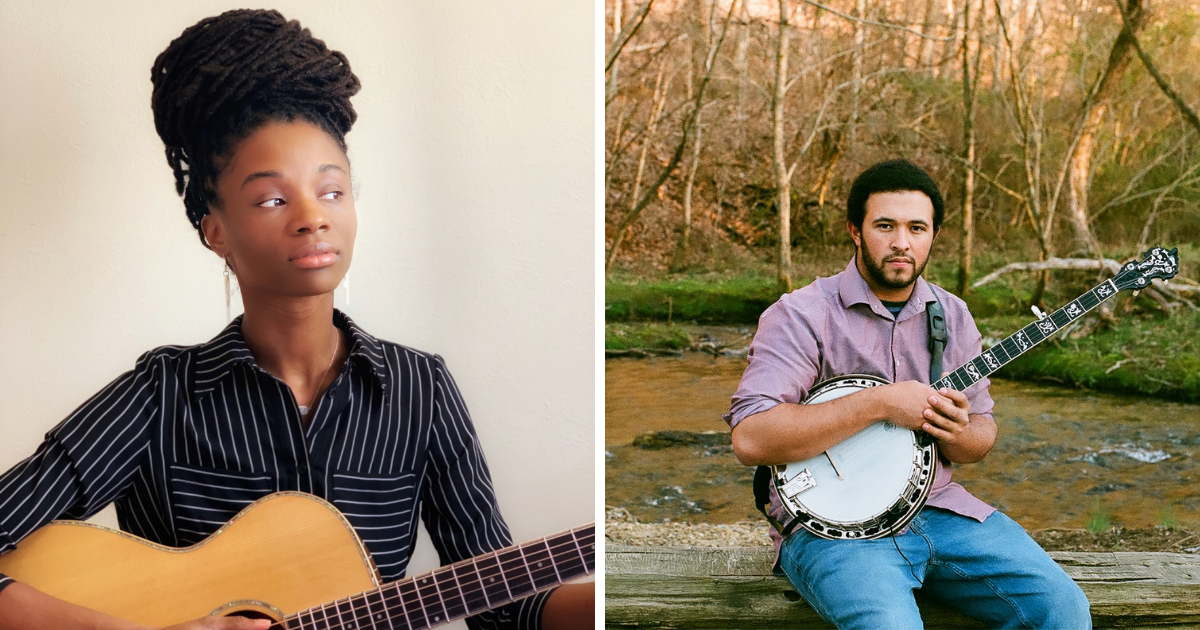
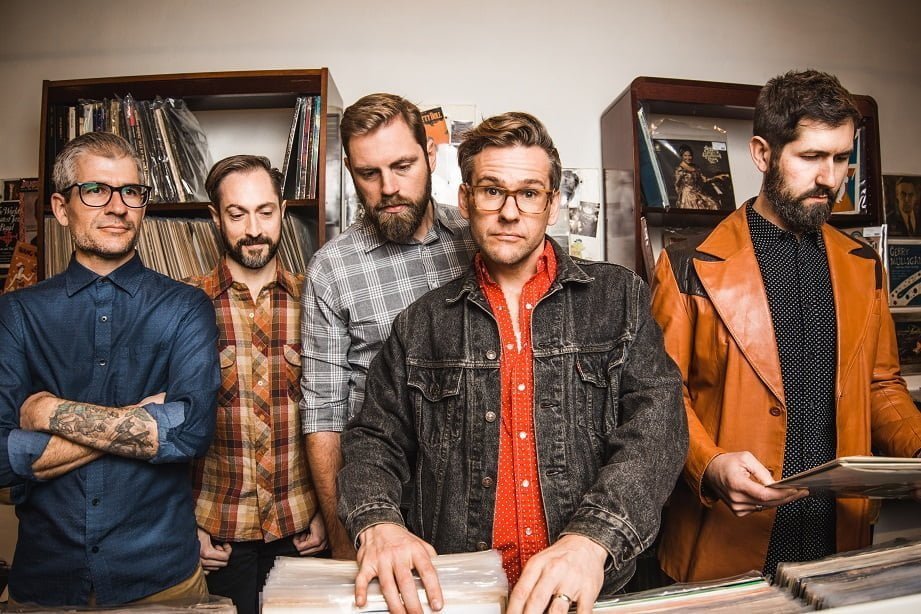
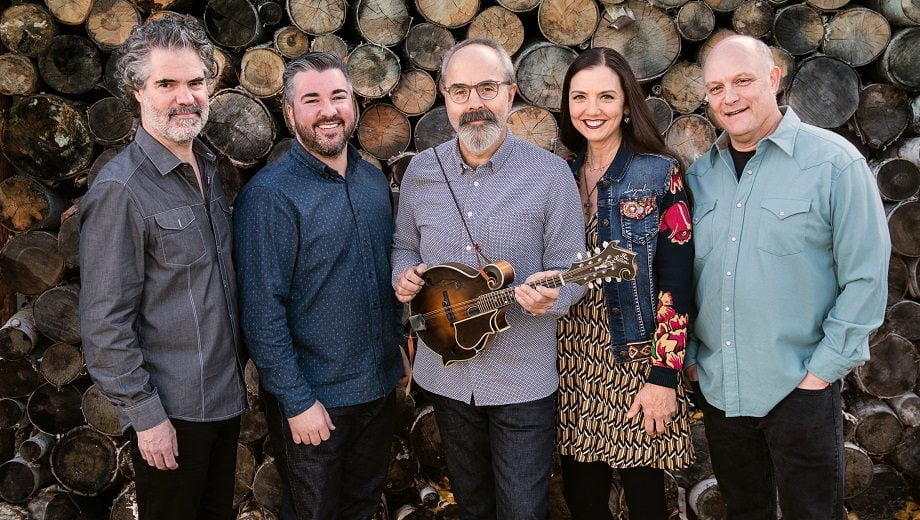
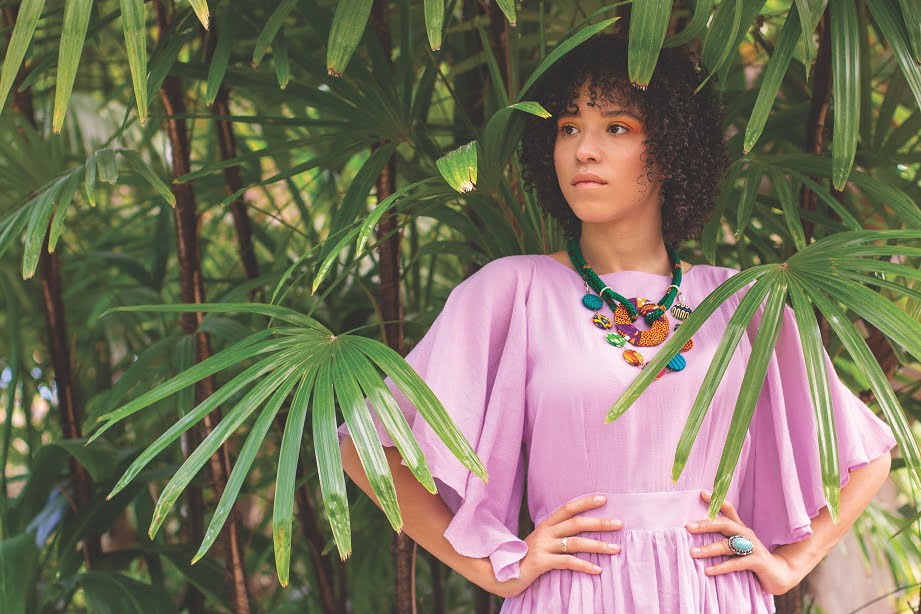
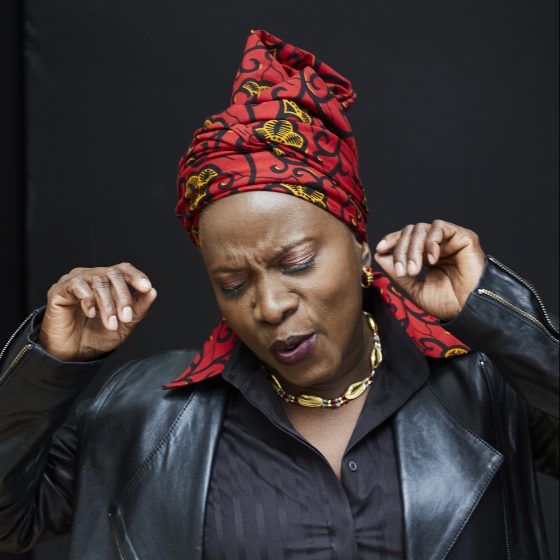
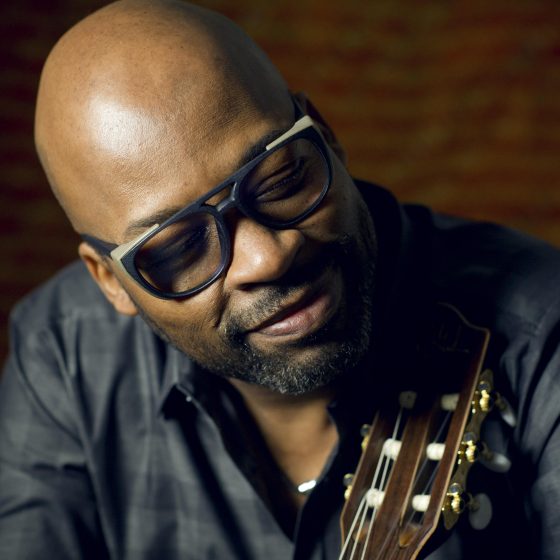
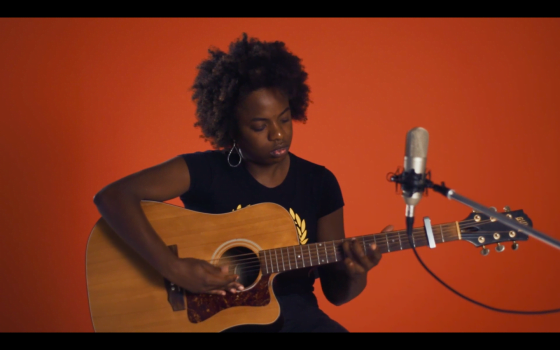
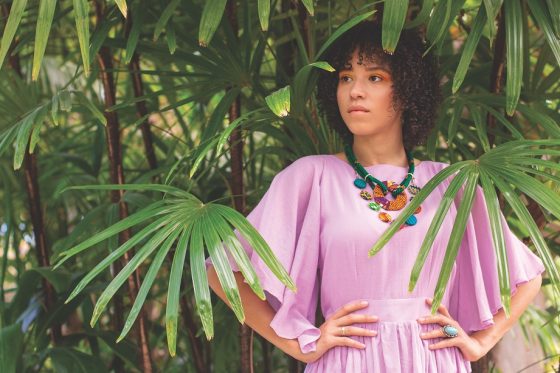
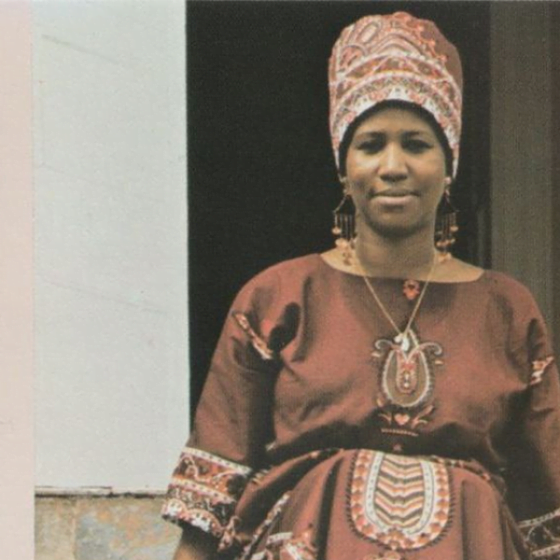
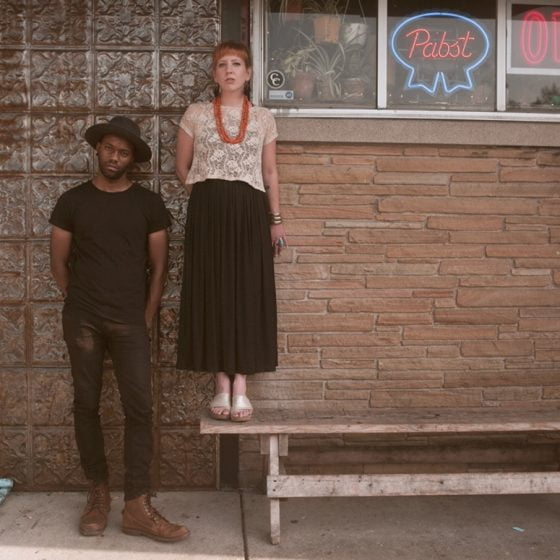
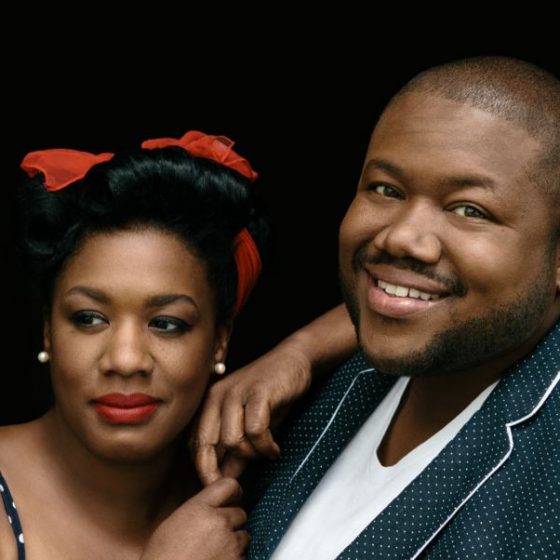
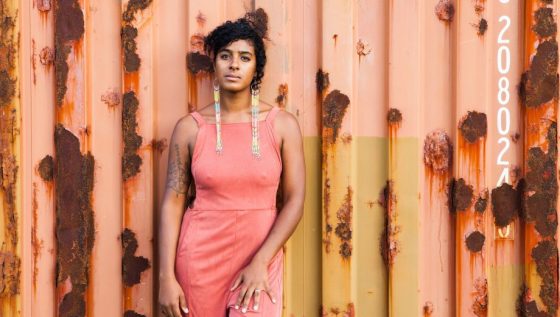
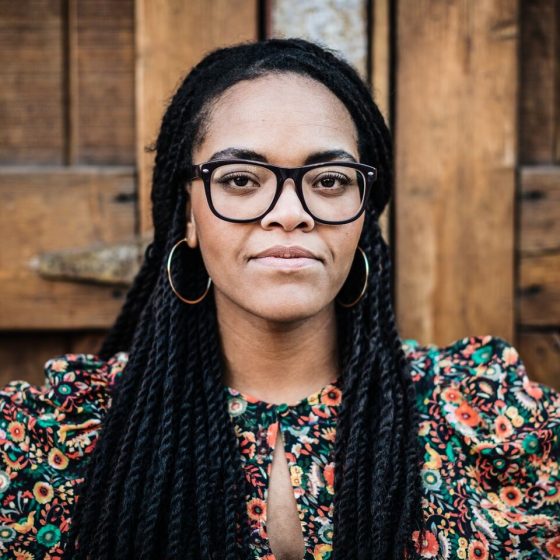
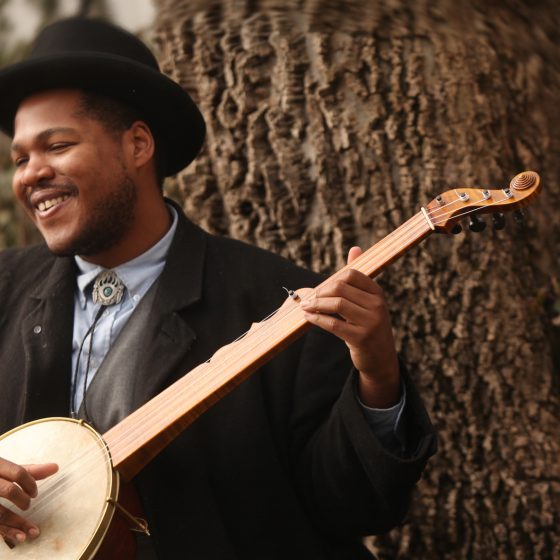
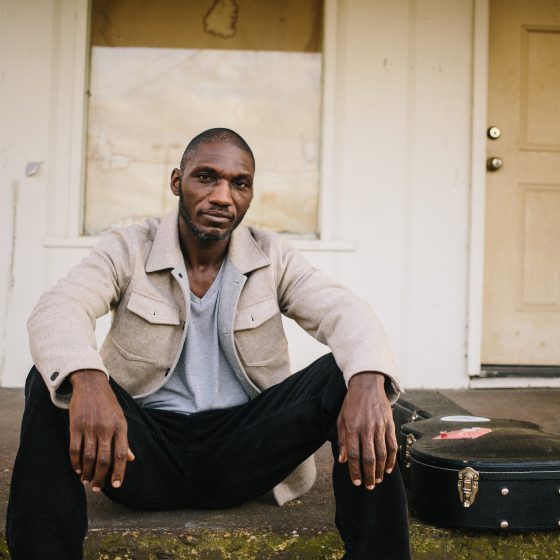
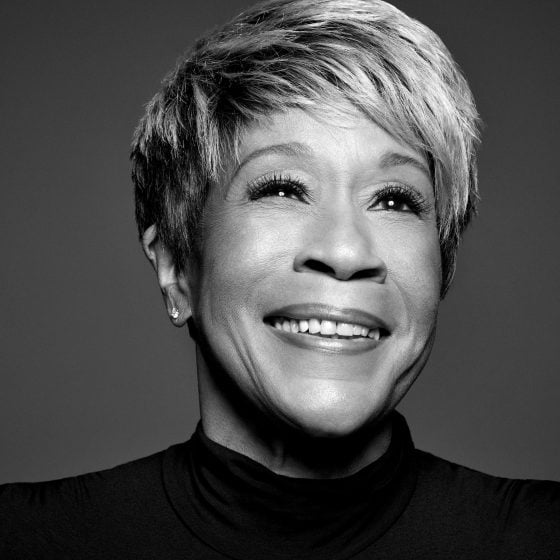
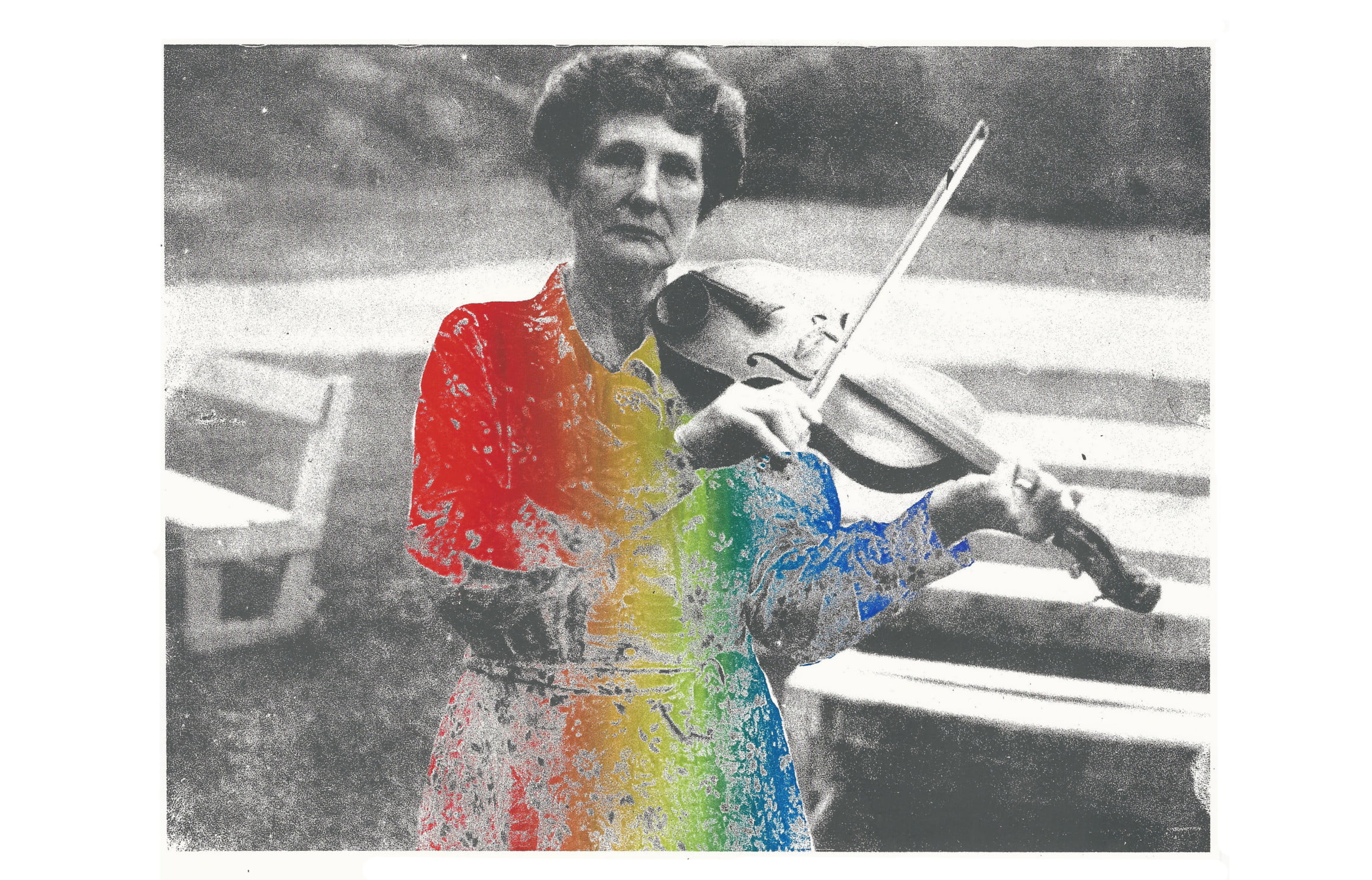
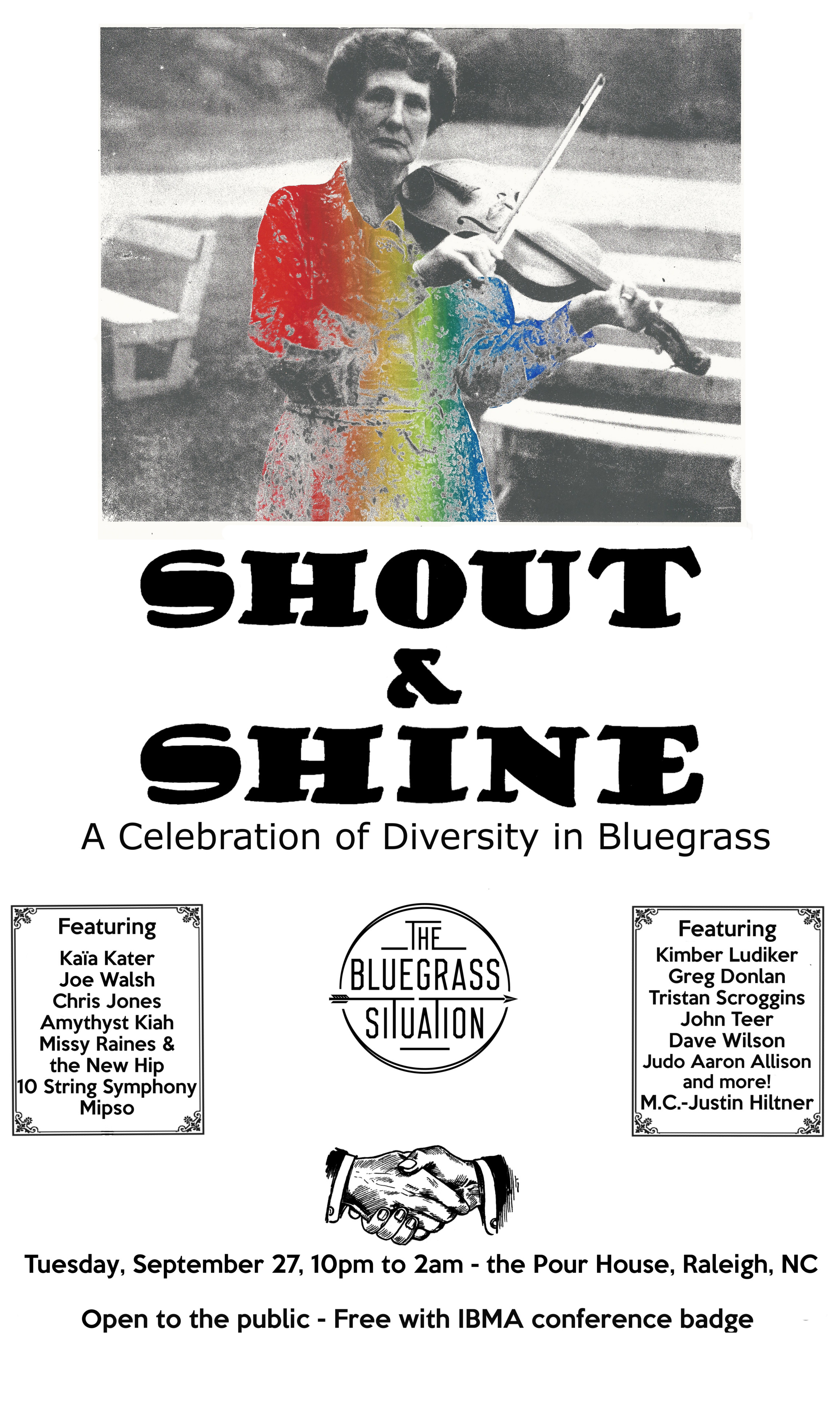
The entire BGS team is pretty stoked for our fifth year of Shout & Shine performances! In 2016 we partnered with PineCone Piedmont Council of Traditional Music in Raleigh, NC to showcase diversity in bluegrass and roots music at IBMA’s World of Bluegrass business conference and festival. In doing so, a wonderful platform has been provided to artists so often overlooked, as well as those just starting their journeys in the music industry.
Things are a bit different this go ‘round, and we’ll be celebrating equity and inclusion in a more pandemic-suited way this year with Shout & Shine Online! The showcase will take place Saturday, October 3rd at 2pm ET — viewers can tune in right here on BGS, or on our Facebook page or YouTube channel, as well as via PineCone’s channels, and IBMA’s conference platform, Swapcard (free music pass registration available here).
In celebration, we’ve put together a preview of what you can look forward to during Shout & Shine Online.
Brandi Waller-Pace
BGS joined hands with Decolonizing the Music Room’s founder Brandi Waller-Pace to curate 2020’s lineup. “The mission of Decolonizing the Music Room is to center Black, Brown, Indigenous, and Asian voices, knowledge, and experiences within the field of music education,” says Waller-Pace. “In addition to that, it is part of DTMR’s core values that we are an openly LGBTQ+ affirming non-profit organization. I am honored to have served as curator for this year’s Shout & Shine and to have had this opportunity to partner with BGS and PineCone on work that highlights a convergence of our values.”
Here you can see Waller-Pace along with Caitlin Hearn playing an old-time standard, “Five Miles From Town.” Waller-Pace’s music is dripping with that sweet, old-timey-ness.
Rissi Palmer
The IBMA isn’t the only thing we love in Raleigh — there’s also Rissi Palmer. In 2007 she released “Country Girl,” making her the first African American woman on the country charts in over 20 years. She’s been releasing consistently powerful music since, leading all the way up to her most recent album, Revival. On top of all of this, Palmer hosts the new Apple Music Country radio show, Color Me Country: a conversation between herself and various Black and Brown women in country/Americana/roots music. We can’t wait to have her right here on BGS!
Sunny War
You may have already seen our friend Sunny War’s episode 2 of our monthly Shout & Shine series. In our interview that came out earlier this month, War speaks about her current outlook on the music scene and how it feels to be surrounded by new “activist” musicians who weren’t doing it before, as well as her incredibly unique guitar style.
Kaïa Kater
Kaïa Kater is no stranger at BGS. She has been featuring in a Cover Story, she’s written an op-ed, and she’s had some important conversations with other musicians. Needless to stay, we’re ecstatic to have this Afro-Caribbean-Canadian songwriter and Appalachian musician back for Shout & Shine Online!
Stephanie Anne Johnson
While Stephanie Anne Johnson’s music is often rooted in America’s painful past, it’s always got down home roots. Maybe that’s why they’ve got the “American Blues.” A veteran of NBC’s The Voice, Johnson is the leader of Tacoma-based band The Hidogs, whose most recent album is entitled Take This Love.
Jerron “Blind Boy” Paxton
Blind Boy Paxton’s music is something of a journey back in time. But his songs and stories aren’t from dusty old books or archives — they are the soundtrack of his growing up in south-central Los Angeles, among the largest Creole and Cajun population outside of Louisiana. Our friend Paxton has been featured in our Shout & Shine column before, but Shout & Shine Online is his appearance on the showcase. We couldn’t be more excited!
Tray Wellington Band
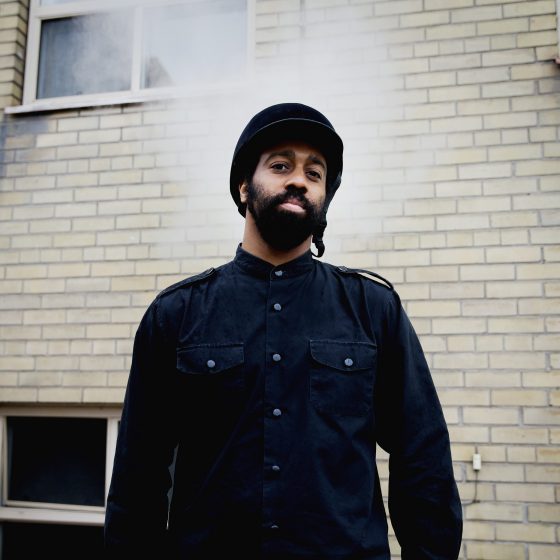
North Carolina’s Tray Wellington is an acclaimed progressive banjo player — and he’s only 21. From his 2019 IBMA awards — one for Momentum Instrumentalist of the Year and another for Momentum Band of the Year with his former group Cane Mill Road — it’s easy to tell what a bright future he’s got in the world of bluegrass and beyond. He’ll be joining us with his whole band!
Amythyst Kiah
You may know her from Our Native Daughters, or our BGS Class of 2019 — either way, Amythyst Kiah is one of the most powerful, raw, and soulful singers and songwriters the roots music scene has today. We’re beyond thrilled that she’ll be joining us to anchor the Shout & Shine Online lineup!
Photos courtesy of the artists Poster design by Grant Prettyman, Belhum
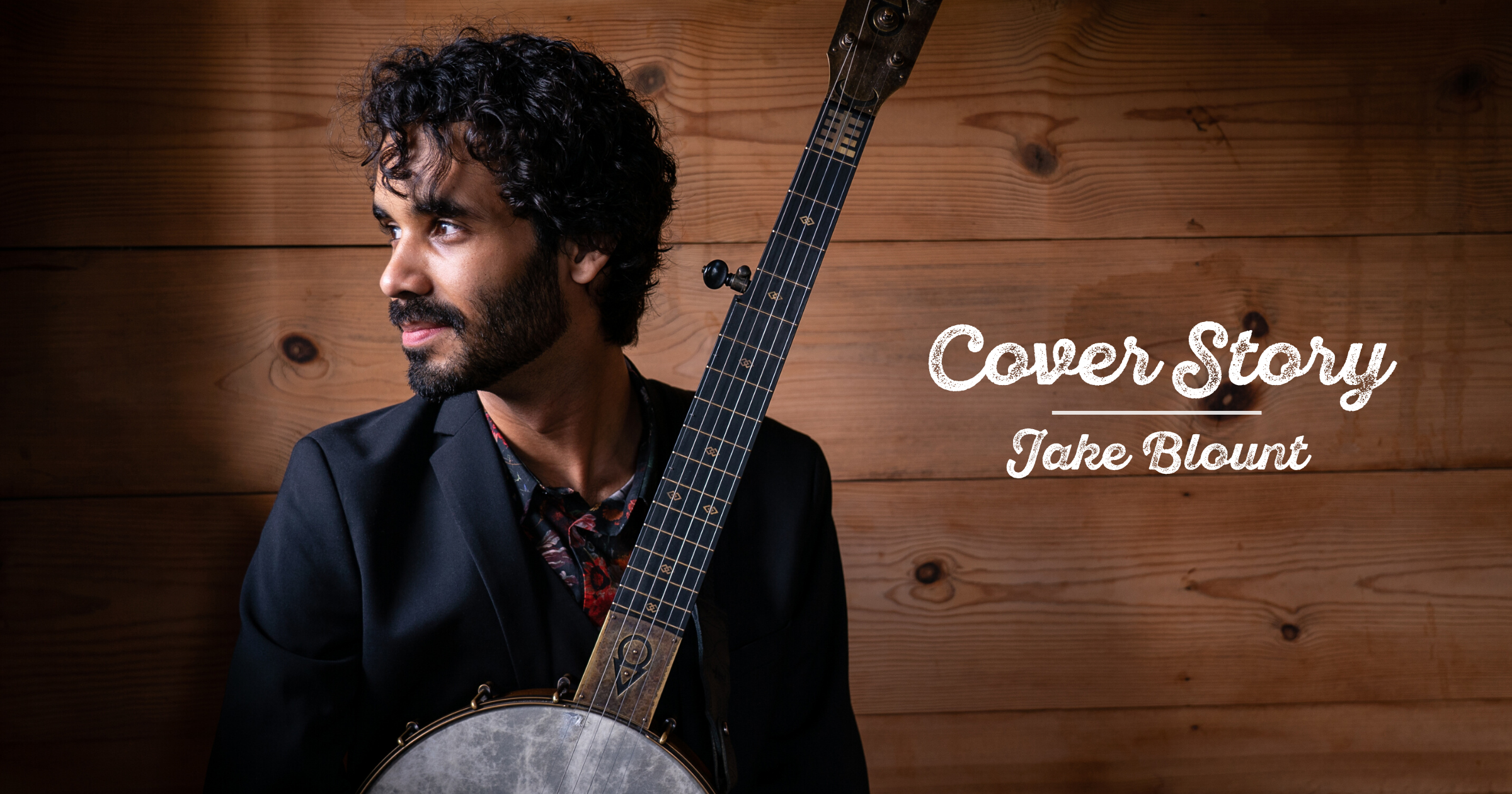
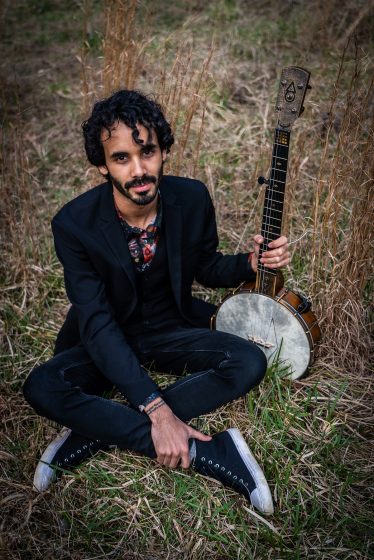
It is long known that Black artists in the twentieth century who spoke out against white supremacy often paid for it with their lives. As a Black man and a queer person, Jake Blount is intimately familiar with this history. In the liner notes of his new album Spider Tales, Blount predicts “escalating patterns of violence and ecological crises that threaten the survival of our species.” In the same breath he urges us to remember the ancestors who felt “the same grief, powerlessness, and fury” — and found a way to survive through wit and wisdom.
Spider Tales features a band of mostly queer artists, with Blount on banjo and fiddle. His tune and song choices introduce us to musicians long ignored. Familiar songs are reinterpreted, their fangs reinstated. Through this process, he takes us on a journey of rage, revolution and muffled voices made louder. We are the better for it.
BGS spoke with Blount, who grew up in Washington, D.C., but is now based in Rhode Island, about Spider Tales and his focus on the marginalized among us.
BGS: The title of Spider Tales is a nod to the trickster of Akan mythology, Anansi, who as you stated in your liner notes, weaponizes his wit and wisdom against oppressors more powerful than himself. And that’s what Black folks have had to do since the Middle Passage. Everything had to be subversive as a matter of survival. Can you speak about your process and musical choices in bringing that subversion to the forefront on this album?
Blount: For me the tricky part of bringing out these kinds of hidden meanings, and the mass significance of a lot of these songs, was that I had to pick songs that spoke in metaphors but put them together in a way that the metaphors became obvious. Finding a way to be loyal to the art form and not just be totally explicit with what was being said, but still make the message apparent to people, was really difficult.
I think a lot of that came down to how I framed things in the liner notes, but also the songs that I picked. Picking some things that were more familiar, some things that were not…some things that are more explicit and more direct and some things that are not. Being mindful of the track order helped tie things together and, I would hope, clarify the common thread between all the songs.
I want to ask you about your arrangement of “Where Did You Sleep Last Night” by Leadbelly. I hear this song a lot at jams. Some people refer to it as “In the Pines” and it’s often framed as being from one embittered lover to another. Your version of the song has this kind of bereft energy, almost frightening. What drew you to interpret this song in the way you did?
It’s partially an artifact of the fact that I first heard the song from hearing Kurt Cobain play it… I’m sure there’s some Nirvana energy lingering from middle school Jake in this recording. [Laughs] But even aside from that, when I listened to the Leadbelly version, I heard that song in a vacuum before I was ever involved in traditional music in any particular depth. I never really thought of it as a love song. It’s spoken, ostensibly, from one romantic partner to another sure, but it seems like it’s about disappearing and dying.
To me, you’re losing somebody — somebody is going away from you. That resonated because I grew up hearing stories from my dad about how there were people who just disappeared. I think we have this picture in our heads of racial violence in the south as lynchings; that of course did happen, but also there’s this other narrative of people just vanishing in the woods, and everyone would kind of have to assume what had happened.
I wound up connecting to that strongly because I came up during high school and college working with LGBTQ advocacy groups, volunteering my time and organizing with other youth. Doing that, you see a lot of people lose their homes, get kicked out of their houses, get incarcerated. You see a lot of people die. That song spoke to me on that level of “these are people who are just going away.” It reminds me of all the times that a friend would just drop off the map. A week or two later, you realize “Oh, I haven’t seen this person.” That kind of thing happened frequently when I was younger. It definitely still happens to people in that age group now, so that’s where my interpretation of the song comes out of.
This version of “Boll Weevil” is one of the best I’ve heard. I always knew it as coming from Tommy Jarrell, but I read in your liner notes that he learned the tune from a Black woman at a festival backstage. He never saw fit to credit her, which is why she’s still unnamed today. Reading that made me feel some type of way about the manner in which Black people — and Black women — have been forgotten by history, forgotten now. I wonder if it was a similar feeling for you. How did you deal with emotionally processing what you were learning while you were researching these tunes?
I think I’ve been so immersed in the ephemera of old-time fiddle music for long enough that it almost doesn’t surprise me anymore, which is sad, but Tommy Jarrell is someone who has a pattern of doing that. I feel like there are multiple older source musicians from that generation who would reference having learned from Black people but wouldn’t name them or wouldn’t give a complete name.
“Brown Skin Baby” is another tune like that on the album. Jabe Dillon learned it from an older Black fiddler and the only name he gave was Old Dennis. You can’t Google “Old Dennis.” There’s very specific information that oftentimes [white musicians] give with other white sources. But Black sources don’t get treated the same way.
Part of the reason I was so meticulous about the liner notes here is to avoid doing that a second time, because it still sometimes happens where people don’t credit the sources or sometimes don’t look up the sources. I’ll be the first to say that you don’t have to learn everything from a source recording — that’s not necessarily honest to the way the tradition has worked throughout history either. But I think it’s important to have a relationship with the musicians who cultivated the music we are now enjoying.
Yeah, I think especially with people like Cecil Sharpe and [John] Lomax, it’s like, Cecil Sharpe made his way through West Virginia. In his diaries he was so obsessed with this purity of old-time music, and white people, and actively refusing to record anyone else. It must have been such a sliver of what was going on at the time and of the knowledge that could have been passed down.
Exactly. Even like the later folks, there are folks who made a lot of recordings of Black people and were like “I need to find the Blackest music that I can so I’m going to go to prisons!” and it’s like, “You’re only really Black if you’re in jail for it.” [Laughs incredulously]That’s the mentality that carries through in that sort of scholarship and even today.
I always think it’s best to focus on the most marginalized among us and it’s really important that the working-class traditions be emphasized and accepted and made part of the canon. But I also think it’s really important for today’s Black people to know that there was prosperity in our communities going back that far. The Black middle class, which was ascendant at the time many of these first recordings were being made, never got examined by the folks making the recordings. It’s a tremendous loss to me because you would get to hear from people who were maybe articulating the experience of navigating how to become, in a capitalist sense, successful for a Black person in the late 1800s and early 1900s.
What would have been the songs about the Greenwood District in Tulsa? There are all of these really incredible things that happened and these really horrifying ways that white supremacists would crack down on Black people for attaining that level of success that are part of the story and ought to be told. Because we focused so narrowly for so long on Black musical traditions that were coming out of super rural country places, even though a lot of Black people had moved to the city by that time — I feel your pain that there is a great deal that is lost when we focus so narrowly on this thing that fulfills our stereotype notion of what we should be looking for.
I love the last song on the album, “Mad Mama’s Blues,” which comes from Josie Miles. That first line, “I want to set the world on fire,” is so great, the melody is flirtatious, but the lyrics are furious. Can you talk about why you chose that song as the album closer?
I feel like the album couldn’t have been timed better if we’d known about what was going to happen in Minneapolis. My whole mission with this album was to show people that this has been coming for hundreds of years. There’ve been warnings and people have been trying to speak on it and they haven’t been heard. I think putting [this song] as the closing note on the album felt perfect to me because it is very explicit in its emotional expression and what it gets across to the listener — but at the same time, it is masked in this jumpy upbeat, sort of silly presentation. It’s like the 1920s “Hey Ya!” [Both laugh]It’s like a bop, and you’re like “Yes Queen!” and then you’re like “Oh, he’s killing people.”
I think that’s a really valuable part of the Black musical tradition. To me it provides us an interesting lens to look back on the fiddle tunes. For so many people when they hear fiddle and banjo, they’re like “Oh this is a happy song! I’m going to start dancing now” and really there can be so much hidden inside of that.
People are sometimes more concerned with their expectations for what a piece of music is going to be than what it actually is. Putting this song at the close is saying: “Your musical assumptions about the content here would not be correct.” You then have to go back and examine the other [songs] with the idea in mind that perhaps you need to look more deeply than you otherwise might in order to understand what’s being said.
Editor’s Note: Blount will be featured in the Bluegrass Situation Presents: A St. Patrick’s Day Festival at New York’s New Irish Arts Center, participating in an opening night jam session with clawhammer banjoist Allison de Groot, fiddler Tatiana Hargreaves, and traditional dancer Nic Gareiss on March 17 as well as a headlining performance with Gareiss on March 18.
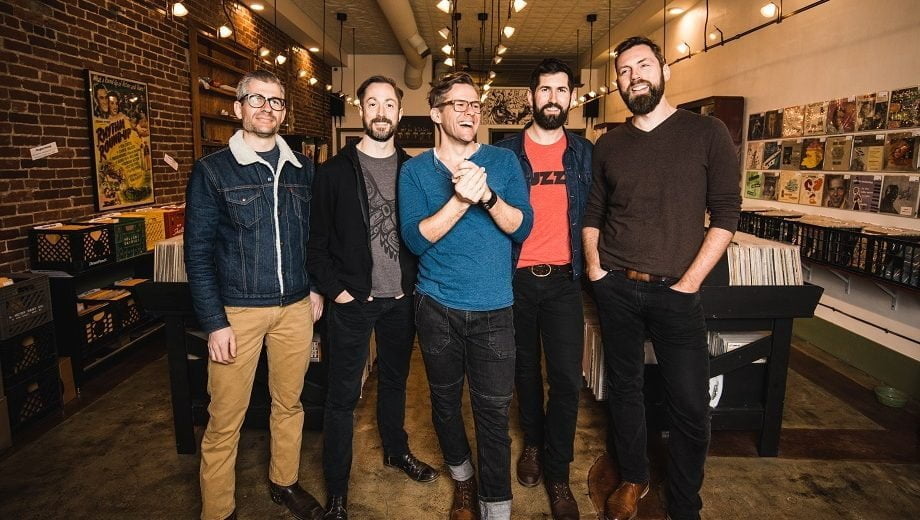
Building community is part of what music, and all good art, does. It brings us together. Music is a common rhythm, a poetic notion, an underlying common language for us all. A good mixtape grabs hold of that commonality and builds on it, with a few surprises along the way. As a band, The Steel Wheels curate a music festival each year, and a mixtape, or playlist, is kind of the digital version of that venture. So, let’s stop talking about it, and start building community with a PERFECT mix. – Trent Wagler, The Steel Wheels
Fruit Bats* – “Humbug Mountain Song”
Let’s start with a groove anyone can get behind. It’s accessible for the pop music lovers who wandered into this gathering — they didn’t know they liked the banjo at all until the second half of this intro kicks in. But now they’re engaged. And why can’t the piano, banjo, and drums live together in harmony? Stop closing your mind.
Kristin Andreassen* – “Get Together”
A good mixtape needs to establish that everyone is included. Loading things up with all your favorite new and rare songs isn’t always inviting. A cover song is common language at the very best. A little freshening up of a classic song will get us all swaying together in time. And what better theme than coming together? Now we’ve got everyone in the room in tune and we can introduce more variance in the mix.
The Wood Brothers* – “Sing About It”
The foundation of community is the strength we have together. Nothing better exemplifies this than the tight grooves and sweet harmonies of the Wood Brothers. And their message here is spot on. No matter where we are in our journey of pain, loss, trouble, or fear, singing a song just might help it pass.
Kaia Kater* – “New Colossus”
Now that we’re all in this, let’s tie the knots tighter. This song is like a sweet honey that helps stick us tightly. The way the melody veers and twists through literary verses encourages your conversations to dig a little deeper.
Jerry Garcia & David Grisman – “Russian Lullaby”
I think it’s more than nostalgia that brings me back to these late Garcia recordings, when he teamed up with longtime friend and musical pioneer David Grisman. The loose nature of these recordings makes you want to sit crisscross applesauce and share most embarrassing moments with a new acquaintance. If the ice wasn’t broken earlier, Jerry will rockabye you, baby. Collaborations are community building at their core.
River Whyless* – “All of My Friends”
Now that we’re all floating together in a musical high, don’t pull away. Leave the phones in your pocket. Let’s be here together fully. River Whyless is a band that simultaneously indicts and playfully dances with the information-overwhelmed age we live in.
Cedric Burnside* – “Hard To Stay Cool”
What is more true blue than these dyed in the wool Burnside family blues. Cedric Burnside’s whole album is full of these tasty grooves. It’s not hard for him to stay cool.
Tim O’Brien* & Darrell Scott – “With a Memory Like Mine”
Here’s another one of my favorite collaborations. The album Real Time by Tim and Darrell has had such a musical impact on me. To hear two great songwriters, who sing and play any instrument they pick up with such mastery, is humbling and inspiring.
Bahamas – “No Wrong”
I’m obsessed with Bahamas’ music right now. The guitar, the groove, and the vocals. The presence of this recording is also so immediate and direct. When you’re among your people, it feels like you can do no wrong.
The Steel Wheels* – “Road Never Ends”
I couldn’t help but include one from our new record. The love and joy of the road is bittersweet. This song puts words to the difficulties of transience while acknowledging the beauty of the strange kind of mobile community it creates.
Ana Egge – “Rock Me (Divine Mother)”
There are few songwriters who tap into deep spiritual depths without cliché like Ana Egge. She’s a treasure. And this song has slayed me every single time I’ve ever heard it.
All music conjures up a sense of place. Tinariwen was introduced to me by our drummer, Kevin Garcia, and I’ve regularly wanted to go to where their sound takes me. As a songwriter and specifically a lyricist, it’s helpful to reset your listening ear and turn off the language centers of your brain by listening to music with lyrical content in a language you do not speak.
Dr. Dog – “Listening In”
A good mixtape has some curveballs. Dr. Dog has been a sonic companion for me since I first saw them live 10 years ago at Bristol Rhythm and Roots. The lyrical tapestry is so full and always connects through some kind of thought-lightning striking through your brain. I love the line, “I can hear the fear in me…talking.”
David Wax Museum – “Time Will Not Track Us Down”
We’re getting towards the end of our little mixtape. Like the Sunday afternoon lazy picnic, we are starting to wind it all down. David Wax is known for his high energy original Latin-inspired masterpieces, but this simple paired down guitar/vocal really calms my spirit and prepares us to part.
Robert Ellis & Courtney Hartman* – “Up On The Hill Where They Do The Boogie”
One more cover song for good measure. Let’s celebrate the most wacky and wonderful souls among us, and let’s boogie like John Hartford.
Josh Ritter – “Homecoming”
Remember that curating music for your gathering is a privilege. You are setting the sonic table for everyone in your presence. It’s also a responsibility. Everyone wants to feel at home at the end of the day. Everyone wants be at their best and be reminded that they are capable of their best. Music replenishes the various ways daily life drags us down. A mixtape is a good refuge and stand-in for when music festival season is slow.
Photo credit: Josh Saul
*2019 Red Wing performers. Red Wing Roots Music Festival takes place in Mt. Solon, Virginia, on July 12-14, and is hosted by The Steel Wheels
Get off your couch and go hear some live music with Britain’s Got Bluegrass! Here’s the BGS-UK monthly guide to the best gigs in the UK and Ireland in May.
John Reischman & The Jaybirds, May 12, Green Note, London
Look, we know you haven’t really made plans for this Sunday night. No one has. So instead of staying in and watching Game of Thrones, why don’t you pop out to Camden and check out a Grammy Award-winning mandolin player? John Reischman is one of the most respected players of the instrument in the world today, and his band The Jaybirds are coming to the end of their UK tour, meaning you’ve only got one last chance to catch them. With all the style and flair you’d expect from someone who used to play with guitar legend Tony Rice, this stylish West Coast ensemble mixes old-time and bluegrass with a modern feel. Catch up with Jon Snow and his dragon queen another day.
Kaia Kater, May 10-14, nationwide
The Guardian described Kaia Kater as “where bluegrass meets Nina Simone”. Who wouldn’t want to hear that? The Grenadian-Canadian (trying saying that three times quickly) will be in Milton Keynes, Gateshead, York and Bristol next week. Her most recent album, Grenades, exploring and celebrating her paternal ancestry, has been nominated for a 2019 Juno Award. (Read the BGS interview.)
Mark Knopfler May 18-30, nationwide
Football, Deptford, greasy spoon cafes — it’s fair to say that the Dire Straits man’s songs don’t exactly cover the usual subjects of Americana music. But arguably no British singer-songwriter has done more than Mark Knopfler to advertise and contribute to US roots music. His mastery of everything from Celtic rock to country to blues has helped shape the musical landscape of the last four decades and the fact that his band includes celtic legends John McCusker (on fiddle) and Mike McGoldrick (on whistle) is enough to have us shouting the word “QUALITY.” Leeds, Newcastle, Dublin, Glasgow, Manchester, London, Birmingham — consider yourselves very, very lucky.
Amos Lee, May 19, Union Chapel, London
His first night at Union Chapel has already sold out, so you’ll need to move fast if you want to hear the soulful stylings of Amos Lee. We can only imagine how perfectly the acoustics of that beautiful old church are going to suit his fabulous voice — a voice that’s captured the heart of almost everyone who hears it, including collaborators Norah Jones and Adele. And if you can keep a dry eye during his new song, “Little Light” — inspired by a seven-year-old friend who’s been treated for kidney cancer — you’re a better person than we are, Gunga Din.
Milk Carton Kids, May 28 and 29, Dublin and London
Listen to Joey Ryan and Kenneth Pattengale and it’s hard not to have the words “Simon and Garfunkel” leap instantly to mind. With their beautiful close harmonies and thoughtful, all-too-honest lyrics, The Milk Carton Kids are the kind of musicians who’ll leave your heart scattered all over the floor. Their latest album, All The Things That I Did And All The Things That I Didn’t Do, made critics excited, not least because of the 10-minute epic, “One More For the Road.” This is indie-folk at its most meaningful — come see them at the height of their powers.
We’ve said it before, but it bears repeating: black history isn’t just American history, it’s American roots music history — they are inseparably intertwined. As such, one month out of the year simply cannot do this cause justice. To mark the occasion we’d like to travel back over a year’s worth of writing and reporting to revisit just a few of the incredible black artists, creators, and activists whose indispensable perspectives and awe-inspiring work moved us.
Angelique Kidjo’s reimagining of the Talking Heads’ landmark album, Remain in Light, was not only one of our top albums of 2018, it was the subject of an exhaustive deep dive for an edition of our Small World column, which points out the stunning amalgamations and consistencies that made the record a perfect vehicle for Kidjo’s singular talents and sensibilities.
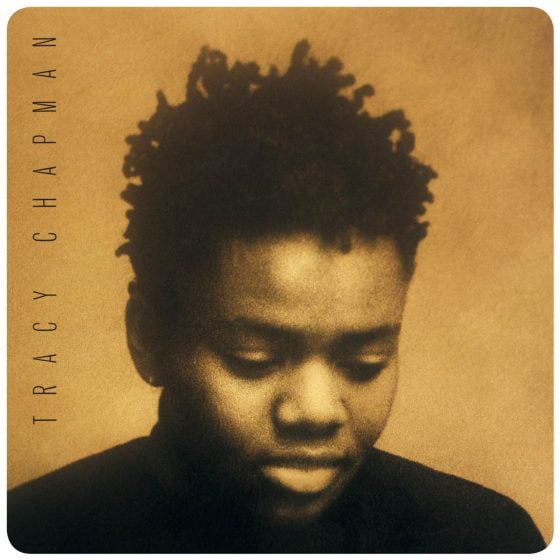
For Canon Fodder, we examined the remarkable success of Tracy Chapman’s self-titled, debut album. In 1988, Chapman appeared as the culmination of pop’s newfound social engagement, and the record captures the sound of a young artist clinging to her optimism, even in the face of so much cynicism.
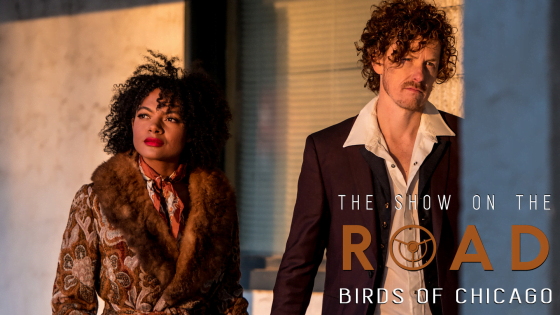
Our inaugural season of The Show On The Road, hosted by The Dustbowl Revival frontman Z. Lupetin, included many black voices, including husband-and-wife duo, Birds of Chicago. Their special brew of soulful rock and roll and goosebump-raising secular gospel is a much needed shot of pure positive energy.
Alt-folk singer/songwriter AHI answered five questions and gave us five songs to go with them in an edition of BGS 5+5 that touches on Bob Marley, Thunder Bay, and oh so much more.
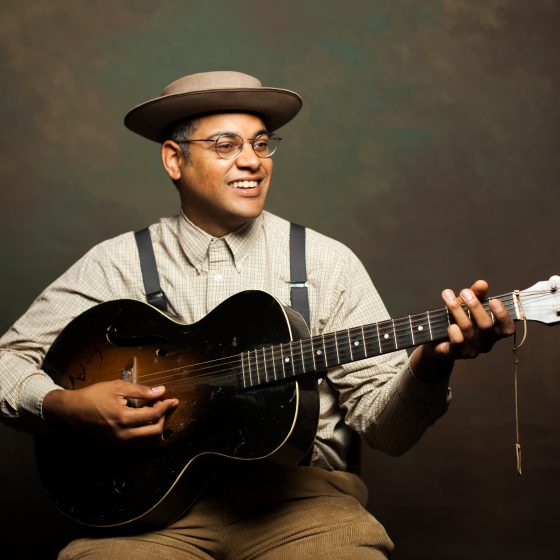
Writer, storyteller, historian, and songster Dom Flemons released Black Cowboys in 2018, an album whose depth and breadth rivals that of a museum exhibition. For our Shout & Shine interview he unpacked the forgotten histories and untold stories of black identities that shaped the American “Wild West,” and thus, the country as a whole.
The Journey, the latest album from Benin native, guitarist Lionel Loueke, tells stories of migration historic and modern, with musical textures and flavors that demonstrate our world — musically, culturally, and otherwise — is entirely interconnected. We featured Loueke in our Small World column.
Guitarist and songwriter Sunny War gave us a stripped-down, stunning rendition of “He Is My Cell” for a Sitch Session, showcasing her unique picking approach and the complicated emotions channeled through her writing.
Kaïa Kater’s most recent album, Grenades, was an exercise in self-love and self-learning. Our Cover Story unpacks how the project spans generations, hemispheres, and textures, and left the singer-songwriter “swimming in her own shadow.”
In 2018 we lost one of music’s brightest lights and most ethereal talents when Aretha Franklin passed. We did our best to tribute her everlasting legacy by diving into her best-selling album, Amazing Grace, for an edition of Canon Fodder.
Americana duo Nickel&Rose premiered their EP, aptly titled Americana, on BGS after being inspired by touring across Europe, noting the way international audiences reacted to and consumed American roots music. They offer their own personal musings on perseverance, loss, and compassion without empty promises that everything is going to be okay.
Charismatic, dynamite performers the War and Treaty (AKA Michael Trotter Jr. and Tanya Blount) told us the stories that led to the making of their latest album, Healing Tide — from the beginning, with a piano in Saddam Hussein’s palace basement, to the pair meeting at a festival, to the present, as their music and mission of love gain steam across the country.
In another edition of Small World, we take a look at cellist and songwriter Leyla McCalla’s brand new album, The Capitalist Blues, and the myriad themes and influences from around the globe that went into the writing, production, and execution of the songs and stories therein.
Gospel singer/songwriter Liz Vice balances intensely personal experiences with universal ideas like the Golden Rule on her album, Save Me, and our conversation with Vice gets into the nitty gritty of that balance and the personal growth and reckonings behind it.
Jerron “Blind Boy” Paxton made his case for why down home blues and old-time American music are not simply relics of bygone eras in his Shout & Shine interview. He is not merely a preservationist mining bygone decades for esoteric material or works that fit a certain aesthetic or brand. He simply takes music that is significant to his identity, his culture, and his experience and showcases it for a broader audience.
Host Craig Havighurst spent some time with Cedric Burnside on his podcast, The String, where they discuss the blues, soul, and regional folk’s growing influence and representation within the Americana community — as well as Burnside’s own commitment to the spread of Hill Country blues.
Legendary song-interpreter Bettye LaVette’s first major label release since 1982 focused on the work of one artist and songwriter, who just happens to be Bob Dylan. In our interview LaVette gives us a frank and engaging peek inside her mind: “Oh, honey, I am 72 years old. I basically don’t give a fuck. Nothing at this point wears me down. I know that all of this going on right now, either it’s going to pass or we’re going to pass.”
Sometimes self-exploration doesn’t yield the answers we seek. For those patient enough to keep prodding, the real truths emerge in the process, rather than the culmination of examining who we are. Kaia Kater learned as much on her third album, Grenades, which stretches across generations, hemispheres, and textures, and left the singer-songwriter “swimming in her own shadow.”
Born in Canada, Kater grew up hearing about her father’s life in Grenada before he fled at age 14 when the United States invaded the small island country in 1983. As a result, a part of her always existed in a land that lay far away. With the banjo as her guiding force on Grenades, Kater strings a tightrope between her Canadian sense of self and her Grenadian heritage, in order to find a balance between those two poles.
Why did it feel like the right time not only to turn inwards, but to seek a connection back through the generations?
I think it was a multitude of things. I’d been two years out of school, and I found I had more time and space. I’d also had more conversations with my dad, and at a certain point he was like, “You’ve got to go back. You can’t keep putting it off. You’ve got to do it.” I came to agree with him. What started this whole thing is last Christmas I interviewed him in the basement of his house about growing up in Grenada and coming to Canada as a refugee.
And at the age of 14.
I know! It’s kind of crazy. I was 24 at the time I was interviewing him, so just to think about where I was at 14 — it’s kind of terrifying to think about becoming an adult that quickly. It’s kind of unbelievable. But he didn’t really talk about it a lot. I think that’s the thing, people do extraordinary things in order to lead very normal lives.
That’s a beautiful way to put it.
Yes, it’s the story of immigration and the story of refugees. I don’t think my dad ever hid his story, but I don’t think he ever thought it was an extraordinary story. He thought it was his path on the way to doing what he wants to.
It’s fantastic, then, that in addition to fitting your own voice into this musical genealogy you were able to include his voice three times on this album.
Those were from those interviews at Christmas. So much of the music and the emotion was born from that conversation that it felt like an imperative for me to include them. They were not only contextualizing the music, but they were also serving as these light posts for a pretty complicated storyline.
You’ve described Grenades as a lifeline to the South, and yet you grew up in the North. North and South have long existed as such stark dichotomies. Do you think, speaking about your identity, reconciliation is possible, or have you come to accept that there will always be a tension?
I do think it’s like being a hyphenated Canadian. I think there’s a certain cognitive dissonance that happens. This album is really great because it’s given me the space and the time to start to talk to more first and second generation Canadians about “What does being Canadian mean?” In comparison to Grenada, which is 95 percent black, Canada is a multi-ethnic place. It is richer for that. We acknowledge the richness that comes with diversity, but I think it also creates these problems of identity.
I have a friend whose parents are Ghanaian. She’s black and she grew up going to a Ghanaian church in Toronto, and then she went back to Ghana after she got her journalism degree. She was faced with this thing of like, “I have Ghanaian roots, but there’s a part of me that…my accent and the words I use are very Canadian.” I feel a little bit all over the place. Even the nature of exploring all these things is how I feel about it, which is like, I haven’t particularly arrived to a conclusion.
Nor should you. That’s the beauty of any creative form—it allows you to keep exploring. Turning to the album itself, you said you wrote the songs across winter and summer?
I started writing this album really in earnest after I’d had that conversation with my dad at Christmas. Then I went to Grenada in April, and obviously it’s very warm and it’s very beautiful, so it did feel, more than the natural course of the seasons in Canada, like I went suddenly from winter — this gray March — to summer. That’s why I feel it as this change between seasons, but also like we’ve been talking about, it’s a change in hemisphere too.
When it came time to stitch those halves together, what was the process like?
I challenged myself to write all original music on this album. I knew that in order to do that, I would have to push myself and get really analytical with my work. Just changing my environment and going to Grenada was a great help because it brought out different words and melodies and expressions. If all the songs were color-coded in my head, and one is blue for winter and yellow for summer, I can see them that way.
Of the arrangements on the entire album the three that most stand out are “Canyonland,” “The Right One,” and “Poets Be Buried.” Speaking of the latter, the beautiful slow-burn brass is exquisite. How did that unfold?
At this point, I should really credit my wonderful producer, Erin Costello. She is an artist herself; she’s actually releasing a record right around the same time as me. Keyboard is her main instrument, so she works mainly in R&B and soul, but she dabbled a lot in electronic music, and has a Master’s in composition. I feel like her musical tastes are really broad, and she really doesn’t shy away from a challenge, which is why I enjoyed working with her. And it’s also nice to be working with a woman.
I was going to say!
So many of them are men, so it’s nice to have a change of energy. She lives in Halifax. We recorded the album in Toronto, and the next day we flew to Halifax with the hard drive and mixed it there. I’d expressed that “Poets Be Buried” needed something more, and so the brass was actually the last musical piece that we added to the entire album before we mixed it. It was amazing. She had these players come in for an afternoon, and she wrote up the parts in 15 minutes. It sounded beautiful. It’s just French horn and trombone.
If you had to define the banjo’s power as an instrument and storyteller, what would it be?
The banjo has a very ancient quality, and I think especially when it’s played percussively like the clawhammer style, it can bring you into this trancelike, dreamlike state. I’ve found that with traditional music a lot, especially in a jam situation. It’s everybody playing the melody and chording all of the time — it’s not solo-based. When you’re in a jam, you get this trancelike quality where you’re playing this A/B pattern 50 or 60 times. I think the banjo lends itself well to this trance of storytelling. It brings me this inner peace that’s pretty indescribable. I think that’s why I was so attracted to it and why I’ve written on it for so many years.
I read that you play two or three banjos, but your grandpa made one for you?
Yeah, I’m looking at it now on my wall.
If we’re talking about generations, and how your new album encompasses all these different stories, that connection to your grandfather brings it to a whole other visceral level.
I hadn’t thought about that; that is a good point. It’s funny, at the risk of sounding too cheesy, it’s been a guiding light in my life. It’s opened the doors to so many things — not only studying in Appalachia, but also writing things that I may have been too scared to say openly. It’s a really beautiful instrument and a powerful one.
In the liner notes, you remark, “Here’s to swimming in your own shadow.” In dealing with your father’s voice and other generations, how did you create the space for your voice in the midst of intertwining these other narratives?
I think I still am. In the same way when we were talking about northern and southern hemispheres, I think that’s an ever-evolving question for me. For a long time, I’ve had an existential anxiety about having two sides to my family who both have very strong people and very strong narratives, and thinking, “Where do I fit in this picture?” That’s why I create albums, so I can give myself the time and space to explore that.
I’ve put Grenades out, and now I’m going to get to know what it’s about. The “swimming in your own shadow” thing is about getting comfortable essentially with being uncomfortable, and with having a lot of conflicting narratives, and trauma that comes from war or from being biracial, or from being a woman in the world, which people are really starting to talk about. It’s my own way of dealing with that. The album is me carving out that space for myself.
Think of the Union Chapel as London’s version of the Ryman Auditorium in Nashville.
An architectural wonder of a church, it still gathers a congregation for Sunday services. The rest of the week, however, it attracts worshippers of a different kind. The type who want to have a spiritual experience with Townes Van Zandt, Laura Marling, Father John Misty, The Civil Wars and Rosanne Cash.
In 2017, Sarah Jarosz sold out its 900 seats to a British fan base that knows her music well. “I don’t think I’ve ever sold out a venue as big as Union Chapel in the States,” she said at the time. “I’ve been blown away by the reception I get in England, Scotland and Ireland.” This year, she has already completed not one but two UK trips with Aoife O’Donovan and Sara Watkins, touring as I’m With Her. “I love coming here,” said O’Donovan. “We’ve made a home for ourselves here.” “You can actually see the growth,” added Jarosz.
This summer, the UK is awash with the diverse sounds of roots music. It’s as if everyone has suddenly woken up to the special relationship between the British folk scene and its American cousin. Major new festivals – like Black Deer in June, Maverick in July and The Long Road in September – are showcasing the powerful creative influence that Americana music is exerting on a new generation of British musicians: Jason Isbell and Passenger, Iron and Wine and Robert Vincent, Lee Ann Womack and The Shires.
Other fledgling festivals have begun bringing bluegrass and old-time to audiences that never knew they liked it before. In May, IBMA-award-winning Molly Tuttle wowed audiences at the Crossover Festival, which was started by a mother and daughter who wanted to hear and play the music they loved with their friends in Manchester. On the south coast of England, Beer and Bluegrass’s line-up includes The Hot Seats from Washington D.C., and Wesley Randolph Eader from Portland, Oregon, alongside some of the best bluegrass acts in Britain, including The Hot Rock Pilgrims and Midnight Skyracer.
Musicians who have toured the folk clubs of Britain and Ireland can attest to the strength of feeling that people there hold for the music of their native isles. And anyone who has encountered the Transatlantic Sessions, with Jerry Douglas and Aly Bain, has heard just how magical the bond that exists between the musical traditions of the old country and its American evolution. Celtic Connections in Glasgow has been fostering a creative exchange between artists on both sides of the Atlantic for decades, and the opportunities for future collaboration are limitless.
This July, Rhiannon Giddens will curate the Cambridge Folk Festival, an event which is always a highpoint of the summer calendar. Her program brings together women of colour from all over the US and the UK, including Amythyst Kiah, Kaia Kater and Yola Carter. “I love the UK folk scene,” Giddens says, “and I see audiences in the UK embracing the broad spectrum of what Americana really is even more so, sometimes, than in the US. A lot of people know the history of this music so well. I’ve always found a lot of acceptance here.”
So join our BGS-UK Facebook page, and join a community that’s excited to see where the music we love is going next. We’re excited about what’s happening across the pond right now and this is where you’ll be able to find out about all the gigs, artists, festivals and releases happening there. We’re ready for you, Britain!
I remember exactly where I was when I first saw Amber Coffman play with the Dirty Projectors. I found myself on a second date with a kind and sweet person; I had ended my serving shift at work and he picked me up right as I finished stacking the last chairs in the restaurant. We exited the subway and promptly walked the wrong way down Saint Catherine Street. He was a foreigner, and I was terrible with directions, though we didn’t panic too much because shows usually start late in Montréal.
When we finally found the venue and walked in, I was transfixed. I loved the show, but it was Amber that caught me in the way she sang and the power with which she moved. We went back to his apartment after the show and listened to Swing Lo Magellan and Bitte Orca again and again and again. The records suddenly had new meaning.
I also remember exactly where I was when I first heard Amber Coffman talk about her abuser, a music publicist who, she stated, “RUBBED my ass and BIT my hair at a bar a couple of years ago.” When she posted to Twitter, I was in Glasgow, Scotland, in frigid January with the same man I had seen the show with so many years ago. When we spoke about it over dinner at a café, I commended Coffman on her bravery for even speaking his name. I fidgeted with a cloth napkin on the table, wishing I had the courage to do the same.
On the walk back that night, Coffman’s statement still preoccupied my mind. She was tired — tired of men getting away with bullsh*t. I felt tired, too.
It’s a type of fatigue that seeps into your bones and threatens to become a part of you.
It’s a type of fatigue that makes you hesitant to walk down streets alone at night in towns that you don’t know — or worse, in towns that you do.
It’s a type of fatigue that renders you permanently quiet, and makes you just want to get through it … whatever it is.
In all of the Hollywood films I’ve seen about boxing — of which there seems to be an infinite amount — the first lesson the coach teaches the hero is to keep moving their feet as soon as they step into the ring. As a young woman, the same authority figures drill you to always carry pepper spray or to never leave a party without a friend.
We internalize and name these coping mechanisms and hold them close like lifelines: a buddy system, a self-defense system, or any system that helps keep us alive.
I’m a musician. I’m also a woman and a young person. My parents led by example, encouraging me to shrug off people who doubted my abilities, my character, or my strength and to aim to prove them wrong through my actions in life rather than through direct confrontation. When uncomfortable situations did arise, I often heard my mom’s voice counseling my more indignant self: “Don’t give them power over you!” Like most women, I was expertly conditioned to keep hustling and moving no matter what.
Throughout most of my teenage years and into my 20s, I was always fighting a proverbial match against somebody. I floated on the surface in order to stay okay. I had quick feet. Any experiences of harassment I endured — of which there were many — I promptly filed away and ignored. That was how it went, day in and day out. Like most women.
Why is today different?
Today is different because one of my close friends, a mentor and someone I look up to, was recently verbally harassed and insulted by a man at a professional music conference. Today is different because the same man exhibited this pattern on me, and several women in the music industry prior to this incident.
Thankfully, my mentor did not stay quiet. She took to the Internet that evening with dizzying quickness: “Tonight, I was reduced (in an introduction) to a f***able vagina by someone trying to sound smart and funny. Someone who knows better … or who I thought knew better (married, father to a daughter). I'm equally shocked and saddened when this happens. I'm also a loud mouth. While I wont shame them online, I am retelling the story to everyone in person here at the [conference name].”
Her post was flooded with supportive comments from both men and women. Most women were appalled but ultimately unsurprised, and most men were equally appalled, yet trying to figure out how best to be allies in the situation.
I was so angry that I couldn’t speak. I had to leave the “well-deserved-margarita-after-a-long-week” bar stool and spend a minute outside to cool my head.
When I had an encounter with the aforementioned abuser, he cornered me alone and made me feel so emotionally unstable that I lost my quick feet. I couldn’t move around him. He stood above me, under me, around me, like an immovable blockade. I couldn’t breathe. He verbally ejaculated the words he had to say to me, words of abuse and discomfort. And then, I had to promptly walk onstage and perform a show, as if nothing had ever happened.
Abuse occurs everywhere all the time. It’s a fear that lives within all of us. We work to deprive it of oxygen, to kill it. We work to bring our better selves forward.
But monsters live among us. And we feed them constantly with our silence. They become gluttonous and greedy. They want everything and they take it. They invade the lives of our mentors, our children, and our friends.
The hidden bruises of sexual, emotional, and psychological abuse are terrifying for anyone to endure — not only because of the incidents themselves, but also because victims are forced to live within a society that is designed to see them fail. There is no coping mechanism, no system to employ after one has been victimized. This rings true for self-employed female musicians, who are often told to put up with it and shut up about it, lest our careers be threatened for raising an honest voice.
It’s “part of the deal” to agree to the ugly underbelly of the music industry.
It’s “part of the deal” to oftentimes not be taken seriously as a businessperson.
It’s “part of the deal” to constantly be sexualized.
And it’s “part of the deal” to accept career success in return for docile behavior — to be the ever-silent and smiling beauty.
Sparring with shadows is one thing, but dragging them into the light is a grueling and upsetting task that takes a lot of bravery. For a long time, I admired and looked up to Amber Coffman, to Ke$ha, to Lucy DeCoutere, and to any woman who dared expose these people for who they really are. I admired them because, most of the time, not many people are on their side. And, most of the time, their careers suffer.
A close friend once pointed out to me that the boxing ring threatens to become a prison if women and men don’t both collectively step away from it and acknowledge its dysfunction. As the self-described black-feminist-lesbian-mother-poet Audre Lorde once wrote, “The master's tools will never dismantle the master's house.”
Amidst the confused realization that this abusive man in my community was placing calculated and cruel psychological landmines on the women around me, I immediately became sure of one thing: I had to say something. And so I did, and I am — here. Now.
We can’t let these women stand without us. We must work together to expose the coyotes that deliberately eat away at our own social circles, at our self-esteem and joy of being human. We stay in the ring to live and get by, but the decision to step out of it is something driven from the gut — a stubborn and validating determination to take off the gloves and free ourselves.
So let’s break the wheel of silence that allows malignant cancers of abuse to spread like wildfire. Let’s stomp on the wheel, and set it on fire, and hold those people accountable for their actions.
What does breaking the wheel of silence mean?
It means refusing to shrink to anyone’s idea of who we should be.
It means choosing to be surrounded by people who respect us both personally and professionally.
It means both men and women making a conscious point to regularly speak up against — and stop — abuse in the workplace, whether that workplace is at a rowdy pub at midnight or a quiet afternoon show in a concert hall or a music conference.
Let’s have slow feet, feet that are planted firmly within the understanding that we are worth more than remarks on appearance, or unsolicited touching, or being moving targets for wolves. Let’s teach our daughters and sons to do the same. Only through these daily acts can we raise each other higher — beyond the reach of monsters — and into the upper pure bright air.
From its founding, the Bluegrass Situation has intentionally, thoughtfully explored and expanded roots music and the culture around it. That means proudly and purposely supporting artists who color and exist outside the imaginary lines of the historical genres. We've used the BGS platform to create a safe space for conversations with Sam Gleaves, Mipso, Kaia Kater, Amythyst Kiah, and more.
This week at World of Bluegrass, we're taking it to Raleigh's Pour House stage with our "Shout & Shine: A Celebration of Diversity in Bluegrass" showcase featuring performances by a wide array of outliers and allies. Banjo player Justin Hiltner, who helped us coordinate the event, will serve as the evening's host. "This event isn't something that's gratuitously political or activist," Hiltner says. "We're not trying to position ourselves in opposition to anyone. We're simply trying to carve out a place for representation in bluegrass and roots music that hasn't existed until recently. We want to celebrate diversity in bluegrass — not because bluegrass is becoming more diverse, but because bluegrass has never been as homogenous as the narrative might suggest."
It's finally starting to cool off outside and the leaves are just beginning to fall, so you know what that means … the Americana Music Festival is right around the corner. Dozens of performers are taking over Nashville's best venues from September 20 – 25 to make this the festival's biggest and best year yet. With so many amazing artists to choose from, making a schedule can be a bit overwhelming, so we did a little of the leg work for you and rounded up seven acts that we can't wait to see at this year's AmericanaFest. See you there!
Darrin Bradbury
East Nashville folk singer and satirist Darrin Bradbury just released his newest album, Elmwood Park: A Slightly Melodic Audiobook. Check him out, if you've got a thing for love songs about meth labs.
William Bell
William Bell was an integral part of the Stax Records family before the label's shuttering in 1975 and he continued to put out new music on his own in the following years. Now he's back with This Is Where I Live, a soul record that conjures plenty of that famed Memphis sound.
Molly Parden
She may have gotten her start as a back-up singer, but indie folk songwriter Molly Parden is a veritable solo talent. She released a stellar EP, With Me in the Summer, this past July.
Dwight Yoakam
We're fans of anything our September Artist of the Month Dwight Yoakam does, but we're particulary excited about his forthcoming bluegrass album — Swimmin' Pools, Movie Stars — and we'd be willing to bet a guitar or a Cadillac that his AmericanaFest set is going to be a memorable one.
Kaia Kater
Banjo wiz and Quebec native Kaia Kater will bring her singular, old-time-influenced Appalachian sound to AmericanaFest. Her wonderful LP, Nine Pin, came out this Spring.
Brent Cobb
Brent Cobb got a lot of attention earlier this year for "Down Home," his contribution to his cousin Dave Cobb's compilation, Southern Family. Now he's earning heaps of solo recognition for his forthcoming album, Shine on Rainy Day, due out October 7.
Rose Cousins
Nova Scotia's Rose Cousins is one of a few great artists holding it down for Canada at this year's AmericanaFest, heading down south with thoughtful folk-pop tunes in tow. Rumor has it, she'll be premiering material from her upcoming, Joe Henry-produced album.
Lede photo by Polina MourzinaSaveSave
SaveSaveSaveSave
This website uses cookies to improve your experience. We'll assume you're ok with this, but you can opt-out if you wish.AcceptRejectRead More
Privacy & Cookies Policy
Privacy Overview
This website uses cookies to improve your experience while you navigate through the website. Out of these, the cookies that are categorized as necessary are stored on your browser as they are essential for the working of basic functionalities of the website. We also use third-party cookies that help us analyze and understand how you use this website. These cookies will be stored in your browser only with your consent. You also have the option to opt-out of these cookies. But opting out of some of these cookies may affect your browsing experience.
Necessary cookies are absolutely essential for the website to function properly. This category only includes cookies that ensures basic functionalities and security features of the website. These cookies do not store any personal information.
Any cookies that may not be particularly necessary for the website to function and is used specifically to collect user personal data via analytics, ads, other embedded contents are termed as non-necessary cookies. It is mandatory to procure user consent prior to running these cookies on your website.