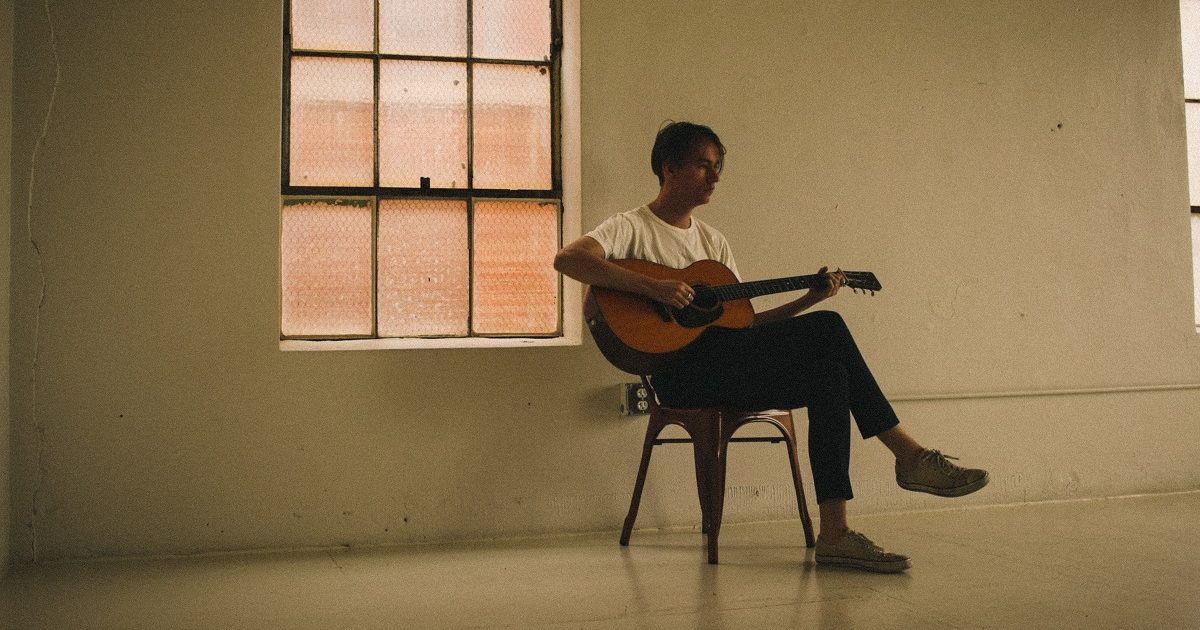
LISTEN: Bob Minner, “Ginseng Sullivan” (Featuring Ron Block)

Artist: Bob Minner
Hometown: DeSoto, Missouri
Song: “Ginseng Sullivan” (Featuring Ron Block)
Album: From Sulphur Springs to Rising Fawn
Release Date: March 11, 2022
Label: Engelhardt Music Group

In Their Words: “As musicians, we’re instinctively drawn to songs and the people who write them. That’s been my musical life with Norman Blake. His classic ‘Ginseng Sullivan’ is a true gem in both Blake’s legacy and the bluegrass, Americana, and folk genres. Recording this fresh interpretation with my old friend Ron Block was such a great experience. And the friendship with Norman and Nancy that has stemmed from this project is truly one of the most cherished experiences in my life. I hope you all enjoy what we’ve done.” — Bob Minner


Photo Credit: Ginger Minner

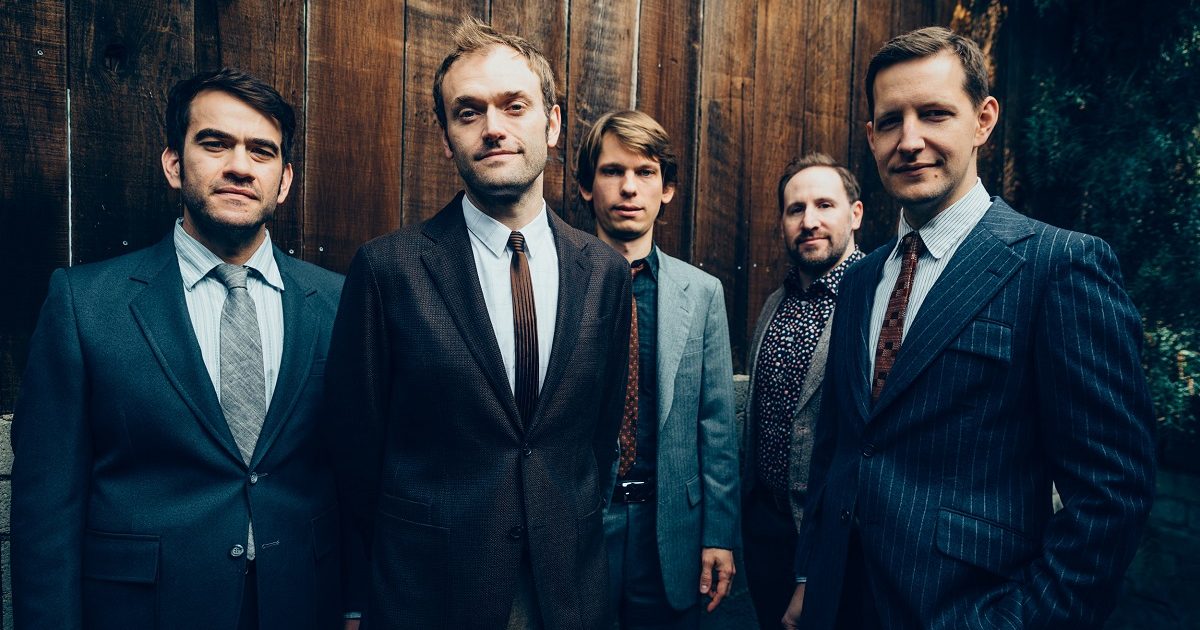
Inspired by Tony Rice, Punch Brothers Give ‘Em ‘Hell on Church Street’

It was banjo player Noam Pikelny who heard first. On December 26, 2020, he messaged his Punch Brothers bandmate Chris Eldridge to tell him the news that Tony Rice, their bluegrass hero and Eldridge’s guitar mentor, had died on Christmas Day. “It just didn’t seem like it could be real,” says Eldridge. “It was a complete shock.”

The band felt more than just sadness at the legend’s passing; there was regret, too. Eldridge had thought about calling Rice to tell him what they had been working on — a reimagining of his landmark album, Church Street Blues — but had resisted the urge. “I thought, you know what, it’ll be cooler if I can just give him the music. ‘Hey, we made a thing for you…!’” The moment had never come. It was a heartbreaker.

Hell on Church Street, Punch Brothers’ sixth full album, was recorded in Nashville the month before Rice died. The 1983 solo record that inspired it is high canon among bluegrass lovers with its wistful songs and fiddle tunes repurposed as dazzling guitar solos, laid down in the period when Rice was opening up bluegrass music in multiple directions at once. Punch Brothers have remained faithful to the original tracklist, but equally to Rice’s boundary-pushing creativity.

What emerges is a kaleidoscopic mise en abyme — their versions of Rice’s versions of songs by Bob Dylan, Tom Paxton, Gordon Lightfoot, et al. — both reflecting bluegrass’s rich progressive history and refracting through their own endlessly inventive perspective. Those hoping for Chris Thile to indulge in some light Gordon Lightfoot karaoke, in other words, will be disappointed. A few have already cried sacrilege. Witness the internet backlash that accompanied the band’s release of the title track, which resets Norman Blake’s famous lyrics to an urgent 5/4 meter.

“You never want to admit you look at internet comments but some people were pissed,” says Eldridge. “I thought, oh boy, wait til these people hear ‘Gold Rush!’”

Even Pikelny admits he had a few early qualms about the technical ambition of that initial recording. “It took us a day and a half [in the studio] to play it with the effortlessness and ease it needed. But I’m glad we stuck with it, because if we were just going to play it like it’s already been played then really what’s the point? It becomes like a Civil War re-enactment.”

“And it’s just not true to the spirit of what Tony himself exemplified his entire career,” adds Eldridge. “This record was never a memorial — it was a living tribute created in the spirit of some of the deep lessons we learned from Tony: you have to be yourself. If you’re going to make music, play it the way only you can play it.”

Certainly only Punch Brothers would take bluegrass standard ‘Gold Rush’ and turn it into a piece of esoteric free-time improv, ethereally led by Gabe Witcher on fiddle. “For the record we all love that Bill Monroe tune,” says Eldridge, with a wry smile. “But I don’t even think I’ve played a fiddle tune that’s been that deconstructed and stripped of basic elements like pulse and beat before.” It is, laughs Pikelny, certainly not a version likely to be heard at a contest any time soon: “Contestant 11, you’ve been disqualified!”

Hell on Church Street is a record that might never have been made but for the pandemic. The band’s need to quarantine before they could assemble in the studio had restricted their time together and they were looking for a project that would satisfy them musically without turning their precious time in each other’s company into a songwriting bootcamp. “When we’re on the road together it’s camaraderie, it’s therapy,” says Pikelny. “We said, ‘What can we do that we can still enjoy being with each other?’”

Their minds turned back to a similar conversation they had had in Japan two and a half years previously. During their residency at the Blue Note in Tokyo, the band were asked to prepare a set of bluegrass standards for the 2019 Rockygrass festival (or, as Pikelny puts it: “Don’t bring all your original shit!”). With limited time to rehearse — or perhaps, given the allure of the Japanese capital, not a great deal of inclination — someone had suggested paying tribute to an artist or record they loved. The response was unanimous, almost instantaneous. It had to be Church Street Blues. “That record was so sacred to all of us,” says Eldridge.

The live set that followed at Rockygrass became one of the great wish-you-were-there experiences: a performance fizzing with spontaneity, in an atmosphere crackling with passion. It had been a busy festival for all of them — bassist Paul Kowert playing a set with Hawktail, Pikelny performing with Stuart Duncan — and when they took to the stage, they had been working on the material for just four hours. But the coupling of their collective virtuosity with one of bluegrass’s most beloved of song collections created instant electricity.

In Nashville last November they saw the chance to reignite that experience. “It’s not something we get to do much these days,” says Eldridge, “make music by the seat of our pants. And it’s one of the things that initially brought us together, all the way back the first time the five of us got in a room together. It’s something very special to us, and with this project we got to tap into that side of the band that tends to lie dormant for long stretches — to enjoy what it’s like when we don’t have super tight arrangements, when we just have to listen and be very reactive.”

It also allowed them to delve far more deeply into the songs on Church Street Blues than they ever have had before. “You get closer to the material when there’s a responsibility to make it your own,” says Pikelny. His own parents had loved Tom Paxton, for instance: Pikelny had been familiar with “Last Thing On My Mind” since he was a kid. “It had always seemed like just another heartbreak song — it was only when we started working on it I realised how profoundly sad it is.” At the start of their arrangement, Thile’s voice yearns out over the lone plucked notes of the fiddle, a sound like the ebbing of lost time.

But it’s “Streets of London” where Punch Brothers’ ability to mine the meaning of a song and transform it into sonic expression is most evident. Where Rice rendered the melancholy of Ralph McTell’s lyrics through his bell-like baritone, here the stories of abandoned, lonely lives are tossed about in broken melody and dismembered harmony. This is a sad song that’s been restrung with anxiety and tautened with menace, in a manner that detaches it from some nostalgic past and confronts you with the shamefulness of our world’s ongoing poverty and isolation.

What the band wishes, above all, is for the album to honour Rice’s own experimental and fearless musicianship. To most, the man himself had remained an enigma, withdrawn from the bluegrass world and even his peers to the end of his life, ever since the loss of his voice had stopped him performing. “He seemed like a king off in a castle,” says Pikelny. “I wish I’d once got to hear what Tony Rice’s guitar sounded like in a room, but he wasn’t accessible in the way of so many bluegrass heroes.”

But to Eldridge he had been more — a family friend and musical mentor, the man who used to crash on his parents’ sofa when his touring schedule brought him through DC. Eldridge can still recall the moment, aged 12, when Rice effectively changed the course of his own life forever. They were at the Graves Mountain bluegrass festival in Virginia, “and all of a sudden I was like, that’s a Zeus on stage and he’s throwing thunderbolts,” he remembers. “It wasn’t so much that his playing was so great, it was obviously really great that goes without saying, but the impression on me was that every note he’s playing is meaningful and is very direct. It was like they transcended being musical notes and took over your whole being.”

“Isn’t it true that the reason your nickname Critter got reinstated was due to Tony?” interjects Pikelny.

“It was entirely due to Tony! When I was in utero my parents referred to me as the critter, people called me it as a little boy but eventually they stopped and everyone called me Chris. Then when I went down to Merlefest with some of my college friends in 2001, we were hanging out with Tony, and the name came back with a vengeance! And here we are today…”

It’s a touching thought: that Rice’s legacy should have made so personal and lasting a mark on Eldridge, even as it continues to influence the musical world that he and Punch Brothers inhabit. “I would argue that he more than anybody ushered bluegrass into its modern form, in terms of the new standards of musicianship and song selection. He was probably more responsible for that than anybody.” Pikelny nods his head: “The way the music has expanded in all these different directions, Tony was involved in every single one of them, whether it was J.D. Crowe & the New South or David Grisman. It was like a superpower. He was such a team player, there was something about the way he played when he was around he just elevated everybody.”

They’ll never know exactly what their hero would have made of Hell on Church Street. Pikelny suspects there would be bits of it he may have even hated. But they hope that he would have recognised it as, above all, a love letter. “I hope he’d be proud,” says Eldridge. “Of what he encouraged us — and everybody else — to do.”


Photo Credit: Josh Goleman

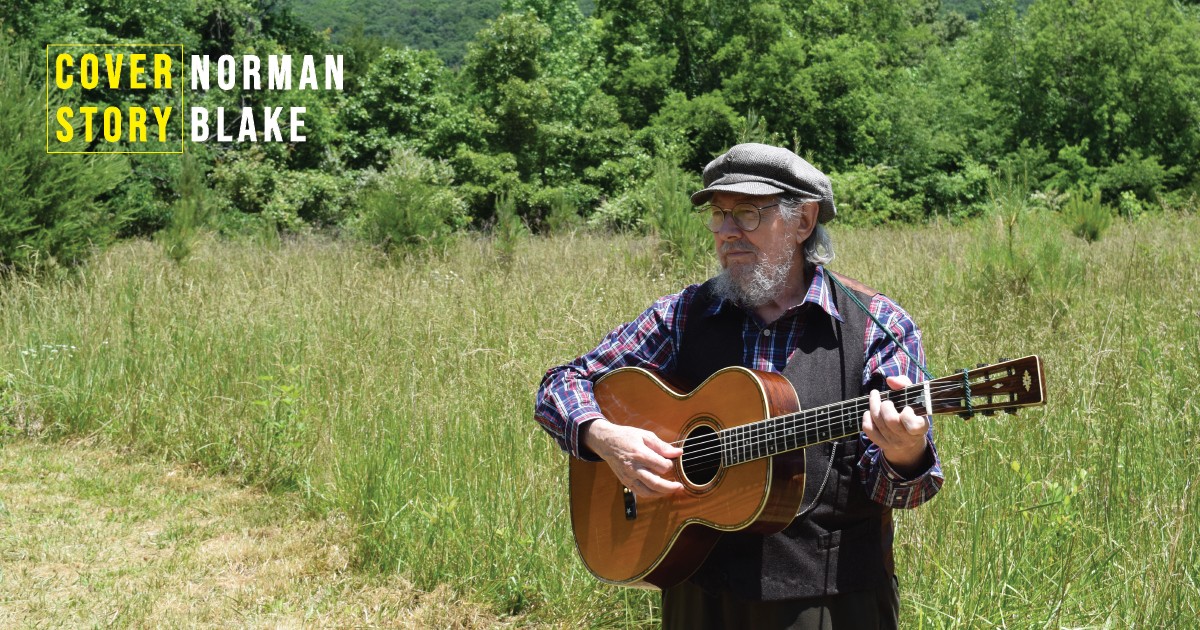
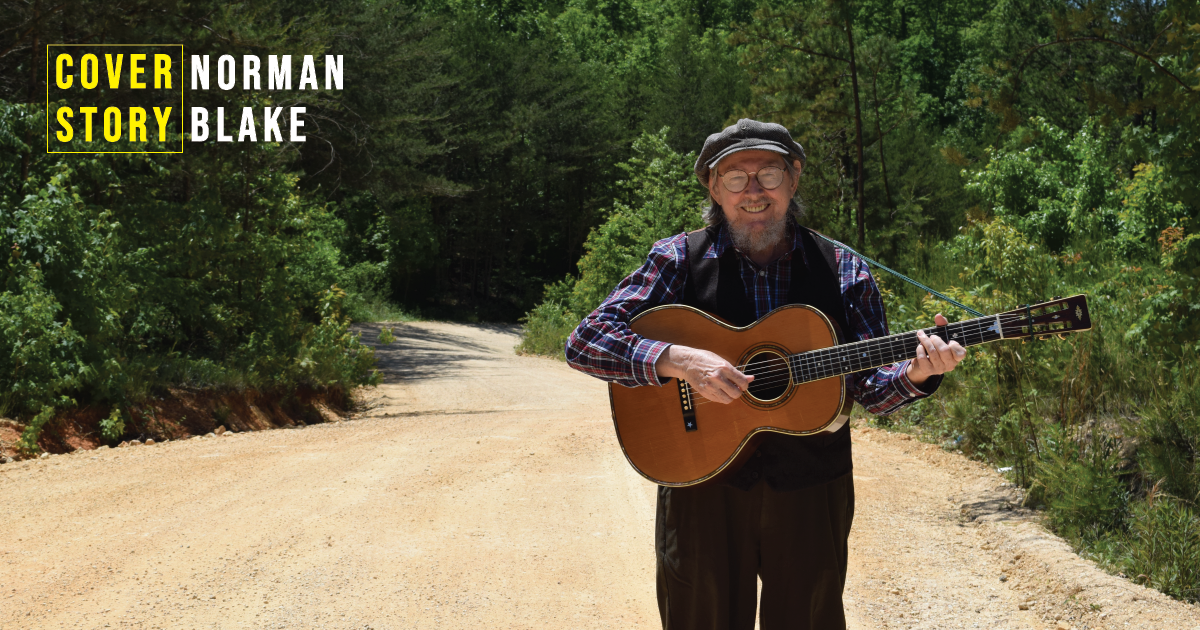
Inspired by Poetry and Banjo, Norman Blake Collects Songs for ‘Day by Day’

Norman Blake’s list of career achievements reads like a “who’s who” of bluegrass, country, and old-time music. But what will ultimately cement his legacy is his talent as a songwriter and storyteller. Whether he’s playing one of his countless original songs that have become new classics of American traditional music or singing an old song from his youth, Blake always conveys powerful meaning and emotion.

Even now at 83 years old he is still able to present music that is timelessly relatable. Norman and his wife, Nancy, have been retired from stage performance for many years now but continue to play music together in their home in northern Georgia. His new album, Day by Day, offers two new originals as well as a collection of songs (all recorded in one take) that made an impact on him, particularly as a young boy.

“You’re trying to get a feeling and a mood across that conveys what you’re doing,” he tells BGS. “And then I’ve always believed in poetry. Anything I’ve ever tried to sing. Most of it has been fairly poetic in some way. I really do believe in the quality of the material. That’s something that I’m very adamant about. I don’t want to sing something that just doesn’t grab me in some way in a poetic way. I don’t want to do it if it doesn’t do that.”

BGS: In preparation for this interview, I read some of your previous interviews and saw that you were pretty sure that your 2017 album, Brushwood (Songs and Stories), was going to be your last record.

Norman Blake: I say that all the time. I say the same thing about this little project that just come out. I keep threatening to say that I don’t want to do it anymore. But I’ll end up working up some stuff and then I feel like, well, I could record that. It’s up and down.

Was there anything in particular that you think made you want to record something new? Was it that you’ve been performing all your life and you don’t really do shows anymore? Do you think of albums as a way that you can still perform without having to get up on stage?

I think it’s that a little bit. I’ll put it this way. I’ve never said this but it’s sometimes you feel like, well, that song may have been done way back yonder somewhere or somebody else may have done it. But if you like it and you’re able to do it, then sometimes you feel like, well, maybe I’ll do that and get that one out of my head. I’ve always felt that way about recording. In fact, most of the things I’ve recorded over the years, I couldn’t do them today. Once you record them, you can forget them.

It’s clear that you’re very dedicated to finding material that’s important to you. Did you go looking for specific kinds of material, or is it just stuff that you like that you found along the way?

It’s just stuff that hits me. There’s no particular reason. Sometimes it’s just at a given time in your life, there’s a set of words and maybe the tune that goes with it that you just don’t get out of your head. Sometimes it just sticks with you for no real reason. And those are the ones that I’ve always felt like doing because there’s some kind of message in them somewhere. Even between the lines a lot of times.

How does being a songwriter affect you as a song collector and vice versa?

The old songs have always affected what I wrote. I always liked to say that if I wrote a song, I wanted it to be hopefully as good or approaching as good as some of the old things. And sometimes that’s real hard to do because you’re dealing with a different time and language. They influence each other back and forth. One feeds the other, I think.

A lot of your music has become timeless. I know it’s sort of awkward to reflect on that, but so much of your music has become part of the modern canon, alongside all of these older songs.

Yeah, I’m glad that some of that has happened. That’s a satisfying thing for me to know that, because I feel like then my stuff might stand up in the long run, as well as some of the old stuff, which is what you’re looking for.

By recording these old songs you’re actively keeping them from being forgotten. But one of your original songs, “Time,” is about how we can’t control the passage of time.

That’s right, yeah. And you remember a lot when you grow older. I think that song speaks to some of that. Some lines in that song, in the first couple of verses, are a little more abstract. A lot of things that I might have written in the past took a different approach. And then it gets, I think, into more familiar territories as it goes on, as to the kind of stuff that I might usually write.

The other original is that banjo tune, “Old Joe’s March.” Have you been playing a lot of banjo recently?

Been fooling with the banjo over the last four or five years, yeah.

Sounds good on that track.

Well, thank you. I don’t have any particular style that I try to identify with. There are so many great banjo players and so many styles. I’m just playing what seems to come natural to me on that instrument. I played guitar behind a lot of banjo players in my life, and I guess I heard all kinds of banjo, so I don’t know, I have a conglomerate of a lot of things in my head. And then being a dobro player, too, I think some of my right-hand stuff might even come over from that a little bit. My banjo playing is kind of in a different vein. A lot of it is two-finger influenced and sometimes it gets into a clawhammer thing.

I love that because those old banjo players weren’t trying to do anything in a particular style. Most of the time they were just trying to play the banjo.

That’s right, yeah. They didn’t have anything to go by, all those old guys. They were just isolated. And that’s just what they came up with.

Your guitar playing feels that way to me. There’s not really anybody that sounds a lot like you. And it doesn’t seem like you’re trying to emulate anybody.

No, I don’t. I never was a good copy of when it came to other people’s music. I’ve always said my approach to it was that I tried to take the mood of it. If it spoke to me in that way, I’d rather take the mood than try to actually play their licks or something.

I think that’s part of why you’ve become a steward of this older style of music because it’s not just you copying something and putting it out. It’s very much in the same musical vein as the people creating that music 100 years ago or more.

It’s hard to copy an era at a time. That’s the hard part to copy if you really are trying to, because time is just different today than it was 100 years ago.

And you’ve lived through a lot of huge changes in the world. It’s changed so much since you were a kid.

Oh, yeah. Oh, my goodness. Yes. I realize that a lot of those changes are natural, and I’m certainly not against progress but I feel some things are being lost. People are not living such a rural existence in this kind of music anymore. This music has moved into the cities, urban areas, and a lot of the people playing it now are coming from those areas, so it’s bound to change. That’s been happening ever since it’s been going on. And there are some great players out there, some awesome musicians these days, no doubt about that.

I was wondering why you did everything in one take for this record. Was there something behind that decision?

Personally, I never was one to want to go over stuff a lot. I tried to basically know what I was doing before I went in there. I knew these by heart. I have read a lot of stuff right off of a book when I recorded and done it that way, and then I didn’t learn them after I recorded them. But I did know these old songs, and I’ve always been of the thinking that that first or second go-around is the most spontaneous thing. And that’s got something. If you go over it, you may polish it up a little bit, but I think you can get the spontaneity and the feeling sometimes the first or second time around. I always try to do that if I can.

I’ve heard stories about Bill Monroe saying similar things about not wanting to do too many takes.

No, you get bored with it and you start losing more than you gain sometimes. I’ve always felt that my performance in the long run somehow is not much different than an old radio program. In a way I could get up on the radio and do the same thing I do on record, basically. I’m kind of a holdover from the old radio days which were getting towards the end when I got started.

That’s really interesting. I never connected those dots, but that makes a lot of sense.

Especially since, yeah, I always admired people that could do that, who could just get up in front of a microphone and do what they did and it came out and that was it. That’s how they sounded. And that’s kind of the approach that I tried to take, especially when I’m playing by myself. That’s totally it. That’s the way I’m thinking about it.


Photo Credit: Christi Carroll
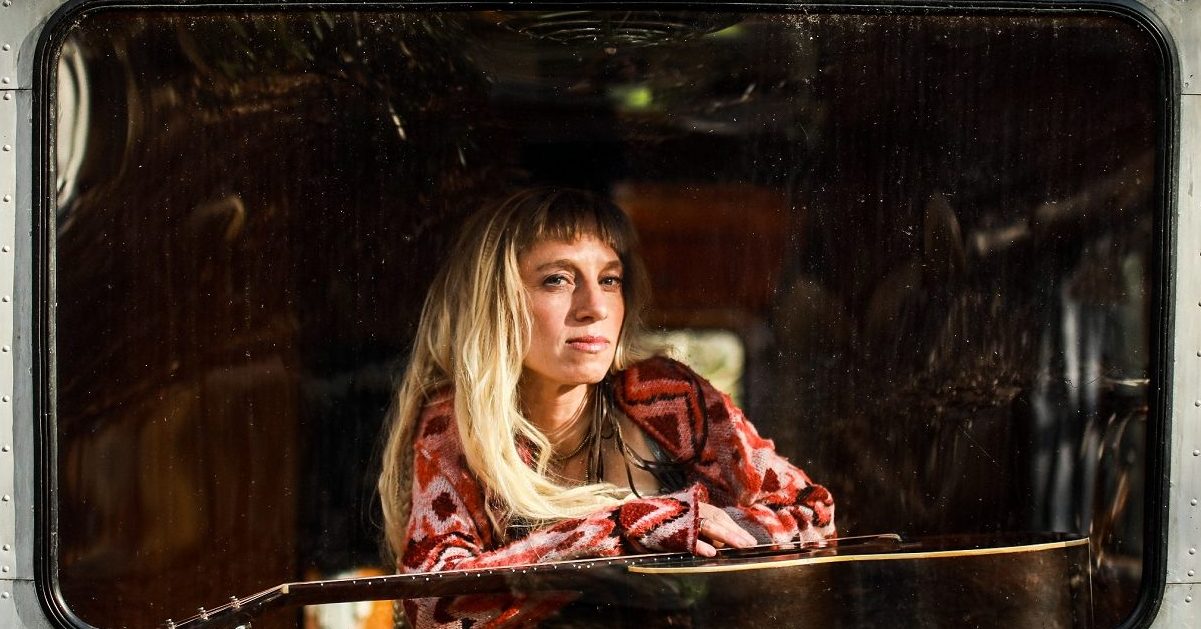
BGS 5+5: Anya Hinkle

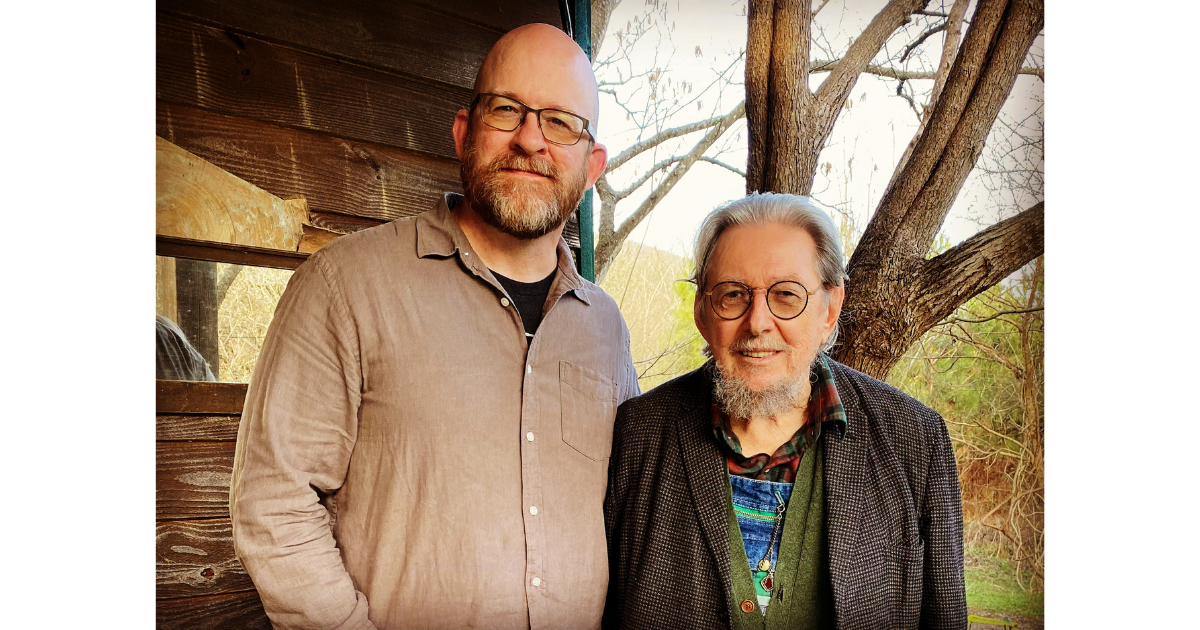
Artist: Anya Hinkle
Hometown: Asheville, North Carolina
Latest album: Eden and Her Borderland
Personal nicknames (or rejected band names): Anyabird

Which artist has influenced you the most … and how?

I guess far and away I have to answer — Gillian Welch. I grew up in the New River Valley of Virginia listening to Tony Rice, Norman Blake, Taj Mahal, Hot Tuna, Muddy Waters, Grateful Dead, and Old and in the Way, loved bluegrass and blues, but also female folk singers like Joan Baez and Judy Collins, pop stars like Madonna and Cyndi Lauper, and songwriters like Sarah McLachlan, Natalie Merchant, and Suzanne Vega. It just took Gillian to come around with her Revival album and put all that together for me, that you could incorporate all those great roots sounds into something completely modern and original. I was living in California at the time I heard her first album. I grabbed my fiddle and headed straight down to 5th String Music in Berkeley and started going to every bluegrass jam I could find. I thank her for giving me the idea that I could do it too — because of her genius, I could begin to imagine myself singing and playing guitar and writing songs too. It’s important to have someone you can look up to and that you can relate to so you can even have the idea in the first place.

What’s the toughest time you ever had writing a song?

For more than a dozen years now, I’ve been hanging around the Cumberlands with my buddy “Hippie” Jack Stoddart, someone who, in his rough and audacious way, brings people together to make a lot of magic. Hippie said to me one day, “I want to introduce you to Zona.” He’d been doing a lot of outreach work out of an old school bus bringing groceries and coats and toys and stuff to people living in former mining towns in Middle Tennessee. So he brought me up the mountain to meet the hardened sweetness that is Zona Abston. We sat around her kitchen table and she told me her life story, a miner’s daughter, growing up with little education and no money, not much luck or hope. When we collapsed back in the truck, Hippie said to me, “You better write this shit down!” And so I did. I wrote every detail: the cancer, the hunger, the cheating, the shining, the debt, the babies, the heartbreak. I came back with a mess of notes and thought, “How do I make a song out of this?” So I sat down and tried to pull out the most specific and moving details of everything she told me and created a ballad for her. I was super nervous to play it for her because, well it was HER life. SHE had to live it. But when I sang it for her the tears rolled down her beautiful face. She said, yup it’s all true, every word of it.

If you had to write a mission statement for your career, what would it be?

I actually thought about this a lot earlier this year, during the pandemic when I was trying to understand what my purpose was in music when it seemed like the industry was going to hell. I decided to focus on three things, and wrote them on a yellow sticky note that is taped in front of my desk for quick reference. The first is authenticity, and a commitment to truth and honesty to who I am as an artist. It’s a challenge to believe that it’s all already inside. I don’t need to grasp at something outside of myself. I just need to continue to learn to trust myself and be myself. The second thing is connection — connection with other artists and musicians, connections with my fans and supporters, and connections with anyone along the path. Those beautiful relationships are the foundation for anything I can possibly hope to accomplish in this lifetime. Saying “yes” and valuing the people that show up for me is oxygen. The third thing is creativity — growth and discovery. Allowing myself to surrender to the journey, giving up thinking I have to have everything figured out and under control. I need to just submit to curiosity, openness, and faith.

Which elements of nature do you spend the most time with and how do those impact your work?

Before I was a musician I was trained as an ethnobotanist. I traveled half the world studying plants and their uses and connections to culture. I love referring specifically to plant species in my songs because they can be so symbolic in our physical world. For example, in the the title track for my new record, Eden and Her Borderlands, I use a couple of plants that carry a deeper meaning. The cedar is fragrant and twisted, it’s green the year round, its oils are used to protect against decay and disease, it is sacred and ancient in its symbolism. I also use the sycamore. It is stately and grand, always grows near sweet water. It is often a boundary and its presence on the landscape signals a threshold that we approach and then cross over. Adding these botanical details to the song is like adding spices to a recipe, it gives more depth, even for those that might not know anything about botany. And who knows, maybe it will inspire people to love plants like I do!

How often do you hide behind a character in a song or use “you” when it’s actually “me”?

I love this question because initially there can be so much fear in exposing your true self. Absolutely mortifying to lay bare the thoughts and emotions of a real human, the one behind the Facebook posts and the stage persona and the person you think you are or wish you were. The real one with all the real flaws, that is the person that is actually interesting. But the songs really push yourself (myself!!!) to look in the mirror and substitute the “you” with “me,” to get personal. Well, it’s a journey of acceptance and insight. Getting personal is the thing that connects us to the rest of humanity and, honestly, the thing that makes a good song, the thing that makes a song relatable.

I recently took a songwriting course with Mary Gauthier. In the song I shared, I kept referring to myself as “babe.” She said, who is babe? She focuses a lot on pronouns, you know, who are we talking about here? Because in our heads, it’s always about us. It can’t NOT be. We are trying to figure out what the hell we are doing here and if we are at all worthy of anything we are pretending to do. It takes a lot of working through fear to write songs. It’s good work.


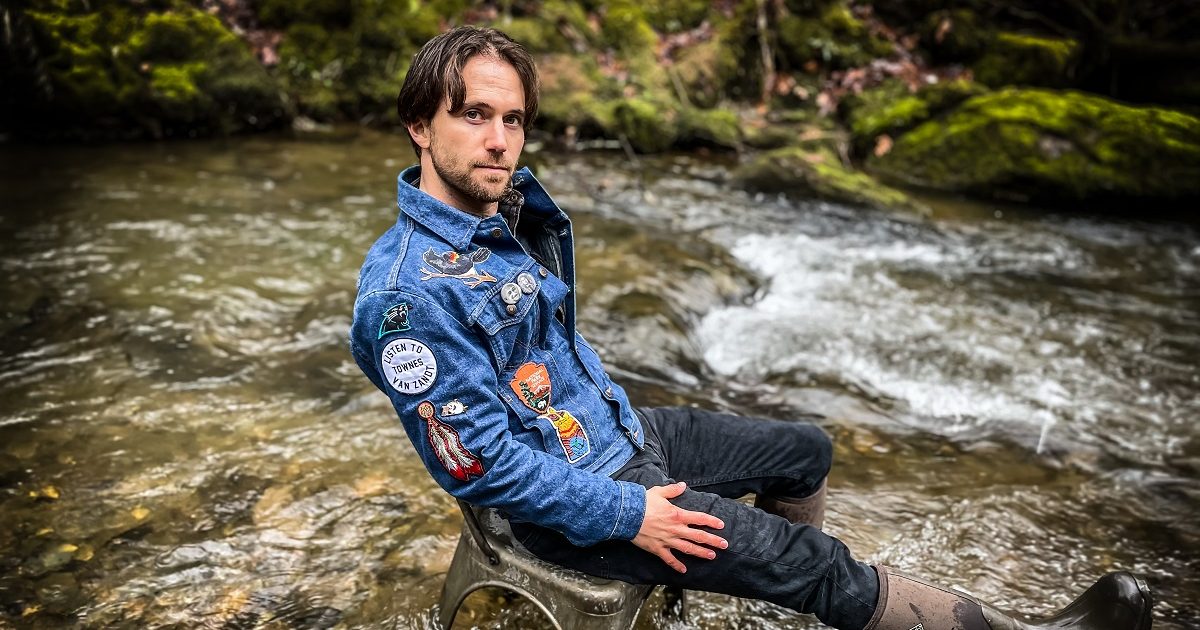
Photo credit: Sandlin Gaither

LISTEN: Cameron Knowler, “Done Gone”

Artist: Cameron Knowler
Hometown: Yuma, Arizona & Houston, Texas
Song: “Done Gone”
Album: Places of Consequence
Release Date: July 16, 2021
Label: American Dreams

In Their Words: “‘Done Gone’ exists as a mission statement for the album: examining early fiddle music etymologically, rendering it meditatively, with a slow tempo and low tuning. In some ways, this is meant to problematize the history of flatpicked guitar, wherein guitarists learn fiddle tunes from other guitarists as opposed to fiddlers. This version borrows from a number of early fiddle sources while paying homage to my hero, Norman Blake, whose guitar playing is a broad synthesis of early country music, while pushing far beyond the scope of the genre’s canon. Recorded on a late ’30s plywood guitar, I hope the listener is directed toward the inconsistent and unwieldy qualities of the instrument, a factor that shapes the performance just as much as my sources. This track is in conversation with an Easter egg found on the record.” — Cameron Knowler


Photo credit: Laura Lee Blackburn

The BGS Radio Hour – Bluegrass Duets, New & Old

Every week for the past few years, we’ve brought you a radio show, and now podcast, revisiting all the great music recently featured on the pages of BGS. This week, we bring you a special episode for our Duos of Summer series — a musical recap of our 2019 collection of the 22 Best Bluegrass Duos.

APPLE PODCASTS, SPOTIFY

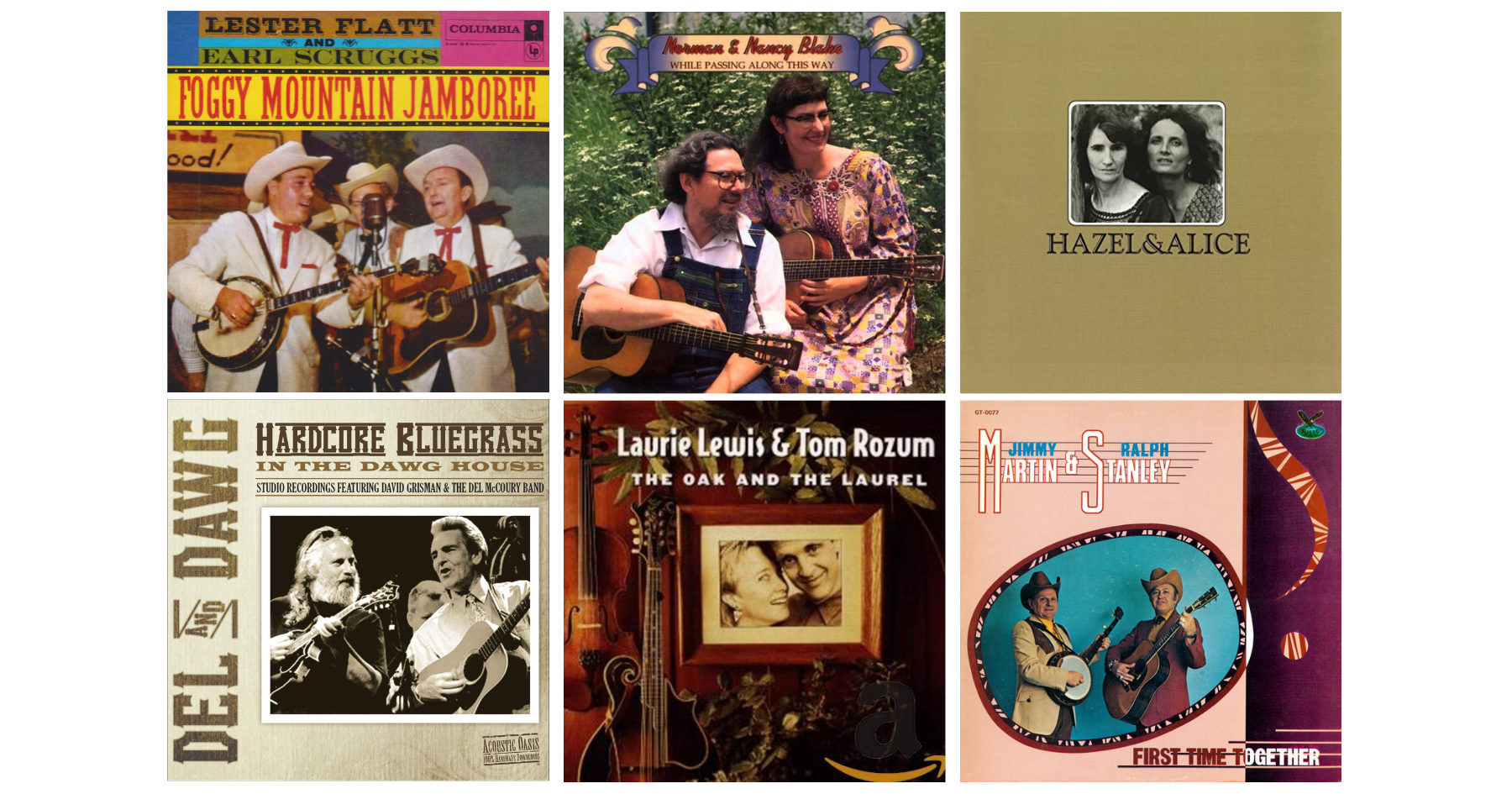
We’re listening to some of these classic duos, and exploring bluegrass’ longstanding and continuing tradition of wonderful duet harmony, be it sibling or otherwise. And while most fans of the genre may recognize names like Flatt & Scruggs or the Monroe Brothers, here you’ll also find newer acts that are following the path laid by those hall-of-famers.

Head to the original story to explore the full list while you listen!

LISTEN: Shay Martin Lovette, “Parkway Bound”

Artist: Shay Martin Lovette
Hometown: Boone, North Carolina
Song: “Parkway Bound”
Album: Scatter & Gather
Release Date: May 14, 2021

In Their Words: “This song is a tip of the hat to the Blue Ridge Parkway that runs from Great Smoky Mountains National Park on the western edge of North Carolina near Cherokee, to Shenandoah National Park at Rockfish Gap. I consider myself lucky to live near the Blue Ridge Parkway in Boone, North Carolina, and find myself in constant awe of the landscape that this region offers. In ‘Parkway Bound,’ I wanted to capture the natural beauty of the Blue Ridge Mountains in the dead of winter. To me, the hiking trails and scenery in this area offer a means of escape from the confines of normal life and as I got further along in the writing process, I was drawn to the imagery of someone leaving their troubles behind and setting out for the Parkway as I have done so many times. The music could be said to be influenced more by great narrative writers like Norman Blake and Slaid Cleaves than your standard folkies, but there’s a little Townes Van Zandt and Gram Parsons in there.” — Shay Martin Lovette


Photo credit: Julianna Liegel

A New Generation of Bluegrass Stars Reflect on ‘O Brother, Where Art Thou?’

The soundtrack to O Brother Where Art Thou? was a phenomenon in the early 2000s, turning bluegrass musicians into superstars and creating an instant mainstream market for old-time music — from folk to gospel to children’s songs to prison chants to blues and everything in between. To celebrate the twentieth anniversary of its astonishing success and to wrap up our Artist of the Month series, we spoke to several musicians about the impact O Brother and its subsequent tours had on their lives and livelihoods.

Sierra Hull: “I grew up in a little town with maybe 900 people, and there used to be a poster section at the Walmart the next town over. You could flip through the posters and there would be pop stars like Britney Spears and Backstreet Boys. I was always convinced that one day I would find an Alison Krauss poster in there. She was as popular in my little kid brain as Britney Spears. So it was cool when O Brother came out and elevated some of those people who were already giants to me, like Alison and Dan Tyminski and Ralph Stanley.

“I was already playing, but I was too young to be touring yet. By the time Cold Mountain came out [in 2003], I was part of that tour. Alison was part of both soundtracks, and she invited my brother and me to go on that tour. So we got to help celebrate that second wave. I was 12, and it was really the first time for me to be out on tour, travel to so many different places, and play Red Rocks and the Beacon Theater in New York. Standing at the side of the stage and listening to Alison sing to hundreds of people every night every night was one of my favorite memories.

“It was amazing to watch people go crazy over Ralph Stanley every night. He had this dazzled suit jacket that he wore every night. Sometimes he would sit his banjo down while his band played and take that jacket off and throw it to me at the side of the stage. I would get to wear that dazzled jacket at the end of the show when everybody came out on stage. It’s one of the most special musical experiences I’ve ever had.”


Sara Watkins: “O Brother was something we somehow became affiliated with. Nickel Creek had just released our band’s first record on Sugar Hill, after years of doing just little homemade projects. Alison Krauss produced it, which had been out maybe a year and a half when O Brother came out. She was a big part of that soundtrack, of course, so our band was gaining a little bit of notoriety. I remember reading a huge New York Times spread, and we were listed among the people on that scene. We were part of that conversation, despite not having been part of the soundtrack in any way. We were just at the right place at the right time, and the awareness of the bluegrass scene just exploded. We were able to reach a different level very quickly. It was a huge advantage to our career. We already had some momentum, but the soundtrack really put the wind in our sails.

“T Bone Burnett [who produced the album], one of his brilliant skills is finding the right people for the right song. He brought in some incredible musicians in a way that really showed the musicianship in our community and made everyone really proud of our scene. We saw our heroes up there, and it was gratifying to see them celebrated by a huge audience. I remember feeling a new respect for Ralph Stanley with that vocal [on ‘Oh Death’]. That actually turned me on to shape-note singing. Someone told me his delivery was reminiscent of those old communities that did shape-note singing and those old preachers who used to sing that way. I’d never heard anything like it. And to this day, whenever I see Dan Tyminski, I make a point to stick around until he plays ‘Man of Constant Sorrow.’ No way I’m leaving before then.”


Dave Wilson (Chatham County Line): “I remember going with our old bass player to see O Brother in the theater. We snuck a bottle of whiskey in and sat in the back row and just laughed and drank. I remember thinking, ‘Bluegrass has arrived!’ We were already a band and playing small gigs around town, but we weren’t at a place where we had dedicated our lives to it. So it was kismet for us. That record came out, and the scene just exploded. Suddenly we had this huge advertisement out there in the world for the style of music we were playing. We definitely noticed a change. There were more strangers coming to see us play gigs, and they were really excited about it. One side effect was people would yell out for us to play ‘Man of Constant Sorrow.’ They did it enough to make me wonder if they had heard the soundtrack or just seen the movie. But we never played it. We didn’t know how! It would have probably shut them up if we had!

“I really got into the record. There are some badass arrangements on there. And it’s not corny. It’s not super traditional. I love that they reached out to the right people. It could have been bad. They could have gotten Toby Keith or someone like that. Oh god, I don’t even want to think about that! One of my favorite parts is that blues song by Chris Thomas King [a cover of Skip James’ ‘Hard Time Killing Floor’]. It makes for such a special moment. Later, they booked that concert film [Down from the Mountain, recorded at the Ryman Auditorium] at our old classic movie theater here in town, and I remember the boys going to see it and we were all just floored. That was almost bigger than the movie as far as having an impact in the folk music scene.”


Sam Amidon: “People in the folk world can be very protective of the music, which I think is valid. But my inclination is that if I find something I’m excited about, I want to share it. I want people to know about it. To have grown up in a world knowing a lot of the corners O Brother explores, it was beautiful to think about how many people all of a sudden were going to discover these field recordings and these great musicians. And I was thankful because until then, portrayals of traditional music in the mass media had just been so bad and so clichéd or so simplistic. Nothing had depicted this stuff on this scale before. Before then, if you told somebody you played banjo, they would think Deliverance. That was their frame of reference.

“For O Brother to do it without messing it up was a miracle. To see these different corners of American music — beyond just blues and bluegrass as the two major industry terms — was a very positive thing, especially because ‘folk music’ can be such a heterogeneous category. Nobody would even really know what you were talking about if it wasn’t bluegrass or blues. O Brother pointed to all of these different areas. It’s singing games and banjo songs and all these different things. O Brother is weirdly inclusive. It cast a wide net. Nowadays it’s easy to go to the soundtrack and hear more problematic elements of the whole Americana genre thing, but I think it’s good to remember that when it first came along, it was much more nuanced compared to what had come before.”


Woody Platt (Steep Canyon Rangers): “It’s interesting that the twentieth anniversary of O Brother is fairly parallel to the twentieth anniversary of our band. We formed in Chapel Hill, North Carolina, when we were seniors in college, right when the movie came out. We all had been exposed to bluegrass and old-time just by being Carolinians. We all had that music around when we were growing up, but none of us in the band really dove into it until we were in college. We’d only been following that music a few years when the movie came out. I’m not sure we were aware at the time of the impact that the movie and the tour had on bluegrass, old-time, string band, mountain music, but we could feel some excitement when we were playing bars on Franklin Street, which is the main drag in Chapel Hill. But we didn’t really have anything to compare it to. There was no before or after. It was just what we were doing, and that’s all we knew.

“I really enjoyed the movie, but I was a big fan of the album. Hearing Ralph Stanley’s voice in a film, or Dan Tyminski’s, or just seeing people I admired in that movie was pretty incredible. Looking back on it, it was good timing for us to be getting off the ground, and we were having so much fun and finding so much joy in it. The music we were playing had been a small niche, but all of a sudden it had this national interest. I have no doubt in my mind that the awareness of the music was fueled by the movie. It’s a fascinating phenomenon to think about, because it wasn’t marketed in any significant way. It just happened. It was just this thing where people were suddenly into this music.”


Molly Tuttle: “The movie came out when I was seven years old, and I remember my dad showing it to me when I was in grade school. I loved it, and the music really stuck with me because I already had an affinity for bluegrass and old-time music. Seeing it performed in a movie was new and exciting. My dad teaches bluegrass for a living, and when the movie came out, he had an influx of new students.

“It’s had a lasting impact on the popularity of bluegrass music. But I was so young that I didn’t know many of the musicians on the soundtrack by name, so it introduced me to a lot of artists who later became my favorites. And the Down from the Mountain documentary further familiarized me with people like Emmylou Harris and Alison Krauss. Many of those artists, like Gillian Welch and John Hartford, have been big influences on me, and that was my introduction to their music. I’ve performed ‘I’ll Fly Away’ and ‘Angel Band’ a number of times, and I got to do ‘Man of Constant Sorrow’ with Dan Tyminski at the IBMA awards one year.”


Dom Flemons: “I actually saw Ralph Stanley on the O Brother tour in Flagstaff, Arizona, in the year 2000. It was at this random high school. I saw the poster on a telephone pole when I was going to college there. I’d started playing the banjo by that point — six-string and four-string banjo, guitar, and harmonica. I remember the place was really packed out, and he gave this amazing performance. I just loved watching the man at work. When he sang ‘Oh Death,’ he pulled this piece of paper out of his pocket, put on his glasses, and made a joke about how old he was. And he just sang it off this piece of paper and blew our minds.

O Brother was very interesting, and I think it’s still a milestone album for several generations. A lot of the old folks who played those old styles and sang those old songs were starting to pass away, so the soundtrack ended up being a perfect vehicle for getting younger people into the music of the ‘20s and ‘30s. It reminded people of the really good old recordings that were available. That’s where I went. I found the old RCA Victor and Columbia recordings, and that was it for me.

“It’s a perfectly structured record, opening with the prisoners on the chain gang and then it goes to that beautiful ‘Big Rock Candy Mountain.’ And then you get into “You Are My Sunshine” with Norman Blake, and then Chris Thomas King presenting ‘Hard Time Killing Floor.’ That in itself was a revival of Skip James. People talk about Ghost World and Devil Got My Woman, but I think O Brother got it going. People just started casually bringing those songs back in at shows and festivals, and it seemed like a lot more people knew them. Of course they would sing them like the recordings on O Brother. Those are just things I observed before I was a professional musician, and it was amazing to see.”


‘O Brother, Where Art Thou?’ Created an Instant Audience for Old-Time Music

The O Brother, Where Art Thou? soundtrack, which was just starting to pick up momentum twenty years ago this winter, was both a forethought and an afterthought. The Coen Brothers had an idea for a film and even a title borrowed from Preston Sturges’ 1940 comedy, Sullivan’s Travels, but no screenplay. They commissioned T Bone Burnett to assemble a sprawling playlist of old-time music for them to use as writing prompts — original recordings from the first half of the twentieth century as well as new recordings of old songs. He gathered some of the finest vocalists and players, including Emmylou Harris, Gillian Welch, Alison Krauss, and members of Union Station, as well as Norman Blake, Sam Bush, and John Hartford. In various combinations they produced around sixty tracks covering hillbilly plaints, gospel numbers, Protestant hymns, children’s songs, labor songs, even prison songs.

From that pool the Coens selected a handful of tracks that served as the skeleton for their screenplay, which became a Deep South retelling of The Odyssey. As three yokel chain-gang fugitives wander the backwoods and cotton fields and gravel roads of Depression-era Mississippi, they inadvertently become country stars thanks to a hasty version of “Man of Constant Sorrow,” originally recorded in 1917 by Dick Burnett and re-recorded for the film by Dan Tyminski. Along the way they encounter a parade of white-clad Christians singing “Down to the River to Pray,” a blues singer who regales them with a campfire rendition of Skip James’ “Hard Time Killing Floor,” and a KKK klavern performing a Busby Berkley routine in white sheets and hoods.

Whittled down to eighteen tracks, the soundtrack hit stores just a few weeks before the film, and it seemed designed to stand alone as an upscale release. As Luke Lewis, formerly chairman/CEO of Universal Nashville, told Billboard in 2015: “When we were putting it together, a bunch of us said, ‘This is probably going to be a coffee table kind of a CD, where people will leave it around and be proud to have it.’ That turned out to be pretty much true… A lot of people that don’t buy records at all, or buy one a year, bought that record.”

Still, no one figured it would sell any more copies than your typical soundtrack, and certainly no one predicted it would so completely eclipse the film. Its success has been astounding: It has sold nearly 9 million copies, hung around the upper reaches of the Billboard Top 200 for several years, won the Grammy for Album of the Year (beating out Bob Dylan and Outkast, among others), spun off a sequel, inspired a series of tours and live albums, and redefined a massive market for traditional music in America.

Twenty years later, the gulf separating film and soundtrack remains remarkably wide. The former is glib to the point of nihilism, as though every line of dialogue and every camera angle is surrounded by quote marks. The soundtrack, by contrast, is sincere to the point of evangelism, as though these old songs were pieces of secular scripture. The music plays everything straight, while the film can’t keep a straight face. The soundtrack became a phenomenon, while the film sits in the lower tiers of its auteurs’ sprawling catalog.

Both are products of a very particular time: They were released during that short window between two defining events — the hand-wringing spectacle of Y2K and the horrific televised tragedy of 9/11. With the benefit of twenty years’ hindsight, they represent a pop-cultural pivot from the irony that defined the 1990s and much of the Coens’ output to the “New Sincerity” that defined the 2000s.

Why did this niche soundtrack become such a massive hit? Some have credited the popularity of O Brother to fin de siècle jitters and a desire to return to a rosier, more comfortable American past (never mind that the past, especially the 1930s, was never rosy or comfortable). Others have chalked it up to a rejection of the late ’90s pop music excess embodied by Britney Spears and the Backstreet Boys.

Perhaps the best reason for its success is also the most obvious: This is a good album, and an accessible one. It’s a well-curated tour through old-time music, a sampler of rural American traditions that serves as a primer on the subject without sounding like a textbook. All of these different styles are presented with an eloquence that is homespun yet modern: a balance that highlights rather than dampens their charms.

Burnett puts such an emphasis on the human voice that even the instrumental tracks sound a cappella. He wants you to hear the exquisite grain in the voices of Emmylou Harris, Gillian Welch, and Alison Krauss on “Didn’t Leave Nobody But the Baby” as well as the weight pressing on Chris Thomas King as he moans through “Hard Time Killing Floor.” Curiously, Dr. Ralph Stanley had to convince the producer to let him sing “Oh Death” without banjo, which was absolutely the right call. His voice is high and keening, a serious a death, shaken by the very subject he’s singing about.

If there’s a breakout song on O Brother — something resembling a hit — it was this very intense performance, which remains one of the finest renditions of this very odd and oft-covered song. Stanley was 73 years old when the album was released, had been playing since 1946, and was already celebrated as one of the fathers of bluegrass, but O Brother gave his career a considerable boost, introducing him to a significantly wider audience. (That said, it always struck me as deeply disrespectful that the Coens have a Klansman lip-synching Stanley’s performance in the film, as though they feared the words might actually mean something.)

Stanley performed the song a cappella at the 2002 Grammys — imagine anything a cappella at such a glitz-bound ceremony — not long before the soundtrack won Album of the Year. It might have been the climax of the soundtrack’s shelf life, but it kept selling and kept selling. It created an instant audience for old-time music, and upstart string-bands found themselves with readymade audiences, many of them shouting “Man of Constant Sorrow” the way they once might have yelled “Free Bird!” Every artist on the album got a boost, especially Alison Krauss & Union Station, who crossed over from bluegrass to pop and launched a series of hit records with the aptly titled New Favorite in August 2001. Similarly, Welch, Harris, and even Stanley enjoyed boosts in album and ticket sales in the wake of O Brother.

As with any sweeping change, there are new opportunities as well as new losses. The alt-country acts of the 1990s had already lost much of their luster, but roots suddenly had no room for punk anymore. Gone were the dark, twangy experiments like Daniel Lanois’s Americana trilogy — Harris’ Wrecking Ball in 1996, followed by Bob Dylan’s Time Out of Mind the next year and Willie Nelson’s Teatro the year after that. All three proved that roots music could accommodate new sounds, that it could look to the future without completely letting go of the past, and all three stand among the best entries in their artists’ remarkable catalogs.

But O Brother seemed to wipe most of those new avenues away, turning roots music into something largely acoustic, uniform, polite, conservative — beholden to the past and largely dismissive of the present. Watching certain acts riding that wave was like watching Civil War reenactors march on a makeshift battlefield, and ten years later groups like Mumford & Sons and the Lumineers were using roots music to sell arena-size sentiments.

Another aspect of old-time lost in the O Brother wave: politics. Previous folk revivals had a populist bent, extolling the music as the sound of the people and as an expression of a specifically American community. Woody Guthrie and Pete Seeger were branded subversives and communists, while Dylan and his early ‘60s cohort found radical possibilities in Harry Smith’s legendary Anthology of American Folk Music. But no one on O Brother is in any danger of being branded a pinko. The film itself nods to issues of race and class, but without really commenting on them in any serious or specific way. The soundtrack, by contrast, foregrounds songs about yearning, about breaking free of turmoil and hardship to find peace and contentment. Often that can be humorous, as on Harry McClintock’s fantastical “Big Rock Candy Mountain,” but more often it’s poignant, as on Krauss and Welch’s “I’ll Fly Away.” It’s a collection more concerned with needs of the spirit than of the flesh, so any earthly implications are largely ignored.

The roots market that sprang up in the soundtrack’s wake was consequently blanched of anything resembling social commentary, despite there being so much to comment on. That wave of bands might have provided a counterpart to the entrenched political conservatism that defined mainstream country music of the early 2000s, but instead it offered merely escapism.

A few artists did manage to question this rosy thinking about the past, in particular the Carolina Chocolate Drops. They traced strains of Black influence, craft, and contribution to old-time music, which is generally considered to be white, and therefore expanded its historical scope and current impact. As players, however, they injected their songs with no small amount of joy, as though taking great delight in what these old forms allowed them to express. The group’s three primary players — Dom Flemons, Rhiannon Giddens, and Justin Robinson — have carried that particular balance into their solo careers.

Any of the soundtrack’s shortcomings weren’t the fault of the musicians, who play and sing these songs much more beautifully and sympathetically than the film ever demanded. Nor is it the fault of the songs themselves, which obviously spoke to people as clearly in 2001 as they did in 1937. And it continues to speak loudly in 2021: The coffee table product wasn’t designed to bear the burden of the market it created, but the songs still inspire subsequent generations well into a new century, with its own tribulations and hardships.


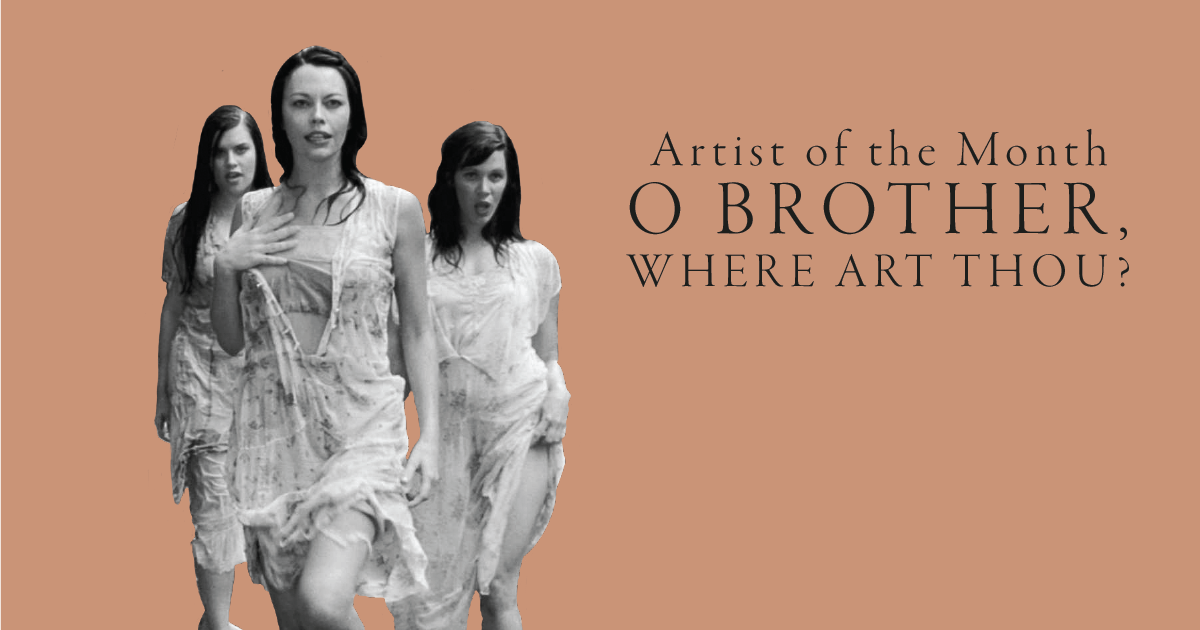
Artist of the Month: ‘O Brother, Where Art Thou?’

Twenty years ago, in 2001, the music of O Brother, Where Art Thou? captivated America and, suddenly, bluegrass appealed to pretty much everybody. We could all sing at least a few words of “I Am a Man of Constant Sorrow,” though admittedly not sound as good as Dan Tyminski or the Soggy Bottom Boys. Roots music heroes Emmylou Harris, Alison Krauss, and Gillian Welch added more positive press to their résumés, and before it was all over, the generation-spanning collection won multiple industry accolades, inspired a national tour, and even led to the first-ever Grammy Award for Dr. Ralph Stanley.

The song choices were largely well-known to dedicated bluegrass listeners, but even so, chestnuts like “I’ll Fly Away” don’t routinely end up on albums that sell eight million copies. Legends like Norman Blake and The Fairfield Four shared the spotlight with rising talent such as Chris Thomas King and The Peasall Sisters. Two decades later, The Whites still perform their version of “Keep on the Sunny Side” on the Grand Ole Opry at nearly every appearance, and to be sure, the audience smiles and applauds to hear it again.

This month, we’ll look at the legacy of that landmark album as an inspiration to a new generation of acoustic musicians, along with an interview with family members of John Hartford, whose name is back on the Grammy ballot this year for the collaborative album, The John Hartford Fiddle Tune Project, Vol 1. We’ll also have a special edition of our Roots On Screen feature about the film. Plus, check out a special IBMA Awards show performance of “Down In the River To Pray” and an archive edition of The Breakdown. And to finish out the month, we asked a crew of young bluegrass and Americana stars what the film means to them. While you’re at it, put down the Dapper Dan and turn up the O Brother, Where Art Thou? soundtrack below.