Out Now: Skout

It was a Tuesday night in 2021. I was sitting in The Lipstick Lounge, Nashville’s local lesbian bar, attending RNBW, a weekly LGBTQ+ showcase. I sat near the stage at a large table amongst strangers and friends, one of whom was Laura Valk. Naturally, after introducing herself as an indie-folk singer-songwriter, I knew I had to find her music and see if she was compatible with Queerfest, my local LGBTQ+ music showcase and festival. I was stunned. Not only to find a phenomenal, local queer musician, but upon the realization that I had already liked one of her videos on TikTok! If there’s one thing I’ve learned, it’s that the queer music industry is small – and TikTok’s algorithms had me figured out.

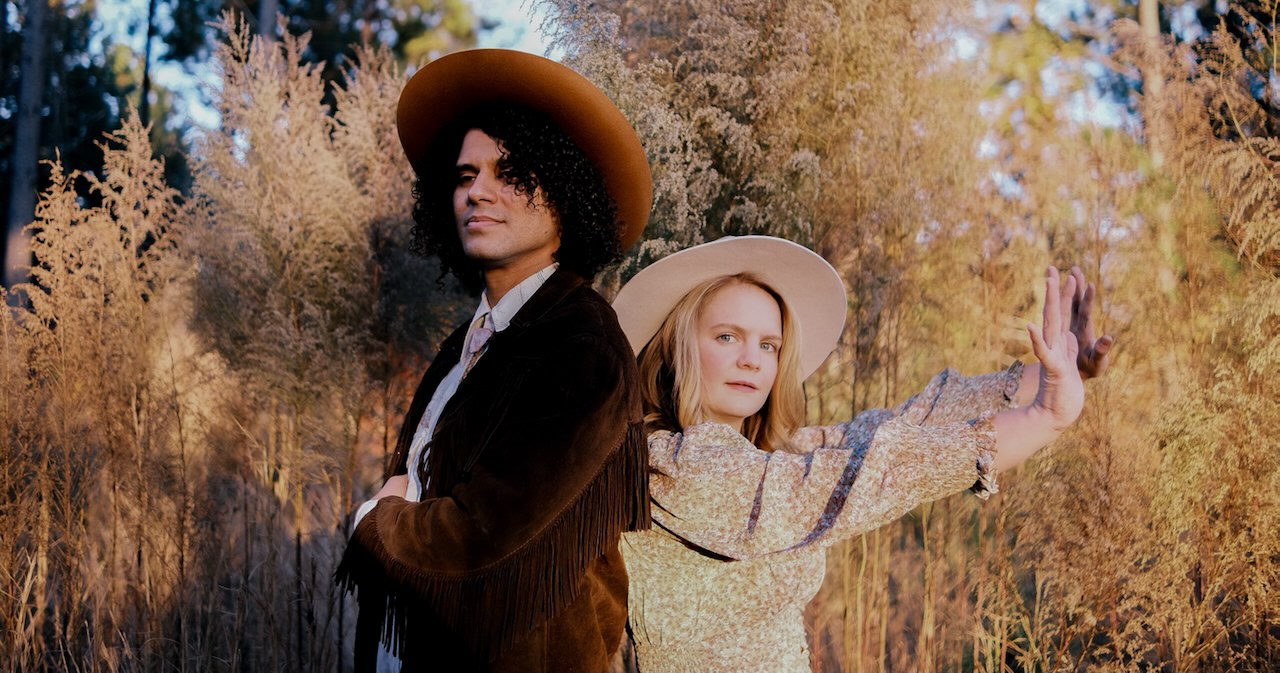
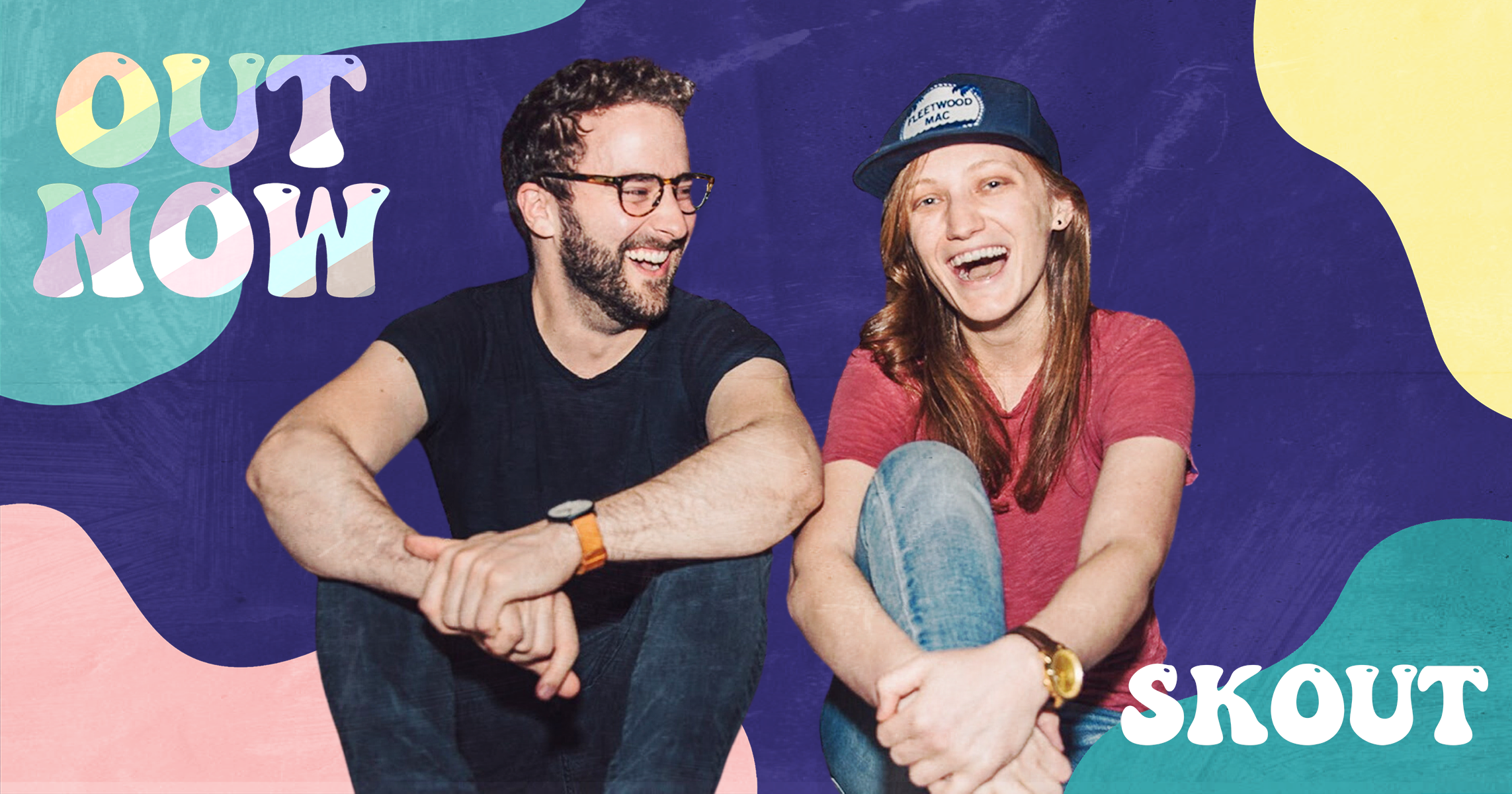
Skout is a duo composed of Laura Valk and Connor Gladney. They played the first festival I hosted, a virtual event livestreamed in collaboration with Club Passim, and they were one of the first artists to play a live Queerfest show, back when I was hosting performances in a friend’s backyard before working with established venues.

It’s been an honor and a pleasure to watch them join the local Nashville community, take off on tours, and release new songs. Their music is laced with intricate guitar lines, hard-hitting lyrics, and warm, catchy melodies. I’m proud to present our Out Now interview with Laura Valk of Skout.

@skoutoutloud I have it for 24 hours, what do you wanna hear? #rubberbridge #acousric #phoebebridgers #ethangruska #allisonponthier #cover @Allison Ponthier ♬ original sound – Skout

What’s your greatest fear?

Laura Valk: Living a life with regret. It’s so insane that we’re all here to begin with, and I just want to make sure I’m taking full advantage of my time here. I know I’ll stumble along the way, but I want to live a life where I took some chances and big leaps of faith instead of always playing it safe. In the words of everyone’s favorite grassroots folk hero, Eminem, “You only get one shot, do not miss your chance to blow. This opportunity comes once in a lifetime.”

What would a “perfect day” look like for you?

LV: The year is 2012. At 8 a.m. I wake up to a text from Ben Howard asking us to open for him on his Every Kingdom Tour. Literally anything else could happen that day and it would still be perfect. Maybe some blueberry pancakes somewhere in there, too.

What’s your current state of mind?

I’ve been going through a rough patch the last few months both personally and professionally. So I’m trying to be really intentional this summer about how I spend my time and energy. Re-focusing on the things and people that fill me up and letting go of everything else.

Why do you create music? – What’s more satisfying to you, the process or the outcome?

Process 100%. There’s truly no higher high for me than the moments when a song is starting to take shape. It’s like an out of body experience. Connor and I constantly get lost in the process and it’s just this addicting feeling. Don’t get me wrong, we love sharing new music. It’s magic when you play a new song out and someone shares a personal experience that relates. But I think the formal release of a song into the world can feel like slapping all these benchmarks and metrics onto something that really is beyond measure.

Do you create music primarily for yourself or for others?

It’s all about ME. I’m kidding. Except it is, really, about me. Whoops.

I guess what I mean is that I hardly ever write with other people’s opinions in mind. A mentor once gave some great advice, that the best way to write widely relatable songs is to get as personal and specific to you as humanly possible. So I always try to write with that in mind.

Who are your favorite LGBTQ+ artists and bands?

Gahh there are so many!! But recently Allison Ponthier, Joy Oladokun, and Leith Ross have been on repeat.

For anyone reading this who might not be out of the closet, were there any specific people, musicians, or resources that helped you find yourself as a queer individual?

This is going to be specifically unspecific but, for me, it was all about individual friends when I was first coming out. When you share this new part of your identity with a trusted friend and instead of turning their back on you, they reinforce their love and support for you, that changes everything. That process, repeated enough times, was truly the thing that made me start feel safe while exploring my identity.

What are your release and touring plans for the next year?

We have two new singles coming out later this year! We’re psyched, we think we’re writing our best music yet and can’t wait for you to hear it.

“But if I come up short like I fear/ Will you still be proud you brought me here?” is a lyric from your latest single, “I Am Here.” How have you found the challenges of pursuing a music career and how do you cope with the slow process of growth? With that, how do you define success?

Ugh, it’s hard, man! It sounds cliché, but really celebrating the little wins is everything. The thing is, I’ll never stop making music. Ever. I’m in it for the long haul, and I think that mentality helps when I’m frustrated by slow growth. Some seasons feel like rapid-fire while during others, the motivation is harder to find. But I think knowing that the opportunity to create will always be there helps relieve some of that pressure. I’m just trying to be kinder to myself in this area.

For me the definition of success has always been a moving target. When I was in high school, success in music meant selling out Madison Square Garden. Tour busses, the Grammys, our faces tattooed on your chest, etc. Today it looks a little different. I think if I can make a full-time living off of music, in all of its forms, that, to me, would be success. And the tattoos of course. Someone tattoo our faces on yourself already so I can feel successful!!

Drawing from another lyric from the single, “But a song I wrote, it changed one life/ And the friends I hold, I hold them tight,” do you feel that changing one life is enough to make all of your time, efforts, and pursuits worth it?

Does changing a single life make all the hours, the investment, the rejections, the crashing on couches, the blood, sweat, and tears worth it? No. Probably not. But it’s still worth reminding myself of every once in a while. It’s one of those little wins I talked about above.

I think this verse captures the essence of “I Am Here,” and really touches on the success question above. It’s admitting that no, life doesn’t necessarily look like I thought it would. But there are some absolutely beautiful, redeeming things about my new reality that I need to celebrate harder. And it’s the sum of all the hundreds and thousands of little things that does, in fact, make it all worth it.


Photo of Skout courtesy of Skout.
Tyler Childers Stunning “In Your Love” Music Video Was Written by Silas House

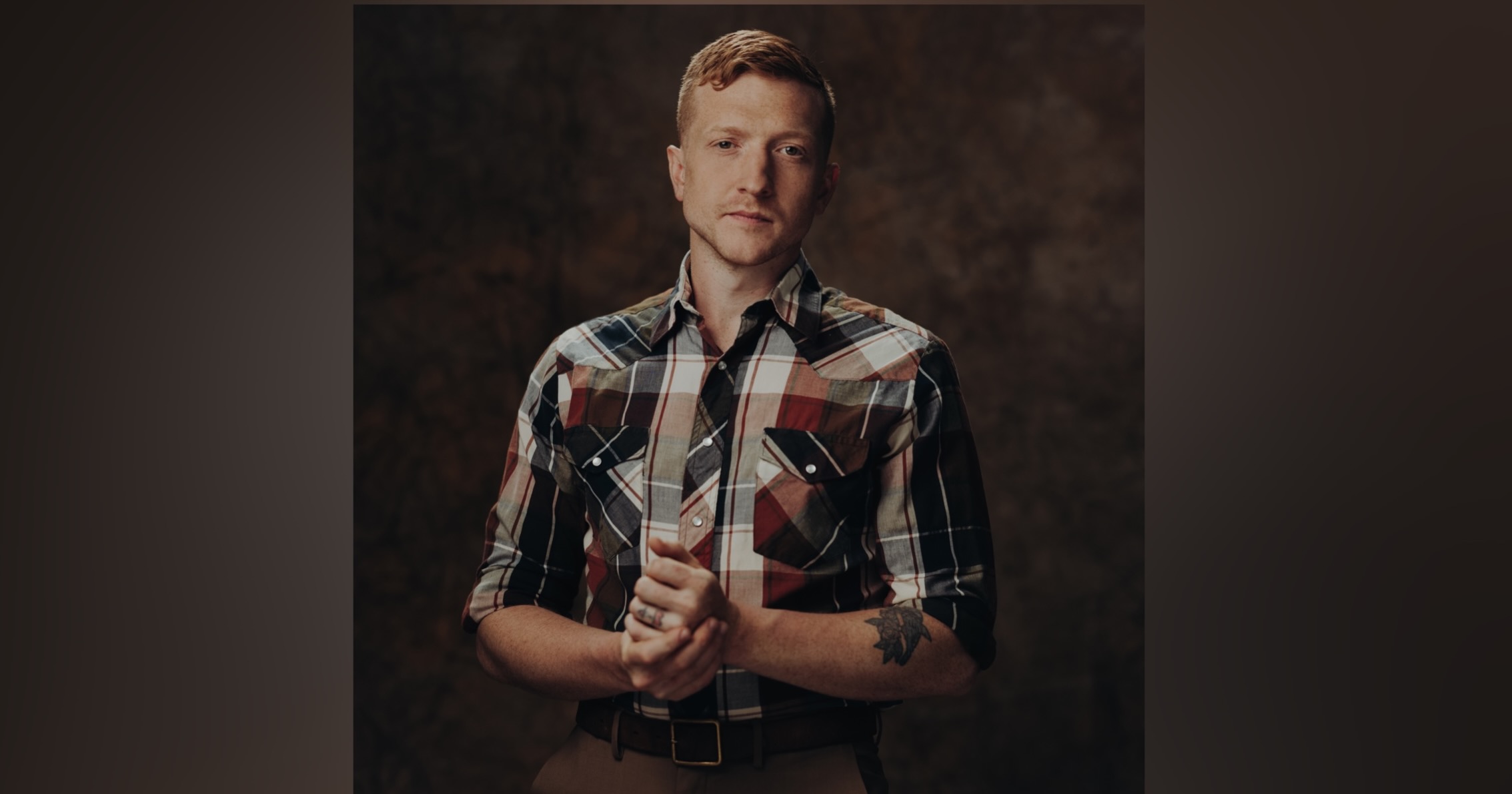
Traditional country phenom and Kentuckian Tyler Childers has announced his upcoming album, Rustin’ In The Rain (available September 8, 2023), with a brand new single and music video, “In Your Love.” Written and creative directed by New York Times bestselling author Silas House, the video tells a gay love story between two working class, Appalachian men – played by queer A-list actors and celebrities Colton Haynes and James Scully. The visuals for “In Your Love” tell one of country music’s most prominent and visible LGBTQ+ narratives to date, entering an industry landscape that has become more and more (openly) queer over the past decade.

“In Your Love” reminds of songs and albums released not just by left-leaning, more mainstream artists like Childers and Parker Millsap, but also by queer artists themselves, telling working-class stories and histories just like that constructed and depicted by House and director Bryan Schlam. In 2015, gay banjo player, singer-songwriter, and fellow Kentucky-resident Sam Gleaves released a landmark album, Ain’t We Brothers, which dripped with the exact same lived experiences and soot-tinged patina that inform Childers’ new video. In the past couple of years, releases by LGBTQ+ identified music makers like Amanda Fields, Willi Carlisle, Adeem the Artist, Amythyst Kiah, Jaimee Harris, and more trod similar ground. It’s notable still that an artist – however outlaw- or fringe-identified – as mainstream as Tyler Childers and with as broad a fanbase as his would choose to not only highlight queer, working-class storytelling, but to do so in a way that normalizes and re-centers these ways of being in Kentucky, the South, and Appalachia.

Rustin’ In The Rain will be released via RCA Records on Childers’ own imprint, Hickman Holler Records, on September 8. Via press release, Childers describes the inspiration that birthed Rustin’: “This is a collection of songs I playfully pieced together as if I was pitching a group of songs to Elvis. Some covers, one co-write, and some I even wrote in my best (terrible) Elvis impersonation, as I worked around the farm and kicked around the house. I hope you enjoy listening to this album as much as I enjoyed creating it. Thank you. Thank you very much.”

Clearly, the legacy of “The King” is merely one way drama, mystique, nuance, entertainment, and Southern-ness coalesce within this new project from one of the most exciting voices and perspectives in country.


Photo Credit: Sam Waxman

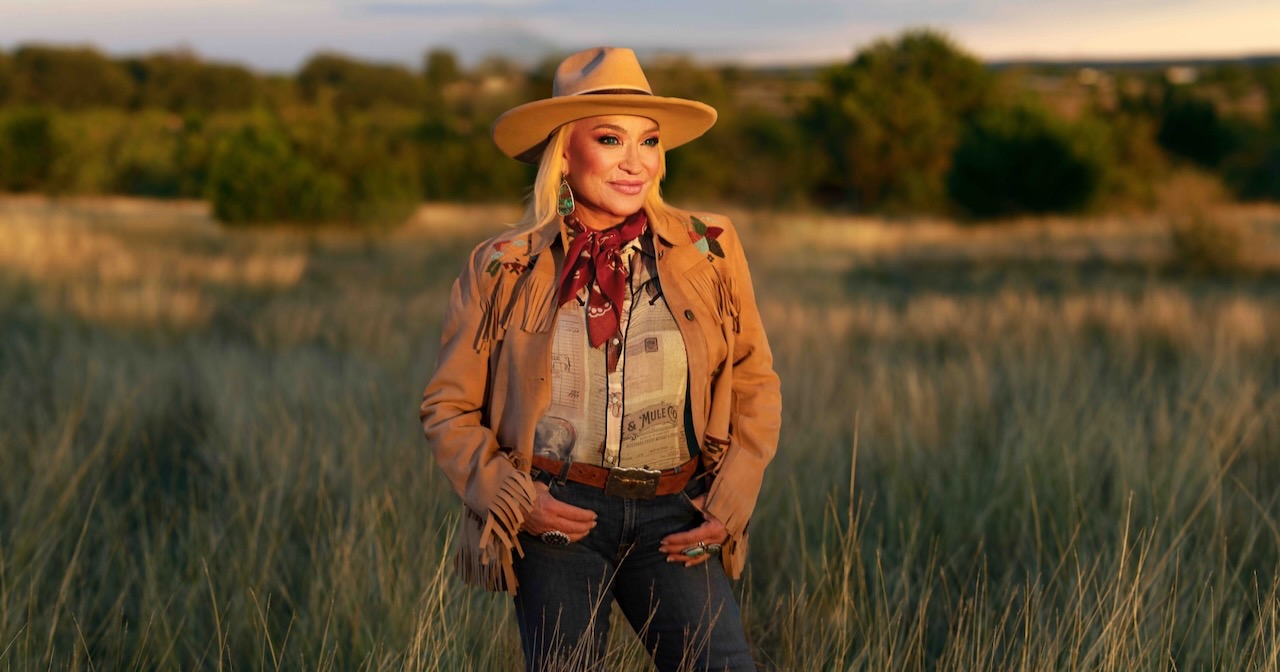
6 Times Tanya Tucker Showed Us What Pride Is All About

Just in time for Pride Month, singer-songwriter Tanya Tucker released her new album, Sweet Western Sound, with Fantasy Records, marking the Country Music Hall of Fame inductee’s 26th solo studio record. Tucker is an American country icon, having landed her first hit single in 1972 at the age of 13 with “Delta Dawn.”

Tucker has long supported the LGBTQ+ community and queer equality, and Sweet Western Sound hits many of the same notes. The record was produced by Shooter Jennings and Brandi Carlile, the openly lesbian, roots music singer-songwriter and producer who is the only woman to receive two Grammy nominations for Song of the Year in a single year. Tucker has also collab’ed with drag queen and TV legend RuPaul and performed for GLAAD and Nashville Pride.

To celebrate her inclusivity and the new record, we’re counting down some of her most memorable – and most fabulous – stage performances and duets.

Tanya at Nashville Pride 2022 

Is there anything better than rainbows, bedazzled tassels, and feathers? Absolutely not! And Tucker brought all three in her spectacular outfit at Nashville, Tennessee’s Pride celebration in 2022. Tucker sang “If It Don’t Come Easy” on stage during the celebration and was joined by multiple drag queens wearing rainbow tees emblazoned with “Tanya Mother Tucker.” Guests during her set included her dog and her daughter; the two sang Merle Haggard’s apropos “The Way I Am.”

Tanya Shows Some “Kindness”

Tucker’s latest album features a track called “Kindness,” a country-western crooner that encourages us to be a little nicer to those around us. “I found glory in the ruin of the best laid plans,” Tucker sings. “There were times tomorrow felt so far away. It seemed as though the bitterness was here to stay. I’ve pushed down on my anger through my tears.”

The tune is a good reminder we never know what someone else is going through, and that we could all be a little softer because of it.

Tanya and RuPaul Declare “This Is Our Country”

In a totally unexpected, but absolutely harmonious collab, Tucker and RuPaul teamed up in 2021 to release a duet called “This Is Our Country,” a genre-bending blend of country and pop that celebrates inclusion and equality.

“I can be a queen or I can be a cowboy,” RuPual sings.

“Love is the answer, love always wins,” Tanya adds.

The lyrics state firmly that our country is big enough for all its diverse communities and features more than a few of RuPaul’s rap bars. The video performance features some of Drag Race’s most popular queen and contestants, as well as a couple cute, shirtless cowboys.

Tanya In the Moment With “Bring My Flowers Now”

Co-written by Tucker and Carlile — as well as twins Tim and Phil Hanseroth — “Bring My Flowers Now” is a call to show our love and appreciation for friends and family before they’ve passed away. The tune is from her 2019 album While I’m Livin’, also produced by Carlile and Jennings. In the song, Tucker reminds us there are “rainbows, sunshine, and babies” to celebrate in this life, and that we shouldn’t wait until it’s too late. The simple, slow track features a piano instrumental and Tucker’s iconic vocals — perfect for a gentle moment with the ones we cherish most.

Tanya and Brandi Have “Breakfast In Birmingham”

If it’s a classic country duet you’re craving, Tucker and Carlile’s duet on the new album is just the ticket. “Breakfast In Birmingham” features both singers’ warm, soulful vocals and paints a picture of the city’s past with descriptions of hippies, cheap gas, and crispy-fried bacon. There’s also mention of “shutting down the rebel history,” a reminder that there’s a lot to celebrate and remember this Pride.

Tanya’s First Hit, “Delta Dawn”


This would be no list of Tanya Tucker’s best moments without reaching back to her roots. “Delta Dawn” was Tucker’s first hit, and this 2019 performance at The Troubadour features her famous key change as well as beautiful dobro and electric guitar licks.

Around the 2:40 mark, Tucker pauses her singing to let the audience fill in the words and they don’t miss a beat. This tune is always worth a listen and is one of Tucker’s best-known singles.

Whether you’re a fan old or new, Tucker’s got something for everyone — including a message of equality for all. There’s almost no better country singer ally to revisit during Pride Month.


Photo Credit: Derrek Kupish

WATCH: Joh Chase, “Another Lover”

Artist: Joh Chase
Hometown: Los Angeles, California
Song: “Another Lover”
Release Date: June 12, 2023
Label: Kill Rock Stars

In Their Words: “This song began in a writing retreat in Washington State back in 2017 and has had many iterations. This version is the ‘acoustic version’ I recorded and mixed at home in the corner of my living room during insomniatic COVID lock-down nights; [it] speaks of the visceral remorse we feel after nurturing and then losing relationships and just wanting to take it all back.” – Joh Chase


Photo Credit: Lexi Bonin

Willi Carlisle’s ‘Peculiar, Missouri’ is Both Extraordinary and Simple

Musician, folklorist, and instrumentalist Willi Carlisle is a bona fide troubadour in genres often populated by mimics and pretenders. But even so, and quite strikingly, his professional and artistic persona is not at all cast through a “greater than thou” light – or through the self-righteousness with which most creators stake their claim to the outlaw fringes of roots music. His debut album on Free Dirt Records, Peculiar, Missouri, is a testament to this dyed-in-the-wool road dog’s commitment to a populist, accessible, and identity-aware brand of country music. 

Peculiar, Missouri is all at once intimate and grand. Brash and rollicking radio-ready singles intermingle with raw, “warts and all” tracks that sound live and visceral, tender and ineffable. Stories of cowhands and wagon-train cooks and circus performers and legendary figures are peppered with queer text and subtext and underlined with a class consciousness. The result is not only inspiring, it will stop a listener dead in their tracks.

But the pause that this album supplies is not due to Peculiar being demonstrably extraordinary. Just the opposite. The simplicity, the downright everyday-ness of this record is its shining accomplishment. The seemingly infinite inputs that Carlisle distills, synergizes, and offers to the listener – regional roots music, old-time country, queerness, vaudeville showmanship, folklore and storytelling, the Ozarks, poetry, and so on – are perfectly synthesized in a remarkably simple and approachable format. Peculiar, Missouri is fantastically free, but not scattered. It’s extraordinary in its refusal to be anything other than ordinary. 

We spoke to Carlisle via phone ahead of his appearances this week at AmericanaFest in Nashville, where he’s excited to continue to grow the community that centers around the small business of his music. “I want to play a hundred and twenty, a hundred and fifty shows a year. I want to work my ass off,” he explains, excited for the weeklong conference and festival. “I’ve got a small business and it’s built on this group of people that I really love and that I really trust. Now I get to bring them together. It feels like a really unique and positive situation in a pretty garbage industry, sometimes!”

Our conversation began with Peculiar’s extraordinary simplicity.

BGS: I think the most extraordinary thing to me about the record is that it kind of refuses to be anything other than ordinary. And I hope that that doesn’t seem like a backhanded compliment, because to me the music feels so grounded, raw, and authentic – but in a way that doesn’t just propagate antiquated ideas around what “authenticity” is. So, I wanted to ask you how you crafted the vision for the project, because it did end up so simple, but I know that simplicity doesn’t necessarily mean building the concept for the album was simple at all. 

WC: Simplicity is hard to do and I’m the kind of person that has forty ideas and maybe a couple good ones in there, so I had a lot of songs. I give a lot of credit to friends and family in Arkansas and the folks at Free Dirt for helping me figure out how to try to nail [my vision] to the wall. I wanted to play old-time music on the record. I’ve been really lucky to do square dances and play old-time music in the Ozarks for a long time. I want to be old-time music and I want to be country and I want to be queer and I want to be a poet. I want [the album] to be grounded in American literature, and also want it to be grounded in American old-time music, so that it feels like the songs are highly regional and from specific traditions that I’ve learned from. 

This might make it sound like getting to simplicity was simple, but it really came down to a series of checkmarks. I want to be able to learn from Utah Phillips forever and his legacy and the legacies of the people that worked with him. So I knew I wanted to do a Utah Phillips song. I wanted to do something that felt more like a square dance call than like a capital S “song.” So we did “The Down and Back.” I’ve been setting poems to music for fun for a long time and that was why we did that song, “Buffalo Bill.” I’d always wanted to just tell a story, too, so we set a story to my own fingerpicking, because there’s a lot of that style in the ‘70s and from people I admire the most, like Steve Goodman and Gamble Rogers. It also came down to what traditions we were working in. “How do we evoke these different traditions in a way that is diverse but is unified?” At the end of the day, it might just be my voice and limited capacity instrumentally that unifies it. [Laughs]

The record feels “agnostic” to me in so many ways: The genre aesthetic (or lack), agnostic. The songwriting perspective, agnostic. The identity narratives, agnostic. The regional qualities, too. And when I say “agnostic” I mean, they all feel very defined and tangible, but not that you’re professing any one of them as traditional or as truth. You’re placing this music so specifically within a longstanding tradition of old-time country and string band music, but you’re doing it in a way that doesn’t feel like it’s trying to ensconce a “correct way” to make music. 

Carl Jung, who writes the best shit [Laughs], writes about some kind of “spiritus mundi,” some kind of larger idea of the world that can bind us all together, psychologically. In a lot of these things about America, we receive these overarching stories about what it is to be an American, what it is to be free, what it is to be this, that, or the other. These stories have identity concerns, but they have to be agnostic, because they’re too general to ever be specific. Which is to say, it’s all sort of false. 

I guess as I was looking at all of the historical moments that I wanted to underline, I found that the overarching narrative was that there was not going to be one. The title track is about traveling for a long time and having a panic attack in a very specific place, but also a very non-specific place, which was a Walmart. It may be the most unifying place in the country, now. I wanted to take the idea of this universal American spiritus mundi and locate it within as many specific voices that were inspiring to me. And usually those are people that tried to do folk music or vernacular music in this big, all-encompassing way.

That agnosticism, that acceptance of the duality of all things, that’s such a queer perspective. And it’s not just because of the pink album cover. [Laughs] It feels like the undercurrent and overcurrent of this record.

Yeah, it’s designed to be, it has to be inclusive. [The album] also includes voices that are on the very edge of slipping out of existence. It also sort of includes failure and incompetence and foolishness and folly. I think a lot of our “sad bastard,” dude country – which is really one of my favorite genres, it ain’t me ragging on sad, sad country. [Laughs] “Tear in my beer,” I’m 100% behind that! But for some reason we’re willing to valorize those feelings, but not valorize historical discomfort and the total dissipation of huge groups of feelings. And [we valorize] money. 

Like, if I was going to do a Utah Phillips song, the one to me that fit the most was “Goodnight Loving Trail.” One, because it’s stone cold banger and two, because it’s about a cook on a wagon train. And if I think that somebody is going to get the idea that I’m going to talk about rootin’ tootin’, gunslinging, and stuff, I wanna fight that with, “Here’s a song about the emotional condition of a pissed off cook who stays up all night playing melancholy songs on his harmonica.” That’s it! There’s nothing else, the only message of that song is we get old and we die. We outlive our youthfulness, and to what end? 

“Sad bastard” or, as I like to call it, “sad boi country” – sad boi anything is so, so hot right now. Especially this kind of idea of “sad boi” or “dirt boi” country, and it’s really prevalent in Americana. But I feel like this record is turning that new-ish trope on its ear. Something about straight, cis-, white, privileged men self ascribing “sad boi” or “dirt boi” always rings untrue to me as a listener. But Peculiar, the sadness intrinsic in it doesn’t seem like “sad boi country” to me, because it does have that queer thread. Do you agree or disagree? 

Well, the title of the record is intended to be a pun: “Queer sadness, peculiar misery.” I guess I would include that. I think there are perfect sad boi country songs out there. Formally, I don’t really have anything against the form, I just want to do my own version of it. If I’m totally honest, that’s mostly the way it comes out. That tends to be the way it comes out, in this format. I have written songs that go in circles around, I guess, a more normal sort of self-indulgent sadness, but I’ve never felt them to be my best work. It’s nice to lean into the thing that hurts you, I think that there’s power in that. 

I think that a lot of that sad boi country is angry at women, or is saying, “I’m no good and women hate me.” Or, “I’m no good and my mama knows I’m no good.” Or there’s “I’ve tried to be good and I can’t.” Instead of like, looking inward and being like, “I want to be better, I need to be better. My problems are my own.” 

I want to talk about production, because one of the things I love about the record is that you’re playing with sonic space so much. Some of the songs are placed very close to the listener, like a radio mix. Others are really quite distant and you play around in that space, kind of mischievously at times. Where did that production quality come from and why was it important to you? 

Well, I don’t want to take credit after the fact. It was the idea of the producer, Joel Savoy, who essentially was like, “Hey, I’ve got this old vaudeville theater, I’ve never gotten to use it, but I think that you could spread a couple tracks out in this old theater.” It’s like hundreds of years worth of people dancing in this theater, it’s just gorgeous. I also told him, “Look, I want a couple tracks ready for the radio. I want to be able to take a real shot.” 

On the other level, it’s just me and an instrument. I want it to sound like I’m sitting on the edge of somebody’s bed and they’re sitting with the covers pulled over them. That’s pretty much what I said [to Savoy]. A lot of the production is me having an interest in the record reaching some kind of minimal commercial viability, I want to say pretty clearly that that’s an intentional move. I know that I can make a record that will never reach commercial viability. I just got nominated for an award in outlaw country and that really just means I’m not ever going to reach commercial viability, but they do agree that I’m country. [Laughs]

I wanted to be able to share the project and create a couple of things that would invite people in that might never normally hear the message on the record. But, if I was only known for the tracks that were radio-produced, I wouldn’t like that at all. The idea is to invite people into the whole record. 

I’ve said quite a bit, what’s more outlaw country than being anti-normative, anti-idyll (in this case, read: queer) in country music? That’s what I feel like is coming through in “I Won’t Be Afraid,” because it’s not outlaw country in that it’s professing that you must forsake emotion and forsake heart and forsake these sort of non-masculine, anti-normative ideals to be outlaw. It’s outlaw in a way that embraces otherness and any form of the other can be outlaw. To me, it’s not a song that’s just a personal declaration, but also an industry-wide one. And it’s more than that, too.

The song came out all at once. It was one of those crying fit songs. I was like, “Okay, that’s a crying fit song, I know what that is. That goes deep in the drawer and we don’t really bring that one out.” Well, I did share it with a couple of people and they liked it. At the point I recorded it, I’m still, I’m just… I almost used the phrase “a sack of shit,” but I guess I wanna say I was an absolute mess in that place. I was not able to contain the feelings I was having in order to play a G chord. I think that does give it a quality that I like, but also gives it a quality that I wish I could, oh, slap a little tape or a little rouge or something on it.

As far as outlaw stuff goes, I made up this saying that outlaw shit is kissing your buds and dancing like your grandma is proud of you. [When I came up with that,] I was thinking about how hard it is to do. And what kind of risk it entails, to actually feel happy with yourself and happy with where you come from. … I do agree, on some level, with the maxim from the outlaw country guys early on that it’s about doing things your own way and it’s about not doing what the institution tells you to do. But that’s also a marketing scheme that’s appeared on T-shirts at Spencer’s in the mall ever since I was a kid, right? It’s not going to work for me. I want to revise it. I’ve gotten some kickback over the virulence with which I might be revising it, but we’ll see how it goes. I don’t think my career’s over or anything. [Laughs]

What’s more outlaw than people saying you’re not outlaw? 

It’s a snake eating its own tail!


Photo credit: Lead photo by Tim Duggan, square thumbnail by Jackie Clarkson.

The Story Within Violet Bell’s New Folk Album Is More Than Just a Celtic Myth

Americana duo Violet Bell‘s new album, Shapeshifter – out October 7 – tells a story of the mythological selkie, a mermaid-like creature from Celtic folklore that embodies a form that’s half woman, half seal. In their retelling and reshaping of this ancient folk narrative, they tease out its connections to the transatlantic journey of American roots music, to the cultural and social melting pot of the “New World,” and to agency, intention, and self-possession. 

A concept album of sorts, the music is remarkably approachable and down-to-earth, while the stories and threads of the record tell equally ordinary and cosmic tales. At such a time in American history, with fascism once again on the rise and attacks on bodily autonomy and personal agency occurring with greater frequency at every level of governance, Shapeshifter offers a seemingly timeless lens through which to engage with, understand, and challenge the overarching social and political turmoil we all face on the daily. Moreover, it’s an excellent folk record, demonstrating Violet Bell’s connections to North Carolina, Appalachia, and the greater communities that birthed so many of the genre aesthetics evident in the album’s songs.

Shapeshifter is a gorgeous exercise in community building, an artful subversion of societal norms, and a stunning folktale packaged in accessible, resonant music with a local heartbeat and a global appeal. Read our interview with duo members Lizzy Ross and Omar Ruiz-Lopez and listen to a brand new single from the project, “Mortal Like Me,” below.

BGS: I wanted to start by asking you about community, because I know it’s always very present in your music making. I feel it, definitely, in Shapeshifter. Not only because you’ve got Joe Terrell and Libby Rodenbough (Mipso), Joe Troop, and Tatiana Hargreaves on the project, but because I can feel that community is a tent pole of this record. What does community, musical and otherwise, mean to you in the context of this project? 

Lizzy Ross: It was such a wild time to be making the record because it was March of 2021, so vaccines hadn’t quite happened yet and we had all been on lockdown for about a year. We were obviously really missing our community and the live music community. There was also this strange thing, where our friends who would normally always be on the road all the time were at home. So we had an incredible opportunity to call up people, like calling up Tati and Joseph and Libby and Joe Troop – who lived in Argentina but came home because of COVID! The way that it worked out, people were around and we were able to convene and make this album in circumstances that probably wouldn’t have been possible, because everybody would have been on the road. 

Omar Ruiz-Lopez: Or, [we would have had them] recording remotely. Which is not the same. One of the reasons why I play music is because of the community. That ability to bring people together and share music and hold space together, the energy that comes from that is so vital to the human experience. Getting to create that space, to bring an album to life, there’s not much else in this world that I live for, besides that. Getting the opportunity to bring everybody together, especially after such a big isolation, was so life-affirming and helped bring me back to why I make music in the first place. 

That’s definitely palpable in the music itself, but also in the overarching viewpoint that y’all have within this record. I also find that it’s very grounded. You might have heard BGS just released our first season of a podcast called Carolina Calling, about North Carolina’s history through music. One of the through-lines that keeps coming up in all of our interviews is that North Carolina specifically has such a strong sense of musical community. Even though this is kind of a story record and kind of a concept record, it feels very grounded in North Carolina and in the South. 

LR: Omar and I are kind of mongrels from the non-South. But we’ve come and steeped ourselves in this land and these traditions and this community, so I think that what our music reflects is the internal sort of “musical diet.” Our musical diet is probably atypical when you consider what most people think of as North Carolinian or Southern music. The music we were listening to going into this even, we were listening to a lot of Groupa

ORL: Groupa is a Scandinavian folk band that makes these albums based on music from different countries, like Iceland, Finland, and Sweden. I feel like anything that’s not from here is called “world music,” but their brand of folk music is very beautiful and out there and organic and grounded in the different traditions they represent on their albums. It’s mostly instrumental music, it’s pretty powerful. We were listening to that a lot, as well as Julia Fowlis, a singer who sings in Gaelic primarily. Those cultures – Scottish, Irish, Scandinavian folk – they’re related to the music here like old-time, bluegrass, and Appalachian folk traditions of fiddle and banjo. 

To bring it back to the question, I’ve been here for twelve years. I was born in Panama and raised in Puerto Rico listening to Spanish and Latin folk. When I say Spanish, I mean Spanish-speaking, the language of our colonizers. But there’s something still not-from-Spain in the native, Indigenous musical and cultural influences in that music. Like in Bachata and Cumbia. Then I moved to the States and fell in love with rock ‘n’ roll and more of the singer-songwriter tradition here. 

LR: Originally I came here for school. I grew up in Annapolis, Maryland, where I didn’t really find a musical community. There was one, I just didn’t find it. When I came to North Carolina it was the first time I saw people gathering together over a potluck and music, with like shape note singing and like the Rise Up Singing book. Having this experience of big, group harmonies I had this realization more and more that music could be a part of my daily life in a way it hadn’t been as a child. Or, rather, as a way of public, shared daily life. Because it was always part of my life, but it was part of community life here in North Carolina. That was a big element of how music and North Carolinian music in particular drew me in and captured my heart. 

Can you talk a bit about the central storyline of this album and how you picked up the mythos of the selkie and turned it into this project? 

LR: The story of the selkie came to us and it’s something that is in the culture, it’s floating around. Many folks have seen the movies Song of the Sea or The Secret of Roan Inish. The first song that came to me, Omar and I were at the beach one day and I was playing on the banjo and this song came out. It was “Back to the Sea.” We were in the Outer Banks of North Carolina at that time, at the ocean, and I was kind of just listening for who this character is and what they are saying. It was a selkie. It was a selkie singing of getting to return home. 

I would say that coming home to ourselves is one of the central themes of this album and one of the themes the selkie story really brings into focus. The whole myth is centered around a being, a mystical ocean being, who gets yanked out of her native waters and forced to live in a world that doesn’t understand her and wasn’t built around her existence. To me, there’s a really clear connection. That story is a medicine for the cultural wound of when we don’t fit into the prescribed paradigm of power. If we don’t fit into white supremacy or if we don’t fit into normativity or if we don’t fit into patriarchy. It’s the sense of feeling like we have to cut off parts of ourselves that aren’t compatible with those power structures so that we can be acceptable to the power structure at-large.

This story says, “No, don’t do that.” You can reclaim the parts of yourself that you’ve had to orphan in order to survive. You can reconnect to those pieces of you and you can come home to yourself. It speaks to integrating who we are, the characters of the land and the sea in this story are really powerful to me. The sea, to me, is this cosmic force. It’s a pervasive, creative, destructive, loving, mysterious force that the selkie comes out of. It doesn’t follow the rules of the land-bound world. To me, it’s like the structures and hierarchies of our culture – whether it’s capitalism or something else.

One of my questions was going to be about how queer the record is, and not just Queer with a capital Q, but also a lowercase Q, the idea of queerness as just existing counter to normativity. But it’s not just a story of otherness, it’s a story of otherness in relationship to embodiment. In the South right now especially, but in this country in general, embodiment is under attack. Whether we’re talking about COVID-19 or abortion access or trans rights. There’s something in this record that speaks to all of that. 

LR: I think one of my experiences [that informed this music] is that I’m in a female body. There’s a line in one of the songs, “I Am a Wolf” – that song is two parts. First is the fisherman speaking, he’s kidnapped the selkie, taken her out of her native waters, he’s made her come be his bride, and he’s like, “Why isn’t this working?” It sucks, he’s lonely, he thought things would be better. The second half is the selkie responding and she says, “I am a wolf, not a woman.” That’s the first thing she says. That was something I said at one point, when I was connecting with a sense of deep grief and rage within myself around what I felt were the prescribed cultural parameters of my existence. 

ORL: The people who made this album were mostly by BIPOC people and [people who fall outside those norms]. Joseph Sinclair and I are not white and Joe, Tati, [Lizzy], and I are not straight. I feel like a lot of different perspectives went into making this album. We didn’t just get white, straight dudes to make this album and it felt good that way, getting different musical perspectives on this. We could have just made it ourselves, that’s the other thing. I’m a multi-instrumentalist and Lizzy is a harmony singer, we could have overdubbed to kingdom come. Part of the reason why we got all these people together into the same room is because of their unique perspectives on the traditions they brought to the table. 

LR: This thread about embodiment is really important and by asking this question you’re helping me articulate something that I’ve been sitting with for months, a year, as I’ve been thinking about the writing and the words and characters in this story. And also, what is it for me in this story that I’m trying to unravel with this album. Also on a cultural level, what are we talking about here? 

The selkie, her skin is taken away from her in a moment of innocent revelry. The story starts with her dancing in the moonlight on a rock and that’s when the fisherman steals her skin. When I think about the people that I know and love, I think a lot of these systems are violent towards people whether or not they fit within the system’s perception of dominant power. When I think about the six-year-old version of a person or whatever version of a person was able to un-self-consciously dance or feel good or go into their mom’s closet and put on her clothes and makeup and not feel ashamed – there’s a different version of this for literally every person and what that means. That innocent revelry, it’s experiencing oneself not through the eye of an external observer but through the juicy presence of embodiment and joy and a sense of wholeness and rightness in your being.

Everybody’s had the experience of having their “skin” stolen from them. When you get yanked out of your sovereignty, your joy, your bliss. You get catcalled, you get shamed, you get this or that. There’s violence done to you, whether it’s physical or not, there’s that sense of losing your skin, when we start to separate from ourselves and regard parts of ourselves as less than. I think that dysphoria is a really important part of this story and this album. When we don’t experience ourselves or feel ourselves as the cultural perceptions tell us we’re supposed to be, whether it’s a question of gender or color, this feeling of not being at home in our bodies, I think that was a lot of what really resonated with me, even unconsciously, about the selkie. One of the ways that it took root and grew in my consciousness and eventually in our shared consciousness, between me and Omar and the folks who are on this music.

As a picker I have to talk about “Flying Free” and “Morning Girl,” because I think having instrumentals on this record makes so much sense. I have some ideas about how they fit into the story, not just based on the titles, but also based on how the tunes are so evocative like the rest of the project. Why, on a record that feels like a concept record, why instrumental tunes? 

LR: Words are our inheritance from so many of the same structures that can oppress us. And they’re also our freedom. Words allow us to develop and communicate concepts and they also contain hierarchies and power structures that we may or may not really need. The name of the song, “Flying Free,” and the fact that it’s instrumental, to me it’s like this somatic sensation of the selkie plunging back into the sea and the joy of being reunited with her home waters. Which to me is her sense of self, her sense of worth and safety and agency. 

ORL: Sound, organized sound inside of space, one of the powerful things about it is that we are able to attach emotion to it. It’s kind of beautiful how two people could feel similar things listening to one piece of music. When it came time to put together the songs for this album, there were a handful of tunes that came up that weren’t asking for words. But that totally helped paint the picture of the world of the selkie and what she was going through. 


Photo credit: Chris Frisina

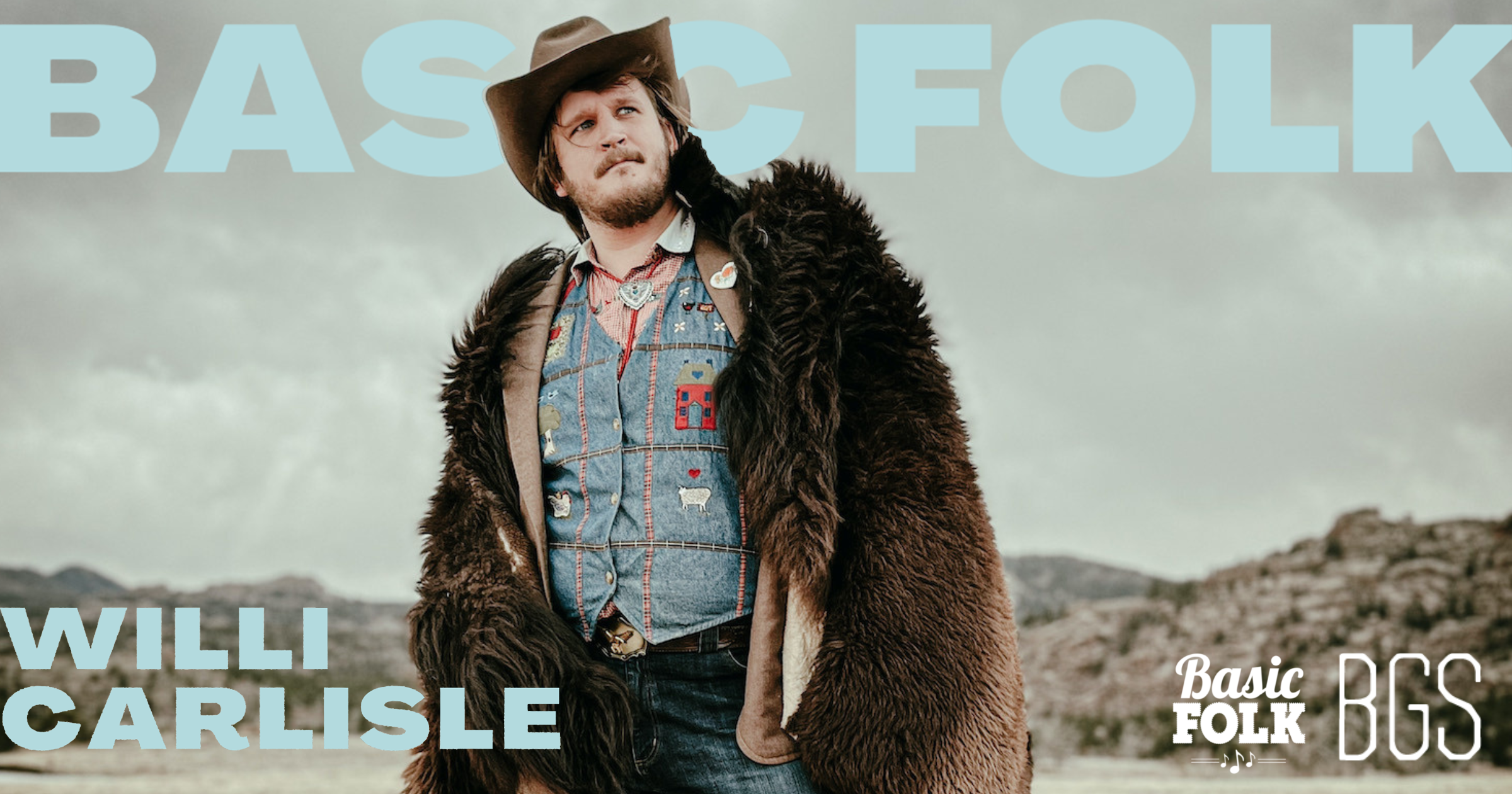
Basic Folk – Willi Carlisle

It’s hard to not fall a little in love with Willi Carlisle. The former high school football captain (he’ll tell you it was just for his junior year), poet, madrigals singer and freaky dreamer is irresistible on stage and on record. He grew up an outsider and the feeling remains in his adult life.

LISTEN: APPLE • SPOTIFY • STITCHERAMAZON • MP3

In writing about his intense life, he’s found an outlet and in his music we, the others, feel seen. His history is filled with complex experiences like having a musician father, singing in punk bands, getting a masters in poetry and finding true home and community at square dances in the Ozarks.

I got Willi to talk about a couple of notable contradictions in his life including his unflinching willingness to lay it all out for his music, living alongside not trusting himself or believing that he can do this. He also loves high-brow poetry and punk rock, but “I don’t want to come across as too heady, but I also don’t want to be so punk rock that I lack polish.” We talk about those contradictions and, of course, the music. His new album, Peculiar, Missouri, is filled with songs that seem very hopeful and these songs, even the protest songs, are coming from a place of love. Willi’s not reached a state of queer joy, which he’ll freely tell you, but he’s working on it. Meanwhile, his honesty, curiosity and big heart have us hooked.


Photo Credit: Mike Vanata

Garrison Starr’s ‘Girl I Used to Be’ Makes Peace With the Woman She Is Now

For the last decade, many queer singer-songwriters have doubled down on laconic melancholy, so it’s pleasant to hear Garrison Starr’s new album, Girl I Used to Be, has the ease of Dave Matthews or Sheryl Crow, but Starr is more open about her sexuality on this album than her previous work. At 45, she is older than a cluster of younger generation of performers (some queer, some writing about queerness) who are still working through experiences of gender, sexuality, and religion.

Listening to her new album, one can hear connections to work like Semler’s “Youth Group,” a small, pointed folk song about discovering that you are queer after a youth group lock-in, or Stephanie Lambring’s lacerating attack against homophobia, “Joys of Jesus.” There are also echoes of the joyous call for selfhood in some of Katie Pruitt’s best work. Starr has written with Pruitt, and “The Devil in Me” from Girl I Used to Be was at first intended for her.

“I was sure that would be a song for Katie’s upcoming record,” Starr tells BGS in an email interview. “But she didn’t take to it like I did, and truthfully, I’m happy because I realize how much that song really is a biography of my experience and of my questions as well. I love the curiosity in it and the sense of breaking away from something that doesn’t serve me anymore. I’m not sure where I fit in with Christianity at this point and even if I’m drawn to it, really. The hypocrisy and elitism, at least in the evangelical church, is repulsive to me, and though I think the story of Jesus’ love and redemption is the best thing about any of it, I’m still searching. I believe in a power greater than myself that I choose to call God — that’s all I really know.”

Lyrically there are places where Girl I Used to Be points to the woman she is now, while still drawing on the memories of her childhood in Mississippi, trying to fit in. This merging of past and present give Starr an authority which leads to a commitment to declarative sentences via a voice that is often plainer and clearer than younger queer performers. She is most declarative about issues of sexuality and geography, particularly on her best West Coast songs.

On “Downtown Hollywood,” Starr tells the story of a runaway that gradually shifts from third-person into first-person. She sings about how “they were raising and they were failing” and trying to “cash it all in.” It has a jab against kids with so much privilege that they didn’t need to grow up, and thus, is a grown-up song, almost burnt out, almost jaded about a town Starr still claims to love.

“My only advice to anybody is to find your authenticity, lean into it and never look back,” she says about her adopted hometown. “Los Angeles is a funny place… it’s changed so much and it hasn’t changed at all. The homeless situation here is definitely worse since I came in the late ‘90s. Some of my favorite old haunts aren’t there anymore, but new stuff has popped up in its place. The hustle, the funkiness, the freedom and the hills haven’t changed, and that’s really what made me fall in love with it in the first place.”

Starr grew up in the Deep South, spending some of her undergrad years at Ole Miss, where she was in a sorority. Feeling restricted in that environment, she moved to Los Angeles in the early 1990s. Her major label debut, Eighteen Over Me, was released by Geffen in 1997, and the sudden attention was complex for this queer songwriter. She has mentioned in an interview with Mississippi Today that in her mid-1990s heyday she was told by handlers not to butch it up too much, to avoid the tomboy aesthetic.

Her subsequent career was as an independent touring artist and a successful jobbing musician. She has sung back up for Mary Chapin Carpenter, worked with Josh Joplin, covered the Indigo Girls, and ended up on the soundtrack to multiple television shows, including The Fosters and Grey’s Anatomy. In 2019, her song “Better Day Comin’” was featured in a trailer for the Oscar-nominated Mister Rogers biopic, A Beautiful Day in the Neighborhood. In addition, her production credits include Margaret Cho’s Grammy-nominated comedy album, American Tragedy. “Margaret is one of the most generous and down to earth people on the planet. I am grateful to know her and have had the opportunity to work with her,” Starr says.

Girl I Used to Be builds upon all of this complex history, while at the same time, provides a way into the future.

“I’ve spent a lot more time in my studio, working on production and mixing, and I’ve been able to continue to create content,” she says about the past year. “My business hasn’t been dependent on touring, thank god. I realized a while ago that if I want to make a living in this business, I gotta figure out how to diversify. So, I write a lot of songs with a lot of people, and I make sure some of them make it into TV and film so I can afford to be an artist for a living.”

Like many contemporary singer-songwriters, a paradox exists between the authority she shows in her music and the helplessness she felt about the political situation as she was writing the record. She says that the song “Dam That’s Breaking” is a response to the administration of the 45th president. He was, she says, “empowered and embraced by evangelicals, even though they knew it was wrong. It’s definitely about religious hypocrisy as well as greed and power, cowardice, selfishness and everything else that makes you feel like the walls are closing in on you and you are powerless to stop it.”

What Starr has to say about long-won battles, about landscape, and about power, through the lens of knowing, has something to teach younger queer artists, and can be an example for a young artist striving to write with a strong sense of place, delicate emotion, and a talent for observation. For example, her song “Train That’s Bound for Glory” is inspired by a remark by her late grandfather at his birthday party.

“He loved to goof around and he loved to pick on you,” she says. “They were singing him ‘Happy Birthday,’ and he carried on about not being around for his next birthday and that it was ‘probably gonna be my last birthday. … He ended it with, ‘Yep, I can hear the whistle on the train that’s bound for glory, calling me home.’ I knew of the Guthrie song, but I had honestly never heard it until after I wrote my version.”

As a whole, Girl I Used to Be answers the question of who the girl is now: a queer woman attempting to reconcile her history and her present. She embodies a queer desire to reinvent oneself in another space. You can have a career anywhere these days, and stories of the Midwest and the South have become central to new LGBTQIA stories — and so the exile motif in Starr’s work might be another kind of lived-in quality. Her experience shows that finding home does not mean exile.

One such example is “Make Peace With It,” among the album’s most trenchant moments. Starr says, “Well, the lyric is, ‘If I’m ever gonna live this life, I gotta make peace with it.’ I was thinking in that moment about how much I was struggling to hold onto blame for the rejection I experienced in the church, for the way I felt like my career wasn’t working like I wanted it to, and name whatever else I felt victim to for a long time in my life. I finally got to a place, through what I’m calling grace, and I’ll explain that in a second, where I realized I’d rather be happy than be right. (Thank you, Alanon.).”

She concludes, “What I mean by grace is that there have been so many times in my life where I have been accepted, as I am, by people who truly love me, when I’ve been at my absolute worst. That is what I mean when I say grace. Grace is love, no matter what.”


Photo credit: Heather Holty-Newton

Aaron Lee Tasjan Exclaims His Love of Guitars, Games, and Silly Little Songs

Not every songwriter can get away with an opening line like: “The world outside my window / looks like Nintendo / but I’m not playing games anymore.” Leave it to Aaron Lee Tasjan, who guides us past those lyrics into “Not That Bad,” a subtle and sincere song about confidence and capability that showcases the Nashville-based musician’s gift as an acoustic instrumentalist as well.

Tasjan wrote the song just after suggesting to his longtime label that he wanted to produce the next album — an idea that the executives weren’t sure about. So, Tasjan went ahead and did it anyway, working with co-producer Gregory Lattimer. The result is Tasjan! Tasjan! Tasjan!, likely his most revealing album yet, and one that embraces his fondness of guitar, video games, and his own self-proclaimed dumb songs. He chatted with BGS by phone leading up to the release.

BGS: “Up All Night” sounds like a pop song, but it’s also very personal. What was on your mind as you were writing that song?

Tasjan: A couple of things. I love songs that I would call silly little pop songs. Something as simple as “Sugar” by the Archies. I just love simple, but with a good hook. I’ve been listening to music like that for a long time. As far as the lyrical content, all that stuff came directly out of my life. There’s not one thing that I’m singing about in that song that isn’t 100 percent me, really. And honestly, if I could say there was a mission statement for the record, it was to just be as unabashedly me as I possibly could. So, “Up All Night” became a front-runner early on, a cool blueprint of anything else that I wanted to do.

To me, that song is about the things in life that come and go — you mention money and love and health. And then you’re ultimately realizing that’s just how life is. Is that a fair assessment?

Exactly. I’ve been a very analytical person in my life. And there are some things that you don’t have to analyze. Like, if you are analyzing it, you’re spinning your wheels, or in some cases, creating scenarios that wouldn’t even exist otherwise. It’s kind of a mental health tip for myself to realize, “Look, man, that’s just the way it is, dude.” [Laughs]

It’s refreshing when you come to that realization and you just go on and live your life.

Right! I think that’s true. Control is part of it — you want to feel like you’re in control. But all of that is an illusion. Certainly we have been witness to several moments recently where it feels like reality is coming undone, so we’ve had to reckon with how little control we have over everything. But at the same time, for a guy like me, it’s helped me to reassert the parts of what I can do, of being seen, asking to be seen, and seeing others. That’s not something that I’ve always been that comfortable with — the asking to be seen part. It’s been hard for me, but on this record, I felt more called to do that.

Speaking of that, there’s a lyric in “Up All Night” about breaking up with your boyfriend to go out with your girlfriend. Is that the first time you’ve addressed that topic on a record?

I think so, yeah. Well… on the Silver Tears album, there’s a song called “Hard Life,” and a verse in that where I sang, “There’s a redneck bummer in an H2 Hummer and he sure does hate the queers.” That was true. That happened to me. I got stuck in a drive-through at Taco Bell one time in small-town Ohio with some football team kids who, in their mind, had me pegged. They were yelling all kinds of stuff. I parked my car later to eat the food I’d gotten in the drive-through and they came over and were banging on the windows, calling me names. It was scary, man.

I didn’t know that happened to you. That’s frightening.

But at the same time, that is a tiny part of what someone who is transgender encounters. You kind of put in perspective. What’s it like for somebody who has to deal with that every day? It’s heartbreaking. In a lot of ways, I’m trying to show this side of myself because I feel like, especially if I’m going to be the most “me” that I’ve ever been on a record, it’s imperative to stand in that truth.

The videos for “Up All Night” and a few other songs resemble really cool arcade games. What is it about that visual presentation that grabbed you?

I think a lot of it is in because of the time I grew up in, which was the late ‘80s and the ‘90s. Video games were just huge! And something to do was to go over to the arcade for the whole day. [Laughs] Like, drop me off at 11 in the morning and come pick me up at 8 p.m., and I’ll have the time of my life! I thought with the music, sonically, I wanted to create sounds that were almost like a Polaroid picture, colors that didn’t quite exist in real life. There’s a lot of guitars on the record that sound like synthesizers almost. They’re sort of this weird hybrid combination somewhere between a guitar and a synthesizer, which was very intentional.

When did you get interested in guitar?

I was really young! In fact, I remember when it was. I was 8 or 9 years and my family took a summer vacation and my parents hired a girl who went to the local high school to watch me and my sister, because we were so young. And this girl was obsessed with MTV, of course! So, that’s what we watched all summer long.

My two favorite music videos were “Runaway Train” by Soul Asylum — because I loved that driving, strumming, acoustic guitar, which has become something I use in my own music all the time — and the other one that I really, really loved was the Black Crowes’ cover of “Hard to Handle.” I loved how Chris Robinson looked and I loved how the song sounded. It made me turn every single thing that I had in my possession that could be a guitar, into a guitar. So, my tennis racket became a guitar. My baseball bat became a guitar.

The place where we staying that summer at the beach, somebody who played guitar must have stayed there before, because I actually found a tortoise-shell guitar pick in that house. I didn’t play guitar for years after that, but I carried that pick with me EVERYWHERE. It was my most prized possession. So, when my family moved to Southern California a few years later, there wasn’t a lot to do when I first got there, and I was able to talk my parents into letting me get a guitar and start trying to go for it. I was 11 or 12 by that point.

Were you listening to any bluegrass or country at that time?

The first thing I heard that set me off in that direction was played for me by my mom, and that was early Bob Dylan stuff. That got me into acoustic music, and I remembered the “Runaway Train” video, and I thought, “Let me find some more stuff like that.” I actually started writing songs almost right away. I was a really funny kid, you know what I mean? I was like the class clown, so making my songs kind of humorous felt natural to me. I was only 13 or 14 years old when I played a song I had written to an older guy, and he said, “Man, let me help you out. It sounds like what you’re trying to do, is something like what this guy does.”

And he gave me a cassette tape of Prime Prine, which was a John Prine greatest hits collection. And that was the day I decided that I wanted to be a songwriter. [Laughs] Not only was he doing what I had been trying to do, he was doing it in this way where it was like I’d only ever seen Clark Kent – this super-nice guy, mild-mannered, kind of plain. Then you press play and you hear “Please don’t bury me down in the cold cold ground…” and Superman showed up! That was everything, you know? I got obsessed with that.

Listening to your new album on the whole now, what do you like most about it?

I just love how dumb it is. [Laughs] I love how simple it is! I know that sounds silly, but it forces you to consider how much of what’s there really needs to be there. I really do like hearing people sing about their stories, so the more that’s in the way of that, the less enchanted I am. I just wanted to make these songs kind of simple and plain spoken. To have some poetry, certainly, if it’s possible for me to do that, but also to really lay it out there in this dumb but hopefully sweet way. I don’t look at it as though I’ve made some sort of amazing artistic statement or whatever. I just got really got down to it and said what I wanted to say, how I wanted to say it.


Photo credit: Curtis Wayne Millard

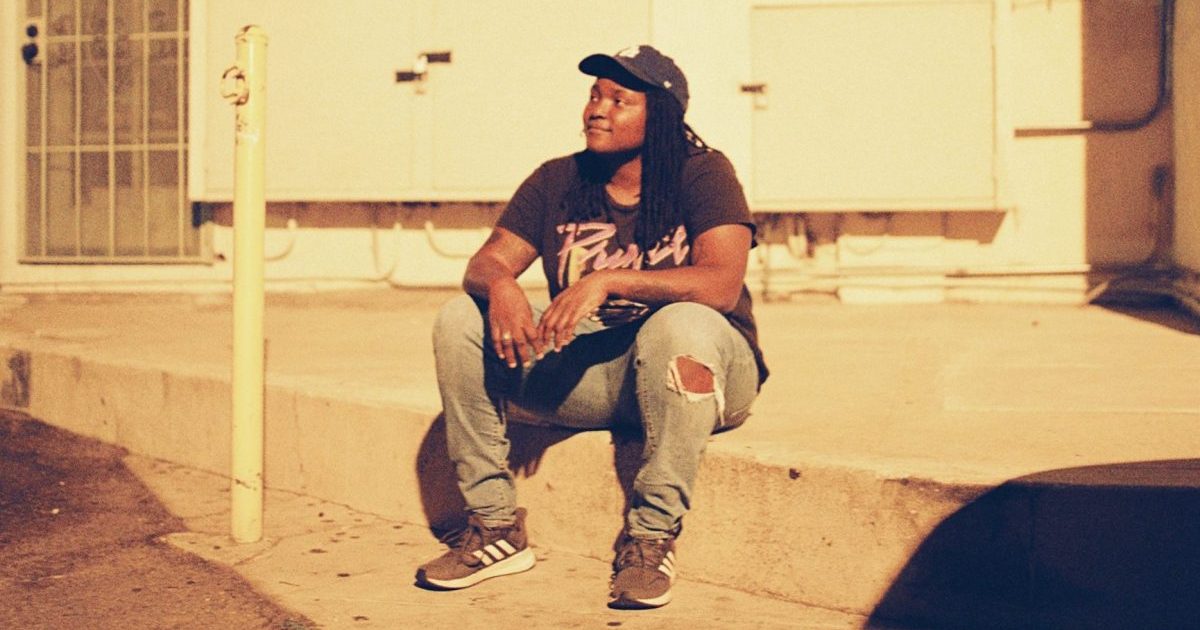
By Defending Her Own Happiness, Joy Oladokun’s Determination Pays Off

It was far from a given that Joy Oladokun would settle on her present path as a singer-songwriter of pensive folk-pop. She absorbed an array of musical models earlier in life — those that culturally linked her family to their Nigerian roots; reflected the rural pride of her peers in agriculture-rich Arizona; united her evangelical congregation in upward-aimed worship; and offered various styles of self-expression, emotional catharsis or social critique.

But on her texturally varied second album, in defense of my own happiness (vol. 1), much of which she self-produced, she sketches the distance between where she stands, sorting out her sources of pain, anxiety, and pleasure, and what she’s chosen to leave behind. Throughout, she’s exploring knotty interiority with warm yet watchful vulnerability. Oladokun paused her daily songwriting schedule to talk with BGS about how she made her way here.

BGS: After your parents immigrated to the U.S., did they maintain an attachment to traditional or contemporary Nigerian music and share it with you?

My parents came here in the ‘80s, so the Nigerian music they listened to growing up is definitely still a part of their everyday life today. I think one of my first introductions to the guitar was this Nigerian artist named King Sunny Adé, just these crazy, cascading, arpeggiated guitar riffs. They’re not as in touch with contemporary Nigerian music, but Nigeria had a pretty rich and interesting musical history.

You’ve said in past interviews that you grew up in an Arizona farming town that prized folk and country music. What role did that music actually play in community life?

There is not a music scene to speak of in Casa Grande, Arizona, that is for sure. My high school was big into Future Farmers of America. Lots of big trucks and dairy farms, that vibe is the vibe of my town. Some of the country I wasn’t very interested in, but I had a short fascination with ‘90s country. I mean, Martina McBride, Alan Jackson, Brooks & Dunn, it’s a lot, but in a good way. Everyone around me was listening to ‘90s country.

And my dad, for some reason, has an affinity for country-gospel music. He has all these records of Johnny Cash or Charley Pride, all these different people singing old country-gospel standards. So there’s this dusty, Southwestern country sound that I also grew up around that I think is the country that I gravitate to now, more than the big trucks and farms.

Along with hearing King Sunny Adé’s playing, you’ve said that seeing concert footage of Tracy Chapman with acoustic guitar in hand really caught your attention. What was it about those moments that moved you to pick up the instrument yourself?

I was always a really shy and reserved kid, and pretty smart, but had a hard time focusing or applying myself for long amounts of time. I think what I found in myself when I saw the guitar and decided to learn, and what my family saw in me, was a determination that hadn’t been applied to anything else ever.

I just know that the gift of self-expression that it’s given me has been pretty lifesaving. King Sunny Adé and Tracy Chapman, those are two very different expressions of how to use the guitar and how to make music, but they both took the inner workings of themselves and the world around them, and they expressed it through the music they made. I think that’s pretty dope and especially appealing to a kid who has a hard time talking.

Since you were so shy, how did you wind up playing music in front of a congregation?

If you wanted to get me to do anything as a kid, convince me that it would make God happy, or if I didn’t do it, God would be upset. That’s a pretty good motivator to any kid, but especially for me. I think I was so driven because I was so enmeshed in Christian culture. I was driven by this narrative of, “You need to do something big with your life and you can’t just spectate. You have to participate.” I honestly think had I been a little atheist in middle school, or had language been different, I maybe wouldn’t have ever done it or stepped on a stage. But I think it was the, “I feel this duty to use my gift for something bigger than myself.”

What did it take for you to leave behind what you thought might be a lasting career path in praise & worship music?

I often laugh at how much my adult life parallels my mother’s. Growing up, she would always tell this story about how her dad really wanted her to be a teacher. She spent a year or so teaching school and freaking hated it. So she became a nurse and she still does that to this day. I think I honored the thing that is spiritual in myself by working at a church and by falling in line and doing the thing for as long as I did. When I realized, “OK, I’m queer. There’s no getting around that. And I maybe don’t believe these things politically or theologically that I sometimes said on a day-to-day basis.”

I just got to a place where it became more important for me to live a life of integrity on all fronts than to keep up appearances or do what I thought God or my parents or my old boss wanted me to do. When I left, I made the decision pretty much on my own. And in circles like that, that is a no-no. I think the reason I did step into it by myself, though, is because I have to live this life. I would rather pursue something that feels more authentic to me. And once that decision was made, then the career decision was easy. I honestly tie it back to hearing my mom every day since I was born tell the story of how she made that decision for herself.

These days you’re signed to the Nashville office of a publishing company, operating in a world with its own customs and practices when it comes to being creative and collaborative. How’d you adjust to things like co-writing?

I honestly don’t think the worlds are that different, or maybe just people are the same. I do write a considerable amount by myself, so co-writing was maybe the biggest leap that I’ve made into discomfort. To me, even if I have a bad session, there is something that can be learned or gleaned or laughed about from it. If someone has a bad ego during a write it’s, “OK, I’m not going to work with that person again.”

You chose a loaded title for this album, in defense of my own happiness (vol. 1). What were you getting at?

Every time I post something on Instagram or Twitter or Facebook that someone from my past dislikes, I hear about it. I didn’t realize that that was a strange practice until I was talking to my girlfriend. She was like, “That’s so bizarre that people you worked with five years ago still feel the need to tell you that they’re disappointed in you, or say that they’re praying that you’ll become straight again one day.”

It is the source of a lot of my anxiety, to be honest. I don’t regret anything that I am or anything that I’m doing, but there’s this part of me that wants to defend that who I am is good. So many of the songs we ended up picking for the album speak to that. I think the idea of in defense of my own happiness is, it’s maybe an open letter to all these people.

Also it’s a letter to myself saying, “You deserve this life. You deserve to have a girlfriend who loves you and live in a beautiful house, and you deserve to be working a job that you enjoy. You’ve made mistakes, but none of that disqualifies you from what you found.” The album is literally just, “Please let me live.”

As much as I hear you insisting on your right to happiness on the album, I can also hear you sitting with your melancholy, and not hurrying past it.

I don’t know that there’s any other way to actually be happy or healthy without acknowledging how you’ve been hurt in the past, who you’ve hurt in the past, acknowledging the things that you don’t understand or the things that scare you, and sitting with them. I’ve been doing a lot of meditation, because it’s 2020 and the world’s on fire. I was reading a quote about how emotions and our thoughts, we should entertain them as friends, as opposed to treating them as these things that we can’t control. I do feel like melancholy is like a friend that I entertained on this record.

That definitely applies to your song “Who Do I Turn To?” Tell me about the choice you made to phrase the chorus as one long, uncomfortable, unresolved question.

I credit the open-endedness of it to Natalie Hemby, who I wrote the song with. I am a big fan of open-ended things, but I think I wanted an answer. I wanted to write a protest song. I think Natalie could see in my face just the heaviness and the sadness. I was, like, four months old when the LA riots happened, and the fact that we’re still marching for the same thing in 2020 is so bizarre. It’s so heartbreaking. Black people have been showing up for themselves from the beginning of time, countless Civil Rights leaders and movements.

Even to this day, you can point to people like Angela Davis that are alive and doing the work. But we are a minority group, so we cannot be the only people doing the work to protect and honor our lives, especially in this climate. It became open-ended because it’s like, “You keep saying that it’s not your fault, but you let your grandpa make racist remarks while I’m at dinner.” There’s all these little actions and behaviors that play into it. Leaving it open-ended just allows people to think and reflect.


Photo credit: Shannon Beveridge