You Gotta Hear This! We’ve got an excellent collection of premieres for you today on BGS, including two new music videos and a new tribute track, too.
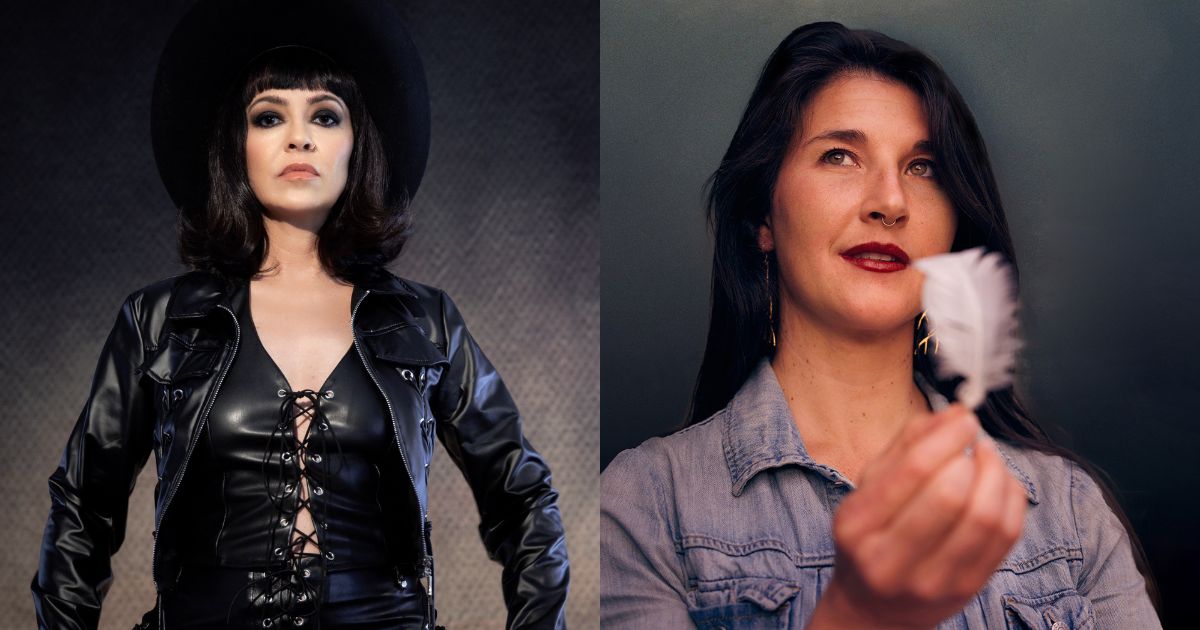
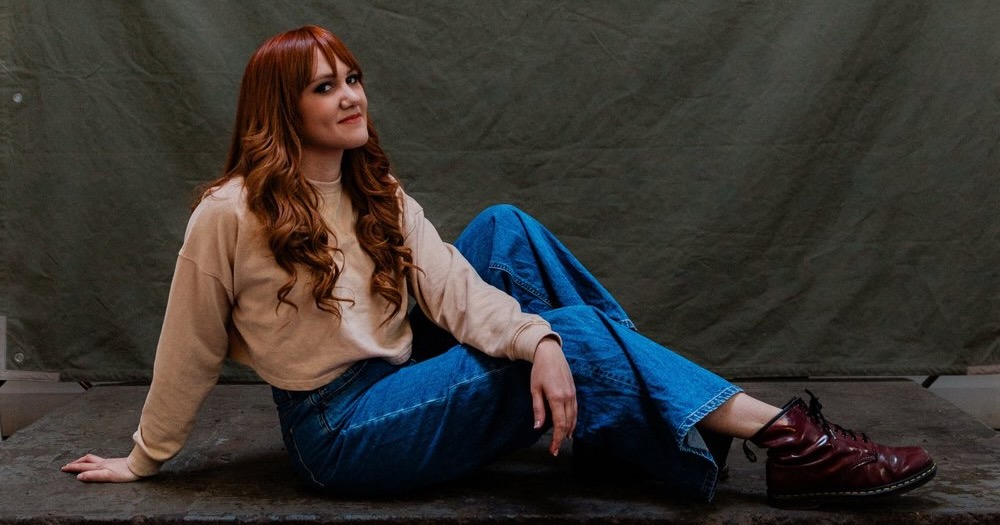
Check out a brand new video for “Homeward” by Natalie Spears, off her upcoming album, Hymn of Wild Things, which is set for release June 28. Also, don’t miss a fiery, Tarantino-esque video from India Ramey for “Baptized By the Blaze,” the title track of her new record coming in August.
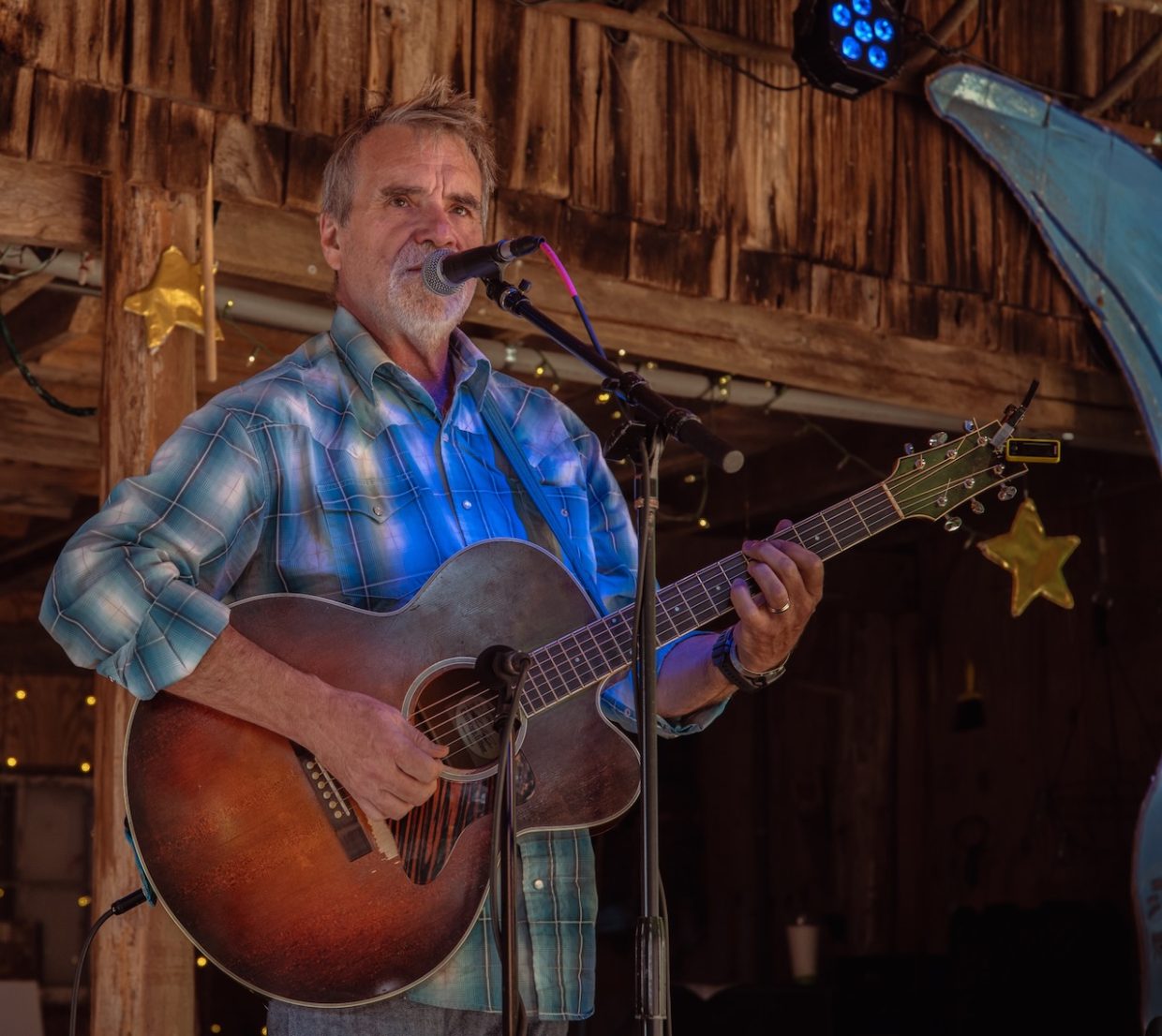
To round us out, bluegrass singer-songwriter and radio personality Chris Jones pays tribute to iconic folk songwriter Tom Paxton with a rendition of “The Last Hobo” from the stacked Bluegrass Sings Paxton project.
It’s all right here on BGS and You Gotta Hear This!
Natalie Spears, “Homeward”
Artist:Natalie Spears Hometown: Carbondale, Colorado Song: “Homeward” Album:Hymn of Wild Things Release Date: June 28, 2024 (album) Label: SleeLee
In Their Words: “‘Homeward’ is a soulful manifesto about returning to oneself. It can be so easy to lose ourselves in relationships and this song is about coming home to our own being. I left Colorado during the pandemic to be with my partner on the East Coast. When things hit rock bottom, I packed the car and headed west. Miles of empty flatlands, cornfields, and numbing road noise only made my static mind chatter louder, constantly questioning, ruminating in self doubt. When the Rocky Mountains finally came into view, my whole body let go. I pulled into a McDonald’s parking lot to write these words, ‘That muddy road was getting old and keeping on just kept me down, I was one step forward, two steps back, now I’m heading homeward bound.'” – Natalie Spears
Track Credits: Natalie Spears – Vocals and keys Bradley Morse – Bass Kevin Matthews – Drums Eric Wiggs – Audio engineering and mixing
Video Credit:Erik Fellenstein Payden Winner and Eric Fellenstein – Camera operators
Chris Jones, “The Last Hobo” (From Bluegrass Sings Paxton)
Artist:Chris Jones Song: “The Last Hobo” Album:Bluegrass Sings Paxton Release Date: June 14, 2024 (single) Label: Mountain Home Music Company
In Their Words: “It was such an honor to get to participate in the Bluegrass Sings Paxton project as both studio guitarist and as a vocalist on ‘The Last Hobo.’ I was immediately drawn to this song, which struck me as a classic Tom Paxton story song of travel and love lost. It’s the kind of song that pretty much sings itself. Plus, I’ve just always wanted to sing a song that mentions Tucumcari, New Mexico.” – Chris Jones
Track Credits: Chris Jones – Acoustic guitar, vocals Darren Nicholson –Mandolin Deanie Richardson – Fiddle Kristin Scott Benson – Banjo Nelson Williams – Upright bass
India Ramey, “Baptized By the Blaze”
Artist:India Ramey Hometown: Nashville, Tennessee (by way of Birmingham, Alabama) Song: “Baptized By the Blaze” Album:Baptized By the Blaze Release Date: June 14, 2024 (single); August 23, 2024 (album) Label: Mule Kick Records
In Their Words: “This is a song about how I made the choice to put myself through the pain of getting off an anxiety drug that I was seemingly hopelessly addicted to, going through excruciating withdrawals, confronting my childhood trauma, and starting my healing journey in order to step into my personal power and become a better version of myself. It’s about phoenix energy. It’s about the death of the old me that was a slave to my trauma and the birth of the new me who is living a full and happy life without fear.
“My healing journey felt like a phoenix building its own funeral pyre, setting itself on fire, and being reborn as a more powerful version of itself in the flames. I took that myth and put it in a sort of Tarantino-esque, Faster Pussycat vibe, because that’s what I like, and made the car the ‘pyre.’ Alan Collins, my friend of over 15 years, is a VFX genius and he shot and edited the video.” – India Ramey
Track Credits: Produced, mixed and mastered by Luke Wooten at Station West Studios. India Ramey – Lead vocal Seth Taylor – Acoustic guitars Tommy Hardin – Drums Alyson Prestwood – Bass guitar Scotty Sanders – Pedal steel James Mitchell – Electric guitars
Photo Credit: India Ramey by Stacie Huckeba; Natalie Spears by Emily Teague.
Sage Christie (formerly known as Siena Christie), is a modern folk artist known for their pure voice and captivating story songs. In both 2022 and 2023, Sage was a finalist at the Kerrville New Folk Songwriting Contest. They also won a handful of other songwriting contests including the Great River Folk Festival songwriting contest in 2021, Portlands Folk Fest Song Contest in 2022, and the Walnut Valley Festival NewSong Showcase in 2023.
Sage has spent much of their time in the past year touring the Southeast, Midwest, and Pacific Northwest. When they’re not on the road, they’re now based in Asheville, North Carolina. They moved to Asheville last year, eager to connect with Appalachian music, folk traditions, and the vibrant local arts community.
Our interview covers their dreams to tour full time and their ideal day on the road filled with beautiful landscapes, new towns, and deep connections with both good friends and strangers. We also explore their passion for music, their favorite LGBTQ+ artists, and their experience as a nonbinary artist navigating a recent name change.
Why do you create music?
Sage Christie: I don’t. Music creates me.
Okay, but for serious, I don’t really know; I just always have. I can’t go a day without making up pieces of songs in my head. That’s been true since I was 5 years old.
Who are your favorite LGBTQ+ artists and bands?
I might be slightly biased, because I’ve seen these people in person (and they absolutely wowed me off my feet), but I would definitely include Olive Klug, Emily the Band, Spencer LaJoye, and Flamy Grant on that list.
For anyone reading this who might not be out of the closet, were there any specific people, musicians, or resources that helped you find yourself as a queer individual?
Listening to Jimmy Somerville, the Communards, and Bronski Beat helped me get through high school. I was deeply moved by Jimmy’s heartbreaking songs about searching for belonging as a queer person. But I couldn’t explain why I was so particularly entranced and comforted by the music of a gay man, since, at the time, I thought I was a bisexual cis girl. The better I get to know myself, as a masc-leaning enby, the more sense it makes. To anyone who’s in the closet or questioning: you don’t have to know who you are today. You don’t have to tell anyone if you don’t feel safe. Your feelings are a hundred percent valid and okay. You matter, and you are enough.
What are your release and touring plans for the next year?
In September, I plan to release an LP called Little Deaths, a storybook concept album that traces the arc of a short-lived romance from start to finish. I have always been fascinated with fairytales, so I decided to write one myself. I feel like I grew up a lot while writing it. This album is basically me trying to explain love and death to myself like I’m in kindergarten. Once Little Deaths comes out, I’ll be celebrating its release with a two-week tour, visiting Chicago, Eureka Springs, Arkansas, St. Louis, and some other cool places as well.
You’ve been touring all over the Southeast, the Midwest, and the Pacific Northwest. What’s that been like for you to organize these tours and be on the road so much as an independent artist?
Touring is my favorite thing ever. I love traveling, seeing new places, making new friends and fans, and playing shows night after night. Booking tours is a lot of work – from researching and contacting venues, to planning safe tour routes and lodging, to promoting the shows and practicing for them – but the payoff so far has been amazing. If I could tour full time, I would. That’s a dream for the future.
Tell us about your recent move to Asheville, North Carolina. What drew you there and how are you liking it so far?
I knew I wanted to move to the southeast U.S. because of the rich Appalachian music heritage and continuing folk traditions here. Leaving the Northwest was tough emotionally, because most of my family and friends still live there, but luckily, they’ve all been supportive of my decision to chase my own adventure. Now that I’m in Asheville, I’m inspired by the community of songwriters, poets, and visual artists that has welcomed me with open arms. To be fair, I’ve only been here half a year, but so far, as a creative person and as a queer person, I feel like Appalachia is a good home for me.
How has your recent name change influenced your personal and professional identity?
I changed my name to Sage recently. I was born with the first name Siena, and it always felt like someone else’s beautiful name. Naming myself Sage has felt like an empowering step in my journey as a queer and self-defining person. Many fans and venues still know me as Siena Christie, so I’m doing my best to spread the message about my new name.
What would a “perfect day” look like for you?
Being on tour with dear friends and partners. Driving through gorgeous natural areas and towns I’ve never been in. Playing a backyard concert with string lights and fireflies and stars and lemonade. Getting to cry and laugh with people I’ve just met because of music. Staying up late with friends eating chilaquiles while watching planes go by. Seeing my loved ones’ shoulders relax and eyes sparkle.
What’s the best advice you’ve ever gotten?
A year ago, a good friend said, “You’re kind, to a fault. You should be more mean to people.” That might sound weird, but it’s helped me realize that failing to put on my own “oxygen mask” first actually hurts people – not just myself, but ones I love. Listening more closely to my own suffering has made me a better listener in general.
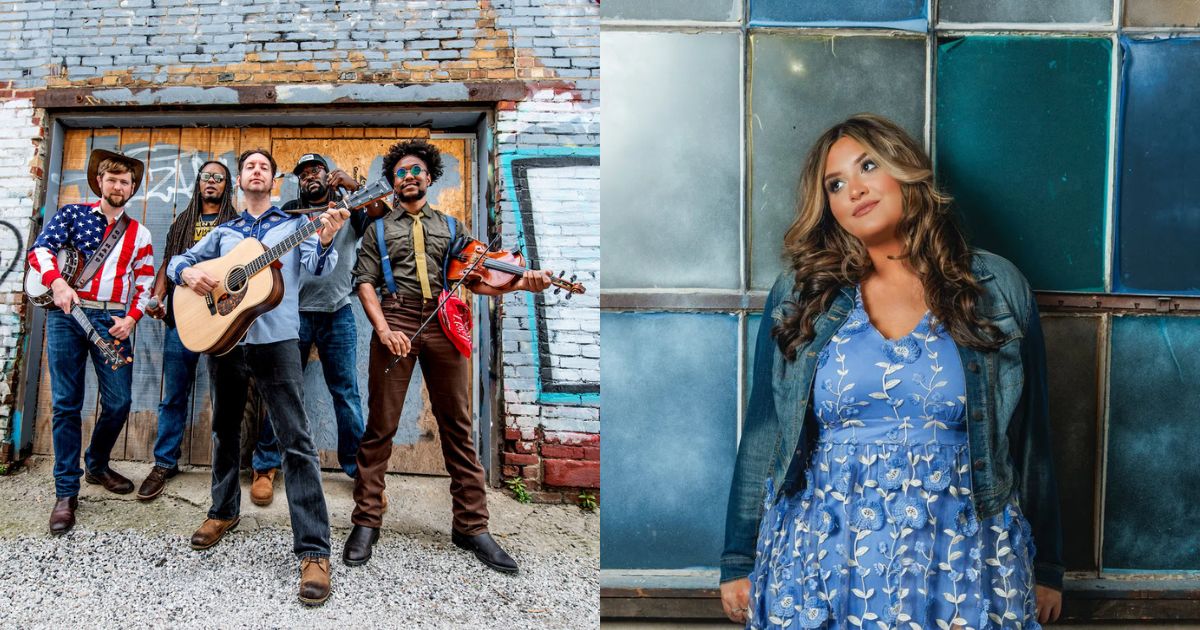
This week, it’s a tale of two Mothers in our premiere round-up! First, Gangstagrass bring us their latest single, “Mother,” ahead of their full album release next week, then Portland, Oregon-based string band Never Come Down bring us their own track, “Mother,” performed live at Ear Trumpet Labs. The serendipitously themed selections couldn’t be more distinct and unique, relative to the other, demonstrating the depth and breadth of these roots genres.
Plus, elsewhere in our collection of new music, hear fresh tracks from Jaelee Roberts, Kate Prascher, Karen Jonas, and Eddy Lee Ryder – a taste of bluegrass, a dash of singer-songwriter, a heaping helping of reckless abandon, and so much more.
It’s all right here on BGS and, honestly, You Gotta Hear This!
Gangstagrass, “Mother”
Artist:Gangstagrass Hometown: All over the USA! Rench: Brooklyn with Oklahoma roots; Dolio the Sleuth: Pensacola, Florida; R-SON the Voice of Reason: Philly; Danjo: Washington, D.C.; Farrow: Omaha; Sleevs: Baltimore. Song: “Mother” Album:The Blackest Thing on the Menu Release Date: June 7, 2024 (single); June 14, 2024 (album) Label: Rench Audio
In Their Words: “It started as a poem I wrote one day on tour. We were in the north of France, and just as described, I was sitting under a tree looking around me thinking about the world, our place in it, and what major changes we’d have to make in order to ensure the survival of humanity. My younger brother was actively deployed at the time and since my family has generations of men who’ve served, including my father, grandfather, great-grandfather, and numerous uncles and aunts and cousins, there is always real concern about why the country is involved in active aggression, especially when that same country is obsessed with committing violence against its own citizens, my community in particular. I shared it with the crew, and Rench cooked up a haunting oeuvre.” – Dolio the Sleuth
Karen Jonas, “Gold in the Sand”
Artist:Karen Jonas Hometown: Fredericksburg, Virginia Song: “Gold in the Sand” Album:The Rise and Fall of American Kitsch Release Date: June 7, 2024 (single); August 9, 2024 (album) Label: Yellow Brick Records
In Their Words: “My dreamy Las Vegas wedding song; it’s an against-all-odds love story, a starry-eyed late-night wedding, the sweet optimism of love at first sight. I pictured a very zoomed-out and very zoomed-in Vegas as I wrote this, a drone image of a city rising from the desert and her hand tightly in his as they walk down the neon-lit midnight strip. We stumbled into Benji Porecki’s bittersweet piano intro during our live-in-the-studio recording session, with fiddle by Bobby Hawk and a tearing solo by guitarist Tim Bray capturing the intimacy and boldness of this love story. The monochromatic gold-washed video by videographer Ryan Poe feels like a retro dream sequence, pairing performance with delicate details.” – Karen Jonas
Track Credits: Written by Karen Jonas. Karen Jonas – Vocals, acoustic guitar Tim Bray – Electric guitar Benji Porecki – Piano Bobby Hawk – Fiddle Seth Morrissey – Bass Ben Tufts – Drums Ahren Buchheister – Pedal steel
Video Credit: Ryan Poe at Oddbox Studios in Fredericksburg, Virginia
Never Come Down, “Mother”
Artist:Never Come Down Hometown: Portland, Oregon Song: “Mother” Album:Greener Pastures Release Date: June 7, 2024
In Their Words: “I wrote ‘Mother’ after finding myself living back at home, at my Mom’s house, and with my sister there, too. I had just left an emotionally turbulent relationship and was kind of broke and starting over at 29, but also extremely hopeful and grateful that I had my life back and could decide what I wanted to do with it. Having my sister and my mother around was really important for me at that time, to get me back to a place of feeling unconditionally loved and safe. The song came out of my subconscious need for those women to tell me what to do and to be there for me as I figured out what to do.
“I feel like it’s a really simple song, actually. I think most of us can relate to needing a parent or a mother figure or somebody that’s not family that’s a mother figure to be guided by. In this day and age, we all need mentors and guides more than ever and the age old wisdom of women, of mothers, of nurturers, of ‘kissing it to make it better’ and softness and the divine feminine.
“I hope all that comes through in this song. Because when I was writing it I wasn’t thinking about all those things, I was just singing my own little mantras out of my head, things that were just making me feel safe and loved. I hope this song makes people feel safe and loved. I hope people relate to it in all the ways that we relate to our mothers. Sometimes it’s hard, sometimes it’s lovely. I think if we all lived like our mothers were still watching over us or were in their presence, we’d all be happier and kinder human beings.” — Crystal Lariza
Video Credit: Ear Trumpet Labs
Kate Prascher, “Mary Ellen”
Artist:Kate Prascher Hometown: Hudson Valley, New York Song: “Mary Ellen” Album:Shake The Dust Release Date: August 30, 2024
In Their Words: “This song names the sensations of a summer’s day when she decides to leave, a taxi ride and the cigarette smoke that both soothes her and sets her free. Banjo and drums and the steady rhythm of driving wheels.” – Kate Prascher
Jaelee Roberts, “Georgia Rain”
Artist:Jaelee Roberts Hometown: Nashville, Tennessee Song: “Georgia Rain” Release Date: June 7, 2024 Label: Mountain Home Music Company
In Their Words: “I wrote ‘Georgia Rain’ after experiencing my first breakup/heartbreak when I was 16 years old. Interestingly enough, I had the melody come to me first and then the lyrics, which isn’t the normal songwriting process for me. I really do love this melody and the little twist in the chord structure. If you know me or have followed my musical journey so far, you know that I absolutely love a good ole heartbreak song and having rain be part of the scenario makes a heartbreak song even more lonesome and sad! When I wrote ‘Georgia Rain’ it really came to me like a movie and the words are really visual and I hope that y’all will be able to hear it and see it along with me when you listen.” – Jaelee Roberts
Track Credits: Jaelee Roberts – Vocals Stephen Mougin – Harmony vocal Byron House – Bass Cody Kilby – Acoustic guitar Andy Leftwitch – Mandolin Stuart Duncan – Fiddle Ron Block – Banjo John Gardner – Drums
Eddie Lee Ryder, “Bad Decisions”
Artist:Eddy Lee Ryder Hometown: Woodstock, New York (current); Irvington, New York (hometown) Song: “Bad Decisions” Album:Sweet Delusions Release Date: June 6, 2024 (single); July 19, 2024 (album)
In Their Words: “The song is a collection of fragments from a story marked by a string of bad decisions, beginning with falling for someone who misled me about their relationship status. However, the song sat in the dust-bin for a long time until I knew it would ultimately be a story about crashing and burning. I began noticing his intense jealousy, which you will find in lines woven into the song like, ‘Don’t ask me how I know those guys you wouldn’t like to know.’ The song is about being reckless and wild, which is the state we were in when we fell for each other. But when I was ready to move past being reckless and wild, to just stay home and watch crime shows together, that’s when he left. So anyways, I’m back to making ‘Bad Decisions’ and it’s going great.” – Eddy Lee Ryder
Track Credits: Written by Eddy Lee Ryder. Produced, Engineered, mixed by Dave Cerminara. Mastered by Adam Ayan.
Daniel Chae – Bass, guitar Dan Bailey – Drums Eddy Lee Ryder – Vocals Rich Hinan – Pedal steel Todd Caldwell – Organs
Photo Credit: Gangstagrass by Melodie Yvonne; Jaelee Roberts by Eric Ahlgrim.
There’s something in the water in Kentucky that’s conducive to making great songwriters, and the second annual Sleeping In The Woods Festival — held May 17-19 in Monticello — was no exception.
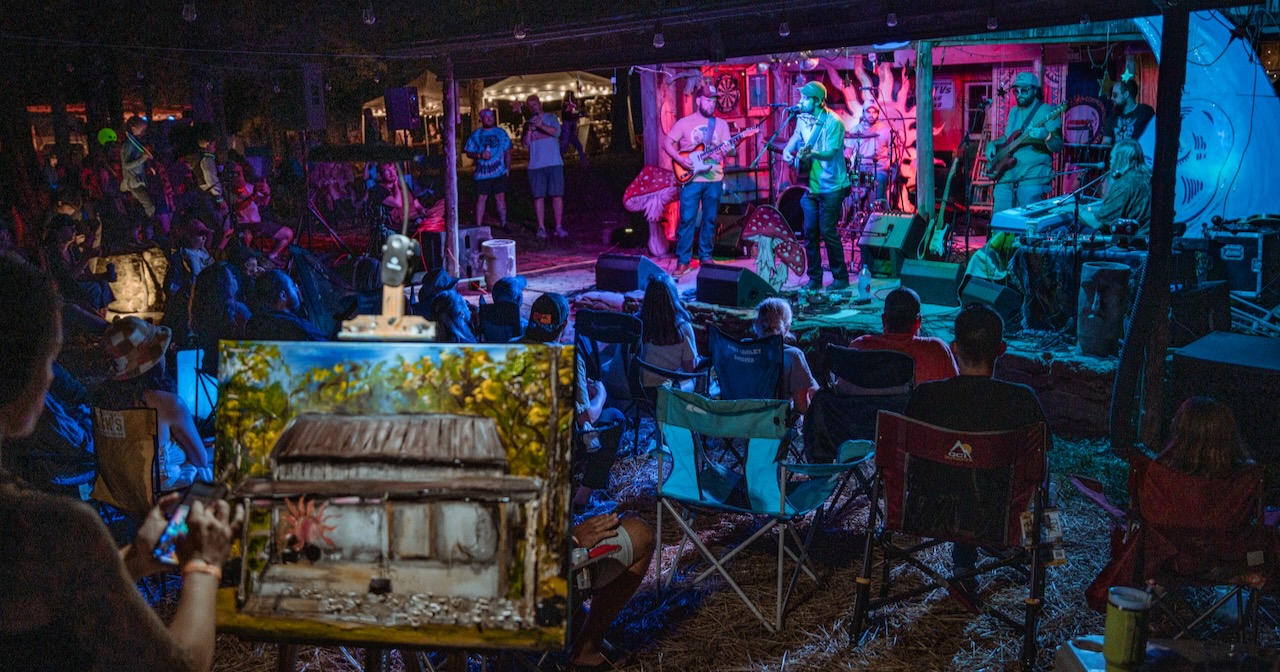
Hosted by artist and songwriter Nicholas Jamerson, the gathering has quickly become a can’t-miss attraction featuring a mix of the Commonwealth’s most revered songwriters, as well as the ones they’ll eventually be handing the reins off to. The setting of Hidden Ridge camping — a birch tree-covered campground nestled along Lake Cumberland — further elevated its intimate feeling (in addition to providing a canopy of shade during a deluge of rain Friday).
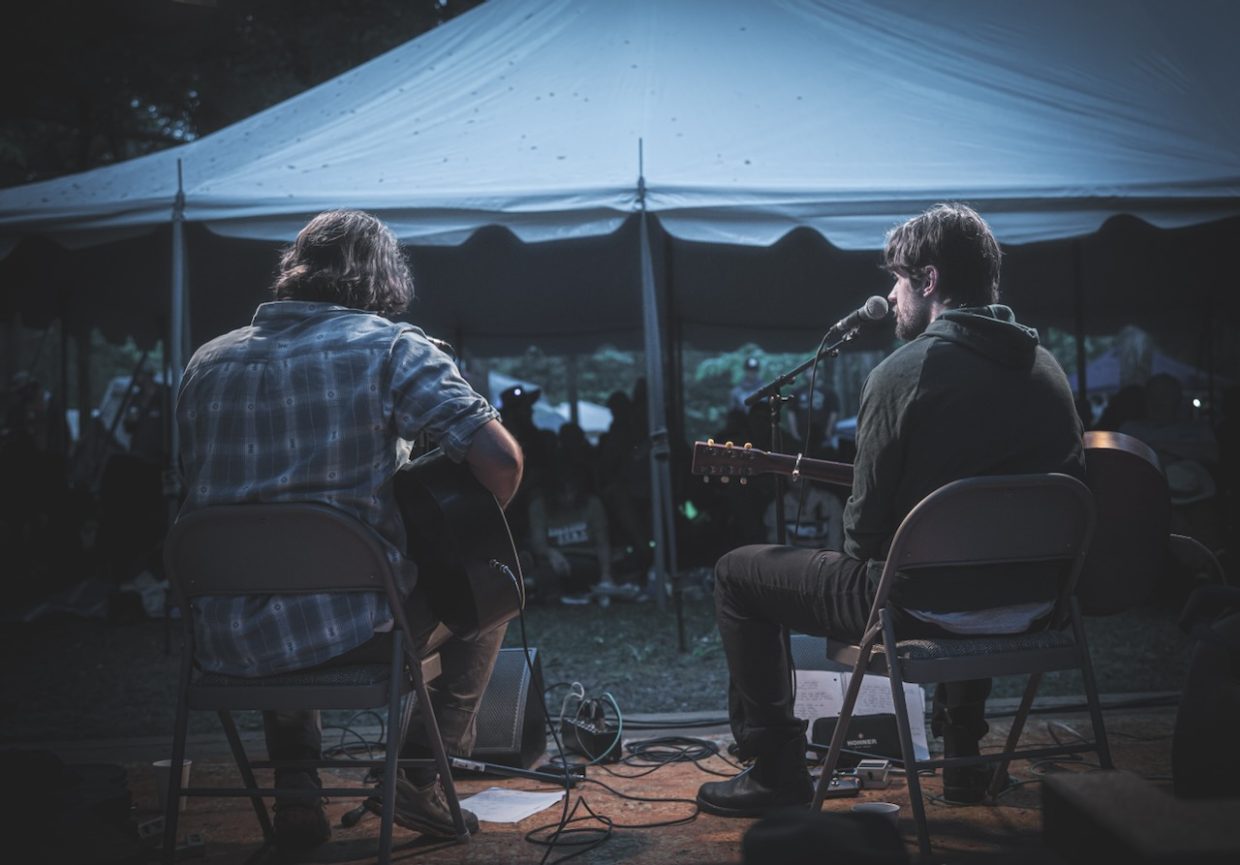
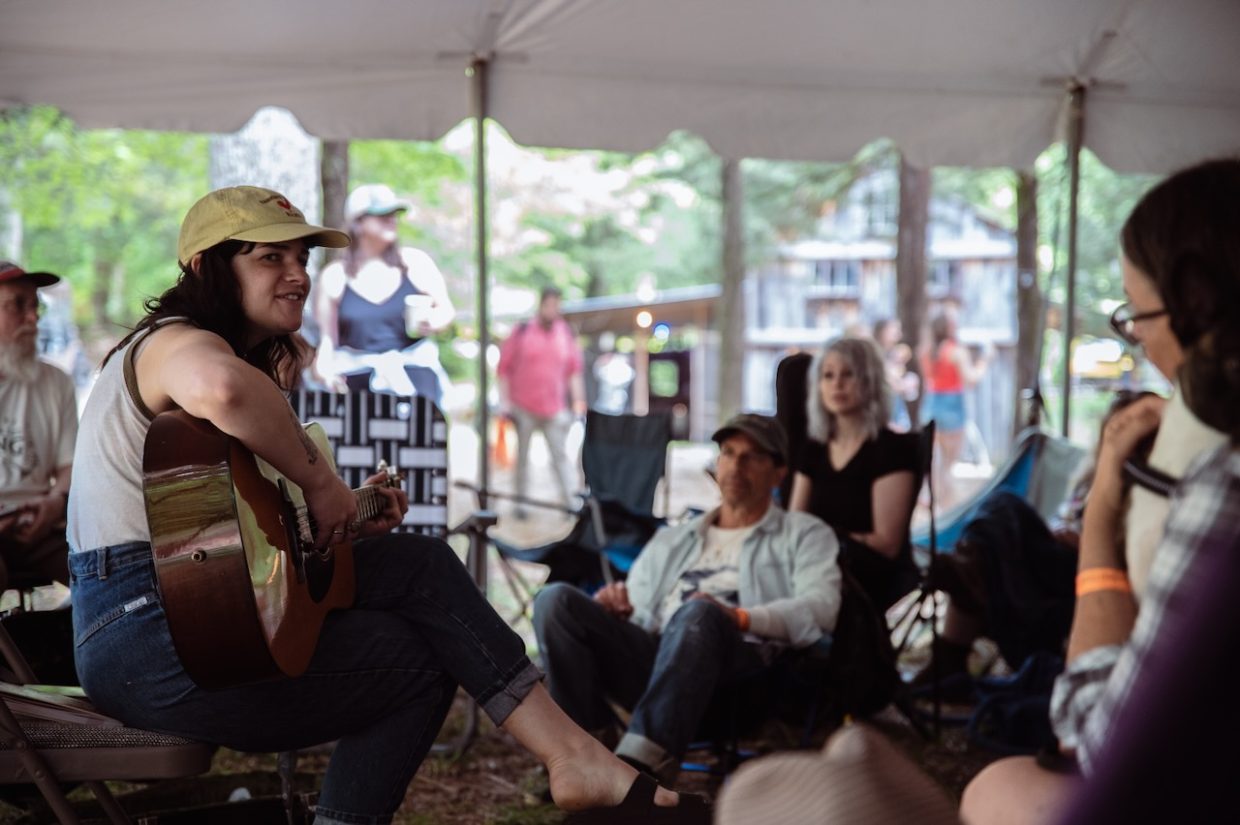
However, despite Mother Nature’s best efforts on day one, the few hundred in attendance didn’t have their spirits dampened by the soggy forecast, instead filling out a massive tent by the festival’s second stage for a songwriter round to open things up. Featuring Ryan Anderson of Louisville rock band Bendigo Fletcher alongside Jamerson, in a last minute change of plans, the two opted to debut entirely new and unrecorded music during the hour-long round, further putting a microscope on their superb songwriting, the stories behind them, and the creative process at an event built for exactly that. Outside of rain pattering on the tent above, you could hear a pin drop. Even though fans weren’t familiar with these songs, it was obvious they were captivated by the occasion, a sign of the duo’s songwriting prowess and power of getting caught up in the moment.
Nicholas Jamerson and Ryan Anderson (Bendigo Fletcher) open Sleeping In The Woods festival with a songwriter round.
“Getting to play all new songs with Ryan Anderson felt like the perfect way to set the tone for the festival,” Jamerson tells BGS. “I’ve admired him so getting to share that space meant a lot.”
Following the round of new material was one of the festival’s few non-Kentucky acts, Cristina Vane. As a result I found myself talking with countless folks as she set up about what to expect from the electrifying slide guitar and banjo picker, but even my best of introductions couldn’t have prepared them for the show she gave them.
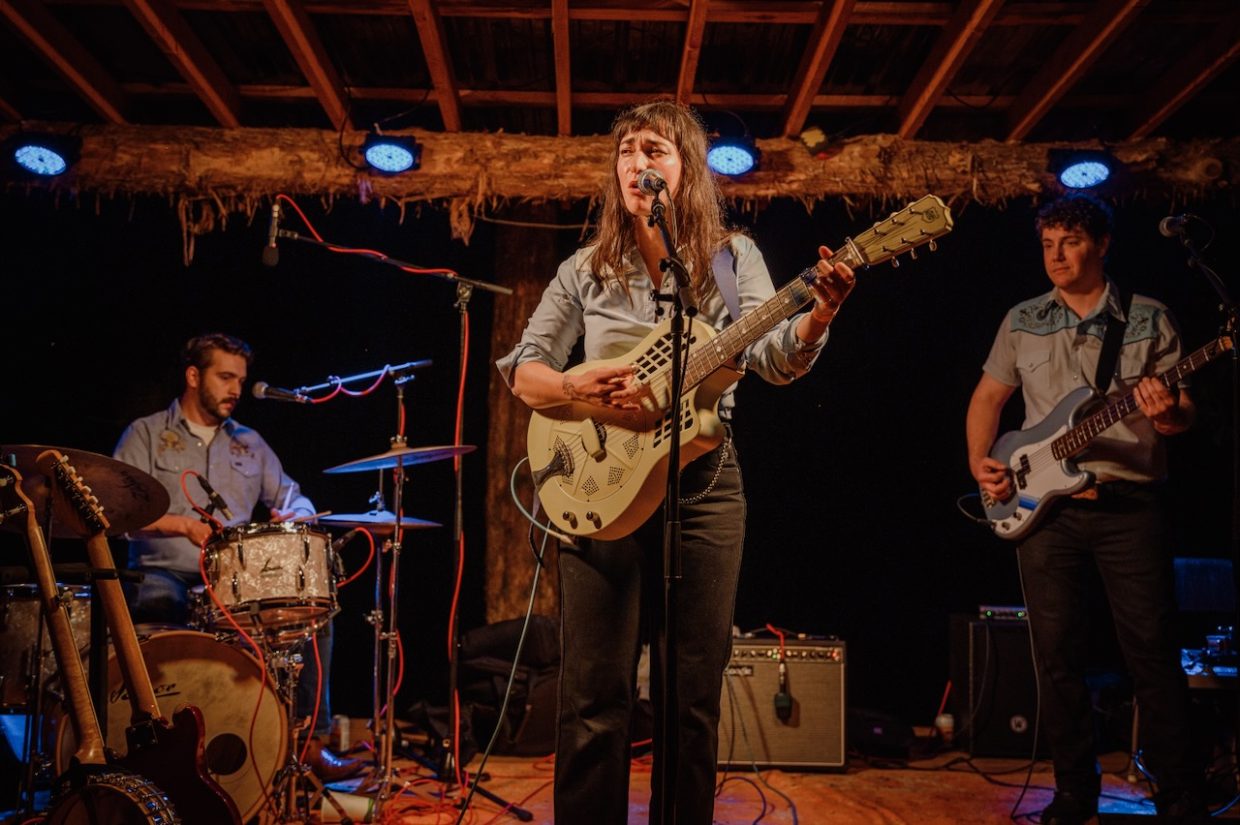
Working as a trio with drums and bass guitar, Vane tore through originals like “Blueberry Hill” and “Small Town Nashville Blues” alongside new songs like “You Ain’t Special” and sweltering covers like James McMurtry’s “Choctaw Bingo.” Through it all, she had the crowd at her will, seemingly unaware of the rain falling around them, including myself.
Cristina Vane performs at Sleeping In The Woods.
Although I’ve seen Vane perform several times, each occasion always feels like a first due to the versatility of her band setups. I’ve seen her play solo, with a full electric band, a full bluegrass band, and now as an electric three-piece; each show feels so different. Her songwriting is built for a festival like Sleeping In The Woods, but how she’s able to plug and play, presenting her music in many different ways is what truly sets her apart. Fans on Friday seemed to agree, giving Vane a ferocious standing ovation at her set’s conclusion, something that even she didn’t seem to expect.
“It was cool seeing people react to acts they hadn’t seen,” shares Jamerson. “I felt like Cristina Vane, The Dick and Tammy Show (Justin Clyde Williams and Tyler Hatley), and Josh Slone all made really huge impressions on people.”
Another out-of-state act integral to the weekend was Rachel Baiman. The Nashville-based multi-instrumentalist was everywhere over the three-day event, starting with a songwriter workshop she led to begin Saturday’s musical menu. Attended by around 50 under the tent that Cristina Vane rocked out the night prior, the croissant-fueled workshop saw Baiman working with fellow songwriters and aspiring ones alike to take internal conflicts and turn them into external ones via song.
This drew a mix of interesting inspiration from the heavy — a man trying to fit in with his different groups of friends and a mom and pop trying everything to keep their small business afloat — to tongue-in-cheek ones, like a prompt about how losing your Chapstick makes you feel like an inadequate lover.
“The songwriting workshop was both a complete joy and completely terrifying,” recalls Baiman. “Trying to ‘teach’ songwriting to some of my favorite songwriters felt a little crazy, but I think it really contributed to the class, because we could hear ideas from newcomers and seasoned professionals side by side.”
Rachel Baiman leads a songwriting workshop on day 2 of Sleeping In The Woods festival.
Outside of the workshop, Baiman also led a songwriter round of her own on Sunday afternoon that she used to showcase recent co-writes with Pony Bradshaw (“Equine Elvis”), Caroline Spence (“Throw Away The Moon”), and Jamerson, who joined her for a performance of their song, “The Vine That Ate The South,” due out next month. Additionally, she took to the stage with Leah Blevins, an Eastern Kentucky singer by way of Nashville, prior to Sunday’s round, fiddling with the Sandy Hook native on a selection of songs including the nostalgic “First Time Feeling.”
The set was a grounding one for Blevins, who expressed a longing to return home from Nashville in recent months even as she’s hit a breakthrough, signing a publishing and management deal with Major Bob Music in April. She expects to begin recording a new album soon.
“Any opportunity to be back home in Kentucky is a true sense of comfort,” says Blevins. “There are so many unbelievably talented artists there and this weekend was a true representation of that. It’s inspiring and always humbling to share the stage with folks that you genuinely respect like Nicholas. He’s always made me feel welcomed and his kindness alone is influential on a human level.”
Other Kentucky luminaries that stood out included Somerset’s Cody Lee Meece, brothers Wes and Aaron Smith — who were joined by Anderson on synth for an intriguing acousti-tronic sound — along with Ryan Allen & Maggie Noëlle’s stripped down versions of songs from their band, Magnolia Boulevard, and a Saturday evening round featuring three of the state’s stars of tomorrow: Salyersville native Zoe Howard, Hindman’s Josh Slone, and Central Kentucky’s Ireland Owens.
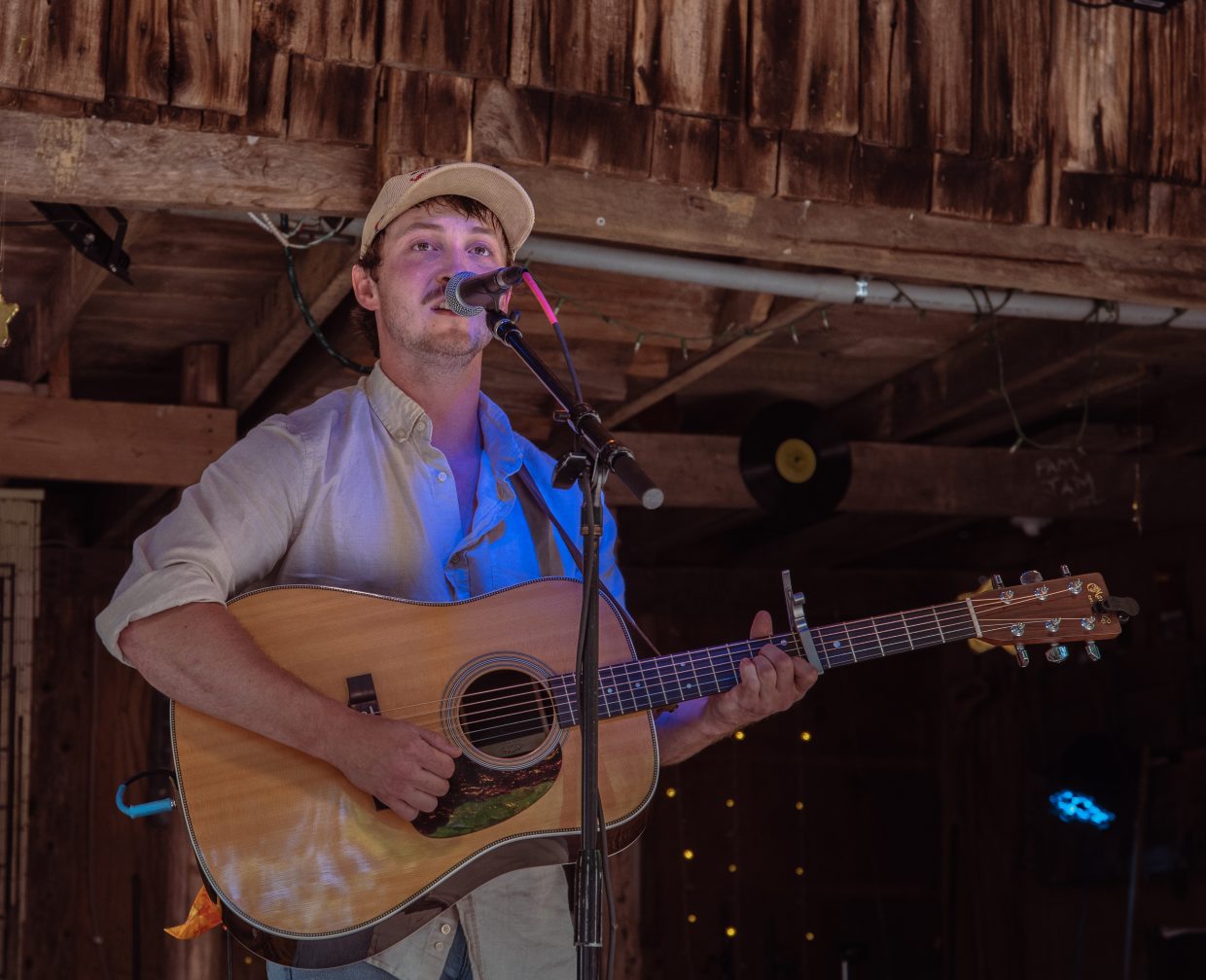
But it was Hunter Flynn, one of the state’s other promising young talents, that garnered the most attention. A local boy from just up the road in Somerset, Flynn’s Sunday afternoon set showcased the singer’s sensational songwriting and holler yell on cuts like “Spanish Street Signs” and “Fucked Up Brain” that have earned him recent gigs on the road with Zach Top and Ian Munsick, among others.
Hunter Flynn performs Sunday afternoon at Sleeping In The Woods festival.
In a pay-it-forward fashion similar to how Jamerson is platforming new artists with the festival, Flynn — who won a recording package from festival sponsor Jamm Nation during the event — plans to serve up his studio time to young artists in need on a collaborative EP that Jamerson will produce. According to Flynn, he wouldn’t be where he is today without Jamerson’s music and guidance.
“Before I knew Childers, before I knew Sturgill, before I knew Stapleton; I knew Nicholas Jamerson,” explains Flynn. “He might not have been the first to do it, but he was the first person that I knew from the Appalachian region that was writing songs and playing them for a living. Now I don’t know a single singer/songwriter from this region who doesn’t cover at least one of his songs. He could win six Grammys next year and it wouldn’t be as much recognition as he deserves.”
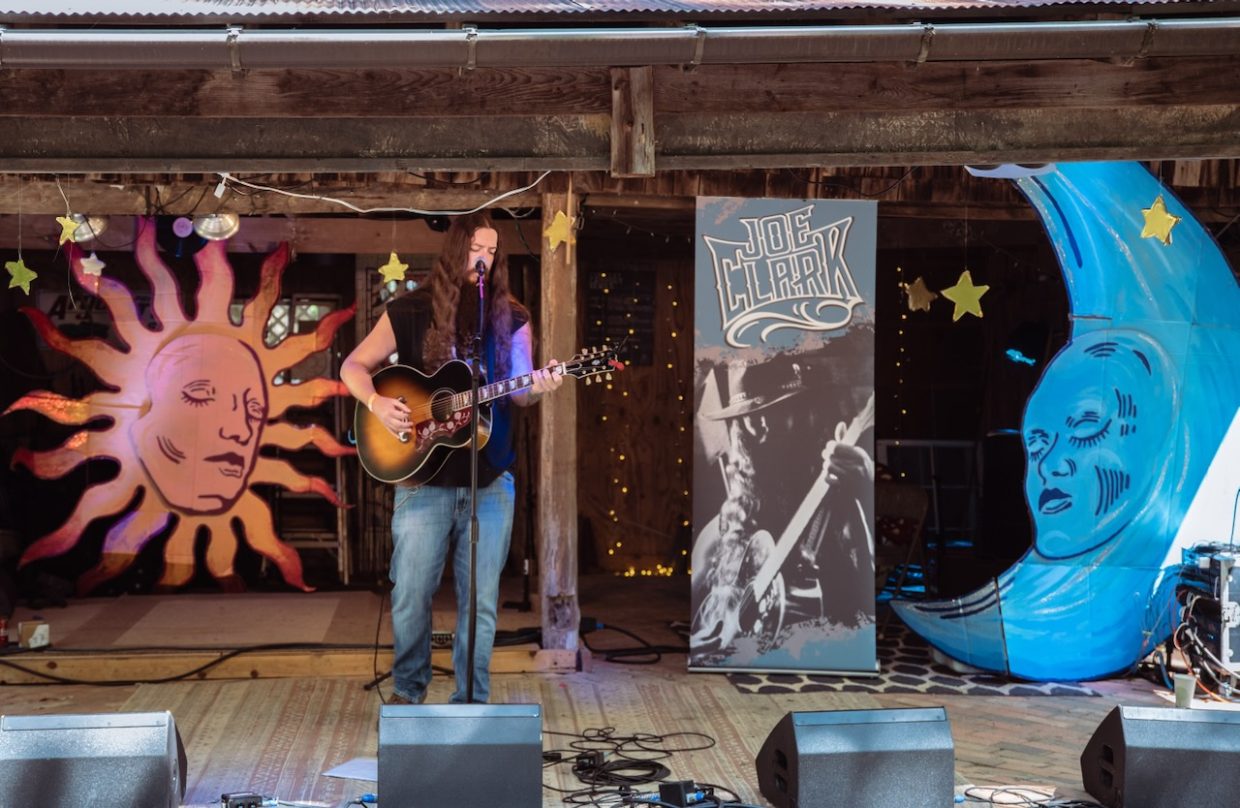
A more seasoned Kentucky artist that also turned heads was Henry County’s Joe Clark, who pulled back the curtain on songs typically backed by his country rock band, The Peacemakers, that touch on everything from drug addiction to the love he has for his father. Clark was hard to miss all weekend due to his towering presence, but heartfelt songs like “Wishin’ Well” and “Battlefield” showed a soft side to counter his hard exterior, one of the many things a powerful song can do.
Joe Clark takes the stage at Sleeping In The Woods festival.
“Music is my therapist. Along with my children and family it’s kept me sober and alive for years,” confides Clark. “I owe my life to songwriting. It is a power greater than me and I’m honored to put pen to paper each time a lyric comes to me. My biggest hope is to be able to take my real life experience and translate it through song in a way that someone else can take it and make it theirs and use it in a healing way for themselves. Music is medicine, and I believe everyone needs a daily dose to stay healthy.”
Closing out Sleeping In The Woods was one of the most iconic and influential Kentucky songwriters ever – Darrell Scott. For nearly two hours on Sunday afternoon the trailblazer showed off his fiery picking skills on iconic songs like “Never Leave Harlan Alive” and “It’s A Great Day To Be Alive,” giving all of the artists and fans in attendance something to look up to and aspire to in the process. The performance also left many in the audience visibly emotional including Jamerson, who could be seen tearing up throughout it.
“Having Darrell there really meant a lot,” reflects Jamerson. “It felt like we had the full spectrum of musicians, from green, next generation, seasoned vets and a master in Darrell. We are hoping to expose the youngins to a sustainable path in this industry, so having someone like Darrell was really validating for me.”
Darrell Scott headlines Kentucky’s Sleeping In The Woods festival.
From vets like Darrell Scott to youngins like Josh Slone, Zoe Howard, and Hunter Flynn, and present day stars like Nicholas Jamerson, Sleeping In The Woods was proof of many things — that Kentucky music is in as good a place it’s ever been, that smaller, niche festivals do have a place in today’s music landscape, and that great songwriting will never go out of style.
“It feels like the best way to kick off the year,” describes Jamerson, who’d been laying low since his two-night Hollerday Gitdown in December. “It’s such a great group of people that makes it all happen. It’s also really grounding, inspiring and a nice reminder of the community of people that I’m a part of, which is uplifting and gives me life going into the busy season.”
All photos by Joe Wilkins, courtesy of Sleeping In The Woods festival.
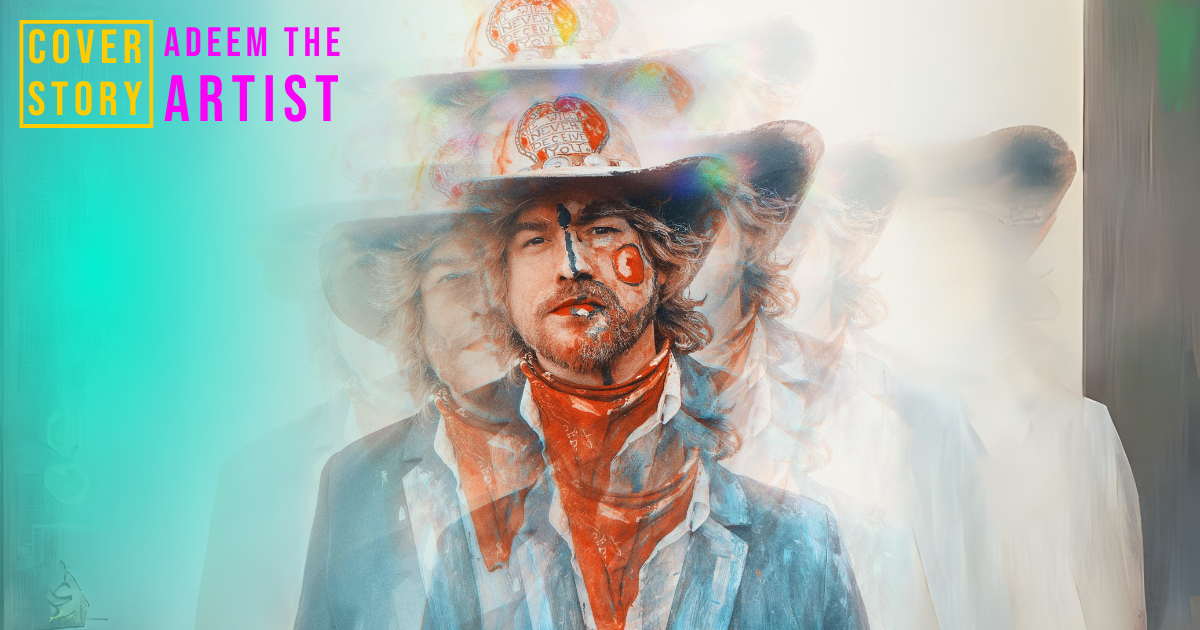
In the press release for their 2024 album Anniversary, Adeem the Artist, the non-binary, self-described “cast iron pansexual” singer-songwriter, mentions that the album is queer country – as a genre, not simply as music made by queer people, but as a whole new thing. They also mention recording and creating with their child, their partner, and their tour manager, in a week off from touring in semi-rural Texas. The album is a deeply moving, hauntingly specific, and profoundly sophisticated look at the interweavings of family and a (literally) hostile landscape.
This is queer country – queer as a sexuality and gender and musical identity, but also as an indication of being a little askew, not really fitting plumb, as a political and personal identity. Here, a genre, Adeem notes, is a way of working against expectations or histories:
“Country music is important to me, because it’s so much tied into the dirt of where I grew up. It feels like a place I can comfortably speak from, in the authority of my testimony as a Southerner and a child of Confederates. That’s my responsibility, my calling. That’s why I’m making country records right now. It’s where I need to be, to be processing the things I’m processing.”
One of the ways of keeping safe in this landscape, while acknowledging and trying to make amends, is to move inwards, to lean on the “cast iron” of “cast iron pansexual.” This album moves from the outside – a world that is toxic and violent – toward one that is domestic. In the coruscating rock breakdown of “Plot of Land,” with its minute-long, Tom Petty quoting coda, Adeem sings:
And the politicians cast their lies like street craps, And they sweep up every time So baby I’m gonna find us a plot of land With a little home to put a family in …
The plot of land is a long term plan, but there are moments in this record where you can see possibilities – of a loving home, of a rock and roll life, of a genderqueer Southern utopia, of the perfect dive bar meetup – falling out of an ambitious set of recordings. The too muchness of the album can be understood given it was made in a week, in a hostile place.
Adeem talks about how they made “Nightmare” in Texas, incorporating all the elements in their surroundings including “Isley’s laughter [their daughter], Kyle’s gentle presence [their tour manager], Hannah’s bouncing energy [their wife] as she pitche[d] hymns we could reference irreverently. That week away from the internet and the news cycle was a little insulation bubble that gave us so much room to breathe and feel safe. I don’t think this song could’ve been delivered with a different midwife.”
The midwife analogy is especially relevant to understanding some of these songs, particularly “Carry You Down,” where Adeem writes gorgeously about having and raising babies. The song is so gentle, so respectful of the autonomy of the child, but also filled with the details of domestic life that have become rare in country lately. In an album about adult pleasures and pains, it is a rest song, about carrying a child down the stairs when they ask to be carried, even if that interrupts “chorin’,” doing dishes or work in the garden.
If “Carry You Down” is a waltz, then “The Socialite Blues” is a romp about “staying up to the break of dawn/ making out of tune songs with you” – another kind of domestic, with “out of tune” its own kind of queerness. These songs have a sweetness, a refuge from harm, a way to escape not outside, but within.
The invocation of “out of tune songs” is a euphemism, but there are spaces on the album where Adeem is explicit about desire, as explicit as a country song has ever been, like in “Nancy,” which expresses exactly how difficult it is to fuck while on pharmaceuticals; or “One Night Stand,” about relationships that happen between last call and sunrise, but whose memory might, out of mercy and grace, stay on for “a lifetime of nights with him;” or “Part and Parcel,” where they sing, in gentle but urgent tones:
Take it all apart, it’s part & parcel I came here with a strange and honest feeling Chase all of these contradicting versions Childhood perversions, & dreams that never steered Let them drive a little while so that I can disappear
Those “contradicting versions” include being a child from the South, so the history here is not only personal, but social and political. There is a cluster of artists working out the history of the South right now – Justin Hiltner’s “1992,” Miko Marks’ Race Records,Willi Carlisle’s recitations of the failures of Appalachian and rural drug work, the entire career of Jake Xerxes Fussell, all of the ancestor work in Beyoncé’s Cowboy Carter. It might seem like Adeem’s work is personal, but all of this historical work flows from the personal to the corporate, an understanding of history that includes both last week and last century, trauma and joy twisting into a complex homecoming.
Homecoming for Adeem also includes the history of Knoxville, Tennessee; on the album’s last song “White Mule, Black Man,” they begin by asking if it’s too much to do one more, but after the end of the track, it’s clear that nothing could be more proper. Here, Adeem telling stories of the South, from Confederation onward, means taking racial politics seriously.
In almost exactly three minutes, they tell the story of a white mob rioting after a foiled lynching, the eventual coverup of that lynching, and the layers of myth-making and storytelling to prevent the truth from being revealed. Moving from talking to singing, somewhere between Peggy Lee’s “Is That All There Is” and Dylan’s “The Lonesome Death of Hattie Carroll,” the story in this final song laments, “But if the Tennessee River runs red with blood/ ‘Til the city runs white again/ Well, a white mule’s curse means more round here/ Than the last words muttered by murdered Black men.”
Adeem has been blunt like this before, tearing down the charnel houses of violent American racism and its myths, and this song is a deepening and extending of that practice. By ending the album on this note of violence, not as a lecture but as a moral accounting, that history work is ensuring that everyone is seen and known, their family is known, and the origins of their family’s prosperity is known.
Such knowledge is the necessary, sometimes haunting, sometimes delightful, attraction of Adeem as a person and “the Artist” – earning that sobriquet.
Artist:Grace Pettis Hometown: From Mentone, Alabama and Decatur, Georgia. Currently living in Nashville, Tennessee. Spent my formative musical years in Austin, Texas. Latest Album:Down To The Letter (out June 14)
Personal Nicknames (or rejected band names): I was Gracie Pettis ’til age 8 or so. When I was in the 5th grade, I made everyone call me “Bob,” because I thought it would be hilarious to be a 10-year-old girl named Bob. My Nobody’s Girl bandmate BettySoo calls me “Graceface” sometimes. I really tried to get my first band to go by “The Bluebirds.” Nobody was into it but me. I wanted Nobody’s Girl to be “The Starlings,” but it didn’t stick. I’ve got a thing for bird band names, including a really good one I’m holding on to, because I might use it one day. Robby Hecht and I think “Dessert Island” would be a great band name. (That’s a recent favorite from a long list of possibilities Robby has going on his phone.)
What’s your favorite memory from being on stage?
When I was 24, I was in the Kerrville New Folk songwriting contest. I’d been dreaming of going to Kerrville and getting into the contest since I was a kid, because my dad Pierce Pettis was a winner back in ’87. I remember being so incredibly nervous before playing. I was wondering if the judges would like my songs, if I’d be able to hit all the high notes, etc. And then when I was actually up there on the stage, I had this moment of clarity, where I realized that everyone in the audience was on my side. As in, everyone there was hoping and expecting that I’d be great. They were ready for me to be really good; in fact, they wanted me to succeed, not to fail.
Something about that realization – that the audience is not my enemy – helped me relax. And over the course of a few days, I realized that the other “contestants” were actually the friends I was making that would last me for the rest of my musical life. The word “contest” implies competition. But what I understood in that moment was that music is a collective and collaborative act. The audience and the performer are in it together; everybody wants it to be a great experience. And we artists are a tight knit community. We write together, play together, stay on each other’s couches. Music can be an ecosystem, and not a battle.
What rituals do you have, either in the studio or before a show?
I like to watch a little comfort TV on my phone while I’m curling my hair and putting on my makeup. Popular choices have included Star Trek, The West Wing, and Late Night with Stephen Colbert. It really helps me zen out and relax. That hour before the gig – when you’ve got a million thoughts in your head about the set list, and remembering the sound person’s name, and setting up merch, and making sure you put those names on the guest list – it’s really nice to get to sink into a familiar routine. Curling hair, putting on mascara, etc. It sounds silly, but that time is really important to me.
When I’m playing and traveling with friends, I like to have a “human” moment before the gig – just a second to check in with each other. Maybe tell a few jokes, have a bite to eat, or share how we’re feeling (physically, emotionally, etc.) before we have to be “on” with an audience. It’s easy to forget to check in with each other in the busy hustle of the pre-show and post-show check list.
If you had to write a mission statement for your career, what would it be?
“Make it mean something.” As in, the song, my day, the show, my life. I want the things I make and the time I spend on the planet to mean something, firstly to me, and also to others. I actually wrote that mission statement into a song (“Mean Something”), which I recorded on my album Working Woman (2021). It’s great to have a song that’s also a mission statement. I sing it a lot during sound checks and during shows, when there are obstacles getting in the way of me being able to center myself and be present in the moment. Maybe the sound system is not cooperating. Maybe there’s a disrespectful person in the crowd. Maybe it’s a noisy bar and the game is on the TV overhead. Maybe I’m sick, or tired, or just in a bad mood. “Mean Something” helps me remember why I’m on the planet and here in the room that I’m in. It connects me with my purpose, gratitude, and joy.
If you didn’t work in music, what would you do instead?
When I was a very little kid, I also wanted to be an artist – as in a painter or illustrator. I wanted to write books too. Later, in middle school, I briefly wanted to be a school counselor, but dismissed the idea because I didn’t want to be in the same office every day, five days a week. In high school, I was into the idea of being a truck driver. The whole world is your office and your view changes every day. And you can eat as much junk food as you want and use those cool portable devices that plug into your truck engine. Little stoves and TVs. I love gadgets like that. And I love the idea of listening to audiobooks for hours on end. My music job is pretty similar to truck driving, really. I do a lot of driving, and loading and unloading of gear. More junk food than I would like. And a lot of audiobooks.
What is a genre, album, artist, musician, or song that you adore that would surprise people?
I’ve always been a really big Jennifer Lopez fan. When I was a guest on my bandmate BettySoo’s virtual show during the pandemic, we were asked to play “guilty pleasure covers.” I covered “Love Don’t Cost a Thing.” I maintain that it’s a jam.
To close the month of May, we have an absolutely stacked round up of premieres this week!
It’s lovely any time natural and organic themes twist their way through our batches of premiere. This week, it certainly seems like cutting-edge bluegrass is front and center, with new tracks and videos from John Cowan, Jason Carter & Michael Cleveland, and husband-and-wife duo, Benson.
Plus, we have a trio of songs about touring, coming and going, leaving and returning – Rob Baird asking his listeners to “Hold Tight” ’til his return, Evan Boyer longs for home and hearth in a song for his wife, “Home to You,” and Rose Gerber pays tribute to a vagabond period in her own life with “Off to See America.”
Finally, don’t miss a danceable rockabilly number, “If I Didn’t Have You,” from Matt Hillyer and roots duo Native Harrow bring us a new music video for “Borrowing Time.” It’s a packed premiere round up this week and You Gotta Hear This!
John Cowan, “Fiction”
Artist:John Cowan Hometown: Nashville, Tennessee Song: “Fiction” Album:Fiction Release Date: June 7, 2024 (single); Fall 2024 (album) Label:True Lonesome Records
In Their Words: “The genesis of the song is that Eddie [Sanders] and I had sat down to write a song for this new recording that eventually was titled ‘Fiction.’ I have been a voracious reader my whole adult life. I was discussing with Eddie the problem of living in a world at this time, which is confounding, scary, and frustrating. My expansive bookcase is loaded with non-fiction books. I had just said to him that I can hardly stand to pick up these two new books I’d bought, ’cause I didn’t feel like I needed any more affirmation about the state of our country and the world. What I needed was an escape to a place of commonality with the people I’ve encountered and my loved ones. I think we did a good job on it and that’s all I know for now except, I always believe in hope and grace.” – John Cowan
Jason Carter & Michael Cleveland, “Give It Away”
Artist:Jason Carter & Michael Cleveland Hometown: Floyd, Kentucky, now living in Hendersonville, Tennessee (Jason); Charlestown, Indiana (Michael) Song: “Give It Away” Release Date: May 8, 2024 Label: Fiddle Man Records
In Their Words: “I feel that the world we live in is a beautiful place, but it takes all of us to make that world. Every time I hear this song it brings a smile to my face, thinking of the day we recorded it. The room was filled with friends making music and the joy that was shared between us really comes through in the recording. This song was written by two of my favorite fiddlers, Tim O’Brien and Matt Combs, and that was another thing that made me feel like it was right for Michael and I to record it.
“Every time I’ve been around Sam Bush, I feel the love he puts out into the world and I thought he’d be the perfect person to sing this song with. I feel the same way about Michael, it’s always such a joyful experience to get to play or even hang out with him. With that said, ‘Give It Away’ sets the tone for the entire record, I hope you enjoy it.” – Jason Carter
“‘Give It Away’ is a hard driving bluegrass song in the key of B, except this time nobody leaves or dies. Instead, it reinforces the valuable lesson that if you want to ever find love, you have to learn to give it away. I would like to thank Bryan Sutton, Cory Walker, Alan Bartram, and Sam Bush for creating one of the most grooving tracks I’ve ever been a part of, they really made this song come to life. This song was a natural for twin fiddles, and Jason and Sam’s vocals are absolutely incredible.” – Michael Cleveland
Rob Baird, “Hold Tight”
Artist:Rob Baird Hometown: Austin, Texas Song: “Hold Tight” Album:Burning In the Stars Release Date: June 21, 2024 Label: Hard Luck Recording Company
In Their Words: “Early on in my career, I spent a lot of time in a van, touring all over God’s green earth. This song, ‘Hold Tight,’ is a reflection of those times. It’s about the chaotic feeling of driving through the night to get back home to one who’s been waiting for you. I wanted that feeling of desperation and determination to build every second of this song. Hold tight and hold on for just a few more hours.” – Rob Baird
Track Credits: Produced by Brian Douglass Phillips. Jacob Hildebrand – Electric guitar, slide guitar Z Lynch – Bass guitar Brian Douglas Phillips – Pedal steel, background vocals Fred Mandujano – Drums, percussion Sean Giddings – Organ
Benson, “Donner Pass”
Artist:Benson Hometown: Boiling Springs, South Carolina Song: “Donner Pass” Release Date: May 31, 2024 Label: Mountain Home Music Company
In Their Words:“‘Donner Pass’ is a tune I wrote while traveling with IIIrd Tyme Out. We were heading back east after a west coast string of gigs and, with a little time to kill, decided to stop in Reno, Nevada. We parked in the same general area where the Donner Party had been trapped over the winter, so this felt like a great song title for a minor-key melody. I had been working on the tune itself for a few days as we played out our gigs in California, but the original cell phone demo was recorded at Donner Pass where we parked overnight before driving into town.” – Wayne Benson
“This is one of my favorite tunes that Wayne has written. It feels dark, which is appropriate considering the title and location that it’s written about. The track moves a lot dynamically and I always enjoy that — I love taking a fairly simple melody and working with it to create different moods.” – Kristin Scott Benson
Track Credits: Wayne Benson – Mandolin Kristin Scott Benson – Banjo Cody Kilby – Acoustic Guitar Tony Creasman – Drums Kevin McKinnon – Bass
Evan Boyer, “Home to You”
Artist:Evan Boyer Hometown: Somers, Connecticut originally; Dallas, Texas since 2010 Song: “Home to You” Album:The Devil in Me Release Date: June 7, 2024 (album) Label: Medicine for Mary Records
In Their Words: “‘Home to You’ is a special song to me for a few reasons. First, the writing – it was the first song I really wrote for my wife. I’ve had others kind of about us or about our relationship, but I had never written one that focused on the fact that she’s my rock. Another is the production and the players I have on this track. Jenee on fiddle absolutely blew me away. Tim wrote that solo on the floor and then was able to perfectly replicate it two other times so that we could layer it three times. It’s stuff like that that’ll keep me making records for as long as I can.” – Evan Boyer
Track Credits: Lyrics and music by Evan Boyer. Produced by Bradley Prakope. Recorded at The Panhandle House, Denton, Texas. Evan Boyer – Vocals, acoustic guitar Timothy Allen – Electric Guitar Nate Coon – Drums Bob Parr – Bass Jenee Fleenor – Fiddle Drew Harakal – B3 organ
Native Harrow, “Borrowing Time”
Artist:Native Harrow Hometown: Philadelphia, Pennsylvania Song: “Borrowing Time” Album:Divided Kind Release Date: September 13, 2024 Label: Different Time Records
In Their Words: “This is one of those songs that was written in a few minutes, recorded in an afternoon, and came together like it was always a song. The rhythm signifies a lazy, hazy walk through the fields, lost in thoughts and daydreams. It is loose and meanders its way with pedal steel swirls (Joe Harvey-Whyte) and a single snare drum played with brushes while the bass thumps its way along the dusty trail. I go on daily walks to clear my head and to be in nature. I never want them to end and am always a little melancholy when they do and I have to return to my to-do list. I feel things very deeply and in trying times it often feels like life is a giant wheel rolling down a road and I am either being plowed over by it or chasing to keep up and it doesn’t pay any mind to my own struggles. In writing this song I realized that maybe being lost is better than having it all figured out and we’re all just borrowing time.” – Devin Tuel
“We recorded ‘Borrowing Time’ on a hot, dry day last summer (2023), setting up in the living room, with the windows wide open to take in the little bit of breeze that snuck in over the hills that afternoon. We started with Devin’s vocal and guitar and my Hofner Beatles bass (no click track, of course), sitting a foot away from each other. So close in fact, that you can hear the faint clack of my pick on the flat-wound bass strings bleeding into the vocal track. Next, we added a simple snare drum with brushes (myself) and shaker (Devin), again around the same mic. Finally, we added the electric guitar overdub, my black Gretsch hollowbody guitar through our old Fender amp, with its drippy reverb and dense tremolo, before sending the track up to our buddy Joe Harvey-Whyte in London where he added his cosmic outer space pedal steel. Sometimes we like to spend weeks working on a track, adding as many layers as it needs, and sometimes a finished song (as in the case of ‘Borrowing Time’) comes together in a single afternoon. Either way, we’ll take them as they come.” – Stephen Harms
Video Credits: Photography by Rosie Lord. Edited by Devin Tuel & Stephen Harms.
Matt Hillyer, “If I Didn’t Have You”
Artist:Matt Hillyer Hometown: Dallas, Texas Song: “If I Didn’t Have You” Album:Bright Skyline Release Date: June 7, 2024 (single); June 21, 2024 (album) Label: State Fair Records
In Their Words: “I got my start playing rockabilly music. I’ve enjoyed playing many different styles of roots music over the years, but I always seem to gravitate back to that rockabilly swing. It just feels good and puts a smile on my face. It’s even better being able to have some great players and even better friends on it: Heather Stalling on fiddle, Kevin Smith on bass, Lloyd Maines on steel guitar, and Arjuna Contreras on drums. The song itself is a love song, and in my opinion, you can’t have enough of those. I was thinking about my wife when I wrote it. I was imagining a way to tell her how lost I’d be if I didn’t have her in my life.” – Matt Hillyer
Rose Gerber, “Off to See America”
Artist:Rose Gerber Hometown: Portland Song: “Off to See America” Album:Untraveled Highway EP Release Date: July 5, 2024
In Their Words: “When I was 17, I set out on a road trip that had no planned end. I was a high school drop-out running from a broken home and thought the romance of the road would save me. You can’t run from life though and the road wears you down. After thumbing around, riding freight trains and some lean times, I finally threw in the towel; but can’t say I regret a minute of it. This song is a tribute to that time of my life.” – Rose Gerber
Video Credits: Starring Mary Krantz and Just Clark. Directed By Benjamin Olsen.
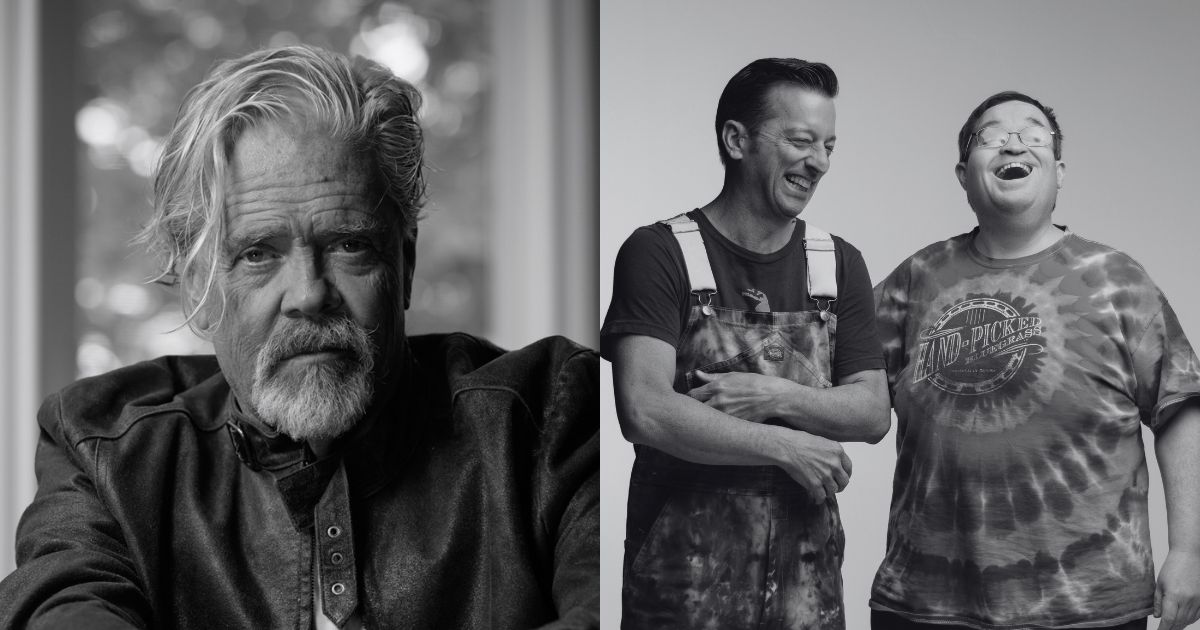
Photo Credit: John Cowan by Madison Thorne; Jason Carter & Michael Cleveland by Sam Wiseman.
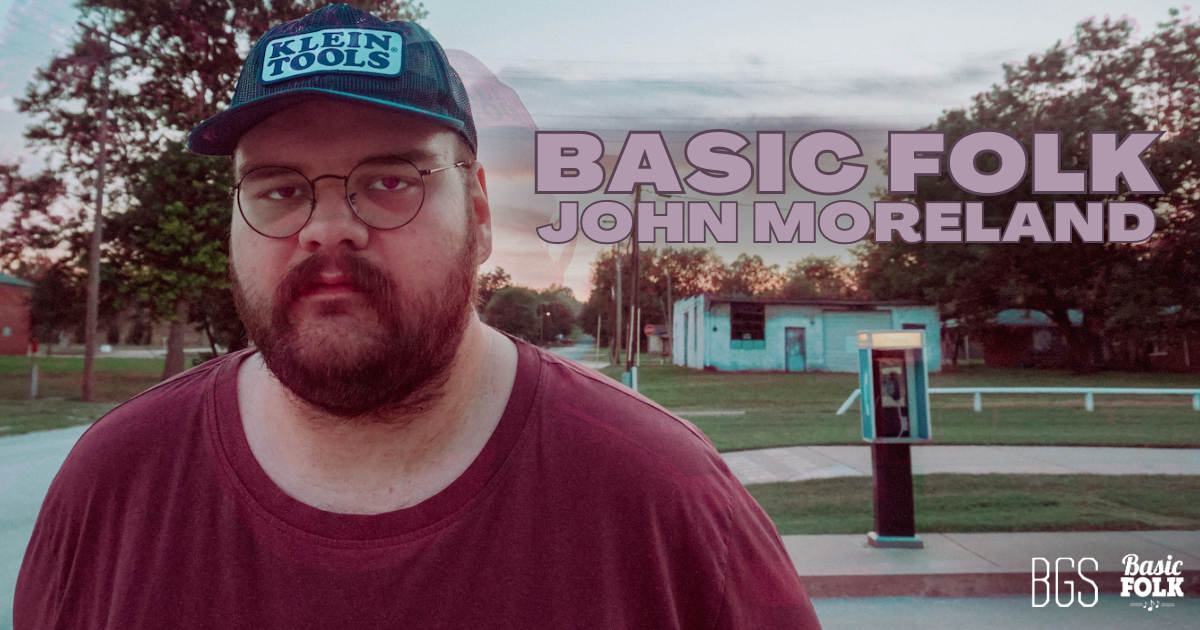
I hate surprises. However, Oklahoma’s pride and joy John Moreland surprised us in April with his latest album, Visitor, and I guess I’m okay with it. Moreland’s gone back to a sparse acoustic instrumentation, unlike the electronic sound (which I also loved) on his previous release, 2022’s Birds in the Ceiling. Recently, he took a page from his wife Pearl Rachinsky’s and musician (and recent tour buddy) Chris Staples’ books and quit his smartphone, took a social media break, and stopped all touring for six months. What ensued was an incredible psychic change discovered through living electronically off the grid. Another thing that came about during this simplicity in life: An album full of songs. He would take long drives at night, bringing along his guitar and making field recordings of his new writing. All this culminated into his beautiful new record.
During our Basic Folk chat, Moreland talks about the process of unraveling himself from his smartphone, reconnecting with the acoustic guitar, and getting to know himself again during this period of quiet. He talks about how playing live is very vulnerable for him, to the point where he started taking (and loving) beta-blockers to stave off anxiety and adrenaline. He is very candid with his current thoughts on body image – he has been known to experience body shaming online after performing live. We also get into something that’s been on my mind all year: Is climbing the professional songwriting ladder worth it? Pretty sure we figured out the answer. LOL
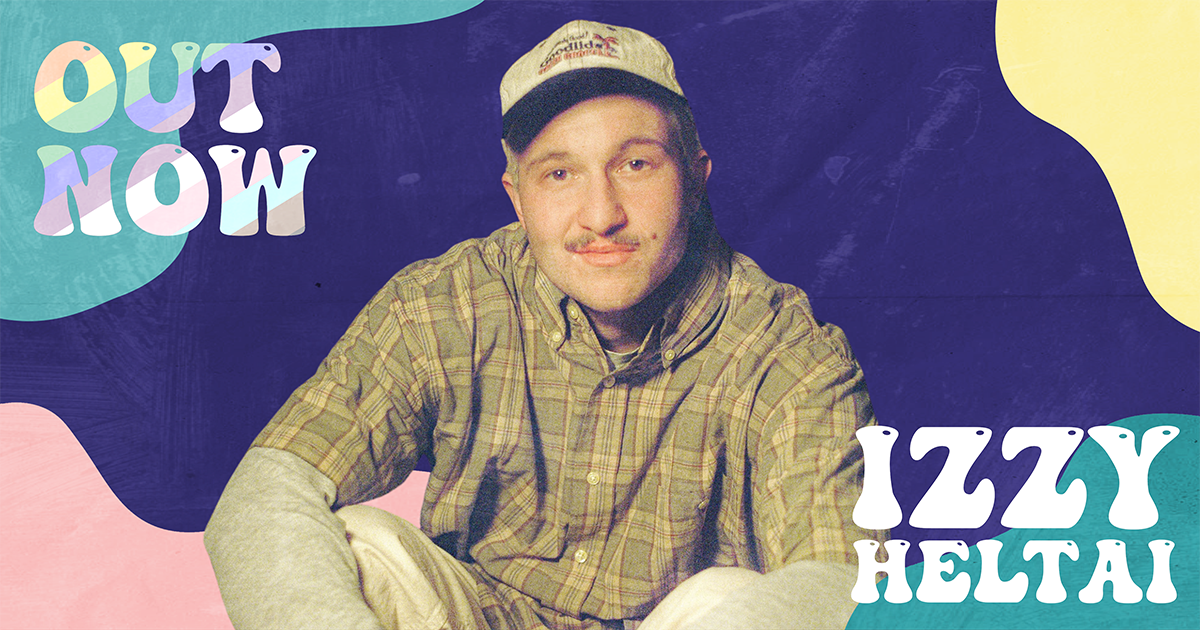
Izzy Heltai is an indie-folk artist whose songs touch on themes like growing older, feeling lost, and finding yourself – his music resonates with many people. Izzy played the first Queerfest event, a virtual festival in 2021 hosted in partnership with Club Passim. His latest single, “My Best Friend Sam,” came out on April 25.
Izzy has a debut New York headline show coming up. If you’re in the area, be sure to check out his show at Union Pool in Brooklyn on Friday, June 21. Our Out Now conversation covers work-life balance (a large theme in his new single), his favorite LGBTQ+ artists, and his current state of mind. We’re so excited to highlight this phenomenal artist, Izzy Heltai!
Your lyrics cover themes that many people can relate to such as being anxious, growing older, self-esteem, feeling lost, etc. Do you write with the listener in mind for the relatability of these topics? Are you mostly thinking of your own experiences and emotions? Or are you considering both during the creative process?
Izzy Heltai: I think a lot of what I experience is universal. I think as we get older we all deal with issues of identity, anxiety, a sense of feeling lost, etc. I don’t really think about writing, or creating, for the purpose of being relatable. I think inherently what I write about is relatable, but the only way I can keep it authentic is by simply saying exactly what I’ve experienced. I don’t claim to know, or want to tell other people what they’ve gone through, all I can do is talk about what I experience.
Your single that came out last month, “My Best Friend Sam,” includes the lyrics, “I’ve wasted close to a decade chasing dreams and expectations / I wanna leave, I wanna stop everything / I wanna be hanging out with my best friend Sam.” How are you balancing a demanding career in the music industry with taking time for yourself and personal relationships?
Honestly, it’s been tough. This work exists in oscillations of highs and lows. One day it can feel like you have everything at the tips of your fingertips and the next day it can feel like everything’s falling apart. I’m trying to block out a lot of that. I’m trying to focus on what makes me happy about all of this, creating music with my friends, playing shows and connecting with people.
Recently, I’ve just been focusing on being in one place. Trying to be present, spending time with people I love, working on my next body of work and doing things throughout the day that make me feel the most present I can be. Reading, riding my bike, climbing, and writing songs.
What is your current state of mind?
If I’m honest, it isn’t the best it’s ever been. I broke my hip about a year ago and some things changed in my life that I had a hard time adjusting to. I’ve been refocusing recently and just putting energy into making things I love. Working on new songs I’m really proud of, investing in my friendships, riding my bike a lot, climbing with my friends. Things that make me feel grounded and most myself!
What’s your ideal vision for your future?
I love making my music, I love my friends here in Nashville and my routine, but I also love touring. Touring and playing shows, connecting with people, seeing new things, is such a big part of this for me. My ideal future consists of a balance between a routine at home, bike rides, yoga, rock climbing, writing and creating my next body of work, and a consistent sustainable touring schedule.
What would a “perfect day” look like for you?
This one’s easy. A sunny hot day, a very long bike ride, and cooking with my friends.
Why do you create music? What’s more satisfying to you, the process or the outcome?
I make music, because at one point I was a lonely, confused kid, and for some reason this was the way I processed the world. I’ll always make music regardless of who’s paying attention, but it’s easy to lose sight of that sometimes. I’m fully aware, with my identity, if my music reaches a certain level of success it has the power to really impact a marginalized population quite powerfully. I think my music becomes much more than “just for me,” because of that.
Who are your favorite LGBTQ+ artists and bands?
Lucky and honored to call her a close friend, Katie Pruitt is absolutely at the top of that list. Leith Ross, Ethel Cain, and Chappell Roan are other favorites of mine.
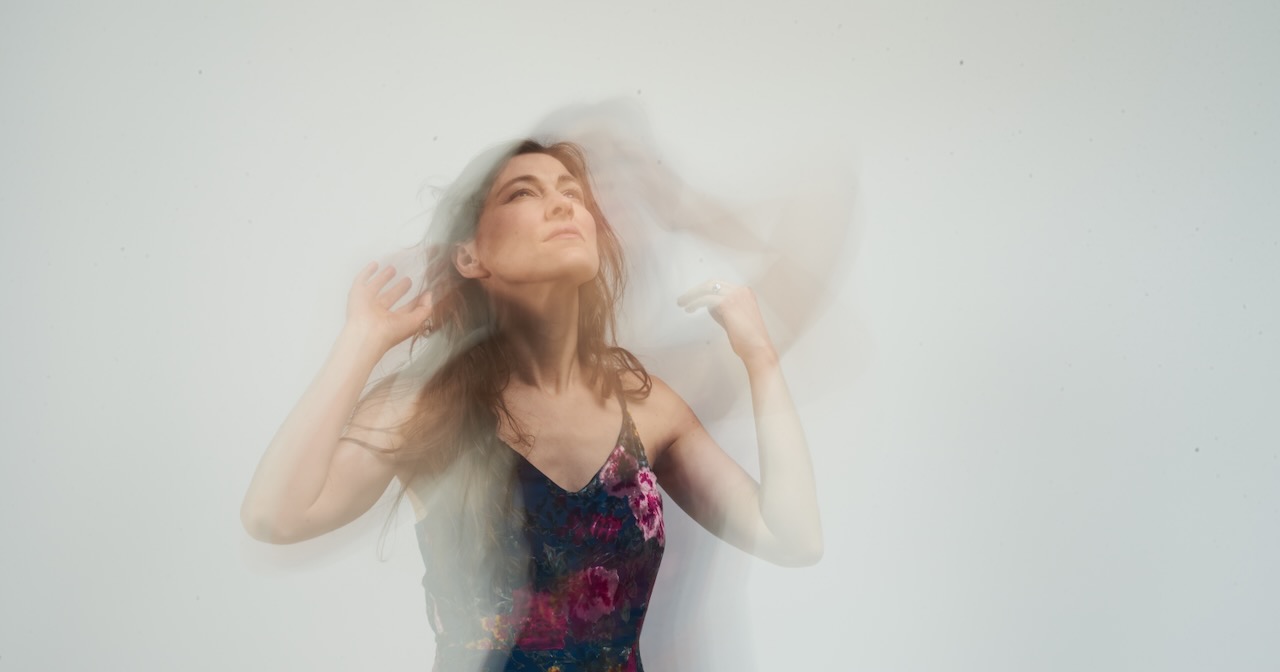
Ruth Moody has a singular voice, whether she’s joining the soaring three-part harmonies of the Wailin’ Jennys, or carving her own path on her new solo album, Wanderer (released May 17.) The project was almost a decade in the making and finds Moody betting on herself as a songwriter, co-producer, and now-label head for her own Blue Muse Records. The album is parallel to Moody’s own journey at continuing to define herself, with its emphasis on confronting the past and carving away detritus that is no longer needed.
Moody splits her time between Nashville and Vancouver Island. The pull between her sense of place, as well as her identities as artist, wife, and mother, characterize Wanderer. The album was recorded at the legendary Sound Emporium in Nashville and was co-produced with Dan Knobler (Allison Russell, Lake Street Dive) and mixed by Tucker Martine (My Morning Jacket, First Aid Kit, The Decemberists).
As discussed below, Moody waited until the time was right to bring her favorite musicians together for the record: her partner Sam Howard, who plays upright bass and provides backing vocals; her older brother Richard Moody; The Wailin’ Jennys’ touring band member Anthony da Costa (guitars); Jason Burger (drums); Kai Welch (keyboards); Russ Pahl (pedal steel); Adrian Dolan (string arrangements); and duet partner Joey Landreth (on “The Spell of the Lilac Bloom”). Moody’s patient commitment to executing Wanderer the way she wanted to shows in its transcendent arrangements.
In our BGS interview, Moody discusses how she establishes her sense of self amidst the competing demands in her life, the factors that give Canadian roots music their own special quality, and the lessons she’s learned from doing Wanderer exactly the way she intended to.
What do you think it is about Canadian roots music in particular? It does have a different feel than roots music in the States.
Ruth Moody: You know, I’ve been asked this question for so long. It’s a very valid question, because I think there is something, but it’s really hard to have a clear answer. In Canada there’s such a range of geography and music culture. You can’t really pin it to one thing.
I grew up in Winnipeg and the winters are so harsh that I think music and art are one of the things that get people through. It’s something you can do in the winter. I also think that there’s something about the landscape and the winter that creates a certain work ethic because you’re so small against the elements, really. So consciously or subconsciously, that enters into the picture for people. And so I think people tend to work hard and really apply themselves. And when it comes to touring, especially if you’re from Winnipeg, it takes some effort to get to the next town. It’s a six-hour drive before you get to the next major town. So I think right from the start, young musicians know they have to go out in the world to tour and get their music out.
We’re pretty diverse and we’re also influenced by so many different cultures and types of music. So I think there is a very exploratory aspect to Canadian music. And a lot of cross-pollination between genres and scenes. We are very lucky to have government support for the arts and I think that helps artists thrive, obviously, but it also helps to create music communities and bring artists together in collaborative situations.
Well, it’s always good to start an interview out by asking you to speak for your entire country! But Wanderer focuses on the idea of home, and I know you’ve lived many different places. Did I read that you grew up in Australia?
I was born in Australia, and my parents are Australian, but they came back to Canada when I was only a year old. I grew up in Winnipeg, but, as an adult, I’ve moved around a ton and that was what inspired the title track. I’ve been touring for over 25 years at this point. “Wanderer” is a love song that I wrote for my partner, because he helped me have that feeling of home for the first time in my adult life.
There are a number of songs about young love and new love on the album. Was there something that was making you reminisce about those times in your life?
These songs were all written across a long time-span – over 10 years really – since my last record. So the songs come from different stages and sides of love, right into motherhood. Some songs deal with heartbreak too and some are more reflective about the past. During the pandemic, I was reflecting a lot about how we internalize the messages we receive from society, how as a woman I took on the expectations of others and how that has affected my life. I was looking back, looking for clues, curious about where fear comes from, where strength and resilience come from. How we learn how to be our authentic selves when there are so many outside pressures and confusing messages. “Seventeen” isn’t about that, at all, but it ended up coming out of that period of reminiscing. It’s a song that came from my own experiences but that is essentially about being in love and not being ready or able to face it or express it, which I think is probably a pretty common experience.
These are all things I’m thinking about a lot now that I have a child, too, because they become very relevant. You’re trying to model behaviors for a young person and it really makes you face yourself. You have to look at why you do and say certain things and what you want to teach and how you want to be.
Speaking of wandering, I read that you split your time between Nashville and Vancouver Island.
I just got back from British Columbia, and I’ll be back in BC in the summer, so yes, I’m back and forth. I tour a lot, so I try to get home to BC when I’m already out traveling. But I work a lot in Nashville and so does my partner, so we’re still figuring that out.
Do you feel you are different when you are in these two different places?
Definitely. That’s been a real theme becoming a mother, really. Suddenly, you’re responsible for another human life. You have to let go of a lot of ways that you used to do things and prioritize what matters. I’m always shifting modes.
When I’m on tour, I operate in a certain way. When I’m in BC, I’m close to my parents and that brings out certain things. When I’m on my own, I have a bit more freedom to maybe be my creative self and when I’m in parenting mode, that goes out the window. Additionally, a partnership requires a lot of work and time, too. There are a lot of different parts of life that I’m juggling. But it keeps it interesting.
This isn’t meant to be a conversation about being a musician and motherhood and “having it all,” but it is a big theme of the record!
It has been a big theme of my life of late. Actually, I wanted to make this record about eight years ago and then I put it on hold, because I wasn’t able to line up all the musicians I wanted involved. I thought, “I’ll do it next year.” And then I had my son and I just didn’t know that motherhood would be such an all-consuming thing. It doesn’t have to be – and everyone’s different!
I really want to do a good job at everything that I do, and so I found it hard [to balance everything.] I felt like I wasn’t doing a good enough job at being a parent and I wasn’t doing a good enough job at performing. That was really hard on me. And I think now, with this new way of looking at things, I’m just being easier on myself and thinking to myself, “Maybe I was enough. Maybe we can’t be perfect at every single thing.” Maybe we don’t have to attempt to be perfect at everything.
First and foremost I think that any woman should have the choice to [balance motherhood and work] in the way she wants to do it. I am still figuring out how to juggle everything – especially since for this record, I decided to put it out on my own label. It’s really exciting and I think will be really rewarding, but it is a ton of work and the learning curve is quite steep.
Wanderer is your fourth solo album. Do you feel this process is different than when you’re working with another artist or with The Wailin’ Jennys?
It is different. The Jennys – I mean, we’ve been together for so long and we have a certain way of working. We’re talking about making a new record, which is really exciting. It’ll be different, because it’s been a while and we’re all changing all the time, you know? That feels like it will be an exciting new experience.
But it is of course different working on my own, especially in this case, because I co-produced this record. When you’re on your own, you draw on a different part of your brain and even your heart. Wanderer is a really personal collection of songs. With the Jennys, we tend to maybe gravitate towards songs that call for three part harmony, so they end up being a bit more anthemic. With these really personal, intimate songs, I connect to them in a different way.
What lessons do you feel like you can take away now that you’ve finished making Wanderer that you want to take with you on your next project?
I’ve learned so much in doing this. Because it took so long to make it and these songs were waiting in the wings for so long, it felt really important for me to make it. The stakes felt high, because it had been so long in the making.
Now that it’s done and I’m putting it out, I am really excited and proud of it. I want to just keep releasing expectations and I’m very excited to dig into creative work again.
Photo Credit: Jacqueline Justice
This website uses cookies to improve your experience. We'll assume you're ok with this, but you can opt-out if you wish.AcceptRejectRead More
Privacy & Cookies Policy
Privacy Overview
This website uses cookies to improve your experience while you navigate through the website. Out of these, the cookies that are categorized as necessary are stored on your browser as they are essential for the working of basic functionalities of the website. We also use third-party cookies that help us analyze and understand how you use this website. These cookies will be stored in your browser only with your consent. You also have the option to opt-out of these cookies. But opting out of some of these cookies may affect your browsing experience.
Necessary cookies are absolutely essential for the website to function properly. This category only includes cookies that ensures basic functionalities and security features of the website. These cookies do not store any personal information.
Any cookies that may not be particularly necessary for the website to function and is used specifically to collect user personal data via analytics, ads, other embedded contents are termed as non-necessary cookies. It is mandatory to procure user consent prior to running these cookies on your website.