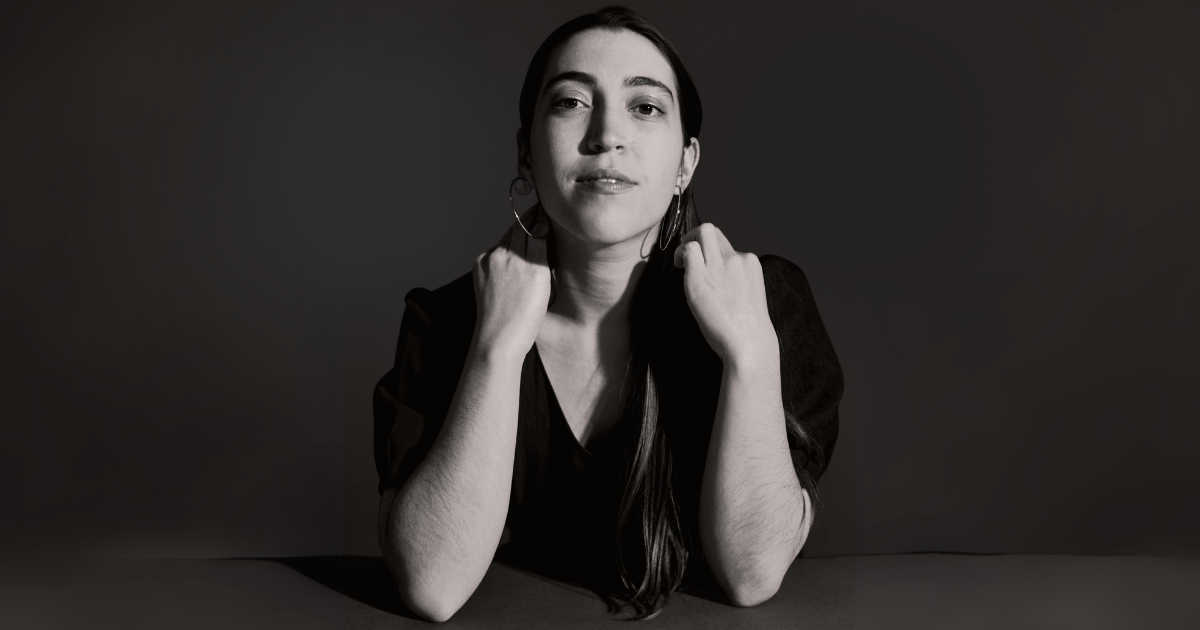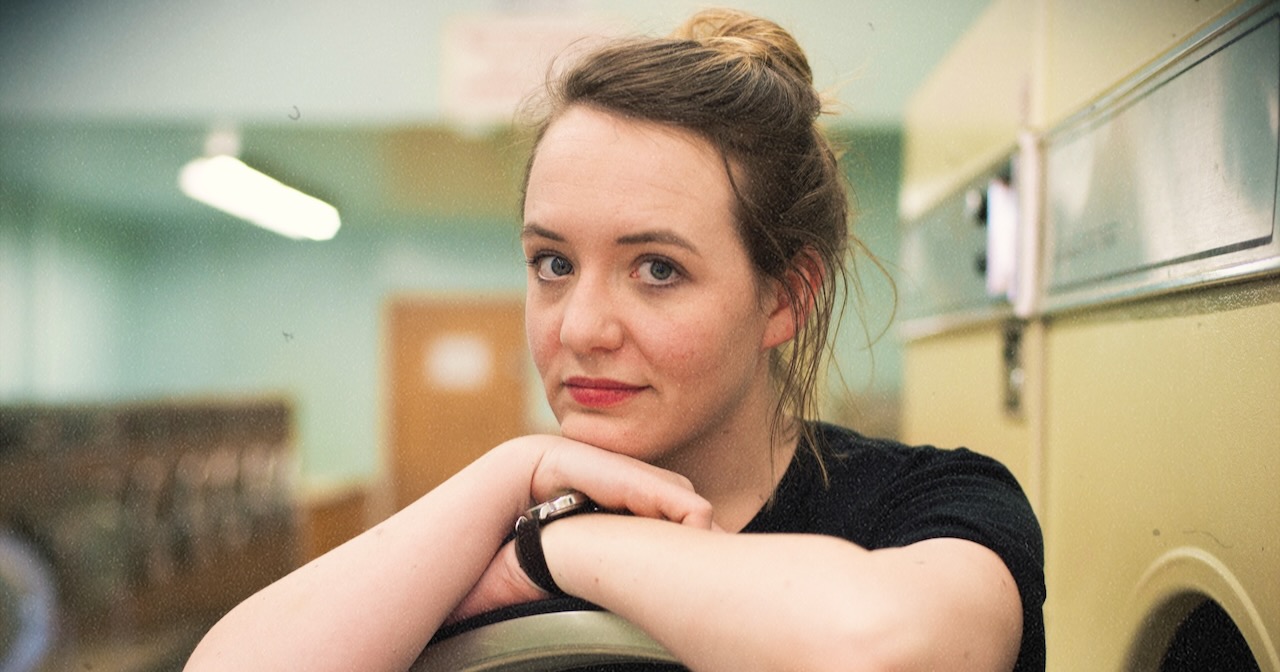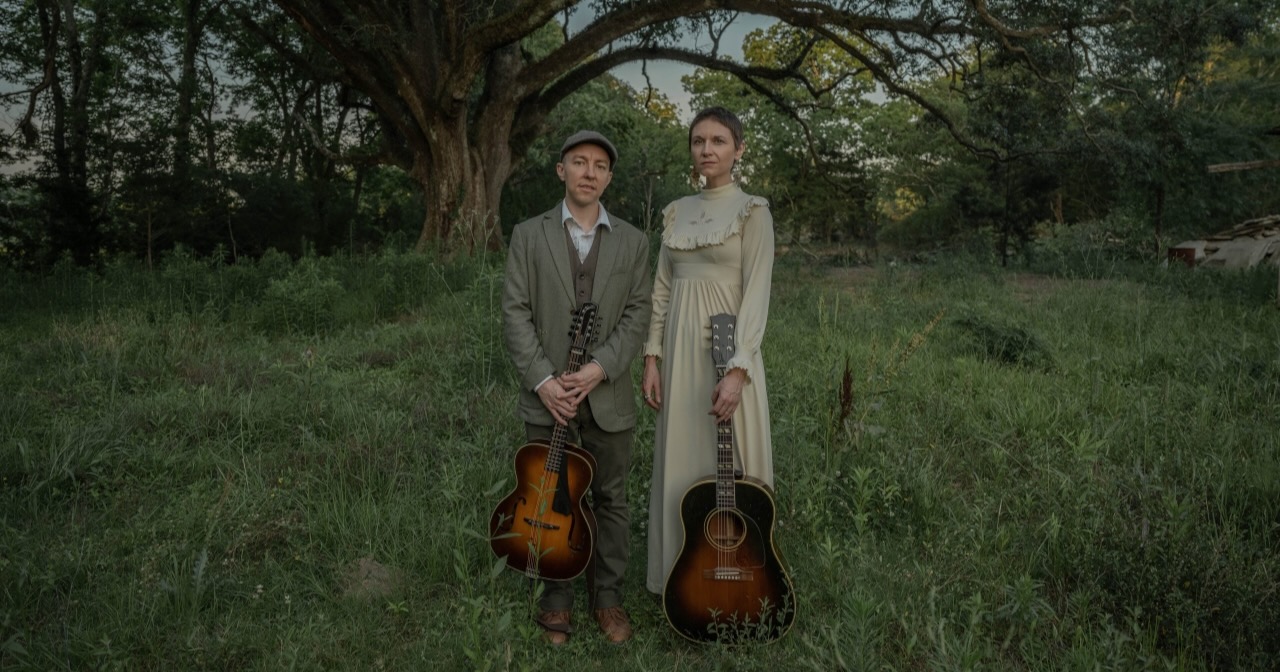
You Gotta Hear This: New Music From Carson Peters, Jessie Wilson, and More

It’s another full week of new releases and exciting premieres! Leading off our round up this time is young fiddlin’ phenom Carson Peters singing a Bob Seger classic, “Long Twin Silver Line.” Plus, don’t miss bluegrass tracks from our friends Unspoken Tradition and Meadow Mountain – the latter of whom debuted the first installment of their SkyTheory Sessions on BGS yesterday.

There’s also plenty of Good Country to find herein! Kyle McKearney is joined by bluegrass flatpicker Trey Hensley on “Lonesome,” Jessie Wilson brings us a new one, “Outlaw,” and Will Stewart & the Gold Band share a tune from their Live in Norway project. Plus, Jordie Lane brings us a new single, too.

Yesterday, Donovan Woods exclusively premiered a new Lori McKenna and Matt Nathanson co-write on BGS,. as well so don’t miss that! It’s all below and really, You Gotta Hear This!

Carson Peters, “Long Twin Silver Line”

Artist: Carson Peters
Hometown: Nashville, Tennessee
Song: “Long Twin Silver Line” (Bob Seger cover)
Album: Silver Bullet Bluegrass
Release Date: July 12, 2024
Label: Lonesome Day Records

In Their Words: “Randall Deaton approached me with this tribute project a while back, and I loved the idea and jumped at the chance to be included with the great artists that were already on board. I grew up listening to classic rock and roll music riding in my parents’ car. It definitely helped me appreciate all styles of music and I always enjoyed hearing Seger songs. Randall had most of the track ready for me when I came in to put vocals and fiddle on it, and his ideas and choices made this song even better than I imagined. We played around with arrangements for a fiddle break in the middle, but he was the brain behind the arrangement for sure. I think (and hope) that the youthfulness in my voice and aggressive style of fiddle playing suits this song well, and gives it a nice spin. I am working up a live version with my band so we can put into our shows.” – Carson Peters

Track Credits: Written and published by Bob Seger, Gear Publishing Company
Producer – Randall Deaton
Engineers – Randall Deaton, Jimmy Nutt
Tracked at Lonesome Day Recording Studio, Booneville, KY / The NuttHouse Recording Studio, Muscle Shoals, AL.
Mixed at The NuttHouse Recording Studio, Muscle Shoals, AL.

Guitar – Stephen Mougin, Gary Nichols
Mandolin – Darrell Webb
Banjo – Ned Luberecki
Bass – Mike Bub
Dobro – Jake Joines
Fiddle – Carson Peters
Harmony vocals – Sarah Borges


Kyle McKearney, “Lonesome” (Featuring Trey Hensley)

Artist: Kyle McKearney
Hometown: Calgary, Alberta, Canada
Song:Lonesome” (featuring Trey Hensley)
Release Date: April 26, 2024
Label: Kyle McKearney Music

In Their Words: “I’ve been following Trey Hensley for years and have always been a huge fan of his playing, singing, and Southern charm. I got to meet Trey at a gig in Colorado and I was blown away to learn that had been a fan of mine as well. My keyboard player James and I wrote ‘Lonesome’ with Trey in mind, hoping that he’d jump on for a shred on his flattop. I love how this song turned out and am grateful to Trey and team for their contributions. I can’t wait for folks to hear this burning two stepper!” — Kyle McKearney

“I became a huge fan of Kyle McKearney the moment I heard his music several years ago. I became an even bigger fan when I got to meet him and hear him live out in Colorado last year. I knew then that I would love a chance to work on some music with him in the future. I was thrilled when the opportunity arose for me to go up to Alberta and record with Kyle for his new song ‘Lonesome.’ As soon as I heard the song, I immediately knew this was going to be a blast… and sure enough, it was an absolutely incredible experience. Kyle is such a phenomenally talented artist, and I’m beyond honored to be included on ‘Lonesome.’ I can’t wait for y’all to hear it!” — Trey Hensley


Jessie Wilson, “Outlaw”

Artist: Jessie Wilson
Hometown: Phenix City, Alabama
Song: “Outlaw”
Release Date: May 3, 2024 (single)

In Their Words: “‘Outlaw’ depicts a universal feeling – no matter what field you are in or where you’re at in life, almost everyone has felt like they weren’t good enough and wanted to fit into a certain group at some point or another. I wrote this song about Nashville; I’ve often wondered what I need to do to be wanted in this town and the music industry. Is it about dating the right person, or changing my morals – what’s the answer? This song was written from that state of mind. It took a lot of vulnerability for me to admit that there was a time when I would do anything to fit in and gain the love of others, because deep down I was so lonely and lost. It’s typical to want to compare yourself, but you have to steer your mind away from that idea. I’ve since learned that I don’t have to change who I am and that the right people and opportunities will come to me and love me for the person I am.” – Jessie Wilson

Track Credits:

Producer – David Dorn
Acoustic & electric guitar – Tim Galloway
Bass – Tim Denbo
Drums – Matt King
B3/Synthesizer – David Dorn
BGVs – Kristen Rogers and Caleb Lee Hutchinson
Recorded at Farmland Studios.
Mixing – Mark Lonsway
Mastering – Mayfield Mastering


Will Stewart & The Gold Band, “Real Drag” (Live)

Artist: Will Stewart & The Gold Band
Hometown: Birmingham, Alabama
Song: “Real Drag” (Live)
Album: Will Stewart & The Gold Band Live in Norway
Release Date: June 7, 2024
Label: Cornelius Chapel Records

In Their Words: “Ross Parker, my longtime friend and bassist, sent me a rough demo of ‘Real Drag’ last year. I slightly tweaked the arrangement and melody and added a verse and it immediately became a staple in our live set. I get to throw in some jangle on this one, and Janet’s guitar playing compliments that in a nice way. The lyrics sort of speak for themselves, but it’s about a series of unfortunate events after a long night of being out, which seems to be a common theme in a lot of my songs, now that I’m thinking about it. It’s a combination of people and places that we’ve encountered over the years.” – Will Stewart

Track Credits:

Will Stewart – Guitar, vocals
Janet Simpson – Guitar, vocals
Tyler McGuire – Drums
Ross Parker – Bass
Recording Engineer – Harvard Soknes
Mixed by Brad Timko.
Mastered by Alex McCollough.


Jordie Lane, “The Changing Weather”

Artist: Jordie Lane
Hometown: Melbourne, Australia (Based in Nashville, Tennessee)
Song: “The Changing Weather”
Album: Tropical Depression
Release Date: May 2, 2024 (single); August 23, 2024 (album)
Label: Blood Thinner Records, under exclusive licence to ABC Music/The Orchard

In Their Words: “I had just got back to America after the terrible 2019-20 Australian bushfires when this massive EF-3 Tornado devastated our East Nashville neighborhood. Everything in my mind and body was kind of in shock about this severe weather, being so close to being hit. It scared the sh*t outta me. The song came after thinking about how people often complain about the very things that could and should be seen as a gift. Like the simple act of getting caught in the rain.

“Humans are remarkably good at denying the truth sometimes and covering it up with a bunch of other crap that we pretend is more important. We tend to just wanna get on with our lives, and not think about the scary things inside us, or with this planet we live on. This song is my take of an easy-breezy ’60s song to keep cruising along to, until the moment it’s all too late.” – Jordie Lane

Track Credits: Written by Jordie Lane.
Produced by Jordie Lane & Jon Estes.

Video Credits: Director, director of photography, editor – Korby Lenker
Aerial photography – Travis Nicholson
Producers, production designers – Jordie Lane & Clare Reynolds


Unspoken Tradition, “Georgia In Her Eyes”

Artist: Unspoken Tradition
Hometown: Cherryville, North Carolina
Song: “Georgia In Her Eyes”
Release Date: May 3, 2024
Label: Mountain Home Music Company

In Their Words: “‘Georgia In Her Eyes’ is a deeply personal song that I wrote in a fit of inspiration not long after meeting the woman who is now my wife. Looking through the perspective gained from 12 years together, the lyrics are even more meaningful. I’m excited that the guys in the band chose to help bring this song to life.” – Sav Sankaran, bass and songwriter

Track Credits:

Audie McGinnis – Acoustic, vocals
Sav Sankaran – Vocals, bass
Tim Gardner – Fiddle, vocals
Zane McGinnis – Banjo
Ty Gilpin – Mandolin


Donovan Woods, “Back For the Funeral”

Artist: Donovan Woods
Hometown: Sarnia, Ontario, Canada
Song: “Back For The Funeral”
Album: Things Were Never Good If They’re Not Good Now
Release Date: July 12, 2024
Label: End Times Music

In Their Words: “‘Back For The Funeral’ is a story that a lot of us end up experiencing. Big life events – deaths, births, divorces – seem to pull us out of the flow of time somehow. The days around these events can feel like a dream wherein the regular rules of our lives don’t apply. People fall back onto old habits or maybe construct a new temporary-self to shield them from grief or shock. What I like best about this song is that it reflects that dream-like feeling without sacrificing clarity. It feels the way those life-dividing days feel. I wrote it with Lori McKenna and Matt Nathanson. I’m about as proud of it as anything I’ve written. I hope it’s useful to people.” – Donovan Woods

More here.


Meadow Mountain, “June Nights” (SkyTheory Sessions)

Artist: Meadow Mountain
Hometown: Denver, Colorado
Song: “June Nights”
Release Date: April 30, 2024 (single)

In Their Words: “It sometimes feels like my life is split up into eras – periods of a year or two that, upon looking back, have a distinct, overarching feeling. As I get older I’ve started to recognize when I’m on the edge of one era, moving into the next one, and I begin to get a sense of the overall color of my recent life. I had that feeling as spring moved into summer last year and wanted to document it in a song. It recounts moments in the Colorado wilderness, misadventures in love, and my abiding wish to be Sam Bush in the 1980’s.” – Jack Dunlevie, mandolin and songwriter

More here.


Photo Credit: Carson Peters by Cora Wagoner; Jessie Wilson by Sam Aldrich.

Leyla McCalla’s Joyful Rebellion: Sun Without Heat and the Freedom of Play

Singer-songwriter Leyla McCalla and her band (bassist Pete Olynciw, drummer Shawn Meyers, and guitarist Nahum Zdybel) join us onboard Cayamo to go through their incredible, righteous and fun new record Sun Without the Heat. It is a Leyla McCalla solo album, but no solo artist is an island! Once we saw Leyla perform with her band, with whom she has collaborated for the past six years, we had to get the whole collaborative outfit in on the interview.

LISTEN: APPLE • SPOTIFY • STITCHERAMAZON • MP3

The sounds on the album are inspired by Afrobeat, Haitian music, folk music, indie music, Americana music, Brazilian tropicalismo, amongst others. Leyla calls it, “A record that is playful and full of joy while holding the pain and tension of transformation.” McCalla’s liberatory politics find their way into the record, evidenced by the title – which comes from a Frederick Douglass speech given six years before the Emancipation Proclamation. Leyla explores her cultural heritage while reflecting the African diaspora using elements of Afrofuturism. She’s leaning into a concept that challenges women in music (particularly women of color) of how to free herself from labor that should not be hers, and fighting for her right to be joyful in her creative expression.

When asked about how these new songs feel through the lens of somatic experience, Leyla says the new music feels different and that she’s let go of the idea of perfectionism as a single mom of three kids. A lot of the record was informed by different authors she’s read recently like adrienne maree brown (Pleasure Activism) and Susan Raffo (Liberated To the Bone). Leyla’s really changing the game in Americana, when it comes to incorporating the academic into truly bitchin’ music.

Sidenote: we really loved hanging out with this crew at sea on Cayamo. They had great vibes, good laughs, and also very good outfits. Lizzie even recruited Pete to play bass in an impromptu trio while on board. More good times with Leyla and band, please!


Photo Credit: Chris Scheurich

WATCH: Donovan Woods, “Back For The Funeral”

Artist: Donovan Woods
Hometown: Sarnia, Ontario, Canada
Song: “Back For The Funeral”
Album: Things Were Never Good If They’re Not Good Now
Release Date: July 12, 2024
Label: End Times Music

In Their Words: “‘Back For The Funeral’ is a story that a lot of us end up experiencing. Big life events – deaths, births, divorces – seem to pull us out of the flow of time somehow. The days around these events can feel like a dream wherein the regular rules of our lives don’t apply. People fall back onto old habits or maybe construct a new temporary-self to shield them from grief or shock. What I like best about this song is that it reflects that dream-like feeling without sacrificing clarity. It feels the way those life-dividing days feel. I wrote it with Lori McKenna and Matt Nathanson. I’m about as proud of it as anything I’ve written. I hope it’s useful to people.” – Donovan Woods

Track Credits: Written by Donovan Woods, Lori Mckenna, Matt Nathanson.

Acoustic guitars, vocal, piano – Donovan Woods
Synths, drum programming – James Bunton
Bass – Mark McIntyre
Strings – Drew Jurecka

Recorded in Toronto at Union Sound Company – Studio B, Small Dog Sound.


Photo Credit: Brittany Farhat

Artist of the Month: Kaia Kater

BGS first had the opportunity to work with singer, songwriter, multi-instrumentalist, and composer Kaia Kater all the way back in 2016. She appeared on our inaugural Shout & Shine showcase stage that year at the International Bluegrass Music Association’s business conference in Raleigh, North Carolina. It was the first ever showcase celebrating diversity at the headline bluegrass event and it was also where I met her for the first time in person. We were both panelists for another first-ever, IBMA’s round-table style panel on inclusion that was convened the day after Shout & Shine. Partially planned in response to North Carolina’s just-passed transphobic measure, HB2 – one of the first anti-trans “bathroom bills,” beginning what would become a nearly decade-long and as yet unfinished battle in state houses around the country for equal rights for trans folks – the panel’s format was all about direct conversation and reaching folks where they were at.

A grassroots collective of musicians, artists, and industry professionals who represented often marginalized identities in bluegrass had decided enough was enough, we would have to stake out and hold space at IBMA’s conference to have these long overdue conversations about who is and who isn’t excluded from these roots music genres and what we can do to make all folks feel safe(r) and at home in these communities we love. Kater was right there, engaging and often leading dialogues on these important subjects. A handful of days later, she published her first byline on BGS, an incisive, compassionate, and necessary op-ed on Breaking the Wheel of Silence – calling out all too common “closing of ranks” and music industry status quos that reinforce and protect misogyny, patriarchy, and systems of sexual harassment and sexual violence and their perpetrators.

In short, Kater has long been a thought leader in roots music, especially in bluegrass, old-time, and our BGS family. We’ve been fortunate to get to collaborate with her in various ways on that vital work, from having her writing published on our site and in our year end round-ups to covering her own art and roots music creations.

Luckily, the music she crafts and the messages within it make it infinitely easier to spotlight these often touchy and incredibly nuanced issues. From her debut, 2015’s Sorrow Bound, to 2016’s impressive Nine Pin – which some call her “break out” record – Kater has been spinning complex and entrancing roots music threads that draw on her lived experiences as a Canadian-Grenadian banjo player and lifelong folk musician, turning over and examining what are often called “thorny” or “divisive” issues. Her music grounds abstract and theoretical concepts in the past, present, and future. But her songs don’t sound mired in these issues or concepts at all, just the opposite.

Over the course of her career, from her teens and young adulthood to today, on the cusp of releasing a new album, Strange Medicine (out May 17 via Free Dirt Records), this singular perspective Kater has cultivated continues to blossom, grow, and come into sharper focus. 2018’s Grenades, a sort of concept record placed decidedly in the Caribbean and tracing Kater’s roots back to the beautiful island of Grenada, processes generational traumas, the machinations and intricacies of culture, the nebulousness of belonging, and so many other colors and textures decidedly at home in folk music, but enlivened constantly through Kater’s creative lens. Grenades is a master work, demonstrating a creator and musician who knows who they are – even when they do not.

Six years later, enter Strange Medicine, another album masterpiece that finds Kater still more confident, more at ease, and just as convicting. Genre parameters, her prior records, and her strong positioning of community are all present here, but perhaps not as directly. Instead, Strange Medicine seems to be grown from the fertile, rich, and dense soil of Kater’s career to this point. There are indirect touches of all of the above, but overall this collection feels brand new. It is a novel synthesis of her values systems and worldview, one that feels assured while still exploratory, firm but flexible, responsive but not reactive. Strange, indeed, but never odd (or estranged).

With stunning collaborations with Taj Mahal, Allison Russell, and Aoife O’Donovan – who is featured on “The Witch,” a track made available today – Kater demonstrates how, more than ten years since she began her professional trajectory, her music shines with cross pollination, positioning the community members who helped shape her own music within that very body of work. It’s part of why her new band, New Dangerfield – with Jake Blount, Tray Wellington, and Nelson Williams – can be called a supergroup, though that moniker immediately feels reductive. Kater and her cohort are no longer simply adding their voices to an ongoing conversation, they are the conversation. The center of gravity – in folk, old-time, bluegrass, Americana, and beyond – has shifted, and with that shift we see Kater, many of her peers in her generation, as well as those collaborators and influences who came before continually advancing these discourses.

Her medium, as always, is music. Her dialogue, as always, is not simply with those who choose to consume her art, but specifically with those who engage with it, try it on, turn it inside out, and kick the tires. This is music that will stand up to that sort of holistic interaction. It’s infinitely listenable, incredibly fun, and grooving, too; Strange Medicine might be the danciest record in Kater’s catalog. It’s intellectual, yes, but more than that, Kater shows us that music can be nutritious, challenging, and dense while effervescent, joyful, and soaring.

All month long, we’ll be celebrating our pal, collaborator, and constant source of inspiration Kaia Kater as our Artist of the Month. Below, enjoy our Essential Kaia Kater Playlist and watch for an exclusive AOTM interview coming in just a couple of weeks, too.

Back then in 2015 and 2016, when we were just introduced to Kater and her music, if you had asked any of us if we’d expect her to be our Artist of the Month someday, down the line, I think almost any of us would’ve responded with a resounding, “Yes!” So we’re especially proud to celebrate Strange Medicine and Kaia Kater as our May Artist of the Month.


Photo Credit: Janice Reid

Humbird: From Dinner Table Singing to Dismantling White Supremacy

Siri Undlin, better known as Humbird, is a talented singer-songwriter from the Twin Cities with deep roots in Minnesota music and the land that surrounds her. Growing up, she was a true cold-weather kid who loved hockey during winter, but also loved music and feeding her vivid imagination. Her interest in music was nurtured by her parents, religious music, church choir, and also her Aunt Joan, who taught Siri guitar at age 12. Hockey actually led her to her first band, Celtic Club, which would play at Irish Pubs, talent shows, and of course, at the local hockey rink. They introduced her to Celtic music and her first live performances.

LISTEN: APPLE • SPOTIFY • STITCHERAMAZON • MP3

In this episode of Basic Folk, Undlin shares her rich experience studying folklore and fairy tales, which greatly influence her musical journey. She discusses her intensive research in Ireland and Nordic countries, exploring how music intertwines with storytelling traditions.

Throughout the episode, Undlin reflects on her upbringing, her time at an art school, and her evolving approach to songwriting, blending traditional folk music with indie music and experimental sounds. On her new album, Right On, Siri is acknowledging and addressing white supremacy in middle America, as highlighted in her song “Child of Violence.” She talks candidly about what writing and releasing the song taught her about white supremacy. Touring has provided Undlin with unexpected challenges and valuable insights, shaping her perspective as a musician and performer. We talk about the importance of being open to chaos and disciplined in one’s mindset while navigating the music industry and life on the road.

(Editor’s Note: Read our recent interview feature with Humbird here.)


Photo Credit: Juliet Farmer

Katie Pruitt on ‘Mantras’ and Letting Go of Control

Knowing how 2020 and the years that followed would unfold, the dynamism of Katie Pruitt‘s debut record is even more awe-inspiring. Expectations introduced the Nashville-via-Georgia singer-songwriter alongside her deepest aches and most intimate struggles as an openly queer individual raised as part of a devout Roman Catholic family in the conservative South. It would go on to earn a GRAMMY-nomination and ample praise for her lyricism, empowered performances, arranging, and instinct for production. In short, it’s undeniable that Pruitt set quite the high bar of expectations for herself and the music she would choose to share next.

Four years later, Pruitt has unveiled Mantras. While flashes of brilliance from a familiar autobiographical lens inform and inspire the 11 track recording, these aren’t simply more straightforward, memoir-style anecdotes. The truths and experiences Pruitt shares on Mantras feel more revealing than Expectations, as this time, Pruitt’s lens looks decidedly more inward at what she has lived through, reflected on, and learned from since writing her last album.

Not only is Mantras‘ thought process largely internal in nature, but each song leads to paths, stories, and developments that have yet to be fully resolved – if ever they will. The album showcases a great deal of inspiring perseverance in the self-contained conclusions of songs like “Self-Sabotage” and “Worst Case Scenario” and more generally, it unveils a journey of self-healing from start to finish.

However, while Mantras ultimately provides reassurance, peace, and closure, the takeaway isn’t meant to be one of permanent resolution or rigid perspective around anything Pruitt has seemingly conquered in each song. Like the recapitulating nature of a mantra, she is mindful of being continuously attentive and compassionate towards her inner struggles, rather than seeing them as singular moments of adversity.

Speaking with her by phone, BGS shared an insightful conversation with Pruitt about how her focus on inner-healing shaped the sound of Mantras, how her perspective around disagreement and connection has changed, how she cultivates inner strength, and much more.

How was it navigating the presence of expectations for Mantras, considering your intent to move away from a focus on external validation?

Katie Pruitt: On the first album, I was dodging different expectations, you know? I was dodging expectations of my parents or of how people in my hometown saw me and who I am now. I sort of accidentally set high expectations for this next record. I felt like I was competing against myself in a lot of ways and I really had to find moments to just surrender, come back to center, and just focus on the fun feeling in the present moment and talk about that, instead talking about things that I think people want me to say. I needed to focus on what I needed to say, which is maybe different than what other people expected or wanted to hear on this album.

Knowing this album is an expression of personal growth and a journey of sorts for you, what does it feel like to just now be talking about these songs after holding onto them for so long?

Coincidentally, I feel like everything on Mantras is lining up with my life as it’s coming out.

With me talking about my parents selling my childhood home [in “Naive Again”], yeah, my parents are selling my childhood home as we speak. And when I finished a lot of the songs about my partner slowly checking out and leaving, maybe a week after I turned in the record, we broke up. So I’m still experiencing a lot of these things in my life. It’s kind of a first for me, because when Expectations came out, I had kind of already patched things up with my parents and there were things in my personal life were kind of resolved. But then I was having to dive back into those issues every day on stage or whenever I sang those songs. This is different, honestly. It kind of feels good to be able to deal with what’s going on in my life with the songs in real time.

You’ve talked about building “the tracks from the ground up as opposed to cutting everything live, which gave so much more room to let the songs evolve and become what they needed to be.” What does that mean for you and what did those moments of full realization for the music feel like for you, and producers Collin Pastore and Jake Finch?

Jake and Collin’s workflow is very quick. And that was a challenge for me, but I felt like we challenged each other in the right ways. They move very fast and I was like, “Wait a second. Let’s take a look at this. Let’s sit with it for a second and make sure we like it.”

I think having the option [to record parts individually] instead of having all this pressure to be in the studio with a full band and having everyone play the right parts at the right time, was nice for us – to just build one part at a time and ask ourselves, “Is this correct? Does this fit?” And if it doesn’t, we’d say, “We can always mute it.” … There’s not necessarily a wrong answer. We’re just trying to evoke a feeling and if we feel it then other people will too.

What brought you together with Christian Wiman’s work, ultimately inspiring you to writing the album title track?

I was listening to this poetry podcast, [Poetry Unbound], I was really into that during the pandemic and that was obviously a tough time for a lot of people, [creating] a lot of points of contention, especially around beliefs and belief systems. I just felt like, my parents believe different things than me and my friends started to believe different things than me. So that poem, [“All My Friends,”] just really resonated as this “A-ha!” moment.

At the very end of the poem [Wiman] says something like, “My beautiful, credible friends.” In the first part of the poem, you almost feel like he isn’t mocking them, but like, he’s kind of poking fun at how many rabbit holes there are to go down, as far as spirituality goes or, finding yourself goes. Then at the end, he’s like, “And all of them are credible, all of them are valid.” And that really struck a chord for me and I just think that’s a really powerful statement.

Given the open and accepting mindset you impart through “All My Friends” and its juxtaposition with the piercing, personal insights you share in “White Lies, White Jesus, and You,” where would you say religion, particularly Christianity and Catholicism, exists for you now, compared to when you were writing Expectations?

I really try to make clear to my parents or to some of my friends who are still Christian, that [the song] is talking about people who take the Bible and abuse it for their own benefit – whether that be political or just to justify shitty behavior on their end, like saying, “Oh, well, it says that gay people aren’t allowed in heaven. So I’m allowed to say this.”

That’s the part of [Christianity] that really turns me off to it in general. And that’s a shame, because the dude in the Bible, Jesus, the version that I have kind of come to discover as I’ve gotten older, is a pretty progressive dude. And I don’t mean that in the political sense. I mean, in the sense of he’s accepting of everyone no matter what their background is. Like, Jesus himself never says anything about gay people. He’s friends with kind of some sketchy characters if you were going to look at it through a lens of today. So that’s the Jesus that I wish I were taught more about when I was growing up. I think “White Lies, White Jesus and You” was a way for me to process the [version of] Jesus that I have experienced as a closeted gay kid and how the ways that version hurt me and put that in the past and put that behind me.

In what way would you say your journey of self-healing helped you to stop seeing religion as having the power to dictate your worth?

I let go of religion dictating my self-worth a while ago. But then I let other things [take its place]. I used to seek external validation from the church or from my parents or from older mentors in my life. I let that go as I became a young adult and then I started giving other things power to do that. Like success and relationships. I let those things dictate my worth. But then I started delving into the power that intrinsic happiness has.

We really fully don’t have control over what happens in our life. We have some control, but very little. And if your worth can come from within, then those moving parts of life have less control over you or less effect on you … once I learned that, I was able to focus more heavily on, “Let’s have this voice in my head be kind and then I can go from there.” Just me practicing being kind to myself first kind of put this armor up around me and it helps me navigate the world.

What’s changed about your songwriting process since you’ve taken on more personal strength and inner compassion?

For a long time, when my inner voice was more critical and cutthroat and editorial, I couldn’t really write. I wasn’t able to get the thoughts just out of my head and onto the paper, which is the first step you know? Then you have something to work from when you’re able to just say what you feel. But I was just so scared to write a bad song that I wouldn’t write anything. And I think that’s the worst mistake you can make. There’s no harm in writing a bad song.

I think that it’s just about setting the bar, taking a chill pill and [remembering], “Oh yeah, songwriting is fun, songwriting should be fun.” It should be a way for me to get an outlet, a way for me to get this out of my head and look at it. So removing the critical voice is huge. And that was connected to therapy and to me slowly learning how to be kind to myself and slowly learning how to just enjoy writing songs again.

Where, with whom, or in what, do you find your hope and strength to persevere when life feels overwhelming or your inner reserves are running low?

The past or other people’s experiences really help me. I read a lot of Patti Smith and sometimes I’ll just open to a random page and it’ll be the piece of advice that I needed. So definitely words and art and poetry. Another thing would be when I’m feeling, “Okay, all hope is lost,” I have this urge to just run to nature and I just go to the mountains or go sit by a river for a long amount of time and think and meditate and try to put my problems and my fears and everything into perspective. I think, “Well, I’m on this planet right now and I’m sitting by a river. How cool is that?” Just kind of zooming out and not zooming in so closely – that helps me. And like, just good friends and just laughing and having buddies that you know you have a drink with or dinner with and just fuckin’ laughing about the crazy things that have gone wrong. Like, laughter is huge. I know it’s like, “Oh, laughter is medicine,” but it literally is.


Photo Credit: Alysse Gafkjen

More Than A Trend

(Editor’s Note: Sign up here to receive Good Country issues when they launch, direct to your email inbox via Substack.)

Based in northern Alabama with deep, organic ties to so many sounds and styles of the “Americana Music Triangle,” the Secret Sisters have built a musical brand on a distinct iteration of Southern gothic songwriting steeped in familial harmonies. Their music is grounded, but broad, specific but infinitely relatable.

Over the course of five studio albums released since 2010 – including 2020’s Grammy-nominated Saturn Return, which was produced by Brandi Carlile – the sisters, Laura Rogers and Lydia (Rogers) Slagle, have strayed very little from the sounds that first entranced audiences all across the South and around the country more than 14 years ago. Still, while they occupy a distinct and confident sonic aesthetic, their catalog never reads as tired, weary, or redundant. Mind, Man, Medicine, their latest record, was released on March 29 and while it listens like classic, iconoclastic Secret Sisters, it also registers as brand new, vital, and innovative.

It follows that two women proud to be Southerners and proud to be from Alabama would not feel limited by maintaining a stylistic brand that is rooted in one particular vein. At times, their songs remind of the Civil Wars but without affectation, of Shovels & Rope but with a more quiet and genuine anger, and of so many other Americana duos – Gillian & Dave, the Milk Carton Kids, War & Pierce – where the focal point is two voices and creatives in dialogue, collective music. But the indelible throughline, that centering “vein,” is simply being true to themselves.

Mind, Man, Medicine, among the siblings’ handful of releases, all at once feels like a comforting and cozy continuation of everything we love about the Secret Sisters rooted in northern Alabama, while also demonstrating the dawn of a new era. In our conversation with Laura and Lydia, we chat about the distinctions between style and redundancies, about compassion and community, about grounding and intention. Throughout, it’s clear that the Secret Sisters know exactly who they are, how they sound, and why they do what they do – even, if not especially, when each of those truths becomes clouded by the intricacies and complications of life.

I wanted to start by asking you about your specific brand of country and Americana. You have always made music that’s mindful, connected to the earth, and connected to your community. It often feels a little witchy and a little gothic, but it also feels like musically wandering down a winding garden path.

That style, that y’all have had present in all of your albums, it feels like it’s so “in” right now. From the new Kacey Musgraves album, Deeper Well, to Beyoncé’s Cowboy Carter, there are so many touches in country today that seem like something y’all have been doing for more than a decade. I wanted to see how you felt about this current landscape of Americana and country and how you feel your music relates to or fits into the constellation of this ongoing trend?

Laura Rogers: I have noticed that trend in a lot of ways. It seems like there are artists who are even more successful than we are who reach this point where, like you said, they reground or they just tap into something that’s maybe [been] suppressed by the other music that they’ve made. I don’t necessarily think that that’s a bad thing. I think that every artist has his or her own evolution, as far as what inspires them, whether it’s what they’re listening to or what they’re feeling or just what they want to sing. Some people don’t want to [tap] into their history or their community or their roots in any way.

I can understand that and sympathize with that, it’s just that’s who we are. It isn’t a trend for us. There’s no marketing scheme behind what we’re doing. I’m not implying that other artists who are doing that are just doing it for the moment, but for us, it’s always been [that] we don’t really know any other kind of music to play other than what you hear.

I don’t even know if it’s an intentional mindset. We want to be grounded and rooted and pay tribute to where we’re from. I don’t know if that’s like a conscious decision that we make. I think it just kind of happens naturally for us.

I know what it’s like to go through a journey of growing up and reconnecting to where you’re from and appreciating your history. I think it takes a minute sometimes, as an artist and a writer, to go back to that and see it as a good thing. Maybe other artists who are doing that, it’s probably a sincere moment in their life where they’ve reached a point of, “Hey, I want to go back to something that feels a little more like me.” I love that chapter of certain artists’ careers as much as I love the ones that maybe aren’t as rootsy and connected.

Lydia Slagle: I feel like some of that might be due to the pandemic. I might be taking liberties by saying that, but we were just home for so long and I think that probably grounded a lot of people in that way and made people get more in touch with their roots, musically.

I think you’re right. And you’ve both immediately grabbed onto the thread that I was pulling here, which is that there’s this trajectory that artists really enjoy bringing into their own art of “going back to basics.”

From the beginning of y’all’s career, from the first album, it seems like you always started “back” at the basics. I think what’s so interesting about that is how it never seems limiting to y’all. It feels like there’s always an entire universe for you to explore, even while you’re still remaining so close to that home base. You continue to showcase this sense of grounding and rootedness, highlighting where you’re from and who you are, but there’s still so much to explore.

LS: I think we can’t take credit for a lot of that, because we have had a lot of really great collaborators over the years.

We’ve had really good co-writers and great producers who are willing to stretch our limits of what we knew we were capable of. I think some of it is just our general involvement as artists, but a lot of it is who we work with and the people who play the instruments on the records and who produces them.

LR: I don’t know how Lydia feels, I’m sure she probably feels this to a degree, but it’s an insecurity of mine. I listen to other artists and I think, “Oh, if I could just write a song like that one.” I’m constantly doing that terrible thing that humans do, where I compare what I’m capable of producing to what everyone else is currently producing.

I’m so hard on myself about just wishing that I were better, you know? It’s nice to hear that, even after five records of writing music, that what we [make] is still the essence of who we are, but it isn’t overdone. I think that the fear of mine is like, how many more albums can we do before we have to venture into a crazy genre that we’ve never done before to keep people interested? [Laughs]

Thankfully, five albums in, it seems like people are not weary of what we do. But that is a total insecurity of mine, I hear so many songs and I think, “Man, I’m never going to be able to do that…” But then I also realize that there are people who hear our songs and think that they are works of art in ways that I think that was just a Tuesday afternoon!

LS: It’s also a struggle for me, but when I think of my favorite artists, I don’t get weary of the same stuff. I think of Gillian Welch and Dave Rawlings, they don’t really deviate from their original sound and it is just as fresh and exciting for me. Hopefully some people can see our music in the same way.

I think that if we were to just derail and do something completely different, I’m sure that would be exciting, but I’m also sure there would be a part of us that would be like, “What are we doing? What are we trying to prove?” I don’t even know how to describe it, but it would be very hard for us. So, we do what we know and what we like and hopefully people stay on board.

LR: I do think a huge part of it [is that] we’ve had multiple people who have produced things for us and songwriters that we’ve worked with kind of reassure us in this. But, any time we decide to do anything that’s maybe a little bit out of the box for us and that kind of pushes our limits, they always remind us, “What you are is not the sound that you work within, it’s your harmonies together and it’s the way that your voices blend.”

I do think that anytime I feel nervous about new territory or repetitive territory, I just remind myself we are two sisters who grew up singing together, who harmonize together, and for some reason, people really love the way that our voices blend. That seems to be the crux of it. It’s great if that’s framed with interesting sonic landscapes or up-tempo, energetic songs, or sad minor chords. All of those things are interesting, but at the end of the day, if you don’t have that two-part sibling harmony that we are known for– I do think our sound hinges on that, to me.

I don’t ever foresee us having a record where only one of us sings. Period. There’s always going to be both of us, even if we’re both singing in unison together. There’s just something about that. And it’s so much more than what you hear, it’s an energetic thing. You can hear the shared chemistry and energy that happens when two voices that are really, really connected blend together. It doesn’t have to be people who are related to one another, but I think that there’s some unidentifiable, intangible sauce that comes over everything. It’s almost like hypnosis or something.

I think probably every artist that we admire would be like, “Yeah, I have days where I really don’t know what my sound is. I don’t know what my genre is. I don’t know what my style is. I just make it.”

I’m glad that you mention singing in unison, because it was something that really jumped out at me from this record. There’s some tasty ass unison singing on this record! What’s so interesting to me is that you can hear the space in the room between your mouths and the mics – and you can hear that space almost more than the space between your voices, since you’re singing in unison.

LR: Yeah, unison’s hard. I would say for me unison is harder than harmony, getting that blend and making sure that your voices are not rubbing against each other in a way that’s kind of cringy.

LS: We get some of that on the road, I feel like. When we’re performing live and we do unison, there are times when one of us is just maybe a tad sharp or a tad flat and it does not sound like good tasty unison. So finding that perfect sweet spot is a little trickier than you might think.

Shifting gears, I love how y’all always have such a strong sense of place in your music, drawing from Muscle Shoals, drawing from the “Americana Music Triangle.” And I have been obsessed recently with the idea that music always exists in a space, in relationship with place. It feels a bit “forest for the trees” to say it, but without air we wouldn’t have music – without sound waves, without air, without space.

I thought it was so perfect that you start the album with “Space,” it feels like a beautiful, spiritual moment where you’re asking folks to enter a space with you. You’re holding this space with your voices and with your songs, and inviting all of us to enter that space with you.

So I wanted to ask you about that song, writing it, but also deciding that it would be the first in the sequence.

LR: I didn’t even think about that at all! This is what I love about making records, there are always things that you discover about it after it’s out and you’re like, “Oh, I didn’t even consciously decide to do that.”

But it makes so much sense. I never thought about having that song as the opening track of the record and it being an invitation of, “This is a space for you to enter and and it’s a safe place for you to feel.” I never thought about that and I love that you discovered that for us.

LS: I don’t feel like that was so much a conscious decision to frame it as this invitation into our record, but I love that perspective.

As far as sequencing, I think that it was more the production of that song and the sound that we approached it with that was pretty different for us. So we loved starting the record with a completely different sound for us. To let people know this is a little bit different from what you’ve heard in the past.

LR: We wrote that song with Jessie Baylin and Daniel Tashian, so when we got to Daniel’s studio to write with him, I just remember there being instruments all over the floor, all over the walls. It literally was like, come in and pick what you want to use. I’m not an adventurous instrumentalist at all, but he picked up this little tiny guitar that we plugged into this amp and we put this crazy effect on it. We just started strumming on it, and that was kind of the beginning of the song. I don’t even really remember what started the inspiration for that song, but I really feel like, timing-wise, where it landed was just after we had started writing with people after the pandemic. It was finally safe enough to sit in a co-writing situation in person. Coming from that place of the weird and divisive time of COVID, two songs, “Space” and “If The World Was a House,” were really just trying to capture that feeling that we gotta start being better to each other.

I think that there’s a quality in this album that you’re opening a space, you’re inviting folks into it, and then you’re kind of pointing out, “Hey, if the world was a house and that house was on fire, we would all do something about it, right?” I’m not sure if that message would feel as compassionate or as kind or as open if it didn’t come after this sense that you’re inviting us in, we’re on the same level, we’re in this space together. Then you can talk about these ideas and these songs that are challenging us to be in community, to be with each other, to make a better world. It doesn’t feel like you’re preaching.

LS: I hope people listen from that viewpoint. When we wrote that song with Ruston Kelly in Nashville, I think it was the beginning of 2022 when it was just starting to die down a little bit, but people were still very divided on COVID. It was ever present in our minds, so whenever we started writing “If The World Was a House” that day, it just came out. We could not get the words out quickly enough. I think it could have been a 10 minute song if we let it.

LR: “If The World Was a House,” now that I listen to it and process it as a finished product, I just keep thinking about how if you were passing by a neighborhood and there was a literal home on fire, it would not matter to you if they were Republican or Democrat or gay or straight or Christian or atheist or man or woman. It would not matter, you would do something! You would run in, you would call for help. You would make an effort, right?

When I feel the most dismal and depressed about humankind, I keep coming back to the thought that, if it’s really a matter of life and death, you’re going to step up for people. I do truly believe that most people have that sense of, “I got to do something.” I try to remember that it doesn’t matter that we have differences. The differences are always going to be there, but at the end of the day, would you fight for someone? Would you fight for someone who is different from you?

I like to believe that most people would. Once all the dust settles, of all the things that we bicker and separate ourselves over, I really like to think that everybody has a general sense of kindness that they could tap into. Maybe that’s a little naively optimistic, but…

I think that that message is so impactful coming from y’all, knowing that you place yourselves purposefully in your community in Alabama and in these parts of the country that people tend to write off as being “backwards” and not being capable of nuance. The South and rural places are always a scapegoat for the entire country and all of its problems. So, I think that it makes the message in your music so much more impactful, knowing that. You don’t see yourselves as outliers in the place that you’re from, you don’t see yourselves as exceptions to the rule or like you’re the only ones who think like this, who are “enlightened.”

LS: I think there’s more of us than people realize, there’s a lot of us in Alabama and Tennessee and Mississippi – we’re not the only ones. Hopefully we can represent that community of people a little bit better.

Another song I wanted to ask you about before we close is “Planted.” I love birdwatching, I love gardening and I feel like a lesson I learned – and so many of us learned – from COVID is that we need to have roots. We need to have nourishment and we need to be grounded, planted. I hear that song and I hear the love in it – the romantic partnership and the life partnership – but I also hear so much more. I love that I had already written down in my notes that this album is so “rooted” and then I got to “Planted” and I was like, literally!

LS: I think I wrote Planted in like 2015, a while back, and it had been sitting in my GarageBand for years and years. I think that when I first wrote it, it was about a year after I got married and my husband and I were going through a season where we were both traveling a lot, we’re both in artistic careers. So we were sort of rubbing up against each other, being like, “Whose job is more important? Which is more impactful?” I don’t know, we finally ended up in a place where we were like, it doesn’t matter. We’re in this together. We’re rooted together. It doesn’t matter if somebody is on a different trajectory, we’re in this thing together. I sort of tried to approach that song with that perspective, but yeah, I never thought that it would make it onto the record eight years later.

LR: There are songs you have for years and years that you think maybe there’s just not a place for it, and then all of a sudden it’s like, “This is the place!”

I feel like that song is very true to this record, even though it was written years ago about a romantic relationship, you’re completely right about it fitting into the narrative of this record, because I think so much of this record is about finally reaching a place in your life where you’re at peace with what you are and who you are and where you’re from. And, what your history is and what your sound is.

We have reached this point, hallelujah, where we are like, “What you see is what you get.” We are who we are and all we can really offer the world is a healthy, whole, self-satisfied version of ourselves.

We did the thing in our twenties where we said yes to every show opportunity, every appearance we could make, we said yes to everything. It was good in a lot of ways, but it was also just soul sucking, you know? I think one thing that I’ve really struggled with over the years is how I never thought that I was gonna be a professional musician. I’ve always just loved music for its therapy purposes. So it’s been hard for me to have my favorite hobby become a livelihood, because it feels like a lot of times the magic strips away and the comfort mechanism isn’t there anymore, because it’s your job. It’s like, “Well, this is what I do every day. This is how I keep the lights on.” And then it’s not what I want to do after hours. That’s been a hard thing for me to process.

I think that this record, in a nutshell for me, is about coming to a place of still loving what I do. I still want to make art that matters to me and that people respond to, but I do not have to kill myself in the process.

If I want to be home for someone’s birthday, I can say no to [an opportunity] for that. And, I’m finally at a place where I know I can always make money. I can always find a way to make money. But if I am going to sacrifice being home to watch my kid walk across his pre-k graduation stage, that’s not a fair trade for me anymore. Whereas years ago, in my youth – and I guess you would call it maybe ignorance or just immaturity – I would trade those for things that really mattered. Now I realize what I’m going to look back on in my life when I’m an old lady is not, “Did I play every show? Did I fall in bed exhausted? Did I come home and completely dissociate from everything around me, because I was so overstimulated by life on the road?”

I feel so happy to be in a place where music feels healthy again, because sometimes I think it’s easy for it to not feel healthy.

Sign up here to receive Good Country issues when they launch, direct to your email inbox via Substack.


Photo Credit: David McClister

Cottagecore Country

(Editor’s Note: Sign up here to receive Good Country issues when they launch, direct to your email inbox via Substack.)

You can’t have country music without the country. (Us city slickers belong in the genre as artists and fans, of course, but we’ll get to that later.) There is a fundamental relationship between the natural world and folk music, and the artists featured on our cottagecore playlist demonstrate that. Humans have been mapping their emotions onto nature for as long as we’ve been around: so much of our inner life defies explanation, as does our outer world. And while we may find endless ways to make new environments for ourselves, there are few things as moving as a beautiful sunset or gorgeous vista.

While we can’t create those ourselves, we try to make beautiful – and cozy – spaces for ourselves. In creating our homes the way we like, we try to control the world around us – even though we know we can’t. The songs here look to animals and plants as metaphors for the people and emotions we don’t understand, the ones that got away and are beyond our comprehension – the things we can’t control, but we accept as natural as a bird’s migration.

But even as these songs can be melancholy, they inhabit a place of comfort and tradition – cottagecore. The term reached peak popularity in 2020 to describe a movement that celebrates home, attention to detail, nostalgia, cutesiness. (Back in my day, we called it “twee.”) The aesthetic is largely driven by white women who found comfort in going “back to the land” – but a specific type of return, one that celebrates rural life while sugar-coating the backbreaking labor that is actually involved in homesteading.

Like anything that relies on nostalgia, it’s a double-edged sword. Cottagcore has been claimed by some on the alt-right as the desirable expression for women: tending to the hearth, spending time on making beautiful pies, making everyone else around them feel as snug as a bug in a rug. On the other hand, cottagecore became popular in some queer subcultures precisely as a means of subverting that sort of wisdom. Still, cottagecore assumes that this idyllic lifestyle conforms to Eurocentric views of agrarianism, architecture, and holding oneself separate from nature – and some seek to use cottagecore to question that colonizer logic.

At Good Country, we don’t want to take the easy way out. This playlist is designed to embrace the desire for comfort and retreat, one that is all-too-understandable in a chaotic world. But we would never settle for anything simply reactionary, instead wanting to intentionally offer new ways our society must change for our survival. These are songs about awe, acceptance, change – and regeneration, an aspect of the natural world we would do well to embrace.

Sign up here to receive Good Country issues when they launch, direct to your email inbox via Substack.


Photo Credit: Kacey Musgraves by Kelly Christine Sutton

Ed’s Picks: A Breath of Fresh Air

(Editor’s note: Each issue of Good Country, our co-founder Ed Helms will share a handful of good country artists, albums, and songs direct from his own earphones in Ed’s Picks. 

Sign up here to receive Good Country issues when they launch, direct to your email inbox via Substack.)

Cam

A photo of Cam with the quote: "One of the best makers of pop country and mainstream country today – even Beyoncé took notice! Cam has co-write and production credits all over 'Cowboy Carter.'"

Maya de Vitry

A black and white photo of Maya de Vitry with a text quote: "Once a member of string trio the Stray Birds, Maya de Vitry's solo music is emotive, grounded, and poetic, combining rock, Americana, and country-folk."

Courtney Hartman

A black and white photo of Courtney Hartman with a text quote: "My pal Courtney, a fantastic flatpicker, writes and records timeless music with striking connections to place, nature, community, and the motion of the planets."

Kyshona

A black and white photo of Kyshona with a text quote: "Kyshona's genre-fluid album, 'Legacy,' (out April 26) finds redemption in exploring generational traumas - with compassion, heart, and family ties front and center."

The Local Honeys

A photo of roots duo the Local Honeys in black and white with an accompanying text quote: "East Kentucky-based roots duo the Local Honeys combine folk, old-time, bluegrass, and country, channeling the storytelling and folklore of their ancestors and Appalachian community."

Caroline Spence

A black and white photo of Caroline Spence with a text quote: "Your favorite songwriter's favorite songwriter, Spence makes pristine singer-songwriter folk with a country patina that's perfect for a stroll through your summertime garden."


Photo Credits: Cam by Dennis Leupold; Maya de Vitry by Kaitlyn Raitz; Courtney Hartman by Jo Babb; Kyshona by Anna Haas; The Local Honeys by Erica Chambers; Caroline Spence by Kaitlyn Raitz.

Basic Folk: Community vs Capitalism, Live from Cayamo

We’re live at sea! Our hosts Lizzie No and Cindy Howes recorded this episode onboard Cayamo, which is a singer-songwriter, Americana cruise that’s been sailing yearly since 2008. It’s one of the best music festivals we’ve attended and it’s another edition of FOLK DEBATE CLUB.

This time it’s “Community vs Capitalism.” Our panel features Jenny Owen Youngs (musician and co-host of Buffy the Vampire Slayer podcast, Buffering the Vampire Slayer), Amy Reitnouer Jacobs (co-founder/executive director of BGS) and Natalie Dean (director of events at Sixthman, which presents Cayamo). We talk about both of these concepts through the lens of folk music and the music industry at large. Community building amongst folk artists and fans in authentic and unique ways will help drive your passion. Organically finding community through event production, online presence, or music promotion is at the core of folk culture. Community trust and cultural diversity are key in ensuring that folk music artists will thrive in our capitalistic society.

LISTEN: APPLE • SPOTIFY • STITCHERAMAZON • MP3

How do you build that trust among your audience in a way that allows them to build trust with each other? How do you stay true to your values while being able to pay for your life? How have musical community leaders cultivated their particular communities?

Capitalism is our current reality, but it historically has not mixed well with community. Clearly, one must be pursued vigorously, moreso than the other! Or does it? Is there a way that these two can live side by side in folk music?

If you are listening to this or reading this right now, I can make this assumption: You want to support music financially and with your heart. Music is something that sustains our lives, but it’s also a profession and something people consume. Don’t worry, we “figure it all out” in this episode of FOLK DEBATE CLUB AT SEA!


Photo Credit: Will Byington