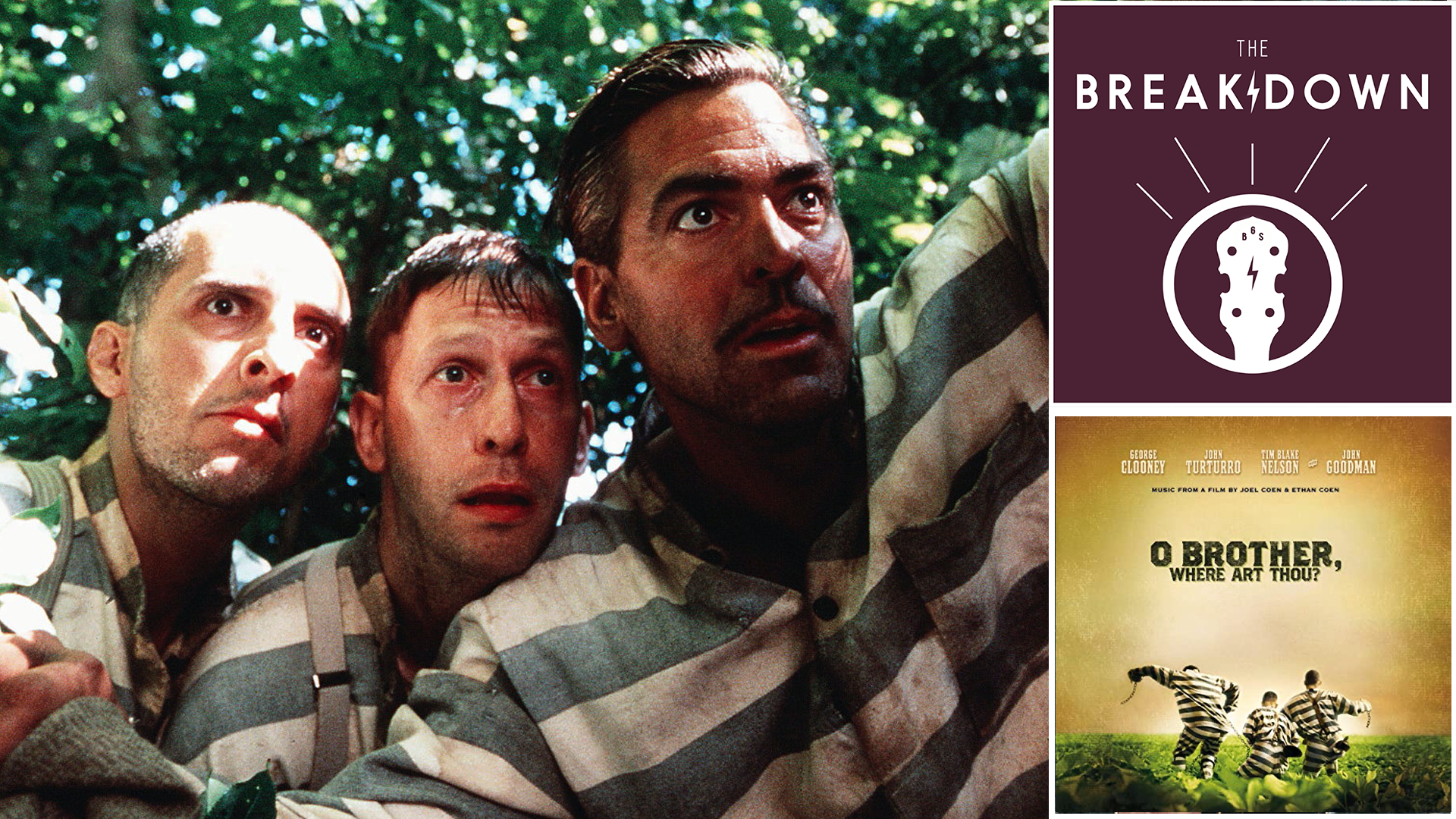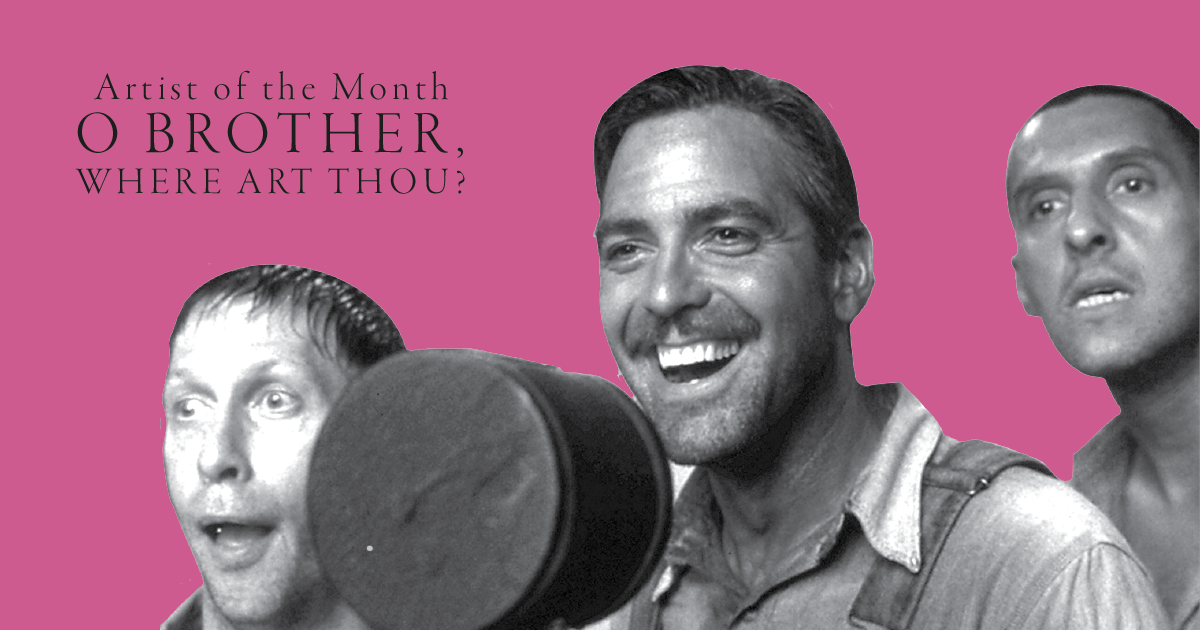
‘O Brother, Where Art Thou?’ Created an Instant Audience for Old-Time Music

The O Brother, Where Art Thou? soundtrack, which was just starting to pick up momentum twenty years ago this winter, was both a forethought and an afterthought. The Coen Brothers had an idea for a film and even a title borrowed from Preston Sturges’ 1940 comedy, Sullivan’s Travels, but no screenplay. They commissioned T Bone Burnett to assemble a sprawling playlist of old-time music for them to use as writing prompts — original recordings from the first half of the twentieth century as well as new recordings of old songs. He gathered some of the finest vocalists and players, including Emmylou Harris, Gillian Welch, Alison Krauss, and members of Union Station, as well as Norman Blake, Sam Bush, and John Hartford. In various combinations they produced around sixty tracks covering hillbilly plaints, gospel numbers, Protestant hymns, children’s songs, labor songs, even prison songs.

From that pool the Coens selected a handful of tracks that served as the skeleton for their screenplay, which became a Deep South retelling of The Odyssey. As three yokel chain-gang fugitives wander the backwoods and cotton fields and gravel roads of Depression-era Mississippi, they inadvertently become country stars thanks to a hasty version of “Man of Constant Sorrow,” originally recorded in 1917 by Dick Burnett and re-recorded for the film by Dan Tyminski. Along the way they encounter a parade of white-clad Christians singing “Down to the River to Pray,” a blues singer who regales them with a campfire rendition of Skip James’ “Hard Time Killing Floor,” and a KKK klavern performing a Busby Berkley routine in white sheets and hoods.

Whittled down to eighteen tracks, the soundtrack hit stores just a few weeks before the film, and it seemed designed to stand alone as an upscale release. As Luke Lewis, formerly chairman/CEO of Universal Nashville, told Billboard in 2015: “When we were putting it together, a bunch of us said, ‘This is probably going to be a coffee table kind of a CD, where people will leave it around and be proud to have it.’ That turned out to be pretty much true… A lot of people that don’t buy records at all, or buy one a year, bought that record.”

Still, no one figured it would sell any more copies than your typical soundtrack, and certainly no one predicted it would so completely eclipse the film. Its success has been astounding: It has sold nearly 9 million copies, hung around the upper reaches of the Billboard Top 200 for several years, won the Grammy for Album of the Year (beating out Bob Dylan and Outkast, among others), spun off a sequel, inspired a series of tours and live albums, and redefined a massive market for traditional music in America.

Twenty years later, the gulf separating film and soundtrack remains remarkably wide. The former is glib to the point of nihilism, as though every line of dialogue and every camera angle is surrounded by quote marks. The soundtrack, by contrast, is sincere to the point of evangelism, as though these old songs were pieces of secular scripture. The music plays everything straight, while the film can’t keep a straight face. The soundtrack became a phenomenon, while the film sits in the lower tiers of its auteurs’ sprawling catalog.

Both are products of a very particular time: They were released during that short window between two defining events — the hand-wringing spectacle of Y2K and the horrific televised tragedy of 9/11. With the benefit of twenty years’ hindsight, they represent a pop-cultural pivot from the irony that defined the 1990s and much of the Coens’ output to the “New Sincerity” that defined the 2000s.

Why did this niche soundtrack become such a massive hit? Some have credited the popularity of O Brother to fin de siècle jitters and a desire to return to a rosier, more comfortable American past (never mind that the past, especially the 1930s, was never rosy or comfortable). Others have chalked it up to a rejection of the late ’90s pop music excess embodied by Britney Spears and the Backstreet Boys.

Perhaps the best reason for its success is also the most obvious: This is a good album, and an accessible one. It’s a well-curated tour through old-time music, a sampler of rural American traditions that serves as a primer on the subject without sounding like a textbook. All of these different styles are presented with an eloquence that is homespun yet modern: a balance that highlights rather than dampens their charms.

Burnett puts such an emphasis on the human voice that even the instrumental tracks sound a cappella. He wants you to hear the exquisite grain in the voices of Emmylou Harris, Gillian Welch, and Alison Krauss on “Didn’t Leave Nobody But the Baby” as well as the weight pressing on Chris Thomas King as he moans through “Hard Time Killing Floor.” Curiously, Dr. Ralph Stanley had to convince the producer to let him sing “Oh Death” without banjo, which was absolutely the right call. His voice is high and keening, a serious a death, shaken by the very subject he’s singing about.

If there’s a breakout song on O Brother — something resembling a hit — it was this very intense performance, which remains one of the finest renditions of this very odd and oft-covered song. Stanley was 73 years old when the album was released, had been playing since 1946, and was already celebrated as one of the fathers of bluegrass, but O Brother gave his career a considerable boost, introducing him to a significantly wider audience. (That said, it always struck me as deeply disrespectful that the Coens have a Klansman lip-synching Stanley’s performance in the film, as though they feared the words might actually mean something.)

Stanley performed the song a cappella at the 2002 Grammys — imagine anything a cappella at such a glitz-bound ceremony — not long before the soundtrack won Album of the Year. It might have been the climax of the soundtrack’s shelf life, but it kept selling and kept selling. It created an instant audience for old-time music, and upstart string-bands found themselves with readymade audiences, many of them shouting “Man of Constant Sorrow” the way they once might have yelled “Free Bird!” Every artist on the album got a boost, especially Alison Krauss & Union Station, who crossed over from bluegrass to pop and launched a series of hit records with the aptly titled New Favorite in August 2001. Similarly, Welch, Harris, and even Stanley enjoyed boosts in album and ticket sales in the wake of O Brother.

As with any sweeping change, there are new opportunities as well as new losses. The alt-country acts of the 1990s had already lost much of their luster, but roots suddenly had no room for punk anymore. Gone were the dark, twangy experiments like Daniel Lanois’s Americana trilogy — Harris’ Wrecking Ball in 1996, followed by Bob Dylan’s Time Out of Mind the next year and Willie Nelson’s Teatro the year after that. All three proved that roots music could accommodate new sounds, that it could look to the future without completely letting go of the past, and all three stand among the best entries in their artists’ remarkable catalogs.

But O Brother seemed to wipe most of those new avenues away, turning roots music into something largely acoustic, uniform, polite, conservative — beholden to the past and largely dismissive of the present. Watching certain acts riding that wave was like watching Civil War reenactors march on a makeshift battlefield, and ten years later groups like Mumford & Sons and the Lumineers were using roots music to sell arena-size sentiments.

Another aspect of old-time lost in the O Brother wave: politics. Previous folk revivals had a populist bent, extolling the music as the sound of the people and as an expression of a specifically American community. Woody Guthrie and Pete Seeger were branded subversives and communists, while Dylan and his early ‘60s cohort found radical possibilities in Harry Smith’s legendary Anthology of American Folk Music. But no one on O Brother is in any danger of being branded a pinko. The film itself nods to issues of race and class, but without really commenting on them in any serious or specific way. The soundtrack, by contrast, foregrounds songs about yearning, about breaking free of turmoil and hardship to find peace and contentment. Often that can be humorous, as on Harry McClintock’s fantastical “Big Rock Candy Mountain,” but more often it’s poignant, as on Krauss and Welch’s “I’ll Fly Away.” It’s a collection more concerned with needs of the spirit than of the flesh, so any earthly implications are largely ignored.

The roots market that sprang up in the soundtrack’s wake was consequently blanched of anything resembling social commentary, despite there being so much to comment on. That wave of bands might have provided a counterpart to the entrenched political conservatism that defined mainstream country music of the early 2000s, but instead it offered merely escapism.

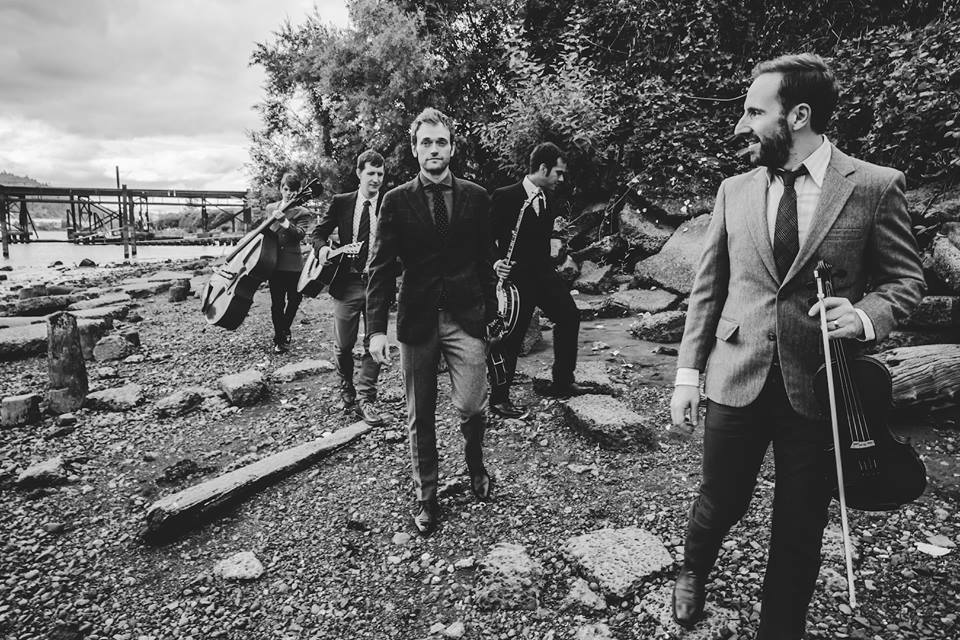
A few artists did manage to question this rosy thinking about the past, in particular the Carolina Chocolate Drops. They traced strains of Black influence, craft, and contribution to old-time music, which is generally considered to be white, and therefore expanded its historical scope and current impact. As players, however, they injected their songs with no small amount of joy, as though taking great delight in what these old forms allowed them to express. The group’s three primary players — Dom Flemons, Rhiannon Giddens, and Justin Robinson — have carried that particular balance into their solo careers.

Any of the soundtrack’s shortcomings weren’t the fault of the musicians, who play and sing these songs much more beautifully and sympathetically than the film ever demanded. Nor is it the fault of the songs themselves, which obviously spoke to people as clearly in 2001 as they did in 1937. And it continues to speak loudly in 2021: The coffee table product wasn’t designed to bear the burden of the market it created, but the songs still inspire subsequent generations well into a new century, with its own tribulations and hardships.
 

The Show on the Road – The Secret Sisters

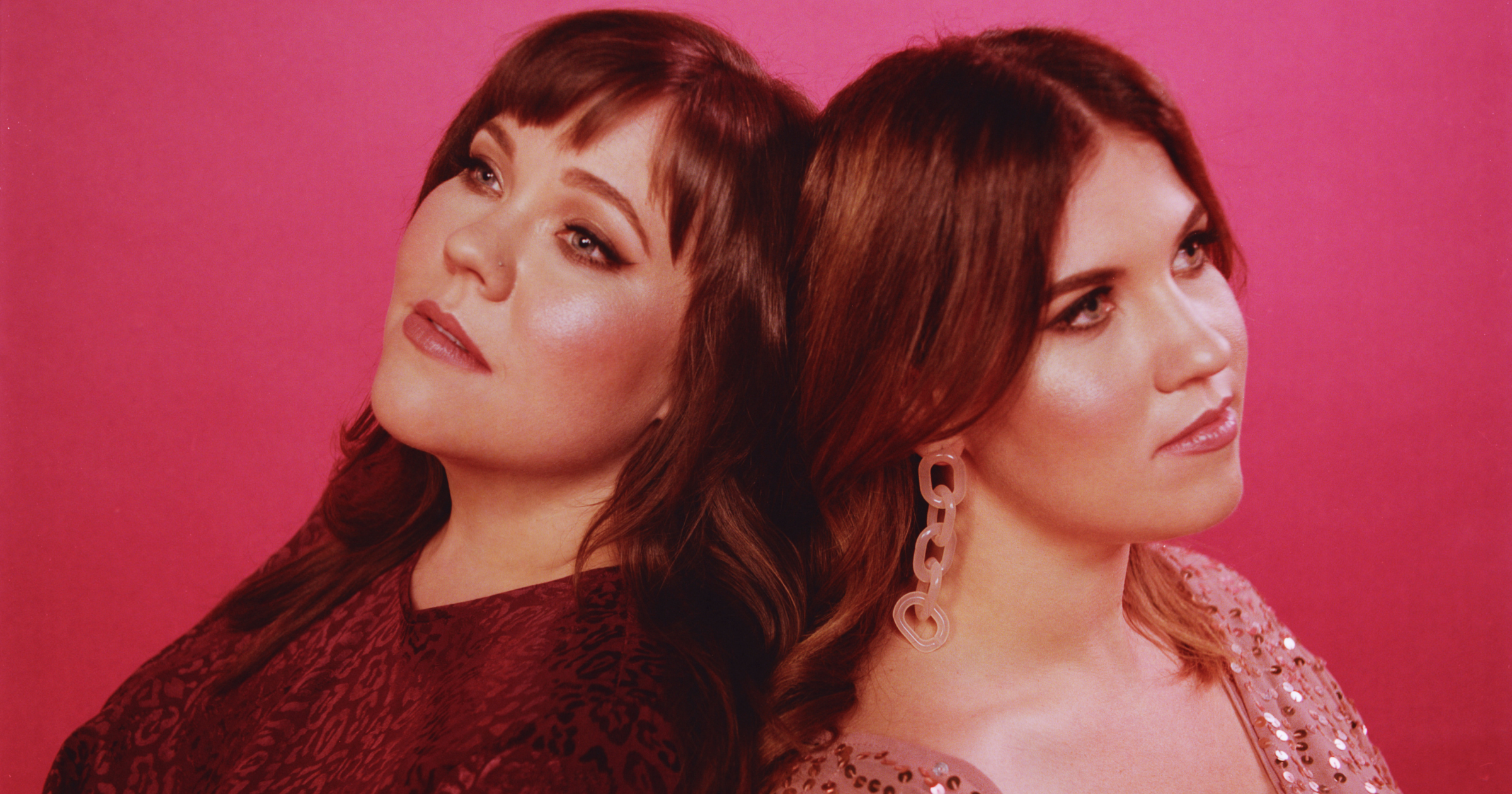
This week, host Z. Lupetin talks with Laura and Lydia Rodgers, Grammy-nominated songwriters and preeminent harmonizers from Muscle Shoals, AL, who for the last decade have recorded as The Secret Sisters.

LISTEN: APPLE PODCASTSSPOTIFY • STITCHER • MP3

First breaking through with their warmly-vintage, vocally-entwined self-titled record in 2010, the Secret Sisters have toured the world relentlessly, while recording with a who’s who of Americana royalty like Dave Cobb and T Bone Burnett. If you’ve ever seen them live, Laura and Lydia are known for their sharp-tongued and story-filled live shows — which, even over Zoom, made them particularly rip-roaring interviewees.

After breaking free of a major label hell which sidelined and nearly bankrupted them for a time, the sisters regrouped and created their most personal and pop-forward work yet, the heart-string pulling You Don’t Own Me Anymore (2017) and 2020’s fiery Saturn Return. Both were made with friend and producer Brandi Carlile, and both were nominated for a Grammy.

While the last year plus was hard — they lost both grandmothers — there was quite a silver lining: Lydia and Laura each become moms, and have begun to sing their own lead pieces, courageously facing uncomfortable truths about their southern upbringing, calling out the double standards and sexual politics of the music industry, and showcasing their very different experiences as young mothers.

With Carlile pushing them to find their own voices, Laura wrote the tender “Hold You Dear” while Lydia penned the more yearning and sardonic “Late Bloomer,” two favorites that stick out after repeated listens to the album. Still, the true beauty of Saturn Return — which they recorded with Carlile’s beloved band — may be how Laura and Lydia can split off into new territory and then return together in chills-inducing harmony, as only sisters could.

Stick around to the end of episode for an intimate acoustic performance of “Nowhere, Baby.”


Photo credit: Alysse Gafkjen

The BGS Radio Hour – Episode 193

Welcome to the first BGS Radio Hour of 2021! This week we bring you new music, music to remember those who we lost in 2020, and music to say farewell to the most, well… interesting year on record. We’re also celebrating 20 years of the massive roots music revival that followed the modern classic Coen Brothers’ film O Brother, Where Art Thou? Remember to check back every Monday for a new episode of the BGS Radio Hour!

APPLE PODCASTS, SPOTIFY
Steve Earle – “Harlem River Blues”

Steve Earle is no stranger to Americana music. Of his numerous accomplishments, one that sticks out was his late son, Justin Townes Earle, who we lost unexpectedly in August of 2020. A manifestation of a father’s love for his son, Earle paid his respects in the only way he knew how – by making a record of J.T.’s songs to say goodbye.

Scott MacKay – “Romance Novel”

This week brings us a music video to accompany Scott MacKay’s new release, Stupid Cupid. This song is a wonderful representation of the “humour in country music,” evoking images of MacKay’s parents and the many romance novels that filled their shelves.

Call Me Spinster – “Two Hearts”

Sister-trio Call Me Spinster know vocals. From their upbringing by musical parents to their independent studies and obsessions with various genres of music, the trio is well qualified to bring us a vocal-centric mixtape this week.

Danny Burns – “Trouble”

Irish-born singers-songwriter Danny Burns is back with a follow-up to his 2019 debut, North Country. “Trouble” is one of two new singles, a peek into his upcoming album Hurricane, which features an all-star lineup including Dan Tyminski, Aubrie Sellers, and more!

Maxayn Lewis – “Ma Rainey’s Black Bottom”

From a Netflix feature film, this week we take a dive into a wonderful soundtrack built by Branford Marsalis. The titular track to Ma Rainey’s Black Bottom is sung by none other than soul-singer-legend Maxayn Lewis.

Taylor Ashton (feat. Rachael Price) – “Alex”

Brooklyn-based singer-songwriter Taylor Ashton brings us “Alex” this week — a song about two roommates who happen to share the same name, but are unable to share their feelings with one another. Ashton takes it to another level by singing the duet with his “roommate” Rachael Price (Lake Street Dive), who he happens to be married to (although they don’t share a surname!)

Brit Taylor – “Real Me”

Brit Taylor was bound for Nashville; after all, she grew up along U.S. 23, the Country Music Highway, which runs through Eastern Kentucky around the homplaces of the likes of Keith Whitley, Ricky Skaggs, or the more recent Tyler Childers. Real Me is her debut album, an emergence from a stuck place, and a regrounding in the traditional country sound.

Barry Gibb (feat. Jason Isbell) – “Words of a Fool”

Barry Gibb (of Bee Gees fame) fulfills a life-long goal to create a roots record with Greenfields: The Gibb Brothers Songbook, Vol. 1. Remembering his late brothers, the Dave Cobb-produced album features the likes of Dolly Parton, Alison Krauss, and in this case, Jason Isbell.

The Soggy Bottom Boys – “I Am a Man of Constant Sorrow”

The fictional Soggy Bottom Boys, star band of 2001’s O Brother, Where Art Thou?, did more for the commercial popularity of roots music than anyone could imagine (especially Ralph Stanley, who this song originally comes from.) We’re celebrating 20 years of O Brother this January, featuring the entire T-Bone Burnett-produced soundtrack as our Artist of the Month.

Buck Meek – “Candle”

Texas singer-songwriter Buck Meek brings us a new song from his upcoming project, Keeled Scales. He asks BGS, “Has a nosebleed ever sprung at the definitive moment of personal growth, like a threshold? Has a friend felt you light a candle from 1000 miles away?” What could be more simple, yet ever powerful, than a candle?

Antonio Lopez – “Roots and Wings”

There are roots, and there are wings; both are the best hope that can be given. From Longmont, CO, Antonio Lopez brings us this meditation on parents and all of the sacrifices they make for their children.

Stephen Kellogg – “I’ve Had Enough”

Like so many of us in the early days of 2021, Stephen Kellogg has had enough. The past year was enough to flip any optimist, but add in homeschooling during a pandemic, a daily dose of the news and, well… This Connecticut-based musician brings us his perspective on the whole matter.

Sturgill Simpson – “Hobo Cartoon”

It was exciting news in the summer of 2020 when Sturgill Simpson appeared at the Ryman Auditorium alongside Sierra Hull, Stuart Duncan, and others — only to announce that the group had just recorded a bluegrass double album that very week. “Hobo Cartoon” is the conclusion of it all, a song co-written with the late, great Merle Haggard, the end to Cuttin’ Grass, Vol. 2.

Graeme James – “The Weight of Many Winters”

There is nothing quite like the stillness of winter. It’s a feeling that Graeme James chases vehemently on his new seasonal EP. “The Weight of Many Winters” is a quiet moment of reflection, drowning out the noise of modern times — and a fitting title track for this new EP.

LA Edwards – “Trouble”

The idea for a simple dream meal pairing – Bruce Springsteen and a hot dog – could come from none other than LA Edwards. We sat down with the California-based artists for a 5+5 recently, covering everything from stage-inflicted wounds to home art collections.


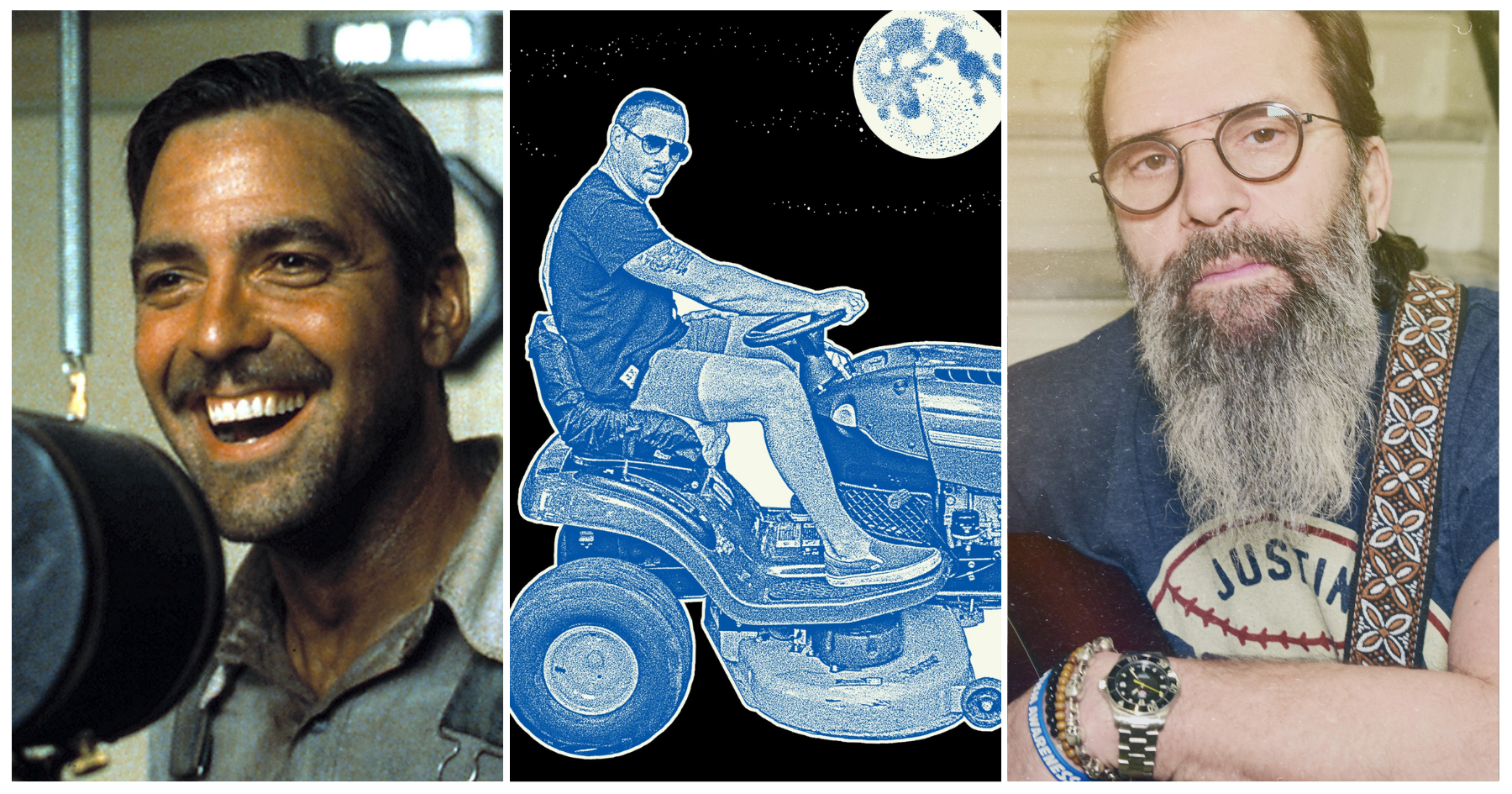
Photo credit: (L to R) O Brother, Where Art Thou? via Buena Vista Pictures; Steve Earle by Shervin Lainez; Sturgill Simpson, Cuttin’ Grass, Vol. 2

BGS 5+5: Logan Ledger

Artist: Logan Ledger
Hometown: Born in Los Angeles, but I grew up in the San Francisco Bay Area
Latest album: Logan Ledger
Personal nicknames: Double L, The Lorax

Which artist has influenced you the most and how?

This might surprise some people, but I’d have to say Bob Dylan. When I was about 12 years old, my dad started taking guitar lessons from a guy in town named Nick Shryock — a real mensch. I caught the bug and before long I started riding along with my dad. He would take his lesson first while I waited in another room and did homework, etc. Nick gave me a book of Bob Dylan songs — just chord diagrams and lyrics — to get me going with basic cowboy chords and the like.

But it had a much more profound effect on me. I became obsessed. I listened to every Dylan album I could get my hands on. I went deep. Before long I was trying to figure out where Dylan learned all that stuff. Through Bob I got into all sorts of old time folk music and blues: Roscoe Holcomb, Mississippi John Hurt, the New Lost City Ramblers, on and on. I became an old folkie at heart and it’s stuck with me. Finding Bob Dylan basically established the whole trajectory of my life in music.

What’s your favorite memory from being on a stage?

One of the coolest things I’ve ever gotten to do is play in T Bone Burnett’s band at the Hardly Strictly Bluegrass Festival in San Francisco. It’s especially meaningful to me having grown up there. I think the first time I went to the festival I was fourteen years old. We played it once in 2016, and again in 2017. Just so cool. My parents came out, a bunch of people I knew from high school… The first time was only a few months after I met T Bone — totally surreal. I’ll always be grateful he asked me to be a part of it.

In 2016 the band had a more traditional lineup — bass, drums, guitar, fiddle, etc. — but in 2017 T Bone decided to play material from his album The Invisible Light, a wild mix of spoken word and electronic music, material that didn’t exactly fit the expectations for a rootsy festival. It was an incredible experience, totally transgressive. Some people didn’t quite know how to take it. It cemented my respect for T Bone as a consummate artist unafraid to take chances. Standing up there on the stage, it felt like we were really doing something. It was a tremendously inspiring experience.

What other art forms — literature, film, dance, painting, etc — inform your music?

Before I was doing the whole move-to-Nashville thing, I was a film student at Columbia University. I was a huge film geek all through high school and although I didn’t start out in college thinking I would get a film degree, eventually the pull was too strong and I switched majors. It’s sort of strange to think about now, but that experience definitely altered my brain. I tend to approach songs like soundtracks for mini movies running in my head.

I don’t know if that means they’re cinematic per se, but I’m hyper conscious of the sonic mise-en-scène songs evoke. Sometimes I’m really just trying to put over the feel of a specific place or time or place. There are also particular films that have stuck with me that have most certainly formed my aesthetic predilections. Really I’m probably just trying to transform Paris, Texas into a song over and over again.

What was the first moment you knew you wanted to be a musician?

Even though I didn’t pick up the guitar until I was 12 or so, I’ve been singing for as long as I can remember. I would put together little impromptu performances for my parents. After that, I graduated to school musicals and whatnot. I was always performing. However, I think the first time I became fully conscious of what it meant to be a “singer” and a stylist was when my grandmother gave me a CD of Elvis hits. I must have been 8 or 9. That was a total epiphany. I wanted to be just like Elvis. I studied his delivery, and definitely did a lot of imitating. But it was a learning process. So much of my early childhood days as a musician were spent doing that kind of thing. I think it was valuable training. Eventually though I had to find my own style.

Since food and music go so well together, what is your dream pairing of a meal and a musician?

I would love to get together with Willie Nelson over a bowl of real-deal ramen. I don’t know if he’s a ramen guy, but this is my fantasy, and who doesn’t like ramen? There also might be, shall we say, certain botanicals involved… In all seriousness though, Willie Nelson is a huge hero of mine. He showed us all how to push the creative boundaries of country singing and songwriting. Such a tremendous gift to music and humanity, a full-spectrum artist. And he’s still going strong.


Photo credit: Laura E. Partain (See the photo story.)

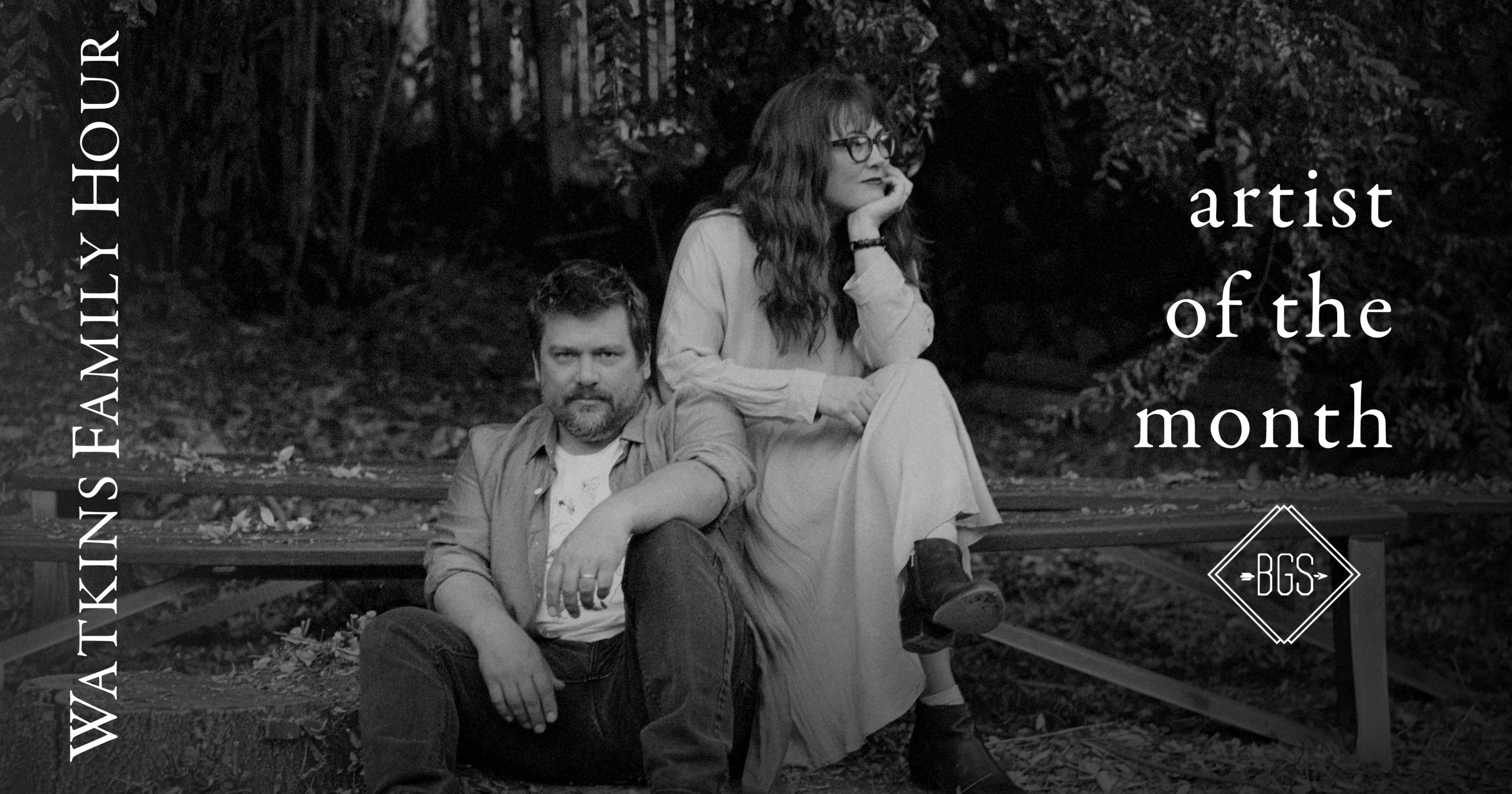
Sean Watkins Heeds Good Advice (or Not) on Watkins Family Hour’s Second Album

For brother sister, Watkins Family Hour’s sophomore album and first in five years, Sara and Sean Watkins decided to tighten their focus, writing songs that allowed them to shine as a duo. “It was an experiment, and it ended up being so fun and totally different from the first Watkins Family Hour record we did,” Sean says. “In this case, more than any other project, we were very deliberate about the style of the songs, how they came together, and how we recorded them.”

The effort paid off. Ringing in at ten tracks, including seven originals, brother sister ranges from glittering, harmony-driven folk (opener “The Cure”) to can’t-help-but-dance silliness (“Keep It Clean,” a Charley Jordan featuring vocals from David Garza, Gaby Moreno, and John C. Reilly). We caught up with Sara and Sean individually, chatting about the album and the forces in their careers that built them, including their early years with Nickel Creek. Read our Artist of the Month interview with Sean below, and catch Sara’s interview here.

BGS: You wrote a good portion of “Fake Badge, Real Gun” before you brought the idea to Sara. What inspired it?

Sean Watkins: I have a folder in my notes on my phone, Future Song Titles. I like to think about what a good song title is — you know, when you see a song title on a record and you’re like, “Oh, I really want to know, I want to hear that song.” A book title can be the same way. I heard the term “Fake Badge, Real Gun” in a hotel room on some kind of local news station. It was a headline, probably a story about a kid, or somebody who was pretending to be a police officer. When I heard that phrase, I put it in my phone, because I just thought, “There’s a lot more in there to be explored.”

There are plenty of people in power who don’t deserve to be. They have the power to destroy and create a lot of chaos, but they didn’t really earn it, or they don’t deserve to be there for one reason or another. Everybody comes into contact with authorities who affect you in profound ways, especially when you’re younger, without knowing how they’re affecting you negatively. At a certain age you get to a point where you unpack your childhood — what your teachers taught you, what you heard in church or what you heard in college — and you have to look at it objectively and figure out who gave you that advice, what they were meaning to get across, and whether you still believe it.

Did anything in your life specifically come to mind?

I went to a Baptist Christian school for a while. It wasn’t because my family was Baptist, but because it was the closest private school, and my parents were public school teachers and didn’t really like the way public school was going. The teachers were pretty strict, evangelical, and I remember this girl who was probably in seventh or eighth grade. She had a great voice, and she got vocal nodes on her vocal chords — it’s just something that happens when you don’t use the right singing technique. It happens to a lot of people. But she asked our Bible teacher, “Do you think God gave me these vocal nodes because I’ve been singing secular music?” I think she’d sang an Oasis song at a coffee shop or something.

And the teacher said, “Yeah, that’s probably why.” Like, in all seriousness, he told her that, because she sang a secular song, God gave her these vocal nodes. And he believed it! But who knows how long that stuck with her, that by singing a certain kind of song God will strike you. You can carry that with you for the rest of your life, whether you know it or not. So I try to think about that in my life: What are the things that I’m carrying around that I don’t need to carry around, because someone who had authority used their “gun” in a way that was, looking back, absolutely wrong? You can take the idea out to any number of places in the world.

The cover of the Charley Jordan song is so fun — what a way to end the record. Can you tell me about deciding to cover “Keep It Clean”?

A few weeks before going into the studio, and we were taking inventory of what we had, what kinds of things might be fun to add to the record, what was missing. We just thought it’d be fun to have one song that’s just a party song: what people know the Family Hour to be, which is kind of a wild, fun ruckus; a song that’s easy for anyone to jump in on, with different people singing verses. Something that sounds like what we do when we play our shows [in Los Angeles] at Largo.

Originally I heard this song when I did a month of shows with Lyle Lovett, playing in his band years ago filling in for a friend of mine who played guitar with him. He did that song every night, but totally different: His version was a bouncy, Texas-swing kind of vibe. I really liked it, and I asked him where it came from. He said it was a Charley Jordan song, but that he’d changed it a lot, and that I should check out the original. It’s so funny because it’s such an old song, but it has such a beautiful, almost current pop melody to it. The guitar line in the original version sounds like a Beach Boys melody. It doesn’t sound like ‘20s blues at all, and I thought that was a really cool element of it. So we based our version on that, although it evolved and sounds very different.

Another thing I like about it is that the lyrics are just quirky and weird; you can’t really tell what they are. The verses were based on popular off-color jokes at the time. So people hearing the song back then would have gotten these references that we’re not getting right now. [Laughs] And they might just be really dumb jokes! It’s like a museum piece. I thought it was so cool.

It’s been twenty years since Nickel Creek released its self-titled, breakout album. How do you feel like the success you had then influenced the way Americana and bluegrass are perceived now, or influenced the player you are now?

Every seven or ten years it seems like there’s a recurrence of some kind of music, and at that time, there was a confluence of things that happened that brought acoustic music way more to the forefront. A big one of those was the O Brother, Where Art Thou? soundtrack: a soundtrack for a movie that sells millions and millions of records, and is mostly old-time bluegrass, that’s a big deal. Alison Krauss was the only one selling millions of records playing anything related to bluegrass, and she wasn’t playing very traditional music. So that record came out, and Alison was — still is — just cranking away, hugely popular. We kind of got lumped in with all of that. People thought we were on the soundtrack a lot, which we weren’t. [Laughs]

There was just a wave. We have to give Alison credit because she saw the potential in what we could do. That first record is a very different record than we wanted it to be. We were so young, so green. We wanted to make a much more wild and aggressive type of record, and she was like, “Listen, that’s fine for your live shows. But it’s not gonna wear well. It’s going to be exciting to listen to the first couple of times, but people aren’t gonna want to listen to it a year from now — you’re not gonna want to listen to it a year from now.” She was really wise in restraining us in a lot of ways that we wouldn’t have.

Do you still take that advice to heart when you’re recording?

Absolutely. I have a mental bag of tricks that I’ve collected from different people over the years. A lot of the great producers will say something that really sticks with you, and it’s immediately like, “I’m gonna remember that and apply it the rest of my life.” I remember being in the studio one time for something that T-Bone Burnett was producing. We were in the control room, and he was musing and talking about the creative process, and he said, “People think about writing songs like writing songs. Don’t think about it that way. Think about writing a feeling. Like when you’re writing a movie, you’re writing a story. When you’re writing a song, just write a feeling — don’t write a song.” I was like, “That is soooo great.” Because that’s exactly what it is! A song’s supposed to make you feel something.

(Read our interview with Sara Watkins here.)


Photo credit: Jacob Boll

The Breakdown – ‘O Brother, Where Art Thou?’

Advertisement

This week, hosts Patrick M’Gonigle and Emma John dissect the bluegrass-centered soundtrack to the Coen Brothers’ film, O Brother, Where Art Thou?, with a little help from their friends Chris Thomas King and Dan Tyminski.

LISTEN: APPLE PODCASTS • MP3

O Brother, Where Art Thou? was the movie that brought bluegrass to a new generation, and sent dozens of musical careers into the stratosphere. Fake beards not required.

Season 2 of The Breakdown is sponsored by The Soundtrack of America: Made In Tennessee. Visit TNvacation.com to start planning your trip.

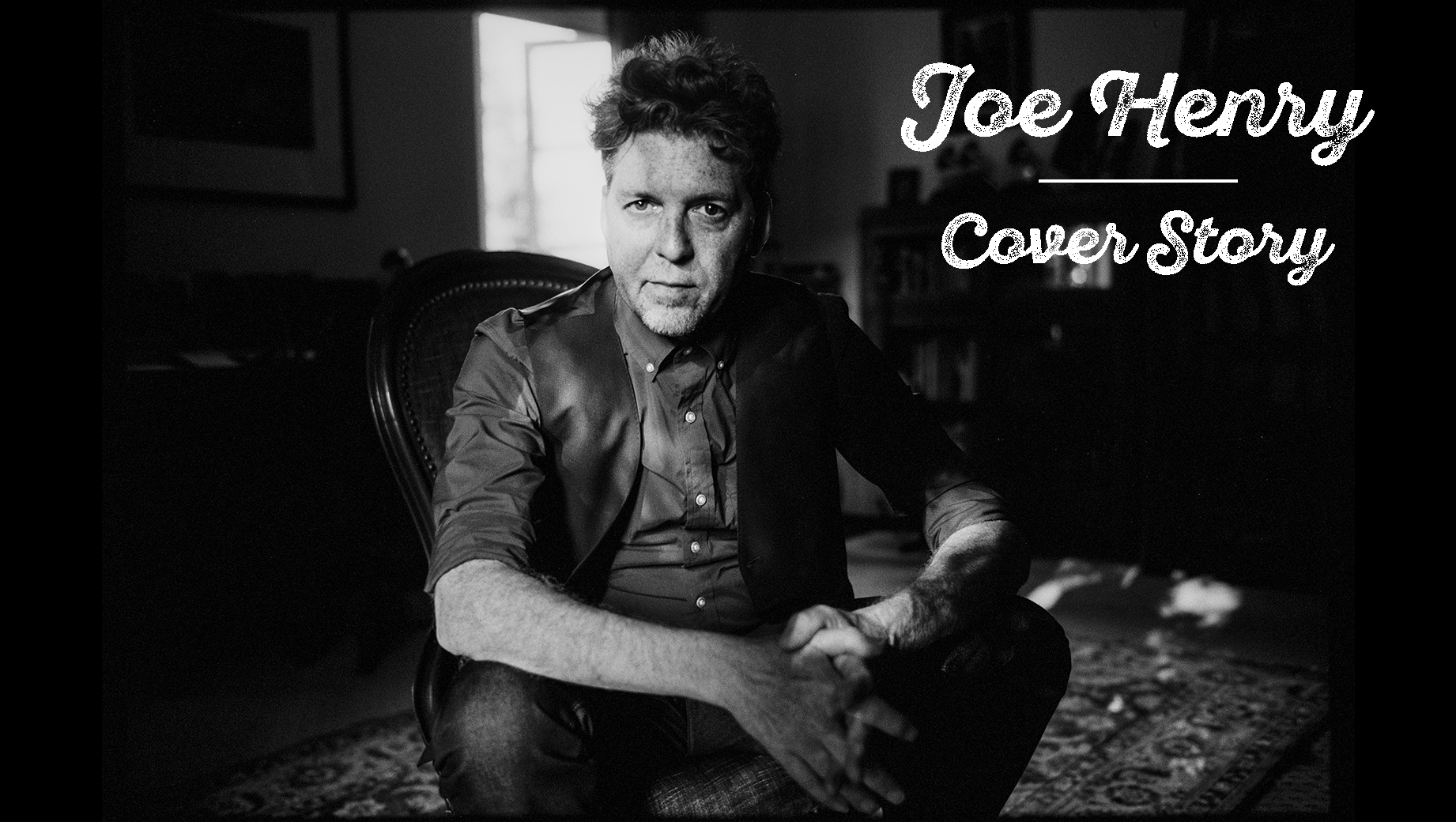
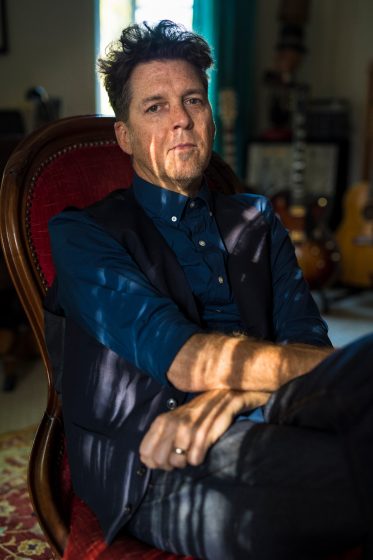
Joe Henry Surrenders to the Song

Joe Henry is sitting and chatting in the living room of his vintage, Spanish-style home in Pasadena, California. The subject of the note that starts off his new album, The Gospel According to Water, comes up. He looks over his left shoulder and points to the corner.

“It’s that guitar right there,” he says. “It’s an all-mahogany Martin from 1922. It was the first guitar they made that was created for steel strings.”

Seeing this small, plain instrument, it seems impossible that it was from this that he conjured the note in question, a sound deep yet brittle, intimately resonant. It’s at once ancient and fully present in the now. And it’s a sound that serves as something of a motif throughout the marvelously moving, affectingly poetic cycle of songs. It was a sound from a specific source that was echoing in his head when he sat in the Los Angeles studio of his longtime friend, recording engineer Husky Huskold, to set a new batch of songs on tape.

“I played him one song from Lightnin’ Hopkins,” he says. The song was “Mama and Papa Hopkins,” a 1959 recording from the point of view of young Lightnin’ getting his feuding parents to see the good they share.

“It was just vocal and acoustic guitar. And Lightnin’ is mostly singing to a single string that he’s playing. And yet the way it’s recorded, it’s so heavy. There’s such a sense of ominous space. And I said, ‘Look. I know I’m not him. I’m never going to be Lightnin’ Hopkins. But listen to what’s going on here. There’s something that’s making this so visceral in a way that I want to hear. Even if this is just demos, I want to hear a sense of drama.’”

You’d think Henry, who just turned 59 last week, would have had more than enough drama. A week before Thanksgiving 2018, he’d been diagnosed with prostate cancer, which had metastasized to his skeletal system. (He is in remission now and feeling hearty.) When he went in to record, it was a week before Father’s Day. All but two of the songs had been written in an unexpected rush of expression that started at Valentine’s Day. He specifically references those poignant holidays when giving the timeline.

As he plucked that first note for “Famine Walk” (one of two songs on the album written during a two-month writing residency at a small art college on the west coast of Ireland, before the cancer diagnosis), he had no idea it would be how he opened the album. He had no idea he was making an album.

He just wanted to get these songs down while they seemed fresh, and that’s all he thought he was doing in the course of two quick days of recording with his son, as well as reeds player Levon Henry, pianist Patrick Warren and guitarist John Smith sitting in on some of the songs, and with David Piltch playing bass on “Book of Common Prayer.” At the end of the second day, he went home to listen to the recordings, sitting in his office with his wife Melanie Ciccone, Levon, and a friend. Only then did he really hear what he had.

“We just listened to the whole thing,” he says. “And it was so obvious to me and to everybody in the room listening back that it felt fully realized. I mean, it’s raw. It’s really spare. But emotionally speaking, I heard it and thought, ‘I don’t know if I’ll get closer to the intention of these songs.”

The only thing added later was the background vocals of Allison Russell and JT Nero, AKA Birds of Chicago, on the songs “In Time for Tomorrow” and “The Fact of Love.” He would have added his longtime drummer Jay Bellerose to some of this, but when he sent the tracks to him, Bellerose responded with a simple voicemail: “Um, not on your life.” His drummer’s instincts of when not to play, though extreme here, were exactly right.

In its sense of space, The Gospel According to Water is a perfect portrayal of the experiences that brought it about, mystifying and mystical in as personal a way as can be. At times it’s as elliptical and elastic as the engagingly playful folk-jazz that’s been a signature of his last several albums. But here that portrayal is stripped down to its essence.

At the center is the natural fragility of Henry’s voice as he lingers over key words and phrases in ways that can be enchanting and startling, sometimes both at once. While it’s instantly recognizable to anyone familiar with his work, it stands apart not only from his previous 14 solo albums, but also from his many production credits: for New Orleans titan Allen Toussaint’s final works (including the 2006 The River in Reverse, a collaboration with Elvis Costello following the city’s devastating flood), Bonnie Raitt, Rosanne Cash, Bettye LaVette, the Milk Carton Kids, Joan Baez’s most recent album Whistle Down the Wind, and Rhiannon Giddens’ and Francesco Turrisi’s stunning there is no Other.

But he winces at this being considered his “cancer album.” He even considered trying to avoid the topic in interviews and promotion of the release. But ultimately he opted for openness.

“Whether it’s fair or not, it’s going to happen,” he says. “I lost a little bit of sleep over that, wondering how I can mitigate that. And then I just realized that I can’t now, more than I ever could, control how people respond to the music — if they respond at all — and rein that in… People are going to hear it like that, and there’s not much I can do about it. It’s an aspect of how this record happened and what it is.”

Indeed, as the music made its way out to the world, friends and fans alike started sending him notes, almost all mentioning his health issues. He came to accept that for the good intentions, too.

“I just believe in the songs enough,” he says. “They’re already moving out into the world without me. They’re going to have to make their own way. They’re going to have to straighten their own teeth, find their own job. I can only do so much and when I go out and perform these songs, I may or may not at times offer any framing context about how the songs occurred or when they occurred.”

He references a comment made many years ago by his mentor T Bone Burnett, who produced Henry’s 1990 album Shuffletown, when discussing his Christian faith in regards to his art. Burnett said that while some sing about the light, he sings about what he sees illuminated by the light. Henry addressed that, in his own way, when he first played a few of the songs in public, in a concert at the Los Angeles’s Largo theater.

“Part of my preamble was to say, ‘Look, I know I’m holding this shoehorn that would help you into the tight fit of a big batch of new songs. And if I have one reluctance to hand this shoehorn over it’s because I don’t want you to think, from what I’m about to say, that where a song comes from is what a song is,’” he says. “A song is not where it comes from. Just because my particular health crisis has invited me to receive these songs in a particular sort of way, that is not what the songs are.”

He thinks back to being with Toussaint, doing interviews right after New Orleans was flooded in 2005, his home among the many destroyed. In interview after interview, Henry saw Toussaint refuse to deliver the “heartbreak” stories journalists craved. Finally, when pushed by a CNN interviewer, he made his point.

“He said, ‘You have to understand something: More than a drowning, this was a baptism,’” Henry recalls. “And talk about something that silenced the room, myself included. I’ve thought about this so many times since this occurrence for me, the fact that Allen wasn’t in denial about what had just happened. He just had the ability to see, that his vision didn’t stop with this trauma. He was seeing beyond.”


Some of that is elusive on the album, found in shadows cast by the metaphorical light. The song “Orson Welles” is a good example, with its arresting chorus: “You provide the terms of my surrender, I’ll provide the war.” He’s still mystified how that one came about, the words written as he and Melanie flew from Burbank to San Francisco.

“That’s just something I found falling off my hand,” he says. “I open my notebook and I literally watched my hand write ‘Orson Welles’ at the top of the page. And I didn’t know what Orson had to do with anything. It’s just one of those moments where it felt spring-loaded. I didn’t believe I was writing about Orson, but I believe that somehow his specter was kind of directing, gesturing me on to something, somewhere I needed to go in that moment. And I just followed, because, you know, who wouldn’t?”

He found himself thinking about a part of Citizen Kane in which Welles’ title character wants his newspaper to have headlines from a conflict in South America that is petering out, so he cables his correspondent there, “You provide the prose poems, I’ll provide the war.” (In real life, William Randolph Hearst instructed his staff, “You furnish the pictures, I’ll provide the war.”)

For Henry it took a different turn, though, with the idea of surrender — certainly tied to his health situation, and the ultimate lack of power over it, but extending far beyond that.

“I feel like I’ve written about surrender a good bit,” he says. “And I don’t mean surrender in terms of resignation, I kind of mean surrender in terms of radical acceptance, which is empowering, which is motivating, as opposed to the idea of collapse.”

Two titles stand out, though, for the clear view of the basics of life, the perspective brought by such things as loss, age, kids growing up and facing mortality. “The Fact of Love” is pretty much self-explanatory, but “Salt and Sugar” really captures it. “Everything is salt and sugar now,” he sings, boiling it down to things that make life possible and meaningful — though too much of either can kill you.

He explains that he and Melanie have been doing some “decluttering” in recent years, having left the large house in which they raised their two kids, and moving twice to subsequently smaller places. But the song definitely shows what he’s seen from the light brought by his health.

“It’s paring things down to salt and sugar,” he says. “Everything. What matters? How do you make a record? How do you express what you want to say? Who do you spend your time with? What do you spend your days doing? All that.”

He recounts many of the changes in his life in recent years, the moves, the attachments and the letting go of attachments. Finally, he sums it up in a way that gets to the heart of what he has done with The Gospel According to Water, and it’s just as on-point as that note he plucked to start the album.

“I mean, just, you know, occupy life.”


Photo Credit: Jacob Blickenstaff

The String – Shawn Colvin

In 1989 the album Steady On marked a pivot in Shawn Colvin’s life from playing bars to make the rent to being a leader in the singer/songwriter movement.


LISTEN: APPLE PODCASTS

Through a string of albums, including the hit-producing A Few Small Repairs, Colvin became a multi Grammy winner and an Americana Lifetime Achievement Award winner. This year, she’s revisited Steady On, recording and performing it in her signature, solo acoustic guitar style. Stripped to its essence, the songs speak as clearly now as they did 30 years ago. Also, an introduction to new Rounder Records artist Logan Ledger, a Nashville transplant with a voice so arresting his demo led to a production deal with T Bone Burnett.

Ten Years After ‘Crazy Heart,’ Ryan Bingham Comes Around to “The Weary Kind”

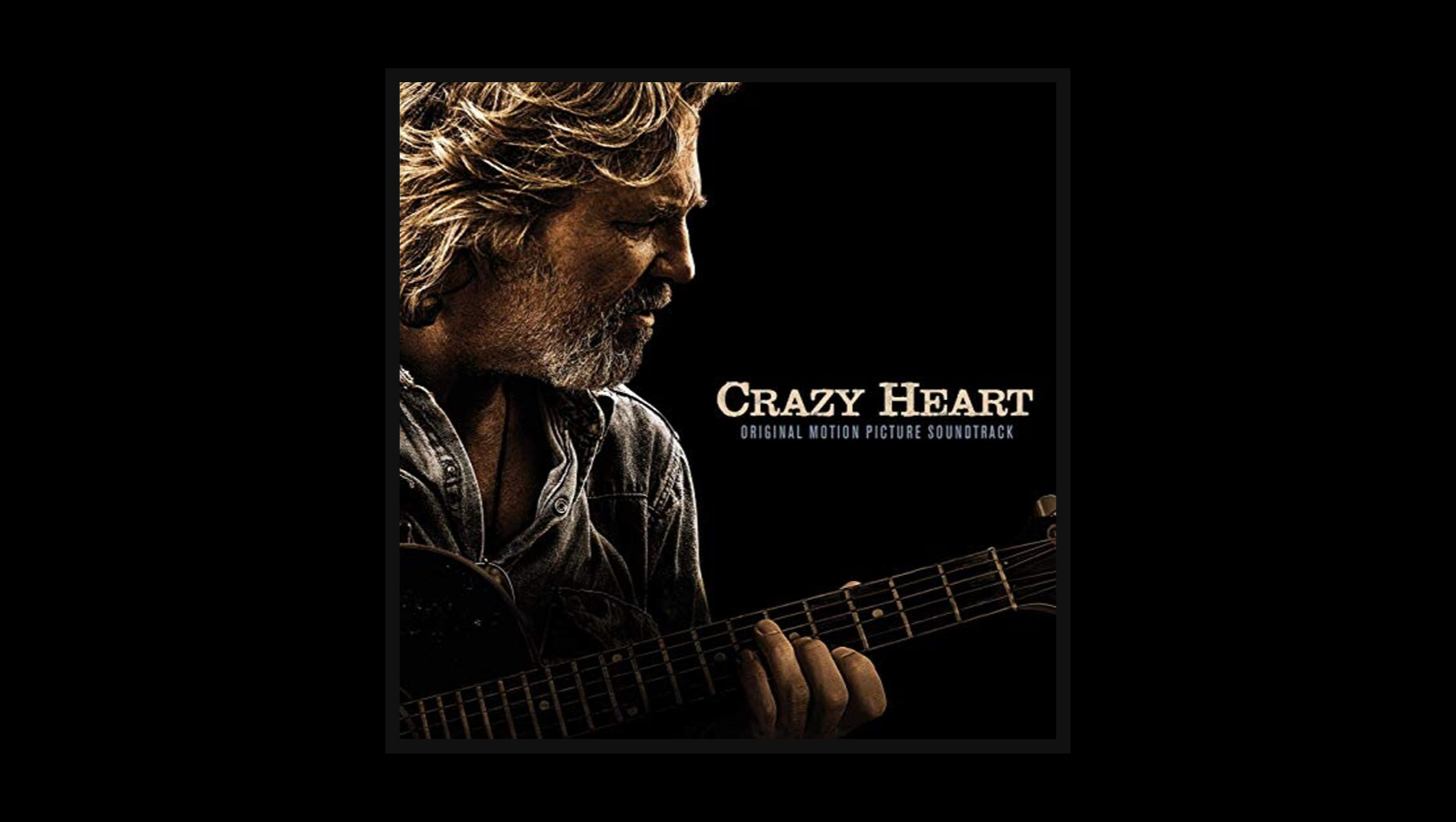
When Ryan Bingham accepted an Academy Award in 2010, he looked like he was on top of the world. Amanda Seyfried and Miley Cyrus announced that his song “The Weary Kind,” from the film Crazy Heart, had beaten two compositions by Randy Newman, and he took the stage with producer/co-writer T Bone Burnett, thanking his wife (“I love you more than rainbows, baby”) before showing gratitude to the cast and crew. It was a modest and heartfelt speech, not to mention a rare moment when roots music is given a prominent platform and one of the most prestigious awards in any art form.

A decade later, however, Bingham admits he was in a dark place, unable to enjoy the honor or the opportunities that came with it. “It was pretty tough when that film came out,” says the New Mexico-born/Los Angeles-based singer-songwriter. “A lot of people didn’t know that my mother had passed away just before it came out, and my father passed away soon after. People kept asking me to play that song all the time, and they kept saying, ‘Aren’t you happy about winning an Oscar? You must be having the best time of your life.’ But it was actually one of the hardest things I’ve ever been through. I didn’t know how to talk about it, and I was depressed.”

A downcast tune that captures his mood at the time, “The Weary Kind” is one of those songs that doesn’t sound like it was written; rather, it sounds like it’s been haunting dive bar jukeboxes for decades, even if it dispels any romance that might cling to such locations. “This ain’t no place for the weary kind,” Bingham sings, his voice tender as a bruise. “This ain’t no place to fall behind.”

There’s a danger to this place he’s describing, which might be one of the cramped bars depicted in Crazy Heart or might be something more figurative, like down in the dumps, but the song isn’t exactly grim. Bingham manages to locate a small, precious kernel of hope: “Pick up your crazy heart and give it one more try.”

When asked by the press about the inspiration for the tune, he didn’t talk about his parents or their hard lives. “I would just tell them it was the film and the character,” Bingham says, referring to the main character, a washed-up outlaw country singer named Bad Blake. Played by Jeff Bridges (who won the Best Actor Oscar), Bad drives his trusty Suburban to shows around the Southwest, playing to a handful of aging fans while trading off the notoriety of a few dusty hits from decades ago. A barely functioning alcoholic, he bristles against all opportunities to crawl out of his rut, convincing himself that his knockabout life is somehow noble. In the novel he meets a tragic end, but in Cooper’s film Bad finds a possibility of salvation.

“The Weary Kind” is a remarkable piece of songwriterly ventriloquism, not only showing the obstacles Bad faces but how he feels about them. Cooper devotes several scenes to showing Bad writing those lines, picking out the melody on his guitar, searching diligently for the perfect rhyme. Rarely do movies give so much time and attention to the mundanities of the creative process, but the act of writing that song in the film is a transformative endeavor, a means of confronting his demons and embracing a future that has scared him for so long.

Bingham, however, could find no such solace in the tune. “I was trying to find my place in the world, and I’ve always struggled with my identity — where I was from and what I wanted my music to do. I hadn’t figured that out yet, and I was afraid of getting pigeonholed. I was young and rebelling against notoriety and fame and all that. It was all too heavy for me to bring up without breaking down. People just didn’t know, and that wasn’t their fault. How could they have known?”

Crazy Heart was a modest hit at the box office and a major hit during awards season, but it has proved surprisingly durable and influential over the last decade, too. It provided the template for Bradley Cooper’s remake of A Star Is Born last year, in which the actor-director played a much younger, somehow more grizzled version of Bad Blake. It also put outlaw country in front of a mainstream filmgoing audience, creating a space for such similar fare as Ethan Hawke’s Blaze (about the singer-songwriter Blaze Foley, who was partly an inspiration for Bad Blake).

Since winning an Oscar, Bingham has released four albums, including this year’s roadhouse-ready American Love Song. And he has continued acting, with a role in Cooper’s 2017 western Hostiles and a recurring part on the Paramount Network series Yellowstone, starring Kevin Costner and Wes Bentley. As Crazy Heart’s influence has grown, Bingham’s relationship with its theme song has softened, and he’s learned to embrace “The Weary Kind” and to appreciate its impact on his fans.

“I’ve grown up and grown more comfortable in my own skin. I’ve dealt with family stuff, so it’s been easier to get back into playing that song for people,” he says. To commemorate the tenth anniversary of the film, Bingham spoke with BGS about his impromptu audition, the film’s original downer ending, and growing up in the pool halls and dive bars of New Mexico.

BGS: When you think back on that time, what stands out to you most?

RB: The thing that always stands out to me is the script. I hadn’t written any songs for TV or film before. In fact, the songs that I’d been writing tended to be very personal — about things I’d gone through in my own life. But reading this script and looking at this other character allowed me to get out of my own skin and put myself in the shoes of someone else. I got to live vicariously through them and tell their story through the songs, and at the same time I was able to relate some of my own experiences as well.

And you’re not just writing for a character, but you’re writing for a character as he goes through this ordeal and tries to get his life together.

When I first read the script, the ending was different. They found him dead in a ditch outside some bar. It was really gloomy, so when I was writing that song, I was thinking about this poor son of a bitch dying by the side of the road somewhere. Then they changed the ending later on. I think the original ending was in the novel that Thomas Cobb had written, but I’m glad they changed it.

What kind of direction did you get from Scott Cooper or music supervisor T Bone Burnett?

None at all. I had met Scott just one time. He contacted me and said he was looking for some songs, so I met him for lunch and he told me about the project. I hit the road right after that, and he told me to read the script and let him know if I was inspired to write anything.

When I got home a few months later, I recorded this tune I’d been working on, and I called him up to ask where I should send it. I was just looking for an address, but he said he happened to be in L.A. visiting T Bone Burnett and asked if I could just bring it by.

So I drove over there to drop it off, and T Bone answers the door, all seven feet of him, and says, “Why don’t you come in and play it for us?” It was him and Scott and Jeff Bridges and Stephen Bruton and some other people. So I play him a little bit of the recording, and T Bone says, “That’s cool but can you play it for us yourself?” He gave me a guitar and sat me down on the couch, and I’m like, “Aw fuck, here we go!”

That sounds like a trial by fire.

It was. I wasn’t even sure I could remember it! But they liked it and unanimously decided to use it. I ended up hanging around with them and working on more songs for the film. I think from that point on I was over at T Bone’s house every day writing with those guys.

Did you have people in mind while you were writing? I see Townes Van Zandt and Blaze Foley in the character of Bad Blake.

I had a ton of people in mind. Where I’m from out in Hobbs, New Mexico, right on the Texas border, there are a lot of those characters out there, and one of them in particular was my father. He was very much a character like Townes or Bad, so I wrote the song thinking about my father and his situation.

When I was growing up, he would drag me into these old pool halls and bars. I was barely old enough to see over the bars, but he and his friends would give me quarters for the jukebox or the pool table. They’d all get drunk during happy hour and then I’d drive them all home. I grew up in those rough roadhouse places, and then when I got into writing songs, I discovered all these songwriters from that area, like Townes and Guy Clark and Joe Ely and Terry Allen and Billy Joe Shaver.

Those guys took me under their wing in a big way. I don’t know how many times I’d go see them play a show and they’d invite me up to play a song and introduce me to their audience. They really helped me out a lot and encouraged me to play. I was this young kid from a little town in the middle of nowhere, and I had no direction or any kind of formal lessons. I didn’t have anybody to teach me anything, so those guys were really important to me.

Was your father a musician?

He wasn’t. He was just a straight-up ol’ boozer who worked in the oilfields. My dad and uncles were all cowboys and roughnecks. When I was a kid, I used to go to these junior rodeos. My dad would haul me around on weekends, and it was always long drives on desolate roads. There was always the piss jug in the van. That translated into my own music later on when I started playing in a band and spending a lot of time on the highway. It was a lifestyle I had lived as a kid. So I could relate to that aspect of Bad Blake when I read the script.

Is that why you were cast as his backing band in those early scenes? How did that happen?

I had a show in Los Angeles at the Troubadour, and Scott came out to see me and my band the Dead Horses play. He said, “You guys gotta be in this thing!” He wanted to cast us as the backing band in the bowling alley. We were really just a bar band playing around in these roadhouses and honky-tonks in Texas, but we had just started coming up to the West Coast to play. We would play at bowling alleys, bars, backyard parties — anywhere anyone would let us play.

Did you ever work as somebody else’s pickup band?

I’d never done that before. I didn’t get into playing music until later on, and for the longest time it was just me and a guitar. Once I started getting gigs in these bars, they wanted you to have a band, so the whole experience of playing in a band was still new to me. I’d never been a side player for anybody or played in a backing band. That was new to me.

But some of my friends who were playing with me in the Dead Horses had been in backing bands, so they knew the deal. And I thought about those guys who’d mentored me when we did that scene where Bad Blake was giving advice to his band. He’s not passing down the torch, but those guys were always giving a little bit to the younger guys, showing them how you do it. There was a bit of that in those scenes.

It almost felt like he was trying to warn them away from that troubadour life.

You bet. I think about guys like Townes who lived a very hard, sad life, and that’s something I’ve always been cautious about. You don’t have to do it that way. You don’t have to be sad to write a good song. I’ve known a lot of songwriters who felt like they needed to live that lifestyle in order to create, and I grew up around that with my old man and my mother as well. That was something I knew I didn’t want to do, and I’ve always tried to get away from that stuff. There’s gotta be a better way or else you’re going to end up in a ditch somewhere.

Crazy Heart seems to suggest that that’s the easy way out. It’s easy to embrace that self-destructive side of it.

And that lifestyle too is so easy to slip into when you’re in a bar every night. You’ve always got people bringing you drinks and wanting to party with you. It’s hard to get away from it when it’s always around you.

Did writing for this character and this project change the way you write?

It didn’t really change the way that I approach songwriting, but it definitely exposed my music to so many people who might never have even heard it. It opened up a lot of doors for me to play in other places. We were this bar band from Austin, and a lot of those places we played early on… people went there to get drunk and dance and have a good time. They didn’t go to sit down and listen to a folk singer performing sad, quiet songs.

We were caught in between some of those things, with a lot of people coming out to our shows to hear that one song they knew from the film. But the rest of our set was full of loud rock ‘n’ roll and barn-burning honky-tonk songs. Our fanbase grew, but some people didn’t know what it was all about. So it was an interesting time, with fans getting to know what I was doing and me trying to figure out what they wanted. It was an interesting challenge because at the same time I just wanted to be myself and grab hold of whatever identity I had.

That has to be even tougher when you’re writing songs about your own personal experiences.

I had been around these older people who’d been playing for a long time, and they told me constantly that you have to have something to say in the song. You have to be truthful with people and be truthful about how you feel. So I’ve always felt an obligation to wear my heart on my sleeve when I’m writing songs. I need to be vulnerable, which is a way of carrying on that tradition.

“The Weary Kind” has started showing up in your sets recently. What has it been like to revisit the song?

I’ve been playing it a lot more these days. I’ve managed to deal with my family stuff, so it’s been easier to play that song for people. It’s still very emotional for me, but it’s different now. I think what brought it back for me was hearing stories from all these fans who have their own experiences and tell me how they relate to the song, how it’s helped them deal with certain things.

That was really inspiring, and now I sing it because I realize how much it means to people who come to the shows. I try to be respectful of that. If that song means something to them, then that’s a good thing for all of us — and a bit of a healing process for me as well. I can sing that song and not suppress all those emotions. I can get it all off my chest.

It makes for some heavy shows, especially when it’s just me and a guitar. I’ve played that song with four or five people in the front row just bawling. I’ve come to realize that the more I can give them, the more they give back to me. And they understand when there’s a rough night and I can’t play song. They know why.


The Producers: Gabe Witcher

Gabe Witcher has a superstition about shutterbugs in recording sessions. “I’m a strong believer that all photos that come out of the studio must be in black and white. Color photography is too real. It loses mystery to me. Black and white has enough fantasy in it, where you can use your imagination to create the world that existed at the time the recording was captured.”

It is, he admits, a “weird little thing that I think about,” but he’s not wrong. Most iconic music photos — whether it’s Paul Simon smashing his bass onstage or Johnny Cash furiously flipping the bird — need no other hues beyond black and white. Anything else is a distraction: too flagrant, too revealing, too matter-of-fact. Witcher would rather let the creative process retain some sense of fantasy and wonder.

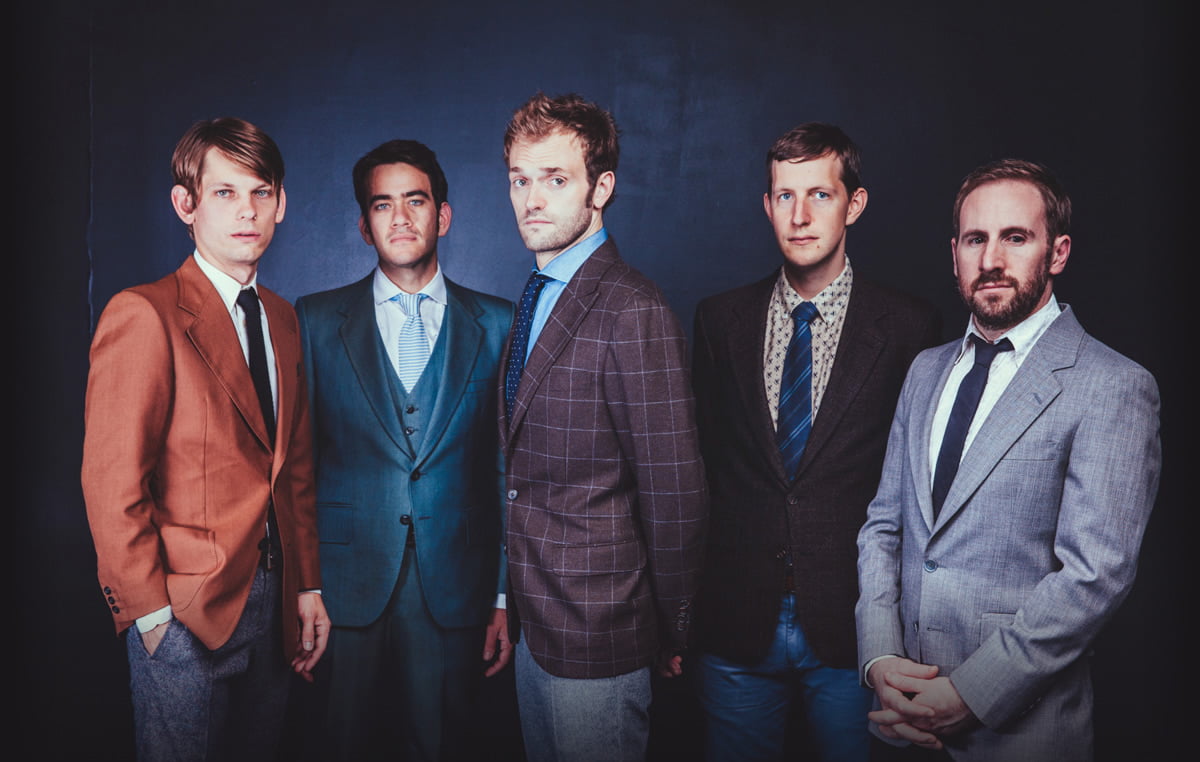
Thirty years into his career, he has yet to tire of the mystery. Something like a child prodigy on the fiddle, he paid his dues in the Southern California bluegrass scene, appearing on Star Search in the 1980s before joining Herb Pederson’s band, the Laurel Canyon Ramblers, as a teenager. Witcher has recorded with Béla Fleck, Dave Rawlings, Eric Clapton, and many others, but he’s best known as a founding member of the renowned prog-grass group Punch Brothers. Comprised of superlative musicians, they’ve recorded four albums of adventurous acoustic music with such producers as T Bone Burnett, Jacquire King, and Jon Brion.

Throughout his career, Witcher has gravitated toward the other side of the glass, gradually accepting more production responsibilities within Punch Brothers and without. He helmed Sara Watkins’ breakout third album, Young in All the Wrong Ways, in 2016, and this year he produced two new records by his Punch Brethren: Universal Favorite finds banjoist Noam Pikelny going truly solo, just his voice and banjo in a variety of styles and settings, and Witcher ensures it sounds both intimate and expansive. For Mount Royal, the second collaborative album by guitarists Chris “Critter” Eldridge” and Julian Lage, the producer emphasizes their masterful technique as well as their subtle and insightful arrangements. They’re representational albums, he says, but full of verve and skill and even a little mystery.

How did you gravitate toward this particular role?

I had a band with my dad when I was young called the Witcher Brothers, and we made a record when I was 11. That was my first foray into the studio, and I remember having so much fun. Back then, it was all tape. I remember the feel of the machines, getting the microphone set up and coming into the control room for the first time and hearing the sounds of the instruments coming back at me through the speakers. It was a thrill. At that moment, I was hooked on recording. I got a four-track machine, and I spent a lot of time at my cousin’s dad’s house — I guess my mother’s cousin. His name is Don Was, and he’s a huge record producer. He had a bunch of recording gear, and I was always in the studio, setting up equipment and recording for fun. It was something I loved to do in my spare time. When I was about 14, I was asked by someone I didn’t know to play on their record, and that started my career as a session musician in Los Angeles. I got asked to play on other things and, little by little, I managed to build up a reputation. So I’ve always felt at home in the studio.

Were there any particular albums where you started to notice the production?

One of my earliest musical memories was listening to Abbey Road on my parents’ turntable. I couldn’t have been older than two or three, and especially as I got a little older, I remember listening to that record and realizing that there were only four guys in the band, but the sound they were making was much bigger than that. This guy plays the drums, these two guys play guitar, and this guy plays bass. How are they able to get all this other stuff going on? That really opened the door to figuring out what the technology was and what overdubbing was: “How does that work?” I started to think about how they were building tracks and, from then on, a world of possibilities opened up.

When Punch Brothers started making records, I was already an old hand at it and could instinctively take on the role of producer with those guys. Everybody finds his own role within the band, and that became mine. For the last record, Phosphorescent Blues, we had the amazing T Bone Burnett to produce, and I had already been working with him as a co-producer on a bunch of projects — and as an arranger. When you work with T Bone, it means you’re going to hear him say something like, “I’d love for you to write a string arrangement or a horn arrangement for this song.” So you’d do that and, “Okay great, now go record it.” He’s giving you the keys to the kingdom. Sometimes he would show up for sessions and sometimes he wouldn’t, and to have him place that level of trust in me gave me the confidence to think of myself as a producer.

How did that affect the sessions with Punch Brothers?

He was there for all the tracking and he got all the performances out of us, but when it came time for all the editing and mixing, I knew what the band wanted and I knew what I wanted, so he let me take the reins. I was there with the engineer, Mike Piersante, and we finished tracking all the guys. When everybody else had left, I was sitting there with a bunch of hard drives with hours and hours of music — and it’s up to me to edit and oversee the mixing. It was a natural extension of all the things that I’d already been doing.

The band has worked with a different producer on each album. How were those experiences different?

Each producer brings a different aesthetic and a different worldview to the proceedings. Early on, we were very idealistic and dead set on making only representational documents. With The Blind Leading the Blind, we knew it was an ambitious piece, but we wanted to make sure we could actually perform it live. We were very stubborn about capturing it all live, so Nonesuch recommended we get a classical producer. Because that’s what we were doing: We were making a classical piece, so we needed to record it in a classical way with a classical producer [Steven Epstein]. Looking back 10 years later, was that the best way to present that music? I don’t know. If we had to do it over again, we would probably play most of it live and overdub harmony vocals, but you learn.

Jon Brion had a different method on Antifogmatic. He set us up in a semi-circle because he wanted to capture the energy and interaction of what we do. We played all of the music live, but he was able to get a better vocal sound by overdubbing the vocals. I understand that, but it’s very hard when you have five people imagining trying to play based on what they imagine the vocals are going to sound like. We had to learn on the fly how to do that. We had to learn to listen in a different way, and I think it was successful in its own way.

Jacquire King was a lot of fun. He was down for a lot of experimentation on Who’s Feeling Young Now? By that point, we wanted to utilize the studio as another sonic tool instead of just something take a snapshot. We wanted to use the element of fantasy that the studio provides. We dipped our toes in a little bit with that record. We experimented with sounds and overdubs — anything to introduce new things, but always dependent on the song and what it needs. Jacquire really helped us figure out what works for our instruments, and he had us thinking about ways to capture sound that I had never really thought about before.

And the thing with T Bone is, he’s wide open. He wants to do whatever is going to make the best end product. We had different set-ups for different songs. It was a fun process because he’s a master and keeping the bigger picture in mind. The Punch Brothers have a tendency to overdo things and try to squeeze so much perfection out of everything that we squeeze the life out of it. So it was a real education to see how he worked.

What did you take away from those experiences that you’ve applied to your own sessions as a producer?

The most important thing you can have in a producer is trust. You trust that they’re going to understand your vision and you trust that they’re going to help you achieve your goal. It’s such a deep relationship with the rest of the band, and we understand each other so well, that it made sense that I would be the one sitting on the other side of the speakers telling them if they’ve gotten what they want. And I know what they’re capable of doing, so I’m in a unique position to push them. Someone else might be like, “Hey, that was great.” But I would be like, “Hey, that was great but I know you can do better.”

That seems like it would be crucial, especially on these records where there’s nothing to hide behind. It’s just one banjo or two guitars.

Those are very, very representational records without many studio tricks. You approach that kind of project as though you’re making a document. There’s not a lot of fantasy involved. Your job as producer is to put them in a position where they’re comfortable and playing their best, then you have to make sure you capture the sound they’re making as fully as you can. That all sounds very simple, but you become something more like a psychologist at that point. You’re talking a line between keeping people happy and creative, but also trying to find positive ways to shape what they’re doing, to get the best possible results. It helps that the Punch Brothers guys have been working together for so long that we know how to speak to each other in a way that avoids any bad clashes or setting each other off and making them freeze up.

For instance, Noam is extremely thorough — more thorough than I think he needs to be. There’s an interesting dynamic where we’ll work on a song for a couple of hours, and I’ll be very happy with what we got. I’m confident in what we got, so why not come in and take a break before we start working on the next song. But he’ll say, “Let me just do one more. One more time.” Three hours later, he’ll finally feel okay about it even though we have three times as much material as we actually need. He’s familiar with me, but he might not feel as comfortable with someone else to sit there for hours on end. He obviously does feel comfortable: It’s just Gabe. He can’t get mad at me.

As a producer, you have a couple of jobs. One: You’re a proxy for the artist. You’re basically in a position to say, “If I was an audience member, would this be reaching me? Is this going to impact me emotionally?” Two: You have to make sure there is some underlying theme that ties it all together and makes it work as a whole. All the best records tell a story of some kind. It’s all just storytelling. Even though one song is about one thing and the next song is about something else, you can still construct some kind of narrative out of them, even though it may not be a linear story. That’s a big part of the producer’s job: to make sure everything fits together in a satisfying way.

Is telling a story easier or harder with instrumental versus vocal tracks?

They’re challenging in different ways. To create a narrative on an instrumental record, you have to make sure there’s enough variety to feel like you’ve gone somewhere. When you’re making a record, you’re making a 40- or 50-minute piece of music. It might be divided up into 10 or 12 or 15 segments, but you’re making a piece of music that’s roughly the same length as most symphonic music, so you have to approach it that way. You have to piece it together in a way that gives the material shape and keeps it interesting. For a record with singing on it, you have the added difficulty of that extra layer of words. You have to have the musical narrative and then you have to have the lyrical narrative. There’s some wiggle room in there, but you also have to keep in mind the artist and what they’re trying to say. On the Critter and Julian record, they brought in a bunch of vocal songs that were all great, but I just didn’t believe Critter when he sang them. I had to figure out why, which was tricky, but it came down to what I knew about him — where he comes from and what kind of music he has made in the past. The material had to fit within the story of him as a performer, as an artist, and not just within the context of an album.

How does that work with someone like Sara Watkins? What I love about Young in All the Wrong Ways is how it plays against what we know of her as an artist and takes her story in a new direction.

Absolutely. What makes it work with her is that she acknowledges that it’s something different from her. People change and evolve and grow, and this is where she is right at this particular moment. I really felt the honesty of what she was singing to me in those songs. It all made sense. There was a weird incident in the studio with her. All of the songs that ended up on that record were her original songs, but early in the process, she had brought in a song that Benmont Tench had written. It was a new song of his and we had permission to record it. I thought it was good, so we put it on the list. We were about three-quarters of the way through tracking her record when we got to that song. It was just her singing and Benmont playing. The song is dark, about a relationship that’s past its prime and she’s struggling to break from it. She started singing, and the mood in the studio shifted. It had been very happy and positive and constructive, but it turned really dark really quickly. It had been easy-going up to that point, and I watched everybody get very frustrated.

The next day, Jay Bellerose, who plays drums on the record, was talking to me and asked me what happened. The only thing we could come up with was that the song just wasn’t her voice. Nobody believed it, when it was coming out of her mouth. It was a case of the wrong song for the artist, and it’s the only song that didn’t make the record. Don’t get me wrong: It’s a great song, when Benmont sings it. It’s his experience. It wasn’t Sarah’s experience. There was just something about the vibe of the song that wasn’t right for her.

It’s extremely hard to explain that kind of thing, and everybody feels it in a different way. The studio is such a vulnerable space, especially for the person who’s being recorded. It’s such an intimate setting that interpersonal dynamics become the thing that makes or breaks a record. You’re going for an indescribable feeling — something way beyond playing in time or singing in tune, all the technical aspects that make a good performance. When you achieve that next layer, it’s hard to describe. There’s an energy that comes from getting the right people in a room together. Sara’s record was successful because we got the right people playing the right music, which becomes a positive feedback loop. Good things start happening, which inspire more good things, which inspire more good things, and then you have this wonderful document of that time and those people. This kind of thing never happens, especially when you hire a band, but for Sara’s record, people were hanging out in the studio after the tracking was done. We would play for hours and hours, then we would do overdubs in the evening and people would just hang out. We’d open a bottle of wine and people would just hang out in the studio. It was beautiful.

I feel like people sometimes fixate on gear — finding the right pedal or using a certain kind of microphone. That seems much less important to these sessions.

That’s exactly right. People can get caught up in the technological aspect of the studio — at great detriment to the music. At least in regard to the music that I’m interested in making, we have way too much ability to manipulate sound. I hear so much recorded music that has no vibe, no human quality to it. It sounds like the people weren’t even in the same room and maybe not even in the same country when they recorded it. It’s all been pieced together very carefully, but it’s missing an essential element: There’s no interaction. Some people can do beautiful things that way. For what Radiohead does, it’s great. They’re able to use those tools in a musical way. But the music that I want to make has to feel, in some way, like it’s being passed from person to person. It’s interesting because, when you nail it, it’s the kind of thing that sinks into the background. It becomes so effortless that you don’t think about it. It’s the same with movies: You know a director has done his job right when you can’t tell that they’re even there. The goal is to get lost in the storytelling.


Photo credit: Brantley Gutierrez