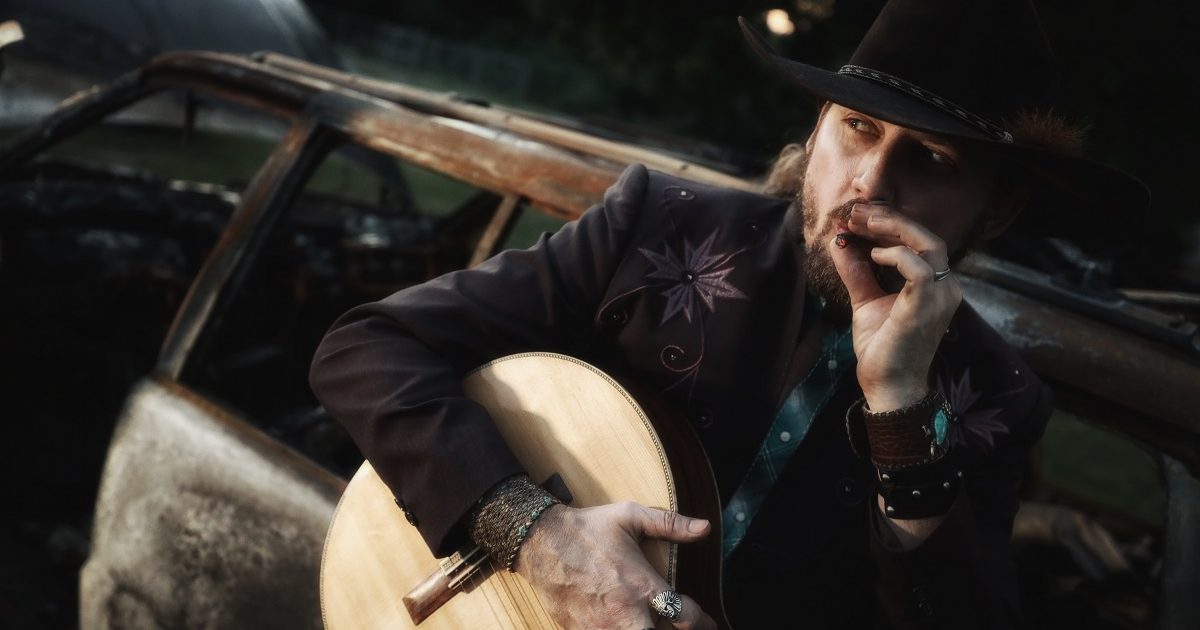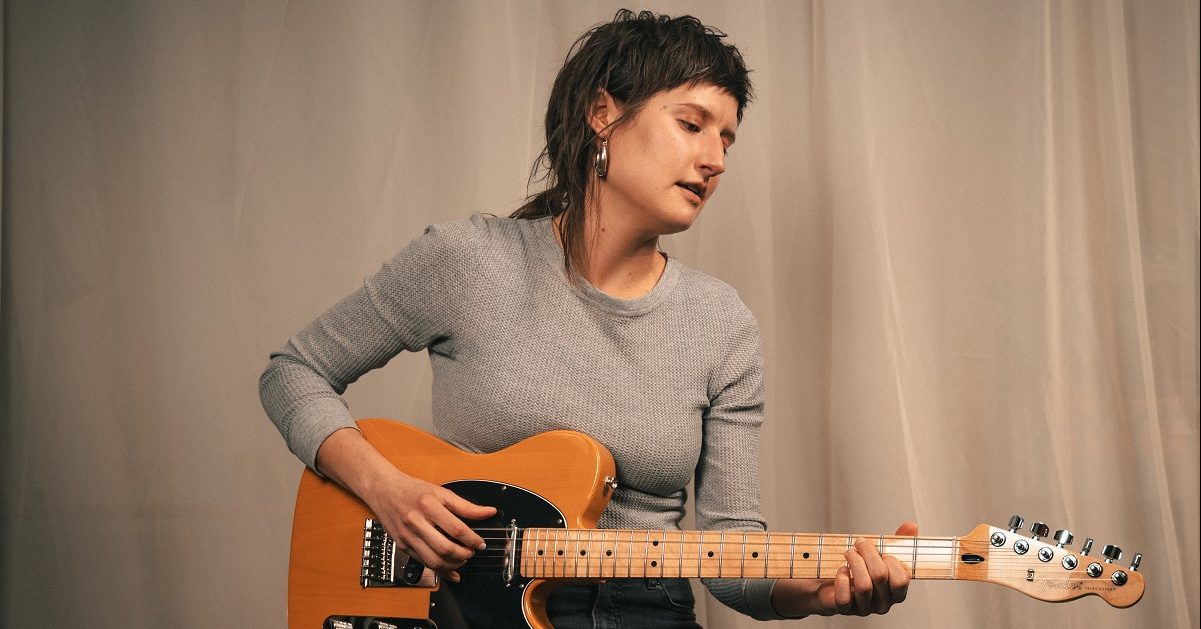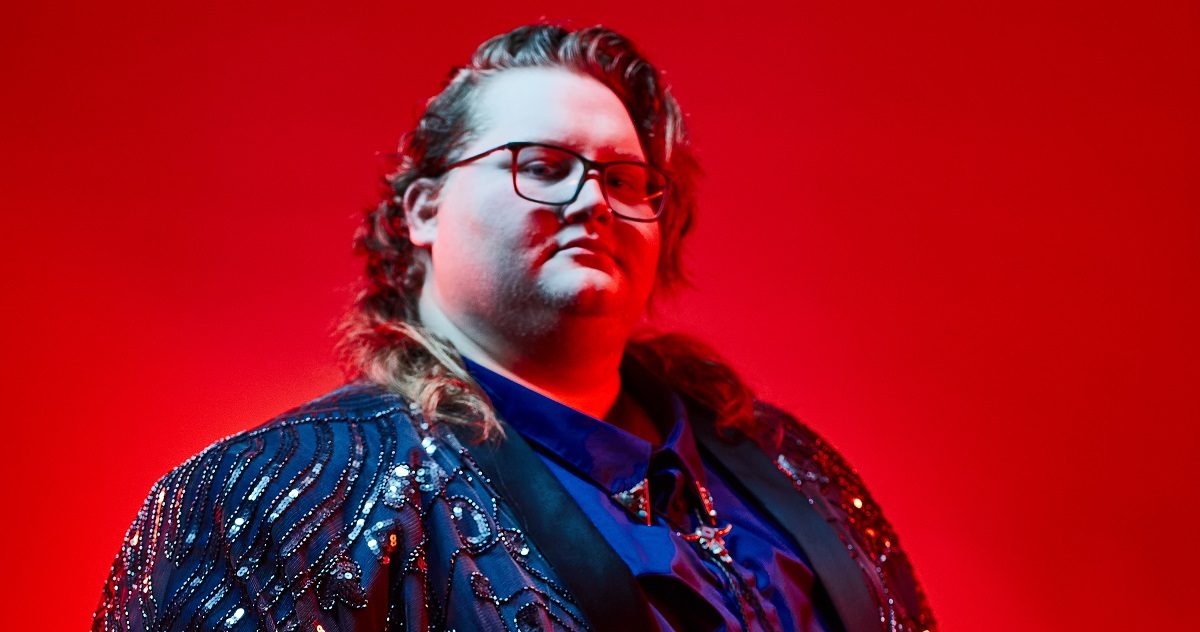
Joshua Ray Walker Closes Up the Honky-Tonk on ‘See You Next Time’

For the last couple of years, Joshua Ray Walker has been living out the lyrics to a down-in-the-dumps country song. The Texas-born singer-songwriter lost his father, couldn’t work due to COVID, and was displaced from his home during much of that time, after a burst pipe led to a waterfall of misfortune.

But music has always been Walker’s saving grace, and with his new album, See You Next Time, he puts one in the win column. Marking the end of a country music opus that includes three imaginative albums, fully conceived and expertly executed, the set puts the finishing touches on a true honky-tonk opera. Walker’s debut album introduced a fictional bar set in his native South Dallas — full of quirky, charismatic characters and wild adventures — and after the second built on their stories, See You Next Time finds them saying goodbye as the bar closes down for good.

All delivered with a mix of shuffling, authentic trad-country style, soul-inspired horn blasts and Walker’s sympathetic vocal, often cracking at the moment of peak emotional intrigue, that’s a bittersweet thematic arc, to be sure — and one that has been mirrored in his personal life. But after making such a grand vision a reality, and earning the admiration that came with it, Walker’s optimistic about the future.

He spoke with BGS about where the idea for this trilogy came from, what kind of mark his fictional honky-tonk left on him and what it feels like to say goodbye.

BGS: How are you feeling right now? It’s been a difficult stretch for you personally, but you’re back on the road now and this album is something special.

Joshua Ray Walker: As far as my career goes, I feel great. I wanted to make these records for a long time. I had 10 years to think about it and put a plan together. I put out three records in three years, which was my goal, and this last one puts an end to this trilogy that I had in mind.

Ten years is a long time to dream of something. Where did the idea for the trilogy come from?

I guess it started because I found a pen in my grandfather’s drawer — it said, “I rode the bull at Bronco Billy’s.” I had been writing songs for a few years and it just sparked this idea, like what that place would have been like. Who would have been there? I started writing songs about those characters, and over the years my plan got grander and grander, and it turned into this trilogy. I had the artwork and the names all picked out before we ever started cutting the first record.

Did you ever actually go to that bar?

No, that bar closed when I was a baby, but it was a real place in South Dallas that my grandfather went to, I guess. His name was Billy, so I assume he picked up the pen because it had his name on it, and that was really it. It just spiraled out of control and I kept writing songs about these characters. I had dreamed this whole world in my head.

Where did the characters come from? Did you know people like this?

Yeah, I definitely hung out with people just like the characters. I grew up in a part of Dallas that’s pretty nice now, but when I was a kid it was pretty rough, and I grew up around bars and barflies because of the work my parents did. I just like to get to know people, I really like meeting new people, so whenever I go to a dive bar, I end up striking up a conversation with strangers, and all those stories make their way into the albums.

Over these albums, have you developed a favorite character?

Yeah, a lot of them are pretty sad or dark characters, but there’s one in particular I really find funny. It’s the character for “Cupboard” on the second record, who is also the character for “Welfare Chet” on the new record. It’s a song about that guy you run into at the bar and for the first five minutes of the conversation he’s funny and wacky and entertaining, and then 30 minutes in, you’re talking about Q-Anon or whatever. There’s a line in the song about talking with a mouthful of food, but they don’t serve food here, and I just feel like that’s happened to me so many times. Like I’m talking to some guy at the bar who won’t leave me alone and he’s got like a hot dog or something, and they don’t even have hot dogs here, like “Where did you get that?” So that’s one of my favorites. It’s a lighthearted character, but I feel like we’ve all dealt with that guy at some point.

Since you started describing this bar and these people, has your view of the story changed at all? Have you ended up with a different perspective over the years?

I don’t know, that’s an interesting question. I think I was trying to paint a picture that I had in my head, so in a lot of ways it hasn’t changed much, but there’s always a kind of story arc there. Even in the titles — Wish You Were Here, Glad You Made It, See You Next Time — it’s like this coming of age and then dying out. On this last album they’re saying goodbye to the honky-tonk because it’s closing, and I don’t know if the story has changed or the place has changed, but the way that it fits into my personal life has changed. It’s taken on real meaning, by accident, because my personal life has kind of followed this story arc.

Like, I wrote “Canyon” for the first record — that was a story for my dad about our relationship, and I wrote it right after he was diagnosed with cancer. And then four years later I was about to go into the studio to record the third record, and he passed away, so I wrote “Flash Paper.” So I’m coming to terms with loss and then on the last song, actually saying goodbye. That’s what the whole trilogy is about, and it ended up being mirrored by my personal life, just by chance.

So with “Flash Paper,” you were sort of processing everything through the song?

Yeah, that’s typically how I write songs. I mean, the first song I ever wrote is called “Fondly.” It’s on my first record, and my granddad had just passed. As I was leaving the hospital, I wrote that song in the parking lot and it all came out at once, so I think when I’m overwhelmed or whatever, I turn to songwriting. Some of the more emotional songs that come out all at once, like “Canyon” or “Flash Paper,” and “Fondly,” there’s not a lot of clever end-rhymes. It’s just straight forward whatever I was feeling at the moment.

You finish up with “See You Next Time.” You’ve said this project was about saying goodbye to the bar. What about you? Are you a little sad to close this chapter?

No, I wouldn’t say I’m sad. I’m excited to see what I write after this.

Do you have any idea what that might be? This project was so big that I bet it took a lot of creative energy.

I’ve written a lot of songs that haven’t ended up on these three records, so I still have a decent amount of that catalog to put out, and I’m writing all the time, so there’s always new stuff. It will still be country, I assume. I mean, these three records have a honky-tonk vibe because they’re set in a honky-tonk, but I have other aspects of music that I like as well. I think I’ve found a sound that represents what I like as a writer, so I don’t know if the sound will change too much, but the subject matter can be about anything. Now that the world is starting to open back up again, I feel like I need to go to do some living, so I have some experiences to write about. That’s the biggest thing, because most of my songs come from going and exploring places that most people don’t always find interesting. I need to go do some of that so I have some more material.


Photo credit: Chad Windham

WATCH: Maja Francis & First Aid Kit, “Mama” (Satin Bed Session)

Artist: Maja Francis
Hometown: Stockholm, Sweden
Song: “Mama”
Album: A Pink Soft Mess
Release Date: September 24, 2021
Label: RMV Grammofon

In Their Words: “This song is for my mom…and about how it feels to be grown up and be able to comfort her the way she’s always comforted me. We’ve both experienced mental health issues through life and not until I became an adult I understood her struggles, because I have the same ones. It’s been both beautiful and painful to share that with each other…and I wanted to write a song about that intense and complex love. I was also thrilled when my dear friends Klara and Johanna (First Aid Kit) wanted to feature on it. They’ve been such a big part in me finding my voice again so it felt really good to have their voices and energy on the album.” — Maja Francis


Photo credit: Milkdrop Studio

LISTEN: CJ Garton, “I’m Talking to Ghosts”

Artist: CJ Garton
Hometown: Bristow, Oklahoma
Song: “I’m Talking to Ghosts”
Album: Tales of the Ole West and Other Libations to Please the Palate
Label: G-Bar Records/Cowboy Carnival Publishing
Release Date: September 16, 2021 (vinyl); January 14, 2022 (digital album)

In Their Words: “‘I’m Talking To Ghosts’ is one of those kind of songs you hear and you just feel it. It leans on that edge of life and death and the unknowing of what lies beyond. It’s fascinating how much we still don’t know or understand, it peaks our curiosity and invites our imagination to play in that realm even for just a few minutes as it carries us deep into the catacombs of our subconscious.” — CJ Garton


Photo credit: Ty King/G-Bar Films

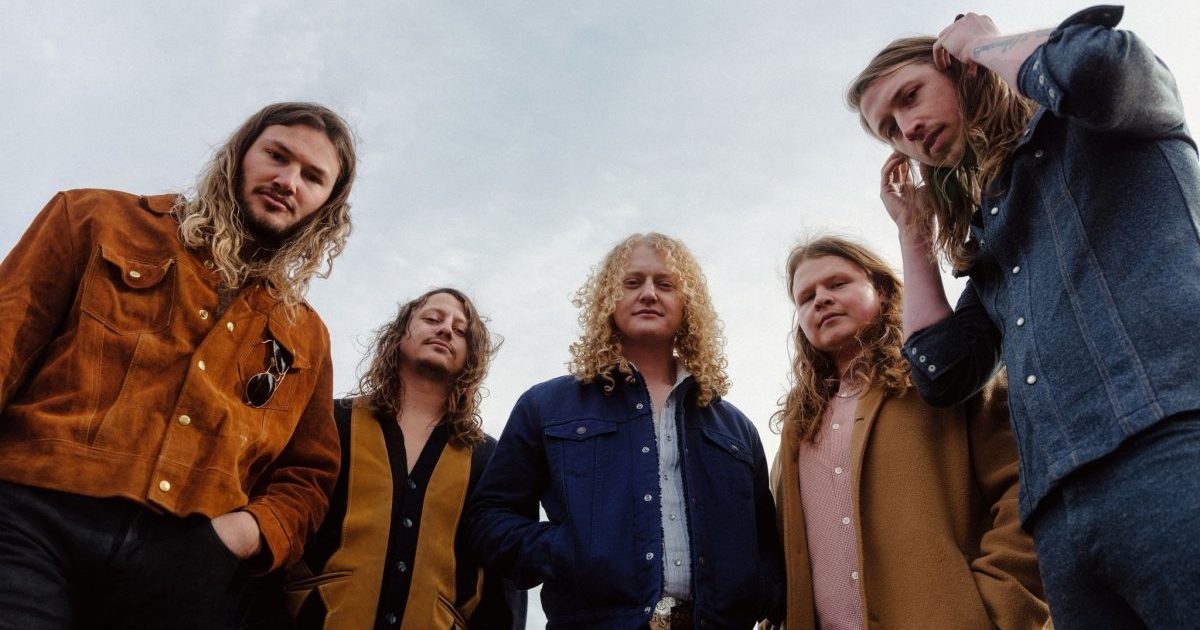
LISTEN: Read Southall Band, “Here We Are (There We Went)”

Artist: Read Southall Band
Hometown: Stillwater, Oklahoma
Song: “Here We Are (There We Went)”
Album: For the Birds
Release Date: October 22, 2021
Label: Thirty Tigers

In Their Words: “Being in a touring band, we pack up and leave just as quickly as we set up shop, because a warm welcome in a new place is always worth the distance. The opportunity to get eye-to-eye with a crowd of new faces in a new place is the reason we arrive, as well as the reason we depart. It’s the driving force behind the whole machine. This song is a fun way to celebrate the opportunities music has given us to explore this world and its people. We look forward to all of the new places it takes us.” — Read Southall


Photo credit: Jonathan Burkhart

With an Acoustic “Bluebird,” Natalie Hemby Plays the Wild Card Up Her Sleeve

Songwriter extraordinaire Natalie Hemby is drumming up interest in her debut record Pins and Needles with a slew of YouTube performances simply titled The Hemby Sessions. In these acoustic videos, the Nashville native is making her way through her impressive repertoire of original songs that have appeared on some big records from the likes of The Highwomen, Kacey Musgraves, and Lee Ann Womack, to name a few. In this fourth installment, Hemby offers “Bluebird,” a song about resilience and hope in the face of trying circumstances. “Bluebird” went on to be recorded by the inimitable Miranda Lambert (who co-wrote the song with Hemby and Luke Dick) and appears on her Grammy-winning album, Wildcard.

In Hemby’s straightforward, solo acoustic performance, the song’s poignant message takes on a new life. “Bluebird” is all about a mature sense of hope and optimism that doggedly persists even in the bleakest of situations. There is a gravity around the act of insistently finding light, and Hemby’s writing and performance capture that weight elegantly. Watch “Bluebird” below, and stay tuned at the end for a behind-the-scenes story from Hemby about writing the song.


Photo credit: Alysse Gafkjen

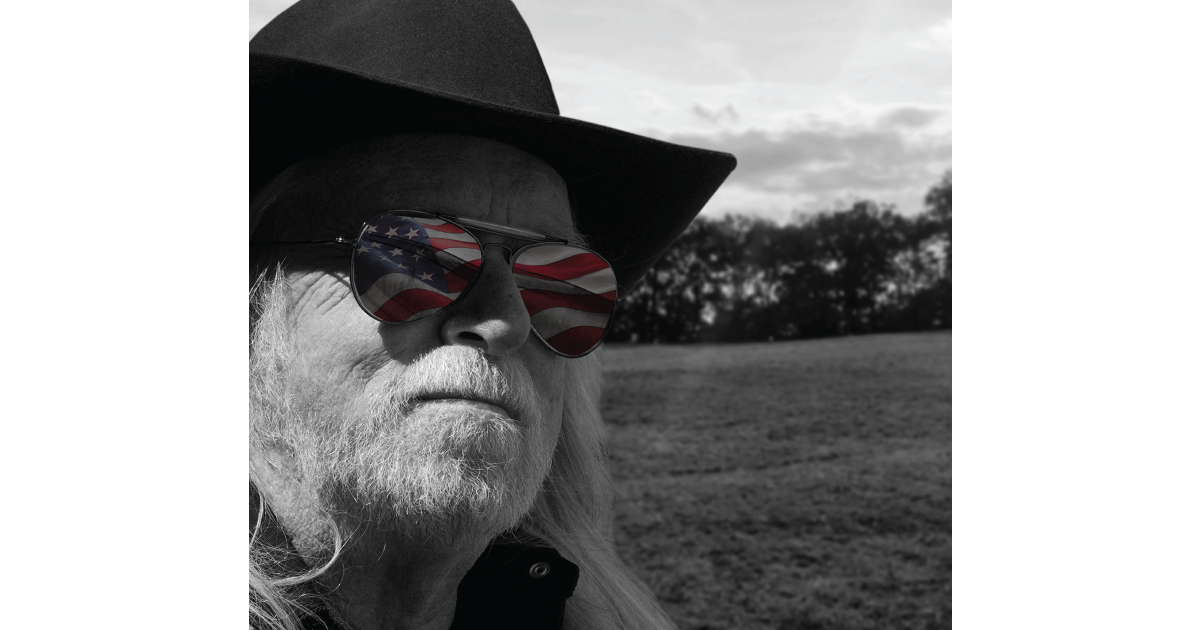
WATCH: John Scott Sherrill, “Five Generations of Rock County Wilsons”

Artist: John Scott Sherrill
Hometown: Nashville, Tennessee
Song: “Five Generations of Rock County Wilsons”
Album: Copper Tears
Release Date: October 15, 2021
Label: Lobo Libre

In Their Words: “People often ask me how long it takes me to write a song, and some songs I can write in a couple of hours. But ‘Five Generations of Rock County Wilsons’ took 17 years to write. I got the inspiration when I was taking a bus back in my college years to Illinois from New Hampshire. It took seven days, so I was sleeping as we drove, and waking up at all hours of the day, not knowing where I was. I woke up one morning, looked out the window of the bus, and saw all these men standing around, trying to hold their maps in the wind. I thought they must have plans to do something with that cornfield. I made a note in my notebook and left it until years later, when I found the notebook in my mother’s attic. I opened it up and saw my notations and thought that idea was worth writing about.” — John Scott Sherrill


Photo credit: Rich Guglielmo

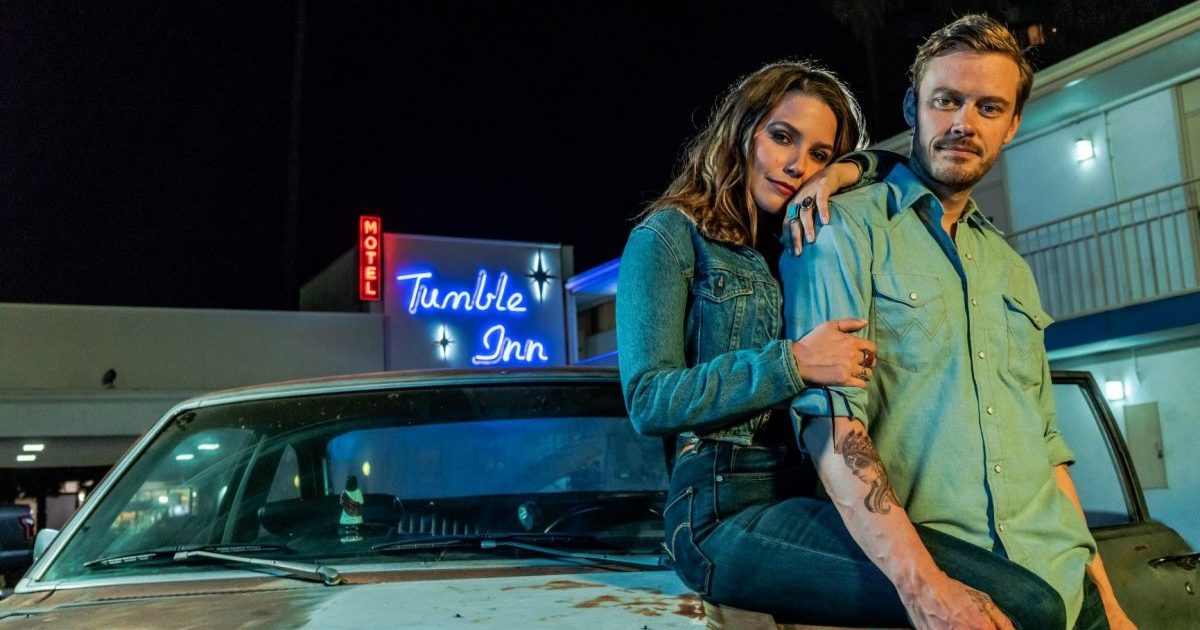
‘Hard Luck Love Song’: It’s Americana Music, But as a Movie

Filmmaker Justin Corsbie’s Hard Luck Love Song is a caring homage to Americana music and specifically to the music and culture born in Corsbie’s hometown of Austin, Texas. The story is based on the famed Todd Snider song “Just Like Old Times” and uses a plethora of songs from many pillars of Americana and folk music. From Townes Van Zandt and Emmylou Harris to Gram Parsons and Daniel Johnston, Hard Luck Love Song sews Snider’s lyrics into the fabric of this timeless music, creating a truly authentic film that immerses the audience in the ethos of Americana.

Asked about music as inspiration, Corsbie says, “Good music creates such a visceral experience, and storytelling songs have always offered a great window into the less explored corners of American life. Todd’s song was a great jumping off point for this film because it set up an amazing vibe and introduced characters that I wanted to know more about. Todd has an uncanny ability to blend drama, humor, grit and wit, and I humbly tried to infuse this film with those ingredients through my lens as a filmmaker.”

As this debut feature has made its rounds at film festivals, piling up awards along the way, it has become clear that Hard Luck Love Song remains a passion project. This talented filmmaker has created a movie using stories, settings, and songs that are incredibly dear to his heart. The film arrived in theaters this month via Roadside Attractions. Check your local listings and see what the heart of Americana music looks like on the silver screen.


Lead photo: Sophia Bush and Michael Dorman in Hard Luck Love Song
Photo credit: Andrea Giacomini. Courtesy of Roadside Attractions

LISTEN: Jane Bruce, “Best of Me”

Artist: Jane Bruce
Hometown: Ogden, Utah
Song: “Best of Me”
Album: My Bed
Release Date: February 11, 2022

In Their Words: “This song really flowed out of me. I find it (too) easy to write and sing about my insecurities and the pieces of myself that I don’t love, but I felt that writing a song that clearly laid out those things in the hopes that it might make someone love me more was an interesting twist on a ‘pining-for-you’ love song and an exploration of the ways we present ourselves to the people we desire. Growing up in Utah I felt constantly aware of my different-ness and keenly attuned to all the things that made me unlovable, or wrong. With time I have come to realize that these so-called shortcomings are human and that my deep-seated fears of disappointing others come from a place of empathy, not weakness.” — Jane Bruce


Photo credit: Angelina Castillo

WATCH: Band of Horses, “Crutch”

Artist: Band of Horses
Hometown: Charleston, South Carolina
Song: “Crutch”
Album: Things Are Great
Release Date: January 21, 2022
Label: BMG

In Their Words: “I think like a lot of my songs, ‘Crutch’ starts with something from my real life. Obviously ‘Crutch’ means some of the things that I was dependent on. My relationship for one. I think I wanted to say, ‘I’ve got a crush on you,’ and I thought it was funny how relationships also feel like crutches. I feel like everybody has had a time when nothing goes right and you still have to carry on. I think that feeling hits you in this song even if you don’t know what the specifics are.” — Ben Bridwell, Band of Horses


Photo credit: Stevie and Sarah Gee

BGS 5+5: Laurel Premo

Artist: Laurel Premo
Hometown: Traverse City, Michigan
Latest Album: Golden Loam

What other art forms — literature, film, dance, painting, etc. — inform your music?

For me dance is such a huge influence. I’ve spent quite a few years as a dance musician for square dances, being a traditional fiddler. That role of being more the motor for the good time, as opposed to being the focal point, has always resonated deeply with me. But beyond that, I know that just my experience as a participant in social dance in both American old-time and Nordic traditions has given my body a vocabulary that comes out in my music. I’ve found a through line in my voice that, no matter the tempo of the music, I always am wanting to make these larger slower pulses, make longer groups of beats, tap my foot at a slower frequency. I’m certain that that longer embodiment of phrases, and the pull, and balance, from dance have played into my nature there.

What was the first moment that you knew you wanted to be a musician?

I have a really early memory, I’m not sure what age, but before I was big enough to hold any instruments. I was in my bedroom, standing next to the door, and I could hear my folks playing music on the other side of the wall in the living room, my mom really tearing it up on some fiddle tune. In that moment, alone, I remember that I started air-fiddling and kind of marching around or dancing in the little corner. I just wanted to be part of whatever was going on there.

What’s the toughest time you ever had writing a song?

I took a while composing this lap steel track, “Father Made of River Mud,” from the new record. For a bit, it was separate pieces, in different tunings, that I didn’t know if I’d be able to fold together as one. It’s a really beautiful moment for the maker of a piece, when some kind of grace math helps everything line up in your head, and then you get to hear the thing for the first time in its full form. That tune is like a circle, it doesn’t really have to end at any one point.

What rituals do you have, either in the studio or before a show?

I try and spend some time ruminating with memory that reflects back at me the elements of my personal experience that I want to embed in the performance, to make more vibrant what I’m laying down there for listeners. It’s almost a way of remembering myself to myself, because there are a lot of possible distractions when you’re recording or performing. Every little step of the setup could be something that takes you away from your body and the meaning you’re trying to imbue in the work. So, I just real quickly try to go into the wilds to try and counteract all of the civilization that I’m traversing through.

Which elements of nature do you spend the most time with and how do those impact your work?

In the last two to three years, my wild haunts have been woods, dunes, and rivers. I grew up in the woods, so shadows and green, what reverb the places with a great amount of life growing have, and the scents of being real close to the ground — those are all deep in me, and as an adult I go back to similar places to find quiet, and to kind of listen beyond that quiet. Walking rivers for the past few years, learning fly fishing, has brought about a whole other set of turns, including just a beautiful sideways weight from the gravity of the river flowing against you. I definitely take gestural impulses from my time spent in the wild, and work to keep all my senses open to what rhythms lay in front of me.


Photo credit: Harpe Star