One to Watch: Viv & Riley Are Much More Than Just Old-Time or Americana

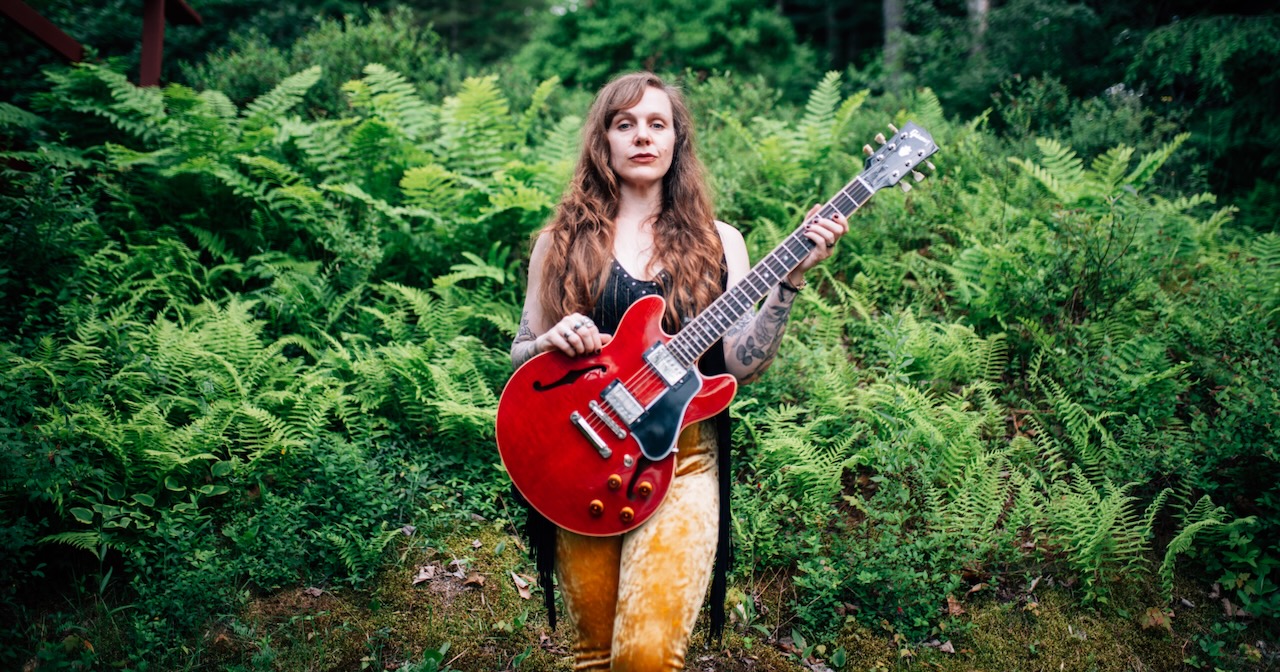
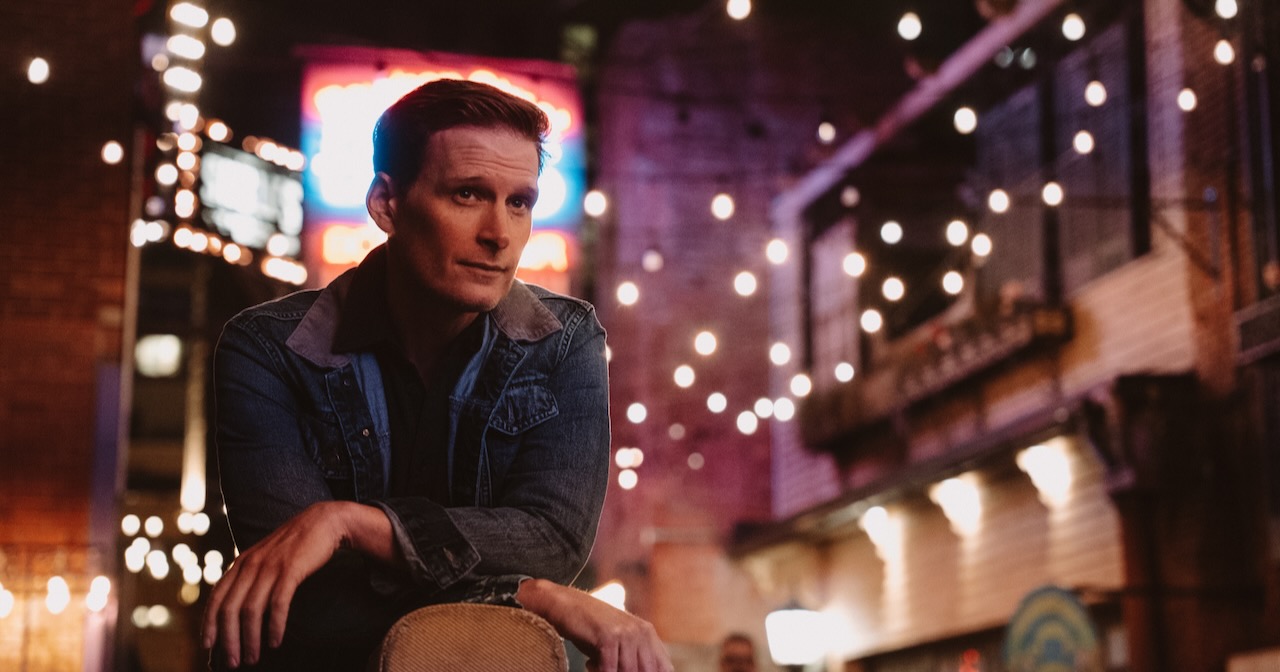
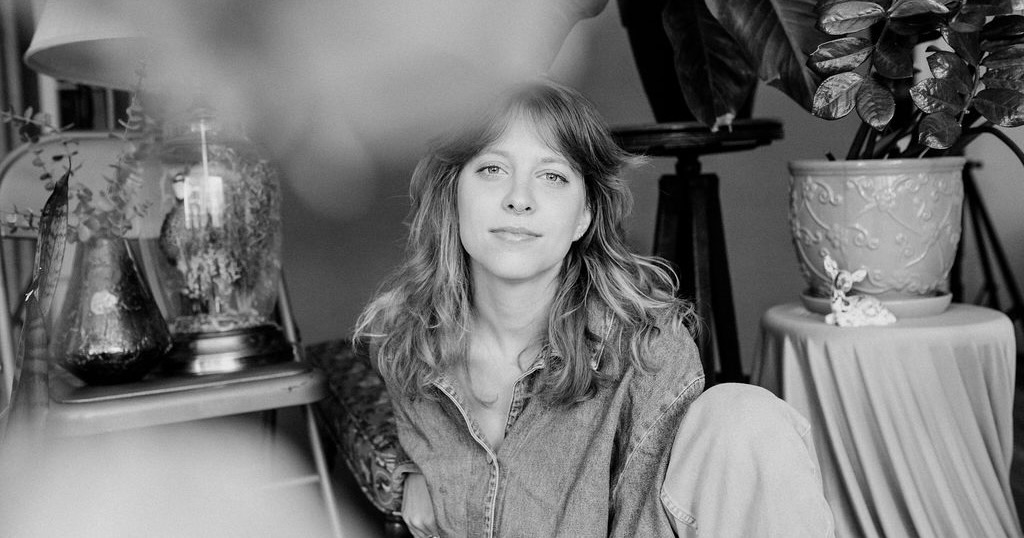
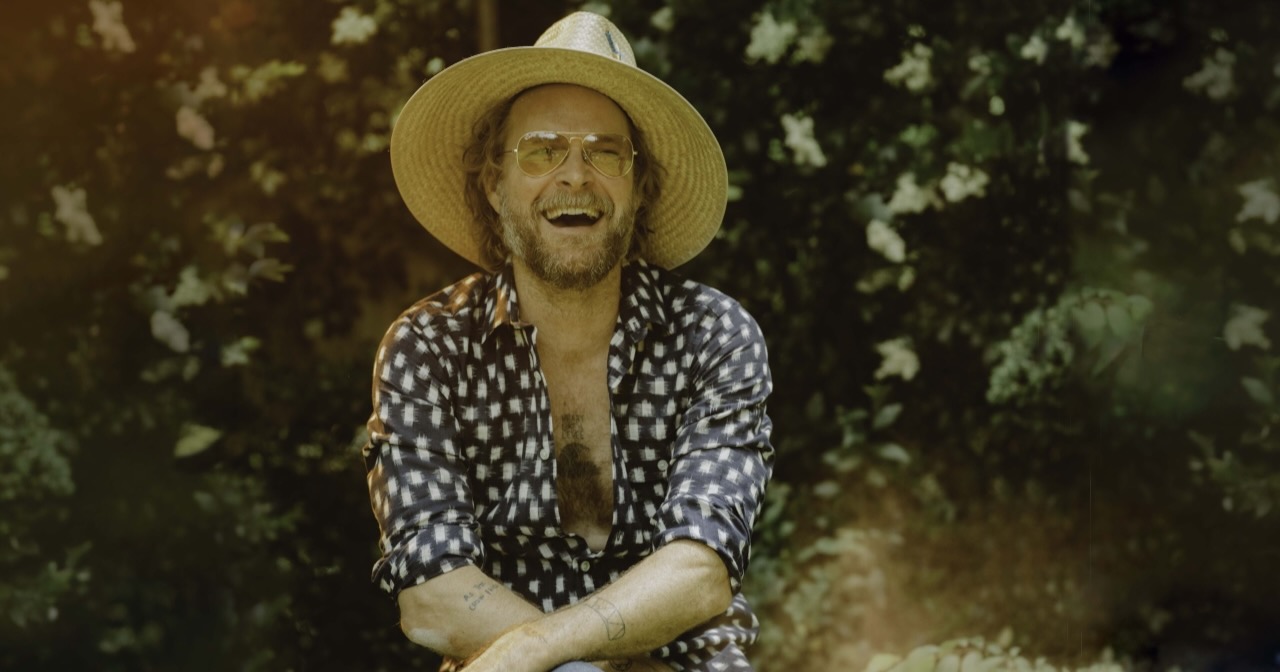
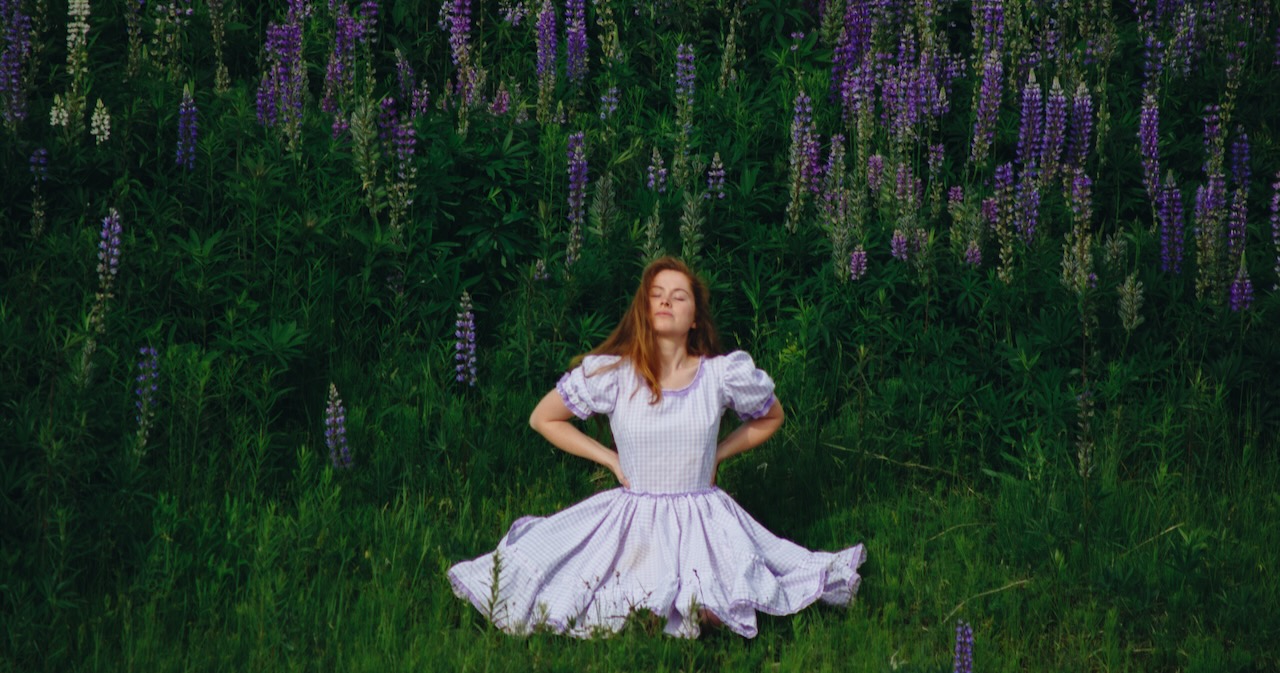
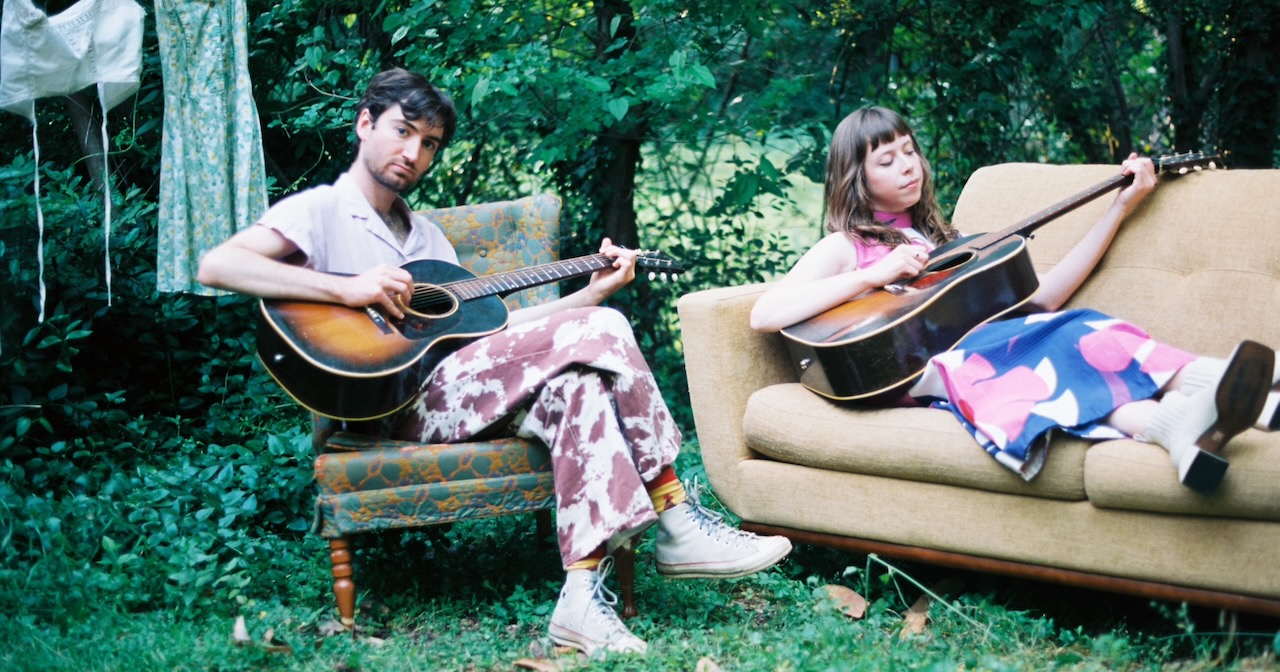
Comprised of singer-songwriters and instrumentalists Vivian Leva and Riley Calcagno, Viv & Riley are an up-and-coming musical duo that defy definition. Their new album, Imaginary People, is a masterful blend that weaves together their shared reverence for traditional Appalachian music alongside indie-folk, pop-leaning adornments. The result is an emotionally potent 10-track album that covers a vibrant range of personal and universal truths — from the bittersweet nostalgia of visiting a beloved childhood hideaway decades later, to the poignant curiosities that accompany reckoning with climate grief.

Based out of the dynamic music scene in Durham, North Carolina, this duo is currently on tour across North America. With their insightful explorations of the past and creative probings of the future, Viv & Riley uncover rich and complicated explorations of what it means to be alive in this precise moment.

So how did the two of you first start making music together?

Vivian Leva: Well, we first started making music together when we first met in 2016, the summer after we both graduated high school. I grew up in Lexington, Virginia, and Riley grew up in Seattle, Washington, and we just happened to meet at a camp in Port Townsend, Washington. It’s one of those camps that has weeks back to back — there was a vocal week that I was teaching with my mom, and then Riley came to teach fiddle the following week. We happened to overlap by a few days, and Riley was there with his band The Onlies. The first night we met, we played music together all night! After that, I joined the band, and we also started playing together as a duo and writing songs.

Riley Calcagno: The origin of our sort of band, our duo, came later that year, in the fall. We had been communicating and texting some music back and forth, and then Viv invited me down to Asheville to play a gig with her and her dad. I was a fan of her dad, James Leva, for his fiddle and singing, so we did that gig. But we thought it’d be also fun to try out some duo material while we were down in the same place, even though we had never played songs just the two of us. We emailed a venue in Asheville called Isis Music Hall, which was a prominent venue there at the time. Somehow they slotted us in, on a Wednesday night, into this big hall that they had — 200-person capacity, maybe bigger. We had never played music together going into that, but we put together some material and we enlisted some friends to play with us. It was a bold move! Talk about faking it until you make it. Only about 15 people came out to the show, and I’m sure it sounded terrible. But it was fun!

That sounds amazing. So how would you describe your musical chemistry? What is it like playing together?

VL: ​​Well, I think our initial musical chemistry initially came from our shared background in old time music and traditional music. That first night that we met, we played a lot of fiddle tunes, old music, and traditional songs. So it kind of began from a place of excitement about being exactly the same age, having never before met, and somehow both being raised around this same music that we have a shared respect and love for. So that was the initial spark of actually finding another young person who’s into the same niche genre and community. But since then it’s totally stretched into other realms. We are both so open to other kinds of music, and we have very similar tastes and aesthetics. It’s very easy to create music together because we come to it from a similar place.

RC: One of our dynamics in making music together has also been sharing our individual strengths with the other person. When we first started playing together, I couldn’t really sing harmony or find a harmony part. Vivian was very patient with me and helped me learn, and I still feel like I’m getting better all the time. That’s exciting!

VL: I just play guitar, and Riley plays every other instrument. He’s a great fiddler, guitar player, banjo player, mandolin player— instrumentally he brings so much to the table. And I feel I bring a lot of singing and songwriting-focused material to the table. We stretch each other, fill in the gaps for each other, and learn from each other.

What a beautiful thing! So what do you each feel like the biggest difference in your respective musicianships is?

RC: Viv is a very natural musician. She grew up traveling around with her parents as they toured, sitting in on harmonica at her dad’s gigs when she was only three or four. I also was born and raised around music, but it was a bit more formalized, whereas Viv’s music just comes very naturally and it’s not forced in any way. She does what she does super well and consistently and steadily, and I’m a bit more erratic. I take chances and get obsessed with things and take big leaps that sometimes fall flat. Every time she steps on stage, Viv can knock out a great performance, and I feel more streaky.

VL: But he tries lots of different things! And like he mentioned, Riley has a more formal background in music. He took lessons, he learned how to read music, he knows music theory, he did classical violin. So I think a big difference is that he technically knows what’s going on, whereas I don’t have the language or skills that he has. I’m definitely more intuition based than technically based.

You really balance each other out! So your new album, Imaginary People, just came out on September 15, and I’m wondering how your songwriting, as it appears on this album, has shifted since you first began as a duo.

RC: Well, in the past, before we started writing music for this record, we were living in different places so it was a lot of collaboration from afar. A lot of the songs on our last record came from texting voice memos back and forth. And you know, it’s not utterly different to work on them in person, but some of these new songs came out playing them together in the moment.

VL: Another big difference is Riley has started writing way more. So I think there’s more of an equal voicing on this record than in the past. There’s more of his perspective in it. And I think now that we’re living in the same place it’s also allowed us to write about a more diverse range of things. We’ve written a lot of intense emotional, romantic songs in the past, but in this recent past couple of years, we’re more interested in other things, like our shared experiences about other parts of life.

RC: And it’s also partly stylistic. Our last record was pretty much a country record. During that time, I was listening to a lot of classic country music, and this time we were listening to a wider range of things. Having a broader array of influences definitely helped us push the narrative forward.

What are you each proudest of on the album?

VL: I think what I am most proud of isn’t a specific track or anything — mostly it’s this feeling that I unlocked something. I think I let go of some fears in the process of making this record. I felt more free to just say yes to trying new things and became less concerned with things like what genre it was going to be considered, or if the people who liked our last record would like this record… and so on. I stopped worrying about categories like, “This doesn’t sound traditional enough,” or “This isn’t country enough,” or “That’s too rocker or indie.” Instead, I was able to adopt the mentality of “Hmm, that sounds interesting, let’s try and just do what feels fun!” I think I’m most proud that I was able to do that. It felt amazing to take things a little lighter and to roll with ideas that felt a little outside of the mold.

RC: When you start making music, being young musicians, you get immediately labeled. It’s not something that I think either of us necessarily anticipated, but when that first record got classified, people said it was Appalachian and classic country. And then the next one was classic country and Americana. Like “Hits-the-Spot Americana,” whatever that means. And I think there’s an urge for musicians, when you get labeled as something, to keep reproducing it. There’s this toothlessness to the modern Americana music label— it’s the creation of music that is literally meant to sound like other music under a category. I don’t have a problem with genre or specifications, I think it’s oftentimes useful, but it’s [useful] when you’re trying to reproduce sounds so that you can cater to an audience, it’s like you’re trying to sell something in a market that’s already been created. I think that can be the “dampification” of art. And while I think there’s been so many amazing things created within the Americana industry, I also think it often leads to less creativity and less interesting music.

Coming out of our last record, we had some buzz in the Americana world, and it would have been easy for us to make another “Hits-the-Spot Americana” record. But I don’t think that we did that, and I feel proud of that. Like Viv was saying, we didn’t just do what we were supposed to do. You know, there’s synthesizers, but there’s also a fiddle track, and personally, I think it all works together. So maybe if you’re an Americana devotee, you’re not going to love this album, but that’s okay with me. I think there’s a power in making an album that the machine doesn’t really know what to do with. The machine can make up albums and spit them out, but I feel proud that this one isn’t something that can just be spit out because of how we combine traditional and non-traditional music. For example, there were super organic moments where we all stood around one mic and sang together, coupled with other moments where we had things locked in, produced, and added synths because a particular song called for it. Making those two things coexist in the same ecosystem was definitely a challenge, but listening to the record, I think it all makes sense together.

It’s an album full of teeth! Now, before we wrap up, I have to ask: you’re our One to Watch, but who are you watching right now? Any creatives, musical artists, or otherwise that are inspiring you right now?

RC: One is our neighbor in Durham, North Carolina, Alice Gerrard. She’s almost 90, and she’s putting out a record on this indie label from the area called Sleepy Cat. She’s collaborating with a bunch of young people and their art for the record, like making these amazing videos. It’s a really cool thing! People around here are really conscious and thoughtful about aesthetics and sound and ethos. Everything is done with integrity, so it’s a cool scene around here in that way. Alice makes amazing music, I’m really excited for her upcoming record — I think we’ll all be glued to it once it comes out. Another one is our friend who we wrote two songs with on our previous record, “Love and Chains” and “Time Is Everything”— often people’s favorite songs of ours. I just had the honor of producing his upcoming record under his band’s name, Preacher & Daisy. I love the music, so I definitely want to give them a bump! The fun thing is that all this music is sourced locally from the Durham, North Carolina area, where we’re based.

VL: Some folks I’m enjoying listening to right now, not that they’re not already being watched, are: KC Jones, Canary Room, Dori Freeman, Alexa Rose.


Photo Credit: Libby Rodenbough
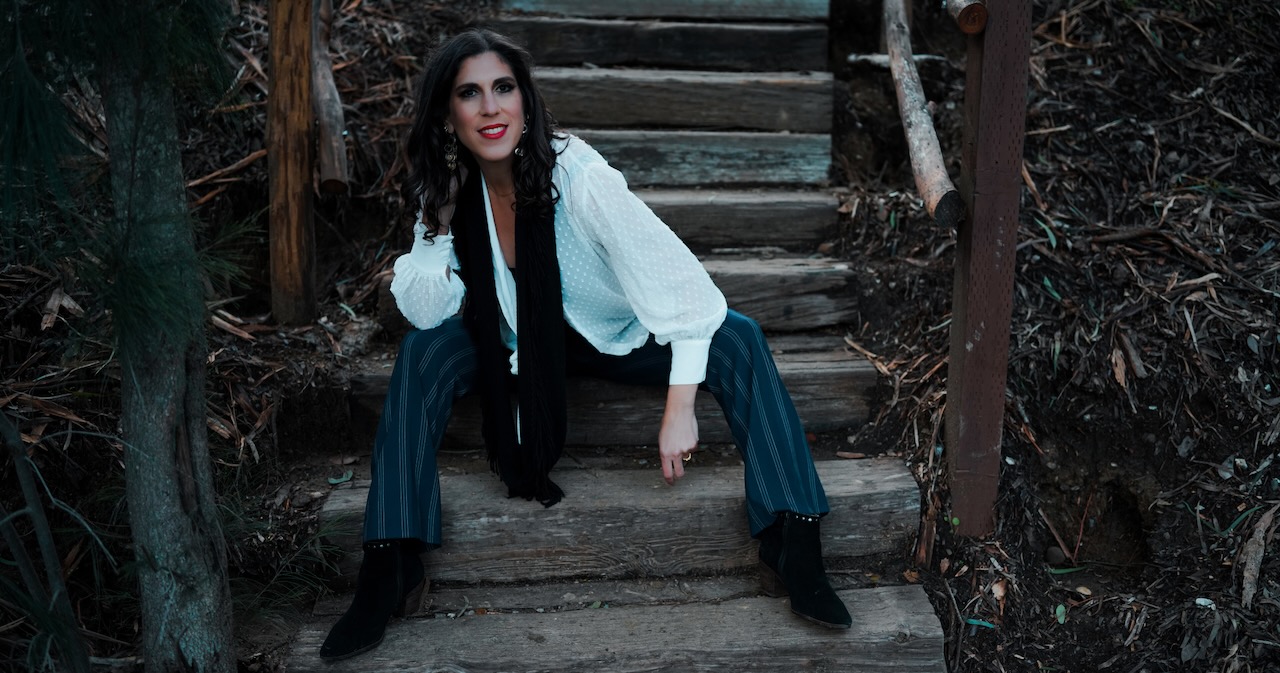
LISTEN: Arielle Silver, “Soft On the Shoulder”

Artist: Arielle Silver
Hometown: Finding the answer to that question has been a lifelong quest. My childhood was spent in Florida, NYC, and New Jersey. Boston raised me from late teens through most of my twenties, but I did a few stints in PA, TN, and NC. Something brought me to Los Angeles a while back, and it’s now been my hometown longer than anywhere else. I’m rather attached – and detached – from a lot of places, but I think I love LA and Boston the most.
Song: “Soft On the Shoulder”
Album: Watershed
Release Date: October 6, 2023

In Their Words: “Inspired by the Laurel Canyon music of the ’70s and the cultural activism that came about after the murder of George Floyd, ‘Soft On the Shoulder’ is a song largely about self-culpability. I was reflecting on the place of music amid cultural change and its place in political activism and social engagement. I was also thinking about the ways that I – as a white-presenting woman – have unwittingly participated in systemic wrongs. While initially inspired by thoughts sparked by the BLM movement, this song applies to any personal or cultural circumstance where we are asked to examine our long-held beliefs and consider another person’s perspective.

“Having grown up listening to records, cassettes, and CDs, I am very album-oriented. I felt that ‘Soft On The Shoulder,’ which opens the Watershed album with the words, ‘It starts with a witness…’ and is threaded with the mantra ‘love more, fear less,’ captures the compassion and reflective nature of this entire collection of songs.” – Arielle Silver


Photo Credit: Anabel DFlux

WATCH: Sarah King, “Hey Hey What Can I Do” (Led Zeppelin Cover)

Artist: Sarah King
Hometown: currently Ripton, Vermont; formerly Columbus, Georgia
Song: “Hey Hey What Can I Do” (Led Zeppelin cover)
Release Date: September 1, 2023 (single)
Label: Ringleader Records

In Their Words: “Recording ‘Hey Hey What Can I Do’ was a bold, last-minute decision in the studio to celebrate and share some self-love: It was the first song I learned to play by ear on guitar, and I kept the original pronouns as a nod to some of the wonderful women I’ve dated in the past. I am now married to a man, but owning my queerness through music felt like the right choice.

“When it came time to craft a video, I knew Loni (of Whiskey Ginger Goods, who also designs my logo and merch) was the perfect director. She’s excellent at capturing women feeling themselves, and those beautiful in-between, emotional moments that can really tell a story. During my summer tour in Montana, we set aside some time to film both the bar and bedroom scenes. Combined, the video leads us through the seductive, and at times silly, story of a woman in love with another woman who won’t be true. As the heartbreak unfolds, the video gets more unhinged, until I just flop on the bed, tired of trying. I loved recording the song and video, and I hope everyone who watches has a blast listening, too!” – Sarah King

Track Credits:
Sarah King – vocals, guitars
David Baron – piano, organ
Johnny Stanton – bass
Jeff Lipstein – drums

Produced, recorded, and mixed by David Baron at Sun Mountain Studios, Boiceville, New York
Renee Hikari – assistant engineer
David Baron – mastering engineer


Photo Credit: Arielle Thomas
Video Credit: Filmed & directed by Whiskey Ginger Goods, Bozeman, Montana

Edited & produced by Sarah King

BGS 5+5: Patrick Davis

Artist: Patrick Davis
Hometown: Formerly Camden, South Carolina; now Nashville, Tennessee
Latest Album: Couch Covers (2020); Carolina When I Die (upcoming)

(Editor’s Note: Hear the premiere of Patrick Davis’s latest single, “Wrong Side of the Tracks,” below.)

What’s your favorite memory from being on stage?

One of my favorite memories on a stage took place 15 years or so ago, back when the great Guy Clark agreed to play a round in a small Nashville venue with me and my friend Jedd Hughes. Guy and I were writing that week and I told him about the show and then asked if he would want to join and somehow he said sure. There was no higher compliment I could have received than Guy agreeing to sit beside me and Jedd and trade songs and stories for an evening. It was like he accepted us – maybe not as equals, but at least as somehow worthy. It was, and still is, a rather incredible memory. Guy has been gone for a while now, but I will forever carry that night with me.

What has been the best advice you’ve received in your career so far?

When I first arrived in Nashville an old writer sat me down and said, “Patrick, if you have a plan B you should take it, because the music business is a harsh place and if you are not 100% fully committed you will not last.” And after 20+ years I have to say he was right. I have seen many folks come through the music world and if they have any outs, the odds of them sticking with it, which is what it takes to succeed, are almost zero.

If you had to write a mission statement for your career, what would it be?

Never give up, never ever give up. (And yes, I know this is a Jimmy Valvano quote… but it should be every musician’s motto as well.)

Since food and music go so well together, what is your dream pairing of a meal and a musician?

I would love to have simple fish & chips with a few Guinness in the corner of a proper pub in the UK or Ireland with Eric Clapton, or maybe Keith Richards or hell, Paul McCartney. Just talk and see where it goes. Those guys are the last of a dying breed and I would love to hear some stories, maybe gain a little wisdom, a song idea, or even just a good buzz.

What was the first moment that you knew you wanted to be a musician?

I heard “Tangerine” by Led Zeppelin and immediately asked my guitar-playing father if he could teach me how to play that intro. It forever changed my life – the second I realized that I too could play an A-minor and make it sound at least somewhat similar to what Jimmy Page was playing, I was hooked!!


Photo Credit: Zach Sinclair

LISTEN: Humbird, “North Country Girl”

Artist: Humbird
Hometown: Minneapolis, Minnesota
Song: “North Country Girl”
Release Date: September 29, 2023
Label: Nettwerk Music Group

In Their Words: “This is a song written from the deep heart of winter in Minnesota. After singing Bob Dylan’s classic ‘Girl From the North Country’ for years, I started to wonder what she would say if given the chance. I realized by the end that she and I had a lot more in common than I’d thought – namely, a love of stark landscapes and fresh water. A lot of folk songs talk about leaving all the time. This one is the opposite. What happens when you choose to stay?” – Siri Undlin, Humbird


Photo Credit: Melissa Alderton

‘Jump For Joy’ May Be Hiss Golden Messenger’s Most Autobiographical Album Yet

It’s become commonplace in our culture for certain public figures to claim they speak for wide swaths of humanity – not just themselves and their families, but their community, nation and even beyond.

Then there’s Mike “M.C.” Taylor, guiding-light frontman of the North Carolina Americana band Hiss Golden Messenger. In speaking to the world through his songs, Taylor often approaches transcendence. But as for who he’s speaking for on this musical journey, well, that’s never in doubt. There’s a reason that pretty much every song Taylor writes is in first-person singular.

“It’s just what I find myself doing,” Taylor says when asked about writing in first-person. “I’ve never thought about it before, but it must be something I do without consciously thinking about it. This particular record really makes sense to me in thinking that way because it’s so autobiographical. Not all the scenarios are purely true, or belong to me. But it’s as autobiographically as I’ve ever written on a Hiss Golden Messenger album.”

The album in question is Jump For Joy (out now on Merge Records), the latest entry in what is fast becoming a sprawling Hiss Golden Messenger discography going back more than a decade. As listenable as it is plain-spoken, Jump For Joy is another earthy shot of country-soul love. It brings to mind some of The Band’s best work from their prime, conveying not just a journey of realization but how hard a trip like that can be.

Taylor’s longtime bandmate, Chris Boerner, describes him as “a deep, complicated human being.” And if he has a reputation as zen master, it don’t come easy. “The Wondering” finds Taylor asking his muse if he could “write just one verse that doesn’t feel like persuasion.” And the very first words Taylor utters on the album-opening, “20 Years and a Nickel,” are, “There’s no such thing as a simple song/I’m convinced of it, I should know.”

By way of explaining where that sentiment comes from, Taylor references an old legend about the late Spanish painter Pablo Picasso being interrupted by a fan at dinner one night and asked to dash off a quick drawing on a napkin. So Picasso quickly sketched a goat and named his price for it: $100,000. Stunned, the man asked how less than a minute of sketching could possibly be worth a price that high. Picasso took the sketch back and replied that it hadn’t taken 30 seconds, but 40 years.

“In my experience, I’ve come to realize that no songs are simple,” Taylor says. “Regardless of how long it takes – whether you get lucky and it’s one of those songs that comes in 15 minutes, or three years – I have come to believe that the same amount of complexity goes into both. Even when I’m trying to write a ‘simple’ song, which that one was, it bears the weight of my having worked at it for 30 years. Every seemingly simple line carries that many years and versions of itself beneath the surface.”

At the same time that Jump For Joy is as autobiographical a set of lyrics as Taylor has ever written, the album also has the most outside input of any work in the Hiss Golden Messenger catalog. It has an ensemble feel with a loose-limbed swing to the rhythms, and some genuinely unexpected sonic flourishes. Most notably, “Shinbone” is hung on a synthesizer riff that sounds like it came straight from Talking Heads, circa Speaking in Tongues.

“Mike is definitely responsible for all the lyrics and themes, and he’s the main driving force harmonically,” says Boerner, the group’s lead guitarist as well as Taylor’s main in-the-studio co-pilot. “The rest of it is a lot more contributions from the rest of the band than previously. It’s really something we made together, and I feel like you can hear it. I hope that comes across.”

Scattered across the album are three little atmospheric interludes Taylor inserted late in the process, each of them less than a minute in length. They’re highly idiosyncratic, almost functioning as in-jokes with old field recordings layered in. One of them, “Alice,” features the legendary folk maven Alice Gerrard (whose Grammy-nominated 2014 album Follow the Music was produced by Taylor) counting one to eight so quietly you’ll miss it if you’re not paying attention. She is credited in the liner notes with “counting.”

“I was just looking for a way to let this album breathe a little bit,” Taylor says. “I still try to make long-playing records where you start with side one, track one and let it roll all the way to the end of side two. With that intention comes a desire to let there be a little space between the songs with singing. Like pausing to take a breath. It just felt right.”

Those catch-a-breath in-joke moments serve as respite, too, because Jump For Joy finds Taylor’s thematic leanings as heavy as ever. “Jesus Is Bored (A Teenager Talks to God)” has a reference to the “Starvation Army.” The album-closing “Sunset on the Faders” asks, “Is this how the poets learn to die?” And “Nu-Grape” likens songwriting to stone-cutting.

“When I’m not being zen about it, I do feel like songwriting is that way,” Taylor says. “When I start thinking of it in terms of permanence and lasting forever, it can even feel like gravestone-cutting. When I think in those terms and start feeling like I need to get it exactly right, that kind of pressure is not going to improve the work. So ‘Nu-Grape’ is at root about the impossibility of permanence. A celebration of the attempt to step lightly.”

Indeed, Jump For Joy is actually an apt overall title because, for all the heaviness, it still feels like an attempt to buck up against the long odds of life on planet earth. Times are tough, but redemption is still possible. Or as Taylor puts it in the title track, “Nothing’s a given, in the Book of the Dead or the bed of the living.”

“Each new day seems to contain ever more challenges that can feel insurmountable,” Taylor says, “whether it’s politics, climate, or whatever else. How do I choose to express my energy? Do I look inward and get small? That’s the way I perceive (2021’s) Quietly Blowing It now, turning inward. This one is trying to do something that’s harder for me, which is to be more public-facing. Gather what strands of hope and joy I can and use those to guide me forward even when pessimism feels easier. I have kids, so my perspective on the way the world feels stretches beyond my lifetime. I want to learn to be the person saying, ‘It’s tough out there right now, but there’s still something about humanity that’s worth fighting for.’”


Photo Credit: Graham Tolbert

LISTEN: Lillian Leadbetter, “Doesn’t Hurt”

Artist: Lillian Leadbetter
Hometown: Lincoln, Vermont
Song: “Doesn’t Hurt”
Album: State of Romance
Release Date: September 22, 2023 (single); October 13, 2023 (album)

In Their Words: “‘Doesn’t Hurt’ exists in a world of suspended disbelief. Snowed into my childhood home in early February with just myself and a teething puppy, I lay in bed, reminiscing. As my brain drifted from my cold bed in the hills of snowy Vermont, I recalled warmer days, warmer arms, love that had slipped through my fingers, love I knew wouldn’t last. Those vignettes kept me warm, moments and people who told white lies to preserve a state of romance. ‘Doesn’t Hurt’ is an internal song, sung to honor all the moments I bit my tongue instead of admitting the end, choosing instead to revel in the impermanence of love one last time.” – Lillian Leadbetter


Photo Credit: Katyayani Krishnan

See the Winners of the 2023 Americana Honors & Awards

The Americana Music Association announced the winners of its 22nd annual Americana Honors & Awards this evening (September 20) at a star-studded show at the historic Ryman Auditorium during the week-long AmericanaFest conference and festival in Nashville. Performers at the marquee event – which felt, as it usually does, more like a concert interspersed with awards presentations than vice versa – included Bonnie Raitt, Bettye LaVette, S.G. Goodman, Noah Kahan, The Avett Brothers, Adeem the Artist, William Prince and many more with Buddy Miller once again as music director for the Americana All-Star Band.

The evening’s presentations also spotlit this year’s Lifetime, Trailblazer, and Legacy Award Honorees: The Avett Brothers, George Fontaine Sr., Bettye LaVette, Patty Griffin and Nickel Creek. Allison Russell, nominated in two categories, was bestowed the Spirit of Americana / Free Speech in Music Award by the infamous Tennessee Three, Tennessee state representatives Gloria Johnson, Justin Jones and Justin Pearson, whose expulsion by the Tennessee General Assembly after protesting in support of common sense gun legislation earlier this year made international headlines.

A full list of categories, nominees and winners at the Americana Music Association’s 22nd annual Americana Honors & Awards is below, winners in bold. Congratulations to all of the honorees and awardees!

ARTIST OF THE YEAR:

Charley Crockett

Sierra Ferrell

Margo Price

Allison Russell

Billy Strings


ALBUM OF THE YEAR:

Big Time, Angel Olsen; Produced by Angel Olsen and Jonathan Wilson

Can I Take My Hounds To Heaven?, Tyler Childers; Produced by Tyler Childers

El Bueno y el Malo, Hermanos Gutiérrez; Produced by Dan Auerbach

The Man from Waco, Charley Crockett; Produced by Bruce Robison

Strays, Margo Price; Produced by Margo Price and Jonathan Wilson


SONG OF THE YEAR:

“Change of Heart,” Margo Price; Written by Jeremy Ivey, Margo Price

“I’m Just a Clown,” Charley Crockett; Written by Charley Crockett

“Just Like That,” Bonnie Raitt; Written by Bonnie Raitt

“Something in the Orange,” Zach Bryan; Written by Zach Bryan

“You’re Not Alone,” Allison Russell featuring Brandi Carlile; Written by Allison Russell


DUO/GROUP OF THE YEAR:

49 Winchester

Caamp

Nickel Creek

Plains

The War and Treaty


EMERGING ACT OF THE YEAR:

Adeem the Artist

S.G. Goodman

William Prince

Thee Sacred Souls

Sunny War


INSTRUMENTALIST OF THE YEAR:

Isa Burke

Allison de Groot

Jeff Picker

SistaStrings – Chauntee and Monique Ross

Kyle Tuttle


Jack Emerson Lifetime Achievement Award

George Fontaine, Sr.

Legacy of Americana Award (Presented in partnership with the National Museum of African American Music)

Bettye LaVette

Lifetime Achievement

Patty Griffin

The Avett Brothers

Spirit of Americana / Free Speech in Music Award

Allison Russell

Trailblazer Award

Nickel Creek


Photo Credit: Bettye LaVette by Danny Clinch; Allison Russell by Laura E Partain; Billy Strings by Jesse Faatz; SistaStrings by Samer Ghani.

This Music Festival’s Goal Is Healing Appalachia, From the Inside Out (Part 1 of 2)

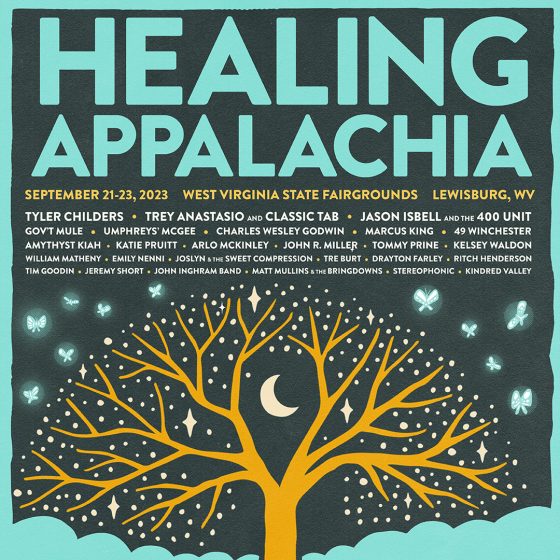
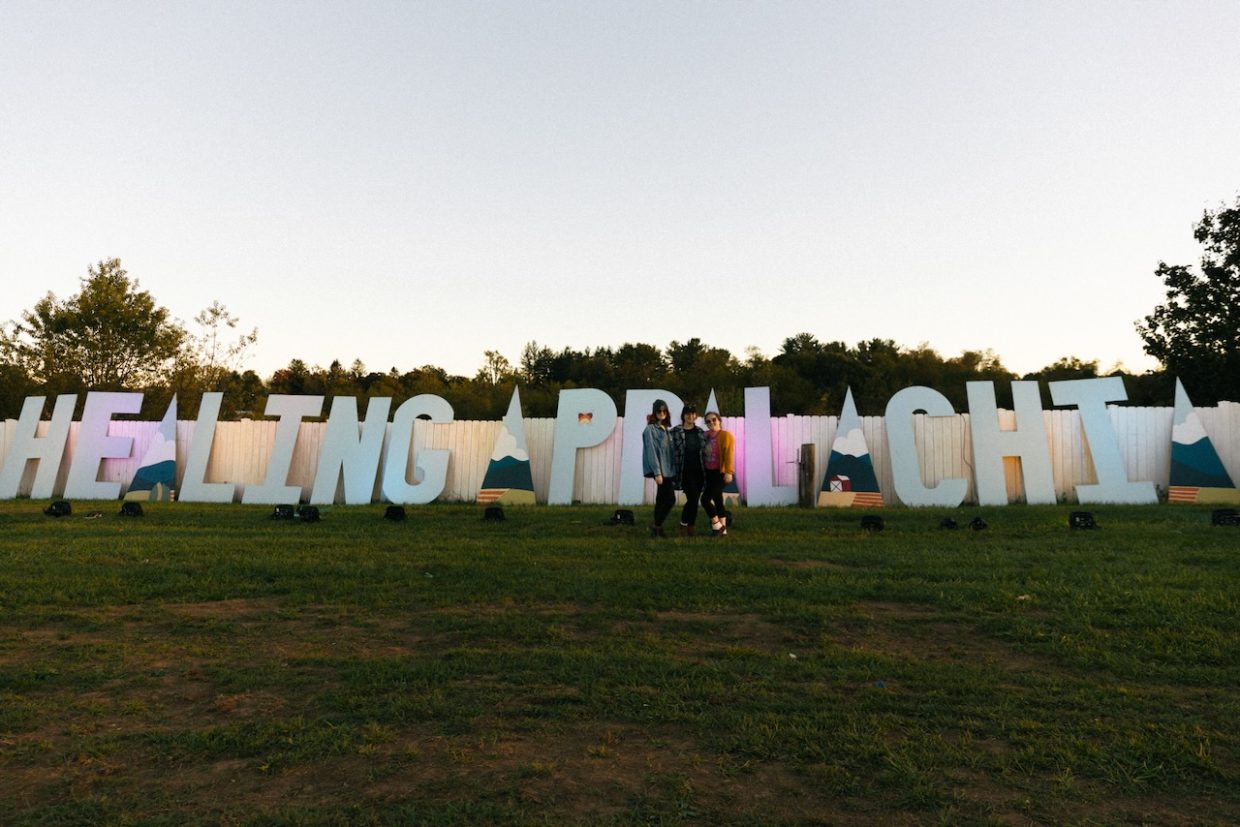
This weekend, September 21, 22, and 23, at the West Virginia State Fairgrounds in Lewisburg, West Virginia, ascendant, down home country star Tyler Childers and his cohort will gather for an event begun in 2018 called Healing Appalachia. The benefit festival, put on by West Virginia based non-profit Hope in the Hills, will include performances by some of the biggest and buzziest names in American roots music: Jason Isbell & the 400 Unit, Trey Anastasio Band, Marcus King, Umphrey’s McGee, Amythyst Kiah and many more.

Healing Appalachia is just one of many such community-led, collective efforts born from within the region in recent years that is working towards effecting positive change while offering local, ground-up solutions to big, systemic problems. Their social media and website put it elegantly and succinctly: Their vision is a prosperous Appalachia, free from addiction. The opioid crisis has hit Appalachia, especially West Virginia and Childers’ home state of Kentucky, incredibly hard. When 26 people overdosed on one day in Huntington, West Virginia, in 2016, the mission for Hope in the Hills and Healing Appalachia was born.

At the time, Childers and his hardscrabble team were still climbing the music-industry ladder, building connections and community that would eventually grow and blossom into the multi-day event Healing Appalachia has become today. Childers’ friend and manager, Ian Thornton – who founded WhizzbangBAM, the booking and management company that represents Childers – together with festival program director Charlie Hatcher, Hope in the Hills board president Dave Lavender, and others took that tragic day in Huntington and turned it into an accretion point, around which they gathered and took action. Now, the festival has a local, annual economic impact approaching $3 million while raising thousands of dollars to be distributed to local, on-the-ground organizations and non-profits that specialize in addiction programs, recovery, support and healing for this long-oppressed region of the world.

We spoke to Ian Thornton and Dave Lavender for a two-part interview preview of Healing Appalachia, that dives into the work of Hope in the Hills and explores this grassroots music event’s community-first mission, that hopes to heal these music-steeped, underestimated communities in Appalachia from the inside out. Read our conversation with Ian Thornton below, read our conversation with Dave Lavender here.

Unable to attend the festival this weekend? You can donate to support the cause here.

Could you tell me a little bit about the background, the impetus, or the inspiration when you all were putting your heads together to make an event called Healing Appalachia. What was that like?

Ian Thornton: I’m very close friends with a fellow named Charlie Hatcher, who’s actually the festival producer for the event. The idea came to him first – you know, he tells the story better than I do – but he was on a fishing trip and got a call that yet another one of his friends had passed away from an opioid overdose. You know, we’ve all lost countless friends who we grew up with, went to school with, and I guess you’d say this one was the straw that broke the camel’s back. Charlie just kind of wanted to do something about it. He reached out to me and we got our heads working.

We’re not a recovery organization ourselves, right? But what we’re good at is the music side of things, producing events, working with musicians, playing music, inspiring people, bringing people together. That’s kind of how it was born. I talked to Charlie, who is friends with Tyler [Childers], too, and obviously this is something Tyler is very passionate about.

Tyler is also from Appalachia and he’s lost friends and family members, himself. The idea kind of spawned from thinking, “What if we do essentially a Farm Aid type of event?” The thought process was to have Tyler be the face of it and have all the efforts go towards recovery and the battle against the opioid epidemic here in Appalachia.

What I love about a cause like this is that the music itself is generative and restorative, and isn’t just a tool to generate interest or awareness. How do music and the arts play a role in a mission like this, in healing Appalachia, where the music can do the work as well as spotlighting the work? Do you agree or disagree?

IT: I certainly agree, and I think music is one of those things that ties everyone together, right? On a base level.

This one I think is in particular, it’s special because substance use and music are pretty closely tied together. A lot of musicians suffer from [substance abuse], and it’s part of the lifestyle, right? It’s part of what you see as “the rock and roll lifestyle” or whatever you call it. They kind of go hand in hand. We’re all more aware of it now, too, and we all know folks who have taken things to the extreme, then they’ve had to kind of pull back and get sober after feeling like they lost their way. We wanna show that sobriety and rock and roll – or whatever you want to call it – can live together harmoniously, just as easy as the party side of things.

A very good friend of mine, who’s no longer with us, Tom Morgan, he battled with sobriety for a long time. He was one of the guys that taught me my first chords on a guitar, right? And it got to the point, for him, where he couldn’t even go to shows locally, because they’re always at bars, right? Venues and bars are so closely associated that it can be difficult for someone who is in recovery.

I think that’s why the music side of Healing Appalachia, using music to bring awareness to this epidemic, really goes hand-in-hand. Even some of our performers – Trey Anastasio is performing this year and I think he’s over 15 years sober, now. Obviously with Phish, which is, you know, the jam band, you would assume, drug culture and everything else is associated with that. But, Trey’s only gotten greater in what he’s done with his musicianship. And, you know, Tyler even comments too that his artistry has improved and he’s been able to focus more on it since becoming sober and quitting drinking.

What is the importance of community and mutual aid to this mission, and how important is it that you all are not just people coming in from the outside, that you all have a stake in this – regionally and locally. Do you think that building community as you’re doing this is just as important as doing the work as well?

IT: Yeah. And, you know, to be honest, I think that’s where it has to start. You can look at things on these big levels and you can just get overcome or overwhelmed with how large the changes you’re trying to make are. At that point you get discouraged and you’re not going to do it.

Living inside Appalachia, we have heard all of the stereotypes. That we’re, you know, “Shoeless, toothless, drug-addled, fat…” We’ve dealt with these things and we’ve dealt with the oppression of the coal industry, of big money, of big pharma. All of this built on the backs of Appalachians.

I’ve always been someone who believes that you have to start locally. You have to have something that’s attainable. Something you can put your hands on and something that’s meaningful – it’s more meaningful to us because we’re in the fucking thick of it, right? I mean, Huntington, West Virginia, was almost the nucleus of the opioid crisis, and that’s the city I was born and raised in. We watched [everything] happen, the day there were 26 overdoses in one day due to a bad batch of heroin coming in. If you create something locally and have local people that are invested, what that does is it will not only grow the mission in and of itself, to help people become more aware. But one of my ultimate goals was always for someone else to see what we’re doing and it inspires them to do something in their region. Sometimes that’s all people need. They just need to be pushed over the hump to get the inspiration.

Do you have an idea of the scale of the economic impact of the festival, not only for your mission, but also for the area in general?

Yeah, so I’m going to refer to my fact sheet here. [Laughs] We’ve estimated $2.4 million in local economy spending in southern West Virginia and the Lewisburg area. That’s like hotels, gas stations, shops, restaurants, everything. On top of that, we donate money directly, too, and we pull a lot of volunteers from the region.

Like, the local high school basketball team will come and clean up trash. We’ve given more than $50,000 to local youth organizations in Greenbrier County alone. I think we had over 30 states and 6 countries represented last year in concertgoers.
It does make the point for you: You can have all of the apparatus and all the infrastructure, but if you don’t have the community, how do you take those numbers and turn them into something that means something to the people who are on the ground there in West Virginia? And involving them, too, right? Everything from the car lots to catering to cooking burgers out back.

To date, we have donated over $400,000 to recovery wellness organizations. That goes to over two dozen different organizations. We’re not a recovery organization ourselves, right? We’re facilitators. What we’re trying to do is give people that want to do that side of the work the means to do it. We don’t have this crazy application process for grantees. You don’t have to have a degree in grant writing to come to us. Tell us what it is you’re doing, tell us what you need. It could be needle exchange programs or money going towards Jacob’s Ladder, which is an organization for children that were born addicted. We try to hit all sides of it that we can, relying on donations as well as funds raised from the concert itself.

What bands, acts, or artists are you particularly excited about this year when you look at the lineup? It’s a pretty stout lineup!

To be quite honest, I’m pretty excited about the whole thing! When this started it was a small, one day event. I think we only had around 7,500 people show up to it. Last year, we had 16,000+ plus.

I’m personally pretty excited about Trey Anastasio and Classic TAB. I’m such a Phish fan, obviously, and can’t believe we’re having Trey play right before Tyler. I’m just really stoked about that! Also excited for Gov’t Mule, Isbell, 49 Winchester, who are cruising right now. And then, you know, keeping some local folks involved, too, your Kelsey Waldon, Charles Wesley Godwin. And Mr. Tommy Prime, who is fantastic and obviously, his father was an inspiration to a lot of these folks.

It’s really special to see some of these folks actually coming to us now. At first, you know how it is, you have to go beg people, “Hey… I’m doing this charity thing… You want to go play for free? We’ll get you in the local paper…” The “exposure” gigs, right? And now the pitch writes itself! The work that’s been done speaks for itself and people get behind it.

It goes back to the tie with substance abuse and music. You know, they go hand in hand. … I drink, right? It’s nothing that I’m personally [abusing], thankfully. But substance abuse is a thing that can get out of hand in the music industry.

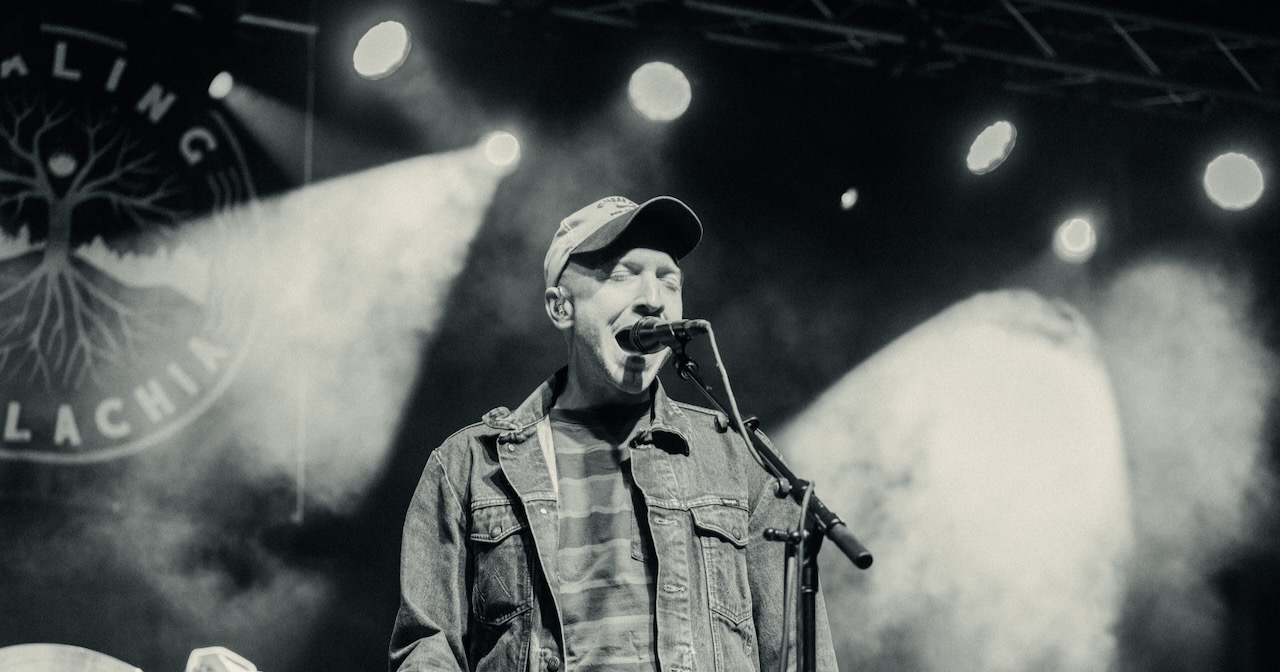
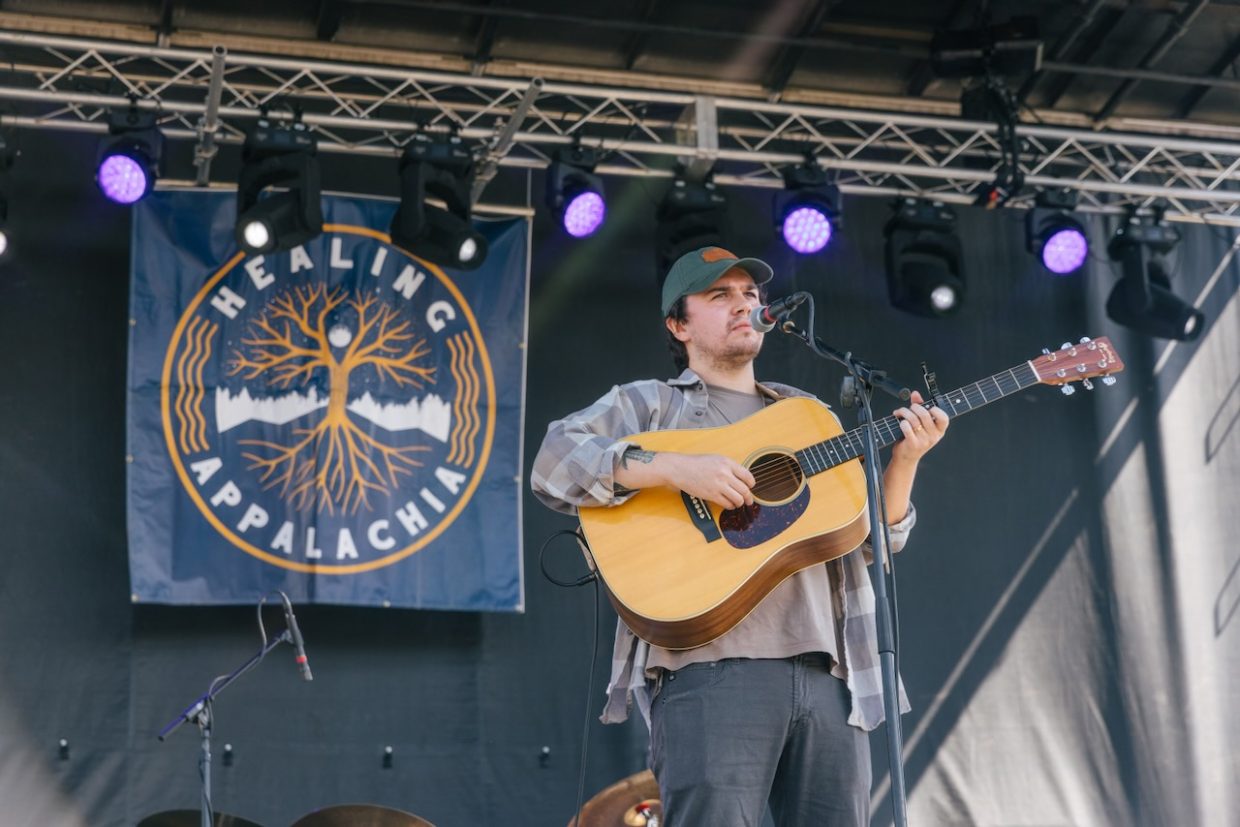
Tommy Prine performs at Healing Appalachia 2022.

Let’s close with two questions and they feel very big, but don’t be alarmed: What does a healed Appalachia look like to you, personally? And what’s one thing that you’d like people to know about Appalachia?

IT: I mean in healing Appalachia, we just have to make it so that folks don’t feel trapped or alone. And to let them know, if it’s a battle they’re going up against, they’re not the first one to do it, even if it’s not an easy battle. It’s not going to be a mound to climb, it’s a goddamn mountain, right? So, having the availability and the resources in place so that when someone is ready to take this on, whether it be the first time or the 10th time, that they don’t feel ashamed or guilty about it. That they feel loved and like a human being.

Question 2, I think wherever you come from, rural, urban, or whatever, it’s the stigmas, right? I want people to know how those stigmas make an impact. The stereotypes of, “They’re fat, uneducated. They live in hills and don’t wear shoes, right?” The whole reason I do what I do, with Whizzbang in particular, I only work with acts from our region. And I do that specifically. When I started getting into all this, even before Tyler, just seeing the music that’s created here. We are not just one thing, right? Nobody is just one thing. You cannot judge a whole people by the bit of the iceberg that floats on top.

The stuff on top that’s the most visual, but you can’t judge a whole people by that. Appalachia is the most beautiful place in the country. Granted, I’m biased. I grew up there.

(Editor’s Note: Read part two, our conversation with Hope in the Hills board president Dave Lavender, here.)


Photos by Hunter Way / Impact Media

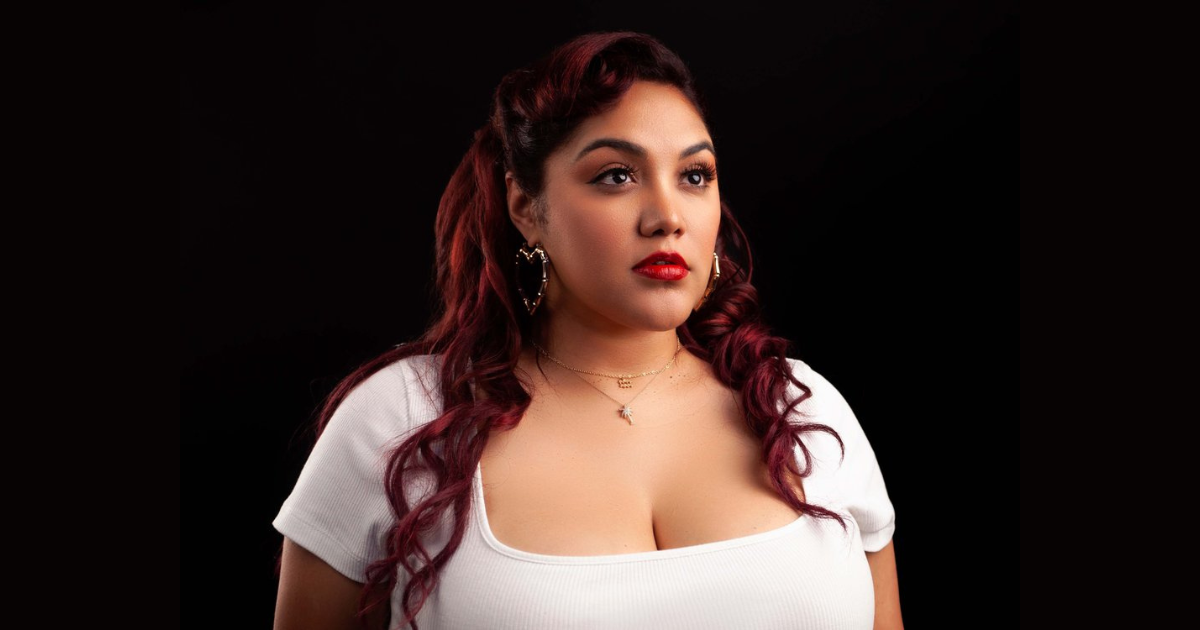
LISTEN: Veronique Medrano, “Dear Dorothy”

Artist: Veronique Medrano
Hometown: Brownsville, Texas
Song: “Dear Dorothy”
Album: MexiAmericana
Release Date: September 22, 2023

In Their Words: “I wrote ‘Dear Dorothy’ as a playful way to address my luck – or lack thereof – when it came to love in my 20s, and to address the stories that we women tell to and hear from our best friends during a break up. Also acknowledging the hilarity in how life can take the wildest turns, especially when we least expect it. I wrote this song as an homage to my best friend, Dorothy, who passed away, with the hope that the essence of our friendship and humor would shine through. Dating in your 20s is full of wild and crazy stories, and so my thought is… what if after the break up everything went better? This song, along with the many others that I wrote or selected for my album, were to acknowledge and celebrate the seasons of love, heartbreak, independence and self discovery that brought me to the place I am now.” – Veronique Medrano

Track Credits: Written by Veronique Michelle Medrano

Producer: Mariano Herrera, Veronique Medrano
Engineer: Mariano Herrera
Mixing & Mastering: Mariano Herrera, Veronique Medrano
Executive Producer: Mario Davila
Recording Supervisor: Javi G
Recorded at Produce Sound Studios


Photo courtesy of Marushka Media