In October, outlaw country badass Sturgill Simpson expanded his already broad musical palette with the surprise release of a bluegrass record. The 20-track album, aptly titled Cuttin’ Grass Vol. 1: The Butcher Shoppe Sessions, is a return to roots for the singer-songwriter, whose prior endeavor could be described as nothing short of a roaring rock album.
After breaking the mold with Sound & Fury (which was released as a visual album, with an accompanying Netflix anime film), Simpson’s pivot back to more of a traditional-sounding record exemplifies his creative prowess and artistic boldness. Truly beholden to no rules, Simpson does things his own way, sparing no means to create a bluegrass record that honors the traditions of the genre. The album was cut as naturally as a bluegrass album is expected to be and features an all-star band with musicians like Sierra Hull and Stuart Duncan gracing the songs.
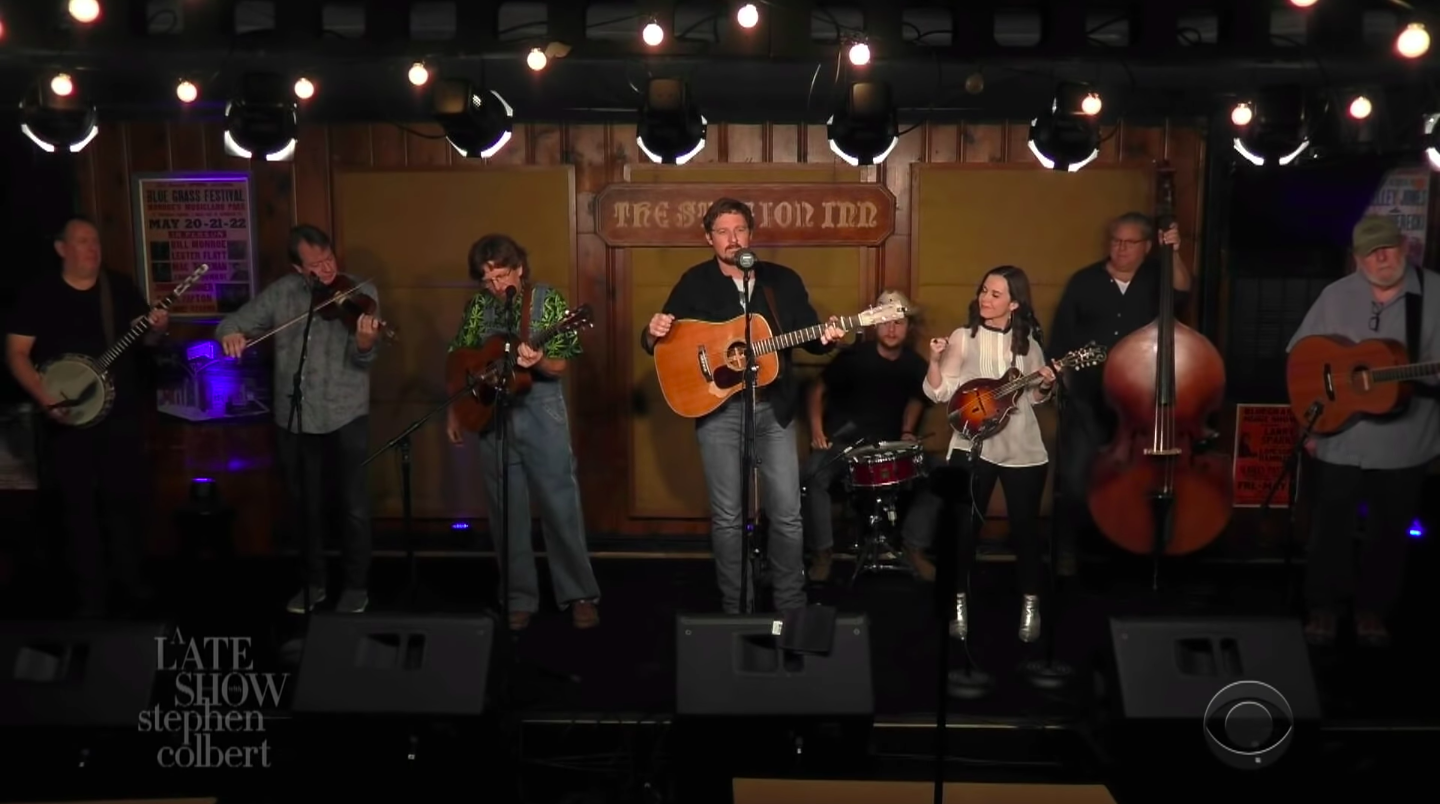
Released in October on High Top Mountain Records, Cuttin’ Grass also comes after a livestreamed bluegrass concert Simpson organized as a charity event and broadcasted from the mother church, the Ryman Auditorium in June. On a Veteran’s Day episode of The Late Show With Stephen Colbert, Simpson and Co. safely performed “Breakers Roar” from the Station Inn in Nashville. Watch the performance and check out his interview, too.
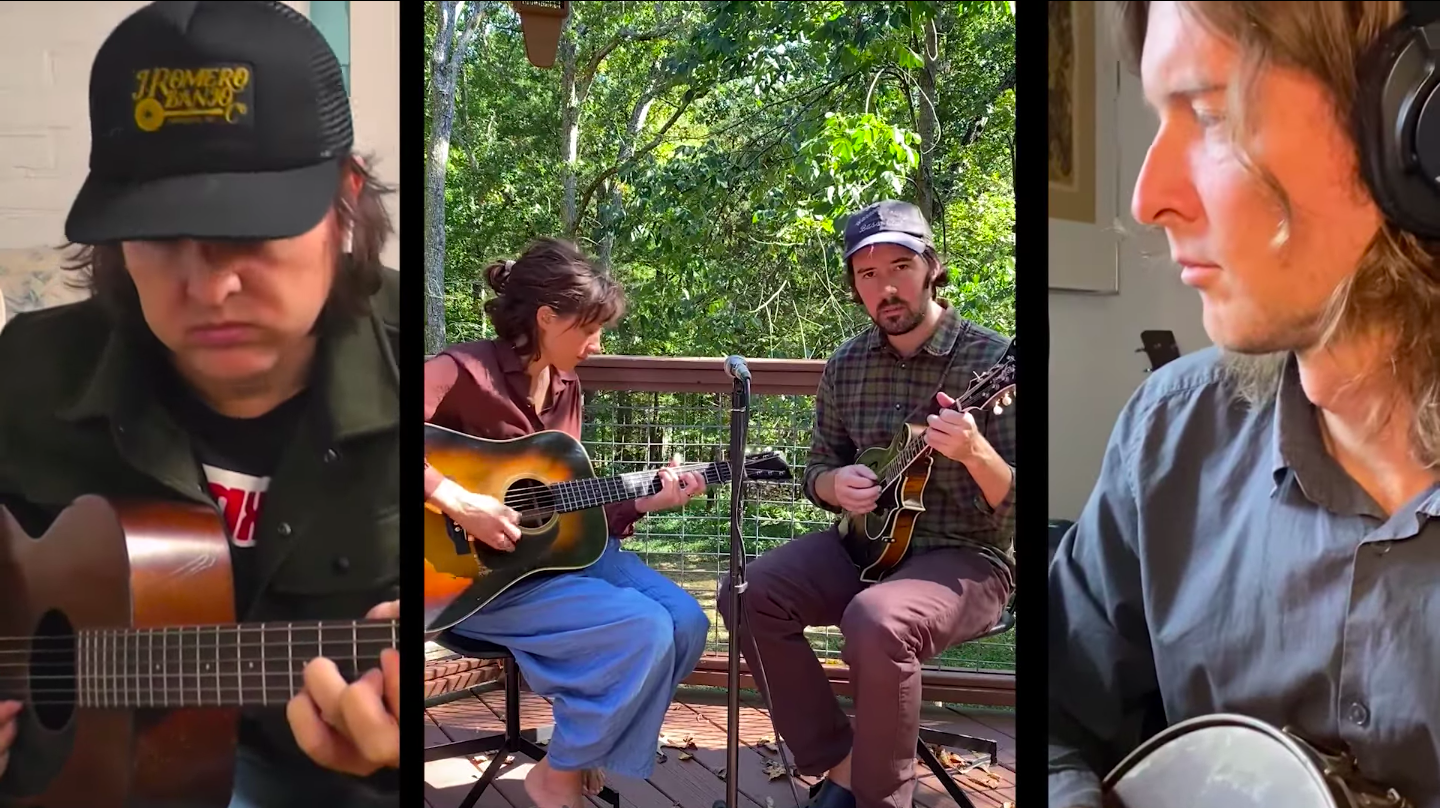
Kenneth Pattengale and Joey Ryan from the Milk Carton Kids are back with another episode of their socially distant video show, Sad Songs Comedy Hour. In their 17th episode, they bring on Watchhouse’s Andrew Marlin and Emily Frantz for an insightful conversation about all things. From the election and life in isolation to creating in stressful times, these four provide some interesting food for thought. As the show name would infer, there’s the odd joke here and there, but the episode concludes with a beautiful collaboration on Watchhouse’s “Wildfire.”
The hosting duo says, “We FINALLY got our act together to sing with Emily and Andrew, and it was worth the wait. Great talk too, as they’re deep thinkers, generous players, incisive songwriters. Hope we didn’t ruin their ‘Wildfire’ tune. As always, please support NIVA — the National Independent Venue Association — because they’re supporting all of us.”
Like a beloved book or your favorite podcast, Sad Songs Comedy Hour will surely put a smile on your face and glow with warmth and familiarity. Check out the new episode, and hear their collaborative version of “Wildfire” below.
Editor’s Note: This post has been updated to include Mandolin Orange’s new band name, Watchhouse.
Flatpicker David Grier and his band have missed the stage in recent months, itching to perform with the regularity they once did. Luckily, the good folks at Nashville TuneStream have given them a stage from which they can perform safely and deliver their golden musical product to audiences around the world.
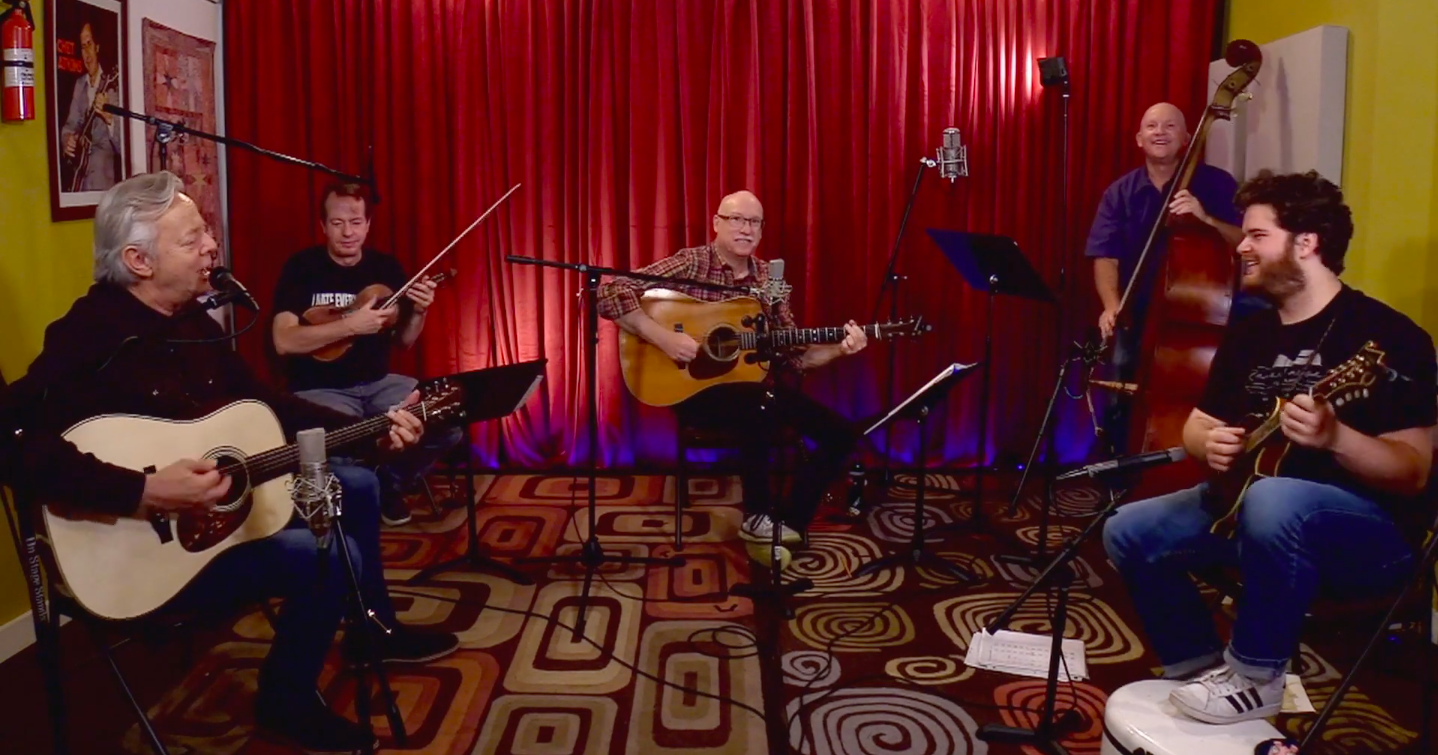
A weekly residency was established for Grier and co. at the livestream production company earlier this year, and we at BGS have been watching. If you haven’t yet had the privilege of seeing David Grier work his magic live, we strongly encourage you to do so at the next safe opportunity — though streams will certainly stand in until that point! A purist and traditionalist of sorts, Grier isn’t quite a household name, but you’d be hard-pressed to find a better flatpicker in the world. As a testament to his musicianship, Grier’s band is always loaded with heavy-hitting instrumentalists, this time including Stuart Duncan, Casey Campbell, Dennis Crouch, and renowned virtuosic guitarist Tommy Emmanuel.
Emmanuel leads the band through Merle Haggard’s “Workin’ Man Blues.” The train gets off to a powerful start, but Grier and Emmanuel derail the ensemble and venture off into a delightful guitars-only playground near the song’s end. During this pseudo-guitar duel, the rest stop entirely and share laughs with one another, as amused as we viewers at the mini guitar hero battle. The David Grier Band is scheduled to perform weekly for Nashville Tunestream, so watch this performance as a teaser and, if you can, support the band by tuning in!
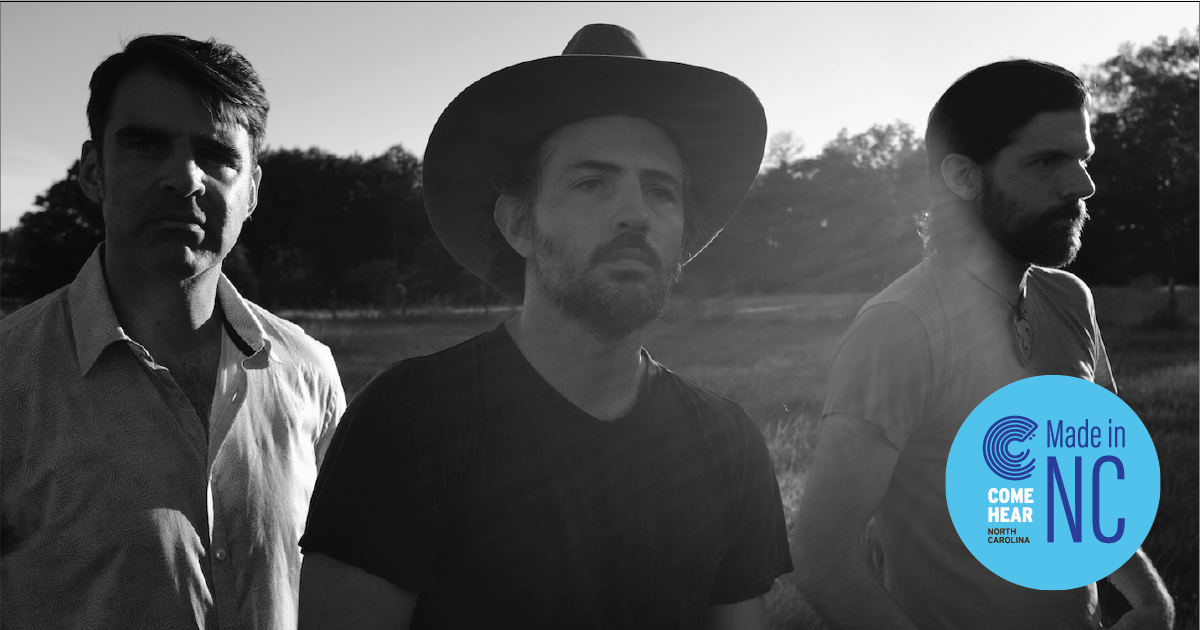
Back in March, the Avett Brothers — Scott and Seth Avett, along with bassist Bob Crawford — were scheduled to leave their homes in North Carolina and head out West, where their longtime producer, Rick Rubin, was waiting at his studio in Malibu. They were in a prolific place at the top of the year, and eager to keep up the momentum. They had just released Closer Than Together, their tenth studio album, in October 2019, and had written and recorded The Third Gleam, the latest chapter in a series of acoustic EPs. They had also written a ton of new material — enough for another album, by Scott’s estimation — and were all set to move forward with it when the coronavirus hit. Everything, including their flights to California, ground to a halt.
The only thing that’s gone according to plan for the Avetts in 2020 is The Third Gleam, and it’s weirdly fitting — fateful, even — that it’s a homecoming in many ways. The eight-song EP was ushered into a tumultuous time they never saw coming, one that’s forcing everyone to stay put, slow down, and count their blessings more fervently than usual. It’s a return to the sparse acoustic arrangements that the Avetts perfected in their early releases before they teamed up with Rubin in 2009 for their mainstream breakthrough, I And Love And You, which brought them into the rock arena.
The Second Gleam came out in 2008 just before I And Love And You changed their lives and their sound, and though they’ve never strayed from their bluegrass and folk framework, they haven’t returned to the simplicity of Scott and Seth working through ideas with only their guitars and each other for company to this degree in over a decade. (Crawford does join them on The Third Gleam; he wasn’t brought in for the first two.)
The Third Gleam was written long before the world abruptly changed, but it touches on themes that bubbled up from the tension and strife that’s shaped recent moments of violence, unrest, uncertainty, despair, and the embers of resilience, hope, and the pursuit of social justice that smolder in spite of all of the above. Gun violence (“I Should’ve Spent the Day With My Family”), facing the unknown with grace (“Victory”), considering mortality (“Prison to Heaven”), and the deep joys and struggles of the human condition (“The Fire”) are all explored here, in soft tones, plaintive strumming, and the meditative plucking of Scott’s banjo.
Each song is striking in its approachable yet profound sincerity, and this less-is-more approach is one they found to be particularly effective in this fractured time. These issues were on their minds before the coronavirus upended life as we know it, but the Avett Brothers find themselves finding new meaning on The Third Gleam back where they started: at home, in North Carolina, trying to make sense of the world with little more than two voices and two guitars in sharp relief. For Scott, it’s simple: “The smallness of the Gleam — that’s where its power is.”
BGS: When I think of the first two Gleams, some of the saddest songs you’ve ever written come to mind, like “If It’s the Beaches,” but also gems that became fan favorites, like “Murder in the City.” How do The Gleam, the Second Gleam and The Third Gleam stand out to you? What sets them apart from the rest of your work?
Scott Avett: If there was a heart or soul or spirit to everything we do, [The Gleams] orbit a bit closer to that. If there’s layers to an entity or a life, this is kind of at the pure center of it. I’m coming up with this theory for some reason right now with you. [Laughs] At the root of the songs, a lot of the songs on other releases, we have wrung them out — put them literally through the wringer — to see what they want to become, what they can become, what we’re trying to hear and get out of them. Are we challenging them or going too far with them? With these, we don’t ever take that journey. It’s much earlier in the inception of the life of the song that we stop meddling with them. There’s a little more to just be with them, which is at the root of things.
Seth Avett: The series itself sort of represents a simplification across many aspects of this whole thing. It represents the clearing out of many great things, many great tools, and many great advantages we have with our band and our resources, and our possibilities. It simplifies the process of collaboration, the process of artwork. It simplifies recording, mixing, mastering and everything else. Across the board, it’s just a process of simplification and reduction, to where the only real star is the lyrics. I think that we’re still attempting to make something that’s engaging, musically, but it’s no secret: what we put our time into is storytelling, writing words and then sharing them onstage. It’s always at the heart of our songs, and so the Gleam is presenting only the heart rather than the entire body in a way.
Bob Crawford: They’re Scott and Seth’s sketchbooks, really. If you knew these guys as well as I do — and I know a lot of people know them very well, because they put it all out there and they always have — but if you love a great painter’s paintings, and you become a connoisseur of that painter’s paintings, their sketchbooks are widely available nowadays, be it Rembrandt or Leonardo da Vinci. That’s how I look at the Gleams, stitched in with the fabric of all our work: they’re basically more broken down, raw thoughts that they guys have. They’ve always wanted these things to be quieter and less. This is the first one, I think, I’ve played on; normally it’s just Scott and Seth doing these. It’s just a chance for them to get quiet, be alone, and be brothers.
You’ve been very busy between Gleams. How has it been to return to this acoustic space after playing arena-ready roots-rock on Closer Than Together?
Seth Avett: What it does for me, personally, is it takes a new inventory of our trust, of our brotherhood — my trust for Scott and his trust for me — with no other real considerations. It’s wonderful to be reminded in such a genuine way, with such gravity, that we still trust each other completely, and we’re not moving forward based only on the efforts of others. We still have each other’s trust and care, and we still hold those things in the highest regard. It’s a funny thing: on the first two Gleams and on this one, when we go into the process of finding out what the songs are going to be, and we present them to each other, there’s very little discussion.
All these full-length records, whether one person wrote the whole song technically or not, the other one will have a certain amount of contribution to it. There’s a lot of weighing: “What does it mean?” “Can it be said better?” “Is this too much, is this too little?” We do consider them in a big way, and we consider the songs on the Gleams in a big way as well — but we hardly talk about it. It’s like, “Hey, here’s four songs that are feeling really good to me and things I want to say,” and the other brother says the same, and that’s it. We just do it. It’s cool.
Bob Crawford: These Gleams give them an opportunity to come together and work together a little more than they have in recent years. We’re coming full-circle because of the pandemic. Since the pandemic, they’ve been living very close together and spending more time together. They were always close as brothers and best friends, but closer, approximately, so they could get together. We were actually about to go to Malibu to record the week the pandemic hit, the week of the shutdown. Ultimately, we tried to do it all these different ways; it just didn’t work out, so it turned into them recording demos themselves, sending me the demos, and me recording the bass and sending them back.
Did any of these new songs pose a new challenge you hadn’t confronted in your songwriting before?
Scott Avett: What’s different about mine — and this is a change for Seth and I — we sort of switched places. Several years ago, I probably would’ve been the one that tended to be more rapid-fire, more erratic. I just chop it up with a lot of syllables and a lot of words. On this one, we switched. We were laughing about it. Seth’s songs have a lot of words and tell stories, they’re narrative, and then mine are very much personal and have a lot less words and a lot more space.
I always look at it that there’s only one character on the record, there’s one character in the story, and the two of us kind of make that character. We would do very different things on our own, probably. There’s a contrast to it, a gemini sort of approach to it I guess. [“I Should Have Spent the Day With My Family”] is a good example of what’s changed for us. It’s minor and subtle to anybody else, but it’s a change for us.
Seth Avett: If you look at The Third Gleam, it’s impossible not to compare and contrast between me and Scott — I know it is, I’m sure all of our fans do it — where the differences between the Seth and Scott songs have never been more laid bare, in terms of the difference of the vibe. Scott’s songs, they just have so much space and breadth in them. I don’t look at “Family” or “Fire” as songs that have a ton of breadth in them; they feel a bit more urgent.
The narratives have a bit more of an agenda. Whereas, “I Go to My Heart,” “Victory,” “Back into the Light,” they have quite a lot of breadth and space, and so I’m seeing a change in him. If we are writing the songs we’re meant to write, and we are giving reverence to our form, then the changes in us are the changes in the song. If you ask, “How have I seen his writing change?” I’m thinking about how he is growing and changing, as a man, as a father, as a brother. It’s all kind of wrapped in one.
The role of advocacy and activism in music has changed, even since you released Closer Than Together, and “Family” is a turning point for you especially, Seth. You mention your wife and child by name in a song about gun violence, and you’ve never done that before. How has it been to anchor the Gleam in this moment in that regard?
Seth Avett: I can’t say that there was a point where I said, “Okay, now I’m going to open the door and start writing these types of songs.” This sort of happened incrementally. A song like “Bang Bang,” there were multiple moments where I’d go to a hotel room, and I’d turn on the television, and it’s just one [show] after the next, from ridiculous garbage to the most eloquent sci-fi — but it’s always the leading man with the gun. It’s always presented with such power, and it’s just ridiculous. The idea of holding a gun to make someone powerful is absurd; it’s preposterous.
I had many moments like that, and then there were many shootings. “I Should Have Spent the Day with My Family” is an obvious, super-literal reaction; “We Americans,” that’s the first four years of a person’s life growing up as an American. I don’t know that there’s one moment where I gave myself permission, but there have been many moments that I consider wholly unavoidable in terms of taking that into the songwriting.
This has been a tumultuous time, so I was curious if you think there’s a connection between that and going back to the foundation with an acoustic EP. Do you find that it was an organic thing to take a step back and retract to that nucleus and get to the root of all things Avett with The Third Gleam, considering everything going on?
Bob Crawford: It’s definitely a time of reflection, and it does make you appreciate all we’ve done, because you don’t know when and how we’re going to do it again. … For me, “Victory” is the greatest song they ever wrote. We only win when we submit; we only find peace when we let go. How do we hold it all together in our hearts at the same time? How do we not lose our minds at that? How do we find true peace inside while there’s chaos flowing back and forth? I think, hopefully, the Avett Brothers can be part of the center of that. If you are the center of that, you’re not polarizing. You can’t alienate anybody. No matter what you know they believe, face to face is how we live the gospel, how we can make real change.
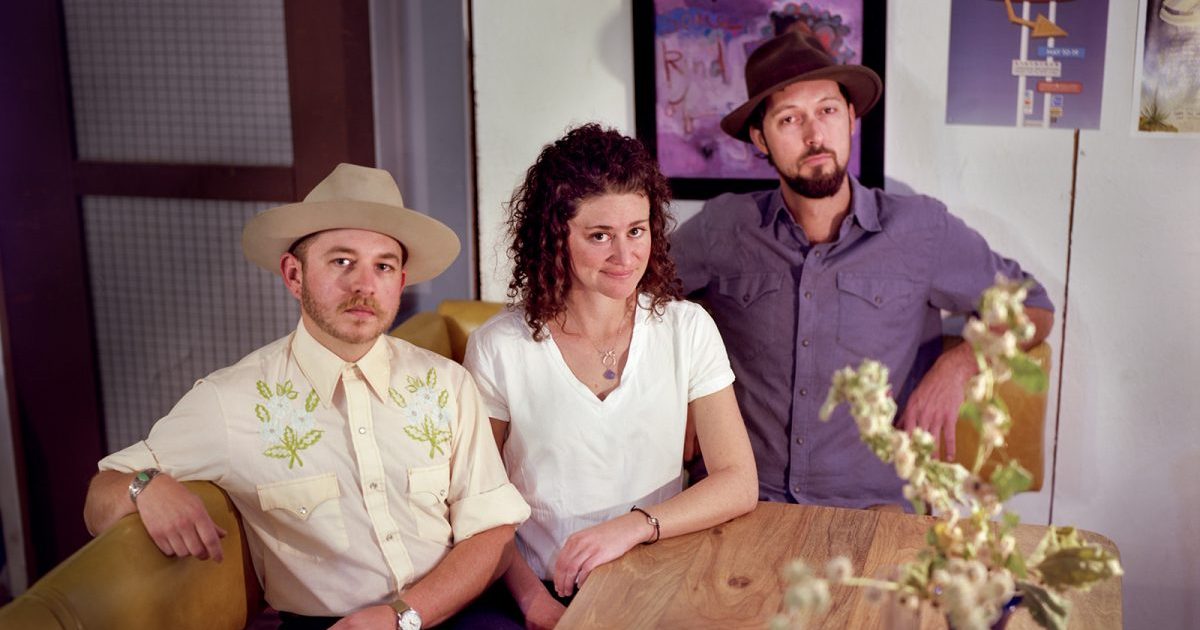
Artist:Stillhouse Junkies Hometown: Durango, Colorado Song: “Mountains of New Mexico” Album:Calamity
In Their Words: “‘Mountains of New Mexico’ is an old-school murder ballad about misunderstood victim vs. outlaw, but it’s also an ode to the great wildernesses of the American West and their ability, even in the Information Age, to humble us as they have since the beginning of time. And what better backdrop for this kind of tale than northern New Mexico’s Bisti Badlands, a sun-scarred, alien landscape of hoodoos, gullies, and maze-like washes. The August sun limited our video shoot schedule to early morning and sunset, and the light was nothing short of magical; the song’s windswept climax came to life in a way we had scarcely imagined. ‘Mountains of New Mexico’ is a reminder that trading one kind of trouble for another doesn’t always work in our favor.” — Cody Tinnin, Stillhouse Junkies
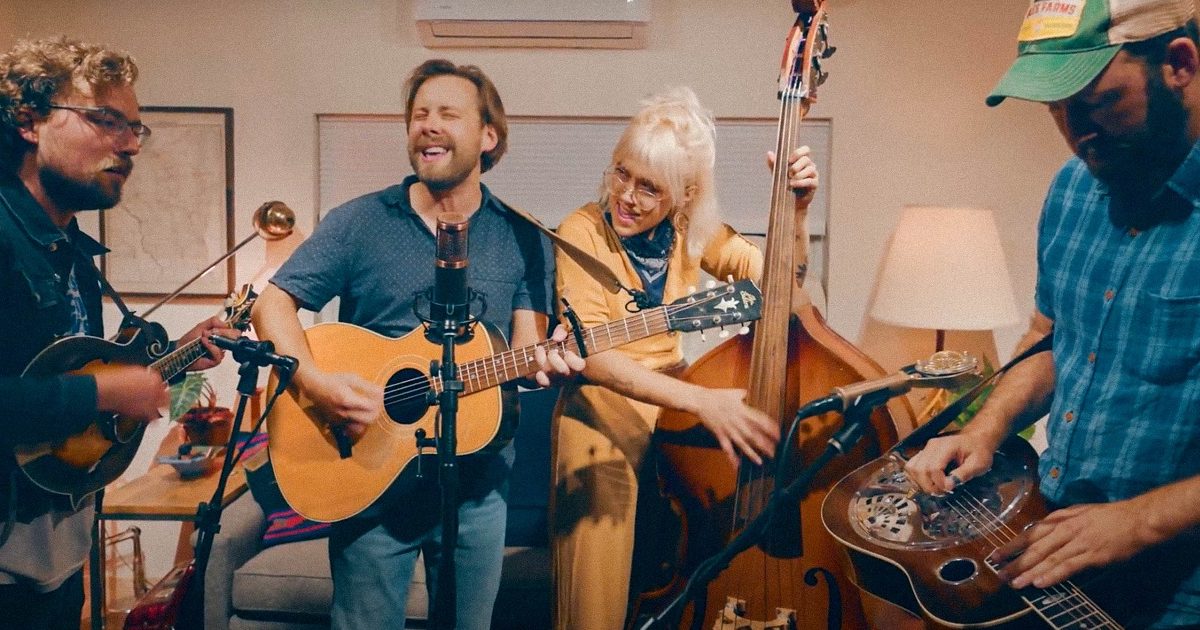
Artist:Jeff Cramer and The Wooden Sound (Emma Rose, Dylan McCarthy, Dave Pailet) Hometown: Denver, Colorado Song: “Aimless Love” (John Prine cover) Album:The Shed Sessions Release Date: November 20, 2020
In Their Words: “I dreamt up ‘the shed’ late last year — a backyard DIY project fueled by a desire to provide space and community within Colorado’s incredible songwriter scene — which, as luck would have it, I finished building at the end of February this year. During the pandemic, it has become my office and writing space, and it ultimately brought me to a vision for a video series of live-recorded new, old, and cover songs with my new band, The Wooden Sound. I’m excited to be releasing seven videos and tracks from the The Shed Sessions over the next two weeks, starting with a cover of John Prine’s ‘Aimless Love’ here.
“Aimless Love was my first John Prine record, and while it might not be amongst his most prominent, the title track especially has become one of my favorites. Maybe it was discovering it as a teenager — as a small fry kid in a Midwestern town — that caused me to feel a special closeness to it. John Prine was able to add a sense of warmth and humor to the messiest of human conditions and somehow make it personal to everyone (including me) in the process. I also vividly remember playing Aimless Love under the full moon in my backyard in Denver the moment we learned that he had passed. It felt appropriate to release this video as my little tribute to him.” — Jeff Cramer
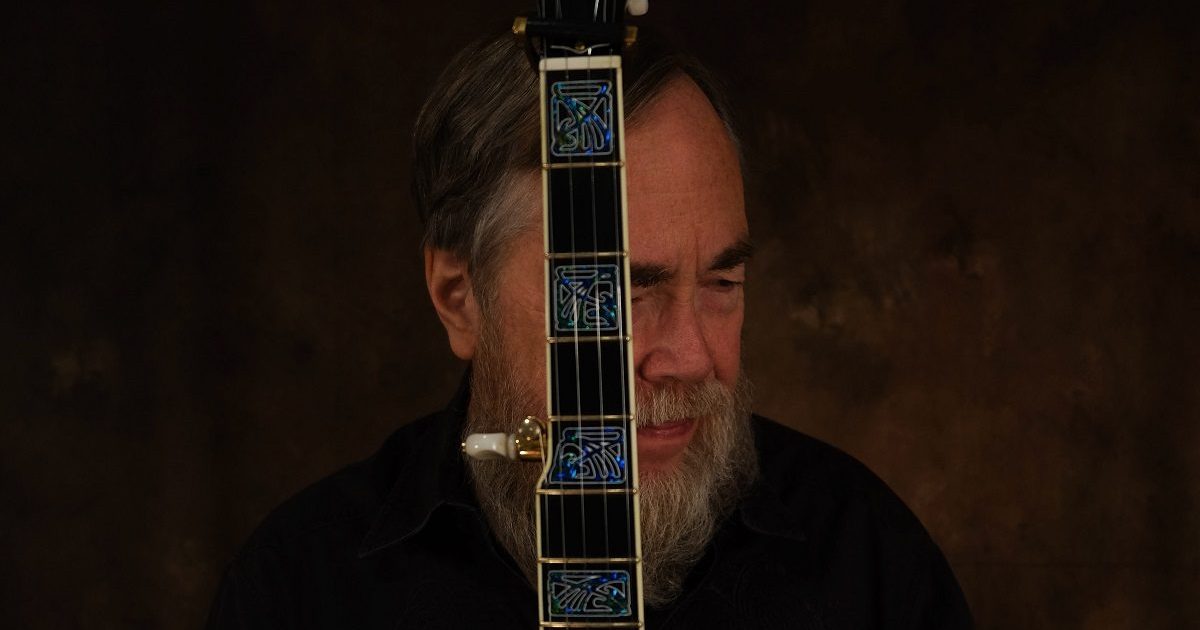
Adam Hurt is a banjo player’s banjo player. This role is well known in bluegrass, where almost an entire generation of banjo players, who came up almost immediately during and after Earl Scruggs’ popularization of a three-finger approach to the banjo, continue to go largely unsung outside of five-string niches and circles of Scruggs-style acolytes. Hurt is remarkable, though, because he’s not an acrobatic, up-and-down-the-neck, barn-burning bluegrass picker on the margins of the scene. Instead he’s a clawhammerist — but the musicians and instrumentalists who count themselves followers and fans of Hurt’s pickin’ aren’t just old-time players; they’re everyone.
On his new album, Back to the Earth, Hurt strays still further from “mainstream” banjo playing by returning to its roots: the gourd banjo. Back to the Earth is a follow up to Hurt’s 2010 project, Earth Tones, an album often regarded as a seminal work on the gourd banjo. Despite largely being anchored by solo tunes played on the modern five-string’s precursor (which was brought to this continent by enslaved peoples kidnapped from West Africa), the entire new collection feels firmly rooted in the present. Raw, rustic affectations often found on old-time recordings are missing here, but not to the detriment of the final product or its “authenticity.” These twelve tunes feel simultaneously immaculate and primordial. Hurt deftly follows the gourd banjo’s microtones, warbles, wobbles, and slides as they lead him, rather than the opposite — which might be the most distinctive aspect of his playing, compared to other clawhammer players, other gourd banjo players, and five-string or four-string players alike.
Ricky Skaggs, Brittany Haas, Paul Kowert, Jordan Tice, Marshall Wilborn, and others guest on Back to the Earth in different groupings, depending on the tune, but on “The Scolding Wife,” Hurt performs solo, a man in dialogue with his ancient instrument, ringing through the millennia to land in 2020. If you aren’t already a fan of Adam Hurt and his playing, Back to the Earth is the perfect, charming, listenable introduction — and you’ll find yourself among the likes of fans including Skaggs, Haas, Kowert, Tice, Jerry Douglas, Cathy Fink & Marcy Marxer, Molly Tuttle, Sarah Jarosz, and just about any other instrumentalist who’s ever had more than a passing interest in the banjo and her cousins on the instrument family tree.
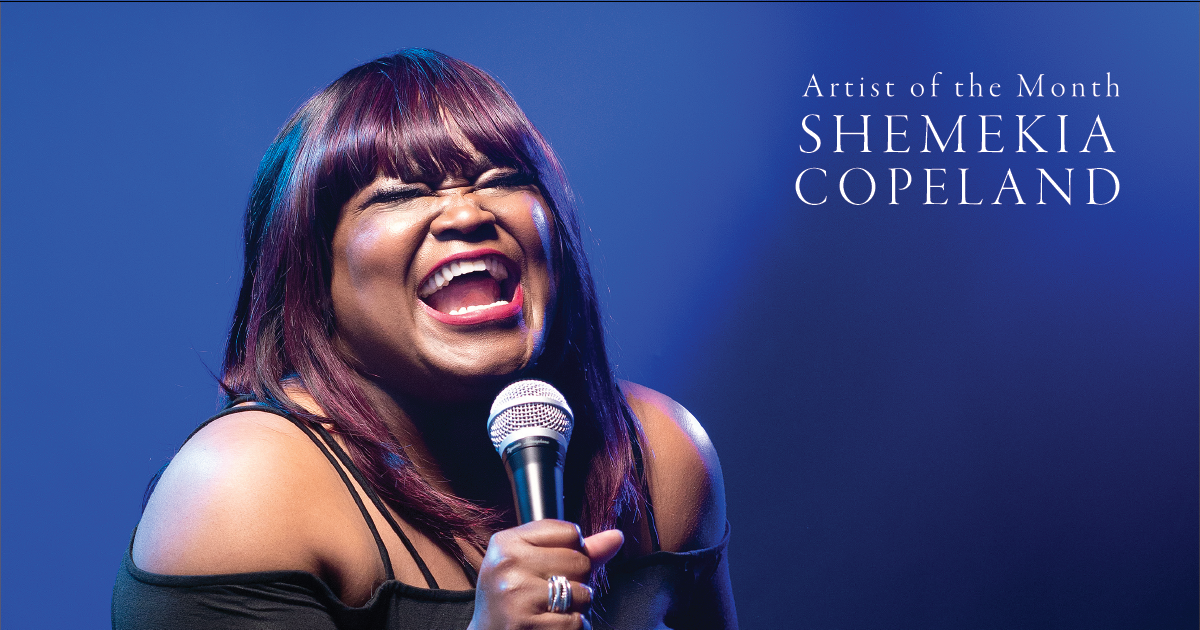
Over the last 10 years, in a series of albums recorded with producers Oliver Wood and Will Kimbrough, Shemekia Copeland has progressed from a first-class blues belter into a wider-ranging, more nuanced artist whose music touches on Americana, rock, and country — and she’s still a first-class blues belter.
In addition to working with Kimbrough on her new album Uncivil War and 2018’s America’s Child, Copeland has recorded with artists like John Prine, Emmylou Harris, and ZZ Top’s Billy Gibbons. In part two of our interview with Copeland, whose father is the late Texas blues great, Johnny Clyde Copeland, we discuss her musical development and the lessons she learned while teaming with these and other unlikely collaborators.
BGS: Over your last four albums, you’ve worked with producers Oliver Wood and Will Kimbrough, mostly in Nashville, and really started to open up the instrumentation and type of songs you’ve recorded. So I have a chicken and the egg question: did you start working differently because you wanted to change, or did you change because you worked with different people in different places?
SC: It happened organically. The first record with Oliver was in Atlanta and then he moved to Nashville, because everybody moves to Nashville, because that’s where musicians and studios are, and it’s inexpensive to work there. Oliver had Will Kimbrough come in and play and I was a big fan of his. When he played on my record, it was love at first note, because he’s just a musical genius.
We did our last record America’s Child with him and he just knows everyone. Nashville is such a small town in that way. All the musicians know, respect, and love each other. Will would say, “So-and-so would sound good on this. Let’s call him,” and within a day they’d have these guys in the studio that you couldn’t imagine working with as a blues artist, because you don’t know them. The gates of Heaven opened up being in Nashville because that’s where everybody is.
How about Oliver Wood?
I love him. He’s a very talented player and writer, and the best thing about him was that he really encouraged me to think about how I sing. I came from the blues shouter way of singing, and from him I learned that you don’t have to do that to move people. That was huge for me, to learn that you can capture people with subtlety just as much as you can capture them with the hugeness of your voice. We had that conversation and I took that away from working with him and have carried it on.
“Uncivil War” is a perfect example. I did not want to sing that song. I thought it was is a pretty song for somebody with a pretty voice to sing. I wanted the world to hear it and figured they would not if it was coming from me, because I don’t have a pretty voice. That’s when they all yelled at me and said I was being completely ridiculous and to just sing the damn song. But I still struggle with thinking that the subtleties of my voice work. I was just using the power of my voice more like a Koko Taylor, or Etta James.
Let’s talk about some of these people you’ve worked with. You did a duet with John Prine on his lesser-known blues song “Great Rain.” Tell me about that.
That happened completely organically, but here in Chicago, though he lived in Nashville. He’s originally from Illinois and we were both on a concert called Voices of Chicago. I was there to represent blues and John was there to represent the fact that he’s just frickin’ amazing. We were backstage and I’m standing there looking at John Prine thinking, “Oh my God, I’m standing here looking at John Prine.” And he looked down at my feet and said, “I love your shoes!” We started talking and I fell in love with his wife, Fiona. Amazing people. We got to talkin’, started working on projects together, and the rest is history. People like him know how to break the ice with people when they’re nervous around them.
How about Emmylou Harris?
That was just a Will Kimbrough connection. I met her a couple times, like in passing at festivals, but her being on “America’s Child” was Will. He plays with her. She heard the song, loved it, and wanted to sing on it, which was beautiful.
Steve Cropper, who produced The Soul Truth (2005), also plays on the new one.
Who doesn’t love Steve Cropper? He wrote all the hit songs that you can think of. I love working with him, loved his energy. We wanted to do something different after the Dr. John record [2002’s Talking to Strangers], so we thought, why not try to get a soulful record? And who better to make a soulful record than Steve Cropper? He also played on all the songs and Steve Cropper plays like Steve Cropper. He has a sound all his own. You know when you’re listening to him.
What about Billy Gibbons?
Billy was a big fan of Johnny Copeland; he went and saw my dad perform all the time when he was a kid. I was hanging out with him in India [at the 2017 Mahindra Blues Festival in Mumbai] and we were talking about all that. I wanted to do “Jesus Just Left Chicago” and John [Hahn, Copeland’s manager] had the bright idea to ask him. I never would have been ballsy enough to do that. Thank God for managers and producers.
I love Rhiannon Giddens on “Smoked Ham and Peaches.”
Yeah, and she sounded amazing on it. Oh, my gosh. I was a big fan of her and Dom Flemons and the Carolina Chocolate Drops! Just a group of interesting, amazing, talented people. But then I saw her perform as a headliner of the Chicago Blues Festival and she was just incredible. I really wanted to work on it and was so happy when she said she was aware of me, and would love to do it.
It’s probably the most acoustic, downhome song you’ve done and a good example of why some people started talking about you and Americana and not just blues.
I’ve always listened to country and bluegrass, even if I didn’t know who I was listening to. I just liked the instrumentation of it and the singers and lyrics. Americana was not on my radar, but I grew up listening to country music because my dad grew up in Texas and loved it. I’d walk around the house singing Patsy Cline and Hank Williams songs that my dad loved, but I hadn’t really even heard anything about the blend of country and roots music until a few years ago, so I think it’s kind of hilarious that people are saying I’m crossing over to Americana. But I welcome all listeners!
Has your audience changed over the course of these last few albums?
Yes, especially since America’s Child, but even going back to [2009’s] Never Going Back, I started getting people at my shows saying stuff like, “You know, I’m not really into blues, but I love what you do.” And I’m like, “Well, if you’re listening to me, then you could probably say you’re into blues. I think you’re more into the blues than you think you are!” I always hoped that I was getting fans that weren’t just blues fans, and I think the audience is growing a little bit for me — at least I hope so!
Artist:Tony Trischka Hometown: Fair Lawn, New Jersey Song: “Carry Me Over the Sea” Album:Shall We Hope Release Date: January 29, 2021 Label: Shefa Records
In Their Words: “This project began without the intention of making a Civil War album, though I’ve had an interest in the conflict since childhood. ‘Carry Me Over the Sea’ was originally conceived as an instrumental, which I composed on a low-tuned cello banjo. I created the person of Maura Kinnear, a powerful Irish woman who lost her husband in a mine cave-in. After leaving her children in the safe care of relatives, she took a ‘coffin ship’ across the sea to America. Settling in the Outer Banks of North Carolina, Maura met the reformed gambler, Cyrus Noble, whom she married and, together, they sent for her children. Cyrus rejected Confederate conscription and ultimately fought for the Union at the Battle of Gettysburg.
“No one but the incredible Maura O’Connell would do to inhabit the character of Maura Kinnear. I first met Maura when she was singing with DeDanaan in the ‘80s. I was bowled over and continue to be to this day. She is joined on most choruses by the equally talented Tracy Bonham.
“A cohesive narrative beckoned, and after a moving visit to a slave graveyard, I adapted the character of John Boston, an enslaved gravedigger in the 1850s. With these three central figures — Maura Kinnear, Cyrus Noble, and John Boston — along with a 1938 reunion of Gettysburg survivors, North and South, I felt I had the elements of a story.
“Shall We Hope, a phrase taken from a Phillis Wheatley poem, evolved to be just that, a story of hope. It was not created to mirror the divisions that currently exist in our nation. However, I would wish that the timeliness of a hopeful message would ring true today, and that, in some small way, this album could bring positivity, healing and hope in these troubling times.” — Tony Trischka
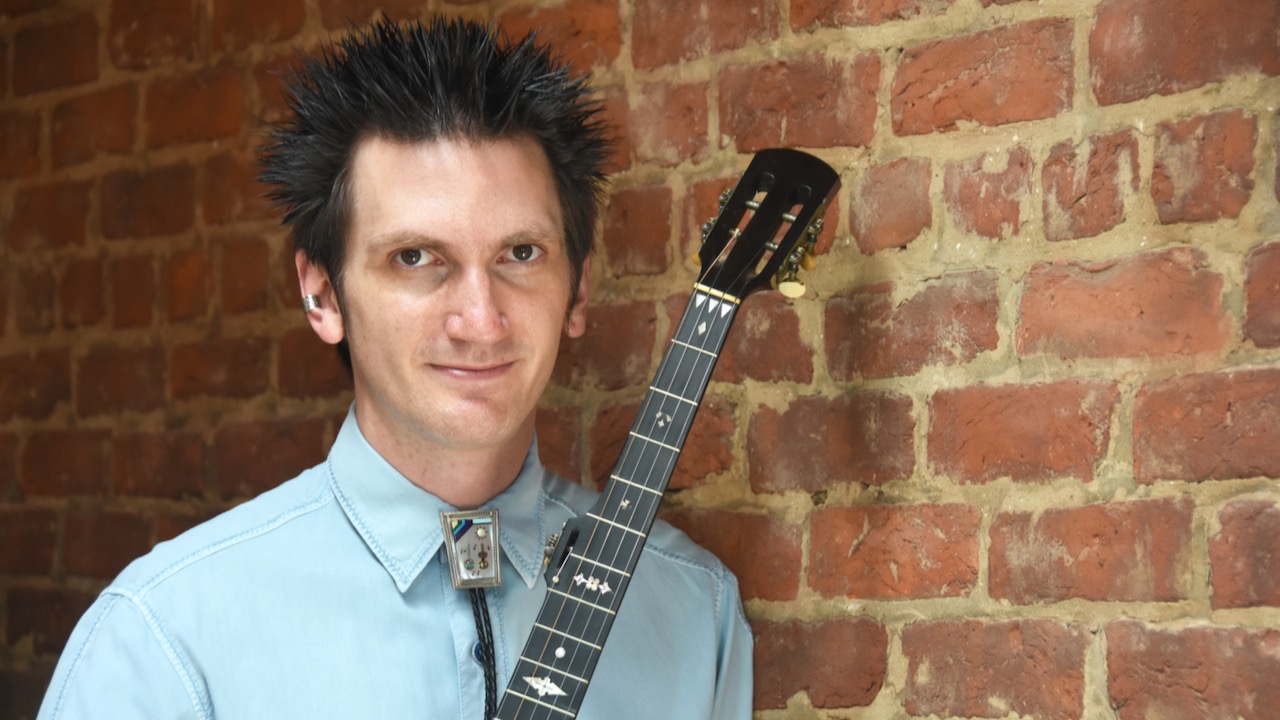
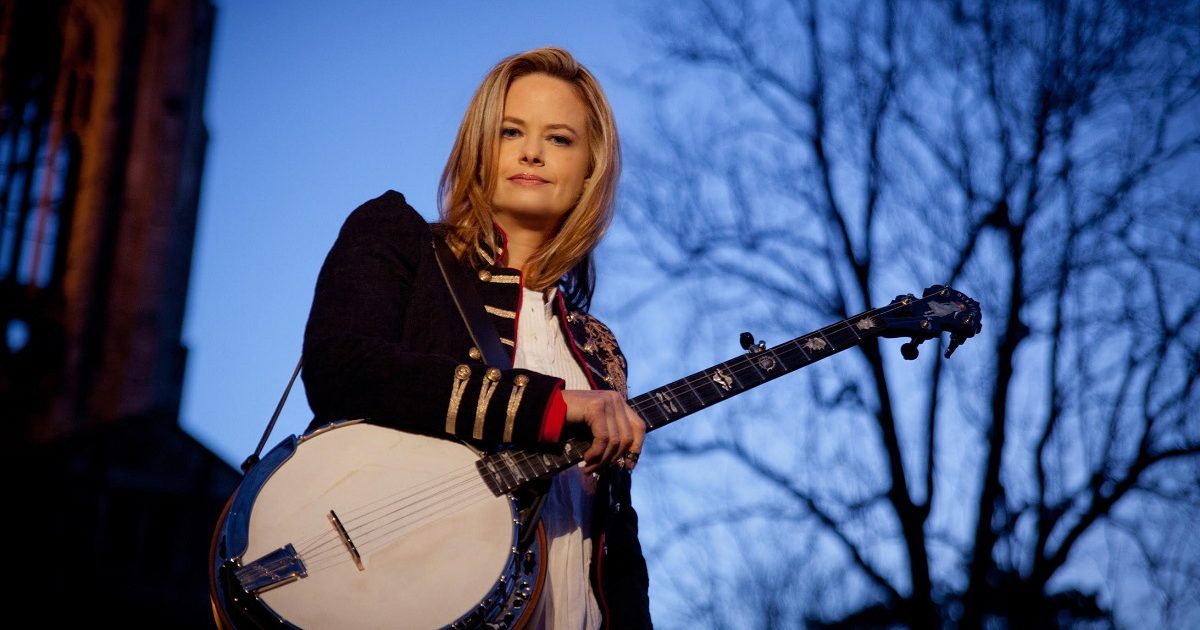
Artist:Alison Brown Hometown: La Jolla, California Latest album:The Song of the Banjo Personal nicknames (or rejected band names): Mom (currently trending)
From the Artist: “‘Here Comes the Sun’ is a song I’ve loved for years. But I never thought about playing it on the banjo until I was inspired by stories of hospitals playing it over their PA systems to encourage staff and patients in their battle against COVID. As I started working on it I realized that the tune has a lot in common rhythmically and harmonically with ‘Águas de Março’ (‘Waters of March’), a Tom Jobim classic that’s one of my favorite melodies and recordings. So I put the two together and came up with this mash-up — setting the low banjo against a tapestry of piano and jazz flute.” — Alison Brown
What was the first moment that you knew you wanted to be a musician?
I didn’t become a musician in one lightning rod moment. It was really more a series of baby steps. When I was really getting into the banjo in the late ’70s there weren’t a lot of successful role models that pointed the way to how you could make a career as an instrumentalist. As much as I loved playing the banjo I really thought it would be a hobby that I would talk about at cocktail parties in my real life as a doctor, lawyer, or another respectable white collar professional. As it happened, I had to spend several years as an investment banker before I got up the nerve to try being a banjo player.
What’s your favorite memory from being on stage?
I have so many great memories it’s hard to pick just one. Collaborating with a skratji band on stage at the Opera House in Paramaribo, Suriname, during a State Department tour is one that has stayed with me. Guesting on Brandi Carlile’s collaboration set with the First Ladies of Bluegrass at the Newport Folk Festival last summer with Dolly Parton singing “9 to 5” is definitely another. Playing on the Banjo Stage at Hardly Strictly Bluegrass in front of a crowd that reaches all the way down Speedway Meadows never fails to blow me away and is one that always validates my decision to leave my investment banking job in San Francisco’s financial district to play the banjo.
If you had to write a mission statement for your career, what would it be?
Since launching Compass Records 25 years ago, my career has had two parallel tracks: one as an artist and the other as the co-founder of a roots-based indie label. When Garry West and I started the label in 1995, literally at the kitchen table, we felt there was a keen need in the market for a record company that was run by musicians. We were driven by the idea that our perspective gained from years of touring would position Compass uniquely in the market. Our goal was to create an artist friendly home for other artists; at the time I was halfway into a multi-album contract with Vanguard Records. Garry and I were, and are still, extremely passionate about discovering new artists and helping to bring their music to a wider audience.
Over the past two and a half decades, we’ve had a chance to help further the careers of an amazing roster of artists across the roots music spectrum and also have had the privilege of carrying the torch forward for some great label imprints through catalog acquisitions. One thing that I didn’t really anticipate when we started Compass was how running a label would inform my own creativity as an artist and producer. Knowing the challenges in the market has been very much of a double-edged sword: sometimes it makes it difficult to get motivated to create new music but, at the end of the day, having a handle on current challenges and opportunities on the business side has made it more natural for me to create music with specific target results in mind.
What rituals do you have, either in the studio or before a show?
For me, studio = food:) When I’m producing, or leading a session, I like to arrive with warm scones or banana bread to start the morning and then make sure there’s a kitchen full of interesting snacks on hand throughout the day. I know it’s not great for the waistline, but for me it adds to the fun of the creative process. I’m also a fan of having slow TV, sound off, running on the monitor in the control room. When I was producing Special Consensus’ record Chicago Barn Dance, we had a Norwegian winter train journey from Oslo to Bergen on a loop while we worked and it complemented our musical journey in a perfect way.
Since food and music go so well together, what is your dream pairing of a meal and a musician?
Hmmm, perhaps not your typical banjo player’s dream, but how about a simple dinner with Tom Jobim on a garden terrace in La Jolla, California, overlooking the Cove and a menu that includes Jacques Pepin’s roast chicken, haricots verts, and a bottle of Cakebread Chardonnay?
Photo credit: Stacie Huckeba. “Here Comes the Sun” credits: Low Banjo: Alison Brown; Piano: Chris Walters; Flute: John Ragusa; Bass: Garry West; Drums and Percussion: Jordan Perlson
This website uses cookies to improve your experience. We'll assume you're ok with this, but you can opt-out if you wish.AcceptRejectRead More
Privacy & Cookies Policy
Privacy Overview
This website uses cookies to improve your experience while you navigate through the website. Out of these, the cookies that are categorized as necessary are stored on your browser as they are essential for the working of basic functionalities of the website. We also use third-party cookies that help us analyze and understand how you use this website. These cookies will be stored in your browser only with your consent. You also have the option to opt-out of these cookies. But opting out of some of these cookies may affect your browsing experience.
Necessary cookies are absolutely essential for the website to function properly. This category only includes cookies that ensures basic functionalities and security features of the website. These cookies do not store any personal information.
Any cookies that may not be particularly necessary for the website to function and is used specifically to collect user personal data via analytics, ads, other embedded contents are termed as non-necessary cookies. It is mandatory to procure user consent prior to running these cookies on your website.