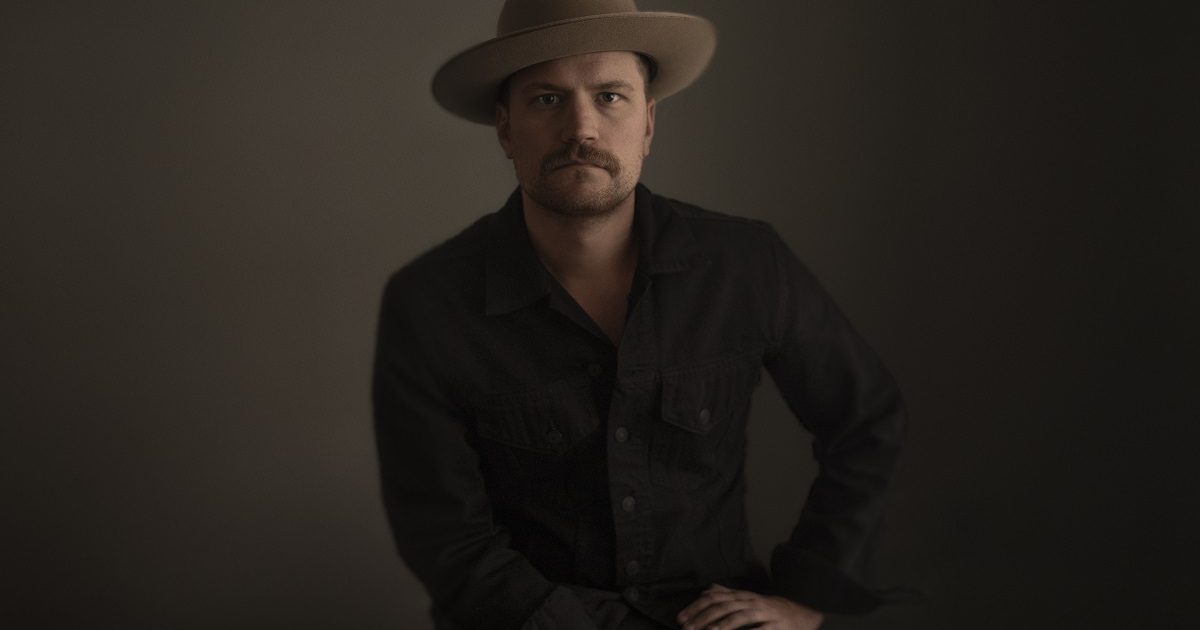
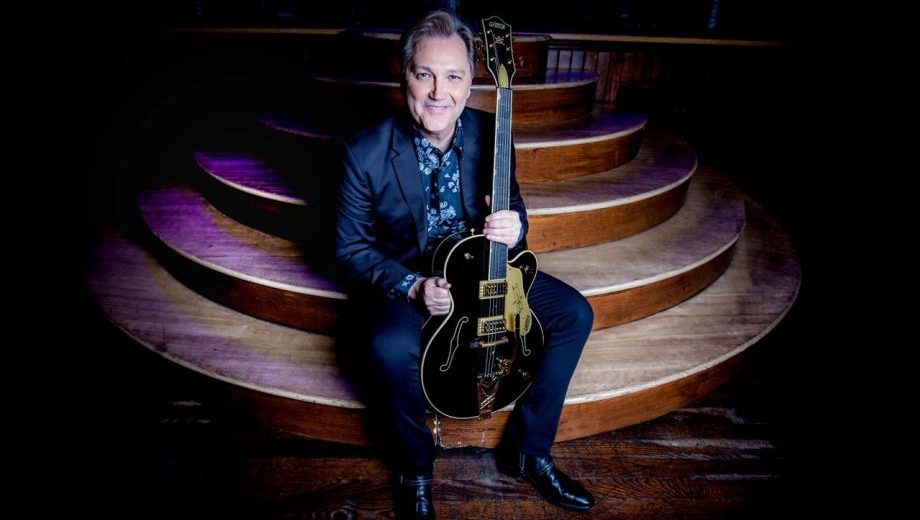
BGS 5+5: Zach Schmidt

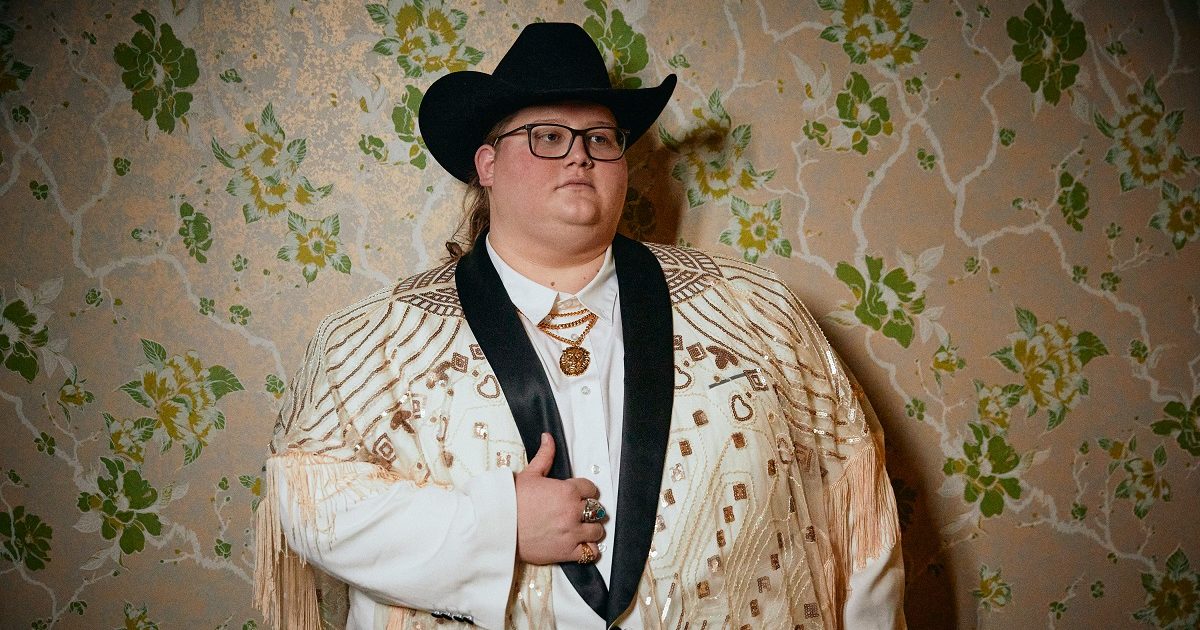
Artist: Zach Schmidt
Hometown: Nashville, Tennessee
Latest Album: Raise a Banner
Personal nicknames (or rejected band names): Schmidty is kind of a birthright when your last name is Schmidt, you are going to be called it whether you like it or not.

Which artist has influenced you the most … and how?

If I have to pick just one, without a doubt I would say Guy Clark. I have loved his music as long as I can remember. Sometimes I feel like it has always been a part of me. Every time I listen to him I hear something I have never heard before. The songs tend to evolve over time for me. Over the years I have studied his words in written form, learned his songs, and listened countless times. I don’t think I could ever get tired of listening to Guy Clark and his music has absolutely changed my world in a dramatic way.

What other art forms — literature, film, dance, painting, etc. — inform your music?

I try to draw inspiration from everything that I encounter but literature and film certainly inspire my writing in a significant way. The song “I Can’t Dance” from this album was written right after I saw the movie Manchester by the Sea. I won’t try and spoil it for people who have not seen it, but the house fire scene absolutely wrecked me when I saw it. Facing loss and working through it is something we all can relate to, especially after a year like 2020 and the way that movie portrayed the protagonist was so beautifully heartbreaking.

What’s the toughest time you ever had writing a song?

I think when I try to co-write with someone I don’t know very well. That is something I didn’t know anything about when I moved to Nashville and something I reluctantly tried. Trying to force out a song for the sake of time or a sense of accomplishment is brutal. These days I don’t mind writing with friends but I always need some time to work into my own creative flow.

Which elements of nature do you spend the most time with and how do those impact your work?

I will make any excuse to spend some alone time with Mother Earth. Being alone out in the woods is one of the best ways to clear your head. I love to hike and mountain bike any chance that I can. I also find myself digging through the trash and recycling a fair amount to sort what belongs where. We have to take good care of this place.

Since food and music go so well together, what is your dream pairing of a meal and a musician?

Since I was talking about Guy Clark earlier I will stay with him. As he says in “Lone Star Hotel”: “Give me greasy enchiladas and a beer to wash it down.”


Photo credit: Curtis Wayne Millard

I Guess I’ll Go Get Stoned: 16 Roots Songs for 4/20

It’s a national holiday. Patron saint, Willie Nelson. And perhaps his heir would be Kacey Musgraves? Or Billy Strings. Or Margo Price. Or Snoop Dogg. We’ve got options. 

Bluegrass and country may be upheld as the pinnacles of wholesome, “American values” music, but in reality artists have been putting the GRASS into bluegrass since as long as that term has been in popular usage. (And damn, does it look good on a sweatshirt, too.)

We hope you ascend to new heights this 4/20, and while we’re at it we hope you enjoy these 16 high lonesome roots songs perfect for the occasion. 

Roland White – “Why You Been Gone So Long”

Roland White, his late brother Clarence, and the Kentucky Colonels are known for “Why You Been Gone So Long,” and in 2018 Roland re-recorded the number on his IBMA Award-nominated album, A Tribute to the Kentucky Colonels, with a star-studded cast of friends. 

Also known for his monthly shows at the World Famous Station Inn in Nashville (pre-COVID), every time Roland sings the line, “Nothing left to do, lord, so I guess I’ll go get stoned,” the crowd erupts with laughter. To this writer, though, that line feels less like a hilarious non-sequitur from a septuagenarian bluegrasser and more like sage wisdom. I guess I will go get stoned!


Selwyn Birchwood – “I Got Drunk, Laid & Stoned”

As modern bluesman Selwyn Birchwood put it in our premiere of this track, “This song proves that you can party to blues music.” That may seem like an obvious fact to a blues fan, but the uninitiated deserve to know the blues isn’t just about what you’ve lost, it’s about what you gain – through the music and otherwise. As Birchwood concludes, “‘I Got Drunk, Laid and Stoned’ is the epitome of what I feel is missing in a lot of blues music right now. You’ll find all of the rawness, edginess, and boundary pushing that I love…” That is the blues. 


Ashley Monroe – “Weed Instead of Roses”

No matter the occasion, when you’re reaching for flower… buds – reach for weed. Ashley Monroe makes a compelling case that men are certainly not the only ones in country who can live up to the outlaw moniker. Guthrie Trapp chicken pickin’ along is the cherry on top of this cannabis bop.


John Hartford – “Granny Wontcha Smoke Some Marijuana” 

For all those who’ve ever imagined hotboxing a steam-powered aereo plane, here’s a lazy, loping sing-along that kicks into barn-burning — or, grass burning? — country meets honky-tonk meets bluegrass. You’ll be calling it “mary-joo-wanna” now too. 


David Grisman & Tommy Emmanuel – “Cinderella’s Fella”

If you’re here, you must be celebrating 4/20, so you might know about Cinderella – a potent, hazy strain that Dawg attributes to his late friend Jerome Schwartz in Petaluma, California. If Cinderella were a princess instead of a strain of cannabis, Grisman would certainly arrive at her door with glass slipper in hand. Instead, we assume he fits her with a glass bowl instead? This performance by Grisman and Tommy Emmanuel is sweet, tender, and jaw-dropping. Classic “Dawg music.”


Courtney Marie Andrews – “Table For One”

Everyone self medicates, whether they’re aware of it or not, it’s just that touring musicians — by the very nature of their jobs — face their self medications, “crutches,” and vices everywhere they go. Courtney Marie Andrews, a lifelong Americana nomad, captures the depression and melancholy of touring perfectly in this haunting song, which reminds the listener that you don’t really want the life of the person on stage, no matter how glamorous it might seem. If the sometimes foggy dissociation of weed smoking were bottled and infused into a song, it would be this track.


New Lost City Ramblers – “Wildwood Weed”

Have you ever asked yourself the question, “What if Mother Maybelle smoked pot?” With this song — a Jim Stafford hit — The New Lost City Ramblers kinda did! 

New life side quest unlocked: smoke weed from a corncob pipe. 


Kacey Musgraves – “Follow Your Arrow”

It’s April 20th and your arrow is pointing directly at your bong. F*CK, water pipe. Follow that arrow, babies! Do you! Light up a joint. (Or don’t.) 

Nah, do. 


Charlie Worsham feat. Old Crow Medicine Show – “I Hope I’m Stoned (When Jesus Takes Me Home)”

We’ve loved Charlie Worsham and the bluegrass bona fides underpinning his brand of modern country for quite a while, but it’s extra perfect when he sits in and otherwise collaborates with the fellas in Old Crow Medicine Show. Heaven’s golden streets? Overrated. What about its fields of pot?! I mean… it will have amber waves of cannabis, will it not? It’s called “heaven.” 


Margo Price “WAP”

She’s partnered with Willie’s Reserve to release her own branded strain of weed, “All American Made,” and she’s infamous for smokin’ and tokin’. But in this Daily Show with Trevor Noah spot featuring comedian Dulce Sloan, Price is called upon to prove the point that if “WAP” were a country song, the universe would still be as upset at its radical centering of female pleasure and agency. (She’s right, of course.) Thank GOD for Sloan and Noah making this point, because it’s given us this country-rendition of Price singin’ “Need a hard hitter, a deep stroker/ a Henny drinker, need a weed smoker.” Perfection. 


Chris Stapleton – “Might As Well Get Stoned”

Look, you can’t mess with the hits. This list wouldn’t/shouldn’t exist without this song on it. Chris Stapleton, perhaps the biggest crossover artist — crossing over from bluegrass to mainstream, of course — in roots music since Alison Krauss proves his allegiance to whiskey and weed in this jam from his smash major label debut, Traveller

It’s like he took Roland’s advice! Might as well…


Peter Rowan – “Panama Red” 

Peter Rowan’s career has been well-peppered with southwestern and Latin folk-flavored bluegrass, but did you know he wrote “Panama Red”? This live recording is suitably trippy for 4/20, with a slight atonal warble as if the record were slightly warped on the turntable and the pickers holding on for dear life to Peter’s delightfully languid phrasing — that somehow drives as much as it lays down for a weed-induced siesta. Everybody’s acting lazy…


Billy Strings – “Dust In A Baggie”

He means kief, right? Right?? 


Guy Clark – “Worry B Gone” 

How every “worried man” in Americana, country, and the blues still has a job when “worry B gone” exists is perplexing, isn’t it? Granted he was not a medical professional, but Guy Clark’s endorsement surely must stand for something. Don’t give me no guff, give me a puff!


Willie Nelson – “Roll Me Up and Smoke Me When I Die”

Did you know that funerary and embalming processes are actually incredibly harmful to the environment and often non-sustainable? But this style of cremation must be ideal. Do it for the earth. Think green. HaHA!


John Prine – “Illegal Smile” 

Love that plant peeking from behind John Prine like a shoulder angel. Let’s all do Prine proud and don illegal smiles today, how about it? 

With that in mind, let’s not celebrate today without also striving towards decriminalization, decarceration, and the expungement of criminal records for anyone currently imprisoned on marijuana charges. Illegal smiles no more!


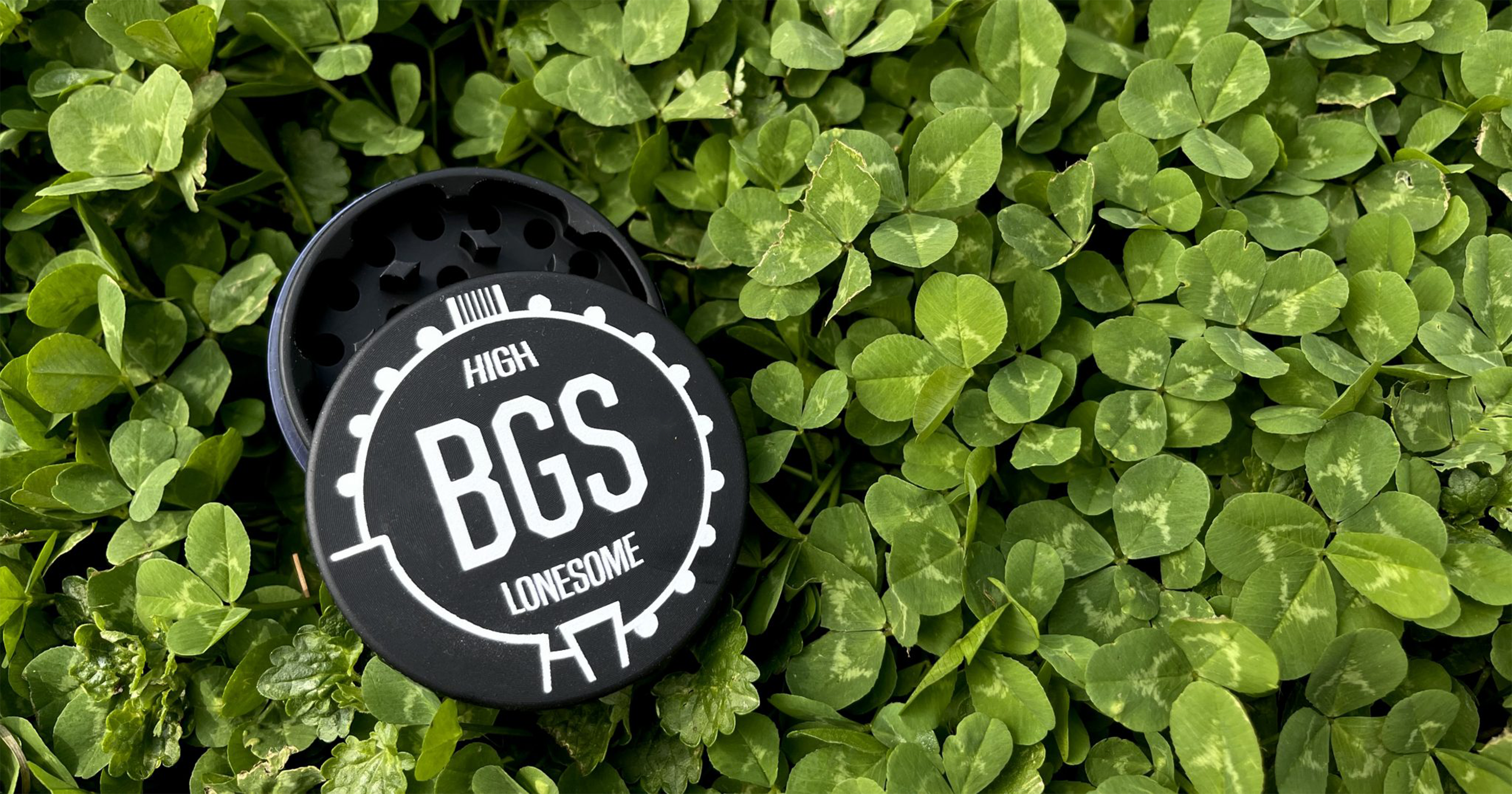
Pictured: Limited edition BGS herb grinder. Want one? Let us know in the comments and we might add them to the BGS Mercantile!

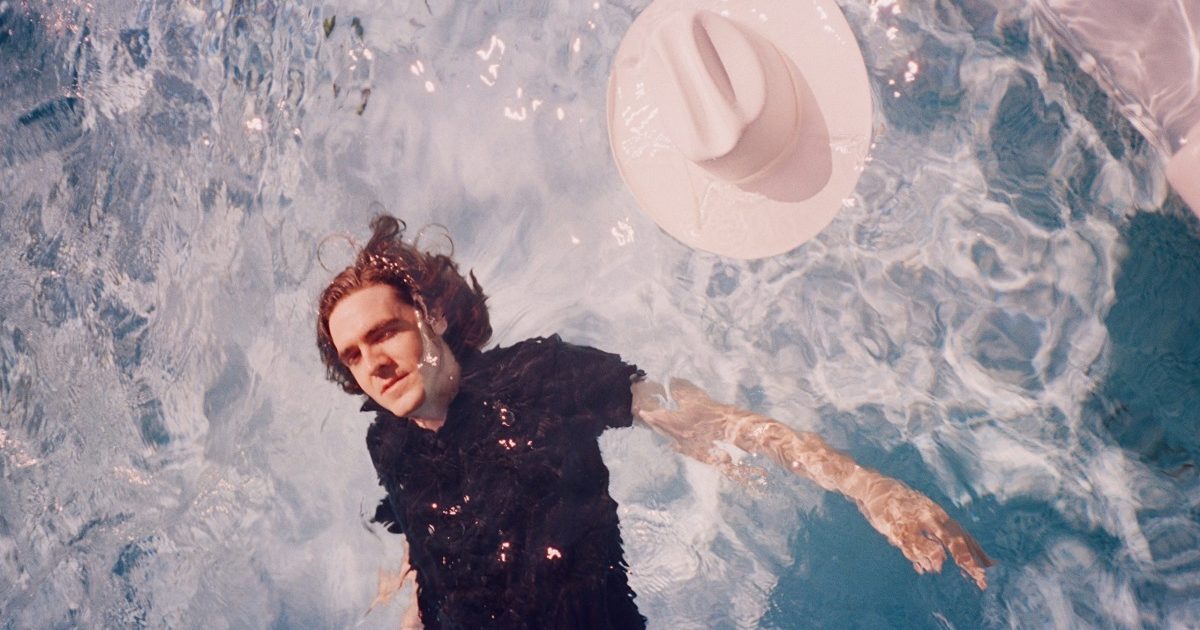
BGS 5+5: Cut Worms

Artist: Cut Worms (Max Clarke)
Hometown: Cleveland, Ohio
Latest Album: Nobody Lives Here Anymore

Which artist has influenced you the most … and how?

It’s a perhaps predictable or trite answer, but if I had to choose a single entity, I guess I’d say The Beatles or Dylan — either one, respectfully. They both just covered so much ground and have such a wide breadth of material and cultural scope that it’s hard for me to really see or hear anything — contemporary or otherwise in the time since they’ve existed — that doesn’t have some part of their influence in it. Usually whether the artist knows it or not, there’s some influence there. Even people that hate them.

What’s your favorite memory from being on stage?

I don’t know that I have a single favorite memory. When a show is going well, it’s great and it doesn’t get much better. It’s a place you can reach at different points in time where you’re kind of just floating there and this thing is happening. It’s really more about being in that moment. It doesn’t quite stick around in a memory.

What other art forms — literature, film, dance, painting, etc. — inform your music?

I would say film, TV, and books. Those are the main mediums through which I experience good stories. To me it’s all about the stories and narrative styles and touching on some kind of feeling. What someone (who I can’t recall at the moment) referred to in poetry as being “the words behind words.”

What was the first moment that you knew you wanted to be a musician?

I don’t know that there was ever a single moment, but at some point I realized music was able to transport me in a way that other things could not. It seemed like a worthwhile endeavor to try to figure out how to do that. I am still trying.

What’s the toughest time you ever had writing a song?

All of them. It’s hard work I tell you.


Photo credit: Caroline Gohlke

MIXTAPE: An Indigo Takeover by Spotify’s Laura Ohls

“Our Nashville-based team had been having ongoing conversations since early 2019 regarding just how diverse the taste of our country music audience was. It was clear to us that there were many modern songs in the genre, touching on Americana, rock, roots, and bluegrass, that had sonic and thematic throughlines. We were also seeing many of these artists on the road together (Marcus King Band joined Chris Stapleton, Yola toured with Kacey Musgraves), talking to each other on socials, echoing the strong community within the scene. With this in mind, the goal was to create a playlist brand that reflected these intersections and the audience appetite for a playlist of this nature. With the success of the playlist since its launch in March, Indigo has continued to be a priority for us, which is reflected by enthusiastic listening from users. We’re celebrating the playlist this month with a sizzle video, new video playlist formats, artist sharecards, billboards, and more, in hopes of bringing more fans aboard the Indigo train.” — Laura Ohls, Senior Editor, Folk & AAA, Spotify

 (Editor’s note: Listen to Laura Ohls’ Indigo Takeover Mixtape below.)

Zach Bryan – “Heading South”

Twenty-three years old and on active duty in the US Navy, Zach Bryan might not be what one would expect from a country act on the rise. The Oklahoma native’s self-released material from the fall of 2019 is gaining traction on Spotify, creating buzz throughout the Nashville music industry. At the time of its initial release he had no publicist, no manager, no team to speak of whatsoever, yet his live videos sparked the interest of an audience on social media — which ultimately led to the flood of activity on streaming we are seeing today. His biggest song to date, “Heading South,” has been included in our Indigo playlist since its launch in March and remains a consistent tentpole track. Though he hasn’t had the opportunity to tour as a result of deployments and the pandemic, expect crowds of fans when the time comes.

Caylee Hammack – “Small Town Hypocrite”

One of country’s most notable rising stars, Caylee’s powerful and vulnerable ballad proves how strongly personal songwriting still resonates in the genre. A vocal standout in the playlist, you’ll feel her heartbreak and strength throughout the song.

Flatland Cavalry – “War With My Mind”

While the song was not written during the pandemic and this time of quarantine, the Texas band’s newest song lyrics grapple with internal battles we all face due to lack of stability, isolation, or just general disruption, which certainly resonates with listeners today.

Brent Cobb – “Keep ‘Em on They Toes”

A real toe-tapper, this track encourages the listener to follow your own path versus one that has perhaps been laid out for you. The song also suggests taking higher ground when being tested by others, some sage advice we could all use during these stressful times. Cobb’s classic, warm tone shines through this cut.

Hailey Whitters – “Heartland”

The Iowa-native-turned-rising-country-star pays homage to her roots in this nostalgic song about the place she was born and raised. As the saying goes, you can take the girl out of the Heartland…

Cut Worms – “Sold My Soul”

A hint of Neil Young, a splash of Guy Clark, a shake of Gram Parsons, and you get this great tune from Cut Worms, AKA Max Clarke, embodying country-folk storytelling at its finest.

Jonathan Terrell – “Never Makes a Sound”

I have seen Jonathan Terrell’s music described as “Springsteen in a Honky Tonk,” and no song better reflects said description on Terrell’s new record than this one. Passionate and driving, it’s a real rocker on Indigo.

Aubrie Sellers – “Far From Home”

A little bit country, a little bit rock ‘n’ roll, Aubrie makes the kind of gritty Americana that a playlist like Indigo was made for. The title track and opener off her newest album is a more subtle take on her “garage country,” but is exemplary of how dynamic she is as an artist.

The War & Treaty – “Five More Minutes”

The husband-and-wife duo have always written songs that strike a chord and can often bring the listener (me) to tears, but they’ve managed to accomplish this with a song that feels upbeat and… happy? The roots of the song, however, are quite dark. Michael Trotter Jr, after years of mental and financial struggles, contemplated leaving this world. In response his wife, Tanya, pleaded to him, “Just give me five more minutes. Stay with me. Just five more minutes to love you.”

Charley Crockett – “Welcome to Hard Times”

Is there really another song title on this playlist that is more appropriate for our day and age? Following his 2019 album, The Valley, and a severe health scare, Charley’s newest album (and title track) touches on failures and a system that’s rigged for said failures. Crockett is one of those artists that embodies all subgenres and eras under the American roots umbrella, and it’s songs like these that showcase how his art feels old and familiar while simultaneously being new and exciting.


Images and artwork courtesy of Spotify

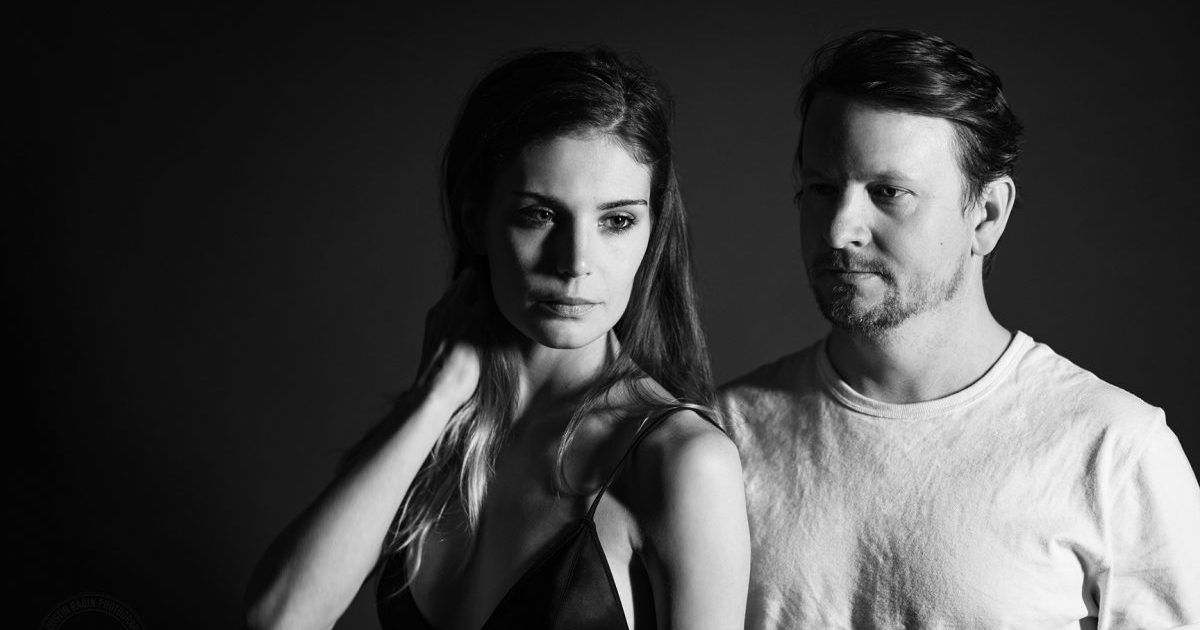
MIXTAPE: Ocie Elliott’s Favourite Folk Through the Ages

Folk music, especially acoustic ballad folk, country folk, and early blues, has always held a special place in my heart and soul. From a young age, my dad would pull out his acoustic guitar when we’d go camping and around the campfire he would sing the family a folk song or two, mostly acoustic versions of Johnny Horton’s “The Battle of New Orleans” and “Sink the Bismarck.” The sound of the acoustic guitar and voice and their telling of a tale touched something deep inside me and my love for folk music was begun. Here are some of my (and our) favourite songs in this genre through the ages. — Jon Middleton, Ocie Elliott

The Carter Family – “Chewing Gum”

While not necessarily my favourite song by the Carter Family, there is something unique and uplifting about this one. I’ve always thought that Kurt Cobain would have loved it.

Lead Belly – “The Grey Goose”

Lead Belly is definitely one of the best ever, such an incredible songwriter. To me his power lies in the uniqueness of his sound; no one wrote songs like him either. The first time I heard this it filled me with so much joy: I could hear it being performed with a big group of people all singing the “lord, lord, lord” part. I’ve also always imagined Toots and the Maytals covering this song.

Blind Willie Johnson – “Trouble Will Soon Be Over”

My favourite blues artist of all time, Blind Willie Johnson’s voice and slide-guitar playing are otherworldly. This tune has such a beautiful melody and feel, it also displays the softer side of his voice and the female accompaniment adds a lovely depth to it all.

Mississippi John Hurt – “Spike Driver Blues”

The first time I heard his 1928 recordings my mind was blown. He has had the biggest influence on my fingerpicking without a doubt. The melody he picks in this song is just so beautifully circular, bouncy and perfect.

Doc Watson and Clarence Ashley – “Old Ruben”

I love the recordings these two did together — there is something very vibrant, authentic and alive in them. I think this song is my favourite of all of them, although “The Coo-Coo Bird” is a close second.

Johnny Cash – “Dark as a Dungeon” (Live at Folsom State Prison)

This whole album is amazing, but this song has always stood out, partly because it sounds like something to be sung around a campfire, but also because his voice is so rich and deep — it’s the perfect voice for this song.

Bob Dylan – “I Threw it All Away”

It’s impossible to pick a favourite from someone who has written more classics than most songwriter’s output in total. But I choose this one because oddly enough, this album (Nashville Skyline) was what led me into Dylan’s universe (I purchased it because it had Johnny Cash singing with Dylan on one song). Needless to say, I fell in deep.

John Prine – “Mexican Home”

We cover a number of John Prine’s songs, including “In Spite of Ourselves” and “Long Monday,” but one of our favourites that we don’t cover is “Mexican Home.” Both recorded versions are great in their own way, but the studio version feels truer to the content.

Guy Clark – “Anyhow, I Love You”

One of our favourite duets. A friend of ours showed us this song a few years back and we immediately started to learn it and sing it. It’s a very special and unique tune, especially in the lyrical phrasing.

The Country Gentlemen – “Fox on the Run” (Live)

I love that this was first recorded as a rock ‘n’ roll song by Manfred Mann. The Country Gentlemen’s version and harmonies literally sound like the lyrics, especially the line: “Her hair shone like gold in the hot morning sun.”

Loudon Wainwright III – “The Swimming Song”

We were also introduced to this by a friend and ever since then we’ve been in love with it. It’s uplifting, but also has this tinge of melancholy to it.

Mason Jennings – “Crown”

A favourite songwriter of ours, I’ve been in love with his music ever since I bought one of his albums on a whim in L.A. and drove with it the whole way back up the coast to San Francisco. Once there, I immediately pulled into Amoeba Records and purchased another.

Gillian Welch – “Winter’s Come and Gone”

Gillian Welch and David Rawlings are one of our biggest influences as a group. When Sierra and I first met, our first connection was made over a mutual love for Gillian Welch, and the first song we ever played together was “Look at Miss Ohio.” Something about this song though, the whole album really.

Gregory Alan Isakov – “Amsterdam”

This song has a rich, wonderful vibe to it — the recording quality, the playing, the mixing and of course, the tune itself. It feels like a warm blanket on a rainy day.


Photo credit: Dustin Rabin

BGS 5+5: Joshua Ray Walker

Artist: Joshua Ray Walker
Hometown: Dallas, Texas
Latest album: Glad You Made It (July 10, 2020)
Personal nickname: High Wide and Handsome

What was the first moment that you knew you wanted to be a musician?

I started playing tenor banjo when I was three years old, and guitar when I was five. My grandfather brought a large record collection with him to Texas from Union County, Tennessee, decades before I was born. Every day after school I used to listen to those records in his workshop and try to play along on yard sale instruments he’d find. The first time it really clicked and I could keep up with one of those bluegrass records, I was obviously too young to know then, but I’ve been chasing that feeling ever since.

How often do you hide behind a character in a song or use “you” when it’s actually “me”?

Often. I build characters based on people I know, have met, or parts of my own personality and experiences. It took me a long time to realize that last part, but now that I know, I use it as a way to explore parts of myself I otherwise wouldn’t be brave enough to write about.

What other art forms — literature, film, dance, painting, etc — inform your music?

I would say film has the largest impact on my music. I think of my songs kind of like short stories and they play out in my head like movie scenes. Certain directors have informed the way some of these scenes play out, and the filters and angles by which I view them. Martin Scorsese, The Coen brothers, Quentin Tarantino, Wes Anderson to name a few.

Since food and music go so well together, what is your dream pairing of a meal and a musician?

One of my favorite parts of touring is trying the local dishes in all the places I visit. Nashville is a great food town and I have a whole itinerary of favorite spots I try to hit up every time I’m there. Fourteen-year-old me would be disappointed if I didn’t pick Jack White. He lives in Nashville, I hear we agree on where to get hot chicken in the town that invented it, and I’ve had countless near-miss encounters with him. So I pick the hot chicken basket with fries and coleslaw, extra pickles and a lukewarm Sprite with Jack White at Bolton’s Spicy Chicken & Fish!


What’s your favorite memory from being on stage?

It was December 2018 and I had just released “Working Girl” and “Canyon” in anticipation of my debut record, Wish You Were Here. I had played to fairly large crowds as a lead guitarist for other bands, but I had never played my songs live to more than about 150 people at a time and I definitely had never experienced the type of “buzz” surrounding my career prior to that point. I had a string of four preternatural shows booked that, in short, made me believe all the hard work of the previous decade was going to pay off, and instilled a confidence in me that I hadn’t had previously.

The first show was my first time playing a theater at the Kessler Theater in my hometown of Dallas, Texas. The second show was my first time opening for Colter Wall, and my first time playing solo at the Granada Theater. The third show was my first time playing the Tower Theater in OKC, opening for Colter. The last show was my first time opening for American Aquarium, and my first time at Cain’s Ballroom. Each show escalated rapidly in magnitude and capacity, and I’ll never forget how amazing and surreal it all felt.

I’m going to focus on the second show briefly. At that time, I had seen close to 100 shows at the Granada Theater, and it had been a staple in my East Dallas community for years. Spotify had just reminded me that Colter Wall and Paul Cauthen were my most listened to artists of 2018, and when I looked out into the crowd that night it seemed like I saw the face of every person who ever cared about me all in one place, singing along to my songs.

My favorite memory of being on stage actually happened right after I walked off it. I pushed my way through the heavy curtain, and what was in the tunnel waiting for me was truly unbelievable: Colter Wall, Paul Cauthen, Vincent Neil Emerson, Matt Hillyer (Eleven Hundred Springs), Summer Dean, Simon Flory, Jacob Metcalf, and others filled the hallway. They had all been watching me close the set through the curtain, and were there to congratulate me when I was done. That was one of the most heartwarming, and reassuring moments of my career and life.


Photo credit: Chad Windham

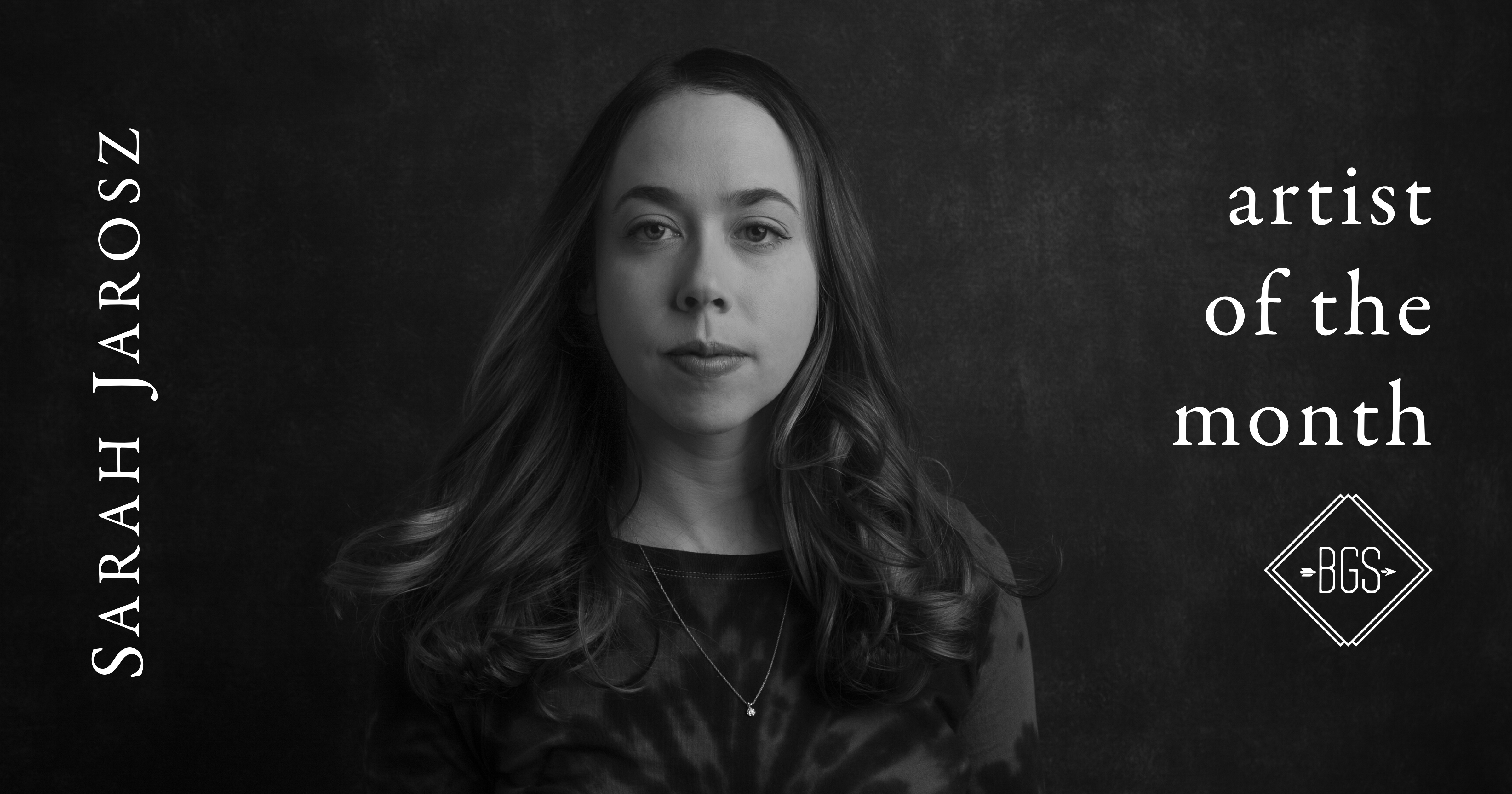
Sarah Jarosz Studies Her Heroes While Staying True to Herself (Part 2 of 2)

Wimberley isn’t just another “little Texas town” for Sarah Jarosz. It’s where she grew up, where she first fell in love with bluegrass, and where she found seeds of inspiration that grew into World on the Ground, her first album with producer John Leventhal and her fifth overall. From the sharp-eyed opener “Eve” to the quick-picking of closer “Little Satchel,” Jarosz gives voice to the stories of hometown life and the dreams that grow beyond it — a radically empathetic detour through her past that gives relatable depth to World on the Ground.

“Ultimately, if I’m being true to myself, if I’m moving myself within my music, then that’s the most that I can try to do as a songwriter,” she says. “That’s what has to be at the basis of any great song: a real feeling that you believe in more than anything. Even the songs where it’s written from another perspective, it’s still me in there, trying to inject what my beliefs are and what I am feeling at any given time, but in a poetic way that feels like you’re reading a story. That’s what so many great songwriters do and have done. I’m studying them and trying to honor them, but also be myself, just try to find that balance of honoring tradition and doing my own thing.”

In the second half of our two-part Artist of the Month interview, Jarosz reveals which Texas songwriters she turned to for guidance on this musical trip home, how to tackle a song about a small town, and more.

Editor’s Note: Read part one of our interview with BGS Artist of the Month Sarah Jarosz here.

The American small town is definitely well-trodden songwriting territory, and all the greats have returned to that endlessly inspirational well. Based on everything we’ve been talking about, you have different perspectives to explore, scenes to describe and a wealth of landscapes to uncover in that one place. What were you listening to when you were working on World on the Ground? Which artists did you turn to for inspiration?

Jarosz: I feel like in a way, the people I was listening to leading into this and during the recording process [were] a lot of what made me want to turn back to even writing about my Texas upbringing at all. When I was going into this, I think I had this moment. Sometimes as a writer I feel like, what should I write for the people who love my music? But I think it’s more important to say, what music do I love, and just get that zingy feeling from? How can I create that music myself? I want to write a song that I can sing and that I can believe in, because ultimately that’s all I can do.

Before John and I were locked in to work together, we met up in New York, and I played him a few ideas that I had lying around. From the get-go he was like, “Why don’t you try to change your approach and not necessarily write about your feelings and looking inward towards yourself? What if you tried to be more of a storyteller?” Just the simple act of him saying that, it changed my perspective a little bit. Simultaneously I was listening to all these Texas singer/songwriters. James McMurtry is one of my favorites of all time. I really did study his lyrics, because I think he’s one of the greatest in terms of creating these characters, but it doesn’t feel contrived — it’s like reading a novel in a song. Guy Clark, Nanci Griffith, Robert Earl Keen, Lyle Lovett — Shawn Colvin, obviously, her music was why I wanted to work with John in the first place.

I was realizing, OK, yes, so many other people have written about their hometowns — but I never have. When I started writing music as a high schooler, so much of the feeling when you’re that age is wanting to leave, writing about what you’re longing for and what’s not right in front of you. There is such a wealth of images and landscapes and memories that I have that are a part of who I am as a person, and I had never really taken the time to write about them. That’s what led to a lot of these songs. With that being said, it was never, “I want to make a concept record about my hometown.” I realized there were all these throughlines after all the songs were recorded and done.

What’s the most difficult, or moving, song for you to listen back to, or one that was hard to tackle when you were writing it?

“Maggie.” That one is based on a real person, and I don’t think that’s something that I’ve done before as a writer. Thankfully, she actually has written me since it’s been out and told me how moved she was by the song. It’s funny because there’s so much truth and honesty in a song like that, but then it’s also still being creative. The blue Ford Escape in “Maggie,” that was a car of my parents’, so it’s still songwriting and pulling images in from different inspirations but it’s not all necessary literal or the actual story.

It’s trying to pull symbols together in a way that makes the most meaning. That’s what I tried to do there. In a way, if that was the most difficult song for me to face, it’s actually turned out to be my favorite song on the record. I felt that way when we were recording it, that I was kind of hitting on something that I’ve always wanted to do and write about, but wasn’t quite ready for before. I think “Hometown” would be the other one that’s just very, very moving for me, even still, to sing — sometimes it’s hard for me to get through. Those two songs stand out in that way.

It sounds like you experienced a lot of firsts that shook up World on the Ground. How do Undercurrent and World on the Ground separate themselves in terms of the growth that went into each of them?

I think Undercurrent was a step towards wanting to just be me. The three albums prior to that were full of tons of guests on a lot of the songs. The way we made those, I would record my part, and Gary [Paczosa, who produced her first four albums] and I would invite so many of my heroes and musical friends in, and we’d just layer, layer, layer, layer with lots of different people. Undercurrent was the first album where I was like, no, this needs to be more truthful to me, and sound like that. There are four songs on that record that are literally just me and a guitar, no other instrumentation, no drums — I tried to keep things very small with that in an effort to start peeling away and finding out who I am as an artist and trying to convey that in a record format.

That felt like the beginning of that journey, and World on the Ground feels like I’m fully in that journey. I just feel like I believe in these songs more than I have in the past — nothing against my old songs, because the thing that means the most is when people say songs mean something to them, and moved them in hard and good times in their lives. I’m not trying to detract from that, but I really try to see these songs through in a lyrical way that I haven’t before. John was really key in helping me do that and trimming the fat and being really clear about what the purpose of each song, and the story that each song told. I believe in every single song so much. That’s a really kind of beautiful feeling. I’ve loved all of my records, but I haven’t felt it this strongly before.

What did World on the Ground teach you about yourself as a songwriter you didn’t already know?

It taught me that there’s always room to grow. Before I started writing this record, I had this sense of myself, where I was like, okay, these are the sorts of songs that I write, this is the vibe, and this felt like a departure from that. No matter how much you think you know or how much experience you have or whatever life has thrown your way, there’s just always more, and there’s always more to be discovered and learned. I think that was a beautiful lesson that this record taught me and sort of inspired me going forward. For me, it’s all about the songs — I think that’s also what I realized with this record. The music that I love, it all boils down to the song. That’s what I tried to focus on this time around.


Photo credit: Josh Wool

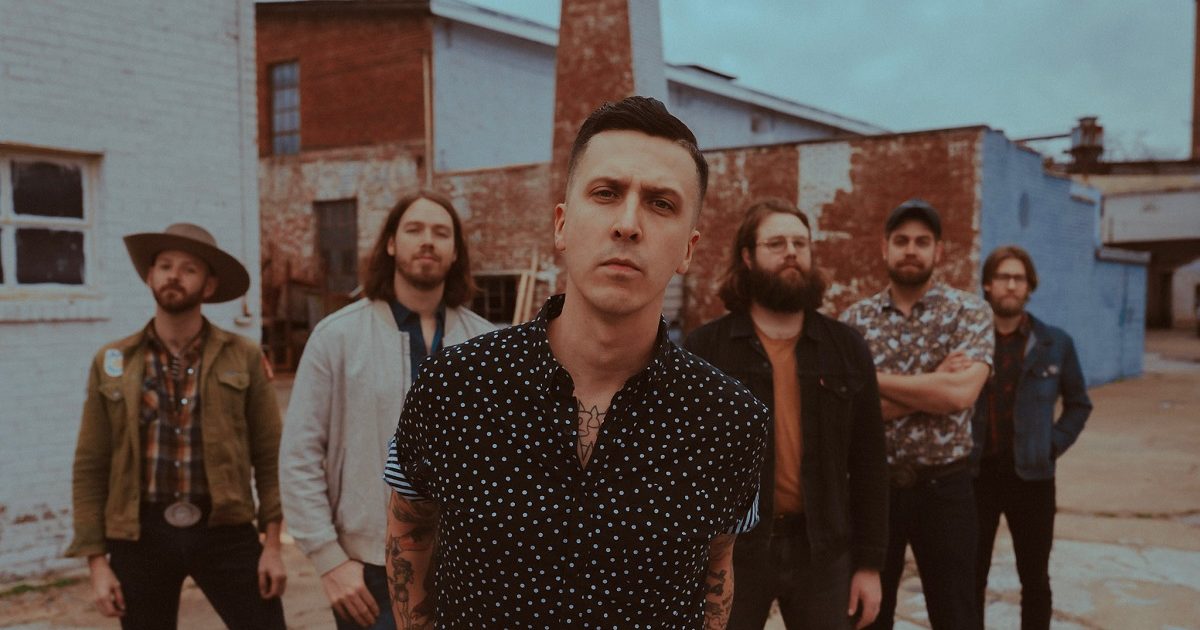
BGS 5+5: American Aquarium

Artist: American Aquarium
Hometown: Raleigh, North Carolina
Latest album: Lamentations

Answers provided by BJ Barham

Which artist has influenced you the most … and how?

I can confidently say that I wouldn’t be the songwriter I am today if it weren’t for the discovery of Bruce Springsteen and his music in my early twenties. A friend played me Nebraska and I was floored. Must have listened to that album for a month straight. He was one of the first artists I have a clear memory of hearing and saying, “I want to do that.”

He writes these elaborate short stories set to music. The songs are expansive and cinematic. The characters are all people we know personally. Intimate snapshots into the lives of the working class. He speaks the universal language in a way not many people will ever be able to. There is something so simple, yet so complex about the way he tells stories. I don’t trust a songwriter who says they aren’t a fan of Springsteen.

What other art forms — literature, film, dance, painting, etc — inform your music?

I read a lot. I usually prefer fiction, but I’ll occasionally do a deep dive into a music-related autobiography. I tend to go for Southern writers and gravitate to the darker side of the genre. My songs take place in the darker corners of the Southern experience, so it doesn’t surprise me that my literary taste tend to go there as well. Faulkner, O’Connor, Harper Lee. The greats are what sucked me in.

I’ve been reading a lot of Cormac McCarthy, David Joy and Barry Hannah as of late. There is a familiarity of place that I really enjoy about them. I think a lot of the flaws in the characters of my songs are a direct result of the books I read in my leisure time. In my lifetime, literature has informed so much of what I know about people, I would be lying if I said it didn’t have an effect on me as a writer.

What was the first moment that you knew you wanted to be a musician?

The first time I played songs in front of people I was hooked. I was double majoring in political science and history at NC State University with every intention of going to law school after my undergraduate work. Then I fell in love with songs. I remember the first show like it was yesterday. Me and some friends from high school played (horribly) at Tate Street Coffee in Greensboro, North Carolina, in front of about 20 people. I was hooked. I became a student of every aspect of the trade. Songwriting. Performing. Business. There was no looking back after that first show. I had found my calling.

If you had to write a mission statement for your career, what would it be?

I played a lot of sports growing up and every time I would complain about a loss or another player just getting a “lucky” shot, my father always said that “luck was the product of hard work” and that is something that has always stuck with me. Work Hard. Get Lucky. It’s so simple, yet so profound. I have those words tattooed across my chest to remind me every morning that luck is not just something that happens to people. There’s a really great quote about luck being the intersection of hard work and opportunity. I think that was what my Dad was trying to say all those years ago, just a little less poetic.

When I started this band back in 2005, I knew I wasn’t the best writer. I knew I didn’t have the best voice. The one thing I did have control over was how hard I was willing to work. I truly believe that willingness to outwork anyone that was better than me is the only reason that I am where I am today. I get to earn a living from writing songs and playing them for people because I dedicated myself to the craft of songwriting and refused to take no for an answer. Some friends always say that I’m so lucky to be able to play music for a living. I just smile and silently thank my father for the lessons he instilled in me at such an early age.

How often do you hide behind a character in a song or use “you” when it’s actually “me”?

When I first started writing songs, they were extremely detailed and autobiographical accounts of my youth. The partying, the mistakes, the love lost. As I got older, I started moving more toward character based fictional narrative. Don’t get me wrong, there’s a little bit of myself in every single one of my characters. Some more than others. I believe it’s important to always add those dashes of personal experience into the songs. It makes them more believable to the listener and allows you to fall into those characters as you perform these songs every night.

The fiction is where you have the ability to make the songs universal and not just about you. The bigger picture versus the guy looking back at you in the mirror. I think part of the craft of songwriting is learning that balance. The greats came out of the gate with that gift. The rest of us had to learn it the hard way. It took me quite a few years to stop writing about the person that I currently am and start writing about the better versions of myself that I hope to become.


Photo Credit: Cal & Aly

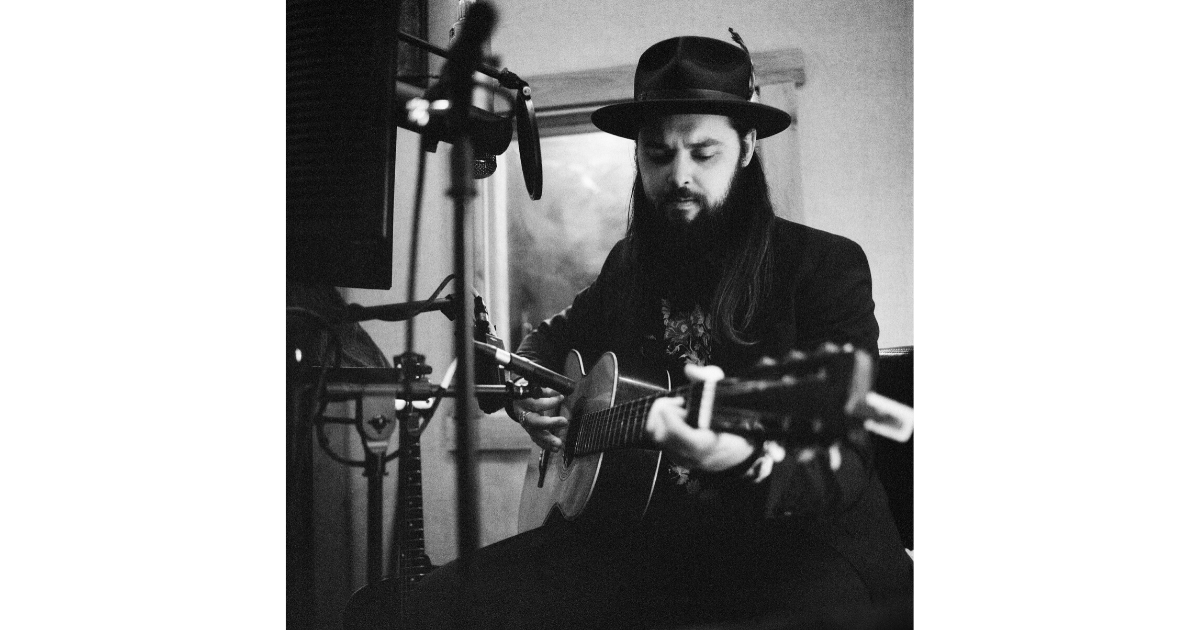
MIXTAPE: Caleb Caudle’s Country Funk Favorites

There’s a special thing that happens when the groove of soul music meets the sharp pen of country music. I’ve heard folks call it Country Soul, Country Funk, Cosmic American Music or simply “The Rub.” I refer to it as Down Home Funk. It keeps the toes tapping and the mind thinking. The special blend is a sound I gravitated towards a few years ago and it really made its way into my new record, Better Hurry Up. — Caleb Caudle

Guy Clark – “Texas Cookin’”

Guy comes out swingin’ on his sophomore record with the funkiest rhythm to any of his tunes up to that point. It’s so greasy and I’m hungry just listening to it right now. Long live food in songs!

Bill Withers – “Grandma’s Hands”

Drenched with nostalgia, this is one of my favorite tunes from Mr. Withers. He puts his personal experiences in a songs and something personal becomes so relatable. It gets me thinking about my own grandma. I’m a sucker for that Wurlitzer.

Bobbie Gentry – “Louisiana Man”

The first time I heard this tune was on a Doug Kershaw record. I love how she makes it her own. She has one of my very favorite voices. Even got a little bitty muskrat cousin! Bless it.

The Band – “Up on Cripple Creek”

I mean who am I kidding? This whole playlist could be The Band. They changed the way I heard music. They take every brand of roots music and blend it up effortlessly and effectively. God bless Levon Helm and all of his magic. I’ve touched the horseshoe at Big Pink on three separate occasions. It’s a healthy obsession.

Jeannie C. Riley – “Back Side of Dallas”

I got turned on to this tune from the Cocaine & Rhinestones three-parter on “Harper Valley PTA.” I love the vocal delivery here. Total swagger. The band is bold and the lyrics are gritty. Just feels real man, I dig it.

JJ Cale – “Lies”

His groove is so perfect, I feel like he drops the listener right into it. His guitar tone is always so on point. I’ve spent way too much time watching YouTube videos and trying to figure out what all is going on. Lies, Lies, Lies!

Townes Van Zandt – “Where I Lead Me”

I like sad TVZ a lot but I love TVZ when he has a chip on his shoulder and a blues band behind him. Everything feels nice and loose. I’ve always loved the line “In the meantime, make a little money and buy a little mercy”

Aretha Franklin – “The Weight”

As much as I love the original from The Band, I consider this the definitive version. The band is great, especially that slide work from Brother Duane. She is peaking the mic all over this one and it’s just so perfect.

Bobby Charles – “Small Town Talk”

Being from a small town, this one hits home. I love this Bobby Charles self-titled record. I hope more folks get turned on to it. The whole record sounds like a ferry ride down the Mississippi River. Who are we to judge one another? That could cause a lot of hurt.

Dolly Parton – “Jolene”

What hasn’t been said about this tune? I think the greatness comes from it still sounding fresh to this day. The riff, the vocal, the lyrics… this is a perfect song. I’m sure it really stood out on country radio at the time. It’s haunting. I can’t remember a time when I didn’t know this song.

Leon Russell – “Tight Rope”

Like The Band, I’m sure I could have made this whole playlist the master of space and time. He’s peculiar and familiar at the same time. I like the way this one bounces. A great opening track for my favorite record of his, Carney.

Linda Ronstadt – “Willin’”

I was familiar with the Little Feat version because it was all over classic rock radio when I was growing up. I recently got turned on to this take, I really love how patient it is. Great vocal take from Linda.


Photo credit: Laura E. Partain

Steve Wariner’s Signature Hit? That’s Tricky

One of Nashville’s good guys, Steve Wariner will be inducted into the Musician’s Hall of Fame in Nashville this month, recognizing his versatility as a lead guitarist and as a hired hand for legends like Chet Atkins, Bob Luman, and Dottie West. He’s also been a Grand Ole Opry member since 1996, although the Indiana native’s been performing there long before receiving that honor, both as a solo artist and a sideman.

From drinking songs like “Longneck Bottle” (recorded by Garth Brooks) to weepers like “The Weekend,” Wariner’s chameleon-like ability certainly has something to do with his long career in country music. With four decades of charting singles starting in the 1970s, he has plenty of material to pull from on his Back on Life’s Highway Tour, which makes five stops in Texas within the next few weeks.

A gracious host whose collection of vintage guitars and studio gear is constantly growing, Wariner invited BGS to his home studio near Franklin, Tennessee, to reflect on a satisfying and eclectic career.

BGS: I was curious to ask you, do you think you have a signature hit?

SW: I would probably say “Holes in the Floor of Heaven,” if there was such a thing for me. I get asked about that one the most — probably that or “The Weekend.” I don’t know, I may not have a signature song, you know? A lot of artists do, they have that one. My problem is, I hopped around so much. I’d do something where somebody would cry, and then the next time I’m doing a guitar thing. Then I’d turn around and do a real country thing. And then I would do pop, like “I Got Dreams.” I never could settle on something. I always told people that would be a curse for me.

…Therefore, I don’t know if I do have a signature. With “Holes in the Floor of Heaven,” I’ve never had a song that had that impact for me, just immediately. I couldn’t even count how many letters and emails… if I could count how many times I’ve listened to people’s stories and their loss… and I don’t mind it. “The Weekend” is one that people ask about all the time, too. At shows, I cannot get away without doing “The Weekend” or “Some Fools Never Learn.”

Do you think there’s a common thread that runs through what you have recorded?

Probably not, other than I’ve tried to keep a real level of integrity, you know? I was taught early on to pick great songs if you can and try to let it always be about the song, always, and let the song always win. I was told once years ago, “Don’t cut a song unless you absolutely love it.” Because if you’re lucky enough that it could be a hit, you’ll be singing that thing the rest of your life.

This plays into the Musician’s Hall of Fame, and maybe my guitar might be the common thread. Because throughout it all, except the very early records, I didn’t play on some of those records on my own guitar. I would sit and watch other players play, and I’m thinking, “I want to be playing on my own record,” the solos anyway.

And I’ll give credit to my friend, [studio guitarist] Paul Yandell, who brought me to Chet. He went to [Wariner’s second producer] Tom Collins, and in his defense, Tom just knew me as a singer. And I wrote a little bit, too, but he didn’t know that I was a guitar player, too. Paul went to him and said, “You ought to get Steve to play on this solo.” And I think it was on “Kansas City Lights.” I always loved that about Paul, because that’s something that probably cost him a lot of work, by him saying that. Because all of a sudden I was playing on my own records from then on.

What do you remember about writing “Baby I’m Yours” with Guy Clark?

Guy Clark was amazing. I loved hanging with him. And I got to know him at that point, I got to know him really well, and then we hung out some. … We bonded and were very close after that. The main thing I remember about that day is, there was a restaurant down on Division and we went there and ate. I remember sitting there thinking, “Damn, I’m writing with Guy Clark, this is awesome.” I tried not to let him see that, but he was kind, and really open, very open.

I remember that song being more R&B, more funky, more Guy Clark. And then by the time it got to the studio… I don’t mean this in a negative way, but by the time I got with [producer Jimmy] Bowen, and all the other players in the studio, it turned into what the record is, which I’m not arguing – it’s a No. 1 record, or I think it was, or whatever it turned out to be. But it totally doesn’t sound like a Guy Clark record.

I mean if you heard the demo… which I don’t have a copy. Damn it, I wish I did. A lot of my songs I do have the work tape and it’s hilarious to go, “That’s that song? Wow.” “Longneck Bottle” is that way. If you heard my demo, you’d go, “This don’t even sound like it,” and that’s the way with “Baby I’m Yours.” The way we did it originally really sounds like a Texas thing, a Guy Clark kind of thing, and more of an R&B songwriter thing.

We talked about the span of your career, but when people look back on the ’80s and ’90s in country music, what do you hope that they remember about you, and the music that you made?

That’s a great question. I hear it a lot, “He’s a nice guy.” When I see Vince Gill, he would come up and go, “I’m the nicest guy.” And I’d go, “Dammit, no, I’m the nicest guy.” We’d get in a fistfight over it. But I don’t know, I’d like to be known as a … it makes me smile when people mention a triple threat – that I’m a guitar player, writer, and a singer. I think musicianship always means a lot for me, and I want to be taken seriously as a writer.

So I don’t know, probably those things. That stuff, I’m leaving it up to whatever somebody thinks, that’s up to them. But I guess you just want to be respected more than anything. … I always fall back to Chet. People probably get tired of hearing me talking about Chet Atkins, but he was such an important figure in my life and my career. But I watched him, and it was just his integrity. Everything he did was impeccable, and he had such great taste. And it was really respect.

The first time I recorded with him in Studio A, my first record — I love this — he had a suit and tie on, and it was like the old days: a black suit with a little white shirt and black tie. It was like going to the office, you know? When he walked into Studio A with charts in his hand, all the players got up from their posts and followed him like the pied piper over to the piano. And they all knelt down and got around him, and Chet stood in the middle. That’s not even thought of in a session these days. That’s not even close to that. I know times move on, but I’m so glad I was in the middle of that for a little bit anyway.

I guess where I was going was, I watched the way people revered Chet, and the way he was so respected. They hung on every word he was saying and his vision of, “Here’s what we’re going to do, we’re going to make this record,” and I love that. It was so good watching that. And I think respect is the main thing, just respect for what you do. Hopefully people would say that I made really good records, you know?


Photo provided by Adkins Publicity