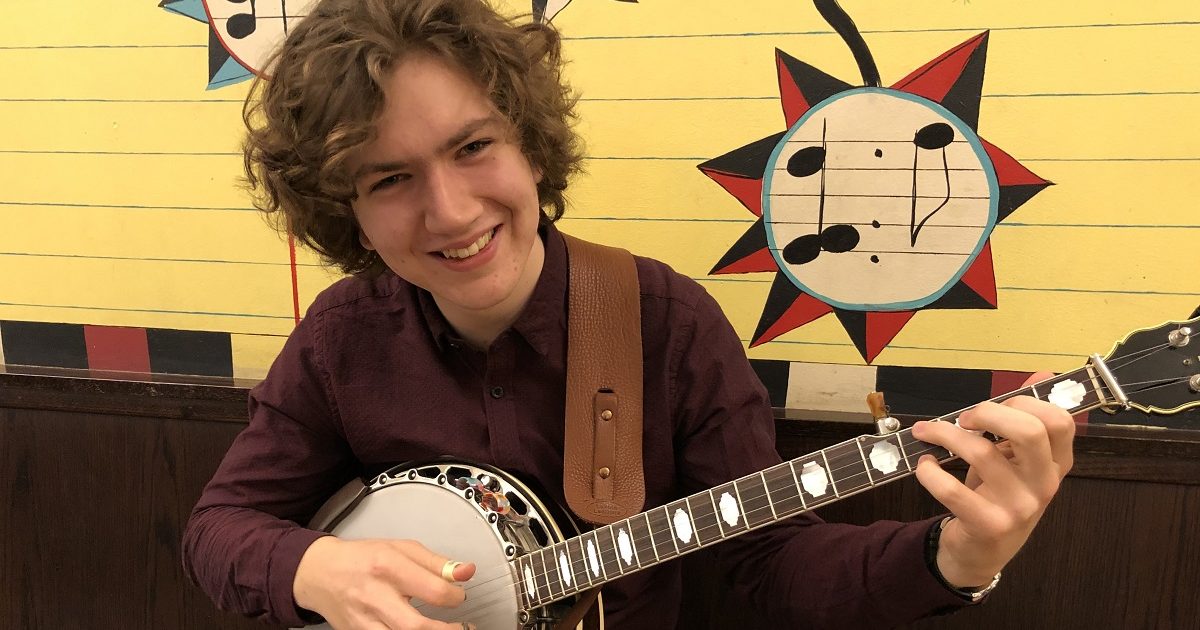
IBMA Virtual Business Conference: Who’s Taking Part, How to Watch, and More

J.D. Crowe, Jerry Douglas, Sarah Jarosz, and Ronnie McCoury are just a few of the artists taking part in the IBMA Virtual World of Bluegrass, which begins today, Monday, September 28. Kristin Scott Benson, Doyle Lawson, and Mumford & Sons’ Winston Marshall are also confirmed to participate.

IBMA Virtual World of Bluegrass is an annual bluegrass music homecoming and convention that takes place online this year, encompassing the IBMA Business Conference, IBMA Bluegrass Ramble, the 31st Annual IBMA Bluegrass Music Awards, and music festival IBMA Bluegrass Live! powered by PNC running through October 3. See the full schedule.

Check out our General Information page regarding IBMA Virtual World of Bluegrass. You’ll find our full-week schedule…

Posted by International Bluegrass Music Association on Thursday, September 24, 2020

Conference registration is available at a lower price point than in years past: $99 for IBMA members, and $149 for non-members. Register here.

To stream the following sessions, as well as many others, IBMA Business Conference registration is required. Business Conference registration also allows access to other valuable content: an online version of the Gig Fair (one of the most popular conference events each year) the Songwriter Showcase, two virtual in-the-round Song Circles, the Annual IBMA Town Hall Meeting, the IBMA Virtual Exhibit Hall, and much more.


As previously announced, Sarah Jarosz will deliver the Keynote Address on Monday, September 28 to kick off this year’s virtual IBMA Business Conference. “Having attended IBMA as a young kid just getting into bluegrass, and having returned more recently as a performer at their Raleigh conference, I’m deeply honored to have been asked to be this year’s keynote speaker. I look forward to helping kick things off!” said Jarosz.

Organizers have added three presentations to lead each day’s conference activities, Tuesday through Thursday:

Tuesday at 11 AM ET: Artist-2-Artist with J.D. Crowe, Winston Marshall, and Jerry Douglas

Hall of Famer J.D. Crowe’s infusion of new ideas into bluegrass banjo took the music to a decidedly younger and more diverse crowd, inspiring a new generation of pickers and fans. His music would influence a young banjo player across the Atlantic named Winston Marshall, who would take the banjo to millions of fans worldwide. As a member of Mumford & Sons, Winston has helped completely transform the image of the banjo in popular culture. Jerry Douglas has used his dobro to build musical bridges throughout his storied career. He has shared both the stage and the studio with J.D. Crowe and Winston Marshall, and he invites you to join him and these two groundbreaking banjo players for a fun conversation about how music unites.

We just announced special feature presentations to kick off each day of the IBMA Business Conference:

Monday – Keynote…

Posted by International Bluegrass Music Association on Friday, September 18, 2020


Wednesday at 11 AM ET: Artist-2-Artist with Doyle Lawson and Kristin Scott Benson

Doyle Lawson has been a leader in bluegrass music for decades. He and Quicksilver played at a festival in Dahlonega, Georgia in the mid-eighties, and it changed the life of a young girl in the audience named Kristin. Three and a half decades later, Kristin Scott Benson is one the most celebrated banjo players of her generation and is the reigning IBMA Banjo Player of the Year. She sits down with Bluegrass Hall of Fame member, Doyle Lawson, to talk about the impact he and his music have had on her and on the bluegrass community at large.

Thursday at 11 AM ET: From the Bay, to Bean Blossom, and Back

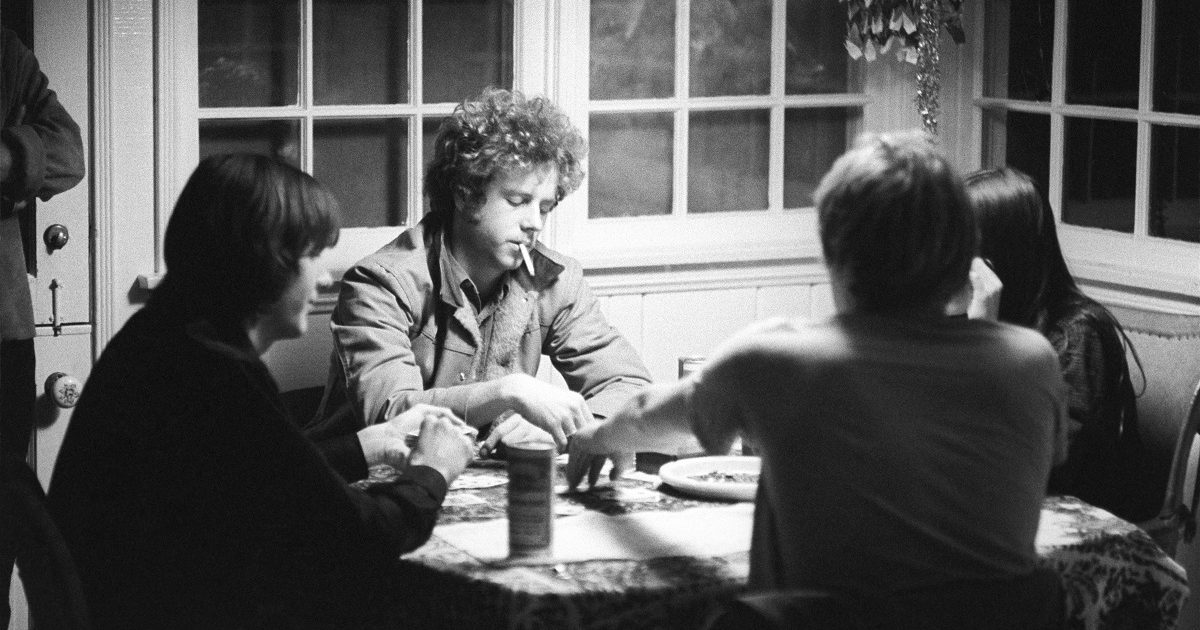
Jerry Garcia is unquestionably a towering figure in American culture, and one of the most influential musicians of the 20th century. He and the Grateful Dead set the template for a new style of music that would inspire generations, much as Bill Monroe, The Father of Bluegrass himself, had done. What’s less known about Jerry, is that long before, during, and after the Grateful Dead, he was a banjo player, a bluegrass musician, even an aspiring Bluegrass Boy. Join Ronnie McCoury, filmmaker Brian Miklis and others in a conversation diving deep into the relationship of a true giant of American music, and the music that inspired him.
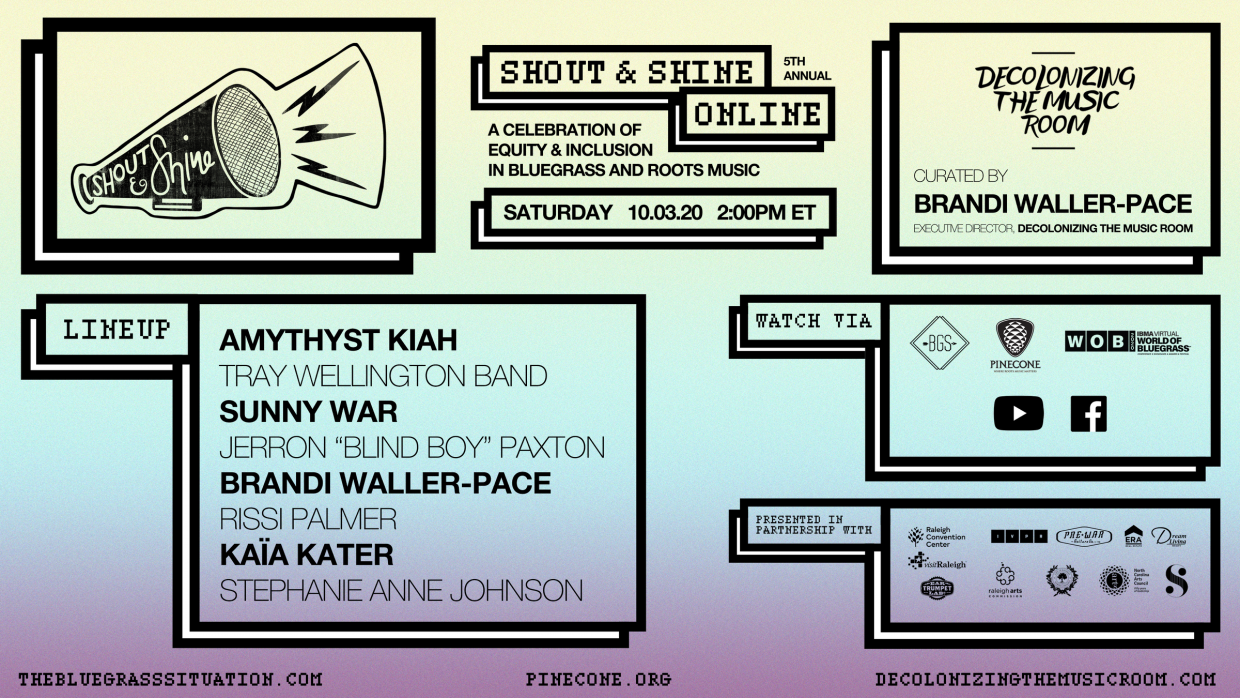
The Bluegrass Situation will proudly present our fifth annual Shout & Shine Online on Saturday, October 3rd at 2pm ET. And at press time, 30 artists have also been confirmed for a series of showcases known as the Bluegrass Ramble.

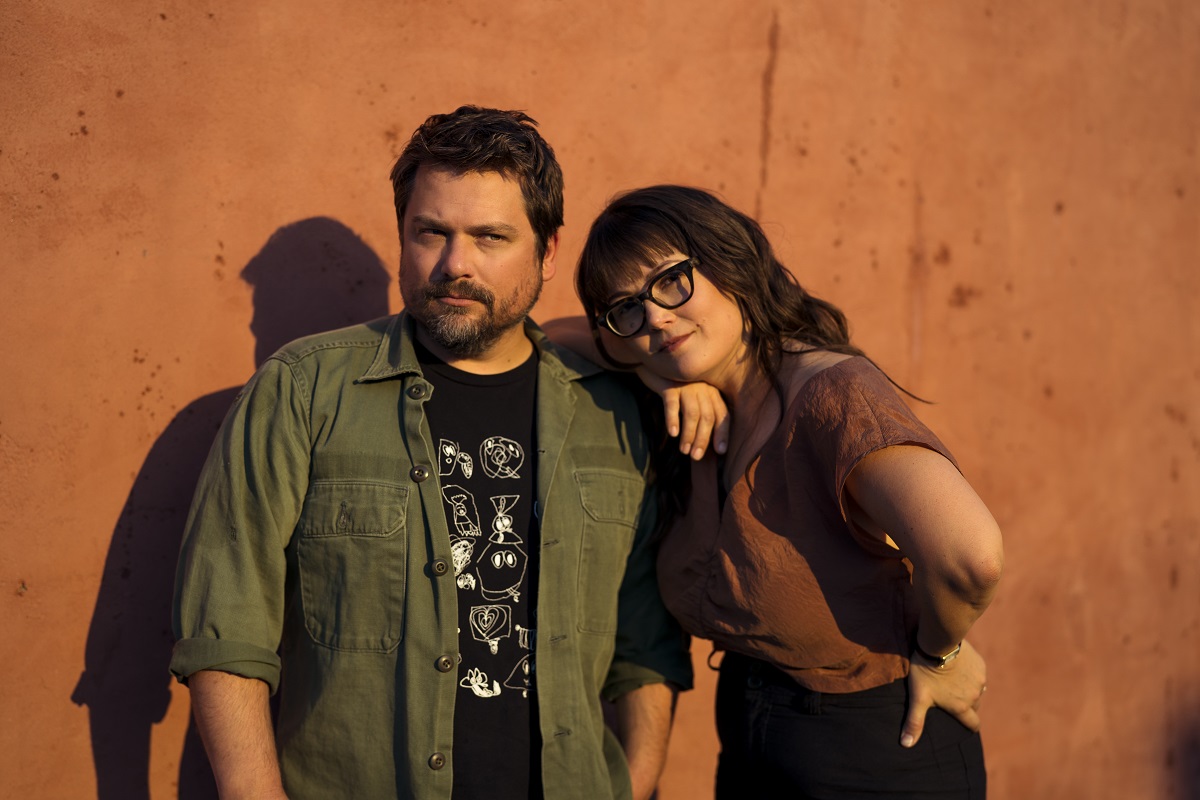
The virtual music festival IBMA Bluegrass Live! powered by PNC, will take place Oct. 2-3. Special performances by The Travelin’ McCourys with special guest Del McCoury; Steep Canyon Rangers; Jerry Douglas & Odessa Settles; Sierra Hull & Molly Tuttle are just some of the highlights that bluegrass fans can look forward to.


In addition, PNC Bank is boosting its support for the IBMA and bluegrass artists experiencing financial hardship due to pandemic-related performance cancellations. PNC Bank, the presenting sponsor of IBMA Bluegrass Live! powered by PNC, has announced it will match all 2020 donations made to the IBMA organization and the IBMA Trust Fund, for a total up to $50,000. (Donate now.)

IBMA is the nonprofit professional organization for the global bluegrass music community — connecting, educating and empowering bluegrass professionals and enthusiasts while honoring tradition and encouraging innovation worldwide. The organization has suffered financially this year due to pandemic-related health precautions that are preventing the IBMA World of Bluegrass event from being held in Raleigh, N.C. The IBMA Trust Fund, which is administered by IBMA, was established in 1987 as a means to offer emergency financial assistance to bluegrass music professionals. In 2020, requests for assistance have increased tenfold due in large part to COVID-19.

As the presenting sponsor of IBMA Bluegrass Live! powered by PNC since 2013, PNC Bank has helped bring bluegrass music and culture to Raleigh for what has become one of the city’s most beloved live, free events. While IBMA Bluegrass Live! powered by PNC cannot be presented as an in-person event in 2020, PNC remains committed to supporting this event and community tradition by helping deliver bluegrass programming in a virtual setting, Oct. 2-3.

Donations may be made online; additionally, those registering for the free IBMA Virtual World of Bluegrass Music Pass have the opportunity to make a donation during the online registration process. The Music Pass includes access to all music performances during the week, including IBMA Bluegrass Live! powered by PNC, the IBMA Bluegrass Music Awards presented by Count On Me NC, and IBMA Bluegrass Ramble presented by Count On Me NC.
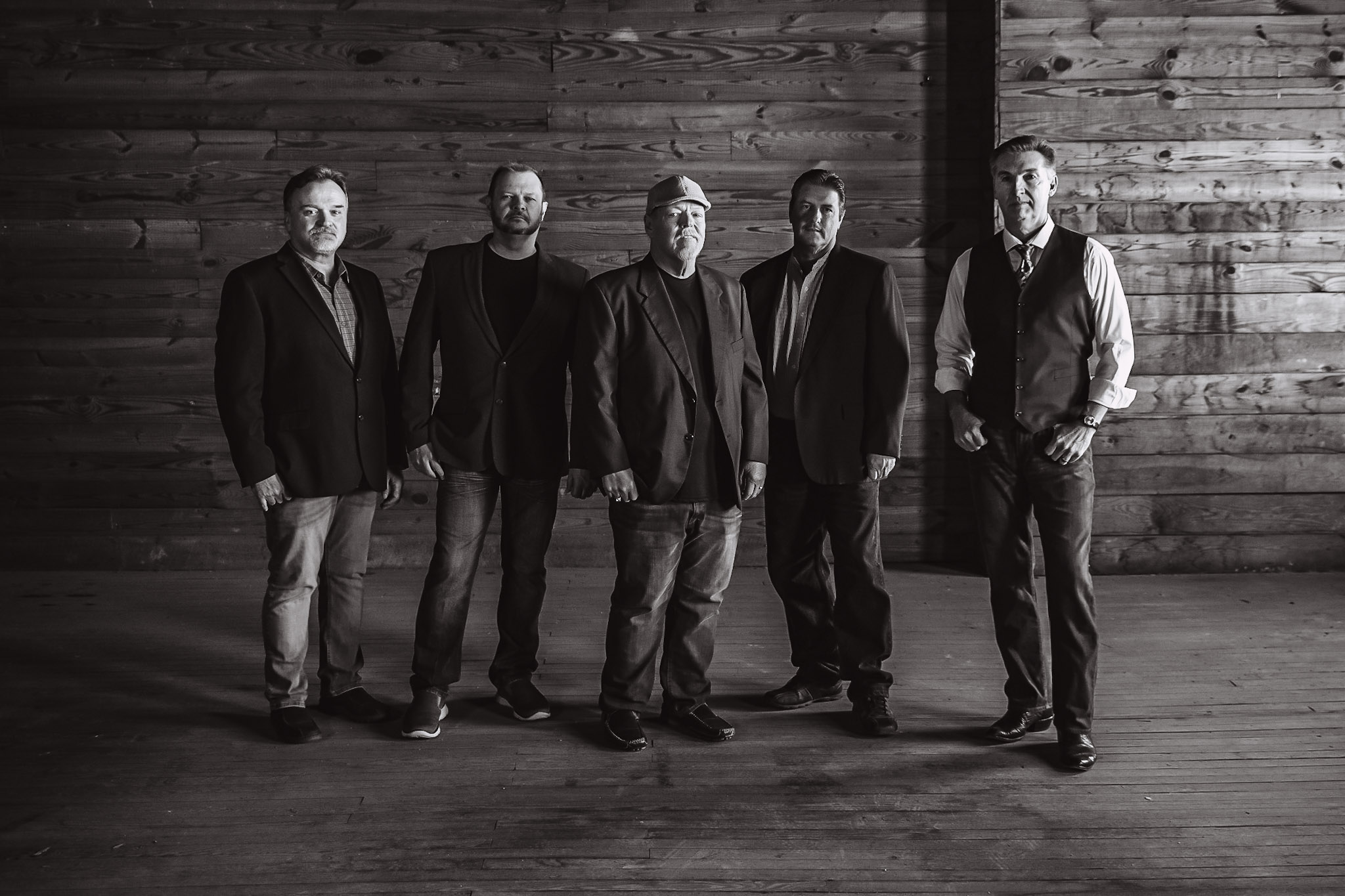
 

Despite Challenges, Phil Leadbetter Finds Motivation in the All Stars of Bluegrass

There aren’t many people in bluegrass as adored as “Uncle” Phil Leadbetter. From performing for Gerald Ford with the Knoxville Newgrass Boys in 1975 to his work with J.D. Crowe, the formation of bands like Grasstowne, or beating cancer — not once, but five times — Leadbetter has earned his position as one of the most respected and beloved musicians in this familial genre.

His new project, Swing For the Fences, by Phil Leadbetter and the All Stars of Bluegrass, comes out September 25 on Pinecastle Records. While the band lost bassist, vocalist, and songwriter Steve Gulley to cancer between recording and release — as well as their touring schedule, slashed by COVID — Leadbetter is humble proof that we can keep pushing forward and doing what we love.

BGS sat down with Leadbetter to talk about the new release, working with old bandmates, and the dearly-departed Steve Gulley.

BGS: What’s something that ties these all stars of bluegrass together? What qualities were you looking for?

Leadbetter: I put this band together for a show one time, and we had Claire Lynch and Dale Ann Bradley. I was a founder or cofounder of several bands. I founded a band called Wildfire, I was a co-founder of Grasstowne with Steve [Gulley] and Alan [Bibey], which is Alan’s band now, and I was a cofounder of Flashback. With each band, a lot of times people just change directions. Each time I’ve lost the name, so that’s why I put my name out front with the All Stars of Bluegrass. I still kinda scratch my heels a little on it, but as the CD was coming out I had to make a decision. I told the guys, “my name’s out front, but every one of you still has 20% voice.”

On one of these all star shows, I just thought, “man I’m just gonna call ‘em all back together.” I had the chance to put together a show for a radio station, and I called on Alan and called on Steve. I decided that I wanted to do a record. Jason Burleson with Blue Highway, he was automatic. We had Claire Lynch, but she moved to Canada and couldn’t do it anymore. So I go back to Wildfire and I get Robert Hale.

One of our guests, Steve Wariner, he’s a good friend of mine I met during my cancer trip. When I came out of my third remission, he called me and said “listen to your voicemail.” He had written a song about me, my illness, about me and my wife. The song is too personal to record, but maybe one day. I said when Steve Gulley died I probably wouldn’t play again, but I found out I’ve gotta move on and Steve would want me to. With my illness I thought I would be gone first, and I told Steve that if I did, they should keep this band going. I just never expected him to go as quick as he did, like he did.

Steve Gulley, who so sadly passed away last month after a short battle with pancreatic cancer, has worked with you for years. So much in fact that he and his wife Debbie sing a duet (“Yesterday’s Gone”) on the new record. 

We were down to needing one more song. Steve had sung a song on some of his — he and Debbie had a country music show that they would do up in their town of Cumberland Gap — and Steve sung this song a few times. It was a Vern Gosdin tune, and I used to play with Vern a little bit, did a couple of trips with him. Anyway, we were down to one song and I told Steve, “you need to sing this one.” So he sang it, and he did it in one take. 

So anyway, we’re driving home and we’re throwing around names of people we need to call. Claire Lynch, she was with us before Robert Hale came in. So our first thought was to call Claire, but I told Steve I had an idea, “why don’t we get Debbie to sing?” They sent me the tracks and I just got blown away, how good it was. When Steve passed everything just made sense, I called the record company and told them we needed to get this out. 

You’ve been incredibly open with your cancer battles and victories over the last few years, even noting that “5-time cancer survivor” is your greatest achievement, beyond music or awards.

If I was to get twenty IBMA awards, that would still be my greatest achievement. Cause, you can’t get any awards if you’re dead. The very first one was so special because I had my wife and son there. I was pretty sick in 2014, then I got sick again and got well again. Then I got another one in 2019. You know, I just remember all of these so well, because I remember exactly where I was in my health when I got each one of them.

There’s so many good players right now, truthfully I hope the whole ballot will eventually be full with new players. There’s some of these guys out there right now that have moved really far ahead of what I’ve ever done, and so many other players, that it’s time to get some new blood on there, and keep people energized. I’ve had three, and one would have been enough if it meant seeing someone else get the next one.

So many things I would imagine have changed since the recording of this record. What are your thoughts when you listen back to it today?

It means a lot that I got to record with Steve again, and our last thing has been my favorite thing. I’ve done a lot of records, but this went easier than anything I’ve ever played on. I think a lot of it was that me and Alan, we already felt like brothers. And Steve, you add that in and it’s like three brothers. Jason comes in, and Robert Hale I’d worked with in Wildfire and with J.D. Crowe. It was just easy, like working with family. Our plan right now is to announce a new player at some point.

I’m looking forward to the next [record], but not having Steve there will be hard. With our concerts, I’ve made a promise to myself that every show we play will include a Steve Gulley song. So that way we never replace him, we just find somebody for the space.


“The Shorthairs and the Longhairs”: The Story Behind ‘Bluegrass Country Soul’

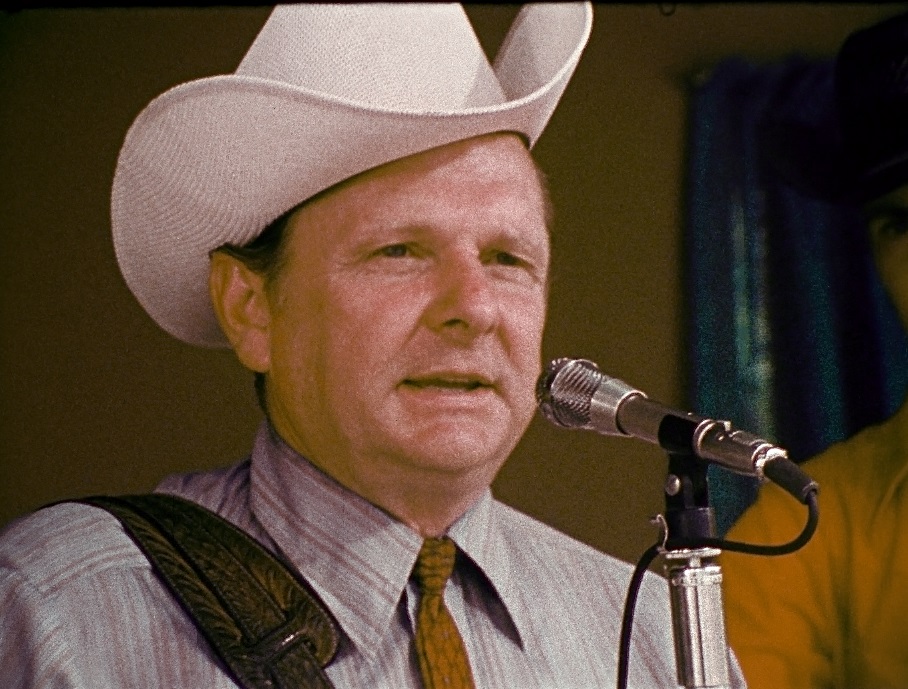
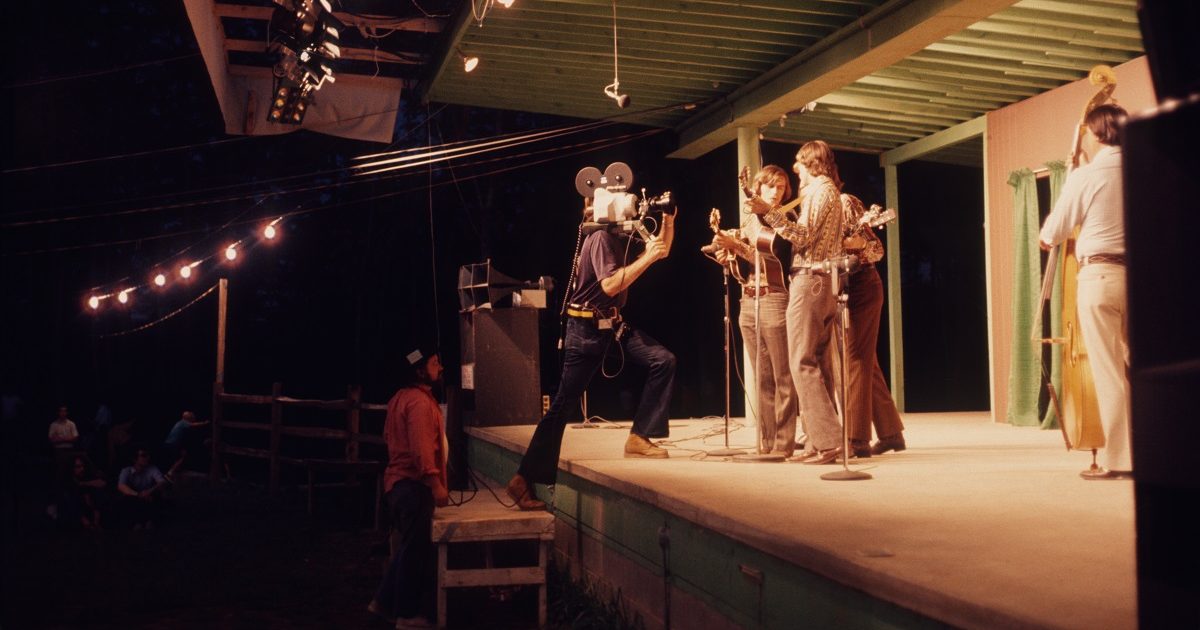
Bluegrass Country Soul captures one of Carlton Haney’s legendary festivals in Camp Springs, North Carolina, on Labor Day weekend of 1971. It is credited as the first bluegrass documentary, and is essential viewing for both lifelong bluegrass fans and those new to the genre.

This classic film features bluegrass music’s pioneers, as well as those who would take the music into the future. Earl Scruggs, The Osborne Brothers, Ralph Stanley, Chubby Wise, Mac Wiseman, J.D. Crowe, and Jimmy Martin were featured alongside The Country Gentlemen, Del McCoury, Sam Bush, Tony Rice, Ricky Skaggs, Keith Whitley, Alan Munde, and more. The film documents Rice’s last show with The Bluegrass Alliance and his first show with J.D. Crowe & the Kentucky Mountain Boys. Many of the festival’s legendary moments are preserved in color for posterity.

A larger than life figure who is credited as starting the first multi-day bluegrass festival, Carlton Haney organized the weekend’s festival, and serves as the de facto host of the film, sharing thoughts about bluegrass music, bluegrass festivals, bluegrass fans, and the bluegrass “stow-ry.” His passion for the music is evident, and makes for a great depiction of one of bluegrass’s most significant and one-of-a-kind personalities.

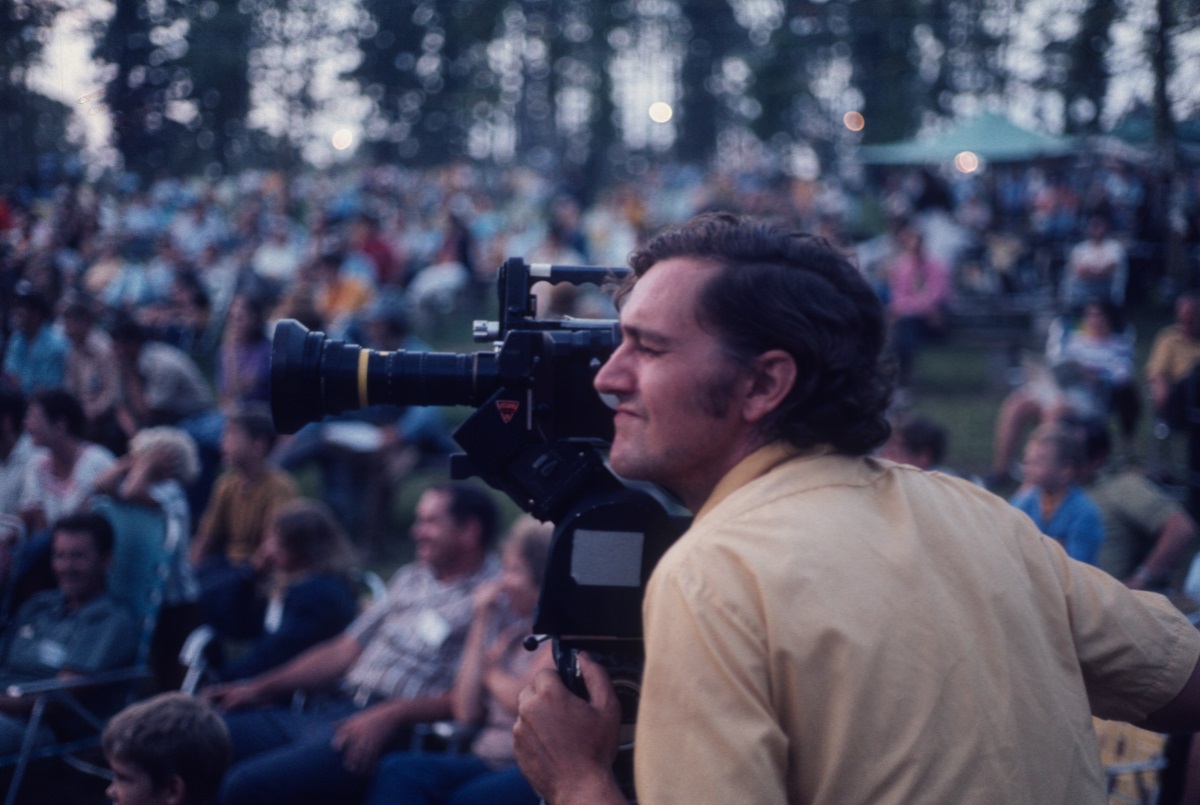
Albert Ihde, the film’s director (pictured below), spoke with BGS about the film and its legacy to commemorate the 50th Anniversary boxed set of the film, released this summer. The special edition set includes the original film, recently remastered and restored; CDs of performances not featured in the film; bonus footage including exclusive interviews with Ricky Skaggs, Bill Emerson, Missy Raines, and more; and a full-color coffee table book about the film.

BGS: How did the opportunity to film Bluegrass Country Soul present itself 50 years ago?

Albert Ihde: It was almost by accident, in a sense. A couple of buddies of mine and I were preparing a screenplay for a company in Washington, D.C. that had hired me to write a film, and then I would direct. The only thing that they insisted on was that it had to be about a Country & Western singer. Now this is 1971, and back then they called it Country & Western. I said, “Okay. Fine. Let me do some research on that.

A buddy of mine, Bob Leonard, and I were out scouting locations in Berryville, Virginia when we saw posters for Carlton Haney’s 4th of July Festival, and Earl Scruggs was going to be playing. We thought, “Well, that looks interesting.” To make a long story short, I got in touch with John Miller, who was the partner of Carlton’s there at Berryville, and John took us on a tour of the sites because I wanted to see what it looked like. It was right on the Shenandoah. Gorgeous location. He gave us passes to the Fourth of July Festival. We had no idea what bluegrass was, compared to country music, and we thought, “This looks like it’ll be fun. We’ll go to see this.”

Director, Albert Ihde

A bunch of us got a VW wagon, and my wife hooked up a camper on the back of our car. We went out, and we parked and saw it, and I have to tell you, as soon as I heard that music coming from the stage, we were all hooked. We talked to Carlton. Quite a deal! Talked to Fred Bartenstein (a local disc jockey who helped with the annual festival) and they told us more about what they were doing. I wanted to put Carlton in a film right then and there as soon as I met him.

We got back to D.C. and the company that hired me to write this screenplay, it turned out that they couldn’t raise the money to make the movie. So we took the film and decided we would try and find the money ourselves. Fortunately the first guy that I sent it to called us into his office. He was a major D.C. investor, philanthropist, and owned lots of real estate in D.C. He said that the thing that interested him most about the screenplay was this bluegrass festival out in Berryville. He said, “Why don’t you do a film about that?”

My partner and I looked at him and said it’s gonna be hard to raise money for a documentary, and he said, “How much do you need?” We get our calculator out, we start going through it, and we throw a figure out to him. It’s not gonna be as expensive as the film that’s going to have all the actors that would be taking us six to eight weeks to shoot. This, we could shoot in one weekend. He said, “Listen if you get Carlton Haney to agree to allow you to come and shoot the film at his festival, I’ll go out and find the money.” And we said, “Okay.”

The next day, Bob Leonard and I were on a plane to North Carolina and met with Carlton and Fred, pitched the whole idea to him, and Carlton was on board right at the beginning. He said, “Absolutely. No problem.” I said, “Well, are you gonna get all of these musicians to agree to this?” And he said, “Yes, I can do that.”

We had all of twelve days, two weeks, or something like that, to get the whole thing together to get down to Camp Springs on Labor Day weekend. And we lucked out. We happened to have this incredible festival with all of the pioneers of bluegrass, along with all of the up and coming newgrass guys who were changing the music as we watched. It was a great mix of both the old and the new, and as Carlton called it, “the mixture of the short hairs and the long hairs.”

That was it! You’ve got the hippies sitting right next to the guys right off the farm in coveralls. A guy in a Confederate hat sitting right next to hippie girls. It was a great mix. And everybody got along. And it was at a time in America when the country split. Nixon and the protests trying to bring our troops home from Vietnam. It was a strange time. But the thing that happened at the festival… everybody was getting along all right! Also of course, most of the audience were bluegrass musicians of their own or were learning or wanting to be. So that’s how we got into it.

What were some things about Carlton’s personality that made him such a compelling figure to follow for a film?

A number of people have said he was like the “P.T. Barnum of Bluegrass.” So it was kinda like, just put a camera on him and let him go, because you never know what he’s gonna say! Of course, the great thing about filming is, you can always edit it, and we edited out a lot of Carlton.

At one point, it was towards the end of the weekend, we were filming Carlton out on the lot, and I say “Carlton, we need something to kind of summarize the whole thing, and put a tag on the end of the film.” He said, “Oh, that’s okay. I know exactly what to say. Do you want me to make you laugh or do you want me to make you cry?” And I looked at my cameraman, and Bob was ten years older than me, and he had a lot of experience doing this, and I looked at Bob and I said, “What do you think? Make us cry?” And Bob nodded his head “Yeah, make us cry, Carlton.” And Carlton said, “Okay, start the camera rolling.”

So we started the camera rolling, and Carlton is saying goodbye to the kid who is packing up his gear at the end, and then he turns to the camera and he says, “You know, when people leave, it makes me sad, because all my friends are leaving. But I know that they had a good time, and that they’ll be back again next year.” And tears are coming to his eyes! And he says, “And that’s bluegrass and that’s a bluegrass festival.” And I said “Cut!” Bob and I just burst out laughing, and I said “Carlton, you’re going to get an Academy Award for that!”

To this day, Fred tells me, he runs into people and he says they will quote to him the lines that Carlton had in the film. “The shorthairs and the longhairs,” [and,] “You look down upon the stage and you can hear the soul of man — Ralph Stanley.” They just came out of his mouth!

The other thing was, he could not look at the lens, no matter how hard I tried. [Carlton] had this real shyness problem, and yet you put him on the stage and hand him a mic in front of ten thousand people, he was fine. But put a camera in front of him, he was looking away. Kind of shy and withdrawn. I think he was very concerned about his looks. He had terrible teeth. As somebody once said, that’s part of the times back then when nobody had health insurance or dental insurance… that was the last thing that people spent money on. So I think Carlton was a little shy about the way he looked. But he was an interesting guy.

Pictured: Ralph Stanley

You mentioned that one thing that was so compelling about the film, and at bluegrass festivals in general, was seeing people from different walks of life united by this music and finding common ground, even if it was for a weekend. What do you think that message has for us today where we are as divided now as we were fifty years ago?

I hope it has the same result. Every time I have shown the film — and I have shown it to heads of studios in Hollywood, I showed it to corporations up in New York City — no matter where I’ve shown it, people leave the theatre with big smiles on their faces. It’s not necessarily because they’re bluegrass fans, but because they enjoy it. They had fun. They were delighted. Something about that music, about the people playing it, about the commitment that these people have to it. There’s more to it than just country music. I think that’s what Carlton was trying to say about the soul. It’s a commitment to the music that is thorough.

I don’t know whether Carlton told me this or not, but at some point I learned early on: bluegrass music is not commercial country. Meaning, you’re gonna lose your shirts on it, but you’re doing it because you love it. That really says it all, and I think that comes through with music and with Carlton and with all of the people that are on stage in the film and all the people playing out in the field… You see the commitment to the music.

Ellen [Pasternack, the project’s Executive Director and Ihde’s wife] and I have a background in professional theatre, regional theatre around the country, and what you’re always looking for working in theatre are actors who can really commit to doing a performance. It’s that commitment to the art — whether that’s music, theatre, dance, or painting — that’s where you find the joy in the art. And I think that comes through in the film, even if you don’t know anything about bluegrass. I hope that comes through still to this day, and maybe gets people thinking “past the politics” for a moment or two just to look at the music and listen to the music. And to see, “If this was going on back then, why can’t it happen again?”


Photos and trailer courtesy of Bluegrass Country Soul.

BGS Long Reads of the Week // June 12

Don’t look now, but we’re approaching the mid-point of June and another week has passed us by. YIKES! Luckily, we have another week’s worth of long reads for you, too!

The long-winding catacombs of the BGS annals and archives have so much to offer. As we share our favorite longer, more in-depth articles, stories, and features to help you pass the time, take a minute to follow us on social media [on FacebookTwitter, and Instagram] so you don’t miss a single #longreadoftheday pick!

This week’s long reads travel from the canyon drives above Hollywood to Pavement to a former Oregon poet laureate to everyone’s favorite five-stringed instrument. Check ’em out.

Stephen Malkmus of Pavement Ventures Down Acoustic Road on New Album

Stephen Malkmus, of the bristly, brainy 1990s indie rock band Pavement, joins a host of fellow alt-rockers in dabbling with folk and acoustic sounds. On a brand new album, Traditional Techniques, which was produced by Chris Funk of the Decemberists, Malkmus expands on the flickers of folk interest that have permeated his career, though he may not claim mastery of any of them. [Read our #CoverStory interview]


Sara Watkins Wants Us to Ride Along on Watkins Family Hour’s brother sister

Earlier this week we celebrated Sara Watkins’ birthday (June 8, for the record) with a revisit to our recent Artist of the Month interview where she walked us through her recent Watkins Family Hour album, brother sister. For the first time in their lifelong musical careers, Sara and her brother Sean focused on creating music centered on their own duo. brother sister was the result. [Celebrate Sara’s birthday with a read]


Aoife O’Donovan Finds Her Heart in the Verse of Others

Aoife O’Donovan’s latest EP, Bull Frogs Croon (And Other Songs), arrived in March. Our Cover Story unspooled the inspiration she gained via poet Peter Sears, the former poet laureate of Oregon, whose verse is utilized in three songs O’Donovan wrote and arranged with Teddy Abrams and Jeremy Kittel. The project is rounded out by a Hazel Dickens cover and a classic folk song, giving listeners a sampling of each of O’Donovan’s folky expertises. [Read the interview]


The Byrds’ Chris Hillman Reflects on Laurel Canyon and Why He Had to Leave

A new, two-part documentary, Laurel Canyon, traces the comings and goings of several generations of folk rockers down Sunset Boulevard and up into the hills. Chris Hillman (The Byrds, The Flying Burrito Brothers), one of the canyon’s earliest and most famous residents, about the new film, the community, the music, the neighborhood, and why he had to leave. [Read the full story]


Mixtape: Ashley Campbell’s Banjo Basics

With her classic 2018 Mixtape banjoist and singer/songwriter Ashley Campbell reinforced the deeply held BGS belief that– MORE!! BANJOS!! From songs by her late, legendary father Glen and her godfather Carl Jackson to classics from folks like J.D. Crowe, John Hartford, and the Dixie Chicks, this mix has a little bit of everything and a whole lot of five-string. [Read & listen]


Jerry Douglas – Toy Heart: A Podcast About Bluegrass

For the final episode of season one of Toy Heart, we have host Tom Power’s 2019 sit down with legendary artist, musician, and sideman Jerry Douglas at the International Bluegrass Music Association’s annual business conference in Raleigh, NC.

LISTEN: APPLE PODCASTSSPOTIFY • MP3


Douglas talks all about hearing “Uncle Josh” Graves for the first time with Flatt & Scruggs and, in the early days, using a toothbrush to turn his own guitar into something like a Dobro. He tells stories of his father’s band, the The West Virginia Travellers, and being discovered by the Country Gentlemen. He shares about his lifelong friendship with Ricky Skaggs — and his connections with Tony Rice, J.D. Crowe, Alison Krauss, Ray Charles, to O Brother, and more. Jerry Douglas will go down as one of the finest American musicians of his generation, but for this episode we focus on his true love — his life in bluegrass.

Béla Fleck – Toy Heart: A Podcast About Bluegrass

On this episode of Toy Heart, Béla Fleck talks to host Tom Power from his home studio and for the first time, he tells his story in bluegrass.

LISTEN: APPLE PODCASTS • MP3


Fleck started out in New York hearing Earl Scruggs for the first time, learning from Tony Trischka, and then making the decision to go (new) south to learn from J.D. Crowe. He auditioned for Bill Monroe, but eventually found ‘his people’ and joined New Grass Revival. He tells of mistakes the band made along the way, the hard decision to leave that band and start the Flecktones, recording with his hero Earl Scruggs, and how he found his way back to bluegrass after all. He also unveils the one change he thinks anyone can make to their practicing to become a better musician.

LISTEN: Max Allard, “Rooster”

Artist: Max Allard
Hometown: Chicago, Illinois
Single: “Rooster”
Release Date: April 3, 2020

In Their Words: “My family and I have been keeping chickens in our Chicago backyard for many years. In the past, we’ve only had hens, but in the last round of chickens, we accidentally got a rooster. We named him J.D. Crowe, after the banjo player. He likes to crow, sometimes in the middle of the night. He gets confused in the city, where the line between night and day is sometimes blurry. He’s also skittish and he’s the first one to run in the coop if there’s danger approaching. I don’t think he’s doing a very good job of being a rooster. But he’s definitely entertaining.” — Max Allard


Photo credit: Rachel Allard

Ricky Skaggs – Toy Heart: A Podcast About Bluegrass

Bluegrass legend and Country Music Hall of Famer Ricky Skaggs talks to TOY HEART host Tom Power about what it was like to grow up as a child prodigy, the real story of how he got pulled on stage by Bill Monroe, how meeting Keith Whitley changed his life forever — and the last time they ever spoke. Plus, a never before told story of how Bill Monroe thought Ricky would make a “fine Blue Grass Boy.”

Listen: APPLE MUSIC • STITCHER • SPOTIFY • MP3

It’s the story of Ricky Skaggs… but the one that you may not expect. Skaggs is a notable entry point to bluegrass for many listeners and fans — like our first guest, Del McCoury is as well. Though his story is familiar: From playing the Grand Ole Opry as a tot, joining Ralph Stanley’s Clinch Mountain Boys, and going on to perform and record with J.D. Crowe and the New South, to his own smashing success in mainstream country and eventual return to his now dynastic bluegrass career. Still, Tom Power displays Skaggs in a fresh light, with stories from and impressions of the icon that even veteran fans will find refreshing and illuminating.

Subscribe to TOY HEART: A Podcast About Bluegrass wherever you get your podcasts. New episodes drop every other Thursday through May.

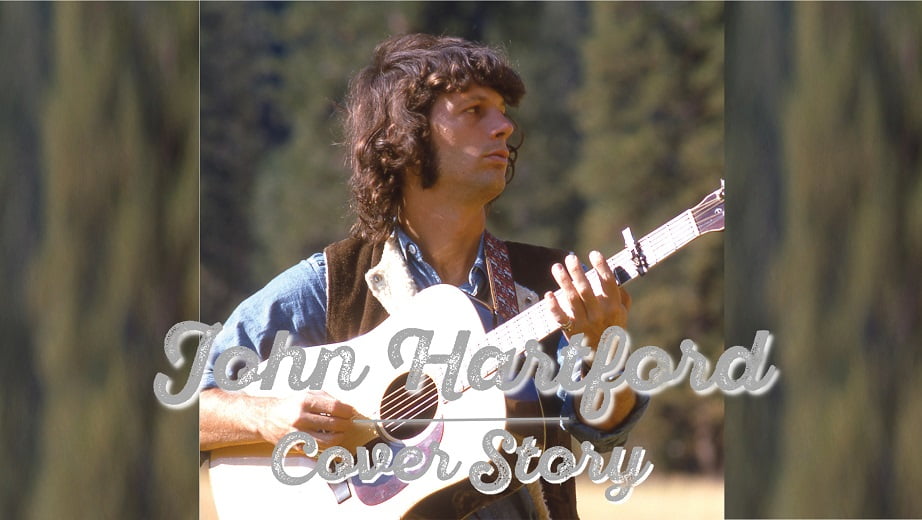
New John Hartford Set Shows Evolution of a Singular Figure

Sum up the importance of John Hartford in one sentence?

That’s the challenge given to Skip Heller.

Five minutes later, after a stream-of-consciousness run of superlatives, analogies and tangents — songwriter, entertainer, transitional figure and simply great are among the terms employed, as is the declaration that Hartford was a “gateway drug to bluegrass music” — Heller finally sighs.

“You are talking with someone who, with money he got on his fourth birthday, bought a John Hartford record,” he says.

In other words, Heller is just too deep into all things of Hartford’s life and music to boil it down to one line. While that worked against coming up with a neat summary, it served him very well as compiler and producer of the new Backroads, Rivers & Memories album.

It’s an illuminating and lively collection of previously unreleased early- and mid-1960s recordings that pre-date and pre-sage Hartford’s soon-to-come impact as a major songwriter (the 1967 Glen Campbell hit “Gentle on My Mind”), a “newgrass” pioneer (the much-beloved, still-unique Aereo-Plain album), and a solo banjoist, fiddler, foot-stomper, noted wit and colorful chronicler of life on Mississippi (a St. Louis native, he piloted the steamboat Julia Belle Swain every summer for much of his life).

And it comes as the presence and adoration of Hartford, who died in 2001 at 63 of Non-Hodgkin lymphoma, has had a resurgence, with a new legion of young fans discovering his music and prominent posthumous places on the soundtracks to the Coen Brothers’ O Brother, Where Art Thou? and 2017’s Lady Bird. For the latter his melancholy “This Eve of Parting” underscores a key scene, his sad baritone conveying the distress of the mother, Laurie Metcalf’s character.

But the genesis of the set can be traced to a fateful ’68 evening in Heller’s family’s Philadelphia living room, the TV tuned to CBS. It was a moment for the then-tyke comparable for him to what many experienced a few years prior watching the same network when the Beatles made their American TV debut on Ed Sullivan’s show.

On the screen was The Smothers Brothers Comedy Hour, and Hartford, a regular on the show picking banjo and appearing in some sketches, was duetting with Glen Campbell on “Gentle on My Mind.” That appearance essentially previewed Campbell’s own variety show that would be inaugurated soon as the Smothers’ summer replacement, with Hartford a major presence on it as well — that was him each week standing up in the audience to pluck the same song’s intro on banjo to start the show.

“If you were inclined toward music and you were going to spend your money on a record, it was going to be that or a Monkees record,” he says, allowing that perhaps Campbell would have been the attraction here for most, “but my parents already had those records.”

The album in question was either 1967’s Earthwords & Music (which included the version of “Gentle on My Mind” that caught Glen Campbell’s ear) or the next year’s Gentle on My Mind & Other Originals (piggybacking on Campbell’s massive hit with the song). He had them both, one that he bought, the other given to him by his “cool uncle,” but he’s not sure which was which. Regardless, the boy’s path in life was set.

So let’s — pardon the expression — skip ahead to the present. Heller, an accomplished and respected roots-and-far-beyond musician based in the Los Angeles area, stands as perhaps the foremost authority on his hero’s life and music, and this new album came from that and from the close relationship he developed with Hartford (opening for him at a Philadelphia concert in 1996 remains a personal highlight) and with his family. The family, including Hartford’s son Jamie, a guitar ace and singer who has carried on some of his dad’s traditions, had already released some archival material and talked with Heller about other possibilities. Ultimately, Heller was sent an extensive digital library and set to assessing, quite the task as Hartford was an obsessive taper.

“He had a tape of pretty much any show he played,” Heller says. “He also had a tape of every jam session.”

After contemplating a compilation of live recordings, Heller hit on the notion of building an album from Hartford’s ‘60s songwriting demos, adding to that some airchecks from his regular radio show on WHOW in Clinton, Illinois (near St. Louis) and — a real treat for fans — the entire eight-song output of his early Ozark Mountain Trio, pretty straight bluegrass.

Overall, it shows an evolution of a singular figure, someone who took traditions and made them his own, infused them with his distinctive talents and personality, and in turn shaped sensibilities of others to come. Along the way there are demos of “Gentle on My Mind,” “Eve of Multiplication,” “This Eve of Parting,” and other songs he would record for his late-‘60s run of albums on RCA. And, as a tantalizing if brief and ephemeral bonus, there’s a 30-second excerpt from a rehearsal with a band of Nashville pros of what would become “Steam Powered Aereo Plane,” which a couple of years later would become a centerpiece of that forward-thinking album he made with fiddler Vassar Clements, guitarist Norman Blake, Dobro master Tut Taylor, and bassist Randy Scruggs.

“The Ozark Trio and radio things, those are the makings of John Hartford,” Heller says. “And you can hear how when he starts finding his own voice through this, Pete Seeger was the transitional figure who was around. He really gets clearer about who he’s going to be. His batting average as a songwriter gets much better, a combination of Pete Seeger and Roger Miller. He gets his elliptical words stuff from Miller.”

Heller found a lot of epiphanies and revelations in the course of putting this all together. One that may strike many is in the Ozark recordings.

“If you didn’t know that was John on banjo, you’d go, ‘Who is that?’” he says. “He’s amazing. Not doing anything J.D. Crowe or other of the ‘real’ guys would be doing, and you can hear Earl [Scruggs] on it, and maybe also Doug Dillard’s influence. One of the things in this album for me was to show how incredibly grounded he was in traditional bluegrass. He could have gone on and just done that, could have made a life of that, just be a banjo player. And on those radio airchecks, he is one of those old-time country guys. To hear that professionalism before he even got to Nashville was an epiphany.”

But even more so, Heller was astounded by how meticulous Hartford was in the songwriting process.

“The revelations to me were often how he would evolve a piece of material in the process of writing before he ever played it,” he says. “There are songs for which we had four, five, six versions. He really could get in the weeds. Any really good songwriters can.”

The biggest questions may revolve around the “Aereo Plane” clip. Why just 30 seconds? And what can we learn from that short passage?

“The whole rehearsal of ‘Aereo Plane’ is like 40 minutes,” he says. “You hear the band that’s on the RCA records rehearsing it — and not quite getting it.”

These are ace musicians, Heller notes, some of the top that Nashville had to offer. But Hartford’s vision has moved in a way that they couldn’t quite follow.

“Once he hits [the album] Aereo-Plain it’s all going to change,” he says, citing that later album’s fusion of old-timey string band gospel and progressive flights of fancy, spiked by touches of both heartfelt tenderness and witty Dada-hippie absurdities (including the two spellings of plane/plain) only hinted at in his earlier works.

“To me that feels like the natural cut-off point, the end of the RCA years. Why? The band he has can’t quite play the next thing he had in mind.”

Joe Mullins & the Radio Ramblers Turn the Dial to Bluegrass Tradition

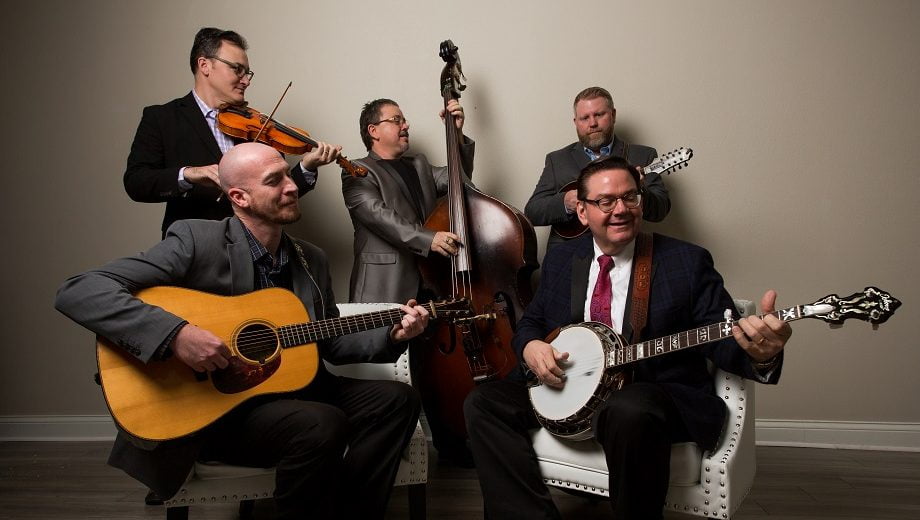
For the record, Joe Mullins is a cornerstone of the modern bluegrass community. He’s chairman of the International Bluegrass Music Association, as well as a radio station owner and an award-winning musician. Plus he’s just an easy guy to talk to. During a visit with the Bluegrass Situation, Mullins traced his decades-long career, from teenage gigs to For the Record, his latest album with the Radio Ramblers, featuring Jason Barie on fiddle, Mike Terry on mandolin and vocals, Duane Sparks on guitar and vocals, and Randy Barnes on upright bass and vocals.

BGS: Did you go into these latest sessions with a certain sound or musical direction in mind?

Mullins: We had three or four new songs that we wanted to do, and wanted to make those our own. I try to make certain that when we combine rare tunes that we want to cover with new songs, that we get the perfect balance of a variety of vocal and instrumental arrangements. I don’t like the same ol’, same ol’. We’re fortunate in the band to have so much vocal versatility. There are three of us that can sing any part, plus a bass singer if we want to do a quartet number. So, I make certain there’s a good balance vocal arrangements, keys, tempos, subject matter… If you listen to all 12 songs in a row, I don’t want you to get bored and go to sleep.

That’s harder than it sounds.

It is! Especially when you combine original material with some rare tunes that you want to cover, and that you want your audience to hear. I always find a few of those. We’re called the Radio Ramblers because I have been on radio and on stage since ’82. I was 16 the first time I played a major bluegrass event as a banjo player, the same year I started in broadcasting. So I’ve got a real deep well to draw from, everything from old-time stuff to contemporary country, classic country, Americana music, and everything bluegrass. On this new album, we’re covering a Johnny Cash/Hank Jr. tune (“That Old Wheel”), and doing new songs, and something from a hundred years ago, out of a hymnbook. So there’s a little bit of everything.

I’ve heard you talk before about the bluegrass history in Southwestern Ohio, and you made a reference to Sonny Osborne and J.D. Crowe as being mentors to you. What was that relationship like?

My dad was a broadcaster and a good bluegrass fiddle player. He was in and out of bands. He sat in with the Osborne Brothers a bunch when I was a kid. He sat in with J.D. Crowe when Doyle Lawson and J.D. had the Kentucky Mountain Boys going. He was on a ton of recording sessions in the ‘60s and ‘70s with a variety of bands. In Southwestern Ohio, the Cincinnati/Dayton region, it’s just thick with bluegrass history. Everybody from Flatt & Scruggs to the Stanley Brothers — they all recorded in this area at one time or another. Larry Sparks started here and grew up here.

The Osborne Brothers started here. Their parents had left Kentucky to get a job in Dayton, Ohio, when they were boys. Bobby and Sonny started their career right here in the same neighborhood where the Radio Ramblers started. They started in the late ‘40s, early ‘50s, and we started in the early 2000s. Matter of fact, Bobby started singing on the radio in Middletown, Ohio, in 1949 — the same station my dad started working at in 1964, and the same station I started working at in 1983. So there’s just a lot of connection there.

The Osborne Brothers and J.D. Crowe and Ralph Stanley and Don Reno — all these first-generation bluegrass leaders were all family friends. They were in and out of the house when I was a kid. My mom fixed breakfast or supper for everybody I just mentioned, multiple times. Dad sat in with them and played on Larry Sparks’ first record, and played on all kinds of recordings in the area. I saw these guys growing up a lot.

So when I decided to attempt the five-string banjo, I had seen J.D. Crowe and Sonny Osborne and Ralph Stanley in their prime, multiple times, and had all the recordings already in my bedroom. Then, when it came to me pretty naturally, and I had the opportunity to play and perform and record as a young guy, if I was having a struggle with something, I always had access to J.D. Crowe or Sonny Osborne or Don Reno or Ralph Stanley. “How do you do this?” “How do you that?” I got to see them often and I got some one-on-one time with all of them.

Did that strike you as amazing at the time? Or was it later in life that you realized how incredible that was?

Later in life I realized I am the most blessed guy in the world. The most fortunate cat, you know? To be 15 or 16 years old, trying to learn how to play banjo, and have access to these guys always – and get to be encouraged by them, and sing by them… Sonny especially, he would lecture about all kinds of stuff besides banjo playing. “Make sure you go to college! Quit smokin’!” That’s just who he is. We still talk often and I play one of his banjos on this record. He’s had custom banjos built and designed for many years and I’ve had one of them for the last six years.

I wanted to ask about your dad and touring with the Traditional Grass. Was he easy to travel with?

Not always. [Laughs] I often look back on the Traditional Grass – we had it going on in the late ‘80s and early ‘90s. We had a ball! We were on the road all the time and back then it was just wide open. Us, the Del McCoury Band, the Bluegrass Cardinals, the Lost & Found Band — and the first generation guys were still out there. We saw the Osborne Brothers, Ralph Stanley, and Jim & Jesse all the time.

I was real young and I look back on it now a ton, because Dad was my age then. He still was a pretty hard-charger. All the other guys in the band were young and it didn’t matter how late the show was, or how long the party went on, he hung in there with us. [Laughs] He wasn’t really hard to get along with. He just got tired and cantankerous sooner than all of us young cats did, I guess. But he didn’t worry about details. He worried the most about playing great music and having a good time.

In the ‘90s, you were pretty visible with Longview, too.

Very fortunate. Worked out great. Traditional Grass toured like crazy in the early ‘90s. We burned it up from ’89 to about ’95. I about burned myself out and burned myself up, just living hard on the road. I was very fortunate to have an opportunity to buy a local radio station here in this wonderfully historic bluegrass neighborhood in Southwestern Ohio.

The Longview thing was already in the works before I came off the road with the Traditional Grass. We started conversations around ’94. I was on the road with that band through the summer of ’95 and launched my first radio station as an owner in the summer of ’95. And Longview recorded first in December of ’95, so by the time the album came out, there was a good buzz with it and it was an immediate success. And we had to go out and tour part-time.

So I had just enough time to get my radio business started and established without a heavy tour schedule. And then I had this wonderful, high-profile gig as a special event recording band that also got to tour and play everything from MerleFest to Wintergrass, from Telluride to Myrtle Beach. We played everywhere as a special event band in the late ‘90s and it kept me from falling off the radar.

If you look back on the late ‘70s when you were developing, to now, where you’re thriving in a lot of different areas, so many things have changed in bluegrass. But what would you say has been a consistent thread from those days until now?

You’ve still got to be able to play in time and sing in tune. [Laughs] I don’t care how young or old you are! Some of the consistent threads are that there’s nothing to hide behind in bluegrass music. You still have to be able to cut the gig. You still have to be able to bring it. I’m still on stage every night with five guys who have to know exactly how to manhandle their instrument, and vocally, it’s all out there.

The simplicity of that part of it — for my band and the sound we look for — it hasn’t changed. It hasn’t changed from the original formula that Monroe and the Stanleys and the Osbornes and all of ‘em have put on stage since the ‘40s and the ‘50s. It’s still got to be players that are masters at the craft. It’s still a combination of art, entertainment, and blood, sweat and tears. That’s bluegrass.


Photo credit: Amanda Martin Photography