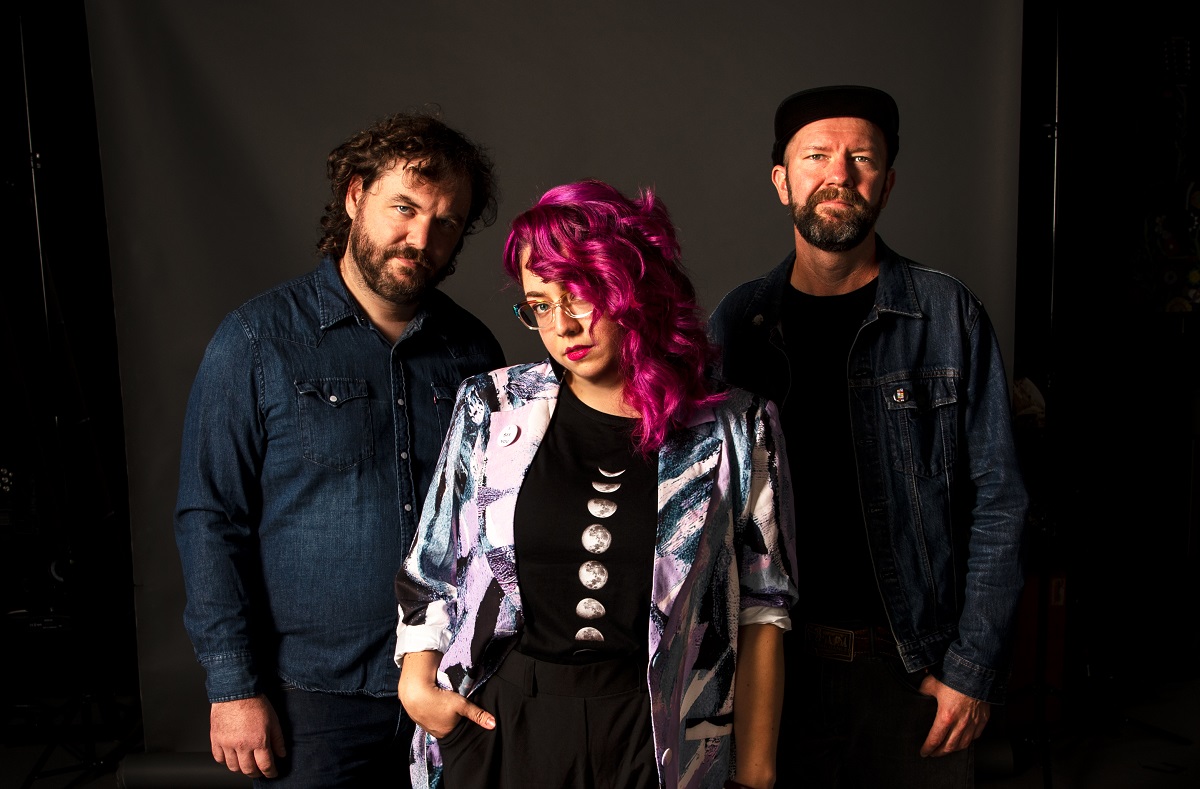
BGS 5+5: Darrin Bradbury

Artist: Darrin Bradbury
Hometown: Nashville, Tennessee
Latest Album: Artvertisement

What’s your favorite memory from being on stage?

It’s not from being on stage, but this one time, my tour manager Josh and I broke down an hour outside of Charlotte, North Carolina, on the way to opening for Robert Earl Keen. The van just up and died. We were on the side of the highway wondering what to do when we called AAA. It turned out that we were just below the amount of miles that AAA would tow — making our arrival to open for Robert Earl Keen, pulling up right behind the tour bus in a tow truck, jumping out of said tow truck, running on stage, plugging in and playing.

How often do you hide behind a character in a song or use “you” when it’s actually “me”?

Unfortunately, I find that often characters hide behind me, making me speak for them as they cower behind me, quite frankly it’s exhausting. I wish they’d just speak for themselves, I just keep collecting them, as voices in my head.

What rituals do you have, either in the studio or before a show

Before every show I’m usually pretty antsy. Offstage I’m fairly introverted. One of my best friends from back in New York wrote this song about a decade ago on a road trip we were on through the Midwest called “Moon in the Blue Sky.” I always find a quiet spot to sing it to myself.

What other art forms — literature, film, dance, painting, etc. — inform your music?

Abstract expressionism, gestural painting, de Kooning, Pollock, Picasso, as well as authors Kurt Vonnegut, Charles Bukowski, John Fante. I also dance when no one’s looking.

What’s the toughest time you ever had writing a song?

Every song is the toughest, roughest, most pain in the ass, shit kicker, tooth knocker, sock rocker, and you don’t always win.


Photo credit: Weston Heflin

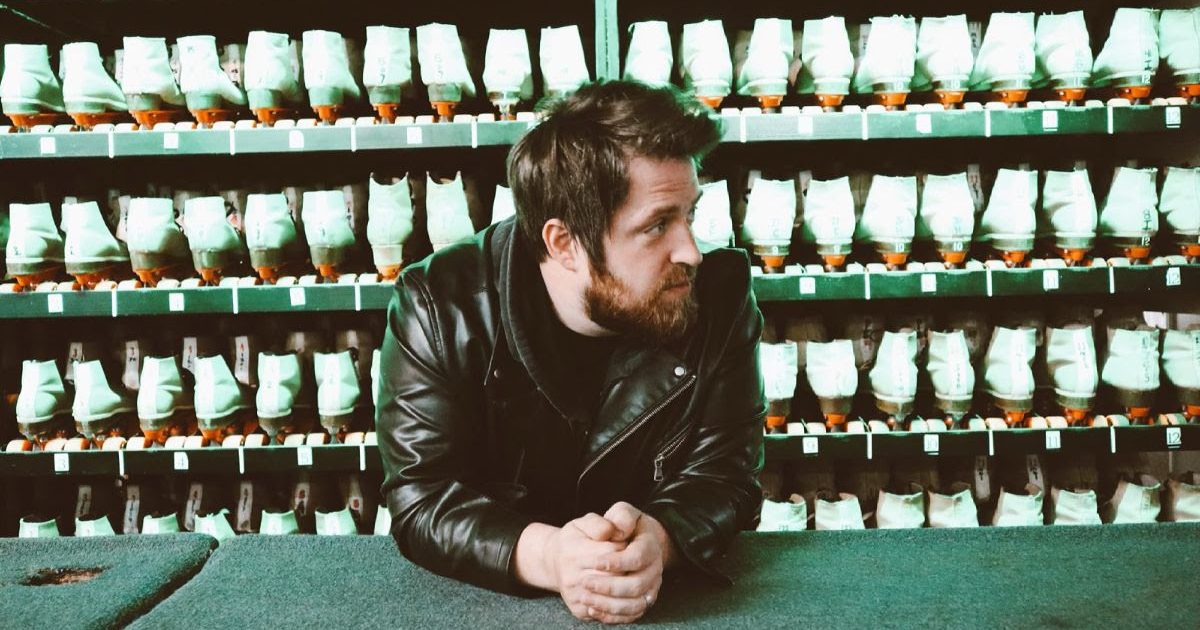
BGS 5+5: Lee DeWyze

Artist: Lee DeWyze
Hometown: Mount Prospect, Illinois
Latest Album: Ghost Stories

Which artist has influenced you the most … and how?

I would have to say two artists: Paul Simon and Cat Stevens. I always believed everything Paul Simon was saying in his songs, which to me always spoke to the honesty in music — I find that very important for me in my writing. And the emotionality and vulnerability that Cat Stevens put in not only his live performances, but his recordings as well. I was so hooked on them from a young age it was quite literally what inspired me to start writing and playing.

What was the first moment that you knew you wanted to be a musician?

I was about 10 years old and I was reading along the back cover of the Tea for the Tillerman as my dad played it (we always had records playing). I can remember being amazed that these stories were being told through music and I was so moved — it was almost a calling for me. It was like a mental picture book.

How often do you hide behind a character in a song or use “you” when it’s actually “me”?

I would say I do like to have the listener feel like they’re part of the story. I would like to think over the years I’ve become more open to being vulnerable in my writing. I do like to write from my point of view — that said I’m not always writing from my experience. Sometimes it’s just understanding someone else’s experience and trying to convey that from my perspective.

What’s the toughest time you ever had writing a song?

I would say probably during this past year, plus there was a stretch of about eight months that I just could not find the inspiration to write. Which seems ironic considering all the time I had. It was definitely a test for myself, but after a while the writing kind of swept me up and it was like the flood gates were open, allowing me to finish my new record, Ghost Stories.

What other art forms — literature, film, dance, painting, etc. — inform your music?

I would definitely say that film/visual media has found its way into my music. I’ve had quite a few songs in TV and movies and I suppose I’ve always loved that marriage. Whether it be a song of mine that finds its way in, or I’m brought on to write specifically for something. From Harold and Maude to the Disney classics, I always loved the music and movies from a young age. I remember seeing Fantasia for the first time and it blew my mind.


Photo credit: JDubs Photography

16 Summer Reads: New Books by Brandi Carlile, Mary Gauthier, and More

My summer essentials list is pretty simple: A ball cap and sunscreen for a hike, driving directions and a trail map for a day trip, and more than a few reading options for the couch that’s inevitably waiting for me at the end of a long hot summer day. Gathering together all the new memoirs and taking some tips from my BGS colleagues, here are 16 top tomes to get us all — even the kids — through this sweltering season of 2021.

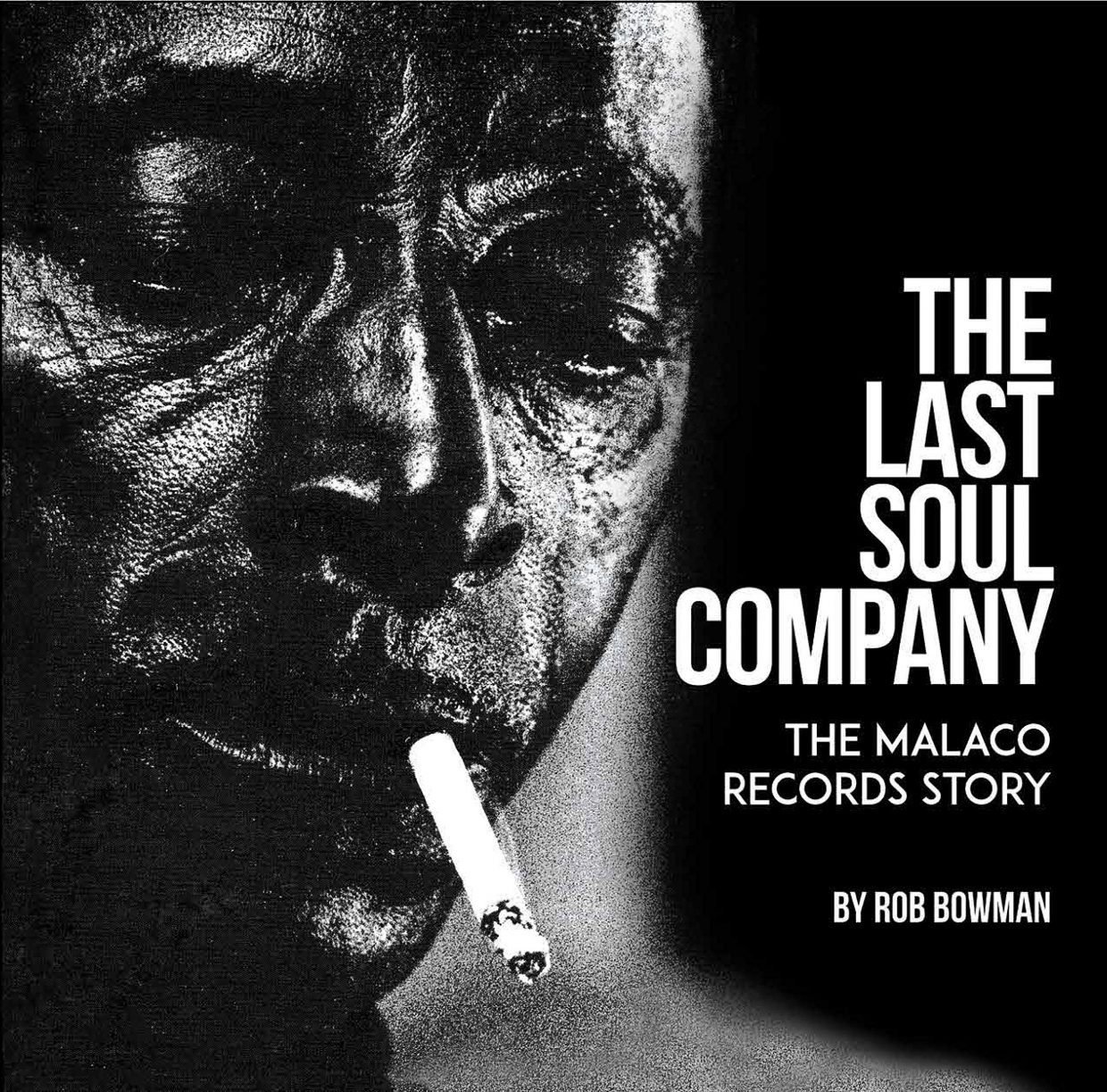
Rob Bowman, The Last Soul Company: The Malaco Records Story

Generous in its photography and its scope, this overview of Malaco Records explains how a pioneering independent label founded in 1962 brought a wealth of African American music to the world via artists like Mississippi Fred McDowell, Bobby Blue Bland, Z.Z. Hill, Johnnie Taylor, Little Milton, and James Cleveland.


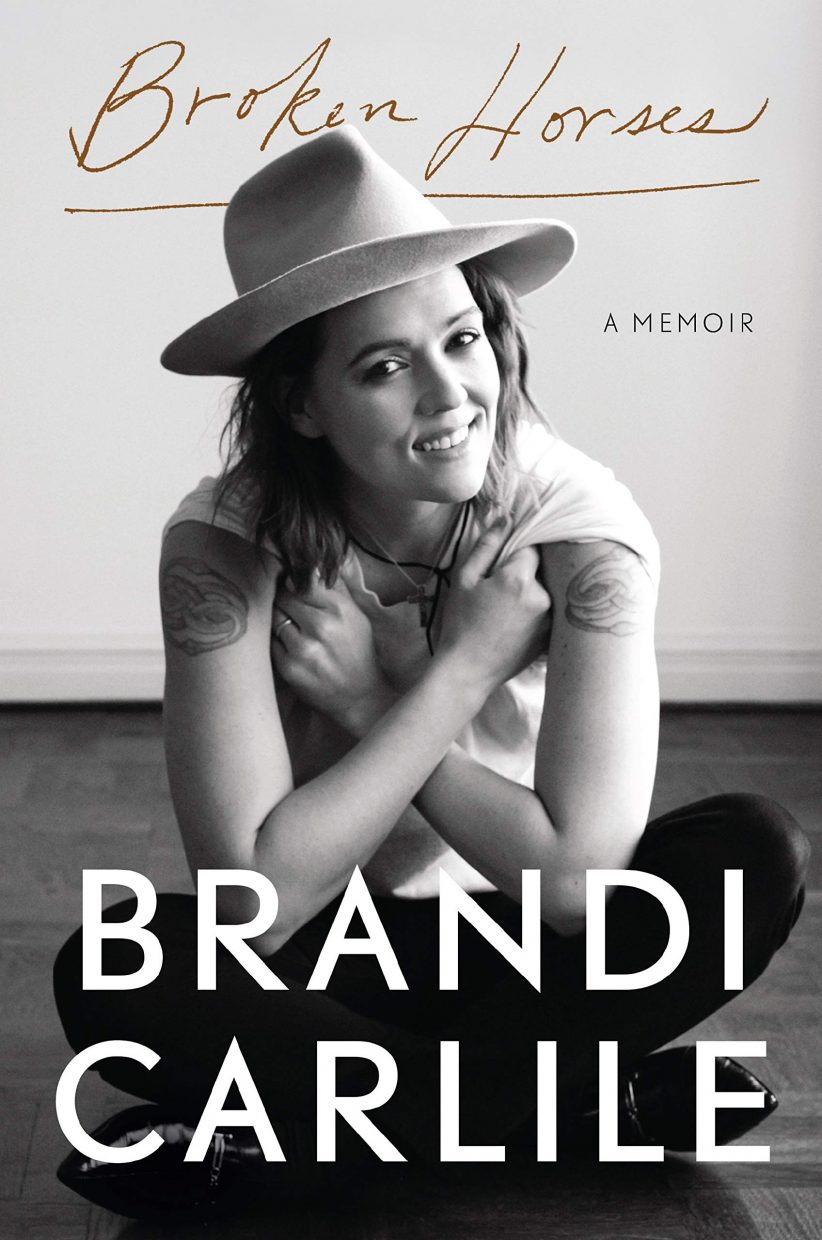
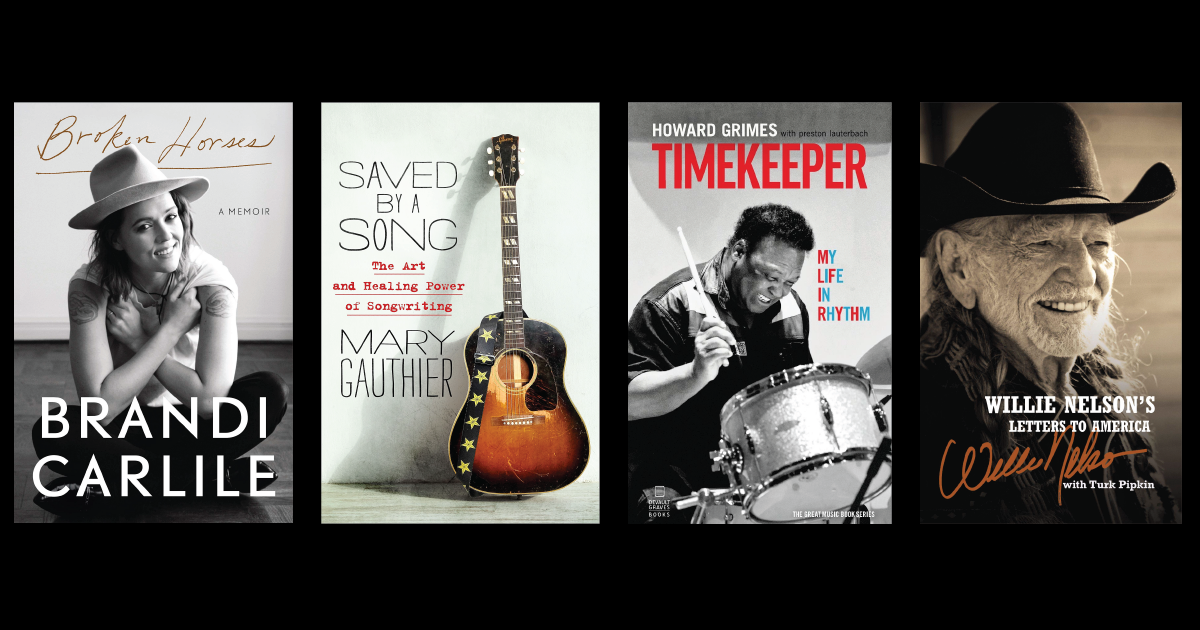
Brandi Carlile, Broken Horses

This memoir satisfies the longtime fans who will learn what inspired the songs from her early albums, yet it’s also a candid and conversational statement about what it’s like to be a queer woman in roots music today. The cast of characters is charming, too, particularly her exchanges with Elton John and Joni Mitchell.


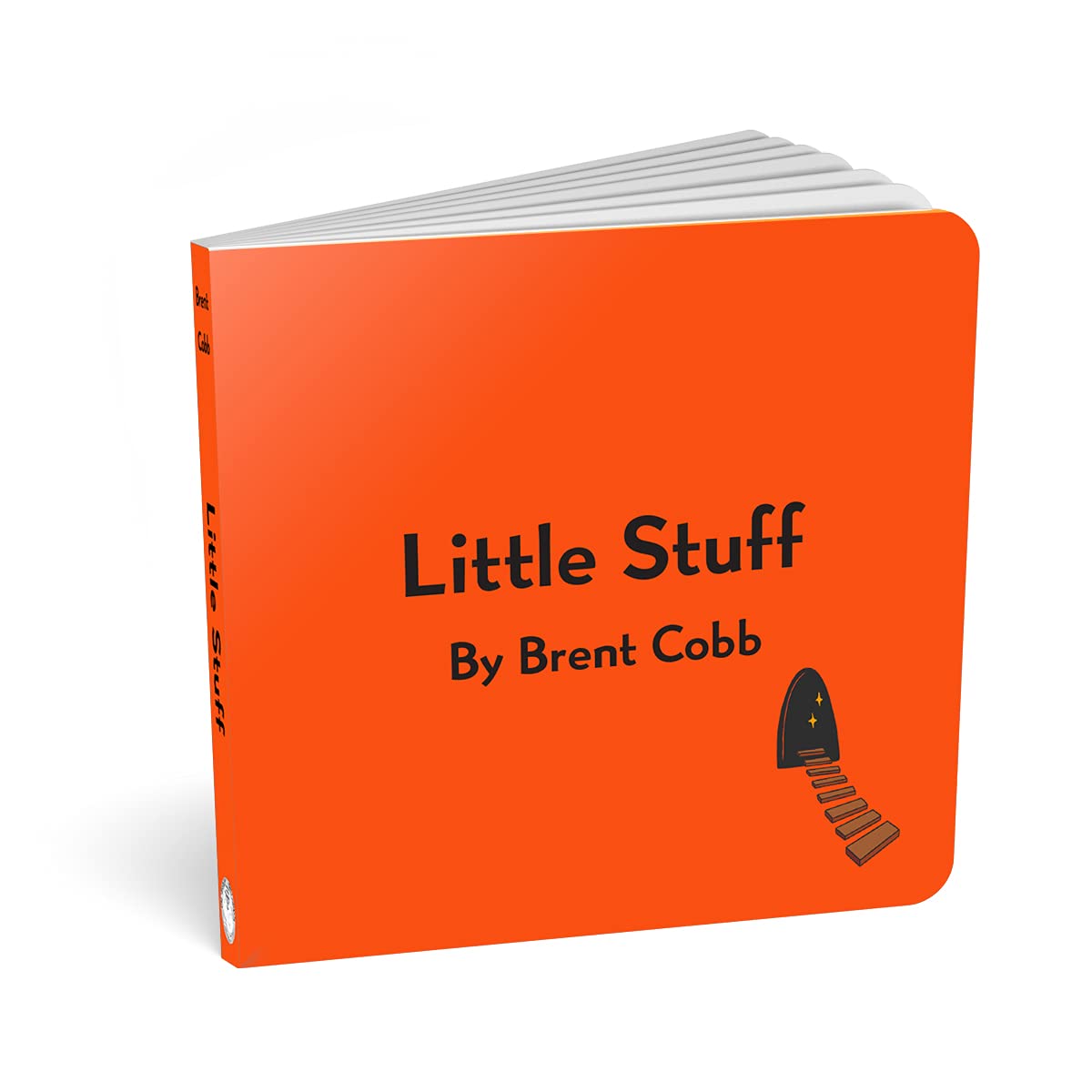
Brent Cobb, Little Stuff

Country tunesmith Brent Cobb has said he writes every album with his kids in mind, so transforming the song “Little Stuff” into a children’s book came naturally. But how many children’s books get their own music video? Whether you read it or watch it, the Georgia musician’s homespun wisdom shines through.


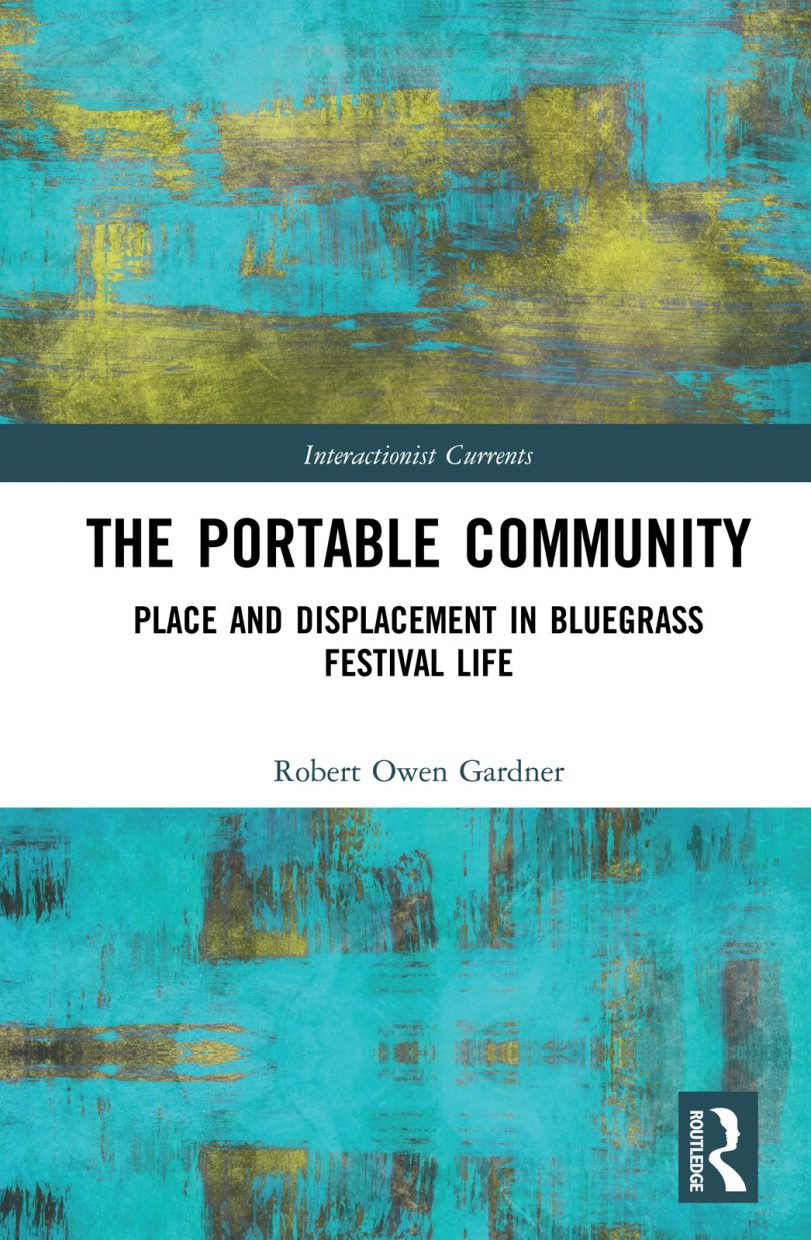
Robert Owen Gardner, The Portable Community: Place and Displacement in Bluegrass Festival Life

This scholarly look at bluegrass festival culture in the American West comes from sociology professor Robert Owen Gardner. It’s also an examination of how arts and music grapple with social and environmental change. A digital version of the academic textbook allows more room in the backpack for sunscreen and guitar strings.


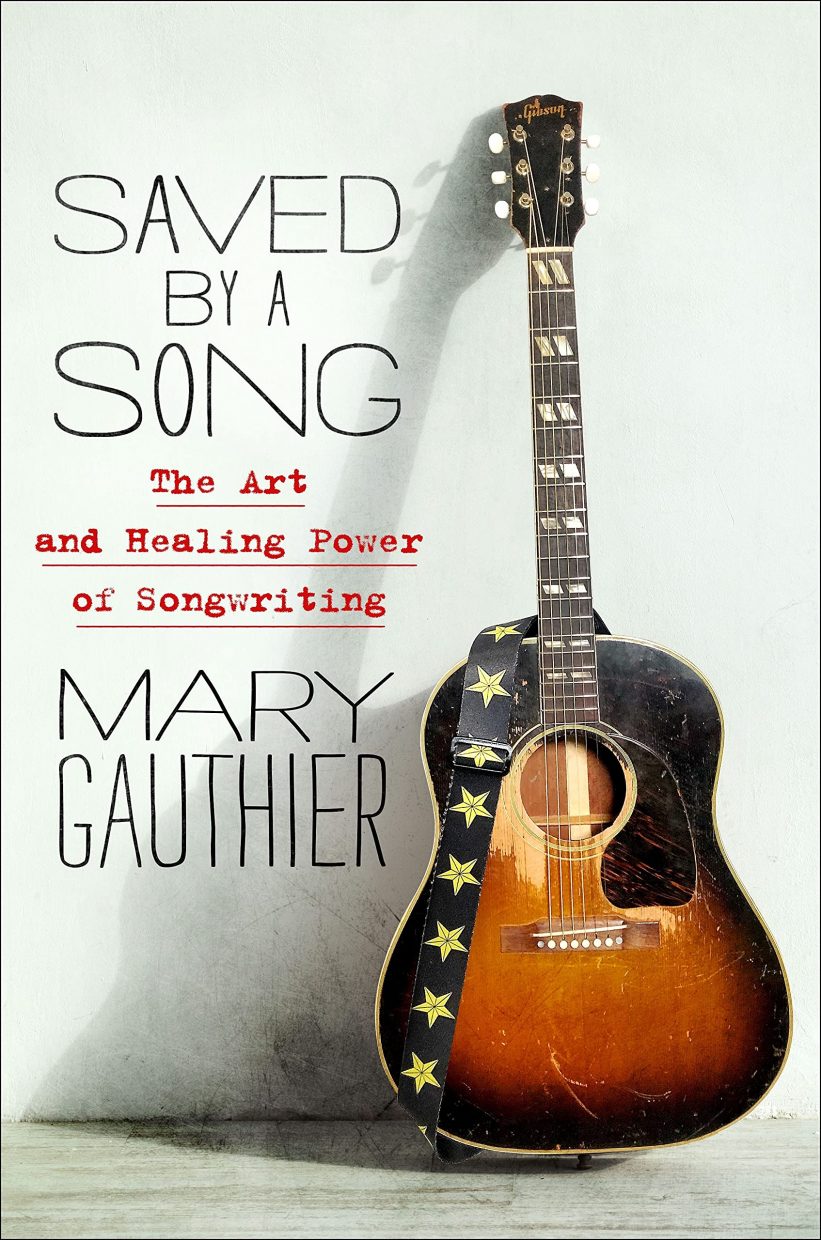
Mary Gauthier, Saved by a Song: The Art and Healing Power of Songwriting

More of a memoir than an instruction manual, Mary Gauthier tells the stories behind original songs like “Mercy Now” while leaving the mystical and magical aura of writing them intact. By sharing her intimate conversations and co-writing experiences, she offers both a creative and compassionate point of view.


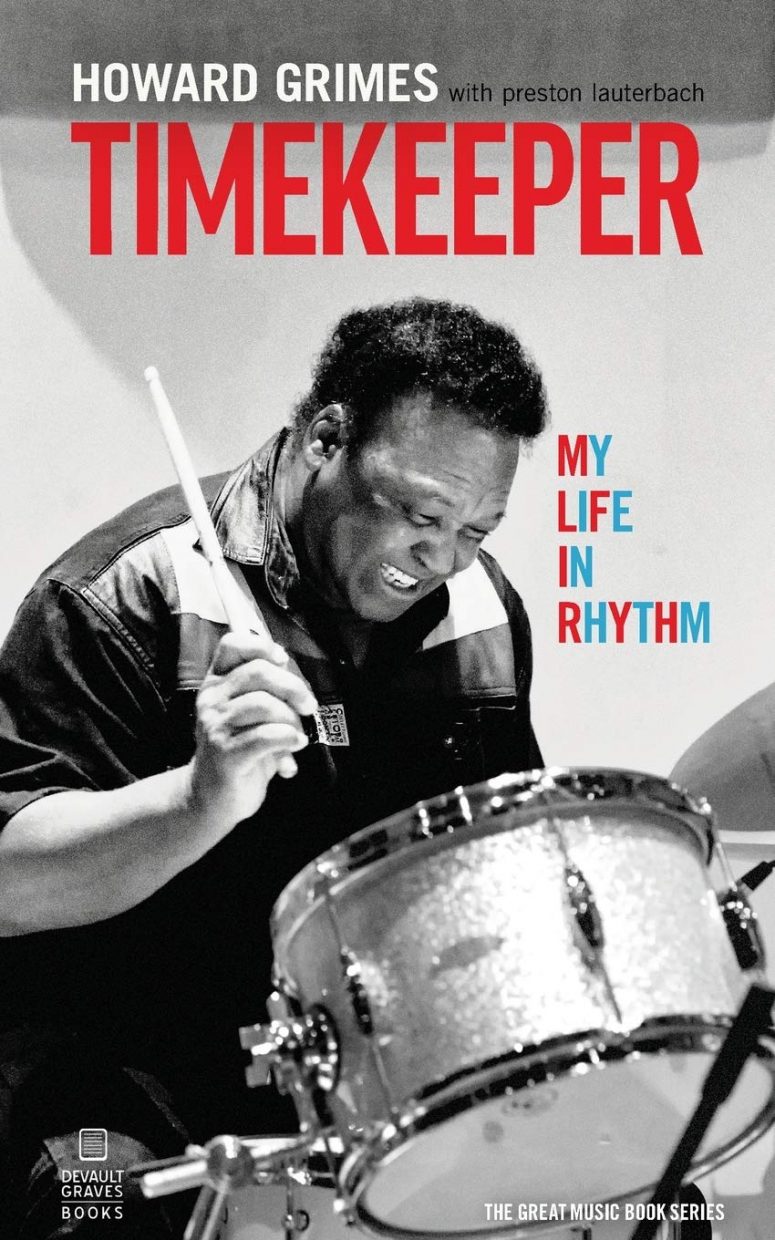
Howard Grimes with Preston Lauterbach, Timekeeper

Known as Bulldog, Memphis drummer Howard Grimes has propelled R&B classics like Al Green’s “Let’s Stay Together” and Ann Peebles’ “I Can’t Stand the Rain.” In this autobiography, he also explains how he wound up homeless for a time and how he’s been guided by the Bible. Fans of Stax and Hi Records won’t want to miss this one.


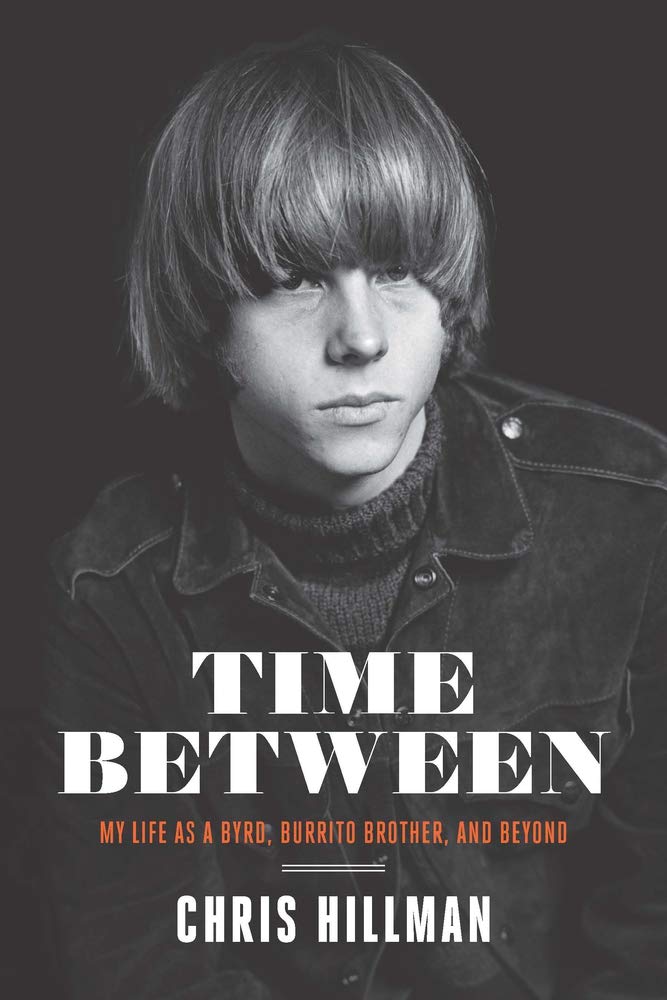
Chris Hillman, Time Between: My Life as a Byrd, Burrito Brother, and Beyond

You can’t tell the story of country rock without Chris Hillman. Time Between entered its second printing earlier this year, proving there’s still a curiosity about near-mythical bands like The Byrds and the Flying Burrito Brothers. Start at page one and turn, turn, turn to the get the whole story from this prolific Rock and Roll Hall of Famer.


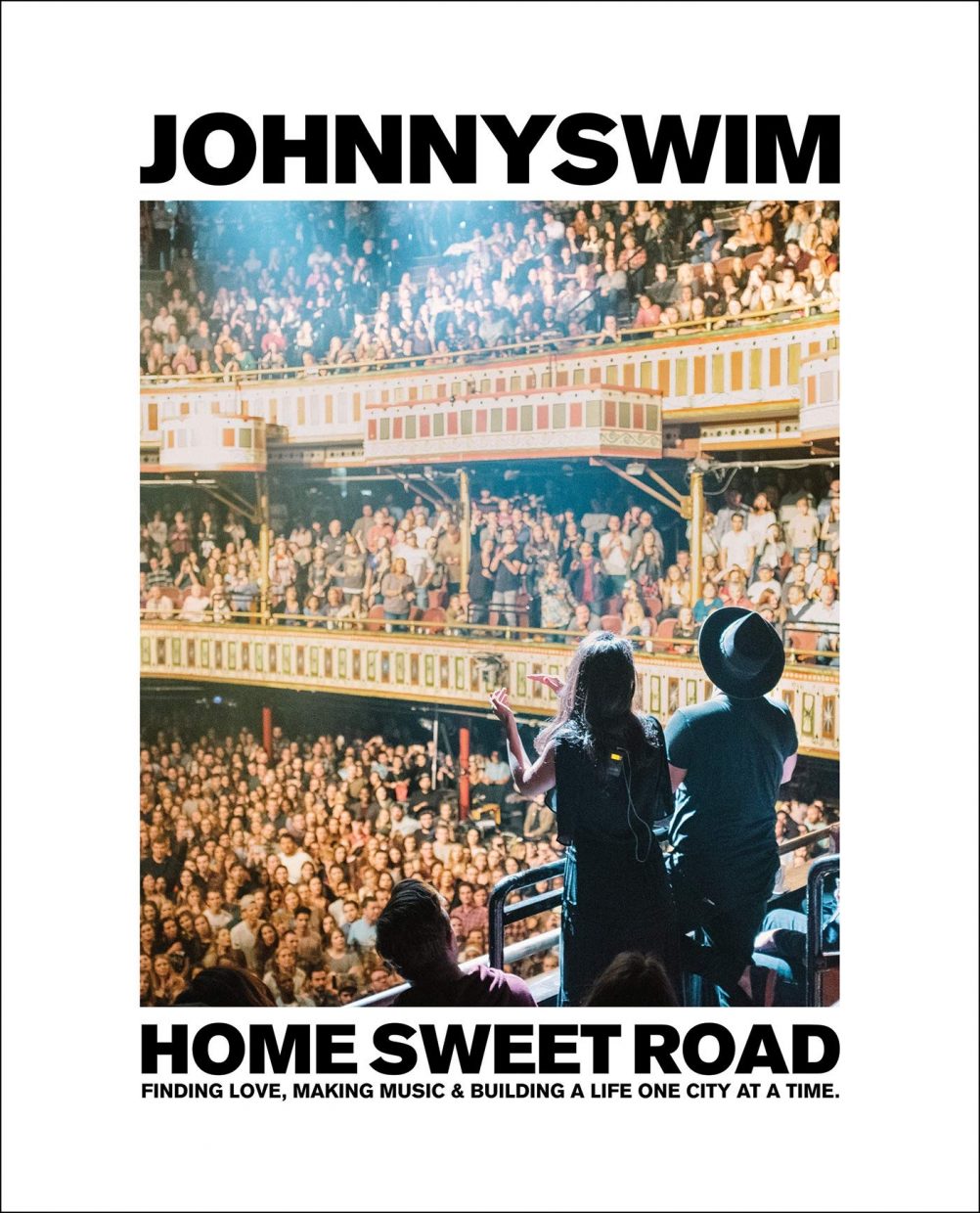
Johnnyswim, Home Sweet Road: Finding Love, Making Music & Building a Life One City at a Time.

The ever-endearing Johnnyswim found an even larger following when Chip and Joanna Gaines chose the duo’s anthem “Home” as the theme to Fixer Upper. Now, Amanda Sudano-Ramirez and Abner Ramirez give fans a deep dive into their own family life with Home Sweet Road, their debut book brimming with photos, recipes, stories, and poetry.


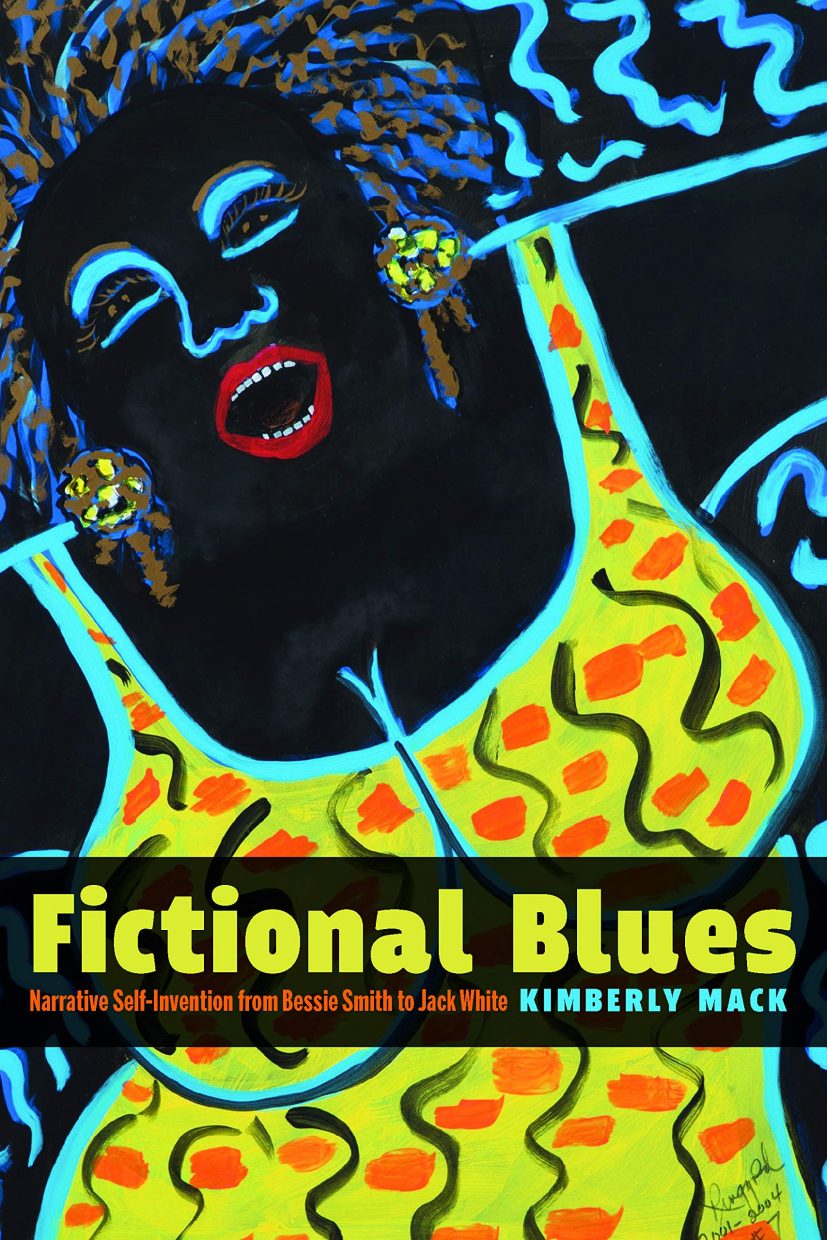
Kimberly Mack, Fictional Blues: Narrative Self-Invention from Bessie Smith to Jack White

The story of Robert Johnson selling his soul to the devil isn’t the only larger-than-life narrative in blues music. A scholar of African American literature and American popular music at The University of Toledo, Mack writes about how similar self-made personas resist racial, social, economic and gendered oppression.


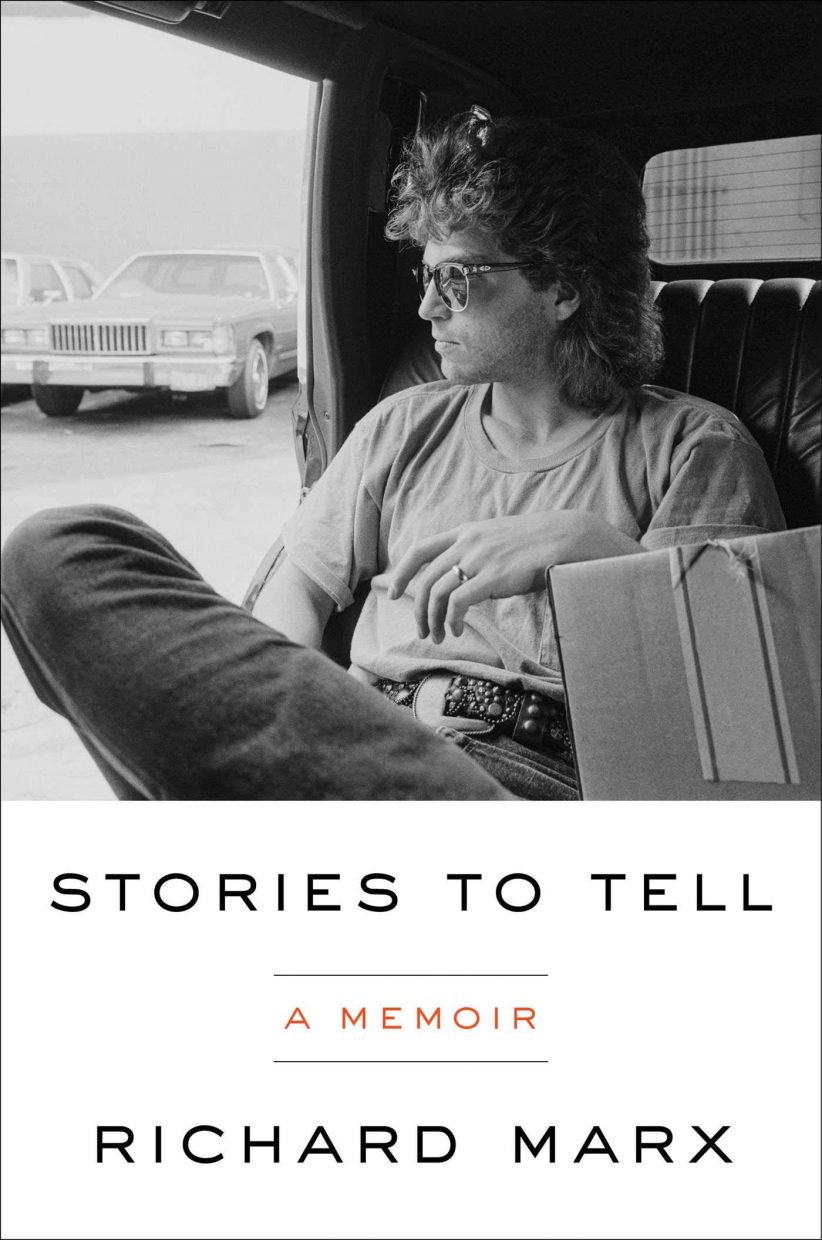
Richard Marx, Stories to Tell: A Memoir

A late ’80s pop star whose catalog still holds up, Marx writes about his life and career, including a few interactions with era-defining figures like Olivia Newton-John and Kenny Rogers. He also gives his candid perspective of what the music industry is really like. By the way, can’t you totally hear Alison Krauss covering “Right Here Waiting“?


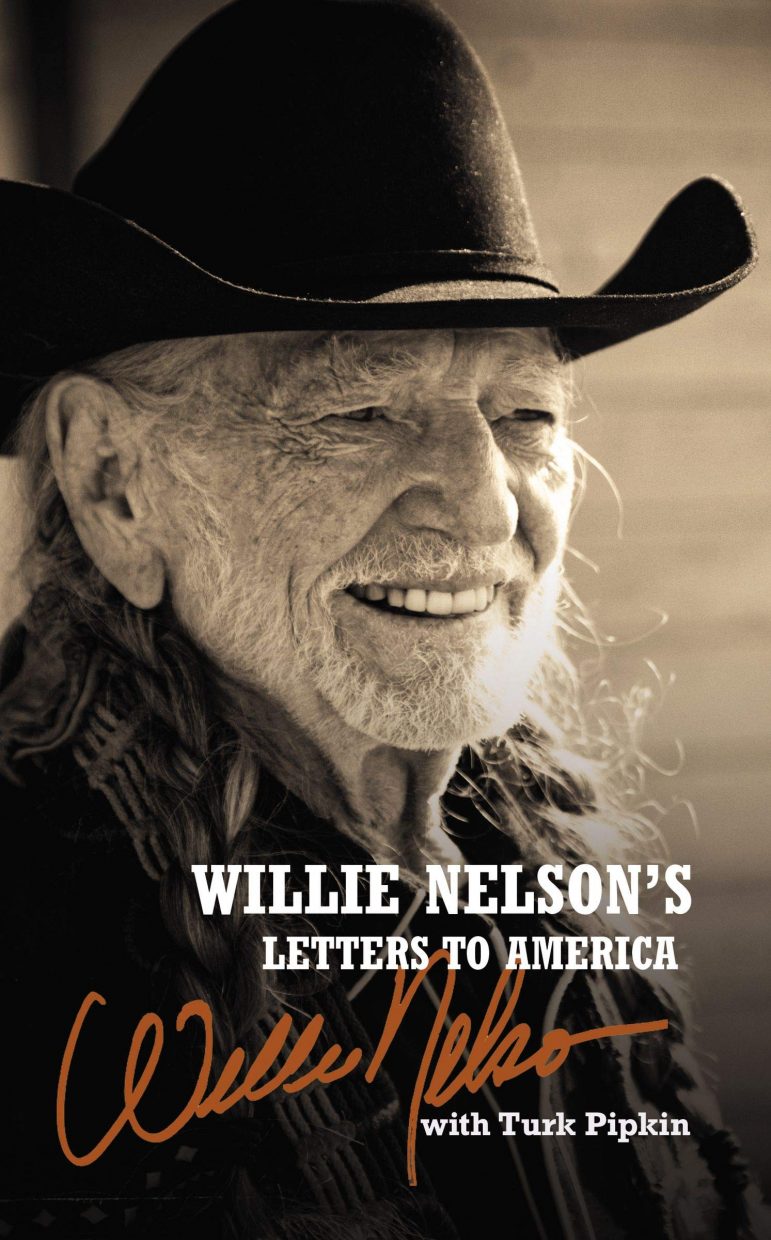
Willie Nelson with Turk Pipkin, Willie Nelson’s Letters to America

At 88 years old, Willie Nelson is a living legend with a modern point of view. Yet, rather than ranting on social media, he’s channeled his thoughts into a series of letters, even writing one to Texas and another to marijuana. With his classic lyrics reprinted alongside these letters, the book captures his conversational charisma.


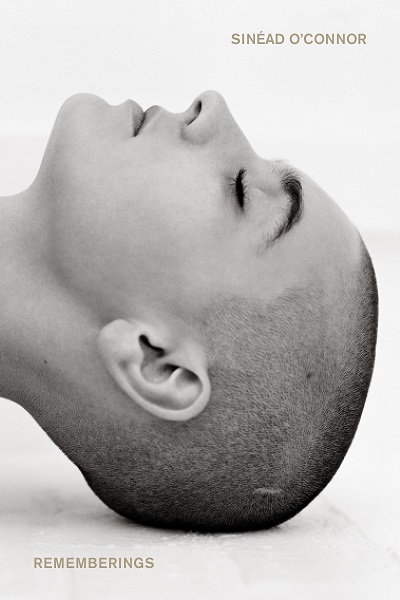
Sinéad O’Connor, Rememberings

This Irish artist made an iconic music video by tearfully emoting into the lens, but there is much more to her story than “Nothing Compares 2U” and her infamous appearance on SNL. As The Guardian notes, “O’Connor also doesn’t need a ghost writer because she has, throughout all of it, rarely been at a loss for what to say.”


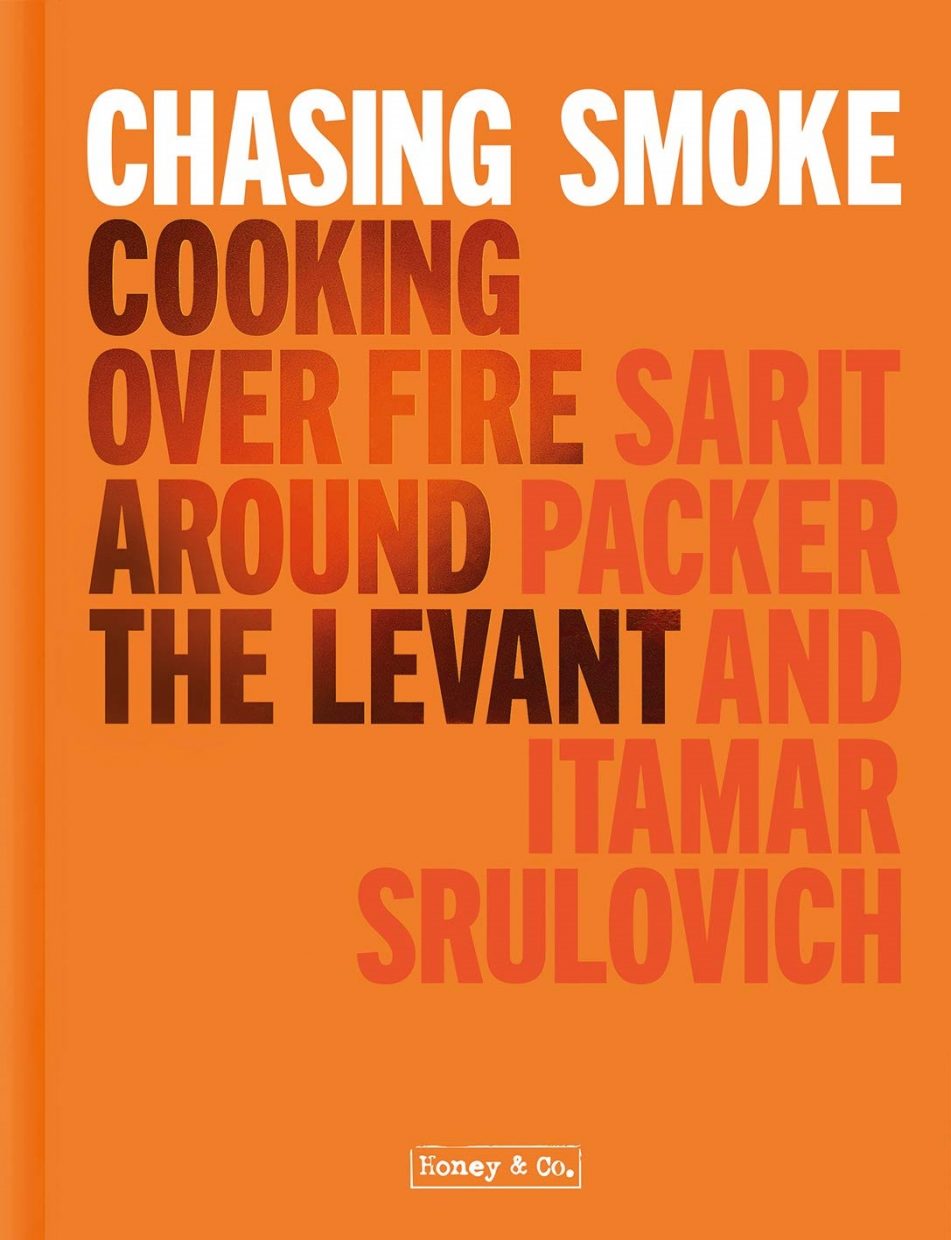
Sarit Packer and Itamar Srulovlich, Honey & Co: Chasing Smoke: Cooking Over Fire Around the Levant

In this cookbook and travelogue, the founders of London restaurant Honey & Co. are seeking out savory smoke flavors in Egypt, Jordan, Israel, Turkey, and Greece. And it’s not just grilled meat! Fruits, vegetables, breads and “Unmissables” are make their way into these pages, too. Find out more about the authors on BGS’s The Shift List.


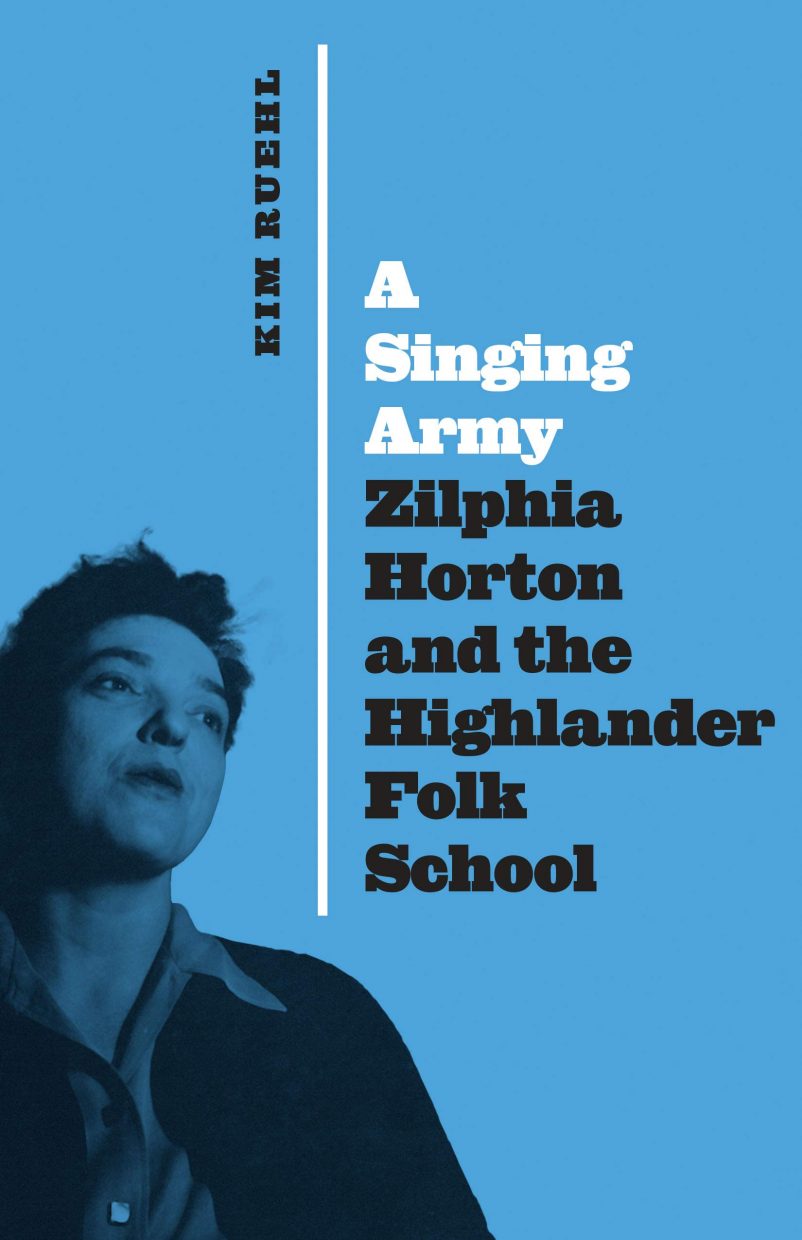
Kim Ruehl, A Singing Army: Zilphia Horton and the Highlander Folk School

An activist and song collector, Zilphia Horton finally gets her due. Ruehl (also a BGS contributor) explains how Horton adapted folk music and hymns for empowerment and social causes, with “We Shall Overcome” as just one example. Considering the school’s ties to civil rights, this piece of Tennessee history merits the attention.


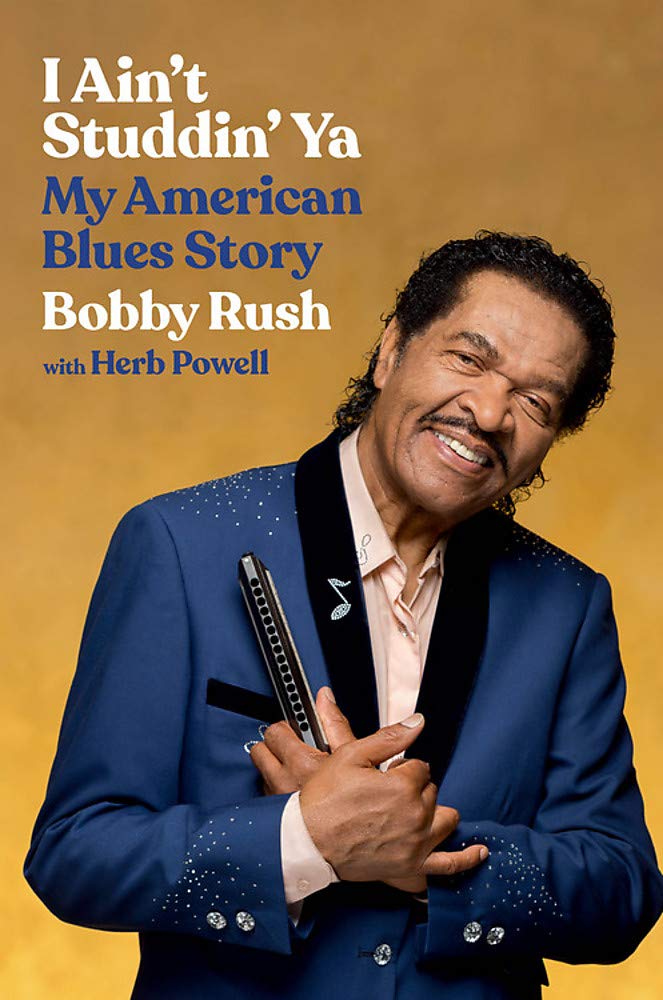
Bobby Rush with Herb Powell, I Ain’t Studdin’ Ya: My American Blues Story

A favorite on the blues scene since the 1950s, Bobby Rush remains a beloved figure in the genre, winning his second Grammy for Best Traditional Blues Album earlier this year. A well-traveled entertainer at age 87, this memoir follows his remarkable life journey from Louisiana to Arkansas, on to Chicago and ultimately the Blues Hall of Fame.


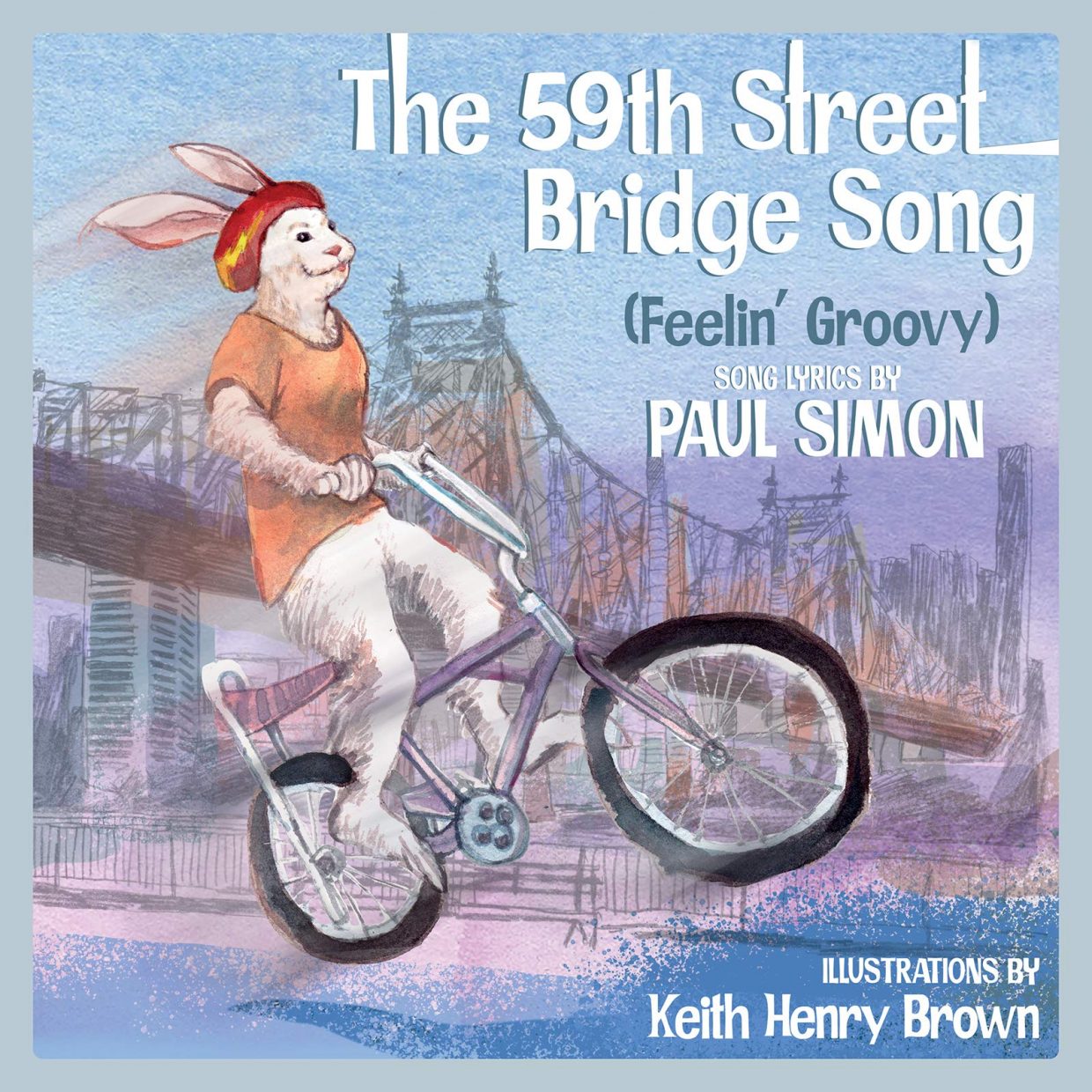
Paul Simon, The 59th Street Bridge Song (Feelin’ Groovy): A Children’s Picture Book

If you gotta make the morning last with little ones around, try this imaginative picture book. With song lyrics from the 1966 Simon & Garfunkel classic and vivid illustrations by Keith Henry Brown, the 24-page book captures the small details of city life by following a bunny on a bicycle — how groovy is that?

 

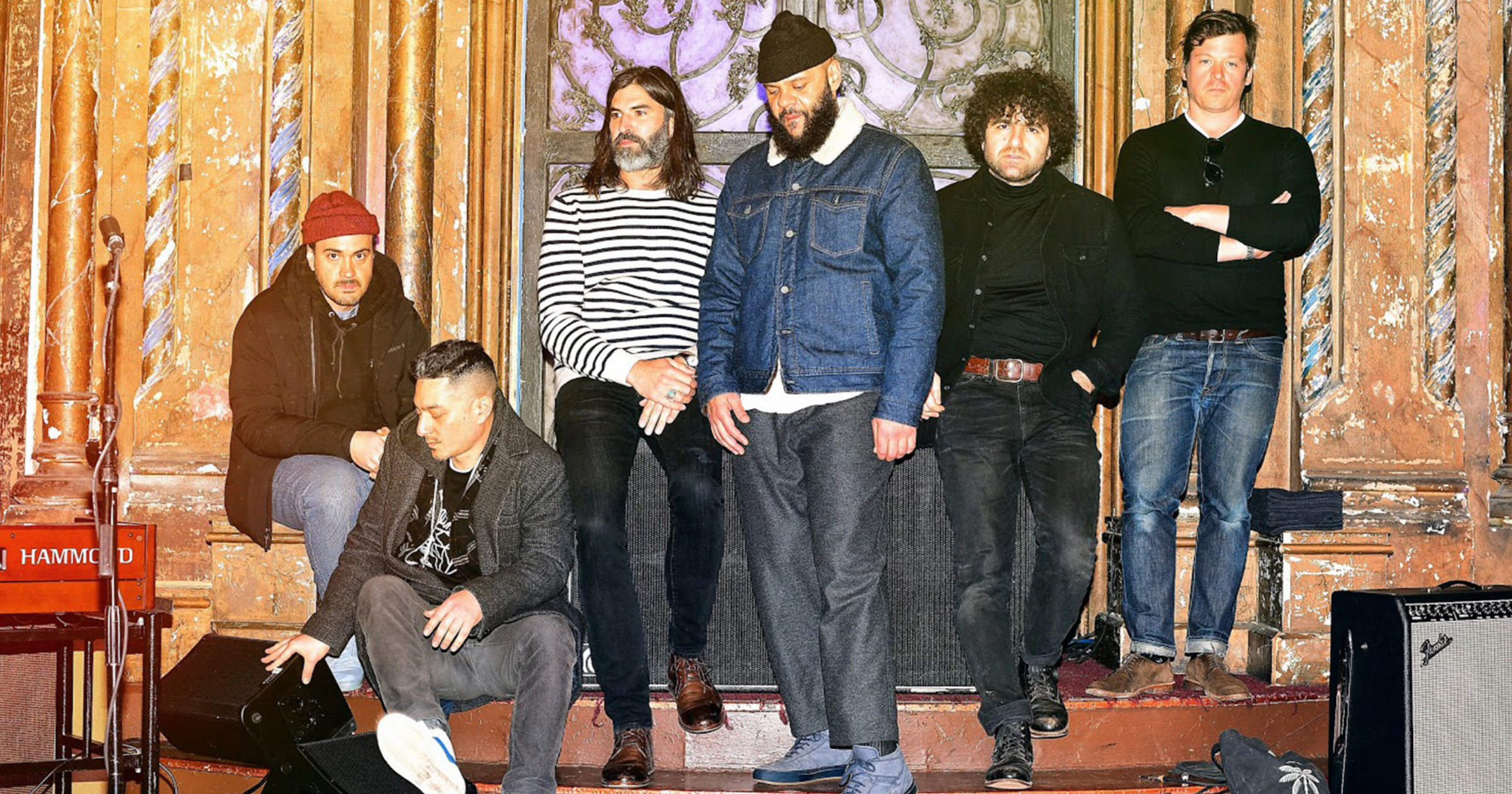
The Show on the Road – Menahan Street Band (The Daptone Sound)

This week, The Show On The Road brings you a rare conversation with Thomas Brenneck and Homer Steinweiss, the braintrust behind brass-forward instrumental supergroup the Menahan Street Band. If Tarantino and Scorsese ever needed a custom-made, 1970’s greasy-soul soundtrack, MSB might be the perfect choice. While the timeless Daptone Records sound has gone worldwide thanks to breakout stars like the late Sharon Jones and Charles Bradley, most don’t know the bandleaders and songwriters behind their intricately arranged works.

LISTEN: APPLE PODCASTSSPOTIFYSTITCHER

Guitarist/producer Thomas Brenneck has been the secret sauce in helping hitmaker Mark Ronson create vintage backdrops for crossover stars like Amy Winehouse, while Homer Steinweiss’ slinky drumming can be heard across the Daptone universe, including on Jones, Winehouse, and Lee Fields and The Expressions records, not to mention his work with Lady Gaga, St. Vincent, and Bruno Mars. For the first time in a decade, MSB — which includes Dave Guy (The Roots), Leon Michaels (The Black Keys) and Nick Movshon (The Expressions) — have reconvened the troops to create their most effortlessly cinematic collection yet: the cheekily titled The Exciting Sounds Of The Menahan Street Band. The album art alone signifies a sensual, intimate evening is ahead to whoever listens. Is the design NSFW? Maybe.

Brenneck called into the episode taping from outside L.A. and Steinweiss from his studio in New York City. The conservation jumped back to how they formed the group in 2007, how they convinced Bradley to join them in making new music (he had been doing James Brown impression work), and how they find that out-of-body, improvisational zen zone which creates their aural moods of mystery and intrigue — showcased best in the reverb-y Bond-like jam “Starchaser.”

A favorite surreal moment that Brenneck mentioned was driving through Brooklyn hearing their song sampled by Jay-Z. For a moment, their horns were blaring from every car radio in the city. While hip-hop legends often find their beats and backdrops from classic soul and R&B vinyl, notables like Eminem, Kendrick Lamar, Travis Scott and 50 Cent have mined the funky MSB catalog for years. Sir Paul McCartney also used their services. If you need an instant vibe, they’ve got you. Even in sparkling trumpet-led themes like “Glovebox Pistol,” which clocks in at a minute and eight seconds long, you can see a velvet-boothed, smoke-filled scene unfolding, bringing to mind the lush scores of The Godfather or The Score.

Only recently have star backing-bands like The Wrecking Crew, The Swampers, and the Muscle Shoals Rhythm Section come to be appreciated for creating some of the most beloved songs in the American pop canon, from The Beach Boys and Aretha Franklin to Paul Simon, Bob Dylan, and The Staples Singers. It can be argued that in the 21st century, Brenneck and Steinweiss (and the work of The Menahan Street Band) deserve to be included in that conversation. With one listen of The Exciting Sounds Of The Menahan Street Band, you are transported — exactly where is up to you.


Photo credit: Shervin Lainez

MIXTAPE: Lowland Hum’s Songs for Dusk

We’ve put together a group of songs that feel related to dusk: the transition moments between day and night. Included in our thinking about dusk are the days in between each season.. winter to spring, spring to summer, summer to fall and fall to winter days. We all need help in our times of transition, as we are being stretched, strained, or pressed between what was and what is to come. The songs that assist us in these travels seem to have an unplaceable quality, both disorienting and comforting like a sweet, warm drink with salt scattered on its surface.

The unique combination of anticipation and farewell allows these songs to occupy paradoxical thematic and sonic space. We need songs like these so we can bring more of ourselves into the present. So, we humbly offer this grouping of songs to accompany you in transitions of all kinds, whether they be literal dusks, the days between seasons, or simply moments where this particular tone may be soothing, cathartic, comforting or augmenting. To paraphrase something we read on The Milk Carton Kids’ Mixtape… “we include our songs aspirationally and for self-promotion here.” — Lowland Hum 

Aldous Harding – “Zoo Eyes”

We love Aldous Harding’s ability to shapeshift, morph, and play in her music while remaining vulnerable and human. It reminds us that those are all options we can choose as well when creating. Her most recent album, Designer, is delicious.

Bob Dylan – “He Was a Friend of Mine”

This song has always stood out to us as a deeply compassionate and humanizing song that packs so much into its few and deceptively simple words. It reminds me of the wordlessness that comes with deep grief. At the anniversary of George Floyd’s death I think of the great losses our nation has experienced this year and the way all words felt clumsy and insufficiently small in the face of such dumbfounding, dark and evil things.

Big Thief – “Open Desert”

We’re having a hard time finding what’s not to like about anything and everything coming from Adrianne Lenker (and her band) these days.

The Beatles – “Julia”

This melody is so wistful, dreamlike, sad, and lovely. “When I cannot sing my heart I can only speak my mind, Julia, sleeping sand, silent cloud, touch me so I sing a song of love, Julia.”

Radiohead – “You and Whose Army?”

The beginning of this song makes us feel like we are suspended in shimmering stardust thick enough to hold a person’s weight. The arrangement blooms so patiently until you suddenly tumble down a flight of stairs. That a recording can do that is one of the main reasons we organize our life around music.

Antonio Carlos Jobim – “Look to the Sky”

I mean, are you not slow dancing by yourself on a terra cotta tile patio, barefoot, with a cocktail in hand when you hear this?

Labi Siffre – “Cannock Chase”

The combination of this picked guitar and gently shuffling percussion sounds like being in the car at dusk with the windows down, scenery flying by.

The Zombies – “Beechwood Park”

We’ve listened to this album so much in the past few years, but somehow only really noticed this song and its magnificence in the past week. Now we are obsessed.

Nick Drake – “Free Ride”

To us Nick Drake always sounds like sunlight filtering through the leaves of trees. Although this one carries a bit more urgency and pep than some of his other songs, this one is no exception.

Myriam Gendron – “Solace”

This song comes from an album of Dorothy Parker poems put to music by Myriam Gendron. The whole album is like a friend sitting silently beside you when you’re feeling a lot. You probably need it in your life.

Keur Mossa – “Quand le fils de l’homme viendra”

This song comes from an album that has been an immense comfort to us in times of transition. When far from home, while working on building our studio in early morning light, while in labor with our first child… It’s a beautiful treasure of humanity reaching toward divinity.

Tiny Ruins – “One Million Flowers (solo)”

This album is all solo guitar and voice versions of Tiny Ruins’ full-band album Olympic Girls. Hearing these songs stripped to their skeletons showcases how strong her songwriting and voice are. Though we were fans of the full-band album first, we prefer these versions hands down. We aspire to make songs that can stand on their own naked or dressed up.

Lowland Hum –”We Do What We’re Told (Milgram’s 37)”

This is our cover of Peter Gabriel’s “We Do What We’re Told (Milgram’s 37)” from his album, So. We covered that album in its entirety, calling our version So Low. Our version came out on the 35th anniversary of the original’s release.

Lou Reed – “Perfect Day”

This song is a cocktail of equal parts bummed-out and triumphant. How he does it we don’t know, but we love it.

Frank Sinatra – “Mood Indigo”

The strings and reeds in this song are like sitting on a fire escape in the warm balmy breeze of a summer evening. Sinatra’s delivery is so subtle and masterful. You can’t go wrong with any song on In the Wee Small Hours.

The Weather Station – “Trust”

We have long been fans of Tamara Lindeman. Her songwriting is like a window into the unspoken dialogue of real relationships.

Arthur Russell – “Close My Eyes”

This song is so visual to me (Lauren). It reads in the mind like a bedtime story complete with dark oil pastel illustrations. I dare you to close your eyes and not see it all.

Gold Connections –”Confession”

Will Marsh of Gold Connections is a dear friend of ours but we promise we aren’t biased. They just released this single and we can’t get enough of it. This song has it all: city and desert; neon signage and the kind of starry sky that can only be seen when you are far from civilization.

Bruce Springsteen – “Nebraska”

Tragic, startling, beautiful. Daniel always says he believes in this album because it gave him compassion for a mass murderer. That’s some power right there.

Paul Simon – “Night Game”

What a stunning and mournful number. Who knew a song about baseball could feel so mystical? Hold out for the otherworldly harmonica solo by Jean-Baptiste Frédéric Isidor. This one has comforted us on many a late-night drive.

Adrianne Lenker – “forwards beckon rebound”

This whole album is a treasure. This song has such a great momentum while remaining quiet.

Martin Denny – “Trade Winds”

This exotica album is a staple in our household during our newborn son’s bathtimes. But we find it perfectly appropriate for listeners of all ages and stages. It is perfectly campy and yet transportive.

Lowland Hum – “Waite”

We felt that we needed to include at least one original Lowland Hum song, so here’s our duskiest. This song was written while on tour in Europe in 2017. We were playing a house concert in a landscape painter’s home studio and gallery (Andy Waite is the name of the painter and now friend) and the guitar part mysteriously came to Daniel while we were setting up in the space. Something about being in a home so steeped in one person’s creative life and flow was magical. There was a very real substance in the air that mysteriously found its way into Daniel’s fingertips as he was messing around on guitar.


Photo credit: Tristan Williams

MIXTAPE: Jeffery Straker’s “How the Heck Did I Get Here?” Playlist

It’s been a year and a month since I got back from my last tour in pre-pandemic times (as we now refer to it). I was winding through the Okanagan Valley in British Columbia, Canada, performing a run of seven shows. The month of March in the Okanagan usually has summer-like weather and the temperatures on this trip delivered and then some. Even though I was working, the mountains, valleys, and blue skies reflected in lakes made it feel like a vacation during those long drives with music humming along on the car stereo.

Working full-time as a touring musician is a really busy lifestyle. If you’re not writing new material you’re getting ready to release songs, you’re promoting songs, planning a tour, going on tour — the cycle is endless. As a result, some of the only time I have for my mind to rest somewhat idle is on the long drives between gigs. I see it as a bit of a gift. The music accompanying my travels helps me get a little lost for just a little while. Sometimes I arrive at the next place wondering “how the heck did I get here?” Here are some of the songs that I’ve enjoyed getting lost in. — Jeffery Straker

Jason Isbell – “Traveling Alone”

Often when I’m out on the road I’m traveling alone, or with a side-musician who is asleep in the passenger seat. Isbell sings about being a traveler missing someone he loves, and about reflections on some of the life decisions he’s made. “So high the street girls wouldn’t take my pay, they said come see me on a better day, she just danced away.” It’s perfect fodder for a freed up mind to wander within.

Joni Mitchell – “A Case of You”

Joni released this in 1971. When I first heard it I just loved that within the first few seconds of the song she sang “if you want me I’ll be in the bar”. Who writes like that? She does. I’ve never figured out the meaning of “I could drink a case of you and I would still be on my feet”. It’s perfectly vague. Does it mean “I could never get enough of you”, or does it mean “I’ll never be drunk on your love because it’s not enough”?

John Prine – “Egg & Daughter Nite, Lincoln Nebraska, 1967 (Crazy Bone)”

This is such a visual romp for me. Prine sings about how farmers would bring their daughters with them to town to sell eggs and the gals would head to the local roller rink. It’s so specific, but he delivers this great universal ponderance through chronicling this quirky event: “When you got hell to pay, put the truth on layaway, and blame it on that ol’ crazy bone.”

George Jones – “He Stopped Loving Her Today”

My grandma and grandpa loved this song and so many of the songs like this from the same era of country. It’s such a “story-song.” It’s so sad and the steel guitar with the string section accompanying it is such a perfect pairing. That ascending string line at the start of the chorus really heightens the emotions too; I hear it and wonder who thought of that line? George? The producer? George breaks into a spoken-word second verse and brings even more intimacy — you literally lean in closer to the speaker. Those feelings for the one he loves never go away until the day he dies. It just grabs you and doesn’t let go.

Brandi Carlile – “The Joke”

Stratospheric vocals, brooding piano, and a riveting story. It’s all here. Carlile is passing along some advice to young children who don’t quite fit in. They’re probably from the LGBTQ community, but certainly from any marginalized group. “Let ’em laugh while they can. Let ’em spin, let ’em scatter in the wind. I have been to the movies, I’ve seen how it ends, and the joke’s on them.” Riveting stuff and you want to hit repeat.

Lori McKenna – “The Lot Behind St. Mary’s”

In the wake of my mom passing away just over two years ago, I discovered Lori through her song, “A Mother Never Rests.” It’s perfect. And through that song I found this one that really struck me; it’s from the same album. She very fluidly goes back and forth between “younger days” and the present, both longing for the past and accepting the present.

Jeffery Straker – “Play That Song Again”

This is the latest single I released from my upcoming album; it’s a waltz. This song, like the album, is lyrically reflective. I figured that the waltz-time would add to that feeling — I find waltzes take me back in time. Lyrically the singer looks back at life’s ups and downs, but ultimately lands in a place of contentment with where he’s landed. I think that’s all we want to eventually be able to do — be comfortable with the path we’ve taken.

Leon Russell – “It Takes a Lot to Laugh, It Takes a Train to Cry”

This is a Dylan tune that Leon Russell recorded in 1971. Dylan recorded it in ’65. It’s the vibe that I love here, though I don’t actually know what it’s about. It’s got all sorts of sexual allusions in its swagger. Russell approaches it slower than Dylan and for me this tempo suits it perfectly.

Harry Nilsson – “Everybody’s Talkin’”

I moved to Belfast, Northern Ireland, for part of my university studies and lived in a house with some great singers. At late-night song and drink sessions this song was a favorite for two harmony-singing gals, Carol and Loraine. Every time I hear this I’m transported back to that old Georgian row house and I’m standing in the kitchen listening to them.

Dolly Parton – “My Tennessee Mountain Home”

There’s such beauty in the simplicity that Dolly conjures up with her words. In the very first verse you see her “Watch the kids a’ playin’ with June bugs on a string.” It’s lovely, and now I want to do that. It’s a different time and Dolly paints an idyllic picture of her roots. When I think back to my home, thankfully I have good memories of it too — and she sort of takes me there even though she grew up in a two-room log cabin and I did not. But that’s Dolly — taking something specific and making it wonderfully universal.


Gordon Lightfoot – “If You Could Read my Mind”

I wasn’t a huge Gordon Lightfoot fan in my teens and 20s, but once I hit my 30s I became rabidly into his poetry. This song is quite simply about the failure of a marriage but the language he uses to describe it just takes me somewhere else when I listen. All his talk of “ghosts from wishing wells,” “a paperback novel, the kind the drugstore sells,” and “a movie star getting burned in a three way script.” It just grabs me and doesn’t let go.

Paul Simon – “American Tune”

I once had the chance to sing this in a variety show in a big theatre in Toronto. I had to memorize the lyrics and chords for the performance so I got to know it really well. The chord progressions are just stunning and the melody sails along on top of it like the sun dancing across water. “I don’t know a dream that’s not been shattered or driven to its knees, but it’s all right, it’s all right, for we’ve lived so well so long.”

Madison Violet – “No Fool for Trying”

I’ve always loved these two gals from the first time I saw them in concert. Their chemistry is really magical through both their musicianship and their vocal harmonies. The arrangement on this song is really simple and the chug-chug-chug rhythm seems to pull me down the highway on long drives. It opens with the lyric: “There’s trouble on this road…” and you’re left curious as to what’s happened. It pulls you in like a good book.

David Francey – “Blue Sorrow and Then Some”

It’s a longing song and the title says it all. I really like the 6/8 feel. The tempo he’s chosen keeps it kind of light and almost cheerful, but with such a sad sentiment in the story being told. “…but sometimes I wonder, do you think of me?” His vocal performance helps you feel the fragility of it all.


Photo credit: Ali Lauren

BGS 5+5: Donovan Woods

Artist: Donovan Woods
Hometown: Sarnia, Ontario, Canada
Latest Album: Without People (Deluxe)

What other art forms — literature, film, dance, painting, etc. — inform your music?

I read a lot of fiction and journalism and I’m always writing down little passages in hopes of merging their feeling into lyrics in some way. I’d like to think that painting informs me, because I love it so much. I’m entranced by it, but I can’t think of any songs of mine which are directly influenced by paintings. Maybe I’ll try. I’ll try!

What’s your favorite memory from being on stage?

We played in London, UK a few years ago, we’d never had a real ticketed show there and we surprisingly sold it out. Brits are just better at being in crowds. Everyone sang, yelled and made us feel really great. So lovely to have that many people really present and enjoying the songs that far from home.

What was the first moment that you knew you wanted to be a musician?

I think when I started to write songs that people liked. I would send them to friends and they would say, “I would actually listen to this!” and I was very encouraged. I was already in my 20s. It took me a long time to figure it out. It’s never particularly easy to me. I think this notion of “god being in the room” or whatever is really compelling but he doesn’t seem to come into the room for me. It’s just me and my brain trying to figure it out. The closest I come to “god in the room” is I get to write with Lori McKenna sometimes.

Which elements of nature do you spend the most time with and how do those impact your work?

Swimming. I think swimming in bodies of water is the actual meaning of life. I walk a lot while listening to mixes. I feel like that’s the only way I can tell if it’s actually good. My wife likes to go camping. I don’t much like it.

If you had to write a mission statement for your career, what would it be?

I do what I want. It’s bratty, but that’s really it.


Photo credit: Briony Douglas

The Show on the Road – The Tallest Man on Earth

This week, we take The Show On The Road to the countryside of Sweden for an intimate talk with Kristian Matsson, a poet-songwriter and masterful acoustic multi-instrumentalist who has released five acclaimed albums and two EPs over the last decade and a half, performing as The Tallest Man on Earth.


LISTEN: APPLE PODCASTSSPOTIFYSTITCHER

Growing up in the small hamlet of Leksand, a three hour trek from Stockholm, Mattson was in rowdier indie-rock outfits like Montezumas before breaking out with his own dreamier acoustic material and gaining international notice with his breakout solo offering Shallow Grave in 2008. Tours with Bon Iver across North America gained Matsson an adoring audience in the states, where he ended up setting up shop in Brooklyn.

Most often performing solo even on the biggest stages, Matsson is known to have seven or more intricate tunings for his guitars and banjos, and with his high, cutting voice and cryptic, nature-inspired lyrics, he has been compared to some of his heroes like Roscoe Holcomb, Bob Dylan, and Paul Simon, but with a Swedish-naturalist touch. Songs like “Love Is All” or “The Gardener,” while gaining tens of millions of steams on folky playlists, pack quite a punch, often detailing how the cold cruelty of the animal kingdom filters into human life with its many frailties.

In 2019, Matsson found his marriage to a fellow Swedish singer-songwriter ending and he holed up in his Brooklyn apartment to write, produce, and engineer his newest Tallest Man On Earth LP, I Love You. It’s A Fever Dream. Like Springsteen’s eerie and emotional Nebraska, Matsson’s collection is a clear-eyed view of our current state of interpersonal (and even societal) isolations. Standout songs like the warm guitar and echoey harmonica opener “Hotel Bar” — though written before he knew what would happen with our current pandemic — seem to capture the lost closeness and romance of our very recent past, where one could fall in love with a new stranger every night in a new town and think nothing of it.

Sequestered in a small house in the middle of Sweden since the world shifted last year, a new Tallest Man On Earth album is sure to be on its way. Admittedly Matsson is going a bit stir-crazy away from the road, but really he’s grateful to be able to have the time to explore and create new sounds without any distractions. A fall tour of the states is in the works (fingers crossed), including an opening slot at Red Rocks joining Mandolin Orange and Bonny Light Horseman.


Photo credit: Kaitlin Scott

BGS 5+5: Mando Saenz

Artist: Mando Saenz
Hometown: Corpus Christi, Texas
New Album: All My Shame
Nickname: Mando Calrissian

What other art forms — literature, film, dance, painting, etc. — inform your music?

I’d have to say film or film/documentary informs me the most. It’s the closest thing to actual life observation there is for me. I get lost in good movies and forget it’s acting. When I write, I write scenes of movies I make up in my head. When I sing, I sing shapes and colors of movies I make up in my head. I can feel them leave my mouth. I swear it’s better than dreaming. Good movies are like good dreams. Can’t put a price on them.

How often do you hide behind a character in a song or use “you” when it’s actually “me”?

Quite often actually. I never did it consciously at first. Now I just kind of accept that when I’m singing about someone else it’s usually about me. My mom, who’s a counselor, told me years ago that I was singing about myself. Eventually I gave in and agreed. There’s a song off my new record called “Shadow Boxing” that kind of comes to terms with that: “Some say they’re better, yeah, but you’re the best. That gets the best of me.”

What was the first moment that you knew you wanted to be a musician?

I was in my last semester of graduate school in San Antonio. I was miserable so I started to write songs. The moment I finished my first song called “Rusty Steeple,” I decided that I wanted to be a singer-songwriter. That song and the next nine I wrote ended up being on my first record, Watertown.

What’s the toughest time you ever had writing a song?

Writing a song I have called “Hard Time Tennessee,” which fittingly took a couple of years to finish. Not sure why, but it was just something I had to keep coming back to. I think I was just trying to make each line as meaningful as the last. Perhaps the line I’m most proud of ever writing came out of that song though: “I wanna see what the blind man sees when he paints a picture in his mind.”

If you had to write a mission statement for your career, what would it be?

To create music that’s true to my heart. Put as many willing ears on it as possible. Collaborate with those who inspire me.


Photo credit: Chris Bickford

MIXTAPE: Front Country, How Did We Get Here?

“For our 2017 record Other Love Songs, we made the decision to record using only acoustic instruments and our voices with almost no additional production. That’s how we’d been playing live up until that point and we wanted to capture the sound we’d been working on as an acoustic unit. Soon after we found ourselves stepping outside the acoustic box and experimenting with the overall sonic picture of what we were presenting live. Roscoe (Adam Roszkiewicz) and I began using more effects pedals and started playing through amps. Melody began playing percussion and after the addition of the pandeiro (a handheld Brazilian percussion instrument that can sound very much like a small drum kit), “Front Country music,” as we like to call it, began to evolve.

“As we began writing and arranging for the album that would become Impossible World, we made the decision not to put any limitations on production in the studio and found a producer (Dan Knobler) who could help us realize the sonic vision we were working on. This was basically a 180 from our previous record and it was very exciting! However, when any band takes a big leap forward musically, I often wonder what were some of the musical influences that helped inspire this transformation. So here is a collection of music each of us was listening to during the process and how these tracks helped inspire what we all brought to this record. For anyone who’s been following us for a while or maybe had a different impression of the band before hearing this new music this will help answer the question: ‘How did they get there!?'” — Jacob Groopman, Front Country

Brandi Carlile – “The Joke”

One of the most undeniably heartrending songs of the last decade, this song encapsulates Carlile’s emotionally earnest yet epic songwriting style. The way she wears her heart on her sleeve and doesn’t mince words has really inspired me to try and cut to the core with my own songwriting in the past few years. — Melody

Peter Gabriel – “Sledgehammer”

This track actually came up several times while we were arranging the songs for the new album, for the neo-soul vibes, the approach to instrumental hooks and, you guessed it: counterpoint. — Adam

HAIM – “If I Could Change Your Mind”

This first album from HAIM is full of throwback ’80s pop perfection and super catchy songwriting. I think their approach to dense, multi-layered backing vocal parts really influenced the harmony arrangements I did for the poppier tunes on Impossible World. — Melody

King Crimson – “Three of a Perfect Pair”

Intertwining themes and counterpoint have always been a big part of the FroCo sound and that approach was directly influenced by King Crimson and this track in particular; also we covered it on our Mixtape EP in 2016. — Adam

Los Colognes – “Flying Apart”

I came across this album randomly right as we were about to start working on the music for Impossible World and fell in love with the ’80s-meets-modern vibe. The use of electric guitar on this track had direct influence on what I brought to the table for a few of the tracks on Impossible World, especially “Miracle.” — Jacob

Paul Simon – “She Moves On”

From Graceland‘s Brazilian-themed follow up album The Rhythm of the Saints, this track is smooth and spooky in its trance-inducing worship of the dark, sacred feminine. The verse vibe of the song “Mother Nature” was loosely inspired by this one. — Melody

Lau – “Toy Tigers”

Lau is a band from Scotland that has successfully melded electronic elements with Scottish folk music and the result is something truly mind-blowing. They have become one of my all-time favorite bands. — Jacob

Muna – “Never”

I was also listening to a lot of electro-pop and aside from Muna’s production being on point, the level of risk they take in the instrumental section of this track is excellent. — Adam

Tame Impala – “Yes I’m Changing”

Kind of an ironic title for the purpose of this article, but the Tame Impala album Currents from 2015 was a big influence on creating a big sonic landscape that still completely serves the song and doesn’t overshadow it. I’d like to think we achieved this on a few tracks on the record. — Jacob

Queen – “I Want To Break Free”

I grew up on Queen’s tight aesthetic and Freddie’s vocal virtuosity, and while this is may be their most compact pop track ever, it’s edited economy inspired our arrangement of our song, “Real Love Potion.” — Melody

Squarepusher – “Welcome to Europe”

Continuing with the counterpoint theme, I was listening to a ton of electronic music while we were making the new album and this track exemplifies how you can have multiple hooks supporting each other throughout a track. Also, I love big jumps between notes in my hooks and get a lot of inspiration from tracks like this. — Adam

Dawes – “Telescope”

After we recorded the first half of our record early in 2019 I found myself listening to the Dawes’ Passwords from 2018 a lot and particularly this track. I love how the song has this slow build and new musical elements are constantly introduced throughout to keep it moving forward. It could be something really tiny that has a big impact on how the song moves. — Jacob


Photo credit: Michael Weintrob