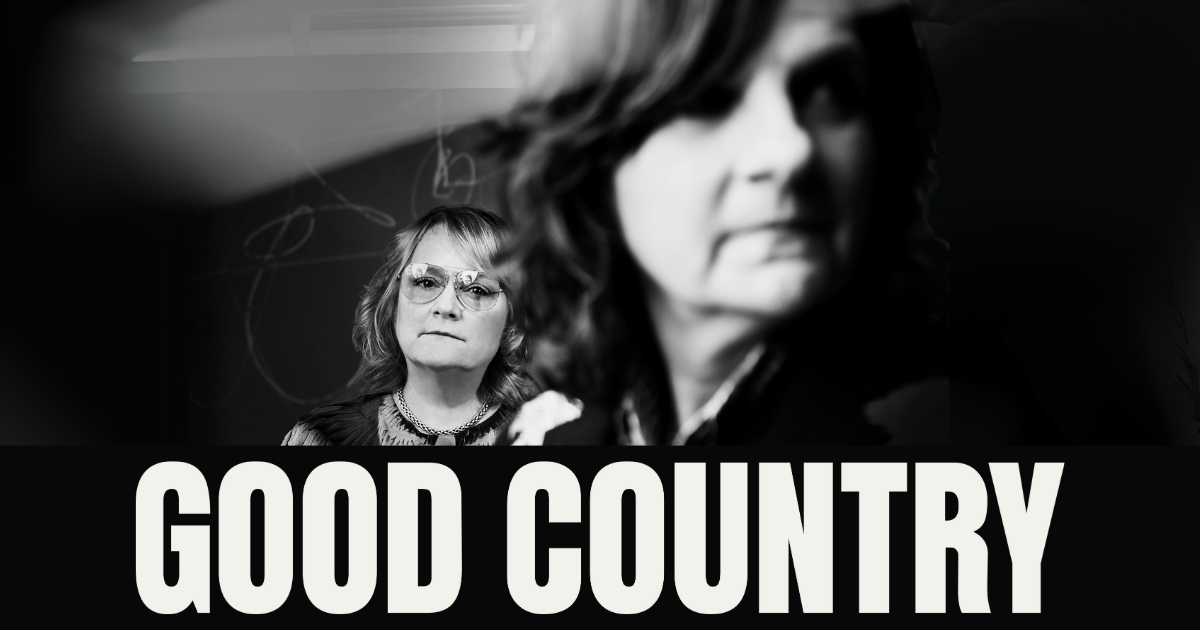
Indigo Girls Expand “Country Radio” With Black, Brown and Queer Musicians

Hollywood, the 2020 Netflix series from director-screenwriter Ryan Murphy, is a resplendent show dripping in Art Deco that does not wholly reimagine Los Angeles’ golden era, but rather subtly inserts a quintessential question: “What if?”

What if Hollywood hadn’t been as… ___-ist? (Sexist, racist, misogynist, ageist, etc.) If one happens to be born into a region, a folkway, a culture, an art form that doesn’t include you, or that doesn’t quite love you back, one often doesn’t realize it until it’s too late. And then what? Do we, the rural, country-loving queers, wait around for our Ryan Murphy to reimagine the world to better include us? Not quite.

For Emily Saliers and Amy Ray of Indigo Girls — and, for that matter, almost each and every queer who has ever loved roots music — that “What if?” question is existential, but it also doesn’t matter. What if country music loved LGBTQ+ folks? The lyrics of “Country Radio,” a track off the duo’s sixteenth studio album, Look Long, tell it plainly: “But as far as these songs will take me/ Is as far as I’ll go/ I’m just a gay kid in a small town/ Who loves country radio.”

While curating the following playlist of their favorites from country music airwaves and songs they wish were included there, Saliers and Ray offer a quite simple solution actionable in each present moment: Be who you are, listen to the music that brings you joy, love who you love — and be anti-racist.

Emily Saliers: [I began with the idea:] What are the songs that I listened to that I latched onto, that sort of gave me a feeling of “I can’t get into this song [because of its heteronormativity], but I love this song so much”? One of the first songs that came to mind is “Mama’s Song” by Carrie Underwood. 

I should preface this by saying, I don’t expect that there can’t be heteronormative country songs, or that queer life has to be explicitly represented in songs, it’s not that. It’s the feeling of the way a song moves me emotionally, but then it stops me a little bit short of being able to fully experience it because of the language or the obvious implications of man and woman.

I love Carrie Underwood’s voice and she’s taken more of a harder, pop direction since “Mama’s Song,” but she sings this so beautifully. She’s talking to her mother, “He is good… he treats me like a real man should,” and yet the beauty of her song [is in] her telling her mom that’s she’s going to be okay. 

Amy Ray: For me it’s a little different because I never had the experience of feeling like I wish I could put myself in a song. I think it’s because, gender-wise, I always just related to the male singers. I kinda have that gender dysphoria, you know? [Chuckles] I have these filters that sort of make it my own — probably out of necessity, from growing up loving the Allman Brothers, Pure Prairie League, and Randy Travis so much. [Sings] “Amie, whatcha gonna do?” Pure Prairie League!

It’s very odd — Emily’s perspective on this is something I can understand, and I agree that it’s this weird disconnect with country music. We have to kind of acclimate it to ourselves, in some way, using some kind of trick in our minds. But I’ve always had that internal translator…

ES: Another example is Brett Young’s “In Case You Didn’t Know.” Now this is a song that you can listen to and fit your own queer life into it — as far as I remember it doesn’t have any gender pronouns. Then I watched the video and of course he’s singing to a woman who comes into the audience and he plays to her, alone. It’s a love song to his girlfriend — or wife or partner or whatever — so I could live in that song and think back to relationships and apply it in my own life, but then I watched the video and that door shut a little bit.

AR: I love Angaleena Presley, the Pistol Annies. Presley is such a great writer. “Better Off Red” is one of my favorite songs that she’s written… Honestly, if I hear songs, if I like it, I just put myself in it. I don’t really think about it or worry about it. It’s a survival mechanism from my youth, not that it’s the right thing to do. It’s built inside me.

…I thought you couldn’t be a country singer if you were gay and left-wing and a complete dyke. That made me feel more alienated than the songs themselves, that idea of its inaccessibility. Or, if you went to a show and you were sitting there in that audience, in the early days before it all kind of busted open, you would feel scared. Or judged. Or uncomfortable.

ES: Think about what a splash that song by Little Big Town, “Girl Crush,” had. Just the implication of a lesbian relationship or feelings! That song was a big hit, but it got people talking. [Probably] the majority of the people in this world lean more heteronormative, so they’re representing themselves in these songs. There’s absolutely nothing wrong with that. 

I wouldn’t want to listen to just albums that are for and by queer people, oh my god. No way! But we have to have them as part. I think about what an influence Ferron was, how much Amy and I love Ferron. When her first album came out, it was like, “Oh my gosh this is one of the best songwriters in the country and she’s queer!” I can’t describe how important it was to have an artist like that.

Even Lil Nas X, who had the number one hit forever-ever-ever with Billy Ray Cyrus. It’s awesome to know that he’s queer! And a guy like Young Thug, a rapper out of Atlanta, who’s not gender normative by any stretch, to me. It’s interesting. It’s good to have a mish mosh! It’s not that the majority of songwriters out there can’t be represented in their own songwriting, we just have to have ours, as well.

AR: [We] should add Amythyst Kiah. Amythyst is amazing.

[Racism] is the pivotal struggle of the Americana scene and the roots scene. How do you honor Black and Brown folks who want to be in this scene — and maybe some of them don’t even want to be in this scene because even Americana is rooted in questionable legacy. How much do people of color want to be immersed in that scene when it still feels so racist? Even the best parts of it. It’s a huge question to unwrap and it has to do with such a long history of where country music came from.

We stole the banjo and put it in our hillbilly music in the mountains and called it our own. We forgot all the stuff we learned from “our slaves,” you know? It’s crazy to me, if you think about the racist roots of where a lot of this comes from. Merging this racist legacy with this incredible populist music — music for the people, like Woody Guthrie, like the Carter Family. You get those two things bumping up against each other constantly, how do you entangle that and make this a space where it doesn’t matter what color you are? Where it doesn’t matter what your religious persuasion, or your political party, or your gender, or your sexual preference, or anything.

I think the way we deal with it is by all of us thinking all the time and being mindful of [that racist history]. And including [Black artists] in our playlists and touring with them. Some people are like, “What does it mean if you’re forcing this integration? Is it just going through the motions?” No! No, no, no.

ES: I’ll [echo] the things that Amy said, practically: Tour with Black musicians or Brown musicians or musicians who have not been able to feel that they’re welcome and make everybody welcome. Like Amythyst or Chastity Brown. Those are artists of color who have been discriminated against, who feel other-than in the world of their genres.

I think, first, we all — we white people, we people “of no color,” we “colorless” people — should dig deep, identify our own racism and how far it goes, how much we use it. Break it down, talk about it, identify it in each other. Really start from the core of things and hopefully act outwardly as a result of what we’ve dug through, inwardly. Try to heal and fix, you know? We’ve got to ask artists of color what their experience is like and why it’s like that. I’ve got to assume that there must be some Black artists, who if they hear a song from a white, country, roots singer about the freedom of driving down a dark, country road, they’re not going to feel the same way about the history of Black people down dark country roads. A lot of it is context and, as Amy says, there’s so much to be unraveled. But we are at a tipping point.

AR: Sister Rosetta Tharpe, I feel like there’s a lot of crossover, to me from that and the beginnings of early rock ‘n’ roll. That’s kind of what Elvis Presley was doing and borrowing from. I think about that sometimes, that territory. I like old recordings, like field recordings almost, of all the Alan Lomax type stuff he would collect. Field songs, prison songs. I think a lot of country writers have taken from that stuff, you know? 

I remember an interview with Kathleen Hanna that really resonated with me. She said, when they ask you who your favorite artists are, most of us name all these male artists. That’s who we can think of, because that’s who’s archived the best. Straight men, bands, and writers. If you sit down and really think about who you love and make a list of the women and the queer folks — this is what she was talking about, she wasn’t talking about color at the time or race or the social construct of race — and you take that list to your interviews and rattle off those names, you’ll be more honest, because you’ll be talking about who you really listen to and not just trying to remember [anyone] off the top of your head. 

People are so out of the habit — and so in the habit — of white supremacy that we don’t even know how to do the right things, just in our instincts. We have to learn, write it down, so we remember to do it.


Photo credit: Jeremy Cowart

This interview has been edited and condensed for clarity.
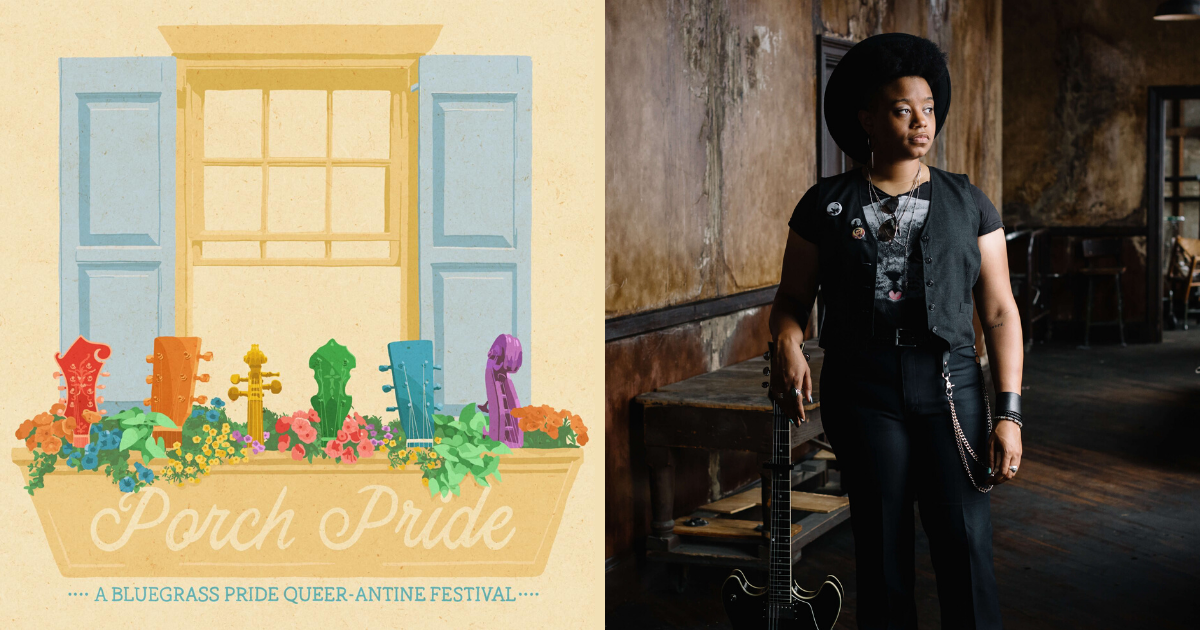
Bluegrass Pride Invites LGBTQ+ Roots Music Fans to Porch Pride Festival

Out of 270 floats, companies, and queer associations, a roots music organization’s marching contingent was crowned “Best of the Best” at San Francisco’s world-famous Pride parade in 2017. And they did it on their very first try — the only organization to ever achieve such a feat. Who was that overalls-and-rainbow-glitter-clad crew of more than a hundred bluegrass fans, pickers, and professionals? Bluegrass Pride.

The Bluegrass Situation has been proud to support Bluegrass Pride since 2017, with our logo emblazoned on the inaugural float that carried three bluegrass and old-time bands down Market Street to the cheers of thousands of brand new “Foggy Mountain Breakdown” fans. In 2020, the nonprofit organization had planned its biggest Pride celebrations yet (in San Francisco; Portland, Oregon; Raleigh, North Carolina; and Nashville, Tennessee) while still welcoming the rural and non-metropolitan LGBTQ+ folks who love and make these musics, too.

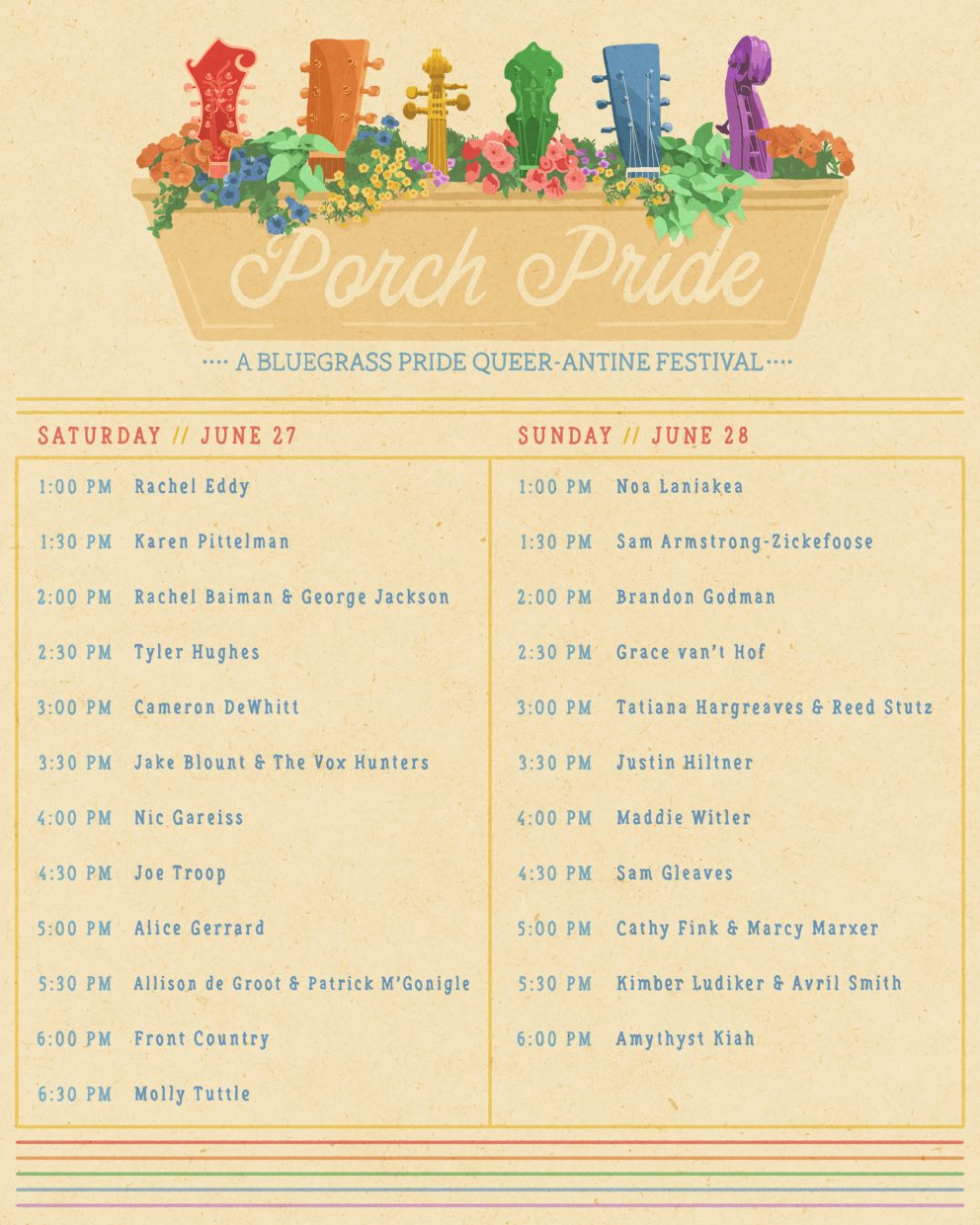
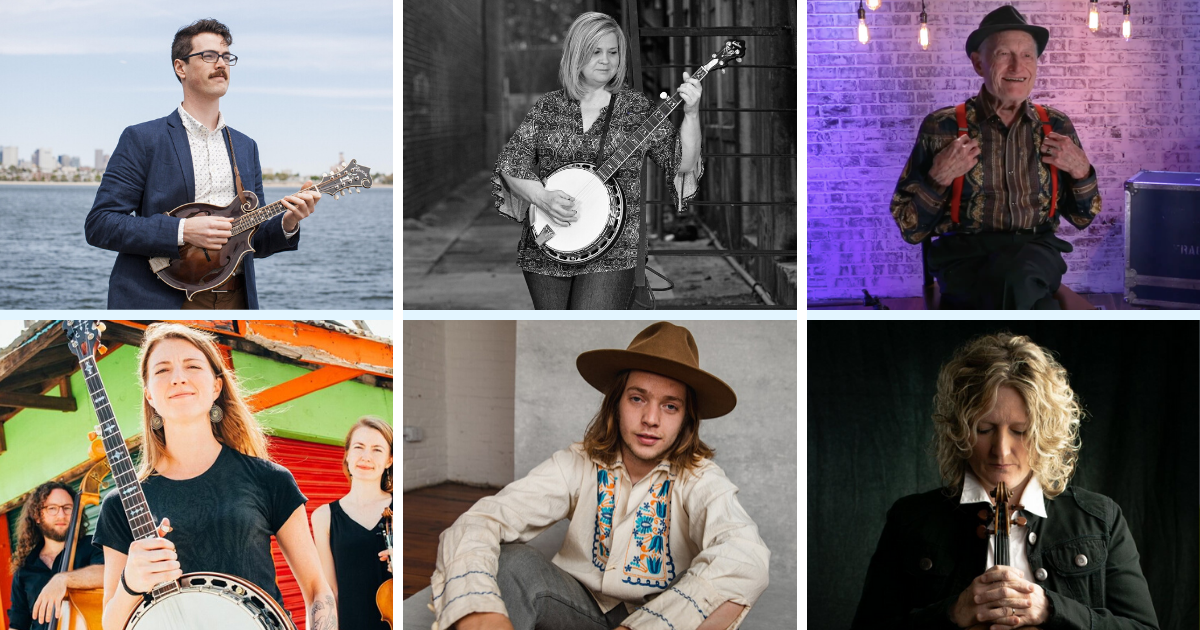
Enter our most familiar villain, COVID-19. In response, Bluegrass Pride has shifted to a new concept, Porch Pride: A Bluegrass Pride Queer-antine Festival. Featuring more than ten hours of music by queer and allied artists such as Cathy Fink & Marcy Marxer, Molly Tuttle, Sam Gleaves, Jake Blount, Rachel Baiman, and more, the livestream event will air June 27 and 28 on Bluegrass Pride’s website, YouTube channel, and Facebook and Instagram pages. Porch Pride will raise money for Bluegrass Pride and all of the musicians on the bill. Fans and followers are encouraged to donate now.

To celebrate Porch Pride with our longtime friends at Bluegrass Pride, we connected with Executive Director Kara Kundert and powerhouse singer/songwriter and the digital festival’s “headliner” Amythyst Kiah.

BGS: For those unfamiliar with Bluegrass Pride, how would you describe it?

Kara Kundert: Oh, what a big question. In a purely statutory sense, I would say that Bluegrass Pride is a nonprofit organization devoted to the advancement of LGBTQ+ people within the bluegrass, old-time, and broader roots music traditions. To get a little bit more descriptive, we work every day to make bluegrass a more welcoming place for people of all backgrounds. Our mission is to show the world that bluegrass is for everyone, so we try to create programs that serve all kinds of people who love and participate in American traditional music. We put on local beginner-friendly jams and create introductory video content to help people get involved with the community even as they’re just starting out, and we host concerts and showcases to create paid opportunities for professional musicians.

Amythyst Kiah: …Simply, my idea of what something like Bluegrass Pride represents: It is about accepting all forms of identity and expression in a style of music that is known for having a more traditional culture, and it’s also an outlet for queer people who don’t fit the stereotype of gay club culture. As iconic and important gay club culture is historically, it isn’t everyone’s experience.

How did the idea for Porch Pride come to you? 

Kundert: Via the incredibly talented Jake Blount! Jake is on the Bluegrass Pride board of directors and he came to me back in March (just as everything was starting to shut down and we were holing up for quarantine) to suggest that Bluegrass Pride host a digital festival to support artists in the face of the first round of gig cancellations. He had participated in the first iteration of the Stay At Home Festival and had seen how much energy and support there were for these artists, and thought that it was a natural fit for Bluegrass Pride and our mission.

At that point in time, it was still really unclear how long and how bad the COVID pandemic was going to be — we still believed that SF Pride was going to march down Market Street in June — so I was a little nervous to take on the project. I was worried that we wouldn’t have the resources to do everything and do it well. We started discussing smaller-scale projects, like weekly concert series or short little weekend showcases, things that we would have the budget to do in addition to our regular programming.

But within a couple of weeks, it became pretty clear that our whole season was going to change dramatically, and that was when the plan shifted from being “maybe we’ll host a couple of digital concerts to keep momentum before Pride” to creating Porch Pride and really making it the center of our entire year.

People don’t tend to think of bluegrass or roots music when it comes to Pride celebrations, and obviously y’all think that needs to change! Why? What does bluegrass and string band music bring to the greater LGBTQ+ community? 

Kiah: I see this event and organization as a way to formally recognize that LGBTQ+ have always been present in the communities where bluegrass and other roots-based music originated from. Historically, media has projected many ideas of what being queer looks and sounds like, and it’s high time to recognize and celebrate other ways of being and doing when it comes to music.

Kundert: I think that there’s a problem whenever people aren’t being represented. So it was a problem for bluegrass that LGBTQ+ stories and music weren’t being heard onstage. It was a problem when queer folks were being excluded from jams and from gigs just because of their identity. And it’s a problem for the LGBTQ+ community that this portion of our family isn’t being included in the conversation about what “gayness” is. We as a culture have this extremely metropolitan, white, male-centric idea of what the LGBTQ+ community is, which is what you really see on display on these corporate floats at the major cities’ Pride parades, and it leaves out so many people. There are as many ways to be queer as there are colors under the sun, and that’s something that we as a [bluegrass] community need to do more to embrace in order to support and uplift every single person in the LGBTQ+ community.

Amythyst, with your songwriting and your work with Our Native Daughters you’ve been a powerful voice, lifting up Black songs and stories. How does that perspective as a Black woman complement Bluegrass Pride for you? What do these two movements have in common, and what do they combine?

Kiah: Both movements involve recognizing and uplifting marginalized voices, due to the continued generational trauma that both have had to endure. Being Black, a woman, typically gender-nonconformant, and queer, I have experienced some form of questionable actions, treated as if I was invisible, and [received] looks of contempt by other people. I am fortunate that I haven’t experienced much worse, but that being said, I was terrified of my own shadow for years before I really started to embrace myself and be myself. So Bluegrass Pride is about recognizing that we all have value, just as Songs of Our Natives is about.

Kara, planning a Pride event can be a major undertaking. What is the reward for you, on a personal level, after putting in so many hours to prepare?

Kundert: Creating and running these events is always such an emotional rollercoaster. There’s so much anxiety and energy in the planning: Are people going to show up? Is it going to go well? Are people going to connect with it, or are they just not going to care at all? But then in the moment, you get to listen to this wonderful music by talented people, and be with a crowd of people that want to support Bluegrass Pride, and it’s euphoric. So far, I haven’t been let down by that moment of standing in a crowd and experiencing that kind of threefold-payoff of enjoying the music as an audience member, enjoying the crowd and energy as someone standing on stage, and enjoying the sheer relief of not totally fucking up as a producer.

But beyond that very selfish gratification, I also know how much these events mean to people. I know there are people who play bluegrass right now — people who are showing up at jams and forming bands and going to festivals — because Bluegrass Pride made them feel welcome and safe to be there. There are people who found Bluegrass Pride and realized that maybe they could come out after all. I know that these events — our parade float in San Francisco, our LGBTQ+ Musician Showcase in Raleigh, our beginner-friendly jams — they mean something to people. So when I get to stand in the crowd and see people’s smiles and feel people’s energy, both on- and off-stage, it makes me feel like what we’re doing matters to people. That all of the work and the hours and the stress: they add up to something bigger than just myself or my own feelings of relief and exhaustion. And that’s what keeps me going after four years of being a part of Bluegrass Pride.

What are you most looking forward to during Porch Pride? 

Kundert: I know this is a cliche to say, but I’m looking forward to all of it — I put together the lineup after all! We have so many talented artists, I’m just looking forward to hearing all of their great music and seeing how people come together to celebrate Pride with us this year.

Kiah: I am looking forward to (hopefully) finding a quiet place outside to share some stories and music! If only it could be done in person, but I’ll take what I can get! Being safe [is a] top priority.

How can we all celebrate Pride “better” this year? 

Kiah: I think one thing to keep in mind is that not everyone can safely be out of the closet, and that we should always keep those folks in our thoughts and to remember that [there is] more than one way to live out our truths in a way that we see most fit. Whenever we are waving our rainbow flags or wearing our rainbow suspenders, we’re also wearing them for the ones that can’t be with us.

Kundert: I think the key to best celebrating Pride — and to best doing most things in life — is to take a page from the author John Green and put energy into imagining people more complexly. If we imagine Pride more complexly, we see beyond the metronormative, white, cis, corporate stereotypes of Pride and begin to see new possibilities — for a Pride without all the weird classist, toxic binarism and gate-keeping. If we imagine bluegrass more complexly, we can break out of these same tired tropes that we’ve been falling into years and start telling new stories — using this art form as a way to create authentic and fresh connections with people.

We must do everything we can to see and honor people in all of their nuance. By forming connections with people, we are able to glimpse outside of our own lives. To do so enables us to generate empathy for each other, to see each other as family rather than strangers, or worse, as adversaries. To expand our circles and grow our vision of humanity will help us to better fight for justice for all, rather than justice for a few.


Photo credit: Anna Hedges
Artwork: Courtesy of Bluegrass Pride

BGS Long Reads of the Week // June 19

Summer approaches, the heat and humidity are here, at BGS South in Nashville the fireflies are alight every night, and it’s the perfect season for a porch swing reading session (if you can stand a little sweatin’).

The BGS archives will keep you stocked for just such an occasion! Each week, as we share our favorite longer, more in-depth articles, stories, and features to help you pass the time, we post our #longreadoftheday picks… yes, daily across our social media channels [on FacebookTwitter, and Instagram]. But of course, here’s the weekly round-up, too. Get your long reads wherever you like!

This week’s stories cast daylight, share wisdom, get toes tapping, revisit old memories, and much more.

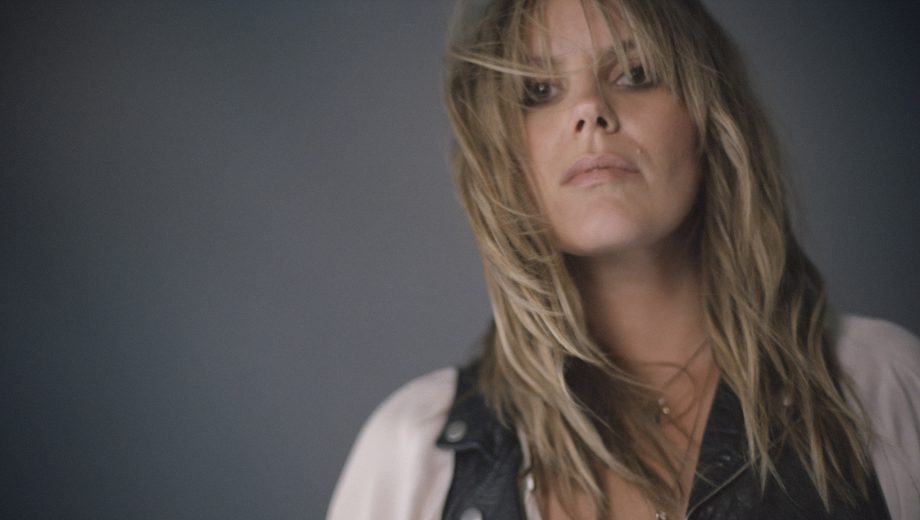
Grace Potter Sets the Scene with Dramatic Daylight

An excellent long read for starting us out, with this one you’ll get a bit of fresh air and a whole lotta Daylight, Grace Potter’s most recent album, which was released last fall. Our interview explores the cinematic quality of the album, how Potter built her band post-Nocturnals, and little things too — like how bluegrass and southern California resonate within her. Grace Potter’s voice is commanding, on the stage or on the page. [Read the interview]


Hear Six of Our Favorite Instrumentals on IBMA’s Second-Round Ballot

We debuted Tunesday Tuesday in January 2018 for a pretty simple reason. Roots music has a world-class stable of talented pickers, and unlike other more commercial genres, that talent is something of a prerequisite — especially in bluegrass! This short list-formatted Tunesday is a perfect long read/listen, and even though the IBMA Awards’ second-round ballot is now closed, you may need to do some studying for the final ballot still to come this summer! [Get listening]


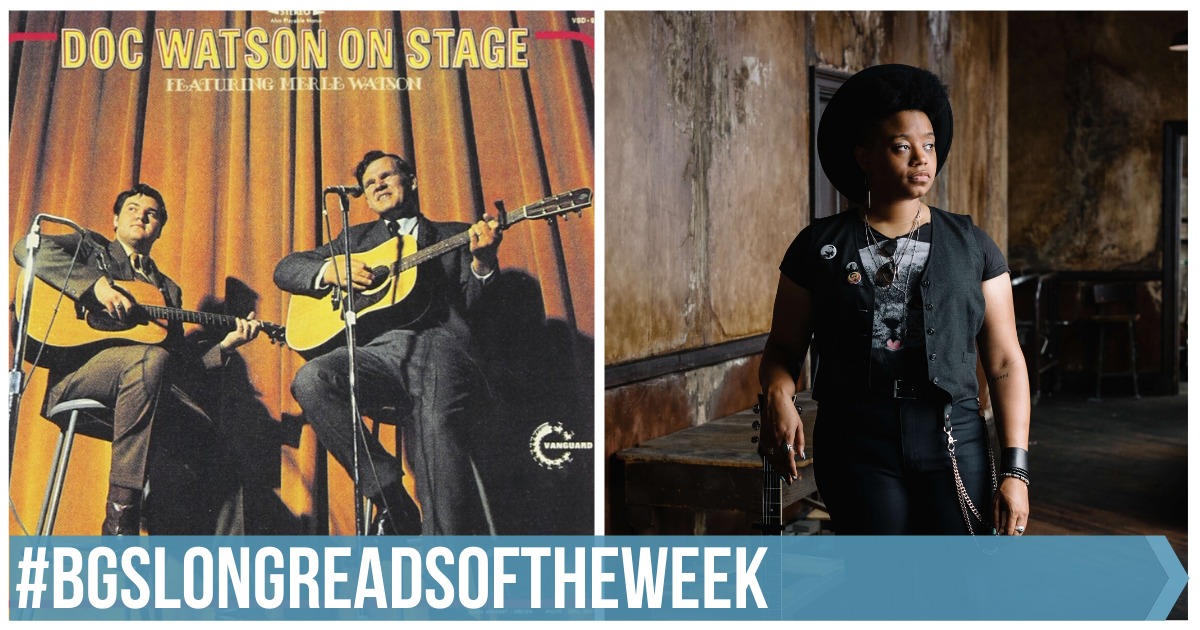
Doc Watson: Live Memories and Moments

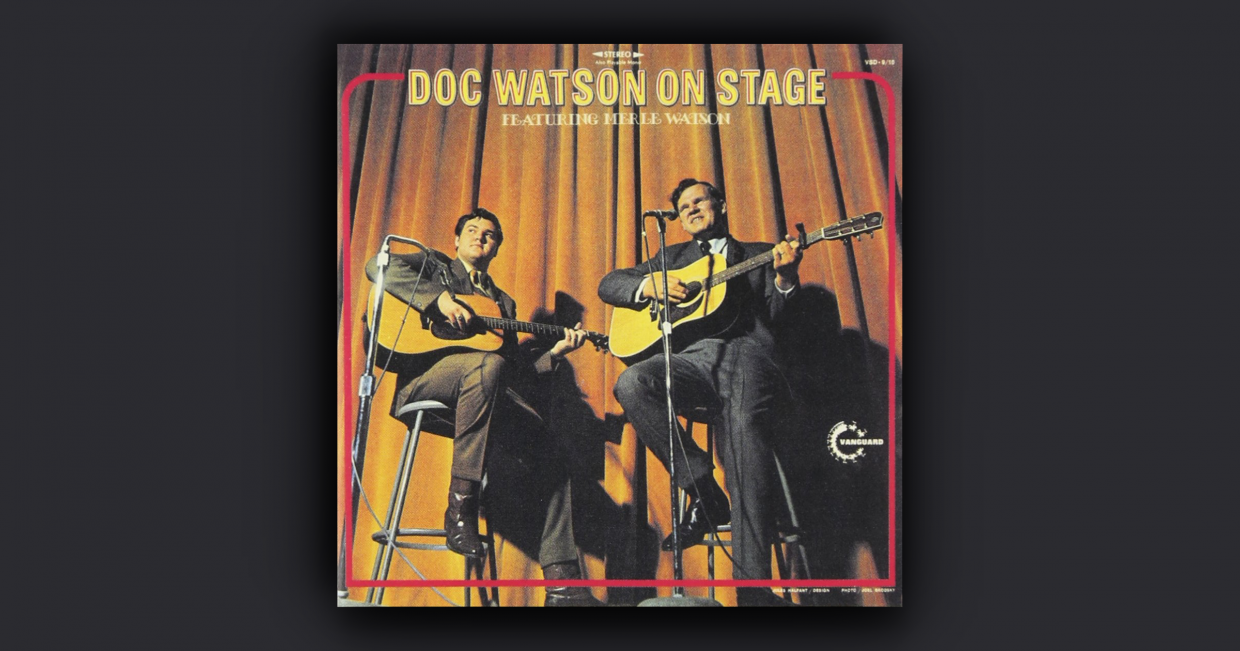
Anyone who ever had the extreme good fortune of seeing Doc Watson perform live can easily recount their favorite moments remembered from his time on stage. Lucky for any of us who can’t get enough of those memories, Watson put so many of them down on recordings and live tapes. Stroll a bit back through the catalog of those live performances with BGS. [Read more]


Counsel of Elders: Taj Mahal on Understanding the World

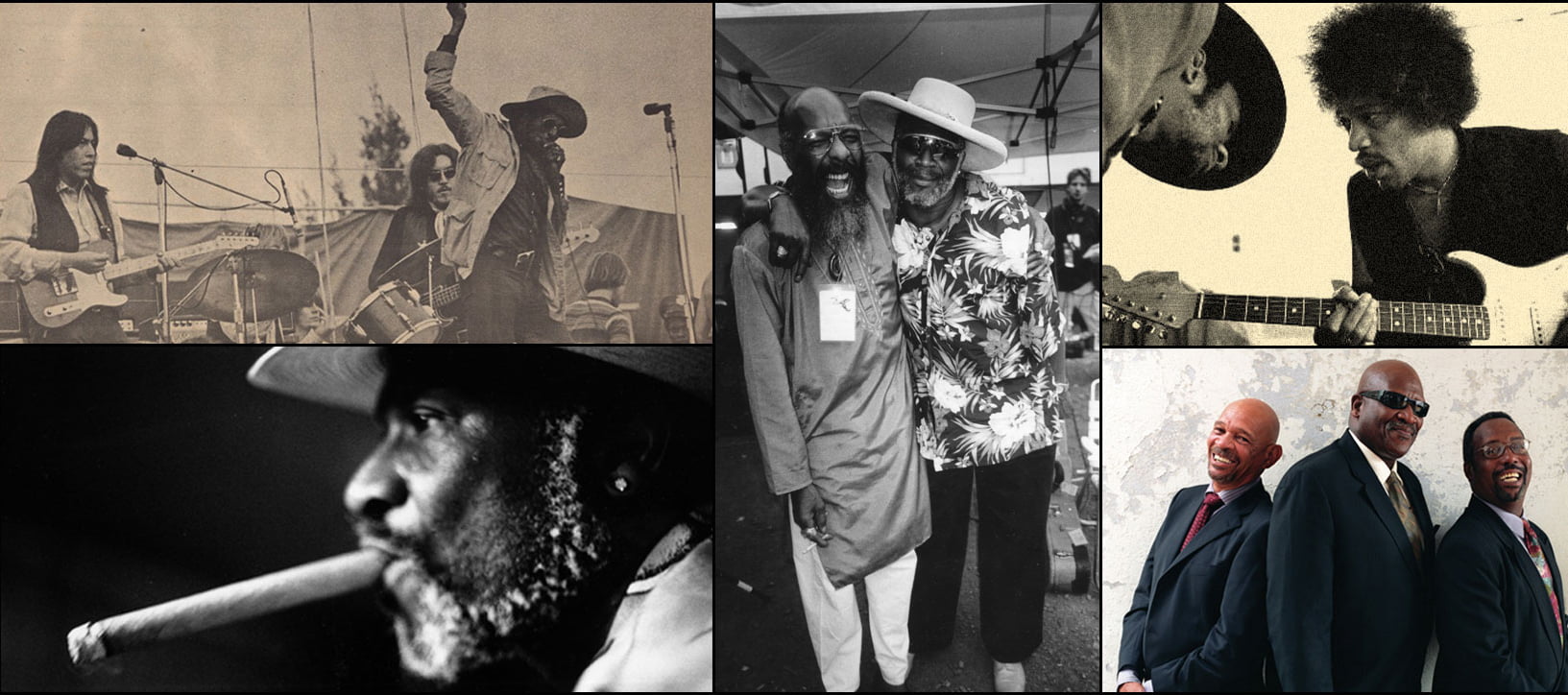
And he understands it! The wisdom and storytelling gifted to us by blues innovator and legend Taj Mahal in this 2016 interview is not only perfect for a long read pick, but it was perfect for a #ThrowbackThursday, too. The voices and perspectives of our elders are vital as we struggle for a more just future, and our musical elders have plenty of insight to pass on, as well. [Read the whole interview]


Bluegrass Pride Invites LGBTQ+ Roots Music Fans to Porch Pride Festival

In a little over a week our friends at Bluegrass Pride will hold their online Pride festival, Porch Pride, featuring performances by queer artists, musicians, and bands and their allies — such as Jake Blount, Tatiana Hargreaves, Cathy Fink & Marcy Marxer, and Molly Tuttle. In advance of the event, we spoke to Bluegrass Pride’s Executive Director, Kara Kundert, and artist Amythyst Kiah about Pride, roots music, and what to expect from the festival. [Read more]


Photo of Amythyst Kiah: Anna Hedges

Stay On Your Ass: BGS Picks to Ease Your Boredom (We Hope)

Remember when we used to actually try to get our readers to go out and support live music? LOL. It’s not “Get Off Your Ass,” anymore, it’s, “Y’all stay put if you know what’s good for you!” At least, for the time being.

Each week, we round up a few of our favorite tunes, events, livestreams, and content from the BGS archives that will hopefully help make your isolation pass faster and with a little bit more joy.

Did we miss something? (We probably did.) Let us know in the comments or on social media!

The Whiskey Sour Happy Hour

Did you hear!? We’ve teamed up with our pal Ed Helms, the Americana Music Association, TX Whiskey, Allbirds, and a pantheon of incredible musicians, friends, and buddies for four weeks of online variety shows! Proceeds from the Whiskey Sour Happy Hour will benefit MusiCares’ COVID-19 relief fund and PPE supplies through Direct Relief. Lee Ann Womack, Billy Strings, Madison Cunningham, Aubrie Sellers, and some surprise guests, too. Our debut show goes up at 5pm PDT / 8pm EDT on April 22 right here on BGS, on our Facebook page, and our YouTube channel. We hope you’ll join us and donate! More information here.


The Lumineers, Together at Home

Wesley Schultz represented The Lumineers at the end of March on #TogetherAtHome, a livestream campaign that has seen performances from so many artists, including Coldplay, Jack Johnson, and Hozier. Originally performed for fans on Instagram Live, Schultz sang a selection of songs from the Lumineers discography, adding covers of Springsteen and the Felice Brothers. This showing is part of the #TogetherAtHome daily concert series, but the campaign is building up to its fruition on April 18th. Global Citizen has organized an international broadcast and digital special with the express intent of supporting healthcare workers and the World Health Organization. The centerpiece event will be called One World: Together At Home and will be hosted by television’s best, Jimmy Kimmel, Jimmy Fallon, and Stephen Colbert. For more info on the broadcast event, visit globalcitizen.org, and until then, enjoy this installment of the daily concert series given by The Lumineers.


Martin Guitar Presents Jam in Place

Everybody loves playing Martin Guitars, so of course nearly everybody who’s ever picked one up is playing Martin’s livestream series, Jam in Place. In the past couple of weeks they’ve featured performances from Kelsey Waldon, Charlie Worsham, John Oates, Tenille Townes, and many more. On the docket for the rest of this week: Son Little and Amythyst Kiah. Martin’s website explains that the series’ lineup is full for the “foreseeable future,” so stay tuned for many more jams!

You can watch Jam in Place on Martin’s Facebook page.


Is It Time for a Bluegrass Cocktail? Yes. It. Is. 

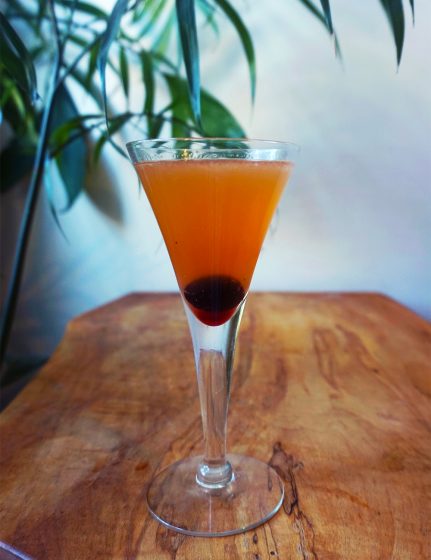
A while back we had a mouth-watering series of Bluegrass Cocktails, fancy libations for at-home mixology that referenced and drew inspiration from classic bluegrass songs. We scoured the archives for as simple and quarantine-friendly a recipe as possible to give you: the Molly & Tenbrooks. Whiskey (it calls for Irish, but we trust your judgement and your liquor reserves), honey simple, lime, bitters, and mint — done. Cherry for garnish, if you have one, you fancy lil bartender you. We highly recommend this horse race-in-a-glass. Perfect to pair with your Stay On Your Ass activity of choice. Get the full recipe.


Justin Hiltner and Jonny Therrien contributed to this article.

WATCH: Amythyst Kiah Plays “Black Myself” at Martin Guitar Museum

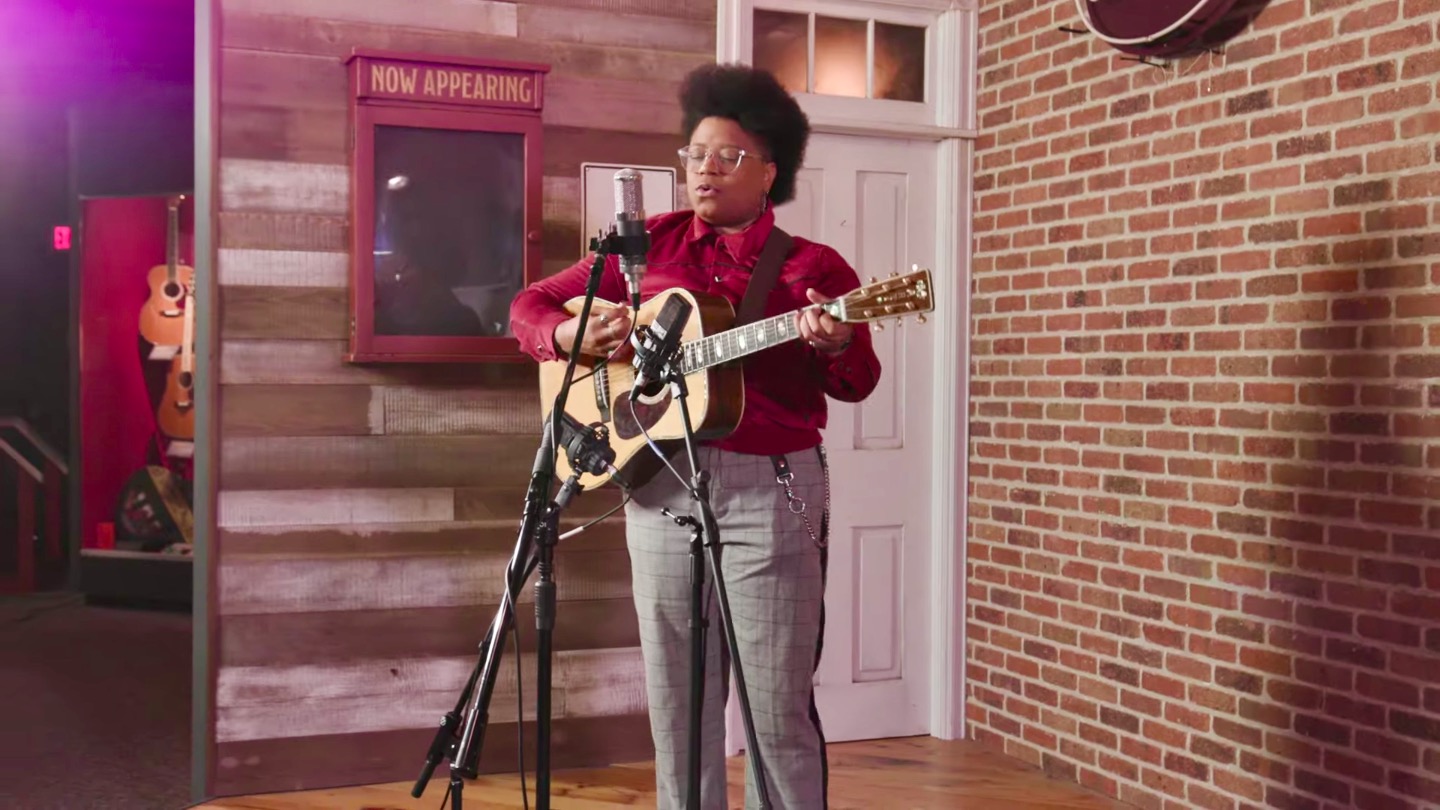
Grammy-nominated singer/songwriter Amythyst Kiah holds a direct line to the heart of emotion in each note she plays and every word she sings. Her powerful song, “Black Myself,” was the opening track on her latest release with Our Native Daughters, a collaboration that also features Rhiannon Giddens, Leyla McCalla, and Allison Russell. The lyrics’ unapologetic tone and fierce in-your-face quality earned Kiah a nod at the 2020 Grammy Awards, as well as Song of the Year honors at the International Folk Music Awards at Folk Alliance’s conference in January. Though maintaining a quite busy performing calendar, a full-length solo record is slated for release sometime this year. Until then, audiences will have to indulge in Songs of Our Native Daughters as well as this new video from the museum at Martin Guitars. Watch as Amythyst Kiah sings “Black Myself” behind a 1942 Martin D-45.

BGS Top Songs of 2019

Here at The Bluegrass Situation, we’re always eager to hear a new song. This year it’s likely that thousands of them drifted by, each with their own charms. Yet, rather than ranking our favorites, we decided simply to pick tunes that reached out and grabbed our attention in 2019 — listed here in alphabetical order. Take a look.

Brad Armstrong, “Carry Your Head High”

Formerly of the great Alabama art-folk outfit 13ghosts and more recently a member of the impossible-to-kill Dexateens, this Birmingham singer-songwriter has in the last few years emerged as a solo artist who can bend old musical forms into brand new shapes. “Carry Your Head High,” off his second album, I Got No Place Remembers Me, may be his most stunning composition yet, a churchly acoustic hymn of self-reckoning and survival that builds to a weird, intensely ecstatic climax. It’s the sound of a man shaking loose every last burden. – Stephen Deusner


Bedouine, “Echo Park”

Carrying on a long legacy of Eastside LA troubadours, Bedouine’s standout track from her brilliant sophomore album captures the essence of lackadaisical days in the Southern California sunshine by Echo Park Lake. On repeat all year long. – Amy Reitnouer Jacobs


Dale Ann Bradley, “The Hard Way Every Time”

An exquisite singer, Dale Ann Bradley has put her stamp on countless cover songs, but there’s something special about the way she interprets this 1973 gem written and recorded by Jim Croce. More than just singing it, she inhabits it. The poignant lyrics allude to lessons learned and dreams broken, but also the insistence that the narrator wouldn’t have done it any other way. Through Dale Ann’s perspective, it’s presented as a blend of nostalgia and fortitude, delivered by one of bluegrass’ most believable vocalists. Musical support from Tina Adair, Tim Dishman, Jody King, and Scott Vestal round out the good vibes. – Craig Shelburne


Tyler Childers, “All Your’n”

It was a banner year for Tyler Childers, whose seemingly endless run of sold-out tour dates gave way to a staggering sophomore album, Country Squire, that took his snarly Appalachian drawl and quick-witted lyrics to the top of the Americana charts (and to college football fans everywhere). From the sweeping piano at the outset to the final wail of affection, “All Your’n” elevates van-tour vernacular to a kind of love language — “loading in, and breaking down / my road dog, door-deal dreams” — with a grin of a chorus that conveys a confident, just-gets-better-with-time kind of intimacy, miles between be damned. – Dacey Orr Sivewright


Charley Crockett, “The Valley”

A life story set to music, “The Valley” recounts the bumps along the way for this Texas musician, who somehow overcame the obstacles — from tough family situations to open-heart surgery — to create an exceptional album of the same name. Echoing his own experiences, the instrumentation on “The Valley” is a pendulum of highs and lows, yet sits squarely in classic country territory, thanks to Crockett’s magnetic voice and the through line of superb steel guitar. – Craig Shelburne


Maya de Vitry, “How Do I Get to the Morning”

This earworm caught me after seeing Maya de Vitry at The Basement in Nashville a few months before the release of her album, Adaptations. If you’re not familiar, The Basement is essentially that – a small club below the former location of Grimey’s Records. It’s dark, intimate, and sports a max capacity of about 50, but de Vitry lit the place up with this one. It’s funky, soulful, positive, and it’s bound to leave you humming the chorus for weeks after your first listen. – Carter Shilts


J.S. Ondara, “American Dream”

A kid from Kenya, obsessed with Bob Dylan, wings his way to Minneapolis, starts playing music and, a few years later, has a deal with Verve Records and an acclaimed, highly affecting debut album. American Dream, indeed. But his song of that title is full of unsettling images — guns, beasts, ghosts — the darkness at once belied and deepened by his sweet, accented voice and lilting jazz-folk settings, echoing Van Morrison as much as the Bard of Hibbing. If you see him perform or talk with him (read our BGS feature from February), though, his hope and optimism beam through. – Steve Hochman


Our Native Daughters, “Black Myself”

Though watching a majority-white audience gleefully shout along to this righteously vengeful, imposing, empowered anthem by Amythyst Kiah might justifiably raise an eyebrow or two, this phenomenon is a testament to those Black musicians and creators who lead the way in actively un-writing myths that claim Black experiences and Black stories — especially those of Black women — are not relatable to the mainstream and its consumers. Recorded with Rhiannon Giddens, Allison Russell, and Leyla McCalla on Songs of Our Native Daughters, this track demonstrates that talking about our shared history, telling our truths without censorship or defensive reflexes, is key to moving forward with healing and intention. And just a dash of raisin’ hell, too. – Justin Hiltner


Tanya Tucker, “Wheels of Laredo”

For an album with a largely decentralized creative process — Tucker herself has been quoted in numerous interviews describing having to warm up to the songs, the recordings, and the entire project — While I’m Livin’ is a perfect distillation of the persona, the vim and vigor, and the pure X-factor that makes Tanya Tanya. (Read our Artist of the Month feature from August.) “The Wheels of Laredo,” written by Brandi Carlile and Tim and Phil Hanseroth, remarkably sounds as if it’s been plucked directly from the subconscious and lived experiences of Tucker herself. A haunting refrain, “If I was a White-crowned Sparrow…” reminds us that the human barriers by which we allow ourselves to be thwarted are just that. Human. No one stops a sparrow at the border of a not-so-distant land. – Justin Hiltner


Yola, “Faraway Look”

You know an album is special when a deluxe edition is released in the same year of its debut. Yola’s Walk Through Fire is just that kind of record. (Read our interview.) The opening track, “Faraway Look,” sets up the album with a soaring chorus and vintage vibe, paving the way for what’s to come. And with four Grammy nominations, including Best New Artist, it’s sure to continue its relevance well into 2020. — Chris Jacobs


Britain’s Got Bluegrass: August 2019

Get off your couch and go hear some live music with Britain’s Got Bluegrass! Here’s the BGS-UK monthly guide to the best gigs in the UK and Ireland in July.

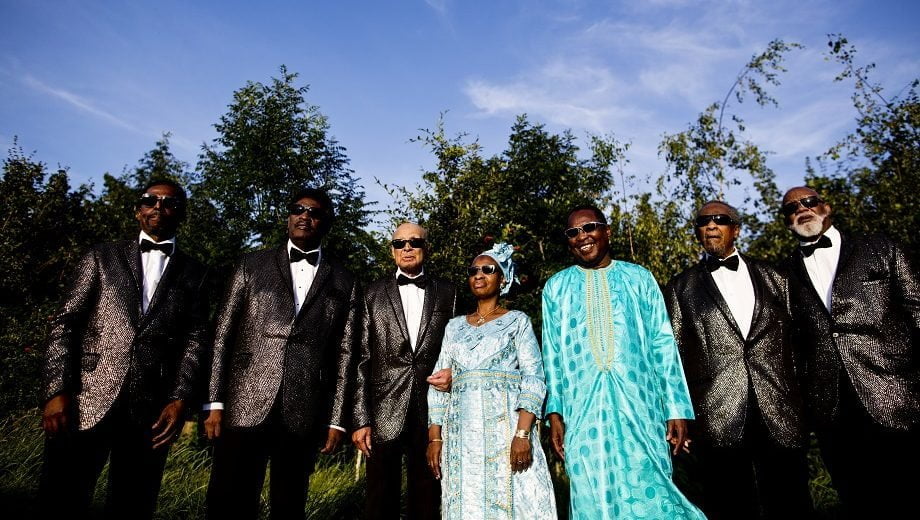
Amadou & Mariam and Blind Boys of Alabama, 4 August, Cambridge

There are still day tickets available for the final Sunday of Cambridge Folk Festival and believe us when we say we’d pay the face price just for this single gig. Blending music by Amadou & Mariam and Blind Boys of Alabama, “From Bamako to Birmingham” is a special collaboration between two roots supergroups celebrating the African source of American gospel music, and it’s going to be a powerful closer to the festival. Of course, your £75 will also get you in to see Richard Thompson, Sarah Darling, Mishra, Jack Broadbent, Fisherman’s Friends, and many more acts, so consider it an utter bargain.


Amythyst Kiah, 14 to 29 August, nationwide

Having brought Newport Folk Festival to its feet alongside Rhiannon Giddens in Our Native Daughters, Amythyst Kiah arrives in the UK with her solo material. The Tennessee songstress has a devoted following in Britain – she’s played Celtic Connections, Edinburgh Jazz and Blues festival, and last year’s Cambridge Folk Festival – and here she’ll be visiting a whole host of venues across her 16 dates, from Wales and the West Country, London to the Midlands, Leeds, Manchester, and Glasgow.


Hoot and Holler, 23 August to 3 September, nationwide

In 2016, Mark Kilianski and Amy Alvey spent an entire year travelling around the US, living in a campervan, performing wherever they could. As Hoot and Holler, their resultant fiddle and guitar duo (although both are given to instrument-swapping) pays beautiful tribute to the old mountain music of the Appalachians, while incorporating their own contemporary songwriting. It’s old-time and new world combined, and it’s utterly captivating. You can catch it Newcastle, Padfield, Huddersfield, Liverpool, Sheffield, St Davids, as well as several dates in Northern Ireland where they’re appearing at the Appalachian and Bluegrass Festival in Omagh.


Prom 49: The Lost Words Prom, 25 August, Royal Albert Hall

The Lost Words was one of the bestsellers of 2018 — a beautiful illustrated book that combined the incomparable nature writing of Robert Macfarlane with the mesmeric drawing of Jackie Morris. Now as Prom 49: The Lost Words Prom, it’s found a second life as a musical project, one that has assembled a stellar crew of Britain’s greatest folk musicians including Karine Polwart, Kris Dreever and Beth Porter, as well as Senegal percussionist Seckou Keita. Inspired by the animals, birds, and landscapes from the book, they have created a series of “spell songs” intended to charm a vanishing world back into existence. This special Prom amps it up with full orchestra and the additional contributions of beatboxer Jason Singh, violinist Stephanie Childress and the National Youth Choir of Great Britain. There are lots of different price points to choose from — and of course if advance tickets sell out, you can always queue on the day for gallery or standing tickets, and do it the proper Promming way.


Tyler Childers, 28 August to 1 September, Brighton, Nottingham, & Salisbury

The Kentucky songwriter Tyler Childers has enjoyed such a sudden rise in popularity that you can now buy tickets to his 2020 UK tour (dates include the Manchester Academy and the Shepherd’s Bush Empire, if you’re interested). But there’s no need to delay your gratification that long. Just get yourself to The Haunt in Brighton on 28th August, or the Rescue Rooms in Nottingham on 29th — or head down to Salisbury for the End of the Road festival. He’ll be playing there alongside acts including Beirut and Michael Kiwanuka, in the wonderful surrounds of Larmer Tree Gardens.


Photo of Amadou & Mariam and Blind Boys of Alabama: Neil Thomson

ANNOUNCING: Bourbon & Beyond Reveals Bluegrass Situation Stage Lineup

We’re thrilled to announce Greensky Bluegrass, The Travelin’ McCourys, and Dustbowl Revival will headline the Bluegrass Situation stage at this year’s Bourbon & Beyond, to be held September 20-22 in Louisville, Kentucky.

Greensky Bluegrass will appear on Friday night, following sets by Mipso, the Po’ Ramblin’ Boys, and Amythyst Kiah. On Saturday, the Travelin’ McCourys will share the bill with Fruition, Cedric Burnside, and Ben Sollee. Dustbowl Revival will play on Sunday, along with performances from Birds of Chicago, the Lil Smokies, and Front Country.

2019 marks the third year of Bourbon & Beyond and the BGS stage. Tickets are now available — stay tuned for more information and BnB content, a festival preview, and the full schedule announce. Find out more: Bourbon & Beyond.

Full Schedule:

Friday

5:20 PM Greensky Bluegrass
3:45 PM Mipso
1:40 PM The Po’ Ramblin’ Boys
11:45 AM Amythyst Kiah

Saturday

4:20 PM The Travelin’ McCourys
2:55 PM Fruition
1:25 PM Cedric Burnside
12:05 PM Ben Sollee

Sunday

4:15 PM Dustbowl Revival
2:40 PM Birds Of Chicago
1:20 PM The Lil Smokies
11:50 AM Front Country

MIXTAPE: Mother Banjo’s Womenfolk Playlist for Hard Times

Long before I picked up a banjo and started writing songs, I was a fan — an awkward teenage girl that stayed at home on Friday nights so I could listen to WKSU’s Profiles in Folk show. I found solace in the singer-songwriters that shared their heartfelt stories of hope and heartbreak. I most identified with the women artists like Dar Williams and Shawn Colvin, who spoke to me in every stage of life and became a key part of my road trip mixes and my playlists as I hosted my first college radio show more than 21 years ago.

I still host a radio show to this day — Womenfolk, highlighting the best in women’s folk/acoustic music on KFAI 90.3 FM Minneapolis. I’ve gotten to interview some of my biggest sheroes, including Joan Baez, Indigo Girls, and of course Dar and Shawn. It is the best way for me to stay connected to the next generation of songwriters, find new inspiration and introduce today’s awkward teens to female voices that speak to being yourself, finding love and embracing the hope that exists even in the darkest of times. I created this particular mix of mostly new songs to help me through pregnancy, reminding myself to be ferociously authentic and kind, no matter what life hurls at us. Mother Banjo

Our Native Daughters – “Black Myself”

One of my favorite albums of 2019, Songs of Our Native Daughters features four African American banjo-playing singers (many of whom have been staples of my radio show), including Rhiannon Giddens, Allison Russell, Leyla McCalla and Amythyst Kiah. Like this opening track, the whole album speaks to standing tall no matter what.

Vicky Emerson – “The Reckoning”

I have known Vicky Emerson a long time and have had the privilege of playing shows around the country with her, including a double release show we did this year in Minneapolis. Taking the production reigns, Vicky has released her most fully realized album to date with songs like this that speak to these times and showcase amazing voices, including Kari Arnett, Annie Fitzgerald and Sarah Morris.

Lena Elizabeth – “Get It Right”

One of my favorite young talents to come out of the Twin Cities music scene, Lena Elizabeth just put out her first full-length album featuring this title track. She’s embarking on her first tour this year so catch her if you can.

Jillian Rae – “Free”

Minneapolis fiddler Jillian Rae has played with many notable acoustic bands including The Okee Dokee Brothers, Brass Kings and Corpse Reviver. But around these parts, she’s probably better known for her own songwriting project that mixes Americana, rock and pop. This song is from her more acoustic EP, Wanderlust.

Tracy Grammer – “Hole”

Dave Carter and Tracy Grammer were hugely influential on my songwriting. (I even covered the tune “Anyway I Do” on my gospel record.) When Tracy released her first EP after Dave’s death, I was blown away and eagerly awaited her next solo project. Fourteen years later, we were finally blessed with Low Tide, featuring this awesome non-radio friendly tune.

Emily Haavik & The 35s – “Candle”

Duluth native Emily Haavik writes terrific songs with honest lyrics and infectious hooks. This song always makes me feel better no matter what state I’m in.

Heather Styka & The Sentimentals – “Love Harder”

I’ve known Heather Styka for years, but I’ll never forget when I first heard her sing this at a late-night showcase at Folk Alliance International Conference. I cried as everyone joined her in this cathartic anthem. If you haven’t already, check out her new album North–this song won’t be the only that will make you cry.

The OK Factor – “Love Song for Lucy”

Originally from Iowa, this dynamic string duo can do anything they set their mind to–re-interpreting pop songs, putting their own spin on traditional tunes and writing timeless pieces like this. The OK Factor’s new EP is a collection of love songs and lullabies.

The Lowland Lakers – “Time to Move Along”

Haley Rydell’s voice never ceases to move me, nor her deceptively simple songwriting. Although The Lowland Lakers are currently on hiatus while songwriting partner Nate Case is studying in Germany, Haley continues to play music solo and with the band Buffalo Gospel.

I’m With Her – “Overland”

I’m With Her is a folk supergroup needs no introduction. From my first listening, this song was one of my favorites as it hearkens to the best old folk songs–telling a personal story in the context of a changing country. This tune just feels timeless.

Amy Helm – “Michigan”

One of my all-time favorite singers, Amy Helm put on one of my favorite shows of the past year at the Dakota Jazz Club, blowing me away with this Milk Cartons Kids cover. This studio version from her new album features some amazing harmonies by Allison Russell (Our Native Daughters, Birds of Chicago) and Russell’s partner JT Nero.

Sarah Morris – “Confetti”

Sarah Morris does the impossible, writing songs about being kind without being saccharine or condescending. I love everything about this track–the message, the melody, her singing and her amazing band that bring this song to life.

Mavis Staples – “We Go High”

Quite simply, Mavis Staples is my favorite–as a singer, an activist and a relatable human that brings joy to all who get to experience her music. Although she is 79, this latest studio album proves her best days are not behind her. Thank God.

Mother Banjo – “Will Your House Be Blessed?”

Written by British songwriter and crime novelist John B. Spencer, this song is one I learned from Rani Arbo & Daisy Mayhem. It has become a favorite of the Mother Banjo Band and a staple of our live shows. It feels even more relevant now in our political climate and has become such a personal anthem for me, I couldn’t imagine not putting it on my new album, Eyes on the Sky.


Photo credit: Elli Rader

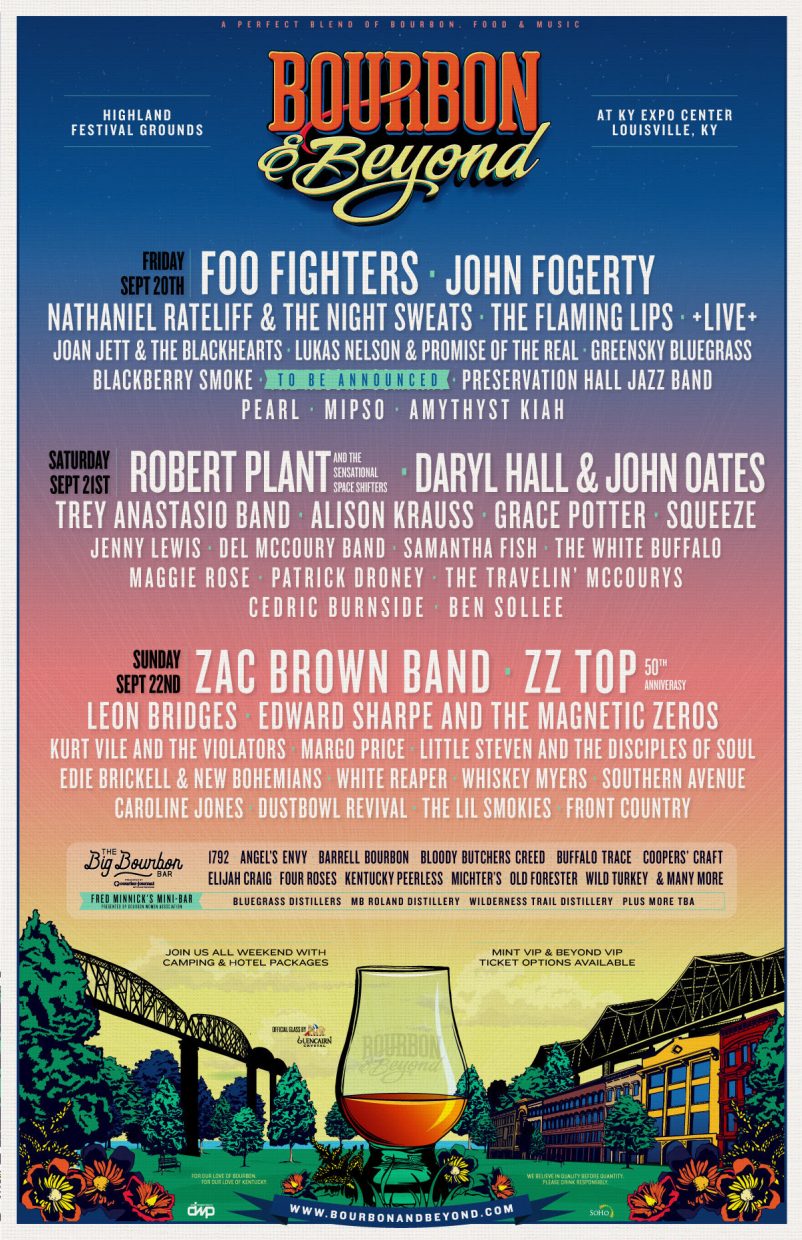
Bourbon and Beyond Music Lineup Revealed

Bourbon & Beyond, the world’s largest bourbon festival, will return to Louisville, Kentucky, on September 20-22, expanding to three days full of incredible music, unique culinary events, and unmatched experiences from the region’s best distilleries at the new Highland Festival Grounds At Kentucky Expo Center.

In total, more than 45 artists will play on three stages, including Alison Krauss, Del McCoury Band, Lukas Nelson & Promise Of The Real, and Margo Price. The bluegrass stage will be curated by the genre’s leading authority, The Bluegrass Situation. The BGS lineup includes Greensky Bluegrass, Mipso, Amythyst Kiah, The Travelin’ McCourys, Cedric Burnside, Ben Sollee, Dustbowl Revival, Lil Smokies, Front Country, with more to be announced.

The event will be headlined by Foo Fighters, Robert Plant And The Sensational Space Shifters (returning after originally being scheduled to appear in 2018) and the Zac Brown Band. Additional acts include John Fogerty, Daryl Hall & John Oates, and many others.

Bourbon & Beyond exclusive VIP packages, General Admission tickets, camping and hotel packages, as well as special event tickets, go on sale Friday, March 15 at 12:00 PM EDT.

The current music lineup for Bourbon & Beyond is as follows (subject to change):

Friday, September 20:
Foo Fighters, John Fogerty, Nathaniel Rateliff & The Night Sweats, The Flaming Lips, +LIVE+, Joan Jett & The Blackhearts, Lukas Nelson & Promise Of The Real, Greensky Bluegrass, Blackberry Smoke, Preservation Hall Jazz Band, Pearl, Mipso, Amythyst Kiah

Saturday, September 21:
Robert Plant And The Sensational Space Shifters, Daryl Hall & John Oates, Trey Anastasio Band, Alison Krauss, Grace Potter, Squeeze, Jenny Lewis, Del McCoury Band, Samantha Fish, The White Buffalo, Maggie Rose, Patrick Droney, The Travelin’ McCourys, Cedric Burnside, Ben Sollee

Sunday, September 22:
Zac Brown Band, ZZ Top, Leon Bridges, Edward Sharpe And The Magnetic Zeros, Kurt Vile And The Violators, Margo Price, Little Steven And The Disciples Of Soul, Edie Brickell & New Bohemians, White Reaper, Whiskey Myers, Southern Avenue, Caroline Jones, Dustbowl Revival, The Lil Smokies, Front Country