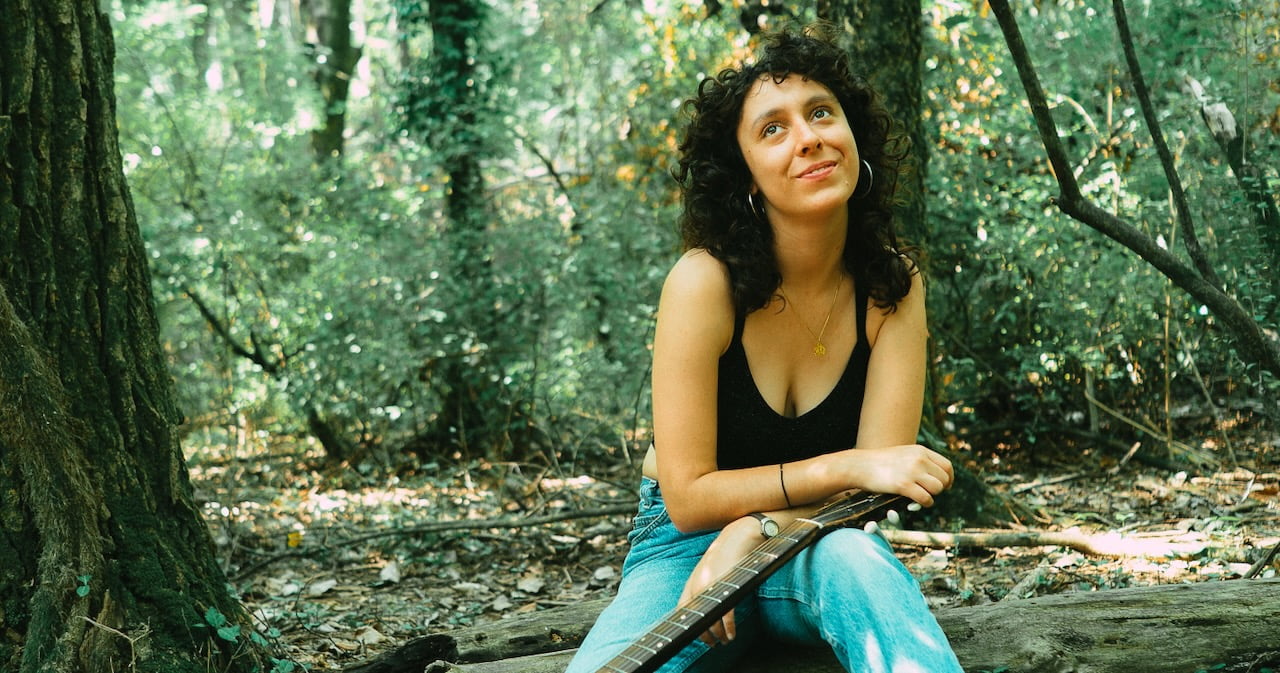
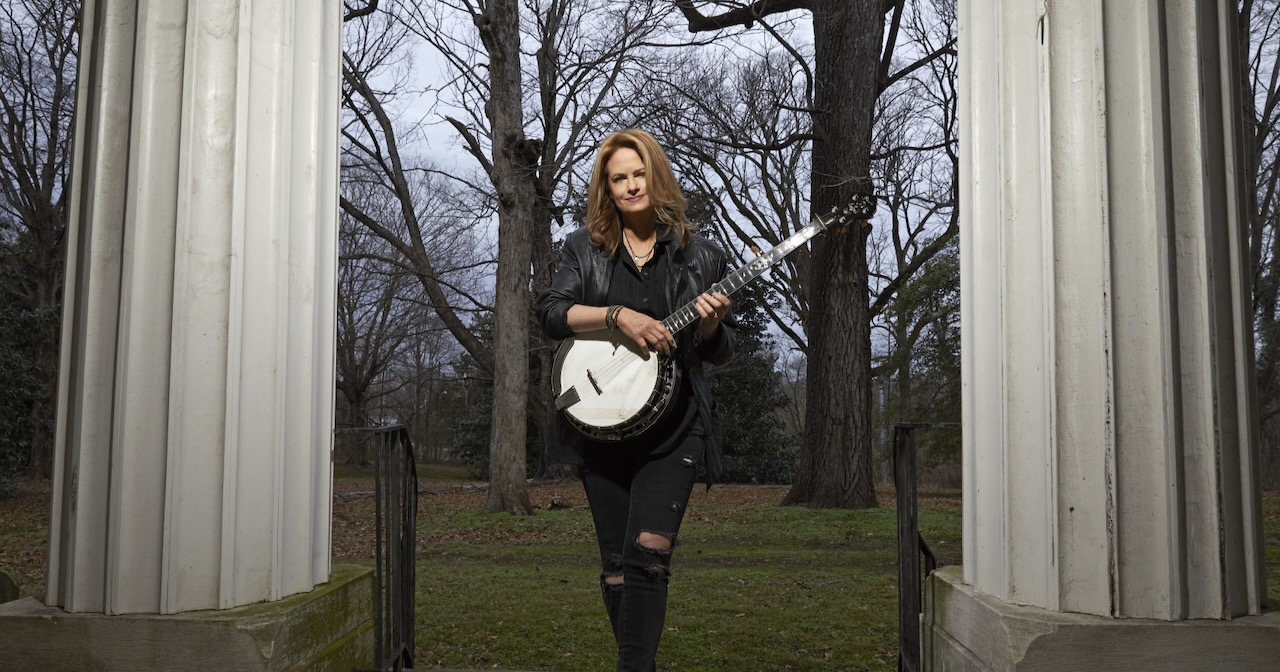
Artist:Elise Leavy Hometown: from Monterey, California; currently living in Lafayette, Louisiana Latest Album:A Little Longer Personal nicknames (or rejected band names): Doodle
Which artist has influenced you the most … and how?
Of course it’s somewhere between incredibly difficult and impossible to choose one person who has influenced me the most. I grew up listening to the Beatles, the Rolling Stones, Fleetwood Mac, Bob Dylan, Norah Jones, Simon & Garfunkel, Lucinda Williams, Crosby, Stills, & Nash, Neil Young, some strange and hauntingly beautiful Indian classical music that my mother loved, and countless other things that, if I didn’t stop myself, would flow from me in the passion of remembering things you hold tenderly, because you loved them as a child.
As an adult, I discovered Joni Mitchell – who became an angel that watched over me in my songwriting hours – Townes Van Zandt, and Tom Waits as well as the whole of country music and jazz that I never heard from the stereos of my parents. It all seeps in a little at a time, and I find I can hear it in my songs; they grow up and learn things just as I do. But I think the most magical thing is to occasionally hear something in my songs of the things I listened to as a child and loved with all my heart – now, after all these years, it’s all still there under the blanket of time.
What other art forms — literature, film, dance, painting, etc. — inform your music?
All of the above! I have always been an avid reader of romance novels and watcher of romantic comedies. I am sure I can’t have escaped their influence in the way I pursue my dreams in my life and career, and surely my songs reflect the dreams I pursue as much as they do the feelings I process.
As to painting … my mother is a painter and I was very used to having beautiful oil paintings watching over me as child; small boys on giant birds, tigers and strange monsters, women lounging in the nude, a man playing the fiddle. I can’t imagine growing up without these friends that hung on the walls and were propped up in the corners, accompanying me through childhood.
And now, I live in Louisiana, where music is almost entirely for dance, and I can’t say how it will change me over the years, but I am sure it will.
What was the first moment that you knew you wanted to be a musician?
I wrote my first song when I was 7 years old with the help of my step-dad, who is a musician. I remember I was (ironically) trying to learn “Fur Elise” on the piano, and instead of playing it correctly, I came up with something new and ended up writing a song about a rainy day called, “Yesterday It Was So Rainy.” I played this song at the talent show in 3rd or 4th grade, and I was so scared to be on stage by myself, I hired two little girls to stand behind me with umbrellas so I would have company on stage. Hard to say if I knew I wanted to be a musician at this point, but I suppose it sparked something, because I continued to play my songs at talent shows until I quit going to public school after 8th grade to pursue music. What has been the best advice you’ve received in your career so far?
“Listen to your gut.” I don’t trust anyone in the music business that tries to dissuade me from this advice! The complete confidence in my own feelings and needs being most important in the pursuit a career in music has been essential in order to effectively follow my dreams. It also doesn’t always mean I get the biggest record deals or most impressive streaming numbers, which is really hard to accept, especially with social media and the whole of the music industry barking at me all the time to appear more impressive. But it means I am continually pursuing my own happiness and continuing to have pride in and love for the music I am putting into the world – and retaining the rights to it, at least so far. The only hard thing about this particular piece of advice is knowing when it’s my gut talking and when it’s something else!
How often do you hide behind a character in a song or use “you” when it’s actually “me”?
Never, strangely! I wonder how other people answer this question? I am so honest about my feelings, I can’t imagine hiding anything in a character, or a story, or anything else. I’ve always been in awe of people who write songs from someone else’s point of view or story songs. The only thing you might say I hide behind is poetry. Metaphors are great magical beings and I am at the mercy of their magic. But really, I write songs because I have to. If I didn’t, I don’t know how I would get through all of the emotions of existence. It’s like going to therapy. I write my song, I cry (probably a lot), or sometimes I feel elated, and then I listen to it on repeat until the feeling ebbs enough to write a new one, or listen to someone else’s songs again. Maybe this is really weird. But I guess I always knew I was a weirdo.
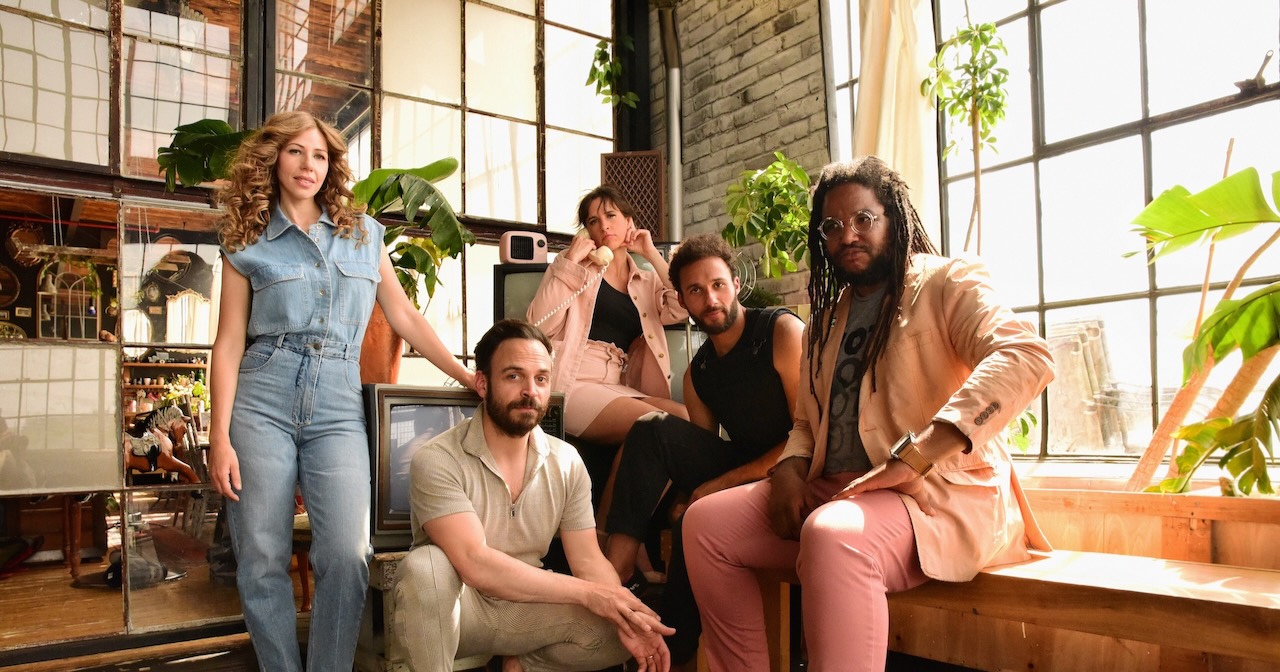
Artist:Lake Street Dive Hometown: New York City, New York Song: “Neighbor Song” (Featuring Madison Cunningham) Release Date: October 6, 2023 Label: Fantasy Recordings
In Their Words: “Madison Cunningham is an extremely special musician, the kind who can make a single note sound like music and who breathes life into every song that she comes into contact with. We feel so honored to have had her join us on one of our songs. We first recorded ‘Neighbor Song’ in 2010, shortly after a few of us had moved to Brooklyn. The song narrates an experience, all too familiar to many New York City apartment dwellers, of overhearing your neighbors making love. Involuntarily bearing witness to such intimacy inspires a potent mix of emotions from annoyance to despair to compassion. It’s a fun song to play live because we get to walk the audience through this emotional journey. Some audiences laugh a lot when we play it. Some cry a lot. In preparing to do this song on tour with Madison, we came up with a new musical treatment for the song to bring out some different sides of those emotions. We recorded it with Madison in Brooklyn, live in one room in a single take. We hope it makes you laugh and/or cry!” – Lake Street Dive
If you were to try to typify bluegrass as being about any one singular thing, that one thing might be family. Not just biological family, but musical family, chosen family, and the way the music survives generation to generation, passed down as a folkway and aural tradition. Often, though not always, this music is a family tradition, passed along family trees like an heirloom or like more typical family businesses.
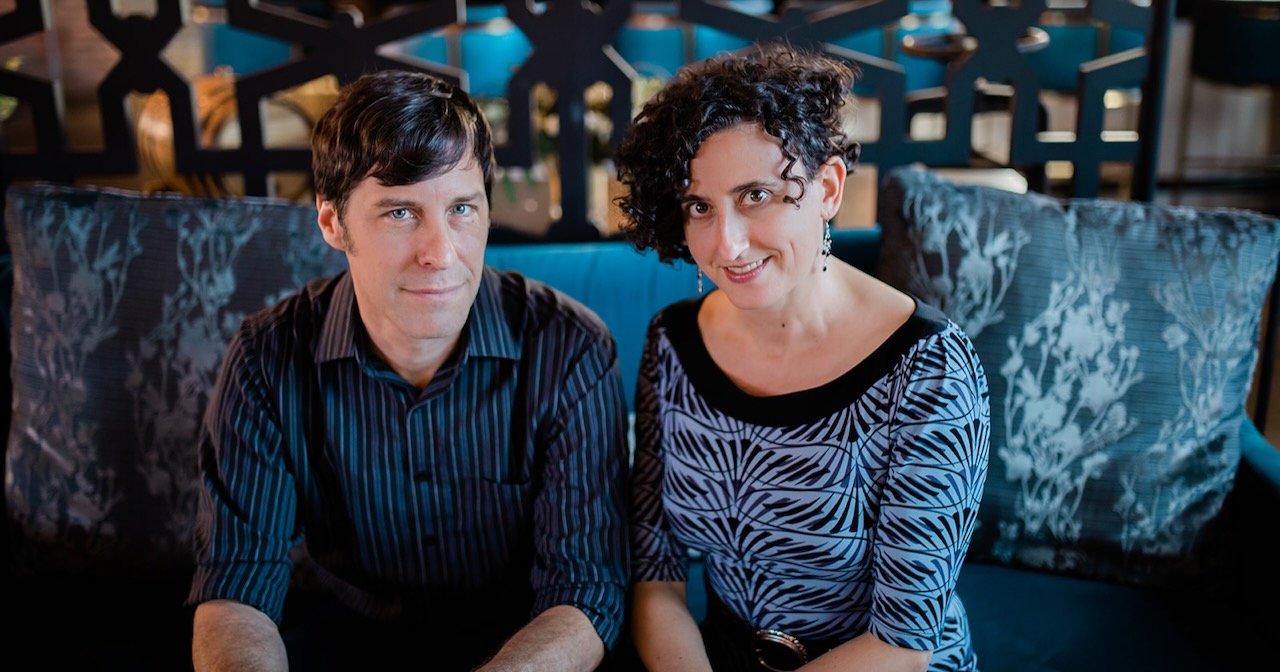
John Cloyd Miller and Natalya Zoe Weinstein, bluegrass duo and band leaders of Zoe & Cloyd, have made a brand new album that, on the surface, might just seem like a standard bluegrass album paying homage to the folks who came before them, their forefathers. But Songs of Our Grandfathers is so much more complicated and nuanced, wrinkling a format that’s as old as these genres themselves: the tribute album.
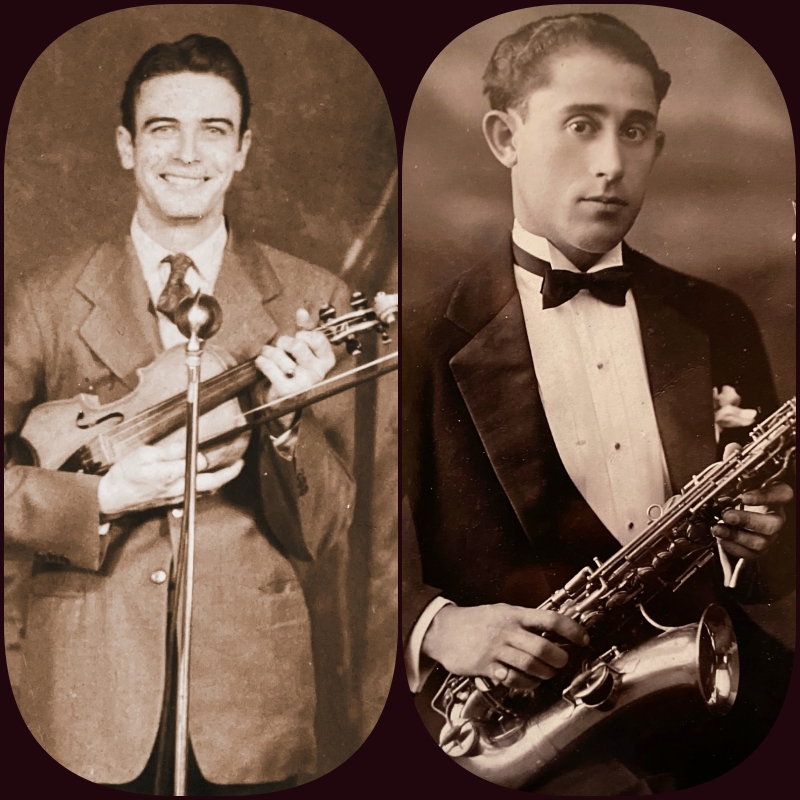
On the new record, released in May on Organic Records, John and Natalya pull songs from the catalogs of their musician grandfathers. Miller’s grandpa, Jim Shumate, was a renowned Western North Carolina fiddler who played a stint in Bill Monroe’s Blue Grass Boys and can be accurately credited with helping get Earl Scruggs the banjo gig that made him famous. Natalya’s grandfather, David Weinstein, was a working klezmer musician who fled unrest in Russia, moving to the U.S.
The artful way this pair of musicians and life partners combine the styles of their families, of their youths, and of their present lives together, as touring, professional musicians, feels expansive, rich, and bold, like newgrass that’s never been newgrassed before. But, there’s a timelessness here, a patina, that speaks to the greater tradition this record can lay claim to perpetuating. (Thank goodness.)
Songs of Our Grandfathers isn’t just nostalgia, heritage, lineage, legacy- and canon-building. It’s not just carrying on tradition for tradition’s sake. It’s effortlessly and wholly bluegrass because it innovates, it complicates, and it challenges its listeners to think outside of preconceived notions of what bluegrass, string band, and old-time music are. Because that’s exactly what bluegrass’s grandfathers, grandmothers, and grandparents were doing as they invented this music.
We began our phone chat about the new album discussing each of their grandparents and their musical idiosyncrasies.
Can we start by talking about Jim Shumate? His presence is throughout the record and he’s influenced you both, can you tell us a bit about him and his music making?
John Cloyd Miller: He was born in 1921 in Wilkes County, North Carolina, on a mountain called Chestnut Mountain. He started playing fiddle as a young boy, as a teenager. His older brother Mac, who was 10 years older – the same age as Bill Monroe – got him his first fiddle, which is a fiddle he kept his entire life and we actually have, now. It’s an old Sears & Roebuck Strad copy, but he played some tone into it! His Uncle Erby played fiddle so he heard him a lot growing up and then he got into Arthur Smith and all that kind of stuff. He moved to Hickory when he got older, when he was a young man, and was playing on the radio down there when Bill Monroe heard him and asked him to be in the Blue Grass Boys. That was the time that Stringbean was in the band and Sally Ann Forrester, too.
When Stringbean decided to leave the band and go off with Lew Childre, Bill needed a banjo player and it’s now a pretty well known story that Jim knew a banjo player – he knew Earl Scruggs – and really pushed, begged him really, to audition for Bill. Earl was pretty reluctant to do it, but he did, and the rest is history. Later on, when Flatt & Scruggs broke off [from the Blue Grass Boys], Jim was their first fiddler, as you know. He recorded on their Mercury sessions. But he didn’t like touring, he wasn’t a touring kinda guy at all. He had four kids at home – three at the time, when he was younger, and one later.
Natalya Zoe Weinstein: He liked Mama’s cookin’.
[both laugh]
Jim Shumate, L (John Cloyd Miller’s grandfather); David Weinstein, R (Natalya Zoe Weinstein’s grandfather)
JCM: He did! He liked his own bed and grandma’s cooking, for sure. He liked to go up on the mountain. He worked in the furniture industry pretty much his whole life, but he also had his hand in the music. He ran a place called “Cat Square,” kind of a small town sort of Hickory Opry, a music show. He was always playing. I have photos of him through the late ‘40s and through the ‘50s with all sorts of people, Don Reno – all those guys. He made records and he had his own band called Sons of the Carolinas, which had George Shuffler in it and some other guys. He was always playing. He played with Dwight Barker and the Melody Boys; he did some sides with Don Walker, who he played with before he met Bill Monroe. He was always making music.
After Flatt & Scruggs it was largely regionally, because he wasn’t out touring, but he said people would always come by. Any time guys like Lester and them were in town they would always drive the bus and park it right in the yard. He was always in the music, but his influence was not felt as widely later on, I think because he wasn’t out [touring]. He did come back to recording in the ‘90s and made five cassettes for Heritage Records and those got disseminated kind of regionally. Michael Cleveland cut one of the songs that was on one of those tapes a year or so ago. People know his music, but we enjoy getting his legacy out there a bit more. He’s got such a unique style and certainly was influential.
He was a great songwriter, too! He was my main musical influence. I heard him play a ton growing up. He was so bluesy and slidey, he was a real master of syncopation, which is something that got ingrained in me. People always forget about his songwriting, but the way I grew up, I always thought that being a musician meant that you sing stuff, you write songs. You pick, too, but you do all of it. It was just part of being musical and I think that came from him as well.
It makes me think of, well, I talk a lot about how the most “bluegrass” someone can be is being innovative and being themselves, whether that comes across as “traditional bluegrass,” genre-wise or not.
JCM: That’s really insightful and it’s so true, when you look at those early players – everybody always looks at the first generation and, that’s good, that can be very grounding, but those guys were all unique! They were all unique artists, they had their own styles – sure, they were listening to one another, but Lester Flatt doesn’t sound like Bill Monroe who doesn’t sound like Carter Stanley. They don’t sound like each other!
Natalya, I wanted to ask you about your grandfather, too. If you could tell us a bit about the musical influences that represent him on this record, as well.
NZW: He passed away when I was fairly young, my dad had me when he was fifty-one, so my grandfather was quite older than me – I think I was eleven when he passed away. [My father and he] had an interesting relationship; he wasn’t always a well-liked man. He escaped a lot of violence and poverty in Russia, so he wasn’t a very kind man and my dad didn’t have a very close relationship with him. I don’t have any audio recordings of his music, I have a couple of audio interviews that my dad and uncle did with him, but I don’t have any recordings of his music.
My dad was moving a few years back and found all these old music notebooks from my grandfather. He asked me, “Do you want these old, handwritten, junky notebooks?” And I was like, “Yes!! Please give those to me!” [Laughs] That was the source, for me, for my grandfather’s music. I didn’t have one-on-one experiences with him, I didn’t have recordings of him, so these notebooks are really the only link to his music that I have. We have about five or six notebooks that have songs in them – they’re pretty hard to decipher, they’re forty or fifty years old. They have all different kinds of material in them, from klezmer to mambos and tangos even to “Tennessee Waltz,” which shows up in one of them as a jazz standard. He also played some classical music, he didn’t do just one singular thing. Klezmer players were like the wedding band musician of their time, where they had to play a bunch of different styles based on who their audience was.
JCM: We definitely got a little bit of a sense of who he was from these audio interviews that her uncle and dad had made with him. We got to hear his voice, you know he didn’t speak English very well so it’s mostly in Russian and Yiddish. You get a sense of some of the stuff he saw, in these interviews. You can tell it hardened him.
NZW: He had a tough life for sure, he struggled a lot and music was really the only thing [he did]. He wasn’t really educated. He talked about how when he came here [to the U.S.] he tried to be a plumber and he tried to be an electrician, but he kept making mistakes. He said, “I couldn’t do anything except play music.” He felt almost like he was stuck with it. He loved it and he was passionate about it, but I got the sense that it was his only option.
There’s a similar energy from both grandfathers around being musicians, but not just in a traditional touring, “road dog,” sort of lifestyle.
NZW: You’re right, and they were both kind of skeptical of the past.
JCM: They both came from very humble beginnings. My grandfather didn’t have any education, either. Natalya’s grandfather, apparently, escaped the Bolshevik revolution on a hay wagon. He was a teenager and they were trying to conscript him into the army to fight – it’s crazy stuff!
Bluegrass is always considering lineage and tradition and how those things are passed along. One of the things that I think is really interesting about it is there aren’t a lot of marginalized identities represented in the historical record of bluegrass, but there are Jewish identities represented. There’s not a whole lot of representation as you go back through the years, but it’s there. How do you connect the music you’re making, that’s infused with Jewish influences and has that cultural identity, to past Jewish music makers in bluegrass and string bands? You’re clearly thinking about lineage and family with this record, and that’s so bluegrass, but through a different lens with your Jewish identity and the other cultural music styles on the album, too.
NZW: David Grisman was one of my biggest musical influences early on, he was a big bridge, for me, between my dad – who plays jazz – and the bluegrass connection as well as the Jewish connection. We talk about how this album was inspired by Songs of Our Fathers, the 1995 album by David Grisman and Andy Statman. Andy Statman, who played on the record, is another one – one of the first shows that John and I went to see when we met in Asheville in 2005 or 2006 was to see Andy Statman at the Black Mountain Center for the Arts, which is this tiny little listening room. It was an incredible show, I remember just being blown away. I remember thinking, “Wow! What a cool fusion.”
JCM: That was the first time we heard that fusion with klezmer music. He was also playing clarinet, he was playing mandolin. He is the bridge between these kinds of music. David doesn’t do as much klezmer, but those two guys together for sure.
NZW: John and I both came into bluegrass through the Grisman/Garcia connection then I kind of worked my way back from there. Someone gave me a burned CD of Bill Monroe and I was like, “Oh my God, what is this!?” [Laughs]
JCM: So many people have stories like that. That Old & In The Way album was such an influential record, it was like the number one selling bluegrass record for a long time.
NZW: Yeah, the way I got into bluegrass, I was out in Tacoma, Washington, for an anthropology conference in college and somebody at my hotel was like, “I’ve got an extra ticket for Wintergrass, which is happening right next door.” I said, “Okay, cool!” So we go and I saw Old & In The Gray there [Peter Rowan, Vassar Clements, Grisman], it was an incredible experience. I didn’t really know what I was seeing at the time, because I was so new to bluegrass, but that was my “Ah ha!” moment. Someone handed me a fiddle and I dunno, I played “Angeline the Baker” and that was it! [Laughs]
JCM: When I first heard Grisman play mandolin, his tone and everything, that was like sinking a hook into me. That’s why I even wanted to play mandolin. I wanted to work on getting tone like that! He was a huge influence on so many of us.
Going back home one time, when I had been living out West or whatever, I was listening to Old & In the Way or something and I asked, “Grandpa, do you know this stuff, like ‘Pig in a Pen,’ and all this?” And he was like, “Oh yeah! I know everything on this record!” And he would play them, and that was so cool to me. I hadn’t quite made the connection before. He asked me, “Who’s playing fiddle on that record?” And I said, “Vassar Clements!” He says, “Oh yeah, that’s a good friend of mine!” I was like, “WHAT!?”
[both laugh]
JCM: I was just this stupid, deadhead college kid – I mean, I’m still a deadhead – but it really clicked. This is a bridge between grandpa’s world, which had always seemed like something in the past, to my world as a young, coming-of-age musician, realizing, “Oh, it’s all the same stuff!”
To an uninitiated listener, they might hear your record and they might hear the influences that aren’t “traditional bluegrass” as modern cross-pollinations, as something that’s coming from you both and your generation and your own creativity. But, I really wanted to unpack the lineage of the music, because I can sense even in the playing on this album that colors “outside the lines,” it’s clearly part of this bigger tradition in bluegrass of being a bridge between these kinds of disparate parts. Even this “nontraditional” album you’ve made is based on so much tradition – familial tradition, cultural tradition, musical tradition.
NZW: I think we wanted to honor those traditions and where these songs came from, but we also wanted to put our own spin on it. We hope our grandfathers would have liked that!
JCM: [Jim Shumate] was very much a traditional musician, but he was always innovative at the same time. Some of the things he did in the ‘50s were very jazzy, with electric guitars playing with him. And he always loved Natalya’s playing. You know, Natalya came from a classical background and anytime she would play something classical for him–
NZW: Or a waltz.
JCM: He just loved to hear her play. They didn’t sound like each other, they had very different styles, but he was always very open and he loved everything.
NZW: I think he would like [the album]. John’s mom texted us yesterday as she was listening to it and said, “I think grandpa would’ve enjoyed that!” So hopefully our grandparents aren’t rolling over in their graves.
When a craftsman pauses to reflect, students of all skill levels benefit from the lesson. Alison Brown’s latest album, On Banjo, released May 5 on Compass Records and is a masterclass; it’s also a study on where the instrument has been and where it’s going.
Brown is a Compass co-founder and a GRAMMY Award-winning artist and producer. A self-described “lifer” in the bluegrass community and an IBMA “First Lady of Bluegrass,” she eagerly explores what the five-stringed instrument can do outside typical genre parameters. The new record is packed with star-studded duets with comedian Steve Martin, mandolin player and fellow First Lady of Bluegrass Sierra Hull, and fiddle legend Stuart Duncan.
The result is a varied, rich track list we couldn’t wait to ask Brown about.
BGS: Let’s walk through some of the tracks and collaborations on On Banjo. What kind of music inspired the duet with Anat Cohen?
AB:Anat Cohen is a clarinetist; she was born in Israel and lives in New York, but she’s well-known in jazz circles for Brazilian choro. I actually watched lots of videos of Anat on YouTube.
I reached out. I said “I know we don’t know each other, but would you consider doing this?”
What’s it like working with a famous comedian like Steve Martin in a musical context?
I’ve had the good fortune to go out and do some shows with him and Martin Short. There’s inevitably some time to jam in the dressing room, so it’s fun to play with Steve in that context, too.
Steve’s a great banjo player with a really beautiful touch and a delicate, sweet tone. He loves playing in double C tuning. Banjo players usually tune to a G, but you can drop the fourth string to a C and tune the second [string] up to a C. It’s an old tuning that clawhammer guys use a lot.
The way “Foggy Mountain Breaking,” came about is I wrote the A section. It was during the pandemic. I asked Steve, “Do you wanna write a B part?” He sent me a perfect B section 24 hours later. We figured out a bridge together. It’s named after a lyric in a John Hartford song and is obviously a riff on “Foggy Mountain Breakdown.”
How does it feel to work with younger bluegrass talents like Sierra Hull? Is it gratifying to have a feminine duo on that track?
I wrote that tune hoping Sierra would be up for learning and recording it with me. I’m a huge fan of her mandolin playing; she’s another one with such a delicate touch. Her fingers just really dance over the fingerboard.
It required her to play every fret on the first string of the mandolin and she did it flawlessly. She said she’d never had a chance to work on such complicated music with another woman. So it’s a really special thing. It’s always a delight to play with Sierra, but to do a duet with her was like chocolate and more chocolate.
How do you balance two strong, independent main instruments like banjo and fiddle together, such as with Stuart Duncan?
Banjo and fiddle are just so complementary. They say a banjo and fiddle make a band, and they do.
I’ve known Stuart since he was 11 and I was 12. We go way back. And on this tune I want to give a tip of the hat to Byron Berline and John Hickman. Growing up in Southern California when we did in the ’70s, those two were the guys that everybody worshiped at the feet of. I wanted to try and capture some of that spirit, and I wanted to do it with Stuart.
Who is this album for, and what do you hope listeners take away from it?
That’s the existential question of the banjo player. And it is a bit of a challenge when you take the five-string banjo and go somewhere else with it. Earl Scruggs perpetuated a style and brought it to the masses that was just so electric. Most people think that’s all the banjo does and they don’t worry about its history before that. There’s a lot of voices inside the instrument; the bluegrass one has become the loudest one most recently.
It’s so interesting because at the beginning of the 1800s the banjo was found on plantations. Then white people appropriated that music in minstrel shows, performing in blackface. It’s deep in terms of what it says about our history and America’s original sin. It went from being a Black instrument to being a white lady’s instrument. The Black voice of the instrument and the female voice of the instrument were both disenfranchised. There are gorgeous old photos of women in the 1890s holding banjos, and there were female banjo orchestras. I’m excited to see that re-emerging.
You started Compass Records with Garry West almost three decades ago. What’s on the horizon, and what are your goals?
All the labels were run by business people, not musicians. We said, “Why can’t musicians run a label for other artists?”
The other part is really wanting to build a label that can have a cultural impact and Garry and I are both invested in roots music. I’ve been a member of the bluegrass community since about 10 years old. I’m a lifer. The whole economy of the record business has been turned upside down and stirred and shaken eight times. We want to make sure this music not only survives but thrives into the future.
You mentioned growing up in SoCal. How is bluegrass there different from Appalachia?
There would be Eagles’ songs in set lists. It was wide open. When I first came east with Stuart and his dad, we drove around and did the festivals in 1978 or so, but it was rooted in the first generation bands’ repertoire.
On that trip we entered a band contest in Oklahoma and we played something we learned from a Richard Green record. It was a funky fiddle thing in E. I remember somebody coming up afterwards and saying “We don’t appreciate you knocking the music.”
What did you learn while making On Banjo?
The deep dive to find new melodies, and that process of discovery of the instrument, is the process of self-discovery. You get to the end and it teaches you something new about yourself.
Ethan Setiawan knows the importance of a good pick. The Portland, Maine-based mandolin player has lately been experimenting with changing the entire sound of his instrument through one tiny, flat piece, pinched between his fingers. The material, girth, texture, and weight of his pick all play a crucial role in how his mandolin sounds, sometimes bright and plucky, or dark and full-bodied. “It’s good to have a sound and have gear that you like, but often the thing that helps me be more creative is just being able to change it up,” he says. “Change is helpful for your own growth and can really spark new ideas or keep things fresh.”
On his new record, Gambit, he finds himself somewhere in between, which is fitting given the way he fuses his entire musical background to create something completely new. It isn’t jazz, but it’s not not jazz. It’s bluegrass, but not in the traditional sense. It’s funk, but also old-timey.
The Berklee College of Music grad could easily fool you into thinking he’s much older than his years. A seasoned bandmate to some of bluegrass music’s finest — including Gambit producer Darol Anger, whom he first met as a high school student — Setiawan is beginning to carve out space for his own songwriting. Written in Boston, workshopped in California, recorded in Maine, and then mixed in Nashville, Gambit, as its title suggests, is a joyful mixed bag of the many styles of music that have shaped him into one of the most formidable mandolinists of his generation.
BGS: Darol Anger produced this record, and though you had been playing together for some time, this was your first experience working with each other in this capacity. What led to this partnership?
Ethan Setiawan: We’ve played a bunch of gigs over the years, and it just felt like a good next thing to do was to make a record with him. And he was on board thankfully. We had plans to [record] in August 2020, and then the pandemic started to happen, and it became apparent that wasn’t going to work. So eventually I did make this big road trip out to California where Darol was living at the time, and we had these really nice couple weeks out there, working through the material, just me and Darol kind of playing through the stuff, trying to solidify arrangements and get ideas down on paper to go into the studio with. And eventually in October, we made it into a studio, the Great North Sound Society Studio in Parsonsfield, Maine. We had this four-day session and worked probably 12 to 14 hours a day, every day. And sometimes sessions like those feel like work, you feel tired and drained after a day. But at least for me, those sessions felt really fun, really good. Part of that was not having played music with a band before that time for six months or whatever, and it was cool for me to see these tunes come together, and just working with Darol and seeing how he functioned in the studio. He put in the longest hours of everybody. He was up until 3:00 every night, replacing fiddle parts and working on everything.
The tunes on Gambit are all originals, but there’s so much tradition rooted in these styles of music you’re playing. How do you reconcile that when trying to create your own compositions?
I do a lot of that, pulling from past traditions or old recordings. A lot of the compositional ideas and things that remain the same throughout the record are tunes by people like Matt Flinner and Béla Fleck, other people that have kind of pushed the envelope compositionally. On the record there’s kind of a whole, well, gambit of different styles. There’s old-timey music with fiddle and banjo, Appalachian string band [style] — and kind of in chronological order, I guess the influences would start there. Then you’d move into bluegrass, get into jazz and eventually fusion, funk, that kind of thing. Darol actually summed it up nicely. He was in the David Grisman quartet way back in the day, so he kind of had a hand in forming this style of music. He said something along the lines of, it felt like a journey through the past 40 years of his career. It just ended up this way that all these tunes grabbed from different areas of the past 40 years. The old-timey, the bluegrass, the sort of new acoustic, the jazz. And hopefully by merit of them being my tunes, they kind of hold together as a collection at the end of the day.
How much of creating an original arrangement is improvisational?
For me, there’s always a lot of throwing paint at the wall. There’s a stage that kinda looks like that, where I write a lot of tunes or even just generate a lot of ideas, not even taking the tunes to a completed state. The way I write is kind of two stages: there’s the melody and there’s the harmony, these two sides of the composition. Basically, I write the melody and I try all different combinations of notes and phrase endings. With chords, I’m always trying different stuff. That does a lot to create a mood, I think, for the tune. For any one note, you could harmonize in many different ways, and for any one bar. So I think the important thing for me is just to try all the options, really try to be objective, and see what works the best and what feels the best. Mandolin is the main thing that I play, but I also play some guitar and some cello. So just getting off the instrument I’m most familiar with and getting onto something else can be really helpful in sparking some creativity.
Given this wide range of styles of music you’ve played over the years, how do you describe your sound now?
I’d say that it’s sort of a furthering of the stuff that Darol’s been really involved in, this new acoustic sound. Which is not a label I totally love—just the sound of it—but it’s kinda what we got, I guess. It’s using the attitude of bluegrass in a lot of ways, but not being confined to the stylistic trappings of bluegrass if that makes sense. If you think about how Bill Monroe created bluegrass, he’s kind of the guy that finally took all these influences and put ‘em together and said, ‘here’s the thing.’ He wasn’t even trying to be original; he just was being original. He was just taking all the music that he liked and synthesizing it into what he wanted to hear. And that isn’t often actually the attitude of bluegrass musicians today, but it’s an interesting concept to me and a really interesting way to sort of look at music. So that’s the essence of bluegrass that I’m trying to go after.
How has your relationship with bluegrass evolved since your earliest experience with it?
I think bluegrass is kind of the underpinning of everything that I do, even if it’s not at the forefront of the final product. When I started playing mandolin, I started playing these old-time fiddle tunes, which pretty quickly brought me to bluegrass. When we’re talking about progressions, that is kind of the natural next step for somebody who’s interested in the tunes and the music and improvising especially. You’ll get drawn to bluegrass and then eventually to jazz and so on. That bluegrass vocabulary on the mandolin is really the basis of most of my writing and my playing. And I think that comes through on the record almost more in the way that we approach the tunes and treat how we play the tunes more than the compositions themselves. There are a couple tunes that are a little more bluegrass, but they’re always a little weird. There’s always something a little funky about them. It’s sort of the attitude of the thing that I think has stuck with me the most.
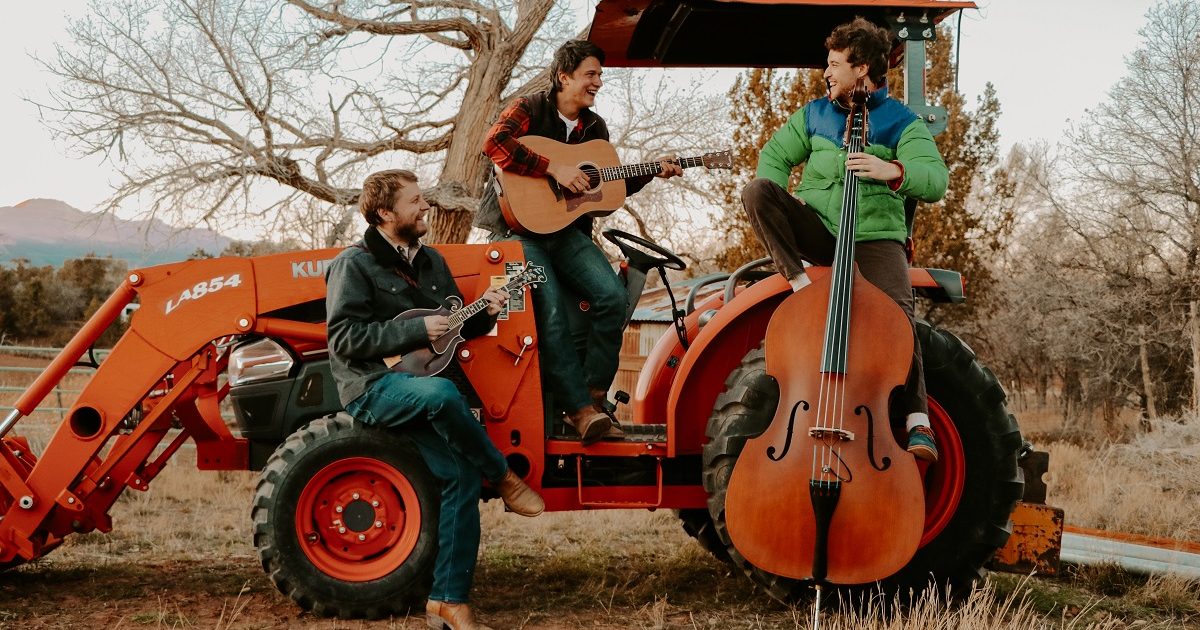
Artist:Tone Dog Hometown: Durango, Colorado Song: “Lonesome Bicycle Farmer” Release Date: December 9, 2022
In Their Words: “I wrote this tune as a flatpicking ode to John Coltrane’s classic quartet of the early to mid ’60s (Coltrane, McCoy Tyner, Elvin Jones, Jimmy Garrison). So much of the bluegrass tradition is steeped in the idea of getting at the ‘roots’ of the sound, the ancient tones and the original innovators. With the continual rising wave of jamgrass I thought it would be really cool to honor what I consider to be the ‘roots’ of the jam tradition, mid-’60s free jazz. As a drummerless improvising trio, it takes a lot of trust in one another to be able to keep the train moving — we have to believe in the shared vision of where the tune is going and commit to its unexpected twists and turns. I think that spirit comes through the recording and stays true to the spontaneous and creative ethic that both bluegrass and jazz uphold.” — Alex Graf, Tone Dog
Artist:Golden Shoals Hometown: Nashville, Tennessee Song: “Ain’t No New Orleans” Album:Treading Water/Ain’t No New Orleans (Single) Release Date: November 4, 2022
In Their Words: “I think New Orleans is the most important city in the US. It’s the birthplace of jazz, essential to the blues, and is one of the few places where chaos and spontaneity still thrive. It’s below (rising) sea level, and constantly sinking because of the way it was built by the first colonizers and those who came after. For me it’s a place where I get pushed out of my comfort zone, and learn about life, humanity, and American music. I don’t think the people in power are very concerned with protecting a place like this, or the people in it (the response to Katrina point to that fact). I tried to express all of this in four verses and an anthemic chorus. Hopefully the video, made up entirely of public domain clips from archive.org, reinforces these points. Hopefully things will change before the next Katrina happens.” — Mark Kilianksi, Golden Shoals
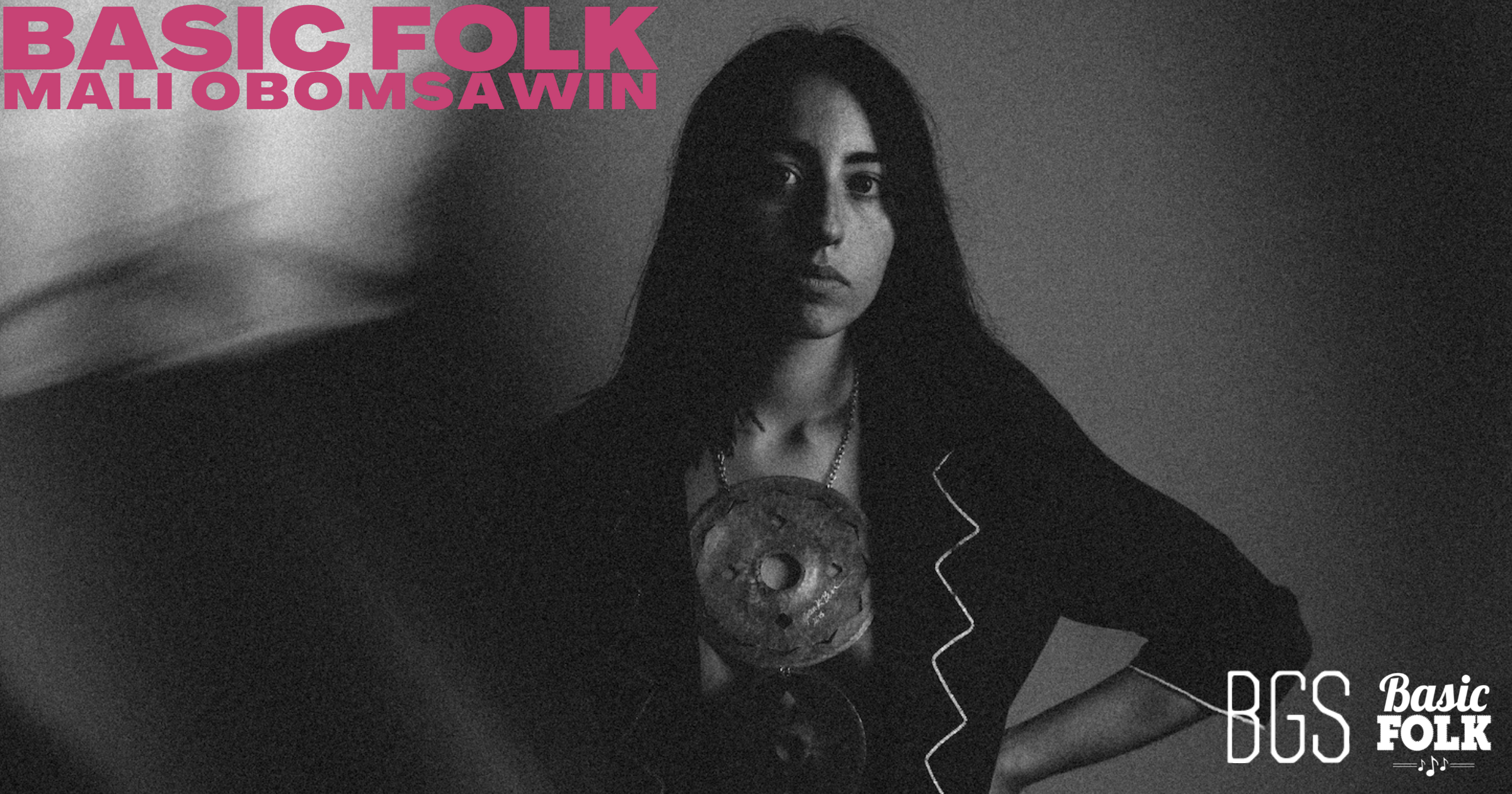
Y’all ready for a crossover? Basic Folk listeners will remember Mali Obomsawin from their work as a bassist, singer, and songwriter with folk trio Lula Wiles, but today we are celebrating Mali’s debut as a jazz bandleader/composer. Mali’s new album, Sweet Tooth, was inspired by field recordings of elders from Mali’s Wabanaki community.
Mali’s improvisational approach to creating music results in a remarkable living piece of music that not only illustrates hundreds of years of their people’s history, but also illuminates their hopes for the rematriation of Native lands. One of the most insidious lies about Native people in the Americas is that they are relics of the past, not constantly-evolving communities. Through their music and activism, Mali refutes this claim. The record weaves field recordings with intense instrumentals and Mali’s stunning voice. They even co-wrote a Penobscot language chant to close the album. Sweet Tooth confronts heartbreaking history while insisting upon a path forward. It is at turns heartbreaking, jarring, tender, and fun.
Those who are interested in learning more about the concept of intersectionality will find this episode of Basic Folk fascinating. Mali and I dig deep into what it looks like to embrace gender freedom while remaining loyal to the bonds shared by women of color within a hostile colonial culture.
Editor’s Note: Basic Folk is currently running their annual fall fundraiser! Visit basicfolk.com/donate for a message from hosts Cindy Howes and Lizzie No, and to support this listener-funded podcast.
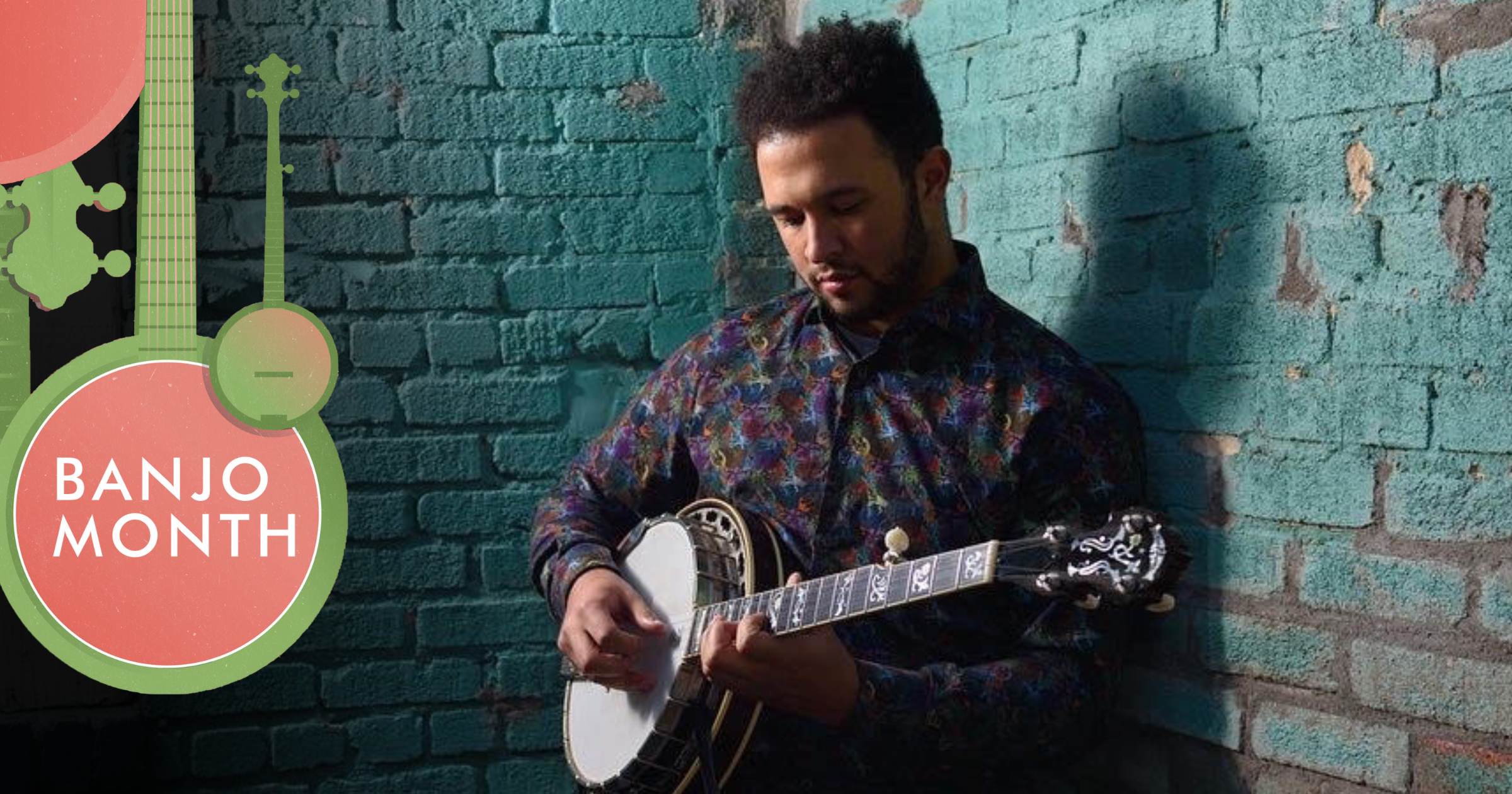
North Carolina musician Tray Wellington is fresh off a nomination for this year’s IBMA New Artist of the Year, following the release of his full-length debut album Black Banjo. Still in his early 20s, Wellington pulls from a myriad of influences — on his latest album he cites jazz as the major influence of his progressive bluegrass style. Many other banjo players of this younger generation are using the influence of genre and blurred genre lines, adapting and subverting narrative and traditions, and utilizing sheer unrestrained creativity to operate outside the traditional confines of the instrument.
In honor of BGS Banjo Month, Wellington gathered a collection of current artists who are thinking outside the box, creating their own voice on the banjo in new and innovative ways, and striving to make the banjo a better-known and appreciated sound.
From Blue Velvet to One Tree Hill, scores of movies & TV shows have been filmed in & around Wilmington, North Carolina. Perhaps the best-known is Dawson’s Creek, the popular late-’90s coming-of-age drama series. While the show tried to tackle progressive storylines, its stark lack of diversity made Dawson’s Creek frequently cited as the whitest show ever. Nearly two decades after it went off the air, tourists still come to Wilmington in search of the show’s landmarks.
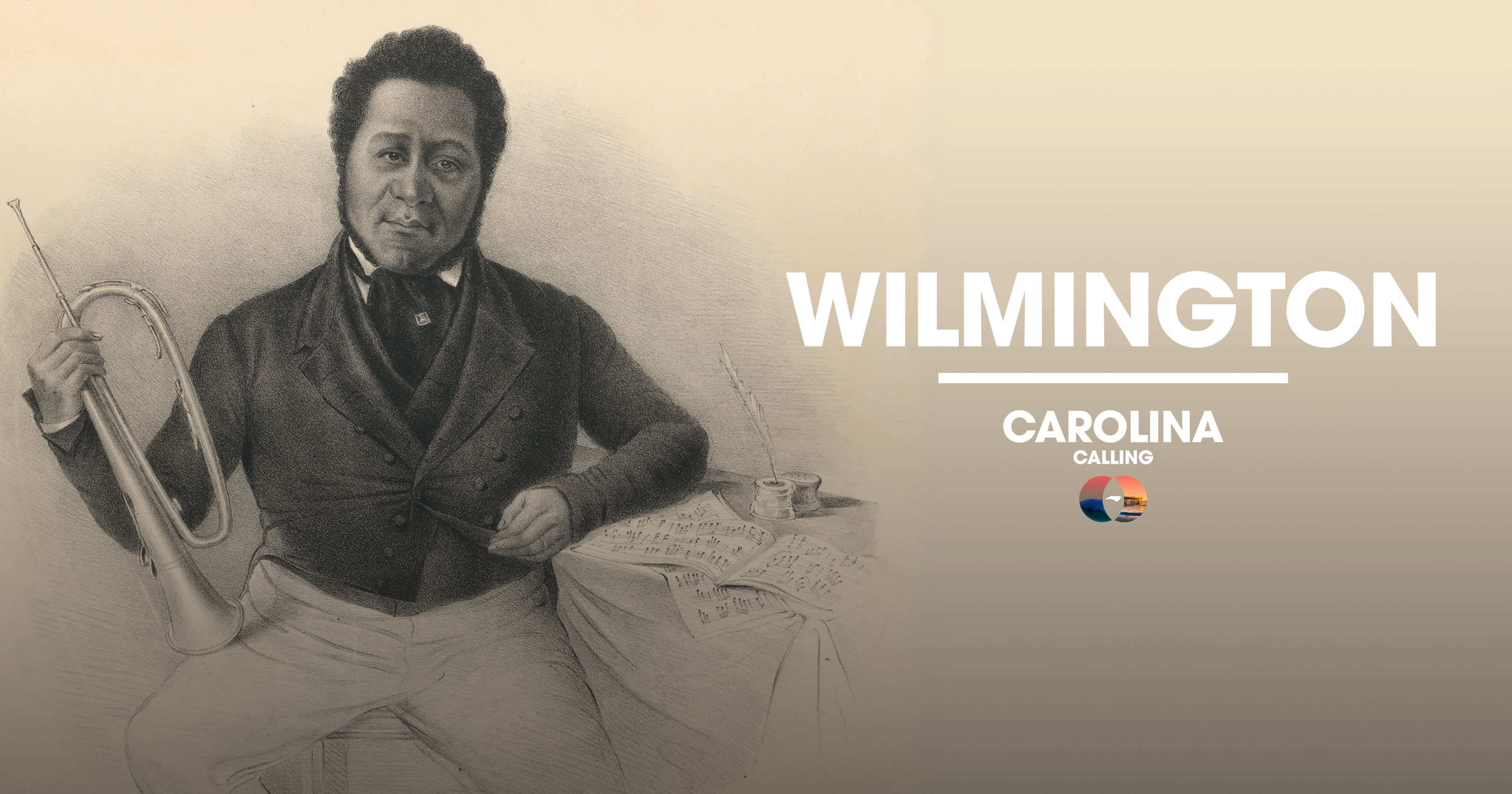
But Wilmington has a more difficult, less visible side to its history, politically as well as culturally, going back to the 1700s. Long before North Carolina became one of America’s original 13 colonies, there were thriving Indigenous communities throughout the region. There was also a time when Wilmington’s most famous musician was a man of color, Frank Johnson: fiddler, composer, and bandleader – and one of the biggest stars in American music in the years before the Civil War.
During Reconstruction, Wilmington was an unusually progressive, forward-thinking town. In contrast to the state of things elsewhere in the South, Wilmington elected a racially diverse local government, led by both whites and freed Black people.
That came to an abrupt end in 1898 with a white-supremacist coup, a bloody rampage that left numerous people of color dead and Black-owned businesses destroyed. Those the mob didn’t kill, they chased out of town. That left Wilmington with a mostly white population, an all-white local government – and a whitewashed version of the city’s history in which Black people’s contributions were erased from the official story.
This might seem like ancient history, but it’s not. Wilmington’s most famous native-born musician is probably Charlie Daniels, the country-music star who died in the summer of 2020. Daniels was born in 1936 – less than four decades after that 1898 uprising. The real story of the 1898 coup is finally coming to light in recent years, thanks to works like the 2020 Pulitzer-winning book Wilmington’s Lie. But it’s still not widely known.
In this episode of Carolina Calling, we explore Wilmington – a town that keeps its secrets even as they’re hidden in plain sight – through the life and career of Frank Johnson, whose his story and stardom were all but lost to time – or rather, to the erasing effects of the 1898 massacre on Wilmington’s history.
This episode features John Jeremiah Sullivan, a writer and historian who lives in Wilmington and has written extensively about the city’s music and history for The New Yorker and New York Times magazine, as well as Grammy winner Rhiannon Giddens, and musicians Charly Lowry and Lakota John.
Subscribe to Carolina Calling on any and all podcast platforms to follow along as we journey across the Old North State, visiting towns like Durham, Asheville, Shelby, Greensboro, and more.
Music featured in this episode:
Paula Cole – “I Don’t Want To Wait” “Saraz Handpan C# Minor” Charlie Daniels – “Long Haired Country Boy” Traditional – “The Lumbee Song” Lakota John – “She Caught The Katy” Ranky Tanky – “Knee Bone” Lauchlin Shaw, Glenn Glass & Fred Olson – “Twinkle Little Star” Marvin Gaster, Rich Hartness, Beth Hartness & Harry Gaster – “Rye Straw” Evelyn Shaw, Lauchlin Shaw, A.C. Overton & Wayne Martin – “Money, Marbles and Chalk” Marvin Gaster, Rich Hartness, Beth Hartness & Harry Gaster – “Chickens Growing at Midnight” Rhiannon Giddens w/ Franceso Turrisi – “Avalon” Rhiannon Giddens w/ Franceso Turrisi – “There Is No Other” Joe Thompson & Odell Thompson – “Donna Got a Rambling Mind” The Showmen – “39-23-46”
BGS is proud to produce Carolina Calling in partnership with Come Hear NC, a campaign from the North Carolina Department of Natural & Cultural Resources designed to celebrate North Carolinians’ contribution to the canon of American music.
Portrait of Frank Johnson via the National Portrait Gallery
This website uses cookies to improve your experience. We'll assume you're ok with this, but you can opt-out if you wish.AcceptRejectRead More
Privacy & Cookies Policy
Privacy Overview
This website uses cookies to improve your experience while you navigate through the website. Out of these, the cookies that are categorized as necessary are stored on your browser as they are essential for the working of basic functionalities of the website. We also use third-party cookies that help us analyze and understand how you use this website. These cookies will be stored in your browser only with your consent. You also have the option to opt-out of these cookies. But opting out of some of these cookies may affect your browsing experience.
Necessary cookies are absolutely essential for the website to function properly. This category only includes cookies that ensures basic functionalities and security features of the website. These cookies do not store any personal information.
Any cookies that may not be particularly necessary for the website to function and is used specifically to collect user personal data via analytics, ads, other embedded contents are termed as non-necessary cookies. It is mandatory to procure user consent prior to running these cookies on your website.