In This Unearthed 1968 Live Recording, Johnny Cash Sings “I’m Going to Memphis”

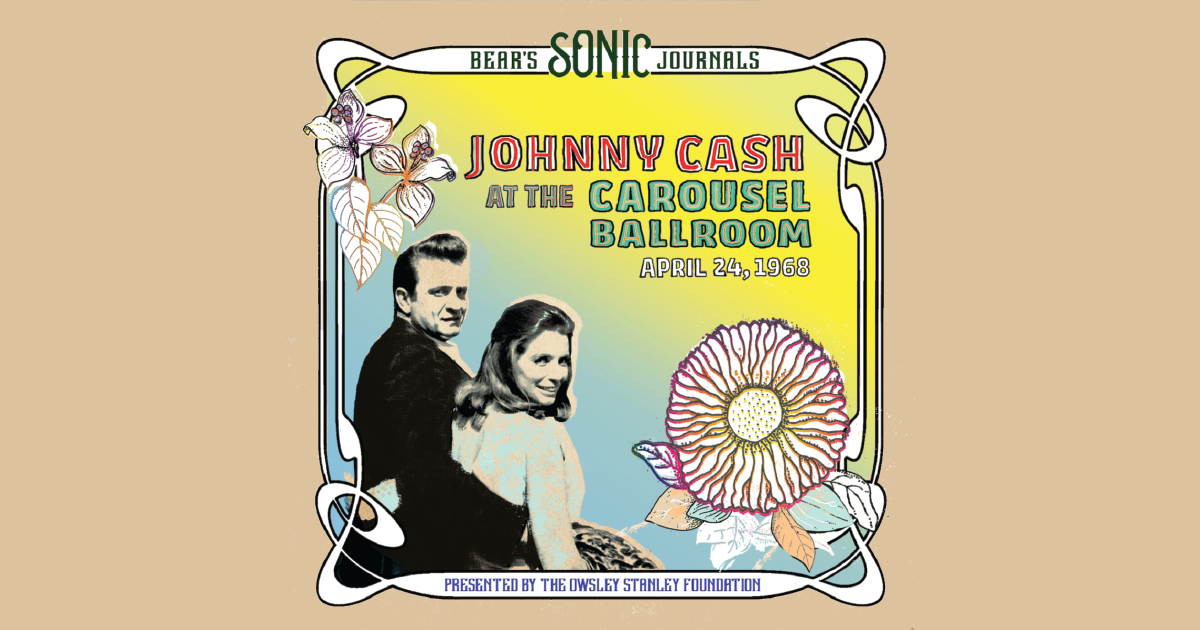
New music from Johnny Cash is coming in September from a surprising source. Members of the Owsley Stanley Foundation have partnered with Renew Records and BMG to release a never-before-heard capture of a Johnny Cash concert in 1968. The upcoming release, titled Bear’s Sonic Journals: Johnny Cash At the Carousel Ballroom April 24 1968, was captured by in-house sound engineer Owsley “Bear” Stanley only days prior to the release of Cash’s legendary live record At Folsom Prison. That means the new album will provide another window through which we’ll be able to hear Johnny Cash, June Carter Cash, and the Tennessee Three (guitarist Luther Perkins, bassist Marshall Grant and drummer W.S. Holland) at their peak, performing songs that shaped an entire genre. John Carter Cash, the country stars’ son, describes it as “what I believe to be one of the most intimate and connected shows I have ever heard.”

Recorded in the heart of the counterculture movement of the ‘60s in San Francisco, the new collection is slated for a September 24 release on a CD/2 LP set. To promote the project (as if we needed anything more to be excited about), the Owsley Stanley Foundation and Renew/BMG have released “I’m Going to Memphis” from the concert, and it is absolutely brimming with Cash’s signature charisma and debonair delivery. So many of classic country’s textures line the recording: tick-tack electric guitar, train-beat shuffle, brash acoustic rhythm, and of course, rich, velvety vocals to round out the arrangement. It’s a snapshot of one of country music’s most fertile moments in history and we’ll be wearing this one out all summer in anticipation for the rest of the live album’s release.

Listen to the official audio and check out this feature from Rolling Stone about new music from Johnny Cash.


WATCH: Marty Stuart Shares the Johnny Cash Song He Dearly Loves

Artist: Marty Stuart
Song: “I’ve Been Around”
Album: Forever Words (Expanded)

In Their Words: “I dearly love ‘I’ve Been Around.’ The song and video are both filled with that unexplainable charisma that John R Cash specialized in. He was such a great writer. A true poet at heart. It’s hard to believe that he never got around to recording this song. The words are cinematic, timeless, classic JR.

“When John Carter Cash first presented me with the raw lyrics the music seemed to dance off the page. I instantly heard the sound of Johnny Cash and the Tennessee Three in my mind. They were the north star band of my musical youth; in reality, they still are. They were my Beatles. I wanted the spirit of that group and the essence of that sound to follow me to that microphone. At the time the song was recorded the Tennessee Three’s drummer, W.S. ‘Fluke’ Holland, was the last band member standing. He played on the session and brought that classic sound with him to the studio. Fluke since passed away. ‘I’ve Been Around’ was to be his last recording and I will forever treasure it. The old line in Nashville is: It all begins with a song. And once again, Johnny Cash knocks one out of the park from 10 million miles away.” — Marty Stuart


Photo credit: Bill Thorup

The Show on the Road – Sarah Shook

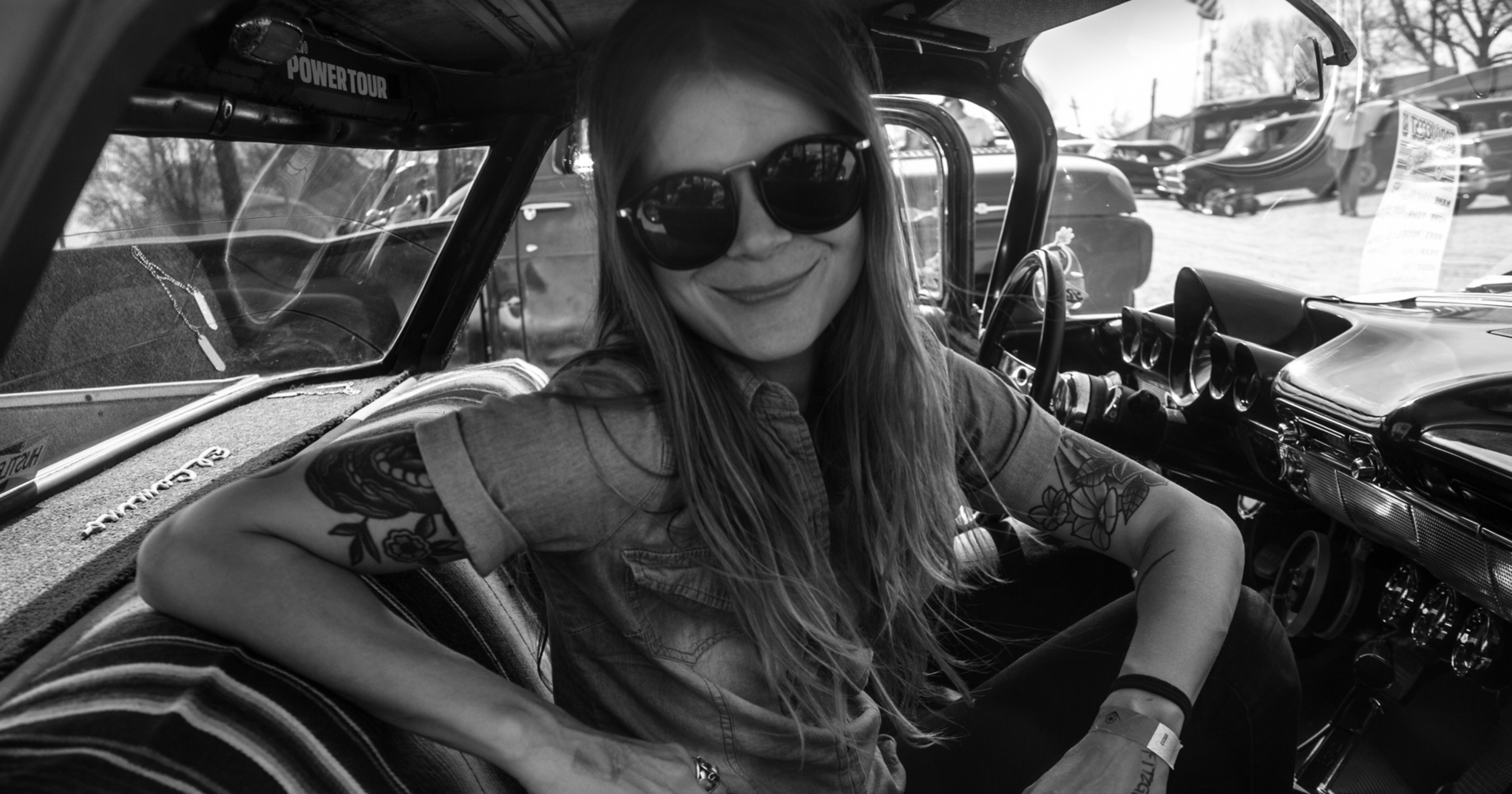
This week on The Show On The Road, we catch up with acclaimed roots-rocker Sarah Shook. For most of the last decade, Shook has been making cut-to-the-bone country music of her own outlaw variety — first with her early band The Devil and now with her seasoned group of sensitive twang-rock shitkickers, The Disarmers.


LISTEN: APPLE PODCASTSSTITCHERSPOTIFYMP3

Homeschooled in deeply religious seclusion in upstate New York and North Carolina, Shook largely only heard classical composers growing up. As a loner, creative teenager trying to process her hidden bisexuality, she described hearing Elliott Smith and Belle & Sebastian as revelatory — finally someone felt like her and found a way to share it with the world. But it was after encountering the raw honesty in the songs of Johnny Cash that she found a purpose and a place for her achy-voiced folk songs.

With a little encouragement from her longtime lead guitarist, who saw how powerful her presence (and her songs) could be on stage, an openly reticent Shook took the leap and started playing professionally in 2013. She gained national attention with her stellar back-to-back albums Sidelong and Years, which caught the attention of famed alt-/outlaw country label Bloodshot Records (they signed her) and sent her on a relentless round of touring.

With confessional, lived-in songs like “Fuck Up” and “New Ways To Fail” Shook is a master of getting to the point, processing her tough transition to sobriety with grace, humor and wit. Much like her hero Johnny Cash, she suffers no fools when it comes to love and its tricky late-night detours. With her signature half-smile/half-grimace candor Shook sings about another love affair gone wrong: “I need this shit like I need another hole in my head.”

Stick around to the end of the episode to hear a live-from-home acoustic rendition of her deliciously twangy kiss-off, “Gold As Gold.”


Photo credit: Derek Ketchum

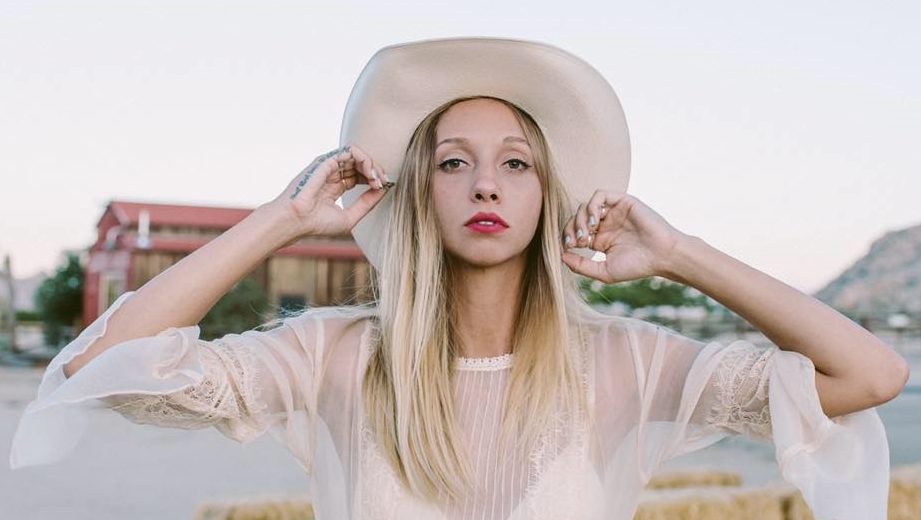
LISTEN: Victoria Bailey, “Tennessee”

Artist: Victoria Bailey
Song: “Tennessee”
Album: Jesus, Red Wine & Patsy Cline
Release Date: September 18, 2020
Label: Rock Ridge Music

In Their Words: “I first heard Johnny Cash’s rendition of this Rick Scott song while driving through snowy Tennessee a few winters back. I was heading down toward Leiper’s Fork in my little rental car, stopping all along the road to pet horses and listening to all my favorite country legends along the way. This song really sums up how I feel about the South and Tennessee as a whole. I love the little pleasures in life that Tennesseeans hold near and dear: family traditions and small town simplicities.

“My favorite verse in the song is, ‘We got a cabin in the country / And a creek that rolls nearby / And a dog that won’t even bark at a firefly.’ That’s exactly what I saw all around me exploring Tennessee on that trip — just a lot of pure joy and friendly folks! Recording this song was SO much fun. My band fell in love with the lyrics as much as I did. We tried to stay pretty true to the sound of Cash’s recording, but we sprinkled a little bit of our own sound into it as well. It was such an honor recording this song, especially because it represents a state I have come to love oh so very much!” — Victoria Bailey


Photo credit: Stefanie Vinsel Johnson

BGS 5+5: Grant-Lee Phillips

Artist: Grant-Lee Phillips
Hometown: Nashville, Tennessee
Latest album: Lightning, Show Us Your Stuff
Personal nicknames (or rejected band names): Pistol, Ranchero

Which artist has influenced you the most … and how?

Neil Young I suppose. His music hit me at just the right time. I had been playing guitar for two years when I first heard “Down by the River” and “Cortez the Killer.” I was 16. My ears were wide open. Young’s songs spoke to me like no other. He was also the first singer I saw in concert. All alone, with a rack of acoustic guitars, an upright piano on one side of the stage, a grand on the other, a pump organ. I was mesmerized.

What was the first moment that you knew you wanted to be a musician?

My family loved music. Hee Haw was a big one. We never missed a show. My grandma loved Elvis and Johnny Cash. The excitement I felt when Roy Clark played “Orange Blossom Special” or “Foggy Mountain Breakdown” on the electric guitar, I wanted to feel that all the time. The TV show Austin City Limits introduced me to Lightning Hopkins, John Prine and Tom Waits. I recall those moments like yesterday.

What’s the toughest time you ever had writing a song?

The hardest prolonged period of song wrestling was back in the ‘90s after Grant Lee Buffalo had put out a few albums. The pressure was on to deliver. The question was, deliver what to whom? I did my best to put all that noise out of my head. You can go from dancing on a ledge like Buster Keaton one minute to vertigo the next. Thankfully I had come across the film director Andrei Tarkovsky’s defiant book Sculpting in Light and that became a temporary manifesto.

What other art forms — literature, film, dance, painting, etc. — inform your music?

I paint a great deal these days. Landscapes and still life. It slows me down and demands another degree of focus. Composition involves strategic thinking but there’s a wild side to painting. I like that balance. It gives me insight to making music.

Which elements of nature do you spend the most time with and how do those impact your work?

Tennessee is one of the greenest states in the country. I’m never so in tune with my own spirit as when I surrounded by elms and oaks. During this pandemic our family has made a point to take a drive every day. We drive through the country, roll down the windows and breathe some fresh air. One of my other rituals involves drawing. Every day I set aside 20-30 minutes to sketch. I have notebooks full of trees, landscapes in the works. Trees, clouds — that’s my sanctuary. Some of these images find their way into my lyrics, which is just another way of painting a picture.


Photo credit: Denise Siegel-Phillips

By Defending Her Own Happiness, Joy Oladokun’s Determination Pays Off

It was far from a given that Joy Oladokun would settle on her present path as a singer-songwriter of pensive folk-pop. She absorbed an array of musical models earlier in life — those that culturally linked her family to their Nigerian roots; reflected the rural pride of her peers in agriculture-rich Arizona; united her evangelical congregation in upward-aimed worship; and offered various styles of self-expression, emotional catharsis or social critique.

But on her texturally varied second album, in defense of my own happiness (vol. 1), much of which she self-produced, she sketches the distance between where she stands, sorting out her sources of pain, anxiety, and pleasure, and what she’s chosen to leave behind. Throughout, she’s exploring knotty interiority with warm yet watchful vulnerability. Oladokun paused her daily songwriting schedule to talk with BGS about how she made her way here.

BGS: After your parents immigrated to the U.S., did they maintain an attachment to traditional or contemporary Nigerian music and share it with you?

My parents came here in the ‘80s, so the Nigerian music they listened to growing up is definitely still a part of their everyday life today. I think one of my first introductions to the guitar was this Nigerian artist named King Sunny Adé, just these crazy, cascading, arpeggiated guitar riffs. They’re not as in touch with contemporary Nigerian music, but Nigeria had a pretty rich and interesting musical history.

You’ve said in past interviews that you grew up in an Arizona farming town that prized folk and country music. What role did that music actually play in community life?

There is not a music scene to speak of in Casa Grande, Arizona, that is for sure. My high school was big into Future Farmers of America. Lots of big trucks and dairy farms, that vibe is the vibe of my town. Some of the country I wasn’t very interested in, but I had a short fascination with ‘90s country. I mean, Martina McBride, Alan Jackson, Brooks & Dunn, it’s a lot, but in a good way. Everyone around me was listening to ‘90s country.

And my dad, for some reason, has an affinity for country-gospel music. He has all these records of Johnny Cash or Charley Pride, all these different people singing old country-gospel standards. So there’s this dusty, Southwestern country sound that I also grew up around that I think is the country that I gravitate to now, more than the big trucks and farms.

Along with hearing King Sunny Adé’s playing, you’ve said that seeing concert footage of Tracy Chapman with acoustic guitar in hand really caught your attention. What was it about those moments that moved you to pick up the instrument yourself?

I was always a really shy and reserved kid, and pretty smart, but had a hard time focusing or applying myself for long amounts of time. I think what I found in myself when I saw the guitar and decided to learn, and what my family saw in me, was a determination that hadn’t been applied to anything else ever.

I just know that the gift of self-expression that it’s given me has been pretty lifesaving. King Sunny Adé and Tracy Chapman, those are two very different expressions of how to use the guitar and how to make music, but they both took the inner workings of themselves and the world around them, and they expressed it through the music they made. I think that’s pretty dope and especially appealing to a kid who has a hard time talking.

Since you were so shy, how did you wind up playing music in front of a congregation?

If you wanted to get me to do anything as a kid, convince me that it would make God happy, or if I didn’t do it, God would be upset. That’s a pretty good motivator to any kid, but especially for me. I think I was so driven because I was so enmeshed in Christian culture. I was driven by this narrative of, “You need to do something big with your life and you can’t just spectate. You have to participate.” I honestly think had I been a little atheist in middle school, or had language been different, I maybe wouldn’t have ever done it or stepped on a stage. But I think it was the, “I feel this duty to use my gift for something bigger than myself.”

What did it take for you to leave behind what you thought might be a lasting career path in praise & worship music?

I often laugh at how much my adult life parallels my mother’s. Growing up, she would always tell this story about how her dad really wanted her to be a teacher. She spent a year or so teaching school and freaking hated it. So she became a nurse and she still does that to this day. I think I honored the thing that is spiritual in myself by working at a church and by falling in line and doing the thing for as long as I did. When I realized, “OK, I’m queer. There’s no getting around that. And I maybe don’t believe these things politically or theologically that I sometimes said on a day-to-day basis.”

I just got to a place where it became more important for me to live a life of integrity on all fronts than to keep up appearances or do what I thought God or my parents or my old boss wanted me to do. When I left, I made the decision pretty much on my own. And in circles like that, that is a no-no. I think the reason I did step into it by myself, though, is because I have to live this life. I would rather pursue something that feels more authentic to me. And once that decision was made, then the career decision was easy. I honestly tie it back to hearing my mom every day since I was born tell the story of how she made that decision for herself.

These days you’re signed to the Nashville office of a publishing company, operating in a world with its own customs and practices when it comes to being creative and collaborative. How’d you adjust to things like co-writing?

I honestly don’t think the worlds are that different, or maybe just people are the same. I do write a considerable amount by myself, so co-writing was maybe the biggest leap that I’ve made into discomfort. To me, even if I have a bad session, there is something that can be learned or gleaned or laughed about from it. If someone has a bad ego during a write it’s, “OK, I’m not going to work with that person again.”

You chose a loaded title for this album, in defense of my own happiness (vol. 1). What were you getting at?

Every time I post something on Instagram or Twitter or Facebook that someone from my past dislikes, I hear about it. I didn’t realize that that was a strange practice until I was talking to my girlfriend. She was like, “That’s so bizarre that people you worked with five years ago still feel the need to tell you that they’re disappointed in you, or say that they’re praying that you’ll become straight again one day.”

It is the source of a lot of my anxiety, to be honest. I don’t regret anything that I am or anything that I’m doing, but there’s this part of me that wants to defend that who I am is good. So many of the songs we ended up picking for the album speak to that. I think the idea of in defense of my own happiness is, it’s maybe an open letter to all these people.

Also it’s a letter to myself saying, “You deserve this life. You deserve to have a girlfriend who loves you and live in a beautiful house, and you deserve to be working a job that you enjoy. You’ve made mistakes, but none of that disqualifies you from what you found.” The album is literally just, “Please let me live.”

As much as I hear you insisting on your right to happiness on the album, I can also hear you sitting with your melancholy, and not hurrying past it.

I don’t know that there’s any other way to actually be happy or healthy without acknowledging how you’ve been hurt in the past, who you’ve hurt in the past, acknowledging the things that you don’t understand or the things that scare you, and sitting with them. I’ve been doing a lot of meditation, because it’s 2020 and the world’s on fire. I was reading a quote about how emotions and our thoughts, we should entertain them as friends, as opposed to treating them as these things that we can’t control. I do feel like melancholy is like a friend that I entertained on this record.

That definitely applies to your song “Who Do I Turn To?” Tell me about the choice you made to phrase the chorus as one long, uncomfortable, unresolved question.

I credit the open-endedness of it to Natalie Hemby, who I wrote the song with. I am a big fan of open-ended things, but I think I wanted an answer. I wanted to write a protest song. I think Natalie could see in my face just the heaviness and the sadness. I was, like, four months old when the LA riots happened, and the fact that we’re still marching for the same thing in 2020 is so bizarre. It’s so heartbreaking. Black people have been showing up for themselves from the beginning of time, countless Civil Rights leaders and movements.

Even to this day, you can point to people like Angela Davis that are alive and doing the work. But we are a minority group, so we cannot be the only people doing the work to protect and honor our lives, especially in this climate. It became open-ended because it’s like, “You keep saying that it’s not your fault, but you let your grandpa make racist remarks while I’m at dinner.” There’s all these little actions and behaviors that play into it. Leaving it open-ended just allows people to think and reflect.


Photo credit: Shannon Beveridge

LISTEN: Newport Folk Festival Opens Bluegrass Archive for Saturday Stream

Where do you begin to talk about bluegrass at Newport Folk Festival? And how do you capture 60 years of musical magic in just one show? The curators of the festival’s archive have taken a very cool approach, pulling out musical highlights from their first decade as well their most recent decade for the upcoming Burnin’ & Pickin’ Bluegrass set.

The 90-minute show — featuring some recordings that have never before been released — will stream during the festival’s Revival Weekend on Saturday, August 1, starting at 1:37 pm ET. The list of performers on the show has not yet been announced, but considering the breadth of talent that the festival has hosted, you might hear iconic figures like Roy Acuff, Bill Monroe, and Doc Watson, or a new generation that includes Carolina Chocolate Drops, Old Crow Medicine Show, or Gillian Welch & David Rawlings. Legendary artists like Joan Baez, Johnny Cash, and Elizabeth Cotten could potentially show up on the set list, too.

One thing we do know: The Burnin’ & Pickin’ Bluegrass set will include this previously unreleased recording of Ralph Stanley and Ray Cline’s “Sally Goodin'” from 1968.

To honor the festival’s incredible heritage, please consider a donation to Newport Festivals Foundation, which in the last year has provided financial relief to over 400 musicians impacted by the pandemic and over 100 grants for music education programs across the country.

Billy Glassner, archivist for Newport Folk Fest, tells BGS, “Bluegrass has always been an important ingredient in the Newport Folk magic. From its first year in 1959 when Earl Scruggs brought the Cumberland Gap to the shores of the Narragansett Bay up through last years’ collaboration between Billy Strings and Molly Tuttle, that high lonesome sound has been a constant companion to the Newport Folk Festival.”

Glassner hints at more music to come from the vault, too. He adds, “The Newport Folk Archives house an embarrassment of bluegrass riches and curating this set proved to be a joyful yet challenging experience. The only way we were able to make the tough decisions of what to cut was with the knowledge that this is only the beginning of our efforts to make the recorded history of Newport more available to our fans.”

Tune in to Newport Folk’s Festival Revival Weekend from Friday, July 31-Sunday, August 2.


BGS Long Reads of the Week // April 3

We all tell ourselves we want to read more, now is the chance! Our #longreadoftheday series looks back into the BGS archives for some of our favorite reporting, videos, interviews, and more — featured every day throughout the week. You can follow along on social media [on FacebookTwitter, and Instagram] and right here, where we’ll wrap up each week’s stories in one place.

Our long reads this week say goodbye to March and hello to April, they look to the stars and to family members for inspiration, and above all else they spread the joy of music far and wide. Check ’em out:

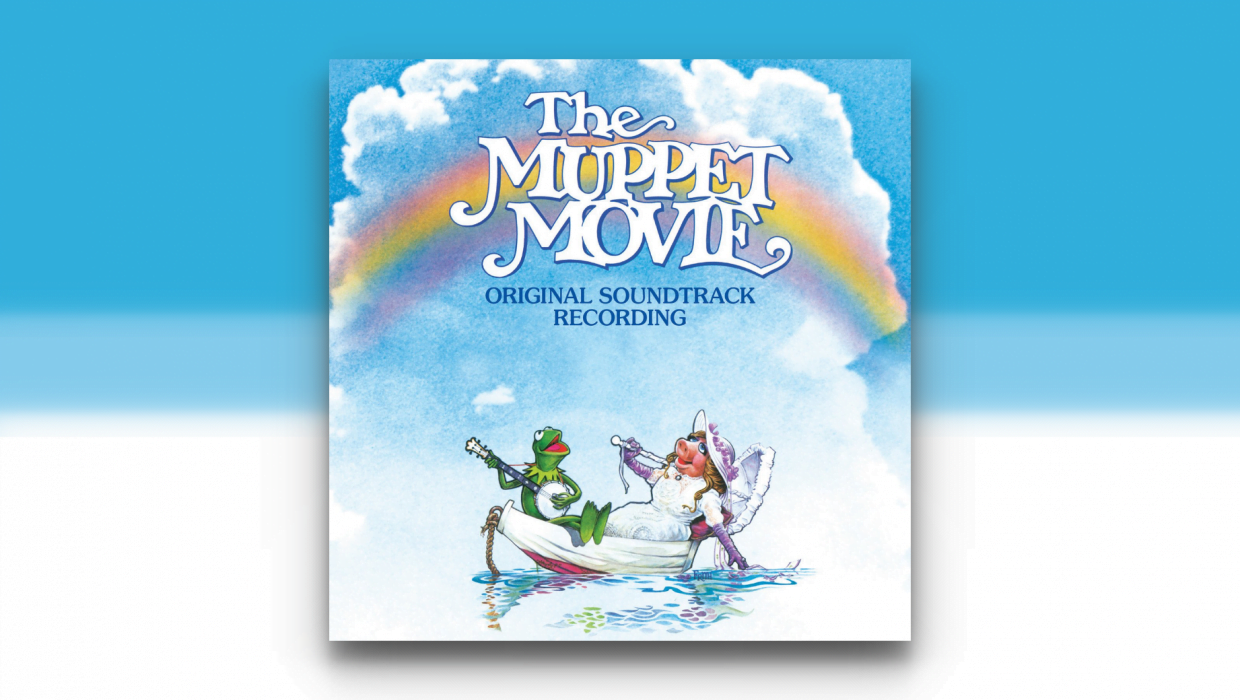
“The Rainbow Connection” at 40: Paul Williams Reflects on Kermit the Frog’s Banjo Classic

One day we’ll find it, the rainbow connection. It’s a song of dreaming, of looking to the stars at night for guidance and inspiration. To mark the 40th anniversary of this iconic song, we spoke to its songwriter, Paul Williams, for an edition of our column, Roots On Screen. For many viewers, Kermit the Frog would have been their introduction not only to this modern classic, but the banjo, too. [Read about “The Rainbow Connection”]


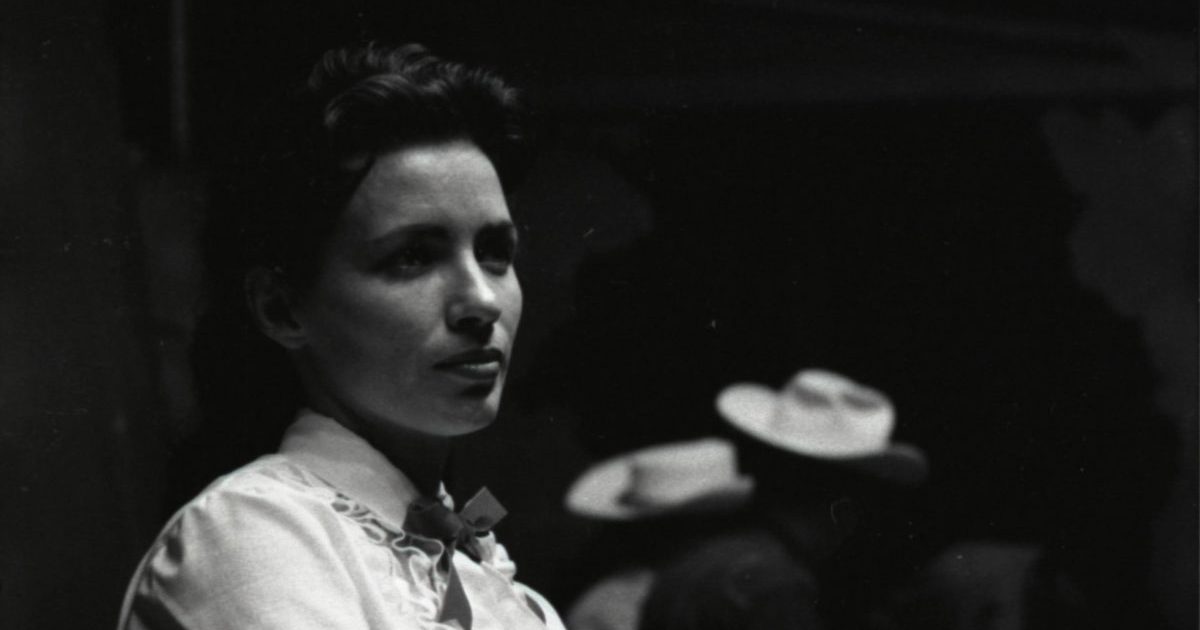
June Carter Cash Connects the Classic Eras of Country Music

To say goodbye to Women’s History Month we spent a day going back to each of the stories in our Women’s History series, starting with this history of June Carter Cash’s career. Known often as an addendum to others — including her era-defining husband Johnny Cash and her genre-creating family — June was a consummate performer, musician, and something of a comedian herself. [Read the story and watch June perform]


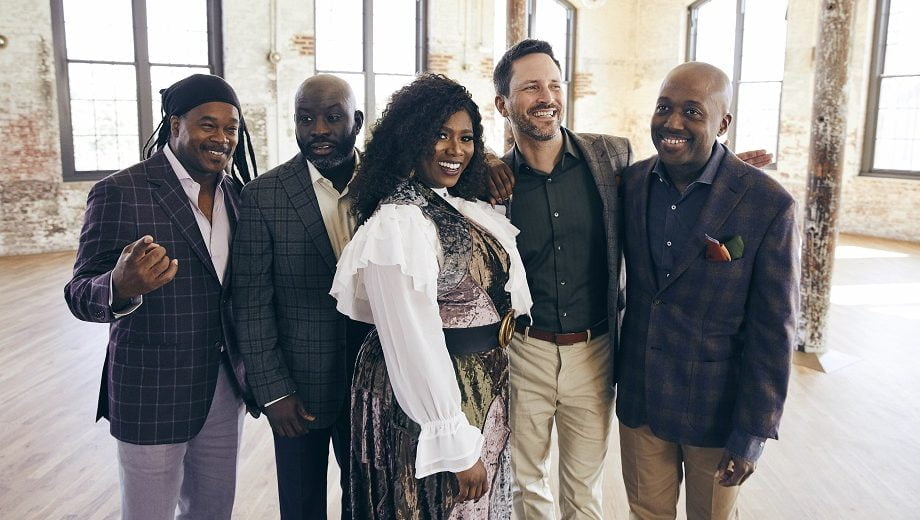
Ranky Tanky Takes Gullah Culture Around the Globe

South Carolina quintet Ranky Tanky won a Grammy Award for their latest album, Good Time, a project that took Gullah music and culture around the world. Not familiar with Gullah? Don’t worry, that’s kind of the point. While many fans of American roots music are familiar with zydeco, Cajun, creole, and other cultures, Gullah remains largely unknown — a music of the African diaspora that’s peppered up and down the coasts and sea islands of South Carolina and Georgia, where it’s known as Geechee culture. [Read more and introduce yourself to Gullah]


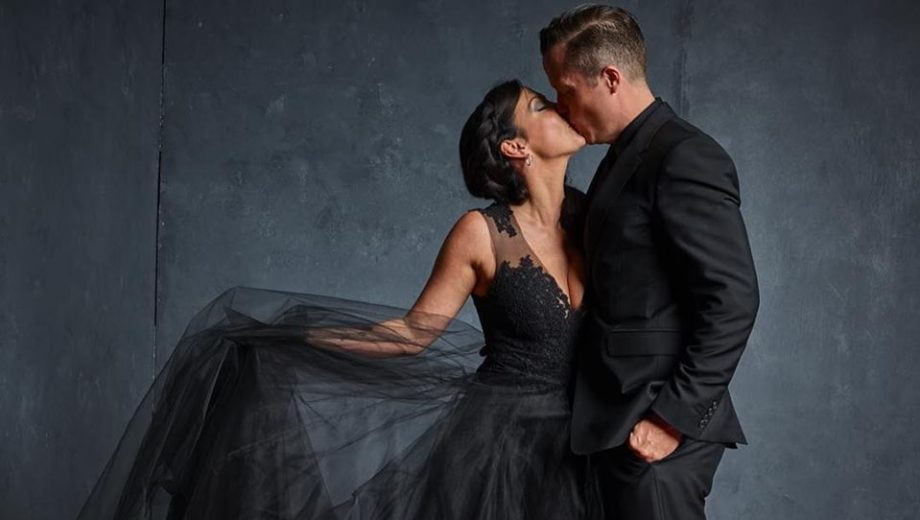
Why “Cover Me Up” Is the Truest Love Song Jason Isbell Will Ever Write

Month after month, year after year, this is one of our all-time best-performing stories on BGS. And it’s no wonder; “Cover Me Up” speaks to folks. It’s a wedding song, a break up song, an anniversary song, a first love song. (It’s also not so bad for your isolation playlist, either.) Until more recent Isbell-penned treasures like “If We Were Vampires” came along, it was unparalleled. Even so, it still stands apart. Find out why music fans the world over keep flocking to this particular piece of writing. [Read the feature on BGS]


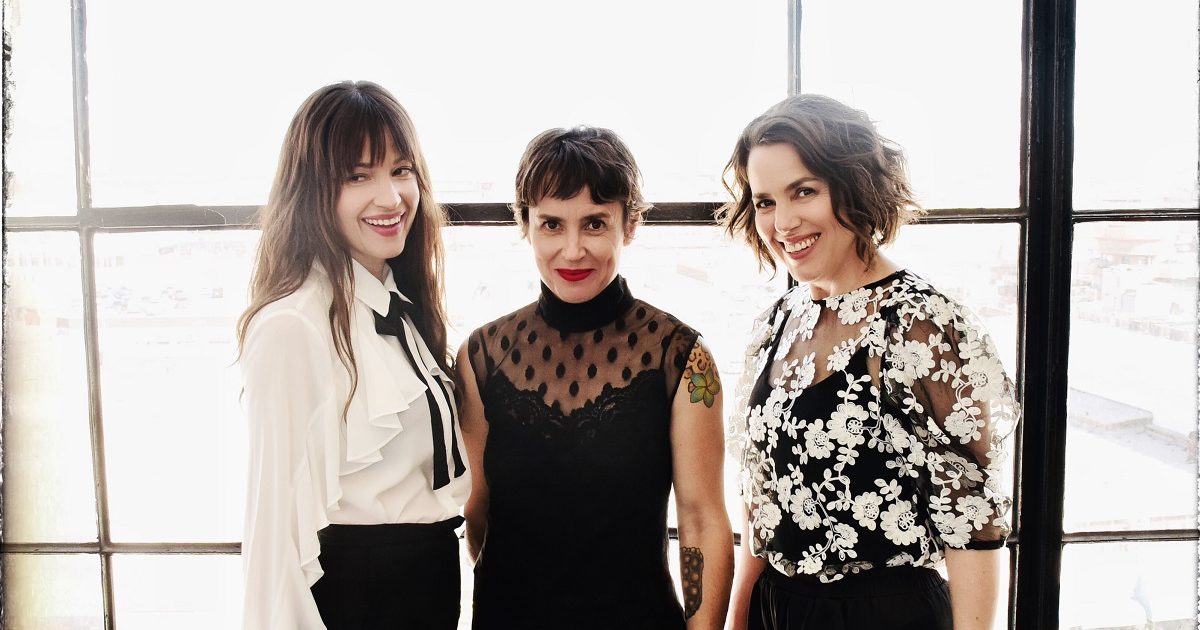
The Haden Triplets Share Their Musical Legacy in The Family Songbook


Here’s a piece that keeps it all in the family! Calling The Haden Triplets a family band is definitely an understatement. The three sisters channel cross-generational musical inspiration on their most recent album,
The Family Songbook. While they’re looking back, their idea was not to recreate the old days, but to interpret and pay homage. [Read more]


The String – Caleb Caudle

Caleb Caudle grew up in rural North Carolina outside of Winston-Salem, captivated by music far beyond what his school peers cared about — English punk, folk, and Bob Dylan among them.


LISTEN: APPLE MUSIC

Since entering the music industry fray as a singer/songwriter in the mid-2000s, Caudle has released seven studio albums, with a brand new one available now. Better Hurry Up was cut in 2019, just days after he and his wife moved to Nashville. A crack band set up shop at the Cash Cabin in Hendersonville, TN, surrounded by the spirit of Johnny and June. Great things resulted. Also in the hour, bass playing sideman turned impressive singer/songwriter, Adam Chaffins.


Photo Credit: Bret Scheinfeld

Rose Maddox: The Remarkable Hillbilly Singer Who Made Bluegrass History

Rose Maddox, the lead singer of the Most Colorful Hillbilly Band in America, made a significant mark in bluegrass, too, as the first woman ever to record a bluegrass album. Her incredible rags to-riches story touches on boxcars and sharecropping, the Grand Ole Opry and Buck Owens, and finally the Father of Bluegrass Music himself, Bill Monroe, who laid the foundation for that seminal 1962 Capitol Records LP, Rose Maddox Sings Bluegrass.

Born on August 15, 1925, in Boaz, Alabama, Roselea Arbana Maddox arrived in a family with some musical heritage. Her paternal grandfather was a fiddler and roaming preacher, while her uncle Foncey gave lessons to locals and performed in blackface. Rose’s father, Charlie Maddox, worked as a sharecropper and hired hand. After getting stiffed for a job chopping wood, Charlie decided to skip town and finally indulge his wife Lula’s lifelong dream of living in California, panning for gold. They sold everything they had and stashed away the proceeds — just $35. The two oldest children stayed behind, while the youngest five and their parents set out for the Golden State in the spring of 1933.

How? On foot. Then hitchhiking. And after crossing over the state line to Mississippi and encountering another family who explained train-hopping, the seven Maddoxes rode the boxcars all the way west. Rose was 7 years old. They settled and resettled in various towns, with their situation once so dire that Lula had to place Rose with another family — but Rose acted up so often that the family gave her back. When Charlie got harvesting work in Modesto, the family followed and became what they called “fruit tramps.”

With some stability, the kids were putting down roots in Modesto. They collected whiskey bottles, turned them in for a penny a piece, then spent their dimes on movies. One Sunday the Sons of the Pioneers appeared in person at the Strand Theater. At that moment, Rose had found her calling — to be a singer. Her brother Fred had a similar epiphany while picking cotton that fall. After hearing that the band who’d just played the rodeo made $100, he decided it was time to get into the music business. Acting as manager, he found a furniture store to sponsor some radio spots. The caveat was simple: The furniture store owner wanted a girl singer. Thus, the Maddox Brothers & Rose were launched — with the spunky lead vocalist just 11 years old.

They followed the California rodeo circuit and played bars for tips, then won a State Fair competition that crowned them California’s best hillbilly band. However, things unraveled for a time in the early 1940s, as Fred, Don, and Cal were drafted in World War I, and Rose became an unhappy bride at 16, then a single mother at 18. Auditions with Roy Acuff and Bob Wills went nowhere. She played occasional gigs with other bands until the war ended and the Maddox Brothers & Rose reformed, with the youngest Maddox child, Henry, now joining on mandolin.

Playing dances as well as radio shows, the group shifted their sound to get people moving. Their look got an overhaul after Roy Rogers recommended Los Angeles tailor Nathan Turk, a pioneer of flashy Western stagewear. They also signed a deal with 4 Star Records, an indie label that marketed them as Most Colorful Hillbilly Band in America. Their repertoire ranged from Woody Guthrie’s “Philadelphia Lawyer” to Hank Williams’ “Honky Tonkin'” to the gospel tune “Gathering Flowers for the Master’s Bouquet.” They made their Opry debut in 1949, where they met Bill Monroe, and became the first hillbilly band the play the Las Vegas Strip. That same year, however, Charlie and Lula Maddox divorced.

By 1950, various members of the family were living in Hollywood. A beautiful woman of 25, Rose took courses in modeling and vocal control, although Lula would not allow her to date. The band appeared on broadcasts like Hometown Jamboree and Town and Country in Southern California, as well as the regional show, the Louisiana Hayride. Columbia Records signed her as a solo act in 1953. With rock ‘n’ roll in full force in 1956, the Maddox Brothers & Rose sputtered, then disbanded, and not without some bitterness as Rose’s career still flourished. The Opry didn’t appreciate her first solo appearance though, when she wore a blue satin skirt that exposed her bare midriff. Nonetheless she relocated to Nashville (with the ever-vigilant Lula) and became an Opry member in 1956, but quit about six months later when Roy Acuff complained she (and not other Opry members who were touring) made appearances on too many local TV shows.

That professional setback might have given the perception that Rose couldn’t have a career without her brothers. That proved quite untrue. Hometown Jamboree in Los Angeles hired her, which led to plenty of gigs. When the Columbia deal ended, she recorded for two independent labels before signing with Capitol Records in 1959. When Lula tried to boss around producer Ken Nelson, he banned her from all future sessions. Rose, by this time 33 years old and still under her mother’s thumb, was secretly delighted. Taking things a step further, Rose eloped with a nightclub owner that December, then embarked on a European tour.

For Capitol, she made her first Billboard chart appearance ever with the honky-tonk weeper “Gambler’s Love,” climbing to No. 22 in 1959. Her first solo album, The One Rose, dropped in 1960, followed by a gospel set titled Glorybound Train. By 1961, she took “Kissing My Pillow” and “I Want to Live Again” to No. 14 and No. 15, respectively. Johnny Cash invited her to join his road show and Buck Owens asked to record some duets. Those twangy tracks, “Loose Talk” and “Mental Cruelty,” both entered the Top 10 in 1961. Her third album for Capitol, A Big Bouquet of Roses, appeared later that year.

The year 1962 proved to be the pinnacle of her career, as Bill Monroe encouraged her to make a bluegrass album. Because they recorded for competing labels, Big Mon anonymously played on the first day of the two-day session, recording several numbers from his own repertoire. Donna Stoneman stepped in on mandolin on the second day with the remainder of the material. Reno & Smiley joined the session too. Monroe later told Maddox biographer Jonny Whiteside, “The Maddox Brothers & Rose always had their own style, but you must remember their home was Alabama, and I always thought they sang a lot of the old Southern style of singin’. So I enjoyed helpin’ her on one of her albums. She had some great entertainers workin’ on it, and it didn’t take long at all.”

Maddox herself explained, “Bill Monroe has always told me that I sang bluegrass, and to me what he was talkin’ about is just what I call ‘hillbilly.'” She may not have agreed with the terminology, but she certainly adhered to the enthusiasm of the best bluegrass singers. Rose Maddox Sings Bluegrass became the first bluegrass LP recorded by a woman. Its release coincided with the chart success of an earlier country single, “Sing a Little Song of Heartache,” which rose to No. 3 (and practically begs for a bluegrass remake).

Without Lula to intervene, Rose’s life on the road nearly derailed her, with infidelity, volatility toward band members, and a propensity for Benzedrene wrecking her marriage and her professional reputation. A heavy schedule of international touring wreaked havoc on her voice, too. The singles she did release were moody, if not morbid. Although she eclipsed Patsy Cline and Kitty Wells to be named Cashbox‘s female country artist of 1963, her chart momentum fizzled out after her final album with Capitol, 1963’s Alone With You. Still she continued to tour with Buck Owens and Merle Haggard, with her grown son Donnie as her sideman.

Maddox occasionally recorded for small labels in the ’70s and ’80s to modest results, while her venues now included the San Francisco gay bars that embraced the Urban Cowboy phenomenon, as well as the annual gay rodeo in Reno, Nevada. She performed with the Vern Williams Band in folk clubs, too, and recorded a 1984 album with Merle Haggard & the Strangers that was funded by fans. A number of Arhoolie Records reissues helped keep her loyal audience appeased, while introducing her vivacious music to a new generation. She and her brother Fred patched things up for a 50th anniversary celebration of the Maddox Brothers & Rose in Delano, California.

Too often overlooked among the country performers of her era, Maddox landed her first Grammy nomination for her 1994 Arhoolie release, $35 and a Dream, in the category of Best Bluegrass Album. She recounted her exceptional career in the 1997 biography, Ramblin’ Rose: The Life and Career of Rose Maddox, and died the following year at age 71 in Ashland, Oregon. Remarkably, her life story has not been adapted for Hollywood, nor has she been inducted into the Country Music Hall of Fame or the Bluegrass Hall of Fame. Yet her catalog still shines as a beacon for listeners who seek out traditional music with an undeniable West Coast flair.

On the final track of that final album, Johnny Cash intones, “I worked with Rose Maddox a lot back over the years. And I found that when she started working my show that she was probably the most fascinating, exciting performer that I’d ever seen in my life. She was a total performer. She captivated the audience. She held them in the palm of her hand and made ‘em do whatever she wanted to. The songs that she sang were classics, and I loved the way she sang and kind of danced at the same time. I thought there was, and still think that, there will never be a woman who could outperform Rose Maddox. She’s an American classic.”