June Carter Cash Connects the Classic Eras of Country Music

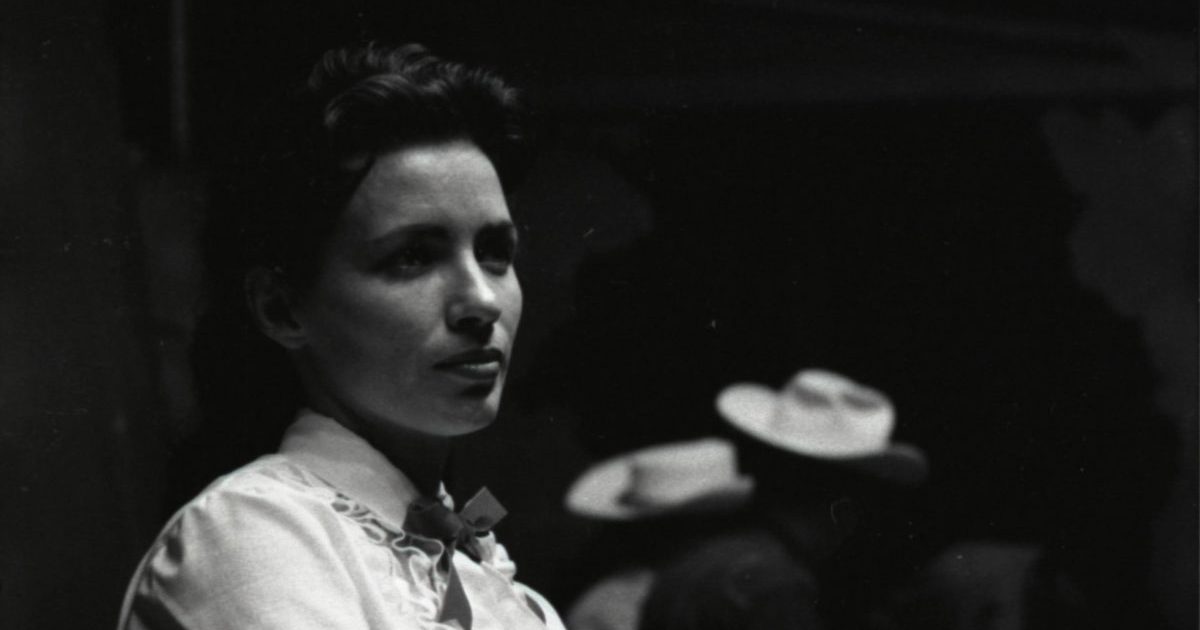
You can’t tell the story of country music without June Carter Cash.

Her mother, Maybelle Carter, helped usher in the era of commercial country music through the 1927 Bristol Sessions as a member of The Carter Family. When that group disbanded, Maybelle eventually gathered her three daughters – June, Anita, and Helen – and started performing radio shows, with June playing autoharp and cracking jokes. (They even had Chet Atkins in their band.)

In time June teamed up with comedians Homer & Jethro for a corny duet of “Baby It’s Cold Outside,” which charted for one week in 1949, and by 1950, the Carter Sisters debuted at the Opry just a month before June’s 21st birthday. The ensemble opened shows for Elvis Presley in 1956 and 1957. June also stepped out as a duet partner with her first husband, Carl Smith, on the eye-rolling (but quite hilarious) “Love Oh Crazy Love,” from 1954.

If your entry point to country music is the 1960s, June Carter is all over it. Still married to Smith, she shared the stage with Johnny Cash for the first time in 1961 as part of his touring package. Two years later Cash scored a major hit with “Ring of Fire,” which Carter co-wrote after seeing the phrase “love’s burning ring of fire” underlined in a book of Elizabethan poetry owned by her uncle, the Carter Family’s A.P. Carter.

By 1967, she and Cash landed a major hit (and soon their first Grammy) with “Jackson,” then got hitched in 1968. It’s important to remember June’s role on Cash’s landmark 1968 album, At Folsom Prison, performing a lively rendition of “Jackson” that got the captive audience hollering. They encored the performance for Cash’s 1969 album, At San Quentin.

June Carter Cash did pretty well for herself in the next decade, too, having her own 1971 country hit with a song she wrote, “A Good Man.” Johnny Cash produced her sole album of that era, 1975’s Appalachian Pride, even as they dug periodically into the folk canon for duet recordings and she won her second Grammy for the Cash/Carter duet, “If I Had a Hammer.”

She appeared regularly on the groundbreaking series The Johnny Cash Show, sang on Cash’s records, and almost always toured with him. Considered more of a comedian than a vocalist, June nonetheless charmed audiences around the world. In the rarely-seen 1979 performance of “Rabbit in the Log” below, she steals the spotlight with a banjo on her knee, cracking jokes and sharing her talent with a Century 21 real estate convention in Las Vegas.

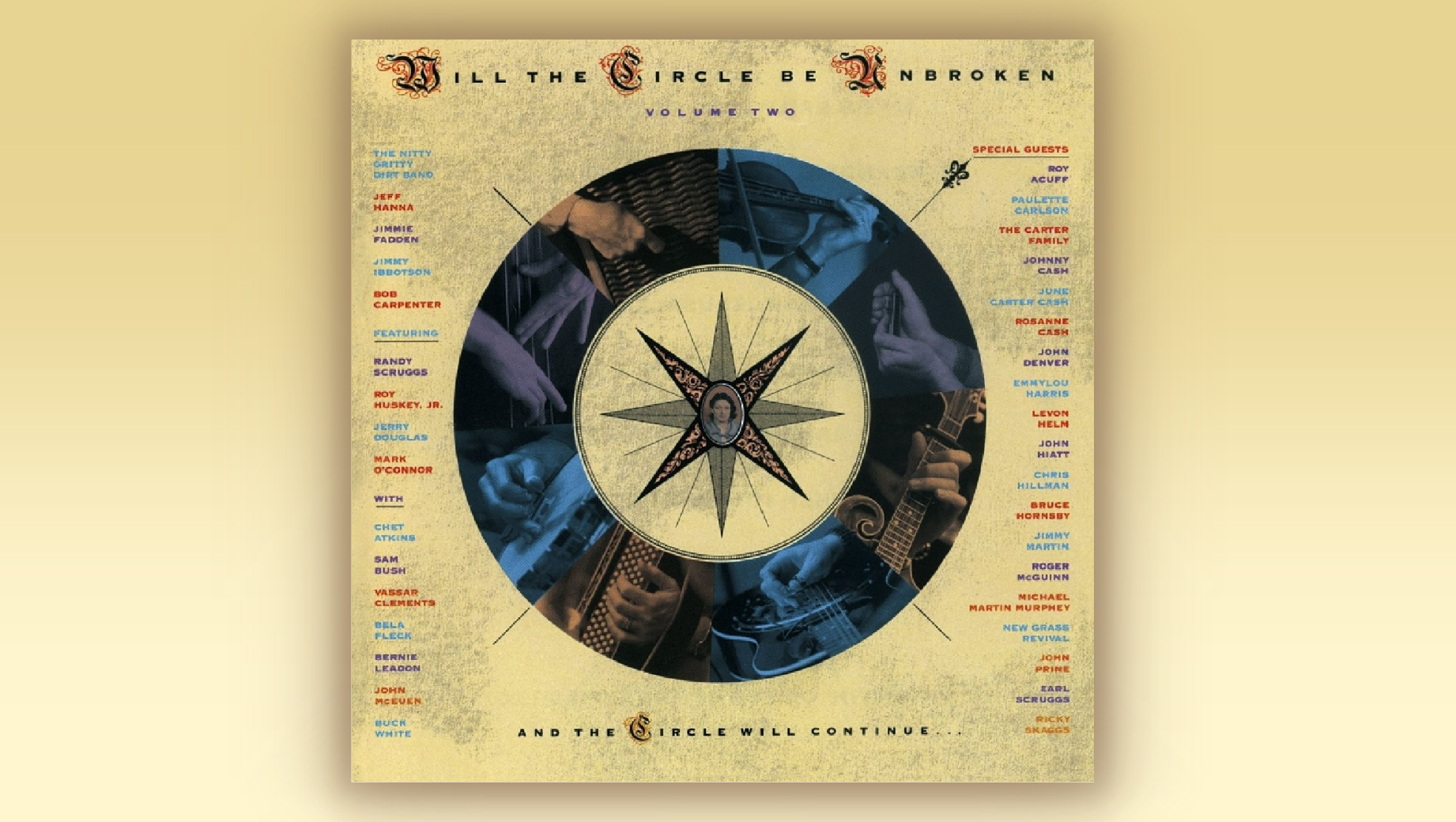
Even listeners who came into country music in the ‘80s and ‘90s can find a tie to June. She harmonizes with her sisters, as well as Johnny Cash, on “Life’s Railway to Heaven” on Nitty Gritty Dirt Band’s seminal 1989 album, Will the Circle Be Unbroken, Volume Two. Around this same time Carlene Carter, her daughter with Smith, emerged as a force in country and rock, and later paid homage to Mother Maybelle as well as June’s stepdaughter, Rosie Nix (from June’s second marriage), on the sweet song, “Me and the Wildwood Rose.” Carlene also wrote one of that era’s most enduring compositions, “Easy From Now On,” and charted multiple singles like “I Fell in Love” and “Every Little Thing.”

Meanwhile, Rosanne Cash (June’s stepdaughter) placed 11 No. 1 singles on the country chart, including the modern classic, “Seven Year Ache,” and she’s now a cornerstone of the Americana community. John Carter Cash, the only child born to Johnny and June, continues to carry on the brilliant legacy of his parents, through books, museum presentations, and reissues. He also produced Loretta Lynn’s past three albums at the Cash Cabin recording studio in Hendersonville, Tennessee.

Johnny Cash, incidentally, was inducted into the Nashville Songwriters Hall of Fame in 1977 and the Country Music Hall of Fame in 1980. A.P. Carter joined the Nashville Songwriters Hall of Fame in 1970, “Ring of Fire” co-writer Merle Kilgore followed in 1998, and Rosanne Cash entered in 2015. However, June Carter Cash is not yet a member of the Country Music Hall of Fame or the Nashville Songwriters Hall of Fame — omissions that deserve reconsideration. A spiritual and religious woman, she shared the stories of her life in two memoirs: 1979’s Among My Klediments and 1987’s From the Heart.

Always a natural on stage, June actually trained at the Actors Studio in New York City after being spotted by Elia Kazan at the Grand Ole Opry in 1955. In the late ‘90s, she drew upon those thespian skills with roles on Dr. Quinn, Medicine Woman and the acclaimed film The Apostle. Not to be overlooked is her heartbreaking role in Johnny Cash’s 2002 video, “Hurt,” where the viewers sees the devastation of an American music legend through her shocked and tearful eyes.

Carter remained a legendary presence in the final years of her life — and beyond. Her 1999 collection, Press On, won the Grammy for Best Traditional Folk Album, while the Carter Family classic “Keep on the Sunny Side” resurfaced in a major way due to its inclusion on the O Brother, Where Are Thou? soundtrack in 2000, as sung by The Whites.

Following June’s death in 2003, she was awarded two more Grammys – one for her own performance of “Keep on the Sunny Side,” and the other for the folk album, Wildwood Flower. Nashville native Reese Witherspoon collected an Oscar for portraying her in the 2005 film, Walk the Line. A two-disc compilation released that same year surveyed her remarkable career. She is buried next to Johnny Cash in Hendersonville, Tennessee.


Photo credit: Don Hunstein, Sony Music Archives

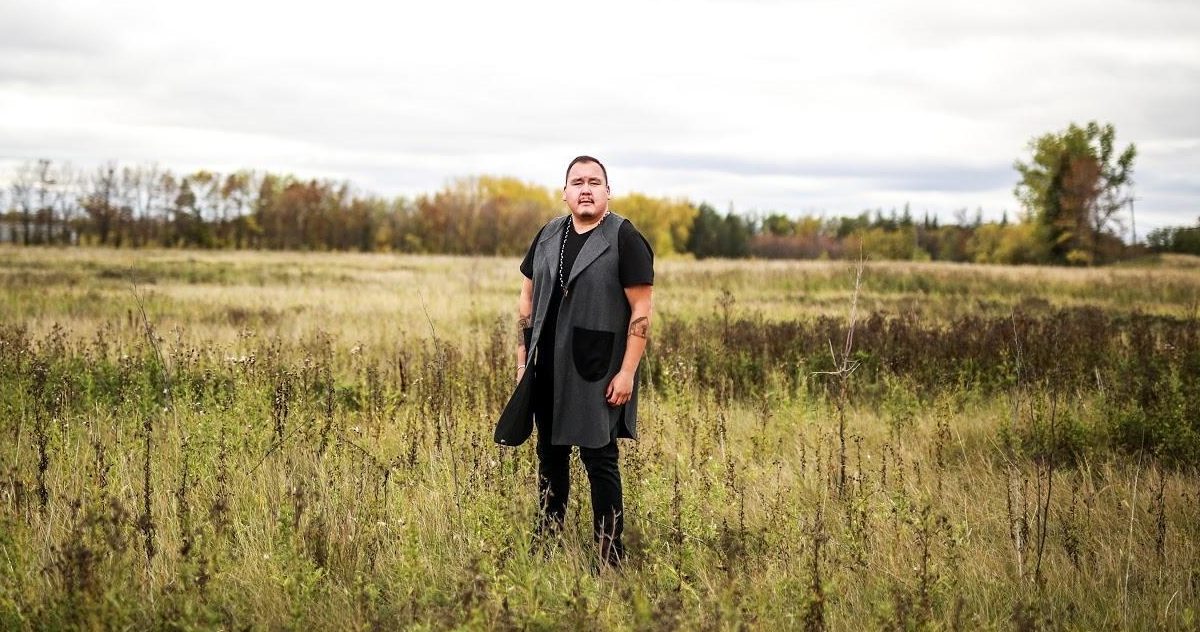
William Prince Sparks Joy on ‘Reliever’

When Canadian songwriter William Prince cites his influences, there’s one that is particularly surprising: The Mighty Ducks, a feel-good hockey film from 1992. In one pivotal scene, the kids on the down-and-out team get all-new equipment — a cinematic turn of events that Prince has never forgotten from his childhood.

“It moves you in an interesting way. I’ve always gone back to that,” Prince says during a conversation over coffee in Nashville. “That’s one of the first feelings of joy for another that I remember taking on as a young person. Like, ‘Oh, man! That’s great for the disenfranchised hockey team to get that!’ I was a hockey player and loved it – I knew that feeling, I shared that. And from then on, it was about creating similar encounters with people. That’s what these songs are.”

Raised in the community of Peguis First Nation, Prince grew up listening to Kris Kristofferson and Johnny Cash, as well as the gospel records his father recorded independently. For years Prince barely skated by with an unwavering dream to make it as a performing songwriter. By the end of 2015, he’d released the album, Earthly Days, which led to a Juno Award for Contemporary Roots Album of the Year in 2017, and ultimately the opportunity for an American reissue in 2018 with a new track, “Breathless.”

Five years after Earthly Days, he’s currently in a good spot after grieving the death of his father, getting over a breakup with the mother of his young son, and settling into a stable life in Winnipeg. A keen sense of maturity and perspective informs his newest album, Reliever, but the overwhelming emotion in lead single, “The Spark,” is quite simply love — a reflection of his new relationship and a still-burning passion for making a connection through his music.

BGS: It seems to me that you are writing from a lot of your personal experience throughout Reliever. How much of your own life is in these songs?

WP: Ah, it’s everything. I say it’s just a presentation of different thoughts while going through a plethora of things. Change, transition, all of this. The ever-changing landscape of this adventure we’re on now, making music all the time.

What was that transition like, from wanting to be a musician to now being a musician?

I think I was always a musician, always an artist. People tend to make it become about the album itself: “If I just had a record, I would sell CDs and be an artist.” Or, “If I just had more shows, I would be a musician and artist.” The thing I’ve learned now is that it’s all the time off of the stage. It’s all the time working on the stuff, building it, and the moments in between those short 45 to 90 minutes on the stage. That becomes the smallest part of the whole artist/musician illusion. You are living it all the time. That’s the thing — you will become what you put your greatest effort into. Just writing songs and wanting it that much, you eventually end up with what you dream about.

What took up the most time for you, do you think?

I was going to university for a lot of years, trying to find a path into medicine. I took my entrance exam for college and didn’t get in for the first round of the med school applications. I ended up working on the radio as a morning host on an Indigenous radio station that runs across the country. I was kind of staying alive while working on the songs. I was still finding my voice and how I wanted to build the songs, in a way. It’s all the time spent building. I knew there was going to be one chance for one good first impression, so it was important for me to collect the right things. I’m glad now that it didn’t work out back then. I don’t think the record I made at 20 would have been the record I made at 29.

I’m curious about your First Nations background because I’d think it would give you a different perspective than other songwriters. How has that shaped your musical approach, do you think?

I grew up on a reserve where the conditions are as bad, and sometimes worse – and sometimes better – than what you hear the conditions are for First Nations people in Canada. I was always just singing songs about my family, you know? I never really considered our heritage, in a way. These are songs about loved ones, and that transcends everything – who we are as a family, who we are as a people.

Things can be pretty rough in this living situation, like a house without running water or going to shower at your brother’s, or borrowing jackets because we just couldn’t afford certain things sometimes. When that [burden] is taken off your shoulders, like worrying about how to pay for the place you’re living in, to having groceries and an abundance of things now, it’s been the greatest perspective [going from] the quiet reserve life, to living a life that’s prosperous and doing something you love every day. So that influence and perspective is what it’s given me, for all things.

I don’t have kids, but the songs where you reference your son are very touching. How old is he?

He’s three and a half, and that’s a delicate line to walk. You can get “aw shucks” and then it doesn’t resonate with people who don’t have children. For you to say that is an affirmation of a job done in a direction that I hoped for. You don’t have to have children, but you can see that [the character in the song] takes really good care of what he cares about. That’s the message that I was trying to get across.

And the lessons that you want him to learn are the lessons that you would want your friends to learn, too.

Yeah. A manual for being the kind of person that I’m trying to exit this world as — good and caring and thoughtful and empathetic and conscious of all things around you. People are quite fascinating to observe. That will never go out of style. That will never change in season. There will always be people living life and experiencing great things, and going through things. I understand that’s general, but I get asked this more and more: Where does it come from? What is this thing I’m doing? I’m trying to quantify it for people in a more satisfying way, but the truth is, I’m breathing every moment of it, all the time. Everything is a collection, planting and harvesting, I’d say.

I hadn’t realized that your dad made some records, too.

Yeah. I traveled with him when I was 13 to 17, setting up the amps and we sang songs at all the funerals and wake services, all those traditional hymns. Which is essentially Hank Williams music — it comes from that kind of place. So having that in the center taught me basic structure. Somebody once said there was antiquity within my songs, which is a cool feeling, like you appreciate an old kettle that’s lasted 60 years. That frame for songs is in my life because of that gospel music.

Did all of these songs come to you over the last four years?

Funny enough, after writing through a number of things like grieving my dad passing, and a separation from my partner, and being a new dad and feeling that joy, and finding validity and success in this music thing that I’ve been trying for some time. So, all that is a wild blend to be taking in. I did my best to work through those things. I was writing in real time for a long time and those songs, as they aged, became reflective. They would blend with the songs I was writing in a period where I was past the grief and hurting a little more.

“The Spark” is one of the first half-dozen six songs I’ve ever written in my life. I kept it away because it used to be six minutes long and had this whole other side to it. I got a little nervous coming down to work on this next record with Dave, like, “I don’t know if I have any real love songs like ‘Breathless.’” I wanted something like that to share, and I thought of ‘The Spark.’ I quickly gave it a bit of a haircut and brought it in. Dave made his suggestion to save one lyric for the final line — “You’re the flame, the fire, and most of all you’re the spark.” And we had a song. Funny, too, how things start with a spark. Let’s get it going, now that people are looking. Let’s make it count.


Photo credit: Alan Greyeyes

Eight Great Cuts of “Eighth of January”

It’s one of bluegrass and old-time’s favorite days of the year! The “Eighth of January” can be heard from every jam, every folk club, every radio tuned to the bluegrass airwaves – well, it ought to be like that.

To do our part, we’ve collected eight great versions of “Eighth of January,” that is, “The Eighth of January,” or “Jackson’s Victory,” or “Gulf of Mexico” to mark this auspicious day. At the end, we hope you’ve found a new lick to add to your own versions of the tune and we hope “eighth” doesn’t look like a word to you anymore, too!

Tui

Let’s start with a decidedly old-time take from fiddle/banjo duo Tui, AKA Libby Weitnauer and Jake Blount. Here’s hoping you make a stank face when they ever-so-slightly pass over the b7 — if you recall your last music theory course, see also: “the subtonic” — in the B part. (If the parts have been counted wrong, this writer begs your forgiveness.) The frailing rakes by Blount on the banjo, the pair’s playful deviations from each other, only to return, totally enmeshed a moment later… it’s delicious.


Charlie Walden

The old-time fiddler of Missouri, if Charlie Walden doesn’t come up in the first round of results when you search the internet for “Eighth of January” something is very wrong. His command of raw, timeless (and seemingly effortless) fiddling stems from a wealth of talent combined with his insatiable appetite for tunes — he’s collected countless melodies, stories, and songs from fiddlers all across his home state.


Tony Rice

An old-time fiddle tune fully assimilated into the bluegrass canon? This right here is how. That’s Darol Anger and David Grisman on the tasty twin parts, Todd Phillips on bass, and the one and only Tony Rice holding it down and shredding it up all at once. Every time they slightly push, syncopating the tail-end of a random melodic phrase here and there, a shiver should go down your spine.


Jeremy Stephens

No one alive plays Don Reno-style banjo better than Jeremy Stephens. Full stop. Now, if you’ve already hit play and have listened through to his first solo, you should know this: He recorded Scarlet Banjo at the ripe old age of 16. You know him now thanks to his quintessential sound with High Fidelity, but Stephens has been burning a torch for unencumbered, fully-realized traditional bluegrass for a long time. And it’s always been this good!


Scotty Stoneman with the Kentucky Colonels

The Kentucky Colonels were inducted into the Bluegrass Music Hall of Fame in 2019 and though Stoneman was not an original member, he left an indelible mark on the band’s legacy, which manifests chiefly through his “hot” fiddling on the band’s essential live recordings. Though fans may be most familiar with hearing the Colonels hold on for dear life in the wake of his bow at truly incomparable tempos, Stoneman is relatively subdued in his captivating improvisations over “Eighth of January.”


Eric Weissberg

Deliverance reverberates throughout the ages for all of the wrong reasons. If you forgot this was on the original soundtrack to the infamous film, we don’t blame you. That’s why we’re here to remind. Weissberg’s banjo playing — especially his fantastic melodic approach, heard here — certainly deserves more recognition than simply being regarded as the originator of “Dueling Banjos” in its modern form.


Johnny Cash, “The Battle Of New Orleans”

We may have neglected to mention earlier that this tune is named “Eighth of January,” commemorating the day of “Jackson’s Victory,” because (cruel, genocidal) President Jackson won “The Battle of New Orleans” that very day in 1815. Yes, this tune has a lot of titles — and lyrics, to boot! Here’s the Man in Black lending the dusky patina of his baritone to our song du jour.


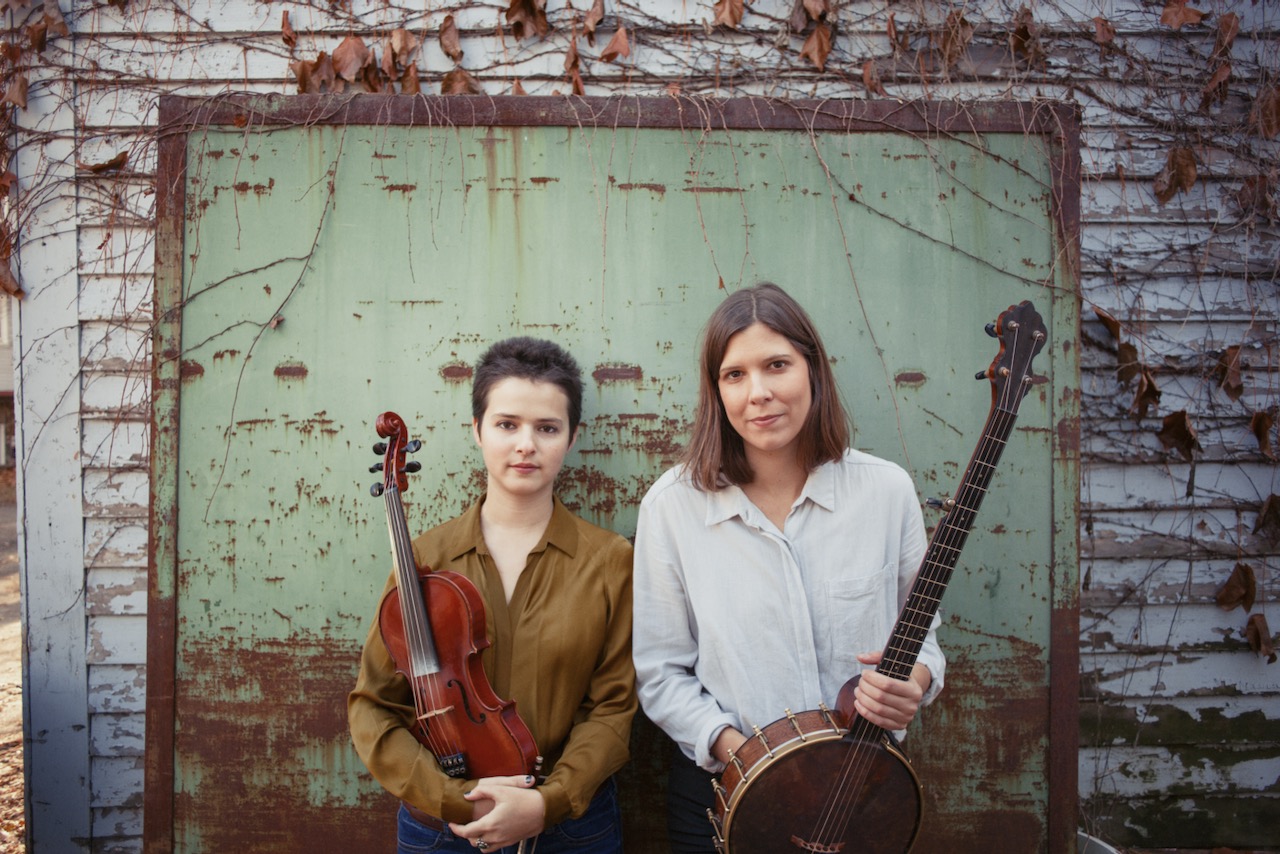
Allison de Groot & Tatiana Hargreaves

This particular variation on “Eighth of January” was found in recordings of African American musicians Nathan Frazier and Frank Patterson, who were first recorded in Nashville in the 1940s, so you’ll notice de Groot and Hargreaves stray from the melodic phenotype of the others on this list. It’s a gentle reminder that the way these tunes travel — from picker to picker, across generations, across counties and countries — is just as important to the history of string band music as the tunes themselves. Just about a year ago (hmm, how is that so easy to remember?) we featured this track in an edition of Tunesday Tuesday, solidifying this BGS tradition.


Photo of Tatiana Hargreaves (L) and Allison de Groot: Louise Bichan

The Righteous Gemstones Keep “Misbehavin'”

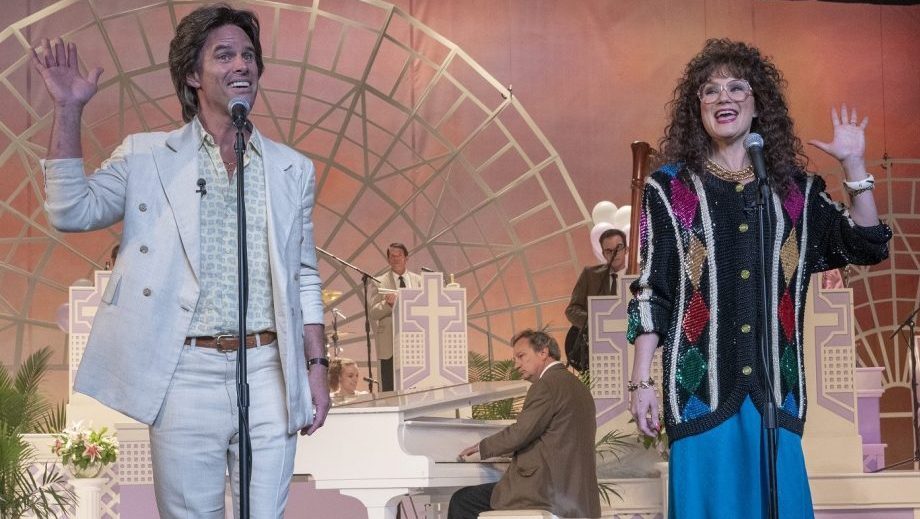
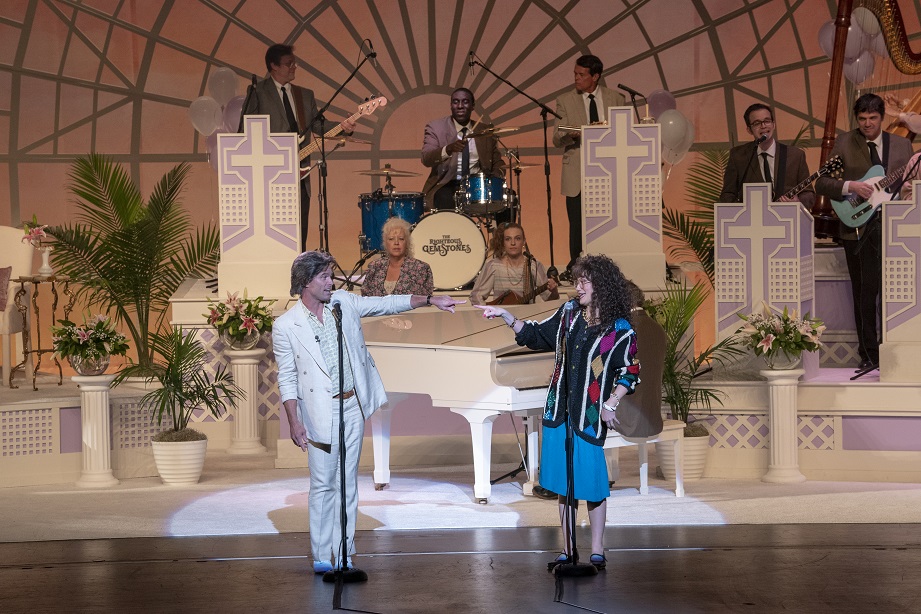
Halfway through the first season of HBO’s megachurch comedy The Righteous Gemstones, the show devotes an entire episode to a flashback, showing how the family of Bible-thumping televangelists came to be so hilariously dysfunctional. The episode culminates in a live performance of a song called “Misbehavin’,” by siblings Aimee-Leigh (played by Jennifer Nettles) and Baby Billy (Walton Goggins). They’d been a child singing act years ago, and this countrified tale of juvenile hijinks was their biggest hit. They still remember every lyric and every dance move decades later.

The song would pop up two more times during the season, in different arrangements from different times: one from the 1960s, another from the ‘80s, and finally one in the present day. It threads through the series to present a very basic moral to the story: When you misbehave, bad things happen. But this version with Goggins and Nettles is the one that ended up going viral, a hit among fans of the show and newcomers alike who couldn’t get it out of their heads — especially that line about “running through the house with a pickle in my mouth.” It’s arguably the greatest moment on television in 2019.

“Misbehavin’” was written by the show’s creator Danny McBride, actress Edi Patterson, and composer Joseph Stephens, whose attention to detail ensured that many viewers would think the song had been around for ages. A North Carolina native who briefly studied classical guitar before discovering rock & roll as a teenager, Stephens took film classes in college and scored his friends’ student films.

“I’ve never had any formal training in music, outside of when I was a kid learning classical guitar,” he says. “I never took piano lessons or anything like that.” That approach, however, has kept him versatile. He plays an array of instruments for a diverse range of projects — many of them starring his old friend McBride, including Vice Principals and The Legacy of a White Deer Hunter. “I pride myself on being somewhat versatile, and over the years I’ve taken on jobs that asked for a lot of things that seemed outside of my wheelhouse. But that’s fun for me.”

For our latest installment of Roots on Screen, Stephens spoke to the Bluegrass Situation about writing music for church, using clog dancers as percussionists, and, most importantly, never scoring the joke.

BGS: The Righteous Gemstones is set in a South Carolina megachurch, where of course music is going to be very prominent. How familiar were you with that kind of setting?

Stephens: I went to church as a kid, and I was fascinated by big organ. I went to a Methodist church that had this massive organ built into the room. I would go back to that as a touchstone for Gemstones. I actually started using a big church organ, playing with some of the bass pedals in ways that sounded cinematic and less traditional. I was using different plug-ins and effect to mangle the sound and change it around so that it sounds big and gross at times and other times sounds really pretty and maybe spaced out. I wrote a bunch of music that I gave to Danny and the writers as they were putting the show together, just kind of formulating ideas. Danny knew he wanted to do some choir stuff, so I was exploring that as well.

Joseph Stephens

Music seems like a big part of what McBride does. There are always unexpected music cues in his shows that suggest a very deep knowledge.

Technically, these are comedies we’re making, but we both tend to gravitate toward treating it like dramatic material. So I rarely ever score a joke. I’m always trying to score the drama of the situation and letting the absurdity of what they’re doing carry the comedy. The music shouldn’t point at the joke. We treat it like a Coen Brothers movie or something heavier.

In Vice Principals we would literally score a comedic scene with ‘80s horror movie music, just to play with the unusual side of what music can do for comedy. Danny pushes me to do something different all the time, but it’s rarely ever like, “Let’s make comedy music.” It’s more like, “Let’s make music that we find interesting.”

That points to something I’ve been thinking about regarding Gemstones and how it walks a really fine line. You’re finding humor in this setting, but you stop just short of making fun of the characters’ faith. You’re not exploiting the church for cheap laughs.

When Danny first pitched me the idea, I wasn’t sure how it was going to turn out. It’s dicey to make a show that’s set in this heavily religious background, especially when you’re filming it in the Deep South. It seemed a little risky. But I had faith that they would find a way to do it right. And when I started reading the script, I was so pumped because it turned into something different. It turned into this absurd family drama.

The show is about this family and the degree to which the wealth and success they’ve enjoyed have turned them into monsters. It’s not really about their religious background. That’s just their job. It’s not about what they do. It’s more about what they’ve become and how they got there. I think John Goodman’s character in particular had better intentions, and we’ll see how much of that gets touched on in the future. I don’t think they knew how to handle their success — or losing their mother. The glue that held them together was lost, and now they’re just coming apart. No one’s there to give them much guidance, so they just turn into beasts.

Walton Goggins and Jennifer Nettles in The Righteous Gemstones

And a scene like “Misbehavin’” seems to carry some of that weight, despite being hilarious. It really speaks to how those two characters relate to each other, and there’s something desperate in the way these adults perform this juvenile song.

Danny and I always say that “Misbehavin’” became the soul of the show, because it captures everything the show is about: Doing bad things can lead to trouble. But it’s playful. You’re supposed to feel that these siblings are enjoying themselves and having fun with the song. It’s supposed to feel innocent and joyful, but also weird and a little left-of-center.

It also had to sound legit. It had to feel like it’s something that actually existed in the world at some point. Once we created the song, it just overtook everybody. When they filmed that scene with them singing it, everybody was singing along off-camera. It became a mild obsession for a lot of us.

And those two actors — Walton Goggins and Jennifer Nettles — have so much chemistry. What was it like recording with them?

They really did kill it. The sessions were a lot of fun, even though they didn’t do them together. Jennifer is such a pro, so she did her part in minutes. She banged it out and that was that. But Walton was way more methodical and really wanted to get into character. And then he had to shift gears and do a different version of the song when his character is much older. He and Edi did their version together, which is very different from the ‘80s version.


View this post on Instagram


There are many more blessings to come 🙏

A post shared by The Righteous Gemstones (@therighteousgemstones) on

What kind of research did you do for the song? Were you going back and finding older examples of juvenile Christian music?

When I was thinking in terms of instrumentation and when I recorded all the music, I was constantly referencing the Carter Family and Johnny Cash. It was fun to explore the way their vocals were mixed and the way their instruments were mixed. I was listening to a lot of their music just trying to figure out how they got a particular sound or whether they were putting autoharp and guitar in the same channel, just hyper-analyzing all of it.

But in terms of writing, there wasn’t really any research. I knew it was going to be somewhere in the world of Johnny Cash, with a traditional chord structure, two minutes long, two verse and a chorus and an instrumental break. The structure was going to be pretty standard. It all came together pretty fast and very easily. But I didn’t really reference any children’s music at all. It was always Johnny Cash and the Carter Family, and maybe the Collins Kids. But it wasn’t a children’s song – more like a country song that had been made famous by kids.

And there are three versions: There’s the version the kids recorded in the ‘60s, the version we see them perform in the ‘80s, and another version from the present day. Was it challenging to rearrange the song three different times for three different eras?

It was definitely challenging the whole way ‘round. We had to audition a bunch of kids and then go out to California to record them. That version had to sound one way, and then we have another version that needed to sound somewhat authentic to the ‘80s, like a live band on a church TV show would sound. And then we had to do a modern bluegrass version. And they had to be fast so they could do some legitimate clogging during the interludes.

That was tough to work out knowing that it was going to be filmed live and needed to be convincing. We didn’t want to do it in a way that was too on the nose, though. For the ‘80s version, we knew we didn’t want it to sound like Fletch or something. It couldn’t be too ‘80s. But it’s really something you’re not supposed to notice. It’s just supposed to feel inherently legitimate.

Dance is such a big part of that first performance of the song. I feel like clogging in particular so rarely portrayed in any kind of mainstream media.

That became a big part of Walton’s character. We had a choreographer that came up with their dances, and when we were recording, I brought him and his wife in and set up this wooden stage. I had them clog and do some of the routines they’d rehearsed. I kinda orchestrated them, had them do different tempos to the click and record a bunch of sounds. A lot of what sounds like percussion on the show is actually them clogging. I used it in some of the score pieces.

There’s one cue near the end of the first season when the Gemstone kids are wondering what happened to Walton’s character. As they’re talking about him, you hear this percussive sound come in. It sounds like percussion, but it’s clogging. I wanted to remind the audience of that character, so that he would be kind of hanging around some scenes even though he’s not really on screen. That was fun because I was using these percussive rhythms that I wouldn’t normally go to.

A lot of viewers thought this was an actual song that had existed for fifty or sixty years. That sounds like maybe the biggest compliment you could get.

Totally. When the song first appeared on set, apparently a lot of the crew were confused about it. They couldn’t find it on Spotify and it didn’t turn up online. They were convinced that it was something that had existed before. And that’s when we were recording the version set in the 1980s, before we’d even unveiled the original version from the ‘60s. That version ended up getting posted online illegally, and someone sent it to my wife as proof that they had found the original. He thought he had found this old recording of these two kids singing it. He was like, “This is the original!” And my wife had to tell him no no no, that’s the “original” they recorded for the show.


Photo Credit: Fred Norris/HBO

For ‘Dolly Parton’s America’ Host, It All Starts with “Muleskinner Blues”

In public radio and podcast fandom Jad Abumrad’s voice is not only immediately recognizable, it’s iconic. As a host of WNYC’s hit show, Radiolab, Abumrad has explored myriad topics ranging from secret World War II missions to the social and cultural impacts of contagious diseases. He has a knack for storytelling, uncovering and contextualizing minute details that many other writers and journalists may have simply shrugged at or glossed over.

This instinct, a sixth sense that guides him to these subtle nuances that often rest undisturbed just below the surface or hide in plain sight, is focused on a new subject in his brand-new podcast (also produced and distributed by WNYC), Dolly Parton’s America. The nine-part series lives up to the oft-invoked, seldom accurate characterization of “a deep dive,” covering ground that even the most ardent Dolly experts and fans may have never trod.

A self-described “new initiate” of country music, Abumrad grew up in Nashville, but given Dolly’s standing as an almost omnipresent cultural touchstone he realized much later that during those Tennessee years he almost couldn’t see the Dolly Parton forest for the Dolly Parton trees. “I knew her music, in terms of the crossover stuff — ‘9 to 5’ and ‘Islands in the Stream,’” he admits. “But the first place I started was going back to ‘60s Dolly and ‘70s Dolly. That’s a very different Dolly.” 

Though what he found in those early decades of her career was often unexpected, it was never truly shocking or surprising, especially given the pop culture monolith that Parton has become since those years. A monolith that Abumrad describes as being able to bring people together across all manner of divides — something particularly remarkable in this current global moment. 

“You see these stories emerge of not only her changing over time, but what was happening around her in the south, in Appalachia, and in America,” he continues. “The early Dolly music and lyrics became almost like a portal that I could step through to talk about history, to talk about politics, to talk about culture, to talk about feminism. It’s all there in her music.”

And so, it’s all in the podcast. In the two already released episodes Abumrad et. al. cover topics as broad and varied as Dolly’s constantly being undervalued as a songwriter, her being “typecast” as a secondary character (a “dumb blonde”), her shift from the sad, forlorn songs of her early career to her jubilant, encouraging anthems later on, and even her own struggles with suicidal ideation.

With such an entity as Parton, a bystander might assume that any approach to unspooling the many tendrils of her vastly variable and dynamic career would be insufficient, myopic, and/or excruciatingly intimidating. Abumrad faces this daunting task with aplomb, acknowledging the many ways such a project can go awry, but not allowing that acknowledgment to dissuade him. Rather than shy away from storytelling that might open him and the podcast up to criticism about omissions or oversights or missteps, he leans into the humanity that allows for those scenarios. “This is a project where I was trying to see Dolly through other people’s eyes, so that I could understand them and understand their lives and their experiences… I wanted to understand Dolly not simply as a performer and an icon, but as somebody who’s created all this culture… Why do they love it? What do they see in it? What is it about it that calls them? I felt like that was a way to understand the country at this moment.”

BGS editor and contributor Justin Hiltner spoke to Abumrad on the phone about Dolly Parton’s America; the two took turns picking their favorite Dolly tracks, as if standing in front of a Dolly-only jukebox in a Dolly-themed dive bar. 

JH: If you and I were standing in front of a jukebox full of Dolly Parton songs what would be your “pick” if you were asked to play Dolly Parton for a room full of people? What would be the first song you would think of? 

JA: I think [with] any jukebox selection you have to disclaim: There’s no way to be comprehensive, so any selection you make is going to be one tiny sliver of a tremendous catalog of thousands and thousands of songs. 

But, I think the first one I’m going to have to pick is “Muleskinner Blues.” I think it was 1970? I think that’s right. 1970. I would play this one because that song is just… it is pure fire. The rhythm section is so badass and her on top of it, you just cannot — you have to move when you hear it. And I say this as somebody who didn’t grow up with this genre. I grew up in a house full of opera and bad hair metal. Country music was not my jam. But this is one of the first songs that when I heard it I was like, “Oh my god. This SONG.” 

The moment that she ad-libs, “I’m a lady muleskinner–” 

Oh my god, it’s so good. 

It’s so good! And I think about it all the time. When we talk about bluegrass, [people like to say,] “Oh, you know, we don’t have that many women forebears, we don’t have many [women] to point to.” I hear that [ad-lib] and I hear her telling the history of women in roots music and American music. “I’m a lady muleskinner” is like, “I’m not just singing this song that’s always been sung by men, this song is MINE now.” I love that. 

Let me follow that inspiration, because one of the things that I think about that song is where it falls in her history. She was on the Porter Wagoner show, right? She’s this crazy prolific songwriter, but she’s kind of under the thumb of this guy, who’s a legend and an amazing hitmaker in his own right, but he was kind of holding her back. At that point she’s starting to bristle. We talked to a bunch of people… I think of them as “Dolly-ologists,” these new academics who think about Dolly a lot, before this song it was a lot of sad songs, often sung from the perspectives of little girls, about something that had been done wrong to them. This is the first song that she grabs her power, in some way. 

When she holds that first note she holds it as long as she wants and the band has to follow her. So she’s like, “Y’all gonna follow me.” Then as soon as she lets go the band follows her. It’s literally her taking charge of the band. You feel that power, you feel that energy. It’s such a good song. I’ve been listening to it non-stop.

I think my first jukebox pick, what might be my favorite Dolly cut ever, is “Do I Ever Cross Your Mind” with Chet Atkins. Have you heard this? 

Yeah! 

It’s just two guitars, it’s just them. They’re kind of conversing while they play. There’s this subtle moment where Chet makes a joke like, “Why don’t you pick one, Dolly?” Then he continues to pick a solo and Dolly laughs like, “That’s not me, that’s not me!” But there’s this sort of respect in his voice, where he’s telling the listeners that she’s a picker. Like, “Don’t forget, don’t sleep on Dolly Parton. She can play guitar!” She’s the real deal. 

They mix up the words at one point, they aren’t singing the right harmonies together. Then at the end, they’re just laughing together, and Dolly sighs, “Oh, I love you Chet.” He’s like, “Oh, I love you Dolly.” I think it’s my all-time favorite Dolly Parton recording ever. And for a song that she’s re-recorded so many times, to hear it pared down like that — definitely my number one pick. 

Wow. That’s awesome. 

What’s another one for you? 

Let’s see, I’m really zoned in on ‘70s Dolly right now. I hope you don’t mind that most of my picks are going to be in that era.

Nothing wrong with that! 

I just love the moment that her songs go kinda funky and percussive. I’ve always been less of a lyric guy and more of a music/tambour kind of guy. I love from “Jolene” on when she starts adding different instrumentations to her songs. 

I have a couple of picks here… let’s go with “Joshua.” Again, it’s a song she did right after “Muleskinner” and I feel like that’s the moment when she truly becomes [a star] — if you want to look at her ascent to global superstardom, I think it begins in those few years and “Joshua” was her first number one. I just love the production of the song, I love how her voice was recorded, it’s a little bit distorted. I love how all the instruments are panned hard left or right. The rhythm guitar is over on the right and Dolly’s voice is on the left — or maybe it’s vice versa. I love the whole ‘70s production of it. 

It’s such a weird story! It’s [about] an orphan girl meeting a crazy old man living by himself in the woods and they fall in love. There’s something kind of offbeat and oddball, but also kind of poetic about it. When it modulates, it goes up a semitone, like somewhere in the middle. It’s just cookin’. I love it.

My next pick, and really this is hard, I would probably pick something off of The Grass is Blue. And I think that my favorite one is “Train, Train.” I mean, you can’t be upset at a bluegrass song about a train, for one, but also that album means so much to me. You have this woman who has conquered every genre, has hits on so many different charts, and for her to come back to bluegrass — and I always make sure to emphasize the “back” to bluegrass because she’s been based in this. Her music since day one has been bluegrass music, the mountain music, as she calls it. 

And the band on that record, the band that she toured with doing promo for that record, they were ridiculous! Chris Thile was in the band, if Chris Thile wasn’t, Sam Bush was. Jim Mills — it’s everybody. Jerry Douglas. This stacked roster of bluegrass pickers and then she takes that band to like, the CMA awards. To see bluegrass in primetime, in the mainstream like that always means so much to those of us who have always loved bluegrass first and foremost. I keep beating the drum of, “Induct Dolly Parton into the Bluegrass Hall of Fame! Induct Dolly Parton into the Bluegrass Hall of Fame!” I think it’s a no-brainer, and “Train, Train” is the perfect distillation of that for me. 

Totally! You know, it’s interesting, what I remember is being in the UK — we went to the UK to shadow her for the premiere of 9 to 5 the musical — and on the way to the show I had to be in the car [with her] posse from the Dollywood Foundation and the Imagination Library, like David Dotson and some of these folks. They all were echoing basically what you just said. That album, more than any other album of hers, is most meaningful to the people around her. I think a lot of people feel like you feel. I don’t want to say it was one of her less successful [records], but it didn’t have the crazy crossover [appeal.] That album meant a lot to a lot of people. 

Do you have another one? Maybe to close us out? One more for you, one more for me. 

Sure, let’s see. I’ll give you a choice and you can tell me which one will be more interesting. “Love is Like a Butterfly” or “He’s Alive.” 

Oh shoot, do both.

Okay, I’ll do both in one shot. So, “He’s Alive” is not the kind of song I’d ordinarily choose to put on, as a — I’ll be completely transparent — godless liberal. I come from a country that was torn apart by religion and my parents are scientists, so when we came from Lebanon my parents were like, “Don’t you damn set foot in a church!” [Laughs]

The first time I heard “He’s Alive” I got goosebumps. I hadn’t been that moved by a song in a long time. We were driving from Knoxville to Dollywood, actually, with one of Dolly’s biggest fans, and she put that song on for us. It was crazy, driving through the hills seeing signs like “Jesus saves you” and “Jesus loves you.” Then that song comes on and, as you know, the first few minutes are kind of a little bit overblown and orchestral and there’s this bombast going on, but when the chorus and the gospel chorus come in? Oh my god. That is more intense than any techno DJ drop. We were all just pinned to our seats for that. It feels like she’s alive, right? [Laughs] 

I played it for my wife and my family the other day and they were like, “You like this?” But when it gets to the chorus they were like, “Oh, I get it.” 

I’ll throw in “Love is Like a Butterfly” because when she had a string of number ones going from Dolly the “girl singer” to being Dolly the superstar, that was one [important song.] I don’t know, there’s something about her voice on that song. She’s describing this almost trance of love, she’s in love with someone and she’s weightless and entranced the way a butterfly is in the wind. The song isn’t as poetic as some of her others, but there’s something in the way she sings it that I just feel what she’s describing without even hearing the words. Something about her voice that is so… it literally flies. It’s like a butterfly. Her voice captures that. I’m so mystified by her voice on that recording. 

I think my last choice would be, “Why’d You Come in Here Lookin’ Like That,” not only because it’s just a really good jukebox song — it is a perfect rollicking country song for a night at the dive bar. But also I realized — I’m openly gay, I’m a career banjo player who happens to moonlight (during the day) as a music writer, and so I went through this whole dynamic [when I was younger] of discovering my sexuality after I had already been in this music for my whole life. I realized, “Oh wait, I don’t think I belong here. I don’t think this space is for me. I play banjo, I love bluegrass.”

Something that I really appreciate about Dolly, from long ago, before I even knew she was a queer icon — and rightly so! — I could project my queerness onto and into her art and see myself in it. There’s something about “Why’d You Come in Here Lookin’ Like That” that’s just like, “Why does this straight man have to come up in my business and remind me that he’s unavailable to me?” That’s what I hear listening to that song, and it’s funny that I could go down a list of like ten other Dolly songs that feel like that to me. That feel like the queer experience realized through Dolly’s lens. 

That’s really interesting… how so many of her songs create that space, so you can read it that way. I love that you have a list that goes beyond that. I might have to call you back and ask you to elaborate on that. [Laughs]

It was something that I really didn’t want to have this conversation happen without mentioning. I mean, even if you don’t count the rhinestones and the false nails and the big boobs, and everything. Boiled down to just nuts and bolts, and thinking of her as just a songwriter, she’s still allowing space for people to see their own experiences in her music. That’s not a very common thing in country. It is because heartbreak is all through country and everybody’s heart gets broken all the time, but other than that it really takes that sort of [approach] — well, what you’re talking about through this whole entire project. She touches on all of these issues that are sort of endemic to our culture, in a way that’s so organic that we ingest them almost without realizing it until now, in retrospect, I look back thinking, “Well of course she’s a queer icon, she’s creating space for us to relate to her music.” Even if it’s coming from such a specific place. 

She, as a songwriter like you say, has created that space. Even without having to look at the persona in any way. 

She still has not gotten her due as a songwriter, and it’s painful at times. To see that be such a big part of what you’re doing [is important.]

Yeah, I appreciate that, that’s where we start the series is taking her seriously as a songwriter, cause I agree. Robert Oermann said in one of our episodes that if she had been born two hundred years ago she’d be Mozart. (I think maybe he means more than two hundred.) Because she’s that touched by that creative spirit. That’s never been acknowledged. Bob Dylan gets it, Johnny Cash gets it, but she hasn’t. 


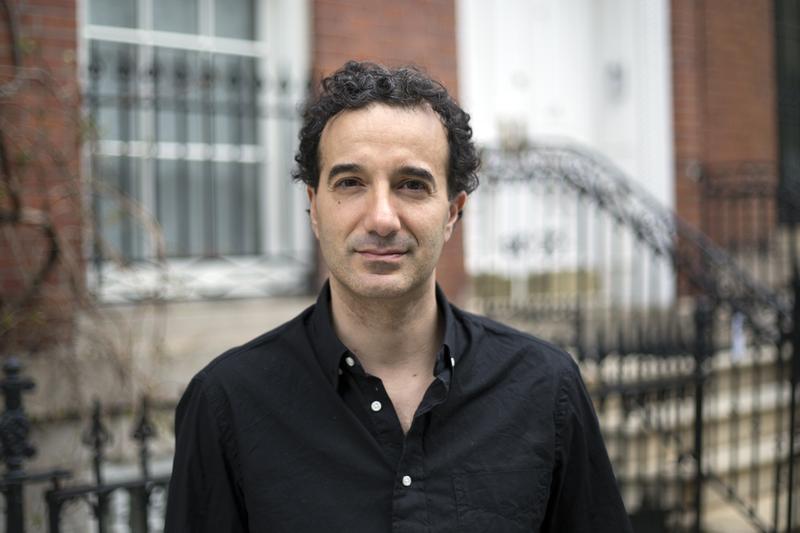
Photo of Jad Abumrad: Bo Jacober
Illustration: Christine de Carvalho

Nitty Gritty Dirt Band’s Jeff Hanna Reflects on ‘Will the Circle Be Unbroken, Volume Two’

Why mess with a classic? That was the original thought from a few members of Nitty Gritty Dirt Band when the idea was presented to record a sequel to their seminal 1972 album, Will the Circle Be Unbroken.

However, with encouragement from one of the group’s biggest fans, the legendary June Carter Cash, the recording sessions for Will the Circle Be Unbroken, Volume Two commenced in the winter of 1988, with a cast of accomplished musicians who are now considered cornerstones of Americana music.

Often referred to simply as Circle 2, the acclaimed project was released in 1989 and went on to win three Grammy Awards and a CMA Award for Album of the Year. To commemorate its 30th anniversary, Jeff Hanna shares its back story with the Bluegrass Situation.

Editor’s Note: Jeff Hanna and guest Sam Bush will participate in a screening of clips from a documentary film, The Making of Will the Circle Be Unbroken, Volume Two, at the Country Music Hall of Fame and Museum in Nashville on Wednesday, September 11 at 11 a.m., during AmericanaFest.

BGS: Can you explain why Circle 2 is such an important album for the band?

Hanna: It’s important in our history because at that point, we were no longer just the kids. We were all in our early 20s when we did the first Circle record, making music with those revered folks. And so we had a different point of view, somewhat. Here we were in the midst of our mainstream country career, and we still revered the first album.

The way we viewed Circle 1 was like something untouchable – just leave it. It is what it is. As time went on and as that project matured, it mattered a lot to a lot of people, including us. So we resisted the concept of doing another Circle record. Especially me, Jimmy Ibbotson, and Jimmie Fadden. Bob Carpenter was like, “I didn’t get to play on the first one! I wasn’t in the band! I want to do it!” He was pretty excited about the concept, and Chuck Morris, our manager at the time, brought it up a bunch. But we waited a while, and by the time it came out, it was 17 years between the releases.

When did you decide to move forward with it?

We were on tour with the Johnny Cash show, which included the Carter Family, and we were in Europe. I think it was in 1988 in Switzerland. June came into our dressing room — and she would visit us a lot. She was really sweet and she loved to talk about Mother Maybelle, and how much she loved us. She called us “them dirty boys.” I love that. And at the end of the conversation, she said, “You know, if you all ever thought about doing another Circle record, John and I would really love to take part in it.”

That was the tipping point. If you have that sort of endorsement from folks we idolized, and who were so important in the history of this music – and music in general — we thought, “Well, there you go.” That’s what we did. The winter of ’88, we started making calls.

How did you come up with the guest list, so to speak, for this one?

Our approach was to delve more into the next generation of folks, like New Grass Revival, and certainly a lot of our singer-songwriter buddies, like Bruce Hornsby, John Hiatt, Rosanne Cash, and John Prine. We had only recorded a little bit with Emmylou Harris and we really wanted to work with her. And we were really excited to do a record with Levon Helm. That was one of the highlights.

I think the collaborative spirit of this album really shines through when Bruce Hornsby is playing “Valley Road” with you guys.

I’d never met Bruce Hornsby but I was a huge fan of his music. I heard “Every Little Kiss” on the radio and it just blew me away. But then I’m reading an article in a magazine, and it was a “desert island disc” thing, talking about the records that you’ve gotta have, and he mentioned Will the Circle Be Unbroken. It was like, WOW! So I somehow got his phone number, I called him up — cold-called him — and he said, “Oh yeah, man, I love that record, I love you guys.” I said, “You’ve seen us play?” He said, “Yeah, my brother and I sneaked in.” We were playing a college show in his hometown, and those guys started carrying amps into the venue. We were unloading the truck and they started carrying gear in, and ended up sort of hiding behind the bleachers, and when the show started, came out and watched the show.

We hit it off right away, so there’s a direct line to Circle 1 right there. And when we were putting together our core band for the sessions, of course we included our buddy Randy Scruggs (who was on the first Circle album), Roy Huskey Jr. (whose dad Junior Huskey played on the first album), Jerry Douglas, Mark O’Connor… It was so much fun walking in and making music with those guys every day. Chet Atkins is on a track and played one of my guitars, which I liked. I know I’m never selling that guitar.

One of the coolest tracks on there is “You Ain’t Goin’ Nowhere.” How did that come about?

We brought in Roger McGuinn and Chris Hillman, because the Byrds and the Flying Burrito Brothers were so important to us. The Byrds had done Dylan’s “You Ain’t Goin’ Nowhere,” but they wouldn’t play it on country radio, so we cut a version of “You Ain’t Goin’ Nowhere” with Roger and Chris, and it became a Top 10 country single, which we thought was cool redemption. We were really excited about being on the track with them. We still play that tune now and again. That’s one of our favorites. We’re really happy to have a good excuse to play it, because for years we played it in sound checks anyway.

It’s been 30 years now, but what do you remember about how Circle 2 was received upon release?

Perhaps because we had the platform of being a hit country band right about then, the label promoted the heck out of the record when it initially came out. And it had hits on it, that’s the other thing. Circle 1 didn’t really have any radio impact, whereas Circle 2 had “You Ain’t Goin’ Nowhere,” and we had a song called “When It’s Gone” that was a Top 10 single.

It’s a significant record and it’s funny, having been there from the get-go with this band, and having that first Circle record so deeply ingrained in my DNA, I sometimes forget how important Circle 2 was to a lot of folks. I’ve had more than one songwriter and musician tell me, “That’s what got me into you guys.”


BGS Presents 30 Years of ‘Will the Circle Be Unbroken, Volume Two’ at Americanafest

What started as a music video concept for the Nitty Gritty Dirt Band evolved into a 1989 full-length film documenting the all-star recording sessions for Will the Circle Be Unbroken, Volume Two. Nitty Gritty Dirt Band co-founder Jeff Hanna will present a rare screening of clips from The Making of Will the Circle Be Unbroken, Volume Two at the Country Music Hall of Fame and Museum on September 11 at 11 a.m., during AmericanaFest.

Hanna will be joined by bluegrass virtuoso Sam Bush, who appears in the film and on the album with New Grass Revival. Craig Shelburne, managing editor of the Bluegrass Situation, will moderate.

Produced by Joanne Gardner Lowell and Rosanne Cash, the film captures the band in the studio recording their groundbreaking project. Select clips will show performances by Johnny and June Carter Cash; Jerry Douglas; Emmylou Harris; Bruce Hornsby; Jimmy Martin; New Grass Revival; John Prine; Earl Scruggs; Randy Scruggs; Ricky Skaggs; and others. Will the Circle be Unbroken, Volume Two won three Grammy Awards as well as the 1989 CMA award for the Album of the Year.

Three decades after its release, Joanne Gardner Lowell offered some keen perspective on the film through an email interview with the Bluegrass Situation.

BGS: What was it about the Nitty Gritty Dirt Band and this project that made it a compelling film subject for you?

JGL: ACME Pictures was contracted to make a video for the title track. This is pretty common. We signed the contract and when I asked what day during the multi-week schedule this song would be done, Jeff said, “All of them.” When I realized we would need to go to the studio every day for weeks to get this song, it seemed obvious we should shoot the whole experience — so we did.

How would you describe the mood, or the vibe, in the room during these sessions?

It was joyful in the studio. Each day the musicians came so ready to create and collaborate. We were honored to be in the room with it all. Being live made everyone really stay on top of their game. It felt like a family reunion on many days, and there was always a lot of humor and laughter. Our primary director, Bill Pope, captured so much of the mood with his amazing camera work.

It was also shot during the holiday season, so people were in a happy mood. Emmylou brought a handmade Christmas ornament you can see hanging in some of the shots. And my partner Rosanne Cash came into the studio with her newborn Carrie. I don’t think she was even two weeks old. Rose handed her to me and I held her tight while running sound for the track Rose and John Hiatt did together. Carrie never made a peep!

It was crucial to capture the acoustic nature of these sessions. What was your audio setup like?

I had a simple Nagra tape recorder just to have an edit track to work from and to record interviews. I had a single mic that I would place in the room to catch all the conversation, as some of that was obviously not recorded for the album and we wanted it for the film. Although, during our interview with Emmylou Harris, the band loved what she said so much that those comments ended up on the album.

Do you remember any particularly fun encounters with the legendary musicians in the film?

We caught some great moments and they’re in the film. The ending of a fast-paced “Valley Road” with Bruce Hornsby was a favorite. The band all stops for a second to look at each other — then they realize they got it and they all start shouting and cheering.

After Jimmy Martin’s session one day, he went out for some cocktails and came back into the studio while Ricky Skaggs was working. We captured Jimmy (feeling no pain and wearing a coonskin cap) as he and Ricky ripped into a spontaneous version of “The Old Crossroads.”

This film was Mr. Acuff’s last filmed appearance and that was special. I have to say — each time the song “Will the Circle Be Unbroken” was performed, it was magic. Every single time.

The Dirt Band did a masterful job of keeping things upbeat and fun for everyone. Every one of them was so engaged in each song — and brought individual songs or artists to the project. They were like marathon runners, giving their all each day and then coming back the next day to do it again.

What were some of the hurdles you faced in the film’s creation and release?

The very existence of this film was due to a California record company exec telling me that we would be in breach of contract if we didn’t deliver this video for the agreed-upon budget. When I explained this “song” was going to require us to shoot for several weeks, this delightful woman didn’t seem to care. I think it was meant to be — we HAD to make it work.

Bill couldn’t figure out how to light the dimly lit studio without a pile of light stands in every shot — and in everyone’s way. So, he created a giant light box and hung it from the ceiling. You don’t see a single light stand.

We didn’t have any money to sync up the video with electronic slates or fancy editing gear. I moved a cuts only 3/4″ video editing system into my office and had to sync the shots up by eye more than once… if we didn’t have an audio track running. Watching Mark O’Connor’s fingers or Earl Scruggs’ fingers to make sure you lock each note made for some very long nights. Those fingers were flying!

Rosanne and I sold 50 percent of the film rights to a company who released it on home video. Unbeknownst to us, the entire archive of that company was acquired by another company that isn’t interested in letting us buy the remaining rights, so we remain in limbo.

What do you hope a modern viewer will experience when watching these clips 30 years later?

This is a piece of living history. The first Circle album influenced every single musician I know. Watching the creation of the second — especially thirty years on — reminds you what kind of power music has.

It makes me sad to count off how many artists from this project are gone now: Johnny Cash, all of the Carter Sisters, Earl and Randy Scruggs, Vassar Clements, Chet Atkins, Levon Helm, John Denver, Roy Acuff, and dear Roy Huskey, Jr. In this world of instant technology, I think this 30-year-old film puts the viewer right into the studio for a front row seat at this amazing recording. I’m very proud of it.

BGS 5+5: Bug Martin

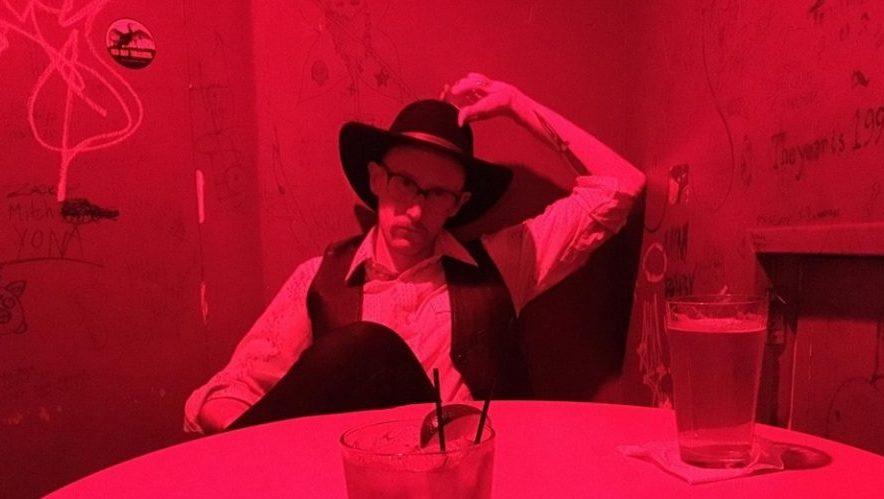
Artist name: Bug Martin
Hometown: Philadelphia, PA
Latest album: GUTTERBALL
Personal nicknames (or rejected band names): formerly known as Dead Bugs

Which artist has influenced you the most … and how?

Undoubtedly there have been a select few at different points in my life and work, but I’ll say Will Oldham has been a notable influence on me. He occupies a very specific corner of folk, or Americana — or “new weird America” or whatever you want to call it — that can be hard to pin down (as evidenced by the game of horseshoes I just played with genres there). [He] always takes on the task of exploring sound in unique ways.

The first record of his I ever heard was I See a Darkness, the title track of which Johnny Cash later did a version of with him. I listened to I See a Darkness at the recommendation of a friend and didn’t like it for a long time. I’d walk around at work with it playing in my headphones just having an all-around bad time; but there was something about it that continued to draw me back. I’d be thinking about what that unnameable glinting thing was way too much while I was listening to it. Eventually I learned to lean back and appreciate the joy of not knowing the answer.

Years later, I got to meet Will and heard him give a lecture to a very intimate crowd, maybe only 30 people, about topics like what songs are, the songwriting/recording process, and live performance. I asked him a question I had been pondering a while and he gave me an unsatisfying answer. Brought me right back to where I’d originally found him and that initial journey of un-learning and for that I’m forever grateful.

What’s your favorite memory from being on stage?

In the town I grew up in there were lots of loud and lively bands. It’s the common plight of the up-and-coming acoustic act; show up to a bar or venue and play your heart out while folks zone out or talk over you. I always saw all these electric bands come through town that tried to command attention through volume and were also unsuccessful and it got me to thinking.

The next time I played, I brought a few power strips and as many electronics as I could fit in the car — I’m talking toasters, Christmas decorations, a TV looping a muted Looney Tunes VHS while I was playing… pretty much anything that I had in my house at the time to spare. I plugged all of it in around me and turned everything on while I was playing. It was probably the quietest that place had ever been as a room full of people collectively tried to figure out what was going on.

A thunderstorm rolled in and the whole room was pretty much dark and silent except for the glow of all these unnecessary electric props and what I was singing. After the set was over, people came up and talked to me about things they had just noticed in those same songs that I had played a dozen or so times in that same venue. I was glad they were able to be mindful of something going on in front of them and connect with live music. I was gladder still that I didn’t short out the entire fuse box mid-set.

How often do you hide behind a character in a song or use “you” when it’s actually “me”?

My job is to be a conduit for whatever stories the ghosts around us have to tell. When I’m presented with an idea from wherever it is thoughts come from, I can give my opinion on it in a song but that doesn’t mean I can claim any ownership or that the story is mine. Thoughts don’t belong to or define the thinker.

What other art forms — literature, film, dance, painting, etc — inform your music?

My partner is a very talented abstract painter, so our studio space and home are full of visual works. In the past we’ve collaborated on work where, say, the title of a song will be the inspiration for a painting or I’ll meditate on a piece of theirs and try to capture feelings that the colors or forms stir up. It’s a great exercise to shake up patterns you fall into as an artist.

Besides that, I’m a film buff and a fairly avid reader. I had the pleasure of working recently with a friend of mine who is a dancer to create choreography to a song off of GUTTERBALL. Basically I have no allegiance to any specific medium of expression and recognize that inspiration is everywhere if I have the good sense to accept it.

Since food and music go so well together, what is your dream pairing of a meal and a musician?

Living? I’d happily make brunch for Alice Gerrard any day she’d let me. All-time? I’d take the Carter Family out for ice cream.


Photo credit: Mia Fiorentino

22 Top Country Duos

Country music was made for duets. Not only because those tight, tasty harmonies are a foundational aspect of the music, but also because country accomplishes heartbreak — and every other make and model of love song — better than almost any other genre. (Thought quite possibly better than all other genres.) It just makes sense to have two singers, one to play each role in a lost, soon-to-be-lost, or (rarely) divine, never-perishing romance. But the format isn’t restricted to lovers or their placeholders, it can just as seamlessly fit heroes and acolytes, parents and children, siblings, peers, fellow pot smokers, and on and on.

Take a scroll through these twenty-two country twosomes:

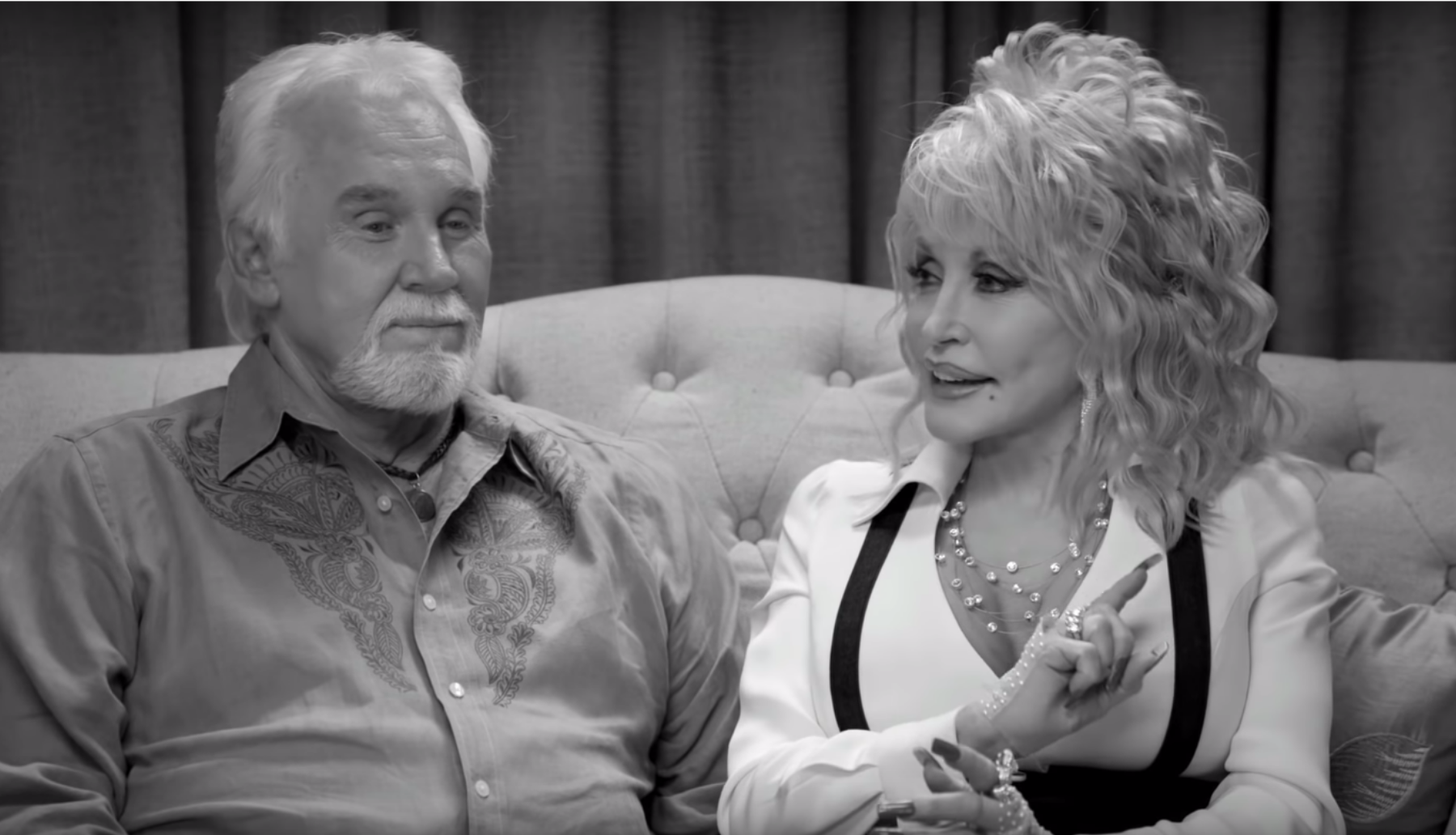
Kenny Rogers & Dolly Parton

We couldn’t have this list without these two. They should be the start, middle, and end of any definitive list of country duos. So we’ll just make the easy choice and kick it all off with Kenny and Dolly — that extra intro about their friendship and the years they’ve known each other? Swoon.

Loretta Lynn & Conway Twitty

After saying what we did about Kenny & Dolly we knew this pair needed to come next — so as to not rile anyone. Out of countless duets we could have chosen, how could any top “You’re The Reason Our Kids Are Ugly?”

Willie Nelson & Ray Charles

For inexplicable reasons people tend to forget Ray Charles’ incredible forays into country. His collaborations with Willie are stunning for the extreme juxtaposition of their voices and styles — they feel and swing so distinctly and differently, but all while perfectly complementary. “Seven Spanish Angels” ranked a very close second to this number in our selection process.

Glen Campbell & John Hartford

The most-recorded song in the history of recording? It’s said “Gentle On My Mind” holds that honor. And goodness gracious of course it does. Here’s its writer and its popularizer and hitmaker together.

Lee Ann Womack & George Strait

Together, Lee Ann and George were beacons of the trad country duet form, especially in the ’90s and early 2000s. This one from the jewel in the crown of Lee Ann’s discography, Call Me Crazy, is crisply modern, but with decidedly timeless vocals.

George Jones & Tammy Wynette

A broken, country fairy tale of a love story, George and Tammy’s relationship was infamously fraught, but damn if that didn’t just make their duets ever more… ethereal. Which doesn’t justify that Tammy Wynette kinda pain, to be sure, but it does remind us that if country can do anything better than all other genres, it can be sad.

Reba McEntire & Linda Davis

One of the best country songs, duets, and music videos EVER MADE. Theatrical and epic and a little silly and downright catchy and Rob Reiner and… we could go on forever.

Tanya Tucker & Delbert McClinton

Tanya is back with a brand new album and its well-deserved level of attention has been helping to re-shine the spotlight on her expansive career. Forty top ten hits across three decades. Who does that? Here she duets with Delbert McClinton on their 1993 hit, “Tell Me About It.”

Alan Jackson & Jimmy Buffett

Hey, if this has to be stuck in our heads for the rest of the month, it should be stuck in yours, too. Fair’s fair. It’s only half past [whatever time it is], but we don’t care.

Johnny Cash & June Carter Cash

One of the most recognizable duos in the history of the genre, immortalized not only in their discography but in a film adaptation of their love as well, Walk the Line. We all know “Jackson” as familiarly as the ABC’s, so here’s a slightly lesser-known beaut. (Keep watching til the last verse for an adorable bit from June.)

Eric Church & Rhiannon Giddens

Country is at its best when it surprises us. This collaboration is certainly, on the surface, unexpected, but the message of the song isn’t the only way these two artists can relate to each other. Over the course of their careers they’ve both fought their way from the fringes to the centers of their respective scenes. More of this, please.

Dolly Parton & Porter Wagoner

Dolly got her start with Porter Wagoner on his television show in the 1960s. They can certainly be credited with pioneering, popularizing, and epitomizing the country duet format. One of her most famous hits, “I Will Always Love You,” was written for Porter as she lamented leaving their act to go totally solo. (We’re a little glad she did.) You can tell they sang this song just a few gajillion times together, give or take.

Pam Tillis & Mel Tillis

Father/daughter duos in country aren’t as common, but they certainly aren’t unheard of. Pam and Mel are a perfect example. (The Kendalls are another.)

Patty Loveless & Ralph Stanley

Patty Loveless received the first ever Ralph Stanley Mountain Music Memorial Legacy Award in 2017 at Ralph’s home festival, Hills of Home, in Wise County, Virginia. Patty and Ralph were longtime friends and collaborators during his lifetime and even through her mainstream country success she referenced bluegrass and Ralph as influences — and she cut a few bluegrass records as well.

Alison Krauss & James Taylor

It’s. Just. Too. Good. Like butter. Like a warm bubble bath. Like floating on a cloud. Two voices that were meant to intertwine.

Charley Pride & Glen Campbell

These two were made to sing Latin-inflected harmonies together, weren’t they? Charley Pride gets overlooked by these sorts of lists all too often. But dang if he didn’t crank out some stellar collaborations, too!

Gram Parsons & Emmylou Harris

“Love Hurts” and boy, if Gram and Emmylou don’t make you believe it heart and soul and body and being. The definitive version of this Boudleaux Bryant song? Perhaps.

Willie Nelson & Merle Haggard

Icons being icons. And friends. And amazingly talented, ceaselessly musical comrades. You love to see it. (We could’ve/should’ve chosen “Pancho & Lefty.” We did not.)

Vince Gill & Amy Grant

There are quite a few reasons why the Ryman Auditorium basically hands this husband and wife duo the keys to the place each December. Basically all of those reasons are evident in this one. It’s fitting that this video came from one of those Christmas shows, too.

Dolly Parton & Sia

Dolly literally outdoes herself, re-recording “Here I Am” for the original soundtrack for her Netflix film, Dumplin’, after she first cut the Top 40 country single in 1971. Clearly she and Sia have much more in common than an affinity for wigs; their soaring, acrobatic voices seem so disparate in style and form until you hear them together. Listen on repeat for the best therapeutic results.

Robert Plant & Alison Krauss

[Insert entire Raising Sand album here, because how could we ever choose?] Lol jk, here’s “Killing the Blues.”

Carrie Underwood & Randy Travis

Cross-generational, meet-your-hero magic right here. Little did we know what was in store for Carrie Underwood then. But the way Randy looks at her up there, you can tell he knows she’s goin’ places.

LISTEN: Jesse Dayton, “If You Could Read My Mind”

Artist: Jesse Dayton
Hometown: Beaumont, Texas
Song: “If You Could Read My Mind”
Album: Mixtape Volume 1
Release Date: August 9, 2019
Label: Blue Élan Records

In Their Words: “I remember hearing Gordon Lightfoot on our early ’70s Buick car radio and thinking he was so different than all the other singers. Years later, while playing guitar for Waylon, I found out so many of the country guys, like Waylon, Elvis, and Cash all loved Gordon. While Gordon’s song ‘Sundown’ might’ve been one of the coolest songs from that era, ‘If You Could Read My Mind’ was a deep study in psychological romance. Women around me seemed to be moved deeply by the lyrics and still are. I saw Gordon on tour six months ago and he’s still mesmerizing… I’m a fan for life.” — Jesse Dayton


Photo credit: Ray Redding