2025 has flown by and as we enter December we once again find ourselves preparing for the holiday season. We think it’s important to focus on slowing down, being together, and being more intentional in our gift-giving. Which is why we’re thrilled to bring you the second year of the BGS holiday gift guide.
This installment of our guide, featured below, is specifically tailored to the avid outdoor festival-goer. Maybe they’re already planning out their next festival season a year in advance. Or maybe they’re the type who always has a bag ready, so they can pack up and pitch a tent when the music calls. Whatever their style, these gift recommendations from our friends, partners, and staff will be well-loved by those who like to take their musical experiences outside.
BGS Bluegrass Metal and Banjo Beanies
Warm noggins are all the rage this winter, and you can keep yours cozy with our two new original beanie designs. Freshly added to the BGS Mercantile, choose between two styles that are both sure to turn heads and start great conversations wherever you wear them.
Festivals can be unpredictable. This is why we love them, of course, but it’s also why we always arrive prepared. Green Goo’s Ultimate First Aid Care Bundle is the perfect prep kit for festival season, with four handmade herbal salves meant to soothe bug bites, bruises, scrapes, sore muscles, dry skin, and much more. Best of all, BGS readers can get 25% off their order with code HOLIDAY25.
Guest Gifter: Chris Pandolfi (GRAMMY-Winning Musician with The Infamous Stringdusters & Avid Fly Fisherman)
“If you know someone who travels to fish, they need the Orvis Carry-It-All Bag! It’s ideal for carrying a bunch of gear without all the rod tubes/bulk and you can carry it on to any plane, so you’ll never be without your essentials. I used to make the rounds just stuffing everything into my suitcase, but this Orvis gear bag is a total game changer and I never leave home without it if I’m heading out to explore.
The Flylow Micah Fleece is a really quality, stylish midlayer from one of my favorite apparel brands out there, Flylow. They make gear that lasts but also looks great, from the mountain to the stream to the stage. You can never have too many midlayers!” – Chris Pandolfi
Chris Pandolfi is a founding member of The Infamous Stringdusters. He is also the host of the Inside the Musician’s Brain podcast and an avid fly fisherman and guide.
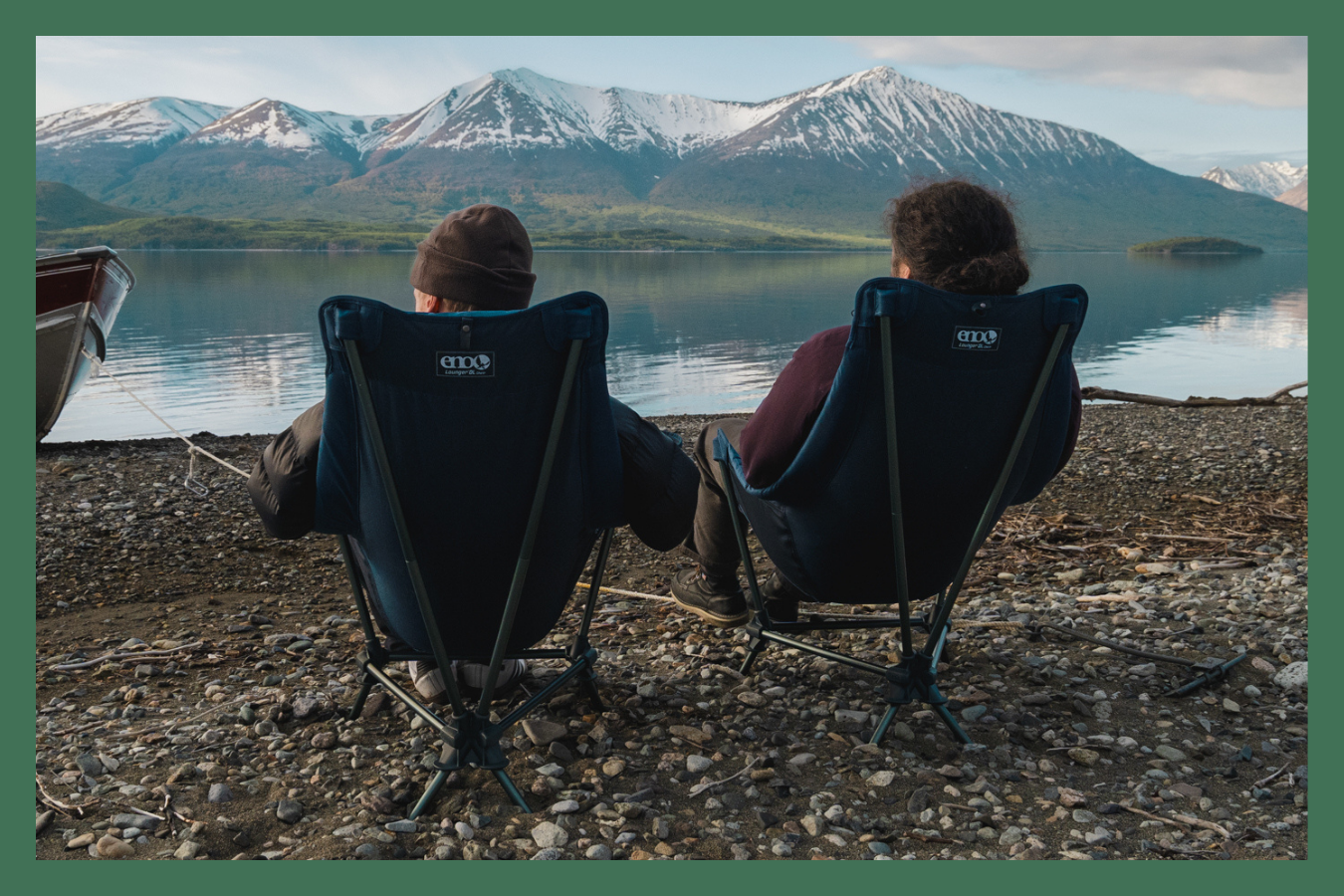
Eagle Nest Outfitters Lounger DL Chair
Please, for the love of god, replace your rickety old camping chair. At every festival campsite, the good chair is always obvious… and that one you “borrowed” from your parents’ garage ten years ago might just collapse at any moment. Upgrade your festival seating experience with Eagle Nest Outfitters’ Lounger DL Chair. This lightweight, portable hammock chair sets up quickly, is fully adjustable, and has a cushioned pillow and armrests — just trust us, it’s the good chair.
After a long day at an outdoor music festival, there’s nothing like getting cozy back at your campsite. Natural Life has you covered on cozy essentials, with warm socks, sherpa-lined slippers, the super soft (and versatile) boho bandeau, and your new favorite mug for hot toddy night caps or coffee on a chilly morning. And the best part about gifting these around the holidays? Break them out early and stay warm all winter long.
“I spend enough time at music festivals to know that these days a sturdy clear bag is an absolute essential. But finding something that is efficient and cute is easier said than done. That’s why the Away Stadium Bag is on my wish list this year. It’s a hard shell clear bag that’s big enough to hold your phone, keys, glasses, lip balm, Loop earplugs, etc., getting you through security without skipping a beat. Added bonus: you can even get it monogrammed!” – Amy Reitnouer Jacobs
Amy Reitnouer Jacobs is the co-founder of BGS and Good Country, as well as producer for concerts, stages, and experiential events throughout the country. She also collects and sells vintage homewares with her company Fernweh Flea.
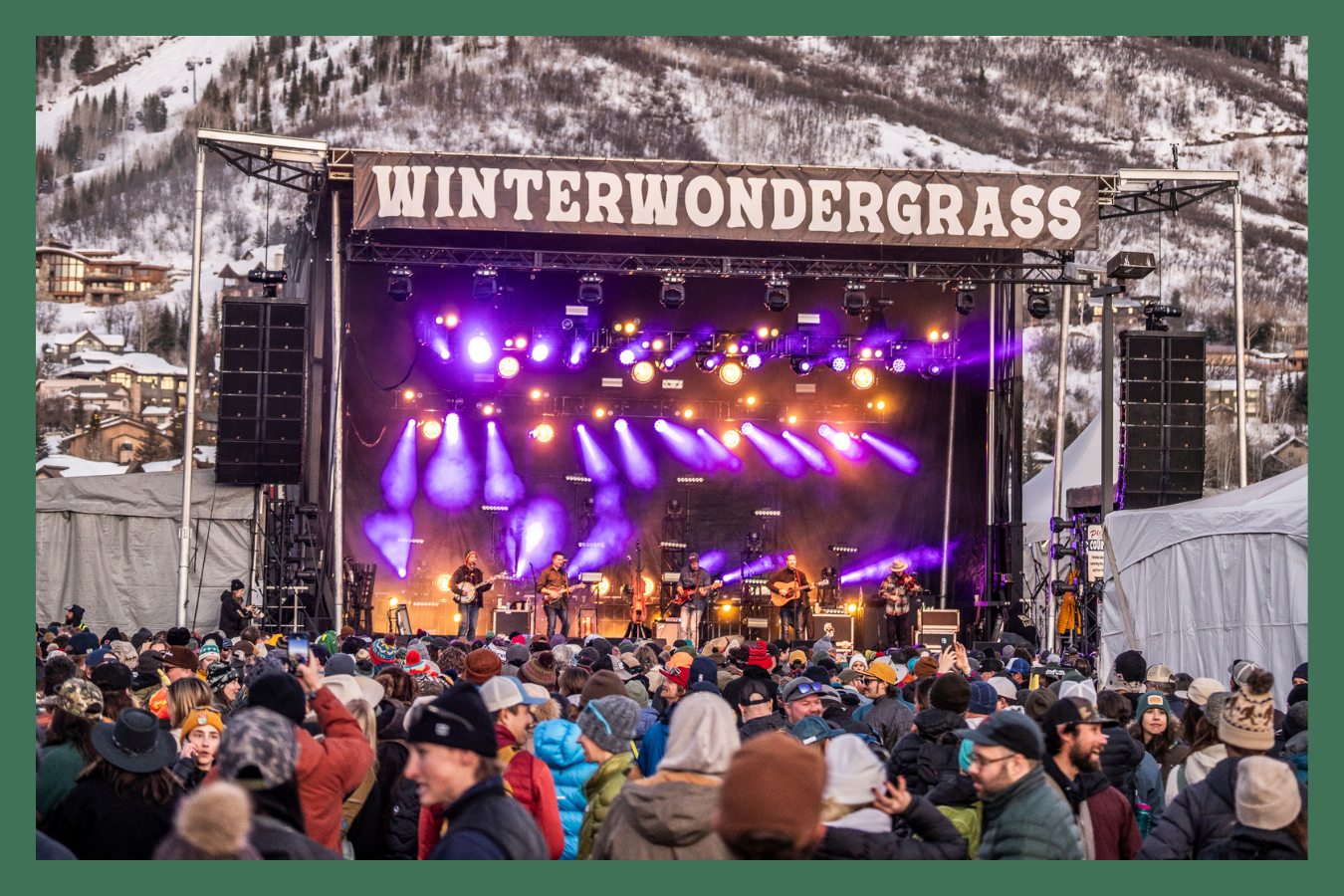
WinterWonderGrass Tickets
One of the most unique and anticipated festivals of the year is always WinterWonderGrass. This year’s lineup is one of their most fun yet with The Infamous Stringdusters, Leftover Salmon, The Devil Makes Three, Daniel Donato’s Cosmic Country, and so many other BGS faves jamming out over three days alongside the perfect powder of Steamboat Resort in Colorado. Tickets, packages, and more info here.
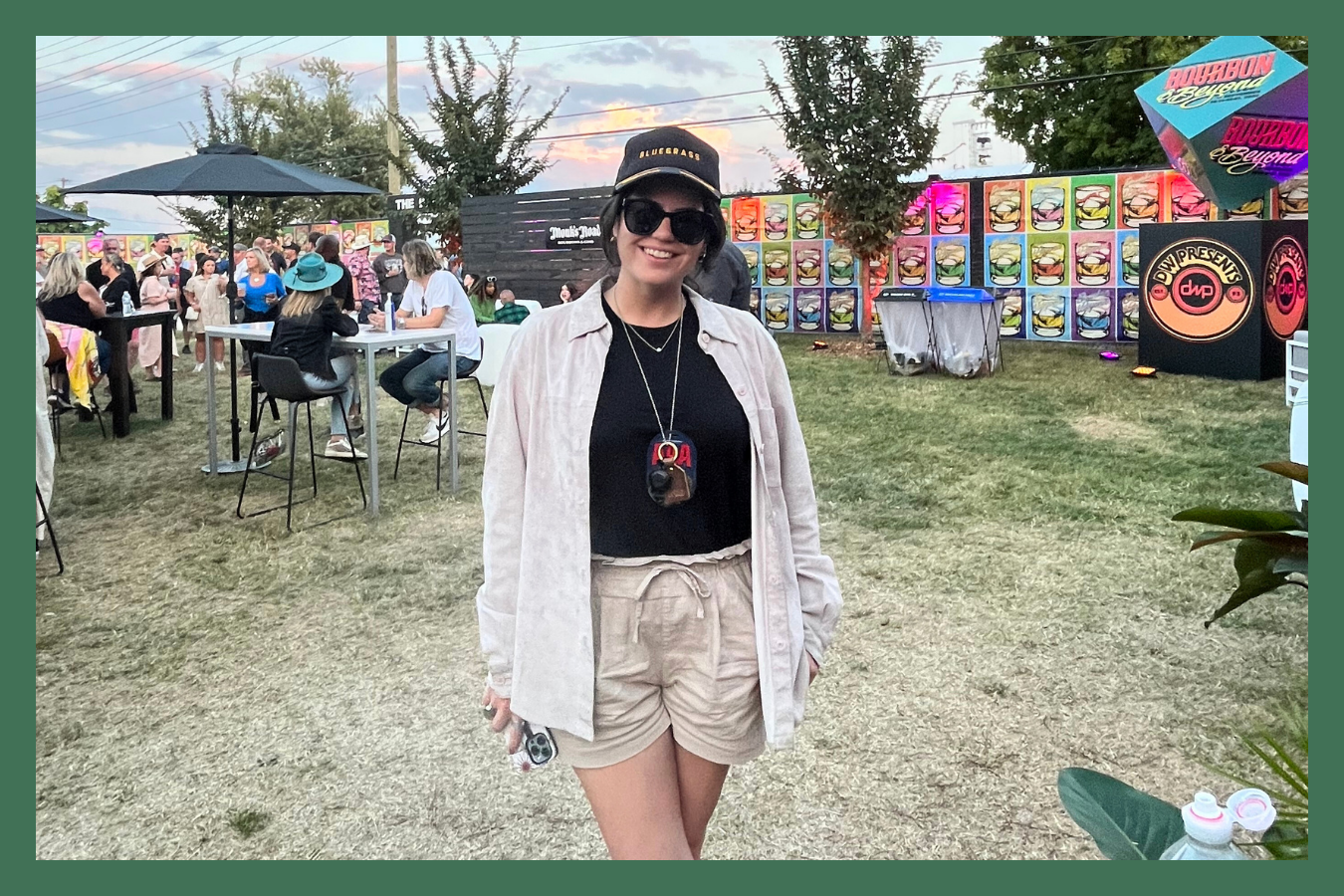
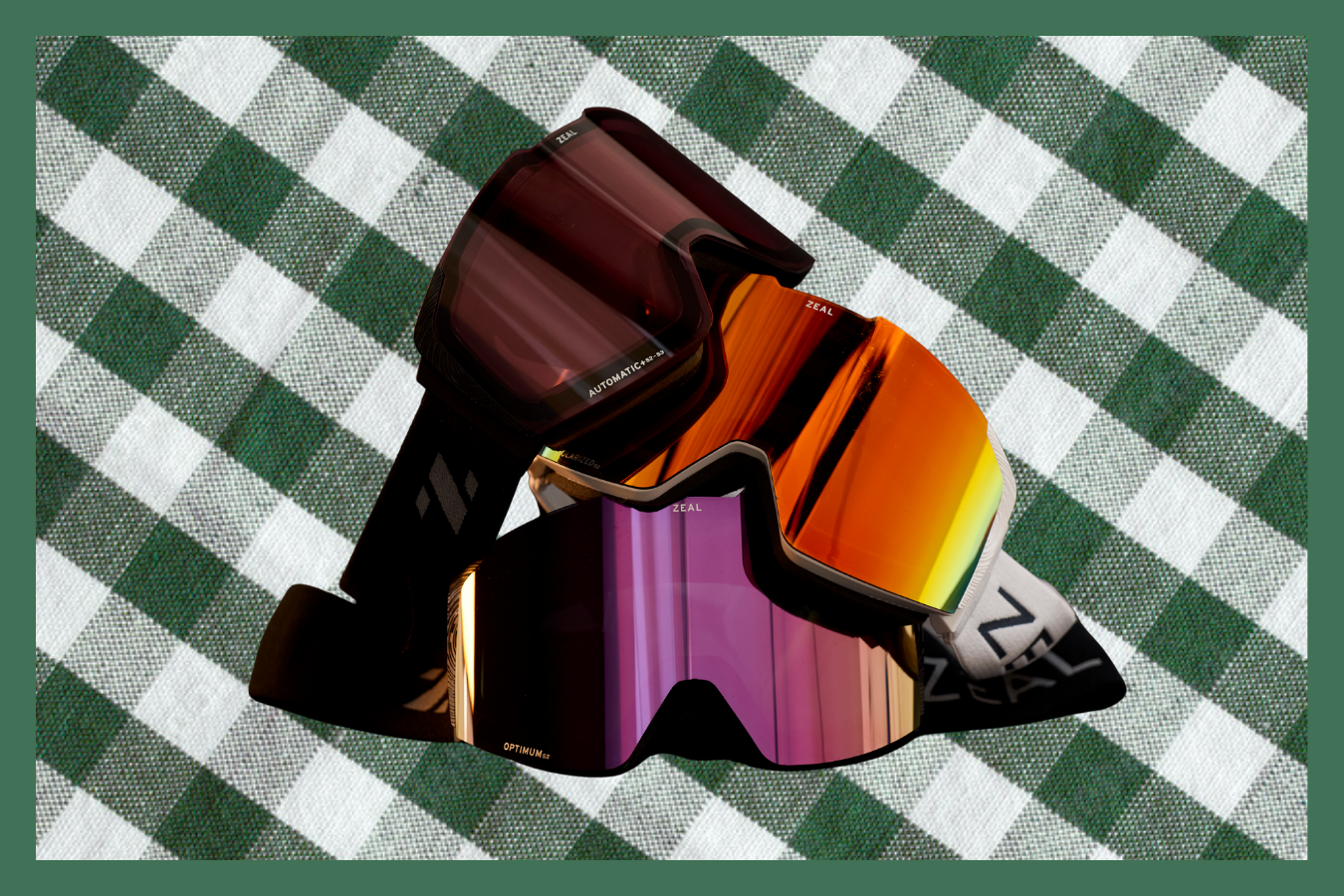
The right eyewear is essential for a good festival weekend, and from the desert landscapes of Stagecoach to the mountains of Telluride Bluegrass, Zeal Optics has your eyes covered. Their polarized Rangely sunglasses will keep you glare-free at Bourbon & Beyond, while their Meridian Goggles are perfect when you hit the slopes between sets at WinterWondergrass.
2025 has flown by and as we enter December we once again find ourselves preparing for the holiday season. We think it’s important to focus on slowing down, being together, and being more intentional in our gift giving. Which is why we’re thrilled to bring you the second year of the BGS holiday gift guide.
Below is the first of our guides – this one specifically geared towards avid musicians, be they recreational or professional players. Check out personal product selections from our friends, partners, and staff.
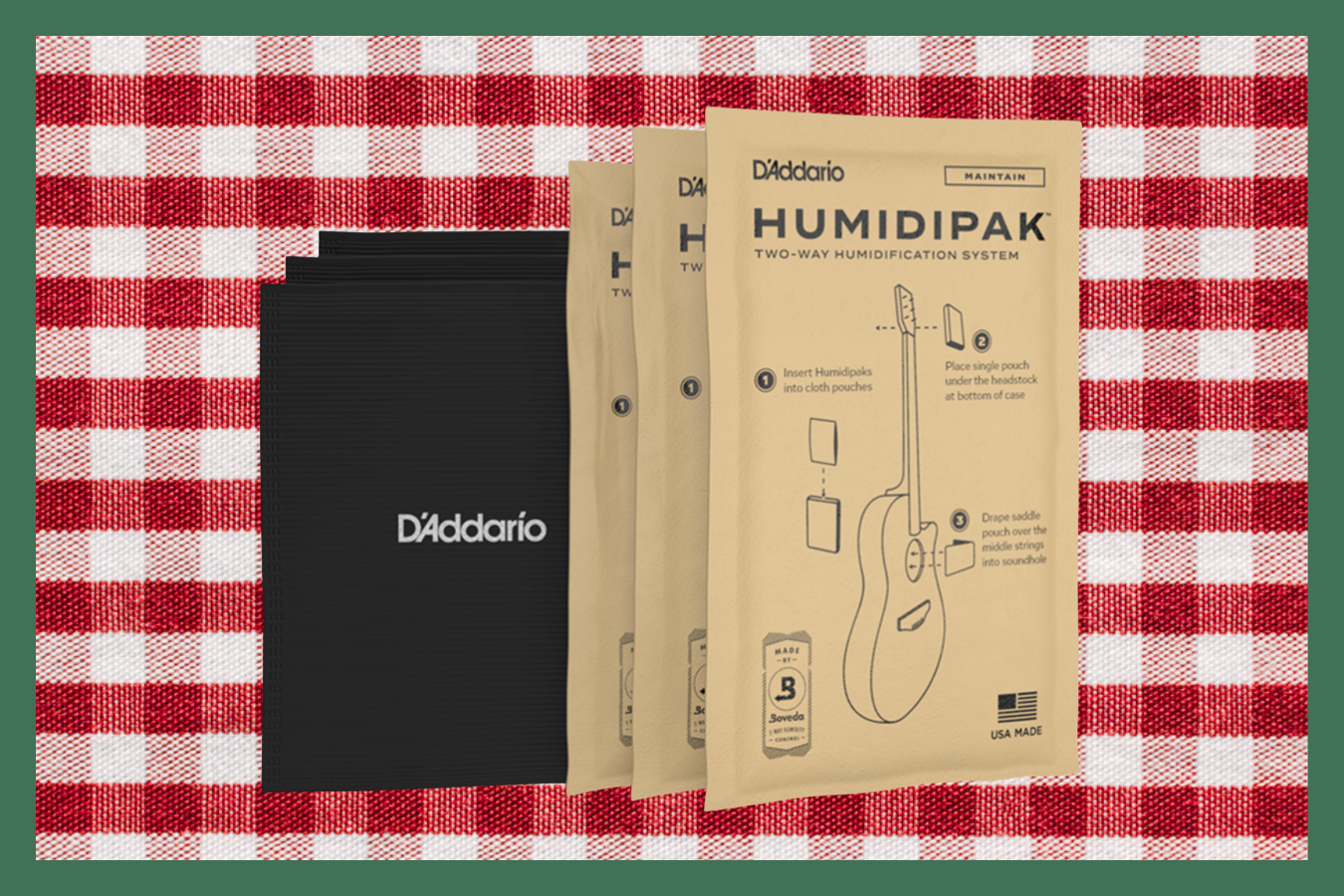
D’Addario Humidipak
Most beginner or hobby-level acoustic players don’t consider the proper storage environment for their instrument, but did you know that maintaining humidity and temperature can be just as important as buying a sturdy case? D’Addario’s Humidipak is a two-way humidification system automatically maintaining the ideal humidity level to preserve tone and protect damage. They even have three different variants to accommodate your specific humidification needs.
Guest Gifter: Hannah Connolly (Singer-Songwriter & BGS Social Media Director)
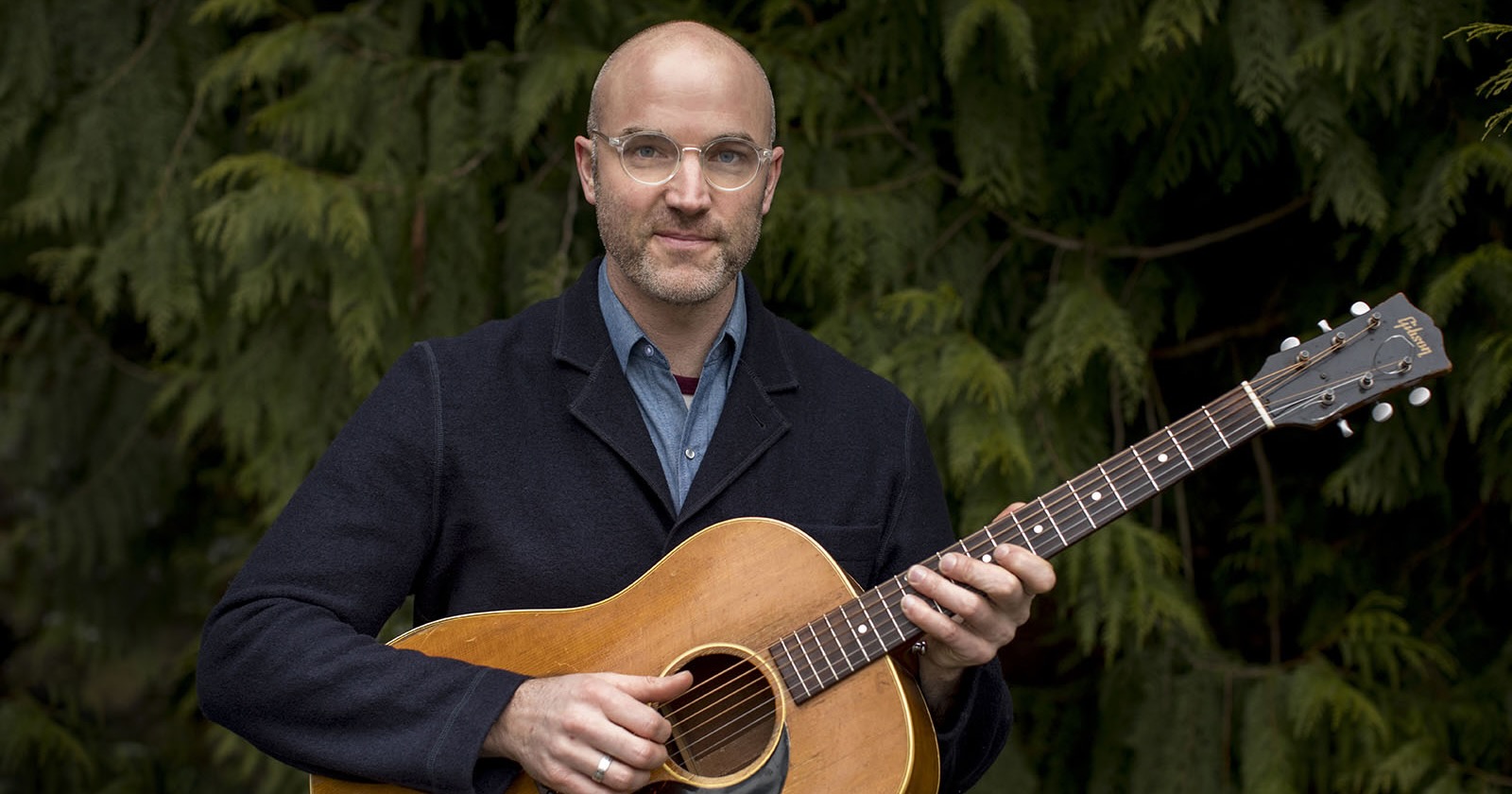
“Traveling as a guitarist you can never have too many capos. This Shubb C1 capo is my usual go-to, but I have friends who swear by the F1. It’s on my wishlist because although it’s a little more of an investment, it can be stored on the guitar itself (behind the nut of the headstock) when it’s not in use… making it nearly impossible to misplace on tour!” – Hannah Connolly
Hannah Connolly is a singer-songwriter based between Nashville and Los Angeles. Her latest release is Shadowboxing, and her third album is set for release in 2026. When she’s not writing or performing, Hannah also serves as the Social Media Director for BGS and Good Country.
nugs Annual Subscription
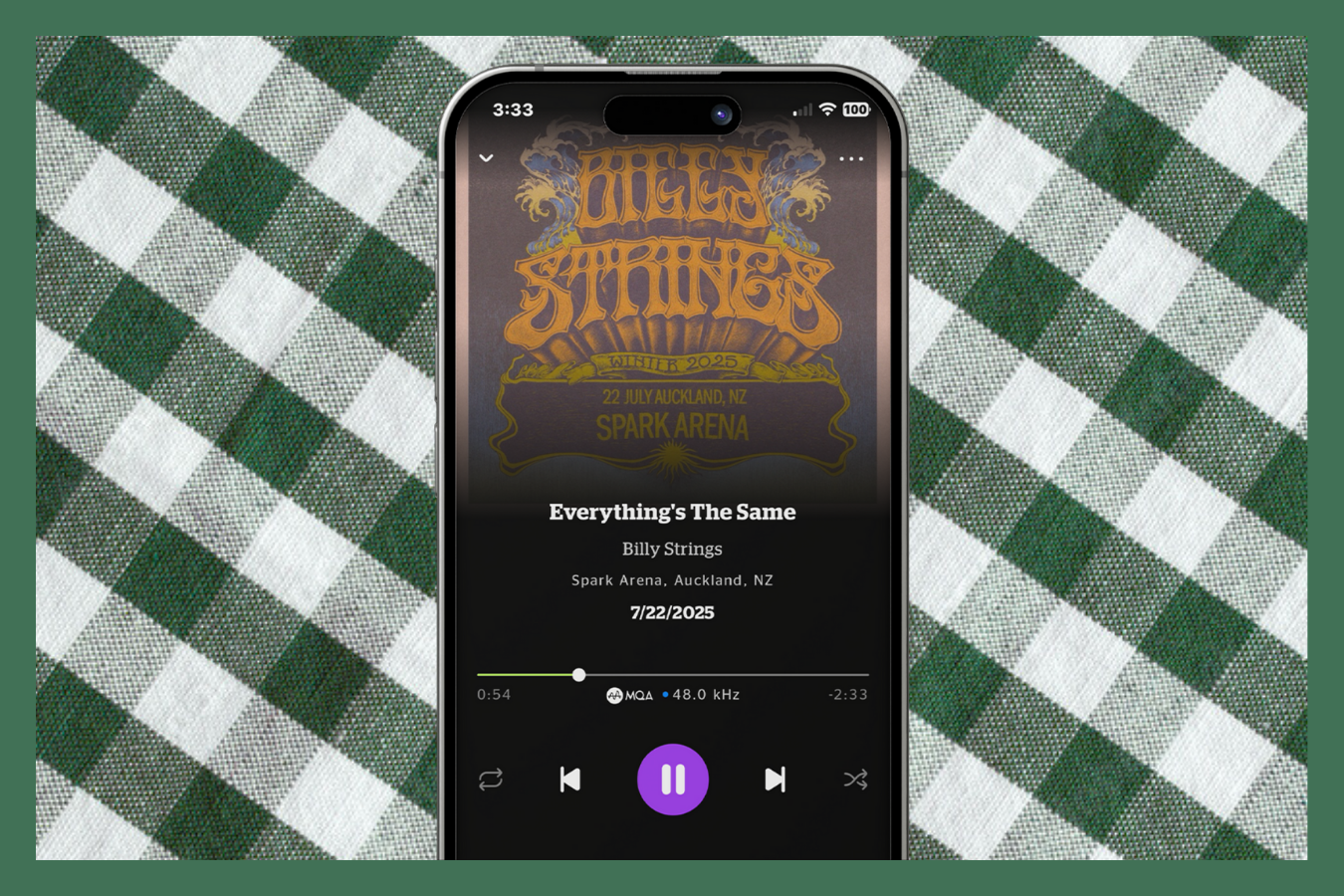
If you’re a regular reader of BGS, chances are you know that one person in your life who worships bootleg Grateful Dead recordings or would drive thirteen hours just to catch one more Billy Strings show. (If you don’t know that person, perhaps it’s you…?) Why not gift them All Access to a one-stop destination for concert livestreams, on-demand videos, and high-quality audio recordings with a nugs annual subscription? nugs partners with legendary artists such as Bruce Springsteen, Dead & Company, Pearl Jam, Goose, Greensky Bluegrass, Johnny Blue Skies – and of course Billy Strings – to ensure you always have a concert on the calendar.
For a limited time, BGS readers can get a nugs 1-year All Access subscription for 50% off the regular price using the link below. Offer valid through January 5, 2026.
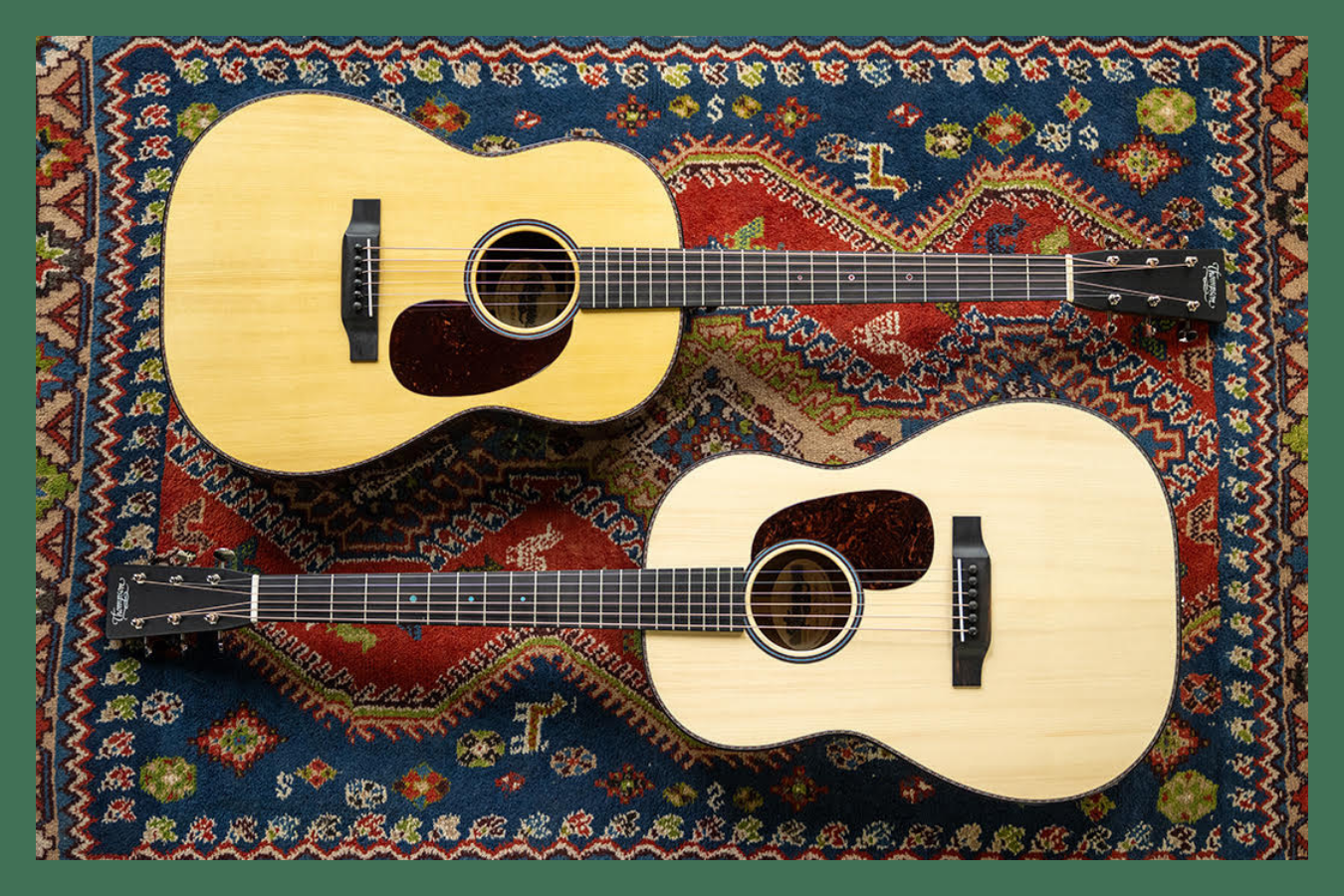
At a studio deep in the heart of Oregon, Preston Thompson Guitars has long been making some of our favorite high-end custom instruments. Their new model, DMC, is a smaller, deep bodied guitar which is fashioned after Willie Nelson’s famous “Trigger,” a N-20 Hybrid Classical. Between now and January 31, you can get one of these Spruce-top beauties for 15% off. After all, we could all stand to be a little more like Willie.
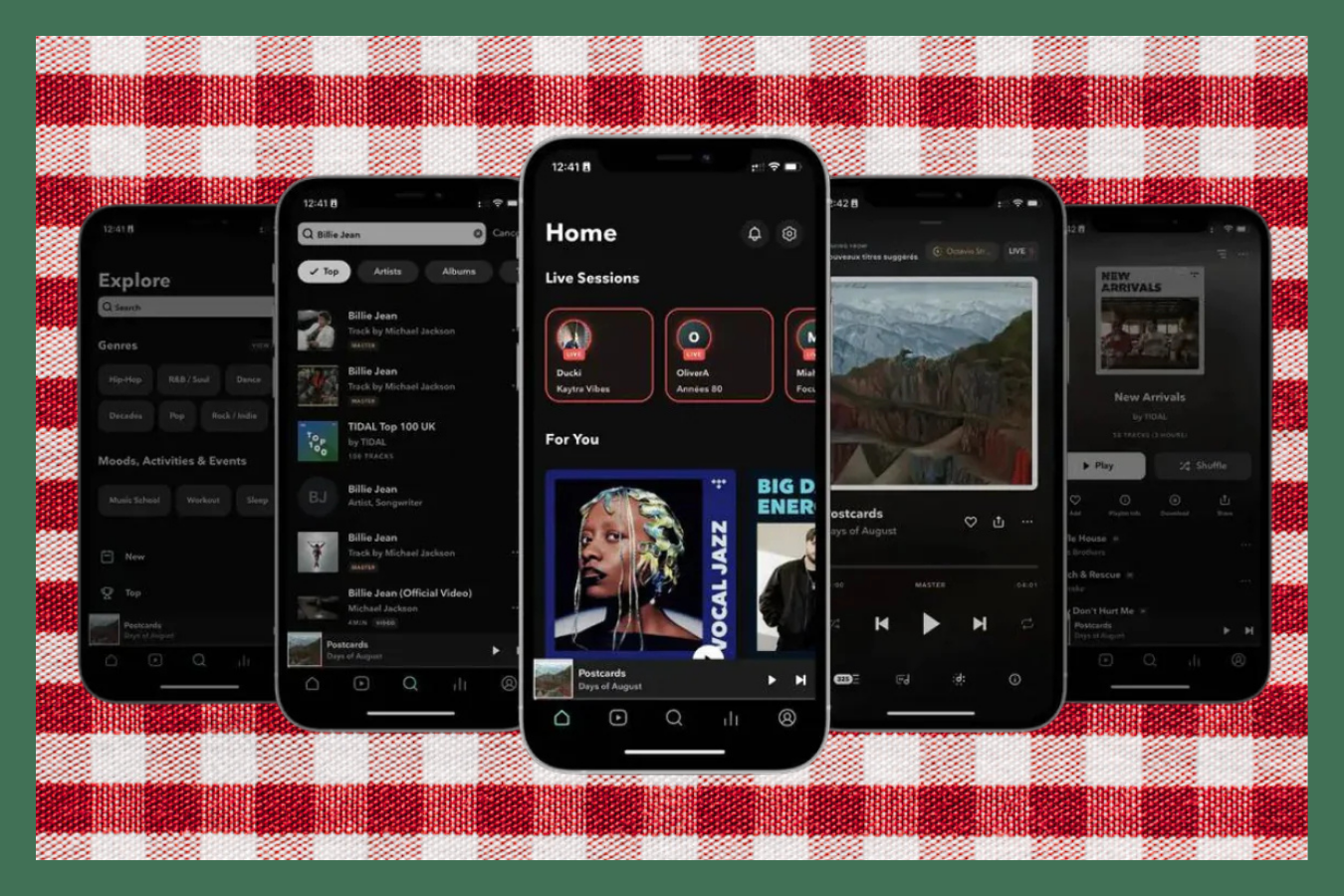
Suffice to say, we really hate that streaming services are paying out less than ever to musicians and songwriters in royalties (and don’t get us started on the lack of regulation over AI-generated music). But with that said, it’s more important than ever to make purchasing decisions that actually make an impact and help support your favorite artists. Consider gifting a subscription to an alternative streaming service like Qobuz or TIDAL — both platforms pay some of the highest streaming royalties to artists, and streaming at a higher audio quality audio than their major competitors. It’s the gift that keeps on giving.
And on a similar note, we all know a live music lover that has been shut out of a recent ticket on-sale that may be feeling frustrated about inflated prices on the secondary ticket market. A CashorTrade Gold Membership is a great way to support the face value ticketing movement. All transactions are insured so you can feel confident you’re not getting scammed.
Guest Gifter: Sierra Hull (GRAMMY-Winning Musician)
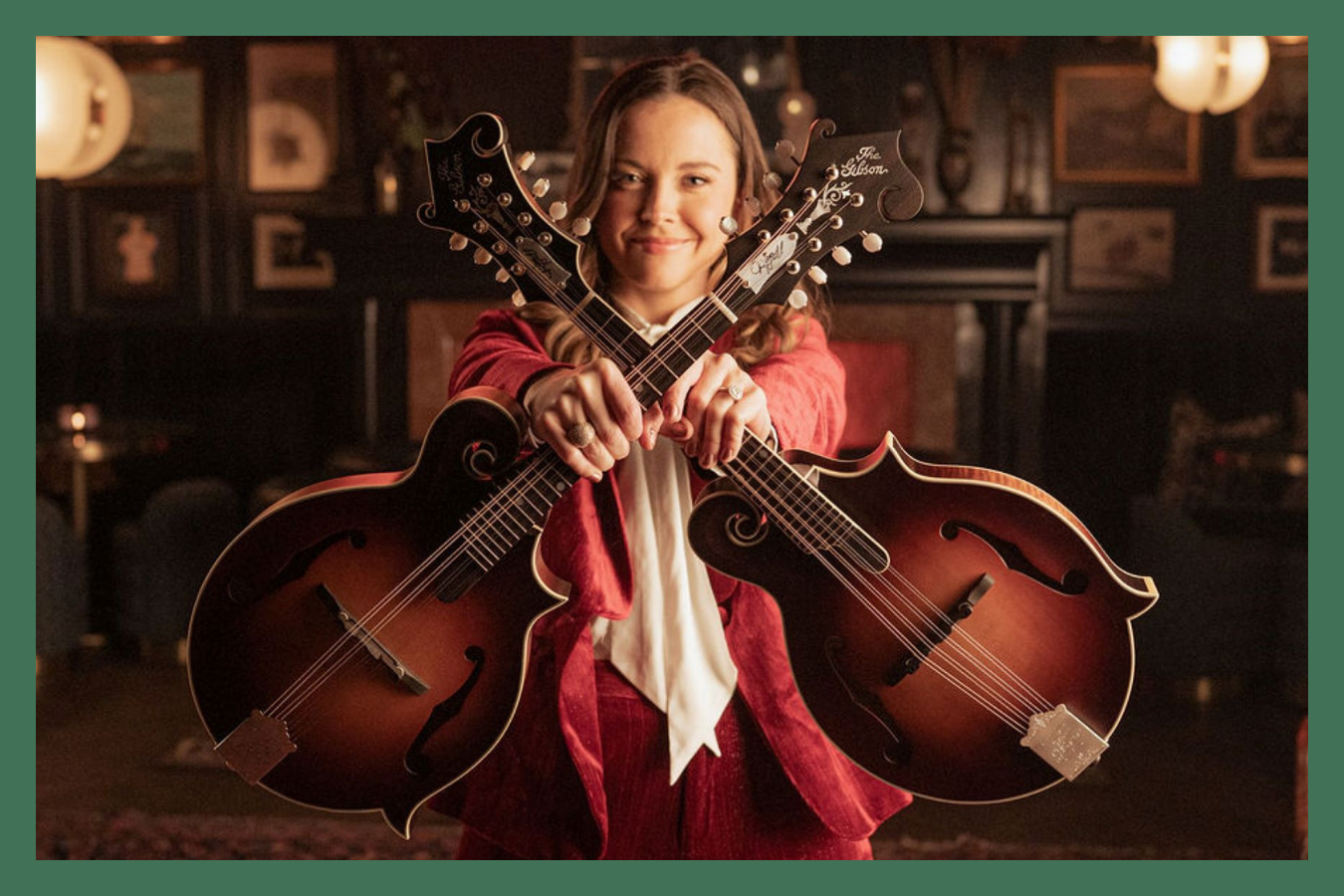
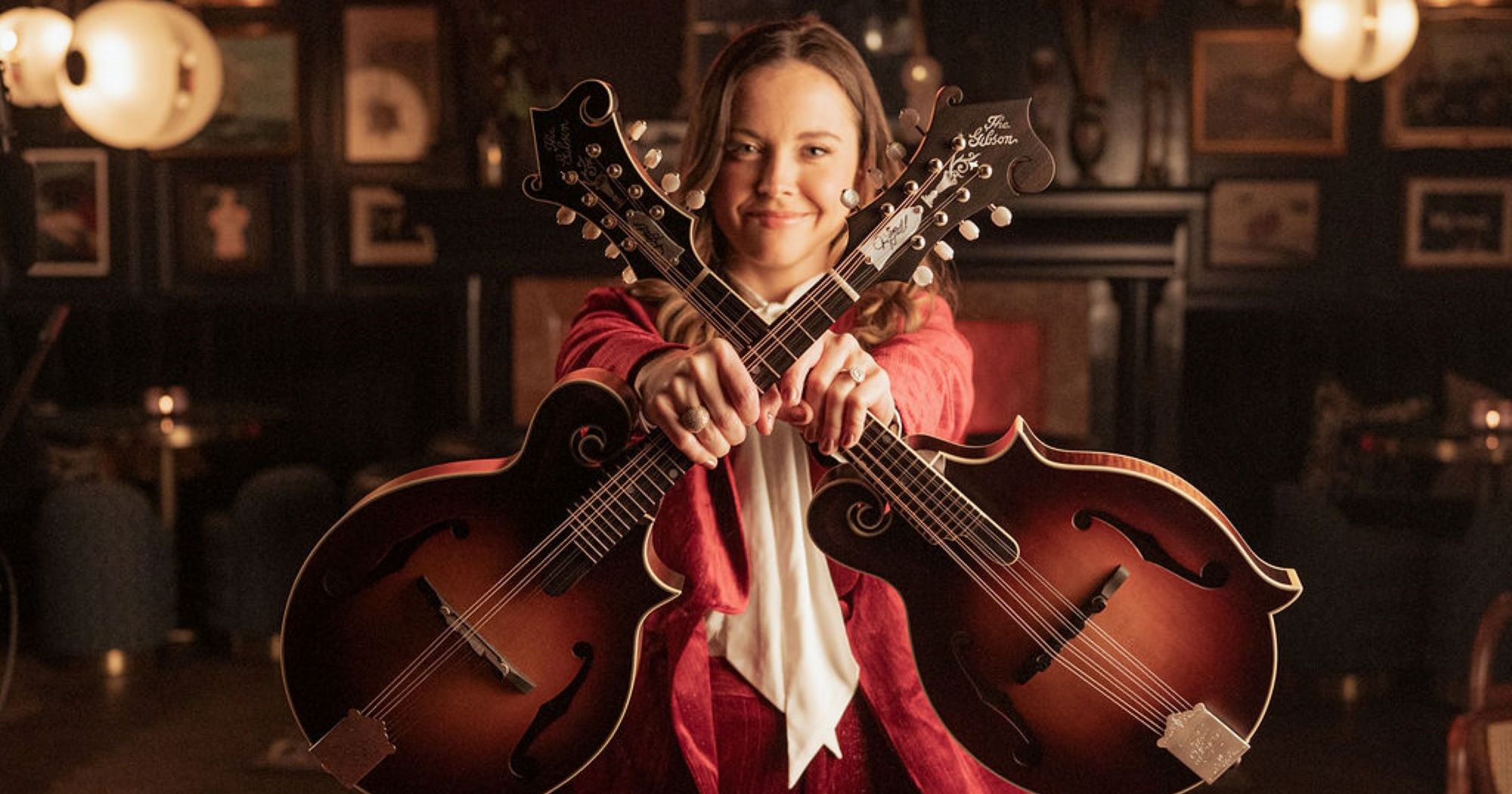
“I’ve had my eye on getting one of these Crossrock double mandolin cases so I can more easily bring along both of my new signature model Gibson mandolins (both the master model and the F5G) on tour! The last few months I’ve been carrying around three different mandolin cases, so I think it would be awesome to consolidate a couple of them into a single case. I currently have one of the smaller fitted Crossrock cases and they are really solid [and] such affordable little cases!” – Sierra Hull
Sierra Hull’s latest record, A Tip Toe High Wire, recently garnered four GRAMMY nominations. Discover more and find out how to catch her on tour with the Milk Carton Kids in 2026 at SierraHull.com.
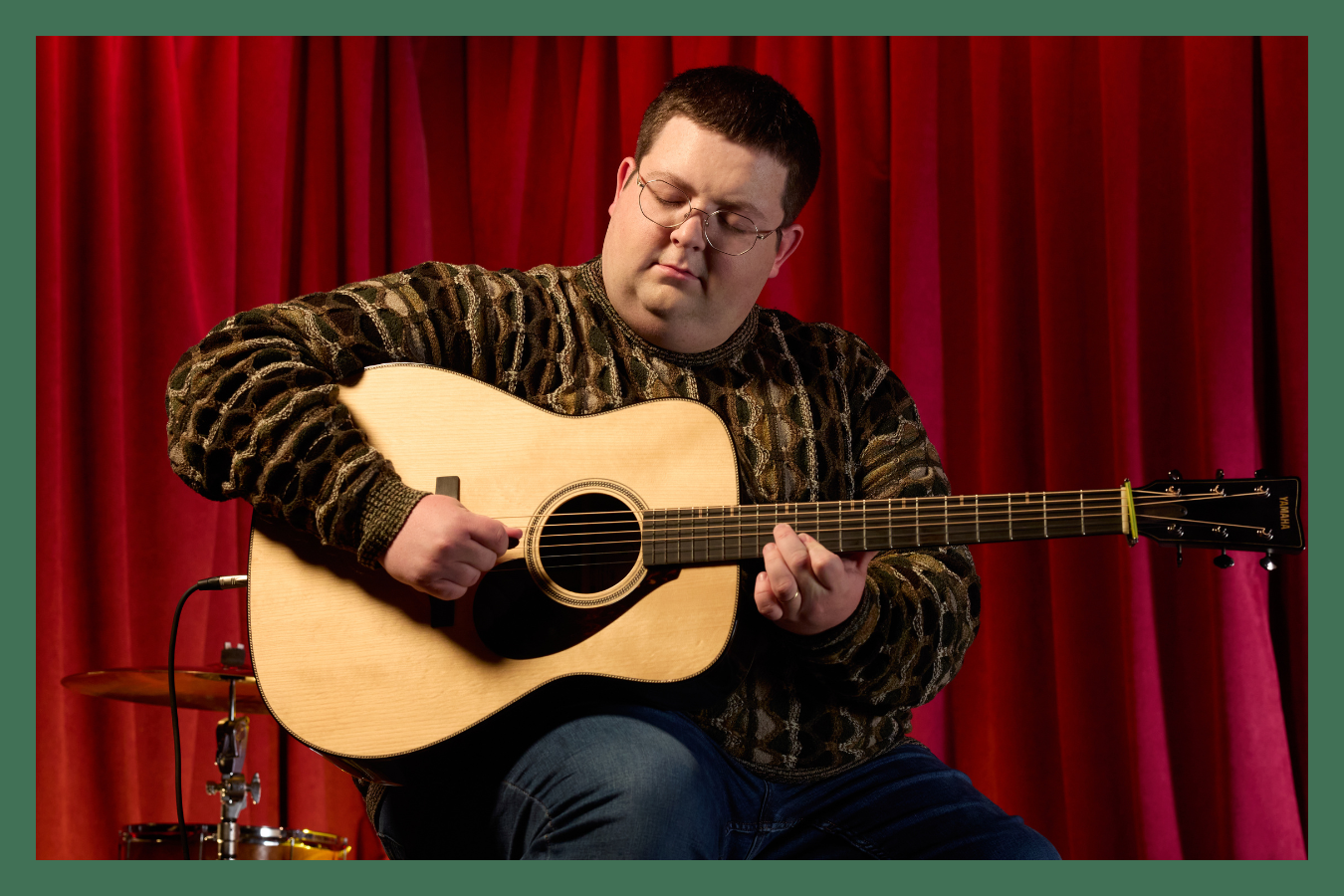
Yamaha Acoustic Guitars – FG/FS9 Series
For over fifty years, Yamaha has been handcrafting their acoustic artistry, incorporating traditional Japanese woodworking with innovative Japanese technology. Their flagship model, the FG/FS9 steel-string acoustic guitar, is ideal for singer-songwriters.
Check out bluegrass guitarist Jake Eddy playing his FG9 RX below.
How many years does it take for a musician to master the music of Johann Sebastian Bach? This isn’t the start to a joke, but the answer to the question can be a bit amusing considering that, for Chris Thile, there’s no such defined number of years or fixed amount of time.
It’s an apropos viewpoint for the GRAMMY-winning mandolinist, composer, vocalist, and collaborator to have, given that Thile is reviving a Bach-related pursuit he began more than 12 years ago. In January 2013, Thile recorded three of the six works that make up Bach’s Sonatas and Partitas for Solo Violin. That August, he released Bach: Sonatas and Partitas, Vol. 1. The logical question following the record’s release and enthusiastic public praise was, “When would volume 2 arrive?”
There’s no disputing the abundance of professional endeavors and musical collaborations that Thile dove into since then, recording with the likes of Yo-Yo Ma, Brad Mehldau, Edgar Meyer, Punch Brothers, and Nickel Creek; winning a MacArthur “Genius” Grant; hosting Live From Here; releasing other solo albums; and even creating a new musical variety show with Claire Coffee, The Energy Curfew Music Hour, which just released its second season on Audible. The extended wait has been understandable. Still, it became difficult not to wonder if Bach’s sonatas and partitas would ever see completion in Thile’s extensive and stylistically diverse discography. Thankfully, Thile renders the other half of the collection on a new solo recording, Bach: Sonatas and Partitas, Vol. 2, released November 7.
The undertaking sounds simple enough: record the remaining two partitas and one sonata. However, Thile embraces Bach’s work with a completely different aim from the first volume. Vol. 1 stayed true to Bach’s written intentions as much as possible. Now, Thile has allowed himself to consider his inner desires for what he feels the music needs – particularly where his music-making process is concerned.
The result is music that is not only pristinely performed, but also offers moments that occur naturally as Thile puts each piece together. Whether that means the ethereal decay of an individual harmonic, harnessed and expanded to ignite a particular feeling between movements I and II of Partita No. 3 in E major, or listeners’ ears traveling from one place to another as a piece blends audio from two completely different settings – like a concert hall, public park, or Blackberry Farm. Vol. 2 is an enlightening peek into Chris Thile’s mind and a bit of a walk in his shoes. In fact, he goes so far as to say that the process of learning Bach’s music is eternal, ongoing, and personal to every musician.
“It’s never done,” he says. “I think you could keep living and growing with Bach forever. But god, what a rewarding process!”
Chris Thile spoke to BGS on a call from Ann Arbor, Michigan, amid a cluster of solo tour dates. He reflects on the different ways musicians become inspired to explore Bach’s music, some of the very subtle but unrelenting dissatisfaction he encountered during the recording process, how practicing Bach is like practicing yoga, and much more:
Given the profundity you view Bach’s music as having, how did you negotiate its iconic place in music history with your desire to explore the possibilities you feel when listening to it, learning it, and making it part of yourself?
Chris Thile: I think that almost every ambitious musician’s relationship with Bach begins when someone tells them they should check it out, you know? Some of us just encounter it in the wild and have a major moment with it, but for me, my grandmas on my mom’s side – my grandma and my step-grandma – they both are excellent pianists and taught piano, performed a bunch, and both are gigantic Bach fans. When they realized their little mandolin-playing, bluegrass grandson was pretty serious about music, they were like, “Well, this boy needs to know about Bach!”
Sometimes it takes an expert to tell you that something is amazing and that you should see what’s there in it for you. And, sometimes, you’re just intrinsically aware of the thing’s value. I think mine was kind of both that helped. Having these women in my life who were so important to me tell me that this guy was really, really good helped [foster curiosity].
When [my grandma Sal] sat me down with Bach, it was with Glenn Gould’s second recording of The Goldberg Variations. She was also underlining that Gould’s performances of the music were more notable. That, I think, impressed itself on me, too; that we don’t have recordings of Bach playing Bach. So someone makes those for us or we make them for ourselves. Then it introduces this other music-making entity into the equation.
That’s a big and very long transition going from “Bach, the Almighty” to Bach, a human being whose music I am interested in having a real relationship with. And by “real relationship,” I mean a two-way, back-and-forth conversation. Yes, the text is fixed, but you can still have a living, growing relationship with it. And it takes a long time to learn how to do that. I think it’s lovely to have people giving you advice along the way.
You’ve said that practicing Bach “is like practicing yoga” and that it’s something you do everywhere you can. What does that mean for you?
Being someone who plays Bach and being someone who does yoga, I did want to figure out a way that the recording could represent that [connection] – the living, changing, growing, aspect of being someone who interacts with this music regularly. That these pieces could go from one place to another, potentially mid-movement. And then realizing that would also potentially mirror my experience of playing the pieces.
Because it’s not like I’m only playing them in my workspace. I might play them at the Elbphilharmonie in Hamburg and then a couple months later be at a Hampton Inn in Carbondale, Illinois. Or, it’s just too nice outside and I gotta practice outside today. So, multiple locations ended up serving two ends: wanting to be able to utilize the studio and [all that’s] possible when you’re recording music, to trying to figure out a way to sonically represent that life of practicing Bach.
Did you have a lot of thoughts on Bach going through your mind even while planning Season 2 of the Energy Curfew Music Hour?
Yeah! That was all happening concurrently. Every now and then, Punch Brothers would be in a practice room and I’d show my bandmates something, [asking,] “What do you think of this random thing I’m trying to do with the C major Fuga?” Just trying to get a read on people and playing a little bit of it on the side, to see if I can gauge a natural reaction to it and see if that gives me any ideas for future shenanigans. And it definitely did.
You’ve said that once you hear something in your head and enjoy it, you have to chase it until your ears tell you differently. That making peace with that aspect of your musicianship “is actually kinda the B story of this whole record.” What does it mean for you to “make peace” with this facet of your artistic spirit?
I am compelled to make this music. I don’t always understand the nuts and bolts of why I think it’s important to do it. First and foremost, I love the music. I love hearing other people play it. I love it on the page, I love the physical sensation of playing it, and I love the sound of me playing it.
But then, as is my custom, I’m voice memo-ing myself playing [the sonatas and partitas]. I heard the voice memos back and did not like how it sounded. There was something insincere about it. It was very, very strange, like something reflexive. It was almost the sensation of seeing video of me back and having some sort of physical mannerism that I was unaware of and not liking it. Or like, hearing the tone of my voice on a recording and thinking, “That’s what I sound like?” I think we’ve all had that sensation before.
So it was really disorienting and vexing, my perception of what was happening: the music that was actually being made was so off and somehow struck me as inauthentic and non-additive – and like regurgitation. So I had to do something.
The thought struck me, “I’m not ready to make this record.” The way I approach making music has changed over the last 12 years. I went back into this music thinking that my methods from when I was 31-32 were gonna be great and yield a good result. I just like to get my hands dirtier these days. The musician that I am takes everything down to the studs and blends it with everything else that’s swirling around in my musical life. That’s what I do. That’s how I make music. It’s how I write music and it’s how I approach performing any other music besides Bach. I think my reverence and awe that I hold [Bach’s] work in was preventing me from actually engaging with the music the way that I do with every other piece of music in my life.
It was scary for me, because I’m not any less reverent of what Bach did. I don’t love it any less. I don’t think it needs to be different. But when it’s me playing it, it has to go through my process, like everything else does, or else it doesn’t sound sincere and doesn’t sound authentic. That was an almost painful realization to have, and to have to basically scrap an approach and build a whole new approach to working on this music. But again, it wasn’t a new approach. It was just applying everything I know about music to Bach for the first time.
What was your intention when you decided to record in different settings – New York City’s Reservoir Studios and Tomkins Square Park, Tennessee’s Blackberry Farm, and Farrell Recital Hall at Murray State University – as well as choosing to merge audio together?
The different locations thing was part of the initial impulse, in terms of turning the thing into an actual record. It was a fairly radical move – to go from just recording in a nice studio or nice hall and getting a great sound and letting that be the sound and playing the music.
There were two reasons to do it: One of them is that, increasingly, I feel if you’re going to make a record, you should utilize the studio as an instrument. You should make sure that you’re using the medium. I guess it’s not a “should.” You can utilize the medium. For me, I’ve made a lot of archival records where really it’s just, “This is what happened in the room. Enjoy!” But I’ve realized about myself that often, when I’m listening to an archival recording, I have FOMO or something. I wish I were there, because clearly this happened in a room just like this and imagine if you had been there when it happened.
Whereas, I don’t have that when I’m listening to something that’s really taking advantage of the tremendous tool that the recording studio can be. For example, a record like Radiohead’s Kid A, where it’s something that can’t happen live. If you had been there in the room, it would have been really interesting to hear them discover the sounds. But then the flight that performance takes in the hands of a great engineer, who’s been set free in terms of exercising their own creativity in the mix environment, or artists who are very hands-on during that part of the process.
Again, it’s like a performance that’s happening over the course of months, even years at times. What happens live in the room is part of it. And then what happens in the editing booth is part of it, and what happens in the mixing room is part of it. If you’re going to make a record, it’s just interesting to note the difference. You can use the studio as an instrument or it can merely be the camera with which you’re taking the snapshot of where you’re at with a piece of music at a given time. I wanted to mess around with the former on this album.
The more I listened to something like that in my head, the more I liked it. The more committed to it I became, the more I considered, “[What if I] allow myself to record these things in multiple locations and even stitch performances together from from very tangibly different environments?” Really, sort of leaning into the surrealism of it. Now you’re in a studio and now you’re in a corner of Tomkins Square Park in the East Village. If I’ve allowed myself to do something like that, then what wouldn’t I allow myself to do?
Track 10, the first movement of Partita No. 3 in E major, I. Preludio, ends with nearly 13 seconds of ominous, rising, distorted feedback that pivots right into the clean first notes of movement II. Loure. What role is that very intentional ending meant to play?
It wasn’t something I knew that I needed until I had everything quote-unquote “done.” And then it was like, these moments in this medium need a little extra something. To give the [Partita No. 3 in E Major II.] Loure this kind of psychodrama towards the end of it was important to me. And then to prepare that [piece] with that crazy delay loop, grabbing that last harmonic [in the first movement, Preludio] was also important to me. So I asked my mixing engineer, Joseph Lorge, to find something. Bless him, I love what he found. That is almost like the harbinger of what’s going to happen on the Loure. What happens during the Loure was really important to me, artistically. But then I wanted there to be some sort of trumpet call like, “Hey, look out. Something’s coming.”
What stands out as something unique about making Bach’s music more your own this time around, especially knowing this is a solo endeavor?
There’s so much in today’s society about “Be yourself!” “Follow your dreams!” I’m talking about how important it is for me to have a two-way conversation with this music and not just revere Bach to the point that I’m taking myself out of the equation as a creator.
But we are so “Me, me, me, me” now. “This is me, just deal with it.” It can be really interesting to consider, “What happens when you expose yourself to the taste of other people?” It’s ultimately going to happen anyway, but what if there’s a practical concern? Can you go through that kind of exercise? It’s one of the reasons I love being in bands. In Punch Brothers, for instance, I need [all four of my bandmates] to be as happy with the music as I am. It’s not done until then. When I make music by myself, I have to figure out ways to trick myself into considering more than just me while I’m doing it.
[However,] you do have to make sure that you’re pleasing the only ears that you actually have any control over pleasing, which are your own. That’s first and foremost. But yeah, you’re always looking for any way to give shape to the very nebulous process of creating something from nothing.
What do you think musicians and composers of today can learn from Bach’s approach to music that would bring today’s songs, performances, and practice mentality closer to the timeless, ever-insightful, and continually inspiring nature of Bach’s work?
One thing that I keep trying to learn from Bach, just as someone who does try and write music or make it all the time, is how much of his art was happening anonymously. He had his professional duties – as he was a court composer and then he was a church composer – so there were those things, where he was writing music for very definite purposes with very definite deadlines. A ton of it was really theoretical and him working on the craft without any promise of getting a reaction out of his fellow humans – really his own curiosity and work ethic and desire to know and discover.
So I’m constantly thinking about, “Are people going to like this? Is it going to help me grow my audience? Is it going to help me make rent? Pay the mortgage?” Of course, [Bach] had those kinds of concerns. I think human beings in the early 1700s were not immune to ego. It’s not like Bach didn’t care what people thought of him – I’m sure he did. But I’m also sure that [thought process] took a very different form in those days and I think being able to make music – just for the love of it and with the patience that it takes to really explore your materials – is a thing that I at least keep trying to learn from Bach.
Eyes on the future, heart in the past – it’s the cornerstone of how award-winning mandolin player, guitarist, singer, and songwriter Sierra Hull crafts her music, and how Gibson Master Luthier David Harvey and the Gibson Custom Shop crafted her new signature mandolins: the F-5 Master Model and F-5G.
The F-5 Master Model boasts a red spruce top, eastern curly maple back and custom narrow neck, and ebony fretboard, while the F-5G offers a red maple neck and body, Sitka spruce top, and ebony fretboard. Both models feature the Sierra Burst VOS Varnish finish and come with certificates of authenticity, Sierra Hull/Gibson BlueChip pick, and mandolin cases – vintage replica for the Master Model and hardshell case for the F-5G.
The instruments are the result of Hull’s many years of dedication, hard work, and talent, alongside a working relationship with Gibson that began when she was 12 years old and already a four-year veteran on her instrument. Growing up in Byrdstown, Tennessee, with few if any resources for musicians, the slightest instrument repairs required a two-hour drive to Nashville, where, at the time, Gibson had a shop in the Opry Mills Mall.
Hull had graduated from her first F-style mandolin, “a starter-model Epiphone that was so cool because it said ‘Gibson’ on the truss rod cover,” she says, to a flatiron mandolin she bought used from a local player and still has in her collection. In need of new frets, and in Nashville with family, they went to the mall in hopes of a walk-in or referral. Hull had recently played the Opry with Alison Krauss and upon entering the Gibson Showcase shop, Grascals mandolin player and Gibson staffer Danny Roberts recognized her and put a new, limited edition Adam Steffey signature model in her hands.
“My dad remembers them saying, ‘How would you like to have one of these?’ He’s thinking, ‘Yeah, buddy, I bet she would, but we ain’t got that kind of money to spend on a mandolin,’” Hull recalls. “They gave me that mandolin and it was such an unbelievable moment, as a 12-year-old, to be given this incredible instrument. That was the beginning of my relationship with Gibson. I’ve mostly played a Gibson mandolin ever since.”
Fast-forward to 2009 and Sierra Hull’s main instrument: her Gibson Master Model, built by Gibson Master Luthier David Harvey. “The 2009 was brand new at the time,” she says. “Dave made some modifications to it to suit what I was looking for and it has become my voice.”
That mandolin eventually became the springboard for her signature Master Model and F-5G, in line with her original specifications for the 2009. “I have small hands, so Dave took the neck down a little bit for me,” she says. “We put an aged varnish on it instead of the normal gloss, which makes it a little more unique than one right off the line.
“I’ve always preferred that thin, matte varnish type finish, so we decided to recreate that with the signature line. So many people often ask me about my mandolin; they think I’m playing a Lloyd Loar most of the time. I’ve put a lot of miles on this mandolin since 2009. I’ve played it as my primary instrument since then. When I got it, it didn’t look anything like it does now in terms of being so worn, but it didn’t look brand new and shiny, either. I always loved that about it, that there was a certain aged vibe to it already because of the finish.”
In addition to the aesthetics, the Master Model parallels Hull’s unique sense of blending her deep bluegrass roots with contemporary sounds. It is, she says, the perfect instrument for that mix of past and present. “When I think about the kind of music I play, both these days and throughout my career, I’m so rooted in traditional bluegrass,” she says. “I grew up going to bluegrass jams on the weekends, sitting in a circle – you need a mandolin with volume, something you can dig into, like the Master Model.”
“Part of the reason we all want to play F-5 mandolins is because Bill Monroe, the Father of Bluegrass, played an F-5,” she continues. “I love an A-style mandolin as well, but there’s something that makes you feel legit about playing bluegrass on an F-5 mandolin, because it just feels right – the feel, the look, the sound, the pointedness that those F-style mandolins have. The idea of having a mandolin that you can really channel that traditional thing that as mandolin players we’re born to love in bluegrass music – Gibson is the gold standard for what we think of in terms of every F-style mandolin that you see.
“There’s a lot of great builders out there, so many talented luthiers building beautiful mandolins, so it’s no slight to any of them. But nobody would be doing that if Gibson didn’t exist and build these F-5 mandolins with Lloyd Loar’s stamp of approval on them. When I pick up my Master Model, it feels like the connection to that legacy.
“Even though I tend to think my sound is more progressive and modern – way more so than what you think of when you think of Bill Monroe – that’s the world I come from, so I want a mandolin that feels connected to those roots. But the clarity, the top end, the sparkle that these mandolins have, too – they have a large span on what they can bring to the table. No matter what musical direction I go in, I never find myself lacking from the side of what the instrument can do. It really shows up in all those situations.”
Bringing the Sierra Hull Master Model and F-5G from concept to showroom was a two-year process. Hull, David Harvey, and Gibson worked closely, taking time and care to not rush the work, but instead building the mandolins to her exact specifications.
“As a youngster I couldn’t have dreamed of having my own signature line with Gibson, so it was wild to get the call,” she says. “I’ve learned so much in this process over the past couple of years. Getting to go up-close, help pick out the wood, and see it go from a chunk of wood to mandolins that have my name on them is such an experience. To see it all come to life is a full-circle moment that takes me back to sitting in the Gibson Showcase at 12 years old and playing one of my heroes’ signature lines. To see these mandolins with my name on them is overwhelming. It’s such an honor.”
Mat Koehler, Vice President of Product at Gibson, joined the company almost ten years ago. He says bringing the vision of Sierra Hull signature mandolins to fruition was, in fact, over a decade in the making, beginning with conversations and leading up to the present.
“Even ten years ago, Sierra was one of the best, if not the best, mandolin players in the world,” he says. “When I got here, I was like, ‘Why don’t we have a Sierra signature model?’ The answer, of course, is very complicated. I think everybody’s intention was to make that happen, but we had a restructuring of the company, change of leadership, change of management, a lot of things, a lot of obstacles. So this is really the culmination of a long time spent both ideating what a Sierra signature model would be and then executing it, finally. I am very happy and proud to be involved in some small way. But this is all Sierra and speaks to her incredible talents.
“Her impact [on the instrument] has been huge,” says Koehler. “She represents the next generation of players. She really refreshed the mandolin and offered a completely fresh take. Mandolins are a little bit similar to banjos in that with bluegrass music in the mainstream, if it’s not Mumford & Sons or Nickel Creek, it’s almost ‘out of sight, out of mind.’ Sierra has done an amazing job of taking mandolins into the mainstream in both her music and her collaborations with other amazing musicians. I see a recharging of the bluegrass world right now and Sierra is one of the many leading the charge.”
At the intersection of tradition meets technology, precise replication of Hull’s Master Model in order to build her signature mandolins was done by 3D scanning of the 2009 Master Model, a process Hull describes as “kind of like an ultrasound of your instrument. They run it over the whole instrument, you see it on the screen, and they capture all the specs in a detailed way.
“It gave us a good, strong starting point to mimic the Master Model that I love so much. From there, I got to pick out the wood and watch the process in real time. Essentially they made a replica of my mandolin that Dave Harvey, for fun, distressed to look like my mandolin, and they nailed it on the first try. We used those scans to build the signature line.”
True to her preferences, she selected a thin matte varnish finish on the models, a custom look that Gibson titled “Sierra Burst.” She also opted for the traditional Loar nut width and flat, scalloped fingerboards. “It’s much like I feel my career tries to do – lean into traditional while having some progressive new things as well,” she says.
“We did a custom tailpiece design. I didn’t want a lot of flair on the instrument. I didn’t want crazy inlays or my name spread across the fretboard. But I’m so honored to be the first woman to do a signature mandolin line with Gibson, so part of me did want a little touch of feminine something on there. If you look closely, there’s a little heart dotting the i on my signature on the truss rod. On the tailpiece, the traditional script says ‘The Gibson,’ but where the tailpiece has a curve up top, you’ll see a little heart built into the design, and a little bit of a heart at the bottom and my initials.”
“Sierra has played dozens of original Lloyd Loar 1923 F-5s, so we couldn’t cut any corners with her,” says Koehler. “We wanted to make sure her instrument was on par with any of the amazing mandolins she has played, because she would know right away what looks right, feels right, and sounds right. There are lots of different ways you can spec mandolins, but hers is true to the 2009, which would have been, at the time, a core Master Model F-5.
“That mandolin is her number one instrument to this day, so obviously we had the recipe. … Sierra’s took the very same path as our historic reissue 1923 F-5, which was we scanned her mandolin, we detailed it down to every tiny little nick and ding on it, just so we had a record of the current state of that mandolin, how it looked. The feel of the neck is really unique on hers because it was handmade by Dave Harvey at Custom.
“[3D] scanning has been a complete game-changer for us. Not only has it opened the door to be able to recreate instruments more accurately, it’s rekindled relationships with artists. Customers and fans of Gibson who want the most accurate now can finally have it, knowing it’s mapped identically from the original instrument. … Now, in a matter of maybe twenty minutes, you can do an entire mandolin, just waving a wand over it. That wand is capturing thousands and thousands of points…”
When the mandolins were ready, Hull – still a bit incredulous about having her own signature line – made a special trip to the Gibson shop to test each Master Model. “I guess it’s rare for someone to ask to do that, but I was like, ‘Can I come in and play all these?’” she says. “So we just made a fun day of it. The consistency of the sound, the build, and the playability is all at an insanely high level. All this stuff is done by hand and it’s no small feat to accomplish that. Dave sets them all up. He is the only one to set up my Master Model since 2009, so he knows what I want. Not that I expected anything less, but it was comforting and confirming that this is something I could be proud of.”
“We were overjoyed that she wanted to do it,” says Koehler. “That’s going over and above. She wanted to support this every way she could and obviously she was really excited about it, which makes us really excited. … For her to go the extra mile with us – we were very appreciative. … The fact that the endorsing artist would go to that length of playing it to test it out is amazing.”
It’s been a long, remarkable journey from Opry Mills Mall to seven-time IBMA Mandolin Player of the Year and two GRAMMY nominations, but Sierra Hull hasn’t forgotten the early days. Cognizant that signature edition mandolins are beyond the financial grasp of most players, her next collaboration with Gibson is an Epiphone model, bringing her back to her first instrument.
“I want this to be something that doesn’t price everybody out,” she says. “We’re going to work on an Epiphone model that will be a little bit more affordable for young players and people who are just starting on mandolin, the same way I was when I was a kid. It’s important to me not to have those people feel forgotten. I’m excited to work on it with Gibson as the next part of this story.”
A short history of the mandolin in America: The mandolin is essentially a small lute which has been around since the 1300s. Italian immigrants brought bowl-back mandolins to the States in the 1800s. Mandolin orchestras were big in the 19th and 20th centuries, believe it or not. In fact, a whole mandolin family exists with mandolas, mandocellos, and mandobasses out there.
Around the turn of the 20th century, Orville Gibson started to develop flat-backed mandolins constructed more similarly to guitars. Finally, in the 1920s, Lloyd Loar created the F5 mandolin, with its longer neck and F holes. These new instruments were built to project and fill a concert hall, though they were ill-timed – the mandolin orchestra craze was fading and not ’til Bill Monroe picked up one of those instruments from a barbershop in Florida in the ’30s did they come back into their own. Since then, bluegrass mandolinists the world over have played these instruments or copies thereof. I play an instrument by John Monteleone, who started innovating on Lloyd Loar’s design in the 1980s – and so the tradition continues.
My new album, Encyclopedia Mandolinnica, turned into a survey of Western and Northern mandolin styles quite quickly. It’s very much been shaped by these inspiring musicians who were very kindly up for playing a duet with me. We go on a real journey through bluegrass both progressive and traditional, old-time, jazz, classical, and Scottish trad. The chance to get to work with these heroes of mine has been such a pleasure and invoked several “pinch me” moments. One of the most beautiful things was getting to see how everyone approached our little 8-stringed instrument so uniquely. I learned something from playing with and working alongside each of the mandolinists that agreed to be a part of the project!
In putting together this playlist I thought about my personal inspirations as well as the mandolin’s place in musical cultures across the world. It ranges from hardcore bluegrass, to Brazilian choro, over to Scottish trad – with lots of things in the middle. It mostly features folks you can hear on Encyclopedia Mandolinnica. I hope you enjoy my guided tour of the mandolin! – Ethan Setiawan
“Victoria” – Ethan Setiawan & Mike Marshall
Mike is a legend of the mandolin. He was an early member of the David Grisman Quintet and went on to collaborate with Darol Anger, among others. He helped write the book on progressive acoustic music and mandolin styles therein. This tune of mine falls within that realm and Mike was the perfect person to play it with.
“Shoulda Seen It Comin’” – Mike Marshall & Chris Thile
Mike also duetted with this young guy Chris Thile, whom you may have heard of. The live record that this cut is from is one of my very favorite recorded mandolin performances. Both mandolinists are at the top of their game. This tune was in my ear quite a bit when writing the previous tune, which maybe you can hear?
“There Will Never Be Another You” – Don Stiernberg
Don is one of the world’s foremost practitioners of jazz mandolin – a combination of words you might have never thought you’d hear. He studied with the great Jethro Burns of Homer & Jethro before forging his own path forward into a style where few mandolinists have ventured. Don was a teacher of mine during high school and it was great fun to get to be in the studio together for Encyclopedia Mandolinnica.
“Jiguaraña” – Ethan Setiawan & Maurizio Fiore Salas
Venezuela has a rich and beautiful mandolin tradition that not many folks are aware of. This tune is a co-write between myself and Maurizio. We took a jig (a Celtic form in 6/8) that I came up with and Maurizio had the bright idea of putting it over a Venezuelan rhythm called guarana (also in 6/8). It’s always a joy to play with Maurizio, he challenges me in the right ways.
“Wonderful” – Kinnaris Q (Laura-Beth Salter)
Laura-Beth is at the forefront of the Scottish trad revolution in Glasgow, Scotland. This track by her band Kinnaris Q puts the mandolin front and center – when she takes the tune at 1:52 check out the facile right hand triplets! We co-direct the Glasgow Mandolin Retreat as well and it’s always great to get a tune with LB.
“Blue Grass Stomp” – Bill Monroe
This is where it all started for a lot of us. Bill Monroe, along with Earl Scruggs and Lester Flatt, in the ’40s had something electric and powerful, so much so that in large part bluegrass has been unchanged since then.
“New Cimarron” – Matt Flinner
Matt Flinner is one of my favorite mandolinists out there. One of the many things that strikes me about his playing is how good it feels. Everything is placed so precisely and beautifully. He also writes great tunes that beautifully synthesize lots of things we love about bluegrass, old-time, and jazz. This is one of my favorite tunes of his.
“Golden” – Ethan Setiawan
In a similar tradition to the last tune, this is my take on a progressive “new acoustic” tune. Darol Anger on the fiddle here, he produced this album and it was such a joy to work with him on it.
“O Voo Da Mosca” – Jacob Do Bandolim
While bluegrass was developing up north, another mandolinist was fusing styles down south. Way down south. In short, choro is a fusion of classical forms with jazz harmony and Afro-Brazilian rhythms – similar on the page to ragtime. Jacob Do Bandolim (which translates to Jacob the mandolin, amazing) wrote many tunes that became staples of the style and was a virtuosic mandolinist to boot.
“Saint Cecilia Caprice” – Hamilton De Holanda
Hamilton De Holanda is the Chris Thile of Brazil. Amazing technically and a great musical mind. He wrote a double album of caprices and made the music public on his website, as well. Every mandolinist reading this: go download them, now!
“Salt Spring” – John Reischman
The greatest modern jam standard of our time! John is another great tune writer. He also gets the most beautiful sound out of the mandolin.
“Shetland Jigs” – Hildaland (Ethan Setiawan)
My own contribution to the Scottish trad lexicon from my duo with fiddler Louise Bichan, Hildaland. These are a couple nice jigs from Shetland. I’m playing mandola here, but I’ve tuned the highest string down a step and put on a capo so that the strings are tuned DAEA. This is inspired by the fiddle, which is crosstuned – common in old-time but not so common in Great Britain. We thought it was a cool connection to draw for our duo which goes between those styles at will.
“Canon at the Twelfth in Counterpoint at the Fifth” – Caterina Lichtenberg & Mike Marshall
Caterina is one of the greatest classical mandolinists to ever live. There have been vital classical mandolin traditions going on this whole time in Italy and Germany, which is so cool to see. Classical music is being made on the mandolin at very high levels and being taught as well.
“Queen of the Earth, Child of the Stars” – Sharon Gilchrist & John Reischman
A beautiful old-time tune, played so beautifully by Sharon on mandolin, John on mandola, and backed up by Scott Nygaard on guitar. I first heard this tune played late at night by Darol Anger and Bruce Molsky at Freshgrass a bunch of years ago now and it’s stuck with me ever since.
“Big Hill” – Ethan Setiawan & Andrew Marlin
Andrew has taken the mandolin scene by storm over the past several years with beautiful tunes and great trad bluegrass playing. Part of the thing that developed with this project was to write something that I thought might work well for each guest – not to explicitly write something that sounded like theirs, but to draw a little inspiration. I think this tune captured something there and I love the way Andrew accompanies the tune.
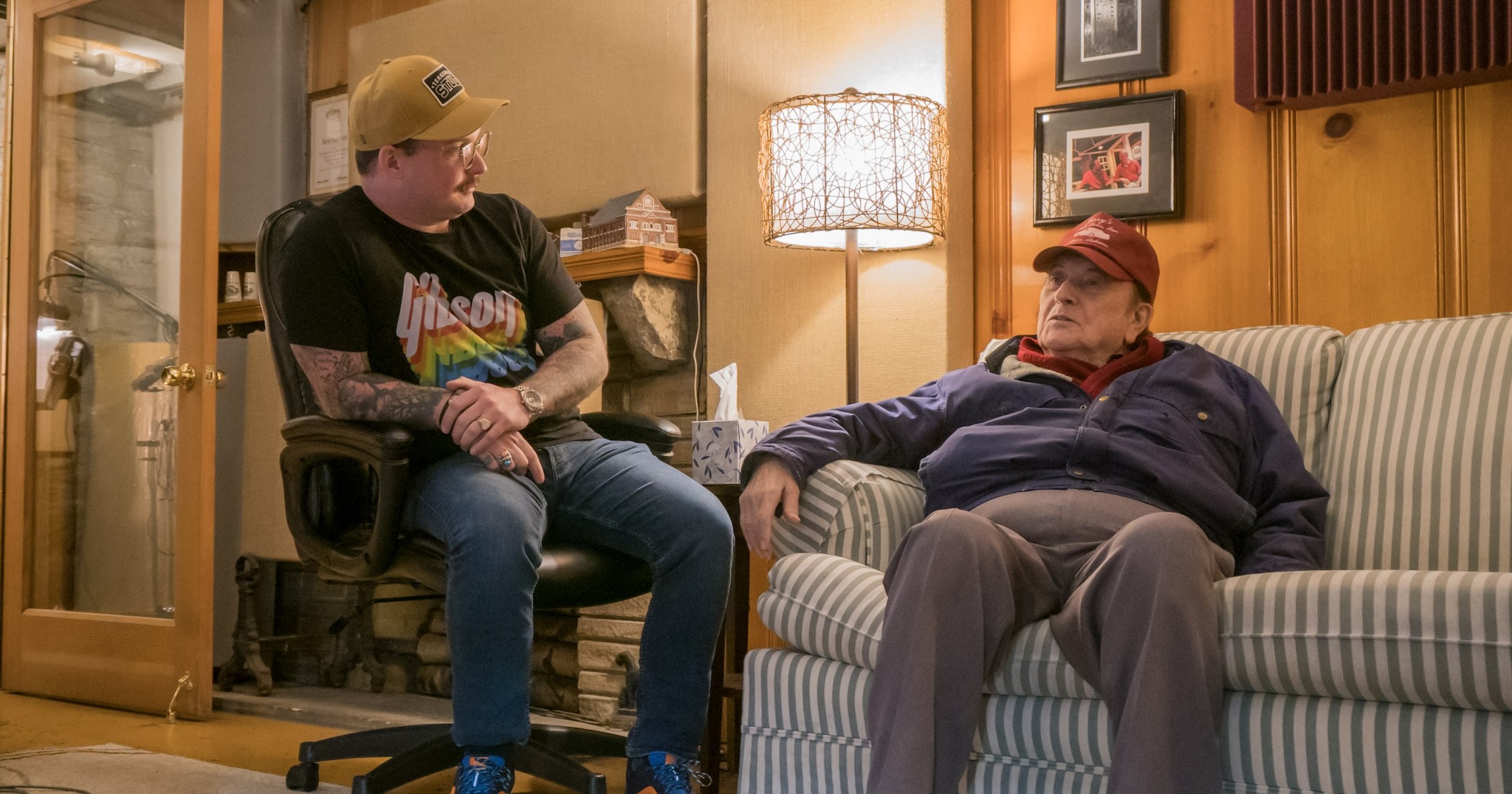
I was fortunate to grow up in a time and place where some of the first generation of bluegrass artists were still out performing – and that is my heart. To see these guys on stage made me want to dive in the music more and learn all I could from the people that helped create it. Bobby Osborne is part of the reason I play bluegrass music for a living. I wanted to be like him. He’s also one of the reasons I still play music for a living. At one time, I was gonna give it all up – several times actually – but Bobby’s love for the genre 70-plus years after he started was encouraging. He also believed in me and I can never thank him enough for that.
I met Bobby for the first time in 2004 and got a picture with him (that is included in the new album’s liner notes). The kid in that picture would have never guessed what the next 20 years would hold for him.
Touring with Karl Shiflett’s Big Country Show and then The Po’ Ramblin’ Boys, I was around Bobby a lot on the circuit and always made time to visit him. I later joined him for a few months at the Kentucky School of Bluegrass & Traditional Music in Hyden, Kentucky, where I took lessons from him. From there, we somehow became buddies. I started visiting him at home and stayed in constant communication with him.
The new album on Turnberry Records, Keep On Keepin’ On, is a reflection of our friendship. It started as a project with Bobby, then was shelved for quite a while. I couldn’t bear to hear his voice on this record after his passing in June 2023. Then, with a little help from friends and Bobby’s spirit, the project became one that was for Bobby. The original idea was awesome, but what it has bloomed to be with all these amazing guests to help me out– I would have never imagined. I hope folks enjoy it as much as I enjoyed making it, and Long Live Bobby Van Osborne! – C.J. Lewandowski
March 17, 1973 was an extremely historic moment for bluegrass music. In this video you are viewing the very first time that bluegrass was played in The White House with the most iconic bluegrass song of all time, “Rocky Top.” Bobby was so proud of this moment and spoke of it often. You can see the joy in his face.
This features a 1970s Gibson mandolin that he later traded for a 1924 Gibson F-5. It was plugged right into an amp, which was also a historical moment for bluegrass. Bobby gave me the strap he is wearing in this video and it now resides in the Bluegrass Music Hall of Fame & Museum in Owensboro, Kentucky.
The Osborne Brothers were all over network television for decades and this is an example of such with “Ruby.” Even in his 40s, Bobby is stretching his boundaries. The instruments are tuned up 1/2 step, playing a E flat in D position. These are suits that were made by all the wives of the band members, as well.
“Rosie Bokay” is probably my favorite song on the new album. Paul Brewster sings the album cut and is also featured on the guitar in this video. Bobby heard Lincoln Hensley kick this off in the studio, just toying around, and he immediately said, “Let’s do that.” So we did! What Bobby wanted, Bobby got. He sang a scratch vocal, but was never able to get back in the studio.I think Bobby would be very proud of Paul’s vocals on the song.
The look in Bobby’s eyes was incredible in this video. I have a feeling he was proving a point to someone for some reason. Could it have been the divorce he was going through? Could it be the heart surgery that was near to this video taping? Who knows. I just know that Bobby was singing his ass off and I love it!
This has nothing to do with Bobby’s music, but I feel like this needs to be recognized. This is an hour-long interview pertaining to his time in the Korean War. A huge part of Bobby’s life. It may be a long video, but if you want to learn about Bobby Van Osborne, this is mandatory.
He was truly an incredible force of a human being in every aspect. Thank you for your service, Bobby.
This is live at Bean Blossom in 2009 featuring a song from Bobby’s solo career that he recorded on Rounder Records. Bobby talked about cutting this song again on the newest project, but we didn’t get to it. What a great message, right? Bobby’s compassion for people was always present.
Bobby did a YouTube series of him playing his favorites. Here is an example of Bobby playing his own piece, “7th of December.” Mind you, he was in his late 80s and could still play great. This is one of the actual tunes of his own that he taught me while visiting him at his house.
Twin banjos, steel guitar, the Grand Ole Opry, the best singing – can’t ask for anything else.
Bobby worked for several months with The Stanley Brothers before being shipped off to basic training and planned to return to work with them when he came back home. He had no idea his brother was working with Bill Monroe.
This video was filmed at the most important place to Bobby, the Grand Ole Opry. The twin banjos of Sonny and Bobby’s son, Wynn, are just amazing, This song is also featured on the new project. Bobby singing it at 91 years old is a different kind of hurt.
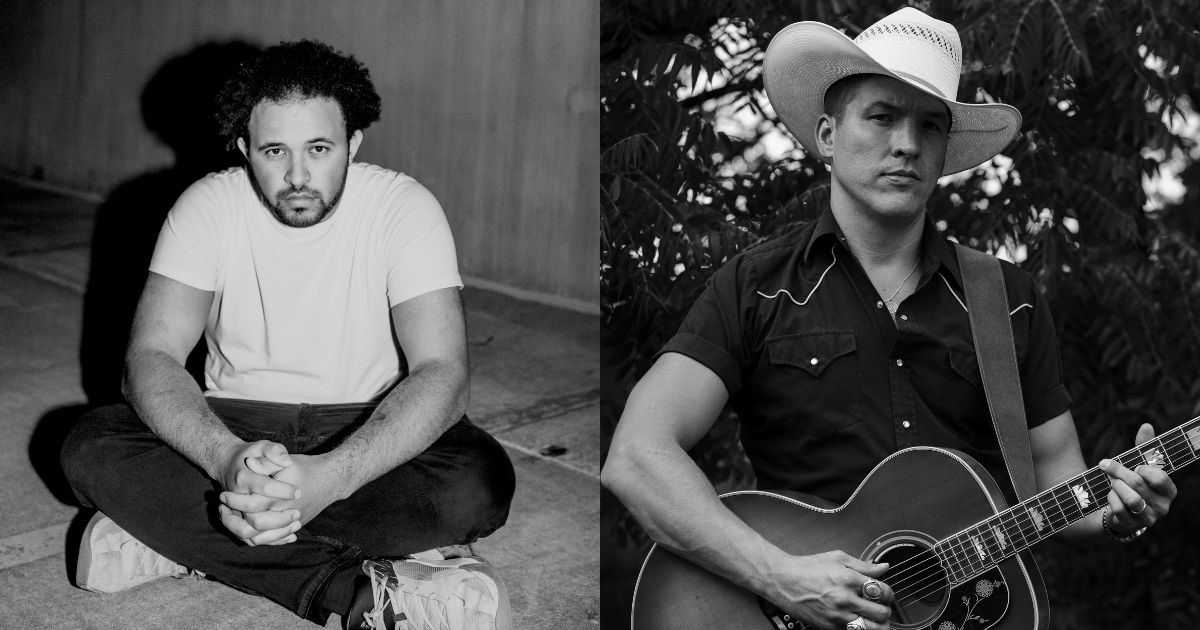
Photo Credit: C.J. Lewandowski (left) and Bobby Osborne (right) by Jeff Daugherty.
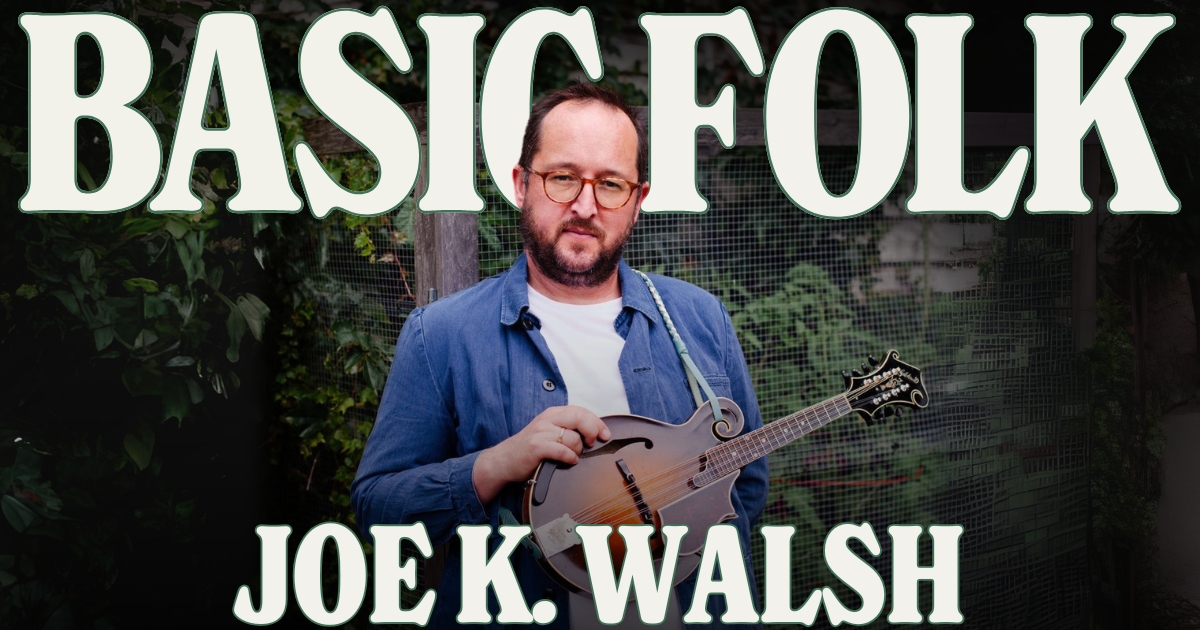
Joe K. Walsh grew up in Duluth, Minnesota, and became enthralled with the mandolin (his primary focus, currently) after hearing the first David Grisman Quintet record. His dad got the young Joe his own mando. He ended up getting very serious about the instrument and found himself studying at Berklee College of Music in Boston (where he is now on faculty in the string department). Joe, in fact, was the first mandolin student at Berklee in a town that is now flooded with amazing mandolin players. His already strong sense of community and collaboration led him to becoming a main player in the Boston scene with his string band Joy Kills Sorrow, and with the Gibson Brothers. He now resides in Portland, Maine, and plays solo as well as with Mr. Sun, a group led by fiddler Darol Anger.
In our Basic Folk conversation, we talk about taking over at Berklee after the death of professor John McGann, a beloved trad player who recorded with David Grisman, Mark O’Connor, Tim O’Brien, and the Boston Pops, among others. Joe addresses the question of whether bringing folk music into a college setting is “academizing” it or perhaps “folking” music academia. He also gets into hot button issues like improv, simplicity, and restraint. And, of course, he finally reveals his true feelings about the “other” Joe Walsh. Joe’s new instrumental album, Trust and Love, is a peaceful listen in these wild times. I’m happy to know Joe and have already benefited from his friendship! He and his wife gave my family a ton of baby hand-me-downs that have proved so useful. Everyone has a friend in Joe. K Walsh.
Eli West first rose to prominence in the acoustic music world as part of a duo with fellow singer-songwriter Cahalen Morrison. After creating three highly regarded albums together in the 2010s, West set off on his own. In 2016, he released The Both, featuring appearances by folks like Dori Freeman and Bill Frissell and on 2021’s well-received Tapered Point of Stone, West led a band that included Watchhouse’s Andrew Marlin and Clint Mullican and fiddler Christian Sedelmyer (Jerry Douglas Band).
This summer, the Seattle-based musician delivered his third solo album, The Shape of a Sway, where he is backed by his current sidemen, fiddler Patrick M’Gonigle and bassist Forest Marowitz, along with longtime collaborator Matt Flinner (mandolin, banjo) and an old college buddy, Peter Hatch (harmonium, piano).
West didn’t take a straight line to becoming a professional musician. Although he played violin and guitar growing up in the Pacific Northwest, he studied visual arts and political science in college. Then he headed east, where he went to timber framing schools in Vermont and Maine. Returning to Seattle, he got a job as a graphic designer.
Dissatisfied with his 9-to-5 existence, he quit his desk job after several years and went to Seattle’s Bainbridge Graduate Institute to study business. About halfway through, he realized business school wasn’t for him. It was around this time that West, who was getting more interested in bluegrass, met Morrison. He quickly decided to take a big leap and start playing and touring with Morrison. “My 30s were my 20s and it was awesome,” he shares with BGS. “And music was the means for that.”
West took some time to talk about his new album and his life while loading up a rental truck with timber frame kit to take to Orcas Island off the coast of Washington, where he and his wife own the Victorian Valley wedding chapel.
The Shape of a Sway is your third solo album. What type of a musical evolution do you see with this album?
Eli West: [With] each sequential record since my project with Cahalen, I’ve just been kind of establishing myself as a solo artist and singing my own music.
Tapered Point of Stone occurred right after my dad died and then this [album] occurred right after I became a dad. And making it halfway through life, turning 40, thinking about the second half. So, there’s kind of a transition theme. Looking up to someone and then all of a sudden looking down to my kids. Kind of switching teachers. My parents were my teachers and now my kids are my teachers. That’s a really abrupt shift.
I was writing for my last two records, but with this record I’m finally singing my songs that matter to me in a way that if they fall on other ears and feel good, I’m stoked. But I’m mostly happy with them as my own journal entries.
You have said you had something of a late start as a songwriter. How did your recent significant life events – your father dying, you getting married, and having children – influence your songwriting?
It took me so long to start songwriting, because I felt like I was cocky if I was putting my songs out if I hadn’t lived life. So, I needed to experience death. I needed to experience life on the other end, being a dad. I just didn’t have enough to say until then. It felt arrogant to do that without those experiences.
I have more certainty in whatever I’m doing. And I honestly needed a few years to think about my dad dying before I became a dad. And that certitude I feel in my music now, too.
I’m not writing to anything. I’m writing for myself. I have a lot of friends in Nashville, but I hate Nashville, because everyone’s writing to something. Not everybody, but there’s a big trend of writing to something to get awards or get someone to cover it – you know, that kind of thing.
How did you select the ten songs – did you pick them because they felt like a piece or because they were the ones ready to record?
It’s half matchmaking and half just the dam breaking because it was time. Making sense of getting half of your life, getting married, settling down, not road-dogging anymore, and ultimately deciding to have kids. So the matchmaking was finding the songs that spoke truth to being a new parent, I guess.
Are there tunes that you feel especially stand out to you from a songwriter’s perspective?
Well, “Ever Lovin Need To Know” doesn’t have a lot of meaning and it’s kind of filling syllables and it just feels good. It had meaning, but it was more about the feeling of the song than the content. “Spite and Love” is maybe the other end, where I had read this article in the New York Times about crows holding grudges and that just kind of launched it. I’m really proud of the lyrical content of that song.
And what songs served as the impetus for the album?
“Ever Lovin Need To Know” kind of felt like the tipping point where I could start assembling songs… And then “Rocks and Trees” is the most pertinent to my current situation. I have a nine-month-old daughter and that is speaking to that reality of who she is in my life.
“Rocks and Trees” also contains the line that you used for the album’s title.
Yeah, I don’t like naming a record after a song title. I think picking a lyric is way more interesting. I think there’s more satisfaction in finding that as a listener, than having a song title be the album title. So, “the shape of a sway” was kind of a secondary line that ended up meaning a lot to me. I have this newborn daughter, and I feel like I really know her not in a cognitive sense, but in a feeling sense. And “the shape of a sway” is this kind of different way to know somebody.
It feels like your lyrics often concern people exploring, examining, and searching for answers, but you don’t necessarily provide answers or explanations. Also, several songs (“All The Saints,” and the cover of Jean Ritchie’s “Cool of the Day”) have spiritual or religious imagery. Is this intentional or coincidental?
I’m glad you brought that up. I grew up in the church but then realized there’s just such a bigger common denominator than religion to get to know the world and people. So, I’ve happily delivered myself from that. But I think I ask better questions of myself because I acknowledge that human experience is bigger than any one religion.
I’m kind of looking back on those religious questions with a humanist empirical perspective, and I think that’s pretty fascinating to look back at the same questions but have a deeper well of experience and knowledge.
Was it difficult to quit the more structured world of graphic design and later business grad school for a life of a musician?
I think we’re all trying to reclaim this word “freedom” in this time and the definition of freedom for me was choosing a creative pursuit. There was some privilege and luxury in that, but it just felt like freedom. And I am grateful.
Has your background in design influenced the way you make music, similar to the connection that people have drawn between music and math?
Yes, spatial thinking – relative understanding based on space – what it feels like to be in one room and look into another room. I think of music and arrangements like that. The flow of walking through space and anticipation and memory, that’s really how I navigate music. That sounds kind of cocky, but I think you know what I mean.
You have talked about how collaborations are important to you. And this album features performers who you are familiar with (Patrick M’Gonigle, Forest Marowitz, Peter Hatch, and Matt Flinner). So, I was wondering how you walked the line with the arrangements and the collaborating, when it’s your name on the cover.
Yeah, I think any relationship [involves] grabbing onto the things that are important. The first line of this “Rocks and Trees” song is “a heavy rock that’s lightly held.” So, how to grab on to important things, but not white-knuckle them. I mean, I had this a few times, mostly in relationships, but also in musical collaborations that you seize the moment, but you don’t pretend it’s eternal.
And there’s a kind of like healthy promiscuity in music that just feeds the creative side. That said, this band that I play with right now – I feel so lucky. They’re just some of my favorite musicians. Besides Matt, we’re all in the Northwest now. And I think beyond anything, that’s why I do this – it’s just to play music with pals that I appreciate.
I had tried to record this a year previous, [and] it was basically too lightly held. I went in with a framework, but not enough rehearsing or structure around mostly [the] arrangements. And it was a great session. Those songs sound great. But it just didn’t have that kind of cohesive thing. So, I think my ideal process is leaving like 20% to be determined the day of recording. And then like that shit is always so great. But I need the 80% structure there.
You play a rather impressive variety of instruments. Guitar is your main instrument, but you play mandolin on this album’s two original instrumentals (“Gentleman’s Bulldog” and “Thanks and Sorry”). And you also play banjo and pedal steel. Do you feel like you have a particular facility with playing instruments?
I did Suzuki violin as a kid, which focuses mostly on ear training and that really helps to be fluid on instruments later in life. So, I’m really grateful for this Suzuki method!
This album has a little less bluegrass sound to it. Songs like “Spite and Love” and your reworking of Paul Simon’s “Hearts and Bones,” in particular, have real adventurous arrangements. Listening to it, the album sounds more genre-less – in a good way.
Yes, I am without genre. I just am drawn to good music, and I don’t like bad music. That’s how I define genre. There’s a lot of whim and not feeling bound to anything. So, that’s a freedom, and I kind of don’t care.
The Shape of a Sway also contains fewer instrumentals than your prior albums, was that by design?
I also love instrumental music…But the lyrical content of this record is important enough that I think that the instrumentals are just kind of supplemental.
You end the album with a real lively version of “I’d Rather Be A Train.” Was that on purpose?
[Chuckles] That Larry Sparks song was mostly just to make sure I still love bluegrass or to show that I love bluegrass.
Now, one of our longest-running and most beloved Friends & Neighbors has brought her band and her new album to NPR’s headquarters in Washington, D.C. for her very first Tiny Desk Concert. IBMA Award winner and GRAMMY nominee Sierra Hull – accompanied by her touring band of Erik Coveney (bass), Avery Merritt (fiddle), Mark Raudabaugh (drums), and Shaun Richardson (guitar) – performed four songs from her latest album, A Tip Toe High Wire, from behind the iconic desk.
“Well you guys, this is truly a ‘pinch me’ moment,” Hull exclaims while introducing her second song. “I can’t believe we’re at Tiny Desk!” And that grateful, excited energy remained front and center through the group’s beautiful mini set.
From the grooving “Boom,” to the burnin’ and acrobatic instrumental “Lord, That’s A Long Way,” to the homage to her grandmother, “Spitfire,” to the wise and poetic “Muddy Waters,” the Americana, newgrass, and jamgrass textures of the studio recordings are present, but somewhat subdued in the acoustic, pared down Tiny Desk environment. This is the exact band and these are the exact arrangements you’ll hear at a Sierra Hull headline show or on the album itself, but this setting more immediately demonstrates how her bluegrass and string band upbringing in rural Tennessee is a foundation for everything she makes. Hull is always innovative and cutting edge, yes, but she accomplishes this not by forsaking bluegrass but by bringing it with her wherever she goes, from tours with Cory Wong or Béla Fleck to NPR Music.
Another stellar Tiny Desk Concert by another incredible bluegrass, string band, and Americana musician. If you haven’t yet enjoyed Sierra Hull’s Tiny Desk appearance, watch now above.
Country and folk, bluegrass and new acoustic music all come together in this week’s edition of our new music and premiere roundup!
First up, country singer-songwriter Dallas Burrow is joined by Ray Wylie Hubbard on a brand new music video for their duo track, “Read ‘Em and Weep,” from Burrow’s upcoming September release. The song was inspired by classic gambling songs, so of course Ray Wylie was the perfect special guest to tap for the track and the country & western-styled video. Also bringing a new music video this week are Americana/folk trio The Last Revel, of Minneapolis. “Static” is about the overwhelm and confusion of new love.
In bluegrass, Chris Jones & the Night Drivers tap Jim Lauderdale for a new track, “How Small of Me.” Despite knowing each other for decades, it’s the first time Jones and Lauderdale have collaborated in the studio. Jones’ labelmates Deanie Richardson & Kimber Ludiker debut another new twin fiddle tune, this time offering their take on a Frank Wakefield classic, “New Camptown Races,” with a mighty backing band.
From experimental string band fringes we have a few stellar selections, as well. Award-winning banjoist Tray Wellington readies a new EP – set for release August 8 – with a performance video of an original song, “Man on the Moon,” continuing his creative relationship and fascination with the earth’s celestial relative. It’s jammy, expressive, and contemplative and shows a blend of many of the different styles of ‘grass he often employs. Mandolinist and composer Ethan Setiawan has new music on the way, too. His next project, Encyclopedia Mandolinnica, arrives mid-August and to celebrate, he’s shared a track featuring Joe K. Walsh called “Mount Holly.”
Finally, you won’t want to miss the return of Thompson the Fox, Tokyo’s quartet of mind-bending pickers who combine jazz, bebop, new acoustic, bluegrass, and so much more. Volume 2 of The Fox In Tiger’s Clothing – entitled TIGER – drops next month, so we’re sharing “Minute Waltz Rag,” the group’s reimagination of Chopin’s quintessential composition that’s ragtime, bluegrass, classical, and jazz altogether. Still, it’s incredibly easy to listen to – and impressive in technique and artfulness, both.
It’s all right here on BGS and, truly, You Gotta Hear This!
Dallas Burrow, “Read ‘Em and Weep” featuring Ray Wylie Hubbard
Artist:Dallas Burrow Hometown: New Braunfels, Texas Song: “Read ‘Em & Weep” featuring Ray Wylie Hubbard Album:The Way The West Was Won Release Date: July 18, 2025 (video); September 26, 2025 (album) Label: Forty Below Records
In Their Words: “This song, which serves as the opening track of the album, is actually a musical sequel to a song I wrote with my good friend Charley Crockett called ‘The Only Game in Town,’ which I wrote all the verses for after he brought me a chorus and a chord progression. In that song’s third verse the narrator tells us, ‘The dealer is [his] friend and the house always wins.’ This song you might say serves as a challenge to its prequel, with the opening verse declaring, ‘I heard the dealer was your friend, I heard you know him well.’ Both, stylistically, were inspired by great gambling songs like ‘Mr. Mudd and Mr. Gold’ by Townes Van Zandt and ‘Dust of the Chase’ by Ray Wylie Hubbard. It was only fitting then that Ray Wylie would sing on this tune. I gave him the whole record to listen to and this was the one he picked out to sing on. It was quite the honor to have him sing the entire second verse, since he’s always been one of my biggest inspirations and heroes. The tune opens with producer Lloyd Maines counting it off and playing a striking harmonic guitar part. As the track continues to build it is further brought to life by Lloyd’s legendary Dobro playing, and Katie Shore’s immaculate fiddle work.” – Dallas Burrow
Chris Jones & the Night Drivers, “How Small of Me” featuring Jim Lauderdale
Artist:Chris Jones & The Night Drivers Hometown: Nashville, Tennessee Song: “How Small of Me” Release Date: July 18, 2025 Label: Mountain Home Music Company
In Their Words: “Jim Lauderdale and I have been friends for decades now, but this is the first time we have ever sung together on a recording, so I’m really happy about this. Meanwhile I co-wrote the song with John McCutcheon, somebody I first met when I was a teenager, and though more recently, he’s somebody who the band and I have performed with a few times at the Walnut Valley Festival in Kansas, we had never written a song together until last year, and ‘How Small of Me’ is one of our first results.” – Chris Jones
Track Credits: Chris Jones – Acoustic guitar, lead vocal Jim Lauderdale – Harmony vocal Mark Stoffel – Mandolin Grace van’t Hof – Ukelele Jon Weisberger – Bass Tony Creasman – Drums Chris Scruggs – Steel guitar
The Last Revel, “Static”
Artist:The Last Revel Hometown: Minneapolis, Minnesota Song: “Static” Album:Gone For Good Release Date: July 18, 2025 Label: Thirty Tigers
In Their Words: “It’s a simple little song about how overwhelming and confusing love can feel especially in the beginning. It’s about losing yourself and everything you have just to spend time with the only person that seems to be vibrating at the same frantic frequency while everything else seems still and static.” – Lee Henke
Artist:Deanie Richardson & Kimber Ludiker Song: “New Camptown Races” Release Date: July 18, 2025 Label: Mountain Home Music Company
In Their Words: “‘New Camptown Races’ is a song that Kimber and I played together last year and it went so well we knew it was one we wanted on this record. I went to a recording from one of my fiddle heroes, Randy Howard, on this. I will admit, I did steal a few licks from Randy on this one. Love that my dear friend is with us on this track.” – Deanie Richardson
“We have long loved Frank Wakefield’s great mandolin tune ‘New Camptown Races,’ which quickly became part of the bluegrass canon when he first recorded it in 1957. We set out to create a twin fiddle reimagining of this classic Bb tune with the spirit of a high-energy late-night jam with phenomenal playing by Tristan Scroggins on mandolin, Kristin Scott Benson on banjo, Cody Kilby on guitar, and Hasee Ciaccio on bass.” – Kimber Ludiker
Ethan Setiawan, “Mount Holly” featuring Joe K. Walsh
(Click to listen)
Artist name:Ethan Setiawan Hometown: Cornish, Maine Song: “Mount Holly” featuring Joe K. Walsh Album:Encyclopedia Mandolinnica Release Date: July 23, 2025 (single); August 15, 2025 (album) Label: Adhyâropa Records
In Their Words: “This one’s for the Fogels, at whose cabin in Vermont I spent a couple of great New Years, and who smoke the most delicious meat at all hours at festivals in the Northeast. I started to work on the tune in 2022 or 2023 up in Vermont and then finished it soon before tracking with Joe in early 2024. I finished it without a mandolin in hand, which lately has been a good exercise in letting my ear rather than my hands guide the composition. I’m playing mandola and Joe is playing octave mandolin, because we had to get in those low mandolins!” – Ethan Setiawan
Thompson the Fox, “Minute Waltz Rag”
Artist:Thompson the Fox Hometown: Tokyo, Japan Song: “Minute Waltz Rag” Album:The Fox In Tiger’s Clothing, Vol.2: TIGER Release Date: August 9, 2025 Label: Prefab Records
In Their Words: “Following our May release of The Fox In Tiger’s Clothing, Vol.1: FOX, we’re excited to announce the upcoming release of its sister album, Vol.2: TIGER, coming out on August 9.
“The album title is a play on two phrases from different cultures: the Japanese proverb, ‘The fox borrowing the tiger’s authority’ and the English idiom, ‘A wolf in sheep’s clothing.’
“While Vol.1: FOX consisted entirely of our original compositions, Vol.2: TIGER is a collection of cover tunes. Ahead of the album’s release, we’ve just shared a music video for ‘Minute Waltz Rag.’ It’s a reimagining of Chopin’s beautiful waltz, which I arranged in two-time for this quartet. We hope you enjoy it!” – Takumi Kodera
Artist:Tray Wellington Hometown: Raleigh, North Carolina Song: Man on the Moon Album:Spatial Awareness (EP) Release Date: July 18, 2025 (single); August 8, 2025 (EP) Label: Free Dirt Records
In Their Words: “‘Man on the Moon’ is one of the most personal songs I’ve ever written. I wanted to capture how easy it is to hide struggle behind a smile and how many of us carry that weight silently. Writing has always helped me process things I hadn’t fully acknowledged and I hope it can do the same for someone else. This track was also one of my favorites for production as it’s one of the songs I feel like we really captured the feelings of the song throughout.” – Tray Wellington
Video Credit: Rob Laughter
Photo Credit: Tray Wellington by Heidi Holloway; Dallas Burrow by Melissa Payne.
This website uses cookies to improve your experience. We'll assume you're ok with this, but you can opt-out if you wish.AcceptRejectRead More
Privacy & Cookies Policy
Privacy Overview
This website uses cookies to improve your experience while you navigate through the website. Out of these, the cookies that are categorized as necessary are stored on your browser as they are essential for the working of basic functionalities of the website. We also use third-party cookies that help us analyze and understand how you use this website. These cookies will be stored in your browser only with your consent. You also have the option to opt-out of these cookies. But opting out of some of these cookies may affect your browsing experience.
Necessary cookies are absolutely essential for the website to function properly. This category only includes cookies that ensures basic functionalities and security features of the website. These cookies do not store any personal information.
Any cookies that may not be particularly necessary for the website to function and is used specifically to collect user personal data via analytics, ads, other embedded contents are termed as non-necessary cookies. It is mandatory to procure user consent prior to running these cookies on your website.