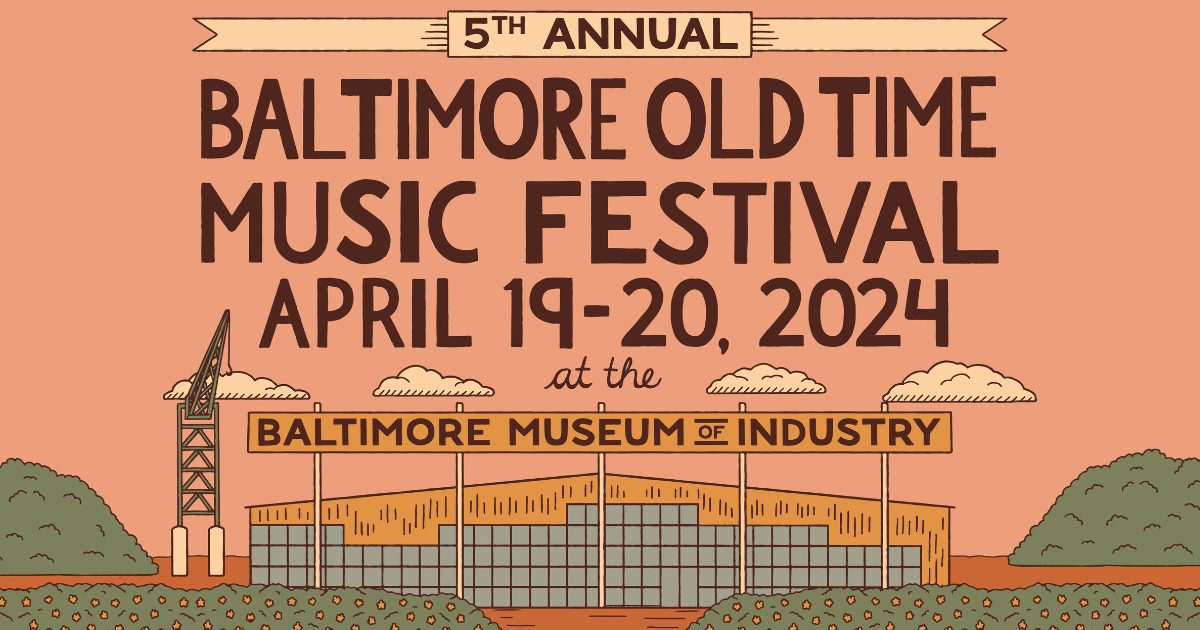
Would you rather not leave it up to chance? Purchase tickets to the Baltimore Old Time Music Festival here.
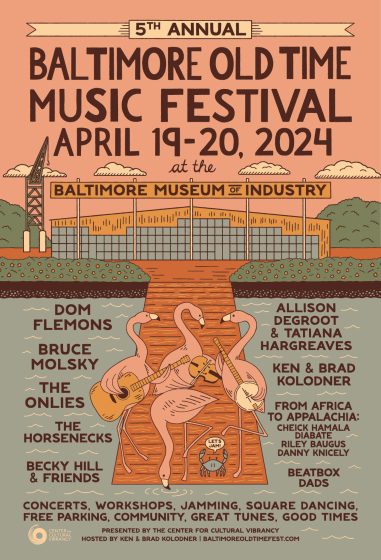
Would you rather not leave it up to chance? Purchase tickets to the Baltimore Old Time Music Festival here.
(Editor’s Note: Sign up here to receive Good Country issues when they launch, direct to your inbox.)
An often nameless, faceless character present in all country music is land. In a genre commonly referred to as country & western, land is a constant presence, whether foreground or background, evoked or painted, longed-for or spurned. Another nameless, faceless character that comes hand-in-hand with country and its relationship to land is colonialism – white supremacy, genocide, and imperialism advanced by music that claims to simply center nostalgia, rurality, and an “old fashioned” way of doing things.
This kind of revisionist history in country music – a sanitization of this nation’s past and present, in order to fit into widespread myths, around which this genre and our national identity is built – is no less pernicious simply because it is common and pervasive. It’s important to not only acknowledge country’s relationship with land, but to also attempt to deconstruct the ways that these roots genres perpetuate colonialist ideals and norms.
Can Good Country exist if it must deny the history of the land it professes to love? Can Good Country exist if it must deny that there would be no “country & western” without Indigenous people? These are questions that we feel are essential to ask, right out of the gate, even if their answers are not so simple. Good Country hopes to be a place that can represent all kinds of country music, but it cannot do that if we accept, uninterrogated and unexamined, that country’s relationship to the land must be good, moral, wholesome, and just.
At the heart of the second edition of Counterpublic – an artistic activation described on its website as “a civic exhibition that weaves contemporary art into the life of St. Louis for three months every three years…” – just south of downtown and the towering Gateway Arch, sits Sugarloaf Mound. From April to July 2023, Counterpublic included twenty-five public art installations at a variety of locations, including Sugarloaf Mound, a sacred site for the Osage People and the last intact mound in the city. In earlier eras, the area was home to many thousands of Indigenous people – and the largest city in what would become the United States, Cahokia.
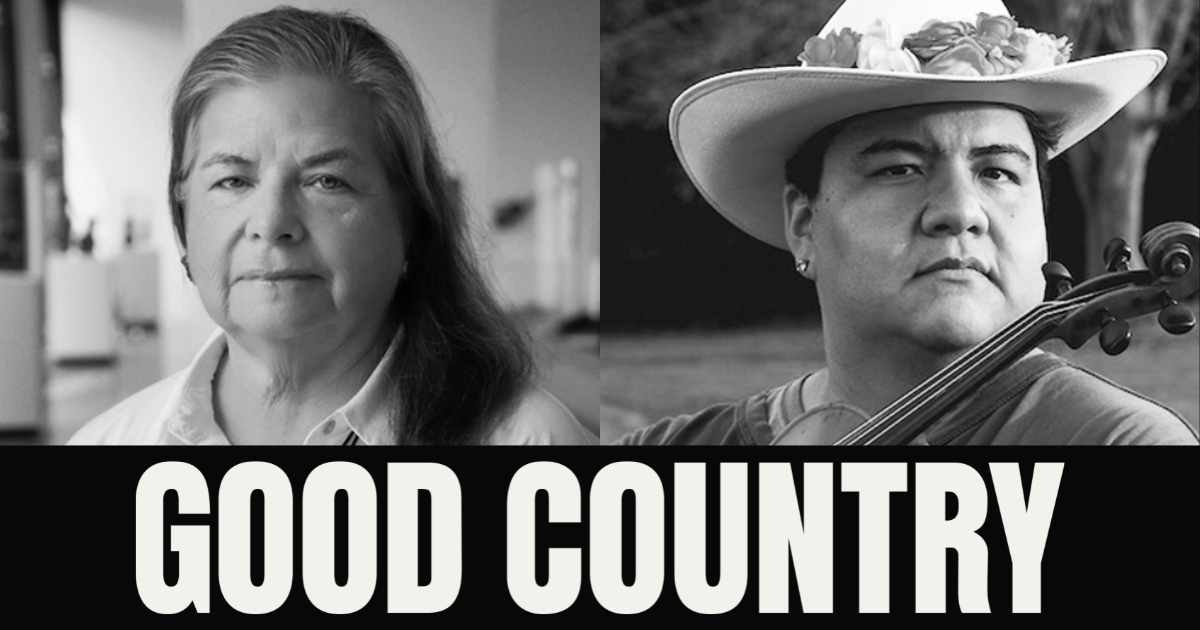
Adjacent to Sugarloaf Mound was the first Counterpublic installation and site, a collaborative piece that wove together sculpture, land, and music by mother-and-son artistic duo, Anita and Nokosee Fields. Anita Fields (Osage/Muscogee) is a fine artist who works in many media, but especially clay and textiles. Nokosee Fields (Osage/Cherokee/Muscogee) is a critically-acclaimed and in-demand old-time fiddler, equally at home in country and Americana as in old-time and string band traditions, and with a great deal of expertise on Indigenous fiddlers and Indigenous fiddling.
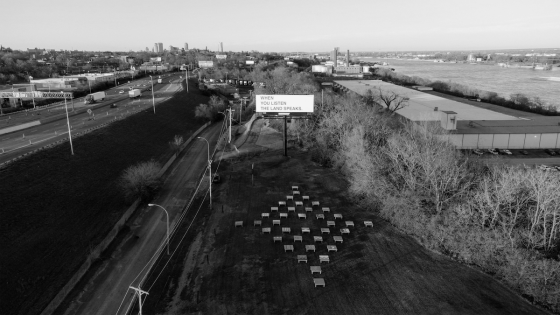
Their piece, WayBack, which was curated by Risa Puleo, is synopsized as such:
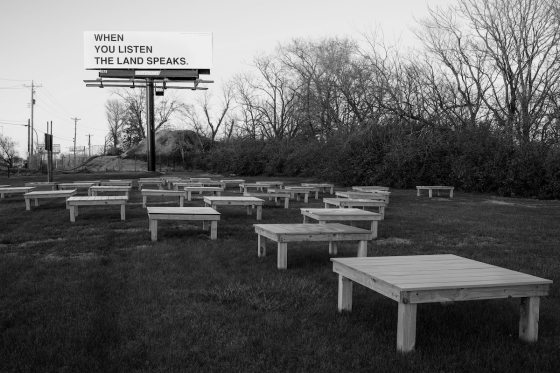
“Created in collaboration with her son Nokosee Fields (Osage/Cherokee/Muscogee), Anita Fields’s (Osage/Muscogee) WayBack invites visitors to gather in physical relation to each other, to Sugarloaf Mound, and to Osage ancestors, history, and legacy. When the Osage Nation purchased part of Sugarloaf Mound in 2007, the sacred site was reabsorbed into the Nation through the auspices of property, extending Osage territory from the site of their displacement in Oklahoma back to their ancestral homeland. Atop this site, forty platforms are installed, modeled after those found at Osage events in Oklahoma. Each platform is embellished with ribbons that reference Osage cosmologies of balance between sky, water, and earth. Nokosee Fields’s composition for wind instruments invites further consideration of the earth from which the mound was constructed, the sky that unfolds above the platforms, the sound of the Mississippi River on the banks below the quarry and the wind that flows through the surrounding trees that transform first into breath. After the exhibition, the platforms will travel from St. Louis to Tulsa where they will be distributed to Osage community members completing the link between the current home of the Osage Nation and its ancestral homelands.”
“Middle Waters,” the labyrinthine composition by Nokosee that acted as soundtrack for the installation, its platforms, and the adjacent mound (listen via the Counterpublic site here), perfectly illustrates how adept country music – and its textures, styles, and traditions – can be at capturing the ineffable, spiritual qualities of land and our relationships with it. Fiddle, field recordings, wind instruments, voices, and more intermingle in a piece that feels as organic and grounded as Anita’s sculptures.
Now, after the installation’s closing, each of the forty platforms constructed by Anita and displayed at the Counterpublic site will be moved to what’s now called Oklahoma, to be distributed to members of the Osage community and to have a continued life, further illustrating how art, music, and land gain all of their meaning from the communities that interact with and rely on them.
On the occasion of Good Country’s inaugural issue, we spoke to Anita & Nokosee Fields about WayBack, “Middle Waters,” the Counterpublic exhibition, and how humans, land, music, and art intersect and combine.
Could you just take me into the inspiration and the conception of WayBack and how you started working together and collaborating on the piece, not only with each other, but also with the land and with the site? Um, maybe Anita, do you want to start?
Anita Fields: Sure. Over two years ago now I was contacted by Risa Puelo, who was one of the curators chosen for the Counterpublic triennial in St. Louis. [Risa] asked if I would like to join and explained their purpose, what they were doing, and what their groundwork was for the triennial. She said, “I know your whole family are artists, so if you would like to invite somebody from your family to participate with you, that would be absolutely fine.”
But let’s begin with what their goal was, and that was to talk about the difficult histories of a place. St. Louis is certainly one of those. The reason that I was asked to join was that, for the Osage People, St. Louis, Missouri – and even further than that – is our ancestral homeland. It’s a large area, including St. Louis, Missouri, Arkansas, and even further than that in the beginning, migration from almost the East Coast to the Ohio Valley, to where our written and documented history begins in Missouri. So that was our homeland and there are documented villages there, still, and lots of history there, because after Lewis and Clark’s expedition we held the trade there. After Lewis and Clark, we started interacting real heavily and marrying with the French, partially because the French were trying to hold onto political power through the fur trade.
That is our history there [in St. Louis]. And then of course came displacement. A series of treaties started moving us out of that area, ‘til we came into Kansas. We had a reservation there and then we sold that reservation and with that money we bought what is our reservation today from the Cherokee Nation in Oklahoma. That’s it in a nutshell, and of course it’s way more complicated than that.
Nokosee and I don’t live in close proximity to one another, so I was like, “Oh my gosh, is this going to be able to work over the phone and Zoom? That’s going to be kind of difficult!” Then an opportunity arrived for me to go to Bogliasco, Italy for a month-long residency. I asked if I could bring a collaborator, and that’s where we landed for a month – on the Mediterranean, in this beautiful, beautiful, beautiful place, on the coast of Italy, not very far from Genoa. We schemed and dreamed and planned. And it was very difficult trying to arrive at a place where we were both happy.
Nokosee, I wonder how, as a songwriter and composer, you began approaching this? How did you take your musical vision and dovetail it with the physical vision, with the sculpture, and with the place? What was the process like as you sat down in Italy to start creating together?
Nokosee Fields: When we were both in Italy, I had a little field recording kit that I had been using. I would just roam around the grounds recording things. There’s the ocean right there, there are all these really intense waves happening, a lot of sounds to be had. There was also a poet, Robin Robertson, who was a fellow there at the foundation and I asked if he wanted to do any collaborating, because we had a lot of time there – it was a testament to the importance of having space and time to have creative thoughts. Which, I feel it’s really rare. For a lot of artists, you have to hustle a lot. We were there for one month, I was getting very regular sleep, I was eating three nourishing meals a day, and getting some exercise. And again, it’s also in this beautiful location, and we were surrounded by really smart artists. It was just a very stimulating, nourishing, and calm environment. I was able to actually have some visions and clarity. And I was able to indulge a lot of things – where, you know, most of the time I’m just barely piecing things together to make money or to pay rent.
It began with [Robertson] reciting a poem, then I started layering him reciting this poem with the waves and different sounds from around the grounds, manipulating them. I like the idea of using really intricate, small, detailed, fine sounds – using a really sensitive mic – and then turning that into something else. Or, pitching it, layering it on top of people’s voices or singing, or maybe something a little more recognizable.
For me, the space and time to have all of that creative flow happening – it took what felt like a month of just space to finally get somewhere with something. It was eye opening, a testament to needing space and time, because we kinda flip-flopped back and forth on what we were gonna do. I wouldn’t say we were struggling, it was just that we were in this new place and jet lagged. Our project was not hands-on, because it was just all conceptual, so it was a little difficult to land on something.
I do want to talk about the site, because – obviously I’ve only seen the photos – there’s an interesting juxtaposition of this kind of dreamlike soundscape for the piece with “Middle Waters” and then the site itself feeling somewhat shoehorned into modernity. You have the river there you have the highway here and of course there’s a billboard incorporated into the piece, as well. Anita, can you talk about how you wanted to play around with that juxtaposition with this sacred site that now is somewhat entrapped by modernity and by settler culture?
AF: There’s always a backstory surrounding my work, and how I came to be. I was born on the reservation and spent a lot of time with my grandmother, who was full blood, and I’ve chosen to be very close to my culture, even as an adult. As much as I could, I did what my grandmother did for me for my children, to make sure they have a place there, [in my culture]. In my own work, as I became older and older, I would be inspired by things that come from our worldview, which is a very complex worldview, but it’s very beautiful.
We still have those values. As a modern person, those values are still in place – you know, where I’m from. You can witness them in how we interact with one another, a lot of times. I think that is a very beautiful thing to know that what my ancestors left for us you can still recognize. A lot of my work surrounds that kind of thought, that there is another way of looking at the world that is not just a tunnel vision of, “We’re all like this and we’re going to go to the mall forever.”
And that’s our worldview; it’s way deeper than that. Through art, that’s a beautiful place to be able to tap into those kinds of thoughts and values. So I wanted, because that is our original homeland and that is such an important site, I wanted to be able to bring in this sense that we’re reclaiming that space again, marking it as ours, and [saying] this is who we are. I want people to know this is who we are.
Those wooden platforms are actually found throughout [our culture]. I’ll describe it to you this way, because this is the way I write about it: They have been around for a very long time. My earliest memories of them are when I was a young person, a young girl going around with my grandmother, and I would see them outside of large Osage homes or outside of our dances.
At camps, people have family camps, and these platforms would be there and you’d see older people putting their blanket down and sitting on it and then maybe somebody giving them a glass of lemonade or a Coke. And then they’d light up a cigarette and they’d be just visiting and laughing away with a relative or a friend.
And it always looked very calming and peaceful to me. Those are the kind of memories too that I often tap into. But it’s also much deeper than that. What I was seeing there was, yes peaceful and calming, that was happening, but I was also witnessing survivors who had gone through a lot just for us to be able to be here. There are always these links.
What better place to be able to bring those [platforms], because that is the place that we had to survive from, to move from St. Louis. I’m always interested in giving people a glimpse into who we are. It’s not my job to talk about ceremony or rituals or any of that kind of thing. But I want people, again, with that thought in mind, I want people to know who we are and that there’s a different way of looking at the world and it comes from very complex, intelligent thinking and is based on observing nature and the cosmos. These values and these systems are still here for us today.
With the platforms, we started by going to Google Maps, downloading maps and images, and the site was kind of big, so it wasn’t working with one platform. And we just kept going, “Guys, that platform is gonna drown in that big space!” It’s beautiful to be able to work with a great curator because between our conversations with all of us we decided, if the money can be found, maybe we can have more – it began there. That is how those arrived and then we topped them with designs that are familiar to us as Osage People. We painted those on there, designs that are used in our ribbon work clothing – which comes directly out of our interaction with the French, when we started trading for ribbons and needles and threads and thimbles and that kind of thing. This kind of interaction with the French and our time there totally changed our culture forever.
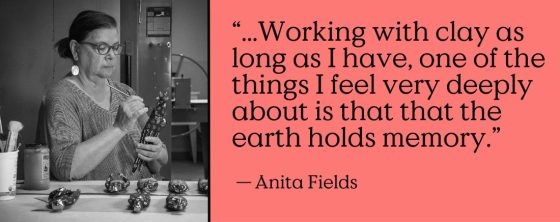
…You know, with working with clay as long as I have, one of the things I feel very deeply about is that the earth holds memory. That has been revealed to me, just because of how clay is made over time. I’m certain it holds the memories of who was there, wherever in the world.
I mean, in Italy, a couple of times when we would travel to these places and then we would read about the history, I felt that there, too. No matter where you’re at there are always the similarities to what has happened in history – “the conqueror” and “the conquered” – these stories are all threaded together and similar. I couldn’t see WayBack without sound in any way, shape, or form. It just wouldn’t have the punch that I was looking for.
I did want to ask, where are we at in the lifespan of the piece? I know that the plan is to distribute the platforms to Osage community members back around Tulsa. I just wonder where you’re at in that process?
AF: Yes, it was temporary and as soon as Counterpublic closed, I think it was within two weeks, they were picked up and shipped back to Tulsa to the [Tulsa Arts] Fellowship. The Fellowship is storing them for me. Then I got a call from the First Americans Museum in Oklahoma City, which is I think in its second year. They have a beautiful courtyard plaza and they have built a mound-like area where you can witness the solstices. The curator was at the Counterpublic closing and she said, “I want to bring these to First Americans Museum, what’s the plan for these as soon as this is over?” Well they took half of them and then half of them stayed here, displayed at a place called Guthrie Green in Tulsa for about a week. Yesterday, the ones from First Americans Art Museum were delivered to the Osage Nation. I want to distribute them to the Osage community. In my mind I’m like, “What am I going to do with 40 platforms when they return? What’s going to happen with these and who owns them?” And actually that was [curator Risa Puleo’s] suggestion: Is there any way these could be returned to the Osage community?
People are excited about it, those that know about it. Not a whole lot of people know. I’m trying to keep it [quiet] ‘til I get it all figured out, but they’re excited about it. I’m excited about it, too, because that is another way to make art accessible. To bring it back to where you come from. Because those folks are totally my inspiration, and I say this at every turn, whenever I have the opportunity. You’re my inspiration. Your grandmother, my grandmother, every interaction I’ve seen throughout my life. This is my inspiration.
Nokosee, I wonder, do you see a similar way of bringing “Middle Waters” to the people? Do you see a lifespan for that piece beyond this installation? Or do you think it’s a moment in time and it’s onto the next work?
NF: Yeah, I think it’s just a moment in time. I might edit it, but I’m pretty pleased with it. If anything, it’s more of a reason to want to do more sound installations, sound art kind of things. I’ve been wanting to transition to that kind of work. As much as I’ve enjoyed touring – and I’ll probably do it for as long as I can – I find it to be pretty taxing. It’s tons of fun, but I think I need something that’s a little more cerebral, a little more isolated, a little more supported, and also a place for my voice and creativity. I feel like I’m kind of waking up from an obsession where I just got into traditional American music, traditional fiddle. Now that I’m steeped in that world and I feel like I’m really a part of it, I also feel like there’s a lot of it I just don’t really care for.
This sounds really uppity, but making traditional fiddle music feels kind of separate from [country], it’s just melody. I like the foundational aspects of music and the research and tone, things like that. And I like it because it’s not really tied to lyrics, it’s not putting on a type of personality, like lyrical content [does].
That, to me, is often just perpetuating settler mythology about old-time music. There are a lot of things that could be said about old-time music that are also problematic. Instrumental music is where I really jive and get into stuff, but I’ve also had to constantly interface and participate in lots of country music or lyrical music that has content that, to me, just feels like propaganda with really rudimentary, basic understandings of the land.
It feels like a type of erasure. It’s just kind of designed that way – maybe not maliciously – but it’s just so deeply woven into how things work in this country. …I find a lot of country music today, a lot of the younger, popular stuff, it feels like it’s about convincing white people that they’re white or something. There’s this pseudo-woke take on country music, which I think is fine, it’s just not radical enough for me or something. It’s like it’s just enough for people to kind of maybe get their outlaw fix.
It still doesn’t work for me and I still find it very rudimentary and actually not very confrontational or very deep, as far as what’s actually going on in the world or on this continent.
Sign up here to receive Good Country issues when they launch, direct to your inbox.
Lead Image: Anita & Nokosee Fields via Counterpublic.
Image of Anita Fields: Courtesy of the Artist.
Headline text from Anna Tsouhlarakis, “The Native Guide Project: STL.” Billboard and digital signage. Curator: New Red Order. Counterpublic 2023, Sugarloaf Mound Site.
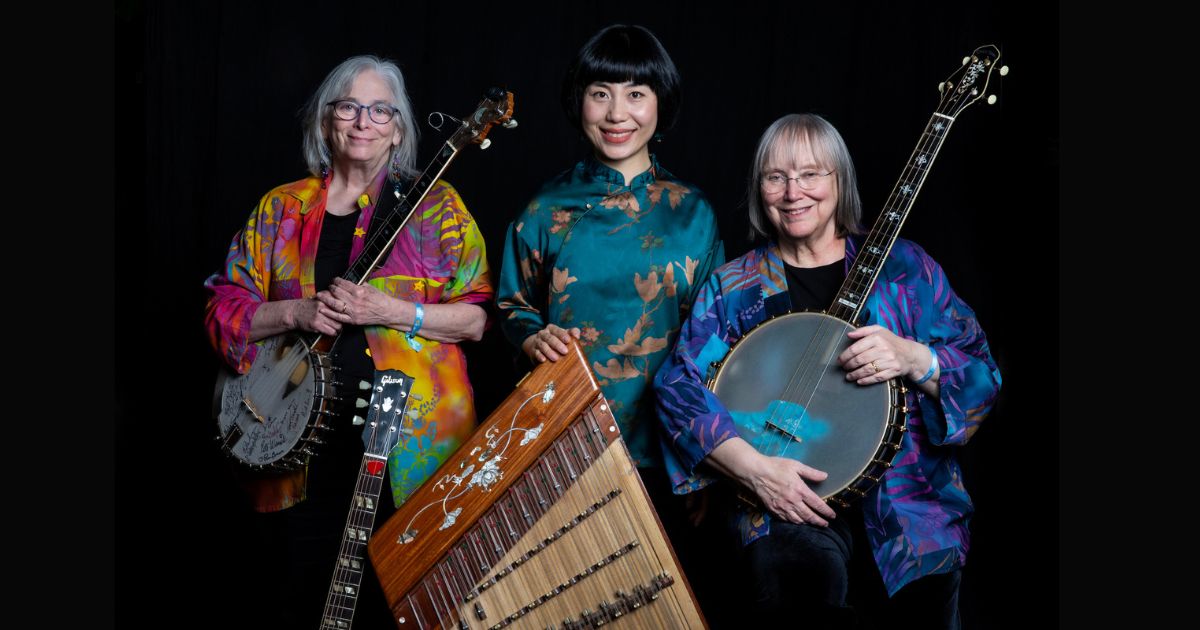
“What do Chinese and Appalachian music have in common?” is not really the central question in the minds of Cathy Fink, Marcy Marxer, and Chao Tian, whose From China to Appalachia concerts may first appear wildly random in their combination of instruments and styles. To these expert folk musicians, the real question is, “What don’t Chinese and Appalachian music have in common?” The latter would have a much shorter answer.
There’s a sense of belonging, of homeyness, of ease to this musical collaboration. With their primary configuration including Chinese hammered dulcimer played by Tian, clawhammer five-string banjo played by Fink, and cello banjo played by Marxer, those overarching moods could feel surprising, but for this trio there is really no such thing as not belonging.
Fink and Marxer have constructed every facet of their lifelong careers with community building centered – that’s how they connected with Tian, after all, when she participated in a fellowship program at Strathmore Arts Center nearby their home in Maryland. Fink & Marxer host their hugely popular UkeFest at Strathmore, and Fink is often a mentor of fellowship artists such as Tian. When the three began making music together, they realized the seamlessness of their musical and cultural vocabularies almost immediately.
@cathybanjo @chaotianmusic #yangqin #fromchinatoappalachia #banjo #clawhammerbanjo #culturaldiplomacy #grammywinners @freshgrassfoundation #hammereddulcimer #cellobanjo #trio #concert ♬ original sound – Cathy Fink
That realization, it turns out, is contagious. Recently, a simple promotional video of the trio performing a song to highlight a slate of performances went viral on TikTok. At the time of this writing, it has gained more than 550,000 views, more than 101,000 likes, and 14,000 saves. (Theirs is a music well worth holding onto for later.) Fink, Marxer, and Tian immediately noticed an impact from the viral video at their shows, with multiple dates selling out and new fans driving hundreds of miles to catch a tour date.
Listening to the three perform, the ease and charm of the music – however disparate its parts may feel – is immediately apparent, whether through a screen, a workshop, a community event, a concert, or a sing along. It’s clear that Cathy, Marcy, and Chao are using their music to teach the world and anyone who will listen that with roots music, there’s no such thing as not belonging.
We spoke to Fink, Marxer, and Tian via FaceTime last month, as they prepared for a short tour in the mid-Atlantic and immediately following their viral TikTok. The trio will continue touring From China to Appalachia throughout 2024 with appearances planned at Wintergrass, in the Northeast with special guest Jake Blount, and beyond.
Let’s start with your recent viral video on TikTok, I wonder what you might think is so exciting about this particular combination of instruments? Because, clearly there is something about this lineup that has resonated with folks! I have a couple of my own ideas about it, but I wonder what you think is particularly electric about banjos and Chinese dulcimer together?
Cathy Fink: Chao, do you want to start?
Chao Tian: Okay! So, I play the Chinese dulcimer, right? The most common question that people ask me in this country is, “What’s the difference between the Chinese one and the American hammered dulcimer?” They share a similar history. The Chinese dulcimer was actually introduced to China by British travelers back more than 500 years ago. And, somehow I have just felt, when I play with Appalachian musicians, or play American Roots music, I feel like I’m home. This instrument actually feels the same way – back home. It just melts into this genre of music smoothly and without any problems. The music languages are quite matchable, perfectly.
I feel like if I try to collaborate with musicians of any other type of genre – like, I play with jazz musicians – I need to learn their language. For Appalachian music, I just feel like I speak it, not the native language, but some kind of accent. But, without any limitations to communicate with those musicians.
I wanted to ask you, also, because one of the first things that came to mind for me when I saw your collaboration is Abigail Washburn collaborating with Wu Fei. Could you talk a little bit about the difference between a guzheng and a dulcimer and about your approaches and how they differ?
CT: Yes, that’s another question that people think about when they see our collaboration. Some of them just bluntly ask us, “What’s the difference?” Instrumentally we have some differences [from Wu and Washburn], because Cathy and Marcy, they are multi-instrumentalists. They can play more [instruments] and our music style is versatile.
The dulcimer’s history and background is quite different from the guzheng, because guzheng is a Chinese instrument traditionally and dulcimer is actually a worldwide instrument. As I said, [the U.S.] is a home country of this instrument.
We have a collaborative vibe and more like a family vibe. Like a family reunion… I define our collaboration as an intercultural collaboration. For most people’s opinions, they see us, too, like an intercultural thing. But when people talk about intercultural collaboration, we somehow initially think about what’s the difference between these two cultures, or three cultures, or among different cultures.
Our collaboration is based on mutual understanding and cultural respect. When we started this collaboration, we noticed there are a lot of commonalities between Chinese traditional music and American roots music. So this intercultural collaboration transformed from, “Let’s just try something” into, “Let’s delve into more about the musical language, the musical form, the scales–”
Because there are similar scales we use – the pentatonic scale, the modes. The format of the folk musics are similar, very similar. I always feel like even though folk music, those little tunes are short, but they can contain very powerful, immense messages that we can deliver to people.
And I really think our title, From China to Appalachia, actually is a very clear description. Yes, literally, but it’s not only that. Some people on TikTok suggested a very interesting idea, that we should replace China with my hometown, Beijing, because Appalachia is a region and China is a country, right? But actually we use that title not to describe the geographic thing, we are talking about music. We’re talking about culture. So from China to Appalachia, there is something that strongly linkages between them. Not only musically, not only culture, but also on a people to people level.
We should try our best to find what our commonalities are, more than trying to show, “I am special! I am special! You should listen to me! You should listen to me more!” So, it’s just musical healing.
That’s such a great answer and it makes me think of, Cathy and Marcy, how you’ve always placed community so central in how you make music. It’s not something that’s an after effect of music making for you. It’s something that’s very present in the beginning stages when you make music. Can you talk about how this project is another example of how you build community with all the music making that you do?
CF: It’s definitely that and I thank you for recognizing that. Right now, we’re in the midst of a tour that is co-sponsored by Mid Atlantic Tours of Mid Atlantic Arts. To our delight, one of the criteria for presenters participating [in the program] is that there be a community outreach event. In each place that we go, that event is different. We’ve performed for some high school kids, and this weekend our outreach was playing music at a Unitarian service. I have to tell you, it was the most beautiful service of community gathering and worship without using two words that you almost always hear in a church – God and Christ. Everyone was included. They didn’t care who you worshiped. They didn’t care who you were. If you wanted to come together and be in community, then please come in the door. For us to play music in that scenario was really amazing.
In Fredonia, [New York], it just so happened that Emily Schaad – a fiddler in the old-time music community, but also a phenomenal conductor and classical musician – had just moved to Fredonia, and we were playing at the Fredonia Opera House. They reached out to Emily and said, “How about putting together a workshop?” So, Emily had her orchestra students come and she reached out to all of the regional youth bluegrass organizations. We had a room of like 75 people – her orchestra students, kids learning bluegrass, Appalachian dulcimer players, tuba players, horn players, you name it. There was an amazing cello player who took over on Marcy’s cello banjo and immediately understood what it was.
We put together an arrangement of a tune and that was meaningful to everybody. Then, we have something coming up this weekend in Martinsville, Virginia at a place called Piedmont Arts and we’re so excited about it. Our first set is going to be based on our repertoire, we’re just going to pick what we want for an hour long set. In our second set, there’s a Chinese watercolor artist, local to that community, who has an exhibit at Piedmont Arts right now, and he’s going to be on stage creating a new watercolor while we play music, much of it improvised.
I think this grant [from Mid Atlantic Arts] has opened the door to more community. I think it will be a centerpiece of every place we go. When this grant is finished and presenters are interested in us, one of the things that we’re going to say is, “What collaborative community thing can we do?” How can we meet more people eye-to-eye, music-to-music, or whatever it may be?
Community is one of the most important things that this show and our collaboration stands for, and we’ve made music with Chao for, I don’t know, six years or so. She did some touring with us and Sam Gleaves, which was really fun. We did a little run out to Ashe County Arts Council there, in our neighborhood. And that was an interesting test for how does this music fly in Appalachia? It was just amazing, the response.
When we started doing more work together, remember that when COVID hit, there was a lot of anti-Asian sentiment in the country. We felt like making this music together was our statement of community and of humanity. We never had to say a thing about it. We just had to all be there together and present a very honest sense of community and love.
It’s perhaps another reason why this TikTok video of yours took off. Because, I think a lot of people, whether consciously or subconsciously, when they see banjos they might not know anything about banjo music besides stereotypes. I think there’s something about this lineup, and in particular the mission that you’re bringing to the music, that makes it so inviting to folks. You’re not just saying, “Come and listen to us.” You’re saying, “Come be a part of this.”
I think that’s part of why people see and hear this music and it might come off as intellectual or cerebral music, but they’re responding to it in a very down to earth way and they feel invited by it.
CF: And it’s very participatory. I will tell you, in Richmond, when we started singing and playing “High on a Mountain,” there were a lot of people there who knew the song. We just said, “Sing it with us!” And my God, did they ever sing it with us. There are several songs in the show full of sing-along participation, and I’m going to guess that a lot of the new fans through TikTok and social media haven’t been to a lot of folk concerts where that’s kind of an expected part of what happens.
But we have a very full circle story with a piece that Chao brought to the group after she heard a recording of Pete Seeger and Arlo Guthrie doing it. It’s a Chinese song called, “Three Rules of Attention and Eight Points of Discipline.” They recorded it in 1975. It’s a really awkward choice in many ways, because it deals specifically with peasants who were leaving Chiang Kai-shek’s army for the Red Army. They used this particular piece of music in the Red Army to teach what I’m going to call, “rules of humanity.” When you hear and read these rules of humanity, and you look at what’s going on in the world today, you go, “Oh my God, 1928, this song?” And Chinese people in the audience feel like we’ve brought them back to their home and their childhood.
It’s a really interesting thing. Pete has, of course, a thousand people whistling on it with him. I can’t whistle worth nothing. Marcy’s pretty good at whistling. but we get the audience singing “La” and taking over the song and we’re all there together
I wanna make a quick point about Abigail and Wu Fei, because so many people make that immediate connection, too. First of all, I wanna say that we’re friends with Abigail and Chao has met Wu Fei, and I find that what we do is, separately, is very complementary. There are some differences – you know, Abby speaks fluent Chinese! Chao’s trying to teach us to sing in Chinese, and we’re working on it every day. That’s a little part of how she’s stretching us in some ways. And then we’re stretching her in some ways.
Additionally, in our show From China to Appalachia, there’s a sort of hidden parentheses: “And beyond.” From China to Appalachia (and Beyond). It’s a big focus of ours to collaborate on Chinese and Appalachian music, but it is also a real joy to pick a Django Reinhardt piece like “Dark Eyes,” which Marcy plays on the mighty ukulele. So then we have ukulele and guitar and Chinese dulcimer. Or, we’ve kind of reinvented Cousin Emmy’s “Ruby.” We have a gourd banjo, Marcy on the doumbek – she’s got a pink Barbie doumbek – and Chao on hammered dulcimer. Chao does things on hammered dulcimer that no one else does. She’s got a slide she uses on it, she’s got all these interesting sounds.
We certainly see what we do as embracing a lot of different world music concepts and basically, we feel like it’s all very complimentary. We’d love nothing better than to share a show and collaborate with Abby and Wu Fei.
That’s perfect as a segue, because I also wanted to talk about sonics and about the music itself. Marcy, I wonder if you could talk a little bit about how as you’re crafting these tunes, how are you thinking about building the ensemble? How do you decide which instruments you’re going to utilize when?
Marcy Marxer: At first, we just try a bit of everything and see what works best. For me personally, the cello banjo is working really well in this group. My main instrument is guitar, of course, and I will be playing more guitar in the future, but I love the high angelic overtones of the hammer dulcimer with Cathy’s banjo ringing and then the cello kind of being, as Chao calls it, the panda of the group. [Laughs] The giant panda. [That combination] is just a sonic sound that I’ve never heard before.
You know, the hammered dulcimer was so popular in the ‘70s and ‘80s in old-time, traditional music. Then it kind of fell out of favor. Much of that had to do with the fact that the hammered dulcimer was hard to tune and the rest of the group would have to tune to the dulcimer. But it’s such an engaging sound. I mean, it really captured my heart ever since I was a little tiny child, listening to my grandma play, and then playing it myself. I think it’s really time for the hammered dulcimer to come back. I mean, we still have a generation or two of hammered dulcimer players who are 60 and over and some younger players, but I’m not so aware of them. But, I’d love to see the hammered dulcimer really come back into American traditional music in a way that younger people can still learn from the masters.
Audiences have always loved the hammered dulcimer. It’s just like old-time festivals and jams where it kind of fell out of favor to a point that some hammered dulcimer players just don’t go.
We need to bring that back, because there’s just a spirit and a liveliness to the dulcimer that nothing else has. You’ve got your percussion, you’ve got your sparkling tones, you’ve got your deep tones. It’s a real joy to play along with, to hear Cathy’s banjo and Chao’s dulcimer together just blows me away sometimes. It’s really stunning. And then to be able to add the lower stuff and take some solos. For me, that’s the comedy part, the cello banjo solos always make people laugh.
CF: Marcy’s kind of like the pinch hitter, right? I do three things: I sing, I play whatever banjo is the best banjo for the moment, and I play rhythm guitar. Like Marcy, I think the unique center of our sound is the cello banjo, the five-string banjo, and the hammered dulcimer. But then Marcy adds ukulele. She adds a mandolin. She adds tin whistle if it’s appropriate. She has percussion things. She plays the doumbek. With each song that we play, Marcy and I are going in our heads, “What does she play that might add something to this, that we don’t mind schlepping on the road?” [Laughs]
Marcy describes this sometimes like you have this box of crayons. Chao’s got a big fat crayon, I have two or three small crayons, and Marcy owns the rest of the box! [Laughs]
Photo Credit: Jeff Fasano
Every January and February contain the same complicated emotional cocktail – a hangover from the holidays, a buzz of hope for the future, grief for the year gone by, relief to have moved on, joy in the lack of plans, and perhaps even dread for any winter still to come. Whichever way you slice it, it is a time of mixed emotions, usually of the slightly melancholy variety, but not wholly sad. I call this the “happy-sads.” This gentle gloom has always been beautiful to me in art, music, TV, film, etc. – and especially in an old-time tune!
Old-time music covers a vast range. There are tunes for every occasion and feeling – and the bittersweet is abundant. It’s also possible to get something different from a tune, depending on when and how you come across it. The tunes I find myself most drawn to this time of year are those that lope along, tinged equally with a sweet sadness and hope. Here are six old-time recordings that won’t cure your January/February “happy-sads” but rather, indulge them.
“Lost Indian,” Tricia Spencer & Howard Rains
Based in Lawrence, Kansas, Tricia Spencer and Howard Rains have deep musical roots in Kansas and Texas, respectively. With two wailing fiddles right up top, this is the perfect recording to start off this list. When the band kicks in you want to dance, but also cry?
“Backstep Indi,” Pharis & Jason Romero
A fretless gourd banjo is a sure-fire way to indulge all of your complicated winter feels. Pharis & Jason Romero are no strangers to the cold and gray up in their Canadian home. A modern old-time tune, “Backstep-Indi” winds in and out and back again making it the perfect recording for a reflective chilly day.
“Fire on the Mountain,” Matt Brown
Matt Brown’s recording of “Fire on the Mountain,” a tune from Kentucky fiddler Isham Monday, never fails to inspire peace, personally. It’s just ultimately serene and mournful like a proper January morning (or afternoon or evening). The G cross tuning, fingerstyle banjo, the simple delivery are all just right.
“Railroad Bill,” Etta Baker
The way Etta Baker’s fingerstyle guitar just chugs right along with a slow, but definite evolution during “Railroad Bill” has a familiarity and comfort to it. Her sound is still, steady, and warm, and that minor six chord really hits on a glum winter day.
“Weevils in the Grits,” Sami Braman
Sami Braman’s original tune, “Weevils in the Grits,” marches right along with Brittany Haas guest fiddling alongside her and her band. Open tunings on a fiddle can lean in the more “raging” direction or the drones that they create can open up the sound to something ethereal and archaic. Sometimes you get a combination of both, like we have here! BGS premiered “Weevils in the Grits” last year, too.
“Laughing Boy,” Earl White Stringband
There are several tunes off of the Earl White Stringband album that could have ended up on this list, notably the old-time jam hit “Chips and Sauce,” but this particular one stuck because of that fleeting moment where the melody winks at the minor chord while the band plays the major four and your heart explodes.
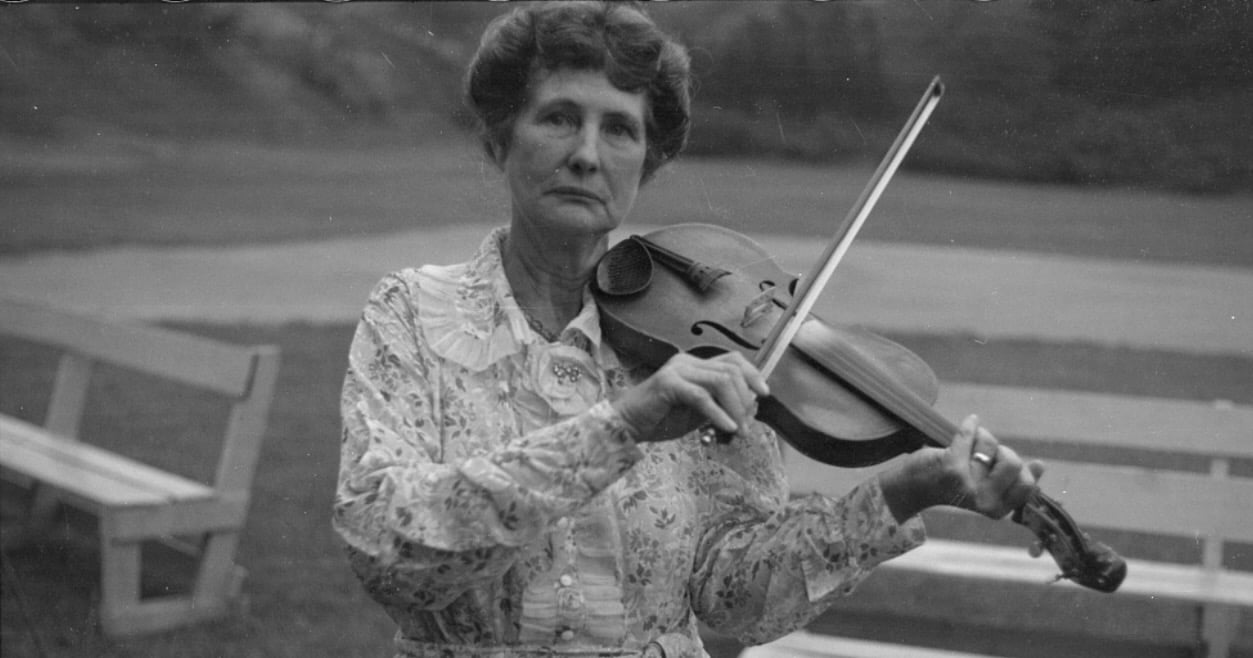
Photo Credit: United States Resettlement Administration, Ben Shahn, photographer. (1937) Aunt Samantha Baumgarner i.e. Bumgarner. United States, Asheville, North Carolina. Photograph retrieved from the Library of Congress.
This week, BGS readers enjoyed track and video premieres from artists like Appalachian up-and-comer Colby T. Helms, jammy bluegrass string band Armchair Boogie, a full album preview from Clay Parker and Jodi James, a tender and heart-wrenching From ONE to Tenn. performance by Jaimee Harris, and many more.
Below, you’ll find each of our premieres from throughout the week, plus enjoy exclusive, brand-new songs from artists and musicians like Nina de Vitry, Paper Wings, Jesse Lynn Madera, Billy Gilman featuring Rhonda Vincent, The Coal Men, and more.
You Gotta Hear This!
Nina de Vitry, “If We Didn’t Have Night”
Artist: Nina de Vitry
Hometown: Born in Lancaster Pennsylvania, based in Nashville, Tennessee
Song: “If We Didn’t Have Night”
Release Date: January 26, 2024
In Their Words: “‘If We Didn’t Have Night’ was recorded during the creation of my recently-released, debut, full-length album, What You Feel Is Real. Though it echoes a similar theme of optimism to many of the songs on the album, I realized that it didn’t sonically belong in the collection and instead begged to be a standalone single. The song explores new territory in my songwriting journey, celebrating some of my deepest musical roots like old-time and country. At the time that I wrote it, I was listening to a lot of Dolly Parton and wanted to attempt to write a chorus inspired by her melodies. What ensued was a lively tune that called for some fiddle, pedal steel, and a two-stepping feel. I hope that it may uplift those who listen and help to keep the winter blues at bay!” – Nina de Vitry
Paper Wings, “Is It True”
Artist: Paper Wings
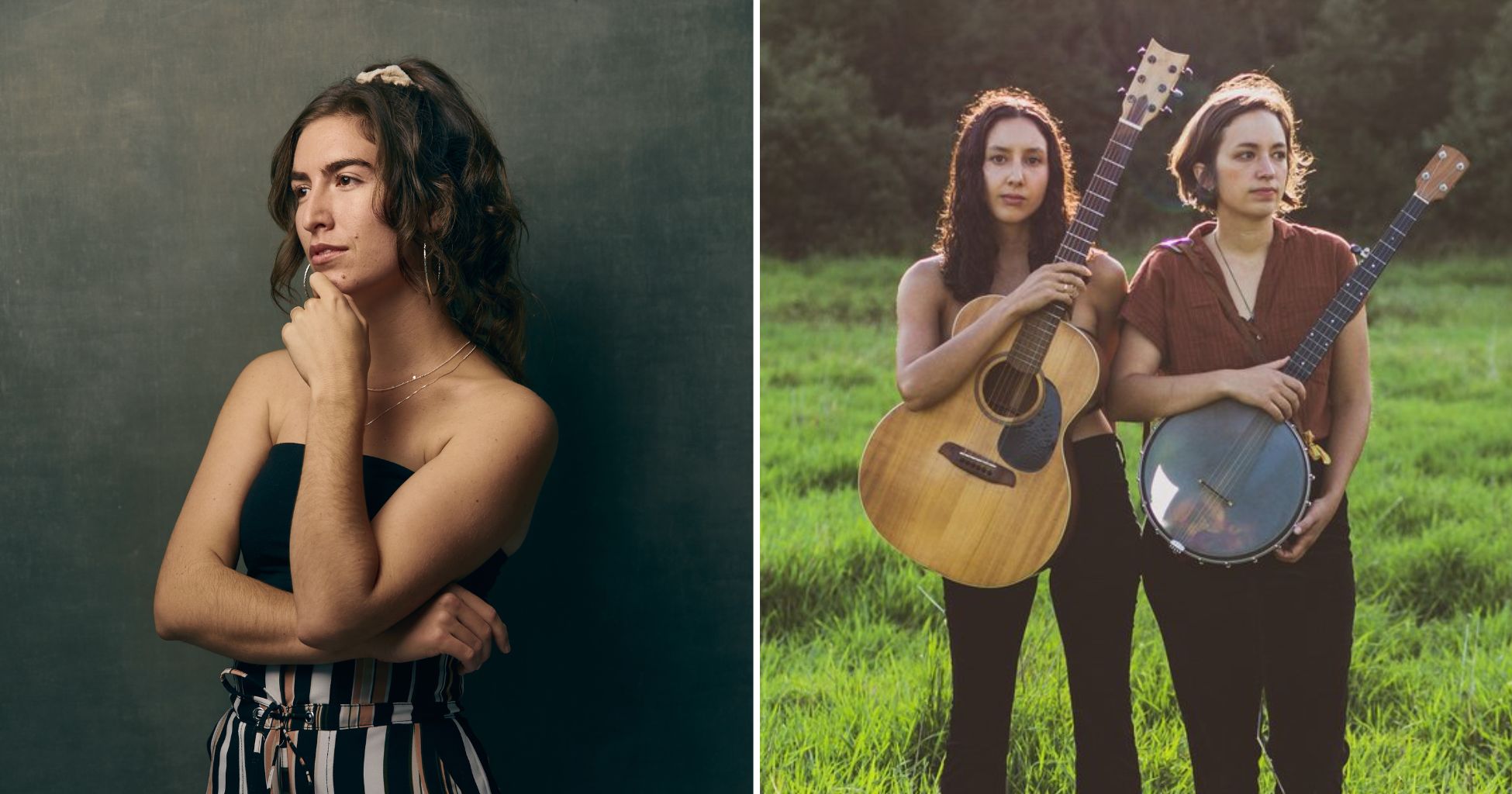
Hometown: Wila Frank – Nashville, Tennessee via Summit, Oregon; Emily Mann – Big Sur, California
Song: “Is It True”
Album: Listen to the World Spin
Release Date: January 18, 2024 (single); March 15, 2024 (album)
Label: Paper Wings Music, distributed by Free Dirt Records
In Their Words: “‘Is It True’ is our love letter to the hard-working, gritty, capable folks in our lives. Em and I both grew up in rural places around people who truly respect nature and the satisfaction that comes from a hard day’s work, out in the elements. After living in cities, we realized our modern-day culture often fails to celebrate physical labor and the strength of character that comes along with it. We thought it would be fun to shine a spotlight on some of the trademarks of a real hard-working character in a song. ‘Is It True’ is about the allure of someone who isn’t afraid to get their hands in the dirt. The more the world tries to sell us shiny new things, the more we appreciate the well-made, the well-worn, the well-loved.” – Wila Frank
The Coal Men, “Black Cat”
Artist: The Coal Men
Hometown: Nashville, Tennessee
Song: “Black Cat”
Album: Everett
Release Date: January 19, 2024 (single); March 29, 2024 (album)
Label: Vaskaleedez Records
In Their Words: “Some folks are magnetic but, ultimately, nothing but trouble. ‘Black Cat’ is a swampy-groove song about that kind of dangerous friend. Drummer Dave Ray got a great snare sound going with a cymbal on top of the drum to mimic an 808 drum machine. Paul Slivka’s thumb-strike bass is doubled with low octaves played by piano tuner Lane Kiefling. I’m playing a short-scale baritone telecaster with flat wound strings and when the fuzz solo comes around, I really tried to be violent with the panning in the mix to make a listener’s head spin. This song is a joy to feel, play, and sing. I hope it’s got a bit of Tony Joe White in my vocal delivery to drive home the ‘thin grin’ humor of the song and warn folks to stay away from that type of crazy.” – Dave Coleman
The Lucky Ones, “Since the Farm Got Sold”
Artist: The Lucky Ones
Hometown: Whitehorse, Yukon, Canada
Song: “Since The Farm Got Sold”
Album: A Nickel For The Fiddler (EP)
Release Date: January 19, 2024
In Their Words: “We wanted to pay homage to our roots with this EP, so that’s why we went with the title A Nickel For The Fiddler. It’s also a Guy Clark song, someone who’s a huge inspiration to us – along with Townes Van Zandt, Blaze Foley and Rodney Crowell. So it’s a bit of a tip-of-the-cap to that circle of songwriters, but more so it’s an homage to our friend and mentor, Joe Loutchan, who had a residency at the ’98 Hotel in Whitehorse up until his passing in 2021. We needed to include a traditional fiddle tune for him, although that led to us add another medley of traditional fiddle two-step tunes. Why stop at one, right?
“The story behind ‘Since The Farm Got Sold’ has taken on greater meaning when we found out that the farmhouse where we recorded the EP was once the home of my great-grandfather and the property was once his farm. The house has had minor renovations to make the building work as a recording studio. However, it has been largely untouched and left with that vintage farmhouse appeal. It was profound – truly a spiritual experience – being in there. It was like stepping into a time machine, visiting with ghosts, and sharing songs and stories with the ancestors.” – Ryan James West, mandolin & vocals
Jesse Lynn Madera, “Austin”
Artist: Jesse Lynn Madera
Hometown: Currently based in Los Angeles, California
Song: “Austin”
Album: Speed of Sound
Release Date: January 19, 2024 (single); March 16, 2024 (album)
Label: Big Fat Dress
In Their Words: “When I was a teenager growing up in Houston, I used to sneak off some weekends to go hang with a guy who was in veterinary school at Texas A&M. This song is about when that rush of lust meets the thrill of the road. I replaced Houston with LA, because it sings and rhymes more easily. I tracked this song three times, in three ways, trying to nail the groove. My friend John ‘JT’ Thomas (Bruce Hornsby) played keys on the final product. I was blown away by the energy he brought to the track. Brian Whelan (Dwight Yoakum) sang harmony and played electric guitar, including the solo.” – Jesse Lynn Madera
Billy Gilman, “That’s Bluegrass To Me” (featuring Rhonda Vincent)
Artist: Billy Gilman
Hometown: Westerly, Rhode Island
Song: “That’s Bluegrass To Me” featuring Rhonda Vincent
Album: Roller Coaster
Release Date: January 19, 2024 (single)
Label: Pinecastle Records
In Their Words: “This song is personal to me, because I wrote about a grandmother in the first verse sitting on her front porch listening to the Osborne Brothers. That grandmother represents my own grandmother, who used to sit in her house and listen to bluegrass music. That is where I first heard it. That is such a fond memory for me, and now it can live on in this song.” – Billy Gilman
Jaimee Harris, “Orange Avenue” for From ONE, to Tenn.
Artist: Jaimee Harris
Hometown: Born in Nacogdoches, Texas; Raised in Hewitt, Texas; Living in Nashville, Tennessee
Song: “Orange Avenue”
In Their Words: “My partner, Mary Gauthier, was given an incredible writing residency in Key West for the entire month of January 2022. We often tour together, so I decided I’d take the time of solitude to search for songs. I started my search in the panhandle of Florida and spent a month driving down to Key West. Every two to three days I traveled to a different town, collected stories, visited fascinating museums, explored the variety of Florida’s natural beauty, and wrote a song in every town I visited.
“I did not plan to stop by Pulse Nightclub, but I found myself there alone at night. The first thing that struck me about Pulse was its location. I imagined it would be located in a nightlife district, but that is not the case. I was surprised to find it standing at the end of Orange Avenue, across from a Dunkin’ Donuts – the only two businesses on a street lined with houses. Pulse was a queer-friendly club, but it was also a neighborhood bar. The entry age was 18, so there were plenty of teenagers who hung out at Pulse simply because it was a friendly place where they could dance without having to be 21 to enter.
“The second thing that struck me was a plaque that listed 48 names of those who were killed on June 12, 2016. The third thing I noticed was a block of text that read, ‘We honor the 49 angel birthdays by placing angel wings next to their name. You are always in our hearts.’ If there were 49 killed, then why were only 48 names listed? I then noticed a plaque that said, ‘Out of respect for the family’s wishes, a victim’s name has been kept private…'” – Jaimee Harris
Colby T. Helms, “Mountain Brandy”
Hometown: Boones Mill, Virginia
Song: “Mountain Brandy”
Album: Tales of Misfortune
In Their Words: “I am delighted my original song ‘Mountain Brandy’ is being featured on BGS. This song has been a local fan favorite for years. I wrote the song when I was 16 as a response to seeing my way of life disappearing around me. As a Franklin County, Virginia native, moonshine history and culture have been a part of my life for as long as I can remember. Over the years, family and friends have passed on, leaving behind a legacy and culture that I plan to keep alive. I wrote this song in honor of the culture, tradition, and landscape that has inspired me to pursue my passions. I hope that the fans of BGS identify with this tune and cherish it the way I have.” – Colby T. Helms
The Glass Hours, “Same Old You”
Artist: The Glass Hours
Hometown: Red Hook, New York
Song: “Same Old You”
In Their Words: “‘Same Old You’ started out as a straightforward observation of how hard it can be to change, even when we keep hitting the same proverbial wall. It then evolved into a diary of sorts about life on the road as a musician. As is often the case, the monetary yield of creativity turns out to be much slimmer than the soul yield. But in the end, we make art because we’re called to the process, and that’s really the spirit of the album.” – Megan Barbera
Clay Parker & Jodi James, Your Very Own Dream
Artist: Clay Parker & Jodi James
Hometown: Baton Rouge, Louisiana
Album: Your Very Own Dream
In Their Words: “We set out to make this record in early 2020, but things got a bit trivial then. However, we came out of the pandemic with some new ideas on how to approach these songs. Exploring the dynamics of two electric guitars sitting together against starkness was an exciting exploration for us and capturing that became our new focus. As for the songs, we didn’t really lean on any notions of genre; the stories themselves aren’t strictly linear. There are moments of bitter tenderness and some of flat-out absurdity – these songs are from those crossroads. Your Very Own Dream is equal parts plaintive folk existentialism, blue-note bluster, prairie-fire idealism, and fever dream ballad. It’s a raw representation of us searching for and finding a new sound.” – Clay Parker & Jodi James
Armchair Boogie, “Gone in a Day”
Artist: Armchair Boogie
Hometown: Madison, Wisconsin
Song: “Gone in a Day”
Album: Hard Time & Deadlines
In Their Words: “In my experience, some of the best songs are written to completion (or almost) within a few hours of starting. That’s what happened with ‘Gone in a Day.’ When you feel strongly about the subject matter, ideas tend to flow with far less second guessing. There was no rush, but all the feelings, words, and melodies were at the ready. It also didn’t take long at all to think of adding in our friend Jeremy Garrett on the fiddle to take it to new heights. We think it’ll be just as smooth a listen as it was to put together.” – Ben Majeska
Photo Credit: Nina de Vitry by Joseph Ross; Paper Wings by Sarah Kathryn Wainwright.
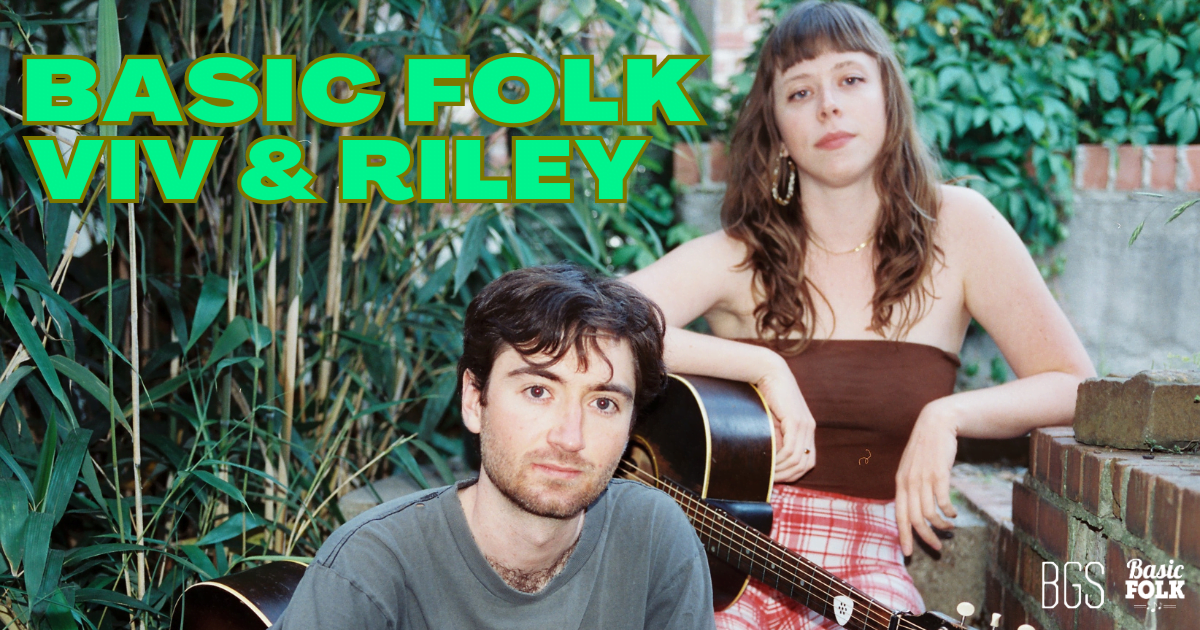
Vivian Leva and Riley Calcagno, known as Viv & Riley, dive deep into the nuances of old-time music, their folk influences, and the process behind their album, Imaginary People. The duo, who met at a music camp in Port Townsend, Washington, trace their roots from Riley’s disciplined musical practice to Viv’s intuitive approach. The two found inspiration from growing up in the Seattle area listening to KEXP to living in Portland, Oregon, to their current home in Durham, North Carolina. Drawing on their experiences at fiddlers conventions and music camps, Viv & Riley reflect on the transformative power of collaboration and the vibrant community that has shaped their unique sound in their duo as well as their other band, The Onlies.
LISTEN: APPLE • SPOTIFY • STITCHER • AMAZON • MP3
As they share insights into their songwriting process, the episode unravels the intricate layers of Imaginary People, delving into the harmonious blend of indie roots and experimental production that defines their latest release. With a nod to their eclectic influences, including the supportive atmosphere of Durham, North Carolina, the duo discusses the evolution of their sound under the guidance of producer Alex Bingham from Hiss Golden Messenger, who produced their latest album.
Photo Credit: Libby Rodenbough
I first encountered Brittany Haas when I was 14 years old, attending the Mark O’Connor Fiddle Camp outside of Nashville. Brittany was only a few years older than me, but she was miles ahead of me musically and professionally, already gigging with some of the best traditional musicians around. I bought a copy of her self-titled CD and learned every single track on it. When I would meet other fiddle players my age, we would often bond over this recording and its shared influence on our playing.
Haas went on to join Boston-based band Crooked Still, one of the most influential string bands of the last 20 years. In the small community of acoustic music makers and lovers, Crooked Still was the kind of iconic band – much like Nickel Creek and Punch Brothers – that created a hundred baby bands in its wake, each inspired by the reinvention of traditional song in modern and exciting ways. There was even a period of time when seemingly all of the young women involved in the folk and bluegrass scene (myself included) began dressing like Haas, wearing messy buns in their hair and colorful leggings under short boho dresses.
Following her time with Crooked Still, Haas went on to play with Gillian Welch and Dave Rawlings, in the house band on Live From Here, and with her own genre-bending quartet, Hawktail – among many other projects. Unlike other powerhouse women instrumentalists like Missy Raines, Molly Tuttle, and Sierra Hull, who have carved out career paths by leading their own bands, Haas has stayed largely under the radar to the wider public, working primarily as a collaborator or band member.
As my own musical interests have grown and changed, I have found myself feeling guilty at times for not putting my focus on being an improvisational instrumentalist, fearing that I’m taking a too traditionally female path as a songwriter, and reenforcing gender expectations. But as Brittany has kicked through ceiling after ceiling as an instrumentalist, I’ve thought “Hey, it’s OK, Brittany is so good that nobody will ever doubt that a woman can do it!” For years, Haas has been a pinnacle, an example for the rest of us female instrumentalists. So, you can imagine the thrill that I felt when it was announced that Haas would be the newest member of Punch Brothers, a band that is representative of the highest caliber instrumental prowess in today’s acoustic music scene.
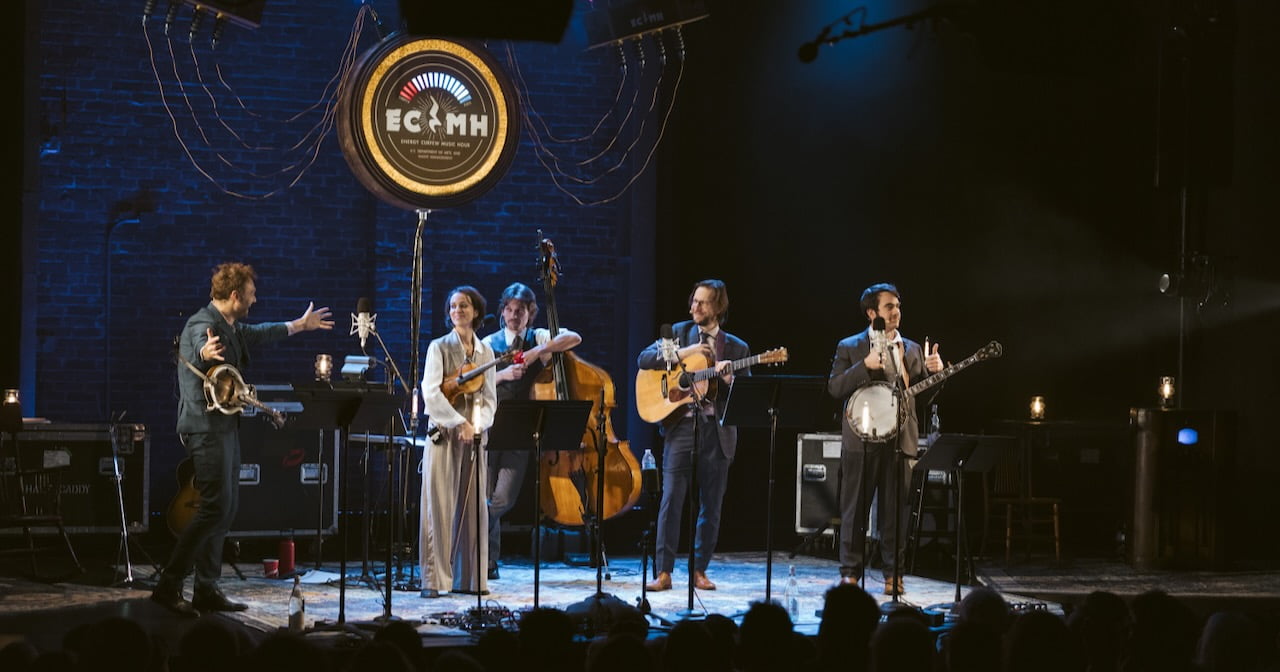
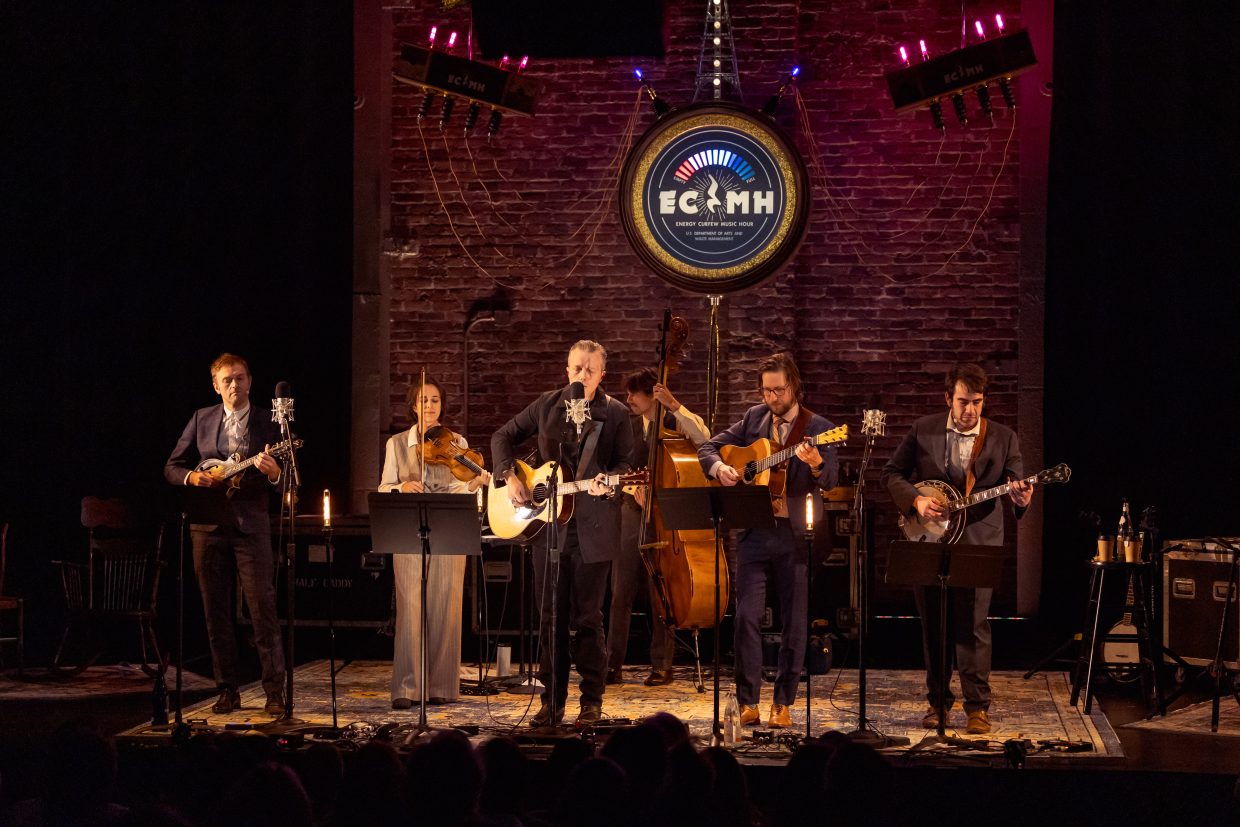
Haas’ first gigs with the band have been as part of The Energy Curfew Music Hour, a live radio-style show created by Claire Coffee and Chris Thile in collaboration with Audible. The show features Punch Brothers along with special guests like Jason Isbell, Gaby Moreno, and Sylvan Esso among others.
BGS had the opportunity to ask Brittany Haas a few questions about her career and her hopes for joining the band in the lead up to a handful of Energy Curfew Music Hour shows in New York City this month at Minetta Lane Theater.
You’ve had a lot of experience working with various members of Punch Brothers in different bands and formats over the years, what about the particular aesthetic and ambition of Punch Brothers made you want to accept the gig?
I’ve been a fan of the band for a long time – I guess as long as they’ve been a band. So the idea of joining was very exciting. I think any fan would tell you that there’s something about the band – the expansive nature of their approach to writing and arranging music – that is really unique. They’re making music that doesn’t sound like anything else. Getting to jump into something that’s been evolving and expanding into and beyond itself for so long is really cool. And as an instrumentalist in this “new acoustic” musical universe, it’s basically a dream gig, joining four incredibly talented and smart people and making music through which I know I will grow as an artist.
You’re known as a fiddle player that’s rooted in old-time traditions, but also improvisationally virtuosic. Do you feel like your background in old-time will bring a different flavor to the band moving forward?
Old-time is a genre in which I feel a lot of joy and comfort, so it’s always nice when that can be utilized in service of a tune or a song. Lately, in playing with my sister and with Hawktail, I also feel that my voice is strongly Celtic and Scandinavian – basically a combination of the genres I grew up around at fiddle camp and got obsessed with. I think that stuff will come out naturally no matter what new music we’re creating and perhaps some of the music will be written in that direction.
When stepping into a role that has been created and maintained by one specific fiddle player for so many years (Gabe Witcher), how much freedom do you have to remake the parts for the older material in your own voice?
I think this is true in many areas of life– the more deeply you know something, the more you can put yourself into it. Once you know intimately how it goes, you can be freer and more artful and playful with it while staying true to its nature. So that’ll be a journey for me with the back catalog material. Also, sometimes the parts he played were just the best thing that could happen in that musical moment. Some of the parts are more written than textural/improvised, so in those cases I will need to stay true to what he played. And I love his playing! Playing like Gabe is fun for me, because it stretches me in a different way than I normally go.
What made you want to wear a suit for this gig?
I’d never worn a suit before joining the band, so I saw it as an opportunity to try that. I always thought that the women I saw wearing pantsuits looked awesome. Plus it’s great having so many pockets for mic and in-ear packs. The other part of my thought process was, this is a band and I want to integrate into it, so it makes sense to wear the uniform. No one said I had to wear a suit. I’m sure it would be cool with everyone if one of them wanted to start wearing dresses, so it’d be cool for me to do that too, and maybe I will at some point.
View this post on Instagram
You’ve made incredible records in a lot of different fiddle genres at this point, is there any uncharted territory that you hope to explore in the future?
The depths of my own mind! I’m partially kidding; I do want to write more music. But there is always uncharted territory! Darol Anger is an inspiration in this – he never stops practicing and devising new ideas for getting around the fiddle. I hope to keep learning tunes from different musical traditions. Lately I’ve enjoyed learning conjunto music and I’d like to spend more time with Eastern European folk music, getting comfortable in different time signatures, etc.
What is a record that has been inspiring you lately?
James Taylor’s album Hourglass from 1997. We learned a few of those songs to play with him on the show and I fell in love with them. Also Alasdair Fraser’s album Dawn Dance, which I returned to recently after first being obsessed with it about 25 years ago. It is still as lovely as I remembered.
What is your process for preparing to play with so many different guest artists on the show – how do you approach constructing fiddle parts?
Mostly listening. Generally, when we get together with the guest artists that’s when most of the decision making about parts happens. So my job is just to show up being familiar with the music. Sometimes there are more specific string-oriented parts to play.
You’ve been a part of the Live From Here house band in the past, how does the vision and format for the Energy Curfew shows differ from that show?
The format feels similar, although there is more of an air of collaboration, because there is a bit more time for creation and also the same core band for every show. And, the premise of the show centers on the idea of it being purely acoustic music, so that’s mostly what it is with some inventive ways around that rule when needed.
Photos courtesy of Audible. Lead image by Avery Brunkus; inset image by Rebecca J Michelson.
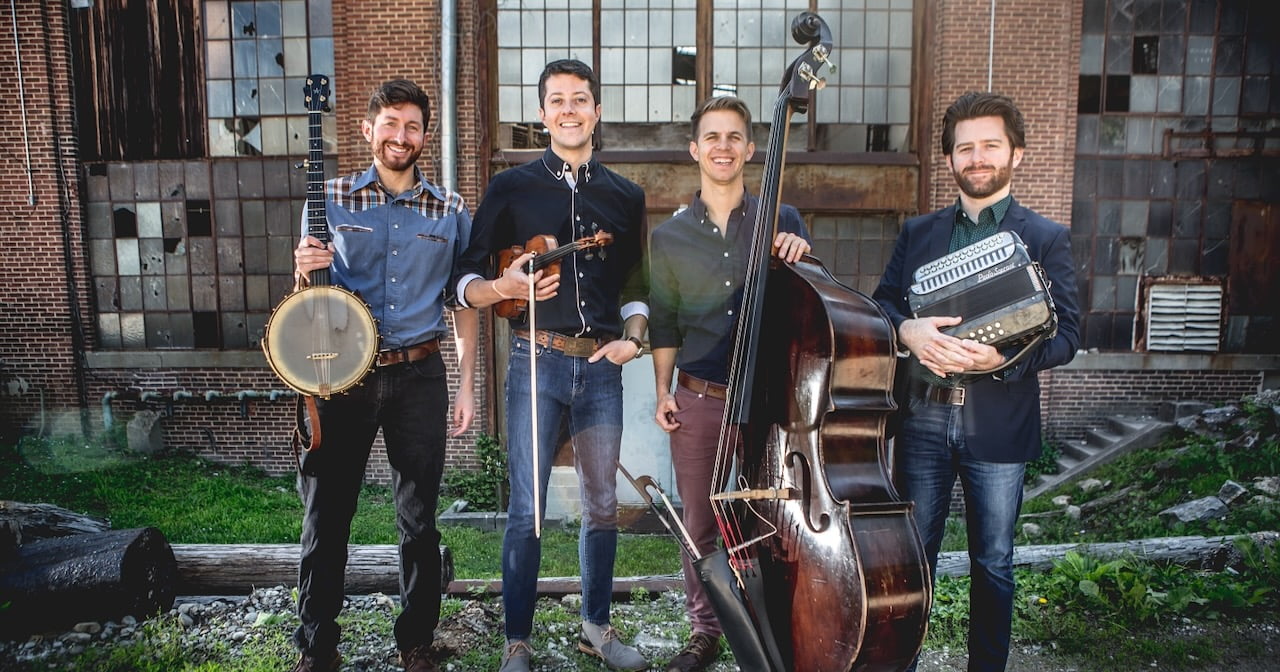
Artist: Charm City Junction
Hometown: Baltimore, Maryland
Song: “Roll On John”
Album: Salt Box
Release Date: January 10, 2024 (single); February 2, 2024 (album)
Label: Fenchurch Music
In Their Words:“I first heard ‘Roll On John’ on an old Mike Seeger recording called Southern Banjo Sounds. His rendition is haunting yet enchanting, like a lot of old-time music. One of the most rewarding parts of playing in Charm City Junction is how each band member brings their own unique approach to roots music. When we first started playing together nearly 10 years ago, we essentially said, ‘Heck with the genre boundaries! Let’s play music we enjoy playing and see where it goes.’ It’s not quite old-time, it’s not quite bluegrass, it’s not quite Irish music. In a sense, it’s all of those, but none of those. We like it that way.
“Fun fact, this performance was captured live in a restored grist mill barn in Baltimore County, just a few miles from where our fiddler, Patrick McAvinue, grew up.” – Brad Kolodner, banjo
Track Credits:
Alex Lacquement – bass, vocals
Brad Kolodner – banjo, lead vocals
Sean McComiskey – button accordion
Patrick McAvinue – fiddle, vocals
Photo Credit: Jordan August
Video Credit: Directed by Rick Barnwell, RFBV Films
Artist: Cary Morin
Hometown: Born in Billings, Montana; now based in Fort Collins, Colorado
Song: “Whiskey Before Breakfast”
Album: Innocent Allies
Release Date: January 26, 2024
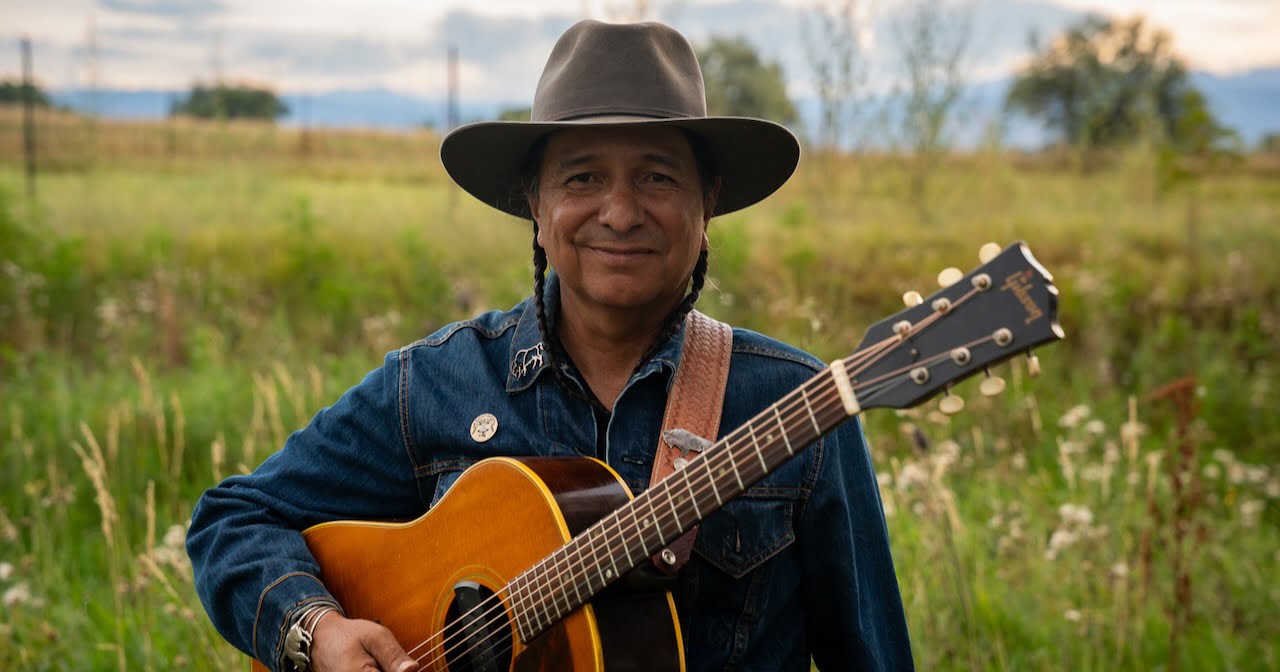
In Their Words: “‘Whiskey Before Breakfast’ is a song that I learned as a child, when my interest at the time was mainly bluegrass music, something I loved very much. Since those early days, I have abandoned the guitar pick and prefer to play fingerstyle guitar. I was inspired to record this old traditional tune by my interest in the famous Montana band, Mission Mountain Wood Band. I loved their combination of bluegrass and other genres of the time. Their album, In Without Knocking, was always on my list of favorite recordings and I particularly liked the album cover, which is the painting by [Charles M. Russell] titled, ‘In Without Knocking.'” – Cary Morin
Photo Credit: Grayson Reed
Year-end lists can be so problematic – pitting distinct sounds and music against each other, peddling absolutes, attempting objectivity in a demonstrably subjective field. Each year, as we consider the music that impacted us over the course of twelve months, we try to challenge ourselves and each other, as BGS contributors, to think outside the year-end round up “box.”
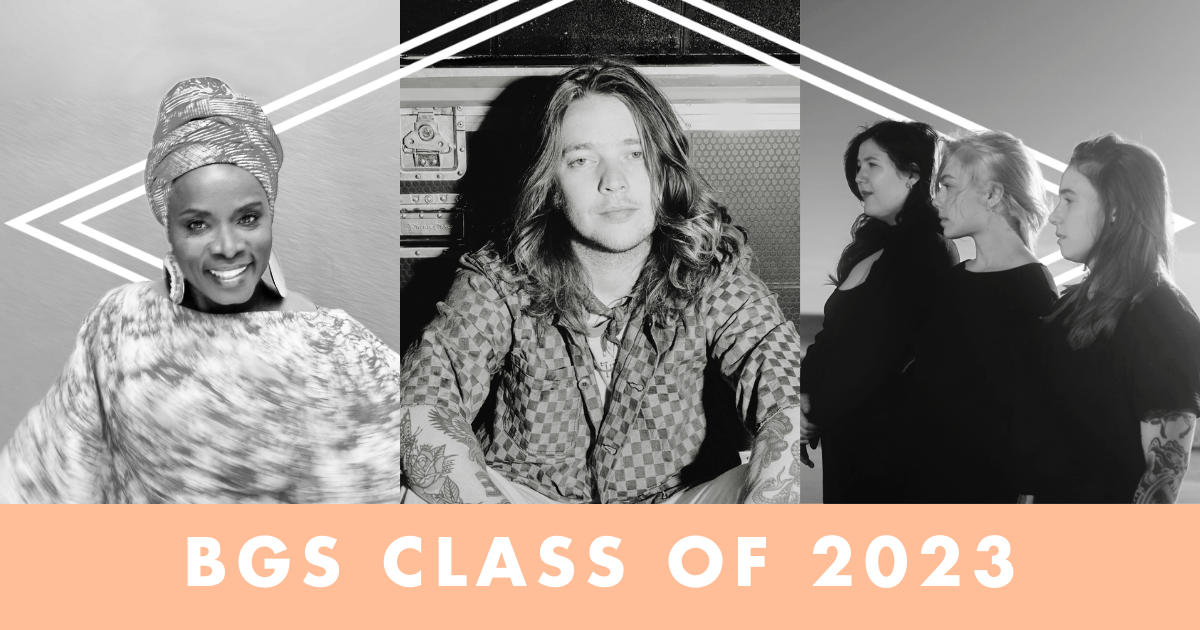
For the BGS Class of 2023, our intention is to highlight music, songs, albums, and performances that have stuck with us, or that we know will continue to stick with us into the future. We wanted to deliberately look beyond the music and creators that merely have the resources, networks, and access to reach us; we wanted to utilize genre as a checkpoint or touchstone, but never as a blanket criterion; we wanted to broaden what forms of media or formats are included; and overall, we wanted to attempt a holistic look at what a year of listening, learning, watching, and hearing can look like to this particular group of people.
You’ll find ravishing and large indie folk, earnest and literary – and raucous and silly – bluegrass, legendary legacy artists and brand new lineups, soundtracks and live shows, and more. Ultimately, whatever the year, we always want our retrospective lists to be a starting point, a springboard, for our readers, followers, and for roots music fans. This is not the end-all, be-all “Best of 2023” list. Instead, it’s a reminder of the music that scored a year absolutely filled to bursting with excellent, exemplary, ecstatic roots songs, albums, and shows.
boygenius in Pittsburgh, June 2023
When I saw boygenius this summer, I was milktoast about the whole thing going into it. As soon as I arrived, I realized I was surrounded by young people – and not just any young people: All the beautiful freaks were out for Lucy, Julien, and Phoebe. The energy was palpable and something that I have not experienced in over 20 years. Everyone knew every word. They were FaceTiming friends who cried and sang along remotely with these heroes on stage. It was inspiring!
boygenius feels like an important band. I so wish they had been around when I was an outcast teenager feeling such confusing, wild emotions. Music has a way of helping the world make sense. boygenius radiates communion and it felt like an honor to be a part of their world. – Cindy Howes
Caitlin Canty, Quiet Flame
My favorite bluegrass album of the year is often an album that, through no fault of its own, ends up receiving little to no bluegrass radio airplay or IBMA Awards recognition, and as I listened to Caitlin Canty’s Quiet Flame over and over this year, I couldn’t help but expect it would end up criminally underrated by the general bluegrass community. It’s made by bluegrass pickers – Canty assembled Chris Eldridge (who also was the project’s producer), her husband Noam Pikelny, Brittany Haas, Paul Kowert, Sarah Jarosz, and Andrew Marlin for her band – and as a result Quiet Flame, more often than not, is just an unencumbered string band album that’s as much bluegrass as it is Americana and singer-songwriter folk. But while Mighty Poplar, with a similar lineup of folks, takes off in bluegrass circles, it raises an eyebrow that this impeccable, heartfelt, and complicated set of songs hasn’t seen the same trajectory. Not that that was Canty’s goal – it’s obvious her priorities in music making are grounded and community-minded, part of why this album is such a stunner. “Odds of Getting Even,” co-written with another BGS favorite, Maya de Vitry, is one of the year’s best songs, bar none. – Justin Hiltner
A Homeplace Pilgrimage to Earl Scruggs Music Festival, August 2023
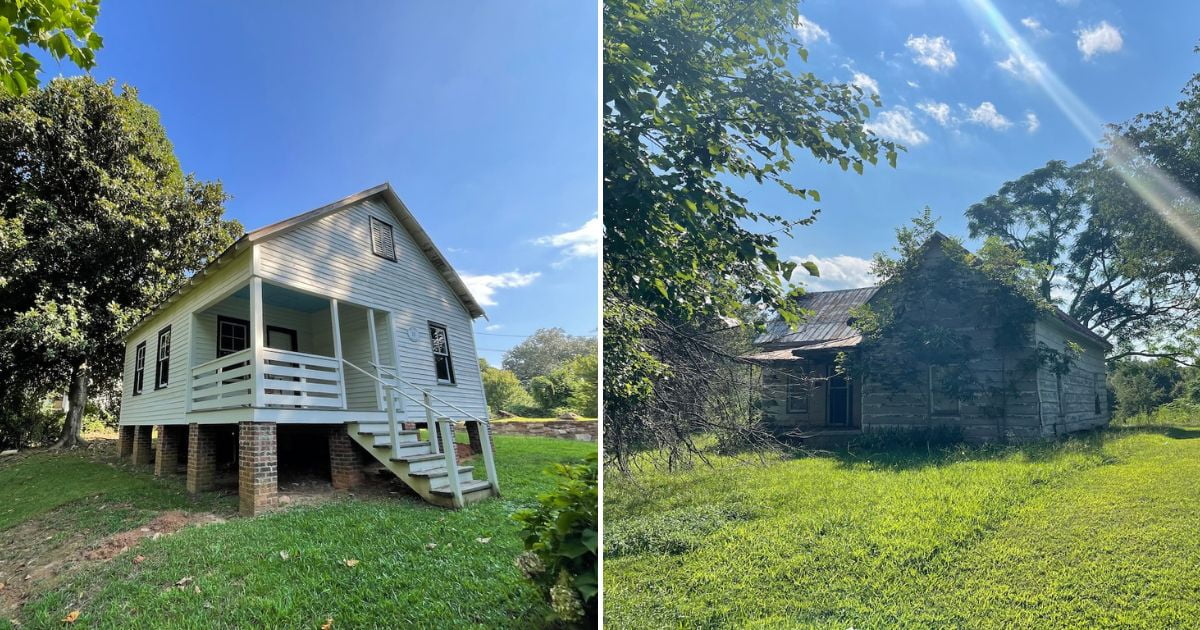
BGS once again co-presented the Earl Scruggs Revue tribute set hosted by Tony Trischka at Earl Scruggs Music Festival, held just outside of Shelby, North Carolina at the Tryon International Equestrian Center in August. On my drive to the festival grounds, I made stops in Tryon proper, to visit Nina Simone’s childhood home, and also in Shelby, to visit the Earl Scruggs Center and to drive by both of the Scruggs homeplaces just outside of Boiling Springs, North Carolina. It was stunning to visit both homes on the same day, to realize the interconnectedness of so much of American popular music. Simone grew up with a view of the Blue Ridge Mountains from her front porch nestled in one of their hollers, yet we place Scruggs as an Appalachian musician and not Simone?
The festival and Scruggs Center, for their parts, did an excellent job of demonstrating how broad, varied, and intricate American roots music is, even while focusing closely on bluegrass, string band, and Americana music. Listeners of our podcast, Carolina Calling, will know how much BGS loves North Carolina music history – the show features episodes on both Scruggs and Simone. Seeing that history in person, while heading to a first-class, banjo-heavy festival was a favorite musical moment of this year, for sure. – Justin Hiltner
East Nash Grass, Last Chance to Win
East Nash Grass seems to be all the buzz on the bluegrass circuit these days and those who have ventured to Dee’s Country Cocktail Lounge on any Monday night since 2017 can certainly understand why. The band’s long-standing residency at the Madison, Tennessee dive bar has taken them from a weekly pick-up band to performing at the Grand Ole Opry, the Ryman Auditorium, and at bluegrass festivals across the U.S. Their sophomore album, Last Chance to Win, captures the band at their very best (albeit, without their lovable stage antics). Following a 2023 IBMA nomination for Best New Artist, it won’t be a surprise if we see this record, and these musicians, sweeping awards in 2024 and beyond. – Thomas Cassell
Alejandro Escovedo at Cat’s Cradle Backroom, Carrboro, NC, November 2023
There are countless good reasons why you should make a point of seeing the Texas punk/soul godfather if he’s ever playing anywhere near you. But what might be the best reason of all is it’s a lead-pipe cinch that everyone in your town worth hanging out with will be there, too – onstage as well as in the crowd. Escovedo was among a dozen stars drawn to the North Carolina Triangle for an all-star “Nuggets” tribute show overseen by Lenny Kaye in November. So, he came a night early and played a solo show, too, ably supported by local luminaries Lynn Blakey and Pinetops/The Right Profile guitarist Jeffrey Dean Foster. The love in the room was palpable on deeply moving originals like “Sister Lost Soul” and “Wave Goodbye.” And when Kaye and R.E.M.’s Peter Buck came on for a closing Velvet Underground cameo of “Pale Blue Eyes” and “Sweet Jane,” the circle was complete. – David Menconi
Ben Garnett, “Open Your Books” (featuring Brittany Haas and Paul Kowert)
Before I’d listened to the complete #BGSClassof2023 Spotify playlist and realized this track was one of our first additions, the app kept recommending “Open Your Books” to me – and it’s not hard to see why. From guitarist and composer Ben Garnett’s debut album, Imitation Fields, the track features bassist Paul Kowert and fiddler Brittnay Haas and is an example of what bluegrass music can be, and what traditionally bluegrass instruments can do.
The tune opens slowly, with guitar and mandola – provided by Molly Tuttle & Golden Highway’s own Dominick Leslie. Fiddle swells, orchestral arrangements, and dreamy acoustic production make for a piece that feels distinctly intellectual. It’s chambergrass, but it’s also highly listen-able. While there’s a strong melodic thread throughout, the surrounding instruments and their players are allowed to wander off up the guitar neck, throwing in trill-y banjo licks, and detouring outside traditional fills and solo styles. The record was produced by Chris Eldridge and also features Matthew Davis on banjo and additional guitar from Billy Contreras. I’d recommend this tune to low-fi lovers, roots music fans, and anyone looking for a chilled out moment. It’s perfect for an introspective drive or a rainy winter day spent drinking hot tea at the window. – Lonnie Lee Hood
Alice Gerrard, Sun to Sun
Never, over the course of her lifelong career in music, has Alice Gerrard stopped, having reached her musical destination. She has challenged herself, time and time again, not simply for reinvention’s sake, but because she is a consummate old-time and bluegrass musician, someone so solidly bitten by the string band bug that making music requires that constant movement, that aspirational looking into the future, girded by songs of the past. But Sun to Sun, her latest – and perhaps final – album, features songs decidedly of the present. A synthesizer of traditional art forms, Gerrard takes textures and colors we relate to “authenticity” and leverages them to serve the messages in these tracks. Aging, mortality, justice, apartheid, gun violence, community are all woven into this collection. Alice is their nexus point, around which the entire project revolves and reflects the cosmic light she continues to shine on all of us – and on roots music subjects too often hidden in the shadows. – Justin Hiltner
A Good Year for Soundtracks – Asteroid City, The Holdovers, and More
Between the Writers Guild and Screen Actors’ strikes, 2023 was a weird year for the entertainment industry. But for those releases that did make it to the screen, it was a great year for movie soundtracks, especially for roots music fans.
First up, Wes Anderson’s western sci-fi Asteroid City. In addition to the usual cadre of Anderson’s cast, the film was peppered with classic country and bluegrass recordings from the likes of Tex Ritter, Slim Whitman, Bill Monroe, and Johnny Duncan & the Blue Grass Boys (you read that right). That’s to say nothing of the incredibly catchy original ear worm, “Dear Alien (Who Art In Heaven)” which felt as classic as those twentieth century tunes of the frontier written decades ago.
Capping off the year was Alexander Payne’s The Holdovers, a beautiful ode to a particular style of 1970s filmmaking that stars Paul Giamatti. Set in snowy western Massachusetts over a lonely winter break in 1970, the soundtrack plays like an old, soft blanket – familiar and warming. Newer tracks from Damian Jurado and Khruangbin weave seamlessly alongside ‘70s AM gold and Mark Orton’s pensive, folksy score. But the real standout of this soundtrack is a rediscovery of British folk artist Labi Siffre. His music has been shamefully overlooked in U.S. folk canon. Hopefully this movie can help start to rectify that.
Finally, it would be criminal if I didn’t mention the key placement of Indigo Girls’ “Closer to Fine” in the biggest hit of the year, Barbie. Here’s to another generation of young women finding themselves in Amy and Emily’s music. Thanks, Greta Gerwig. – Amy Reitnouer Jacobs
Kristen Grainger & True North, “Extraordinary Grace”
Take the anvil from my chest…
I am gasping for breath at this opening line. In her extraordinary, intimate voice, Kristen Grainger is pleading, letting us know she has lost hope. And we are right there with her. Whether we believed salvation came from the church or the Voting Rights Act, we believe no more. We are a fractured world, and it seems there is no bringing us together. Kristen’s melodies pull you in as much as her words, and I sometimes wake with this haunting song emerging from my dreams. Her bandmates’ graceful harmonies and instrumental accompaniment support the stunning words.
I once believed in extraordinary grace
I put my faith in saints and saviors
In the mirror, I can’t bear to see my heroine
Killing time until time returns the favor.
Still, there is cause for hope: the promise of more music from True North. – Claire Levine
Angélique Kidjo at New Orleans Jazz & Heritage Festival, April 2023
“We can’t hear! We can’t hear!” Not what a performer wants to hear an audience chanting – though Angélique Kidjo didn’t hear it for a couple of songs at the New Orleans Jazz & Heritage Festival in April. She was giving it all, singing and dancing with vigor and verve, as she does. But the Benin-born star’s voice and all but the drums and percussion from her band were not reaching the crowd, that had already waited out a 45-minute rain delay. Finally, the stage crew got the message, but it still took some time to get things working. When they did, Kidjo betrayed no frustration – just pure, joyful release as she packed a full set’s worth of spirit into the handful of songs she could squeeze in the remaining time slot, including a few highlights from her re-infusion of Talking Heads’ Remain in Light album. Closing with her idol/mentor Mariam Makeba’s signature “Pata Pata,” she was radiant, as was everyone who stuck around to see and hear her. – Steve Hochman
The Lemon Twigs, Everything Harmony
This album is, without reservation or exaggeration, one of the most beautiful records I have heard in my entire life. Building on inspiration from ‘60s/’70s pop-rock (think the Byrds,Todd Rundgren, the Beach Boys, the Flamin’ Groovies), the Lemon Twigs achieve a layered delicacy of nostalgia and innovation. Their creative impulses are so detailed, articulate, and inspired that the entire album feels unfathomable; how could music reach such timelessness that it tickles at the preterhuman? Brothers Michael and Brian D’addario share the songwriting credits for pieces that feel distinctly matured from much of their earlier work. They’ve pared down the theatrics, tightened the sprawling lyrics, and created from a place that strikes a quintessential balance of self and influence. Their result is something oceanic – music that calls upon its ancestry in a way that is pervasive, striking, and sublimates the query of eternity. – Oriana Mack
Ronnie Milsap’s Final Nashville Concert, October 2023
Ronnie Milsap’s final Nashville concert will resonate with me for many years to come, both because of the multiple memorable performances and because it represented the best of country music from the standpoint of diversity and inclusion. Various performers from across the musical spectrum covered Milsap hits, with songs from every arena – honky-tonk and straight country tearjerkers, reworked doo-wop, R&B, and pop classics, love songs, and slice of life retrospectives. The roster of artists who displayed their love and affection for Milsap’s music crossed racial, gender, and sexual orientation lines, and it was also great to see the legend himself conclude the proceedings. While the Nashville audience and community will miss Milsap’s performances, this last outing provided plenty of wonderful moments and lots of great music that will never be forgotten. – Ron Wynn
New Dangerfield’s Debut at IBMA Bluegrass Live!, September 2023
For years a growing number of Black musicians have entered the trad scene and reclaimed Black traditions key to its development and evolution. Their work has run the gamut from preservation to experimentation. Audiences at this year’s IBMA Bluegrass Live! were introduced to a new Black string band that does it all: New Dangerfield. Made up of powerhouses Tray Wellington, Kaïa Kater, Jake Blount, and Nelson Williams, New Dangerfield has, in their own words, “risen to carry the torch.” In their premiere performance the band delivered an eclectic set of early jazz, early blues — and even a cover of R&B musician H.E.R’s “Hard Place,” led by Kater’s deliciously lush vocals. Each member, proficient instrumentalists in their own right, also showed off their technical chops and drew whoops from the crowd. Their set was something historic, and I’m excited to see what comes next from New Dangerfield. – Brandi Waller-Pace
Railbird Festival, June 2023
Set in the heart of Lexington, Kentucky, under a deep-red Strawberry Moon, the 2023 Railbird Festival was an under-the-radar masterstroke, highlighting the confluence of roots music and the mainstream. Held June 3 and 4 on the spacious lawn of The Infield at Red Mile, a sold-out crowd of 40,000+ enjoyed a non-stop lineup of performers from across the “Americana” pantheon, expertly curated and spread out over three stages. With 32 acts in total, country, rock, folk, bluegrass and more were all represented, as headliners Tyler Childers and Zach Bryan topped a bill including Charley Crockett, Whiskey Myers, Morgan Wade, Nickel Creek, Molly Tuttle & Golden Highway – even Weezer and Sheryl Crow. Combine all that with a well-thought out fan experience and an off-the-beaten path vibe, and the weekend was an ideal kickoff to festival season. – Chris Parton
Sam Shackleton at the Horseshoe Tavern, October 2023
Country fandom has always been ideological, but in the last few years the genre’s politics have felt plainer – clear villains and clear heroes, but also messy interior politics. Through this time, I’ve mostly been listening to folk music far away from the fighting at home, from musicians like Sam Shackleton, a genius singer and banjo player from Scotland. He was supporting the Mary Wallopers, the radical Irish party band, in Toronto in October. Shackleton was great, working the audience, singing his songs, and classic folk tracks. The crowd was restless, the beer he was offered on stage seemed pro forma, but he tried. There was a version of “All You Fascists (Are Bound To Lose)” that gave me hope for a few minutes. We step out for a smoke, and Shackelton is on the patio, nursing a lager. I tell him I loved the show and that I wanted vinyl. He hugs me and thanks me. Walking back in, the room is filled with Irish expats who are singing along to the Wallopers in ways that feel a little hostile. I leave early, going for Chinese food. These couple of hours were country/folk in 2023 for me – inclusive, exclusive, hand shakes, hugs, and isolation – plus enough physical/emotional distance from the world that I didn’t ask exactly how the fascists would lose. – Steacy Easton
Sleeping in the Woods Festival, May 2023
At a time when money in the music industry is at an all time low, and expenses are at an all time high, I have immense gratitude for anyone starting new community projects to showcase and uplift musicians and songwriters. I was lucky enough to get to be a part of Nicholas Jamerson’s Sleeping in the Woods Festival in Cumberland, Kentucky in May of 2023, and this event makes my best-of list. The festival bills itself as songwriter specific and showcases many lesser known Kentucky songwriters and bands. The strategy is to create a listening environment and bring together a Southern audience hungry for more straight-shooting roots music and hard hitting lyrics after becoming fans of Tyler Childers, Sturgill Simpson, and of course, Jamerson himself. After a successful first year, the festival is poised to grow exponentially and become a beloved annual event for all of those involved. – Rachel Baiman
Billy Strings at Bourbon and Beyond, September 2023
After five years of programming the BGS stage at Bourbon & Beyond, the Louisville-based festival has become something of a homecoming for our whole team. But nothing was more special than this year, when we got to see Billy Strings headline the main stage in front of over 50,000 people. It seems like just yesterday (in reality it was more like 2018) that Billy played our own stage inside the Bourbon Tent, a memory made all the sweeter by his surprise appearance this year on our stage during Michael Cleveland’s set. Hopefully it’s one of many happy returns to B&B for Billy, his fans, and BGS for years to come. – Amy Reitnouer Jacobs
Sunny War, Anarchist Gospel
Nobody sounds like Sunny War. As her profile has risen over the past decade, Sunny has held onto her punk rock politics and direct lyricism, grounding her artistry in the blues. Listening to one of her songs is like looking at a diorama of a nearby planet, similar to our own, but with none of human society’s bullshit. 2023’s Anarchist Gospel features Americana heavyweights David Rawlings, Jim James, Allison Russell, and Chris Pierce, but always sounds exactly like Sunny. Her hypnotic guitar work and precise songcraft shine. Her vocals walk a fine line between eerie and inviting. And at the end of a year when riot grrl aesthetics have gone mainstream, Sunny War is a rare reminder of what the real thing sounds like. – Lizzie No
Photo Credit: Angélique Kidjo by Fabrice Mabillot; Billy Strings by Christopher Morley; boygenius by Matt Grubb.