The BGS Radio Hour – Episode 221

Welcome to the BGS Radio Hour! For the past five years, this weekly radio show and podcast has been a recap of all the great music, new and old, featured on the digital pages of BGS. And this week, we say a bittersweet goodbye to the airwaves with our final episode. We want to give a special thank you to our partner station, WMOT Roots Radio 89.5 FM in Murfreesboro / Nashville, and all the stations that have aired our show over the years! And of course, a huge thank you to our readers and listeners for following along as well.

For this final week of the BGS Radio Hour, we have a recap of last week’s IBMA Awards, brand new music from our Artist of the Month — and newly crowned IBMA Entertainer and Guitar Player of the Year — Billy Strings, and much more.

APPLE PODCASTS, SPOTIFY

Billy Strings – “Secrets”

With a brand new album, Renewal, and his win this past week of IBMA’s highest honor, Entertainer of the Year, there’s no one else we’d rather have as our October Artist of the Month than Billy Strings. Check out our Essential Billy Strings playlist and stay tuned for more Billy content all month long.

RC & the Ambers – “Gravy and Biscuits”

Oklahoma-based RC & the Ambers spoke on their biggest musical influence, watching The Golden Girls as a pre-show ritual, kayaking on the Illinois River, and more in a recent edition of 5+5.

Asleep at the Wheel (feat. George Strait and Willie Nelson) – “Take Me Back to Tulsa”

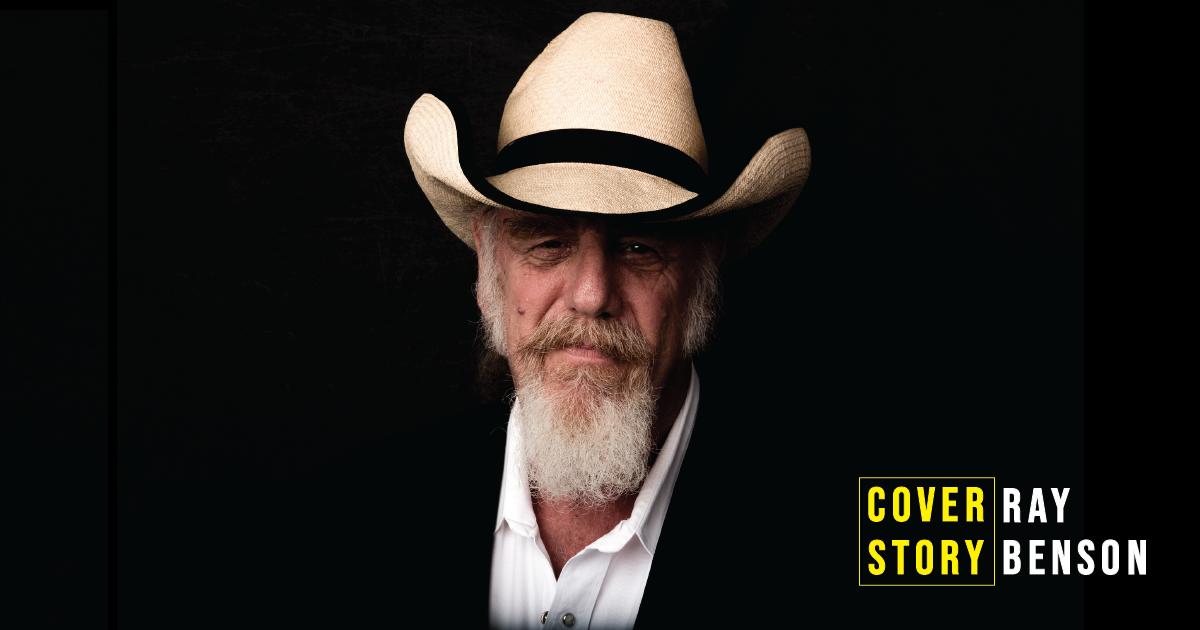
On the latest episode of The Show on the Road, we bring you a conversation with Ray Benson: ringleader of the Grammy-winning, half-century-spanning group, and one of American roots music’s most durable and iconic bands, Asleep at the Wheel.

High Fidelity – “Banjo Player’s Blues”

This song from traditional bluegrass group High Fidelity was nominated for Song of the Year at last week’s IBMA Awards. Hard to have the “Banjo Player’s Blues” when you have news like that to share!

Haunted Like Human – “Ohio”

Americana duo Haunted Like Human wrote “Ohio” inspired by a true story, and the end result is a tale told through letters of a man wanting to do right by his family while also wanting to get back home to them.

Single Girl, Married Girl – “Wreck Cut Loose”

Single Girl, Married Girl has always loved torch songs and big weepy ballads — especially country ones! “Wreck Cut Loose” is placed in a more modern aesthetic and setting, but the lineage — and ties to the likes of Patsy Cline — should be obvious.

Patrick Dethlefs – “If You Listen”

The title track for Patrick Dethlefs’ brand new album explores the idea of still feeling connected to loved ones who have passed on. Patrick tells us, “[It’s] maybe even asking the question, ‘Is this person with me now more than they have ever been?'”

Balsam Range – “Richest Man”

Balsam Range, hailing from Haywood County, North Carolina, are no strangers to the IBMA Awards, having won the 2014 and 2018 award for Entertainer of the Year, among other accolades and awards over the years. And now in 2021, they’ve won Song of the Year for “Richest Man.”

Fireside Collective – “And The Rain Came Down”

Asheville bluegrass band Fireside Collective wrote “And the Rain Came Down” inspired by the many “storms” of COVID and the Great Flood tale from the Old Testament. But, despite the song’s somber overtones and the uncertainty of the story, there is still a message of hope.

Kris Gruen – “Pictures Of”

Alt-folk singer-songwriter Kris Gruen wrote “Pictures Of” about his daughter, as a tribute to her maturation and readiness for the world. In different words “Pictures Of” says, “Be excited for and in love with the world! Regardless of our collective fear in the unknown…”

James McMurtry – “Canola Fields”

Holding a conversation with James McMurtry is similar to experiencing his music. He is frank, eloquent, and gets to the heart of the matter with few words. On The Horses and the Hounds, his first album of new material in nearly seven years, he tells sometimes complicated emotional stories through his fictional characters, crafted within the limits of rhyme and meter. His deft chronicling of human nature woven with descriptions of place and scene give the listener context beyond the experience, almost like each song is the essence of a short story or novel. Listen to “Canola Fields” and read our conversation with McMurtry.

Appalachian Road Show – “The Appalachian Road”

At this year’s IBMA Awards, Appalachian Road Show was the second most nominated group, and they were awarded the honors of Instrumental Group of the Year and New Artist of the Year. On top of those wins, this tune, “The Appalachian Road,” was nominated for Instrumental Recording of the Year.

Clinton Davis – “Curly Headed Woman”

Old-time musician Clinton Davis has recorded his own version of “Curly Headed Woman,” a rare rendition of one of the most common American folk songs: “The Hesitation Blues” or “If the River Was Whisky” as most people call it.

Sideline – “Old Guitar Case”

Sideline reminisces on how they became a band, the importance of teamwork, prioritizing having fun every time they step out on stage, and more in a recent 5+5.


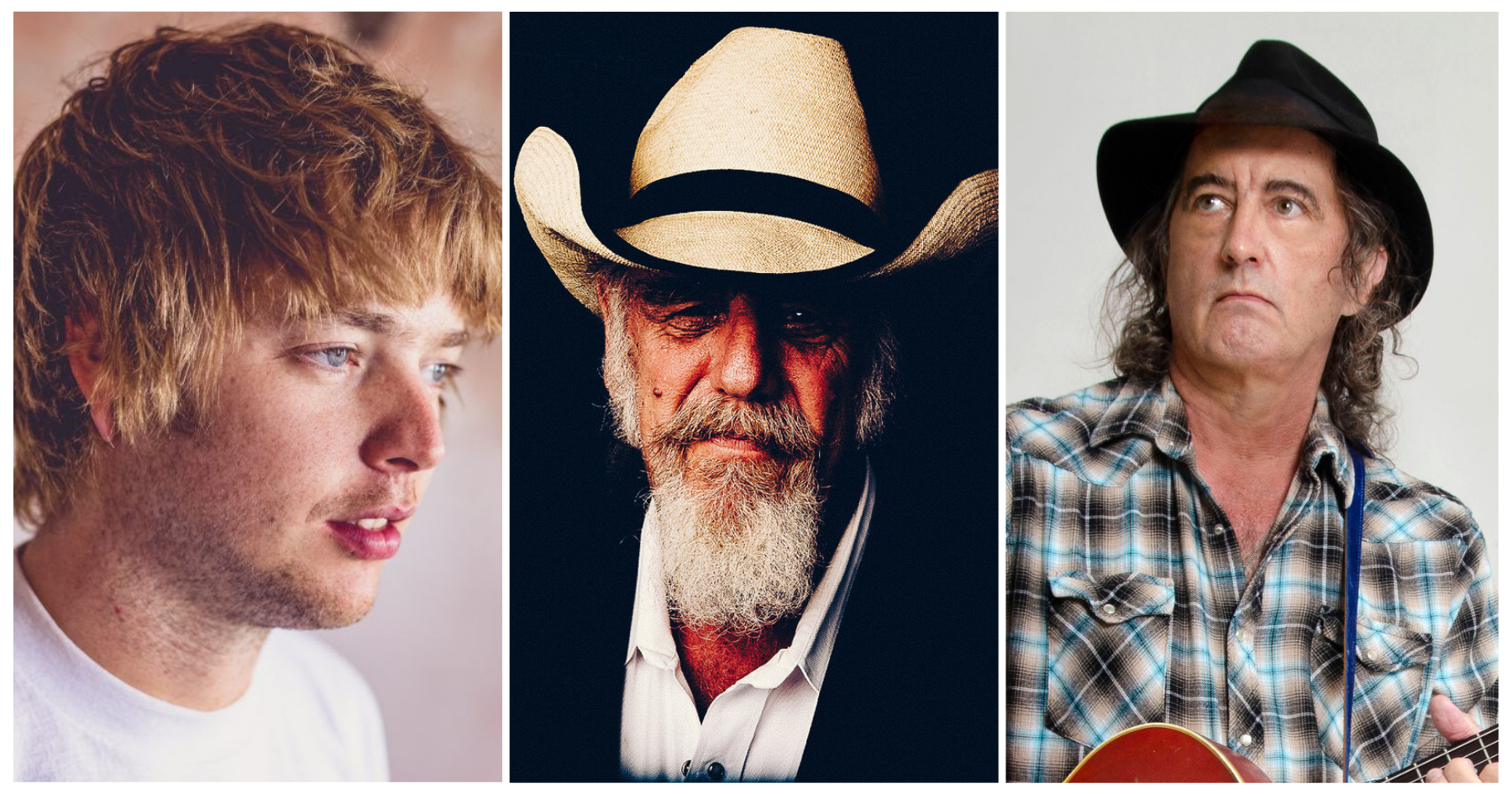
Photos: (L to R) Billy Strings by Jesse Faatz; Ray Benson by Mike Shore; James McMurtry by Mary Keating-Bruton

The Show on the Road – Asleep at the Wheel (Ray Benson)

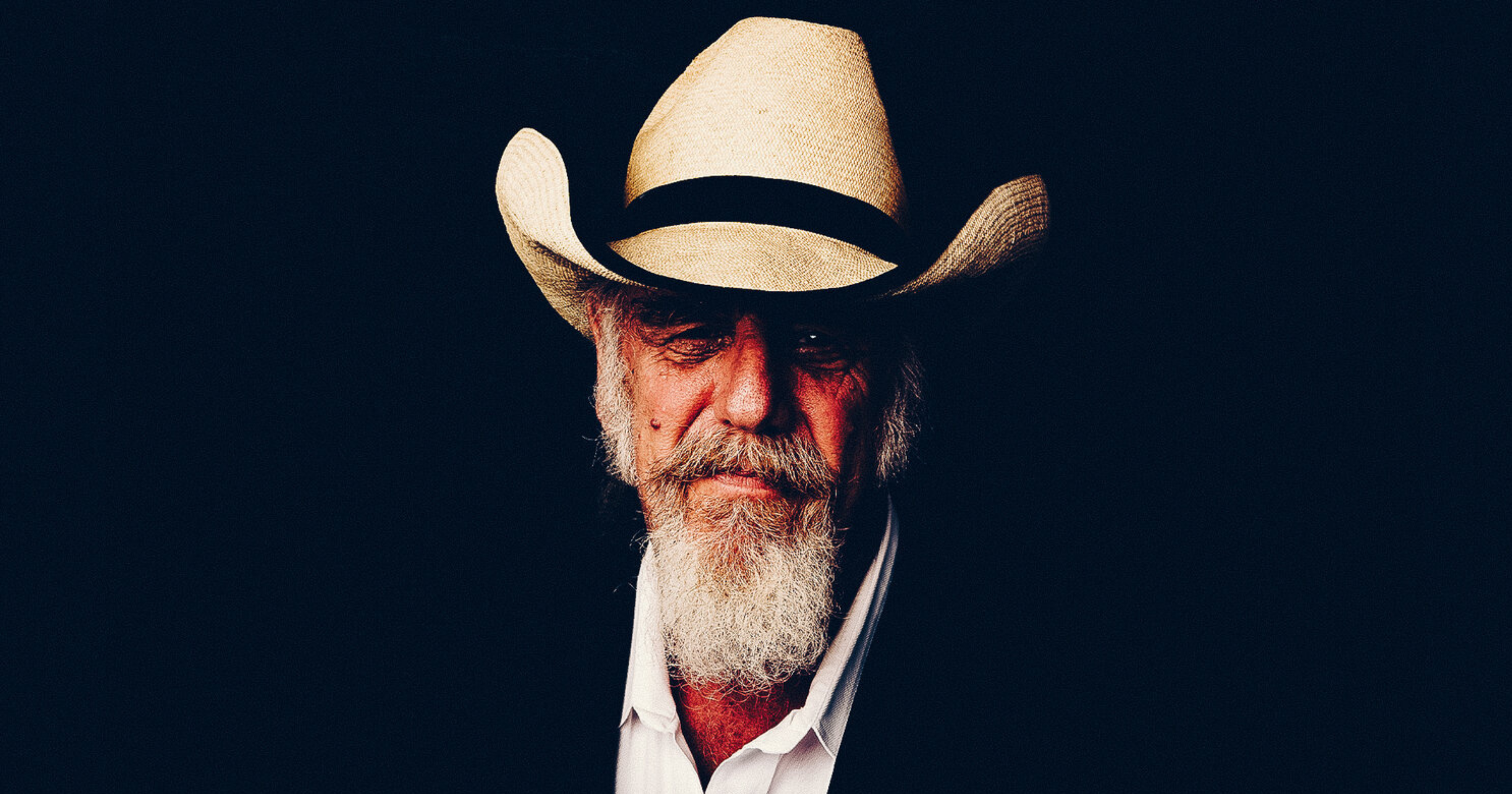
This week on The Show On The Road, we bring you a talk with the half-century-spanning, Grammy-winning ringleader of one of American roots music’s most durable and iconic bands, Ray Benson of Asleep at the Wheel. The episode is a celebration of their fifty years of diligent song collecting, Western swing camaraderie, and epic genre-spanning collaboration — and features first listens of their new record, Half a Hundred Years, which drops on October 1. The record covers old classics and tells new stories, with spritely cameos from fellow Texans Lyle Lovett and Willie Nelson.

LISTEN: APPLE PODCASTSSPOTIFYSTITCHER

Aligning behind Benson’s commanding, deep voice and impeccable song-historian’s taste, Asleep at the Wheel has managed what few bands in country music — or any genre — have: Keeping a talented, rotating band of mostly-acoustic players together from 1972 on, with little break from the road. Willie Nelson and others have long championed their work, and indeed the band has had fans in even higher places: on September 11, 2001, the group was set to perform at The White House.

Asleep at the Wheel’s story is really one of perseverance and transformation. How did a Jewish kid from the the Philly suburbs end up as a Texas cowboy music icon who toured with Bob Dylan and George Strait (just ask Bob about changing identities), wrote songs and acted in movies with Dolly Parton and Blondie, and became the foremost interpreter of the rollicking music of Bob Wills & His Texas Playboys? Only in America, you could say, but Benson would just tell you that he loves the music deep in his bones, and it’s what he wakes up every day to create and save.

One of the most forward-thinking things Benson did from the very beginning was share the mic with a myriad of talented female vocalists, which maybe confused some radio programmers (“Who is leader of this outfit?”), but made their road shows eternally entertaining and unique. That tradition continues. Also featured on the new record are lovely collabs with Lee Ann Womack and Emmylou Harris.


Photo credit: Mike Shore

Tim O’Brien Recalls the Origins of Hot Rize… and That Other Band (Part 2 of 2)

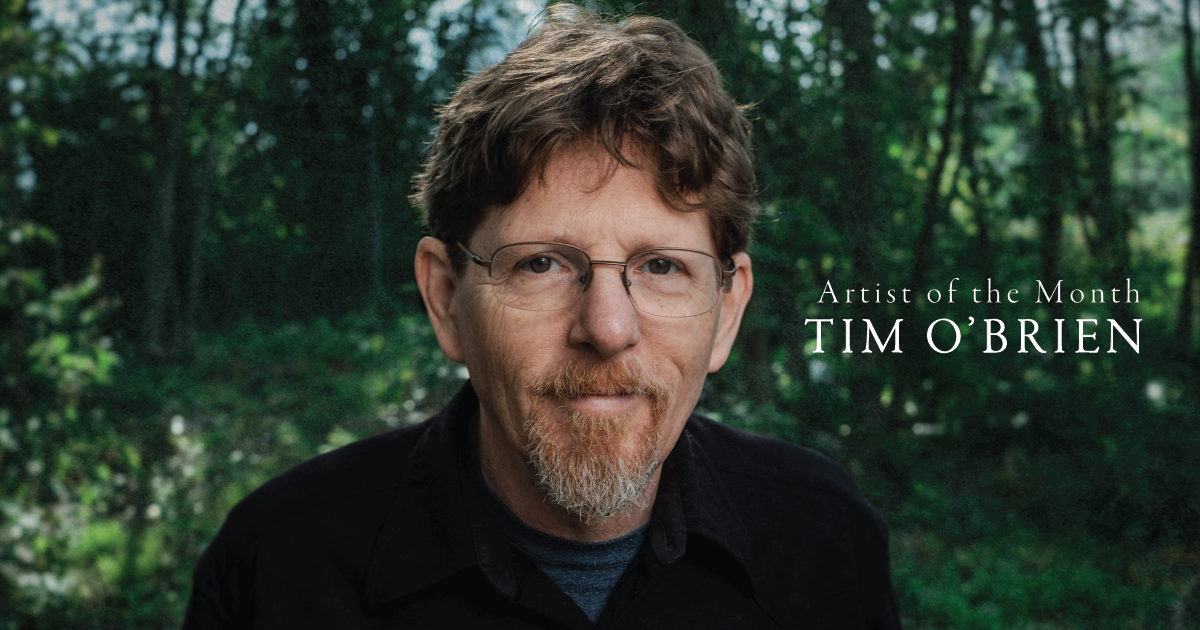
Tim O’Brien’s seemingly effortless tenor singing, musicianship, and songwriting have kept him in great esteem in the bluegrass community for more than four decades. One might say “seemingly effortless” is a fitting way to describe his career path, too. So much of it seems natural, as if each new thing was the obvious next step, whether it was creating a Western swing band alter ego within a bluegrass band, recording duet albums with his sister Mollie O’Brien, earning a Grammy nomination with an collection of Bob Dylan covers, or connecting lines between Appalachian music and traditional Irish music, tying back to his own heritage as a West Virginian of Irish descent.

Yet beneath his quiet demeanor is a thoughtful artist who brings a tremendous amount of intentionality to his work. We sat down with O’Brien, our BGS Artist of the Month for July, to ask him about how he got started and how some of these projects came to light.

(Editor’s Note: Read the first half of our interview with Tim O’Brien.)

BGS: When did you first start trying to play music professionally?

TO: In the fall of ‘73 I gave up on the idea of college and decided that maybe I could support myself playing guitar and a little bit of fiddle. I was just learning back then. I saved up for a car and I went to Jackson Hole and played shows in bars and whatever I could get. I had some friends that I had worked with as part of a summer camp out near there that were out there to spend the winter. Then, in the fall of ‘74, I ended up in Boulder and briefly played in a bluegrass band called Town and Country Revue with two guys who were affiliated with a music store that I worked for a short time. Then I met up with a guy that started a band called the Ophelia Swing Band and I joined them for about three years. Our front man was Dan Sadowsky, who later became known as “Pastor Mustard” at the Telluride Bluegrass Festival.

We did some bluegrass things, but we weren’t portraying ourselves as a bluegrass band. We had strings, but it was mostly a swing band. I had been playing guitar and fiddle at this point and ended up borrowing a mandolin for a while until I eventually got my Nugget in ‘76. We were into that Cab Calloway kind of a hepster swing and there was another violin player in the group named Linda Joseph so we’d play some twin fiddle parts in a Western swing style. We tried to make big band arrangements with a lot of call and response between the instruments. We were making it up as we went along, but very much enjoying it.

We made a record, [Swing Tunes of the 30’s & 40’s], for the same label that my solo record came out on, a Denver label called Biscuit City. That record came out in ‘77, but I quit the band right before the record came out. I briefly moved to Minneapolis but I went back and did a little run of gigs with them in the summertime. I went back and was trying to dig in in Minneapolis, and then Pete Wernick called and suggested that we should get a group together. My girlfriend at the time, shortly before we ended up getting married, was thinking that maybe we should move back to Colorado anyway. So we went back in January of ‘78 to start up Hot Rize.

Your description of the Ophelia Swing Band’s material reminds me a lot of Red Knuckles and The Trailblazers. I’ve always enjoyed the Trailblazers portion of Hot Rize shows because the music is so good but it’s almost hiding behind the facade of a well-presented comedy show. Sort of like Homer & Jethro. How did you end up presenting it in that way? Or playing that music in the first place?

What happened was, Pete said that we should get a bluegrass band together and promote these two records. I had just put out Guess Who’s in Town on Biscuit City and Pete had just released Dr. Banjo Steps Out. I said, “That sounds good, I’ll do it, but I’d like to venture out into some other kinds of music other than straight bluegrass” and I mentioned Hank Williams kind of stuff or Western Swing. I asked Pete if he’d ever play Dobro. He had never played Dobro, but he said he’d look into getting one (he ended up getting a lap steel) and said we could work some of that stuff in.

Our first guitar player was a brilliant instrumentalist named Mike Scapp [who also played with the Ophelia Swing Band]. He didn’t last very long though and when he quit, Charles Sawtelle had been playing bass, but switched to guitar. When Nick Forster came along we told him we were doing this country and western material and he said that he had a Charlie Christian Gibson [electric archtop] guitar and played that kind of stuff. So all of a sudden, we had electric guitar, steel guitar, acoustic guitar, and bass. (Charles would go back to the bass for that because he didn’t play that kind of music on guitar.) So, when we would play four sets at a bar or something, we’d feature some of that stuff on the third set just to break it up. We would say, “We’re going to bring another band up here,” but we would just stay on the stage and switch instruments. We’d make a joke about the name of the band — we had different silly names that we used — and it was just a stage patter and a bit of a different kind of music.

Then, about two years into the band, we had a formal concert at the City Park in Denver in a nice theater sponsored by the Denver Folklore Center. I’m not sure who said it but I think it was Charles who said, “Why don’t we do a quick change? We’ll wear cowboy outfits and actually be a different band.” So we worked out the basic formula in rehearsal where Pete would introduce us while three of the four change clothes and then we’d come on and he’d make his quick change and all of a sudden we were a different band. That night, we called ourselves Red Knuckles and the Trailblazers. Rather than this just being some bar, these were mostly bluegrass and folk music fans and Pete and Charles were well-known in that community at that time. So we changed clothes and played a part and never let on that we were the same people and everybody knew it, but they got into it. That seemed to work, so we kept doing it.

The following fall, we played in Louisville at the free bluegrass festival that was put on by Kentucky Fried Chicken. We were interviewed by a radio host there and she said, “Well, I want to interview Hot Rize, but who I really want to interview is Red Knuckles and the Trailblazers.” So we said, OK, and acted like the Trailblazers. When she asked us stuff about where we’re from, we were just making up these answers. All of that stuff about us being from Wyoming, Montana, which is on the border of Wyoming and Montana, and the Eat Cafe was all just jokes that we might have said while we were driving around in the car. But it became our story after that interview. After we’d finished we all looked at each other and said, “Well, I guess that’s our story. Now we have to remember it.” [Laughs]

That’s how it started. I had always wanted to play that music so I wanted to do the music justice, but the act was about not taking yourself seriously. It helped Hot Rize immeasurably to have that as a foil. Whenever we’d mention the name of that band we’d make a snide remark about them as if they were a different band and we were rivals. This helped create an understanding that this was a lighthearted event which helped a lot.

Yeah, I could imagine it helped a lot. Not only as a way to stand out with something different, but since you guys were from Colorado playing a progressive style of bluegrass I’m sure the Hot Rize material sounded even more like traditional bluegrass when juxtaposed against the Trailblazers.

That’s why we got Entertainer of the Year the first year that they awarded it at IBMA; we had a show. At that time you had bands starting like Doyle Lawson & Quicksilver, The Johnson Mountain Boys, and the Nashville Bluegrass Band. The Johnson Mountain Boys were also working on a show, but those other two bands were still standing by their individual microphones. I loved those bands a lot and still do but having a show was good for us because it took a little stress off the music and let our music just be what it could be. We weren’t measuring ourselves against those other bands quite as much as we might have been otherwise.

It took a while for the promoters to understand it. There were some traditional festivals that wouldn’t let us do that. Out in Grass Valley, California, at the CBA festival, they didn’t even really want electric bass there, but they’ve made an exception for Hot Rize. But they wouldn’t let us do the Trailblazers. The same thing happened at Doyle Lawson’s festival the first time we played there. Milton Harkey said, “Oh, don’t get me wrong, I love the harmonies,” which proved that he had never heard it since the Trailblazers didn’t really have a lot of harmony singing. But after we played his fans got to him and asked why they didn’t let us play that Trailblazers stuff and explained it to him and they started letting us.

For some of those festivals like the one in Grass Valley, I think they just have their rules about what is and isn’t bluegrass. But the other ones like Doyle Lawson’s festival, they just didn’t want a bunch of bikers coming in. They didn’t want hippies taking a lot of drugs with electric music because it might get out of control.

What was it like to play in these traditional, sometimes conservative spaces?

We were always the funny ones. Our hair was too big and too long and our ties were wrong. We wanted to fit in so we wore suits, but we never hid who we were. Bluegrass, since the ‘60s at least, has always had lots of different fans. They might be Northerners or city folks that didn’t grow up with the banjo but they love it and kind of poke fun at themselves for being involved in a way. I think that’s the thing that’s sort of wonderful about music; it’s a free pass. It’s whatever anybody thinks it is and anybody can like any kind of music and art. How you react to it is up for grabs and, in a way, all responses are valid. People all respond to music differently and people will change it to express themselves within it.

(Editor’s Note: Read the first half of our interview with Tim O’Brien.)


Photo credit: Scott Simontacchi

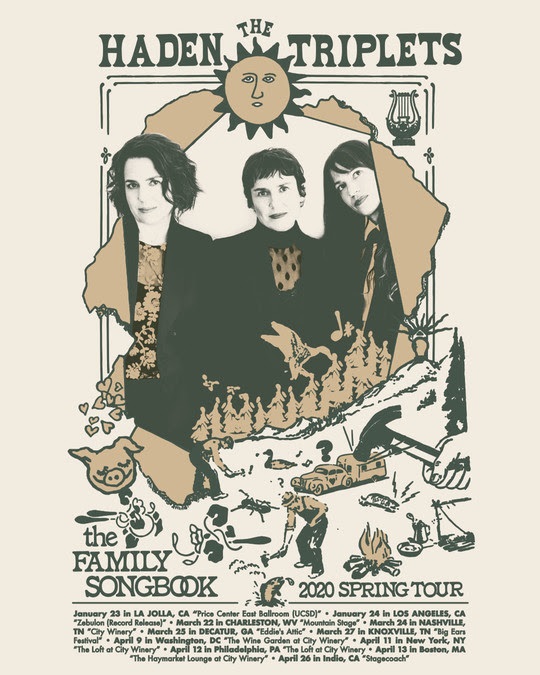
The Haden Triplets Share Their Musical Legacy in ‘The Family Songbook’

“No,” says Tanya Haden, to a question pertaining to the new album she and sisters Petra and Rachel have made. “We don’t yodel.”

She thinks about it a second, as her siblings, sitting to her left around a right-angle sectional in the living room of her Los Angeles home, watch her warily.

“We kind of pretend-yodel sometimes,” she says.

To prove her point, she lets out a half-hearted yodel-ay-eee, to mild laughter.

The subject came up because there are a few songs on the Haden Triplets’ new album, The Family Songbook, in which yodeling would not have been out of place. These songs — “Who Will You Love,” “Ozark Moon,” “Gray Mother Dreaming” and “Memories of Will Rogers” — were written in western style by their grandfather, Carl E. Haden, and were very likely sung by the family band he oversaw.

That included their dad, Charlie Haden, who went on to be one of the most respected and influential jazz double-bassists of the modern era, working with Ornette Coleman, Keith Jarrett and his own groundbreaking groups. But back then he was a very young (and yes, yodeling) tot billed as Little Cowboy Charlie, held up by his mom to the microphone of radio station KWTO, “Keep Watching The Ozarks,” in Springfield, Missouri.

Those songs form the heart of the album, through which the sisters evoke the spirit of that legacy, filling it out with an array of folk/gospel/country/old-timey tunes that were quite likely in the family group’s repertoire. This follow-up to the first album they did together, 2014’s The Haden Triplets, draws heavily on stories passed down of those radio days.

That comes through strongly in such chestnuts as “Wildwood Flower” (the signature song of Mother Maybelle Carter, who rocked young Charlie as a baby when the Carters and Hadens hung out together), “I’ll Fly Away,” “Flee as a Bird” and an incredibly moving version of the gospel challenge “What Will You Give,” all likely part of the old Haden Family repertoire. Connecting this to current times, there’s a beautiful version of “Every Time I Try” (written by the triplets’ older brother Josh, who leads the band Spain) and, more of a wild card, a gorgeous take on Kanye West’s “Say You Will.”

The idea was not to recreate the old days, but to interpret and pay homage. The result is a lovely set of songs full of atmosphere, with contributions from, among others, guitarists Bill Frisell, Greg Leisz, and Doyle Bramhall II, bassists David Piltch and Don Was (as well as Josh on “Every Time I Try”) and drummer Jay Bellerose, all under the watch of producer Woody Jackson.

Yodel or no, they give their grandpa’s songs a tremendously vibrant run, centering on the evanescent harmony blends that can only come from siblings (and, specifically in their case, triplets).

“Those were the most straightforward songs,” says Tanya, who notes that she tends to be the most talkative in the group interviews.

“That’s more like the hillbilly songs on the first record,” Petra adds.

Yes. But figuring out how to approach them was a bit tricky. For most of the songs on the album, there are recorded versions on which to model, some of them many versions. Not these four.

“They’d never been recorded,” Tanya notes. “So we’d never heard them. We only had the sheet music.”

They’d heard a couple of recordings by the Haden Family, though no transcriptions of the regular radio broadcasts seem to exist. After a lot of research hoping to come up with something they did find some KWTO pamphlets and flyers with photos of their ancestors. But little else.

So they made their best guesses as to how best to evoke the aura of those times, with their own sensibilities. The result on those four songs is a sort of cowgirl-harmony effect — you could almost picture the three of them in gingham and ranch hats, leaning against a split-rail fence as they sing.

They’re not sure how their father, who died in in 2014 just months after the triplets released their first album, would have assessed it, though.

“If our dad was around, he probably would have said, ‘Oh no, you don’t do it like that,’” Tanya says.

But they got a strong thumbs-up from their uncle, Carl Jr., who was also part of the family group.

“I sent Carl Jr. the CD and he said he loved it,” Petra says. “He said it brought him to tears.”

Tears also figured into the choice of Josh’s “Every Time I Try,” originally on the 1999 Spain album She Haunts My Dreams, and used by director Wim Wenders in the soundtrack of his movie, The End of Violence.

“[Josh is] such a good songwriter,” says Tanya.

Petra adds, “Our dad used to say all the time that Josh should be rich and famous through that.”

“When he wrote that song, I just related to it so well,” says Tanya. “It’s [about] a relationship that is push and pull. I just love that song. It’s so beautiful. I remember when we were listening to it for the first time. He was all excited, and our grandfather on our mom’s side was listening to it. And he just teared up. He was crying.”

“I hope we did it justice,” says Rachel.

“Because I feel like it’s got this quietness when Josh sings it,” says Tanya. “But it’s hard to get with the three of us.”

And that leads to a key question. Given their close tie to their family, given their family history and given that they’ve been singing together pretty much since the moment they left their mother’s womb: Why did it take them so long to make an album as the Haden Triplets — they were 42 at the time — and why is this only the second one?

The fact is, Petra, Rachel, and Tanya are very different people, with very different lives. Petra has in recent years been in demand as a singer and violinist with artists from Bill Frisell (a frequent collaborator and guest on the album) to the Decemberists, as well as her own covers projects in which she recreates elaborate arrangements of classic songs all with her own layered voice. Rachel, a bassist, has been in various bands, currently including the reunited L.A. indie band, that dog (which, in its original form also included Petra). Tanya, a cellist who has played regularly with Silversun Pickups and numerous other L.A. bands, is mostly active as a visual artist and the mom of two boys.

“It took us a while,” says Tanya. “Between the three of us, we’re so busy. And we’re not like, you know, take the reins and say, ‘Let’s do this.’”

She pauses for a second.

“We also tend to fight a lot.”

Petra and Rachel laugh knowing laughs.

“We all give each other wounds — flesh wounds,” Tanya explains. “It’s hard to work together and get along.”

This is, of course, no surprise to anyone with siblings. Or who is the parent of siblings. Or who knows anyone who has siblings. But those differences are key to making the harmonies on these songs that can only be made by siblings, and here could only be made by triplets. That’s the signature of this album as much as the last one. Pointedly, the album begins with a somberly atmospheric version of the American standard “Wayfaring Stranger,” sung not in harmony, but in unison, the three voices together as one.

That proved a bigger challenge than doing the complex harmonies.

“Yeah, it is really hard,” Petra says.

It happened not so much by design, Rachel starting working out a melody for herself to start.

“Then Petra automatically started singing it too,” Rachel says. “And then it was like, ‘Oh darn! It started!”

“It started to sound good!” Petra says. “It was like, ‘Wow, this sounds really pretty.’”

“And on it there are moments where we’re not singing it exactly on time, you know,” Tanya says. “But it just shows we’re human.”

“It always feels great to come home,” Petra says.

“Come home to the family,” Tanya adds. “There’s nothing like singing with your siblings. We’re all locked in and we sound great together. And I do a lot of singing with other people, but it’s with my sisters that is most special to me.”


Photo credit: Shervin Lainez

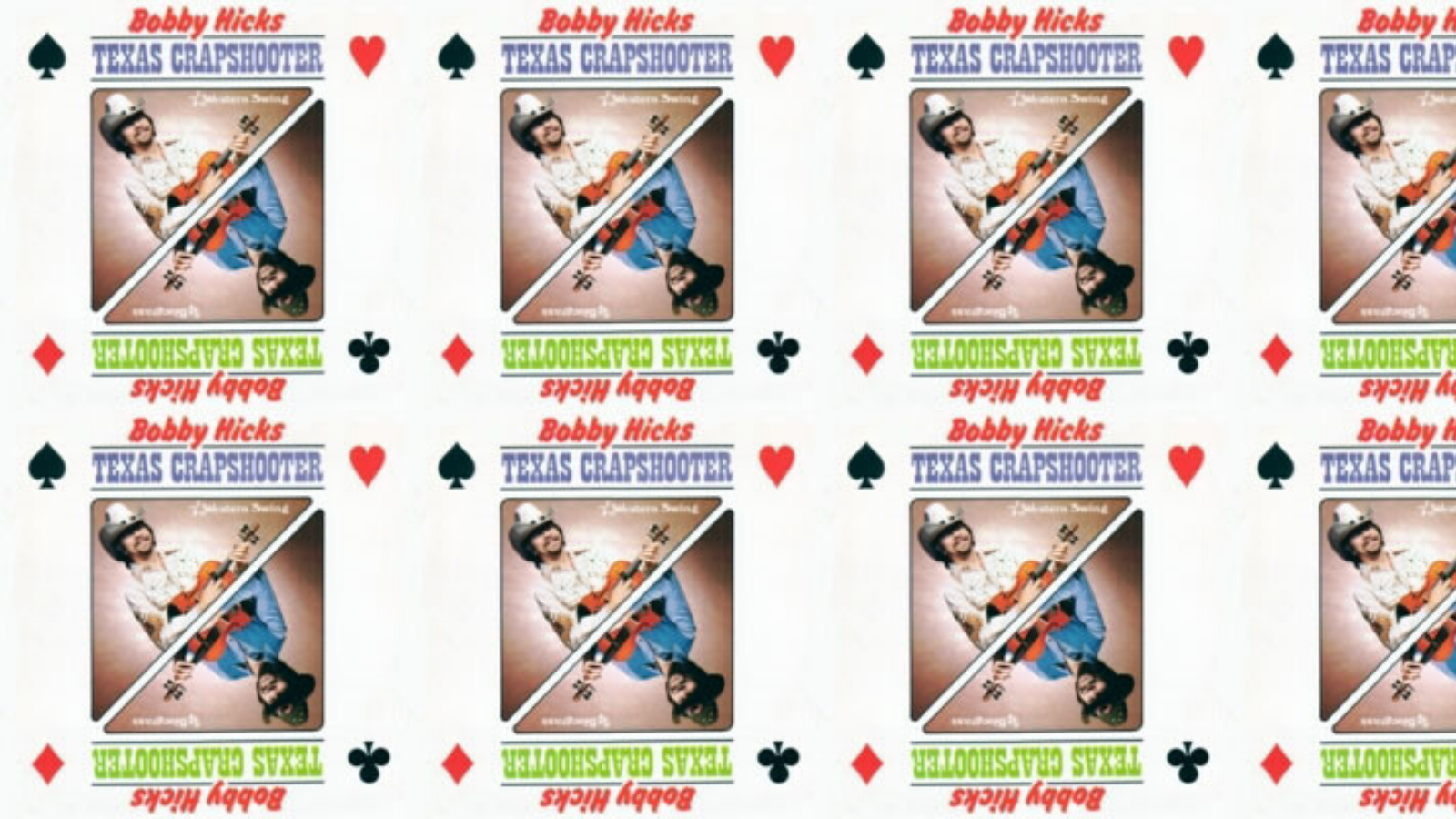
Bobby Hicks, “Snowflake Breakdown”

In our plaintive annual quest to unearth some semblance of a holiday-themed canon from the bluegrass songbook writ large, a few concessions must immediately be made. As argued in a past wintry edition of Tunesday Tuesday, titles of otherwise wordless and themeless songs are more than enough to justify a tune’s place in holiday and Christmas party playlists — or at least, this writer vehemently believes that they should be. 

That particular context might just be unnecessary, though, because anyone ought to welcome absolutely any excuse or justification to marvel at the sheer magic (holiday and/or otherwise) of Bobby Hick’s fiddling. Yes, this is no more than a contrived set up to allow some unbridled gushing about “Snowflake Breakdown.” The hoedown-style fiddle tune was a cut on Hicks’ 1978 album, Texas Crapshooter, which boasted an A side of all Texas and western swing tunes, featuring Buddy Emmons on pedal steel and Buck White on piano among others, and a B side of his signature bluegrass fiddling style, staffed by Sam Bush, Roy Huskey Jr., Alan Munde, and fellow Bluegrass Hall of Famer Roland White. The “wow, these pickers on this tune are each so unique and genius in their own rights, they’re like snowflakes” metaphor is just a little too irresistible here, so just go with it. 

For us fans of a bluegrass fiddler who plays with a heavy dose of North Carolina by way of Texas and a dash of the best parts of fiddle contests, has an unparalleled pedigree as a Blue Grass Boy with Bill Monroe, and a reputation as one of the most confounding double-stop talents in the universe, all we want for Christmas is (really, truly, honestly) more Bobby Hicks.

BGS 5+5: The Carolyn Sills Combo

Artist: The Carolyn Sills Combo
Hometown: Santa Cruz, California
Latest album: Return to El Paso
Personal nicknames (or rejected band names): None that are fit to print

What other art forms — literature, film, dance, painting, etc — inform your music?

Literature greatly influences my songwriting. I love the written word, love the endless possibilities of alliteration, puns, double entendres… it’s a thrill to craft a song that doesn’t give itself away on the first listen. I’ve written a few songs based on the work of authors that had an effect on me when I was younger. On our last album, Dime Stories, Vol. 2, we put e.e. cummings’ “Buffalo Bill’s” to music.

Our upcoming release, Return to El Paso, is a collection of songs written about the main characters of Marty Robbins’ “El Paso” off his Gunfighter Ballads and Trail Songs album. I’ve always been fascinated with back stories and motivation… those characters that play a role in an event, but aren’t the main focus. Like where did the horse come from that Marty steals as he runs out the back of Rosa’s Cantina? And who was the ranger that shot him down at the end of the song?

What rituals do you have, either in the studio or before a show?

I learned early on that the best ritual to have is no ritual. For a short time, I refused to eat before singing Patsy Cline, after enchilada-burping during “Sweet Dreams” one time… but then I learned if you don’t eat before the show, the kitchen will probably be closed after. In the past I’ve had some rituals like warming up, using the restroom, having a shot of whiskey, but life happens and each show is unique, so unless you’re willing to warm up while having a shot of whiskey on the can with two minutes until showtime, it’s best to just let it all happen, and not tie the success of your performance to any rituals.

Which elements of nature do you spend the most time with and how do those impact your work?

Can we consider my dog, Cowboy, an element of nature? He is a force to be reckoned with. I spend the most time with him, and he’s definitely impacted my songwriting. A lot of melodies and lyrics were written on our walks along the Monterey Bay or in the redwoods. I think we’re all having trouble these days allowing ourselves to get lost from time to time. It’s hard to resist wanting to fill a free moment by checking your phone, as we’re getting more and more trained to need constant stimulus. The best ideas pop into my head when I’m not distracted, not doing anything but being receptive to what’s around me. I used to have more of this time when I lived in a city, and walked a ton or took trains every day. Now that time is harder to come by, and Cowboy is my sherpa to those needed moments.

Since food and music go so well together, what is your dream pairing of a meal and a musician?

If there are no limits to this question, my dream pairing would be eating pasta “fazool” followed by a banana split while being serenaded by Dean Martin and Louis Prima.

If you had to write a mission statement for your career, what would it be?

My mission is to write as many meaningful songs as possible, that provide a welcome soundtrack for people, and are genuine to who I am; to always experience the collective enthusiasm of playing in a band setting, bouncing off others’ ideas and interpretations; to see as much of the world as possible with my wonderful combo through touring; to end up, in my 80s, playing 1940s country music every taco Tuesday in some small town with my guitarist husband, Gerard Egan.


Photo credit: RR Jones

LISTEN: Hot Club of Cowtown, “My Candy”

Artist: Hot Club of Cowtown
Hometown: Austin, Texas
Song: “My Candy”
Album: Wild Kingdom
Release Date: September 27, 2019
Label: Gold Strike

In Their Words: “‘My Candy’ was inspired by a Coleman Hawkins chord progression that we adapted. I wrote a melody to it that was originally meant for a slower, more sentimental song idea. We cut a rough version and I realized we were not going to be thrilled to play it live, because it was too slow and I wanted something more upbeat. So we picked up the tempo and I wrote a twin part on it. We do it on guitar and violin live, but for the album I twinned it myself on fiddle.

“As for the words, I just assumed this song already existed — an expression of love and appreciation through a candy vocabulary. But in researching different vintage candies, I found that there in fact was no such song that I could find, which was a thrilling discovery. So the idea was to combine these vintage candies, bring them to life as distinct characters, and blend them into this Tin Pan Alley-style melody and changes.

“After I wrote the words I later found out later that ‘jelly bean’ is an actual term that, according to Wikipedia, in the United States “during the 1910s and early 1920s, a “Jellybean” or “Jelly-Bean” was a young man who dressed stylishly but had little else to recommend him, similar to the older terms dandy and fop. F. Scott Fitzgerald published a story about such a character, “The Jelly-Bean,” during 1920.’ Perfect!” — Elana James (singer/songwriter/fiddle player)


Photo credit: Ryan Saul

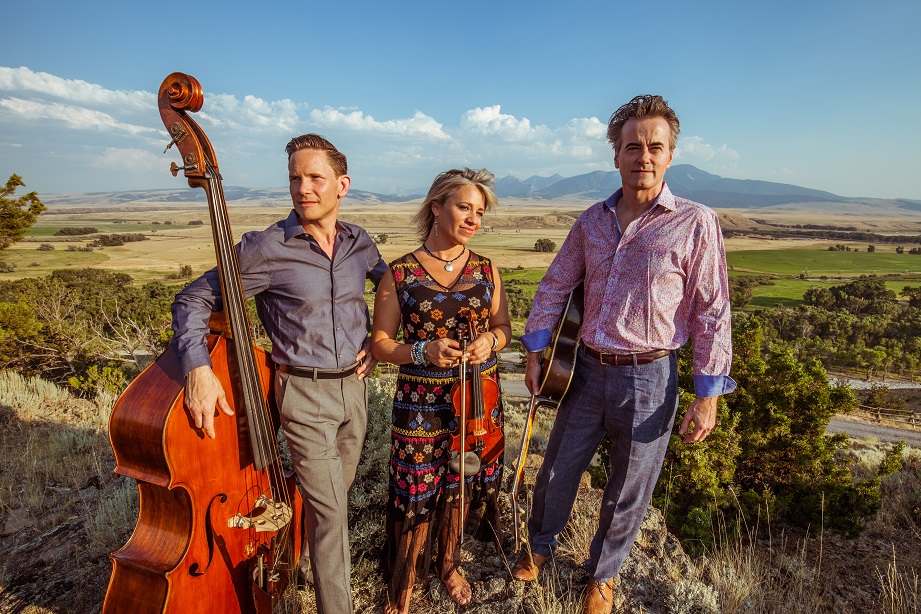
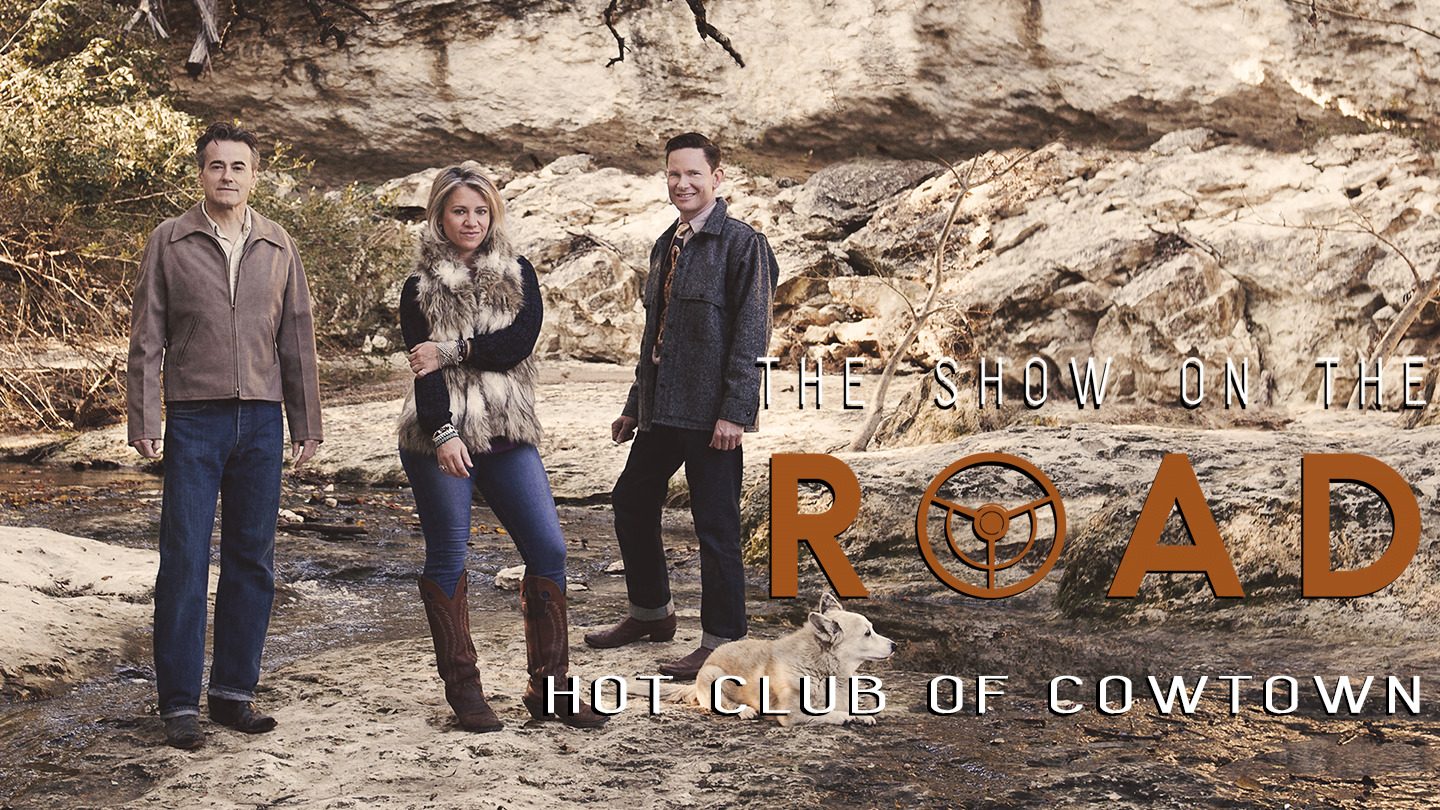
The Show On The Road – Hot Club Of Cowtown

Z. speaks to Hot Club Of Cowtown — the genre-defining Western swing trio that has quietly crafted over thirteen records, and has traveled a quarter of a century on the road together.

LISTEN: APPLE PODCASTS • MP3

On this episode, Z. was lucky enough to record two live performances from Hot Club Of Cowtown, and is there anything better than guitar, fiddle, and bass going full tilt around one mic? Both tunes are included, as well as an enlightening discussion about the scariest hotel room they’ve ever stayed in, playing together for over twenty years, and what it was like to tour with Willie Nelson and Bob Dylan…on the same tour.

Dale Watson Makes Himself at Home in Memphis

Call us lucky that Dale Watson is feeling so lucky these days. He’s recently bought a house in Memphis, the city where he recorded his new album Call Me Lucky at Sam Phillips Recording studio, purchased the famous nightclub Hernando’s Hideaway, and continues to develop his sound and to reign as the king of Ameripolitan music. Call Me Lucky includes traveling tunes, love songs, and trucking songs, all under three minutes, and featuring Watson’s signature rockabilly sound.

On the slow-burning ballad “Johnny and June,” Watson and Celine Lee, who co-wrote the song, channel Cash and Carter as they look into each other’s eyes and sing about how deeply their lives are intertwined: “you’re the cream in my coffee/you’re the grits to my gravy/you’re the wind in my sails/a lullaby to my baby.” Cash’s drummer W.S. “Fluke” Holland provides the driving beat for “The Dumb Song,” which features a galloping bass line straight out of the Man in Black’s catalog. Every track features Watson’s inventive songwriting, from the Waylon Jennings-like “Restless” to the scampering Merle Haggard-esque “You Weren’t Supposed to Feel This Good.”

BGS caught up with Watson by phone for a chat about songwriting and his new album.

BGS: You recorded this album in Memphis at Sam Phillips Recording studio. Why did you decide to record it there?

Watson: Mostly I record my albums here in Austin, either at my studio, but sometimes at Willie’s or at Ray Hubbard’s studio. A friend of mine, Matt Ross-Spang, who’s a great producer, had been working over there and I went to visit him. I became close to the Phillips family. Since the 1960s, some of the greatest American records have been made there. It felt like home, and it has this great sound, of course.

What made you decide to buy a house in Memphis?

I’ve always liked Memphis. Wherever I was going that took me in that direction, I’d stop in there. The city has grown but it’s done well in cleaning itself up. Memphis reminds me of Austin in the ‘80s. I can record where I want but I wanted to come here to do this one.

You recently purchased the fabled Hernando’s Hideaway nightclub. Is it open yet? How does owning a club help you in your own music?

We’re still doing work on the club but hope it will open up sometime later this year. Hernando’s Hideaway is the only bar where Elvis, Johnny Cash, Jerry Lee Lewis, Carl Perkins, and Charlie Rich played in, never at the same time, though. I am able to get discs from new bands, so I hear some new music. As the owner of the bar, I have to really look for these people to perform and play the kind of music I want in the bar. If I sit in the bar, though, I am going to hear some music that I really like and that I want to hear more of.

Is this album a bookend to your 2015 album Call Me Insane?

(Laughs) I never put those two things together. I never thought of that. The label wanted to go with one of songs for the title, and this is what they chose.

Who would you say are your major influences?

Merle Haggard, Ray Price, Buck Owens, Lefty Frizzell, Johnny Cash, Carl Perkins.

Can you define Ameripolitan? How did you come up with the term?

I came up with the term out of frustration, I think. (laughs) I’d be somewhere, and people would ask me what kind of music I do, and I’d say country music. They’d say, “I love Kenny Chesney.” Nothing against them, but by today’s standard of country music, they’d be disappointed with my music. If I tell them my music sounds like Hank Williams or Jimmie Rodgers or Merle Haggard, more often than not people say they’ve never heard of that.

So, it’s easier to explain what we are by using a different word, Ameripolitan, to describe original music with a prominent roots influence. It starts with Jimmie Rodgers and has a relationship to music between Rodgers and Hank Williams. We’ve been holding the Ameripolitan Awards Show now for six years and promoting the music. We held the first four shows in Austin; this year’s show we held in Memphis.

You have a knack for writing songs quickly. What’s your view of songwriting? When did you start writing songs and playing guitar?

Early on, I learned to write from my dad, who wrote songs. When I was about seven or eight years old, I started making up songs on a ukulele. A little later I wrote a song about the girl across the street. All the good ones are about the girls. (laughs) I’m not writing “American Pie.” I pick a subject or I write about people or a situation I see. You write and you write and you have an album.

I was cleaning up my place for a move a couple of years ago and I found a good song that we dusted off. The only time I wrote songs on the way to the studio to go on an album was for the Sun Sessions. I wrote about four to five songs on the way there. I started playing guitar when my brother Jim needed a rhythm guitar player in his band. He taught me how to play some chord progressions. Two years later I had my own band and I learned on the job.

You wrote “Inside View” on the spot in a club. How did you come up with it?

We were playing the Continental Club in Austin. There were these two girls near the stage and they kept screaming for me to play “inside view, inside view.” Well, we didn’t have a song called that but I said, “All right, ‘Inside View.’” I turned to my band and I wrote the song there on stage. My drummer and road manager, Mike Bernal, usually records our music; he’ll send it to me later to refine. Usually I have to go back and re-record, but I didn’t have to do that with “Inside View.” I get most of my ideas from my audience.

How did the idea for “Johnny and June” come to you?

I was driving with my daughter when the idea came to me, and she wrote it down as I told her about it. I played Johnny’s guitar on that one. It’s got that Cash vibe to it and it’s a duet between Celine and me.

There’s a song on the album called “David Buxkemper.” How did that song come about?

I never met the guy before I wrote the song. One day I got an email through my website from this guy named David Buxkemper. He told me he was a big fan of the Reverend Horton Heat, and he’d seen me on tour with Heat. He told me he was a truckin’ farmer, and he was a big fan of my trucking songs. He also told me he and his grandfather used to watch Hee Haw together and that he liked listening to trucking songs while he was farming. I was intrigued by his story, and with a name like that—you can’t make that up! So I asked him for more details about his life and ended writing this song about him. I like writing about real people.


Photo credit: Mike Brown

WATCH: Matt Campbell, “That’s The Way”

Artist: Matt Campbell
Hometown: Nashville, Tennessee
Song: “That’s The Way”
Album: The Man With Everything
Release Date: November 9, 2018
Label: Flour Sack Cape Records

In Their Words: “I woke up with the hook of the song in my head, not sure where it came from or what to do with it. I was listening to a lot of Merle Haggard at the time. Country music has a rich tradition of artists staking out political positions, but a lot of modern takes are full of platitudes or play to lowest common denominators. I’m staking out my own position in no uncertain terms, informed by my own experiences. I thought of it as Western Swing song, but the more the lyrics came together the phrasing turned into something closer to rap. I suppose that makes sense because my view is that you have to blur a few lines to make sense of America, if only for your own sanity.” — Matt Campbell


Photo credit: Emily Beaver