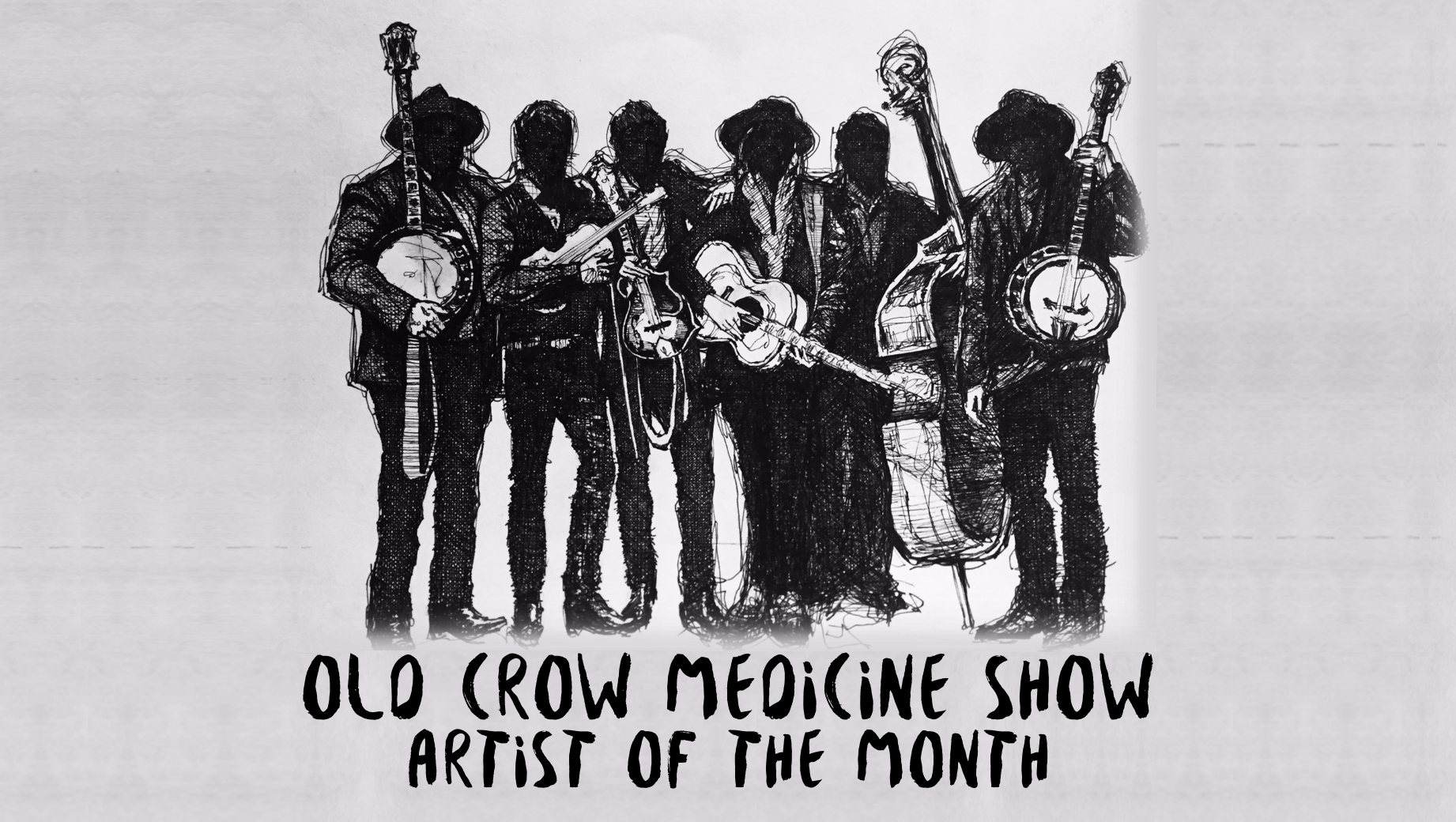
Old Crow Medicine Show: “Time to Start Doing Exactly What We Feel Like Doing” (Part 1 of 2)

I can still remember the first time I saw Old Crow Medicine Show live. It was a sweltering summer night in Nashville around 2008 (back before the bachelorettes and Bird scooters) and they played from a massive barge moored at Riverfront Park. The thing was huge — far too big for six skinny street musicians to budge — but I swear it moved while they stomped and hollered, the Cumberland rolling by lazily behind them.

I was familiar with the band and already loved the unapologetic mix of tradition and edgy intensity, but that live show was revelatory. It gave me a new appreciation for the sense of community Old Crow was trying to forge, so it’s always surprised me that they didn’t record live albums. That has finally changed with this month’s release of Live at the Ryman.

Backstage at the Grand Ole Opry House on another hot summer night, front man Ketch Secor spoke with BGS about the project, why Old Crow is just now getting around to a live album, and what their style of music needs most right now.

BGS: Part of the idea of this album is that Old Crow has played the Ryman over 40 times. For a band that started out busking in the Northeast, how does it feel wrap your head around that?

Ketch Secor: Actually, I wish I had a real count because Lord knows I’ve played there more than 40 times. I think that’s how many times we’ve headlined, but if you add them all up I bet it’s a triple-digit number. We’ve been openers there for Dolly Parton back in 2002 for, like, a daytime show. We’ve done a lot of film and television there, all kinds of awards shows. It always felt like the place to shoot for — it’s the moon, the Ryman Auditorium, and we were always a shoot-for-the-moon kind of band because we figured “Well, we’re not supposed to be here anyway, so we might as well try and go as far with it as we can.”

You self-released one live album in 2001, and then nothing else until now. Why did it take 18 years to do another, since the live show has always been the foundation of what you guys do?

Oh, I think because we’ve always tried to put out a new studio record every couple of years, and here at the 21-year mark it’s probably time to start doing exactly what we feel like doing.

You haven’t been doing that the whole time?

Nah, not with those studio records. There’s a lot of stuff you’ve gotta do. Yeah, we always did it “our way” in the fact that we always played our own music. But just being in the music business means doing it everybody else’s way.

So you had to make a few compromises here and there?

Oh yeah, there was a lot of playing the game in ways that never seemed to pan out, but it never stopped us. That was just the way it was, and we were impressionable, so that’s what we did. We did it the way we were advised to do it.

Can you elaborate a little?

Like playing Napster. Doing shows for radio programmers in L.A. who never played us. Trying to make videos for CMT that were never in rotation, ever. …Opening up for Carrie Underwood at [Country Radio Seminar], it’s like, “What were we doing there?” Those guys, they might have liked it, but they were never gonna play it. And I don’t care if they like it, I want them to fucking play it, or I don’t want to play that show.

So now that you feel freed up to do it your way, what’s that look like?

Live at the Ryman. Here we are singing a Merle Travis song! Here we are singing our songs or selling popcorn and tickets and people brought their buck-dance shoes! I mean, we’ve set beer records at the Ryman. I’d rather sell beer at the Ryman than sell records! …I’d rather sell beer at the Ryman than digital streams! What’s the fun in that?

“Tell it to Me,” “Methamphetamine,” those are interesting songs to present because rural America has a new drug problem going on with opioids. Why is it important for you guys to sing songs like that, especially at the Ryman?

Well, “Tell It to Me” was recorded in Johnson City in 1928 I think. The band that brought that song to the studio had been an original backing band for Jimmie Rodgers… Anyway, I’m just saying this because if you like country music, you should probably know that drug songs have been part of the canon since recording studios first illuminated a red light bulb and said, “You’re on.”

I don’t think people do know that. We’re just now starting to get radio songs with pot references that people don’t flip out over.

Yeah, I mean it was blow in the ‘20s and now it’s pot in the 2010s. And then “Meth” is a really different kind of song because it’s more topical. We recorded it a long time ago but it seemed important to bring it back and revamp it, make it more intense, and Charlie Worsham plays some really great electric guitar on it. It just feels like it’s knocking on your door, like a hurricane.

Tell me about doing “Louisiana Woman, Mississippi Man” with Margo Price.

We were down in Oxford, Mississippi, doing a show with Margo. She was opening up for us down there near Ole Miss, and we were looking for a song that seemed to fit, so we tried that one. Our duo thing felt really good, and I feel like I’m a little bit in the Conway range — and she’s definitely in the Loretta range — so it worked out pretty good. We heard the playback we thought it sounded great so we wanted to put it out. I saw her at the grocery store the other day and she said she loved it.

Why did you include a song like “C.C. Rider,” which has Lee Oskar playing harmonica?

I really love his band War. We did “Lowrider” onstage at the Ryman, too, maybe that will come out on Volume 2. But what I really loved about that moment on the Ryman recording is that it has twin harps. You know the old guys don’t have their pictures up here [gestures at photos of Opry stars on the dressing room wall]. …But the story of the twin harp playing of the Crook Brothers — Herman and Louis Crook — lives a long time, because Herman and Louis lived, like, into their 90s. What they were great at was two harmonicas playing in unison.

That’s interesting. In your music you’re often looking to the past for inspiration, but what do you think is the future of string bean …. er, string band music, Americana?

You just answered it, man. We need a new Stringbean. Nobody’s acting like that and that’s what’s missing. Who’s gonna be the clown? What happened to the kind of entertainment that’s self-effacing? Everybody on this wall loves the clowns, but none of them are. They’re “the vocalists” and we’re supposed to take them seriously. I’d love to see this genre — whether it’s country or Americana or whatever — just not take itself so damn seriously. Let’s just have a grand ole time. Let’s poke some fun at each other, and especially at ourselves. I’d love to see that.

Editor’s Note: Read part 2 of our interview with Old Crow Medicine Show’s Ketch Secor.


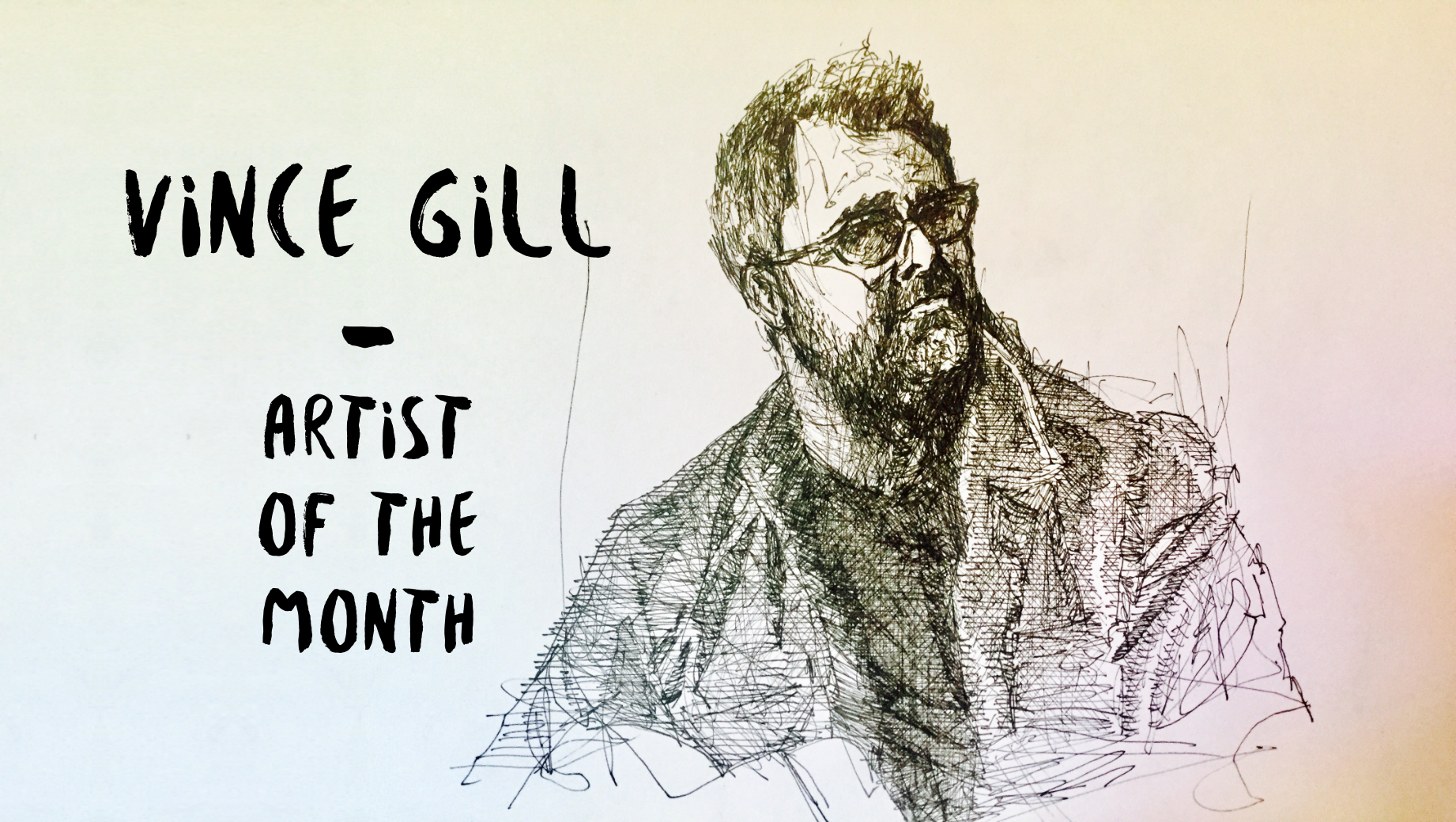
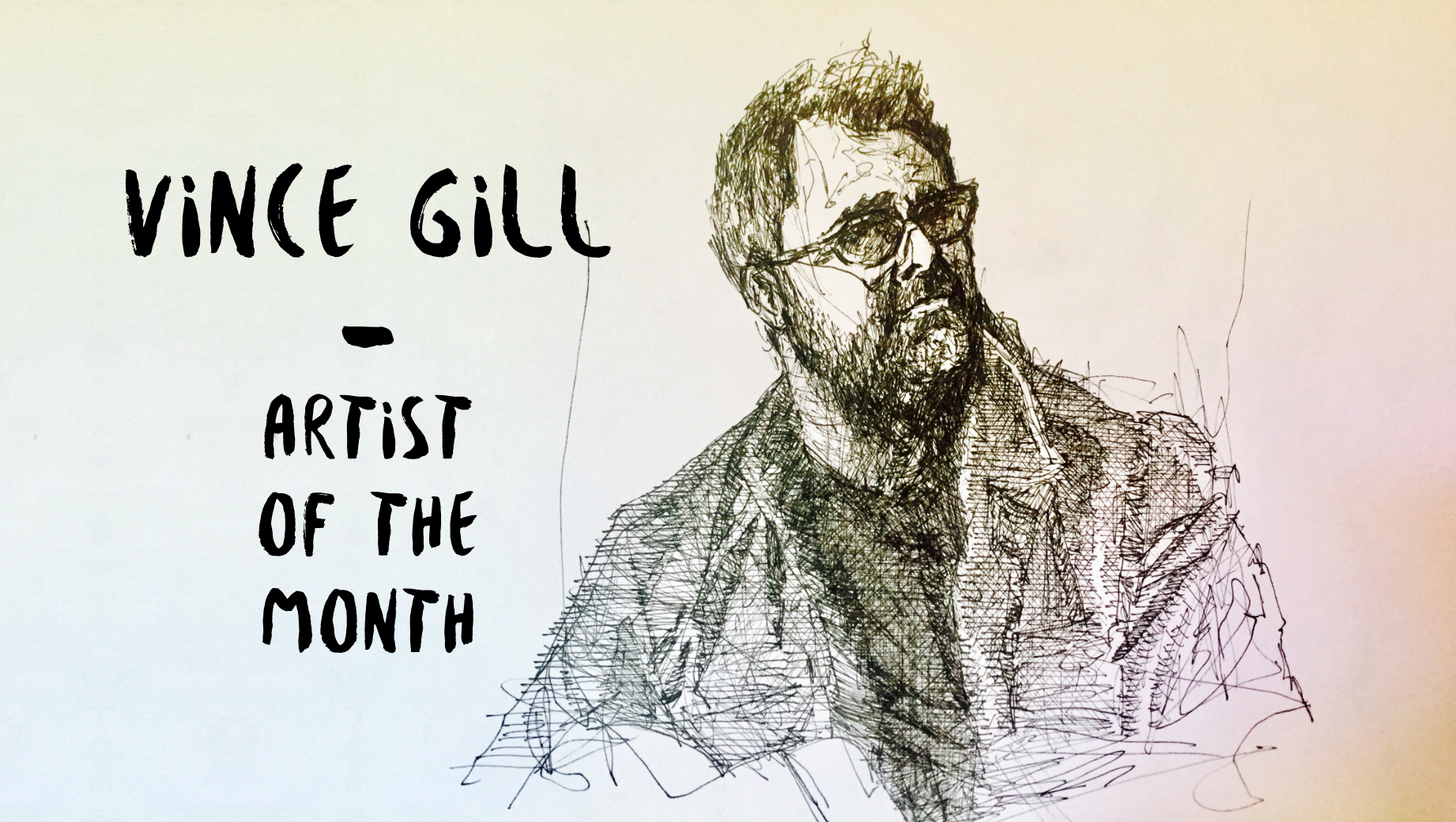
Illustration: Zachary Johnson
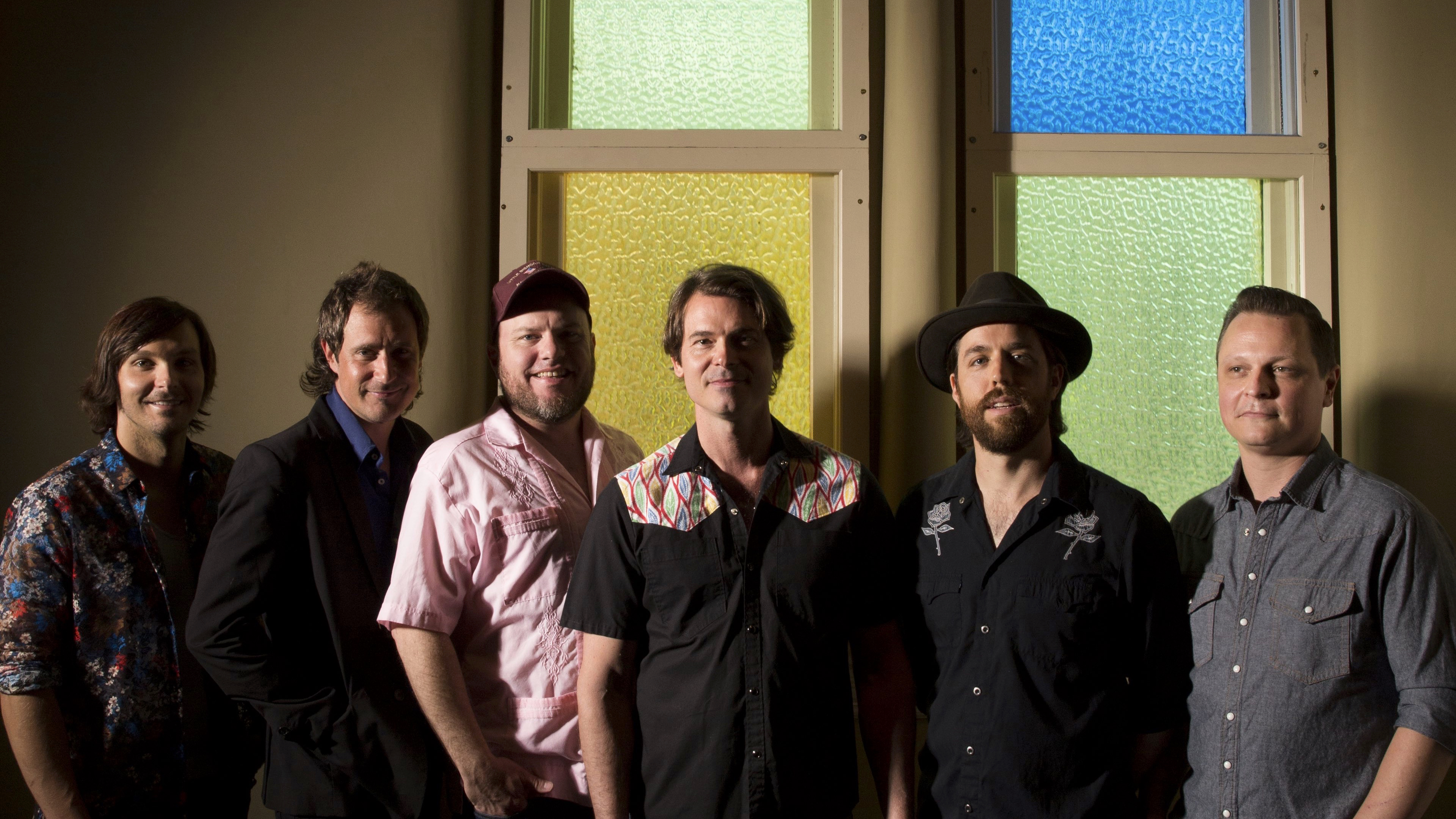
Artist of the Month: Old Crow Medicine Show

From their earliest days of busking and playing to capacity crowds at the Station Inn, Old Crow Medicine Show has shown they know how to pull in a crowd. Now they’ve captured that raucous, captivating energy in their newest release, Live From the Ryman, recorded during the group’s numerous headlining performances at the landmark Nashville venue.

The band has seen its share of setbacks and lineup changes over the years, but their catalog is surprisingly limber. In other words, the songs from Eutaw and O.C.M.S. blend seamlessly with tracks from newer releases like Remedy and Volunteer.

It’s a testament to the vision of band founder Ketch Secor, who tells BGS, “If they had tried to stop us a long time ago, they probably would have been able to, but they never tried. We were never curtailed. We were asked to be quiet and to clean up, but nobody ever said ‘no’ enough times for us to pay attention.”

Look for a two-part interview with Old Crow Medicine Show coming up on BGS this month, and enjoy our Essentials playlist.

Photo credit: Crackerfarm; (L-R): Charlie Worsham, Cory Younts, Critter Fuqua, Ketch Secor, Joe Andrews, Morgan Jahnig

Ken Burns, Vince Gill Discuss ‘Country Music’

For the most dedicated country fans, the moment has finally arrived. The 16-hour documentary Country Music is complete and headed to PBS stations on Sunday, September 15. Across eight episodes, filmmakers Ken Burns, Dayton Duncan, and Julie Dunfey tell the story of country music from its beginnings through the mid-1990s

On Today, Burns stated, “This is American history firing on all cylinders. It’s who we are. It’s another way to see the complicated 20th century, and it’s also for today a time where we can bring ourselves together. Country music reminds us we’re all the same boat together. The themes of a country song are the themes of human experience, of love and loss — two four-letter words that most of us are uncomfortable with.”

He added, “You know, we disguise it and say it’s about good ol’ boys, and pick-up trucks, and hound dogs, and six-packs of beer. That’s a small, tiny, little sub-genre. When you hear ‘Go Rest High on That Mountain’ by Vince…. He says, ‘At the end of the day, all I ever wanted from music was to be moved.’ Country music at its heart is telling us about basic human experiences, and that we’re all together in this. It’s only us, there’s no them, and that’s good medicine right now.”

Asked about the evolution of country music, Gill responded, “I think if you’re going to do a comparison, you have to do all music. It’s not fair to just take country music and say only country music has changed. Because jazz has changed, rock ‘n’ roll has changed, rhythm and blues has changed, there’s hip-hop, there’s rap. Every kind of music has found a new way to communicate with people. And we’re no different.”

He continued, “We are so grateful to Ken and Dayton and Julie for taking this on. And from my viewpoint, finally giving us some dignity and some respect that we have longed for ever since we started making this music.”

Vince Gill Looks Back on His Bluegrass Years (Part 2 of 2)

In the second half of our interview with Vince Gill, the country legend reflects on his bluegrass history, explaining how he became interested in the music, what he learned by listening closer, and why it led to one of his most famous songs.

Editor’s Note: Read the first part of our Artist of the Month interview with Vince Gill.

BGS: “Go Rest High on That Mountain,” in my opinion, is going to live forever. And I think the bluegrass audience loves hearing Patty Loveless and Ricky Skaggs sing with you, too.

Gill: You know, I wouldn’t have been able to write that song if I hadn’t played bluegrass music and learned the structure of that music and how it works — and the emotion of it. Bluegrass music is so honest and so real. Some of those morbid murder ballads and the saddest of the sad songs are what I love most. Give me “Mother’s not dead. She’s only a-sleepin’. Patiently waiting for Jesus to come.” That’s about as good as it gets. “The Little Girl and the Dreadful Snake.” I could just go on and on and on.

All these tortured songs, but you know they’re real life. They’re not somebody going, “How can I slip one up on the world and make a bunch of money having a big hit record?” They’re so honest and real. And the fact that my past had so much to do with Ricky and Patty, they were the only two people that I would’ve consider it singing on that song.

I still love it when Patty comes to do the Opry.

There’s a really unique thing that happens when our voices sing together. It’s so… obvious. I sang on her very first record in the early ‘80s. I sang on her first hit record and she sang on my first hit record. So it’s my little sis.

Tell me about how you found bluegrass. Was there an entry point for you?

Yeah, I knew of it because my dad played the banjo a little bit. He never could figure out the three-finger, Scruggs-style banjo. He cussed Earl his whole life because he couldn’t figure it out. He played more of a folky banjo. Not drop thumb, not old-timey, but more of a frailing kind of banjo. So I was always around the music, as best I can remember, forever. There were obviously the Flatt & Scruggs things from The Beverly Hillbillies that were in everybody’s DNA. Then I was playing mostly in rock bands in junior high school and high school.

A kid named Bobby Clark was the one that really got me pointed towards bluegrass. He had a little band in Oklahoma City and his father was a repairman. I had broken the string on my dad’s banjo, messing around with it, and I didn’t know how to change it. So I took it to Charlie and he put a string on it pretty quickly and everything was fine. I wasn’t gonna get my butt kicked. Then I started talking to Charlie, and he says, “You play music, don’t you?” And I said, “Yeah, I love to play. I play electric guitar and play in rock bands and stuff.” He goes, “My son Bobby is a really fine mandolin player and plays bluegrass. You ever played any bluegrass?” I said, “No.”

They stuck an acoustic guitar in my hands and Bobby said, “We just had our lead singer leave the band and we’re looking for a singer.” So they did a pretty good job of raising me and teaching me and showing me how bluegrass worked. I played in their band for the last couple of years of high school. Then in another bluegrassy kind of band called Mountain Smoke. And I started playing all the festivals down around Oklahoma and Texas and Kansas. And ran into all the people that I’ve known in my whole life since I was 15, 16 years old.

Wasn’t that how you met Cheryl White [from The Whites]?

Yeah, I used to carry her bass around the festivals. I always had a thing for the girl bass players for some reason. There was another family band from Missouri called the Calton Family. Got sweet on Brenda. Then I got sweet on Cheryl. And she says I should’ve picked a harmonica player. [Laughs]

Those were such fun days and innocent. I loved the camaraderie that went on in that music. Not only with the people that came to the festivals, but the musicians. Everybody jammed together. There wasn’t a whole lot in it for anybody. Everybody was just kind of getting by. It was amazing, as I look back, what it did for me in the way that I respected other musicians and listened to other musicians. It was really important that I had a lot of that in my past. I haven’t forgotten it.

When I first heard bluegrass, I was just blown away by musicianship of it.

Yeah, I mean Stuart Duncan was as great as he was at 12 or 13. So was Mark O’Connor when he was 12 or 13. And Marty and Ricky and Jerry and on and on and on and on of these wonder kid pickers. Unbelievable. I kind of squeaked in because I could sing a little bit and figured out how play as I went. I kind of played whatever was left over in a lot of the bands I was in, and that was fine.

I saw you play mandolin on quite a few songs when you played Bluegrass Nights at the Ryman. What is it about that instrument that you really enjoy?

I think the mandolin is the most important drive of a bluegrass band. The banjo and that are the two most definitive sounds. In bluegrass, mandolin players are like the drummer, even more so than the guitar player to me. It’s that backbeat and driving it. Sam Bush was a great teacher of how you drive that music, you know? I loved the ferocity and intensity that he played with. When he played, that was powerful to watch as a 15- or 16-year-old kid.

That’s what I like. I like making it dance. I liked the importance of playing that instrument in bluegrass. I’m probably a much better guitar player in bluegrass than I am a mandolin player. But in some bands I had to play banjo. Sometimes I had to play, unfortunately, fiddle on a few things. Terrible! I played Dobro, I played everything. I played bass with Ricky’s band for a minute and then got to play some other instruments, but had a love for all of it. I still do. Probably I love it more now because it reminds me so much of my early days, and those first forays into learning about playing music.

Did Dobro come naturally to you?

It all kind of did. I mean, I put in the hours and I practiced hard. The neat thing was, you had such good people to learn from. I always had big ears and could always hear well and find what I was hearing in my head, figuring out how to play it.

There are so many brother duos that came up in bluegrass. Do you think that rubbed off on you with your harmony singing now?

Absolutely, yeah. I was trying to either be Ralph Stanley or Phil Everly or Ira Louvin or whoever. Don Rich and Buck Owens should’ve been brothers. I was a high singer so bluegrass was a natural fit. There have always been predominant high singers that were the focal point. Whether it was Ralph and Carter or whoever, man, that was a blend. You didn’t understand it when you were 15 or 16, what it was that made that blend so beautiful. It was the blood, you know. The DNA was the same.

I didn’t get to experience that until my oldest daughter was 18, 20 years old and we started singing together. I started calling her my little Everly because I’d spent my whole life trying to be Phil. You know, singing the high parts for everybody else, and blend perfectly, and every nuance they did, I’d do. And I’d just want ‘em to think I was related to ‘em. She wound up naming her daughter Everly because of that, because I called her my little Everly.

But yeah, I love sharing music. I love the collaboration of music more so than I like it by myself. It’s not as interesting by yourself, but when you get to play off somebody, and play with somebody, it’s very powerful.


Photo credit: John Shearer

Vince Gill Lets New Songs Stand Out on ‘Okie’ (Part 1 of 2)

Regarded as one of the good guys in country music, Vince Gill has hosted countless Grand Ole Opry segments and awards shows, and he’s just as welcoming off stage, too. He generously invited the Bluegrass Situation to his Nashville home for a visit about his new album, Okie, as well as his roots in bluegrass music.

In the first part of our Artist of the Month interview, the Country Music Hall of Fame member pulls back the curtain on some of the key tracks on Okie, and explains how artists like Guy Clark, Amy Grant, and Willie Nelson influenced the album.

BGS: I’ve heard you describe this as a songwriter record, but you’ve written a lot of your hits. What do you mean when you describe this as a songwriter record?

VG: Well, I don’t think the intention of any of these songs is thinking they’ll be hits. I think that in the way of production and the instrumentation, the intent is really to never get in the way of the song. I don’t play any electric guitar on this record. I only played one or two solos on the entire record.

The rest of it is just kind of moody, ethereal, all of us playing together, and nobody stepping out so much in a big way of, “Now it’s your break, it’s time for you to play the big ripping solo.” There’s one instance of that. I think the point of it was, hopefully, that nothing ever got in the way of the song.

And there’s not big choruses with lots of harmonies. I liked Red Headed Stranger by Willie Nelson, and how sparse it was and simple. That’s what I wanted, something with a lot of space.

Did you know that going into it or did that reveal itself?

Yeah, that was the intent. I had this collection of songs. I said this would make a pretty neat, demure kind of record of not trying too hard, I guess. I mean, not singing hard and a lot of licks. Once again, there’s only one song on this record where I really cut loose and sang, and that was “When My Amy Prays.” The rest of it is just telling the story.

I even did a recitation on “Nothing Like a Guy Clark Song,” which scared the crap out of me. I don’t like the sound of my speaking voice very much. I like my singing voice just fine. But I’d only done one other kind of recitation recording in my life and that was tribute to Guy with his song, “The Randall Knife.” It always sounded bizarre to me to hear myself just talking, talking blues kinda stuff.

How did you choose the guitar for that song? Do you have a certain guitar you use?

Yeah, I think I used my guitar or Sparky’s — a friend of mine, Harry Sparks. He’s got a great old 1942 D-45. He lets me keep it here and play it a lot. It’s a long history of a story of our friendship. It’s probably the holy grail of all acoustic guitars and there’s only a few of them made and they sell for many, many, many dollars. And he had it.

I was living in Kentucky at the same time, when I was 18, and we were big buddies. Couple of years later I moved out to California and he called me up when I got out there and said, “Hey, I got to sell my D-45. I’m in trouble.” I bought it from him and told him I’d keep it for him. If he ever wanted it back, I’d sell it back to him for what I paid for it. At the time he finally called, it was worth about 10 times what I paid for it. And I said, “Yeah, I’ll sell it back to you for what I said I would.”

It’s a great story to remind yourself of how important friendship is, and your word. A few years ago we were doing a record here at my house and he brought his D-45 and we played it on a bunch in the record. He was leaving, and he had the case, and he looked at me and just handed to me. He said, “Here. You need to keep this for a while.” So it’s been a neat piece of the puzzle of our friendship.

It sounds beautiful. too, on top of that.

Amazing. It’s one of the best-sounding guitars I’ve ever heard in my life.

You write about race relations on this record a couple of times, particularly on “The Price of Regret.” I was curious if something specific inspired you to explore that topic.

It starts out as basically owning up to, we all have to have some regrets in life, and what they are can be any number of things. But what I’ve always been surprised by is how our eyes fail us. Sometimes when we see something and we look at it, we judge it. It’s the first thing we do is prejudge. Whether someone’s heavy, whether someone’s slovenly-looking, or poor or rich or white or black, and we just have this thing come to us to tell us what we think it is.

If we would honestly receive someone, not seeing them, I think you’d be much more honest in acceptance of one another. That’s what it says in that song: “You’re black and I’m white. We’re blinded by sight. Close your eyes and tell me the color of my skin.” And you couldn’t. Which would be a good thing for us.

At your Ryman show, you spoke about watching the Ken Burns documentary about country music, and you mentioned the fact that AP Carter’s sidekick was a black man, and Hank Williams learned to play guitar from a black man.

Yeah, and DeFord Bailey was one of the first great stars of the Opry and Jimmie Rodgers learned all those songs from black fieldworkers. It goes on and on and it never stops. Ray Charles taught us how much soul our music had. Charley Pride showed you how country somebody could be that was African American. It was powerful to see that we never bought into any of that mess, to some degree. And it is a mess. It’s embarrassing how we’ve handled all that.

The song I keep coming back to on here is “What Choice Will You Make.” I feel like I’m the best friend in the car, hearing that conversation. That first line puts you in the song right away, or at least it did for me.

My favorite part of that song is that it’s a song without judgment, and it happens every day. Young kids wind up, somebody gets pregnant and, “Hey, I’m 16. Look, I wasn’t prepared for this.” And all it says is, “What choice will you make? Whose heart will you break?” It doesn’t say what you should or shouldn’t do. To me, that’s a kinder way to go about tackling the subject of this matter.

The woman I wrote it with, Leslie Satcher, we’ve got a long history of writing really neat songs together. She’s tremendously talented. It was important to me that it not get to that place where we were saying what should or shouldn’t happen. That’s nobody’s place. It’s sort of like “Ode to Billie Joe.” You don’t really know what happens. It starts in that moment of sitting on the edge of town with such a worried mind, and it ends with still sitting there on the edge of town, not sure what to do.

On this record, I hear references to Amy [his wife, Amy Grant] a couple of times, on “Honest Man” and “When My Amy Prays,” of course.  What’s that experience like, playing her a song you’ve written about her?

It’s a running gag. You know you live in Nashville when you write your girl a love song and she tells you the third verse could use a little work. [Laughs] It’s really great to have a friend that does tell you what’s right and what’s not and what’s good and what isn’t. It’s easy to be inspired by her because she’s so gracious with people. She’s the most welcoming person I’ve ever seen in my whole life. Hands down. Nobody I ever seen better at that than her.

And non-judgment. No harsh words about anybody and it’s just beautiful in the way she receives. It’s kind of easy to write songs about her. If they’re songs that are faith-based, everybody assumes that I’m as a big of a church guy as she is. And the truth is, I wasn’t that much of a church kid. So I have to go to her every now and then and say, “Is this kind of close to what happens?” [Laughs] She’ll say, “You’re right on track. You’re OK.”

Read the second half of our Artist of the Month interview with Vince Gill.


Illustration: Zachary Johnson
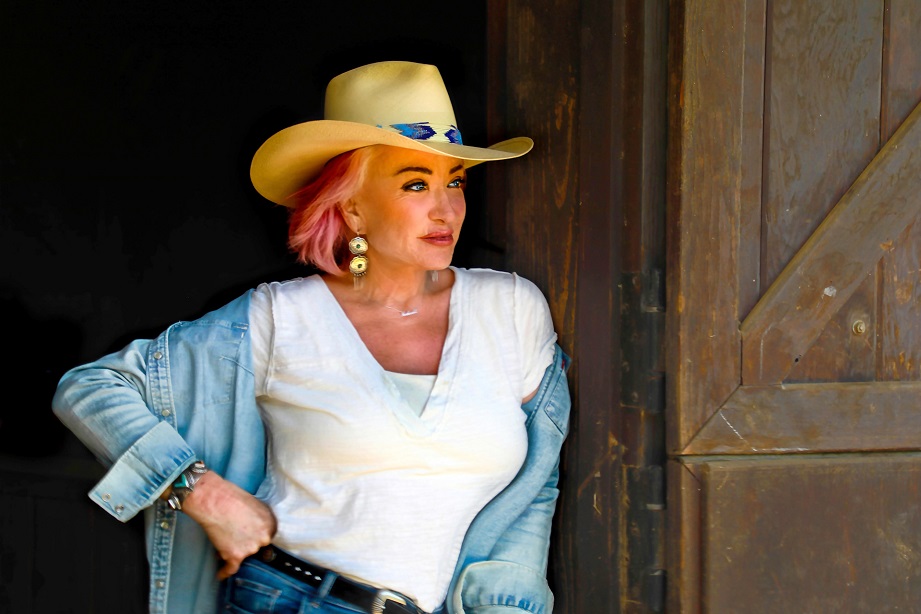
Artist of the Month: Vince Gill

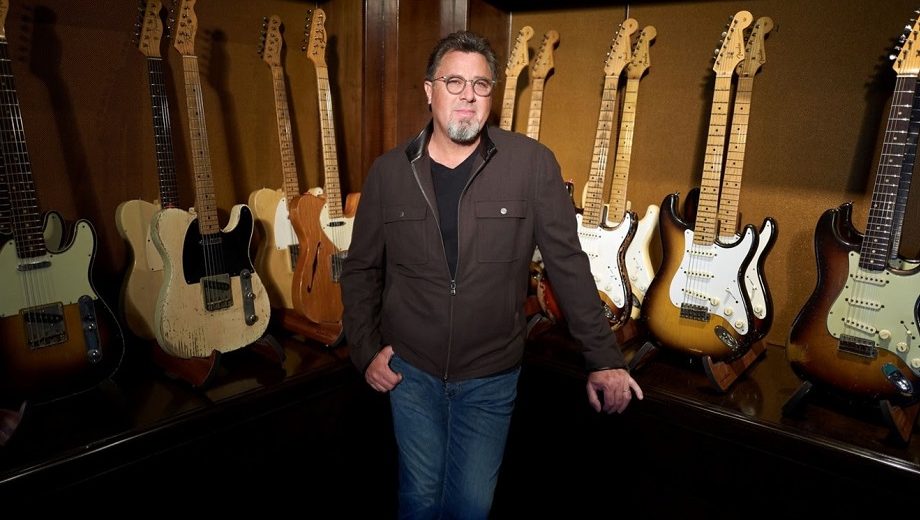
Who doesn’t love Vince Gill? His pristine tenor fits beautifully into bluegrass, country, Western Swing, and even classic rock, as he tours as a member of the Eagles. Still, the good-natured Opry star tells BGS that bluegrass remains close to his heart.

“You get the right band, the right drive and the right thing — I tell people it rocks as hard as the Rolling Stones. When it’s right — it’s really, really right — it’s like a freight train coming at you,” he observed during a visit in his Nashville home, just a few days after his annual summer appearance at Bluegrass Nights at the Ryman.

He continues, “It’s awesome — even in the middle of it. I don’t know that it translates far away like it does in a circle of it. We practiced over here the other night, and just being in this room and being this close to everybody was so much fun.”

Gill’s childhood memories shape a large part of Okie, his exquisite new album — an acoustic-oriented project that puts his voice and songwriting at the forefront. Look for our two-part interview this month with this member of the Country Music Hall of Fame, and in the meantime, enjoy our Essentials playlist.


Photo credit: John Shearer

WATCH: Tanya Tucker, Brandi Carlile & Tenille Townes, “Delta Dawn”

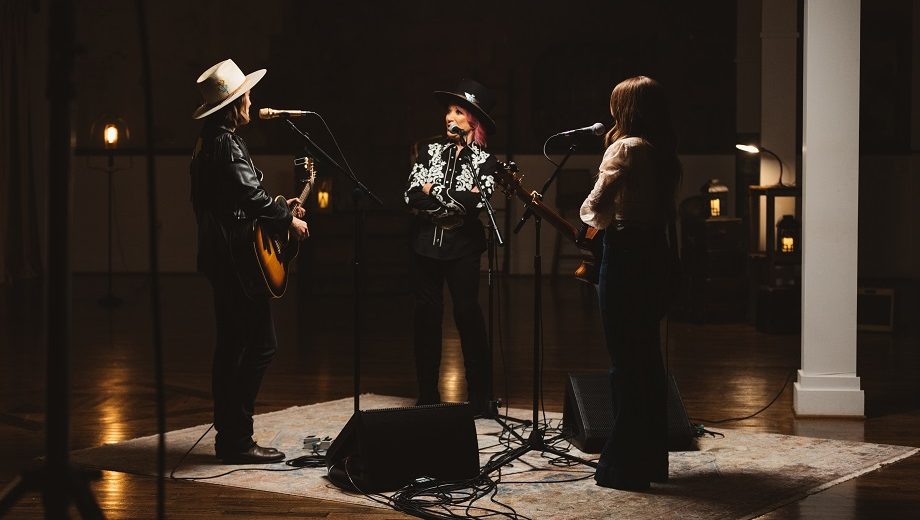
Three generations of country music come together in one performance: Tenille Townes, a newbie on the country block; Brandi Carlile, an established singer-songwriter at the peak of her career; and Tanya Tucker, legendary performer and the Bluegrass Situation’s Artist of the Month. Together, they perform “Delta Dawn,” one of Tucker’s signature songs. Hear this soulful rendition of this country classic.

Read our interview with Tanya Tucker.


Photo courtesy of Cracker Barrel

Tanya Tucker Remains a Songwriter’s Muse (Part 2 of 2)

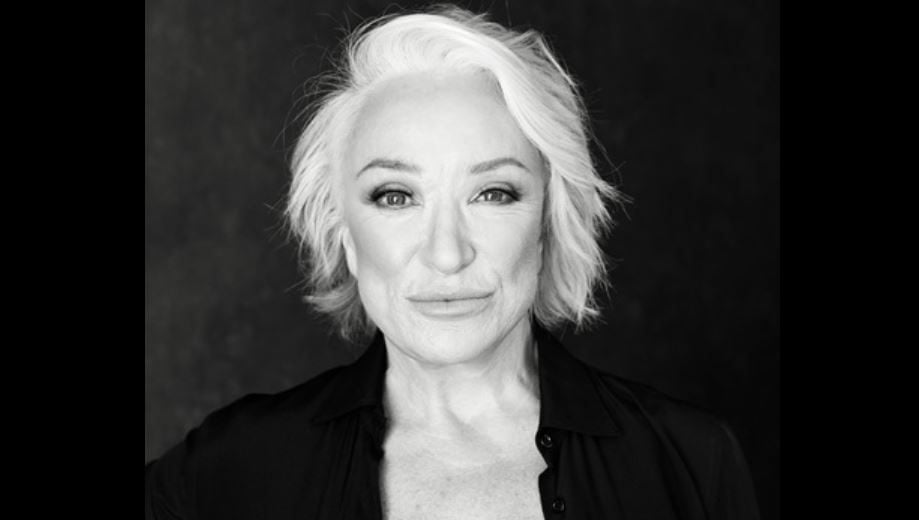
Tanya Tucker isn’t known as a songwriter, although “Bring My Flowers Now” from her newest album, While I’m Livin’, shows she can hold her own. Across four consecutive decades of charting singles, she relied largely on the Nashville songwriting community — and in turn, she’s served as a muse for them. Among her forty Top 10 country hits are classics like “Delta Dawn,” “Strong Enough to Bend,” and “Two Sparrows in a Hurricane.”

Now, her life is the inspiration behind the songs of While I’m Livin’, produced by Brandi Carlile and Shooter Jennings. A bulk of the material was written specifically about Tucker by Carlile and her musical comrades Tim and Phil Hanseroth (a.k.a. The Twins). At her producers’ insistence, she also cut material formerly recorded by Miranda Lambert (“The House That Built Me”) and Waylon Jennings (“High Riding Heroes”).

In the second half of our Artist of the Month interview, Tucker talks about the songwriters she’s known, the mysteries of songwriting, and the left-of-center producer that she credits with her career. (Read the first half of the interview.)

BGS: I read that you had Loretta Lynn in mind while writing “Bring My Flowers Now.”

Tucker: Yeah, I was on the way to Christmas in Texas on the bus. And she called me, or I called her, and we’re always talking songs. She says, “We gotta write something together. You gotta come on over here and write. Me and you gotta write a hit.” And I said, “Well, I got this idea, let me sing a little bit to you. I’ve had it for years, but I just can’t find anything to go with it.” And I sang her the chorus and she goes, “When you come back through here, you gotta stop in here. We’ll finish that song. I love that idea.”

So I went out to California in the meantime, and I guess I’d sung it for some reason to Brandi — and I’m sure I sung a few ideas to her. But then she brought it up the last day of the sessions and we cut it right after we finished writing it. And then it became the title, so yeah, that’s pretty cool.

Yeah, it’s such a minimal production on that song.

That was always her thing. She told me, “It’s time that we hear your voice and it’s been so covered up, and so in the mix. And it’s time for people to hear the real Tanya Tucker, and you don’t need a lot of crap over it and a lot of production.” She’s very into that — very raw, real, flaws and all.

I wanted to ask you about Tom T. Hall because he’s popular among our readers, and he’s in the Bluegrass Hall of Fame now. He’s written a lot of bluegrass hits.

Oh! I had no idea. I’ve been thinking about him a lot lately. We text, I text him. Johnny Rodriguez and I were together the other day, talking about how Tom T. brought him to Nashville to play guitar. And how I toured with him. I used his van when I was a kid. That was always hard because some people didn’t like you using their van. But he was very cool with it.

I was 14. We had dinner one night and even back then he said, “You know, you gave me a great idea for a song.” So I guess I’ve always come by it naturally. Now songwriters hang out around me, just knowing any minute something’s gonna come out of my mouth. I can’t tell you how many big songs that were my idea. But I didn’t write it, so that’s the way it goes.

I’m a great idea person. I’m a great hook person. But it’s just like “Bring My Flowers Now,” I had the chorus but I could not find the meat. I had the bread, but no meat. And if you don’t have that, then you might as well hang it up. Sometimes it takes a catalyst to get that out of you. Gary Stewart was that way with me. … He could somehow get things out of me. I’ve known some people that can just be in a room, while you’re in the room writing, and just bring it out without even realizing it.

I don’t know what it is. Writing a song is very hard to explain in words how it happens. It’s almost like you have to explain it after, “Well that happened. Curiously, it happened this way.” I don’t really think about it much. Harlan Howard always told me, “Oh, you’re a writer trying to get out of a singer’s body.” Max D. Barnes was a good friend of mine and he said, “If you just sit down and focus for a few minutes, I bet we would write at least three standards.” At least three. So I’ve had the greats say things like that to me — and mean them.

You’ve been listening for great material from the very start of your career.

When I was a kid, one day I said to Billy Sherrill, “I’m getting a little irritated. You know, you write all these songs for Tammy Wynette and you ain’t never written one for me.” And he goes, “Well, let me tell you why.” Either he knows how to build a fence real quick or he was really being honest, and he said, “It’s because I have never written a song that’s as good as you are a singer.” And I went, “Oh, well that was really cool. I’m not sure I believe that shit.” But he did finally write me one and I did record it. It wasn’t a single. It was called “I Guess I’ll Have to Love Him More.”

I used to fight with him about recording some songs. “Almost Persuaded” — he goes, “Nah nah nah, we don’t need to do that.” And I’d go, “WE’RE GOING TO DO THAT!” I had someone tell me the other day, “God, I loved the way you sang ‘Almost Persuaded.’” It was a totally different change from the boy to the girl. But he never did want me to cut any of his songs and I had to fight him to do it. Sure miss old Billy. I give him all the credit. Without him, I don’t think any of this would have happened.

He set the stage for you.

Well, he listened to me. They’re walking out of there going, “What the hell?! This guy’s lost his mind listening to this kid.” Because I turned down “Happiest Girl in the Whole USA.” I said, “Love the song, it’s great, but it’s not my song.” And then when he played “Delta Dawn,” with Alex Harvey on guitar/vocal, and I went, “There you go. That’s my song.” And he listened. I didn’t record anything that I didn’t want to with Billy.

He was a little left-of-center and I’ve always said that anybody that gave me a chance in life was… maybe dealing with more decks of cards, a little off-center. Because anybody logical, who had a watch, was on time, never gave me a shot. It was always those people that were just a little crazy…

I’m so proud to have known some of those boys. Oh my god, all my boys at CBS [Records] were really great. When Billy signed me, the record label thought he was crazy, too. But they couldn’t mess with him too much because he had all the hits on the charts. They thought he was kind of strange, actually very strange. And he was. He wasn’t a normal kind of guy. At all. So, those kind of people, I have a soft spot for because they’re the ones that gave me my chance, my shot.

Your fans are going to hear this and might say, “Well, this is different.” What do you hope they hear in this record?

Well, I hope they like it. “The Wheels of Laredo” is a good song, but it’s not “Only two things in life make it worth living.” It didn’t grab me like that, but it’s grabbed everybody. I’m amazed that they like it as much as they do. People have come out of the woodwork, they’re sending me videos of them listening to it in Canada and in the pool, Buck Brannaman riding in the arena to it — and it’s just like, “Whoa, what is it about this song?”

I really don’t know. I can’t put my finger on it, but I’m glad it’s happened. I bet it’s like what Elvis felt when they gave him “Hound Dog” – “What the hell?! I ain’t singing this: ‘You aint’ nothing but a hound dog, cryin’ all the time.’” Like, “OK, no…” And then he cuts it and it’s a big ol’ smash. Makes you second guess yourself a little bit.

So I really don’t have any explanations of how all this happened and why. I look at all that stuff up there [plaques on the wall]. It’s not all the stuff I’ve done, but it’s a lot of my work and my catalog and my albums. But I never would’ve imagined this album would do what it’s done. Really. I have no answer for it, I have no explanation.


Photo credit: Danny Clinch
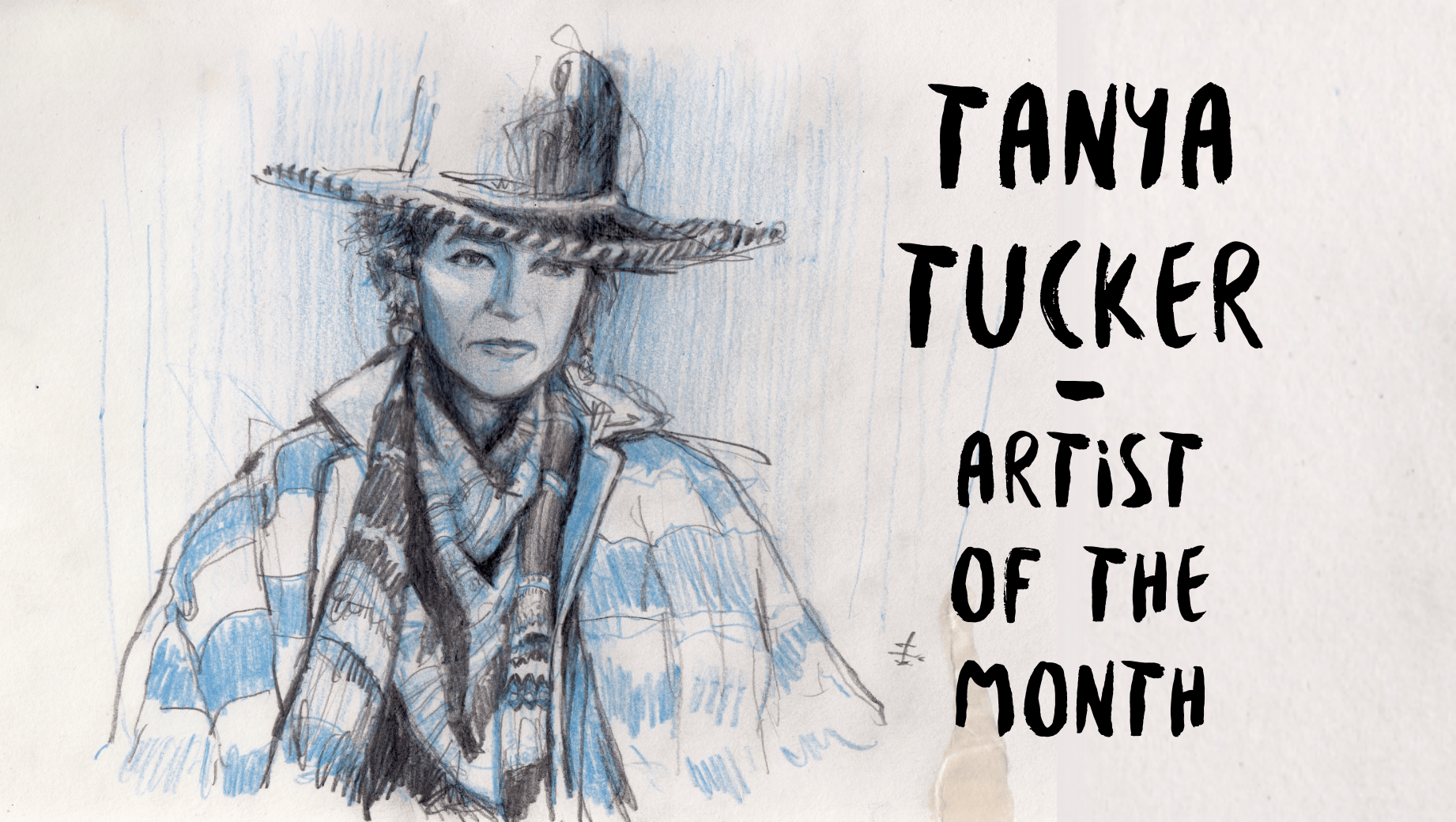
Illustration: Zachary Johnson
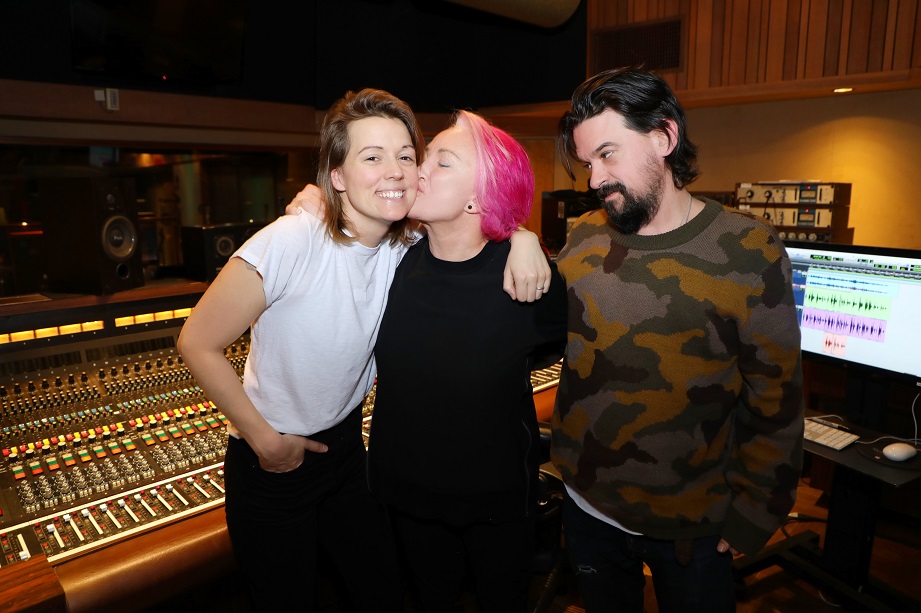
Tanya Tucker Just Might Prove Her Dad Right (Part 1 of 2)

Although her voice is instantly identifiable to even a casual country listener, Tanya Tucker has perpetually reinvented herself in the public eye since she debuted with “Delta Dawn” in 1972. From a mature teen singer in the ’70s, a scandalous star of the ’80s, and an award-winning vocalist in the ’90s, it’s never been easy to define her.

Now she’s back with While I’m Livin’, a stunning song cycle that shows her tender side as well as her rowdy, ready-to-party personality. It’s her first album of new material in 17 years, and by working with producers Brandi Carlile and Shooter Jennings, she’s made the most striking album of her career. Here’s the first of our two-part interview with Artist of the Month, Tanya Tucker.

BGS: I’m sure you’ve been approached to make a record over the last 17 years. What was it about this situation that made you say, “Yeah, let’s do it”?

Tucker: I’ve been working on other projects that I’m doing on my own. I’m really proud of those things and I hope that they see [a release]. I feel like this album, for some reason, is going to open that door. It seemed like before it was low interest. I don’t feel like there was a lot of interest. Maybe there was, I didn’t know about it, but when Shooter said something to me about it, I was like, “Yeah, great, great…” I went off and did Tucson and forgot all about it.

But I came back and it snowballed, and before I knew it, I was in LA doing some recordings on songs that I really didn’t know. I do my deal. I’ve done it all my life. When a song is pitched to me, I put my own something on it — I’ve changed a lot of ‘his’ to ‘her’ and made it my own. That’s one of the biggest compliments I’ve gotten from songwriters. I’ve heard from many of them that I can take their song and make it my own. They’ve always told me that, so it’s a very big compliment to me and I think that’s important. But this kind of came out of nowhere. I really can’t explain it. It kind of just happened and I don’t know how it happened. It did though. I’m pretty sure.

I’ve heard it, it’s real.

I think it is real. I’ve listened to it a few times and the good news is that the more I listen, the more I like it. Because it started out not that way.

What was your first impression of the final product?

I said, “No! Absolutely not.” I just didn’t hear it. I didn’t hear the songs as being anything I could really get into, or put my heart into. I really didn’t think it was going to be that good. I was wrong, and I love being wrong. I mean, I’m wrong a lot, but I was really wrong about that.

What was the relationship like in the studio with Shooter, and what’s he like as a person?

Well, Shooter’s great. I’ve known him before he was Shooter. But if you really would concentrate the time we spent together — very little time. But we spent more time probably on this project than we ever had, and we’ve become best friends. I wouldn’t say I had any better friends. He’s as good as any friend I’ve got.

Good. How about Brandi?

Oh, Brandi. She’s not even right. She is not local. She’s not of this world, she’s just in it. Yeah, she’s very exceptional. Something about her communication skills — maybe it’s just me, I don’t know, but I’ve watched her with everybody and you see the respect people have for her. … That’s the way that you want it to be. The way we made that record — I wish they were all that way. Brandi’s the same way [as Shooter]. I feel like she’s my best friend, totally. And I’d never heard her sing. Not until the Grammys and we were already done with the album.

What did you think when you heard “The Joke”?

I was blown away. Yeah. Blown away. And I loved “That Wasn’t Me.” I think I’m going to learn that one. I may not record it but behind closed doors I may learn that song. If anything, to just say thanks. Hell, she knows all of mine, I should probably start learning a couple of hers, you know? I’m way behind.

Well, it’s important who you surround yourself with. I mean, I don’t have to tell you that.

It used to be really hard for me to see anything bad about anybody. My dad was real good at seeing it before they even knew they were. He was very good about that. I hope that I am acquiring his skills. I’m still not as good as he was.

About a week ago, I read Nickel Dreams [Tucker’s 1997 memoir] and he was like your co-star in that book.

Yeah, well, he is the star, as far as I’m concerned. I’ve never read the book, but they’re on to me about writing another book. I really think that’s the real story. If there was a movie, I believe it should be his life. And then when I get started, that would be the end of the movie. Sequel! I plan ahead. But I think his story is phenomenal and it really needs to be told. His life was pretty unbelievable.

Your childhood is pretty interesting, though, too. Living in Utah…

Arizona, Nevada, and Arkansas.

It is a very dramatic life.

Yes.

It would work well for a script.

Yeah, well, I lived it, so it’s not so interesting to me, but maybe it is. And if it is, then that’s great.

What do you think your dad would say about this record if he had a chance to listen to it?

Oh wow, that’s a good question. Wow, oh wow…. Well, I’d have to say I believe he would love it because there’s two or three songs in there about him. The Twins [Carlile’s longtime bandmates, Tim and Phil Hanseroth] and Brandi actually wrote and custom-fit those songs to me, which is a real talent right there. One that I do not have, among others. But they have the talent. I don’t know if they have it all the time or if it was just this one time. They brought it all together. I don’t know. But I know that it’s unusual.

In fact, Brandi said, “God, I’d give anything if I could’ve met your dad.” And I told her, “Well, he didn’t like many people, but I do believe he would’ve liked you. I really do.” … I think he would like those songs but I think he would definitely be proud of “Bring My Flowers Now”. Because he always told me — Oh my God! You know what? I just figured something out.

What’s that?

My dad told me once, he said, “Let me tell you something.” He said, “The biggest record you’ll ever have, it’ll be the one that you wrote.”

How old were you when he told you that?

Oh, he told me several times. I was already started. I mean, it wasn’t when I was a kid, but many times he’d tell me that. “That’s what you need to do, is write.” But he didn’t like the association that I had to associate with to write. Because back in the day, party party party. Stay up all night, write a few songs. Stay up for a few days and something’s going to come out of it. He didn’t like that part of it. Now it’s become like a business. Meet me at 8:30 and we’ll write until 10:00, we’ll be done before noon.

But you had the Song House, which I read about in your book. You lived there, and then all the songwriters would come over.

Yep, right. Yep, that’s true.

So you love that association.

Oh yeah. I love to party, too, so it all kind of went hand in hand, like alcohol and cigarettes, or cocaine and cigarettes, and alcohol. And blackjack, throw that in there.

Read the second part of the interview.


Lede photo: Derrek Kupish

Artist of the Month: Tanya Tucker

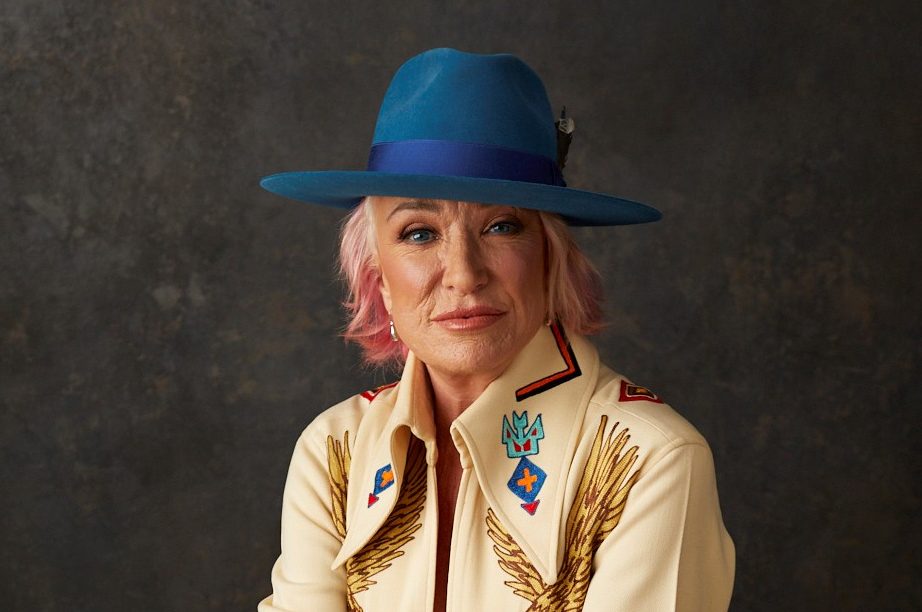
Tanya Tucker is just as surprised as you are that she’s made a brand new record, While I’m Livin’. In an upcoming two-part interview with the enduring country artist, she talks about working with her producers — and new best friends — Shooter Jennings and Brandi Carlile, her friendship with icons like Tom T. Hall and Loretta Lynn, and the shock at seeing the overwhelmingly positive response so far to the new music.

From signing to a major label as a teenager, to rebounding with an award-winning career in her 30s, Tucker placed milestone singles at country radio throughout the ‘70s, ‘80s, and ‘90s, and she’s earned her reputation as one of the most important female country artists of her generation. Enjoy some of her most significant musical achievements in our Essentials playlist.


Photo credit: Danny Clinch