Allison Russell Gives a Voice to Queer Folks and Survivors on Solo Debut (Part 1 of 2)

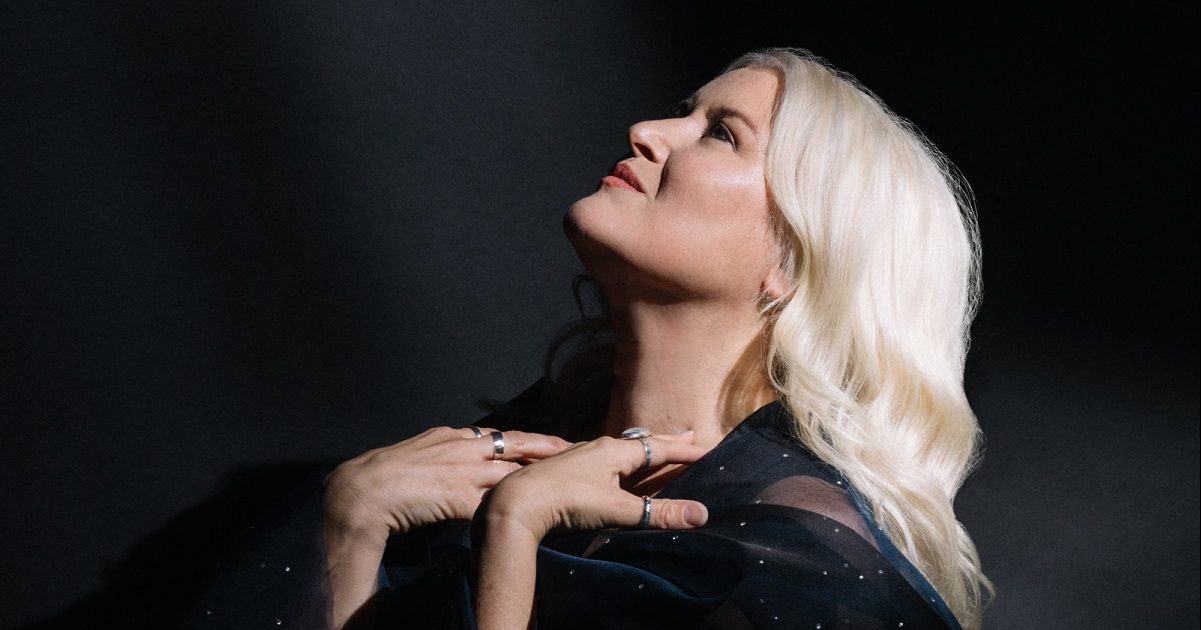
Within the songs of her new album Outside Child, Allison Russell delves deeply into the extreme trauma she experienced in her youth spent in Montreal both as a mechanism for personal relief, but also in the hopes that it might reach people with similar experiences.

Although she is a member of multiple bands (including Birds of Chicago and Our Native Daughters) and is an accomplished speaker and poet, the release of Outside Child marks Russell’s first solo work as a recording artist. BGS caught up with our Artist of the Month, Allison Russell, from her home in Nashville.

BGS: This is a deeply personal record. What was your writing process like?

Allison Russell: The writing process was having to delve deeply into the most painful parts of my past and childhood and history. I experienced severe childhood abuse, sexual, physical, mental, and psychological. In many ways, I think the psychological is the toughest part to unpack and defang. I don’t know that I am ever going to be entirely free of that and the process of dealing with that. What was very beautiful about this to me is that I didn’t have to go on that fearsome journey alone. My partner J.T. [Nero] was with me every step of the way. He co-wrote many of the songs on this record with me. He scraped me up off the floor when I was in the depths of it.

I have tried at different times in my songwriting life to tackle some of that material and I did on various songs with my first baby band, Po Girl, but I didn’t have the same kind of support and stability at home that I have now. I didn’t have the same amount of distance in time from the events and trauma of my childhood. Time and distance, plus boundless unconditional love that I receive from my partner, were really healing to have that collaborative sense on these songs. It is tough. It is hard to contemplate pain and trauma. That is reflected in the macrocosm of what is happening in our world right now. We are dealing with it every day with each news story of violence towards communities of color. …

We have to go into the pain of it or it perpetuates. The cycles self-perpetuate if we don’t take a stand to stop them. That’s what I’m trying to do personally. Art builds empathy and connection and it helps stop cycles of abuse when we really listen to one another and see and hear one another. It is a lot more difficult to practice abuse and bigotry. I believe in harm reduction. I don’t think we are going to achieve nirvana in this lifetime, in this world, but I do believe strongly in harm reduction and that small things can create mighty ripples. That’s why telling our own stories in our own words under our own names is so important because it can provide a roadmap for somebody else going through similar experiences.

I wish my story was unique. It is not. One in three women, one in four men, one in two trans or non-binary folks have experienced stories very similar to mine.

In “Persephone,” you sing about a lover in your youth who was seemingly a refuge from the trauma you were living through. It feels like a really loving tribute to her. Is that a story you’ve always wanted to tell?

It has become more important to me as I get older to honor those friends of our youth and loved ones of our youth and lovers of our youth who helped shape us and in this case, she literally saved my life. And I wanted her to know that. I also wanted to acknowledge that I am a queer person who is now in a straight passing life and marriage. I fall in the middle of the spectrum of orientation. I’ve been in love with women and I’ve been in love with men and I’ve been in love with trans people and I’ve been in love with non-binary people. I wound up falling in love and committing to share a life with a man, my husband.

One could assume that I’m straight, but I am not and especially in this time of increased polarization and bigotry, it is really important that people understand that nothing is black and white. Nothing is simple and you can’t assume that because I am married to a man and I have a child that I am a straight person. You can’t say homophobic things to me and have it pass. Part of me wanted to really acknowledge that publicly. I am grateful. I don’t get to be here singing today and having my child and my family if it wasn’t for that first love. She taught me how to love and that it was possible. She taught me about kindness and unconditional love. She taught me about acceptance, courage and bravery.

I’d love to know about your influences coming up in music.

Growing up, my mom was my first musical influence. She is a beautiful piano player. We had a really troubled relationship, but one of my first memories is crawling underneath her piano and just listening to her play and watching her feet on the pedals and hearing the resonance under the piano and feeling connected to her in that way, even though she didn’t know I was there. It was a feeling like the music she made was a truer expression of her than the often very hurtful words or violent things she did. That was my first sense of understanding the depth of music, that it goes beyond language.

My grandmother taught me lots of very violent, creepy lullabies from Scotland. She knew a lot of old murder ballads and child ballads and she sang me all of those songs. I loved them. That oral distillation of archetypal stories over generations and time, generally very matrilineal and passed down from mother to daughter, I connected deeply with those songs. That was my first sense of the hidden archive of the world.

My adoptive father was very repressive about what we were allowed to listen to. If it wasn’t Baroque or Classical or maybe Romantic, we would get in trouble for listening to modern music. One of the sort of transgressive things that my mom and I sometimes did was listen to Joni Mitchell or Stevie Wonder together. I have such distinct memories of holding the Ladies of the Canyon album and poring over it and reading the back and seeing Joni’s art. That was very formative music for me.

With Tracy Chapman, I was 9 the first time I heard her. I was on a trip with my uncle and I remember hearing “Behind the Wall” and just bawling because we were the family behind the wall. We were the family where there was violence and abuse and the police were constantly being called. To hear someone writing this and have this sense of recognition that this happens to other people and I’m not alone in the world and hearing her voice and her writing and poetry made me feel I wasn’t alone.

And when I left home at 15, my sonic world exploded. There were all these endless possibilities. I’m a huge Staples Singers fan. John Prine, Lucinda Williams, Emmylou Harris, Taj Mahal (particularly Giant Step/De Old Folks at Home). And Mulatu Astatke, who I’ve been obsessively listening to over the pandemic. His music is expanding my understanding of melody and structure. It is ongoing. The influences never stop and I’m influenced by my brilliant peers as well.

Has your daughter listened to these songs with you? What do you want her to learn about you from the music?

She has listened to it. One of the hard things has been having to talk about abuse with my child. I think it is incredibly important. I think that by the time we start to do that in schools, it is often much too late for the children, including me. I’ll never forget in Grade 4, hearing the song, “My body’s nobody’s body but mine,” and for me that had not been my reality since I was 3. What I want her to know is that we are strong enough to live through hard things and come out the other side of it. I want her to know that she is strong enough, in whatever struggles she faces.

I want her to know that her stories are worth telling and her experiences are of value. She is an infinitely strong being and she is part of a whole long lineage of strong women. I want her to know that. And that she is loved so much and a huge part of why I strive to do anything or be any kind of good ancestor is because of her.

(Editor’s Note: Read part two of our Artist of the Month interview here.)


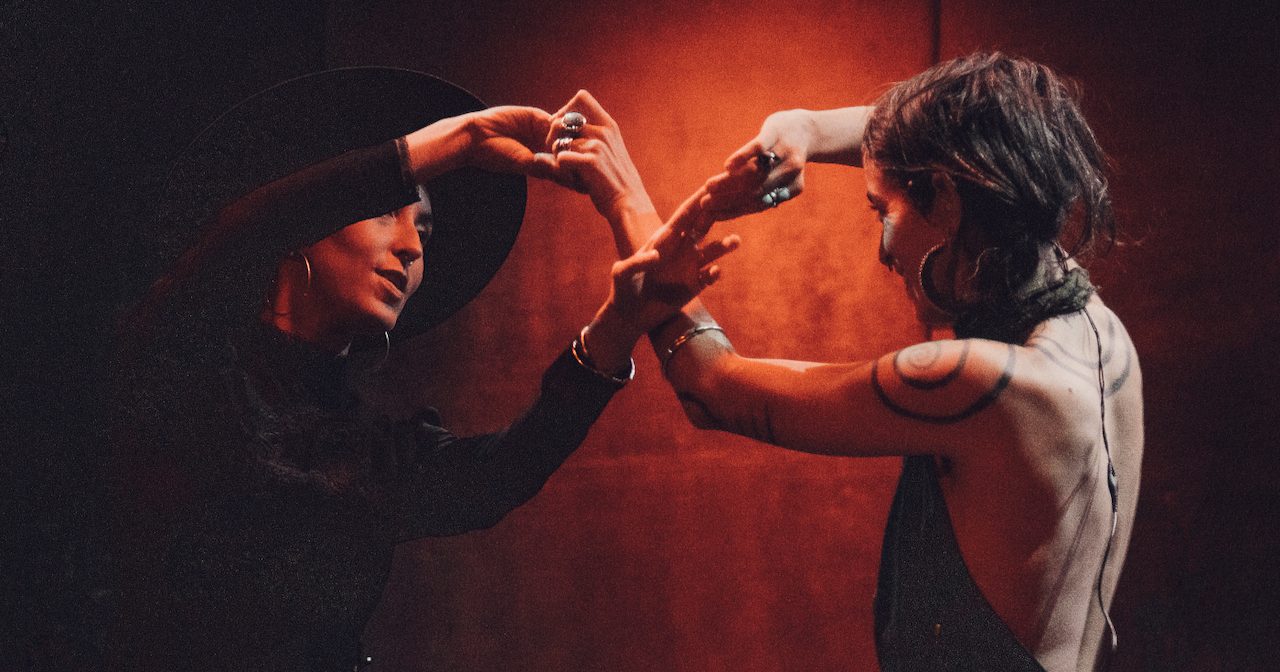
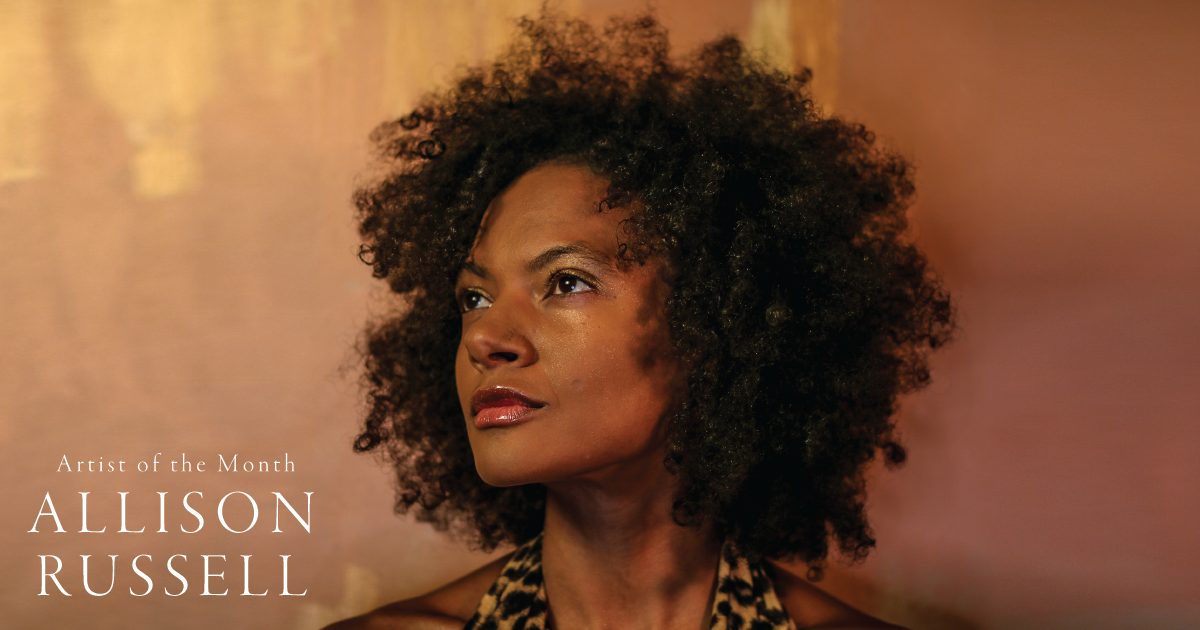
Photo credit: Marc Baptiste (top); Laura E. Partain (in story)

LISTEN: Eli Lev, “As It Is”

Artist: Eli Lev
Hometown: Silver Spring, Maryland
Song: “As It Is”
Album: True North
Release Date: June 25, 2021

In Their Words: “‘As It Is’ started to reveal itself halfway through a 10-day Vipassana meditation retreat I went on near the Florida coast at the beginning of the year. I experienced silent sunrises over the ocean and brilliant sunsets over the bay that brought on infinite color variations and led me to a unique insight that everything is changing while staying exactly ‘as it is’ in every moment. The melody and words for the song started coming to me very quickly after that, but I couldn’t use my phone or guitar to record them because of the guidelines of the retreat! I only got the chance to write down the lyrics five days later once the retreat concluded, which allowed for some very interesting melodic elements to develop and resulted in one of my most unique songs to date.” — Eli Lev


Photo credit: Taylor Rigg

BGS 5+5: Riley Downing

Artist: Riley Downing
Hometown: Kansas City, MO
Latest album: Start It Over

Which artist has influenced you the most … and how?

It is hard to pick just one artist that has influenced me the most. I am a fan of all kinds of music and genres as well as underdog musicians, current and long since lost in time. It might sound cliché, but if I had to pick one who influenced me the most it’s gonna be Woody Guthrie. If it weren’t for finding Woody Guthrie in high school, I never would have started to appreciate folk, blues, and roots music that made me think the same way that punk rock did at the time. I also never would have ventured out to Okemah, Oklahoma for the Woody Guthrie Folk Festival when I was 18 and met the guys that eventually would form the Deslondes. Woody is an American hero who tried to save the world with a song that gave people hope, morals, an education, a good laugh, and thoughts to chew on to get them through lean times. Woody, as simple as some of his music seems, was much, much more than just a musician. I never stop finding more and more meaning and inspiration from his life’s work. I always loved his copyright law, too. He basically said, warning, if you sing these songs you might just be a friend of mine, which I do and I am.

What’s your favorite memory from being on stage?

I have a lot of good memories of being on stage, whether late at night in a small club or a backyard or opening up for and getting to hear some of my favorite musicians every night. But I will never forget the first time we got to play the New Orleans Jazz Festival. That was kind of an epitome of all the hard work and hard traveling the band had done in the previous years all leading up to that one moment. It felt good to be accepted and supported by the New Orleans music community all those years and finally playing the biggest show you can really get down there. It was a surreal honor and never stopped being or feeling like it.

What was the first moment that you knew you wanted to be a musician?

The first moment I knew I wanted to be a musician was probably when I learned how to finally tune the guitar. Ha ha. I got my first electric when I was 13 and would just smash my fingers all over the strings and thought to myself, this almost sounds like I’m shredding. I thought all strings must have different sounds and tried out different kinds until my cousin finally showed me how to tune the guitar. Then came the power chords and once I was able to put a few together, I knew I needed to write words over them and attempt to sing them even though I didn’t know how to do that either. I did it anyway. Then came the buddies who also wanted to play music as well as different instruments and the realization that this is what we really love to do. I have been hooked ever since and honestly the process of doing that and the joy I get from it hasn’t changed much.

Which elements of nature do you spend the most time with and how do those impact your work?

The elements of nature that I spend the most time in that affect my work are in the rolling hills of Missouri. I love small town life, sitting in the sun fishing all day, or on a back deck BBQing and taking my time driving slow through the backroads that I don’t have to look up GPS, or listening to music or just making up songs and singing a line over and over until I have to stop and write it down. It is true, there is no place like home. I traveled all over the US and world, wide-eyed and wondering where I should end up, but Missouri is home and I always feel a great weight lifted off my shoulders when I’m there. Even when I’m not there I can always write a song that takes me back. I am sad I missed morel mushroom season this year though, but hopefully that means there will be more to find next year.

Since food and music go so well together, what is your dream pairing of a meal and a musician?

Food and music do go hand and hand. If I had to make a pairing it would be a small BBQ festival that all my friends bands could come play at and ‘lightheartedly’ compete for who does it right. My Alabama buddies will tell you it’s all about the white sauce and my North Carolina friends will argue that it’s all about the hot pepper vinegar or Carolina Gold sauce. I grew up with a BBQ squirt bottle in my hand and it’s one of my favorite pastimes and meals. Whenever people ask me where to get the best BBQ in Kansas City I have a hard time answering that question because the answer is at my house. I’m not sure who invented the red sauce but I first had it in South Carolina and pick it up any chance I get. I am loyal to KC, but South Carolina definitely gives us a run for our money. KC is spoiled though with wide variety of BBQ sauces and seasoning selections at grocery/hardware stores. I have almost successfully left or sent a bottle of Head Country, an affordable Oklahoma dry rub, to all of my friends’ houses all over the US so when I visit it’s always within reach.


Photo credit: Joshua Black Wilkins

WATCH: Sarah Jarosz, “Morning”

Artist: Sarah Jarosz
Hometown: Wimberly, Texas
Song: “Morning”
Album: Blue Heron Suite
Release Date: May 7, 2021
Label: Rounder

In Their Words: “2017 was an emotional year for me — my mom had been diagnosed with breast cancer the previous winter and the town of Port Aransas was severely impacted by Hurricane Harvey. Those two events caused me to think back to the early morning walks my mom and I would take along Mustang Island beach. We would always spot the Great Blue Herons along the shore. Anyone who’s observed these birds knows that their stoic, calm nature is a treasure to behold. The bird came to be a symbol of hope for my family during a difficult time, and even now, throughout my travels, whenever I spot a Blue Heron, I always think of it as a good omen; a little reminder of the important things in life, especially family.

“Thankfully, my mom is now in remission and Port Aransas is slowly on the mend, but Blue Heron Suite still encapsulates so many of the feelings associated with that time. I like to think of the song cycle as a quiet acknowledgment of life’s many uncertainties; you never know what will be thrown your way, but you can always work to try to face the highs and the lows with grace and strength.” — Sarah Jarosz


Photo credit: Kaitlyn Raitz

Allison Russell, Gentle Spirit and Whimsical Style

I met Allison Russell briefly several years ago during AmericanaFest here in Nashville, Tennessee. Years later on a masked up photoshoot with Yola during the COVID pandemic, I talked with this wonderful friend of Yola’s who introduced herself as Alli. We talked off and on during the shoot and had a wonderful time, only towards the end realizing that we did indeed meet before. That’s the funny thing about masks, I guess!

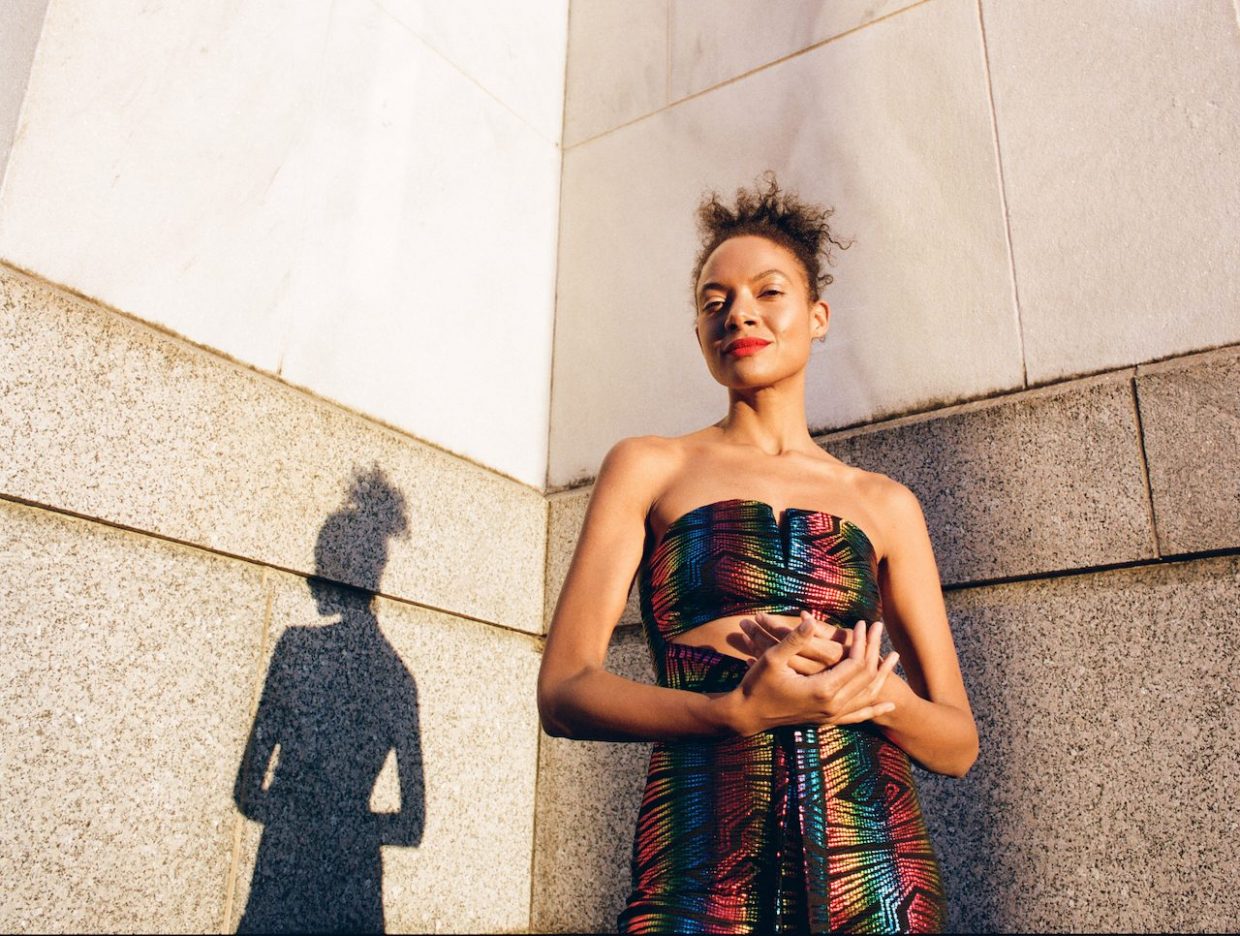
This particular shoot was the second one we had together within several months. Alli has since become a wonderful friend, and beyond her own ferocious talent and musicalities, she’s a gentle and whimsical spirit. We met in downtown Nashville this spring for our friends at BGS. Enjoy!Laura Partain


Allison Russell, wearing a dress designed and purchased from Kenyan American-owned Kings and Queens Boutique in Madison, Tennessee.


Allison in her custom Fort Lonesome jacket, which was gifted to her during the 2019 Newport Folk Fest, where she performed with Our Native Daughters.


Once again, wearing the dress designed and purchased from Kings and Queens Boutique.


Allison wears a shiny, rainbow jumpsuit she scored from a local thrift shop in Nashville, Tennessee.

(Editor’s note: Explore more of our Artist of the Month coverage on Allison Russell here.)


All photos by Laura Partain

Kishi Bashi Finds a New Comfort Zone in Folk Music on ‘Emigrant’

There’s a particular knowledge that is born only from a road-worn trek, like literature’s hero’s journey, where a protagonist adventures in pursuit of higher knowledge or power, someone like Captain Ahab or Tom Joad.

Kaoru Ishibashi, the musician known as Kishi Bashi, packed a camper during the pandemic and left his home of Athens, Georgia, wandering northbound through the American frontier that’s woven throughout the Western narrative. With newfound time and his daughter in tow, this journey was a personal exploration of Ishibashi’s own identity through the sprawling American terrain.

His trip took him to places like Heart Mountain in Wyoming, a World War II Japanese internment camp — a location he has visited many times during research for his upcoming documentary, Omoiyari: A Songfilm by Kishi Bashi, where he visits similar sites throughout the United States searching for the history that still persists today. The journey also carried him through the Ozarks and the Dakotas, and to small Montana towns like Emigrant — population 271 — just north of Yellowstone, and ultimately across the great expanse of the States to Oregon.

BGS chatted with Kishi Bashi about how this trip is intrinsically tied to his new EP, Emigrant.

BGS: What was the concept behind creating Emigrant? What drew you to creating the theme around the EP?

Kishi Bashi: I’ve been spending a lot of time in Montana the last several years — especially this year, since I had so much time. I took the camper out, took my daughter out, and we did this huge trip cross-country all the way to Oregon; we spread it out over a period of months. I got to enjoy nature in a way that I hadn’t in the past, to kind of imagine what it was like back then. A lot of rural places are pretty much intact; it pretty much is what it was like 100, 200 years ago. In Montana, it’s really cold, so there’s a reason not many people live there — but that’s changing. Emigrant is a town in Montana north of Yellowstone where a friend of mine had a cabin. I borrowed it from her family, and I stayed there for a few days and fleshed out a lot of the EP.

How is the title tied to the name of the town?

To be an emigrant is to leave somewhere in search of a better place to live. I found myself really searching my own identity, my own place in this country — as a minority or even as a musician in these COVID times — trying to find what makes me happy or what makes me a person. The symbolism was really great. [Emigrant] was a frontier town for a lot of people. It was literally the frontier of this violent place, both naturally from the weather, and it was a really cutthroat environment. I was also watching a lot of Deadwood before that — it’s up around there. It may not be historically accurate, but the vibe is definitely accurate. It was that frontier, settler, colonialism type thing. It was a really harsh place to live.

How did you plan your route? What were some of the lessons taken from the road trip?

With my daughter, we started in Athens, so we went up north, and there was a lot of driving. It was a good history lesson for her because we went to the Black Hills in eastern Wyoming — actually, that’s where Deadwood takes place — and how it was Sioux territory. We went to Mount Rushmore, and it was pretty unimpressive. There’s a Crazy Horse Memorial they’re building, which looks interesting and amazing. I was getting her to understand that this is a very complicated, nuanced, but violent history that existed in these lands.

I had the realization that if you live in a city — a town that’s been modernized over and over and over — you don’t feel what it was like back then. That paved road you stand on was a dirt road at one point. Before that, it was just a trail. You don’t really get to see that unless you go out to Montana or some rural area. We basically went straight up through Tennessee, Arkansas, South Dakota, and then cut over through Wyoming.

It sounds like this road trip was an American history lesson. Did you purposefully choose locations around Indigenous or Asian American histories?

Heart Mountain [in Wyoming] — where the internment camp was — I had been there many times. And my daughter as well; she has been there a couple times in the summer, because we’re filming there a lot for this documentary I’m doing. You can’t avoid Native American spaces in this place. It was interesting to see that a lot of the reservations were closed to outside travelers because their health infrastructure was so shoddy, and that people around them were bringing in COVID irresponsibly. That was heartbreaking to see; they were really desperate to keep it out.

Tell me about “Town of Pray.” Was it inspired by the actual town of Pray, Montana?

More by the name; the town of Pray is such a stoic name. I was reading this book — do you know who Jeremiah Johnson is? He’s this folk hero [also called John “Liver-Eating” Johnson], I think a real person, pioneer, Montana mountain man. I don’t know if you know the legend, but it’s such a violent place to exist. He had a Flathead [now known as the Confederated Salish and Kootenai tribes] wife, and she was murdered by the Crows. Then he went on a murderous rampage against the Crows, and then they respected him, and he joined forces against a different tribe. We have a very narrow narrative of what history is. When you see this violent history, it just makes me grateful that I don’t have to, like, kill other people to thrive, which may have been the case if you lived around there back then. You’re always watching your back. You’re always susceptible to trauma.

What are some lessons you hope listeners take away from this EP? Or lessons you learned through making it?

If people have the opportunity to go out and visit nature, get outside of your comfort zone and explore this country. And even more social justice issues, if you wander into any of these small towns, like in Montana — Bozeman used to be like 20 percent Chinese. Now it’s like zero. There’s a reason a lot of towns are white. After they built the railroad, they drove everyone out of town. Wonder why this country is not being shared by everyone?

You included two covers on your EP, [Dolly Parton’s “Early Morning Breeze” and Regina Spektor’s “Laughing With”]. Why were those chosen, and how do they tie into the overall theme?

One of the reasons was I definitely wanted to showcase female songwriters, because I looked at the Rolling Stone top 100 songwriters, and there were like two women in there — like Madonna and Dolly Parton. And it’s embarrassing. So I made an effort to do that. Of course, I love Dolly Parton just like everybody else. I always liked that song, and I thought it fit the vibe. The Regina Spektor song — I used to play for her; I was in her band — I always thought she was underrated, especially amongst musicians and as a songwriter. Lyrically, she’s brilliant, and she’s a huge inspiration for me. For the next generation of people who may not know her music, I wanted to point out that I have the deepest respect for her songwriting by covering her song.

Why lean into the folk or bluegrass genre for this EP?

It’s something I always wanted to do. This is also a disclaimer: I’m not a bluegrass musician. I don’t have much of a bluegrass situation amongst me, but I’m bluegrass adjacent. I went to Berklee College of Music and I studied with Matt Glaser, who’s an Americana teacher. But I played jazz violin. Gypsy swing, that’s my thing. I always loved bluegrass music, but I never felt, culturally, it was something I could attach myself to. I had this whole stigma, like imposter syndrome, of not being from a rural place. I’m a city dweller. It took me a while to own up to a fiddle tune.

As I became more comfortable with my own identity of being an American musician — an Asian American musician — I was like, “What if I just want to play something folky?” It was something I always wanted to do. So there are a lot of fiddle elements, especially in “Town of Pray.” If you think about “What is American music?” There’s jazz, there’s blues. Fiddle tunes come from a lot of Irish and Scottish roots in the mountains. American music is this huge conflagration of all these different cultures melding into each other. I think that’s the beauty.

And where’s my place in that? I’m an Asian guy playing a European instrument — violin — playing jazz, which is from the South with African American contributions. I always felt like I didn’t have a real identity as an American, so that’s probably why I felt so comfortable singing bluesy stuff, or putting a fiddle tune in there — just because I want to.


Photo credit: Max Ritter

LISTEN: Reid Zoé, “When I Go”

Artist: Reid Zoé
Hometown: Toronto, Canada
Song: “When I Go”
Album: Shed My Skin
Release Date: May 14, 2021

In Their Words: “On the surface, ‘When I Go’ is a song about dying — but it’s really all of the questions that come with being a human on this earth. It’s the acceptance that we don’t know everything, and that that’s okay. We are part of everything. It’s about the joy that can come with the realization that ‘nothing really matters. It was written during a time of really potent growth, and I hope it’s as healing for the listener as it has been for me.” — Reid Zoé


Photo credit: Andy Ince

The BGS Radio Hour – Episode 207

Welcome to the BGS Radio Hour! Since 2017, this weekly radio show and podcast has been a recap of all the great music, new and old, featured on the digital pages of BGS. This week, we bring you new music from our Artist of the Month, Allison Russell, an exclusive live performance by Madison Cunningham from BGS’ Whiskey Sour Happy Hour, and much more. Remember to check back every week for a new episode of the BGS Radio Hour.

APPLE PODCASTS, SPOTIFY

Sunny War – “Losing Hand”

Coming out of COVID isolation with fingers crossed and masks on, many artists are releasing new and exciting music. We’re particularly thrilled about Sunny War’s latest release, Simple Syrup. We caught up with the LA-based guitarist and singer for an edition of 5+5 and talked everything — from Elizabeth Cotten’s guitar playing to eating black-eyed peas with Nina Simone.

Ted Russell Kamp – “Lightning Strikes Twice”

Singer-songwriter Ted Russell Kamp originally wrote “Lightning Strikes Twice” in the style of Billy Joe Shaver, as a honky tonk number. But, for his upcoming album Solitaire, he decided to rework the track, bluegrass style.

No-No Boy – “Gimme Chills”

A student of singer-songwriter, multimedia artist, and scholar No-No Boy (AKA Julian Saporiti) once called his song “Gimme Chills” a “fucked up love letter to the Philippines.” No-No Boy agreed. The track is part history lesson and part tribute.

Yola – “Diamond Studded Shoes”

Yola’s roots-pop outing “Diamond Studded Shoes” is a song that explores the divides created to distract us from those few who are in charge of the majority of the world’s wealth. It calls on all of us to unite and turn our focus to those with a stranglehold on humanity.

Dale Ann Bradley – “Yellow Creek”

BGS recently caught up with Kentucky’s own Dale Ann Bradley, discussing her recent album, Things She Couldn’t Get Over — her first release since departing group Sister Sadie. Each of the songs on the project deal with hard times, and finding the courage that gets us through. “Yellow Creek,” a song about the forced removal of Native Americans from their land, finds Bradley giving us a reminder to walk with empathy.

Josephine Johnson – “Where I Belong”

“Where I Belong” by singer-songwriter Josephine Johnson was inspired by characters from British Navy novels set during the Napoleonic wars. Love and high seas adventure, to be sure!

The Wandering Hearts – “Gold”

Inspired by their song “Gold,” The Wandering Hearts created a Mixtape for BGS, entitled The Golden Tonic, it’s a selection of songs that have helped them through tough situations, inspired them, and take them back to specific moments in time. They hope that the Golden Tonic will work its magic on the listener after this heavy and hard year.

Eli West – “Brick in the Road”

In a recent 5+5, multi-instrumentalist and singer-songwriter Eli West discusses the influence of Paul Brady and Irish folk music, understated chaos in visual art, and drunk BBQ with Sting and Mark Knopfler.

Allison Russell – “Nightflyer”

Our Artist of the Month Allison Russell has already made a mark on the modern roots scene through various powerhouse groups, like Birds of Chicago and supergroup Our Native Daughters. Now, she’s stepping out with her first solo record, Outside Child. Stick around all month long for exclusive content from Russell.

Bhi Bhiman – “Magic Carpet Ride”

Bhi Bhiman reimagines iconic rock song “Magic Carpet Ride” in the style of old country blues players – artists like Mississippi John Hurt, Lightnin’ Hopkins, and others who’ve played a huge role in Bhiman’s evolution as a guitarist.

Parker Millsap – “Vulnerable”

Parker Millsap, one of our recent guests on The Show On The Road, is a gifted singer-songwriter who grew up in a Pentecostal church and creates a fiery gospel backdrop for his tender (then window-rattling) rock ‘n’ roll voice.

Madison Cunningham – “L.A. (Looking Alive)”

Last spring, on our debut episode of Whiskey Sour Happy Hour, Los Angeles-based, Grammy-nominated guitarist and singer-songwriter Madison Cunningham kicked off the entire series with an acoustic rendition of “L.A. (Looking Alive).”

Stash Wyslouch – “Lord Protect My Soul”

From bluegrass mad scientist Stash Wyslouch, formerly of progressive string band the Deadly Gentlemen, here’s a traditional number turned upside down, taking a Bill Monroe tune and contrasting it with polytonal backup. Wyslouch told BGS that while he gravitates towards gospel standards in the bluegrass world, his own style drifts to the absurd and unexpected. Like a bluegrass Frank Zappa!

Bob Malone – “The River Gives”

Singer-songwriter and pianist Bob Malone wrote “The River Gives” after the devastating 2016 flooding in West Virginia, but he never had a chance to produce the track like he wanted to – until now!

Marty Stuart – “One In A Row”

Marty Stuart’s new project, Songs I Sing In The Dark, is a collection of twenty songs that he curated that helped him through the tough times that we all saw in 2020. Stuart says this Willie Nelson song has followed him around since he first heard it over twenty years ago. “I think of it as an old friend, same as Willie. It’s a friend for the ages, and an excellent song to sing in the dark.


Photos: (L to R) Madison Cunningham by Claire Marie Vogel; Yola by Joseph Ross Smith; Allison Russell by Marc Baptiste

WATCH: Sam Robbins, “Raining Sideways”

Artist: Sam Robbins
Hometown: Portsmouth, New Hampshire, currently Nashville, Tennessee
Song: “Raining Sideways”
Album: Finally Feeling Young
Release Date: May 14, 2021

In Their Words: “‘Raining Sideways’ is one of the songs that means the most to me on the album, and it’s probably the most requested song I get live. It all just sort of came out at once, and it unlocked a new depth in my writing. I had never tried to write a song about my dad, or my relationships to the men in my life. ‘Raining Sideways’ is weird, doesn’t have a real chorus or hook, but that’s what I love about it. It’s just a stream of consciousness song that is one of the most real things I’ve ever written.” — Sam Robbins


Photo credit: Libby Danforth

WATCH: Last Year’s Man, “Still Be Here”

Artist: Last Year’s Man
Hometown: Eugene, Oregon
Song: “Still Be Here”
Release Date: April 30, 2021

In Their Words: “I wrote this song after a conversation with Ben Allen. Ben is a really fantastic composer and musician who recently started a sync agency in Vancouver, Washington. We talked about me writing something for his company that walked the line between burdened and hopeful and this song is what came almost immediately. I think we’re all eager for life to get back to what it was in some way or another and this is a love song built out of the idea that it will.

“For the video, I spent hours on archive.org not really knowing what I was searching for. It was dumb luck stumbling on these public domain videos from the 1930s and 40s. I started with a clip just to see and the music happened to line up with the dancing for a moment and it felt really beautiful. I pieced it together from there and was surprised by the wide range of emotion I felt from watching people dance in these old movies along with my song. It’s one of those happy accidents.” — Tyler Fortier, Last Year’s Man


Photo credit: Tyler Fortier