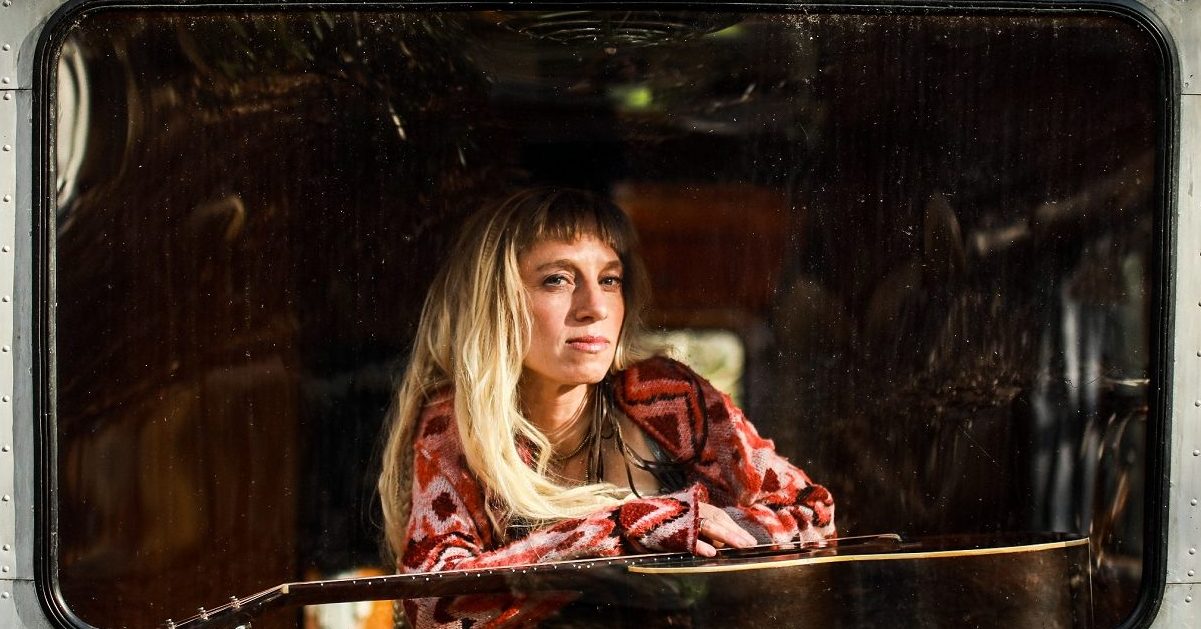
BGS 5+5: Anya Hinkle

Artist: Anya Hinkle
Hometown: Asheville, North Carolina
Latest album: Eden and Her Borderland
Personal nicknames (or rejected band names): Anyabird

Which artist has influenced you the most … and how?

I guess far and away I have to answer — Gillian Welch. I grew up in the New River Valley of Virginia listening to Tony Rice, Norman Blake, Taj Mahal, Hot Tuna, Muddy Waters, Grateful Dead, and Old and in the Way, loved bluegrass and blues, but also female folk singers like Joan Baez and Judy Collins, pop stars like Madonna and Cyndi Lauper, and songwriters like Sarah McLachlan, Natalie Merchant, and Suzanne Vega. It just took Gillian to come around with her Revival album and put all that together for me, that you could incorporate all those great roots sounds into something completely modern and original. I was living in California at the time I heard her first album. I grabbed my fiddle and headed straight down to 5th String Music in Berkeley and started going to every bluegrass jam I could find. I thank her for giving me the idea that I could do it too — because of her genius, I could begin to imagine myself singing and playing guitar and writing songs too. It’s important to have someone you can look up to and that you can relate to so you can even have the idea in the first place.

What’s the toughest time you ever had writing a song?

For more than a dozen years now, I’ve been hanging around the Cumberlands with my buddy “Hippie” Jack Stoddart, someone who, in his rough and audacious way, brings people together to make a lot of magic. Hippie said to me one day, “I want to introduce you to Zona.” He’d been doing a lot of outreach work out of an old school bus bringing groceries and coats and toys and stuff to people living in former mining towns in Middle Tennessee. So he brought me up the mountain to meet the hardened sweetness that is Zona Abston. We sat around her kitchen table and she told me her life story, a miner’s daughter, growing up with little education and no money, not much luck or hope. When we collapsed back in the truck, Hippie said to me, “You better write this shit down!” And so I did. I wrote every detail: the cancer, the hunger, the cheating, the shining, the debt, the babies, the heartbreak. I came back with a mess of notes and thought, “How do I make a song out of this?” So I sat down and tried to pull out the most specific and moving details of everything she told me and created a ballad for her. I was super nervous to play it for her because, well it was HER life. SHE had to live it. But when I sang it for her the tears rolled down her beautiful face. She said, yup it’s all true, every word of it.

If you had to write a mission statement for your career, what would it be?

I actually thought about this a lot earlier this year, during the pandemic when I was trying to understand what my purpose was in music when it seemed like the industry was going to hell. I decided to focus on three things, and wrote them on a yellow sticky note that is taped in front of my desk for quick reference. The first is authenticity, and a commitment to truth and honesty to who I am as an artist. It’s a challenge to believe that it’s all already inside. I don’t need to grasp at something outside of myself. I just need to continue to learn to trust myself and be myself. The second thing is connection — connection with other artists and musicians, connections with my fans and supporters, and connections with anyone along the path. Those beautiful relationships are the foundation for anything I can possibly hope to accomplish in this lifetime. Saying “yes” and valuing the people that show up for me is oxygen. The third thing is creativity — growth and discovery. Allowing myself to surrender to the journey, giving up thinking I have to have everything figured out and under control. I need to just submit to curiosity, openness, and faith.

Which elements of nature do you spend the most time with and how do those impact your work?

Before I was a musician I was trained as an ethnobotanist. I traveled half the world studying plants and their uses and connections to culture. I love referring specifically to plant species in my songs because they can be so symbolic in our physical world. For example, in the the title track for my new record, Eden and Her Borderlands, I use a couple of plants that carry a deeper meaning. The cedar is fragrant and twisted, it’s green the year round, its oils are used to protect against decay and disease, it is sacred and ancient in its symbolism. I also use the sycamore. It is stately and grand, always grows near sweet water. It is often a boundary and its presence on the landscape signals a threshold that we approach and then cross over. Adding these botanical details to the song is like adding spices to a recipe, it gives more depth, even for those that might not know anything about botany. And who knows, maybe it will inspire people to love plants like I do!

How often do you hide behind a character in a song or use “you” when it’s actually “me”?

I love this question because initially there can be so much fear in exposing your true self. Absolutely mortifying to lay bare the thoughts and emotions of a real human, the one behind the Facebook posts and the stage persona and the person you think you are or wish you were. The real one with all the real flaws, that is the person that is actually interesting. But the songs really push yourself (myself!!!) to look in the mirror and substitute the “you” with “me,” to get personal. Well, it’s a journey of acceptance and insight. Getting personal is the thing that connects us to the rest of humanity and, honestly, the thing that makes a good song, the thing that makes a song relatable.

I recently took a songwriting course with Mary Gauthier. In the song I shared, I kept referring to myself as “babe.” She said, who is babe? She focuses a lot on pronouns, you know, who are we talking about here? Because in our heads, it’s always about us. It can’t NOT be. We are trying to figure out what the hell we are doing here and if we are at all worthy of anything we are pretending to do. It takes a lot of working through fear to write songs. It’s good work.


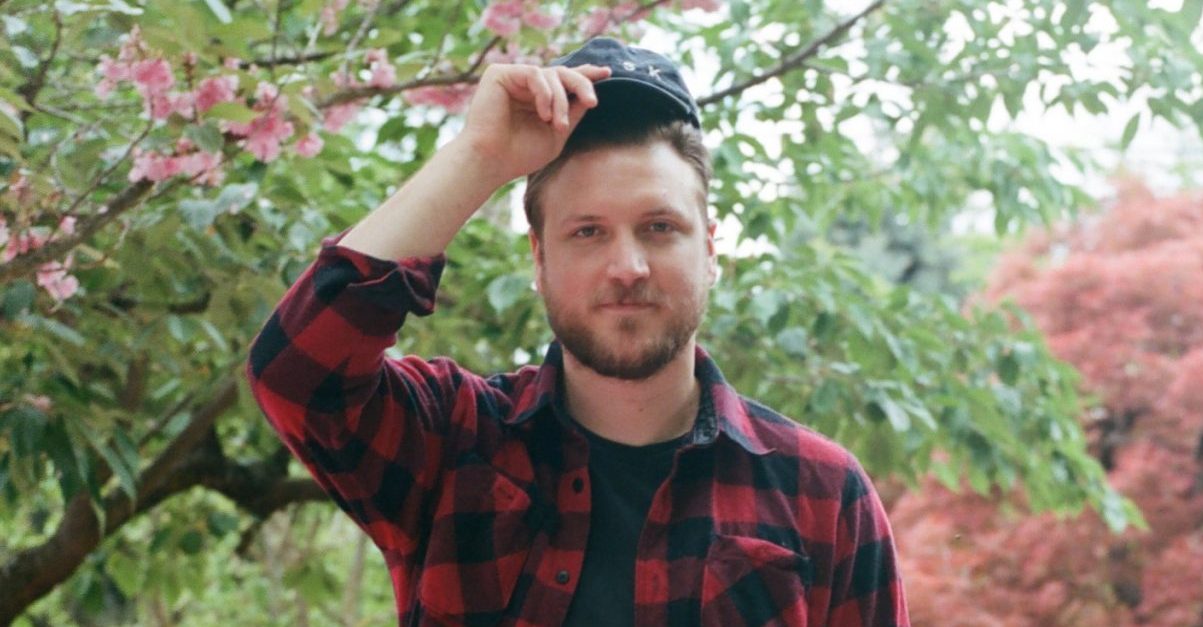
Photo credit: Sandlin Gaither
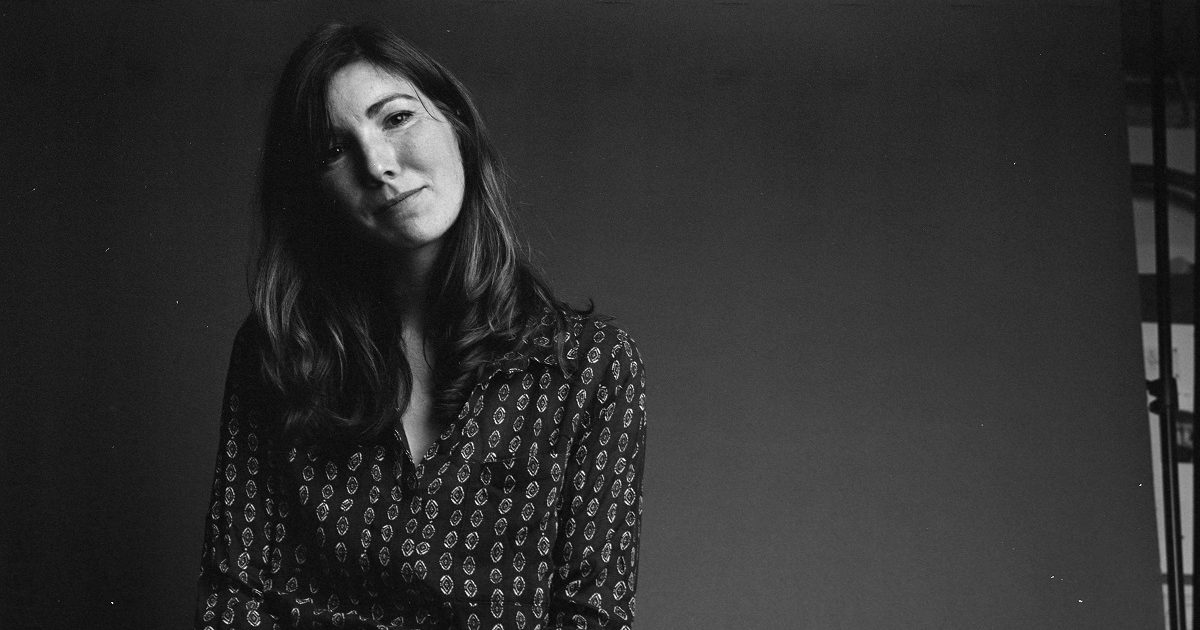
BGS 5+5: Anna Tivel

Artist: Anna Tivel
Hometown: Portland, Oregon
Latest Album: Blue World

What other art forms — literature, film, dance, painting, etc. — inform your music?

Literature and poetry really get in my bloodstream and make me want to write, all those vivid words and ways of telling a thing. I get the itch to write the most from reading things that unravel like a song but are in much longer form. Right now I’m digging deep through the novels and short stories of Annie Proulx and finding so much inspiration. The way she spins a story, unadorned and brutally human, feels honest in this way I’m forever working toward with songs. Andre Dubus sparks a similar feeling, this gut-punch of everyday struggle told in a way that feels just like reality, but more stunningly laid out in bite-sized, brilliantly observed and relatable moments. I dream of writing songs that make people feel that way.

What was the first moment that you knew you wanted to be a musician?

Music has always been the place I felt most at home in my mind, where I could just be, work things out and communicate in a slower, more intentional way. I first found that freedom playing violin as a kid, backing people up later, learning that kind of conversation without speaking that feels so powerful. I started writing songs when I was about 23 and it was a completely magnetic force of expression that I must have been really hurting for because it took hold of me immediately and forcefully. I don’t remember consciously thinking, “This is what I want to do with my life,” just couldn’t seem to think about anything else. I’m forever grateful to be able to move through the world this way. It constantly pushes me out of my box, allows me to bump up against the world, try to see it more clearly and with more curiosity all the time, try to reflect something true.

Which elements of nature do you spend the most time with and how do those impact your work?

Seems like touring is always shaping the way nature plays out in my writing. You’re on these long expansive drives through empty country, red canyon cliffs, vultures, sun bleached sagebrush, and heat waves on the blacktop that stretch out farther than you can see. And then two days later you’re in a dense forest, lush and wet and forty shades of green darkness. And then you’re suddenly in a giant metropolis. Watching it all change for hours and hours out the window feels like a recipe of sorts, like gathering all the images that hold an emotion to draw on later when a song is forming. I love to set a scene for the emotion of a story to play out in, and this constant observing of the natural (and man-made) world through car and plane windows seems to help tie human struggle and beauty to place and landscape in a way that feels necessary.

What rituals do you have, either in the studio or before a show?

I want so badly to have pre-show and studio rituals, like vocal warmups or a three-piece show suit or something, anything. Mostly I let shows eat me alive in good and bad ways and I’m trying to work on being more intentional about that stuff. When I have time and space, I like to read something beautiful or listen to something that moves me before a show, sit somewhere all alone and take in some words and music that make me feel free and vast and inspired. It feels really good to get up on stage and get the chance to play my heart out after that. I’m going to do it more, just decided. OK I have a ritual starting now.

If you had to write a mission statement for your career, what would it be?

Write and write. And play songs for people. And try to be 90 years old someday and still loving these two things with wild abandon.


Photo credit: Matt Kennelly

The BGS Radio Hour – Episode 211

Welcome to the BGS Radio Hour! Since 2017, this weekly radio show and podcast has been a recap of all the great music, new and old, featured on the digital pages of BGS. This week, we bring you new music from our June Artist of the Month, Chris Thile, as well as Robert Finley, Oliver Wood, and much more! Remember to check back every week for a new episode of the BGS Radio Hour.

APPLE PODCASTS, SPOTIFY

Robert Finley – “Sharecropper’s Son”

Singer-songwriter Robert Finley first picked up a guitar at age 11. He was raised in Jim Crow-era Louisiana amongst a family of sharecroppers and knew from a young age that his dream was to sing. Now, at sixty-seven-years-old, that dream is alive and well with his newly-released, third solo album, Sharecropper’s Son, made in collaboration with Dan Auerbach of The Black Keys. BGS recently caught up with Finley to talk about the new album, and how his upbringing and vast life experiences have shaped his music.


DoomFolk StarterKit – “Look at Miss Ohio”

For David Swick of DoomFolk StarterKit, recording any of Gillian Welch’s work is an honor. His cover of “Look at Miss Ohio” has a balance of lightness and melancholy in its’ arrangement, which Swick says represents the song’s theme of “making peace with uncertainty.”

Zach Person – “Wanna Fly”

Zach Person was inspired to write “Wanna Fly” after reflecting upon the social and political intensity of 2020. He cites “Dylan-esque” protest songs and the openness of the western plains as the two main influences of this powerful track.

Lula Wiles – “Call Me Up”

“Call Me Up,” from Lula Wiles’ new album, Shame and Sedition, is a lighter track amongst an album that aims to transform listeners and enact change. Between tender harmonies and mellow piano chords, the trio describes meeting with an old acquaintance, singing, “I know you’ve been taking it rough / You gotta just call me up.”

Oliver Wood – “Face of Reason”

BGS spoke with Oliver Wood of The Wood Brothers for a 5+5 in support of his new solo record, Always Smilin’. He told us about his biggest influences — from Ray Charles to Levon Helm — as well as how hard times can be processed through songwriting. When asked to write a mission statement for his career, he stated: “Just be completely yourself, because that’s all you have, and that’s enough.”

Dana Sipos – “Breathing Barrel”

Dana Sipos’ “Breathing Barrel” is a meditation of being at peace with the present moment. Written immediately upon returning home to the city from a music residency at the Banff Centre for the Arts, deep in the foothills of the Canadian Rockies, this song is an attempt to integrate a very powerful experience into the more mundane, everyday life.

Shannon McNally – “This Time”

Shannon McNally reimagines Waylon Jennings’ “This Time” by giving the lyrics a personal spin — singing not about a lover, but instead about her relationship with the music business as an artist and as a woman. For McNally, the song’s directness is a breath of fresh air, and it helped her get into the headspace that permitted her to sing the rest of the album.

Chris Thile – “Laysong”

The name Chris Thile is likely familiar to fans in any corner of roots music. Growing up in southern California, Thile rose to popularity with his childhood (and sometimes still adult) band Nickel Creek, and has since helped form the Punch Brothers, the Goat Rodeo Sessions, and other noteworthy collaborations. However, this summer Thile brings something special — a completely solo album entitled Laysongs. In celebration, he is our Artist of the Month, so be sure to stick around all month long for exclusive content from Chris Thile.

Mara Connor – “Old Man”

Mara Connor recorded “Old Man” at the same age Neil Young was when he wrote it about a caretaker who lived on his ranch. When she first heard the track, she was struck by the amount of empathy the songwriter exhibited at such a young age. Connor states that the song is an affirmation of how the world would be a better place if we took the time to see the humanity in each other’s eyes.

The Grascals – “Thankful”

2020 was a difficult year for us all, and it seems that we need uplifting music more now than ever before. “Thankful” is just that. The lyrics are a powerful reminder of the things we have to be grateful for and of the important things in life.

Rising Appalachia – “Catalyst”

Inspired by their recent release and the blooming of spring, Rising Appalachia’s Leah Song created a Mixtape for BGS, entitled Rising Appalachia’s Love Songs for Blooming Spring. The playlist features heartbreakers and heart-menders from John Prine to Hozier that are sure to make your heart bloom.

Eli Lev – “As It Is”

Eli Lev’s “As It Is” began to develop halfway through a 10-day meditation retreat he went on near the Florida coast at the beginning of the year. He states, “I experienced silent sunrises over the ocean and brilliant sunsets over the bay that brought on infinite color variations and led me to a unique insight that everything is changing while staying exactly ‘as it is’ in every moment.”

Kyle LaLone – “Learning How to Love”

Featuring the sweet sounds of classic country twang and harmonies by singer-songwriter Michaela Anne, Kyle Lalone’s “Learning How to Love” is a song that details the process of understanding how to be a good partner and showing up for someone in a relationship.


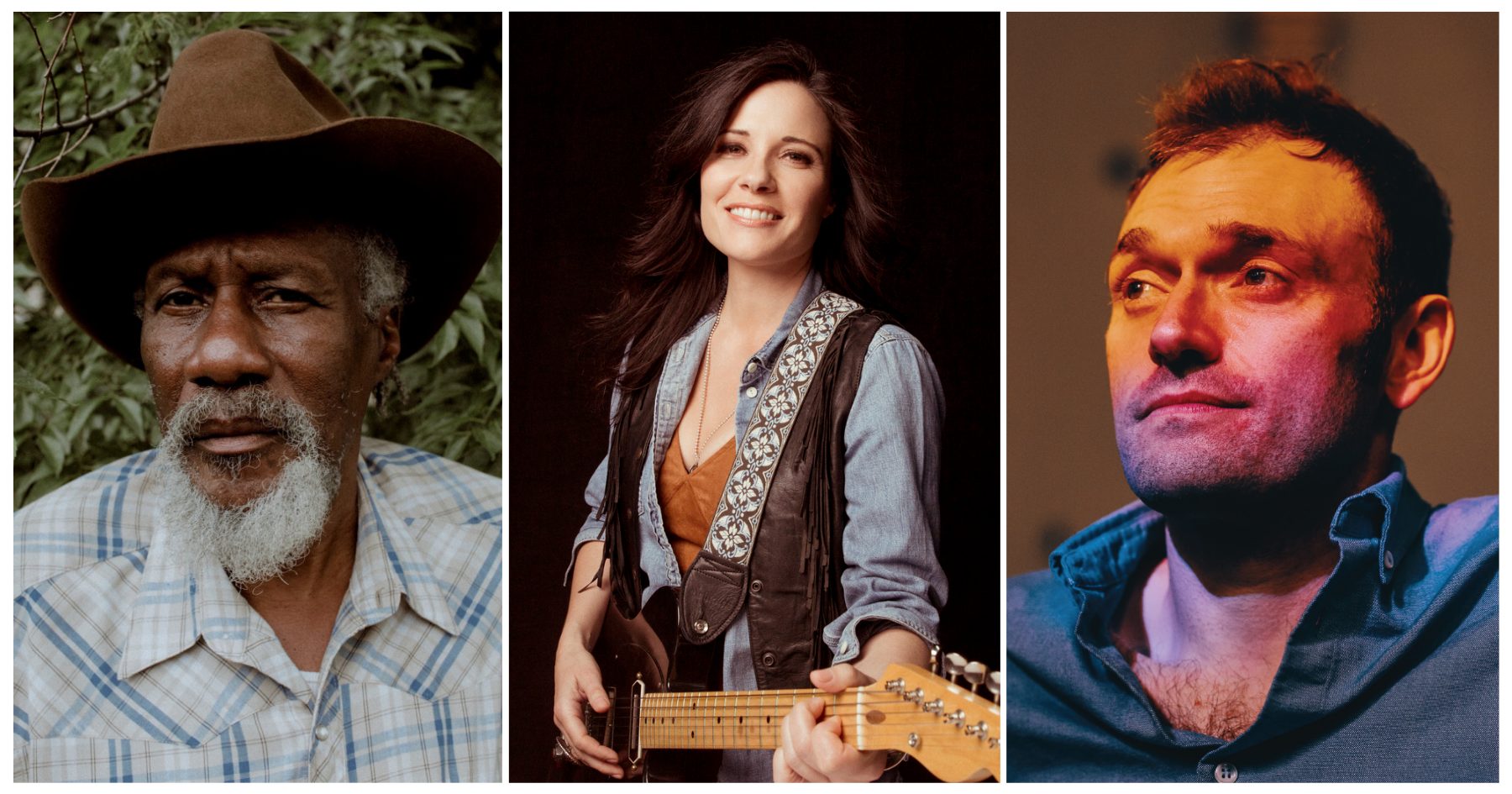
Photos: (L to R) Robert Finley by Alysse Gafjken; Shannon McNally by Alysse Gafjken; Chris Thile by Josh Goleman

LISTEN: DoomFolk StarterKit, “Look at Miss Ohio”

Artist: DoomFolk StarterKit
Hometown: Portland, Oregon
Song: “Look at Miss Ohio”
Album: Like You Mean It Records Sampler Vol. 1
Release Date: May 21, 2021
Label: Like You Mean It Records

In Their Words: “Recording any of Gillian Welch’s work is such an honor. ‘Look at Miss Ohio’ holds this fantastic tension between societal and familial pressures and a deep desire to find new ways of living. The line that pushes me over the edge is ‘I know all about it so you don’t have to shout it / I’m gonna straighten it out somehow.’ There’s so much there — it’s a line you might shout at a parent defensively, but it is also packed with utter humility and self-awareness. For me, this song depicts the story of someone choosing to embrace ambiguity while living with the hope that it’s going to shake out alright, somehow. Making peace with the fact of uncertainty is a theme that’s found its way into some of my own songs here and there. I’ve tried to represent that in this cover with a balance of lightness and melancholy in the arrangement.” — David Swick, DoomFolk StarterKit


Photo credit: Emily Barrett

BGS 5+5: Lula Wiles

Artist: Lula Wiles
Hometown: Our band sort of has two hometowns: we started the band when we were all living in Boston, but we first played music together as tweens at Maine Fiddle Camp, located in Wabanaki (Penobscot) territory (“Montville, Maine”).
New Album: Shame and Sedition
Personal nicknames (or rejected band names): Personal nicknames — who’s who should be obvious: Buckles, Burkles, Boms. A rejected bandname that we still joke about… “Monkberry and the Moonlights,” inspired by the Paul McCartney song “Monkberry Moon Delight” off of Mali’s favorite album RAM. We’re so glad we didn’t go with that name… lol.

What was the first moment that you knew you wanted to be a musician?

Eleanor Buckland: I grew up playing music with my family and looking up to my dad, who is a professional musician, so I’ve sort of had a desire to be a musician as long as I’ve known that was a thing I could be. But, I do remember a specific Crooked Still show in Maine during my freshman or sophomore year of high school that made such an impression on me. During the show I felt almost sick with longing and from then on I knew I was doomed (ha!) for professional musicianship!

Mali Obomsawin: As a little kid I always just wanted to make people happy and make people laugh. I think I always was a performer, and I always loved words, and it just ended up being music that those things came through. I sang and improvised little poems and acted out a lot. When we would play games as kids, I would always come up with little songs and dances… and when we would play fairies or whatever I would always choose to wear this potato sack and be the “troll” character. I liked being the goofy one that got to do mischief and be different. Maybe this is telling… haha. My dad’s a musician too and there have been a lot of musicians in my family for generations… it was just normal to express yourself that way.

Which artist has influenced you the most … and how?

Isa Burke: My influences have shifted and cycled in and out constantly throughout my life. I’d say Gillian Welch/Dave Rawlings and Joni Mitchell are probably the most long-lasting influences if I really had to narrow it down. But honestly, I think many of the biggest influences on me have also been my friends, family, bandmates, collaborators, and people I’ve shared musical community with. I also tend to go through phases where I’m really devoted to one artist, and this past year I’ve been really inspired by Fiona Apple. She’s so liberated in the way she creates, it makes me feel more liberated, too. When I listen to her music or read interviews with her, it’s like she’s shaking me by the shoulders and reminding me that I can do whatever the hell I want.

Mali: Like Isa I go through phases… some of my biggest influences that might not be obvious from listening to Lula Wiles are Ornette Coleman and Charles Mingus. I got really into “avant garde” and free music at a young age and I think that has shaped my preferences and tendencies as a musician in so many ways. I also think on this album we were able to lean in a little bit more to those sounds that are exciting to me, harsher or more “raw” sounds juxtaposed with atmospheric/gentle/melancholy ones, leaving room in our arrangements for grit and breathability and improvisation. These are all things I associate with Mingus and Ornette — I especially have always been so inspired by Ornette’s gut-wrenching melodies. Just so human. I think Buffy Sainte-Marie had these piercingly honest sounds/qualities in her music too, but I didn’t really dig into her work until more recently. I dunno. These days I’m just loving indie rock, I’m not too proud to admit it!! Really sardonic or sarcastic songwriters like Rufus Wainwright and Randy Newman have been big influences for me. Aaaand, let’s see… Fleetwood Mac?

What other art forms — literature, film, dance, painting, etc. — inform your music?

Isa: I’d say my songs definitely draw from fiction and film. I love songs that feel like short stories or films — songs with specific, carefully chosen details that expand in the listener’s mind to create a vivid scene, a feeling, a narrative. I also love dialogue in lyrics — Joni Mitchell is a master of that, obviously. Sometimes when I’m writing, I try to imagine the song as a screenplay, or a film, or a novel. Where would this scene take place, what would the characters say to each other, how would it look and sound and feel? That helps me hone in on which of the various elements at my disposal (description, dialogue, details, images, sounds, melodies) can best tell the story and create the feeling I’m looking for. I also think on a more musical (non-lyrical) level, my sense of rhythm is definitely informed by dance. I’ve always loved dancing and a lot of my most formative musical experiences were based in instrumental fiddle music, which at its root is dance music. I move around a lot when I play and I try to write music that feels embodied, that physically feels good to play.

Mali: So many of my songs have been sparked by specific phrases or ideas in fiction novels and poetry. I get obsessed with the beauty or rhythm or texture of a few words juxtaposed against one another, and I adore word-play, and just sonic patterns or complimentary sounds. Language makes me so excited. It’s nerdy maybe. But sometimes when I read a line in a novel that expresses a specific feeling in a poignant or abstract way, it’s really euphoric. James Baldwin is an example pertinent to this album -– the big inspiration behind “In Dreams” … I’m still working my way through Baldwin’s work now, but I’m also pretty deep in listening to speeches by Black Panthers and other civil rights activists from that time. I think it’s odd how we compartmentalize art/genres sometimes, because these speeches are some of the best pieces of American literature ever created. Anyway, I digress. I think in colors and shapes when I play and compose music, but not specifically in the form of paintings or anything.

What’s the toughest time you ever had writing a song?

Eleanor: “Hometown” on our previous record, What Will We Do, was one of my hardest songs to write. I think this was because the story I was trying to tell in the song is so closely connected to my home and the people I love. I found it harder to get to the truth of the song than ever before, because I was so determined to do the story justice. Mali and Isa were both critical co-writers for this song and helped me more deeply understand and stay true to the heart of what I was trying to say.

Isa: I have a song called “Wild Geese” that has been torturing me since April 18th, 2017. On that day, I sat down and wrote a verse and a guitar riff in about five minutes and thought it was one of the best things I’d ever written, but I’ve never been able to finish it. As soon as I wrote it I knew it had to be the last verse of the song, so I’m working backwards. Every so often I’ll pull the song back out and bang my head against the wall for a while, but I can’t seem to write anything that lives up to that one verse. I’ve even finished and scrapped a couple of full drafts (we actually recorded a rough version of one of them during the sessions for What Will We Do). I’ve always ended up getting rid of everything except that one verse. I can’t let that verse go. It haunts me! Maybe it’s just supposed to be a really short song — hopefully you’ll hear it someday.

What’s your favorite memory from being on stage?

Mali: Hmmm… the time Tim O’Brien introduced us as Lula Whales? There was another time we made Ellie eat a hot dog onstage in San Francisco on her birthday.

Eleanor: That was possibly my favorite birthday show ever. Isa and Mali surprised me with a hot dog onstage, since I love hot dogs and I am teased mercilessly for it. That same night, we also got pranked by our drummer, who had the sound guy at the Freight & Salvage play one of our TOP van jams, “Twang” by Mason Ramsey (featured in our playlist) as our walk-on music. It was awesome.


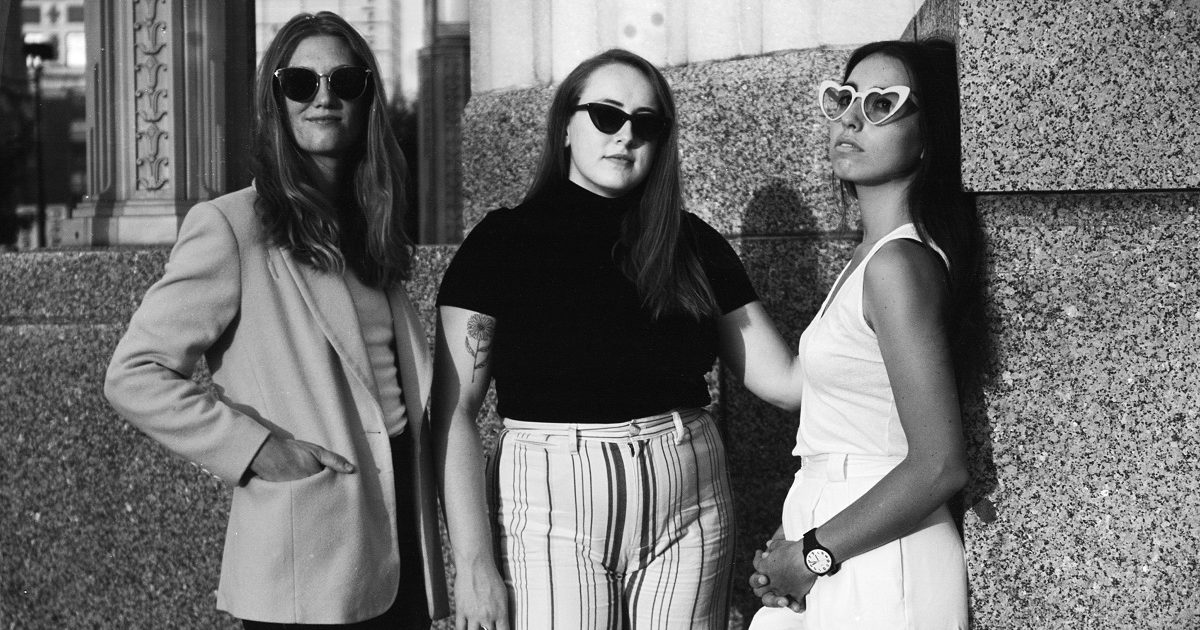
Photo credit: Laura E. Partain

BGS 5+5: Abby Hollander Band

Artist: Abby Hollander Band
Hometown: Brooklyn, New York
Latest Album: Letters

What was the first moment that you knew you wanted to be a musician?

I’ve always been a musician. Growing up in Woodstock, New York, with musician parents, brother, friends, it was just a natural part of life, the expression of self through song. I started picking out cartoon theme songs on the piano when I was 4, and kept learning and playing from there. By high school I’d sit in with my parents at their gigs, and I first did my own gigs (singing in a jazz trio) by college. It wasn’t until after I’d graduated with a BA in theater that I realized in order to be an actor you have to audition; but to be a musician, you just have to play.

What other art forms — literature, film, dance, painting, etc — inform your music?

My training as an actor has had a big impact on my music, especially when it comes to performance. When acting, you’re taught to always be in the moment, and that despite knowing what words you’re going to say you never know exactly how they’re going to come out, because you’re listening and reacting to what’s going on around you. That’s something I’ve tried to take with me into my music… even if I’m singing the same words or the same melody, a song doesn’t become stagnant because each time it’s sung, it’s being informed by the present moment. I also try to transport myself to the circumstances of the songs as I sing them. For example, “Still Got It Bad,” a John Herald song on this new album, is a heartbreaking story about never getting over an old love. That’s not my reality, but the way he wrote the lyrics is so relatable and so true that it puts me in a place where I can sing it honestly.

How often do you hide behind a character in a song or use “you” when it’s actually “me”?

Actually, I’ve found myself writing too many first-person songs! When I was writing “Back When We Could’ve Been In Love,” I decided to turn it into a character and started saying “she” instead of “me.” It’s really still about me though probably. And now you know!

What rituals do you have, either in the studio or before a show?

I try to be really dedicated about taking care of my voice, and that’s especially true leading up to a recording or show. Right after we released our first album, in 2015, I was diagnosed with polyps on my vocal folds. My voice didn’t sound like me, and I got hoarse after singing even just a few songs. I eventually had surgery to remove them, and through voice therapy I’ve learned how to take better care of my voice. I even went back to school to become a speech-language pathologist so I could work as a voice therapist and help others avoid these problems. It was an incredibly scary time (it’s what the song “Eyes of Loss” is about), and so these days I’m much more diligent about keeping my voice in good shape. That involves frequent warm-ups, vocal exercises, and being mindful not only when I’m singing but also speaking.

What’s your favorite memory from being on stage?

I don’t have one specific favorite memory, but every time I’m on stage and I’m singing with friends, or even strangers, if there’s a tight harmony that clicks in the right way I feel this current, this electric charge of life and joy, and that’s what it’s about for me.


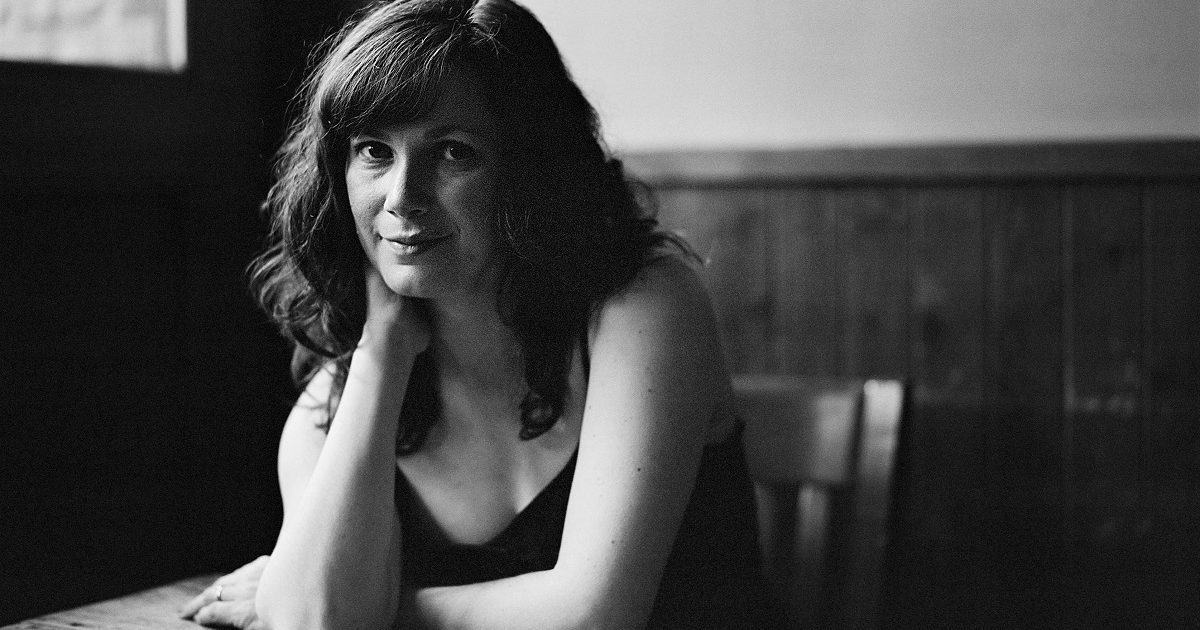
Photo credit: Justin Camerer

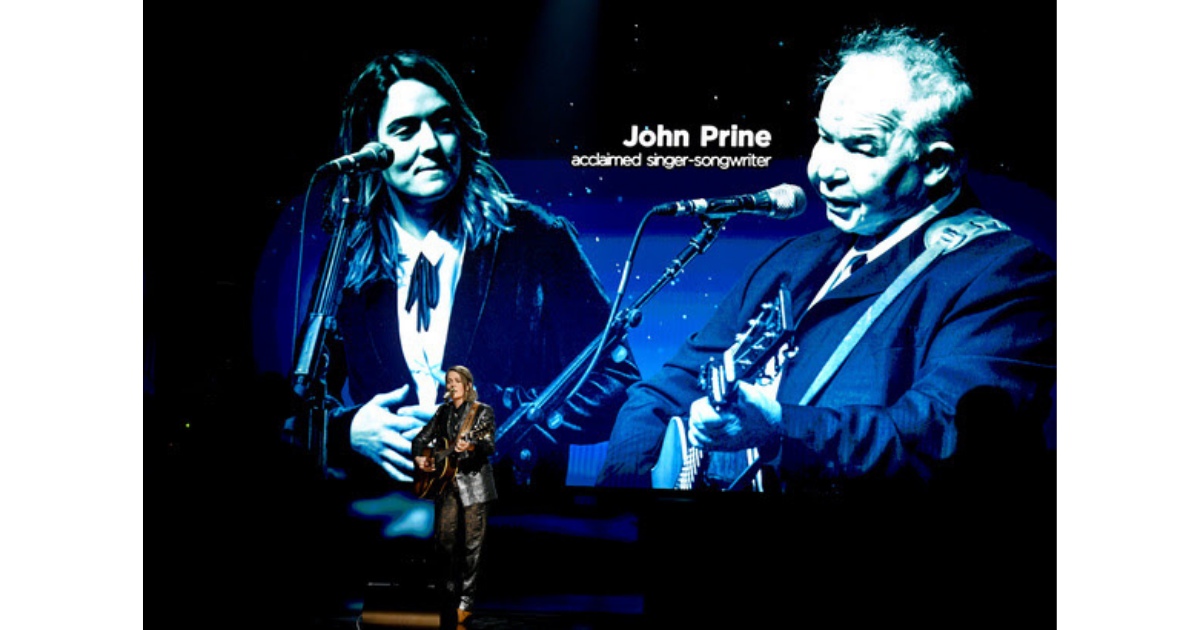
John Prine, Brittany Howard, Sarah Jarosz Among Winners at 63rd Annual Grammy Awards

The 63rd Annual Grammy Awards were held yesterday afternoon and evening, Sunday March 14, 2021. Here are the nominees and winners in the American Roots Music fields:

Best American Roots Performance

Black Pumas, “Colors”

Bonny Light Horseman, “Deep in Love”

Brittany Howard, “Short and Sweet”

Norah Jones & Mavis Staples, “I’ll Be Gone”

John Prine, “I Remember Everything”


Best American Roots Song

“Cabin,” Laura Rogers & Lydia Rogers, songwriters (The Secret Sisters)

“Ceiling to the Floor,” Sierra Hull & Kai Welch, songwriters (Sierra Hull)

“Hometown,” Sarah Jarosz, songwriter (Sarah Jarosz)

“I Remember Everything,” Pat McLaughlin & John Prine, songwriters (John Prine)

“Man Without a Soul,” Tom Overby & Lucinda Williams, songwriters (Lucinda Williams)


Best Americana Album

Courtney Marie Andrews, Old Flowers

Hiss Golden Messenger, Terms of Surrender

Sarah Jarosz, World on the Ground

Marcus King, El Dorado

Lucinda Williams, Good Souls Better Angels


Best Bluegrass Album

Danny Barnes, Man on Fire

Thomm Jutz, To Live in Two Worlds, Vol. 1

Steep Canyon Rangers, North Carolina Songbook

Billy Strings, Home

Various Artists, The John Hartford Fiddle Tune Project, Vol. 1


Best Traditional Blues Album

Frank Bey, All My Dues are Paid

Don Bryant, You Make Me Feel

Robert Cray Band, That’s What I Heard

Jimmy “Duck” Holmes, Cypress Grove

Bobby Rush, Rawer Than Raw


Best Contemporary Blues Album

Fantastic Negrito, Have You Lost Your Mind Yet?

Ruthie Foster Big Band, Live at the Paramount

G. Love, The Juice

Bettye LaVette, Blackbirds

North Mississippi Allstars, Up and Rolling


Best Folk Album

Bonny Light Horseman, Bonny Light Horseman

Leonard Cohen, Thanks for the Dance

Laura Marling, Song for Our Daughter

The Secret Sisters, Saturn Return

Gillian Welch & David Rawlings, All the Good Times


Best Regional Roots Music Album

Black Lodge Singers, My Relatives “Nikso Kowaiks”

Cameron Dupuy and the Cajun Troubadours, Cameron Dupuy and the Cajun Troubadours

Nā Wai ʽEhā, Lovely Sunrise

New Orleans Nightcrawlers, Atmosphere

Sweet Cecilia, A Tribute to Al Berard


Also, note these Americana winners in other categories:

Best Rock Song

“Kyoto,” Phoebe Bridgers, Morgan Nagler & Marshall Vore, songwriters (Phoebe Bridgers)

“Lost in Yesterday,” Kevin Parker, songwriter (Tame Impala)

“Not,” Adrianne Lenker, songwriter (Big Thief)

“Shameika,” Fiona Apple, songwriter (Fiona Apple)

“Stay High,” Brittany Howard, songwriter (Brittany Howard)


Best Country Solo Performance

“Black Like Me,” Mickey Guyton

“Bluebird,” Miranda Lambert

“Stick That In Your Country Song,” Eric Church

“When My Amy Prays,” Vince Gill

“Who You Thought I Was,” Brandy Clark


Best Country Song

“Bluebird,” Luke Dick, Natalie Hemby & Miranda Lambert, songwriters (Miranda Lambert)

“The Bones,” Maren Morris, Jimmy Robbins & Laura Veltz, songwriters (Maren Morris)

“Crowded Table,” Brandi Carlile, Natalie Hemby & Lori McKenna, songwriters (The Highwomen)

“More Hearts Than Mine,” Ingrid Andress, Sam Ellis & Derrick Southerland, songwriters (Ingrid Andress)

“Some People Do,” Jesse Frasure, Shane McAnally, Matthew Ramsey & Thomas Rhett, songwriters (Old Dominion)


Best Roots Gospel Album

Fisk Jubilee Singers, Celebrating Fisk! (The 150th Anniversary Album)

Mark Bishop, Beautiful Day

The Crabb Family, 20/20

The Erwins, What Christmas Really Means

Ernie Haase & Signature Sound, Something Beautiful


Photo by Kevin Winter/Getty Images for The Recording Academy

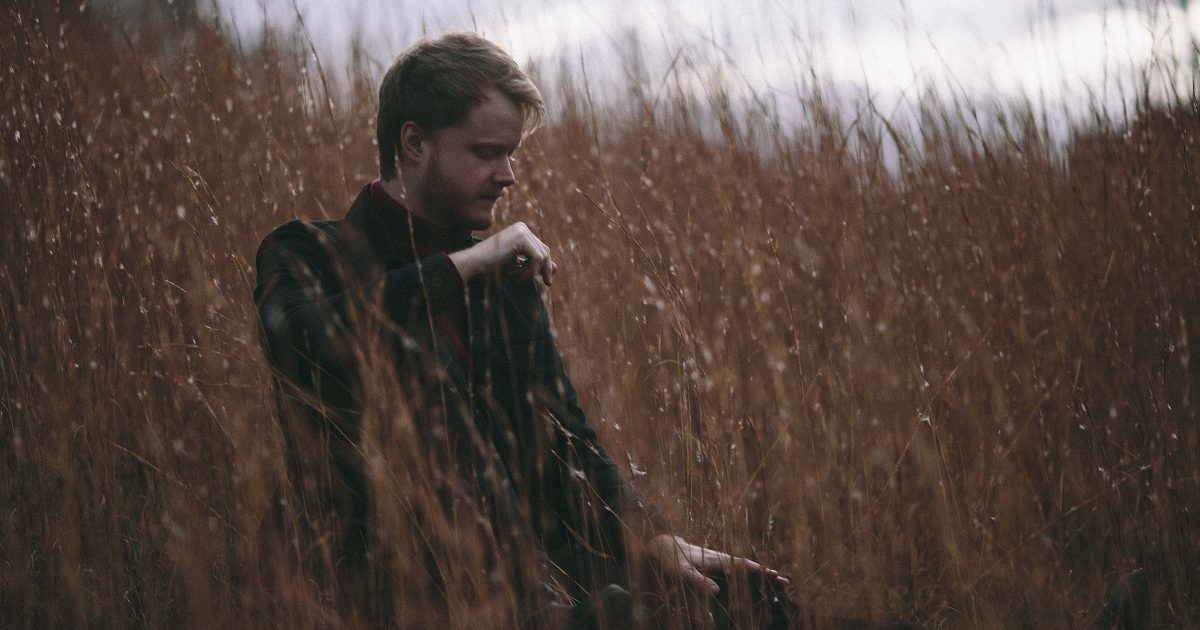
BGS 5+5: Clint Roberts

Artist: Clint Roberts
Hometown: Brevard, North Carolina
Latest album: ROSE SONGS (February 26, 2021)

Which elements of nature do you spend the most time with and how do those impact your work?

I always have been, and probably will always be, a mountain boy. I’ve lived in Western North Carolina for 90% of my life, all of that time between Brevard, Asheville, and Boone. Mountains are deeply inspiring and meditative for me, perfect for stewing lyrical ideas or song narratives in my mind. I trail run a fair amount, and that’s always a good time for me to listen to my demos and do lyrical gymnastics with them, or simply listen to other people’s music and try to get lost in it. I’ll never know to what extent my environment informs my process, but I imagine these mountains give me a lot.

What was the first moment that you knew you wanted to be a musician?

Prior to finding songwriting in early high school, I wasn’t sure what I really wanted to do with my life. I felt like a fish being asked to climb a tree in the areas of school sports, Boy Scouts, and the various other middle school activities that kids are often herded into. The moment I learned four chords on a ukulele in 9th grade, I started writing songs. And soon after I would decide that performing my songs is what I wanted to do with my life. The process was and still is addicting, and at the time it was one of the first times I can remember hearing validation from other people that I was good at something. So between my own love for it and hearing friends and even strangers tell me that I had a shot, I decided to go that route.

What’s the toughest time you ever had writing a song?

There’s a song on my upcoming record (ROSE SONGS) that took roughly five years to finish. That’s not to say that I spent each day of that time slaving away at it, but rather, that I didn’t know what I wanted to do with it until that much time had passed. The first verse and chorus were written in a day, the rest of the song was finished about five years later. It was a song that always hung out in my demos, always reminding me that one day it had to be finished. I’m really glad I did, because it’s one of the songs and recordings on the album that I’m most proud of.

What other art forms — literature, film, dance, painting, etc — inform your music?

Film informs my process a lot. I’ve occasionally written songs from the perspective of different characters in movies that I like. The aesthetic or setting of a given film can very potently reside in my mind, often subconsciously informing my creativity. I particularly like epics that have a lot of different fantastical settings, like The Dark Crystal and The NeverEnding Story. When curating the songs for a record, I try to keep my song choices diverse like the settings of such movies, so that no one given song feels quite like the other.

What’s your favorite memory from being on stage?

This isn’t quite a stage memory but it’s a backstage memory. I’m friends with members of Steep Canyon Rangers, a band that many of your readers are probably aware of. They perform with Steve Martin frequently. My college band had given the guys several copies of our first EP, and it’s now my understanding that they had given Steve one of the copies (maybe they just played it in front of him, I’m not sure). Some months later, our band would be on a festival bill with Steve and the Rangers, and Steve was waiting to shake my hand off stage when we were done performing. “Sounds just like the record,” he said. That was a very confusing and exciting moment for a 19-year-old songwriter.


Photo credit: Daniel Barlow

A New Generation of Bluegrass Stars Reflect on ‘O Brother, Where Art Thou?’

The soundtrack to O Brother Where Art Thou? was a phenomenon in the early 2000s, turning bluegrass musicians into superstars and creating an instant mainstream market for old-time music — from folk to gospel to children’s songs to prison chants to blues and everything in between. To celebrate the twentieth anniversary of its astonishing success and to wrap up our Artist of the Month series, we spoke to several musicians about the impact O Brother and its subsequent tours had on their lives and livelihoods.

Sierra Hull: “I grew up in a little town with maybe 900 people, and there used to be a poster section at the Walmart the next town over. You could flip through the posters and there would be pop stars like Britney Spears and Backstreet Boys. I was always convinced that one day I would find an Alison Krauss poster in there. She was as popular in my little kid brain as Britney Spears. So it was cool when O Brother came out and elevated some of those people who were already giants to me, like Alison and Dan Tyminski and Ralph Stanley.

“I was already playing, but I was too young to be touring yet. By the time Cold Mountain came out [in 2003], I was part of that tour. Alison was part of both soundtracks, and she invited my brother and me to go on that tour. So we got to help celebrate that second wave. I was 12, and it was really the first time for me to be out on tour, travel to so many different places, and play Red Rocks and the Beacon Theater in New York. Standing at the side of the stage and listening to Alison sing to hundreds of people every night every night was one of my favorite memories.

“It was amazing to watch people go crazy over Ralph Stanley every night. He had this dazzled suit jacket that he wore every night. Sometimes he would sit his banjo down while his band played and take that jacket off and throw it to me at the side of the stage. I would get to wear that dazzled jacket at the end of the show when everybody came out on stage. It’s one of the most special musical experiences I’ve ever had.”


Sara Watkins: “O Brother was something we somehow became affiliated with. Nickel Creek had just released our band’s first record on Sugar Hill, after years of doing just little homemade projects. Alison Krauss produced it, which had been out maybe a year and a half when O Brother came out. She was a big part of that soundtrack, of course, so our band was gaining a little bit of notoriety. I remember reading a huge New York Times spread, and we were listed among the people on that scene. We were part of that conversation, despite not having been part of the soundtrack in any way. We were just at the right place at the right time, and the awareness of the bluegrass scene just exploded. We were able to reach a different level very quickly. It was a huge advantage to our career. We already had some momentum, but the soundtrack really put the wind in our sails.

“T Bone Burnett [who produced the album], one of his brilliant skills is finding the right people for the right song. He brought in some incredible musicians in a way that really showed the musicianship in our community and made everyone really proud of our scene. We saw our heroes up there, and it was gratifying to see them celebrated by a huge audience. I remember feeling a new respect for Ralph Stanley with that vocal [on ‘Oh Death’]. That actually turned me on to shape-note singing. Someone told me his delivery was reminiscent of those old communities that did shape-note singing and those old preachers who used to sing that way. I’d never heard anything like it. And to this day, whenever I see Dan Tyminski, I make a point to stick around until he plays ‘Man of Constant Sorrow.’ No way I’m leaving before then.”


Dave Wilson (Chatham County Line): “I remember going with our old bass player to see O Brother in the theater. We snuck a bottle of whiskey in and sat in the back row and just laughed and drank. I remember thinking, ‘Bluegrass has arrived!’ We were already a band and playing small gigs around town, but we weren’t at a place where we had dedicated our lives to it. So it was kismet for us. That record came out, and the scene just exploded. Suddenly we had this huge advertisement out there in the world for the style of music we were playing. We definitely noticed a change. There were more strangers coming to see us play gigs, and they were really excited about it. One side effect was people would yell out for us to play ‘Man of Constant Sorrow.’ They did it enough to make me wonder if they had heard the soundtrack or just seen the movie. But we never played it. We didn’t know how! It would have probably shut them up if we had!

“I really got into the record. There are some badass arrangements on there. And it’s not corny. It’s not super traditional. I love that they reached out to the right people. It could have been bad. They could have gotten Toby Keith or someone like that. Oh god, I don’t even want to think about that! One of my favorite parts is that blues song by Chris Thomas King [a cover of Skip James’ ‘Hard Time Killing Floor’]. It makes for such a special moment. Later, they booked that concert film [Down from the Mountain, recorded at the Ryman Auditorium] at our old classic movie theater here in town, and I remember the boys going to see it and we were all just floored. That was almost bigger than the movie as far as having an impact in the folk music scene.”


Sam Amidon: “People in the folk world can be very protective of the music, which I think is valid. But my inclination is that if I find something I’m excited about, I want to share it. I want people to know about it. To have grown up in a world knowing a lot of the corners O Brother explores, it was beautiful to think about how many people all of a sudden were going to discover these field recordings and these great musicians. And I was thankful because until then, portrayals of traditional music in the mass media had just been so bad and so clichéd or so simplistic. Nothing had depicted this stuff on this scale before. Before then, if you told somebody you played banjo, they would think Deliverance. That was their frame of reference.

“For O Brother to do it without messing it up was a miracle. To see these different corners of American music — beyond just blues and bluegrass as the two major industry terms — was a very positive thing, especially because ‘folk music’ can be such a heterogeneous category. Nobody would even really know what you were talking about if it wasn’t bluegrass or blues. O Brother pointed to all of these different areas. It’s singing games and banjo songs and all these different things. O Brother is weirdly inclusive. It cast a wide net. Nowadays it’s easy to go to the soundtrack and hear more problematic elements of the whole Americana genre thing, but I think it’s good to remember that when it first came along, it was much more nuanced compared to what had come before.”


Woody Platt (Steep Canyon Rangers): “It’s interesting that the twentieth anniversary of O Brother is fairly parallel to the twentieth anniversary of our band. We formed in Chapel Hill, North Carolina, when we were seniors in college, right when the movie came out. We all had been exposed to bluegrass and old-time just by being Carolinians. We all had that music around when we were growing up, but none of us in the band really dove into it until we were in college. We’d only been following that music a few years when the movie came out. I’m not sure we were aware at the time of the impact that the movie and the tour had on bluegrass, old-time, string band, mountain music, but we could feel some excitement when we were playing bars on Franklin Street, which is the main drag in Chapel Hill. But we didn’t really have anything to compare it to. There was no before or after. It was just what we were doing, and that’s all we knew.

“I really enjoyed the movie, but I was a big fan of the album. Hearing Ralph Stanley’s voice in a film, or Dan Tyminski’s, or just seeing people I admired in that movie was pretty incredible. Looking back on it, it was good timing for us to be getting off the ground, and we were having so much fun and finding so much joy in it. The music we were playing had been a small niche, but all of a sudden it had this national interest. I have no doubt in my mind that the awareness of the music was fueled by the movie. It’s a fascinating phenomenon to think about, because it wasn’t marketed in any significant way. It just happened. It was just this thing where people were suddenly into this music.”


Molly Tuttle: “The movie came out when I was seven years old, and I remember my dad showing it to me when I was in grade school. I loved it, and the music really stuck with me because I already had an affinity for bluegrass and old-time music. Seeing it performed in a movie was new and exciting. My dad teaches bluegrass for a living, and when the movie came out, he had an influx of new students.

“It’s had a lasting impact on the popularity of bluegrass music. But I was so young that I didn’t know many of the musicians on the soundtrack by name, so it introduced me to a lot of artists who later became my favorites. And the Down from the Mountain documentary further familiarized me with people like Emmylou Harris and Alison Krauss. Many of those artists, like Gillian Welch and John Hartford, have been big influences on me, and that was my introduction to their music. I’ve performed ‘I’ll Fly Away’ and ‘Angel Band’ a number of times, and I got to do ‘Man of Constant Sorrow’ with Dan Tyminski at the IBMA awards one year.”


Dom Flemons: “I actually saw Ralph Stanley on the O Brother tour in Flagstaff, Arizona, in the year 2000. It was at this random high school. I saw the poster on a telephone pole when I was going to college there. I’d started playing the banjo by that point — six-string and four-string banjo, guitar, and harmonica. I remember the place was really packed out, and he gave this amazing performance. I just loved watching the man at work. When he sang ‘Oh Death,’ he pulled this piece of paper out of his pocket, put on his glasses, and made a joke about how old he was. And he just sang it off this piece of paper and blew our minds.

O Brother was very interesting, and I think it’s still a milestone album for several generations. A lot of the old folks who played those old styles and sang those old songs were starting to pass away, so the soundtrack ended up being a perfect vehicle for getting younger people into the music of the ‘20s and ‘30s. It reminded people of the really good old recordings that were available. That’s where I went. I found the old RCA Victor and Columbia recordings, and that was it for me.

“It’s a perfectly structured record, opening with the prisoners on the chain gang and then it goes to that beautiful ‘Big Rock Candy Mountain.’ And then you get into “You Are My Sunshine” with Norman Blake, and then Chris Thomas King presenting ‘Hard Time Killing Floor.’ That in itself was a revival of Skip James. People talk about Ghost World and Devil Got My Woman, but I think O Brother got it going. People just started casually bringing those songs back in at shows and festivals, and it seemed like a lot more people knew them. Of course they would sing them like the recordings on O Brother. Those are just things I observed before I was a professional musician, and it was amazing to see.”


‘O Brother, Where Art Thou?’ Created an Instant Audience for Old-Time Music

The O Brother, Where Art Thou? soundtrack, which was just starting to pick up momentum twenty years ago this winter, was both a forethought and an afterthought. The Coen Brothers had an idea for a film and even a title borrowed from Preston Sturges’ 1940 comedy, Sullivan’s Travels, but no screenplay. They commissioned T Bone Burnett to assemble a sprawling playlist of old-time music for them to use as writing prompts — original recordings from the first half of the twentieth century as well as new recordings of old songs. He gathered some of the finest vocalists and players, including Emmylou Harris, Gillian Welch, Alison Krauss, and members of Union Station, as well as Norman Blake, Sam Bush, and John Hartford. In various combinations they produced around sixty tracks covering hillbilly plaints, gospel numbers, Protestant hymns, children’s songs, labor songs, even prison songs.

From that pool the Coens selected a handful of tracks that served as the skeleton for their screenplay, which became a Deep South retelling of The Odyssey. As three yokel chain-gang fugitives wander the backwoods and cotton fields and gravel roads of Depression-era Mississippi, they inadvertently become country stars thanks to a hasty version of “Man of Constant Sorrow,” originally recorded in 1917 by Dick Burnett and re-recorded for the film by Dan Tyminski. Along the way they encounter a parade of white-clad Christians singing “Down to the River to Pray,” a blues singer who regales them with a campfire rendition of Skip James’ “Hard Time Killing Floor,” and a KKK klavern performing a Busby Berkley routine in white sheets and hoods.

Whittled down to eighteen tracks, the soundtrack hit stores just a few weeks before the film, and it seemed designed to stand alone as an upscale release. As Luke Lewis, formerly chairman/CEO of Universal Nashville, told Billboard in 2015: “When we were putting it together, a bunch of us said, ‘This is probably going to be a coffee table kind of a CD, where people will leave it around and be proud to have it.’ That turned out to be pretty much true… A lot of people that don’t buy records at all, or buy one a year, bought that record.”

Still, no one figured it would sell any more copies than your typical soundtrack, and certainly no one predicted it would so completely eclipse the film. Its success has been astounding: It has sold nearly 9 million copies, hung around the upper reaches of the Billboard Top 200 for several years, won the Grammy for Album of the Year (beating out Bob Dylan and Outkast, among others), spun off a sequel, inspired a series of tours and live albums, and redefined a massive market for traditional music in America.

Twenty years later, the gulf separating film and soundtrack remains remarkably wide. The former is glib to the point of nihilism, as though every line of dialogue and every camera angle is surrounded by quote marks. The soundtrack, by contrast, is sincere to the point of evangelism, as though these old songs were pieces of secular scripture. The music plays everything straight, while the film can’t keep a straight face. The soundtrack became a phenomenon, while the film sits in the lower tiers of its auteurs’ sprawling catalog.

Both are products of a very particular time: They were released during that short window between two defining events — the hand-wringing spectacle of Y2K and the horrific televised tragedy of 9/11. With the benefit of twenty years’ hindsight, they represent a pop-cultural pivot from the irony that defined the 1990s and much of the Coens’ output to the “New Sincerity” that defined the 2000s.

Why did this niche soundtrack become such a massive hit? Some have credited the popularity of O Brother to fin de siècle jitters and a desire to return to a rosier, more comfortable American past (never mind that the past, especially the 1930s, was never rosy or comfortable). Others have chalked it up to a rejection of the late ’90s pop music excess embodied by Britney Spears and the Backstreet Boys.

Perhaps the best reason for its success is also the most obvious: This is a good album, and an accessible one. It’s a well-curated tour through old-time music, a sampler of rural American traditions that serves as a primer on the subject without sounding like a textbook. All of these different styles are presented with an eloquence that is homespun yet modern: a balance that highlights rather than dampens their charms.

Burnett puts such an emphasis on the human voice that even the instrumental tracks sound a cappella. He wants you to hear the exquisite grain in the voices of Emmylou Harris, Gillian Welch, and Alison Krauss on “Didn’t Leave Nobody But the Baby” as well as the weight pressing on Chris Thomas King as he moans through “Hard Time Killing Floor.” Curiously, Dr. Ralph Stanley had to convince the producer to let him sing “Oh Death” without banjo, which was absolutely the right call. His voice is high and keening, a serious a death, shaken by the very subject he’s singing about.

If there’s a breakout song on O Brother — something resembling a hit — it was this very intense performance, which remains one of the finest renditions of this very odd and oft-covered song. Stanley was 73 years old when the album was released, had been playing since 1946, and was already celebrated as one of the fathers of bluegrass, but O Brother gave his career a considerable boost, introducing him to a significantly wider audience. (That said, it always struck me as deeply disrespectful that the Coens have a Klansman lip-synching Stanley’s performance in the film, as though they feared the words might actually mean something.)

Stanley performed the song a cappella at the 2002 Grammys — imagine anything a cappella at such a glitz-bound ceremony — not long before the soundtrack won Album of the Year. It might have been the climax of the soundtrack’s shelf life, but it kept selling and kept selling. It created an instant audience for old-time music, and upstart string-bands found themselves with readymade audiences, many of them shouting “Man of Constant Sorrow” the way they once might have yelled “Free Bird!” Every artist on the album got a boost, especially Alison Krauss & Union Station, who crossed over from bluegrass to pop and launched a series of hit records with the aptly titled New Favorite in August 2001. Similarly, Welch, Harris, and even Stanley enjoyed boosts in album and ticket sales in the wake of O Brother.

As with any sweeping change, there are new opportunities as well as new losses. The alt-country acts of the 1990s had already lost much of their luster, but roots suddenly had no room for punk anymore. Gone were the dark, twangy experiments like Daniel Lanois’s Americana trilogy — Harris’ Wrecking Ball in 1996, followed by Bob Dylan’s Time Out of Mind the next year and Willie Nelson’s Teatro the year after that. All three proved that roots music could accommodate new sounds, that it could look to the future without completely letting go of the past, and all three stand among the best entries in their artists’ remarkable catalogs.

But O Brother seemed to wipe most of those new avenues away, turning roots music into something largely acoustic, uniform, polite, conservative — beholden to the past and largely dismissive of the present. Watching certain acts riding that wave was like watching Civil War reenactors march on a makeshift battlefield, and ten years later groups like Mumford & Sons and the Lumineers were using roots music to sell arena-size sentiments.

Another aspect of old-time lost in the O Brother wave: politics. Previous folk revivals had a populist bent, extolling the music as the sound of the people and as an expression of a specifically American community. Woody Guthrie and Pete Seeger were branded subversives and communists, while Dylan and his early ‘60s cohort found radical possibilities in Harry Smith’s legendary Anthology of American Folk Music. But no one on O Brother is in any danger of being branded a pinko. The film itself nods to issues of race and class, but without really commenting on them in any serious or specific way. The soundtrack, by contrast, foregrounds songs about yearning, about breaking free of turmoil and hardship to find peace and contentment. Often that can be humorous, as on Harry McClintock’s fantastical “Big Rock Candy Mountain,” but more often it’s poignant, as on Krauss and Welch’s “I’ll Fly Away.” It’s a collection more concerned with needs of the spirit than of the flesh, so any earthly implications are largely ignored.

The roots market that sprang up in the soundtrack’s wake was consequently blanched of anything resembling social commentary, despite there being so much to comment on. That wave of bands might have provided a counterpart to the entrenched political conservatism that defined mainstream country music of the early 2000s, but instead it offered merely escapism.

A few artists did manage to question this rosy thinking about the past, in particular the Carolina Chocolate Drops. They traced strains of Black influence, craft, and contribution to old-time music, which is generally considered to be white, and therefore expanded its historical scope and current impact. As players, however, they injected their songs with no small amount of joy, as though taking great delight in what these old forms allowed them to express. The group’s three primary players — Dom Flemons, Rhiannon Giddens, and Justin Robinson — have carried that particular balance into their solo careers.

Any of the soundtrack’s shortcomings weren’t the fault of the musicians, who play and sing these songs much more beautifully and sympathetically than the film ever demanded. Nor is it the fault of the songs themselves, which obviously spoke to people as clearly in 2001 as they did in 1937. And it continues to speak loudly in 2021: The coffee table product wasn’t designed to bear the burden of the market it created, but the songs still inspire subsequent generations well into a new century, with its own tribulations and hardships.