Brittany Haas Joins Punch Brothers Just in Time for the Energy Curfew

I first encountered Brittany Haas when I was 14 years old, attending the Mark O’Connor Fiddle Camp outside of Nashville. Brittany was only a few years older than me, but she was miles ahead of me musically and professionally, already gigging with some of the best traditional musicians around. I bought a copy of her self-titled CD and learned every single track on it. When I would meet other fiddle players my age, we would often bond over this recording and its shared influence on our playing.

Haas went on to join Boston-based band Crooked Still, one of the most influential string bands of the last 20 years. In the small community of acoustic music makers and lovers, Crooked Still was the kind of iconic band – much like Nickel Creek and Punch Brothers – that created a hundred baby bands in its wake, each inspired by the reinvention of traditional song in modern and exciting ways. There was even a period of time when seemingly all of the young women involved in the folk and bluegrass scene (myself included) began dressing like Haas, wearing messy buns in their hair and colorful leggings under short boho dresses.

Following her time with Crooked Still, Haas went on to play with Gillian Welch and Dave Rawlings, in the house band on Live From Here, and with her own genre-bending quartet, Hawktail – among many other projects. Unlike other powerhouse women instrumentalists like Missy Raines, Molly Tuttle, and Sierra Hull, who have carved out career paths by leading their own bands, Haas has stayed largely under the radar to the wider public, working primarily as a collaborator or band member.

As my own musical interests have grown and changed, I have found myself feeling guilty at times for not putting my focus on being an improvisational instrumentalist, fearing that I’m taking a too traditionally female path as a songwriter, and reenforcing gender expectations. But as Brittany has kicked through ceiling after ceiling as an instrumentalist, I’ve thought “Hey, it’s OK, Brittany is so good that nobody will ever doubt that a woman can do it!” For years, Haas has been a pinnacle, an example for the rest of us female instrumentalists. So, you can imagine the thrill that I felt when it was announced that Haas would be the newest member of Punch Brothers, a band that is representative of the highest caliber instrumental prowess in today’s acoustic music scene.

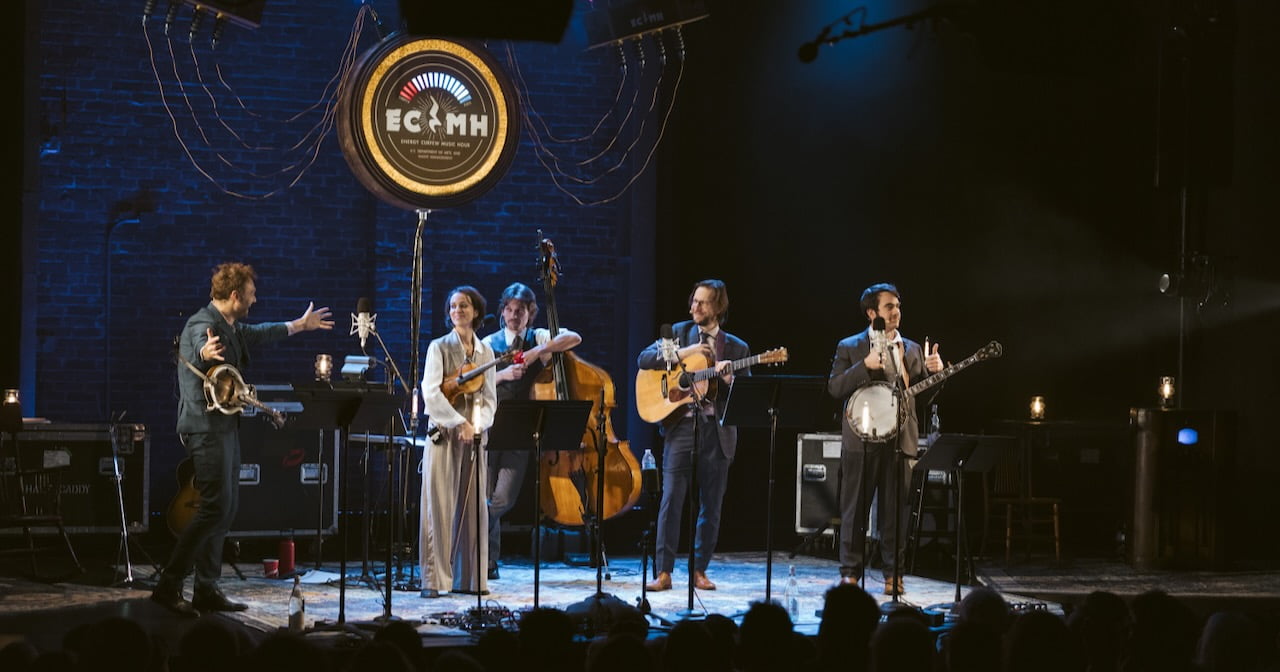
Haas’ first gigs with the band have been as part of The Energy Curfew Music Hour, a live radio-style show created by Claire Coffee and Chris Thile in collaboration with Audible. The show features Punch Brothers along with special guests like Jason Isbell, Gaby Moreno, and Sylvan Esso among others.

BGS had the opportunity to ask Brittany Haas a few questions about her career and her hopes for joining the band in the lead up to a handful of Energy Curfew Music Hour shows in New York City this month at Minetta Lane Theater.
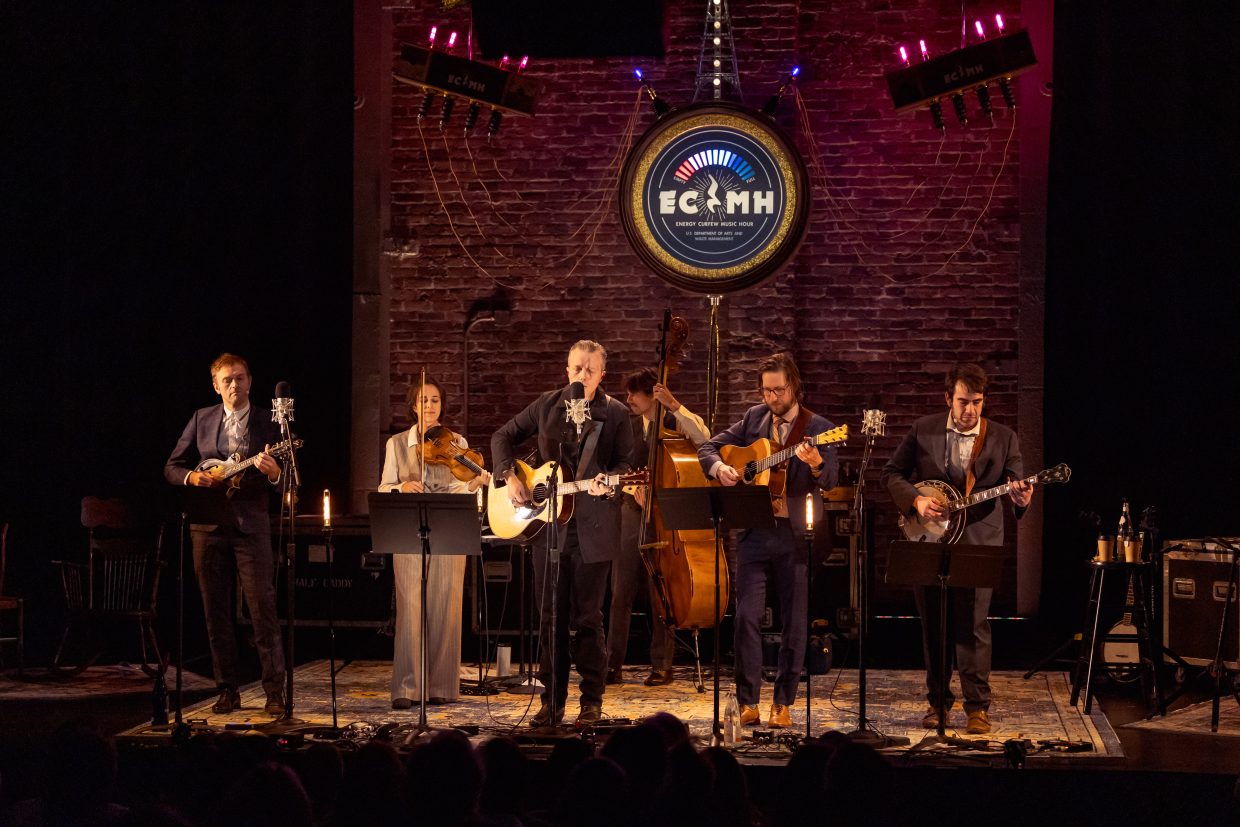
Chris Thile & Punch Brothers perform at Energy Curfew Music Hour with Jason Isbell in December. Photo by Rebecca J Michelson.

You’ve had a lot of experience working with various members of Punch Brothers in different bands and formats over the years, what about the particular aesthetic and ambition of Punch Brothers made you want to accept the gig?

I’ve been a fan of the band for a long time – I guess as long as they’ve been a band. So the idea of joining was very exciting. I think any fan would tell you that there’s something about the band – the expansive nature of their approach to writing and arranging music – that is really unique. They’re making music that doesn’t sound like anything else. Getting to jump into something that’s been evolving and expanding into and beyond itself for so long is really cool. And as an instrumentalist in this “new acoustic” musical universe, it’s basically a dream gig, joining four incredibly talented and smart people and making music through which I know I will grow as an artist.

You’re known as a fiddle player that’s rooted in old-time traditions, but also improvisationally virtuosic. Do you feel like your background in old-time will bring a different flavor to the band moving forward?

Old-time is a genre in which I feel a lot of joy and comfort, so it’s always nice when that can be utilized in service of a tune or a song. Lately, in playing with my sister and with Hawktail, I also feel that my voice is strongly Celtic and Scandinavian – basically a combination of the genres I grew up around at fiddle camp and got obsessed with. I think that stuff will come out naturally no matter what new music we’re creating and perhaps some of the music will be written in that direction.

When stepping into a role that has been created and maintained by one specific fiddle player for so many years (Gabe Witcher), how much freedom do you have to remake the parts for the older material in your own voice?

I think this is true in many areas of life– the more deeply you know something, the more you can put yourself into it. Once you know intimately how it goes, you can be freer and more artful and playful with it while staying true to its nature. So that’ll be a journey for me with the back catalog material. Also, sometimes the parts he played were just the best thing that could happen in that musical moment. Some of the parts are more written than textural/improvised, so in those cases I will need to stay true to what he played. And I love his playing! Playing like Gabe is fun for me, because it stretches me in a different way than I normally go.

What made you want to wear a suit for this gig?

I’d never worn a suit before joining the band, so I saw it as an opportunity to try that. I always thought that the women I saw wearing pantsuits looked awesome. Plus it’s great having so many pockets for mic and in-ear packs. The other part of my thought process was, this is a band and I want to integrate into it, so it makes sense to wear the uniform. No one said I had to wear a suit. I’m sure it would be cool with everyone if one of them wanted to start wearing dresses, so it’d be cool for me to do that too, and maybe I will at some point.

You’ve made incredible records in a lot of different fiddle genres at this point, is there any uncharted territory that you hope to explore in the future?

The depths of my own mind! I’m partially kidding; I do want to write more music. But there is always uncharted territory! Darol Anger is an inspiration in this – he never stops practicing and devising new ideas for getting around the fiddle. I hope to keep learning tunes from different musical traditions. Lately I’ve enjoyed learning conjunto music and I’d like to spend more time with Eastern European folk music, getting comfortable in different time signatures, etc.

What is a record that has been inspiring you lately?

James Taylor’s album Hourglass from 1997. We learned a few of those songs to play with him on the show and I fell in love with them. Also Alasdair Fraser’s album Dawn Dance, which I returned to recently after first being obsessed with it about 25 years ago. It is still as lovely as I remembered.

What is your process for preparing to play with so many different guest artists on the show – how do you approach constructing fiddle parts?

Mostly listening. Generally, when we get together with the guest artists that’s when most of the decision making about parts happens. So my job is just to show up being familiar with the music. Sometimes there are more specific string-oriented parts to play.

You’ve been a part of the Live From Here house band in the past, how does the vision and format for the Energy Curfew shows differ from that show?

The format feels similar, although there is more of an air of collaboration, because there is a bit more time for creation and also the same core band for every show. And, the premise of the show centers on the idea of it being purely acoustic music, so that’s mostly what it is with some inventive ways around that rule when needed.


Photos courtesy of Audible. Lead image by Avery Brunkus; inset image by Rebecca J Michelson. 
Doc Watson’s Musical Legacy Still Inspires

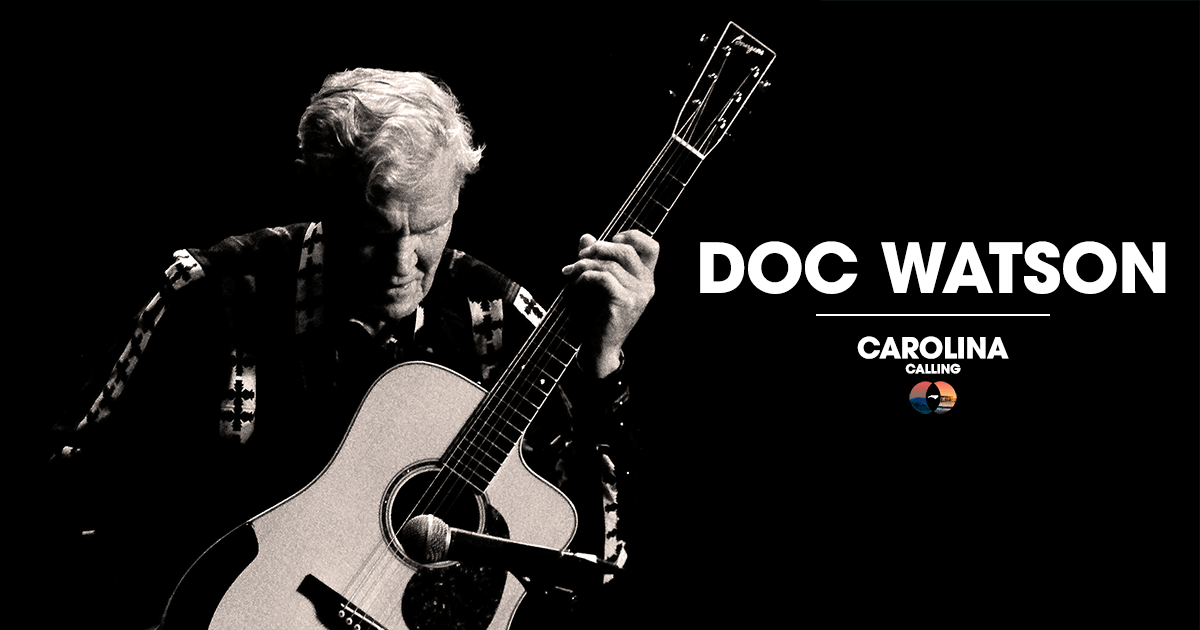
Doc Watson has been gone for more than a decade, and yet his music and legacy remain more alive and relevant than ever. And thanks to the ongoing MerleFest, which brings a wide-ranging cast from the Americana world to Doc’s North Carolina stomping grounds every April, that’s not going to change anytime soon. We consider the enduring impact of Doc through conversations with some of those who bear his stamp, including Gillian Welch and Jerry Douglas, in this special episode of Carolina Calling.

LISTEN: APPLE • SPOTIFY • STITCHERAMAZON • YOUTUBEMP3
 

Subscribe to Carolina Calling on any and all podcast platforms to follow along as we journey across the Old North State, visiting towns like Durham, Asheville, Shelby, Greensboro, and more.


Music featured in this episode:

Doc Watson – “Sittin’ on Top of the World”
Doc & Merle Watson – “Jimmy’s Texas Blues”
Gillian Welch – “Everything Is Free”
Andrew Marlin – “Erie Fidler”
Doc Watson – “Tom Dooley”
Doc & Merle Watson – “Sheeps In The Meadow / Stoney Fork”
Doc & Merle Watson – “Poor Boy Blues”
Doc Watson – “And Am I Born to Die”
Doc Watson – “My Home’s Across the Blue Ridge Mountains”
Jerry Douglas – “A New Day Medley”
Doc Watson – “The Last Thing On My Mind”


Photo of Doc Watson courtesy of MerleFest

The ‘Anarchist Gospel,’ According to Sunny War

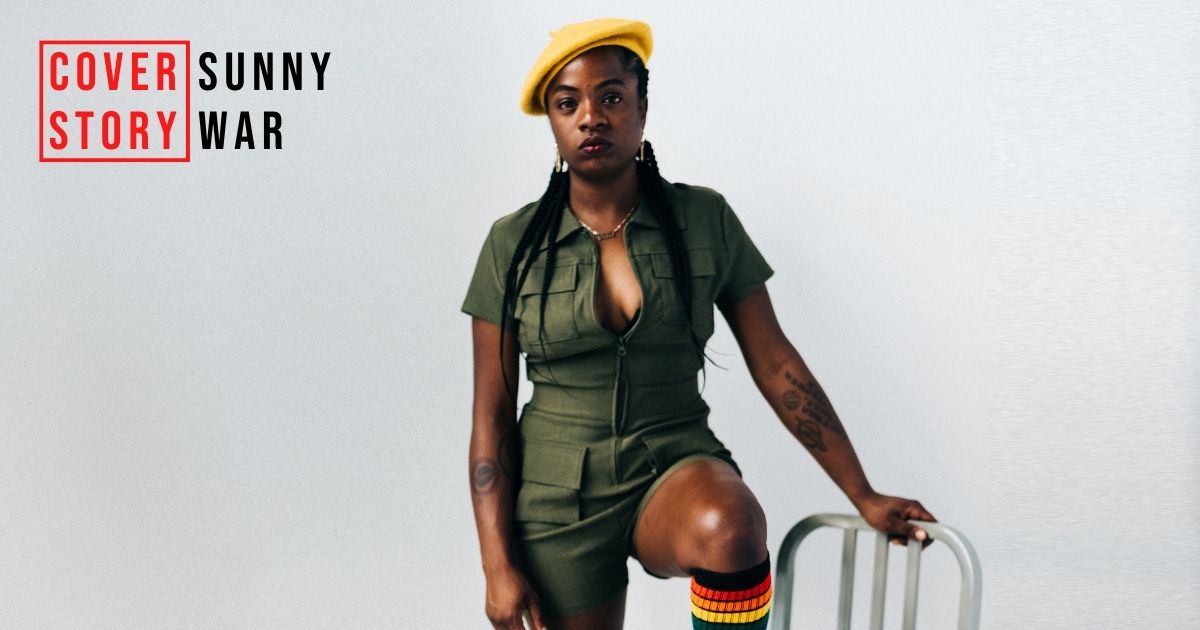
Sunny War’s stunning new album, Anarchist Gospel, is never preachy, because it doesn’t need to be. War’s evocation of both anarchy and gospel in this context is strikingly grounded, blossoming from everyday understandings and interactions with each concept. And deeper still, in these sweeping, grand arrangements built on sturdy bones of fingerstyle, folk-informed right-hand guitar techniques, she indicates actions really do speak louder than words. 

These songs are active. Bold, resplendent, and broad with dense, fully-realized production leading to tender, contemplative, and microscopic moments, War draws from her lived experiences, her days and years navigating poverty, living unhoused, sheltering in abandoned buildings, relying on and offering mutual aid, to direct messages of hope, resilience, resistance, and joy, not just to us, her listeners, but also to herself. 

Perhaps that’s why, in this collection of songs born out of a harrowing and challenging emotional, spiritual, and mental period of Sunny War’s more recent past, there is so much hope in hopelessness, a constant – though sometimes minute – light shimmering at the end of the tunnel. Anarchist Gospel isn’t preaching at us, because she is compassionately, kindly, and tenderly talking to herself. And we all, as listeners, audience members, and fans, are just so fortunate enough to be brought into this internal dialogue, from which we can learn and challenge ourselves, and each other, to make a better world for everyone right now. 

It’s a record whose underpinning moral-to-the-story is never burdensome or heavy, but rather uplifting and soaring, exactly as an Anarchist Gospel ought to be. We began our Cover Story interview connecting with Sunny War at home in Chattanooga over the phone, discussing how anarchy is not simply an academic concept, but a real, everyday practice.

I know that in your life, anarchy isn’t just a concept, it has a very real, concrete application in your day-to-day. I think first of your work with Food Not Bombs and the mutual aid work you’ve done in Los Angeles – and wherever you’ve lived. A lot of people right now, especially in younger generations, have frames of reference for anarchy and collectivism and mutual aid work, but usually in the abstract. As if these concepts can only be for some imagined future. So why is anarchy something you wanted to represent in the album and its title, and what does the concept of anarchy mean in your life?

Sunny War: The album title isn’t really political, to me. I felt like the big choruses [on the album] felt gospel in a way, but it wasn’t religious so I felt like it was Anarchist Gospel. It was really because of the one song, “Whole,” where I just felt like the message of the song was kind of about anarchy, in a way that most people could understand. I guess I’m more of a socialist now, but it’s the same sentiment. I just want people to have what they need. That’s more what anarchy means to me. It seems like it’s government that’s in the way of people getting what they need. 

For me, it’s more personal. When I was homeless, a lot of times we would be living in abandoned buildings and we’d get arrested for that. Anarchy, to me, means, “Why can’t we be here? Nobody else is going to be in here. Why are you keeping us from this?” It feels weird that we don’t get to claim where we live, but other people do. Why do they have more rights to the same places? I don’t know if that’s anarchy, so much as I just think people have a right to everything. 

It feels like there’s this agnosticism to the album, this come-togetherness, as something we can all feel and inhabit without necessarily being called to by a higher power. We really can all realize, whatever our starting points, that all we have is each other.

I’m not against people that need God, or whatever. I’ve been in places where I’ve felt like I wanted to believe in that before, so I can relate to where that comes from. But then, I don’t know… [Laughs] Whether it’s religious or spiritual, I don’t know. 

This sounds like a record where we’re all supposed to be singing along. Part of that is the gospel tones, the title but also in the genre and production style, but part of it is also the messages here. Uplifting people from darkness, hope in hopelessness – so to me, so many moments on this album feel like church! 

I love church! I grew up in church – well, I don’t love church, but I love gospel. I still listen to gospel and I guess I’m being nostalgic, but also it just slaps. That’s just good music. If you like original R&B, it’s the basis of so much of American music. I wish it was a little more, I dunno… I guess I wish it wasn’t religious. [Laughs] Then I’d really be into it. But it’s cool how it is. 

In the moments in this record that feel like they’re at the lowest point, I still hear so much hope. I hear surrender in this album, not the kind that’s giving up, but the kind that feels generative and hopeful – especially in “I Got No Fight” and “Hopeless” and “Higher.”

This record was a lot of me talking to myself. It’s definitely the loneliest I’ve ever been writing something. Every other album I’ve ever made, I was in a relationship. This was different. After me and my ex broke up, I wasn’t even really socializing with my friends, because we had the same friends and I was embarrassed about our break up. I was so bitter, I didn’t want to be around anyone. I felt like I couldn’t be around anyone. I was barely leaving the house, I was isolating myself and got really morbid. I wasn’t turning lights on. [Laughs] I would sit in the dark a lot, I was lighting candles – [Laughing] I don’t really know what was going on, but it was mostly bad, I would drink a lot, and then I’d be like, “I’m drinking too much, I gotta get sober.” It would just repeat over and over again. But I was desperately trying to finish the album, because I was broke. I had the deal with New West, but I still had to produce the album before anything could get rolling. It was just what I had to do, but I was also going insane at the same time, and really angry. 

Do you feel like making the record brought closure to any of that for you? I feel like I can hear a release of tension in this album, but I wonder where that comes from, because so many of the songs, individually, have these big, emotional releases. How does it feel to be at this point, looking back with the clarity you have now?

The second I wrote “I Got No Fight” I remember immediately feeling better. I made the demo, and afterwards it made me feel like I was just having a tantrum. But it was like I had to make the song to really understand what I was going through. After making the demo, I realized, “I am just freaking out, I think I’m having a panic attack.” After hearing this song, it helped me understand like, “This is not real, this is just a temporary feeling.” But I couldn’t really feel anything else until after that. 

I have spent so much time over the past couple years trying to teach myself that the point of feelings is to feel them.

Yeah, but they suck most of the time. [Laughs] I don’t want most of them. 

The line in that song, “Sometimes the end is the only light I see,” might be my favorite line on the record. There’s nihilism and existentialism in it, but it doesn’t feel hopeless or despairing. It’s kind of a cheerful, “Oh right! Nothing matters!” Where did that line come from for you? 

That gets me through the day, a lot. Sometimes I think of life as just a jail sentence and I always think like, “Well, I probably am only going to live fifty more years at the most.” Sometimes that helps me get through the day. [Laughs] I know that that sounds negative, but that can really be uplifting if you chose for it to be!

It feels a lot lighter, to me at least, once you realize that nothing matters. Suddenly you can laugh a little bit more, improvise more – like lately, I’ve been trying to accept that I have no idea what I’m doing. I’m trying to get comfortable with it. In my twenties, I felt like I was trying to make plans all the time, planning so far into the future and just getting disappointed with stuff. It’s better to [recognize] – which is almost like religious people – you’re just powerless. Just try to eat something, drink some water. [Laughs] 

Let’s talk about your guitar playing. I love your right hand so much. I think what’s entrancing about your guitar on this album is that it’s holding these songs together, but not as much as a rhythmic instrument or comping instrument, like in your past records. It’s more textural, to add depth and complexity, but your playing is still so hooky, melodically. Your personality comes through the guitar on top of all of these tracks. How did you accomplish that balance, having the guitar front and center and immediate, but it’s also not necessarily the centerpiece of these songs?

I think it’s because this is the first record where I knew how to use Logic, so my demos were almost full tracks already. I was adding keyboard and bass and programming drums to things before even going into the studio. A lot of the songs are all based on riffs that I’ve had for a while, that I couldn’t figure out how to use. Before, a lot of my other stuff, I was just writing a song. Now, I just collect guitar parts and I try to make them work in something, but I don’t really have a [plan for them, initially.] I’m basing it more off the guitar parts now. 

How do you like the banjo? Is this the first time you had banjo on a record? 

Yeah!

What do you think writing on the banjo leads you to that a guitar or keys or writing on another instrument wouldn’t lead you to?

Anything that’s tuned differently makes me have to think differently about stuff. I still don’t really “get” the banjo, it’s weird because I have had a banjo for over 10 years now, but it still seems like something I’m trying to learn about. I just recently got okay with being like, “I’m just going to make sounds with it.” I’m not going to try to “learn” it. [Laughs] I definitely want to make more songs with the banjo – and maybe even without a guitar, and see what that’s like. Some of my favorite buskers I’ve ever seen are just a singer with a banjo. I think it makes people sing different. I gotta get my banjos out now… 

Guitar culture – guitar shop culture, guitar show culture – it’s such a toxically masculine scene, and it’s so competitive and punishing, that I kind of have realized over the past few years that the people helping me realize I still love the guitar and guitar culture are all women and femmes. Like, Jackie Venson, Molly Tuttle, folks like Celisse and Madison Cunningham, or like Kaki King and Megan McCormick and Joy Clark – I can think of so many guitarists who aren’t just really good, but they’re also pushing the envelope, they’re innovating, and they have really strong perspectives and voices on the instrument, like yourself. So I wanted to ask you about your own relationship with guitar culture and the guitar scene, because as a queer banjo player who loves music, I kinda hate people who love guitar. But I’ve been so grateful that all these women are reminding me I can love guitar and it’s not just a patriarchal, toxically masculine instrument and scene.

I just try to stay out of it. Sometimes at shows, guitar guys talk to me and I just tell them, “I don’t know. I don’t know.” [Laughs] Because I don’t want to get into any discussion about it. I know a lot of people who can really play, but [guitar guys] make it so you have to be kinda crazy, kinda obsessive. And it’s so competitive. That doesn’t sound fun to me. I don’t get how that’s fun anymore. It’s not art, at that point. It’s almost like a sport. Which you can, go ahead and practice scales all day so you can play the fastest, but then a lot of times people can be really technically good, but there’s no soul in it. They’re just trying to cram as many riffs into something as possible. They take all the art out of it, they’re technically playing perfectly, but I don’t feel anything. 

I would much rather be listening to my favorite guitar player, who is Yasmin Williams. It’s not just because of technical ability, but because it’s progressive. I’m like, “That’s outta the box, I don’t know where that’s going.” That’s what I like about it. 


Photo credit: Joshua Black Wilkins

LISTEN: Jack Schneider, “Farewell Carolina”

Artist: Jack Schneider
Hometown: New York City
Song: “Farewell Carolina”
Album: Best Be on My Way
Release Date: November 11, 2022

In Their Words: “Wes Langlois and I wrote ‘Farewell Carolina’ the week before the initial recording session. The melody came first, and the story formed around it. As we wrote, the figure of Carolina emerged: a symbol for the unstoppable motion of life, of inevitable new beginnings and difficult goodbyes. Vince [Gill] heard this song in its infancy and suggested a few revisions, and when we got to the studio, it was he that suggested the song be one to try putting to tape. He pulled out his guitar — a 1930 Martin OM45, no less — and laid out the foundation. By the end of the first take, it was clear that my role was to tell the story, not to perform it, so I set down my guitar. Between Vince, David Rawlings, Stuart Duncan, and Dennis Crouch, the image of Carolina — place, person, and memory — was brought to life.” — Jack Schneider


Photo Credit: Nathan Rocky

Basic Folk – Brittany Haas

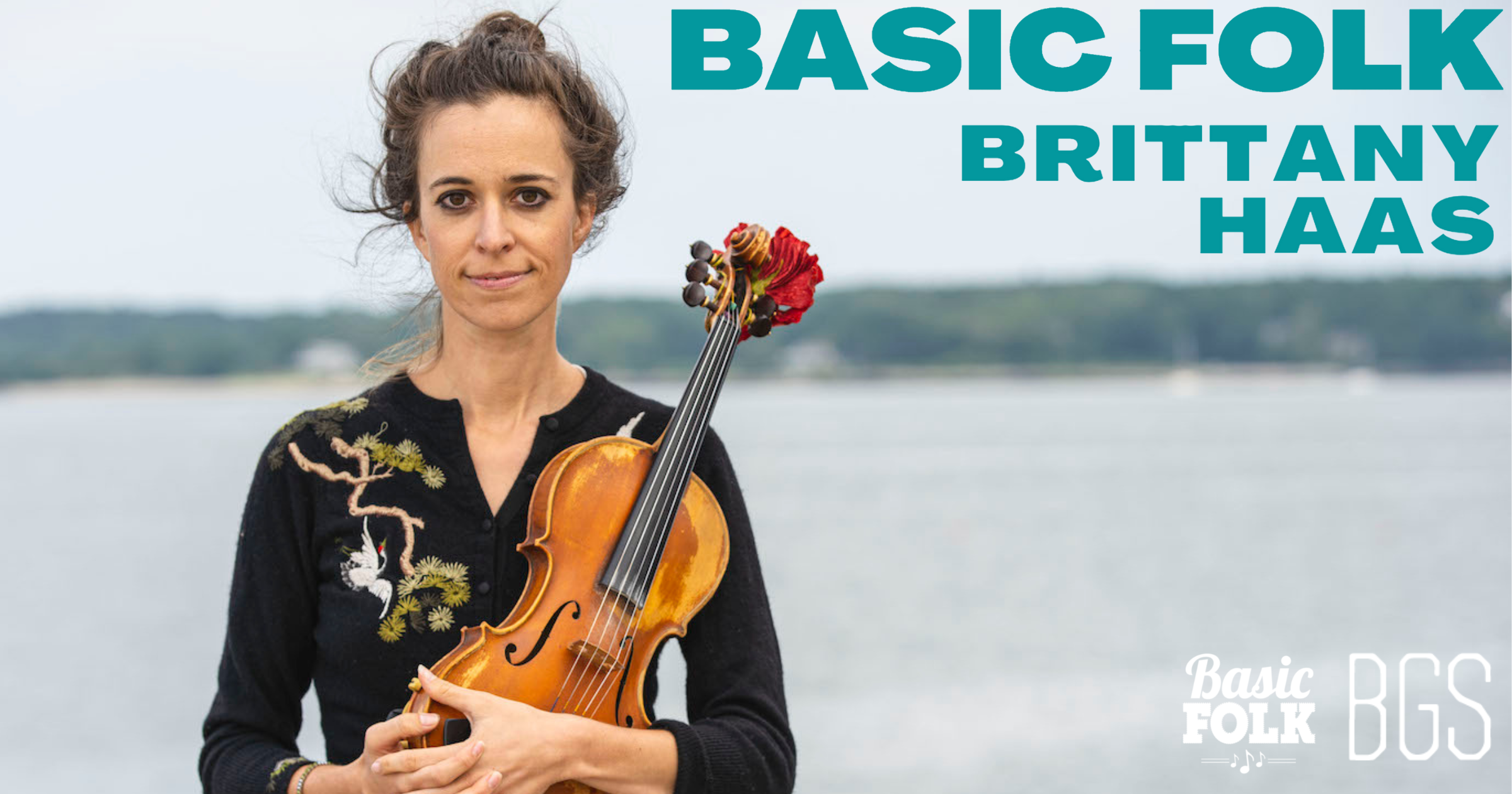
Fiddler Brittany Haas has an impressive resume: she started touring at 14 with Darol Anger, recorded her debut album at 17, started performing with Crooked Still before she finished college, has played on Chris Thile’s radio program Live From Here and done stints in David Rawlings and Gillian Welch’s David Rawlings Machine. Currently, she’s teaching workshops and classes in between working with her band Hawktail along with Paul Kowert, Jordan Tice and Dominick Leslie. Their latest album, Place of Growth, is a song cycle in appreciation to the natural elements, which have always intrigued Brittany.

LISTEN: APPLE • SPOTIFY • STITCHERAMAZON • MP3

She’s a trailblazer in fiddling and also has an acute awareness of burnout. The past few years have seen her pursuing and obtaining a masters in social work and teaching classes at East Tennessee State University as their artist-in-residence. Our conversation includes a discussion of balance and awareness when it comes to keeping her music joyful. And then there’s science: she has a degree in Evolutionary Biology at Princeton University. Also, Hawktail’s latest album is a journey through the natural world. We talk about the band giving each other the space to be themselves on the record. Brittany is chill, brilliant and generous. Enjoy and then go listen to Hawktail’s new record all in one sitting.


Editor’s Note: Basic Folk is currently running their annual fall fundraiser! Visit basicfolk.com/donate for a message from hosts Cindy Howes and Lizzie No, and to support this listener-funded podcast.

Photo Credit: Dylan Ladds

LISTEN: Rachel Sumner, “Strangers Again” (Gillian Welch & David Rawlings Cover)

Artist: Rachel Sumner
Hometown: Boston, Massachusetts
Song: “Strangers Again”
Album: Rachel Sumner & Traveling Light
Release Date: August 5, 2022

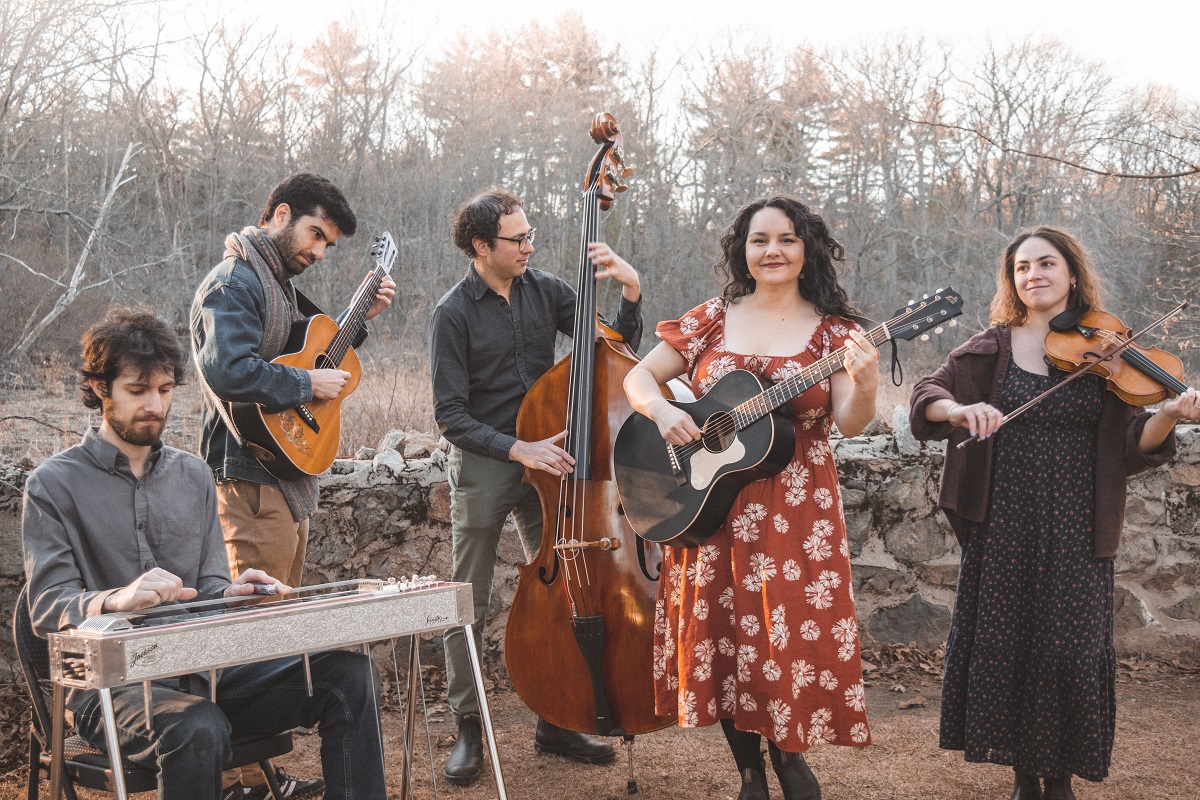
In Their Words: “‘Strangers Again’ is one of the lost songs that Gillian Welch & Dave Rawlings managed to rescue after a tornado had torn through their studio in 2020. Out of the impressive three-volume collection they released in the storm’s aftermath, it was this particular song’s sweet and longing melody that captured me. I brought it to the band and we began to play it at shows, exploring ways we could make it our own, but we had no plans beyond performing it live. Coincidently, after we had finished recording the bulk of our upcoming album, Rachel Sumner & Traveling Light, I noticed there was a thematic thread throughout the record of people feeling out of place or finding they had transformed into strangers — whether it’s to someone they were once close to, or to themselves — so, ‘Strangers Again’ seemed like it could be a perfect addition. We ended up going back into the studio for one more day of live recording to round out the album with a few more songs, and this was among that final batch.” — Rachel Sumner

Rachel Sumner · Strangers Again // Rachel Sumner & Traveling Light

Photo Credit: Adam Gurczack

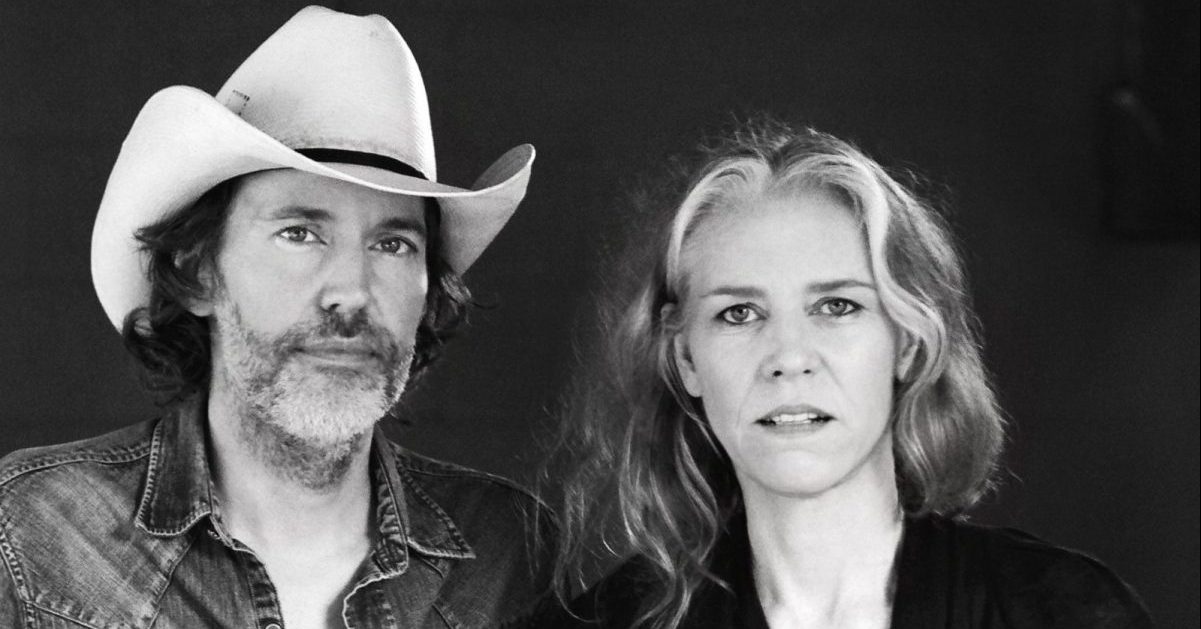
Gillian Welch & David Rawlings Join a Stunning John Anderson Tribute Album

Upon hearing the upcoming tribute album to his remarkable career, John Anderson simply had this to say: “Listening to everybody do their own takes on the songs shows how the songs really come through. And I thought to myself, ‘You might have been young and foolish back then, but you sure did pick some good songs.’ It’s very gratifying to know that some things really do not change, and a great country song remains a great country song. Any one person on the record would be a real tribute, but all of them together? It’s a pretty big deal for me personally.”

Something Borrowed, Something New: A Tribute to John Anderson comes out in August via Easy Eye Sound. Produced by Dan Auerbach and David Ferguson, it features a plethora of artists giving their renditions of selections from Anderson’s rich catalog. Auerbach explains, “We weren’t trying to piddle around and make the normal tribute record. It had to be the best singers with the best songs and the best arrangements, and they had to come into the studio. This wasn’t like, ‘Mail me the song, and we’ll put it together.’ I think it makes this record unique. I don’t think most tribute records are done like this. I think that’s why it sounds like a cohesive album. It feels like an amazing mix tape.”

The lineup speaks for itself. The roster of artists paying homage includes John Prine, Brent Cobb, Tyler Childers, Luke Combs, and more. To build anticipation for the album, Easy Eye released Gillian Welch & David Rawlings’ track early. Although they don’t appear in the video, they do give an inspired performance of “I Just Came Home to Count the Memories” over footage of scenic desert landscapes and historically rich communities that inhabit them. The single sets the table beautifully for what promises to be a stunning tribute to a legendary singer. Watch the video below.


Photo Credit: Henry Diltz

Take the Journey: 17 Songs for a Sunny and Warm Summer Vacation

In July we put together a playlist of bluegrass songs for summer vacation and once the inspiration was flowing, it was difficult to stop! We thought we should return to the theme, but slightly zoomed out, to include songs from across the roots music landscape. With the summer still shining, enjoy these 17 folk, Americana, and country songs perfect for your road trip playlist.

“Ride Out in the Country” – Yola

Yola was a 2020 Best New Artist nominee at the Grammys and she’s just returned with a new, full-length album on Easy Eye Sound, Stand For Myself. The entire project is lush and resplendent, like the glory days of orchestral, big-sound country-pop in the ‘60s and ‘70s. For this playlist, though, we return to her prior release, Walk Through Fire, and the perfectly country track, “Ride Out in the Country.” Take the scenic byways and crank the volume!


“I Like It When You’re Home” – Della Mae

One of the nicest silver linings of vacation is missing home – and that delicious feeling of returning to your own space and your own bed after being away. And your loved one(s), too! Della Mae captures that sentiment in this jammy, rootsy track from their album, Headlight. Take the day off, drive north, sit by a lake.


“A Little Past Little Rock” – Lee Ann Womack

A truly quintessential driving song. A must-add even if your vacation route comes nowhere near Arkansas. The baritone guitar intro, the shout-along-with-the-lyrics chorus, the whimsically late ‘90s production. A banger. A bop.


“Sunny and Warm” – Keb’ Mo’

Keb’ Mo’ is a master of vibes. His single “Sunny and Warm” showcases the acoustic blues musician in a more traditional R&B light – and the impact and result are simply golden. This track will have you craving your happy place, wherever that warm and sunny locale may be.


“Heavy Traffic Ahead” – Bill Monroe

Look, we’re The Bluegrass Situation! We’ve gotta get our bluegrass kicks in somewhere – bluegrass is roots music, after all. Given that we left this classic by the Big Mon himself off our Bluegrass Songs for Summer Vacation we felt it was worth inclusion here. And worth a mention so that you’ll go check out the entirely bluegrass playlist, too!


“Country Radio” – Indigo Girls

Finally a country song about country radio – and cruising around aimlessly listening to it – that is enjoyable and free of the guilt associated with the false nostalgia, conservative politics, authenticity signalling, and post-2000s country. Especially the kind most often played on the radio! This Indigo Girls track is testament to all the folks out there who love country music, even if it doesn’t always love them back. Don’t worry, it will. Eventually! (Read the BGS interview.)


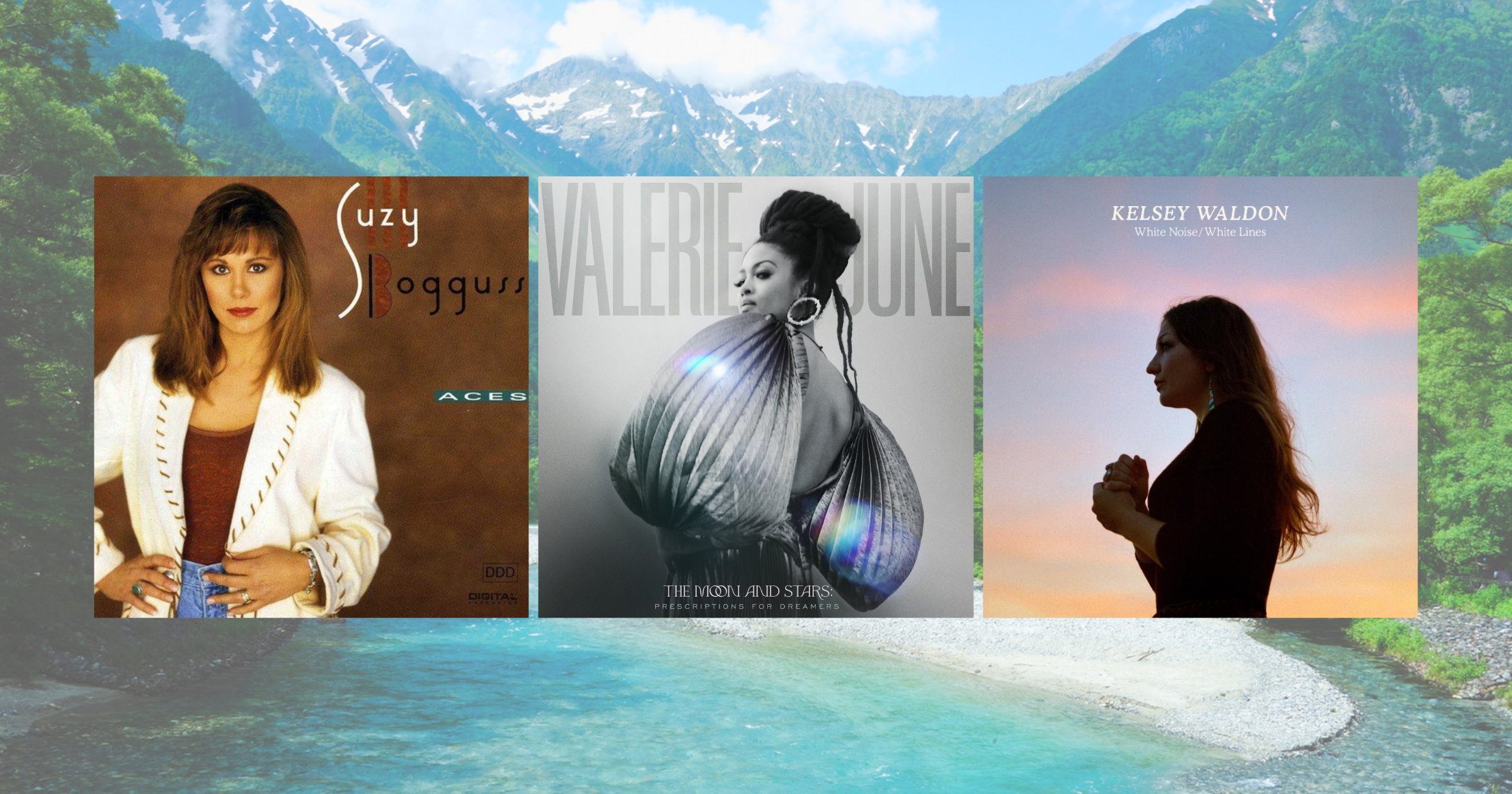
“White Noise, White Lines” – Kelsey Waldon

If you catch yourself daydreaming, in a dissociative or meditative trance as you keep it between the lines, Kentucky-born singer-songwriter Kelsey Waldon has the exact soundtrack for you. “Whie Noise, White Lines,” the title track of her most recent album, speaks to that near-trope-ish phenomenon of losing oneself amid the countless miles traveled while living the life of a traveling musician. Waldon, as in most of her music, accomplishes this motif without stereotypes or clichés, and the result is a song that will be a staple on vacation playlists for decades to come.


“Table For One” – Courtney Marie Andrews

A variation on the same theme, this time from Courtney Marie Andrews, “Table For One” is gauzy and lonesomely trippy. “You don’t wanna be like me / this life ain’t free,” the singer pleads, seeking a sense of reality in a life almost entirely abided within liminal spaces. Find peace in the redwoods, but try to hold on to it. You might lose it twenty miles later.


“Two Roads” – Valerie June

Cosmic and longing, Valerie June distills Kermit the Frog’s “the lovers, the dreamers, and me” into album form with her latest outing, The Moon and Stars: Prescriptions For Dreamers. Whatever bug you’ve been bitten by – rambling, restlessness, cabin fever, listlessness – let this song and this album scratch that itch. And as you let the miles fade behind you, on whichever of the two roads you take, don’t forget to look up… at the moon and stars and beyond.


“Christine” – Lucy Dacus

Whether or not you’ve experienced the beautiful, transcendent, and heart-rending forbidden love of being queer — on the outside looking in on love that society has constructed to which you’ll never have access — Lucy Dacus’ fantastic, alt/indie roots pop universe will give you a crystalline window into this very particular iteration of unrequited love on “Christine.” The song feels almost as though you’ve woken from a warm, sunny, time-halting afternoon nap in the back seat of a car yourself.


“It’s a Great Day to Be Alive” – Darrell Scott

Darrell Scott goes two for two, landing on both our bluegrass summer vacation round-up and our rootsy list, too! “It’s a Great Day to Be Alive” is THE song for the moment you realize you’re out of the office, away from your chores, without a care in the world — whether you have rice cooking in your microwave or not.


“Hometown” – Lula Wiles

For those summers when all you can muster is a trip home. Lula Wiles don’t just trade in nostalgia and hometown praise, though, they take on the subject with a genuine, measured perspective that picks up paradoxes, turns them over, and places them back down for listeners. It’s a subtly charming earworm, too.


“Heavenly Day” – Patty Griffin

“Oh heavenly day / All the clouds blew away / Got no trouble today…” The exact intention to be channeling during vacation! Don’t let your summer getaway be one of those vacations from which you end up needing a vacation. Leave your troubles behind, have a heavenly day.


“Midnight in Harlem” – Tedeschi Trucks Band

Your travels may not bring you even within the same state as Harlem, but this song had still better be on your road trip playlist. There’s almost no song better to put on at midnight, wherever you may be roaming, than Tedeschi Trucks’ “Midnight in Harlem.”


“Outbound Plane” – Suzy Bogguss

Every time I step into an airport my anxiety seems to sing, “I don’t want to be standing here with this ticket for an outbound plane.” It’s always true. This writer has not yet returned to the jetways post-COVID, so we’ll see how that goes. At least there will be the security and comfort of this jam (composed by Nanci Griffith and Tom Russell) from Suzy Bogguss’ heyday.


“455 Rocket” – Kathy Mattea

There are plenty of modern versions of muscle cars available and on the road today, but not a single one is an Oldsmobile 455 Rocket! Kathy Mattea represents the rockabilly/Americana tradition of paeans to automobiles and gearhead culture with this loping tribute to a 455 Rocket, an early cut for Gillian Welch and David Rawlings. If you happen to take your country drives in a muscle car, regardless of brand, this track is for you.


“Take the Journey” – Molly Tuttle

What better way to conclude our playlist than with this always-timely reminder from Molly Tuttle? It might be a cliché, though it really is true: It’s about the journey, not the destination. So take the journey! Enjoy its twists, turns, and be in the moment. And take some clawhammer guitar along with you.


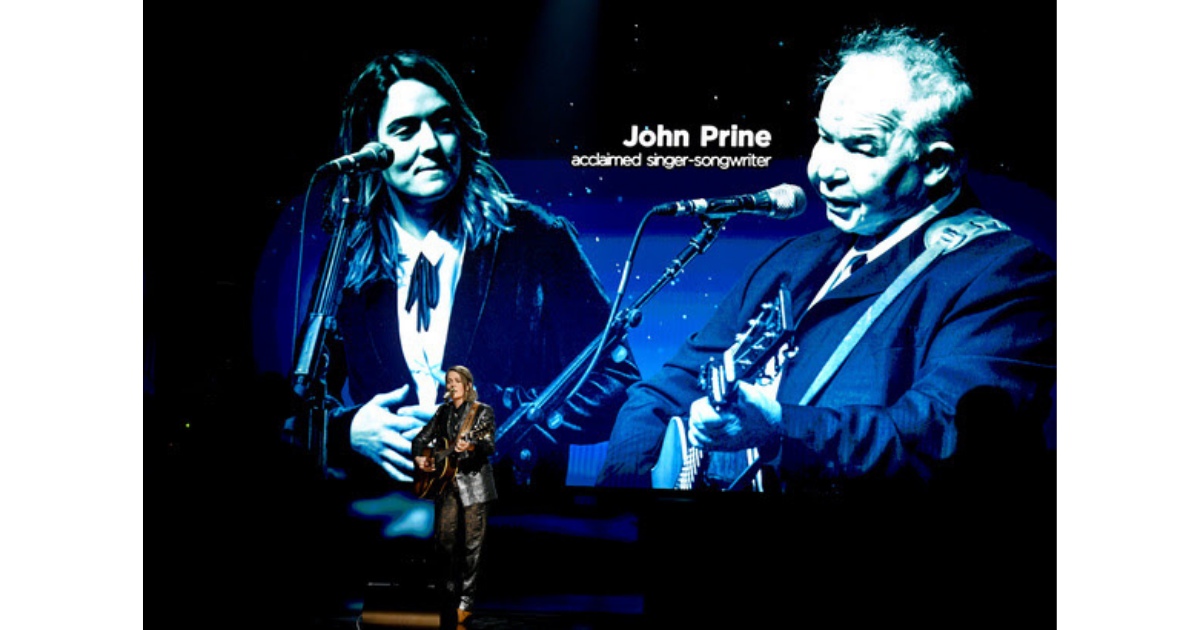
John Prine, Brittany Howard, Sarah Jarosz Among Winners at 63rd Annual Grammy Awards

The 63rd Annual Grammy Awards were held yesterday afternoon and evening, Sunday March 14, 2021. Here are the nominees and winners in the American Roots Music fields:

Best American Roots Performance

Black Pumas, “Colors”

Bonny Light Horseman, “Deep in Love”

Brittany Howard, “Short and Sweet”

Norah Jones & Mavis Staples, “I’ll Be Gone”

John Prine, “I Remember Everything”


Best American Roots Song

“Cabin,” Laura Rogers & Lydia Rogers, songwriters (The Secret Sisters)

“Ceiling to the Floor,” Sierra Hull & Kai Welch, songwriters (Sierra Hull)

“Hometown,” Sarah Jarosz, songwriter (Sarah Jarosz)

“I Remember Everything,” Pat McLaughlin & John Prine, songwriters (John Prine)

“Man Without a Soul,” Tom Overby & Lucinda Williams, songwriters (Lucinda Williams)


Best Americana Album

Courtney Marie Andrews, Old Flowers

Hiss Golden Messenger, Terms of Surrender

Sarah Jarosz, World on the Ground

Marcus King, El Dorado

Lucinda Williams, Good Souls Better Angels


Best Bluegrass Album

Danny Barnes, Man on Fire

Thomm Jutz, To Live in Two Worlds, Vol. 1

Steep Canyon Rangers, North Carolina Songbook

Billy Strings, Home

Various Artists, The John Hartford Fiddle Tune Project, Vol. 1


Best Traditional Blues Album

Frank Bey, All My Dues are Paid

Don Bryant, You Make Me Feel

Robert Cray Band, That’s What I Heard

Jimmy “Duck” Holmes, Cypress Grove

Bobby Rush, Rawer Than Raw


Best Contemporary Blues Album

Fantastic Negrito, Have You Lost Your Mind Yet?

Ruthie Foster Big Band, Live at the Paramount

G. Love, The Juice

Bettye LaVette, Blackbirds

North Mississippi Allstars, Up and Rolling


Best Folk Album

Bonny Light Horseman, Bonny Light Horseman

Leonard Cohen, Thanks for the Dance

Laura Marling, Song for Our Daughter

The Secret Sisters, Saturn Return

Gillian Welch & David Rawlings, All the Good Times


Best Regional Roots Music Album

Black Lodge Singers, My Relatives “Nikso Kowaiks”

Cameron Dupuy and the Cajun Troubadours, Cameron Dupuy and the Cajun Troubadours

Nā Wai ʽEhā, Lovely Sunrise

New Orleans Nightcrawlers, Atmosphere

Sweet Cecilia, A Tribute to Al Berard


Also, note these Americana winners in other categories:

Best Rock Song

“Kyoto,” Phoebe Bridgers, Morgan Nagler & Marshall Vore, songwriters (Phoebe Bridgers)

“Lost in Yesterday,” Kevin Parker, songwriter (Tame Impala)

“Not,” Adrianne Lenker, songwriter (Big Thief)

“Shameika,” Fiona Apple, songwriter (Fiona Apple)

“Stay High,” Brittany Howard, songwriter (Brittany Howard)


Best Country Solo Performance

“Black Like Me,” Mickey Guyton

“Bluebird,” Miranda Lambert

“Stick That In Your Country Song,” Eric Church

“When My Amy Prays,” Vince Gill

“Who You Thought I Was,” Brandy Clark


Best Country Song

“Bluebird,” Luke Dick, Natalie Hemby & Miranda Lambert, songwriters (Miranda Lambert)

“The Bones,” Maren Morris, Jimmy Robbins & Laura Veltz, songwriters (Maren Morris)

“Crowded Table,” Brandi Carlile, Natalie Hemby & Lori McKenna, songwriters (The Highwomen)

“More Hearts Than Mine,” Ingrid Andress, Sam Ellis & Derrick Southerland, songwriters (Ingrid Andress)

“Some People Do,” Jesse Frasure, Shane McAnally, Matthew Ramsey & Thomas Rhett, songwriters (Old Dominion)


Best Roots Gospel Album

Fisk Jubilee Singers, Celebrating Fisk! (The 150th Anniversary Album)

Mark Bishop, Beautiful Day

The Crabb Family, 20/20

The Erwins, What Christmas Really Means

Ernie Haase & Signature Sound, Something Beautiful


Photo by Kevin Winter/Getty Images for The Recording Academy

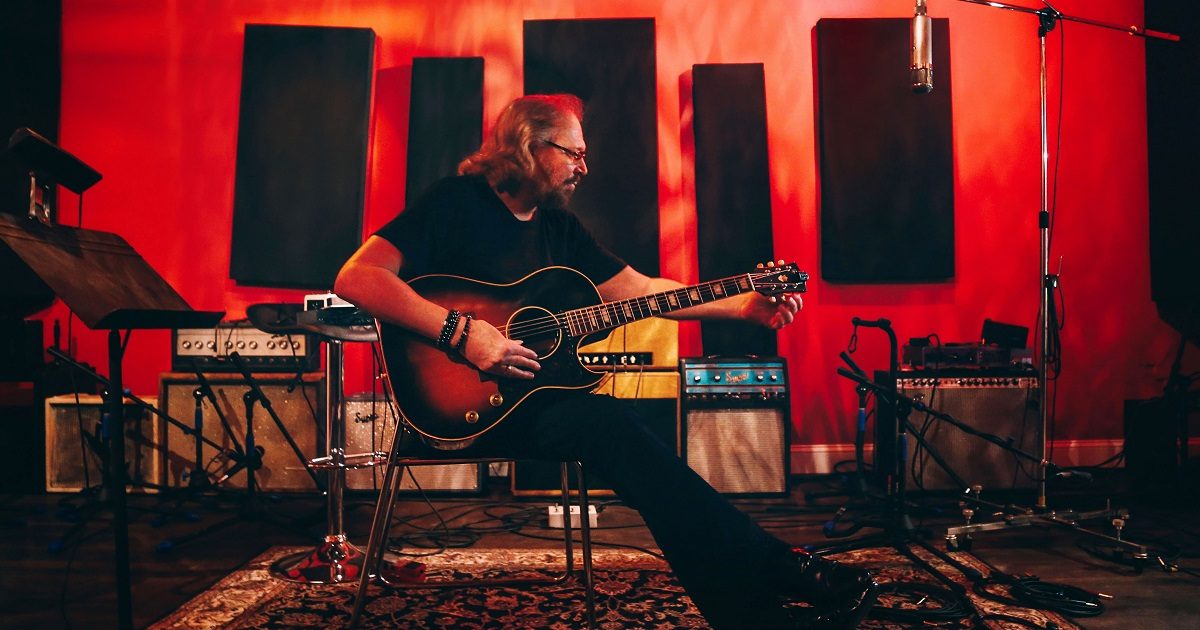
LISTEN: Barry Gibb and Jason Isbell Share “Words of a Fool”

Legendary artist Sir Barry Gibb of Bee Gees fame has now fulfilled one of his greatest artistic visions. Gibb, the sole remnant of the pop music paradigm, is a self-avowed lifelong bluegrass and country music fan, and his new album bears testament to that affinity. The record, titled Greenfields: The Gibb Brothers Songbook, Vol. 1, offers twelve Gibb brothers classics reimagined with voices from across the bluegrass and country music realms. Guests include Brandi Carlile, Tommy Emmanuel, Jason Isbell, Alison Krauss, Dolly Parton, and Gillian Welch & David Rawlings, to name only a few.

The magnitude of creative power is manned by none other than Nashville producer Dave Cobb, whose expertise and track record ensure that the new album will be nothing short of magical. Remembering his late brothers, Gibb says the collection is something that “Maurice and Robin would have loved… for different reasons.” To promote the January 8 release, Gibb shared an insightful trailer for the album, in which he details the influences, goals, and parts of the recording process that created Greenfields. Watch the trailer and listen to “Words of a Fool” featuring Jason Isbell below.


Photo credit: Desiree Prieto