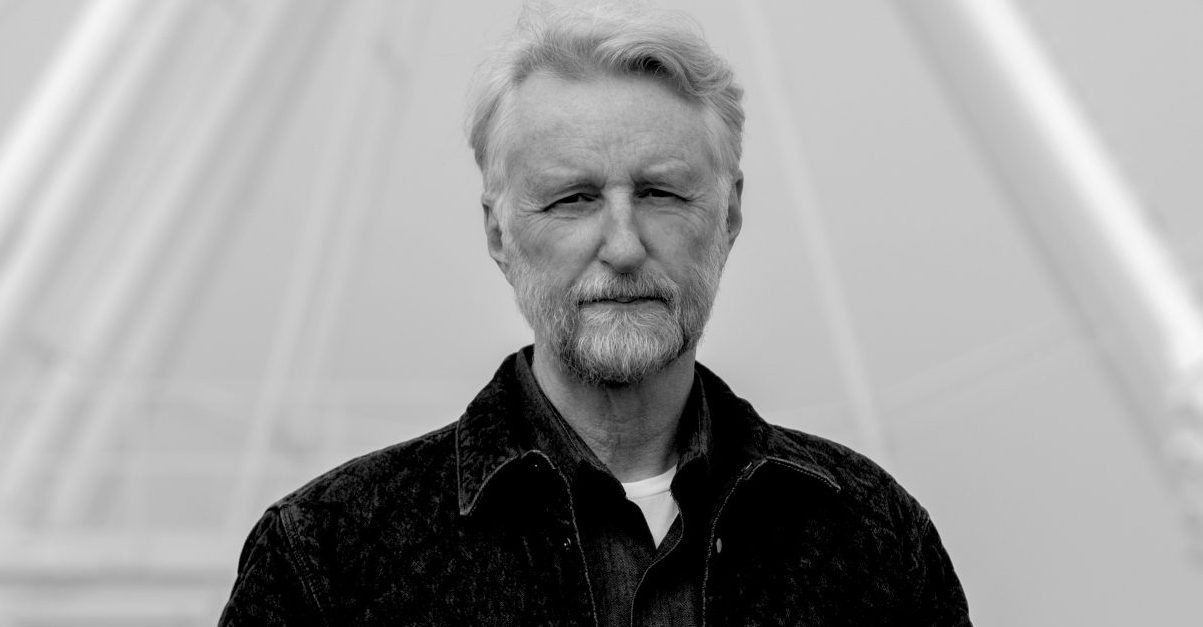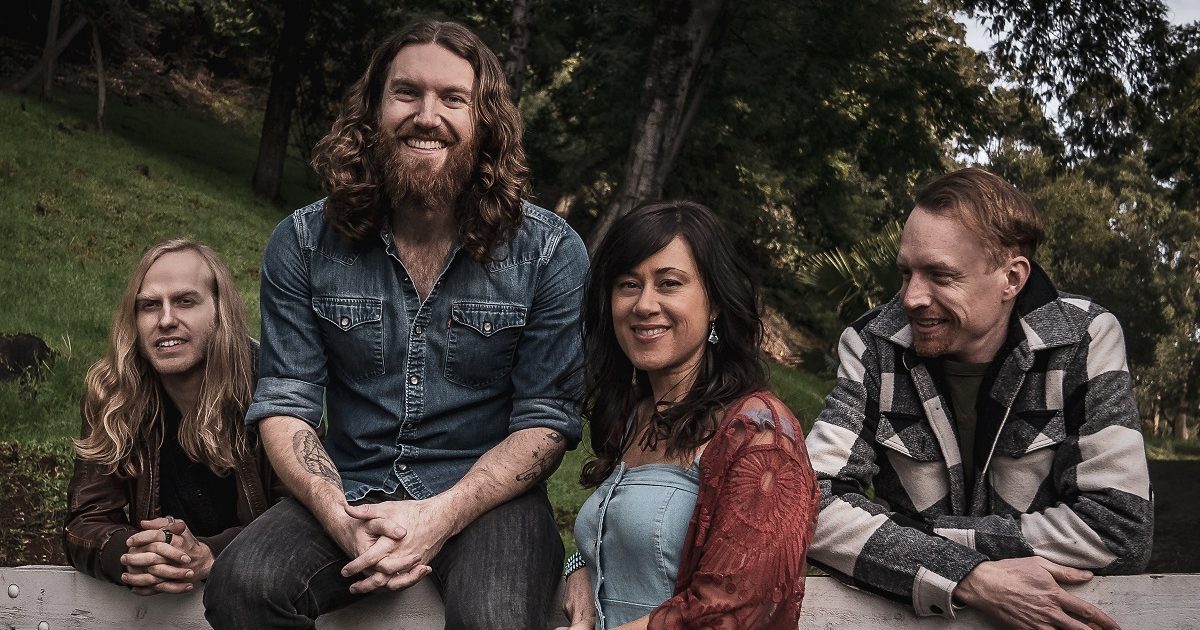
LISTEN: Dallas Burrow, “My Father’s Son”

Artist: Dallas Burrow
Hometown: New Braunfels, Texas
Song: “My Father’s Son”
Album: Dallas Burrow
Release Date: July 23, 2021

In Their Words: “A real storyteller’s song, this is an autobiographical history of four generations of men in a family line and the influence that fathers have on their sons, sparing no detail. My grandfather was born on the 4th of July and he was a Master-Sergeant in the Army Air Corps, and survived D-Day. They called him Junebug. He’s always been a mythical character in my mind, as I never got to meet him. My dad never saw much of him either, as my grandfather was usually either off at war, or otherwise absent. Then my father was a hippie and a hitchhiker, a rebel and an outlaw, a poet and a songwriter, and later in life, a teacher, a triathlete, and more than anything else, unlike his father, always there for me. So I absorbed all those things; the legacy of having a war hero for a grandfather who was there when our country needed him, but who was absent from his own children’s lives because of it, and the stories my dad told me of his own travels and exploits when America was young and wild and free, in the ’60s and ’70s.

“Then of course there was my own journey, taking up the mantle of being a storytelling musician, the struggles, the trials, the beauty, the wonder, all of that, which would eventually lead me to meeting a woman, and having a son, which ultimately, radically changed my life from one of a wandering troubadour with an insatiable taste for the wild side of life, to a relatively responsible, grounded adult, still a troubadour, and still with a wanderlust, but with an entirely different set of priorities and lifestyle choices. This tune tackles the job of weaving all of those nuances of my family line into a neat little folk song that captures the idea that no matter who our fathers were, we are who we are in part because of those that came before us.” — Dallas Burrow


Photo credit: Ryan Vestil

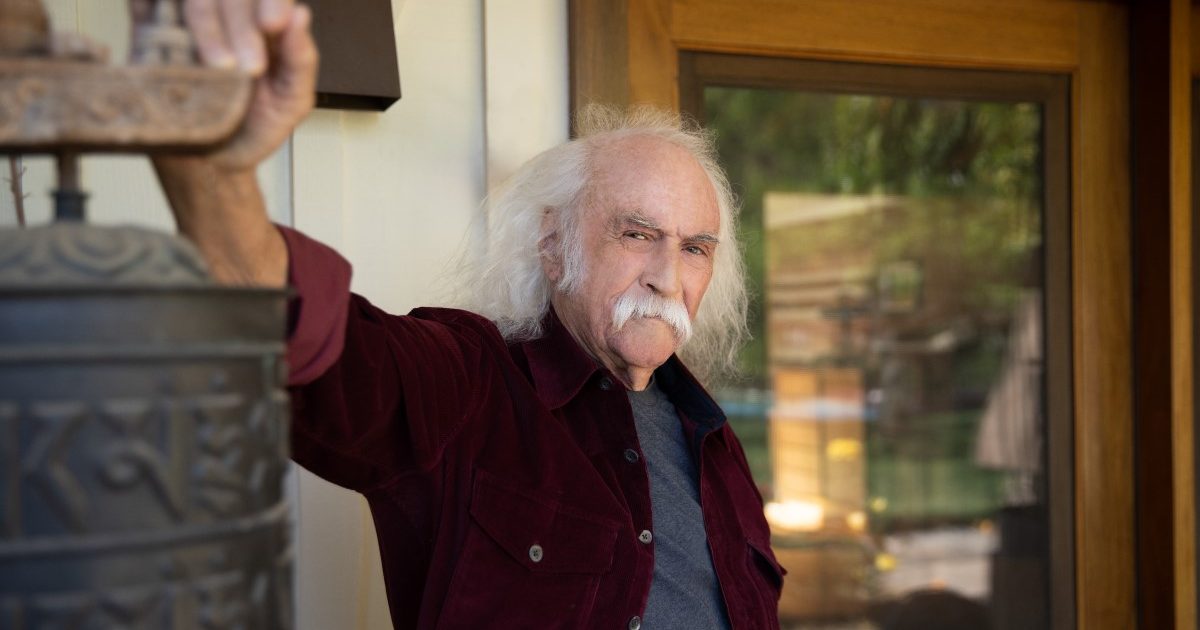
BGS 5+5: Anya Hinkle

Artist: Anya Hinkle
Hometown: Asheville, North Carolina
Latest album: Eden and Her Borderland
Personal nicknames (or rejected band names): Anyabird

Which artist has influenced you the most … and how?

I guess far and away I have to answer — Gillian Welch. I grew up in the New River Valley of Virginia listening to Tony Rice, Norman Blake, Taj Mahal, Hot Tuna, Muddy Waters, Grateful Dead, and Old and in the Way, loved bluegrass and blues, but also female folk singers like Joan Baez and Judy Collins, pop stars like Madonna and Cyndi Lauper, and songwriters like Sarah McLachlan, Natalie Merchant, and Suzanne Vega. It just took Gillian to come around with her Revival album and put all that together for me, that you could incorporate all those great roots sounds into something completely modern and original. I was living in California at the time I heard her first album. I grabbed my fiddle and headed straight down to 5th String Music in Berkeley and started going to every bluegrass jam I could find. I thank her for giving me the idea that I could do it too — because of her genius, I could begin to imagine myself singing and playing guitar and writing songs too. It’s important to have someone you can look up to and that you can relate to so you can even have the idea in the first place.

What’s the toughest time you ever had writing a song?

For more than a dozen years now, I’ve been hanging around the Cumberlands with my buddy “Hippie” Jack Stoddart, someone who, in his rough and audacious way, brings people together to make a lot of magic. Hippie said to me one day, “I want to introduce you to Zona.” He’d been doing a lot of outreach work out of an old school bus bringing groceries and coats and toys and stuff to people living in former mining towns in Middle Tennessee. So he brought me up the mountain to meet the hardened sweetness that is Zona Abston. We sat around her kitchen table and she told me her life story, a miner’s daughter, growing up with little education and no money, not much luck or hope. When we collapsed back in the truck, Hippie said to me, “You better write this shit down!” And so I did. I wrote every detail: the cancer, the hunger, the cheating, the shining, the debt, the babies, the heartbreak. I came back with a mess of notes and thought, “How do I make a song out of this?” So I sat down and tried to pull out the most specific and moving details of everything she told me and created a ballad for her. I was super nervous to play it for her because, well it was HER life. SHE had to live it. But when I sang it for her the tears rolled down her beautiful face. She said, yup it’s all true, every word of it.

If you had to write a mission statement for your career, what would it be?

I actually thought about this a lot earlier this year, during the pandemic when I was trying to understand what my purpose was in music when it seemed like the industry was going to hell. I decided to focus on three things, and wrote them on a yellow sticky note that is taped in front of my desk for quick reference. The first is authenticity, and a commitment to truth and honesty to who I am as an artist. It’s a challenge to believe that it’s all already inside. I don’t need to grasp at something outside of myself. I just need to continue to learn to trust myself and be myself. The second thing is connection — connection with other artists and musicians, connections with my fans and supporters, and connections with anyone along the path. Those beautiful relationships are the foundation for anything I can possibly hope to accomplish in this lifetime. Saying “yes” and valuing the people that show up for me is oxygen. The third thing is creativity — growth and discovery. Allowing myself to surrender to the journey, giving up thinking I have to have everything figured out and under control. I need to just submit to curiosity, openness, and faith.

Which elements of nature do you spend the most time with and how do those impact your work?

Before I was a musician I was trained as an ethnobotanist. I traveled half the world studying plants and their uses and connections to culture. I love referring specifically to plant species in my songs because they can be so symbolic in our physical world. For example, in the the title track for my new record, Eden and Her Borderlands, I use a couple of plants that carry a deeper meaning. The cedar is fragrant and twisted, it’s green the year round, its oils are used to protect against decay and disease, it is sacred and ancient in its symbolism. I also use the sycamore. It is stately and grand, always grows near sweet water. It is often a boundary and its presence on the landscape signals a threshold that we approach and then cross over. Adding these botanical details to the song is like adding spices to a recipe, it gives more depth, even for those that might not know anything about botany. And who knows, maybe it will inspire people to love plants like I do!

How often do you hide behind a character in a song or use “you” when it’s actually “me”?

I love this question because initially there can be so much fear in exposing your true self. Absolutely mortifying to lay bare the thoughts and emotions of a real human, the one behind the Facebook posts and the stage persona and the person you think you are or wish you were. The real one with all the real flaws, that is the person that is actually interesting. But the songs really push yourself (myself!!!) to look in the mirror and substitute the “you” with “me,” to get personal. Well, it’s a journey of acceptance and insight. Getting personal is the thing that connects us to the rest of humanity and, honestly, the thing that makes a good song, the thing that makes a song relatable.

I recently took a songwriting course with Mary Gauthier. In the song I shared, I kept referring to myself as “babe.” She said, who is babe? She focuses a lot on pronouns, you know, who are we talking about here? Because in our heads, it’s always about us. It can’t NOT be. We are trying to figure out what the hell we are doing here and if we are at all worthy of anything we are pretending to do. It takes a lot of working through fear to write songs. It’s good work.


Photo credit: Sandlin Gaither

WATCH: Ramblin’ Ricky Tate, “Drifting”

Artist: Ramblin’ Ricky Tate
Hometown: Birmingham, Alabama
Song: “Drifting”
Release Date: July 30, 2021

In Their Words: “Everyone has lost a love or felt homesick, I’d bet a lot of those people have reached for a whiskey glass a time or two as well. ‘Drifting’ is a tune I wrote about just that. This song is about having hope for better days to come when you feel down. Recorded and filmed field recording style on location in a 140-year-old building, this song has a natural reverb unlike anything you will hear in a studio. I put my heart into this song and I love how the video turned out and I’m honored to share it with y’all.” — Ramblin’ Ricky Tate


Photo credit: Jordan Hudecz

The BGS Radio Hour – Episode 213

Welcome to the BGS Radio Hour! Since 2017, this weekly radio show and podcast has been a recap of all the great music, new and old, featured on the digital pages of BGS. This week, we bring you new music off of the beautiful new album Quietly Blowing It from Hiss Golden Messenger, as well as new music from Chris Thile, Maya De Vitry, and many more! Remember to check back every week for a new episode of the BGS Radio Hour.

APPLE PODCASTS, SPOTIFY

Nefesh Mountain – “Somewhere On This Mountain”

BGS caught up with Nefesh Mountain on a recent 5+5, where the duo shared a mission statement for their career: “Invent, inspire, repeat!” They also told us about their favorite onstage moment and about the artists that have influenced them greatly.


Beta Radio – “I Need My Prayers”

Beta Radio’s new track, “I Need My Prayers,” was a surprise to Benjamin Mabry when he wrote it within 15 minutes. In speaking about the song’s meaning, he told BGS, “I was in a mental and spiritual place of needing something to hold onto, I felt like I had lost all my footing in the world and didn’t know where to turn. And a lot of personal things felt like they were falling apart. So… I guess I just needed my prayers.”

Maya De Vitry – “Working Man”

Maya De Vitry’s “Working Man” was inspired by the creation of railroads in the United States, and more specifically, how the men who physically laid down the tracks are often not the ones credited with building them. This led her to reflect upon the people in our society who are overworked, underpaid, and overlooked, which ultimately helped her write “Working Man.”

Rory Feek – “Time Won’t Tell”

In speaking with BGS recently about “Time Won’t Tell,” Rory Feek shared how he first heard this song, and how it has become even more special to him after his wife’s passing.

Wilson Banjo Co. – “When The Crow Comes Down”

Wilson Banjo Co. co-wrote “When The Crow Comes Down” with acclaimed Nashville songwriter Jordan Rainer. The song features a “spooky theme” and pure Appalachian tone, and has a wonderful music video to accompany it.

Chris Thile – “Ecclesiastes”

Chris Thile has long woven religious themes into his songwriting, but never so much as on his new album, Laysongs. When we asked him if he enjoyed talking about religion outside of his art, Thile stated that it’s always been an instinct of his to intertwine what he’s thinking about with religious imagery. “Ecclesiastes” expresses the depth of Bible verse Ecclesiastes 2:24 instrumentally, which Thile did purposefully. In his words: “What language is incapable of properly expressing, instrumental music steps up and says, ‘I got this.’”

Hiss Golden Messenger – “Glory Strums (Loneliness of the Long-Distance Runner)”

“Glory Strums (Loneliness of the Long-Distance Runner)” comes from Hiss Golden Messenger’s latest album, Quietly Blowing It. Recorded in the summer of 2020 in Durham, NC, Quietly Blowing It reflects a joyful spirit that combines N.C. warmth with an LA glow.

Phil Leadbetter – “I Will Always Love You”

When Phil Leadbetter first heard Dolly Parton’s “I Will Always Love You” live, he was blown away. Years later in 2010, he recorded the track with his Scheerhorn guitar, but it was ultimately lost after some time. However, when Leadbetter recently found the track, he knew it would work perfectly for his new collection of resophonic guitar songs, Masters of Slide: Spider Sessions. 

Mason Via – “Big City”

Mason Via’s “Big City” is what he calls, “a personal hillbilly mantra of sorts,” and it’s the first single off of the American Idol contestant’s debut album with Mountain Fever Records.

Johnny Flynn, Robert Macfarlane – “Ten Degrees of Strange”

This Duos of Summer feature, “Ten Degrees of Strange,” comes from Robert Macfarlane and Johnny Flynn’s recent collaboration, Lost in the Cedar Wood. A week into lockdown, Macfarlane, a Cambridge University academic and bestselling author, reached out to his good friend and musician, Johnny Flynn, asking if he would like to write a song together. In speaking about working with Macfarlane and writing during the midst of the pandemic, Flynn said: It started as just a song, and then it became a few songs… but it held me in place and kept me from completely spinning out.”

Joe Mullins & The Radio Ramblers – “Living Left to Do”

In the words of Joe Mullins, “‘Living Left To Do’ is about enjoying our calling, celebrating God’s goodness, and the blessed assurance of life eternal. We’re ready to live, love, laugh, and have a lot more to do!'”

Lea Thomas – “Hummingbird”

Lea Thomas’ “Hummingbird” was inspired by a dream she had, in which she turned into a white wolf and ran across the countryside, taken aback by the beauty and interconnectedness of life.


Photos: (L to R) Chris Thile by Josh Goleman; Maya de Vitry by Kaitlyn Raitz; Hiss Golden Messenger by Chris Frisina

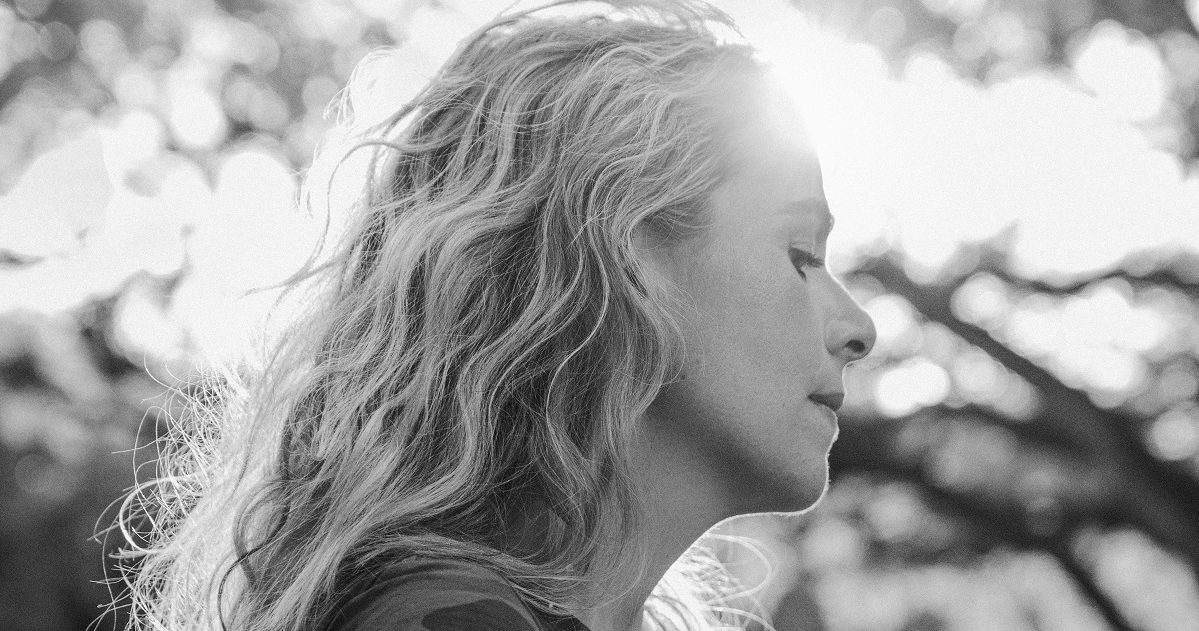
BGS 5+5: Anna Tivel

Artist: Anna Tivel
Hometown: Portland, Oregon
Latest Album: Blue World

What other art forms — literature, film, dance, painting, etc. — inform your music?

Literature and poetry really get in my bloodstream and make me want to write, all those vivid words and ways of telling a thing. I get the itch to write the most from reading things that unravel like a song but are in much longer form. Right now I’m digging deep through the novels and short stories of Annie Proulx and finding so much inspiration. The way she spins a story, unadorned and brutally human, feels honest in this way I’m forever working toward with songs. Andre Dubus sparks a similar feeling, this gut-punch of everyday struggle told in a way that feels just like reality, but more stunningly laid out in bite-sized, brilliantly observed and relatable moments. I dream of writing songs that make people feel that way.

What was the first moment that you knew you wanted to be a musician?

Music has always been the place I felt most at home in my mind, where I could just be, work things out and communicate in a slower, more intentional way. I first found that freedom playing violin as a kid, backing people up later, learning that kind of conversation without speaking that feels so powerful. I started writing songs when I was about 23 and it was a completely magnetic force of expression that I must have been really hurting for because it took hold of me immediately and forcefully. I don’t remember consciously thinking, “This is what I want to do with my life,” just couldn’t seem to think about anything else. I’m forever grateful to be able to move through the world this way. It constantly pushes me out of my box, allows me to bump up against the world, try to see it more clearly and with more curiosity all the time, try to reflect something true.

Which elements of nature do you spend the most time with and how do those impact your work?

Seems like touring is always shaping the way nature plays out in my writing. You’re on these long expansive drives through empty country, red canyon cliffs, vultures, sun bleached sagebrush, and heat waves on the blacktop that stretch out farther than you can see. And then two days later you’re in a dense forest, lush and wet and forty shades of green darkness. And then you’re suddenly in a giant metropolis. Watching it all change for hours and hours out the window feels like a recipe of sorts, like gathering all the images that hold an emotion to draw on later when a song is forming. I love to set a scene for the emotion of a story to play out in, and this constant observing of the natural (and man-made) world through car and plane windows seems to help tie human struggle and beauty to place and landscape in a way that feels necessary.

What rituals do you have, either in the studio or before a show?

I want so badly to have pre-show and studio rituals, like vocal warmups or a three-piece show suit or something, anything. Mostly I let shows eat me alive in good and bad ways and I’m trying to work on being more intentional about that stuff. When I have time and space, I like to read something beautiful or listen to something that moves me before a show, sit somewhere all alone and take in some words and music that make me feel free and vast and inspired. It feels really good to get up on stage and get the chance to play my heart out after that. I’m going to do it more, just decided. OK I have a ritual starting now.

If you had to write a mission statement for your career, what would it be?

Write and write. And play songs for people. And try to be 90 years old someday and still loving these two things with wild abandon.


Photo credit: Matt Kennelly

WATCH: Brad Reid, “Northumberland Shores”

Artist: Brad Reid
Hometown: Halifax, Nova Scotia, Canada
Song: “Northumberland Shores”
Album: NEW Scotland

In Their Words: “This tune has pretty much become a meditation for me. Playing it gives me a sense of feeling calm and grounded, and I think the new video really enhances those feelings for the viewer. There’s the common element of feeling isolated, which I think everyone can relate to these days, and the healing benefits of being among nature. The ocean is also symbolic of how my Scottish ancestors came to America, and the tradition of fiddle playing that I grew up with.” — Brad Reid


Photo credit: Adele Beaton

Returning With ‘Cycles,’ Rachel Baiman Works Through the Stories of Women

Rachel Baiman has never been afraid to delve head first into speaking her mind on the state of the world through her music. But with her new project Cycles, she approaches that task through a new lens focused on narratives that spark empathy in this era of entrenched polarization. Recorded in Melbourne, Australia, and steeped in its indie rock influences, she leans into a new sonic landscape with ease, collaborating with co-producer and Oh Pep! front woman Olivia Hally.

“This album started with the title song ‘Cycles,’ which was a co-write between me and Olivia,” Baiman says. “That happened around 2018 when she was in Nashville. I had been a big fan of hers for a long time. She asked if I would want to write with her when she was in town and I was like, ‘Absolutely, that is my dream.’ So we had that one writing session and it was a magical musical experience. It was kind of like going on a date, like an amazing first date. Because there was such a great working connection, I asked if she would want to co-produce the whole record.”

During her long-awaited first tour since early 2020, Baiman called in to BGS.

BGS: This album takes a bit of a departure from earlier bluegrass leanings. What has been influencing your sound these days?

Baiman: This album in particular was really influenced by the Americana and indie rock sounds coming out of Melbourne and that is what led me to want to work with Olivia Hally. There are a lot of artists and bands that I love from that town in this exciting roots music scene. Oh Pep! obviously was an influence on this record since Olivia had such a hand in it. But also I love Courtney Barnett, Dan Parsons, and The Maes. There are so many cool bands coming out of that scene. That was the impetus for going for that soundscape. Also, a lot of the more contemporary artists that I have been listening to are more in that rock and grunge vibe (probably more so than I would want to get to myself). I’m a huge Lilly Hiatt fan and Margaret Glasmeade as well.

You collaborated with amazing women on this record. Was that an intentional choice?

Yeah I’m always wanting to work with the right people first and foremost, but I definitely was thinking about how I could work with more women. Especially for the thematic nature of the record. A lot of it is written about women’s stories and about family. I did think it would be really cool to work with a female producer and when Olivia and I hit it off, I knew it would be awesome. It did change the environment. I felt very comfortable and at ease in the studio, which ideally you always want to be.

But when you are working with someone who you feel a little intimidated by, that can change the dynamic and limit your free flow of ideas. I am a huge fan of Olivia’s so that easily could have been the case but the dynamic was such that she made it feel very, very comfortable. There was no ego or shooting down of ideas. I think that when you are a woman in a male-dominated space, even if people are trying to make you feel comfortable, there is always going to be a layer of feeling like you are the outsider or that you have to prove yourself. Having that removed from the situation really did make a huge difference.

Bree Hartley is an incredible drummer. She was a rock star in this situation because we actually had to record all of the drums first because of a studio mishap. That’s a really crazy way to make a record. She had to go in there and make 12 drum tracks to nothing. She had one chance and that’s what we had to use and she nailed it. And Shani Gandhi is obviously such a rock star engineer. I was almost shy to reach out to her because she is so established. I was really stoked that she was into the project and she did an amazing job mixing it. Those are some of the chief players and all of them stand out in their fields.

This question is inspired by Cycle’s first single, “Joke’s On Me.” I read that you’d had a bummer of an experience in your music career that inspired this song. Can you talk about what some of the challenges in the music industry are and what you might change if you could?

That’s such a big question. I think a lot of the challenges honestly stem from the way that people in the country are treated when they don’t have a regular 9 to 5 job with benefits. Obviously healthcare is a huge challenge. Any kind of retirement plan is a huge challenge. Just having those basic safety nets that make you feel like if something goes wrong, you won’t be out on the streets and that your basic human needs are met, like health care. That is a countrywide systemic issue. I wish that everyone had access to that because it would dramatically change the experience of freelancing or being an artist.

On the artist side, everyone is trying to create art that is new and beautiful or that innovates. On the business side, innovation is scary because people don’t have a model. There is always going to be a disconnect between the art and the commodification of the art. When you are trying to make a living off of art, you have to have team members that need to make money off of you. …

For me, [I was] getting dumped from a booking agency for no reason other than they were merging and the people at the top of the new company decided I wasn’t making them enough money. It was hard because I knew I had a new record. I knew I needed one more record cycle and I could be there, just nine more months basically. I think that my personal agent would have kept going but he didn’t have a choice. You become a commodity because they aren’t looking at the art and thinking about ideas you have for the next record, they don’t care. They are like, “I looked at the spreadsheet and you didn’t make enough, bye!” I don’t have any big solution, but I do think there are some things we can do as a country to make sure that everyone is doing ok.

You are very vocal about what you think and feel. What is your experience like in speaking your mind through your art about the state of the world?

It can be hard. It is similar to everything in this country right now. It is really polarizing. A lot of people do rally behind it and feel heard and seen and want to be supportive of it. And then there are a lot of people who get mad. I’m trying to think about what makes people empathize with each other. It is a different landscape than it was in 2017. When I put out Shame, I felt like it was a really important message to go out at the time. I felt like this needed to be said and there wasn’t a ton of political music happening at that time. I think people really appreciated that, if they felt like they needed to be heard in that way. I have had a lot of women reach out and say that album has been really helpful to them. That is super meaningful to me.

Now I feel like we have spent four years screaming at each other and everybody knows the sides. We know the talking points, like everything has been said a thousand times. When I was writing the material for this new album I was trying to get below that layer of shouting and work through stories and people. I think generally people can empathize and understand each other as humans. It is just that we get immediately triggered by certain talking points and shut down. I’m not trying to say, “Kumbaya, we are all one.” There are some serious problems. It is about wanting to reach people on an emotional level. It is hard to disagree with someone’s personal experience.

You have been an advocate for mental health and the power of art and music to help out in times of need. How does creating help with your mental health?

It is a necessity for me in terms of my mental health. Some people have strategic ways that they work on their writing and I think that is great. I should probably do it. But for me it has always been haphazard. I have a really strong feeling or a really strong push and then I need to write it down. It needs to get out. It is very therapeutic. There is something about being able to create something new that feels important. I’m essentially a little bit addicted to that. There is so much negativity and destruction and bad news all the time. For me, my anxiety lives in the global news and politics. That is what triggers me. People have different things that get them down but for me it is very much the state of the world.

Creating acts as a real counterbalance when I feel like I can put something beautiful into the world. Especially when I get to do that with a band and go record it and see it come to its full realized potential. It is such a magical feeling because you are actually creating something instead of tearing something down or watching something or someone being torn down. Playing live shows and having that connection and being able to be a part of that magical moment that happens with live music, I didn’t even realize how much it meant until we got to play the first show after the pandemic and I was like, “WOW, I feel like a piece of me has returned.”


Photo credit: Natia Cinco

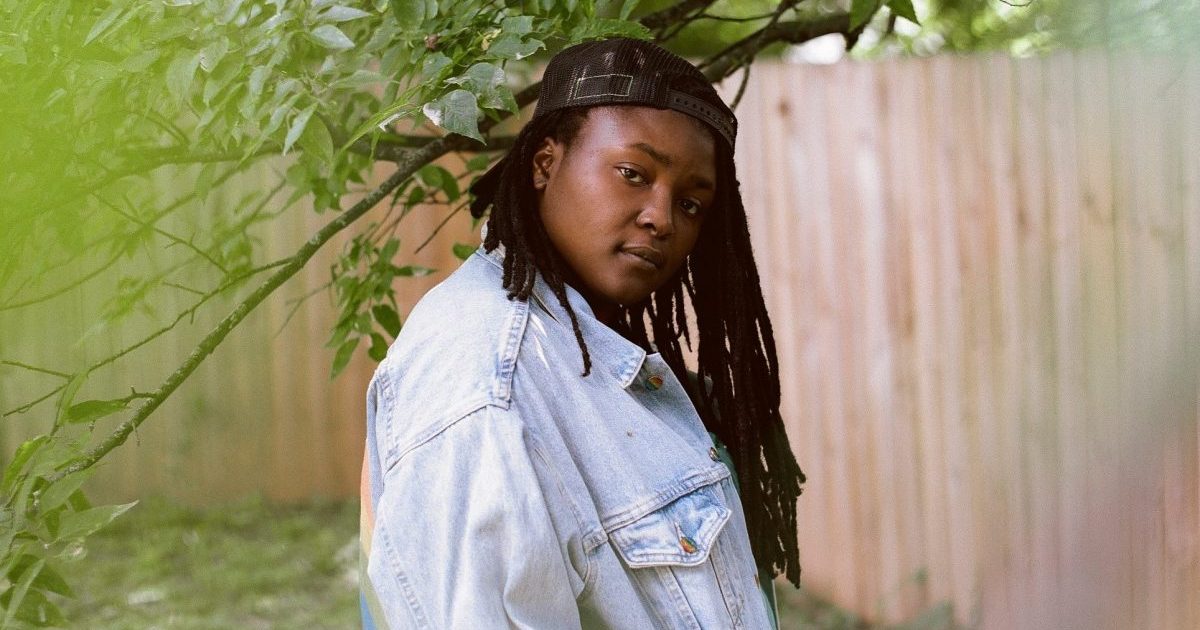
LISTEN: Margo Cilker, “Tehachapi”

Artist: Margo Cilker
Hometown: Enterprise, Oregon
Song: “Tehachapi”
Album: Pohorylle (produced by Sera Cahoone)
Release Date: November 5, 2021
Label: Fluff and Gravy Records / Loose Music

In Their Words: “‘Tehachapi’ wasn’t born an exuberant song, but it certainly became one. In my live shows it’s the ace up my sleeve — the song I’m careful not to play too early in the set, lest the audience wait all night expecting another like it. At some point during recording Sera called me, laughing into her phone, saying she put a wild sound on ‘Tehachapi’ and that I was gonna love it. She was right on both counts. Tracking accordion as the foundation of the song just made it too easy to go full Crescent City. One of the most vivid memories I have of making Pohorylle is the memory of watching Sera overdub floor toms to make that instrumental of ‘Tehachapi’ really pop. I can genuinely say it seemed like she was having fun, and as a singer-songwriter, that’s all you can ask for. When I cover a song it’s because for a moment in time, that song is the most sacred thing in my life. ‘Willin” was that to me, so I guess it lives in my soul and came out to play on this number.” — Margo Cilker


Photo credit: Matthew W. Kennelly

WATCH: Rachel Sumner, “Lose My Love”

Artist: Rachel Sumner
Hometown: Boston, Massachusetts
Song: “Lose My Love”

In Their Words: “A lot of the songs I write are carefully crafted over long stretches of weeks, months, and even years. ‘Lose My Love,’ however, was one of those songs that came to me fully formed in an instant. I was in the shower when I started singing the chorus and realized there was a little film noir playing in my mind underneath it. I rushed out, wrote it down, and let my imaginary movie guide the verses. At the time I was one of the writers and lead singers of the bluegrass band Twisted Pine, so we recorded and included it on our eponymous album released in 2017. After parting ways with the group in 2019, I decided to reclaim and rearrange this song for my live solo shows where it’s become a favorite of mine to play amid the trove of new songs that I’ve been working on for my debut LP — more on that soon, so stay tuned!!” — Rachel Sumner


Photo credit: Hannah Cohen

LISTEN: Drew & Ellie Holcomb, “Keep on the Sunny Side”

Artist: Drew & Ellie Holcomb
Hometown: Nashville, Tennessee
Song: “Keep on the Sunny Side”
Album: Amerikinda: 20 Years of Dualtone
Label: Dualtone Records

Editor’s Note: The Amerikinda compilation features a slew of Dualtone artists and alumni all covering each other’s songs in celebration of the label’s landmark birthday. June Carter Cash won a Grammy for her recording of “Keep on the Sunny Side;” her version of The Carter Family classic was included on her 2003 album, Wildwood Flower, released by Dualtone.

In Their Words: “Congrats on 20 years Dualtone. Thanks for being one of the most artist friendly labels out there. You have a great team and we are honored to be a part of the family tree. What an honor to cover one of the greatest of American classic songs ‘Keep on the Sunny Side,’ made famous by the Carter Family. We tried to add some tension to our version, with the tough, real life lyrics of the verses, juxtaposed with the one of the happiest choruses out there.” — Drew & Ellie Holcomb


Photo credit: Ashtin Paige