On Tour, Nathaniel Rateliff Wants to Create an Experience (Part 2 of 2)

Nathaniel Rateliff’s And It’s Still Alright marks his first full-length solo release in seven years and grapples not just with the loss of a romantic relationship, but with the unexpected passing of his friend and collaborator Richard Swift, with whom he had planned to record it.

In this portion of our conversation, we discuss Rateliff’s songwriting on And It’s Still Alright — which ventures further into vulnerable, introspective territory than did his previous work with his band the Night Sweats — as well as his time in the studio and how he plans to bring these songs to life on his solo tour, which runs through the summer.

Read the first part of our BGS interview with Nathaniel Rateliff.

BGS: Given the way “And It’s Still Alright” came out, you mentioned earlier that “All or Nothing” began with a chord progression. Do you have a songwriting process you typically follow, or does the creation look different each time?

Rateliff: It’s really song-to-song. It always seems to change for me. “All or Nothing,” with that song in particular I really wasn’t trying to write a song. This progression had come up and I played it at a bunch of different tempos. It reminded me of the Eddy Arnold song, “Anytime.” It has this Western-swing progression to it, and I really liked it. Then I started playing these jazzier chords I had learned that I wouldn’t play with the Night Sweats and it turned into a song eventually.

I had a handful of different words to it. As I remember, at one point the chorus was like, “I got heavy shoulders but I’m not blue.” It didn’t really make sense. [Laughs] That turned into, “I got all this and nothing, too.” So it really does vary. That song was a chord progression that a vocal melody kind of came out of. And sometimes I’ll start with a vocal melody or a phrase and write music around all of that.

“And It’s Still Alright,” the original idea was me sitting in a hotel playing guitar by myself. Richard and I went and saw Tom Petty together. The way [Petty’s] song structure was, you start with a massive chorus and it goes into a verse that’s an even bigger chorus and it’s hook after hook after hook. One of my buddies was listening to “And It’s Still Alright” and he’s like, “Yeah, it’s kind of like it’s only bridges. There’s no chorus.” But there’s something interesting about it, since it doesn’t have a traditional hook.

You mentioned the time you all spent in the studio together. It sounds like you had a great group of players and collaborators who were able to join you. What do you look for in a collaborator, and what is it about a musical partnership with someone that feels right to you?

Even in the beginning, when the first Night Sweats records started, I had grown weary of being the traveling singer/songwriter troubadour kind of guy. I was really over playing acoustic guitar for a little bit. So I was making these demos in my attic, then I shared them with Richard and we decided to make a record. I brought Patrick Meese out with me, because I knew we could both play multiple instruments and that we’re pretty good at not getting our feelings hurt when advising each other about portions of the songs.

Sometimes you have something you think is a great idea and it just doesn’t work; being able to work with somebody who isn’t overly sensitive about that stuff is really helpful. You don’t want to have this unspoken tension or this idea that someone is musically picking on you when they don’t like your ideas… The biggest thing is being able to be in the studio with somebody where there is this element of seriousness in approaching it as work and respecting it as a craft, but there’s another side of it where you have to lighten up and have a good time.

Yeah, if you aren’t having fun, what’s the point of doing it at all?

Exactly. I hear stories of people who are like, “Oh, they got that on the 70th-something-odd take,” and it’s like, “Fuck that!” If we’re not getting it in the first two or three, we’re probably screwing something up.

With the Night Sweats, of course, you were releasing music via Stax, but this is your first solo release you’ve been able to do with the label. Given the label’s history, what does it mean to you to be able to work with them, and what has spending the last several years of your career with them opened up for you creatively?

With the Night Sweats stuff it was like, well, the sound I’m really trying to come up with is influenced by Sam & Dave. My original idea for the Night Sweats was, I wanted to have the feel of when the band would play R&B songs like “Don’t Do It.” Their sort of gritty, funky, but slightly Southern feel and approach to the songs — swamp rock, I guess. But then also have these harmonies, like the Sam & Dave harmonies, with these big, powerful voices. Then I wanted everyone in the band to be working for the song. I wanted it to be a sweaty revival.

Originally I was signed to Rounder and got dropped when Concord kind of took over. Then I eventually got signed by the parent company, Concord, and when I found out they worked with Stax, I was like, “Is there any way we can put this out with Stax?” We shared the record with them and that started our journey together. To me, Stax is such an important part of the community in Memphis and part of the thing I love about music is how it’s a community-builder. We really need that nowadays. We need to be more in touch with the people around us and be more understanding and more caring overall. Also, just that roster; it’s all the greats. It hits me when I look at it. It’s pretty amazing.

It sounds like the tour will really showcase several different sides of you as a musician and as a performer. What are you most looking forward to about getting on the road and getting to play these new songs live?

We’re really trying to create an experience. The other thing, too, since it’s mostly the Night Sweats guys in this band, it’s fun to be able to show people, in pulling these songs off live, that we’re really creating and playing whatever type of music that appeals to us at any given time. Hopefully that will make us look like we’re not just a one-trick pony.
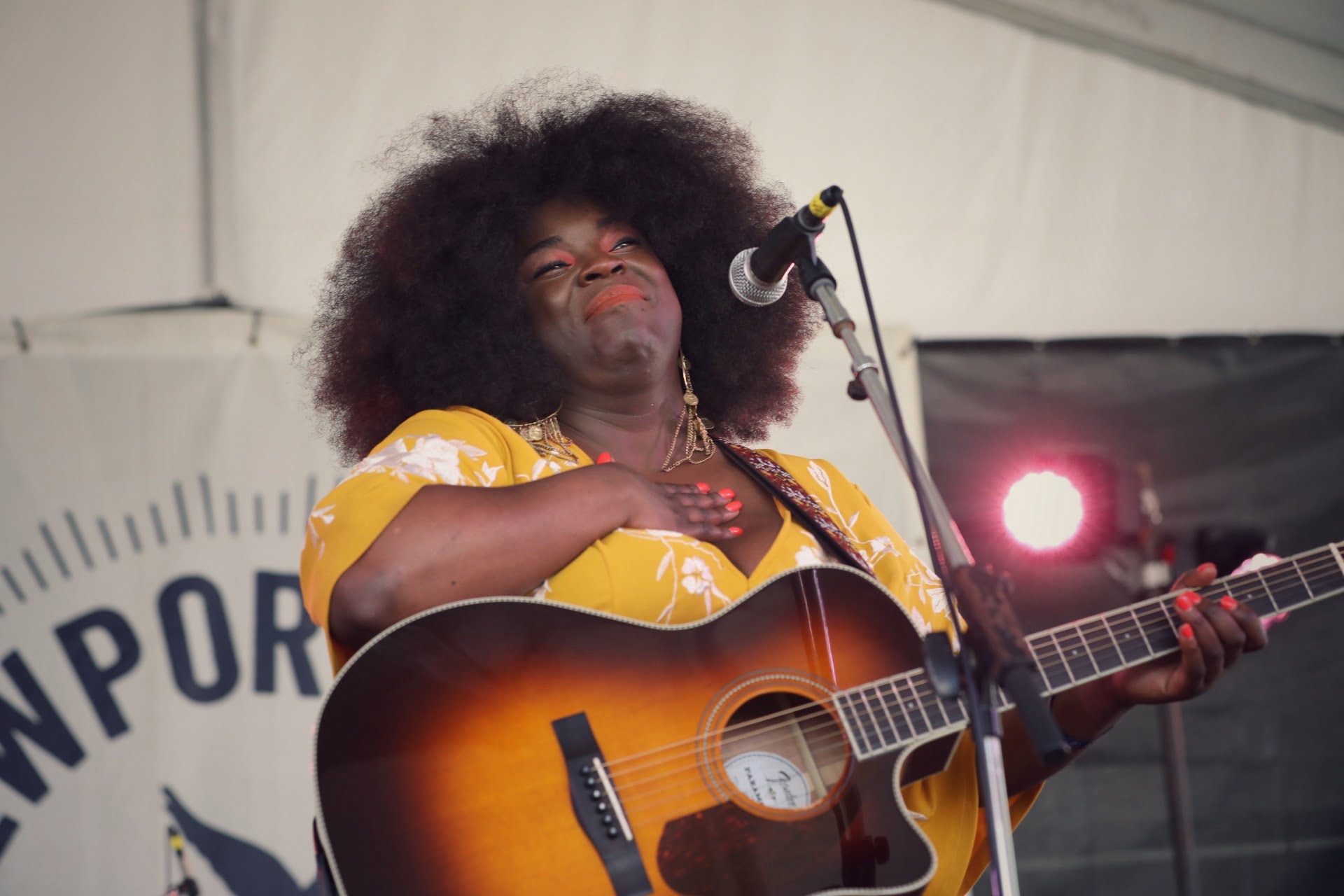
The Hurt Behind Nathaniel Rateliff’s ‘And It’s Still Alright’ (Part 1 of 2)

Nathaniel Rateliff’s And It’s Still Alright retains much of the soul and swagger of his work with his band the Night Sweats, but its subtler arrangements and sparser atmosphere offer more room for Rateliff to showcase his introspective side as both a songwriter and vocalist. Songs like the title track, which chronicles the aftermath of unexpected loss, and the poignant “Time Stands,” hark back to his salad days as a solo singer-songwriter while also marking his immense artistic growth over the past decade.

As his first full-length solo album in seven years, And It’s Still Alright comes on the heels of two acclaimed albums from Rateliff and the Night Sweats, both of which released via STAX Records and found the Missouri-born artist digging deeper into rock-influenced soul and R&B music.

Rateliff originally planned to make the new album alongside friend, frequent collaborator, and beloved producer Richard Swift, who died unexpectedly in July 2018 at the age of 41. Swift’s passing is a heavy presence across the LP in myriad ways, including Rateliff’s decision to record the bulk of And It’s Still Alright at Swift’s National Freedom studio in College Grove, Oregon.

Below, read part one of our conversation with Rateliff, held in the weeks leading up to And It’s Still Alright‘s release.

BGS: You’ll release And It’s Still Alright in just a couple of weeks. What are you feeling as you anticipate having this new music out in the world?

Rateliff: I’m excited. I’m excited to share it. This is kind of the first time that me and the band have done real rehearsals. [Laughs] I feel like with the Night Sweats we’d be like, “Oh, we know these songs,” and just kind of rock through them. These songs have such a different intention than that, and there’s so much more subtlety in performing them live together. It’s been an interesting yet fun challenge to figure that all out together.

Having been a few years since you last put together a project that wasn’t with the Night Sweats, what was behind your decision to move forward with another solo album this time around?

When we were making the last Night Sweats record, I had a lot of these songs that I was working on. I was sharing them with Richard. We had intended to make this record together before he passed away. So I guess I followed through on my commitment to him in making this record. We tried to do it the way we thought he would do it.

What did those early song ideas, as well as those early conversations with Richard about what you envisioned for the album, sound like? Was there a moment or a song that made the project feel like it had clicked for you?

I remember playing “All Or Nothing” — I had the chord progression for it, and some of the words; it wasn’t really done yet — and I was kind of sharing it with Richard and he was like, “Man, I love this. You can’t be too Nilsson, man.” And so I would say, “OK. We’ll see how Nilsson we can get.” That was one of the things I wanted the record, or at least some of the songs, to have, that feel and similar approach to Harry Nilsson’s. Then a lot of the songs had a lot to do with Richard passing away, and some of our similar struggles that we shared in our personal lives and in our friendship together. So it seemed fitting to follow through and make a record.

Would you be open to sharing a bit about what you were feeling after he did pass, and when you made the decision that you were going to follow through with the album? How did doing the work feel in the wake of his passing?

It’s devastating, still. I still think about Richard and miss him most days, you know? He had this amazing ability to make the people around him feel very loved. As far as a creative partner, he was my favorite person to really work with. I really hadn’t intended on working with anybody else. So a really big part of the process of making this record was to go back to his studio. It has such a sound and feel to it there, so it kind of made me feel like he was with us in some way…

The band and I had all worked a lot with Richard and kind of new some of his tricks, which he was super open and willing to show us when he was still around. We really tried to approach it like, “What would Richard do?” song-by-song. Then there’s always that point in the process when you listen to the songs and say, “OK, what is there too much of here?” and kind of strip it back. Then we added a bunch of things to it. [Laughs]

The title track is so powerful and is one of several songs I’ve found myself returning to often since first sitting down to listen through the album. What was the experience of writing that song like for you? Did it bring about any healing for you?

I had a bunch of songs that I was writing with Richard in mind. When we were in Cottage Grove making this record in March, I’d had that song and was sitting at the kitchen table having coffee in the morning and just kind of instantly wrote it all out. At first, when you’re listening to it, the words came out so naturally that you don’t really take the time to question or examine what you’re trying to express personally. There was a moment in the recording process when I was like, “Oh fuck, I can’t believe I’m writing about this.” It’s heartbreaking at first but there is an element of healing to it. Sometimes to relinquish things you just have to say them out loud.

Read Part two of our interview with Nathaniel Rateliff.


Photo credit: Rett Rogers

Celebrate Black History Month with These 15 Artists

American roots music wouldn’t exist if not for the voices, stories, and musical traditions of Black Americans. Full stop. Celebrating the Black forebears of Americana, bluegrass, country, and string band music, pointing out their importance and their essential contributions to these genres we all know and love today needs to happen year-round, not just February. 

The BGS editorial team believes strongly in this idea, and though readers will be able to find several Black History Month features and articles in the coming weeks, we encourage you all to also take a dive back into our archives for stories that highlight Black creators and artists from all points across the last year. 

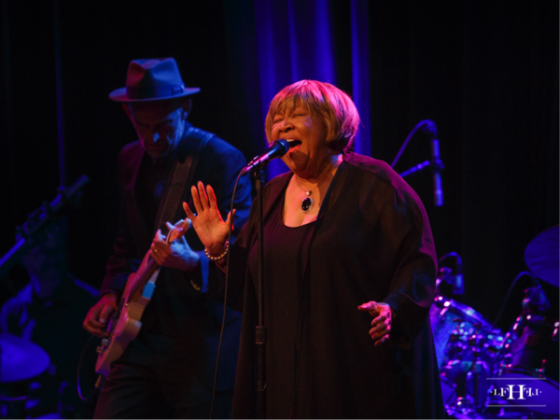
Mavis Staples on Live From Here

Ceaselessly relevant, Mavis Staples recently gave a keynote presentation at Folk Alliance International in New Orleans where she once again gleefully assured the audience she wouldn’t be done singing ‘til she didn’t have anything else to say. And she has plenty left to say! Watch Mavis Staples on Live From Here with Chris Thile. 


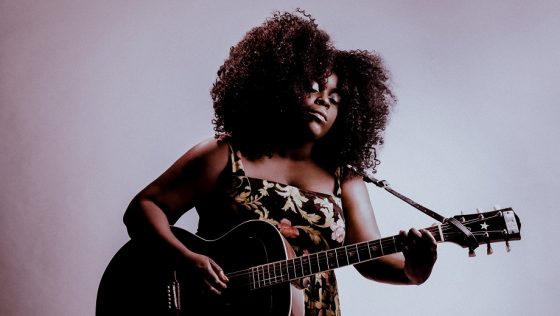
Yola’s Year of Debuts

Yola’s debut album, Walk Through Fire, landed on our BGS Class of 2019 lists for Top Albums and Top Songs — and nearly every other year-end list across the industry, too. Naturally she popped up a few times in our pages: In our in-depth interview, when she made her Opry debut, and when she dropped an blazing Elton John cover.


Liz Vice on The Show On The Road

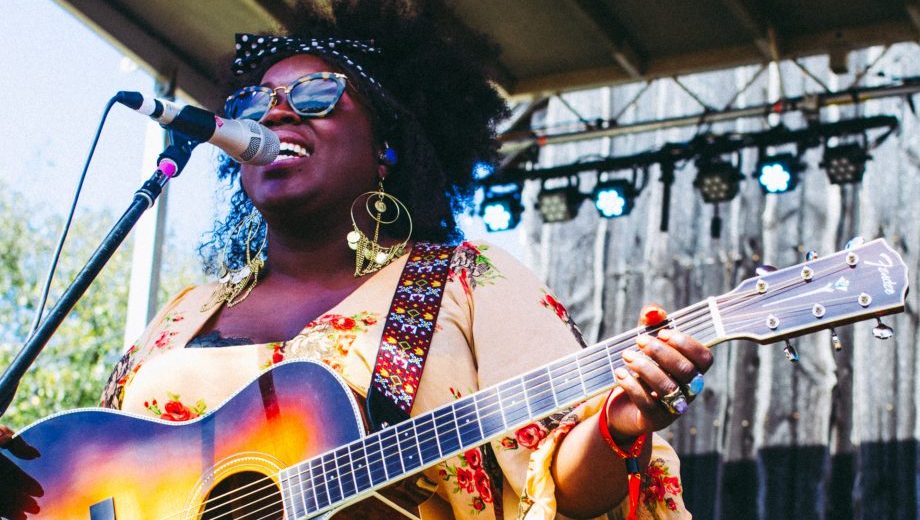
Liz Vice is a Portland born, Brooklyn-based gospel/folk firebrand who is bringing her own vision of social justice and the powerful, playful bounce of soul back to modern religious music. She is following a rich tradition that goes back generations to powerful advocates like Sister Rosetta Tharpe, Sam Cooke, the Staples Singers, the Ward Sisters, Aretha Franklin, and especially Mahalia Jackson, who was the soundtrack to the civil rights movement. Listen to the Liz Vice episode of The Show On The Road.


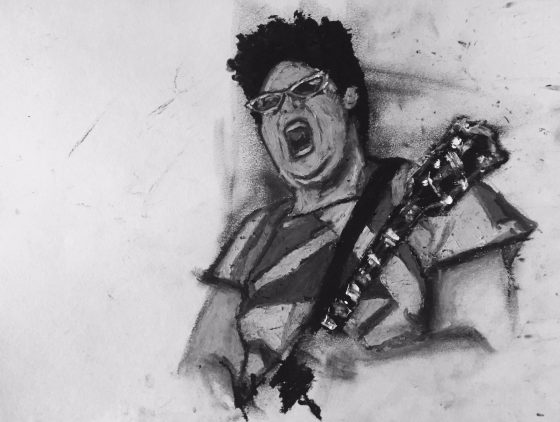
Brittany Howard, Artist of the Month and More

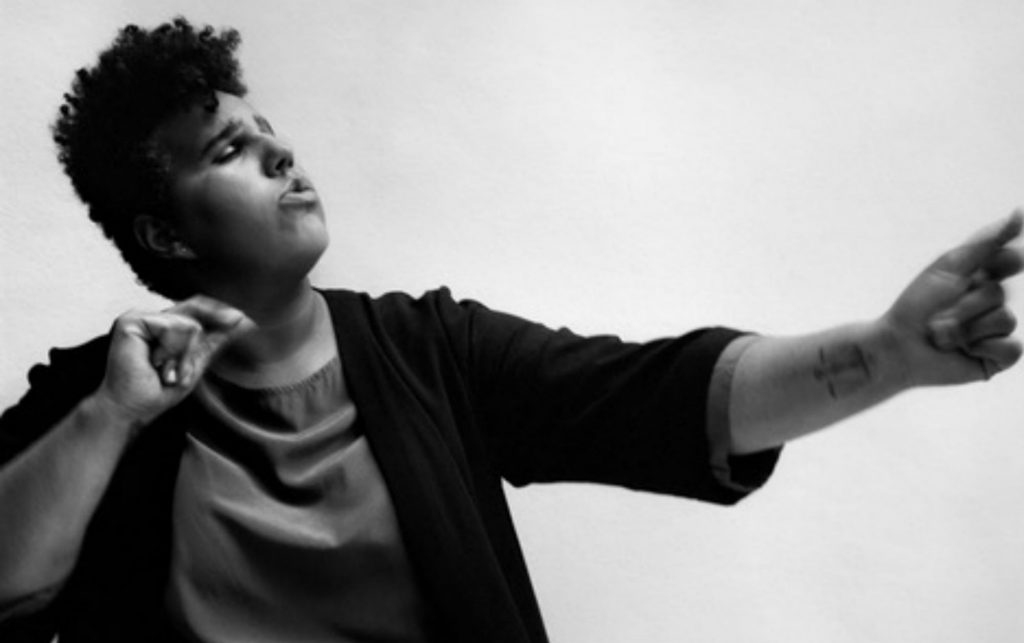
Our November 2019 Artist of the Month stunned in a stripped down duet with Alicia Keys at the Grammy Awards last weekend, her well-earned musical stardom solidified by her debut solo album, Jaime. Our Artist of the Month interview anchored our coverage of Howard’s new music, but her Tiny Desk Concert really captured readers’ attention!


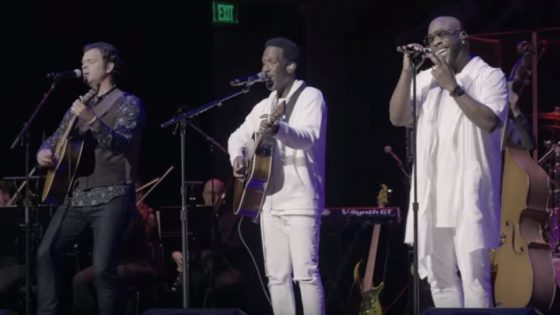
Steep Canyon Rangers with Boyz II Men

Yes, you read that correctly. A combination none of us knew we needed that now we can never go without. The Asheville Symphony backs up the two groups collaboration on “Be Still Moses,” a moment transcending different musical worlds and genre designations. You can watch that performance here.


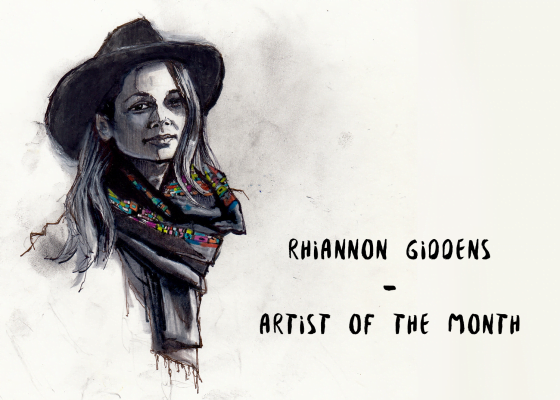
Rhiannon Giddens: Booked, Busy, and Blessed

How much can an artist really accomplish in a year? A quick scroll through the BGS halls shows a Grammy-nominated album, being named Artist of the Month, scoring a ballet, playing the Tiny Desk, debuting a supergroup, and oh so much more. We are more than happy trying to keep up with Rhiannon Giddens’ prolificacy.


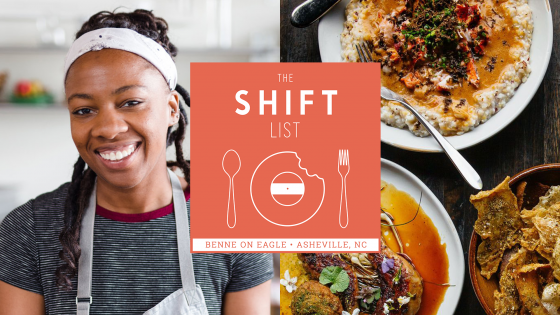
Ashleigh Shanti on The Shift List

The Shift List is a podcast about chefs, their kitchens, their food, and the music that powers all of it. On an episode from September we interviewed Chef Ashleigh Shanti of Benne on Eagle, an Appalachian soul food restaurant in Asheville, North Carolina. Her Shift List includes Kendrick Lamar, Nina Simone, and more.


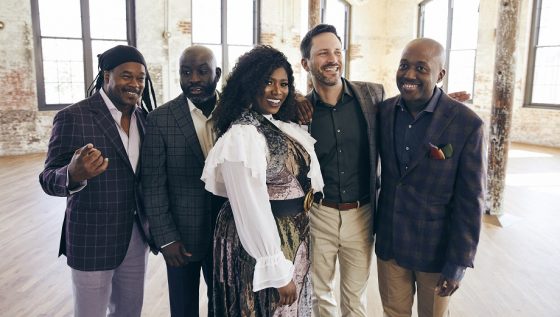
Grammy Winners, Ranky Tanky! 


We spoke to Ranky Tanky about their album Good Time in August, less than six months before it would win the Grammy for Best Regional Roots Album. If you aren’t familiar with Gullah music, our interview will help you out.


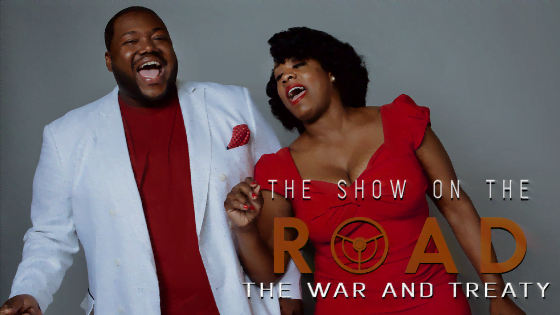
Americana’s Sweethearts, The War and Treaty

Rapidly-rising folk/soul duo of  husband and wife Michael and Tanya Trotter, The War and Treaty have had a year chocked full of smashing successes. Of course the best way to catch up with them was on the road, so Z. Lupetin set up the mics for an episode of The Show On The Road.


Tui’s Old-time Tunes

Jake Blount, one half of old-time duo Tui with fiddler Libby Weitnauer, is a scholar of Black, Indigenous, and otherwise forgotten, erased, or marginalized American fiddlers in old-time and string band music. His work specifically spotlights the source musicians whenever possible, undoing generations of revisionist history in roots music. Tui’s recording of “Cookhouse Joe” was featured in Tunesday Tuesday.


A Sitch Session with Birds of Chicago

A song with a message well-timed for almost any era, “Try a Little Harder” seems especially perfect for this very moment. Birds of Chicago do an excellent job bringing that message to the world. A suitably stunning Sitch Session.


Dom Flemons Talks Black Cowboys

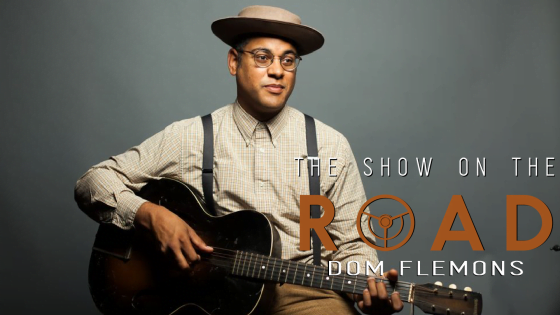
If you haven’t heard Dom Flemons talk about his album, Black Cowboys, and the narratives and traditions that inspired it, this episode of The Show On The Road is essential. The music is captivating on its own, a perfect demonstration of Flemons’ uncanny ability to capture timelessness and raw authenticity, but with his scholarly takes and his depth of knowledge the songs take on even more meaning and power. It’s worth a deep dive — check out our print interview, too.


Gangstagrass Set the Standard

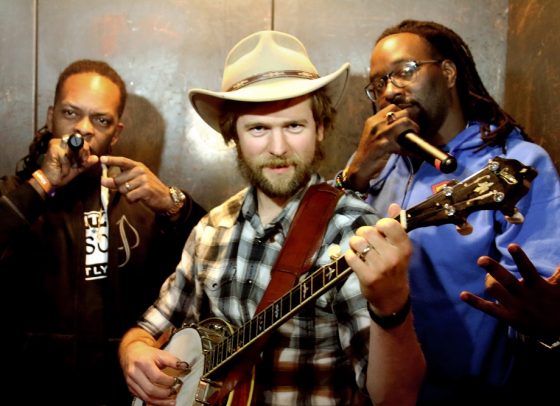
When you read Gangstagrass’s Mixtape of standard setters the parallels that emerge between foundational bluegrass and hip-hop are certainly surprising, but they also make perfect sense. It speaks to the longevity of this boundary-pushing, genre-defying group — that has been setting their own standard as they go.


Jontavious Willis Goes Back to the Country

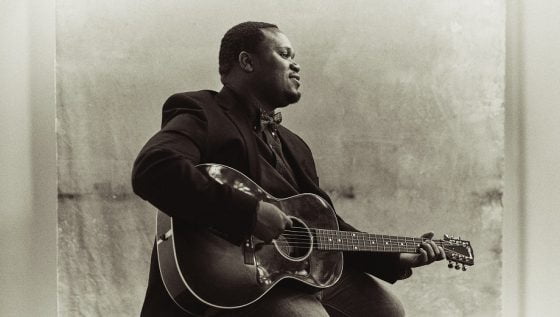
“Take Me to the Country” is Willis’ paean to his homeland: “No matter where I go in the world, I can’t wait to go back to the country,” He told BGS in April of last year. “For me, that special place is a rural southern town in Georgia where I grew up. It’s such a quiet and calm place, and somewhere I crave when I’m far from it.” You can hear that truth woven into the music.


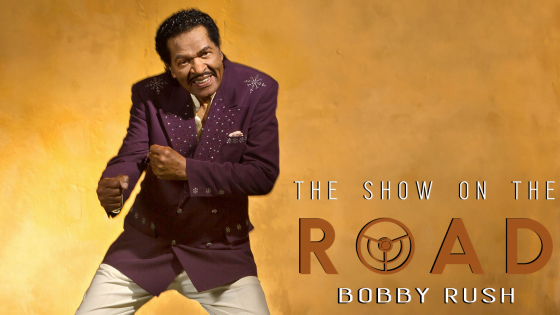
Octogenarian Bluesman, Bobby Rush

At 85 years old, Bobby Rush has been playing his brand of lovably raunchy, acoustically crunchy, and soulfully rowdy blues for over six decades. After winning his first Grammy at the humble age of 83, he has no plans of slowing down. We caught up with Rush on The Show On The Road.


Photo of Yola: Daniel Jackson 

The String – The McCrary Sisters

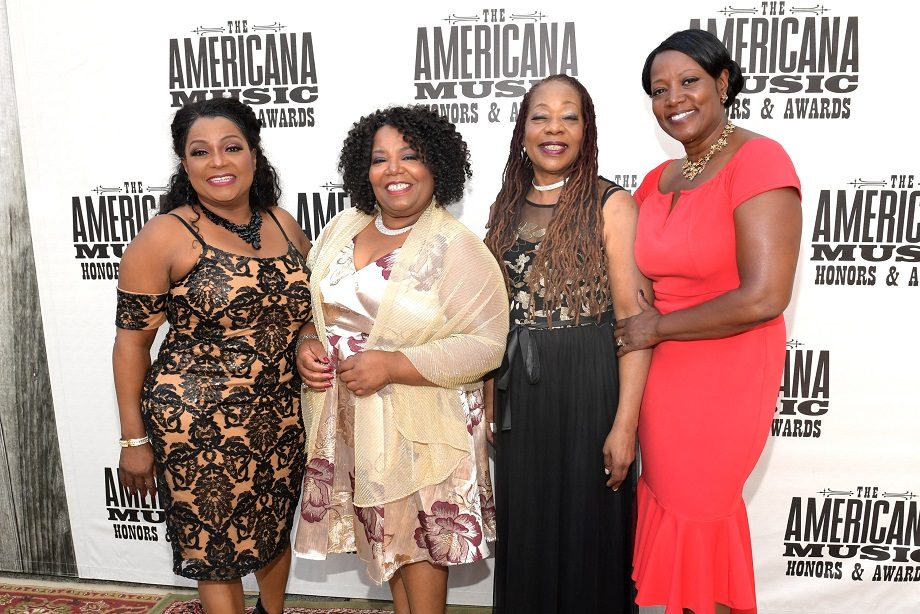
The McCrary Sisters — Alfreda, Ann, Deborah, and Regina — grew up in Nashville in the home of legendary preacher and singer Reverend Sam McCrary, a key member of the Fairfield Four and a major figure in gospel music.

LISTEN: APPLE PODCASTS

They’ve sung, together and apart, on stages and in studios around the world. And they’ve become beloved anchors of roots music communities in Music City. After working with producer/artist Buddy Miller, they answered popular demand to form their own quartet, and after several albums through the 2010s, the McCrarys delivered their first Christmas album. It became a leaping off point for a joyful conversation about four remarkable lives in music.

WATCH: Mavis Staples Performs “Change” on ‘Live From Here with Chris Thile’

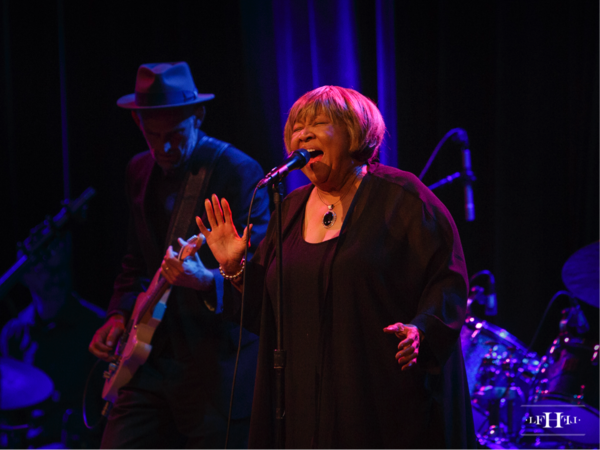
Musical matriarch Mavis Staples is as active as she has ever been. Fresh off an Americana Award nomination for Artist of the Year, Staples was recently featured as a guest performer on Live From Here with Chris Thile. Her latest album, a release from May 2019, is a collaborative work with another extraordinary singer-songwriter and blues icon, one Ben Harper. The new record, titled We Get By, features Staples’ sultry singing over Harper’s compositions, and like so many magical musical matchups, the total of the project is somehow far more than the sum of its parts.

Speaking to the writing, Staples had high praise for her junior collaborator. “When I first started reading the lyrics Ben wrote for me, I said to myself, ‘My God, he’s saying everything that needs to be said right now,’” she remembers. “But the songs were also true to my journey and the stories I’ve been singing all my life. There’s a spirituality and an honesty to Ben’s writing that took me back to church.”

Staples’ performance on the Live From Here is just that — it’s like going to church. Watch as she performs the opening number from her newest record here.


Photo of Mavis Staples courtesy of APM

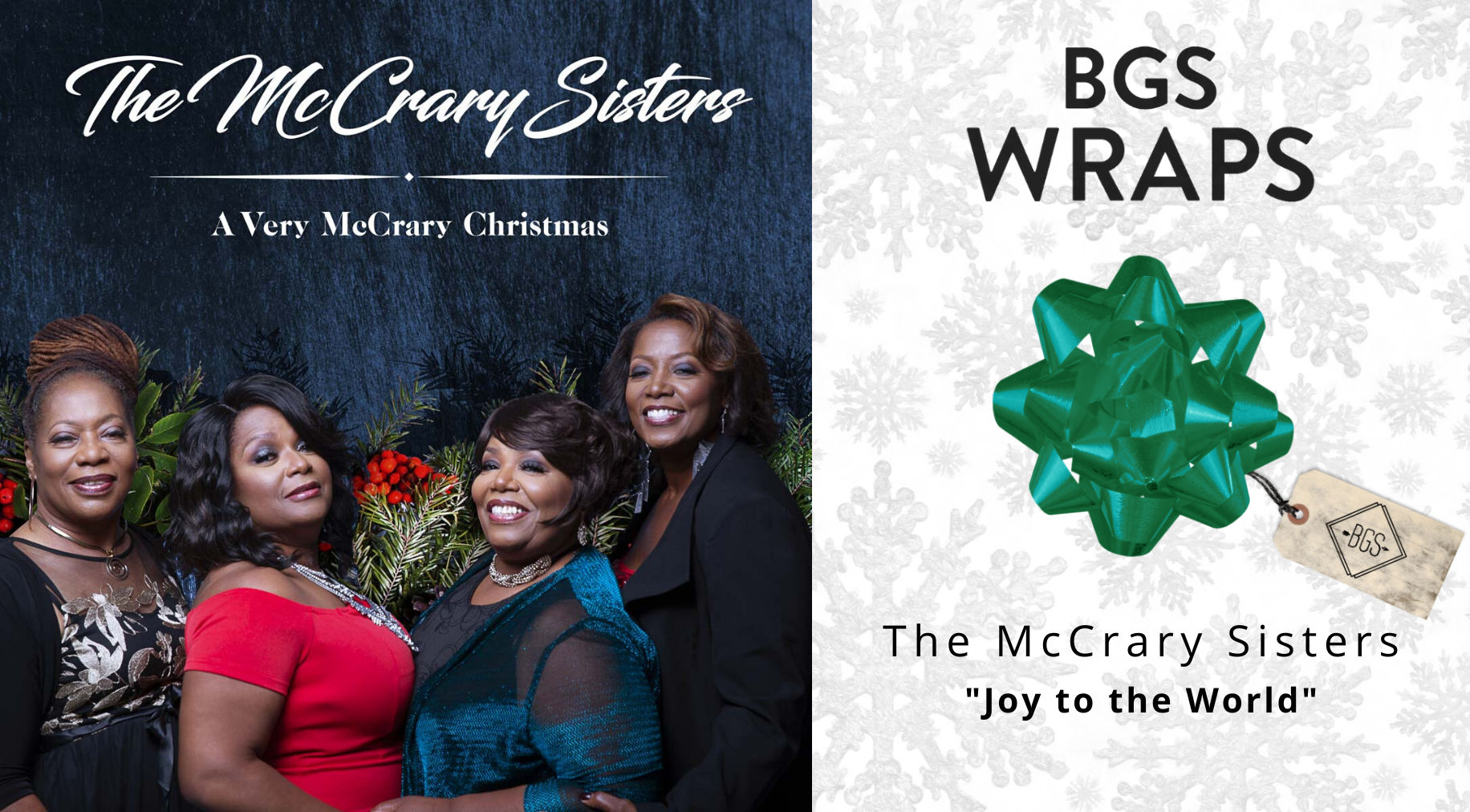
BGS WRAPS: The McCrary Sisters, “Joy to the World”

Artist: The McCrary Sisters
Song: “Joy to the World”
Album: A Very McCrary Christmas

In Their Words:

“It brings us joy to realize that Jesus was born to bring peace, hope, and joy to this world.” — Ann McCrary

“He is our joy, and his birth was amazing and remarkable! His the true King!” — Alfreda McCrary

“’Joy to the World’ is a song that I think should be sung all year round, ‘cause if the world had more love and joy there would be peace towards all men and we would get along much better than we do. My prayer and my gift is that we try to have more joy in the world. That’s it.” — Regina McCrary

“’Joy to the World,’ bring much needed joy to this world!” — Deborah McCrary

BGS WRAPS: Liz Vice, “Refugee King”

Artist: Liz Vice
Song: “Refugee King”

In Their Words: “I don’t write very often. Songwriting often feels like a miracle and when I’m in a space to write there is an hour of wrestling myself to just chill, surrender, and let the music come to me.

“‘Refugee King’ was written during a songwriting retreat at Calvin College in Grand Rapids, Michigan. Five of us were put into a group together. We could either write an original song or rewrite a well-known carol. We decided to rewrite ‘Away in a Manger.’ One thought that came to mind was, ‘How does a crying baby change this whole image we tend to celebrate around Christmas?’ The arrival of Jesus wasn’t pretty and a lot of babies died during this time.

“The story of Christmas is less about gifts under a tree, but about Jesus coming to this hot mess of a world to invite us to indulge in what heaven has to offer on earth (now).

“I thought about this song often and as time went on, I knew the song was begging to be released to reach the people it was supposed to reach. I didn’t release the song to be a voice for anything other than the story of Jesus. Humans just tend to repeat history.

“I first performed the song when I opened for the Blind Boys of Alabama. While we waited to hit the stage, the band that I had hired sat in the lobby. To kill a little time, I decided to record a live take. After that short tour, while visiting family in Portland, I reached out to some people I knew and recorded the song. It was a pretty quick turnaround. I knew what I wanted and I wanted it to be simple and that’s how I produced it. Vocals, guitar, cello, and had my friend in Virginia, Orlando Palmer, add some of his sweet piano playing on it. Had my friend Danny mix and a woman who did the mastering for my vinyl master this track.

“Turned out great and I’m hoping that this song just causes people to pause and re-evaluate the real story of the birth of Jesus.” — Liz Vice

WATCH: Yola, “Goodbye Yellow Brick Road”

Artist: Yola
Hometown: Bristol, England
Song: “Goodbye Yellow Brick Road”
Album: Walk Through Fire: Deluxe Edition
(Featuring “I Don’t Wanna Lie” and “Goodbye Yellow Brick Road”)

In Their Words: “Can’t believe it has only been a year since we announced Walk Through Fire, working with Dan Auerbach and the team has been an absolute dream and [I am] so proud of everything we have achieved. So many great songs from that session didn’t make the final cut, including ‘I Don’t Wanna Lie.’ I’m a HUGE Elton fan and we’ve been playing ‘Goodbye Yellow Brick Road’ on the tour and wanted to cut a version for this release, which Dan also produced! And then for Elton to personally premiere it, well that is the icing on the cake!” — Yola


Photo credit: Daniel Jackson

The Show On The Road – Liz Vice

On this week’s episode of The Show On The Road, Liz Vice – a Portland born, Brooklyn-based gospel/folk firebrand who is bringing her own vision of social justice and the powerful, playful bounce of soul back to modern religious music.

Listen: Apple PodcastsMP3

Liz Vice is following a rich tradition that goes back generations to powerful advocates like Sister Rosetta Tharpe, Sam Cooke, the Staples Singers, the Ward Sisters, Aretha Franklin, and especially Mahalia Jackson, who was the soundtrack to the civil rights movement. It was Mahalia who pushed Martin Luther King Jr. to tell the assembled masses in Washington, D.C. about his dream.

We often forget how much religious music was infused in the counterculture back in the 1960s, and as the BBC mentions in a great article about the era, “The music of the black church was infusing and inspiring the political consciousness of folk music; gospel was no longer just for the religious but the foundation for much ‘60s protest.” And so we bring you Liz Vice — and a little clear-eyed Christmas spirit to usher you into the twinkling darkness of December.

WATCH: Brittany Howard’s Big Sound at NPR’s Tiny Desk

Alabama Shakes alumnus and Bluegrass Situation Artist of the Month, Brittany Howard has maintained a steady course through her journey in blues and roots music. Driven by a resilient spirit and equipped with a stout voice, Howard has seen her fair share of peaks and valleys. From tragically losing a sister to cancer to breakout success and Grammy nods with Alabama Shakes, Howard has faced more in her 31 years than most of us will see in our whole lives.

After playing founding roles in two other rock bands (Bermuda Triangle and Thunderbitch), she decided it was time to take a step forward and release an album as a solo artist. The debut record was a tribute to Howard’s sister and was also named after her; Jaime was released this past September.

Howard’s addendum to the record offers some insight to the music: “Every song, I confront something within me or beyond me. Things that are hard or impossible to change, words and music to describe what I’m not good at conveying to those I love, or a name that hurts to be said: Jaime.” Brimming with emotion and truth, Jamie is available now, as are tickets to her  tour. Watch her Tiny Desk concert here, on BGS.


Photo credit: Danny Clinch