John Hiatt, Jerry Douglas Band Dial It In on “Mississippi Phone Booth”

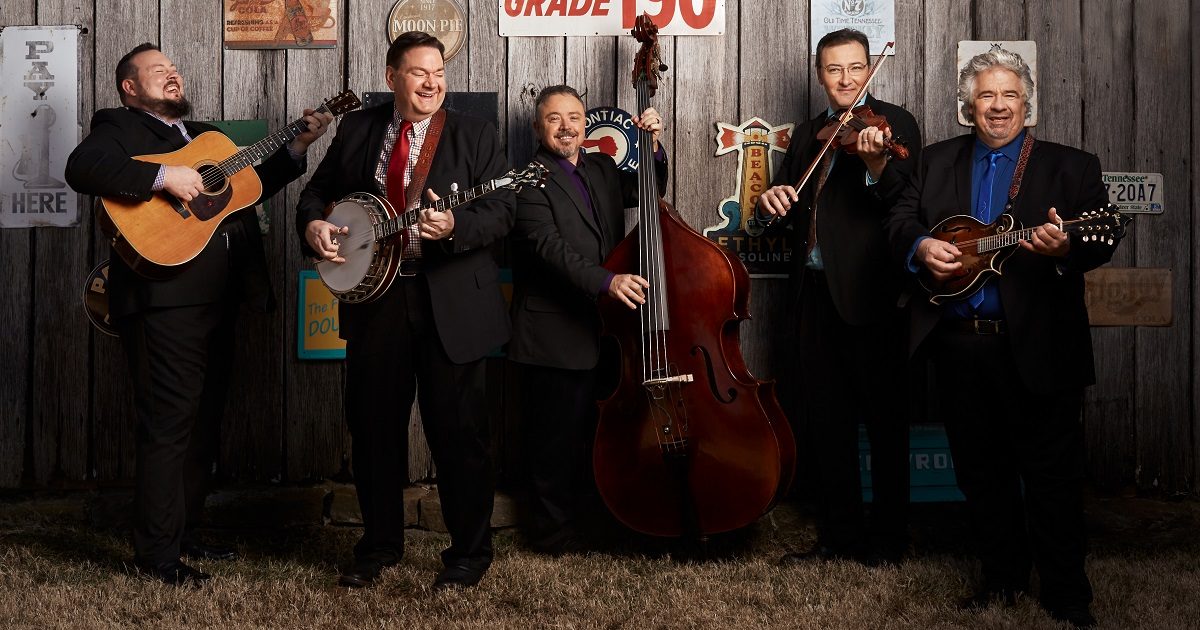
For his new album, accomplished singer-songwriter John Hiatt is partnering with an all-time great of the bluegrass and folk music world — none other than Jerry Douglas. Hiatt’s raucous style and bluesy inclinations marry perfectly with the natural grit and soulful voice that Douglas pulls from the dobro.

Recorded in RCA Studio B in Nashville, Leftover Feelings returned Hiatt to his earliest days in town when he lived in a $15-a-week rented room on Music Row. “I was immediately taken back to 1970, when I got to Nashville. You can’t not be aware of the records that were made there… Elvis, the Everly Brothers, Waylon Jennings doing ‘Only Daddy That’ll Walk the Line.’ But that history wasn’t intimidating, because it’s such a comfortable place to make music.”

Their captured performances are truly spontaneous instances of creation and expression, not bogged down by the weight of calculation or correctness. For example, “Mississippi Phone Booth” struts completely on its own, with the same grease as classic blues records. Watch the new music video from John Hiatt with the Jerry Douglas Band below.


Photo credit: Patrick Sheehan

LISTEN: Tray Wellington, “Pond Mountain Breakaway”

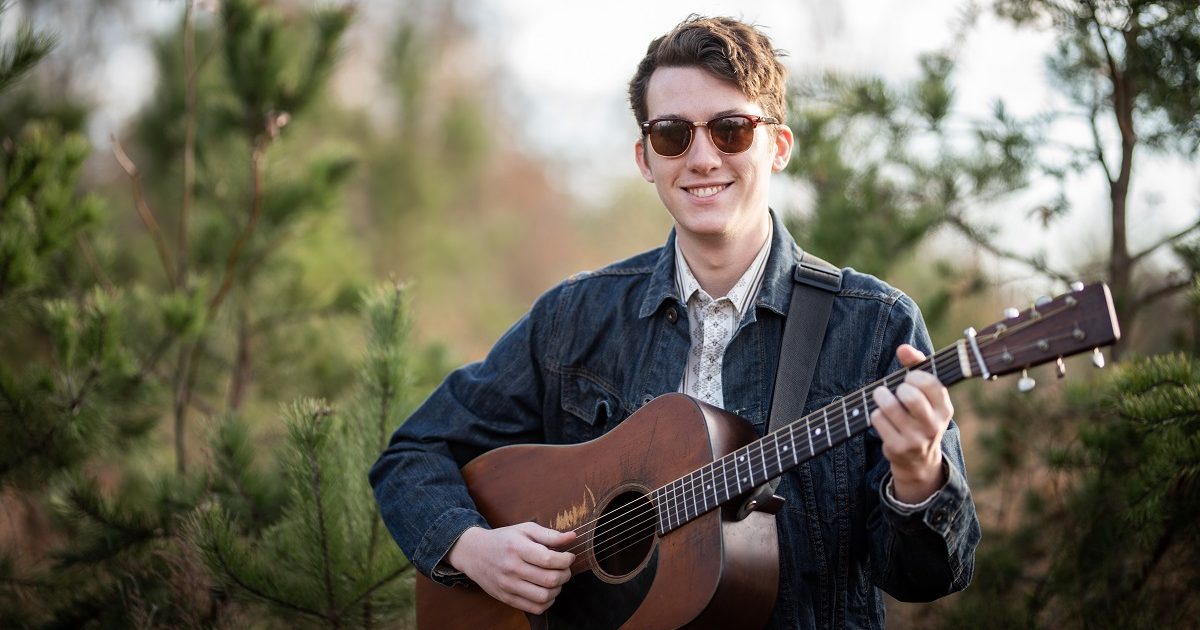
Artist: Tray Wellington
Hometown: Originally from Ashe County, North Carolina and now calls Johnson City, Tennessee home
Song: “Pond Mountain Breakaway”
Release Date: May 28, 2021
Label: Mountain Home Music Company

In Their Words: “I actually wrote the main riff to this song while playing electric guitar — but then, while playing banjo the same day, I tried it out with more of a bluegrass feel, and thought, ‘Wow, it would be cool to write a fast, upbeat instrumental around it.’ When recording, I got to the session late because my car broke down on the way, and while I was trying to think of a name for the tune during the actual recording session, Wayne Benson, who plays mandolin on the track, asked me, ‘Where did you break down?’ I replied, ‘A place called Pond Mountain,’ and he said, ‘Call it “Pond Mountain Breakdown.” I thought that was a great idea, but as I was thinking about it later, I realized that I don’t get a full breakdown vibe from this tune — and when I thought that a little variation in bluegrass titles wouldn’t be a bad thing, I decided to make a slight change to ‘Pond Mountain Breakaway.’” — Tray Wellington


Photo credit: Rob Laughter

Double the Banjos, Double the Fun!

Twin fiddles are the bluegrass instrumental duo that get all the attention, but double banjos are really where it’s at. (Is this writer a banjo player? Why, yes. Is this writer biased? Why, of course!) It makes sense that twin or triple fiddling would end up more popular than double or triple banjos, given that fiddles are sounded by bows, so the melodic contours are more like vocal harmony, often longer phrases and bow strokes languidly and charismatically laced together. Banjos, with their rapid-fire sixteenth notes and syncopated, idiosyncratic rolls, are just more difficult to sync up. Hundreds – if not thousands – of banjo jokes devoted to rhythm and timing will certainly back that claim up.

But double banjo is an art form as old as bluegrass itself – and older, by quite a few dozen decades, if you count early American popular music, banjo orchestras, minstrel and vaudeville songs that all centered banjos before and during the turn of the 19th to 20th century.

In bluegrass, twin five-strings are at their most astounding in jaw-dropping and acrobatic contexts such as High Fidelity’s incredible rendition of the Don Reno classic instrumental, “Follow the Leader.” Famous for his steel guitar and chicken-pickin’ Telecaster licks transferred to banjo, Reno’s harebrained and wonky turns of phrase might seem like the last musical context in which one should attempt perfect synchronization, especially on banjo, but Jeremy Stephens and Kurt Stephenson defy reason, logic, and surely physics with their buttery, seamless, double banjo blend. The track perfectly encapsulates the “WHAT IS THAT!?” quality of five-string, three-finger banjo – raised to the second power.

Anyone who grew up tuning in to or has ever binge-watched reruns of Hee Haw knows the beauty of a good double, triple, quadruple, quintuple banjo number, a common feature of the homespun country, comedy, and pickin’ variety show. Roy Clark, the Hee Haw host who could tear through almost any instrument in any style, released an entire album of double banjo music with regular Hee Haw guest Buck Trent in 1978 called Banjo Bandits. “Down Yonder” kicks with all-too-rare (and certainly delicious) bluegrass piano, a delightful intro to a bluegrass, old-time, and American songbook standard that almost sounds like a carnival merry-go-round thanks to the effect of the banjos “in stereo.” Banjo Bandits is something like a bluegrass and country double banjo primer, every track a stunning example of the form.

Like twin fiddling, double banjo lends itself so intuitively to the collaborative, community quality of bluegrass music. Through many a duo album and “featured artist” slot pickers have been using double banjo tunes to bring in their favorites, their mentors, their heroes, and their peers to swap licks, rising and falling, rolling and tumbling in breakneck unison. Alison Brown’s first Grammy Award was won for “Leaving Cottondale,” her double banjo instrumental with Béla Fleck from her also-nominated 2000 record, Fair Weather. In 2007, modern banjo hero Tony Trischka released a 14-track album of all twin banjo tunes entitled Double Banjo Bluegrass Spectacular. Its roster included Earl Scruggs, Brown, Fleck, Noam Pikelny, Steve Martin, and more. On “Doggy Salt,” a silly, winking instrumental that reconfigures the classic chord progression of “Salty Dog,” Scott Vestal joins Trischka, leaning into the humorous, comedic quality of these sorts of duets — a quality we see in Banjo Bandits and “Follow the Leader,” too.

Do not be mistaken, though, putting together a banjo duet isn’t just a comedic or intra-bluegrass activity! Cross-genre double banjo forays are certainly just as delightful, if not rarer and even more difficult to lock into rhythmic synchronization. Those that can mesh together three-finger’s rolling right hand with clawhammer and frailing’s loping, looser right hand are true virtuosos, defying not one but two genre’s expectations that banjos are intrinsically arhythmic and constantly rushing. Old-time players like Allison de Groot, Cathy Fink, Mark Johnson, Victor Furtado, and others all make it look and sound easy, matching their bluegrass compatriots’ rhythms and syncopations with ease and not just blending in, but counterpointing tastefully as well. One such recording, “Cluck Old Hen” from Pikelny’s Beat the Devil and Carry a Rail project, features Steve Martin, once again, on clawhammer. A less traditional approach, the two play with textures and senses, not striving for perfect unison, but rather exploring what an old-time-and-bluegrass dialogue can look and sound like, expanding our ideas of what twin banjo can be.

No matter the context, genre, roster of pickers, or style of playing, this fact remains true: more banjos equals more fun. (To this writer, at least.)


The BGS Radio Hour – Episode 208

Welcome to the BGS Radio Hour! Since 2017, this weekly radio show and podcast has been a recap of all the great music, new and old, featured on the digital pages of BGS. This week, we bring you new music from both our Artist of the Month, Allison Russell, off of her brand new album Outside Child, and from the late Tony Joe White, too — plus much more! Remember to check back every week for a new episode of the BGS Radio Hour.

APPLE PODCASTS, SPOTIFY

Maia Sharp – “Things to Fix”

Moving across the country is stressful enough on its own. At the end of a 21-year marriage, Maia Sharp put her energy directly into working on her new Nashville home — painting one room, then another, and another. She took the idea to her co-writer on “Things to Fix,” relating the things that could have been fixed in her relationship to what she was fixing in the house.

Last Year’s Man – “Still Be Here”

Singer-songwriter Last Year’s Man (Tyler Fortier) explained his new track “Still Be Here” to BGS, relating, “I think we’re all eager for life to get back to what it was in some way or another and this is a love song built out of the idea that it will.”

Casey Driessen featuring Taro Inoue – “Little Cabin Home on the Hill”

Casey Driessen’s recent project Otherlands: A Global Music Exploration, is a self-produced travelogue of on-location recordings, short films, and essays that documents collaborations with masters of regional music in Spain, Ireland, Scotland, India, Finland, and Japan, where he recorded this bluegrass standard with his friend and mandolinist Taro Inoue.

Tony Joe White – “Smoke From the Chimney”

Legendary country singer and songwriter Tony Joe White, who penned hits like “Polk Salad Annie” and “Rainy Night in Georgia,” passed away in 2018, leaving behind quite a legacy of music. However, the material didn’t quite stop after he died. His new posthumous record, Smoke From the Chimney, was recorded a year later in 2019, as producer Dan Auerbach built the music around voice and guitar demos that White had left behind.

Carsie Blanton – “Mercy”

Carsie Blanton wrote “Mercy” for her husband Jon, who helped her find out that love can be a gentle force that allows us to become more ourselves: “Once I discovered that, I was able to envision a whole world of love; a world that’s less about control and more about compassion.”

Angela Autumn – “Sowin’ Seeds”

“Sowin’ Seeds,” the latest track from Americana singer-songwriter Angela Autumn, explores the could-be life of a musician, one of imagined ease and free from sacrifice.

Danny Paisley and the Southern Grass – “Date With an Angel”

Up next is Baltimore bluegrass royalty Danny Paisley with a track off of his newest record, Bluegrass Troubadour. Paisley started out performing in the Southern Mountain Boys with his father, Bob Paisley, and Ted Lundy. Years later, Danny formed the Southern Grass and performs with his own son as well as the sons of Ted Lundy. They’re a two-family, three generation band! Paisley is the most recent IBMA Male Vocalist of the Year, an award he’s received more than once. Listening to Bluegrass Troubadour, you can see why.

Beth Whitney – “I Go”

Singer-songwriter Beth Whitney wrote “I Go” inspired by her family’s tradition of taking backpacking trips and her favorite Wendell Berry poem, “The Peace of the Wild Things.” While she’ll be the first to admit that she doesn’t backpack gracefully, though as blisters and bug bites take hold, “as the wilderness takes me in, it starts to heal me somehow and I come into focus.”

Amy Helm – “Sweet Mama”

“Sweet Mama” is a rock and roll track made with love in Woodstock, NY by Amy Helm with one and only Phil Cook on harmonica!

Allison Russell – “Montreal”

Our current Artist of the Month, Allison Russell, has just released her stunning solo debut, Outside Child, an album that delves deeply into the extreme trauma she experienced in her youth spent in Montreal. We recently spoke with Russell about her experience making the record and the relief that songwriting, music and art can bring.

Mike Barnett featuring Alex Hargreaves – “Piece O’Shrimp”

Mike Barnett, a Nashville-based fiddle player who recently released +1, an album of duets with friends and heroes, had originally slated the album for release in late summer 2020, but was delayed when he suffered a cerebral hemorrhage, putting his career and life on hold. Undergoing extensive rehabilitation, he posted a welcome update in February on his GoFundMe (support here) that a full recovery is still possible and likely! While we’re wishing Mike the best, and supporting his recovery through his GoFundMe, we’re also enjoying a “Piece O’ Shrimp” from his new album, featuring Alex Hargreaves.

Christina Alden & Alex Patterson – “Hunter”

UK-based folk duo Christina Alden & Alex Patterson wrote “Hunter” inspired by an unlikely friendship between a grey wolf and a brown bear, as captured by Finnish photographer Lassi Rautiainen.

Charlie Marie – “El Paso”

Country singer-songwriter Charlie Marie recently joined BGS for a 5+5, that is 5 questions and 5 songs. She talks growing up listening to Patsy Cline, meditating before “big” shows, listening to Frank Sinatra at old school Italian restaurants, and more.


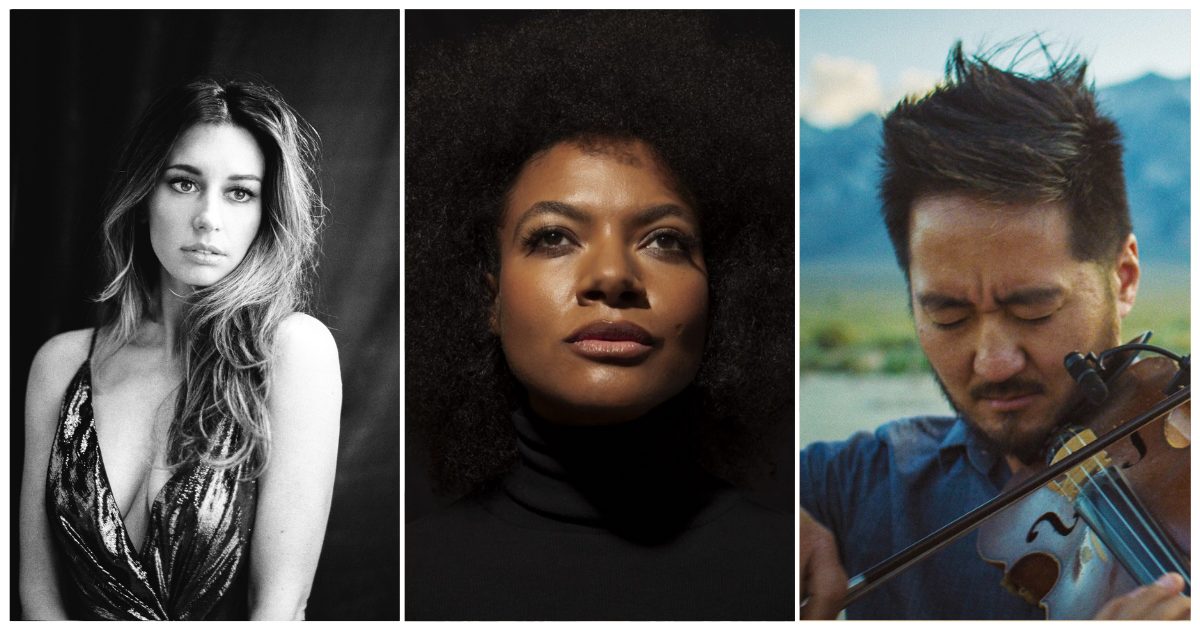
Photos: (L to R) Amy Helm by Ebru Yildiz; Allison Russell by Marc Baptiste; Tony Joe White by Leann White

LISTEN: Graber Gryass, “Your Body’s Border”

Artist: Graber Gryass
Hometown: Memphis, Tennessee
Song: “Your Body’s Border”
Album: Spaceman’s Wonderbox
Release Date: May 21, 2021
Label: Outer Orbits

In Their Words: “‘Your Body’s Border’ is a meditation on boundaries in song. From the pensive bouzouki that opens the tune to the first couplet, ‘you’re as old as the crow, fresh as an embryo,’ one can tell this song isn’t supposed to make linear sense and acts more like poetry than storytelling. The voyage is one of discovery — and the discovery is about the joys of being in love, working through stereotypes and clichés (‘if you get sweet and sour with me’), the lengths we go to find love, the transitory nature of national identity, and the repurposing of influence (notice the John Donne homage, ‘my love, my new found land’). Fiddle, banjo, mandolin, two guitars, bouzouki, and upright all play it cool, rather than hot as expected, letting the song take center stage.” — Graber Gryass


Photo credit: Eric Brice Swartz

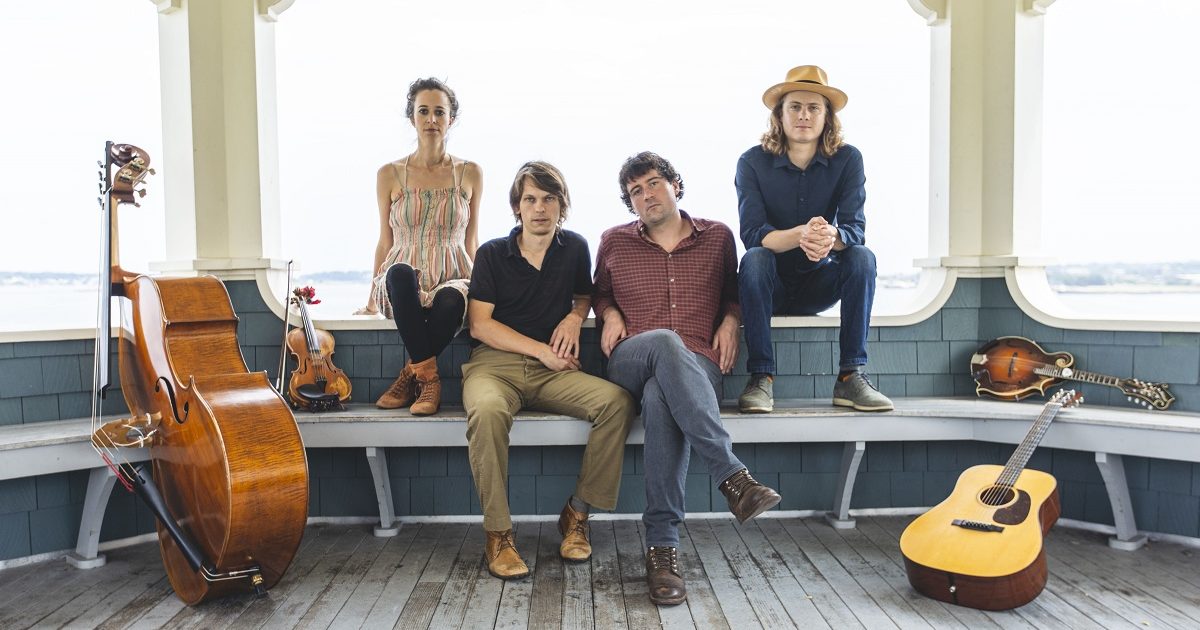
LISTEN: The Grascals, “Thankful”

Artist: The Grascals
Hometown: Nashville, Tennessee
Song: “Thankful”
Release Date: May 21, 2021
Label: Mountain Home Music Company

In Their Words: “The lyrics to our new single are a powerful and wonderful reminder of just how much we all have to be thankful for, and especially now more than ever! I think this song really touched all of our hearts, which made it an easy choice to record, and we’re so glad that the writers — Daryl Mosley and Rick Lang — brought it to The Grascals. ‘Thankful’ makes you pause and reflect on the truly important things in life and where our blessings come from, and I hope all of the listeners will really focus on the words of this song. I know it has helped me keep a brighter disposition while not being able to travel and see my music family and friends — and you just can’t help but smile when you hear it. The Grascals truly are ‘Thankful’!” — John Bryan, singer/guitarist, The Grascals


Photo credit: Kim Lancaster Brantley

LISTEN: Tim O’Brien, “I Breathe In”

Artist: Tim O’Brien
Hometown: Nashville, Tennessee
Song: “I Breathe In” ft. Mike Bub (bass), Shad Cobb (fiddle), and Jan Fabricius (harmony vocal)
Album: He Walked On
Release Date: June 25, 2021
Label: Howdy Skies!

In Their Words: “The project is about what you need to do to survive in America. We all need a roof over our head and something to eat, of course, but we also need love. I’ve been grateful to have Jan beside me during the pandemic. The song stresses the need to take things one step or one breath at a time, and to keep those you love close as you do so.” — Tim O’Brien


Photo credit: Scott Simontacchi

WATCH: Sarah Jarosz, “Morning”

Artist: Sarah Jarosz
Hometown: Wimberly, Texas
Song: “Morning”
Album: Blue Heron Suite
Release Date: May 7, 2021
Label: Rounder

In Their Words: “2017 was an emotional year for me — my mom had been diagnosed with breast cancer the previous winter and the town of Port Aransas was severely impacted by Hurricane Harvey. Those two events caused me to think back to the early morning walks my mom and I would take along Mustang Island beach. We would always spot the Great Blue Herons along the shore. Anyone who’s observed these birds knows that their stoic, calm nature is a treasure to behold. The bird came to be a symbol of hope for my family during a difficult time, and even now, throughout my travels, whenever I spot a Blue Heron, I always think of it as a good omen; a little reminder of the important things in life, especially family.

“Thankfully, my mom is now in remission and Port Aransas is slowly on the mend, but Blue Heron Suite still encapsulates so many of the feelings associated with that time. I like to think of the song cycle as a quiet acknowledgment of life’s many uncertainties; you never know what will be thrown your way, but you can always work to try to face the highs and the lows with grace and strength.” — Sarah Jarosz


Photo credit: Kaitlyn Raitz

BGS 5+5: Graham Sharp

Artist: Graham Sharp
Hometown: Asheville, North Carolina
Latest Album: Truer Picture

Which artist has influenced you the most … and how?

I think Steve Martin has influenced me more than any other artist. The level of attention and devotion he brings to every project (music, film, books, etc.) is inspiring. I don’t think I know any other artist quite so single-minded as Steve. When we began working together I had no expectations, but could easily picture him resting on his past success and coasting; nothing could be further from the truth. Over and over again he’s shown that to be successful you have to put in the daily work, keep pushing yourself and not be afraid to take chances.

How often do you hide behind a character in a song or use “you” when it’s actually “me”?

I try to keep a few approaches in my toolkit, so if A isn’t happening one day maybe B, C, or D will. Sometimes I’ll try to remove myself completely from a song and let the story unfold. More often I can’t quite get away from myself and a lyric is my way of processing a situation. Likewise, I like to place myself in a more unfamiliar setting and try on a different voice or perspective. I think my songs, in general, have become more personal over the years and they’ve helped me be more empathetic. Often a song can encourage me to say what is otherwise scary or difficult to express.

What’s the toughest time you ever had writing a song?

The toughest time I had writing a song was probably “Honey on My Tongue” from the newest Steep Canyon Rangers album. We were holed up in a hotel in Vancouver for several days with no shows. I wanted to use the time to write a song for my daughter but sat there with paper and pen for hours on end with little or nothing to show for it. At some point I bought a ticket and visited a little Japanese garden nearby. But when we left town I still had nothing to show for it. It was familiar frustration of having something in sight but just out of reach. I try not to let that bother me too much, but it’s often in the background. When we got to the next tour stop, maybe Calgary, I got out my guitar backstage and the first thing that I played was a little melody. After that the whole tune just fell into place. Those are good moments.

Which elements of nature do you spend the most time with and how do those impact your work?

I write directly about nature a lot. The song “Deeper Family” is a good example. I was spending time in the woods hiking and had just read The Overstory by Richard Powers. The book talks about the interconnectedness of the forest and a vast life taking place underground. Other times, the woods is simply a great place to let the mind wander and find itself. The forests feel have the great effect of calming the brain while firing up the senses. After a bike ride I can usually count on a new line or perspective or melody.

What other art forms — literature, film, dance, painting, etc. — inform your music?

I tend to write best and most when I’m reading books, stories, or poems that I love. Short stories especially mirror what a song sets out to do. The scene is set and characters come to life so completely and economically. I think the same about the best songs, where no word is wasted and every line has a purpose.

Terry Allen – “The Beautiful Waitress”

The way he paints a scene, you find yourself sitting there in the booth with your bowl of chili and you can’t help but fall in love with the beautiful waitress. I admire writers who can set you down in a world so completely that you start filling in all the gaps from your own imagination. And the spoken word outro is the maybe the best ever.

Don Williams – “Some Broken Hearts Never Mend”

A perfect country song, outlaw with a soft touch. If I could trade my voice for anyone’s it would be Don Williams.

Nina Simone – “The Assignment Sequence”

The way this song starts in easy and builds to a monumentally intense groove never fails to get my heart pounding. Nina Simone is one of the absolute giants of American music, and she has long held my fascination and admiration.

Steep Canyon Rangers – “Honey on My Tongue”

A little song I wrote for my daughter. It’s hard to encapsulate everything that is the love of a parent but I’m proud of how this one turned out. I love the band’s take on it, from Barrett’s Astral Weeks-style bass to Ashworth (normally our drummer) playing a fantastical bubbly banjo line.

Graham Sharp – “Generation Blues”

When chaos seemed like it would swallow the world back last year, I wrote this while thinking about what we’ve inherited and what we can choose to bring with us or leave behind. Seth Kauffman, who produced the record, must have intuited how much I like The Kinks because the feel on this landed just where I didn’t know I wanted it; it seemed like he did that for every track on the record!


Photo credit: Sandlin Gaither

Kishi Bashi Finds a New Comfort Zone in Folk Music on ‘Emigrant’

There’s a particular knowledge that is born only from a road-worn trek, like literature’s hero’s journey, where a protagonist adventures in pursuit of higher knowledge or power, someone like Captain Ahab or Tom Joad.

Kaoru Ishibashi, the musician known as Kishi Bashi, packed a camper during the pandemic and left his home of Athens, Georgia, wandering northbound through the American frontier that’s woven throughout the Western narrative. With newfound time and his daughter in tow, this journey was a personal exploration of Ishibashi’s own identity through the sprawling American terrain.

His trip took him to places like Heart Mountain in Wyoming, a World War II Japanese internment camp — a location he has visited many times during research for his upcoming documentary, Omoiyari: A Songfilm by Kishi Bashi, where he visits similar sites throughout the United States searching for the history that still persists today. The journey also carried him through the Ozarks and the Dakotas, and to small Montana towns like Emigrant — population 271 — just north of Yellowstone, and ultimately across the great expanse of the States to Oregon.

BGS chatted with Kishi Bashi about how this trip is intrinsically tied to his new EP, Emigrant.

BGS: What was the concept behind creating Emigrant? What drew you to creating the theme around the EP?

Kishi Bashi: I’ve been spending a lot of time in Montana the last several years — especially this year, since I had so much time. I took the camper out, took my daughter out, and we did this huge trip cross-country all the way to Oregon; we spread it out over a period of months. I got to enjoy nature in a way that I hadn’t in the past, to kind of imagine what it was like back then. A lot of rural places are pretty much intact; it pretty much is what it was like 100, 200 years ago. In Montana, it’s really cold, so there’s a reason not many people live there — but that’s changing. Emigrant is a town in Montana north of Yellowstone where a friend of mine had a cabin. I borrowed it from her family, and I stayed there for a few days and fleshed out a lot of the EP.

How is the title tied to the name of the town?

To be an emigrant is to leave somewhere in search of a better place to live. I found myself really searching my own identity, my own place in this country — as a minority or even as a musician in these COVID times — trying to find what makes me happy or what makes me a person. The symbolism was really great. [Emigrant] was a frontier town for a lot of people. It was literally the frontier of this violent place, both naturally from the weather, and it was a really cutthroat environment. I was also watching a lot of Deadwood before that — it’s up around there. It may not be historically accurate, but the vibe is definitely accurate. It was that frontier, settler, colonialism type thing. It was a really harsh place to live.

How did you plan your route? What were some of the lessons taken from the road trip?

With my daughter, we started in Athens, so we went up north, and there was a lot of driving. It was a good history lesson for her because we went to the Black Hills in eastern Wyoming — actually, that’s where Deadwood takes place — and how it was Sioux territory. We went to Mount Rushmore, and it was pretty unimpressive. There’s a Crazy Horse Memorial they’re building, which looks interesting and amazing. I was getting her to understand that this is a very complicated, nuanced, but violent history that existed in these lands.

I had the realization that if you live in a city — a town that’s been modernized over and over and over — you don’t feel what it was like back then. That paved road you stand on was a dirt road at one point. Before that, it was just a trail. You don’t really get to see that unless you go out to Montana or some rural area. We basically went straight up through Tennessee, Arkansas, South Dakota, and then cut over through Wyoming.

It sounds like this road trip was an American history lesson. Did you purposefully choose locations around Indigenous or Asian American histories?

Heart Mountain [in Wyoming] — where the internment camp was — I had been there many times. And my daughter as well; she has been there a couple times in the summer, because we’re filming there a lot for this documentary I’m doing. You can’t avoid Native American spaces in this place. It was interesting to see that a lot of the reservations were closed to outside travelers because their health infrastructure was so shoddy, and that people around them were bringing in COVID irresponsibly. That was heartbreaking to see; they were really desperate to keep it out.

Tell me about “Town of Pray.” Was it inspired by the actual town of Pray, Montana?

More by the name; the town of Pray is such a stoic name. I was reading this book — do you know who Jeremiah Johnson is? He’s this folk hero [also called John “Liver-Eating” Johnson], I think a real person, pioneer, Montana mountain man. I don’t know if you know the legend, but it’s such a violent place to exist. He had a Flathead [now known as the Confederated Salish and Kootenai tribes] wife, and she was murdered by the Crows. Then he went on a murderous rampage against the Crows, and then they respected him, and he joined forces against a different tribe. We have a very narrow narrative of what history is. When you see this violent history, it just makes me grateful that I don’t have to, like, kill other people to thrive, which may have been the case if you lived around there back then. You’re always watching your back. You’re always susceptible to trauma.

What are some lessons you hope listeners take away from this EP? Or lessons you learned through making it?

If people have the opportunity to go out and visit nature, get outside of your comfort zone and explore this country. And even more social justice issues, if you wander into any of these small towns, like in Montana — Bozeman used to be like 20 percent Chinese. Now it’s like zero. There’s a reason a lot of towns are white. After they built the railroad, they drove everyone out of town. Wonder why this country is not being shared by everyone?

You included two covers on your EP, [Dolly Parton’s “Early Morning Breeze” and Regina Spektor’s “Laughing With”]. Why were those chosen, and how do they tie into the overall theme?

One of the reasons was I definitely wanted to showcase female songwriters, because I looked at the Rolling Stone top 100 songwriters, and there were like two women in there — like Madonna and Dolly Parton. And it’s embarrassing. So I made an effort to do that. Of course, I love Dolly Parton just like everybody else. I always liked that song, and I thought it fit the vibe. The Regina Spektor song — I used to play for her; I was in her band — I always thought she was underrated, especially amongst musicians and as a songwriter. Lyrically, she’s brilliant, and she’s a huge inspiration for me. For the next generation of people who may not know her music, I wanted to point out that I have the deepest respect for her songwriting by covering her song.

Why lean into the folk or bluegrass genre for this EP?

It’s something I always wanted to do. This is also a disclaimer: I’m not a bluegrass musician. I don’t have much of a bluegrass situation amongst me, but I’m bluegrass adjacent. I went to Berklee College of Music and I studied with Matt Glaser, who’s an Americana teacher. But I played jazz violin. Gypsy swing, that’s my thing. I always loved bluegrass music, but I never felt, culturally, it was something I could attach myself to. I had this whole stigma, like imposter syndrome, of not being from a rural place. I’m a city dweller. It took me a while to own up to a fiddle tune.

As I became more comfortable with my own identity of being an American musician — an Asian American musician — I was like, “What if I just want to play something folky?” It was something I always wanted to do. So there are a lot of fiddle elements, especially in “Town of Pray.” If you think about “What is American music?” There’s jazz, there’s blues. Fiddle tunes come from a lot of Irish and Scottish roots in the mountains. American music is this huge conflagration of all these different cultures melding into each other. I think that’s the beauty.

And where’s my place in that? I’m an Asian guy playing a European instrument — violin — playing jazz, which is from the South with African American contributions. I always felt like I didn’t have a real identity as an American, so that’s probably why I felt so comfortable singing bluesy stuff, or putting a fiddle tune in there — just because I want to.


Photo credit: Max Ritter