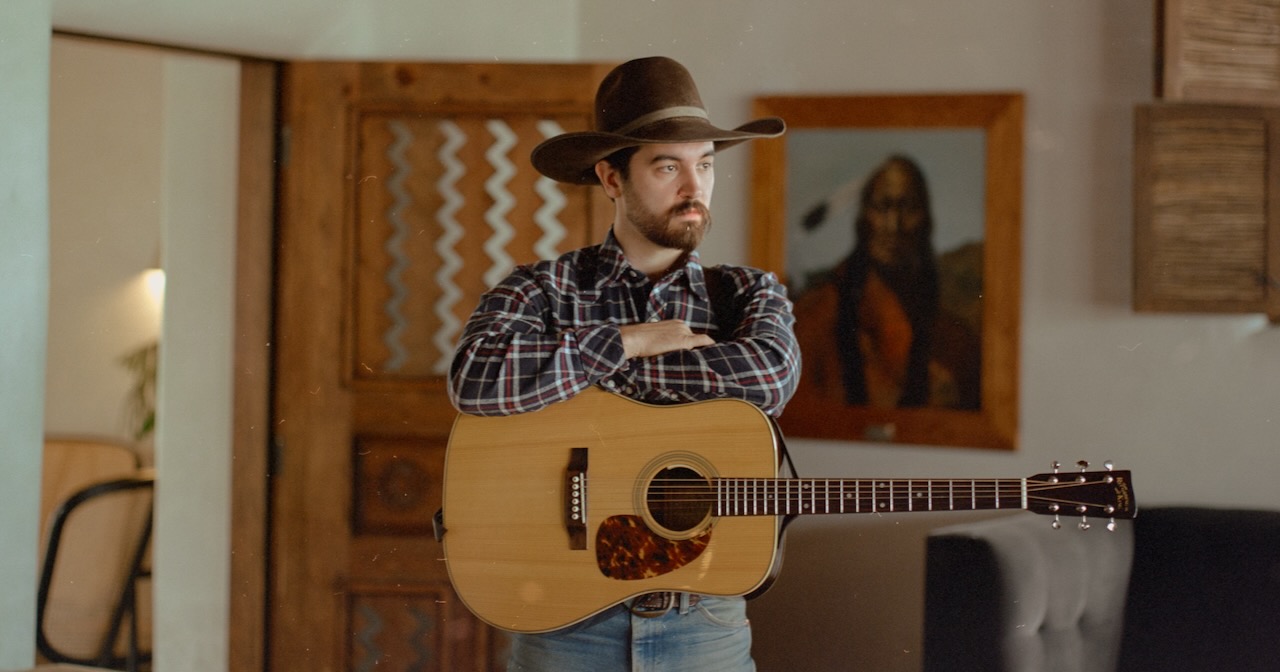
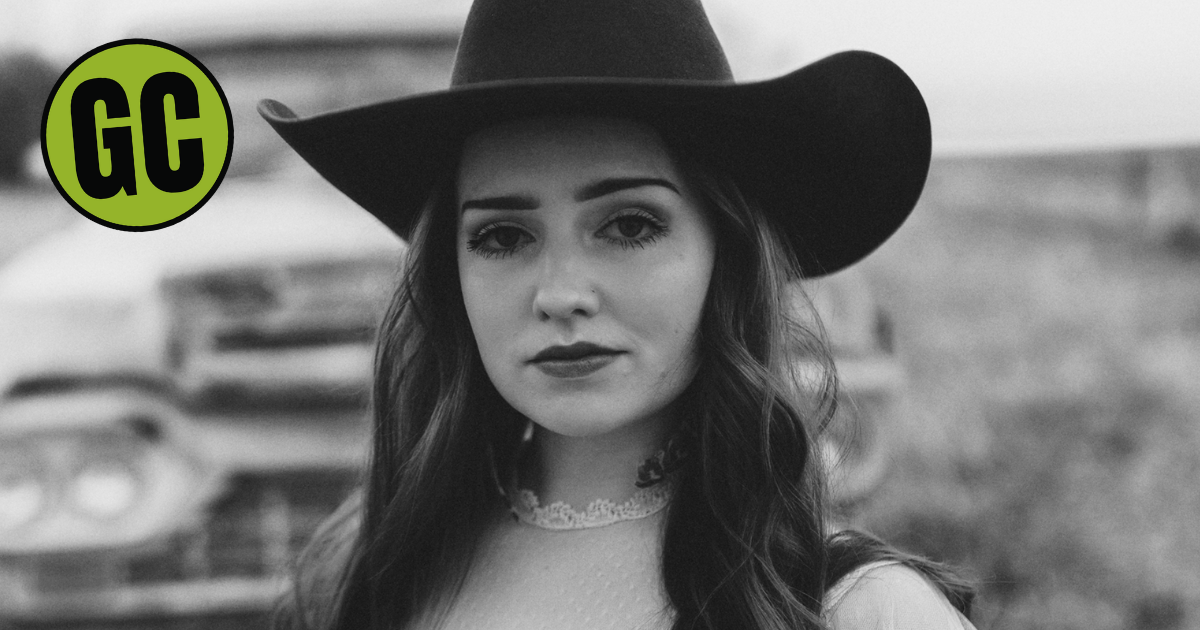
Artist:Sterling Drake Hometown: Philipsburg, Montana Latest Album:The Shape I’m In (out May 2, 2025 via Calusa Music/Missing Piece Records) Personal Nicknames (or rejected band names): “Sterl Haggard”
If you had to write a mission statement for your career, what would it be?
Roots country and folk music have a way of bringing people together. These songs carry the stories and wisdom of those who came before us, reminding us of what we share across generations. Music can open hearts, challenge perspectives, and create space for vulnerability. I’m especially grateful for the chance to use my platform to advocate for the land, the people who depend on it, and the importance of mental health both in rural communities and beyond. Whether playing for a small gathering or a big crowd, I see music as a way to keep these stories alive and inspire connection.
Which elements of nature do you spend the most time with and how do they impact your work?
I live in a small town in Granite County, Montana, where the land is mostly ranches and public wilderness and things are luckily untouched by urban sprawl. The Rockies and the high desert ranges are the place I like to go to in my mind. Although music is my main focus at this time in my life, I spend a lot of time outdoors. Horseback, hiking, camping, skiing, and helping out the neighbor in the branding pen. Being outside is part of my daily life, and it helps keep me grounded.
Genre is dead (long live genre!), but how would you describe the genres and styles your music inhabits?
I consider my music “roots” in the broadest sense. It draws from the deep well of American musical traditions: country, folk, Western, bluegrass, Western swing, and even Irish traditional. At times I may lean more on traditional country and honky-tonk and other times I may feel inspired by something else, and I enjoy the creative flexibility. At its core, it’s about storytelling, connection, and carrying forward the sounds and ideas that have shaped generations before me.
Which artist has influenced you the most – and how?
Willie Nelson has influenced me the most. He pulls from so many corners of American music – jazz, blues, folk, Western swing – but no matter what he’s playing, it always feels country, always feels Western, and always feels like Willie. He never let genres box him in, and that’s something I really admire. His approach to songwriting, storytelling, and even the way he plays guitar has shaped how I think about music.
A close runner-up would be Roger Miller. He had this effortless looseness and wit in his writing that made even the simplest songs feel unique. He never took himself too seriously, but was still a master of his craft. That balance between depth and playfulness is something I aspire to carry into my own music.
What’s one question you wish interviewers would stop asking you?
Interviewers will sometimes ask artists the question, “When did you know you were talented, or when you were a musician?” It makes it sound like creating music is something only a few people are born to do, when in reality, it takes years of work, dedication, and a willingness to keep learning. More importantly, it makes artistic expression seem out of reach for most people, when creativity exists in everything we do. Music isn’t about being chosen, it’s about choosing to put in the time and effort to make something meaningful.
If you missed the Grand Ole Opry’s no-holds-barred 100th birthday party and live television broadcast extravaganza on NBC, we’ve got your recap right here on BGS.
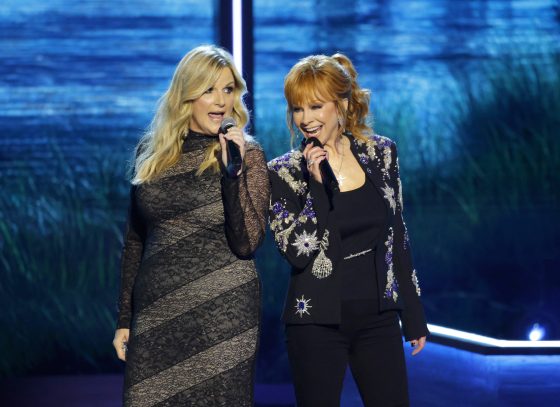
Hosted by Blake Shelton at the historic Grand Ole Opry House in Nashville, Tennessee, Opry 100 included performances by artists like Vince Gill, Alison Krauss & Union Station, Lainey Wilson, Brad Paisley, Ashley McBryde, Reba McEntire, Dierks Bentley, Garth Brooks, Trisha Yearwood, and many more. The primetime broadcast and streaming concert is just one event among an incredible, chocked-full effort by the Opry to celebrate their centennial – officially November 28, 2025 – throughout the entire calendar year.
Over the two-hour broadcast, there were dozens of show-stopping moments, from the brash, bold, and sensational to tender, intimate, and heart-wrenching performances. Good country of all varieties was on display from a wide array of artists at all levels of notoriety.
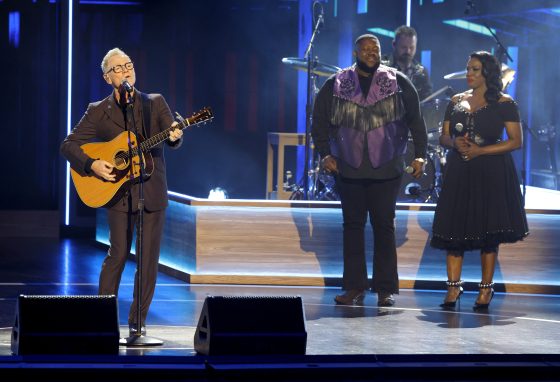
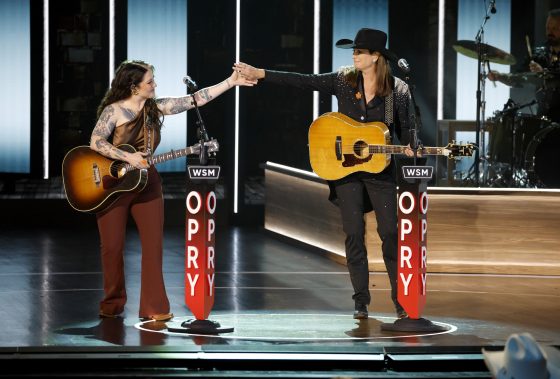
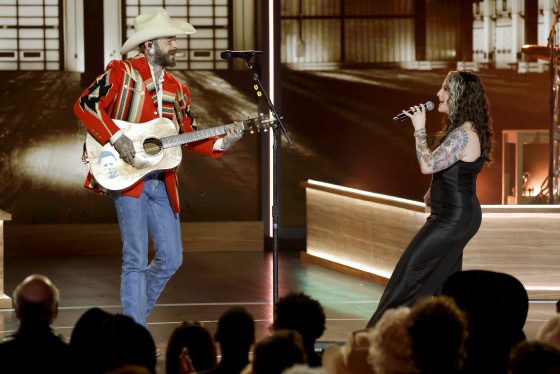
The War and Treaty sang alongside Steven Curtis Chapman and Amy Grant; Vince Gill reunited with his old pals Jeff Taylor and Ricky Skaggs; Ashley McBryde brought the house down alongside superstar country newcomer Post Malone and elsewhere in the show, ’90s stalwart Terri Clark; Lainey Wilson shared the stage with country picker and renaissance man Marty Stuart; husband-and-wife Trisha Yearwood and Garth Brooks were on hand; and Brad Paisley and Alison Krauss reunited for their 2003 smash hit duet, “Whiskey Lullaby.”
The show wrapped with a stunning full cast tribute to Dolly Parton, who greeted the Opry House audience via video and gave her sincere regrets for not being able to appear at the event. (Parton’s husband of 58 years, Carl Dean, recently passed away.) Dozens of the evening’s star artists took to the stage to pay tribute to Parton by singing her most famous hit, “I Will Always Love You,” a perfect, soaring sing along to close the momentous show.
There are truly too many once in a lifetime collaborations, songs, moments, and performances from Opry 100 to list, but we’ve collected a few of our favorite moments so you can relive this once-in-a-lifetime – or once-in-a-century – show! Get your fix by traveling through a few of our own favorite moments from Opry 100: A Live Celebration below.
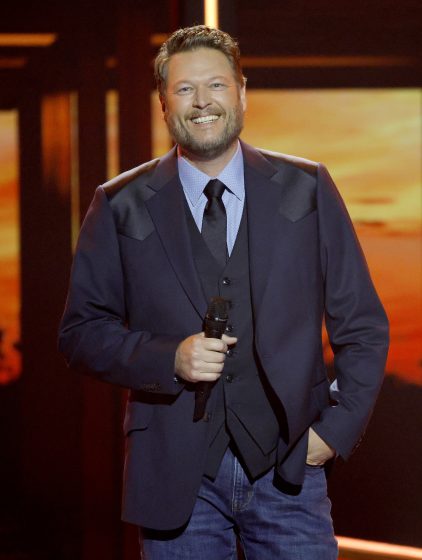
Blake Shelton Hosts
Country superstar, award winner, and television personality Blake Shelton was a more than qualified host for Opry 100: A Live Celebration. Of course, he also gave a rousing performance of Joe Diffie’s “Pickup Man” to the delight of everyone in the crowd who find somethin’ they like in a pickup man. It wouldn’t be a celebration of country or the Opry without a truck mention.
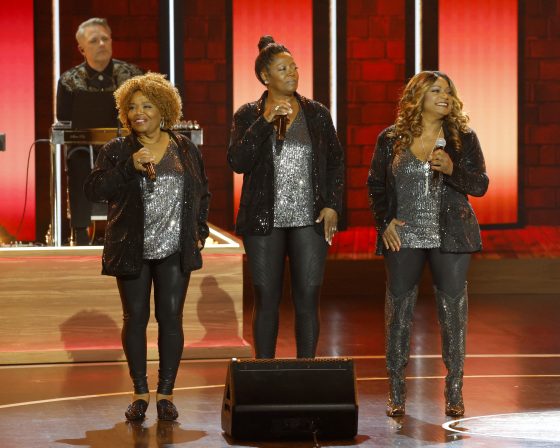
Nashville’s Own, the McCrary Sisters
Nashville’s favorite, in-demand singing siblings, the McCrary Sisters were on hand for Opry 100, too. It’s certainly not their first time on the hallowed Opry stage, but in the centennial context their appearance reminds of the legacies of similar groups who blazed trails at the Opry before them – like the Pointer Sisters – and those who’ve followed in their footsteps, like the Shindellas and Chapel Hart.
Steven Curtis Chapman and the War and Treaty Share a Sacred Moment
Grand Ole Opry member and contemporary Christian singer-songwriter Steven Curtis Chapman was joined by Americana/soul/country duo the War and Treaty for his performance on Opry 100.
Lainey Wilson and Hall of Famer Marty Stuart Duet
One of the biggest names in country at the moment, former GC and BGS
Artist of the Month Lainey Wilson was joined by bluegrasser, fiery picker, and Country Music Hall of Famer Marty Stuart backing her up on mandolin. They perform “Things a Man Oughta Know” from her huge 2021 album, Sayin’ What I’m Thinkin’, which many regard as her breakout release.
Ashley McBryde with Post Malone and Terri Clark
Ashley McBryde had multiple stellar moments during Opry 100, including these two prime duo performances. One with ’90s country star Terri Clark and another with a superstar newcomer to the genre, Post Malone. Her song selection with Postie was impeccable, too, taking the Opry 100 down to “Jackson” to mess around.
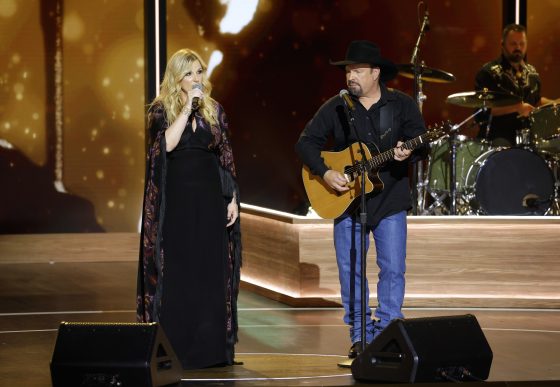
Trisha Yearwood with Garth Brooks and Reba McEntire
Country has boasted many amazing artist couples, but who better to take the Opry 100 stage than Trisha and Garth? Trisha also appeared with Reba McEntire to perform “The Night the Lights Went Out in Georgia,” a track that has been a huge generation-spanning hit for McEntire.
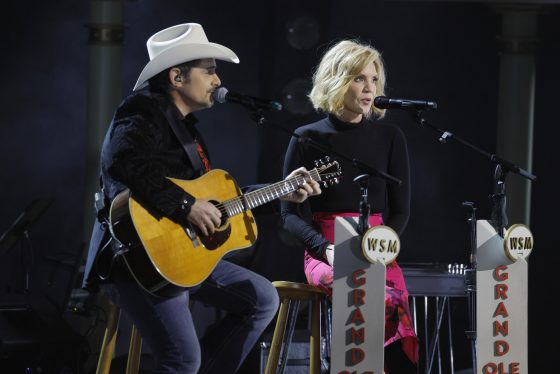
Brad Paisley and Alison Krauss Reunite
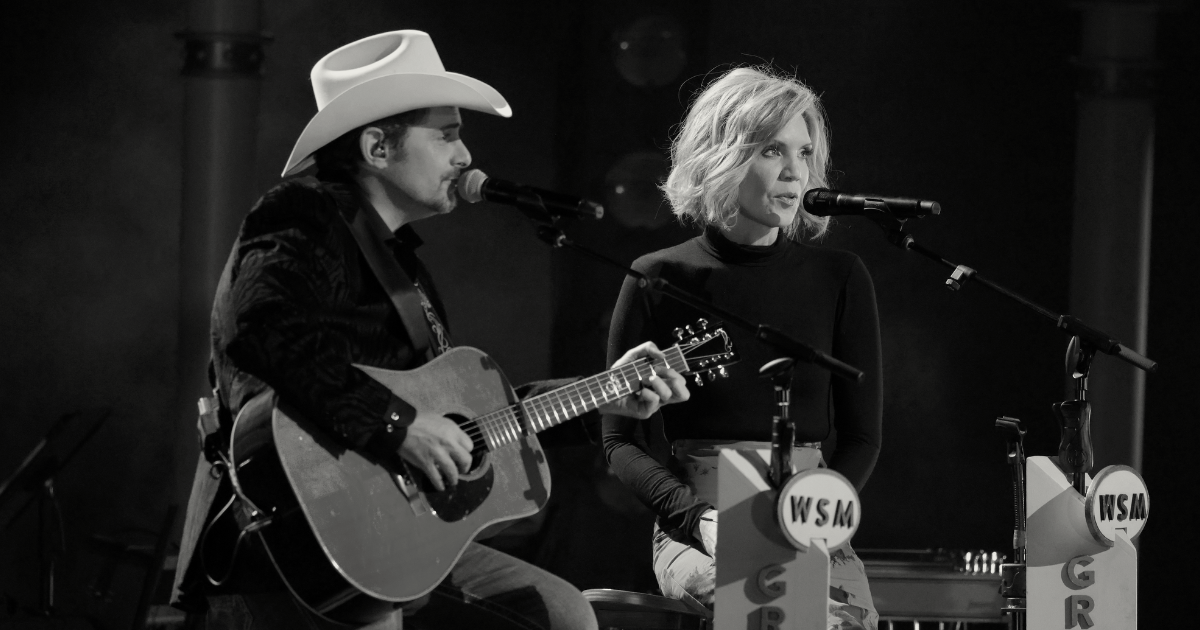
An iconoclastic example of a tear-jerker country story song, Paisley and Krauss’s recording of “Whiskey Lullaby” was released in the 2000s, but has had immense staying power. It shines from the Opry 100 stage in its simple and stripped-down styling. Is anyone a better duet partner and harmonizer than Alison Krauss? Perhaps not. Certainly a highlight among all of the many highlights of the broadcast
Alison Krauss & Union Station Perform, Too
On the precipice of their first album release in over 14 years, Alison Krauss also brought her band Union Station – including newest member,
– to the Opry 100 stage. Introduced by the Queen of Bluegrass, Rhonda Vincent, AKUS performed a hit from a prior era, “Let Me Touch You for Awhile” off 2001’s New Favorite. Their brand new project, Arcadia, releases March 28.
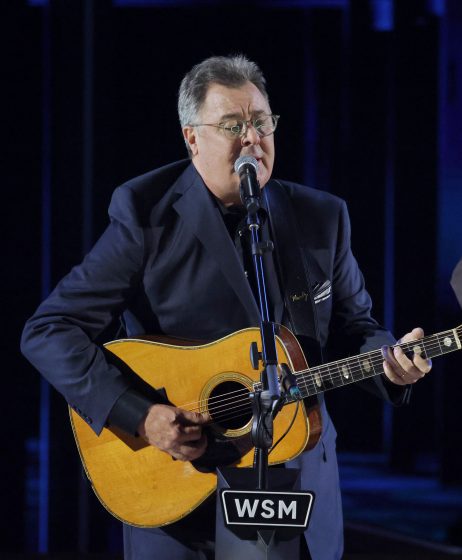
Country Music Hall of Fame Inductee, Vince Gill
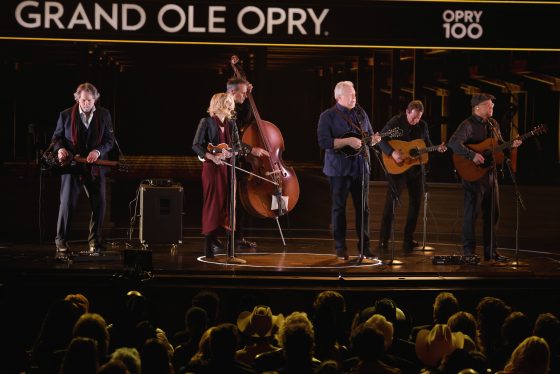
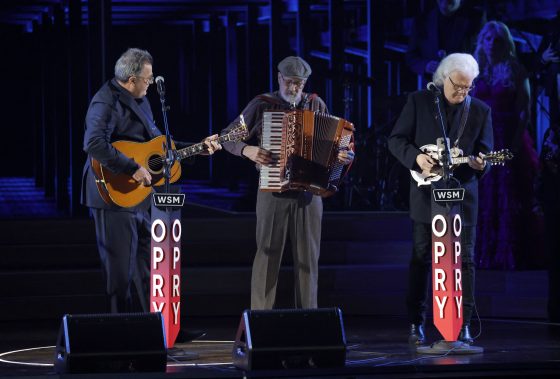
It wouldn’t have been a complete lineup for Opry 100 without Vince Gill! The Country Music Hall of Famer was joined by his old friends Jeff Taylor on accordion, Sonya Isaacs, and fellow inductee Ricky Skaggs, to sing perhaps his most famous song, “Go Rest High on that Mountain.” An impactful and inspiring number, the original has been a comfort to thousands of fans and listeners experiencing their own losses and grief. Of his deep-and-wide catalog of music, there’s not a better choice for an evening like Opry 100.
Ketch, Dierks, and Jamey
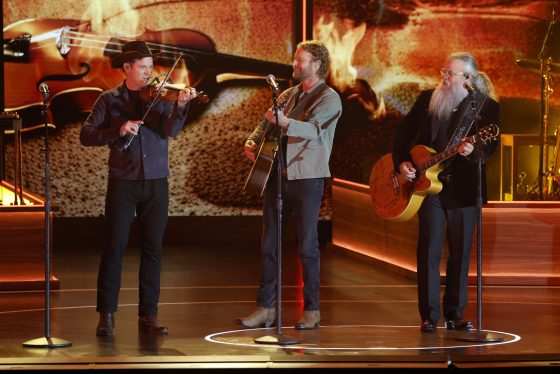
An Opry member trifecta, Dierks Bentley, Jamey Johnson, and old-time and bluegrass fiddler Ketch Secor (of Old Crow Medicine Show) paid tribute to the Charlie Daniels Band with a perfectly honky-tonkin’ medley of “Drinkin’ My Baby Goodbye” and, of course, “The Devil Went Down to Georgia.” From the sidewalks of Lower Broadway to the Grand Ole Opry stage, Charlie Daniel’s impact on country is indelible.
Luke Combs’ Mother Church Moment
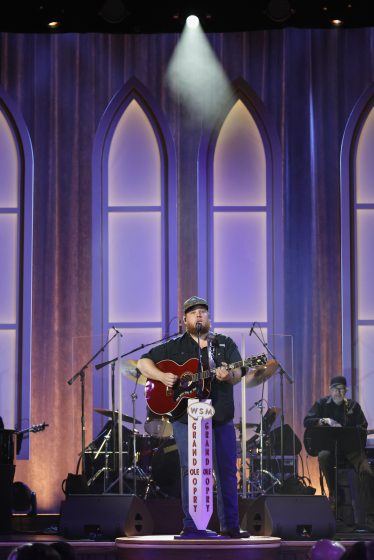
From the hallowed stage of the Ryman Auditorium, the most famous former home of the Grand Ole Opry, one of the most popular singers in all of country, Luke Combs, performed George Jones’ “The Grand Tour,” as well as “Hurricane,” for Opry 100. With more than 800 million streams (on Spotify alone), “Hurricane” is one of his biggest hits from his 2017 album, This One’s For You, which has been certified double platinum by RIAA.
This long list of our favorite Opry 100 moments is still, somehow, merely the tip of the country iceberg. Stay tuned as the Grand Ole Opry continues their 100th birthday celebration all year long.
All photos courtesy of the Grand Ole Opry; credit Getty/Jason Kempin.
Lead image: Brad Paisley and Alison Krauss perform “Whiskey Lullaby” live at Opry 100.
Want more Good Country? Sign up to receive our monthly email newsletter – and much more music! – direct to your inbox.
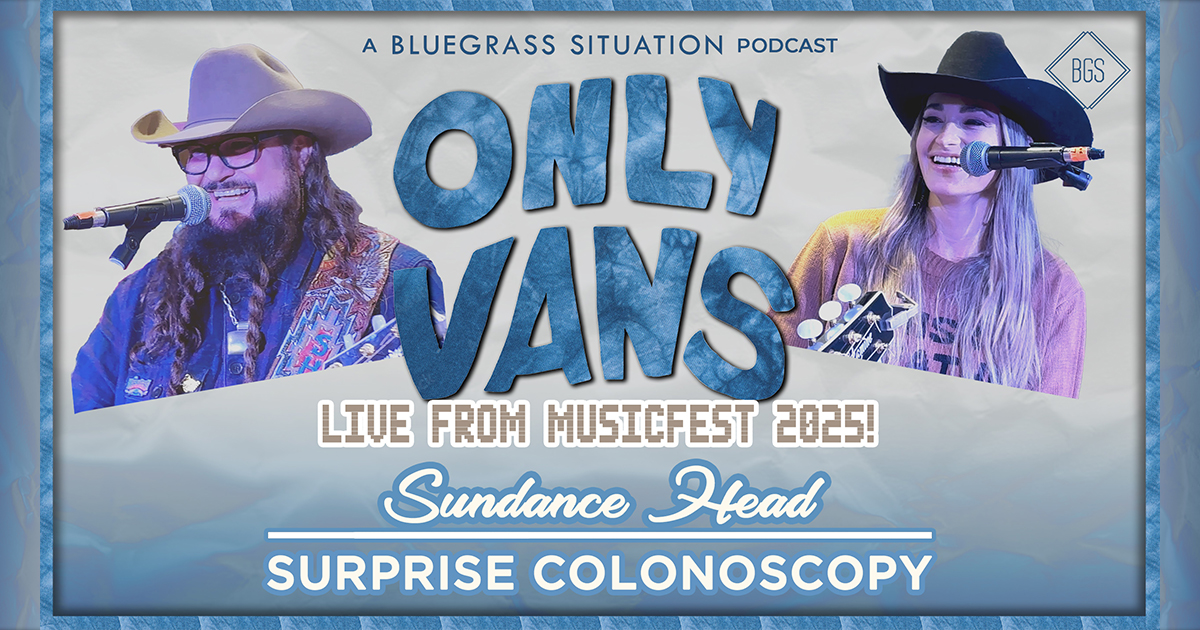
Sundance Head is not only one of my oldest friends in the Texas country scene, but also a previous winner of NBC’s The Voice – and probably the most insanely talented individual alive. In this episode we discuss divine intervention, OnlyFans, shooting yourself (accidentally), colonoscopies, and much more.
Sundance Head has one of the most amazing voices of anyone I know and I was really thankful we got to showcase that at the last special live audience taping of this podcast at MusicFest in Steamboat, Colorado. Winner of the hit NBC TV show The Voice in 2016, Sundance has been showcased on a worldwide stage, but please go to SundanceHead.com and check out his current tour schedule so that you can go support him (and have your face melted off in person)!
Sundance is the son of Roy Head, who had a successful music career of his own; Roy Head and The Traits were inducted into the Rockabilly Hall of Fame in 2007 and that musical bloodline and those natural entertainer vibes shine in this episode. Sundance is so funny. Oh, and we talk about the bullet still lodged in his stomach. Everyone laughs and everyone cries. Enjoy!
Our partnership with our friends at Real Roots Radio in Southwestern Ohio continues as we move from Black History Month to Women’s History Month! This time, we’ll bring you weekly collections of a variety of powerful women in bluegrass, country, Americana, folk, and elsewhere who have been featured on Real Roots Radio’s airwaves each weekday in March, highlighting the outsized impact women have on American roots music.
You can listen to Real Roots Radio online 24/7 or via their FREE app for smartphones or tablets. If you’re based in Ohio, tune in via 100.3 (Xenia, Dayton, Springfield), 106.7 (Wilmington), or 105.5 (Eaton).
American roots music, historically and currently, has often been regarded as a male-dominated space. It’s certainly true of the music industry in general and these more down-home musics are no exception. Thankfully, American roots music and its many offshoots, branches, and associated folkways include hundreds and thousands of women who have greatly impacted these art forms, altering the courses of roots music history. Some are relatively unknown – or under-appreciated or undersung – and others are global phenomena or household names.
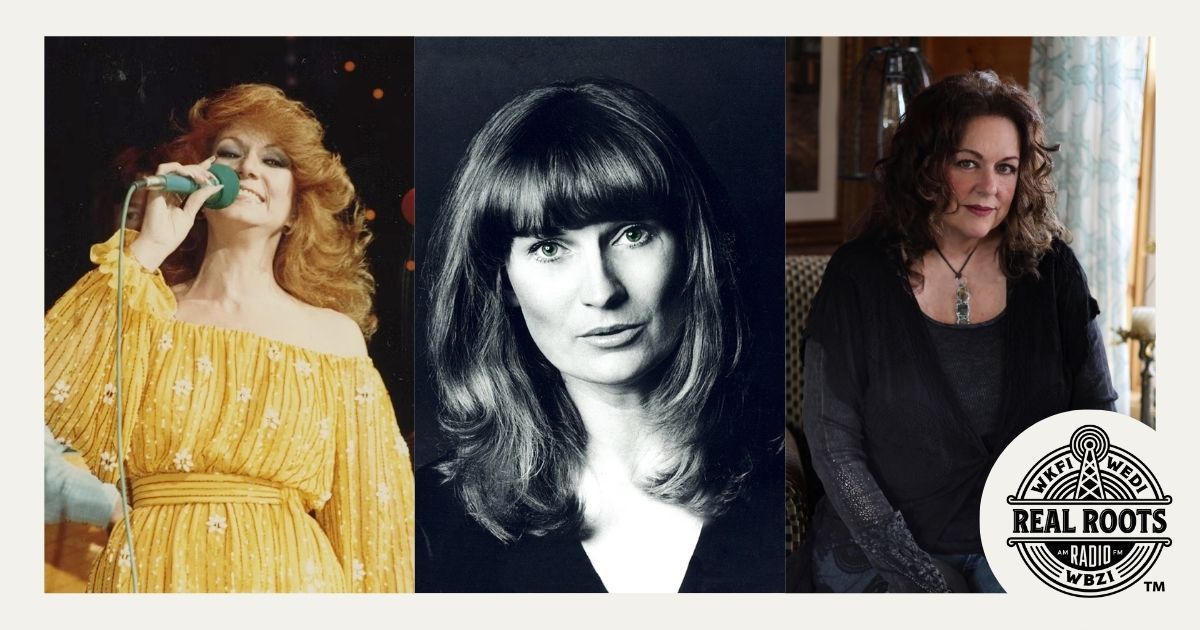
Over the next few weeks, we and RRR will do our best to bring you examples of women in roots music from all levels of notoriety and stature. Radio host Daniel Mullins, who together with BGS and Good Country staff has curated the series, kicks off March featuring Dottie West, Girls of the Golden West, Donna Ulisse, Gail Davies, and Cousin Emmy. We’ll return next week and each Friday through the end of the month with even more examples of women who blazed a trail in roots music.
Plus, you can find two playlists below – one centered on bluegrass, the other on country – with dozens of songs from countless women artists, performers, songwriters, and instrumentalists who effortlessly demonstrate how none of these roots genres would exist without women.
Dottie West (1932 – 1991)
She was a trailblazer, a storyteller, and a country music legend. Dottie West – born Dorothy Marsh in the small town of Frog Pond, Tennessee – rose to fame with her rich voice and heartfelt songs. Her childhood was heartbreaking, due to physical and sexual abuse at the hands of her alcoholic father. As a teenager, she testified against her father, aiding in his conviction and sentencing on charges resulting from his continued sexual abuse of her and her siblings.
After high school, Dottie received a music scholarship to pursue her passion. It was her songwriting that really helped build in-roads for her in the music business, particularly after Jim Reeves had a top three hit with Dottie’s song, “Is This Me.” In 1965, she made history as the first female country artist to win a GRAMMY with her original composition, “Here Comes My Baby.” Its smash success also led to her becoming a member of the Grand Ole Opry.
From then on, Dottie became a force in Nashville, penning hits and performing alongside legends like Jim Reeves, Don Gibson, Jimmy Dean, and Kenny Rogers. Her duets with Kenny melted hearts, but her solo career soared, too, scoring twenty-five Top 40 country hits as a solo artist spanning three different decades. Songs like “A Lesson in Leavin’” proved she was unstoppable.
Part of Dottie’s legacy is that of friend and mentor. Pointing to Patsy Cline’s encouragement of her own career, Dottie West would help build up aspiring performers like Jeannie Seely, Steve Wariner, and more. She also helped transform the image of the female country star, with a sexy wardrobe full of flash and glamour. Dottie would be one of the first country artists to find success in writing commercial jingles as well, most notably, Coca-Cola’s use of “Country Sunshine.” But tragedy struck in 1991 when a car accident on the way to the Grand Ole Opry cut her life short at the age of 58.
Though gone too soon, Dottie West’s voice still echoes through country music. She was posthumously inducted into the Country Music Hall of Fame in 2018.
Before there was Dolly or Patsy, there were the Girls of the Golden West! Sisters Mildred and Dorothy Good burst onto the country music scene in the 1930s, blending sweet harmonies and cowboy spirit into radio gold on Chicago’s WLS, home of the National Barn Dance. Alongside early radio stars like Gene Autry, Patsy Montana, and Bradley Kincaid, Girls of the Golden West were one of the most popular country acts of their era.
Taking their name from a popular opera, these Illinois farm girls also developed a compelling backstory for audiences – telling radio listeners they were from Muleshoe, Texas. Embodying the “western” in “country & western,” their cowgirl stage clothes helped add some girl power to the infatuation with cowboys and the Wild West at that time. Their signature song, “Will There Be Any Yodeling in Heaven?,” showcased their angelic voices and signature yodeling style, making them fan favorites on The National Barn Dance.
By the late ’40s, they would relocate from Chicago’s WLS to Cincinnati’s WLW, where they would be part of such iconic programs as the Renfro Valley Barn Dance and the Boone Country Jamboree. Unlike many country acts of the time, these trailblazing women wrote much of their own music, proving that female artists belonged in the spotlight. Their songs, filled with adventure, heartache, and the open range, paved the way for generations of country music legends, including Kitty Wells, Jean Shepard, and The Davis Sisters. Though their fame faded after World War II, their influence never did. So next time you hear a classic country duet, remember – Mildred and Dorothy Good were there first. The Girls of the Golden West were true pioneers of country music.
Donna Ulisse is a powerhouse singer, songwriter, and storyteller whose music blends traditional bluegrass with heartfelt country roots. Originally from Hampton, Virginia, she made her mark in Nashville as a country artist before fully embracing her love for bluegrass.
Donna arrived in Nashville in the early ’80s, working as a harmony vocalist. Her first recording session when she hit town was on a Jerry Reed album. By 1990, she was signed to Atlantic Records, where she released her debut album, Trouble at the Door. This great country album yielded two charting singles for Donna and landed her guest spots on Hee Haw, Nashville Now, and more. But Donna had a knack for mountain melodies – heck, Ralph Stanley & The Clinch Mountain Boys played at her wedding (her husband, Rick, is a Stanley after all).
Donna began gaining traction as a songwriter and released her first album of original bluegrass in 2007. Since then, she hasn’t looked back. With a voice as rich as the Appalachian hills and lyrics that paint vivid pictures of life, love, and faith, Donna has penned songs for top artists like Del McCoury, The Grascals, Darin & Brooke Aldridge, and more. Her song, “I Am a Drifter” was recorded by Volume Five and was named Song of the Year by the International Bluegrass Music Association in 2017. Donna has multiple Bluegrass Songwriter of the Year honors under her belt, as well.
But it’s her own albums – filled with soul-stirring melodies and award-winning songwriting – that truly showcase her artistry. Hits like “Back Home Feelin’ Again,” “Come to Jesus Moment,” “When I Go All Bluegrass on You,” and “Livin’ Large in a Little Town” have made her a beloved mainstay on bluegrass radio and at bluegrass festivals nationwide. Whether she’s performing on stage, writing timeless tunes, or inspiring the next generation of songwriters, Donna Ulisse is a true gem in bluegrass music.
She wasn’t just another voice on the radio, she was the first female record producer in country music history. Let’s tip our hats to a native of Broken Bow, Oklahoma and a trailblazer in country music: Gail Davies!
Originally a session singer, Davies sang on records by Glen Campbell, Hoyt Axton, Neil Young, and more. Through this experience she befriended Joni Mitchell, whose producer taught her about record production. In the mid-’70s she worked alongside Roger Miller and started her songwriting journey. Her song, “Bucket to the South,” would be covered by Lynn Anderson, Ava Barber, Wilma Lee Cooper, and later recorded by Gail herself.
In the late ’70s and ’80s, Davies broke barriers. She released her self-titled debut album in 1978. Though successful, she was dissatisfied with the production, changing labels in order to produce her own records – much like Willie Nelson and Waylon Jennings had done earlier in the decade. This made Gail Davies country’s first female record producer. The result was stellar, yielding her first top ten hit, “Blue Heartache.”
Gail crafted a unique sound that blended traditional country with fresh, innovative production. Hits like “Grandma’s Song” and “I’ll Be There (If You Ever Want Me)” put her on the map, proving she had the talent and the vision to shape her own career. But Gail wasn’t just making music – she was making history, paving the way for women in Nashville to take creative control of their work, inspiring hitmakers who would follow in her wake like Suzy Bogguss, Kathy Mattea, Mary Chapin Carpenter, and Pam Tillis.
Davies would also produce albums for others as well, being hired as the first female Music City staff record producer in 1990. Over the years she would record with Emmylou Harris, The Whites, Ricky Skaggs, Dolly Parton, and even Ralph Stanley. With over a dozen albums and a career spanning decades, her impact still echoes through country music today. So here’s to Gail Davies – a pioneer, a hitmaker, and a legend.
Have you ever heard of Cousin Emmy? If you haven’t, you’re missing out on a true legend of the Appalachian music scene. Born Cynthia May Carver in the heart of Kentucky, Cousin Emmy was the daughter of sharecroppers and a pioneering force in old-time radio and country music.
In the 1930s, her voice rang out across the airwaves captivating listeners with her mountain spirit and stunning talent. She became the first female to win the National Oldtime Fiddlers’ Contest in 1935 and fronted her own band and radio show by the end of the decade. A true trailblazer for women in bluegrass, she didn’t just play – she performed. Known for her skillful banjo playing and unforgettable voice, Cousin Emmy brought Appalachian culture to the masses on major radio stations in Wheeling, Knoxville, St. Louis, and Chicago, leading her to be signed to Decca Records.
Cousin Emmy was featured in Time magazine in 1943, informing its readers that her popular St. Louis radio program drew an average of 2.5 million listeners every Sunday morning. From live shows to classic radio broadcasts, she influenced generations of musicians, including Grandpa Jones (whom she purportedly taught how to play old-time banjo) and Bobby Osborne, who heard her recording of “Ruby” on jukeboxes when he was a youngster. It would later become the debut single for The Osborne Brothers, and remained one of their signature songs, solidifying its status as a bluegrass standard.
Emmy would eventually move to L.A., where she would raise the children she adopted while continuing to perform locally. As the Folk Revival emerged in the early ’60s, the New Lost City Ramblers heard Cousin Emmy performing at Disneyland and encouraged her to join them on record. That session introduced her to a new generation of fans and led to appearances on the folk circuit, including the infamous 1965 Newport Folk Festival. She passed away in southern California in 1980, at the age of 77. Remember the name: Cousin Emmy — a powerful personality and hillbilly star.
Want more Good Country? Sign up for our monthly email newsletter full of everything country.
Listen to Real Roots Radio online 24/7 or via their FREE app for smartphones or tablets.
Photo Credit: Dottie West courtesy Country Music Hall of Fame & Museum; Gail Davies courtesy of the artist; Donna Ulisse courtesy of Turnberry Records.
To celebrate Black History Month – and the vital contributions of Black, Afro-, and African American artists and musicians to American roots music – BGS, Good Country, and our friends at Real Roots Radio in southwestern Ohio have partnered once again. This time, we’ll be bringing you weekly collections of a variety of Black roots musicians who have been featured on Real Roots Radio’s airwaves. You can listen to Real Roots Radio online 24/7 or via their FREE app for smartphones or tablets. If you’re based in Ohio, tune in via 100.3 (Xenia, Dayton, Springfield), 106.7 (Wilmington), or 105.5 (Eaton).
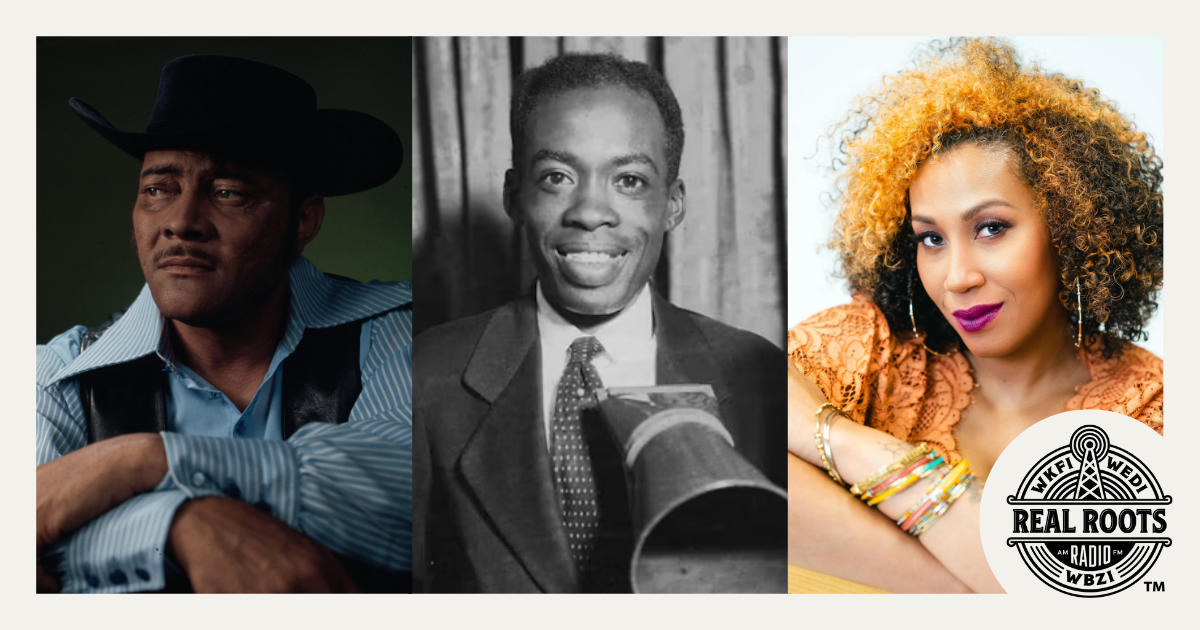
American roots music – in any of its many forms – wouldn’t exist today without the culture, stories, skills, and experiences of Black folks. Each week throughout February, we’ll spotlight this simple yet profound fact by diving into the catalogs and careers of some of the most important figures in our genres. For week two of the series, RRR host Daniel Mullins shares songs and stories of Stoney Edwards, Rissi Palmer, Keb’ Mo’, Tina Turner, and DeFord Bailey. Check out the first week of the series here.
We’ll return each Friday through the end of the month to bring you even more music celebrating Black History and the songs and sounds we all hold dear. Plus, you can find a full playlist with more than 100 songs below from dozens and dozens of seminal artists, performers, songwriters, and instrumentalists from every corner of folk, country, bluegrass, old-time, blues, and beyond.
Black history is American roots music history; the two are inseparable. As we celebrate Black History Month and its legacy, we hope you’ll join us in holding up and appreciating the artists who make country, bluegrass, blues, folk, and Americana the incredible and impactful genres that they are today.
Stoney Edwards (1929 – 1997)
If you don’t know the late, great Stoney Edwards’ name, it’s time to fix that – because his story in country is as powerful as the songs he sang.
Born Frenchie Edwards in Seminole Country, Oklahoma, in 1929, Stoney was part African American, Native American, and Irish. The son of sharecroppers, he was a prominent bootlegger in Oklahoma during his younger years. Stoney had dreams of playing the historic Grand Ole Opry. His big break in music would come later in life, in his early 40s, when he was discovered in California singing his honky-tonk style at a benefit for the King of Western Swing, Bob Wills.
Stoney was signed to Capitol Records in the early ’70s and from there he made history. He scored fifteen charting singles, including a pair of Top 20 hits, one of which – his 1973 hit “She’s My Rock” – is still revered as a bona fide country standard later covered by artists like Brenda Lee and George Jones. His songs were deeply authentic, whether he was singing about love, loss, or his own experiences growing up poor and Black in America. He gave a voice to the underdog, often drawing from his own struggles, including battling discrimination and working blue-collar jobs before music. Edwards would also record several songs saluting his country heroes over the years, including “The Jimmie Rodgers Blues,” “Daddy Bluegrass,” and his Top 40 hit, “Hank and Lefty Raised My Country Soul.”
Stoney’s music wasn’t just about catchy melodies; it was about storytelling. His debut single was inspired by a true story. Before he hit it big as a country singer, Stoney was trying to provide for his family working as a forklift operator at a steel refinery in San Francisco. A workplace accident resulted in Edwards being sealed up in a tank and suffering dangerous carbon dioxide poisoning; he endured an extensive two-year recovery, both physically and mentally. During this time, Stoney was struggling to care for his wife and children, so he planned to leave in the middle of the night. However he tripped over one of his daughter’s toys, and it prompted him to stay. In 1970, backed by the virtually unknown Asleep at the Wheel, Stoney Edwards released his debut single, the autobiographical “A Two Dollar Toy.”
While his career didn’t reach the same commercial heights as some of his peers, Stoney Edwards left an indelible mark on country music. He paved the way for greater diversity in the genre and showed that country music is for everyone – no matter where you come from or what you look like. Stoney Edwards passed away from stomach cancer in 1997 at the age of 67.
She’s a trailblazer in country music, a voice for change, and an artist who refuses to be boxed in – meet Rissi Palmer!
Palmer’s mother passed away when she was just seven years old, but she instilled in her a love for the music of Patsy Cline. Rissi would burst onto the country scene in 2007 with her hit single, “Country Girl,” making history as one of the few Black women to chart on the Billboard country charts. Rissi has built a career on breaking barriers by blending country, soul, and R&B into a sound all her own. She has penned some empowering original songs, helping folks on the margins feel seen, especially her most personal song, “You Were Here,” dealing with the heartbreak of a miscarriage.
Beyond the music, Palmer uses her platform to uplift underrepresented voices in country and roots music. As the host of Color Me Country radio on Apple Music, she spotlights Black, Indigenous, and Latino artists in country music – proving that the genre belongs to everyone. With her powerful voice and unwavering spirit, Rissi Palmer isn’t just making music, she’s making history.
Keb’ Mo’ is a modern blues legend. Born Kevin Moore, this L.A. native blends Delta blues with folk, soul, and a touch of country. With his smooth vocals and masterful guitar skills, he’s kept the blues alive for over four decades.
Mo’ is heavily influenced by the late Robert Johnson, who preceded Keb’ by about 60 years. Keb’ portrayed Robert Johnson in a 1998 documentary and included two Johnson covers on his breakthrough self-titled album in 1994. He has since won five GRAMMY Awards, collaborated with legends like Bonnie Raitt, Jackson Browne, and Taj Mahal, and performed for multiple U.S. presidents.
Mo’ is embedded in country and Americana music as well, working with cats like Lyle Lovett, Old Crow Medicine Show, John Berry, Alison Brown, Jerry Douglas, and Darius Rucker over the years. He has been quick to share his respect for country and gospel traditions, appearing on the critically acclaimed all-star album, Orthophonic Joy, recreating the magic of the 1927 Bristol Sessions – country music’s big bang.
Whether he’s playing a heartfelt ballad or a foot-stomping blues groove, Keb’ Mo’ keeps the genre fresh and timeless. His music isn’t just about the past – it’s about where the blues is going next. We love his passion for all things American roots music. Fifty years into his remarkable career, Keb’ Mo’ is still one cool cat.
She was the Queen of rock ‘n’ roll, but did you know Tina Turner had deep country roots?
Born Anna Mae Bullock, she grew up in Nutbush, Tennessee. Tina recalled picking cotton as a youngster during her hardscrabble rural upbringing. Her musical journey began by singing at church on Sunday mornings. She grew up on country, gospel, and blues. Turner and her husband, Ike (who was abusive towards her) had massive success in R&B and rock and roll, but her first solo record was actually a country album.
In 1974, Turner released her debut LP, Tina Turns The Country On!, introducing herself as a solo act. Featuring top musicians, including Country Music Hall of Famer James Burton on guitar, Tina tackled songs from country greats like Dolly Parton, Kris Kristofferson, and Hank Snow. It would go on to receive a GRAMMY nomination for Best Female R&B Vocal Performance in 1975. Over the years, unreleased songs from this groundbreaking album would be dropped, including her powerful take on “Stand by Your Man.”
However, her most enduring impact on country might be as the inspiration behind one of the outlaw movement’s most popular hits. In 1969, Waylon Jennings was staying at a motel in Fort Worth, Texas, when he saw a newspaper ad about Ike & Tina Turner that intrigued him enough to interrupt Willie Nelson during a poker game so they could write a country classic. The phrase that struck Waylon heralded Turner as “a good hearted woman loving a two-timin’ man.” Sound familiar?
From honky-tonks to stadiums, Tina Turner’s fiery spirit left an unforgettable mark on practically every genre – country, rock, and everything in between.
Let’s go back to the early days of country to a name that shaped the Grand Ole Opry, but is often forgotten: DeFord Bailey, “The Harmonica Wizard!”
Born in 1899 in Smith County, Tennessee, Bailey grew up around banjos and fiddles in a musical family, saying that he learned the “Black hillbilly music” tradition. He overcame polio as a child, resulting in his short stature – he was only 4’ 10” tall – but it was through this ordeal that he found his voice in a harmonica. While recovering from the disease, he was bedridden for a year, and learned to mimic the sounds he heard outside on his harmonica: trains, animals, and the rhythms of life.
In 1927, Bailey became one of the first stars of the Grand Ole Opry on Nashville’s WSM, dazzling crowds with hits like “Pan American Blues.” He was actually the first artist introduced after George D. Hay referred to WSM’s Barn Dance as the “Grand Ole Opry” for the first time to poke fun at NBC’s classical Grand Opera. Bailey would also become the first artist to record in Music City. His hits like “Fox Chase,” “John Henry,” and “Evening Prayer Blues” captivated radio audiences, making him one of the Opry’s most popular performers. He would tour with other stars like Roy Acuff, Uncle Dave Macon, The Delmore Brothers, and Bill Monroe, but would often not be allowed to stay in the same hotels or eat at the same restaurants as his white contemporaries due to Jim Crow laws.
In 1941, DeFord Bailey was unceremoniously fired from the Grand Ole Opry under suspicious circumstances. He would make his living shining shoes in Nashville and would not perform on the Opry again until 1974, the first of only a handful of final performances on the radio program which he helped grow during its infancy, before his passing in 1982.
The Grand Ole Opry would eventually work to reconcile its mistreatment of its first Black member, issuing a public apology to the late DeFord Bailey in 2023 with his descendants on hand. Old Crow Medicine Show was there to celebrate the occasion, performing their tribute song to Bailey led by black percussionist Jerry Pentecost, entitled “DeFord Rides Again.”
In 2005, Bailey was rightfully inducted into the Country Music Hall of Fame and over 40 years since his passing, he is still recognized as the Harmonica Wizard.
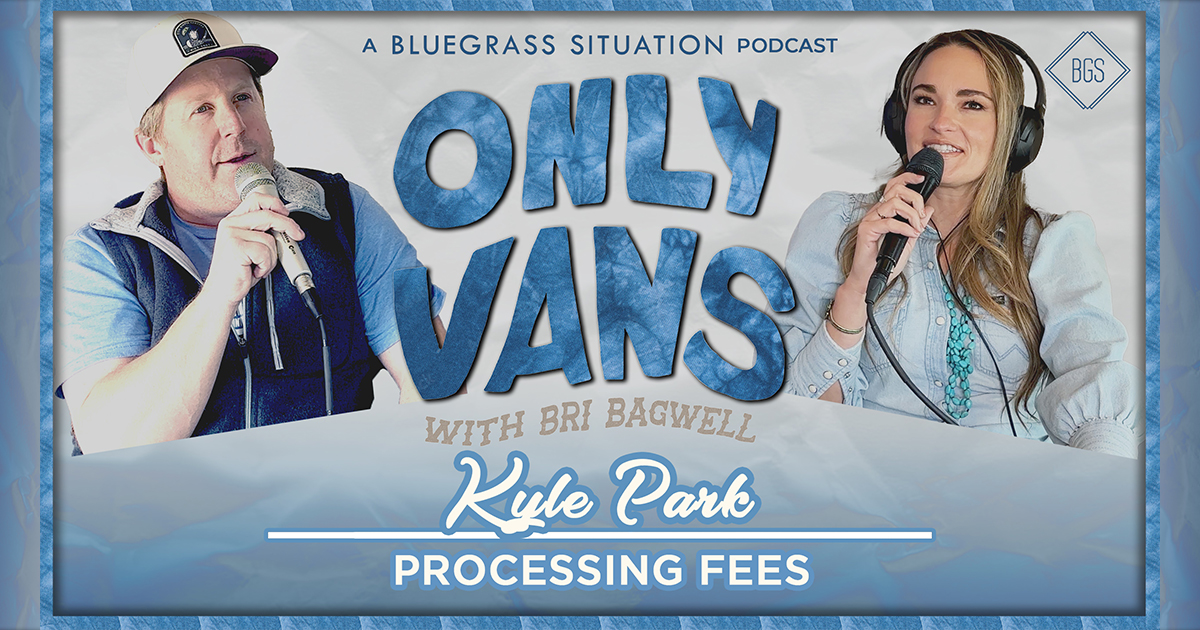
We decided to kick off 2025 on Only Vans with a conversation with one of my oldest friends in the music biz, Kyle Park. He is a brilliant and hilarious mind with lots of great insight into being a professional musician. We talk about gator hunting, Texas wine country, his new band The Texas Trio, and even sleep schedules. Hope you enjoy!
On today’s episode of Only Vans, I talk to my longtime friend Kyle Park, who is a staple of the Texas music scene and beyond. He keeps impressing us with his records and, of course, his newest project, The Texas Trio, which I love. The members of the trio are GRAMMY-award winning fiddle player Jason Roberts and George Strait’s Ace in the Hole band keyboardist John Michael Whitby. (John Michael made me play piano with them one time at Steamboat Musicfest after I had drank a bunch of beers and I meant to call him out on that on the podcast! What the heck?)
I also think it’s crazy that 70 shows a year is cutting WAY back for people like Kyle and I. That’s still a lot.
Quick note: I talk about my favorite recording engineer in Nashville and I totally blank on his name because, hello no sleep. Sorry Chad Carlson, I totally know your name and you’re the dang best!
Check out Kyle’s new ventures and for sure the beautiful Cross Mountain Vineyards wedding and event venue online or on Instagram! It is in wine country in Fredericksburg, Texas, and it’s gorgeous (we filmed the podcast there and producer Kyle and I got a private tour). I am so thankful to my great friend Kyle Park for joining me.
Thanks to our sponsors, Hand Drawn Pressing & CH Lonestar Promo!
It’s a wall-to-wall picture show this week in our premiere round-up! Pop some popcorn, grab some Mike & Ikes, sit back, and enjoy our quintuple feature of new music videos and live sessions from bluegrass, country, and string band artists and groups.
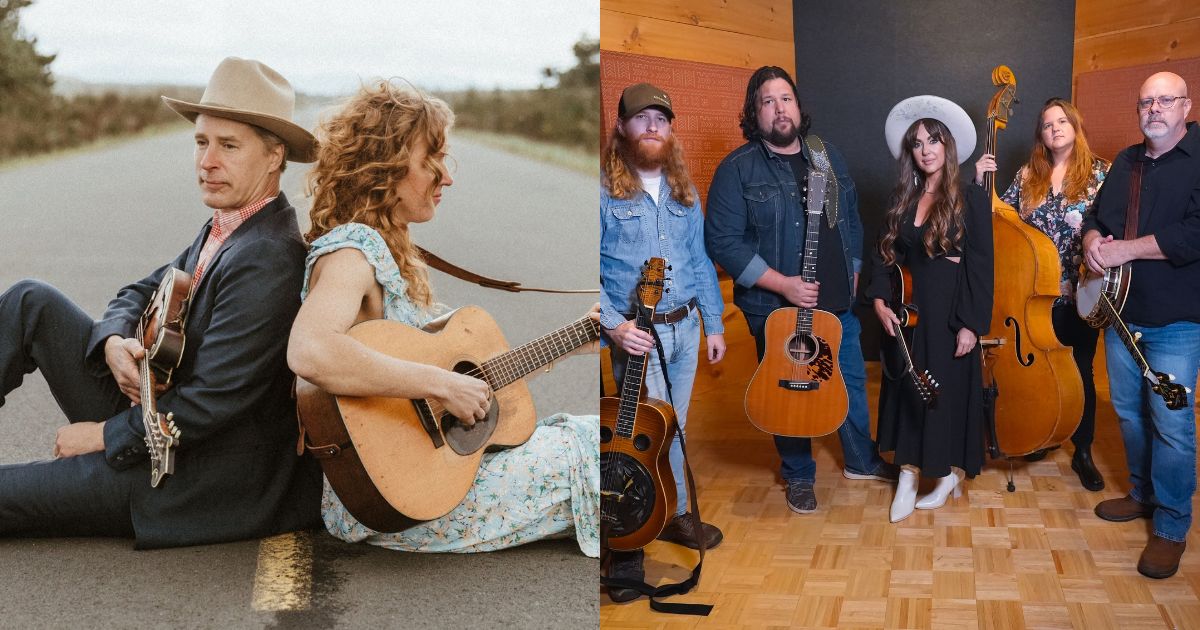
First, the Burnett Sisters Band showcase a lonesome and heart-wrenching number, “Sorrow, Grief and Pain,” with familial harmonies and songwriting by guitarist Geary Allen. Then, we have Caleb Klauder & Reeb Willms performing “Most Lonely Day,” a track from their brand new album, Gold in Your Pocket, that keeps our lonesome, introspective, and emotive video trend going. That vibe is artfully maintained next by bluegrass outfit Wilson Banjo Co., who bring their music video for “Black Wedding Dress” featuring a brand new singer for the group, Brandi Colt.
To cap this week’s collection, we have two final installments for two video series we’ve been running for the last few weeks here on BGS. Our partner series of AEA Sessions with our friends at AEA Ribbon Mics concludes with a handful of songs by singer-songwriter Zach Meadows, and Rachel Sumner wraps up her Traveling Light Sessions with a performance of “Radium Girls (Curie Eleison),” the standout track from her recent album, Heartless Things.
Sit back, relax, and enjoy the show right here on BGS! You gotta see this – and of course, You Gotta Hear this!
The Burnett Sisters Band, “Sorrow, Grief and Pain”
Artist:The Burnett Sisters Band Hometown: Johnson City, Tennessee Song: “Sorrow, Grief and Pain” Release Date: October 10, 2024 Label: Pinecastle Records
In Their Words: “You get ‘Sorrow, Grief and Pain’ when you combine hard-driving traditional bluegrass with Marty Robbins-style country music. When folks would ask us what we were working on, we simply called it a ‘Bluegrass Western.’ Written by our very own guitar player Geary Allen and born at lightning speed, the song tells a story of lost love with a perilous end. The triple fiddles carry the protagonist through a whirlwind of emotions as Anneli Burnett’s piercing lead vocal strikes at the heart of anybody with ears to listen. We loved working with Rebecca Jones on the making of this music video and she did a fantastic job at bringing the song’s emotion alive in her work. We hope our listeners enjoy hearing and watching ‘Sorrow, Grief and Pain’ as much as we enjoyed making it.” – Geary Allen, songwriter, guitar
Track Credits: Geary Allen – Guitar, banjo, harmony vocals Anissa Burnett – Fiddle, harmony vocals Anneli Burnett – Fiddle, mandolin, lead vocals Sophia Burnett – Bass Dan Boner – Fiddle
Video Credit: Rebecca Jones
Caleb Klauder & Reeb Willms, “Most Lonely Day”
Artist:Caleb Klauder & Reeb Willms Hometown: Orcas Island, Washington Song: “Most Lonely Day” Album:Gold in Your Pocket Release Date: November 15, 2024 Label: Free Dirt Records
In Their Words: “Have you ever had one? This song is written as a cautionary tale and is reflective on how things could be bad. Some of these experiences I’ve had, some of them I don’t want to have, as I have already watched my friends go through them. Be thankful for the good things that you have in your life and for the things that are working well.” – Caleb Klauder
Track Credits: Caleb Klauder – Vocals, mandolin, acoustic guitar Reeb Willms – Vocals, acoustic guitar Joel Savoy – Fiddle Chris Scruggs – Tic tac bass Walter Hartman – Drums Dirk Powell – Piano
Video Credits: Filmed by Beehive Productions at the Floyd Country Store in Floyd, Virginia. Recorded live by Joe Dejarnette.
Wilson Banjo Co., “Black Wedding Dress”
Artist:Wilson Banjo Co. Hometown: Westminster, South Carolina Song: “Black Wedding Dress” Release Date: October 22, 2024 Label: Pinecastle Records
In Their Words: “‘Black Wedding Dress’ was a great lead single for the new lineup of Wilson Banjo Co. and for the EP releasing in January. The storyline maintains the dark, edgy undertone that our unique brand of bluegrass has had for the last ten years, while also providing a wide open platform for our fresh new vocalist to the band, Brandi Colt, to show off her range.
“Avrim Topel wrote such a compelling story song and the band had a blast recording and performing it for the video. I couldn’t be happier with the way the band members have dialed in to each other, the music and show just feel next level. We really hope y’all will enjoy it as much as we do!” – Steve Wilson
Track Credits: Steve Wilson – Banjo Jaime Carter – Bass, harmony Brandi Colt – Vocal Andrew Crawford – Guitar Adam Bachman – Resonator guitar Darren Nicholson – Mandolin
Video Credits: Bonfire Recording Studio
AEA Sessions: Zach Meadows, Live at Americanafest 2024
Artist:Zach Meadows Hometown: From Orlando, Florida; currently residing in Nashville, Tennessee Songs: “Three White Crosses,” “Cardinal Song,” “Marianne,” “Texas Two Step”
In Their Words: “Since moving to Nashville, I’ve had the opportunity to collaborate with some incredibly talented folks. Having just put out my debut record, Road to Nowhere, getting the chance to share some of my journey through music with AEA and play a bit of the album live with Brandon Bell in the room, who was absolutely so instrumental in helping to bring this record to life, was truly a one-of-a-kind experience.” – Zach Meadows
Artist:Rachel Sumner & Traveling Light Hometown: Boston, Massachusetts Song: “Radium Girls (Curie Eleison)” (Traveling Light Sessions) Album:Heartless Things Release Date: November 21, 2024 (video); May 10, 2024 (album)
In Their Words: “‘Radium Girls (Curie Eleison)’ is based on a true, terrible piece of United States history – one that I didn’t learn about in any history book. It tells the story of the Radium Girls, young factory workers poisoned by the very material they were told was safe, and their courageous fight for justice. The title juxtaposes scientific progress with a plea for mercy, tying the legacy of Marie Curie to the tragic consequences of her discoveries.
“Performing this song with Traveling Light keeps the arrangement stark and intimate to let the haunting resonance of the story come through. This video is particularly special to me, because I had the chance to play a guitar that one of my songwriting heroes, Josh Ritter, has used to record many of his own epic story songs. It felt like a beautiful connection to the power of storytelling.” – Rachel Sumner
Artist:Noeline Hofmann Hometown: Bow Island, Alberta, Canada Latest Album:Purple Gas EP
What’s your favorite memory from being on stage?
It’s nearly impossible to narrow down, but one of my favorite memories from the stage happened this October while on tour with Colter Wall. For the better part of the tour, Corb Lund – a fellow Western Canadian (like Colter and I) – was also on the road with us. I grew up listening to Corb on the radio back home and later discovered Colter as a teenager. Their songwriting resonated with and influenced me deeply as a young writer and continues to today.
Colter kindly invited us to join him in singing “Summer Wages” by Albertan cowboy legend, Ian Tyson, for his encore during tour. The first night that Corb joined us on stage, he took me by the arm for a two-step during the instrumental – much to mine and the crowd’s surprise. (Sorry about scuffing up your boots with my two left feet, Corb.) It was such a wonderful, full circle moment to be on stage beside two artists from home who had such a huge impact on me and singing a song together by a late legend from home who has impacted all of us.
Further, Patrick Lyons, the producer of my EP, Purple Gas, plays guitar in Colter’s band. Another reason that made these memories of singing “Summer Wages” special was it being the first time(s) I was lucky enough to share a stage with Pat as well as all of the other boys in the band, who I’ve come to know and love not only as musicians, but as friends.
Which elements of nature do you spend the most time with and how do those impact your work?
I love to spend time out on the prairie. It has an understated beauty that with every passing year becomes more and more striking to me. It is unforgiving. Seemingly never-ending. In tune and knowing. It’s seen my own blood, sweat, and tears and that of generations of people that I love, alike. I’ve never felt closer to God than I have out there, all alone. Being raised in a prairie town, around prairie people, the landscape and all that results due in part to it, has defined my life experience thus far in an immeasurable way – and consequently, impacted my work just as deeply.
What’s the most difficult creative transformation you’ve ever undertaken?
While I’ve been feeling incredibly inspired to write in the wake of releasing my first recording project, I think I am simultaneously in the midst of one of the most difficult creative transformations I’ve faced so far.
All of the songs on my debut EP were written during a very different time in my life; before I’d ever been on tour, or set foot in a studio, or before the music industry began revealing itself to me behind the thick veil of mystery that once clouded it from my gaze. I was working blue- and pink-collar jobs such as bartending and doing farm labor before eventually putting all of my cards on the table and giving a career in music an all-or-nothing go, starting with the regional music scene in Alberta. Those years, age 18 to 20, were raw and electric, reckless, trial by fire. I was full of piss and vinegar, stubbornly tuning out the expectations others had of me and striking out into the world for the very first times to try forging a path towards something more for myself in life. I confronted some shocking losses and also experienced those first great formative loves you do at that age. Environments and emotions that are natural recipes for songs.
My day-to-day life has pulled a complete 180 since those songs were written. I have a lot of writing to do from my new pair of boots. I haven’t been able to take them for many test drives behind the pencil while on tour this spring and summer and am waiting with bated breath for the winter, when I’ll get to sit down and really dig into writing and processing the last year. It’s in my nature to always want to step above the bar I last set for myself – it’s as nerve-wracking as it is exciting to be starting to write for the next project. Especially now that most of the surroundings and life circumstances that inspired the songs on my first project are no longer part of my daily life on the road and there is now a recorded precedent set that didn’t exist at the time I wrote the songs on my first body of work.
What is a genre, album, artist, musician, or song that you adore that would surprise people?
“Good Luck, Babe!” by Chappell Roan (of course!)
If you didn’t work in music, what would you do instead?
I would probably be a ranch hand. Ranching is humbling, creative, and requires your all – mind, body, and soul. You have to live and breathe it. I can’t do anything halfway. For two jobs that, on the outside, look as though they couldn’t be any more different from each other, I’ve found a surprising number of parallels between my experiences working on a ranch to working as an artist.
(Editor’s Note: Sign up to receive even more Good Country direct to your email inbox.)
We’ve reached the end of the week and we’ve got your new music covered this Friday! Our premiere round-up is completely full with excellent new songs and videos from a variety of artists who work in a variety of roots styles.
Check out new music videos from folks like singer-songwriter Sadie Campbell performing “Getting Older,” a subtly spooky tune from High Horse entitled “Tombstone Territory,” country outfit Loose Cattle bring us “The Shoals,” on which they are joined by none other than Patterson Hood, and “Afro-Appalachian” artist Mon Rovîa’s lyric video for “Winter Wash 24” is colorful and engaging.
You’ll also find brand new music from folks like JD Clayton, who sings about being disappointed by a friend on “Let You Down,” Benny Sidelinger processes a difficult season of life on “Lilacs,” and roots rockers Clarence Tilton call on their pal Marty Stuart for their latest, “Fred’s Colt.”
To cap it all, we debuted our new video series, the AEA Sessions, with our partners at AEA Ribbon Mics earlier this week with an incredible performance by our longtime friend, Gaby Moreno. You can watch that debut session below, as well.
It’s all right here on BGS and, you know the routine – You Gotta Hear This!
Sadie Campbell, “Getting Older”
Artist:Sadie Campbell Hometown: British Columbia-raised, Nashville-based Song: “Getting Older” Album:Metamorphosis Release Date: October 11, 2024 (single); October 25, 2024 (album) Label: Glory War Records
In Their Words: “In a sea of filters, fillers, and constant pressure to look young, ‘Getting Older’ is my reminder to embrace myself where I am, as I am, to be proud of every wrinkle on my face, that my body was well-earned through laughter and learning, and not everyone gets the privilege to grow older. This video is meant to symbolize the many different versions we can be throughout our lives — and that it’s really about perspective. The photo can be the same, but through a different lens, you see a different image. Just like how we see ourselves. If we can change the lens, and the way we perceive ourselves, the picture we see often changes, too.” – Sadie Campbell
Video Credits: Filmed and edited by Justin Alexis at That Good Graphic.
JD Clayton, “Let You Down”
Artist:JD Clayton Hometown: Fort Smith, Arkansas Song: “Let You Down” Release Date: October 11, 2024 Label: Rounder Records
In Their Words: “‘Let You Down’ was born in a coffee shop in East Nashville called Cafe Roze. I sat next to a new friend who would later become my bass player. We had an itch to hit the town and get dinner at an unfamiliar restaurant, but to our surprise every establishment the waitress recommended was closed that day. After about the fourth restaurant it became a humorous bit. It immediately began pouring rain outside. Although the waitress meant nothing by it, I teased that she was letting us down. On my drive home that day I sang ‘sometimes people let you down’ in my voice memo. It immediately hit me and I was flooded with feelings of an old friend that had actually let me down and meant it. I then had my sweet little song. But it needed more. It wasn’t until the day of recording that I dreamed up a huge instrumental break to highlight all of my band members and bring their skills to life. On a Thursday at Sound Emporium studio on Belmont Boulevard, my band cut ‘Let You Down’ and it became in my own humble opinion a certified banger. I’m certainly biased, but I truly love the song and its flow of story to emotionally charged musical outrage.” – JD Clayton
Track Credits: Written by JD Clayton. JD Clayton – Vocals, acoustic guitar, background vocals, harmonica Bo Aleman – Electric guitar Lee Williams – Bass guitar Kirby Bland – Drums, percussion Hank Long – Piano, Wurlitzer, organ
In Their Words: “After coming off tour with the Jacob Jolliff Band, I had all this inspiration that I wanted to bring to a High Horse instrumental composition. The basic elements of ‘Tombstone’ come from some of the ideas in Jolliff’s music and influence from Grant Gordy/Mr. Sun recordings. And, from a practice of sending around a melodic part that I learned in an earlier Persian Music Ensemble at NEC to the band. Not only was this an academic sort of exploration for me, but it was also a great opportunity to show off some of the special skills everyone in the band has as instrumentalists. Some of my favorite solos on the record happen on this recording and it has some of our best band cohesion! After performing the piece for one of its first times in Hancock, New Hampshire we were still looking for a title when we happened upon a short dirt road named Tombstone Territory. Given the spooky vibe of the tune, that seemed to fit just perfectly!” – G Rockwell, composer, guitarist
Track Credits: G Rockwell – Guitar Carson McHaney – Fiddle Karl Henry – Cello Noah Harrington – Bass
Video Credits: Video, editing, recording, and mixing by Micah Nicol
Loose Cattle, “The Shoals” featuring Patterson Hood
Artist:Loose Cattle Hometown: New Orleans, Louisiana Song: “The Shoals” Album:Someone’s Monster Release Date: October 8, 2024 (single); November 1, 2024 (album) Label: Single Lock Records
In Their Words:“‘The Shoals’ gives me faith good men are actually listening, since Michael pulled the lyrics from several years of my private ‘Mad As Hell/Not Gonna Take It Anymore’ rants. It’s a song about what happens when we stop twisting into pretzels trying to please everyone else and start speaking uncomfortable truths to power. Historically, there’s a long tradition of accusing women who speak uncomfortable truths aloud of possession or witchcraft, so it felt especially fitting to cast Patterson Hood as a river ‘demon’ egging on the narrator.” – Kimberly Kaye
“I started writing the song during my first stay in the Shoals some years ago, on a banged up old guitar I’d just bought there. Better writers than me have tried and failed to explain the mysterious way that stretch of the Tennessee River has sung so much unforgettable music into being. All I can say is the song kind of wrote itself there and I just tried to copy it down. And ever since, from having an original Swamper’s son tell me “hell yeah” that he wanted to sing the part of a River Demon for us, to finding the record the perfect home at Single Lock Records, has just seemed meant to be. After a hell of a lot of work, of course.” – Michael Cerveris
Track Credits: Music and lyrics by Michael Cerveris. Kimberly Kaye – Vocals Michael Cerveris – Acoustic and electric guitars, harmonies René Coman – Bass Doug Garrison – Drums Rurik Nunan – Fiddle, harmonies Jay Gonzalez – Farfisa organ Patterson Hood – Vocals, guitar
Mon Rovîa, “Winter Wash 24”
Artist:Mon Rovîa Hometown: Liberia-born, Tennessee-based Song: “Winter Wash 24” Album:Act 4: Atonement Release Date: October 11, 2024 (single); January 10, 2025 (EP) Label: Nettwerk Music Group
In Their Words: “I wrote ‘Winter Wash 24’ while touring with Josiah and the Bonnevilles in March ’24. The theme of cognitive dissonance weighed heavily on my mind amidst everything happening in the world. Outside Seattle, I saw tanks covered in tarps treated with winter wash and the image moved me to write. The song explores how we often distance ourselves from the struggles of others when they don’t directly affect us. My goal is to raise awareness of these shared struggles, because empathy is a crucial force for change. As a refugee, I’m deeply inspired by the work of the IRC (International Rescue Committee) and am donating the song’s proceeds to support their vital efforts.” – Mon Rovîa
Benny Sidelinger, “Lilacs”
Artist:Benny Sidelinger Hometown: Wayne, Maine (famous for a bumper sticker that says “Where the hell is Wayne, ME?”) Song: “Lilacs” Album:Cherry Street Release Date: October 25, 2024
In Their Words: “I wrote ‘Lilacs’ during a particularly difficult period of my life. However, there were many joyous things happening at the time too. My then-fiancée was pregnant with our lovely daughter Tulsi and we were living in a gorgeous historical farmhouse on the Skagit River, yet I was dealing with the aftermath of a difficult divorce and was temporarily isolated from my two older kids. The juxtaposition of tragedy and joy during that time are the basis of the song. For a while, I thought I might lose my mind, but somehow I managed to hold on to a thread of sanity. Eventually I was reunited with my kids and moved on to much easier chapters of life. At the same time, we had a spring with an incredible amount of rain and there was concern that the river might overflow the dikes, which would have flooded our house. Yet, just as I managed to not go crazy, the dikes held and a catastrophic flood was avoided. So, as they say: ‘I wrote a song about it.'” – Benny Sidelinger
Track Credits: Benny Sidelinger – Vocals, guitar, Dobro Michael Thomas Connolly – Bass, telecaster, vocals Aida Miller – Vocals Jason Haugland – Drums
Clarence Tilton, “Fred’s Colt” featuring Marty Stuart
Artist:Clarence Tilton Hometown: Omaha, Nebraska Song: “Fred’s Colt” featuring Marty Stuart Album:Queen of the Brawl Release Date: October 11, 2024 (single)
In Their Words: “We asked Marty to get involved with ‘Fred’s Colt’ as we had met and opened for him a couple times in our hometown, [Omaha]. Marty agreed and played his famous pull-string telecaster, the original guitar of Clarence White of the Byrds. It’s a guitar we were well acquainted with, as we are huge Clarence White fans. Marty’s voice seemed perfect for the second verse of this song, which recounts the potentially sordid history of a strange family heirloom – an old Civil War-era Colt pistol. Marty not only lent us his voice for a verse and his guitar wizardry for a solo, but even added parts throughout that we did not realize were missing. Marty Stuart is a national treasure, and we are so honored and excited that he spent a day with our tune and did what only he can do!”
Track Credits: Words and music by Chris Weber. Chris Weber – Rhythm electric guitar, acoustic guitar intro, vocals Marty Stuart – Electric guitar (Telecaster), first solo, second verse vocals Corey Weber – Electric guitar throughout, second solo Paul Novak – Acoustic guitar Craig Meier – Bass Jarron Storm – Drums, percussion, vocals
AEA Sessions: Gaby Moreno, Live at AmericanaFest 2024
Artist:Gaby Moreno Hometown: Los Angeles, California Songs: “New Dawn,” “Solid Ground,” and “Luna de Xelajú”
In Their Words: “It was a wonderful experience performing a few songs for AEA at Bell Tone during AmericanaFest. The sound quality and the energy in the room were unforgettable.” – Gaby Moreno
“Gaby is charismatic and energetic. She lights up a room when she walks in and when she performs, it’s electrifying.” – Julie Tan, AEA Ribbon Mics
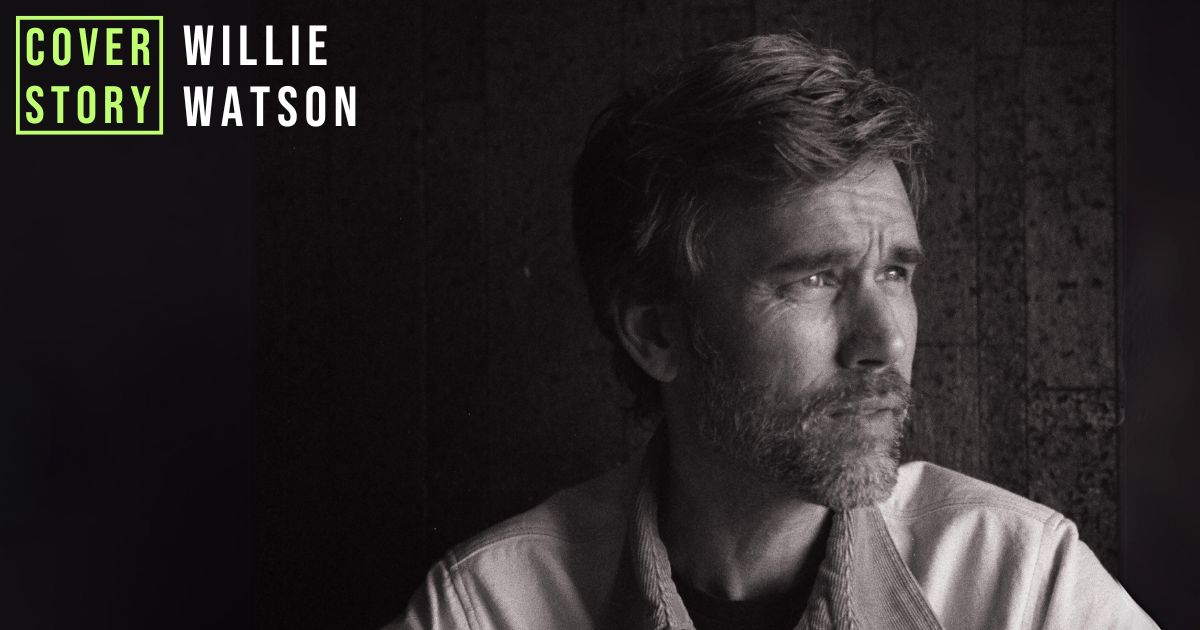
Willie Watson has been a solo act for well over a decade, since leaving Old Crow Medicine Show way back in 2011. And while he’s put out records since then, in many ways his self-titled third release marks a new beginning. A lot of that comes from the fact that it’s Watson’s first solo work with original material, following two volumes of Folk Singer albums drawing from The Great American Folk Song book.
Watson worked with a co-writer on the original songs on Willie Watson, Morgan Nagler from Whispertown 2000, and the results sound like the sort of songs you’ll hear traded around folk festival campfires for years to come. The co-production team of former Punch Brothers fiddler Gabe Witcher and Milk Carton Kids guitarist Kenneth Pattengale capture the tracks in spare, elegantly understated arrangements with the spotlight firmly on Watson’s voice.
The album begins with a literal trip down to hell on “Slim and The Devil” (inspired by 2017’s white supremacist riots in Charlottesville, Virginia) and ends with “Reap ’em in the Valley,” an autobiographical talking gospel about Watson’s own long, strange trip. In between are songs about love, fear, the occasional murder. One of them is another cover, Canadian folkie Stan Rogers’ stately “Harris and the Mare,” and you’ve never heard a song that’s both so beautiful and so horrific.
BGS caught up with Watson on the eve of his album’s release.
So after so many years playing old folk songs, what got you into writing your own?
Willie Watson: I’ve always written songs, but never thought of myself as a “real” songwriter, like Gillian Welch or Dylan or Ketch [Secor]. That just didn’t seem like what I was engineered toward. I wanted to be that kind of songwriter, but told myself I didn’t measure up. So I got into traditional music. When I’d get together with friends at parties, I’d be more likely to sing songs that were traditional or someone else’s. Being in Old Crow was great, because I got to write with other people, mostly Ketch. Co-writing was easier on me.
Once I found myself on my own, I was very scared to write by myself. Being completely responsible for everything is scary and for whatever reason I could not bring myself to do that. Now I understand that no matter how simple, complicated, mature, childish or anything else I put into a song might be, it’s okay. I don’t have to tear apart and criticize, say terrible things about it before I’ve even written it down on the page. Left on my own, that’s typically what I’d do. It’s only now at age 44 that I can get past that. What a long road.
Do you remember the first song you ever wrote?
“Roll On” when I was 15 or 16. It was wintertime at my house in Watkins Glen, late one night when everybody else was asleep. I went out to smoke in the back yard and it was quiet. As I looked at the nighttime winter sky, I had this story come into my head about a cowboy in an old town. I wrote the words out quick, almost as I would have been playing it. Just looked up at the sky and thought of it and it washed over me fast. It was a pretty powerful first song, but I ignored it and have the most regret about that. For whatever reason, there was something in my life that made me not give it enough credit.
How did you connect with your co-writer, Morgan Nagler?
She’s a great songwriter who has made a few records, does a lot of co-writing with people you know. You’ve heard songs on the radio that she co-wrote. I was afraid to sit down on my own and write, and Dave Rawlings said I should call her. I was apprehensive about presenting ideas and words and parts of myself to a person I didn’t know, but it was immediately fruitful. The first day, four hours later we had a song I really liked, “One To Fall” – it’s on this record. That we came up with something I felt strongly about right a way got me fired up, so we kept going. Every time we got together we wrote a good song.
What was it like to appear in the Coen Brothers movie, The Ballad of Buster Scruggs?
It was amazing. They had me audition for another movie I did not get the part for, but they already had me in mind for the one after that. But it was terrifying. Little cameras scare me enough and the big gigantic ones are even scarier. Like a gigantic eye and you’re not supposed to look at them even when they’re right in your face. I’m no actor. I knew my lines, but did not know what to do. I called Joel [Coen] a month before to ask if there was anything he could tell me to prepare me. “The only thing I’ll tell you is your first instinct is probably right,” he said. Which didn’t help at all. On-set, I was still scared. I had to learn to get on the wrong side of the horse because of the camera shoot, which was awkward. So I was not knowing what to do until they took me to wardrobe. Once I had on the costume and the hat and looked in the mirror, I suddenly knew exactly what to do. When I saw how I looked, it all made sense: Just go out and be Clint Eastwood.
Fear, even terror, seems like a recurrent theme in your life as well as your work.
It’s a recurring thing for every human, if they’ll admit it. It’s so freeing to admit I don’t know what’s going on, I’m scared, I need help. So much of the time I’ve done the opposite and gotten nowhere. The only person making my life hard was me. Touring with different people, I see them get into stressful situations and I think, “It must be hard to be them today.” I was just like that for a long time, tearing through things everywhere I went. I was afraid and my way of dealing with that was to try and control things. A lifetime of that proved disastrous.
I got to the point of trying other things and eventually learned about humility. That started me changing and growing and recognizing that the only reason I made my life so hard was being afraid of everything. It’s so risky doing this and I am scared of it. I’m apprehensive about even saying that. The public wants you to be confident onstage and I am that. Sometimes not, though. It’s hard to put it out there and not be afraid. I’m gonna cry a lot in front of people onstage, and that’s brave and good for me. This record is me understanding that there’s power in those uncomfortable moments, and embracing them. There’s a lot of healing in being able to go ahead and do that.
Who are you dancing with in the video to “Real Love”?
That’s my wife Mindy and the song’s about her. Once we got together, it went quick with us. But there was not romantic interest when we met, we were just working together. She’d quit her job as a fast fashion designer wanting to do something fun, cool, more fulfilling. A mutual friend was trying to get us together, knowing she was interested in getting into denim work and that’s what I do. The friend knew I needed help. So she started as an apprentice, got good fast, and we ended up working together. For a year we sat and sewed together and became best friends, she’s the best I ever had.
I was careful about that relationship, didn’t want to ruin it. So that song’s about how it started and what it meant, how true our love feels. It outdid everything else I’ve experienced my whole life. It shows how every other relationship I’ve ever had, I wanted the wrong things and, I daresay, they all wanted the wrong things from me, too. It went both ways. I’m not even talking about romantic love. It ends up being about everyone in my life. The story of my love life is the story of my life, love in all its forms. It’s a bold statement that she is the only real love in my life so far.
How did you come to know Stan Rogers’ “Harris and the Mare”?
I’m a Stan Rogers fan and that song comes from Between The Breaks, a live album recorded at McCabe’s in Santa Monica. I was thinking, “Do I want to put this on a record with my songs?” I’d written simple rhymes, couplets that are almost kinda childish – and I’m gonna put them next to a well-crafted song by a master songwriter? But Kenneth and Gabe had heard me sing that one at shows for a while and really wanted it on tape, and I guess I did, too. And after the recording came out so awesome, how could it not be on the record? I found out it did tie into my life. We made this record and I was unsure if any of it made any sense. Once it was sequenced and I lived with it for a month or two, it came into focus. That’s a violent song about a man who doesn’t want to be angry and violent. And I’ve been that man in my life. I relate to this guy.
The other cover, “Mole in the Ground” – did you know that one from Anthology of American Folk Music?
Yes. I love Bascom Lamar Lunsford, he’s so weird and interesting to listen to. Those old recordings, I can’t listen to a lot of Carter Family or Blind Willie McTell. Three or four songs and I don’t want to hear more. But Bascom, I can listen to a good 30 minutes and that says a lot. Like “Harris,” that was a big puzzle piece where I was unsure how it would fit. What made it were the string arrangements. That tied it in with “Harris” and “Play It One More Time.” Gabe directed the string arrangement, but let them find their own way. It was a cool every-man-for-himself arrangement.
The closing song, “Reap ’em in the Valley,” really tells a lot about how you came to be who and where you are, describing an early encounter with a singer named Ruby Love.
I’ve always talked too much at my shows. But being alone onstage, I had to find ways to make it more interesting. Switching from guitar to banjo is a great tool in the arsenal, but people still got bored of that. Folk singers traditionally tell stories and lead sing-alongs. So I learned how to talk to people in a real personal way about mundane things, relating our lives to find common ground rather than tear each other apart. Just me up there, whether it’s in front of 15 or 50 or 1,500 people, it becomes a battle if it’s not working. Me against them. Sometimes it was a disaster, when I was not speaking from experience or the heart, places I knew. But once I started telling stories about me simply walking down a country road, they’d perk up and listen. So I became a storyteller. I figured I’d put one on this record, and that was one Kenneth and Gabe really wanted me to do.
I hope it translates. It’s my experience of looking back at evidence of what I call God in my life, how you can’t deny it. What I am now, Mr. Folksinger. That’s what people recognized me as, the place I ended up. It could have gone differently, but this is what I’m here for. Those impactful moments. I didn’t think much about Ruby Love over the years, until I started thinking more realistically and honestly the further I got from it. Meeting Ruby Love when my heart was so broken and how that felt, that’s what I never forgot about that night.
That’s the thing that stayed with the picture of it all, like a scene in a movie. That’s what vivid memories look like, movies. All that imagery rattling around my head. I relate a lot of that to the nature of God and God’s power in my head. It goes hand in hand with the moon and lake and sky, and how the moon affected Ruby Love. What Ruby Love did for that party and what the orchard did for his guitar.
Photo Credit: Hayden Shiebler
This website uses cookies to improve your experience. We'll assume you're ok with this, but you can opt-out if you wish.AcceptRejectRead More
Privacy & Cookies Policy
Privacy Overview
This website uses cookies to improve your experience while you navigate through the website. Out of these, the cookies that are categorized as necessary are stored on your browser as they are essential for the working of basic functionalities of the website. We also use third-party cookies that help us analyze and understand how you use this website. These cookies will be stored in your browser only with your consent. You also have the option to opt-out of these cookies. But opting out of some of these cookies may affect your browsing experience.
Necessary cookies are absolutely essential for the website to function properly. This category only includes cookies that ensures basic functionalities and security features of the website. These cookies do not store any personal information.
Any cookies that may not be particularly necessary for the website to function and is used specifically to collect user personal data via analytics, ads, other embedded contents are termed as non-necessary cookies. It is mandatory to procure user consent prior to running these cookies on your website.