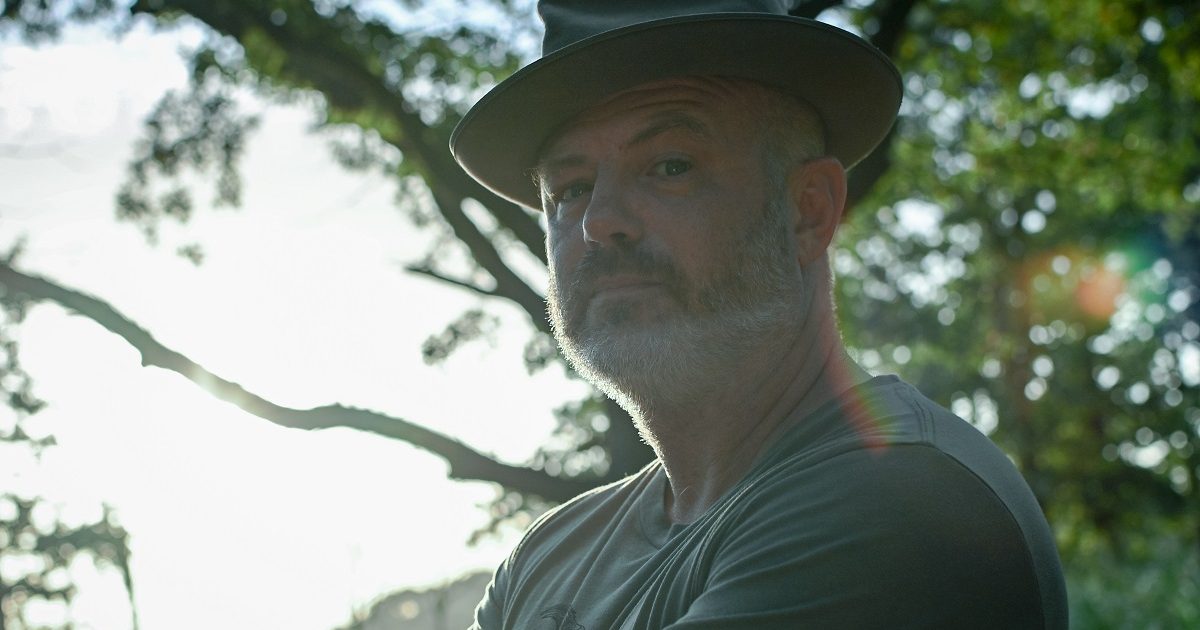
WATCH: Malin Pettersen, “Queen of the Meadow”

Artist: Malin Pettersen
Hometown: Oslo, Norway
Song: “Queen of the Meadow”
Album: Wild Horse
Release Date: October 16, 2020
Label: Die With Your Boots On Records

In Their Words: “My grandmother, my father’s mother, died a few years ago. She lived on this tiny island and she is buried in the graveyard by the small island church. There is a kind of flower that grows out there called Queen of the Meadow (Mjødurt) and it has the sweetest most distinct smell. It makes me feel a quiet kind of happiness that is so pure and whole. After my grandmother died I tried writing her a song, but I just couldn’t find the words that could express how I felt about her. Words can only express so much — emotions are much more complex and textured. It ended up being a song about my own funeral. I hope I can be buried at the same graveyard, and I hope it’ll all align with the bloom of Mjødurt — because it holds everything I could ever dream of being remembered by.” — Malin Pettersen


Photo credit: Jonathan Vivaas Kise

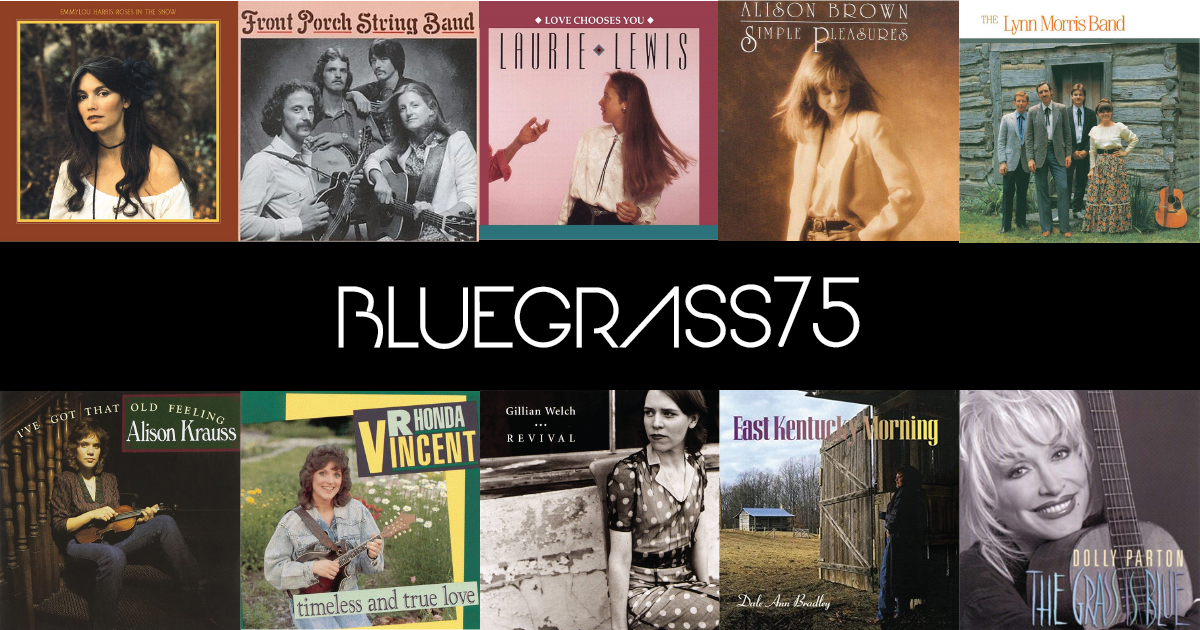
In the ’80s and ’90s, These 10 Women Made Bluegrass Better

With this year marking the 75th anniversary of bluegrass, it’s remarkable to note that women emerged as a creative force at roughly the halfway point between then and now. Of course, female musicians have been part of the fabric of bluegrass from the start, with Mother Maybelle Carter, Sally Ann Forrester, and Hazel & Alice among those serving as inspirations through the decades.

However, the role of women as bandleaders, rather than in a supporting role, began to change in the ’80s and flourished in the ’90s. As part of our Bluegrass 75 series, BGS commends these 10 women who carried bluegrass forward with a combination of undeniable talent, strong material, and a refreshing new perspective.

Emmylou Harris

One of the most visible country artists of the ’70s turned her attention to bluegrass, with a support team she deserves (Ricky Skaggs, Jerry Douglas, Dolly Parton, etc.) Her material ranges from the Louvin Brothers to Paul Simon, though that exquisite voice makes the album seamless. It’s one of her finest albums in a brilliant catalog.


Claire Lynch

With a crystalline soprano, Claire Lynch first gained notice as a lead vocalist and guitarist with Front Porch String Band, which released an indie album in 1980 that was picked up by Rebel Records in 1983. The poignant track, “Hills of Alabam,” which she co-wrote, shows her gift for melody and her ability to sing with sincerity.


Laurie Lewis

A key figure of the West Coast bluegrass scene, Laurie Lewis can fiddle with the traditionalists, then hush a crowd with a beautiful acoustic ballad like “Love Chooses You.” As the acolyte of a generation before her, Lewis actively takes an interest in the bluegrass scene’s rising talent, as evidenced on her latest work, an album of duets entitled and Laurie Lewis.


Alison Brown

As a picker, Alison Brown has made her mark on countless recordings and won the 1991 IBMA Award for Banjo Player of the Year. She’s also a co-founder of Compass Records, a producer, and a Grammy-winning artist. At times blazing, and other times mellow, Brown consistently finds just the right tone on her albums’ instrumentals.


Lynn Morris

Blessed with a sweet but persuasive voice, Lynn Morris knew how to get the storyline across, whether she’s reminiscing about “Mama’s Hand” or laying down the law in “You’ll Get No More of Me.” As a banjo player, she had incredible chops, and her grace on stage (and off) has made her one of the bluegrass family’s most beloved figures.


Alison Krauss

A gifted vocalist, bandleader, and fiddler, Alison Krauss kept her early career focused on bluegrass, though her material would soon find its way to millions of country listeners, too. Being a former child prodigy herself, she served as a role model for a generation of younger pickers, while showing traditionalists that bluegrass is indeed in good hands.


Rhonda Vincent

Coming up in a family band, singer and mandolin picker Rhonda Vincent has been working in bluegrass for decades, though she’s always finding ways to keep things fresh. Still, her early albums remain some of her most satisfying work. As a bandleader, she keeps the energy up on stage, and her outgoing personality makes her a true entertainer.


Gillian Welch

While few would consider her albums to be bluegrass proper, Gillian Welch has exerted tremendous influence on its community. A 1993 winner of Merlefest’s Chris Austin Songwriting Contest, Welch has seen originals like “By the Mark” and “Caleb Meyer” become standards, and though she didn’t grow up in Appalachia, her songs somehow embody its heritage.


Dale Ann Bradley

A sterling discovery from the New Coon Creek Girls lineup, Dale Ann Bradley launched her solo career by selecting relatable material along with a surprise or two (including a U2 cover). It’s a template that still serves her well. The title track of East Kentucky Morning captures the mood and melancholy that she continues to convey so well.


Dolly Parton

It’s hard to imagine now, but Dolly Parton had dropped off the mainstream radar in the mid ’90s. Then her first bluegrass album proved what her fans knew all along — she represents her mountain people well. A wonderful mix of familiar favorites and new material, The Grass Is Blue solidified her reputation as one of music’s most important voices.

(Editor’s note: Explore more of our Bluegrass 75 Artist of the Month coverage.)


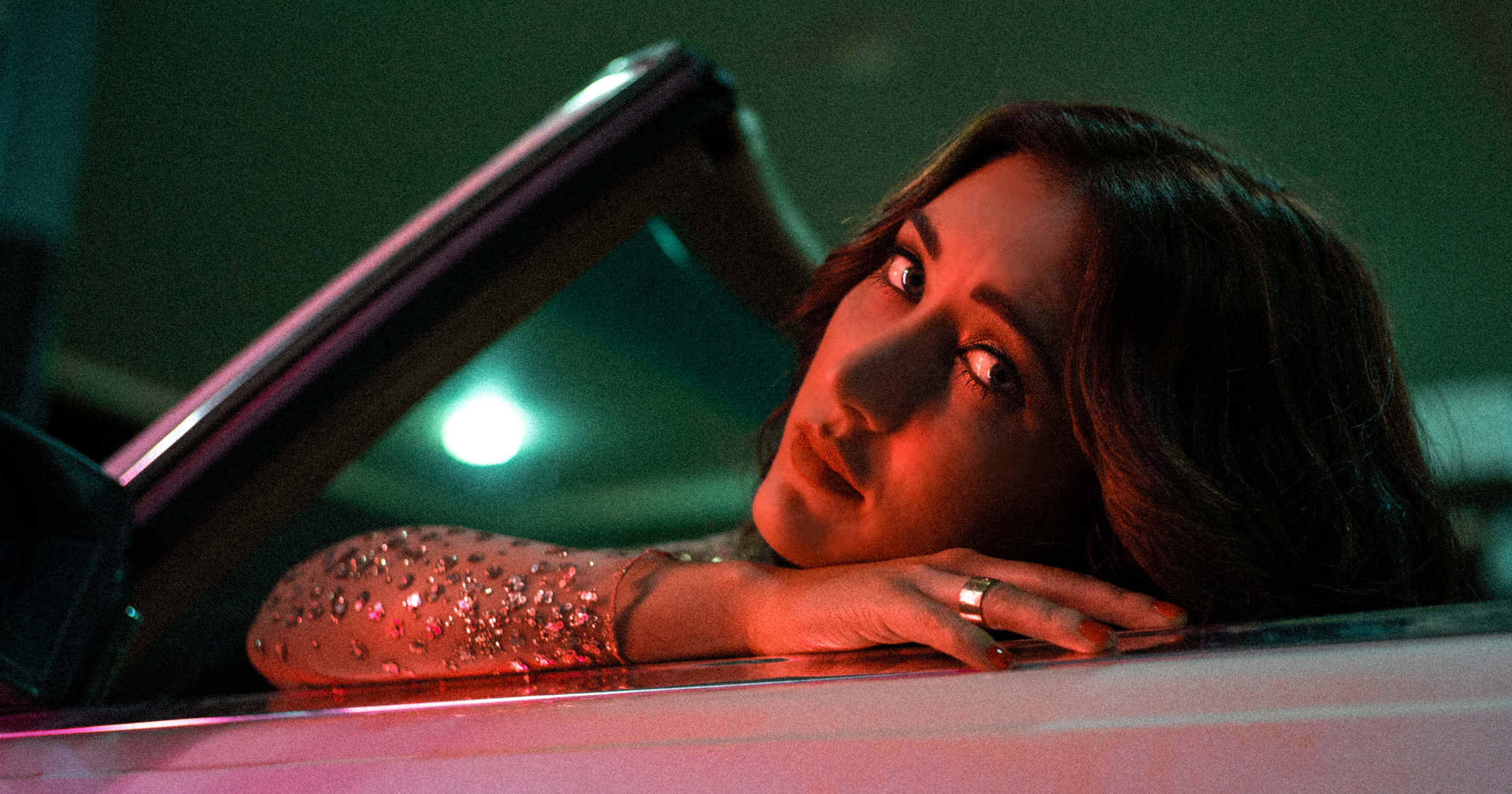
LISTEN: Mike McClure, “A Little Bit of Love”

Artist: Mike McClure
Hometown: Ada, Oklahoma
Song: “A Little Bit of Love”
Album: Looking Up
Release Date: September 25, 2020
Label: Crow and Gazelle

In Their Words: “Chrislyn Lawrence and I wrote this one together. I had it started, some of the lines in the second verse were from a poem she was working on, then we worked out the chorus together. The past couple of years I’ve worked to let go of things in my life that weren’t doing me any good. As my partner, Chrislyn showed me how letting go is the only way to make room for the things your soul is crying out for — it’s like burning away the driftwood to get down to the essence. ‘Little Bit of Love’ is about what can come from that release: letting certain things die away, so there can be rebirth and ascension. Love, in action, is the only thing I know of that can make that kind of transformation happen.” — Mike McClure


Photo credit: Chrislyn Lawrence

The Show On The Road – Aubrie Sellers

This week on the show, we catch up with a rising star in boundary-bending country and take-no-prisoners rock ‘n’ roll, Aubrie Sellers.


LISTEN: APPLE PODCASTS • STITCHER • SPOTIFY • MP3

What have you been doing since the pandemic hit in late February? Somehow Aubrie Sellers has managed to release a striking new LP of twisty, guitar-drenched originals on Far From Home (collaborating with her roots rock heroes like Steve Earle) while also pushing herself to make a EP of beloved covers on the aptly-titled, World On Fire. In rejuvenating a faded favorite like Chris Isaak’s “Wicked Game,” she takes a song we all thought we knew and twists it around until it seems like a poisonous, reverb-zapped revelation that just arrived out of nowhere.

Sellers was prepared to make music earlier in life than most. Growing up, she often found herself in nontraditional school situations, doing her homework on tour buses, hanging out in green rooms, and getting her feet wet on stages in Nashville’s tight-knit country community; you might know her mom, twangy-pop icon Lee Ann Womack and her dad, Jason Sellers, had a few chart toppers of his own, writing for folks like Kenny Chesney and playing in Ricky Skaggs’ touring band.

Sellers made her major label debut in 2016 with the more straight-ahead, but tightly crafted New City Blues, and earlier sang on a compilation record with the late Ralph Stanley. But at only 27, Sellers feels and sounds like an old soul — one less interested in climbing the current country charts than mining thornier material like her history of anxiety and stage-fright. She harnesses the punky, poetic outlaw energy that more cerebral songwriters like Steve Earle and Lucinda Williams have become known for. And audiences are taking notice, as Sellers’ scorching duet with Earle, “My Love Will Not Change,” was recently nominated for the Americana Music Association’s Song of the Year.

Stick around to the end of this episode of The Show On The Road to hear an acoustic, live-from-home rendition of her tune “Far From Home.”


Photo credit: Scott Siracusano

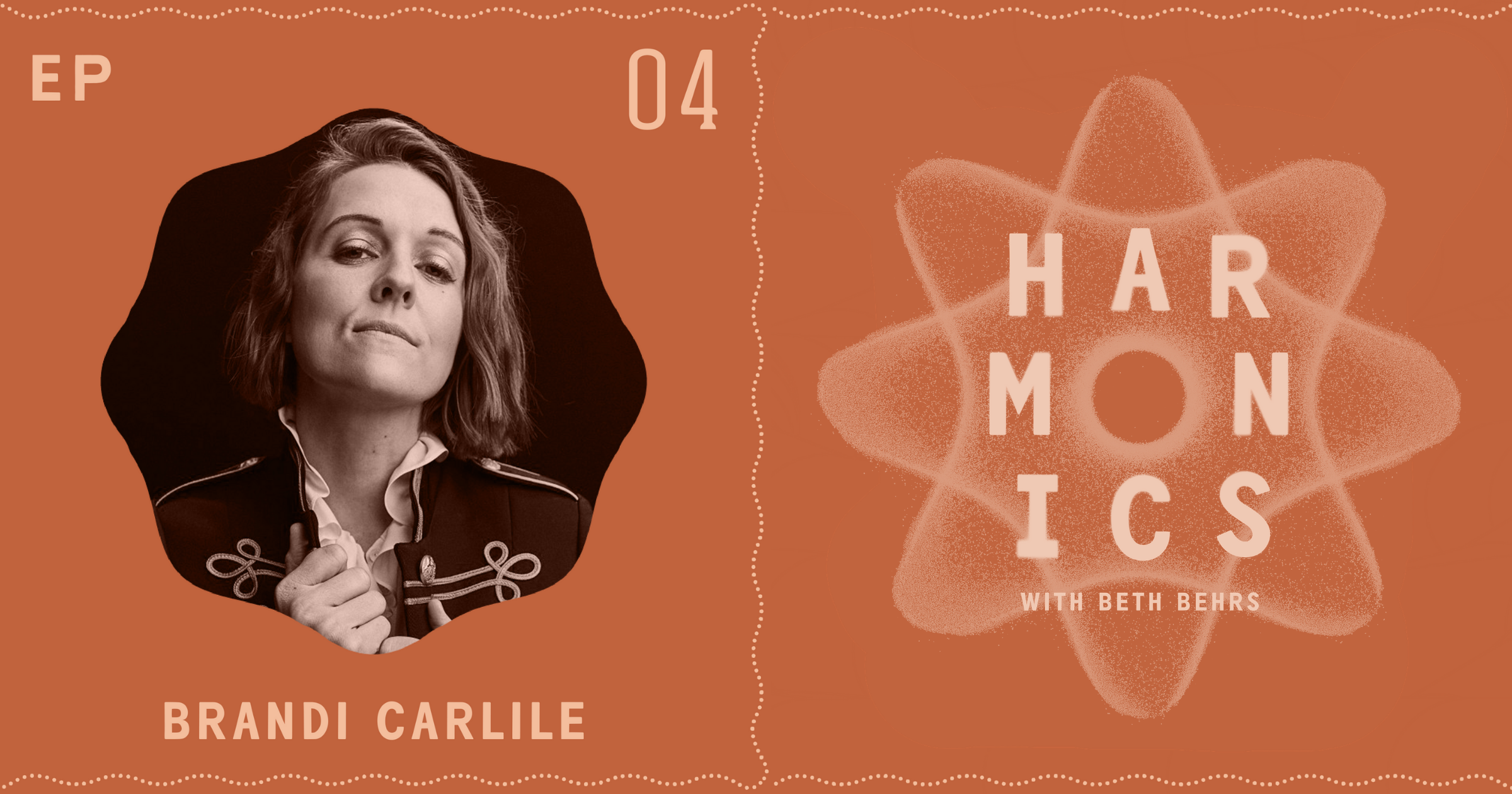
Harmonics with Beth Behrs: Episode 4, Brandi Carlile

Harmonics with Beth Behrs is the newest show from the BGS Podcast Network, which delves into the intersection of music and wellness. The podcast’s third week features Brandi Carlile, Americana icon and advocate for the empowerment of women and the LGBTQ+ community.

LISTEN: APPLE • SPOTIFY • STITCHER • AMAZON • POCKET CASTS • MP3


Harmonics host Beth Behrs talks with Carlile about spirituality and wisdom found through horses and nature, performing the album Blue for Joni Mitchell, the joy and connection of live music, anxiety, and singing with Dolly Parton at the Newport Folk Festival.

For many folks, the first time they heard of Brandi Carlile was during her show-stopping performance of “The Joke” at the 2019 Grammy awards. Carlile walked away with three trophies that night for her record, By The Way, I Forgive You (including Best Americana Album). She’s been honing her distinctive voice and building a dedicated audience for over twenty years, all the while staying committed to building a family and community with her band and team.

That commitment has made her a godmother of modern American roots music — as a curator of festival stages, interpreter of the legendary artists who came before, and producer and collaborator for a whole new generation of female artists.

Listen and subscribe to Harmonics through all podcast platforms and follow BGS and Beth Behrs on Instagram for series updates!

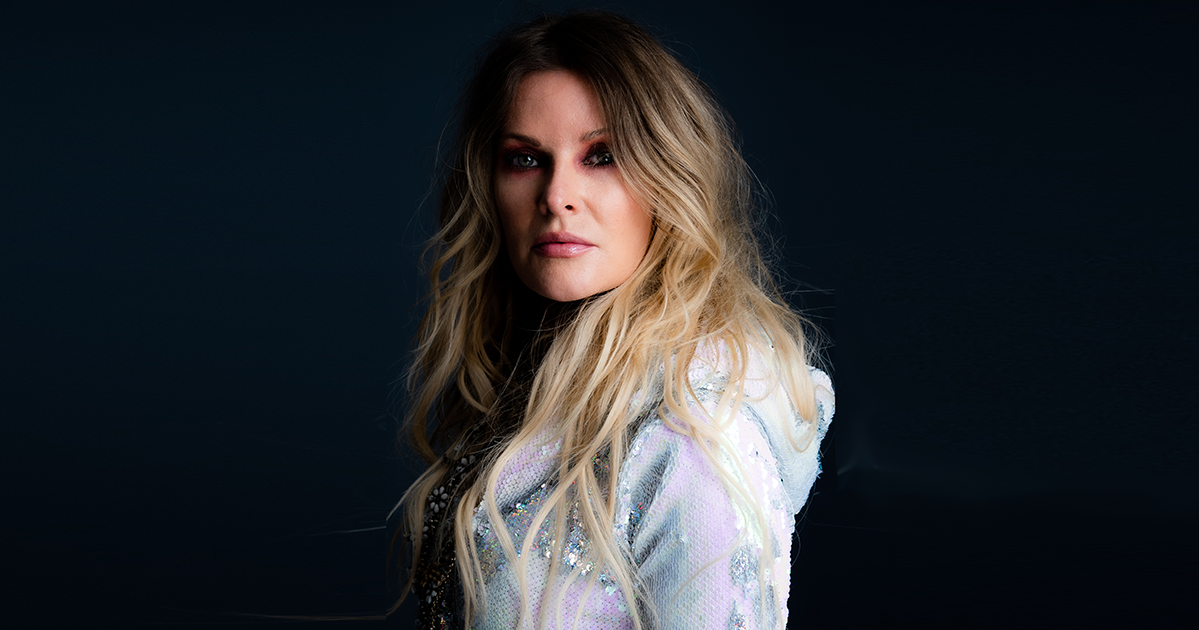
BGS 5+5: Elizabeth Cook

Artist: Elizabeth Cook
Hometown: Wildwood, Florida
Latest album: Aftermath
Personal nicknames: Shug

What’s your favorite memory from being on stage?

Forgetting that I’m on stage and then coming to and being like, “Oh my god, I’m on stage!” That, and one night in Phoenix, this group of young girls stood at the front of the stage and sang along to every one of my songs.

What was the first moment that you knew you wanted to be a musician?

I didn’t really know that I wanted to be. I was a kid singer — so, I came to it from a funny angle. I fought it for years and tried to do other things, but never found a really gratifying way to fit into the world. I got asked to open for Todd Snider once in Wilmington, North Carolina, at this outdoor amphitheater. He threw a one-man acoustic folk show party riot throwdown. I’d never seen anything like it and really haven’t since. But I thought if this is on the table — I will try it.

What other art forms — literature, film, dance, painting, etc — inform your music?

All of it. I’m always collecting details that ping me in some way… and it can be something that I see, read, taste, touch or hear.

What’s the toughest time you ever had writing a song?

I wrote a song about my mama’s funeral. And of course it’s not something you want to write about, because it’s not something you want to even happen in the first place. But it did. And I was really dreading this event, and the responsibility I felt in the throes of my grieving. I was resenting the whole process. But then, it turned out to be a really beautiful day and it was helpful and healing. And I owed it to the world, almost a right to the wrong for my attitude towards it in the beginning. The song is called “Mama’s Funeral” and it’s on Welder.

What rituals do you have, either in the studio or before a show?

I have a “hard hat” bag! I can get really fussy and anxious right before I go on and dig neurotically for things I think I need. So I made this little bag… it has all the comforts from Advil to throat sprays and drops, a neck and hand massager, extra guitar picks, my lucky rock and some dice.


Photo credit: Electropogram

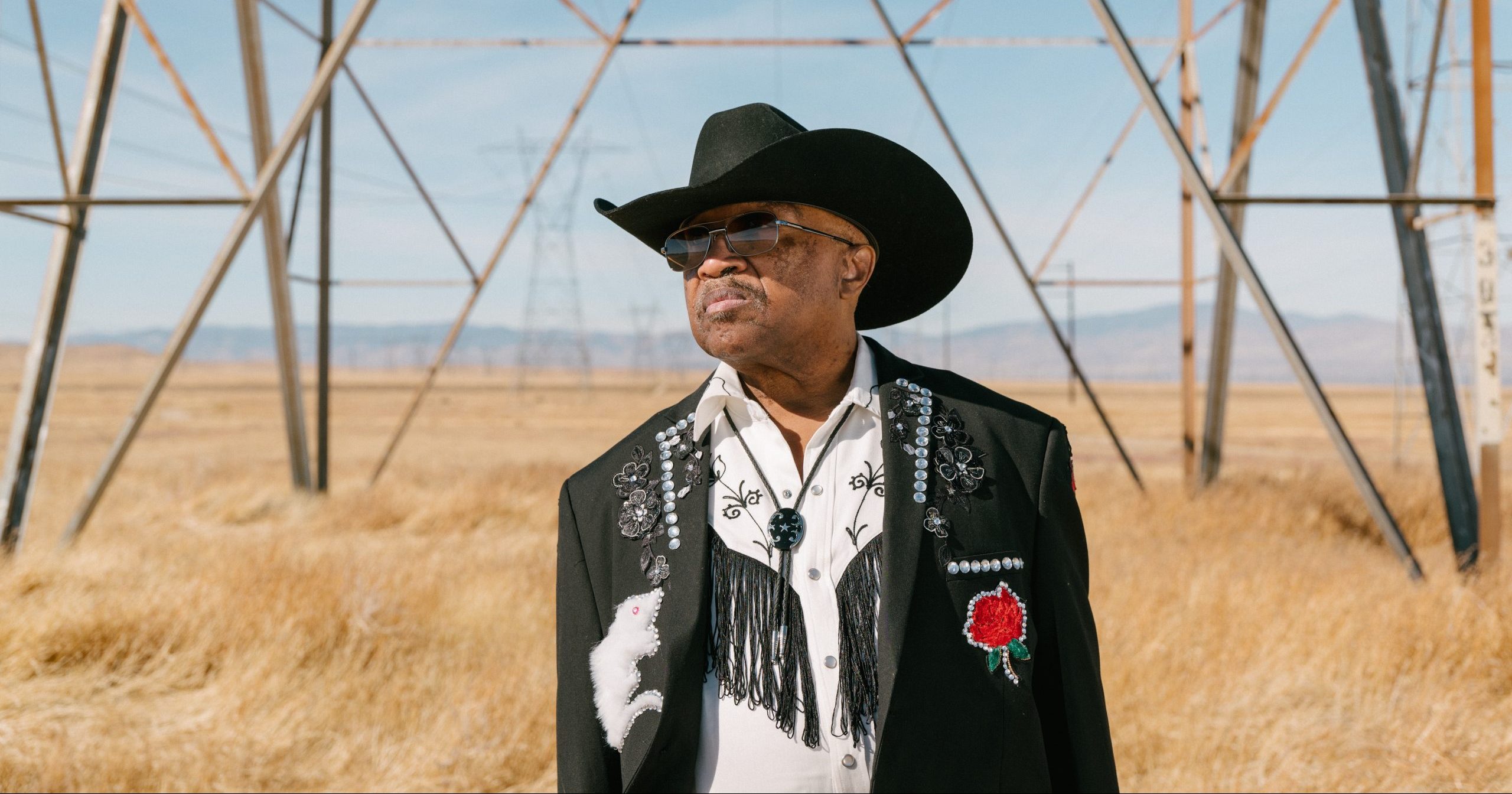
WATCH: Go Behind the Scenes of Swamp Dogg’s ‘Sorry You Couldn’t Make It’

In the winter of 2019, bona fide soul man Jerry “Swamp Dogg” Williams made his return to Nashville after nearly 50 years away from Music City. His aim was to cut a new record, and a slew of artists joined him in collaboration, chief among them guitarist Jim Oblon, singer/songwriter Justin Vernon, and the late great John Prine. The music that came from those winter sessions feels like a time machine right back to the late 1960s.

The album, titled Sorry You Couldn’t Make It, is a shade more country than Swamp Dogg’s other material, but his warm, rough voice wears his many years on its sleeve, allowing him to sit comfortably in the common core of soul, country, and blues. Portions of the album have moxie for miles while others hold abundant sincerity and sadness. NPR’s Fresh Air reviewed one song, “Sleeping Without You is a Dragg,” which was joined by two other selections from other artists classified as beautiful, comforting songs. A reminiscent sound ties the whole record together beautifully.

A Noisey mini-documentary about the star-studded recording sessions for Sorry You Couldn’t Make It shows humorous, casual, behind-the-scenes moments from the album’s creation. While Dogg had the bad luck of the COVID-19 lockdown slow its rollout, don’t let this music slip through the cracks of your social media timelines!


Photo credit: David McMurry

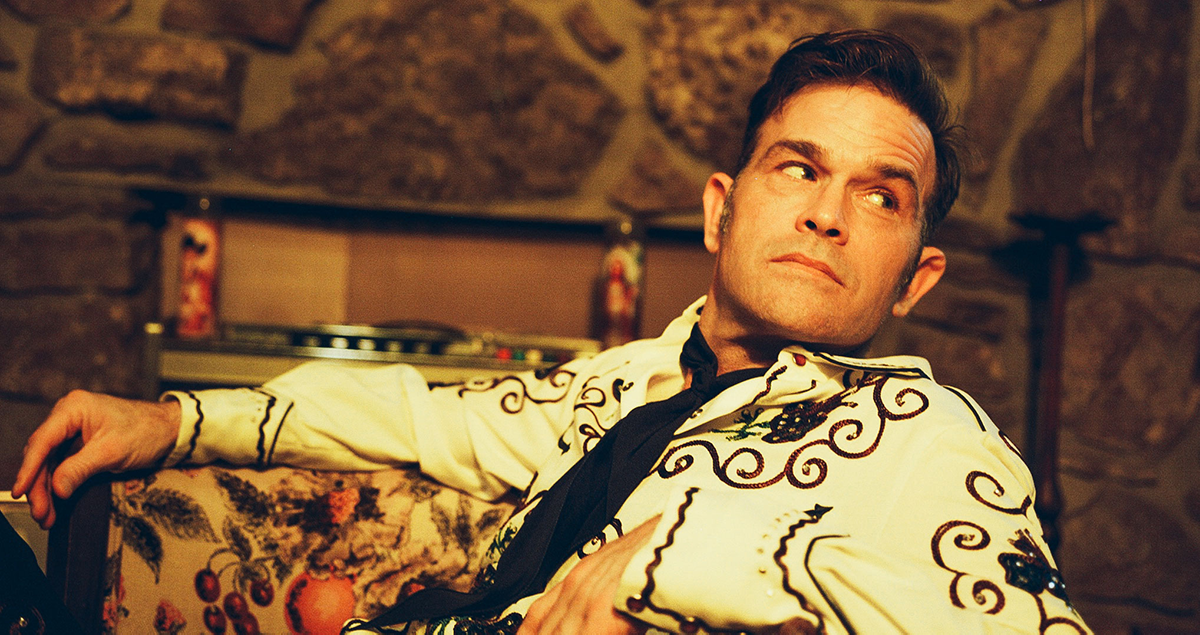
With a New Album About His Turbulent Past, Waylon Payne Makes It Through

Roughly 20 years ago, Waylon Payne’s life had become enough of a mess that he’d been booted off tour by one of his closest friends. These days he’s in a much better spot, though many of the trials and tribulations of his 20s are woven throughout the narrative of his new album, Blue Eyes, The Harlot, The Queer, The Pusher and Me.

The 12-song collection emerged gradually on digital platforms three songs at a time, though now as a whole, it’s also available on vinyl, and it should fit neatly within his own album collection of Bobbie Gentry, Kris Kristofferson, Willie Nelson, and his late mother, Sammi Smith. His late father, Jody Payne, played guitar in Willie Nelson’s band for four decades.

With classic country music in his blood, Payne has had songs cut by songwriting partners like Miranda Lambert, Ashley Monroe, and Lee Ann Womack, yet Blue Eyes, The Harlot, The Queer, The Pusher and Me is uniquely his own story. “I’m extremely proud of it. Every song is mine, and every song is a story that I’m choosing to tell,” he says. “It’s been extremely freeing and extremely cool to know that I’ve made it out of a dire situation and that I lived to tell about it. That’s all I’m really trying to do, buddy, I’m trying to offer some hope and maybe a different viewpoint that people have heard before.”

BGS: What do you remember about the vibe in the studio while making this record?

Waylon Payne: It was a pretty interesting vibe. We cut it at Southern Ground, which used to be in its heyday the old Monument studio, which is where my mom cut “Help Me Make It Through the Night” and a bunch of her other hit songs. She did sessions when she was pregnant with me there, and I was a baby there, and I was a toddler there. It was pretty interesting to sit in the same spot that she stood and sing all of these songs and do this album. It was just lovely. It was something special and everybody knew it I think.

Did you keep a picture of her with you when you recorded the album?

I have her face on my left forearm so I can’t play the guitar without seeing her face.

How did you learn to play guitar? When did you pick it up?

Early 20s, maybe? My friend Shelby Lynne showed me a few chords, and once it bites you, once it gets its grips on you, you’re a slave to it — once it puts its power on you and gets around you. And that was it. I picked out some chords of my own and I pretty much taught myself everything else, or I’d ask somebody about a chord. I was around 23 or 24.

Is that when you started writing songs?

Yeah, that was around the same time, too. It all came along around the same time. I started learning some chords in Nashville but it was LA mostly that really brought it all home.

At what point did you realize that you enjoyed being on stage?

Probably about 2. [Laughs] Who wouldn’t enjoy that? Like I said, once it bites you, you’re bitten.

Was it the applause? The approval?

I think it was because when I was on stage, I was always with my mother. So, it was family. And that’s what I did it for, for the family.

Your parents are referenced in several songs, almost like characters in the songs. So, I’m curious when you’re singing “Sins of the Father,” is that about your father?

Oh yeah, exactly. I developed a drug problem and it was pretty much his fault. He showed me those drugs. When I got myself together and got myself sober, I had another buddy of mine named Edward Johnson come along that showed me what fathers and sons were really supposed to be like. It changed my life. That song’s about my father and my buddy Edward and his son Lake. Lake’s the one that counts it off in the beginning. Lake saved my life — he and his daddy did. They made me stand up to be a better man and they helped me get sober. I’m really proud of those boys.

There’s a line in “After the Storm” about your mother closing the door on you. And you sing that you have trust that it will open again. Is that emblematic of the experience of coming out to her?

Well, there were some deeper circumstances going on in the house than just me being gay. There was some sex abuse that had happened. It was just hard for the family to deal with. That was a brief period of our life, and that is totally a reference to that time period. [I’m saying,] I know that you’re my mother and I know that you’re the one that gave me life. You’re also the one that’s got to teach me the roughest lessons and that was a hard one, when she shut that door on me. But I knew that it wasn’t shut forever.

How old were you when that happened?

18 or 19.

Was there a moment when she reopened that door, when you felt like that relationship was back on track?

Yeah, about four, five, or six years later. We had a nice moment over Christmas and Shelby was responsible for bringing that relationship back together, too. She’s been like a sister to me for many, many years. I love her, love her deeply.

What year did you go to LA?

I probably ended up there in ’99 or 2000. I got fired out there. I was playing with Shelby [on tour promoting I Am Shelby Lynne] and maybe I was drinking and doing too many drugs. Being a dick, so she fired me. [Laughs] And I didn’t have any money to get home, so I stayed there and ended up making it — that’s basically all I can tell you about that.

When I moved to Nashville in the ‘90s, it seems like aspiring artists had a lot of places to play, and several stages were available to them for showcases and other performances. Were you able to take part in those kind of things during that time?

Man, when I came here in ’93 or ’94, Broadway [the city’s strip of downtown honky-tonks] was a godsend for me. Broadway and Printers Alley saved my life, because they introduced me to the greatest pickers I ever knew in my life. It gave me a place to sing six or seven nights a week. I would go to work at six o’clock at night, and by going to work, I mean we would show up down there and we’d start on one side of Broadway and we would sing on one side, go through Printers Alley, and then down the other side. That was how we got our chops in. We would go and find places to sing. We didn’t make any money, but that’s what I did. I learned how to do that stuff right in my hometown of Nashville, on Broadway.

How did you make ends meet if you weren’t making money in the bars?

Well, I was a prostitute back in the day for a while. I also drove hookers around. I was a construction worker, I was a short order cook, I’ve done a lot of things, pal.

There’s a different vibe in Nashville now than there was in the ‘90s — and of course, the ‘90s were different than the ‘70s, too. What do you like about the Nashville music community now?

What do I like about it?

Yeah, what makes it special, and why do you like to be part of it?

Well, I don’t know that I’m necessarily a huge part of it. I’ve got a group that I write with at Carnival — Lee Ann, Miranda, and Ashley, and those folks. I don’t know if I necessarily hang out with a lot of folks. If I’m part of the Nashville community now, then I’ll take that. That’s pretty freaking cool. That’s something I’ve never really heard with my name before, being part of the Nashville community.

I guess I think of you that way because I see your name as a co-writer on Ashley Monroe’s records. What is it about that writing relationship that makes it click?

Ashley, Miranda, and I started writing together four or five years ago on a regular basis, then Ashley and Aaron Raitiere and I write together a lot. We tend to write pretty good music together. If I write music with somebody and it clicks, and we get good songs, then that’s pretty much a good partnership and I’ll stick with that for a while.

You put this record out three songs at a time, but when I listened to it in its entirety, it struck me that there’s a theme of moving forward, and sometimes outright optimism, that comes through. Do you hear that too?

I mean, I always want to give people hope. That’s one of the biggest things about this record: Even though it’s about tragic situations, I still made it out.


Photo credit: Pooneh Ghana
Shout & Shine Online Highlighting Black Roots Artists Set for Oct. 3

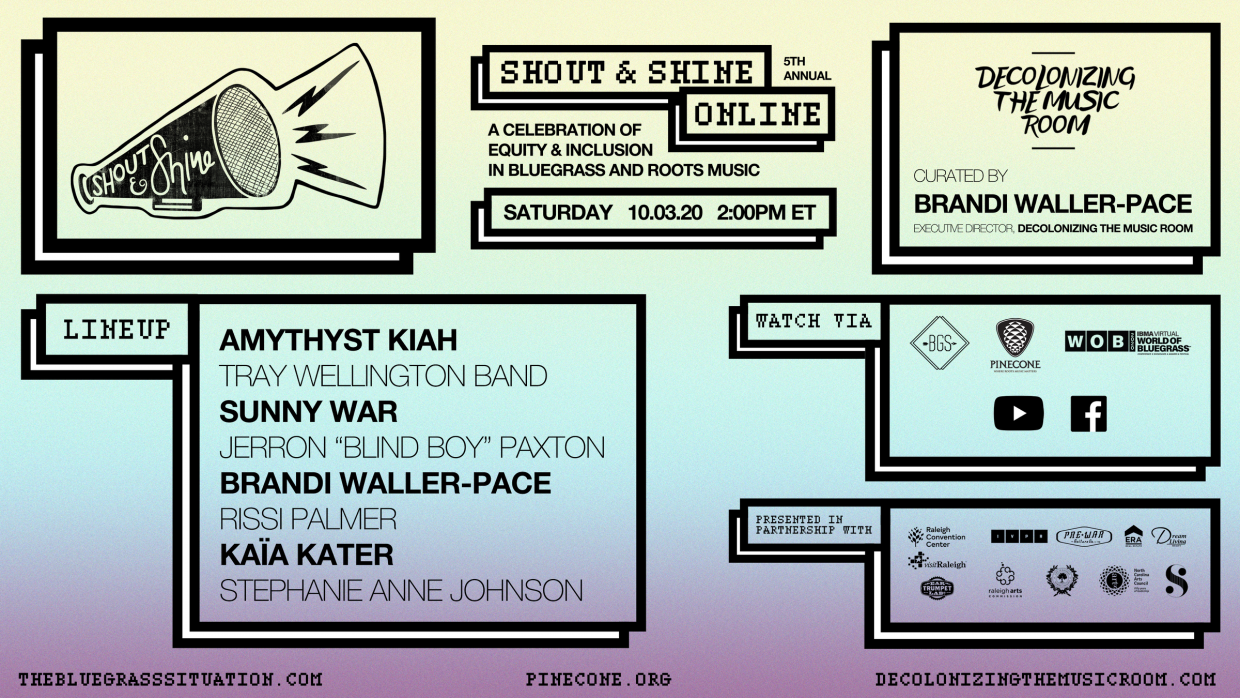
For five years now BGS and our partners at PineCone Piedmont Council of Traditional Music have used our voices, resources, and positivity to lift up and celebrate diversity in bluegrass and roots music through the Shout & Shine showcase. These live performances have given a platform to those artists who have been overlooked, while illuminating the paths of those starting out on uphill journeys in our music community. This year, the event’s 5th annual iteration will follow a format more suitable for a worldwide pandemic — with an all-online showcase as part of IBMA’s Virtual World of Bluegrass.

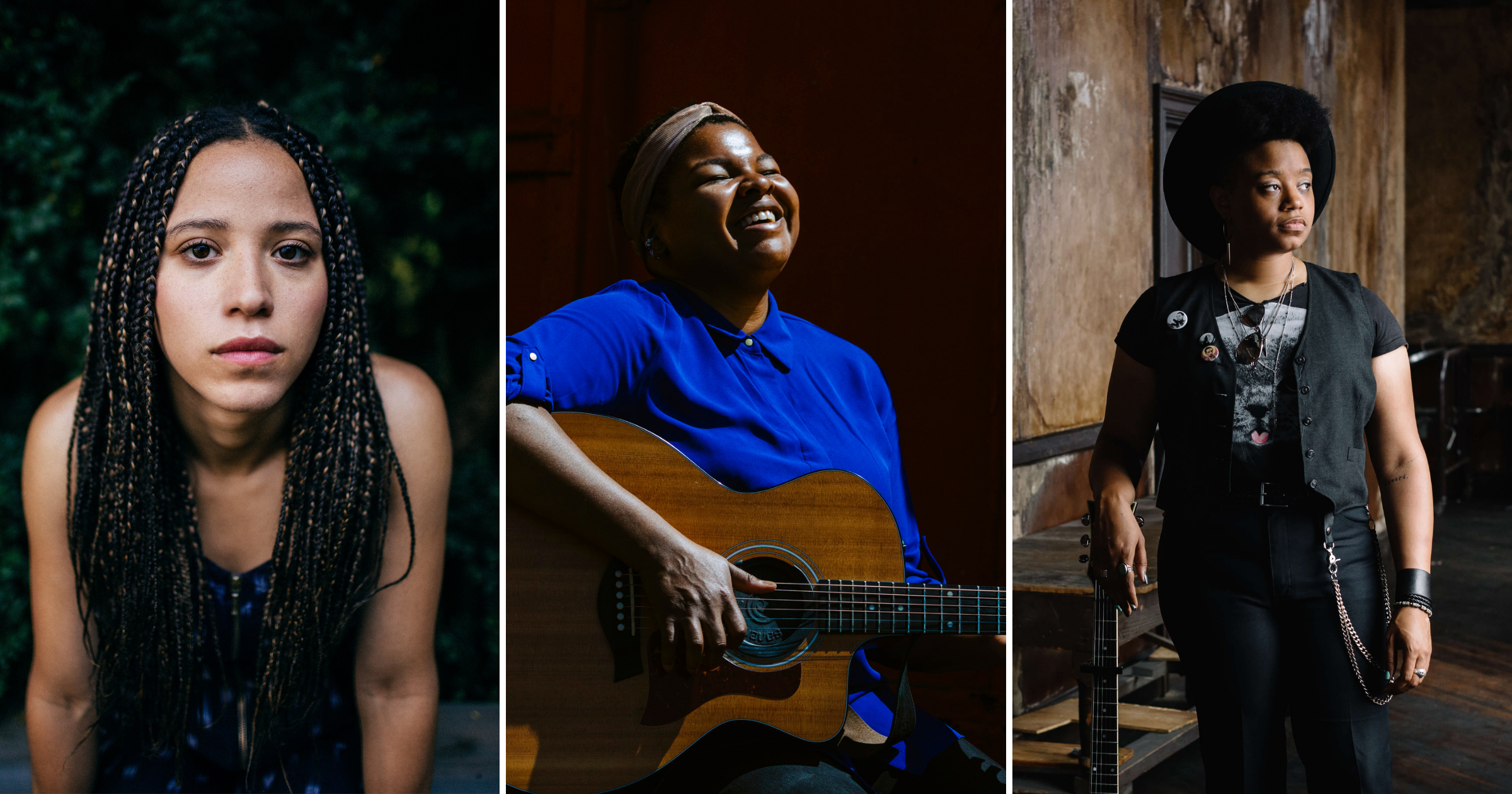
Shout & Shine Online will feature these artists from across the genre map of roots music: Rissi Palmer, host of Apple Music Country’s brand new radio show, ‘Color Me Country‘; IBMA Momentum Award winning banjoist Tray Wellington; punk-influenced fingerstyle guitarist and songwriter Sunny War; down-home blues and old-time musician Jerron “Blind Boy” Paxton; The Voice alumnus and guitar picker Stephanie Anne Johnson; and returning favorites Kaia Kater and Amythyst Kiah, who make their first appearance at Shout & Shine since playing on its debut lineup in 2016.

Shout & Shine Online’s roster is curated by performing musician and Decolonizing the Music Room founder and Executive Director, Brandi Waller-Pace. Shout & Shine Online will take place at 2 pm ET Saturday, October 3. Viewers will be able to tune in right here on BGS, or on our Facebook page or YouTube channel, via PineCone’s channels, and via IBMA’s conference platform, Swapcard (registration available here).

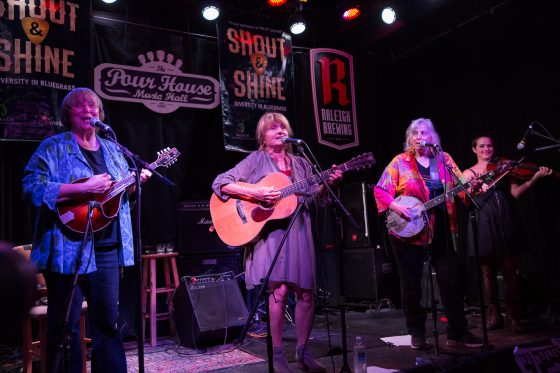
(L to R) Marcy Marxer, Alice Gerrard, Cathy Fink, and Tatiana Hargreaves perform at 2017 Shout & Shine showcase.

While Shout & Shine has continually championed underrepresented and marginalized folks in roots music, this year’s event comes at a time of reckoning in this country’s ongoing battle against institutionalized racism. “This year, Shout & Shine’s mission is as clear and galvanized as ever,” says BGS editor and Shout & Shine producer, Justin Hiltner. “Our lineup is a direct response to this current iteration of the Black Lives Matter movement and the righteous rebellion against police brutality and systemic racial injustice in this country. The greater bluegrass community needs to be having these conversations and needs to be centering the voices and perspectives of Black folks — especially Black queer folks. We saw that as our role this year.” 

BGS joined hands with Decolonizing the Music Room’s founder Brandi Waller-Pace to curate 2020’s lineup. “The mission of Decolonizing the Music Room is to center Black, Brown, Indigenous, and Asian voices, knowledge, and experiences within the field of music education,” says Waller-Pace. “In addition to that, it is part of DTMR’s core values that we are an openly LGBTQ+ affirming non-profit organization. I am honored to have served as curator for this year’s Shout & Shine and to have had this opportunity to partner with BGS and PineCone on work that highlights a convergence of our values.”

“In addition to Shout & Shine’s continued work centering the music and stories of underrepresented artists in the bluegrass community, we also continue to work toward making these programs as accessible and inclusive as possible. We’re providing American Sign Language interpretation for the entire Shout & Shine program, modeling what can be done and what we continue to work toward in making accessibility central to our work,” said Jamie Katz Court, Communications & Programs Manager for PineCone, the Raleigh-based roots music organization that has partnered with us on Shout & Shine since 2017. PineCone also produces the festival, IBMA Bluegrass Live! powered by PNC.

The showcase was first conceived in 2016 to celebrate diversity and inclusion at the International Bluegrass Music Association’s business conference and festival in Raleigh, North Carolina. Originally organized in response to the North Carolina General Assembly’s homophobic bathroom bill, HB2, the scope of the event immediately widened to include and celebrate not only the LGBTQ+ community, but any and all marginalized folks in roots music. Shout & Shine stages have included the most exciting emerging talent alongside bluegrass legends and stalwarts, with lineups that have boasted the Ebony Hillbillies, Alice Gerrard, Cathy Fink & Marcy Marxer, Laurie Lewis & the Right Hands, Missy Raines, Amythyst Kiah, Kaia Kater, Che Apalache, and many, many more.

Shout & Shine is also a monthly editorial feature, which debuted with world-renowned drag queen Trixie Mattel’s first-ever interview by a roots music publication. In 2020 the column grew into a monthly livestream series that has already featured harpist and songwriter Lizzie No and fingerstyle guitarist Sunny War, part of a six-month series focused on Black artists and creators in roots music. The next episode will follow Shout & Shine Online in November. Whether on stage, in print, or online, Shout & Shine’s mission has always been celebrating the marginalized and underrepresented folks of all identities, backgrounds, faith traditions, and abilities who make and love bluegrass music.

Tune in Saturday, October 3 at 2pm ET for Shout & Shine Online!


Lede photo (L to R): Kaia Kater (by Todd Cooper); Stephanie Anne Johnson (courtesy of the artist); Amythyst Kiah (Anna Hedges).
Poster art by Grant Prettyman, Belhum

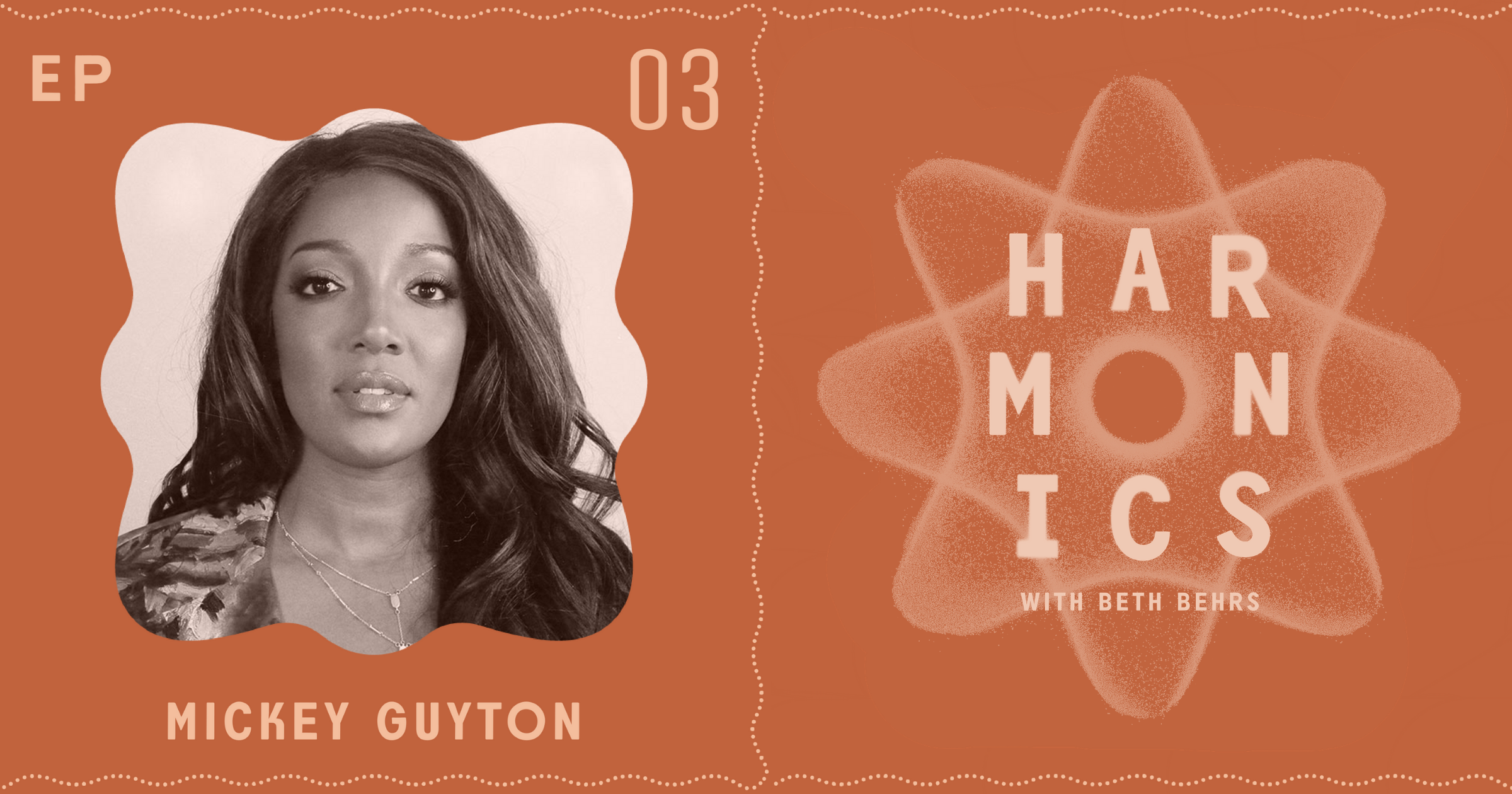
Harmonics with Beth Behrs: Episode 3, Mickey Guyton

Harmonics with Beth Behrs is the newest show from the BGS Podcast Network, which delves into the intersection of music and wellness. The podcast’s second week features country artist Mickey Guyton, who released “Black Like Me” — a song about her pain and struggles growing up as a Black woman in America — earlier this summer amidst protests against police brutality across the nation.

LISTEN: APPLE PODCASTS • SPOTIFY • STITCHER • POCKET CASTS • MP3

In episode three, actor, comedian, banjo enthusiast and Harmonics host Beth Behrs talks with Guyton about country artists speaking out against racism and injustice, the power and importance of three chords and the truth in the midst of Music Row fluff, lifting other women up as a form of therapy, and, of course, Dolly Parton.

Originally from Arlington, Texas, Guyton has made a name for herself as a powerhouse vocalist and impressive songwriter, being called “one of the most promising new voices in country in recent years.” In 2015, she released her self-titled EP featuring her debut single, “Better Than You Left Me,” and the following year she was nominated for her first ACM Award for New Female Vocalist. On September 11 she released her new EP Bridges, which has solidified her as “the unapologetic voice country music needs right now.”

Listen and subscribe to Harmonics through all podcast platforms and follow BGS and Beth Behrs on Instagram for series updates!