Basic Folk – Lily Henley

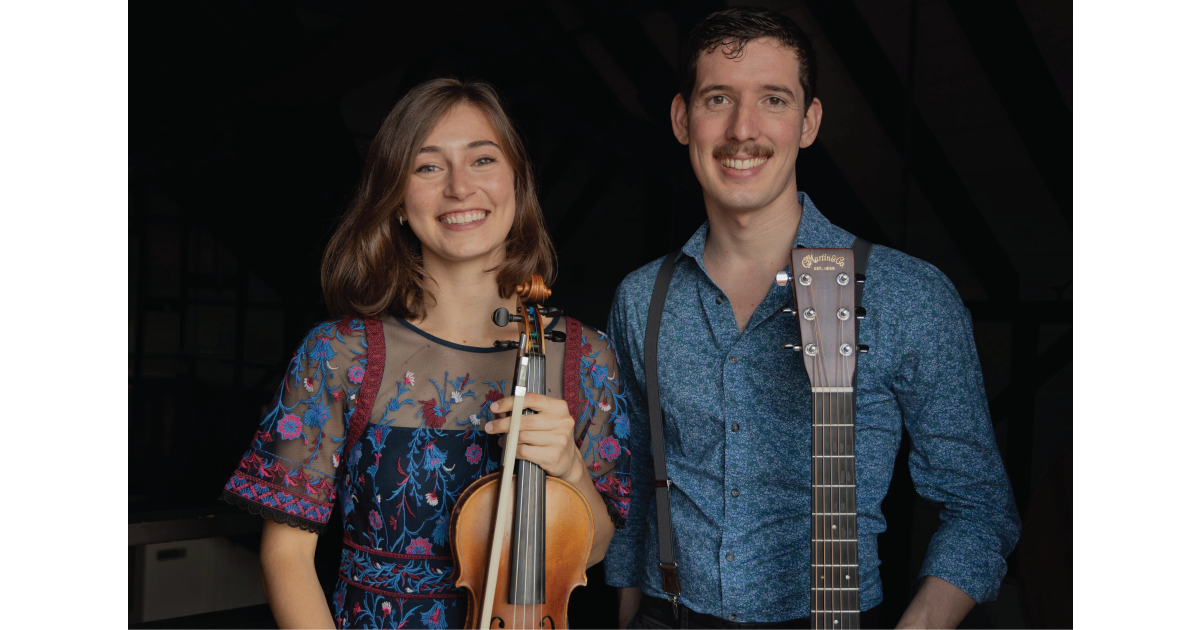
Fiddler and singer-songwriter Lily Henley’s latest album, Oras Dezaoradas, is a full-on celebration of her Sephardic Jewish Heritage. The lineage of Sephardic people can be traced back to the Iberian Jews expelled from Spain and Portugal in 1492. For Jewish people, there are many diasporas and lots of different ethnic heritages and practices that have been adopted and blended from many other groups along the way. Lily’s heritage is different from the Ashkenazi Jewish people, which is the most represented Jewish sect in the United States, who can be traced back to Eastern Europeans. Lily graciously gives a very brief overview of the diaspora (which is pretty amazing to take in) and the geographical and cultural differences.

LISTEN: APPLE • SPOTIFY • STITCHERAMAZON • MP3

Lily grew up moving around a lot and talks about how that act of moving from place to place impacted her as a young person and how it still affects her. She found a sense of belonging and home at the fiddle camps she attended alongside other musicians her own age. At camp, she learned to play Celtic, old-time and Cape Breton style tunes. While at home, she played traditional Sephardic tunes sung in the Ladino language, also called Judeo-Spanish, which is a combination of Spanish with Hebrew, Arabic, and Turkish elements spoken by less than 100,000 people. As an adult, she was inspired by living in Tel Aviv for three years and immersed in Sephardic culture. She was awarded a Fulbright research grant and is currently an artist residency at the Cité Internationale des Arts in Paris. She recorded her latest album in Paris: on a label run by a Sephardic community leader while being embraced by and collaborating with the Sephardic community there. OH! Lily has another new non-Ladino album on the way: Imperfect By Design coming January 2023. It’s an Indie-Folk anthology about love, belonging, independence, and change. Look out for that and enjoy this deeply educational conversation!


Photo Credit: Ally Schmaling

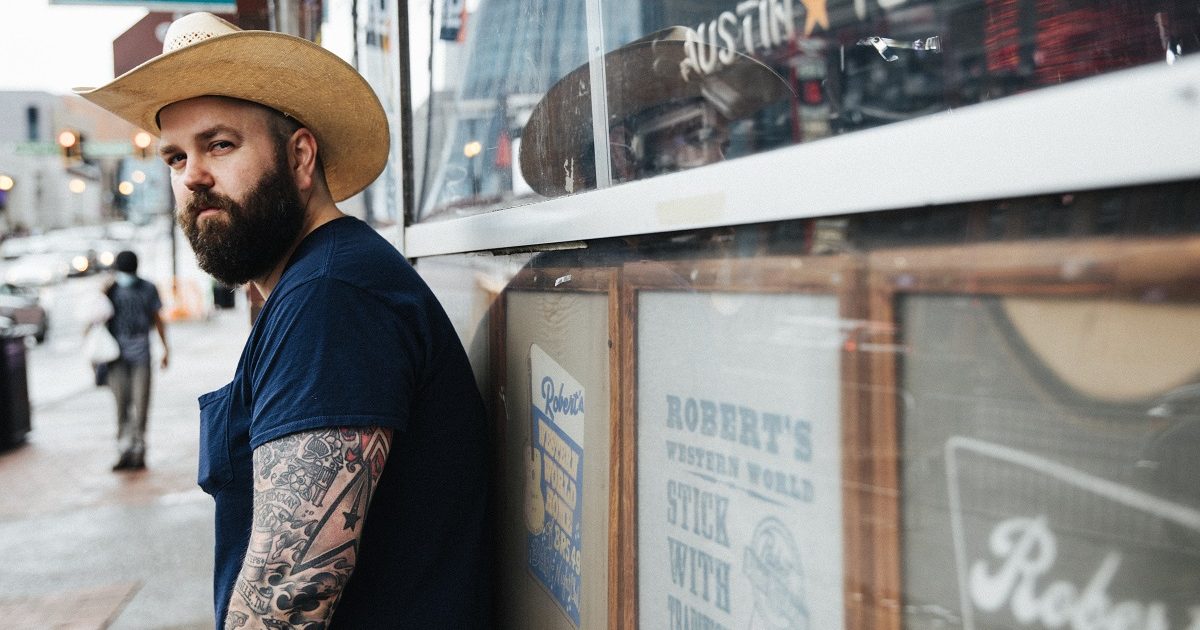
BGS 5+5: Joshua Hedley

Artist: Joshua Hedley
Hometown: Naples, Florida
Latest Album: Neon Blue
Personal Nicknames: Mr. Jukebox

Which artist has influenced you the most…and how?

I found Bob Wills at a very young age. Probably 10 years old or somewhere around there. I was instantly obsessed. He really struck a chord with me. Something about the blend of country and jazz resonated with me and particularly inspired me to be better at my instrument. I would lock myself in my parent’s bathroom with a CD player and my fiddle and just wear out this Bob Wills greatest hits CD for hours, trying to learn all the fiddle parts and solos and stuff. It really strengthened my ear at that age when you just soak up knowledge like a sponge. I probably wouldn’t be playing at the level I’m at today if I hadn’t discovered Bob Wills when I was so young.

What was the first moment that you knew you wanted to be a musician?

Honestly, it’s almost like I was born into it. I don’t remember the first moment I knew. I just always did. I asked my parents for a fiddle when I was 3. They told me to ask again when I was older, and I did, five years later. They got me one when I was 8 and I just took to it almost instantly. I just knew that’s what I was going to do with my life from then on. I started playing for real, professionally in bands, when I was about 12 and after that it was all over. That was it. I decided then I was going to move to Nashville and play country music for the rest of my life.

What’s the toughest time you ever had writing a song?

I always have a tough time writing. More specifically with finding inspiration and focus. I had this brief period of inspiration when I wrote Mr. Jukebox, but before that and ever since, I’ve always had a hard time writing. I struggle with ADHD, so it’s hard for me to stay focused on a single idea long enough to write a whole song. There’s also a level of self confidence needed to be a great writer that I lack. I can recognize a great song that someone else wrote, but even if other people tell me how much they love my songs, I always second-guess them myself. I always feel embarrassed playing my own music.

What has been the best advice you’ve received in your career so far?

Don’t read your press. Especially the reviews. Good or bad, they’ll affect your ego negatively. Someone once told me when I was just a kid, “You’re never as bad as they say you are, but you’re never as good as they say you are either.” You can’t control what people write about you. If it’s negative, it can crush you, but if it’s positive, it can inflate your ego too much. Neither of those things are good for you. Staying away from your own press seems like good advice to me, even if I don’t always take it.

Since food and music go so well together, what is your dream pairing of a meal and a musician?

You can probably tell just by looking at me that I enjoy food. I like everything from Michelin Star to Taco Bell. My buddy Sean Brock is absolutely crushing the food game in Nashville right now. It’d be cool to do a show where he catered it. Maybe do a bunch of traditional Florida foods like gator tail, smoked mullet, frog legs, Cuban sandwiches, key lime pie — stuff like that. Then me and Elizabeth Cook and Wade Sapp can play a bunch of country music from Floridian artists like Mel Tillis, Pam Tillis, Slim Whitman, Vassar Clements, John Anderson, Terri Gibbs, Gary Stewart (not actually Floridian, but we claim him), etc. Actually…I kind of want to make that happen now.


Photo Credit: Joshua Black Wilkins

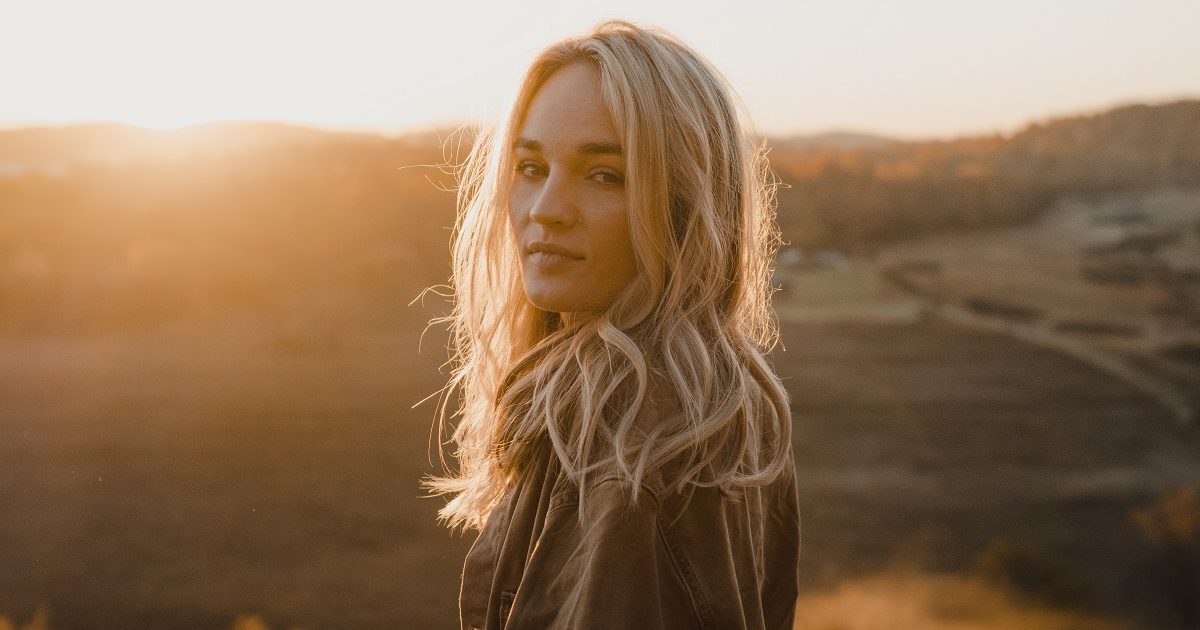
BGS 5+5: Jessica Willis Fisher

Artist: Jessica Willis Fisher
Hometown: Nashville, Tennessee
Latest Album: Brand New Day

Which elements of nature do you spend the most time with and how do those impact your work?

I spend a lot of time outdoors with my husband, Sean Fisher aka Mr. Bootstraps. He’s a wonderful adventure and lifestyle photographer and our work together has been such a huge part of my new life. Time out in nature has been extremely healing to me. I find the rhythm of seasons to be very grounding, and I believe travel widens my capacity for empathy. I recharge outside and feel most resilient when I can be close to the earth for long periods of time. Whether others can see it or not, I recognize strong nature themes woven throughout this Brand New Day record.

What other art forms — literature, film, dance, painting, etc — inform your music?

Ultimately, I love stories and I am fascinated by the power of ALL forms of art to help us articulate the wide range of human experience. So many things encourage me to explore and be creative. I’ve been an avid reader ever since I was young, and now also find inspiration in movies and TV shows, many mediums of visual art, fashion, preservation efforts, architecture, and textile crafts. The list is constantly growing!

What was the first moment that you knew you wanted to be a musician?

I sing because I am a writer and I feel compelled to share my work with people. However, being on stage or being a “performing artist” was never my strong suit or the end goal and I struggled to embrace it early on. I was inspired to learn to play fiddle and write tunes by attending Irish and folk festivals in my childhood. It wasn’t until I was maybe 17 years old that I ended up singing (unplanned) a 10-minute a cappella ballad on stage on St. Patrick’s Day in Irish pub that I truly felt the magic for the first time. The room of rowdy people was absolutely silent and I’d never felt simultaneously so vulnerable and powerful. It felt like being transported, transcending time and space and I was just lucky to be a part of it, a vessel for something much bigger than me. That hooked me for sure.

What’s the toughest time you ever had writing a song?

I think it’s the toughest whenever I am writing 100% truth, no fiction intertwined, no artistic liberties to hide behind. I’ve now written some excruciatingly honest songs and they are equally painful, beautiful, and rewarding to share. “My History” comes directly from some life-changing therapeutic breakthroughs after processing the trauma from my abusive past. “Hopelessly, Madly” was the first love song fully inspired by my happily married love life and it was so emotional and overpowering to write, it took me so long. I had to add a line or two and then take a cry break!

How often do you hide behind a character in a song or use “you” when it’s actually “me”?

I used to do this all the time when I started writing songs! I grew up in an environment where what I was allowed to say, do, and believe was heavily controlled and therefore plausible deniability was super important for me to have. I would usually feel like I could get away with only a seed of truth and the rest of the song had to be constructed to protect that seed. I wanted to get it out there and see if anyone could recognize it and if so, I would feel such a strong bond and connection, a bit like passing notes or sharing clues in ciphers. I don’t feel I have to do that anymore and tend to go forward with less protection these days. Changing the character or making historical fiction is still a great way to write and I’m sure I will do that more in the future, but I just had so much to say “for real” in this Brand New Day record.


Photo Credit: Sean Fisher

Carolina Calling: the Wilmington Effect

From Blue Velvet to One Tree Hill, scores of movies & TV shows have been filmed in & around Wilmington, North Carolina. Perhaps the best-known is Dawson’s Creek, the popular late-’90s coming-of-age drama series. While the show tried to tackle progressive storylines, its stark lack of diversity made Dawson’s Creek frequently cited as the whitest show ever. Nearly two decades after it went off the air, tourists still come to Wilmington in search of the show’s landmarks.

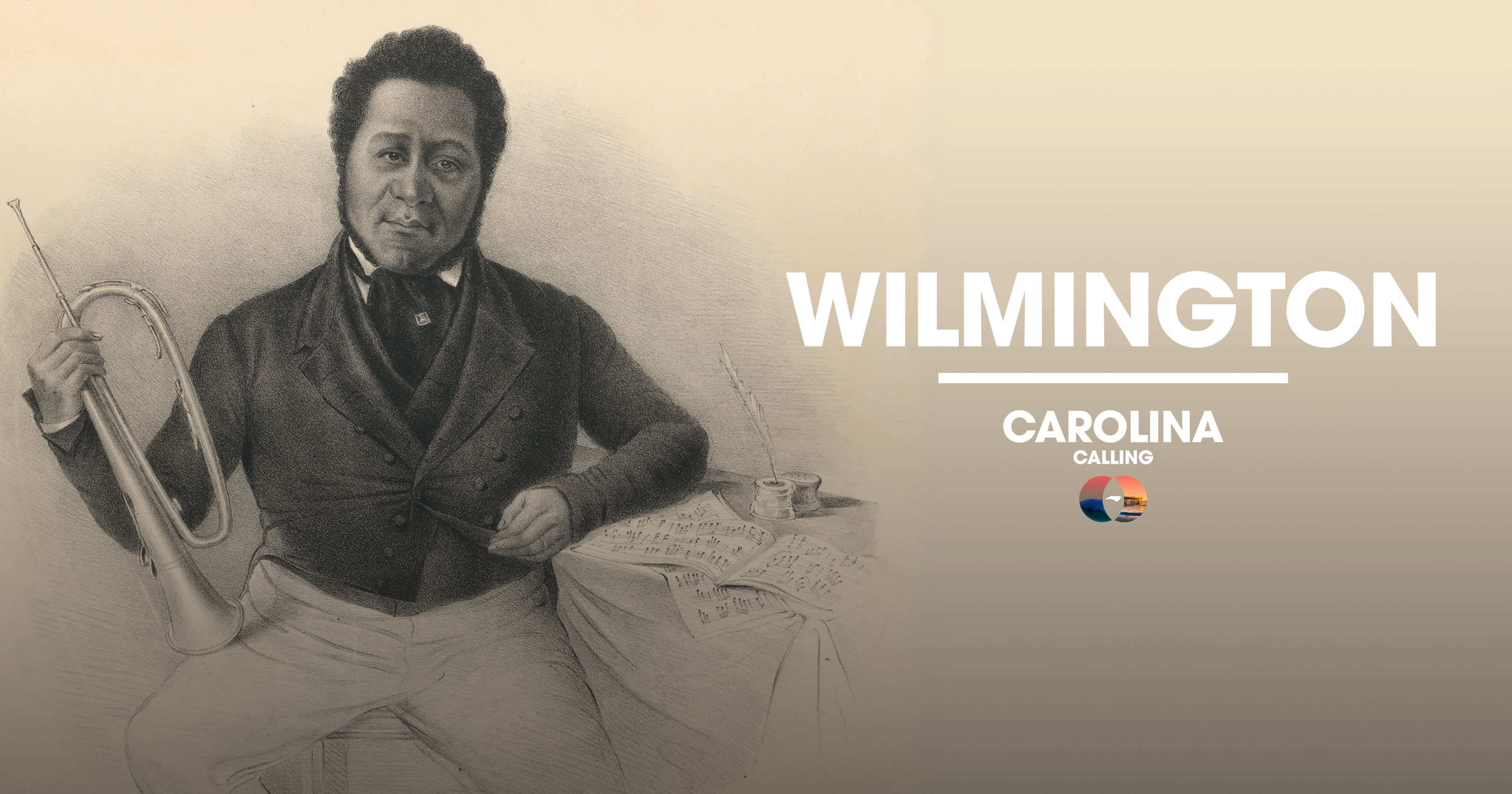
But Wilmington has a more difficult, less visible side to its history, politically as well as culturally, going back to the 1700s. Long before North Carolina became one of America’s original 13 colonies, there were thriving Indigenous communities throughout the region. There was also a time when Wilmington’s most famous musician was a man of color, Frank Johnson: fiddler, composer, and bandleader – and one of the biggest stars in American music in the years before the Civil War.

LISTEN: APPLE • SPOTIFY • STITCHERAMAZON • YOUTUBEMP3
 

During Reconstruction, Wilmington was an unusually progressive, forward-thinking town. In contrast to the state of things elsewhere in the South, Wilmington elected a racially diverse local government, led by both whites and freed Black people.

That came to an abrupt end in 1898 with a white-supremacist coup, a bloody rampage that left numerous people of color dead and Black-owned businesses destroyed. Those the mob didn’t kill, they chased out of town. That left Wilmington with a mostly white population, an all-white local government – and a whitewashed version of the city’s history in which Black people’s contributions were erased from the official story.

This might seem like ancient history, but it’s not. Wilmington’s most famous native-born musician is probably Charlie Daniels, the country-music star who died in the summer of 2020. Daniels was born in 1936 – less than four decades after that 1898 uprising. The real story of the 1898 coup is finally coming to light in recent years, thanks to works like the 2020 Pulitzer-winning book Wilmington’s Lie. But it’s still not widely known.

In this episode of Carolina Calling, we explore Wilmington – a town that keeps its secrets even as they’re hidden in plain sight – through the life and career of Frank Johnson, whose his story and stardom were all but lost to time – or rather, to the erasing effects of the 1898 massacre on Wilmington’s history.

This episode features John Jeremiah Sullivan, a writer and historian who lives in Wilmington and has written extensively about the city’s music and history for The New Yorker and New York Times magazine, as well as Grammy winner Rhiannon Giddens, and musicians Charly Lowry and Lakota John.

Subscribe to Carolina Calling on any and all podcast platforms to follow along as we journey across the Old North State, visiting towns like Durham, Asheville, Shelby, Greensboro, and more.


Music featured in this episode:

Paula Cole – “I Don’t Want To Wait”
“Saraz Handpan C# Minor”
Charlie Daniels – “Long Haired Country Boy”
Traditional – “The Lumbee Song”
Lakota John – “She Caught The Katy”
Ranky Tanky – “Knee Bone”
Lauchlin Shaw, Glenn Glass & Fred Olson – “Twinkle Little Star”
Marvin Gaster, Rich Hartness, Beth Hartness & Harry Gaster – “Rye Straw”
Evelyn Shaw, Lauchlin Shaw, A.C. Overton & Wayne Martin – “Money, Marbles and Chalk”
Marvin Gaster, Rich Hartness, Beth Hartness & Harry Gaster – “Chickens Growing at Midnight”
Rhiannon Giddens w/ Franceso Turrisi – “Avalon”
Rhiannon Giddens w/ Franceso Turrisi – “There Is No Other”
Joe Thompson & Odell Thompson – “Donna Got a Rambling Mind”
The Showmen – “39-23-46”


BGS is proud to produce Carolina Calling in partnership with Come Hear NC, a campaign from the North Carolina Department of Natural & Cultural Resources designed to celebrate North Carolinians’ contribution to the canon of American music.

Portrait of Frank Johnson via the National Portrait Gallery

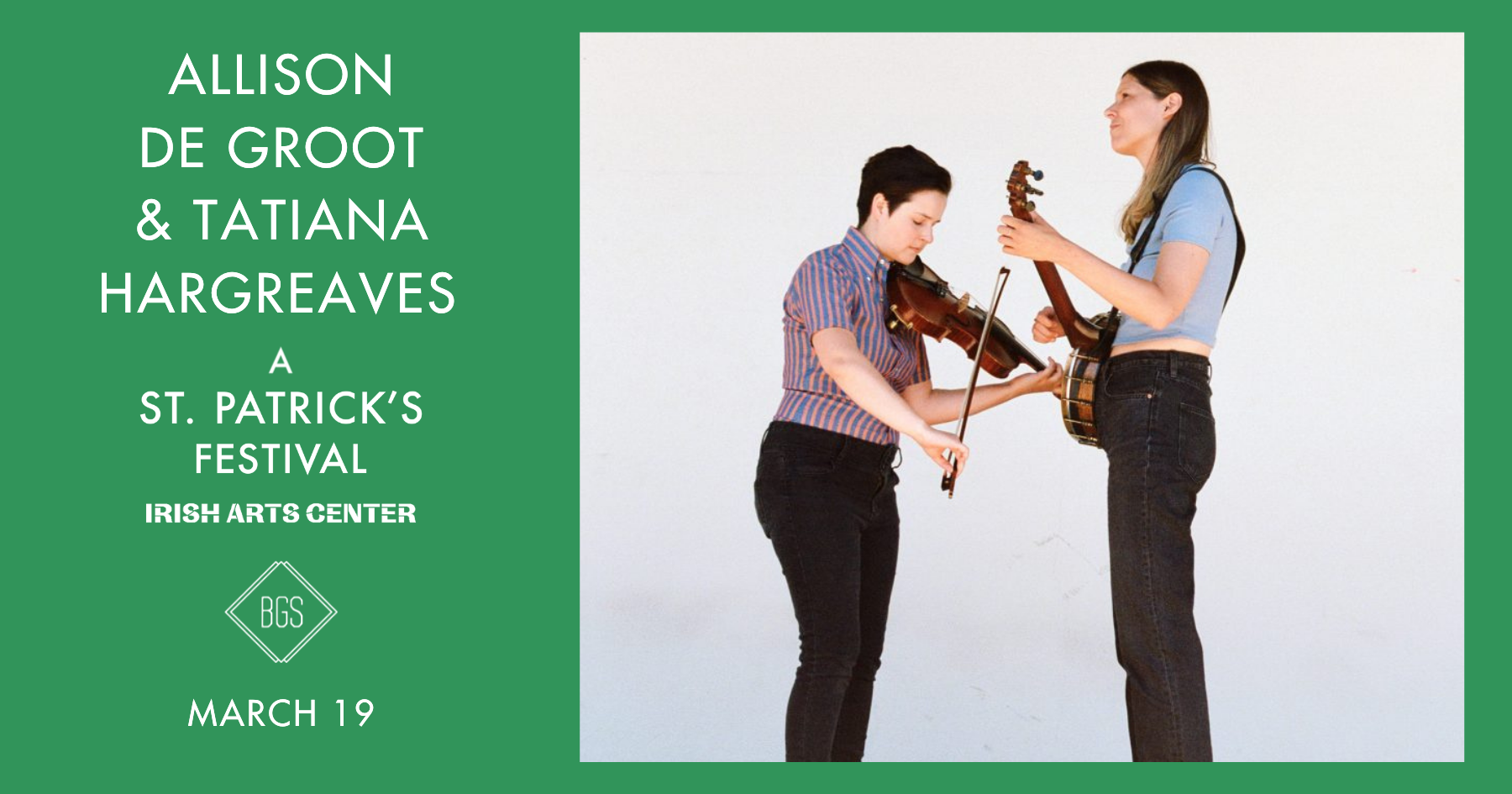
GIVEAWAY: Enter to Win Tickets to Allison de Groot & Tatiana Hargreaves @ Irish Arts Center (NYC) 3/19

Grab tickets to the rest of the festivities at the Bluegrass Situation Presents: A St. Patrick’s Day Festival at New York’s New Irish Arts Center, with de Groot and Hargreaves participating in an opening night jam session with fiddler-banjoist Jake Blount and traditional dancer Nic Gareiss on March 17 as well as a headlining show from Blount and Gareiss on March 18.

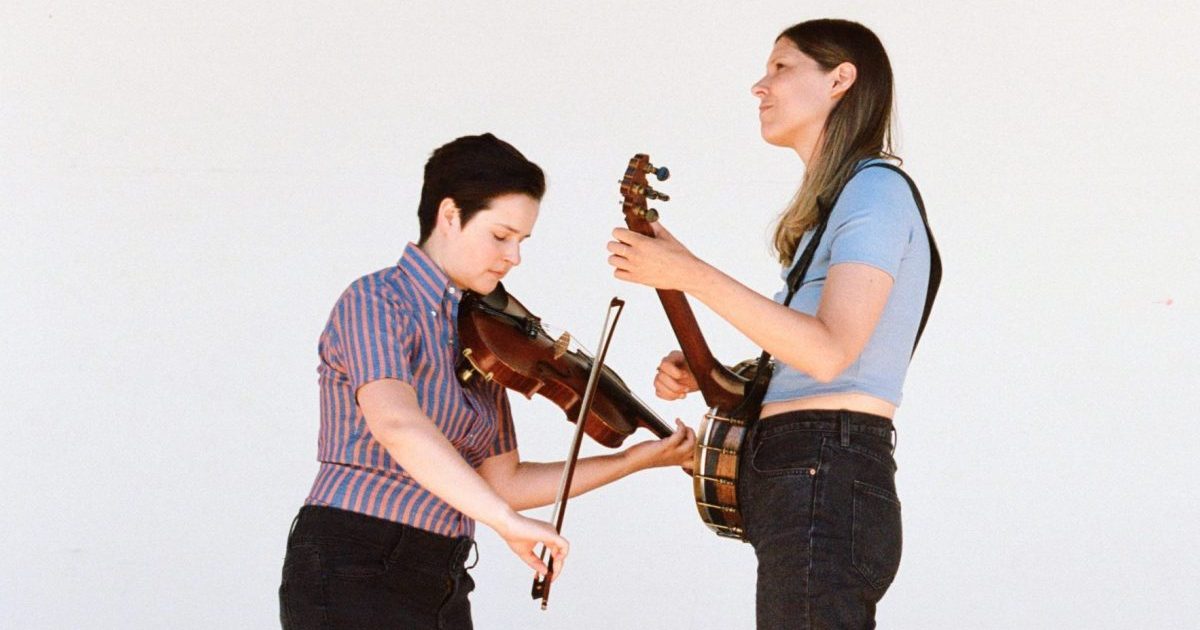
Allison de Groot & Tatiana Hargreaves Reunite to Honor Their Grandmothers

Know any banjo-and-fiddle tunes inspired by and dedicated to Clarice Lispector, an obscure Ukrainian-born and Brazilian-raised mid-20th century novelist?

Here’s one: the title piece from Hurricane Clarice, the upcoming second album by the duo of clawhammer banjoist Allison de Groot and fiddler Tatiana Hargreaves. The tune is a melancholy, wistful instrumental waltz, paired here with the old fiddle tune “Brushy Fork of John’s Creek.” It’s perfectly in keeping with the bluegrass and Appalachian traditions that brought the two together when they were teen folk camp attendees a decade ago and have informed the music on their 2019 duo debut and in appearances everywhere from festivals and music workshops to house concerts.

Hargreaves says she wrote the piece after finishing Lispector’s 1946 novel, “The Chandelier,” enraptured and inspired by the “abstractness” and even “spaciness” of the highly distinctive, involving writing.

“I mean, it’s very loosely connected,” Hargreaves says of how the writing sparked her. “It’s not inspired by a specific thing. It’s more just what I was feeling a lot after reading one of her books. And when Allison and I were working up material for this record, I brought it to the table and it was just feeling really good.”

The album is full of loose and unexpected connections, taking some seemingly circuitous routes. Rachel Carson’s 1962 environmental primer Silent Spring, for one, is cited in the liner notes as being evoked by their choice of opening song, “The Banks of the Miramichi.” The song come from New Brunswick, dating to the turn of the 20th century, but came to Hargreaves and de Groot via a recording from around the time Carson was writing about DDT imperiling that river.

There’s “Every Season Changes You,” a touchingly sentimental Roy Acuff song that de Groot became obsessed with after hearing a bluegrass version by Rose Maddox and, in the context of the album, relates to both climate change and the dislocation of life in the pandemic.

There’s “I Would Not Live Always,” a hymn from a poem by William Augustus Muhlenberg. Hargreaves came to that song while helping folk pioneer Alice Gerrard digitize photos for a book project and being charmed by a picture of Tennessee fiddler Clarence Farrell and his wife — accompanied by their dachshund — holding a scroll with shape-note scale. That spurred Gerrard to play her a Mike Seeger field recording of Farrell playing this song.

And that song, in the duo’s interpretation, has another unlikely thread: While crafting a banjo interlude, de Groot was directed by producer Phil Cook to listen to the Velvet Underground’s somber, dreamy “All Tomorrow’s Parties,” of all things, for inspiration.

But the Lispector nod is the one which led them to find the most significant, and personal, threads that run through the album — and in some ways, the one that ties them together.

“We started to make the connections with family that tie the album together,” Hargreaves says. “Lispector is originally from Ukraine, and Allison has family that’s Ukrainian. And then [Lispector] was Jewish and her family fled from Eastern Europe in the 1920s, which is in my family background as well.”

“We’ve talked about this a lot, the idea of family, whether that’s family that you’re connected with at childhood or your musical community, which definitely feels like a continuation of that,” says de Groot. “We both work with a lot of musicians that are from different generations.”

That sense, for these two young musicians, really came to a head in the isolation and disconnection of the pandemic, heightened some by it then having to cancel a couple of attempts over the course of a year before they were able to get together to make this album. That itself played into the nature of the music they made when they finally were able to do it last summer, and in some non-music elements that provided threads for the music. The latter stemmed from conversations in the fall of 2020 with Phil Cook, who produced the album sessions in Portland, Oregon, where Hargreaves grew up.

“He started being in on sharing of tunes,” says de Groot, who was born and raised in Winnipeg, Canada. “He made an offhand comment that he was getting ‘grandmother energy’ from one of the instrumental tunes. And that led us down this rabbit hole, and he was asking us, ‘Do you have any recordings of your grandparents?’ We started looking around, which was a really special experience, because it put me in touch with some of my family about getting recordings.”

They got them. The voices of Hargreaves’ grandmothers Sylvia (born in 1925 in Brooklyn) and Jean (1930, Detroit) and de Groot’s grandmother Shirley (1929, Winnipeg, though sadly she passed away in March 2020) all are heard on the album’s penultimate song, “Ostrich With Pearls,” an otherwise instrumental written by Hargreaves. (The title? “It came from a poster that a friend had sent me,” Hargreaves says, laughing. “It’s an ostrich wearing a pearl necklace.”)

Sylvia talks about the house in which she was raised and how her grandfather converted the basement into a giant bird cage. Jean, recorded by Hargreaves’ uncle and limited due to dementia, reminisces that her favorite bird is a cardinal. And Shirley tells of her childhood car rides with her grandparents around Lake Winnipeg, having to roll up the windows due to the dust and gravel kicked up by the tires.

And while de Groot’s other grandmother died some years ago, “Hurricane Clarice” starts with a recording de Groot’s cousin made of her great-aunt Tillie speaking in Ukrainian — a language she had not used in many years.

“I asked her to tell a story about my Nana, so that she would be represented on the album as well,” de Groot says. “And she sent me this tiny clip where she just said, I think it translates to, ‘Sophie was a very good sister.’ It’s really sweet.”

While that emotional core of the album took shape during the separations of recent times, the seeds for it were planted some years back. The two met briefly in the late 2000s as adolescents at a festival in Victoria, British Columbia, when Hargreaves and her brother Alex were playing with multi-instrumentalist and multiculturalist Bruce Molsky, a mentor to both her and de Groot.

They started playing together regularly in the mid-2010s in the Boston area, where de Groot was attending Berklee School of Music and Hargreaves was at Hampshire college in Amherst, studying ethnomusicology — her thesis was about fiddle camps. Today, Hargreaves lives in Durham, North Carolina, where she is a fiddle teacher and graduate student in library sciences at the University of North Carolina.

“We had a really strong musical connection,” says de Groot, who just moved to Vancouver, British Columbia, this year. “Pretty soon after we reconnected in Massachusetts, we ended up being at a festival together. And there were all these festivals and we were both with different projects, but we were always excited to find each other and play for hours and hours. And then we decided to record an album and started doing some live shows.”

The first album captured the excitement and spontaneity of the nascent partnership, but for this one they wanted to take that further — once they were able to get into a studio together. The sessions happened during the Portland’s historically brutal heat wave last summer. That put climate change very much on their minds as they created Hurricane Clarice. And that, in turn, further intensified and illuminated the connections running through the album.

“It’s the whole feeling of apocalypse, and I think highlighting family and community within the setting of climate apocalypse,” Hargreaves says. “We connected this album to different notions of family, like our grandmothers, and thinking about what we can learn from our ancestors and also being together. And this project really helped me through the pandemic, meeting [on Zoom] with Allison every week and feeling like our duo as a family. Adrian Maree Brown, who’s an activist and author, asks the question about what compels us to survive climate change. I don’t know if I have an answer for that, but I think about it a lot and definitely community and family is what it all comes down to in the end.”

Editor’s Note: Hargreaves and de Groot will be featured in the Bluegrass Situation Presents: A St. Patrick’s Day Festival at New York’s New Irish Arts Center, participating in an opening night jam session with fiddler-banjoist Jake Blount and traditional dancer Nic Gareiss on March 17 as well as headlining the event’s closing night March 19. Enter the giveaway to win a pair of tickets.


Photo Credit: Tasha Miller

WATCH: Rakish, “New Shoe Maneuver”

Artist: Rakish (Maura Shawn Scanlin, fiddle & Conor Hearn, guitar)
Hometown: Boston-Based (Conor is from Washington D.C., Maura is from Boone, North Carolina)
Song: “New Shoe Maneuver”
Album: Counting Down the Hours
Release Date: February 4, 2022

In Their Words: “This tune formed during a phase in which I was exploring the possibilities of three-part tune writing. There’s something about adding a third section that opens a tune up to more melodic and harmonic variety that is so hard to beat. The tune stems from the language of the bagpipes; it draws on much of the compact and cyclical melodic ideas that are at the center of the piping style. The idea for the name came about when I went over to Conor’s place to play some music and discovered that we’d both bought pretty much identical new running shoes without talking to one another about it. The title is a reflection of that coincidence. We had a really special time getting to make the live video of this track, which is the first single off of our upcoming album, Counting Down the Hours. It was filmed at a great neighborhood gallery near us called Gallery 263 on one of the last hot days of the summer with Dan Jentzen filming and Peter Atkinson audio engineering.” — Maura Shawn Scanlin, Rakish


Photo credit: Dan Jentzen

BGS 5+5: Laurel Premo

Artist: Laurel Premo
Hometown: Traverse City, Michigan
Latest Album: Golden Loam

What other art forms — literature, film, dance, painting, etc. — inform your music?

For me dance is such a huge influence. I’ve spent quite a few years as a dance musician for square dances, being a traditional fiddler. That role of being more the motor for the good time, as opposed to being the focal point, has always resonated deeply with me. But beyond that, I know that just my experience as a participant in social dance in both American old-time and Nordic traditions has given my body a vocabulary that comes out in my music. I’ve found a through line in my voice that, no matter the tempo of the music, I always am wanting to make these larger slower pulses, make longer groups of beats, tap my foot at a slower frequency. I’m certain that that longer embodiment of phrases, and the pull, and balance, from dance have played into my nature there.

What was the first moment that you knew you wanted to be a musician?

I have a really early memory, I’m not sure what age, but before I was big enough to hold any instruments. I was in my bedroom, standing next to the door, and I could hear my folks playing music on the other side of the wall in the living room, my mom really tearing it up on some fiddle tune. In that moment, alone, I remember that I started air-fiddling and kind of marching around or dancing in the little corner. I just wanted to be part of whatever was going on there.

What’s the toughest time you ever had writing a song?

I took a while composing this lap steel track, “Father Made of River Mud,” from the new record. For a bit, it was separate pieces, in different tunings, that I didn’t know if I’d be able to fold together as one. It’s a really beautiful moment for the maker of a piece, when some kind of grace math helps everything line up in your head, and then you get to hear the thing for the first time in its full form. That tune is like a circle, it doesn’t really have to end at any one point.

What rituals do you have, either in the studio or before a show?

I try and spend some time ruminating with memory that reflects back at me the elements of my personal experience that I want to embed in the performance, to make more vibrant what I’m laying down there for listeners. It’s almost a way of remembering myself to myself, because there are a lot of possible distractions when you’re recording or performing. Every little step of the setup could be something that takes you away from your body and the meaning you’re trying to imbue in the work. So, I just real quickly try to go into the wilds to try and counteract all of the civilization that I’m traversing through.

Which elements of nature do you spend the most time with and how do those impact your work?

In the last two to three years, my wild haunts have been woods, dunes, and rivers. I grew up in the woods, so shadows and green, what reverb the places with a great amount of life growing have, and the scents of being real close to the ground — those are all deep in me, and as an adult I go back to similar places to find quiet, and to kind of listen beyond that quiet. Walking rivers for the past few years, learning fly fishing, has brought about a whole other set of turns, including just a beautiful sideways weight from the gravity of the river flowing against you. I definitely take gestural impulses from my time spent in the wild, and work to keep all my senses open to what rhythms lay in front of me.


Photo credit: Harpe Star

LISTEN: Marcel Ardans, “Pencil Pusher”

Artist: Marcel Ardans
Hometown: Prescott, Arizona
Song: “Pencil Pusher”
Album: Traitor
Release Date: October 8, 2021

In Their Words: “Nearing the end of high school, my great-grandfather Stephen Carkeek filled out a survey for his senior yearbook. It simply asked for his hobby, ambition and fate. Stephen’s answer was wrought with truth. He responded, ‘harmonica, banjo tickler and pen pusher.’ The rest of his life was spent working behind a desk. Inspired by his inability to live out his ambitions, I wrote this fiddle tune after attending my grandfather’s funeral and finding Stephen’s yearbook in a now empty house.” — Marcel Ardans


Photo credit: Nick Pagan

From “Ghost in This House” to “O Death,” Our 13 Favorite Boo-Grass Classics

Ah! There’s a chill in the air, color in the leaves, and a craving for the spookiest songs in bluegrass — it must be fall. Bluegrass, old-time, and country do unsettling music remarkably well, from ancient folk lyrics of love gone wrong to ghost stories to truly “WTF??” moments. If you’re a fan of pumpkins, hot cider, and murder ballads we’ve crafted this list of 13 spooky-season bluegrass songs just for you:

The Country Gentlemen – “Bringing Mary Home”

THE bluegrass ghost story song. THE archetypical example of “What’s that story, stranger? Well, wait ‘til you hear this wild twist…” in country songwriting. (Yes, that’s a country songwriting archetype.) The Country Gentlemen did quiet, ambling — and spooky — bangers better than anybody else in bluegrass.


Cherryholmes – “Red Satin Dress”

Fans of now-retired family band Cherryholmes will know how rare it was for father and bassist Jere to step up to the microphone to sing lead. His grumbling, coarse voice and deadpan delivery do this modern murder ballad justice and then some. 

One has to wonder, though, with so many songs about murderous, deceitful women in bluegrass — the overwhelmingly male songwriters across the genre’s history couldn’t be bitter and misogynist, could they? Could they?


Zach & Maggie – “Double Grave”

A more recent example of unsettling songwriting in bluegrass and Americana, husband-and-wife duo Zach & Maggie White give a whimsical, joyful bent to their decidedly creepy song “Double Grave” in the 2019 music video for the track. Just enough of the story is left up to the imagination of the listener. Feel free to color inside — or outside — of the lines as you decide just how the song’s couple landed in their double grave. 


Alison Krauss – “Ghost in This House”

Come for the iconic AKUS track, stay for the impeccable introduction by Alison. Equal parts cheesy and stunning, if you haven’t belted along to this song at hundreds of decibels while no one is watching, you’re lying. Not technically a ghost story, we’re sliding in this hit purely because a Nashville hook as good as this deserves mention in a spooky-themed playlist.


The Stanley Brothers – “Little Glass of Wine”

Ah, American folk music, a tradition that *checks notes* celebrates the infinity-spanning, universe-halting power of love by valorizing murdering objects of that love. Kinda makes you think, doesn’t it? Here’s a tried and true old lyric, offered by the Stanley Brothers in that brother-duet-story-song style that’s unique to bluegrass. What’s more scary than an accidental (on purpose) double poisoning? The Stanley Brothers might accomplish spooky ‘grass better than any other bluegrass act across the decades.


Missy Raines – “Blackest Crow”


A less traditional rendering of a folk canon lyric, Missy Raines’ “Blackest Crow” might not feel particularly terrifying in and of itself, but the dark imagery of crows, ravens, and their relatives will always be a spectre in folk music, if not especially in bluegrass. 


Bill Monroe – “Body and Soul”

The lonesome longing dirge of a flat-seven chord might be the spookiest sound in bluegrass, from “Wheel Hoss” to “Old Joe Clark” to “Body and Soul.” A love song written through a morbid and mortal lens, you can almost feel the distance between the object’s body and soul widening as the singer — in the Big Mon’s unflappable tenor — objectifies his love, perhaps not realizing the cold, unfeeling quality of his actions. It’s a paradox distilled impossibly perfectly into song.


Rhiannon Giddens – “O Death”

Most fans of roots music know “O Death” from the O Brother, Where Art Thou? soundtrack and the version popularized by Ralph Stanley and the Stanley Brothers. On a recent album, Rhiannon Giddens and Francesco Turrisi reprise the popular song based on a different source — Bessie Jones of the Georgia Sea Island Singers.

The striking aural image of Stanley singing the song, a capella, in the film and on the Down from the Mountain tour will remain forever indelible, but Giddens’ version calls back to the lyrics’ timelessness outside of the Coen Brothers’ or bluegrass universes and reminds us of just how much of American music and culture are entirely thanks to the contributions of Black folks.


Johnson Mountain Boys – “Dream of a Miner’s Child”

Mining songs are some of the creepiest and most heartbreaking — and back-breaking — songs in bluegrass, but this classic performance from the Johnson Mountain Boys featuring soaring, heart-stopping vocals by Dudley Connell, casts the format in an even more blood-chilling light: Through the eyes of a prophetic, tragic dream of a miner’s child. The entire schoolhouse performance by the Johnson Mountain Boys won’t ever be forgotten, and rightly so, but this specific song might be the best of the long-acclaimed At the Old Schoolhouse album. 

Oh daddy, don’t go to the mine today / for dreams have so often come true…


Emmylou Harris, Alison Krauss, Gillian Welch – “Didn’t Leave Nobody But the Baby”

A lullaby meets a field holler song on another oft-remembered track from O Brother, Where Art Thou? The disaffected tone of the speaker, in regards to the baby, the devil, all of the above, isn’t horrifying per se, but the sing-songy melody coupled with the dark-tinged lyric are just unsettling enough, with the rote-like repetition further impressing the slightly spooky tone. It’s objectively beautiful and aesthetic, but not… quite… right… Perhaps because any trio involving the devil would have to be not quite right? 


AJ Lee & Blue Summit – “Monongah Mine” 

Another mining tale, this one based on a true — and terrifying — story of the Monongah Mine disaster in 1907, which is often regarded as the most dangerous and devastating mine accident in this country’s history. AJ Lee & Blue Summit bring a conviction to the song that might bely their originating in California, because they make this West Virginia tale their own.


Jake Blount – “Where Did You Sleep Last Night”

“In the Pines” is one of the most haunting lyrics in the bluegrass lexicon, but ethnomusicologist, researcher, and musician Jake Blount didn’t source his version from bluegrass at all — but from Nirvana. That’s just one facet of Blount’s rendition, which effortlessly queers the original stanzas and adds a degree of disquieting patina that’s often absent from more tired or well-traveled covers of the song. A reworking of a traditional track that leans into the moroseness underpinning it.


The Stanley Brothers – “Rank Stranger”

To close, we’ll return to the Stanley Brothers for an often-covered, much-requested stalwart of the bluegrass canon that is deceptively terrifying on closer inspection. Just who are these rank strangers that the singer finds in their hometown? Where did they come from? Why do none of them know who this person or their people are? Why are none of these questions seemingly important to anyone? Even the singer himself seems less than surprised by finding an entire village of strangers where familiar faces used to be. 

For a song so commonly sung, and typically in religious or gospel contexts or with overarchingly positive connotations, it’s a literal nightmare scenario. Like a bluegrass Black Mirror episode without any sort of satisfying conclusion. What did they find? “I found they were all rank strangers to me.” Great, so we’re right back where we started. Spooky.