The String – Pam Tillis plus Joe Diffie

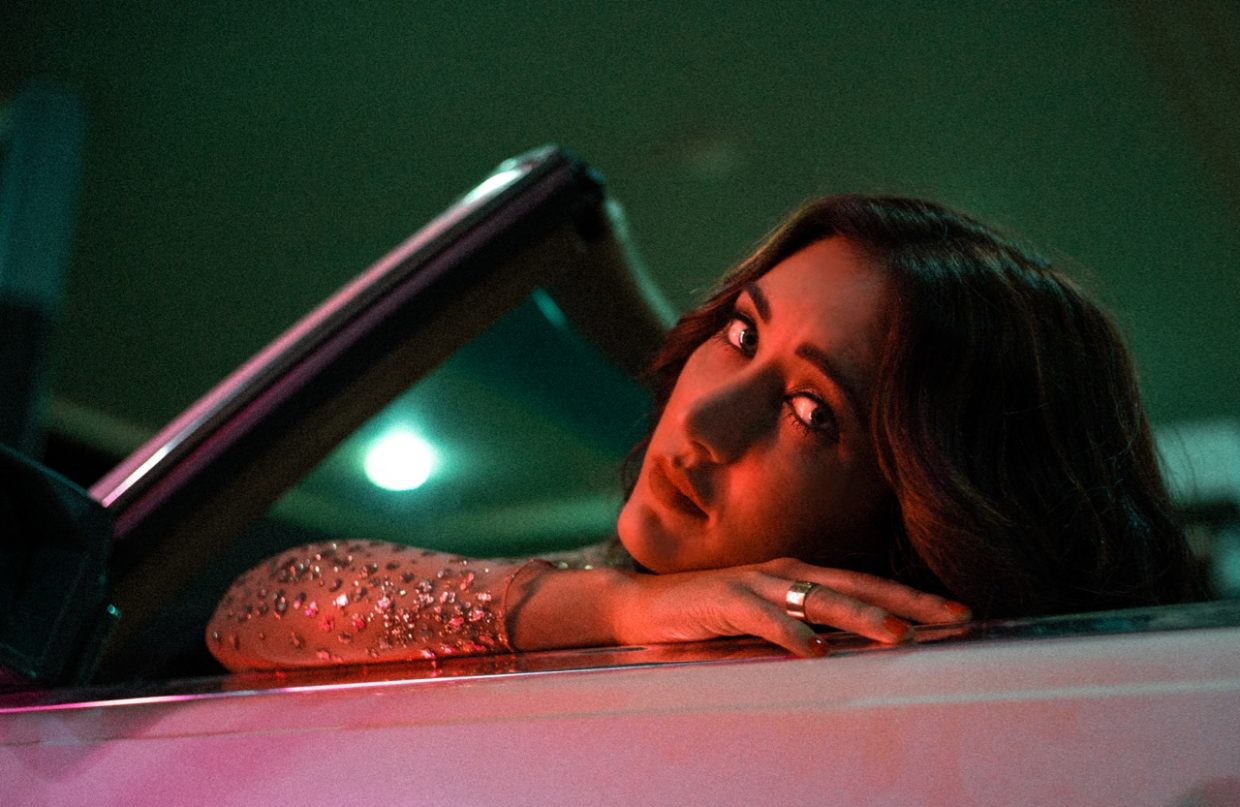
She’s a daughter of Grand Ole Opry royalty, but Pam Tillis found her own way to the music business and the top of the country charts in the 1990s.

LISTEN: APPLE PODCASTS

She’s long been one of Music City’s most independent-minded major leaguers, and she shows it on Looking For A Feeling, her first album in more than a decade. She works with some of Nashville’s most creative musical minds too. Also in the hour, highlights from a 2008 interview in which we remember the timeless voice and humor of Joe Diffie, who died in March after contracting Covid-19.

BGS 5+5: Special Consensus

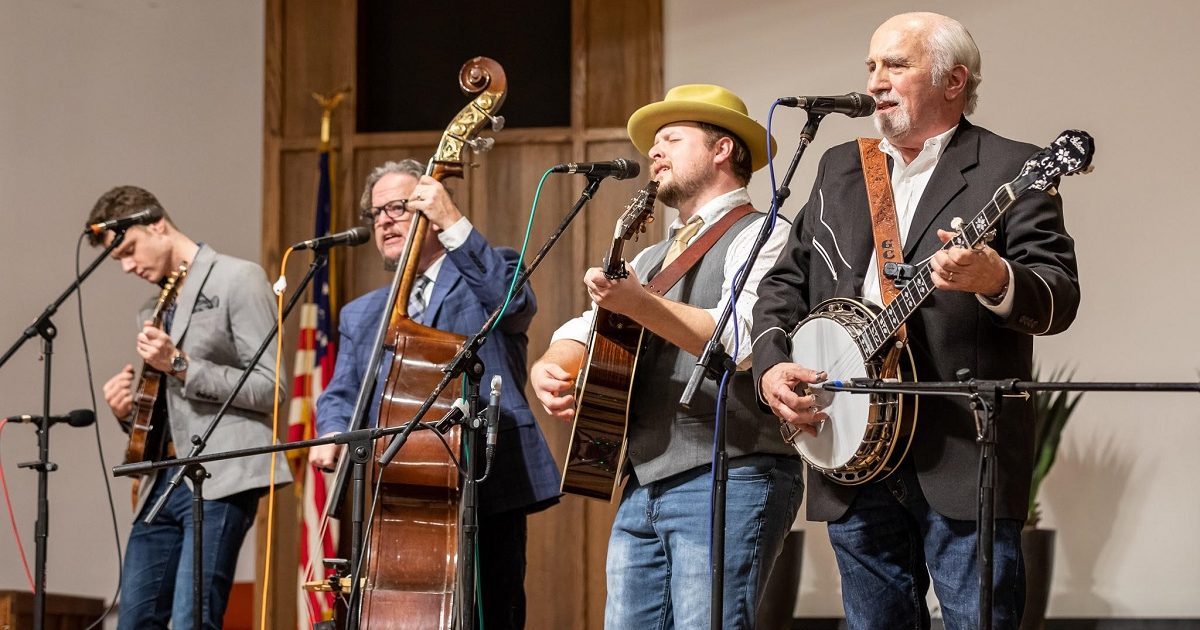
Artist: Greg Cahill of Special Consensus
Hometown: Oak Lawn, Illinois
Latest album: Chicago Barn Dance
Personal nicknames (or rejected band names): Special C

What other art forms — literature, film, dance, painting, etc — inform your music?

I actually enjoy and appreciate all the forms listed here. I have always been a history buff and read a good bit of American history books as well as books about country and bluegrass music. I also enjoyed the Carlos Castenada books of the 1970s, which actually inspired our band name, Special Consensus. I very much enjoy live theater (Hamilton was unbelievably superb) as well as seeing movies in movie theaters and I am a fan of Cirque du Soleil dance troupe. Living in Chicago provides access to fantastic museums and of course the Art Institute, where I thoroughly enjoy spending an afternoon any time.

What was the first moment that you knew you wanted to be a musician?

My mother’s mother was a fabulous piano player who played for silent movies and gave piano lessons throughout my mother’s childhood so my mom also became a great piano player. My father’s father was a great harmonica player who would give me his old harmonicas whenever he got a new one (usually a Christmas present from my grandmother) and he began teaching me to play when I was 5 years old. My father was a great tenor singer in the church choir. By the time I was 7 or 8 I began taking accordion lessons, which I continued until I was about 15.

By senior year of high school I became interested in string instruments and went off to college with guitar and long-neck banjo (a la Pete Seeger and Dave Guard of the Kingston Trio) in hand and played in a folk group until graduation. I first actually heard bluegrass music around junior year of college and dabbled with playing 3-finger style on the banjo, went into the Army for two years after graduation and came back to Chicago after living in Georgia for a bit and seriously began to try and play the five-string (around 1970-71). I have always had music in my heart and in my bones and I still absolutely love to play the banjo!

If you had to write a mission statement for your career, what would it be?

I think the most important thing about playing music professionally is to decide what you really want to do and set some goals. A mission statement might be something like practice your music to hone your skills, decide what type of music you really want to play and set goals for creating musical situations for yourself (like finding other people to play with) and be willing to continually work on improving. One has to create opportunities for oneself in the world of music.

It is vital to attend concerts to hear the music you want to play, to practice a lot and to seek those opportunities to play with others. Audition for bands you would like to play with whenever there is an opening. Once you are in a band or are gigging as a solo or duo/trio artist or in any configuration, take it seriously — it is very enjoyable but it is also now your job. Most importantly, don’t give up if this is what you really want to do. There will always and forever be huge ups and downs — keep the faith, believe in yourself and keep on keepin’ on!

What’s your favorite memory from being on stage?

I would have to say it was the first time Special C ever played the Grand Ole Opry. It was in I think 2003 and the Opryland venue was under renovation so we played at the Ryman Auditorium. My bandmates at the time were Josh Williams, Jamie Clifton, and Tim Dishman. We had been together for a few years and gone through some wonderful times and some difficult times, including being in a bus wreck (fortunately, none of us were seriously injured).

Our individual and collective dream was always to play the Grand Ole Opry and that night we were truly living the dream. After being instructed backstage to play one and only one song, Jeannie Seely introduced us and we went out and played our hearts out. The audience went wild and the whole house was standing and cheering — Jeannie had no choice but to give us an encore. I will never forget that night.

Which artist has influenced you the most … and how?

There are many artists who have influenced me. My parents’ love of music was instilled in me as a young child and they appreciated the “old standards” of the day and Dixieland music — family gatherings always included everyone around the piano singing and then my sisters and I would be asked to play. I was of course influenced by the master Earl Scruggs but then I would say J.D. Crowe became my mentor, even before I ever met him, because I loved his way of creating new licks and ways of playing with the drive and clarity and beauty of Earl’s playing.

Then there are so many great banjo player influences (Munde, Keith, Trischka, Vestal, Bela, Pikelny, Shelor, Shelton, Luberecki, Brown, Kruger, Munford, Benson, etc.). Other musicians whom I admire and listen to include Jethro Burns, Benny Goodman, Louis Armstrong, Buddy Guy, Don Stiernberg and many more. I believe it is the brilliance of these players, this gestalt that has and always will continue to influence me and keep me growing.


Photo Credit: David K. Cupp

BGS Long Reads of the Week // April 24

We’ve so enjoyed looking back into the BGS archives with you every week for some of our favorite reporting, videos, interviews, and more. If you haven’t yet, follow our #longreadoftheday series on social media [on FacebookTwitter, and Instagram] and as always, we’ll put all of our picks together right here at the end of each week.

Our long reads this week examine entire careers, dive into different versions of new classic songs, revisit a lost hero, and more.

Glen Hansard: A Career in 12 Songs

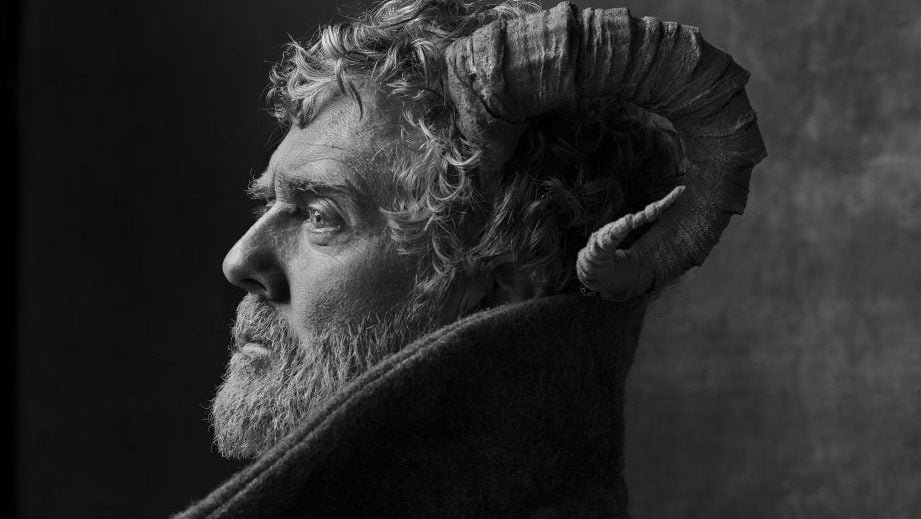
We spend a lot of time at BGS immersing ourselves in the music, sounds, and careers of our favorite artists — what can we say, we love a deep dive! For this aural long read choice (if such a thing exists?) we unpack twelve of Glen Hansard’s essential songs from myriad points in his globe-crossing career, from rock bands and movie soundtracks and confessional songwriting and more. [Read the entire list, and listen, too]


Rose Cousins Shares Her Truth More Freely With Bravado

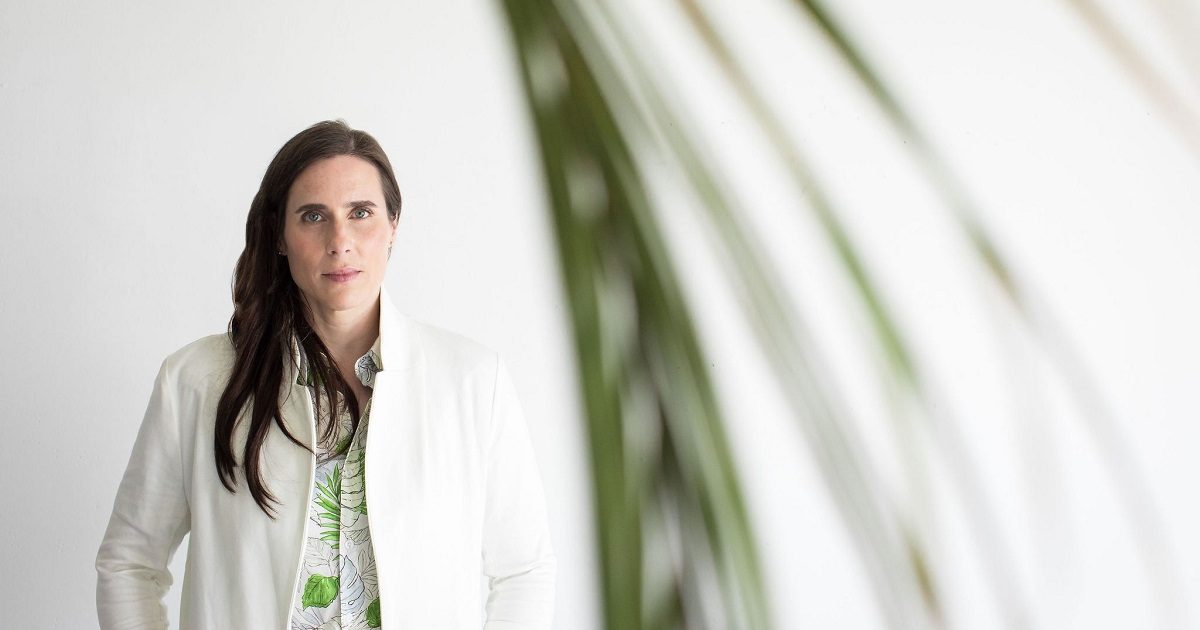
In a strangely prescient interview from late February, Canadian singer/songwriter Rose Cousins offers some insight and wisdom for being alone — the difference between loneliness and solitude, for instance — and for being present in each moment, as well. Their themes she’s explored in-depth in her music-making across the years, but in some newfound ways on her most recent album, Bravado. [Read our interview]


Glen Campbell’s Final Coda: An Interview with Carl Jackson

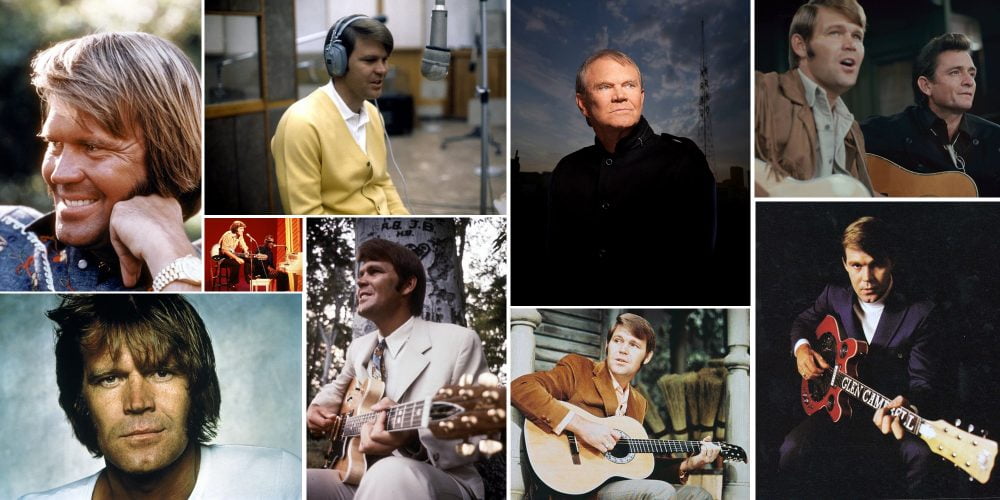
April 22 marked what would have been Glen Campbell’s 84th birthday. The rhinestone cowboy passed away a short couple of months after releasing his final album, Adiós, in 2017. Campbell’s long-time friend, collaborator, and bandmate Carl Jackson produced the project, and helped coax Campbell through the recording process as Alzheimer’s disease made his singing, playing, and performing increasingly difficult. To honor his birthday, we revisited our conversation with Carl Jackson. [Read


Steve Wariner’s Signature Hit? That’s Tricky

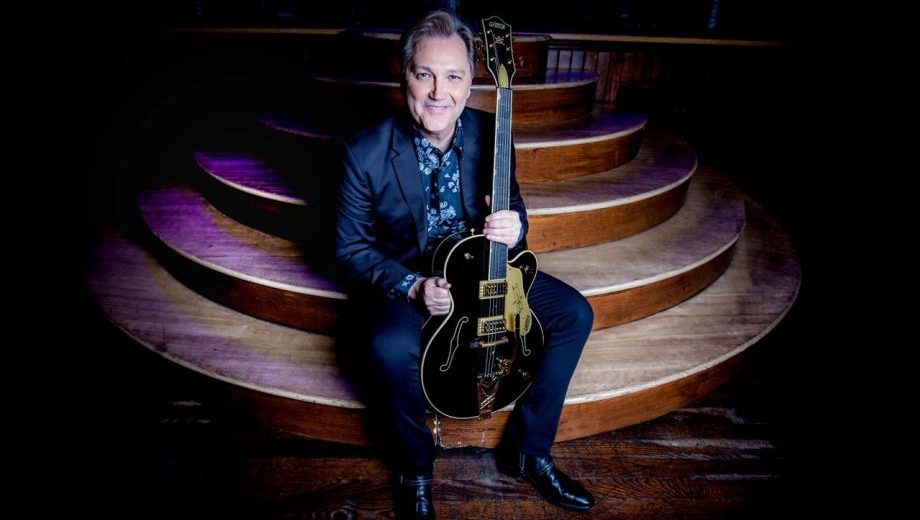
One of Nashville’s good guys, Steve Wariner was inducted into the Musician’s Hall of Fame last year, recognized for his versatility as a lead guitarist, as a sideman, and a singer/songwriter, too. Over more than four decades the Grand Ole Opry member has had numerous charting singles, so we wanted to explore that catalog and ask Wariner himself: “Do you think you have a signature hit?” [Read the interview]


My Love Will Not Change: Four Versions of a Modern Classic

After Americana singer/songwriter Aubrie Sellers gave a flawless, stripped-down performance of this song on our first episode of Whiskey Sour Happy Hour this week we’ve been returning to it over and over! Written by Shawn Camp and Billy Burnette, Del McCoury and Steve Earle have both been involved in recordings of this modern classic over the years. [Check out four different versions]


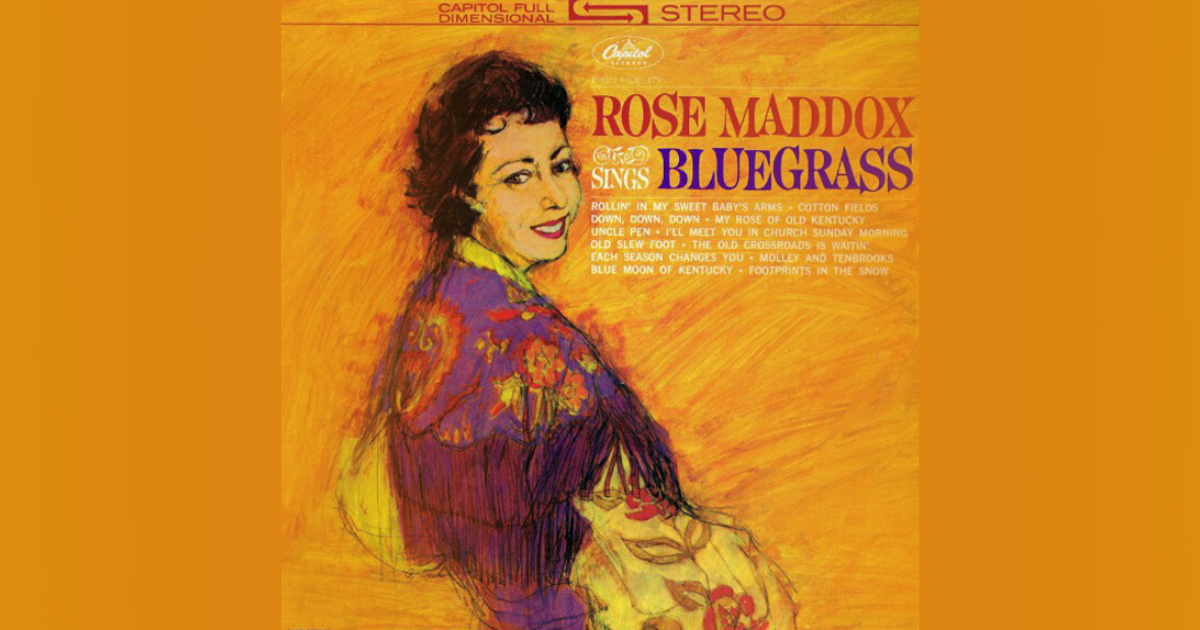
Rose Maddox: The Remarkable Hillbilly Singer Who Made Bluegrass History

Rose Maddox, the lead singer of the Most Colorful Hillbilly Band in America, made a significant mark in bluegrass, too, as the first woman ever to record a bluegrass album. Her incredible rags to-riches story touches on boxcars and sharecropping, the Grand Ole Opry and Buck Owens, and finally the Father of Bluegrass Music himself, Bill Monroe, who laid the foundation for that seminal 1962 Capitol Records LP, Rose Maddox Sings Bluegrass.

Born on August 15, 1925, in Boaz, Alabama, Roselea Arbana Maddox arrived in a family with some musical heritage. Her paternal grandfather was a fiddler and roaming preacher, while her uncle Foncey gave lessons to locals and performed in blackface. Rose’s father, Charlie Maddox, worked as a sharecropper and hired hand. After getting stiffed for a job chopping wood, Charlie decided to skip town and finally indulge his wife Lula’s lifelong dream of living in California, panning for gold. They sold everything they had and stashed away the proceeds — just $35. The two oldest children stayed behind, while the youngest five and their parents set out for the Golden State in the spring of 1933.

How? On foot. Then hitchhiking. And after crossing over the state line to Mississippi and encountering another family who explained train-hopping, the seven Maddoxes rode the boxcars all the way west. Rose was 7 years old. They settled and resettled in various towns, with their situation once so dire that Lula had to place Rose with another family — but Rose acted up so often that the family gave her back. When Charlie got harvesting work in Modesto, the family followed and became what they called “fruit tramps.”

With some stability, the kids were putting down roots in Modesto. They collected whiskey bottles, turned them in for a penny a piece, then spent their dimes on movies. One Sunday the Sons of the Pioneers appeared in person at the Strand Theater. At that moment, Rose had found her calling — to be a singer. Her brother Fred had a similar epiphany while picking cotton that fall. After hearing that the band who’d just played the rodeo made $100, he decided it was time to get into the music business. Acting as manager, he found a furniture store to sponsor some radio spots. The caveat was simple: The furniture store owner wanted a girl singer. Thus, the Maddox Brothers & Rose were launched — with the spunky lead vocalist just 11 years old.

They followed the California rodeo circuit and played bars for tips, then won a State Fair competition that crowned them California’s best hillbilly band. However, things unraveled for a time in the early 1940s, as Fred, Don, and Cal were drafted in World War I, and Rose became an unhappy bride at 16, then a single mother at 18. Auditions with Roy Acuff and Bob Wills went nowhere. She played occasional gigs with other bands until the war ended and the Maddox Brothers & Rose reformed, with the youngest Maddox child, Henry, now joining on mandolin.

Playing dances as well as radio shows, the group shifted their sound to get people moving. Their look got an overhaul after Roy Rogers recommended Los Angeles tailor Nathan Turk, a pioneer of flashy Western stagewear. They also signed a deal with 4 Star Records, an indie label that marketed them as Most Colorful Hillbilly Band in America. Their repertoire ranged from Woody Guthrie’s “Philadelphia Lawyer” to Hank Williams’ “Honky Tonkin'” to the gospel tune “Gathering Flowers for the Master’s Bouquet.” They made their Opry debut in 1949, where they met Bill Monroe, and became the first hillbilly band the play the Las Vegas Strip. That same year, however, Charlie and Lula Maddox divorced.

By 1950, various members of the family were living in Hollywood. A beautiful woman of 25, Rose took courses in modeling and vocal control, although Lula would not allow her to date. The band appeared on broadcasts like Hometown Jamboree and Town and Country in Southern California, as well as the regional show, the Louisiana Hayride. Columbia Records signed her as a solo act in 1953. With rock ‘n’ roll in full force in 1956, the Maddox Brothers & Rose sputtered, then disbanded, and not without some bitterness as Rose’s career still flourished. The Opry didn’t appreciate her first solo appearance though, when she wore a blue satin skirt that exposed her bare midriff. Nonetheless she relocated to Nashville (with the ever-vigilant Lula) and became an Opry member in 1956, but quit about six months later when Roy Acuff complained she (and not other Opry members who were touring) made appearances on too many local TV shows.

That professional setback might have given the perception that Rose couldn’t have a career without her brothers. That proved quite untrue. Hometown Jamboree in Los Angeles hired her, which led to plenty of gigs. When the Columbia deal ended, she recorded for two independent labels before signing with Capitol Records in 1959. When Lula tried to boss around producer Ken Nelson, he banned her from all future sessions. Rose, by this time 33 years old and still under her mother’s thumb, was secretly delighted. Taking things a step further, Rose eloped with a nightclub owner that December, then embarked on a European tour.

For Capitol, she made her first Billboard chart appearance ever with the honky-tonk weeper “Gambler’s Love,” climbing to No. 22 in 1959. Her first solo album, The One Rose, dropped in 1960, followed by a gospel set titled Glorybound Train. By 1961, she took “Kissing My Pillow” and “I Want to Live Again” to No. 14 and No. 15, respectively. Johnny Cash invited her to join his road show and Buck Owens asked to record some duets. Those twangy tracks, “Loose Talk” and “Mental Cruelty,” both entered the Top 10 in 1961. Her third album for Capitol, A Big Bouquet of Roses, appeared later that year.

The year 1962 proved to be the pinnacle of her career, as Bill Monroe encouraged her to make a bluegrass album. Because they recorded for competing labels, Big Mon anonymously played on the first day of the two-day session, recording several numbers from his own repertoire. Donna Stoneman stepped in on mandolin on the second day with the remainder of the material. Reno & Smiley joined the session too. Monroe later told Maddox biographer Jonny Whiteside, “The Maddox Brothers & Rose always had their own style, but you must remember their home was Alabama, and I always thought they sang a lot of the old Southern style of singin’. So I enjoyed helpin’ her on one of her albums. She had some great entertainers workin’ on it, and it didn’t take long at all.”

Maddox herself explained, “Bill Monroe has always told me that I sang bluegrass, and to me what he was talkin’ about is just what I call ‘hillbilly.'” She may not have agreed with the terminology, but she certainly adhered to the enthusiasm of the best bluegrass singers. Rose Maddox Sings Bluegrass became the first bluegrass LP recorded by a woman. Its release coincided with the chart success of an earlier country single, “Sing a Little Song of Heartache,” which rose to No. 3 (and practically begs for a bluegrass remake).

Without Lula to intervene, Rose’s life on the road nearly derailed her, with infidelity, volatility toward band members, and a propensity for Benzedrene wrecking her marriage and her professional reputation. A heavy schedule of international touring wreaked havoc on her voice, too. The singles she did release were moody, if not morbid. Although she eclipsed Patsy Cline and Kitty Wells to be named Cashbox‘s female country artist of 1963, her chart momentum fizzled out after her final album with Capitol, 1963’s Alone With You. Still she continued to tour with Buck Owens and Merle Haggard, with her grown son Donnie as her sideman.

Maddox occasionally recorded for small labels in the ’70s and ’80s to modest results, while her venues now included the San Francisco gay bars that embraced the Urban Cowboy phenomenon, as well as the annual gay rodeo in Reno, Nevada. She performed with the Vern Williams Band in folk clubs, too, and recorded a 1984 album with Merle Haggard & the Strangers that was funded by fans. A number of Arhoolie Records reissues helped keep her loyal audience appeased, while introducing her vivacious music to a new generation. She and her brother Fred patched things up for a 50th anniversary celebration of the Maddox Brothers & Rose in Delano, California.

Too often overlooked among the country performers of her era, Maddox landed her first Grammy nomination for her 1994 Arhoolie release, $35 and a Dream, in the category of Best Bluegrass Album. She recounted her exceptional career in the 1997 biography, Ramblin’ Rose: The Life and Career of Rose Maddox, and died the following year at age 71 in Ashland, Oregon. Remarkably, her life story has not been adapted for Hollywood, nor has she been inducted into the Country Music Hall of Fame or the Bluegrass Hall of Fame. Yet her catalog still shines as a beacon for listeners who seek out traditional music with an undeniable West Coast flair.

On the final track of that final album, Johnny Cash intones, “I worked with Rose Maddox a lot back over the years. And I found that when she started working my show that she was probably the most fascinating, exciting performer that I’d ever seen in my life. She was a total performer. She captivated the audience. She held them in the palm of her hand and made ‘em do whatever she wanted to. The songs that she sang were classics, and I loved the way she sang and kind of danced at the same time. I thought there was, and still think that, there will never be a woman who could outperform Rose Maddox. She’s an American classic.”

 

Ricky Skaggs – Toy Heart: A Podcast About Bluegrass

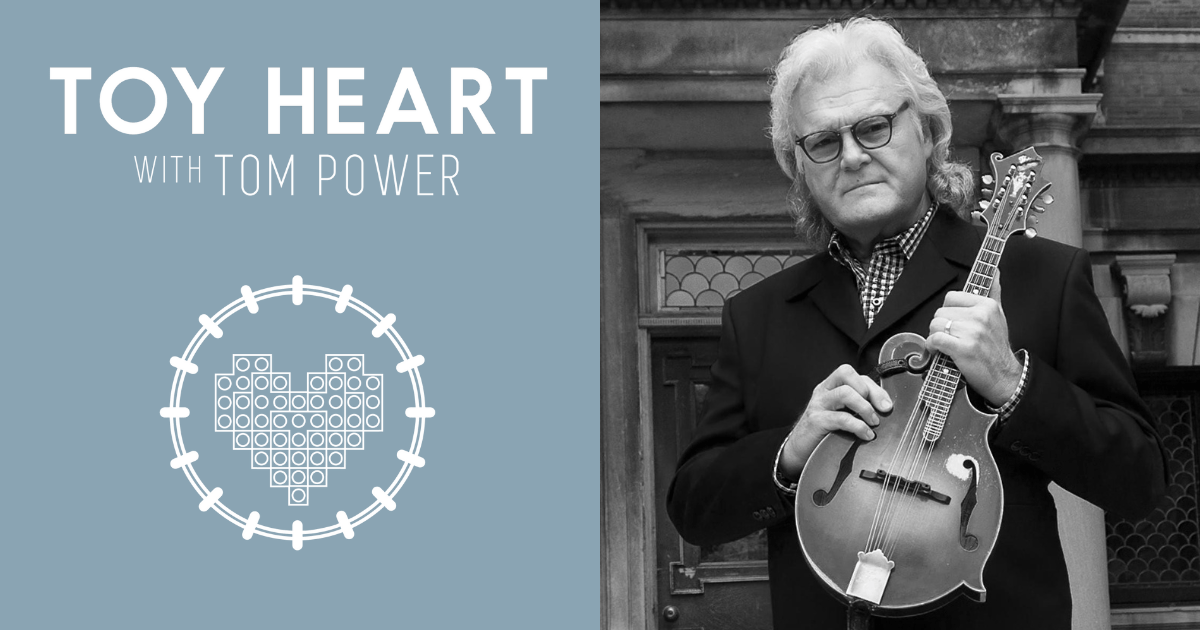
Bluegrass legend and Country Music Hall of Famer Ricky Skaggs talks to TOY HEART host Tom Power about what it was like to grow up as a child prodigy, the real story of how he got pulled on stage by Bill Monroe, how meeting Keith Whitley changed his life forever — and the last time they ever spoke. Plus, a never before told story of how Bill Monroe thought Ricky would make a “fine Blue Grass Boy.”

Listen: APPLE MUSIC • STITCHER • SPOTIFY • MP3

It’s the story of Ricky Skaggs… but the one that you may not expect. Skaggs is a notable entry point to bluegrass for many listeners and fans — like our first guest, Del McCoury is as well. Though his story is familiar: From playing the Grand Ole Opry as a tot, joining Ralph Stanley’s Clinch Mountain Boys, and going on to perform and record with J.D. Crowe and the New South, to his own smashing success in mainstream country and eventual return to his now dynastic bluegrass career. Still, Tom Power displays Skaggs in a fresh light, with stories from and impressions of the icon that even veteran fans will find refreshing and illuminating.

Subscribe to TOY HEART: A Podcast About Bluegrass wherever you get your podcasts. New episodes drop every other Thursday through May.

Celebrate Black History Month with These 15 Artists

American roots music wouldn’t exist if not for the voices, stories, and musical traditions of Black Americans. Full stop. Celebrating the Black forebears of Americana, bluegrass, country, and string band music, pointing out their importance and their essential contributions to these genres we all know and love today needs to happen year-round, not just February. 

The BGS editorial team believes strongly in this idea, and though readers will be able to find several Black History Month features and articles in the coming weeks, we encourage you all to also take a dive back into our archives for stories that highlight Black creators and artists from all points across the last year. 

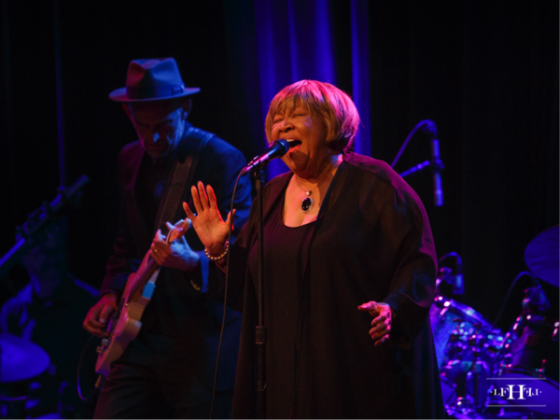
Mavis Staples on Live From Here

Ceaselessly relevant, Mavis Staples recently gave a keynote presentation at Folk Alliance International in New Orleans where she once again gleefully assured the audience she wouldn’t be done singing ‘til she didn’t have anything else to say. And she has plenty left to say! Watch Mavis Staples on Live From Here with Chris Thile. 


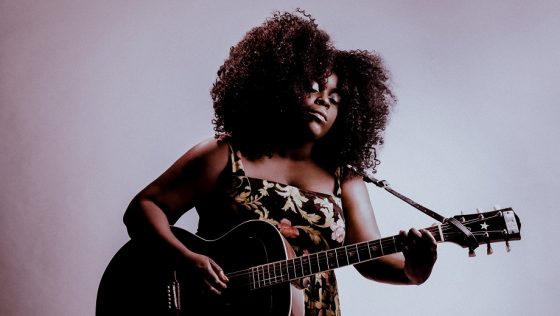
Yola’s Year of Debuts

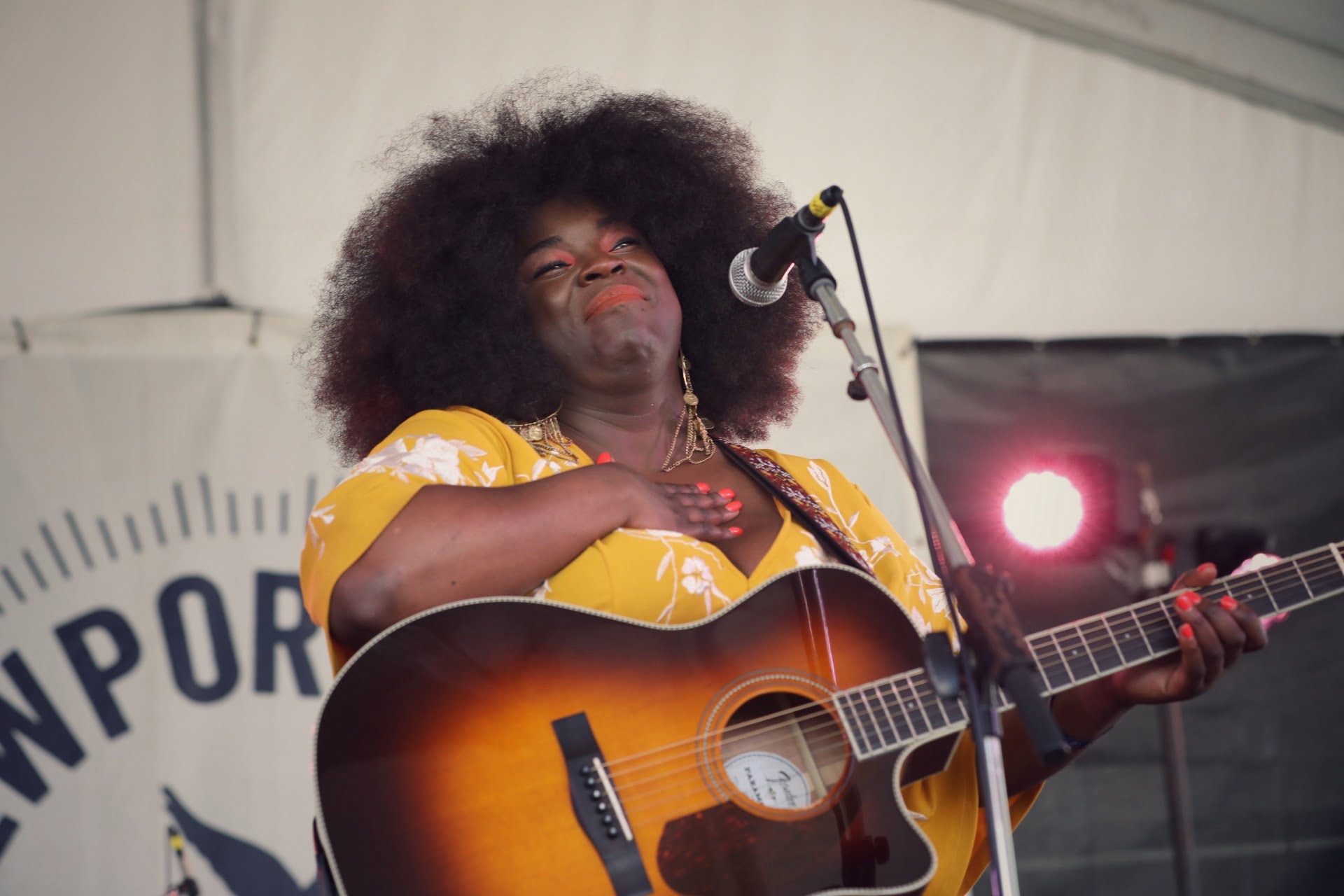
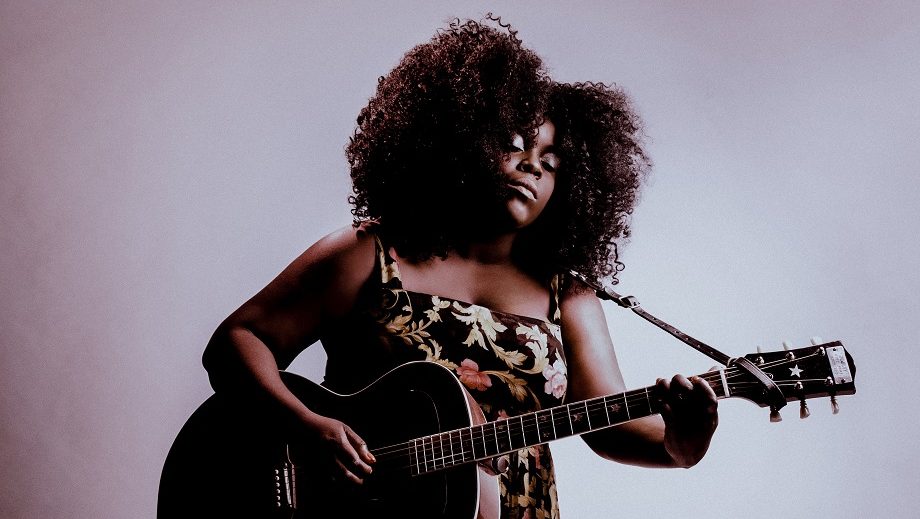
Yola’s debut album, Walk Through Fire, landed on our BGS Class of 2019 lists for Top Albums and Top Songs — and nearly every other year-end list across the industry, too. Naturally she popped up a few times in our pages: In our in-depth interview, when she made her Opry debut, and when she dropped an blazing Elton John cover.


Liz Vice on The Show On The Road

Liz Vice is a Portland born, Brooklyn-based gospel/folk firebrand who is bringing her own vision of social justice and the powerful, playful bounce of soul back to modern religious music. She is following a rich tradition that goes back generations to powerful advocates like Sister Rosetta Tharpe, Sam Cooke, the Staples Singers, the Ward Sisters, Aretha Franklin, and especially Mahalia Jackson, who was the soundtrack to the civil rights movement. Listen to the Liz Vice episode of The Show On The Road.


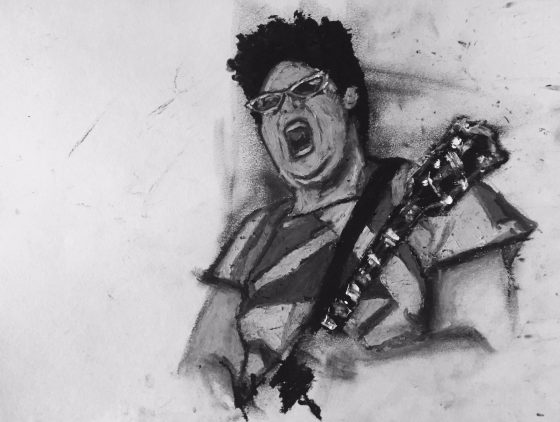
Brittany Howard, Artist of the Month and More

Our November 2019 Artist of the Month stunned in a stripped down duet with Alicia Keys at the Grammy Awards last weekend, her well-earned musical stardom solidified by her debut solo album, Jaime. Our Artist of the Month interview anchored our coverage of Howard’s new music, but her Tiny Desk Concert really captured readers’ attention!


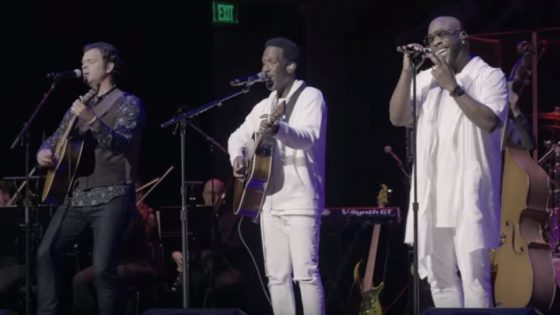
Steep Canyon Rangers with Boyz II Men

Yes, you read that correctly. A combination none of us knew we needed that now we can never go without. The Asheville Symphony backs up the two groups collaboration on “Be Still Moses,” a moment transcending different musical worlds and genre designations. You can watch that performance here.


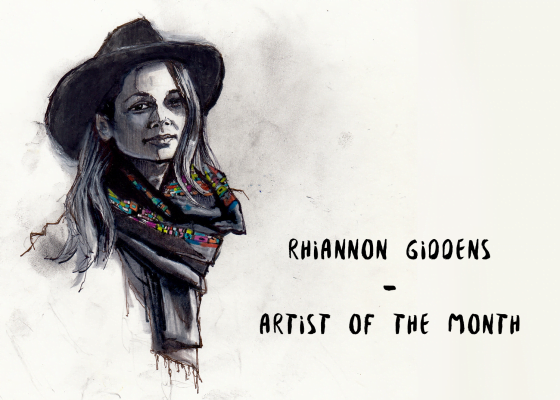
Rhiannon Giddens: Booked, Busy, and Blessed

How much can an artist really accomplish in a year? A quick scroll through the BGS halls shows a Grammy-nominated album, being named Artist of the Month, scoring a ballet, playing the Tiny Desk, debuting a supergroup, and oh so much more. We are more than happy trying to keep up with Rhiannon Giddens’ prolificacy.


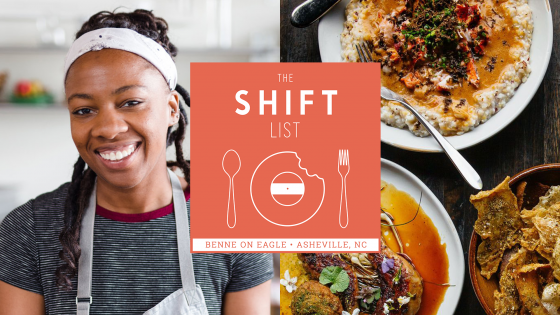
Ashleigh Shanti on The Shift List

The Shift List is a podcast about chefs, their kitchens, their food, and the music that powers all of it. On an episode from September we interviewed Chef Ashleigh Shanti of Benne on Eagle, an Appalachian soul food restaurant in Asheville, North Carolina. Her Shift List includes Kendrick Lamar, Nina Simone, and more.


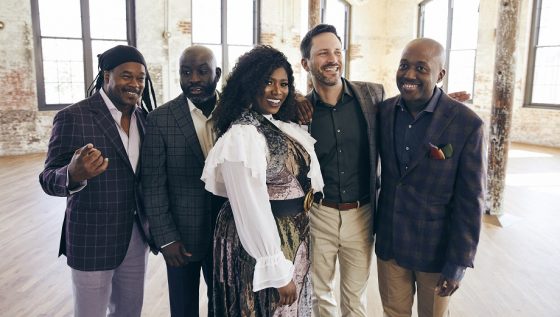
Grammy Winners, Ranky Tanky! 


We spoke to Ranky Tanky about their album Good Time in August, less than six months before it would win the Grammy for Best Regional Roots Album. If you aren’t familiar with Gullah music, our interview will help you out.


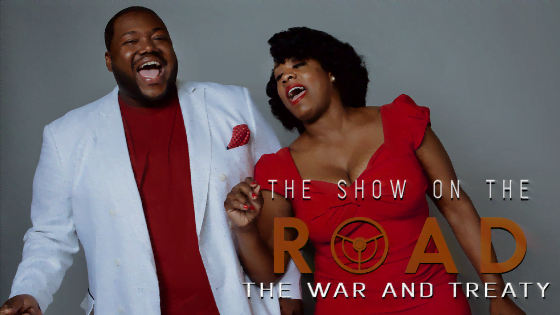
Americana’s Sweethearts, The War and Treaty

Rapidly-rising folk/soul duo of  husband and wife Michael and Tanya Trotter, The War and Treaty have had a year chocked full of smashing successes. Of course the best way to catch up with them was on the road, so Z. Lupetin set up the mics for an episode of The Show On The Road.


Tui’s Old-time Tunes

Jake Blount, one half of old-time duo Tui with fiddler Libby Weitnauer, is a scholar of Black, Indigenous, and otherwise forgotten, erased, or marginalized American fiddlers in old-time and string band music. His work specifically spotlights the source musicians whenever possible, undoing generations of revisionist history in roots music. Tui’s recording of “Cookhouse Joe” was featured in Tunesday Tuesday.


A Sitch Session with Birds of Chicago

A song with a message well-timed for almost any era, “Try a Little Harder” seems especially perfect for this very moment. Birds of Chicago do an excellent job bringing that message to the world. A suitably stunning Sitch Session.


Dom Flemons Talks Black Cowboys

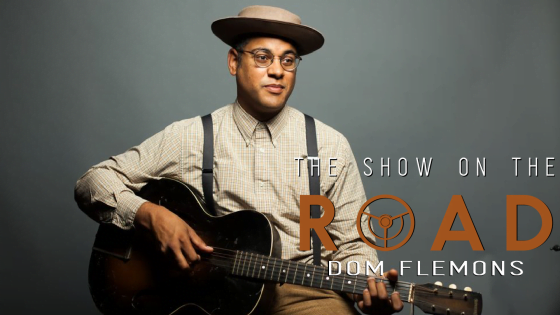
If you haven’t heard Dom Flemons talk about his album, Black Cowboys, and the narratives and traditions that inspired it, this episode of The Show On The Road is essential. The music is captivating on its own, a perfect demonstration of Flemons’ uncanny ability to capture timelessness and raw authenticity, but with his scholarly takes and his depth of knowledge the songs take on even more meaning and power. It’s worth a deep dive — check out our print interview, too.


Gangstagrass Set the Standard

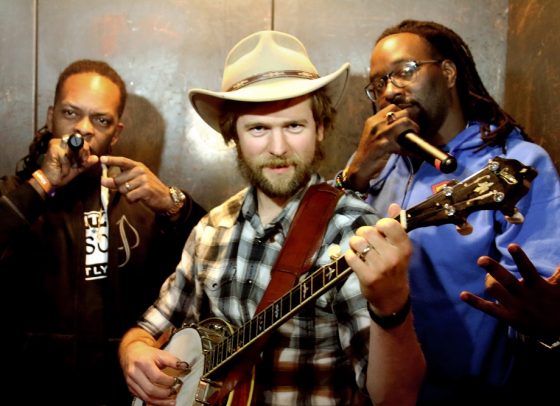
When you read Gangstagrass’s Mixtape of standard setters the parallels that emerge between foundational bluegrass and hip-hop are certainly surprising, but they also make perfect sense. It speaks to the longevity of this boundary-pushing, genre-defying group — that has been setting their own standard as they go.


Jontavious Willis Goes Back to the Country

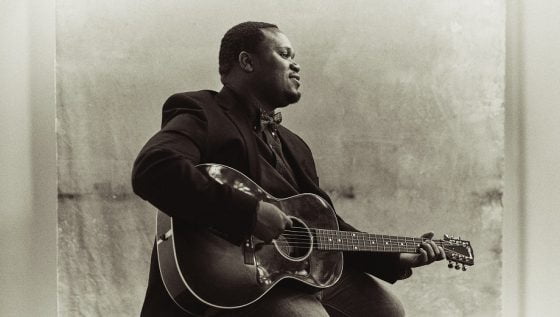
“Take Me to the Country” is Willis’ paean to his homeland: “No matter where I go in the world, I can’t wait to go back to the country,” He told BGS in April of last year. “For me, that special place is a rural southern town in Georgia where I grew up. It’s such a quiet and calm place, and somewhere I crave when I’m far from it.” You can hear that truth woven into the music.


Octogenarian Bluesman, Bobby Rush

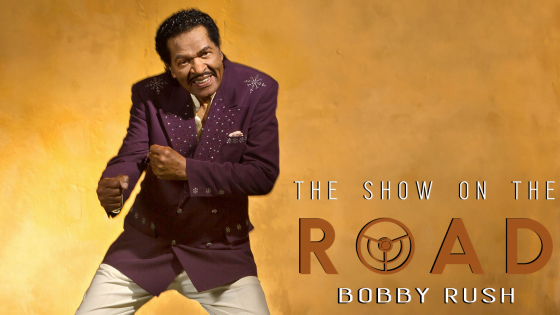
At 85 years old, Bobby Rush has been playing his brand of lovably raunchy, acoustically crunchy, and soulfully rowdy blues for over six decades. After winning his first Grammy at the humble age of 83, he has no plans of slowing down. We caught up with Rush on The Show On The Road.


Photo of Yola: Daniel Jackson 

Jamie Dailey’s Vision for Dailey & Vincent is Bigger Than Bluegrass

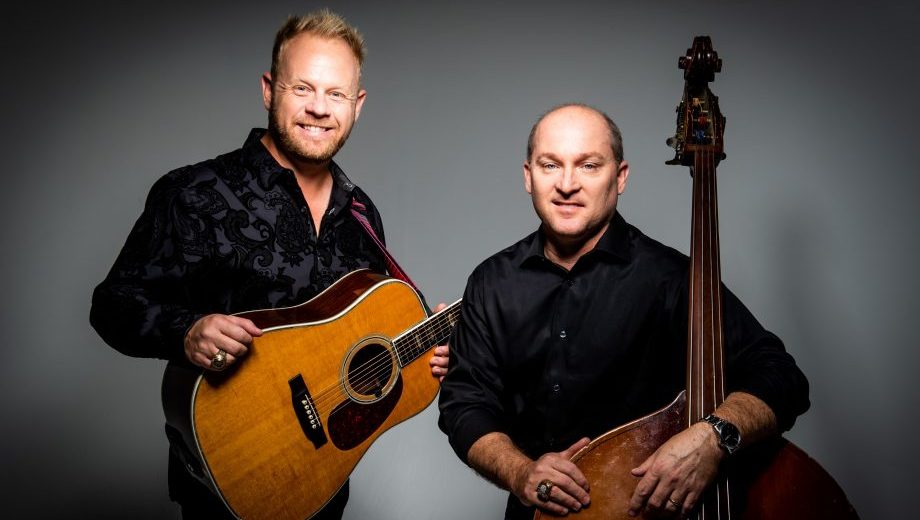
Dailey & Vincent, the Nashville-based band led by Jamie Dailey and Darrin Vincent, is among the most honored acts in all of bluegrass. They’ve won multiple IBMA and SPBGMA Awards, had all nine of their records crack Top 10 on Billboard‘s bluegrass albums chart and, since 2016, they’ve been full-fledged members of the Grand Ole Opry.

Their newest release is 2018’s The Sounds of Christmas, which they’ll be supporting on tour this month. As our December Artist of the Month, BGS caught up with each frontman separately before they hit the road, starting with Jamie Dailey.

(Editor’s Note: Read our interview with Darrin Vincent.)

BGS: Where do you think The Sounds of Christmas ranks in your catalog?

Dailey: Well, it was something seeing it between Michael Bublé and Pentatonix in the Top 10 of the holiday chart, and it stayed up there for several weeks. It really is just about my favorite of all the records we’ve ever done – just the quality of the vocals. It’s bragging, I guess, but it’s the best-sounding vocals we’ve ever recorded, for sure.

I am of course a lover of Christmas music, and also Christmas. I grew up in a very modest family that couldn’t afford a lot, but we always put up a tree and had Christmas lights all over the property. Mom still cooks a big traditional American family Christmas meal. You’d think my mom would be used to it by now, but I like to sneak into her kitchen, highjack her laptop and put something crazy on Facebook. That’s always fun. One time a couple of Christmases ago, her preacher was calling within 10 minutes to ask if she was OK. I could hear her: “WHAT?! Jamie, I am gonna KILL you!”

It’s time for another record, what’s the story on the next one?

We just signed our first country music deal, with BMG, to do a country album. We’ve never done one so we’re very excited about that. We’ve said from day one that we never wanted to be boxed in and we wanted to write and play and sing and record whatever we wanted. We’re working with Keith Stegall, who has produced Zac Brown, Alan Jackson, and a whole bunch of others. We just signed a new TV deal, too, to do a more mainstream TV show than what’s been on RFD all these years.

Out of all the awards you’ve won, which one means the most to you?

Hands down for both of us, joining the first family of country music in the Grand Ole Opry. It’s only 200-some members and 84 of us still living, so it’s very special to be part of that family. We work the Opry six to nine times a month between tour dates, which makes us busy, but we’re happy to be there. It’s always a joy. Hard to explain the feeling you get when you’re there.

Before Dailey & Vincent, you spent almost a decade in Doyle Lawson’s band. What’s the most valuable thing you learned from him?

How to be a constant road professional, and how to be more consistent onstage and not just listen to yourself, but to your fellow bandmates to make up a well-oiled unit. He’s a good man. The lessons were priceless. And if you’ve ever led a group, you also learn things you don’t want to do. As leaders, we all run across those times when you’re trying something that doesn’t work.

You did the IBMA keynote speech last year, on “Branding Bluegrass.” What do you think that is?

We live in the most interdependent age in history. Everyone has the ability to reach more people than ever before. We all have to figure out ways to become more involved. I’d tell young musicians to stay absolutely focused and follow your heart. Record labels and managers are right about a lot, but not always about everything. So don’t allow yourself to be led down a road you don’t want to be on. Be persistent and aware, and learn as much as you can to stay up with what’s going on.

The Dailey & Vincent brand is bigger than just bluegrass, which we make no bones about. We’re gospel and country as well as bluegrass, and we’re happy to do all of that. You can tell from the TV show and the Opry, we’ve tried to diversify our craft to get into buildings we would and could not have before. We’ve been blessed to perform at Carnegie Hall three years in a row, which would not have happened if we were doing only bluegrass.

What do you tell people who want to go into the music business?

The business is changing constantly, so you have to stay on top of that. Living in this interdependent world, it’s like there are a lot more nets than walls and you can reach a lot more people. We’re artists, so let’s make music, let those who like it find it and cater to them.

Some years ago, a lot of bluegrass festivals were kind of stagnating without a lot of growth. So we decided to pull back and go into more venues on our own to draw our own crowds and grow that way rather than getting beat over the head for not fitting some narrow mold. We did not want to be in that box, so that’s some of the changes we’ve made the last eight years — out of 12 going on 13. That’s what we’ve done and why we’ve done it, and it’s had tremendous impact on our career and vision.

Who among your peers do you admire and enjoy?

I love Keith Urban, what a good guy and a great musician and singer. Very creative. I love Norah Jones and Adele, too. The music I listen to ranges all over. Sinatra and Tony Bennett, too. I love orchestras and symphonies, and go to [the symphony] in Nashville when I can, and it’s what I listen to when I’m reading. I love going back to Guns N’ Roses and Journey as well as Conway Twitty. It’s a broad list.

You participated in some diplomatic missions to Germany and Switzerland a bit more than a decade ago. How did that happen?

It was terrifying in some aspects, but I learned a lot from my dear friend now passed, U.S. Ambassador Faith Ryan Whittlesey. We met at Yeehaw Junction, a bluegrass festival in Florida, when her daughter took her. I was with Doyle at that time, 23 or 24 years old, and I’d been praying for the Lord to use me to help my country because I regretted not joining the military.

So we do this show and her daughter came up afterward to say she wanted to meet me. Sure. “Hi, Jamie, I’m former Ambassador to Switzerland, on the U.N. Security Council.” My eyes are getting bigger and bigger. “I need you to travel with me to do some diplomatic work. Use your country bumpkin charm, sing a song here and there, and engage with foreign and business leaders.” I almost passed out.

But she called the following Monday morning and I started flying to D.C. and New York every few months to learn table etiquette, receiving-line protocol and things like that. She was stern and very, very formal. But after she saw how stupid I can act, I got to know her enough to break into her humorous side. I started traveling with her to Switzerland and Germany to participate in some things, which was a wonderful experience I’ll cherish the rest of my life.

Do you have any interest in going into politics someday yourself?

At one time, maybe so. But the more I see of what goes on, especially these days, not so much. I believe I can be more effective where I am in my career than in political office, where you have to deal with incoming fire and problems that weigh you down and keep you from doing things. But I can move in and help without having to worry about the politics and trash that goes on now.

I’ve been asked, but no. Maybe later in life, if a president I can believe in strongly wins and I get involved, maybe I’d consider being Ambassador to another country for a few years. But who knows. There’s a lot to it, and a lot can happen. I may end up dying from too much chocolate.


Illustration: Zachary Johnson
Photo: Erick Anderson

Artist of the Month: Dailey & Vincent

Dailey & Vincent have ventured well beyond bluegrass by paying respect to musical tradition, singing like siblings (although they aren’t), and delivering their signature goofy one-liners. Year in and year out, they bring an entertainment value to their show, whether it’s on a tour of performing arts centers, starring in their RFD-TV series, or appearing at the Grand Ole Opry.

Although Jamie Dailey and Darrin Vincent came from highly regarded bands before forming their duo, they are now certainly trailblazers in their own right. For example, Dailey delivered an insightful IBMA keynote address in 2018 about branding bluegrass. And they have shown the ropes to a decade’s worth of rising talent.

Coming up later in the week, BGS will post exclusive, one-on-one interviews with both Jamie Dailey and Darrin Vincent, shining a year-end spotlight on their remarkable career. In the meantime, please enjoy our brand new BGS Essentials playlist.


Illustration: Zachary Johnson

WATCH: Yola Makes Her Grand Ole Opry Debut

Bold, brilliant, beautiful, and British — these are just a few words that describe the music of singer/songwriter Yola. 2019 has been monumental for the new queen of country soul from across the sea as she collaborated with Black Keys’ founder and Nashville hotshot producer Dan Auerbach to produce her solo debut, Walk Through Fire.

Her powerful voice and old school styling reinvigorate the tradition of combining country and soul music, a classic bridging of two seemingly unrelated musical traditions; and an accomplishment Yola’s musical heroes Charley Pride and Dolly Parton would admire. Among her more recent success, Yola was featured in a song from The Highwomen’s first album and in September, she made her debut on country music’s most famous stage.

Watch as Yola shows us around Nashville and takes us behind the scenes of her Grand Ole Opry debut.


Photo Credit: Alysse Gafkjen

Steve Wariner’s Signature Hit? That’s Tricky

One of Nashville’s good guys, Steve Wariner will be inducted into the Musician’s Hall of Fame in Nashville this month, recognizing his versatility as a lead guitarist and as a hired hand for legends like Chet Atkins, Bob Luman, and Dottie West. He’s also been a Grand Ole Opry member since 1996, although the Indiana native’s been performing there long before receiving that honor, both as a solo artist and a sideman.

From drinking songs like “Longneck Bottle” (recorded by Garth Brooks) to weepers like “The Weekend,” Wariner’s chameleon-like ability certainly has something to do with his long career in country music. With four decades of charting singles starting in the 1970s, he has plenty of material to pull from on his Back on Life’s Highway Tour, which makes five stops in Texas within the next few weeks.

A gracious host whose collection of vintage guitars and studio gear is constantly growing, Wariner invited BGS to his home studio near Franklin, Tennessee, to reflect on a satisfying and eclectic career.

BGS: I was curious to ask you, do you think you have a signature hit?

SW: I would probably say “Holes in the Floor of Heaven,” if there was such a thing for me. I get asked about that one the most — probably that or “The Weekend.” I don’t know, I may not have a signature song, you know? A lot of artists do, they have that one. My problem is, I hopped around so much. I’d do something where somebody would cry, and then the next time I’m doing a guitar thing. Then I’d turn around and do a real country thing. And then I would do pop, like “I Got Dreams.” I never could settle on something. I always told people that would be a curse for me.

…Therefore, I don’t know if I do have a signature. With “Holes in the Floor of Heaven,” I’ve never had a song that had that impact for me, just immediately. I couldn’t even count how many letters and emails… if I could count how many times I’ve listened to people’s stories and their loss… and I don’t mind it. “The Weekend” is one that people ask about all the time, too. At shows, I cannot get away without doing “The Weekend” or “Some Fools Never Learn.”

Do you think there’s a common thread that runs through what you have recorded?

Probably not, other than I’ve tried to keep a real level of integrity, you know? I was taught early on to pick great songs if you can and try to let it always be about the song, always, and let the song always win. I was told once years ago, “Don’t cut a song unless you absolutely love it.” Because if you’re lucky enough that it could be a hit, you’ll be singing that thing the rest of your life.

This plays into the Musician’s Hall of Fame, and maybe my guitar might be the common thread. Because throughout it all, except the very early records, I didn’t play on some of those records on my own guitar. I would sit and watch other players play, and I’m thinking, “I want to be playing on my own record,” the solos anyway.

And I’ll give credit to my friend, [studio guitarist] Paul Yandell, who brought me to Chet. He went to [Wariner’s second producer] Tom Collins, and in his defense, Tom just knew me as a singer. And I wrote a little bit, too, but he didn’t know that I was a guitar player, too. Paul went to him and said, “You ought to get Steve to play on this solo.” And I think it was on “Kansas City Lights.” I always loved that about Paul, because that’s something that probably cost him a lot of work, by him saying that. Because all of a sudden I was playing on my own records from then on.

What do you remember about writing “Baby I’m Yours” with Guy Clark?

Guy Clark was amazing. I loved hanging with him. And I got to know him at that point, I got to know him really well, and then we hung out some. … We bonded and were very close after that. The main thing I remember about that day is, there was a restaurant down on Division and we went there and ate. I remember sitting there thinking, “Damn, I’m writing with Guy Clark, this is awesome.” I tried not to let him see that, but he was kind, and really open, very open.

I remember that song being more R&B, more funky, more Guy Clark. And then by the time it got to the studio… I don’t mean this in a negative way, but by the time I got with [producer Jimmy] Bowen, and all the other players in the studio, it turned into what the record is, which I’m not arguing – it’s a No. 1 record, or I think it was, or whatever it turned out to be. But it totally doesn’t sound like a Guy Clark record.

I mean if you heard the demo… which I don’t have a copy. Damn it, I wish I did. A lot of my songs I do have the work tape and it’s hilarious to go, “That’s that song? Wow.” “Longneck Bottle” is that way. If you heard my demo, you’d go, “This don’t even sound like it,” and that’s the way with “Baby I’m Yours.” The way we did it originally really sounds like a Texas thing, a Guy Clark kind of thing, and more of an R&B songwriter thing.

We talked about the span of your career, but when people look back on the ’80s and ’90s in country music, what do you hope that they remember about you, and the music that you made?

That’s a great question. I hear it a lot, “He’s a nice guy.” When I see Vince Gill, he would come up and go, “I’m the nicest guy.” And I’d go, “Dammit, no, I’m the nicest guy.” We’d get in a fistfight over it. But I don’t know, I’d like to be known as a … it makes me smile when people mention a triple threat – that I’m a guitar player, writer, and a singer. I think musicianship always means a lot for me, and I want to be taken seriously as a writer.

So I don’t know, probably those things. That stuff, I’m leaving it up to whatever somebody thinks, that’s up to them. But I guess you just want to be respected more than anything. … I always fall back to Chet. People probably get tired of hearing me talking about Chet Atkins, but he was such an important figure in my life and my career. But I watched him, and it was just his integrity. Everything he did was impeccable, and he had such great taste. And it was really respect.

The first time I recorded with him in Studio A, my first record — I love this — he had a suit and tie on, and it was like the old days: a black suit with a little white shirt and black tie. It was like going to the office, you know? When he walked into Studio A with charts in his hand, all the players got up from their posts and followed him like the pied piper over to the piano. And they all knelt down and got around him, and Chet stood in the middle. That’s not even thought of in a session these days. That’s not even close to that. I know times move on, but I’m so glad I was in the middle of that for a little bit anyway.

I guess where I was going was, I watched the way people revered Chet, and the way he was so respected. They hung on every word he was saying and his vision of, “Here’s what we’re going to do, we’re going to make this record,” and I love that. It was so good watching that. And I think respect is the main thing, just respect for what you do. Hopefully people would say that I made really good records, you know?


Photo provided by Adkins Publicity