The BGS Radio Hour – Episode 218

Welcome to the BGS Radio Hour! Since 2017, this weekly radio show and podcast has been a recap of all the great music, new and old, featured on the digital pages of BGS. This week we have a vertigo-inducing bluegrass whirlwind from our Artist of the Month Béla Fleck and an all-star lineup, we take a listen to some energetic and ethereal — yet totally traditional — bluegrass banjo from Jeremy Stephens, we dive into the latest from Watchhouse’s new release, and much more!

APPLE PODCASTS, SPOTIFY

Watchhouse – “New Star”

We’ve watched Andrew Marlin and Emily Frantz go through quite a few changes throughout their career in music, but one of the most joyful to watch has been their journey as parents. Even with COVID-19 halting touring for more than a year, their young daughter Ruby has already been to 34 U.S. states and nine different countries!

After their pandemic hiatus, the family of three is back on the road again as Watchhouse, the duo formerly known as Mandolin Orange, touring their new self-titled album. And Ruby, now a toddler, has perhaps transitioned back to road life even more smoothly than her father, who admits he’s still “struggling to find my sea legs.” For a recent Cover Story we spoke to Marlin about their name change, their new album, creativity through the pandemic, parenthood, and oh so much more.

Bobby & Teddi Cyrus and Billy Ray Cyrus – “Roll That Rock”

Husband and wife duo Teddi & Bobby Cyrus are joined by Bobby’s cousin, Billy Ray Cyrus, on “Roll That Rock,” a grooving bluegrass gospel song that they wrote together. According to Billy Ray, “When I started singing ‘Roll That Rock’ my inner spirit said Bobby Cyrus will know exactly what to do with this. He did. He wrote the gospel truth and then sang the daylights out of it with Teddi and a killer bluegrass band reminiscent of Earl Scruggs and Bill Monroe.”

AJ Lee & Blue Summit – “Monongah Mine”

A new favorite of BGS, California-based bluegrass band AJ Lee & Blue Summit tell the story of the 1907 Monongah, West Virginia mining disaster in this new track.

Béla Fleck – Vertigo

20 years since his last bluegrass album, Béla Fleck just returned this past week with My Bluegrass Heart . Home is where the heart is, after all! All September we’re celebrating Béla as our #ArtistOfTheMonth! Hear tracks from the new project — featuring an all-star lineup — and more on our Essentials Playlist, including this song featuring Sam Bush, Stuart Duncan, Bryan Sutton, and Edgar Meyer.

Paul Thorn – “Sapalo”

In this track with an R&B groove, Mississippi’s Paul Thorn turns the contents of a YouTube video of James Brown high on PCP into a song of redemption. Yes, you read that right! As he puts it, “It’s about being optimistic with whatever time you’ve got left.”

Elder Jack Ward – “The Way Is Already Made”

Elder Jack Ward puts his God-given talents to work on a new album that’s full of joyful gospel and sacred soul — as evidenced on its title track, “The Way Is Already Made.”

“If you’ve got that God-given gift you can do it — your choice if you want to sing rock ‘n’ roll, blues, gospel — but I choose the right side.”

The Grascals – “Maybelle”

“Maybelle” is a song that sounds like it came from deep within the mountains — exactly what The Grascals were looking for. From the haunting words to the clawhammer banjo and fiddle, “Maybelle” will grab your attention.

Hiss Golden Messenger – “Sanctuary”

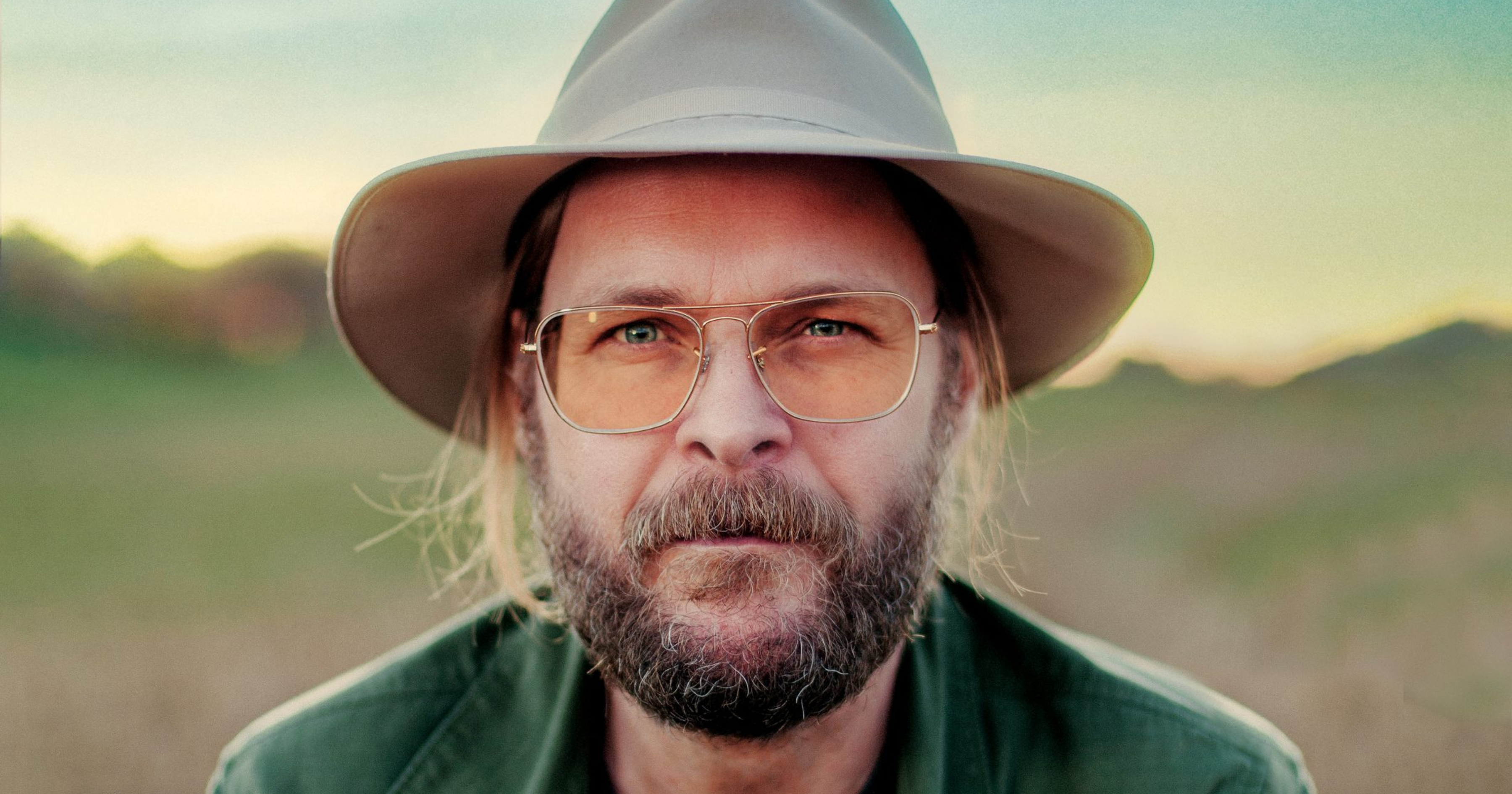
On a recent episode of The Show On The Road, host Z. Lupetin dials in to North Carolina to chat with Grammy-nominated songwriter MC Taylor, who for the last decade and a half has created heart-wrenchingly personal and subtly political music fronting Hiss Golden Messenger.

The Way Down Wanderers – “Everything’s Made out of Sand”

The Way Down Wanderers recorded “Everything’s Made Out of Sand” in one take, belting and stomping into one antique microphone. The song’s lyric, music, and sonic landscape all capture the inspiration they gathered from the temporary nature of all things.

Seth Mulder & Midnight Run – “Carolina Line”

Seth Mulder & Midnight Run recorded “Carolina Line” with an Osborne Brothers-inspired arrangement that represents many of their various musical influences.

Matthew Fowler – “Going Nowhere”

In a recent edition of 5+5, Matthew Fowler spoke on the bold authenticity of Glen Hansard, a memorable birthday show in his hometown, Orlando, putting himself in the “hot seat” of a song, and much more.

The Felice Brothers – “To-Do List”

The Felice Brothers chose the very first take of “To-Do List” as the keeper, capturing the loose, playful quality of the group just getting the tune under their fingers. “The song was originally a slow waltz with the lyrics: ‘Into the fire that burns them/that’s how the idiots run,’ but I didn’t know where to go from there. I had written down a to-do list on the adjacent page and began to sing it and it seemed to work well with the phrasing. I wrote down many pages of ridiculous things and chopped them up into the melody. This is how the song came into being.”

Mike Younger – “Killing Time”

The lyrics of Mike Younger Music’s “Killing Time” take comfort in the remembrance of past friendships forged in the fire of struggle. Younger believes that artists have nothing to lose by speaking their truth and doing so unapologetically through song. “I greatly admire those writers and creative people in general, who, through their work, have lent their voices to the struggle for equity in our society, like John Lennon, Woody Guthrie, Bob Dylan, Joni Mitchell, Nina Simone, Marvin Gaye, Bob Marley, and others.”

Jeremy Stephens – “Sockeye”

Banjo player and multi-instrumentalist Jeremy Stephens (co-founder of High Fidelity) has an old school, traditional approach to bluegrass that’s anything but backward. His new solo album, How I Hear It, includes several instrumentals that demonstrate this fact. “Sockeye” captures the energy and ethereal quality of Stephens’ live playing in a way many more sterile bluegrass albums, and purposefully more modern sounding records, can only aspire to.


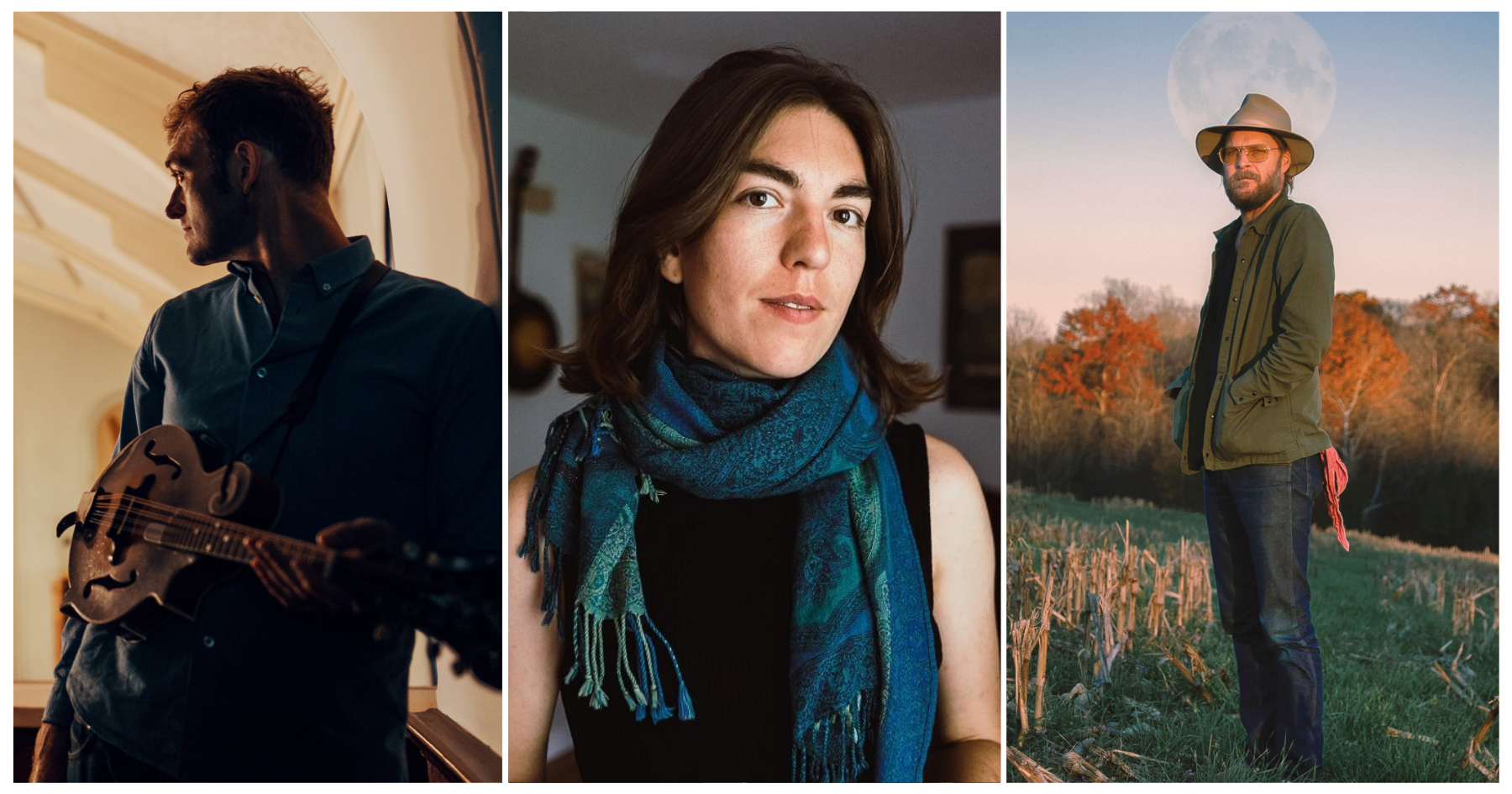
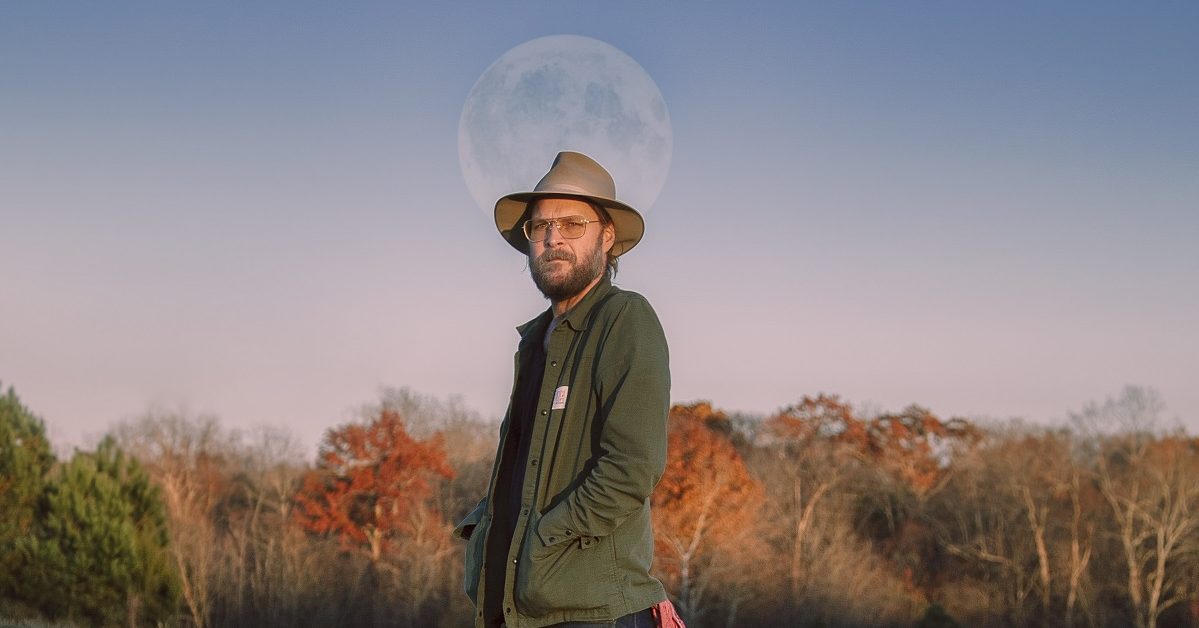
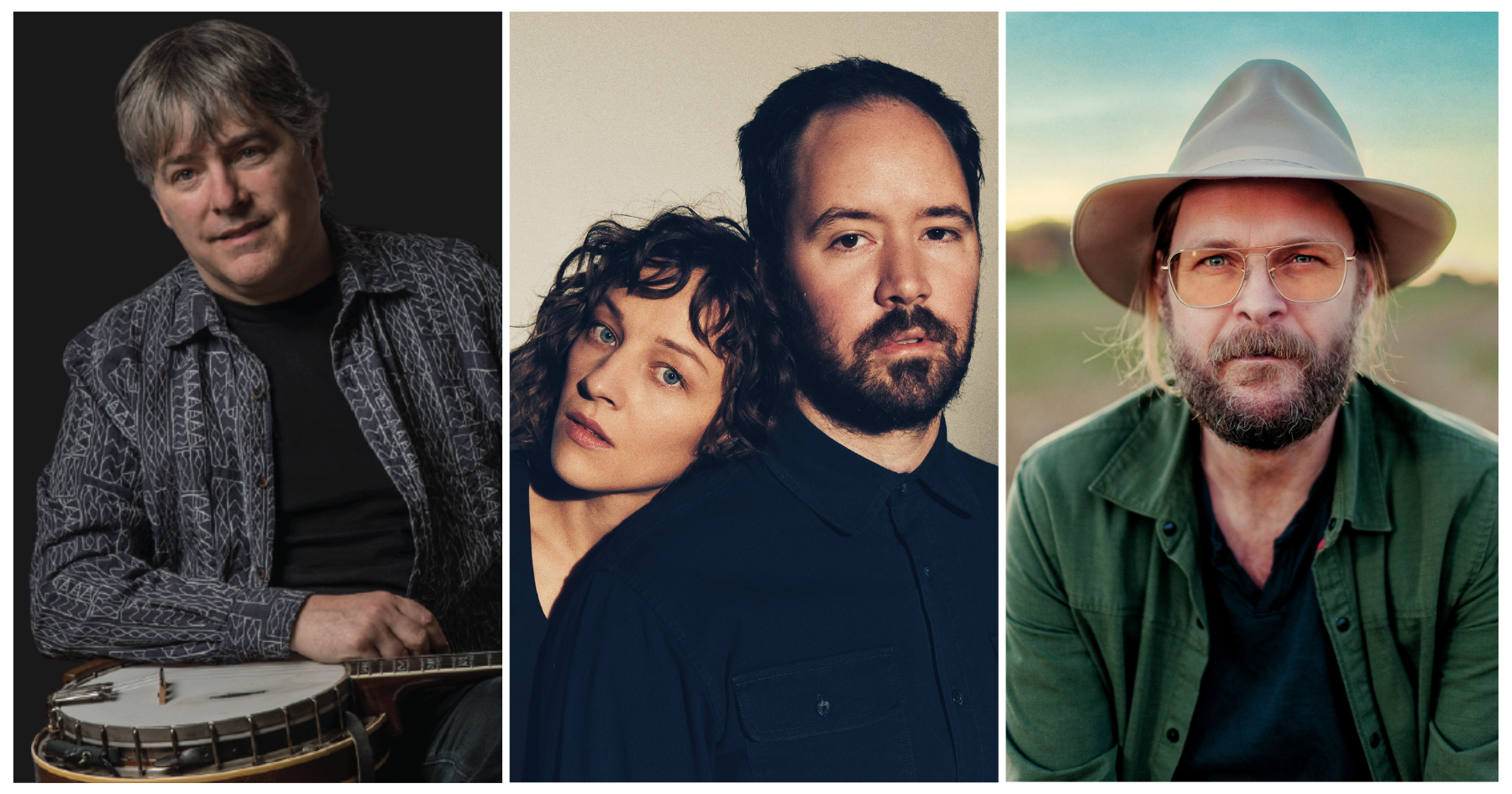
Photos: (L to R) Béla Fleck by Alan Messer; Watchhouse by Shervin Lainez; Hiss Golden Messenger by Chris Frisina

The Show On The Road – Hiss Golden Messenger

This week on The Show On The Road, we dial into North Carolina for a comprehensive conversation with Grammy-nominated songwriter MC Taylor, who for the last decade and a half has created heart-wrenchingly personal and subtly political music fronting the acclaimed roots group Hiss Golden Messenger.

LISTEN: APPLE PODCASTSSPOTIFYSTITCHER

With his newest release Quietly Blowing It, Taylor continues to tell stories that are at turns hopeful and devastating — as if deeply examining his own faults and features as a father, husband, citizen and artist can help us understand our own struggles during this deeply strange time. Despite the often delicate delivery of his vocal performances, it isn’t a shock to see that Taylor, who grew up in California before heading to the south, did start in the hardcore and punk worlds before he became one of the faces of the Americana resurgence. While a song like “Hardlytown” feels like a jangly, lost Basement Tapes take from The Band, Taylor mines his own confusion about how broken our once-ambitious country has become. Why can’t we come together to address climate change, gun violence, or systemic poverty? Is he doing enough? While Taylor has been open about examining his own depression and doubt over the last few years, it’s through these songs that we can see a light forming at the end of a dark tunnel.

Maybe it’s the personal acceptance of the confusion and helplessness that makes Quietly Blowing It pack such a quiet punch and seem somehow sonically uplifting. During our conversation, Taylor would be the first to tell you that while folky, slow-burn songs like “Way Back In The Way Back” seem to exalt the healing power of nature while questioning the broken bureaucracies that govern our unique American way of life (“up with the mountains, down with the system!”) he isn’t trying to make a statement. One thing that we all learned to do during our ongoing lockdowns in 2020 and beyond is to think smaller. We don’t have to change everything from the moment we wake up. Maybe it’s about going within and seeing the world just from the scope of your own neighborhood, your own family, your own green, growing, hissing backyard. A song doesn’t have to solve it all in one go.

Gathering confidence from previous standout records Heart Like A Levee (2016), Hallelujah Anyhow (2017) and the Grammy-nominated Terms Of Surrender (2019), it’s clear that while the last few years haven’t been easy for Taylor, he’s reaching new heights creatively. Quietly Blowing It may seem like a defeatist message — but actually its more like laying all the cards on the table. Honesty is freeing. Taylor will be embarking on a rare solo tour coming up, which would be an amazing way to see his intimate brand of songwriting up close.


Photo credit: Chris Frisina

The BGS Radio Hour – Episode 213

Welcome to the BGS Radio Hour! Since 2017, this weekly radio show and podcast has been a recap of all the great music, new and old, featured on the digital pages of BGS. This week, we bring you new music off of the beautiful new album Quietly Blowing It from Hiss Golden Messenger, as well as new music from Chris Thile, Maya De Vitry, and many more! Remember to check back every week for a new episode of the BGS Radio Hour.

APPLE PODCASTS, SPOTIFY

Nefesh Mountain – “Somewhere On This Mountain”

BGS caught up with Nefesh Mountain on a recent 5+5, where the duo shared a mission statement for their career: “Invent, inspire, repeat!” They also told us about their favorite onstage moment and about the artists that have influenced them greatly.


Beta Radio – “I Need My Prayers”

Beta Radio’s new track, “I Need My Prayers,” was a surprise to Benjamin Mabry when he wrote it within 15 minutes. In speaking about the song’s meaning, he told BGS, “I was in a mental and spiritual place of needing something to hold onto, I felt like I had lost all my footing in the world and didn’t know where to turn. And a lot of personal things felt like they were falling apart. So… I guess I just needed my prayers.”

Maya De Vitry – “Working Man”

Maya De Vitry’s “Working Man” was inspired by the creation of railroads in the United States, and more specifically, how the men who physically laid down the tracks are often not the ones credited with building them. This led her to reflect upon the people in our society who are overworked, underpaid, and overlooked, which ultimately helped her write “Working Man.”

Rory Feek – “Time Won’t Tell”

In speaking with BGS recently about “Time Won’t Tell,” Rory Feek shared how he first heard this song, and how it has become even more special to him after his wife’s passing.

Wilson Banjo Co. – “When The Crow Comes Down”

Wilson Banjo Co. co-wrote “When The Crow Comes Down” with acclaimed Nashville songwriter Jordan Rainer. The song features a “spooky theme” and pure Appalachian tone, and has a wonderful music video to accompany it.

Chris Thile – “Ecclesiastes”

Chris Thile has long woven religious themes into his songwriting, but never so much as on his new album, Laysongs. When we asked him if he enjoyed talking about religion outside of his art, Thile stated that it’s always been an instinct of his to intertwine what he’s thinking about with religious imagery. “Ecclesiastes” expresses the depth of Bible verse Ecclesiastes 2:24 instrumentally, which Thile did purposefully. In his words: “What language is incapable of properly expressing, instrumental music steps up and says, ‘I got this.’”

Hiss Golden Messenger – “Glory Strums (Loneliness of the Long-Distance Runner)”

“Glory Strums (Loneliness of the Long-Distance Runner)” comes from Hiss Golden Messenger’s latest album, Quietly Blowing It. Recorded in the summer of 2020 in Durham, NC, Quietly Blowing It reflects a joyful spirit that combines N.C. warmth with an LA glow.

Phil Leadbetter – “I Will Always Love You”

When Phil Leadbetter first heard Dolly Parton’s “I Will Always Love You” live, he was blown away. Years later in 2010, he recorded the track with his Scheerhorn guitar, but it was ultimately lost after some time. However, when Leadbetter recently found the track, he knew it would work perfectly for his new collection of resophonic guitar songs, Masters of Slide: Spider Sessions. 

Mason Via – “Big City”

Mason Via’s “Big City” is what he calls, “a personal hillbilly mantra of sorts,” and it’s the first single off of the American Idol contestant’s debut album with Mountain Fever Records.

Johnny Flynn, Robert Macfarlane – “Ten Degrees of Strange”

This Duos of Summer feature, “Ten Degrees of Strange,” comes from Robert Macfarlane and Johnny Flynn’s recent collaboration, Lost in the Cedar Wood. A week into lockdown, Macfarlane, a Cambridge University academic and bestselling author, reached out to his good friend and musician, Johnny Flynn, asking if he would like to write a song together. In speaking about working with Macfarlane and writing during the midst of the pandemic, Flynn said: It started as just a song, and then it became a few songs… but it held me in place and kept me from completely spinning out.”

Joe Mullins & The Radio Ramblers – “Living Left to Do”

In the words of Joe Mullins, “‘Living Left To Do’ is about enjoying our calling, celebrating God’s goodness, and the blessed assurance of life eternal. We’re ready to live, love, laugh, and have a lot more to do!'”

Lea Thomas – “Hummingbird”

Lea Thomas’ “Hummingbird” was inspired by a dream she had, in which she turned into a white wolf and ran across the countryside, taken aback by the beauty and interconnectedness of life.


Photos: (L to R) Chris Thile by Josh Goleman; Maya de Vitry by Kaitlyn Raitz; Hiss Golden Messenger by Chris Frisina

Hiss Golden Messenger’s ‘Quietly Blowing It’ Blends N.C. Warmth With L.A. Glow

When M.C. Taylor decided to make another Hiss Golden Messenger album, he instinctively knew it needed to be done in real time, in an actual studio, in his adopted hometown of Durham, North Carolina. Recorded in the summer of 2020, Quietly Blowing It reflects a joyful spirit even as a fog of anxiety hung over the sessions. And in some ways, Taylor believes that a sense of tension is what this album is all about.

But in contrast to the image of making a million minor mistakes, Quietly Blowing It may be his most accessible album yet. (His prior effort, 2019’s Terms of Surrender, landed a Grammy nomination for Best Americana Album.) As he’s done for years, Taylor asks a lot of questions in his lyrics without filling in the answer. One could say that he positions himself as a moderator who introduces a conversation, rather than an expert who knows everything about everything.

“That’s always been the way that I write,” he tells BGS. “I’ve been talking for many years about this idea of making an album that’s full of questions with no answers. In a lot of ways, I’m less interested in the answer than I am in the question, if that makes sense. Because the answer might change from day to day. I find the question often to be the thing remains steady, more or less.”

Not long before heading back to his native California to finally visit his family there, Taylor caught up with BGS by phone about Quietly Blowing It, releasing June 25.

BGS: One of the reasons I like listening to “Sanctuary” is because you can hear the band in the groove, in the space between the verses. It makes it feel like a band record.

Taylor: I think for the type of music that I make, the best light that it can be shown in is when you can hear everybody working together. The music is a collective music and it thrives on the collective energy of the players. That’s why I was hesitant to jump into making anything totally remotely. If my options were to either record remotely or do nothing, I would have chosen not to make a record because that collective energy feels really important to this music.

The second time I listened to this album all the way through, I really noticed the drums. It’s like its own energy coming through. Did you feel that too?

Yeah, in a lot of ways the record was written around the drum parts. I spent a lot of time coming up with the way I wanted the drums to work, at home, and sketching out drum patterns and drum parts, and layering different percussive elements over that. Then I brought those ideas to the two people that played all that stuff: Matt McCaughan played the drum kit and a friend of mine named Brevan Hampden played a lot of the percussion. It was meant to feel like this churning machine, almost. You know what I mean? A lot of the parts are pretty simple, but they’re sympathetic to the songs. Simple in theory, but very hard to play in a way that swings as hard as Matt and Brevan do.

To me, “Hardlytown” is about people who are staying the course against a world that’s pushing back against them. Is that pretty close to what that song is about?

Yeah, that song is addressing this idea of the way that we set up the systems in order to live our lives the way we think we want to. And how, so often, what we give feels like more than what we get back. There are many ways to do that math, of course. When I started out being a musician, I spent way more than I made back. That was like the first 15 years of my life as a musician, playing out in public.

However, there’s the whole existential math. [Laughs] Where you start to factor in joy and spiritual payoff, and that becomes another set of equations that start to figure into it all. I was trying to work my way through that, “Hardlytown” being the place where maybe you don’t get back what you put into it, but you keep at it anyway. It’s meant to be a little salty around the edges but it’s meant to be a song of hope. It may not be unqualified hope, but I think the heart of that song is a certain kind of hope.

There’s a line in that song that says, “People, get ready / There’s a big ship coming,” and that reminded me of your love of Curtis Mayfield. Why does his music resonate with you?

He’s the whole package to me. He has an absolute command of groove. His arrangements are so elegant and affecting. He really knew how to make you feel something, and his writing is second to none, in terms of finding that sweet spot between the sacred and the everyday. I’ve said this a lot lately, but he was really good about singing about the potential of hope. You think about the time during which songs like “People Get Ready” were written. It’s hard to imagine there was an abundance of hope for him and the communities that he moved through. But they somehow continued to write these songs that feel anthemic, in the way that they talk about the potential of hope, and how important hope is to carry, even if you can’t fly the flag at the particular hope at that moment.

In the video for “If It Comes in the Morning,” you have Mike Wiley, a Black actor, lip-syncing to your track. Why did that treatment appeal to you?

It’s been interesting to hear certain reactions to that video. First of all, Mike Wiley is a friend of mine that I’ve been doing work with, off and on, for over a decade. He’s an incredible stage actor. And I knew that I wanted somebody to be looking directly into a camera as they lip-synced the words. So, my thought was, who can stare into a camera for the duration of the song without flinching? And not have crazy camera eyes? I can’t do that, I don’t have that skill set. You put a camera on me for more than three minutes and I start to look like George Jones or something. [Laughs]

So, my intuition was to get in touch with Mike Wiley. He’s an expert at that. It certainly was not lost on me that Mike Wiley is a Black actor, so there was going to be added layers of information with that video. And heightened interpretations because of the moments we are living through collectively. I’ve heard some people say, “I don’t get this video. What is this video trying to say or do?” And plenty of people have not commented either way, whatever, they like the song. Other people have been angry about it. But when I see the video, I see my buddy Mike Wiley lip-syncing the words and Mike happens to be an extremely gifted actor who is Black.

What does the word “it” represent in that title, “If It Comes in the Morning”?

I mean, it depends. “It” could be victory, defeat. If things go my way in the morning, how am I going to behave to people that were on my side, or people who were on the other side? If defeat arrives in the morning, how am I going to behave to people that I was working with, or to people who were working against me? I was thinking about how I might behave to someone that might be my adversary in some situation. Would I behave with respect? Or would I kick sand in their face? I like to think the former, but sometimes I think the latter. And that’s a “quietly blowing it” moment. [Laughs]

How would you describe the room where you wrote these songs?

It’s about 10 feet by 12 or 14 feet. It’s pretty small and it’s full of guitars, books, records, and sometimes a drum kit and amplifiers. Depending on my mood, it can feel like an oasis or like a prison cell. [Laughs]

During that time when we were all staying home, I spent a lot of time on the greenway. Did you get a chance to get outside, too?

Yeah, we got outside a fair bit. We have a pretty big backyard. Durham is full of green spaces, so yeah, I found the outdoors to be a balm over this past year. No question about that. We did a lot of camping this year, and that was fun also.

How did you wind up in Durham?

Many years ago, I went to grad school at UNC. This was back in 2007 and my wife and I just ended up staying. I don’t even remember what our intention was, whether we thought we were going to stay for a long time or move somewhere else. But this was pre-kids and over time North Carolina just started to feel like home. We bounced around this region a lot. We lived in Chapel Hill first and we lived outside of a small town called Pittsboro. Then we gravitated towards Durham. It’s a perfect-sized down in my opinion. Lots of incredible food, art, music, so this is where we ended up and it feels like home.

Before this band took off, I’m sure you were doing a lot of odd jobs. I think I read at some point that you were selling swimsuits over the phone?

Yeah, I did. That was a long time ago, back in college in California. I didn’t last. I was selling women’s swimsuits over the phone. Like, I was a 22-year-old guy and didn’t know the first thing about anything about that. [Laughs] I had no business answering those telephones. They should not have had me there. They didn’t have me there for long. They fired me after two weeks. They could tell I was the wrong person for the job.

You’ve said elsewhere that you still feel the pull of California. Is that why the video for “Glory Strums” looks the way it does?

Yes, it is. In normal times I would be in California many times a year. California is where most of my family still lives. Like many people, I haven’t seen them since this all started and my kids haven’t seen my parents in almost two years. I’m really pining for California in a way that I haven’t before. Because I’ve traveled to California so frequently, I’ve kept that homesickness at bay. It never affected me because I knew that within the next month or two months I would be out there again. I haven’t been out there for a year and a half and I can really feel it.

It made me think about this article in the New Yorker in 1998 called L.A. Glows. It’s about a native Californian meditating on the light in Southern California. I remember reading it at the time and thinking it was interesting. I understood this theory that different places could have different qualities of light that would affect people that knew that place. But now I can feel that on an emotional level.

How did that video come together?

Vikesh Kapoor is the director and he is someone I have known for many years. Back in 2013 or 2014, I was playing in Portland, Oregon, opening up for Justin Townes Earle, and I was traveling alone. I was looking for someone to sell merch for me, so I put out a call on social media, I think. Vikesh volunteered to do it and we met that night at the merch table, where he sold my stuff. We kept in touch after that. He’s a songwriter himself and he’s made a few great records. And he’s a pretty respected photographer.

I knew that he was living in Los Angeles now and I got this wild hair that I thought Vikesh could make a video. We talked a lot about the light – the hazy, Southern California quality of light that I was missing. I asked him whether he thought he could get that into the video and he did, to his great credit. He didn’t have a whole lot to go on. [Laughs] He made something that is really beautiful and it does speak to the place where the video was made.

During that time when you were touring solo, what did you like most about just you and the road?

I still do that kind of touring once in a while, just to get that feeling again. I mean, there’s something about being footloose out on the road that can be really exhilarating, even still. I’m one of those people that picked up Jack Kerouac’s On the Road and Desolation Angels when I was 17 years old and read them. I was just like, yep, this is the life for me. And the older I get, it’s a complex life, living your life on the road. You’ve got to work to take care of yourself, which I don’t think a lot of those Beat Generation writers did very well. But there remains a romance of just traveling through.

One thing I’ve noticed about this record, though, is that there’s a lot of other voices singing with you. What do you like about that?

I love the human voice as an instrument. Just like instruments, every human voice is different and resonates differently. It affects a microphone differently. I think that voices singing in harmony can really elevate a melody. It adds a very important color to a record, for me. We did have a bunch of voices on this record. It’s a pretty magical sensation to be able to sing in harmony with someone. It’s like an electric jolt is running through you.


Photo credit: Chris Frisina
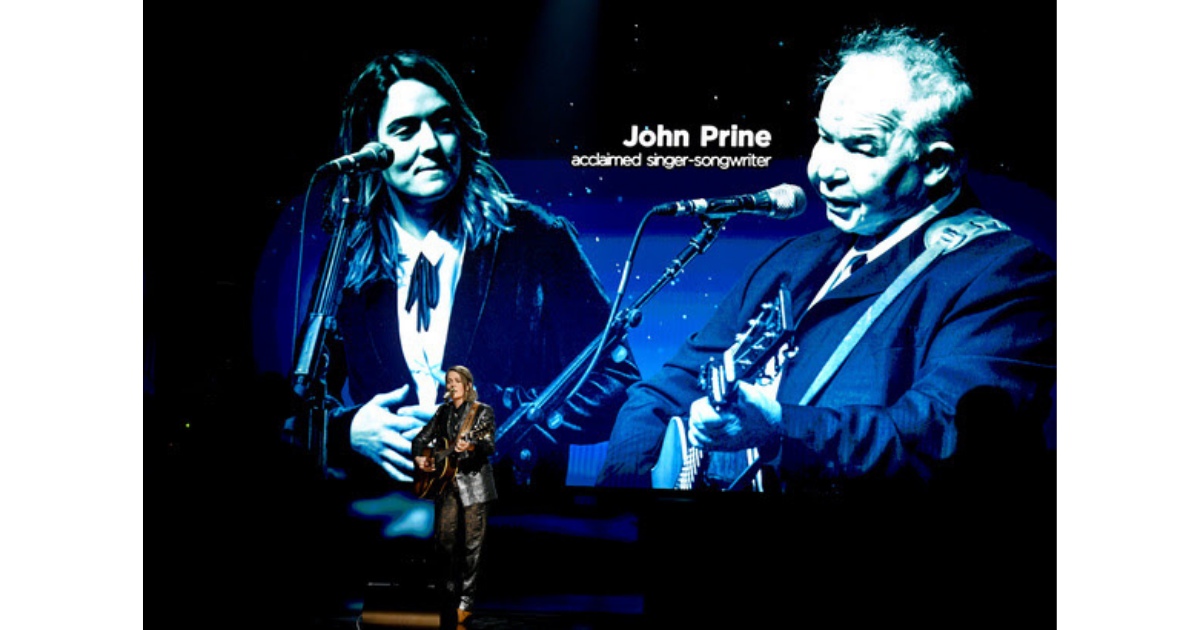
John Prine, Brittany Howard, Sarah Jarosz Among Winners at 63rd Annual Grammy Awards

The 63rd Annual Grammy Awards were held yesterday afternoon and evening, Sunday March 14, 2021. Here are the nominees and winners in the American Roots Music fields:

Best American Roots Performance

Black Pumas, “Colors”

Bonny Light Horseman, “Deep in Love”

Brittany Howard, “Short and Sweet”

Norah Jones & Mavis Staples, “I’ll Be Gone”

John Prine, “I Remember Everything”


Best American Roots Song

“Cabin,” Laura Rogers & Lydia Rogers, songwriters (The Secret Sisters)

“Ceiling to the Floor,” Sierra Hull & Kai Welch, songwriters (Sierra Hull)

“Hometown,” Sarah Jarosz, songwriter (Sarah Jarosz)

“I Remember Everything,” Pat McLaughlin & John Prine, songwriters (John Prine)

“Man Without a Soul,” Tom Overby & Lucinda Williams, songwriters (Lucinda Williams)


Best Americana Album

Courtney Marie Andrews, Old Flowers

Hiss Golden Messenger, Terms of Surrender

Sarah Jarosz, World on the Ground

Marcus King, El Dorado

Lucinda Williams, Good Souls Better Angels


Best Bluegrass Album

Danny Barnes, Man on Fire

Thomm Jutz, To Live in Two Worlds, Vol. 1

Steep Canyon Rangers, North Carolina Songbook

Billy Strings, Home

Various Artists, The John Hartford Fiddle Tune Project, Vol. 1


Best Traditional Blues Album

Frank Bey, All My Dues are Paid

Don Bryant, You Make Me Feel

Robert Cray Band, That’s What I Heard

Jimmy “Duck” Holmes, Cypress Grove

Bobby Rush, Rawer Than Raw


Best Contemporary Blues Album

Fantastic Negrito, Have You Lost Your Mind Yet?

Ruthie Foster Big Band, Live at the Paramount

G. Love, The Juice

Bettye LaVette, Blackbirds

North Mississippi Allstars, Up and Rolling


Best Folk Album

Bonny Light Horseman, Bonny Light Horseman

Leonard Cohen, Thanks for the Dance

Laura Marling, Song for Our Daughter

The Secret Sisters, Saturn Return

Gillian Welch & David Rawlings, All the Good Times


Best Regional Roots Music Album

Black Lodge Singers, My Relatives “Nikso Kowaiks”

Cameron Dupuy and the Cajun Troubadours, Cameron Dupuy and the Cajun Troubadours

Nā Wai ʽEhā, Lovely Sunrise

New Orleans Nightcrawlers, Atmosphere

Sweet Cecilia, A Tribute to Al Berard


Also, note these Americana winners in other categories:

Best Rock Song

“Kyoto,” Phoebe Bridgers, Morgan Nagler & Marshall Vore, songwriters (Phoebe Bridgers)

“Lost in Yesterday,” Kevin Parker, songwriter (Tame Impala)

“Not,” Adrianne Lenker, songwriter (Big Thief)

“Shameika,” Fiona Apple, songwriter (Fiona Apple)

“Stay High,” Brittany Howard, songwriter (Brittany Howard)


Best Country Solo Performance

“Black Like Me,” Mickey Guyton

“Bluebird,” Miranda Lambert

“Stick That In Your Country Song,” Eric Church

“When My Amy Prays,” Vince Gill

“Who You Thought I Was,” Brandy Clark


Best Country Song

“Bluebird,” Luke Dick, Natalie Hemby & Miranda Lambert, songwriters (Miranda Lambert)

“The Bones,” Maren Morris, Jimmy Robbins & Laura Veltz, songwriters (Maren Morris)

“Crowded Table,” Brandi Carlile, Natalie Hemby & Lori McKenna, songwriters (The Highwomen)

“More Hearts Than Mine,” Ingrid Andress, Sam Ellis & Derrick Southerland, songwriters (Ingrid Andress)

“Some People Do,” Jesse Frasure, Shane McAnally, Matthew Ramsey & Thomas Rhett, songwriters (Old Dominion)


Best Roots Gospel Album

Fisk Jubilee Singers, Celebrating Fisk! (The 150th Anniversary Album)

Mark Bishop, Beautiful Day

The Crabb Family, 20/20

The Erwins, What Christmas Really Means

Ernie Haase & Signature Sound, Something Beautiful


Photo by Kevin Winter/Getty Images for The Recording Academy

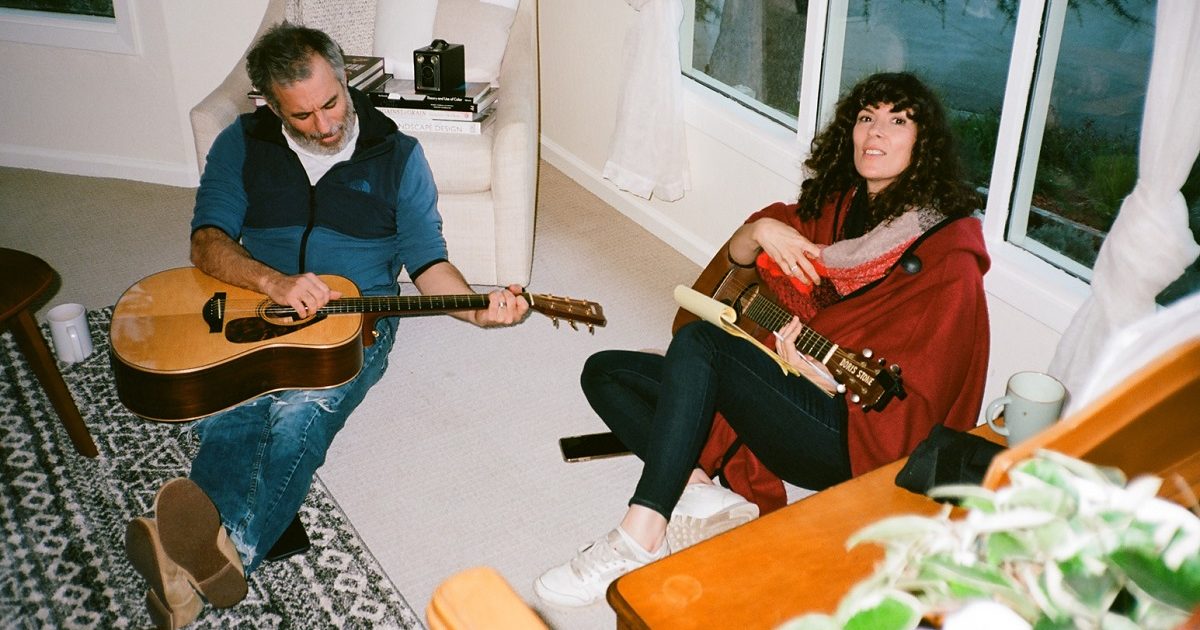
LISTEN: Greg Loiacono & Jamie Drake, “Bound to Fall”

Artists: Greg Loiacono & Jamie Drake
Hometown: Novato, California / Los Angeles, California
Song: “Bound to Fall”
Release Date: March 12, 2021
Label: Blue Rose

In Their Words: “A few years back I had become obsessed with a recording called ‘Please Stay’ by The Cryin’ Shames. It inspired me to dive back into old records of singers singing heartbreak songs from way back like Patti Page, The Everly Brothers, and so on. I hoped to convey that lonely, faraway sound on this record. Once Jamie and I started working on the song together we focused in on this unrequited love that drives the singer almost into a sense of delusion. It was really enjoyable finding ways to convey this through words and melody. This is the second duet that Jamie and I have done together. Her powerful, versatile voice can pretty much do anything. It’s a joy to sing and write with her.” — Greg Loiacono

“In October 2018, Blue Rose introduced me to Greg Loiacono to sing on a duet he’d written called ‘San Felipe.’ Recording that day flowed naturally and led to us wanting to collaborate again in the future. Greg invited me to open for him — along with Scott Hirsch (Hiss Golden Messenger) — at the Sweetwater in Mill Valley, California, and I had a day off, so I took a drive to Greg’s hometown of Novato to work on some co-writes. The photo we used for the art was caught on film during the writing session. ‘Bound to Fall’ became a world for us to step into that was different from ‘San Felipe,’ but similar in that we captured a specific, vintage, musical vibe in an authentic way. It’s quite enjoyable to have musical friends you can accomplish different worlds with; I’m grateful to have found this kind of collaborator in Greg Loiacono.” — Jamie Drake


Photo credit: Aaron Rodriguez

The String – Hiss Golden Messenger And North Carolina Music

Tennessee snuggles up against North Carolina at the apex of the Appalachian Mountains, together making a mid-South band from the Atlantic to the Mississippi River. It also defines possibly the most musically consequential pair of states in the nation. In a new history, veteran Raleigh journalist David Menconi describes NC music from Charlie Poole to the Avett Brothers and beyond.


LISTEN: APPLE PODCASTS

After a talk with him, we dive in with one of the most important and admired talents of our time from the state, songwriter M.C. Taylor who plays as Hiss Golden Messenger. His album Terms of Surrender is up for an Americana album Grammy Award.

The BGS Radio Hour – Episode 194

Welcome to the BGS Radio Hour! Since 2017, the show has been a weekly recap of all the great music, new and old, featured on BGS. This week we bring you music to provide a fresh start in 2021 and to celebrate the many roots artists nominated for Grammy Awards this year. Remember to check back every Monday for a new episode.

APPLE PODCASTS, SPOTIFY
The John Hartford Fiddle Tune Project – “Little Country Town”

20 years following his death, John Hartford is still being honored by a whole world of roots musicians. The John Hartford Fiddle Tune Project, Vol. 1 just happens to be the most recent, an album of songs Hartford composed but never recorded, only to be found later by his family when sifting through his archival collection. A collaborative recording, this track is performed by Alison Brown and Hawktail (Brittany Haas, Paul Kowert, Jordan Tice, and Dominick Leslie) — and the album is up for a Grammy!

Carl Anderson – “Damn Thing”

From Nashville, Carl Anderson brings us a co-write this week from his upcoming Taking Off and Landing. The single is about vulnerability, forgiving and becoming comfortable with yourself, and embracing your inescapable imperfections.

Luke LeBlanc – “All My Love”

Minnesota-based singer and songwriter Luke LeBlanc brings us a new song this week! From his Better Now EP, “All My Love” is a resurrected voice memo, one that took some time to navigate but is undeniably better with age.

Ben Harper – “Black Beauty”

From the 2020 film Black Boys, Ben Harper brings us a song this week which he composed for the cultural documentary. The film is a timely reckoning on Black, male identity in America, through sports, education, and our broken criminal justice system.

Charley Crockett – “I Can Help”

Frequent visitor of our pages here at BGS, Texas-based Charley Crockett brings us a new single this week from The Next Waltz, Vol. 3. “I Can Help” is a Billy Swan number, one in which recording was not planned, yet somehow nailed in one take by Crockett and his band.

Beta Radio – “Afraid of Love”

From Wilmington, NC, Brent and Ben of Beta Radio bring us the title track from their Afraid of Love EP. The pair sat down with BGS for a 5+5 — that is, five questions and five songs — where we went over influences, how different types of art relate to their music, and the toughest go at songwriting they’ve ever had.

Loretta Lynn – “Coal Miner’s Daughter (Recitation)”

An undeniable legend, Loretta Lynn brings to us this week a mountain-style recitation on her famous song (and film title) “Coal Miner’s Daughter.” The new release commemorates the 50th anniversary of the original song, as well as being part of her upcoming Still Woman Enough — Lynn’s 50th studio album.

Hiss Golden Messenger – “Sanctuary”

Durham’s M.C. Taylor of Hiss Golden Messenger is back with a new single, following 2020’s Terms of Surrender, which is nominated for a Grammy. “Sanctuary” is a reflection on the past year, and the way in which we care for ourselves and those around us. Bidding farewell to John Prine — “Handsome Johnny” — who was lost in the storm of 2020, Taylor finds shelter within it.

The Rough & Tumble – “You’re Not Going Alone”

After the collapse of their family, the Rough & Tumble borrowed a Michigan kitchen and worked through the darkness. But, the Nashville-based-but always on the road duo realized not everything had to be lost, telling BGS, “We have as much right to a family to call our own as the family that won’t call us their own, anymore.”

Chris Pierce – “American Silence”

Silence is perhaps the most detrimental plague to justice. Los Angeles-based Chris Pierce brings us a song this week on silence, striking that if we smile and applaud for people different than us, we are responsible to fight for them too.

Balsam Range – “Rivers, Rains, and Runaway Trains”

No matter how much we prepare in life, there is always someone or something that will catch us by surprise. From Haywood County, NC, Balsam Range brings us a song this week about stumbling, being unable to speak, completely taken by surprise when that someone comes around.

Marcus King – “Wildflowers and Wine”

The great fall of gigs in 2020 hit young performers hard — especially those who had just broken through and had rarely seen momentum, like 24-year-old Marcus King. After his January 2020 release El Dorado, King was poised for a busy year that slowly unraveled, turning his attention to songwriting, drive-in concerts, and a performance on the Tonight Show With Jimmy Fallon. This January, King has reclaimed that momentum with a GRAMMY nomination for El Dorado!

Cole Scheifele – “All the While”

From Boulder, CO, Cole Scheifele brings to us this week a song about chasing what invigorates you. For many, including Scheifele, 2020 was a year to revisit old ideas, providing us with a stagnant, neutral state of stillness, and giving Scheifele the answers to this previously begun, for years unfinished song.

Chris Thomas King – “Hard Time Killing Floor Blues”

2021 celebrates the 20th anniversary of O Brother, Where Art Thou?, the Coen Brothers’ film which ignited a modern revival of roots music. This month, we’re celebrating by making the entire soundtrack our January Artist of the Month, where all month long we’re featuring music from the film. This week’s selection is brought to us by artist Chris Thomas King, aka Tommy Johnson, the blues man that we meet at the crossroads early in the film, just after his soul was sold to the devil.


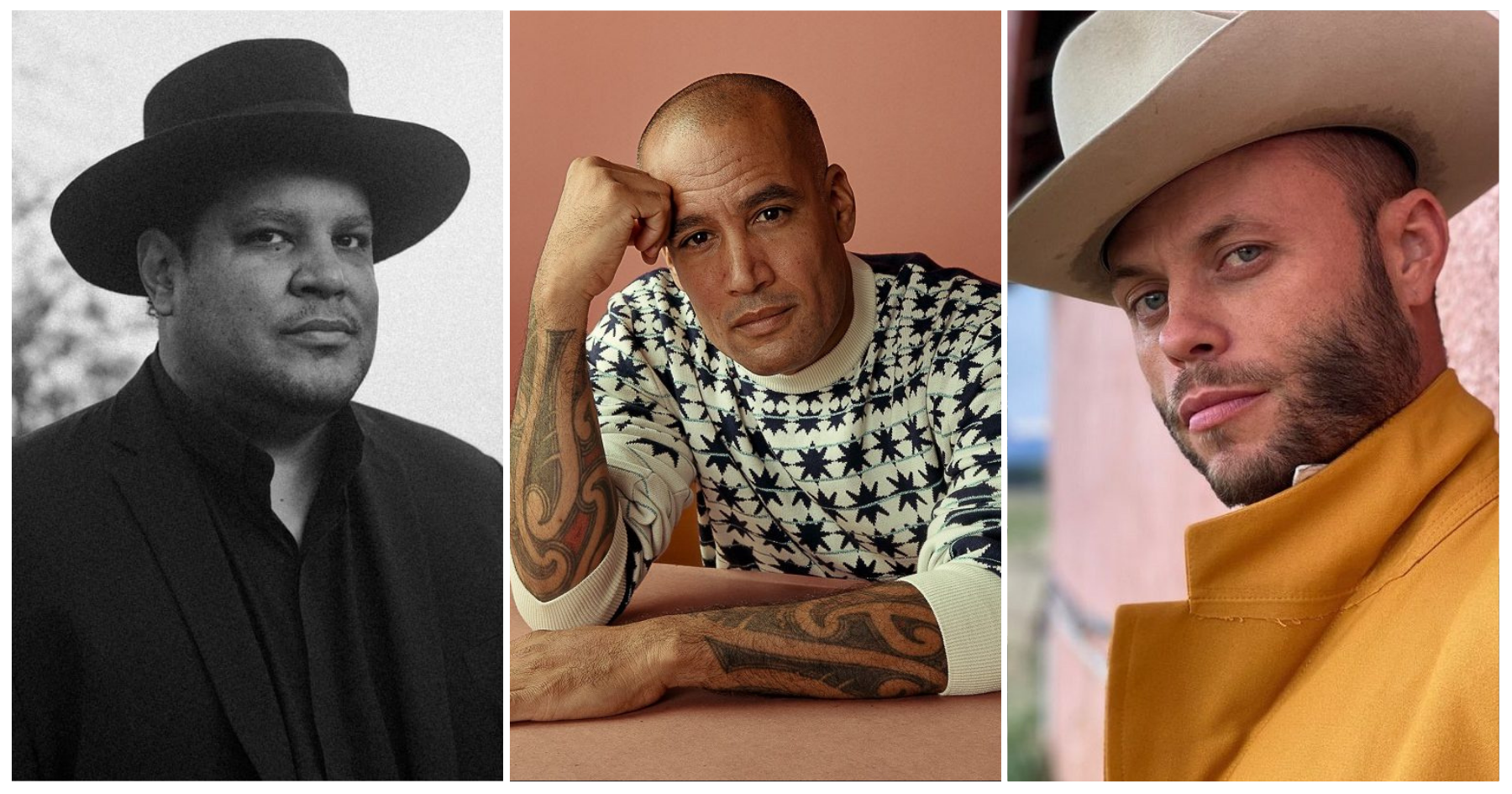
Photo credit: (L to R) Chris Pierce by Ross Kolton; Ben Harper by Jacob Boll; Charley Crockett by Taylor Grace

WATCH: Hiss Golden Messenger, “Sanctuary”

Artist: Hiss Golden Messenger
Hometown: Durham, North Carolina
Song: “Sanctuary”
Release Date: January 13, 2021
Label: Merge Records

In Their Words: “Over the past year, I’ve been thinking a lot about how we care for ourselves and each other, and how hard it is to live truthfully in a world that is so tangled. ‘We sell the world to buy fire, our way lighted by burning men,’ says the poet Wendell Berry. The song ‘Sanctuary’ is one small piece of my own personal reckoning with what it feels like to search for some kind of shelter in the storm. Fare thee well, John Prine, AKA Handsome Johnny, a speaker of truth if ever there was one.” – M.C. Taylor / Hiss Golden Messenger


Photo credit: Chris Frisina

Bonny Light Horseman Turn to British Folk Songs for Supergroup Debut

Bonny Light Horseman, a new American supergroup interpreting old British folk tunes, is one of the few good things to come from Twitter. After spending nearly fifteen years shepherding her ambitious musical Hadestown all the way to Broadway, Anaïs Mitchell was catching up on some of music she’d missed out on, and she took to the social media platform to shout out the Fruit Bats, the long-running indie-pop band led by Eric D. Johnson. It just so happened that he had recently discovered Mitchell’s music and was a new fan.

“It’s an embarrassing way to meet someone,” Johnson says, “but that’s how it happened. She tagged me and said she loved my band. There are so many bad vibes on [Twitter], but I do like the fact that you can write a very short fan letter and you know they’ll get it.”

Mitchell was already working with producer/multi-instrumentalist Josh Kaufman (Craig Finn, Josh Ritter) on a new project for the Eaux Claires Festival, and Johnson admits he steamrolled his way into the gig. At the 37d03d Festival in Berlin, the trio spent a few hours each day creating and recording new arrangements of old folk tunes like “Blackwaterside” and “Lowlands” with a small army of friends and collaborators joining in — including members of the National, Hiss Golden Messenger, the Staves, and Bon Iver. The result is a lush and lovely collection of songs that may be centuries old, but sound very much of their moment.

At least on paper it may seem like an unlikely folk alliance, considering Mitchell is the only artist among them popularly identified with that genre. Kaufman is more associated with artful indie rock, while Johnson is well known for crafting supremely catchy pop hooks.

“I have a fairly strong folk background,” says Johnson. “I used to teach banjo at the Old Town School of Folk Music in Chicago, but somewhere along the way I veered off on a poppier path. But Anaïs has a bona fide folk background beyond her career as a singer/songwriter. She knows all the old stuff and grew up with those records in her house. So she’s been a teacher to Josh and me in a lot of ways.”

This kind of collaboration fits with the 37d03d ethos. Founded by Bon Iver’s Justin Vernon and the National’s Aaron Dessner, the organization encourages and supports creative cooperation between artists in different genres and often on different continents. Already the duo have released an album together under the name Big Red Machine, and the recent posthumous Leonard Cohen album features 37d03d artists putting new music to his unrecorded lyrics. (It should be noted that the organization was originally known as PEOPLE, but changed its name to 37d03d in early 2019. It’s still pronounced PEOPLE, though. To see why, just turn your computer upside down.)

“They’re interested in artists expanding and exploring and collaborating,” says Mitchell. “After a while you get a kind of artistic identity, like a calcification of who you are as an artist and what you do. But there are people who are yearning to be free from the trappings of who people think they are. So PEOPLE offers an opportunity to be kind of childlike, to get back to that beginner’s mindset.”

For Mitchell it’s been a nice break, a way to settle gently back into her old life as a singer/songwriter after devoting so much time to Hadestown. Just before they embarked on a long tour supporting their debut, two-thirds of Bonny Light Horseman — Johnson and Mitchell — convened to talk about the durability of folk music, the joys of collaboration, and people who need 37d03d.

BGS: How did 37d03d inform this project?

Anaïs Mitchell: I feel like we were forged in the fires of PEOPLE. They’re interested in people expanding and exploring and collaborating and trying new things, so it was really perfect that we got to be a part of it before we really had any idea who we were or what we were doing.

Eric D. Johnson: I don’t know where this project would be without it. I don’t know if there’s anything modern that can be compared to it. I try to imagine how they pull it off from a financial or logistical standpoint, but they’re doing truly the Lord’s work, which is essentially creating a really easy platform for a bunch of people to get together and do something creative. I don’t know if it’s the most modern construct ever and they’re light years ahead of time, or if they’re completely out of their minds and operating on some sort of beatnik principle that’s completely untenable today. It’s probably both and/or neither. It’s an out-of-time thing in a very beautiful way.

AM: I’d been working with Josh on some of this material. I’ve been an admirer of his for a few years now — his playing and his producing on other people’s records. The thing was kind of a gleam in the eye, you know, when Justin [Vernon from Bon Iver] and Aaron [Dessner from the National] reached out to see if we wanted to do this project. Why don’t you play that at Eaux Claires festival? That was cool of them, because we didn’t even have a band name yet. We were just exploring. Just messing around.

EDJ: Then I steamrolled my way in, and it ended up becoming this band. That’s how it got started, and that parlayed its way into the big Berlin project, where they did this big, unique artist-in-residency festival type thing at the Funkhaus. It was like summer camp. That’s the only way to describe it.

Photo credit: D. James Goodwin

I think of PEOPLE as promoting that kind of collaboration, where you can play on somebody’s record or in somebody’s band without having it be a major statement.

AM: Totally. There was a moment in the middle of the recording where Josh said, “Man, we could really use a drum on this track.” Out in the hall, we heard a cymbal fall to the floor and make a big crash. Josh opened the door and it was Andrew Barr from the Barr Brothers. He was on his way to another session, but he had three minutes so he came in played the one drum that we needed on that tracks. It’s stuff like that. Or there’s a song that has a couple of the Staves on it and Lisa Hannigan. They just happened to be free. There was a lot of serendipity with that stuff.

When we were in Berlin, we didn’t know that we were making a record or that any of that stuff was going to have any value to anyone else outside of us. But then we got back to the States and we listened back and we were like, Wow, this gig is really good! It felt like half of an album. So the question became, how can we finish it? How can we make the other half of the record feel like it’s of a piece with that stuff, even though the setting is going to be different? So we made the rest of the record at Woodstock at this beautiful studio called Dreamland, which is just a big, old, weird church.

EDJ: We recorded in Woodstock for two days. It was more of a traditional recording setup. I remember we did “The Roving” there and “Deep in Love,” which are two of the singles and I think two of the strongest tracks. We did them at 1 in the morning. They’re both completely eleventh-hour songs.

At what point did the idea to cover old folk songs come into play?

AM: Traditional folk music is kind of a passion of both of ours, especially like British Isles stuff. We started to mess around with some things, and the very first song that Josh and I ever worked on together was “Lowlands.” Which is interesting because I hadn’t heard any versions of that song. I guess I had maybe seen some texts, and I learned that there are two strains. One is this British Isles strain, and the other is from the American South. They’re basically ghost stories, in which a dead lover appears to a woman or in some versions a man. They’re also stevedore songs, songs about working up on the shore, loading crates onto ships.

So the song that we put together contains elements of both of those things as well as some stuff that we made up. It felt like a cool puzzle to put together. A lot of them I would say have had less research. We said very early on that we didn’t want it to feel like a research project. We really wanted to be more heart-led and wide open.

EDJ: I would say we were adamant that we didn’t want to do a research project. We just want to enjoy it. But it is incredible when you do a little research on these songs — and this is not news — you don’t have to be an advanced musicologist to know just how interwoven American music and the music of the British Isles are. That music came to western Appalachians and eventually gave us country music and rock ‘n’ roll.

The through lines are so short still. It’s really not that old. When it split off, our grandparents were alive. Those songs are so ancient and so thoroughly modern at the same time in the themes they’re singing about. If you listen to the lyrics of “The Roving,” which are hundreds of years old, it sounds like the plot to a teen summer movie from the ‘80s. It’s just people loving and longing and grieving and having sex and everything else we’ve been doing and singing about for as long as anything.

It doesn’t sound like an album concerned with preservation or historical accuracy. You’re taking a lot of liberties with them without trying to explicitly update them to our current moment.

AM: A lot of the songs have new music but the text is traditional to one degree or another. The text of “The Roving” is based on songs like “Courting Is a Pleasure” and “Handsome Molly,” but the music isn’t connected to any of those songs. But it still feels like a heartfelt way that the voice wants to sing. This is a total aside, but it’s just such a pleasure to sing with Eric. He’s so unfettered in his singing. It makes me want to sing that way, too. I had to sing my heart out in order to get on the same level as him.

EDJ: This is folk music. It doesn’t need to be finely hewn. It can just be a lump of clay that you emotionally hack at until you get something out of it. There might be some deep, deep purists who think we’re very impure in how we approach these songs. But these songs are meant to change over the years. They’re from the oral tradition, from pre-recorded times, so we don’t even know what the original version of “Deep in Love” sounds like. We just know what we came up with. That song was sort of a sketch that I had written for the last Fruit Bats album, but I couldn’t get anywhere with it. I had a melody written, just a do-do-do verse that I sang in the studio, and Josh opened up a book of traditional Welsh folk lyrics. He said, “Sing these lyrics over that melody.” They slotted perfectly, and that’s how you hear it.

Is this a one-off project, or do you think Bonny Light Horseman will continue?

EDJ: I think we’re gonna pick it up again, but we have no clue what we’re gonna do next. We could just be this band that keeps reinterpreting British folk music forever, but maybe not. Making this first one was very natural and easy in a lot of ways, and we’ve enjoyed playing shows together, but I don’t think the way forward has been pointed out to us just yet.


Photo credit: Nolan Knight