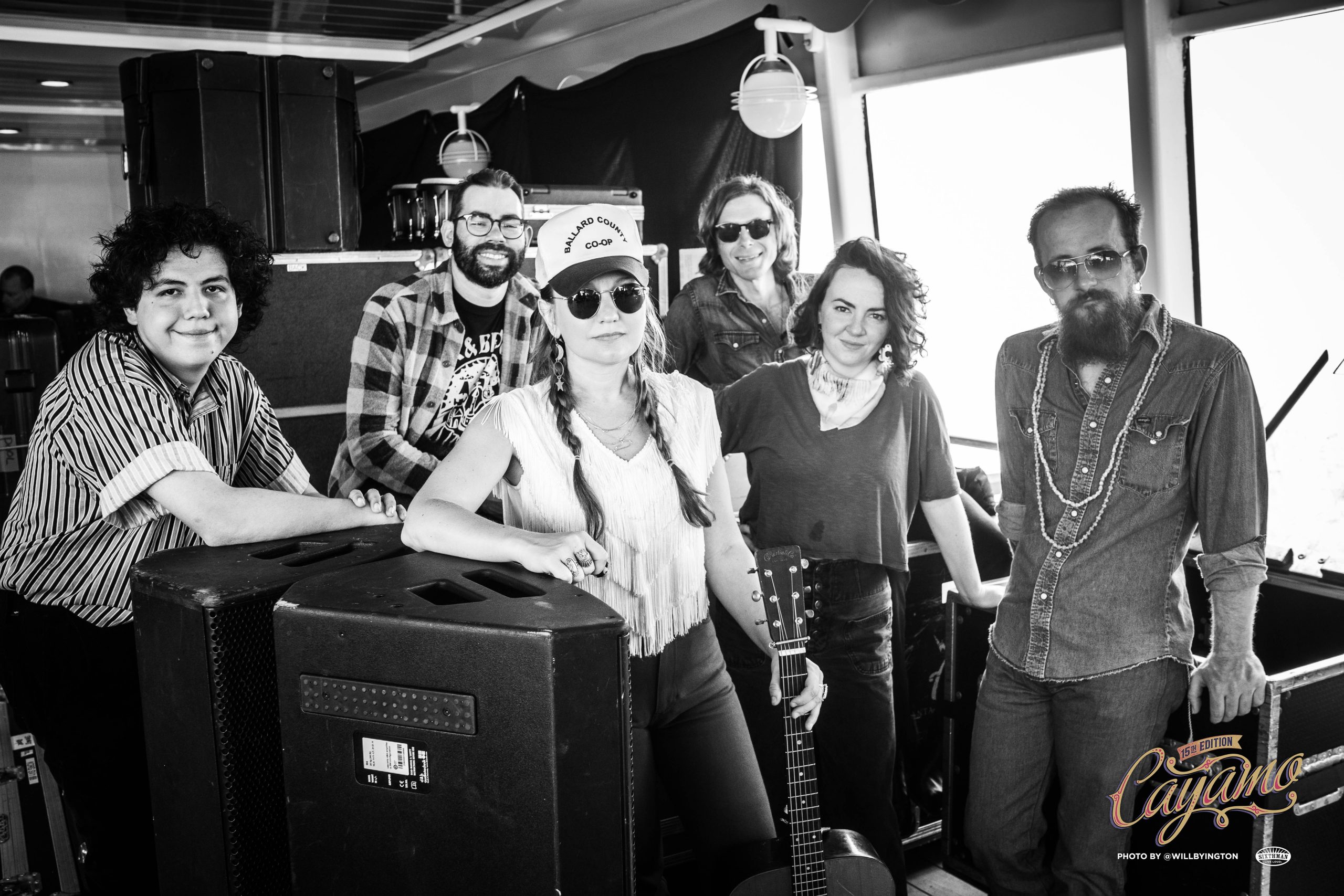
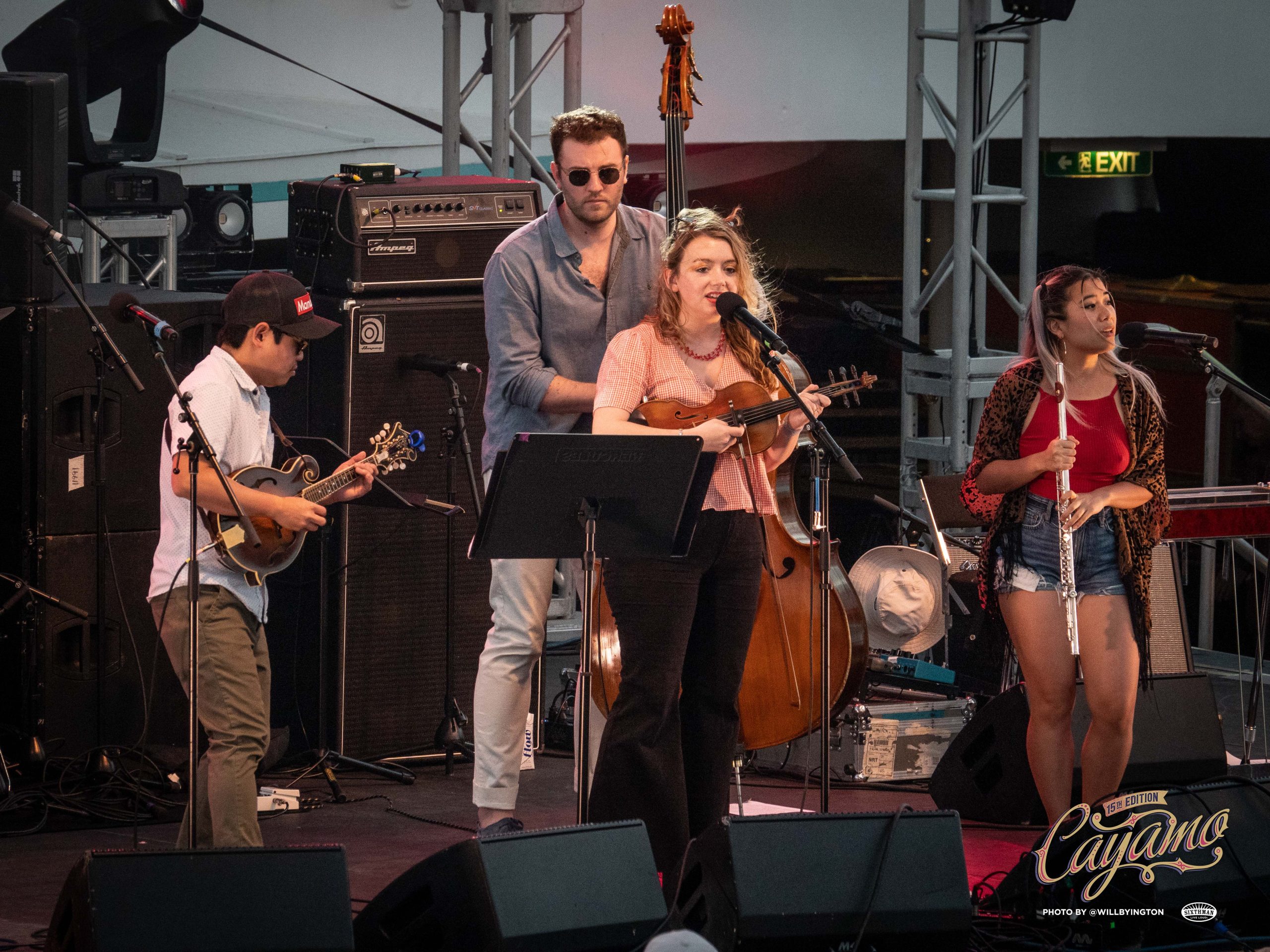
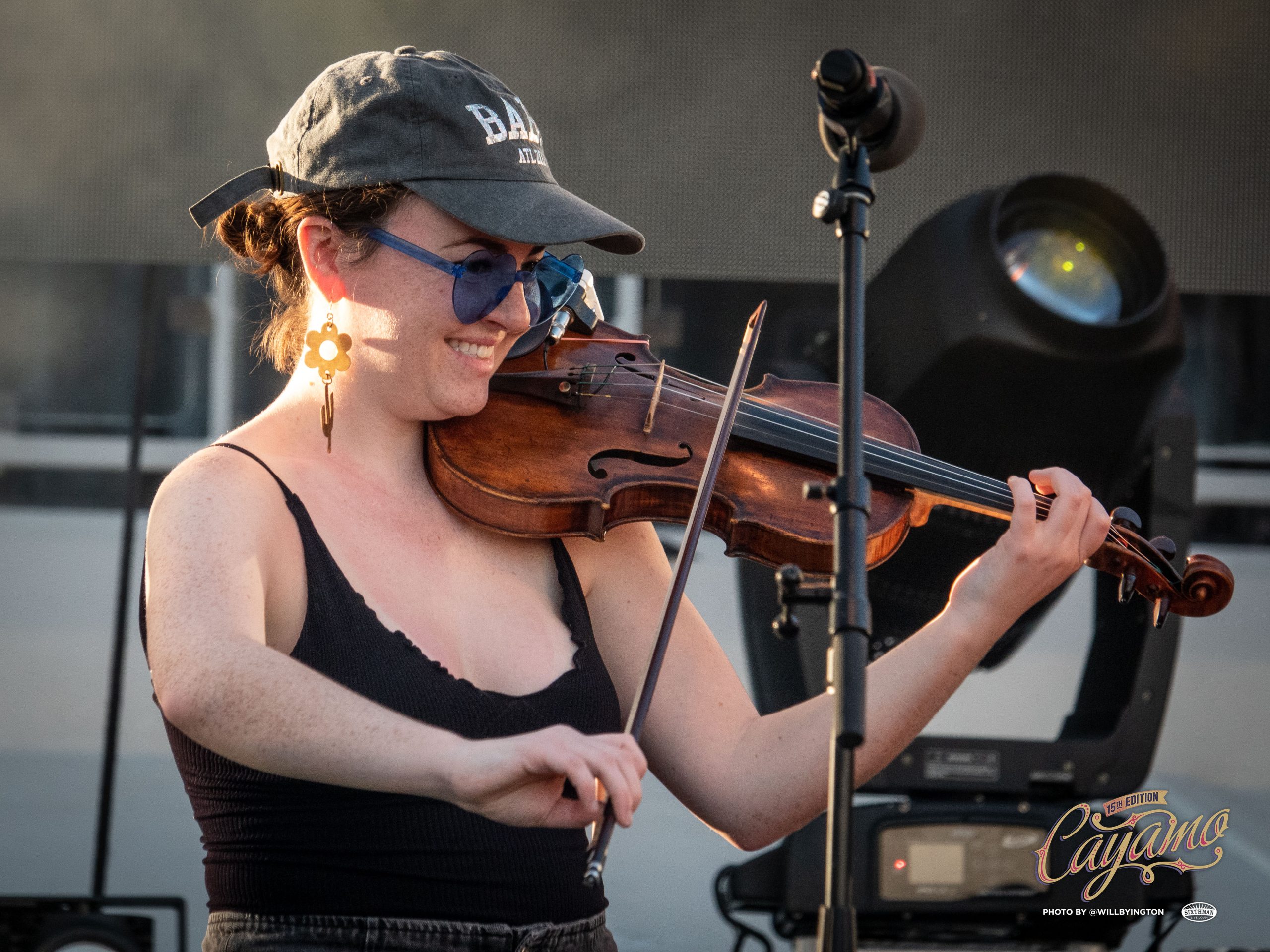
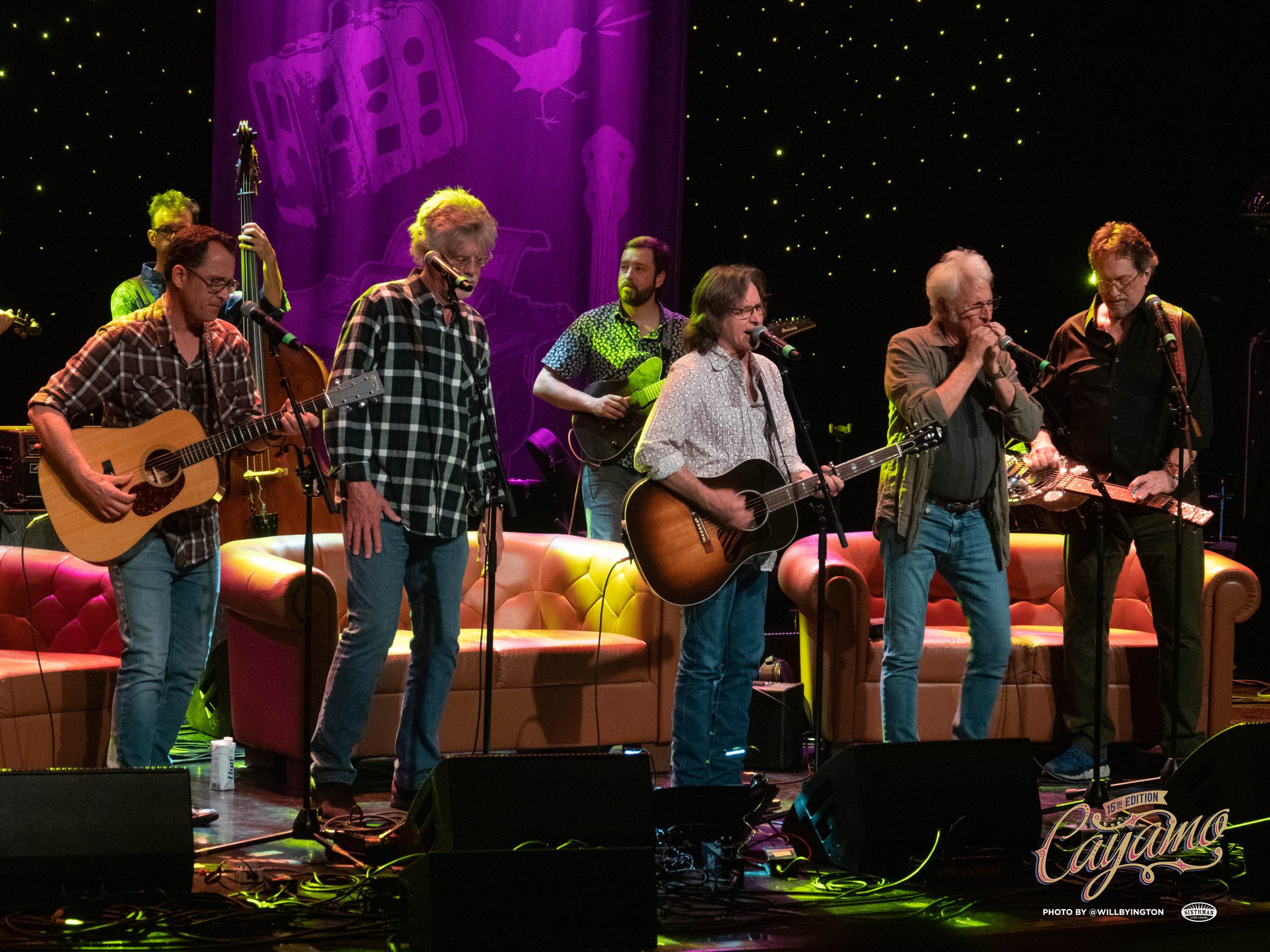
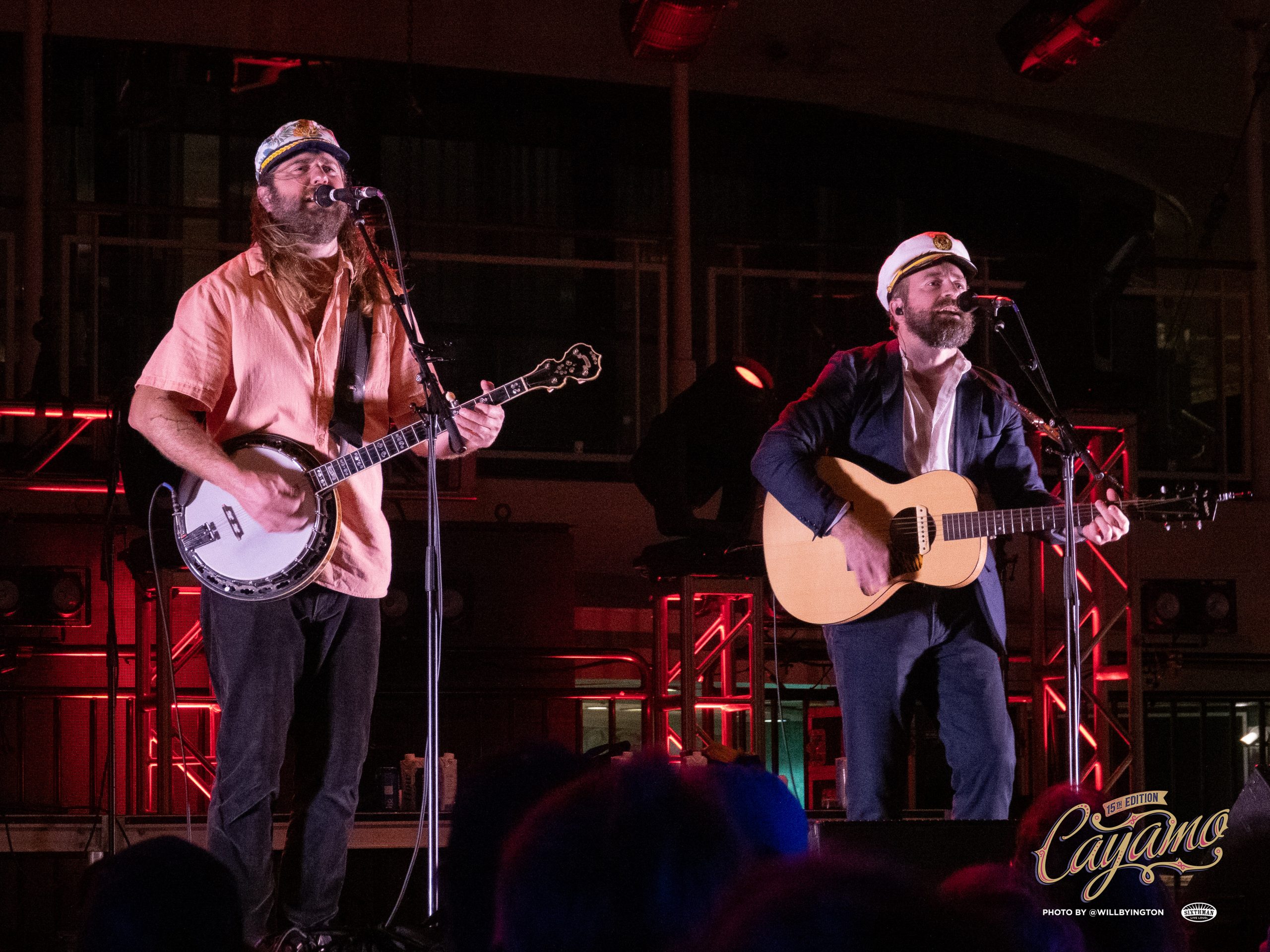
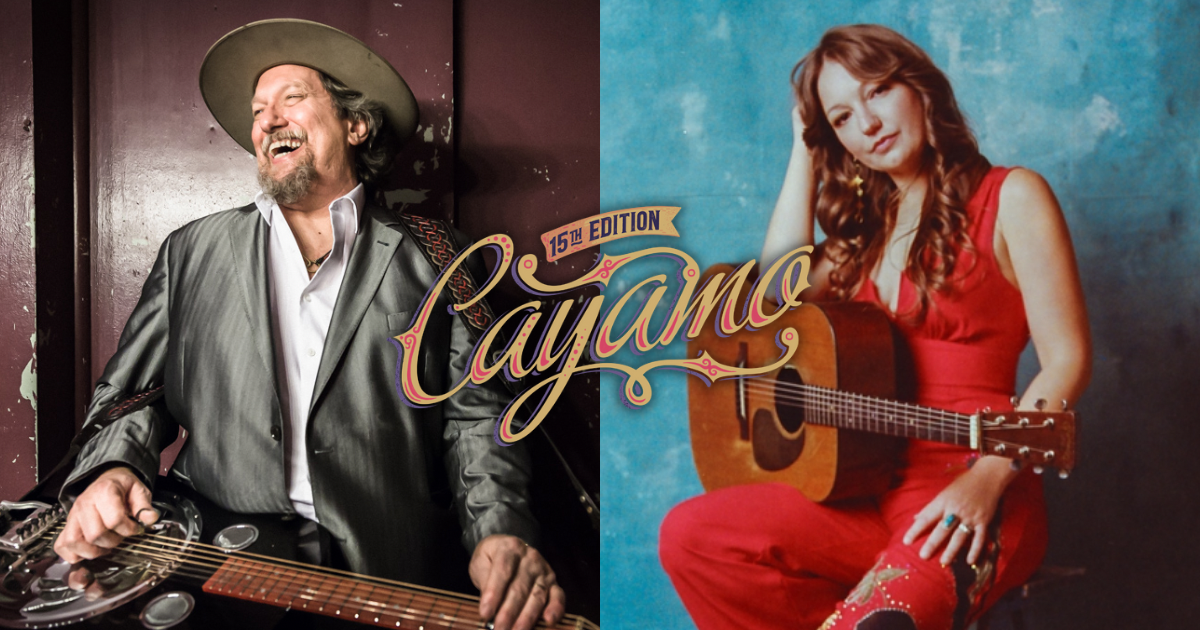
Jerry Douglas and Kelsey Waldon to Host BGS Jams Onboard Cayamo

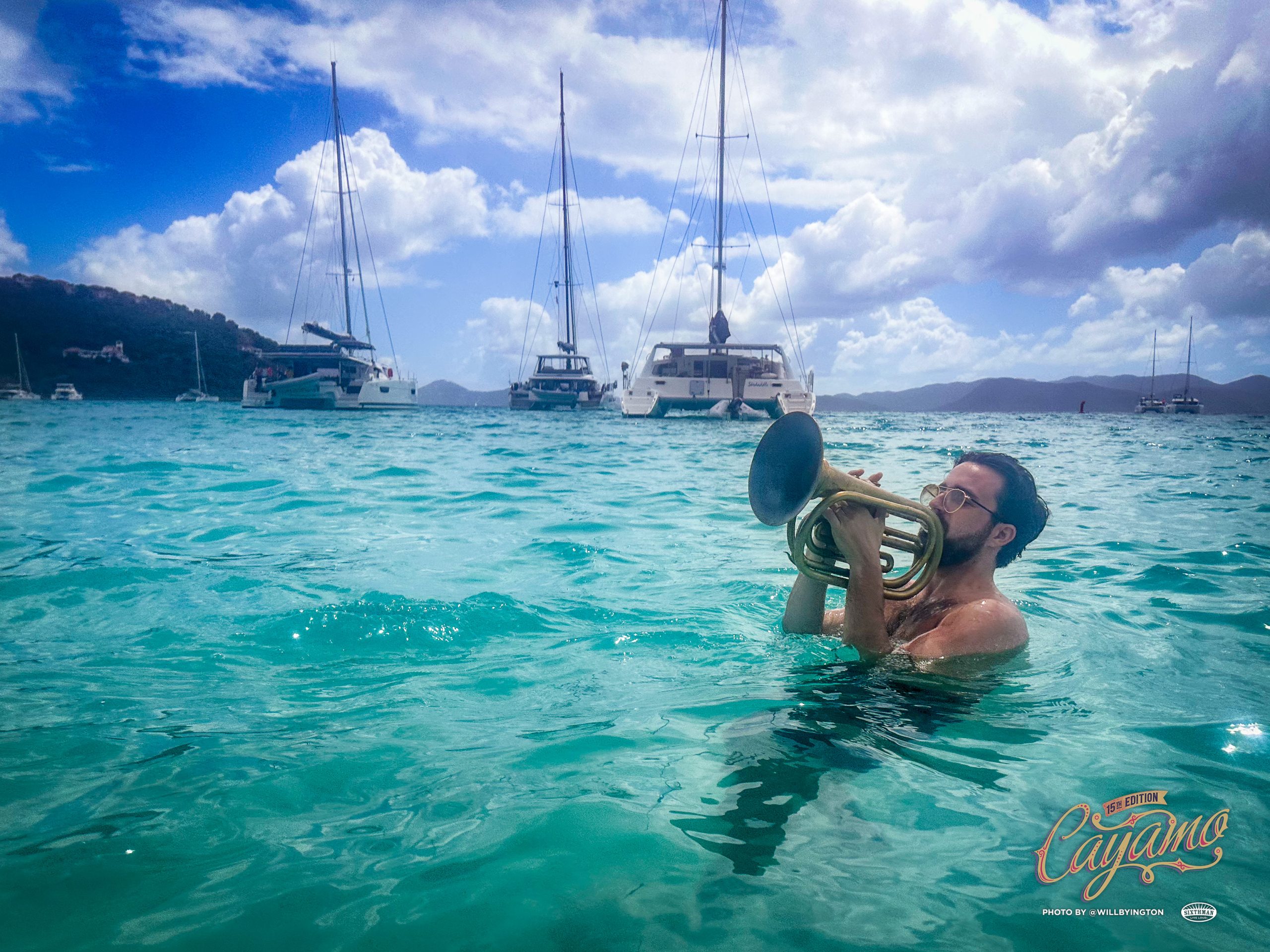
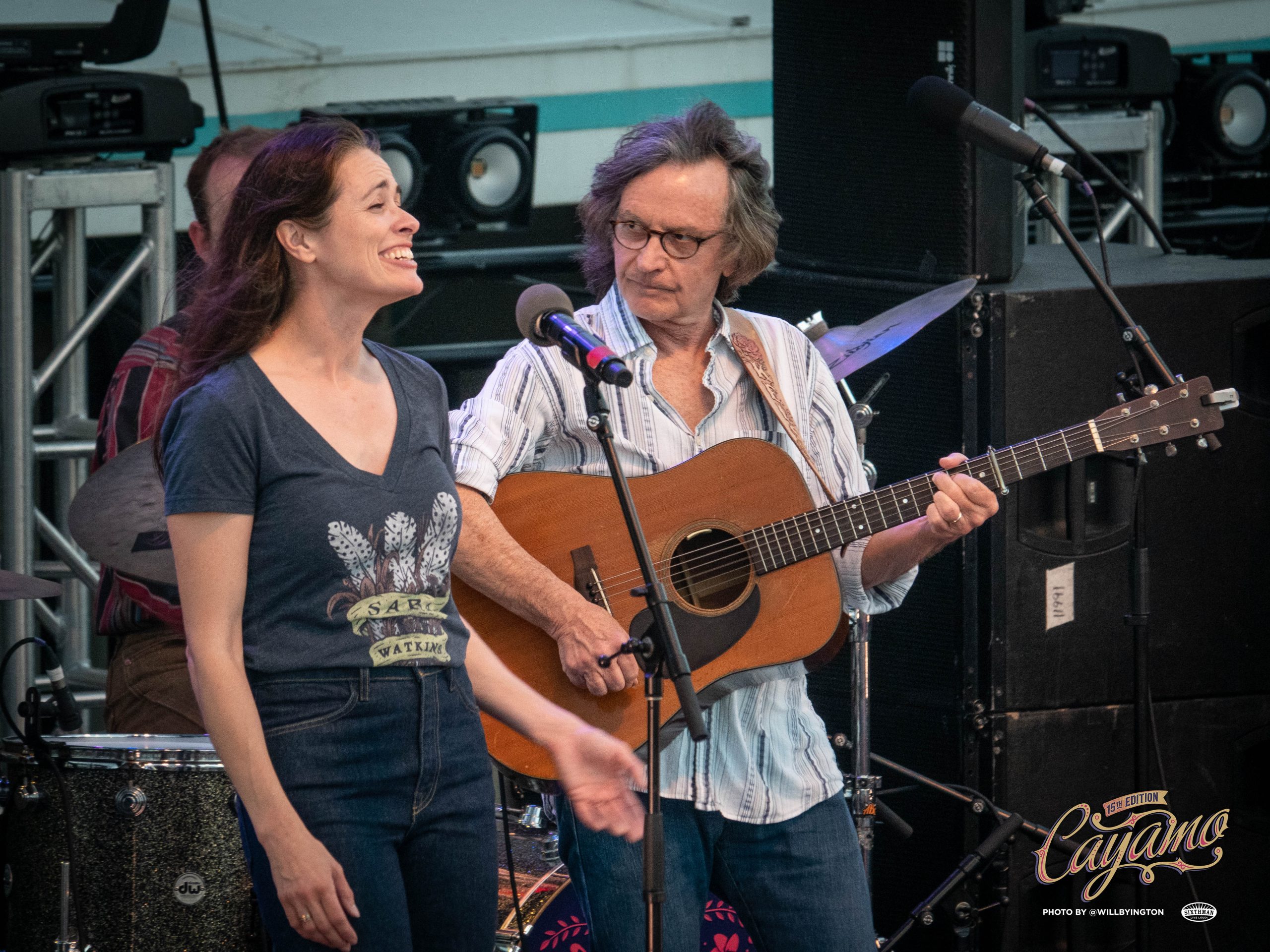
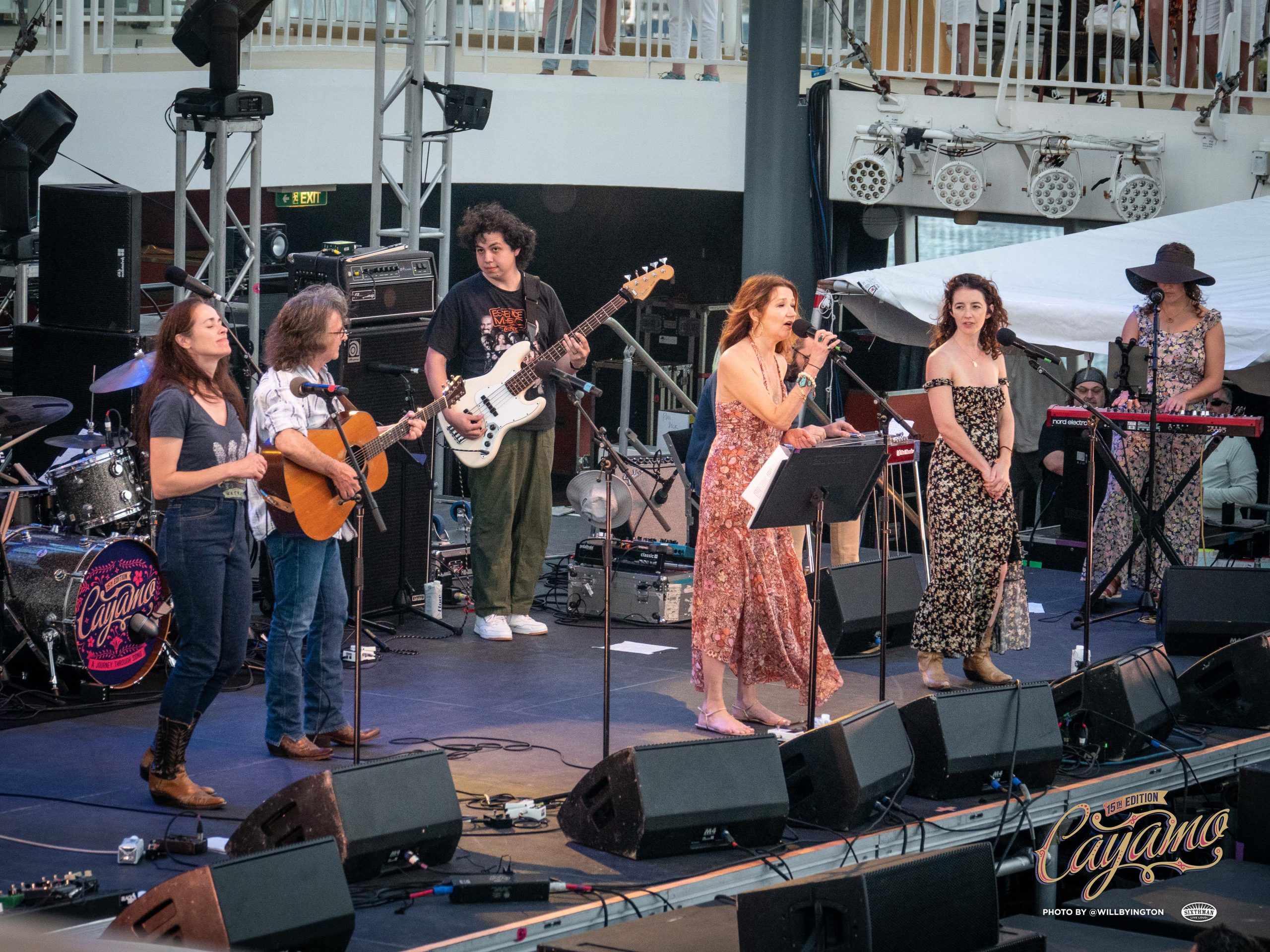
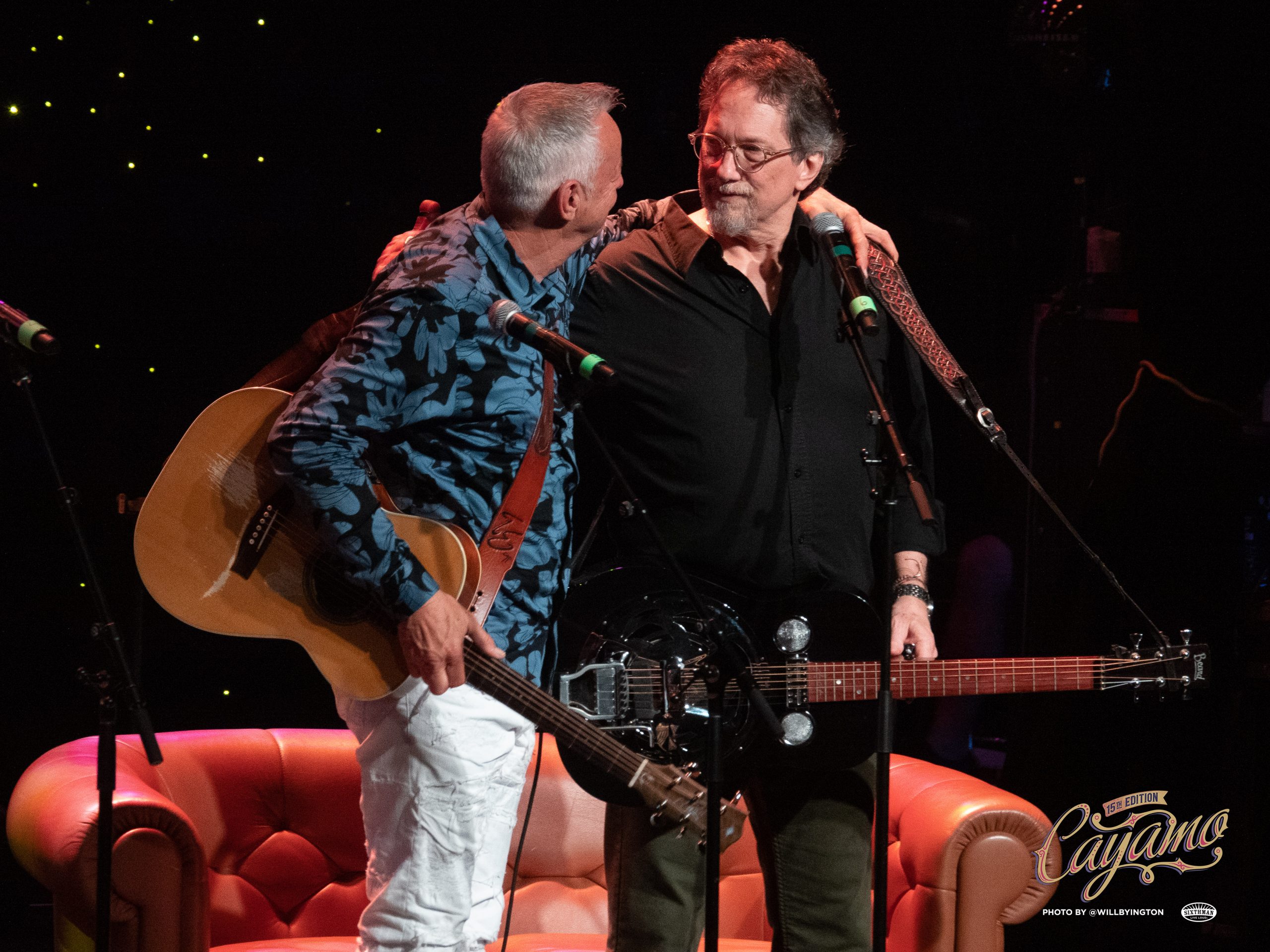
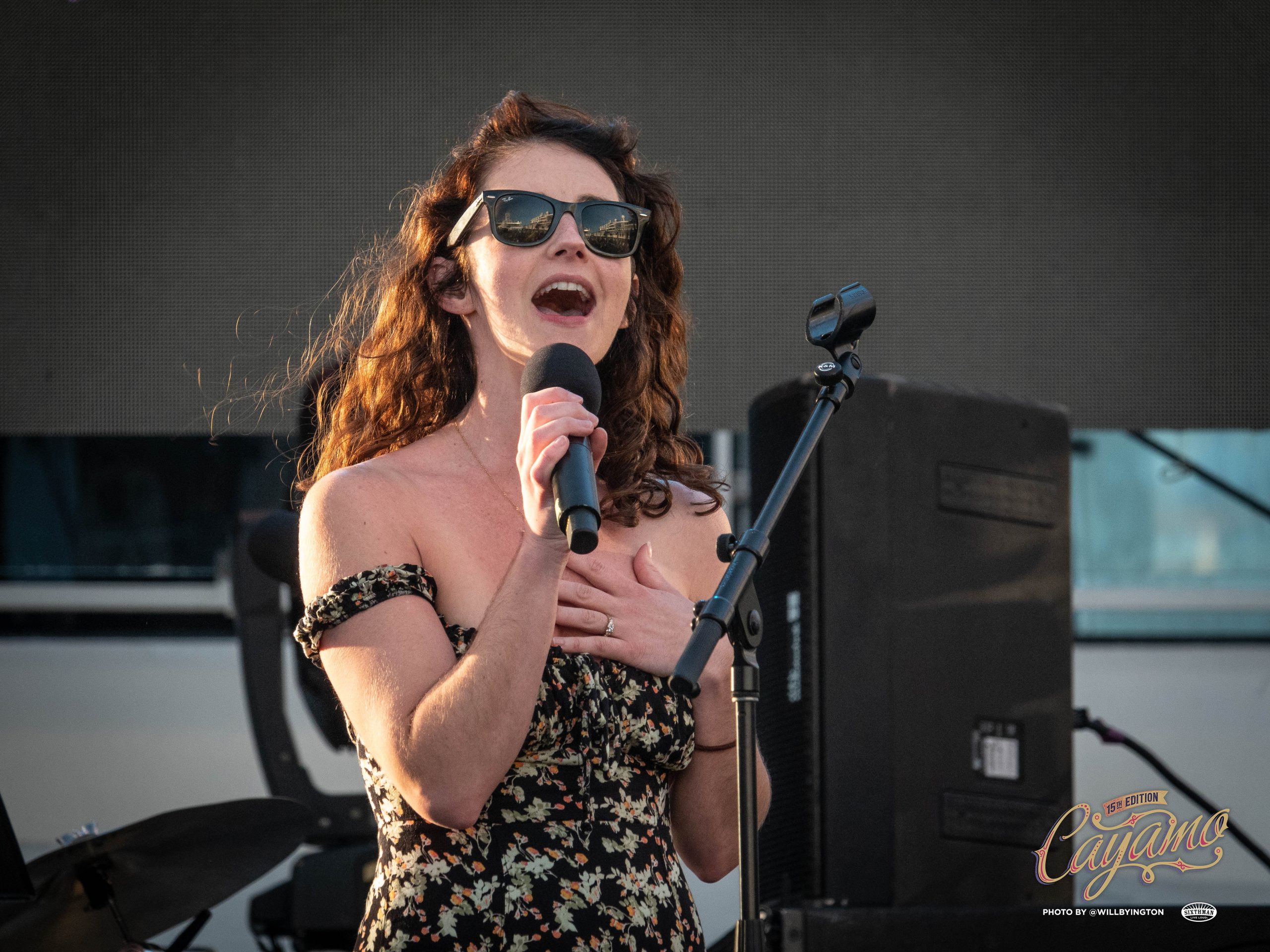
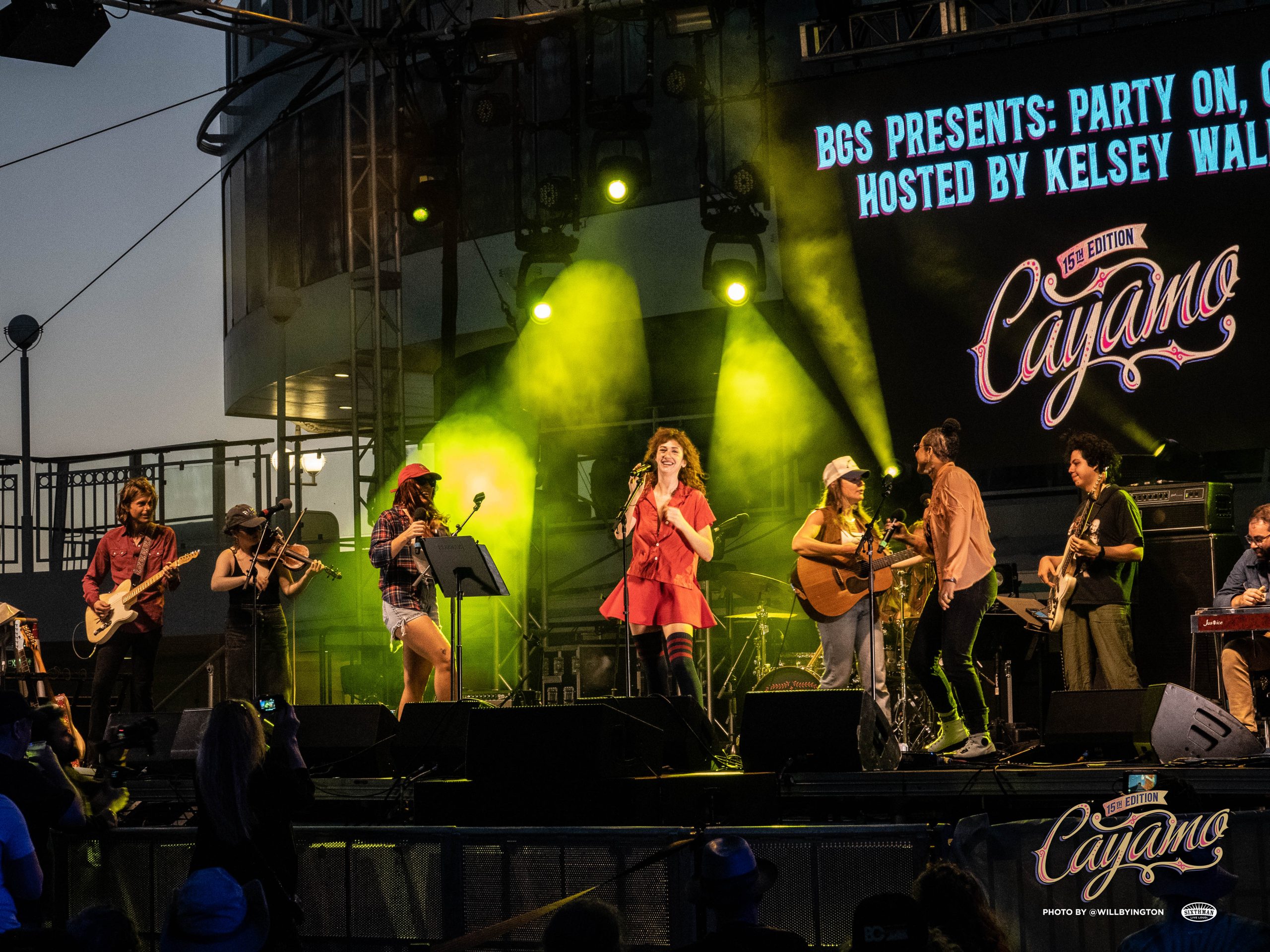
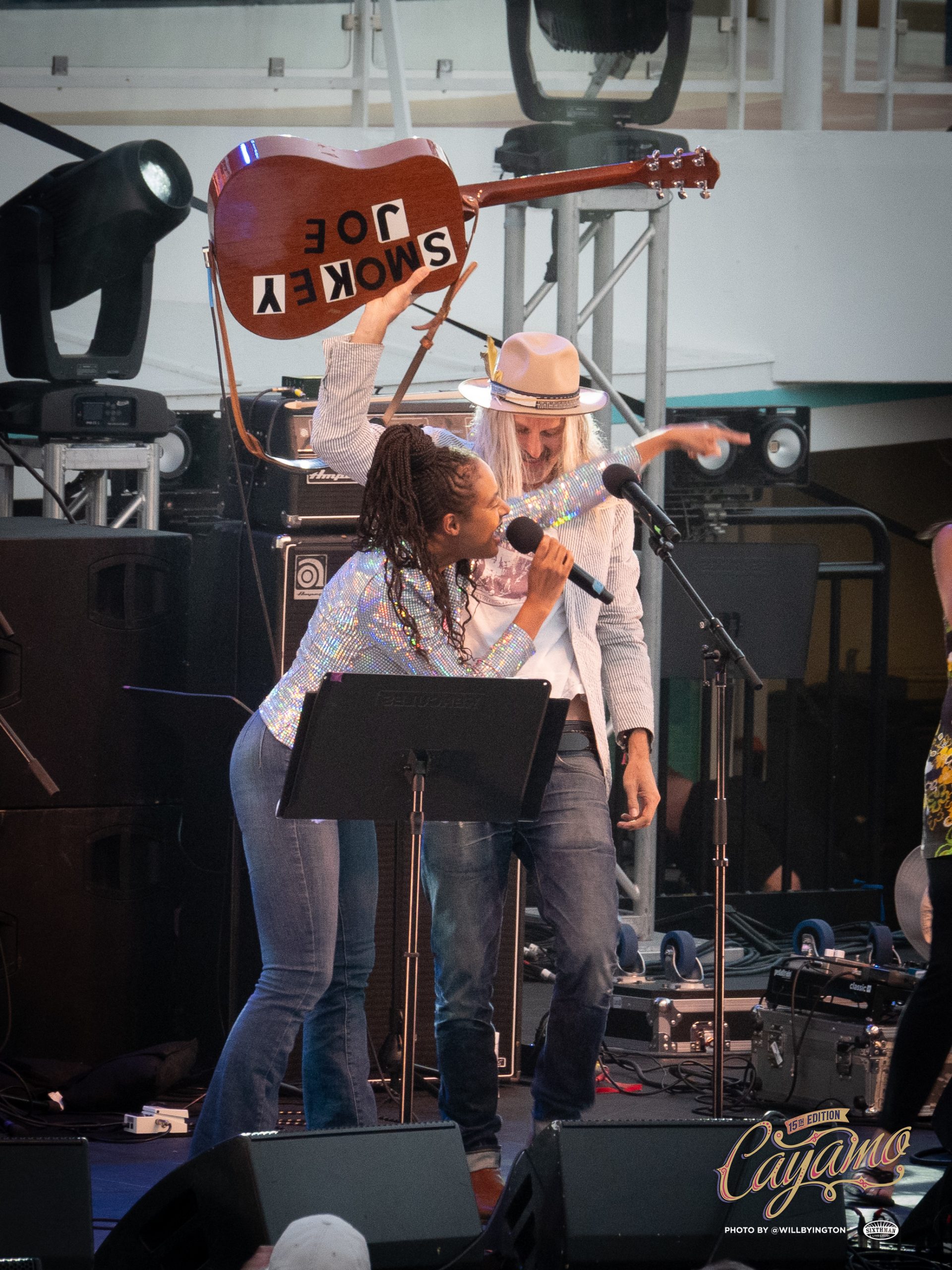
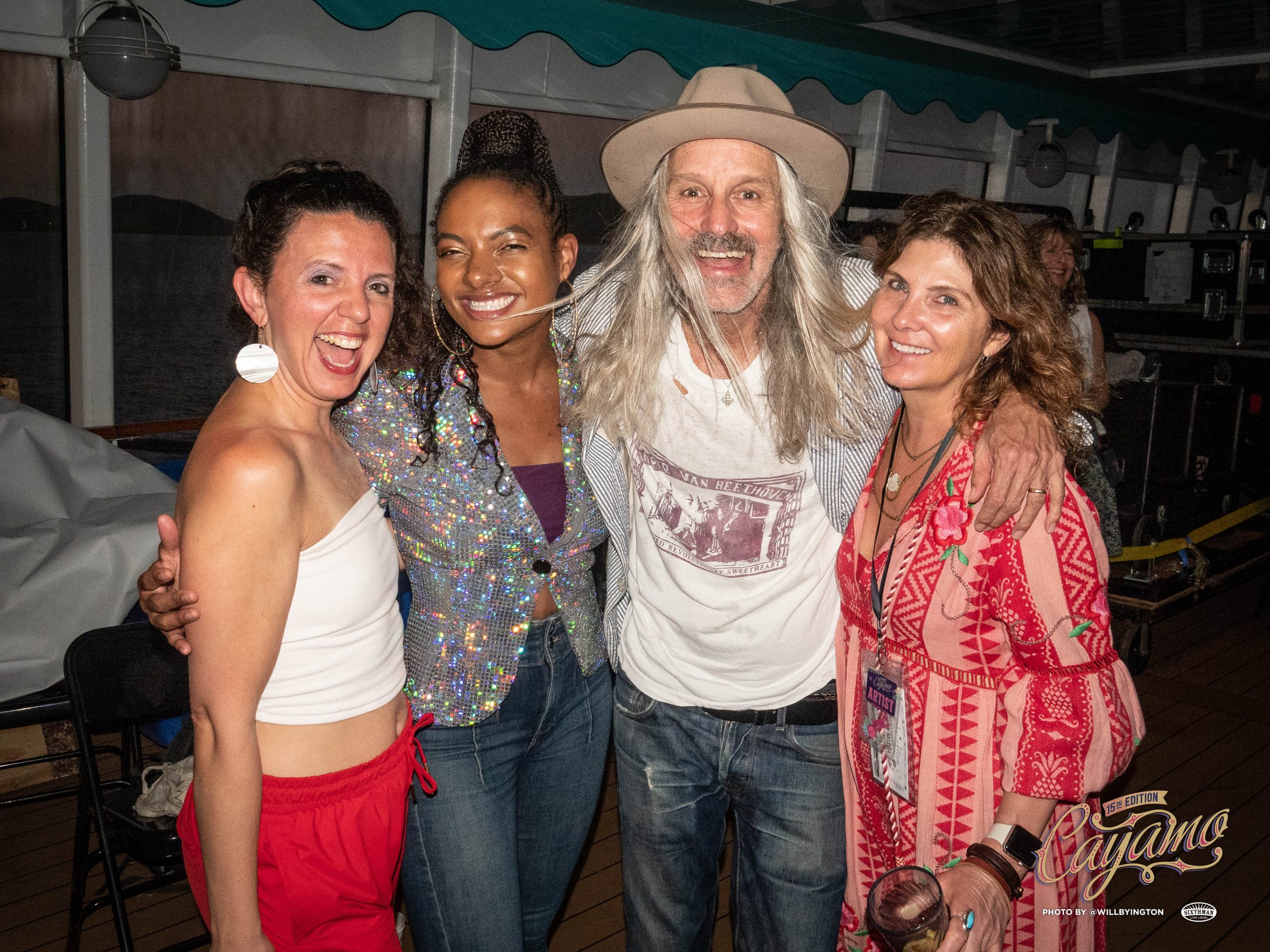
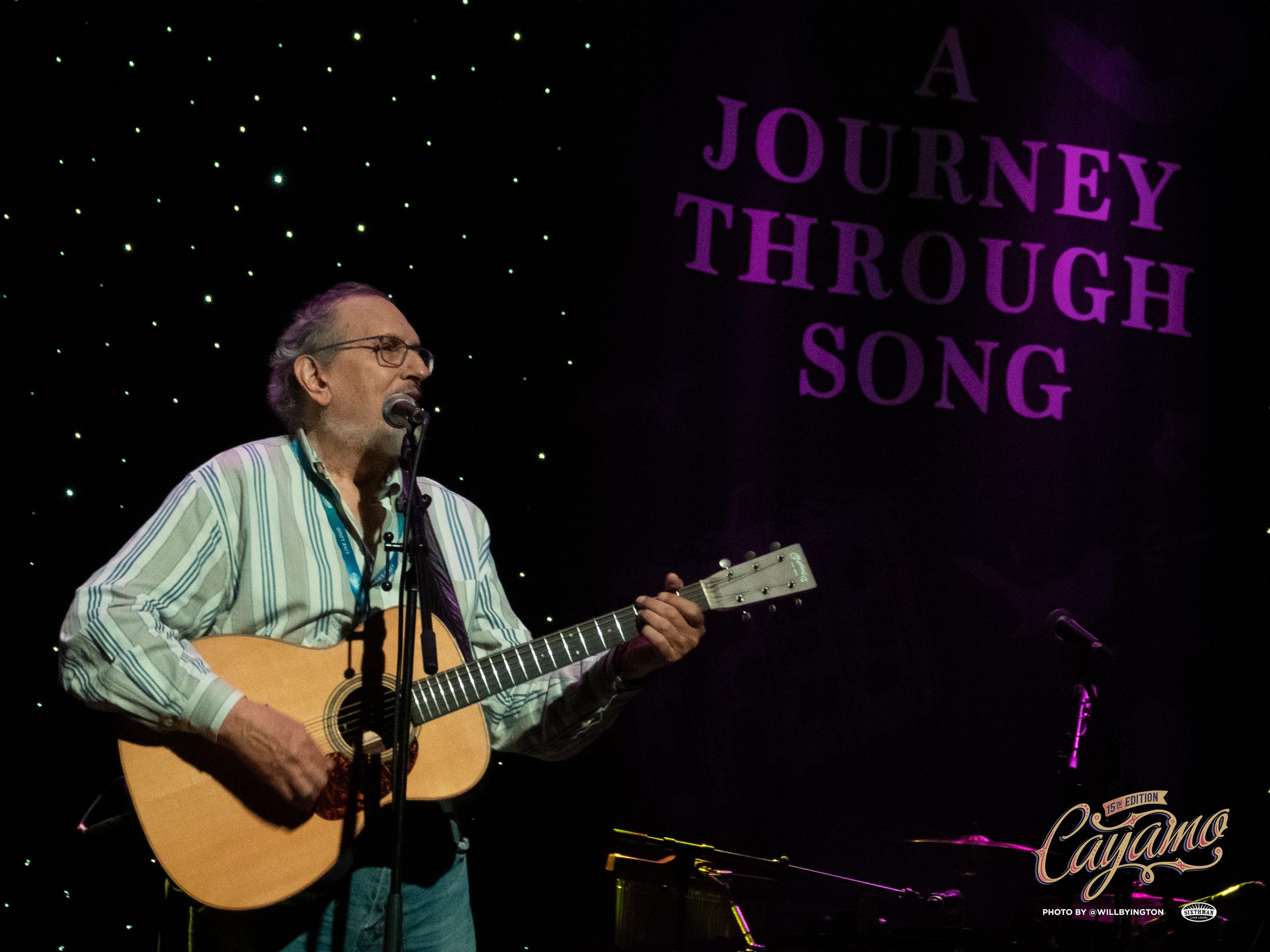
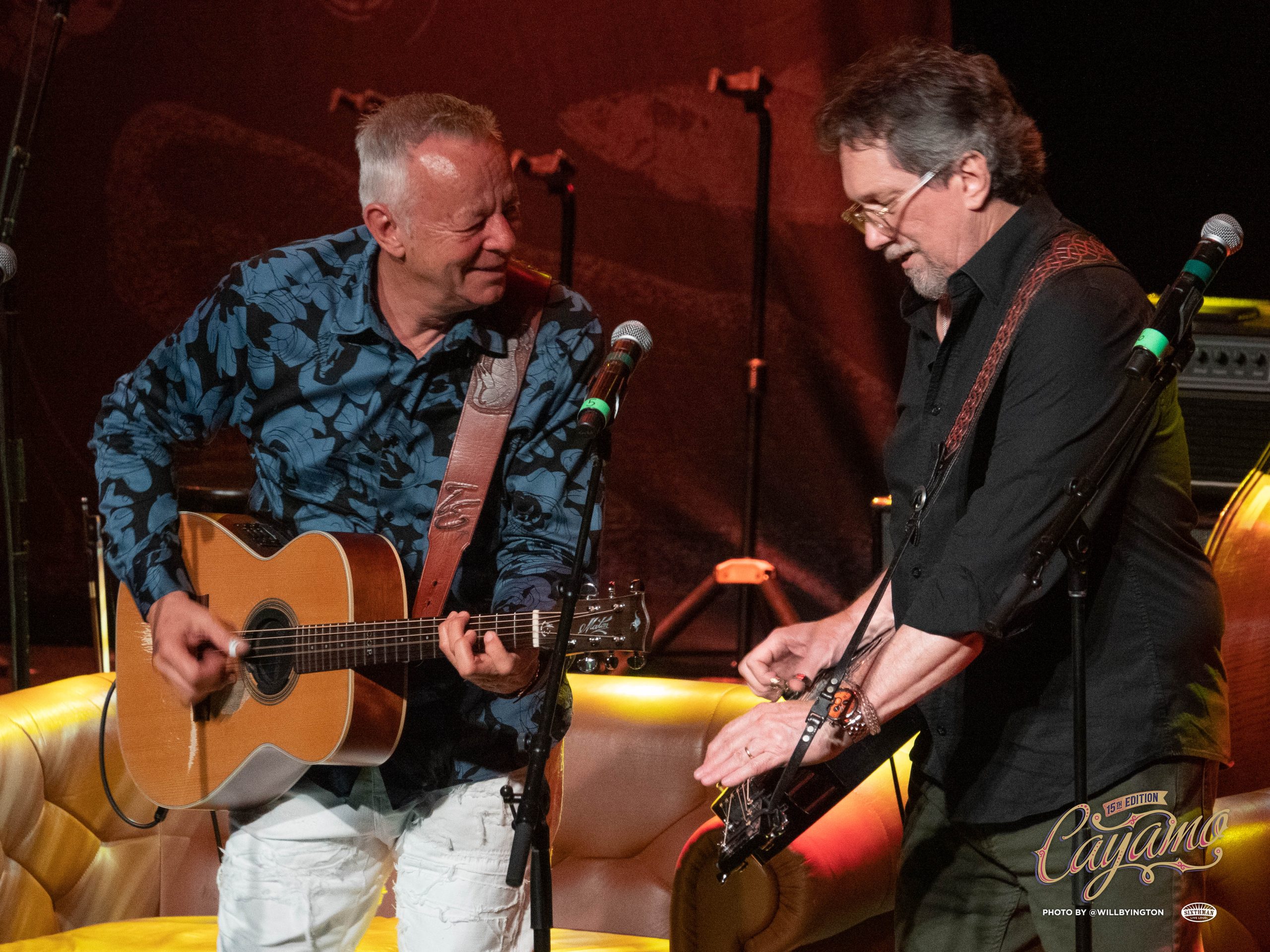
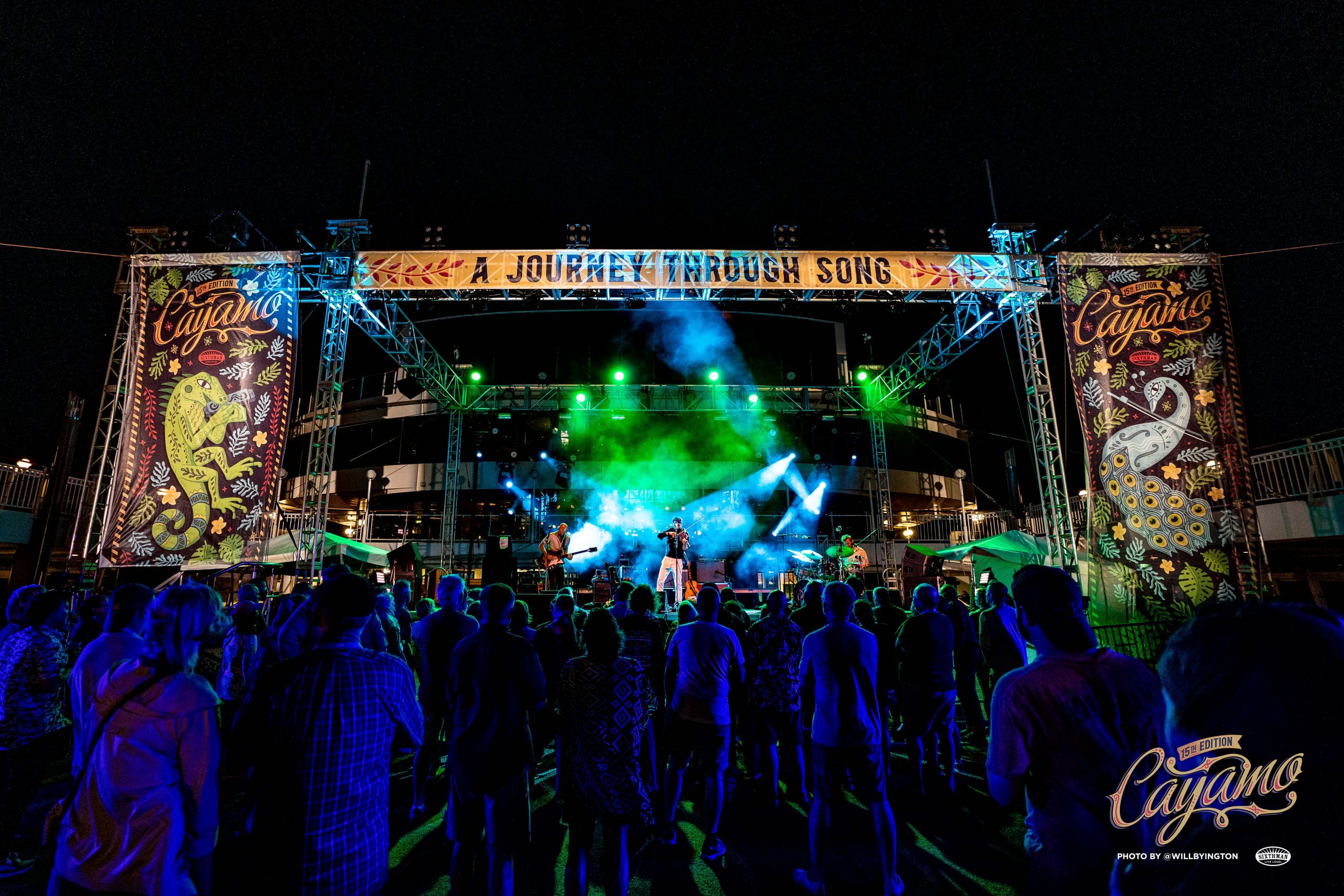
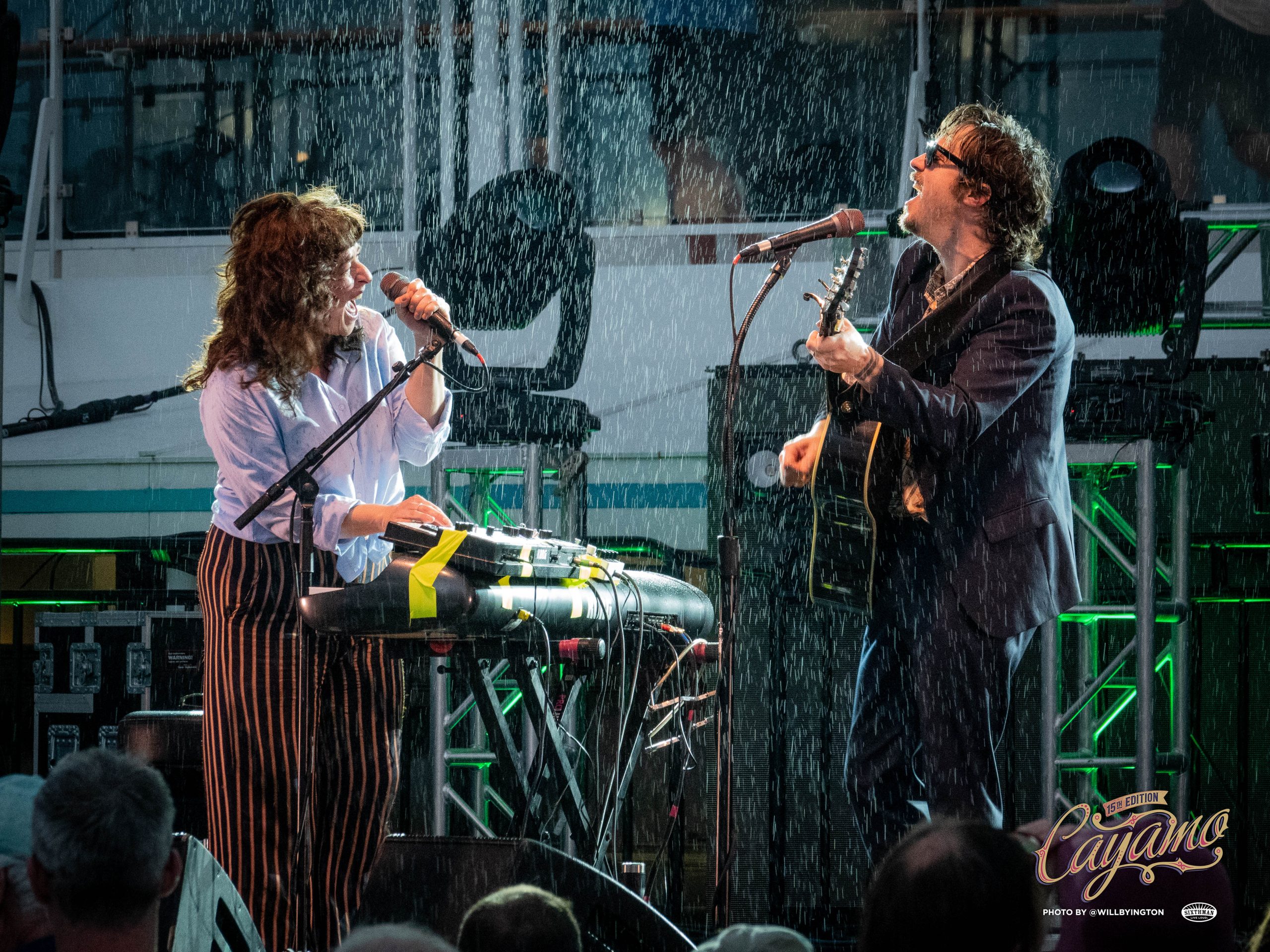
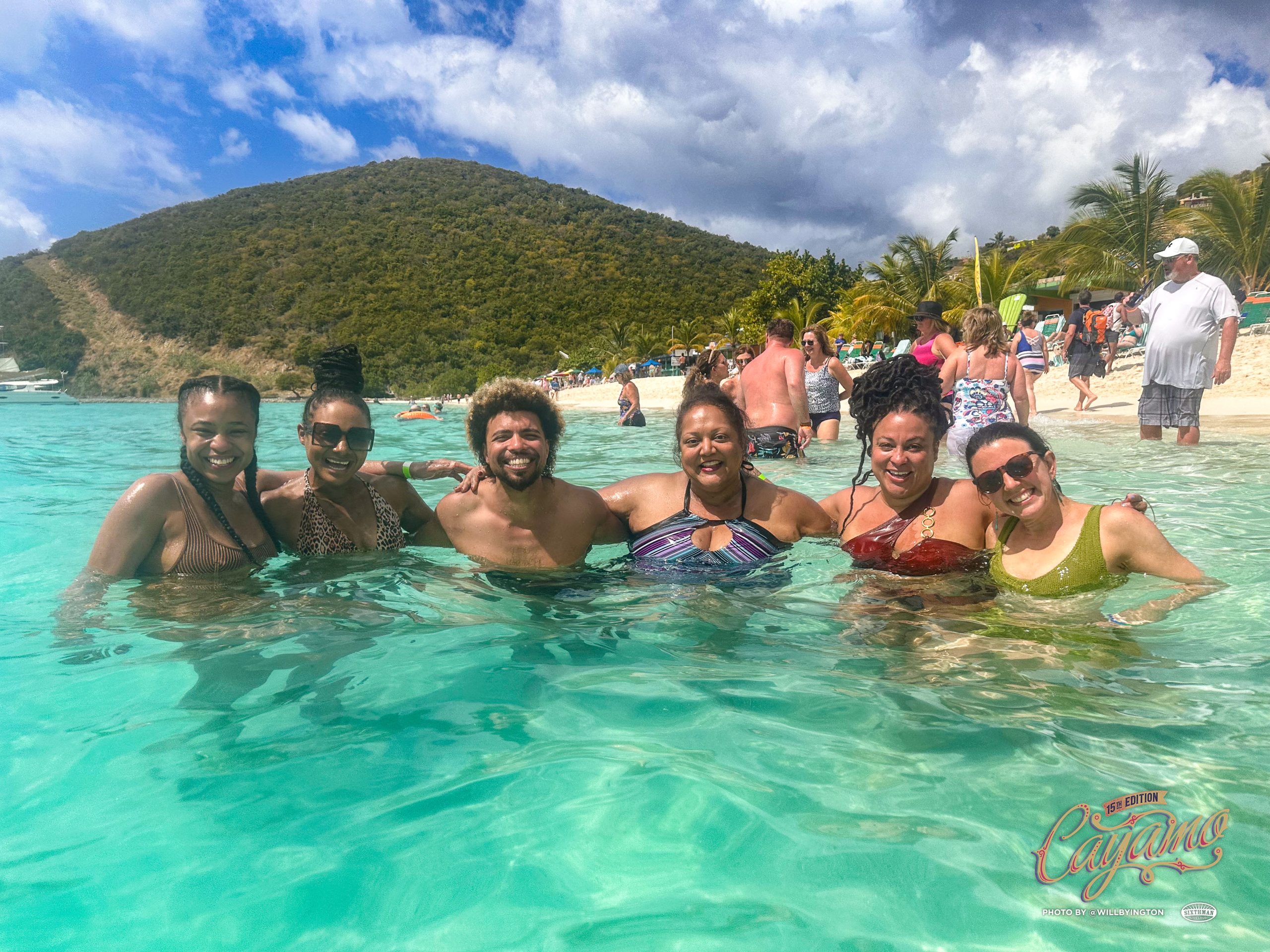
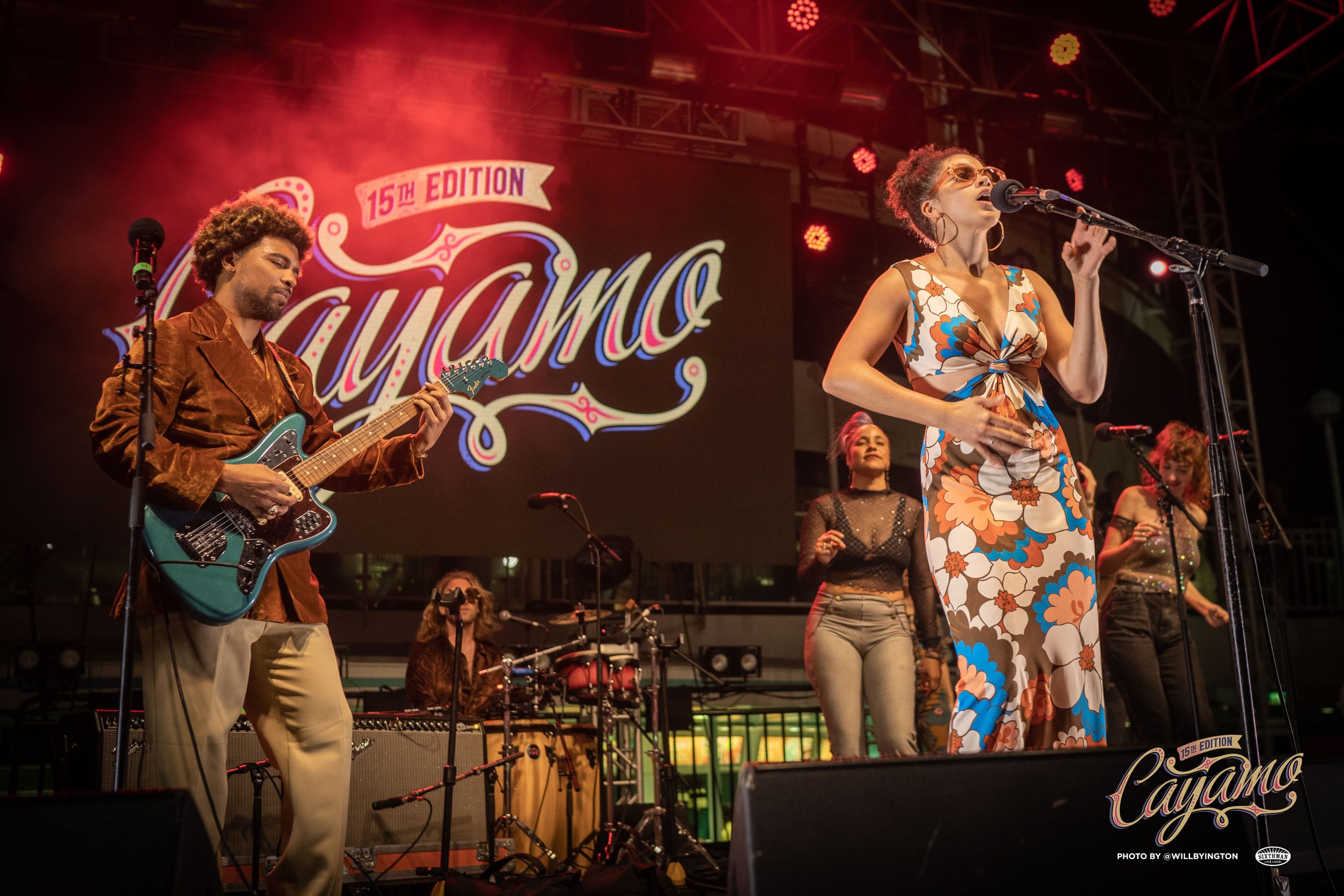
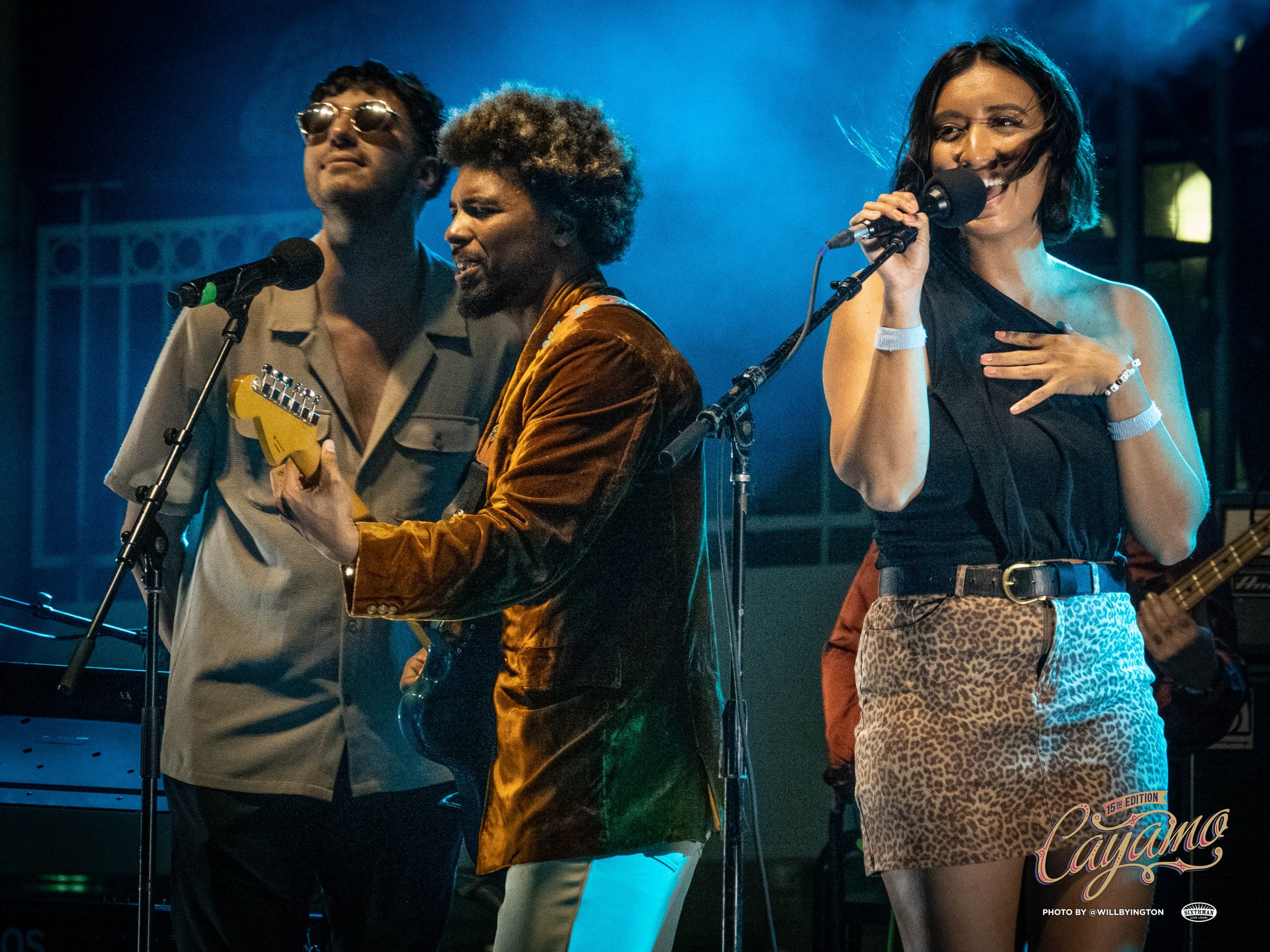
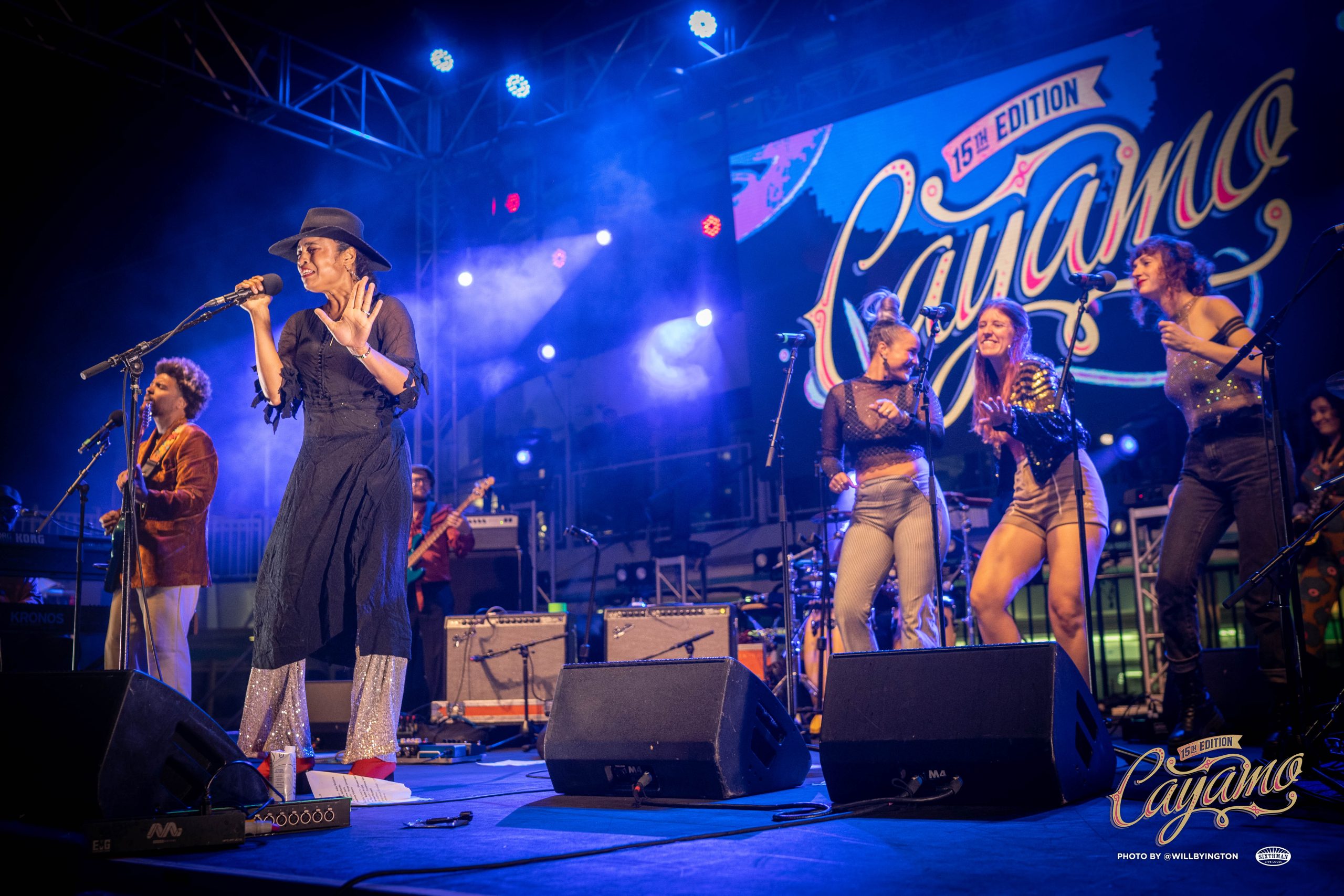
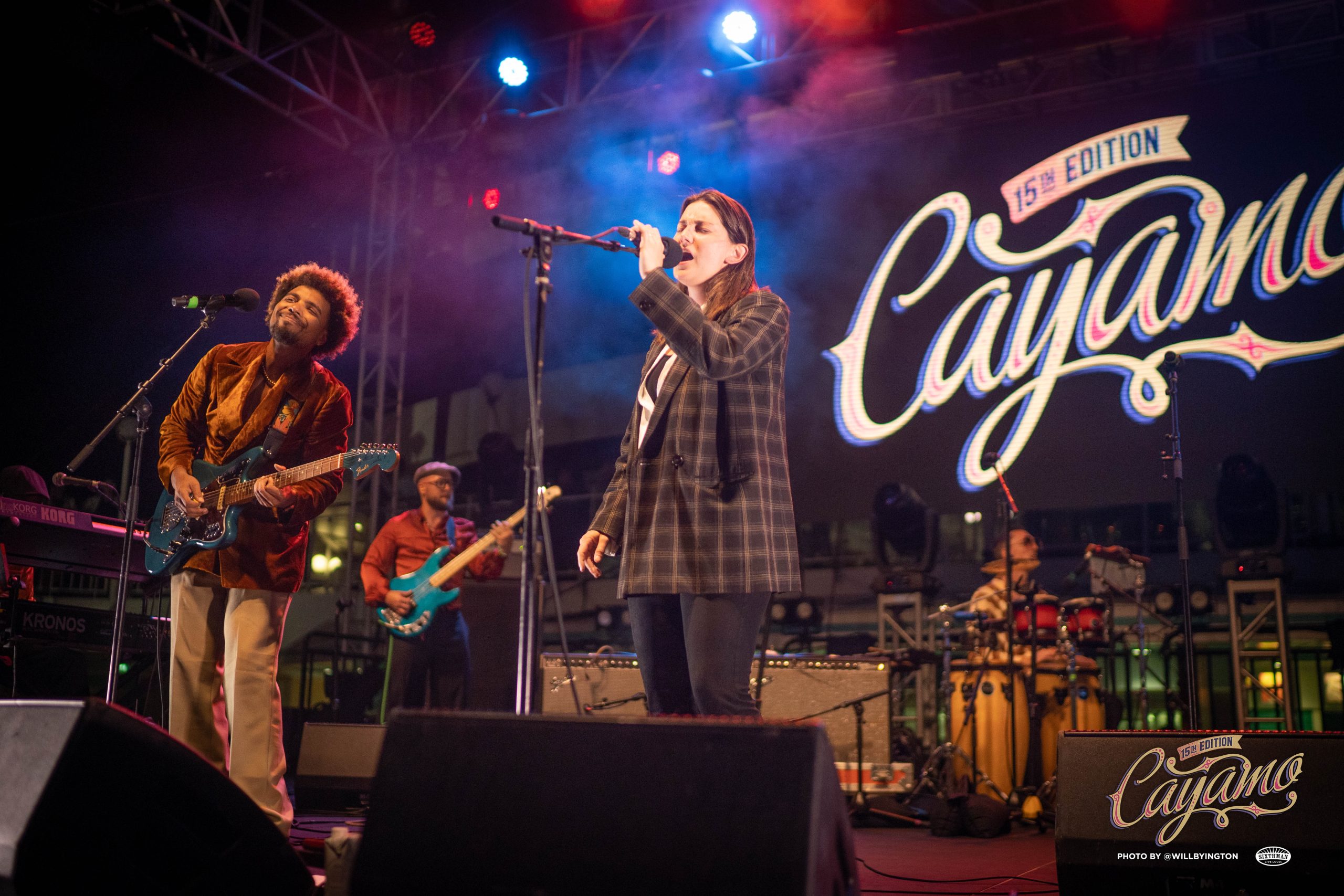
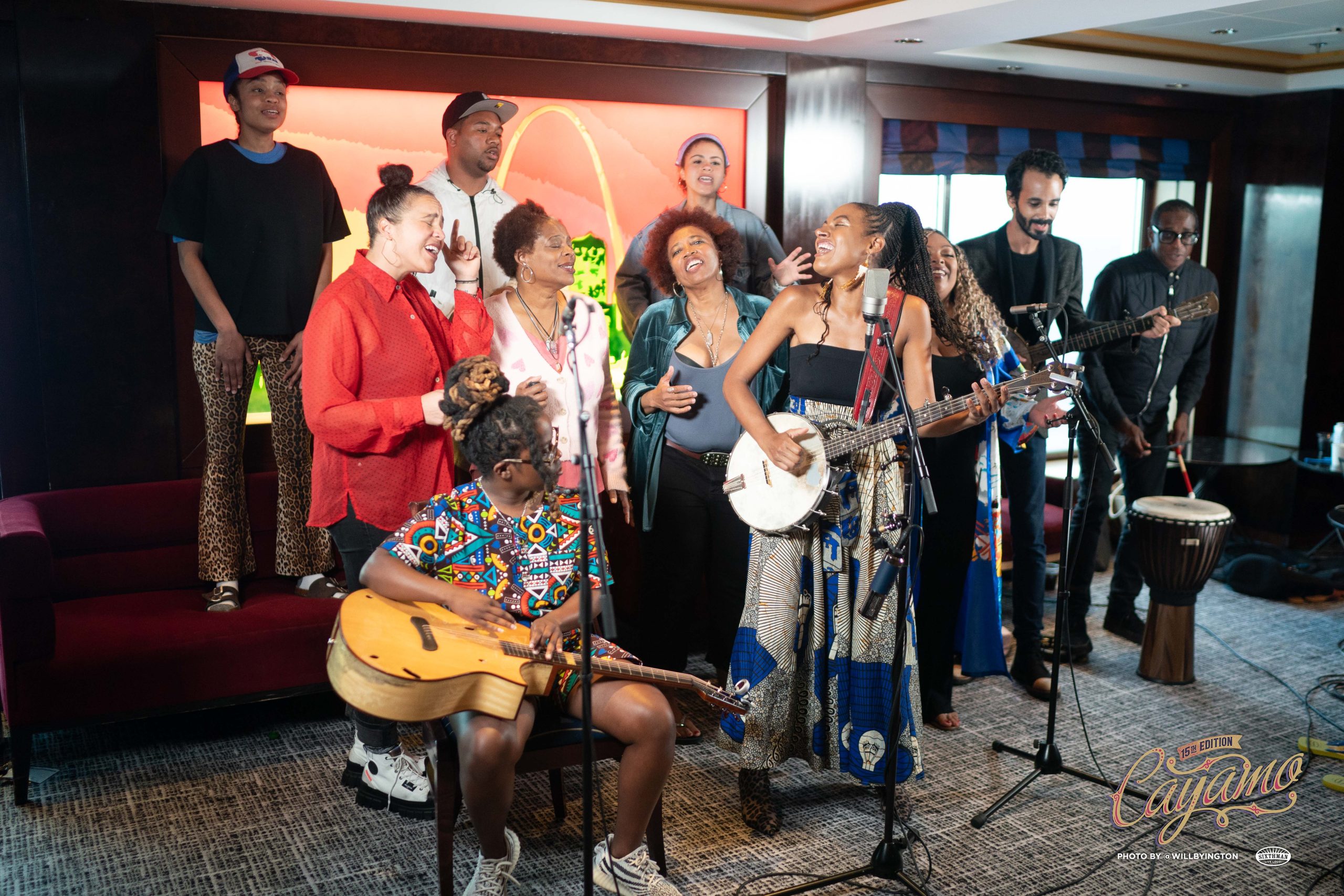
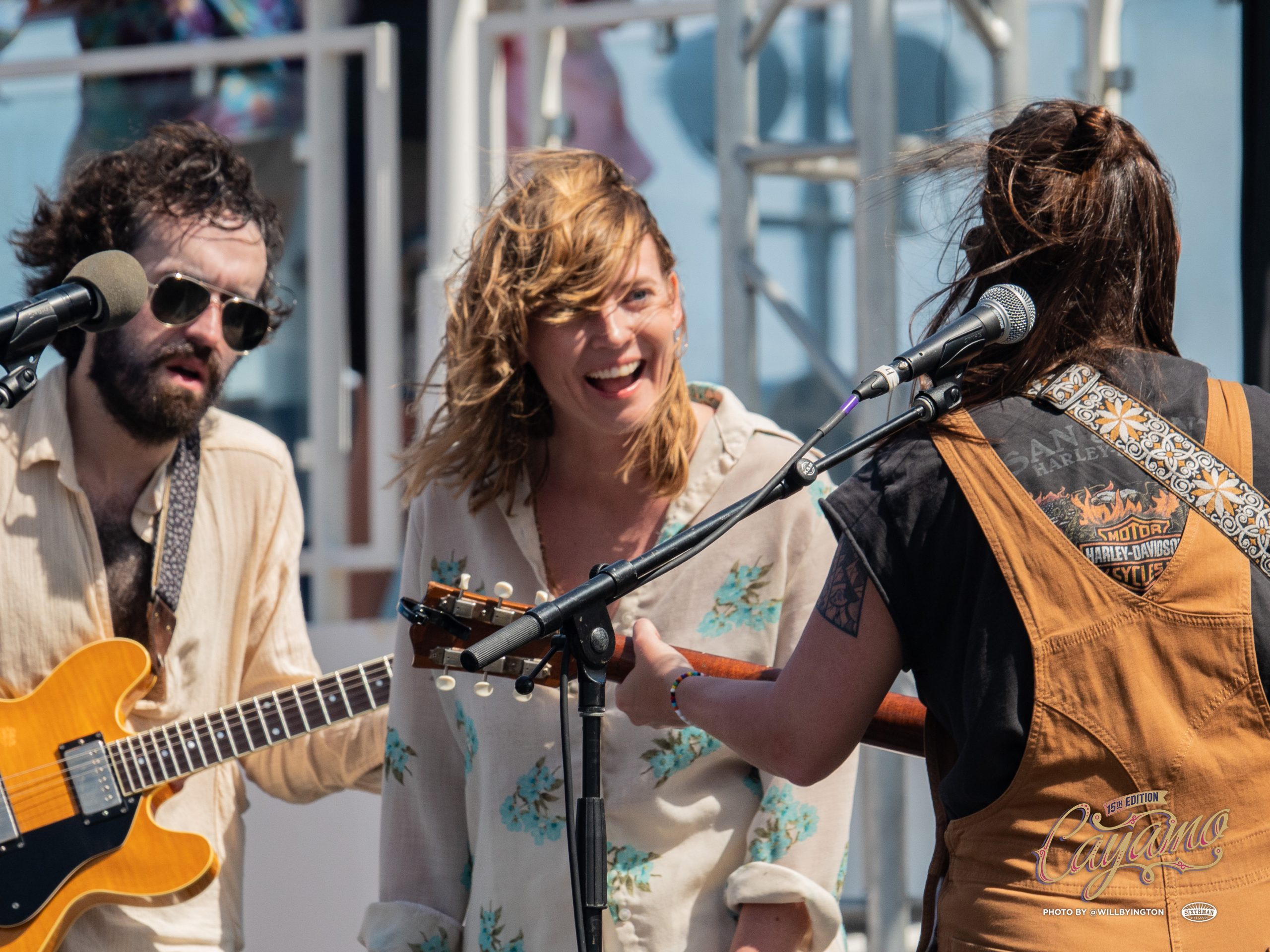
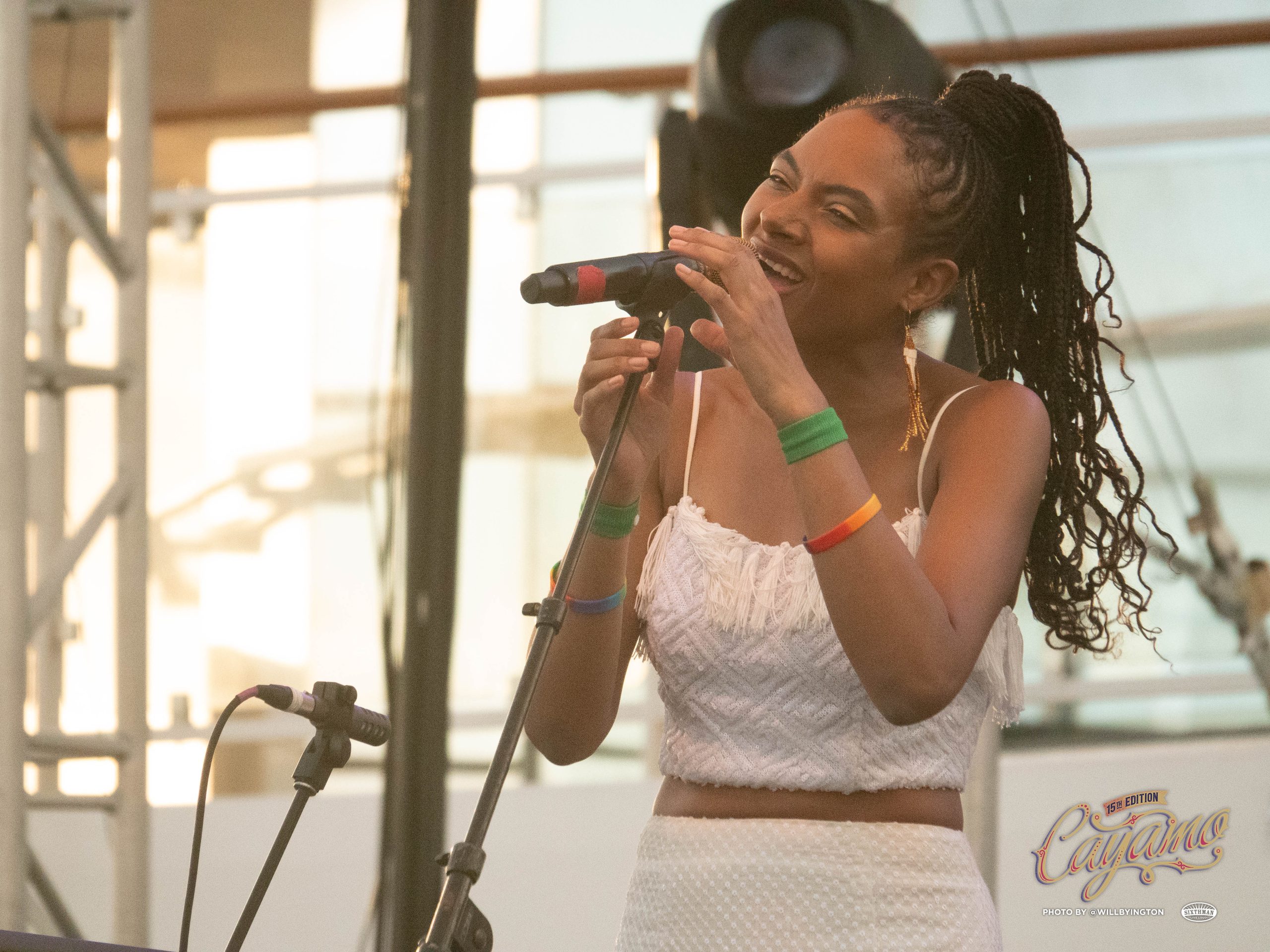
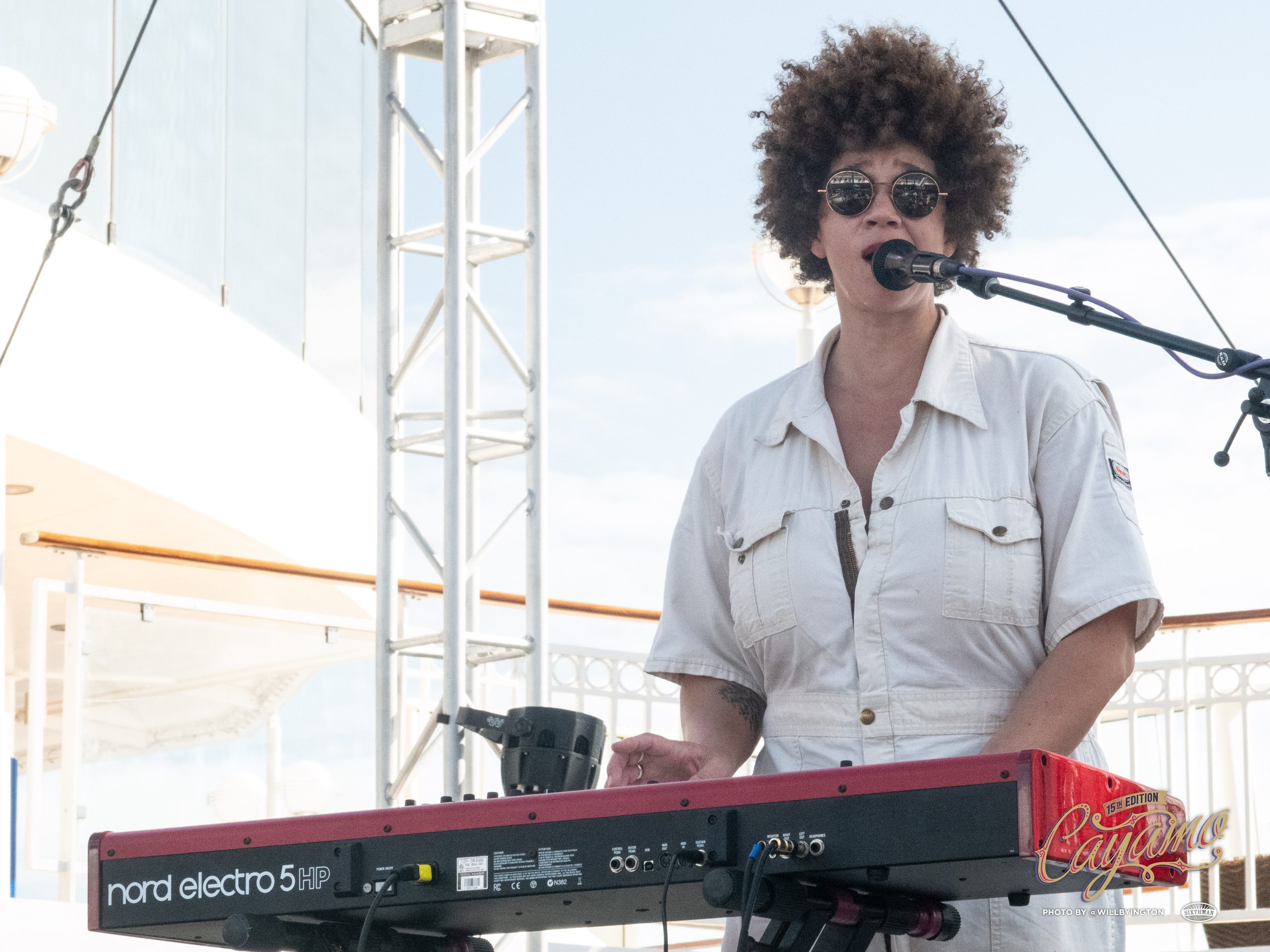
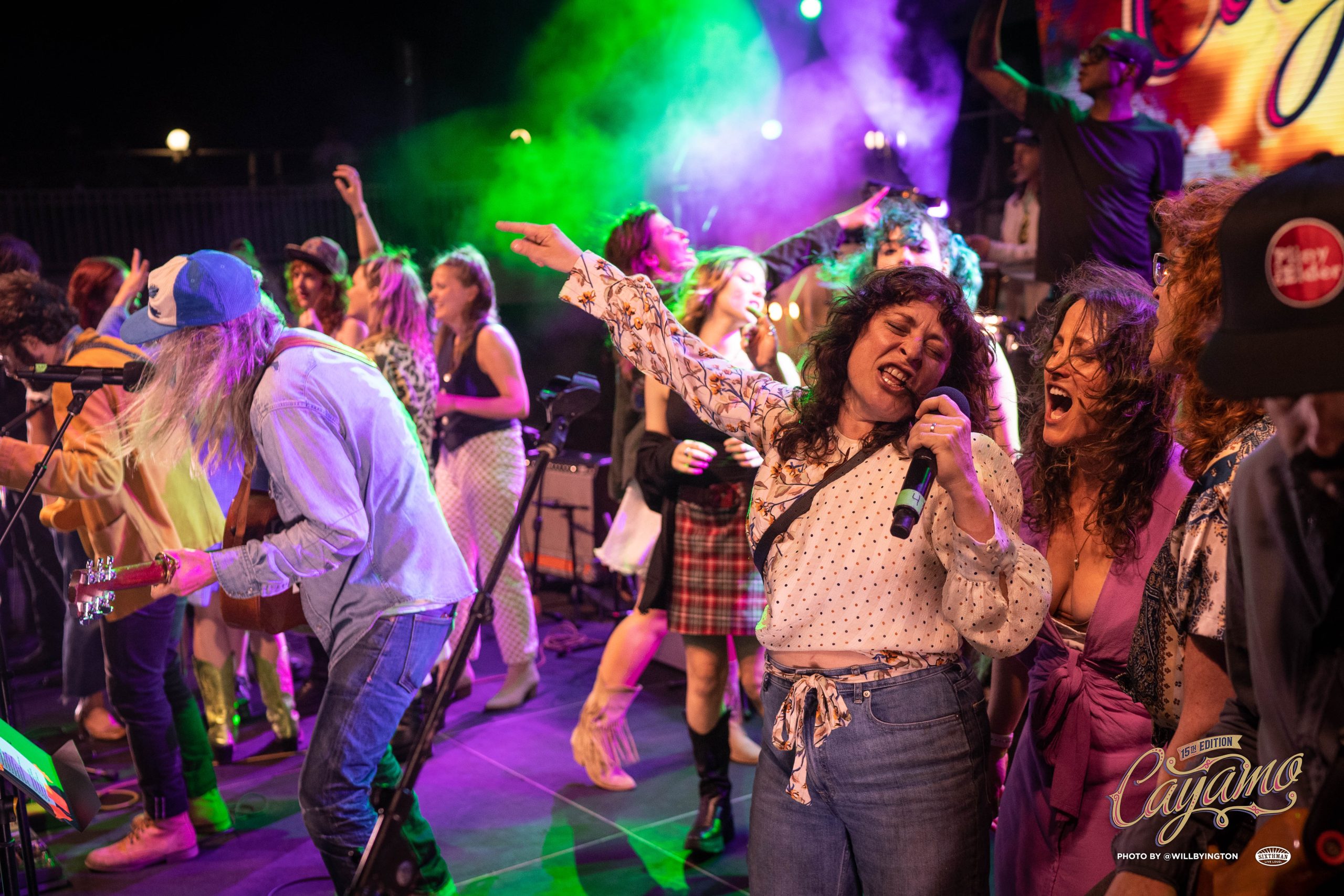
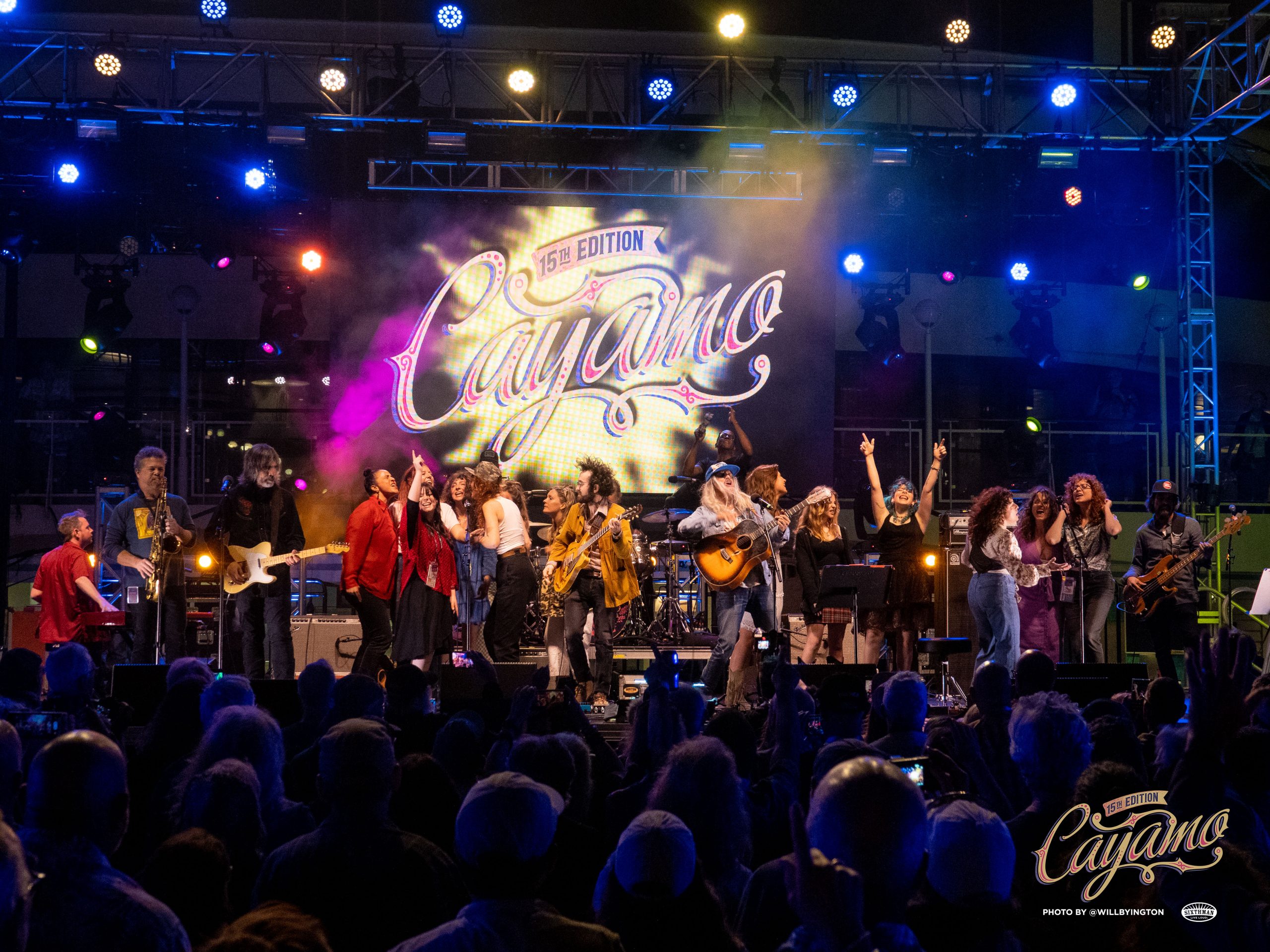
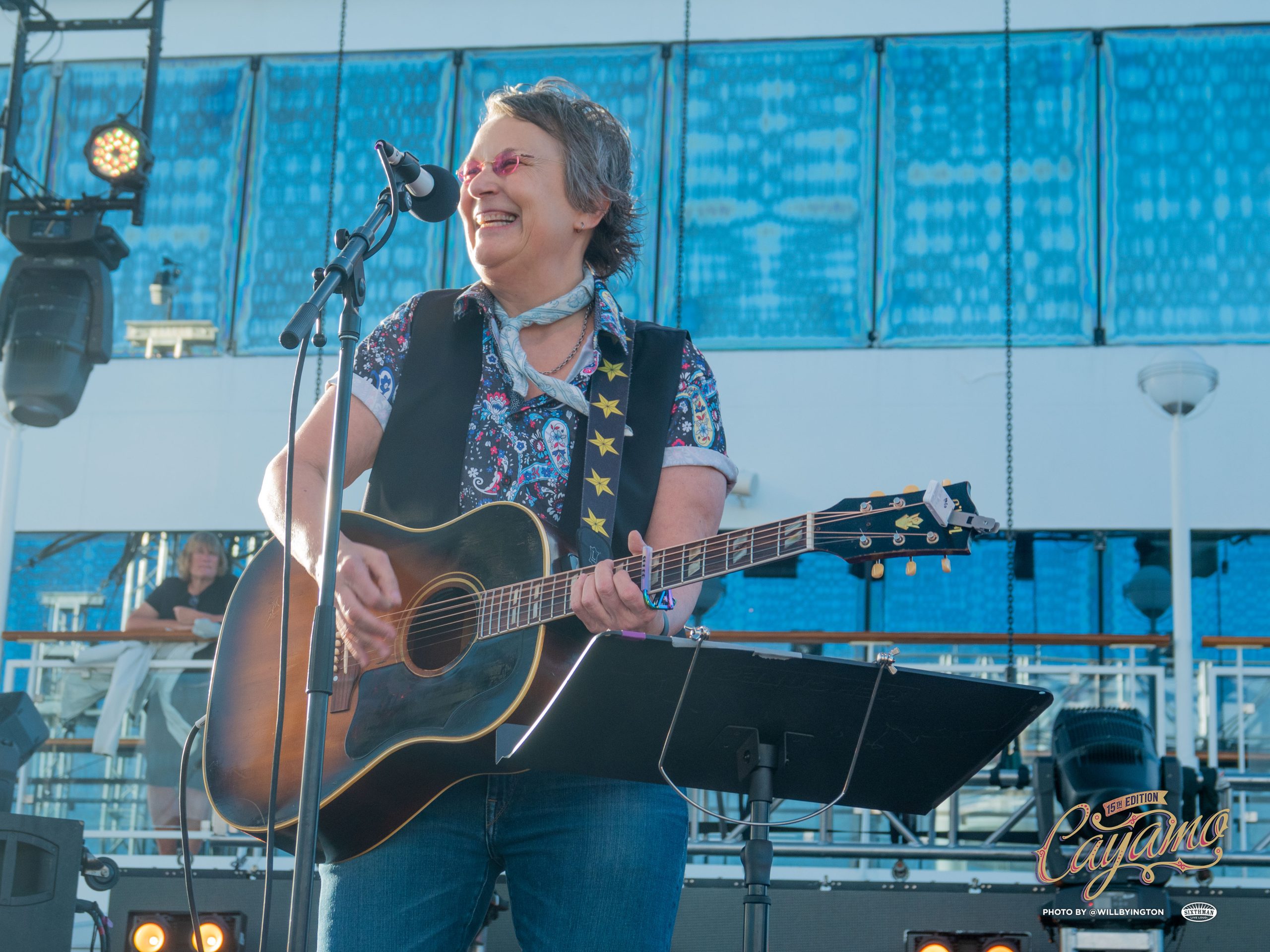
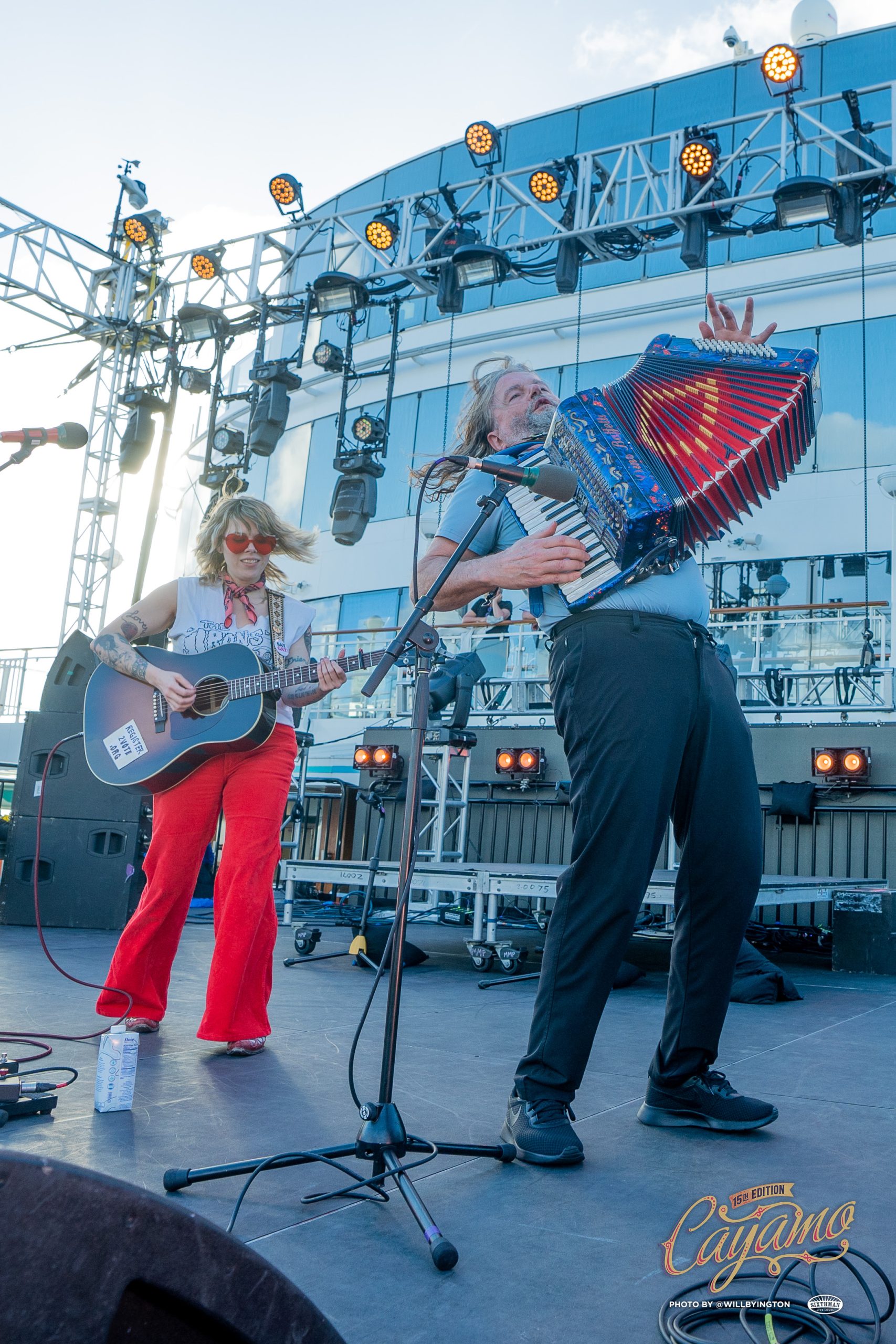
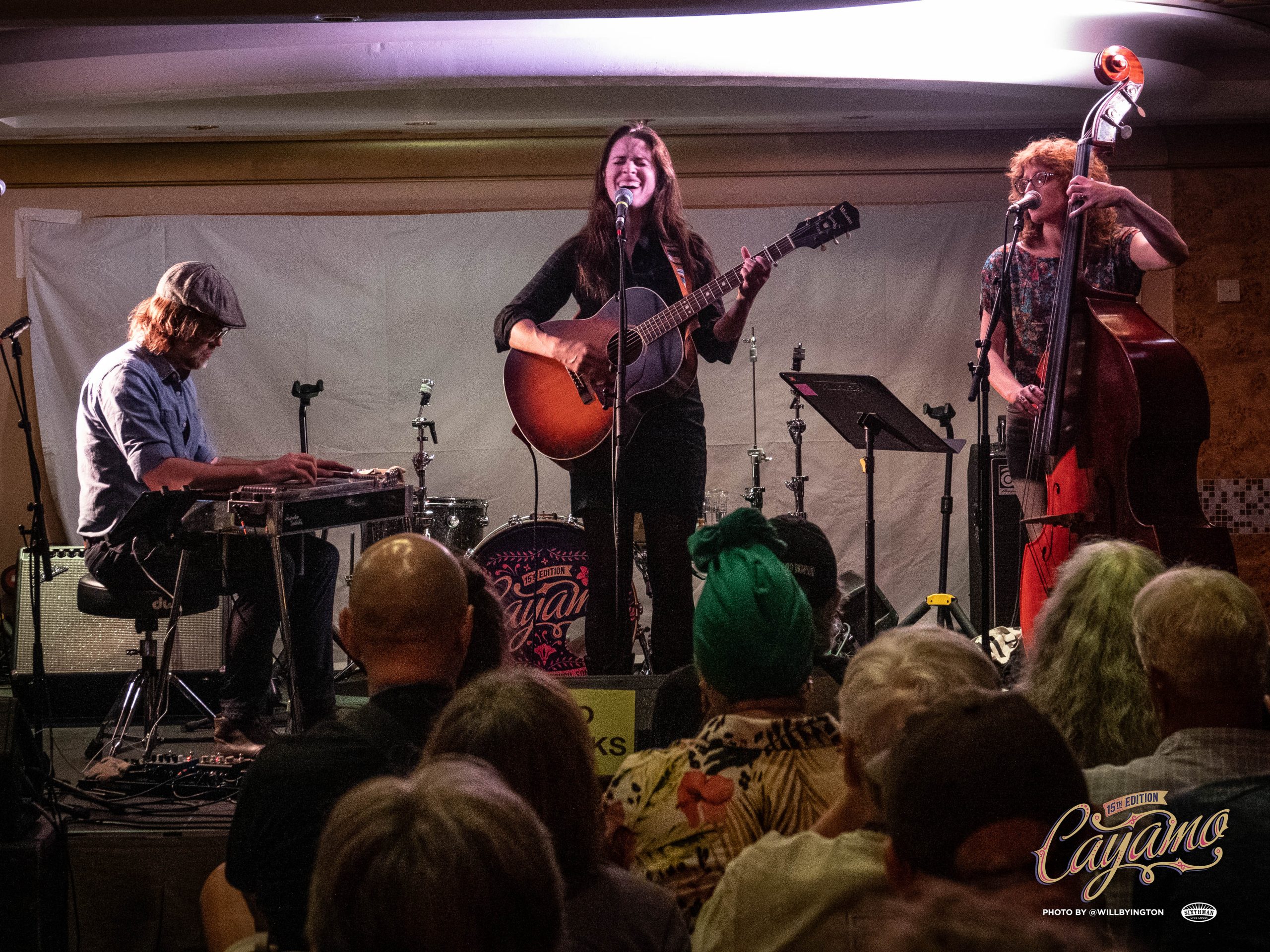
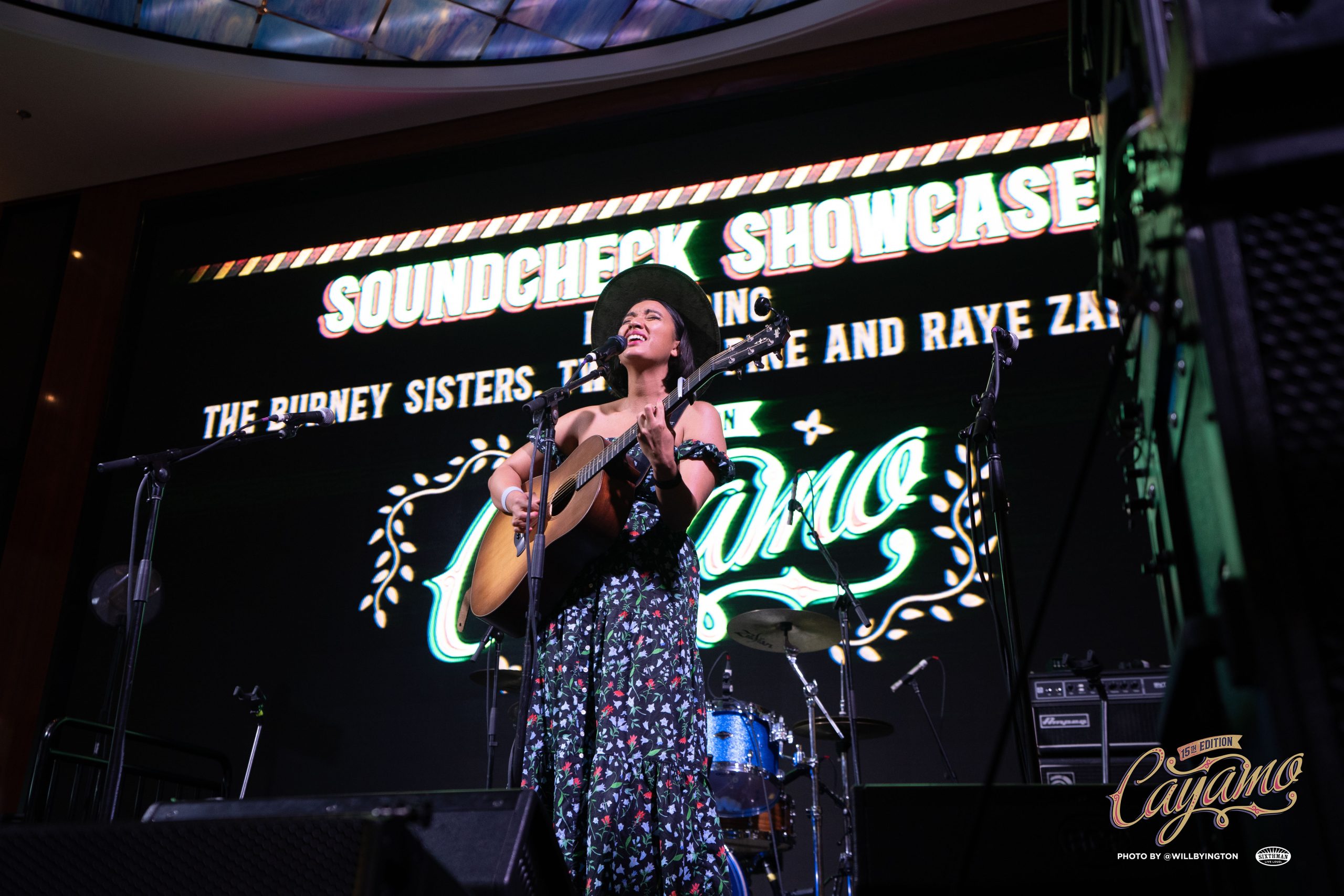
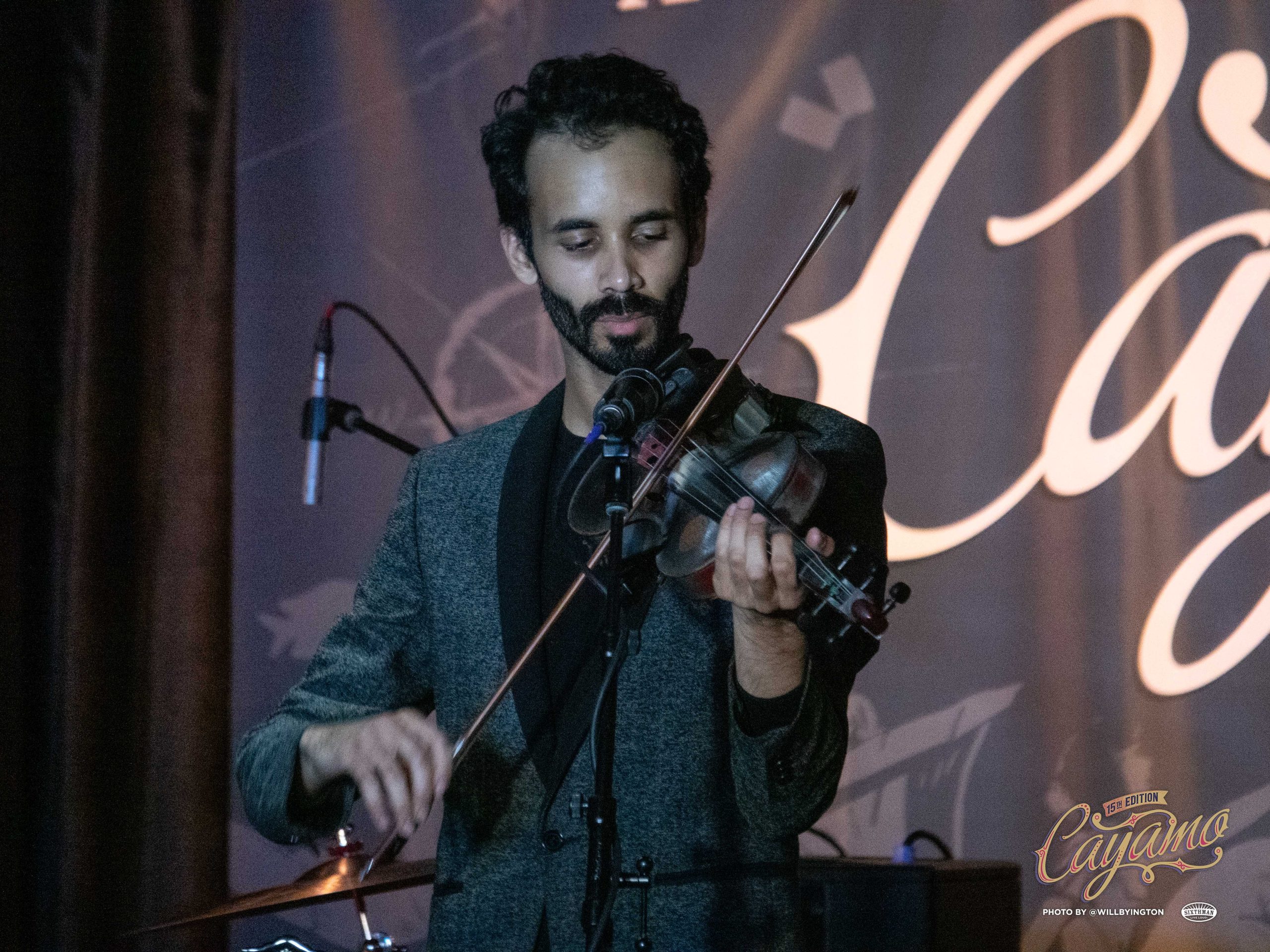
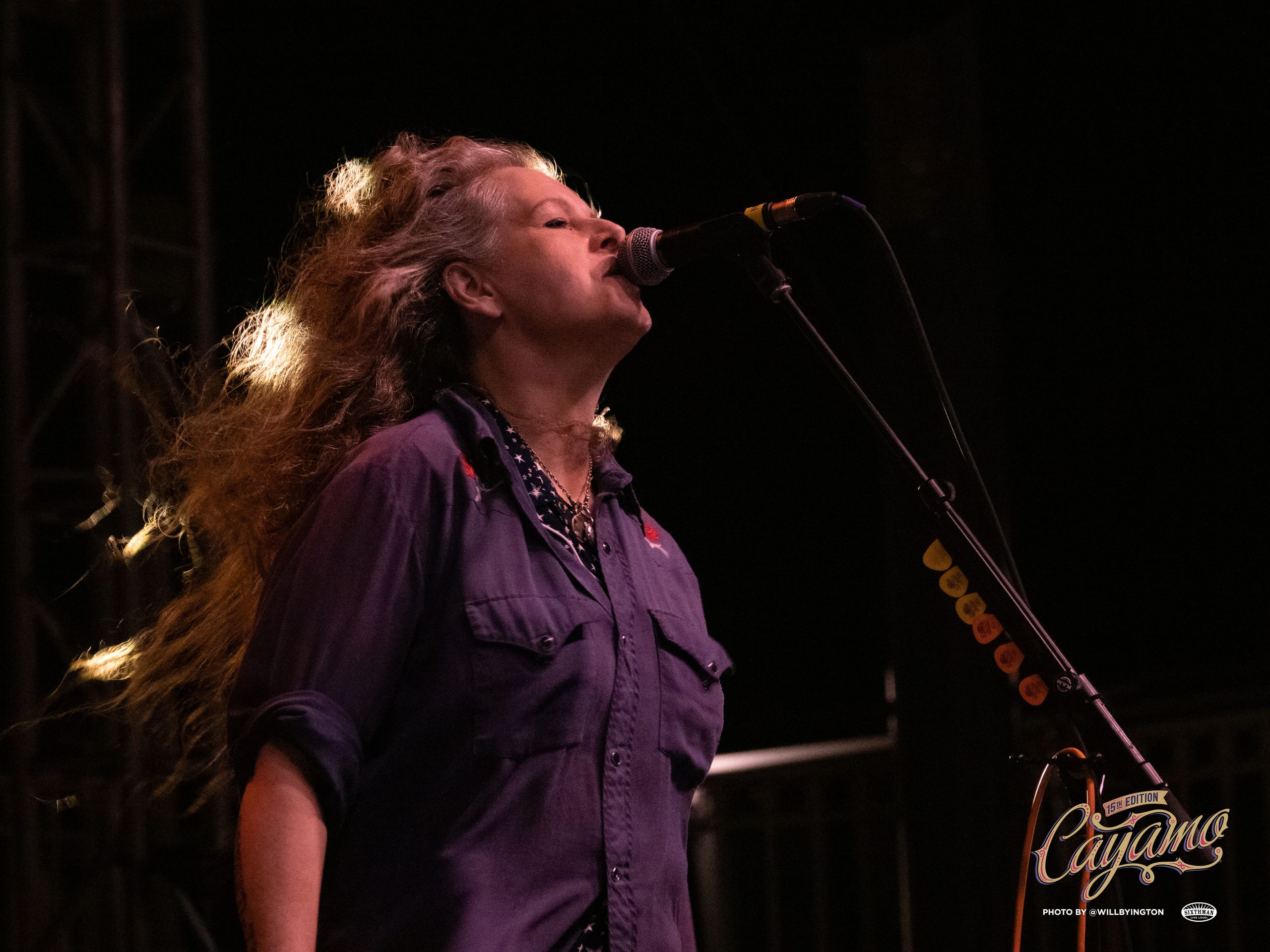
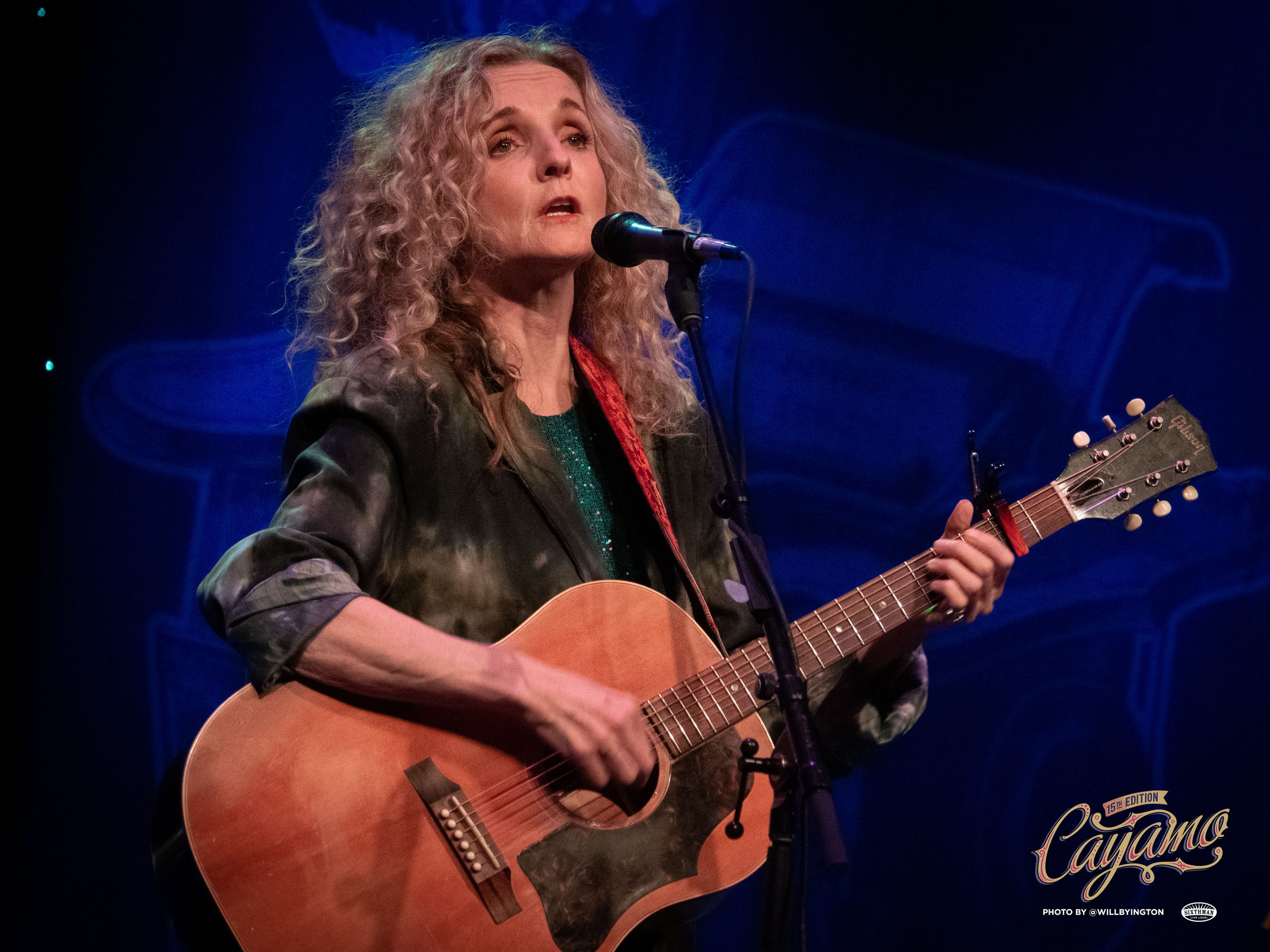
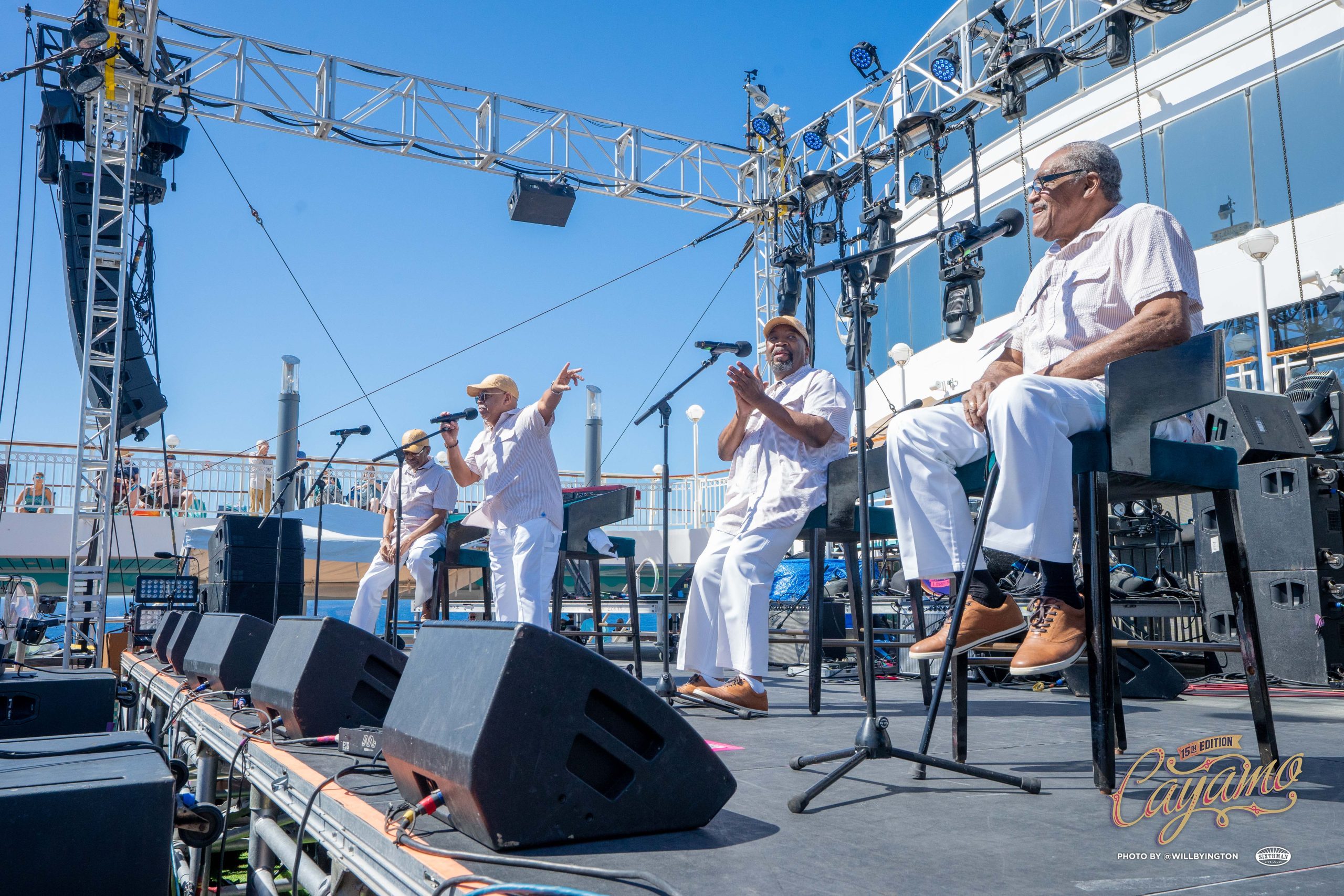
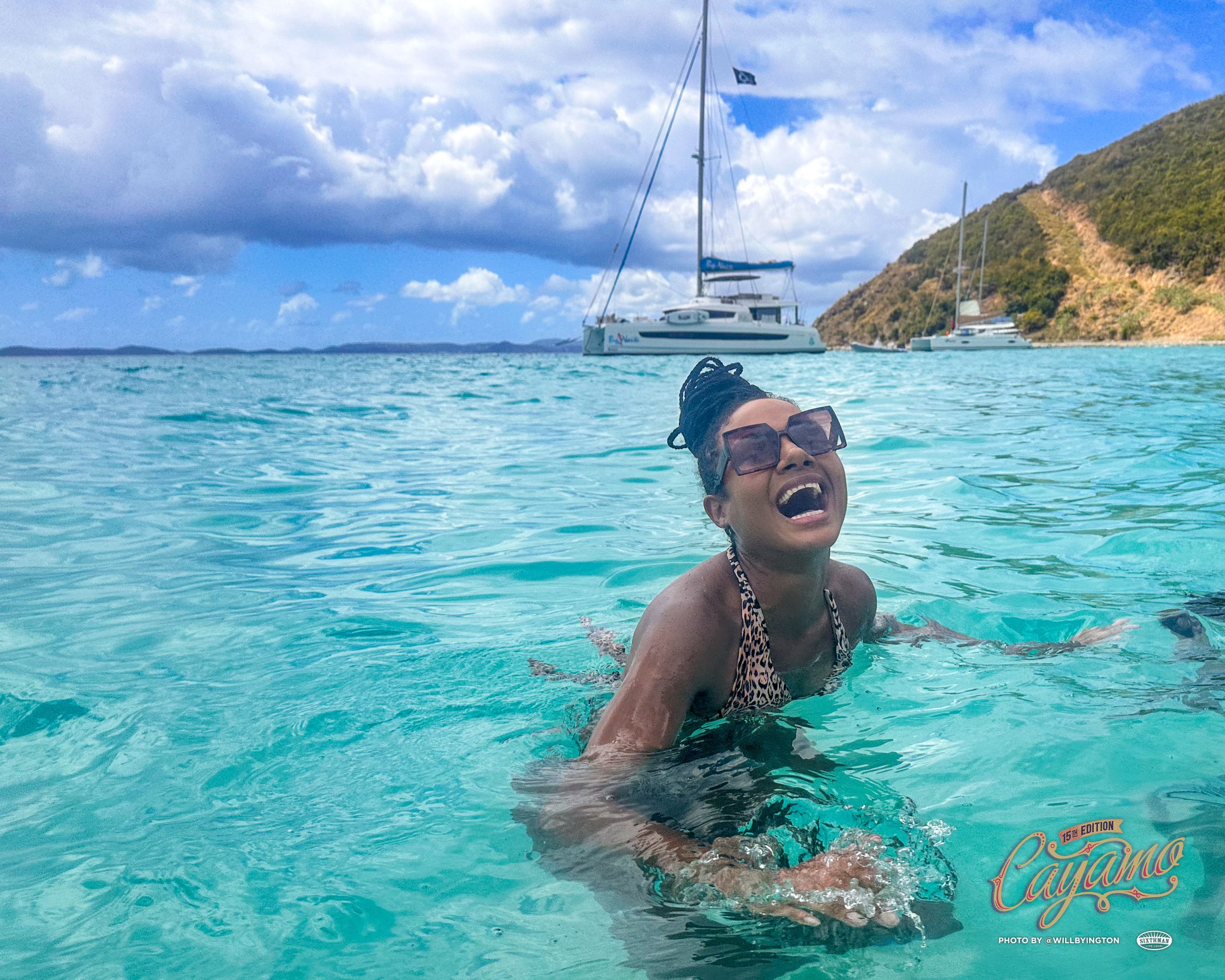
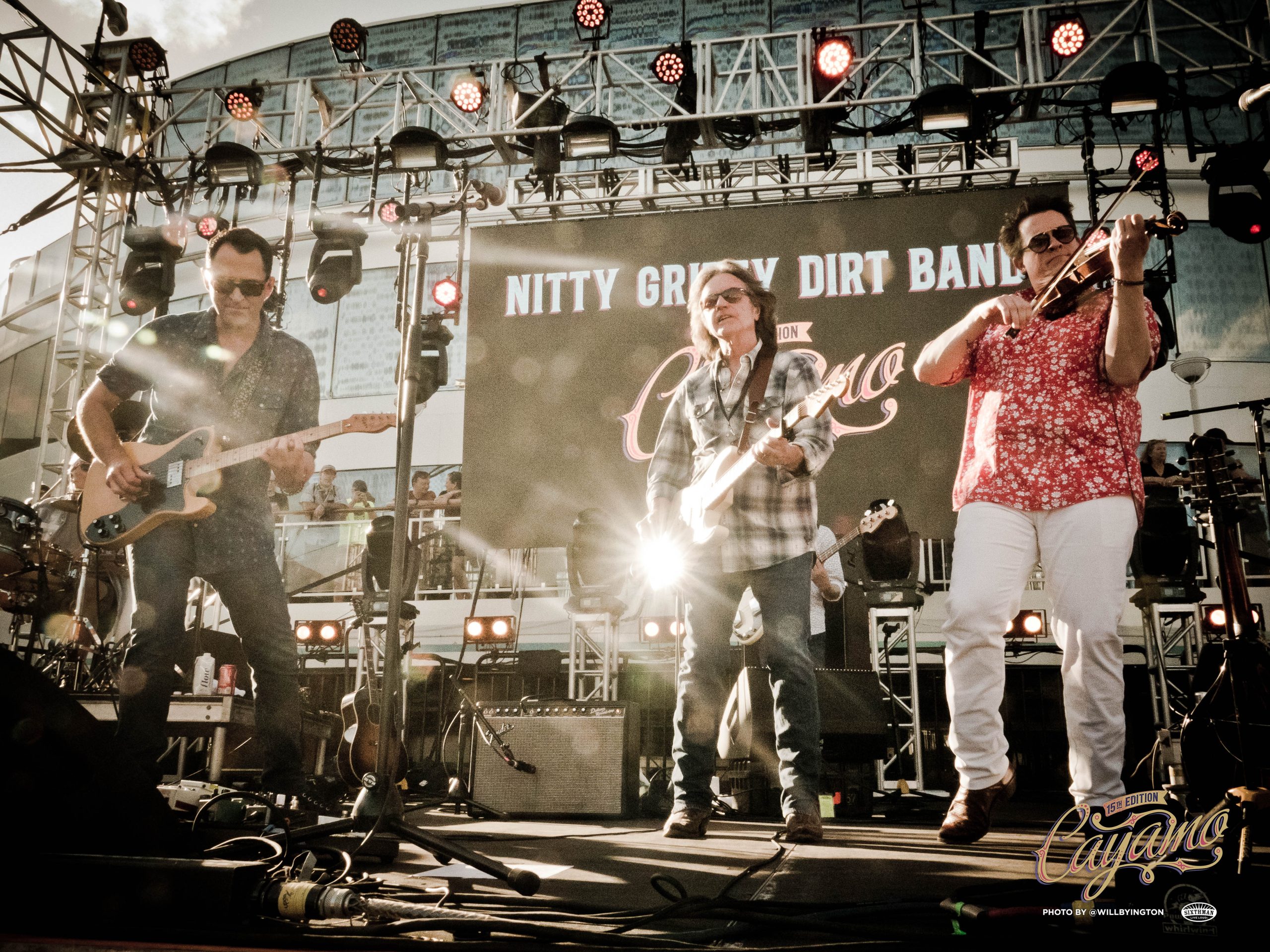
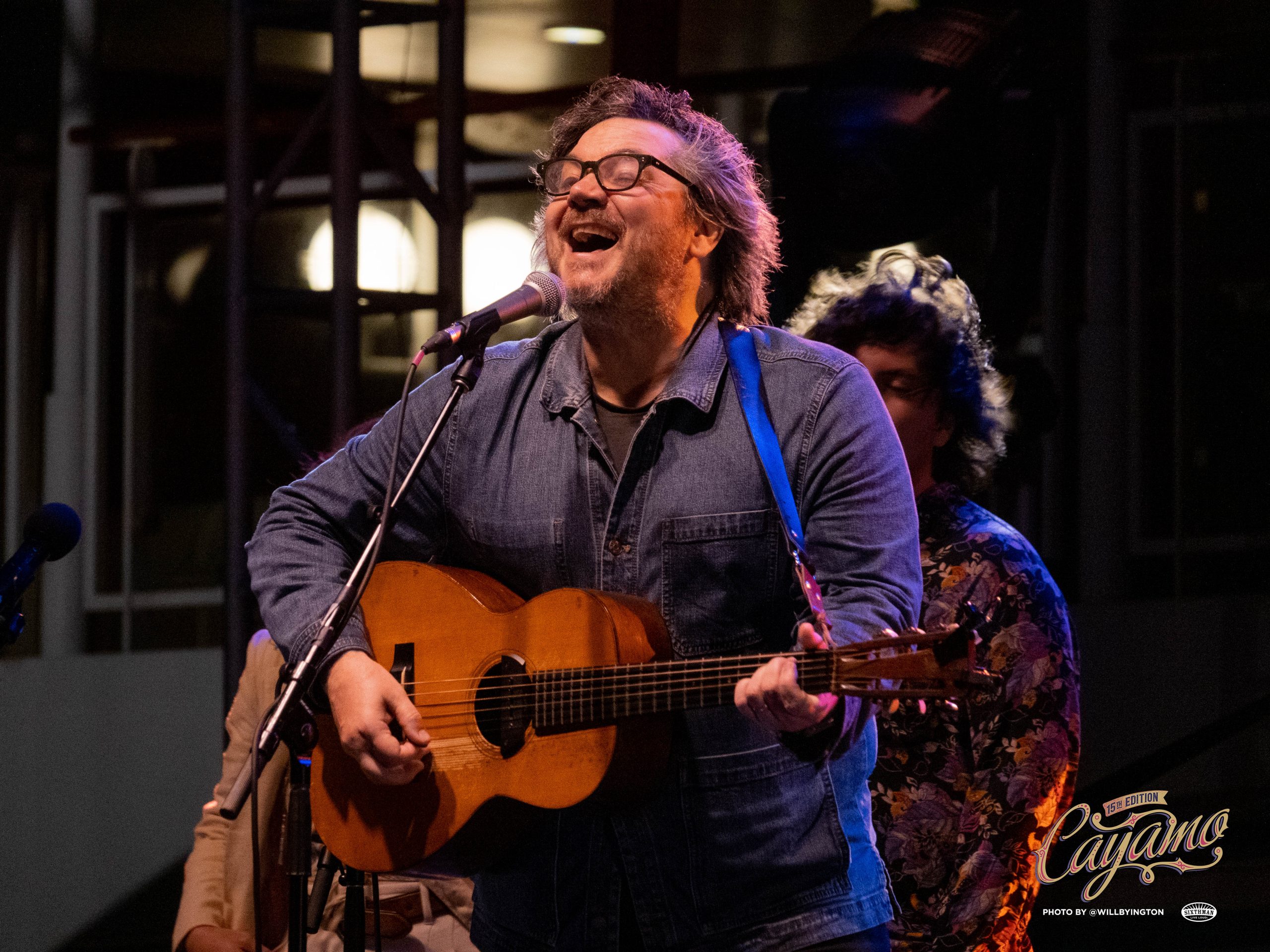
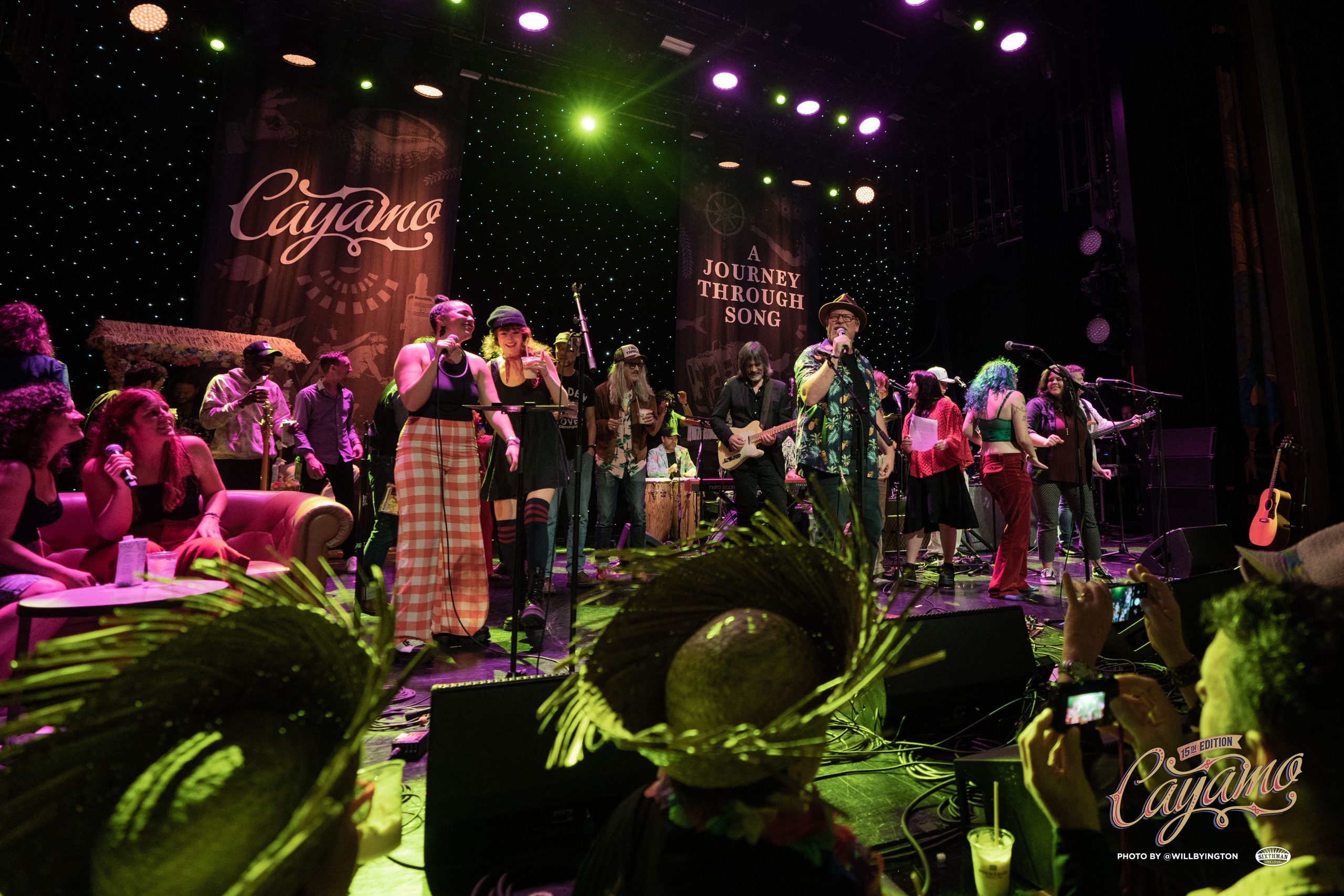
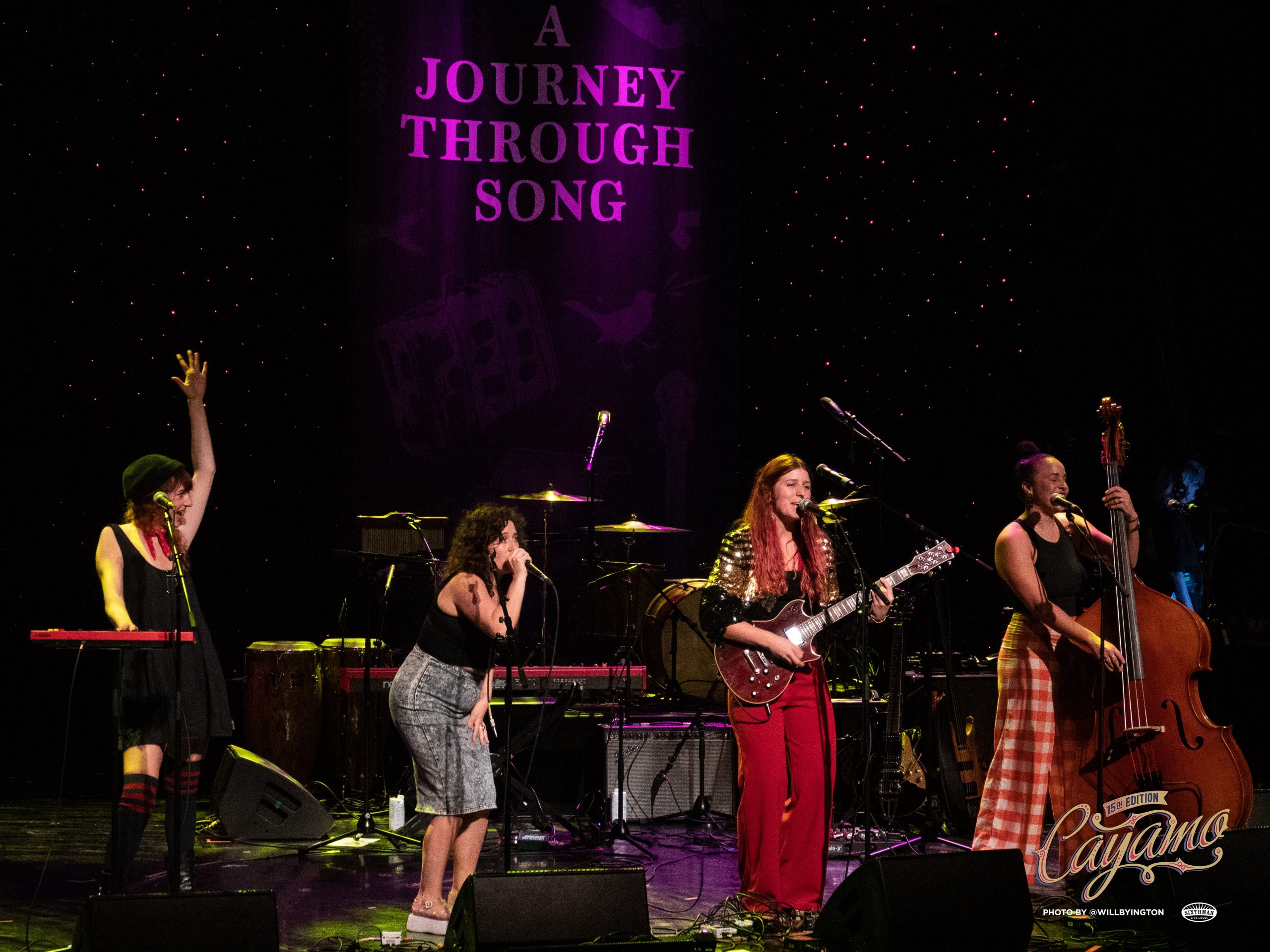
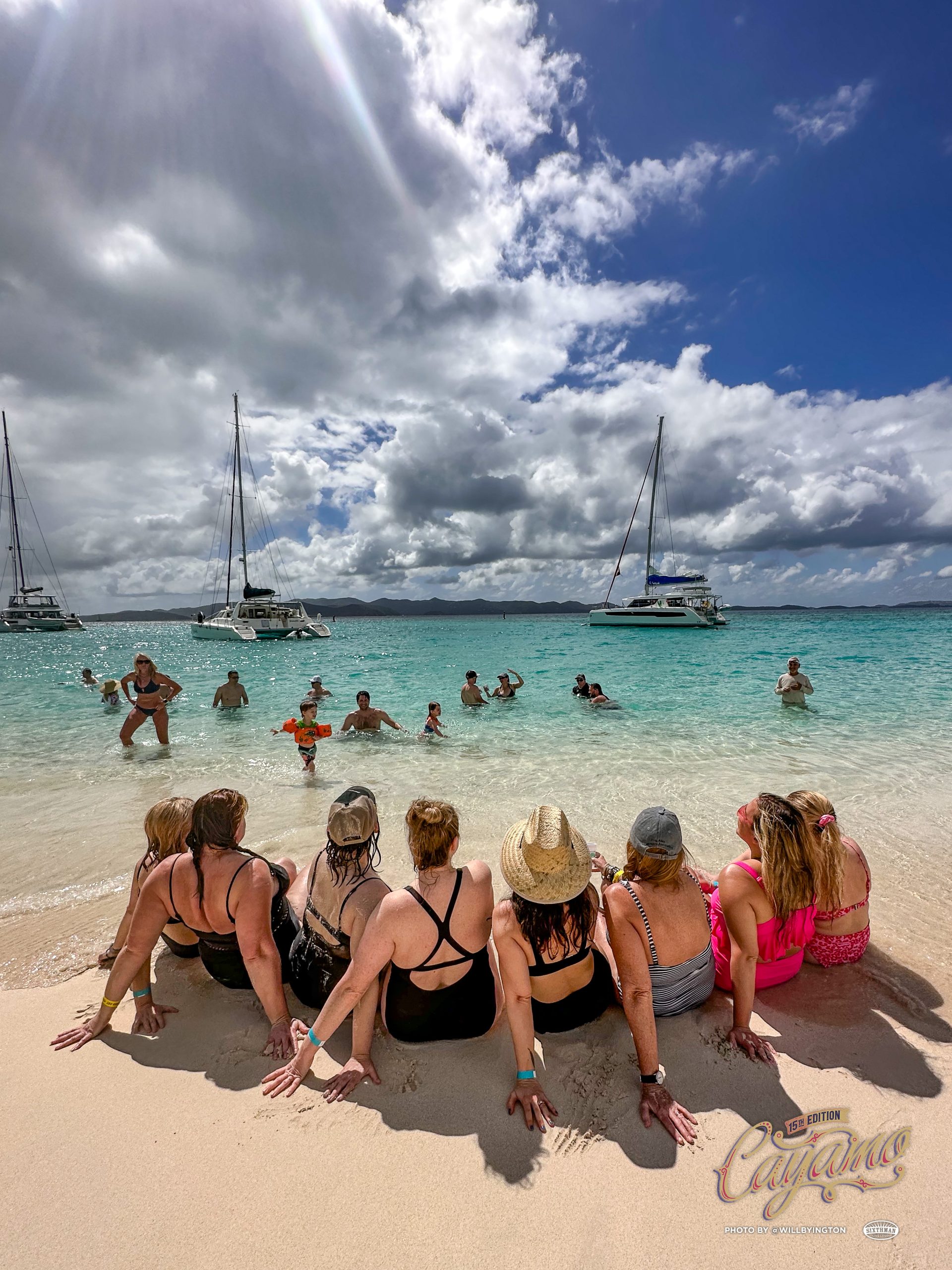
Today’s the day we finally set sail for the 15th edition of Cayamo: A Journey Through Song! The BGS team is stoked to be back onboard the Norwegian Pearl and are eagerly awaiting our two jam sets we’re hosting this year, along with all the other collaborations and bits of magic that will inevitably manifest onboard, with folks on the lineup like Patty Griffin, Trampled By Turtles, Allison Russell, the Jerry Douglas Band, Jeff Tweedy, and so many more favorites and friends across the roots music board. As much as we can try to paint a picture of the collaborative, communal spirit of Cayamo, it’s something you can’t really feel until you’re there, in the middle of it all. Here’s just the start of what BGS will be getting up to this week:

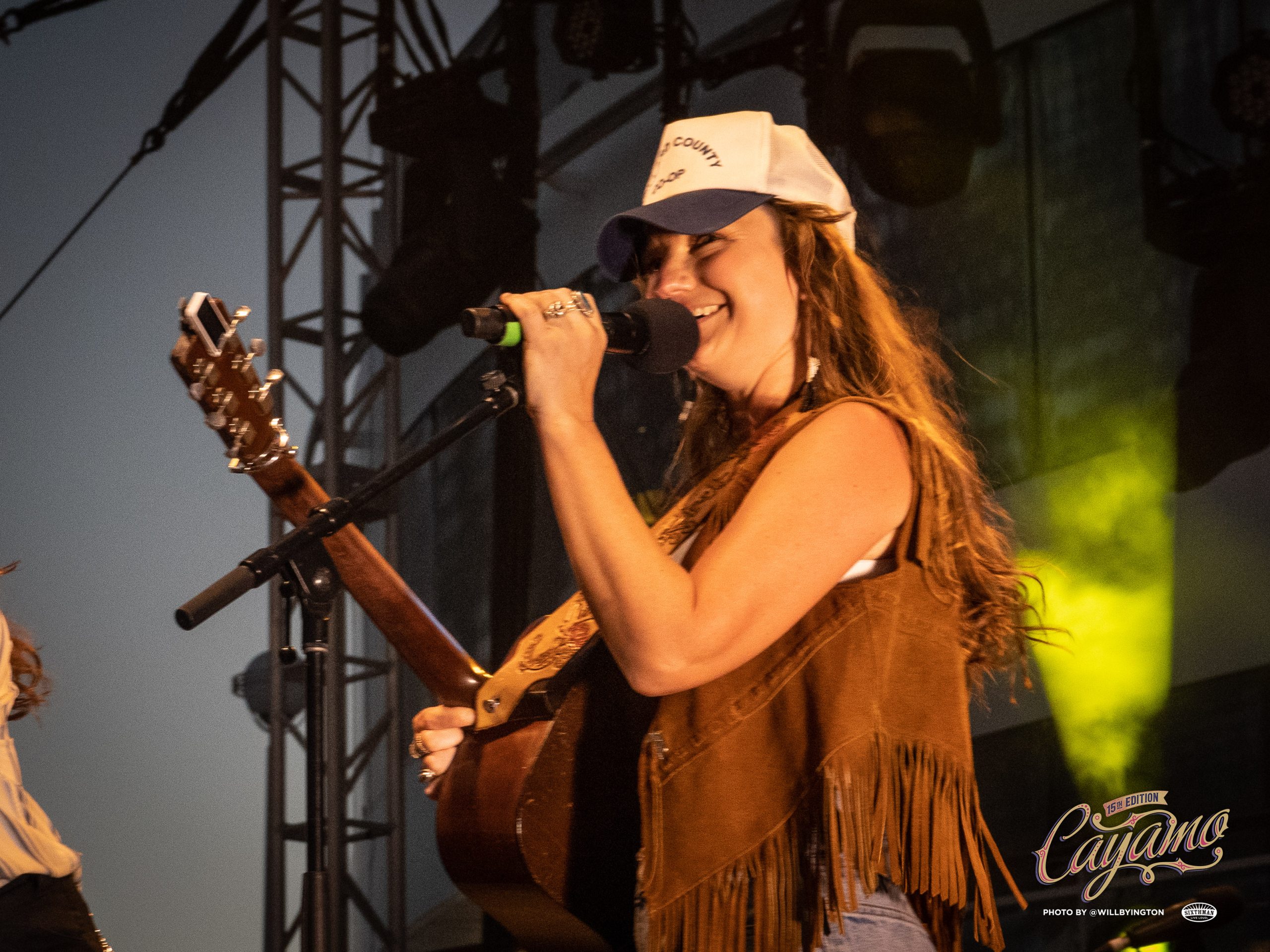
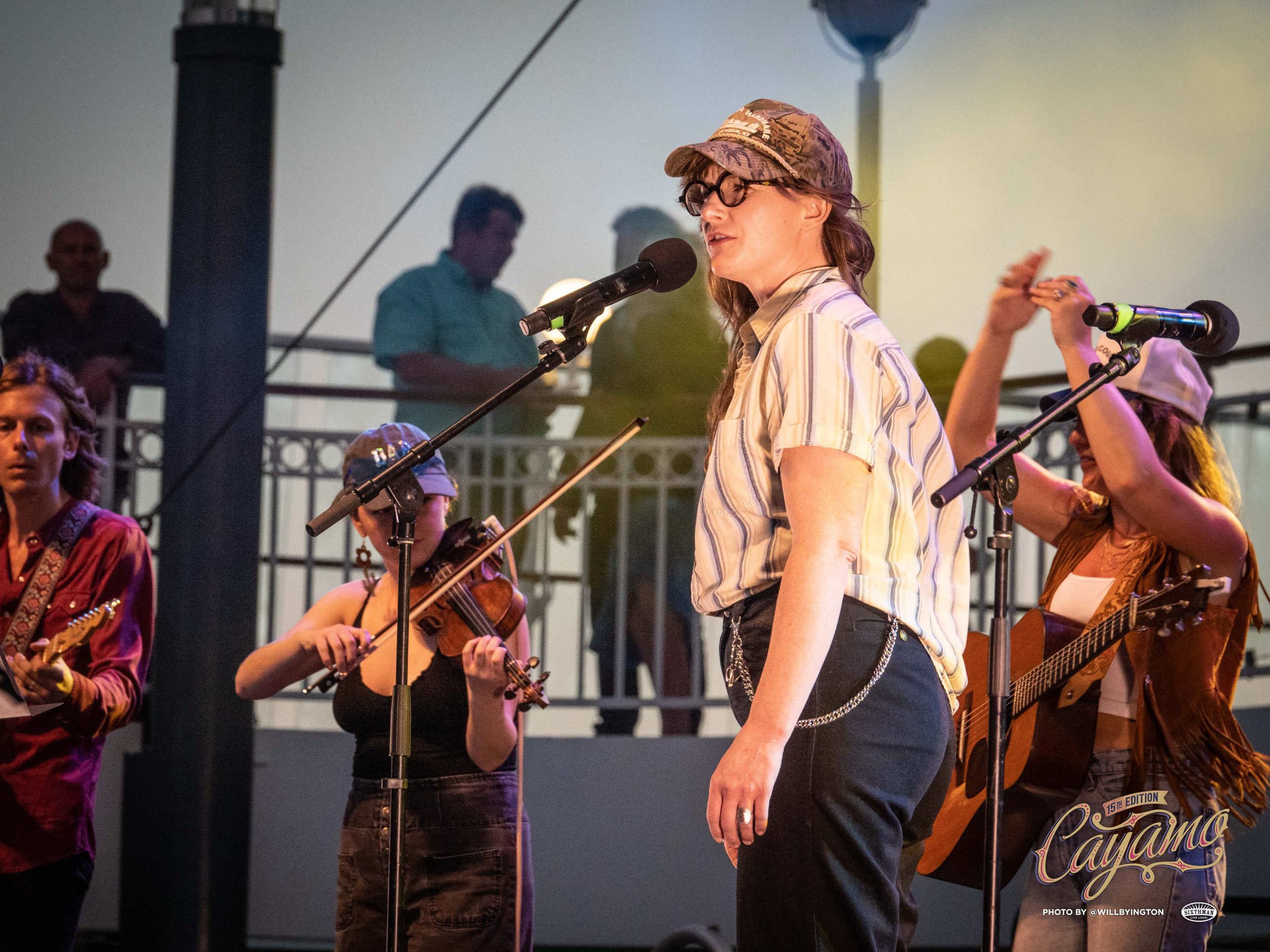
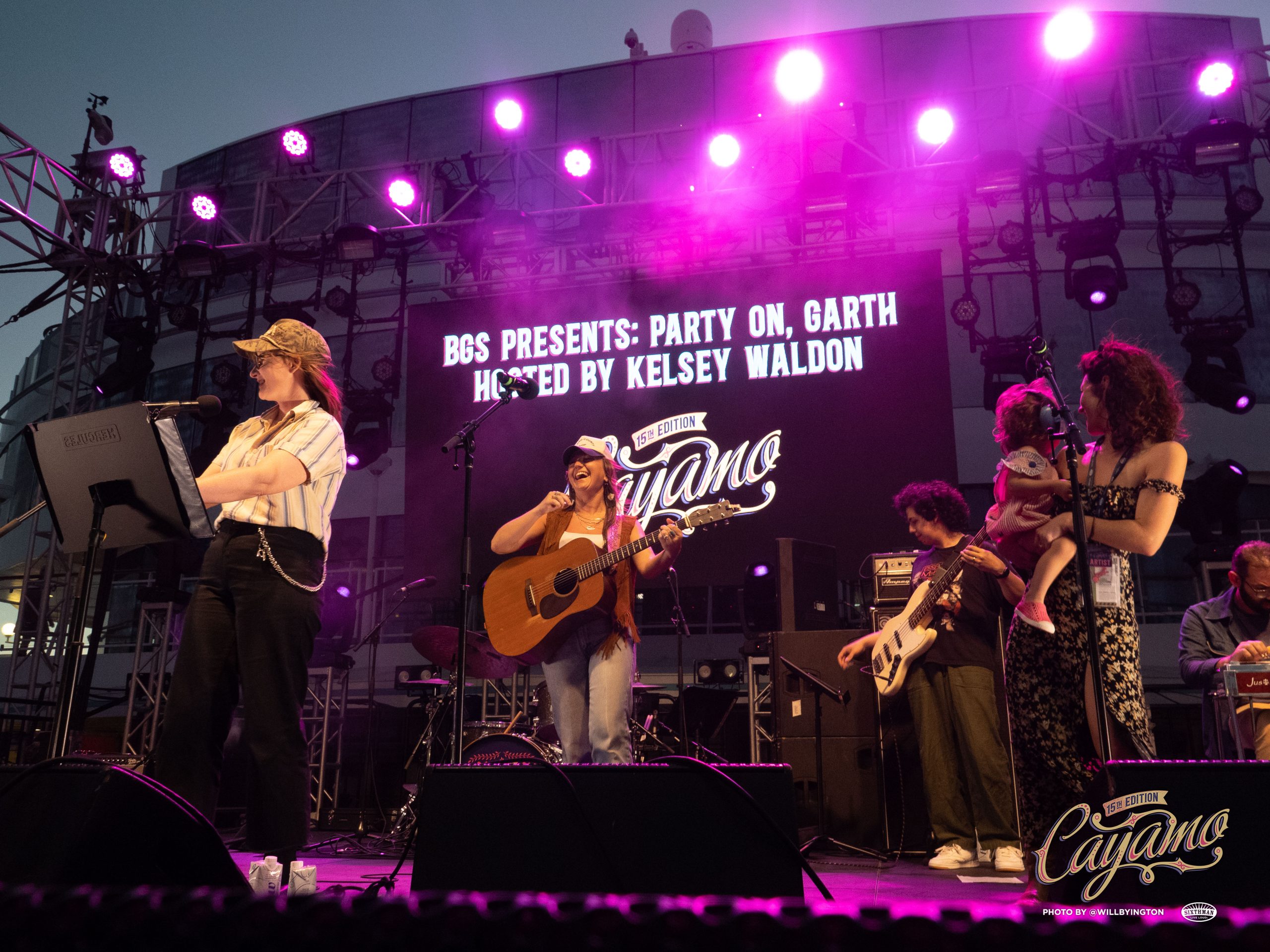
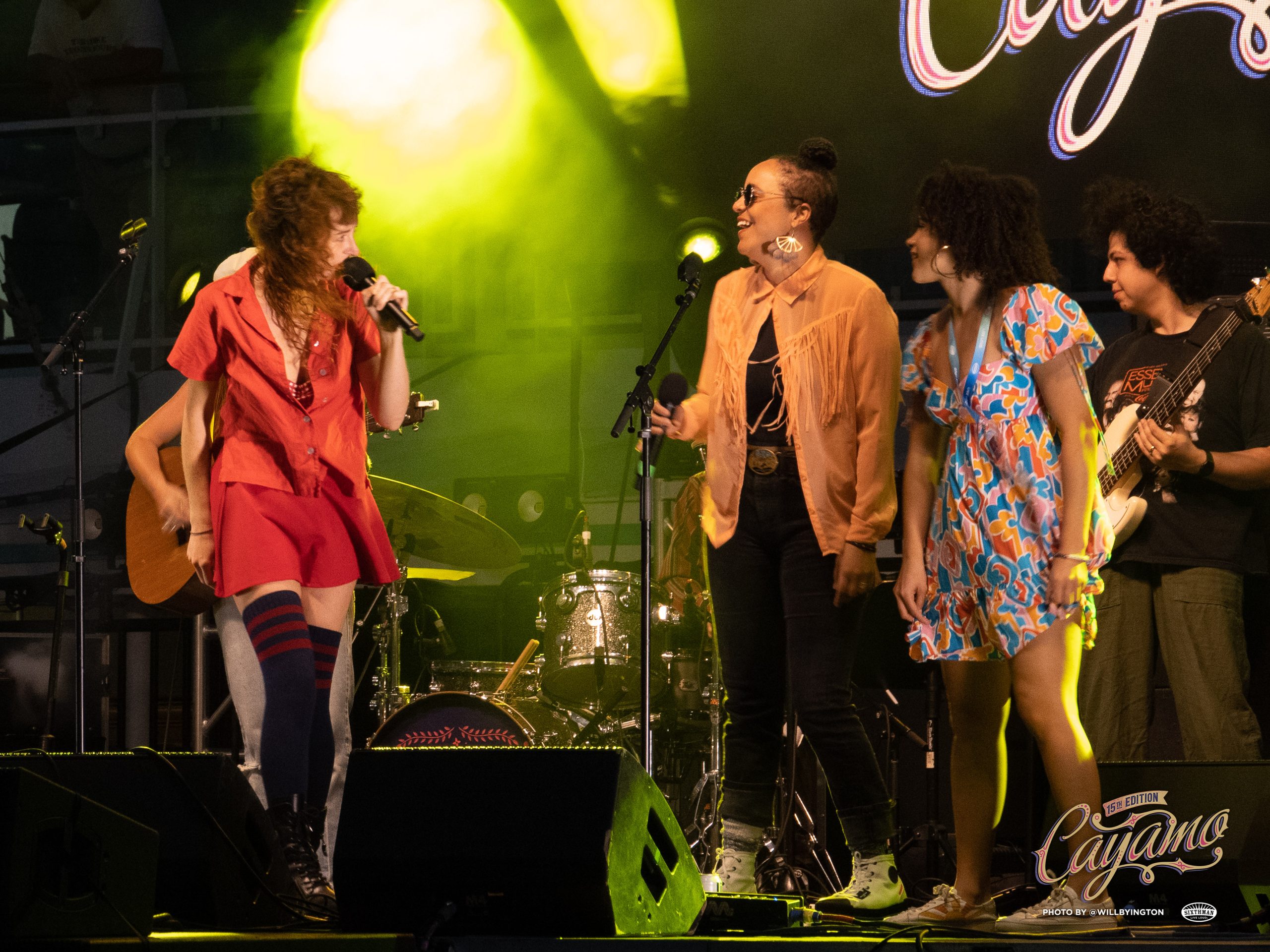
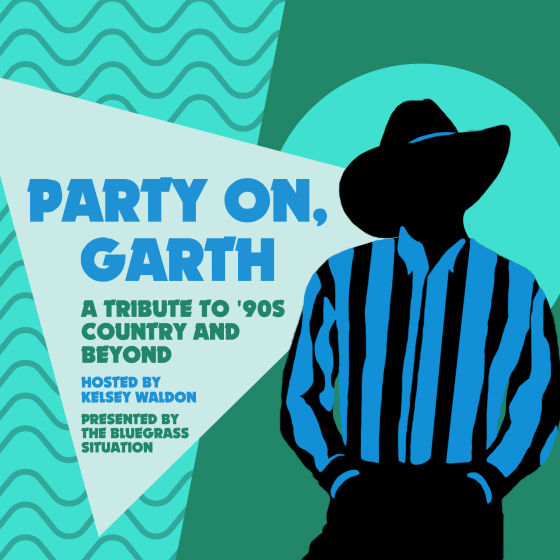
BGS Presents: Party On Garth, Hosted by Kelsey Waldon

Dive into your ’90s nostalgia on the Pool Deck for this totally tubular Sail Away Show curated by BGS and hosted by Kelsey Waldon. From Garth and Reba to Kurt Cobain, this set will have you Boot Scootin’ (or flip floppin’) in the afternoon sun as we sail away from the beautiful shores of the Caribbean.

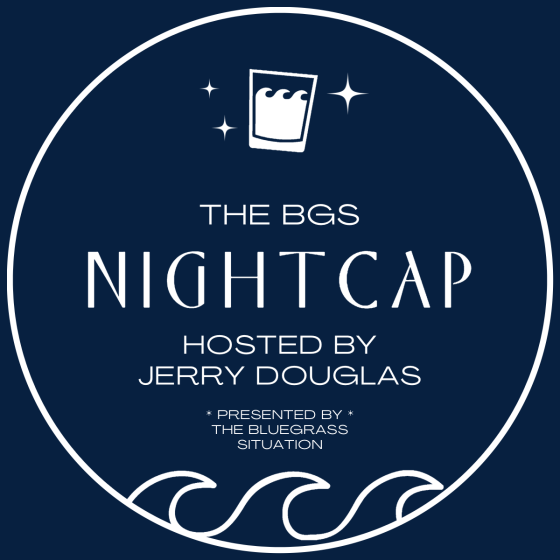
The BGS Nightcap Hosted by Jerry Douglas

Picture it: It’s late at night, an eclectic mix of your favorite artists are perched around someone’s living room, pulling out song after song until the wee hours of the morning, lost in the magic of the music. The BGS Nightcap brings those intimate moments rarely seen by the public to the Cayamo stage, with songs that run from deep cuts to personal favorites, curating one-of-a-kind artist collaborations that you’d never expect and can never forget. So pour yourself a strong one and settle in for the first ever BGS Nightcap hosted by Jerry Douglas.

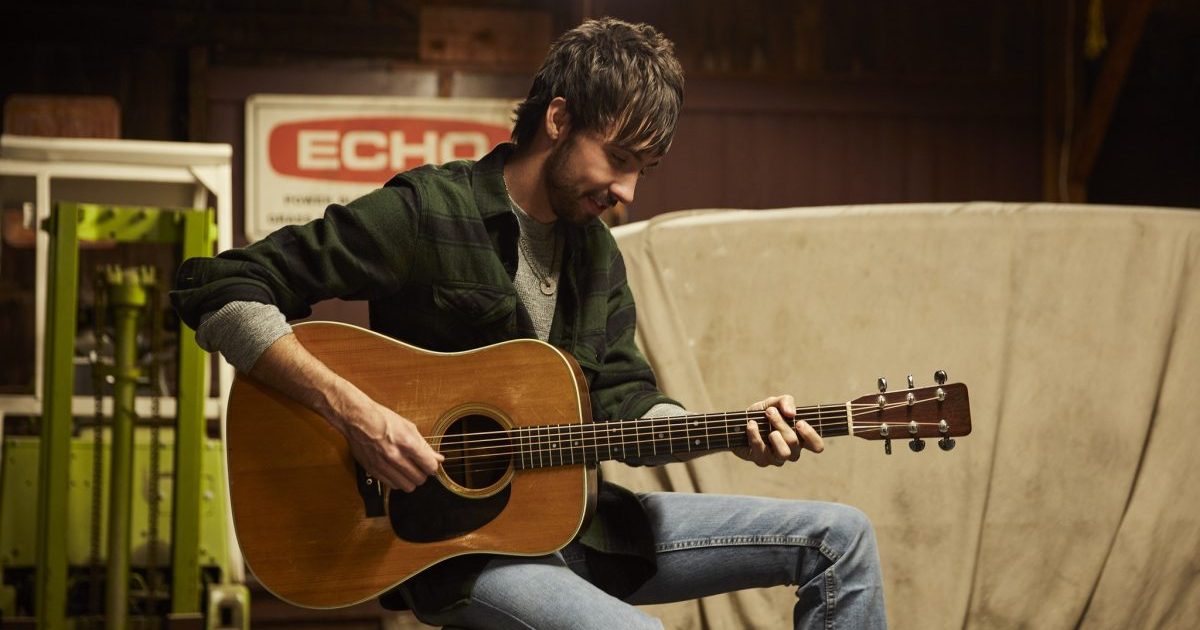
WATCH: Mo Pitney, “Old Home Place”

Artist: Mo Pitney
Hometown: Cherry Valley, Illinois (close to Rockford, Illinois)
Song: “Old Home Place”
Album: Ain’t Lookin’ Back
Label: Curb

In Their Words: “The opportunity to record this song, ‘Old Home Place,’ means a lot to me. The first time I ever heard this song was on a JD Crowe & The New South album when I was a young kid. It featured JD, Tony Rice, Ricky Skaggs, Jerry Douglas and Bobby Slone. I learned that version and would play that song with my dad and my brother when we were touring bluegrass festivals. When I was in the studio to record my current album, Ain’t Lookin’ Back, I stepped up to the mic to check it and I started playing ‘Old Home Place’ to warm up. My producer said, ‘Mo, let’s just play through that to get the jitters out and don’t freak out when the band comes in,’ and he recorded it. What was cool, about a week later my producer played it for Marty Stuart and he said he’d love to be on the track and then Ricky Skaggs agreed. We then wanted to recreate as much of the original project as possible and it became a compilation of my heroes playing bluegrass and country music. This track means the world to me and shows the evolution of the music that I want to make now, but also where I came from. I’m thankful for every opportunity I have to be able to do that.” — Mo Pitney


Photo Credit: Jeremy Cowart

Top 10 Sitch Sessions of the Past 10 Years

Since the beginning, BGS has sought to showcase roots music at every level and to preserve the moments throughout its ever-developing history that make this music so special. One of the simplest ways we’ve been able to do just that has been through our Sitch Sessions — working with new and old friends, up-and-coming artists, and legendary performers, filming musical moments in small, intimate spaces, among expansive, breathtaking landscapes, and just about everywhere in between. But always aiming to capture the communion of these shared moments.

In honor of our 10th year, we’ve gathered 10 of our best sessions — viral videos and fan favorites — from the past decade. We hope you’ll enjoy this trip down memory lane!

Greensky Bluegrass – “Burn Them”

Our most popular video of all time, this Telluride, Colorado session with Greensky Bluegrass is an undeniable favorite, and we just had to include it first.


Rodney Crowell and Emmylou Harris – “The Traveling Kind”

What more could you ask for than two old friends and legends of country music reminiscing on travels and songs passed and yet to come, in an intimate space like this? “We’re members of an elite group because we’re still around, we’re still traveling,” Emmylou Harris jokes. To which Rodney Crowell adds with a laugh, “We traveled so far, it became a song.” The flowers were even specifically chosen and arranged “to represent a celestial great-beyond and provide a welcoming otherworldly quality … a resting place for the traveling kind.” Another heartwarming touch for an unforgettable moment.


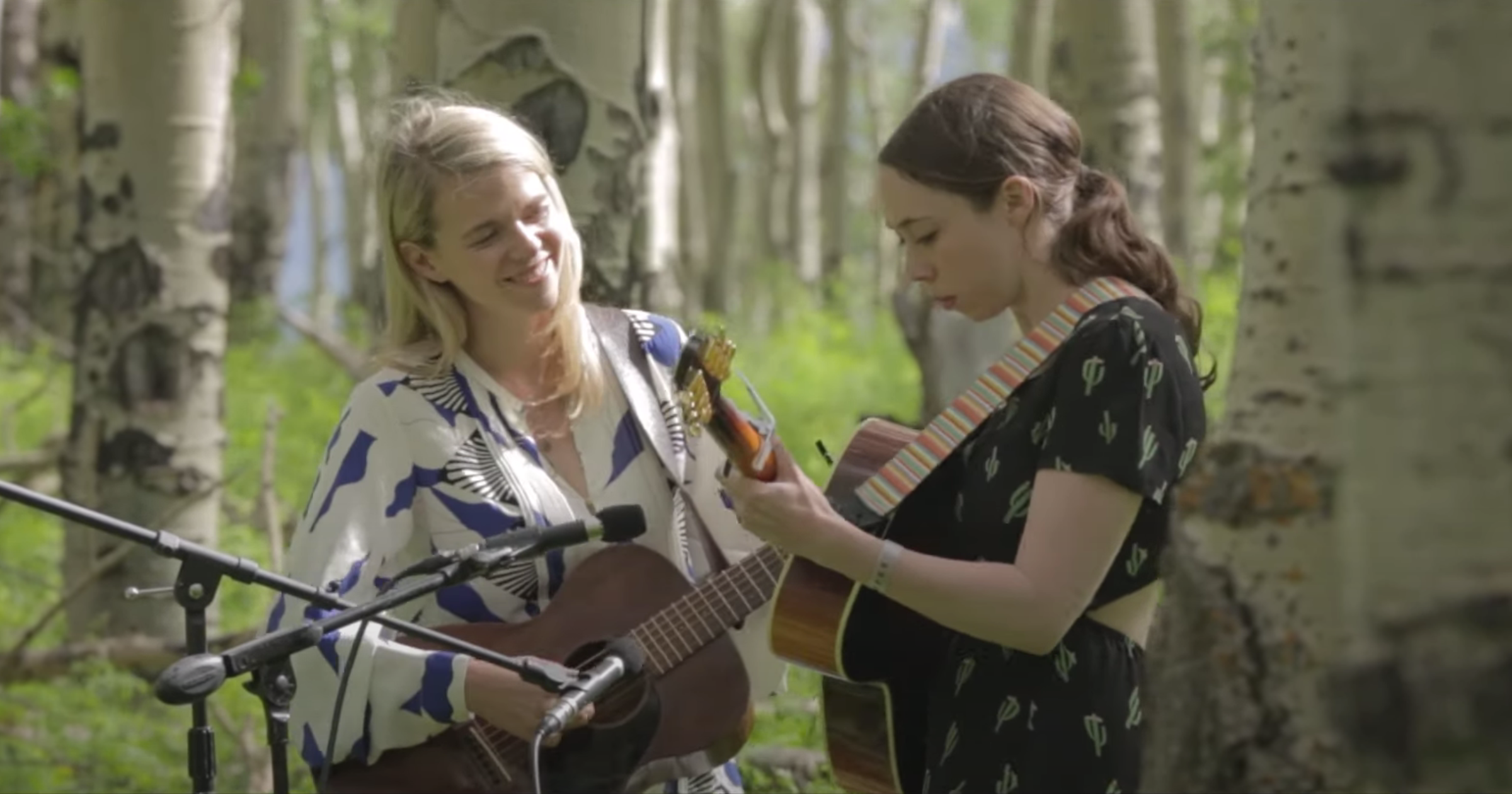
Sarah Jarosz and Aoife O’Donovan – “Some Tyrant” 

In the summer of 2014, during the Telluride Bluegrass Festival we had the distinct pleasure of capturing Sarah Jarosz and Aoife O’Donovan’s perfectly bucolic version of “Some Tyrant” among the aspens. While out on this jaunt into the woods, we also caught a performance of the loveliest ode to summertime from Kristin Andreassen, joined by Aoife and Sarah.


Rhiannon Giddens – “Mal Hombre”

Rhiannon Giddens once again proves that she can sing just about anything she wants to — and really well — with this gorgeously painful and moving version of “Mal Hombre.”


Tim O’Brien – “You Were on My Mind”

Is this our favorite Sitch Session of all time? Probably. Do we dream of having the good fortune of running into Tim O’Brien playing the banjo on a dusty road outside of Telluride like the truck driver in this video? Definitely.

Enjoy one of our most popular Sitch Sessions of all time, featuring O’Brien’s pure, unfiltered magic in a solo performance of an original, modern classic.


Gregory Alan Isakov – “Saint Valentine”

Being lucky in love is great work, if you can find it. But, for the rest of us, it’s a hard row to hoe. For this 2017 Sitch Session at the York Manor in our home base of Los Angeles, Gregory Alan Isakov teamed up with the Ghost Orchestra to perform “Saint Valentine.”


The Earls of Leicester – “The Train That Carried My Girl From Town”

In this rollicking session, the Earls of Leicester gather round some Ear Trumpet Labs mics to bring their traditional flair to a modern audience, and they all seem to be having a helluva time!


Sara and Sean Watkins – “You and Me”

For this Telluride session, Sara and Sean Watkins toted their fiddle and guitar up the mountain to give us a performance of “You and Me” from a gondola flying high above the canyon.


Punch Brothers – “My Oh My / Boll Weevil”

The Punch Brothers — along with Dawes, The Lone Bellow, and Gregory Alan Isakov — headlined the 2015 LA Bluegrass Situation festival at the Greek Theatre (a party all on its own), and in anticipation, the group shared a performance of “My Oh My” into “Boll Weevil” from on top of the Fonda Theatre in Hollywood.


Caitlin Canty feat. Noam Pikelny – “I Want To Be With You Always”

We’ll send you off with this delicate moment. Released on Valentine’s Day, Caitlin Canty and Noam Pikelny offered their tender acoustic rendition of Lefty Frizzell’s 1951 country classic love song, “I Want to Be With You Always.”


Dive into 8 of our favorite underrated Sitch Sessions here.

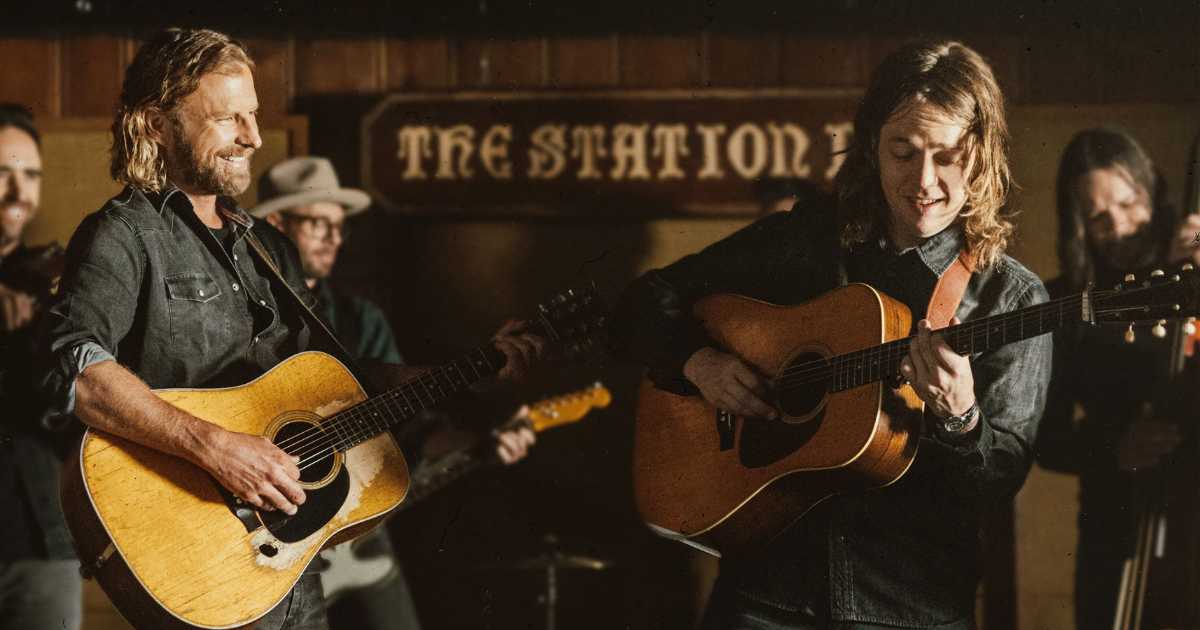
WATCH: Dierks Bentley Featuring Billy Strings, “High Note”

Artists: Dierks Bentley Featuring Billy Strings
Hometown: Nashville, Tennessee
Song: “High Note”
Release Date: November 18, 2022
Label: Capitol Records Nashville

Editor’s Note: “High Note” will be on Bentley’s upcoming 10th album. The studio version of “High Note” ends with a super-jam featuring Jerry Douglas on Dobro, Sam Bush on mandolin, and Billy Strings and Bryan Sutton on guitar.

In Their Words: “Bryan Sutton first tipped me off to Billy Strings about seven years ago mentioning that the future of bluegrass was in good hands. I was totally blown away the first time I saw him. I’ve cut songs like these since my first record, and I knew I wanted to have him on this one, I’m such a huge fan. It was a lot of fun to have him, Jerry, Sam and Bryan all passing licks around — having them all on this record means a lot to me personally.” — Dierks Bentley


Photo Credit: Zach Belcher

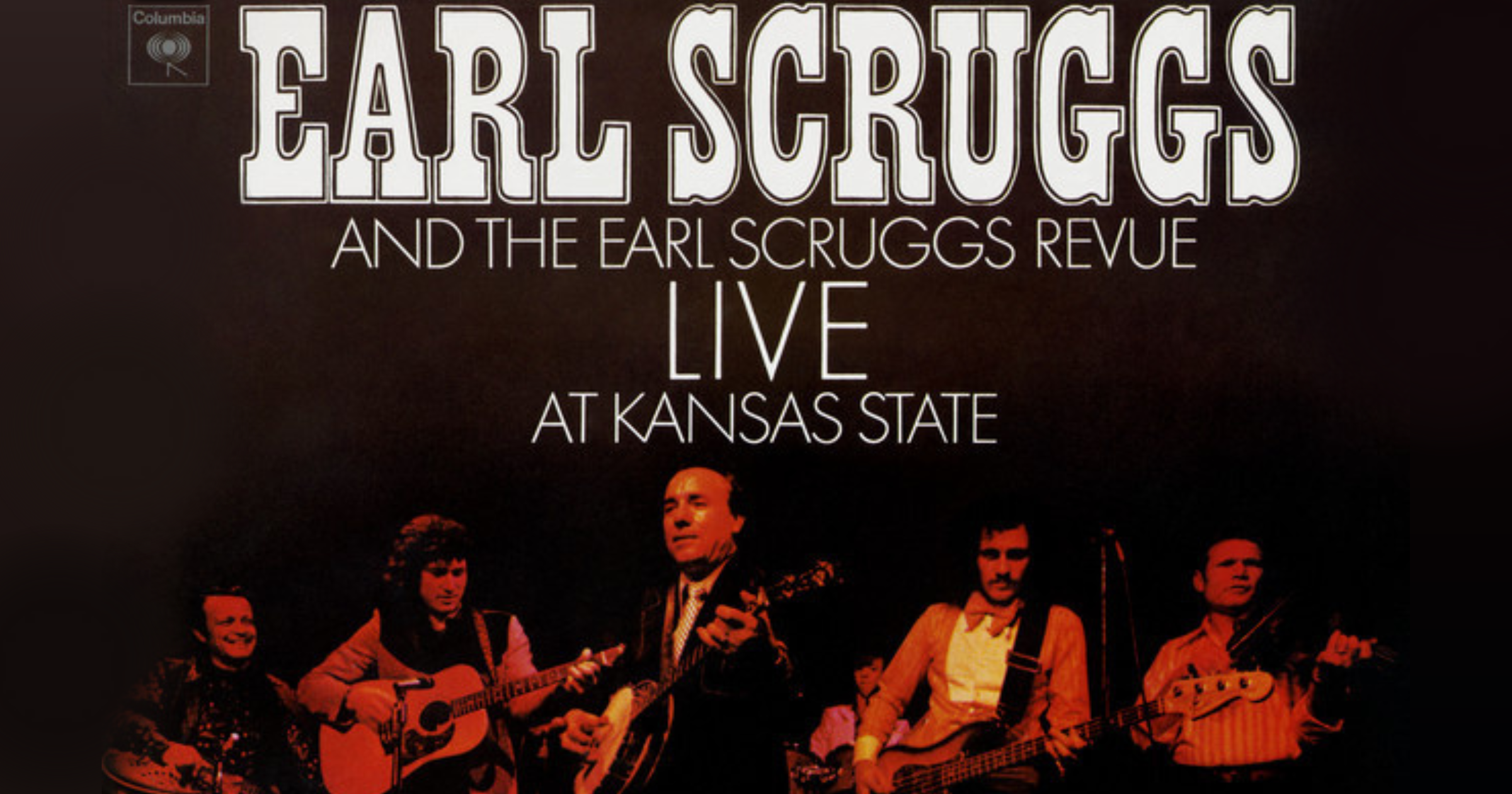
Earl Scruggs Music Festival to Pay Tribute to Iconic ‘Live at Kansas State’ Album

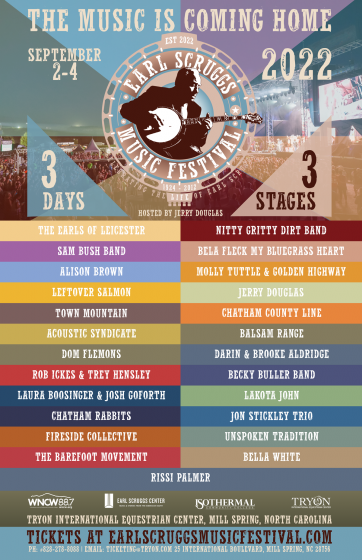
September can’t come soon enough, as we’re eagerly anticipating the long-awaited inaugural Earl Scruggs Music Festival in Mill Spring, North Carolina, to be held September 2-4, 2022!

BGS is thrilled to be partnering with the festival to present a tribute to one of the most iconic Earl Scruggs Revue albums, Live at Kansas State. The host band, bluegrass quintet Fireside Collective, will lead an all-star outfit in a revival of the 1972 recording with special guests Jerry Douglas, Darin & Brooke Aldridge, Balsam Range, Acoustic Syndicate, Bella White, and more to be announced – plus a slew of surprise cameos. This will all go down on Saturday afternoon (September 3) on the Foggy Mountain Stage. We can’t wait to join with these incredible artists to pay tribute to this landmark album!

In addition to the folks on this special tribute (who will be performing sets of their own throughout the weekend) the festival will feature the likes of the Earls of Leicester, Nitty Gritty Dirt Band, Béla Fleck’s My Bluegrass Heart, Molly Tuttle & Golden Highway, and so many more. Take a look at the full lineup below.

Purchase tickets and discover more about the Earl Scruggs Music Festival at earlscruggsmusicfestival.com

Seeking Bluegrass in LA, Ed Helms & Amy Reitnouer Jacobs Made a Scene With BGS

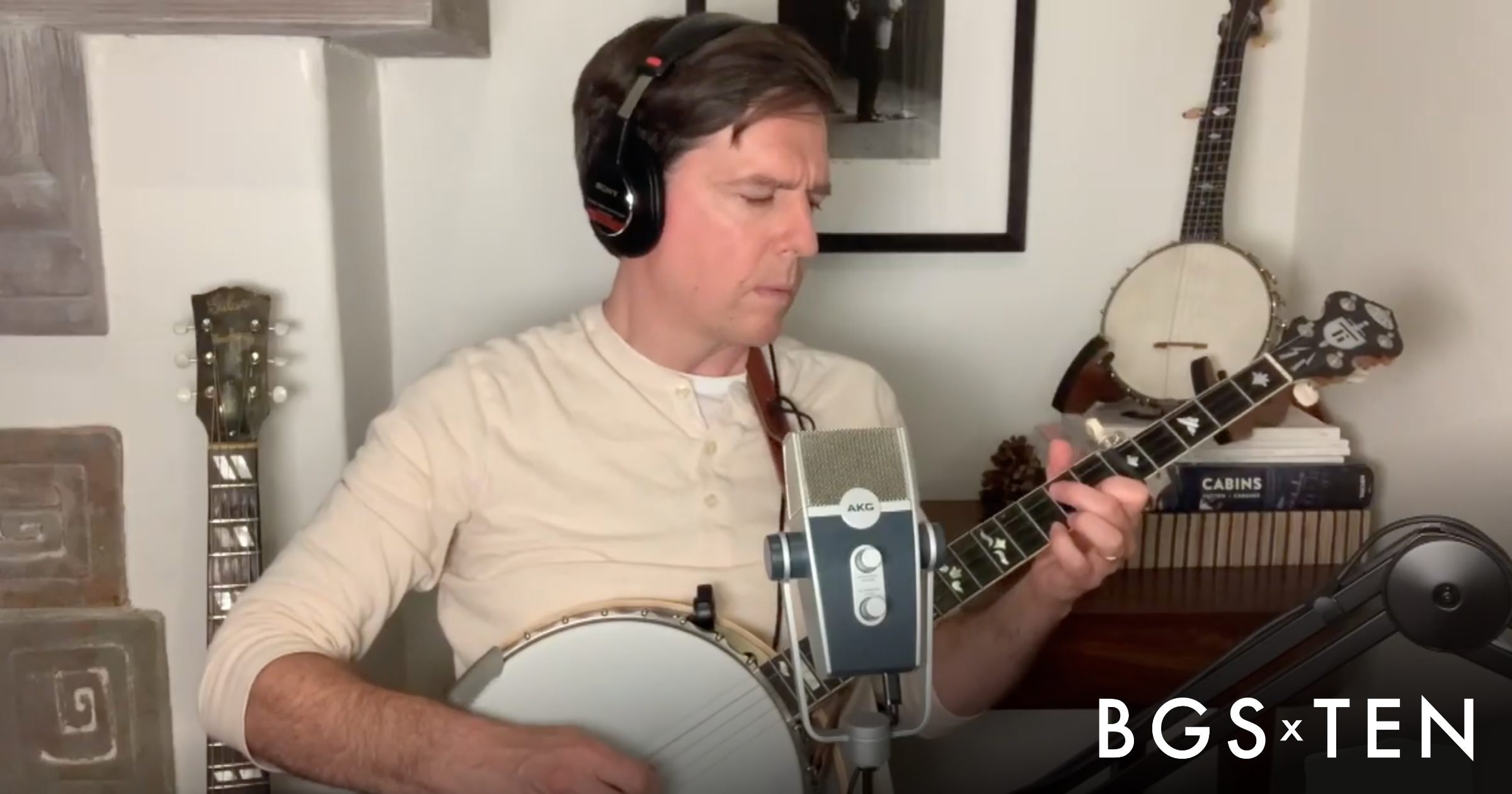
To commemorate the 10th birthday of the Bluegrass Situation, co-founders Ed Helms and Amy Reitnouer Jacobs are taking it all the way back to the beginning. In the first installment of an ongoing interview series, the enthusiastic bluegrass fans reveal how they first met, their shared vision for a modern aesthetic, and the meaning behind the unexpected (yet appropriate) name.

Amy: As we’re looking back on 10 years of The Bluegrass Situation, it occurred to me that you and I have never really reflected on how all of this started and how this thing kind of built up. So I wanted to get our own take on it and… reminisce, stroll down memory lane a bit, and think about it.

Ed: We need a little oral history for the archives! [laughs] And for our own… ’cause it’s exciting to reminisce a little bit.

Amy: I’ll kick it off and ask, what was your intro to bluegrass? Why do you care about this music to begin with and what drew you into it?

Ed: The earliest I can trace back would be growing up in Atlanta, Georgia. My mom’s from Nashville, so we would take road trips from Atlanta to Nashville all the time. In addition to that, I spent many, many summers at a summer camp in the Smoky Mountains in North Carolina. That’s another road trip that’s about a three or four-hour drive from Atlanta.

So, on those drives, we’re always pulling off at truck stops and whatever, and we would pick up cassette tapes at the checkout counter. And my dad, who grew up in Alabama, was always a big fan of opera and classical music. He would grab these string band tapes for some reason. And I started listening to these very generic, early string band tapes when I was 8 years old in the car. They didn’t resonate with me as artists, but the music connected with me somehow. And I associated it with those places — Nashville and the North Carolina mountains.

Then as I got older, I was one of those kids that kind of thought everybody was fake, you know, like Holden Caulfield. Just distressed by all the artificiality of our world and of the people around me and like, “Oh, everyone at school, everything is so performative. Like, who’s real? Who’s the real deal?” And that kind of drew me, musically, into older and older music. I got obsessed with authenticity and where are the roots of things. … I think it scratched some itch that I had for authenticity-seeking, and probably allowed me to feel superior to all my classmates in junior high.

Then when I could actually get to a record store, I remember the very first bluegrass album that I bought was the Bluegrass Album Band. I didn’t know who J.D. Crowe and Vassar Clements and Jerry Douglas were, but all I knew was that on the cover of this CD at Turtle’s Records & Tapes in Atlanta was guys holding banjos and guitars and mandolins. So I bought that album and to this day it’s one of my favorite albums. I’ve never asked Jerry Douglas about this, I should, but it felt like the intention of those albums was to kind of just be the ultimate catalog of, you know…

Amy: I mean, it’s called the Bluegrass Album Band.

Ed: Right. They just called themselves the most generic name. And it’s almost like they were just trying to create a library of excellent bluegrass artists playing the canon or something. Or maybe they were really ahead of their time with like meta irony and they were just like, “We’re going to call ourselves the Bluegrass Album Band, ’cause it’s hilarious.”

And of course Tony Rice’s guitar playing on that – I was very much into guitar at the time, I later picked up a banjo – Tony’s guitar playing was so magical to me. I could not understand how human hands could play what he was doing. I would just pour over these solos. I remember the solo to “Your Love Is Like a Flower,” it just was like, how the hell is that being played? I could not wrap my head around it. And I listened to it a million times, and I didn’t have the technology to slow it down, so I couldn’t do that.

Amy: That album and that band really represent a generational shift. It’s not newgrass. It’s playing the canon, but with this mix of the new guard and some folks with some real cred from the second generation.

Ed: You’re right. It isn’t an old sound, what they’re doing. It’s a new sound at that time, because no one was doing Tony Rice licks before Tony Rice. But the harmonies are timeless and the structure of the songs is very traditional. That album means so much to me and I listen to it to this day and I’m still blown away! I actually can play that solo from “Love Is Like a Flower” now, but only at about half speed. And it’s one of the proudest things, when I finally found – someone had transcribed it in tablature, and I was like, “This is string theory explained. This is like if you had Carl Sagan sit you down and explain the mysteries of the universe.” I was like, “Holy shit, I got it! The holy grail!”

Amy: Yeah. To me, it’s still magic. ‘Cause I am not someone who can play an instrument, at least very well, so when I first heard bluegrass, I was just like, “How does that happen? How do you even get the notes from your brain to your fingers and do it so well, and in a way that I’ve just never heard before?” It still kind of blows me away.

Ed: Can I ask you the same question? Where did you first connect to bluegrass music?

Amy: I grew up in rural Pennsylvania, and there was a lot of country and bluegrass around there. Admittedly, I didn’t like it because to me it represented… I mean, I was really busy listening to showtunes and learning Sondheim lyrics and stuff. I was that kid. And I just thought country and roots music was inherently uncool and representative of this place that I felt like I was stuck in.

It wasn’t until I went to college in North Carolina… It was probably the first few weeks of school, one of my housemates who is still a very dear friend of mine invited me to a show, and it was Nickel Creek. I had never heard of them. I had no idea what I was going in to and Erin said, “I just think you’re going to like this. Just come with me to the show. I’ll drive. We’ll go.” And I can honestly say, that show changed my life. I can still remember the whole show so clearly.

Ed: What year are we talkin’?

Amy: 2005? Somewhere around there. I was kind of reeling from it, because it had been a really long time since I felt like I had been challenged by music that was being played by young people, that I really connected with, but also was just kind of flummoxed by. From there it became a deep dive. I was really fortunate going to school where I did, that there was great bluegrass around. I mean, there was this bar about 30 minutes away called The Cave in Chapel Hill, and we used to go see the Steep Canyon Rangers play there every month. And I mean, this is a tiny underground basement bar, maybe holds 50 people, and they would just have bluegrass jams.

Ed: How close were you to Asheville?

Amy: It was about three hours from Asheville. Asheville is where we went for, like, fall break and our little weekend trips and stuff. We would go to Boone and Asheville, and even Mount Airy had a bluegrass fest that we went to. So that’s when I really started getting into it. And I could say, I think my first significant album purchase was pretty soon after that first concert. It was Why Should the Fire Die? by Nickel Creek. I played that into oblivion and had it in my car for like, 10 years, back when we kept stacks of CDs in our cars.

From there it kind of fell into the background, because I was studying film and I moved to New York. I was working all the time and didn’t really make space in my life for music. By the time I moved out to LA, I was working for a producer and I had one or two friends out here that I knew. Again, working a lot, not making any money and trying to find my place in the city, and not really connecting with a lot of the other assistants that I was meeting at the agencies. And I remember going to see the Get Down Boys at some bar on the west side of LA and having this thing reignited in me that I had felt back in college and was like, “OK, I think these are my people.” There was this momentum happening in LA at that particular time. And that’s how I started getting to know the scene out here and had the idea for the BGLA blog.

Ed: Tell us about BGLA.

Amy: I admittedly was a little bored at work. I was working at the Academy of Motion Pictures at this point, which was exciting, especially for three months of the year around the Awards, but the rest of the time was kind of slow. So I started this Blogspot and wrote about what was happening on the scene in Los Angeles. And then people started pitching me, cause I don’t think anybody was really covering it out here. So suddenly I was getting inquiries to interview these people… I mean, I started going really deep in the music and the history and background and getting to know the scene out here. But I remember getting connected to Sean Watkins (of Nickel Creek), and it was this beautiful, full-circle moment. It was the first time I met Sean and got to talk to him, and we became friends and kind of opened a whole other door to the roots music scene and what it could be. And then I think I met you pretty soon after that.

Ed: So when did we meet? I cannot remember.

Amy: Well, I remember when we first met, but I doubt you remember when we first met. I remember this because it was probably the most nervous I’ve been in my whole life. I saw you at a Sarah Jarosz show at Hotel Cafe. And I walked up to you and gave you one of my business cards for Bluegrass LA. And I was like, “I think you’ll like my blog.” That was it! And I don’t imagine you remember that, but that is technically the first time I met you.

Ed: At some point we had a cup of coffee to talk about possibilities.

Amy: Yes, that’s true.

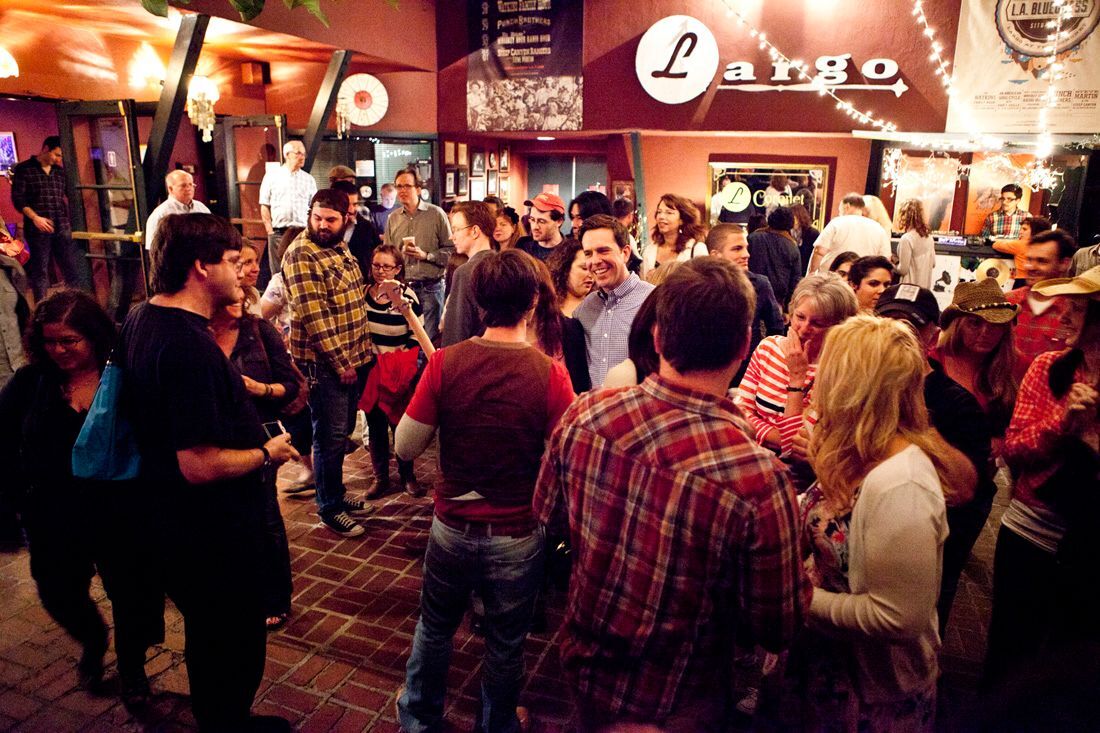
Ed: But then maybe we bumped into each other… I assumed it was Largo, but I have the vaguest memory of getting a business card from you. So yeah, that part tracks.

Amy: Why don’t you talk about the LA Bluegrass Situation, because that predates me.

Ed: You weren’t even a part of the first LA Bluegrass Situation?

Amy: No. I was there. I went one night. But we didn’t know each other at that point. I just went as a fan.

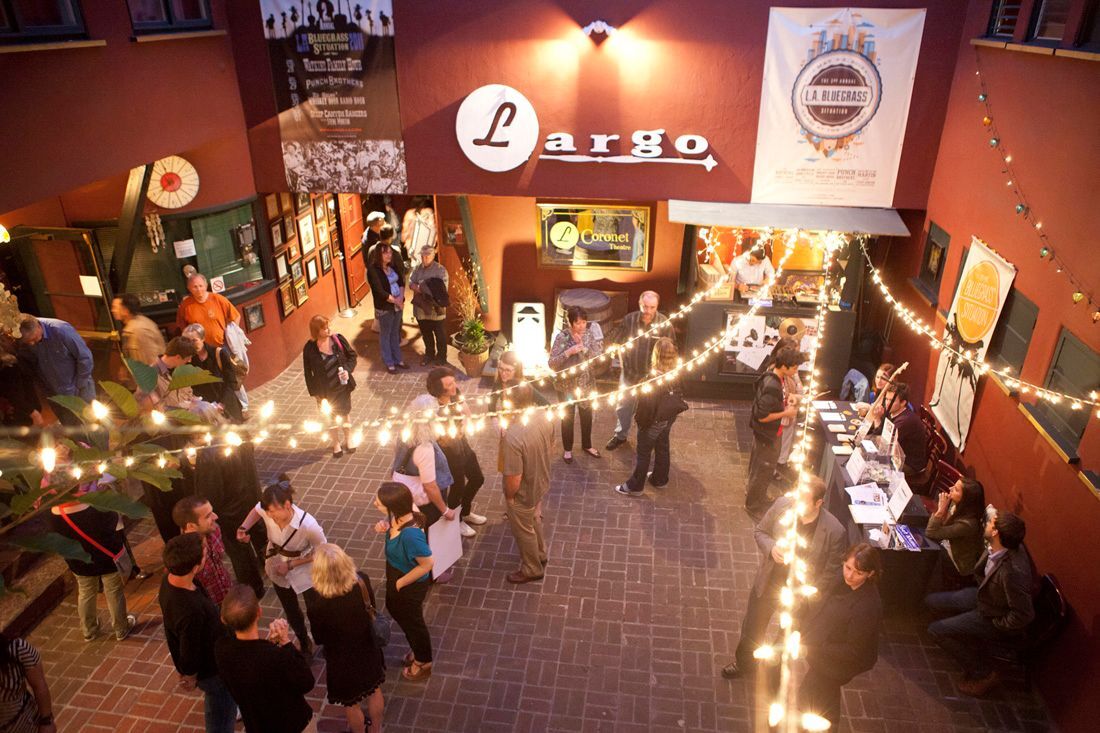
Ed: The first time I ever went to Largo was when John Krasinski took me to see Aimee Mann playing at the Fairfax Largo. We went in through the back and I just was like, “Whoa, what is this incredible vibe?” This whole place is just so, so cool. And eventually Flanny (the owner of Largo) invited me to do stand-up on some people’s shows, and one night he said, “Why don’t you do a show?” And I thought, “OK, cool. It’d be fun to mix music and comedy.” So I think the first show that I did at Largo was called “Hams and Jams.” [Laughs] The idea was like, “Oh, it’s hams, like comedy people, and jams, music people!” And I just mixed up some comedians and musicians with a terrible name that Flanny was so gracious about rolling with.

We really loved that combination, but I was really struggling to wrap my head around the LA bluegrass scene. It just was so disparate, but somehow we managed to get excited about trying to cultivate the scene and coalesce things a little bit more. And I think that was the idea… that was the sort of original inertia behind the first LA Bluegrass Situation. The name literally just came from Flanny talking about it before we named it. He just kept talking about it as the bluegrass situation that we were dealing with. So then when it came time to be like, “What are we going to call it?” I was like, “Well, you’ve been saying this awesome thing because there’s something a little cheeky about a ‘situation.'” Like, it feels like, you know, “We got ourselves a situation, here!” Like it just kind of has some irreverence built into it.

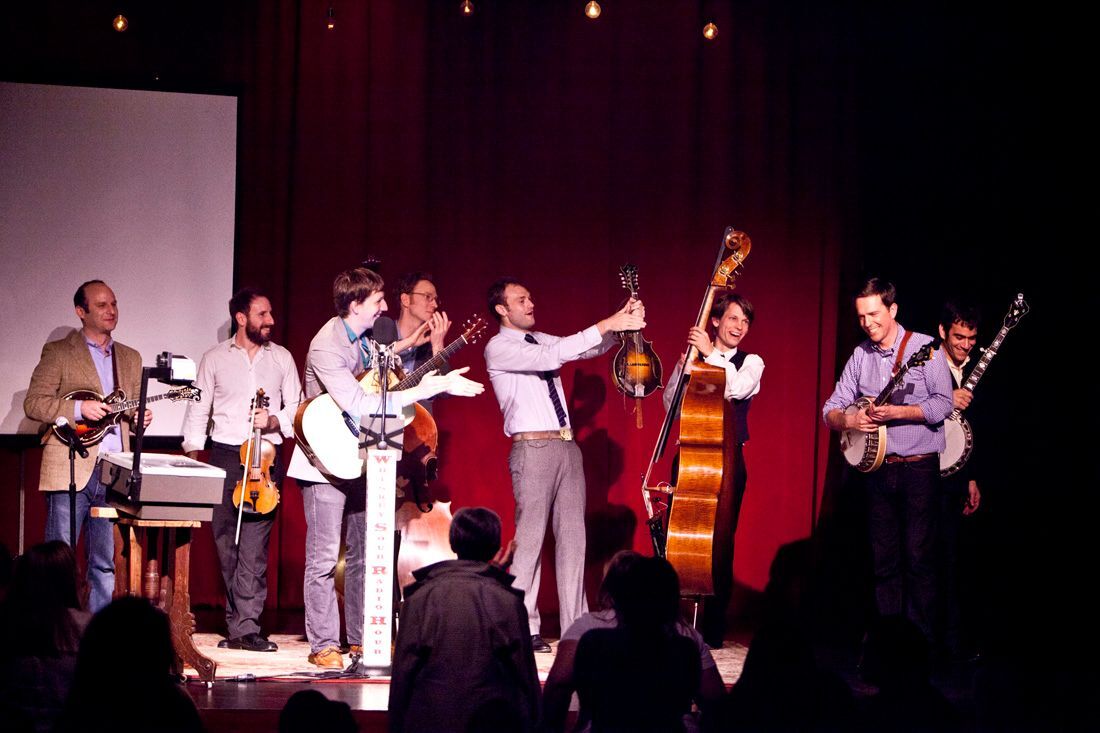
So that’s what we named it, and Flanny and I both pulled as many strings as we could with whatever relationships we had at the time and put a totally magical lineup together. Like I still can’t wrap my head around it. I mean, it was Dave Rawlings and Gillian Welch and Steve Martin and Steep Canyon Rangers and Nickel Creek and Punch Brothers and the Infamous Stringdusters… Oh, and of course the Lonesome Trio, my crew, with my friends Ian and Jake. We were sort of the hosts.

Amy: I remember I got an email from you not long after that, which was pretty shocking. What was the impetus of that, do you remember?

Ed: Yeah, I think that I was feeling pretty heady after that first LA Bluegrass Situation and probably getting over my skis a little bit and being like, “We can create the ultimate hub of bluegrass for Los Angeles and it will be this Tower of Babel that everyone will flock to!” I had so many ideas. There were so many things that I found lacking in Los Angeles that I had taken for granted in New York. There are just so many website resources. “You want a banjo teacher? Look here, there’s tons in New York City. You want to see what shows are happening? Look here!” You could just find stuff in New York City and you couldn’t find stuff in Los Angeles.

Amy: I look at the branding of that initial site and that first logo — I think DKNG did our first logo in Santa Monica — and I remember being really proud of the fact that we didn’t look stereotypical of the era.

Ed: You’re so right. And I give you so much credit for that because the very first LA Bluegrass Situation, Hatch Show Print did a bunch of posters for us. And they were so cool. I still have a bunch and I’m really proud of that, but it was also leaning really hard into a very conventional, stereotypical bluegrass aesthetic. It was a funny wake-up call for me – that plus your input. It helped me realize that what we wanted to do and where we wanted to go as fans and supporters of this idiom was not retro, like it was…

Amy: Forward-thinking.

Ed: Forward. And that artists like Chris Thile were doing that musically, right? But there was a little bit of a reckoning of “What’s our brand going to feel like? What do we want it to evoke? And who do we want to connect with? Do we want to connect with young people who are finding this stuff for the first time and finding it really fresh and exciting?”

Amy: That was always the crux of it for me. To a large extent, that aesthetic is still very alive and well within the roots music community. I had an inkling that there was an audience that had different tastes, but still could love this music and that it didn’t all have to look the same way. I could have never predicted where it went and what we’ve worked on since, but I think at the beginning we were very “of the moment.” It was the same time that Mumford & Sons and the Lumineers were on the top of the charts, and there was this kind of “authenticity” movement taking place.

Ed: I remember going to business meetings with Hollywood producers and one guy had a banjo in his office. And I was like, “You play the banjo?” And he’s like, “No, no, but I want to learn!” But you’re right. It was a moment. I’ve felt like an old fuddy duddy since I was 12 years old, but I was like, “Was I ahead of the curve here?”

Amy: Yeah, similarly, I’ve kind of always felt like an old soul; I never really felt like I truly fit in to my time, so I think there was something that really drew me in to that zeitgeist, but what amazed me was that once we really got into it, it was so much more complex and modern and exciting than I ever expected.

Editor’s Note: Look for the next part of this conversation with Ed Helms and Amy Reitnouer Jacobs in the weeks ahead.
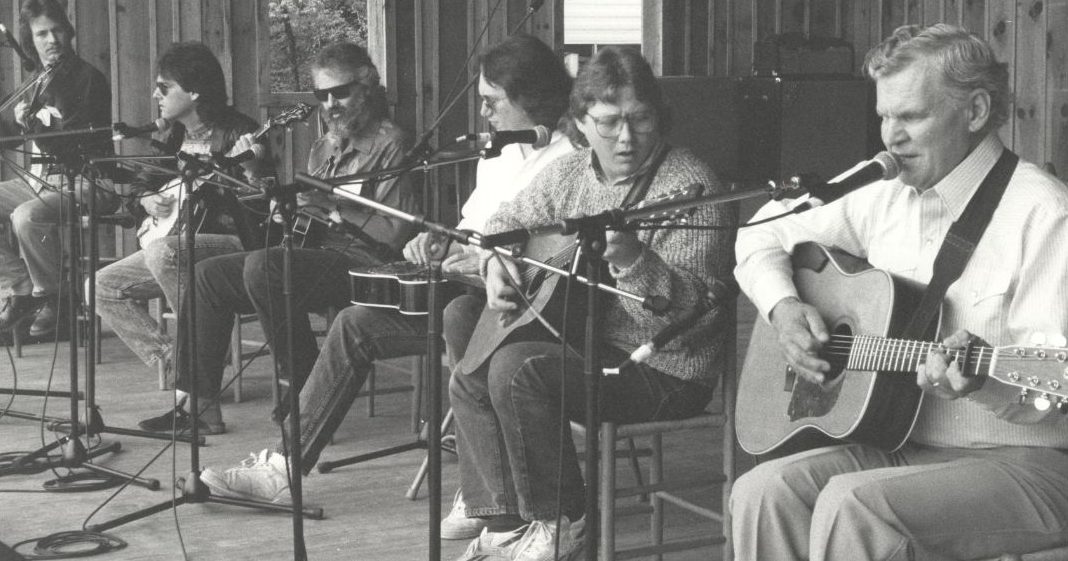
MIXTAPE: Steve Dawson’s Crash Course in Slide Guitar and Steel Guitar

Slide guitar has been a lifelong fascination for me. I got into it when my uncle gave me a slide for my birthday when I was about 13. I had no idea how to use it, but eventually figured it out by copying Mick Taylor on Sticky Fingers, and I went from there. I’ve gone pretty deep, and find the roots of slide to be very fascinating. I’d like to share this playlist with you to show you some of the music that has inspired me in my journey. It definitely favors the early generations of players from the ’20s to the ’70s, but this playlist is meant to show you where it all comes from and what inspired me.

There wasn’t much slide going on in the ’80s that I was interested in as a kid, but there certainly are a lot of great players around now in the post-Derek Trucks era. In showing you where my influences are, this is a pretty good list. It covers blues, Hawaiian, jazz, rock, experimental, the whole nine yards. I even get into pedal steel a little bit, as there are a few important ones for me, but I won’t go too far into that world. I like how this playlist works totally out of chronological order, I hope you do, too. Enjoy! — Steve Dawson

King Bennie Nawahi – “Hawaiian Capers”

King Bennie is my favorite of all the pre-war Hawaiian players. He was very creative and inspired, and played in lots of different bands. He was basically a vaudeville/street performer who also recorded. I wrote a song, loosely based on his life on my new album, but this is one of his great performances.

Tampa Red – “Reckless Man Blues”

Tampa Red was probably the most sophisticated player of the pre-war slide players. He had sort of a jazz sensibility but could also get down in the greasy stuff. I like both of those aspects of his playing.

Kevin Breit – “Uncle John’s Third Wife”

Kevin is a brilliant musician from Toronto who I got to know and play with a number of times. He is incredible to watch and can shred with the best of them, but his compositions are often haunting and beautiful like this one. He put out a resonator/slide record some years ago called “empty” that remains one of my favorite albums to this day.

Jim and Bob – “The Song of the Range”

This duo was so creative and impressive. Their arrangements were top-notch and the playing is phenomenal. So fast, clean and sophisticated. They were obviously hip to a lot of the jazz horn players of the day.

Tedeschi Trucks Band – “Made Up Mind”

To me, slide players fall into the pre and post-Derek Trucks camp. There are things that he does as a player that no one did before and pretty much anyone that learned to play since he’s been around has been influenced by him, and you can tell. There’s tons of great Derek Trucks stuff out there, but I always dug this melodic, yet ripping solo.

Bob Wills and his Texas Playboys – “Steel Guitar Rag”

Bob wasn’t the steel player — Leon McAuliffe was. This is basically the bible of electric steel guitar playing. It’s not the most complex, or the flashiest, but most modern steel and slide playing can eventually be traced back to this ripping little number. Dig Bob doing the cat calls throughout!

Sonny Landreth – “Yokamama”

Sonny came out of the Louisiana Zydeco scene and played with John Hiatt on tour and on some great records. This is a very cool instrumental that was a big influence on me when it first came out. He really sent slide guitar in some new directions with innovative techniques.

Elmore James – “The Sky Is Crying”

Elmore basically electrified the slide and popularized the riff that anyone with an open-tuned guitar first learns to play. It’s kind of ruined electric slide guitar if you go and see a blues band at your local bar, but when you hear the guy that invented it do it this well with such tone, it’s a whole different ball of wax!

Ry Cooder – “How Can You Keep on Moving?”

For me, this has everything I like about slide playing rolled up into one song and one solo. It’s probably my favorite piece of recorded electric slide guitar ever made. Sort of simple, but incredibly difficult to play this well. It’s got all the great playing of the early era Ry and the tone is unreal. It’s cool that the solo is acoustic and the rest of the song is electric. And the rhythm playing is insanely cool throughout.

Ben Harper – “Manhattan”

I saw Ben Harper in Vancouver in about ’93 before his first album came out. He was opening for Tommy Emmanuel. There were about 10 people there. Ben played totally acoustic and it blew my mind. I’ve never forgotten that show. For me, and what I like about his playing, which is raw simplicity and soul, his recent album (all instrumental) Wintertime Is For Lovers is the best thing he’s ever done and it brings me back to that concert.

Roy Smeck – “12th Street Rag”

Smeck was a vaudeville guy and also quite widely recorded. He’s a phenomenal slide player and also just as great on regular guitar and ukulele. He had one of the earliest signature model guitars — the Gibson Roy Smeck.

Sol Hoopii – “Patches”

Sol was one of the greatest Hawaiian players and was actually very famous at the time. He came to the mainland in the mid-’20s and kicked off a nationwide Hawaiian craze that influenced music and pop culture. It was said that Sol would get hired to come to movie sets and play songs like this one to make the stars all weepy before their crying scenes. Sol was magnificent.

Muddy Waters – “Long Distance Call”

Muddy was the link between Robert Johnson and Chicago blues — he electrified it and made it commercial and exciting. Not the technical expert that Johnson was, Muddy had tone and feel for days.

David Lindley – “Your Old Lady”

I love Lindley’s electric steel playing, but in the ’90s he devoted himself to more acoustic music, although his instruments are always plugged in and sound massive. He had a few duos with percussionists like Hani Nasser and Wally Ingram that are phenomenal. The Weissenborn playing of this period of his career was hugely influential to me, but none of it is available in the digital realm, so here’s a great one from the ’80s.

Taj Mahal – “Statesboro Blues”

I love Duane Allman, and he’s on this list, of course, but if you can listen to this version of this song and tell me he didn’t get 90% of what he does from Jesse Ed Davis playing with Taj on this one, I’ll buy you a sandwich.

Allman Brothers – “Trouble No More”

Duane Allman at his finest. This one was huge for me.

Mick Taylor – “Sway”

I got into slide because of Sticky Fingers. I had no idea how to do it or what he was doing, or even who he was yet, but it was Mick Taylor who got me into it and especially considering he wasn’t 20 years old at this point, it’s pretty insane. The first solo on this one is Mick playing. And I’m pretty sure it’s Mick Jagger playing the other guitar part, not Keith.

Bill Frisell – “The Pioneers”

This is the song that got me into playing pedal steel. I’m not going to go down the pedal steel rabbit hole on this playlist, but this song and steel solo (by Greg Leisz) definitely changed my life, so I thought I’d include it.

Jerry Douglas – “The Hymn of Ordinary Motion”

Jerry has redefined the dobro as an instrument capable of playing in all genres, not just bluegrass. He came from a bluegrass background, but has gone on to be one of the great instrumentalists of our time. He is also very prolific and has tons of records to pick from, but this is an interesting one and shows his killer melodic playing that everyone who plays the dobro copies to one extent or another.

Blind Willie Johnson – “Dark Was The Night, Cold Was The Ground”

I mean, if one song shows the power of slide guitar at its moodiest, this is the one. Frightening, all these decades later.


Photo Credit: Laura Partain

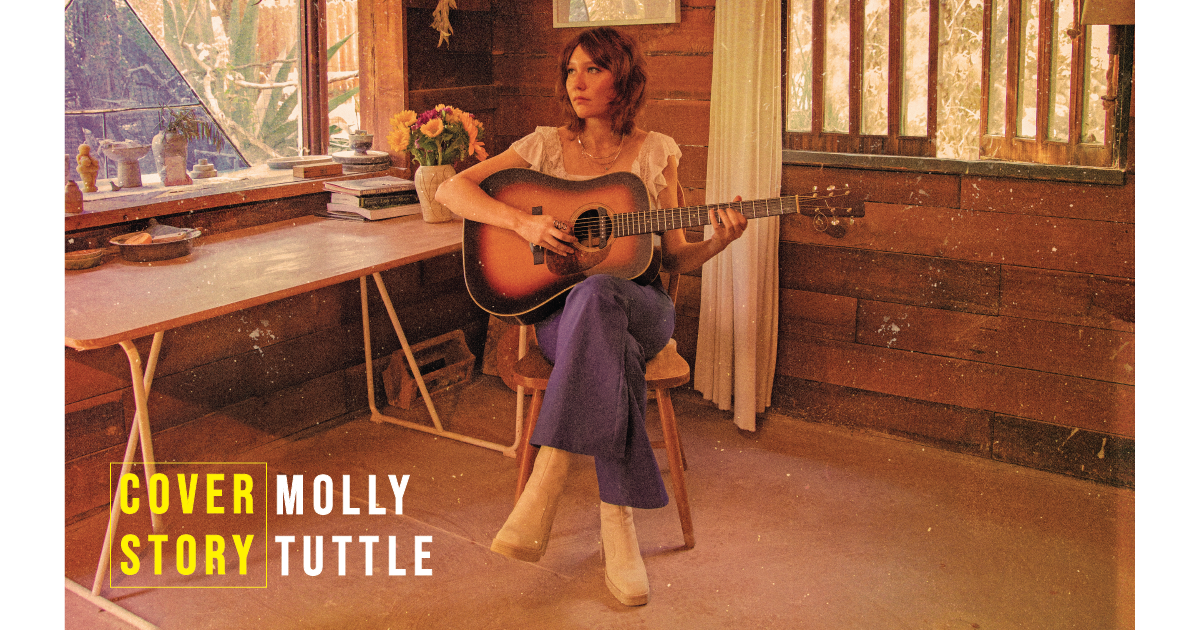
Molly Tuttle & Golden Highway Make Room for Everyone on ‘Crooked Tree’

Crooked Tree is Molly Tuttle’s third full-length album and her first officially fronting a bluegrass band, but the 29-year-old-picker has been pushing the genre forward for the better part of her life. She started playing guitar at 8 years old and playing live onstage by age 11, often performing alongside her father or as part of a family band. In 2017, she released a debut EP, Rise, and became the first woman to be named (or even nominated as) IBMA’s Guitar Player of the Year; she then promptly turned around and took home the award again in 2018. She’s collaborated with Buddy Miller, Béla Fleck, and Bobby Osborne, and participated in a supergroup with fellow trailblazers Alison Brown, Sierra Hull, Missy Raines, and Becky Buller.

So it’s no surprise that Tuttle nabbed an impressive roster of guests for the new project, including producer Jerry Douglas. Ketch Secor, with whom Tuttle has toured and collaborated frequently, co-wrote eight songs on the album and joins Tuttle with his band Old Crow Medicine Show for “Big Backyard.” Gillian Welch offers a clever duet on “Side Saddle,” a song that makes an apt metaphor for busting up Nashville’s old boys club. Billy Strings—once a roommate of Tuttle’s—appears on standout track “Dooley’s Farm,” while Hull, Margo Price, and Dan Tyminski also join the party.

Even as the new collection demonstrates a close-knit music community coming together, its takeaway is just as much about the beauty of setting yourself apart. “I named the record Crooked Tree because I want it to be about embracing your differences,” says Tuttle.

Here, BGS catches up with the Nashville-based musician about the bluegrass voices that inspired her, the long road to embracing her own perceived imperfections, and why it felt right to dedicate this latest work to her paternal grandfather.

BGS: Were there any bluegrass artists that you turned to for inspiration, either for the first time ever or the first time in a while?

Tuttle: I did go back to people like Peter Rowan, John Hartford, Gillian Welch. Those were some of the people who influenced the songwriting on this record. I think those artists have a way of telling stories that you don’t always hear. I wanted this album to feature a lot of different perspectives, ones that maybe you don’t always hear in Bluegrass songs. John Hartford in particular has such a playful way with his lyrics. He obviously was a master of bluegrass, but with his songwriting and with his albums, he took it in new directions that were maybe a little more folky sometimes. He definitely pushed it into new territory.

Hearing what an influence Gillian Welch had on the record, I imagine it must have been wonderful to have her collaborate with you on a song. How did “Side Saddle” come together?

It was so exciting to have her come into the studio. I sent her a couple different songs—I knew that it would just be amazing to have her voice on something, but we wanted to let her choose and she chose that one, and I was so happy. We wrote that song from the perspective of a cowgirl who wants to be taken seriously, and that’s how I felt a lot, as a guitar player, especially. I’ve often been the only female guitar player around, and Gillian Welch is one of my biggest heroes. She’s been such an amazing role model for me, as an incredible musician and also just such a strong woman who writes amazing songs.

Hearing the lyrics to that song, I wondered: Is there any moment or memory where you felt like you were metaphorically asked to “ride side saddle” when you didn’t want to? How did that impact your path as a musician?

When I was a kid, I had so many amazing female role models in the Bay Area, like Laurie Lewis and Kathy Kallick, who both lead their own bands. It really felt like there were so many women who played music that I could be friends with and who could be mentors to me as a kid. But when I went to music school, I realized I was the only female in a lot of my guitar classes—it did feel like I was often the only woman in a room. Sometimes I had teachers making weird comments—one time a teacher told me that I “played really feminine”—so I just feel like people were often singling me out for that reason. I found that in jam sessions too: I remember one jam, in particular, when I knew most of the people in the circle. But there was one person I didn’t know, and he specifically skipped my solo every time I came around. The only woman in the jam circle, and I’m like, “Really? You’re going to go out of your way to skip my solo?” So yeah, I think there are times like that where I just feel like, “Come on!

There’s a line in “Grass Valley” that I really love about a shy kid with a mandolin, and it feels like an overt comparison to your own story as a young child excelling at music. Are there any things that you wish you had known when you were first starting to play?

I definitely knew as a kid that I had to work really hard, and I think I did work really hard at music. But I didn’t always know to believe in myself—to just feel confident. I felt like I always had to critique myself and always push to be perfecting my playing and singing. But really when I gave that up is when I made the most progress; when I felt more confident in myself.

What do you feel was your biggest challenge in getting this record together?

Well, I probably spent the most time on the songwriting, but that part felt pretty natural to me. I think the challenge came when we were cutting the album. We were doing it in a really short amount of time and wanted to keep everything really spontaneous and live. But it’s like we were saying before—you have to let go of perfectionism. It was hard for me to sing my vocals live and not want to critique every little note that I sang, go back in and overdo them a billion times. Jerry was really cool about that. He didn’t want us to have too much time where to go in and try to change everything afterwards. That was a new experience for me.

You co-wrote all of the songs on this album, several of them with Ketch Secor of Old Crow Medicine Show. One that stands out in particular is “San Francisco Blues,” which has plenty of modern-day references but feels somewhat timeless. How did that one come together?

We both love the old-school bluegrass sound and old-time music, and we both care a lot about songwriting and stories—and updating old stories. On “San Francisco Blues,” Ketch kind of helped me figure out how to incorporate some of those old song forms. That was probably like that song took the longest to totally finish… When I brought in the old format of a blues song or a song about having to leave home, that’s when it really clicked. I kept some of the current stuff, but also incorporated more old-school language into it. It really helped the song live in both worlds.

There’s a lot of rural imagery on this album. Was there any place or trip that specifically inspired those scenes?

Right when I was in the middle of writing the album, I drove up from Nashville to visit my grandma in Illinois. My dad grew up on a farm in a town called Yorkville. My grandma still lives on some farmland that my family owns, and while they don’t own the house where my dad grew up anymore, it’s still just down the road from her house so we drove out there one day. We probably technically weren’t supposed to be walking around but we walked around the old farm: All the buildings are all boarded up and it’s a little overgrown and the house is kind of run down now. It was a little sad to see, but it got me thinking about where bluegrass started for me. My grandfather was a farmer, but he also played the banjo, and he taught my dad how to play and my dad taught me how to play. That rural landscape really has influenced me, even though I didn’t grow up there.

You even dedicated the record to your grandfather, Gerald Tuttle. Are there any qualities that you feel that you inherited from him?

He was just such a hard worker. That definitely influenced my dad, and I think my dad tried to instill that in me and my brother. And then, of course, just seeing the farm and the music that he loved. And I think it’s cool that he worked so hard at his farming, but he also had this other side to him. He’d always show me videos of Elizabeth Cotten playing guitar and he loved Hank Williams. He just had such a strong passion for music—I don’t know if I would playing music if it weren’t for him. I thought that he would be happy that I finally made a bluegrass album.


Photo Credit: Samantha Muljat

BGS10: For Our Birthday Month, Here Are 10 of Our Most Memorable Videos… So Far

As we celebrate a decade of the Bluegrass Situation, we’ve combed through our archive to reminisce and enjoy some of our favorite moments from the world of roots music. In lieu of our usual Artist of the Month feature, we’ve decided to shine the spotlight on our own musical history. Here are 10 picks that capture the road of how far we’ve come over the last decade…


Do You Play the Banjo w/ Della Mae @ MerleFest (2013)

Kimber and Celia of Della Mae wandered the grounds of MerleFest to ask the ever-important question: “Do You Play Banjo?” (Don’t miss a true BGS highlight at 2:30)


Back Porch of America series (2013)

Our first series premiere, The Back Porch of America was like stepping back into history as host Matt Kinman visits with Mark Newberry, a fifth generation chair maker on Jennings Creek, near Red Boiling Springs, Tennessee.


Imogene & Willie Listening Room – Langhorne Slim (2013)

See Langhorne Slim and friends Kristin Weber, Shelby Means, and Kai Welch perform “Countryside Shuffle” at the original Imogene & Willie store in Nashville for The Bluegrass Situation during our first ever AmericanaFest.


Soundcheck – Noam Pikelny (2014)

Soundcheck was a series that sat down with artists before they hit the stage.  In this episode, Noam Pikelny, recipient of the Steve Martin Banjo Prize and founding member of Punch Brothers, hung out with BGS ahead of his Nashville show in support of his 2013 release, Noam Pikelny Plays Kenny Baker Plays Bill Monroe.


Bonnaroo Superjam Finale – Lake Street Dive, Dierks Bentley, The Avett Brothers, Ed Helms, and More (2014)

The Bluegrass Situation held court for five years on That Stage at Bonnaroo, curating and hosting a lineup of our favorite musicians that culminated in an epic annual Superjam. we’ll always have a fondness for this particular night, when BGS co-founder Ed Helms lead the final number “I’ve Had the Time of My Life” (yes, the one from Dirty Dancing) alongside Rachel Price from Lake Street Dive, The Lone Bellow, Dierks Bentley, Sarah Jarosz, The Avett Brothers, and many many more of our favorite folks.


Live at Telluride – Chris Thile & Edgar Meyer (2014)

Check out that view! BGS & Mason Jar Music scoured the town of Telluride, Colorado to find this perfect beautiful spot for Edgar Meyer and Chris Thile to play “Why Only One?” during Telluride Bluegrass 2014, one of several jaw droopingly gorgeous videos from the series.


Live from Old Settlers Music Festival – The Earls of Leicester  (2016)

It doesn’t get much more legit than The Earls of Leicester, the bluegrass supergroup organized by dobro-master Jerry Douglas. Here, the guys gather round some Ear Trumpet Mics to bring their traditional flair to a modern audience.  One thing is for sure: those bow ties have never been cooler.


AmericanaFest UK – Birds of Chicago (feat. Allison Russell) (2019)

Folk duo Birds of Chicago (aka Allison Rusell and JT Nero) perform “Try a Little Harder” for BGS-UK’s first video series. This heartfelt performance was filmed at Paper Moon Vintage in Hackney, London, during AmericanaFest UK’s 2019 conference by Wonderscope Cinema.


Shout & Shine Online – Lizzie No (2020)

Harpist, songwriter, and Basic Folk co-host Lizzie No recorded the first of our Shout & Shine Online series, which comprises short-form, intimate video performances by underrepresented artists in Americana, folk, blues, and bluegrass.


Whiskey Sour Happy Hour – “The Weight” (Superjam, feat. Ed Helms) (2020)

Presented by our co-founder Ed Helms and the Bluegrass Situation, the superjam finale of the Whiskey Sour Happy Hour series features an all-star cast performing in their homes for a great cause. Thanks to the Americana Music Association, TX Whiskey, and Allbirds for their support in helping us raise over $75,000 towards pandemic relief

What Del McCoury and Ronnie McCoury Took From Monroe, Flux, and the Dawg

Del McCoury is a legend many times over. A snapshot from any period of his life would be enough to earn him a place in the history books. From his time playing with Bill Monroe in the early ‘60s to fronting his own band with his sons Rob and Ronnie McCoury, Del’s career is a triumph. The Del McCoury Band is the most-awarded band in IBMA history, and Del has been honored with a Grammy Award, induction into the Bluegrass Hall of Fame, and a lifetime achievement award from the National Endowment for the Arts.

Since moving to Nashville in the early ’90s, The Del McCoury Band has recorded more albums than they can remember. (Literally. I asked them and they couldn’t remember. It approaches near two dozen.) Their latest album, Almost Proud, furthers their musical legacy. In a visit with The Bluegrass Situation, Del McCoury and Ronnie McCoury talk about recording it during the pandemic, digging through a big box of submissions for material, and learning a trick from Jerry Douglas that they still use to this day.

BGS: Del, you’ve fronted a band for many decades and this version with your sons has been around since the ’90s. How has the process of picking the material and arranging it changed over that course of time?

Del: Well, I’ll tell you, we used to do a lot of prep before we went in the studio, years ago when it was just me and the band. But now the boys have their own band and they’re a lot busier now. For the last several records, I just kind of picked the material and I’ll try to find the right key and tempo and all those things. And we won’t even have a rehearsal or anything until we get in the studio. We just mainly do all of the hard work in the studio after we’re in there.

I’ve always been in awe of how this band not only picks great material but also plays it in a way that makes it unique and often an instant bluegrass classic, no matter the original genre. What goes into how you pick material?

Ronnie: I still don’t know what Dad’s going to like. I found “1952 Vincent Black Lightning” through a guy named Dick Bowden. He gave me a tape of it after the band had played a show. It was just Richard Thompson playing solo guitar on a radio show. Dick said he thought it’d be a good song to cover and as soon as I heard it and the fingerstyle guitar I thought, “Wow, this could be good.” Well, I took it to Dad, and he passed on it for the record we were making. But then the next record, he pulled it out and said, “You know, I’ve been listening and I think that would make a pretty good song.” So, like I said, I don’t know what’s going to hit him and when it will.

But with my dad, it doesn’t matter what he plays or sings. Number one, it’s going to have strong guitar rhythm. Number two, it’s going to be his voice. Through the years, I figured he can sing about anything. For example, when he played with the Preservation Hall Jazz Band, everybody was like, “I wonder how this is going to work.” Well, he just opens his mouth and does what he does, and it is what it is, and it’s great! People will pigeonhole others for their style of singing. My dad’s got a high lonesome sound, but it always seems to work.

My dad taught us how to have that feel and the elements of first generation bluegrass. The drive, how to play fast and when you need to, how not to overplay, and how to back up behind a singer, things like that. People don’t always have a teacher that really knows that stuff, so it sometimes doesn’t come easily or at all. We were just lucky to have this guy who was so well-rounded. A great guitar player but a banjo player first and such a good singer. He can sing any part, and he loves to sing bass, too.

Those elements are all very present in this band for sure. The fiddle is a very lyrical instrument to begin with but I’ve always particularly considered Ronnie’s mandolin playing and Rob’s banjo playing to be a really interesting combination of melodic/lyrical and still very traditional sounding.

Del: Yeah, I know what you mean. They don’t strictly depend on melodic notes to do something, but they make their style work around the melody that they’re trying to play. They do that. They try to keep it fairly simple.

It’s very masterful, the subtlety of all of it. I imagine you had a hand in guiding them when they were younger.

Del: I tell you, I never even thought about my sons playing music. I don’t know why I didn’t, but I just didn’t. Maybe it’s because when I was learning to play, I had a lot of cousins. They’d hear me and they’d want to learn to play, and I’d show them something. And then, of course, next week they’d be into baseball or something else. They forgot about music that quick. And I guess I thought they might also lose interest in this music. But they never did. Rob started playing banjo when he’s about 9. Of course, I started playing guitar when I was 9, too. My older brother taught me the chords. But I was not really all that interested in playing until I heard Earl Scruggs. I was about 11 then. And that really switched something up in my brain.

But my boys, they were always around music. Ronnie played violin in school when he was really young, but he also was in Little League and he was their star pitcher. And you know what happened? His violin teacher told me, “He’s really doing good on this.” And I said, “Really?” She said, “Yeah, he learned so fast.” Well, it comes to where there is going to be a recital in school at the same time there’s going to be a big Little League baseball game. And he was supposed to be in both of them. He chose the baseball game. And, oh, his teacher called! She was so disheartened because he was one of her finest students. But he kind of forgot about music just for a little while.

And I took him with me to New York City. I was playing a show and Bill Monroe was one of the acts there. It was during Ronnie’s school vacation between Christmas and New Year’s so I brought him with me. Bill took an interest in Ronnie. He put his hat on him and he put his mandolin in his lap and he said, “Now you play me something on this mandolin.” I didn’t think nothing about it at the time. But when we got back home, Ronnie asked if he could have this old mandolin I carried around on the bus. And once Ronnie got that mandolin, he never laid it down.

Well, now those guys, when they did start learning to play on their own, I could hear them in my spare time—I was pretty busy in those days. And I hear them playing and I could tell they were missing a note here and there and I’d just tell them where to find it and then let them go on their own. I just didn’t bother them much. Boy, they learned fast.

That’s great. I think all of that is a big part of the sound but there’s something about the arrangements that has always made you all stand out, I think.

Ronnie: As far as arranging things, when we got to Nashville and did that first record, Jerry Douglas produced it and one of the first things that we did still sticks with me. I wound up singing “A Deeper Shade of Blue.” Flux is the one that gave us the beginning and end of it, this lick. And I was like, “Oh, wow, we can put a lick on tunes.” I was just so straight-ahead that I had never even thought to do that. I credit Flux with opening my ears to that because he’s so musical.

That is interesting because that kind of thing is usually associated with pop-adjacent music. Your music is so traditional but having those hooks does make the songs stick in your mind.

Ronnie: It probably also comes from listening to all kinds of music. I’m a product of the ‘80s. When I was in school I was hearing all of the rock and newer stuff that was being played on the radio. I never gravitated to it as much as I probably did to Southern rock. We loved the twin guitars of the Allman Brothers. What’s interesting is that those guys were listening to this stuff. Dickey Betts was a bluegrass fan and I remember he and Vassar had a duet thing. They used to play together in Florida.

That makes sense. There’s a full-circle element there as well. The Allman Brothers are sort of the prototypical jam band and now you guys are playing shows with Greensky, The String Cheese Incident, Railroad Earth, etc.

Ronnie: You’re right about that. Part of the reason we got into that world we’re in is that there’s already a Del McCoury Band, and we wanted to do something different, but we couldn’t call it the “Del-less McCoury Band.” So we had to do something that was different sounding. When I grew up I had no idea that mandolin players were doing anything but what Bill Monroe did. I was around 15 years old when the Dawg came out with that first record, the David Grisman Quintet album with Tony Rice on it.

The arrangements and playing on there were really influential and all that stuff squeaks into your music. You’re a product of what you hear, I guess. Those guys changed so much. There’s the guys that don’t get credit on the banjo like Bobby Thompson and then the next guy was Bill Keith. From Bill Keith comes [Tony] Trischka and Béla [Fleck], and it just moves on. But the Dawg, man, he was kind of the first one to take the Monroe and Wakefield stuff and stir it up like that. I’m a big proponent for him to be in the Hall of Fame.

The ensemble abilities of this group are some of the best in the business. Having so much family in the band lends itself to that, but Jason Carter and now Alan Bartram have been in the band so long I imagine that you all can anticipate what each other will do next.

Del: That’s true. It makes it easier, because I think we all kind of think alike and are satisfied in what we’re doing. And I’ll tell you something, I think it helps keep them interested. Like on live shows, we never have a set list, and they never know what’s coming next. When we get on stage, we just go up there and do a few tunes. I like to introduce each member of the band. I’ll let them tune or choose a song to sing after I get the four of them introduced. Then a lot of times we just start doing requests from the audience, and all through the set, we’ll try to work in things that we just recorded or had released, whatever. But for the most part, we’re doing requests from the audience. They know that when they go up on stage, they don’t know what’s happening next, and I don’t either, but that’s kind of the fun of it.

You are a link to those older traditions, and those were a lot more about performing than making records and stuff. It seems to me that performing and being an entertainer is what’s important to you.

Del: You know, I think it probably is because that’s what you do most. You’re never in a studio that long but before the pandemic we’d be out every week doing a show. I like talking to the audience. I think they entertain me more than I entertain them. For example, I ask them questions, like, “What would you like to hear next?” And what entertains me is they’ll request a song, but they get one word wrong or two in the title of the song.

For instance, we get a lot of requests for “1952 Vincent Black Lightning,” and what people have problems with is the year. So, I say back to them, “Well, I don’t know that song.” And then it gets real quiet and they’ll think, “Well, I know he knows that song because he’s got it on a record.” I let them wonder for a little bit before I’ll say, “Well, now, look, I know a song entitled ‘1952 Vincent Black Lightning,’” and then they’re relieved and I’ll play it for them. But just little things like that. They’re so funny. People are funny if you listen to them. They will entertain you.

You guys have put out so many records. Is there anything that makes this one stand out or feel special to you?

Ronnie: Well, probably the fact that during a pandemic, my dad worked and he sat down and listened to like 150 songs or something. He didn’t just rest on his laurels. We got him a tape recorder, a nicer one, that he could record his ideas on because he felt more comfortable working with a tape machine.

Del: All through the years, people have sent or given me songs while we were on the road. A lot of the time, I just throw them in a box and say, “Well, when I get time, I’ll listen to them, see what they are.” So, when this pandemic hit that spring, I thought, “Wow, I’ll get all those things out and listen to them.” And then I picked out certain songs and I started to work on them.
Ronnie: During this time, we’re wearing masks and sitting outside doing our radio show six feet apart and not going in the house. Everybody’s worried about my parents so we were careful. But he worked on this stuff and he wrote some songs. So, what’s special to me are just good memories, really. Just being able to be in a studio with Dad in the middle of a pandemic and getting it done and not having so much wasted time. … The hardest thing through the pandemic for me to see, besides the tragedies where people lost their lives to this stuff, was seeing my dad in his golden years, not being able to do what he wanted to do, which is to travel and play for the people. He knocks us all out with how he can play and sing at this age.

Yeah, it’s pretty amazing.

Ronnie: He knocks me out. I can’t get over it. Like I said, it was amazing to be able to go in and do this record through all this and that his health is still with him. So I’m just proud of that. “Almost Proud,” you could say, ha ha.

“Almost Proud,” there you go.


Photo Credit: Daniel Jackson