Americana Honors & Awards 2019: Photos & Winners

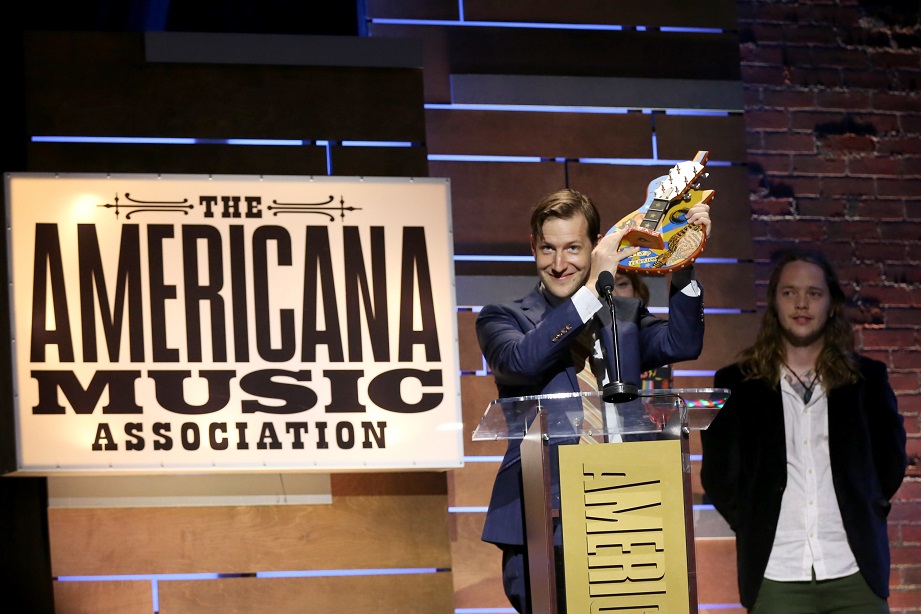
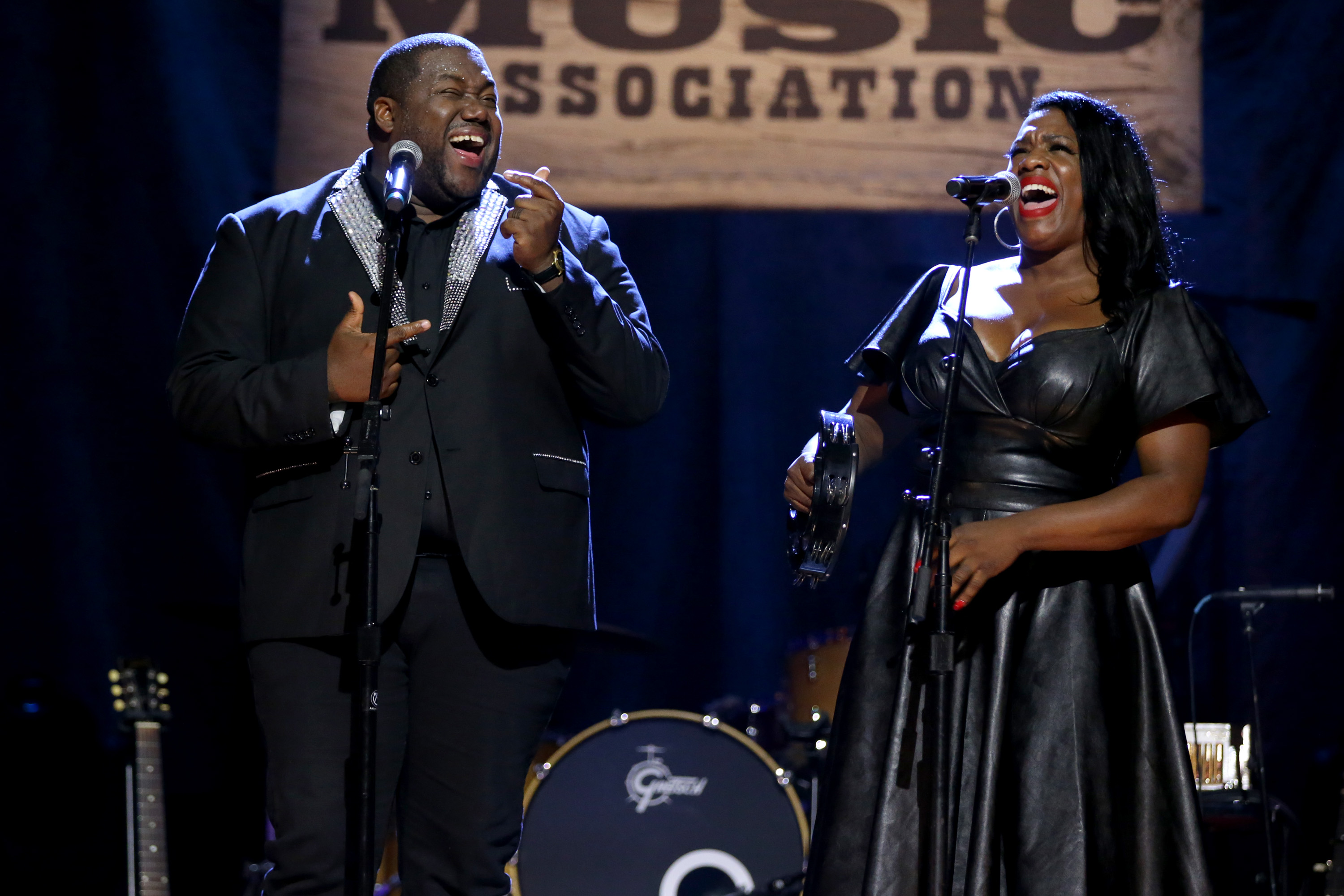
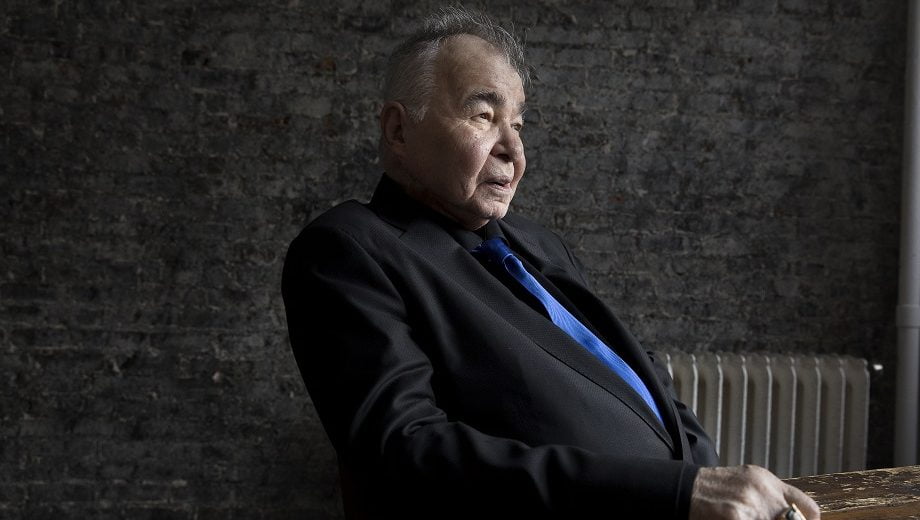
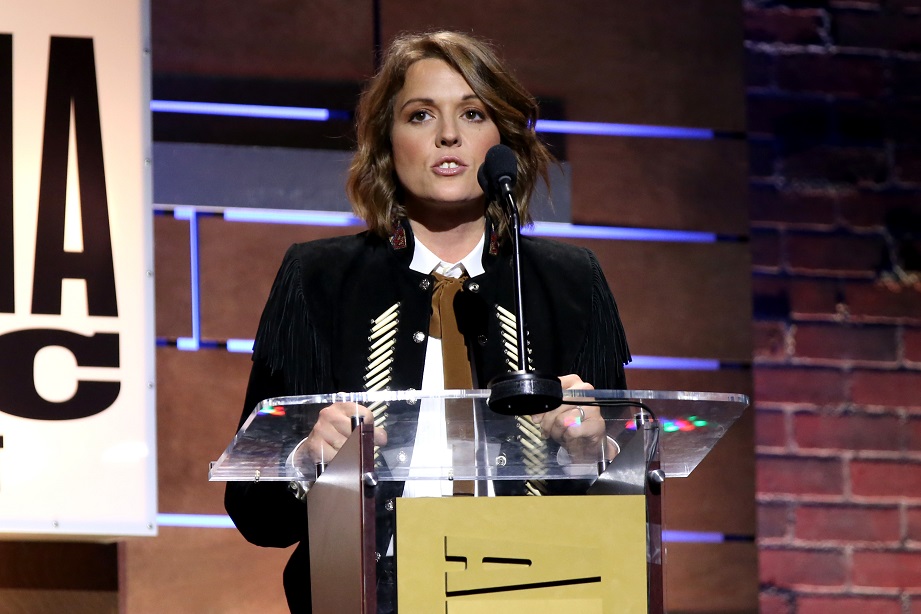
Brandi Carlile is still on a roll, picking up the Artist of the Year trophy at the Americana Honors & Awards on Wednesday night (September 11) in Nashville. Meanwhile, John Prine claimed a statuette for Song of the Year, sharing the award for “Summer’s End” with his co-writer Pat McLaughlin. He also earned a trophy in the Album of the Year category for The Tree of Life. Other winners include I’m With Her (Duo or Group), The War and Treaty (Emerging Artist), and Chris Eldridge (Instrumentalist).

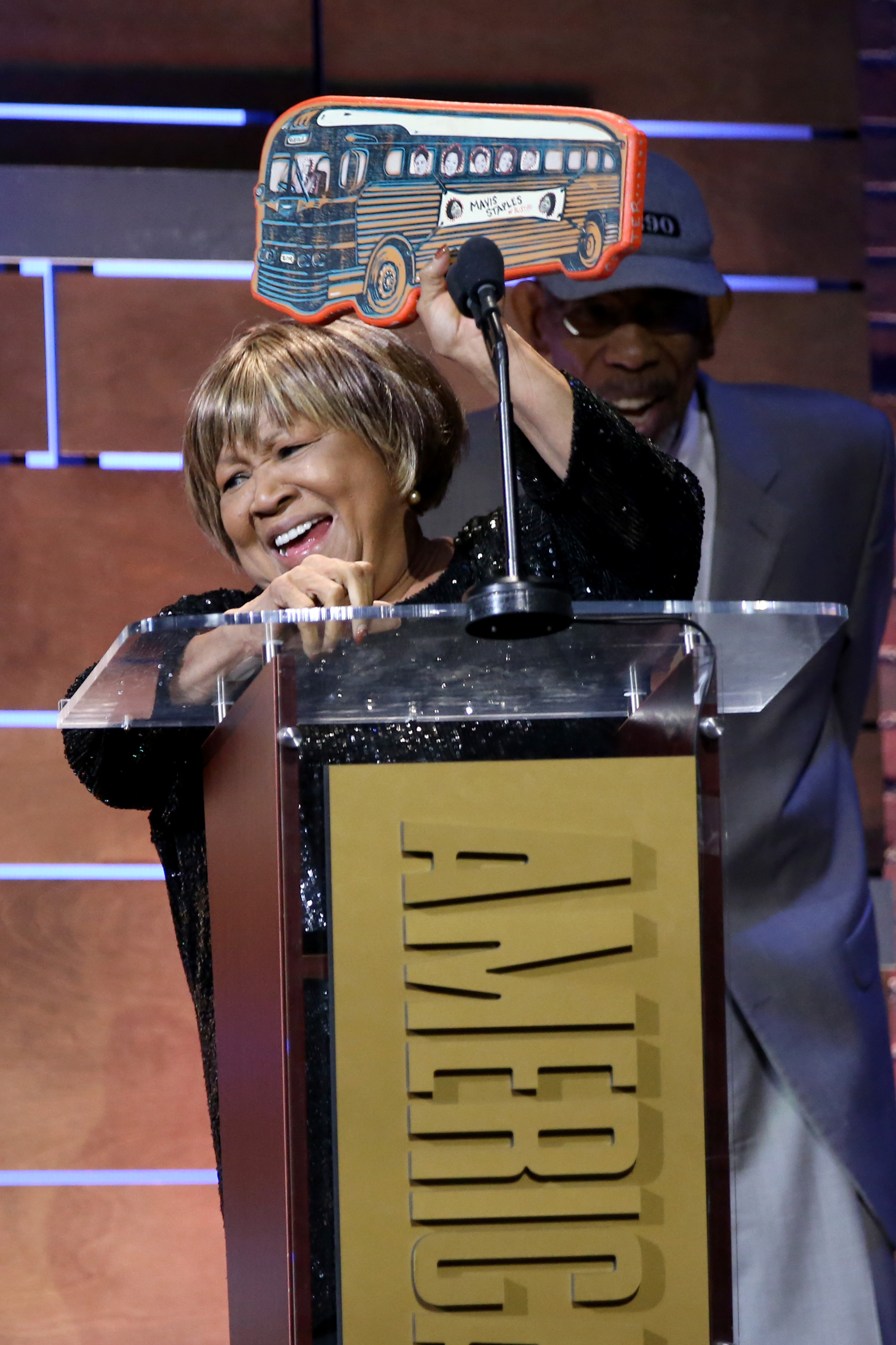
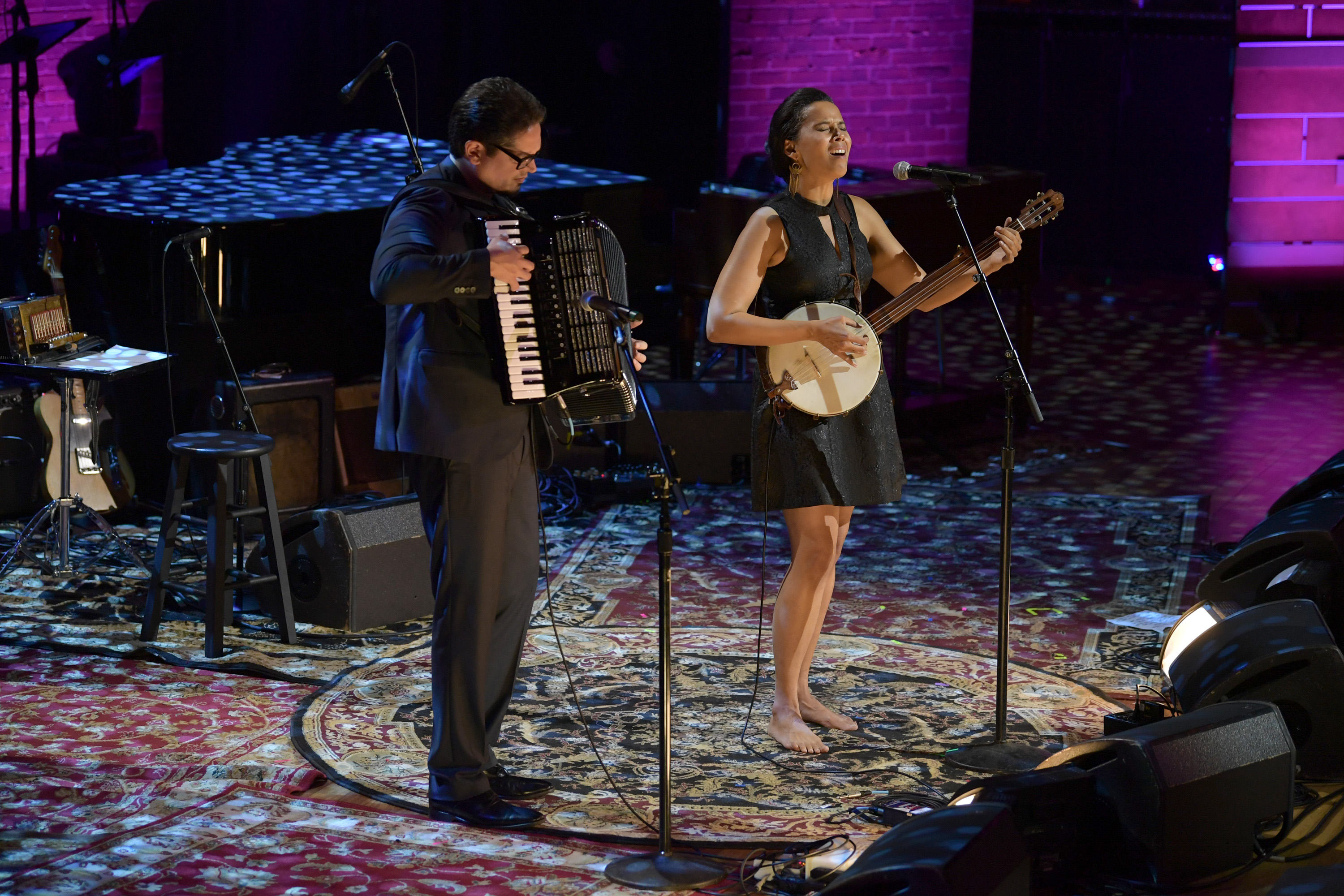
The following awards were also presented: Lifetime Achievement Award for Performance: Delbert McClinton; Legacy of Americana Award, presented in partnership with the National Museum of African American Music: Rhiannon Giddens and Frank Johnson; Trailblazer Award: Maria Muldaur; President’s Award: Felice & Boudleaux Bryant;Inspiration Award, presented in partnership with the First Amendment Center: Mavis Staples; and Lifetime Achievement Award for Songwriting: Elvis Costello.

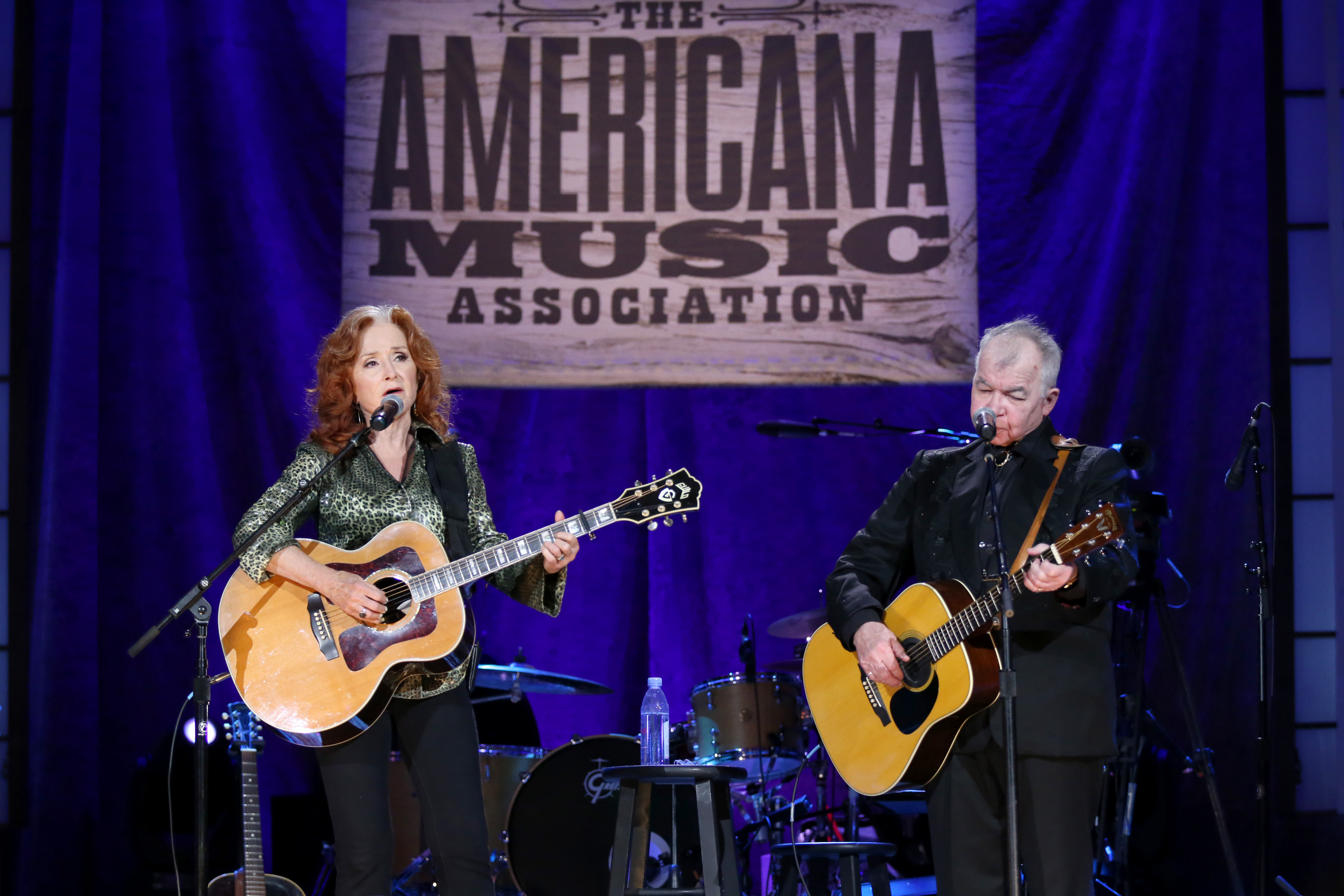
Performers included Rodney Crowell and Joe Henry, Mark Erelli, Erin Rae, Ruston Kelly, Lori McKenna, Mumford & Sons, Amanda Shires, Yola, and more. The Milk Carton Kids returned to host the ceremony at the Ryman Auditorium. See arrival photos.


Chris Eldridge


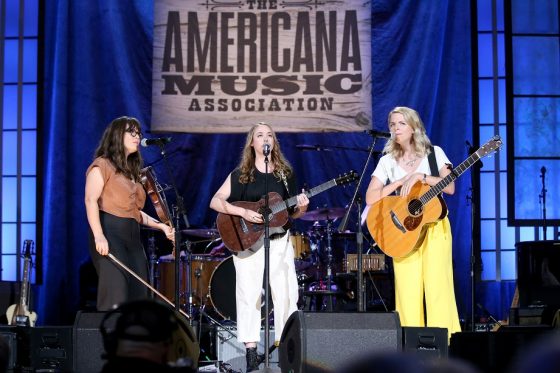
I’m With Her


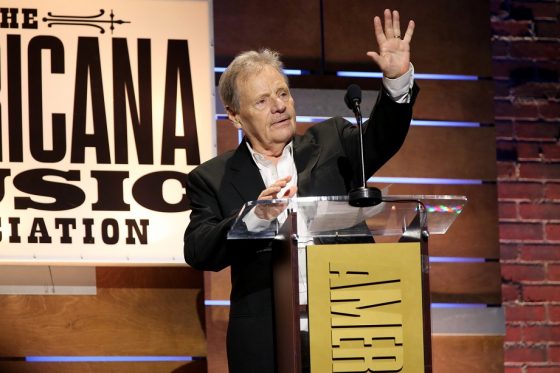
Delbert McClinton


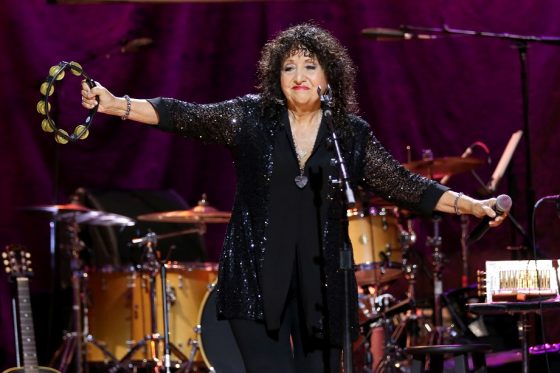
Maria Muldaur


Bonnie Raitt & John Prine


Mavis Staples


Francesco Turrisi and Rhiannon Giddens


The War and Treaty

Photos: Terry Wyatt/Getty Images for Americana Music Association

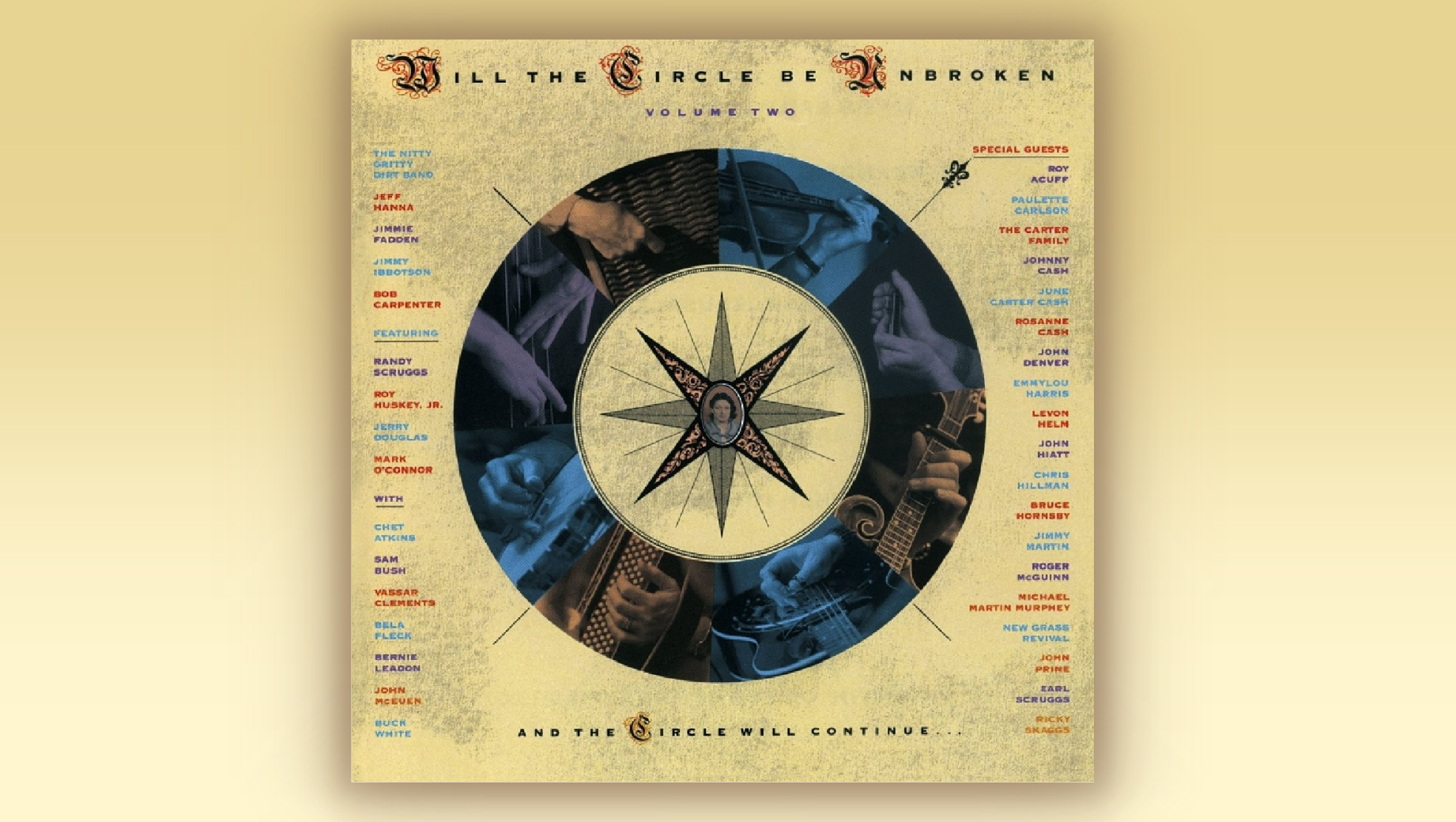
Nitty Gritty Dirt Band’s Jeff Hanna Reflects on ‘Will the Circle Be Unbroken, Volume Two’

Why mess with a classic? That was the original thought from a few members of Nitty Gritty Dirt Band when the idea was presented to record a sequel to their seminal 1972 album, Will the Circle Be Unbroken.

However, with encouragement from one of the group’s biggest fans, the legendary June Carter Cash, the recording sessions for Will the Circle Be Unbroken, Volume Two commenced in the winter of 1988, with a cast of accomplished musicians who are now considered cornerstones of Americana music.

Often referred to simply as Circle 2, the acclaimed project was released in 1989 and went on to win three Grammy Awards and a CMA Award for Album of the Year. To commemorate its 30th anniversary, Jeff Hanna shares its back story with the Bluegrass Situation.

Editor’s Note: Jeff Hanna and guest Sam Bush will participate in a screening of clips from a documentary film, The Making of Will the Circle Be Unbroken, Volume Two, at the Country Music Hall of Fame and Museum in Nashville on Wednesday, September 11 at 11 a.m., during AmericanaFest.

BGS: Can you explain why Circle 2 is such an important album for the band?

Hanna: It’s important in our history because at that point, we were no longer just the kids. We were all in our early 20s when we did the first Circle record, making music with those revered folks. And so we had a different point of view, somewhat. Here we were in the midst of our mainstream country career, and we still revered the first album.

The way we viewed Circle 1 was like something untouchable – just leave it. It is what it is. As time went on and as that project matured, it mattered a lot to a lot of people, including us. So we resisted the concept of doing another Circle record. Especially me, Jimmy Ibbotson, and Jimmie Fadden. Bob Carpenter was like, “I didn’t get to play on the first one! I wasn’t in the band! I want to do it!” He was pretty excited about the concept, and Chuck Morris, our manager at the time, brought it up a bunch. But we waited a while, and by the time it came out, it was 17 years between the releases.

When did you decide to move forward with it?

We were on tour with the Johnny Cash show, which included the Carter Family, and we were in Europe. I think it was in 1988 in Switzerland. June came into our dressing room — and she would visit us a lot. She was really sweet and she loved to talk about Mother Maybelle, and how much she loved us. She called us “them dirty boys.” I love that. And at the end of the conversation, she said, “You know, if you all ever thought about doing another Circle record, John and I would really love to take part in it.”

That was the tipping point. If you have that sort of endorsement from folks we idolized, and who were so important in the history of this music – and music in general — we thought, “Well, there you go.” That’s what we did. The winter of ’88, we started making calls.

How did you come up with the guest list, so to speak, for this one?

Our approach was to delve more into the next generation of folks, like New Grass Revival, and certainly a lot of our singer-songwriter buddies, like Bruce Hornsby, John Hiatt, Rosanne Cash, and John Prine. We had only recorded a little bit with Emmylou Harris and we really wanted to work with her. And we were really excited to do a record with Levon Helm. That was one of the highlights.

I think the collaborative spirit of this album really shines through when Bruce Hornsby is playing “Valley Road” with you guys.

I’d never met Bruce Hornsby but I was a huge fan of his music. I heard “Every Little Kiss” on the radio and it just blew me away. But then I’m reading an article in a magazine, and it was a “desert island disc” thing, talking about the records that you’ve gotta have, and he mentioned Will the Circle Be Unbroken. It was like, WOW! So I somehow got his phone number, I called him up — cold-called him — and he said, “Oh yeah, man, I love that record, I love you guys.” I said, “You’ve seen us play?” He said, “Yeah, my brother and I sneaked in.” We were playing a college show in his hometown, and those guys started carrying amps into the venue. We were unloading the truck and they started carrying gear in, and ended up sort of hiding behind the bleachers, and when the show started, came out and watched the show.

We hit it off right away, so there’s a direct line to Circle 1 right there. And when we were putting together our core band for the sessions, of course we included our buddy Randy Scruggs (who was on the first Circle album), Roy Huskey Jr. (whose dad Junior Huskey played on the first album), Jerry Douglas, Mark O’Connor… It was so much fun walking in and making music with those guys every day. Chet Atkins is on a track and played one of my guitars, which I liked. I know I’m never selling that guitar.

One of the coolest tracks on there is “You Ain’t Goin’ Nowhere.” How did that come about?

We brought in Roger McGuinn and Chris Hillman, because the Byrds and the Flying Burrito Brothers were so important to us. The Byrds had done Dylan’s “You Ain’t Goin’ Nowhere,” but they wouldn’t play it on country radio, so we cut a version of “You Ain’t Goin’ Nowhere” with Roger and Chris, and it became a Top 10 country single, which we thought was cool redemption. We were really excited about being on the track with them. We still play that tune now and again. That’s one of our favorites. We’re really happy to have a good excuse to play it, because for years we played it in sound checks anyway.

It’s been 30 years now, but what do you remember about how Circle 2 was received upon release?

Perhaps because we had the platform of being a hit country band right about then, the label promoted the heck out of the record when it initially came out. And it had hits on it, that’s the other thing. Circle 1 didn’t really have any radio impact, whereas Circle 2 had “You Ain’t Goin’ Nowhere,” and we had a song called “When It’s Gone” that was a Top 10 single.

It’s a significant record and it’s funny, having been there from the get-go with this band, and having that first Circle record so deeply ingrained in my DNA, I sometimes forget how important Circle 2 was to a lot of folks. I’ve had more than one songwriter and musician tell me, “That’s what got me into you guys.”


MIXTAPE: Wild Ponies’ Favorite Duos

Ah, the mixtape. Playlists. Songs. BGS asked us to do a mixtape and we decided it would be fun to ‘mix’ it up with a bunch of our favorite duos. A lot of them we just pulled off of our Wild Ponies Friends and Neighbors playlist. The hard part was narrowing it down. We threw in a few ringers who aren’t really our friends or neighbors — but we wish they were. There are so many ways to present music. We love a great big band, a power trio, a solitary soul with an acoustic guitar…

But there’s really something special about two voices working together, spiraling into that rare space that makes the whole room levitate. There’s a push and twist. If you’re at a show you can see it in the performers’ eyes when it locks in and happens. But if you can’t be at the show the next best thing is to close your eyes and just listen to the music. If you sit real still you might even be able to levitate at home, just a little. It’s worth a try. — Doug and Telisha Williams, Wild Ponies

Stacey Earle and Mark Stuart – “Next Door Down”

Oh, y’all, where do we even start with Stacey and Mark? We would not be making the mixtape or probably even be in Nashville without the support and love of these two. We picked “Next Door Down” from Simple Girl, because it was this release that began our love affair with Stacey and Mark. I’m pretty sure we can still play each and every song on that record!

Gillian Welch & David Rawlings – “Annabelle”

Well, our first dog was named Annabelle, after this song. That’s just how much we love Gillian, Dave, and this record.

Buddy & Julie Miller – “Keep Your Distance”

We’re so excited about Buddy and Julie’s new record, but we reached back in time a little on this one. When I listen to this song (by Richard Thompson?), Buddy and Julie’s influence on Wild Ponies’ sound is so evident.

Porter Wagoner and Dolly Parton – “Put It Off Until Tomorrow”

Oh, Porter and Dolly, one of the original duos. Each of them is such a talent, but together, there is magic — a third, indescribable element that elevates the song,

John Prine and Iris Dement – “In Spite of Ourselves”

Come on, John Prine AND Iris Dement. Our love for both of these superstars runs deep, but the blend of their quirky authenticity is stunning.

The Louvin Brothers – “My Baby’s Gone”

There’s nothing like family harmony. We were lucky enough to get to know Charlie Louvin later in his life, and the stories he shared about singing with his brother were slightly terrifying and beautiful. All the years after Ira’s death, Charlie could still hear Ira’s voice and his part every time he sang. The way that they could seamlessly switch parts and cross each other’s lines is something that maybe only those that share blood can accomplish.

Wild Ponies – “Hearts and Bones”

Singing this song live each night has become a favorite spot in our set. There’s something in the intimacy of our vocals — even just the “ooohs.” It almost feels like we’re sharing something that the audience shouldn’t be allowed to see.

Robby Hecht and Caroline Spence – “A Night Together”

Robby and Caroline are both amazing singers and songwriters. Two of our favorites in Nashville, right now. This duet record is absolutely stunning. I hope there’s another coming.

Conway Twitty and Loretta Lynn – “Easy Loving”

This song was released before I was born, but feels like the soundtrack to my childhood. I think I can even smell the chicken casserole cooking in the oven.

The Everly Brothers – “All I Have to Do Is Dream”

This is what every duo wants to sound like. Period. Anyone who tells you different is either lying or they’ve never actually heard this track.

Freddy and Francine – “Half a Mind”

I’m so happy that Lee and Bianca (aka Freddy and Francine) are in Nashville now. Their show and sound is amazing! Don’t those tight, powerful harmonies make you want to move?!

The Sea The Sea – “Love We Are We Love”

I challenge you to pick out who is singing what part with these two. Chuck and Mira’s voices blend so beautifully together, that it’s easy for me to get lost somewhere in the space between.

The White Stripes – “In the Cold, Cold Night”

Bad. Ass. The White Stripes make me want to break all the rules. This is such a cool track, because it’s mostly just Meg’s voice and Jack’s guitar. I guess not technically a duet, but it still feels like one. So intimate and creepy.

Anana Kaye – “Blueberry Fireworks”

Anana and Irakli are just weird and cool. Their writing is so big and theatrical. I love what they do. You should really go see them live — you can’t look away. They’re so good.

Waylon Jennings & Willie Nelson – “Pick up the Tempo”

Similar to the Conway and Loretta tune, this sounds like my childhood, only this time the smell is my daddy’s truck instead of chicken casserole.


Photo credit: Rob Hanning

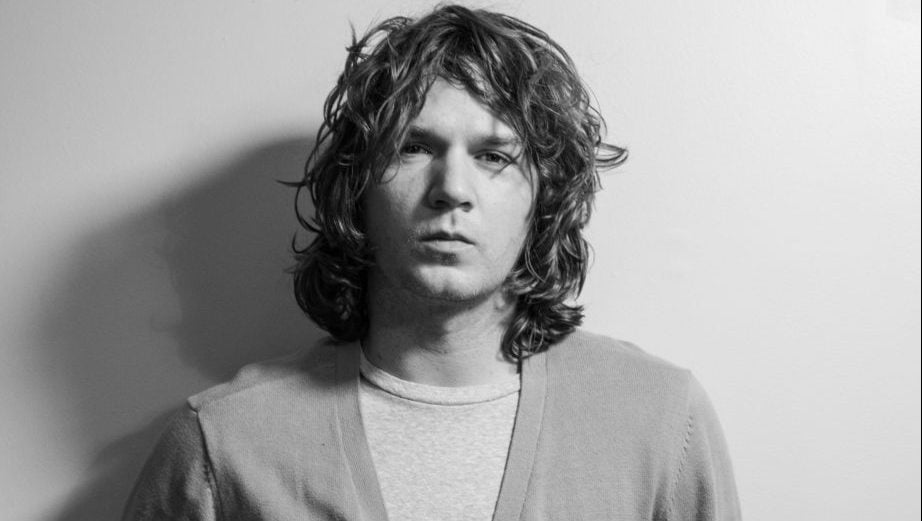
Ian Noe Finds Carnage and Compassion in ‘Between the Country’

Folk rocker Ian Noe captures both beauty and ugliness on his debut album, Between the Country, populating his isolated Eastern Kentucky home with vivid portraits of human carnage.

Heavily influenced by John Prine, the 29-year-old writes with insight and deep compassion for what some might describe as the dregs of society. Meth-addled junkies, alcoholic drifters, and the gangs that prey on them dominate his songs, but he says shock and awe has never been his real goal. Instead, it’s to write songs reflecting the hardscrabble truth of his hometown. It’s a great place to grow up, he explains, but there’s no denying the dark reality which lurks down almost every holler.

“I guess it’s just the environment and the stuff you see growing up in Eastern Kentucky,” Noe says of his inspiration. “There’s a vibe to it. I hate to be so vague, but there’s a definite vibe.”

Noe has articulated that vibe so well he was invited to serenade Prine during a pre-Grammy Awards tribute at Los Angeles’ iconic Troubadour in February, and this summer he’ll open a series of shows for the legend in Europe. But for now he’s touring the U.S. with a batch of tunes that make traditional murder ballads sound like lullabies.

Noe spoke with The Bluegrass Situation about his admiration for Prine’s work and how it led to Between the Country, as well as his connection to the doomed souls of his songs and producer Dave Cobb’s help in creating a full-band sound.

BGS: Your vocal and the literary quality of the lyrics remind me of John Prine, which I’m sure you get a lot. How big of an influence was he on you?

Noe: Oh, he was huge. I would have to say he’s definitely the biggest influence for me. I started out wanting to be Chuck Berry on guitar, but it didn’t take me long to realize I wasn’t Chuck Berry. [Laughs] Then I heard John Prine through my dad, who would play his songs all the time in between Merle Haggard and Neil Young. But when he went to Prine songs, they would stick out … and I was just obsessed ever since.

What was it that stuck out about Prine?

He can just take simple things and make them profound. He’s the best at that. He can look at a sidewalk and write a song about it, make you laugh and think at the same time.

You’ve done something similar with Between the Country, but there’s a lot of dark themes – songs about substance abuse and self-destructive behavior. Why are those topics given so much prominence in your own writing?

I imagine it would have to be all the stories and people I know, as well as people I didn’t know but heard stories about. Just stuff that you hear happening in a town of six or seven thousand. Lee County is not that big, and it’s a cliché, but you hear everything that goes on in a small town.

Were you exposed to that stuff personally?

Not really, to be honest. I never did go to a meth house or anything like that, or even see anybody using it. But it’s one of those not-really secrets. Everybody knows it’s around.

I think that’s interesting because you seem so good at getting into these characters’ skin. How do you make that happen without first-hand knowledge?

I just think about them. Just think about it and picture in my head how it might be to live that way. It starts with a melody. I like to get the melody going in my head and if it’s a good one, try to see what’s going on with it.

I guess what I’m getting at is even though there’s bad stuff going on, it never seems like you’re judging anyone, or the area, for it.

Yeah, I tried to be real careful not to do that or come off as holier than thou. “Meth Head” is harsh, but I just wanted to be as extreme as I could be because it’s such an extreme drug, you know?

Tell me about coming up with that song. It’s really specific, I mean the imagery of this guy hunting for scrap metal and the woman covered in sores is chilling.

That song used to be about a war hero who was coming home, or at least the melody did anyway. I thought I was wasting the melody because I had already written some songs about battlefields and stuff like that, so I scrapped all of that and started again with the melody. I came up with that first verse pretty quick and just kept going.

How did you get so vivid with it?

It just comes with there being an actual junkyard in Lee County and thinking about the sound of the junkyard, thinking about the rest area that’s down the road and all the smells and sounds, things like that, just trying to get as descriptive as I could be.

Tell me about the title track. What does that phrase, “Between the Country,” mean to you?

Just being in the country, and everything that’s going on in between it. In between this hill or mountain, or what’s going on up in this holler, that’s what it means.

Why did you decide on that for the title track?

My grandmother used to say stuff like “If you treat your parents well, your days will be long on this earth,” which I’m not saying right but it’s from the Bible. She used to say stuff like that all the time, and I got to thinking about it, like “On down between the country, where deer lay along the road / On down between the country, where a long life’s a blessed one, I’m told.” It was like some people don’t make it past 40, you know? And that’s everywhere, it’s not just in a small town. But I didn’t grow up everywhere. I grew up in Lee County.

“Irene (Raving Bomb)” is about an alcoholic who’s not hiding it so well, even though she seems to think she is. How hard is it for you to find compassion for a character like that?

Not hard at all. We’ve all had our issues with this or that or the other, and I grew up seeing a lot of things like that. It wasn’t hard to have compassion for somebody whose disposition turns them to something like that.

How about “Letter to Madeline”? It’s about this guy who’s on the run and he’s carrying a letter he never mailed. What’s his backstory?

I was and still am a big fan of [the FX series] Justified, and I think it’s season two or three where there’s a story arc about the Detroit Mafia. I wanted to make it sound as if it was older. “A Detroit general” just meant a Detroit Mafia boss, and then his company just refers to his gang. It just came from that and people like D.B. Cooper — thinking about somebody robbing this guy and him trying to make it back to Kentucky.

Tell me a little about the sound here. It’s got this mix of folk rock and even a touch of ‘70s psychedelia at times. I know you’ve mostly worked solo in the past but teamed up with Dave Cobb for the album. Did he have a big impact?

It was pretty natural and easy. We were going back and putting in some of the electric lead you hear on “Dead on the River,” and he had bought a specific amp from Carter Vintage [Guitars in Nashville] the day we were mixing and overdubbing, and I believe he said he’d been listening to The Byrds that week. It was off the cuff, but the tone fit the themes, if that makes sense. … I like that there’s not a whole lot of crazy guitar solos, but every one of them suits the song. We don’t have congas or whatever, and it just has enough to breathe. Anything we overdubbed didn’t get in the way of any of the stories.

What do you hope people will take away from this first record?

Like everybody always says, when you make an album you just want people to appreciate it as much as you appreciate it. You want them to listen from track one all the way to the last track, and not everybody does that, which is all right. But the subject matter is all a common theme through the whole thing, and the cohesiveness is important. That’s what I love about all my favorite albums.


Photo credit: Kyler Clark
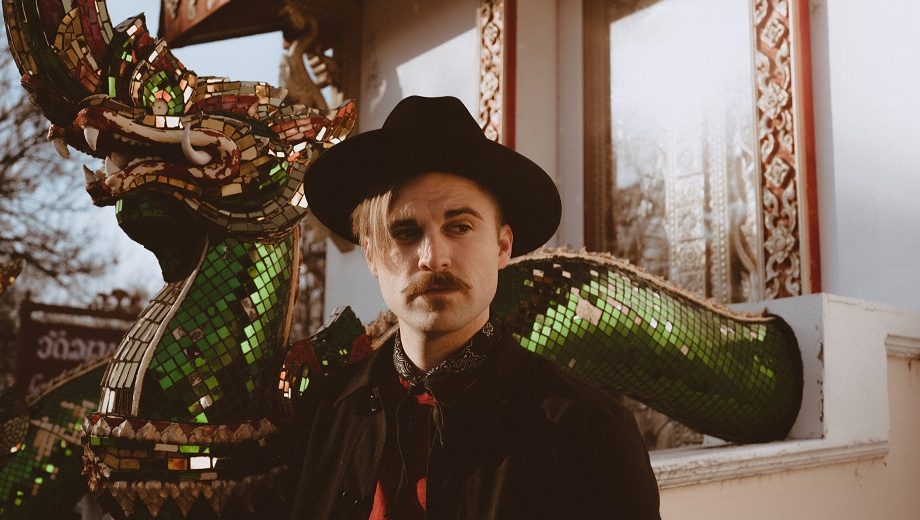
BGS 5+5: Kirby Brown

Artist: Kirby Brown
Hometown: Nashville, Tennessee (by way of New York City; Dallas; Sulphur Springs, Texas; and Damascus, Arkansas).
Latest album: Uncommon Prayer + new EP, Dream Songs out June 7, 2019
Personal nicknames: Kirbs, KB, Corbin Biscuits (hi, Matty!)

Which artist has influenced you the most … and how?

I could never narrow it down that far, so [I’ll] touch on a few here. Joni Mitchell, for her ability to be raw and personal while simultaneously touching on something emotionally universal. Townes Van Zandt, because nobody else could make plain language sound so sacred. I love Randy Newman for the juxtaposition of his complex sense of character development with the simple familiarity of his melodies. John Prine is the master of using levity to disarm you in one line, only to jab the dagger through your heart in the next. All of these have made a lasting impact on my approach to the song craft, but I could go on and on. Of course, I probably can’t escape the influence of my musical surroundings growing up: country gospel, ‘90s alternative, the radio.

What’s your favorite memory from being on stage?

My friend Dylan LeBlanc took me as solo support on his European tour in Fall 2017. There were several “wow” moments on that tour, but I specifically remember a show at Pustervik in Gothenburg, Sweden. The venue was perfect, the sound was on point, and the audience and I just felt like we had something special going on. It was one of many magical moments on that run. There’s something to be said for European audiences’ capacity to tune in and really “go there” with you. I’m so thankful for that, and I’m looking for any excuse or opportunity to go back.

What other art forms — literature, film, dance, painting, etc. — inform your music?

After my parents split up, I’d only see my father every so often. He’d gone back to college as an English major and (I think) rediscovered a lost interest in literature, specifically poetry. For that reason, many of our visits would come back to whatever he was reading at that time. He gave me Norton’s Anthology of Poetry when I was nine years old, and so began a lifelong journey with language and how we use it. I’m still walking down that road — this year’s focus has been Maxine Kumin, Donald Hall, and Anna Karenina. Film-wise, I once went through a period when I was trying to learn a second language and watched only Spanish-language films for a year. I found one of the songs I recorded on my new EP in an Almodóvar film, and it has haunted me ever since. Lately it’s been Westerns by John Ford. I digress… I guess we’ll save painters for our second date.

What’s the toughest time you ever had writing a song?

Aren’t they all tough? Not really, I guess they do come fast and easy sometimes. Still, the longer I do this the more pressingly I feel the need to filter myself. This is for the best I’m sure, but it does make the writing slower and more arduous. I carried around the phrase “a Playboy for the interviews, a Bible for the maps” for the last three or four years. I don’t even know why, maybe I thought it was funny? Anyway, it only recently found a home in “Little Miss” from the new Dream Songs EP. I don’t even know if it works. Either way, at least I’m not toting it around anymore.

How often do you hide behind a character in a song or use “you” when it’s actually “me”?

All the time, honestly. I approach most everything I write like it’s fiction: made-up characters and stories, some conversation I heard in passing, etc. But somewhere along the way it almost always ends up being me or someone I know or some synthesis of all the above. Still, I don’t think it’s hiding, maybe it’s just a very effective trick I keep playing on myself. Mark Twain has a quote attributed to him about “not letting the truth get in the way of a good story.” I tend to believe that it’s best to not let a little fiction stand in the way of the truth — even if it’s the hard truth about yourself you weren’t ready to hear.


Photo credit: Jacqueline Justice

Americana Honors & Awards 2019 Nominees Revealed

Lori McKenna, John Prine, The War and Treaty, and Yola are among the artists nominated in multiple categories for the 18th annual Americana Honors & Awards, to be held on September 11 in Nashville.

Meanwhile, Dave Cobb produced three of the four albums in the Album of the Year category. In addition, Rhiannon Gidden received nominations for Artist of the Year, while her ensemble Our Native Daughters earned a Duo/Group of the Year nod.

A full list of categories and nominees for the Americana Music Association’s 18th annual Americana Honors & Awards is below:

ALBUM OF THE YEAR:
To the Sunset, Amanda Shires, produced by Dave Cobb
The Tree, Lori McKenna, produced by Dave Cobb
The Tree of Forgiveness, John Prine, produced by Dave Cobb
Walk Through Fire, Yola, produced by Dan Auerbach

ARTIST OF THE YEAR:
Brandi Carlile
Rhiannon Giddens
Kacey Musgraves
Mavis Staples

DUO/GROUP OF THE YEAR:
I’m With Her
Our Native Daughters
Tedeschi Trucks Band
The War and Treaty

EMERGING ACT OF THE YEAR:
Jade Bird
J.S. Ondara
Erin Rae
The War and Treaty
Yola

INSTRUMENTALIST OF THE YEAR:
Chris Eldridge
Eamon McLoughlin
Chris Powell
Michael Rinne

SONG OF THE YEAR:
“By Degrees,” Mark Erelli, Rosanne Cash, Sheryl Crow, Lori McKenna, Anais Mitchell & Josh Ritter, written by Mark Erelli
“Mockingbird,” Ruston Kelly, written by Ruston Kelly
“People Get Old,” Lori McKenna, written by Lori McKenna
“Summer’s End,” John Prine, written by Pat McLaughlin and John Prine

In addition, the Americana Music Association honors distinguished members of the music community with six member-voted annual awards and with Lifetime Achievement Awards, which will be announced leading up to the event. The Milk Carton Kids and Mavis Staples unveiled this year’s nominations in Nashville.

The winners of each category will be announced during the Americana Honors & Awards at the historic Ryman Auditorium. Americanafest runs from Sept. 10-15. Tickets for the Americana Honors & Awards are currently only available for purchase by Americanafest conference registrants.


Photo credit for John Prine: Danny Clinch

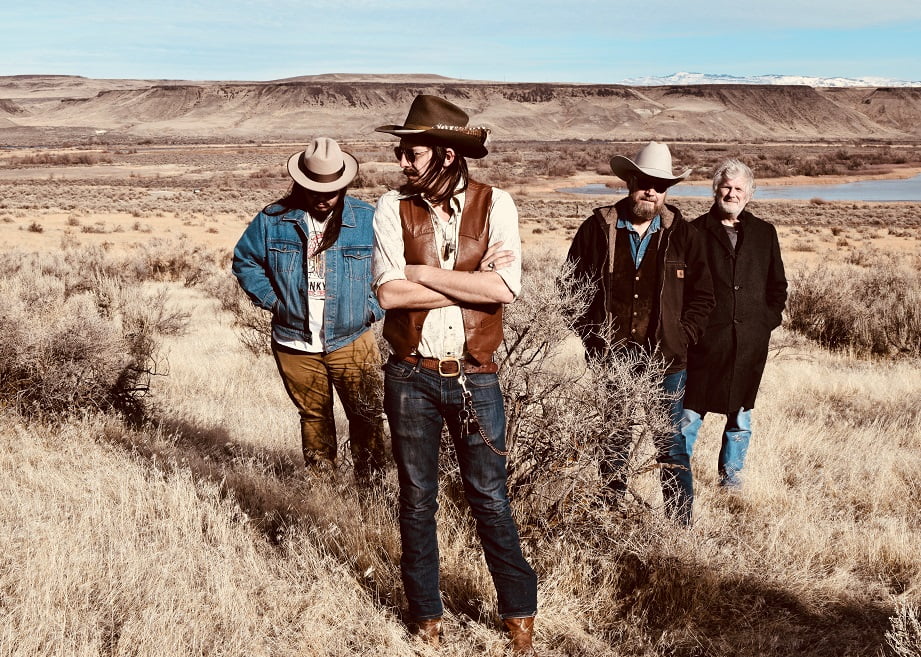
BGS 5+5: Tylor & the Train Robbers

Artist: Tylor & the Train Robbers
Hometown: Boise, Idaho
Latest album: Best of the Worst Kind

Which artist has influenced you the most … and how?

It’s so hard to choose just one, I’ve been inspired by so many great songwriters. My first major influence as a kid was Hank Williams Sr. I was introduced to his music through my grandparents record collection and it was a sound I had never heard before. My first songs were heavily infused with his tone. Over the years I’ve drifted from that, but it still serves as an important first step down the songwriting rabbit hole. John Prine was my next big influence and his music has continued to inspire me to this day. I find myself re-listening to his records and finding nuances in his writing that I never noticed before and that to me is the mark of a truly great songwriter.

What other art forms — literature, film, dance, painting, etc. inform your music?

I grew up watching a lot of old Western movies with my grandpa, which played a big role in my writing of the track “The Ballad of Black Jack Ketchum” on the new album. The imagery from the films painted the picture for the backdrop of this song. I also pulled inspiration from the language and storytelling style of Louis L’Amour from his classic series of Western novels.

Honestly though, my biggest inspirations come from other musicians. I love listening to all kinds of different music, new and old, to pull ideas from. I feel like the best way to continue being inspired is to listen to more music.

What was the first moment that you knew you wanted to be a musician?

From an early age, I just remember that whenever I was listening to music I had a strong desire to want to play along and learn the songs. My mom played guitar and sang to me a lot when I was kid, she had always wanted to be a musician, but never pursued it. I found one of my mom’s rusty electric guitars in my house and started to try to teach myself to play, which eventually led to my parents getting me my first acoustic guitar. I pretty much knew right then that this is what I wanted to do and I never really turned back. I was really lucky that my mom was always very supportive of my dream and never tried to talk me out of it.

What’s the toughest time you ever had writing a song?

Probably the toughest song I have ever written is actually on our new album. “Storyteller” was written back in 2012 when my grandpa passed away, he was a huge part of my life and we lost him at a pretty early age to illness. I wrote the song to help cope with the loss, but couldn’t completely finish it for over five years after his death. Sometimes I feel like that song and the time it took to write it are a literal representation of the time it took me to grieve.

What’s your favorite memory from being on stage?

For years I had a goal to play The Braun Brother’s Reunion Festival. If you’re not familiar with it, it is an annual Americana music festival in Challis, Idaho, with some of Red Dirt/Americana’s best bands. It’s hosted by the Braun family (Cody and Willy of Reckless Kelly, and Micky and Gary of Micky & the Motorcars). They are Idaho natives who took their music to Texas and have thrived in that scene for many years. I went to the BBR for the first time back when I was 18 years old. It was the first time I had seen that much of the music I loved in one place and from that point on, it was my goal to play it someday.

In 2017, a good friend of mine, Jeff Crosby was playing the festival and he reached out and asked if I wanted to come play a Tom Petty song with him during his set. Of course I said yes! He got me up in front of that crowd and on that stage for the first time. He introduced me to the crowd and told them that we were his favorite Idaho band, which meant a lot. It took us a couple years after that, but this year, 2019, the band and I are on the bill for the festival and we can’t wait!


14 Songs for Roller Skating in Buffalo Herds

No matter where you may stand on the Lil Nas X viral sensation “Old Town Road” and the associated media firestorm, Twitter debates, and raging country-purity authenticity signalling, we should all be able to agree on one thing: country music has always been a welcoming home to musical memes. Sure, that term may be more recent, a product of the internet age, but ever since the dawn of country as a format silly, tongue-in-cheek, self-deprecating, hilarious, and downright foolish songs have been just as integral a part of the genre as heartbreak, cheatin’, booze, and trucks.

We thought it’s high time we celebrate the knee-slappin’, gut-bustin’ history of country music’s meme-ready songs from across the decades. Here are fourteen of our favorites — yes, just fourteen. We can assure you there are dozens and dozens more where these came from.

“A Boy Named Sue” – Johnny Cash

The man in black, one of the most iconic personas in the history of country music, famous for his grit, his stoicism, and his rough-hewn voice wasn’t even “above” recording a song steeped in satire. Hopefully in 2019 life is getting easier for boys named Sue.

“What a Waste of Good Corn Liquor” – Tennessee Mafia Jug Band

Originally recorded by Country Music Hall of Fame and Bluegrass Hall of Fame member Mac Wiseman, this disconcertingly happy-sounding song tells a story with a moral: moonshine will melt you. Don’t spoil the moonshine.

“The King Is Gone (So Are You)” – George Jones

A song about Elvis, Fred Flintstone, drinking, and heartbreak. This one ticks all of the boxes. Even the “use yabadabadoo in a song” box.

“Did I Shave My Legs For This?” – Deana Carter

Country, after all, is all about the relatability of the human condition. Jilted would-be lovers everywhere have felt your pain, Deana. We truly have.

“Don’t Let The Stars Get In Your Eyeballs” – Homer & Jethro

The original Weird Al Yankovics of country and bluegrass, Homer & Jethro wrote (and re-wrote) scores of songs with wacky, eye roll-inducing, laugh-out-loud funny lyrics, ad libs, and arrangements. Check that steel solo!

“I’ll Oilwells Love You” – Dolly Parton

No, Whitney Houston did not cover this one. But that would have been magnificent.

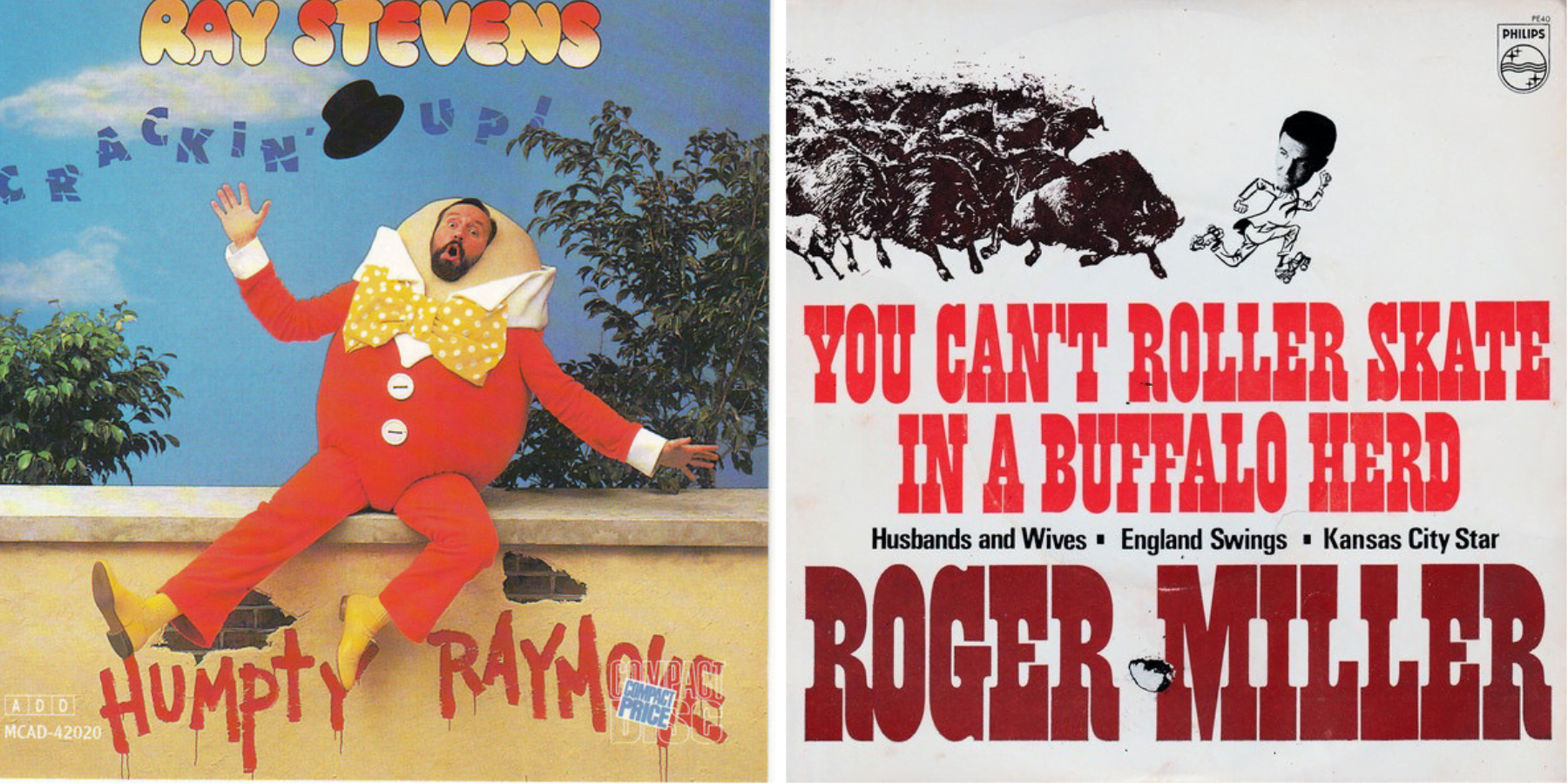
“You Can’t Roller Skate In A Buffalo Herd” – Roger Miller

One of country’s humorous kings, Roger Miller recorded a host of silly songs over the course of his career. We chose this particular number because of its evergreen wisdom. Of course.

“You’re The Reason Our Kids Are Ugly” – Loretta Lynn & Conway Twitty

But you know what? Looks ain’t everything. And money ain’t everything.

“I’m My Own Grandpa” – Willie Nelson

Get out a piece of scratch paper and sketch this family tree as you go. Does it seem a little… circular? Yeah… that’s the problem.

“Would Jesus Wear A Rolex” – Ray Stevens

A modern country parable. Again, an artist with plenty of silly and sarcastic songs to choose from — and Ray Stevens is being inducted into the Country Music Hall of Fame this year. Sounds pretty country to us…

“Cleopatra, Queen Of Denial” – Pam Tillis

Yes. More country songs with outright puns as their hooks, please. And of course, we’ve all been there, Pam. Denial is a popular destination.

“Illegal Smile” – John Prine

On the opening track of his debut album Prine immediately set the tone for his entire career with some of the most nonsensical and witty lyrics ever set to song. “Well done, hot dog bun, my sister’s a nun.”

“I’ll Think Of A Reason Later” – Lee Ann Womack

If you’ve never driven down the road shouting along with this one, we highly recommend that you do — as soon as possible. The song’s main character has a remarkable sense of self-awareness for being so viscerally incensed. If you really hate someone — who may or may not have ended up with your former significant other — it may be your family’s redneck nature.

“My Give A Damn’s Busted” – Jo Dee Messina

Look, if you’ve gotten to the end of this list and you haven’t enjoyed yourself, or maybe you don’t get the point, or maybe you think this is just useless clickbait… whatever the case may be, this song counts as our response. “Nah, man. Sorry.” (Isn’t country the best?)

MIXTAPE: Wood & Wire’s Grammy-Nominated Faves

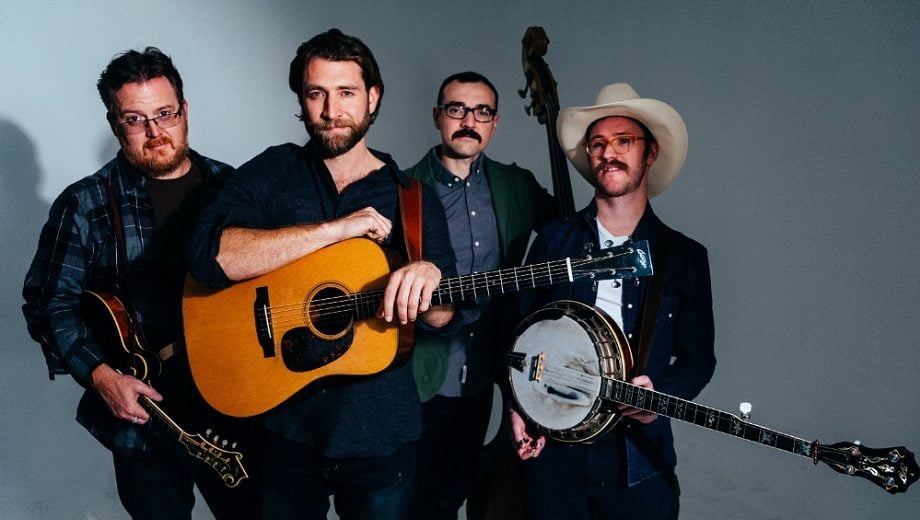
Welcome to our guide to The Grammys! You may (or may not) be surprised to learn that our musical tastes span far beyond the beautiful world of bluegrass music. Below you’ll find some of our favorite tracks from the Bluegrass category along with many other tracks from various nominees. This took us a while and was nearly impossible to narrow down. We could have easily made this list a lot longer. For now, enjoy some highlights and we’ll see you in L.A.! — Tony Kamel, Wood & Wire

(Editor’s Note: Wood & Wire’s
North of Despair is nominated for a Grammy in the Best Bluegrass Album category.)

The Travelin’ McCourys – “Southbound”

We’ve been fortunate to get to play some shows with these guys over the last few years. They’re great people and awesome bluegrass pickers but this album showcases their versatility beyond just bluegrass while remaining undeniably true to the bluegrass style.

Kacey Musgraves – “Slow Burn”

Kacey received four nominations, including Album of the Year, for her album Golden Hour. Whether you consider it country or not it doesn’t really matter. From front to back the album is absolutely flawless.

Kendrick Lamar & SZA – “All the Stars”

This song is so catchy and so good you’ll want to start it over again once it ends. It also has landed four nominations including Record of the Year.

Brandi Carlile – “The Joke”

A poignant and powerful song by an incredible singer/songwriter. Don’t stop with this song because the entire album is amazing.

Zedd, Maren Morris & Grey – “The Middle”

Are you someone who doesn’t listen to pop songs that much? Forget about all of that and give this song a listen. It’s a perfect pop song.

Marcus Miller: “Trip Trap”

Bassist Marcus Miller is the Boss, the GOAT and a very bad boy. His unbelievable album Laid Black (up for best Contemporary Instrumental Album) is Marcus in peak form, start to finish. Don’t take our word for it, listen to the opening (live) track “Trip Trap.” You’ll find that Marcus is talking to you on that bass. Turn it up.

Mike Barnett: “Mary and the Soldier”

When we saw this title on Mike’s album, we were eager to listen to his interpretation. His fiddle playing is so tasteful, and his arrangement is so musical, we truly feel that the purity and passion of this traditional music has been understood, matched and advanced. And who better to sing than Tim O’Brien? Mike joins us in the Best Bluegrass Album category with his record, Portraits in Fiddles.

Margo Price (Feat. Willie Nelson) – “Learning to Lose”

By now, you all know who Margo Price is. It’s funny that she’s up for Best New Artist considering how long she’s been doing her thing–and what a wonderful thing it is. Willie Nelson is also up for a few and we figured it would be nice to share this beautiful song they recorded together, featuring a classic Willie guitar solo on his beloved classical guitar Trigger.

Julian Lage – “Splendor Riot”

Known for his guitar chops and background in jazz this album is truly unique. At times country or R&B it also sometimes sounds like a rockin’ indie album…Only instrumental.

Childish Gambino – “This is America”

The song alone is a monumental work and a powerful commentary on American society. It is also nominated for best music video for a good reason. Go watch the video.

Cedric Burnside – “Death Bell Blues”

Start to finish, this record is incredible. This guy has channeled some of the absolute greats in his delivery and recording style, including his father (blues drummer Calvin Jackson) and grandfather (the great R.L. Burnside). But make no mistake, Cedric has his own groove and own style. Benton County Relic is up for Best Traditional Blues Record and man it’s a doozie.

Special Consensus (w/ 10 String Symphony, Alison Brown, & John Hartford) – “Squirrel Hunters”

Greg Cahill and crew really crafted a gem of a record with Rivers & Roads. It’s chock full of some of the best playing we’ve heard. However, it’s hard to resist choosing this version of one of our favorite fiddle tunes, in which the band (plus our friends Rachel Baiman & Christian Sedlemeyer, as well as Alison Brown) built the recording around a previously unreleased track of our one of our favorite musicians of all time, John Hartford. Just awesome to hear it brought to life this way.

Sister Sadie – “Raleigh’s Ride”

Aside from being amazing singers, these ladies sure can pick. This is one kick-ass instrumental! We’re thrilled to share this category with them.

Los Texmaniacs – “Mexico Americano”

Shout out to some of our fellow Austinites. This heartfelt song speaks for itself. Their record Cruzando Brothers is up for Best Regional Mexican Music Album and it’s awesome.

Lady Gaga – “Shallow”

Not much to say here. We love Lady Gaga. Quite the vocal performance.

Brad Mehldau Trio – “De-Dah”

This trio has achieved acclaim in the jazz world and beyond for their compositions and performances. Though Brad himself is nominated for his solo on this song the band is jammin’ right there with him the entire time.

Punch Brothers – “All Ashore”

Of course Punch Brothers are amazing musicians but what’s more impressive is their limitless ability to take the bluegrass quintet to new realms.

Post Malone – “Psycho”

Post Malone grew up in Grapevine, Texas, and released his first major hit on SoundCloud. This is his second album which showcases his vast blending of musical styles and influences.

Others that we love: Mary Gauthier, Loretta Lynn, John Prine, Fantastic Negrito, Travis Scott, St. Vincent, Loretta Lynn, Leon Bridges, The Wood Brothers… so, so many more.

BGS Top Albums of 2018

This year, as we revisit the albums that resonated with each of us, we may not find a tidy, overarching message. However, the diversity herein — of style, content, aesthetic, format, genre, perspective, and background — demonstrates that our strength as a musical community, or zoomed-out even further, simply as humans, indeed comes from our differences. To us, these 10 albums are testaments to the beauty, inspiration, and perseverance we found in 2018.

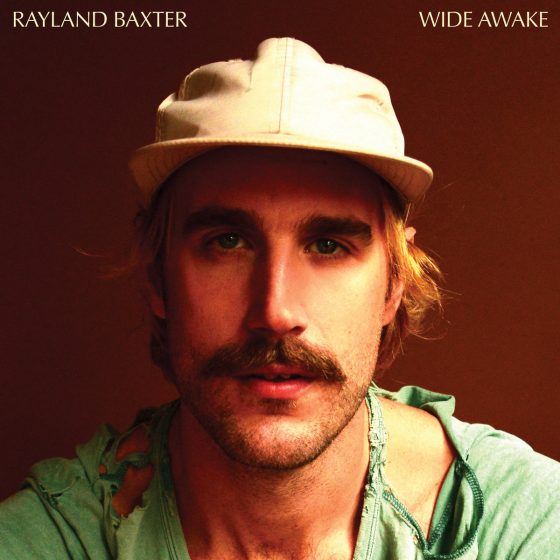
Rayland Baxter, Wide Awake
His career-launching musical epiphanies happened on a retreat in Israel some years ago, so Rayland Baxter’s decision to isolate himself in a contemplative space to write Wide Awake had precedent. The venue this time was an abandoned rubber band factory in rural Kentucky where a friend was installing a new recording studio. In that quiet, Baxter wrote songs about the noisy world beyond the cornfields, with perspective on its tenderness and absurdity. Later in the studio, his posse set the deft verses to enveloping, neo-psychedelic, Americana rock. Social commentary doesn’t have to plod, as the Beatles proved, and Baxter is farming similar terrain with vibrant melodies, saucy beats and a voice that’s entirely his own. – Craig Havighurst


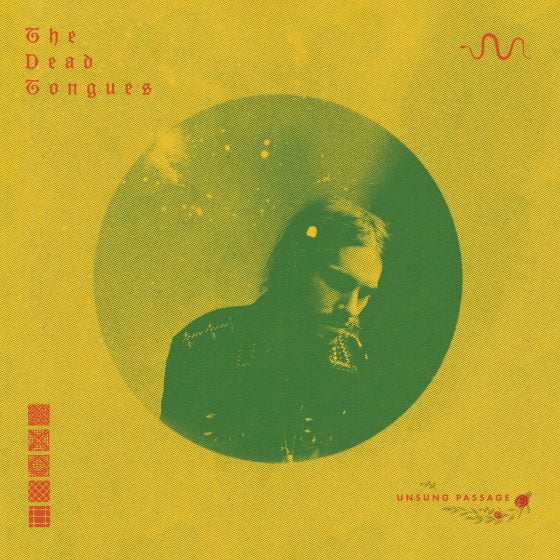
The Dead Tongues, Unsung Passage
I didn’t expect The Dead Tongues (aka Ryan Gustafson, guitarist for Hiss Golden Messenger and Phil Cook) to be my most-listened-to record of the year. But Unsung Passage is an album I find myself returning to again and again. The ten songs form a sort of travelogue for Gustafson, and you can hear the influences and rhythms of other cultures drifting throughout. It’s the rare record that’s both comforting and complex. –Amy Reitnouer Jacobs


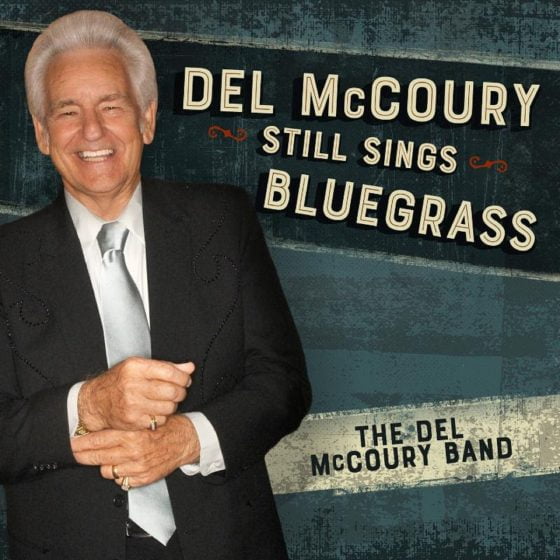
Del McCoury Band, Del McCoury Still Sings Bluegrass
Named after his debut record, which was released fifty years prior, Del McCoury Still Sings Bluegrass seems like a painfully obvious, on the nose title for a record, but upon deeper inspection we realize that, because the album was built on his signature ear for songs and his unfaltering trust in his own taste, it is an immediately digestible statement of McCoury’s worldview. At this point in his long, diverse, uniquely successful career, most listeners would give Del a bluegrass authenticity “hall pass,” letting the more innovative, less bluegrass-normative moments herein by without a blink, but Del, from the outset, avoids letting himself fall into that paradigm. He chooses songs because, well, he likes them, and he doesn’t concern himself with what is or isn’t bluegrass, he just creates music that he enjoys to make with people he enjoys making it with. It’s a simple approach that may border on simplistic, but the result is a resoundingly bluegrass album that doesn’t concern itself with the validity of that genre designation at all. Which, after all, is bluegrass to a T. — Justin Hiltner


Jason Eady, I Travel On

Jason Eady, I Travel On
A fixture on the Texas touring scene, Jason Eady offered his most satisfying album yet with I Travel On. First off, he enlisted Rob Ickes and Trey Hensley for these sessions, giving the project a bluegrass groove with plenty of cool Dobro licks and guitar runs. Second, Eady wrote from the perspective of a man with some miles on him – the album title isn’t a coincidence, after all. His expressive country baritone is made for slice-of-life story songs like “Calaveras County” and “She Had to Run.” At other times, Eady looks inward, drawing on themes like mortality, gratitude and contentment. I Travel On may not be the most obvious album for a road trip but it’s certainly a worthwhile one. – Craig Shelburne


Erin Rae, Putting on Airs
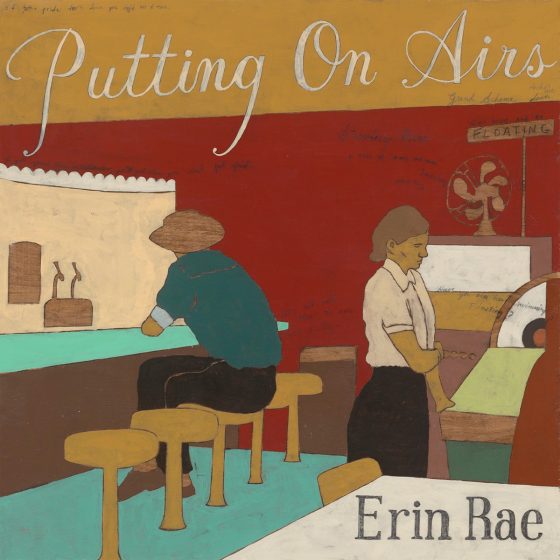
Her velvety, maternal vocals and the subtle, understated alt-folk production vibes of Erin Rae’s Putting on Airs might initially disguise the millennial-reckoning being wrought through these songs and their topics; from top to bottom Rae’s brand, her musical identity, defies comparisons with any one era of music making and songwriting. Her talent oozes through her writing, her melodic hooks, and her musical and rhetorical fascinations, which together in this song sequence feel like they epitomize a microcosm that contains all of our generation’s — and this particular historical moment’s — angst, but without feeling simply capitalistic, opportunistic, or “on trend.” Instead, her viewpoint is decidedly personal, giving us a window into her own individual reckonings — with her own identity, with mental health, with family relationships, with being a young southerner in this modern era; the list is potentially endless, determined only by each listener’s willingness to curl up inside these songs and reckon along with Rae. Which is the recommended Putting on Airs listening strategy espoused by this writer. — Justin Hiltner


High Fidelity, Hills And Home
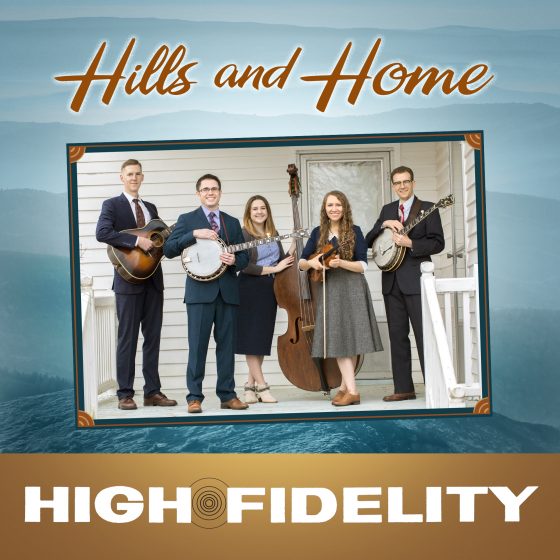
It’s in the nature of bluegrass to forever be casting backward looks at the giants of the music’s early years; nothing wrong with that, but when those who do it get aggressive about how they’re playing “real” bluegrass, well, that’s another story. High Fidelity’s eyes are firmly fixed on the musical past, but they’re also a modern, mixed-gender band who aren’t afraid to let their music do the talking — and what it says is that there’s a lot more variety, not to mention pure joy, in the under-appreciated gems of old than you might think. – Jon Weisberger


Angelique Kidjo, Remain in Light
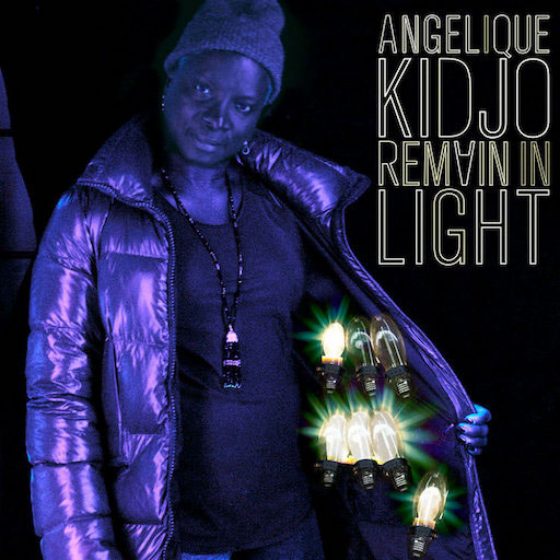
It’s not simply a remake of the Talking Heads’ 1980 landmark, but a stunning reimagining by the visionary Benin-born artist Kidjo. She doesn’t merely repatriate (er, rematriate) the African influences that fueled TH’s revolutionary stream-of-consciousness masterpiece — which opened the door for many to discover the wealth of those inspirations — she considers and explores the worlds that have emerged in African music in the time since, all brought together via her singular talents and sensibilities. Remain in Light was arguably the album of the year for ’80, and so it may be again for ’18. – Steve Hochman


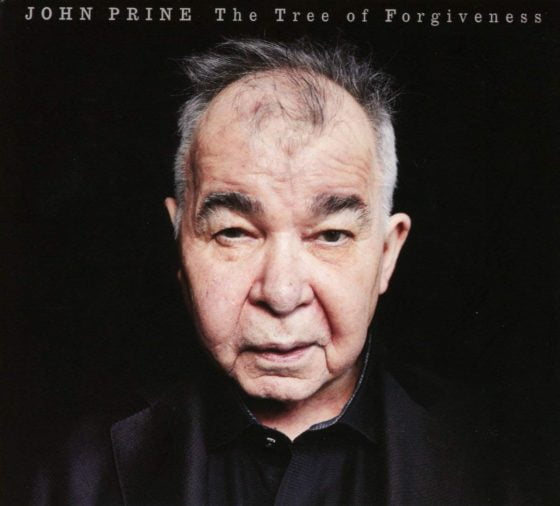
John Prine, The Tree of Forgiveness
No album this year brought me as much pure joy as John Prine’s latest. His first collection of new material in over a decade —which is way too long — The Tree of Forgiveness shows him in fine form, tossing out clever phrases and humorous asides that add to, rather than distract from, the low-level sadness thrumming through these songs. From the Buddy Holly bop of “I Have Met My Love Today” to the percolating existentialism of “Lonesome Friends of Science,” from the rapscallion reminiscences of “Egg & Daughter Nite, Lincoln, Nebraska, 1967 (Crazy Bone)” to the almost unbearable heartache of “Summer’s End,” every line and every word sounds purposeful and poignant, culminating with “When I Get to Heaven.” Prine sings about nine-mile-long cigarettes and bars filled with everyone you’ve ever loved, and it’s one of the most inviting visions of the afterlife set to tape. I hope he’ll save me a barstool. – Stephen Deusner


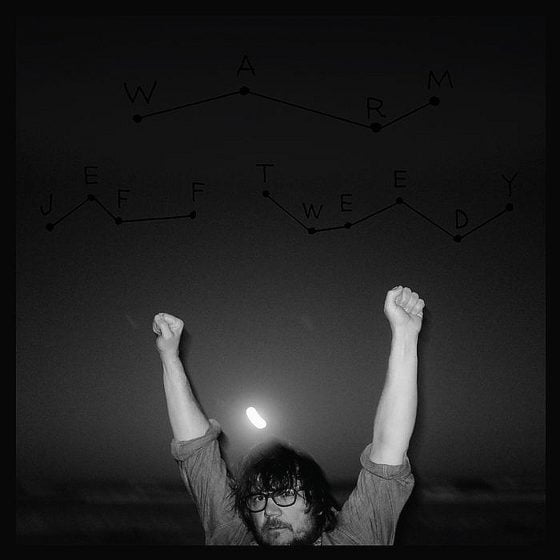
Jeff Tweedy, WARM
The album lives up to its name. Following last year’s quieter Together at Last project, Tweedy now hearkens back to his country punk roots from Uncle Tupelo, and makes a perfect accompaniment to his must-read autobiography, Let’s Go (So We Can Get Back). The new music reminds of his strength as a master songwriter and his place as one of the most tender and raw performers of a generation. It might have almost slid under the radar with its release at the end of November, but it definitely belongs on our year-end list. — Chris Jacobs


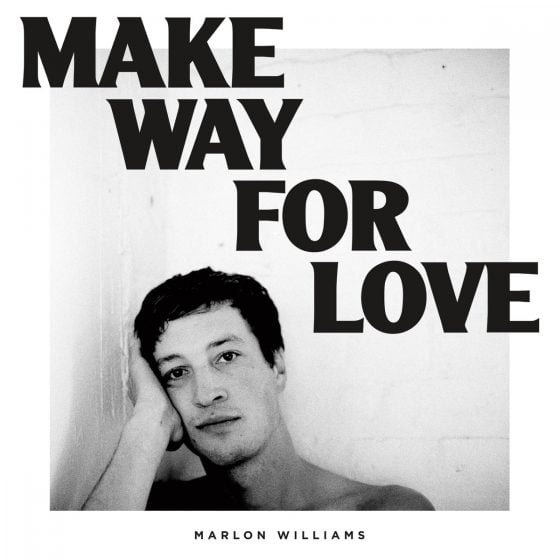
Marlon Williams, Make Way for Love
Mere seconds into hearing Marlon Williams croon the opening greeting of his song “Hello Miss Lonesome” in 2016, I knew I’d found a euphoric talent. After poring over his debut Dark Child, my greedy ears immediately wanted more, and this year finally brought that much-awaited second helping. On Make Way for Love, Williams moves away from the rootsy Americana that defined his first album, and leans into darker, baroque explorations that nod to Scott Walker and Roy Orbison in equal measure. Exploring heartbreak — from the puerile but pacing “Party Boy,” to the seething “I Know a Jeweller,” to the pitious “Love is a Terrible Thing”— Williams dips into the jagged crevices that naturally appear when the heart cracks wide open. – Amanda Wicks