The Americana Music Association has revealed the nominees for its 19th annual Americana Honors & Awards, with Brandi Carlile, Brittany Howard, John Prine, Tanya Tucker, and Yola nominated for Artist of the Year. Nominees in the Duo/Group category are Black Pumas, Drive-By Truckers, The Highwomen, Buddy & Julie Miller, and Our Native Daughters. Nathaniel Rateliff and Aubrie Sellers received multiple nominations as well.
This year, the Americana Music Association expands its award categories to include five nominees instead of four, with the exception of Song of the Year, totaling six due to a nomination tie. The winners of each category will be announced during the Americana Honors & Awards on Wednesday, Sept. 16, 2020, at the Ryman Auditorium in Nashville.
However, a press release states that “the health and safety of the Americana music community is the association’s utmost concern, and the event organizers will continue to monitor the COVID-19 situation closely while following all national, state and local guidelines as they approach the scheduled ceremony date.” Ticketing information will be announced as plans unfold.
Here are the nominees for the 19th Annual Americana Honors & Awards
Artist of the Year: Brandi Carlile Brittany Howard John Prine Tanya Tucker Yola
Duo/Group of the Year: Black Pumas Drive-By Truckers The Highwomen Buddy & Julie Miller Our Native Daughters
Album of the Year: And It’s Still Alright, Nathaniel Rateliff, produced by James Barone, Patrick Meese and Nathaniel Rateliff Country Squire, Tyler Childers, produced by David Ferguson and Sturgill Simpson The Highwomen, The Highwomen, produced by Dave Cobb Jaime, Brittany Howard, produced by Brittany Howard While I’m Livin’, Tanya Tucker, produced by Brandi Carlile and Shooter Jennings
Song of the Year: “And It’s Still Alright,” Nathaniel Rateliff, written by Nathaniel Rateliff “Bring My Flowers Now,” Tanya Tucker, written by Brandi Carlile, Phil Hanseroth, Tim Hanseroth and Tanya Tucker “Crowded Table,” The Highwomen, written by Brandi Carlile, Natalie Hemby and Lori McKenna “My Love Will Not Change,” Aubrie Sellers featuring Steve Earle, written by Billy Burnette and Shawn Camp “Stay High,” Brittany Howard, written by Brittany Howard “Thoughts and Prayers,” Drive-By Truckers, written by Patterson Hood
Emerging Act of the Year: Black Pumas Katie Pruitt Aubrie Sellers Billy Strings Kelsey Waldon
Instrumentalist of the Year: Ellen Angelico Annie Clements Brittany Haas Zachariah Hickman Rich Hinman
Photo credit: Brandi Carlile by Alysse Gafkjen; Brittany Howard by Danny Clinch; John Prine by Danny Clinch; Tanya Tucker by Danny Clinch; and Yola by Alysse Gafkjen.
AMA logo courtesy of the Americana Music Association.
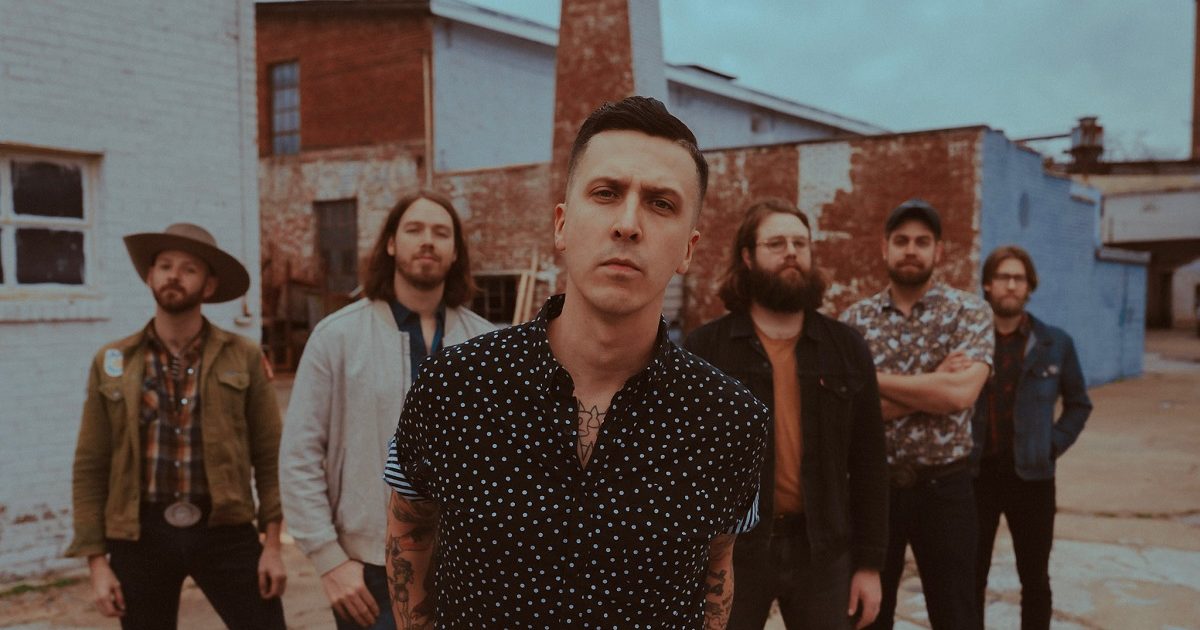
Artist:American Aquarium Hometown: Raleigh, North Carolina Latest album:Lamentations
Answers provided by BJ Barham
Which artist has influenced you the most … and how?
I can confidently say that I wouldn’t be the songwriter I am today if it weren’t for the discovery of Bruce Springsteen and his music in my early twenties. A friend played me Nebraska and I was floored. Must have listened to that album for a month straight. He was one of the first artists I have a clear memory of hearing and saying, “I want to do that.”
He writes these elaborate short stories set to music. The songs are expansive and cinematic. The characters are all people we know personally. Intimate snapshots into the lives of the working class. He speaks the universal language in a way not many people will ever be able to. There is something so simple, yet so complex about the way he tells stories. I don’t trust a songwriter who says they aren’t a fan of Springsteen.
What other art forms — literature, film, dance, painting, etc — inform your music?
I read a lot. I usually prefer fiction, but I’ll occasionally do a deep dive into a music-related autobiography. I tend to go for Southern writers and gravitate to the darker side of the genre. My songs take place in the darker corners of the Southern experience, so it doesn’t surprise me that my literary taste tend to go there as well. Faulkner, O’Connor, Harper Lee. The greats are what sucked me in.
I’ve been reading a lot of Cormac McCarthy, David Joy and Barry Hannah as of late. There is a familiarity of place that I really enjoy about them. I think a lot of the flaws in the characters of my songs are a direct result of the books I read in my leisure time. In my lifetime, literature has informed so much of what I know about people, I would be lying if I said it didn’t have an effect on me as a writer.
What was the first moment that you knew you wanted to be a musician?
The first time I played songs in front of people I was hooked. I was double majoring in political science and history at NC State University with every intention of going to law school after my undergraduate work. Then I fell in love with songs. I remember the first show like it was yesterday. Me and some friends from high school played (horribly) at Tate Street Coffee in Greensboro, North Carolina, in front of about 20 people. I was hooked. I became a student of every aspect of the trade. Songwriting. Performing. Business. There was no looking back after that first show. I had found my calling.
If you had to write a mission statement for your career, what would it be?
I played a lot of sports growing up and every time I would complain about a loss or another player just getting a “lucky” shot, my father always said that “luck was the product of hard work” and that is something that has always stuck with me. Work Hard. Get Lucky. It’s so simple, yet so profound. I have those words tattooed across my chest to remind me every morning that luck is not just something that happens to people. There’s a really great quote about luck being the intersection of hard work and opportunity. I think that was what my Dad was trying to say all those years ago, just a little less poetic.
When I started this band back in 2005, I knew I wasn’t the best writer. I knew I didn’t have the best voice. The one thing I did have control over was how hard I was willing to work. I truly believe that willingness to outwork anyone that was better than me is the only reason that I am where I am today. I get to earn a living from writing songs and playing them for people because I dedicated myself to the craft of songwriting and refused to take no for an answer. Some friends always say that I’m so lucky to be able to play music for a living. I just smile and silently thank my father for the lessons he instilled in me at such an early age.
How often do you hide behind a character in a song or use “you” when it’s actually “me”?
When I first started writing songs, they were extremely detailed and autobiographical accounts of my youth. The partying, the mistakes, the love lost. As I got older, I started moving more toward character based fictional narrative. Don’t get me wrong, there’s a little bit of myself in every single one of my characters. Some more than others. I believe it’s important to always add those dashes of personal experience into the songs. It makes them more believable to the listener and allows you to fall into those characters as you perform these songs every night.
The fiction is where you have the ability to make the songs universal and not just about you. The bigger picture versus the guy looking back at you in the mirror. I think part of the craft of songwriting is learning that balance. The greats came out of the gate with that gift. The rest of us had to learn it the hard way. It took me quite a few years to stop writing about the person that I currently am and start writing about the better versions of myself that I hope to become.
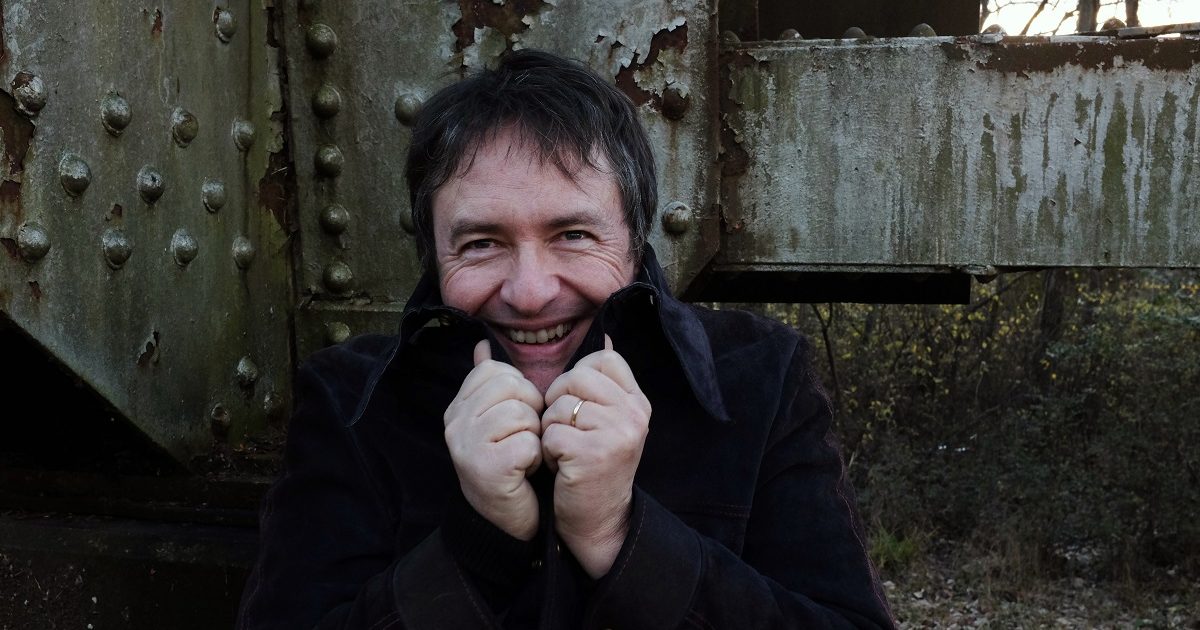
Artist:Paul Burch Hometown: Currently Nashville, Tennessee. I was born in Washington, D.C. Latest album:Light Sensitive Personal nicknames (or rejected band names): The members of Lambchop call me WP
Which artist has influenced you the most … and how?
Bob Dylan and Hank Williams were the twin Apollos of songwriting in my youth. And I loved the fearlessness of Roger Miller. Elvis Presley — when inspired — gave his audience his soul. But the four writers who most echo my temperament and drove me to compose are Chuck Berry, Smokey Robinson, John Prine, and Sam Cooke.
Smokey has a gift for literacy. “I Second That Emotion.” John, like Hank Williams, had the gift for sincerity. The taller the tale, the greater the parable. John was seldom at the center of his songs so much as caught up in the center. He could be both in the story and above it. Sam was easy on the ears. “Cupid.” “Having a Party.” “A Change Is Gonna Come.” A Sam Cooke title was exactly what the song was about. By all accounts he was a man of sharp intelligence, a true believer in decency, a hater of bullshit, and a fan of all kinds of music. Chuck could make the past contemporary and the here-and-now heroic. “Johnny B. Goode” is like a film coming into focus — so much detail delivered in less than 20 seconds. “Deep down in Louisiana close to New Orleans / way back up in the woods among the evergreens / there stood a log cabin made of earth and wood / where lived a country boy named Johnny B. Goode.”
All of these writers feel like my relatives. Something bubbles inside me when I hear them. All four had a touch of melancholy which they employed to remind you to keep having that party. Chuck is the poet of rock ‘n’ roll. Smokey is the poet of time and place. John was Jimmie Rodgers crossed with Mark Twain and inspired Sam Phillips to come out of retirement. And Sam — well — Sam was Mr. Soul.
What’s your favorite memory from being on stage?
I was playing on my own in a bar in Baton Rouge, Louisiana, one Saturday night. It was about 90 degrees at midnight. All I had was a microphone and an electric guitar and a little 15-watt amp. To try to keep the show dynamic, I kept a tick-tack rhythm on the bass strings when I sang and then added loud accents in between the verses. There were about 10 couples or so dancing in front of me and I could hear the scrape of their shoes on the dance floor.
I thought to myself: “This must have been what Charley Patton heard when he played a dance — the sound of the dancer’s shoes on the floor.” It was so wonderful to think I was doing well enough with what little I had that I could keep them dancing. It made me appreciate that audiences are willing to meet you more than halfway. The intensity of what you’re doing is more important than volume.
What other art forms — literature, film, dance, painting, etc — inform your music?
I get dreamy over paintings and great photography. I love the photography that Sheila Sachs and Catie Baumer Schwalb took for Light Sensitive.
Film noir is great for a sense of place and for the dialogue. So much had to be conveyed by gesture or innuendo. It was years before I realized that when Ilsa goes to see Rick in Casablanca for the letters of transit, the spotlight tells you they made love one last time. Every time I see it, the ending feels different. I used to think he gave her away. But then you remember Rick said he doesn’t deal in buying and selling people — and that extended to love, too. Now I see that Ilsa was always going to be trouble. She was right for Paris, just nowhere else. And life can never just be about Paris. Even if you live in Paris.
Also, in a film — like in songs — everybody has a job. The cab driver is important when you need that cab. Lately, I’ve been paying close attention to plays and musicals, listening for the rhythm and syncopation in dialogue. Frank Loesser’s songs for Guys and Dolls are spectacular. “I got horse right here / his name is Paul Revere…can do!” Louis Jordan’s songs sounds like musicals to my ear. I’m always on the hunt for an idea. I’m a flint and life is a white-tipped match.
What rituals do you have, either in the studio or before a show?
If I’m recording, I love walking into a studio with a fresh reel of tape under my arm, knowing that when I walk out the door, we will have created something that didn’t exist on Earth a few hours before. When I perform, I take time to walk all around the venue to get an idea of what the show will feel like from every vantage point. I like to talk to the sound engineer — usually someone I’ve never met — to get an idea what their job is like, if it’s a hard venue to deal with.
I ask them if they think the sound in the venue will respond to the kind of show I want to do. I try to make them feel like it’s our performance, not mine. Before the show, I think about my favorite people and my favorite performers. I’ll often write old friends just before a show — “How ya doin?” — just to demystify the whole thing. Other than having a new song in your pocket, there are few better feelings than walking on a stage at the beginning of a show.
Since food and music go so well together, what is your dream pairing of a meal and a musician?
I often imagine a perfect day of music would be some kind of outdoor event with a pile of fried catfish, margaritas, and then a show at twilight with a great lineup of the WPA Ballclub. In reality, outdoor shows are usually a drag. Bugs, bad sound, the drummer falls into the generator. I do think loud guitars and BBQ go together pretty well.
I used to stare at a photo of Little Richard playing at Wrigley Field with his band in the ’50s and thought it was the perfect gig. It must have been hot because the band were all wearing plaid shorts. Now that I’m older, I realize they were probably miserable — with an out-of-tune piano, distorted amps, and a lousy PA. But you know that first beer and smoke after the show must have been delicious.
As for a particular musician and food pairing, I hear that in the 1930s, all the jazz joints served Chinese food. If I could have seen Charlie Christian play guitar or heard Billie Holiday sing in a little joint with Teddy Wilson on piano over a hot plate of home-cooked crispy duck, I would have been very happy.
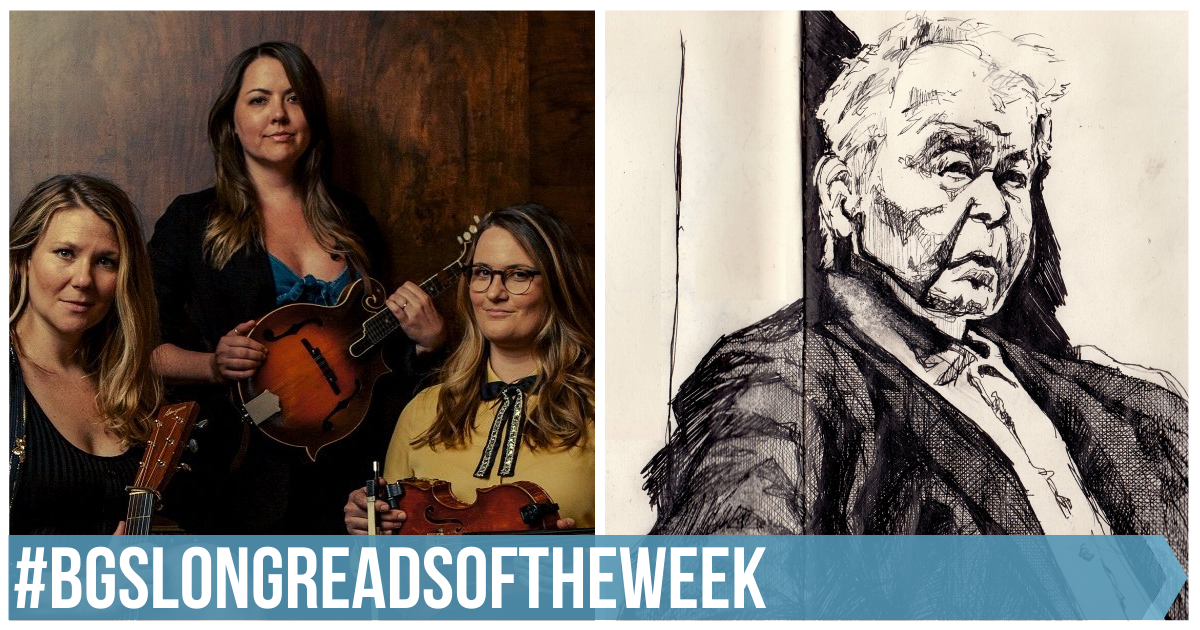
Let’s all read more together, how about it?! For a month now, our #longreadoftheday series has been looking back into the BGS archives for some of our favorite reporting, videos, interviews, and more — featured every day throughout each work week. You can follow along on social media [on Facebook, Twitter, and Instagram] and right here, where we’ll wrap up each week’s stories in one place.
Our long reads this week are wise, comforting, thoughtful, illuminating, and more than a touch heartbreaking, as we say goodbye to one of the most poetic and cosmically poignant songwriters to ever live: John Prine.
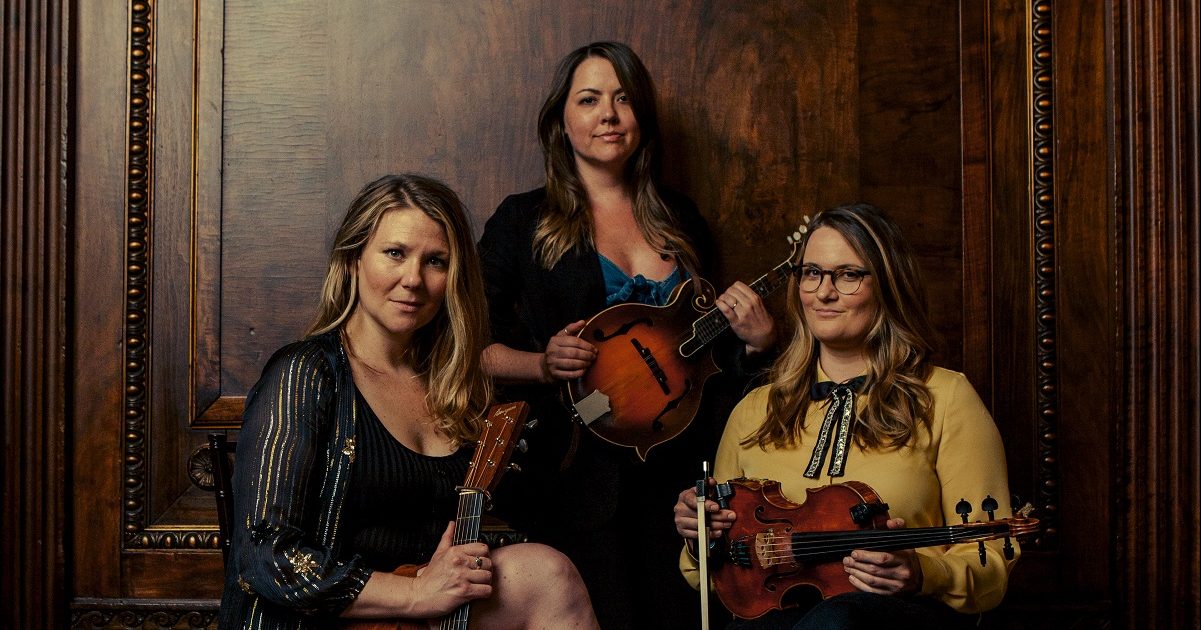
Now nearly a decade into redefining what it means to be an all-woman band in bluegrass, Della Mae has learned a major lesson over the years: That you don’t need to care what everyone thinks about you all of the time. In fact, you don’t need to care what anyone thinks about you at all. Album after album the women behind Della Mae reinforce this message, musically, lyrically, and then some. [Read our interview]
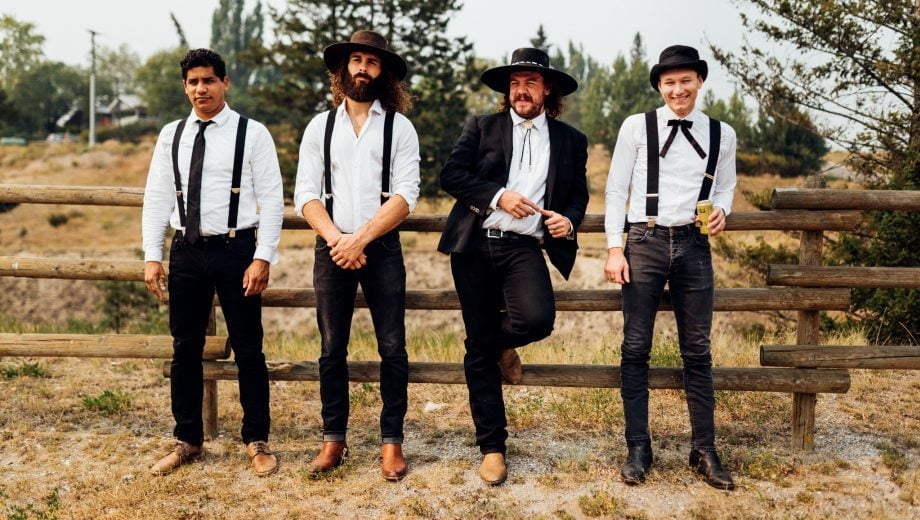
It’s not meant to be combative, The Dead South know they push the boundaries of what traditionalists would consider bluegrass, but that’s not the point. They’re not claiming to be the best, they’re not trying to “steal” anything, they’re just trying to have fun and be part of the community. They sat down and described their music making process and mission with us last year. [Read the full conversation]
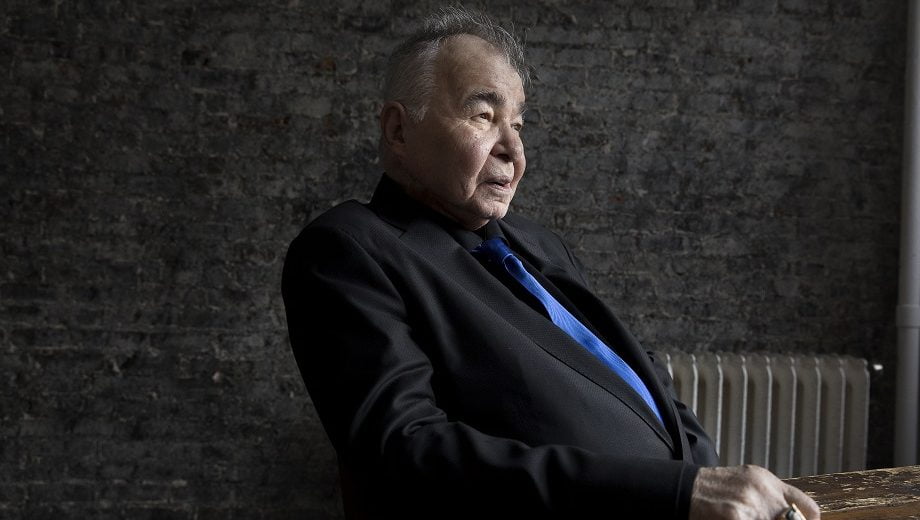
This week, it felt like we all woke up one day in a duller universe, without one of the greatest singer/songwriters to ever walk this earth: John Prine. He was our Artist of the Month in May 2018. His new album at that time, The Tree of Forgiveness — it would be his last release — wasn’t a “victory lap” for the legend. It was one of his greatest works.
So this week, we re-shared that feature in memory of and honoring a man who changed the lives and the music of each and every one of us, whether we knew it or not. [Read]
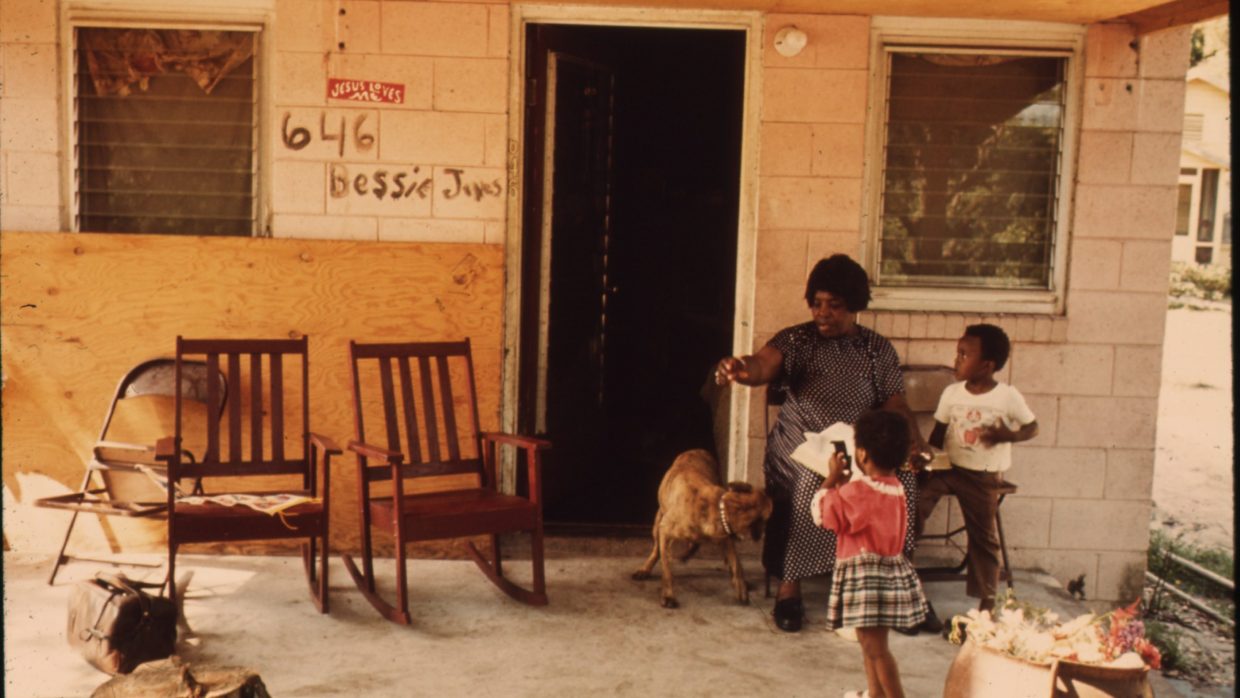
Are you familiar with the Georgia Sea Island Singers? Bessie Jones was one of the more famous singers among them. Song collector and folklorist Alan Lomax documented their slave songs, sharecropping narratives, children’s play songs, gospel tunes, and old folk dances during his time on Georgia’s St. Simons Island — first in the ’30s and again in the ’60s. It’s another example of this country’s vast and diverse musical traditions, many of which go forgotten or undervalued. [Read more about the music of the region]
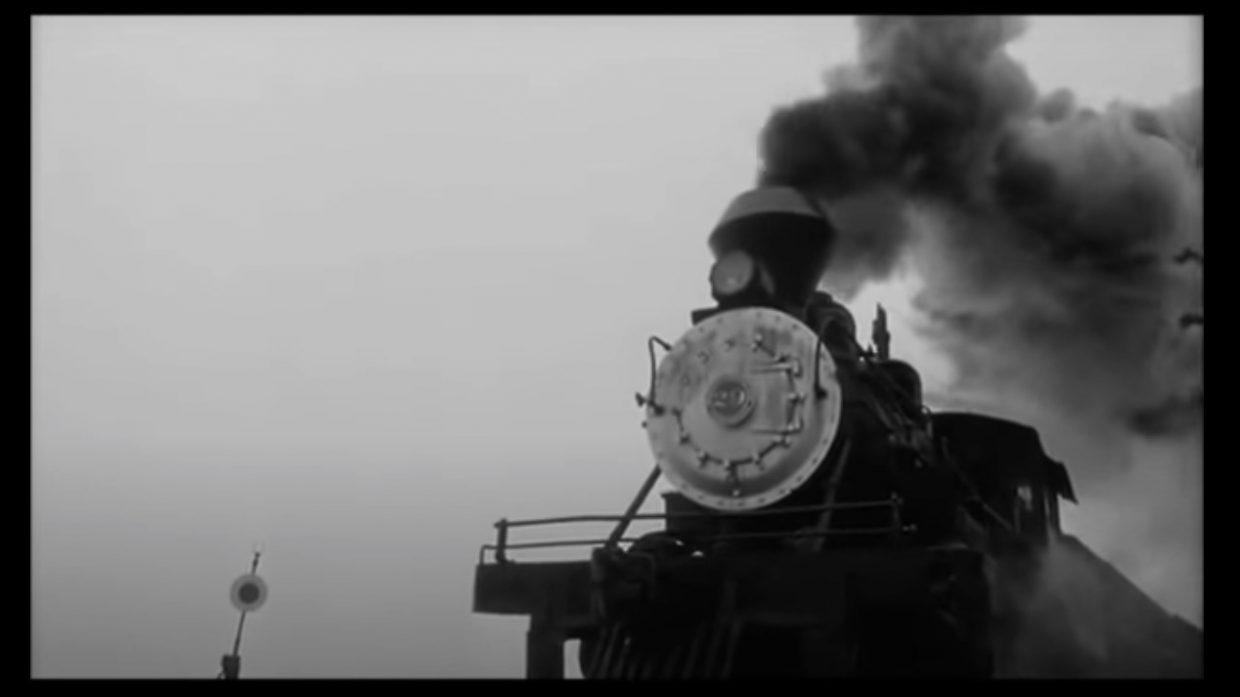
To wrap up the week, we chose a long read of the day that’s more of a long listen of the day. A truly unparalleled song in western folk traditions, “Wayfaring Stranger” has been covered and recorded by so many artists. In this post from the BGS archives we collected quite a few notable versions, by many of our favorites and some of the biggest stars on the planet. Who sings your go-to rendition? Let us know in the comments. [Check out the full list]
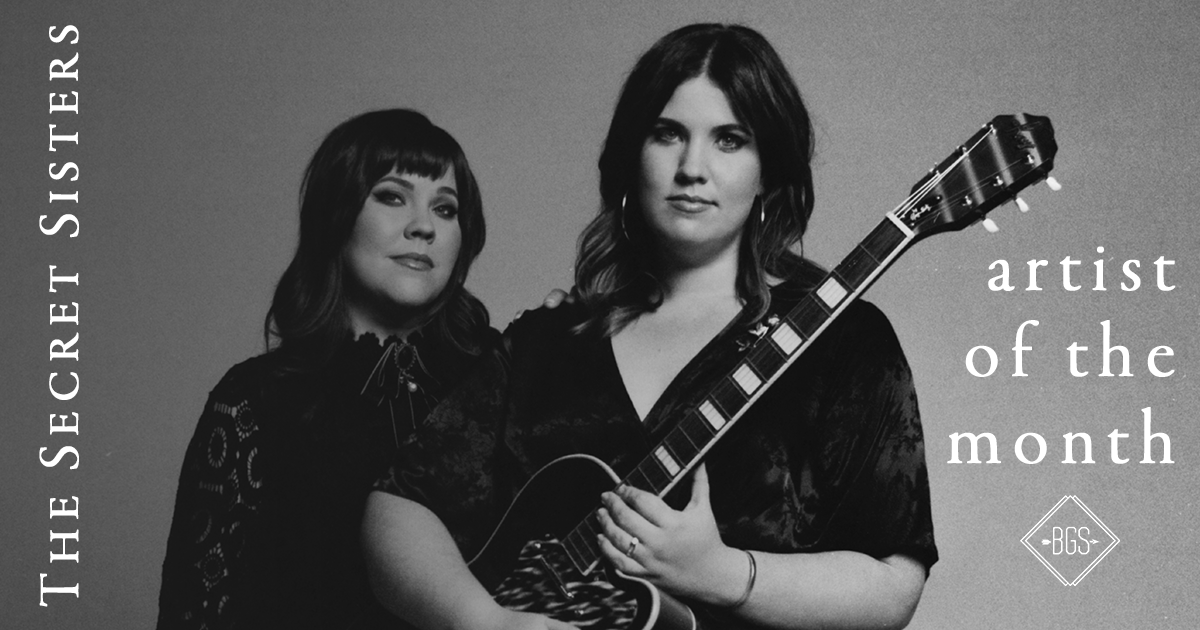
The secret is out, as the Secret Sisters have finally issued their newest album, Saturn Return. Time is a through line of the project, heard in songs like “Late Bloomer,” as well as the album title, which is an astrological reference to Saturn returning to the same location in the sky as it was when you were born. Motherhood also informs the music, as sisters Lydia and Laura Rogers were new mothers at the time, but also grieving the recent loss of their grandmothers.
Produced by Brandi Carlile and Phil and Tim Hanseroth (aka “The Twins”), Saturn Return positions the sisters as solo vocalists to some degree, as both Lydia and Laura recorded separately for the first time. And in contrast to their other albums, they wrote all of the material here themselves. A sweet celebration of the women who came before them can be found in the opening track, “Silver,” while the final track, “Healer in the Sky” is poignant, vivid, and simply beautiful.
Look for a two-part interview with the Secret Sisters — our BGS Artist of the Month for March — in the weeks ahead. (Read part one here.Read part two here.) In the meantime, enjoy our Essentials playlist, comprising choice covers (including one of Carlile’s songs), rare and interesting collaborations, and new music you’ll want to hear from Saturn Return.
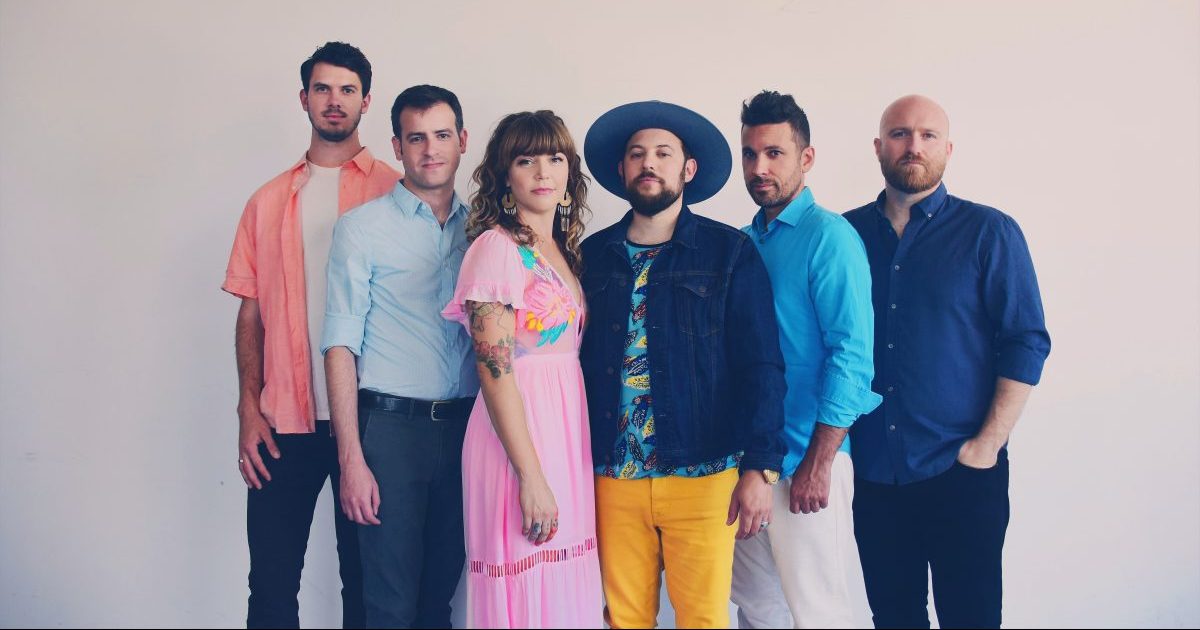
Artist:Dustbowl Revival Hometown: Los Angeles, CA Latest Album:Is It You, Is It Me Rejected Band Names or Nicknames: “When I was first trying to figure out the band name, we asked the audience at the first ‘show’ we played at the old Brown Derby in LA. I almost went with the name of the first album, The Atomic Mushroom of Love, but that would have been too much.”
Answers by Z. Lupetin of Dustbowl Revival
What’s your favorite memory from being on stage?
As nerve-wracking as it was, I’m super glad we had the cajones to try and record our live record Lampshade On at The Troubadour in LA and The Great American Music Hall in San Francisco. Both spots have such history and it felt like we were floating while doing it. Two of the most intense, rowdy, and giving crowds we’ve ever played for. Truly I almost freaked out and messed up the first few songs at The Troubadour — it meant so much to me to be there — but the energy is palpable on the record and that was worth it. Recording live is like trying to play music on a tightrope with your eyes closed.
What other art forms — literature, film, dance, painting, etc — inform your music?
I can never stay in one medium for long. It’s like only eating Italian every meal for the rest of your days — there are so many storytelling mediums that are so worth our time. Short stories are a forever favorite. I am also a playwright and I’ve always seen a lot of overlap between performing music and creating dialogue and stories for theatre. Why can’t conversations be had in the middle of a song?
I’ve always had a macabre sense of humor and the work of writers like Edward Albee, Christopher Durang, Sam Shepard and poets like James Tate and short story masters like Etgar Keret and Peter Orner seem to scratch an itch I try to get to with my songwriting — telling stories of normal people in deeply strange and emotionally epic situations trying to figure things out the best they can. Can magical realism be a genre in music instead of Americana?
Which elements of nature do you spend the most time with and how do those impact your work?
I adore hiking up mountains when I can and maybe it’s the Pisces in me, but I have a visceral need to be near an ocean or a big old body of water (I grew up by Lake Michigan). Jumping in lakes, ponds, oceans, weird hotel pools, you name it, I do it as much as possible to reset my brain. Riding waves thirty blocks from my house is among the most purely joyful things I know to do. I find myself bringing the sea and the sky and the limitlessness of space into a lot of songs accidentally. My grandfather was a part of the space program so maybe his curiosity was passed down to me in some way.
Since food and music go so well together, what is your dream pairing of a meal and a musician?
I’d love to share a few hot dogs and some fries with John Prine. I share his love of a good dog — being from Chicago, the simplicity and perfection of a Vienna beef sausage on a steamed poppy seed bun with all the fixins and the spicy sport peppers for extra crunch and tang — it just can’t be beat. It’s the first thing I get in the Chicago Midway airport on layovers. Also John is a lesson in well-spiced simplicity!
How often do you hide behind a character in a song or use “you” when it’s actually “me”?
This is a tough one as my bandmates (and my mom) will often question if a song and its story are personal or simply a fantastical vision of something I wished could happen or feared might happen. Initially the opening song on our new record, ‘Dreaming,’ was about a baseball closer who blows the biggest game of his life. It wasn’t personal at all of course, and when we changed it up to be more about a performer who panics in the bright lights it did feel more grounded and emotionally real, because it came back to being a version of me. Not me exactly.
I do get nervous before shows. I’ve never almost died out there (not yet!), but I strongly feel starting with a seed of truth and letting your imagination (or paranoia) run wild creates the most unique story. I’m very lucky — I came from an insanely supportive and artistically curious family — but that doesn’t mean I don’t see the tragedy and darkness that lurks within our family history if one looks hard enough. People are complicated and often don’t reveal what’s really going on. I tried to uncover that in our tune ‘Sonic Boom.’ What if you told the person you loved most what was really going on inside? Stretching the truth can still be personal — and creating fantasies maybe can help us find out who we really are.
Artist:Brandy Clark Song: “Who You Thought I Was” Album:Your Life Is a Record Release Date: March 6, 2020 Label: Warner Records
In Their Words: “The seed of the song came from something that John Prine said a couple of years ago at the Americana Awards. He walked out onstage at the Ryman and everyone stood up and clapped for what felt like five minutes. When everyone sat down, he said with a little laugh, ‘Well, I’m John Prine, but I’d like to go back to being who you thought I was.’ Man… that hit me. The songwriter in me instantly knew it was a song and the heart in me knew it was how I had felt in my own life many times. I mean who of us hasn’t let somebody down or wanted to be the version of ourselves that someone who loved us thought we were?” — Brandy Clark
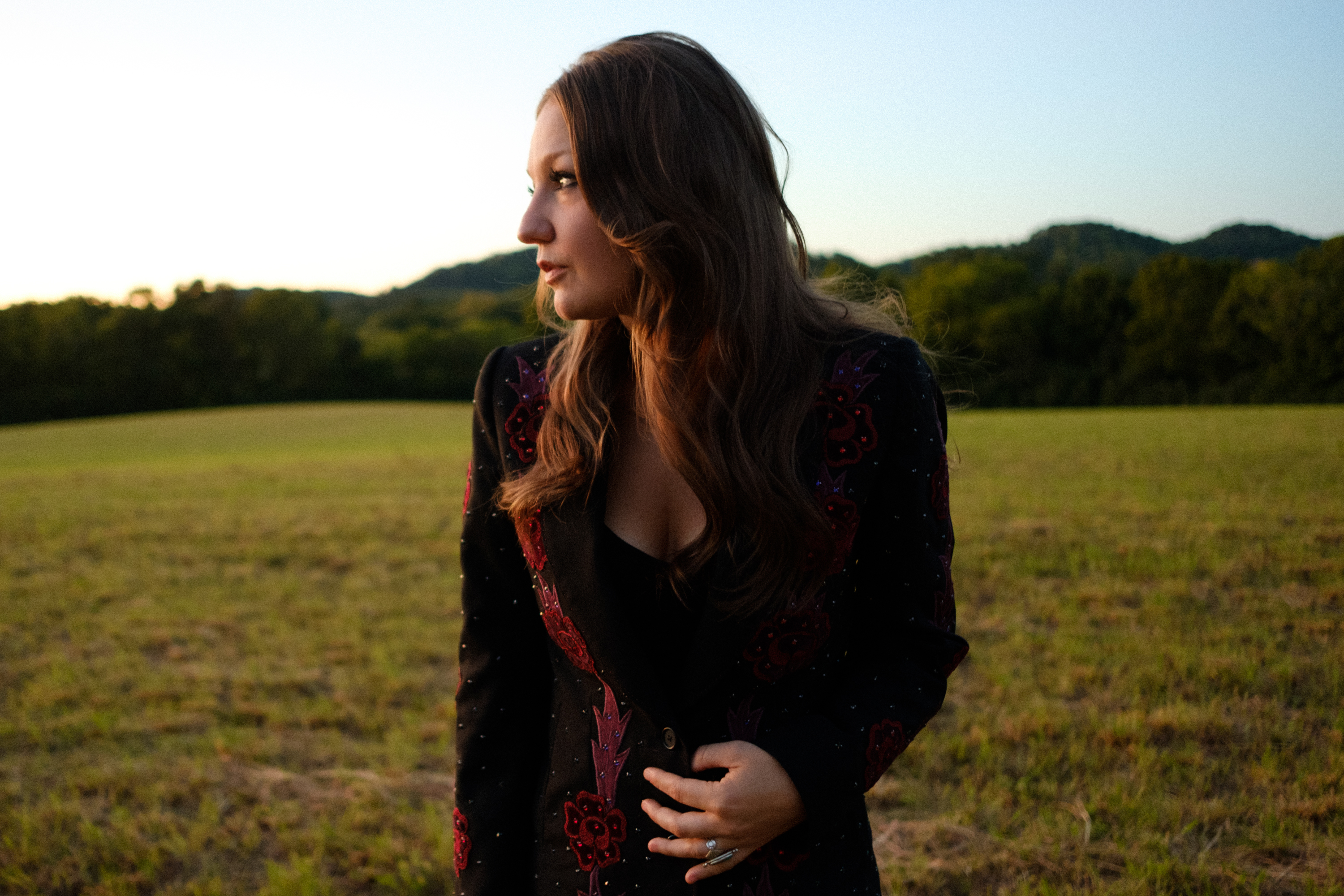
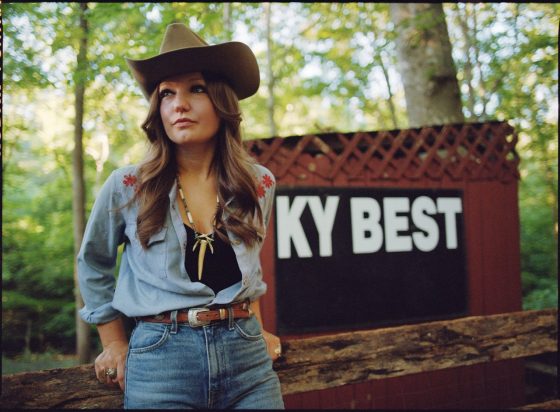
I’ve had the good fortune of knowing Kentuckian country queen-in-waiting Kelsey Waldon for almost the entire time I’ve lived in Nashville — more than eight years at the time of this writing. I’ve stood over her unfathomably enormous cast iron skillet, filled to the brim with bubbling, sizzling battered fish. I’ve sung harmony on one too many choruses of “Smoky Mountain Memories” after perhaps one too many slugs of Kentucky straight bourbon whiskey with her, too.
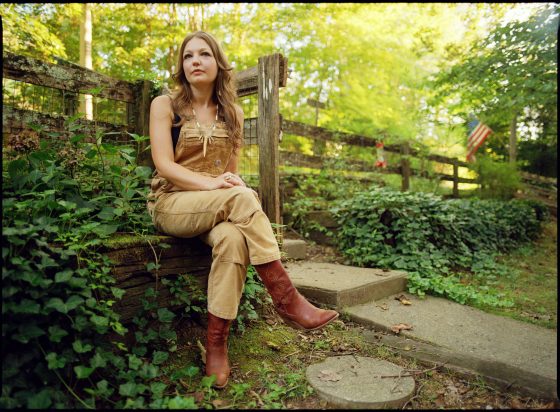
And yet, in listening to her brand new album, White Noise/White Lines, I still found myself picking up fresh tidbits of her extraordinary yet downright ordinary approach to musicmaking, songwriting, self-expression, and artistic exploration. Waldon, despite limitless comparisons to almost every female country forebear to ever growl through a lyric, remains a paragon unto herself, a true singularity in realms of American roots music.
White Noise/White Lines cements the fact (which has always been plain as day to those who dug deep enough) that Waldon will refuse tidy, one-for-one comparisons to any/all other country stars and writers who have come before her or who count themselves among her contemporaries. Except perhaps two: Loretta Lynn — whose “Coal Miner’s Daughter” inspired Waldon’s own “Kentucky, 1988” — and John Prine. The latter is fitting, in so many ways, now that Waldon makes her label home with Oh Boy Records, label of the denizen of Kentucky songs, meat and threes, and plain spoken oracle-like wisdom through lyrics.
A brief album by many measures, White Noise/White Lines captures technicolor moments of Waldon’s life, her joys, her musings, and her homeplace, encouraging listeners to lean into the record’s brevity and engage wholly with each constituent moment therein. Because truth needs no more than a moment.
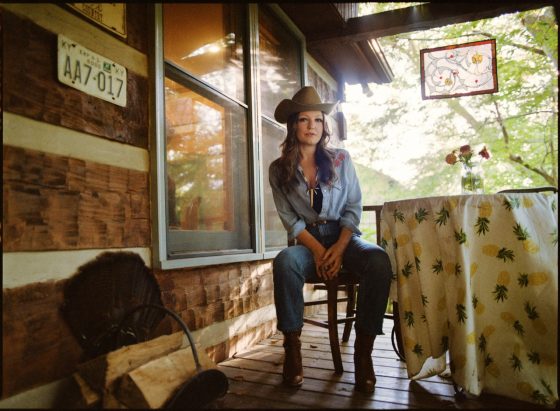
For BGS I made the trek out to Waldon’s cabin outside of Nashville and after a quick stroll around the vegetable gardens and a tour of the many Kentucky-themed decor items imported from one state north, we settled in the kitchen, sipping water out of mason jars, to talk.
People routinely refer to you as being similar to Loretta, similar to Tammy Wynette, Kitty Wells, Patsy Cline. People are constantly making these comparisons to these kind of foremothers of country and I wonder how that makes you feel, to be a bookend against someone like Loretta or Tammy Wynette?
Kelsey Waldon: Honestly, I think that’s an incredible compliment. Those are all, you know, my sisters that have gone before me, women that I’ve looked up to quite a bit. Especially in the country music realm. However, I also kind of feel like, especially with this new record, I think it’s apparent that hopefully I’m also finding quite a bit of my own thing.
Sometimes when people say things like that to me it’s like, well maybe their scope of country music isn’t that wide. When someone would be like, “You sound like Patsy Cline!” I’d be like, “Uh, no I don’t.” [Laughs] I mean, I love Patsy Cline and I hold her up as something sacred, I wouldn’t ever even sing Patsy just because nothing touches that.
I think it can kind of be, dare I say, a lazy comparison to just kind of name [some popular woman country star.] It’s definitely there. Even sonically, I was so inspired by them. Especially Loretta, absolutely.
I hope the new record showcases that with the years we’ve spent on the road — just using even my own touring band. It starts at country with me, I can’t just flip off a light switch and say, “Oh, it’s not country!” I guess some people can do that, but I don’t see it that way. Country is just so much embedded in me. No matter what form my artistic expression comes out, that’s still gonna be there. It just may not be cookie cutter, it may not be formulated. It may not even sound exactly like that. One thing that I think the growth of this record shows, hopefully, is that these are my songs, I’m not a throwback artist. I’m not a retro artist. I am an artist making music in 2019.
I did want to talk about your band, I think it’s remarkable. It’s getting more and more rare that folks tour with the folks who played on the record, because — and it’s not the fault of anybody — they’re trying to make money on the road. So if they stack their record, of course they aren’t bringing those people on tour. Why is it a priority for you to have the same band?
There are obviously all of these amazing musicians out there who are session musicians and a lot of people I’ve been fortunate enough to play with myself. I’ve learned a lot from [them]. This time around, this was always a goal of mine, to have a record that had a band I wanted on it. I worked really hard to find the band to really fit those pieces together. It took me a while… just trying to figure out really what I wanted. My last record, I’ve Got A Way, caused the right people to gravitate towards my music. I mean, I eventually found the band that I have now because they heard those earlier records and they were like, “I would love to be a part of this.”
The band I have now, which is Mike Khalil, Nate Felty, and Alec Newnam — and Brett Resnick played on the record, but he doesn’t get to play with us a lot anymore, he plays with Kacey Musgraves, which is wonderful. But with the band I have now I just knew it. I was like, “I think this is it.” We all knew it. Even Brett. People were like, “We think this is the right combination.”
In that way, too, there’s nothing wrong at all with using session players, I just think, honestly — and I might be a little biased — my band is just as good as any. I think they could, and they will be one day, they will be those session players. They care so much about their craft and they work hard. I’m very lucky.
One of the things that excites me most about this record is that I’ve always heard the bluegrass influences in your music, but they’re really forward in this record. Especially in your rhythm playing, in your rhetorical style in your writing, in your vocal phrasing, even in the arrangements with the twin fiddles and there are a couple of “fast waltzes” on the record. I love that “Lived and Let Go” really could be played on bluegrass radio.
I think that is such a huge compliment, thank you.
It’s bluegrass! I wanted to ask, and not just because we’re The Bluegrass Situation, but in general, because this is a huge part of the canon of music you reference and that you listen to. Who in the bluegrass sphere influences you now and who has in the past — and I’m gathering Ola Belle Reed is at least one of them.
I love Ola Belle, obviously, we did an Ola Belle song on the record. Well, I love that you can pick that out. To me, I feel like it’s plain as day that there’s a bluegrass influence all over it. To some people it’s not as apparent, I guess. I’ve had some people just be like, “What is this thing that you’re doing?” It’s because they don’t listen to bluegrass. I’m like, “I STOLE that!” [Laughs]
I guess I understand now why they don’t put those two together, if you’re talking about mainstream country, because that’s clearly not. But to me, I’m always like, “Of course bluegrass is country.” It’s also bluegrass, but it’s also country. It’s like the OG country music.
I would say one of my favorite influences, one of my favorite singers ever, is Dale Ann Bradley. She’s up there for me. I really think Dale Ann should be a legend, honestly. And Ralph Stanley, and obviously I love Bill [Monroe], and Jim & Jesse, and all those groups. And early Keith Whitley, I’ve been obsessed with that for a long time.
I think it’s interesting that you mention both Ralph and Keith back to back like that, because you can hear elements of both of their vocal phrasing and vocal techniques, in what you do singing-wise.
The same thing with Dale Ann. They have such unique registers of their voices and it’s something that I really relate to. Sometimes I didn’t really know what it was that I was doing. I could kind of hear my own voice in [their vocals]. If that makes sense? I could really relate to that. It’s so soulful.
I feel like Keith could sing on anything. [Laughs]He sounded exactly like Keith. That’s the beautiful thing about a country singer to me, he could sing on an R&B track and it would be sexy as hell. It’s like George Jones — and Dolly can sing on anything, as far as I’m concerned. That’s a great singer, to me. Ralph, I’ve always said that he is like the Pop Staples of mountain music. It’s like he doesn’t even have to be loud, but he is so loud. He’s barely singing. He’s just projecting. I love Flatt & Scruggs as well.
New artists… Molly Tuttle, I love what she’s doing. That new record. She’s really taking a genre and making it her own. Something that’s not worn out or tired. Doing something fresh. She has accomplished making this new for people. In my own way, I hope to do that as well.
I don’t guess there’s anybody else completely new, besides like Sister Sadie, and Dale Ann! [Laughs] They are some BAD girls!! Dale Ann, man. The mark of a true artist is that she can sing all of the covers she does. Like I said, I think Dale Ann should be a legend.
Words are clearly your priority in your songwriting. You’re prioritizing what you’re meaning to say first and foremost, then making the melody and music and everything work around what you’re trying to say. It sounds effortless when you listen to it, but I wonder what kind of intention goes into that?
Songwriting is kind of interesting to me in that way. I’ve actually heard a couple people be like, “It sounds effortless.” Sometimes, it is effortless and you’re just like, “Wow that kind of poured out of me. I didn’t realize it was in there but it poured out of me in like five to ten minutes.” With this record, though, there were definitely a couple of things I had to go back to. I had the meat and taters, but there were a couple of things I rewrote and made sure made exactly the sense I wanted them to make. There’s a balance there, too. You don’t want to kind of go too far, over-analyzing the whole thing.
With “Kentucky, 1988,” I think your songwriting up to this point has felt so personal, and so tightly intertwined with who you are, that I almost didn’t realize that you hadn’t written this exact kind of song, yet. What brought you to the point of wanting to be that direct with telling your origin story? Was it more intuitive or more purposeful?
That was definitely purposeful. That is awesome that you’ve observed that, because I’ve felt the exact same way. I was writing new songs and I felt like, “You know, I haven’t written my ‘Coal Miner’s Daughter.’” I don’t really have something that is kind of like this definitive origin story. I just set out to write it. The title was actually kind of inspired by someone I forgot to mention, Larry Sparks — one of my favorite singers.
Oh my gosh!! “Tennessee, 1949!!”
Yeah! Yeah, it was inspired by that. That and a Tom T. Hall song that has Kentucky and a year in the title, with the comma and everything. In my head all of that sounded so cool. Everything about it, the rhythmic feel, it all rolled right off my tongue great. I just had to write it. People always [say], “That’s very vulnerable and transparent.” Well yeah, isn’t that what we’re supposed to do? [Laughs]
I know a lot of artists say this, but I definitely think this is the most personal thing I’ve done so far. I think all of it has been very transparent, in a way. I want to completely embrace that. I want to be as much of a freak as I want to be. It’s not like I was afraid to before, I just don’t think that I was ready. My mom always said I was a late bloomer, but she said, “When you bloom, baby, you’ll bloom!”
I did want to ask you about the significance of the Chickasaw Nation members singing on the record. We hear them at the end of “White Noise, White Lines.” What’s the personal significance of that for you? And are you a tribal member? Is anybody in your family a tribal member?
No. All of the Rollins side of my family, which is my granny’s side, they were all of French and Native American descent, but I never claimed anything like that. I just think it’s been something that’s been such a part of where I grew up, culturally. Even just hunting for points [arrowheads] and having such a respect for that way of life and culture.
It’s always really hard to keep this story short, when people ask me about the song, because I wrote it right after this amazing experience I had back home in Monkey’s Eyebrow, Kentucky, my hometown. When I went back to watch a ceremonial dance that the Chickasaw from Ada, Oklahoma [performed]. They came to re-bless the Wickliffe Mounds. They ended up lodging at my Dad’s that night, for free, [he was] cooking the food, doing the catering and stuff. I ended up staying down there and visiting.
We just became friends with the members of the tribe. We had so much fun. They’ve kept in touch… My dad took them arrowhead hunting for the first time, and they were doing ceremonial dances out on my dad’s land as well. I think he really really was appreciative of that. We were kind of the only people who ever lived down there in those river bottoms, maybe besides [the Chickasaw]. I mean, it’s the river bottoms. That’s why we find all these artifacts. No one has been down there except us.
I just remember thinking about how awesome the weekend had been and the radio had been on white noise for literally fifteen minutes and I had no idea. I was just in this tranquil moment. The song is just a detail of all these things. The solar eclipse had also blown my mind that weekend. Just realizing how small we actually are, compared to what is even going on in this universe.
Naturally, I included the details. “Chickasaw man got a buffalo skin drum,” because Ace — Ace Greenwood and Jesse Lindsey, that’s who’s on the song — actually did have a buffalo skin drum. It was pretty badass. My dad asked them to sing some songs on the porch. I love Ace’s voice, it reminds me of Ralph Stanley. It’s a voice that just feels like it’s been there for a long time. It’s so pure. I just loved it, I was really touched.
He sang a song that had been in his family for generations. The message of the song was basically, “Though I’m far away I’m still near you. No matter where I am. We are together.” In that moment that really was something I needed to hear. I put that [on the record] not only because I thought it was beautiful, and I wanted people to experience what I felt, but I also wanted the record to feel like an experience.
Ace told me one time when we were down there that the media likes to tell his people who they are and that’s not who they are. I think in a way, perhaps it’s also why I thought it would be really beautiful to have that at the end as well. I hope it doesn’t seem like it was for my own reasons, I guess. I was just writing about that weekend and I felt like it was so beautiful to me I wanted it to be documented.
I think it makes a lot of sense. And I’m not saying it’s not a complicated thing to talk about, or that it doesn’t trip into some territory that we as settlers will never fully understand, but I do think that it follows perfectly with you bringing your whole entire self to your music. So much of what you do is tied to place and is tied to coming from Kentucky.
That was another part of it, showcasing where I’m from. And the cultural background of it.
And not just the colonial background of where you’re from?
No. I mean absolutely not. To me, that’s exactly how I saw it. Nail on the head. It might cause a little bit of question, but I think that’s good. ‘Cause then I’ll get asked about it. And then I’ll tell ‘em. [Laughs]
Which artist has influenced you the most … and how?
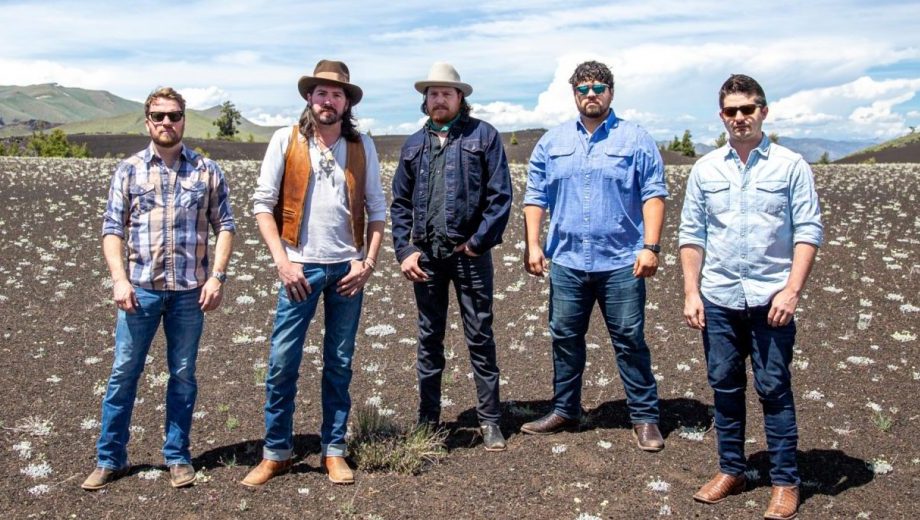
It’s hard to say which artist was most influential, but I’d say John Prine, my dad Muzzie Braun, and Pinto Bennett. They are my favorite songwriters. Always a great story in every song.
What’s your favorite memory from being on stage?
I think my favorite times on stage are every year when we play the Braun Brothers Reunion in Challis, Idaho. At the end of every night we always end up on stage with our friend’s bands and family bands singing and having a blast.
Since food and music go so well together, what is your dream pairing of a meal and a musician?
I’d say you can’t go wrong with putting on John Prine’s The Missing Years record, opening a bottle of red wine and cooking a good pasta.
How often do you hide behind a character in a song or use “you” when it’s actually “me”?
I tend to write a lot about personal experiences as well as stories I hear from friends or read. So I’d say about 50/50.
What was the first moment that you knew you wanted to be a musician?
I’m not sure I ever had that big moment when I knew this was what I wanted to do forever. I just started playing music at a young age and started really enjoying writing songs, learning how to play different instruments and performing on stage. I’d say I really knew I was a lifer when I was about 20 years old. That’s when the band moved to Austin and we threw our hat in the ring. We haven’t turned back since.
Artist:Jeremy Ivey Hometown: Still looking for it Latest Album:The Dream and the Dreamer Nickname: Jivey Old band names: The Lunar Ticks, Riverbottom, and Horse Sense.
Which artist has influenced you the most … and how?
I was influenced early on by poetry. Poets like T.S. Eliot, Poe, Dickinson, Keats… all those ones you get exposed to in high school. I put a tune to Longfellow’s “The Fire of Driftwood” And would play and sing it. Later I got into the Beats and that really twisted my head in the best way. After that it was Bob Dylan, Joni Mitchell, Leonard Cohen and all the song poets.
What’s your favorite memory from being on stage?
The first time I got to join John Prine for “Paradise” and more recently, I did my first encore. That was surreal.
What other art forms — literature, film, dance, painting, etc. — inform your music?
I think of everything as an influence. I mean, when I was a toddler I watched Captain Kangaroo, when I was 9 my uncle was struck by lightning, when I was in high school I had a deep infatuation with a girl I was invisible to. That’s all living art and I think it affects the art we in turn make. Film is definitely important because of dialogue. There’s dialogue in songs too. I like Sam Peckinpah.
What was the first moment that you knew you wanted to be a musician?
I’m still not sure I want to. It’s more of a calling I guess…a nervous twitch I can’t seem to shake
What’s the toughest time you ever had writing a song?
Oh I don’t know, I probably blocked it out. I try not to try when comes to writing. There’s no bigger drag than hitting that high stone wall of effort over inspiration. I try to stay inspired period. If it’s not happening in a song I’ll go find it in nature or in a book.
This website uses cookies to improve your experience. We'll assume you're ok with this, but you can opt-out if you wish.AcceptRejectRead More
Privacy & Cookies Policy
Privacy Overview
This website uses cookies to improve your experience while you navigate through the website. Out of these, the cookies that are categorized as necessary are stored on your browser as they are essential for the working of basic functionalities of the website. We also use third-party cookies that help us analyze and understand how you use this website. These cookies will be stored in your browser only with your consent. You also have the option to opt-out of these cookies. But opting out of some of these cookies may affect your browsing experience.
Necessary cookies are absolutely essential for the website to function properly. This category only includes cookies that ensures basic functionalities and security features of the website. These cookies do not store any personal information.
Any cookies that may not be particularly necessary for the website to function and is used specifically to collect user personal data via analytics, ads, other embedded contents are termed as non-necessary cookies. It is mandatory to procure user consent prior to running these cookies on your website.