The National Parks Embody Natural Majesty on ‘Wild Spirit’

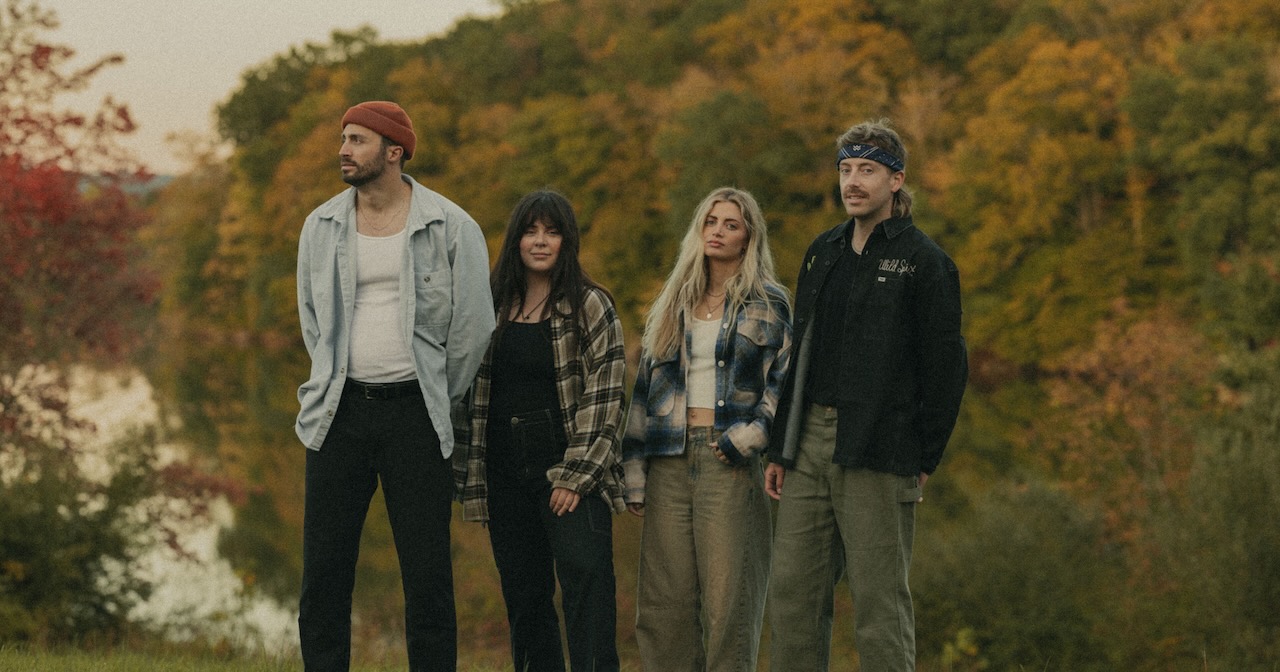
Since 2013, The National Parks have embodied their name in a way few other bands can. In fact, they’ve made a mission of translating the breathtaking majesty of the outdoors into awe-inspiring roots pop – music that ends up like oxygen for the soul, especially if you happen to be lost in a concrete jungle.

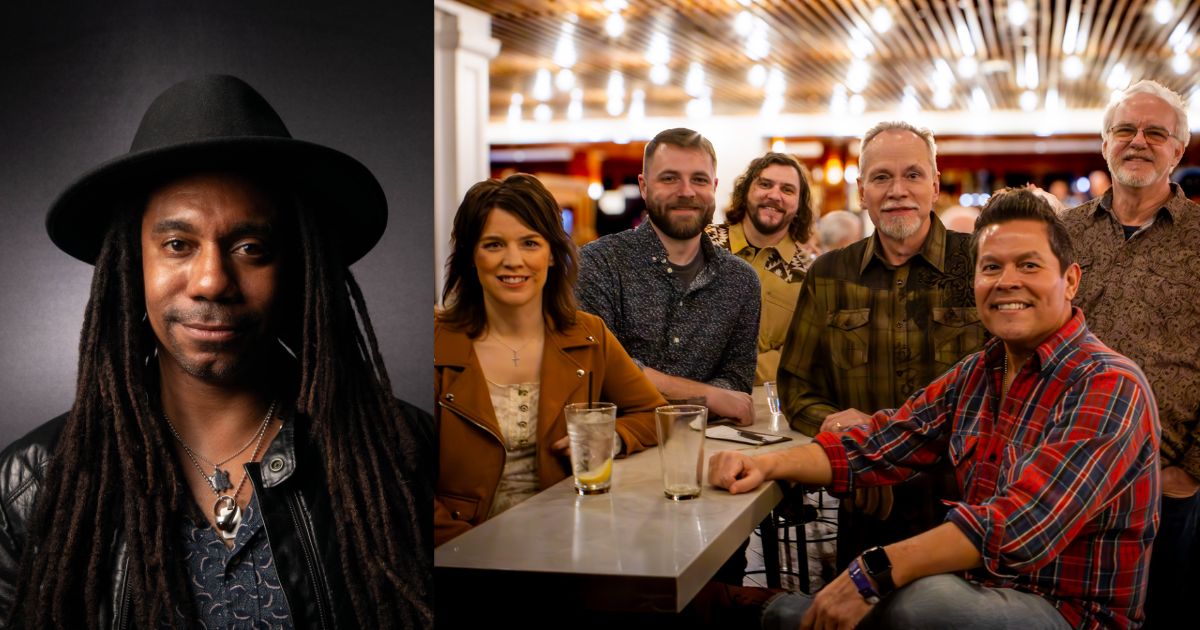
A Provo, Utah-based quartet featuring Brady Parks, Sydney Macfarlane, Cam Brannelly, and Megan Parks, the band have explored all over the stylistic trail map in the past, but their new LP Wild Spirit (out August 23) marks a return to base camp. Back to resonate wood-and-string soundscapes, soaring harmonies, and rivers of rushing energy. These days, their brand of upbeat jangle pop is brighter, more encouraging, and more connected to the rhythm of nature than ever.

Speaking with BGS about Wild Spirit’s creation, primary songwriter and guitarist/frontman Brady explains where the mix of uplifting vibes and down-to-earth instruments comes from – and why the group’s new tunes feel like sunrise after a long night.

You’re 10+ years into the band at this point. How’s everybody feeling creatively these days?

Brady Parks: We’re feeling really good. I feel like this new album was kind of just a beautiful process, start to finish. It was, in a way stepping back to our roots – a little more folky, there’s some country elements, some bluegrass, and so it really just feels like rediscovering us. It was just a really fun project to do.

Once you get that far down the road, at some point you have to loop back around and remember what you were doing in the first place, right?

Totally. I mean, we’ve definitely dipped our feet into going more pop at times, and including those elements, so it was fun to bring everything we’ve done over the course of our career back to our roots.

Tell me a little bit about those roots. You seem to capture these natural themes and sounds within the music – the sway of trees in the wind, the rush of a river. Has that always been with you?

Totally. I feel like nature has always been a huge part of my songwriting. I grew up in Colorado and living in the mountains, I just loved it. I was outside all the time. And now living Utah for the last 13 or so years, just being surrounded by so much natural beauty, I tend to find a lot of parallels between love and life and nature, and how it all comes together.

I think it’s always been really inspiring to me musically – and also not musically, just in general. So I think it’s always naturally played a role in our music. And then over the years as we kind of discovered who we are more and more and more with each project, I think it’s become a bit more intentional. We want our music to inspire people to get outside. We want to capture what it feels like.

What do you think is so intriguing about that connection between nature and the human soul? Is there wisdom in slowing down and just learning to look around?

Yeah, and this is something that we talk about all the time as a band when we’re feeling overwhelmed, or depressed, or anxious, or anything. The thing that grounds us the most is getting outside, and it helps us recenter ourselves. I don’t know, I think when you’re out on a hike or you’re out in nature doing something, your soul kind of connects to something bigger than yourself, and it helps you breathe again. I think that’s a big thing for all of us in the band.

Wild Spirit arrives August 23. Tell me, from the band’s perspective, what do you think makes this one a little bit different?

I think this album comes from a lot of soul searching, a lot of going through different personal things. This album captures what it’s like to get lost, and then what it feels like to find yourself when you’re lost. … When I was writing this album, I was working through all those things that I’ve been going through and kind of had this picture in my mind of a forest at night and being lost in it, and what it is to be terrified in this darkness, this unknown, this uncertainty. But also when you’re lost, the daylight comes and you start hiking up and you get different vantage point, and you see things clearer and see the beauty in the journey of it all.

During the writing process, was there a moment where things started to coalesce?

There was definitely a moment pretty early on that we kind of hit on, “This is what the album is, this is what it’s going to feel like, this is what it’s going to narratively be about.” And that was when I was writing “Wild Spirit.” I actually wrote that in Nashville, and it was just one of those writes that was super inspiring and [I] walked away from it really excited to re-listen to this song a million times. I sent it to the band after – I actually sent a group of songs – and that was the one song that everyone was like, whoa, “Wild Spirit.”

Tell me about “Timber.” I love mixing the natural theme with the romantic idea of falling like a tree in love. Where did that come from?

That was written as a love song to my wife Megan, who plays violin in the band. It was a song about letting go of anything that was holding me back and not in our relationship, but I mean, just candidly, we’ve been going through some stuff with our faith and our journey in that aspect. And yeah, this was a song about letting go of everything we’ve known and trust falling with each other, and just realizing that this is what is important to us – our relationship and each other. And that’s all. You just kind of let go of the roots that hold you and fall, and I think there’s a lot of beauty in that.

There’s some wonderful duet harmony on “Where You Are.” Can you tell me where that song came from?

“Where You Are” was a song I wrote about feeling kind of stuck in between places. Sometime I feel this “in-between” in life, coming out of something and moving into something else. Like antsy to get going again, and it was a song I wrote to myself like, “Hey, you can get where you’re going, but it’s okay to be where you’re at right now.” So it’s kind of a song about knowing that one day you’ll get to where you need to go, but it’s okay to not be there.

How about “Scenic Route”? This one is really beautiful to me and lyrically full of natural references. Spiritually speaking, do you tend to choose the scenic route? Or are you more of a direct to the point kind of guy?

I would say I’ve been a direct to the point kind of guy most of my life. And now I feel like more on the scenic route of things, just enjoying life, enjoying the things that matter and trying to slow it down. “Scenic Route” actually is one of the first songs I wrote for the record when I was still trying to figure out thematically what to do, and I really wrote it about Meg and being on a journey together. No matter what hard times we go through, again, it’s about leaning on the person that matters most to you and slowing it down and just enjoying life, even through uncertainty.

Big picture, I’m just wondering what you hope people take away from this one?

I just hope this album in particular can help people that are feeling lost, that are feeling confused, that feel stuck. I hope they know that they’re not alone and that it’s okay to be where you’re at. And then I also hope it can uplift musically. A big part of our brand and messaging is to inspire people to look at the world around them, to get outside and see the beauty in life. So I think those would be the main takeaways.


Photo courtesy of the artist.

Ben Sollee’s Renewed ‘Long Haul’ Perspective on Earth, Life, and Music

Seven years have elapsed between Ben Sollee’s last studio release, his 2017 album with Kentucky Native, and his new one, Long Haul (arriving August 16). Much has happened in Sollee’s life since ‘17. His family has grown by two children. He worked on a number of soundtracks, even winning an Emmy Award in 2018 for his score on the ABC special, Base Ballet. The Kentucky born and based singer/songwriter/cellist, who has long been an advocate for environmental and other social causes, also helped launch a nonprofit named Canopy, which helps businesses in his home state positively impact people, the planet, and the future.

When COVID hit, it hit Sollee hard. “I was one of the early folks to get COVID in fall of 2020 and it stuck with me in a way that didn’t stick with other people.” During his prolonged recovery, he had to change how he ate, what he drank, how he slept, and how he exercised. “It turned into a journey of inward exploration and changing my external life. I really changed pretty much everything… It wasn’t until I started emerging from long haul [COVID], I was like, ‘Oh, I think I’ve got something to say about this.’”

While this album grew out of Sollee’s personal health crisis, it also was greatly affected by the death of his close friend and long-time collaborator, Jordon Ellis, who died by suicide in early 2023.

Always ready to blur genres, Sollee felt more free to expand his sonic palette on Long Haul, which includes a gospel-style choir, a Little Richard-inspired rock ‘n’ roll rave-up, West African rhythms, and Caribbean grooves. He purposely wanted to have lively, rhythmic melodies to balance deeply thoughtful lyrics.

“The same way,” he explained, “That Michael Jackson would have these big statements in the middle of these dance songs.” Sollee also recorded a special Dolby ATMOS Spatial Audio version for this album – a first for him – to underscore Long Haul’s immersive sound quality.

Part of what the title Long Haul refers to is your serious battle with long COVID and it also addresses life as being a long haul. How did the two interrelate for you, personally?

Ben Sollee: [COVID] definitely put me in relationship with my body in a way that I had never been before and once you start that relationship with your body, you realize just how interconnected everything is. I mean, we’re all on this long haul together… and I realized that maybe the most radical thing that I could do was to care for myself. That really shifted how I think of my live performances and really my purpose for being out on the road, [which] is to help people connect with themselves. Because once they connect with themselves, then they can have the capacity to be in relationship with nature, other people, animals, you name it. How I be in the world has shifted. It’s subtle from an external view, but internally it’s pretty profound.

How did this all affect your approach in making this album?

I realized that I had a very exploitative relationship with my creativity over the years, where it was just like: Here’s a project, just make stuff. And that was just really eye-opening.

I took a couple of different approaches in the making of this record. The passing of my friend and musical collaborator, Jordon, in the process of writing this record was really profound, because he was such a keystone to my creative process. It kind of forced me to think about how I was approaching music-making in the record without him.

So, I tried a couple different mantras, and one of them was “follow the resonance.” If it said something to me, I didn’t need to figure out why it said something to me, even if that is Polynesian flute playing or this sort of strange Tejano Caribbean groove – just follow it. In the past, I would kind of hedge; like I would hear something, I’d be really into that sound, but I wouldn’t feel like I could, for whatever reason. Like it’s not part of my cultural heritage. I would come up with a reason to be like, I shouldn’t make music with that sound or influence.

Another mantra was “show our fingerprints.” The way that we recorded the record – it was about hearing the hands and the strings and hearing the breath. I chose instruments that would really feature those human aspects of breath and touch. We incorporated woodwinds, which you can hear prominently on the first single, “Misty Miles.” We incorporated choirs in this record for the first time, because I really wanted that breath and sound. Much of the percussion is hand percussion. It’s a very tactile record… very high touch record.

You produced Long Haul. What was the recording process like?

It was a very intuitive, collective approach, and it meant that not only did the music turn out as a surprise to me and others, but it also meant that it was a very engaged, emotional journey. Adrienne Maree Brown [author of the book, Emergent Strategy] is really the inspiration for this – instead of having a singular artist’s vision, you really bring together a group of people in a facilitated way.

It made me maybe a little bit more brave and confident that wherever things went, we could execute that… I mean, musicians left the sessions crying, because they had such a good time and they felt seen and heard. And that, to me, means as much as the music that came out.

Did your experiences composing film soundtracks serve at all as an influence?

[Film work] also inspired me to explore Atmos. I really wanted this record to be an immersive experience, kind of like a sonic film. In keeping with that, there are a few songs that actually have sound design incorporated into them. It’s the first time I’ve done it in such an intentional and immersive way where we’ve got cars driving by with “Hawk and Crows.”

There is a real stylistic diversity to the sound of this album, like “Under The Spell” is one song with a funky dance groove to it.

[Laughs] I wasn’t trying to make a dance track. It started with that cello lick that you hear at the beginning. And it’s sort of this hypnotic West African loop of a lick that really began as kind of me trying to figure out some old-time banjo, like clawhammer music, on the cello.

The words are referencing this kind of duality… dealing with identity and self and how often we are under the influence of the stories that people tell of us. Every time I have this ambition, desire, and even just like the idea of me having something, it sets me down a path of being unsatisfied, which causes a lot of harm to other people and myself in the world. So, the words can go as deep as somebody wants to, but it’s also if people just want to release and have some sort of existential-like dance experience – then let’s go, let’s dance!

It touches on an evolution that I don’t expect anybody to notice in my music and career. My early records had a lot of direct social and political statements in the song. I realized that they were a little bit superficial and surface-y. They weren’t really getting it to the core of those issues. So, I’ve kind of moved into, I guess what I would call like a “post-activist” stance. My music has moved away from direct political commentary most of the time to more of a foundational, fundamental idea of togetherness, of connectedness.

“One More Day” stands out as a key song too.

I guess the original seed of that song emerged as I was beginning to travel again after Jordon had passed away – to places where he and I had traveled so many times. I started thinking about what would I have said had he called me in that moment of decision before he took his life? But the only thing that I would have really said to him is, “Listen, I hear you, I respect your decision, but what’s the rush? Like, if you’re going to do it, you’re going to do it, but you don’t have to do it right now. Just give it one more day, give it one more sunrise. Just get one last look.”

I think that’s what I would have said to him. And the song makes that case through different vignettes of our time together on the road. And, it does it over this Caribbean, Tejano groove that must have come from some jams that he and I did together. It must have. It just feels like a very Jordon groove. What I love about that is it has this real joyous, almost like early Police kind of vibe to it. There’s some really tough content in there and I just love the idea of people dancing at a festival – and just saying, “Give it one more day.”

The closing song, “When You Gonna Learn,” features a rousing gospel-style choir and addresses following your inner voice. It launches the listener out of the album and into the world in a very uplifting way.

I wanted to end with that message, because as a father I watch my four- and six-year-old who have yet to really settle into a sense of self or identity, and they are just so connected to their world and just basic truths about caring for things and protecting things and love and justice. And I think that it’s just more proof to me that there are things we know that get taught out of us. This song just is like: When are you going to learn that you already know?

You address a lot of tough issues on the album, but do so with a sense of humanism and spirited music that offer a hopeful way out of these challenging times.

I often reflect on that “Pale Blue Dot” image that Voyager took looking back at Earth and it’s just black and there’s just one little, tiny dot. And that dot really says it all, because it’s all there, as Carl Sagan says: every love, every heartbreak, every war, every church, it’s all on that one little dot.

So, we got to make it work here. And I think that’s the biggest challenge that we have right now. How do we make this work? I get that we’re going to make some big mistakes along the way. I sure have in my life. That’s where the grace comes in, but we got to make it work here. We don’t have another spot.


Photos courtesy of Big Hassle.

The Avett Brothers Go Lights-Out

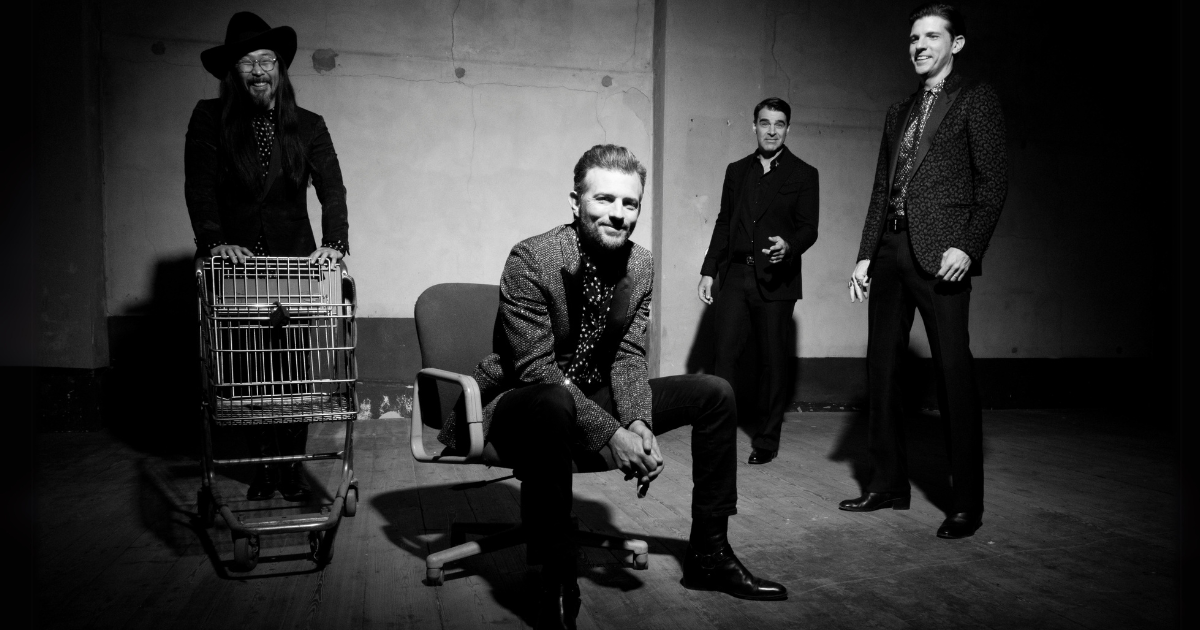
Over the nearly two-and-a-half decades since their debut, the Avett Brothers have constructed their own creative universe.

They’ve released 11 studio albums, earned a Grammy award (plus three more noms), and bounded around stages for countless tour dates and festivals the world over. May It Last, a documentary film about the influential North Carolina group, offered a glimpse at the band’s dynamic through big and small screens.

Scott has also been a working visual artist since before The Avett Brothers as a band even entered the public consciousness, earning a BFA in studio art from East Carolina University in 2000 and depicting Southern family life through paintings and sculptures that would go on to make moving exhibitions—all while he also created stunning album cover imagery (for his own band as well as the great Brandi Carlile) or provided the visuals for such epic music videos as “Head Full of Doubt / Road Full of Promise.”

Musical theater, too, has been touched by the Avetts: Their musical, Swept Away, will make its mark on Broadway this fall. But the band’s eleventh album, The Avett Brothers, feels less like a charge into new creative territory and more like a reflection on the other things that have sustained them over the years.

“There’s certainly an unsettling feeling in that shadowy twenties and thirties where you get trapped into thinking that you are what you make,” Scott told Holler Country last year. “I’m settling into a season of life where I’m welcoming the reality that I am because I am, not I am because I do.”

That realization gets top billing on The Avett Brothers. Classic ballad “2020 Regret” sounds so quintessentially Avetts that it could have easily appeared just about anywhere in their catalog, if not for the veiled references to the year. It, too, embraces the idea that a life without regrets is less about what you do than it is about the people you do it alongside.

“Life cannot be written,” read the lyrics on album standout “Never Apart.” “It can only be lived.” The song muses on a long-term relationship; it’s presumably a romantic one, but would it be so crazy to listen to it through the lens of the band and its legacy?

Most bands don’t wait twenty-plus years into their trajectory to release a self-titled album — in large part because a lot of them simply don’t last that long. It’s a banner accomplishment to forge a musical path that sustains itself in any capacity for multiple decades; it’s entirely another to push forward with nearly the exact same cast of characters you started with, still collaborating and creating with the same heart and satisfaction as before.

“It’s trust. It’s a trust that’s built in,” explained Seth to NPR last month when asked about the secret to the band’s longevity. “My trust in that Scott has my best interests in mind is something that it would never occur to me to question.” He may be referring specifically to the lifelong brotherly bond he shares with the other Avett in the group, but certainly the larger band has formed a different kind of family.

Bob Crawford, who has been playing upright bass (among other instruments) with the band since 2001, took a year off to support his daughter’s battle with cancer and Avett fans followed and supported the journey at every turn. Cellist Joe Kwon, too, has an immovable fixture in the band since 2007; crowds go wild for him at every show. “We’ve been lucky and blessed to transform with each other,” added Scott, “to change with each other and watch this happening to us.”

“Cheap Coffee,” one of the album’s underrated masterpieces, makes great fodder for the idea of a group that constantly evolves and grows together. Producer Rick Rubin, who has been with the band since their major label debut, I and Love and You, apparently cut all the lights out and had them record the song entirely in the dark. The story holds up well for a song that engages so many senses: the distant smell of coffee, the feel of an outgrown apartment, the sound of a kid imagining the very highest number they possibly can. “Didn’t know how, didn’t know how good it was,” the group sings, lyrically balancing major milestones with the types of tiny details in a memory that feel insignificant at the time, but become the stuff of nostalgia decades on.

“We’ve always had this quasi-fatalist attitude, like oh, this might be the last time we ever do it,” joked Seth in an interview between their tenth and eleventh albums. “Now we’re really like, okay, we’re probably only gonna do this one more time.” In the interview, this line reads as a joke, but fans have speculated the same thing many times, too, cobbling together similar statements from the documentary film and various other interviews to try and guess how many more albums they might get.

Regardless of the band’s plans for the future, this eleventh album embraces plenty that fans love about the past. “For the Love of a Girl” is the jump-around number you can’t wait to hear live. And “Country Kid” offers an ambling glimpse at a rural North Carolina upbringing, with a heavy twang and plenty of backwoods imagery to match.

Taken altogether, The Avett Brothers feels like a worthy prize for the five-year wait between releases. “We’re not in the same hurry we used to be,” Scott explains. “Our home lives are super busy. We’re teaching kids things.”

In a way, maybe the greater message of The Avett Brothers is that the work will always be there — the opportunity to create, to explore, to have some kind of output. So maybe it’s really not so surprising that the band would wait to release an eponymous album so many years into their career, or that they might take five years since their last full-length to release it, or that they might not make promises about the future. As their influence has grown, so have the demands for their time and the expectations around what they make — not just how much of it there should be, but what it should sound like and how it should reflect the world around them.

What a beautiful thing to ignore those voices, to be enlightened by the past without being imprisoned by it; to turn off all the lights and sing in the dark.

(Editor’s Note: Read more about our selection of the Avett Brothers as Artist of the Month, explore their discography, and check out our Essentials Playlist here.)


Photo Credit: Crackerfarm

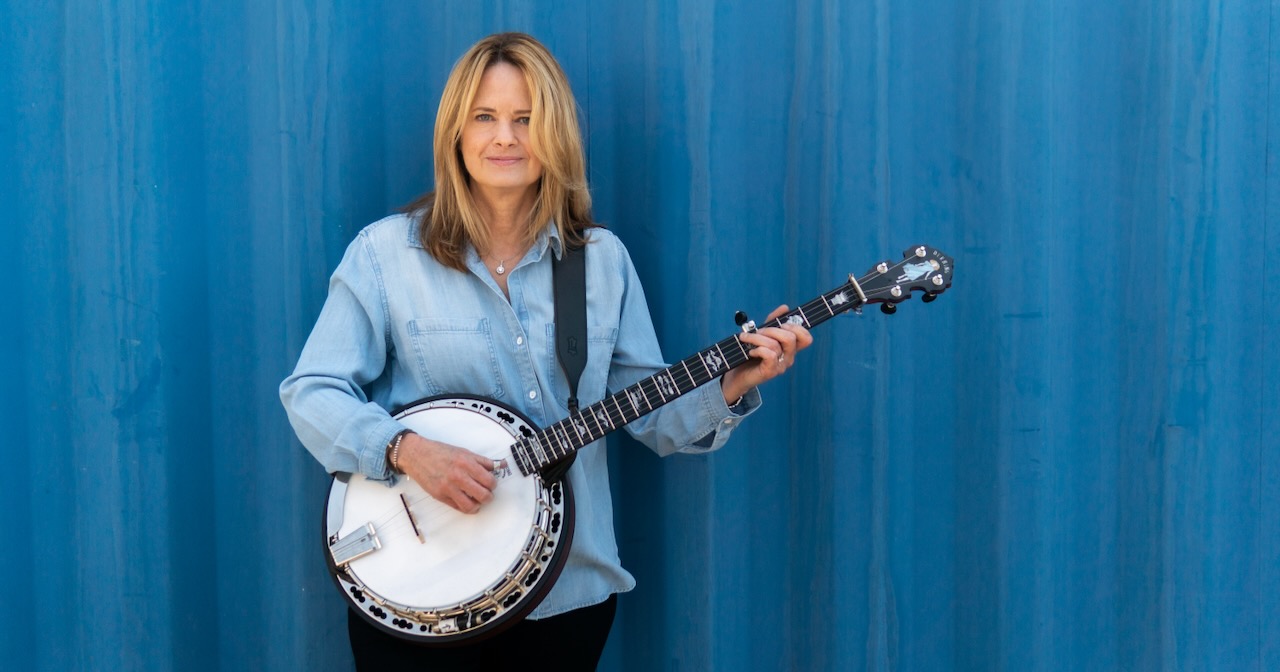
The Reckoning of Montreal Banjo-Witch Kaïa Kater

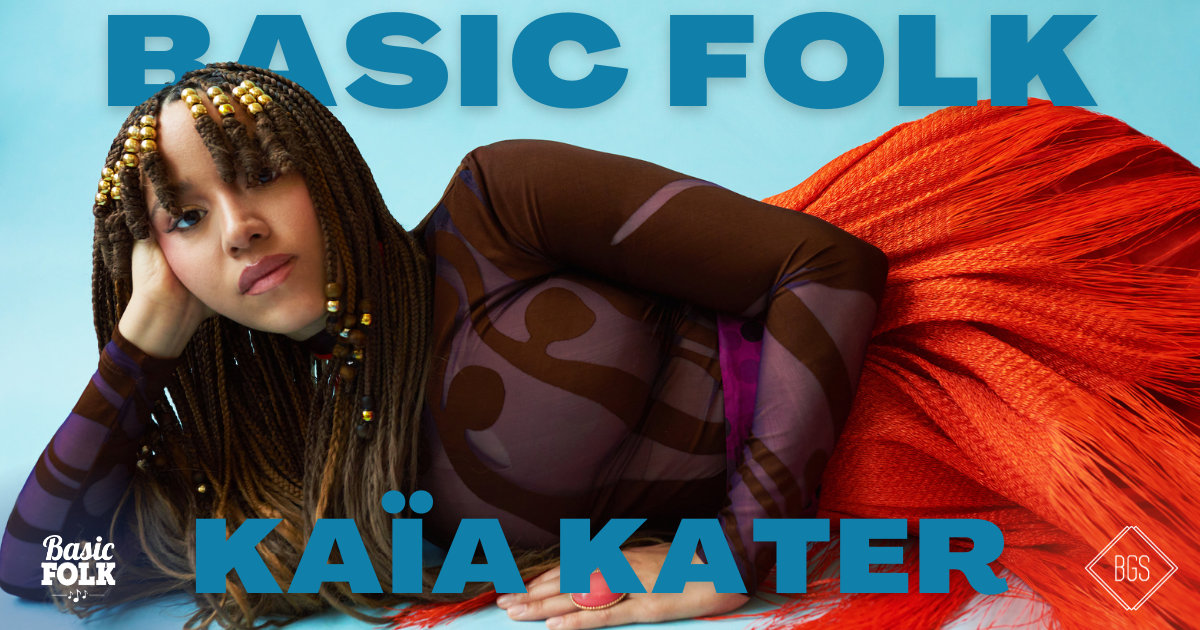
After banjo player Kaïa Kater attended AmericanaFest in 2016, the music industry started telling her she was a part of the genre, which encompasses all kinds of roots, acoustic, folk, singer-songwriter and alternative country music. She was singing about heavy themes like historical trauma, her cultural heritage (her father is from the Caribbean country of Grenada) and her music history. She confesses in our interview that she never felt comfortable in Americana, that she was always just on the outside, never fully feeling accepted by this mostly white world. Kater has declared that her new album, Strange Medicine, comes from a place that lies beyond the white gaze of Americana. This music is filled with emotional healing, with production that sonically ​reflects the vulnerability she is expressing so deeply for the first time in her career. It’s also the first time she’s avoiding metaphors and really letting her most raw feelings about colonialism, sexism, racism, and misogyny rip. These songs see her using violent language and releasing emotions she’d previously kept frozen, like anger and revenge.

LISTEN: APPLE • SPOTIFY • AMAZON • MP3

While creating Strange Medicine, she listened ​to ​a ​lot ​of ​instrumental ​music, allowing her ears ​to be bigger ​than ​they ​had ​been ​on ​previous ​records. Which translated to her being ​more ​willing ​to ​take ​big ​swings ​and ​risks. Kater ​attended school ​to ​learn film ​composition, ​allowing her to be more ​comfortable ​with being ​a ​little ​bit ​more ​overstated ​in ​her ​songs, which certainly proves true on the new record. Another good piece of news is that the banjo is back! After using it very minimally on her last release, Kaïa picked it up again after listening ​to ​a ​lot ​of ​Steve ​Reich, a composer who developed a groundbreaking minimalist style in the 1960’s that’s marked by repetition. His work ​helped ​Kater ​conceive ​of ​the ​banjo ​as ​an ​instrument ​that ​could ​hypnotically play ​patterns ​over ​and ​over. We go through this monumental album track by track and unwind songs with topics from Tituba’s revenge (the first to be accused during the Salem witch trials) to getting the critic out of the room, to realizing the critic is you. She also recounts her history in her hometown of Montreal and what the Internet was like when she first logged on in the 2000’s.


Photo Credit: Janice Reid

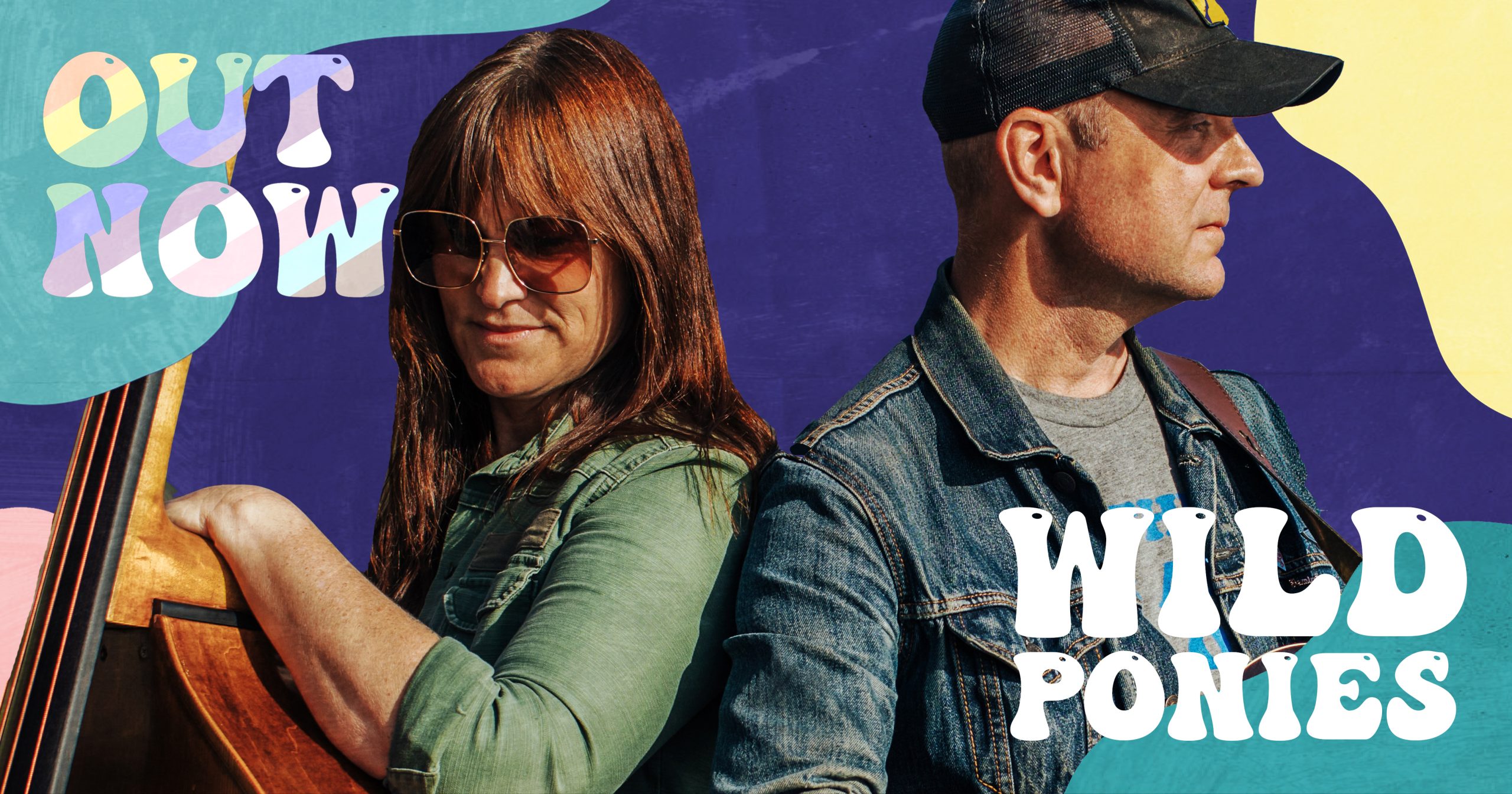
The Delightful Rebellions of Swamp Dogg’s ‘Blackgrass’

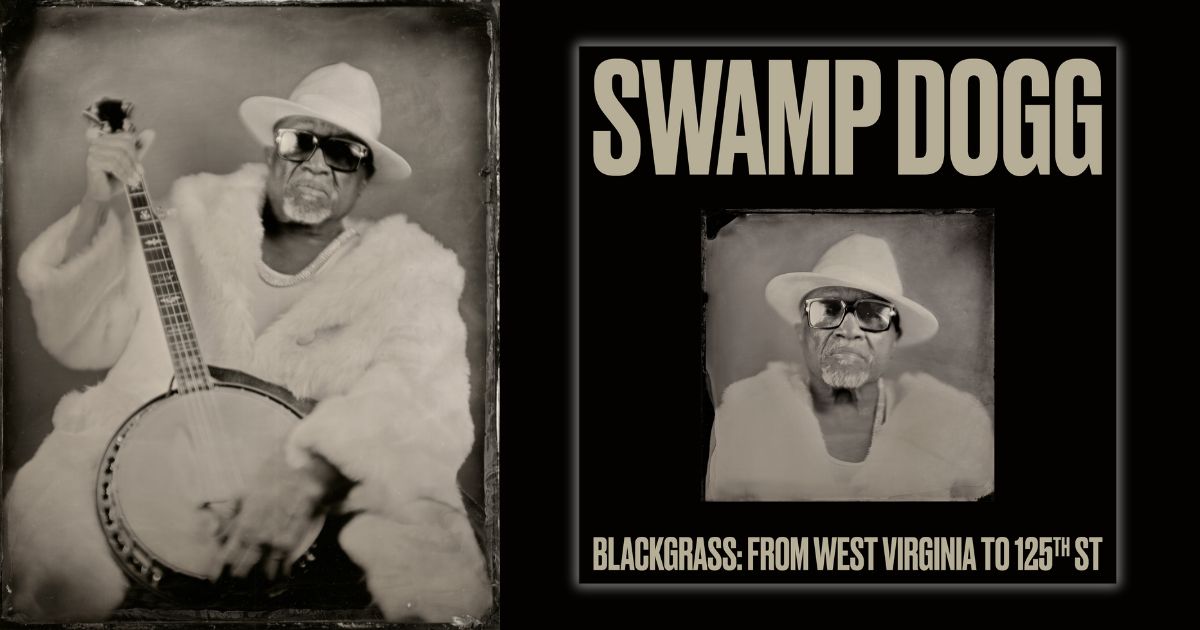
Early in my recent interview with Swamp Dogg, the iconoclastic singer-songwriter and producer makes a self-aware confession: “I have read columns about Swamp Dogg and so forth, and I try to find out what they classify me as,” referring to the veritable grab-bag of hyphenated micro genres that music writers use to classify him. We connected a few days out from the release of his latest album, Blackgrass: From West Virginia to 125th St, and the artist, born Jerry Williams Jr., seems unbothered. Later he adds, “When I do the Swamp Dogg albums, I really don’t try to please anybody but myself.”

He has known from the jump that the music industry doesn’t know what to do with him. Working as a singer and songwriter under the name Little Jerry Williams, Swamp enjoyed some success with his 1964 soul 7 inch, “I’m The Lover Man,” and was subsequently invited to perform at clubs in the Midwest. As Swamp remembers, “When I showed up they found out I was Black and the audience was lily white. They were good about it, they paid me and said I didn’t have to do a second show.” The small-mindedness of industry gatekeepers would follow him into his first musical steps as Swamp Dogg.

In 1971, Swamp released his second album, Rat On!, on Elektra Records. He was dropped from the label immediately after the release. At issue was the provocatively titled, “God Bless America For What,” track six on the album, which Elektra had pressured Swamp to leave on the cutting room floor. He kept the song, and his brief stint with Elektra was over. (The album cover, featuring Swamp in a victory pose astride an enormous white rat, might also have earned him some detractors in the office.) Asked if he considered caving to the label’s demands, he quickly sets me straight. “No! No. Nuh-uh. I’m dealing in truth!”

The controversy surrounding Rat On! did nothing to slow Swamp’s momentum as a creative force and in the years since its release, has proven itself a classic of left-of-center soul. He produced artists like Patti LaBelle, Z.Z. Hill, and Irma Thomas. Swamp also continued working in A&R. He signed a still-mostly-unknown John Prine to Atlantic Records in 1968, later reuniting with Prine for what would turn out to be the final recording made by the legendary storyteller. Swamp built a cult following among indie music fans in the know, collaborating with artist-tastemakers Justin Vernon and Jenny Lewis – the latter of whom returns as a guest on Blackgrass, as well. He dunked on the snobbier side of the mainstream with albums like Love, Loss, and Auto-Tune, and I Need A Job… So I Can Buy More Autotune.

A list of Swamp’s credits tells the story of one of the most fascinating music careers of the last century, but he himself tells an even deeper one. He speaks about painful failures, like when he became a millionaire in the 1970s and the sudden reality of wealth gutted his mental health. “The right word is obnoxious, I really became obnoxious, my wife pointed out to me. I was running so much that I would run in my sleep and run out of the bed.”

When the nine cars in the family garage proved insufficiently curative, she got him to see a therapist, a “who’s who psychiatrist” in Swamp’s words. He tells me so many sweet things about the great love of his life, Yvonne Williams. “My wife, she was a Leo. She was a strong Leo, she was a leader. Everybody loved her. Everybody feared her when it came to brain-to-brain. She could knock your shit right out the box. She was the reason I made a little money. Her name was Yvonne and I still think about her.” Subsequent girlfriends have told him he is still in mourning, and a second marriage was short-lived.

Discussing his musical roots, Swamp lists “blues, soul, R&B, pop, just about everything except classical and polka, and gotta add country there, cause country is what I was listening to growing up as a kid.”

His brand new record, Blackgrass, released May 31 on Oh Boy Records, is an inventive, often moving exploration of the genre. Sensitive instrumentation by Jerry Douglas, Sierra Hull, Chris Scruggs, and Noam Pikelny, among others, pairs beautifully with Swamp’s varied vocal performances across all 12 tracks. “The Other Woman,” featuring Margo Price, is an elegant update of the classic written by Swamp and first performed by Doris Duke. And Swamp himself is at home as a country vocalist, playing characters like the neighborhood ne’er-do-well on “Mess Under That Dress,” the lovelorn crooner on “Gotta Have My Baby Back,” and delivering a breathtaking country gospel performance on “This Is My Dream.”

Even as Blackgrass offers country music moments that should please even the most determined traditionalists, Swamp Dogg remains committed to surprising his listeners. “Rise Up,” for example, a Swamp original first recorded by the Commodores – “Atlantic didn’t know what to do with them!”– is reincarnated as a country-meets-alternative rock and roll foot stomper, with a guitar solo by Living Colour’s Vernon Reid, which readers should listen to in a safe and seated position.

One of the great rebellions of Blackgrass is the singer’s assumption, on an album that is being marketed to country and roots media, of a Black audience. He explains, “I’m calling it Blackgrass … mainly because of the banjo. When I was coming up the minute somebody said ‘country music’ or ‘banjo’ … we turned our nose up at it, way up until Charley Pride came along.”

As Black listeners, we are being made to understand that this record is for us, decades of deliberate exclusion from the genre be damned. Its creator is equanimous about how the art will be received. “If this one sells enough, there will be a next record. If it doesn’t, there will still be a next record. I’ll put it out myself.”

Fifty years since “I’m The Lover Man,” Swamp Dogg remains curious about, and frequently explodes, the boxes into which small-minded gatekeepers of popular music have attempted to place him. As he recalls some of the more colorful antagonists along his musical journey, Swamp is gracious in the knowledge that he has had the last laugh. He speaks with refreshing pettiness about his early critics, reasoning, “The people that I dealt with back in the day are either dead or don’t know who they are. And I know I’m in line for that, but I keep jumping out of line. When I see myself getting near the front of the line I jump out and go to the end of the line.”

As usual, Swamp Dogg plays in his own time. He has finally outlived the haters.


Photo Credit: David McMurry

BGS Bytes: Your Roots Music Social Media Round Up

Welcome back to BGS Bytes, our monthly column designed to spare you the scroll and key you into the most notable roots-related social media posts! From birthdays to tributes to the dawning of festie season, we’ve got something for everyone. Check out these buzzworthy and viral internet moments from Randy Travis, Molly Tuttle, Chris Eldridge, the Brothers Osborne, and more.

AI Gives Randy Travis’ Voice A Second Chance

@randy.travis Randy’s fans and their desire to hear his voice again inspired Randy to make “Where That Came From” a reality with the help of his team. We are blessed to share this moment with you. Your love inspires Randy to keep on going! Thank you for singing along, always. – Team RT #CountryMusic #NewMusic ♬ Where That Came From – Randy Travis

In 2013, Randy Travis suffered a major stroke following his hospitalization for cardiovascular issues, resulting in aphasia that severely diminished his capacity to speak and sing. Devastated, the world thought Travis might never sing again — until just a couple of weeks ago.

Working alongside Cris Lacy, a co-producer from Warner Music Nashville who previously produced Travis’ music, and Travis’ longtime producer Kyle Lehning, a small team of songwriters, musicians, and computer programers put together a new song for Travis, “Where That Came From.”

The track uses scratch vocals laid down by singer James Dupre, which were then filtered through an AI system informed by dozens of sound bytes from Travis’ catalog. Through trial and error, Lehning and engineers worked to ensure that the song seamlessly evoked Travis’ essence. Travis and his wife, Mary, are absolutely elated by the results, calling the experience “magical,” “beautiful,” and “overwhelming.”

Stevie Wonder Celebrates His 74th Birthday by Becoming a Citizen of Ghana

On May 13th, the legendary Stevie Wonder celebrated his 74th birthday while attending a ceremony that granted him Ghanaian citizenship. The first African country to become independent in 1954, Ghana has historically been an epicenter for many African Americans disenchanted with rampant anti-Blackness in the states. In 1975, Wonder began to dream about moving to Ghana to reconnect with his ancestral roots. Though he reconsidered, remaining in the U.S. to record his lauded Songs in the Key of Life, his 50-year dream came full circle this month.

He spoke on the monumental nature of this moment in his speech at the ceremony, stating, “Now, as a Ghanaian citizen, I am committed to fulfilling the dream we’ve cherished for so long — uniting people of African descent and the diaspora.”

Chris Eldridge Pays Homage To His Father, Ben Eldridge

Throughout its history, bluegrass has been well known as an intergenerational genre, passed down through familial, social, and geographical lineages. One glowing example is Chris “Critter” Eldridge (widely known for his role as a vocalist and guitarist with Punch Brothers) and his father, Ben Eldridge, who sadly passed away on April 14th of this year.

In a beautifully written tribute, Chris speaks about Ben’s incandescent banjo playing, the cultural significance of his band the Seldom Scene within the bluegrass and folk landscapes, Ben’s uncanny knack for mathematics, and his beautiful heart. A legend of his time, Ben will be missed greatly and forever revered.

DelFest Turned into Adelefest

Memorial Day weekend was a legendary one at the 16th annual DelFest, a four-day bluegrass festival taking place alongside the verdant mountains and flowing Potomac river of Cumberland, Maryland.

Listeners were in for a treat when the ethereal Sierra Ferrell came out to join Lukas Nelson’s set with the Travelin’ McCourys for a few songs. Among them was a cover of Adele’s hit, “Someone Like You,” infused with all the melancholy that a little country twang can offer. During a backstage pre-festival rehearsal, Lucas posted a Reel to warn Adele, “You’re going country whether you like it or not!”

Molly Tuttle Pays a Visit to Her First Martin


View this post on Instagram


A post shared by Molly Tuttle (@mollytuttle)

In this sweet and heartwrenching post, Molly Tuttle, queen of flatpicking, tells the sweet story of her first Martin guitar. Penny by penny, she saved up enough at the ripe age of 12 to purchase her very own Martin. It is now on display at the Musical Instrument Museum in Phoenix, Arizona, alongside instruments from musical giants like John Hartford, Elizabeth Cotten, Earl Scruggs, Mississippi John Hurt, and more.

AJ Lee & Blue Summit Release New Single, “He Called Me Baby”

A song that has lived many lives, AJ Lee & Blue Summit put their own spin on the classic, “He Called Me Baby.” Written by Harlan Howard, the song was most commonly sung as “She Called Me Baby” until Patsy Cline covered it in 1963. Throughout its history, it’s shifted through many genres and forms, perhaps most notably becoming a Top Ten R&B hit in 1971 with Candi Stanton’s recording.

The Brothers Osborne Guest Judge on RuPaul’s Drag Race

@brothersosborne Temporarily trading in our guitars 🎸 for the judge’s panel on @RuPaul’s Drag Race #AllStars9 ♬ original sound – Brothers Osborne

And, being that we’re a few days into June, we simply must include a quick Pride Month teaser! This past week, brothers TJ and John Osborne, most commonly known for their country duo The Brothers Osborne, were featured as guest panelists in Season 9 of RuPaul’s Drag Race All Stars. This iconic crossover is the perfect kickoff to a month sure to be filled with reminders of the inextricable weavings of queer culture and roots music.


Photo Credit: Randy Travis by Marisa Taylor; RuPaul’s Drag Race All Stars production still courtesy of QPrime.

It’s a Great Time for Roots Music on Broadway

Utter the phrase “Broadway musical” and most folks are likely to assume you’re referring to the jazz-hands-inspiring works of Richard Rodgers and Oscar Hammerstein; the emotionally manipulative drama of Andrew Lloyd Weber; or the inventive playfulness of Steven Sondheim. But folk and roots music have a long legacy on the great white way — and a bit of a folk boom has been happening in those storied theaters lately.

Granted, Broadway producers have long presented shows that pull in the music of roots-informed artists. Folk-pop singer-songwriter Duncan Sheik delivered a stunning musical score for the groundbreaking Spring Awakening, cementing the careers of Broadway stars Lea Michelle and Jonathan Groff back in 2006. Let’s not forget brief runs of musicals that pulled from the catalogs of Dolly Parton (2009’s stage adaptation of 9 to 5) and Bob Dylan (Girl from the North Country, which debuted in 2020).

Of the shows currently occupying midtown theaters, Anaïs Mitchell’s Hadestown has run the longest, having just passed its five-year mark. With eight Tony Awards from its 2019 debut, the musical pairs the Greek myth of Orpheus and Eurydice with that of Hades and Persephone. Though its original cast has scattered to other projects, beloved folksinger Ani DiFranco spent a bit of her winter and spring this year offering a stunning run as Persephone.

Ani DiFranco and Anaïs Mitchell outside the Walter Kerr Theater in New York City. Photo by Matthew Murphy.

Fans may know DiFranco trained for many years as a dancer, even as she was building her singer-songwriter street cred. She proves to be a triple threat in the role, embodying the storied arbiter of summertime with a deeply rooted, empathic swagger. And though her June 30 departure feels like the end of an era for the musical, her latest album Unprecedented Sh!t (released May 17 on Righteous Babe Records) charts some new sonic territory via her political POVs.

Further, it’s hard to mourn DiFranco moving on when it was recently announced that British country favorite Yola will replace her in the role of Persephone, beginning July 2.

Hadestown was briefly joined last year by fellow roots musical Shucked, which came and went too soon. Awash in silly corn puns and Tampa-centric storyline, its earworm score was penned by Nashville mainstays — and Grammy darlings — Brandy Clark and Shane McAnally.

Last month, Illinoise opened at the St. James Theater on 44th St. Pulling tracks from Sufjan Stevens’s sprawling, ambitious 2006 album of the same name, the show reorders the songs to depict a group of friends sharing stories around a campfire. There is no dialogue. Instead, a 12-piece band and a trio of vocalists in magical butterfly wings perform the music in the background.

Upstage, Illinoise tells its stories through exquisite choreography that runs the gambit from lyrical contemporary to hip-hop, some sweet Broadway jazz, and even one number (“Jacksonville”) with a lightning-fast tapper in pinstripes. Dancers touch on love and loss, fear and transcendence.

“Zombies” becomes a scene about the immigrant experience, as dancer Jeanette Delgado (“Jo”) tries to outrun the ghosts of America’s founders, whose complex legacies still haunt the present day. “The Man of Metropolis” becomes a comical superhero-themed character romp. And former Billy Elliot star Ben Cook (“Carl”) delivers a heartbreaking and inspired series in Act II to track an emotionally complex love triangle.

By show’s end, there is a pervasive sense of the opportunity art grants us to transcend our selves and build a better world together. It’s no wonder the show was nominated for four Tony Awards, including Best Musical. If it wins, it will be the first time a dance musical has won the prestigious award.

The Outsiders, meanwhile, is running now just one block away, at the Bernard B. Jacobs Theater. It sets to music the novel by S.E. Hinton, which was immortalized in a 1980s film by Francis Ford Coppola. Produced in part by Angelina Jolie, with a book by New York theater fixture Adam Rapp (Wolf in the River, The Sound Outside) and music by Americana mainstays Jamestown Revival, this musical version unfortunately doesn’t measure up to the other two roots musicals in the neighborhood.

Granted, perhaps it doesn’t have to. The Broadway League and American Theater Wing don’t seem to be anything less than impressed, having nominated the musical for a whopping 12 Tonys this year. It may not translate seamlessly to the Broadway stage, but The Outsiders is a story that has been beloved by numerous generations. It was a treat to witness members of Generation Alpha giddy with excitement to take in the narrative arc of Ponyboy and the other Curtis brothers — a story that feels to this writer as though it’s rooted in Gen X sensibilities, despite being set in the 1960s.

Choreography by Rick and Jeff Kuperman was athletic and stunning — plenty of leaps and jumps and long, denim-clad legs spinning in the air like human helicopters. The Kuperman brothers’ martial arts background comes through even beyond the inventive dance-fight scenes. There is water on the stage, somehow, and it splashes up from time to time, for some reason. It doesn’t matter why. The effect is properly dramatic.

Brent Comer, who plays “Darryl,” steals the show with his powerful Zac Brown-reminiscent twang. He has some of the most compelling solos, embodying the exhaustion of a stay-at-home-mom as he folds clothes and laments his lot in life, “somewhere between brother and father” since their parents died. Jason Schmidt as “Sodapop” matched his rootsy musicality with the second-act heart grabber, “Throw in the Towel.”

But it is Joshua Boone’s “Dallas” who is perhaps the show’s greatest revelation, with his Bill Withers-esque vocals on solos like “Little Brother.” Brody Grant as Ponyboy seemed a bit lacking during the matinee performance this writer recently caught, but it could have been an off moment. Eight shows a week requires almost superhuman amounts of energy reserve.

Or perhaps it was a side effect of Grant being in his 20s while his character is supposed to be 14. Indeed, despite the electricity of The Outsiders’ score and choreography, the script doesn’t feel as authentic as its emotional realities demand. Hinton’s book offered readers a revolutionary view of teen struggles, written by a teenager. Perhaps the Broadway show should have brought in some teenagers to consult.

Regardless, both Grant and Boone were nominated for Tonys (as was Sky Lakota-Lynch, who delivers a haunting performance as Johnny). For folks just interested in what Jamestown Revival did for the show’s score, an Original Broadway Cast Recording is available now.

All told, there is no indication Broadway is going to break its love affair with roots music anytime soon. The Avett Brothers are set to make their Broadway debut with shipwreck-themed musical Swept Away this fall. The show has previewed in California and Washington, D.C., and has received critical praise already. Swept Away’s score is drawn from the Avetts’ 2004 album, Mignonette, plus four other songs from their canon — a treat for the band’s incredibly loyal fanbase and Broadway subscribers alike.

Further on the horizon is an adaptation of the classic labor movement-inspired film Norma Rae, with music by Rosanne Cash. In an email, her manager indicated a possible 2025 opening. One can only hope. And, just last week, Dolly Parton announced an upcoming original musicalHello, I’m Dolly, set to arrive on Broadway in 2026.


The 77th Tony Awards will be held on Sunday, June 16, 2024 and will air on CBS. Find out how to watch here.

Playbill images courtesy of Playbill.com

Basic Folk: Guster

On the latest episode of Basic Folk, frontman ​Ryan ​Miller joins us ​to ​talk ​about ​all ​things ​Guster. ​From ​their ​tried ​and ​true ​collaborative ​writing ​process ​to ​the ​theatrical ​delights ​of ​their ​recent “We ​Also ​Have ​Eras” ​tour, ​to ​what ​it ​really ​looks ​like ​to ​make ​environmental ​sustainability ​a ​priority ​on ​tour. ​

Guster ​has just released ​their ​9th ​studio ​album, ​Ooh ​La ​La. ​As ​we ​talked ​about ​the ​new ​record, ​Ryan shared ​how ​these ​new ​songs ​touch ​on ​questions ​that ​the ​band ​has ​been ​asking ​throughout ​their ​over 30-year ​career. For ​example, ​”Maybe ​We’re ​Al​right” ​calls ​back ​to ​the ​collectivist ​spirit ​that ​we ​loved ​in ​2003’s ​Keep ​It ​Together. ​​”Gaugin, Cezanne (Everlasting Love)” ​talks ​about ​God ​in ​a ​way ​that ​brought ​up ​new ​questions ​for ​me ​about ​2010’s ​album, ​Easy, ​Wonderful. ​This ​is ​what ​makes ​being ​a ​Guster ​fan ​so ​rewarding. ​The ​longer ​you ​listen ​to ​these ​guys ​and ​the ​deeper ​you ​dig, ​the ​more ​you ​feel ​empowered ​to ​ask ​questions ​about ​the ​world ​around ​you ​and ​approach ​the ​answers ​with ​playfulness. ​Guster ​is ​a ​band, ​but ​it ​is ​also ​a ​place ​where ​we ​all ​meet ​to ​dance ​away ​the ​big ​questions ​with ​whimsy ​to ​the ​beat ​of ​tasteful ​hand ​drums.

LISTEN: APPLE • SPOTIFY • AMAZON • MP3

It ​is ​no ​exaggeration ​to ​say ​that ​co-host Lizzie No ​has ​waited ​over ​20 ​years ​to ​talk ​to ​Ryan. ​They became ​a ​fan ​of ​the ​New ​England ​indie ​outfit ​in ​2003 ​when the group opened ​for ​John ​Mayer ​at ​the ​West ​Point ​Military ​Academy, ​of ​all ​places. ​The ​vibe ​in ​the ​room ​was ​a ​little ​stiff, ​but ​Guster ​was ​anything ​but. Their ​exuberant, ​generous, ​harmony ​filled, ​idiosyncratic ​performance ​blew her ​teenage ​mind. ​As Lizzie ​dug ​deeper ​into ​their ​lore, ​they ​discovered ​that they were ​a ​part ​of ​a ​vast ​network ​of ​weirdos: The ​Guster ​fandom. ​


Photo Credit: Alysse Gafkjen

You Gotta Hear This: New Music From John Cowan, Jason Carter & Michael Cleveland, & More

To close the month of May, we have an absolutely stacked round up of premieres this week!

It’s lovely any time natural and organic themes twist their way through our batches of premiere. This week, it certainly seems like cutting-edge bluegrass is front and center, with new tracks and videos from John Cowan, Jason Carter & Michael Cleveland, and husband-and-wife duo, Benson.

Plus, we have a trio of songs about touring, coming and going, leaving and returning – Rob Baird asking his listeners to “Hold Tight” ’til his return, Evan Boyer longs for home and hearth in a song for his wife, “Home to You,” and Rose Gerber pays tribute to a vagabond period in her own life with “Off to See America.”

Finally, don’t miss a danceable rockabilly number, “If I Didn’t Have You,” from Matt Hillyer and roots duo Native Harrow bring us a new music video for “Borrowing Time.” It’s a packed premiere round up this week and You Gotta Hear This!

John Cowan, “Fiction”

Artist: John Cowan
Hometown: Nashville, Tennessee
Song: “Fiction”
Album: Fiction
Release Date: June 7, 2024 (single); Fall 2024 (album)
Label: True Lonesome Records

In Their Words: “The genesis of the song is that Eddie [Sanders] and I had sat down to write a song for this new recording that eventually was titled ‘Fiction.’ I have been a voracious reader my whole adult life. I was discussing with Eddie the problem of living in a world at this time, which is confounding, scary, and frustrating. My expansive bookcase is loaded with non-fiction books. I had just said to him that I can hardly stand to pick up these two new books I’d bought, ’cause I didn’t feel like I needed any more affirmation about the state of our country and the world. What I needed was an escape to a place of commonality with the people I’ve encountered and my loved ones. I think we did a good job on it and that’s all I know for now except, I always believe in hope and grace.” – John Cowan


Jason Carter & Michael Cleveland, “Give It Away”

Artist: Jason Carter & Michael Cleveland
Hometown: Floyd, Kentucky, now living in Hendersonville, Tennessee (Jason); Charlestown, Indiana (Michael)
Song: “Give It Away”
Release Date: May 8, 2024
Label: Fiddle Man Records

In Their Words: “I feel that the world we live in is a beautiful place, but it takes all of us to make that world. Every time I hear this song it brings a smile to my face, thinking of the day we recorded it. The room was filled with friends making music and the joy that was shared between us really comes through in the recording. This song was written by two of my favorite fiddlers, Tim O’Brien and Matt Combs, and that was another thing that made me feel like it was right for Michael and I to record it.

“Every time I’ve been around Sam Bush, I feel the love he puts out into the world and I thought he’d be the perfect person to sing this song with. I feel the same way about Michael, it’s always such a joyful experience to get to play or even hang out with him. With that said, ‘Give It Away’ sets the tone for the entire record, I hope you enjoy it.” – Jason Carter

“‘Give It Away’ is a hard driving bluegrass song in the key of B, except this time nobody leaves or dies. Instead, it reinforces the valuable lesson that if you want to ever find love, you have to learn to give it away. I would like to thank Bryan Sutton, Cory Walker, Alan Bartram, and Sam Bush for creating one of the most grooving tracks I’ve ever been a part of, they really made this song come to life. This song was a natural for twin fiddles, and Jason and Sam’s vocals are absolutely incredible.” – Michael Cleveland


Rob Baird, “Hold Tight”

Artist: Rob Baird
Hometown: Austin, Texas
Song: “Hold Tight”
Album: Burning In the Stars
Release Date: June 21, 2024
Label: Hard Luck Recording Company

In Their Words: “Early on in my career, I spent a lot of time in a van, touring all over God’s green earth. This song, ‘Hold Tight,’ is a reflection of those times. It’s about the chaotic feeling of driving through the night to get back home to one who’s been waiting for you. I wanted that feeling of desperation and determination to build every second of this song. Hold tight and hold on for just a few more hours.” – Rob Baird

Track Credits:
Produced by Brian Douglass Phillips.
Jacob Hildebrand – Electric guitar, slide guitar
Z Lynch – Bass guitar
Brian Douglas Phillips – Pedal steel, background vocals
Fred Mandujano – Drums, percussion
Sean Giddings – Organ


Benson, “Donner Pass”

Artist: Benson
Hometown: Boiling Springs, South Carolina
Song: “Donner Pass”
Release Date: May 31, 2024
Label: Mountain Home Music Company

In Their Words:“‘Donner Pass’ is a tune I wrote while traveling with IIIrd Tyme Out. We were heading back east after a west coast string of gigs and, with a little time to kill, decided to stop in Reno, Nevada. We parked in the same general area where the Donner Party had been trapped over the winter, so this felt like a great song title for a minor-key melody. I had been working on the tune itself for a few days as we played out our gigs in California, but the original cell phone demo was recorded at Donner Pass where we parked overnight before driving into town.” – Wayne Benson

“This is one of my favorite tunes that Wayne has written. It feels dark, which is appropriate considering the title and location that it’s written about. The track moves a lot dynamically and I always enjoy that — I love taking a fairly simple melody and working with it to create different moods.” – Kristin Scott Benson

Track Credits:
Wayne Benson – Mandolin
Kristin Scott Benson – Banjo
Cody Kilby – Acoustic Guitar
Tony Creasman – Drums
Kevin McKinnon – Bass


Evan Boyer, “Home to You”

Artist: Evan Boyer
Hometown: Somers, Connecticut originally; Dallas, Texas since 2010
Song: “Home to You”
Album: The Devil in Me
Release Date: June 7, 2024 (album)
Label: Medicine for Mary Records

In Their Words: “‘Home to You’ is a special song to me for a few reasons. First, the writing – it was the first song I really wrote for my wife. I’ve had others kind of about us or about our relationship, but I had never written one that focused on the fact that she’s my rock. Another is the production and the players I have on this track. Jenee on fiddle absolutely blew me away. Tim wrote that solo on the floor and then was able to perfectly replicate it two other times so that we could layer it three times. It’s stuff like that that’ll keep me making records for as long as I can.” – Evan Boyer

Track Credits:
Lyrics and music by Evan Boyer.
Produced by Bradley Prakope.
Recorded at The Panhandle House, Denton, Texas.
Evan Boyer – Vocals, acoustic guitar
Timothy Allen – Electric Guitar
Nate Coon – Drums
Bob Parr – Bass
Jenee Fleenor – Fiddle
Drew Harakal – B3 organ


Native Harrow, “Borrowing Time”

Artist: Native Harrow
Hometown: Philadelphia, Pennsylvania
Song: “Borrowing Time”
Album: Divided Kind
Release Date: September 13, 2024
Label: Different Time Records

In Their Words: “This is one of those songs that was written in a few minutes, recorded in an afternoon, and came together like it was always a song. The rhythm signifies a lazy, hazy walk through the fields, lost in thoughts and daydreams. It is loose and meanders its way with pedal steel swirls (Joe Harvey-Whyte) and a single snare drum played with brushes while the bass thumps its way along the dusty trail. I go on daily walks to clear my head and to be in nature. I never want them to end and am always a little melancholy when they do and I have to return to my to-do list. I feel things very deeply and in trying times it often feels like life is a giant wheel rolling down a road and I am either being plowed over by it or chasing to keep up and it doesn’t pay any mind to my own struggles. In writing this song I realized that maybe being lost is better than having it all figured out and we’re all just borrowing time.” – Devin Tuel

“We recorded ‘Borrowing Time’ on a hot, dry day last summer (2023), setting up in the living room, with the windows wide open to take in the little bit of breeze that snuck in over the hills that afternoon. We started with Devin’s vocal and guitar and my Hofner Beatles bass (no click track, of course), sitting a foot away from each other. So close in fact, that you can hear the faint clack of my pick on the flat-wound bass strings bleeding into the vocal track. Next, we added a simple snare drum with brushes (myself) and shaker (Devin), again around the same mic. Finally, we added the electric guitar overdub, my black Gretsch hollowbody guitar through our old Fender amp, with its drippy reverb and dense tremolo, before sending the track up to our buddy Joe Harvey-Whyte in London where he added his cosmic outer space pedal steel. Sometimes we like to spend weeks working on a track, adding as many layers as it needs, and sometimes a finished song (as in the case of ‘Borrowing Time’) comes together in a single afternoon. Either way, we’ll take them as they come.” – Stephen Harms

Video Credits: Photography by Rosie Lord.
Edited by Devin Tuel & Stephen Harms.


Matt Hillyer, “If I Didn’t Have You”

Artist: Matt Hillyer
Hometown: Dallas, Texas
Song: “If I Didn’t Have You”
Album: Bright Skyline
Release Date: June 7, 2024 (single); June 21, 2024 (album)
Label: State Fair Records

In Their Words: “I got my start playing rockabilly music. I’ve enjoyed playing many different styles of roots music over the years, but I always seem to gravitate back to that rockabilly swing. It just feels good and puts a smile on my face. It’s even better being able to have some great players and even better friends on it: Heather Stalling on fiddle, Kevin Smith on bass, Lloyd Maines on steel guitar, and Arjuna Contreras on drums. The song itself is a love song, and in my opinion, you can’t have enough of those. I was thinking about my wife when I wrote it. I was imagining a way to tell her how lost I’d be if I didn’t have her in my life.” – Matt Hillyer


Rose Gerber, “Off to See America”

Artist: Rose Gerber
Hometown: Portland
Song: “Off to See America”
Album: Untraveled Highway EP
Release Date: July 5, 2024

In Their Words: “When I was 17, I set out on a road trip that had no planned end. I was a high school drop-out running from a broken home and thought the romance of the road would save me. You can’t run from life though and the road wears you down. After thumbing around, riding freight trains and some lean times, I finally threw in the towel; but can’t say I regret a minute of it. This song is a tribute to that time of my life.” – Rose Gerber

Video Credits: Starring Mary Krantz and Just Clark.
Directed By Benjamin Olsen.


Photo Credit: John Cowan by Madison Thorne; Jason Carter & Michael Cleveland by Sam Wiseman.

Freedom in a Flip Phone: John Moreland’s Quest for a Simple Life

I hate surprises. However, Oklahoma’s pride and joy John Moreland surprised us in April with his latest album, Visitor, and I guess I’m okay with it. Moreland’s gone back to a sparse acoustic instrumentation, unlike the electronic sound (which I also loved) on his previous release, 2022’s Birds in the Ceiling. Recently, he took a page from his wife Pearl Rachinsky’s and musician (and recent tour buddy) Chris ​Staples’ books and quit his smartphone, took a social media break, and stopped all touring for six months. What ensued was an incredible psychic change discovered through living electronically off the grid. Another thing that came about during this simplicity in life: An album full of songs. He would take long drives at night, bringing along his guitar and making field recordings of his new writing. All this culminated into his beautiful new record.

LISTEN: APPLE • SPOTIFY • AMAZON • MP3

During our Basic Folk chat, Moreland talks about the process of unraveling himself from his smartphone, reconnecting with the acoustic guitar, and getting to know himself again during this period of quiet. He talks about how playing live is very vulnerable for him, to the point where he started taking (and loving) beta-blockers to stave off anxiety and adrenaline. He is very candid with his current thoughts on body image – he has been known to experience body shaming online after performing live. We also get into something that’s been on my mind all year: Is climbing the professional songwriting ladder worth it? Pretty sure we figured out the answer. LOL


Photo Credit: Pearl Rachinsky