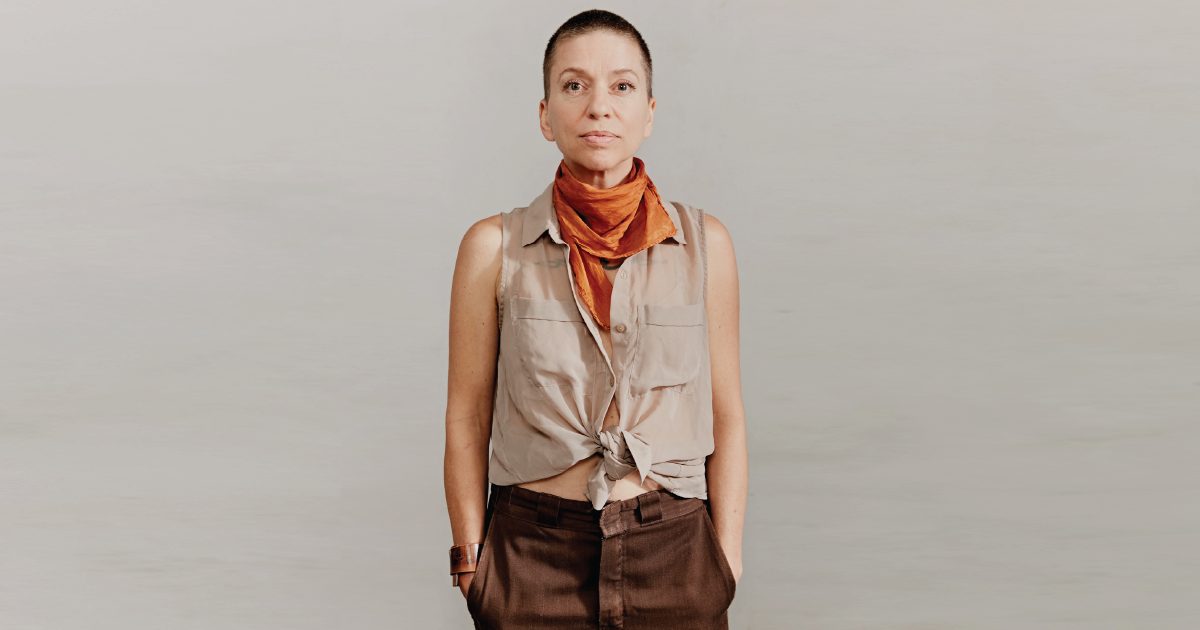
BGS 5+5: Hannah Connolly

Artist: Hannah Connolly
Hometown: Los Angeles, California (via Eau Claire, Wisconsin)
Latest Album: Shadowboxing
Personal nicknames (or rejected band names): Han, Hannah Banana, Hannah Montana, Hanny

How often do you hide behind a character in a song or use “you” when it’s actually “me?”

Most of the songs I’ve written and recorded so far have been very autobiographical and written from a first-person perspective. I often write songs as a way of processing my life and experiences. With my latest album, Shadowboxing, that was still very much the case, with the exception of the title track.

“Shadowboxing” was the first time I recorded and released an original song that felt like it may have been meant for someone else. I don’t think I was hiding behind a character necessarily, but it was the first time I felt a character surface within a song. It made me excited to lean further into that way of writing. I imagine my next record will draw more heavily on the concept of zooming out and drawing inspiration from the stories around me, rather than within me.

What’s your favorite memory from being on stage?

One of my favorite shows to date was in Dublin, Ireland last fall. I was opening for my partner’s band, Young the Giant, and the crowd of over five hundred was the largest audience I’d played in front of in a while. I was a little nervous to be playing a more stripped down format opening for a rock band, but the second I stepped out on stage the crowd made me feel comfortable, supported, and excited. Looking out at that audience, being at peace in the moment and within my music was a feeling I’d dreamt of for a long time. To experience it in reality was surreal. That is a memory I am going to hold onto for a long time.

What was the first moment that you knew you wanted to be a musician?

I first knew that I wanted to be a touring musician when I was a teenager and joined a pop punk band out of high school. We recorded an EP and self-booked a tour of the East Coast. Driving across the country in a van with friends, seeing new cities, and meeting new people was a highlight of my life up until that point. The minute we got home I wanted to go out and do it again. I’ve been chasing that feeling ever since and I feel so lucky to have returned to touring this year with my second album.

Which artist has influenced you the most – and how?

There are a lot of artists who have influenced me over the years, a lot of them being strong women with a clear message and powerful stage presence.

For me that list includes Dolly Parton, Brandi Carlile, Tracy Chapman, Sheryl Crow, Stevie Nicks, Ani DiFranco, Hayley Williams, and Shania Twain, among others.

Watching these women move through the world was an inspiration to me both as a musician and a person. I hope to pay forward the same kind of positive impact they had on me, in whatever capacity that may be.

If you had to write a mission statement for your career, what would it be?

One thing I’ve recently started to realize about my mission is that I want to show up as my full self, powerfully and unapologetically, so that others feel comfortable doing the same.

I spent a lot of my life wrestling self-doubt and fearing the judgment of others. Watching some of my favorite artists take ownership of their art and story helped model for me how I could do that for myself in my own way.

As an artist I aim to be free enough in my expression that others can feel more comfortable showing up as themselves as well. It’s a constant learning process and I find new ways that this goal challenges me everyday, but I am really proud of the ways I’ve been able to grow in recent months with this in mind.


Photo Credit: Cody Ackors

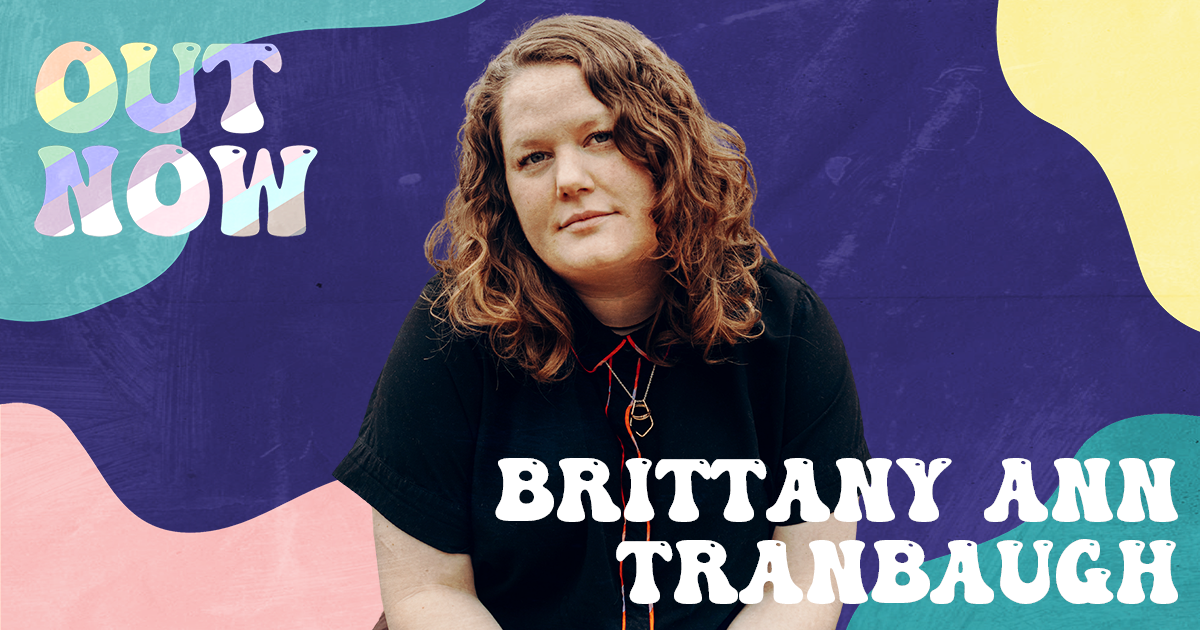
Out Now: Brittany Ann Tranbaugh

Brittany Ann Tranbaugh is the first artist we’ve featured in Out Now that I have yet to meet. She runs in queer music circles, playing with many LGBTQ+ artists – including Liv Greene and Jobi Riccio, who were featured on this column last year, as well as other queer-identifying artists like Sadie Gustafson-Zook and Mya Byrne.

I’m very much looking forward to hearing Brittany live at our next Queerfest show, also featuring Liv Greene and Carmen Dianne, at Dee’s Country Cocktail Lounge in Nashville on February 24 at 7 pm. Brittany writes with relatable lyrics, warm, inviting sounds, and sings with silky vocals.

Our Out Now conversation covers her upcoming touring plans, her favorite LGBTQ+ artists, and how she balances creativity and business as an independent artist.

What would a “perfect day” look like for you?

Sleeping in, but not too late (9 am is my ideal wake-up time), making a hearty homemade breakfast with a good podcast or record playing, walking my dog in the woods, taking a long shower, then playing a queer country night with my band and a bunch of friends, enjoying some excellent drinks and food together afterward.

Why do you create music? What’s more satisfying to you, the process or the outcome?

I think I’ve spent most of my creative life on the outcome-oriented side of the spectrum, but I’m learning to enjoy the process more. Having a band has taught me to love all of the steps of making a song, because they can evolve a lot when I bring them to the band. My bandmates make arranging and recording extra fun and satisfying. I’ve also begun to open myself up to co-writing, which is a process I enjoy deeply when it’s with the right people.

Do you create music primarily for yourself or for others?

I think above all else, I strive to create music I feel proud of, that effectively and artfully communicates my truth, that feels cathartic to sing and play. I’m incredibly lucky that a large enough number of other people resonate with it, to the point that I get to do it for a living and connect with wonderful folks all over the world.

Who are your favorite LGBTQ+ artists and bands?

Growing up, my favorite out queer artists were Brandi Carlile, Melissa Etheridge, Indigo Girls, Ani DiFranco, and Tegan and Sara. Lately I’m a huge fan of Adrianne Lenker/Big Thief, and honestly a lot of my favorite LGBTQ+ artists are people I consider friends, like Liv Greene and Jobi Riccio. Here’s a link to a Spotify playlist with my Queer Americana faves.

What are your release and touring plans for the next year?

I released an existential lullaby called “For Caroline” in January and in March I’ll be releasing a poignant short-story song called “Bushwick.” This winter I’m spending most of my time home, but doing a few weekend mini tours, going as far away as Nashville. I’ll be solidly on tour all spring and summer: April in the Northeast and New England with Blair Borax, May in the Midwest with Sadie Gustafson-Zook, June and early July on the West Coast with Joh Chase, mid-July in Germany and the UK, then back to the US for some festivals. I haven’t planned much for fall yet. Just leaving it open for magic.

As an independent artist, how do you find the balance between the creation of music and the business of managing, booking, and promoting your work?

It’s tough! I’m still figuring it out. I get easily wrapped up in all the business aspects of the job, because it takes a huge amount of that work just to pay my bills. I know that when I don’t nurture my curiosity and creativity, songwriting begins to feel tedious, then I avoid doing it, then my mental health declines. Recently I started two simple habits that have helped me access my creativity more easily: morning pages (3 pages of free-writing) after waking up and a phone-free bedtime and morning routine.

These habits let my “artist brain” wander, and allow songs to come easier. Another thing that’s been really helpful is scheduling retreats and/or residencies at least twice a year, where I get away and unplug from social media and just focus on songwriting and self care for at least a week. I did a communal retreat in a lake cottage with some songwriter friends last year that was life-changing, and I realized that retreats really work for me, so I made them a priority.

Like you mentioned, you’ve played shows and continue to play shows with other LGBTQ+ artists including Liv Greene, Sadie Gustafson-Zook, Jobi Riccio, and Mya Byrne, what has it been like for you to work with other queer-identifying artists?

I love playing with other queer artists! I definitely seek out fellow queer songwriters. I connected with all of the folks you mentioned on Instagram and now we’re friends in real life who tour and collaborate together. I’ve always been a deeply community-oriented artist. My favorite shows are the ones I play with friends. I think that the love and respect artists have for one another is palpable and sets the tone for everyone in the room. Here in Philly, I’ve been heavily involved with Baby’s First Rodeo Queer Country Night. We’ll be doing our third event in February. Those shows have been bliss for me: to see that many queer folks, who grew up listening to and loving country music, being so authentically themselves in a country music space makes me cry every time.


Photo courtesy of the artist.

MIXTAPE: Rising Appalachia’s Love Songs for Blooming Spring

This is a collection of the BEST love songs in my life, the heartbreakers and the heart menders. The ones that make your heart burst and bloom. Because hey, it’s spring, and who doesn’t want a damn good love song or two in their lives? — Leah Song, Rising Appalachia

John Prine – “Angel From Montgomery”

This song brought me to my knees when I heard it live at the Kate Wolf Music Festival years ago. A hardened kind of love song, a love long changed and still just barely holding. But still, even the love between John Prine and Emmylou Harris is precious…

The Roots, Erykah Badu – “You Got Me”

I have listened to this song since my teenage years and it is rich, passionate, and real amid the throes of what life on the road looks like. What longing feels like. How to show up.

Hozier – “Almost (Sweet Music)”

The most joyful and epic lyricist around. And such a bright and catchy melody, this one is contagious.

Keb’ Mo’ – “Kindhearted Woman Blues”

Such a rich treatment of this classic. Got that salty form of simple, front porch, storytelling love.

Arouna & Biko – “Doubabu”

Nothing sings to the heart like the sweetness of this melodic instrumental by our dear friends, Arouna & Biko.

James Blake – “A Case of You”

I mean, this needs no additional telling. It just SLAYS.

Ray LaMontange – “Shelter”

The tamber of LaMontange’s voice is so insane, it’s another delicate one, but it reaches into the pain and pleasure of love.

Lankum – “What Will We Do When We Have No Money?”

A gentle, Irish look at love and the long haul. How to piece it together with your beloved when times are tough.

Beyoncé – “Drunk in Love”

Riddles with unapologetic passion.

Jorge Cafrune – “La atardecida”

Classic heart strings, plus the guitar just makes you swoon.

Rising Applachia – “Novels of Acquaintance”

Our favorite love song.

Polecat Creek – “That I Should Know Your Face”

A traditional Appalachian love ballad. “That I should know your face,” the depths of loyal love.

Maggie Koerner – “Shades of Grey”

Simple, open-hearted love song from the young vulnerability of the road.

Trevor Hall – “Chapter of the Forest”

A love song to the divine.

Hypnotized – “Ani DiFranco”

The classic bass line of this song plus the simplicity of the imagery. Sometimes, you are just brought to your knees by the wafting breathlessness of love.


Photo credit: Savannah Lauren

The Show on the Road – Ani DiFranco

This week on The Show On The Road, we bring you a truly inspiring talk with the activist, author, and free-spirited feminist folk icon Ani DiFranco, who just released her lushly orchestrated twenty-second album: Revolutionary Love.

LISTEN: APPLE PODCASTSSPOTIFYSTITCHER

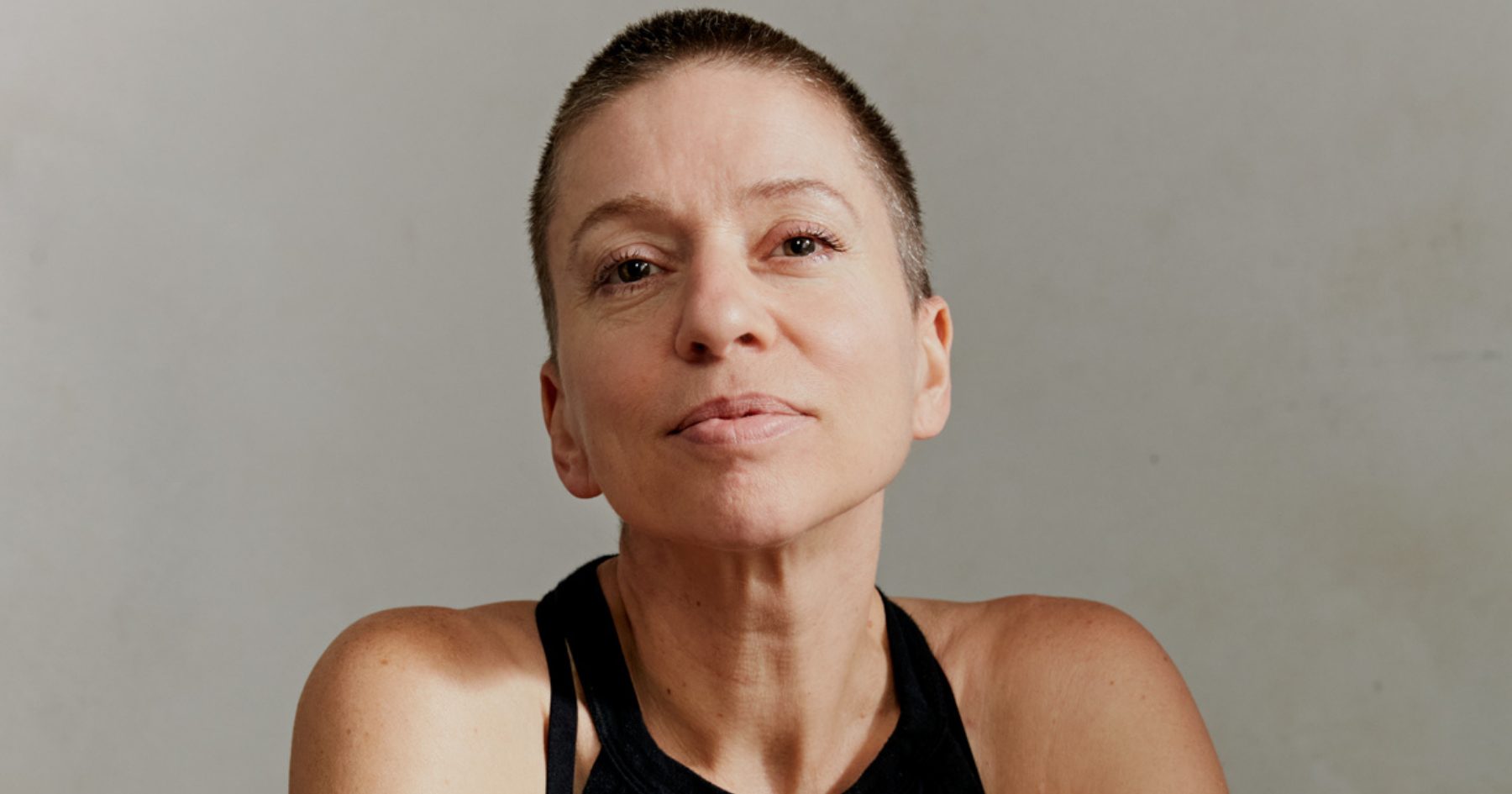
Many things have been said about the music Ani DiFranco has created for the last thirty years since she burst on the scene with her fiery self-titled LP in 1990. With her shaved head on the cover, fearlessly bisexual love songs, dexterous guitar work and hold-no-prisoners lyrics sparing no one from her poetic magnifying glass, DiFranco’s persona became almost synonymous with a rejuvenated women’s movement that blossomed in the late-1990’s Lilith Fair moment. And yet she was always a bit more committed to the cause than some of her more pop-leaning contemporaries, who faded away as soon as their hits subsided.

Framing herself somewhere between the rebellious folk-singing teacher Pete Seeger and the gender-fluid show-stopping rock spirit in Prince, (who she recorded with after he became a fan,) DiFranco was always just as passionate about raising awareness for abortion rights, ensuring safety for gay and trans youth and bringing music to prisons, as she was promoting her latest musical experiment. She began playing publicly around age ten, and as a nineteen-year-old runaway from Buffalo, NY, she started her own label, Righteous Babe Records, that allowed her to operate free of corporate (and overwhelmingly male) oversight. Indeed, despite gaining a wide international fanbase she has released every album herself since the beginning — as well as championing genre-defying songwriters like Andrew Bird, Anaïs Mitchell, Utah Philips, and others. It was DiFranco’s encouragement that helped Mitchell’s opus Hadestown become a Tony-winning Broadway smash. DiFranco may have been deemed a bit too left-of-center for pop radio, but her beloved 1997 live record Living In Clip went gold.

Let’s get something out of the way real quick: was this male podcast host initially a bit intimidated to dive into her encyclopedic album collection after admiring her work from afar and believing the songs were not meant for his ears? Indeed. I grew up with girlfriends and fellow musicians who rocked Ani’s Righteous Babe pins and patches on their jean jackets like they were religious ornaments. What I found during this mind-bending conversation, and after listening to her polished and mystical newest record especially, was that DiFranco has never tried to push away people that don’t look or talk like her — or tried to mock or belittle conservative movements she doesn’t agree with or understand. There is a deep kindness and empathy in her songwriting that I never expected and in her 2019 autobiography, No Walls And The Recurring Dream, she acknowledges how lonely and exhausting it can be trying to fight against a societal tide that doesn’t want to stop and give you space to be who you are.

What became increasingly clear during our conversation was that DiFranco wants to make music for everyone. She prides herself on her quirky, multi-generational fanbase — with grandparents and kids, dads and sons, daughters and aunties alike singing along to favorites like “Both Hands,” “Untouchable Face,” and covers like Woody Guthrie’s “This Land Is Your Land” at packed shows across three continents.

I had my own goosebumps-inducing moment singing with Ani that I’ll never forget. The oldest folk festival in America, The Ann Arbor Folk Fest, once put me on stage to sing harmony on “Angel From Montgomery” with DiFranco at the acoustically perfect Hill Auditorium. I attended the University Of Michigan years earlier and I saw John Prine sing that classic in that same room, and it felt like a full circle moment. Seeing how DiFranco transfixed the crowd that night, and how the women songwriters and musicians offstage especially watched her with such admiration made me want to see what her music — which I had never fully listened to — was all about.

If you have a chance, listen to Revolutionary Love start to finish, and stick around to the end of the episode to hear DiFranco read lyrics as poetry.


Photo credit: Daymon Gardner

The BGS Radio Hour – Episode 201

Welcome to the BGS Radio Hour! Since 2017, the Radio Hour has been a weekly recap of all the great music, new and old, featured on BGS. This week, we’ve got music from Ani DiFranco, Andrew Marlin, and a Whiskey Sour Happy Hour appearance from Chris Eldridge! Remember to check back every Monday for a new episode of the BGS Radio Hour.

APPLE PODCASTS, SPOTIFY

Ani DiFranco – “Simultaneously”

Longtime voice of social change and activism through her music, Ani DiFranco brings us a new album, Revolutionary Love, at a time where we so much need it — a time marked by social and political unrest, racial equity, and the COVID-19 pandemic. While DiFranco usually has a busy tour schedule, the past year has been an opportunity to spend time at home with family, write a children’s book, start a free radio station, and write a musical about restorative justice. All of that in ONE year.

Melissa Carper – “Makin’ Memories”

Coming March 19, this Texas-based artist brings us Daddy’s Country Gold. BGS caught up with Carper on a recent 5+5 to talk about influences, memories, nature, songwriting, and the first moment she knew she was going to be a musician.

Elise Davis – “Empty Rooms”

Although the pandemic has been hard on everyone, musicians have a unique experience – most were accustomed to singing in bars and halls every night, for different crowds, in different cities. Even the empty rooms are missed, suggests Elise Davis in this new single from her upcoming project, Anxious. Happy. Chill. 

Mando Saenz – “Shadow Boxing”

From Corpus Christi, TX, singer and songwriter Mando Saenz – AKA ‘Mando Calrissian’ – graces the show this week with with a song from his newest album, All My Shame. His mission statement? To create music true to his heart and inspirations. It doesn’t get much truer than that.

Andrew Marlin – “Oxcart Man”

In 2018, Andrew Marlin (of Mandolin Orange) released his first solo album – a collection of mandolin-based old-time instrumentals entitled Buried in a Cape. Now after nearly 3 years, Marlin returns to the medium with twin albums of a similar aesthetic – Fable & Fire, Witching Hour. 

Six-String Soldiers & The SteelDrivers – “Long Way Down”

The United States Army Field Band teams up with bluegrass favorite The SteelDrivers for a new collaborative video of “Long Way Down.” From Alabama to their home in D.C., the Six-String Soldiers have been able to collaborate with the SteelDrivers a few times now.

Vivian Leva & Riley Calcagno – “Will You”

A couple of grown-up old-time festival kids, Vivian Leva and Riley Calcagno bring us a mixtape of their “old-time deep cuts” this week. From Roscoe Holcomb to Foghorn Stringband to Hazel & Alice, the duet offers their playlist in celebration of a newly released self-titled album.

Valerie June – “Why the Bright Stars Glow”

Tennessee-born and Brooklyn-based Valerie June is our March Artist of the Month here at BGS! Stay tuned all month long for exclusive interviews and content regarding her new album, The Moon and the Stars: Prescriptions for Dreamers.

Melody Duncan – “Over the Hill”

Aging is something that none of us escape. Melody Duncan relishes in the life lessons that we’re given from unavoidable challenges and growth opportunities, in exchange for more time here on Earth. Like a journal entry, “It’s a dedication for all of those willing to invest in a good today,” says Duncan, “even if our bones ache in the morning.”

Nathan Vincent – “Blue Ridge State”

It’s hard to end something, even when we know we have to. For Texas-based Nathan Vincent, the title is a physical place and an emotional one – and like the mountains, the relationship in the song rises and falls. Vincent and his crew journeyed to Asheville, NC to shoot the video, a “visual motif” that accompanies the sentiment and progression of the song.

Emily Moment – “Master of One”

From her upcoming The Party’s Over, London-based Emily moment brings us a song this week about our hurtful behaviors. We’re drawn to the things that hurt us so much, suggests Moment – like the Fugu fish in Japan, whose tastiest part is closest to its poison.

Chris Eldridge – “Angeles”

It’s hard to believe that it’s been a year since COVID changed all of our lives. We’re looking back at some of our virtual series from last year, highlighting the many performances which deserve to be seen more than once. This week, we’ve got Chris Eldridge (of the Punch Brothers) with a cover of Elliot Smith’s “Angeles” – a tribute to the city where BGS was born.

Ariel Posen – “Now I See”

Sometimes the smallest realizations can lead to the biggest breakthroughs, suggests Ariel Posen. From his new album Headway, this song is about self acceptance, and finding belonging among our imperfections.

Adam Douglas – “Joyous We’ll Be”

By taking a stand against the political and social challenges that we face, Adam Douglas offers this song for a brighter future. From watching his home country since 2016, seeing everything that was hidden rise to the top, Douglas was troubled by the viewpoints of so many. “It’s not an anti-45 song though,” he says. “It is an ‘anti-idiot’ song.”


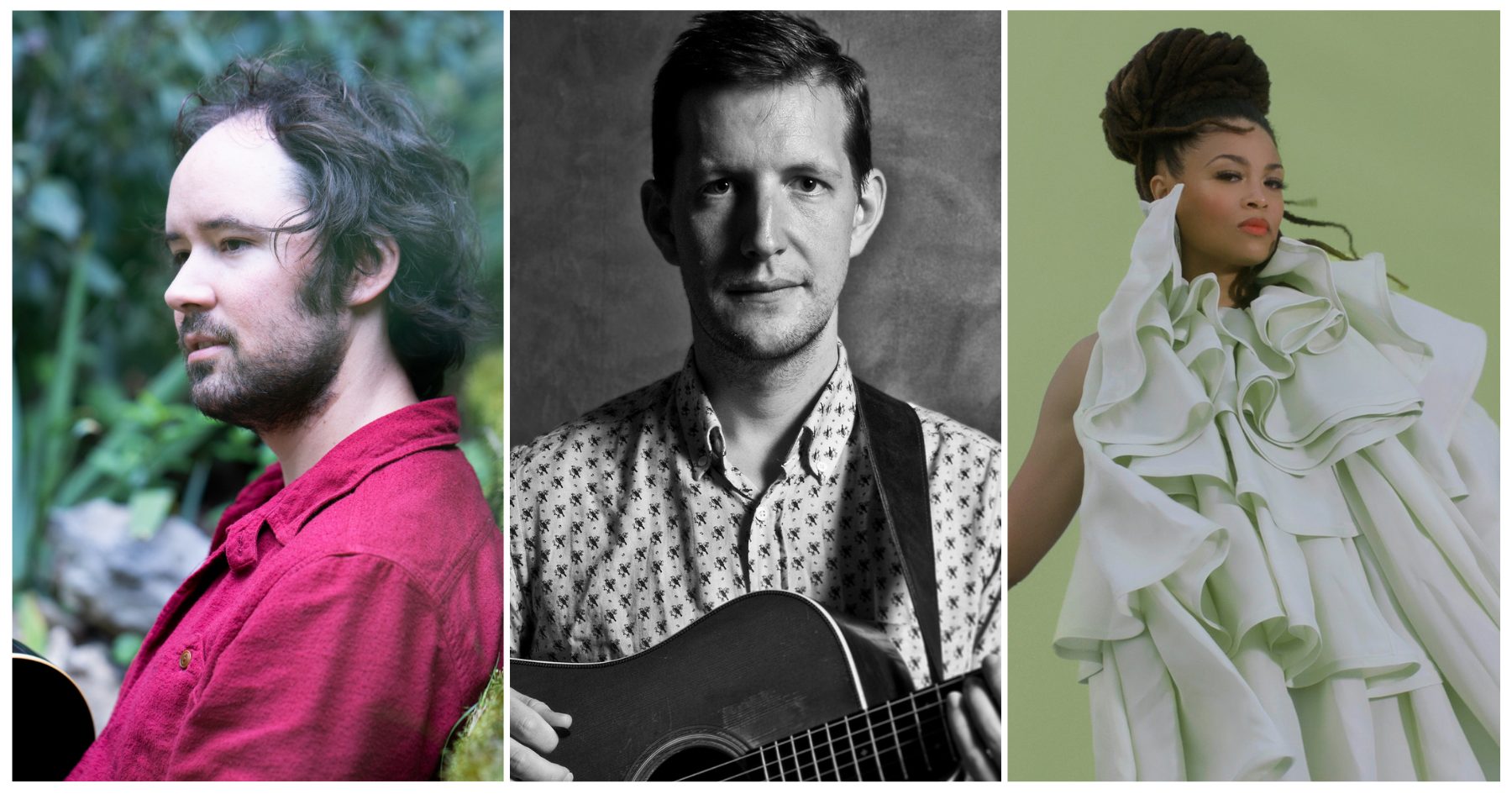
Photos: (L to R) Andrew Marlin by Lindsey Rome; Chris Eldridge; Valerie June by Renata Raksha

With Hope Shining Through, Ani DiFranco Returns With ‘Revolutionary Love’

Ani DiFranco has long been a voice for social change, using her platform as a widely acclaimed songwriter, activist and record label owner — among the many other hats she wears — to bring attention to societal ills. Her incisive, insightful songwriting has made her into something of a progressive icon, as well as an artist mentioned in the same breath as fellow legends like Pete Seeger and Woody Guthrie.

It’s a gift, then, that DiFranco would release a new album — the excellent Revolutionary Love — at a time marked by political unrest, protests for racial equity, and nearly a year into the global COVID-19 pandemic. DiFranco wrote Revolutionary Love before the coronavirus was a household term, but one can easily connect the troubles of our current moment to many of the album’s thoughtful, prescient tracks.

While the COVID-19 pandemic halted DiFranco’s touring, it did open up space for her to spend time with her family and to work on new ideas, like writing a children’s book, starting a free radio station and writing a musical about restorative justice. BGS caught up with DiFranco on the morning of Revolutionary Love‘s release to talk about these recent projects and beyond.

BGS: The album is out today. How are you feeling?

DiFranco: I’ve heard from a few friends. I actually woke up this morning not realizing it’s release day. I’m just trying to function as a human and a mom in a pandemic, and a person without a job, and this and that. Then my phone started dinging at me and it was just near and dear saying, ‘Yay! Woohoo!’ So, I’m all of a sudden feeling good. It’s finally out there and that does feel good.

To your point about trying to function during the pandemic, how have you been holding up? We’re nearly a year into this thing, which is wild. How has it been for you, particularly with how it’s affected the music industry?

It’s been very challenging. Like many people, my job disappeared, and my income took a big hit. So I’ve been figuring that out. But, for me personally, it’s a great blessing, because my job was to travel and travel and travel and keep traveling. Touring and playing live music is my bread and butter; it’s how I support my family, and a lot of other people. I work with a lot of people whose livelihoods depend on me going and going.

So I’ve been in this position for years now where I’ve been petitioning my team for a year off. I’ve felt like I need to step back from this endless touring, which I’ve rarely done in my life. Since I’ve started I’ve always not stopped… Then, boom. You get permission to stay home with your kids. That’s been an incredible blessing.

What did the early moments of inspiration and early songwriting sessions for Revolutionary Love look like for you?

A lot of these songs on this record were written just about a year ago, on my last tour. Of my life [laughs]. We were going up the West Coast last February… Most of my writing since the advent of my children 13 years ago comes on tour, because when I come home to my kids they just eat my head. They consume my head. And there’s nothing left for myself, for my guitar, for my muse. As any parent can probably relate, when I go on tour now it’s vacation…

So I was out on tour doing what I do, the last bunch of years, which is songwriting boot camp. So I was writing a lot of songs on this record… Two of the songs on the record preceded my writing my memoir [No Walls and the Recurring Dream]. I wrote “Chloroform” and “Metropolis” and then I sat down and tried to write a book. That consumed me. I was not able to write songs and write a book and wear all the other hats. So there was about a two-year break in writing songs, which is completely unique for me.

That sounds like quite a fruitful time, and like you were juggling a lot at once. Although that seems like something you’re used to doing at this point.

I do think the record is cohesive, because after this start-stop, wait a couple years… the actual recording of the record was of a moment. When it finally came down to documenting these songs and making this record, I spent two days tracking the songs with a drummer. Then we overdubbed another three days with the other musicians. There was a lot of immediacy. I think all of the disjointedness of it was erased by this very performative act of recording.

As I’ve spent time with the album, it’s hard for me not to hear resonance with much of what’s gone on in the last few months, which would obviously have occurred after you wrote the songs. Given that you’ve been revisiting the songs as you prepare for your release show, have you experienced that feeling yourself?

Pretty much every time, with every record, which has become increasingly fascinating to me over the course of my songwriting life. To my mind, it reveals so many deep and mysterious things. When the quantum physicists say, “Time is not linear,” I really do experience that, as an artist. When you are sort of tapping into whatever it is, if you are blessed in some way with an ability, when you get into the zone, whatever your zone is and you supersede your limited consciousness — something is fueling you, coming through you, that is bigger than you — then it is not of time. The future and past are just artifacts of our limited perception.

I’ve found so often over the course of 30 years that I write a song and it’s like, “What is that about?” Then six months or a year later, “Oh, that’s what that’s about.” I felt it coming. I don’t think I’m special in that way, or unique. I think we have a deep level of consciousness that we’re rarely able to access.

In reading to get ready to talk with you, there was a quotation from you that stuck with me; I believe it was in reference to the title, Revolutionary Love. You said, “It’s about carrying the energy of love and compassion into the center of our social movements and making it the driving force.” There are certainly forces like that at work right now — perhaps not as many as we’d like — but how do you see compassion at work in the world right now? And as you look to the end of the pandemic, whenever that is, how do you hope it will have grown?

I hope we collectively rebound from this culture of division and hate and “us” and “them” — these incredible wedges that have been driven into families, let alone communities, let alone our nation. I hope that collectively, and I suspect I’m not the only one, [that] we can use this as fuel to slay that beast, to finally dedicate ourselves to the work of unity, to the work of seeing ourselves in community, not as warring factions or “rugged individuals” or whatever [drives] these American myths and lies and the calculated propaganda that keeps us fighting each other against our own self-interests.

Will this be the breaking point? Will we really recognize each other as family, with different uniforms, or skin, or cultural aspects? Can we see through this, finally, and become this thing that America has been aching to become? I really hope so. There are so many people out there doing this work of community, of compassion. It’s all or none. You cannot succeed, you cannot transcend, you cannot be successful if you’re pushing other people down to do so. … When you step into that place of [politicians saying], “Let’s come together”… those who have been struggling for so long for basic civil rights, women included, it’s hard to take those words at face value. “Come together? Okay, when your boot’s off my neck.”

You have a collaborative and creative friendship with Valarie Kaur, and she provided some inspiration as you were crafting the album. What is it about her that makes her a kindred creative spirit for you?

After Trump’s installation by the Electoral College in 2016, I was reeling. We were all reeling. Somebody sent me a speech that Valarie gave on New Year’s Eve. So this is post-election, pre-inauguration of the Cheeto. Somebody sent me this speech she gave and here she is, in an African-American church in D.C. and there are all of these faith leaders, these powerful ministers — you can just feel this community of power and faith. And Valarie steps in and she speaks from her perspective. She is a Sikh American and she speaks from her faith, and she speaks to the moment so powerfully.

My friend sent me this knowing I’d appreciate it, and I said to myself, “I need to get in touch with this woman.” And I did. I found Valarie and lo and behold, she says, “I’m a huge fan. I’ve loved you since college.” So we were fans of each other. We just became allies. She has come and stayed with me. She was part of my BabeFest last year in New Orleans. I gave her feedback on her book when she was writing it, and vice versa. We are deeply kindred in our work and our coming together as friends felt like the universe brought us to each other so we could support each other.

One track I’d love to dig into is “Do or Die.” The arrangement has such a great groove and gets caught in your head. And it has a message that is inspiring but also incisive, which seems like it would be a difficult balance to strike when writing a song. How did you write that one?

What you’re reflecting back is what I’m talking about in terms of my goal as a writer these days: can I be no less incisive but have the light of hope, the light of possibility, shine through? I look back at some older songs of, say, the Bush era, and there are a lot of laments. It was the heaviness of the violence and the oppression and the wrongness. I thought that was as bad as it gets but lo and behold, he’s a good guy now! It’s really incredible how Trump has unified most of the rest of us. But that refrain of “Do or die / we can do this if we try,” I think that sentiment pervades the whole record. It’s like, “Oh, God, it’s hard. Oh, God, it’s dark out there. Do you ever want to just give up? Me too.” But I’m going to wake up tomorrow and do it anyway. This is the good work of the world. Joining all of the many people who do it is really the only thing I’ve got.

You mentioned earlier in our conversation that the recording experience you had was positive, possibly even cathartic. Tell me more about those few days you spent recording, and with such a great group of musicians.

I would say that the process of the record began when I showed up at the Eaux Claires Hiver festival in Eau Claire, Wisconsin. They do these epic gatherings. Somebody must just invest a lot of money and let it go. I was invited to a week-long gathering with many, many artists, tons of musicians, dancers, writers, photographers, designers, and it was all room and board paid, free beer at night, just have fun. … I showed up with ‘Valarie wants songs’ in my back pocket. Valarie said, ‘Ani, write me songs.’… It was very inspirational, being surrounded by this ad hoc community of artists. I met this wonderful producer, Brad Cook. … Then when I had a new album’s worth of songs and suddenly we’re in lockdown, it was all seeming suddenly not plausible.

I was thinking, “I want to make a record now. Damn it, what are we going to do?” I talked to Brad and he was like, “Listen, if you will get on a plane and fly to North Carolina, I’ll put a band together. We’ll track the songs.” So I just trusted this dude that I barely knew and I said, “This is all I got. I’m coming.” I came a week later. All his homies in Durham were on lockdown, so they were all home. And they’re all incredibly talented people, there in them hills.

You have several new projects in the works, like your radio station and your children’s book. As you look ahead to the coming months, what are you looking forward to and what can we expect to see from you?

Beyond the book and the radio programming, which is always expanding, I’m also working on a musical centered on restorative justice. It’s an alternative to our current justice system. It’s a different idea about what is to be done when violence occurs. I believe in it very deeply. I have been aware of the profound potential of restorative justice to actually end cycles of violence. I think mass incarceration, “tough on crime,” capital punishment — these are all continuations of cycles of violence. This isn’t healing. …

This musical I’m working on is centered on the story of my friend Lester Polk, who is in prison for life for a violent crime committed many years ago. Ten years after the crime he was brave enough to get together with one of the survivors of his crime — of course, this woman, the survivor, was an incredibly brave and powerful woman. … I feel that in Lester’s story is also a template for our whole society. There has been great violence committed. There are deep wounds that must be attended to. How do we do that?


Photo Credit: Daymon Gardner
The String – Jenny Scheinman plus Kandace Springs

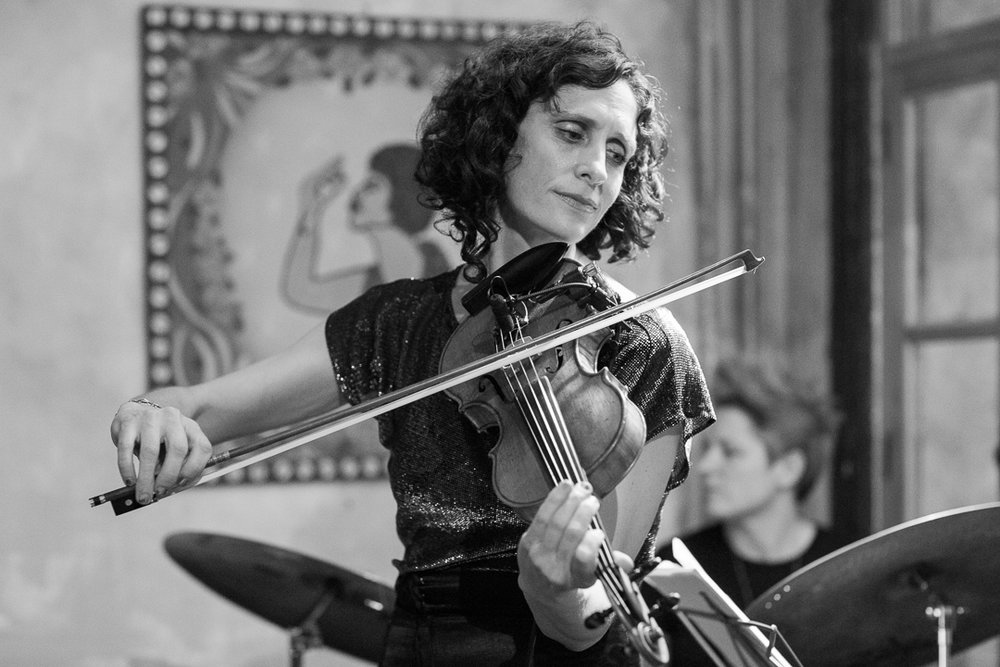
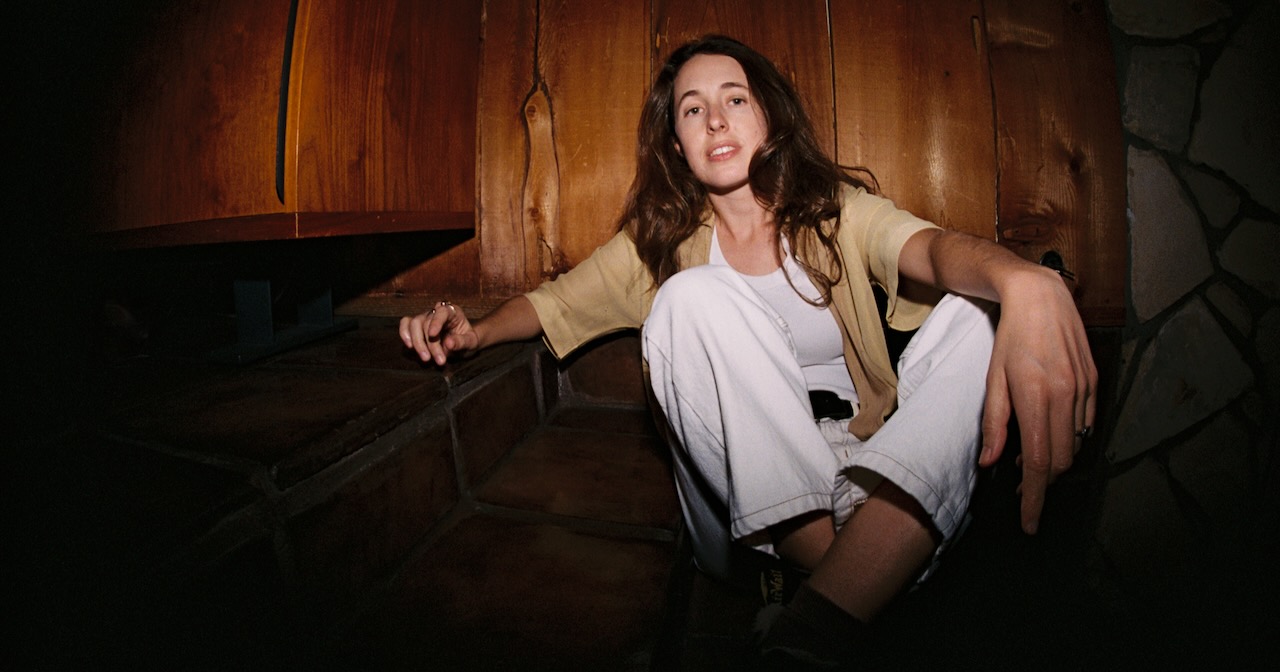
Women with roots in jazz is the heart of this hour. Jenny Scheinman is one of the leading jazz violinists working today, yet her musical life began grounded in folk music and she’s been a prolific contributor to records and tours by the likes of Rodney Crowell, Robbie Fulks, Ani DiFranco and others. Her many collaborations with guitarist Bill Frisell have produced sublime fusions of folk, country and jazz. And Jenny has released two acclaimed songwriter albums as well. Now she’s leading a band with drummer Allison Miller. You’ll hear samples from that catalog as we speak about a unique life in music.


LISTEN: APPLE PODCASTS

Also in the hour, Nashville’s Kandace Springs talks about getting mentored by Prince, landing a record deal on Blue Note and making a new album with heroes like Nora Jones and Christian McBride. We’ve posted a feature about her here.

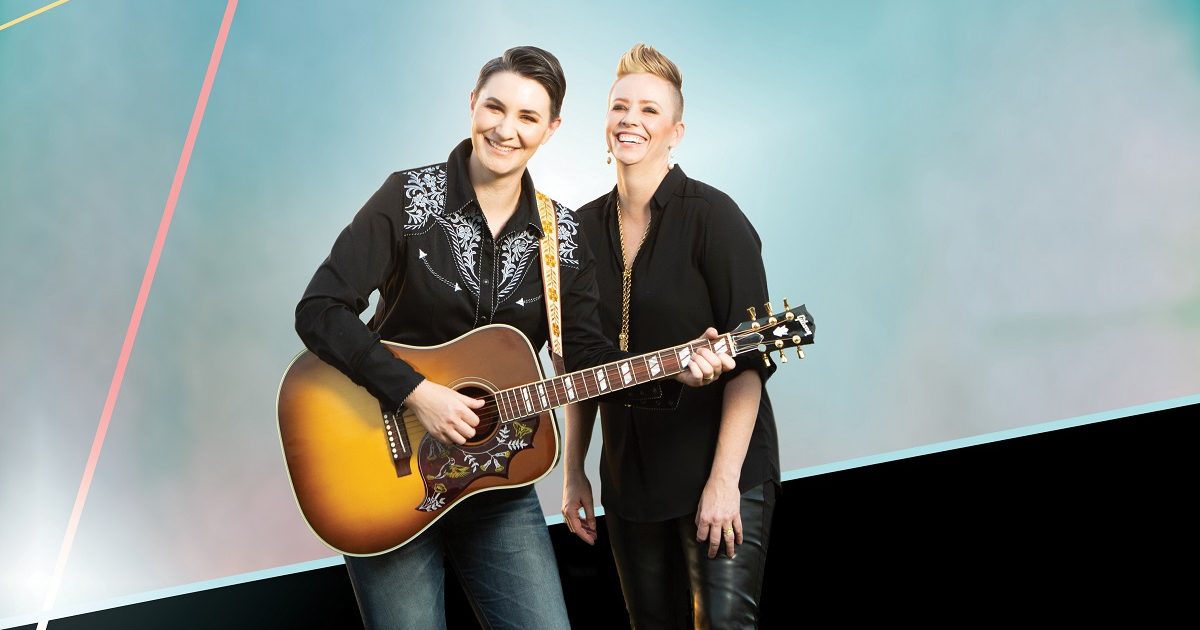
BGS 5+5: Hardened and Tempered

Artist: Hardened and Tempered
Hometown: Austin, Texas
Latest album: Hold the Line
Personal nicknames (or rejected band names): Less of a nickname than a consequence of a band name for a duo that uses the conjunction “and” is that we are often asked, “which one are you?”

Answers provided by Kristin Davidson

Which artist has influenced you the most … and how?

I was 12 when I discovered a mixtape of the Indigo Girls in my older sister’s room. Their songs captured my ears, mind, and heart, and remained constant company for me growing up. I think it was the first time I felt transformed and transported by music. But the pantheon of my musical influences is full of powerful writers, and I can pair just about every childhood memory with songs by Indigo Girls, Mary Chapin Carpenter, Nanci Griffith, Tracy Chapman, Lucinda Williams, Patty Griffin, Emmylou Harris, Dolly Parton, Patti Smith, and Ani DiFranco.

What other art forms — literature, film, dance, painting, etc. — inform your music?

I love street photography and am drawn to the captured moments that expose the illusion of anonymity — that split second of absurdity or loneliness on a crowded street. I enjoy the process of finding words and sounds for the images that evoke emotion.

What rituals do you have, either in the studio or before a show?

We love to laugh and try to bring a joyful lightness to the stage. We are big fans of Maria Bamford. In the second season of her show, Lady Dynamite, Ana Gasteyer’s character keeps shouting a particular line as a rallying cry that we think is hilarious. We usually say that line to each other, giggle, and then walk onto the stage.

If you had to write a mission statement for your career, what would it be?

Hard enough to hold an edge; soft enough not to break. The band name, Hardened and Tempered, sums up the dynamic and delicate balance we try to keep in our lives and our music. Both Carolyn and I have intense personalities, we are drawn to big adventures and hard challenges, and we work with a lot of suffering. Slowly but surely, we are learning the artful balance of easing up a little and looking for light in dark places.

Since food and music go so well together, what is your dream pairing of a meal and a musician?

I have dreamed about finding refuge from a cold, big city night in a basement bar room, only to discover Nina Simone playing an impromptu set on an intimate stage. I order my favorite bourbon, but don’t drink it. How could I?!


Photo credit: Norah Levine Photography

MIXTAPE: John Craigie’s “Can We Learn From History?” Playlist

When I was a kid I was obsessed with music. From as far back as I have memories I loved every aspect of it. However, it wasn’t until I started watching older movies and TV shows and becoming educated that I became aware of music as a historical record. Shows like The Wonder Years and Forrest Gump (and others) made me realize that music was telling me a story of what had happened in the past and how we could learn from it. As much as I wanted to be a musician to heal people individually from their darkness, I also wanted to become a musician to inspire large-scale change like my heroes Nina Simone, Pete Seeger, Ani DiFranco and other countless heroes that used their voice to echo what many musicians have been saying since the dawn of human connection I assume.

Here are some of my favorite songs in that vein. — John Craigie

Nina Simone – “The Backlash Blues”

I seriously could have picked any one of her amazing performances, but this one always stood out to me. So direct and in your face. So powerful and moving. It put so much in perspective for my young ears and mind.

John Lennon and Yoko Ono – “Power to the People”

I was always a serious Beatles fan as a kid, but it took me a while to discover John’s solo work outside of “Imagine” and “Instant Karma!” As soon as I got interested in protest music I kept finding such great songs from him and this one has always been a favorite.

Curtis Mayfield – “Move on Up”

When I was in my first band in college I got interested in Curtis Mayfield after hearing the whole album Superfly and falling in love with the bass lines. Taken from his debut album as a solo artist after the Impressions, I’ve included the single version for easy digestion. However, if you can’t get enough I suggest checking out the nine-minute album version.

Buffalo Springfield – “For What It’s Worth”

Most people know this song as the beautiful anthem that it is, and surely still stands the test of time. However, a lot of people forget that this is Stephen Stills and Neil Young before they were in CSNY. I always loved the peaceful and soothing nature of the guitars and harmonics while the lyrics spoke of what was happening all around and begging us to not ignore it.

Richie Havens – “Freedom (Live)”

Legend has it that this song was created on the spot at the Woodstock festival in August of 1969. Richie was slated to go first, and since the promoters weren’t ready with the second band (not to mention many other things) they kept making him go back out after he had finished his set. After several encores he didn’t know what to play so he freestyled this beautiful song. You can feel everything that is going on in the state of the world through his passionate delivery of these simple lyrics.

Bob Dylan – “The Times They Are A-Changin’”

I admit it does feel a bit cliché to add this to the mix but I’ve always felt it was a huge inspiration to me and catalyst for my songwriting. Embarrassingly enough, I first heard this on The Wonder Years when I was about 11 years old. I had no idea what it was but I felt like it had been written that day for exactly what I was going through and seeing in my community of Los Angeles at that time. When I got a guitar a few years later, it was one of the first songs I wanted to learn.

Marvin Gaye – “What’s Going On”

Like most people, I associated Marvin Gaye early on as smooth, sexy date music. Something to put on in the dorm room when your girlfriend was coming by. But I remember getting a little pamphlet from my local record store of “essential landmark albums.” Having never heard of What’s Going On but trusting Marvin I got that album and it has been a favorite ever since. This is the first track on side 1 and it says everything about injustice so beautifully.

Crosby, Stills, Nash and Young – “Ohio”

I’ve read that Neil heard about the Kent State shootings and was so emotionally affected that he wrote this song immediately and soon after they went in the studio to record it. The shootings happened on May 4, 1970 and the single was out just a couple weeks later on May 21. It’s hard to listen to right now with the state of the world as it is, and was probably hard to listen to then. Yet a moment in time we should never forget and never stop learning from.

Aretha Franklin – “Think”

I truly wish Aretha was still with and screaming “freedom” like she does on this track. This track, along with “Respect,” were some of the first songs I heard from her as a young man and felt so inspired by her voice and passion. As tumultuous as 1968 must have been, 2020 feels right in line and this song speaks volumes to the lessons we can learn from our past.

Bruce Springsteen – “Born in the U.S.A.” (Demo Version)

To be honest, for the longest time I didn’t like this song. I grew up with the popular album version of this song blaring out of every dad’s speakers and even though I liked Bruce I just felt this song was so cheesy. It also seemed blindly patriotic and I never bothered to listen to the lyrics. It wasn’t until much later that I was digging through some demos that they had released that I heard this version. Once you sit and hear the lyrics against this minor chord backdrop it stands out as a great protest song.

Sam Cooke – “A Change is Gonna Come”

Closing out the playlist with a bit of optimism coming from the eternal Sam Cooke. Written as a response to the many instances of racism he was privy to, specifically when he and his band were turned away from a whites-only motel in Louisiana. This song will always work as a soundtrack to a revolution whose work seems like it’s never done. But hopefully we can learn from history and see how far we’ve come and have hope that we can keep going farther.


Photo credit: Bradley Cox

The Show On The Road – Dar Williams

This week, Z. Lupetin’s conversation with revered singing songstress and deeply wise wordsmith, Dar Williams.

LISTEN: APPLE PODCASTSMP3

Coming out of the Hudson Valley outside New York City, Williams has released over thirteen albums across a quarter century as one of America’s touchstone folk poets, first bursting out of the famed Lilith Fair folk rock scene in the mid 1990s with contemporaries like Ani Difranco and the Indigo Girls and gaining a devoted following. She has toured with luminaries like Joan Baez and Patty Griffin, written a book about what makes communities resilient, she runs her own songwriting retreats, and has inspired generations of women to fearlessly embrace their creativity and exercise their limitless potential. Z. was able to catch up with Williams in the green room at the historic McCabe’s Guitar Shop before her second show of a sold out weekend in Los Angeles. A new album is on the way.