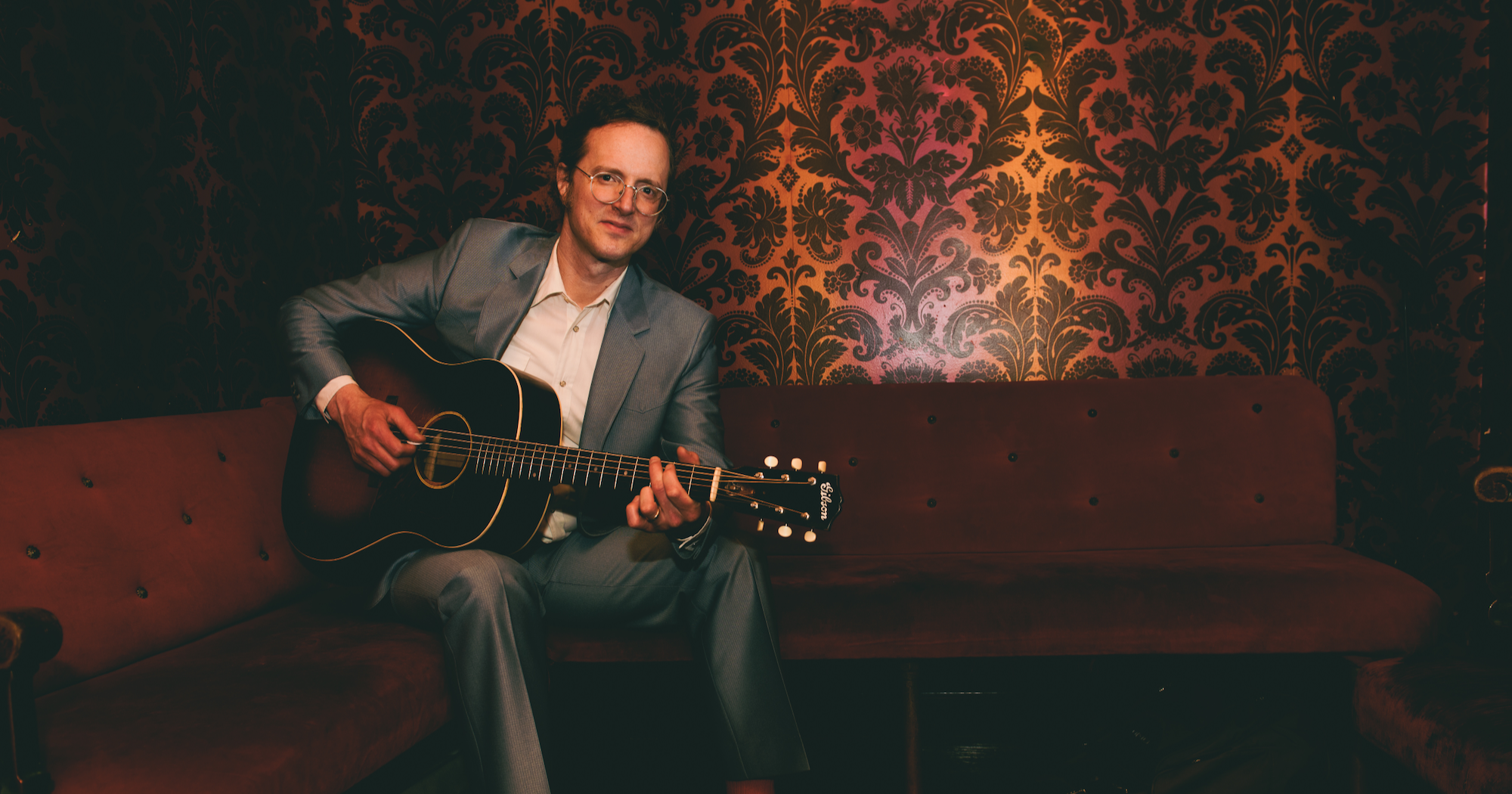
Artist:Michael Daves Hometown: Atlanta, Georgia (originally); New York, New York and Adams, Massachusetts (currently) Song: Can’t Get There From Here Album:Fables (EP) Release Date: December 19, 2025 Label: Wild Geranium Records
In Their Words: “As a Georgia boy growing up in 1980s, R.E.M. was my first musical obsession and I still love those early albums. The dream logic, the obscure references to Southern culture, the addictive hooks, the ghostly background vocals. I thought it would be interesting to adapt one of them to bluegrass and it happens that Fables of the Reconstruction is celebrating its 40th anniversary this year. It’s an arty rock album, but there’s a lot of droney stuff in there that sounds like it came from mountain dulcimer, banjo, and mandolin. The quartet I lead with Hargreaves, Jolliff, and Alvar has proven very adept at interpreting music from non-bluegrass sources and though they had no prior knowledge of this music, they were open to it and knocked it out of the park.” – Michael Daves
Track Credits: Michael Daves – Guitar, vocals Alex Hargreaves – Fiddle Jacob Jolliff – Mandolin Erik Alvar – Bass Duncan Wickel – Cello Sean Cahill – Background vocals Jefferson Hamer – Background vocals
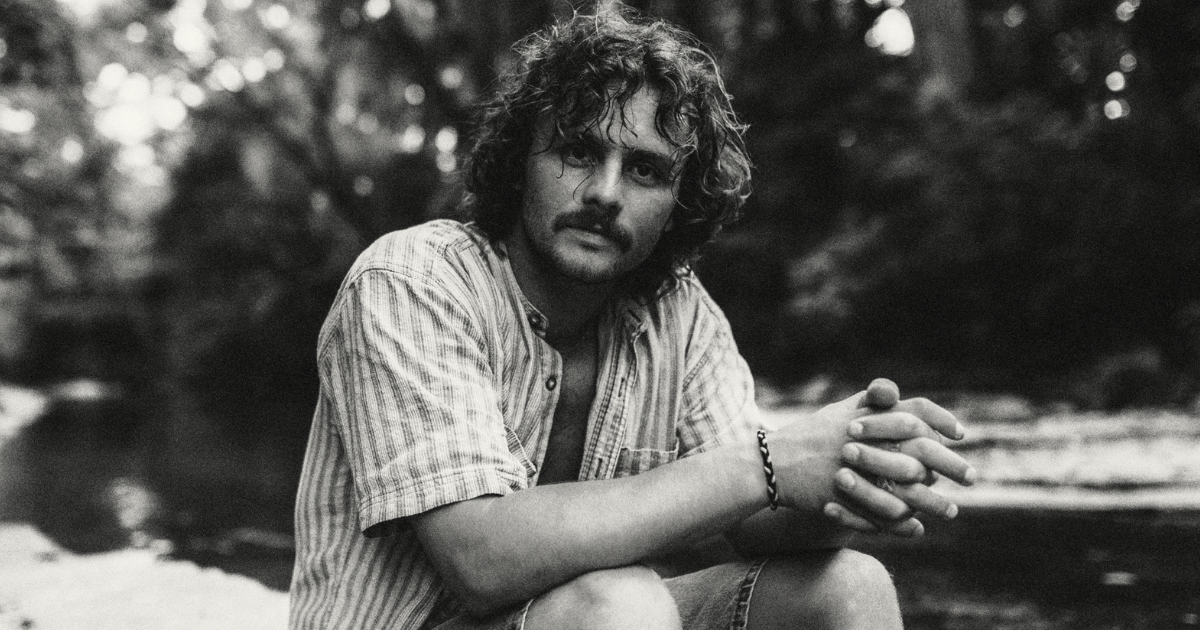
Evan Honer opens his new album, Everything I Wanted, with a charge of electric guitar – an unexpected twist for a singer-songwriter who has mostly recorded with a stripped-back sound. And after commanding attention with that blast of energy, Honer carries the listener through a range of emotions familiar to any twentysomething (and beyond). There are breakup songs, of course, but also entanglements with loneliness, self-doubt, and even the relationships that seem to be going well.
Recorded in Honer’s garage studio just outside of Nashville, Everything I Wanted documents a creative moment where sonic exploration may be the biggest priority. However, the fans who discovered Honer in 2022 through a TikTok cover of Tyler Childers’ “Jersey Giant” will likely embrace the songwriting on the new album, with lyrics that reflect a day in the life of someone who’s still figuring things out.
Honer was raised in Surprise, Arizona and excelled in competitive diving at California Baptist College in Riverside. Although a spot on the U.S. Olympic team was within reach, Honer turned instead to a career in music and established his own label, Cloverdale Records. From his home office, Honer called into Good Country to talk about his new album, his relationship with fans, and the road ahead.
I listened to your catalog, and this album seems more electrified than your previous work. Why it was important for you to show another side of your musical approach?
Evan Honer: I felt like the first two albums were… I guess it was what I was into and the production that I was a fan of at the time. I was so new to everything, too. I just thought, “I’m gonna record the guitar, then maybe we’ll have drums.” But I hardly had any drums at all with my first two albums. I guess I just didn’t know the possibilities. And the more I grew as an artist, and thankfully, with the resources that I have, the more things I can do. If I want this exact sound, I know I can do it and I can do it in my garage. My taste has changed. I grew as an artist, and I realized, why not? I can do whatever I want literally.
Are you pretty consistent with your writing routine?
Yeah, most of the time I’m working on something. And it could be one line the whole day, but I sat there for three hours. That’s very common. Now I’m writing with other people more – with artists that I am inspired by. And when I’m back home, it takes a long time. Sometimes it’s sitting with my guitar for hours, and I don’t get anything except a couple words. Or I go backwards and I change everything, then I don’t even have lyrics anymore. I try to do some type of writing every day, but on the road it’s a lot more difficult.
The song “Curtain” captures your relationship with your fans. What does that relationship between artists and audience look like for you personally?
It’s such a difficult thing for me. Recently I’ve been able to enjoy a tour more and not be so affected by it emotionally. On my first tour, I was so not used to how you’re running on no sleep at all and you’re around the same people for a month. You have a bad show, and it feels like your life is over. That is sort of what I wrote [“Curtain”] about, just the ups and downs of being on tour.
I still am upset after a bad show and I don’t know if I ever will not be. In my opinion, a bad show could be, like, one person talking for one song. It was tough for me to realize – and it still is tough for me to realize – that I have such a different perspective on it. There’s my perspective, and their perspective. I felt like I needed to write that song where it’s like, “I’m looking out at you, and I’m just grateful that you guys bothered showing up to hear me scream about my problems.”
And it really helps me, now that I let it. They’re constantly telling me, “Oh, your music means the world to me,” and that is the greatest thing to hear. But them being there is like the whole reason and it means so much to me. That relationship is not one-sided at all. It’s completely: “I need you as much as you need me.”
Listening to “Not There Yet,” I can remember that phase in relationships where it’s like, everybody wants me to be all in, except I’m not sure myself if I’m ready. When you finish a song like that, who is the first person that gets to hear it?
Most of the time, my best friend Blake Abernathy. He was a big reason why I started doing music. When I graduated high school, I went to go sell AT&T Internet and DIRECTV. I moved out to Minnesota with Blake and that’s where we became best friends. We worked together and he shared his music tastes. Tyler Childers was the first person he showed me and I’d never had felt that feeling before, from hearing a true songwriter, someone that makes me feel something.
And from that point, I went down a rabbit hole with my favorite songwriters, like Benjamin Tod, James Taylor, Jim Croce, and so many that I can’t even think of. And that’s how I started and fell in love with writing. From then on, I sent every single song to Blake and he always shoots me straight. He’s always such a big supporter in anything I’m doing, and he always gets it. He’ll tell me, “This is very different, I’m not sure if I like it yet,” or stuff like that.
For the record, can you explain how the “Jersey Giant” video took off?
The first song I ever posted on TikTok was the first song I released, called “How Could I Ever.” I had a good reaction to it and that was literally one of the only songs I had finished. At that point I was like, “Holy crap, I have to write another song because I don’t have any.” Maybe four months later, I was like, “All right, I got a new one.” So, I released “Comfort the Fall” and then “Foolin’ Ourselves,” and maybe a couple other ones, I’m not sure.
Then I released “Jersey Giant” as a cover and it went crazy. Then a bunch of label people were in my email! That was so funny. “Jersey Giant” was a big moment, for sure, but I think the songs that made people come to the shows were from my first and second album, rather than “Jersey Giant.”
I saw you playing banjo and singing a Noah Kahan song, “Dial Drunk,” on a TikTok video. When do you find yourself reaching for the banjo? Is there a certain mood where you think, “Banjo is going to make this better”?
Yeah, there’s a good amount of banjo that I played on this album. I don’t know, I just love the banjo. It’s always so interesting to me to have a song like “Long Road.” It’s not super country. And then you throw in a very country instrument, like a banjo. I love having really country instruments in songs that are not country and have very different melodies than what a traditional country song would normally have. It’s always fun to just throw in a banjo, whenever it feels like it needs it. Maybe I overdo it sometimes. [Laughs]
Do you remember when you first reached for the banjo, or what led you to it?
My grandma actually got me that banjo. I just wanted a new and different instrument to write on, to create new ideas. I think that’s always helpful with piano and banjo. Just writing on a different instrument to hopefully get a different outcome, because sometimes I’m writing on the guitar and it feels like “I’ve written this song already” and I don’t feel excited about it. Now I’m trying to explore every option to write a song, even if it’s writing and producing at the same time.
That’s a scary thing to me. It’s like, we’re writing this song as we’re making it. Normally you have a whole song, or at least how I do it, and you produce it out, and the creative part is producing it. But it’s kind of scary when you don’t have the lyrics. You don’t even know what the chorus is going to be, but you’re already starting to produce it.
Is that because you’re on deadline or just trying to stretch your boundaries? What leads you to a situation like that?
There’s no deadline at all. [Laughs] I’m a fully independent artist, so it’s all up to me when I want to release stuff. I think that’s why I feel like I’ve released a lot more than maybe somebody that kind of started the same time. Three albums in, it’s just me trying to make something different.
I read you released an album the day you graduated from college. Was that like a mission statement? Like, “I’m gonna do this. I’m a musician from this day forward”?
Yeah, pretty much. It’s called West on I-10, because I would go west on I-10 driving back from home to college. Funny enough, the navigational voice would always pop up in my voice memos with, like, “I-10 West.” I had already decided that I was going to do music full-time. I was a diver in college and I originally made plans with my coach to do my fifth year and go for the Olympic trials. That was tough, making that big change. First, my dad was very much like, “Wait, are you sure you want to do this?” But now he’s the biggest supporter ever. There was just a lot of uncertainty and releasing that album on the day I graduated just felt like the most normal thing for me. All those songs I’d written in college are now on that album, and I felt like then I can move on to whatever else.
What goes through your mind now when you hear this new album in its entirety?
This is always tough for me. In January when I recorded it, listening through the album, I’m, like, incredibly stoked on it. And I still am, but it’s a different type of stoked now. I’m stoked that it’s out and I don’t have to sit on these songs anymore. I can move on to what I’m liking now. Because right now, my taste has already changed, where I’m into different production styles, I’m into different, really weird lyrics, or whatever it is. I’m in a different spot now.
That’s always an interesting thing to see how delayed the music industry is. Even if I’m independent, it still takes time to do all these things. So that’s always a hard thing for me, but I’m so happy that it’s out, and I’m so happy that we recorded that way, just 18 straight days of recording. That helps with the cohesiveness of it. I’m really proud of it, and I’m really proud that it’s my third album, and I’m excited to make something else.
Somehow it’s December and we’ve already reached our final collection of new roots music, songs, and videos for 2025. It’s been a year absolutely packed with essential new music that you gotta hear, hasn’t it? We think this final roundup is the perfect way to go out, as we look ahead to plenty more fresh tracks to share in 2026.
First, mandolinist Jesse Appelman previews the first single from his upcoming debut solo album. “Glacier Song” is sung from the perspective of the titular glacier, examining the inevitability of time and change with bluegrass trappings and tasteful dashes of old-time from his talent-stacked ensemble. Texan singer-songwriter Dustin Brown calls on fellow Texan Billy Hartman and Nashville-based Rachel Cole for his new track, “Ballerina.” Out next week, it’s a simple, stripped-down, and twangy arrangement for a song about yet another tale as old as time: a love triangle between two people and their freedom.
Also, Kara Arena draws inspiration from the Hindu deity Hanuman for a new single, “Whose Face Is On Your Heart.” A harbinger for her upcoming EP, which is set for release in January 2026, the vibey modern folk number finds the singer-songwriter considering the concept of our loved ones leaving indelible marks on our hearts while wrapped in cinematic strings. From Toronto, Meredith Moon returns to her just-released September album, From Here to the Sea, to share a brand new performance video for “Poseidon.” She’s accompanied by Tony Allen, Rachel Melas, and Mikey Shakes as they play the song down at Compass Records’ Hillbilly Central studio. “Poseidon” is about rising above the tumult of toxicity and negativity and choosing your own heart.
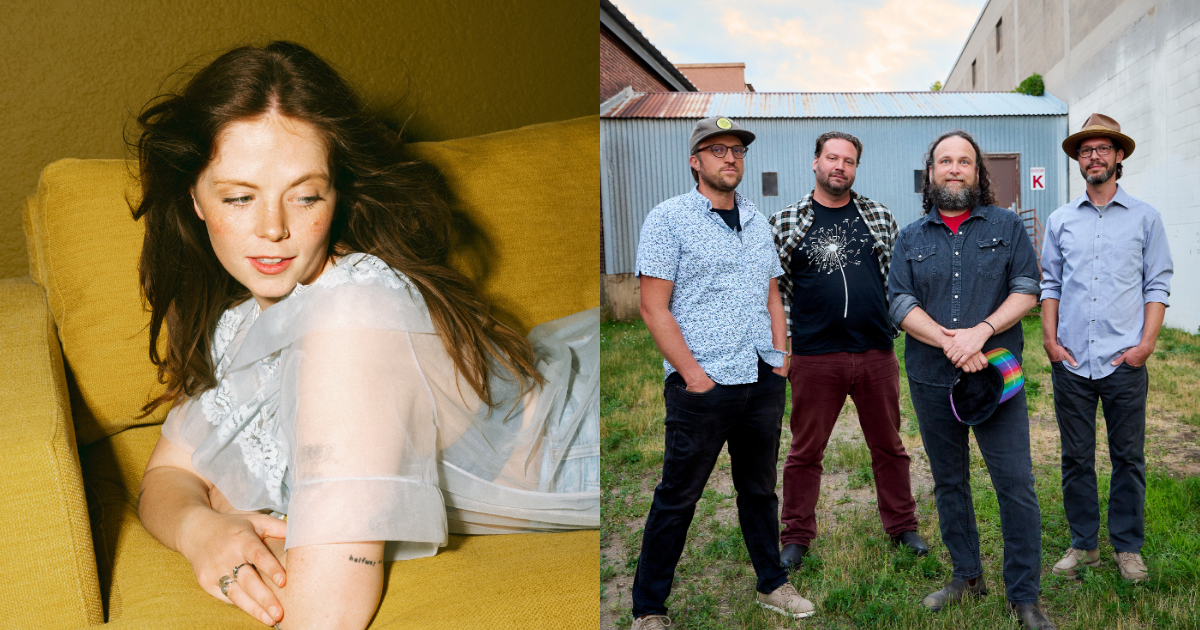
To conclude, we take a trip to Minneapolis and St. Paul, Minnesota, to catch new singles debuted this week by both Ber and Pert Near Sandstone, two acts from the incredibly music-rich Twin Cities. Today, Ber announced her upcoming new album, Good, Like It Should Be, set for release in early April 2026. The lead single from that project, “Book Cover,” is about the deeper meaning and understanding that can be hidden inside ourselves and is found in the delicious sonic territory where country, indie, and pop overlap. You can easily picture the song on mainstream country radio and an indie-pop playlist, too.
Pert Near Sandstone, for their part, lean into Irish folk and Celtic sounds with accordion, tenor banjo, and a shout-along, pub-ready lyric. “Side by Side” is about perseverance and rising above interpersonal challenges together. With resonant accordion and banjo tremolos, you’ll feel like you’re huddled up with the band in the corner of a cozy pub jamming along.
There’s plenty to hear and enjoy below. Thanks for sharing a year’s worth of new music with us! We’ll see you in 2026 right here for more premieres, but for now… You Gotta Hear This!
Jesse Appelman, “Glacier Song”
Artist:Jesse Appelman Hometown: Oakland, California Song: “Glacier Song” Album:Where We Go Release Date: December 12, 2025 (single); February 20, 2026 (album)
In Their Words: “This song might not make much sense until you realize that it’s sung from the first-person perspective of a glacier – and what better inanimate object could there be to explore the inevitability of time and change? Written one of my oldest friends, Will Fourt, the crooked and circular structure was a perfect vehicle for this ensemble to weave the spontaneous and lush whirlwind of melody that ends the track. The refrain, ‘I don’t know where we go,’ here an expression of uncertainty, gave rise to the album title, reworked as a statement of intent: Where We Go.” – Jesse Appelman
Track Credits: Jesse Appelman – Mandolin, vocals Sami Braman – Fiddle Allison de Groot – Clawhammer banjo Emily Mann – Bass, harmony vocals Eli West – Guitar, harmony vocals
Kara Arena, “Whose Face Is On Your Heart”
(Click to listen)
Artist:Kara Arena Hometown: New York, New York Song: “Whose Face Is On Your Heart” Album:Whose Face Is On Your Heart (EP) Release Date: December 5, 2025 (single); January 2026 (EP)
In Their Words: “‘Whose Face Is On Your Heart’ was born after I encountered the story of Hanuman, the Hindu deity. What truly distinguishes Hanuman is his deep devotion to his Lord, Rama and Devi Sita. When his loyalty comes into question, Hanuman says, ‘Every inch of my body has Rama in it. My heart and soul are made of Rama.’ When doubt of his love persists, he tears open his chest to reveal images of Rama and Sita glowing within his heart. When writing this song, I thought about what it would be like if our hearts were branded with the ones we love most. We wear their faces like a badge of honor. And when love leaves, do those sketches become scars?” – Kara Arena
Track Credits: Kara Arena – Vocals, guitar, songwriter Michael Lepore – Piano Brett Bass – Upright, electric bass Matt Bent – Drums, percussion Mae Roney – Violin Rachel Rice – Cello Joe Cilento – Electric guitar, keys
Ber, “Book Cover”
Artist:Ber Hometown: Minneapolis, Minnesota Song: “Book Cover” Album:Good, Like It Should Be Release Date: December 5, 2025 (single); April 3, 2026 (album) Label: Nettwerk Music Group
In Their Words: “I wrote ‘Book Cover’ last year over a cup of tea with my friend Corey Sanders, who at the time was consoling me as I was feeling very overlooked and invisible as a small, independent artist and writer in the music industry. At its surface, ‘Book Cover’ is about heartache and longing to be known for what’s inside, to be given a shot by someone not based on your looks or appearance, but because of the person you are. In its bones I’ve personally found deeper meaning— ‘Book Cover’ is a sweet reminder to myself to know your worth and acknowledge what you bring to the table. It’s one of my favorite songs from my forthcoming album, and I hope you like it!” – Ber
Dustin Brown, “Ballerina” (with Billy Hartman, Rachel Cole)
Artist:Dustin Brown, Billy Hartman, Rachel Cole Hometown: Moody, Texas (Dustin); Texas (Billy); Nashville, Tennessee (Rachel) Song: “Ballerina” Release Date: December 12, 2025 Label: New Usual Records
In Their Words: “Writing a song can be as complex as the characters in it. Some fall out on the table, but this one definitely reflects its process as much as its meaning. The turmoil behind the writing of this song influenced its jaded undertones. It’s a tale as old as time, a love triangle between two souls and freedom. A dilemma of one’s resolve and another’s yearning.” – Dustin Brown
Meredith Moon, “Poseidon”
Artist:Meredith Moon Hometown: Toronto, Ontario, Canada Song: “Poseidon” Album:From Here to the Sea Release Date: December 2, 2025 (video); September 12, 2025 (album) Label: Compass Records
In Their Words: “‘Poseidon’ was written during a pretty tumultuous time in my life, juggling priorities and in the end choosing my heart over all else. I felt the weight of the negativity inflicted on me by the toxic situations I’d left recently and ‘Poseidon’ was about re-instilling my own power and safety, like surrounding myself by an orb of protection.” – Meredith Moon
Performance Credits: Meredith Moon – Guitar, vocals Tony Allen – Fiddle Rachel Melas – Bass Mikey Shakes – Drums
Video Credit: Filmed at Compass Studios by Emma McCoury.
Pert Near Sandstone, “Side by Side”
Artist:Pert Near Sandstone Hometown: Minneapolis / Saint Paul, Minnesota Song: “Side by Side” Album:Side by Side Release Date: December 3, 2025 (single); February 27, 2026 (album)
In Their Words: “I originally started writing ‘Side by Side’ about my relationship with my wife and us pushing through challenging times. However, as the song came together, I realized the message of perseverance applied equally to the band and the challenges we go through together as professional musicians touring on the road. The music is traditional Irish-folk inspired, featuring wonderful accordionist Patrick Harison and Nate Sipe on Irish tenor banjo. I sing the lead along with full band group vocals and harmonies, which add to that real pub anthem sound. While in the recording studio we pulled the title ‘Side by Side’ from the lyrics which eventually became a rallying cry and decided it would be a fitting name for the new album.” – J Lenz
The ’90s might be cool again, but there was more to the era than Friends and Seinfeld. In the shadows of the dot-com boom and bust, NAFTA and off-shoring, life wasn’t as slow or quirky as those shows made it seem. American women had more independence than ever before – but they were still waging battles for gender equity from kitchen tables to C-suites to recording studios.
Sarah McLachlan was just reaching the peak of her powers in 1997, enjoying international success but frustrated by radio programmers’ limited ideas of how their audience received women. McLachlan and other women were constantly pitted against each other, told that no one would listen to two songs by women in a row – and certainly no one would want to see women tour together. So, McLachlan set out to prove the world wrong, reshaping popular music in the process.
Lilith Fair: Building a Mystery is a new documentary produced by ABC News and released in September 2025. Available to stream now on Hulu, the project captures the festival’s revolutionary three years with pride and exuberance, encapsulating Lilith Fair’s confident strength and joy. Archival footage of shows and interviews with some of the hundreds of thousands of fans who flocked to the event are resolute testaments to the festival’s enduring impact – if only people remembered it.
The film, directed by Ally Pankiw, premiered at the 2025 Toronto International Film Festival in early September. Dan Levy (of Schitt’s Creek fame) co-produced the film under his Not a Real Production company. The documentary follows the story of Lilith Fair from its genesis, examining the festival’s place in history, the misogyny women artists faced at the time, and the trails it blazed for women artists today. Featuring McLachlan, Sheryl Crow, Erykah Badu, Paula Cole, and more in interviews, the film explores how McLachlan’s forward-thinking vision animated Lilith Fair into something much more than a package tour.
Lilith Fair’s Place in History
“The cultural memory of Lilith is clearly very skewed,” observes co-producer Cassidy Hartmann, who spoke to BGS. “There are a number of reasons for that. Women’s achievements in history have often been overshadowed or skewed in some way and there’s often been backlash against that.”
The documentary opens with a series of TikTok videos featuring half a dozen Gen Z-ers breathlessly recounting the massive package tour devoted solely to women artists of all genres. In 1997, 1998, and 1999, Lilith Fair main stage featured McLachlan, Badu, Cole, Crow, Tracy Chapman, The Indigo Girls, Jewel, Missy Elliot, Bonnie Raitt, and many more – while the “village stages” featured then little known up-and-comers like Christina Aguilera, Dido, and Nelly Furtado.
McLachlan and her team led the massive undertaking with a steady hand and, as the documentary shows, a willingness to learn from critiques. By the festival’s third year in 1999, the event boasted artists of many genres, cultures, and ages – though the sound leaned predominantly folk.
“I don’t think that any genre classified us,” Paula Cole demurred when speaking to BGS.
“I think that everyone was so unique and had their own music, and we fall into different classifications. I personally hate genre classification, because it’s limiting. Great music is usually a blend, anyway.”
Cole, who was nominated for three GRAMMYs for her 1996 album This Fire, would know about great music. Yet, a half hour into Lilith Fair: Building a Mystery, you’d be hard-pressed to miss her twang and carefully crafted lyrics forming the backbone of, well, Good Country.
But Cole has a point. While Lilith is often remembered in pop culture as a collection of (white) folk-inspired dryads, the festival featured an array of talent across all genres of music. As the documentary illustrates, McLachlan received feedback that the tour’s first year was too racially homogeneous, so she sought to build a tour that encompassed the totality of women working in music: Badu, Missy Elliott, and Queen Latifah all played the festival. (The documentary details a hilarious anecdote about Missy Elliott’s ride to the show after her tour bus broke down – we won’t spoil it here, but it’s the kind of thing that simply doesn’t happen in the age of smartphones.)
According to Badu, her time with Lilith Fair inspired her to create the Sugar Water Festival with herself, Queen Latifah, and Jill Scott in 2005 and 2006. Like Lilith, that event brought together community orgs that addressed women’s (and in this case, Black women’s) concerns.
Rippling Energy
Cole was a part of Lilith’s story from the very beginning, joining McLachlan on short, experimental runs to see if an all-woman lineup could indeed draw a crowd.
“It was uncommon for women to open for women. Every night I would tell the audience, I want to thank Sarah for having me here because this is uncommon,” Cole says. “This doesn’t happen. And audiences would erupt into applause when I would tell them that. It felt like a zeitgeist. You could feel the energy ripple.”
But Lilith Fair did not happen in a vacuum. It stands as one chapter in a long-ignored legacy of self-made movements among women in music. In the ’60s and ’70s, there was, in fact, an entire movement-turned-genre known as “women’s music.” The folk-inspired sounds were championed by queer record label Olivia Records and Michigan Womyn’s Music Festival was one of the scene’s organizing forces from 1976 to 2015. MichFest, as it was known, was an annual convergence of feminist women across the sexual and gender spectrum. But, the festival’s refusal to admit trans women in 1991 contributed to its decline. (The silver lining here is the subsequent organizing of trans rights groups and cis allies, but that’s a story for another time.)
While the Indigo Girls and Chapman performed at both Lilith Fair and MichFest, the headlining artists on Lilith’s lineup already had major label backing and widespread commercial success by 1997. Yet, history has collapsed and often conflated the two.
“A lot of people think Ani DiFranco was at Lilith,” executive producer Hartmann observes. “Clearly there is some overlap there. I think all of these women had a righteous anger and were super blunt about it.”
Indeed, while DiFranco has earned her reputation as that decade’s feminist iconoclast, Cole’s This Fire would certainly belong right next to DiFranco’s records on the shelf (likely much to the dismay of ’90s rock critics.)
Lilith Fair received quite a bit of criticism from women critics – certainly, McLachlan’s gentle forcefulness may have been more palatable to record labels than, say, riot grrl, but with time sanding down the edges of the record bins, it’s easy to see how they all form part of a whole.
“Women often don’t get to hear and understand the stories of generations of women before them, because culture has a tendency not to platform those stories. That lineage is often broken,” explains Hartmann. “Another thing that Lilith did really well was it had multi-generational artists. Emmylou Harris and Bonnie Raitt were there, bestowing their own wisdom and experience to these younger women. I think that’s also a really powerful element to keep in mind and hopefully replicate in the future.”
Building a Documentary
According to Hartmann, the documentary was inspired by Jessica Hopper’s Vanity Fair article “Building a Mystery: An Oral History of Lilith Fair.” Co-produced by Dan Levy and directed by Ally Pankiw, the film draws upon footage from MTV News, band members, and festival staff – plus a trove of 600 unreleased tapes gathered by Lilith on Top, a 2001 documentary that was only released in Canada.
There were plenty of reasons to resurface the story.
“Many of these people are at a point in their lives and careers [now] where I think they can reflect on that moment and have some perspective on it as well,” Hartmann says. “Unfortunately, I think the themes of the Lilith story are as relevant as ever, in terms of what’s happening in our society and culture at the moment with women’s rights being rolled back. It’s a moment to be reminded of what’s possible.”
Cole echoes that sentiment.
“Politically, things are so frightening as we’re witnessing the formation of autocracy without checks and balances and a lot of backlash [to liberalism],” she says. “I think Lilith is needed now more than ever. Anytime that someone’s talking about it is important. The conversation must go on, must go on, and we must keep telling people about it. It just gives hope, it gives breath, it opens doors, it lifts the ceiling.”
Indeed, if the film’s archival live footage conveys just a micron of the incredible energy in those venues, then Lilith was a revolution indeed.
Passing the Baton
McLachlan has repeatedly stated that, while the world needs something like Lilith Fair again, she is not the one to lead it – and that it would need to be very different than Lilith Fair was.
“I think Lilith was its own unique entity,” Cole reflects. “There are artists that, you know, sell a lot more tickets than Sarah that could drive this and that could do such a thing. I’m calling on the younger women of today to create their own version of Lilith Fair.”
But one message should still resonate: that quiet defiance Lilith Fair proudly bore – proving conventional wisdom wrong.
“When someone tells you something’s not possible, If you believe in it and you commit yourself to it, look what can happen,” Hartmann observes. “If it comes from a true organic place, the sky’s the limit.”
“Culture change, feminism, fresh thinking, intersectional thinking, it takes time,” says Cole. “It’s like a slow, long, quiet revolution.”
Images courtesy of ABC News Studios; Paula Cole photo by Merri Cyr.
Artist:Ocie Elliott Hometown: Victoria, British Columbia, Canada Latest Album:Bungalow (released October 24, 2025) Personal Nicknames (or rejected band names): Jon and Ra
What has been the best advice you’ve received in your career so far?
Keep playing, keep writing. Don’t be precious with songs. There isn’t one right way, be yourself goddamnit!
What’s your favorite memory from being on stage?
Somewhat unexpectedly being invited to join Zach Bryan for his song “28” when we opened for him at Red Rocks this summer. We were handed wireless mics backstage and, not knowing when to sing or where to stand, were instructed to “just go for it!” – in front of thousands of people wrapped in towers of sandstone formations enveloping the sound. It felt like my sense of self dipped and pure elation took its place… like there was nothing I could do to stop my entire body from singing.
Another experience that comes to mind was one of our earlier shows, playing for 10 to 20 people in a secret locker room during a local festival in Victoria, BC. – Sierra
What other art forms – literature, film, dance, painting, etc. – influence your music?
For me, it’s mainly literature and films that influence my music and I suppose they do so more in a lyrical sense, by informing how I see the world and interact within it. I know for me, the times I feel most inspired in life is when I have been reading a great book or have just finished watching a really inspiring film. I love foreign films, especially, because they can often give such unique and also universal perspectives and open your frame of mind. – Jon
What musician has influenced you the most – and how?
Kurt Cobain. When I first heard and saw Kurt Cobain in the “Smells Like Teen Spirit” video my life changed forever. I can still recall the weird feeling of hearing his voice and almost not understanding it, in a way, and being so pulled in that I was dumbfounded. Kurt Cobain and his songs and voice made me really fall in love with music in an intense way. The fact that sound could have such an effect and inspire such feelings of pleasure and energy was life-changing and life-affirming.
What is a genre, artist, song you adore that may surprise people?
I love hip-hop/rap music, not that that should really surprise anyone, since the vast majority of musicians listen to every style of music, I think. But there was definitely a long period of my life (four to five years, at least) where I mostly listened to hip-hop. A Tribe Called Quest, Wu-Tang Clan, De La Soul, People Under the Stairs, and Outkast being my favorite artists overall.
On Halloween, I released an album of griefwork music. Laments features four compositions for solo fiddle and voice born out of an instinctive and spontaneous draw into lamentation when my body demanded it as part of its healing processes.
In both my vocal and instrumental soundings, the role of a traditional lamenter has long been rooted in my identity and how I seek to be of service as a community member who helps others enter into emotion or move through to the other side of an emotion. That work is not limited to sorrow, but can move joy as well. Music can help to bring more aliveness and connectedness to one previously detached, as I’ve been lucky to experience in my work of being a dance musician or a wedding fiddler.
Since my initial education on the topic of “lament” around age 20 while studying in Helsinki, I have held the possibility of a similar role as a guide into or through feeling at the core of my work. It wasn’t until the middle of the last few years, when I had been writing this music on fiddle and voice, wailing music with few words, that I realized I was working with actual lament and that I had found myself knee deep in a river of tradition. So I am here, coming full circle.
Seventeen years later, I returned to research and to listen to archive sources after I had birthed this work, to begin to understand the context of my path, to grab on to some railings, and to move into whatever comes next. I have since come to understand that performative ritualized mourning is a global phenomenon of traditional cultures. While my record is a performance of prepared arrangements and echos of what I experienced in liminal spaces, as opposed to my live lamentation or ritual, it’s my hope that the music can represent the shallows of what is available inside of the great depths of the tradition. (For more reflections on this work, read on via the extended notes booklet for Laments.)
For this Mixtape, I thought back through time to craft a collection of tracks that have been medicinal to me in seasons of heaviness, in times when I needed assistance to reopen a closed self. The tunes span many genres – please take them with open ears and meet them with what they offer. Through different modes, they all have the power to help bring in a glimpse or a full serving of transformation, whether that’s delivered from the quietest breath of the mechanics inside of a piano or from the wall of supportive pressure that is the embrace of the Scottish smallpipes. Three traditional lament forms are featured (Ireland, Scotland, and Peru) nestled here alongside music that I think works in related ways. It is music that helps us enter ourselves. – Laurel Premo
This is the first song that came to my heart for this Mixtape, possibly because it was an early memory of the expansive potential of music as a tool in grief. I heard Tim Lowly sing this song at an intimate house concert in Kalamazoo sometime in the 2010-2015 range and his album traveled with me over many touring miles in America that decade. Tim is a painter and writer, and the central protagonist of much of his work has been his daughter, Temma, who has cerebral palsy with spastic quadriplegia. The melody and lyrics in this piece surrender to “slipping down” until they land on some solid new core.
“Pililiù” – Bridghde Chaimbeul
I’ve been very moved by the sounds from Scottish pipes player Bridghde Chaimbeul, who’s just recently completed her first US tour. I listened to her rendition of “Pililiù” during a high intensity breath practice once and it produced an immediate outpouring of tears. Some deep thread of connection existed there. A few months later, while researching vocal roots and lamentation, I recognized that this melody that she had recorded instrumentally is indeed an example of a traditional keening melody. The melody of this lament is a recreation of birdsong of the Redshank. In Scottish tradition, this coastal bird inhabits the liminal space between solid earth and the vastness of the fluid ocean, between known and unknown eternity.
“Body” – Emma Ruth Rundle
A few winters ago Engine of Hell hit me in a heavy way and seemed to be the exact medicine of resonating my own experience that was needed. When music reflects some color of what we’re feeling, it can vibrate our emotional body into become something bigger than we can see and relate to, converse with, question, and be held by.
“Visit Croatia” – Alabaster DePlume
This nostalgic journey is created from patience, deep listening, and real breath. Alabaster DePlume is an English musician and poet.
“Batonebo – Rachan” – Ensemble Ialoni
This is a pre-Christian healing song from an incredible Georgian women’s ensemble. In traditional Georgian belief, “Batonebi” is the name of spirit beings that are the cause of childhood infectious diseases. Songs like this are sung to these spirits, alongside other ritual, to appease them and ask them to leave the sick child so that they may heal. This whole record contains traditional folk song in complex harmony that work as chants for the singer and listener (including the Batonebi spirit audience!).
“My Friend The Forest” – Nils Frahm
Nils Frahm presents deep texture and intimacy here. The flex and breathing of the piano, akin to the live breath of the forest, takes you on a whispering trail of release. Other tracks that have a similar vibe from this record are “A Place” and “Forever Changeless.”
“Gorm” – Susan McKeown
I was introduced to this recording through the master’s thesis of Michelle Collins who investigated the de-ritualization and re-ritualization of keening in contemporary Ireland. This original song from 1996 is written in the traditional form of Irish lament and sings grief related to emigration and grief caused by AIDS. Listen for the traditional cry of “ochón.”
“Nude” – Radiohead
Bringing in some movement now after our ‘set one’ of still listening. Feel the tilt of this waltz gently push you around while the vocals reach and spin.
“Without The Light” – Kelly Joe Phelps
Kelly brings in some sonic reverence here, reaching upward and swimming through memory. “I can see better without the light.” This relaxing into surrender here, perhaps even some praise for the grief in how this song is presented, is an important point in the process. We throw up our hands at the mystery of it all. We sit in awe of the many threads that connect to our heart from all we’ve lived through, from all those we have shared love with. This expression of love – our grief – is actually nourishment towards those living strands that connect us through worlds.
“Vuela Golondrina” – Coral Rojo
Morning light beams through this tune from Chilean vocal ensemble Coral Rojo. The lyrics here speak (again) of birds, both the swallow and the condor, of water, of revolving and renewing time, and the patterns and daily rituals of the natural world healing and waking us to new days. “Cry your sorrows while the mountain range shines as the day arrives.”
“Acid Rain” – Lorn
I’m including this dark ambient, industrial track from Milwaukee artist Lorn to honestly reflect the variety of tunes that do this work for me, personally. Here, bringing in the big guns of bass and synth grit to massage out angst and sorrow stored deep in the muscle. Sometimes you need to order size large.
“Surrender” – Rotana, Superposition
The tunes on this project from Palestinian/Saudi vocalist Rotana and duo Superposition are truly animated prayers and meditations. By that I mean, breathing life, bringing into life, and making alive old and new words. It takes a lot of experience and intention to keep that devotion in your music. Rotana sings codes of freedom.
“Song of Marriage” – Young girl in Huancavalica, Mountain Music of Peru, Vol. 1
I found this song very recently while listening through a track that shared five-second samples of all of the music on Voyager’s Golden Record (a project that served as a “message in a bottle” for extraterrestrial life led by Carl Sagan in the 1970s). It stuck out to me, even though it was a sweet young voice, I could tell it was some form of blues. Looking up more information about the track, I learned that it was actually lament. Across cultures, in addition to lamentation being used to accompany death, laments are sung quite often to accompany the journey crossing the threshold of entering marriage, as ritual protection in that liminal space, particularly for the bride leaving her family and entering a different life.
“Oh Aadam, sino essitus” – Anonymous, Heinvaker
This project from an Estonian vocal ensemble featuring folk hymns and runic songs was one I listened to a lot in the first summer of the pandemic. The sound is such a balm. A close friend once remarked that this music gave him such pride and hope in what humans are capable of. The actual singing of it, that we are capable of creating this resonance with each other, shows us that we hold such power to shape our world, that we can be positive citizens in the large environment. On our theme today, let this tune speak to the transformation that we lead ourselves on through the journey of grief. We are capable, and we are deeply belonging to this big web of creation.
Recently I was on the Outlaw Country Tour with Waxahatchee. Sheryl Crow had invited us all to join her on stage for the last night. Her production folks started passing out little percussion instruments, I think I traded the tambourine with Spencer (drummer) for something reasonable I could play. We all stepped up on the drum riser, me with a drumstick and a cowbell. Then Sheryl turned around and took her guitar off in one smooth motion. She passed it to me and whispered, “D.” Once I made it through the first chorus and got the nod from her guitar player that I was hearing the right chords, I knew this would be the peak of my entire life.
What’s the toughest time you ever had writing a song?
The next one. Not to be cliché, but it’s true. I’m constantly in fear of having written my last song. I always start from a place of “how the hell do you do this?” I’m on tour right now and I’ve been working on a song whenever I have a guitar in my hands. I oscillate between knowing exactly what I think should happen next and feeling like starting over. Both can be the right answer and that’s pretty par for the course. But every once in a while they fall out of you like a dime from your pocket. Wish I knew how to make that happen every time.
How often do you hide behind a character in a song or use “you” when it’s actually “me”?
Flaubert said, “Madame Bovary, c’est moi.”
It’s all me and none of it’s true. I don’t think I could avoid myself if I tried, but I also pull little visions and observations from the people around me all the time. I think you have to be curious about people to be a good writer.
What is a genre, album, artist, musician, or song that you adore that would surprise people?
I would say 50% of the music I listen to is instrumental. Jazz from the ’40s and ’50s in particular. Hard bop and big band music is a constant. Duke Ellington is my favorite American artist. Endlessly inspiring and a huge influence on my melodic sensibility.
Although, recently I have been listening to a lot of Romantic symphonies. Beautiful and mind-altering!
If you had to write a mission statement for your career, what would it be?
I think Woody Guthrie might have said it better than I ever could: take it easy, but take it.
It’s not only the end of the week, it’s the end of the month! And that, to us, is scary enough for October 31. Mark the occasion – whether Halloween, the end of the week, or the end of October – with our new music roundup.
Kicking us off, singer-songwriter Sophie Gault releases the title track from her upcoming album, Unhinged, today looking ahead to her full record release in January 2026. Inspired by a stroke of luck playing cards aboard a cruise ship, Gault leans into trusting your gut and doing what feels true – even if others might call that “unhinged.”
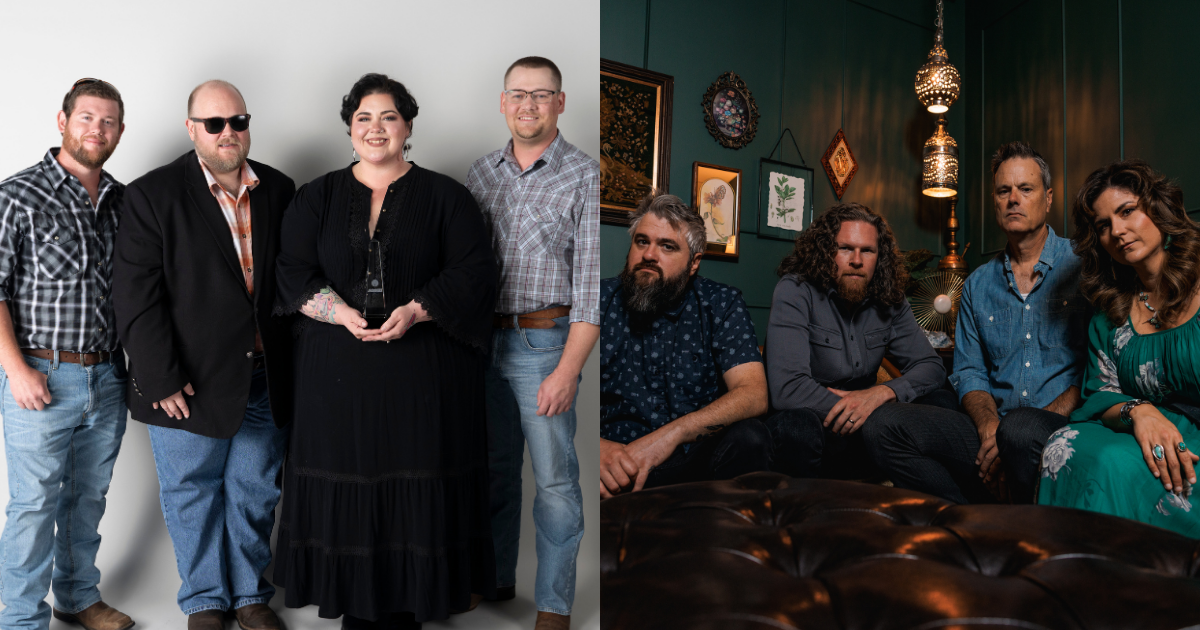
Red Camel Collective, 2025 IBMA Award winners for Best New Artist, have unveiled a new music video today for “In The Mexican Sun,” written by hit bluegrass songwriter Malcolm Pulley. Perfect contrast for the cool, rainy days of fall or the quickly approaching shivery weather of winter, “In The Mexican Sun” wasn’t intended to be a bluegrass number, but the Collective make it feel right at home in the genre.
Meanwhile, contemporary bluegrass (and everything else) guitar great Bryan Sutton has a special posthumous duet with Doc Watson that he’s sharing today. The new single, “Working Man Blues,” includes vocals and guitar by Watson and Sutton shares the story of how the Merle Haggard cover came to be.
Experimental old-time and indie musician Laurel Premo shares her new project today, Laments, a thoughtful and deep exploration of grief from a variety of perspectives. A sort of instrumental text painting, “Grief Of The Angler” listens like an entrancing dreamscape as resonant bow strokes and heart-wrenching vocalizations interweave in evocative and inspiring ways.
Bringing us home, Nashville bluegrass-Americana supergroup Wood Box Heroes pay tribute to K.T. Oslin with a video performance of their cover of “Do Ya.'” With fiddler/vocalist Jenee Fleenor on the mic, it’s a lovely homage to a relatively undersung hero of ’80s and ’90s country music. Of course, the track shines with the Wood Box treatment.
There’s plenty to enjoy in our weekly collection of new music, videos, and premieres. You Gotta Hear This!
Sophie Gault, “Unhinged”
Artist:Sophie Gault Hometown: Nashville, Tennessee Song: “Unhinged” Album:Unhinged Release Date: October 31, 2025 (single); January 23, 2025 (album) Label: Torrez Music Group
In Their Words: “I wrote ‘Unhinged’ after going on the Outlaw Country Cruise. I was learning to play blackjack and everyone told me I was crazy for doubling down on a 17 – but I did it anyway, and won. That moment kind of summed up everything for me. The song’s about gambling, but really it’s about trusting your gut and doing what feels true, even when the odds are against you. Sometimes the biggest risk is the one that pays off inside. On the way off the boat, this guy stopped me and said, ‘Hey, you’re that unhinged girl from the blackjack table!’ and I thought, ‘Yup, that’s the spirit of the song right there.'” – Sophie Gault
Laurel Premo, “Grief Of The Angler”
Artist:Laurel Premo Hometown: Traverse City, Michigan Song: “Grief Of The Angler” Album:Laments Release Date: October 31, 2025
In Their Words: “The four pieces on this record each hold a different-sized relationship. The third track, ‘Grief Of The Angler / I Grieve In The Realization Of The Generosity Of Your Gift,’ is sung from a formed deeper intimacy with the ecosystem that I belong to. In my life, my relationship with a form of hunting has been fishing and this piece sings the shared experience of taking another body for nourishment.
“As every relationship deepens, as the bonds are woven together between individuals, there is the opportunity for those threads to hold beings closer together but also to create tension when one leans back. The ties stay connected in both directions and that reciprocity demanded is an exchange for the gift of being able to be closer in intimacy. This piece sings from the moment of gravity of the fisherperson deciding to keep a catch and the energetic blending of beings therein.” – Laurel Premo
Red Camel Collective, “In The Mexican Sun”
Artist:Red Camel Collective Hometown: Wirtz, Virginia (Johnathan Dillon); Walnut Cove, North Carolina (Tony and Heather Mabe); Oakboro, North Carolina (Curt Love). Song: “In The Mexican Sun” Release Date: October 17, 2025 (single); October 31, 2025 (video) Label: Pinecastle Records
In Their Words: “This tune comes to us from the pen of our buddy Malcolm Pulley. You may recognize that name as he also wrote the hit song ‘In The Gravel Yard,’ which went on to become a bluegrass jam standard. ‘In The Mexican Sun’ is one of those songs that you’re sure you’ve heard somewhere before. The melody seems familiar somehow. It has all the earmarks of a hit tune. This one wasn’t a bluegrass song from its conception, but I believe it was always destined to become one.” – Heather Berry Mabe
Track Credits: Heather Berry Mabe – Guitar, vocals Tony Mabe – Banjo, vocals Johnathan Dillon – Mandolin Curt Love – Bass Stephen Burwell – Fiddle
Video Credit: Laci Mack
Bryan Sutton, “Working Man Blues”
Artist:Bryan Sutton Hometown: Nashville, Tennessee Song: “Working Man Blues” Album:From Roots to Branches Release Date: October 31, 2025 (single) Label: Mountain Home Music Company
In Their Words: “On the original 2006 release, I would just show up, set my gear up, and we would record. Even in those sessions I had a general idea but not so much of a design on what exactly I needed to get. Once [Doc] got comfortable, he was just starting to talk and show me some different tunes. … He just launched into ‘Working Man Blues,’ out of nowhere! It felt like, ‘I hope I got all that, I hope the tape didn’t run out.’ Then he said at the end of it (and I kept it on the recordings), ‘I just wanted to hear what you did with it.’
“You never knew what you were going to get with Doc Watson – from Crystal Gayle songs and ‘Nights in White Satin,’ certainly all that Doc-abilly stuff and swing tunes – outside of just fiddle tunes and bluegrass and folk ballads and things like that. Certainly Doc Watson was a fan of Merle Haggard and probably knew more Merle Haggard songs than he ever played for anybody. And I don’t know that I’ve ever heard him play it any other place.” – Bryan Sutton
In Their Words: “I heard K.T. Oslin’s ‘Do Ya” on the radio one day and immediately thought, ‘Now that’s a song I’d love to sing.’ I brought it to the guys and when we worked it up together the crowd response was incredible! K.T. has always inspired me – not just because of her artistry, but because her country career didn’t take off until she was in her 40s. I’ve been so blessed with a successful fiddle career, but I’ll admit, there were times I thought about stepping away from singing and letting that part of me go. Starting Wood Box Heroes reignited that spark and this song, in particular, hit me on so many levels. It’s a joy to perform and I hope we can all take a moment to remember and celebrate the great K.T. Oslin.” – Jenee Fleenor
Track Credits: Jenee Fleenor – Lead vocal, fiddle Josh Martin – Vocals, guitar Barry Bales – Upright bass Matt Menefee – Banjo Thomas Cassell – Mandolin
Video Credits: Videography by Barry Rice, Steve Anderson, and Andy Jeffers.
Photo Credit: Red Camel Collective by Ed Rode; Wood Box Heroes by Eric Ahlgrim.
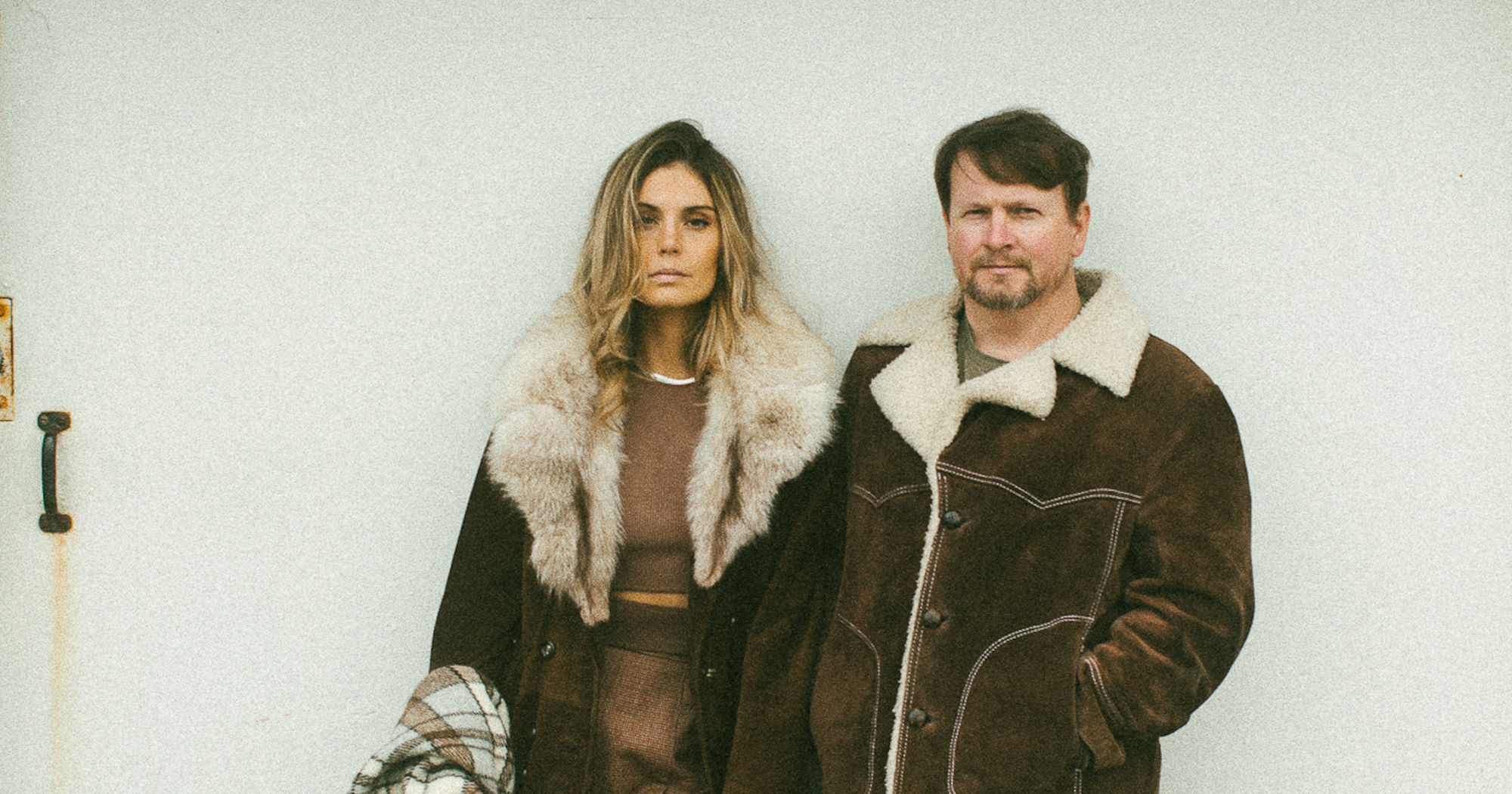
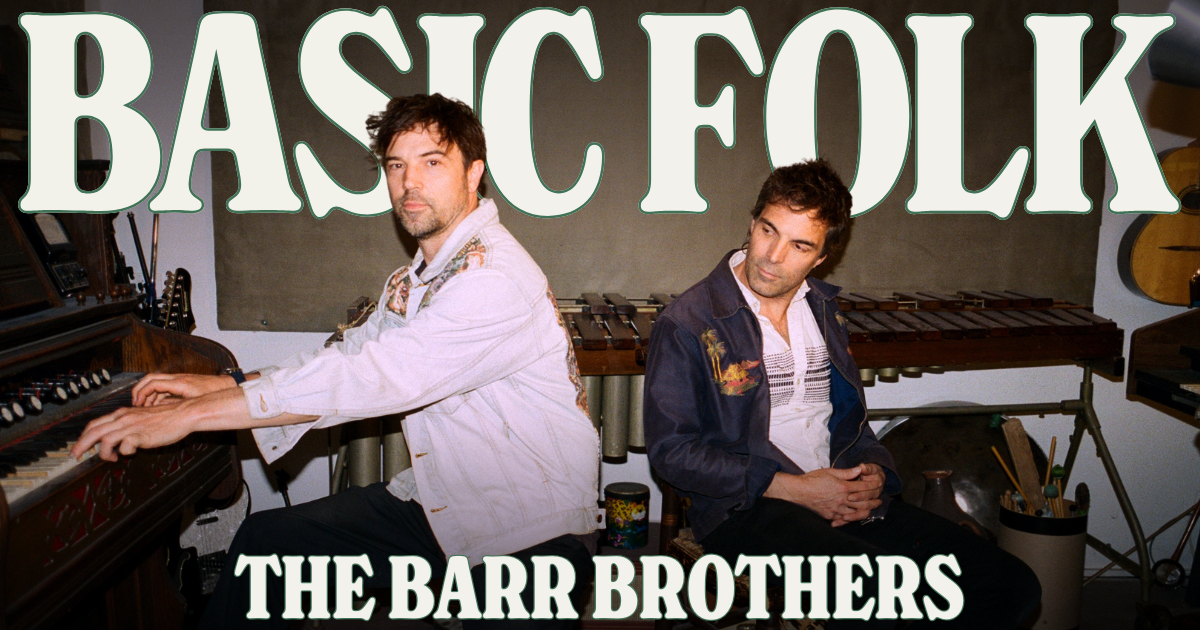
In the eight years since The Barr Brothers last released an album, Andrew has been drumming with people like Feist, Mumford & Sons, and Broken Social Scene while Brad released a solo record and underwent incredible personal change. Brad made the huge decision to get sober, which he talks about candidly in our Basic Folk interview.
Anything you read about the new record, Let it Hiss, might allude to his newfound sobriety while not mentioning it directly. The band made a conscious decision not to include it in any press releases specifically so that their audience could have their own relationship with the new music. It seems like getting sober has impacted every aspect of the album, but one could listen and project just about any personal pivotal shift onto these songs. Regardless, I am so appreciative that Brad opened up about his sobriety, so we could better understand the music and the incredible relationship that he and Andrew share.
Elsewhere in our conversation, we talk about Brad’s deep connection to the number 216, its origin, and why he’s kept that number close to him for most of his life. He shares his reflections on the music lessons given to him and Andrew from visiting Malian musicians, who exchanged their services for free dental work from their father. Those lessons completely changed the musical trajectory of the brothers and still impact them today. We also talk about their former band, The Slip (who are actually still active every now and again), a much-loved Boston group that was fully embraced in the jam band world. I find the music of Andrew and Brad Barr to be completely transformative and not of this world – and I’m so grateful for the new record. Please go see them live, especially if you are into celestial experiences!
Photo Credits: Lead image by Sarah Melvin. Alternate images by Meghan Sepe and Pappy’s Portraits.
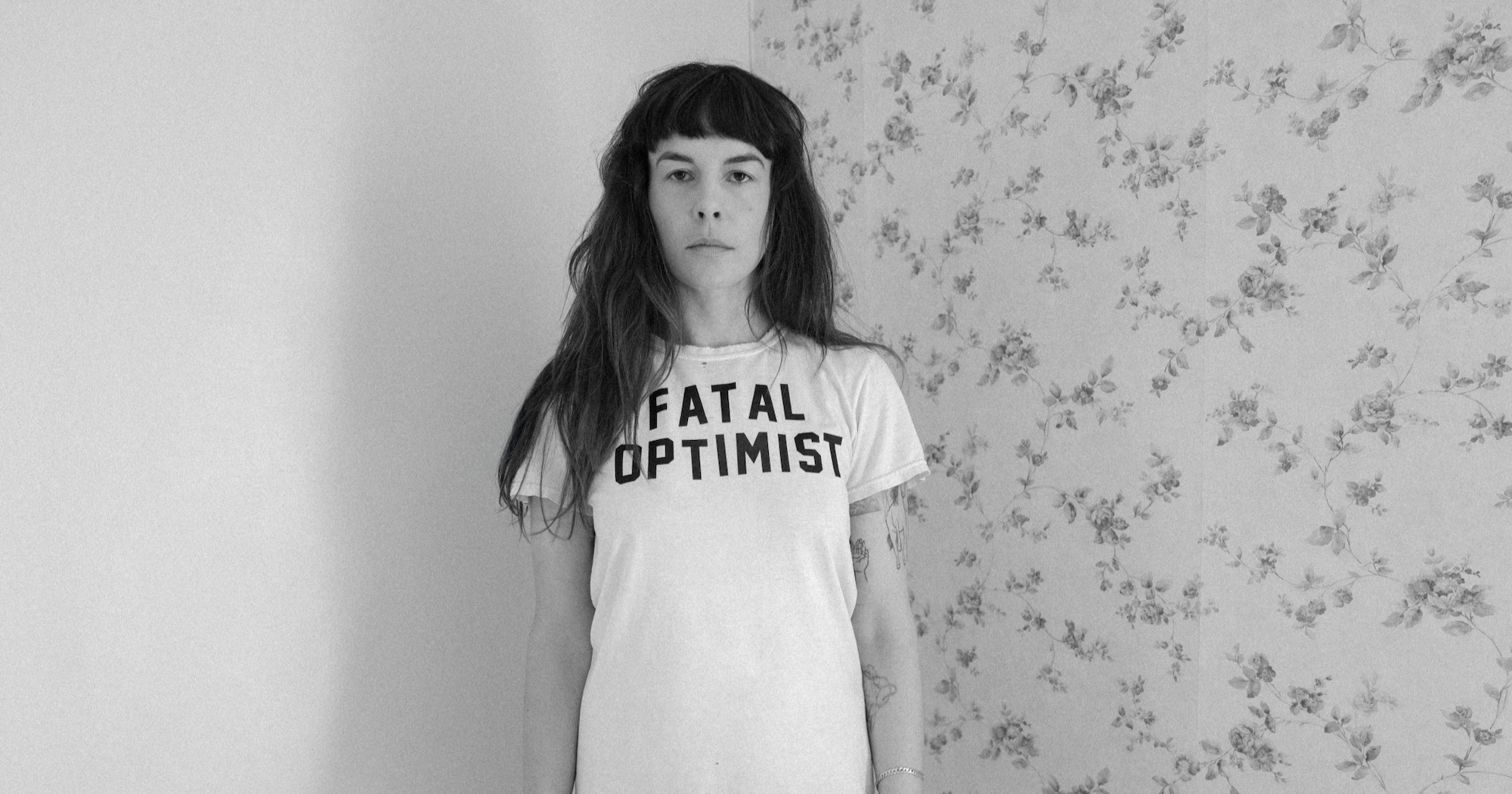
Hitting play on singer-songwriter Madi Diaz’s latest album, Fatal Optimist, one wouldn’t automatically identify her close-to-the-mic, chunky strums and anxious, confident vocals as “metal.” But keep listening and trust.
Fatal Optimist is heavy on numerous elements of metal – fantasy, humor, darkness, anger. For much of its runtime, it feels like the inside of a clenched fist, slowly but surely letting go. With songs that are, this time, centered around her solo voice and acoustic guitar, Diaz turns her liminal songwriting further inward than ever. This is saying a lot for an artist who’s no stranger to personal narrative. While her prior album, 2023’s Weird Faith, brushed up against hopeful optimism, this follow-up proves that earned optimism is perhaps the better version.
After all, Diaz chose to open the disc with the wordplay stunner “Hope Less,” a stiff shot of reality that reorients us to a heart at least as full of darkness as light. If the LP’s vibe is “clenched fist,” its songs play like spokes in a wheel rolling us toward the jubilant title track – a progression Diaz admitted in our recent BGS interview was equal parts intentional and inevitable.
This album starts out very quiet. It feels very close and very intimate, then it slowly opens up. Was that the intentional vibe and arc of the album for you?
Madi Diaz: It definitely ended up being a much more lean-in [kind of] record. The further I got down the road, the more it felt very obvious that was just what the song content needed. It’s kind of heavy stuff, I think. It was a lot of mining of the self, which I did a lot privately. So I felt like I wanted the songs to match that [vibe], in the end.
I was listening to it this morning, thinking about your song “Everything Almost” from the last record. Like, how optimistic and full of hope that song is and then this album starts off with a line like “hope less.” Obviously, when you’re writing about personal events in your own life, it’s easy to see connection in the rearview. But I’m wondering if there’s something more to what feels, to me, like a connection between that song and this project.
That’s funny. I was just talking about this. I do feel like a lot of the songs in the last record … are about following that gut intuition. That gut feeling. So a lot of the songs on Weird Faith are absolutely going like, “I think this is it. I think this is gonna work. I think we’re really gonna get there.”
There was a really funny moment I had recently. I was practicing for this tour and putting [together] the set list. I wrote this song called “This Is How a Woman Leaves” for my friend Maren Morris, her last record that she put out [Dreamsicle, 2025]. I am planning on releasing a version … at some point down the road a little bit. But I was practicing “Everything Almost” and then I wanted to go into “This Is How” because in “Everything Almost,” I’m packing the boxes and moving in. In “This Is How” I’m fucking moving out.
Like, “How it started, how it’s going.”
It’s the “fuck around and find out” journey right there, in a nutshell.
Nice. I was reading that you went to an island when you were writing the album. Can I ask what island you went to? And did you know that’s what you were going to do when you started your trip to that island, planning, like, “I’m gonna get it together.” Or was it just kind of like how life happens?
There were, actually, many islands. Physically, mentally. … I started off coming off of this European tour. We finished this tour in Italy, so I went to an island off the coast of Italy and was there by myself. I did a lot of journaling and walking – so much walking. I’m a big processor by walking and talking, so I would kind of record myself as I was processing things out loud. I really wanted to be in a space where I felt safe to do that. It felt like the safest thing was to just take myself away from everybody, so as to not barrage people with [my feelings].
I started off in Ischia and then I ended up, really wonderfully, being asked to be a part of this [songwriters’] colony in Nantucket. So I did that. I ended up going to Long Island with my dad, to Noyack, and just [did] a lot of journaling there.
Also, [I was] feeling very much like I couldn’t tell whether I was the island or the island was the island. It was just this very unescapable lonerism. Solo mission, you know. Like in a spacesuit, kind of feeling. I just couldn’t shake it, so I just took it with me everywhere I went.
Can you talk a little bit about the process of songwriting? Your songs are so personal, almost uncomfortably so. I wonder if that’s the result of writing in an actual journal on paper and if that’s a different kind of creative experience for you than voice memos on your phone, which so many people do now instead of journaling.
I definitely rely on journaling still. A lot. Sometimes, if I’m in a pinch, I’ll text myself an idea. Or, I have [the] Notes app open. A lot of Fatal Optimist was pulled from about a year’s worth of pretty serious journaling and going back over certain words that kind of stuck out. I love journaling. I think it’s like a life scrapbook, you know? There’s a funny thing that happens. Sometimes I’ll open a journal and I don’t even know what year it’s from, because some of the issues [are] so consistent. … But it’s kind of like a sweet reminder, of survival, I guess.
Totally. Do you remember writing the couplet at the beginning of “Lone Wolf”? “Lamb’s gotta lamb, god planned it/ Wolf’s gotta wolf, goddamn it.” It’s such a perfect little song, but it doesn’t feel trope-y. It feels, really, like a strike of inspiration.
Well, I remember it was dead of winter. I was sitting on my couch with Stephen Wilson Jr. and I was going through my journal. I was talking about what was on my heart that felt so difficult, about reaching this person who chose to be a loner. I mean, he literally said to me, “I’m a loner. I’m a lone wolf kind of guy.” And I [thought,] “You just said that. That’s ridiculous.” Like, have you not seen the Pee-wee Herman movie where he’s like, “I’m a loner, Dottie. A rebel!”
But it was this thing, you know, that I almost didn’t take seriously, because it was such a crazy thing to say. And I should have [believed him], obviously, because here we are. I was talking to Stephen about it and we were laughing about this wolf character and the lines just fell out. In the aftermath of it, it’s funny.
You know, when you push somebody that wants to be alone away, they tend to want to be less alone. They feel very confronted. I mean, I’ve been there. All of a sudden, you’re confronted with your loneliness and wishing that you actually had that connection. So, when I pushed him away initially, he would just kind of show up and stick around. I really wanted him to leave me alone. Damn it. “Goddamn it” definitely came from that.
The lyric on that song is so simple. You don’t go into a lot of poetry, you don’t go into a lot of storytelling. The wolf keeps showing back up, looking good, trying to get back in. Can you talk a little bit about trusting yourself to keep it so simple? Does that come from editing or did it just feel like that’s what the song was?
I try to say it in a way like we were just talking about it sitting in the bar. I’m trying to not be misunderstood. I’m trying not to feel misunderstood even to myself. So I think I try to keep it clear and cutting, and [the way] it comes out. If it’s possible to get even closer to it, I’ll edit, but I don’t really edit a lot.
Oh wow. So it just comes out that way. That’s impressive.
Sometimes it does just come out that way. Not all the time, but sometimes it mostly does.
The other line on this album that I really wanted to unpack is in “Heavy Metal.” The line is, “In some religions, repetition is spiritual.” I wanted to unpack it a little bit, because music is often a place where people will repeat words or phrases, for a whole bunch of reasons.
But that line made me really listen to the words and phrases you were repeating elsewhere on this album: “Whose move is it to move on.” “I always love you.” “God knows how long.” “Ambivalence.” Can you tell me a little bit about how you decide what to repeat? Is it a conscious choice or just part of the process?
I think when I’m repeating something, it’s because it feels different on every lap. I’ll repeat something when the feeling is lingering in a way that– maybe if I say it enough, some magic spell will break and I’ll be released by this thing. Sometimes I feel like the repetition of it comes from a bit of a desperate [place] like, “Just get it out of me.” Maybe if I do this ten times, I’ll never have to do this ever again, which is why the [line,] “In some religions, repetition is spiritual.” …
You’re always going to carry it with you. You can learn how to hold this. I can learn how to learn from it differently every time, you know.
I guess that’s why repeating “ambivalence” is really interesting to me, because it seems like repeating that particular word is a contradiction.
I guess that’s true. Ambivalence means “caught in the middle.” Feeling in so many different directions. For me, ambivalence feels like a very desperate feeling. It almost feels like it should come with a bit of an alarm bell. Like, “Oh God. I’m feeling all of the feelings at the same time and I don’t know which one to choose.”
That makes sense. The other thing in the song “Heavy Metal” – I wanted to ask about your mom. I feel like you have mentioned your parents in other songs on other albums. But this made me wonder about your relationship with your parents. Somehow, I don’t think people talk about their parents much in music. I can’t figure out why. Do you have any thoughts on that?
I think it’s scary. It’s so scary. When I know a song is about me, I definitely tend to listen with a microscope. No one is trying to hurt anyone, but we’re all really trying our best to process love, pain, joy. I don’t know. Our effect on each other. What’s mine, what’s yours. So yeah, it’s not an easy thing to write about. …
I feel like I’ve felt the most loved and I’ve felt the most hurt by both of my parents. I think that that’s pretty normal. Or maybe not? Maybe it’s not normal.
I think it’s pretty universal.
It always kind of ends up that way. The people closest to you hurt you the most, which is why you really have to trust the people closest to you. So that when they do hurt you, you can [heal].
I think “Heavy Metal” felt right to start you talking about my mom, because she’s kind of a badass and kind of a hardass. In all the best ways and all of the hardest ways. There are some things about being tough and resilient that I wouldn’t trade for the world. It helps me survive in so many corners of my life. But also, I’ve had to really undo some of the damage that being tough does. You start to weaponize that toughness against yourself and others in a way that I didn’t even know I was doing for a long time.
Then [again,] you just don’t want to piss them off because you also want to be able to go home for Thanksgiving and stuff.
Right. That’s what makes it such a metal move, you know, to comment on your mother in this way. I’m assuming she’s still alive. Has she heard the song? Does she have any feedback for you?
I haven’t heard [feedback] yet. I really don’t know. But I’m so grateful to my mom for raising me the way that she did and giving me and my brother the lives that she gave us. I feel so lucky that she’s my mom. It’s hard to have a song like this. … But that’s just fucking art, man. It’s so hard, at the end of the day. You know, we can make it as personal as it is or as just-about-me as it is.
The last thing I want to ask about is the song “Fatal Optimist,” which is sort of a sonic departure from the rest of the album even though it’s obviously very on-topic. As a listener, it feels like we just went on this long, arduous, emotional journey, and now we’re suddenly above the tree line and the drums are here and everybody’s in the room. Not to get too nerdy about sequencing and stuff, but was there any world in which that song could have been anywhere else on the album?
It would have been a nice break, wouldn’t it have been? I just couldn’t do that. I couldn’t interrupt the intensity of this record.
I do know that optimism is a soothing balm. When it hits you, it just hits you. There’s no explanation for it. And I knew that, for me, I want a reason to listen to a record again. … This whole record feels like one step after the other. It’s like my attempt at a gift or something [for] going through it. Hopefully, these [songs] can all be like little lights on the path that lead the way to this finish line of fatal optimism. Then we can run it all back again.
Photo Credit: Allister Ann
This website uses cookies to improve your experience. We'll assume you're ok with this, but you can opt-out if you wish.AcceptRejectRead More
Privacy & Cookies Policy
Privacy Overview
This website uses cookies to improve your experience while you navigate through the website. Out of these, the cookies that are categorized as necessary are stored on your browser as they are essential for the working of basic functionalities of the website. We also use third-party cookies that help us analyze and understand how you use this website. These cookies will be stored in your browser only with your consent. You also have the option to opt-out of these cookies. But opting out of some of these cookies may affect your browsing experience.
Necessary cookies are absolutely essential for the website to function properly. This category only includes cookies that ensures basic functionalities and security features of the website. These cookies do not store any personal information.
Any cookies that may not be particularly necessary for the website to function and is used specifically to collect user personal data via analytics, ads, other embedded contents are termed as non-necessary cookies. It is mandatory to procure user consent prior to running these cookies on your website.