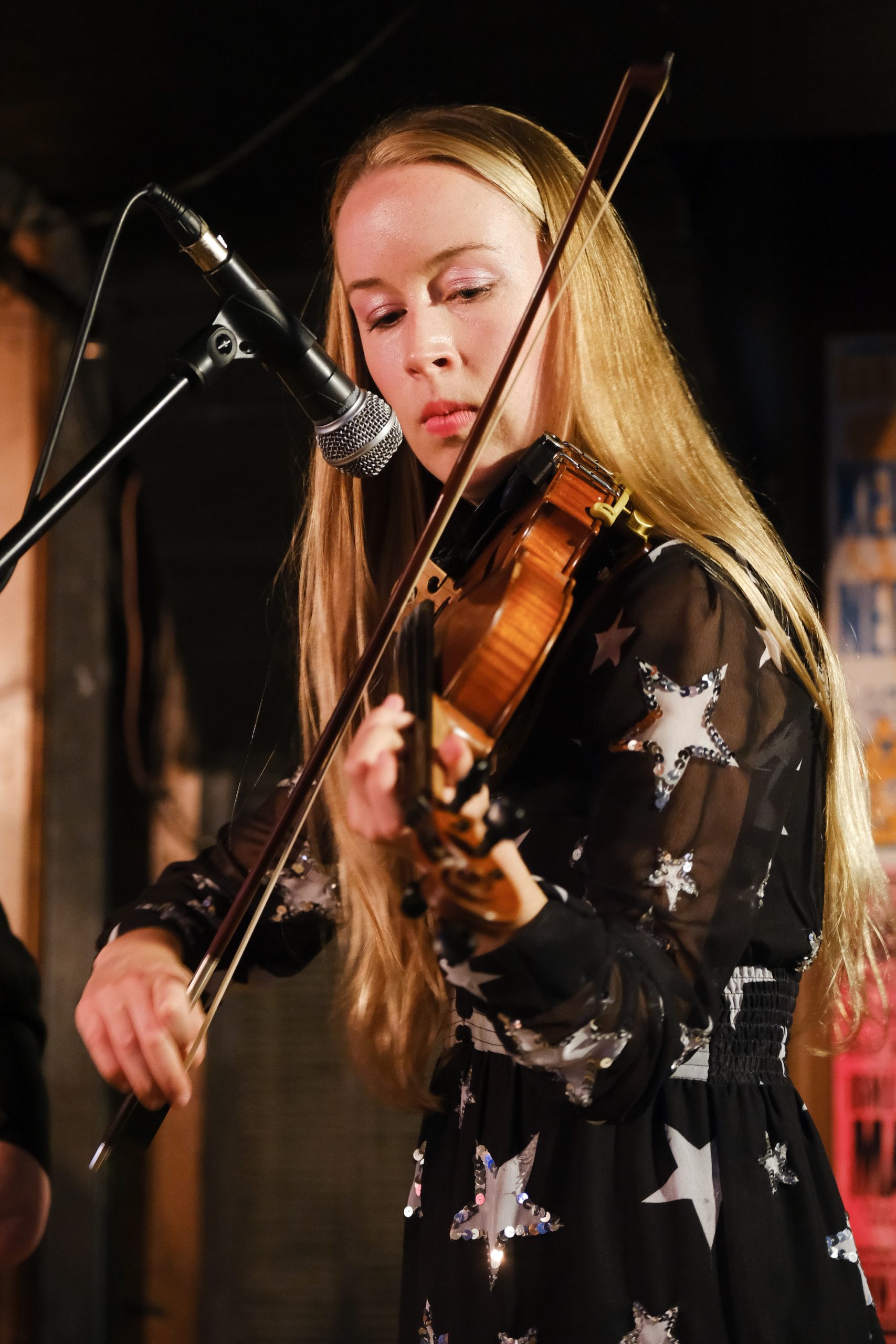
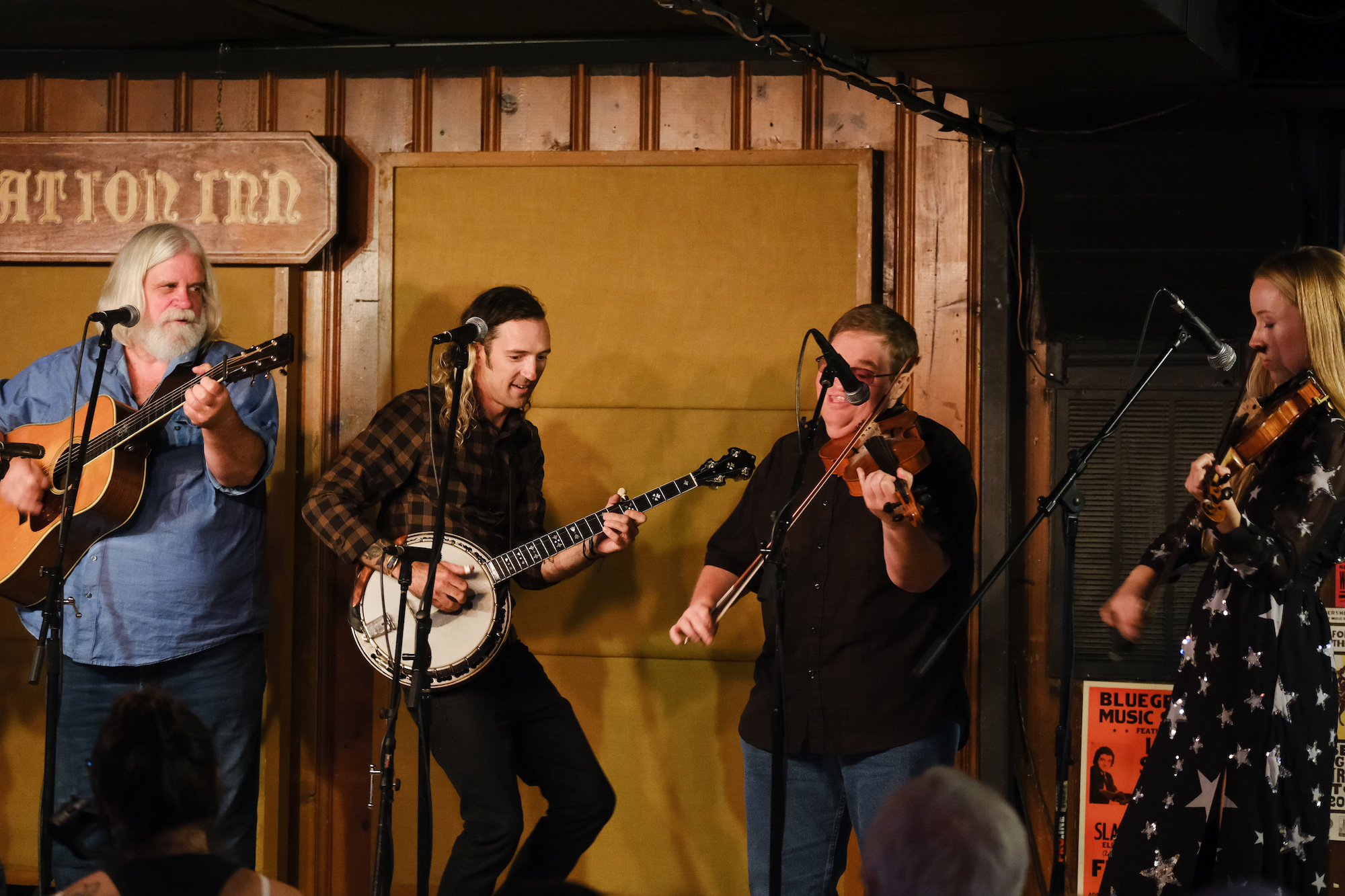
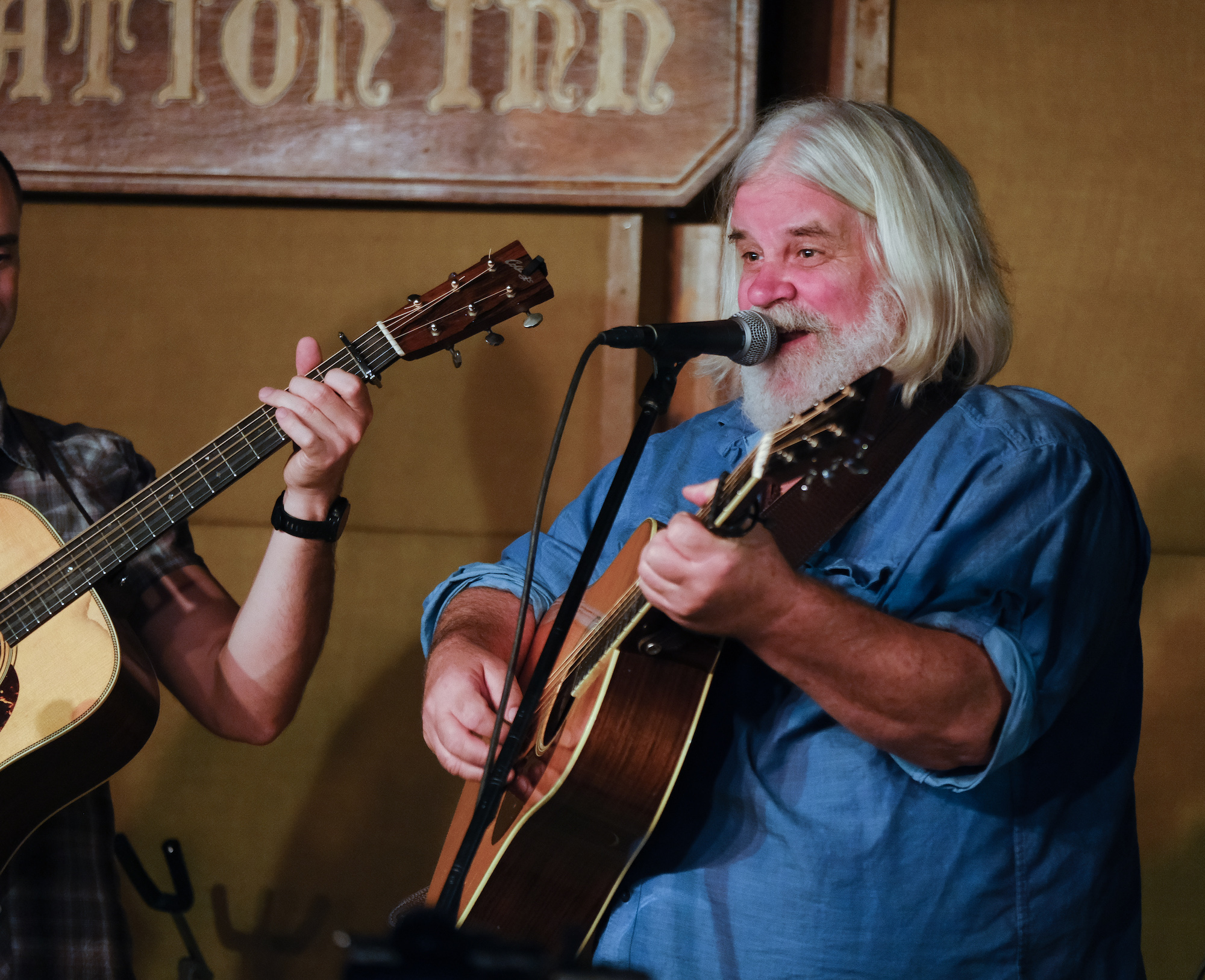
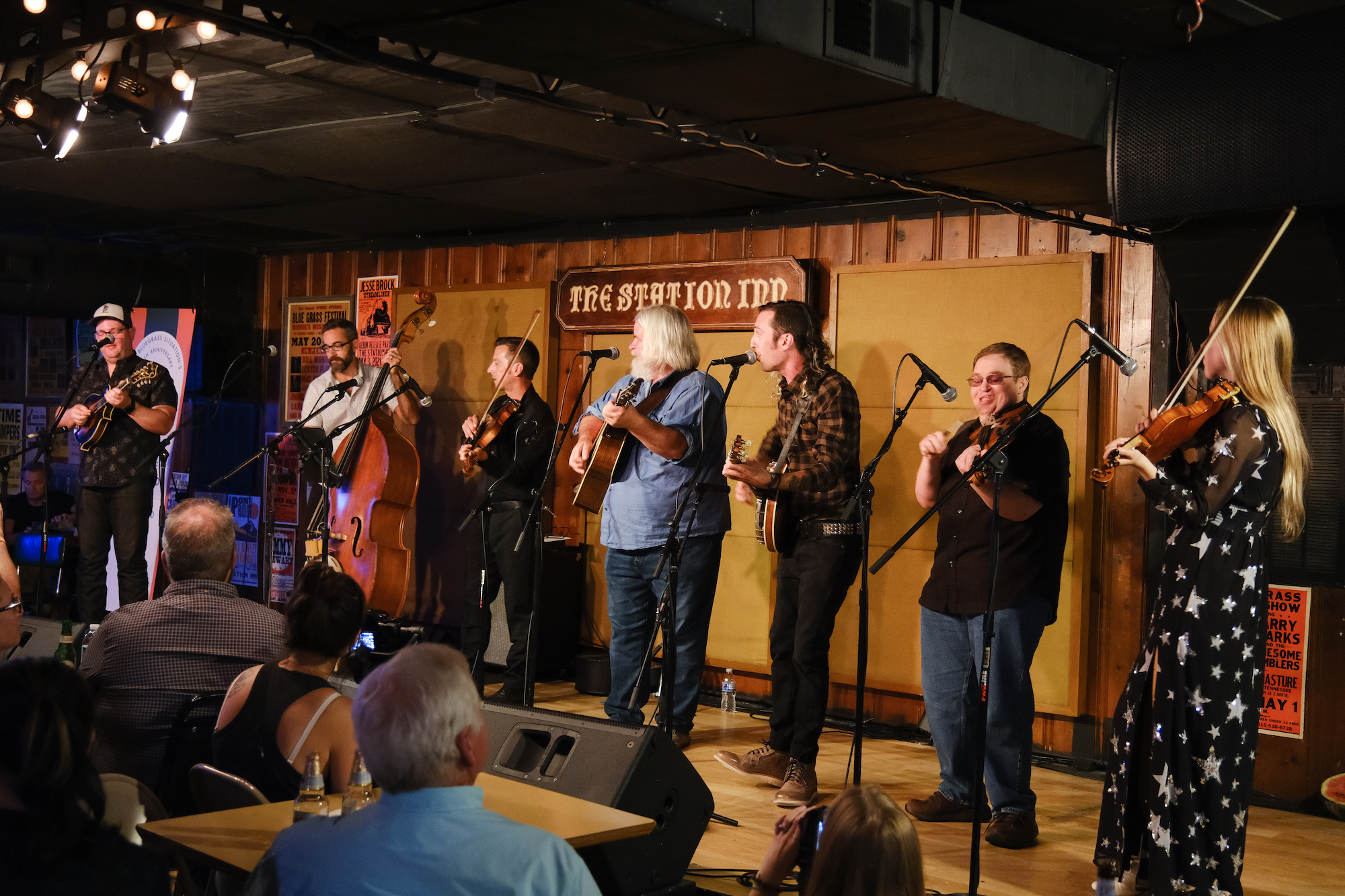
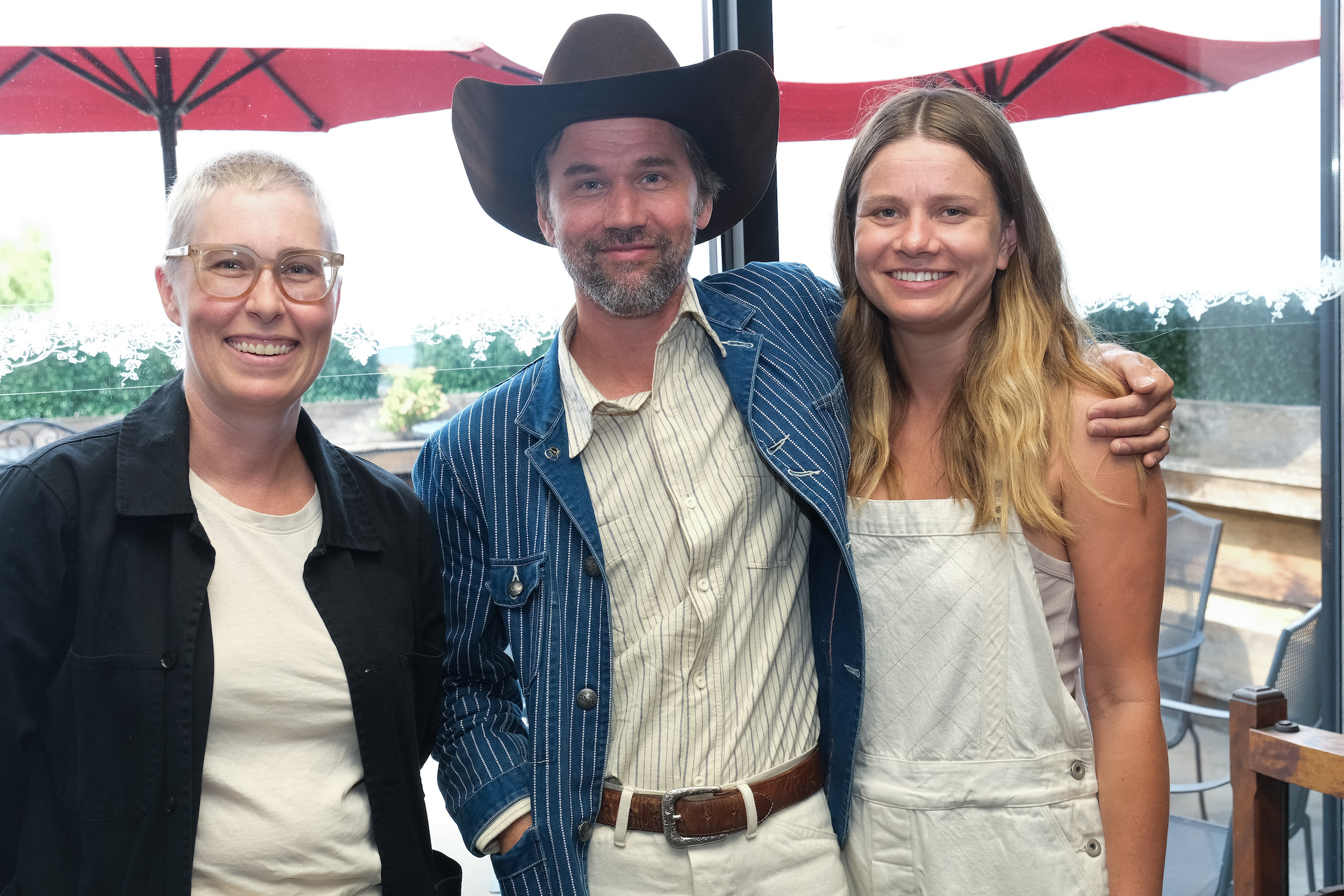
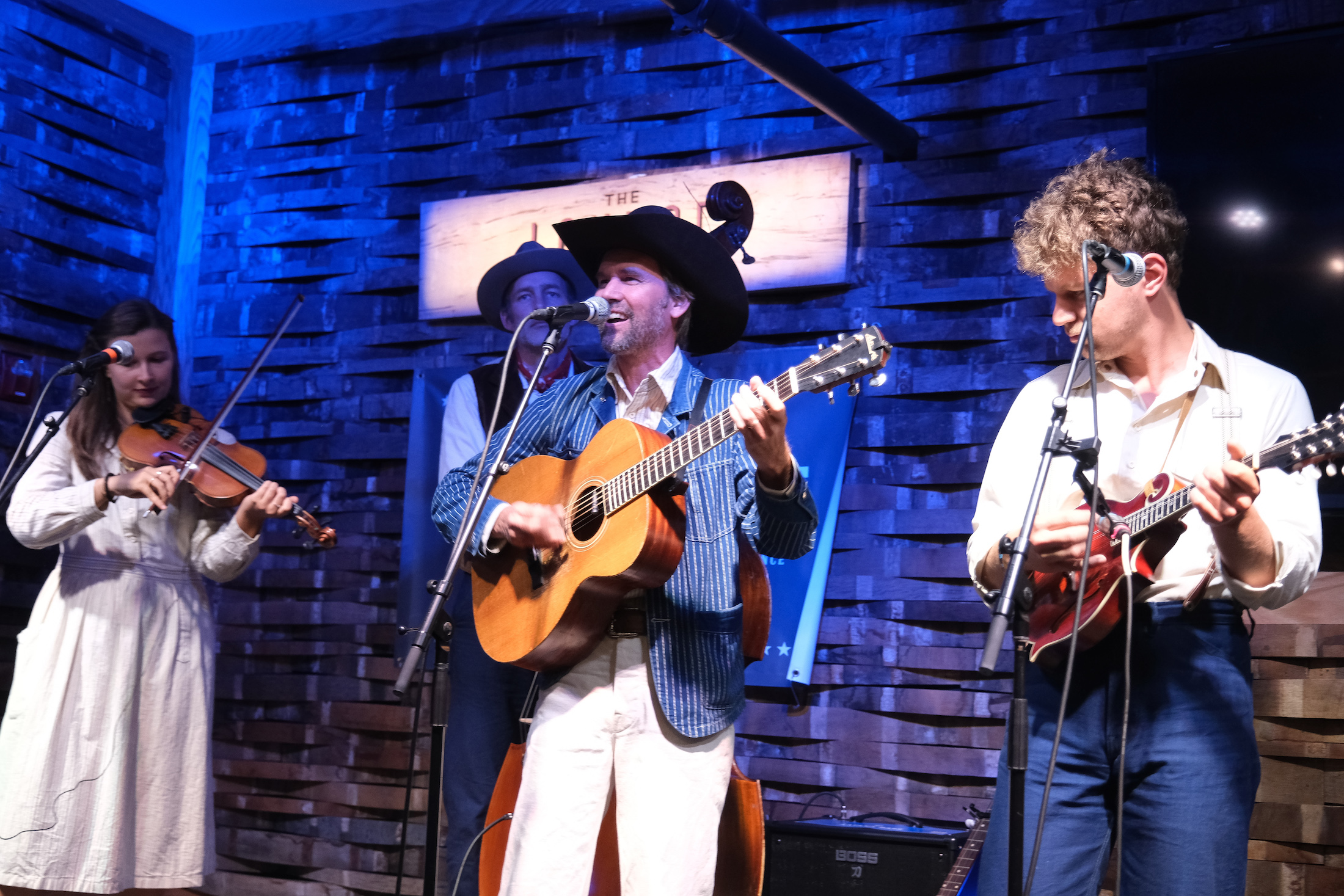
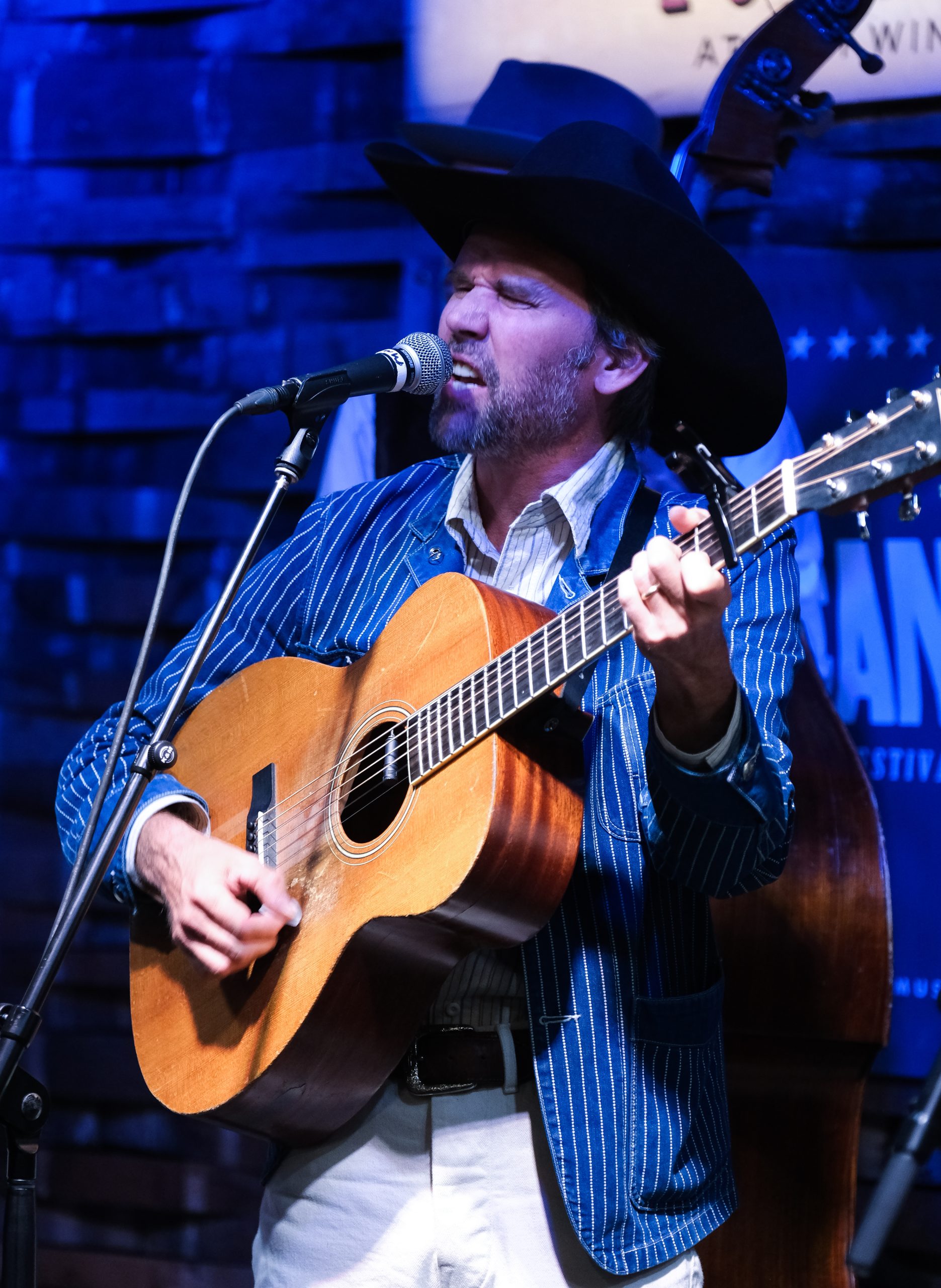
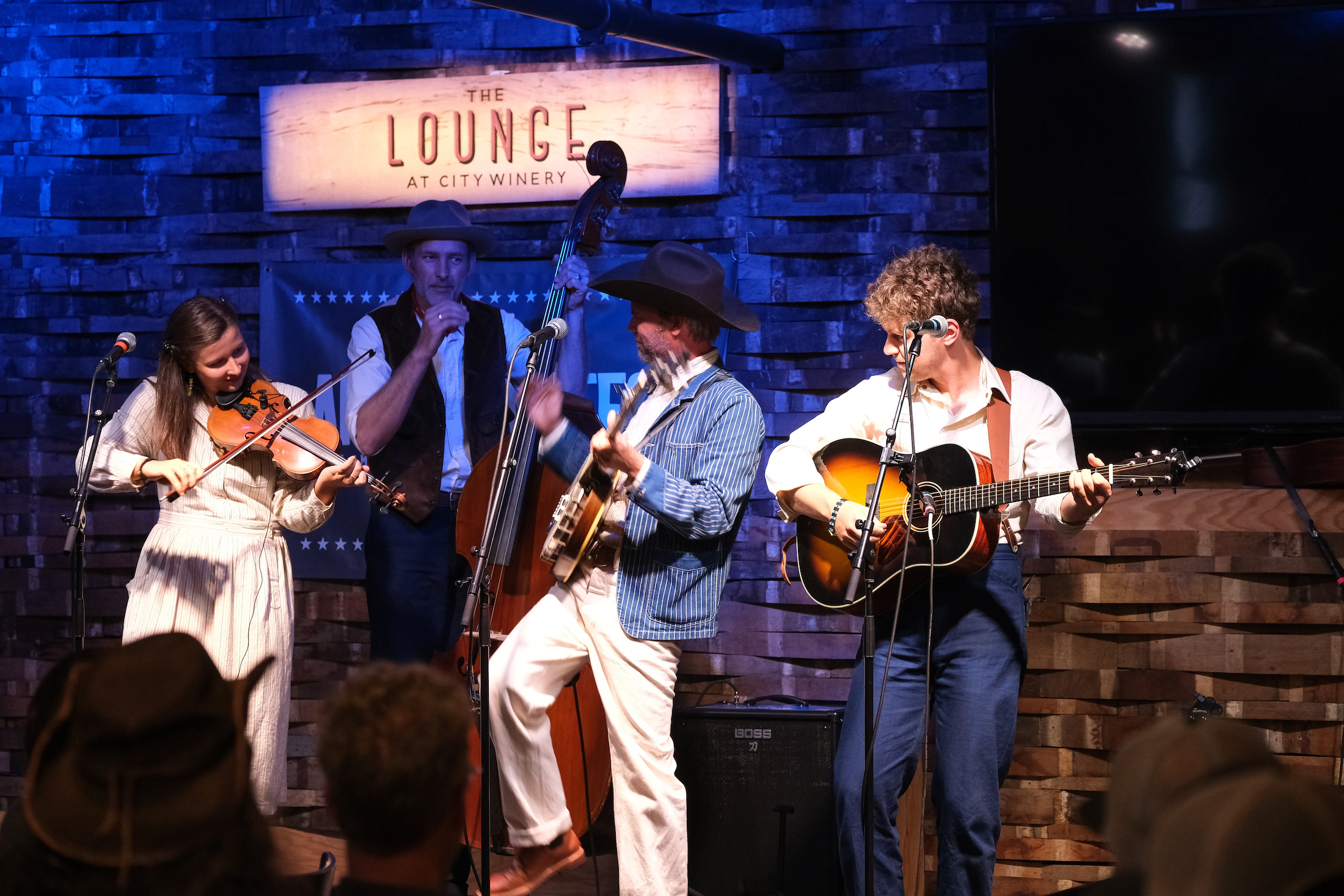
PHOTOS: Earl Scruggs Music Festival Shows Broad Influence of Earl Scruggs

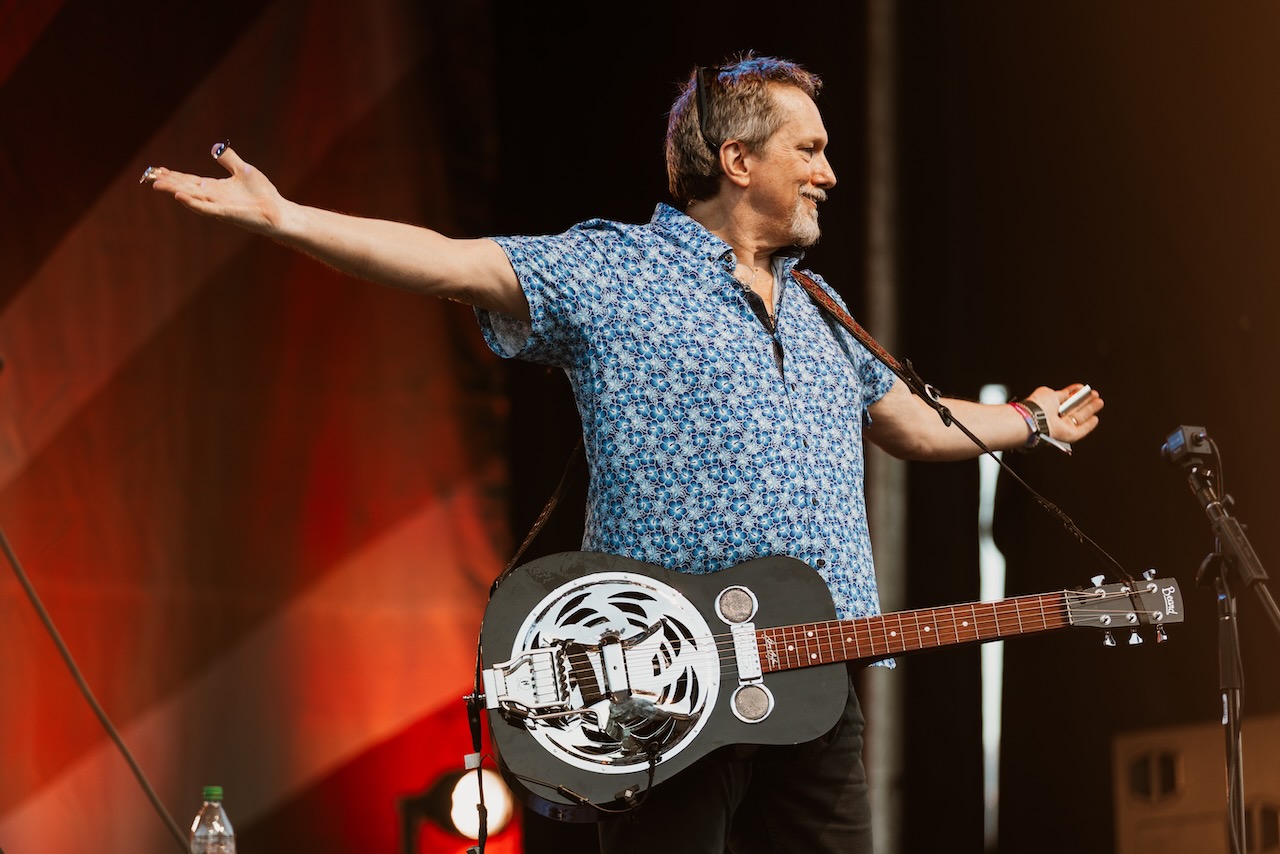
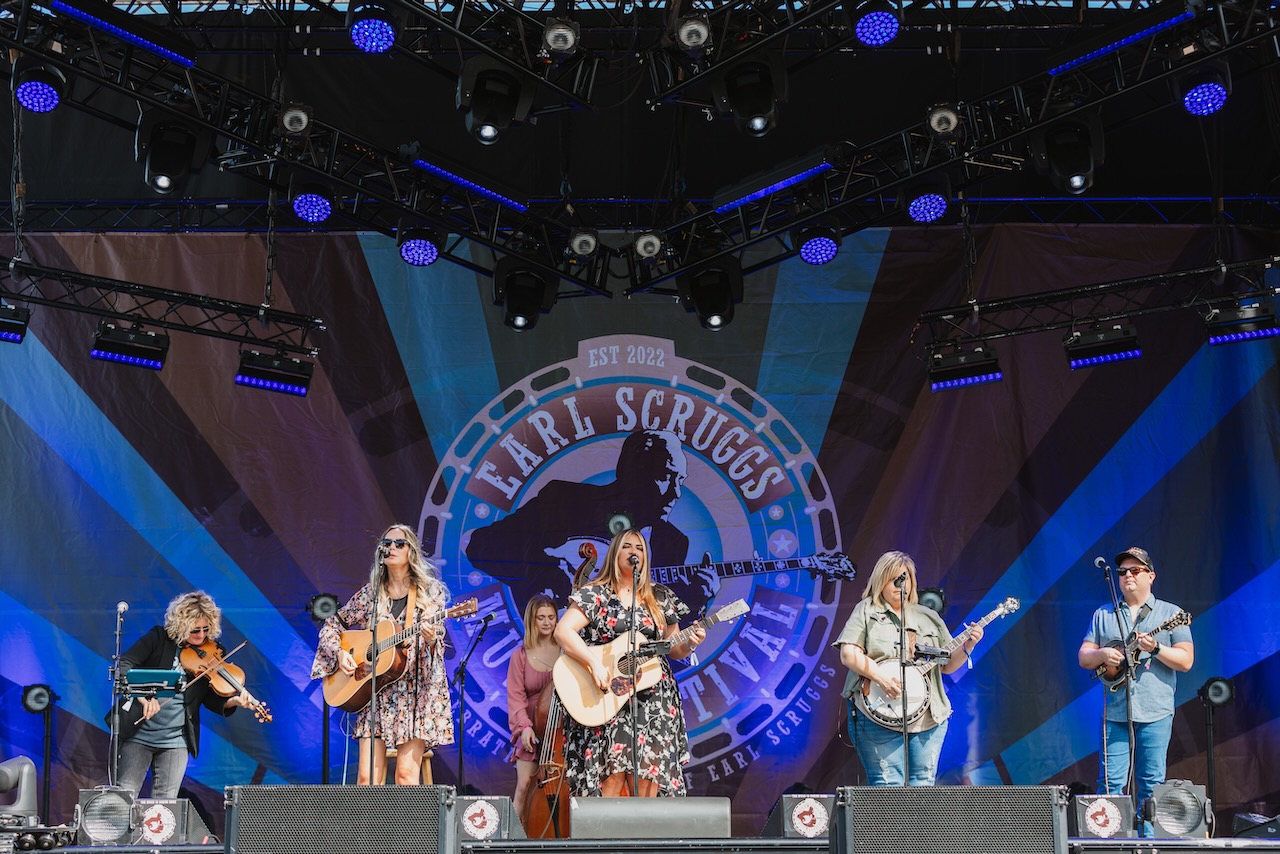
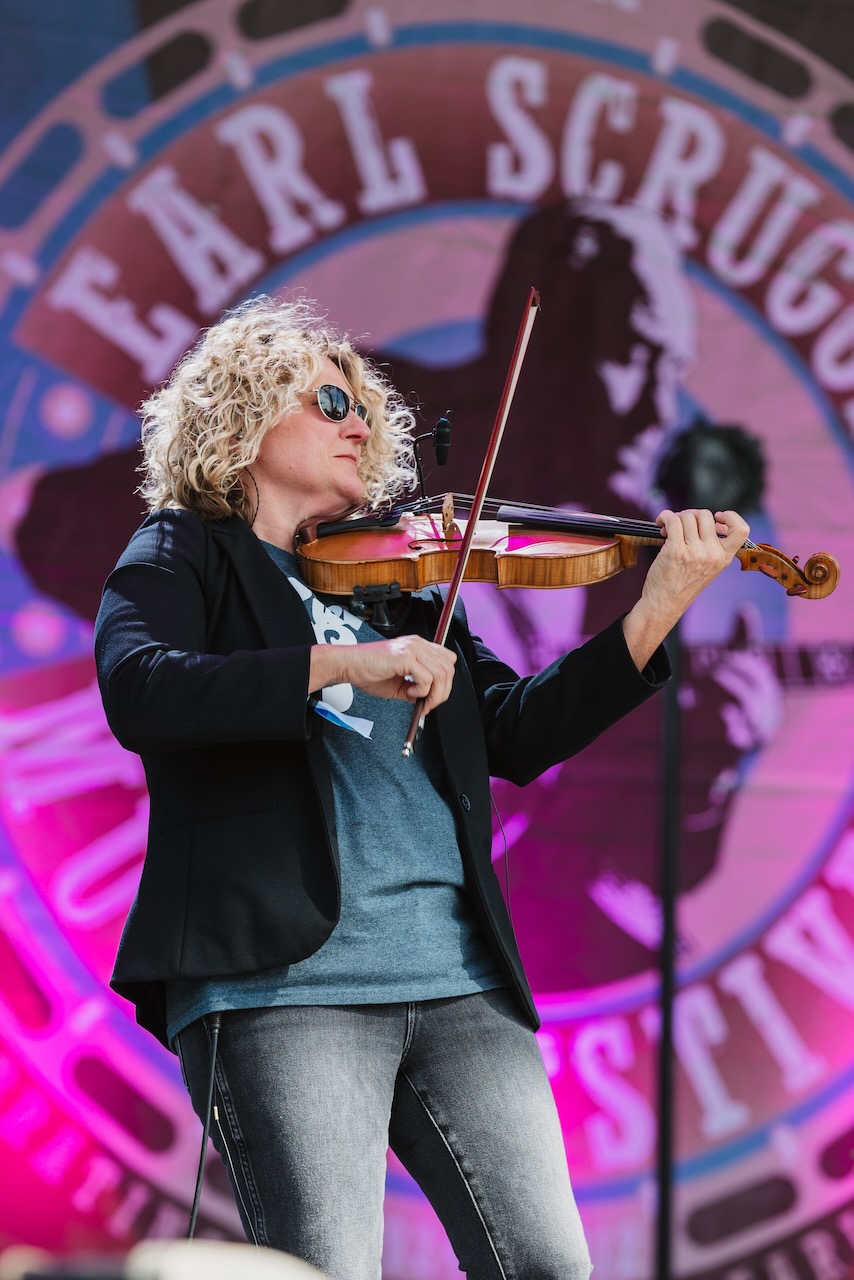
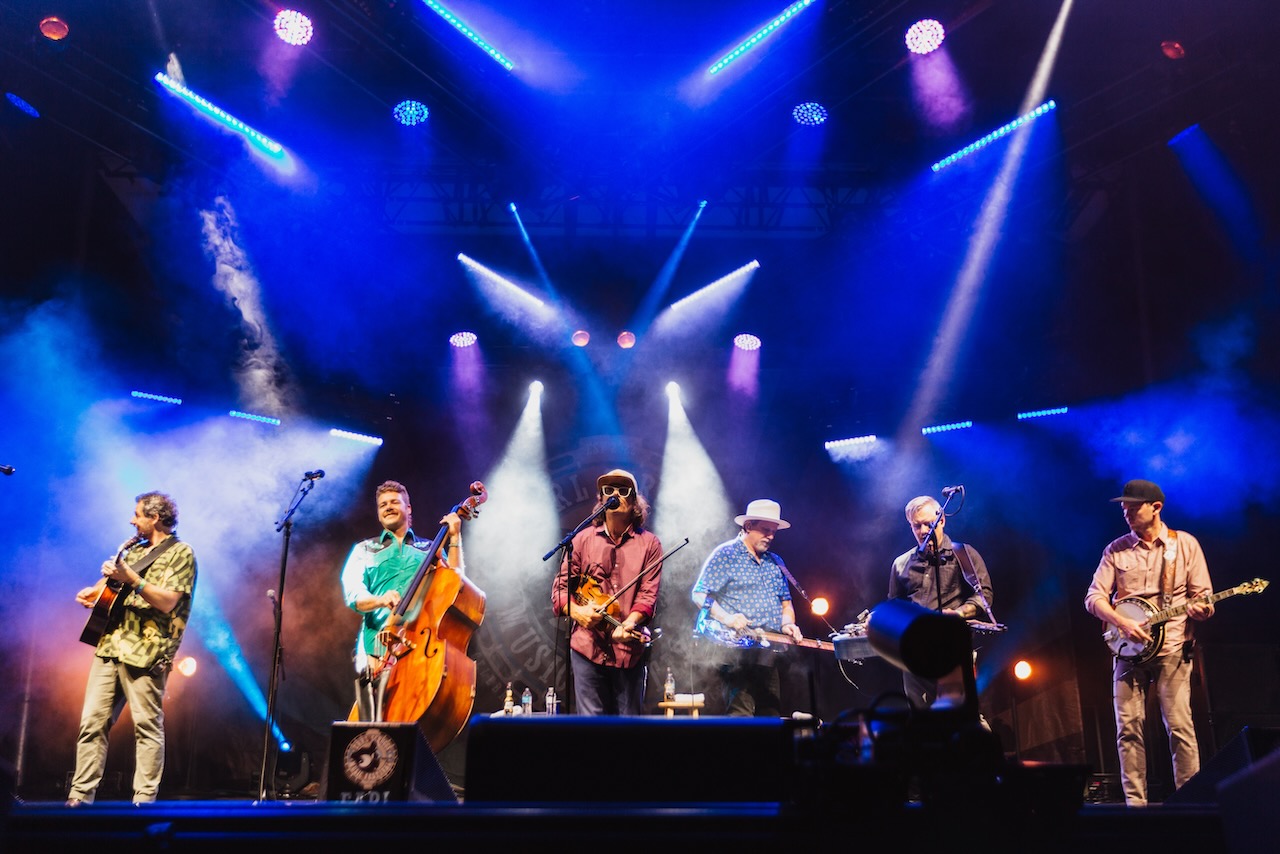
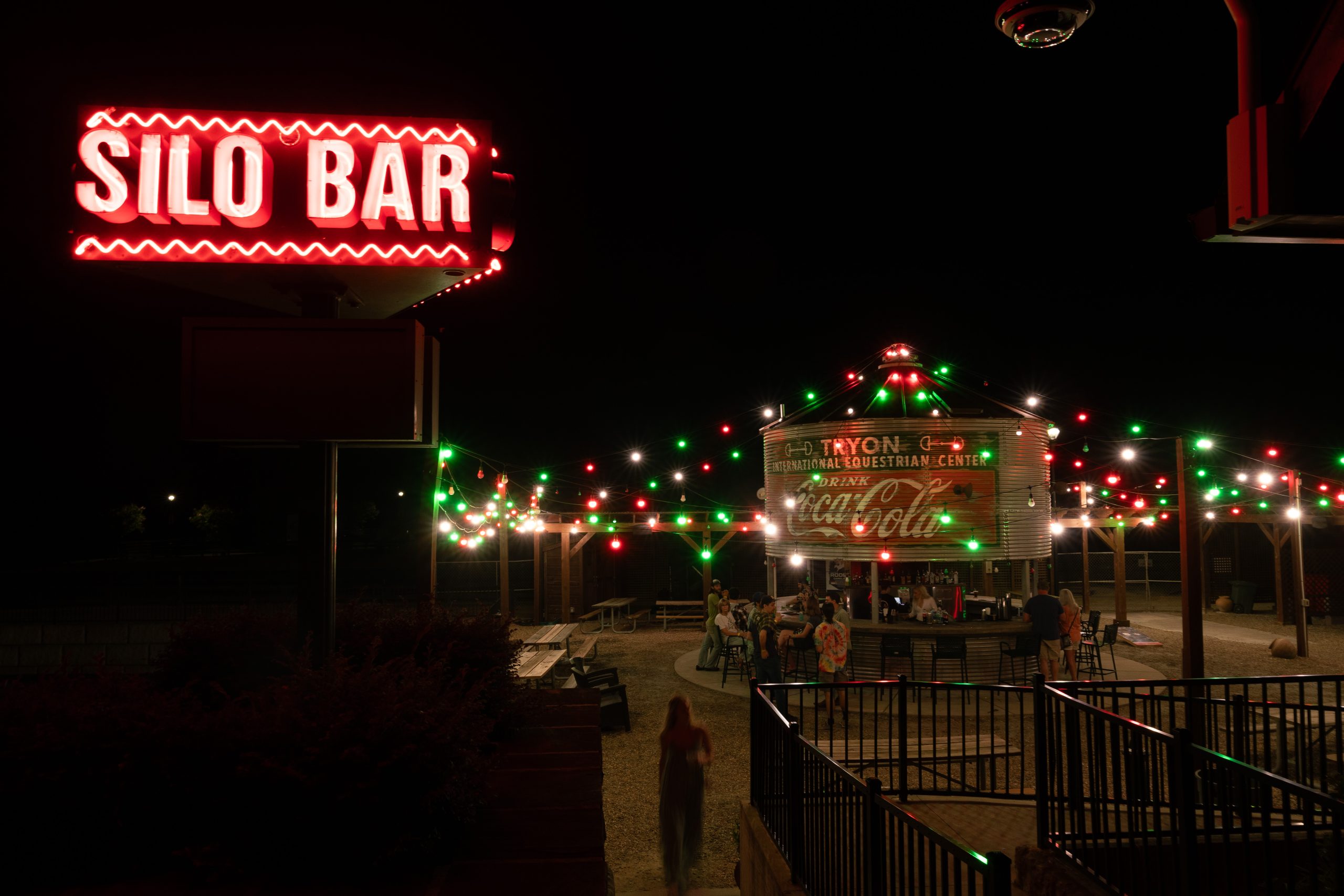
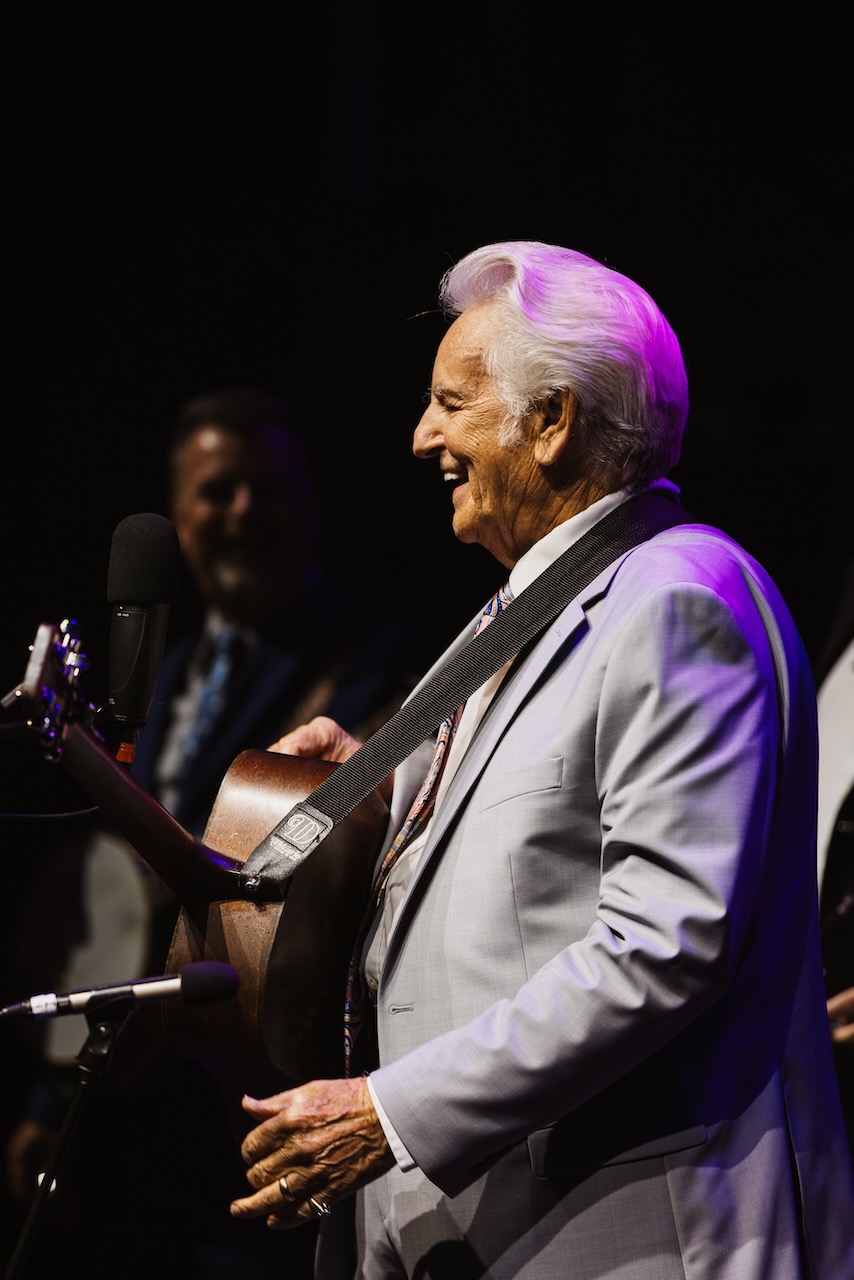
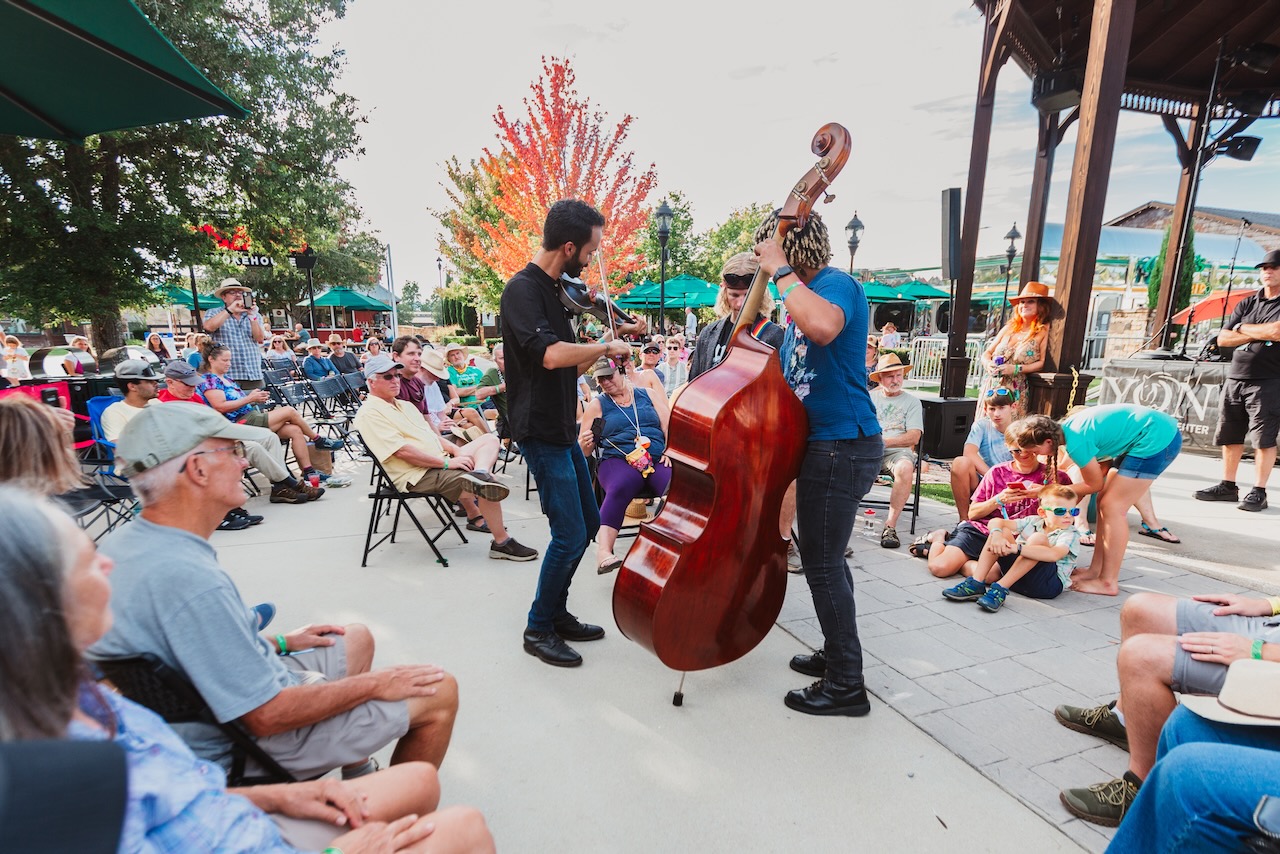
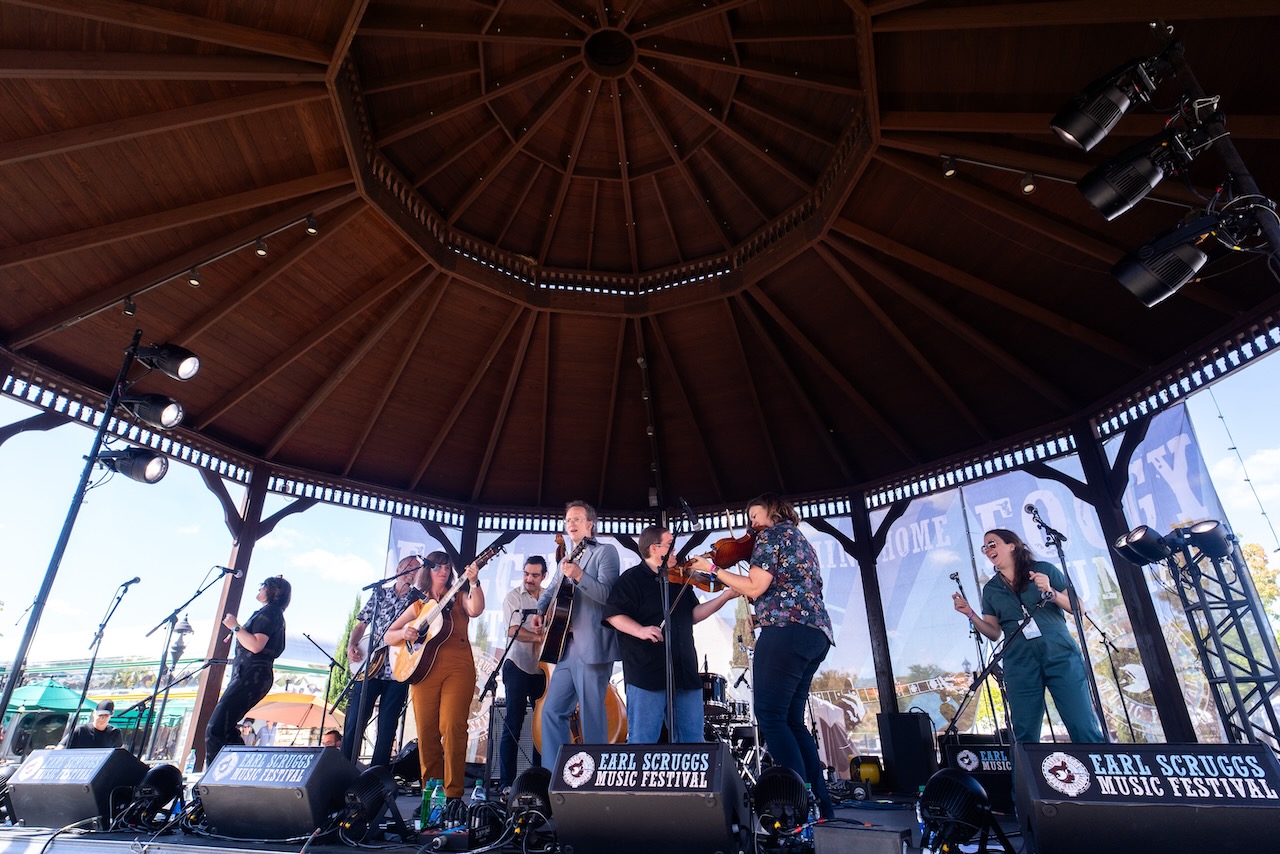
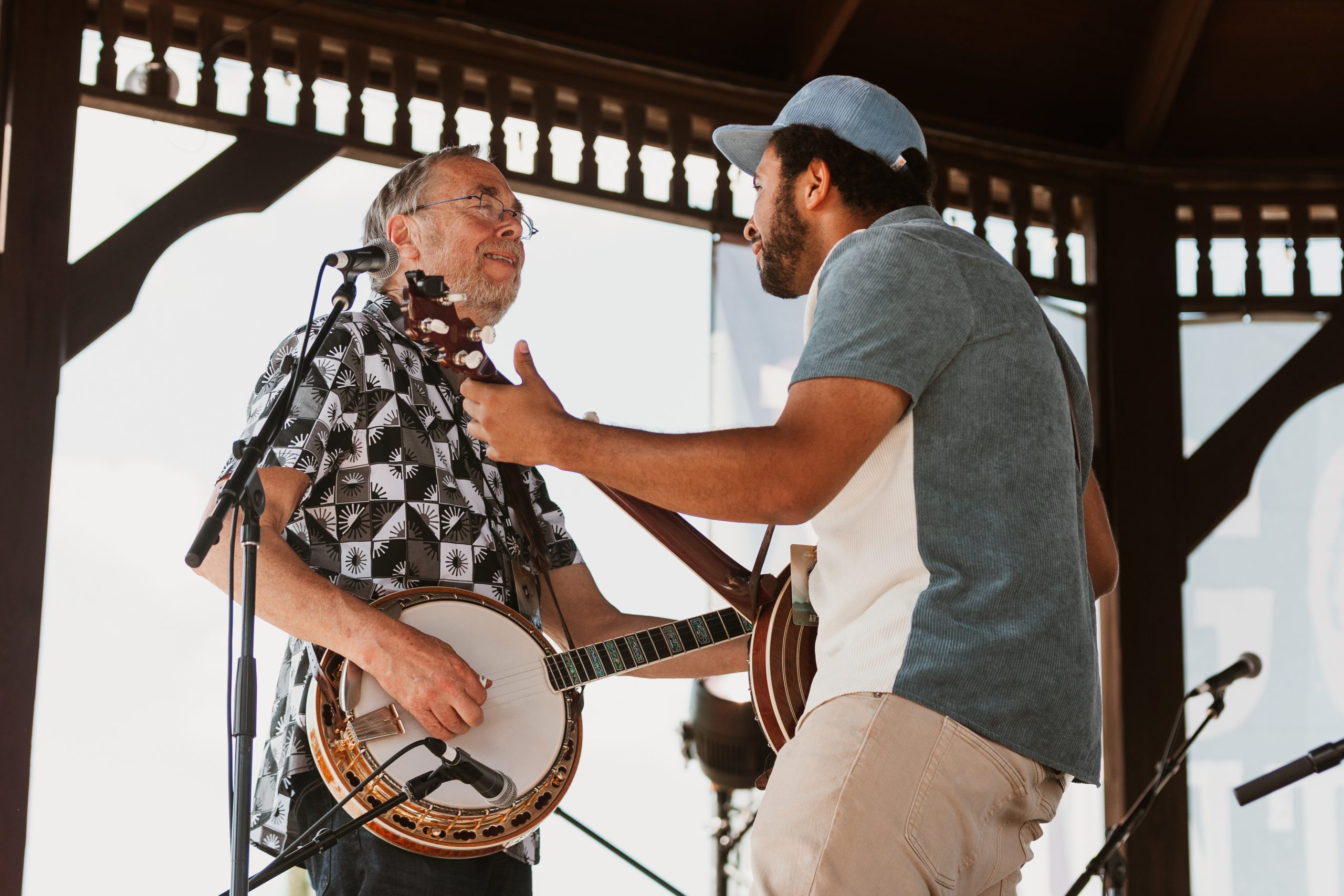
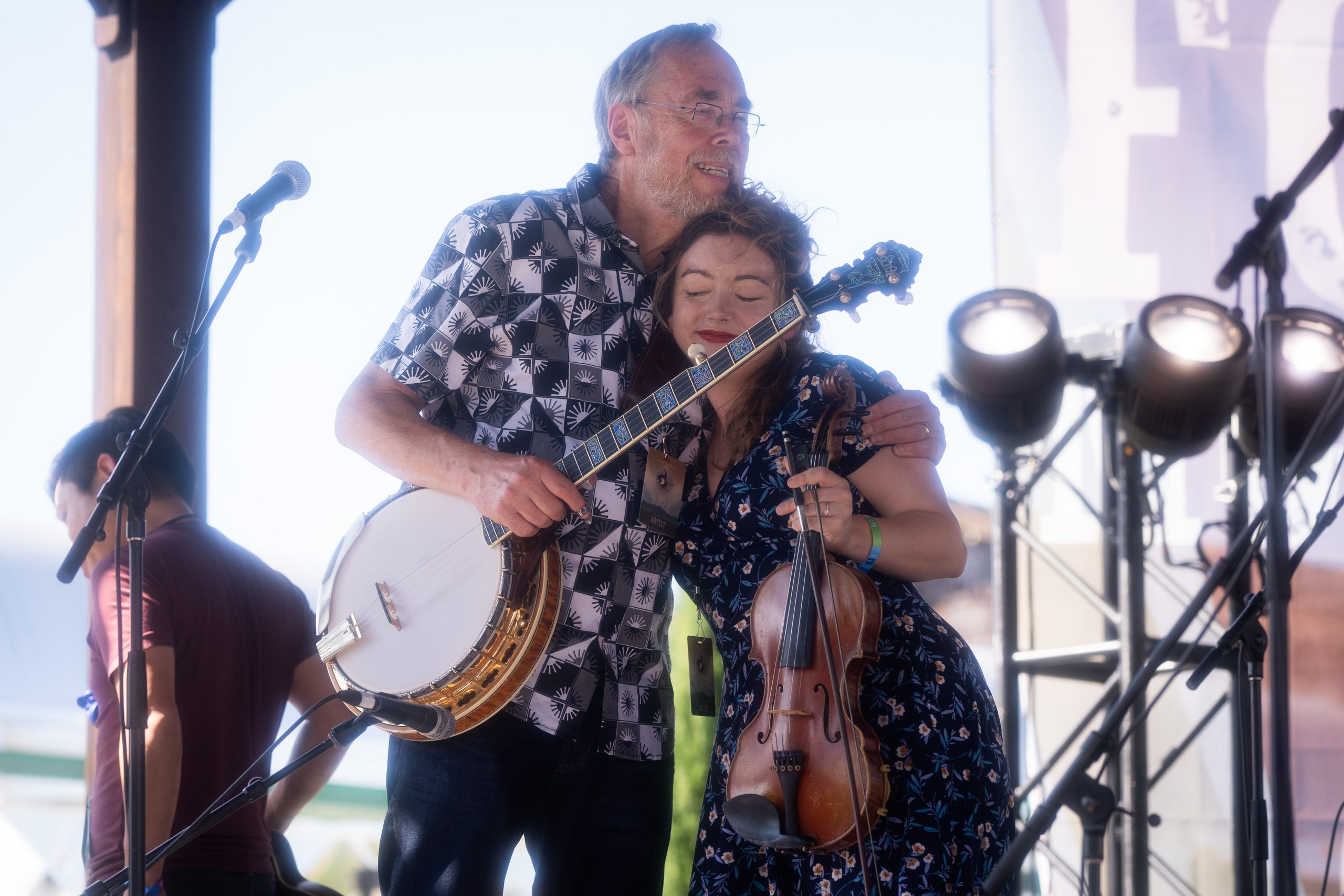
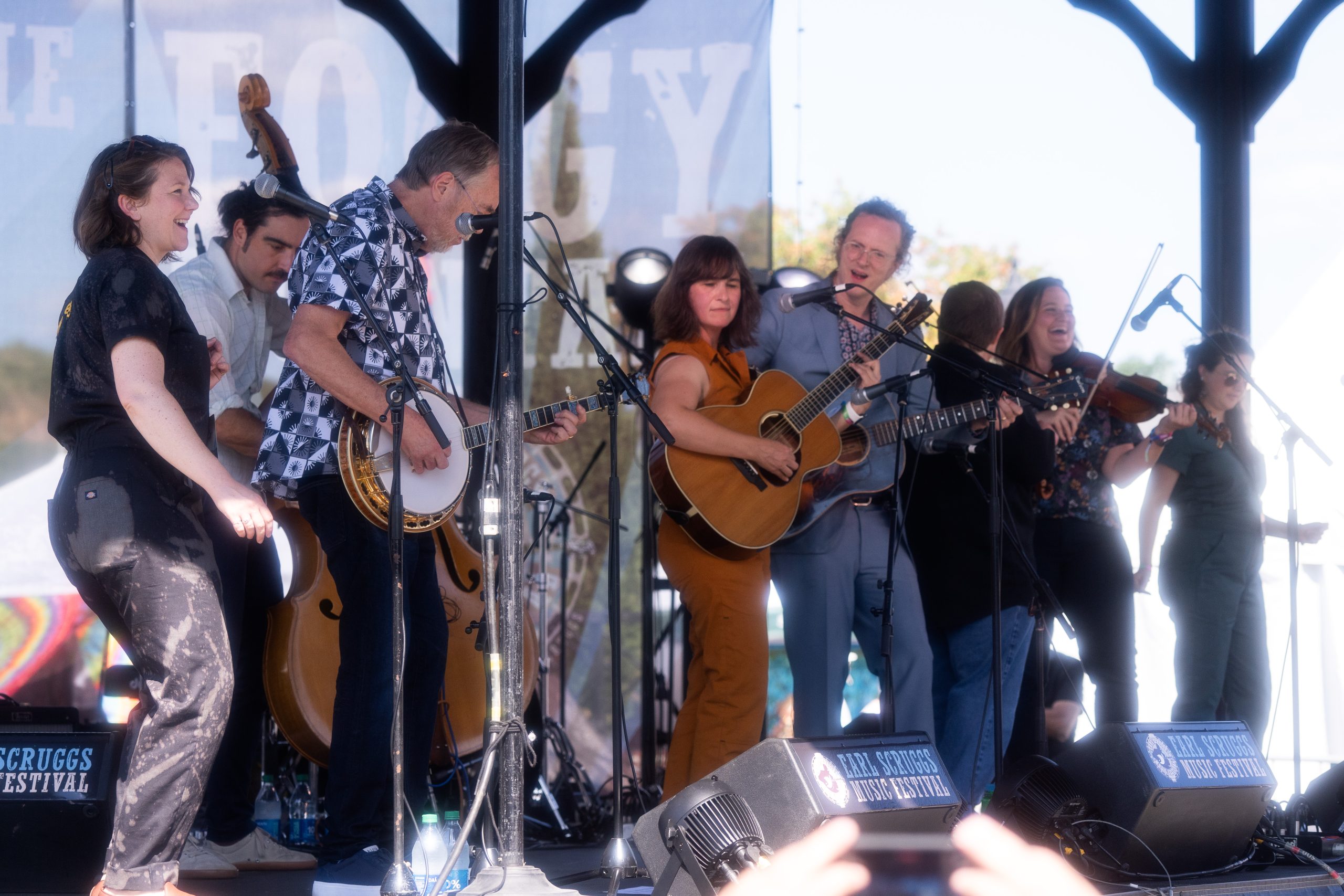
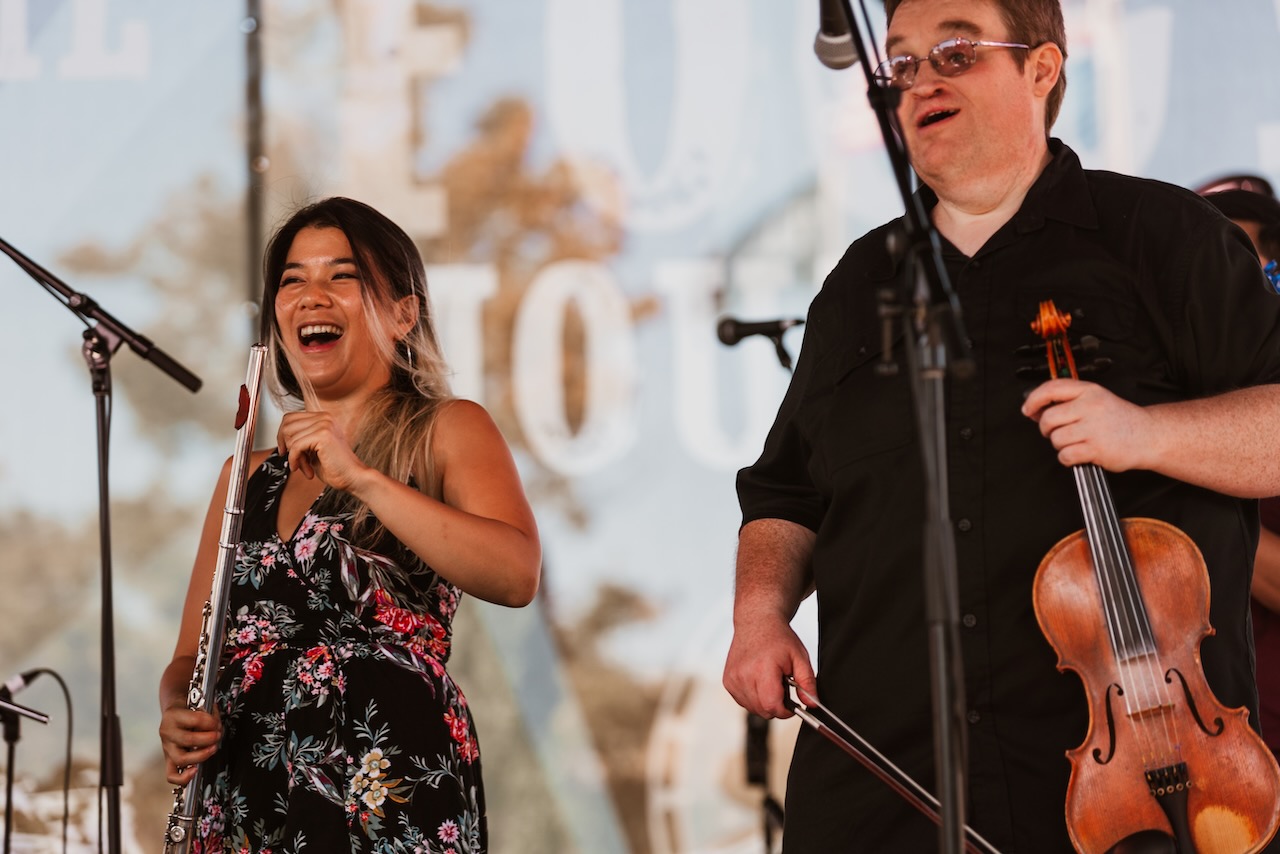
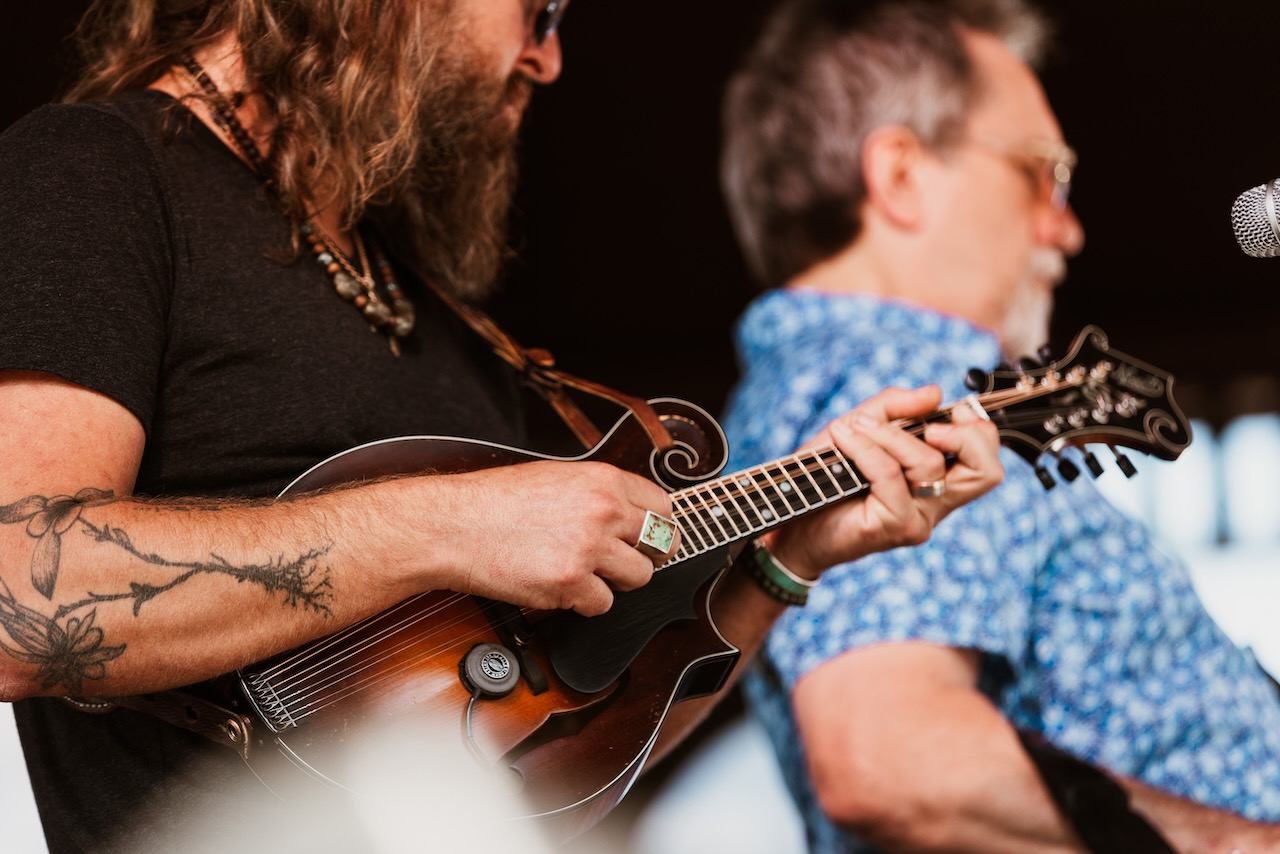
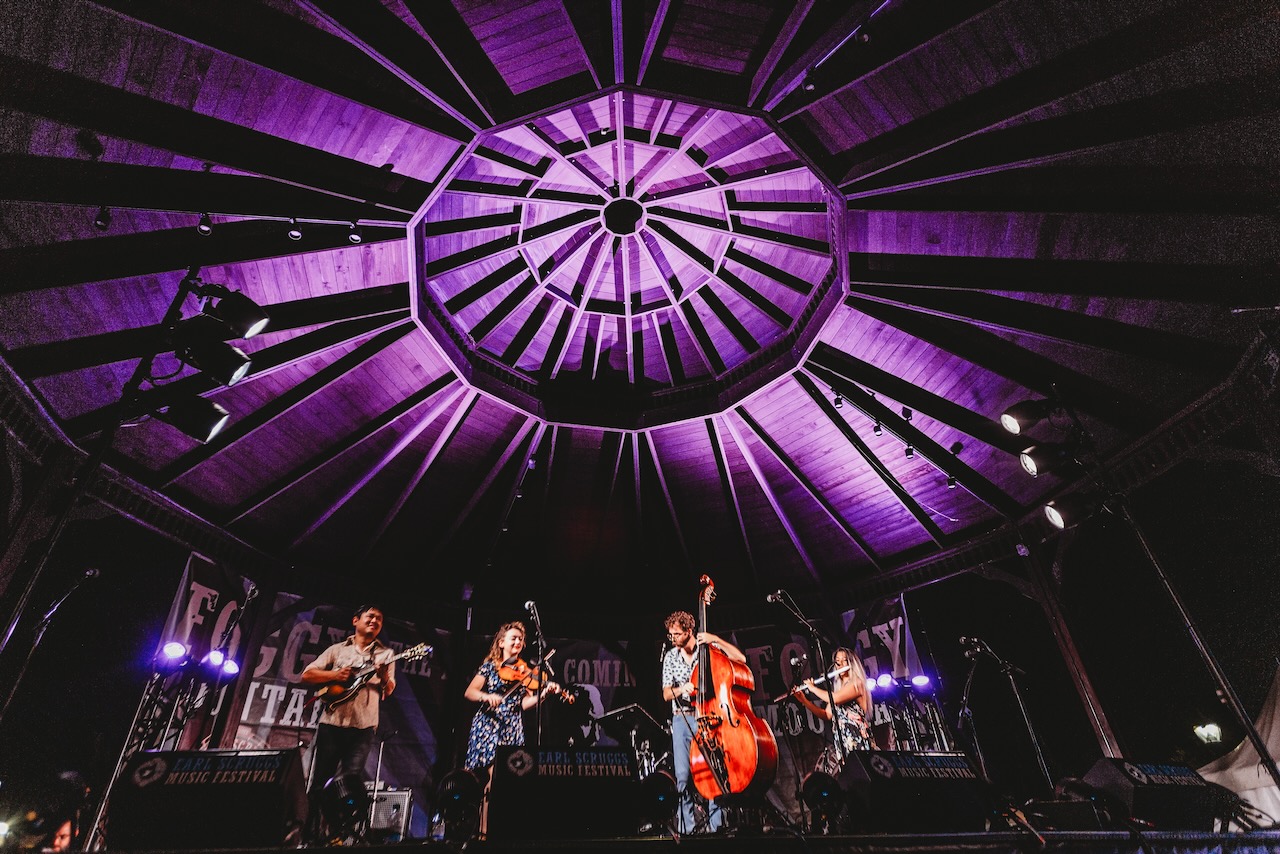
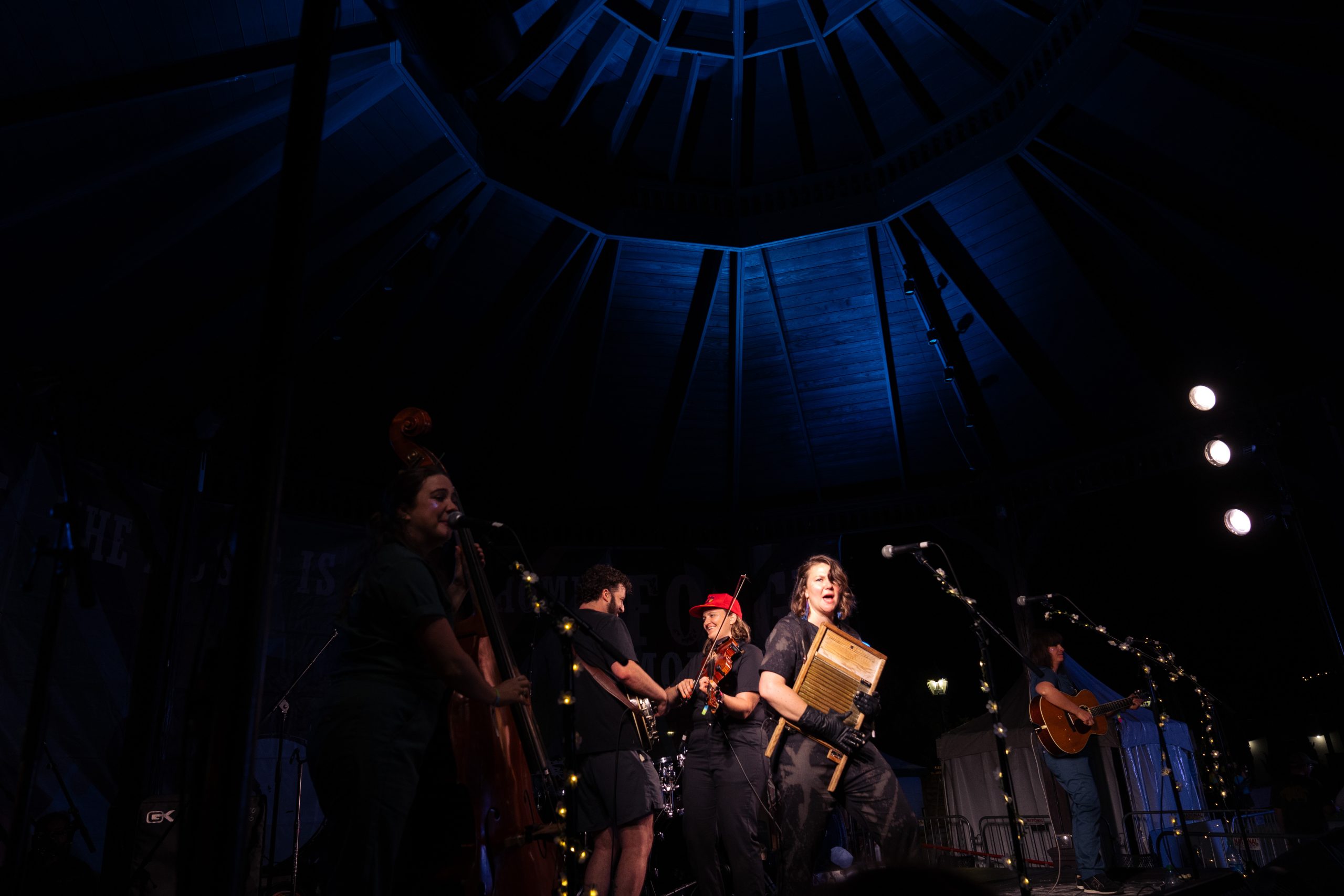
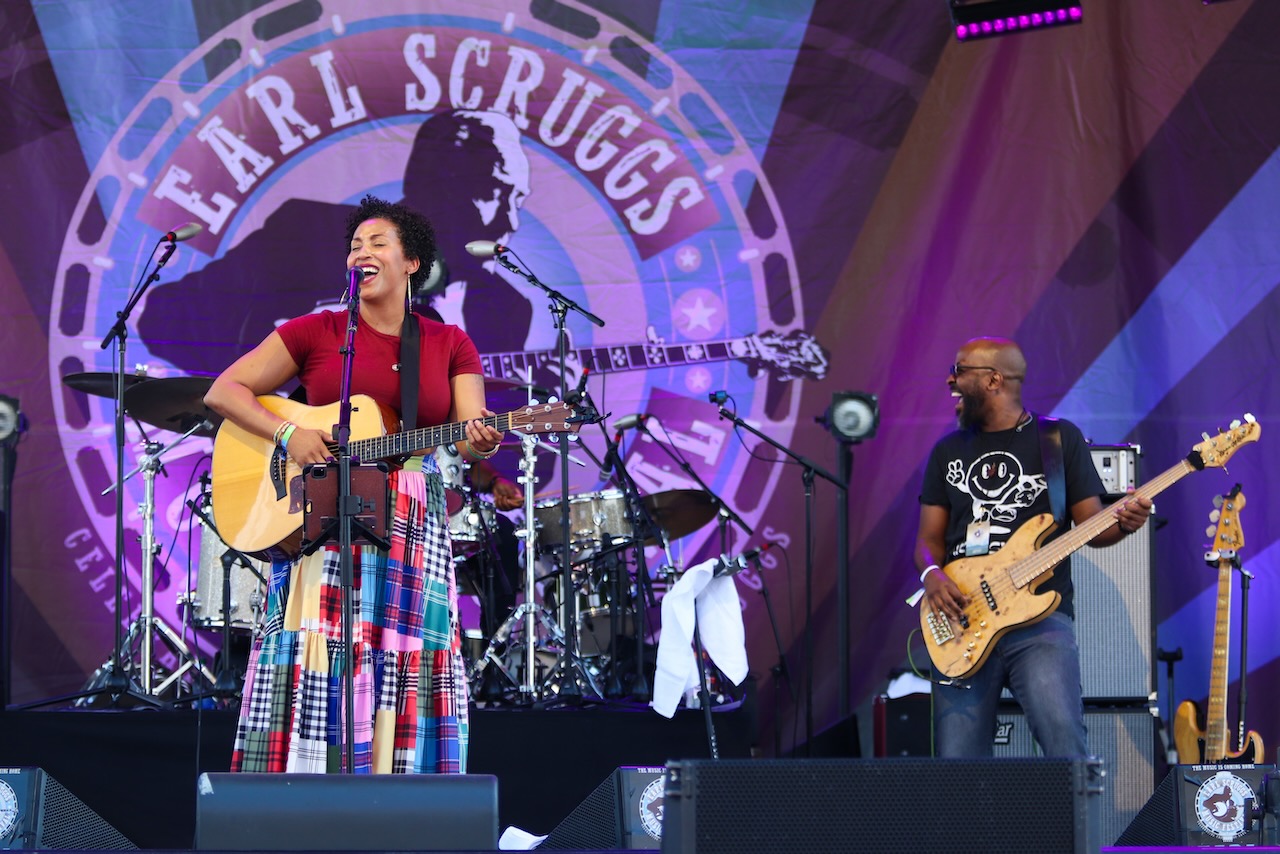
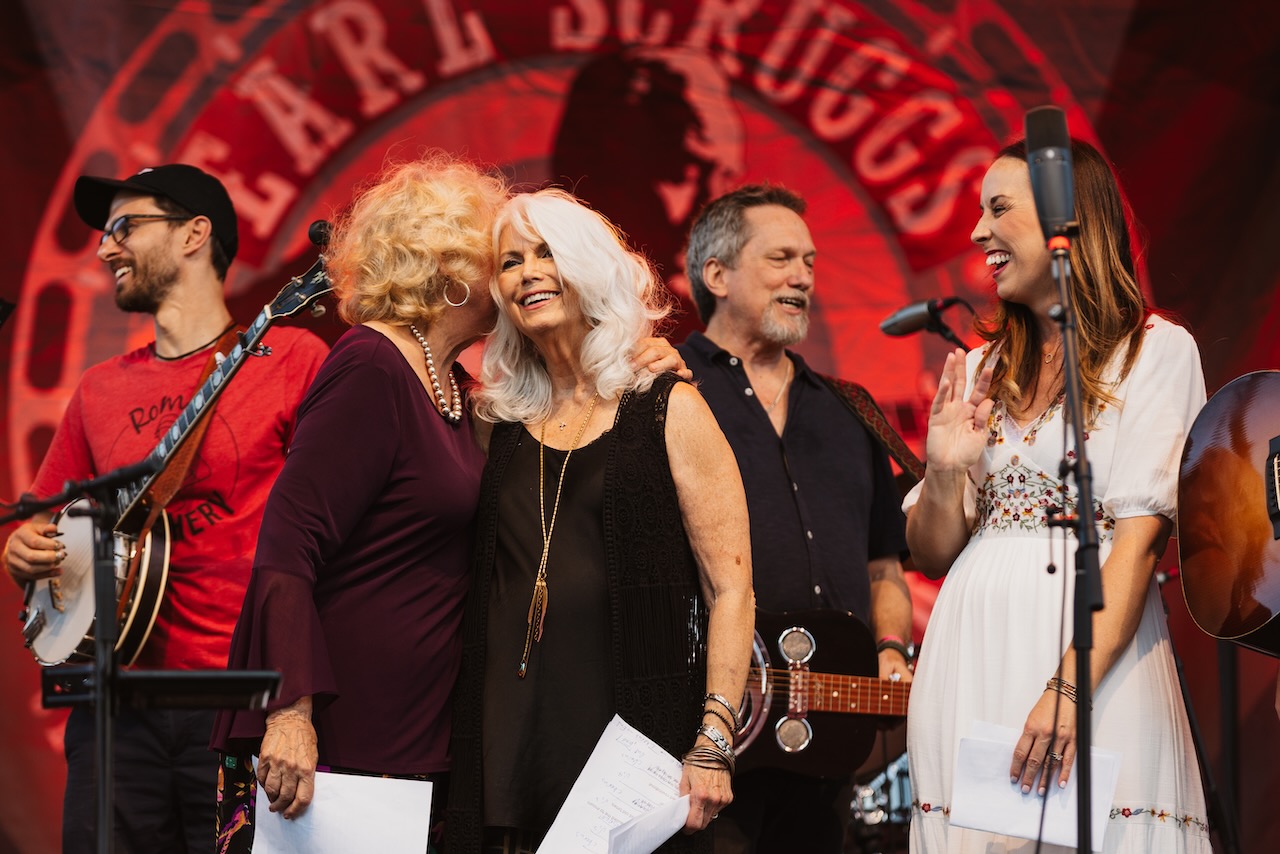
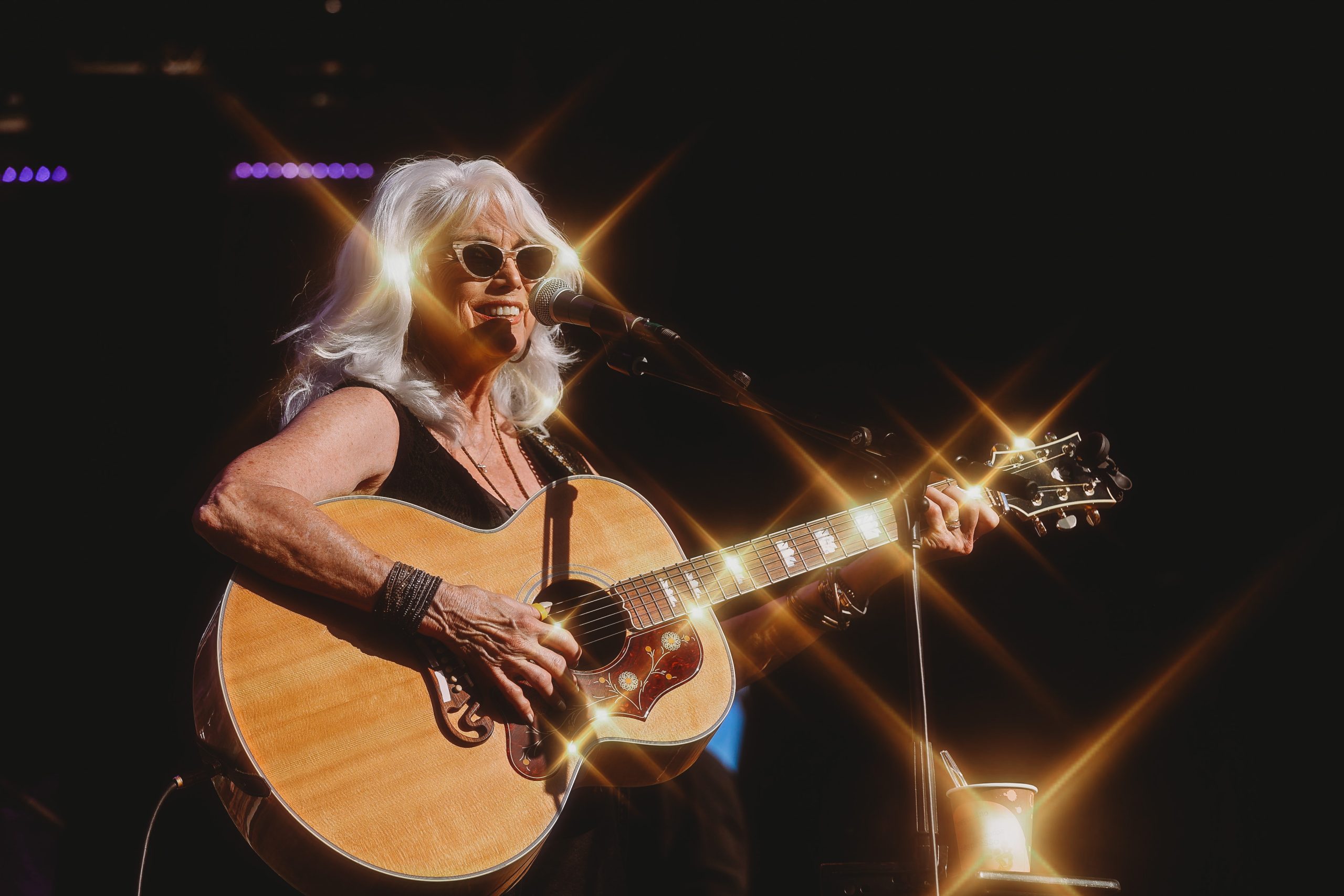
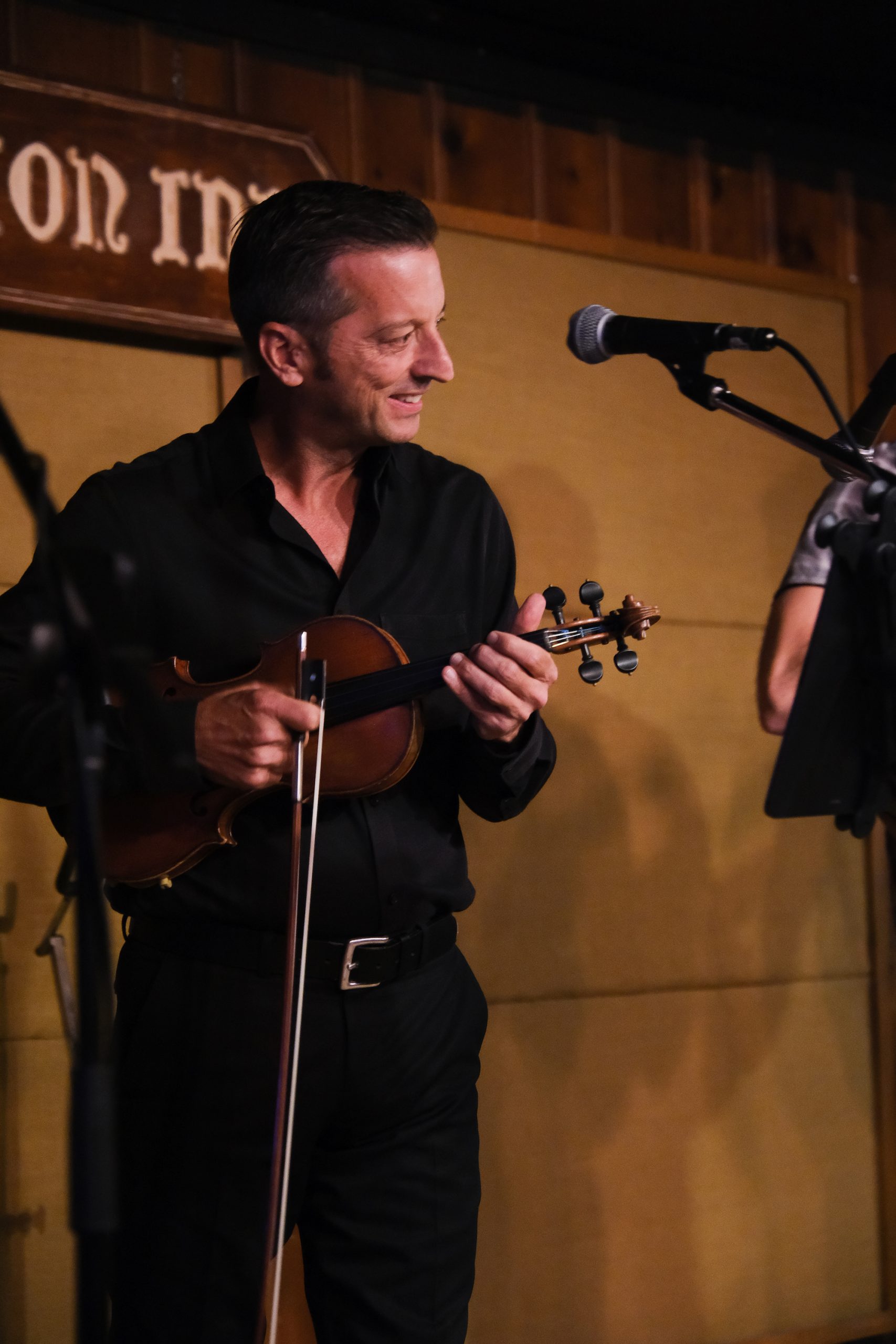
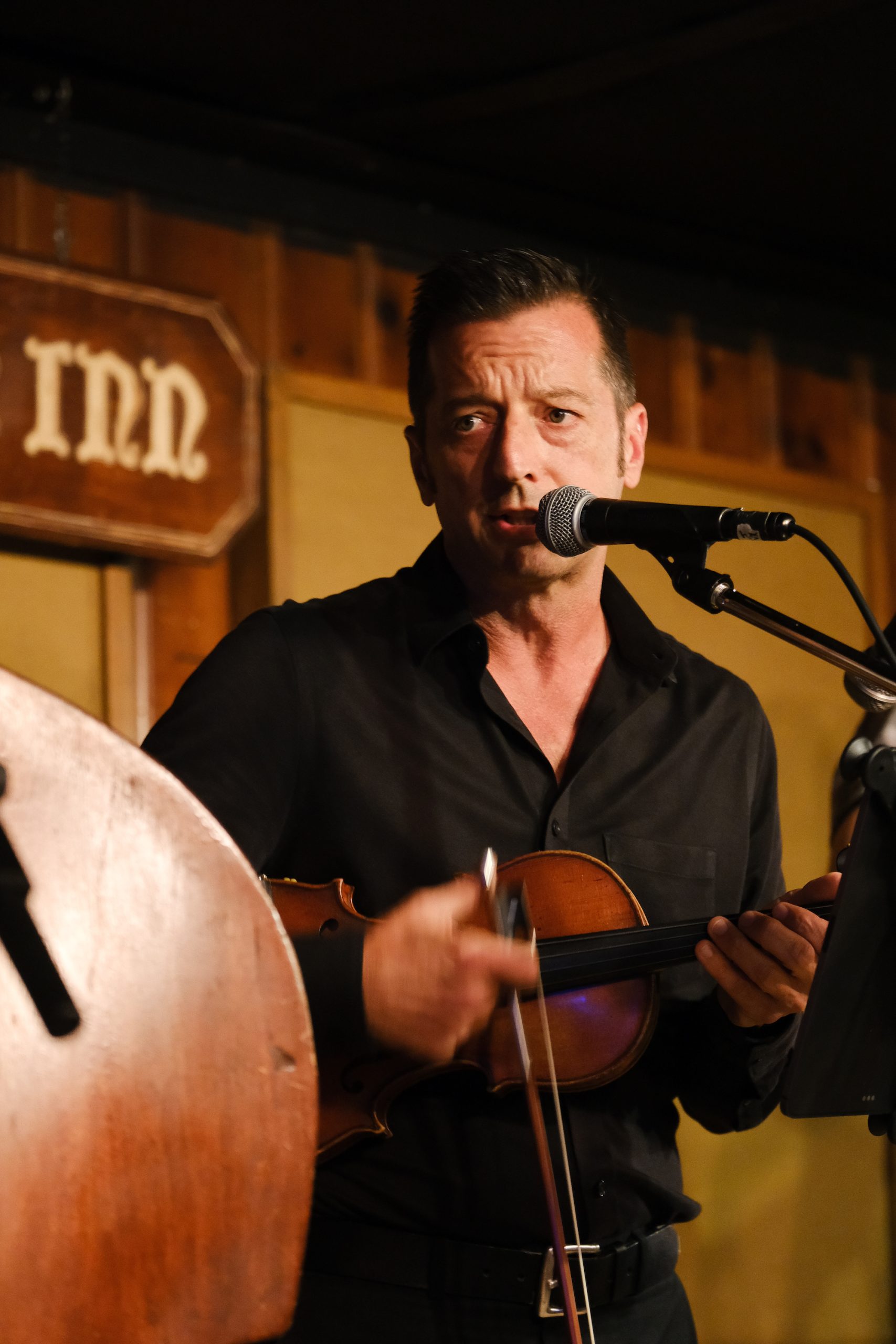
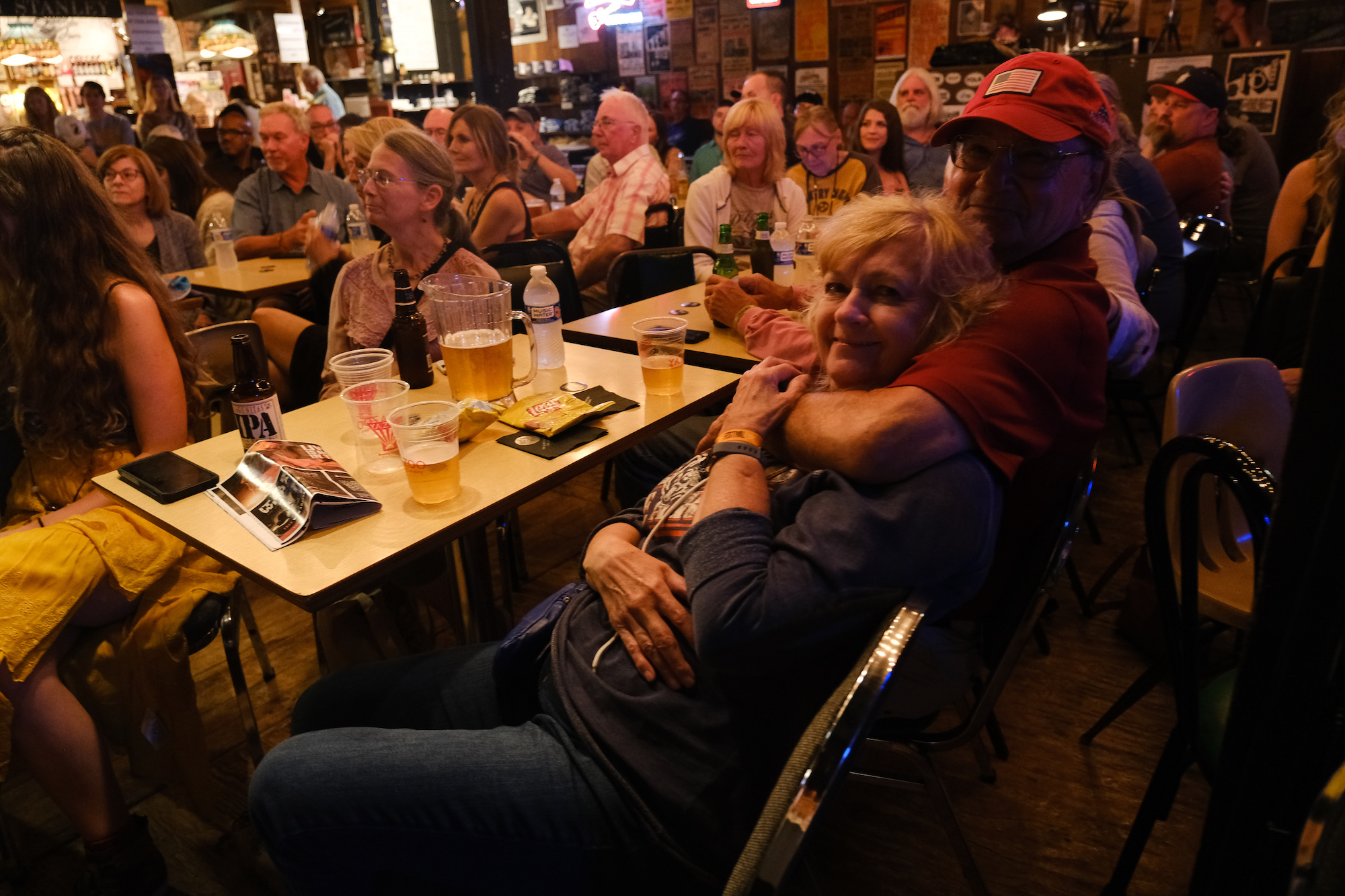
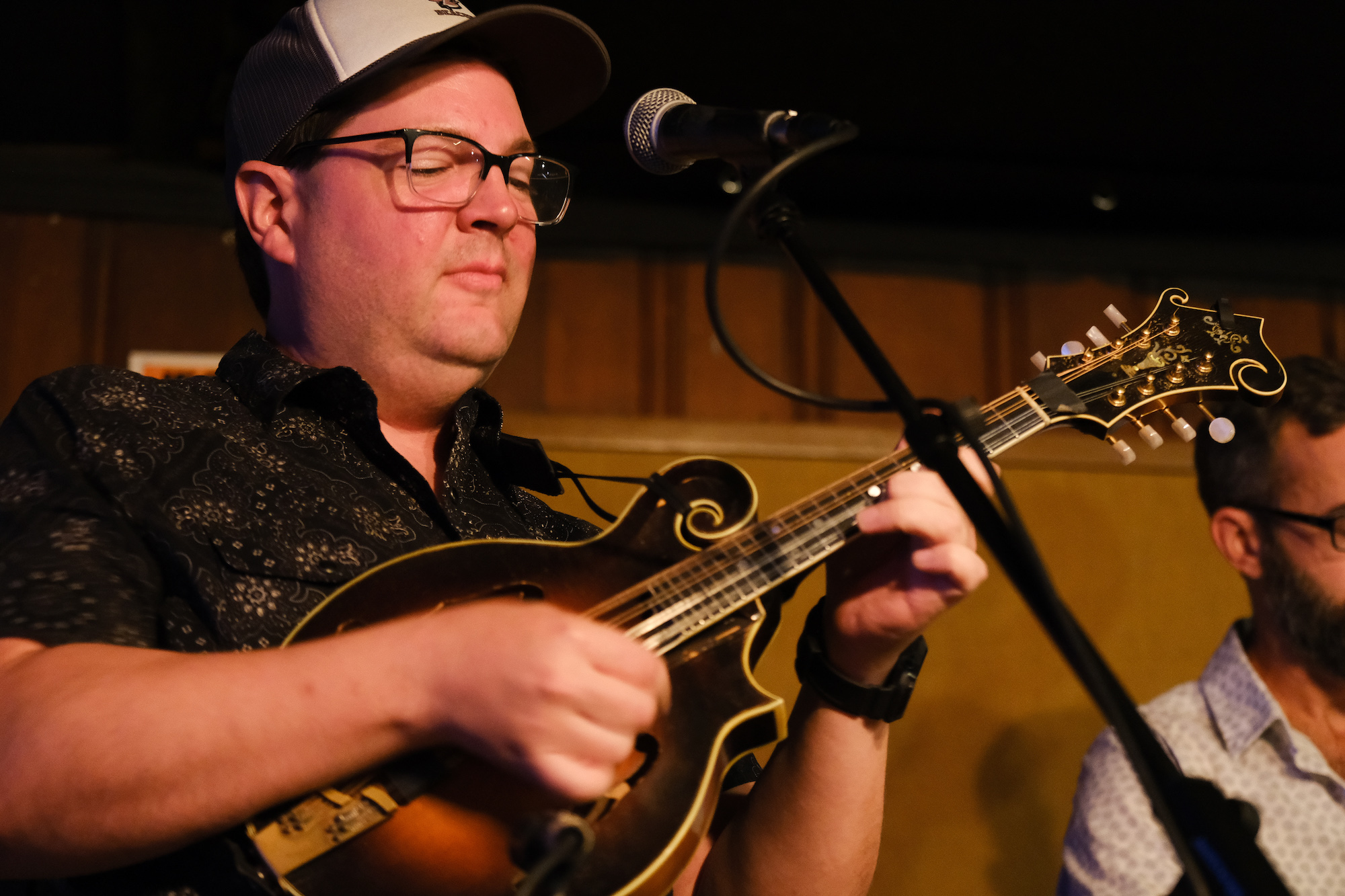
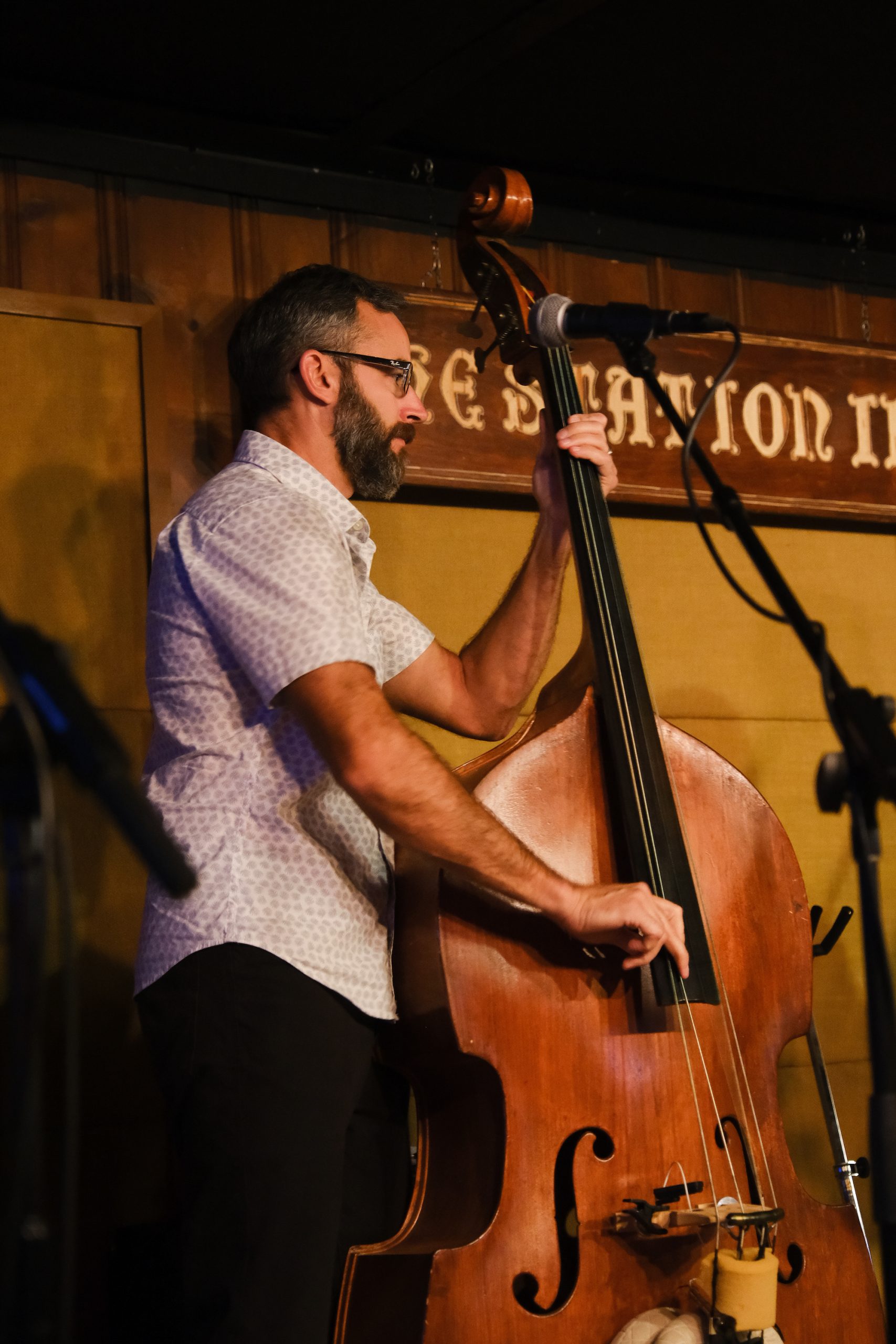
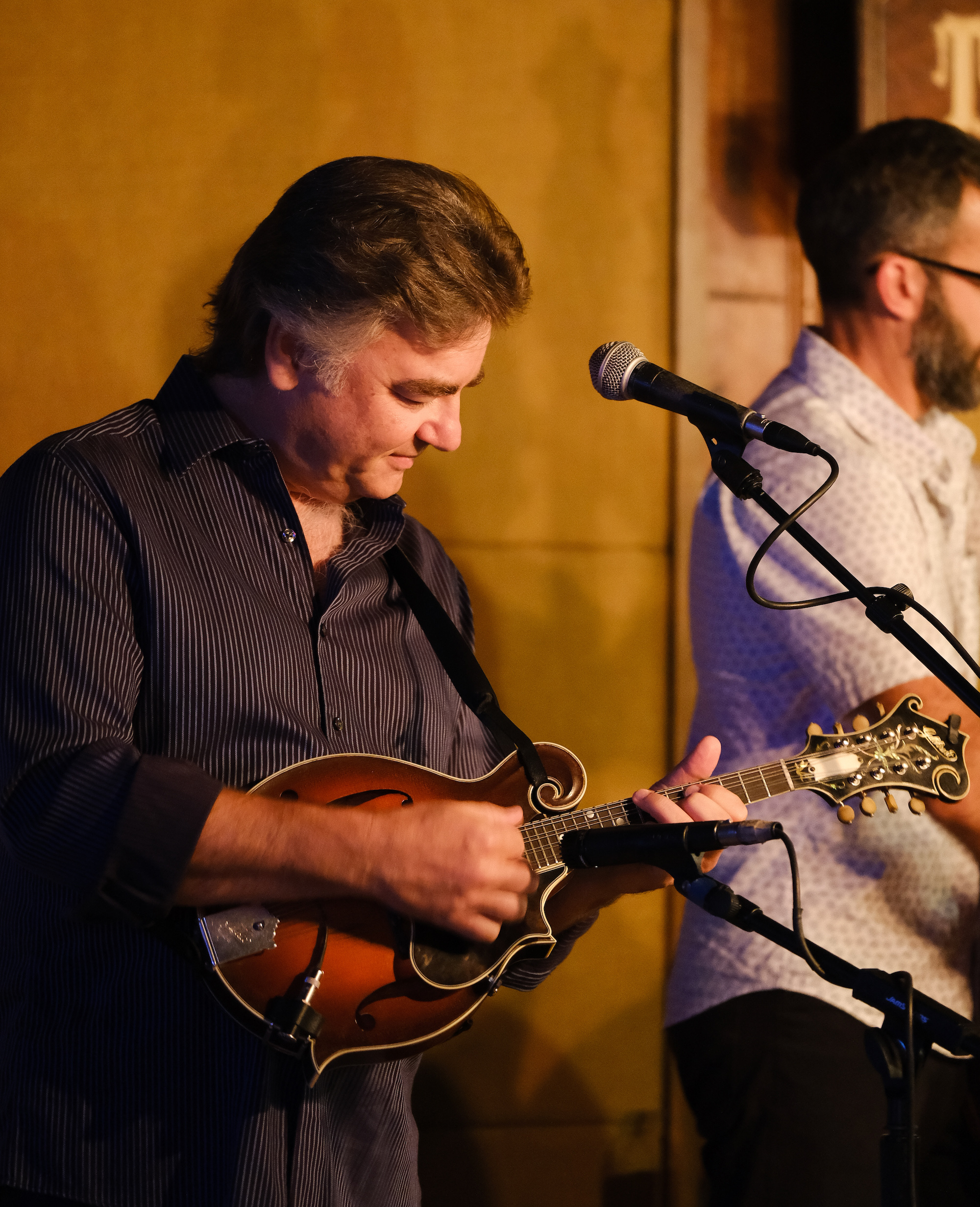
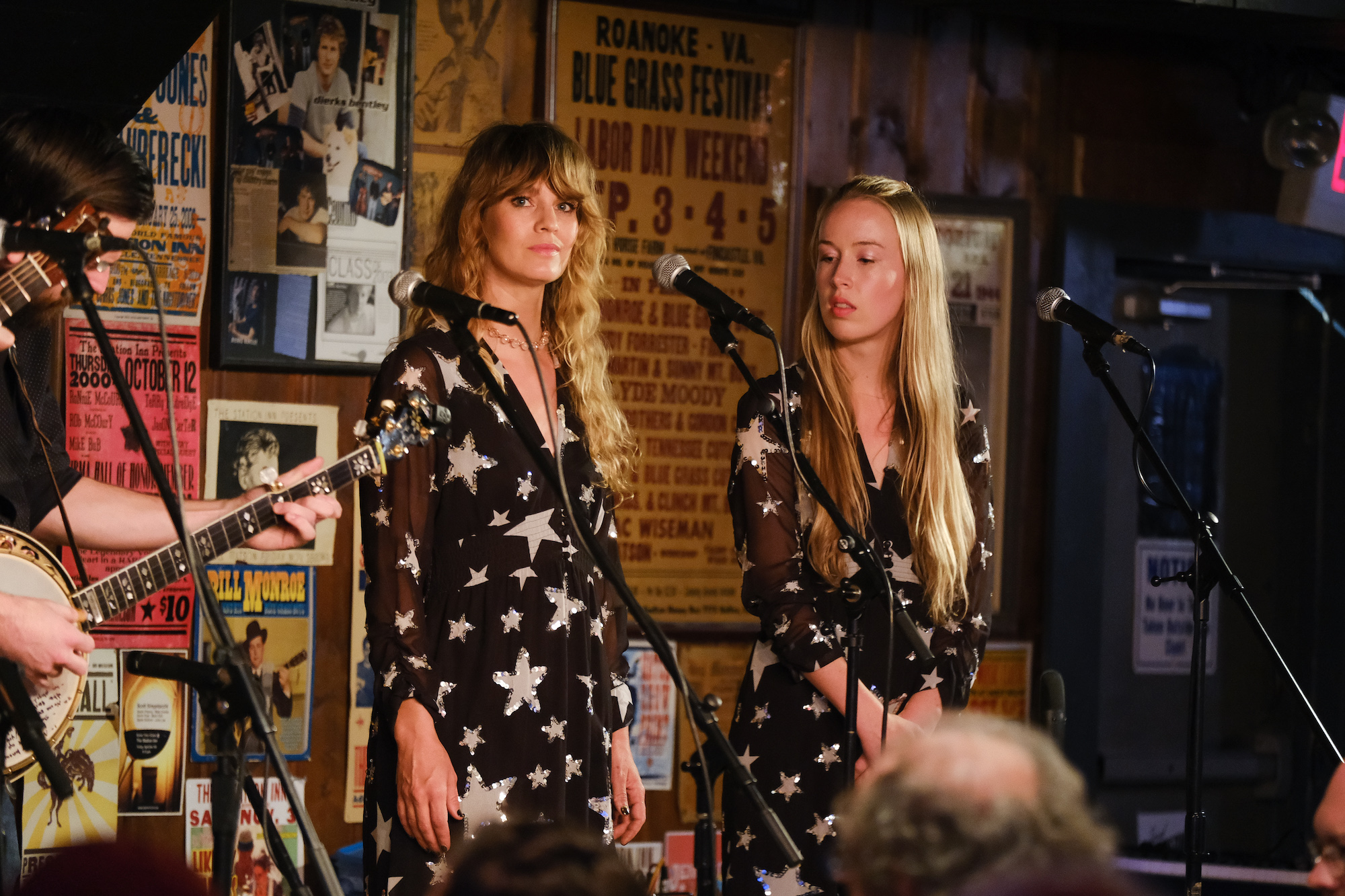
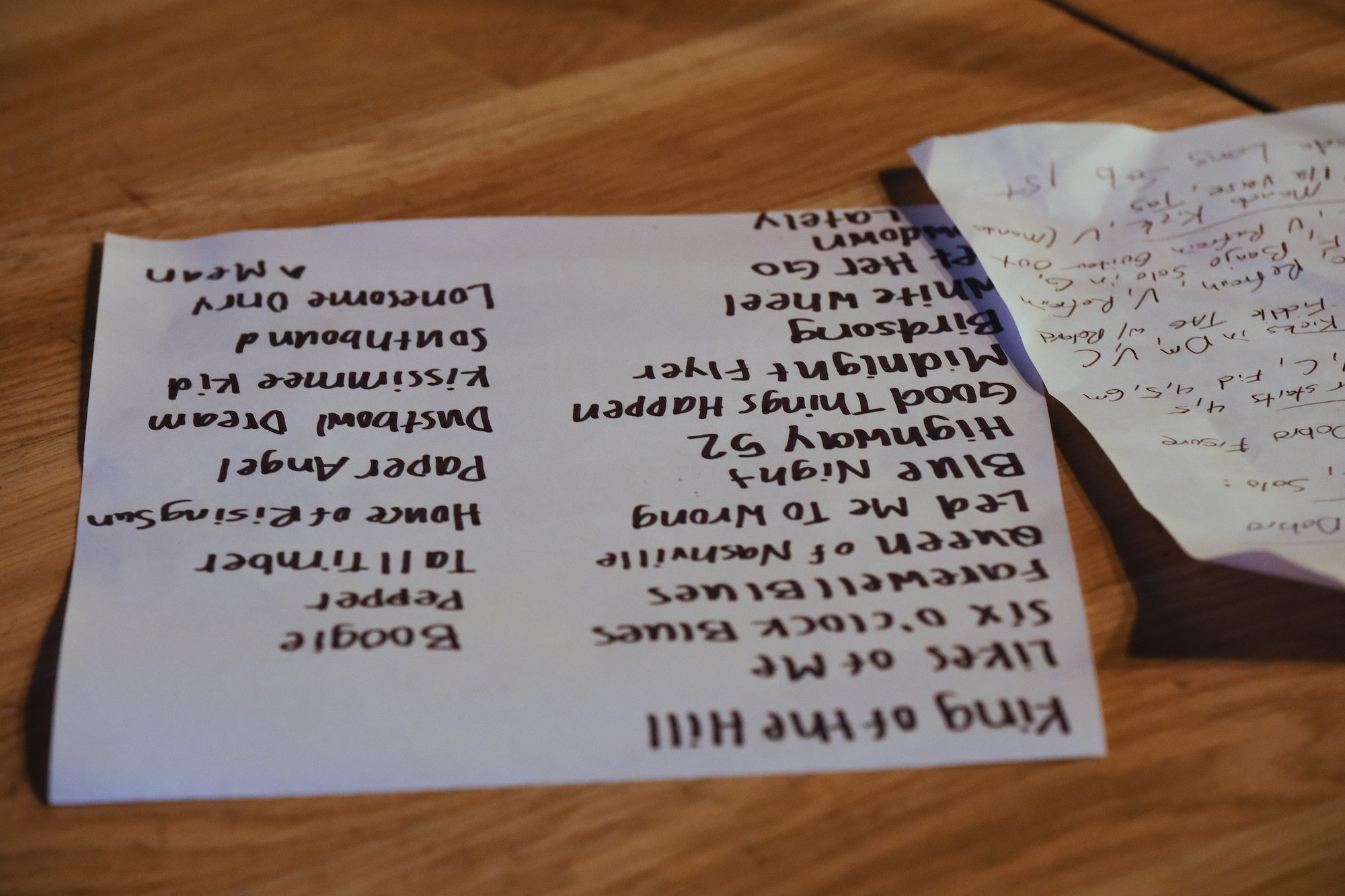
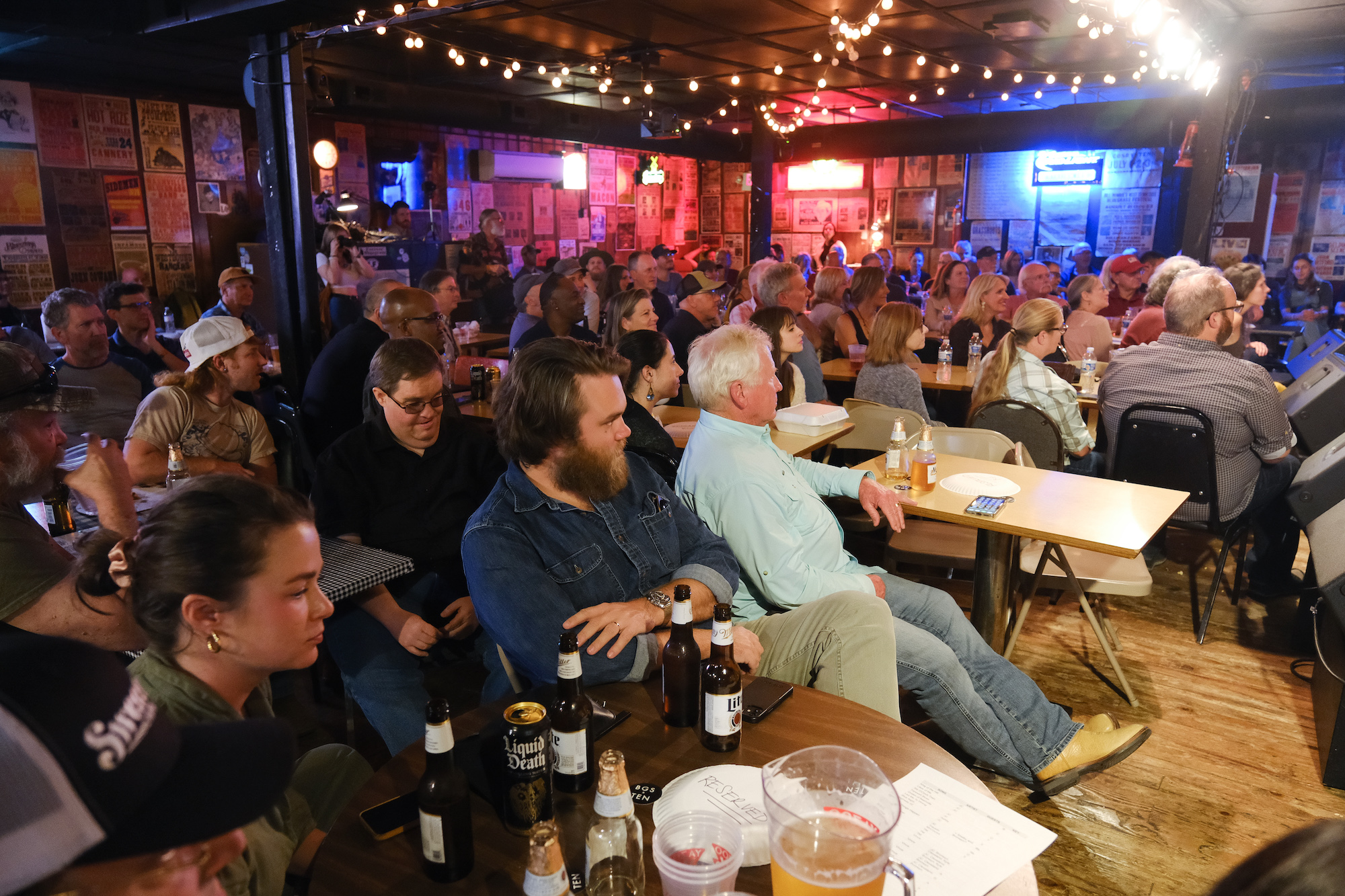
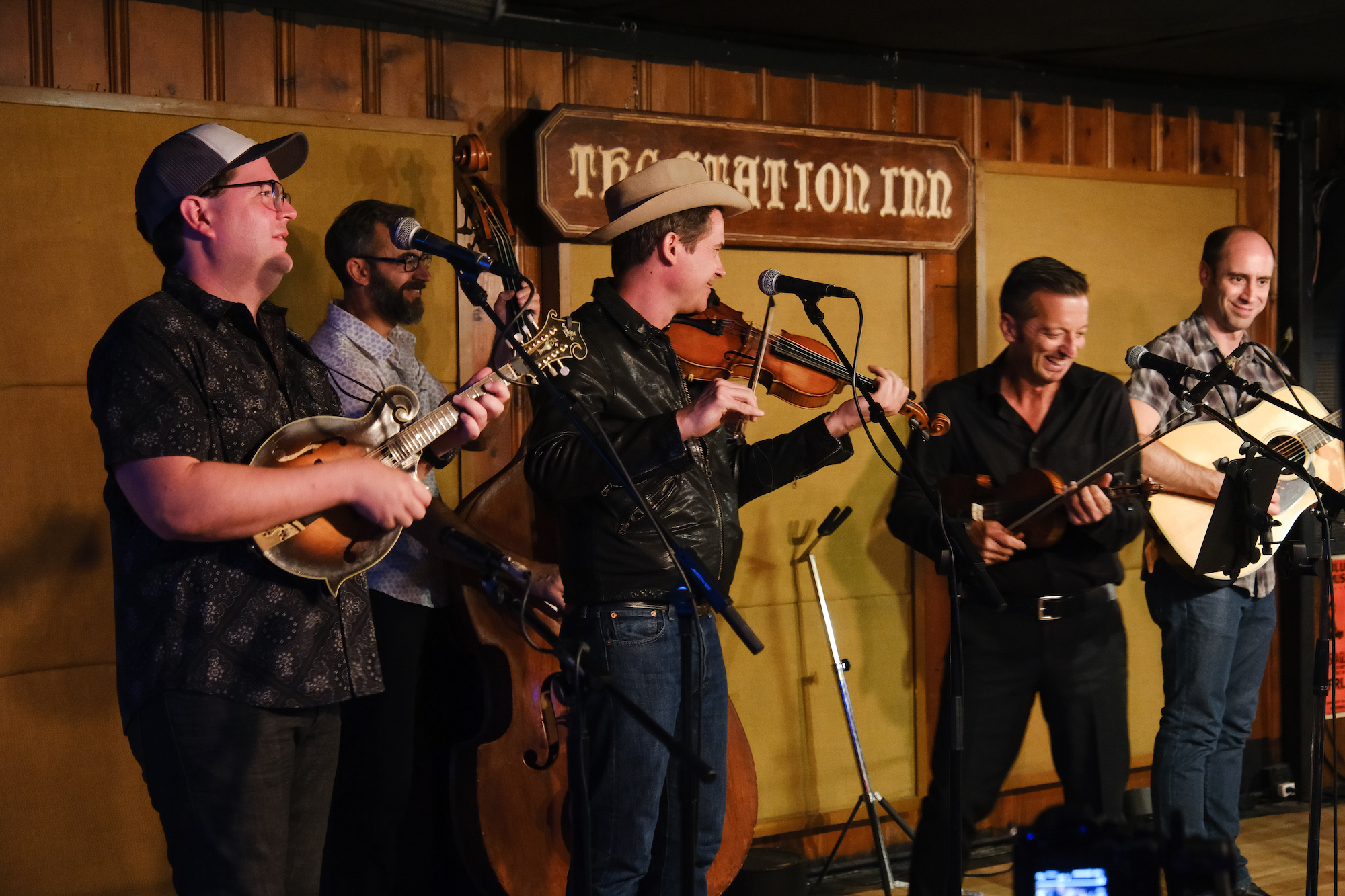
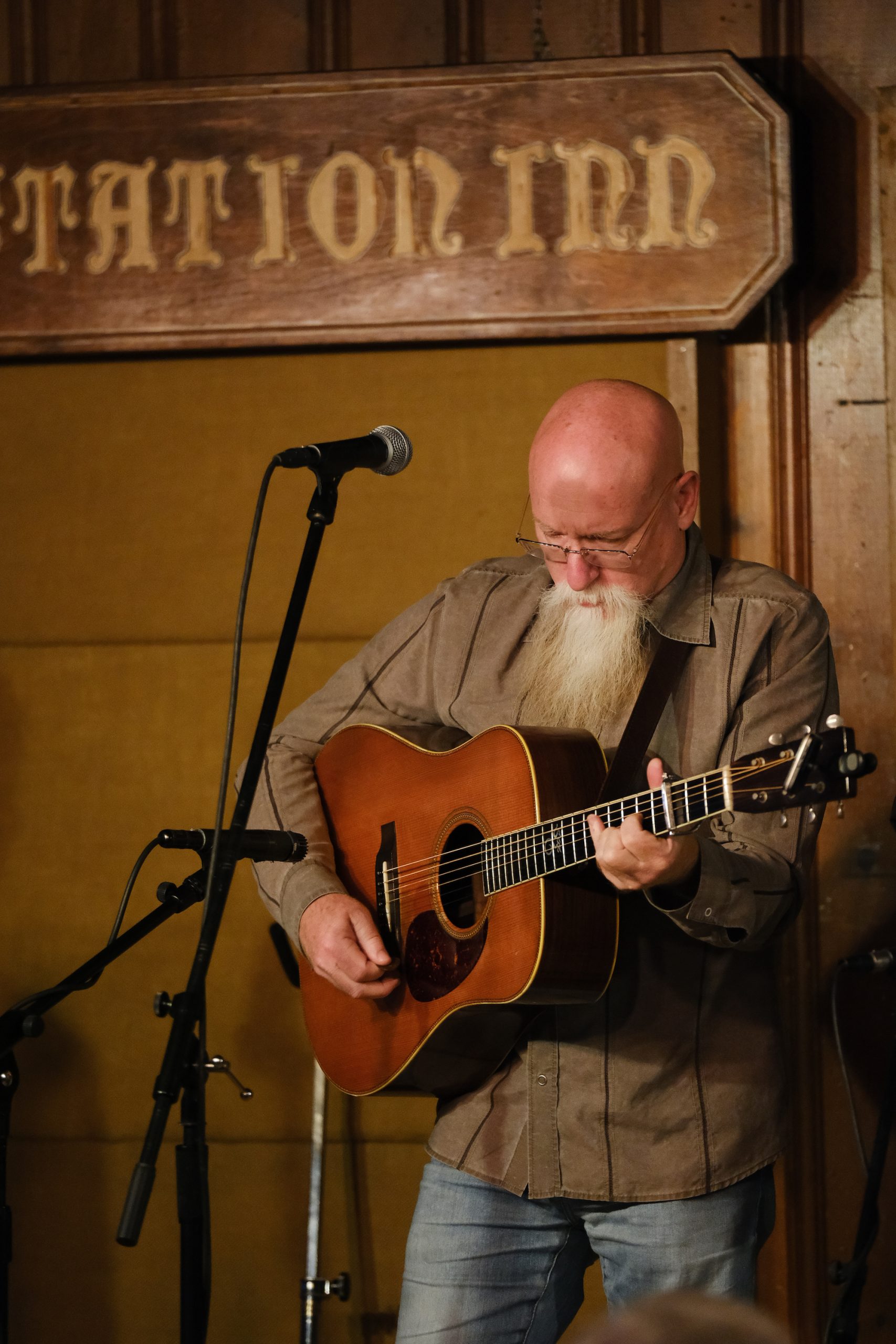
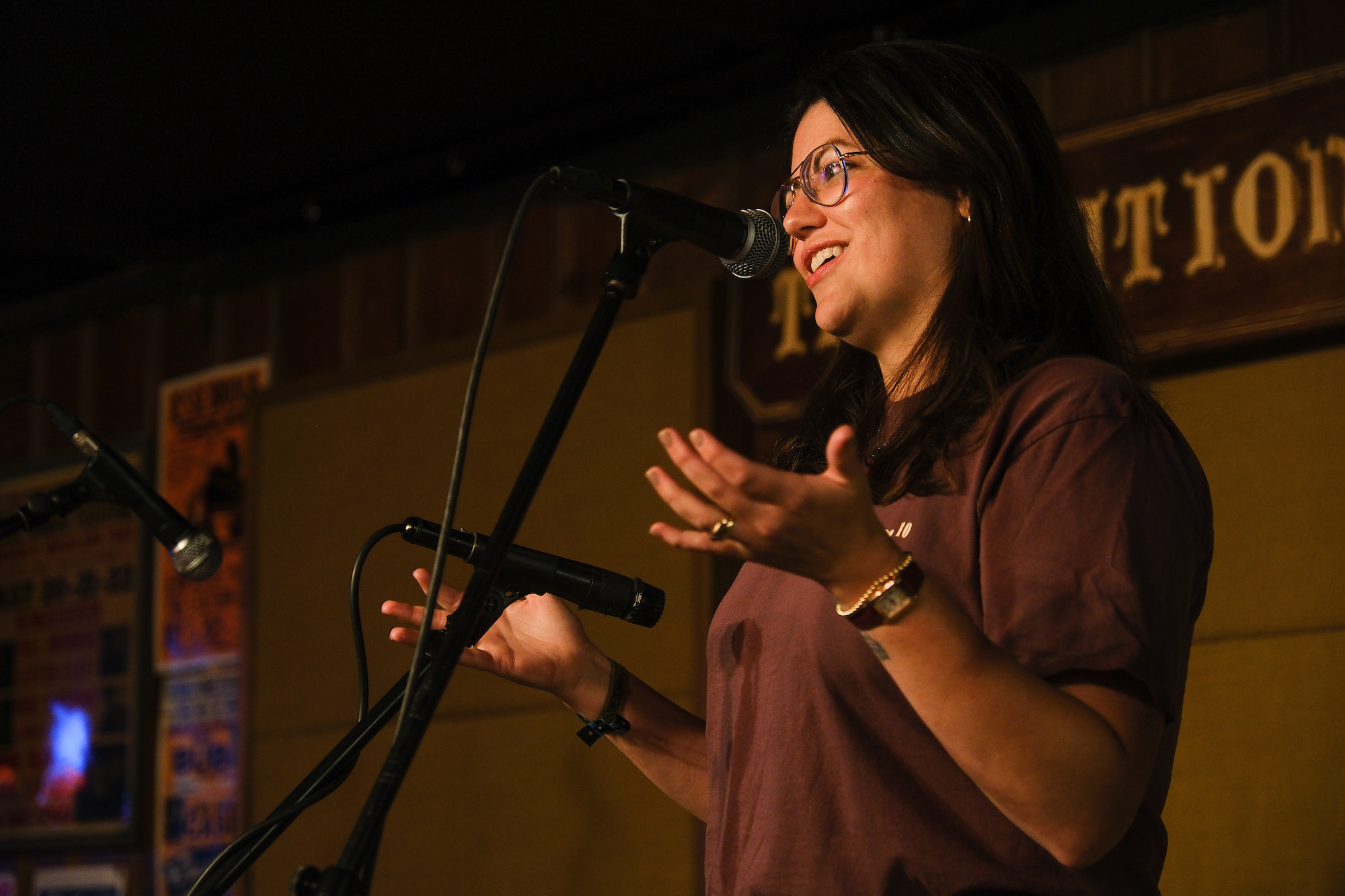
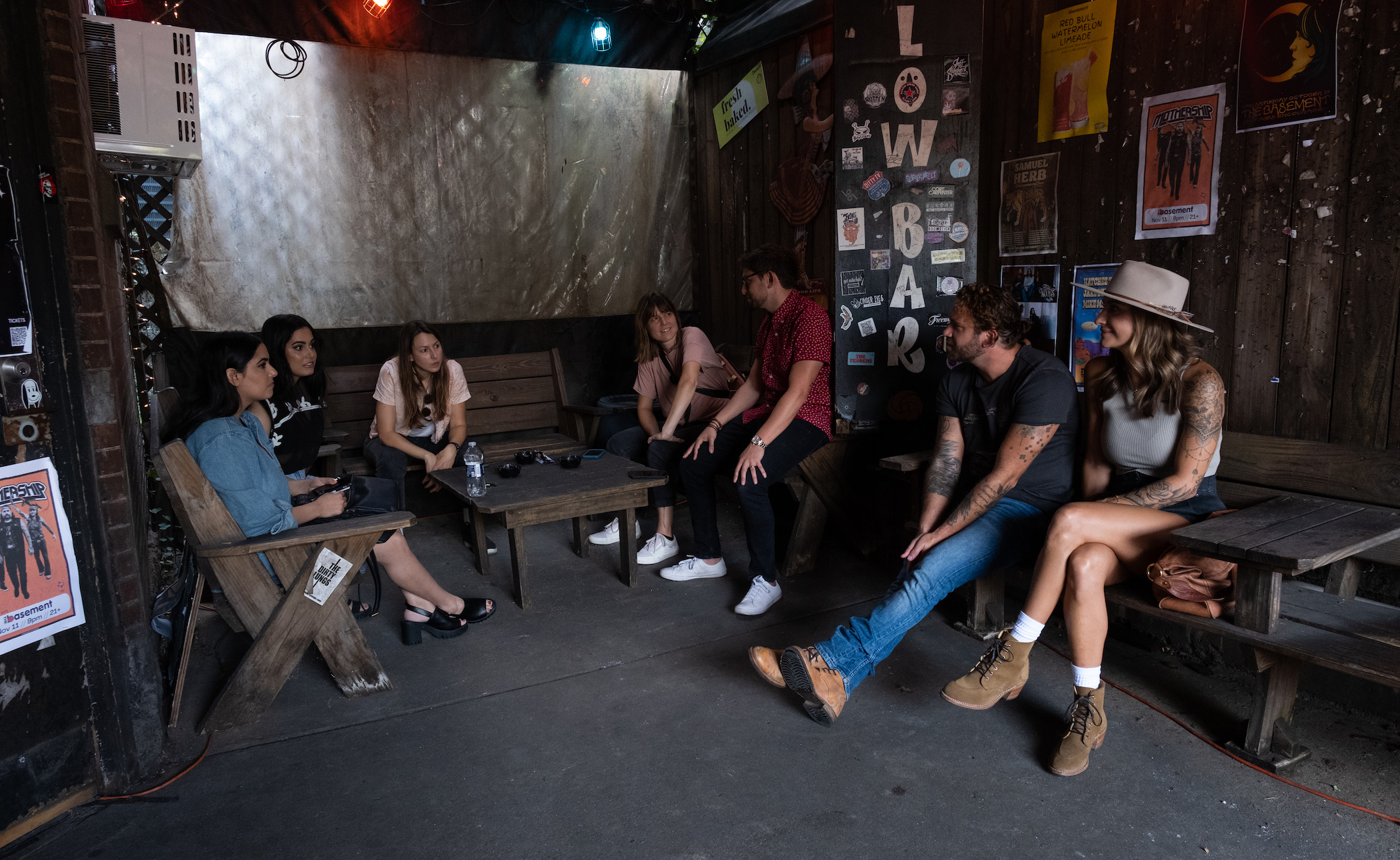
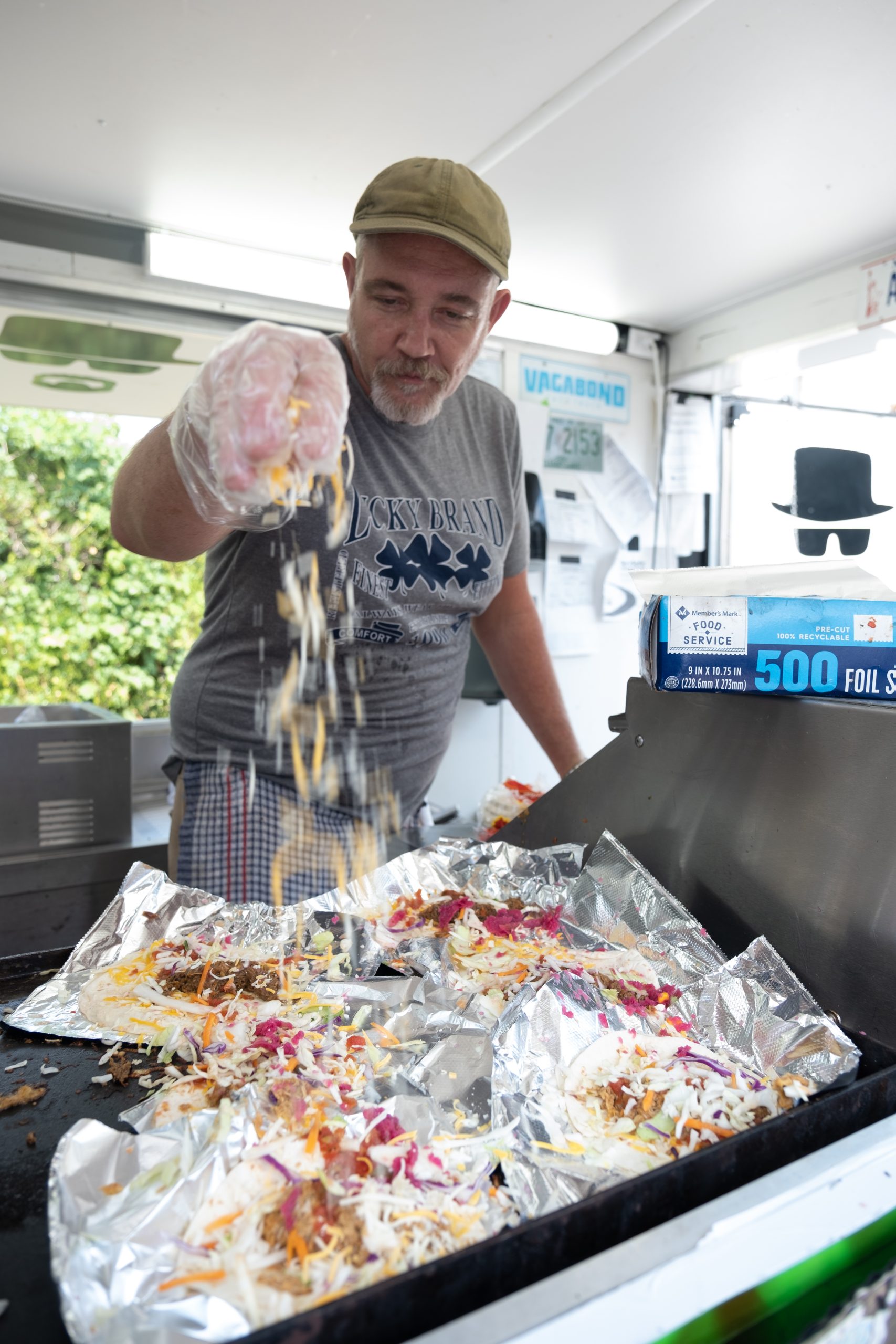
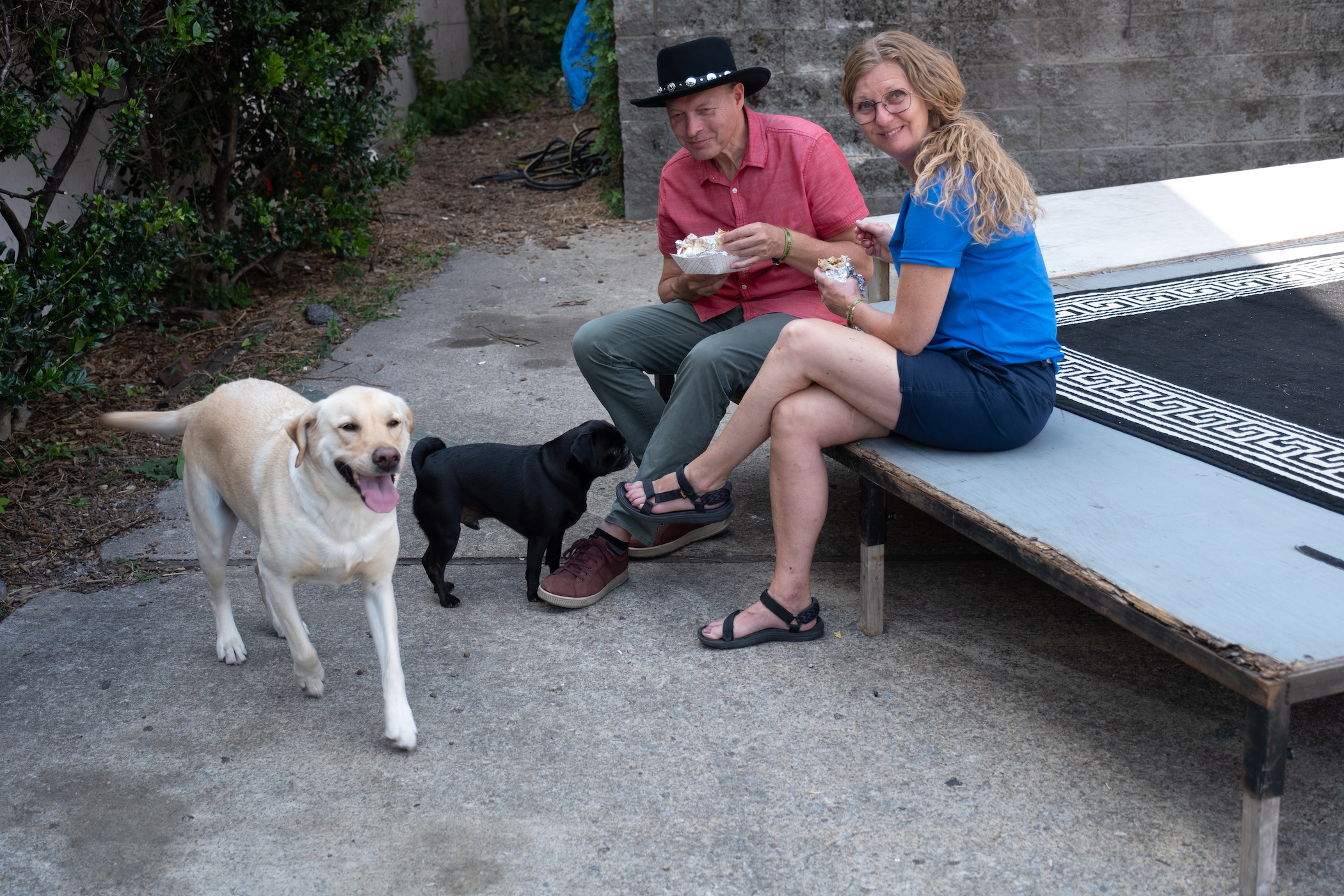
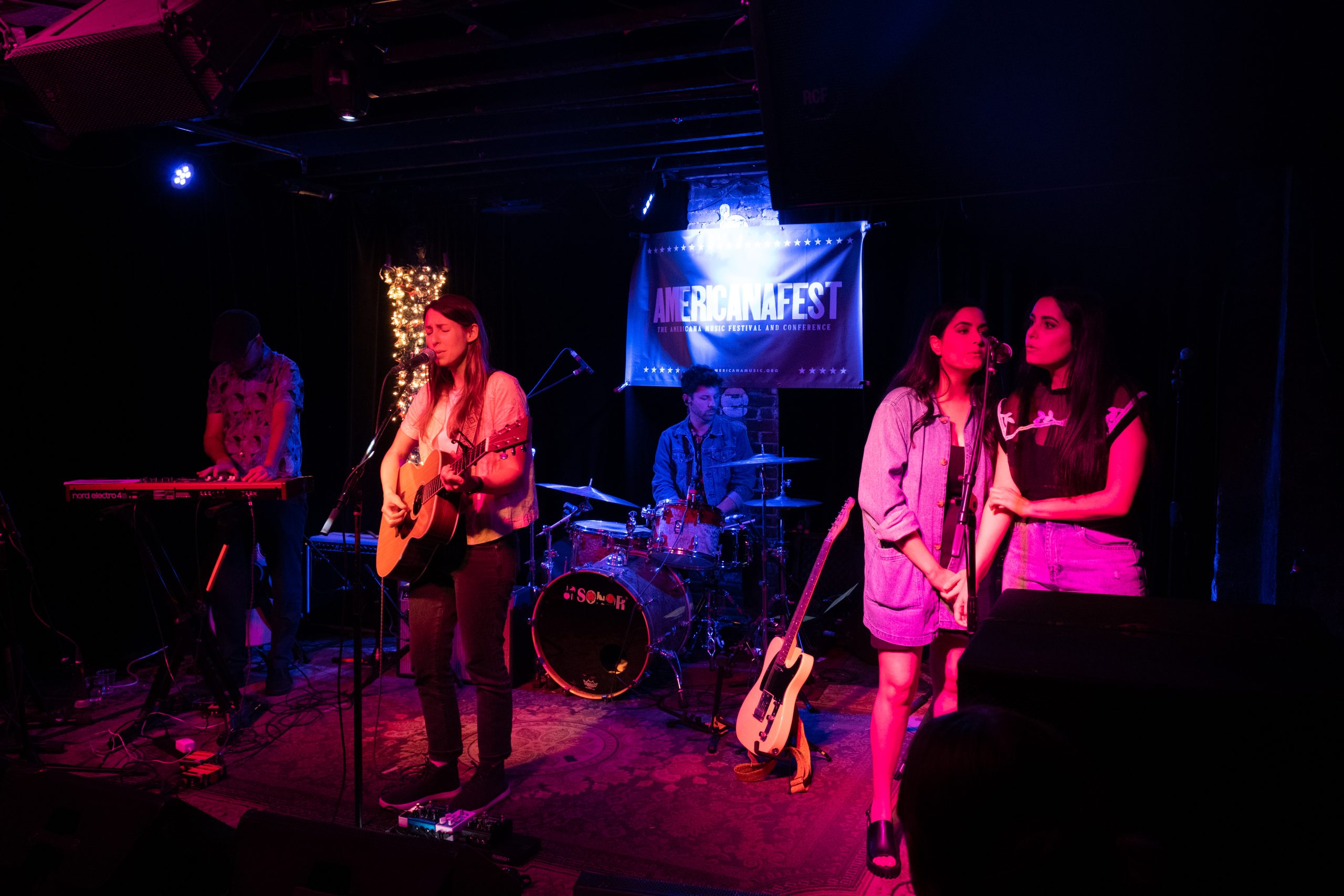
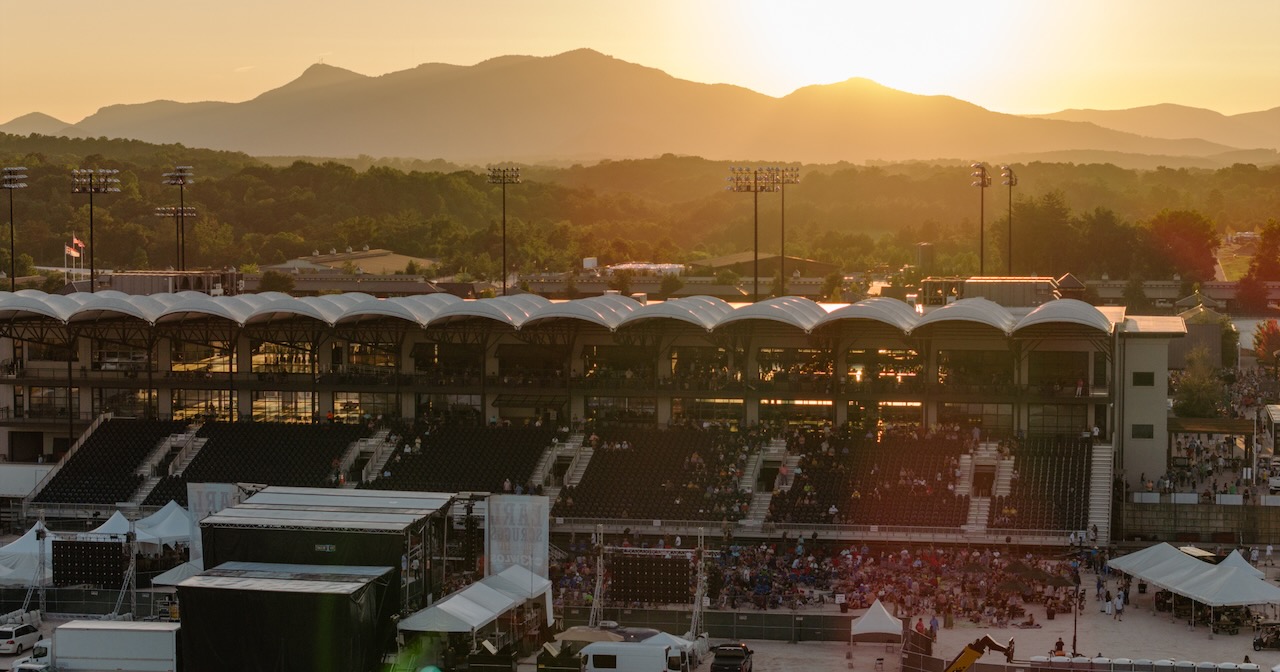
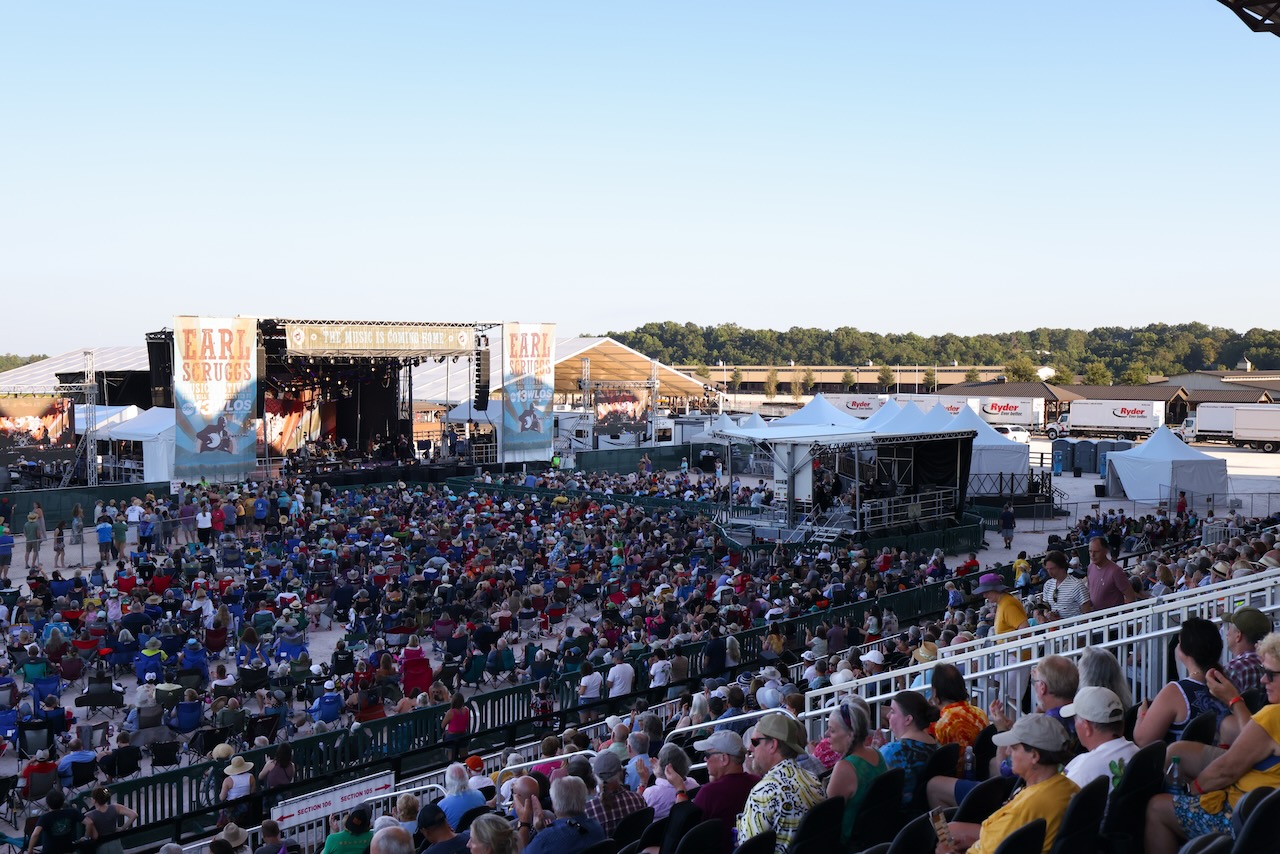
The 2nd Annual Earl Scruggs Music Festival was held over Labor Day weekend at the Tryon International Equestrian Center just outside of Tryon, North Carolina, in Mill Spring. The gorgeous festival grounds, nestled in the foothills of the Blue Ridge Mountains, were the perfect setting for the sunny and warm event, featuring glamorous cabins, manicured campsites, brick-and-mortar restaurants and shops, horse-jumping demonstrations, workshops and two stages chocked full of bluegrass, old-time and roots music. The festival is a partnership between Tryon International, roots radio station WNCW and the Earl Scruggs Center just down the road in Shelby, North Carolina, the county seat of Cleveland County – Scruggs’ ancestral home. Over four days, the event showcased the broad, varied and lasting influence Scruggs and his playing have had on American roots music as a whole, especially in North Carolina.

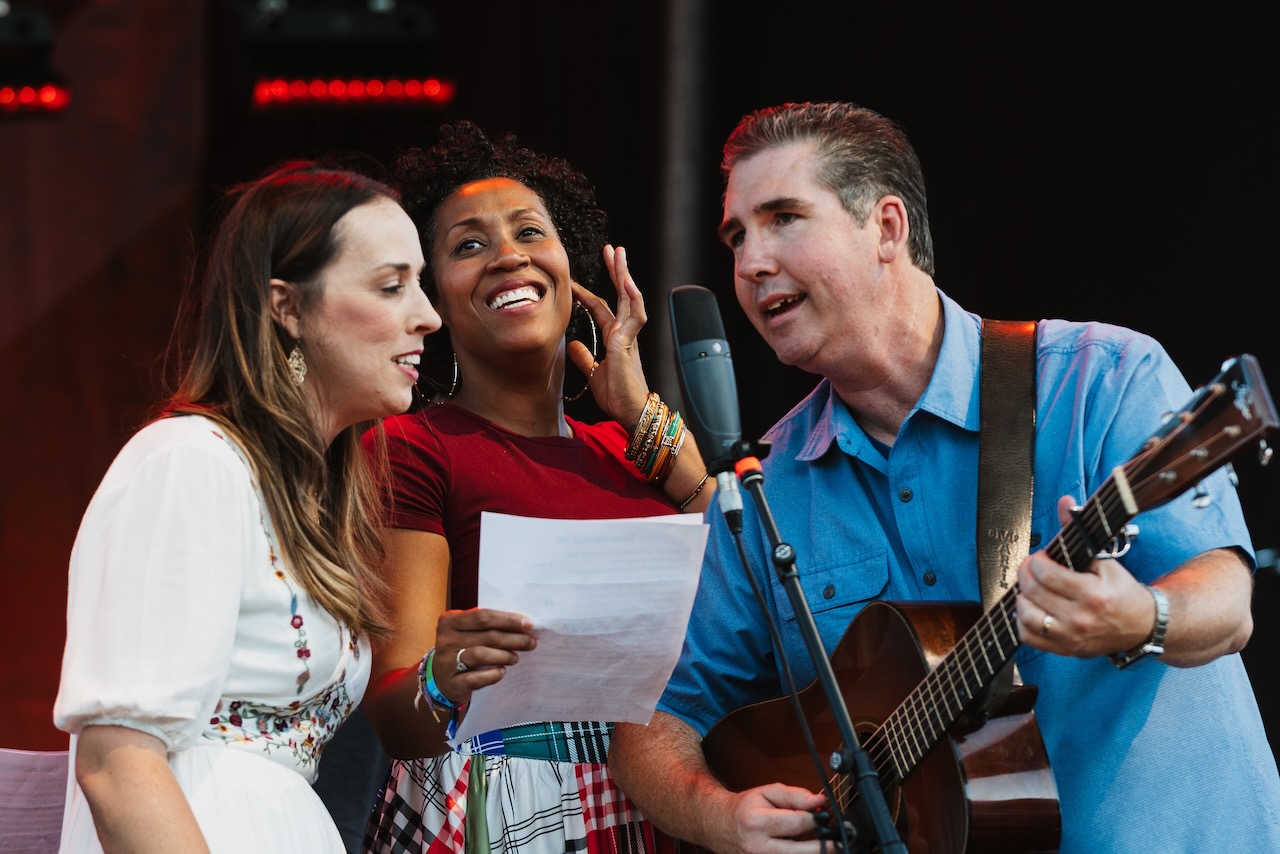
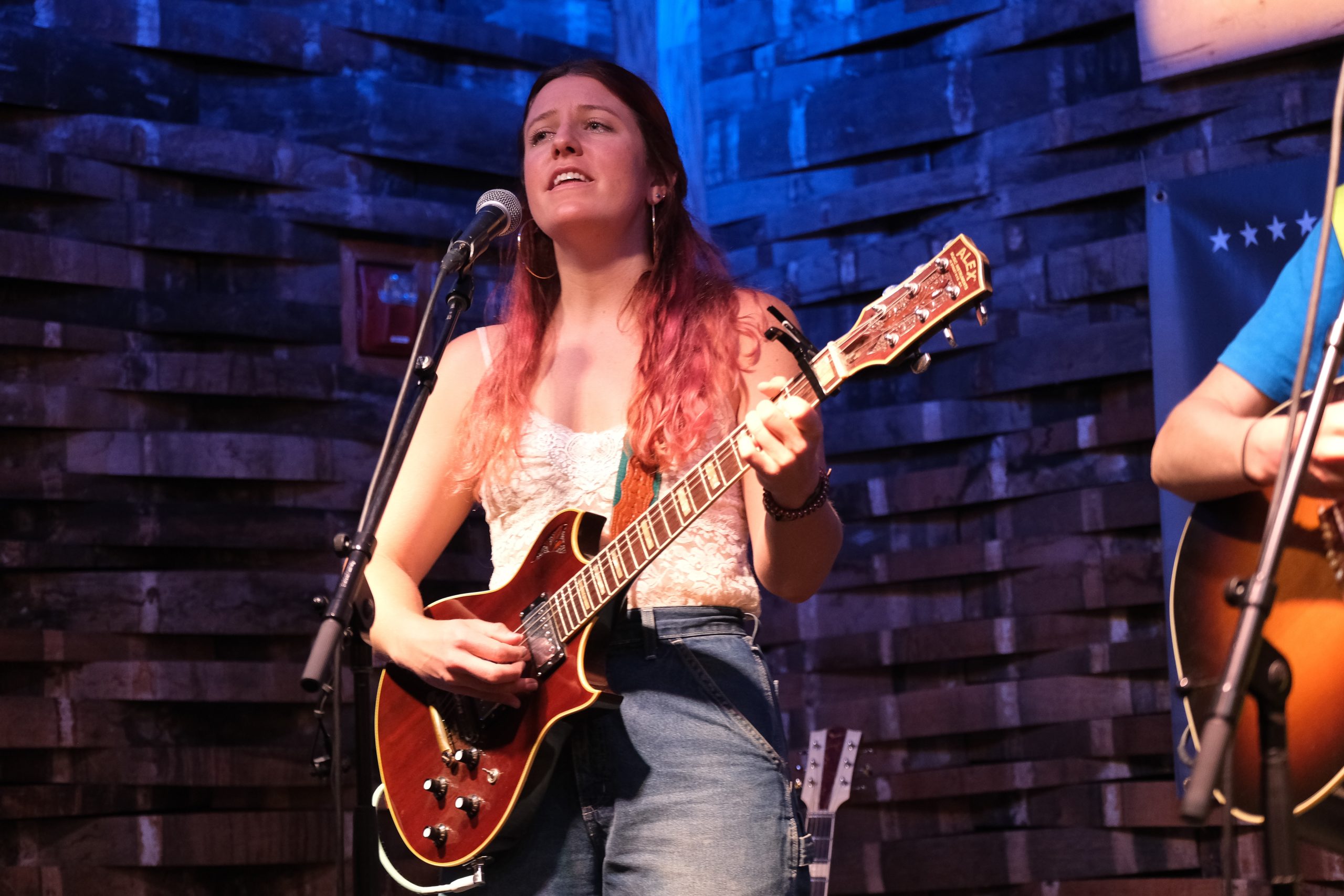
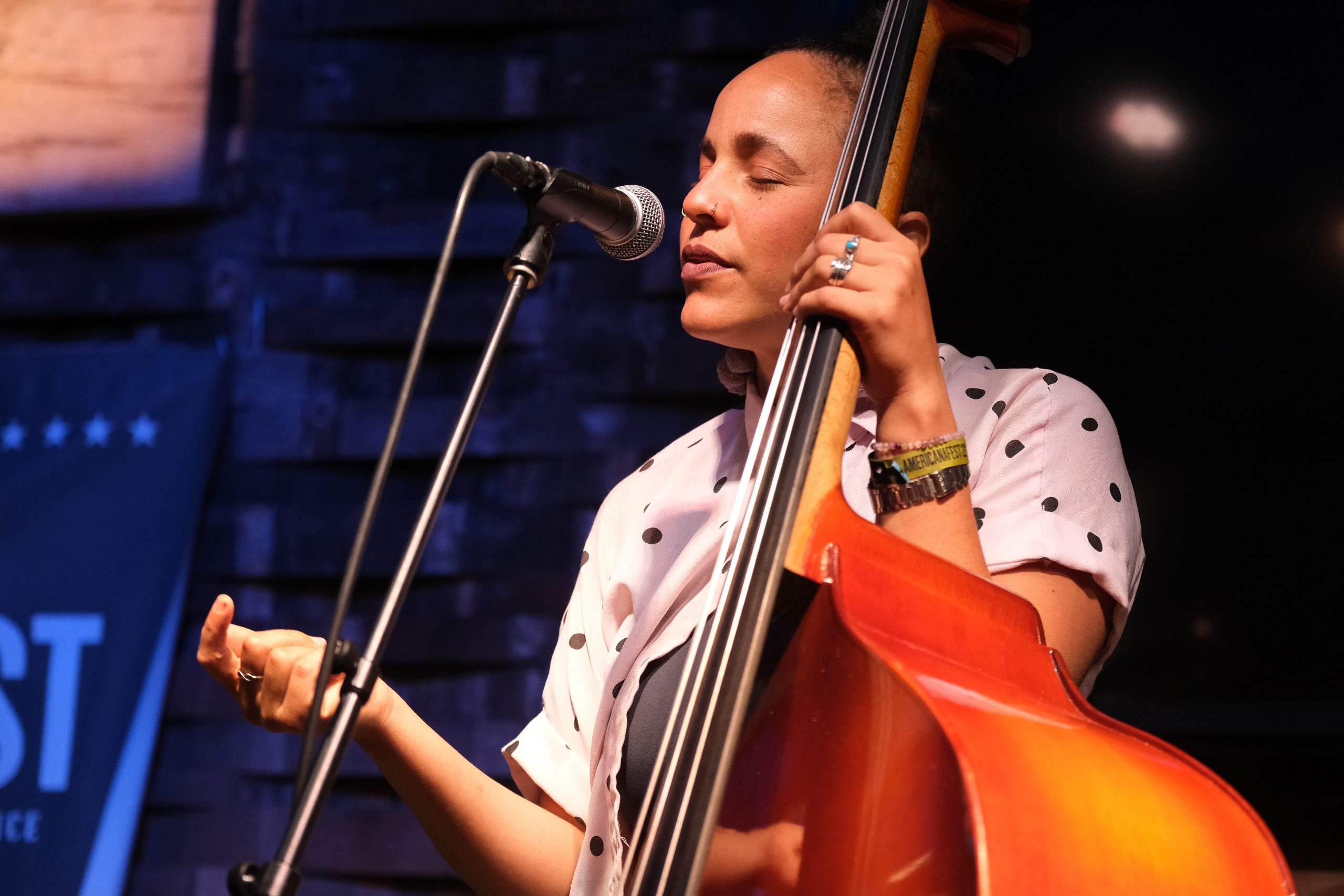
BGS returned to ESMF for its second year, once again sponsoring the very special, fan favorite Earl Scruggs Revue tribute set, hosted by Tony Trischka – and his band, Michael Daves and Jared Engel. Listeners and fans packed the plaza surrounding the Foggy Mountain gazebo stage to hear Trischka and many special guests – such as Della Mae, Michael Cleveland, I Draw Slow, Twisted Pine, Tray Wellington, Greensky Bluegrass, Jerry Douglas and more – pay tribute to Earl’s and his son’s groundbreaking and innovative group, the Earl Scruggs Revue, and their Live! From Austin City Limits album.

Enjoy a collection of photos from the Earl Scruggs Music Festival below and make plans to attend the 3rd Annual edition of this first-class event in 2024 – the dates are set and tickets are already on sale for the August 30 to September 1, 2024 edition of ESMF!


Photos courtesy of Earl Scruggs Music Festival.
Lead image credit: Devon Fails
All other photos:
 Reagan Ibach, Eli Johnson, Rette Solomon, and Cora Wagoner. 

IBMA Announces 34th Annual Awards Nominees and Recipients

The International Bluegrass Music Association announced this year’s nominees and recipients for the 34th Annual IBMA Bluegrass Music Awards today in downtown Nashville at SiriusXM’s Music City Theater. The announcement ceremony included live performances by nominees the Lonesome River Band and Sam Bush, who will be inducted into the Bluegrass Music Hall of Fame at the IBMA Awards show in Raleigh, North Carolina, this September.

Additional inductees into the Hall of Fame, which is housed at the Bluegrass Music Hall of Fame & Museum in Owensboro, Kentucky, include first-generation bluegrasser and country chart-topper Wilma Lee Cooper and an innovator and virtuoso who has expanded the borders of bluegrass and acoustic music throughout his career, David Grisman.

Recipients of the Distinguished Achievement Awards – IBMA’s highest honor outside of Hall of Fame induction – were also announced, highlighting the significant contributions of artists, musicians, and organizations such as Red Wine (Italy’s foremost bluegrass group), banjo player and band leader Terry Baucom, author and musician Tom Ewing, promoter and organizer Carl Goldstein, and media outlet and online hub BGS, The Bluegrass Situation.

“We are so honored and humbled by this recognition,” says BGS managing editor Justin Hiltner. “Bluegrass is all about community, and to have our community – the genre that built us – recognize our efforts in this way means the world. What Ed [Helms] and Amy [Reitnouer Jacobs] have created and brought all of us into is something truly special. Thank you to IBMA, the organization and its membership, for this award.” (Read more here.)

In the Instrumentalist, Recordings, and Artists’ categories, Molly Tuttle & Golden Highway, Billy Strings (and his father, Terry Barber), Michael Cleveland, Del McCoury Band, and Sam Bush Band lead the nominations. View the full list below and make plans now to attend the IBMA Awards Show in Raleigh, North Carolina, as part of IBMA’s World of Bluegrass conference on Thursday, September 28, 2023.

ENTERTAINER OF THE YEAR:

Appalachian Road Show
Billy Strings
Del McCoury Band
Molly Tuttle & Golden Highway
The Po’ Ramblin’ Boys

VOCAL GROUP OF THE YEAR:

Authentic Unlimited
Balsam Range
Blue Highway
Del McCoury Band
Sister Sadie

INSTRUMENTAL GROUP OF THE YEAR:

Billy Strings
Michael Cleveland & Flamekeeper
The Infamous Stringdusters
Molly Tuttle & Golden Highway
The Travelin’ McCourys

SONG OF THE YEAR:

“Blue Ridge Mountain Baby”

Artist: Appalachian Road Show
Songwriters: Barry Abernathy/Jim VanCleve
Label: Billy Blue Records
Producer: Appalachian Road Show

“Crooked Tree”
Artist: Molly Tuttle & Golden Highway
Songwriters: Molly Tuttle/Melody Walker
Label: Nonesuch Records
Producers: Jerry Douglas and Molly Tuttle

“Diane”
Artist: Sister Sadie
Songwriters: Jeffrey Nath Bhasker/Samuel Tyler Johnson/Cameron Marvel Ochs
Label: Mountain Home
Producer: Sister Sadie

“Heyday”
Artist: Lonesome River Band
Songwriters: Barry Huchens/Will Huchens
Label: Mountain Home Music Company
Producer: Lonesome River Band

“Power of Love”
Artist: Rick Faris
Songwriters: Johnny Colla/Huey Lewis/Christopher Hayes
Label: Dark Shadow Recording
Producer: Stephen Mougin

ALBUM OF THE YEAR:

Crooked Tree
Artist: Molly Tuttle & Golden Highway
Label: Nonesuch Records
Producer: Jerry Douglas and Molly Tuttle

Lovin’ of the Game
Artist: Michael Cleveland
Label: Compass Records
Producers: Jeff White, Michael Cleveland, and Sean Sullivan

Lowdown Hoedown
Artist: Jason Carter
Label: Fiddle Man Records
Producers: Jason Carter and Brent Truitt

Me/And/Dad
Artist: Billy Strings and Terry Barber
Label: Rounder Records
Producers: Billy Strings and Gary Paczosa

Radio John: The Songs of John Hartford
Artist: Sam Bush
Label: Smithsonian Folkways
Producer: Sam Bush

GOSPEL RECORDING OF THE YEAR:

“The Glory Road”

Artist: Joe Mullins & The Radio Ramblers
Songwriters: Paul Martin/Harry Stinson/Marty Stuart
Label: Billy Blue Records
Producers: Joe Mullins and Adam McIntosh

“Jordan”
Artist: Darin & Brooke Aldridge with Ricky Skaggs, Mo Pitney and Mark Fain
Songwriter: Fred Rich
Label: Billy Blue Records
Producer: Darin Aldridge and Mark Fain

“The Scarlet Red Lines”
Artist: Larry Sparks
Songwriter: Daniel Crabtree
Label: Rebel Records
Producer: Larry Sparks

“Take a Little Time for Jesus”
Artist: Junior Sisk
Songwriter: David Marshall
Label: Mountain Fever Records
Producers: Junior Sisk and Aaron Ramsey

“Tell Me the Story of Jesus”
Artist: Becky Buller with Vince Gill and Ricky Skaggs
Songwriter: Fanny Crosby, arrangement by Becky Buller
Label: Dark Shadow Recording
Producer: Stephen Mougin

INSTRUMENTAL RECORDING OF THE YEAR:

“Contact”
Artist: Michael Cleveland with Cody Kilby, Barry Bales, and Béla Fleck
Songwriter: Michael Cleveland
Label: Compass Records
Producer: Jeff White, Michael Cleveland, and Sean Sullivan

“Foggy Morning Breaking”
Artist: Alison Brown with Steve Martin
Songwriters: Alison Brown/Steve Martin
Label: Compass Records
Producers: Alison Brown and Garry West

“Gold Rush”
Artist: Scott Vestal’s Bluegrass 2022
Songwriter: Bill Monroe
Label: Pinecastle Records
Producer: Scott Vestal

“Kissimmee Kid”
Artist: Jason Carter
Songwriter: Vassar Clements
Label: Fiddle Man Records
Producers: Jason Carter and Brent Truitt

“Scorchin’ the Gravy”
Artist: Frank Solivan & Dirty Kitchen
Songwriter: Frank Solivan
Label: Compass Records
Producer: Frank Solivan

NEW ARTIST OF THE YEAR:

Authentic Unlimited
East Nash Grass
Henhouse Prowlers
The Tennessee Bluegrass Band
Tray Wellington

COLLABORATIVE RECORDING OF THE YEAR:

“Alberta Bound”
Artist: Special Consensus with Ray Legere, John Reischman, Tisha Gagnon, Claire Lynch, Pharis & Jason Romero, Patrick Sauber
Songwriter: Gordon Lightfoot
Label: Compass Records
Producer: Alison Brown

“Big Mon”
Artist: Andy Leftwich with Sierra Hull
Songwriter: Bill Monroe
Label: Mountain Home Music Company
Producer: Andy Leftwich

“Foggy Morning Breaking”
Artist: Alison Brown with Steve Martin
Songwriter: Alison Brown/Steve Martin
Label: Compass Records
Producer: Alison Brown and Garry West

“For Your Love”
Artist: Michael Cleveland with Billy Strings and Jeff White
Songwriter: Joe Ely
Label: Compass Records
Producer: Jeff White, Michael Cleveland, and Sean Sullivan

“From My Mountain (Calling You)”
Artist: Peter Rowan with Molly Tuttle and Lindsay Lou
Songwriter: Peter Rowan
Label: Rebel Records
Producer: Peter Rowan

MALE VOCALIST OF THE YEAR:

Greg Blake
Del McCoury
Danny Paisley
Larry Sparks
Dan Tyminski

FEMALE VOCALIST OF THE YEAR:

Brooke Aldridge
Dale Ann Bradley
Jaelee Roberts
Molly Tuttle
Rhonda Vincent

BANJO PLAYER OF THE YEAR:

Kristin Scott Benson
Alison Brown
Béla Fleck
Ned Luberecki
Scott Vestal

BASS PLAYER OF THE YEAR:

Mike Bub
Todd Phillips
Missy Raines
Mark Schatz
Vickie Vaughn

FIDDLE PLAYER OF THE YEAR:

Jason Carter
Michael Cleveland
Stuart Duncan
Bronwyn Keith-Hynes
Deanie Richardson

RESOPHONIC GUITAR PLAYER OF THE YEAR:

Jerry Douglas
Andy Hall
Rob Ickes
Matt Leadbetter
Justin Moses

GUITAR PLAYER OF THE YEAR:

Chris Eldridge
Trey Hensley
Billy Strings
Bryan Sutton
Molly Tuttle

MANDOLIN PLAYER OF THE YEAR:

Alan Bibey
Jesse Brock
Sam Bush
Sierra Hull
Ronnie McCoury

DISTINGUISHED ACHIEVEMENT AWARD RECIPIENTS:

Terry Baucom
The Bluegrass Situation
Tom Ewing
Carl Goldstein
Red Wine

BLUEGRASS MUSIC HALL OF FAME INDUCTEES:

Sam Bush
Wilma Lee Cooper
David Grisman


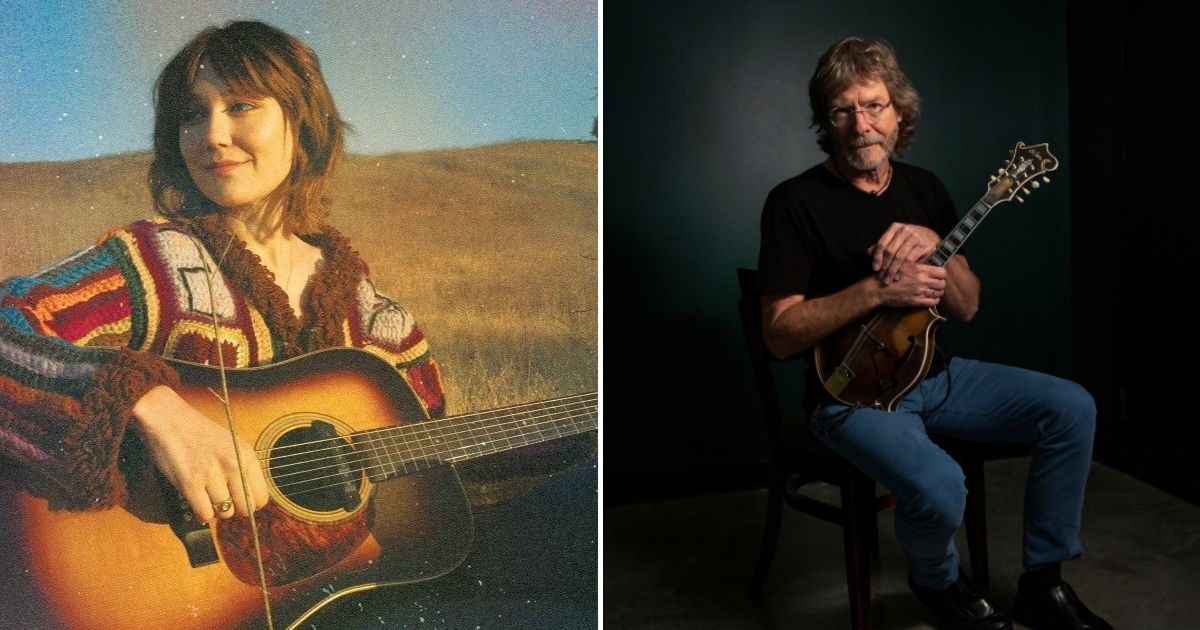
Photo of Sam Bush by  Jeff Fasano; photo of Molly Tuttle by Samantha Muljat.

BGS Class of 2023 Favorites So Far

Somehow, it’s July and more than half the year has already blown by! In many ways it feels like 2023 is still brand new, despite the calendar saying otherwise and the overabundance of amazing music that has soundtracked the past (nearly) seven months. With many more albums and songs yet to come, we wanted to reflect on the music that has stuck with us and become new favorites of ours since January. It’s a stout list – if we do say so ourselves.

We want to hear from you, too! What albums, songs, and artists have been the underscoring of your 2023? Who’s missing from our list? 

(Editor’s Note: Scroll to find our complete BGS Class of 2023 playlist, which is updated every week.)

Rachel Baiman, Common Nation of Sorrow

Fiddler, songwriter, and activist Rachel Baiman has been a part of the BGS family for quite a while now, but recently she joined the ranks of our contributors, as well. (See her writings here.) Her new album, Common Nation of Sorrow, has been a standout for the entire team since it arrived in late March. Though she’s always helmed her creative and musical projects, in many capacities, this record marks the first time she’s been the sole producer on one of her own releases. Her fingerprints are indelible and striking; challenging and convicting. It’s introspective, but expansive. 

boygenius, the record

An album so nearly perfect we just have to include it, even though some may believe its connections to roots music are tenuous at best. (We disagree, of course– and wrote an entire list of folk bands for boygenius fans to prove our point.) Julien Baker, Phoebe Bridgers, and Lucy Dacus somehow, against the odds, rise above the simple sum of their parts while reminding of former folk supergroups like Trio (that is, Dolly, Linda, and Emmylou) and Crosby, Stills, Nash, and Young. 

Caitlin Canty, Quiet Flame

With its acoustic aesthetic and simple, string band underpinnings, Caitlin Canty’s Quiet Flame is a surprise superlative among bluegrass records released in 2023. Her past albums aligning more with folk, Americana, and singer-songwriter traditions, Quiet Flame was produced by Chris Eldridge and though the production values were quite intentional, the bluegrass result was more a happy byproduct than a deliberate destination. Filmmaker and playwright Noah Altshuler spoke to Canty about the project for a recent feature

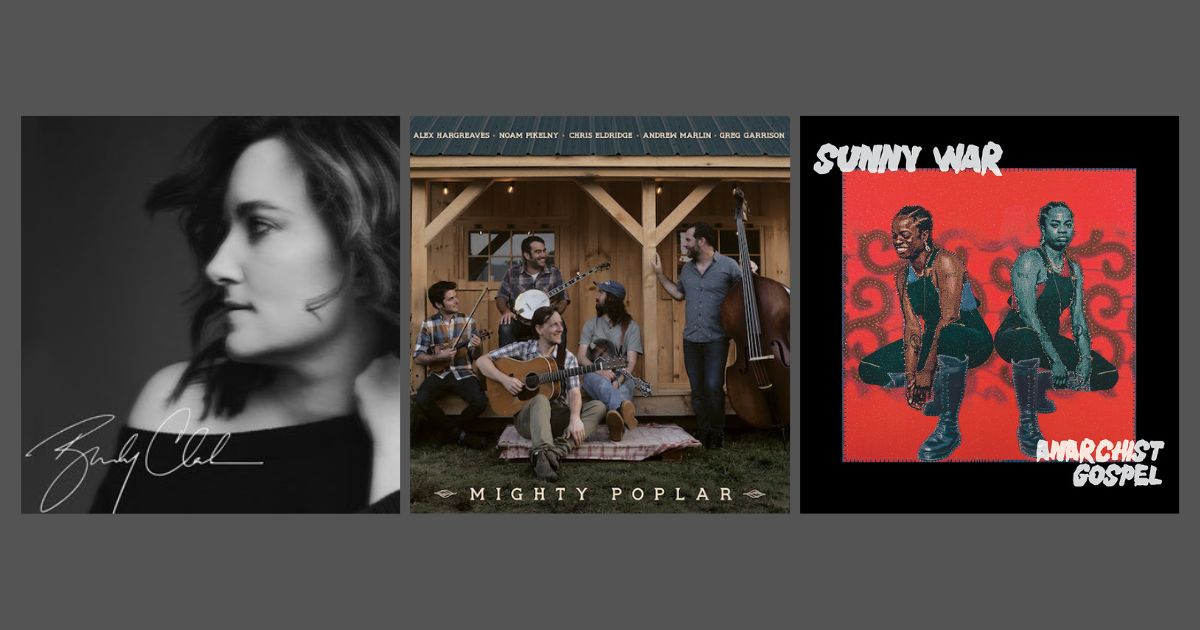
Brandy Clark, Brandy Clark

The BGS team has been fans of country singer-songwriter Brandy Clark for quite some time, so it’s more than a little bit enjoyable to watch as more and more listeners and fans discover Clark. And they have so many pathways to find her, whether through her hit, Tony Award-winning Broadway musical, Shucked, her collaboration with Brandi Carlile – who produced the new, self-titled album – or her many charting hit songs. There’s a point of view on Brandy Clark that we never knew we missed before, a maturity that she never lacked, but she has certainly distilled. It shines in its many spotlights. (Watch for a feature on Clark coming soon to BGS.) 

Michael Cleveland, Lovin’ of the Game

Michael Cleveland has won IBMA’s Fiddle Player of the Year award more times than any other fiddler in the organization’s history. His obvious adoration for the instrument – and the life it has led him to – is front and center on his latest album, Lovin’ of the Game. Though he’s collaborated with virtuosos like Chris Thile, Béla Fleck, Billy Strings, and many more over the past handful of years, his perspective remains markedly down-to-earth. As is on display in our Artist of the Month interview from March.

Cat Clyde, Down Rounder

In mid-February, we premiered the music video for the lead single off Canadian alt-folk singer-songwriter Cat Clyde’s album, Down Rounder, and this collection has stuck with us since. For those of us with an affinity for a good red-dirt or red-rock hike, and for western, nomadic, cowboi (that is, all-gendered cowboys) aesthetics – since long before the recent rise of yeehaw culture – this album will provide such perfect daydream scoring. It’s ideal music for journeys internal as well as external. 

Iris DeMent, Workin’ On A World

An album of hope – but zero toxic positivity. Iris DeMent knows how it feels to be burnt out, bedraggled, exasperated, defeated. But hope is a radical act and, in those dark moments where hope seems so ethereal and distant, existence is a radical act. The songs of Workin’ On A World never feel preachy or condescending, even while they remind of weeknight church – all-denominational, of course – and raising voices together in the face of oppression and fascism. DeMent isn’t just workin’ on a world, she’s imagining one, too. It’s our job to bring it to fruition, even if we never see it. 

Amanda Fields, What, When and Without

Amanda Fields’ voice is impossibly tender, but do not let your guard down or it will bite you just the same. Especially when delivering a bittersweet, southwest Virginia-tinged lyric equally at home played by a bluegrass band or, like on What, When and Without, backed by a vibey, homespun, alt-country sound bed. For a voice and perspective as traditional as her’s, Fields still finds endless new ground to break and lines to color outside of. Her collaboration with guitarist and producer Megan McCormick (who has new solo music coming this year, as well) finds Fields’ musical output climbing to even higher levels of realization, innovation, and professionalism.

Ashby Frank, Leaving Is Believing

Mandolinist, singer, and songwriter Ashby Frank is in the running for IBMA’s Best New Artist award this year, and while reaching the second ballot in this category is certainly a well-deserved recognition, it’s a bit… inaccurate! Frank is not exactly a “newcomer,” as he has been a near permanent fixture in bluegrass, country, and Nashville for the greater part of two decades, performing with outfits like the Likely Culprits, the infamous Darrell Brothers, Special Consensus, Mountain Heart, John Cowan, and so many more. He’s even subbed regularly with the Earls of Leicester – and he’s a hit bluegrass songwriter, too, with charting cuts by Junior Sisk, Dale Ann Bradley, and more. His emerging solo career is where he’s truly hitting his stride, though, and in real time, with this outstanding “debut” on Mountain Home Music. 

Brittany Haas & Natalie Haas, HAAS

Genre is dead, we know, but if it hadn’t already been dead, chambergrass, classical-meets-fiddle, string band music such as this would have killed it. It’s a glorious musical territory and is no better inhabited by anyone in this particular scene than sisters Natalie and Brittany Haas, who return to collaborating with one another in an “official” format on HAAS. Sometimes it’s easy to lose sight of just how toxically masculine improvisational, jammy, virtuosic bluegrass and chambergrass have become. An album like HAAS quickly grounds this aesthetic – so far outside the realm of similar more performative, self-indulgent projects – and reminds just how much newgrass and chambergrass are still out there to be discovered and made. 

Jaimee Harris, Boomerang Town

A glut of queer country records are being released at this particular moment in time and Jaimee Harris’ Boomerang Town stands out in a niche that’s becoming more and more crowded. No one welcomes this quick change in country music more than ourselves – and Jaimee, too, we’re sure – but with more voices to be heard, one like Harris’ certainly cuts through. Boomerang Town isn’t exactly autobiographical, but it drips with Harris’ lived experiences and plays as if you’re sitting quietly with her, alone in her room, as she picks each intro on her favorite guitar and every track grows into a fully-realized number. It’s a not-so-idyllic snapshot of a hometown, like country does so well, and, like queer folks the world over know so intimately, the exact hometown really doesn’t matter. 

Brennen Leigh, Ain’t Through Honky Tonkin’ Yet

We hope Brennen Leigh, a multi-hyphenate picker, performer, and songwriter, is never through honky tonkin’. With her latest Signature Sounds recording Leigh has raised the bar for honky tonk sounds – a bar that should never be re-lowered. Equally at home as a “sideman,” a bluegrass picker, a songwriter (with cuts by Lee Ann Womack and others), and as an in-town Nashville picker, Leigh typifies the country everyman archetype – or, perhaps, the country “renaissance man” archetype. Or both! – while doing it better than nearly everyone else in the game, currently. With Nashville’s best on the album’s roster – as band members or featured artists – Ain’t Through Honky Tonkin’ Yet is a gem. 

Darren Nicholson, Wanderer

Mandolinist Darren Nicholson recently left Balsam Range, the North Carolina bluegrass group for which he’s known, after criss-crossing the country – and the globe – with the IBMA Award-winning and Grammy-nominated band for decades. He announced his departure from Balsam Range in 2022 and his first release as a solo artist, Wanderer, is a huge success. Nicholson stakes out and lays claim to his own brand of bluegrass – which is rooted equally in the high country of Western North Carolina (Nicholson hails from Haywood County) and in an effervescent joy. Besides his old-time influenced, traditional mandolin picking, his smile and laugh might be his most recognizable traits. The humor he relishes in life comes forward in his playing, too. Wanderer is a harbinger of many fine solo projects to come from Darren Nicholson.

Nickel Creek, Celebrants

Nickel Creek returned and millennial roots-music fans everywhere rejoiced, joining in the Celebrants celebration. After a nearly ten-year wait since 2014’s A Dotted Line, Celebrants seemed to once again impossibly capture the Nickel Creek lightning in a bottle. A Dotted Line felt mature and confident, self-assured but not cocky. On Celebrants, the throughline could be described as gentleness and gratitude; perhaps from Thile and Sara Watkins both becoming parents in the interim. Nevertheless, Celebrants would have been one of the most notable albums released this year – and for good reason – even without these subtle growth points and nuances.

Mighty Poplar, Mighty Poplar

If ever a bluegrass, old-time, and/or string band supergroup convenes with a pun for a name and we do not react with unabashed glee, please check the collective team BGS pulse. Mighty Poplar checks all of the boxes and then some. Yes, with its particular convention of pickers this album could be seen as a “return” to bluegrass, but that’s perhaps the most boring angle on this fascinating record. It’s not merely a return to the format that musically birthed each of these instrumentalists (Chris Eldridge, Greg Garrison, Alex Hargreaves, Andrew Marlin, and Noam Pikelny), it’s a demonstration in bluegrass not just as an aesthetic and tradition, but bluegrass as expression. 

Molly Tuttle & Golden Highway, City of Gold

Though we still have a couple of weeks until City of Gold drops, Molly Tuttle is our current Artist of the Month and we would be remiss to not include the most buzzed about bluegrass album of the year on this list. Singles “El Dorado” (above), “Next Rodeo,” and “San Joaquin” are out now, tempting and teasing another record influenced so heavily by Tuttle’s growing up in the bluegrass scene of California and the West Coast. Her band, Golden Highway (Bronwyn Keith-Hynes, Dominick Leslie, Shelby Means, and Kyle Tuttle) are featured heavily on City of Gold, for which Jerry Douglas returns to producing. Turns out it’s been Molly Tuttle & Golden Highway at the end of the rainbow this whole time!

Kassi Valazza, Kassi Valazza Knows Nothing

Kassi Valazza Knows Nothing, but she does know the power and magic of live recording. Her brand new album, tracked with backing band, fellow Portland, OR-based artists TK & the Holy Know-Nothings, was all tracked live, including vocals. As a result, the entire record buzzes with energy, whether toe-tapping or subdued. Sometimes, it’s a calm, warm, and honeyed patina that feels solemn and poetic, but ultimately, the entire collection is danceable. It’s tear-in-your-beer country and boot-scootin’ country – but that doesn’t make it simplistic. Which might be surprising, from someone who famously knows nothing. 

Sunny War, Anarchist Gospel

Sunny War’s latest album, Anarchist Gospel, finds her sound having grown and expanded, while still held together by the most fantastic of glues: Her confounding and entrancing right hand. Yes, War combines DIY music, punk, and grunge with roots music and fingerstyle blues, but that’s decidedly not the point – certainly not the centerpiece – of her art-making. (Despite what the guitar bros might tell you.) The truth is, at times, so much more complicated. At others, it’s really quite simple and literal. As she told us in an interview from earlier this year, she just plays the songs, the licks, the hooks, the lyrics as they’re meant to be played. And anarchy isn’t just a concept. 

Bella White, Among Other Things

Bella White’s breakout debut, Just Like Leaving, had already been released when she signed to Rounder Records, who then picked up and distributed the album. It received widespread acclaim as her Alberta- and Virginia-influenced bluegrass sound and Gillian Welch-like lyrics resonated with listeners and critics alike. Her brand new album, Among Other Things, then, feels like both a debut and a sophomore outing, devoid of any sort of “sophomore slump,” but capitalizing on the excitement she continues to generate in the bluegrass realm and well beyond it, too. We featured the new project with an interview in May.

Julie Williams, Julie Williams EP

We first became acquainted with Julie Williams’ music through Black Opry, the artist collective and revue who were our June Artist of the Month. In the Black Opry Revue’s simple, writers’ round format, her songs shone, gorgeous even in their very simple trappings. On her new EP, each of her songs are given the full treatment they deserve. Though they never feel lacking when delivered intimately and stripped down, unencumbered, Williams’ songs in this context soar, especially because they each give us an individualized window into her creative process, her songwriting imagination, and the production landscape she’ll continue to conquer into the future. 

Jess Williamson, Time Ain’t Accidental

In May we premiered “Chasing Spirits,” a delightfully hooky number from Jess Williamson’s latest album, Time Ain’t Accidental, which we are glad to return to here. (Williamson, you may know, is one half of duo Plains with Waxahatchee’s Katie Crutchfield.) Time Ain’t Accidental finds its home base where Williamson was raised, in Texas, and while it processes and puts under the microscope a past, failed relationship, this album is about movement, regeneration, and forward momentum. That she accomplishes this with imagery that’s pastoral, stark, and bristling is not an accident, either.
 

​​


On ‘Lovin’ Of The Game’ Michael Cleveland Brings His Bluegrass Community to the World

The entire world is learning what the bluegrass community has always known: Michael Cleveland is a once-in-a-lifetime talent. Cleveland has long enjoyed critical acclaim inside the bluegrass circles he grew up in – he is a 10-time winner of the IBMA Fiddle Player of the Year Award – but, given this genre’s inward-facing bent, his fiery, impassioned playing has most often reached listeners and fans who are already diehard acolytes. 

Now, with his sixth studio release, Lovin’ Of The Game, Cleveland’s star is objectively rising. Recent collaborations with stratospherically famous pickers like Béla Fleck and Billy Strings – both of whom appear on the new project – along with several jaw-dropping viral videos have demonstrated to the world beyond bluegrass conferences and festivals that Cleveland is worth paying attention to. 

And it’s all thanks to his truly unique voice on his instrument. The American public, and roots music fans across the globe, understand rip-roaring fiddle just as well as they relate to a speedy banjo breakdown or a screaming, arena rock guitar solo. With every note Cleveland pulls from his fiddle, there’s a grit, an ease, endless emotion, and a winking sparkle that all at once conjure the aggression of Charlie Daniels and the tenderness of “Ashokan Farewell.” It’s infinitely appealing, even to uninitiated fans, and it’s a delectable gateway drug, a window into a vibrant instrumental tradition that most folks only interact with casually. With Cleveland’s playing, every listener is given permission to love the most elemental parts of bluegrass, old-time, and country music – and to feel like it’s something they discovered for themselves. 

They are certainly discovering it. Six albums down and Cleveland is continuing to put one foot in front of the other, with constant innovation and enthusiasm, and a long view that envisions endless opportunities for new albums, new collaborations, and new music to be made. All the while, he’s bringing hundreds and thousands of new fans into these rootsy genres. Michael Cleveland shows all of us how much joy – and fire – can be found in the Lovin’ Of The Game

This is your sixth studio release – it’s not a “sophomore album” or a third or fourth record, even – you’ve got quite a lot of miles under your feet at this point and have made quite a few albums. What’s your perspective at this point, looking back and looking ahead? 

MC: What I wanted to show with this album and with [the last album,] Tall Fiddler, is that I still love and will always play traditional bluegrass, but I can and like to do a lot more than that. I wanted to definitely show that on this record, because a couple of people that I talked to recently – Béla Fleck being one of them, I heard Béla say in an interview, “I wasn’t really sure if Michael would want to play with me.” And I thought, “Who wouldn’t want to play with Béla Fleck!?” It’s kind of a no-brainer! I get what he’s saying, though, in the sense that a lot of people are comfortable in what they do, they’re happy doing that, and they might not want to stray too far from that. That’s not necessarily the case with me. I wanted to have some different stuff on this record, a lot of traditional bluegrass, but some things that push the envelope a little bit and let people know that I do like to do more than just straight-ahead bluegrass.

As far as straight-ahead bluegrass albums, to be quite honest with you, the albums that I did early on – like Flamekeeper and Let ‘Er Go, Boys! – as far as straight-ahead bluegrass goes, those would be my favorite albums. Not because of anything that I did on those albums, but because of the band. The bands on those albums and the groove that they play is like no other. Audie Blaylock, Jesse Brock, Jason Moore, who we recently lost last year, Tom Adams, Charlie Cushman, and people like that – I dunno if there’s a way to top those albums. We could do different material, but the groove and the feel that those guys played is like no other. So, the thing is to do something that’s a little different from that.

I view your fiddling as so innovative and cutting edge; when we hear you play, we’re hearing your musical thoughts just pouring out on your instrument. You can be couched so firmly in “tradition” and still be innovative, but then on the outside looking in, when a listener isn’t necessarily a diehard bluegrass fan, your playing can feel just traditional. Now that you’re getting well-deserved notoriety not just in bluegrass, but further afield too, how does it feel to try to show people your musical perspective when traditional bluegrass means different things to different people? 

You know, that’s my favorite audience, and I think a favorite audience of my band, to play to. We like to play bluegrass festivals and we always hope to play bluegrass festivals, but man, I like to play bluegrass for people that have never heard it before. Any time I’ve ever done that it’s been well received. If it’s put in the right situation, like seeing what Billy Strings is doing now. He’s playing traditional bluegrass and thousands and thousands of people are hearing that that have never heard it before or would have never paid attention to bluegrass. 

We did a couple of shows with the Louisville Orchestra here. We’re talking the Kentucky Center for the Arts’ Whitney Hall. I think it held like, 2,400 people. And it was a full house! Some of them probably knew what bluegrass was, some of them were there to see us, but I would guess that a far larger number of people were there and probably didn’t know what bluegrass was or what to expect. It went like gangbusters! [Laughs] It really did. Any time I’ve been in a situation like that where bluegrass is presented to an audience that isn’t familiar with it, it’s great. That’s what I like to do more than anything these days. 

It’s hard to look at it objectively, given that it’s me, but it gives me hope that there’s a future for bluegrass. And that it’s not just the stereotype that people think of – that it’s Deliverance. I think mainly, it’s encouraging to see new people getting into it, whether it’s me or Billy Strings or anybody else. I think that’s a good thing. 

Bluegrass is so much about community, it feels like a family. Your albums are so collaborative, whether they’re centered on your band Flamekeeper or not. I sense your community represented so strongly on this record, you’re working with Jeff White producing again, you’ve got old and new friends on the record. But I also wanted to give you a chance to talk about Bill Wolf and Eddie Wells, friends of yours in music who recently passed on and you dedicated the album to.

For records like this, it’s so fun for me to not only get to collaborate with people that I’ve worked with in recent years, but to find the right song that would suit these situations. It’s one thing to have Billy Strings or somebody come in and sing something, and they could sing anything and it would be good, but to find a song that they can actually own and it sounds like something they do, that’s a little harder. My producer, Jeff White, he’s a huge help in picking songs. I have to say this time, we had a lot of good songs to choose from. 

The community thing– number one, I like to get my favorite players, people that I really enjoy playing with whether they’re a “name” or not. My buddy Cody Looper, he played on “Five Points.” I love playing with Cody. He played in my band for about a year or so and he has a job where all of a sudden he wasn’t able to get time off so he had to leave the band. We all hated it, and we still keep in touch and get together to play every once in a while. Anytime I can have him on something I like to do that, because he’s just so fun to play with. Like Lloyd Douglas on Fiddler’s Dream, he played banjo on that album. Lloyd is another one of those guys that maybe not a lot of people are aware of, but he’s just as good as a lot of the people out here killing it.

It’s about who will fit the song. That’s very important to me. It’s got to fit, whoever you get on it has gotta be somebody who can contribute to the song – not just a name. 

And you mentioned Bill Wolf and Eddie Wells, they’re two guys who I’ve probably known since I was really little. Oddly enough, I didn’t really get to know them until I was older. Then Bill, I think, retired from Ford around ‘96 or ‘97 when I had my local band and we started playing together. Those two guys, when I wasn’t on the road, through high school and even up until a couple of years ago, if I was hanging out and jamming at a festival or doing some local gig or having a jam at the house, those two guys would be there. I learned more about music, dynamics as a band, how to play together as a band, and singing trios from those two – Bill Wolf and Eddie Wells and my other friend Cecil Jackson, those three guys singing together was the best. They’d sing Country Gentlemen stuff like no other. I learned a lot and played a lot of music over the years with those two guys and they passed away really not too far apart from each other. I miss them a lot and I wanted to do this album in memory of them and as a way to say thanks for all I learned being around them and all the good times we had together. 

One song that really jumped out at me on the record is a special version of “Temperance Reel,” which I’ve heard Luke Bulla perform over the years. I love how Luke and Tim O’Brien’s voices are blending together on the track – I love how stripped down it is. Can you talk about recording that one? 

I had heard Luke Bulla sing that song a few years ago, I think it was in 2017. Jeff White and Laura White were married and Jeff asked me to be the best man at his wedding. I went down there for that and they had a rehearsal and the night of the rehearsal it was also Ronnie McCoury’s birthday, so there was a big picking party over at this house. Everybody was there. Just about everybody you can think of in Nashville who played bluegrass was there. Luke sang this song and I remember hearing it and really liking it. While working on the album, Jeff was doing a bunch of dates with Lyle Lovett and Luke was in the band. Jeff mentioned that Luke was singing “Temperance Reel” and I happened to ask, “Has he ever recorded that?” Jeff said yes, but he hadn’t released it or something like that. I knew it would sound good with three fiddles and it was my idea to keep it to just the fiddles, we just had to see if we could make it sound full enough to work. 

There’s something about Luke and Tim’s voices, they’re so reedy that they really sound like they’re blending with the fiddles and the bowing. 

It’s wild! I couldn’t be happier with how it turned out. I love not only Tim’s singing, but the part that he plays, the third part on the fiddle. It’s got this Celtic thing to it, too, that really added a lot to the whole track. 

What’s next? What are you excited for? I know you’re deep in the throes of releasing this album, and you’re gaining so much momentum and getting great national press …

Man, I don’t know what’s going to come of this but we’ve never had so much go on at the time of an album release. [Laughs] I’m thrilled about what’s happening so far. It’s already so much more than we would have dreamed of. It will be cool to see what happens. 

I do a lot of session work here at the house, people hire me to work on tracks and I’ve got a studio at home, so I record pretty much every day that I’m home. And the band has a pretty busy summer lined up and I’ve got some more dates with Béla Fleck and My Bluegrass Heart coming. Lots of stuff going on! And I’m working on some new projects that hopefully we’ll be able to tell you about pretty soon. 


Photo credit: Amy Richmond

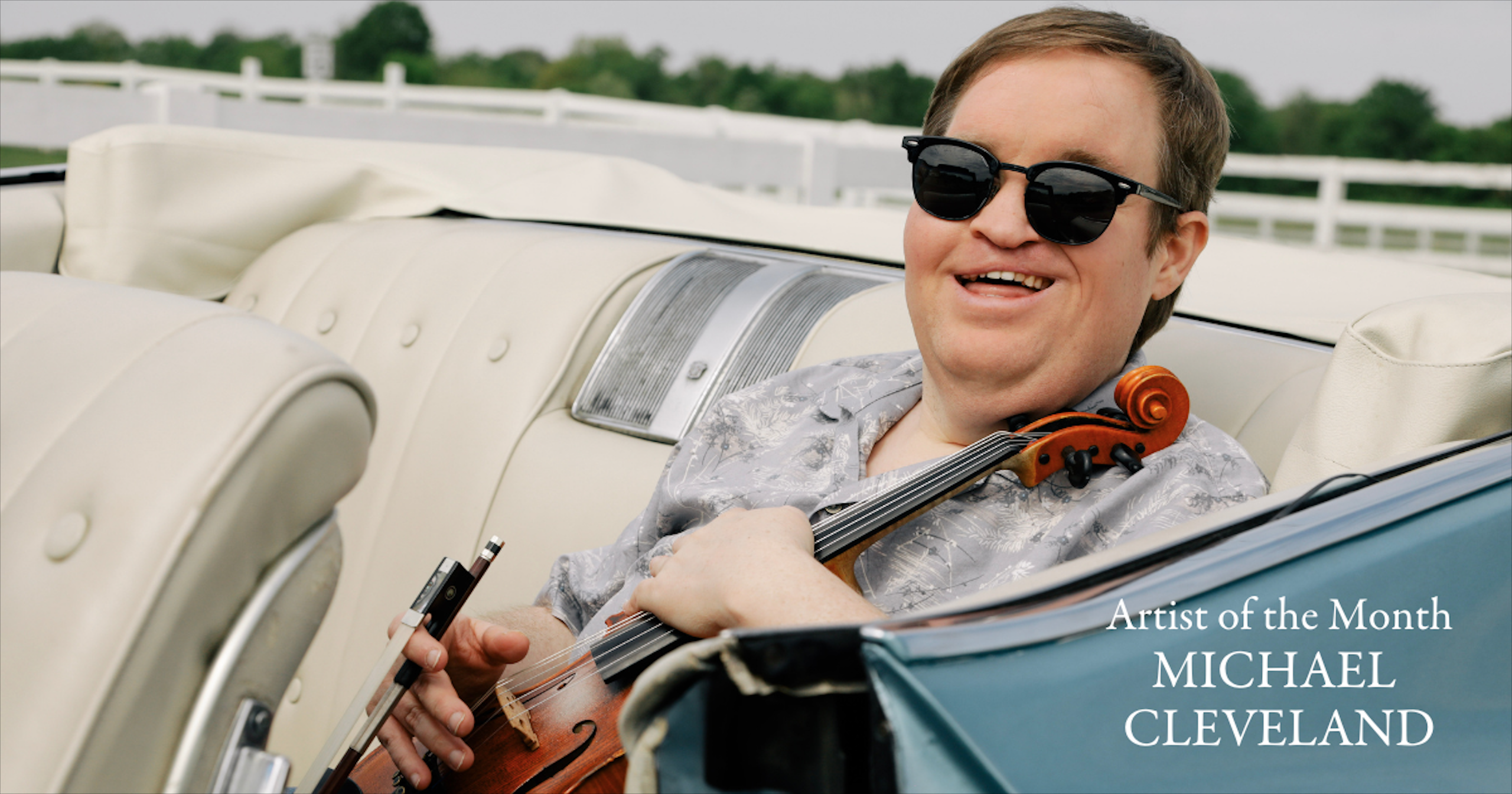
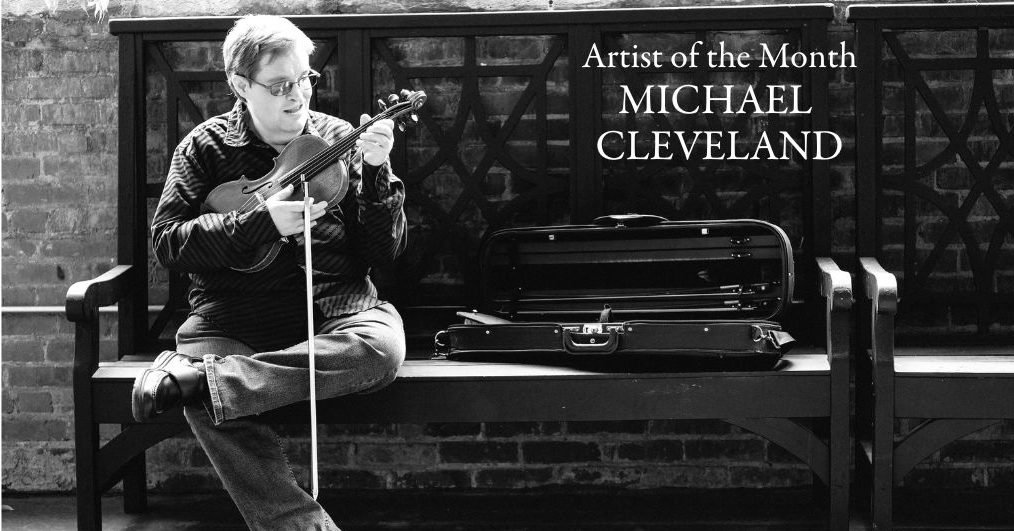
Artist of the Month: Michael Cleveland

Michael Cleveland is likely the most awarded fiddler of our era. Along with a Grammy for best bluegrass album and dozens of IBMA trophies, he’s also won our admiration and respect. You can hear the joy in his fiddling, while his friendly disposition helps him stay on the first-call list for bluegrass recording sessions. He’s gathered an impressive list of collaborators for his sixth studio album, Lovin’ of the Game, releasing this month on Compass Records. Guests range from Jerry Douglas and Béla Fleck, to Vince Gill and Charlie Starr of Blackberry Smoke.

Cleveland titled the new album after a Judy Collins classic that he recorded with his band, Flamekeeper. “The song is about prospectors and gamblers,” he has said, “but for me, the ‘loving of the game’ has always been loving being a part of the musical community and all that being a musician has brought to me.”

Beneath his calm demeanor, though, Cleveland is driven to create. Born completely blind, he’s also lost 80 percent of his hearing in the left year. Nonetheless, he’s been making albums for 25 years, toured with legends like Rhonda Vincent before stepping out with Flamekeeper, and collected all-star admirers like Billy Strings and Bryan Sutton. Vince Gill, who lends his voice to the true blue heartbreaker “I Wish I Knew Now What I Knew Then,” counts himself among a legion of fans. “He plays fearless and it’s intoxicating to play with him because he makes you play fearless,” Gill says. “He takes no prisoners but he plays with restraint and a soul. He plays without abandon.”

As we celebrate Michael Cleveland as our BGS Artist of the Month for March, we’ll unveil a brand new performance video filmed in Nashville, as well as exclusive career-spanning interview. Because we’ve been fans for a long time, we’ll also share some of our favorite moments from the Bluegrass Situation archive (like the time he picked his desert island fiddler for us.) Meanwhile, enjoy our BGS Essentials playlist with Michael Cleveland below.


Photo Credit: Amy Richmond

LISTEN: Michael Cleveland, “Sunny Days (Are Comin’ Once Again)”

Artist: Michael Cleveland
Hometown: Henryville, Indiana
Song: “Sunny Days (Are Comin’ Once Again)”
Release Date: October 28, 2022
Label: Compass Records

In Their Words: “I first heard ‘Sunny Days (Are Comin’ Once Again)’ in 2020 when we were in the middle of the Covid pandemic and everything was shut down. The band wasn’t playing and if it hadn’t been for all the great sessions I got to play on from home during that time, I probably would’ve gone out of my mind. I was asked to play on this original song written by Greg Poulos and I instantly liked it — it was such a positive tune about better, sunny, days ahead. I’m so thankful Greg agreed to let me have it, and Jeff White and Dan Tyminski absolutely nailed the vocals!” — Michael Cleveland


Photo Credit: Amy Richmond

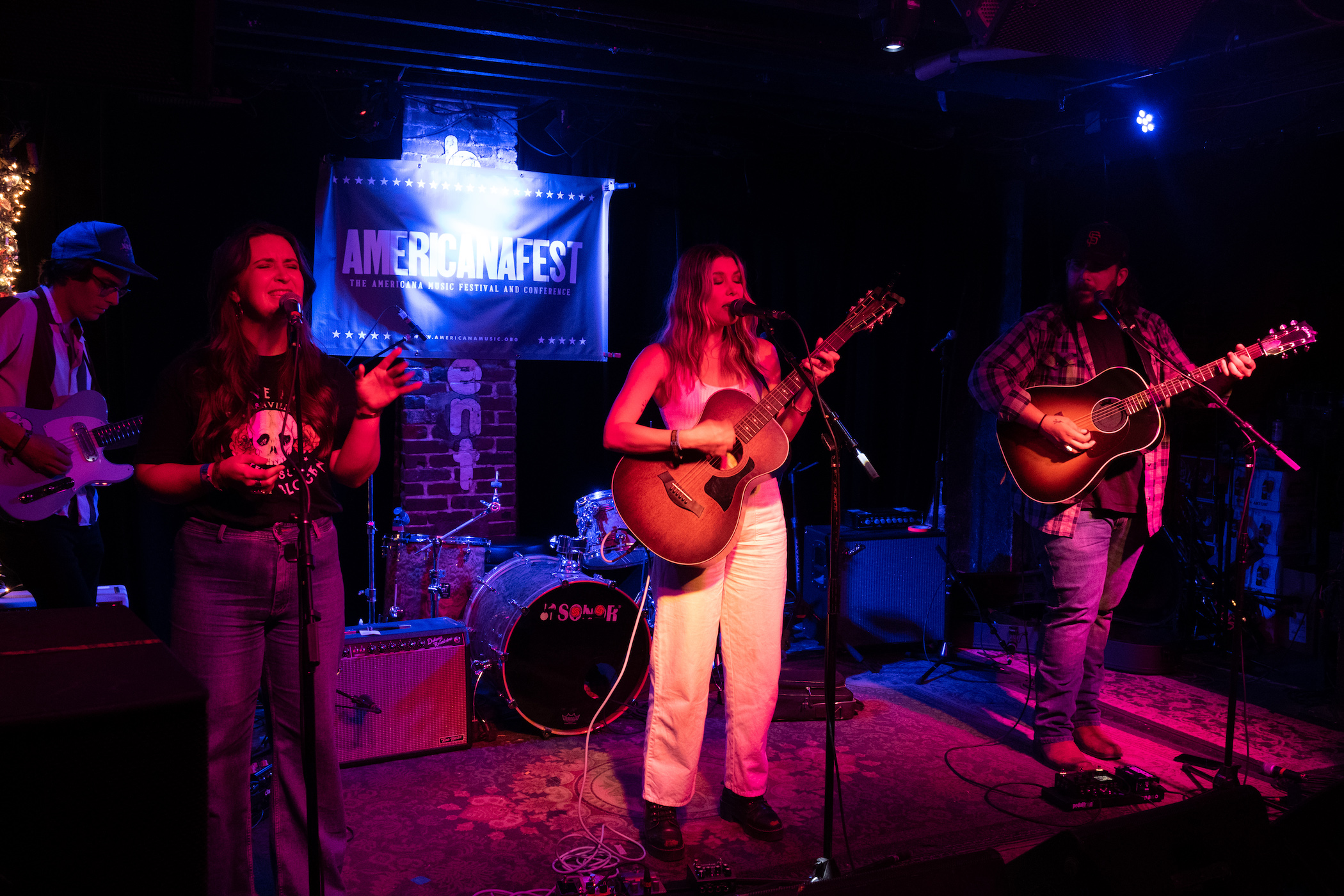
A Bluegrass Family Reunion at AmericanaFest: Photo Recap

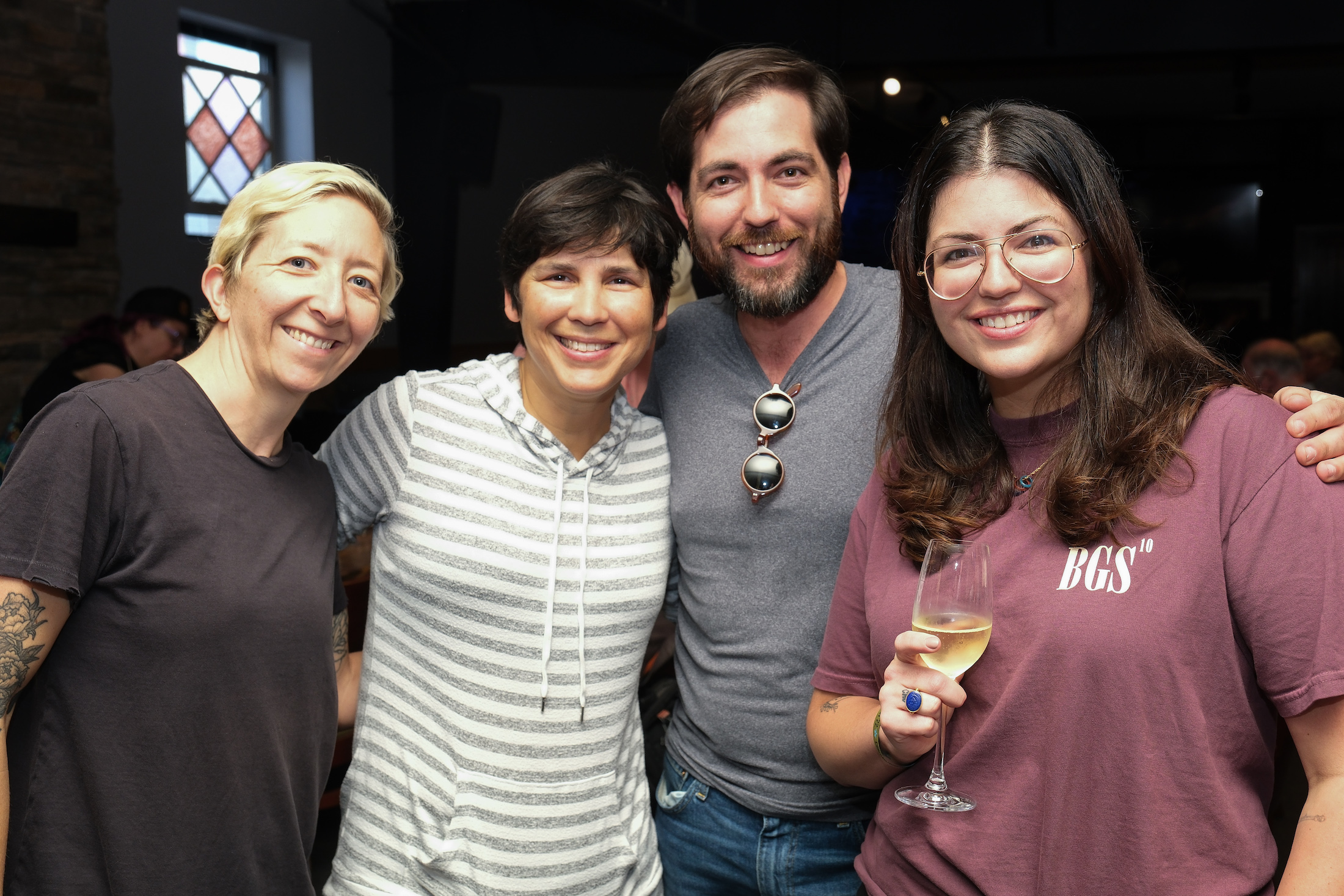
Ahh it was good to be back at AmericanaFest this year. While last year’s conference felt a bit lighter than normal years, with the pandemic bringing a tentative air, 2022 felt like a bit of a family reunion as we came back in full swing, especially as BGS gathered through the week with so many of those closest to us to celebrate our 10th year. After all, BGS is nothing without our community. BGS is the community! Take a look at the gallery below for a photo recap of our week in Nashville.

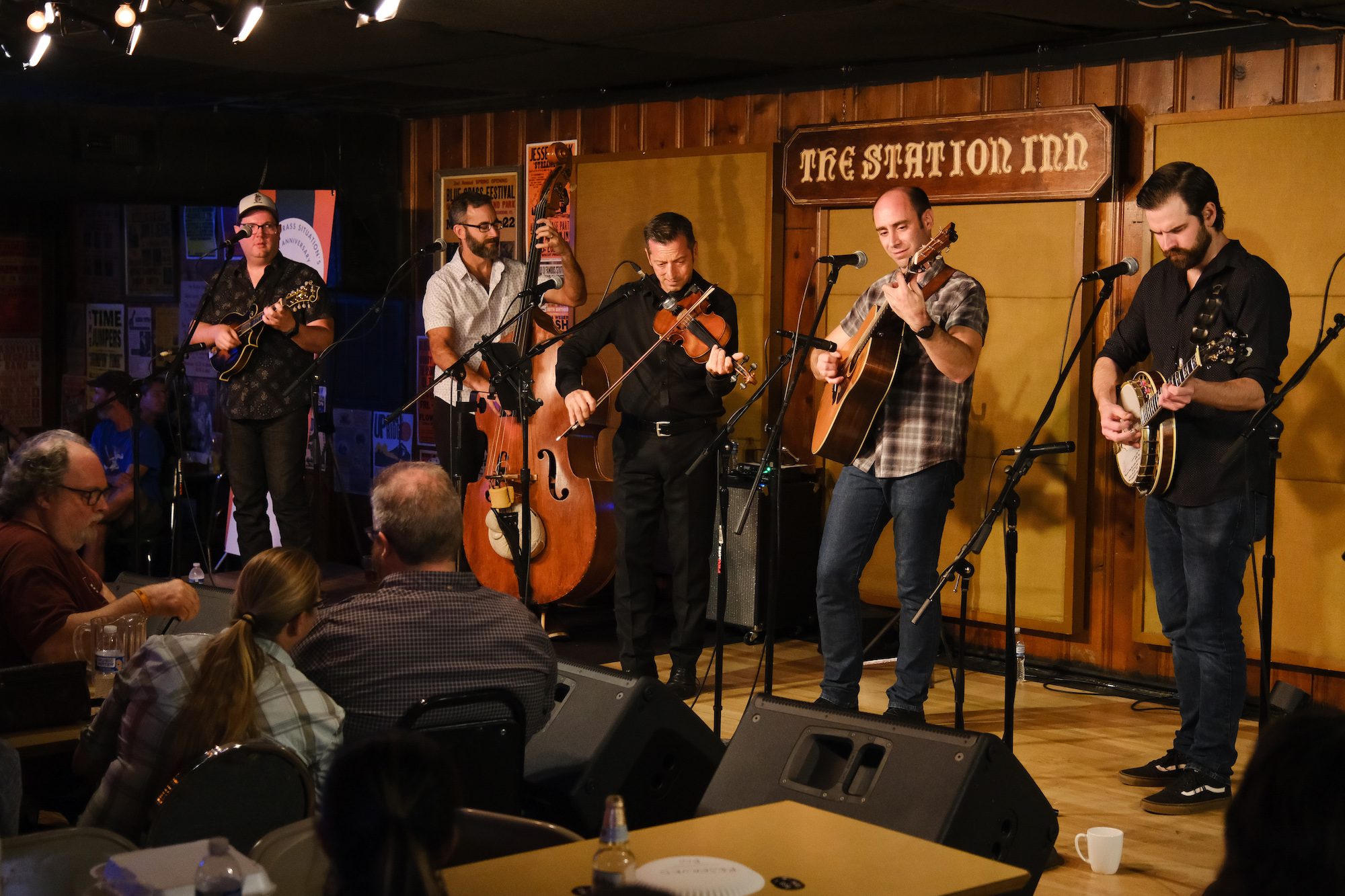
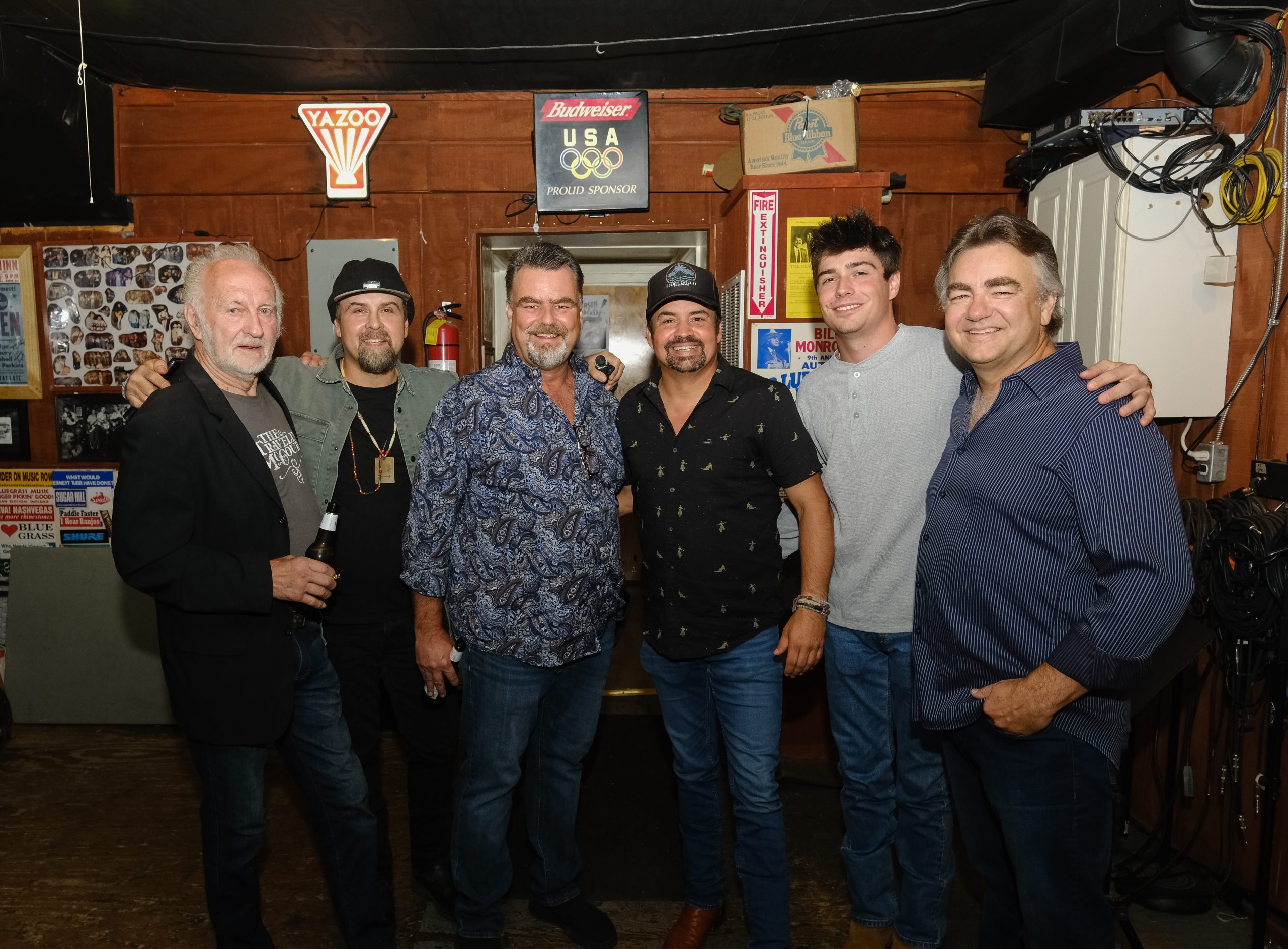
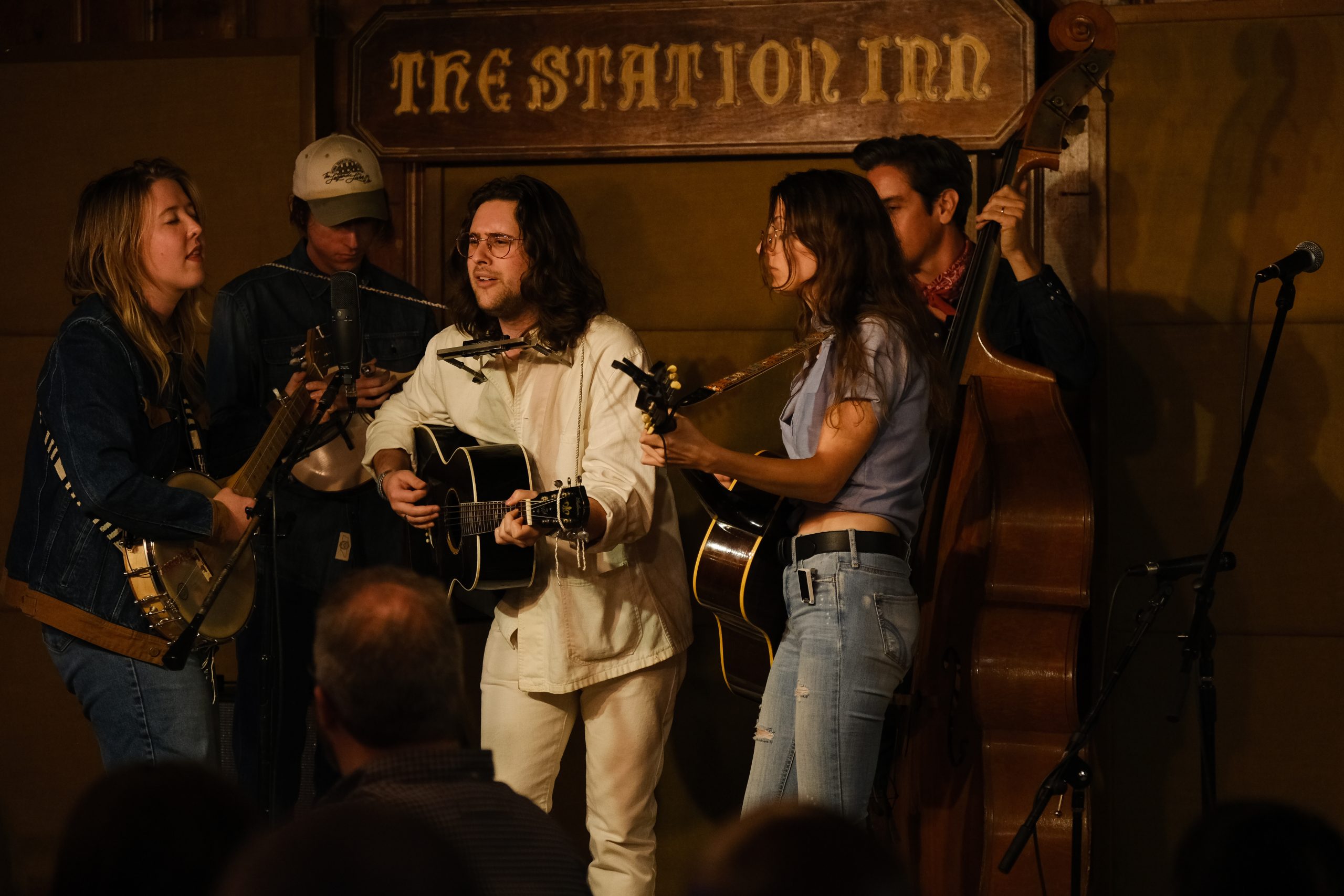
We started things off on Tuesdat at a packed Station Inn for a night of bluegrass with Jason Carter and Friends, featuring special guests like Ronnie and Rob McCoury, Michael Cleveland, Ketch Secor, Bronwyn Keith-Hynes, Shelby Means, Kyle Tuttle, Vince Herman, and David Grier.

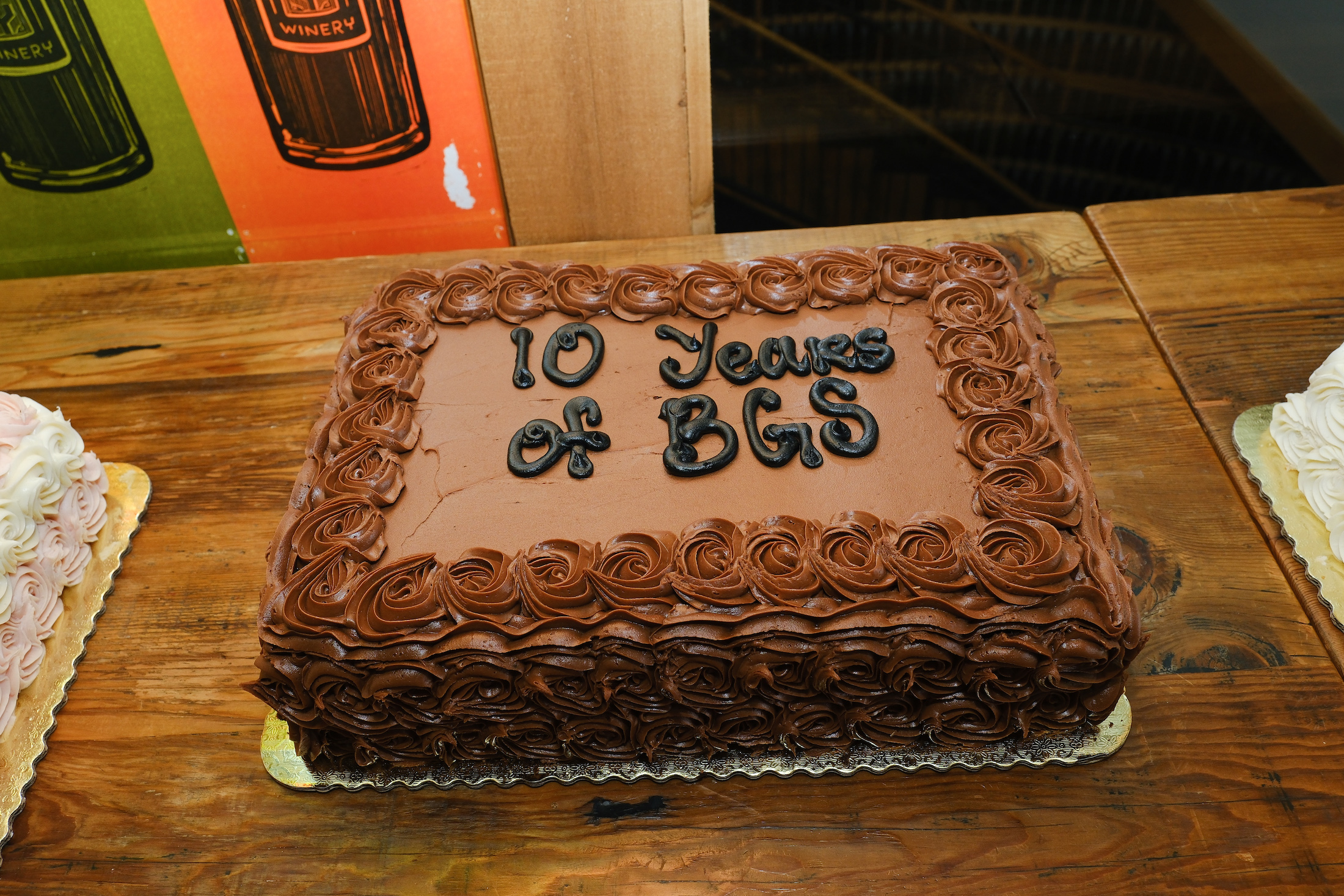
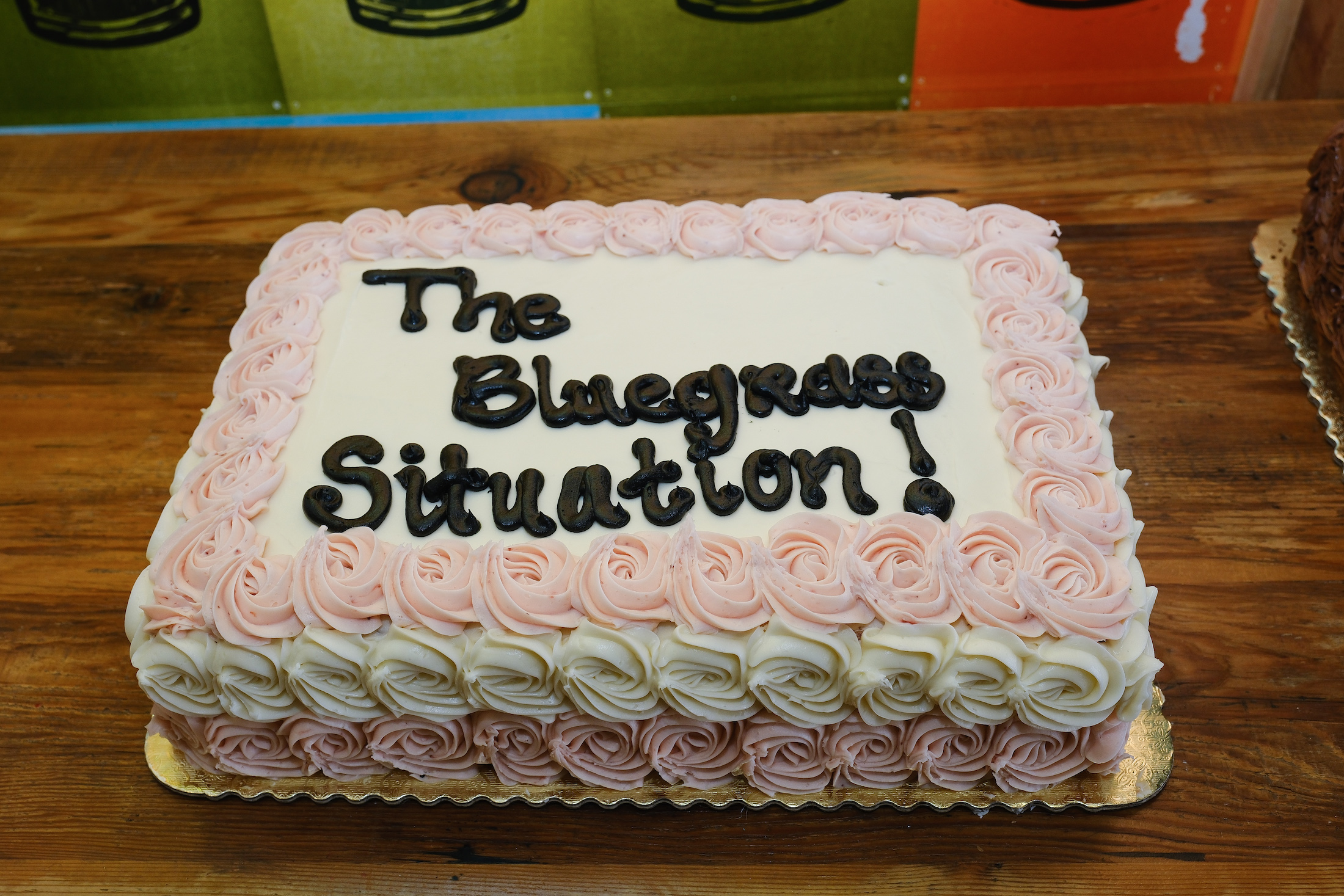
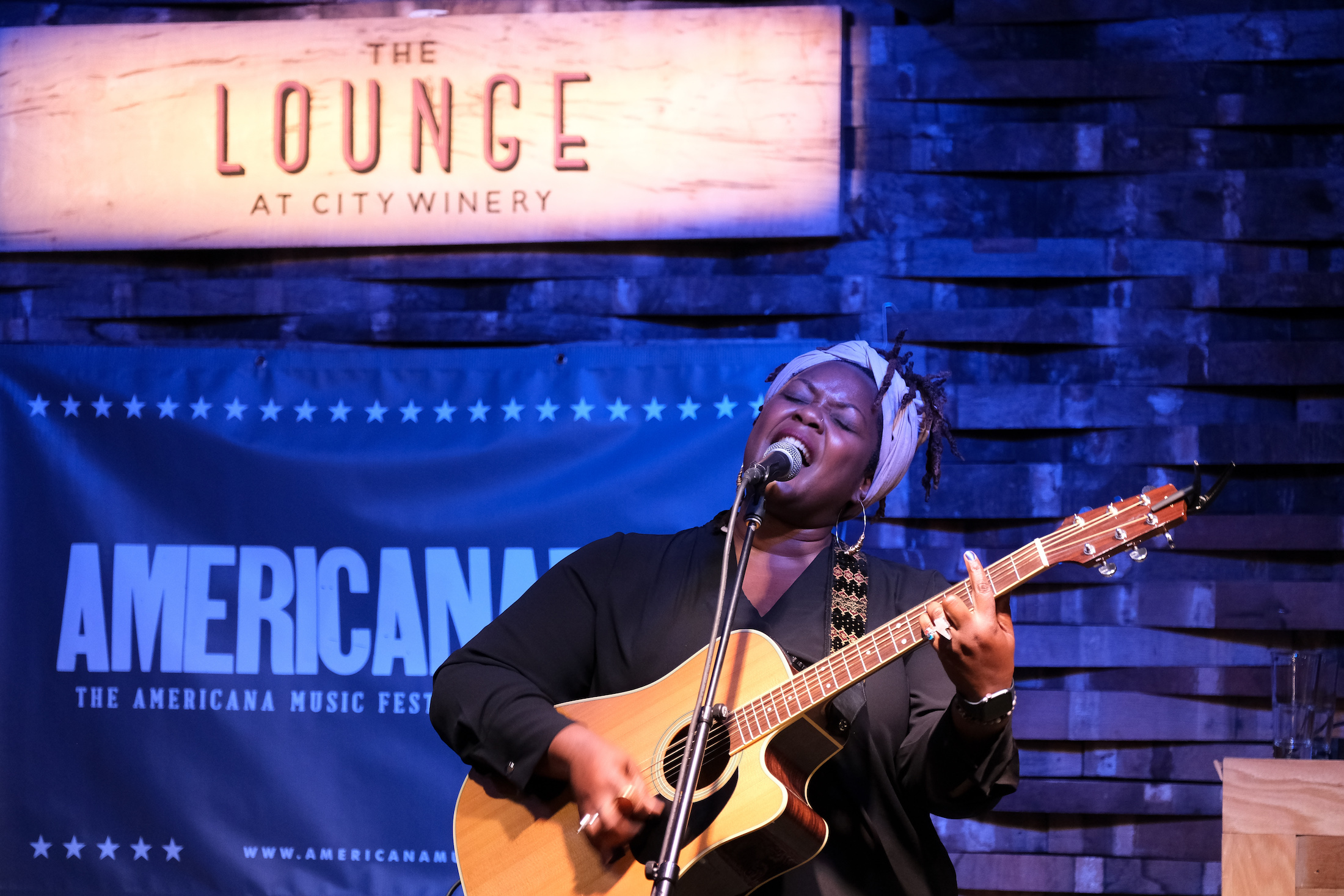
Wednesday brought a happy hour at the City Winery Lounge ahead of the Americana Honors and Awards that evening, as we officially celebrated 10 years of BGS (featuring a ton of birthday cake – thanks to the Cupcake Collection!) and an afternoon of music from Rainbow Girls, Willie Watson, and Kyshona.

Finally, on Friday we gathered at the Basement with our friends at Nettwerk Music Group and Taylor Guitars, with performances from Lullanas, Phillip LaRue, Brooke Annibale, Mark Wilkinson, Old Sea Brigade, and Bre Kennedy.


Photos by Steve Lowry

The BGS Radio Hour – Episode 219

Welcome to the BGS Radio Hour! Since 2017, this weekly radio show and podcast has been a recap of all the great music, new and old, featured on the digital pages of BGS. This week we have a previously unreleased live performance from Emmylou Harris and the Nash Ramblers, as well as Béla Fleck’s return to bluegrass, a conversation on songwriting with Rodney Crowell, and much more.

APPLE PODCASTS, SPOTIFY

Béla Fleck – “Round Rock”

Our current Artist of the Month recently gathered an incredible crew of bluegrass power pickers for a live rendition of “Round Rock,” a tune that he included on his recent album My Bluegrass Heart, but that he had in his back pocket for nearly 20 years. He had been saving the piece for the right band to come along, and with this lineup, he has certainly found the players up for the task.

The Kody Norris Show – “Farmin’ Man”

Kody Norris’ “Farmin’ Man” is a true-life account of the American farmer – from the perspective of Kody himself, who grew up in a tobacco farming family in the mountains of east Tennessee. “I hope when fans see this they will take a minute to pay homage to one of America’s greatest heroes…”

Katie Callahan – “Lullaby”

Katie Callahan wrote “Lullaby” on the edge of the pandemic, before anyone could’ve imagined the way parenting and work and school and home could be enmeshed so completely. The song became a sort of meditation for her amidst the chaos.

Della Mae – “The Way It Was Before”

For Della Mae’s Celia Woodsmith, the process of writing “The Way It Was Before” was one of the toughest. [The song] “took Mark Erelli and I six hours to write (three Zoom sessions). Half of that time was spent talking, looking up stories, getting really emotional about the state of the world. We wanted to make sure that every word counted, so we took our time and tried to honor each of the characters (who are actual people). The pandemic isn’t even behind us, and yet I keep hearing people say that they can’t wait to get back to “the old days.” There’s so much about “the old days” that needs changing. After everything we’ve been through in the last 18 months, I found that writing a song like this felt impossibly huge. I may not have finished it if it hadn’t been for Mark.”

Ross Adams – “Tobacco Country”

The inspiration behind singer-songwriter Ross Adams’ “Tobacco Country” came from the idea of always staying true to your roots and remembering the people who helped you follow your path and dreams.
It’s a track paying tribute to the South.

Swamptooth – “The Owl Theory”

Savannah, Georgia-based bluegrass band Swamptooth wrote this jammy, energetic tune based on a Netflix series and true crime mystery with an unlikely theory that involves an owl. Read more from Swamptooth themselves.

Emmylou Harris & The Nash Ramblers – “Roses In The Snow (Live)”

A September 1990 performance by Emmylou Harris and the Nash Ramblers at the Tennessee Performing Arts Center in Nashville had been lost to time, but now, Nonesuch Records has released it as a new live album, which features a slew of songs that were not performed on the iconic At the Ryman record.

Jon Randall – “Keep On Moving”

“‘Keep On Moving’ started with a guitar lick and a first line,” Jon Randall tells us. “Once I put pen to paper, I never looked back. That’s exactly what the song is about as well. Sometimes I wish I could just get in the car, hit the gas and keep going. I think we all feel that way and probably hesitate to do so in fear of finding somewhere you don’t want come back from. What if there is a place where nobody gives a damn about where you come from and the mistakes you’ve made? That would be a hard place to leave.”

Fieldguide – “Tupperware”

“Tupperware” came to Canadian singer-songwriter Field Guide all at once in about 20 minutes. It’s a song about his early days living in Winnipeg, but it’s also more generally about the beautiful parts of life that aren’t meant to last forever, and coming to terms with that.

Rodney Crowell – “One Little Bird”

Courage and truthfulness. Those qualities permeate Rodney Crowell’s new album, Triage; in fact, it’s safe to say they’ve guided Crowell’s entire career. In our latest Cover Story, we spoke to Crowell about the new project, making amends, mortality, and so much more.

“I learned a long time ago,” he explains, “If it’s coming from my own experience, there’s a good chance I’m a step closer to true. And I can mine my personal truth, but confessional only goes so far. I’ve tried to walk that line; if I can carefully write about my own experience and put it in a broader perspective, then [for] the listener, it becomes their experience…”

Triage, as specific and particular as it gets, feels like it contains truth that belongs to each and every listener. “That’s why I feel like I have to be really careful; if I make it too much about my experience, then I start to tread on the listener’s experience.”

Suzanne Santo – “Mercy”

In a recent edition of 5+5, Suzanne Santo shared her thoughts on the emotional alterations of cinema, the gift of playing music for a living, taking long, rejuvenating walks, and much more.

Jordan Tice (featuring Paul Kowert) – “River Run”

Hawktail members Jordan Tice and Paul Kowert collaborated on an original tune, “River Run,” during lockdown. According to Tice, the song “started with a little lick I had been carrying around in the key of D — a speedy little cascading thing that felt good to let roll off the fingers that I’d find myself playing in idle moments.” The end result evokes the lightness and constancy of a swiftly moving river as it passes over rocks, rounds curves, and speeds and slows. “[I] hope you experience the same sense of motion while listening and are able to glean a little bit of levity from it.”

Skillet Licorice – “3-In-1 2 Step”

Skillet Licorice combined a few different old-timey, ragtime, swinging melodies into a sort of parlor song medley that feels like it came straight out of Texas, complete with banjo and mandolin harmonies.


Photos: (L to R) Rodney Crowell by Sam Esty Rayner Photography; Emmylou Harris by Paul Natkin/Getty Images, circa 1997; Béla Fleck by Alan Messer

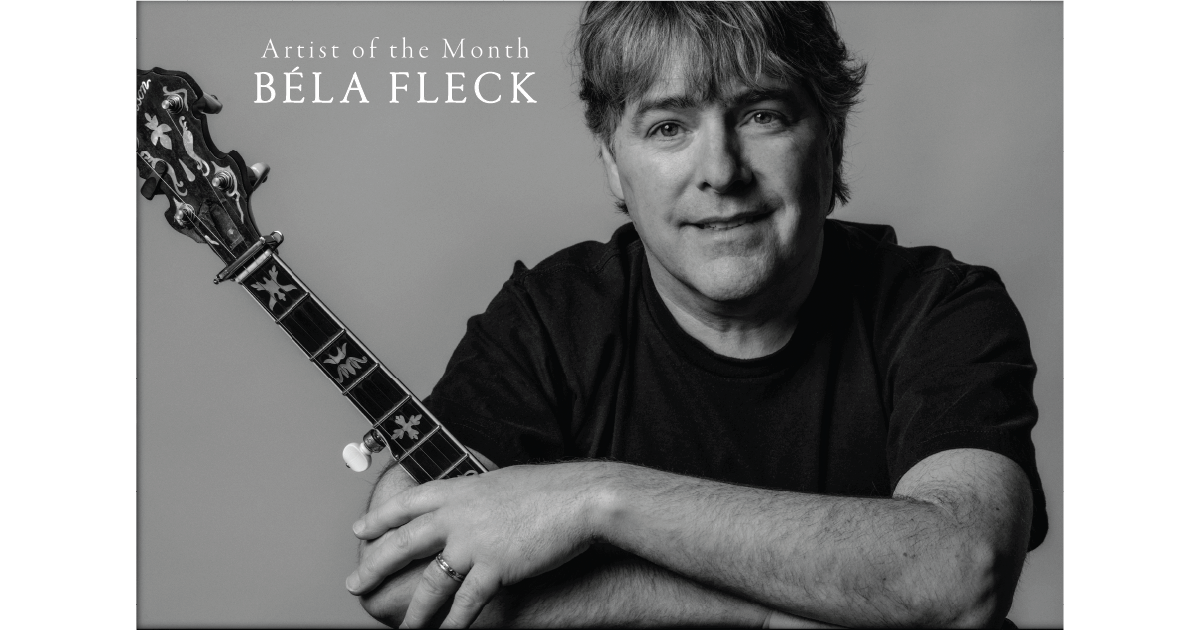
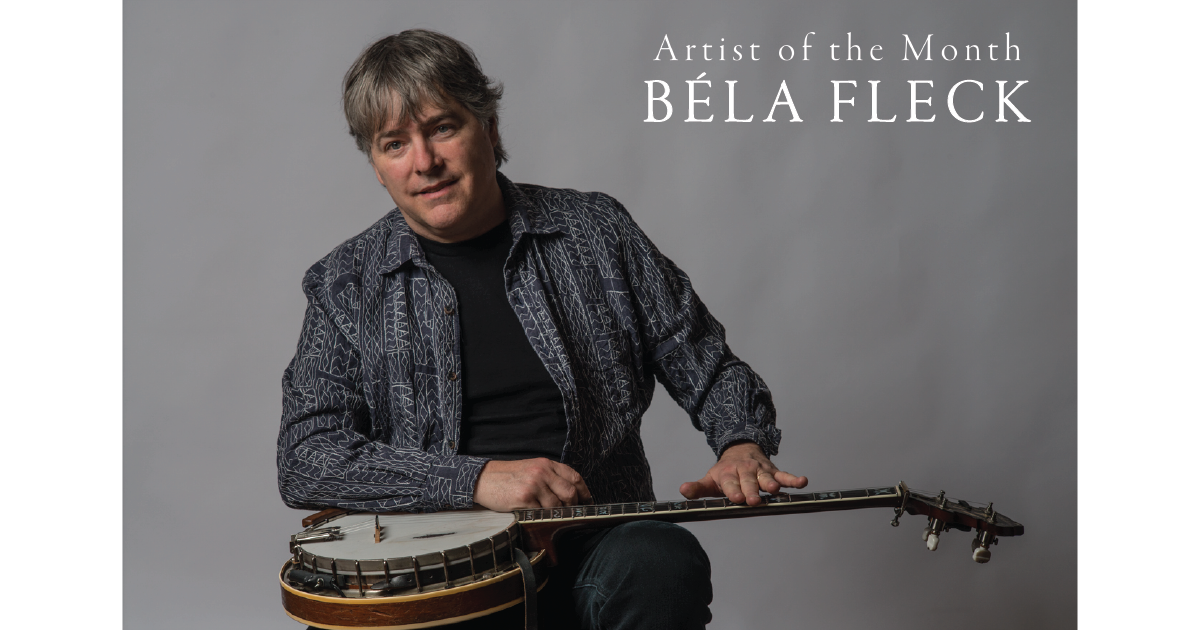
Béla Fleck Explains How ‘The Beverly Hillbillies’ Set Him on a Bluegrass Path

Béla Fleck came to the banjo in quite possibly the oddest way imaginable — via The Beverly Hillbillies when he was a kid. Hearing Scruggs-style banjo on “The Ballad of Jed Clampett” while watching television, he was instantly smitten and fell in love with the sound. But he chose not to tell anyone.

“It would have made no sense to anybody else why I liked it so much, but it just took my breath away,” Fleck remembers. “It was this odd moment at my grandparents’ house, watching TV with my brother even though he doesn’t remember it at all. I never thought I could actually play that. It seemed impossible, not within human grasp.”

Afterward, Fleck got his mom to teach him enough guitar to play folk songs casually. He liked playing guitar, although it did not fire his imagination. But after his grandfather saw him playing guitar, he came upon a banjo at a garage sale and bought it for his grandson, who was 15 and about to start high school.

“Just this flukey thing,” Fleck says with a laugh. “’Here, you like stringed instruments, this was at a garage sale.’ I would never have had the nerve to buy one myself, and he bought it for me not even knowing my interest in it. Bringing it home on the train, I ran into a guy who asked if I knew how to play. I didn’t, so he tuned it in G, handed it back to me and I never put it down. Got a Pete Seeger book and got to work. It was a really profound thing and I became Type-A obsessed. Still am. I’m always thinking about it.”

That work ethic never changed, either. Bob Burtman was an early roommate of Fleck’s in Somerville, Massachussetts, in the late 1970s and recalls Fleck as the perfect roommate.
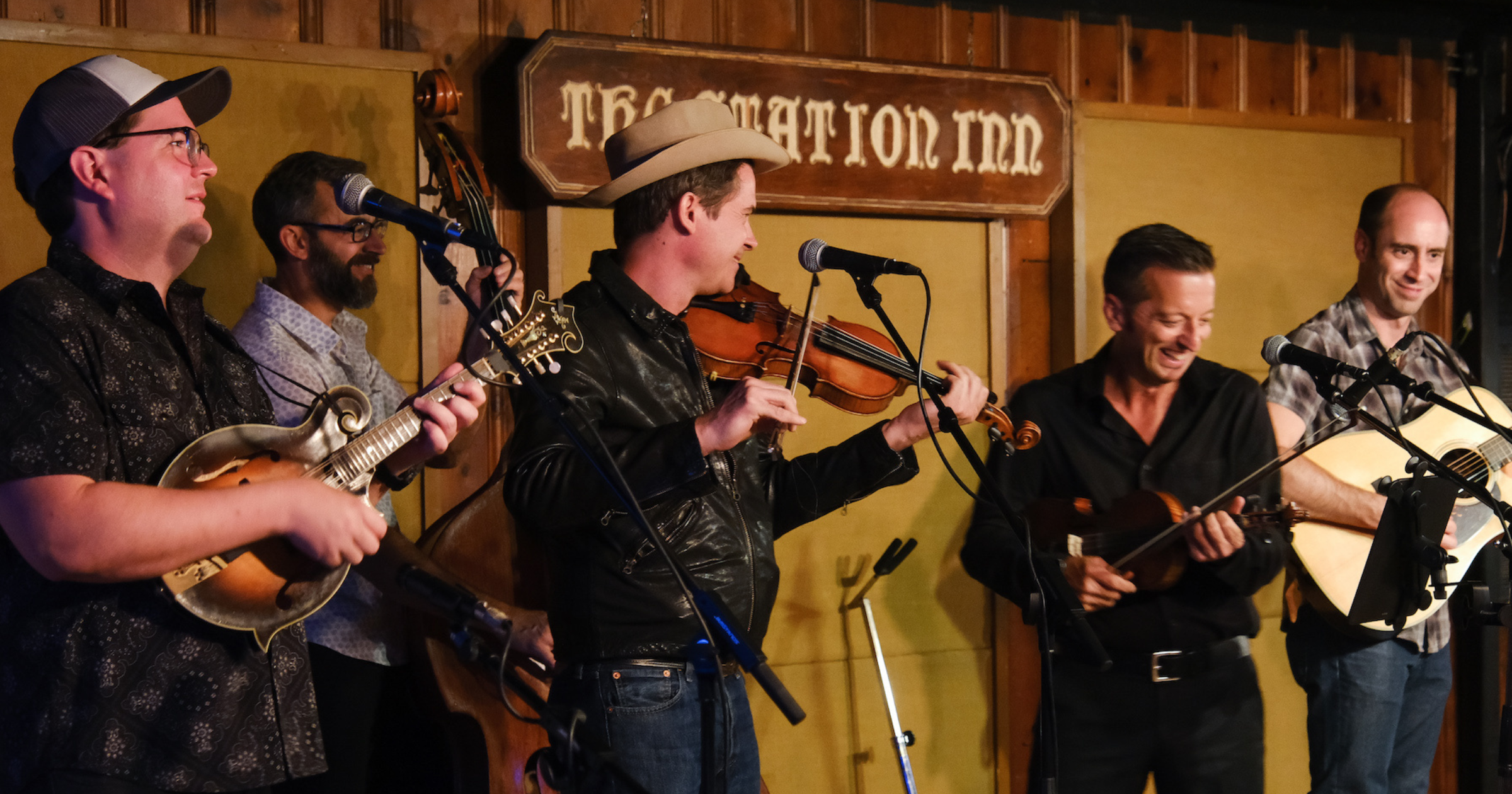
“Either he was off making money, or he’d be there endlessly practicing,” Burtman says. “He was so dedicated, you just knew how good he was gonna be. There was a mattress on the floor and he’d sit there playing scales for hours. Not typical scales, either — diatonic, weird Eastern European, just everything. Up and down, up and down. Word got around and people started hearing about him and dropping by to jam — people like Tony Trischka, Mark Schatz. I got to hang out and listen, which was fabulous. Béla soon moved on to bigger and better things, like his own apartment.”

Over the decades, Fleck has covered a lot of ground both literally and figuratively. He traveled to Africa to explore the African origins of banjo with the 2008 project Throw Down Your Heart and has also played jazz and classical as well as bluegrass with groups including New Grass Revival and his own Flecktones, winning 14 Grammy Awards. His most recent Grammy Award came in 2015, claiming best folk album for Béla Fleck and Abigail Washburn, made with his spouse and musical fellow traveler.

Strangely enough, however, he actually hasn’t done all that much straight-up bluegrass over the years. His latest album My Bluegrass Heart is a star-studded affair featuring notables old and new including Sam Bush, Michael Cleveland, Jerry Douglas, Billy Strings, Chris Thile, Molly Tuttle, and Sierra Hull. It’s just his third bluegrass album, and first in more than 20 years. But the timing does not feel coincidental.

“I always thought there’d be a time when I would want to do more bluegrass,” he says. “Growing up, it’s a great training ground before you spread your wings. Any great bluegrass musician has done that, pushed the edge, but they tend to want to come back when they realize how special the basic root is. Well, we had some family issues, my son got sick and we almost lost him. Once we knew he’d be okay, what to do then? Maybe it was feeling a lack of control, but I wanted to play music where I knew what to do rather than explore the unknown. I needed to connect with where I’d started, and the bluegrass community is one of the most beautiful things. You’re never alone when you play it.

“You know, I remember seeing Ricky Skaggs after he’d become a big country star, coming back to a bluegrass festival,” he adds. “He was this legit big star, and he played with eight bands that day. Bluegrass was still a part of him and servicing that part of himself and that community was important to him. That made a real impression. It’s important to me, too.”

Editor’s note: Read about more about our Artist of the Month, Béla Fleck, here.


Photo credit: Alan Messer

Béla Fleck: “It’s Clear to Me That Bluegrass Is Still My Defining Element”

Novelist Thomas Wolfe famously declared that you can’t go home again. But then again, Wolfe is not remembered as a musician who played bluegrass, a style that’s all about going home again.

So it is that Béla Fleck’s new album is a homecoming, and an ambitious one at that. A third installment in Fleck’s long-running bluegrass trilogy, My Bluegrass Heart (Renew/BMG Records) is his first bluegrass album of this century. It’s a double-disc effort with an all-star cast – from old hands like Sam Bush and Jerry Douglas to new stars including Sierra Hull, Molly Tuttle, Chris Thile, Billy Strings, and more – with a running time not much shorter than the first two volumes put together.
“It’s hard to get around,” Fleck says. “As much as I may pretend to be something else, I am bluegrass at heart and that’s okay. It’s something I’m proud of and have come to embrace more as time goes on. Part of that is aging – do something when you’re young and you may not want that to be what defines you. Bluegrass just seemed like too obvious a pigeonhole for a banjo player when I was starting out and there was so much other music I loved, too. But after a lot of exploring, it’s clear to me that bluegrass is still my defining element.”
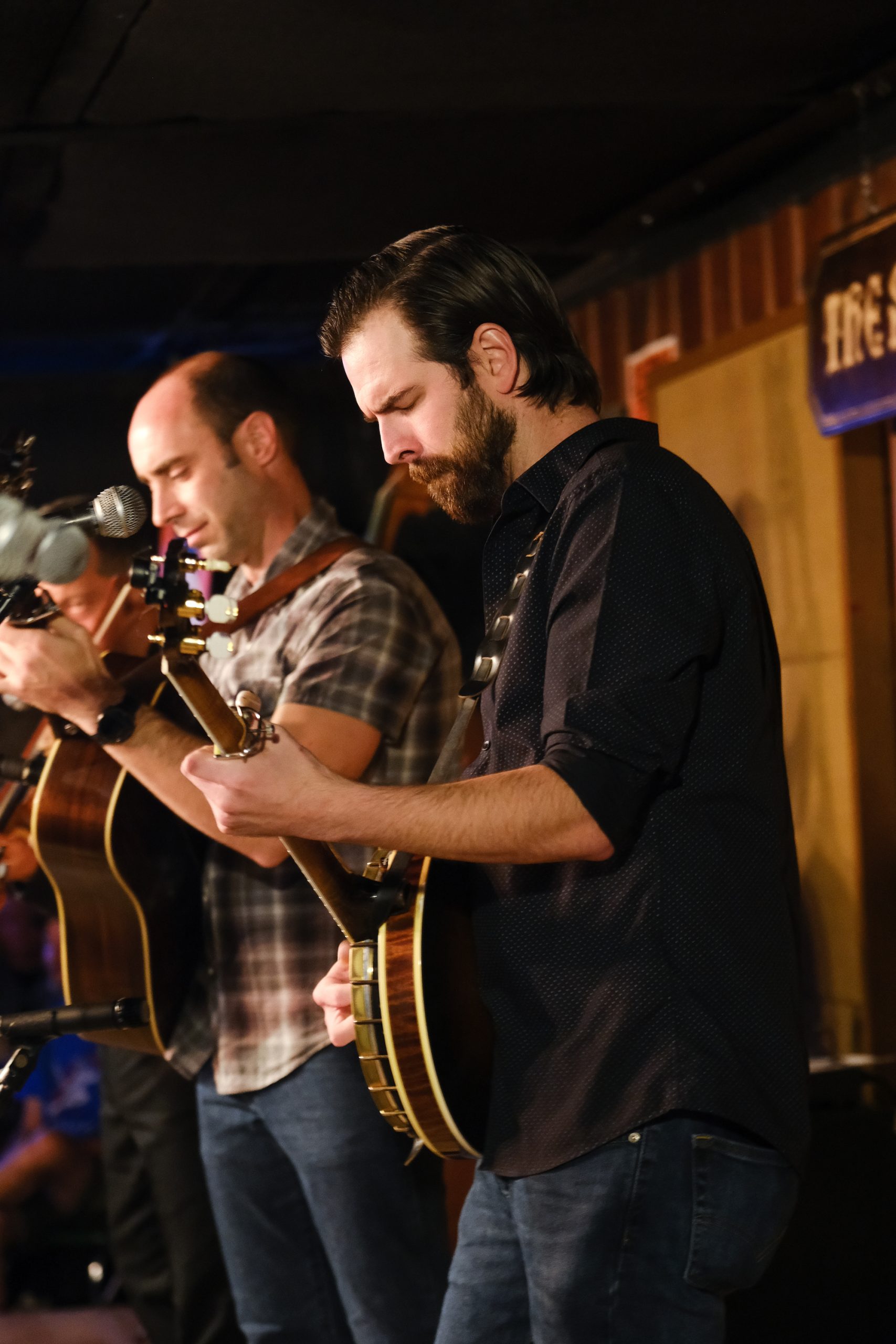
The album title of My Bluegrass Heart is actually a riff on an unexpected source, the late jazz pianist Chick Corea, a sometime collaborator of Fleck’s. One of Fleck’s favorite Corea albums was 1976’s My Spanish Heart, an ironic title because Corea was of Italian rather than Spanish descent.

“He was a guy from Boston with a natural affinity for Latin music, which was central to who he was even though he did not have legit entry in terms of ethnicity,” Fleck says. “That resonates for me. I’m from New York, of Eastern European and Russian descent with no natural connection to folk or bluegrass. So I’m defining myself with music that’s not necessarily my heritage, but being an outsider helps you bring new things to the idiom. When I go off to study Indian music, I can come back and write this album’s ‘Vertigo,’ which has very Indian rhythmic devices. Finding a way to insert Indian music or jazz or classical into bluegrass is very satisfying.”

The roots of My Bluegrass Heart go all the way back to Fleck’s first bluegrass album, 1988’s Drive, which he made with a core group including Bush, Douglas, Stuart Duncan, Mark Schatz, and most notable of all the late great guitarist Tony Rice (to whom the new album is dedicated, along with Corea). That same cast appeared on the 1999 follow-up, The Bluegrass Sessions: Tales From the Acoustic Planet, Vol. 2.

Had Fleck had his way, the same crew would have convened for volume three, and it would have come out many years ago. But the holdup was Rice, the troubled but brilliant guitarist who died in 2020 on Christmas day after years of health struggles.

“Playing bluegrass with Tony Rice was such a profound, dramatic upgrade from anything I’d ever experienced before,” Fleck says. “I wanted to do it again and reached out a lot over the years, but there was no response. I was puzzled and disappointed. Hurt, even. But come to find out that a lot of his other friends were going through the same thing with him as he started to isolate. He was not confident about playing anymore, so he shut it down and withdrew. And at a certain point, I heard about some close musician friends of mine who were starting to have hand problems. I thought, ‘If I don’t do this soon, some people I want to play with might not be able to anymore.’”

To that end, Fleck convened the surviving cast from his first two bluegrass forays, while adding young guns like Strings and Tuttle as well as other longtime pals including Tony Trischka, David Grisman, and Michael Cleveland. There’s plenty of firepower throughout these 19 tracks, especially on “Slippery Eel” — the first-ever studio work featuring the pairing of Strings and Thile. Fleck did his best to come up with something that would challenge those two, but notes that, “Of course they made it look easy.”

All 19 tracks are instrumentals, with a conservatory feel akin to Punch Brothers (several of whom appear) or the Kruger Brothers. But there are vocals of a sort, between-song quips and jokes by various players.

“This is such a community record and I thought it’d be cool for people to know this bluegrass community through these voices,” Fleck says. “You know, Sierra Hull talking, Tony Trischka and Jerry Douglas laughing, Sam Bush being silly, David Grisman being David Grisman. I think people in the bluegrass world will know every voice. When I’d play the record for people, they would always tell me, ‘I hope you keep that stuff in. It really humanizes it.’ I’m really excited and satisfied with everything about this record. The community aspect, hearing everybody play and talk, makes me happy. It’s like a love letter to the bluegrass community. If there’s ever been any doubt I love this music, there’s this.”

Editor’s note: Read about more about our Artist of the Month, Béla Fleck, here.


Photo credit: Alan Messer