NEWS: BGS Announces New Brand, Good Country

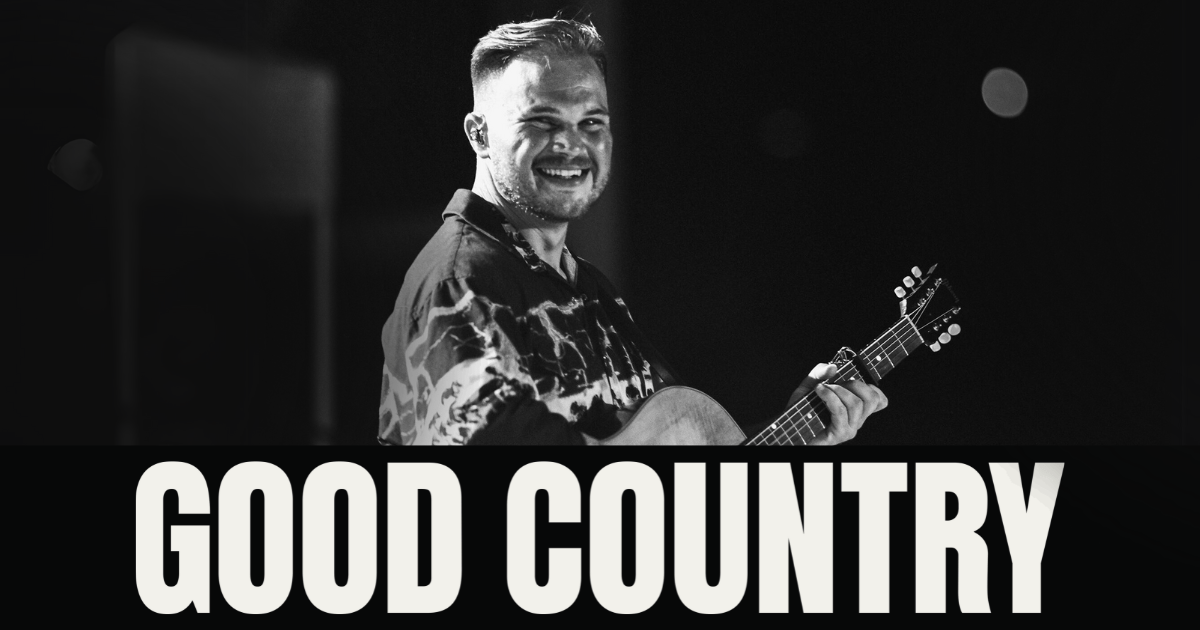
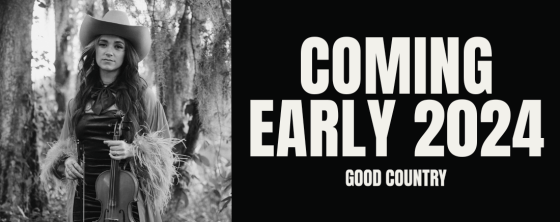
BGS is proud to announce the launch of a new brand in 2024: GOOD COUNTRY. By this point, you may have seen or heard mentions of Good Country on our site, at our events, and on our socials feeds as we prepare this exciting new expansion for our readers and fans.

Launching in mid-January 2024, Good Country is a curated, bespoke email newsletter that will highlight all good country from across the roots music landscape. Every other week, GC will deliver high-end country music reporting, long reads, playlists, videos, and exclusive content from your favorite country artists direct to your email inbox. As you scroll, you’ll dive into the deep and broad world of Good Country, from gritty and raw Americana to glitzy and glamorous radio hits, from bluegrass supergroups to southern rock ensembles and swampy string bands. Sign up for Good Country now.

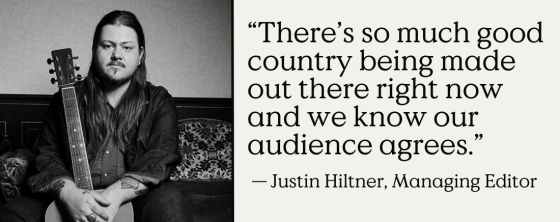
“Good Country is a brand new horizon for BGS,” says managing editor Justin Hiltner. “But, at the same time, it’s nothing more than a reinforcement of our values as a media company and roots music community. Country – like its family members bluegrass, folk, and Americana – is more than just music, it’s a lifestyle, an identity, a way of being. There’s so much good country being made out there right now and we know our audience agrees. Whatever ‘good country’ means, you’ll know it when you hear it. And you’ll hear plenty of it in this newsletter!”

Each issue of Good Country will center features, think pieces, and interviews penned by the best writers and thinkers in country music highlighting not just the biggest names in the genre, but new and upstart artists as well. Exclusive newsletter content will live alongside deep dive playlists, sonic explorations, and thoughtful examinations of what country is, who makes it, and to whom it can belong – everyone.

BGS co-founder, actor, activist, and musician Ed Helms, will be featured in each issue as well with “Ed’s Picks,” artists and bands selected by Helms himself, direct from his own listening.

“From the very beginning, BGS was forged on a foundation of celebrating the full spectrum of roots music fans and artists,” explains BGS co-founder Amy Reitnouer Jacobs. “This community has never been one thing, nor has it been static. It’s a diverse, expansive, and ever-changing art form. The same can and should be said for country music. And that’s why now is the perfect time to create a more representative media landscape. It’s time for Good Country.”

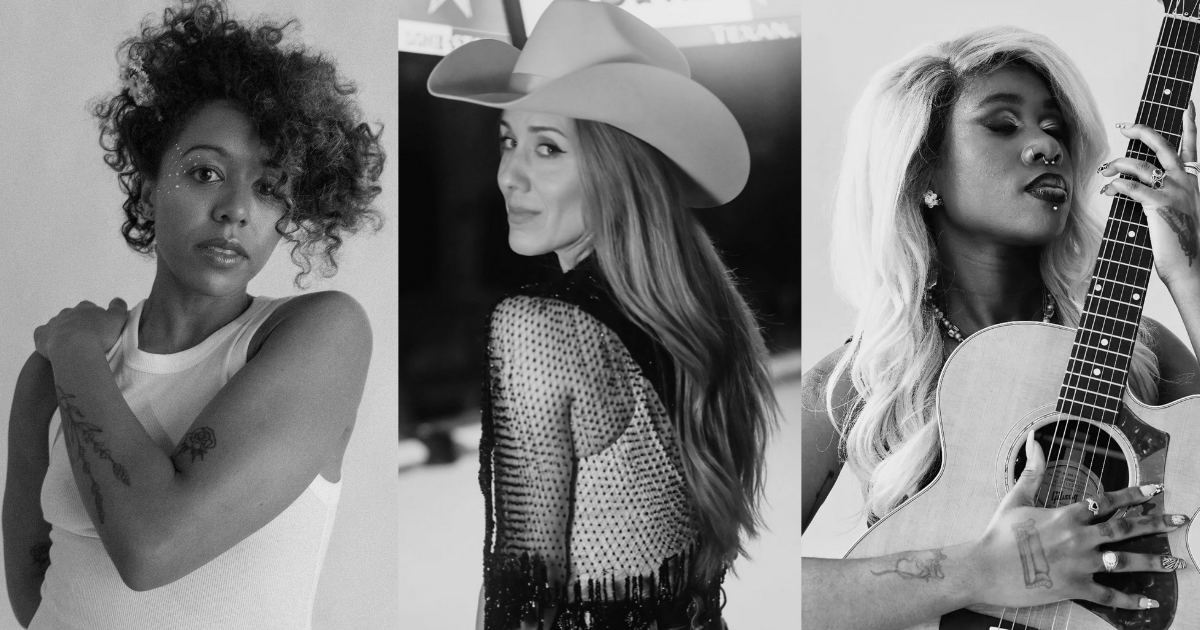
Good Country’s first issues will feature music, art, and content featuring Zach Bryan, Sierra Ferrell, Amanda Fields, Veronique Medrano, Shania Twain, Chris Stapleton, Vincent Neil Emerson, Brittney Spencer, and so many more. No matter your entry point to this music, with our new brand and newsletter you will find endless Good Country to enjoy. Interact with content in your email inbox, on our website, and on our social media – wherever you are, Good Country will meet you there.

Good Country isn’t about deciding what is or isn’t good country music. Good Country is a place. It’s a way of looking at the world, a way of enjoying music. If you think it’s good and you think it’s country, then you’ve found Good Country.

Sign up now to be one of the first readers to receive Good Country direct to your email inbox. And, begin your exploration of Good Country with our BGS Class of 2023: Good Country year-end list.


Photo Credit: Zach Bryan by Trevor Pavlik; Vincent Neil Emerson by Thomas Crabtree; Sierra Ferrell by Bobbi Rich.

6 of the Best Roots Songs on ‘Songbirds & Snakes’

Years before Katniss Everdeen became the bow-wielding, redneck antihero of impoverished coal-mining District 12, there was another — Lucy Gray Baird. In the new movie adaption of the dystopian prequel to the original Hunger Games trilogy, Baird must brave the deadly annual games as well as future-President Coriolanus Snow’s affections.

If it sounds like the makings of a country murder ballad, well, you’d not be far off. Aside from being a multi-million dollar blockbuster event, the new film, officially titled The Hunger Games: Ballad of Songbirds and Snakes, features an excellent original soundtrack produced by Dave Cobb and chock-full of BGS Friends and Neighbors we know and love. The rootsy songs are the perfect backdrop for boot-stomping bar scenes and the desperate struggle against an authoritarian regime that eventually led to the villainous Snow’s power grab. They’re also just plain good!

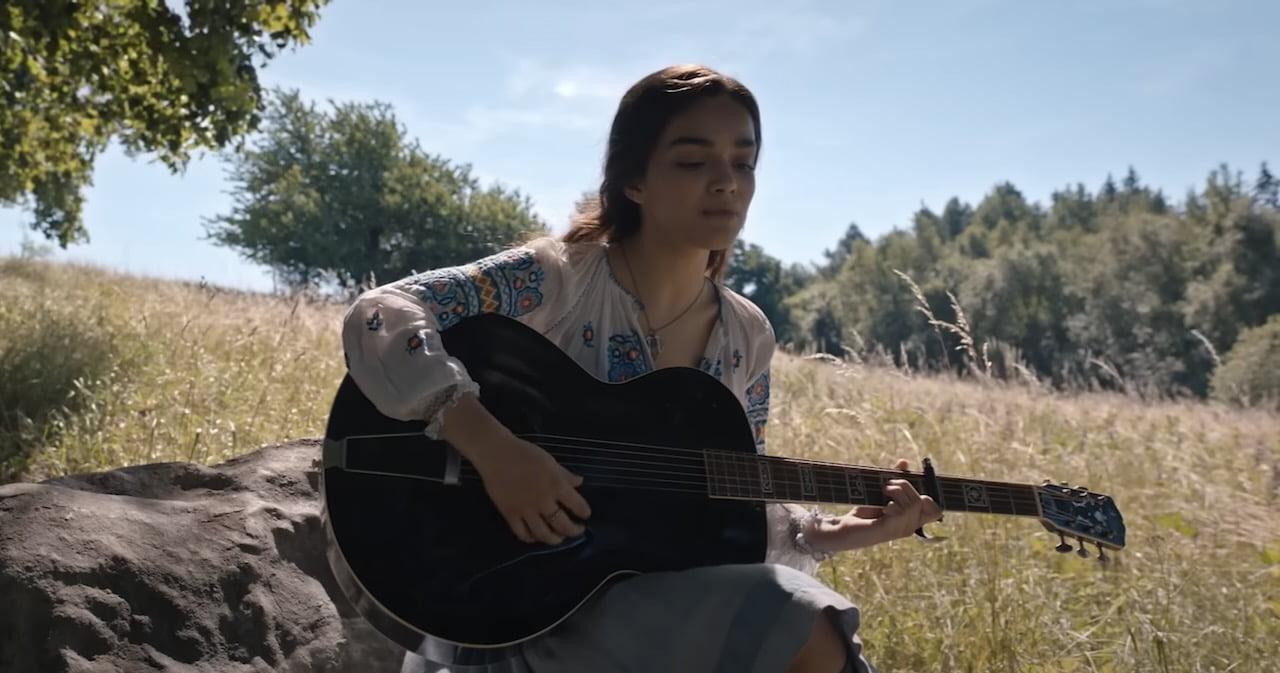
If you’re new to the Hunger Games, to these artists, or to roots music, we’re happy to be your guide. With performances from Molly Tuttle, Billy Strings, Sierra Ferrell, Charles Wesley Godwin, Bella White, and more there’s something here for bluegrass and Americana fans of all ages. But there are also hidden gems in Rachel Zegler’s performance. Zegler, who portrays Baird, plays a guitar influenced by a very famous finger picker indeed.

In no particular order, here are six of the best roots tunes on the official Hunger Games: Ballad of Songbirds and Snakes movie soundtrack.

“The Garden” – Sierra Ferrell

A slow-moving acoustic, country-ish standard with emotional fiddle swells, Americana firebrand Sierra Ferrell performs “The Garden” on the official soundtrack. The tune features a wistful dream of a green garden watered with something other than salty tears, and of better days ahead.

“Bury Me Beneath the Willow” – Molly Tuttle

Together, Molly Tuttle and Dominick Leslie provide the guitar and mandolin parts heard throughout much of the film, but also on “Bury Me Beneath the Willow.” This tune is more of a bluegrass standard and features Tuttle’s iconic picking style and vocals. The lyrics speak of deep betrayal by a lover.

“Nothing You Can Take From Me” – Rachel Zegler

In the official featurette video for this tune, Rachel Zegler whips a gathered crowd into a barn-stomping frenzy with her vocal performance on “Nothing You Can Take From Me.” While District 12 workers clap and dance and Zegler sings, Molly Tuttle revealed in an Instagram post that she provided the guitar parts.

“I played Lucy Gray Baird’s guitar parts and Dom [Leslie’s] parts are in the Covey Band,” Tuttle said in her Instagram caption. “I was nerding out the whole time we worked on this. Fun fact: the guitar I recorded with is the same one that you see [Zegler] play in the movie. The choice of guitar was inspired by the archtop Gibson that Maybelle Carter plays.”

“Burn Me Once” – Bella White

Bella White’s haunting, vibrato-filled vocals hang in the air on “Burn Me Once,” a finger-picked acoustic tune. The lyrics speak to being heartbroken and wishing for true love with a new, more mature partner.

“Cabin Song” – Billy Strings

By far one of the fastest, hardest-driving tunes comes – perhaps unsurprisingly – from Billy Strings. Employing his famous guitar-picking skills on “Cabin Song,” Strings sings of wishing to go back to the woods.

“Winter’s Come and Gone” – Charles Wesley Godwin

Seasonally appropriate given the movie’s November release date, Charles Wesley Godwin’s smooth but gritty vocals lends the perfect tinge of darkness to lyrics about a little bluebird, being left in the rain and snow, and not having enough money to see the winter through.

Even if you’re not a fan of The Hunger Games, it might be worth hitting up the theatre to support roots music featured in such a high-profile and recognizable title. Or, you know, you could just download, stream, or purchase the soundtrack — it’s available on Spotify, Apple Music, or wherever you get your folk-y tunes!


Lead image of Rachel Zegler as Lucy Baird screenshot from The Hunger Games: The Ballad of Songbirds & Snakes (2023) Special Feature ‘Music.’

Watch a Brand New Video From Americana Firebrand Sierra Ferrell

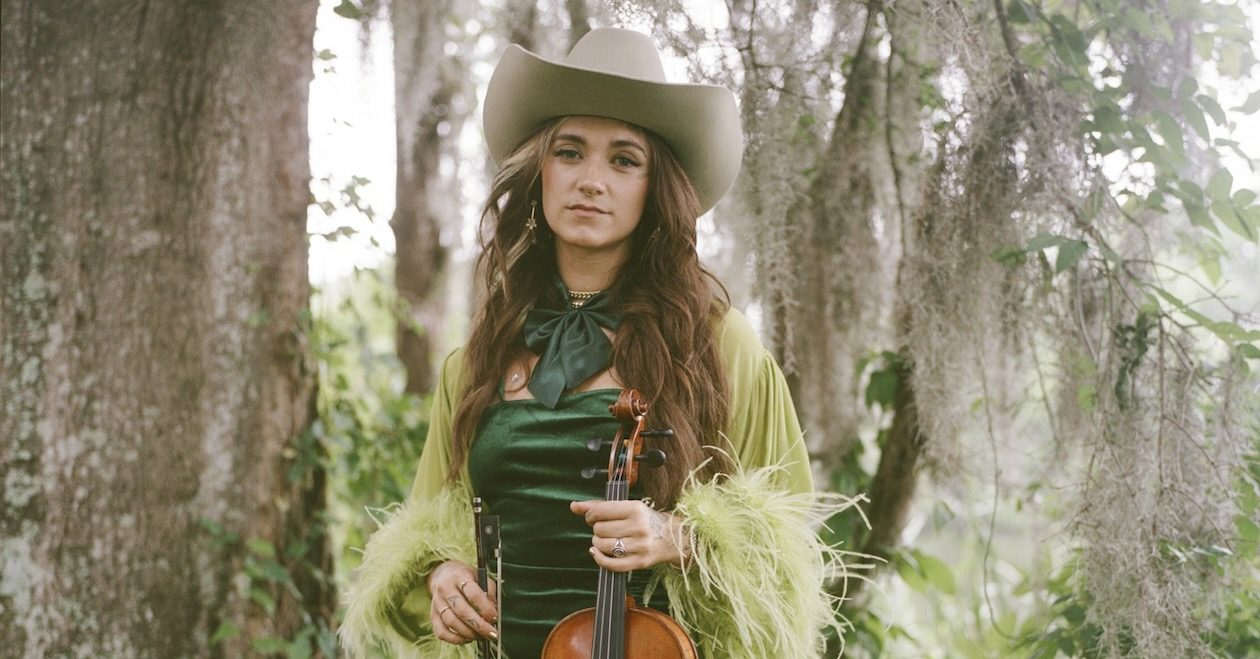
With a brand new, to-be-announced album coming in 2024, Americana singer, songwriter, and “musical vagabond” Sierra Ferrell has released “Fox Hunt,” a galloping, gothic track with a storybook-style animated video. (Watch above.) It’s one of her most sonically mainstream single releases to date, reminding of groups like the Lumineers — a shimmering polish on the deeply patina-ed, gritty sounds drawn from her West Virginia raising.

Ferrell is one of the fastest rising stars in American roots music, with a tour schedule and dance card filled to bursting. Listeners place her in musical constellations with such high energy and “back to basics” artists like Billy Strings, Molly Tuttle, Zach Bryan, Margo Price, and more – many of whom she calls friends and collaborators. But Ferrell, in a twist of homophonics, brings a feral and untethered mastery into her music, a quality that continually has fans begging for more. Her performance of femininity – and as often, her subversion of it – recalls other mountain music mavens like Dolly Parton, Ola Belle Reed, Wilma Lee Cooper, and Loretta Lynn, but with their often aspirational facades – qualities of each of their professional brands – exchanged for a devil-may-care attitude that’s just as deliberate and intentional. It’s as much an extension of Ferrell’s agency as any of the women who came before her donned their own rhinestones, big hair, and striking make-up as representations of their individuality.

2024 will undoubtedly find Sierra Ferrell notching many more career milestones as her ever-growing audience will be hanging on for every rollicking, frolicking note.


Photo Credit: Bobbi Rich

25 Years On, It’s Old Crow Medicine Show’s ‘Jubilee’

Old Crow Medicine Show co-founder and frontman Ketch Secor is always busy. In September, Secor and flatpicking master Molly Tuttle co-hosted the Annual IBMA Bluegrass Music Awards, a brief respite from the ongoing national tour Secor and Old Crow are currently on. They hit the road earlier this year after releasing Jubilee, their latest record, celebrating 25 years as a band. With a few recent lineup changes, their energy is still fresh and exciting — and in this exclusive BGS interview, Secor explains that you really just have to see them live to fully understand and appreciate the bit.

This will be the second tour with the current lineup, right? What do you think will be different with touring Jubilee?

Ketch Secor: In typical Old Crow fashion, an 11th-hour lineup change occurred as we were putting the finishing touches on this album. We’ve hired two new players, and that’s Dante’ Pope on drums and piano, and PJ George as a utility player, so with these two additional players we have yet another iteration of Old Crow that has subtle differences from any other one we’ve had before. This kind of thing just makes it fun. That fluidity of the lineup has made it a lot more palatable — it’s still Flagstaff in the fall, but getting to see it with somebody who’s never been before, and getting to share the stage with people who bring out something new in you musically.

I feel like music for the old-time string band – and maybe this is the same for bluegrass – but music is really relational. It’s about who you’re with. I play different with different people. The pitcher isn’t gonna play differently because of who the shortstop is, but in a string band, the fiddler’s following a groove that the banjo sets, and if there’s a great mandolin player with chops then the fiddler is going to weave in and out of something differently.

How did you choose the guest appearances on this album, like Sierra Ferrell and Mavis Staples?

KS: That kind of thing just evolves. Making records in the 21st century, collaborations are what’s on the menu more so than when we were kids. We didn’t think about who was going to be the guests when we were kids. For Sierra, we thought that song needed something, and we realized it was a duet. I’d been sitting on that one for a couple years. I rewrote it as a duet, and we called the best woman to sing on a cock-fighting song — we called out to West Virginia.

Why are collaborations more necessary now?

KS: If I could be frank, it’s because labels are trying to do anything they can to sell albums. It adds to social media platforms. It increases the scope in ways that are much more specific to these times than just making great music. When Lita Ford came out with Ozzy Osbourne, that probably had a different purpose to it than it does today. Independent labels are taking a cue from hip-hop artists who experiment with this all the time. Bluegrass and old-time and traditional music tends to be 10 years behind those types of styles, so it makes sense that nowadays we’re all making collaborative contributions.

Were there any surprising or touching moments working with Willie Watson in the studio again? Was the chemistry there after 12 years?

KS: Yeah, I think that having Willie back is just important to the ethos of Old Crow Medicine Show, and celebrating its 25th anniversary. We’ve been working together since COVID on some things from live streams to concert appearances, and this was sort of the next frontier for Old Crow and Willie in burying the hatchet and making music together. When you’re in a 25-year-old band you get a lot of ex-boyfriends. Hindsight is 20/20, and I just know that nowadays it’s better to be back on stage together. 

How has your fiddling changed over the years? What are some of the areas you focus on when you practice? Old-time is known for being scrubby, but there’s a lot more going on there.

KS: Well, it’s changed over the years as I’ve gotten to be a lot better and gutsier as a violin player. I play it harder and stronger and faster than I did when I was 18 when I learned. For 25 or some years it’s been my dance partner. At the quarter century mark as a violin player, I feel like I know my partner well. I know where to take it, where on the neck to go. I know how to get the sounds that I’m looking for.

But I’m not a player who practices. My practice is just playing 95 concerts a year for 25 years and making 15 records in that period of time and being a special guest on 50 other records. I’ve grown up like a plant in the window when it comes to my violin playing. I see where the light is and I’ve grown towards it, and it’s bushier and brighter than it used to be when I was just a little twig. It just keeps growing all the time, but it’s not because I’m changing anything. There’s no additive to the soil.

You play old-time, but do you ever try other genres?

KS: I’ve played a few jazz gigs, but it’s not what I do well. I listen to all manner of songs. As a fiddle player, I like to think about all of the music that I’m channeling into the way I play, and a lot of it is traditional fiddle music, but a lot of it’s not. I feel like there’s Public Enemy and Nirvana and Bosco and the Carter Family, and other things that are not fiddle playing in my playing. But mostly what there is in my fiddle playing is mileage. It’s experience. It’s rust. It’s calcified. That’s the case with people who’ve played music for a lifetime. They get better not because they’re doing something different, but because they’re doing the same thing again and again. 

You mentioned that folk music should be topical — not kept in a museum case. Do you think that kind of folk has a special place in the world right now given the political and economic hard times we’ve been seeing?

KS: I think that anybody who’s making genuine art has a reflection of the world around in that work. We the artists are sort of like poetic mirrors of what we see. There’s lot of songs now that reflect the discord, either in a lamentation or in a protest or in just a pure reflection. My music tends to talk about the plight of the people who are most associated with this music, so that can be the people of the Southern Highlands. It can be the hardship of the African American co-inventors of this music. But I’m also a real vessel for global topics, and I say that because when I read the news it’s almost like it starts riding on my back. So I’m thinking about flood waters in Libya and earthquakes in Morocco and school shootings in Nashville. To me they’re all part of a human struggle to find peace in the world. 

What change do you hope comes about from songs like “Allegheny Lullaby?” How do people take that sentiment and make it actionable?

KS: That’s a song about a limitation of choice. That’s a matter of equity or inequity. So the equitable solution is: More choice. It’s widening the spectrum of options for people who live in the coal district, and that’s a very doable action item. It’s just a hard thing to do and live the exact same way, without a change in economics, but that’s the story of the American people. We adapt. And so I think the natural adaptation cycle in the Southern Highlands is in flux right now because of some strident efforts to hold it back. The results of those actions are that you got an opioid epidemic, a fentanyl epidemic — so many dysfunctions. I’m looking forward to the people eventually standing up and getting what they need. I wouldn’t put it past the people to get that. They got it before. They unionized in those situations and fought for livable wages, and they can do it again.

You talk a lot about nature, like mountains and feral critters, in your music. Is that an intentional part of folk or where does that come from?

KS: When I think about what made [American music] so rich, I know it’s the land and the soil and the people and the stories. So to evoke the same is just a natural link in the chain forged anew. And that’s all I’m doing. I’m just singing about the rivers that mean something to me when I sing them. I don’t think you’re ever going to get tired of thinking about the Big Sandy River, no matter if it’s clean or dirty. It’s called the Big Sandy, doesn’t that sound like freedom? 

What do you hope listeners will take away from this album?

KS: You know, we make music because we’re a live band. We make albums because we’re a live act. Come and see us. If you like this record, go buy a ticket. We’re coming to your town; we have for a quarter of a century. We loved you then, and we love you even more now. And if you hear something on this record you like, then that’s just one more reason to come buy that ticket and see us when we come to your community and make a unique and special community in yours for one night. This is an age-old P.T. Barnum routine. The hat is magic, the ring is heavenly. Once you gaze on what lies behind the curtain, you will be dazzled. That’s where the magic is. The album is a big arrow.


Photo Credit: Joshua Black Wilkins

See Photos from Lexington, KY’s Railbird Music Festival Featuring Tyler Childers and More

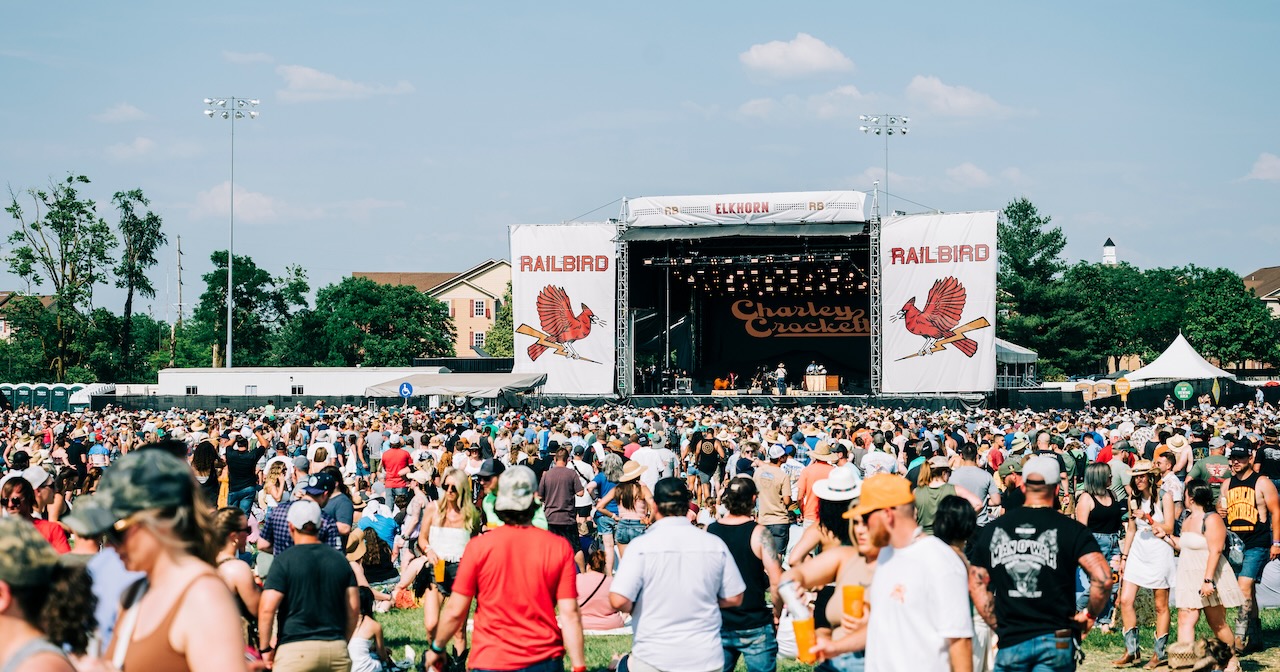
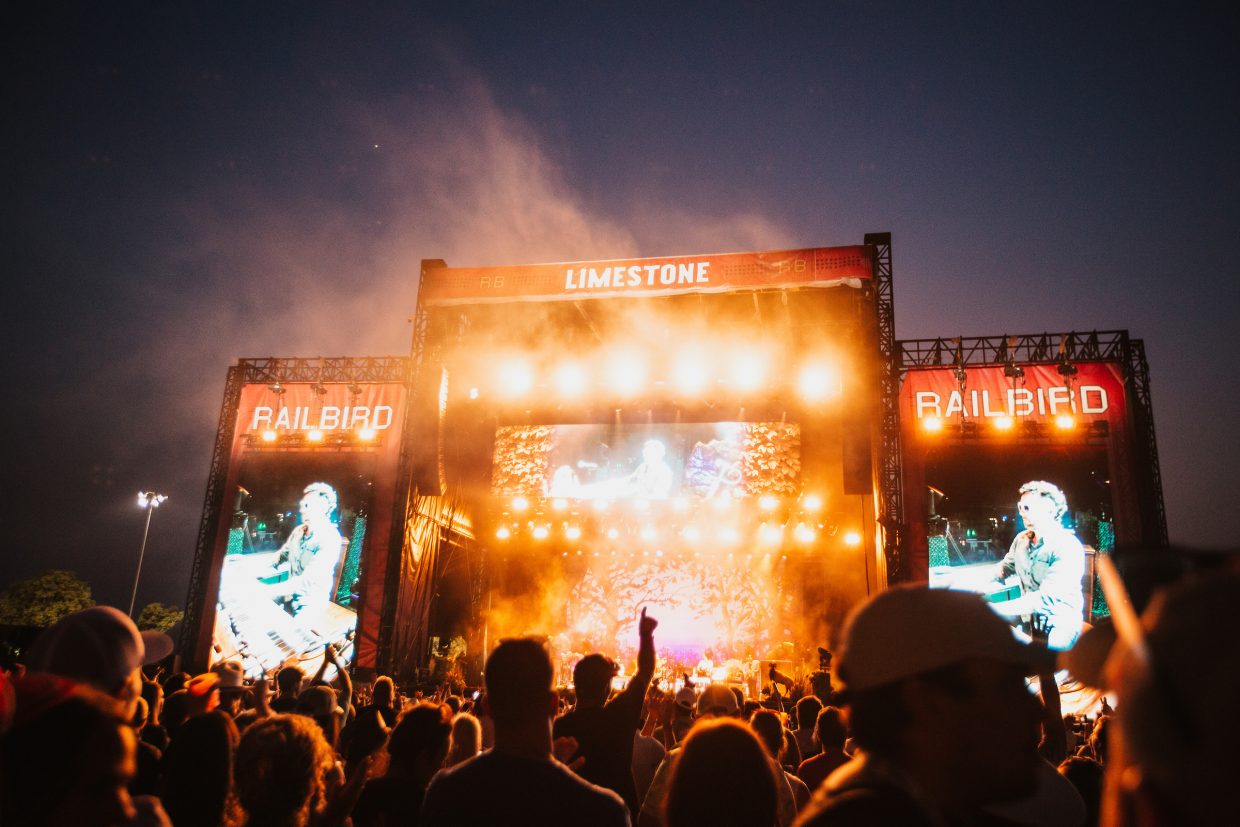
Highlighting the confluence of roots music and the mainstream, Railbird Festival welcomed 32 acts from across the rock, folk, and bluegrass spectrum to Lexington, Kentucky on June 3-4.

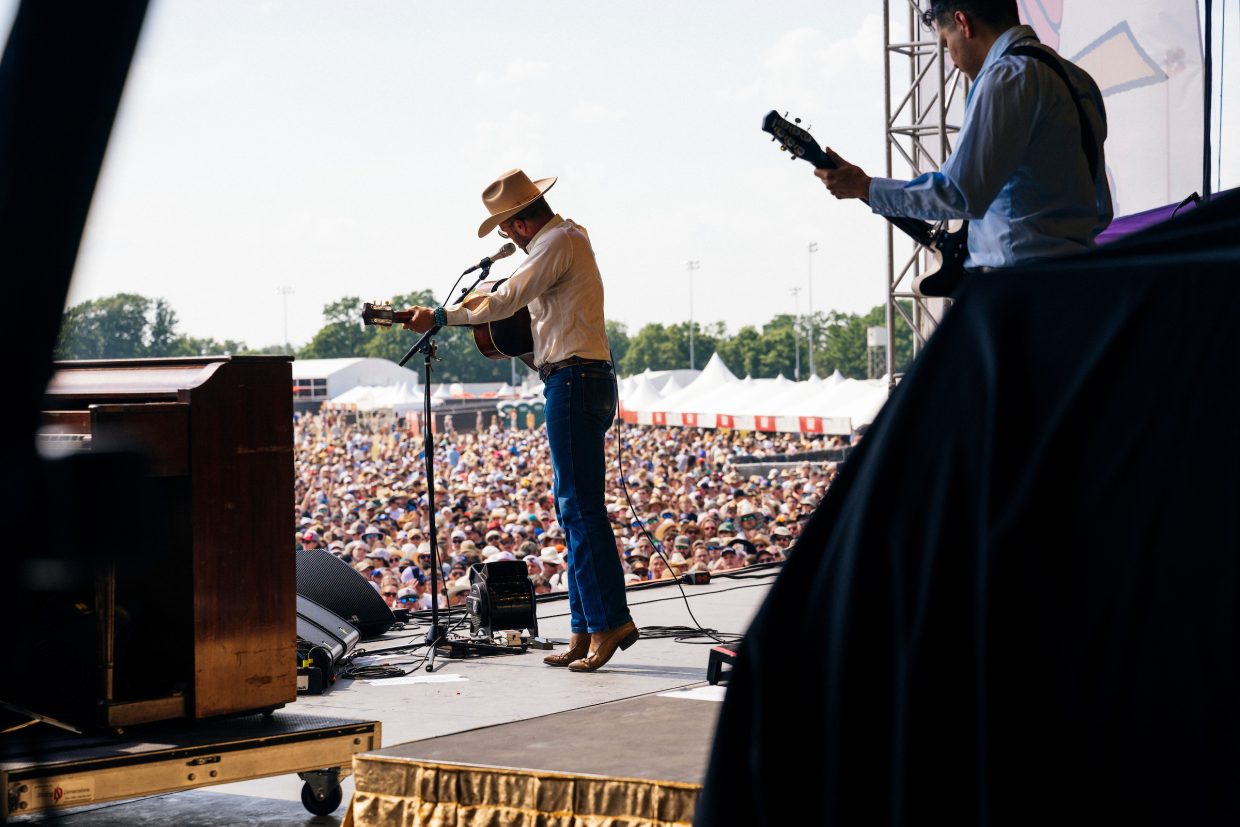
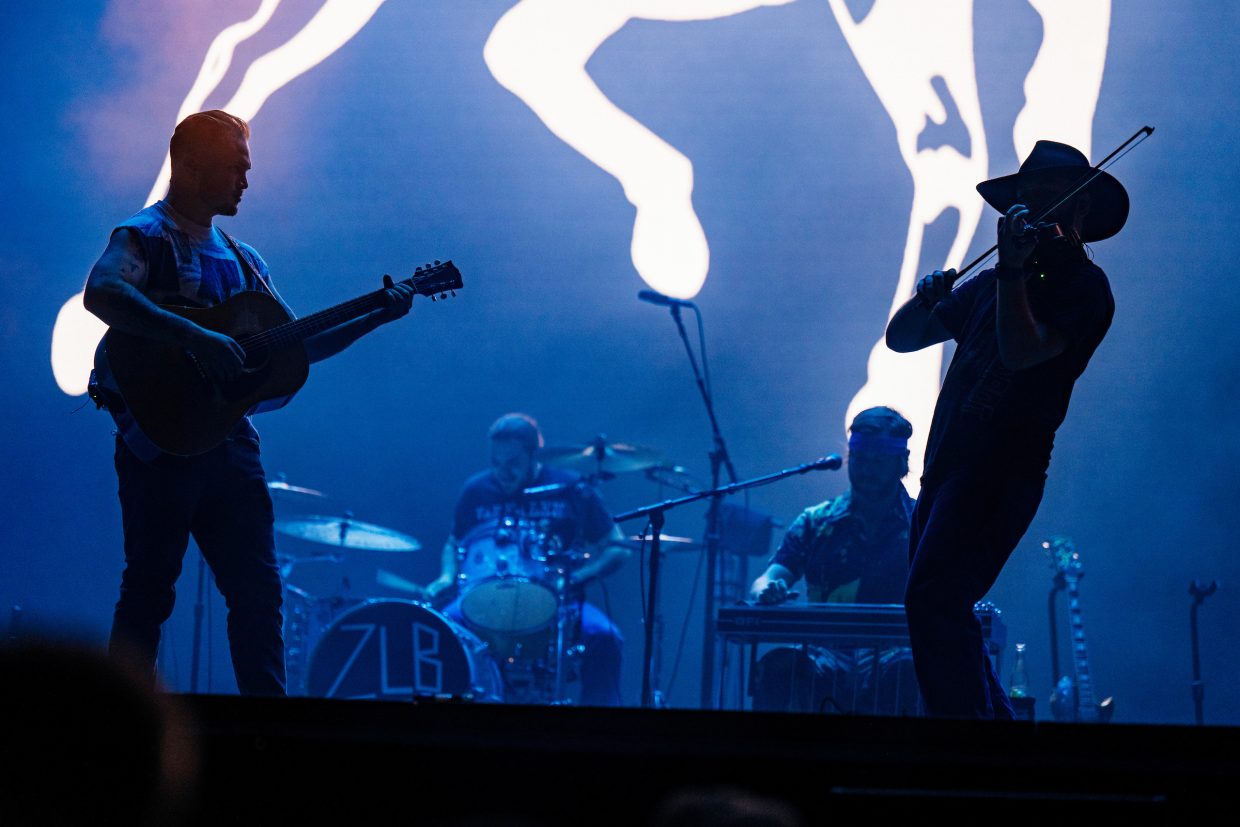
Boasting headliners Tyler Childers and Zach Bryan, plus Charley Crockett, Whiskey Myers, Nickel Creek and more, a sold-out crowd of 40,000-plus helped kick off festival season with a uniquely “Americana” lineup – drawing attention to this hidden gem of a city.

Set in the heart of Lexington and spread across three massive stages and a spacious lawn at The Infield at Red Mile (usually a horse racing venue and casino), 2023 marked the third year of a festival turning the “horse capital of the world” into roots-music central while celebrating the rich musical history of the area.

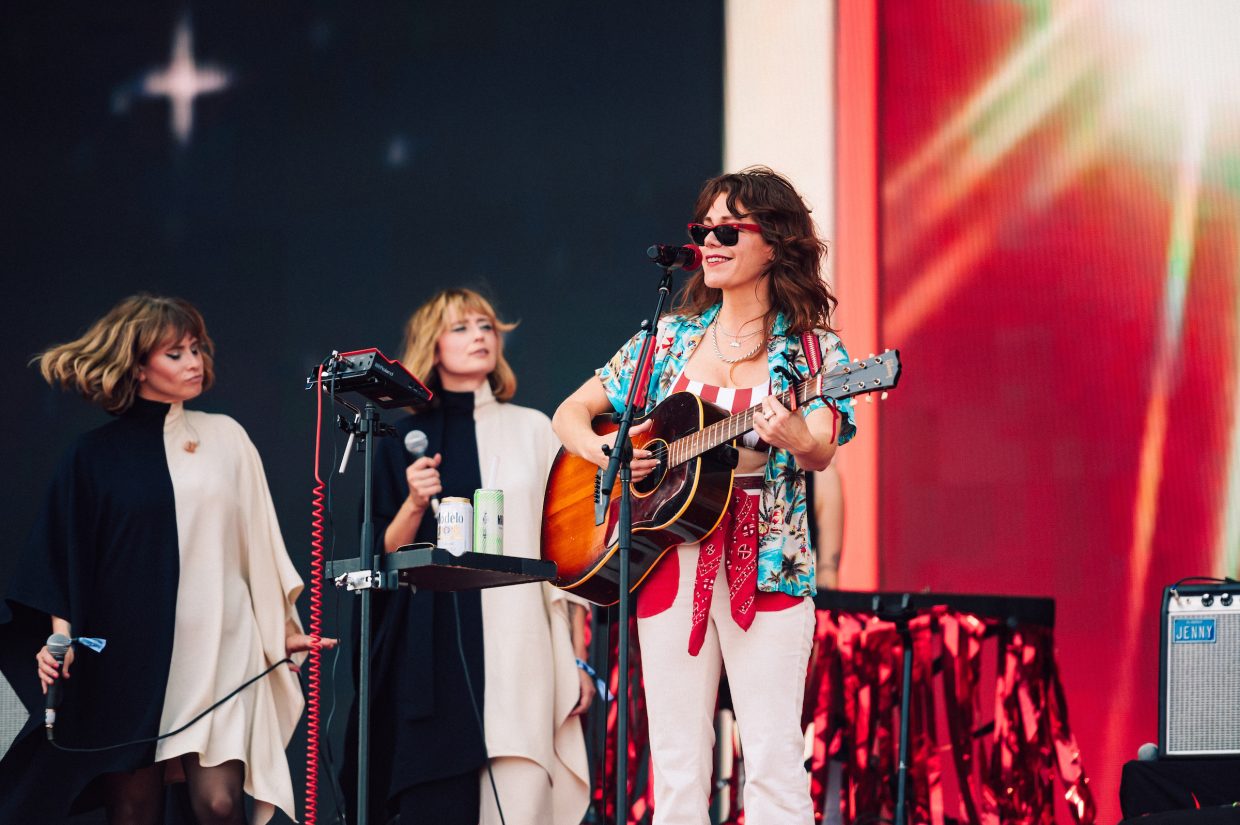
Jenny Lewis (R) with Lucius by Nathan Zucker

Day one kicked off with perfect festival weather– meaning it was blazing hot and dry as a bone. That was no worry, however, since Railbird also featured three huge shaded areas, plenty of refreshments (it is bourbon country, after all) and a merciful breeze. From just about anywhere on the grounds, fans could see everything all at once – and that included 2023’s festival-season fashions.

Charley Crockett (L) by Charles Reagan

Indie pop chanteuse Jenny Lewis was an early draw, singing smart tunes about “psycho men” and hypoallergenic puppies – and also welcoming Lucius, the Grammy-nominated duo who became something like the fest’s house band, for a rich duet.

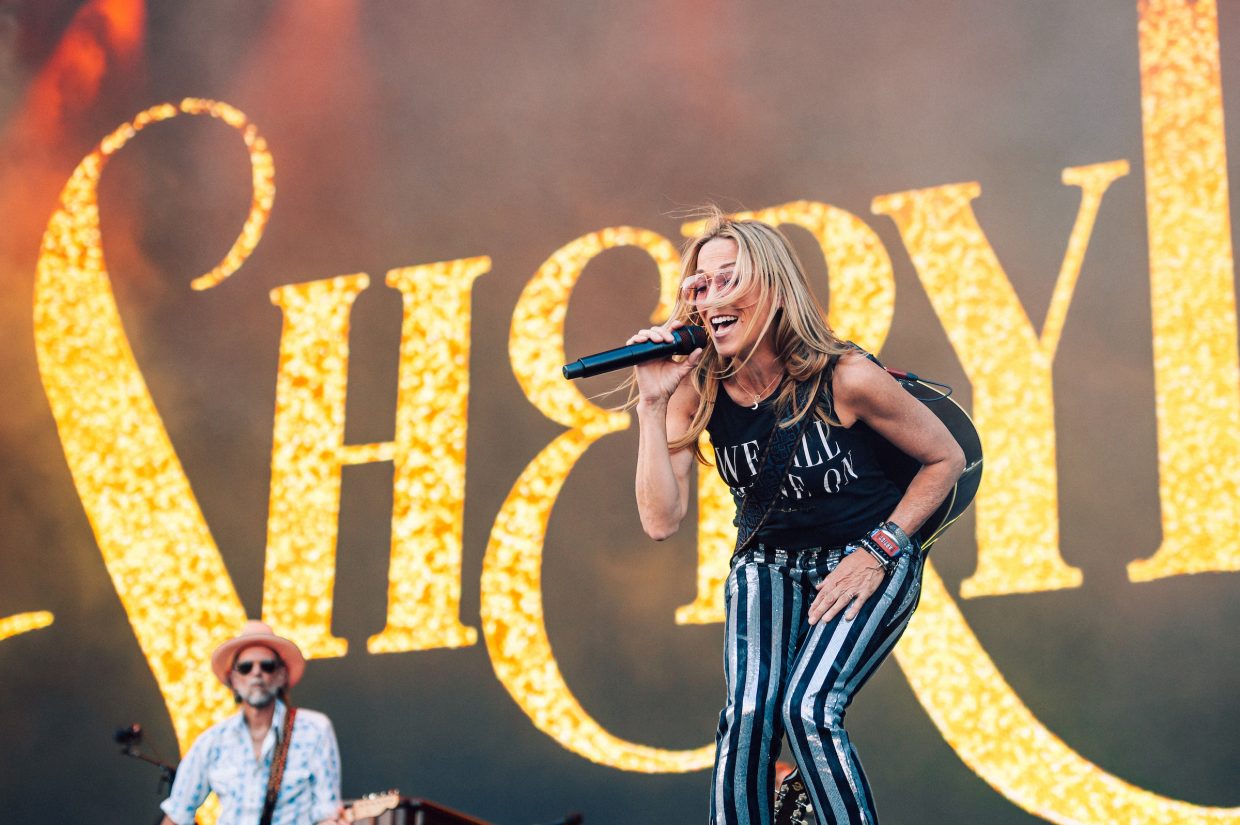
Sheryl Crow by Nathan Zucker

Later on, Charley Crockett herded everyone to the Elkhorn stage for some ballads from a modern day drifting cowboy. And Sheryl Crow showed she could still hang with the kids, even calling for more of them in politics. “I don’t have a lot of hope for people older than me,” the feisty icon said. “But you can bring change.”

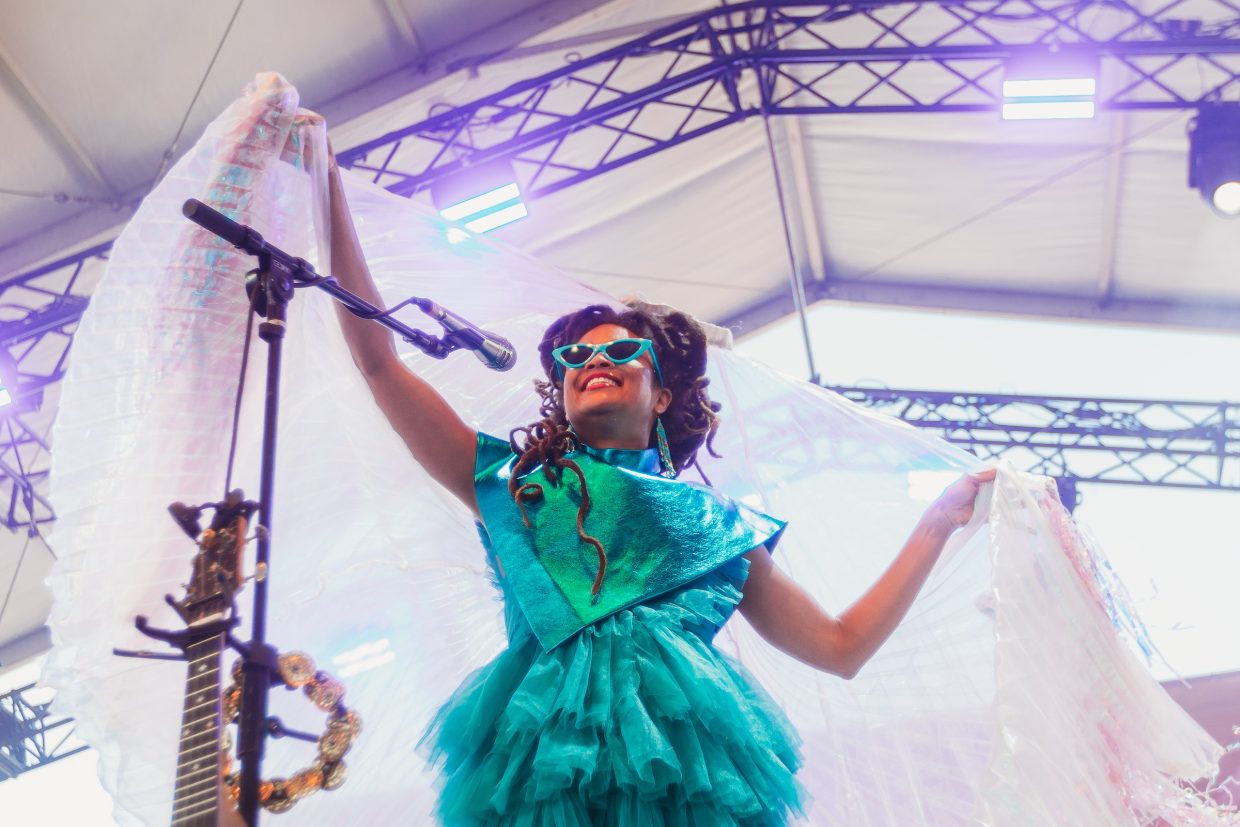
Valerie June by Cora Wagoner

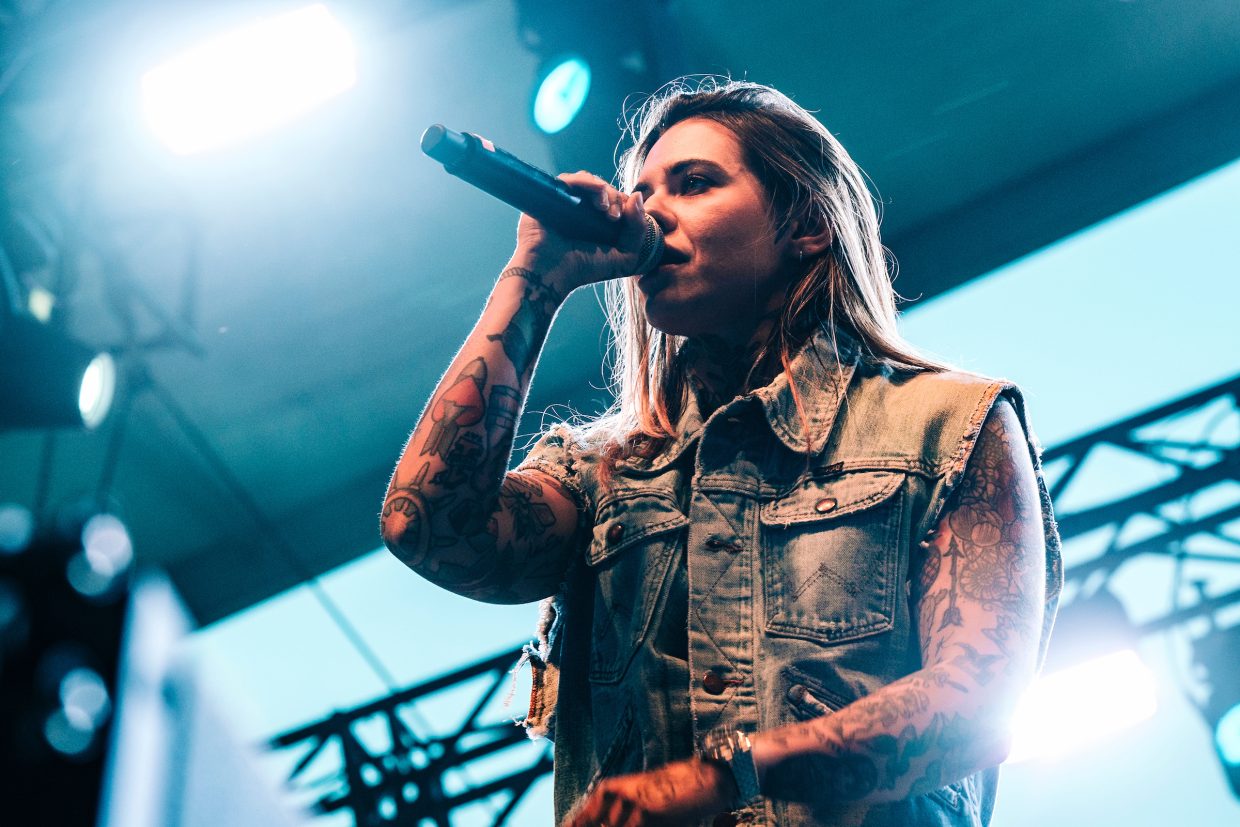
Whiskey Myers brought their own gasoline (and a match), firing up a midday crowd with their rowdy roadhouse rock, and while Valerie June won her crowd over with a big smile and songs connected to the Black-folk past, emerging phenom Morgan Wade unleashed the pent up anger of country girls everywhere, sounding like a combination of Courtney Love and Loretta Lynn.

Morgan Wade by Taylor Regulski

Nineties alt-heroes Weezer united the crowd in a full set of fuzzed out awkward-teenager anthems – but also showed where they fit in the roots world, breaking out some old-timey three part harmony – and the day came to a close with breakout superstar Zach Bryan.

Zach Bryan by Charles Reagan

A self-made headliner who still carries the underground spirit, he gathered the whole crowd as the sun went down, doing his best to stay a songwriter who “keeps truth in songs.” Leading a country band with strong Class of ‘89 vibes, he mixed tender-but-edgy confessions with a well-placed vocal growl, and finished the night off in awe of the Railbird crowd, noting he was on the fest’s smallest stage just a few years earlier.

“I’m nervous as shit!” Bryan admitted. “Never in my life did I think I’d be after Weezer or Marcus Mumford.”

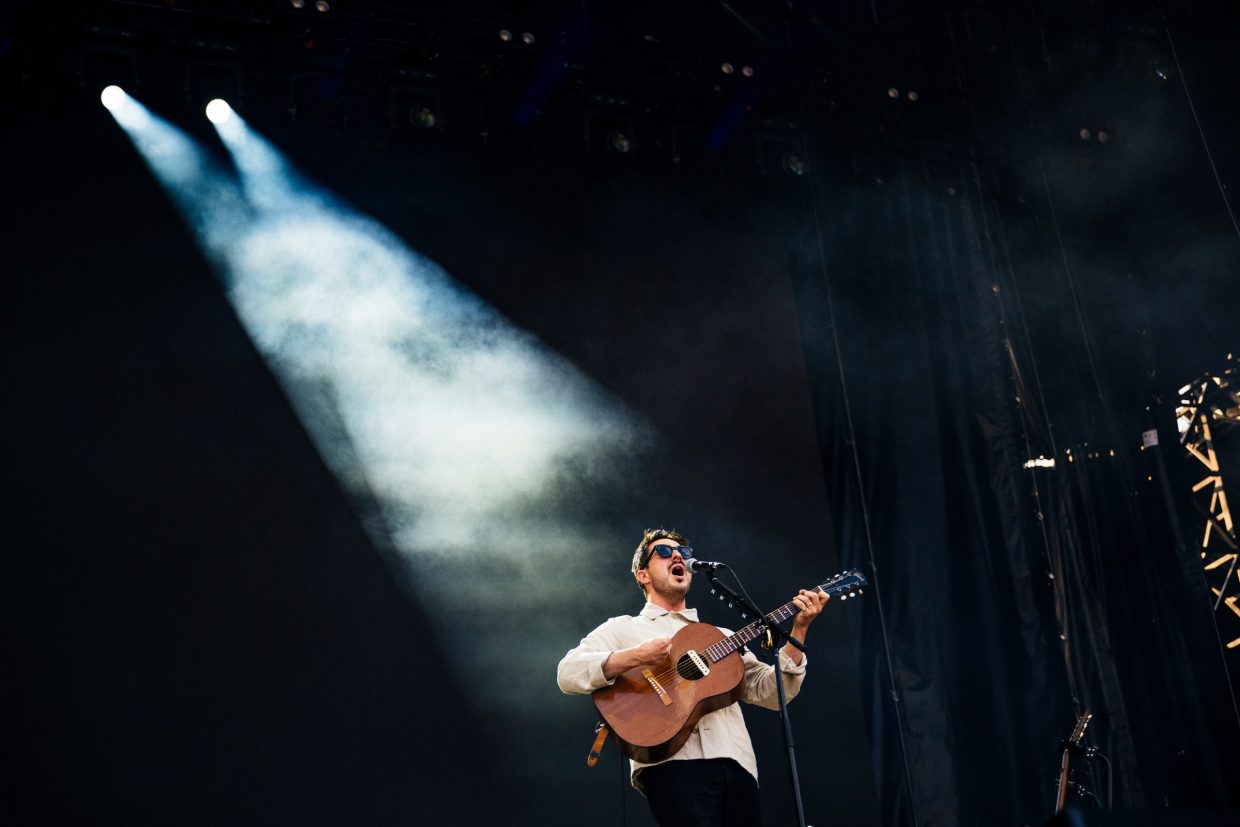
Marcus Mumford by Charles Reagan

Day two started off much the same as the first: hot and sunny, but with a marked increase of tow trucks prowling the Red Mile area. Great herds of humanity seem to migrate from one stage to the next, with wide smiles and a rootsier, more-acoustic lineup for them to enjoy. Luckily, the pacing was excellent and there was rarely any conflict over which stage to check out.

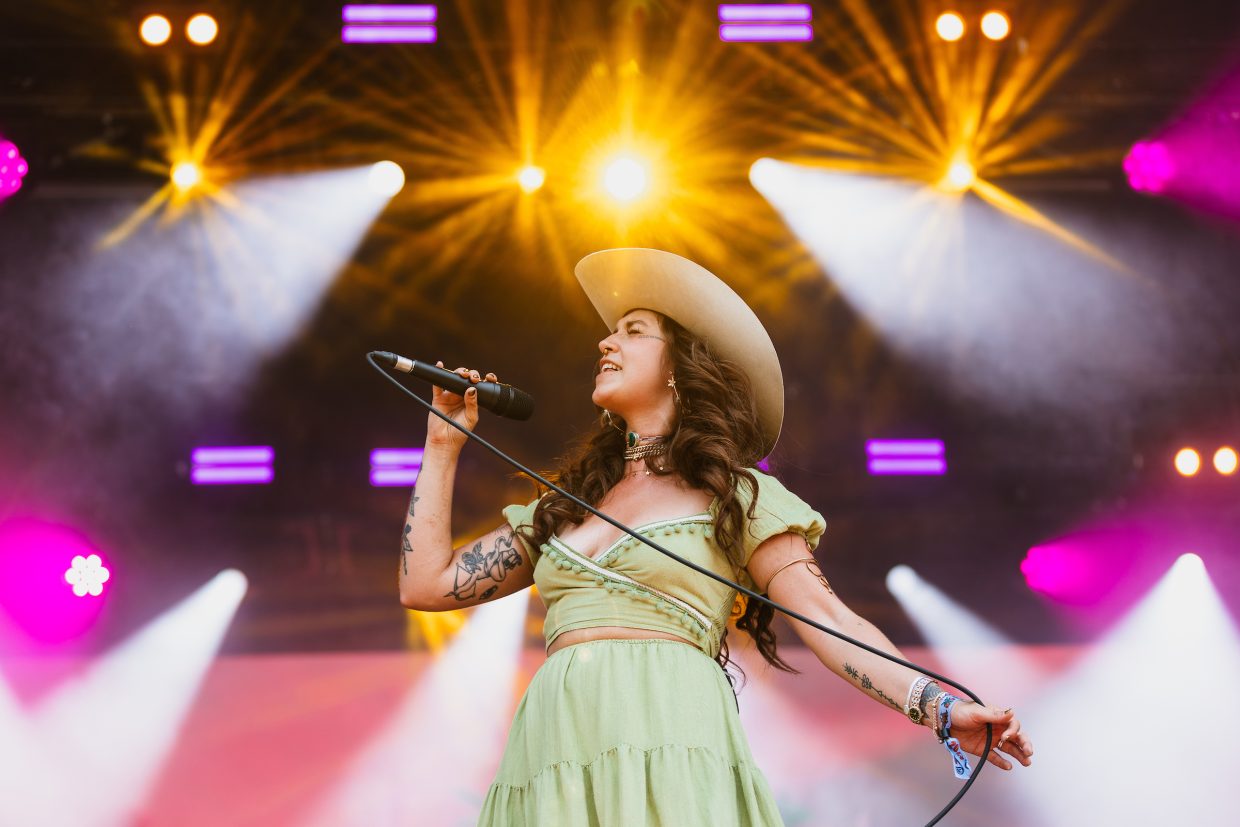
Sierra Ferrell by Cora Wagoner

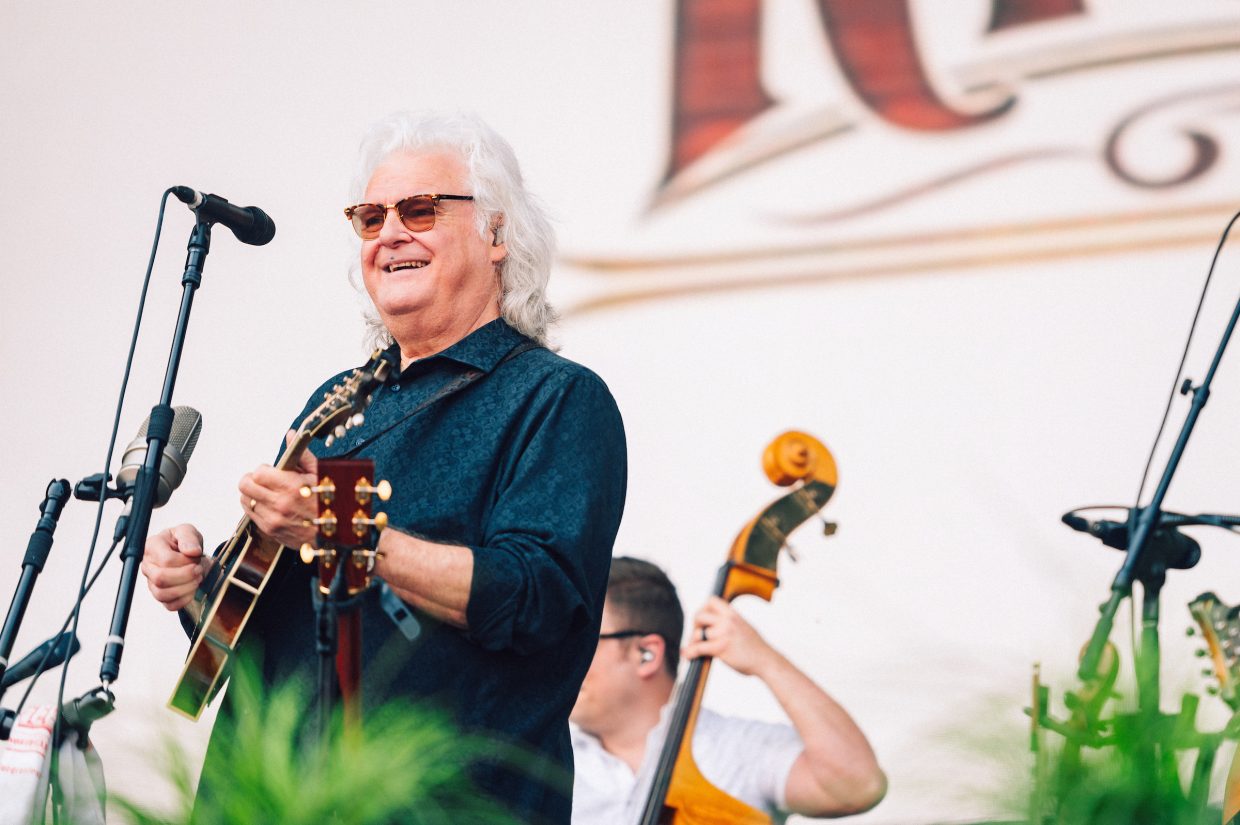
Winchester 49 took over the big stage early, dodging beach balls and blasting their gritty country/rock/soul as they welcomed the crowd back with calls to drink up life (and beer.) Old-school master Sierra Ferrell had everyone dancing a throwback jig, and while Flipturn mixed fiery rock grooves with huge, danceable swells of energy (like EDM on electric guitars), Ricky Skaggs charmed as the fest’s elder statesman, and Kentucky treasure.

Making bluegrass look beyond easy (maybe more like effortless), a “RICKY!” chant soon broke out as parents answered questions from dumbstruck kids, like “Is it just him playing right now?” – once again proving the timeless, ageless wonder of acoustic music.

Nickel Creek by Charles Reagan

Nickel Creek seasoned their simple ingredients with a playful edge, returning for their first tour as a blood-bonded neo-bluegrass trio in quite a few years, while Amos Lee sampled everything from Memphis soul to Bob Marley and a bit of New Orleans funk.

Amos Lee by Taylor Regulski

Town Mountain found a welcome home for its foot-stomping, wild-child alternative-grass over at the covered Burl stage – as did Molly Tuttle (who will surely be on a bigger stage next year) and Charles Wesley Godwin, the West Virginia troubadour who welcomed night-one’s headliner back for a re-energizing duet, late in the festival and just before its biggest draw.

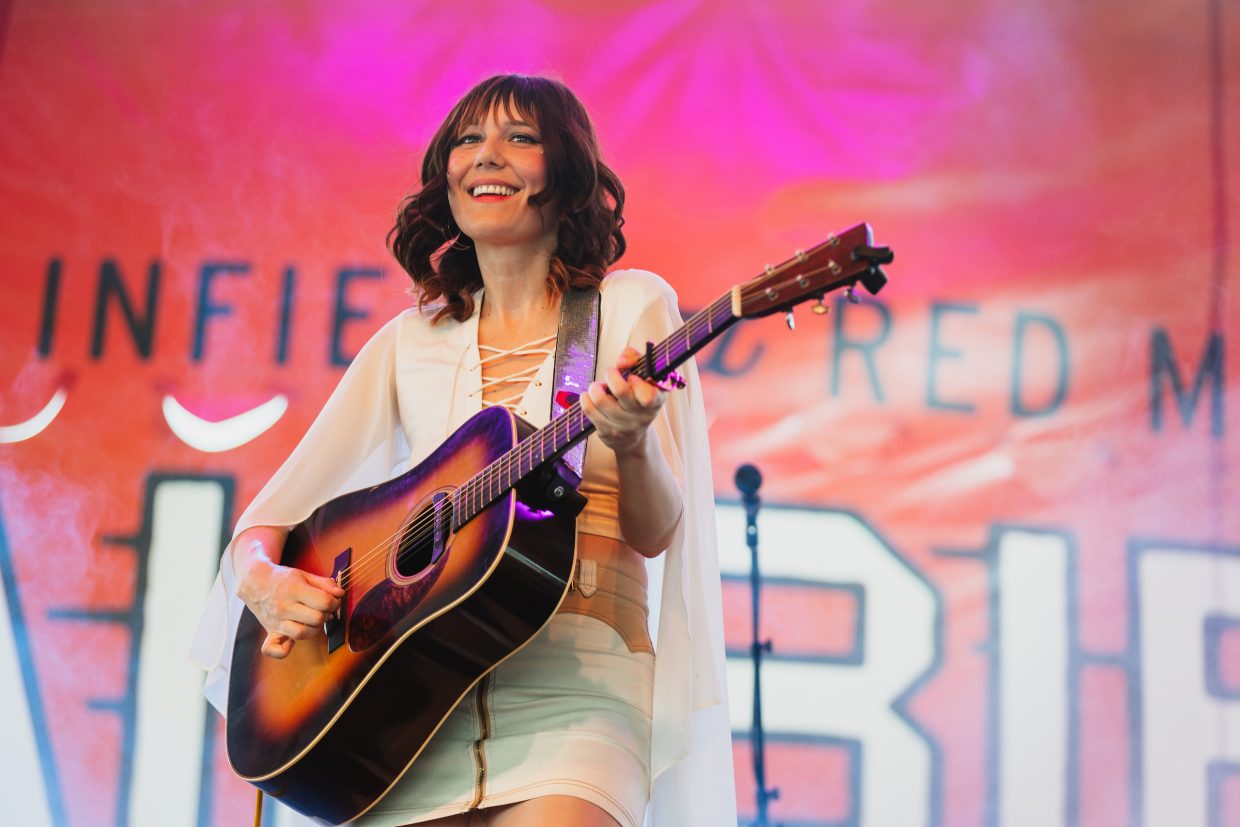
Molly Tuttle by Cora Wagoner

That moment finally came as the deep-red Strawberry Moon rose over Red Mile, with Tyler Childers putting a bold, indie-country cap on an already special event.

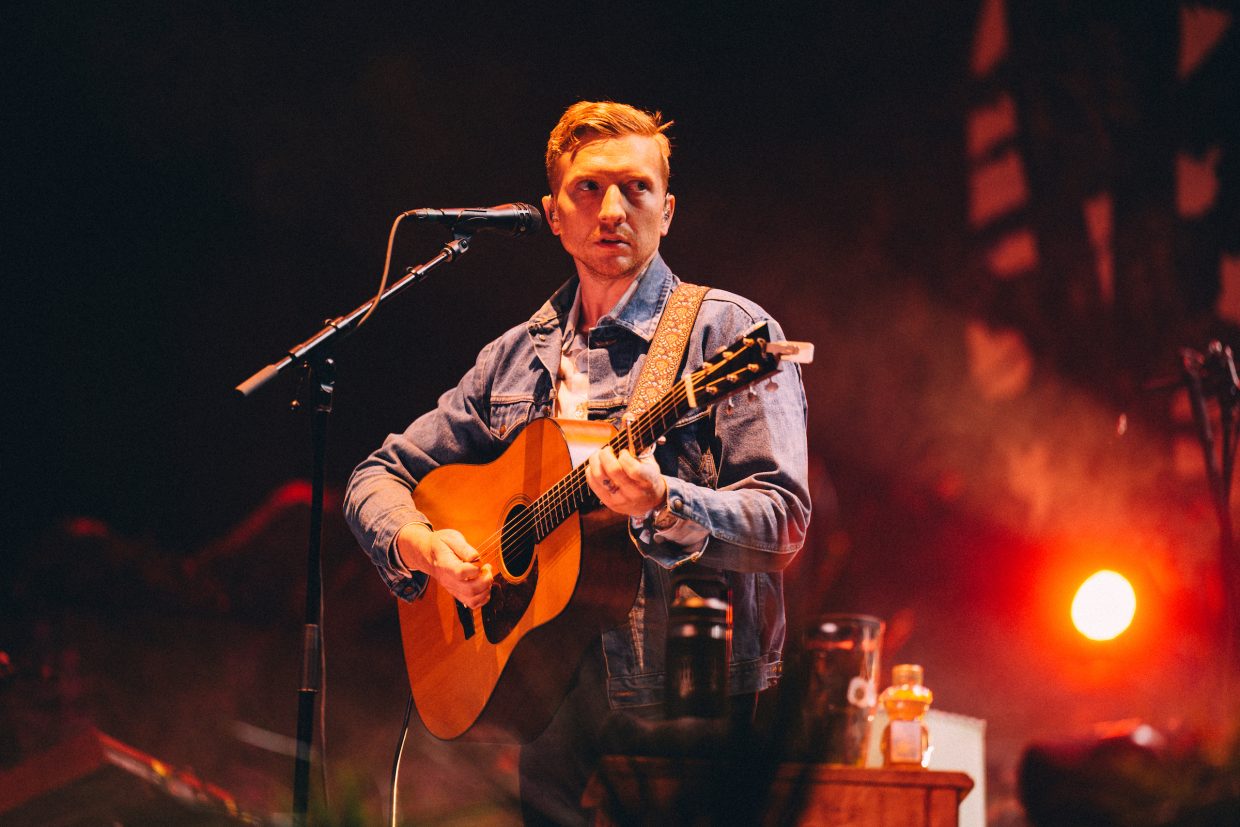
Tyler Childers by Charles Reagan

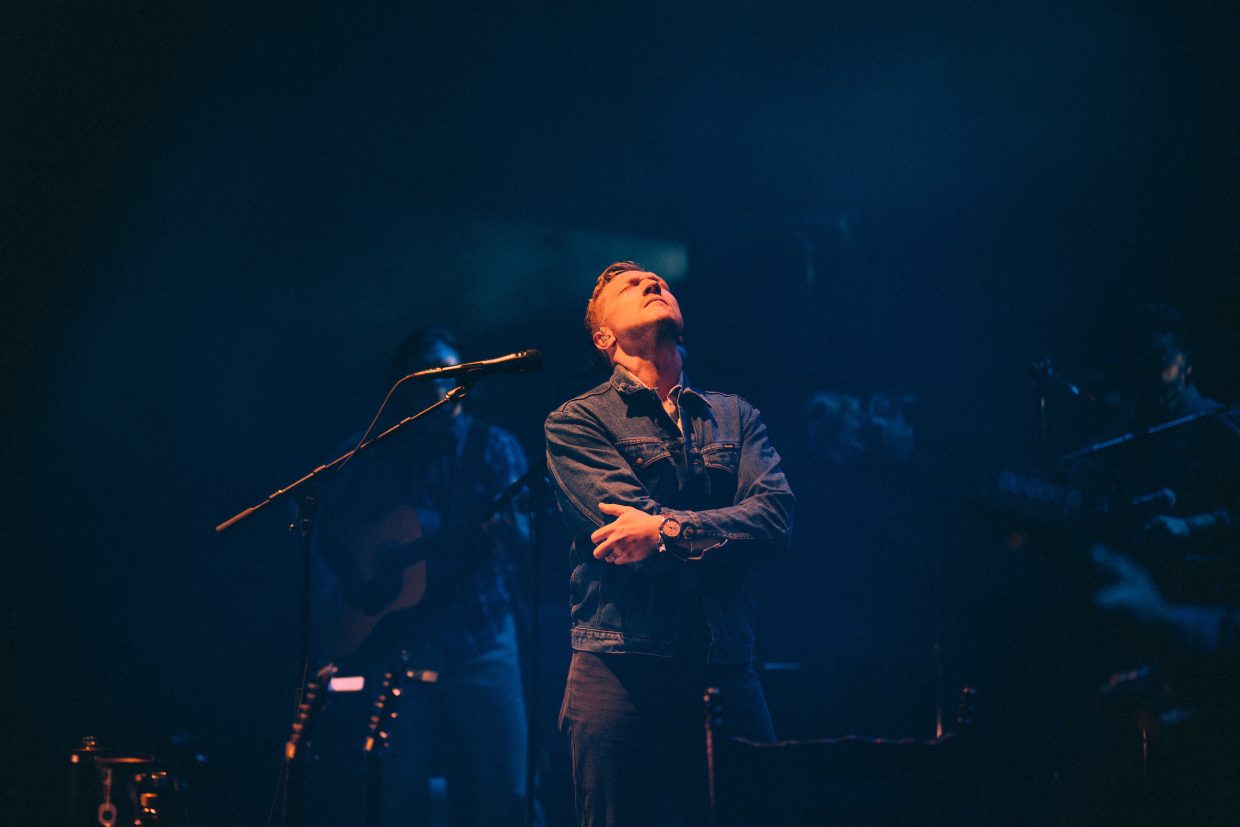
Welcomed to the stage by Lexington Mayor Linda Gorton – who proclaimed June 4, 2023 as Tyler Childers Day – the Lawrence County native arrived carrying the whole state’s roots-music tradition on his small frame, and never put a foot wrong.

Humble as ever and wielding the witty cadence of a carnival barker, he presided over a rabid hometown crowd in a jean jacket and rusty-blond hair, matching a voice that could cut Kentucky limestone with hardscrabble poetry just as sharp.

Tyler Childers by Charles Reagan

Over a two hour set, all of Lexington seemed to sway and sing along, closing the weekend with proudly down-home tracks like “All Your’n.” On the surface, it’s a holler-kid’s rebellious pledge of true love, that’s obvious enough. But in this case, that pledge seemed applicable in other ways – to the fans, to roots music, to Lexington. Perhaps even to the Railbird Music Festival itself.

I’ll love ya ’til my lungs give out / I ain’t lying,” Childers and his audience sang. “I’m all your’n and you’re all mine.”

Tyler Childers and band by Cora Wagoner

Photos courtesy of Railbird Festival
Lead photo credit: Taylor Regulski

2023 Americana Honors & Awards Nominations Announced

The Americana Music Association announced the nominees for its 22nd annual Americana Honors & Awards today at the National Museum of African American Music (NMAAM) in Nashville. This year’s nominations were revealed by host Gina Miller, Senior Vice President and General Manager of MNRK Music Group and member of the Americana Music Association’s Board of Directors. The event was streamed live to the Americana Music Association’s Facebook page and also featured performances from S.G. Goodman, The McCrary Sisters, and Margo Price.

A full list of categories and nominees for the Americana Music Association’s 22nd annual Americana Honors & Awards is below:

ALBUM OF THE YEAR:

Big Time, Angel Olsen; Produced by Angel Olsen and Jonathan Wilson

Can I Take My Hounds To Heaven?, Tyler Childers; Produced by Tyler Childers

El Bueno y el Malo, Hermanos Gutiérrez; Produced by Dan Auerbach

The Man from Waco, Charley Crockett; Produced by Bruce Robison

Strays, Margo Price; Produced by Margo Price and Jonathan Wilson


ARTIST OF THE YEAR:

Charley Crockett

Sierra Ferrell

Margo Price

Allison Russell

Billy Strings


DUO/GROUP OF THE YEAR:

49 Winchester

Caamp

Nickel Creek

Plains

The War and Treaty


EMERGING ACT OF THE YEAR:

Adeem the Artist

S.G. Goodman

William Prince

Thee Sacred Souls

Sunny War


INSTRUMENTALIST OF THE YEAR:

Isa Burke

Allison de Groot

Jeff Picker

SistaStrings – Chauntee and Monique Ross

Kyle Tuttle


SONG OF THE YEAR:

“Change of Heart,” Margo Price; Written by Jeremy Ivey, Margo Price

“I’m Just a Clown,” Charley Crockett; Written by Charley Crockett

“Just Like That,” Bonnie Raitt; Written by Bonnie Raitt

“Something in the Orange,” Zach Bryan; Written by Zach Bryan

“You’re Not Alone,” Allison Russell featuring Brandi Carlile; Written by Allison Russell


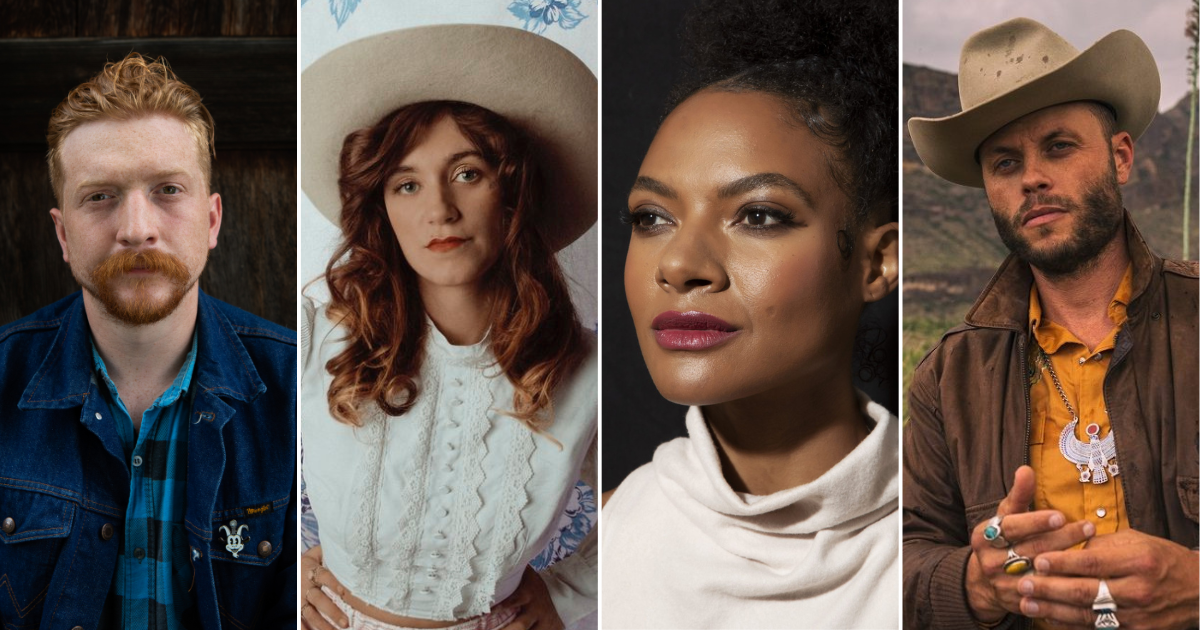
Photo of Tyler Childers: David McClister
Photo of Sierra Ferrell: Alysse Gafkjen
Photo of Allison Russell: Marc Baptiste
Photo of Charley Crockett: Bobby Cochran

LISTEN: Davisson Brothers Band, “I’m Good With It”

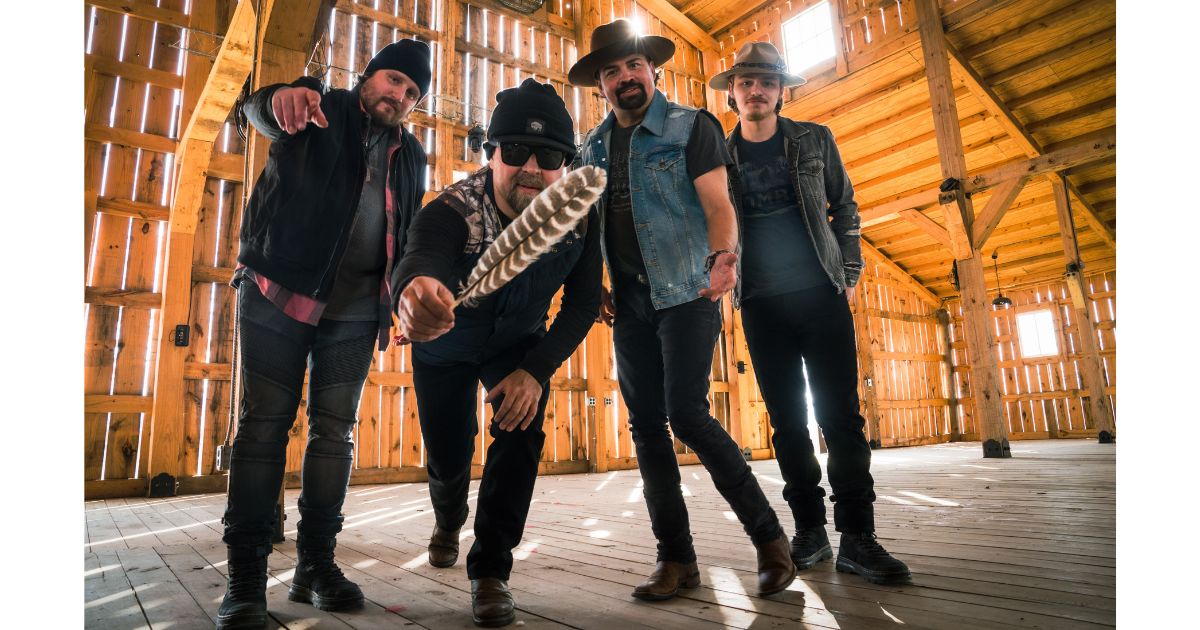
Artist: Davisson Brothers Band
Hometown: Clarksburg, West Virginia
Song: “I’m Good With It”
Album: Home Is Where the Heart Is
Release Date: April 28, 2023
Label: Rollin’ The Dice Records

In Their Words: “When we started the process to make the record, like I have stated before, we decided to reach out to some of our friends in the industry and wanted to collaborate with a couple folks. I set up a couple retreat-style writes and brought in a few artists. One particular write, we brought in a fellow West Virginian and old touring and hanging friend Sierra Ferrell. We go way back with Sierra, she has been sharing stages with us since she was very young. She had never done a co-write so we had gotten in the room with her and wrote a few things. We knocked it out of the park, we had intentions of getting her and Del McCoury to sing on a track with us together on a song we wrote with Sierra that Brent [Cobb] and [David] Ferg [Ferguson] really loved. The problem was we already had the studio booked and a couple dates to work with, but unfortunately schedules did not line up.

“We were determined to have a duet-style performance on the album. We decided to get in the writing room with our buddy Kyle Tuttle (Molly Tuttle and Golden Highway) and his partner Lindsay Lou and also invited our friends Rob McCoury and Paul McDonald. The chemistry and energy in that room was insane that day. Kyle ended up jumping out to write with Donnie on a track as we were winding down and Lindsay started belting out this melody with Paul and there it was… ‘I’m Good With It’ came to life. I knew then we had the song we were looking for. It also nods to our early years of touring around the jam band scene. Lindsay came in the studio and nailed her part, Rob McCoury played on the track as well. One of the musical highlights of the record for me.” — Chris Davisson, Davisson Brothers Band


Photo Credit: Clay Enos

Americana Honors & Awards 2022: See the Full Winners List

It was a wonderful night of music, celebration, reflection, and joy last night at the Ryman Auditorium as folks gathered for the 21st Annual Americana Honors & Awards.

Billy Strings was crowned Americana’s Artist of the Year, with Jerry Douglas presenting the award.

Triple nominee Allison Russell earned the Album of the Year Award for her record Outside Child, produced by Dan Knobler. She accepted the award from respected music critic and NPR writer Ann Powers.

Allison Moorer and Hayes Carll awarded two-time Artist of the Year Brandi Carlile for the Song of the Year with “Right On Time,” written by Carlile, Dave Cobb, Phil Hanseroth and Tim Hanseroth.

The War and Treaty (Michael and Tanya Trotter) won Duo/Group of the Year after winning Americana Emerging Act of the Year in 2019.

On the heels of her new album Long Time Coming, Sierra Ferrell was also honored by the Americana music community and received this year’s Emerging Act of the Year Award.

Multi-instrumentalist Larissa Maestro took home the Instrumentalist of the Year Award, as Molly Tuttle recognized the Berklee College of Music grad. Maestro has performed and recorded with many high caliber artists and musicians, including Allison Russell, Mickey Guyton, Eminem, Ms. Lauryn Hill, H.E.R., Michael Bublé, Margo Price, and Gillian Welch and Dave Rawlings.

Highlights from the evening include Brandi Carlile and Allison Russell delivering a soul-stirring rendition of “You’re Not Alone,” as well as the iconic McCrary Sisters honoring their late sister Deborah (who passed away in June) with a chills-inducing performance of “Amazing Grace.”

Americana stalwart and reigning All-Star Band musical director Buddy Miller was surprised by Robert Plant, who presented Miller with The Lifetime Achievement Award, which was previously unannounced. Miller graced the audience with his classic “Wide River To Cross.”

Throughout the night, attendees were treated to additional performances by the Fairfield Four, Indigo Girls, Lucinda Williams, Adia Victoria, James McCurtry, Lukas Nelson, Morgan Wade, Neal Francis, The War and Treaty, Sierra Ferrell, and JP Harris honoring the late Luke Bell.

Previously announced Lifetime Achievement honors were accepted by the Fairfield Four (Legacy of Americana Award, co-presented with the National Museum of African American Music [NMAAM]), presented by NMAAM’s Katie Rainge-Briggs and award-winning producer Shannon Sanders; Chris Isaak (Performance), presented by Lyle Lovett; the late Don Williams (President’s Award), presented and accepted on behalf of the Williams’ family by producer Garth Fundis; Al Bell (Executive), presented by music executive and Chairman of the Black American Music Association Michael Mauldin; and the Indigo Girls (Spirit of Americana Award, co-presented with the First Amendment Center), presented by Brandi Carlile and First Amendment Center’s John Seigenthaler.

Here’s the full list of the 2022 Americana Honors & Awards Winners and Honorees:

Album of the Year: Outside Child, Allison Russell; Produced by Dan Knobler

Artist of the Year: Billy Strings

Song of the Year: “Right On Time,” Brandi Carlile; Written by Brandi Carlile, Dave Cobb, Phil Hanseroth and Tim Hanseroth

Duo/Group of the Year: The War and Treaty

Emerging Act of the Year: Sierra Ferrell

Instrumentalist of the Year: Larissa Maestro

Legacy of Americana Award, presented in partnership with the National Museum of African American Music: Fairfield Four

President’s Award: Don Williams (posthumous)

Lifetime Achievement Award for Performance: Chris Isaak

Lifetime Achievement Award for Executive: Al Bell

Spirit of Americana Award: Indigo Girls