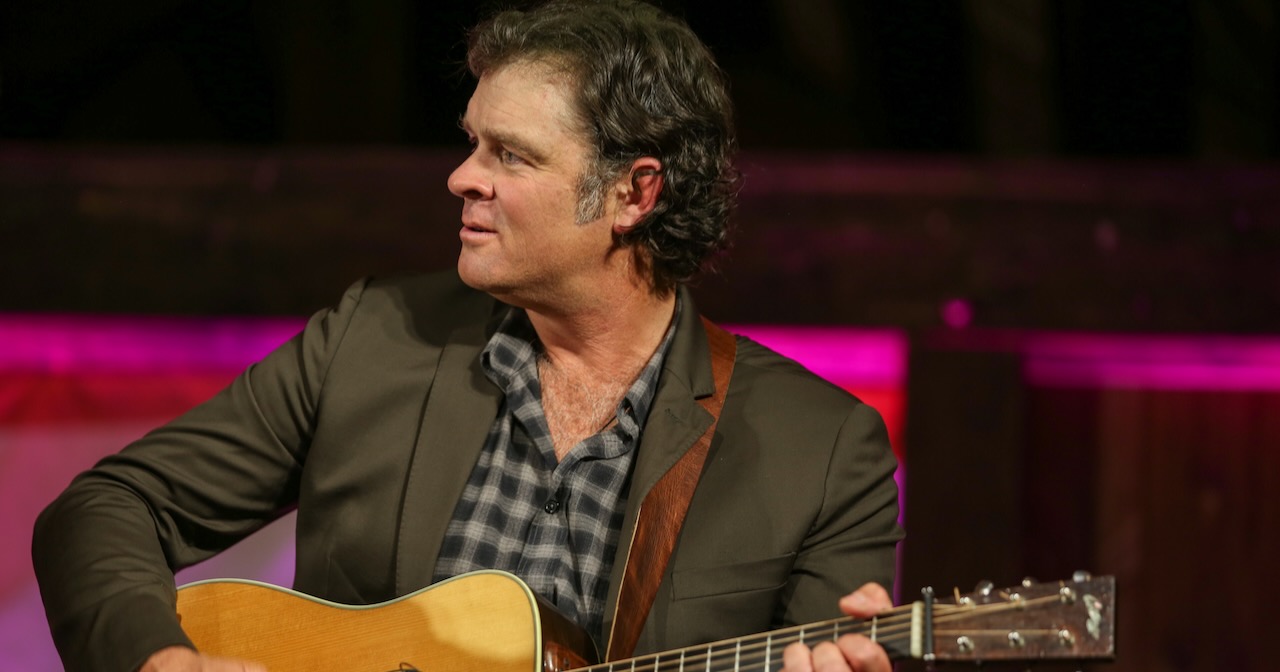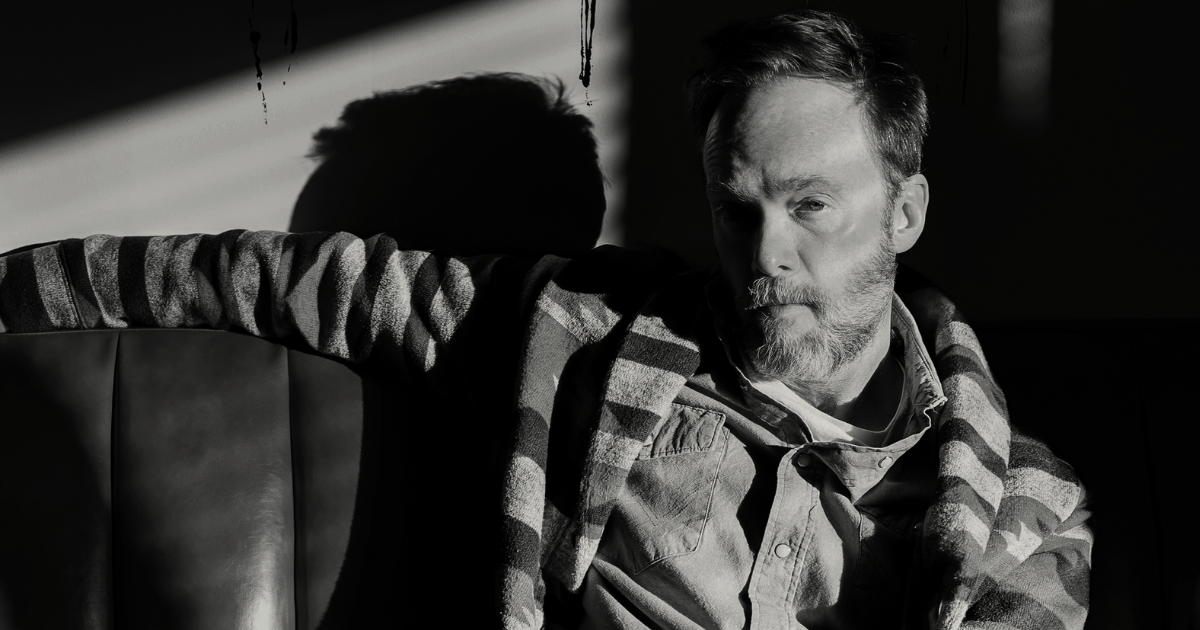
Is Adam Wright the Poet Laureate of Music Row?

Adam Wright is a songwriter’s songwriter. An artist’s songwriter. A poet whose medium is best set to music. And not just any music, but the absolute highest echelons of bluegrass and country – radio, real, outlaw, Americana, and everything in between and beside. He writes daily from an office nestled between Music Square East and Music Square West in Nashville – the fabled Music Row.

His songs have been cut by stars like Alan Jackson, Lee Ann Womack, Garth Brooks, Trisha Yearwood, Brandy Clark, and Robert Earl Keen. In bluegrass, bands like Balsam Range and Lonesome River Band have carried his originals high up the charts, and he’s co-written with many players in the genre, like Sierra Hull, for example. His songwriting and its distinct, intentional, and artistic voice has gained him award nominations from the GRAMMYs, the Americana Honors & Awards, and the IBMA Bluegrass Music Awards.

Since early February of this year, Wright has been leaving a trail of musical breadcrumbs online and on streaming platforms, teasing out his brand new album, Nature of Necessity, in four parts, which he calls “sides.” Along with singles peppering the release cycle throughout the following months, the prior three sides of the project finally convene with the fourth today, September 25, as a coalesced and cohesive project of 18 songs. The novel delivery mechanism for Nature of Necessity feels like an extension of the intentionality Wright brings to each of these literary, textural, and fantastic songs. They each stand alone, certainly, but together they sing.

These are not Music Row fodder, or craven attempts at radio hits, or tracks churned out day-in-and-day-out for volume and viral potential. These are passion projects. Ideas and stories that stuck in Wright’s creative craw and demanded much more deliberate treatments. It’s not as though songs written with the bottom line in mind can’t be this successful as works of art – they often are. It’s just that it’s immediately tangible to the listener that these works by Adam Wright aren’t just some of his best, they were clearly written and produced without a single thought towards saleability. Rather, Wright and his creative partners – especially producer Frank Liddell – gave each of these songs the artistic treatment they deserved on their own merits as stories and tableaus, vignettes and pantomimes.

If you remember when Bob Dylan was awarded the Nobel Prize in Literature in 2016, there was a whole lot of “discourse” on the internet as to the actual literary value of songs and lyrics. It’s a painfully on the nose, forest for the trees moment to even have to accept the premise of that debate in order to refute it. But with a writer like Adam Wright – ever so rare in country and roots music and becoming even more endangered still – it’s easy, direct, and demonstrable connecting the dots between literature and songwriting. Nature of Necessity being 18 compelling points on that trail. With this album, Wright should perhaps be offered a term as the poet laureate of Music Row. Let each of its four sides stand as a resumé.

I really love the sonics of the album, the production. I’m a bluegrass banjo player, so when I listen to records I want to hear the pick noise, I want to hear the room, I want to hear the distance between a singer’s lips and the microphone. I want it to sound like music and I want it to sound like a moment in time.

Granted, I listen to a lot of music that doesn’t check any of those boxes and I like it a lot for sure, but the first thing I noticed about this album was that it sounds not just live, but alive. Can you talk about that and can you talk about how you accomplished it? It feels like, having heard so much of Frank [Liddell’s] work as producer that he was probably a perfect partner to accomplish that production style, too.

Adam Wright: Yeah, he absolutely was. And we wanted the same thing. We wanted it to be live and to sound live. With all the flaws inherent in performance, like a full unedited, undoctored performance.

‘Cause I’m like you – I’m a pretty poor listener currently but I have, in my long life of listening, listened to an awful lot of music and studied a lot of it. I know when I’m listening to a song that was gridded and then a singer came in and sang very carefully and then they cut it up and got it right. Because I’ve made records like that, too.

You sound your best that way, you truly do. It is so flattering to have someone do that to you and then listen back and go, “Wow, I sound fantastic.” So what I’ve enjoyed, for some reason, [is] getting used to what I sound like, giving it my best effort on a play down all the way through, one whole take, and go, “That’s what I sound like.”

It’s like looking at yourself like in a hotel mirror. [They] are the worst mirrors in the world. Like you go in the bathroom in the hotel room and you look awful and can’t figure out why. Something about the lighting or the quality of the lighting or where they’re placed. Every time I’m in a hotel mirror, I’m just like, “What am I doing out in the world?”

It’s a little bit like that. You listen back to yourself, play this song, and you go, “Man… that is not perfect.” There are things I just really dislike about the way I sing certain things on this record, the way I played. I hear me failing the whole way through. ‘Cause we did track it live. Me and Matt Chamberlain and Glenn Worf tracked us a three-piece, me on acoustic and singing with bass and drums. The idea was just to keep all of that as it is, intact, which we did.

I told Glenn, I said, “You’re the lead instrument. No one’s coming to save us. If something has to happen, we just have to do it right now.” We recorded it with that philosophy. The meat of it is my playing and singing with Glenn and Matt and we didn’t fiddle with it. The caveat was, “Okay, we can add things, but this has to remain what it is.” Whatever we did has to be live as it happened.

We did it a bunch of times. We did every song like seven times. So if I didn’t get it, is it gonna get better? No. That’s how I sing that line, obviously. There was some freedom in that … I’ve just gotten to enjoy it.

These feel like songs for you and not songs to sell or to get cut or to pitch on Music Row. Like, they feel like songs that, as they came out of you, you may have been squirreling them away, caching them for yourself for the future. I wanted to see if that was true or if that resonated with you. To me, they’re poetic and they’re literary without being “pick me” or “try hard.” They’re really thoughtful. I love your lyricism because it’s not too esoteric. But, these traits aren’t exactly regarded as commercial. So how did this collection end up… collected?

That’s exactly how that went. And thank you for the kind words, too. I do write every day for a publisher. Usually that means co-writing. I co-write almost every day of the week. Whether I want to or not. I’m usually writing with younger artists that want a record deal or have a record deal and they have some ambitions about the commercial music industry – and for some reason they thought I could help them. [Laughs] As misguided as that is, that’s usually what our job is in that moment. I don’t think a lot about, “Hey kid, I got a hit for you.” My brain just doesn’t really work that way. I just try to write a really good song that I think is tailored towards that particular artist.

I do a lot of that, but I would never try to force one of these ideas like [that] are on this record on someone that is trying to do something like that. This is a different endeavor. I do categorize it differently. That co-writing with people for their records or for whatever they would like to do is almost like a day job. And these songs are my night job. So they are very different. It feels like a different writing brain altogether. The process of writing ’em is very different. It’s not two hours of looking at each other. Some took me weeks, just because I couldn’t unlock ’em, but I kept tinkering away. It’s a much different thing.

I want to find out the deepest realization of whatever the story was or the idea or the character that I decided the song was gonna be about. Just follow that rabbit through the woods as deep into it and as dark as it got, that’s what we were gonna do. It’s rewarding! It’s a lot of work and it takes a long time and I’m so busy at the moment. I don’t know if I could write some of those songs right now. If you told me to write a song that had a lot of Latin in it about watching the dawn, I’m not sure I could pull it off. [Laughs]

But you know how it is when you find these things. You get a hold of this little spark, you follow it, and then at some point it dims a little. Then you’re looking for another spark to light up. I’m currently between sparks – I’m writing every day, but I haven’t found a new thread that I just can’t wait to chase yet. But sometimes you get a little hint of it.

Let’s talk about some of the music. On “Dreamer and The Realist,” are you the dreamer? Are you the realist? Is it about you?

I never really decided if I contain enough pragmatism to be both a dreamer and a realist. Like in some ways I am. Like when my wife says, “Hey, we’re going to Disney World,” that’s what we’re doing. I would never decide to go to Disney World [on my own], because I don’t like fun. [Laughs] But once I know I’ve gotta go, then I can get pragmatic about it.

But aside from those types of things, I’m pie in the sky. If I could stare out a window 10 hours a day every day for the rest of my life and not starve to death, I would do it.

Thank you!

All I really want to do is walk around the world and roll around inside my own brain. That sounds fascinating to me forever, endlessly. And not because I have a fascinating brain, just because I think it’s fun to just go, “What if” and then, “What if” and then, “What if.”

I feel like this is a long way of trying to say, I feel like everyone is some combination of a dreamer and a realist. Or you couldn’t function. But certainly nobody’s all dreamer or all realist, I don’t think. I think we all compartmentalize our dreaming and our realism to certain areas of our life and hopefully we each find someone that compensates for, or augments, [ourselves] in ways. And that’s never perfect. There’s always like a dueling going on with all that stuff. But I love the push and pull of it; within myself and within a relationship. There’s music in all of that I’ll always find it very interesting. The song really is within the same person.

With “All the Texas,” which features Patty Griffin, one of the first things I thought when I heard it was of Lyle Lovett’s “That’s Right (You’re Not From Texas).” Plus, I was thinking about this moment in time with Texas and politics and the culture wars. Country music tends to feature this thinking like, “Everyone loves Texas and you should too!” “Don’t we all agree, Texas is great??” And then you look at what’s happening in Texas and you’re like, “Oh my gosh, Texas. What the hell?” I’ve had all the Texas…

Help us help you, please! Exactly.

Can you talk to me a little bit about that song? Because I have a feeling that there’s much more going on than just the way we’re all feeling about Texas these days.

It really was written before Texas got so Texas-y, recently. I don’t remember what year it was, but it was probably four or five years ago. Texas is always pretty Texas-y, but this was before it got super Texas-y. It was just about a night opening for Patty Griffin there at the Moody [Center] in Austin. It was just a whirlwind of a trip; flew in day of show, ran around Austin for half an afternoon, and then played a show.

She’s so supernatural. There’s just something like… sorcery around her. Anytime you’re around her, she doesn’t come off that way. She doesn’t walk around like talking wizard speak or anything; she’s just such a lovely, cute, normal, funny individual. But there’s still something that swirls around her that is just supernatural.

With all of that, I was like jotting things down, like the whole 24 hours that we were there. I just kept getting like little snatches of things and they all started to have this kind of mythical quality to ’em. Some of it’s literal, the Driskill and all of that stuff was true. But it turns into a sort of dream logic, mythical stuff – which is like watching [Patty] perform. It was an exercise in playing with almost like a journal entry of that experience and then distorting it with mythical language or symbolism.

I also love “Weeds” – and not just because Lee Ann [Womack] is on it. But also because I am obsessed with wildflowers, with native gardening, and habitat restoration. Something that struck me about that line, “Heaven is a meadow with no weeds” is perhaps heaven is a place where we finally understand that a “weed” is a social construct, right? A weed is a plant that we’ve decided is in a place where it shouldn’t be, but maybe we’re the ones where we shouldn’t be–

Yeah, that’s right.

Maybe we changed so much of the environment that we look out and we see a weed, but that plant has been here all along. And [the habitat is] probably supposed to be all weeds.

Exactly.

When I heard “Weeds” I also thought of Dolly’s song “Wildflowers” and the idea of, “What is the difference between a wildflower and a weed?” So, in my own mind, I heard that line as maybe you get to heaven and you realize all these weeds were wildflowers the whole time. Maybe I’m projecting. [Laughs]

I don’t know how the farmer’s perspective developed [on that song], I just don’t remember. And I’m not trying to put any sort of romanticism on it, it just didn’t come to me. I don’t remember what the jump was, but I remember why I started the song initially. I was at the library looking for something new to read and I came across this book, it was like a catalog of late-1800s farming equipment and the techniques and things. You could order out of these catalogs in like, 1870-whatever.

It also had articles about how to fix your wagon or what to do about this particular tractor part. How to deal with a stubborn mule or a pig that wouldn’t do what you wanted them to do. I thought it was fascinating, and the language of it – I love lingo so much. I love getting into some endeavor or line of work or character where there’s lots of language that I haven’t heard before. Like specialized language to a particular job or whatever. This book was full of it. I was just fascinated by all of it.

The whole thing about the last verse about the pig, all of that, it’s just outta the catalog. Those were all things [from the book]. Like, “Are you dealing with a hog who’s ill-formed? And unquiet in his mind? Here’s what you can do.” I found it all so interesting.

Then the middle verse about the tramp, to me he was dressed in soldiers’ clothes. I imagined he’d been shot and was laid over this farmer’s fence. It would have been just at the close of the Civil War era stuff. I wanted all of it to hang together, but with all of these strange things going on the overarching thing is this farmer going, “I can’t get rid of these weeds.” Why does he care? I don’t know. I just liked the guy [because] the thing that sort of kept him going was that his eternal reward might be a meadow without all of these weeds in it.

Your career has intersected with bluegrass and has been part of your career in so many ways. You’re a picker – which is one of the first things I noticed about this album, you guys tracking it live means we get to hear you pick the guitar. All these bluegrass folks have cut your songs, you’ve been nominated for an IBMA Award. What does the genre mean to you? And of course, the inseparable community that comes with it. How does that fit into the constellation of how you make music, songwrite, and be creative in general?

That’s interesting. I love the world of bluegrass. Maybe I’m just a little particular. Like, if you looked at all genres of music as slices of a pie, there’s really only a sliver that I really love. Out of any genre. Whether it be jazz or a big band or blues or bluegrass or classic country or rock, there’s really only a little bit of it that I really like and most of it, the rest of it I find I can leave alone. Not quite for me.

But I always said, good bluegrass might be the best music ever. Like, when it’s good and it’s right. I wish I had started trying to play that kind of music when I was younger. I got fascinated with it too late to physically do it at a level that I appreciate. I can distinguish the difference in the nuances of really great players, but I’m not able to do that. I don’t lose a lot of sleep over it, but I’ve probably got carpal tunnel trying to figure out Tony Rice licks a few times in my life. There’s so much of it that I really like and I love.

I’ve never really sat down to try to write bluegrass songs. I just write songs. Like you were talking about this interview going under the Good Country category, I’ve always sat somewhere in the mushy in-between of folk, singer-songwriter, bluegrass, and country. I’ve just always existed somewhere in the middle of all that stuff. Some of my favorite artists have done that, as well.

Some of my favorite bluegrass artists were folkier or bluesy-er. Del McCoury or Doc Watson. Tony Rice was such a genre evader. I always appreciated that about certain bluegrass artists. But writing-wise, I just always wrote songs. And because of the nature of what I’ve ingested, they lend themselves fairly well to more traditional bluegrass arrangements. They always play everything a lot faster than I think they’re going to. [Laughs]

Last night at the Bluebird [Cafe] I did my version of “Thunder and Lightning,” which is a moonshining song of mine that Lonesome River Band cut. I think I’m playing my version fast, like it feels fast to me. And then I hear them do it and it’s about twice as fast as I play mine. It sounds great when they do it, but if I try to play it that fast it sounds ridiculous.

I write some with Sierra Hull, she’s so much fun to write with. It’s funny, she hardly plays when we’re writing, which I had to get used to. ‘Cause the first time I wrote with her I was like, “Oh I can’t wait to just watch her play!” And I don’t even know if she touched the instrument a couple of times, just to check a chord. But I got to like her so much and enjoy writing with her that it didn’t matter. [Laughs] …

My dad was a piano player – and still is. His dad was a piano player, too. So I started on piano when I… I think I was like four. I was kinda tugging on their shirt going, “Hey, I wanna play piano!” And they’re like, “Yeah, okay. Sure.” But they did let me, I started, and I did like classical piano for years. Then I went to saxophone and then I heard a Chuck Berry record and I needed a guitar. Today. Right now. This afternoon.

I was talking to a friend of mine who is a bluegrasser, saying, “I just don’t know how you guys do it, the flatpicking. How are you doing this?” And he goes, “You remember when you were learning Rolling Stones songs on a Stratocaster when you were a teenager? Most of these guys were playing D28s with grown men at festivals then.” When they were that age, that’s what they were doing. Picking with grown men.

Who were having pissing contests with those children. [Laughs]

Yeah! Sorry kid, not today. [Laughs]


Photo Credit: Emily McMannis
A Country Road Trip

Editor’s Note: Each issue of Good Country, our co-founder Ed Helms will share a handful of good country artists, albums, and songs direct from his own earphones in Ed’s Picks.

Asleep at the Wheel

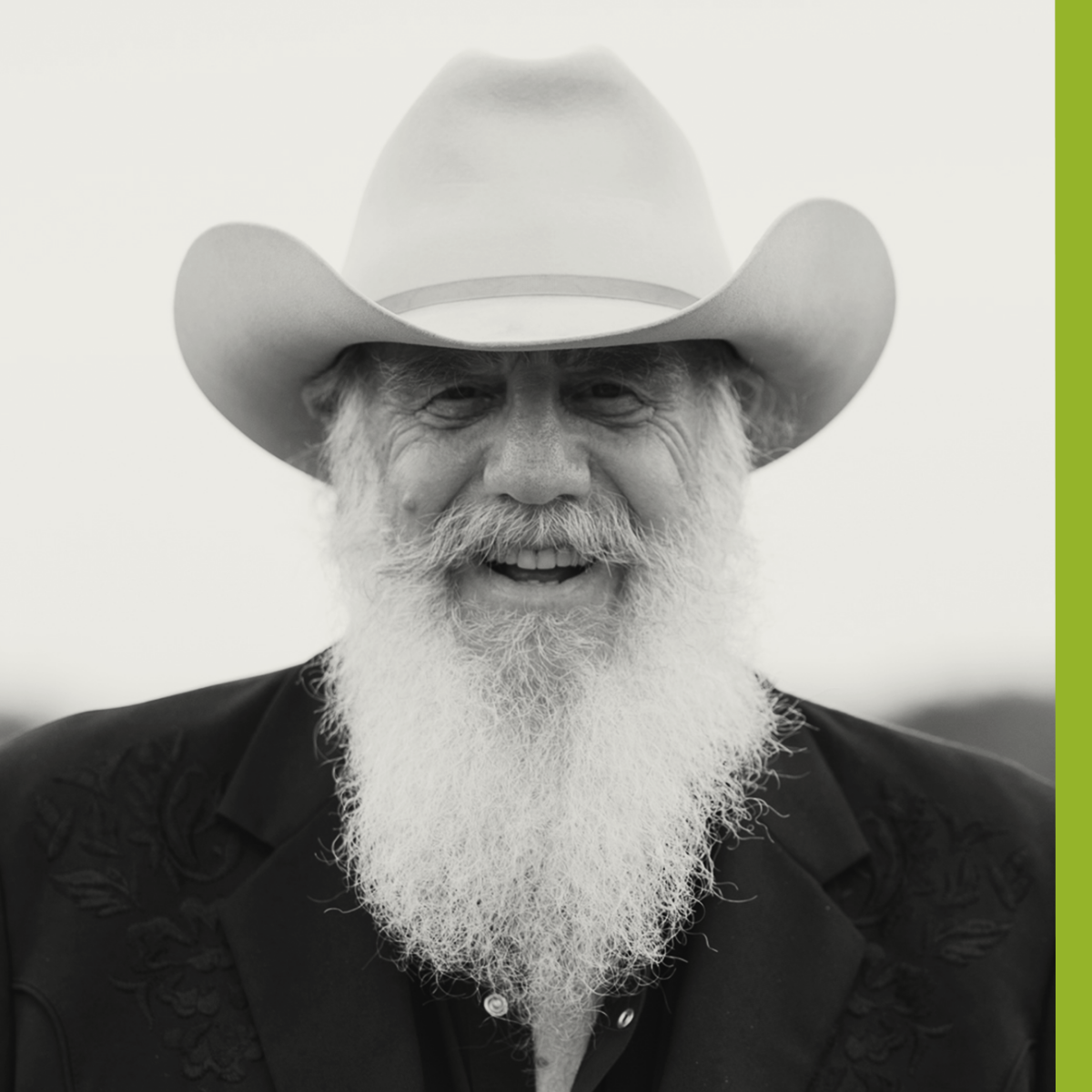
Among the many excellent Texan country & western bands Asleep at the Wheel have been standing tall for more than 50 years. Their new album, Riding High in Texas, collects ten of the best songs about the state from some of country’s most iconic artists and writers – and it features quite a few stellar guests as well, like Lyle Lovett, Brennen Leigh, and Billy Strings.


The Creekers

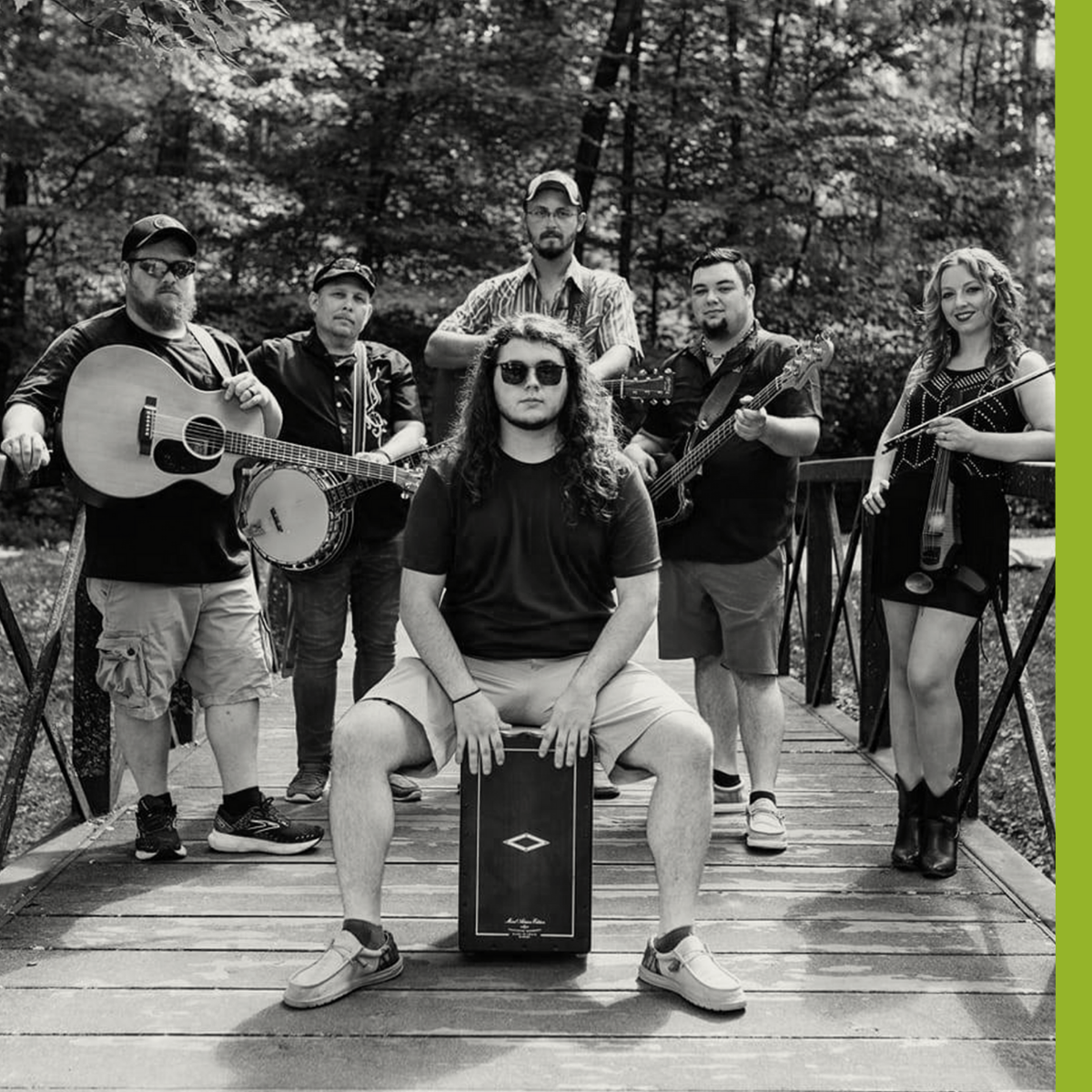
A few short weeks ago, no one would have faulted you for not knowing who Eastern Kentucky bluegrass band the Creekers were. Now, their track “Tennessee” is seemingly everywhere on the internet. The song has been used on more than 36,000 TikTok videos and the group has quickly amassed upwards of 60,000 followers on the platform – plus, “Tennessee” has been streamed more than 3 million times on Spotify and has racked over half a million spins on YouTube! Let the catchy tune do the explaining why.


KIRBY

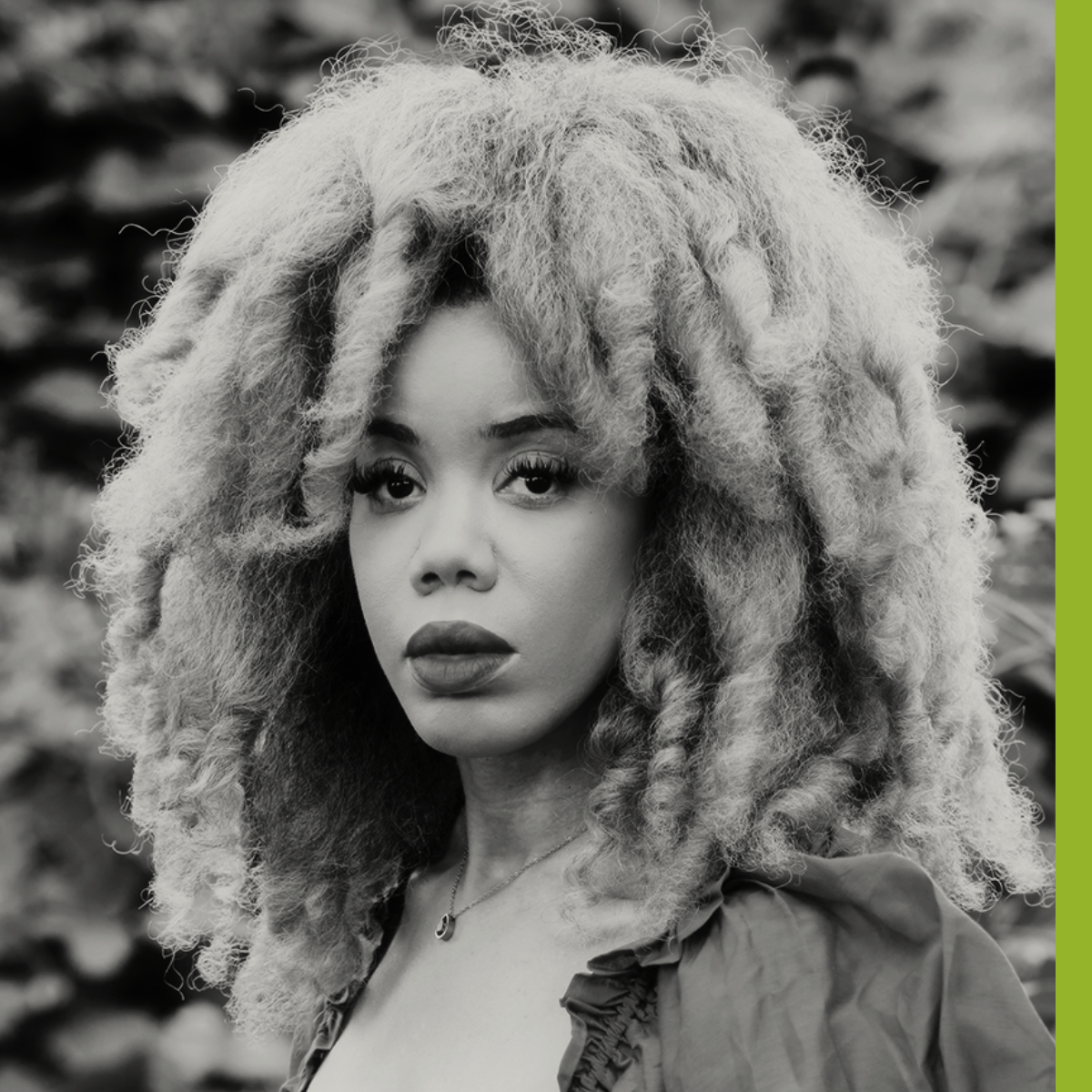
Here’s some Good Country! Now, it’s true not every track from this Mississippian genre-bender’s brand new album, Miss Black America, would be “permissible” on country radio, there are still plenty of rural, down-home, red clay, Americana moments throughout this impeccable collection. From the visuals of the album and her social media accounts to tracks like “The Man,” “Reparations,” “Mama Don’t Worry,” and “Thick n Country” it’s clear KIRBY and her material would fit right in alongside the best of today’s pop country and country trap – and would certainly outshine most songs in those subgenres, too.


Sabine McCalla

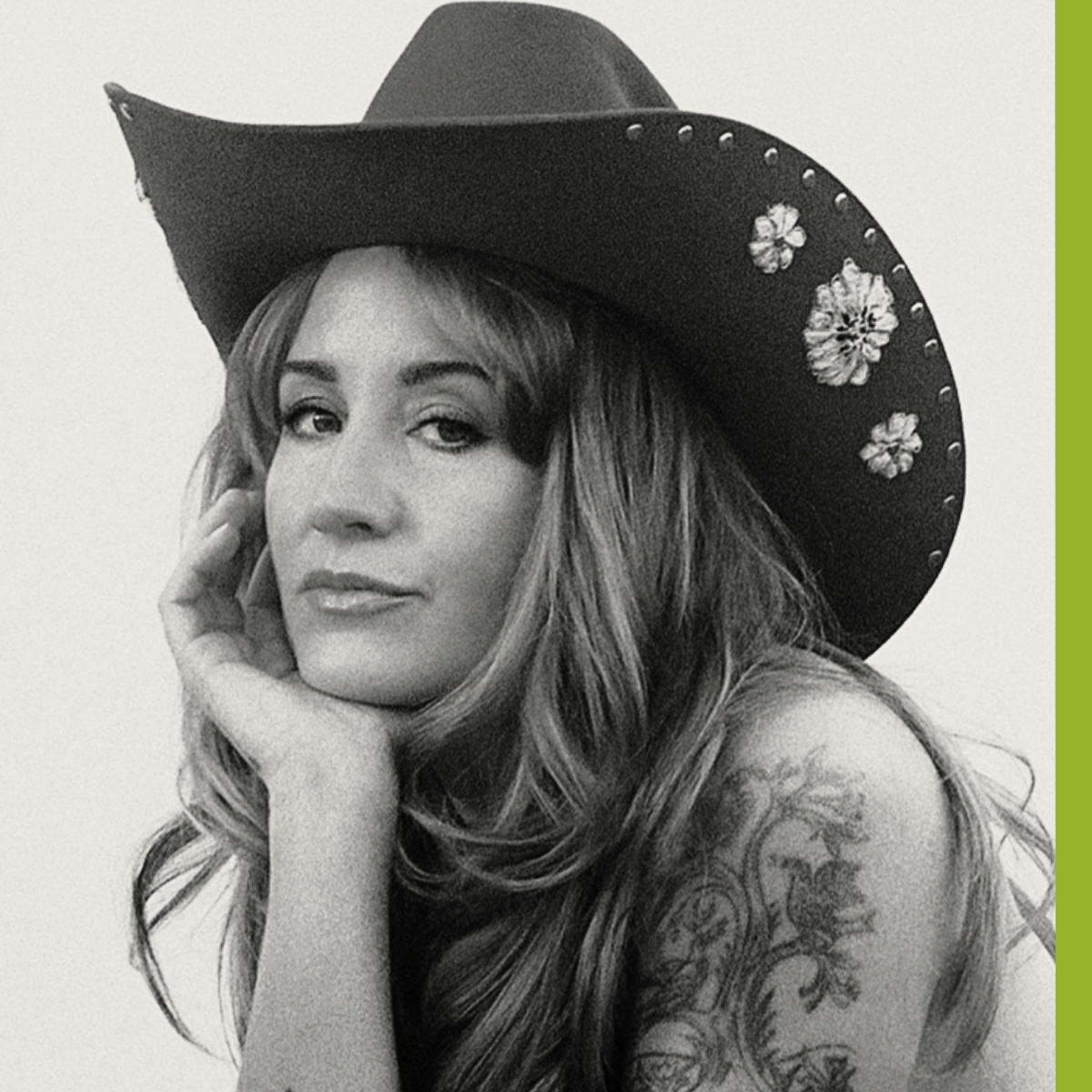
The GC team was first introduced to this incredible singer-songwriter, Sabine McCalla, through her equally talented sister, Leyla. But soon after that she took the internet by storm with her Western AF video performance of “Baby, Please Don’t Go” – which rests comfortably at 1.1 million views on YouTube. McCalla just announced her debut full-length album, Don’t Call Me Baby, arriving November 7 via Gar Hole Records and we can’t wait. The singles she’s released so far promise more lovely and innovative heart-wrenching indie-roots music.


Margo Price

New Margo Price music is always cause for celebration. We’ve worked with Margo a lot over the years, from Bonnaroo to the Good Country Goodtime at Newport Folk Festival this July, and we’re constantly impressed by her drive, grit, tenacity, and the way agency is at the center of all of her work. That’s certainly true for her brand new album, Hard Headed Woman. Don’t ever change, Margo.


Want more Good Country? Sign up to receive our monthly email newsletter – and much more music! – direct to your inbox.

Photo Credits: Asleep at the Wheel by Curtis Clogston; The Creekers courtesy of the artist; KIRBY by Justin Hardiman; Sabine McCalla by Camille Lenain; Margo Price by Yana Yatsuk

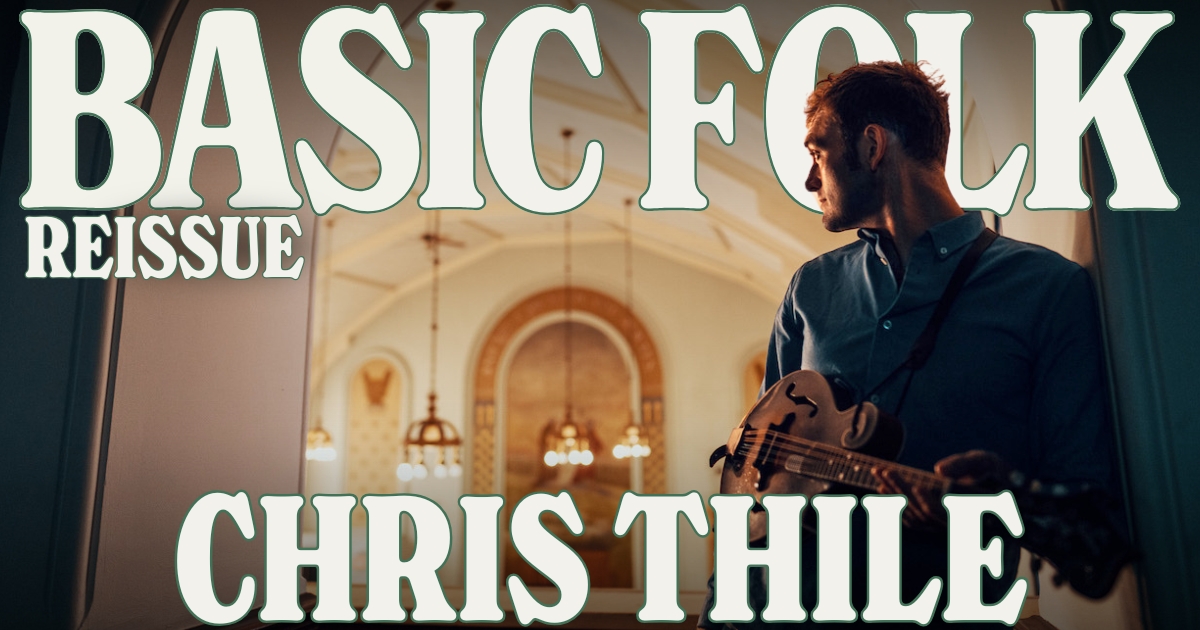
Basic Folk: Chris Thile (Reissue)

(Editor’s Note: Welcome to our Reissue series! For the next several weeks, Basic Folk is digging back into the archives and reposting some of our favorite episodes alongside new introductions commenting on what it’s like to listen back. This episode featuring Cindy Howes interviewing Chris Thile was originally posted on September 9, 2021, after Chris released his solo album, Laysongs. Enjoy!)

Chris Thile has been making music nonstop since he was five years old. His musical parents found him a mandolin and he started taking lessons and jamming at nearby Southern California pizza shops. He met Sara and Sean Watkins when he was twelve, and they started Nickel Creek. In the meantime, Chris’ parents moved the family from California to Murray, Kentucky, and really started getting serious about evangelical Christianity. This would have a huge impact on Chris; his record Laysongs asks a lot of questions surrounding his experience with religion as a young kid. He talks about the transition from being a family with no religion in their routine to being enveloped so intensely in faith.

LISTEN: APPLE • SPOTIFY • AMAZON • MP3

Another important aspect that comes along on the album is Chris’ striking love for classical music. His grandparents gave him some pieces by Bach and set him up for a lifetime of studying and playing classical. Elsewhere in our Basic Folk conversation he gets into what it was like to grow up alongside Sara and Sean as bandmates, friends, and fellow Christians. One of the themes of the new album is about community, namely, engaging in a community that you love. Chris recognized that he dissented from Christian community in his young adult life where everyone was thinking the same way – Chris felt excluded, so he left. Now, in music, he’s found a new community where everyone thinks the same, so still certain people are excluded. He talks about how the pandemic helped further shape those feelings about exclusionary community. We also get into a riveting conversation about Chris’ thoughts on writing simple pop music and one of his deepest passions: wine. 


Sawtooth
Country Soul

To say Kashus Culpepper’s life has changed over the last five years is an understatement. A former state champion wrestler, firefighter, and EMT, the Alabama native developed a raspy, smoke-and-voodoo vocal while stationed in Spain with the U.S. Navy in 2020, forced to pass the pandemic in his bunk. Since then, he’s knocked over one milestone after another.

With a distinctive mix of country, blues, Southern rock, and soul, the 27-year-old cites Robert Johnson, Bill Withers, and Hank Williams as inspirations and is now bringing his roots-renegade instincts to mainstream fans. Despite only releasing his first official track in June of 2024, the music industry short-timer has earned big-time appreciation.

That includes the respect of heroes like Elton John and John Mayer, a Grand Ole Opry debut, tour dates around the country, and inclusion on 2025 “artist-to-watch” lists at GRAMMY.com, Apple, Billboard, Pandora, and more. Culpepper just finished a run of dates with Leon Bridges and he’ll hit the road with Whiskey Myers in June before joining tours by Sierra Ferrell, Darius Rucker, and others later on in the summer. It would all be overwhelming, if he had time to think about it.

“I’ve just been taking it day by day,” Culpepper tells Good Country with a hearty laugh, waiting to perform at a community festival in Arkansas last month. “I think that’s the best course of action. Don’t think too far in the future and just take each show, each writing session, each recording session one at a time. Just pray everything works out and keep going. … Because when things started happening, I was like, ‘Oh, snap.’”

We wanted to get to know Culpepper before anything else “happens,” and figure out what’s fueling the hype. As it turns out, this all-natural talent is just going with the flow.

I read that you didn’t even start playing guitar until you were in Spain for the Navy, right? What made you want to do that?

Kashus Culpepper: Yeah, in Spain we got shut down and I didn’t have nothing else to do, man. I mean, literally I was bored out my mind. It’s a different type of boredom, because during COVID you couldn’t do nothing. It’s not like you can just go outside or go to a bar or hang with your friends. We couldn’t do nothing. So this was a weird point in my life and my buddy had a guitar in the barracks. I was like, “Well, this is a perfect time. I literally have nothing to do.” I just went on YouTube and looked up covers I wanted to learn. Music has always been something I go back to whenever life is hard. So I resorted back to music and that ended up leading me to learn guitar, eventually learn to write songs.

Thank God for YouTube, huh?

Shout out Marty Schwartz!

You seem to have a lot of diverse tastes, but that bluesy, soulful country thing – why did that speak to you?

I think maybe that’s just my music taste. My first taste of music was gospel, and I’m from Southern Alabama, so gospel there, it’s really rootsy already. It already sounds like a folk song. And the way they sing it sounds so bluesy, like old Son House type of vibes. From there I got into blues music outside of church. I got into country music and R&B and folk music a little. I’m all over the place when I listen to music. I can go from Allman Brothers to a Conway Twitty song really quick.

But I know you like John Mayer and all that stuff, too, right?

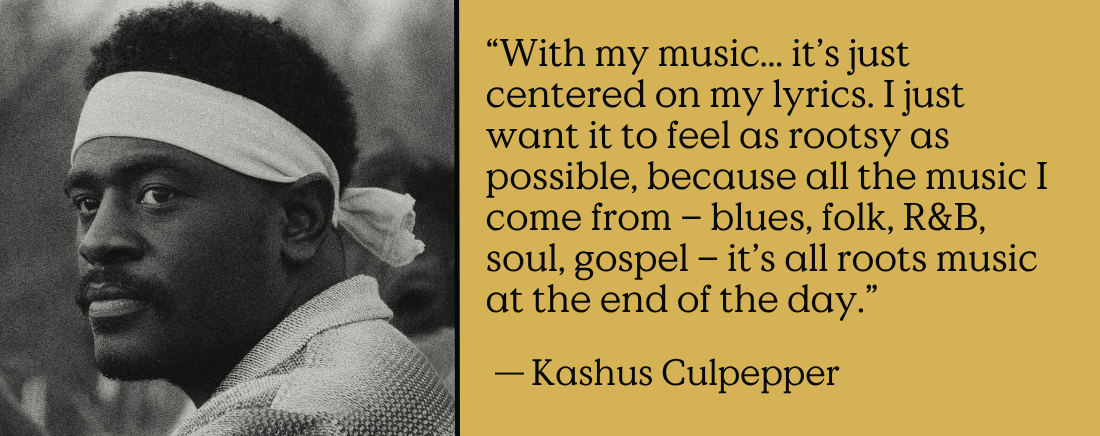
Yeah, yeah. I mean, I love so many of those rock artists, ZZ Top, Led Zeppelin, Skynyrd. People ask me all the time my influence and I’m just like, “Bro, it’s so hard to name everybody.” John Mayer was a huge thing for me. Recently I went back to Norah Jones, I’m like, “Man, I used to love this record.” But with my music, at the end of the day, it’s just centered on my lyrics. I just want it to feel as rootsy as possible, because all the music I come from – blues, folk, R&B, soul, gospel – it’s all roots music at the end of the day.

Your voice is so good at expressing these really raw emotional states, I think. Is that how you are naturally? Or does that only come out in your music?

Most of the time? Honestly man, it’s just with the music. It’s hard to open up to the people. I think for me music has been great, just to express how I actually feel through my singing and my lyrics. I don’t usually just tell people.

So you’re from Alabama. After the Navy, did you go home and keep playing?

I got out the Navy in 2022 and by that point I already had gigs booked on the Mississippi Gulf Coast. I was booked at all these casinos, all these bars. I was booked out for a year in advance. I got out and went straight to full-time doing cover band shows pretty much for another year, until I literally couldn’t take any more of it. Then that’s when I decided I really want to write songs. Literally, I decided “I’m going to move back home to save as much money as I can and move to Nashville.” I was home for maybe a week or two and posting a lot on TikTok and I remember I was in my mom’s living room. I posted a TikTok, I went out because I had an interview for a job, I got back home, and it had reached 100,000 views. From there it was just, “Oh, snap. It’s going on.”

@kashculpeppermusic Replying to @Casey Wayne One week till “Man of His Word” drops! Appreciating all the support on this one❤️ Pre-save link in bio🔥 #country #singersongwriter #original #kashusculpepper #newmusic #livemusic #countrymusic #countrymusiclover #tour #soul #newcountry ♬ original sound – Kashus Culpepper

That’s awesome. Congratulations on how that all turned out. I think one reason for it might be that your music seems so unconventional, almost untamed. Maybe because you did it on your own? Do you feel like fans are hungry for that?

I think so. We talked about John Mayer. John Mayer is kind of like that. He’s all over the place. Sometimes he’ll do a blues song and then straight up pop, and then an R&B song with Leon Bridges. I think people just love that from artists. Artists just being artists. Just do whatever the song feels like. That’s how I feel with songs.

“A Man of His Word” is super soulful, with lots of that gospel influence and a big raspy vocal. Tell me about being the man a girl deserves. Where’s that theme coming from?

I wrote that song with Natalie Hemby and at the time we was just talking about life. The song is from a perspective of a guy looking into a girl and she’s going through hardships, because she don’t have a man of his word. She’s drinking a lot, doing a whole bunch of stuff. The song has a lot of me in it. I grew up with a single mother and you don’t know how those things can affect you without having somebody in your life you can trust. You get the feeling you can’t really trust nobody, because that’s not part of your life, and that leads to mental health problems or substance abuse. You don’t even notice it at the time, until you look back and you’re like, “Dang, that’s why I feel that way.”

After that comes “Broken Wing Bird” with Sierra Ferrell and it’s on the opposite end of the spectrum. Very threadbare and folky, right?

Oh man. So I’m a huge fan of Willie Nelson. One of my favorite songs is “Funny How Time Slips Away” – I just love so much the crooner era that he was doing – and I wanted a song that felt like that.

I wrote the song about somebody that’s not really good for you and you just keep taking ‘em back regardless, because you love them and no matter what they do, you’re always going to. So she’s like my broken-winged bird – no matter what she does, she’s flying back and I’m always going to help her out and then she’ll probably be on her way again.

It’s been good getting to know you a little. Big picture, what do you hope people take away from your music?

I think overall, I hope they can see I’m just an artist trying to express the way I see things, and I hope in some way they can find music that can fit every part of their life. Whether they’re trying to have a good time out partying, or if they want to soak into the sadness of a lover they lost, I just hope my music can fit some aspect of their life. And I hope they can enjoy it.


Photo Credit: Cole Calfee

Sign up here to receive Good Country’s monthly newsletter direct to your inbox.

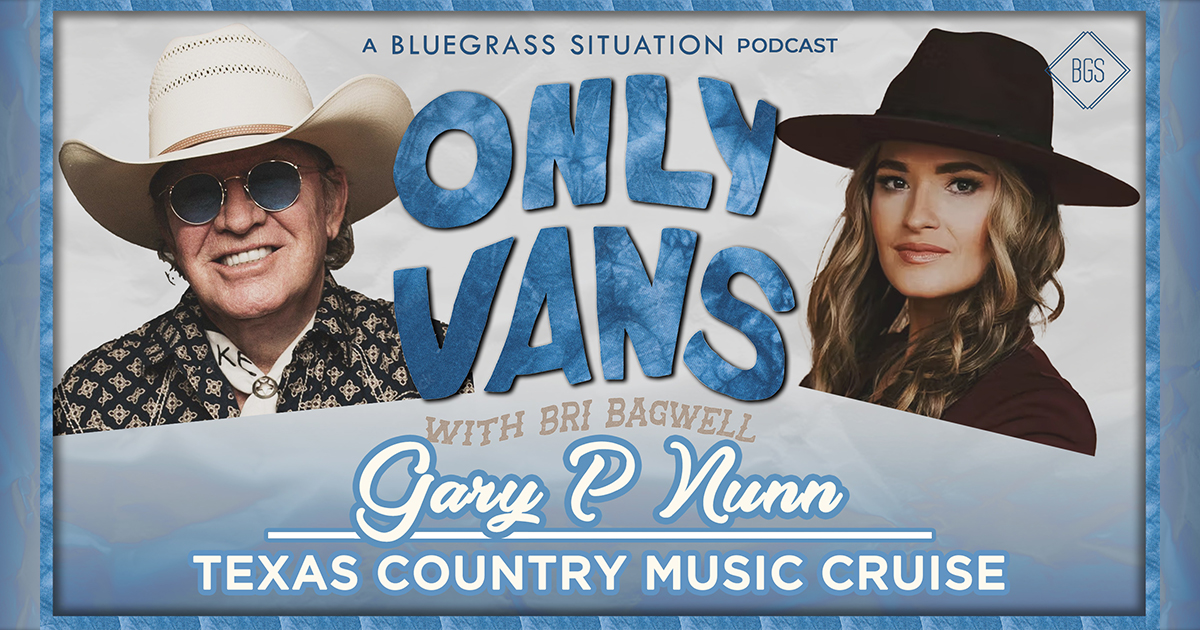
Gary P. Nunn on Only Vans with Bri Bagwell

Today, I interview a legend! Gary P. Nunn joins the pod to talk about the Texas Country Music Cruise, writing a book, friendship with Willie Nelson, drummers and Texas Music Heritage.

LISTEN: APPLE • SPOTIFY • AMAZON • MP3

First thing: obviously the audio here is not ideal, and I really apologize. I was at a songwriting retreat in the sticks, so from my end, there was a lag and also some audio that cuts in and out. But when you get the chance to interview Gary P. Nunn, you take it! So even though I was not purposefully interrupting Gary P — I would never — it does happen due to the delay in audio. This legend is so unbelievably kind, open, fun, and genuine. We talk about his book At Home With The Armadillo, which I own and adore, and his new record To Texas With Love which is also fantastic. We talk about Willie and Jerry Jeff Walker, writing the epic song “London Homesick Blues,” all of the success around his song, “The Last Thing I Needed, First Thing This Morning” (which I had to sing in front of him at Steamboat, terrifying), and how he has stayed super independent through all of the changes in the music industry.

Gary P. and I share a love of red wine, and I spill the beans that I will be joining the Texas Country Music Cruise in Fall of 2026! You can see me there next year and Gary P. this year! Head to TexasCountryMusicCruise.com to book that right away!

Thanks to Gary P. Nunn for hanging in there with me through the audio mishaps, and go to GaryPNunn.com for all of his merch, tour, videos, you name it! And Gary P! Release that photobook!


Photo Credit: Valerie Fremin Photography

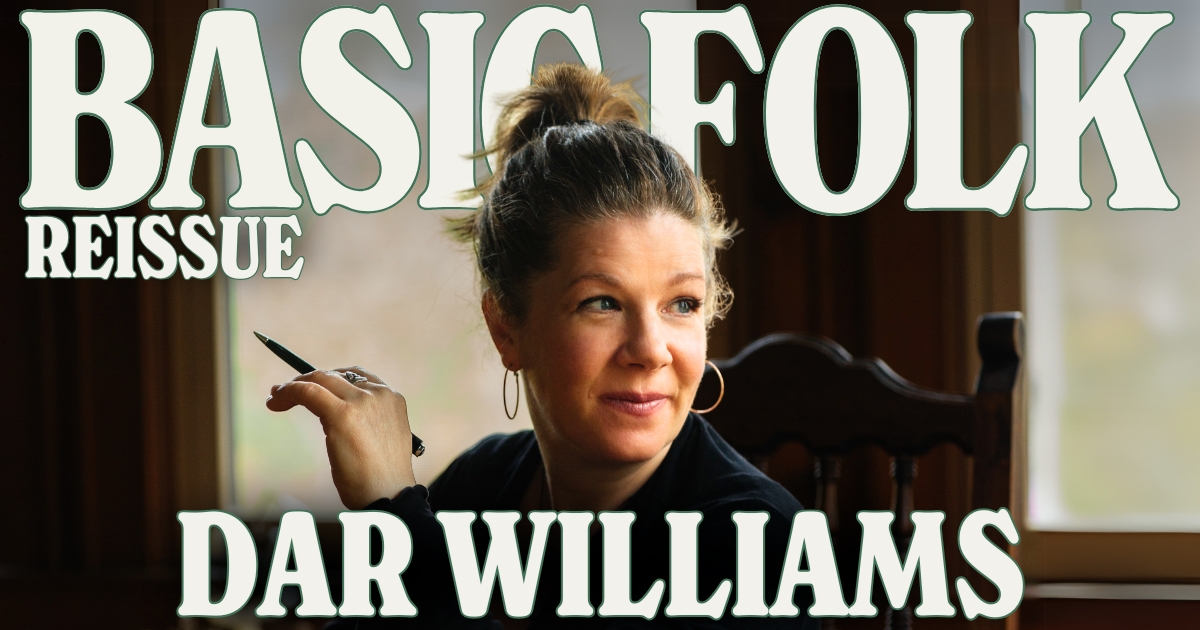
Basic Folk: Dar Williams (Reissue)

(Editor’s Note: Welcome to our Reissue series! For the next several weeks, Basic Folk is digging back into the archives and reposting some of our favorite episodes alongside new introductions commenting on what it’s like to listen back. Enjoy!)

Dar Williams, originally from Mount Kisco, New York, grew up in an era and a household where everyone was tearing down the old ways of doing things, and learning new ways of expressing themselves. For Williams this meant participating in theater and learning to play instruments. She attended Wesleyan University where she studied theater and religion. A deep engagement with matters of the heart and spirit continues to permeate her work today.

LISTEN: APPLE • SPOTIFY • AMAZON • MP3

After college Dar found herself in Boston, immersed in the singer-songwriter scene. She wrote and released her album The Honesty Room, which changed everything. That album started her on a path to becoming a venerated performer in the folk space. She was on the original Lilith Fair lineup, which included too many musical legends to name here. It was a dream come true to talk with Dar about that experience, about what it might take for another Lilith Fair to happen, and about the current climate for women in the music industry.

Dar’s latest album, I’ll Meet You Here, was released on October 1, 2021. This beautiful collection of songs was mostly recorded pre-COVID, but then hit a number of road bumps on its way to release. It deals with time, acceptance, places, and small towns, topics about which Dar Williams is a master storyteller.


Photo Credit: Ebru Yildiz

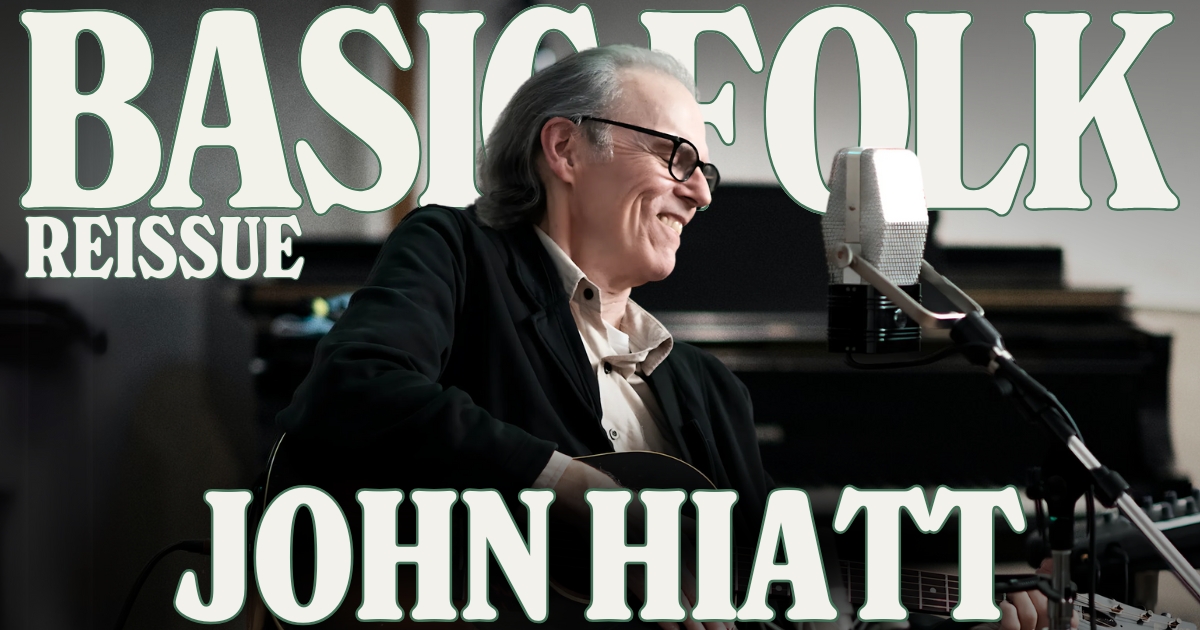
Basic Folk: John Hiatt (Reissue)

(Editor’s Note: Welcome to our Reissue series! For the next several weeks, Basic Folk is digging back into the archives and reposting some of our favorite episodes alongside new introductions commenting on what it’s like to listen back. Enjoy!)

In 2021, John Hiatt released Leftover Feelings (which is still his latest album, by the way), a collab with bluegrass great Jerry Douglas as producer and his band as backup. Hiatt’s digging into some serious past memories for these songs, which include one about his older brother, Michael. Michael died by suicide when John was only nine and it’s only recently that he chose to write about the experience with the track, “Light of the Burning Sun.” Jerry knew that the material was very serious and approached it lovingly with John and band. On Basic Folk, John expands on his grief and talks about giving himself the time and space to mourn. We also chat about the importance of radio in John’s young life: he would listen to WLAC from Nashville as a kid around 11 years old. There was a gospel show on Sunday night and the station would go to a different Black church every week to broadcast services. As
Hiatt has said, “Those gospel shows used to scare the shit out of me.” That opened his world to a completely different way to relate to music, in terms of faith.

LISTEN: APPLE • SPOTIFY • AMAZON • MP3

Hiatt picked up the guitar at 11 years old, partially to cope with the trauma resulting from being an overweight child. This was especially hard because he was a bigger kid at a time when it was rare for a child to be heavier. He discusses how music and, surprisingly, drugs and alcohol helped him overcome his weight issue. Then, of course, the drugs and alcohol led him to new problems in his adult years, requiring overcoming that addiction to live a sober life. John also talks about his kids, which includes musician Lilly Hiatt. Lilly said in an interview once, “I was crying over the fact that my career seemed stalled and I wasn’t the flavor of the month, and Dad said, ‘Lilly, we will never be hip. We’re just not those people.’”

John Hiatt has been a steadfast songwriter since the ’70s who’s written many well-loved songs such as “Have a Little Faith in Me,” “Cry Love,” and, of course, “Thing Called Love.” The writing on Leftover Feelings spans several decades and confronts some of his most vulnerable feelings. To be able to talk to John Hiatt about this project was a sincere privilege and we hope you enjoy!


Photo Credit: Patrick Sheehan

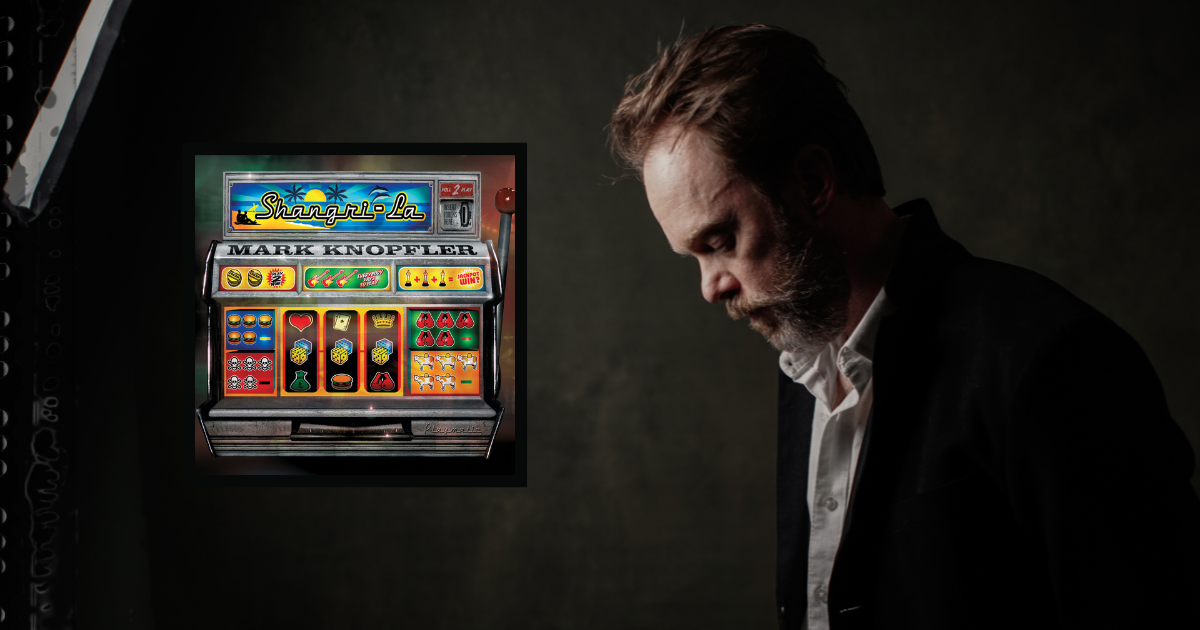
Mark Knopfler’s ‘Shangri-La’ Rearranged Adam Wright’s Artistic DNA

(Editor’s Note: No Skips is a brand new feature from BGS that asks artists, songwriters, musicians, and industry professionals what albums they regard as perfect, with every track a masterpiece – i.e., No Skips!

For the first edition of the column, songwriter-artist-musician Adam Wright highlights Mark Knopfler’s seminal album, Shangri-La, as we look ahead to Wright’s own upcoming project, Nature of Necessity, coming later this year.)

There are only a few times in your creative life when someone’s work hits you so hard it rearranges your artistic DNA. I could probably count those moments for me on one hand.

Shangri-La was a big one. It told me that you can write away from the outside understanding of things. That you can start from the inside of your own knowledge and continue inward. It also taught me that you can write about anything you find interesting. That being understood is not as important as whether or not you’ve put something down worthy of working out for whomever decides to try to understand it. And that there are so many things to write about that are not falling in and out of love. (People probably could have stopped writing love songs in 1950 and we still would have too many.)

The depth and perspective of the storytelling, the crafted excellence of the writing and the sublimely tasteful musicianship make it, to me, Knopfler’s masterpiece. He’s done this on all of his albums, they all include brilliant gems of songs, but Shangri-La is just perfection from top to bottom. – Adam Wright

“5:15 AM” (Track 1)

Like all of the songs on this album, “5:15 AM” is exquisitely written and recorded. It is the story of a coal miner on his way home from the night shift discovering a murder victim who turns out to be involved with organized crime. It is chock-full of lingo and references to specifics about gambling machines, nightclubs, and lots of mining terms. The way Mark weaves all of this language into lyricism and brings it back to the tragic lives of the coal miners at the end is exceptional and beautiful writing. The recording is gorgeous and still somehow earthy as dirt. Just a masterclass in songcraft.

“Boom, Like That” (Track 2)

“Boom, Like That” is about the rise of Ray Kroc from a milkshake salesman to a fast food emperor. Like “5:15 AM,” there are plenty of specific references in this one. “Going to San Bernardino, ring a ding ding. Milkshake mixes, that’s my thing now.” You’re in the middle of the beginning of a story right off the bat. I love songs from the character’s perspective and few writers do that as well as Knopfler.

The movie The Founder was filmed in my hometown of Newnan, Georgia. I noticed the town when I saw it, so I looked it up and read a bit about the filming. While the song was inspired by the book about Kroc, I’d read the movie was actually inspired by the song. Even if the song weren’t so well-written, the riff at the end of the chorus is enough to keep any guitar player happily busy for days.

“All That Matters” (Track 11)

Much of Shangri-La is written from the perspective of the characters in its songs. The title track and “All That Matters” seem to be more personal. “All That Matters” is just a sweet, simple song from a father to his children. Again, beautifully written and pretty as porcelain. It has some surprising chordal and melodic turns in the B section to juxtapose the nursery rhymey-ness of the verses. Just perfect. And a nice respite from the mostly cynical tone of much of the album.

“Stand Up Guy” (Track 12)

“Brew the coffee in a bucket/ Double straight man and banjo/ If you don’t got the snake oil/ Buster, you don’t got a show.”

Again, you’re right smack dab in the middle of someone’s story. This time it’s a musician in a group of traveling, Victorian-era pitchmen. They apparently have teamed up with “the Doctor” who peddles snake oil medicine to townspeople and does it well enough to keep them fed on beefsteak and whiskey. Just wonderfully interesting, both lyrically and musically.

If you wanted to become a very good songwriter (or musician or producer, for that matter), you could only study Shangri-La for years and get a very long way toward the goal. I’ve been mining this album for inspiration for twenty years. It always gives me something more.


Photo Credit: Jo Lopez

Basic Folk: Lutalo

In 2024, Vermont’s Lutalo released their debut album, The Academy. In this episode of Basic Folk, they share the profound influence of their father, whose deep love for artistry and creativity laid the foundation for Lutalo’s musical path. We dive into the broad variety of their influences, from underground hip-hop to African drumming classes, each shaping their unique sound and approach to music. Lutalo’s candid reflections on their experiences in a private prep school reveal the complexities of navigating expectations and identity as a scholarship student, offering insights into the pressures and opportunities that come with such an environment. We also get a glimpse into their life in Vermont, where they find peace and grounding in a tiny house on a mountain, learning carpentry, and building a future studio.

LISTEN: APPLE • SPOTIFY • AMAZON • MP3

Lutalo’s music speaks for itself. It feels like there’s a new generation of folk artists coming out, with creators like Lutalo who are dedicated to crafting new a type of folk – even if their music is genre-agnostic. Lutalo is making really cool songs, they’re making waves, and could be compared to so many legendary artists and bands. You can’t quite put your finger on what their sound is, but they are a heavy-hitting songwriter and we think they’re going to be huge.


Photo Credit: Courtesy of the artist.

Woody Platt Seamlessly Steps Into His Solo Career On ‘Far Away With You’

After over 20 years behind the wheel of Western North Carolina-based bluegrass and roots band Steep Canyon Rangers, founding member Woody Platt is forging a new path ahead as a solo artist with his debut album, Far Away With You.

Released on October 11, the 10-song project sees the GRAMMY and IBMA Award winner teaming up with a variety of collaborators – from the North Carolina writers whose songs litter the collection to guest spots from legends like Del McCoury, Tim O’Brien, Sam Bush, and Darrell Scott. The album also showcases covers from Georgia bluesman Blind Willie McTell (“Broke Down Engine”) and rockers Kings of Leon (“Beautiful War”) that showcase Platt’s ability to take songs from far outside the bluegrass space and capture them within it, casting these familiar tales in an entirely new light and making them new all over again.

“This album is a big step for me,” Platt tells BGS. “When I left the Steep Canyon Rangers, it was only to slow down and be home more. I didn’t really have a plan to make a record or to have any sort of solo career, but when you spend half your life on the road and playing music, it just becomes a little bit of who you are.”

That big step has come with even bigger adversity in recent weeks as Platt has joined others in recovery efforts after Hurricane Helene pounded his home region. While his property and most of the city of Brevard were spared catastrophic damage, countless other communities nearby were not. Though recovery will likely take years, Platt is determined to help for the long haul with both power tools and his baritone bluegrass bops.

During a break from hacking away at a fallen tree with his chainsaw to get a neighbor’s bridge reopened, Platt spoke with BGS about the mixed emotions leading up the release of Far Away With You, how Western Carolina informs his music, his song selection process, and how fatherhood has impacted his outlook on music.

What’s it been like for you balancing promoting and preparing for an album release while simultaneously helping your community recover from Hurricane Helene?

Woody Platt: I’m not going to lie to you, I’m conflicted. This is the first time I’ve ever focused on a record that is a solo project with my name on it. With that comes a general sort of concern, anxiety, and excitement, and I’m proud of it, but at the same time I’ve been conflicted about trying to promote something that’s so singular and personal during this huge storm event that’s got so many people in such a bad situation.

Originally, I thought there’s no way the album release show can go on, but when you think about it a little bit more, you realize that music is a great way to bring people together, create a healing environment, and use it as a platform to continue to create awareness and raise money. There’s so many benefit concerts and there always has been, but that just gave me some peace of mind that if we can transition this into being less about the album and more about the community at large and the health of the community, these two things can coexist in a really good way. Being further and further away from the storm and as more people are getting power back, I think it’s a good chance for people to come together and contribute to a greater sort of healing process.

Aside from the pivot to the release show turning into a benefit, what do you hope to accomplish with Far Away With You?

The reason I first started playing music was to play bluegrass music, so this album for me represents a return to my roots. I never stopped playing bluegrass music, but when I was with the Steep Canyon Rangers we evolved and developed more of an Americana sound, so this [album] has been a good way for me to get back to basics and playing the music that originally got me fired up about creating a band and performing in the first place. Also, there’s a lot of great songwriters here in my home community, including my wife Shannon [Whitworth], which has allowed me to tap into some of the local talent to put a spotlight on them as well.

Do you see yourself getting back on the road for any tours or solo runs in support of this record or anything else you may do in the future?

I see shows always on my calendar, but tours, not so much. I don’t envision long runs of shows, but I do see myself playing a festival here, a concert there. I’m also doing a fair amount of work with Shannon, which is sort of separate from this. Between the two, I feel like I’m actually playing more music than I thought it would be. I didn’t have any expectations of what was next after years of touring, but every time I look at my calendar I have some work to do. It’s all been really organic. I’m not out there chasing it or pushing it very hard, but if an opportunity presents itself then I’m usually pretty willing to take part in it.

As you just mentioned, most of the songs on the album are penned by other songwriters. How do you go about deciding what work from others to incorporate into your shows, or in this case, an album?

I’m really drawn to songs, melodies, and just the feel of a composition. I didn’t start this project with a goal to find the songs just within this community, but when a song speaks to you, it speaks to you. Because of that, there was no real roadmap of what the final 10 songs would be. I just went with my gut and the songs that meant something to me or moved me for one reason or another, and this is where I ended up. It was only when looking back on them at the end that I realized that most of them came right out of Brevard.

I was so lucky when I was with Steep Canyon Rangers to be in a band with some really great songwriters. It set the bar pretty high for what I look for in a song, leading to this album where every song is one that I love to play and sing.

From songwriters to nature, how do the mountains of Western North Carolina inspire and inform your music?

We live in such a beautiful place. One of my favorite things about it is all the water. It’s no secret that I’m a lifelong, serious fly fishing angler and I get in the river a lot, like more than most. There’s a real sort of music to the river, so when I’m in the water there’s a lot of inspiration that washes over me. There’s a lot of sounds and what you see is not what you hear and the way it surrounds you is all very inspiring and helps to clear my mind. It’s always been a way for me to reset, which leads to loads of creativity and inspiration.

That’s interesting you bringing up water, because I agree it can be peaceful and relaxing, but as we’ve seen it can also be powerful, destructive, and deadly. Quite the duality.

That’s very true. I just spent the morning in the river with some other guys trying to clear a neighbor’s bridge. Right now the rivers don’t feel as peaceful as they have. There’s a lot to be done, but it’s amazing how rivers can heal themselves and how water can be healing in general.

Sticking with that concept of duality, I can’t help but get a similar sentiment from the song “Like the Rain Does,” which lyrically plays out like a love story (“you’ve got me falling like the rain does”), but is also flexible and ambiguous enough to tie into the recent storms y’all have experienced.

I absolutely love that about music. A song might be written for one particular perspective, but the listener might take it in a totally different direction based on personal experience or, like you said, a recent natural disaster that can sort of change what a song means to you. I’ve always liked that about songs and feel that many of the songs on this record have that sort of ambiguity and openness to interpretation while others are more direct.

Another song I’ve really enjoyed is “Walk Along With Me,” an original of yours that combines your life at home as a father with your love of music. How did it come about?

“Walk Along With Me” was one I wrote in 2015 shortly after our son was born. Shannon and I would work different shifts and I would put our little boy in a Moby [Baby] Wrap on my chest, staying up real late with him while she got some uninterrupted sleep, sort of like a night shift. I wound up writing a lot of songs with this classical guitar nestled against his back, which was really inspiring, because I’d never really thought of myself as a songwriter. I was a part of a lot of song creation, but not as a first writer of songs.

With this one in particular, I was emotional about all of the sudden becoming a father, so I thought about my life and the experiences that I’ve had and how that translated into how I would be as a father. And, how close I would keep my child or how far I would let them go, the ebb and flow of wanting to keep your arms around them and be by their side while also realizing that they’ve got to blaze their own trail. Being a father is ultimately what led me to slowing down my touring. It really changed my whole life, having a son and starting a family and that song is just one example of how I felt about it at that time.

Given that your son is eight years old now, has he started catching the musical bug himself yet?

He really is. Just this morning he was getting ready for school and he had his own music on in his room. He’s also been singing a lot and is getting quite good on the drums. He takes drum lessons from [Aquarium Rescue Unit and Leftover Salmon’s] Jeff Sipe here in town. We were at a little jam not too long ago and he found a cajon and next thing I knew he was a part of the jam and was holding it down pretty well. We’ve tried not to push music on him, but I think just being around these rehearsals at the house and these shows that we play is causing it to seep into his bones.

You’ve mentioned your wife Shannon a couple of times now. What does it mean to you to not only have her by your side for encouragement, but also to lean on as a songwriting partner?

It’s wonderful. She’s super creative [and] also a painter in addition to being a multi-instrumentalist, a songwriter, and a great singer. We play and write a lot together now, but when she was touring with her solo band or with The Biscuit Burners and I was touring with Steep Canyon Rangers we’d oftentimes just put our instruments by the door and not get them out when we got home. We were working so hard with our other groups that when we got together, we were just hanging out. Now that we’re both not playing as much we’re doing a lot more together. It’s been a lot of fun to write together and have her as a good sounding board, and vice versa. We’ve come to a really good place of musical compatibility and creativity.

What has music taught you about yourself?

I was never naturally made for this type of thing. For a long time I didn’t even realize that I had the talent and the capability to carry a show. Because of that, I usually show up over-prepared – I’m not the kind of guy that can just show up and jump on a show, I have to be studied and be ready. That preparation and drive to be good has helped to keep me humble and honest about it. I’ve always felt like at any minute this could all go away. It’s not only aided in keeping my head down and staying focused, but it’s also kept me playing and enjoying music for all the right reasons.


Photo Credit: Bryce Lafoon