The Working Songwriter: Jason Boland

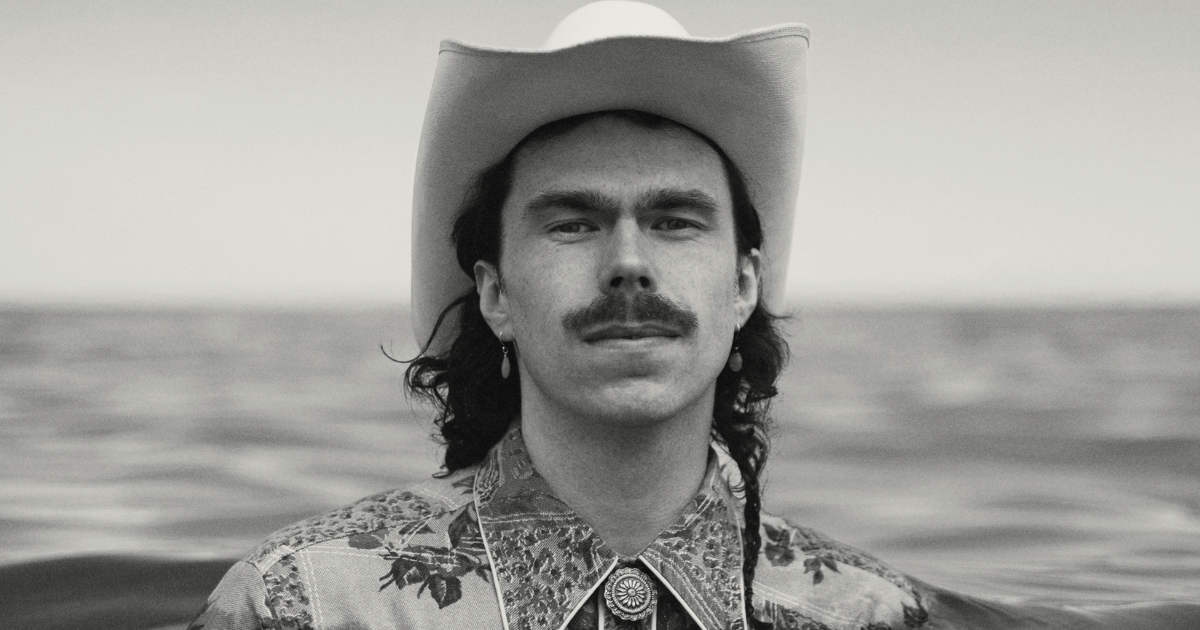
Our guest today on the Working Songwriter hails from Oklahoma and is a foundational contributor to the uniquely American genre of Red Dirt music. Jason Boland released his first album, Pearl Snaps, in 1999 and has been on the road ever since. Nightclub by nightclub, fan by fan, he’s built a devoted national audience.

LISTEN: APPLE • SPOTIFY • LIBSYN • MP3

Boland has toured with Turnpike Troubadours, Cross Canadian Ragweed, Reckless Kelly, and a host of others. He’s recorded for Thirty Tigers and Top Hat Records. He’s appeared at Stagecoach, Luck Reunion, and the MusicFest at Steamboat. Texas Monthly called him “equal parts poet, rebel, and road warrior” and Rolling Stone declared his sound “unpolished, unsparing, and deeply human.”

I got a chance a while back to catch up with Jason and hear about his musical journey so far.


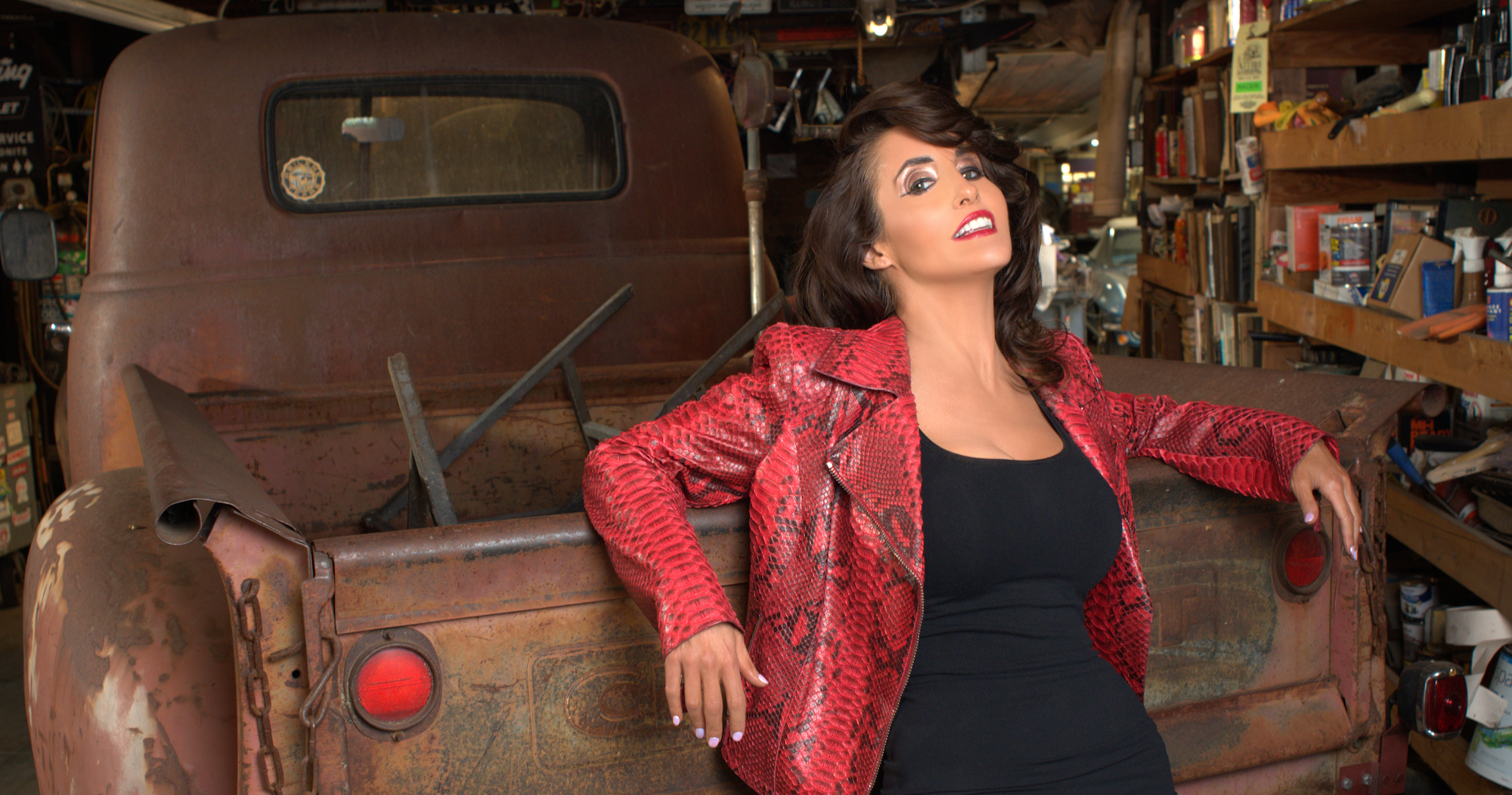
Photo Credit: Cameron L. Gott Photography

You Gotta Hear This: New Music From Brit Taylor, Trey Hensley, and More

Happy Friday! We have new music for you to enjoy and, as always, You Gotta Hear This.

To start us off, Chicago Farmer (singer-songwriter Cody Diekhoff), shares a nostalgic and stripped-down country song, “The Twenty Dollar Bill,” that pays tribute to his grandparents and the “family roots” that he takes with him wherever he goes. The track is from his brand new album, Homeaid, which is out today. Kentuckian country singer, songwriter, and artist Brit Taylor has a new album today as well, Land of the Forgotten. To celebrate, we’re sharing “Done Pretending,” a song from the project co-written by Taylor, Adam Wright, and Jon Decious that decries relationships that are all “take” and no “give.”

There’s plenty of excellent guitar picking included here, too. Bryan Sutton returns to the roundup, this time with blues guitarist Joe Bonamassa in tow. The pair duet on Bill Monroe’s “Blue Night,” acoustic and electric guitars in shred-tastic dialogue on the classic number. The track comes from Sutton’s upcoming duets album, From Roots to Branches. Then, bluegrass and Americana flatpicker Trey Hensley calls on his friend and fellow guitarist Molly Tuttle for his new single, “Going and Gone.” Hensley penned the song with Bobby Starnes and features the bluesy, breakneck picking for which he has become known.

To wrap up, we have a new music video featuring lush and groovin’ Americana from YARN, a genre blurring-and-blending outfit that has been performing and recording for more than 20 years. For a song considering existence, fate, and the rat race at large, “Might as Well Be King” has an exquisite, gritty vibe – an excellent harbinger for the group’s new album, Saturday Night Sermon, arriving in April.

Whether your tastes lean towards bluegrass, blues, country, or Americana – You Gotta Hear This!

Chicago Farmer, “The Twenty Dollar Bill”

Artist: Chicago Farmer
Hometown: Delavan, Illinois
Song: “The Twenty Dollar Bill”
Album: Homeaid
Release Date: March 6, 2026
Label: LoHi Records

In Their Words: “When I was in high school my grandma started giving me a $5 bill to keep in my shoe for emergencies. When I told her I was going to be a musician she upped it to a $10. When I told her I was moving to Chicago she said, ‘You’re going to need a $20.’

“My grandfather lived pretty much his whole life in the same farmhouse that he grew up in. He was a storyteller from a small town and sharp as a tack. Grandma was a city girl, she grew in Peoria, Illinois. The home of Richard Pryor. She rode the city bus and had street smarts. Together, there wasn’t much they didn’t know or couldn’t fix or remedy. Grandpa passed away a few years ago just shy of 102. Grandma will be 98 this summer. They’re farmers, they’re veterans, and they’re my family roots that I take with me wherever I go. In song and in my heart. This song is for them.” – Cody Diekhoff, Chicago Farmer


Trey Hensley, “Going and Gone” Featuring Molly Tuttle

Artist: Trey Hensley
Hometown: Jonesborough, Tennessee
Song: “Going and Gone” featuring Molly Tuttle
Album: Can’t Outrun The Blues
Release Date: March 6, 2026 (album)
Label: Pinecastle Records

In Their Words: “I wrote ‘Going and Gone’ with Bobby Starnes the same day that he and I wrote ‘Can’t Outrun the Blues.’ And I immediately loved both of those songs. It’s one of those story songs that just falls together and paints a picture without spelling out every detail. ‘Going and Gone’ was the first song we recorded for the project – and I was thrilled to get my friend and one of my favorite guitar players and singer-songwriters, Molly Tuttle, to join in on guitar and vocals. We had a blast getting to work together in the studio and I think that comes through in the final recording!” – Trey Hensley


Bryan Sutton, “Blue Night” with Joe Bonamassa

Artist: Bryan Sutton
Hometown: Nashville, Tennessee
Song: “Blue Night” with Joe Bonamassa
Album: From Roots to Branches
Release Date: March 6, 2026 (single)
Label: Mountain Home Music Company

In Their Words: “I couldn’t be more thrilled to have Joe Bonamassa on this duets project. I’ve been a fan of his for a long time. I wasn’t sure what he would play when we cut this song, because all of this was acoustic. I love that he played electric guitar. I love the fact that it’s a different kind of song for this record and being able to interpret an old Bill Monroe song like this was just really, really fun.” – Bryan Sutton

Track Credits:
Bryan Sutton – Acoustic guitar, vocal
Joe Bonamassa – Electric guitar


Brit Taylor, “Done Pretending”

Artist: Brit Taylor
Hometown: Hindman, Kentucky
Song: “Done Pretending”
Album: Land of the Forgotten
Release Date: March 6, 2026
Label: RidgeTone Records, distributed by Thirty Tigers

In Their Words: “I wrote this tune with Adam Wright and Jon Decious – two of the most clever humans I know.

“I don’t know if other women have ever felt this way, but I have been in more than a few relationships that were a whole lot of take and basically no give. Then I realized that once you’ve given all you can give and done all you can do, you reach a point where there’s nothing left. No sadness, no anger, no regret – you are just done. That’s where the character is at in this song. She’s basically emotionless about it. She’s just done and she’s at peace with it.” – Brit Taylor


YARN, “Might As Well Be King”

Artist: YARN
Hometown: New York City, New York
Song: “Might As Well Be King”
Album: Saturday Night Sermon
Release Date: March 6, 2026 (single); April 24, 2026 (album)
Label: 333 Entertainment

In Their Words: “Let the good times roll. We don’t know why we’re here or how any of this existence even works. Is it all fated? Is it all free will? So many folks in competition with each other fighting over some made up ‘green god,’ because they’re taught that is the way. But, it’s entirely up to us as individuals to define our own way. Nothing is law, there are no rules, this is whatever we make it. So the point of this song is nothing more than, don’t put too much stock in these ridiculous systems we’ve created. Have fun being human, embrace your human form and being able to do whatever you want with it; it doesn’t last long.” – Blake Christiana

Track Credits:
Blake Christiana – Lead vocals, guitar
Andy Thomas – Lead guitar, backing vocals
Rick Bugel – Bass
Robert Bonhomme – Drums
Damian Calcagne – Hammond B3


Photo Credit: Brit Taylor by Sammy Hearn; Trey Hensley by Cora Wagoner.

Basic Folk: Mark Erelli & Joe Henry

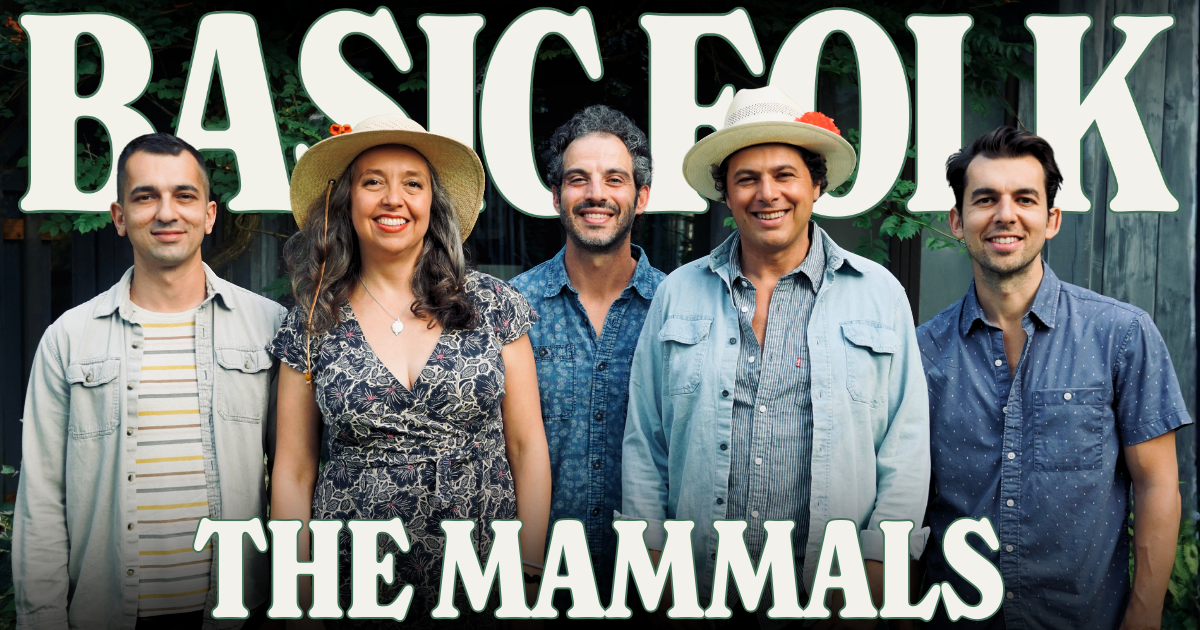
Joe Henry has released 15 studio albums, apprenticed for legendary producer T Bone Burnett and, in turn, has produced many other musicians’ albums on his own, including three GRAMMY Award-winning albums – for Solomon Burke, Carolina Chocolate Drops, and Ramblin’ Jack Elliott. He’s co-written a few songs as well, including a couple with his sister-in-law, who happens to be the one and only legendary pop icon Madonna. His latest album is Life and Time, a collaboration with songwriter Mike Reid, who has written many wonderful songs like “I Can’t Make You Love Me,” one of Bonnie Raitt’s most successful and beloved recordings. In recent years, Joe has struck up a friendship with our bestie, Mark Erelli. Mark’s been on Basic Folk 10,000 times and in honor of his new record, Spring Green, we invited him to do whatever he wanted on this appearance on the pod. Mark chose to be in conversation with his friend Joe on location at Joe’s beautiful studio located north of Portland on the coast of Maine.

LISTEN: APPLE • SPOTIFY • AMAZON • MP3

In 2020, Mark was diagnosed with retinitis pigmentosa (or RP) which is causing him to slowly go blind. Joe was diagnosed with stage 4 prostate cancer in 2018 and was told he only had months to live. Now, in 2026, his cancer is in remission and his health has improved. In this Basic Folk conversation, they tackle topics such as asking for help and finding hope while living with chronic illnesses. They also get into other parallels the two musicians have experienced, including how music has shaped their male friendships and being free of vanity. Mark and Joe have never worked together, but their respect and admiration for the other is clear from their time together. Here’s hoping a collaboration is in the works for the near future!


Photo Credit: Joe Henry by David McClister; Mark Erelli by Joe Navas.

The Other 22 Hours: Butch Walker

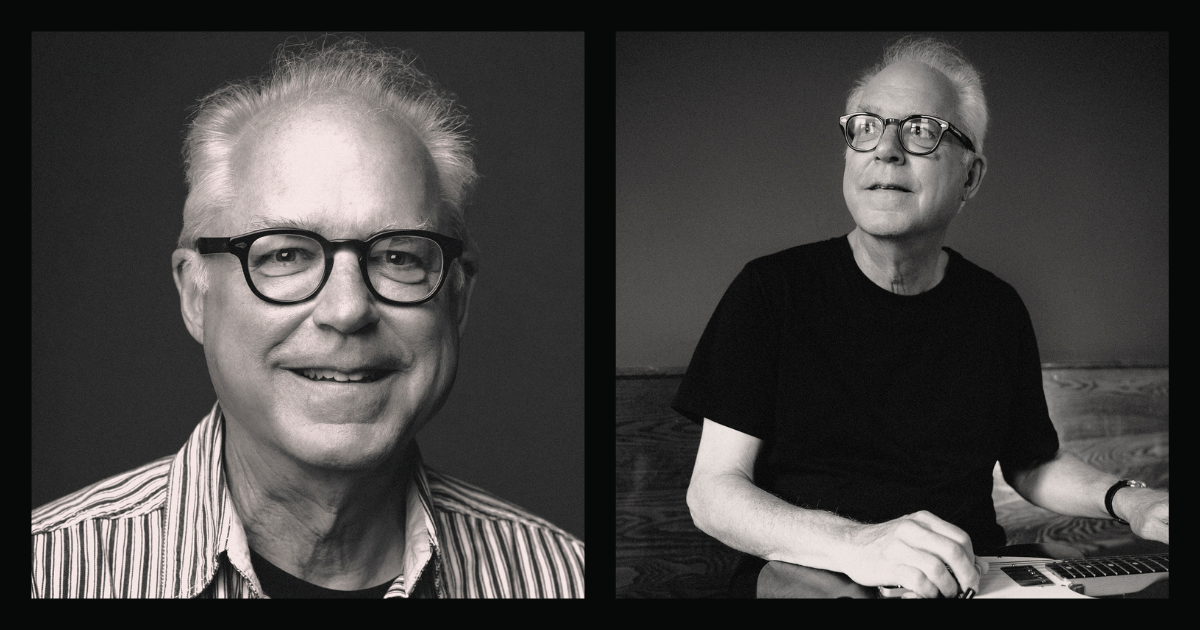
Butch Walker has spent decades at the summit of the music industry, producing multi-platinum records for icons like Pink, Katy Perry, and Green Day while fronting his own high-energy solo tours. Yet, despite reaching that peak, he found himself “climbing the hill” so intently that he had forgotten to look at the view, leading to burnout and a desire to step back. In this episode of the Other 22 Hours, we explore the courage required to dismantle an ego-driven path in favor of a soul-driven one, and finding unbridled joy in the simple act of being a “sponge” for new inspiration.

LISTEN: APPLE • SPOTIFYAMAZONMP3

In This Episode:

– Butch Walker
– Marvelous 3
– John Legend
– Frank Zappa
– Train
– Taylor Swift
– Bad Bunny
– Kendrick Lamar
– Desmond Child

Go Deeper:

Watch: View this entire conversation on YouTube.
Explore: Find similar conversations in these themed playlists.
Connect: Join the conversation on Instagram.

The Other 22 Hours is hosted by Aaron Shafer-Haiss (producer, mixer, musician) and Michaela Anne (songwriter, artist, creative coach). More about Aaron’s work. More about Michaela Anne’s work.


Produced by Aaron Shafer-Haiss. Original music written, performed and produced by Aaron Shafer-Haiss.

Photo Credit: Rose Catherine Hohl

BGS 5+5: Frank Viele

Artist: Frank Viele
Hometown: New Haven, Connecticut
Latest Album: The Silo (EP)
Personal Nicknames (or rejected band names): I have no personal nicknames. Really.

Which artist has influenced you the most – and how?

In my formative years, it was Dave Matthews Band. I saw them live 137 times before I graduated college and basically learned how to play guitar in the parking lots of those shows. That constant-strum acoustic style Dave is known for shaped my right hand as a player from day one and still guides the way I play.

Beyond that, I’ve studied all the great songwriters, but I always lean toward heart-on-the-sleeve emotion – that raw, unfiltered passion you hear in Bruce Springsteen or in old soul records like Percy Sledge and Otis Redding. The kind of singing where it feels like the person might crack open mid-line. That honesty is what I chase every time I write or step up to a mic.

What’s your favorite memory from being on stage?

Almost a decade ago, I got to open for Blues Traveler in front of nearly 5,000 people at a festival in my childhood hometown – on the same field I used to play tee ball on. That was a full-circle, surreal kind of moment.

The only things that might top it are the first time Zach Myers from Shinedown pulled me on stage to sing “The Weight” with his Americana project, Allen Mack Myers Moore. Or when John Waite invited me up on stage in the Boston area to sing backup and play guitar with his band on Led Zeppelin’s “Whole Lotta Love.” Those moments as a growing indie artist where one of the greats treats you like a peer… that stuff sticks with you forever.

What has been the best advice you’ve received in your career so far?

My first run of shows opening for Lee DeWyze back in 2015 had me pretty nervous — I mean, that guy can really sing. I think he could sense it. Before the last show of the run, he came into my green room just to hang out.

He said, “I’m going to give you some advice Joe Cocker gave me before we sang together on American Idol. Remember, everyone out there is rooting for you to be great.” That completely changed how I see a stage. I had an incredible show that night, and I carry that with me every time I walk out.

A close second came from Christine Ohlman, who I perform with each year at the Rhode Island Rhythm & Roots Festival. I was nervous before a set because the crowd kept growing, and she just smiled and said, “Just take ’em to church, Frank.”

So now that’s the mission every time – remember they’re rooting for me, and always take ’em to church.

Does pineapple really belong on pizza?

Being from New Haven, Connecticut – the pizza capital of the world – I feel obligated to answer this one sternly. I respect the idea of using pizza crust as an edible plate and experimenting, but pizza basically reached perfection when Pepe’s put clams on a pie. After that, we were done. We nailed it.

If you want pineapple, call it something else. Flatbread. Dessert bread. A tropical situation.

But the word pizza needs boundaries. As I say this, I also want to stress that I’m joking. And as much as I love pizza my way, I love chefs that treat their meals like art, and art can assuredly be experimental.

Since food and music go so well together, what is your dream pairing of a meal and a musician?

After that last question, you’ve got me in a full Italian food headspace. So give me my mom’s pasta e fagioli, an arugula salad with fresh tomatoes and my dad’s homemade lemon vinaigrette, and a basket of garlic knots from Salerno’s in Stuart, Florida.

All of that on the table, a bottle of red open, and Sinatra’s Songs for Swingin’ Lovers! spinning on the turntable.

That’s home.


Photo Credit: Lisa Sanchez Gonzalez

Artist of the Month: Lucinda Williams

Among the 78 bands performing for thousands of fans at San Francisco’s 25th annual Hardly Strictly Bluegrass, our nation’s foremost Americana festival, in October of 2025, one of the largest audiences had gathered for Lucinda Williams. She took the main stage in the afternoon clad in a leather suit, studs on the hem of her pants. The groove from the band and her lyrics landed with resonant pounding, like the drop of a heavy set of books on a table. After more than 50 years of performing, her sound still hits.

Lucinda Williams grasped brilliance in 1998 with Car Wheels On A Gravel Road, but this was not some isolated incident. She has pursued the craft of album-making expertly for her entire career, and fans flock to her because there is always something more to scratch up. The singularity of her writing rings at a higher frequency today in our shallow digitized world. I see her current position in our culture to be similar to that of poet-songwriter Leonard Cohen in his final chapter. When she sings, we listeners get to grasp at something real, and we crave what Lucinda offers; intimate corporeal love, the palette of Southern backroads alongside broken-down juke joints, honest bewilderment at the state of the world while still loving it.

When I was 26, I set out on a road trip to trace Lucinda’s origins. Being a songwriter, I wanted to determine what I could do to strive and bloom, like she did. So I left California driving my 1995 Ford F-250. From Texas to Tennessee, I dug up characters from Lucinda’s early days. I was most interested in finding people who had worked with her in the beginning of her career.

In Jackson, Mississippi, I spent a day at Malaco Studios where Lucinda made her first record Ramblin’ On My Mind. While listening to outtakes, I happened upon the first-ever originals she recorded but never released. In those reel-to-reel tapes that had been sitting untouched in a concrete vault, I heard a voice from four decades ago that was clear and bold. Wolf Stephenson was the engineer from that session and he told me that in 1978 Lucinda was a resolute and present woman: “[In] day-to-day life, she was just as footloose and like she was on stage. And really there wasn’t much difference in sitting here talking [with her] or being on stage, very natural.”

In Austin, Texas, I was shocked to learn that well-known guitarist Charlie Sexton had played with Lucinda when he was just 11 and she was 26. At the Hole in the Wall where a booker once cancelled Lucinda’s gig because there were “too many girl singers that month,” Charlie and I discussed how he has learned from Lucinda as a writer. He reflected on his early impressions of her and told me, “…There’s no doubt that Lucinda was always going to be unique… I mean, she’s like a regional writer in a way… she’s the Flannery O’Connor of that era of singer-songwriter.”

Lucinda’s parents raised her in an extraordinary community. Her father Miller Williams was a professor, a translator, and a poet. He and his wife were descendants of humble traveling Methodist ministers with meager finances, but by the time their first daughter Lucinda was a teen, the family sat in the company of Nobel Prize-winning authors. Miller’s genuine passion for literature gave him the conviction to invite figures like Charles Bukowski and indeed Flannery O’Connor into his circle of friends and acquaintances. He hosted literary parties in the family’s Arkansas home. After drinks were served, Miller read some of his new poems out loud, and a young Lucinda sat and strummed her latest songs. Writers of the highest caliber listened at attention. Some of these writers gave Lucinda feedback. Perhaps just as important was that these writers also imparted genuine encouragement to Lucinda and told her that in spite of all of the suffering and uncertainties involved in being an artist, it was still a worthwhile pursuit in life.

Along my road trip I also discovered how committed Lucinda has been to her art over the decades. I spoke at length with some of the musicians and engineers that worked on Car Wheels On A Gravel Road. I learned from Lucinda’s recollections that when you have that itching worry that a sound just isn’t right on an album, you have to wrestle with the process to find the right timbre, the right soundscape that will thrill you. I found that a songwriter has to embrace change, even if they’re unsure of the career consequences. I found that artists can’t just make the same album over and over again. Well… they can, but they probably shouldn’t. A songwriter has to keep seeking out that sound, that story that pulls at their soul’s musical corners, like Lucinda did.

Lucinda’s latest release, World’s Gone Wrong, is a continuation of the directness I’ve known her for. She conveys her truth with her language of simplicity. So often in our era, bathed in a slurry of news and trends, opinions from artists can feel glued-on. But that’s not the case with Lucinda. She conveys her frustrations with the state of the world from a genuine and honest place and, when she sings, I believe her. As with so much of her writing, in her latest album I feel like I’m reading a book, inhabiting the imagined place of the viewer and the subject.

The characters in Lucinda’s songs are alive, bleeding, imperfect, and desirously wanting. We benefit from the chance to continue paying attention to the words she writes.

If you’d like to learn all about how I retraced the roots of Lucinda Williams, check out Finding Lucinda, my podcast released in partnership with the BGS Podcast Network. You can also watch the documentary film Finding Lucinda on AppleTV, Youtube and more.

Stay tuned as BGS and Good Country celebrate Lucinda Williams as Artist of the Month throughout March. Enjoy our Essential Lucinda Williams playlist below and check out an exclusive interview with Williams here. Plus, we’ll be diving into the BGS archives for all things Lu and exploring our favorite covers of her songs by other artists, too. Follow along right here on BGS and on social media for more.


Photo Credit: Mark Seliger

The Other 22 Hours Joins BGS Podcast Network

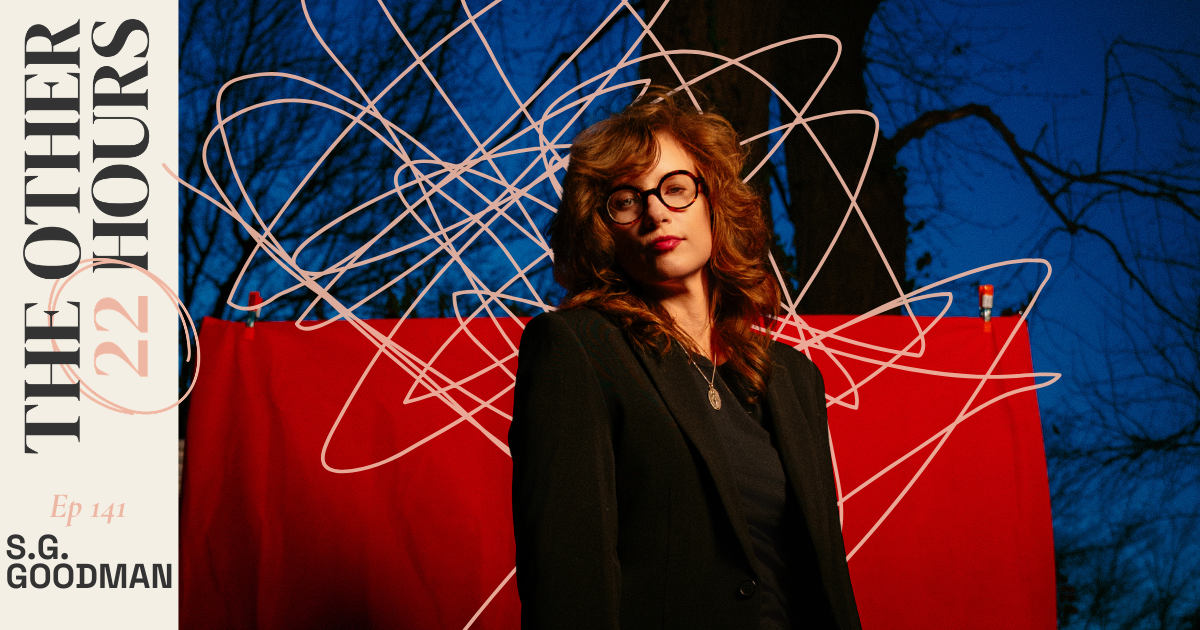
BGS is ecstatic to announced The Other 22 Hours, a beloved podcast hosted by singer-songwriter Michaela Anne and music producer Aaron Shafer-Haiss, is joining the BGS Podcast Network. Beginning Wednesday, March 4, new episodes of The Other 22 Hours will be distributed by BGS and hosted right here on our website, as well. Founded in 2023, the show has produced more than 130 episodes – which drop weekly – featuring conversations with renowned musicians and artists who share tools for resilience, helping all kinds of creatives to feel more inspired, connected, and confident in their creative journey. If an artist, creative, or musician is “performing” only a couple of hours each day, what do they do with the other 22 hours? The brand new season of the pod will launch Wednesday with an interview with producer, musician, and singer-songwriter Butch Walker. Subscribe now.

“BGS is thrilled to welcome The Other 22 Hours to the BGS Podcast Network,” said Cindy Howes, who directs the network for the Bluegrass Situation and Good Country. “Michaela and Aaron have developed a beautiful space to hold conversations that offer a unique look behind the humans who make the art we love. There’s so much the public at large does not know about what it takes to live and maintain a creative life; Michaela and Aaron help us all be more responsible patrons of the arts as well as seeding inspiration for our own creative endeavors.”

SUBSCRIBE: APPLE • SPOTIFYAMAZON

Michaela Anne is a celebrated singer-songwriter and folk/Americana artist who has been covered by BGS and featured on our stages many times over the years. Shafer-Haiss, her husband and collaborator, is an accomplished record producer, drummer, songwriter, and composer. Together, they’ve have had thoughtful and down-to-earth conversations over the past few years with incredible creatives like The Milk Carton Kids, Leyla McCalla, Rodney Crowell, Adia Victoria, Mary Gauthier, Lori McKenna, Watkins Family Hour, Miko Marks, Brandy Clark, Tift Merritt, Raye Zaragoza, and many more.

“We’ve been friends and occasional collaborators with the BGS family for years,” Michaela Anne and Shafer-Haiss share via email, “so bringing The Other 22 Hours to the network feels like a bit of a homecoming. Our show has always been about the reality behind the highlight reel, a community-built road map to sustaining a creative life. We’re thrilled to get to align our conversations with a network that values the craft just as much as the art.”

To celebrate the Other 22 Hours joining the BGS Podcast Network and in anticipation of the new season launching this week, we’re sharing five of ours, Michaela Anne’s, and Shafer-Haiss’s favorite archive episodes from the podcast’s three existing seasons. Dive in, catch up on what you missed, and stay tuned for more episodes of The Other 22 Hours coming weekly right here on BGS and wherever you get podcasts. More info on the show here.

Rosanne Cash (EP 100, April 2025)

“We talk with the legendary songwriter about navigating insecurity and imposter syndrome, measuring your own success by your talent and not your validation, and allowing yourself to be called an artist. We also get into prose vs. songwriting, respect for yourself and for the audience, and Cash’s rituals.”


Maggie Smith (EP 96, March 2025)

“We talk with New York Times best-selling author about keeping the purity of your creativity, being integrated as a human, and trusting yourself to do what’s needed to keep this career going. Plus, being your own safety net, being open to completely revamping work, and arm wrestling.”


Yancey Strickler (EP 126, October 2025)

“We talk with the co-found of Kickstarter (and the Creative Independent, Metalabel, and Artist Corporations) about revolutionizing the creator economy. We talk about his concept and creation of Artist Corporations – think incorporating independent artists – the systemic exploitation of artists, how DSPs trade convenience for meaning and depth, platform boycotts, and ‘winning’ in its purest sense.”


JOHNNYSWIM (EP 113, July 2025)

“We talk with the folk/soul/pop duo about staying curious in your pursuits and creating space for wonder and childlike-ness. They offer their thoughts on how to rejuvenate yourself and your creativity on the run, the blinders of fixation, family, and more.”


Joe Henry (EP 39, 2023)

“We talk with the acclaimed songwriter and producer about keeping yourself in the creative stream, knowing when to step away, acceptance, and the quote, ‘How you do anything is how you do everything.'”


Photo Credit: Sam Wiseman

Big Richard Takes Big Strides

Big Richard is blowing up the bluegrass scene. Their cheeky moniker is a fitting introduction to their mischievous spirit – think four women, leaps and bounds of talent, political acuity, and unrivaled vibrancy. Their magnetism has garnered a true energetic match from their fan base, who are occasionally known to attend live shows with inflatable male genitalia in tow. Everything about Big Richard is its own micro revolution.

Joy Adams (cello), Eve Panning (fiddle), Hazel Royer (bass), and Bonnie Sims (mandolin, guitar) make up the fearsome foursome. Each woman has cultivated a slew of experience in her own right, amalgamating into a supergroup of pulsating passion and prowess. February 6, 2026, saw the release of the group’s sophomore studio album, Pet, via Signature Sounds. A ripe combination of fiddle tunes, originals, and an astute cover or two, Pet was recorded live in an effort to encapsulate Big Richard’s dynamic chemistry. Raw power seeps through every track, their topical lyrics and fiery dispositions bulldozing over patriarchal expectations so often affiliated with the bluegrass legacy.

Big Richard is fierce, loving, and unstoppable. When BGS sat down to ask a few questions regarding their new release, their affinity for one another beamed radiantly through the grainy Zoom screen. Joining from an early morning in the middle of tour, Big Richard arrived to our call piled onto a single hotel bed á la the grandparents from Charlie and the Chocolate Factory.

Their banter electric and punctuated by spurts of laughter, bassist Hazel even delivered a sardonic recitation of a poem from her bedside book before launching into the interview. What followed was a curious exploration of the inspirations and aspirations to which the band meticulously attends.

Congrats on Pet! Can you tell us a little bit about the narrative of Big Richard and why you’re all in the same bed? What brought you here?

Bonnie Sims: We started a band because a festival needed more ladies on their lineup. They called old Eve Panning on the fiddle over there and said, “Hey, you probably know other women, right?” So she took a call, and she called us.

Joy Adams: We were just supposed to play one show, and I remember having a rehearsal and everyone peeing their pants from laughing so hard. We played our festival set and half of it got rained out. So we had all these songs we still needed to play and decided to book another show so we could play them. We also got some hate at that festival – some people were very offended by our name. We were also handing out penis paraphernalia, and we made these puff-paint T-shirts that had a dick with hairy balls playing banjo.

Hazel Royer: People got mad enough that we were like, “Oh, we have to do this again. This is so funny.”

BS: We were like, “Are we rage-baiting middle-aged boomers? Could this be any more fun?” I grew up as a bluegrass kid, and I always had an aversion to some elements of the culture socially, especially towards women. I felt very stifled by it with my personality, so I always said if I was going to be in a bluegrass band, I wanted to feel like I was power-sliding in on my knees with both middle fingers up. I feel like Big Richard does that very well energetically. We are doing that constantly on the scene, on stage, to audiences, to other musicians, to promoters – we try to bring an unexpected vibe.

What is unique about collaborating with an all-femme outfit?

JA: Well when I get my period, they all get their periods. We’ll be halfway through tour and someone will be like, “Okay, when is it coming?”

BS: And I like that you said outfit. It’s mostly about our outfits. We share clothes, we encourage dressing up, we share beds, we like to theme – the chemistry is deep!

JA: We theme all of our outfits. Like last night, we’re staying at a Best Western, so our theme was “Breast Western.”

Eve Panning: I actually showed up dressed just like the drummer in the opening band. But yeah, I guess we’ve all played in bands with men before, and all sorts of other lineups. I personally have loved all of those bands, loved making music with them, and learned a lot. But there is something really special about being in a group with all ladies. There’s just something that I feel like is kind of unspoken and understood.

BS: And I feel like the reception of us often still has some sort of stigma attached to it. Like at gas stations, at venues, people will be like, “Oh, girls, are you traveling alone?” “Ladies, are you sure you’re okay?” And I get to be like, “Yeah, we are! Yeah, that’s right.” I feel like being in this band has fortified my personal independence bone.

Has being politically forward also impacted your reception?

HR: Yeah, definitely. This band has been pretty politically forward since its inception, so we’ve also curated a fan base that understands what to expect. For the most part, people come to our shows because they know that. Last year we had a few shows where people left in anger, but it’s not common.

BS: Even just the name Big Richard is a pretty good litmus test for whether or not you’re able to take a joke. If you get the joke, and if you’re willing to laugh, that’s a really good precursor to deciding if you want to be a part of this party.

What context, interpersonally or globally, informed the particular creation of your album, Pet?

HR: We wanted to create an album. There was Live from Telluride [2022] before I joined the band and then we had Girl Dinner [2025], which was an album we made in the studio. For Girl Dinner, we were all separated sonically, isolated and in booths with headphones so that we could edit things and overdub stuff. I was very new to the band at that point. Our sound was very informed by coming together and creating this new thing.

But for this new album, Pet, we recorded every song live. We wanted to emulate the live sound that we have on stage with each other, because that’s where we feel most confident and powerful as a group. I think it is where we are the most successful musically. And we recorded all live to tape, so everything is analog, which has been awesome.

BS: Big Richard is definitely an energy. A large part of our alchemy together is the energy that the four of us create. And that requires being in the room together, having our voices actually, physically interacting and coming together into things. We wanted to tap into the stuff that feels real. And for us, we’re a live band. We perform shows all the time, and so we’re trying to bring that element into the studio.

What is your process of composing and arranging like?

EP: We’ve done some co-writes, which have been really fun, but a lot of the time someone will bring a song of their own with an idea of where they want it to end up, though our arrangements are also pretty collaborative. Each of us has a distinct flavor that they bring to the band.

What would you say is the most distinctive difference in your respective musicianships?

BS: Eve and Joy were classical kids growing up, and Hazel and I both had dads who played the banjo.

What is it like to bridge that gap?

BS: When Eve writes out her fiddle tunes, I take the music, I go home, and I write every note, and then I practice it. And Joy just somehow immediately has it down – so she bridges it really fast, and I have to build a bridge, piece by piece.

EP: And then when Bonnie or Joy or Hazel is singing a song, and they’re like, “Eve, can you sing the harmony part?” I have to be like, “Guys, how do I make it sound better? How do I sing good?” And then they try and help me out there.

JA: We use our skillsets to fill in the gaps for each other.

BS: And we don’t expect people to know what we know. That’s not a fair thing to put on other musicians. We all come from different backgrounds.

Lots of dynamic abundance!

What did y’all each have on repeat while you were recording Pet?

JA: I was listening to Twain a lot. “The Fox (Yup Yup Yup)” or “The Sorcerer” from Twain.

HR: I was listening to Christian Lee Hutson a lot. “Tiger” is so good.

BS: Probably scream-singing Chappell Roan in my car on the way home.

EP: I had a bit of a phase with The Weepies this summer, because I hadn’t listened much, but then Hazel was putting them on in the van a lot.

HR: They’re so good, too.

Always a good bet. Now, if y’all were in an alternative universe where you were still connected as a group, but you weren’t a band or a musical group, what would you be?

JA: Probably a truck-driving outfit.

BS: Yeah, we’re Ray Bitcher, we’re a truck-driving outfit. Or– can we be the Golden Girls, too? I want to be old ladies with y’all. Oh, and a third thing. We are also a punk band called Hateful Hazel.

Incredible. Is there anything you feel like you’ve learned about yourselves or playing together throughout the process of putting out this album?

BS: This is a collaboration and a democratic process of a band. Putting together Pet, and Big Richard as a whole, is constantly an opportunity to compromise. It’s not about my singular creative vision for any song or any record. It’s about coming together and listening to each other and then having everybody’s input. It ends up being this amalgamation of everybody’s creative juju. Incorporating somebody else’s ideas is a great learning opportunity for any creative.

HR: We also learned that this live recording style works really well with this band. We’d always had a hunch that if we just got in a room together and set up a mic that it’d be the best way to capture our sound. Turns out it’s pretty true.

BS: We learned that we liked dressing up as clowns. Artistically fitting.

JA: Apocalypse clowns, specifically.

Oh yeah, the album art is impeccable. Beyond the clownage, what are y’all each proudest of on this album?

JA: I think we’re just proud that it finally sounds like us on stage. Girl Dinner was very clean, but the live recording on Pet really worked for us.

BS: I do love “Make the World Go Away” as the ending of the record. It’s always such a potent moment in live shows, because a lot of times we’ll go into the crowd and sing it acoustic. The music becomes so tangible – we’re literally standing a foot from somebody, you know, and their face is right by our face, and we’re singing and we’re looking at them. I feel like we can miss music in that realm with performing.

The stage amplifies what we’re doing, but it’s also a barrier. Which, at times, is great because it wouldn’t be successful on the ground in a crowd of 3,000 people, but in a club with 250 or 300 people, you can stand in the middle of it and ask everybody to be quiet while you sing an acoustic song. Those moments are so connected. And I feel like this is how music can reach out and touch everyone. It’s not just for performing and money and clapping and being on a stage. It’s about feeling as humans together. Music is a tool for that.

Was that philosophy a big influence for Pet as a whole?

BS: We’re definitely trying to apply music as medicine. Humanity is missing out on something right now, and music is a tool to help us access our higher selves.


Photo courtesy of the artist.

The Lone Bellow’s Latest Album is a Communal Singalong

The Lone Bellow are far from alone with the launch of their new album, What a Time to Be Alive.

Released on their own label, the collection conveys a shared vision, even beyond the founding members of Zach Williams, Kanene Pipkin, and Brian Elmquist. Williams wanted to factor in the ideas from their touring bandmates – namely, multi-instrumentalist Tyler James (formerly of Escondido) and drummer Julian Doro (formerly of the Whigs), ensuring everybody felt like they had a say. The group prepared the bulk of the material in a formerly abandoned firehouse in Henderson, Kentucky and polished the project in Muscle Shoals, Alabama, with Elmquist serving as producer.

When the album was in the mixing phase, the hard drive storing the new music was stolen during a van break-in while the group were on tour in Chicago. The band turned to GoFundMe, hoping to recoup some of the costs of rerecording. They were surprised to wind up with nearly $25,000 in donations, arguably making their fans just as invested in the project as everyone else in the band.

Not unlike the Lone Bellow’s full-throttle live shows, the new music practically begs the listener to sing or shout along. Indeed, What a Time to Be Alive does feel communal.

“This is what our hope was with this one,” Williams says. “You know, this is our sixth record, and this is definitely a way of life for us, and we’re very, very grateful for it. But it was also the record where we were like, you know what? We don’t have to try to write some hit radio single. We don’t have to play some ambiguous game. We can just make the beautiful record that we want to make, and we’ll just release it in the way we want to release it.”

Zach Williams caught up with BGS by phone on a sunny afternoon in Nashville, where the group relocated from Brooklyn in 2016.

What was the energy in the studio like as this record was taking shape?

Zach Williams: We did this one a bit different than we’ve done other records. One of the main things that I love that we did with this one is, usually somebody writes a song, and they come in and that intellectual property belongs to the songwriter. That’s it. And I wanted to make a record where everything was just split evenly between all five members of the band, no matter what. We decided to do that and that really created a very different atmosphere to work in.

It alleviated a bit of the quiet little murmurs. … You know, when you’re making something with somebody, and you don’t have any ownership in the song, sometimes you can just show up and be like, “All right, I play the drums. Here’s me playing the drums. Bye.” But when it was like, “Hey, you’re going to have an actual piece of this thing,” everybody just showed up, ready to pour their whole selves into it.

One of the most fun songs on here is “Honeysuckle.” I haven’t heard The Lone Bellow do something with that kind of old-time vibe. How did it feel to put that song together?

George Jones and Willie and a few of the old guys, they would have these murder ballads, is what I call them. They would just be singing their little heart out about burying a guy. And I was like, “I want to write a murder ballad.” So that’s our murder ballad. I did change the last verse. The original last verse was talking about how the trash man didn’t know that he was carrying out dead bodies to a truck. I was like, “You know what? I’ll fix that. I’ll clean that up just a little bit.”

Personally, I usually don’t get to play guitar on records, because I’m not a technically savvy guitar player. The guitar is basically a means to an end for me to try to write a melody or lyrics. And on that one, Brian was like, “Hey, you have this way of playing this riff that you wrote that has a sense of humor to it, and I can’t do it.” So, I play my thing and then he doubles up and plays with me. And they decided to keep the little laughs that were in the microphone, where I’m literally laughing at myself because of how bad I think it sounds. Brian was like, “No, we’re keeping all the laughter.”

That’s a big thing that we did with this record. We kept a lot of the human nature of it. …We made this record a while back. We started our own little record label to release it. That took about a year to put that whole thing together, with Thirty Tigers and distribution and all that. So, we’ve been sitting on this record for a second, and this was before AI started dropping hits. Now I’m so glad that all of that human nature is captured in this record, because there’s no denying that it’s absolutely as real as it can get. And I hope that that will just ease some souls out there.

I like the line in “I’m Here for You” about slipping down the water slide. I could picture that exactly where you are in that scene.

That’s literally how I met my wife. I was 12 years old at summer camp. In the late ‘80s, early ‘90s, there was this couple called Jim and Tammy Faye Bakker and they had a strange Christian-themed theme park in South Carolina. After the poo hit the fan, they shut the theme park down, and then these other people opened it back up and called it New Heritage USA. The week that they opened it up was the week that I went there for summer camp.

At the turn of the century, [the Associated Press] collected the top 100 most influential pictures taken of the century. One of the top 100 pictures is of a man named Jerry Falwell in a suit sliding down that slide. It’s because of the story of how he corralled his way into taking over that whole establishment. … So, that’s literally the slide that that song mentions, and that’s just the memory of how I fell in love as a little boy, as a 12-year-old idiot, maybe even younger.

Are you a bluegrass fan? Or did you grow up listening to bluegrass?

Man, I’m a huge bluegrass fan. Being in a van with Kanene, who grew up in Fredericksburg, Virginia, she knows bluegrass! I grew up like white trash. So, if there’s like a white trash bluegrass…

I grew up in a family where you’d sit around in the basement and play music together. I think that’s a base level for bluegrass. And I grew up thinking that was totally normal and now I know it was not. So I’m really grateful for bluegrass.

How old were you when you picked up the guitar?

I picked up the guitar at, like, 13, but I didn’t have any guitar lessons or anything. I had a sweet Charvel, which was like Jackson Charvel. It was super heavy metal. I think someone gave it to me, but I didn’t know that you needed a guitar amp for the first several years. [Laughs] A scary amount of time passed where I was like, “I guess this is just how a guitar is supposed to sound.”

But you held on. There’s something about the guitar sound, I guess, that you loved.

Yeah, my grandpa played the guitar, and I would go and live with him in the summers. He would play old hymns at night. I’d fall asleep listening to him playing the old spirituals.

That makes a lot of sense, because one thing your band does as well as any band, it has that dynamic. It has that rise and fall of the voice and in the arrangements. I hadn’t thought about that being based in spirituals and gospel. Did that influence the way you write?

One hundred percent, man. For good and for bad, it’s there. All the baggage is there, and there were beautiful parts of growing up in that kind of culture, too. I don’t want to throw the baby out with the bathwater, but it was also pretty weird. … I grew up in a church where the pastor would run all the way around the room and jump up and down on the couches and scream and holler. It was wild. It was like big tent revival kind of stuff. We didn’t ever go down to snake handling or anything. But there was some wild stuff. And it wasn’t until probably college, and then living in New York, where I was like, “I don’t know if all that stuff was good for everybody.”

But the core of a human being, wanting to feel the beauty, wanting to feel the presence of God, if you want to call it God or energy, I believe that’s very real. That’s what I love about especially live shows is everybody literally invests in the night. They buy tickets and they show up, and we’re facing each other, and it’s like, we’re going to try to create something memorable here. I think, especially right now, it’s such an important moment to just feel alive and connect with other humans, face to face.

How would you personally describe that feeling of being on stage? What’s that energy like from your perspective?

Jim James gave an interview a couple months ago and he nailed it. Like, every night, I have a pretty bad wrestling match in my own mind of, “Am I doing this to try to entertain? Is there a competitive spirit in me where I want to try to sing better than other people?” And the best nights are when I can just be, and let go, and just be alive and a part of the moment. And it doesn’t happen a terrible amount.

What usually happens is, I’m in my head battling thoughts of impostor syndrome on stage in front of 2000 people, night after night, which is really annoying. You would think by now that I would be like, “It’s cool, everything’s fine.” But that’s just not how it works for me. So, on the nights when I can let go of that impostor syndrome and just be another spoke in the wheel, those are the nights where we all ascend to a different place in our souls. I love those nights.


Photo Credit: Emily Dorio

Country Rocks,
Country Rules

Editor’s Note: Each issue of Good Country, our co-founder Ed Helms will share a handful of good country artists, albums, and songs direct from his own earphones in Ed’s Picks.

Ashley McBryde
Ashley McBryde

Ashley McBryde gets the year started off right with a soaring, anthemic new single. As you’ll see with “What If We Don’t,” Good Country and arena country aren’t mutually exclusive styles. Garage rock, country grit, and stadium-ready flair – McBryde is doing it better than almost anyone else out there.


Buck Meek
Buck Meek

Not your mamaw’s “Ring of Fire.” Big Thief’s Buck Meek launches his upcoming solo album, The Mirror, in just a couple of weeks. Its songs were grown where alternative, indie, folk, and country overlap, though each feels just outside of reach of any single one of those terms. Featuring Adrienne Lenker on BGVs, “Ring of Fire,” like Johnny’s classic by the same name, is about love and connection – but is perhaps the flipside of the Cash coin.


Emily Scott Robinson

You can always trust the John Prine-founded Oh Boy Records to put out amazing music by generational songwriters. Emily Scott Robinson is certainly one. Her new album, Appalachia, embodies her heart-forward, community-minded approach to songcraft and musicmaking. Stand outs include “Hymn for the Unholy,” “The Time for Flowers,” the album’s title track “Appalachia,” and this lovely duet with John Paul White, “Cast Iron Heart.”

Read our recent interview with Emily Scott Robinson here.


Langhorne Slim
Langhorne Slim

Speaking of rock ‘n’ roll, our old pal Langhorne plugs in and turns up on his new album, The Dreamin’ Kind, which was produced by Greta Van Fleet’s Sam F. Kiszka. Slim’s personality – and the signature, charming touches that made us all fall in love with his music – is front and center on the new collection, however far into rockin’ territory he brings his Americana and folk sensibilities.

Find out more about The Dreamin’ Kind in our recent Cover Story interview.


Zach Top
Zach Top

He started as a bluegrass picker in a family band and a Keith Whitley and Tony Rice diehard. Now everyone’s favorite trad country revivalist is a GRAMMY Award winner. Top took home the trophy for Best Traditional Country Album for his sophomore release, Ain’t In It for My Health earlier this month. He’s the first awardee in the buzzed-about new category opposite Best Contemporary Country Album. Well deserved!


Want more Good Country? Sign up to receive our monthly email newsletter – and much more music! – direct to your inbox.

Photo Credits: Ashley McBryde by Nathan Chapman; Buck Meek by Germaine Dunes; Emily Scott Robinson by Angelina Castillo; Langhorne Slim by Savannah Lauren; Zach Top by Getty Images for the Recording Academy.